
Shell Identifier
Upload shell photos
Clear, well-lit images help the AI identify it more accurately.

Analyzing shell characteristics...
Checking texture, color, structure, and lookalikes…
Snap a photo of any shell, beach fossil, or biogenic find and get instant AI-powered identification. Discover the species, origin, and story behind your coastal treasures.


Every shell washed ashore carries millions of years of evolutionary history. From the spiraling chambers of a nautilus to the ridged surface of a cockle, shells reveal fascinating stories about marine ecosystems, ancient seas, and the creatures that built these remarkable structures. Whether you've found a pristine specimen on a tropical beach or a weathered fossil in coastal sediment, identifying your discovery unlocks a deeper connection to the natural world.
Our free shell identifier uses advanced AI image recognition to analyze your beach finds instantly. Simply upload a clear photo, and our system examines shape, texture, coloration, and structural features to match your specimen against thousands of shell species and biogenic formations. The tool works equally well for fresh shells, fossilized specimens, and other calcium-carbonate structures found along shorelines worldwide.
Good fit for
- Seashells and marine gastropods from any beach
- Bivalve shells like clams, mussels, and oysters
- Fossilized shells and ancient marine specimens
- Sea urchin tests, sand dollars, and echinoderm remains
- Coral fragments and other biogenic calcium structures
Not for
- Living marine creatures still in their shells
- Heavily fragmented pieces under 1cm
- Man-made shell jewelry or carved items
- Turtle shells or other vertebrate remains
At a glance
Shells are hard, protective outer layers created by molluscs and other marine invertebrates, composed primarily of calcium carbonate in crystalline forms like aragonite and calcite. These structures serve as external skeletons, providing protection and support while recording growth patterns and environmental conditions throughout the organism's life.
| Primary Composition | Calcium carbonate (aragonite/calcite) |
|---|---|
| Major Groups | Gastropods, Bivalves, Cephalopods |
| Formation Process | Biomineralization by mantle tissue |
| Age Range | Modern to 500+ million years (fossils) |
| Common Locations | Beaches, tidal zones, marine sediments |
| Preservation Potential | Excellent due to mineral composition |
Understanding Shell Anatomy and Classification
Shells fall into several major categories based on the organisms that create them. Gastropods, including snails, conchs, and whelks, produce single coiled shells with a distinctive spiral pattern. These univalve shells grow by adding material to the aperture opening, creating the characteristic whorls that make each species identifiable. The direction of coiling, number of whorls, and aperture shape all serve as key identification features that our AI analyzes when processing your photos.
Bivalves represent another major shell group, encompassing clams, mussels, scallops, and oysters. These organisms create two hinged shells connected by a ligament, with each valve often displaying distinctive ribbing, growth lines, or surface textures. When identifying bivalves, the AI examines hinge structure, shell outline, and surface ornamentation. Scallops show characteristic radiating ribs, while razor clams display elongated rectangular profiles that make them instantly recognizable to trained systems.
Beyond molluscs, beaches yield other biogenic structures including sea urchin tests, sand dollars, and coral fragments. These calcium-carbonate formations share similar preservation characteristics with true shells but come from entirely different animal groups. The RockIdentifier.io shell identifier recognizes these related specimens, providing accurate classifications even when users aren't certain whether their find is technically a shell or another marine structure.
Photographing Shells for Accurate AI Identification
Capturing effective shell photos requires attention to several key factors. Position your specimen on a neutral background, plain white paper or a solid-colored surface works best, to help the AI isolate the shell from distracting elements. Natural daylight provides optimal illumination, revealing subtle color variations and surface textures that artificial lighting might obscure. Avoid harsh shadows by photographing on overcast days or in open shade.
For gastropod shells, capture both the aperture view showing the opening and a dorsal view displaying the spire. These two angles reveal different diagnostic features: aperture shape, columella structure, and outer lip characteristics become visible from the front, while whorl count, suture depth, and overall profile appear in side views. If your shell has distinctive coloration or banding patterns, ensure these are clearly visible in at least one image.
Bivalve identification benefits from photographing both the exterior surface and interior when possible. The exterior shows ribbing patterns, growth lines, and surface sculpture, while the interior reveals hinge teeth, muscle scars, and pallial line configurations that distinguish similar-looking species. Including a common object like a coin for scale helps the AI Rock ID app assess size-dependent features that narrow identification possibilities.
Common Shell Types and Their Lookalikes
Cowrie shells rank among the most collected specimens worldwide, prized for their glossy, porcelain-like surfaces and distinctive oval shapes. However, several gastropod families produce superficially similar shells. Olive shells share the smooth, polished appearance but display a more elongated profile with a narrow aperture. Margin shells also mimic cowrie aesthetics but remain much smaller and show different aperture characteristics. The AI examines these subtle distinctions to provide accurate identifications.
Moon snails and shark eyes present another common identification challenge. Both produce rounded, globular shells with a large body whorl, but moon snails typically show a more prominent spire and deeper umbilicus. Shark eye shells display a distinctive dark spot in the umbilical region that gives them their common name. Beach collectors frequently confuse these species, but careful photo analysis reveals the diagnostic differences.
Among bivalves, distinguishing between similar clam species requires attention to hinge structure and surface features. Venus clams, quahogs, and surf clams all produce rounded, thick-shelled specimens that casual observers might conflate. The concentric ridges on surf clams differ from the finer growth lines on quahogs, while Venus clams often display more pronounced radial ribbing. Uploading clear photos to RockIdentifier.io allows the AI to parse these distinctions accurately.
Fossilized Shells and Ancient Marine Specimens
Fossil shells represent some of the most abundant and accessible paleontological specimens, appearing in sedimentary rocks worldwide. These preserved remains range from relatively recent Pleistocene specimens that retain original shell material to ancient Paleozoic fossils replaced entirely by minerals. The shell identifier recognizes both categories, analyzing preserved features to determine original species while noting fossilization characteristics.
Ammonites deserve special mention as extinct cephalopods whose coiled shells appear frequently in Mesozoic sediments. These fossils display characteristic chambered interiors visible when specimens break or erode, revealing the complex suture patterns that paleontologists use for species identification. Our AI has been trained on extensive ammonite datasets, recognizing major genera and providing geological context for your discoveries.
Brachiopods represent another common fossil group that superficially resembles bivalve shells but belongs to an entirely different phylum. These organisms dominated Paleozoic seas before declining in diversity. Key differences include symmetry patterns, brachiopods show symmetry across each valve while bivalves show symmetry between valves, and internal structures. The AI Rock ID iPhone app distinguishes these groups reliably, preventing the common misidentification of brachiopods as clams.
Regional Shell Identification Considerations
Shell species distributions vary dramatically by geography, and knowing your collection location significantly aids identification. Caribbean beaches yield different species than Pacific Northwest shores, while Mediterranean specimens differ from those found along Australian coasts. When using the shell identifier, providing location context through the notes feature helps narrow possibilities and improves accuracy.
Tropical regions produce the greatest shell diversity, with Indo-Pacific waters harboring thousands of gastropod and bivalve species. Cone shells, cowries, and murex specimens from these areas display extraordinary variety in color and pattern. Temperate beaches yield fewer species but often in greater abundance, Atlantic coast collectors regularly encounter whelks, moon snails, and various clam species that dominate cooler water ecosystems.
Freshwater shells present unique identification challenges, as river and lake molluscs differ substantially from marine species. Freshwater mussels, particularly in North American rivers, represent one of the most endangered animal groups, making accurate identification valuable for conservation efforts. The RockIdentifier.io tool includes freshwater species in its database, recognizing unionid mussels and freshwater snails alongside marine specimens.
Limitations and Edge Cases in Shell Identification
While AI shell identification achieves high accuracy for common species, certain scenarios present challenges. Juvenile shells often lack the distinctive features that develop in adult specimens, making young gastropods particularly difficult to identify to species level. Heavily worn or beach-tumbled shells may have lost diagnostic surface features, limiting identification to genus or family level rather than precise species determination.
Color variation within species creates another identification complexity. Many shells display significant individual variation in pattern and coloration based on diet, water conditions, and genetics. A single species might appear in multiple color morphs that look superficially different. The AI accounts for known variation patterns, but unusual specimens may require expert verification beyond automated identification.
Hybrid zones where related species interbreed produce shells with intermediate characteristics that challenge any identification system. Similarly, some shell groups contain numerous closely-related species distinguishable only through internal anatomy or genetic analysis. In these cases, the identifier provides the most likely matches while noting uncertainty, encouraging users to consult malacological references for definitive determination.
Building and Documenting Your Shell Collection
Serious shell collectors benefit from systematic documentation practices that preserve identification data alongside physical specimens. Recording collection location, date, habitat type, and associated species creates valuable scientific context. The AI Rock ID app stores identification results with your photos, building a searchable database of your finds that you can reference and share.
Proper shell cleaning and preservation maintains specimen quality for long-term display. Fresh shells containing organic material require careful processing, soaking in dilute bleach solution removes tissue while preserving shell structure. Avoid harsh mechanical cleaning that might damage delicate surface features. Once clean and dry, storing shells away from direct sunlight prevents color fading that affects many species.
Ethical collection practices ensure sustainable enjoyment of beach resources. Many jurisdictions regulate shell collection, particularly for live specimens or protected species. Familiarize yourself with local regulations before collecting, and consider photographing rather than removing specimens from sensitive habitats. The shell identifier works equally well with photos of shells left in place, supporting documentation without collection.
Beyond Basic Identification: Understanding Shell Ecology
Identifying a shell opens doors to understanding the organism's ecological role and life history. Predatory gastropods like whelks and murex shells display distinctive features related to their hunting strategies, including specialized radula structures and shell-drilling capabilities. Recognizing these predators helps explain the drill holes often visible in other collected shells, evidence of ancient predation events preserved in the fossil record.
Filter-feeding bivalves play crucial roles in marine ecosystems, processing enormous water volumes and concentrating nutrients. Oyster reefs, mussel beds, and clam flats create habitat structure supporting diverse communities. Understanding these ecological relationships transforms shell collecting from simple accumulation into genuine natural history education, connecting individual specimens to broader environmental narratives that the identification process helps illuminate.
How to Use This Shell Identifier
Prepare Your Shell Specimen
Gently clean your shell to remove sand and debris that might obscure identifying features. Place it on a plain, contrasting background in good natural light.
Capture Clear Photos
Photograph multiple angles including top, bottom, and aperture views for gastropods. Include a size reference object and ensure diagnostic features are in sharp focus.
Upload to the Identifier
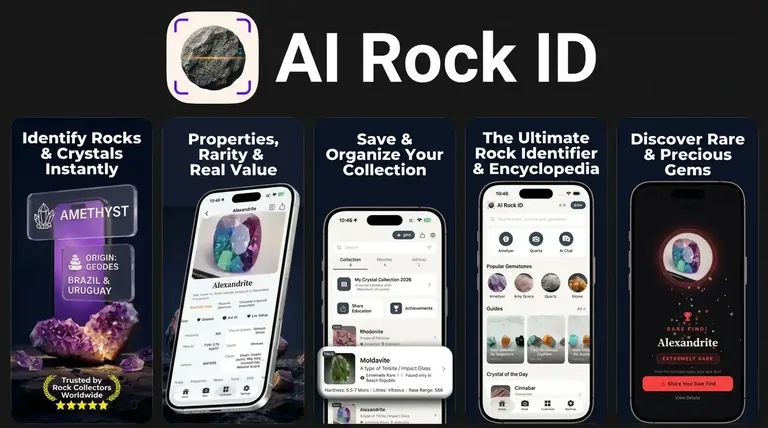
Use the upload button on RockIdentifier.io or open the AI Rock ID iPhone app. Select your clearest shell photo for analysis.
Review AI Results
Examine the identification results including species name, classification, and confidence level. Read the provided information about habitat, distribution, and distinguishing features.
Save and Document
Store your identification results with collection notes including location and date. Build your personal shell database for future reference and comparison.
More Identification Tools
Fossil Identifier
Identify fossilized shells, ancient marine life, and paleontological specimens from photos
Shark Tooth Identifier
Recognize shark teeth and other vertebrate fossils found on beaches
Rock Identifier
General rock and mineral identification for all geological specimens
Mineral Identifier
Identify mineral specimens including those found in beach and coastal environments
Agate Identifier
Recognize beach agates and other silica formations from coastal areas
Crystal Identifier
Identify crystalline specimens and mineral formations from any location
Frequently Asked Questions
Can the shell identifier recognize broken or partial shells?
The AI can often identify partial shells if key diagnostic features remain visible. Gastropod fragments showing the aperture or distinctive sculpture patterns work best. However, heavily fragmented pieces lacking characteristic features may only receive family-level identifications rather than precise species matches.
How do I tell if my shell is a fossil or a recent specimen?
Fossil shells typically show mineral replacement, different coloration than living species, and often appear embedded in or associated with rock matrix. Recent shells retain original shell material with characteristic luster and may show remnant coloration. The identifier analyzes these characteristics and indicates whether your specimen appears fossilized.
Why does my shell identification show multiple possible species?
Many shell species share similar external features, particularly within the same genus. When diagnostic characteristics aren't clearly visible or when species are genuinely difficult to distinguish from photos alone, the AI provides ranked possibilities rather than false certainty. Additional photos from different angles often help narrow results.
Can I identify shells I found years ago without location information?
Yes, the identifier works without location data, though results may include species from multiple geographic regions. If you remember the general collection area, that context helps prioritize locally-occurring species. The AI analyzes physical features regardless of whether location information is provided.
Does the tool identify land snail shells or only marine species?
The shell identifier recognizes both marine and terrestrial gastropod shells. Land snails display different characteristics than marine species, and the AI distinguishes between these groups. Freshwater shells from rivers and lakes are also included in the identification database.
How accurate is AI shell identification compared to expert malacologists?
For common species with clear photos, AI accuracy approaches expert-level performance. However, specialists may recognize subtle features or apply knowledge of local variation that AI systems miss. Consider AI identification as a strong starting point that may warrant expert confirmation for rare or scientifically significant specimens.
Can the identifier distinguish between similar-looking cowrie species?
The AI analyzes cowrie characteristics including size, dorsal pattern, teeth configuration, and base coloration to distinguish species. Clear photos showing both dorsal and ventral surfaces improve accuracy. Some closely-related cowrie species require examination of features not visible in standard photos for definitive identification.
What other beach finds can this tool identify besides shells?
Beyond mollusc shells, the identifier recognizes sea urchin tests, sand dollars, coral fragments, barnacle plates, and other biogenic calcium-carbonate structures. For non-biogenic beach finds like sea glass or unusual rocks, the broader RockIdentifier.io tools provide appropriate identification capabilities.