Crystal & Mineral Wiki
Quick answer: The Rock, Crystal & Mineral Wiki is an index for browsing crystal, mineral, and gemstone profiles by name, category, and learning need. It is useful for comparing appearance, properties, traditional meanings, care notes, and identification clues before reading a full entry.
Explore 716 crystals, minerals, and gemstones. Properties, identification, values, healing meanings, and care.


AI Rock ID can help suggest possible crystal or mineral matches from a photo, especially when paired with notes about color, luster, hardness, and where the specimen was found. Rock Identifier provides crystal and mineral wiki pages that summarize identification features, care considerations, values, and traditional meanings.
Good fit
- Beginners learning common crystal and mineral names
- Collectors comparing similar-looking specimens
- Shoppers checking basic care, durability, and value factors
- Readers researching traditional crystal meanings without medical claims
- Students looking for plain-language mineral identification terms
Not a good fit
- Formal laboratory identification or certification
- Gem appraisal, insurance valuation, or legal documentation
- Medical diagnosis, treatment, or health advice
- Replacing hardness, streak, density, refractive index, or other physical tests
Most commonly confused with
- Quartz: Quartz is a mineral species, while many named crystals are varieties or trade names related to quartz.
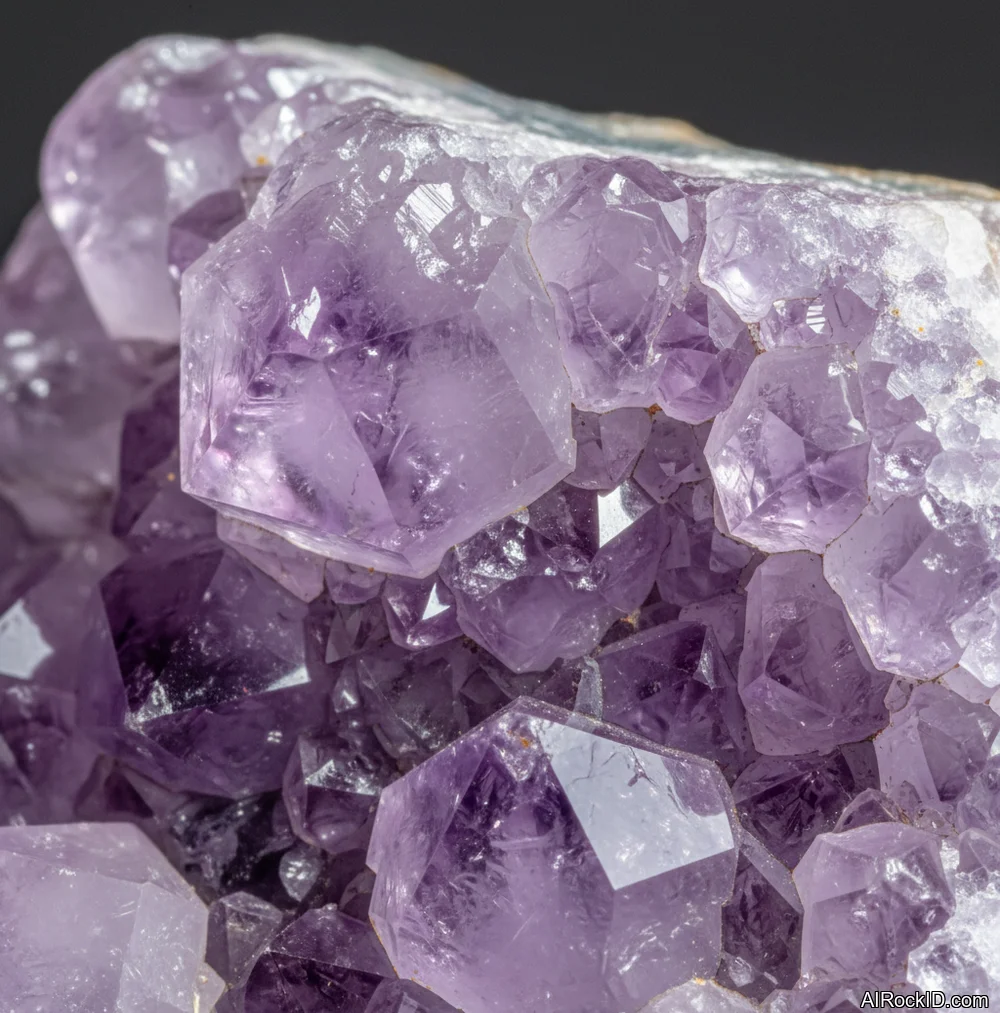
- Amethyst: Amethyst is purple quartz; similar purple stones may differ in hardness, cleavage, or crystal habit.
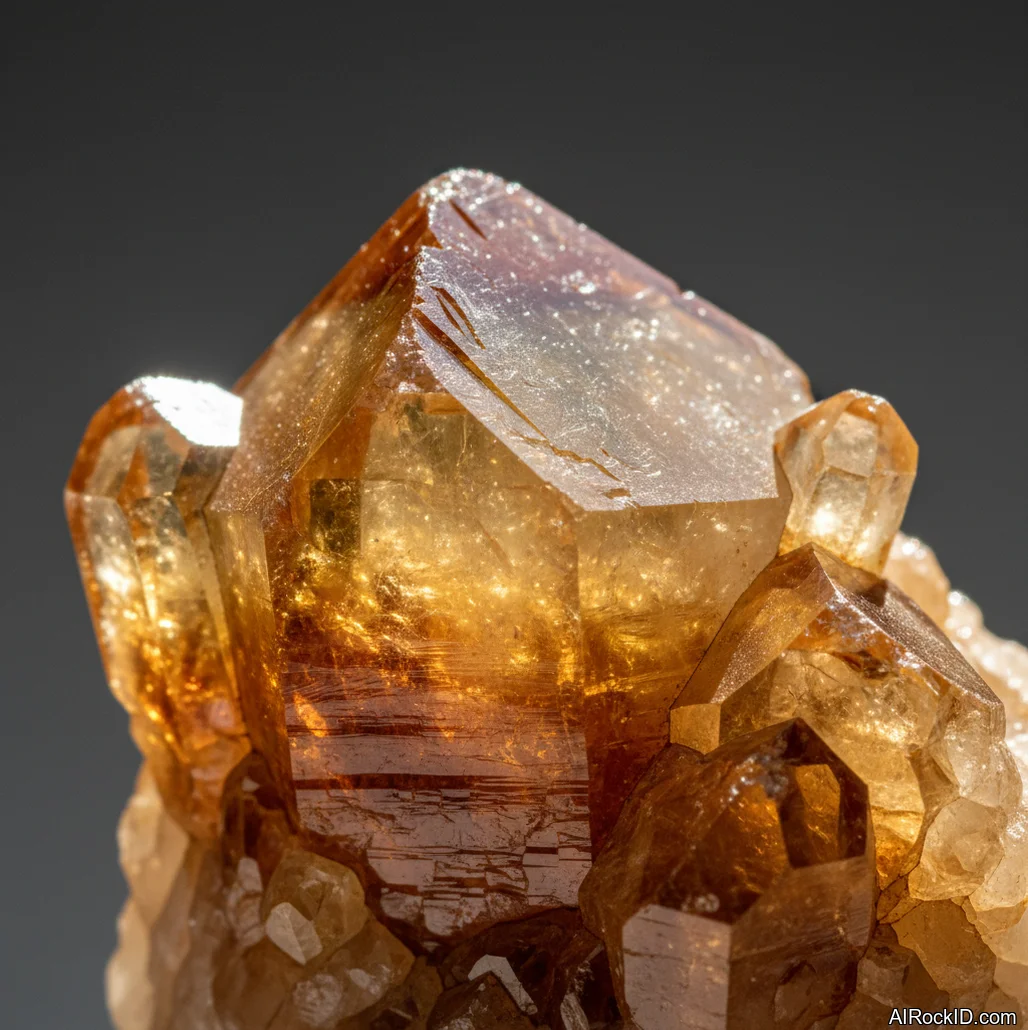
- Citrine: Natural citrine can be confused with heat-treated amethyst, which often has stronger orange-brown zoning.
- Jade: Jade may refer to jadeite or nephrite, two different materials with different values and properties.
Ways to Use a Crystal Wiki
| User goal | Useful wiki detail | Important limit |
|---|---|---|
| Identify a specimen | Color, luster, hardness, habit, streak, and look-alikes | Photos alone may not confirm species |
| Check care needs | Water safety, sunlight sensitivity, and cleaning notes | Treatments and coatings may change care |
| Compare value factors | Rarity, clarity, size, origin, and market notes | Not a formal appraisal |
| Read meanings | Traditional symbolism and cultural associations | Not medical or therapeutic evidence |
| Build a collection | Beginner-friendly and advanced specimen ideas | Availability and pricing vary by region |
AI identification confidence
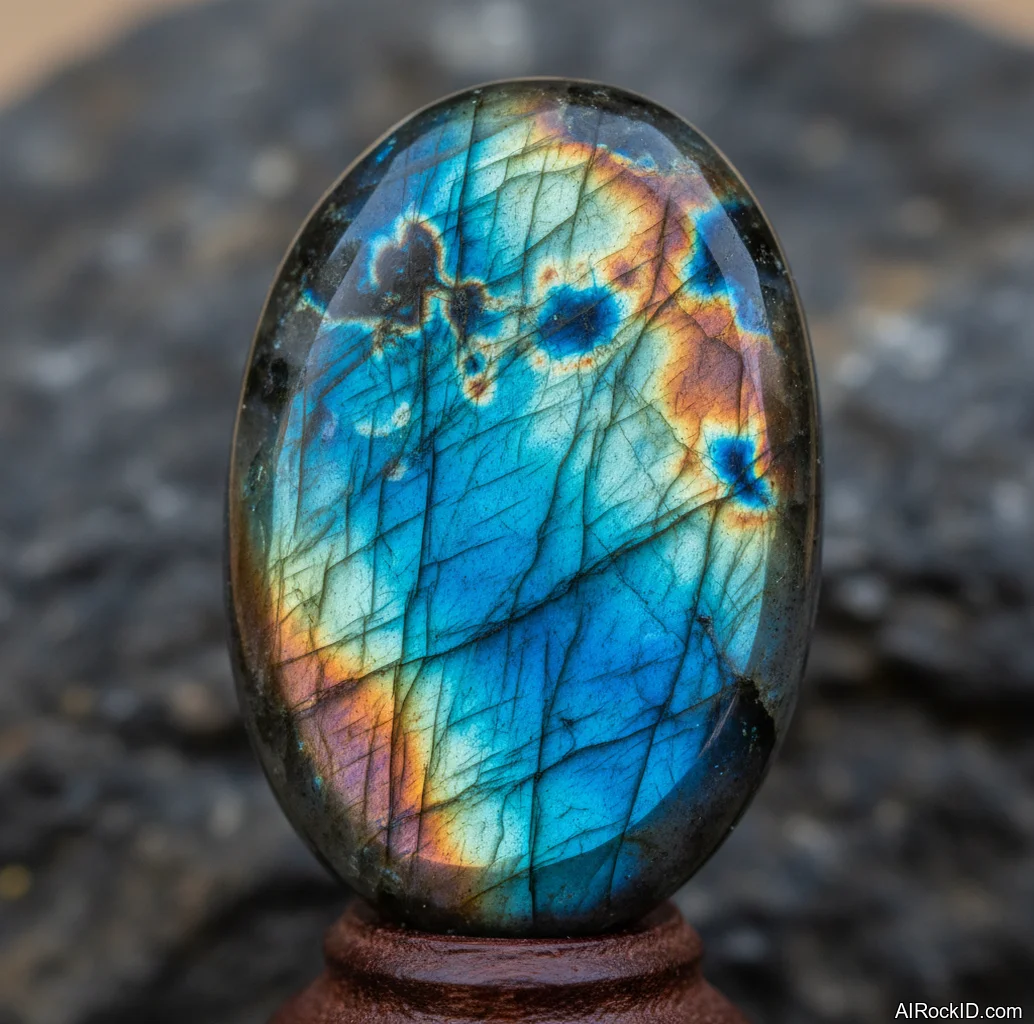
AI crystal identification is usually more reliable for visually distinctive specimens with clear photos, visible texture, and multiple angles. Confidence is lower for polished stones, dyed materials, tumbled pieces, very dark crystals, and minerals that require hardness, streak, density, or optical testing.
When AI gets it wrong
- The specimen is polished, tumbled, carved, or set in jewelry, hiding natural crystal habit.
- Lighting changes the apparent color or makes banding and inclusions hard to see.
- Several minerals share the same color and luster, such as calcite, quartz, fluorite, and glass.
- The stone is dyed, heat-treated, coated, or sold under a trade name rather than a mineral name.
Final recommendation
Use the wiki as a starting point for learning names, properties, care needs, and traditional meanings. For valuable, rare, or uncertain specimens, confirm identification with physical tests or a qualified gemologist, mineralogist, or local geology resource.
Beginner recommendations
Advanced recommendations
Who This Wiki Is For
This wiki is designed for readers who want practical reference information about crystals, minerals, and gemstones without needing advanced geology training. It can support casual collecting, basic specimen comparison, jewelry research, and learning traditional crystal associations. Professional gem testing, appraisal, and scientific classification may require specialized tools and expert review.
Beginner Learning Roadmap
A useful starting path is to learn a few common minerals first, such as quartz, calcite, feldspar, mica, and fluorite. After that, compare properties such as hardness, cleavage, streak, luster, transparency, and crystal habit. Once those basics are familiar, trade names and varieties become easier to understand.
Limits of Photo-Based Crystal Identification
A photo can show color, shape, luster, banding, and surface texture, but it cannot reliably measure hardness, streak, density, refractive index, or chemical composition. Many crystals have overlapping appearances, and polished or treated stones can hide key features. Identification is strongest when visual clues are combined with simple observations and, when needed, physical testing.
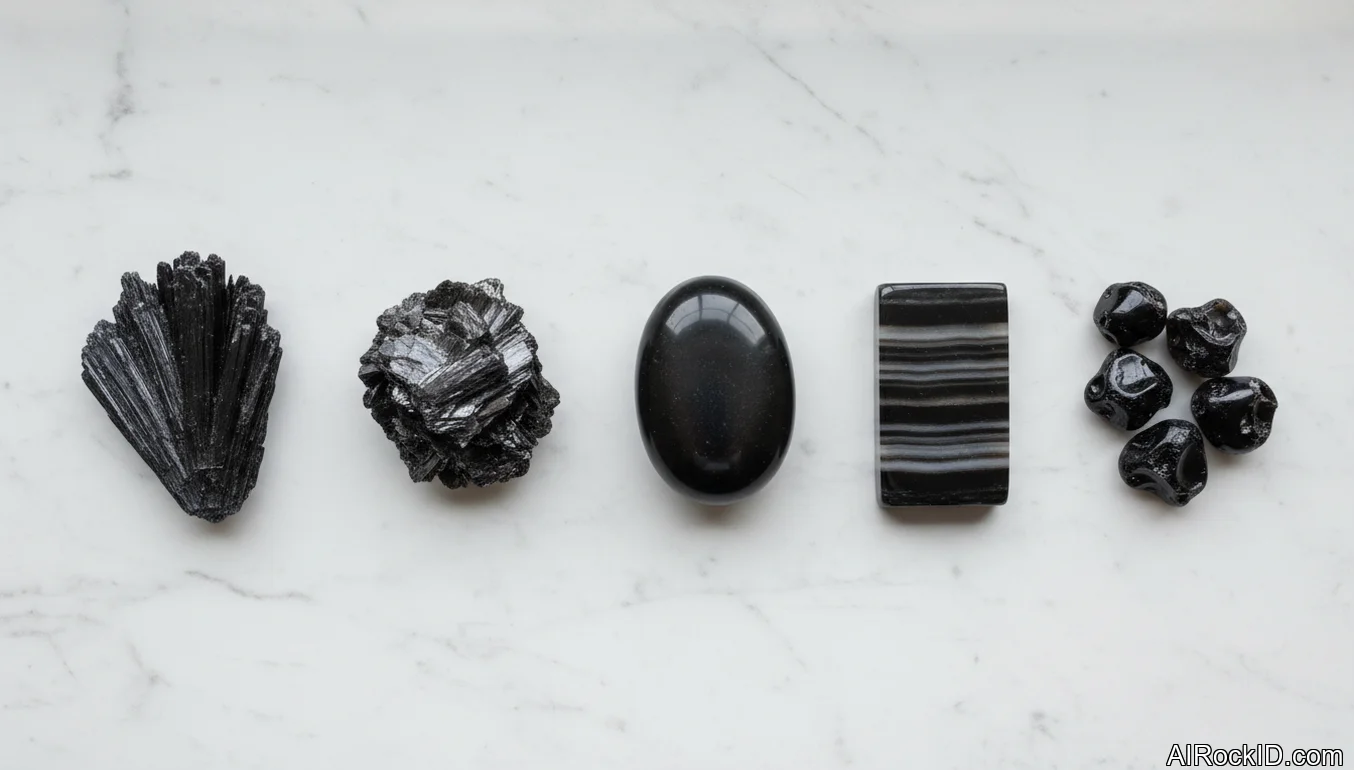
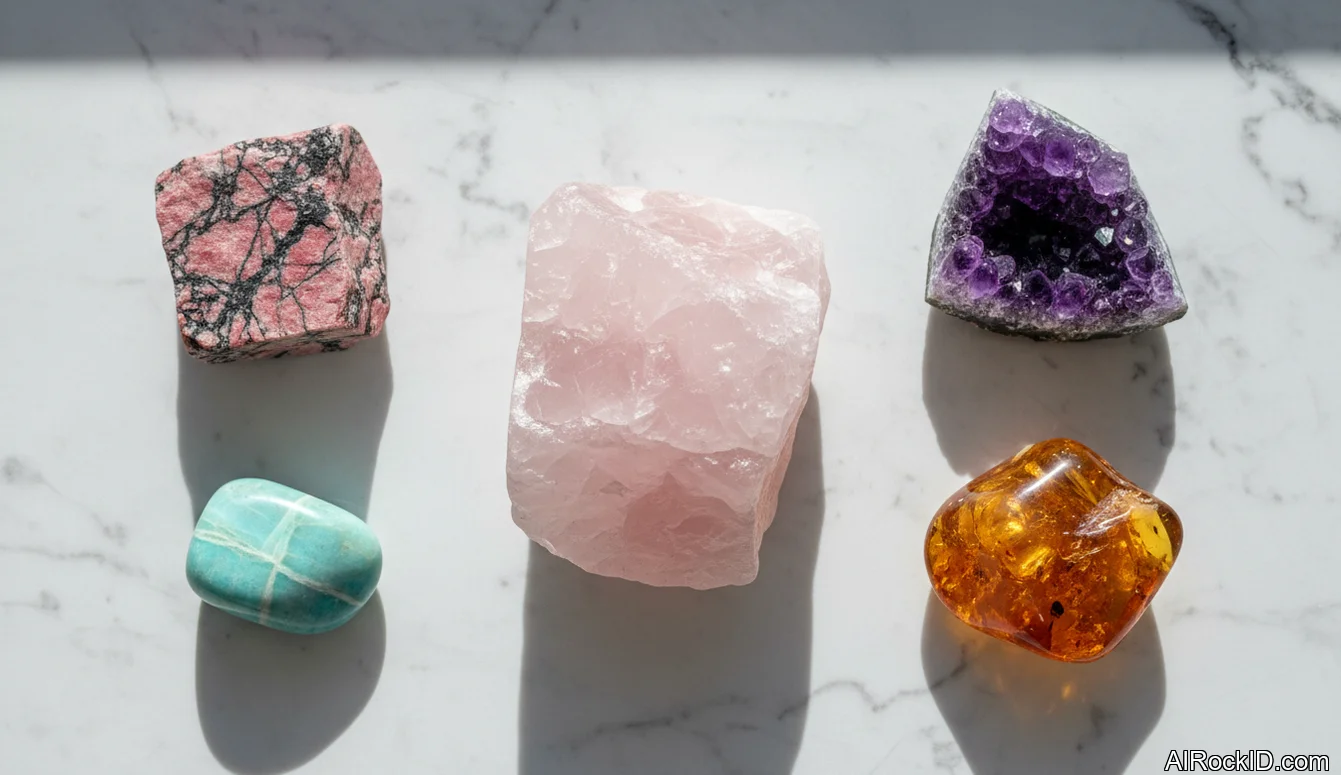
Explore by Category
Find crystals by chakra, zodiac, element, or purpose
Browse A-Z
Recently Added
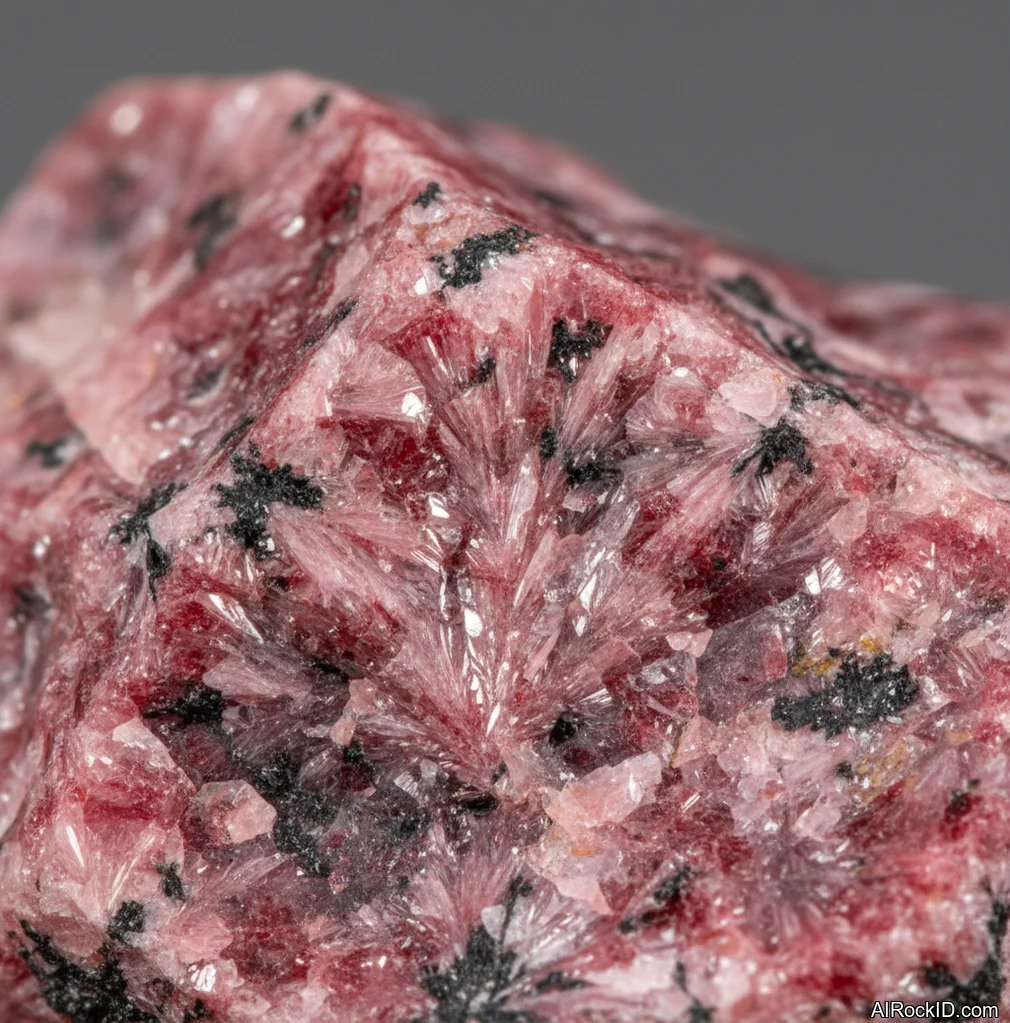
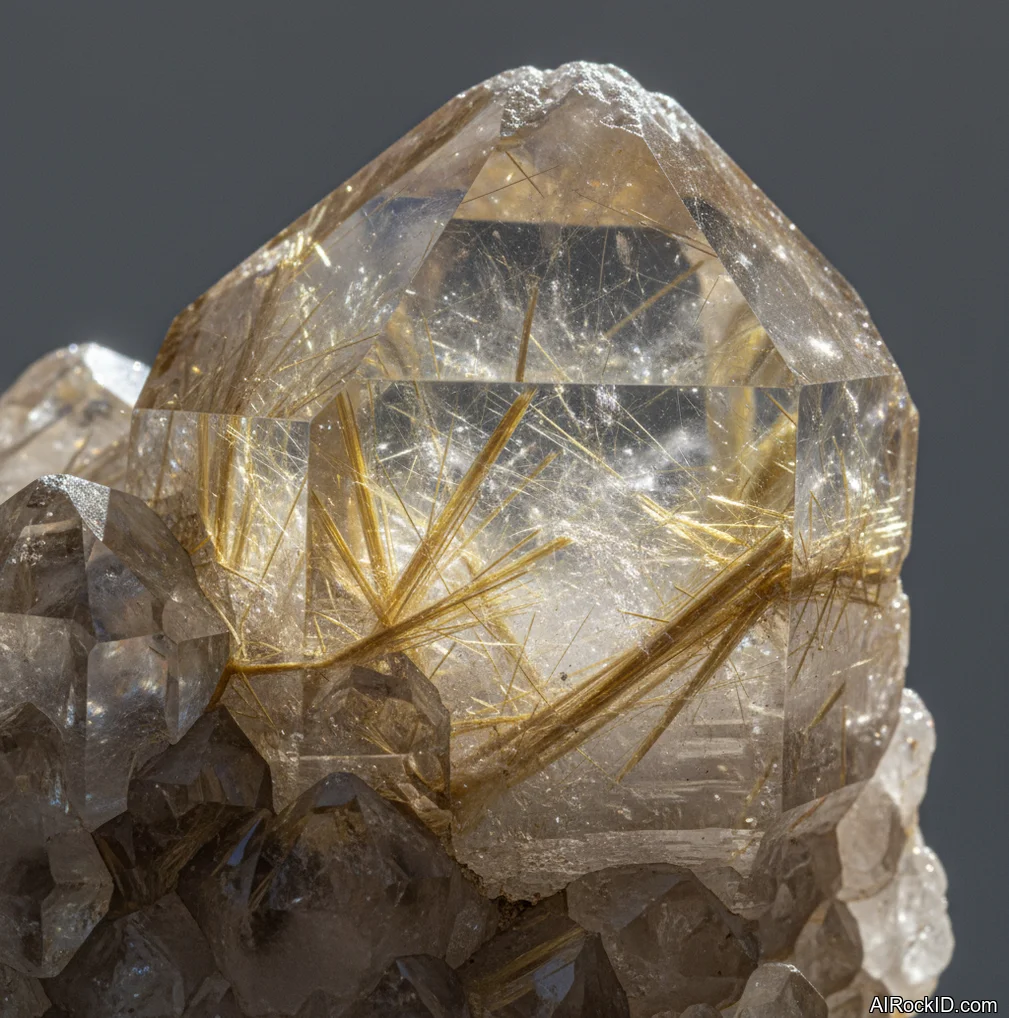
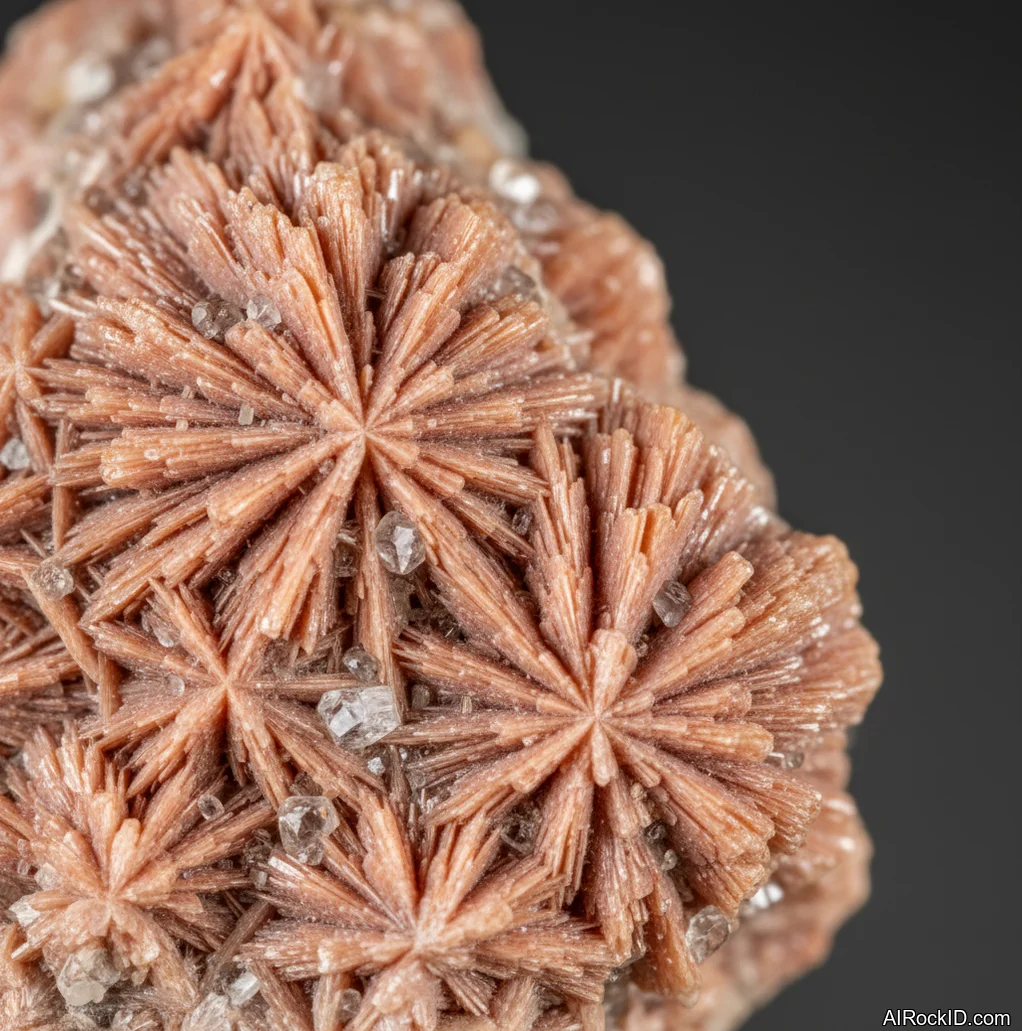
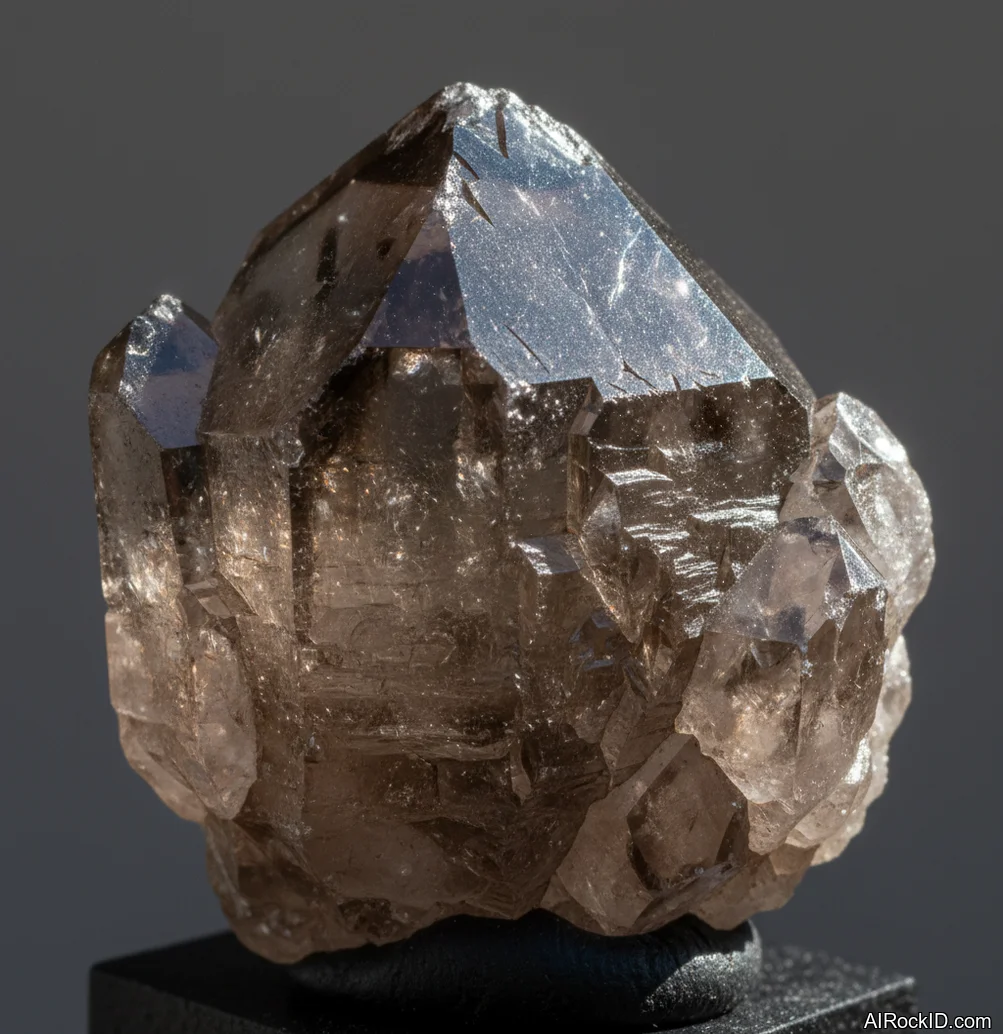
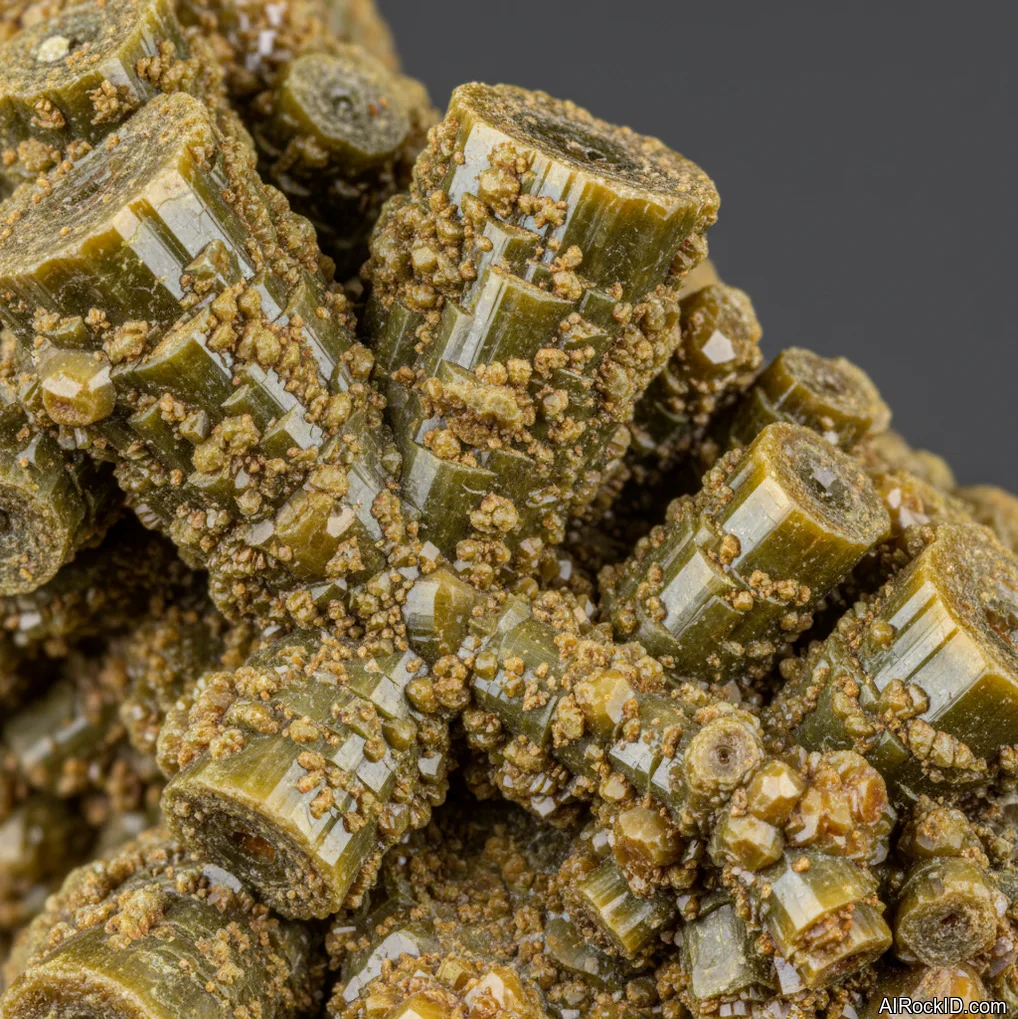
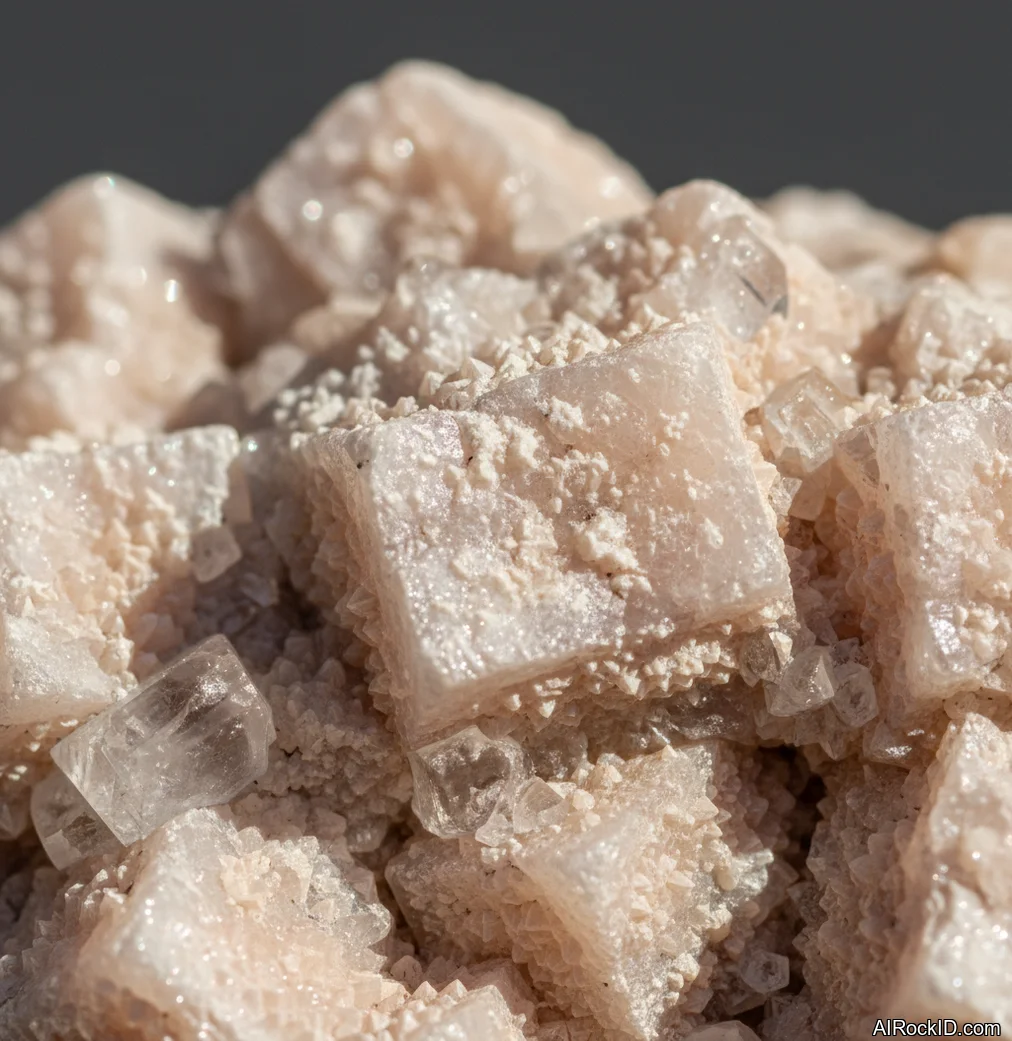
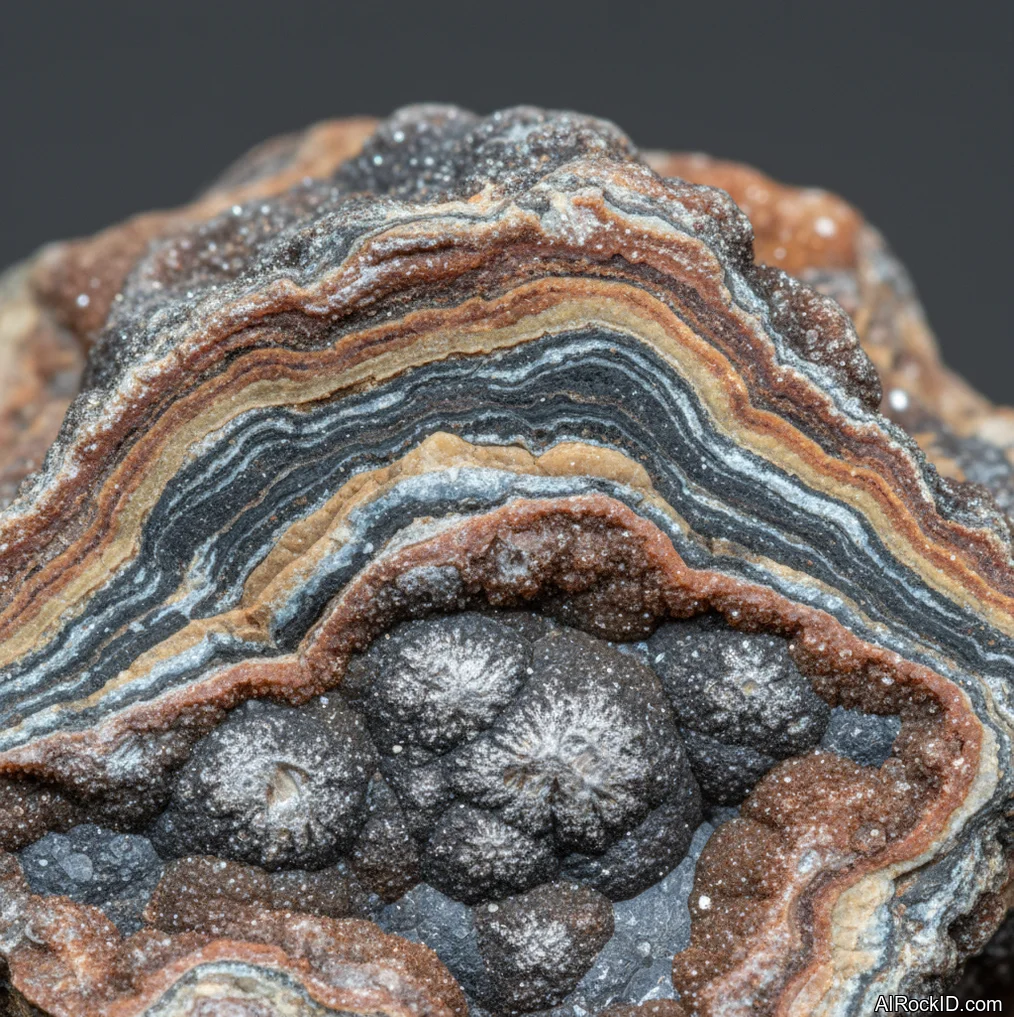
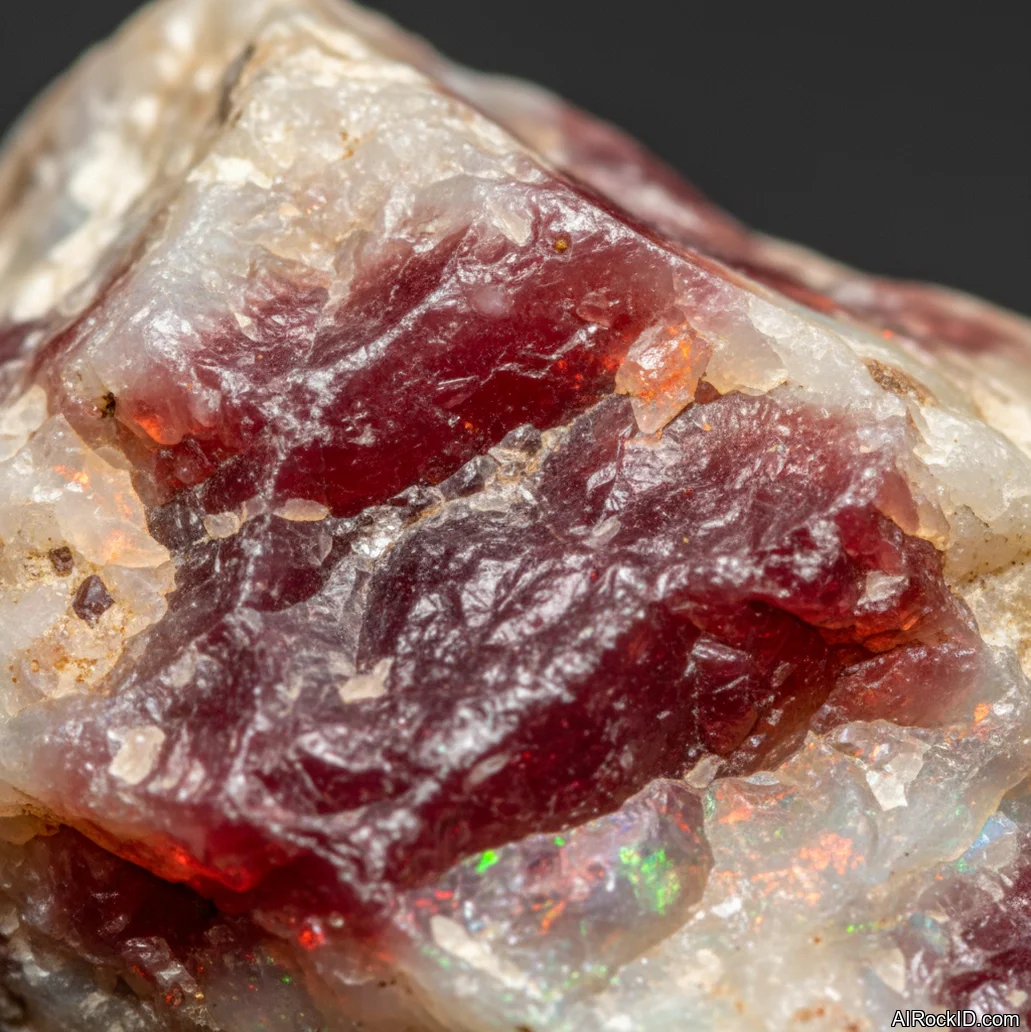
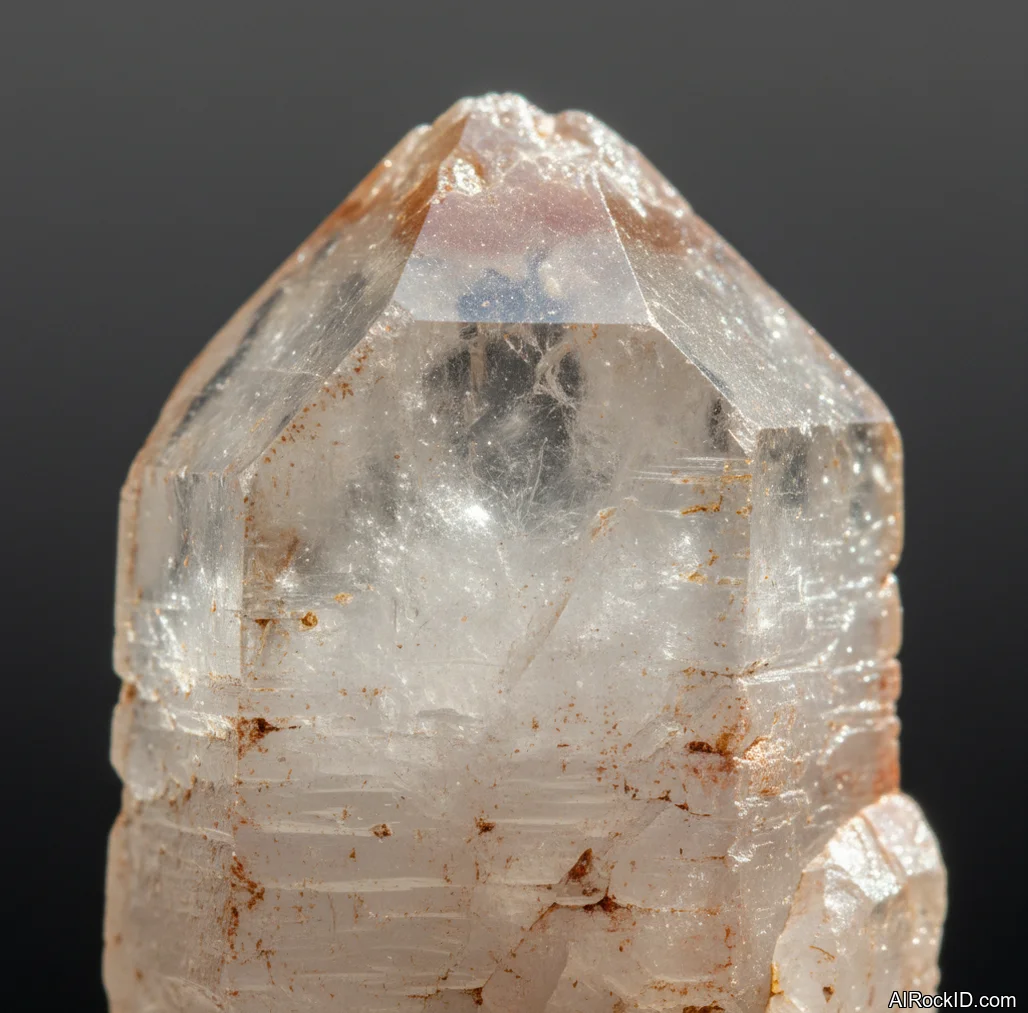
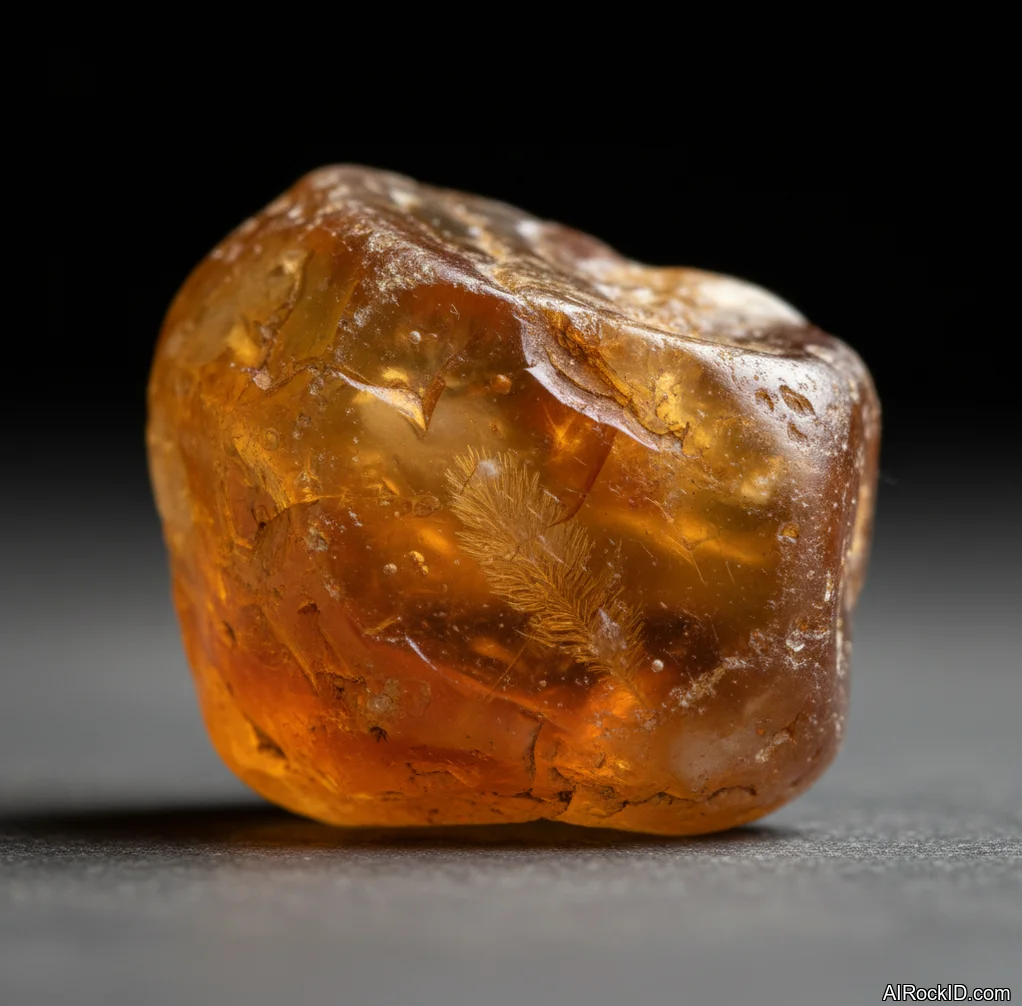
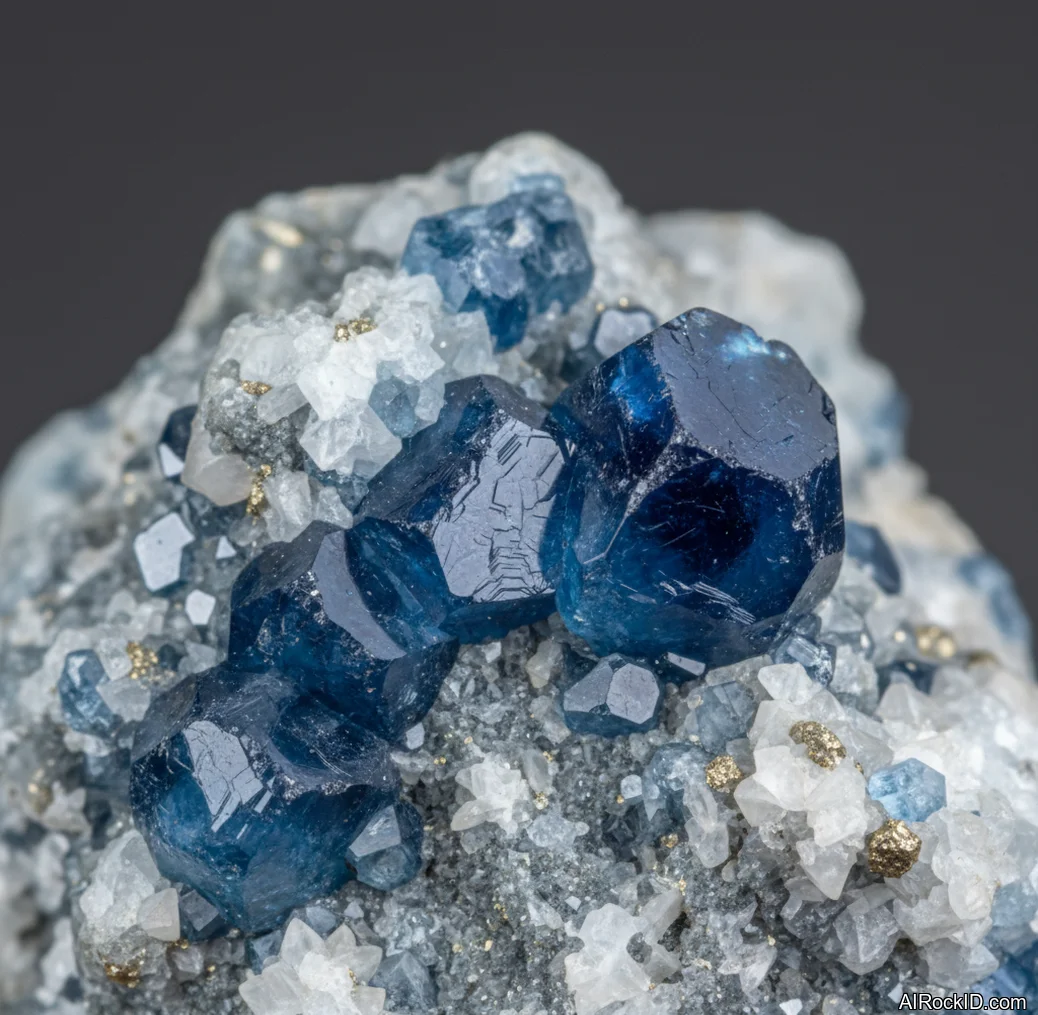
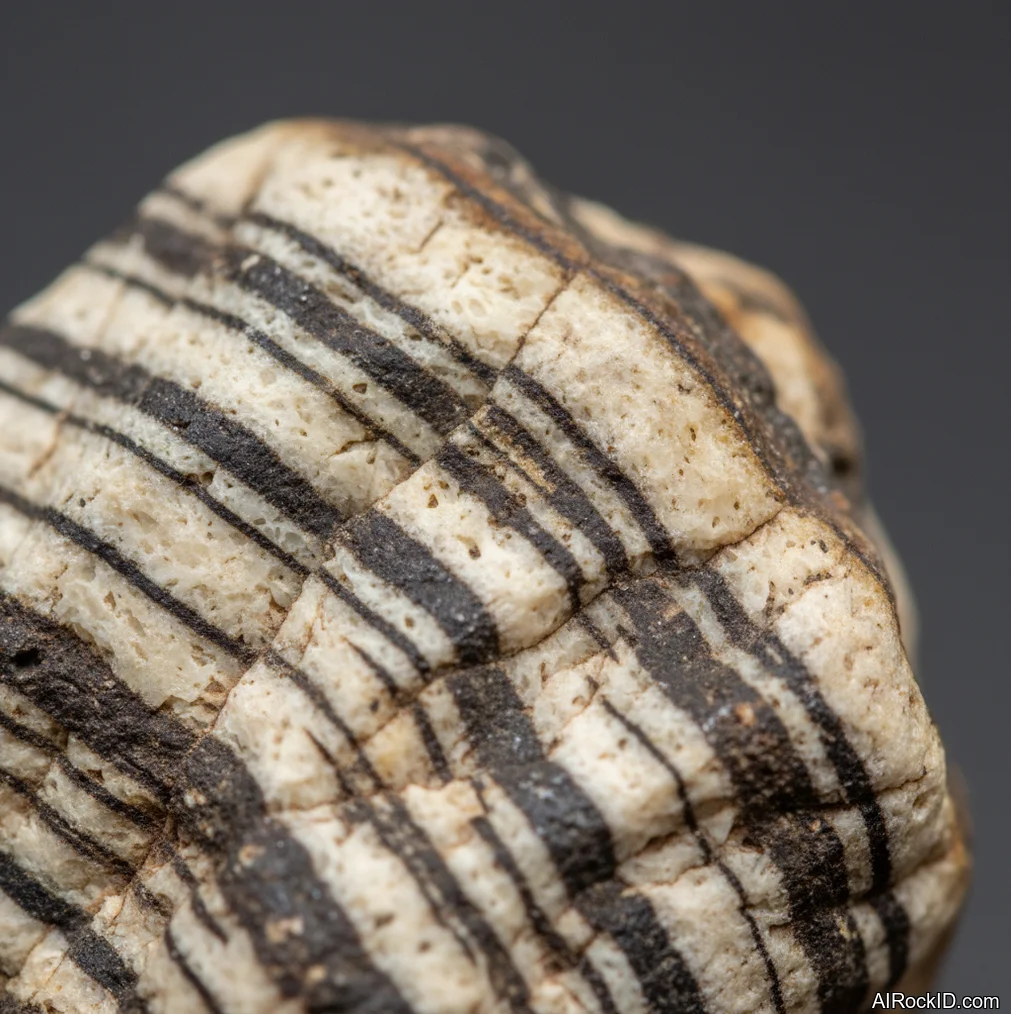
Crystals and minerals are solid materials with an ordered atomic structure. This wiki covers 716 crystals, their properties, and practical guides to identification, care, and metaphysical uses. It’s a resource for comparing physical traits, reading real-world care tips, and learning how collectors spot fakes versus the real thing. AI photo identification is a useful starting point, but no app can replace hands-on testing or confirm origin—always double-check with physical tests.
How to Use This Crystal Wiki
Browse to ID unknown specimens, compare side-by-side properties, or check care and safety for each crystal. You can also look up metaphysical associations—like which stones link to each chakra, zodiac, or healing property. Don’t just trust the AI: confirm with hardness, streak color, luster, and cleavage. Feldspar, for example, has a pearly sheen and cleaves at two nearly right angles, but it’ll still scratch with a pocketknife.
What Are Crystals and Minerals?
Pick up a crystal and you notice the temperature first. Real quartz stays cool in your hand longer than glass. And a chunky piece has that “heavier than it looks” feel collectors get weirdly addicted to.
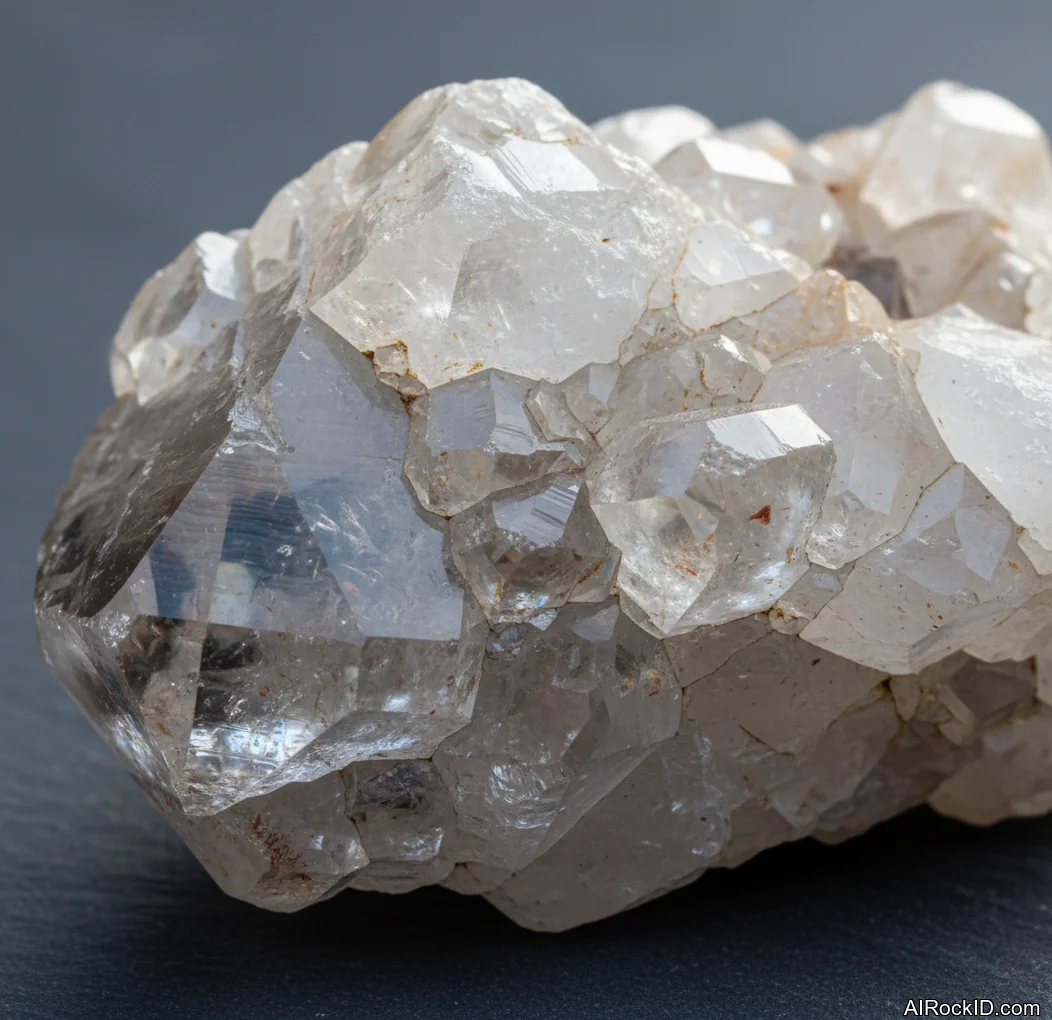
Crystals are minerals that grew in an orderly atomic pattern. That’s why they end up with flat faces, sharp edges, and repeating shapes. Quartz is the classic example. It can grow as clear points in a pocket, as milky masses in a vein, or as smoky quartz when natural radiation darkens it (yep, radiation). Amethyst is quartz too, just with trace iron and the right natural irradiation to push it purple.
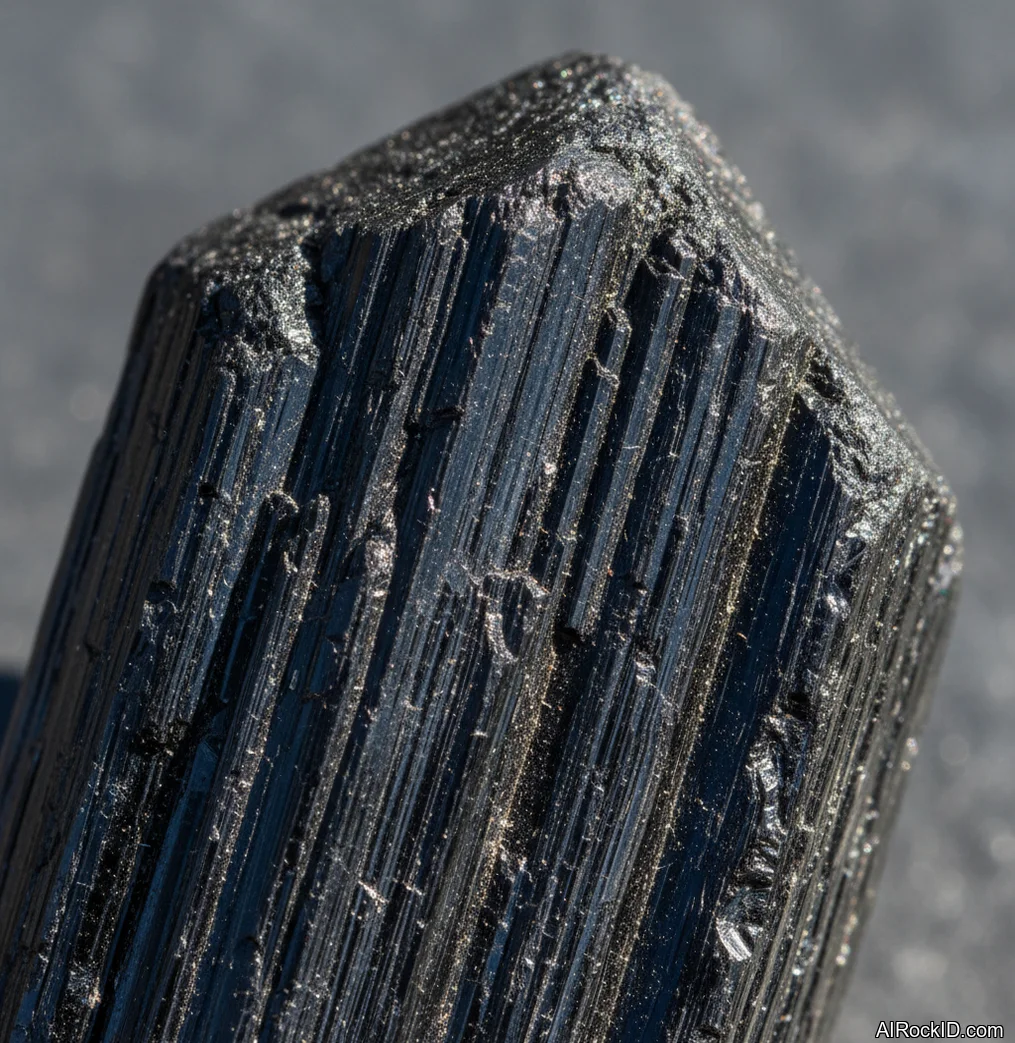
But tourmaline is a different beast. It grows in long, striated prisms, often with triangular-ish cross sections. And it can show color zoning, like watermelon tourmaline with a pink core and green rim.
People collect them for a few different reasons. Some are here for the science: crystal systems, hardness, inclusions, and where a specimen formed. Others collect for looks. A clean amethyst scepter with a glossy termination. Or a cluster of quartz points that sparkles under a desk lamp.
And yes, plenty of folks use crystals for metaphysical work, tying them to chakras, zodiac signs, elements, and healing-property traditions. Our wiki tracks all of that across 716 crystals, plus 93 guides and 34 healing-property pages, but we also keep the geology straight.
Formation is the fun part. Quartz points often grow from silica-rich fluids in open cavities, building layer by layer until the pocket fills. Tourmaline can crystallize in pegmatites where slow cooling lets big crystals develop, but fractures and “etching” on the faces tell you the growth wasn’t always gentle. Even within the same species, locality matters. Uruguay amethyst tends to be in tight, dark drusy carpets, while a lot of Brazilian material leans lighter and more translucent. Pretty, but different.
How to Choose the Right Crystal
At first glance, everything looks great under those bright shop lights. But the real test starts once you can actually hold the piece. Turn it slowly. Feel the edges. A polished palm stone should feel slick (no gritty pits), while a raw specimen should have crisp natural faces, not that sandblasted look some dyed stuff gets.
If you’re buying for a collection, put structure and condition first. Chips on quartz terminations are common, sure, but a fresh break along the top can tank the value fast. For amethyst clusters, check the points: are the tips intact, or are they rounded off from getting banged around in a flat? On tourmaline, look for natural longitudinal striations and a clean prism shape. A lot of tourmaline is fractured, so tiny internal “feathers” are normal, but open cracks that catch your fingernail usually spread.
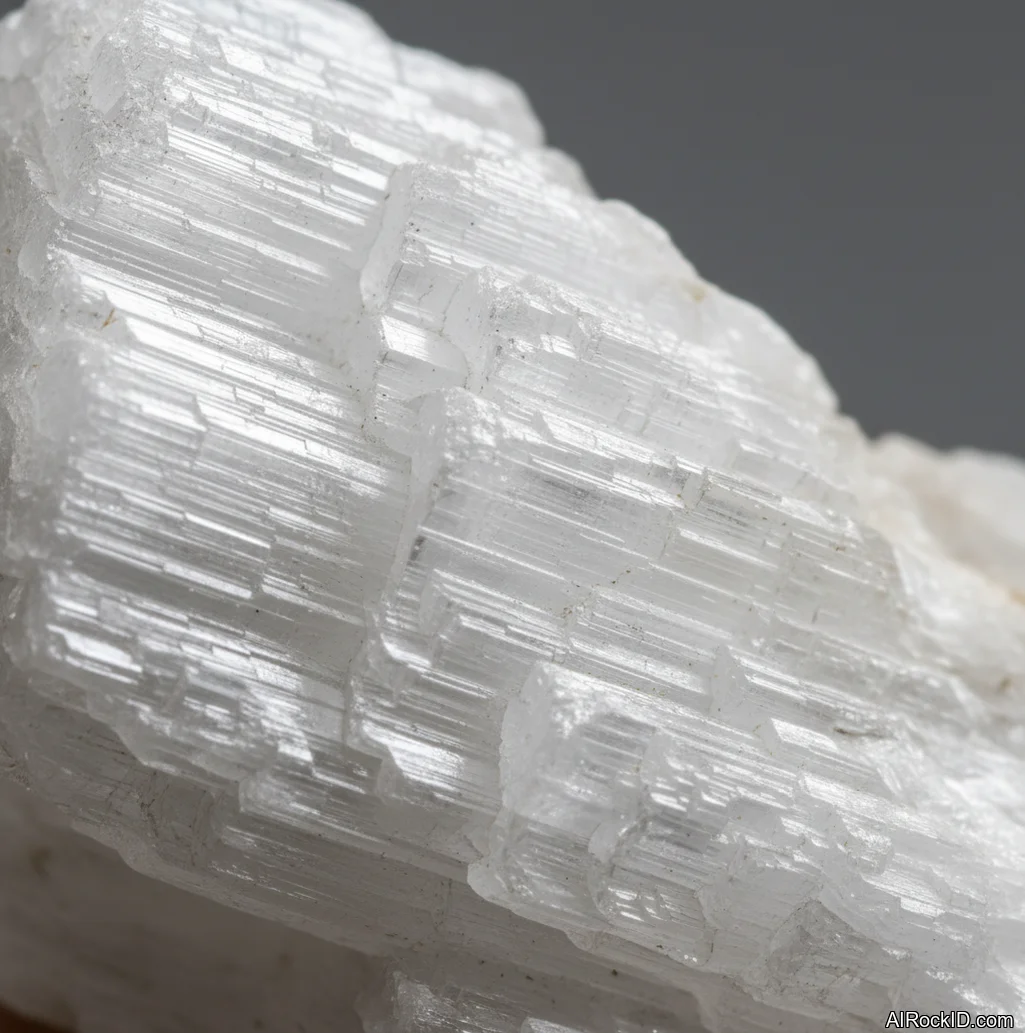
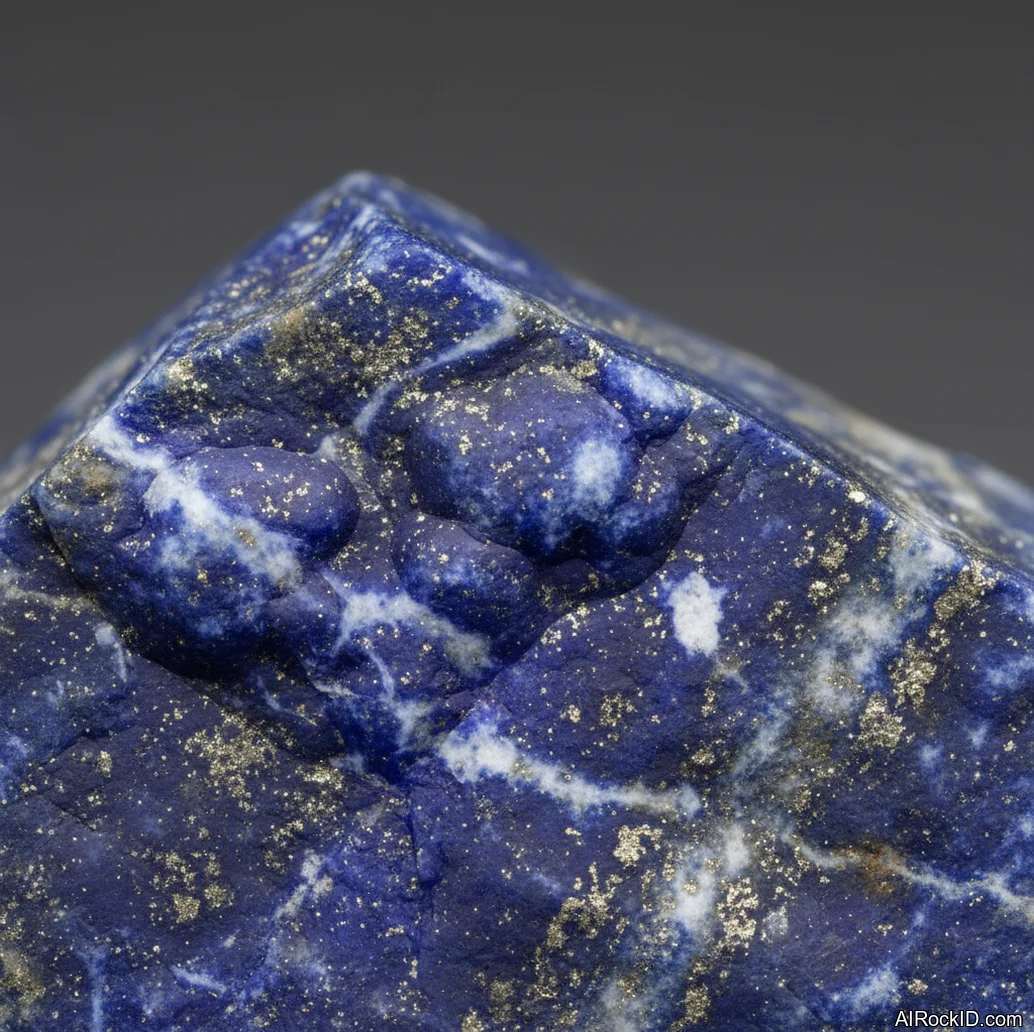
Hardness matters, especially if it’s going into jewelry. Quartz (including amethyst and citrine) sits at Mohs 7, so it handles daily wear better than fluorite (Mohs 4) or calcite (Mohs 3). If you want a ring stone, sapphire, spinel, or topaz will outlast softer favorites like malachite, lapis, and selenite. For a shelf specimen, softness is fine, but you’ll want to protect it from scratches and clumsy cleaning (because it happens).
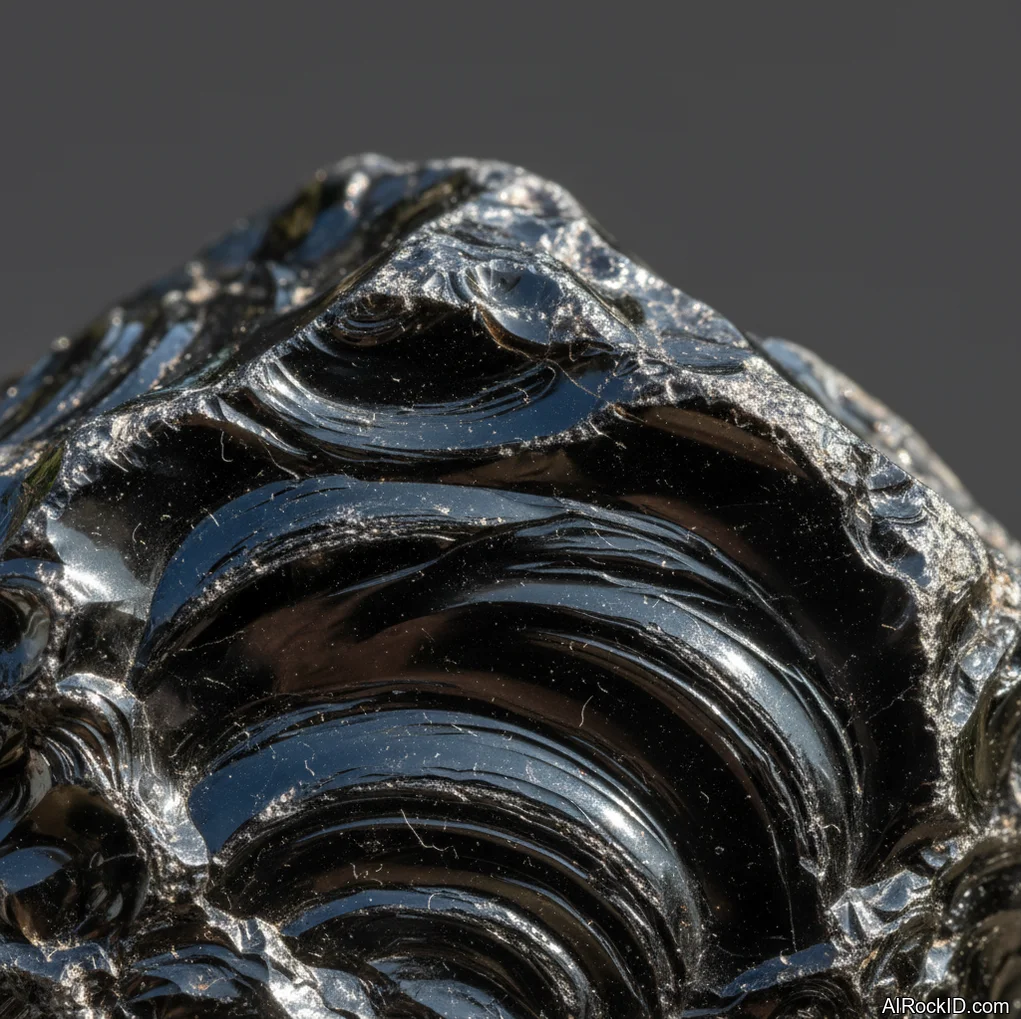
Treatments and fakes are the market friction nobody enjoys. Most “citrine” on the low end is heat-treated amethyst, and the giveaway is that burnt orange-brown tone with white at the base of the points. Dyed agate often shows color pooling in cracks and around drilled holes. Cheap “turquoise” is frequently dyed howlite or magnesite. And glass sold as obsidian can feel oddly warm and light, with too many round bubbles. Weird, right?
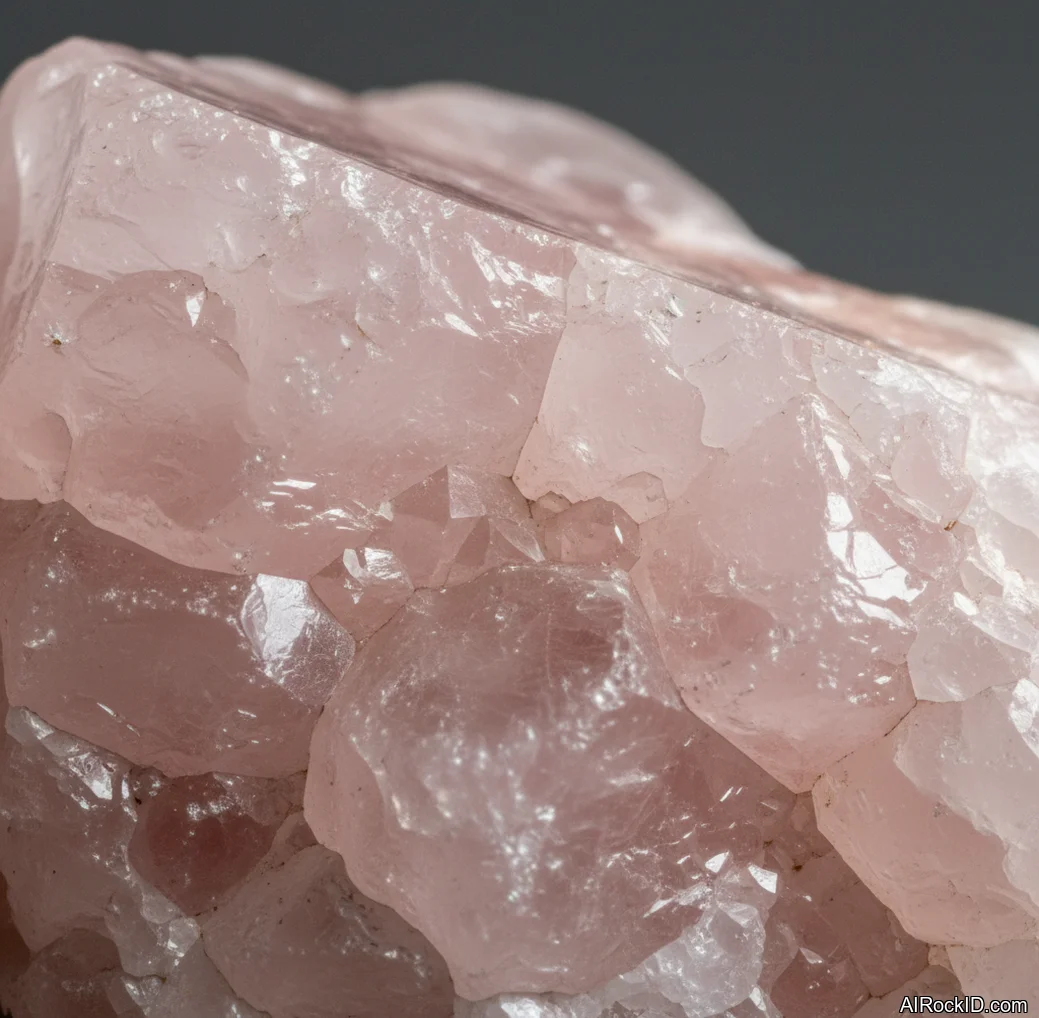
Finally, decide what you’re buying it for. For a teaching collection, grab a mix: quartz, feldspar, garnet, pyrite, fluorite, and a tourmaline chunk. For calming rituals, people usually reach for stones like amethyst, lepidolite, or rose quartz. For jewelry, pick tough materials and ask straight up about treatments.
Crystal Identification Tips
Look closely before you reach for tools. A hand lens tells you a lot. Growth lines on quartz faces. The parallel striations on tourmaline. Or those cubic edges on pyrite that look almost machined (kind of eerie, right?).
Hardness is the fastest filter. If a copper penny scratches it, you’re in the soft zone, around 3 or less, which points toward calcite, gypsum, or some forms of fluorite. But if it scratches glass, you’re probably at 5.5+ and quartz-family material becomes a real contender. Do the test on an inconspicuous spot, because you can leave a scar. And yeah, that scar can be permanent.
Streak is underrated. Rub the specimen on an unglazed porcelain tile and check the powder color. Hematite can look metallic gray but it streaks red-brown. Pyrite looks brassy but streaks greenish-black. Quartz usually won’t leave much streak at all because it’s harder than the plate.
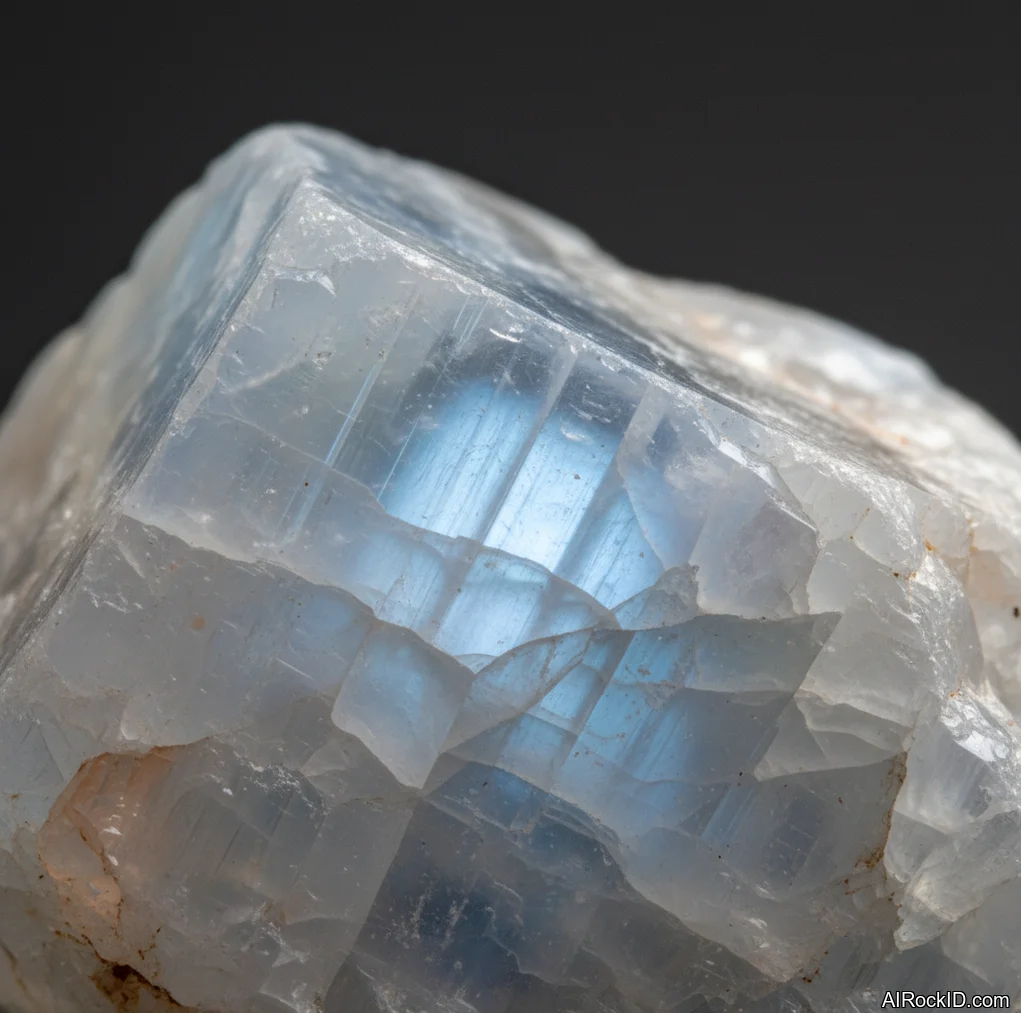
Luster and cleavage help narrow it down. Calcite has that waxy-to-glassy shine and it breaks on clean planes, while quartz breaks with a curved, shell-like fracture that can look like broken bottle glass. Feldspar often shows cleavage faces that flash when you tilt them under overhead light.
Crystal system is the longer game. Cubes hint at halite or fluorite. Hexagonal prisms hint at beryl or quartz. And trigonal prisms can steer you toward tourmaline. Thing is, habits can fool you, especially once things are tumbled.
If you’re stuck, use our AI identification app as a starting point, not the final verdict. Take a few photos in natural light, include a scale (a coin works), and then confirm the suggestion with hardness, streak, and a quick look at cleavage and luster.
AI Crystal Identification vs Physical Testing
Frequently Asked Questions About Crystals
Quick answers to the most common crystal questions