
Silver Identifier - Free AI Photo Analysis
Upload silver photos
Clear, well-lit images help the AI identify it more accurately.

Analyzing metallic properties...
Checking texture, color, structure, and lookalikes…
Upload a photo of your suspected silver specimen for instant AI identification. Distinguish native silver from galena, arsenopyrite, and other metallic lookalikes.


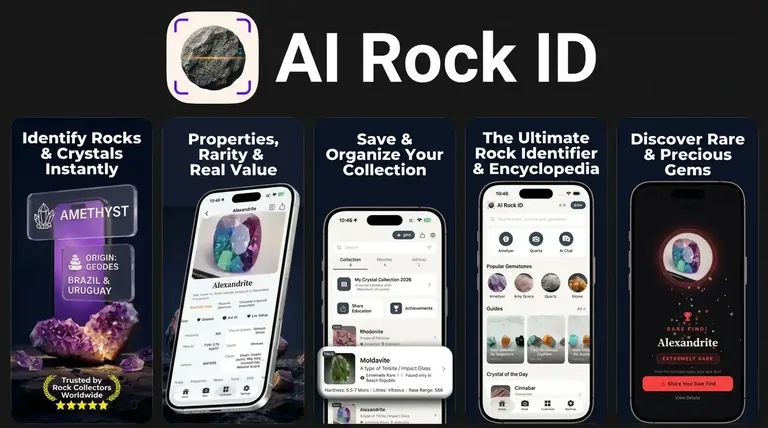
Native silver is one of the most sought-after mineral finds, but its metallic luster makes it easily confused with galena, arsenopyrite, and even tarnished mica. Our free AI silver identifier analyzes your uploaded photos to help determine whether you've found genuine silver or a convincing lookalike that shares similar visual characteristics.
Whether you've discovered a specimen while rockhounding, inherited a mineral collection, or found an unusual metallic rock, RockIdentifier.io provides instant analysis using advanced image recognition trained on thousands of verified silver samples and common imposters.
Good fit for
- Native silver specimens with visible metallic surfaces
- Silver ore samples showing wire or dendritic crystal forms
- Tarnished specimens needing identification assistance
- Metallic minerals requiring silver vs. galena comparison
- Collection pieces with unknown silver content
Not for
- Assaying silver purity or percentage content
- Appraising monetary value of silver specimens
- Identifying manufactured silver jewelry or coins
- Detecting silver in heavily weathered or encrusted matrix
At a glance
Native silver is a naturally occurring metallic element that forms in hydrothermal veins, often associated with copper, lead, and zinc deposits. It typically appears as wire-like, dendritic, or massive formations with a characteristic bright metallic luster that tarnishes to dark gray or black over time.
| Chemical Formula | Ag |
|---|---|
| Crystal System | Isometric (Cubic) |
| Mohs Hardness | 2.5-3 |
| Specific Gravity | 10.1-11.1 |
| Luster | Metallic |
| Common Forms | Wire, dendritic, massive, scales |
Understanding Native Silver Formation and Appearance
Native silver forms primarily in hydrothermal vein systems where hot, mineral-rich fluids deposit metals as they cool. These deposits commonly occur alongside other valuable minerals including native copper, galena (lead sulfide), and various silver sulfide minerals like acanthite and argentite. Understanding this geological context helps collectors recognize promising locations and associated minerals.
Fresh native silver displays a brilliant white metallic luster that's unmistakable when clean. However, most specimens encountered in the field or in older collections have developed a dark gray to black tarnish layer of silver sulfide. This tarnish actually helps protect the underlying metal but can make identification challenging without proper knowledge of what lies beneath.
The crystal habit of native silver varies considerably depending on formation conditions. Wire silver forms delicate, twisted filaments that can resemble metallic hair or roots. Dendritic silver creates beautiful tree-like branching patterns, while massive silver appears as irregular metallic masses or coatings on host rock. Each form presents unique identification challenges that our AI tool is trained to recognize.
Common Silver Lookalikes and How to Distinguish Them
Galena represents the most frequent silver impostor, especially for beginners. This lead sulfide mineral shares silver's metallic luster and gray coloration but differs in crucial ways. Galena forms perfect cubic crystals with distinctive stepped cleavage faces, while native silver never displays this geometric perfection. Galena also feels noticeably heavier than silver specimens of similar size due to its higher lead content.
Arsenopyrite confuses many collectors with its silvery-white metallic appearance. However, arsenopyrite typically forms elongated prismatic crystals with diamond-shaped cross-sections, quite different from silver's wire or dendritic habits. When struck or crushed, arsenopyrite releases a distinctive garlic odor due to its arsenic content, a test that immediately rules out native silver.
Molybdenite and graphite occasionally fool collectors, particularly when found as metallic flakes or coatings. Both minerals are much softer than silver and leave distinctive marks when rubbed on paper, molybdenite leaves a bluish-gray streak while graphite leaves black marks. Native silver, being malleable rather than flaky, won't produce these characteristic streaks.
Tarnished mica, particularly muscovite with metallic coatings, sometimes resembles weathered silver. The key difference lies in mica's perfect basal cleavage, allowing it to peel into thin, flexible sheets. Silver is malleable and can be bent or hammered without breaking, while mica simply flakes apart. Our AI silver identifier at RockIdentifier.io analyzes these textural differences in your uploaded photos.
Photographing Silver Specimens for Accurate AI Analysis
Capturing quality photos of metallic minerals like silver requires attention to lighting conditions. Avoid direct flash, which creates harsh reflections that obscure surface details. Instead, use diffused natural light or position your specimen near a window with indirect sunlight. Overcast days often provide ideal lighting for photographing metallic specimens.
Include multiple angles in your photo session, particularly showing any crystal faces, wire formations, or dendritic patterns. These growth features provide crucial identification clues that help distinguish silver from lookalikes. If your specimen shows both fresh metallic surfaces and tarnished areas, photograph both conditions for comprehensive analysis.
Scale reference matters significantly for silver identification. Include a coin, ruler, or common object in at least one photo. Wire silver filaments might be hair-thin or pencil-thick, and dendritic formations range from millimeters to several centimeters. This size context helps the AI Rock ID app assess whether observed features match typical silver crystal dimensions.
For tarnished specimens, consider gently cleaning a small area to reveal fresh metal beneath. A soft cloth with mild silver polish on an inconspicuous spot can expose the characteristic bright white luster of genuine silver. Photograph both the cleaned area and surrounding tarnish for the most informative analysis.
Physical Tests to Complement AI Identification
While RockIdentifier.io provides instant visual analysis, combining AI results with simple physical tests increases identification confidence. The malleability test remains definitive for native silver, genuine silver can be bent, flattened, or shaped without breaking. Lookalikes like galena and arsenopyrite are brittle and will fracture under similar pressure.
Specific gravity testing offers another reliable method. Native silver's density of 10.1-11.1 g/cm³ exceeds most lookalikes except galena (7.4-7.6 g/cm³). A specimen that feels surprisingly heavy for its size warrants closer examination. You can perform rough density comparisons by hefting similar-sized specimens of known minerals.
The streak test provides limited usefulness for silver since it produces a shiny metallic streak similar to its surface appearance. However, this test effectively eliminates graphite and molybdenite, which produce distinctive gray-black powdery streaks. Arsenopyrite produces a dark gray to black streak, helping differentiate it from silver's lighter metallic mark.
Acid testing should be performed cautiously and only on specimens you're willing to potentially damage. Dilute nitric acid dissolves silver, producing a clear solution that turns milky white when table salt is added. This chemical test provides definitive confirmation but destroys the tested portion of your specimen.
Where Native Silver Occurs and Associated Minerals
Historic silver mining districts offer the best collecting opportunities for native silver specimens. The Kongsberg district in Norway produced legendary wire silver specimens, while Mexico's Guanajuato and Zacatecas regions yielded spectacular dendritic formations. In North America, the Cobalt district of Ontario, Canada, and various locations in Arizona, Colorado, and Nevada have produced notable native silver.
Native silver commonly associates with specific mineral assemblages that aid field identification. Look for silver in quartz veins containing galena, sphalerite, and chalcopyrite. Calcite gangue frequently hosts silver deposits, and the presence of secondary silver minerals like acanthite or cerargyrite suggests native silver may occur nearby.
Understanding host rock geology improves your chances of finding genuine silver. Hydrothermal veins cutting through volcanic or sedimentary sequences represent prime silver territory. The AI Rock ID iPhone app can help identify these associated minerals and host rocks, building a complete picture of your collecting site's potential.
Silver Ore Minerals vs. Native Silver
Beyond native silver, numerous silver-bearing minerals exist that may appear in your collection or field finds. Acanthite (silver sulfide) represents the most important silver ore mineral, forming dark gray to black crystals that lack native silver's metallic luster. Proustite and pyrargyrite, known as ruby silvers, display distinctive red coloration that immediately distinguishes them from native silver.
Chlorargyrite (horn silver) and other silver halides form waxy, translucent masses quite unlike metallic native silver. These secondary minerals develop when silver deposits weather near the surface, and their presence often indicates native silver exists deeper in the deposit. Our silver identifier can help distinguish these various silver minerals from each other and from non-silver lookalikes.
Argentiferous galena, galena containing dissolved silver, represents an economically important ore but appears identical to regular galena visually. Only chemical analysis can detect the silver content in such specimens. If your galena comes from a known silver-producing district, it may contain significant silver despite showing no visible native silver.
Limitations of Photo-Based Silver Identification
AI photo analysis excels at identifying characteristic silver features but cannot perform chemical or physical tests. The RockIdentifier.io tool analyzes visual properties including luster, crystal habit, tarnish patterns, and associated minerals visible in your photos. However, definitive silver confirmation may require hands-on testing or professional assay.
Heavily tarnished or encrusted specimens present identification challenges for any visual method. When black tarnish completely obscures metallic surfaces, the AI may struggle to distinguish silver from dark-colored minerals. Cleaning a small test area before photographing significantly improves identification accuracy.
Microscopic silver inclusions within other minerals cannot be detected through standard photography. Silver often occurs as tiny grains or films within quartz, calcite, or sulfide minerals, invisible without magnification. If you suspect hidden silver content, professional microscopic examination or assay testing provides the only reliable confirmation.
The AI Rock ID app and RockIdentifier.io web tool provide educational identification assistance, not certified assay results. For specimens with potential significant value, always seek professional geological or assay services to confirm silver content and purity before making financial decisions.
Caring for Silver Specimens in Your Collection
Native silver requires specific storage conditions to prevent accelerated tarnishing. Keep specimens in airtight containers or sealed bags with anti-tarnish strips that absorb sulfur compounds from the air. Avoid storing silver near rubber, wool, or felt materials that release sulfur gases.
Cleaning silver specimens requires careful consideration of their scientific and aesthetic value. While polishing reveals beautiful metallic luster, it removes the natural tarnish patina that some collectors prize. Museum-quality specimens often retain their tarnish as evidence of authenticity and age. If you choose to clean, use only methods appropriate for mineral specimens, not harsh jewelry cleaners.
Document your silver specimens with quality photographs before and after any cleaning, noting collection location, associated minerals, and identification method. The AI Rock ID iPhone app allows you to save identification results, building a digital catalog of your collection that preserves important provenance information for future reference or potential sale.
How to Use This Silver Identifier
Capture Clear Photos
Photograph your specimen in diffused natural light, avoiding flash reflections. Include multiple angles showing metallic surfaces, crystal forms, and any tarnish patterns.
Upload to RockIdentifier.io
Visit our free web tool or open the AI Rock ID iPhone app. Select your best photo showing characteristic features of the suspected silver specimen.
Review AI Analysis
Our AI examines luster, crystal habit, tarnish characteristics, and associated minerals to determine if your specimen matches native silver or common lookalikes.
Compare with Lookalikes
Review the identification results, which highlight distinguishing features between silver and similar minerals like galena, arsenopyrite, or tarnished mica.
Confirm with Physical Tests
For valuable specimens, complement AI results with malleability testing, density comparison, or professional assay to confirm silver identification.
More Identification Tools
Gold Identifier
Identify native gold and distinguish it from pyrite, chalcopyrite, and other gold lookalikes
Mineral Identifier
Comprehensive AI identification for all mineral types including metallic specimens
Rock Identifier
General rock and mineral identification for any geological specimen
Crystal Identifier
Identify crystalline minerals by their crystal system and habit
Quartz Identifier
Identify quartz varieties that commonly host native silver deposits
Gemstone Identifier
Identify precious and semi-precious stones in your collection
Frequently Asked Questions
How can I tell if my rock contains real silver?
Look for bright white metallic luster on fresh surfaces, characteristic wire or dendritic crystal forms, and malleability, real silver bends without breaking. Upload photos to RockIdentifier.io for AI analysis that compares your specimen against known silver characteristics and common lookalikes like galena.
What's the difference between native silver and silver ore?
Native silver is pure elemental silver (Ag) occurring naturally, while silver ore refers to any rock containing extractable silver, including minerals like acanthite, argentite, or silver-bearing galena. Native silver displays metallic luster; most silver ores appear dark gray or black without metallic sheen.
Why does my silver specimen look black instead of shiny?
Silver naturally tarnishes when exposed to sulfur compounds in air, forming a dark silver sulfide layer. This black tarnish is normal and actually protects underlying metal. Gently cleaning a small area with appropriate silver cleaner reveals the bright metallic surface beneath.
Can the AI identify silver mixed with other minerals?
Yes, our AI recognizes native silver occurring with common associated minerals like quartz, calcite, galena, and copper. The tool analyzes visible silver portions and notes mineral associations. However, microscopic silver inclusions invisible to cameras require professional analysis.
How do I distinguish silver from galena in photos?
Galena forms perfect cubic crystals with stepped cleavage faces, while native silver appears as wires, dendrites, or irregular masses. Galena has a lead-gray color versus silver's white metallic tone. Our AI silver identifier specifically analyzes these distinguishing crystal habits and color differences.
Is wire silver more valuable than massive silver?
Generally yes, wire silver and well-formed dendritic specimens command premium prices from mineral collectors due to their aesthetic appeal and relative rarity. Massive silver, while containing more metal by weight, typically has lower collector value unless from historically significant localities.
Can I find native silver while metal detecting?
Native silver produces strong signals on metal detectors, but most detector finds are modern metal debris rather than natural silver. Genuine native silver typically occurs in specific geological settings, hydrothermal veins in historic mining districts. Use RockIdentifier.io to verify any suspected silver finds.
What should I do if the AI identifies my specimen as silver?
Treat AI identification as a strong indication warranting further verification. Perform the malleability test, genuine silver bends without breaking. For potentially valuable specimens, seek professional geological assessment or assay testing before making decisions about sale or insurance.