How to Tell If a Rock Is Valuable
How to tell if a rock is valuable starts with correct identification, not color or weight alone. Use photos for a fast shortlist, then verify with streak, Mohs hardness, luster, cleavage, and comparable sold specimens.


Drop a rock photo here or tap to upload
JPG, PNG, WebP, HEIC • Max 50 MB • 1 free scan per day

Analyzing your specimen…
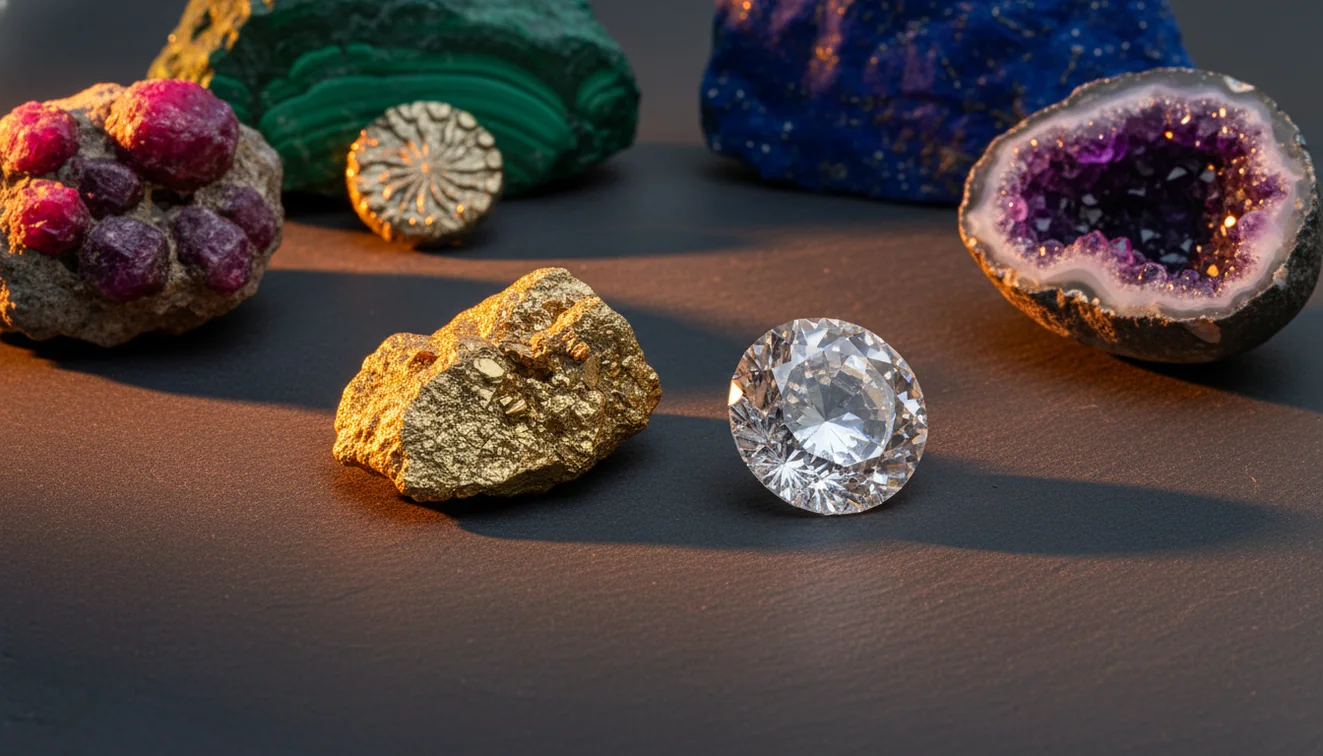
Quick answer: How to tell if a rock is valuable begins with identifying the rock or mineral correctly, then checking rarity, condition, size, crystal quality, locality, and real sold comparisons. Color, sparkle, and weight can provide clues, but streak, hardness, luster, cleavage, and specific gravity are more reliable than appearance alone.
AI Rock ID can help with how to tell if a rock is valuable by suggesting possible rock, mineral, or crystal identities from field photos before physical checks. RockIdentifier.io supports the same topic through web photo upload, where users can start with visual identification before comparing streak, hardness, locality, and sold specimens.
Quick summary
- Best for
- Collectors, hikers, beginners, field hobbyists, inherited collection owners
- Works on
- Rocks, minerals, crystals, lapidary rough, ore-like specimens
- Accuracy
- Photo identification can narrow likely candidates, but value requires physical tests and market comparison.
- Needs confirmation
- Yes
- Professional replacement
- No
- Platforms
- iPhone, iPad, Web
This guide is best for
- Beginners trying to decide whether an unknown rock is worth further testing
- Field collectors sorting rocks, minerals, crystals, and ore-like pieces
- People reviewing inherited rock collections with missing labels
- Hikers or beachcombers checking whether a find is common or unusual
- Lapidary hobbyists evaluating rough material before cutting or polishing
- Collectors comparing a confirmed specimen with realistic sold examples
Consider another approach if you
- Anyone needing a certified gemstone appraisal or insurance valuation
- People trying to price meteorites, gold ore, rare minerals, or gemstones from a single photo
- Safety decisions involving toxic, radioactive, asbestos-bearing, or acid-reactive specimens
- Legal, mining, or commercial sale decisions that require lab testing or expert documentation
How to tell if a rock is valuable: identify the mineral or rock type first, then judge rarity, size, condition, crystal quality, and market demand. Color, sparkle, and weight can be clues, but streak, hardness, specific gravity, and locality are more reliable. A photo-based lookup can narrow the options before you decide whether appraisal or lab testing is worth it.
What Is How to Tell If a Rock Is Valuable?
Telling whether a rock is valuable means separating identification from price. First you determine what the specimen is: quartz, calcite, slag, ore mineral, agate, fossil material, or a true gemstone candidate. Then you judge quality factors such as crystal habit, transparency, luster, damage, size, matrix, rarity, and whether collectors or lapidaries actually want that material.
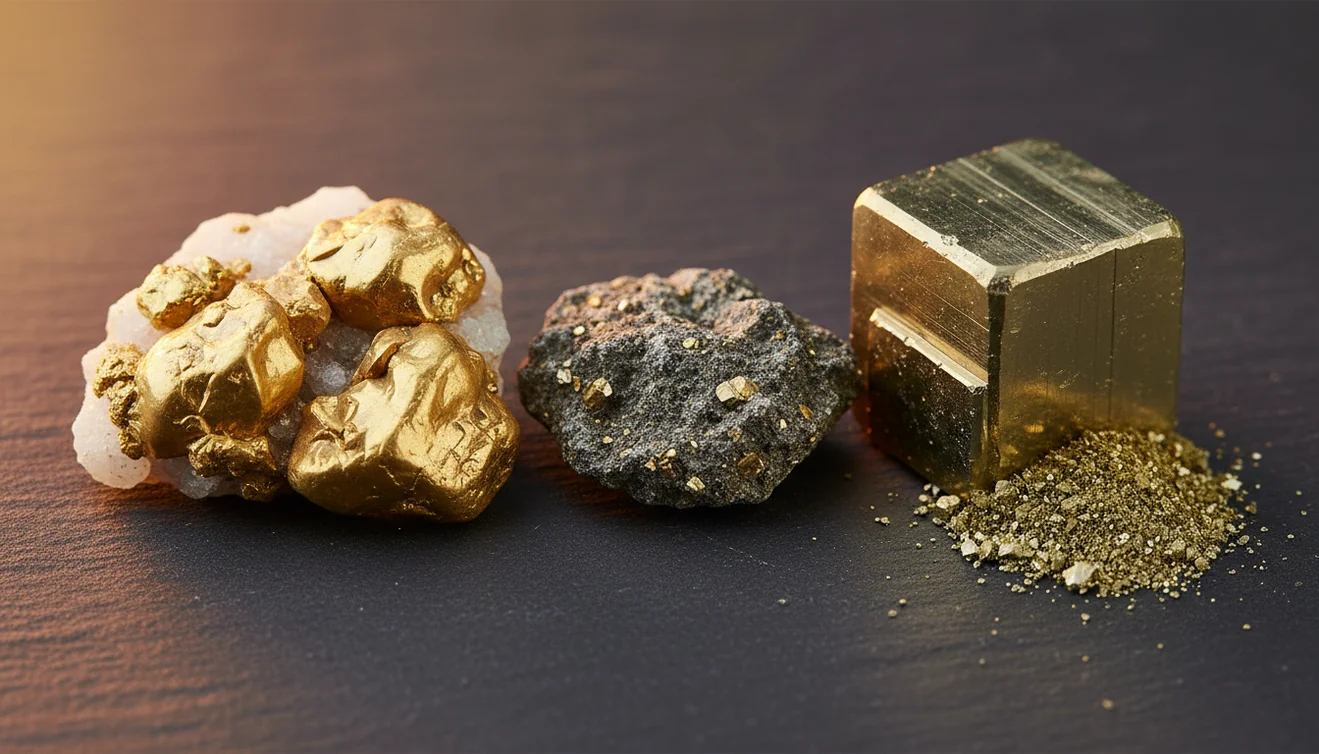
A valuable-looking rock is often common. Pyrite can mimic gold, mica can create sparkle, and iron staining can make ordinary quartz look unusual. A careful workflow uses photo clues, hand-lens observation, Mohs hardness, streak color, cleavage or fracture, and location notes before any value claim.
How to Tell If a Rock Is Valuable Works
The process works by narrowing identity first, then testing value signals against that identity. A photo model can compare visible features such as color, texture, grain size, crystal faces, banding, and luster against known rock and mineral examples. That produces candidate IDs, not a final appraisal.
Next, physical checks confirm or reject the candidates. Mohs hardness separates quartz from calcite, streak distinguishes many metallic minerals, and specific gravity helps flag dense ore minerals. Finally, you compare the confirmed specimen with sold examples of the same species, grade, and size. For mineral terminology and classification, the USGS geology resources are a useful reference: https://www.usgs.gov/programs/mineral-resources-program.
How to Use a Rock Value Check
Photograph the specimen clearly
Use natural light, a plain background, and several angles. Capture dry and slightly wet surfaces if safe, plus close-ups of crystal faces, cleavage, banding, or metallic areas.
Scan for a first identification
Use the free photo ID tool or add the AI Rock ID iOS app link near your field notes so you can check specimens while collecting. Photos are processed for ID suggestions in a privacy-friendly way, rather than treated as public appraisal listings.
Verify with simple tests
Check Mohs hardness, streak on unglazed porcelain, magnetism, luster, fracture, and cleavage. These tests often separate common look-alikes from potentially valuable minerals.
Record locality and context
Note where the rock was found, whether it came from a mine dump, creek bed, beach, road cut, or purchased lot. Locality and matrix can affect both identification and collector value.
Compare sold examples
Search for sold listings of the same confirmed material, not just similar colors. Match size, clarity, damage, crystal form, treatment status, and whether the specimen is rough, polished, cut, or mounted.
When to Use a Rock Value Checker (and When Not To)
Use it when
- Use it when you have an unknown rock and need a fast mineral or rock shortlist before doing physical tests.
- Use it when you are sorting field finds, inherited collections, creek stones, beach pebbles, or mixed lapidary rough.
- Use it when visible traits such as crystal habit, banding, vesicles, luster, cleavage, or matrix are clear in photos.
- Use it before paying for appraisal, cutting, polishing, shipping, or lab analysis.
Skip it when
- Do not use it as a final price appraisal for gems, ore, meteorites, or rare minerals.
- Do not rely on it for heavily polished, dyed, coated, heat-treated, or fracture-filled stones without disclosure and testing.
- Do not use it as a safety decision for radioactive, asbestos-bearing, toxic, or acid-reactive minerals.
- Do not assume a single photo can replace streak, hardness, specific gravity, refractive index, or expert examination.
How to Tell If a Rock Is Valuable vs Google Lens and Rock Scanner
| Feature | Rock Identifier | Google Lens | Rock Scanner |
|---|---|---|---|
| Primary purpose | Photo-based rock, mineral, crystal, and gemstone identification | General visual search across the web | Mobile rock and crystal identification |
| Best for | Narrowing mineral candidates, look-alikes, and field specimens | Finding visually similar images, shopping pages, and broad references | Quick hobby-level matching from mobile photos |
| Value workflow | Supports the first step: correct ID before testing and sold-comparison research | Useful for finding similar-looking items, but may mix decor, jewelry, and geology results | Helpful for a second opinion, depending on image quality and database coverage |
| Geology-specific checks | Encourages confirmation with streak, hardness, luster, cleavage, and locality | Does not guide mineral tests in a structured way | May provide basic descriptions but still needs physical verification |
| Risk of false value assumptions | Lower when used as an ID shortlist, not an appraisal | Higher because similar-looking retail listings can imply misleading prices | Moderate; app results still need testing and comparable sold data |
A rock value checker is strongest when it identifies the material first and avoids pretending that one image equals a market price. Google Lens is useful for broad visual search, while a dedicated scanner is usually better for mineral-specific terms and look-alikes.
Use Cases for Rock Value Identification
- Field collecting triage: When a bucket contains quartz, jasper, slag, calcite, and possible ore pieces, quick identification helps decide what to keep for testing. It saves time before you carry heavy material home.
- Inherited rock collections: Old collections often lack labels, and value depends heavily on species and locality. A structured ID pass helps separate common decorative stones from specimens worth cataloging.
- Lapidary rough selection: Agate, jasper, jade-like rocks, and quartz varieties can look promising before cutting. Check hardness, fractures, color distribution, and translucency before spending time on saw work.
- Gold-looking or metallic rocks: Metallic yellow minerals need careful testing because pyrite, chalcopyrite, mica, and weathered sulfides can fool beginners. Streak, hardness, malleability, and specific gravity matter more than shine.
- Gemstone curiosity: Transparent crystals may be quartz, topaz, fluorite, calcite, glass, or something rarer. Crystal system, cleavage, hardness, inclusions, and refractive properties determine whether gem testing is justified.
How to Tell If a Rock Is Valuable Limitations
- Treated stones can mislead value checks. Dyed agate, coated aura quartz, heat-treated gems, resin-filled fractures, and stabilized turquoise may look more valuable than untreated material.
- Polished specimens hide diagnostic surfaces. Tumbling, cabbing, or carving can remove crystal habit, cleavage, weathering rind, and natural matrix that help confirm identity.
- Rare minerals usually need expert confirmation. Uncommon species, meteorite candidates, radioactive minerals, and ore specimens may require lab tests, locality data, or a qualified mineralogist.
- Photo quality changes the result. Blur, indoor color cast, wet surfaces, shadows, and missing scale can make quartz, calcite, slag, glass, and feldspar look more similar than they are.
- Value estimates are not appraisals. Market price depends on size, damage, provenance, treatment, current demand, and sold comparable specimens, not just the mineral name.
- Mixed rocks are hard to price from one label. Granite, schist, breccia, ore samples, and pegmatites can contain several minerals with different values in the same hand specimen.
- Cleaning can lower value. Acid, bleach, wire brushing, and aggressive sanding may destroy delicate crystal faces, coatings, fossils, or collector-grade matrix.
Common mistakes
- Assuming a heavy rock is valuable without checking specific gravity, mineral identity, and demand.
- Mistaking sparkle from mica, pyrite, or quartz for gemstone value.
- Comparing an unknown rock to asking prices instead of confirmed sold listings.
- Using color alone when streak, hardness, luster, and cleavage give more reliable clues.
- Cleaning a specimen aggressively before documenting its surface, matrix, or locality.
- Ignoring where the rock was found, even though locality can affect both identification and collector interest.
- Treating a photo identification as a final appraisal instead of a starting point for confirmation.
Check Rock Value by Identifying the Specimen First
A rock value check is more reliable when the rock or mineral identity is narrowed before price research begins. Use photo identification as a starting point, then confirm with simple tests and comparable sold specimens.
Related Articles
Frequently Asked Questions
Is a heavy rock more valuable?
Sometimes, but weight alone is weak evidence. High specific gravity can suggest metal-rich minerals, yet many common rocks are dense and have little collector value.
Does sparkle mean it is valuable?
Not by itself. Sparkle can come from mica, quartz, pyrite, glassy slag, or tiny cleavage faces, so you still need hardness, streak, luster, and crystal habit.
How do I test it safely?
Start with non-destructive checks: photograph it, inspect with a hand lens, test hardness carefully, and do a streak test only on an inconspicuous spot. Avoid acids, heat, or grinding until you know what the material may be.
Can quartz be worth money?
Most quartz is common and inexpensive. Value rises when the specimen has exceptional clarity, unusual color, strong crystal form, attractive inclusions, large size, or a notable locality.
Is pyrite ever valuable?
Pyrite can have collector value when crystals are sharp, lustrous, undamaged, and from a desirable locality. It is usually not valuable as gold, because pyrite is iron sulfide and has different streak, hardness, and density.
Should I clean the rock first?
Only rinse gently with water and a soft brush at first. Harsh cleaning can remove coatings, scratch soft minerals, damage fossils, or reduce specimen value.
How do sold listings help?
Sold listings show what buyers actually paid, while asking prices can be unrealistic. Compare only confirmed specimens of similar size, grade, condition, treatment status, and locality.
When should I get an appraisal?
Get an appraisal when the specimen appears gem-quality, unusually dense, rare, historically documented, or potentially high value after basic identification. For gemstones, a gem lab report may matter more than a casual opinion.
Can an app tell exact price?
No app can give a reliable exact price from one photo. A photo can help identify likely material, but price requires confirmation, grading, measurements, treatment checks, and market comparison.