How to Tell If a Diamond Is Real
If you are asking how to tell if a diamond is real, start with safe visual checks: luster, facet wear, fog behavior, and optical clues. A photo scan can help screen a stone, but valuable diamonds still need gemological testing.


Drop a diamond photo here or tap to upload
JPG, PNG, WebP, HEIC • Max 50 MB • 1 free scan per day

Analyzing your specimen…
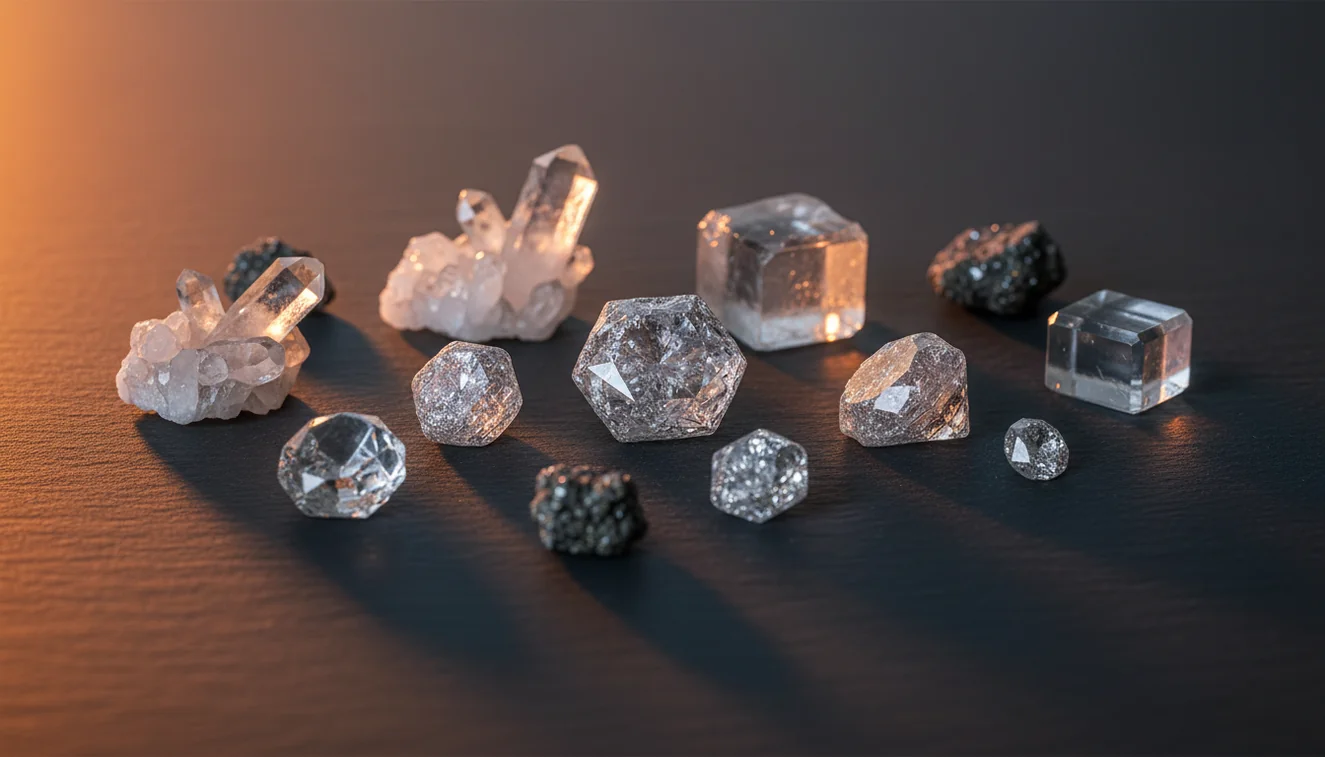
Quick answer: How to tell if a diamond is real starts with safe visual screening of luster, facet sharpness, wear, fog behavior, and possible look-alike stones. A photo can help flag obvious simulants such as glass, quartz, cubic zirconia, or white sapphire, but valuable stones still need professional gemological testing.
AI Rock ID can help readers of this article organize photo-based clues such as sparkle pattern, facet wear, transparency, and possible diamond simulants. RockIdentifier.io provides a web photo upload option for screening a diamond-like stone before professional confirmation.
Quick summary
- Best for
- Jewelry buyers, inherited jewelry owners, secondhand shoppers, beginners, gemstone hobbyists
- Works on
- Loose diamonds, mounted diamonds, diamond-like stones, jewelry photos, common simulants
- Accuracy
- Useful for visual screening, but not definitive for diamond versus moissanite or natural versus lab-grown origin
- Needs confirmation
- Yes
- Professional replacement
- No
- Platforms
- iPhone, iPad, Web
This guide is best for
- People checking a diamond-like stone before visiting a jeweler
- Secondhand jewelry buyers comparing visible clues before purchase
- Owners of inherited rings, pendants, or loose stones with unknown identity
- Beginners learning how diamond luster, fire, facet wear, and inclusions are evaluated
- Collectors sorting possible diamonds from cubic zirconia, glass, quartz, or white sapphire
- Anyone who wants a safe screening method without scratch or damage tests
Consider another approach if you
- Insurance, resale, or legal decisions that require a formal gemological report
- Separating natural diamond from lab-grown diamond
- Confirming diamond versus moissanite in difficult or high-value cases
- Estimating carat weight, clarity grade, treatment status, or market value from a photo
- Testing stones when the setting blocks key views of the pavilion, girdle, or inclusions
To tell if a diamond is real, combine safe observations of adamantine luster, sharp facet junctions, heat response, inclusions, and mounting context. Fog and scratch tests are not proof because moissanite, coatings, settings, and surface dirt can mislead you. Lab-grown diamonds are real diamonds, so separating natural from lab-grown usually requires professional instruments.
What Is a How to Tell If a Diamond Is Real Check?
A diamond realness check is a screening process that asks whether a stone is crystalline carbon rather than cubic zirconia, glass, quartz, white sapphire, or moissanite. Diamond has Mohs hardness 10, adamantine luster, high refractive index, strong thermal conductivity, and specific gravity near 3.52, but most of those properties require tools to measure correctly.
At home, the useful clues are visible: crisp facet junctions, bright white brilliance, controlled rainbow fire, wear patterns, and inclusions under magnification. According to the Gemological Institute of America, lab-grown diamonds have essentially the same chemical, optical, and physical properties as natural diamonds: https://www.gia.edu/gia-news-research/difference-between-natural-laboratory-grown-diamonds. That is why a DIY check can flag obvious simulants but cannot certify origin or value.
How to Tell If a Diamond Is Real Works
Diamond identification works by comparing observable traits against diamond’s known optical and physical behavior. A real diamond usually shows sharp facet edges because it resists abrasion, crisp high-contrast reflections from adamantine luster, and fast heat transfer that can make breath fog clear quickly.
The scanner estimates visible traits from a close photo, such as facet pattern, transparency, surface wear, color, and jewelry context, then compares them with reference examples of diamond and common simulants. Photos are processed for identification in a privacy-friendly way, not used as a public post. The result should be read as a screening suggestion, not a grading report; separating diamond from moissanite, or natural from lab-grown, often needs thermal, electrical, fluorescence, or spectroscopy testing.
How to Tell If a Diamond Is Real With Photos
1. Clean the stone
Wipe the table, crown facets, and pavilion area if accessible. Oil, lotion, and dust can make a real diamond look dull or make a simulant appear less suspicious.
2. Photograph in bright light
Use a sharp macro photo with the stone centered, plus a second angle showing the girdle and facet junctions. Avoid heavy zoom blur and colored LED reflections.
3. Upload through the iOS app link
Open the Rock Identifier iOS app link on the page, upload the clearest image, and compare the photo-based lookup result with your own observations.
4. Inspect luster and wear
Look for crisp reflections, sharp facet junctions, and limited abrasion. Rounded edges or a glassy, softened look often point toward CZ, glass, or quartz.
5. Confirm important stones
If the stone affects price, insurance, resale, or inheritance, take it to a jeweler or gemologist for thermal, electrical, magnification, and report-based confirmation.
When to Use a How to Tell If a Diamond Is Real Check (and When Not To)
Use it when
- Use it before buying secondhand jewelry from an unfamiliar seller, especially when the price seems unusually low.
- Use it when a stone looks too large for its stated carat weight, because lower-density simulants can look oversized.
- Use it to screen common look-alikes such as cubic zirconia, glass, quartz, and white sapphire.
- Use it before paying for resizing, resetting, cleaning, or an appraisal so you know whether further testing is worthwhile.
- Use it when you need a quick learning tool for luster, facet wear, inclusions, and diamond vocabulary.
Skip it when
- Do not use it as final proof for insurance, resale, litigation, or a major purchase.
- Do not rely on it to separate natural diamond from lab-grown diamond.
- Do not perform scratch tests on jewelry, because you can damage the stone, glass, or setting.
- Do not trust a single fog result, especially with moissanite, dirty stones, or closed-back mountings.
How to Tell If a Diamond Is Real vs Google Lens and Crystal Apps
| Feature | Rock Identifier | Google Lens | Rock & Crystal Identifier |
|---|---|---|---|
| Primary purpose | Photo-based rock, mineral, crystal, and gemstone screening with geology terms. | Broad visual search across the web, shopping results, and similar images. | Crystal and stone identification for hobby collections and metaphysical-style browsing. |
| Diamond-specific usefulness | Good for organizing visible clues such as facet wear, luster, color, and possible simulants. | Useful for finding similar jewelry photos, but not built to evaluate gemological properties. | Helpful for general gemstone names, but diamond versus moissanite still needs tools. |
| Strength | Focused mineral context, specimen-style comparison, and beginner-friendly photo ID. | Fast recognition of objects, brands, settings, and visually similar listings. | Simple crystal lookup and collection-style references. |
| Weakness | Cannot certify natural origin, carat, clarity grade, treatment, or market value from a photo. | Can confuse jewelry style with stone identity and may surface sales pages as evidence. | May overgeneralize polished stones and high-quality simulants. |
| Best next step | Use results as a screening note before jeweler confirmation. | Use search results for context, then verify with gem testing. | Use as a hobby reference, then confirm valuable gems professionally. |
For diamonds, a comparison tool should be treated as triage. Visual search can suggest possibilities, but only gemological instruments can reliably separate diamond from moissanite in difficult cases or identify lab-grown versus natural origin.
How to Tell If a Diamond Is Real Use Cases
- Secondhand jewelry screening: Before buying a ring, pendant, or loose stone from a marketplace, use a photo check to document visible clues. Pay attention to facet wear, metal stamps, stone size, and whether the seller has a grading report.
- Estate and inherited pieces: Inherited jewelry often lacks paperwork. A safe first pass can separate obvious costume stones from items that deserve jeweler inspection, appraisal, or insurance documentation.
- Moissanite versus diamond clues: Moissanite can look very convincing. Strong rainbow dispersion, possible facet doubling, and tester behavior are useful clues, but electrical conductivity testing is the practical confirmation step.
- Learning gem observation: Beginners can practice identifying adamantine luster, girdle wear, inclusions, and cut proportions. That vocabulary makes a jeweler visit more productive and reduces reliance on myths.
How to Tell If a Diamond Is Real Limitations
- Treated stones can mislead visual checks because coatings, fracture filling, and surface treatments may change luster, fog behavior, or apparent clarity.
- Polished specimens and mounted gemstones hide diagnostic areas such as the pavilion, girdle, culet, and full inclusion pattern.
- Rare minerals and unusual simulants may not match common at-home comparison rules, especially if they are well cut or coated.
- Photo quality matters: blur, glare, colored lighting, low resolution, and dirty facets can distort sparkle, edge sharpness, and color.
- Value estimates cannot be made from a photo because price depends on carat weight, cut, color, clarity, origin, treatment, and documentation.
- Lab-grown diamonds are real diamonds, so a visual or photo check cannot reliably separate them from mined diamonds.
- Moissanite can pass casual fog checks and some thermal testers, so electrical testing or professional evaluation is needed for confidence.
- Metal stamps such as 14K or PT950 describe the setting, not proof that the center stone is diamond.
Common mistakes
- Treating a scratch test as proof of diamond identity can damage glass, jewelry, or the stone itself.
- Assuming a fast fog result proves a diamond is real ignores moissanite, dirt, coatings, and mounting effects.
- Calling a lab-grown diamond fake is incorrect because lab-grown diamonds are real diamonds with a different origin.
- Judging only by rainbow sparkle can be misleading because moissanite and cubic zirconia can show strong fire.
- Ignoring rounded facet junctions and surface abrasion can miss signs of softer diamond simulants.
- Relying on one photo angle can hide girdle features, pavilion reflections, inclusions, or setting-related clues.
- Buying an expensive stone without a grading report or professional test confuses screening with confirmation.
Use a photo check to screen whether a diamond is real
A clear photo can help organize the visible clues used in a how to tell if a diamond is real check, including luster, facet sharpness, wear, and possible simulants. Professional confirmation is still needed for valuable stones, resale, insurance, or origin claims.
Related Articles
Frequently Asked Questions
Can a real diamond scratch glass?
Yes, diamond can scratch glass because it is much harder. However, this is a bad test because other materials can also scratch glass, and you may chip the stone or damage the jewelry.
Does the fog test prove anything?
The fog test is only a clue. Diamond often clears fog quickly because it conducts heat well, but moissanite, stone size, dirt, and mounting style can produce misleading results.
Is moissanite a fake diamond?
Moissanite is not diamond; it is silicon carbide and is a gemstone in its own right. It can imitate diamond visually, but it often shows stronger rainbow fire and may require electrical conductivity testing to separate.
Are lab diamonds real diamonds?
Yes, lab-grown diamonds are real diamonds with the same basic crystal structure and chemical composition as natural diamonds. The difference is origin, not whether the material is diamond.
What stone looks most like diamond?
Moissanite is one of the closest visual look-alikes because it is hard, bright, and durable. Cubic zirconia can also look convincing when new, but it usually wears faster and often develops rounded facet edges.
Can a photo identify a diamond?
A photo can help screen visible traits such as luster, facet wear, color, and setting context. It cannot measure refractive index, thermal conductivity, electrical conductivity, or natural versus lab-grown origin.
What inclusions prove a natural diamond?
No single inclusion proves natural origin by itself. Natural diamonds may contain crystals, feathers, clouds, or strain, but lab-grown diamonds also have diagnostic features that require trained interpretation.
Should I buy without a report?
For inexpensive jewelry, you may accept some uncertainty if the price matches the risk. For a meaningful purchase, ask for a reputable grading report or have the stone inspected independently before paying.
What is the safest home test?
The safest home test is visual inspection with good light and magnification, not scratching, heating, or chemical exposure. Look for sharp facet junctions, crisp luster, realistic mounting context, and then confirm valuable stones professionally.