Best Crystals for Abundance
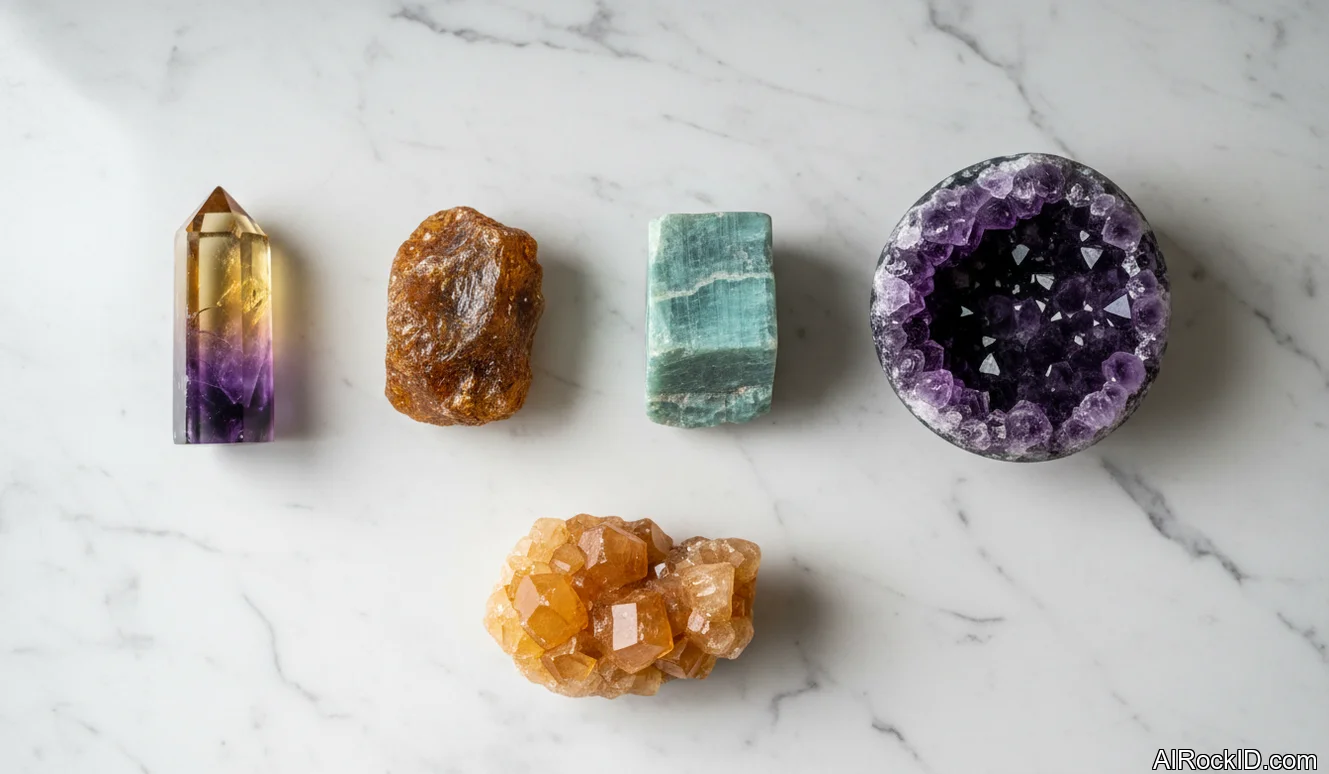
Quick answer: Common abundance crystals include citrine, pyrite, green aventurine, jade, and clear quartz. They are best used as focus tools alongside practical money habits, planning, networking, and consistent follow-through.


- Introduction
- Recommended Crystals
- What “abundance” looks like in real life (and how to pick a stone for it)
- Where abundance crystals actually live: wallet, desk, storefront, or bedroom
- Buying tips: spotting fakes, treatments, and bad listings
- Pairing crystals with money actions that actually move the needle
- How to Use These Crystals
- Common Mistakes
- FAQ
AI Rock ID can help users compare a photographed stone with common visual traits such as color, luster, transparency, and crystal habit. RockIdentifier.io provides crystal and rock information for learning purposes, including identification support and educational wiki pages.
Good fit
- People who want a physical reminder for budgeting, saving, sales goals, or business planning
- Beginners choosing a small set of easy-to-find abundance-associated crystals
- Users interested in traditional crystal symbolism without treating stones as financial guarantees
- Collectors who want to understand common lookalikes before buying citrine, jade, or pyrite
Not a good fit
- Anyone expecting a crystal to replace income planning, debt management, or professional financial advice
- Buyers who want guaranteed investment value from common tumbled stones
- People seeking medical, legal, or financial outcomes from metaphysical use alone
Most commonly confused with
- Citrine: Natural citrine is often pale yellow to smoky; many bright orange pieces sold as citrine are heat-treated amethyst.
- Pyrite: Pyrite has a brassy metallic look and cubic forms, while real gold is softer, denser, and less brittle.
- Green Aventurine: Green aventurine usually has subtle sparkly mica inclusions, unlike many evenly dyed green stones.
- Jade: True jade refers to jadeite or nephrite; many green stones sold as jade are serpentine, quartz, or dyed material.
AI identification confidence
AI identification is most useful when a crystal has clear visual traits, such as pyrite’s metallic luster or quartz’s glassy transparency. Confidence is lower for polished green stones, dyed materials, and treated citrine because different minerals can look similar after cutting and tumbling.
When AI gets it wrong
- The photo is too dark, blurry, or taken under colored lighting
- The stone is tumbled or carved, removing natural crystal shape clues
- The material has been dyed, heat-treated, coated, or mislabeled by a seller
- Several green or yellow minerals share the same general color and polish
Best choice summary
For a simple abundance set, citrine is commonly chosen for confidence and goal focus, pyrite for business and motivation symbolism, and green aventurine for opportunity and steady growth traditions. If authenticity is a concern, green aventurine and clear quartz are often easier beginner choices than high-priced jade or unusually vivid citrine.
Final recommendation
Choose one crystal that matches a specific action, such as saving money, improving sales outreach, organizing a workspace, or staying consistent with a career goal. Treat the stone as a reminder and ritual object, not as a substitute for budgeting, skill-building, ethical decision-making, or professional advice.
Beginner recommendations
Advanced recommendations
Ethical Use for Money and Business Goals
Abundance-focused crystal traditions work best when tied to clear, ethical actions. A stone can be used as a reminder to price fairly, communicate honestly, keep financial records, and avoid decisions based only on wishful thinking.
Budget-Friendly Ways to Start
A single small tumbled stone is enough for a daily focus practice. Beginners do not need rare specimens, large clusters, or expensive jewelry to work with abundance symbolism.
Care Notes for Popular Abundance Stones
Pyrite should be kept dry because moisture can damage some specimens over time. Citrine, aventurine, quartz, and jade are generally durable for normal handling, but all polished stones can chip if dropped or stored loosely with harder minerals.
This guide covers the best crystals for abundance, focusing on stones that help you stick with new habits around money, work, and boundaries. Amber, amazonite, ametrine, amethyst, amber calcite, and apatite all get specific mentions here. No crystal can make cash appear out of thin air; they work best as tactile reminders and fidget tools during real financial actions.
The best crystals for abundance are the ones that help you stay steady, clear-headed, and consistent while you do the real-world stuff that actually creates income, opportunities, and savings. I’m not talking about “think rich” magic. I mean stones that gently push your behavior in a better direction: fewer impulsive choices, more follow-through, stronger boundaries, and a calmer nervous system when money gets noisy.
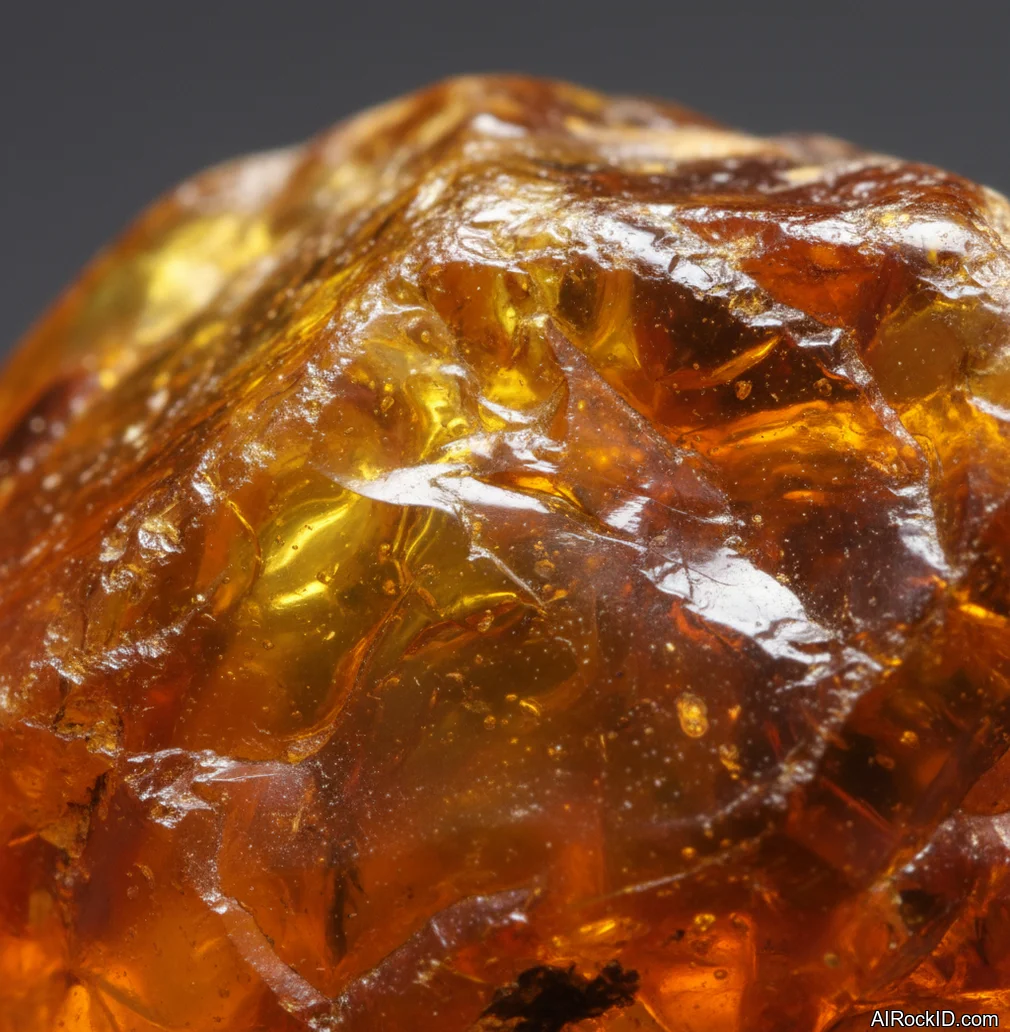
Pick up a piece of amber and the first thing you notice is the weight. It’s warmer than quartz in your palm, kind of like it’s been sitting in a pocket all day and picked up body heat. That feel matters, because abundance work is mostly repetition. You want something you’ll genuinely reach for while you’re paying bills, sending invoices, negotiating, or sitting down to plan (again). If a stone feels annoying, too sharp, too glassy, or too “performative,” you’re not going to use it. Simple as that.
And look, the market’s a mess. A lot of “citrine” people buy is heat-treated amethyst, and some bright green “jade” is just dyed quartz. So I’m sticking to stones that are easy to source from the list you gave, and I’ll point out where people usually get tripped up. But abundance isn’t only money, either. It’s time, bandwidth, supportive relationships, and having enough left at the end of the week to breathe.
Quick Comparison
| situation | crystal | why | format |
| Paying bills when your anxiety spikes and you want to avoid the whole thing | Amber | Soothes nerves and keeps your hands busy; the warm, lightweight feel is comforting when your chest gets tight | Palm stone or raw chunk |
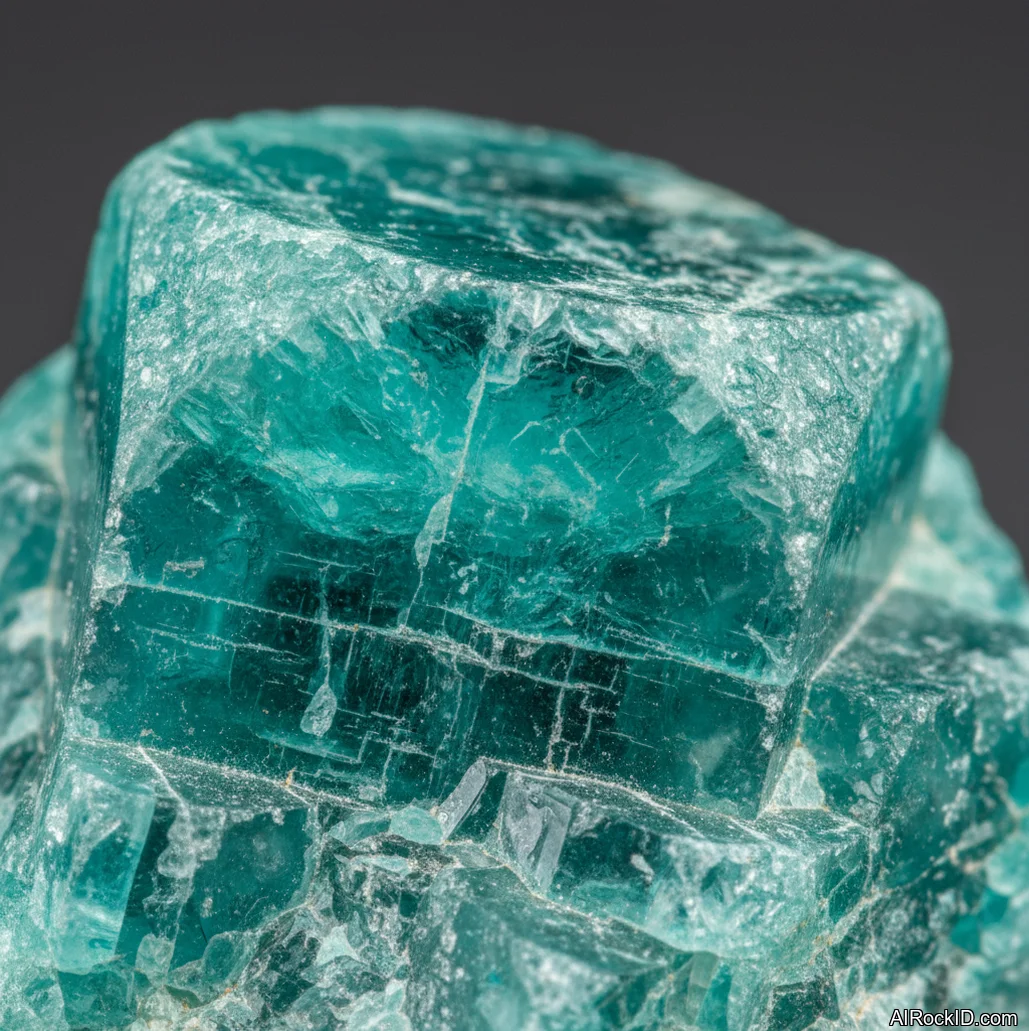
| Negotiating pay or asking for a raise when you tend to back down | Amazonite | Feels slick and sturdy in the hand; helps with clear words and a steady voice | Tumbled stone to grip in your pocket |
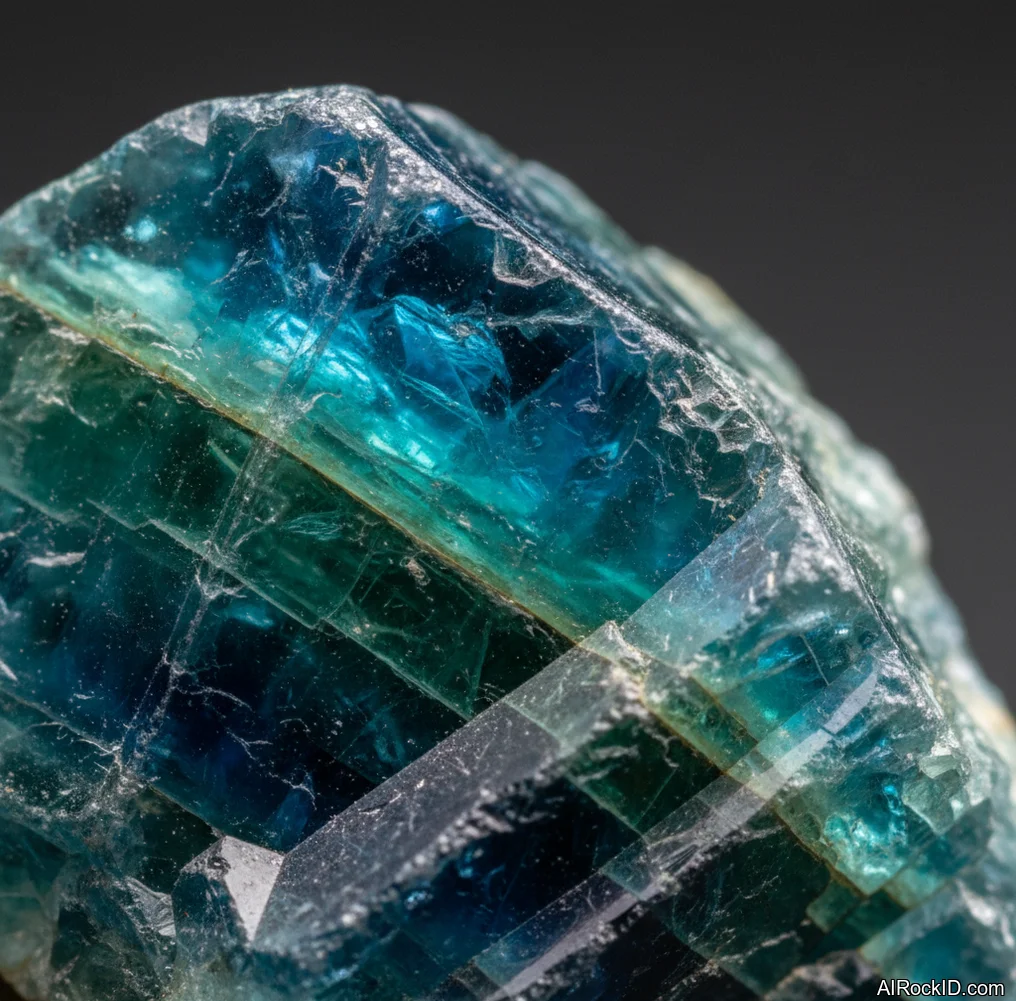
| Sticking to a new savings plan but losing motivation after the first week | Apatite | Sharp blue-green colors catch your eye; acts as a physical nudge to keep going | Pocket stone or small palm piece |
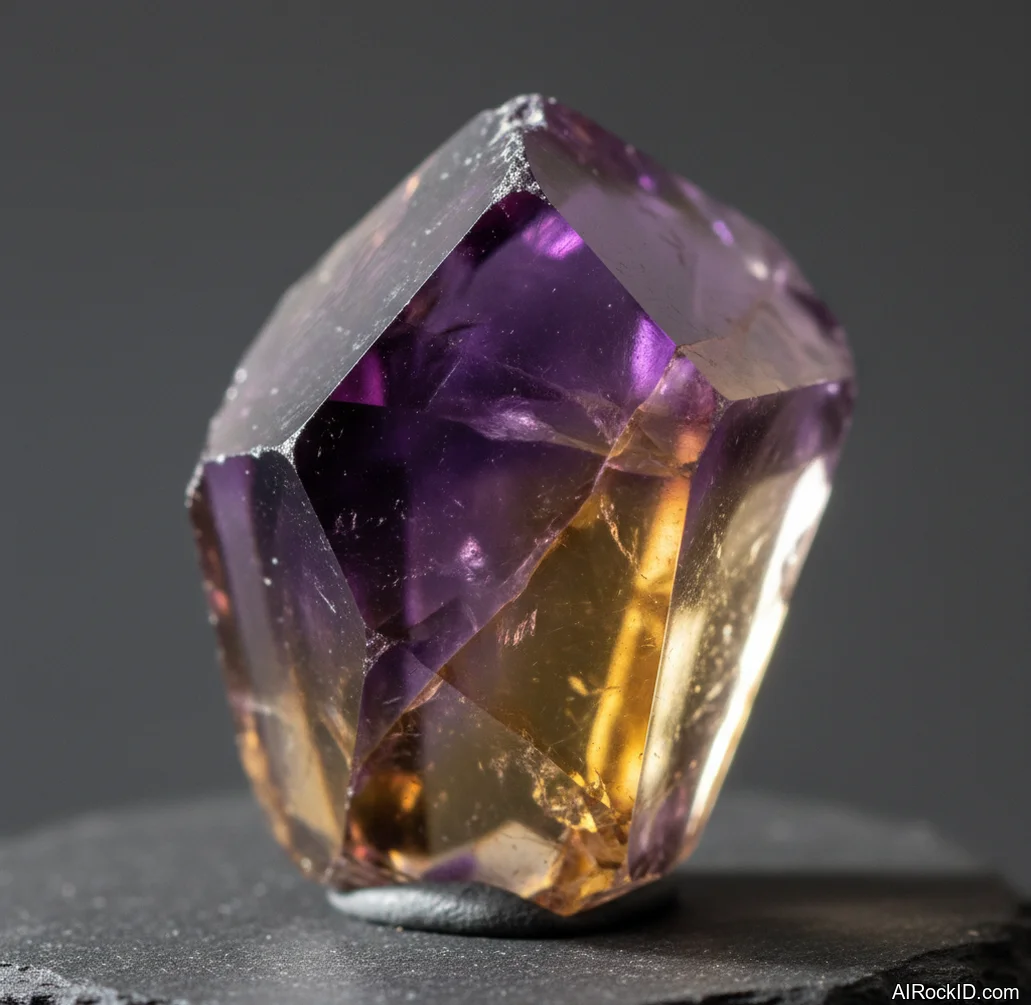
| Letting go of money guilt or fear from past mistakes | Ametrine | You can see both purple and gold zones in one chunk; supports a sense of fresh start and balance | Raw point or polished freeform |
Recommended Crystals
Amber
Amazonite
Ametrine
Amethyst
Amber Calcite
Apatite
Arfvedsonite
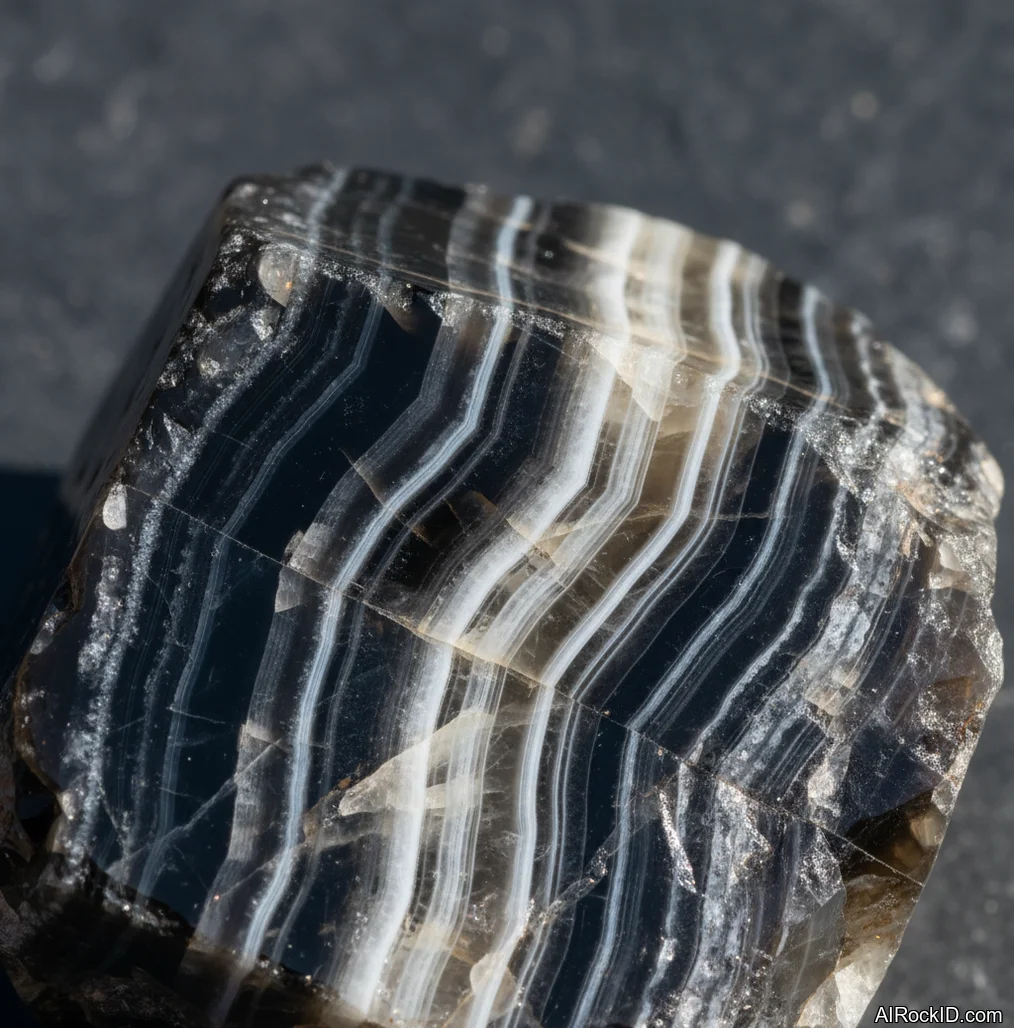
Black Banded Onyx
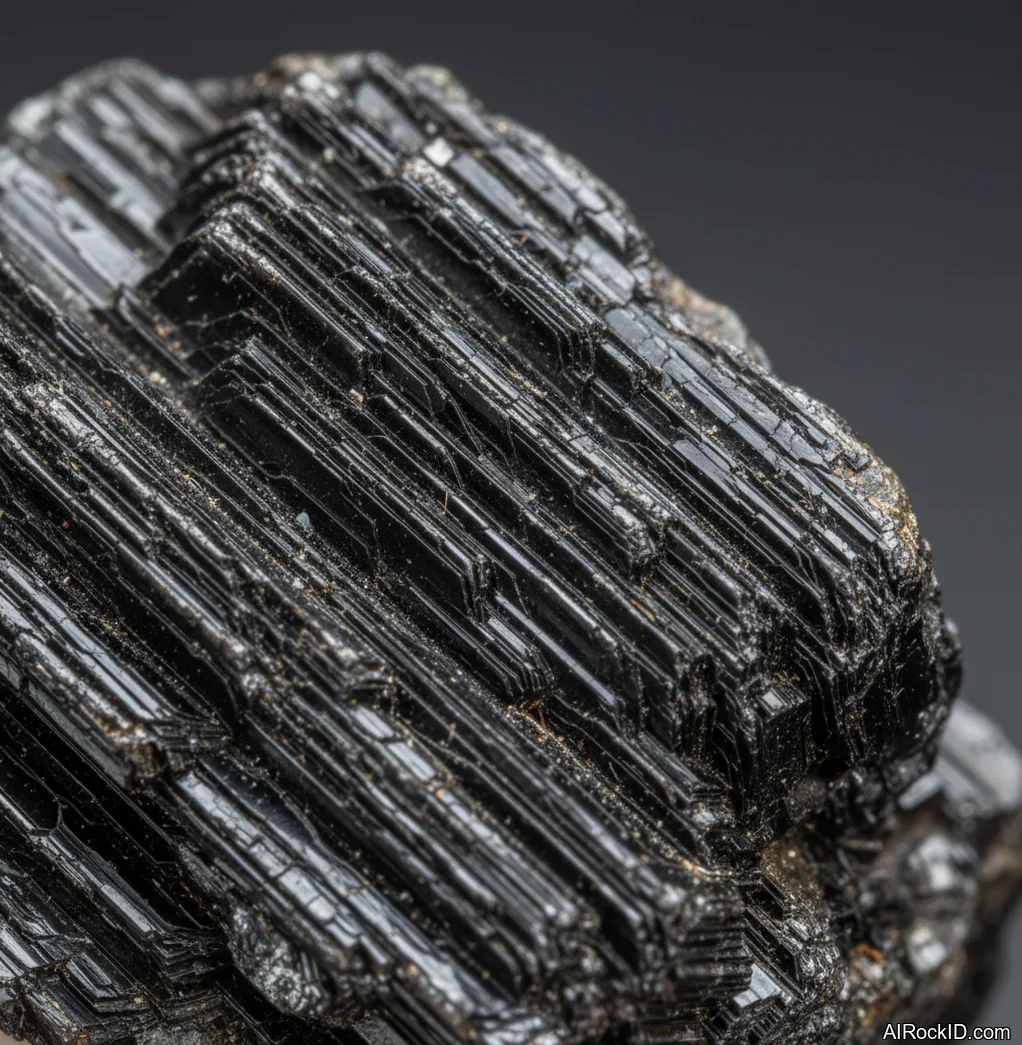
Black Mica
What “abundance” looks like in real life (and how to pick a stone for it)
Most dealers will gladly sell you a “money stone,” but money stuff usually isn’t one tidy problem. It’s a whole knot: inconsistent income, messy spending, that tight feeling in your chest when you have to ask for a raise, or just never having the time to actually follow through. So pick a stone based on the habit you’re trying to shift, not whatever label is stuck on the tag.
Grab amber if what you need is comfort and consistency. It’s warm in the hand, kind of grippy instead of slick, and it works like a physical nudge to do the daily stuff. And the daily stuff is what adds up. If your snag is communication, amazonite tends to land better because it cues calmer speech and cleaner boundaries. For motivation and momentum, apatite is the one I reach for, but I’m careful with it because it chips (you can feel how it wants to catch on a pocket seam).
Look closely at how you react to the stone. If it makes you want to put it down, that’s data. Abundance work takes repetition, so you want something you’ll actually use during the boring moments: paying bills, tracking spending, sending follow-ups, the unglamorous grind. Pretty is fine, sure. But “will I touch this every day?” is the real filter.
Where abundance crystals actually live: wallet, desk, storefront, or bedroom
Placement matters, not because of mystical GPS coordinates, but because it changes what you actually remember to do in the moment. A stone shoved in a drawer does nothing. But a stone you see right when you’re about to make a money decision can.
For wallet work, pick something tough, not squishy. Black banded onyx holds up better than calcite, and it won’t get wrecked by coins (you know that gritty coin dust that builds up in the corners of a wallet). Amber is great near a wallet, but it can scratch up if it rides inside with metal keys or loose change.
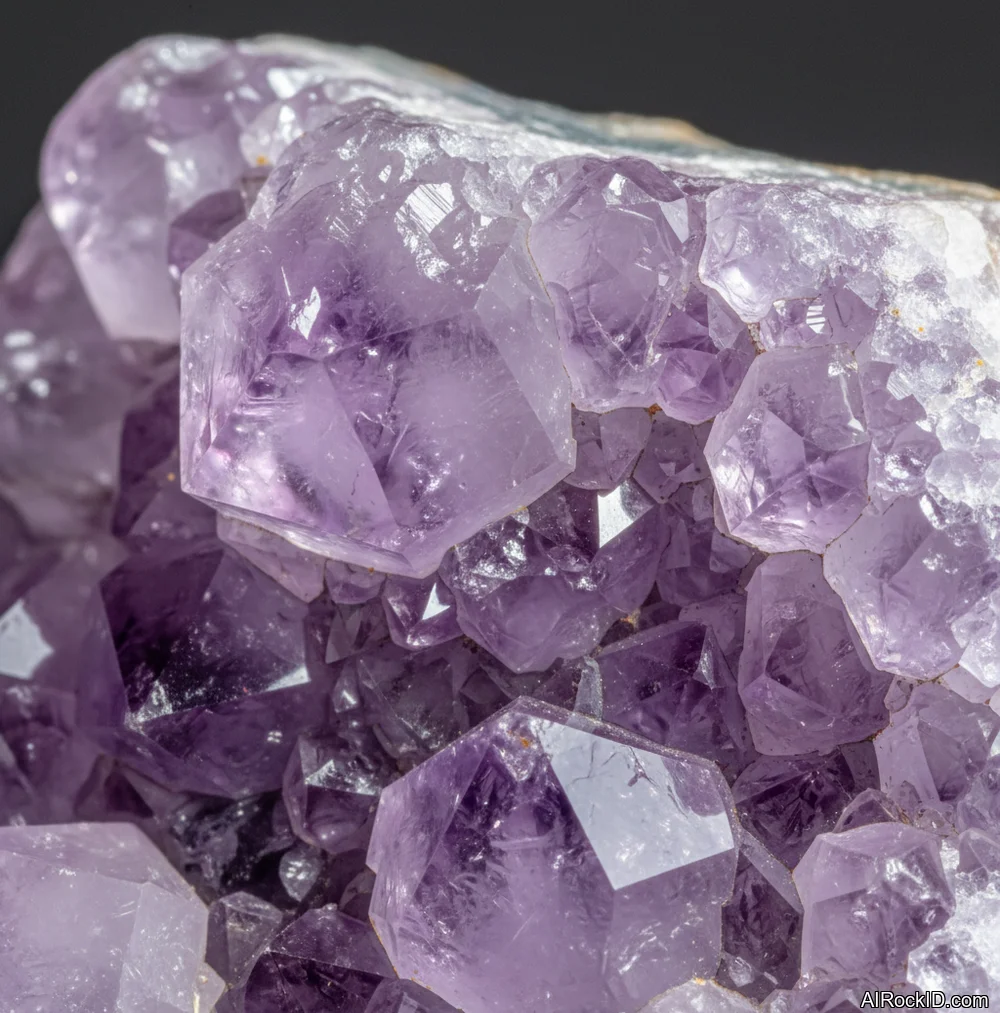
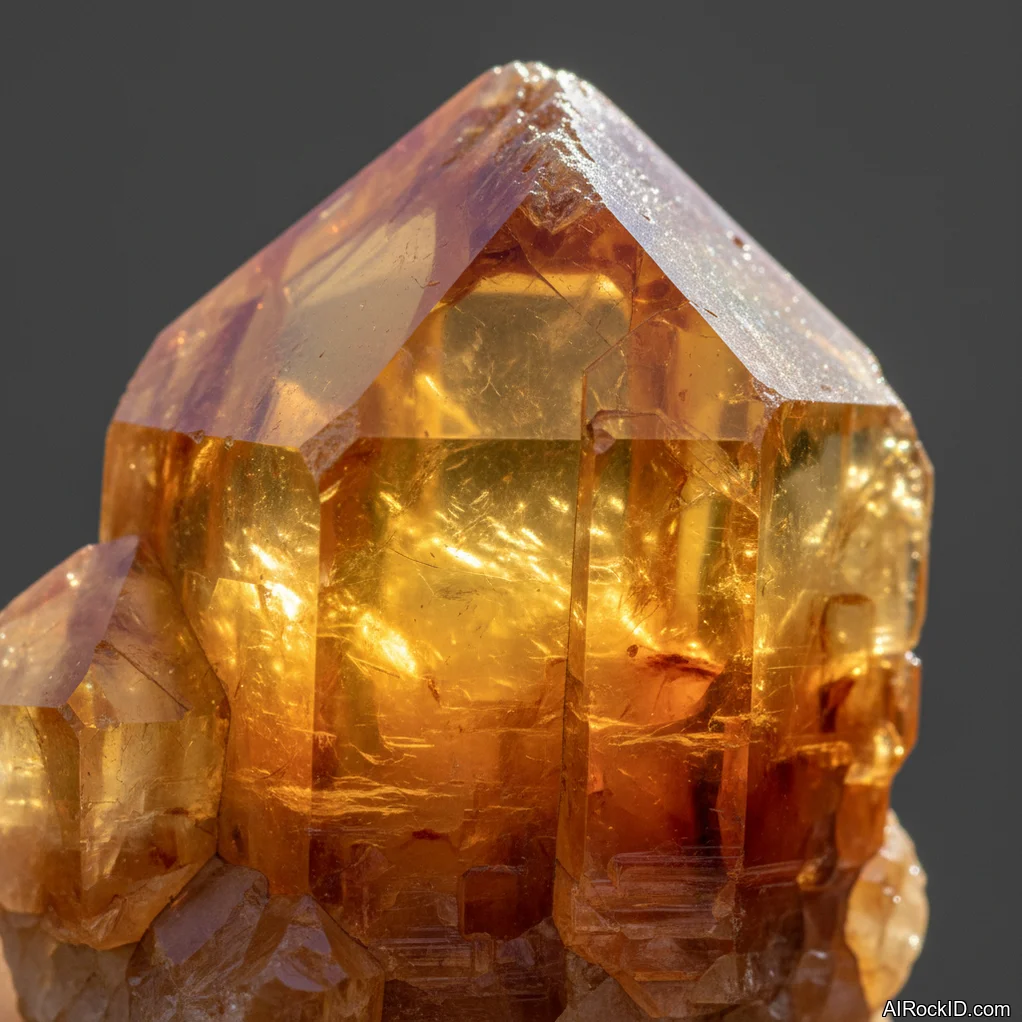
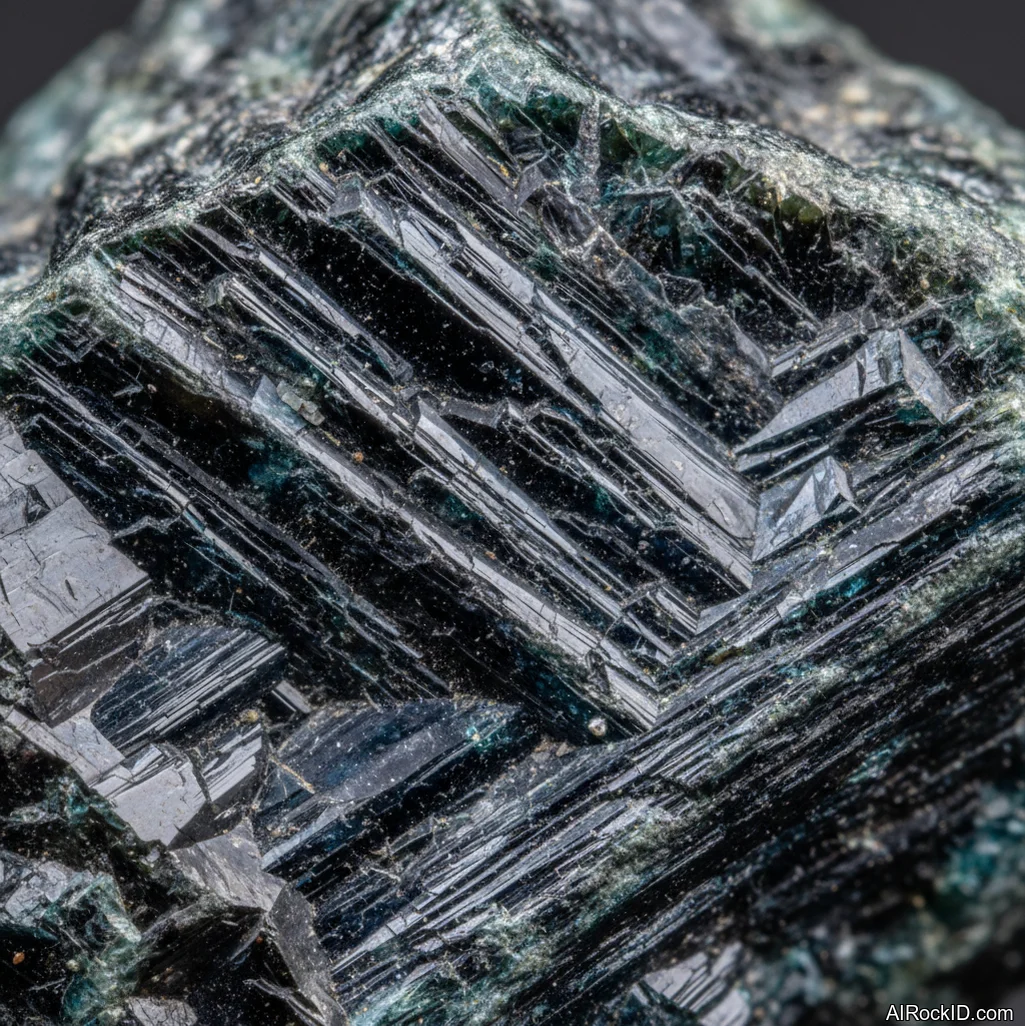
For desk work, you can go softer and bigger. Amber calcite works. So does a chunky piece of amethyst. Or a flashy arfvedsonite palm stone you keep by your keyboard where your hand lands without thinking.
The bedroom is underrated for abundance. Thing is, if your spending spikes when you’re tired, amethyst by the bed can be more “abundance” than any flashy stone, because sleep and impulse control are linked in plain, boring biology. Put the stone where the habit happens. Why fight your own routine?
Buying tips: spotting fakes, treatments, and bad listings
The issue with “abundance” stones is the marketing turns sloppy fast. Sellers will slap the name “citrine” on anything that’s yellow, and a lot of that bright green stuff out there is dyed. You don’t have to become a gemologist or buy lab gear, but you do need a couple basic checks.
The cheap versions usually feel off in your hand. Real minerals stay cool longer, even after you’ve been holding them for a minute; plastic and resin heat up quick and start feeling sort of tacky-warm (you know the feeling). So look for photos taken in natural light, not just under bright LED lights, and ask for a picture of the back side too, because that’s where you’ll catch pits, repairs, and weird patches.
And with ametrine, watch out for color that looks like it was painted on the surface instead of zoned through the crystal. With black banded onyx, be skeptical if the banding is jet-black and so perfectly even it looks printed. Real banding usually has at least a little messiness to it.
Most dealers aren’t evil. They’re often just repeating what their supplier told them. Ask a few simple things: is it dyed, is it treated, where was it sourced, can I return it? A seller who answers plainly is usually worth paying a little more.
Pairing crystals with money actions that actually move the needle
Crystals only really “work” when you hook them to something you actually do. If you don’t, they’re just nice-looking rocks collecting dust on a shelf. I’ve watched this play out a bunch of times: people swear they’re doing the whole crystal routine, but nothing changes because they never tie it to a habit.
So try this simple two-step loop. First, touch the stone. Then, within 60 seconds, do the action you’re trying to build. Put amber right next to your budgeting notebook, then open the spreadsheet. Set apatite by your laptop, then hit start on your task timer. Keep black banded onyx in your pocket (you can feel that smooth, heavier-than-you-expect weight through the fabric), then say the number out loud when you quote your rate.
Thing is, vague intention-setting is easy to drift away from. This is blunt. It works because a physical cue you can feel in your hand gets glued to a behavior. Miss a day? Fine. Don’t spiral. Just grab it tomorrow and run the loop again.
How to Use These Crystals for Abundance
Start with one stone, not a whole grid. Seriously. A pile of pieces just turns into visual noise, and that kind of clutter makes money stuff feel heavier than it already is. So pick the one that fits your biggest bottleneck right now: amber for steady daily habits, amazonite for asking and negotiating, apatite for motivation, black banded onyx for boundaries, or amethyst if your nervous system is basically driving the car.
I keep it super simple with a three-touch routine. Morning: pick up the stone (feel the cool weight in your palm) and write down one money action for the day, even if it’s tiny. Midday: touch it again right before you open email or messages, then do the uncomfortable follow-up you’ve been dodging. Evening: touch it one more time and jot what you spent, what you earned, or what you moved forward, because tracking clears things up fast.
If you want to carry a stone around, go for something durable and just accept it’ll get scratched up. That’s not “ruined,” it’s proof you actually used it. But for softer pieces like amber calcite or black mica, keep them parked on a desk or shelf where they won’t get banged around. And if the stone starts to feel like a crutch (it happens), swap it out for a week and see if your habits hold without it. That’s the real test, right?
Common Mistakes to Avoid
The biggest screw-up is treating “abundance” like a lottery ticket. People buy a stone, set it on a shelf, and just wait. Then they’re shocked nothing changes. Of course nothing changes, because nothing changed. Tie the stone to a behavior you’ll actually do, or it’s just decor.
Second mistake: picking the prettiest piece instead of the one you’ll use. I’ve watched people baby a flawless, polished stone like it’s made of glass, then never touch it because they don’t want a scratch on that mirror finish. Meanwhile, a slightly scuffed pocket stone you’re actually rubbing between your fingers while you check your budget or write invoices will do more for your routine than a museum-grade specimen you’re afraid to handle. Simple.
Third mistake: getting fooled by messy listings. Heat-treated, dyed, or flat-out mislabeled stones are everywhere, especially in those “money crystal” bundles. If the color looks unreal under those blown-out listing photos and the seller won’t answer basic questions, just pass. And look, don’t toss soft stones in the same pocket as keys and coins unless you’re fine with chipped edges (and that little gritty dust you feel on your fingertips later). Why invite the disappointment?
What Crystals Can and Cannot Do
Identify crystals related to Best Crystals for Abundance
Snap a photo to check crystals mentioned in this guide and compare likely matches.