Best Crystals for Protection
Quick answer: Black tourmaline, obsidian, smoky quartz, hematite, and amethyst are commonly chosen for protection in crystal traditions. For everyday use, durable stones with a hardness around 6 or higher and minimal flaking are usually easier to wear, carry, and keep clean.


- Introduction
- Recommended Crystals
- What “protection” actually means in crystal work
- Choosing protective stones that won’t fall apart in your pocket
- Protection placements at home that actually change the feel of a room
- Protection jewelry: what works and what’s a pain
- How to Use These Crystals
- Common Mistakes
- FAQ
AI Rock ID can help narrow down a protective crystal by analyzing visible features such as color, luster, banding, and crystal habit. RockIdentifier.io provides identification support and educational crystal information, but physical testing or a qualified gemologist may still be needed for certainty.
Good fit
- People who want a simple pocket stone, bracelet, or bedside crystal as a daily grounding reminder
- Homes or workspaces where a visible object can support a calmer routine or boundary-setting habit
- Beginners who prefer well-known, widely available stones with straightforward care needs
- Collectors who want to compare traditional meanings with durability, cost, and placement practicality
Not a good fit
- Replacing locks, alarms, safety plans, legal help, or medical care
- Situations where a fragile, water-sensitive, or brittle mineral will be carried loose with keys or coins
- Anyone expecting a crystal to block all stress, conflict, or negative events
- Households with children or pets unless small stones are stored securely
Most commonly confused with
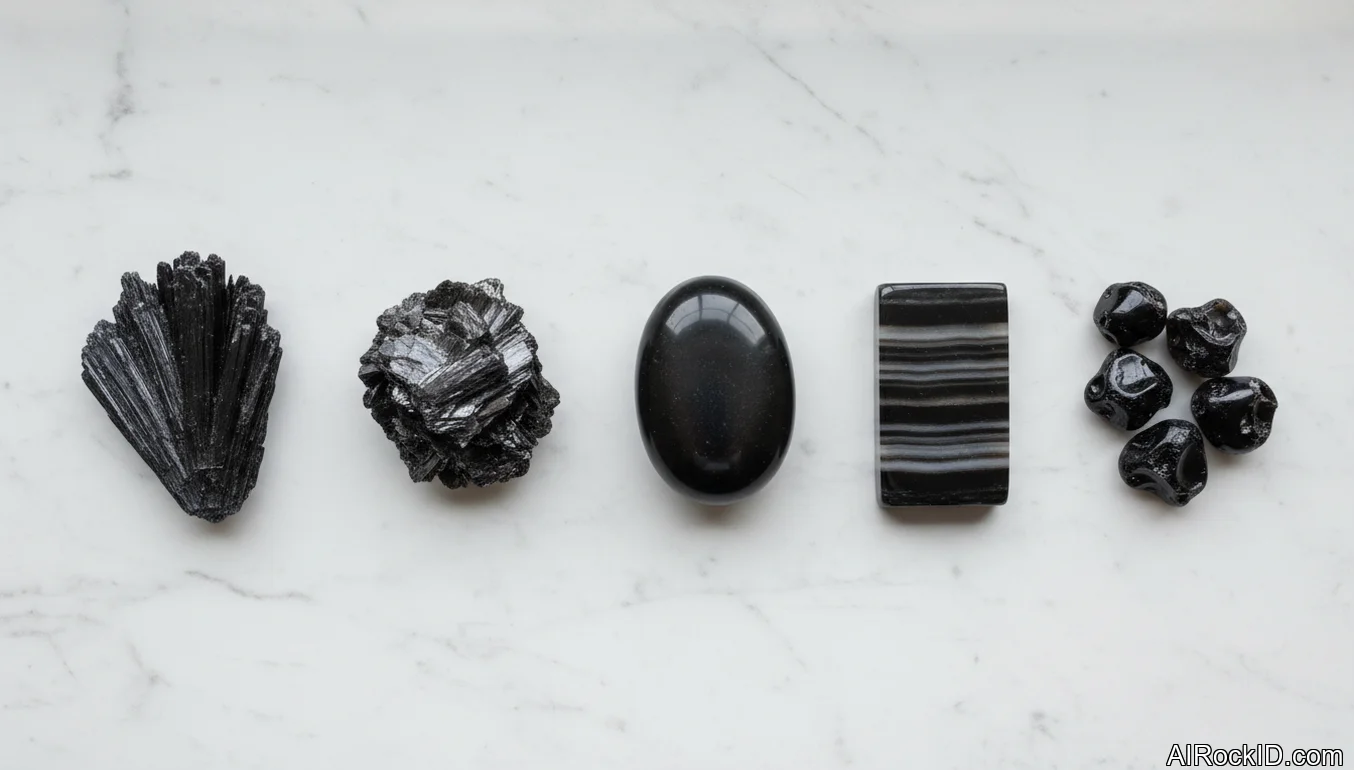
- Black Tourmaline: Usually striated and matte to glassy, and often chosen for grounding rather than mirror-like reflection.
- Obsidian: Volcanic glass with a smooth, glassy surface and sharp fracture; it is not a crystalline mineral.
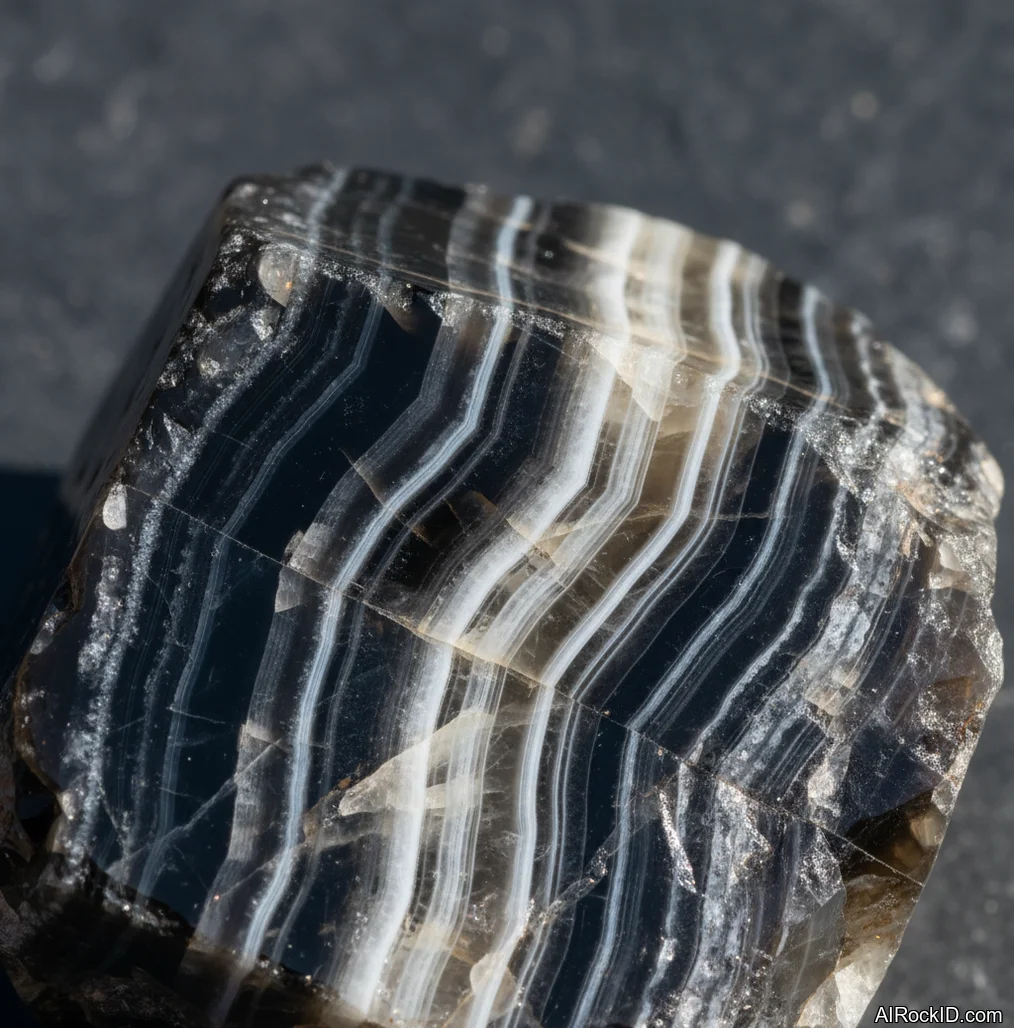
- Onyx: A banded chalcedony that is commonly polished and dyed black; it is usually tougher for jewelry than obsidian.
- Hematite: Heavy, metallic-looking iron oxide that feels noticeably dense compared with most black stones.
AI identification confidence
AI identification is often more reliable for distinctive stones such as hematite, clear smoky quartz, or glassy obsidian when photos are sharp and well lit. Confidence is lower for polished black stones because onyx, dyed agate, black tourmaline, obsidian, and glass can look similar in a single image.
When AI gets it wrong
- The stone is tumbled, polished, or photographed under colored lighting that hides texture and translucency.
- A black stone is dyed, coated, or sold under a trade name rather than a mineral name.
- Only one photo is provided and the image does not show edges, luster, weight clues, or natural surfaces.
- The specimen is a look-alike glass, composite, or treated material.
Best choice summary
For most beginners, black tourmaline is the most practical protection choice because it is widely available, strongly associated with grounding traditions, and easy to place near doors, desks, or bedside tables. For jewelry, smoky quartz or onyx is often easier to maintain than brittle or sharp-edged materials such as raw obsidian.
Final recommendation
Choose a protection crystal that matches the job: black tourmaline for grounding spaces, smoky quartz for steady daily wear, obsidian for reflective personal work, and hematite for a tactile grounding reminder. Treat the stone as a supportive object for focus and intention, not as a substitute for practical safety steps.
Beginner recommendations
Advanced recommendations
How to Check If a Protection Crystal Is Practical
A practical protection crystal should survive the way it will be used. Pocket stones need smooth edges and decent toughness, jewelry stones need secure settings, and home stones should be stable enough not to shed, splinter, or stain nearby surfaces.
Ethical and Authenticity Considerations
Many popular protection stones are inexpensive, but labels can still be confusing. Black onyx may be dyed chalcedony, citrine may be heat-treated amethyst, and some trade names may describe appearance rather than mineral identity. Buying from sellers who disclose treatments and origins makes comparison easier.
Safety Notes for Homes With Children or Pets
Small tumbled stones can be choking hazards, and sharp obsidian or splintery raw minerals should not be left where children or pets can reach them. Avoid placing mineral specimens in drinking water, pet bowls, humid terrariums, or aquariums unless the material is confirmed safe for that use.
This guide covers the best crystals people actually use for everyday protection—ones you’ll keep in your pocket or on your desk, not just sit on a shelf. It lists Black Kyanite, Black Mica, Black Onyx, Black-Banded Onyx, Apache Tears, and Amber, with real-world tips for picking pieces that hold up to daily handling. No crystal makes you invincible, and relying on them without building real boundaries won’t keep you safe.
The best “protection” crystals are the ones you’ll actually reach for every day. Ones that can take real pocket time, and ones that don’t become a placebo you hide behind instead of setting decent boundaries.
Pick up a dark stone and you notice the weight first. It sits heavy in your palm, a little cool and smooth, then it starts to warm up where your fingers rest (especially if you’ve been holding it while you read or scroll). Thing is, a solid protection setup isn’t collecting ten pricey pieces and then forgetting them in a drawer. It’s grabbing a few that can live in your pocket, by the front door, or on your desk without chipping, fading, or feeling too precious to touch. I’ve watched people in shops go straight for the prettiest one, then admit they’ll never carry it because they’d freak out if it got scratched. That’s not protection. That’s a display.
And protection means different things depending on your life, right? Sometimes it’s emotional protection, like not soaking up everyone else’s mood at work. Sometimes it’s practical, like a grounding reminder to slow down before you fire off a text you’ll regret. Crystals can help as anchors and cues, and some of them have that hard-to-ignore “in the hand” feel: cold at first touch, then warming slowly as you hold them. But they don’t replace locks, therapy, or leaving a bad situation. So treat them like tools for steadiness and personal space, not armor that makes you invincible.
Quick Comparison
| situation | crystal | why | format |
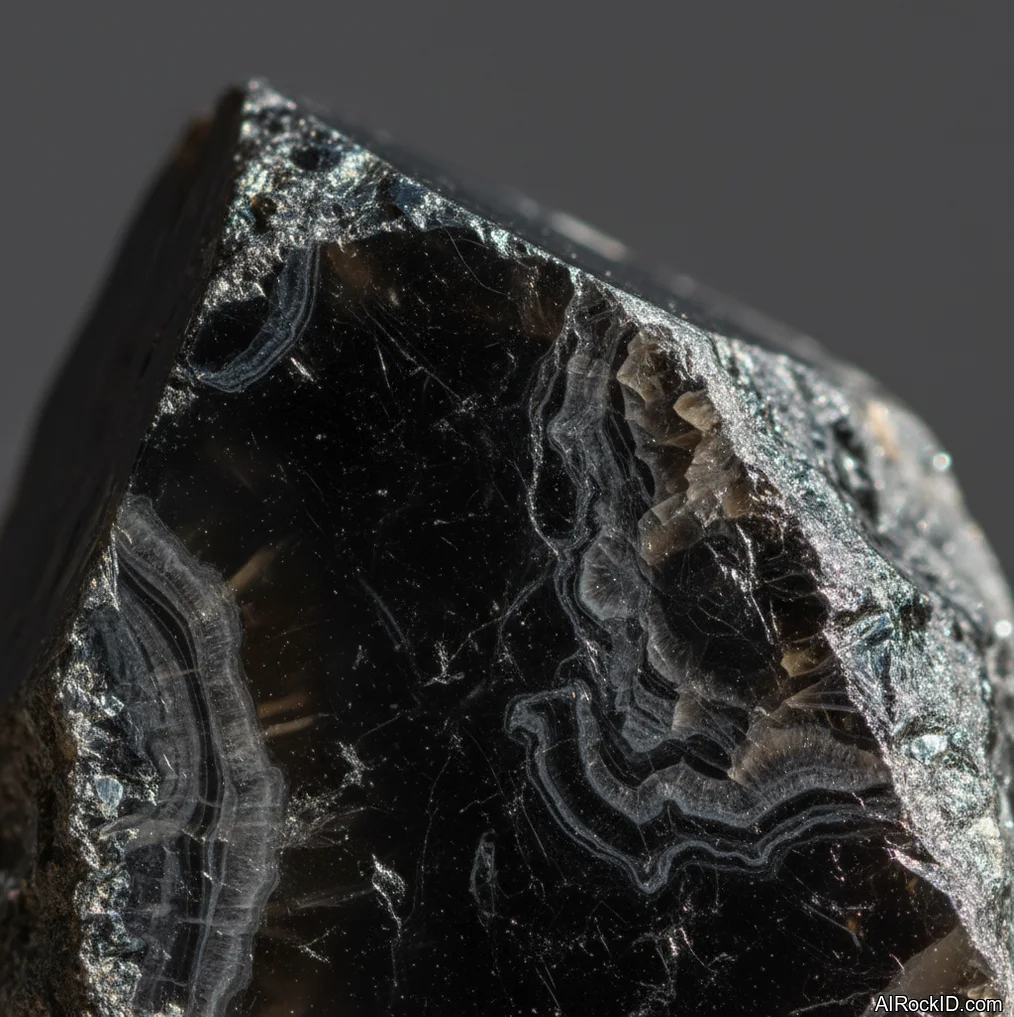
| Carrying something daily to feel grounded and less anxious in crowded public spaces | Black Onyx | Dense, hard, and doesn’t chip easily in a pocket; feels solid and cool at first touch | Tumbled stone or worry stone |
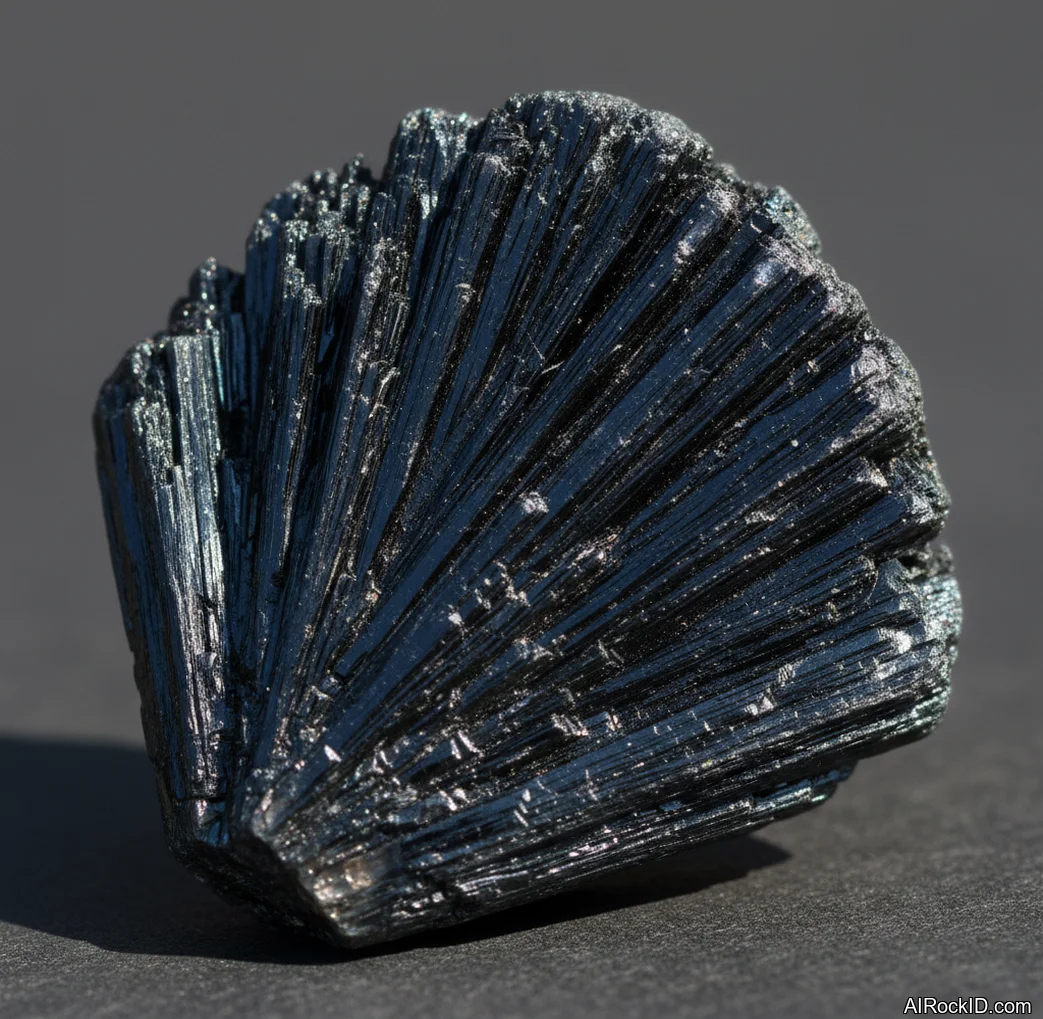
| Needing a stone by your front door to 'catch' bad energy from visitors or deliveries | Black Kyanite | Raw blades look like they sweep energy aside; rough texture holds up if it’s bumped or moved | Raw blade cluster |
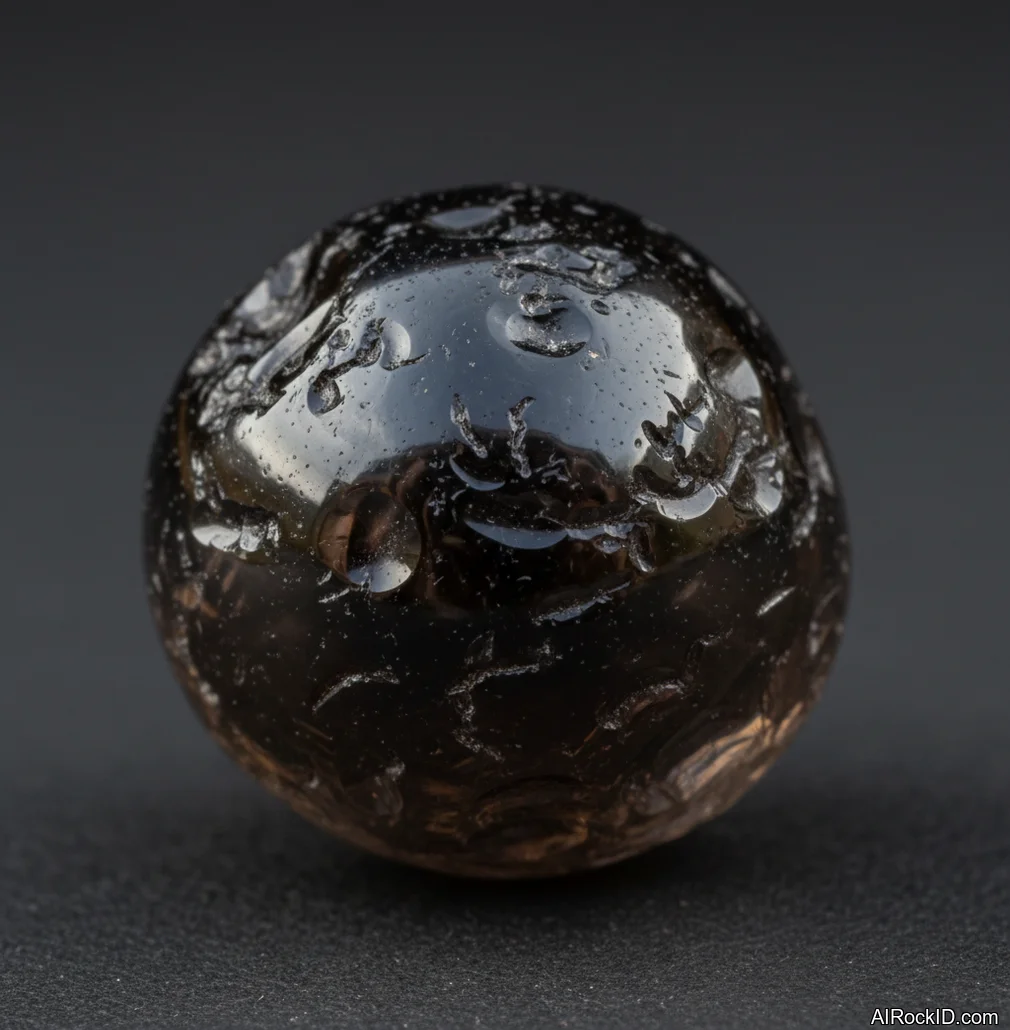
| Carrying a crystal for emotional protection after loss or heartbreak | Apache Tears | Lightweight, slightly translucent; they warm up quickly in your hand and have a comforting feel | Small tumbled pebble |
| Wearing something to subtly protect your energy at work without questions from coworkers | Black-Banded Onyx | Polished beads look like standard jewelry; bands are only obvious up close | Bracelet or necklace beads |
Recommended Crystals
Black Kyanite
Black Mica
Black Onyx
Black-Banded Onyx
Apache Tears
Amber
Amethyst
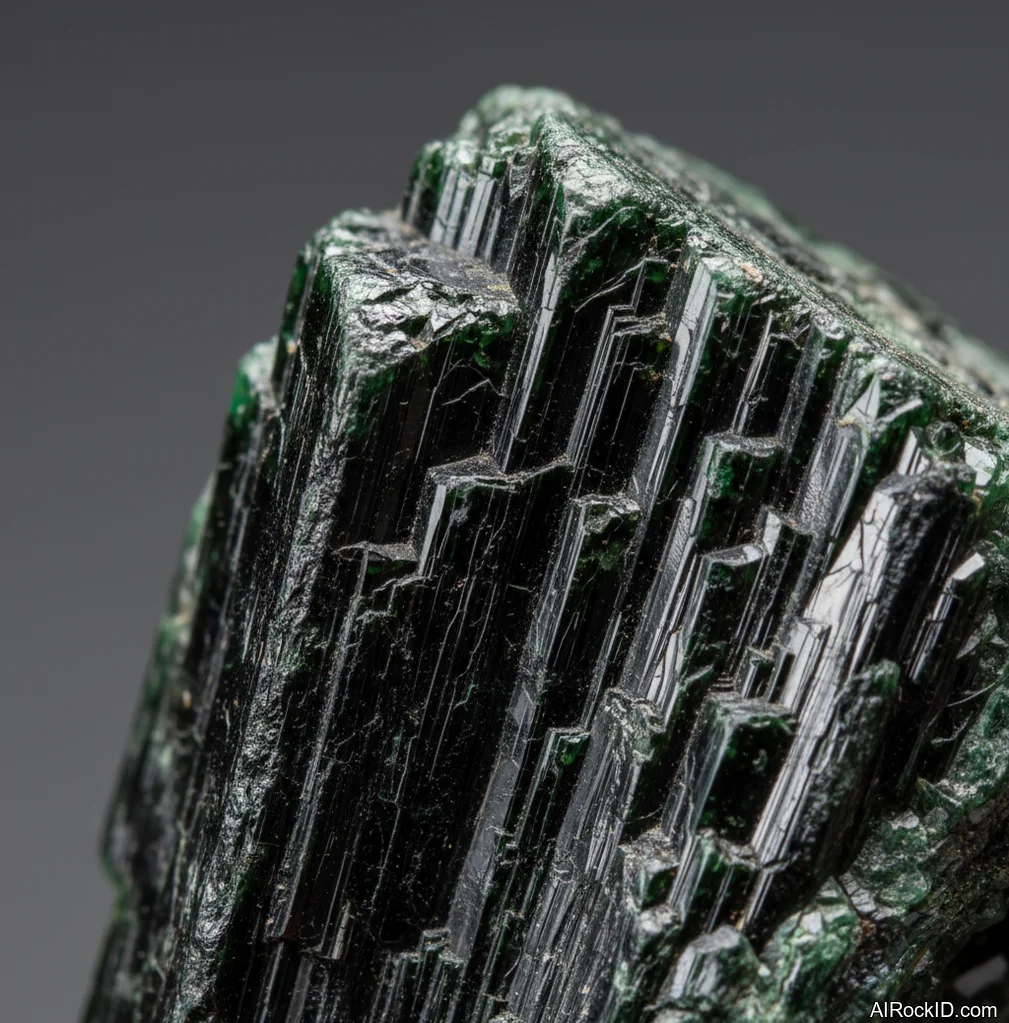
Aegirine
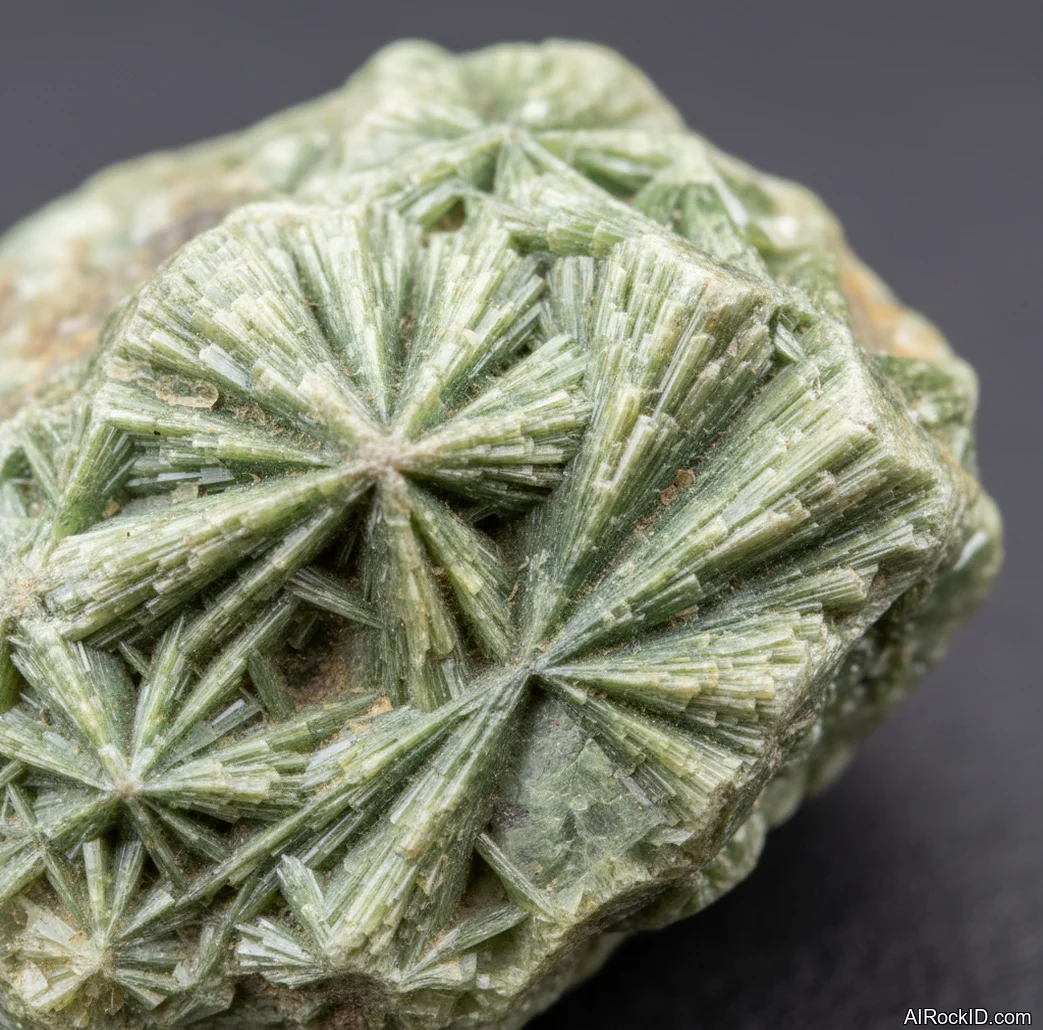
Actinolite
What “protection” actually means in crystal work
Protection gets tossed around like it’s one simple thing, but once you’re actually living your life, it breaks into separate buckets real fast. There’s emotional protection, like not taking your coworker’s stress home with you (you know that tight-chested, end-of-day heaviness). There’s mental protection, like not doom-scrolling for two hours because you can’t shut your brain off. And there’s space protection, the plain “my home feels like mine” problem that shows up after breakups, roommates, or just a rough season where your place starts to feel off.
Most dealers will try to hand you one stone and call it the fix for everything. But your body’s usually pretty blunt about what you need if you actually listen. If a stone makes you clench your jaw, or you feel a little edgy holding it, it might be too intense for daily use. If it feels like nothing at all, it might still work as a reminder, but you’ll probably forget to pick it up and it’ll end up sitting in a dish collecting dust. The sweet spot is something you like touching, something you can keep in your pocket or on your nightstand without babying it. I’ve seen people get more out of one cheap, durable onyx they carry every day (smooth edges, a little warmed up from their hand) than from a high-end specimen that never leaves the shelf.
Choosing protective stones that won’t fall apart in your pocket
Rough black minerals look tough at first. Then you toss one in your jeans pocket next to your keys, take a short walk, and suddenly you’ve got a depressing little pile of chips (ask me how I know). Durability matters for protection, because if you can’t carry a stone without it falling apart, you just won’t use it.
So if you actually want something pocket-friendly, go with well-tumbled pieces like black onyx or black-banded onyx. They’re smooth in the hand, they don’t snag on the inside seam of your pocket, and they hold up to that constant day-to-day rubbing against coins, keys, whatever else you’ve got in there. But stuff like black kyanite and aegirine? I treat those as desk stones unless they’re in a pouch, and even then you’re kind of gambling with broken blades.
And then there’s the whole fake and treatment mess. Dyed black stones are everywhere, and you can sometimes catch them by that too-perfect, ink-black color, plus a faint dye line hiding in tiny cracks. If I’m on the fence, I’ll dab a cotton swab with alcohol and wipe a small spot to see if any color transfers, but only on cheap tumbled pieces. Don’t do that on collector specimens. Seriously.
Protection placements at home that actually change the feel of a room
The front door’s the easiest place to begin. Set a small dish by the entry and drop a tough stone in it, something that can take getting bumped by keys or a grocery bag. Every time you walk in, touch it and, in your head, just let the day fall off. Simple. And honestly, that little reflex does more than some complicated grid you build once and then totally forget exists.
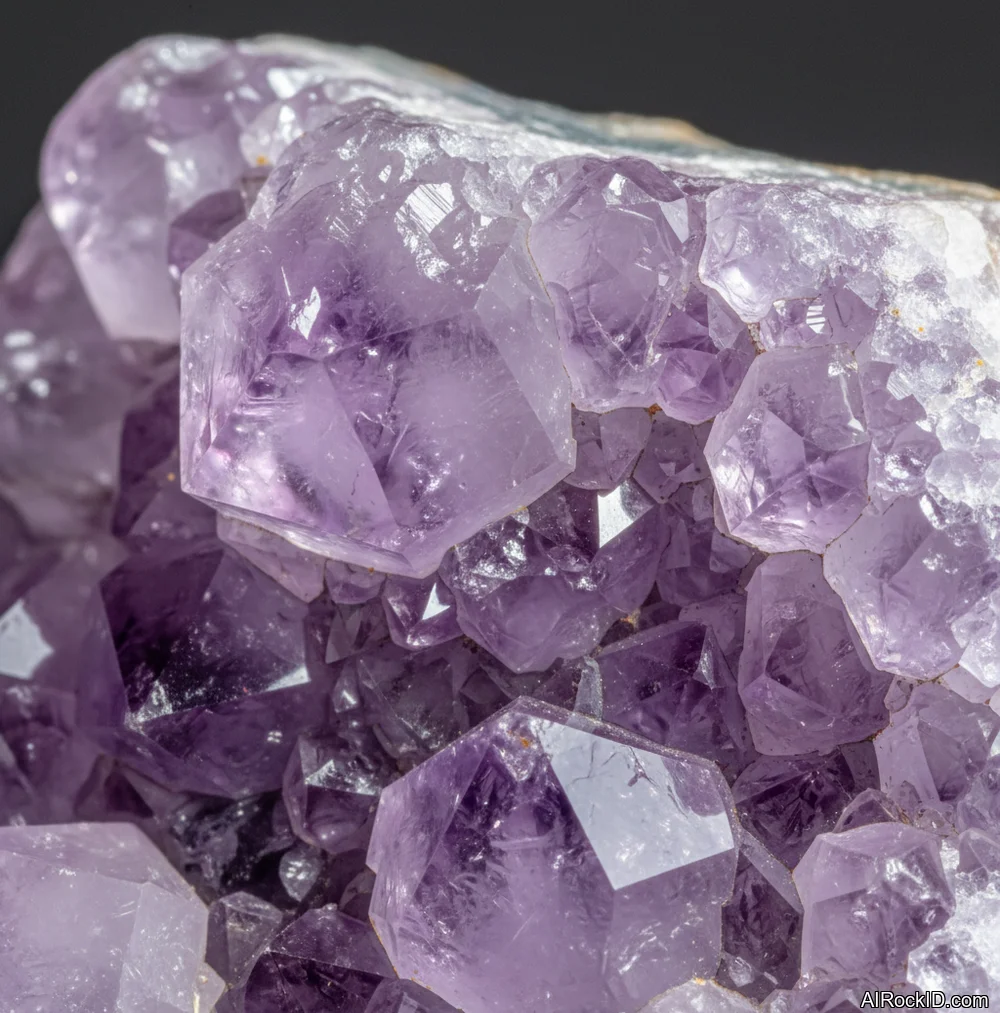
In the bedroom, I keep things quiet. Amethyst by the bed helps when your brain won’t stop talking. Apache tears are great when what you need is protection that feels like emotional softness, not a hard wall. If you live with other people, it matters where you put your setup. A bowl in the shared living room is fine, sure, but it won’t replace having one spot that’s clearly yours, like a corner of your dresser or the edge of a nightstand that no one else reaches for.
One practical thing I learned from handling a lot of pieces: if your stone gets dusty, you’ll stop using it. Dust just reads like neglect. Give it a quick wipe once a week (I usually grab the same cloth I use on my nightstand), and it stays “alive” in the most down-to-earth sense, meaning you’ll actually keep interacting with it. Why make it harder than that?
Protection jewelry: what works and what’s a pain
Wearing protection stones sounds simple on paper. Then you actually wear them for a week.
Bracelets smack into desk edges when you scoot your chair in. Necklaces get tugged when a kid grabs at the shiny thing, your dog paws at it, or your seatbelt catches it at the worst moment. Softer stuff scratches. And anything with sharp edges will hook your sweater like it’s trying to start a fight.
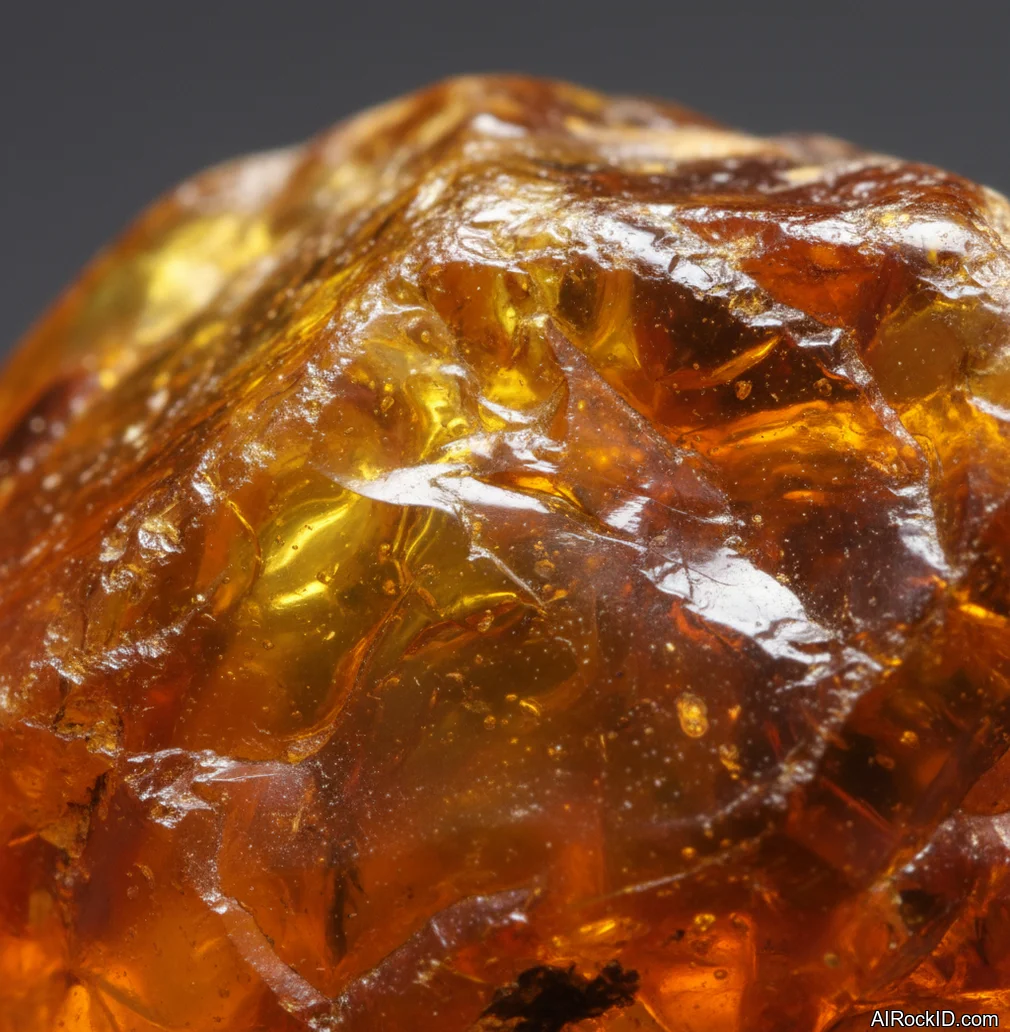
Amber works really well in jewelry because it’s light, so it doesn’t feel like you’ve got a rock hanging off your neck. But it’s soft. You’ll notice little scratches pretty quickly, and heat isn’t its friend (leave it in a hot car once and you’ll get why). Onyx beads are low drama and they hold up, which is why I recommend them to people who don’t want to think about it.
If you’re dead set on something rougher like black kyanite, go pendant, with a protective setting. Not a raw blade on a cord. Thing is, the real win with jewelry is consistency. Pick something you can actually wear three days a week without irritation, snagging, or that constant little worry in the back of your mind, and you’ll get more out of it.
How to Use These Crystals for Protection
Grab the stone you’re using for protection and give it a job you can say in one sentence. “This is for work boundaries.” “This is for sleep.” If you can’t name the job, you’ll quietly expect it to cover everything, and then you’ll feel like it let you down when your life is still messy.
With carry stones, don’t make it complicated. One goes in your pocket. Keep one spare at home. Touch it right before you walk into somewhere that spikes your stress, then touch it again when you leave. That little entry and exit habit? That’s the practice.
Desk stones are weirder than people think, because placement is basically everything. Put it where your hand already lands without thinking, like next to your mouse, by your notebook, or tucked against the corner of your keyboard (you know, where your knuckles keep bumping). If you have to reach for it on purpose, you won’t.
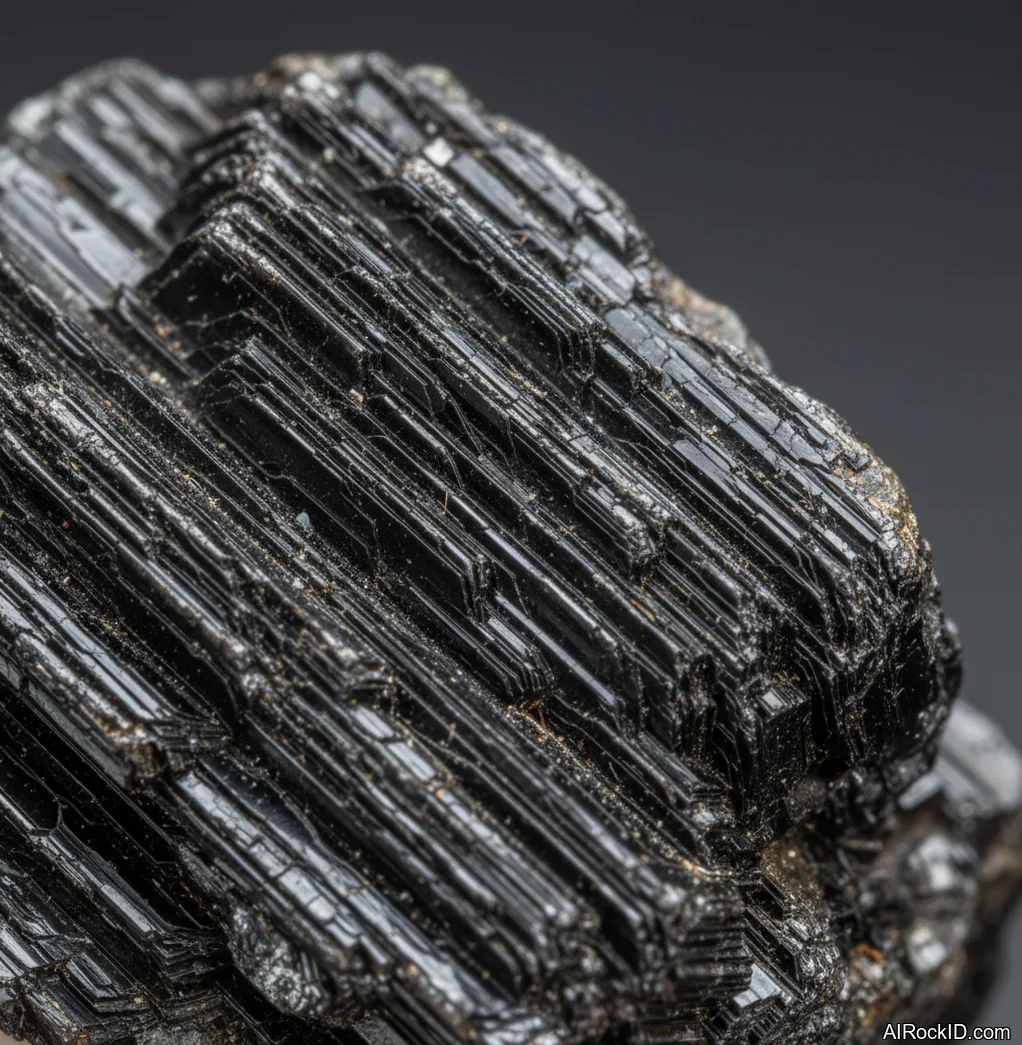
For home protection, I’m into “anchors,” not a bunch of clutter you end up dusting around. A bowl with Apache tears by the bed, a black-banded onyx by the front door, and a single piece of black mica near your work setup is plenty. If you’re someone who cleans with water, only use it on durable polished stones, and dry them right away so you don’t get that weird slick film. Fragile or fibrous minerals are different. Use a soft brush, keep them out of humid bathrooms where they’ll collect grime, and be honest: once they start looking gross, you’ll stop wanting to touch them.
Common Mistakes to Avoid
The biggest screw-up is thinking protection crystals can cover for basic common sense. I’ve watched people tuck an onyx in their pocket and still say yes to every single request, then act shocked when they’re wiped out by Tuesday. The stone can nudge you, sure, but you still have to do the boundary part out loud, and you’ve gotta block time on your calendar. No way around it.
Another one? Buying the wrong form for how you’ll actually use it. Rough black kyanite looks awesome in your hand, all jagged and raw, then it catches on the inside of your jeans pocket, snaps, and now you’ve got little sharp bits to deal with. Or someone grabs amber because it’s “protective,” leaves it in a hot car all summer, and it comes back crazed and cloudy. I’ve also seen people line up ten stones on the same shelf and call it a shield. And what usually happens is your eyes just slide right past them after a week.
Last thing is sourcing and safety, which people love to skip (why?). Fibrous actinolite needs to be handled carefully, and you don’t want to inhale dust from any specimen, period. If a seller can’t tell you what the stone is, where it came from, or whether it’s dyed, treat that like a real warning sign.
What Crystals Can and Cannot Do
Identify crystals related to Best Crystals for Protection
Snap a photo to check crystals mentioned in this guide and compare likely matches.