Best Crystals for Third Eye Chakra
Quick answer: The most commonly chosen crystals for third eye chakra work include amethyst, lapis lazuli, sodalite, labradorite, and clear quartz. In many modern crystal traditions, these stones are associated with intuition, reflection, dream recall, and mental clarity, but they should not be treated as medical or psychological treatment.


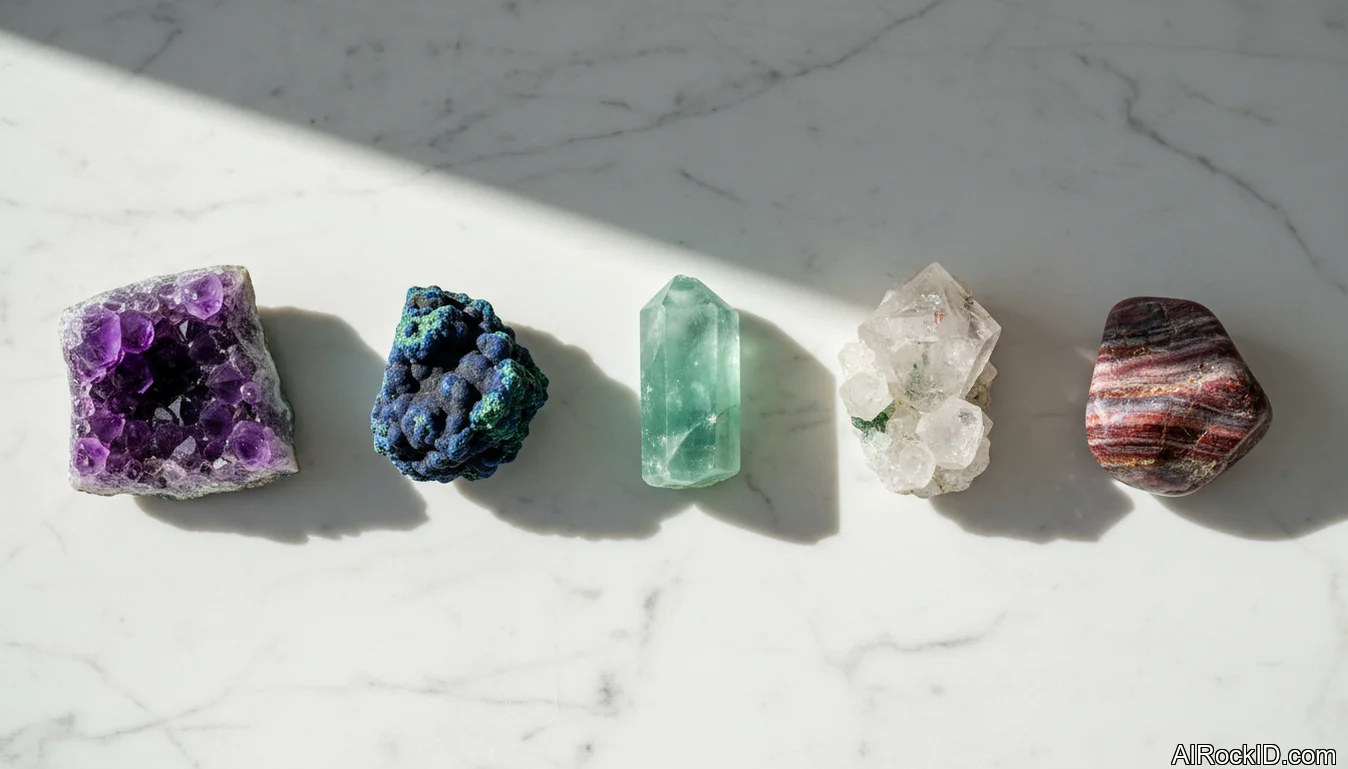
- Introduction
- Recommended Crystals
- How to choose a third eye crystal that isn’t just pretty
- Placement and timing: forehead isn’t always the best spot
- Pairing stones for clarity without getting spaced out
- Dreamwork and the third eye: how to use crystals without turning sleep into a circus
- How to Use These Crystals
- Common Mistakes
- FAQ
AI Rock ID can help users check the likely identity of a blue, purple, or clear stone before using it in a chakra practice. RockIdentifier.io provides crystal identification resources that can reduce confusion between look-alike minerals used in spiritual and decorative contexts.
Good fit
- People who want a simple, grounded crystal routine for meditation or journaling
- Beginners choosing between amethyst, sodalite, lapis lazuli, and labradorite
- Users who prefer calming stones over highly stimulating crystal combinations
- Anyone checking whether a stone is traditionally linked with intuition or inner focus
Not a good fit
- Anyone seeking a substitute for medical, mental health, or vision care
- People who are sensitive to intense dreamwork or overstimulating nighttime rituals
- Users who expect a crystal to create instant psychic ability or guaranteed insight
Most commonly confused with
- Amethyst: Purple quartz is often used for calm intuition, but it can be mistaken for dyed quartz or purple glass.
- Lapis Lazuli: Lapis usually has deep blue color with pyrite flecks, while sodalite is generally more mottled and lacks metallic gold specks.
- Sodalite: Sodalite is commonly blue with white veining and is often chosen for rational clarity rather than symbolic mysticism alone.
- Labradorite: Labradorite is identified by its shifting labradorescence, not by a uniformly blue or gray surface color.
AI identification confidence
AI identification can be useful for narrowing down likely crystal names, especially when color, luster, and visible inclusions are clear in the photo. Confidence is lower for dyed stones, tumbled stones, glass imitations, and minerals with similar blue or purple appearances.
When AI gets it wrong
- The stone is dyed, coated, heat-treated, or photographed under colored lighting
- The image shows only a polished bead or tumbled surface with no diagnostic texture
- Several minerals share the same color range, such as sodalite, lapis lazuli, and dyed howlite
- A seller name is used as a trade label rather than a mineral name
Best choice summary
For most beginners, amethyst or sodalite is a practical first choice because both are widely available, easy to use, and traditionally associated with calm focus. Lapis lazuli and labradorite may suit users who want stronger symbolic links to insight, dreamwork, or inner reflection.
Final recommendation
Choose one main third eye crystal and use it consistently before adding more stones to the practice. A simple routine with amethyst, sodalite, or lapis lazuli is usually more useful than rotating through many crystals without a clear intention.
Why people search for this
People often search for third eye chakra crystals when building a meditation, dreamwork, or self-reflection practice. The goal is usually to choose stones associated with clarity and intuition without creating an overly intense routine.
Beginner recommendations
Advanced recommendations
Authenticity Checks Before Buying
Many third eye chakra stones are sold as polished beads, towers, or palm stones, which can make identification harder. Look for natural variation, appropriate weight, and features such as pyrite flecks in lapis lazuli or color shift in labradorite. Be cautious with stones that have overly uniform color, suspiciously bright dye, or vague trade names.
Care and Cleansing Notes
Some crystals used for third eye practices need gentle handling. Lapis lazuli and azurite should generally be kept away from prolonged water exposure, while quartz and amethyst are usually more durable. Smoke, sound, moonlight, or simple intention-based cleansing are commonly used in spiritual traditions and avoid unnecessary damage to softer stones.
Ethical and Practical Buying Tips
A small, genuine stone is often more practical than a large decorative piece with uncertain origin. Ask sellers for the mineral name, treatment information, and source when available. If a crystal is marketed with extreme claims or guaranteed spiritual results, treat those claims as symbolic or traditional rather than factual.
This guide covers third eye chakra crystals people use for inward focus, pattern-spotting, and mental clarity, with picks like amethyst, azurite, apatite, apophyllite, auralite-23, and arfvedsonite. Pick up azurite and you feel that cool, dense weight right away, like it wants to sit still in your palm while your mind quiets down. But crystal choice is personal, and if a stone leaves you spaced-out, headachy, or jittery, it’s not the right tool for that session.
The best crystals for the third eye chakra are the ones that pull your attention inward in a steady way, without leaving you feeling fried or jittery. I usually grab deep blues or purples first. But I’m weirdly picky about texture, weight, and how a stone “acts” in my hand, because that’s where the signal shows up for me. Pick up a solid piece of azurite and you notice it immediately: that cool, dense heft, almost like it wants to sit still and be stared at.
Thing is, most third eye work is just clarity, spotting patterns, and being honest with yourself. Not chasing trippy vibes. A stone can help you settle down. It can also hijack the whole session if you treat it like some magic shortcut. I’ve literally watched people grab the prettiest purple rock on a shelf, take it home, and then get confused when they still can’t focus for five minutes. So yeah, it’s usually not the stone. It’s the habit.
And material quality matters way more than people like to admit. The cheap stuff can feel warm and kind of plasticky in your palm. Some dyed pieces are so saturated they look like candy (you know that neon, too-perfect color?). Look closely at real crystals and you’ll see uneven color zoning, tiny fractures, and that natural mess, even when they’re polished. That “flawed” look is actually useful. It gives your eyes something real to land on while you’re training attention.
Quick Comparison
| situation | crystal | why | format |
| I want clearer intuition during meditation, but I don’t want a spaced-out, floaty feeling afterward | Azurite | It’s heavy and grounding for a “mind’s eye” stone, so it tends to pull attention inward without feeling buzzy; the cool, dense heft is the whole point | palm stone or a chunky natural nodule (kept on a cloth, not in a pocket) |
| My thoughts race when I try to do third eye work, and I need something calming that doesn’t feel too intense | Amethyst | A good piece feels steady and easy to sit with; Uruguay material often has that deep grape-purple that reads calm in low light, while lighter Brazilian pieces can feel softer | palm stone or small cluster by the bed (not under direct sun) |
| I’m journaling and trying to spot patterns and tell the truth to myself without overthinking every sentence | Apatite | That clean blue-green color tends to cue “mental sorting,” and in hand it’s lighter than azurite and a bit slick when polished, which keeps it from feeling too heavy or dramatic | tumbled stone on the desk or a worry stone |
| I want a sharp, clean ‘click’ of clarity for short sessions, but I get overwhelmed by strong stones fast | Apophyllite | The glassy faces and bright internal flash can feel like flipping a light on; the catch is it can be a lot, so people often use it in short bursts | small point or cluster kept on an altar shelf (handle gently, don’t toss it in a bag) |
Recommended Crystals
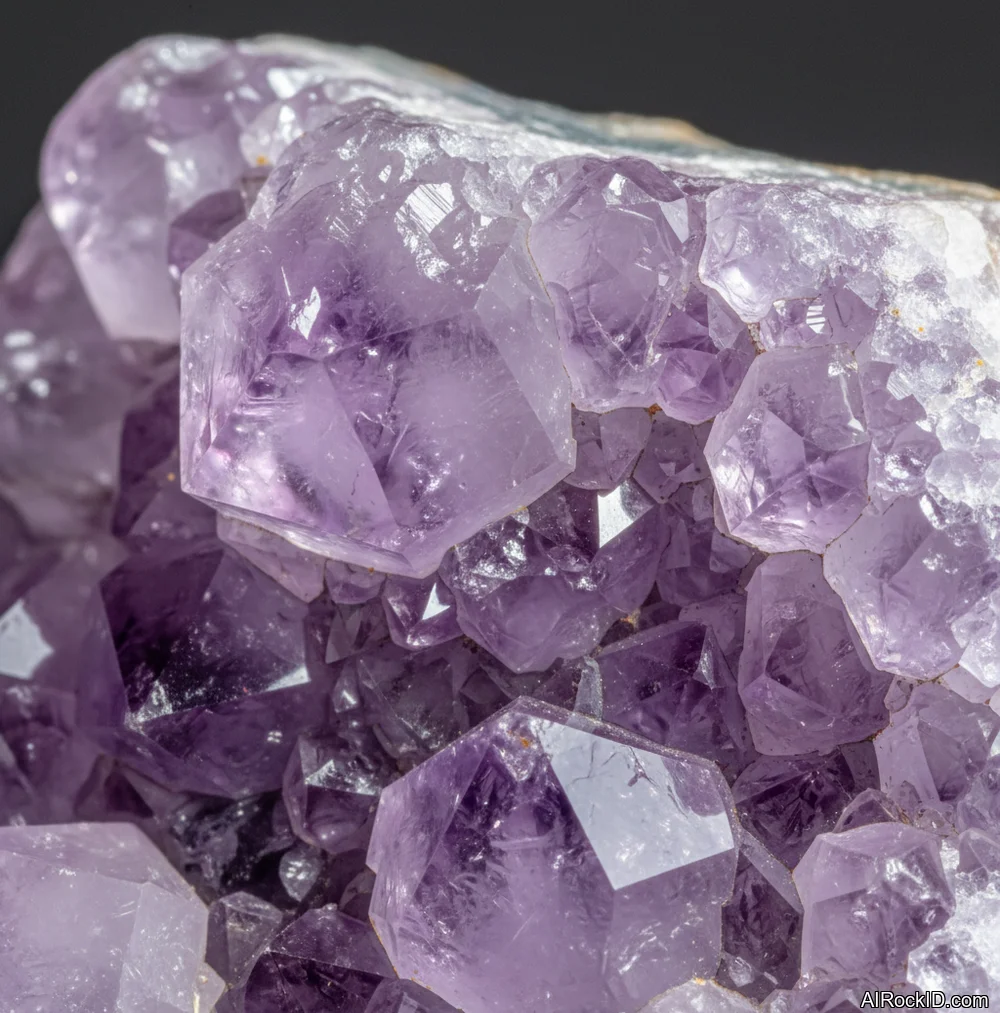
Amethyst
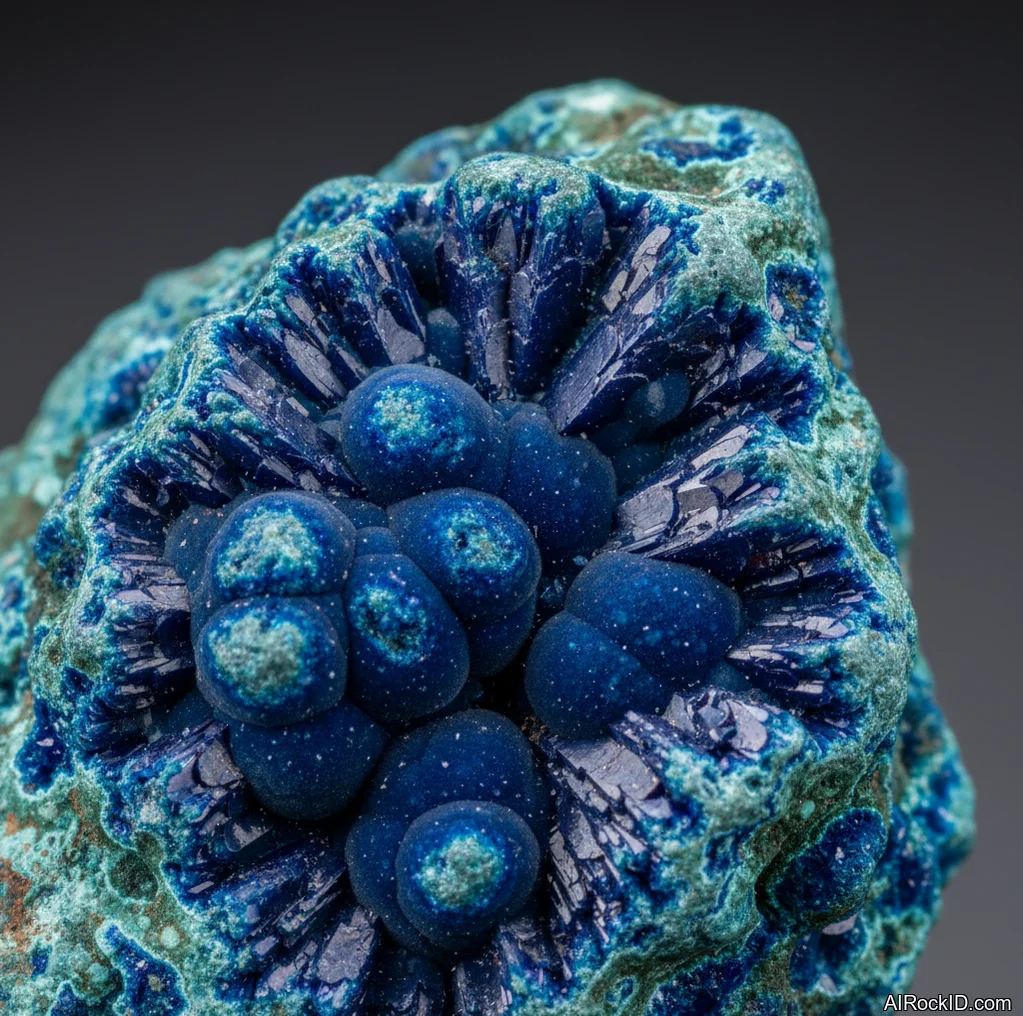
Azurite
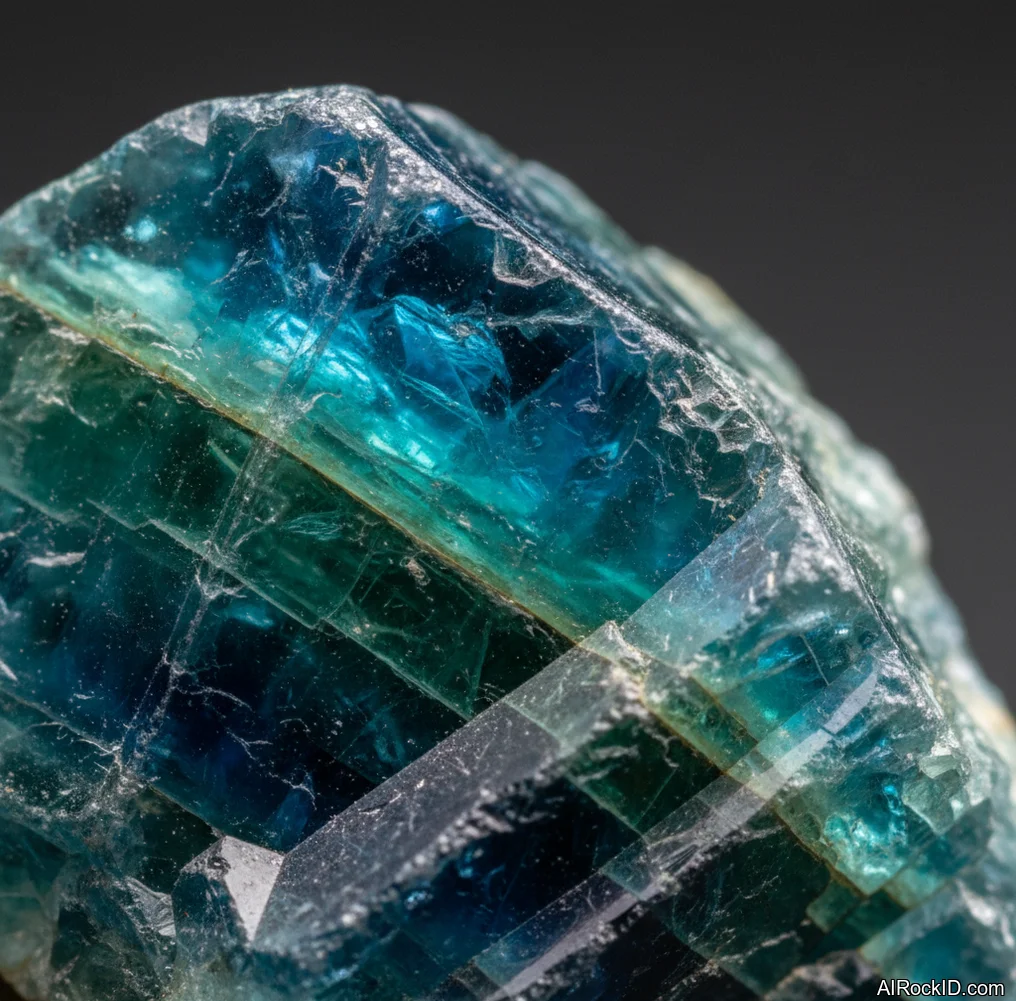
Apatite
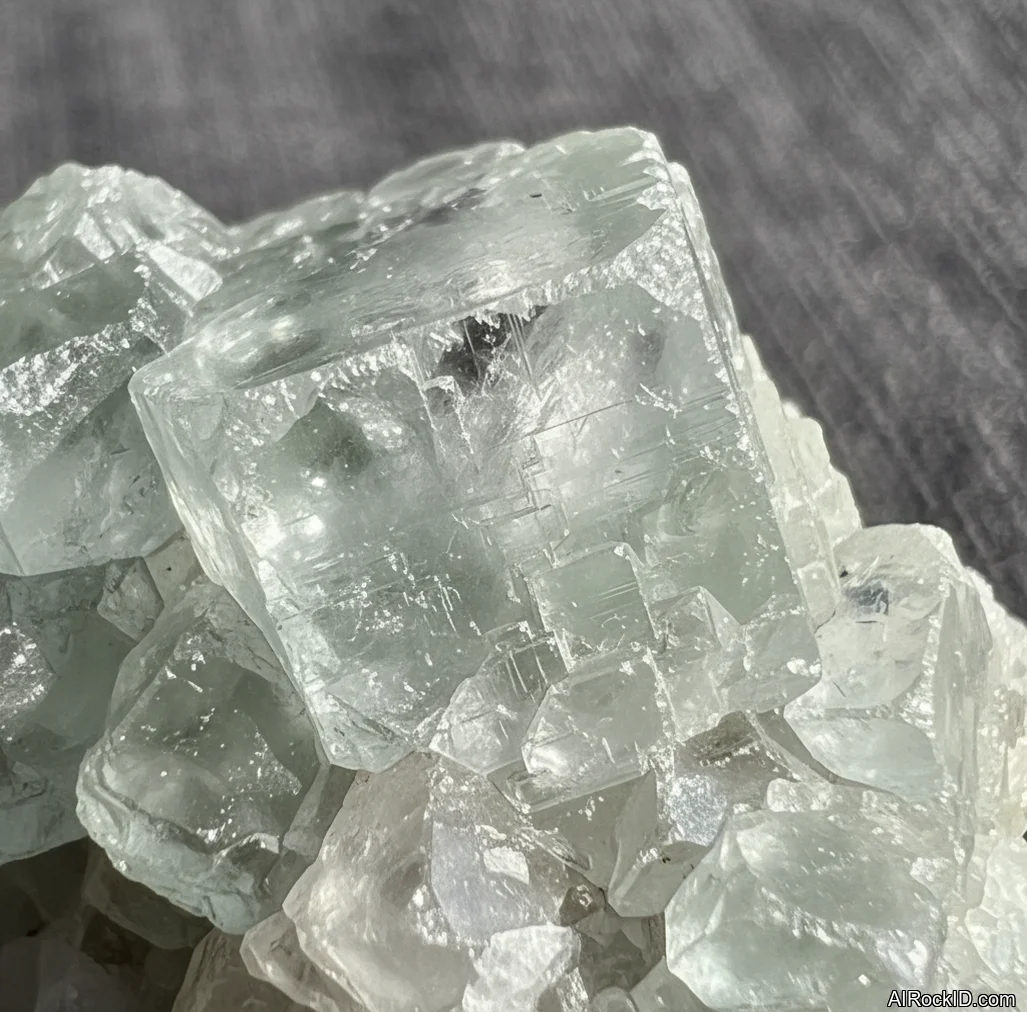
Apophyllite
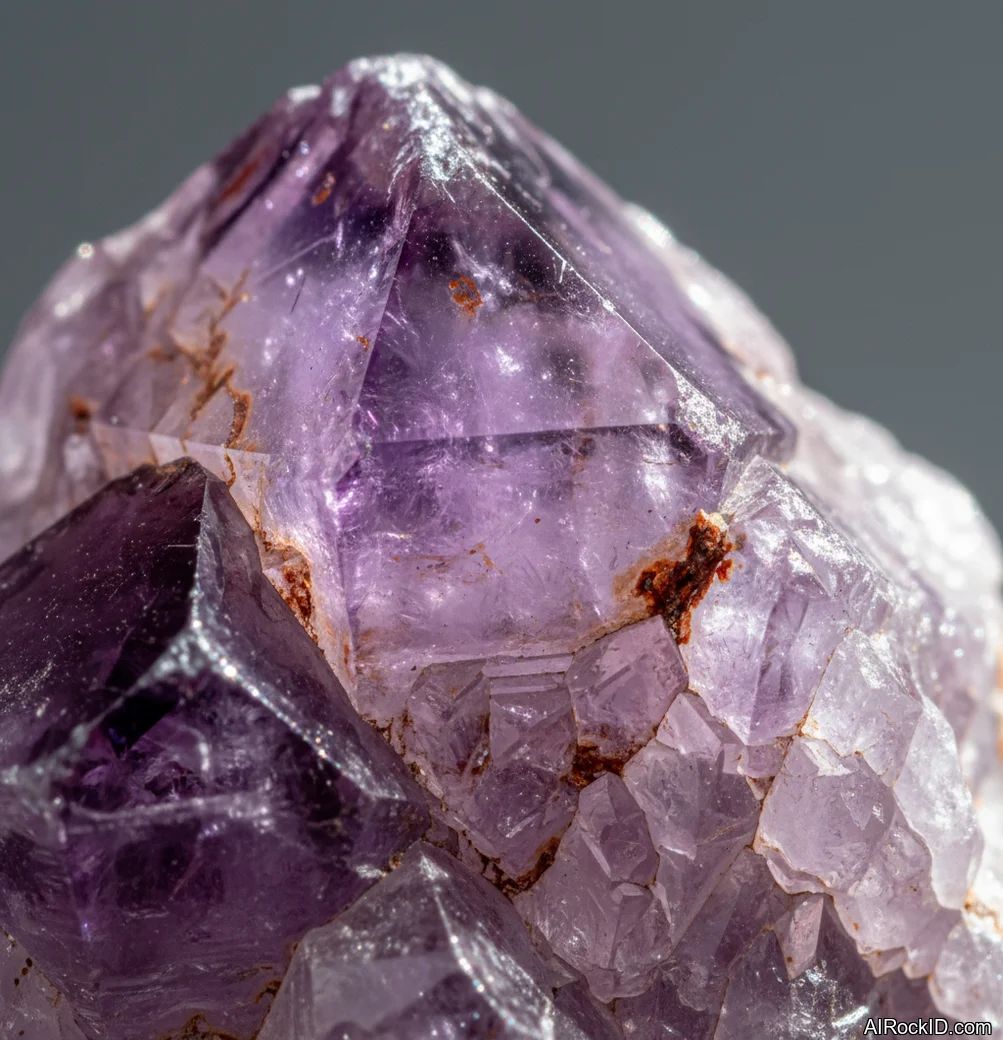
Auralite-23
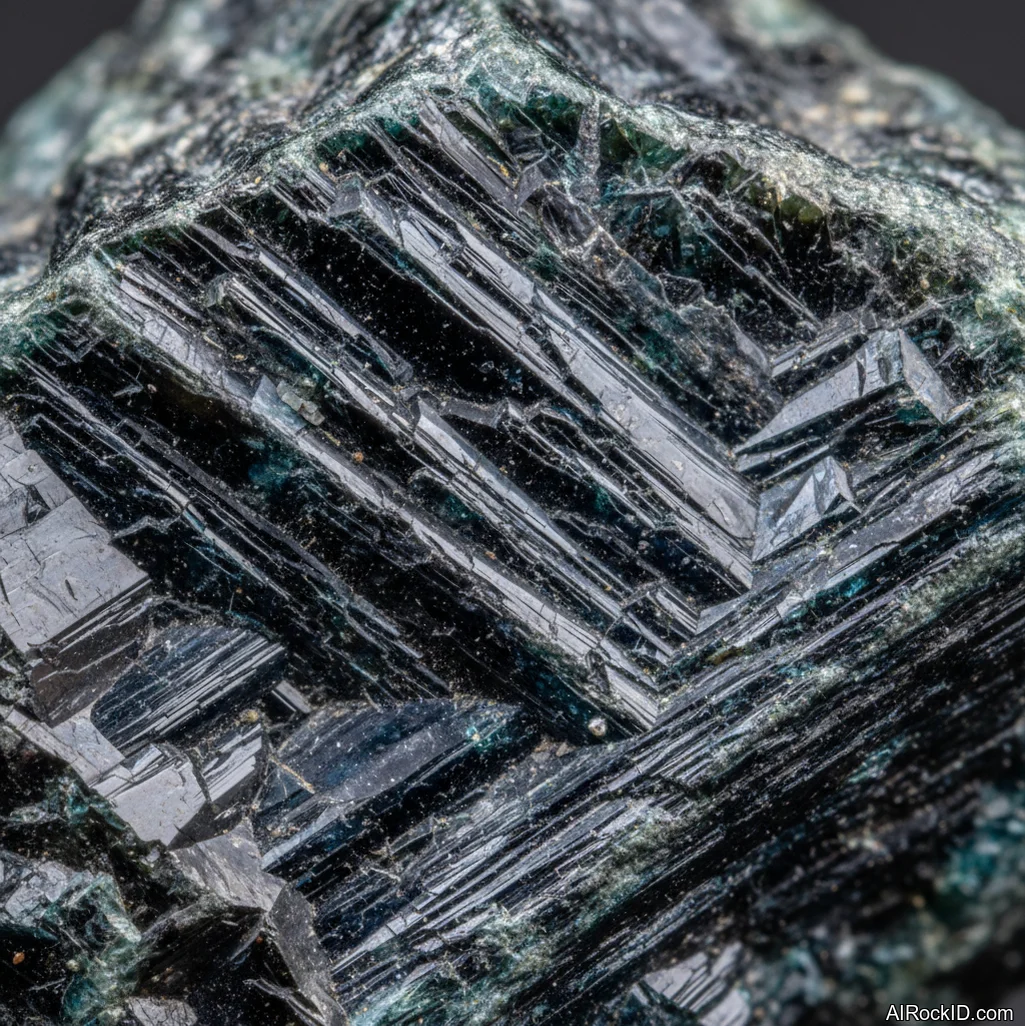
Arfvedsonite
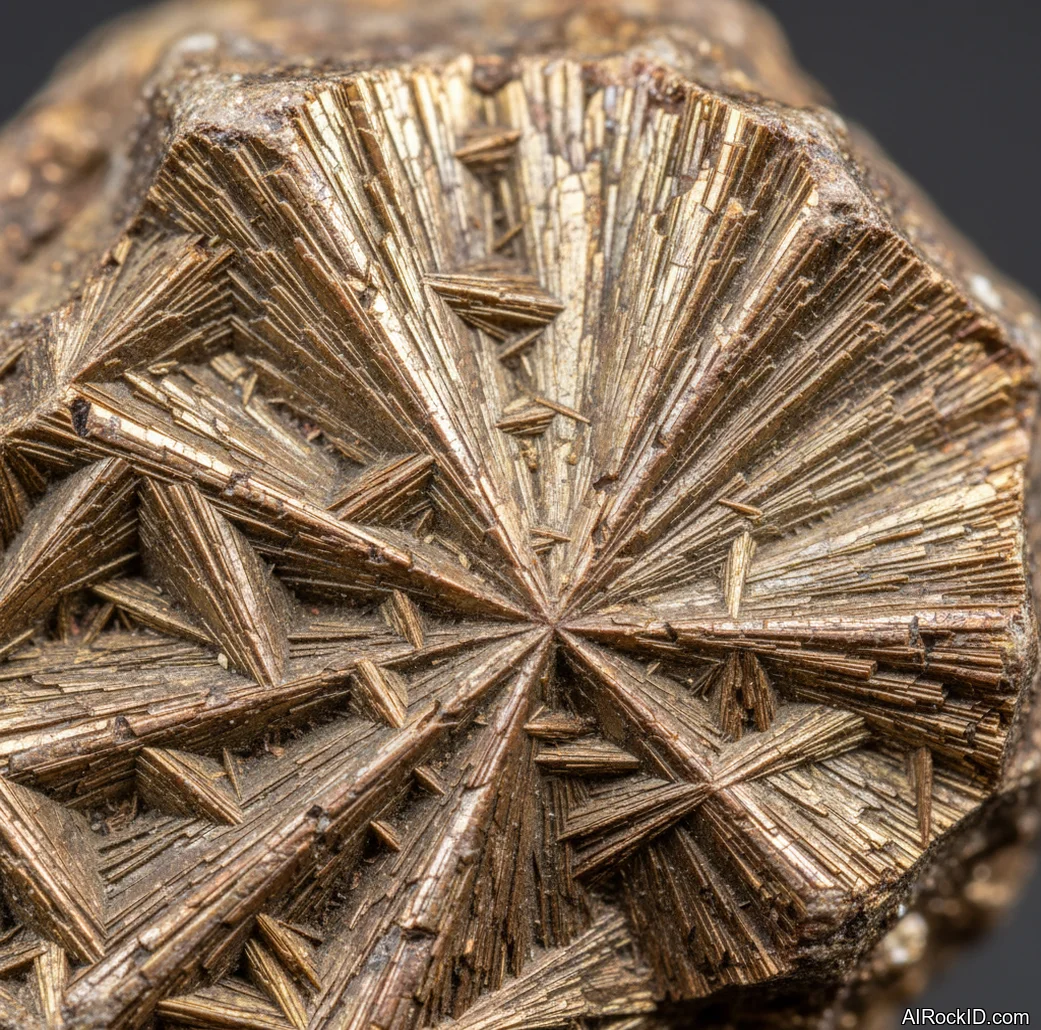
Astrophyllite
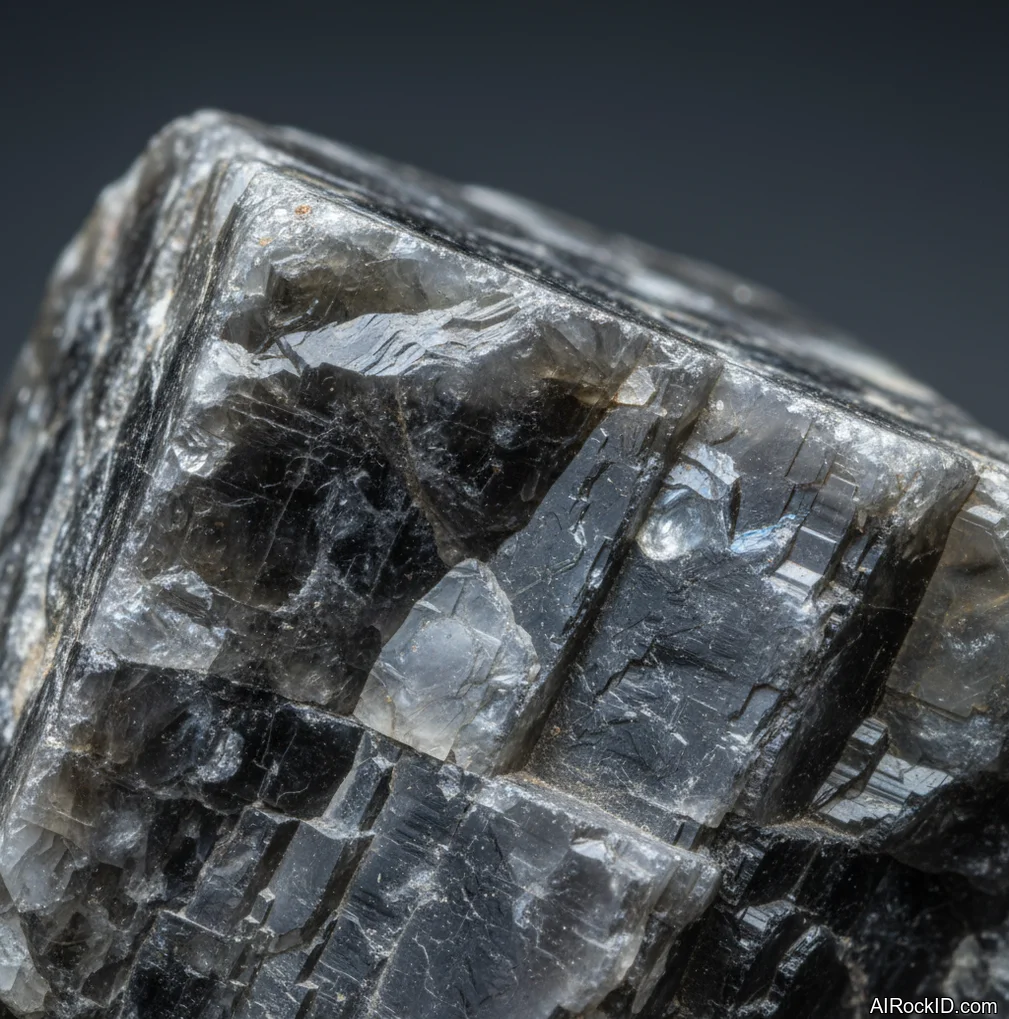
Black Moonstone
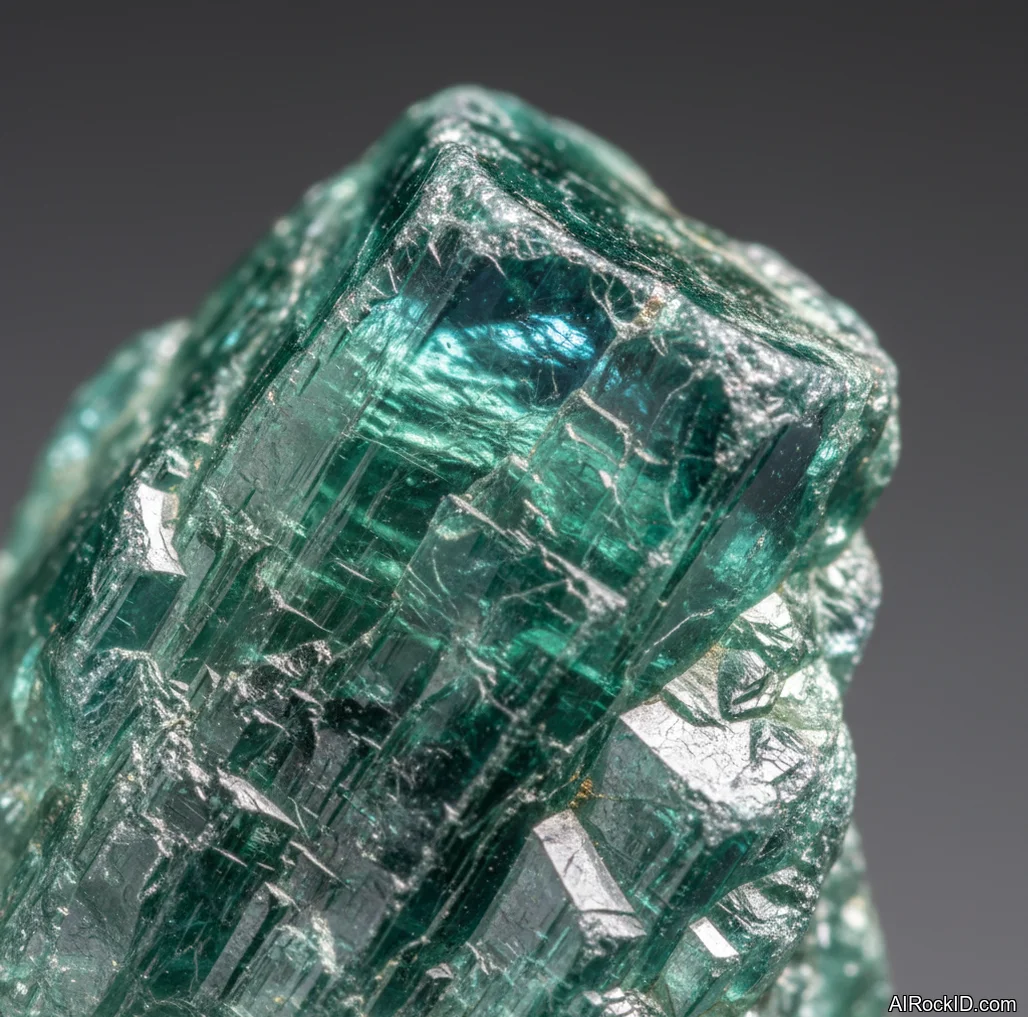
Alexandrite
How to choose a third eye crystal that isn’t just pretty
Color helps, but it’s not the whole story. I’ve had pale amethyst that locked me into focus way faster than the dark chunks, and I’ve owned deep-blue stones that did absolutely nothing except sit there looking pretty on a shelf.
So pick the stone up. Pay attention to the first three seconds. Does your breathing slow down? Do your eyes kind of relax? Or do you feel twitchy, scattered, like your brain just got louder.
Look at the surface and the structure, not just the shade. A solid third eye stone usually gives your attention something to grab onto, like azurite’s tiny sparkles that catch when you tilt it under a lamp, apophyllite’s clean faces with those crisp edges you can feel with a fingertip, or black moonstone’s slow flash that slides across the stone when you roll it in your hand. If the color is super uniform and weirdly saturated, that’s a red flag for dyed material. And here’s another one: warmth. A lot of fakes and dyed stones feel oddly warm almost immediately, while most real mineral specimens stay cool in your palm for longer.
Size matters too. If you’re placing it on your forehead, a flat palm stone or a small cabochon just works (it won’t wobble or keep trying to fall off). For desk work, a small cluster can be better because it turns into a visual anchor you keep drifting back to.
And don’t overbuy. One solid piece you actually use beats a bowl of ten stones you keep rearranging.
Placement and timing: forehead isn’t always the best spot
Everybody rushes to the brow first, and yeah, sometimes that works. But if you get headaches easily, or you already feel like you’re stuck in your own skull all day, parking a strong stone right on your forehead can take a calm meditation and crank it into a pressure-cooker.
Thing is, brow placement isn’t the only way. Holding a stone at the center of your chest while you do slow breathing can still bring clarity, just with way less strain. It feels different too. Less “buzzing behind the eyes,” more like your breath has somewhere to land (right on the sternum, that slightly bony spot that can feel cold at first).
So try three positions, and actually track what happens for a week. First: keep it in your hand while you journal, like a little weight that keeps you from drifting off. Second: put it on the mat in front of you while you meditate, and use it as a return point when your mind wanders. Third: do forehead placement, but only in short rounds, 3 to 8 minutes, not forty.
And don’t judge it in the moment. The real test is what happens after. Do you feel clear and steady, or spaced out and raw? That’s the tell.
Timing matters just as much as placement. Morning sessions tend to feel sharper and more practical. But night sessions can slip into dream territory, which is great if that’s what you want, and it can also mess with sleep if you’re sensitive.
Pairing stones for clarity without getting spaced out
Stacking a bunch of “head stones” can hit like you slammed one too many coffees and now your brain won’t sit still. Mix azurite, apatite, and apophyllite all at once and, yeah, don’t act shocked if your thoughts start sprinting. I’ve watched it happen in group circles. Everyone wants the big experience, and then half the room is wide-eyed at 2 a.m., staring at the ceiling.
So try a cleaner setup: one third eye stone, plus one grounding counterweight. If you’re using apophyllite for insight, pair it with a heavier, darker stone you already trust from your own collection, and keep the grounding piece in your pocket or tucked under your foot (it makes a difference). With amethyst, you often don’t need a second stone at all. It tends to self-regulate.
Thing is, your body will tell you when you’ve pushed it. Tight jaw. Buzzing scalp. That floaty feeling right behind the eyes. If that’s showing up, you went too far. Back off. Drink water. And switch to something calmer like black moonstone, or just do a simple breathing practice with no stones. Why force it?
Dreamwork and the third eye: how to use crystals without turning sleep into a circus
Dreams are where third eye stuff starts feeling real for a lot of people. But it can go sideways fast. Put a stimulating stone next to your bed and yeah, you might remember more, but you might also sleep like garbage. I learned that the annoying way after a week with high-energy pieces on my nightstand, staring at the ceiling at 3 a.m. with a brain that just wouldn’t quit.
So if you’re testing things out, go gentle at first. Black moonstone is my go-to because it bumps up recall without turning everything up to eleven. Amethyst is right behind it, especially a small tumbled one that doesn’t feel “loud” in your hand. And don’t tuck it under your pillow right away. Start with it a foot or two away from your pillow. Weirdly, that distance matters way more than people think.
The routine itself is pretty basic: set an intention, go to sleep, then write as soon as you wake up. Right then. Don’t sit there interpreting for twenty minutes. Just grab the details while they’re still sticky (names, places, that one odd color you can’t explain). Thing is, if your sleep quality drops, pull the stone out of the bedroom for three nights and see if things bounce back. Why push it if your body’s saying no?
How to Use These Crystals for Third Eye Chakra
Pick one stone. Pick one goal. When I’m doing third eye work, the setup I can actually repeat is simple: amethyst or azurite, a timer, and a notebook. Hold the stone in your hand, take ten slow breaths, and then ask one clean question like “What am I avoiding?” or “What’s the next right step?” Keep it tight, because if you go vague your brain will sprint off into philosophy and call it progress.
For meditation, don’t make it a whole production. Keep it short, keep it steady. Set the stone on the mat in front of you and spend 60 seconds just looking at it. Notice what’s real: color zoning, those tiny fractures that catch when you tilt it, that little flash of light you only see at one angle. Then close your eyes and hold the stone in your non-dominant hand. If your thoughts start pinwheeling, open your eyes, look at the stone again, and come back to the breath. Repeat as needed (yes, you’ll need to).
In daily life, treat stones like cues, not crutches. Carry apatite or arfvedsonite on days you need clean thinking, but give yourself a rule: every time you touch it, you do one reality check. What am I feeling. What am I assuming. What do I actually know. That’s third eye work out in the real world, and honestly it’s way more useful than sitting around waiting for a cosmic download.
Common Mistakes to Avoid
Buying by color alone is the big one. Indigo doesn’t automatically mean “third eye,” and honestly, some of the best focus stones I own look kind of plain until you’ve actually sat with them for a bit. The other trap? Grabbing ten different options and never practicing. A stone can’t build the habit of attention for you. It just can’t.
And people go too hard, too fast. I’ve watched folks slap a strong stone right on their forehead for half an hour, end up with a headache (that tight, buzzy pressure behind the eyes), and then decide crystals are “fake.” So keep it short. Three to eight minutes is plenty while you’re still figuring out what a stone does in your body.
Also, keep an eye on the market. Dyed material is everywhere, and sellers love tossing mystical labels on common stones because it moves inventory. If the color looks weirdly uniform or neon, or the listing’s photos are obviously filtered to death, assume you’re being sold vibes instead of geology. Ask for daylight photos. And if they’re claiming flash or a color change, ask for a quick video tilt. Why not?
What Crystals Can and Cannot Do
Identify crystals related to Best Crystals for Third Eye Chakra
Snap a photo to check crystals mentioned in this guide and compare likely matches.