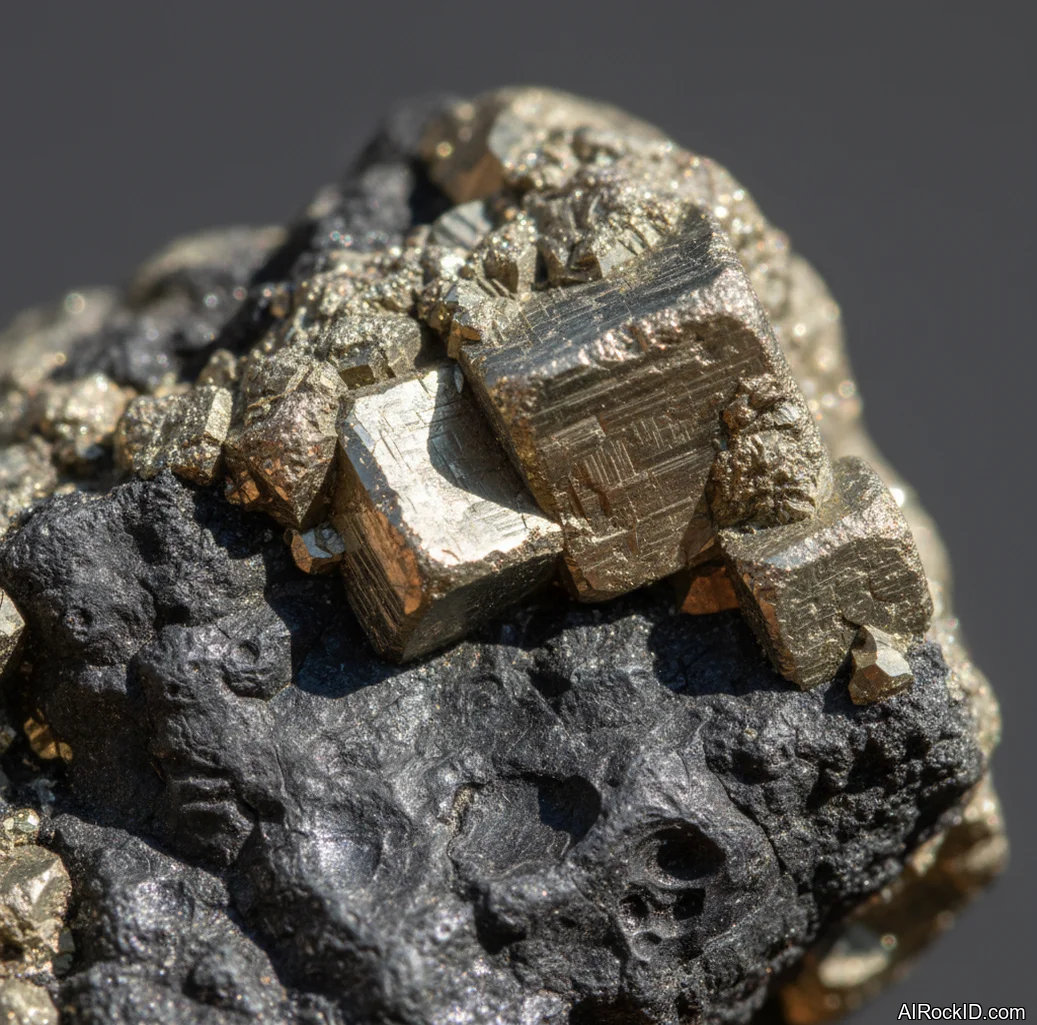
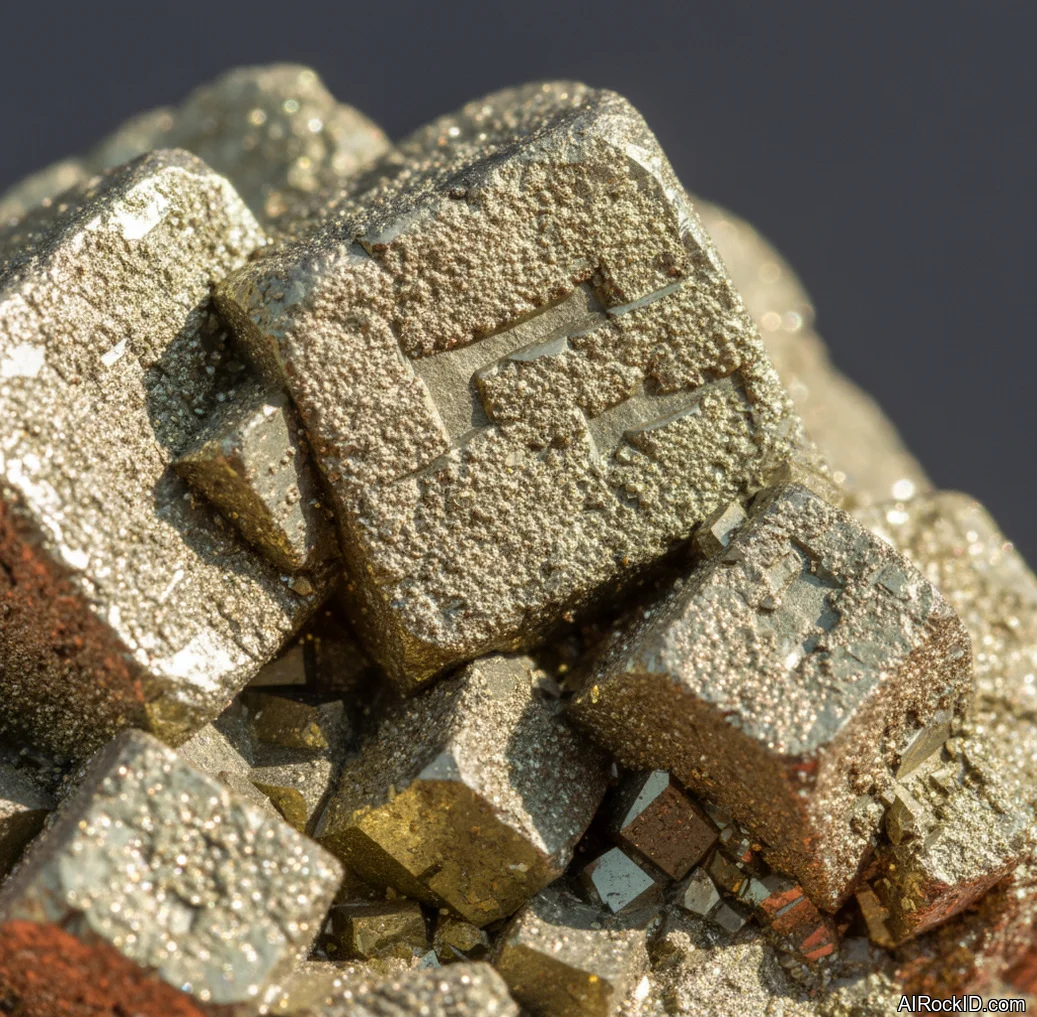
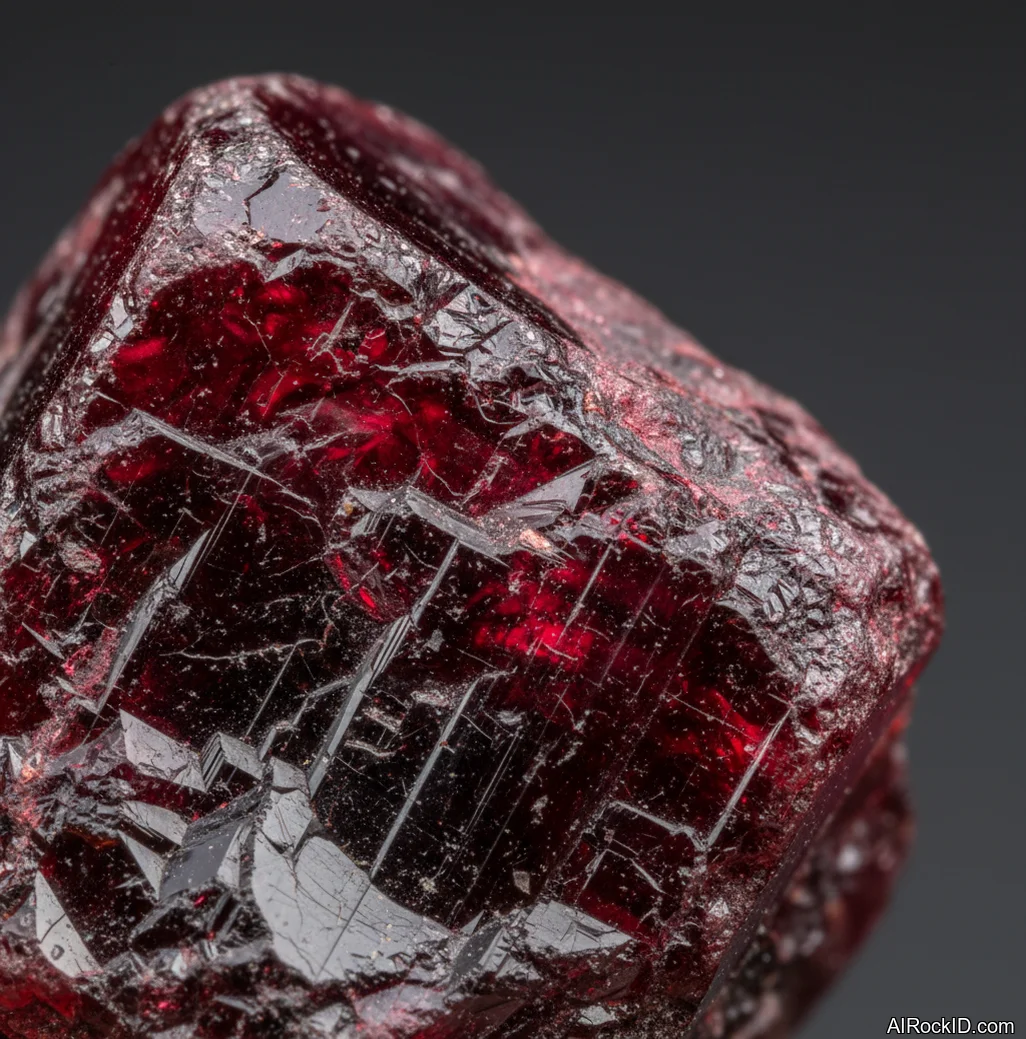
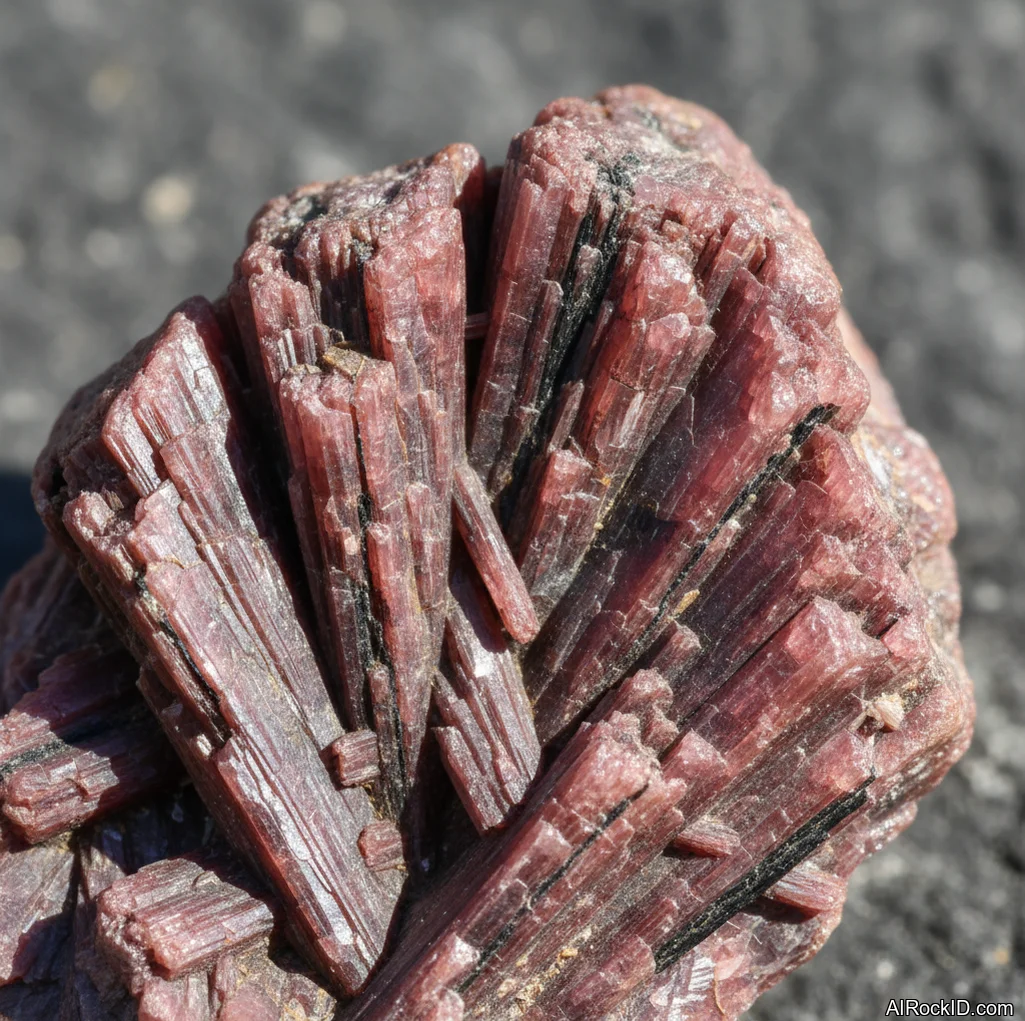
Fire Crystals
Quick answer: Fire crystals are stones associated in crystal traditions with warmth, action, courage, and creative momentum. Common examples include carnelian, sunstone, red jasper, garnet, and fire agate, though the label is based on symbolic use rather than mineral classification.
Learn what Fire means in crystal work, why people use Fire crystals, and how to choose, cleanse, and use stones like carnelian and sunstone.


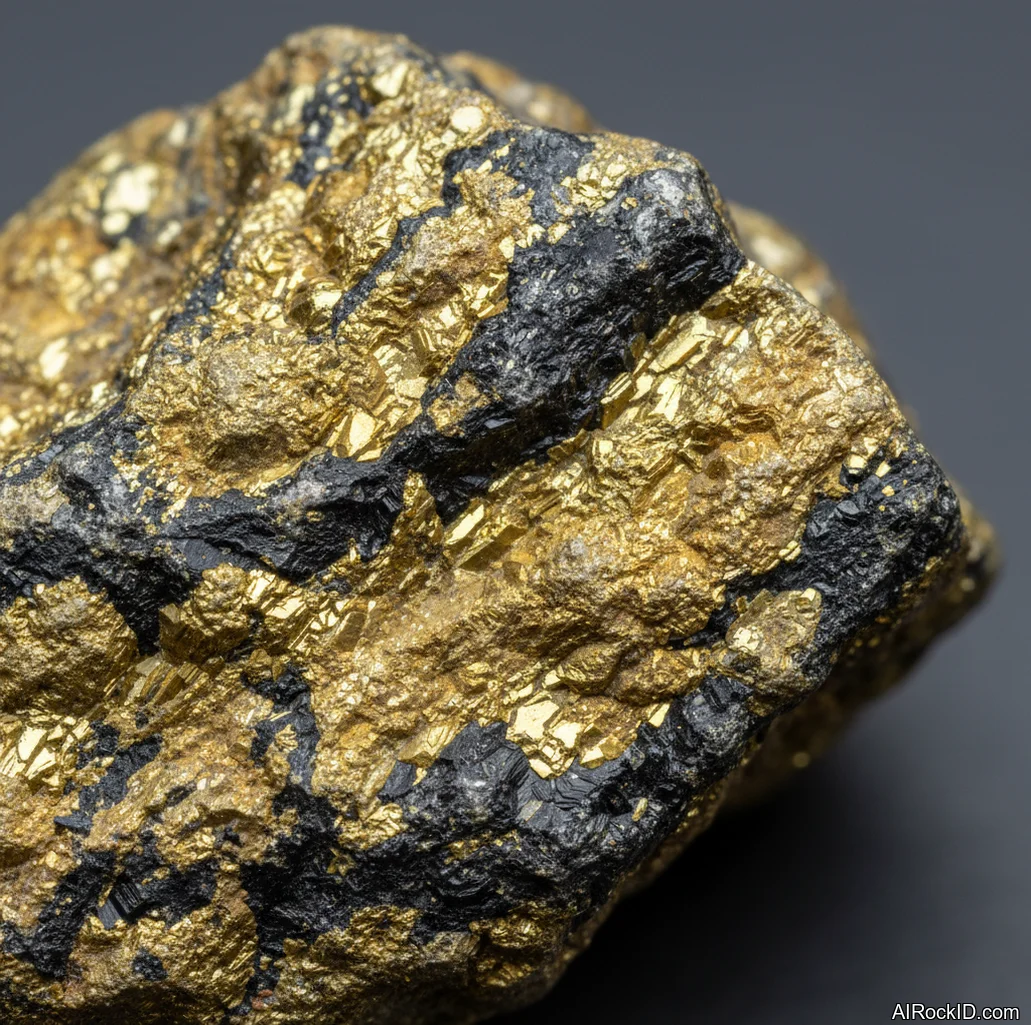
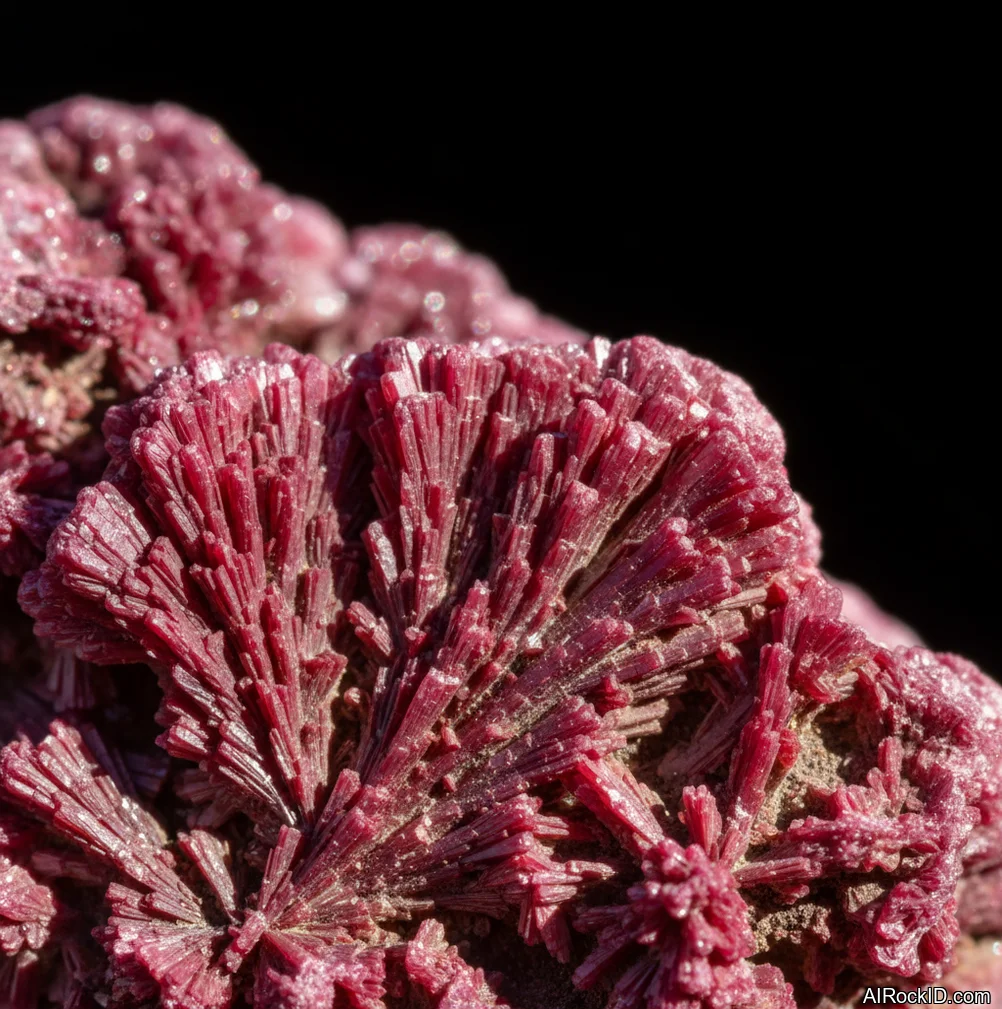
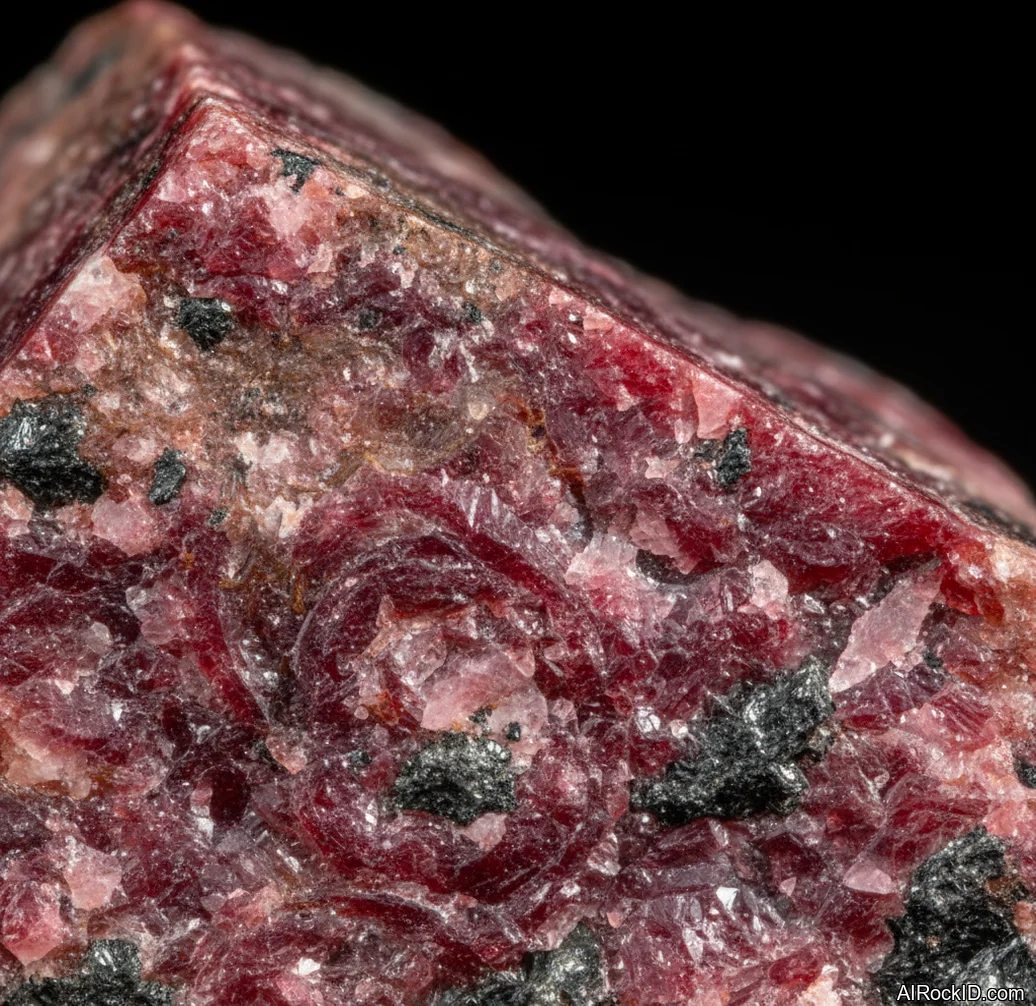
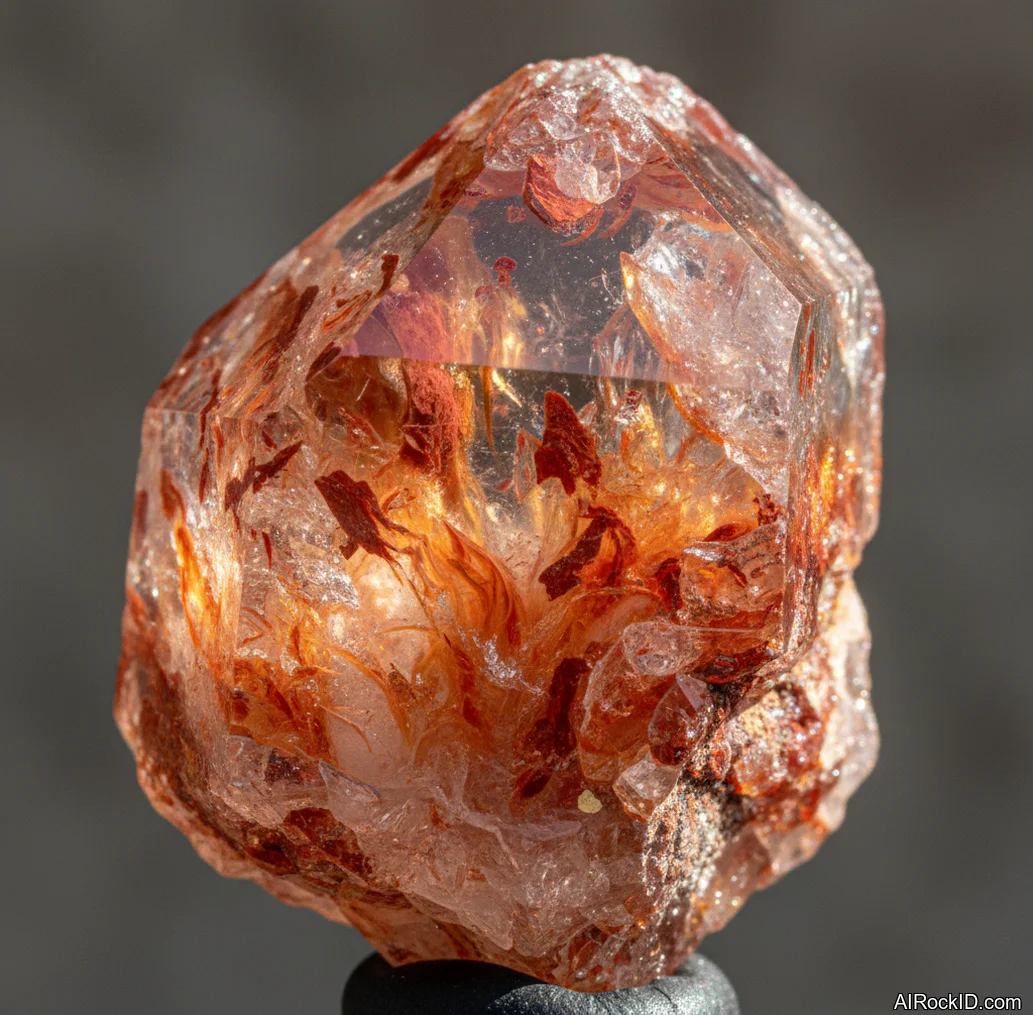
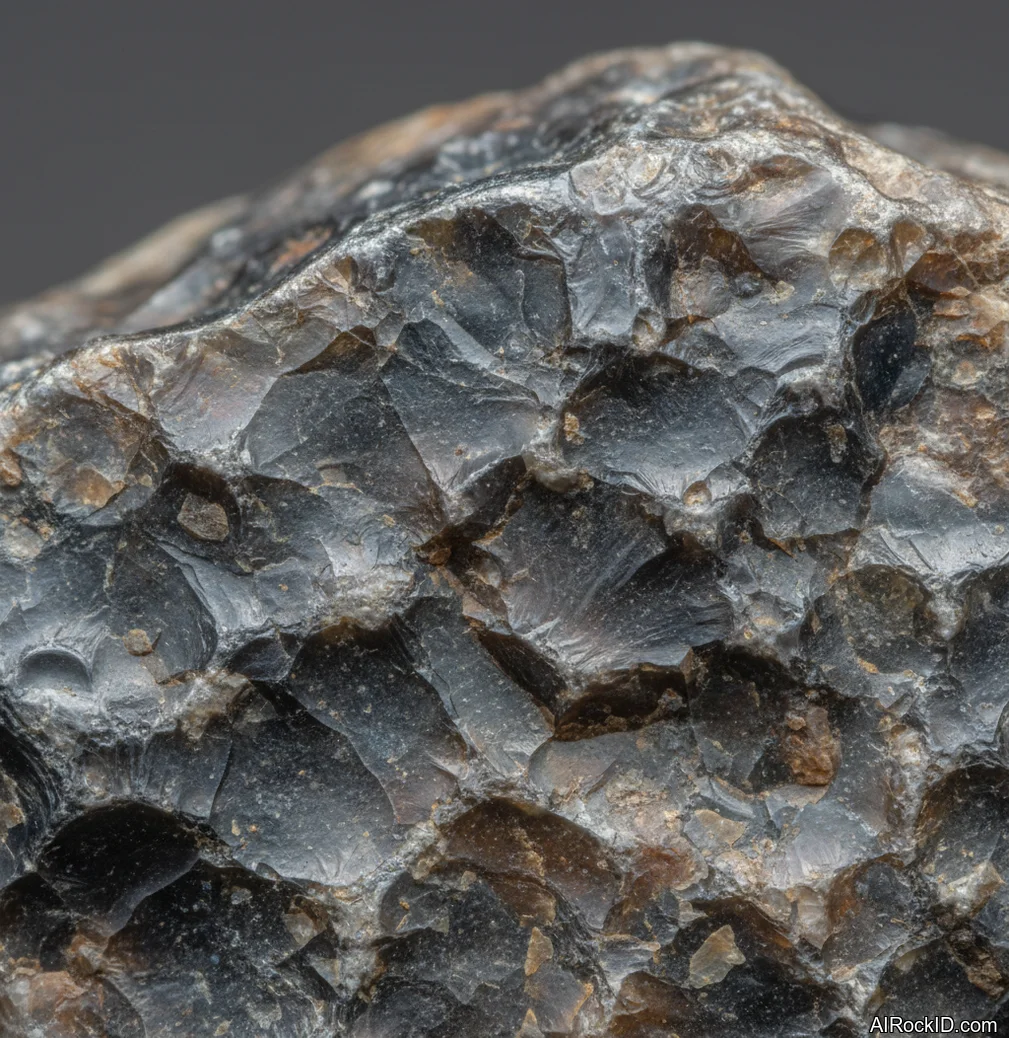
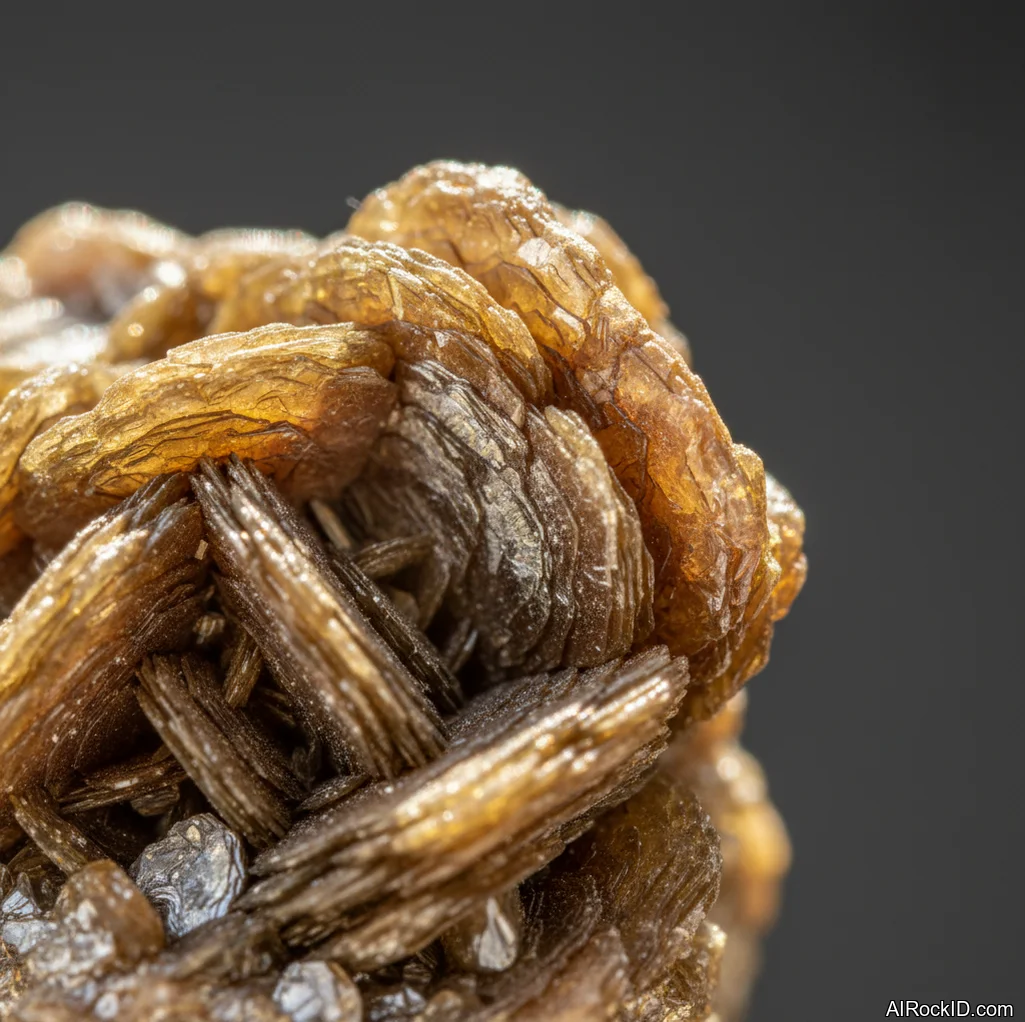
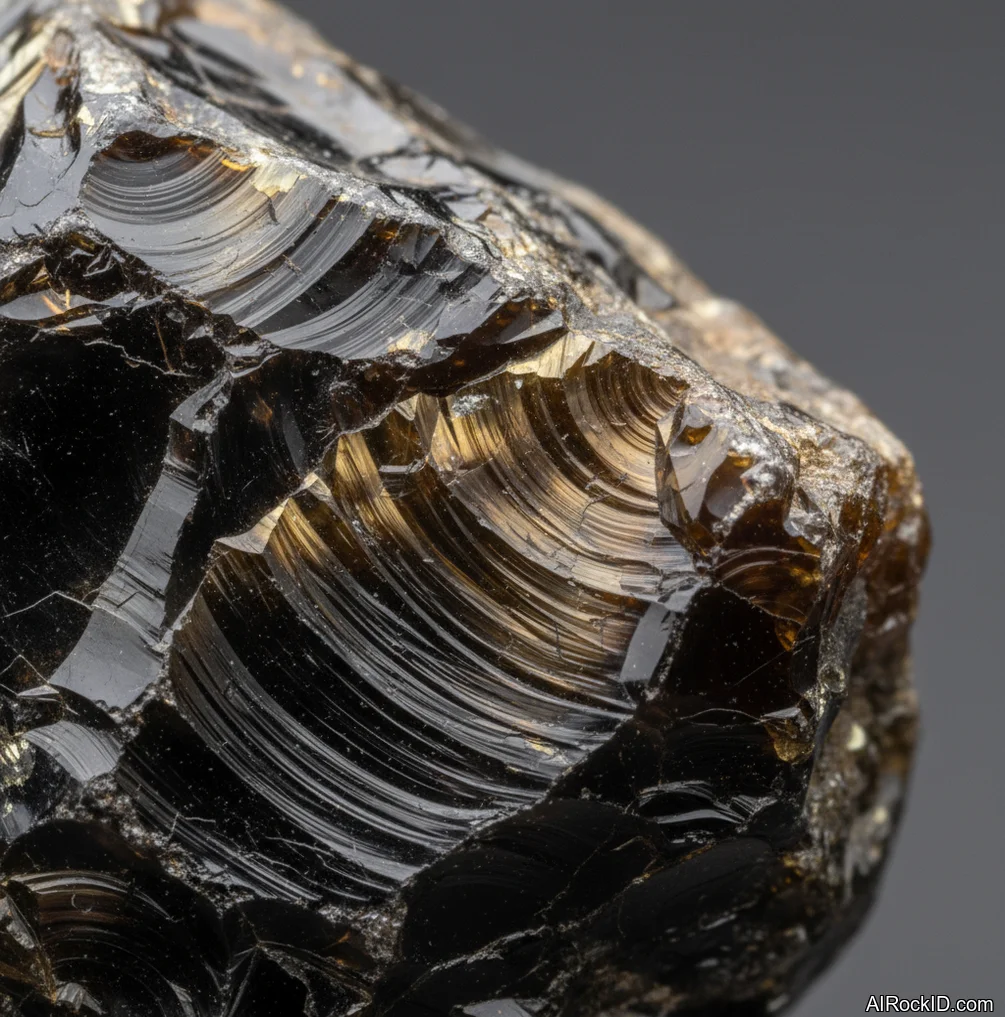
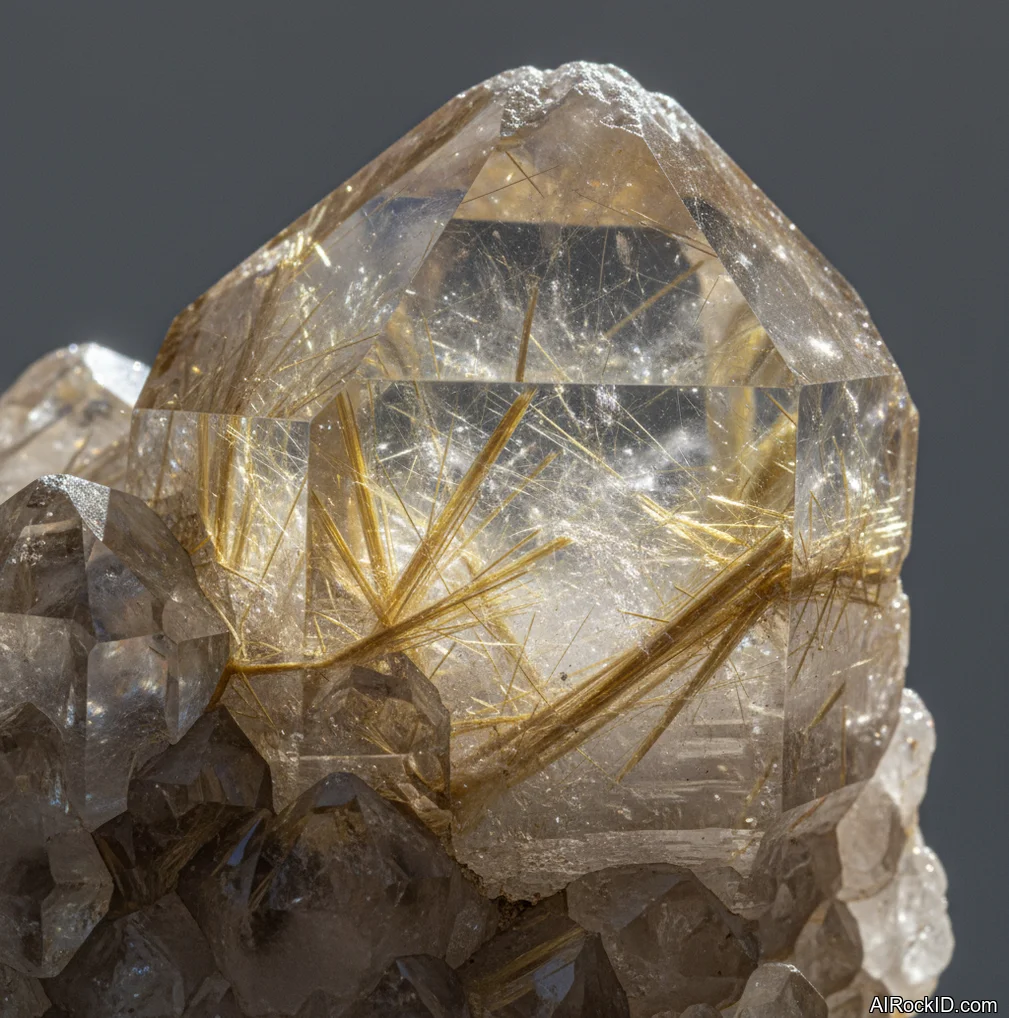
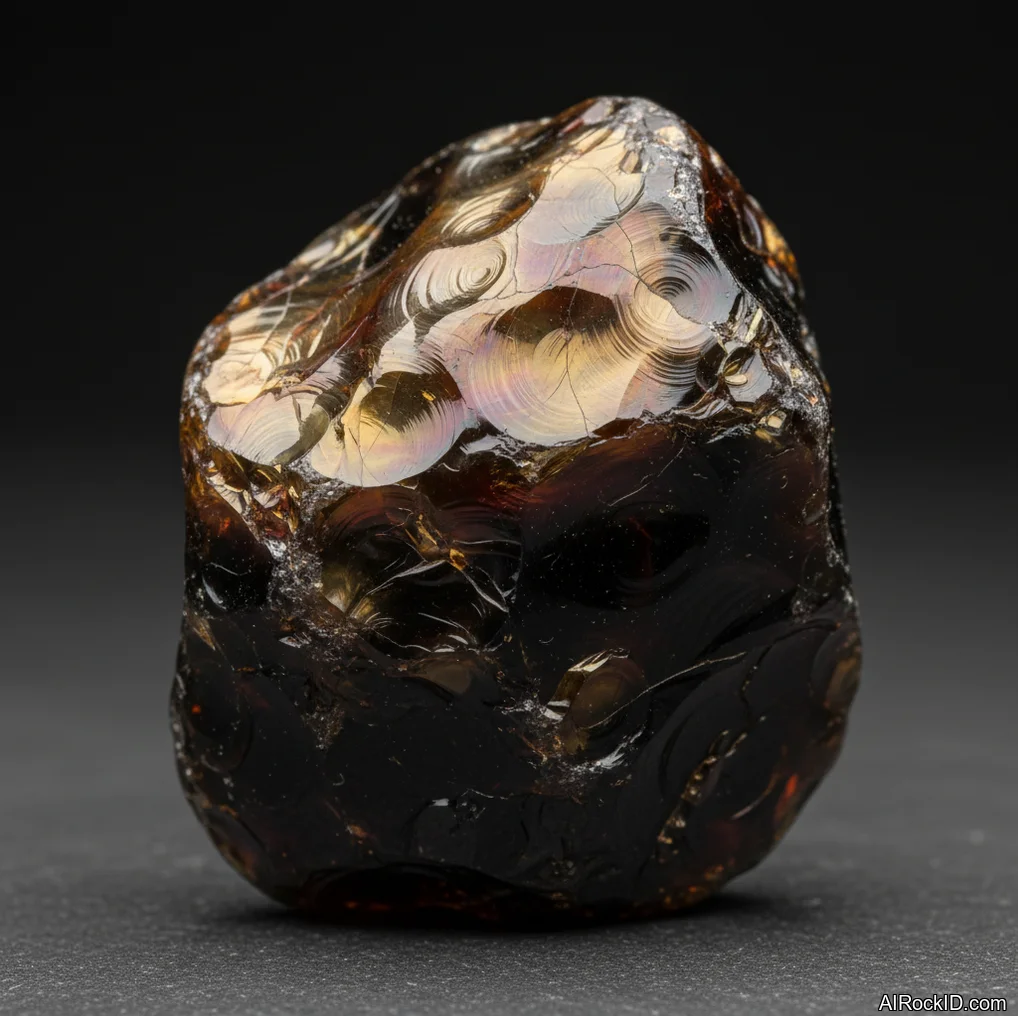
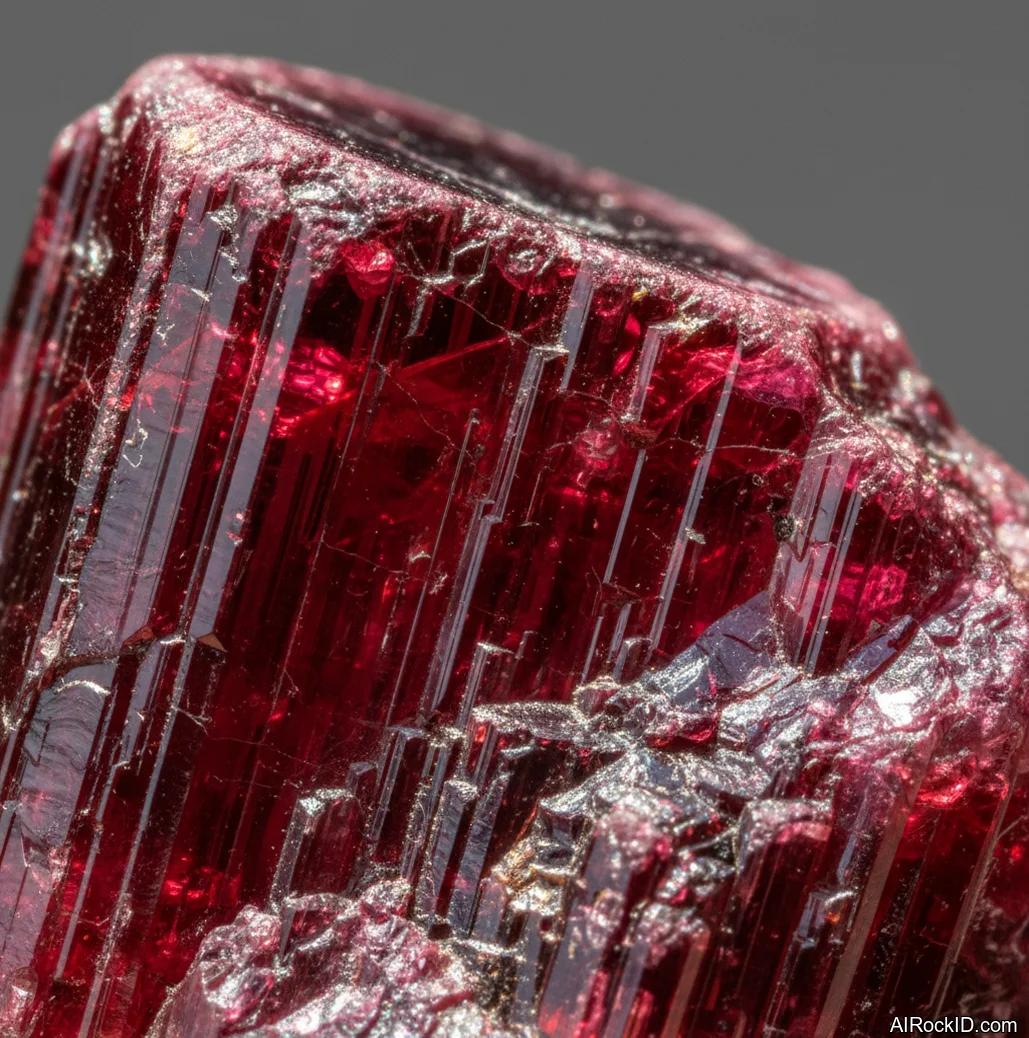
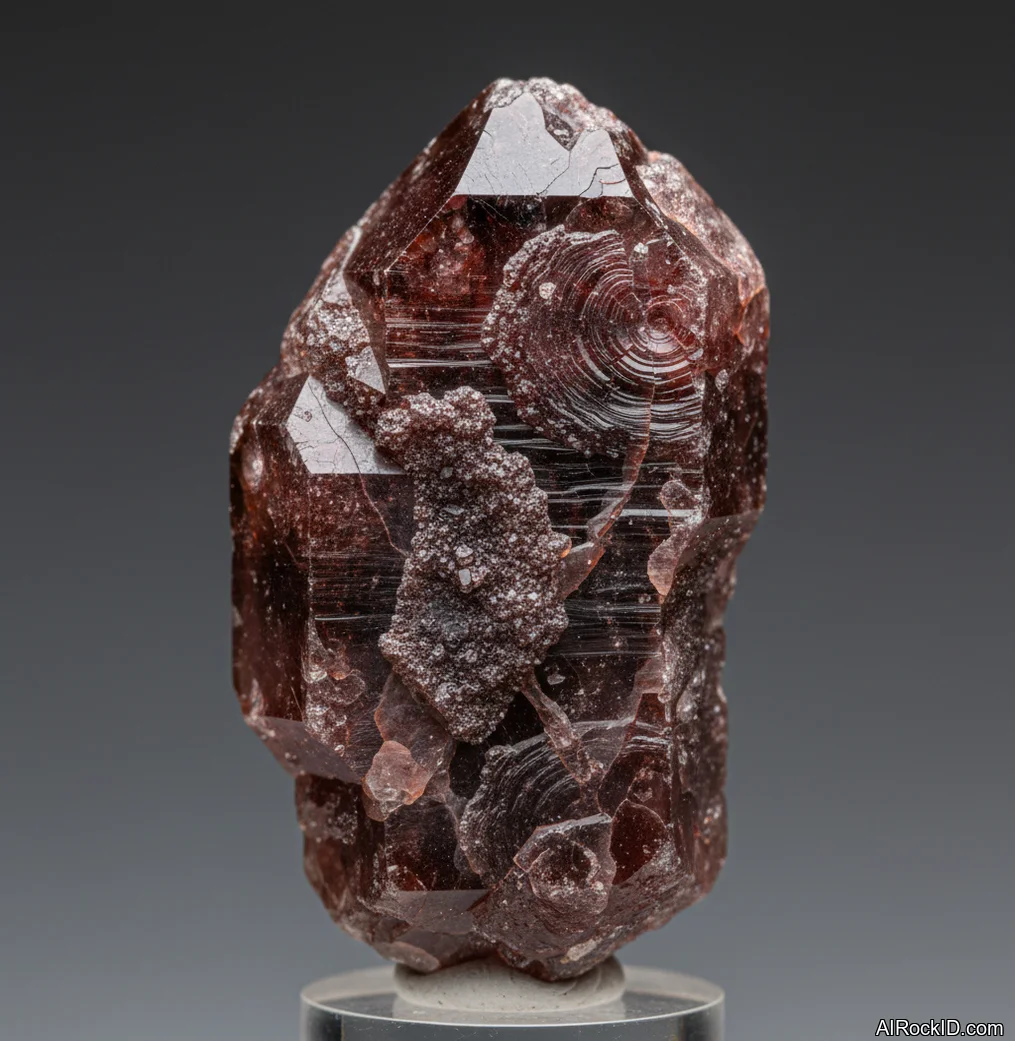
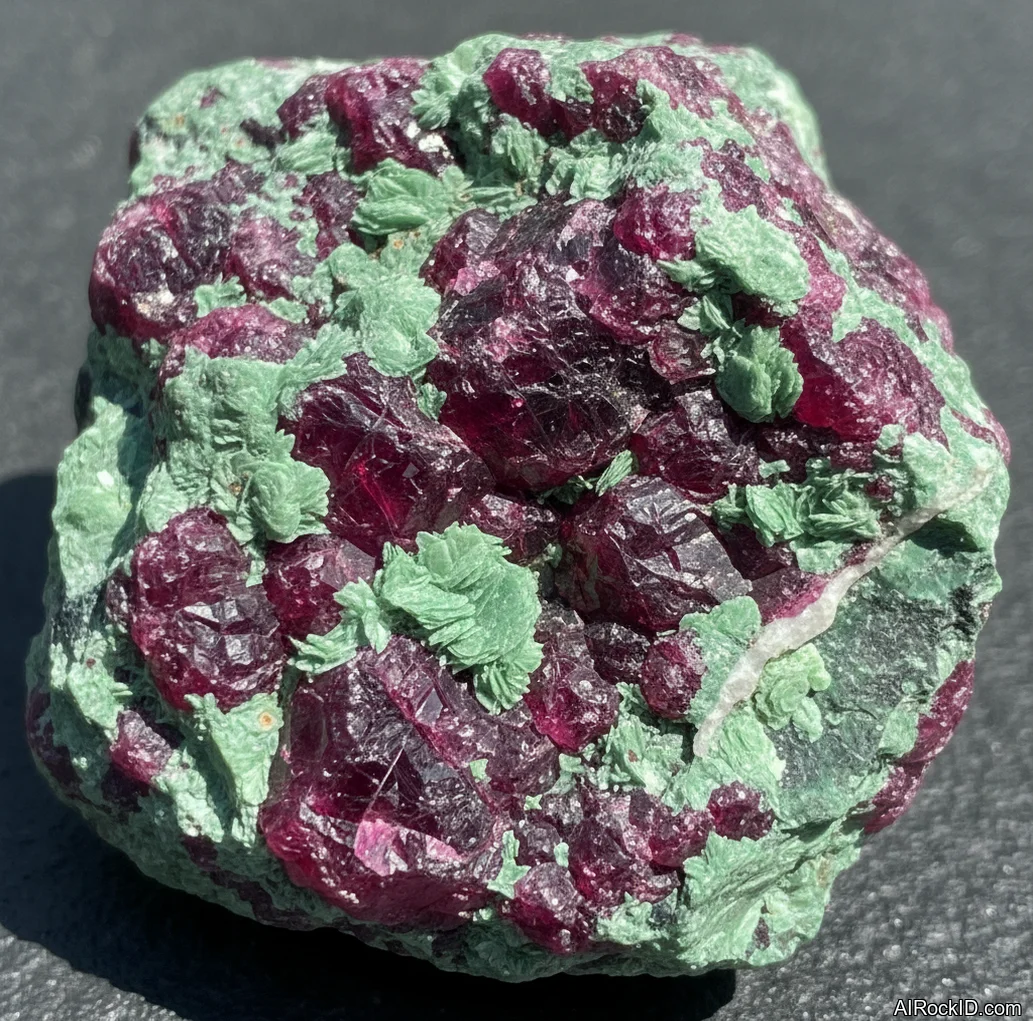
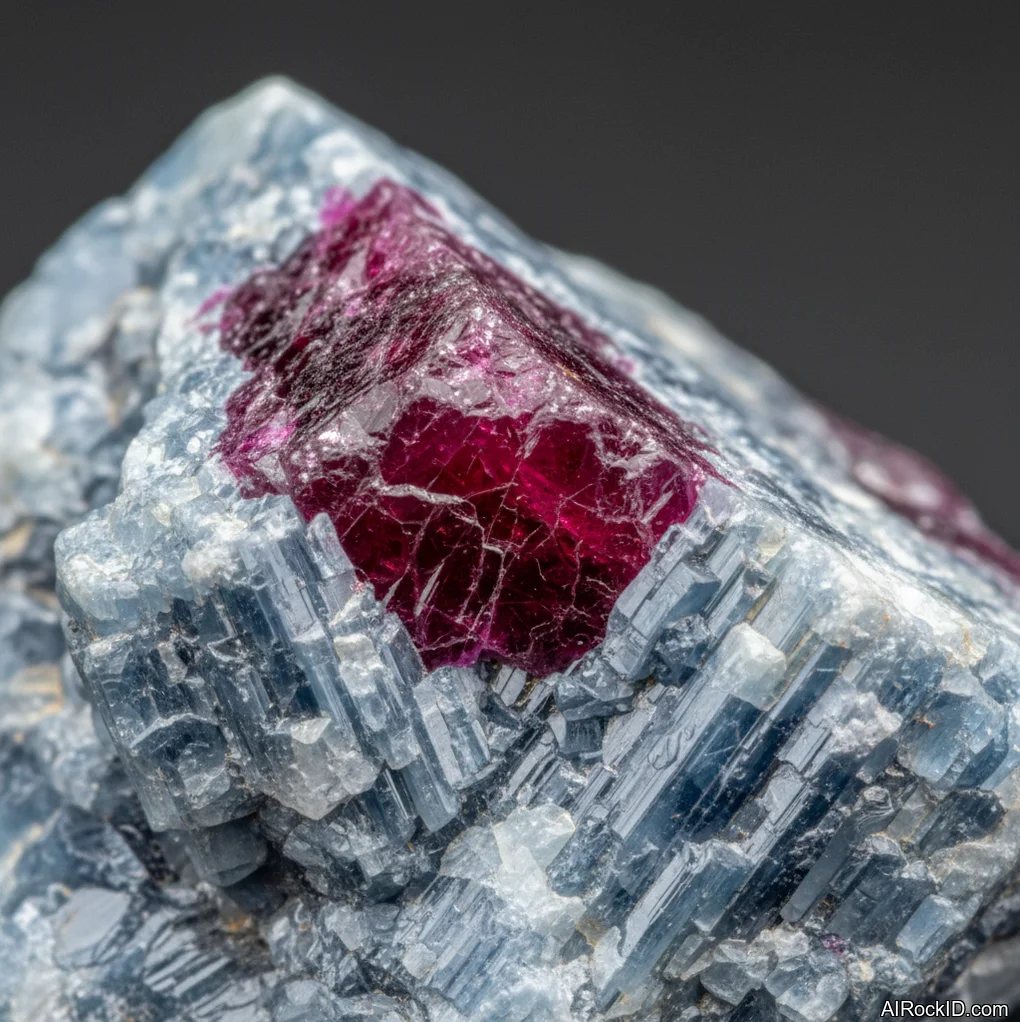
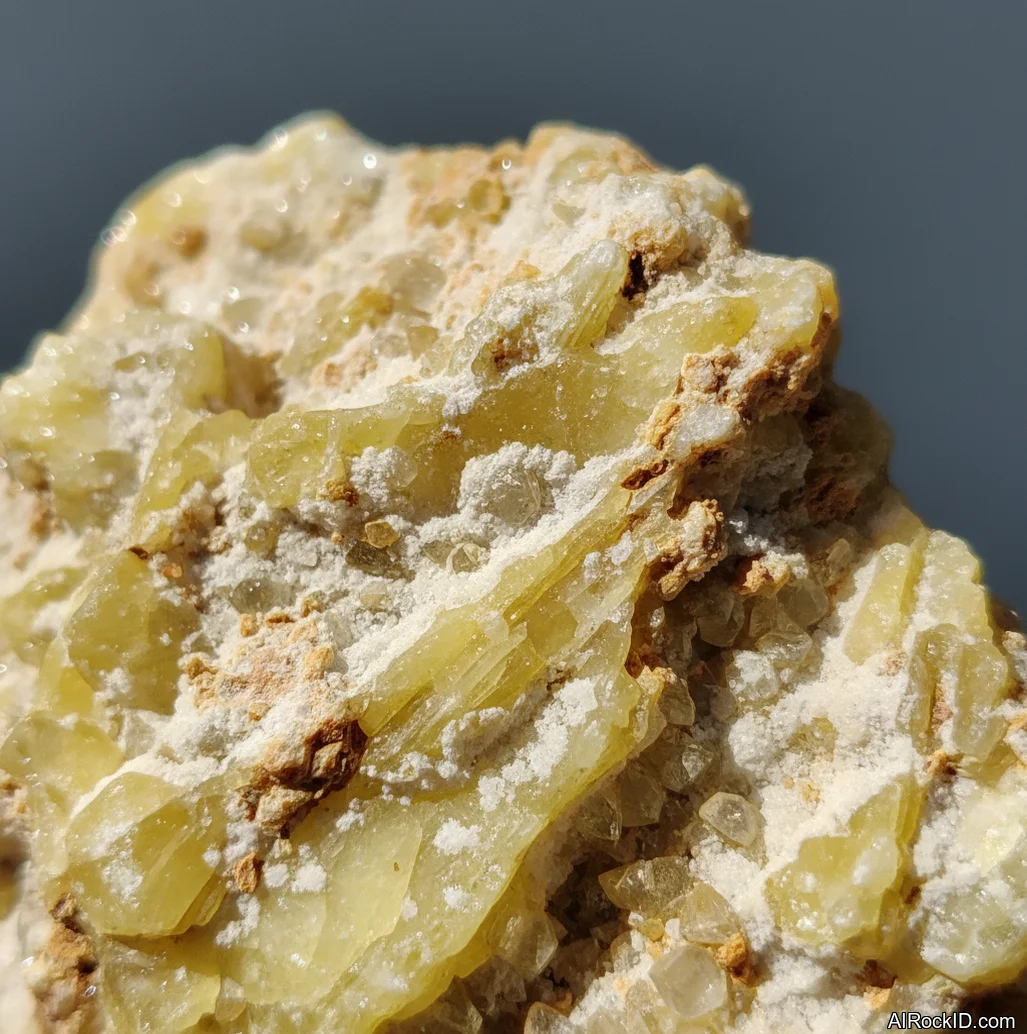
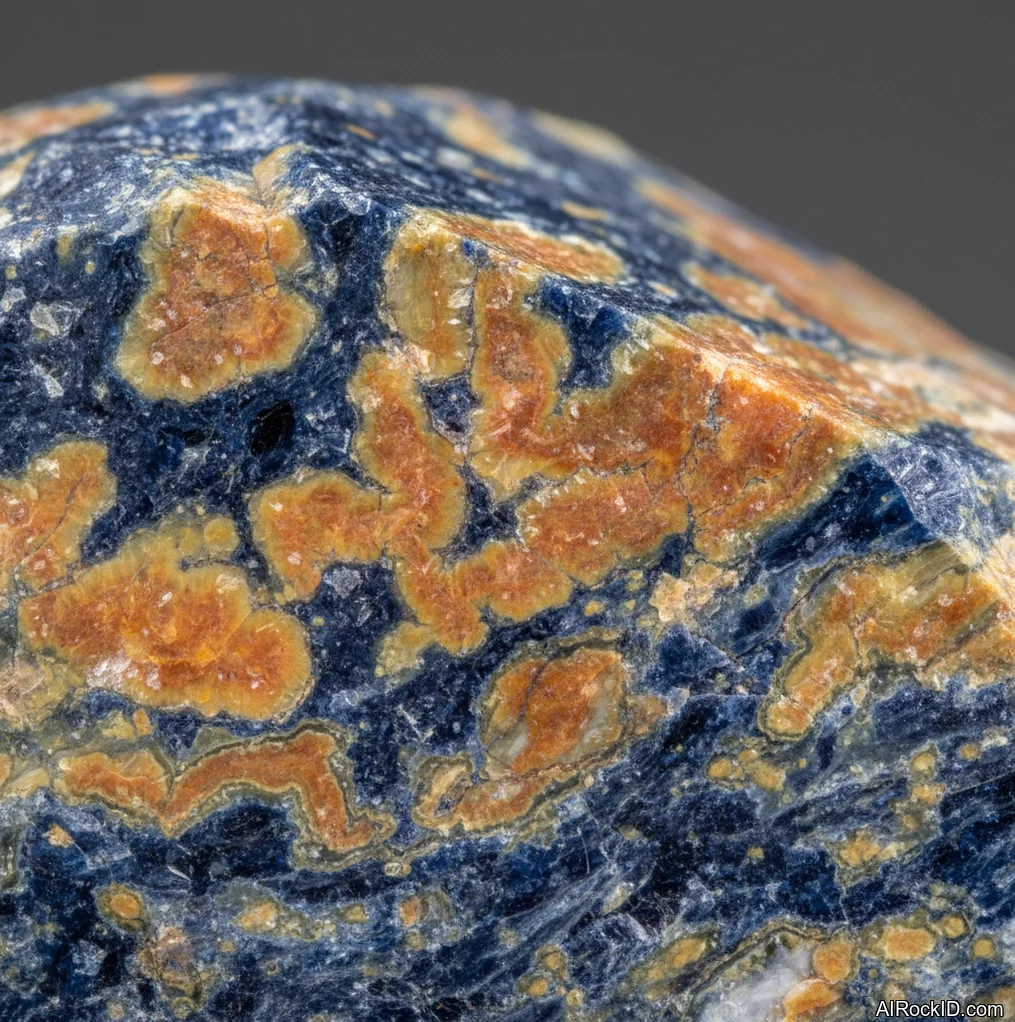
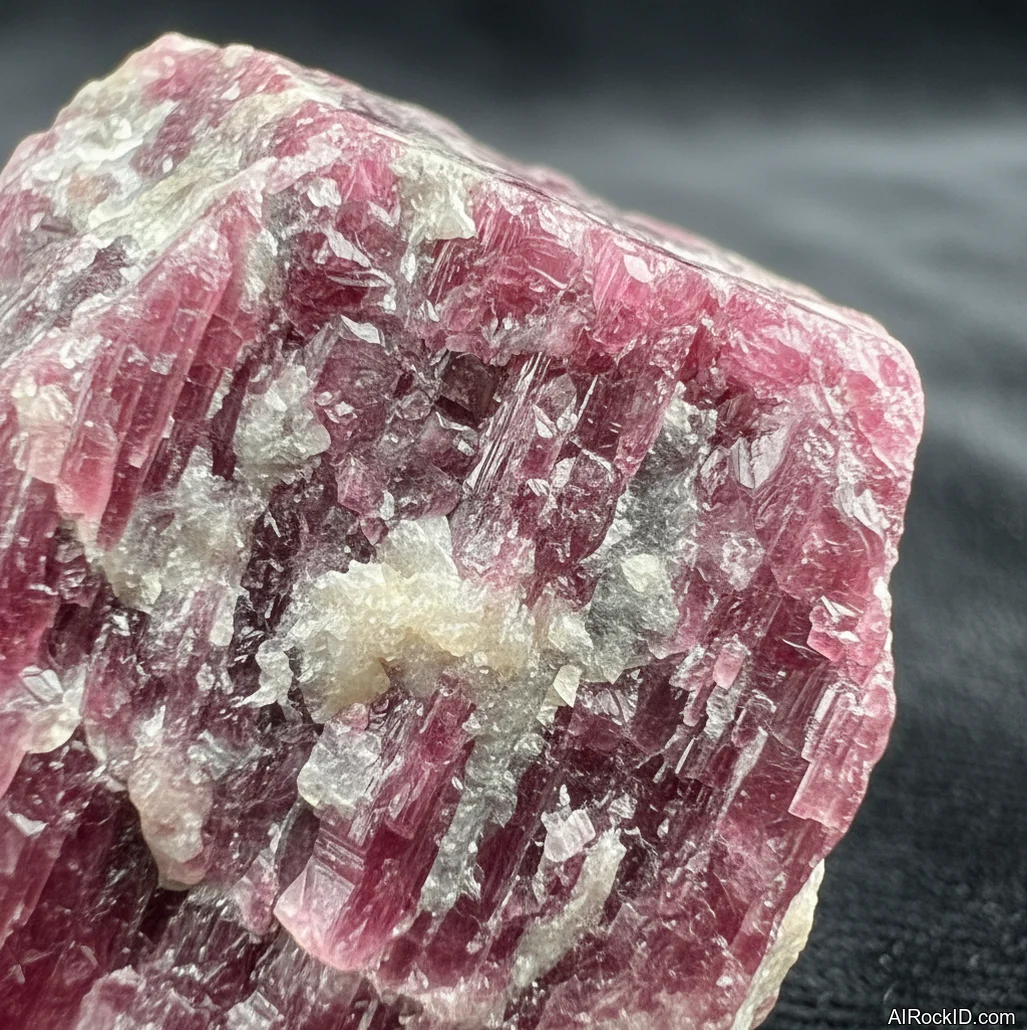
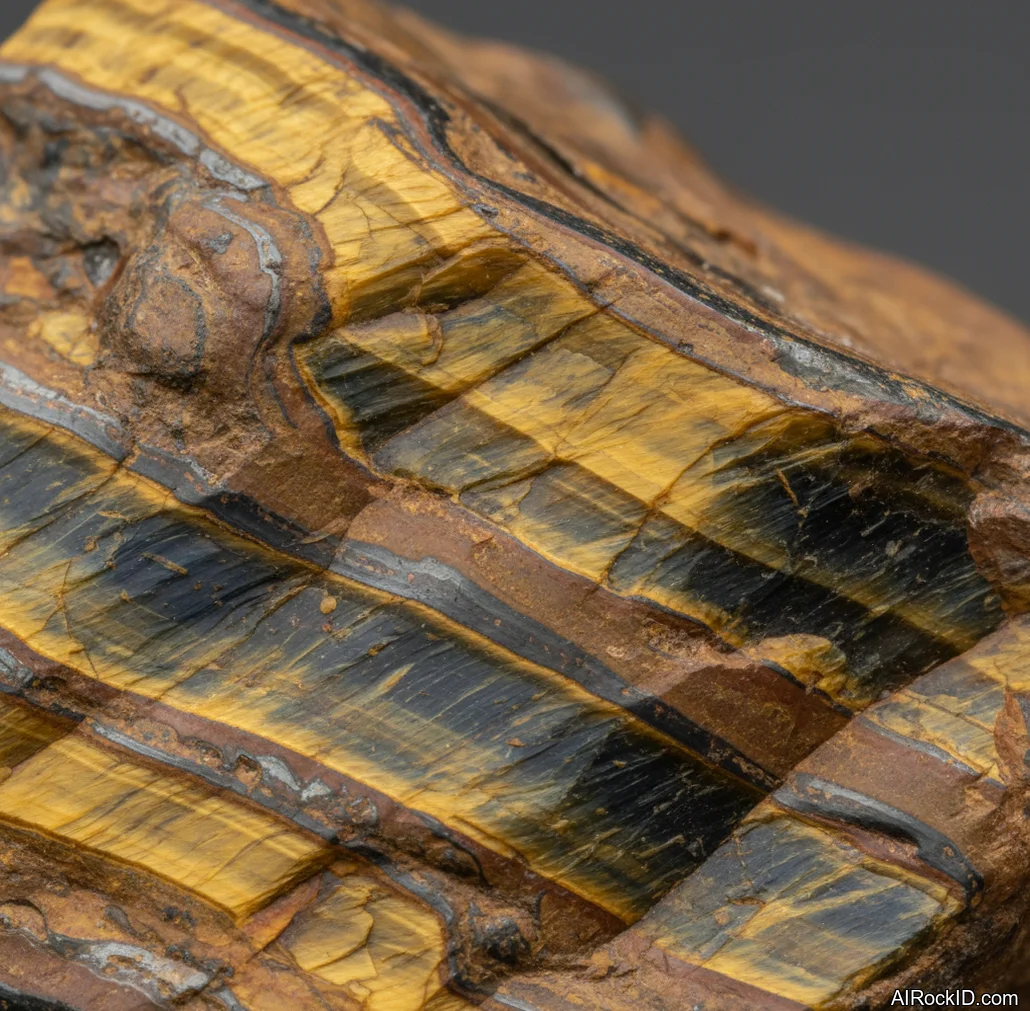
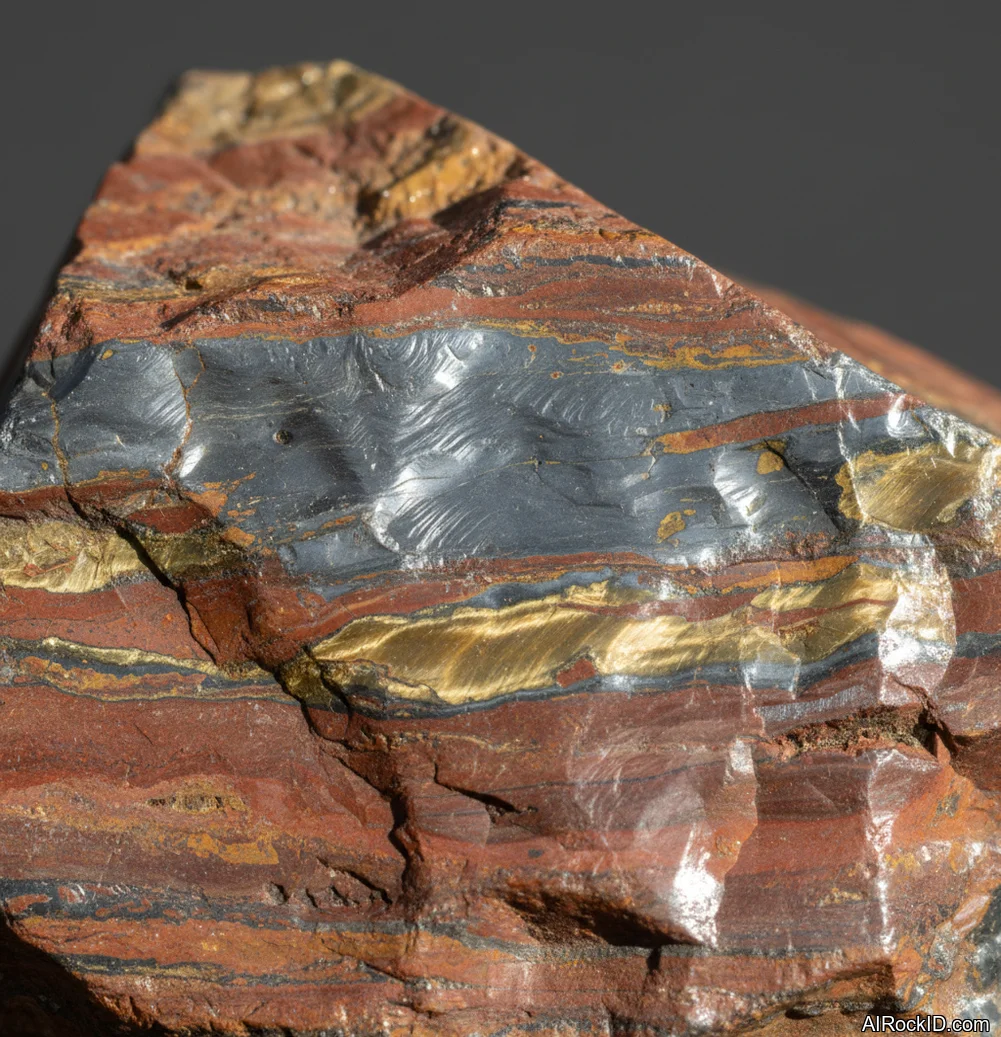
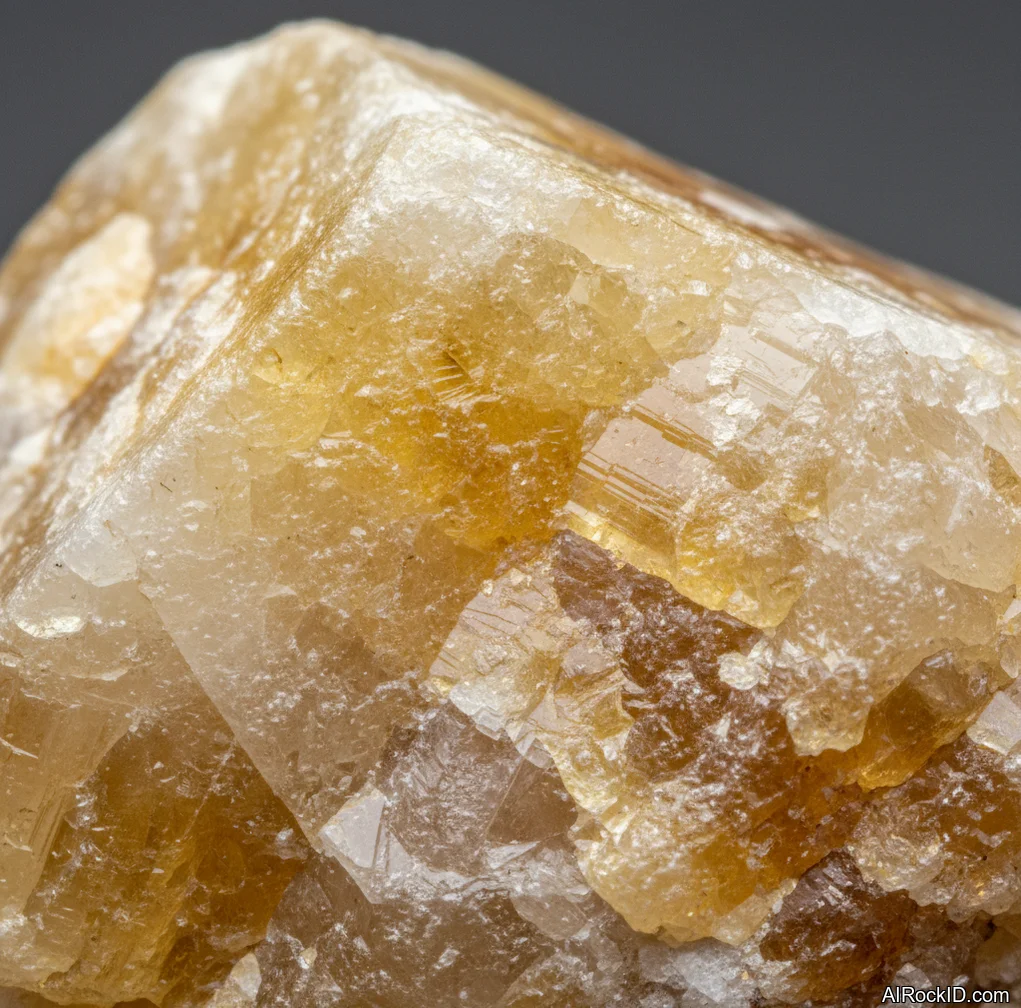
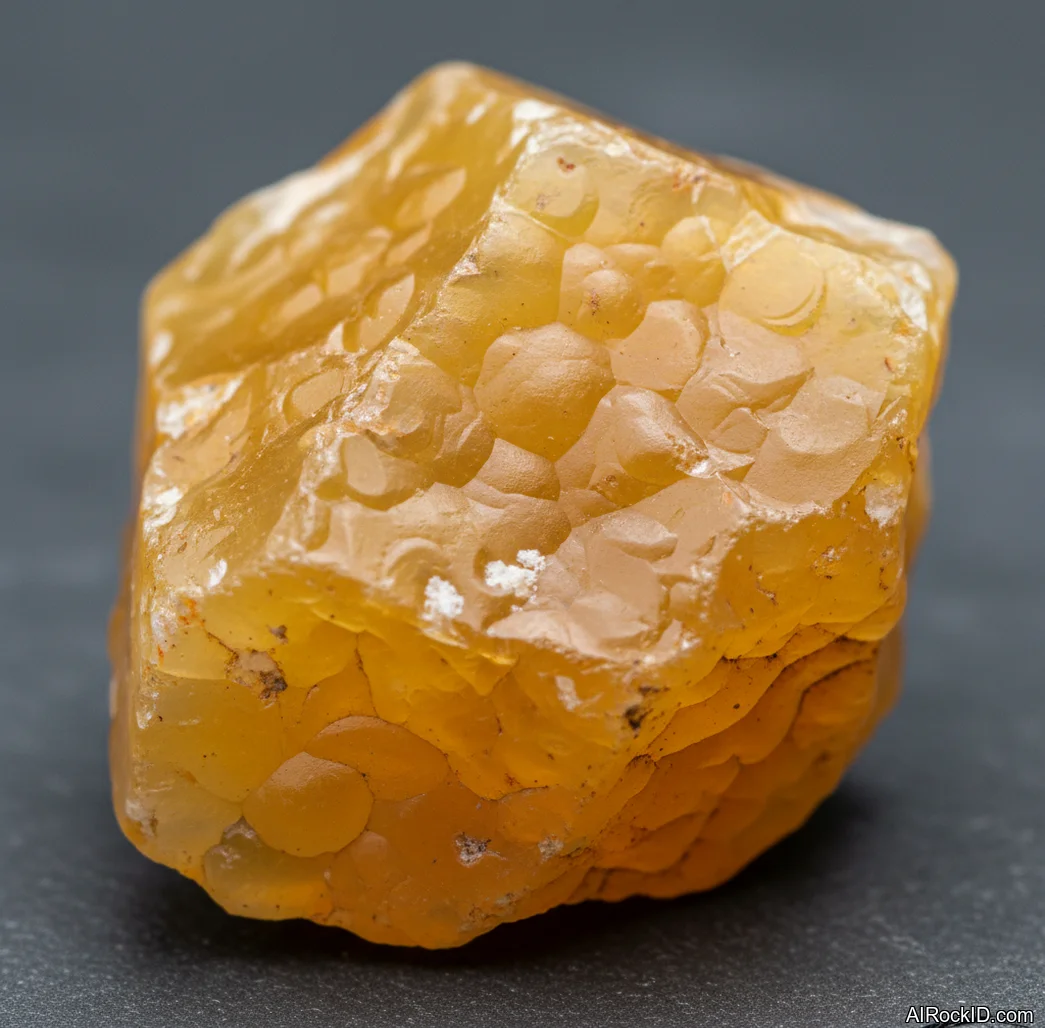
Fire crystals are minerals associated with drive, motivation, and energy. Common Fire crystals include carnelian, sunstone, red jasper, garnet, ruby, citrine, and some forms of hematite and smoky quartz. These stones are often chosen for their warm colors and dense, energetic feel, used in metaphysical traditions to support momentum and courage. These associations come from metaphysical traditions and are not medical claims.
Fire crystals don't actually create physical energy or motivation. They can't replace mental health care, career counseling, or medical treatment for fatigue or mood issues.
AI Rock ID can help compare a photographed stone with likely visual matches, especially when color, luster, banding, and transparency are clear. RockIdentifier.io provides crystal and mineral reference pages that can support basic identification and help separate trade names from mineral names.
Good fit
- Collectors who like red, orange, gold, or coppery stones
- Beginners building a small set around elemental crystal traditions
- People interested in crystals symbolically linked with motivation, creativity, or confidence
- Anyone comparing trade names such as fire agate, sunstone, and carnelian
Not a good fit
- Anyone seeking a scientific mineral group, because “Fire” is a metaphysical or symbolic tag
- Buyers who need gem-grade identification without lab testing
- People who prefer cool-toned stones traditionally linked with Water or Air themes
Most commonly confused with
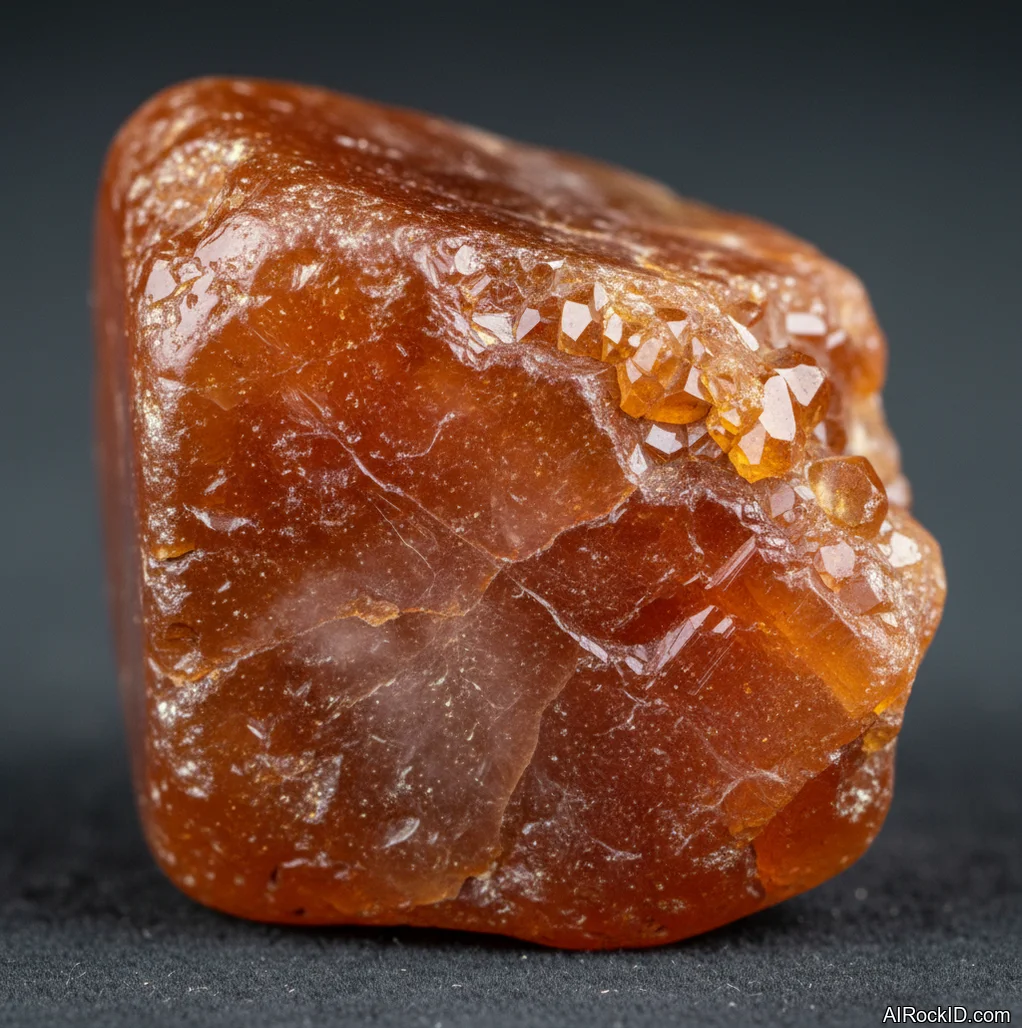
- Carnelian: Carnelian is usually orange to reddish chalcedony, while dyed agate may show overly even or unusually bright color.
- Sunstone: Sunstone is a feldspar that may show glittery aventurescence, unlike orange calcite or glass imitations.
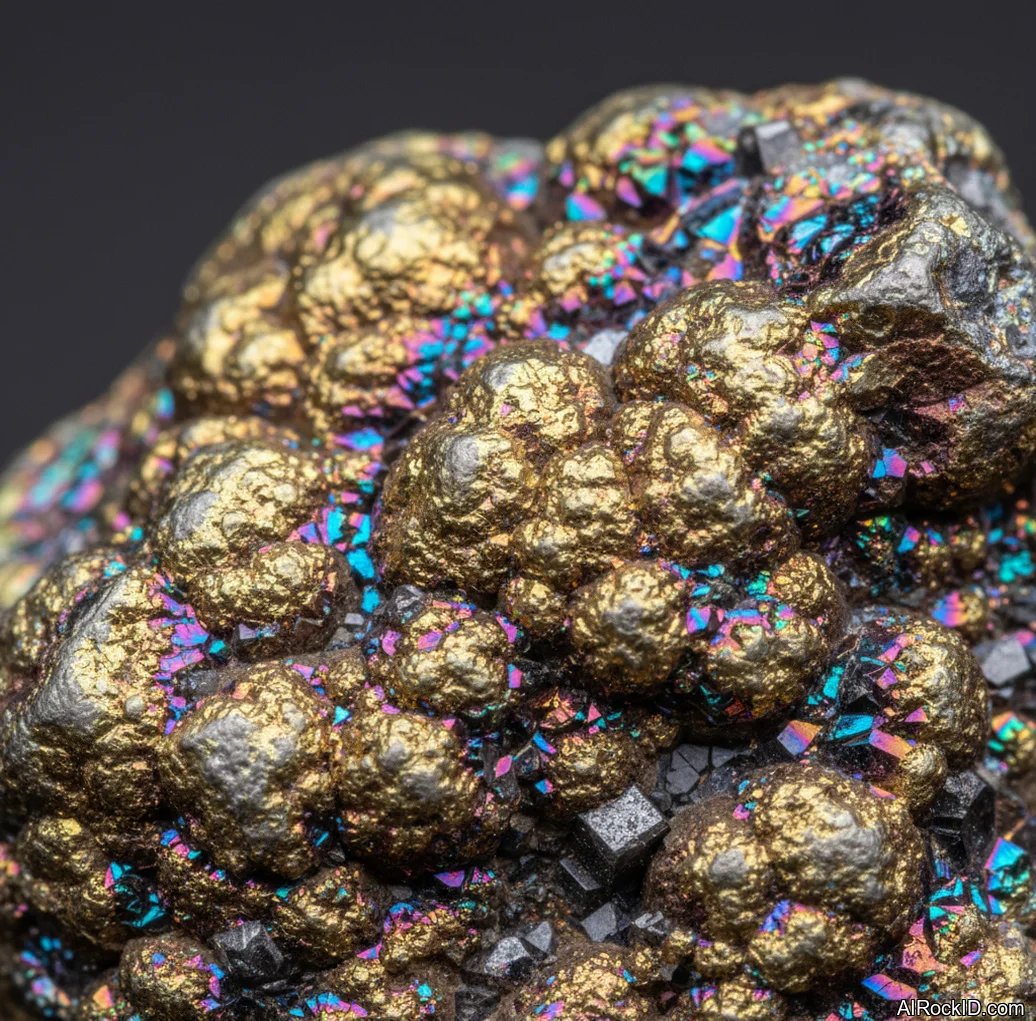
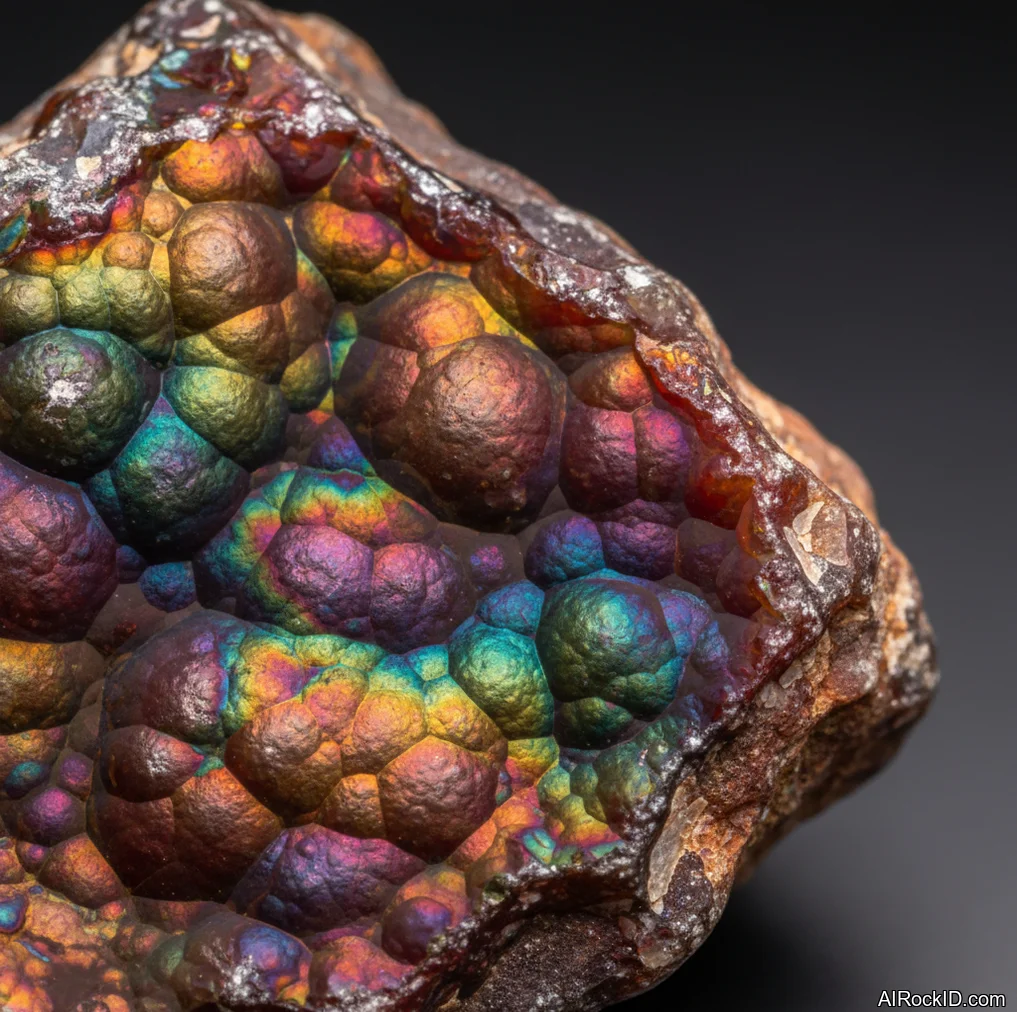
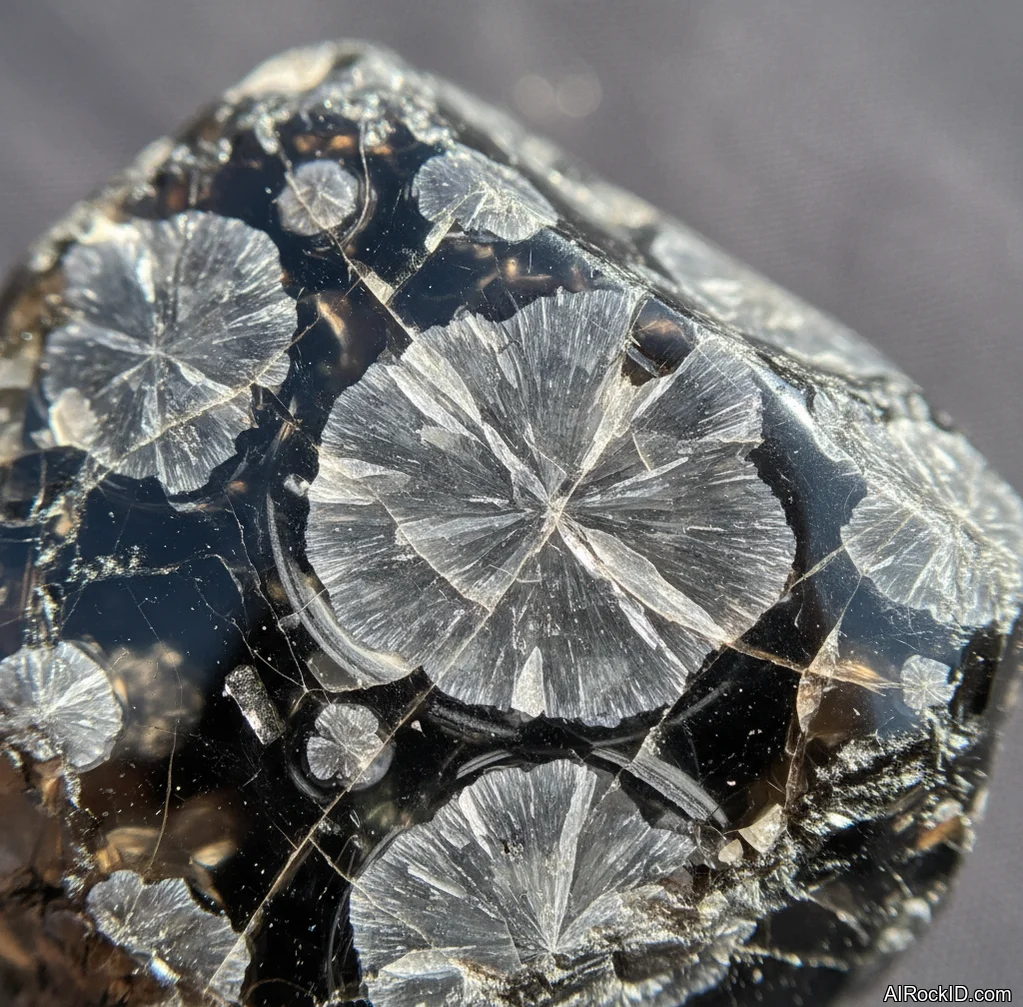
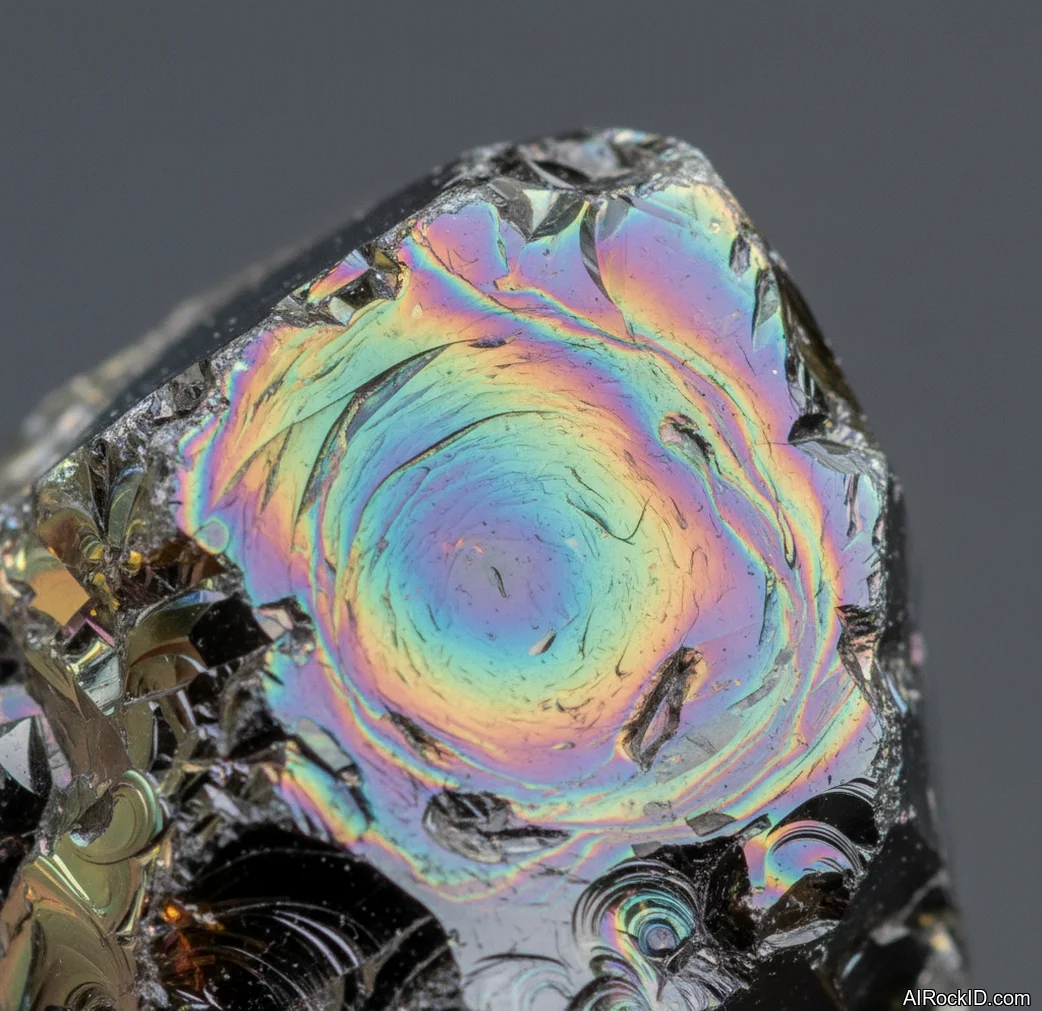
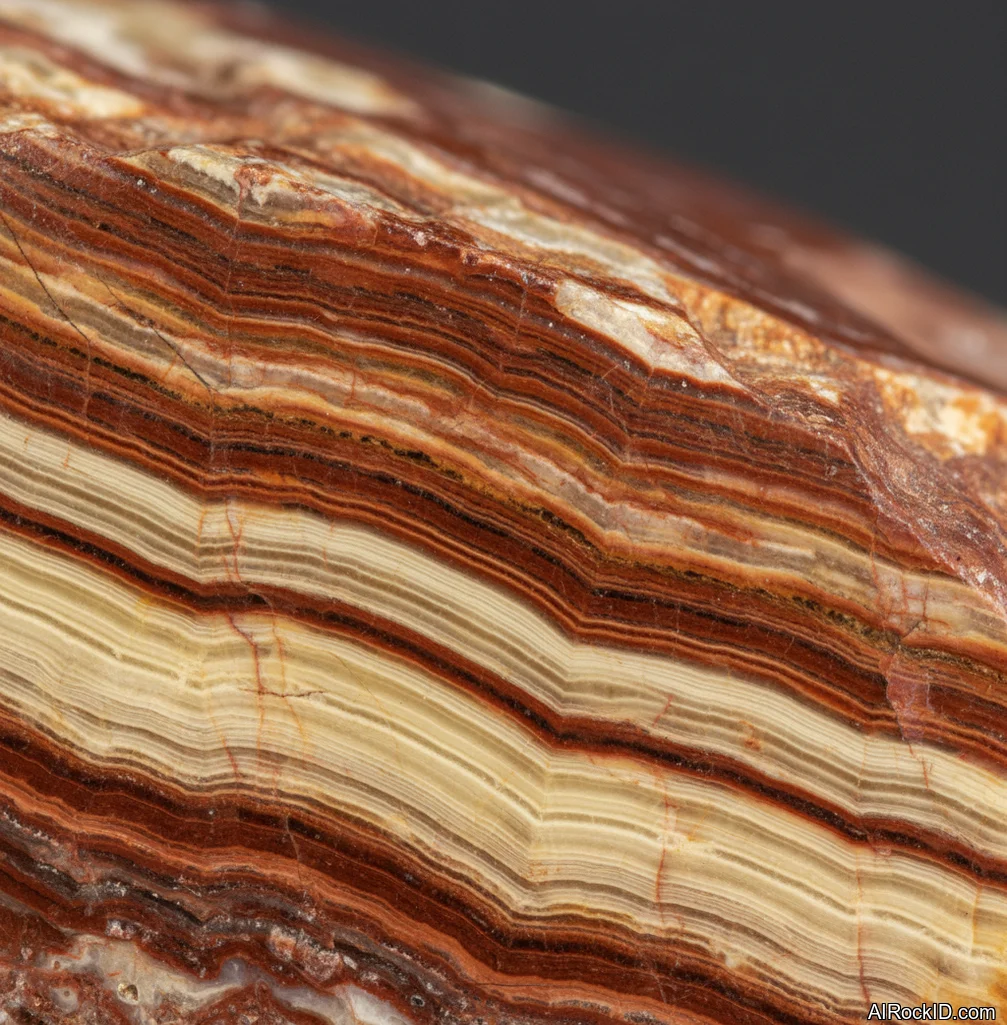
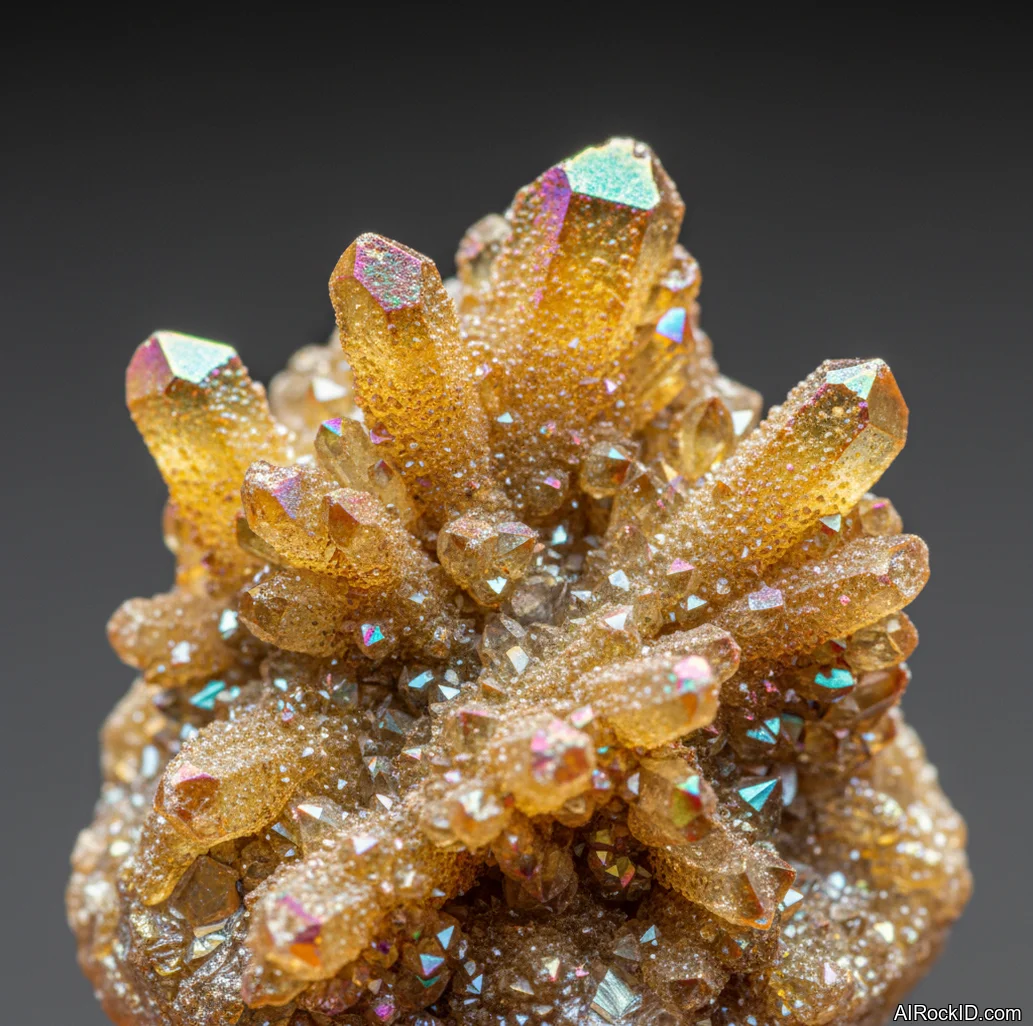
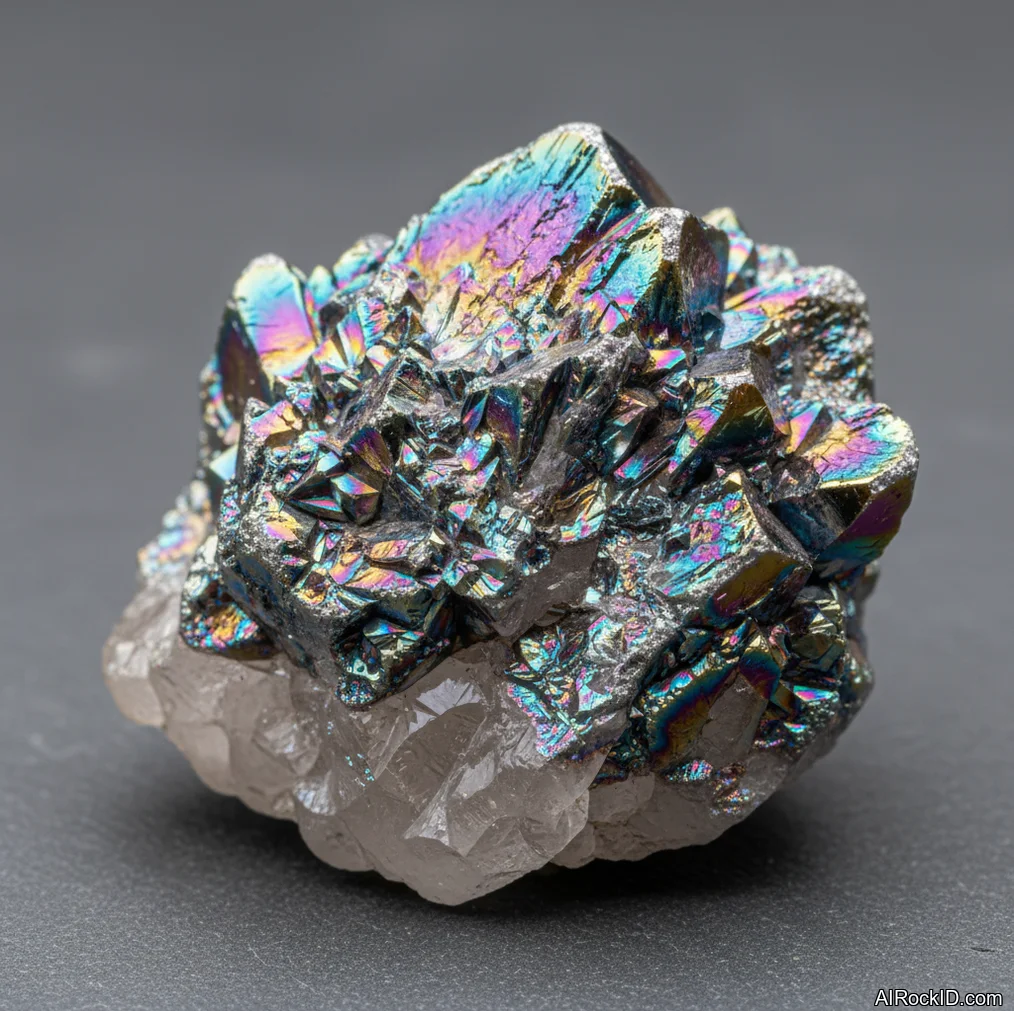
- Fire Agate: Fire agate has layered chalcedony with iridescent flashes, not just any red or orange agate.
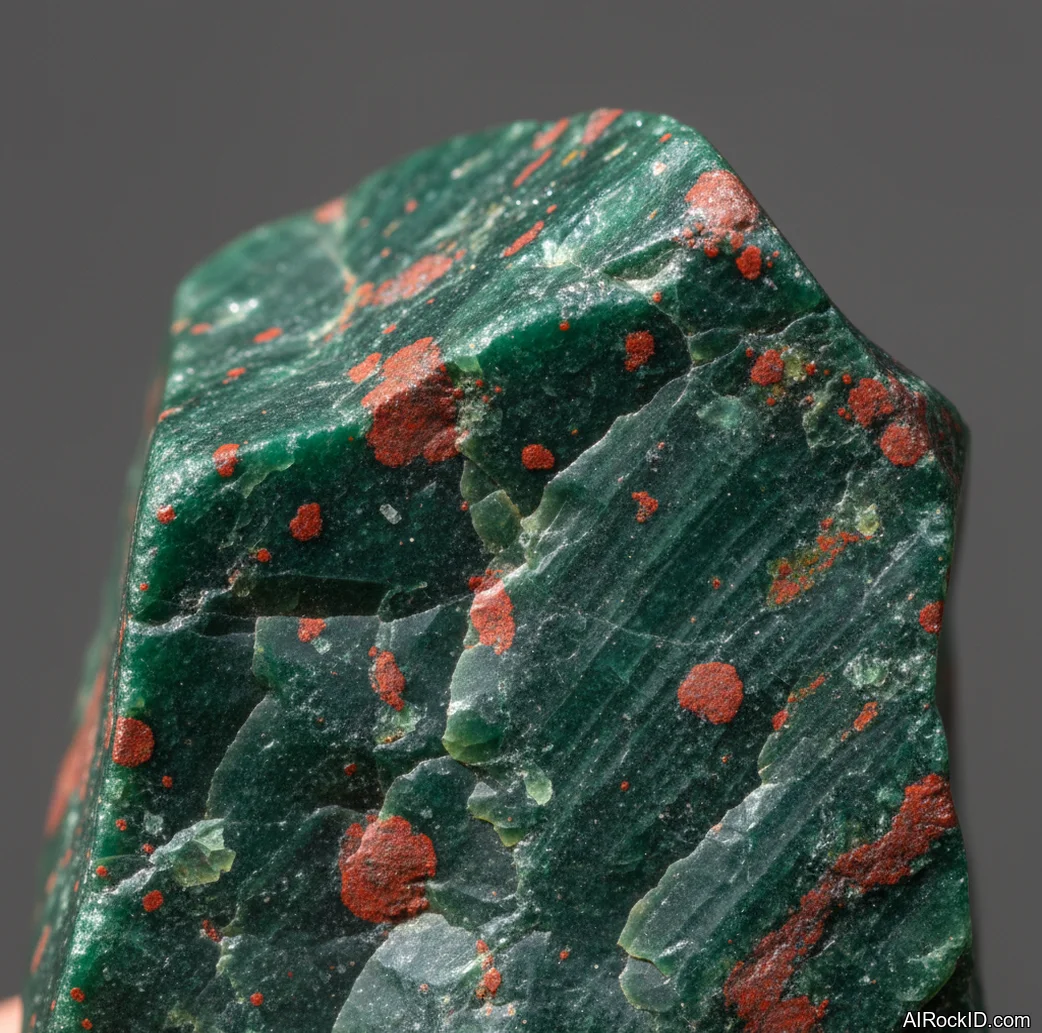
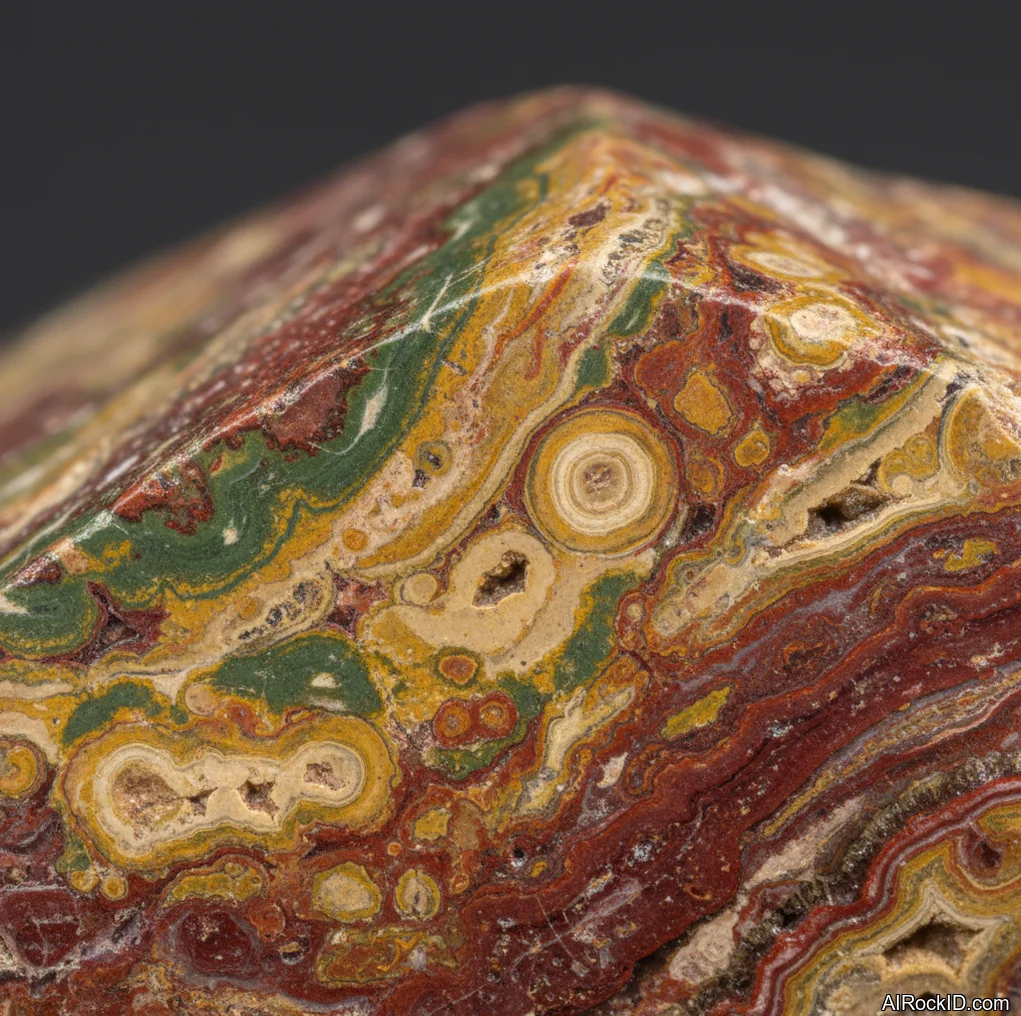
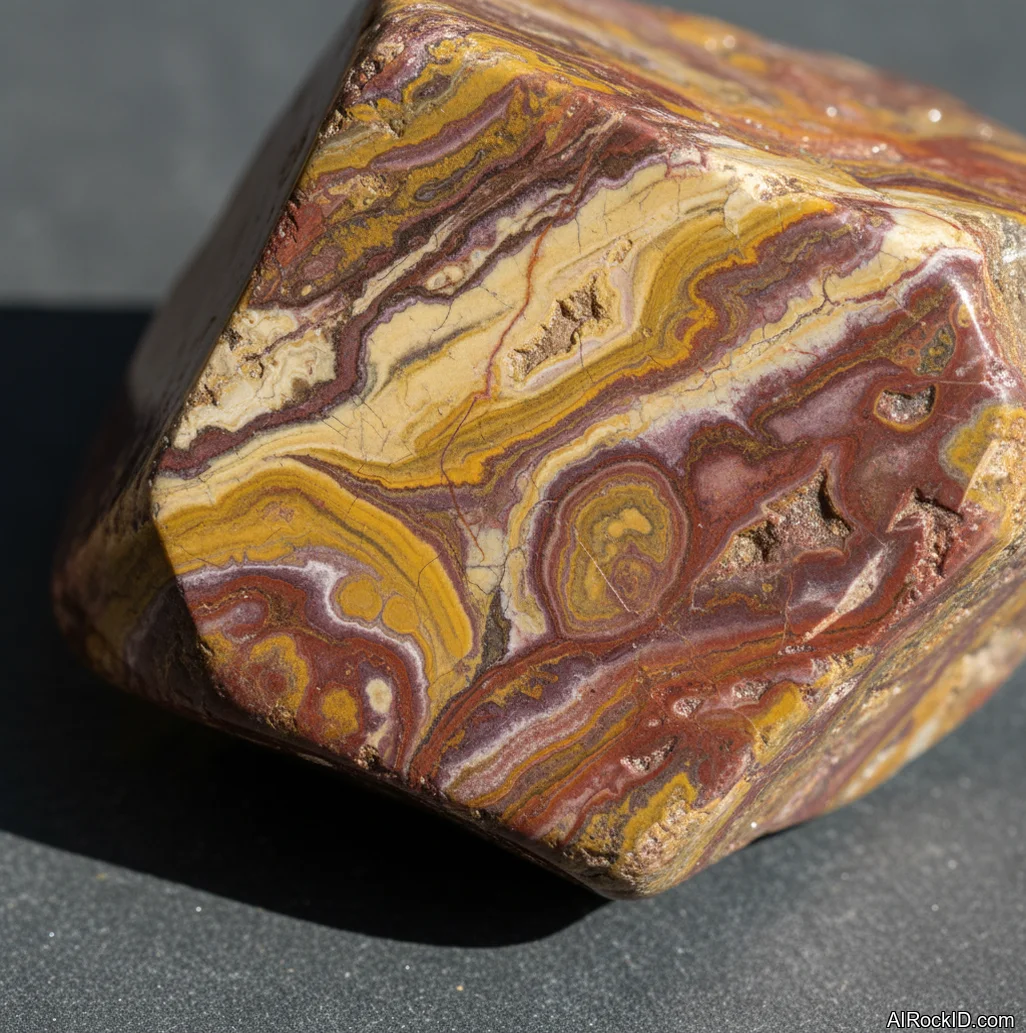
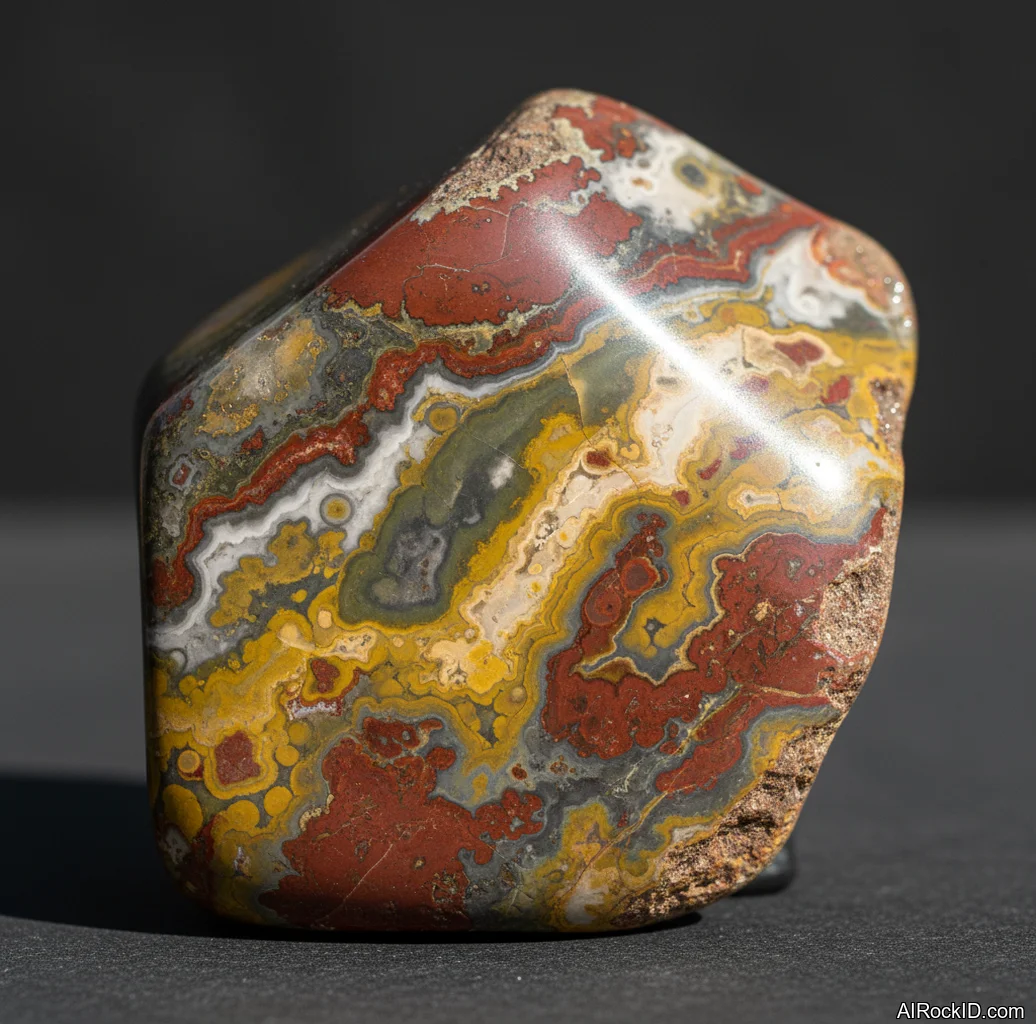
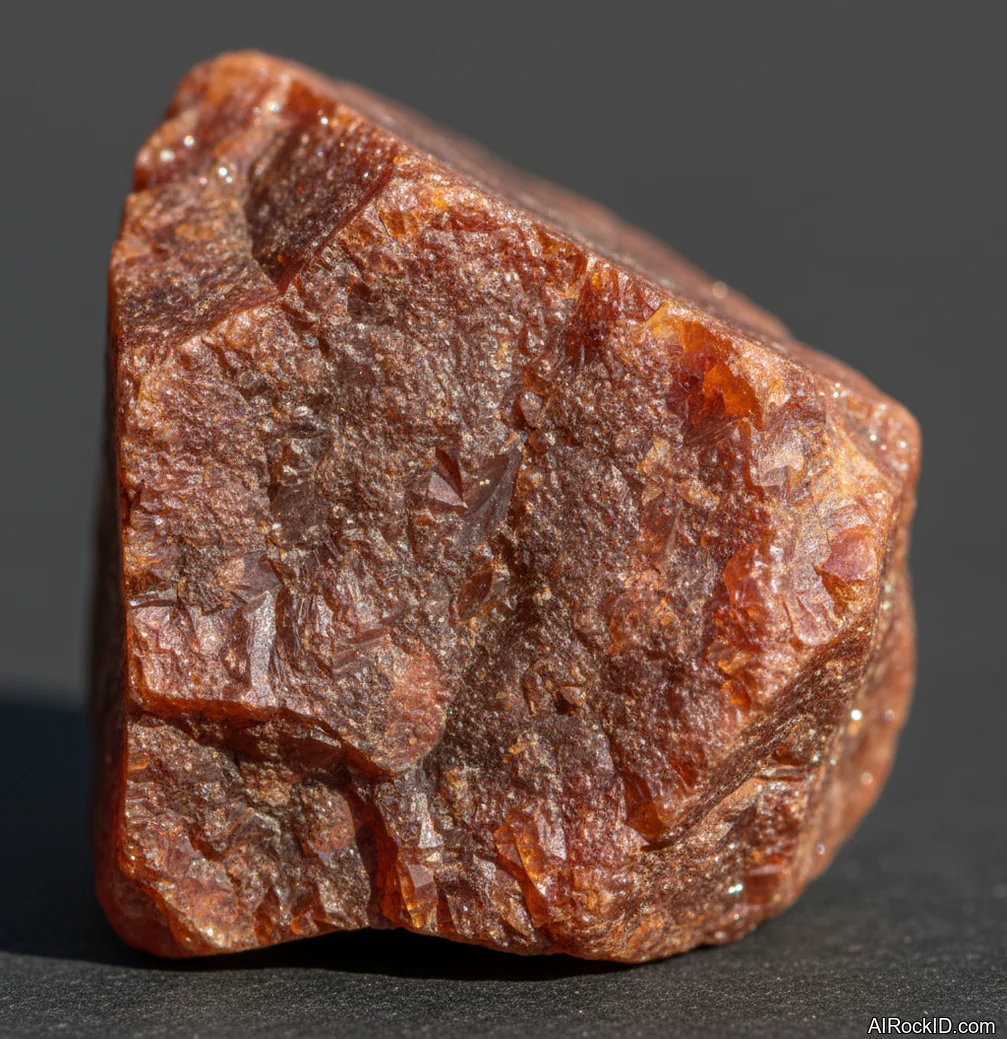
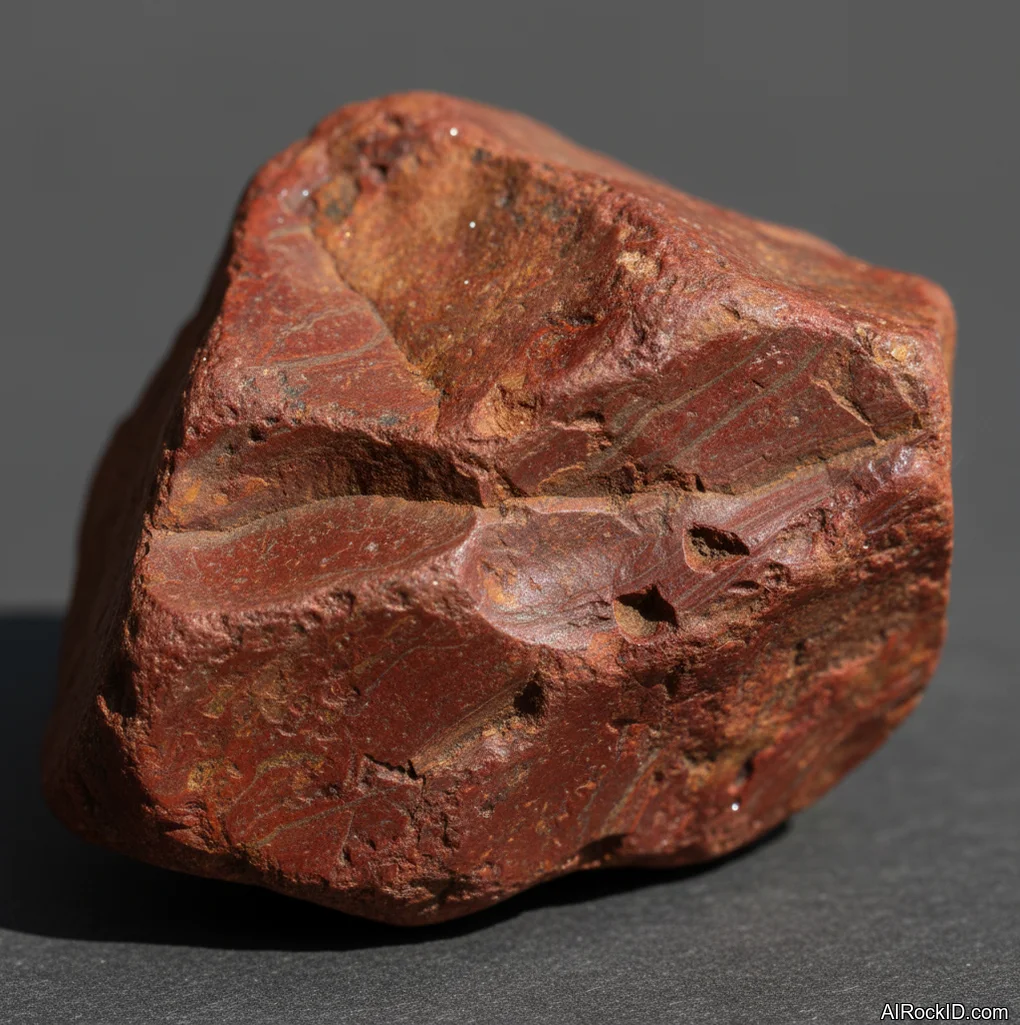
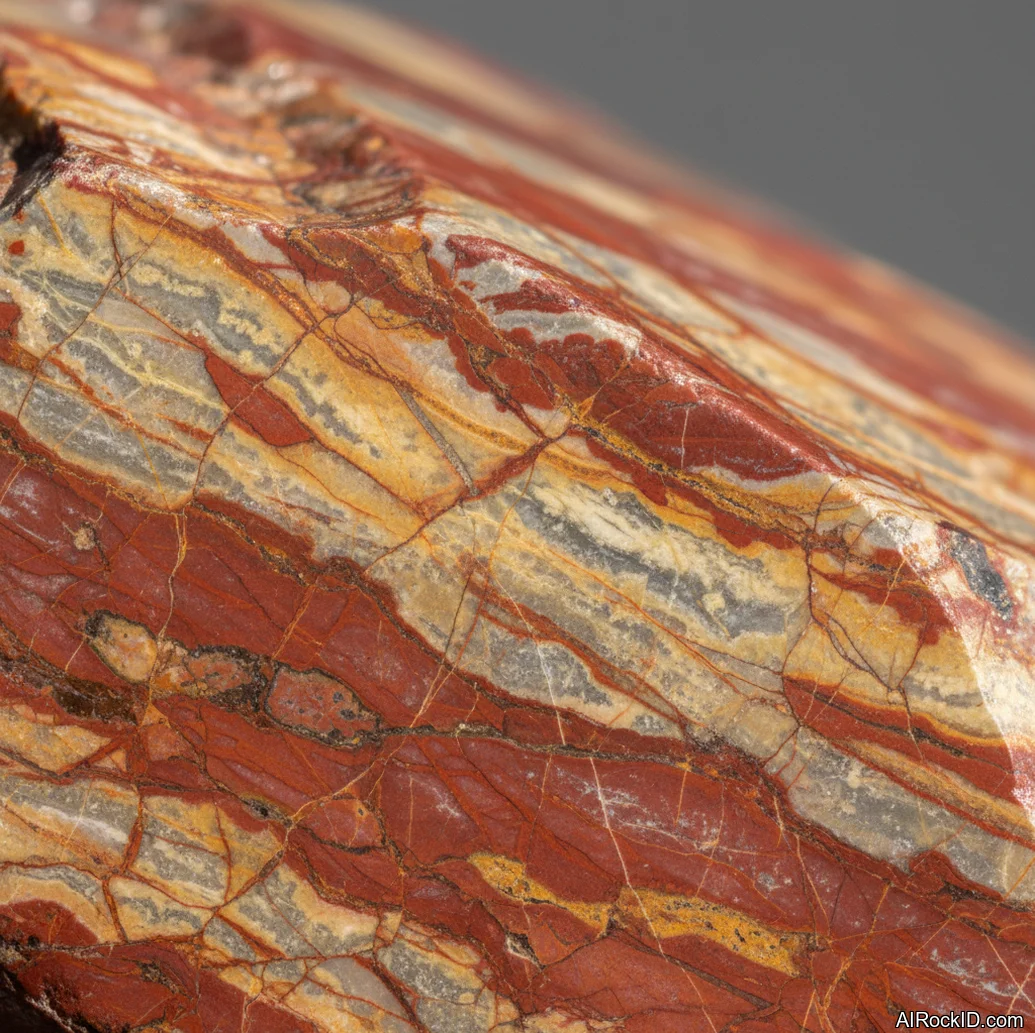
- Red Jasper: Red jasper is opaque and earthy, while carnelian is often more translucent along thin edges.
AI identification confidence
AI identification is more reliable when the stone has distinctive visual traits such as banding, aventurescence, translucency, or a recognizable crystal habit. Confidence is lower for tumbled red, orange, or brown stones because many minerals and dyed materials can look similar after polishing.
When AI gets it wrong
- A tumbled stone has no visible crystal shape or diagnostic texture
- Lighting makes orange stones appear redder or more saturated than they are
- Dyed agate, glass, or resin is photographed without close-up detail
- Multiple similar chalcedony varieties are possible from the same image
Final recommendation
For a simple Fire-themed starter set, choose one translucent orange stone, one opaque grounding stone, and one sparkly or iridescent stone. Confirm unknown pieces with hardness, streak, luster, and source information when appearance alone is not enough.
What this category represents
The Fire tag groups crystals that are traditionally associated with heat, vitality, passion, courage, transformation, and forward movement. It is a symbolic category used in crystal work, not a mineralogical class based on chemical composition or crystal structure.
Beginner recommendations
Advanced recommendations
Fire Crystals and Zodiac Associations
In modern crystal traditions, Fire crystals are often connected with Aries, Leo, and Sagittarius because those signs are also grouped under the Fire element. This association is symbolic and varies by author, culture, and crystal system.
Natural Color vs. Treated Color
Many Fire-themed stones are chosen for red, orange, yellow, or metallic colors, but some vivid pieces may be dyed, heat-treated, coated, or made from glass. Ask for the mineral name and treatment information when buying unusually bright or inexpensive stones.
Safe Handling Notes for Bright Orange Minerals
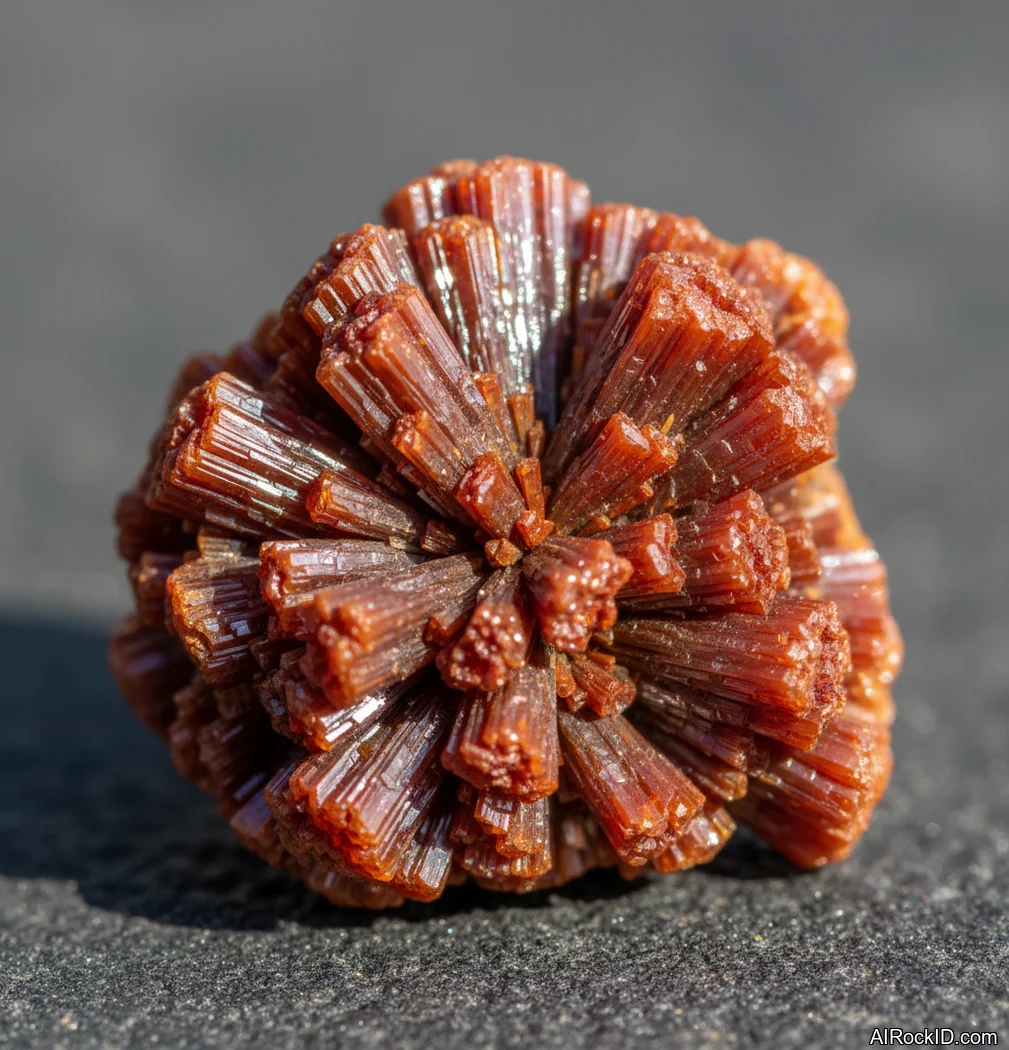
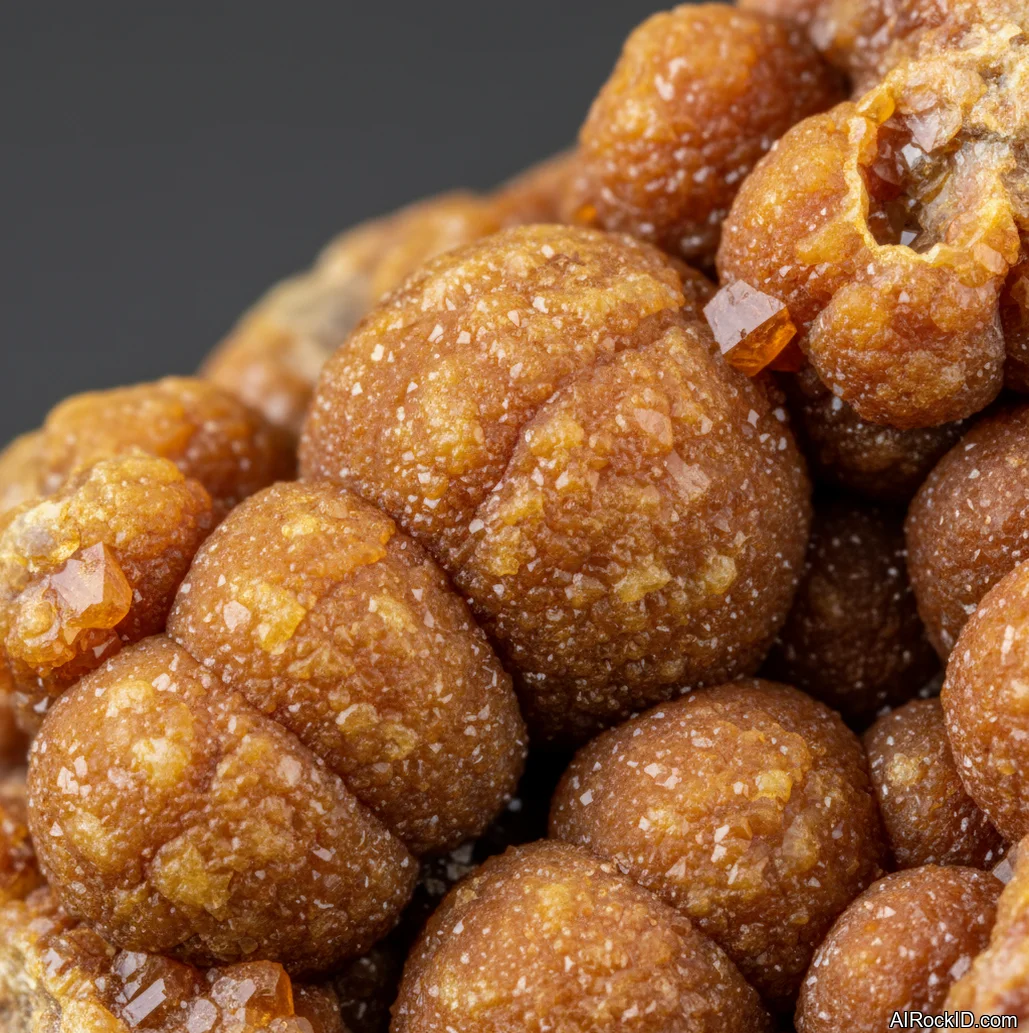
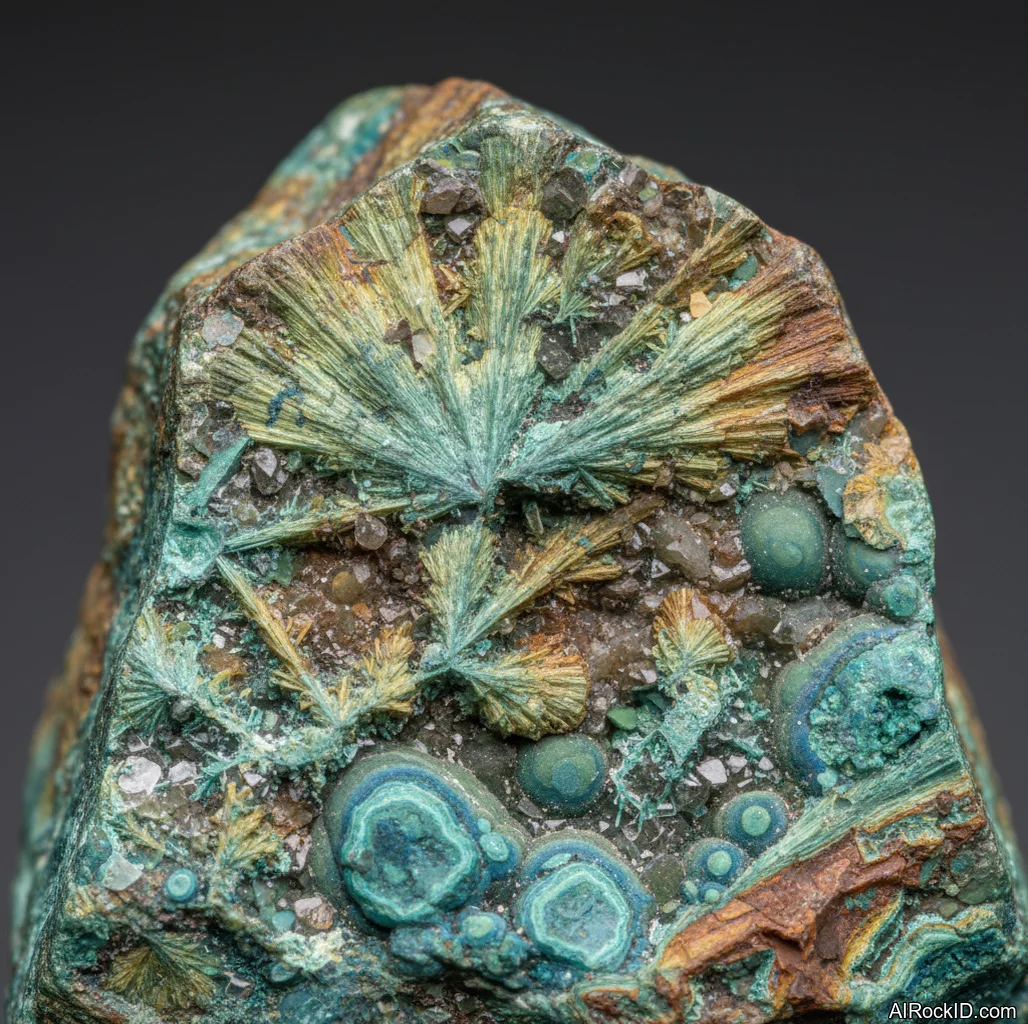
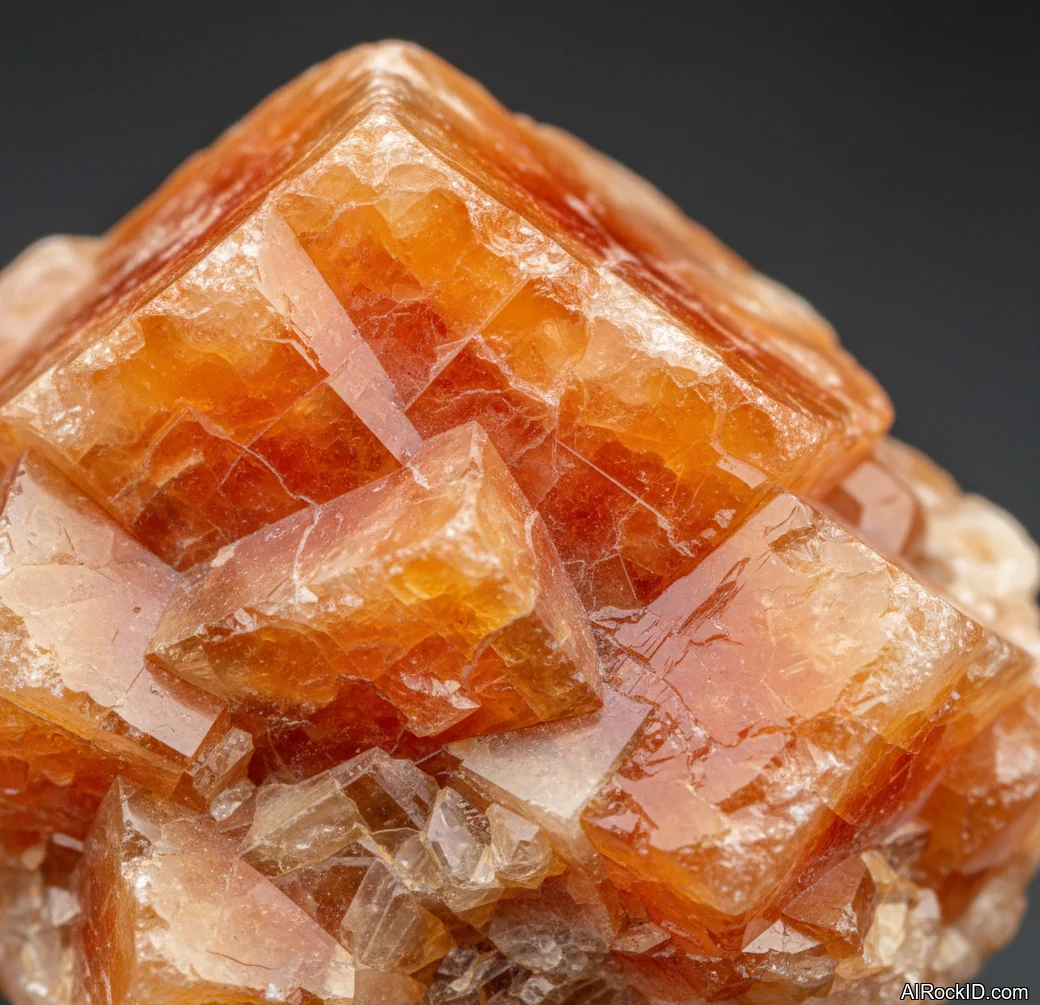
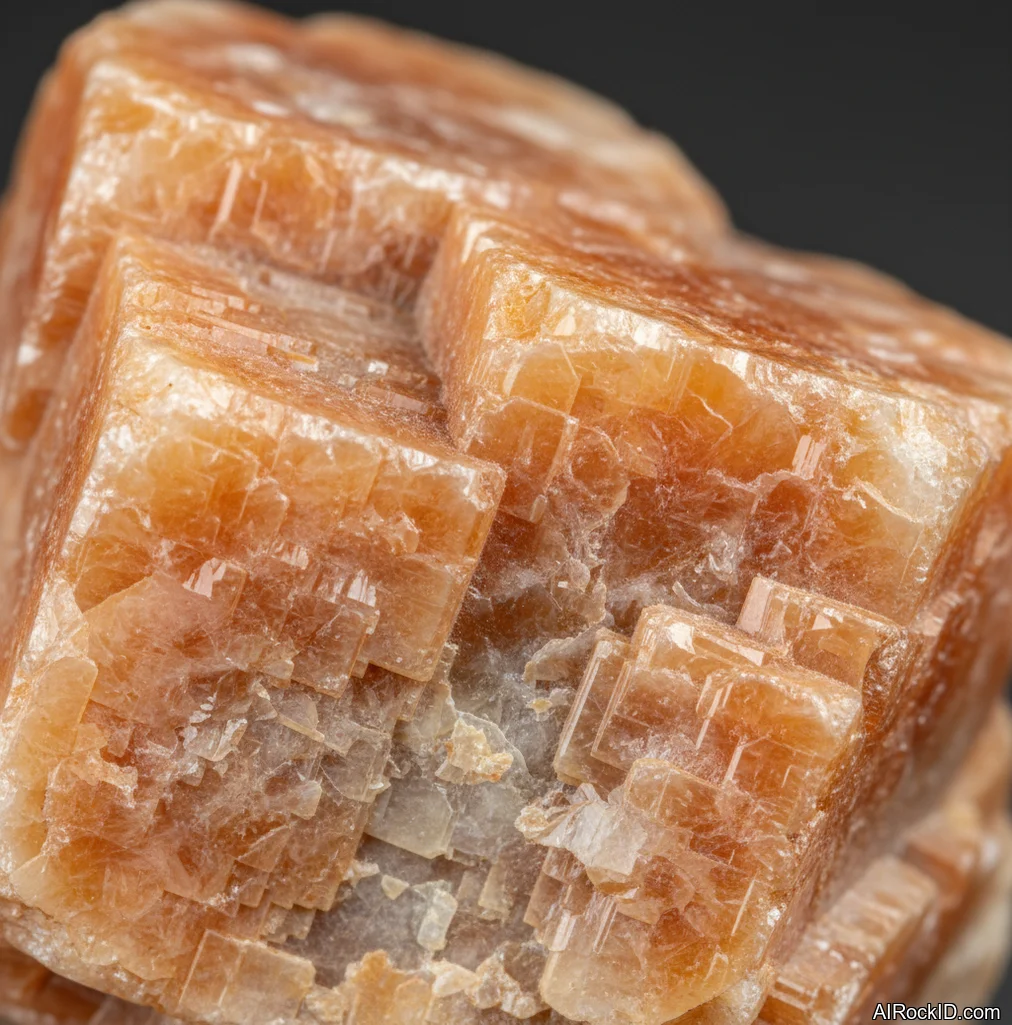
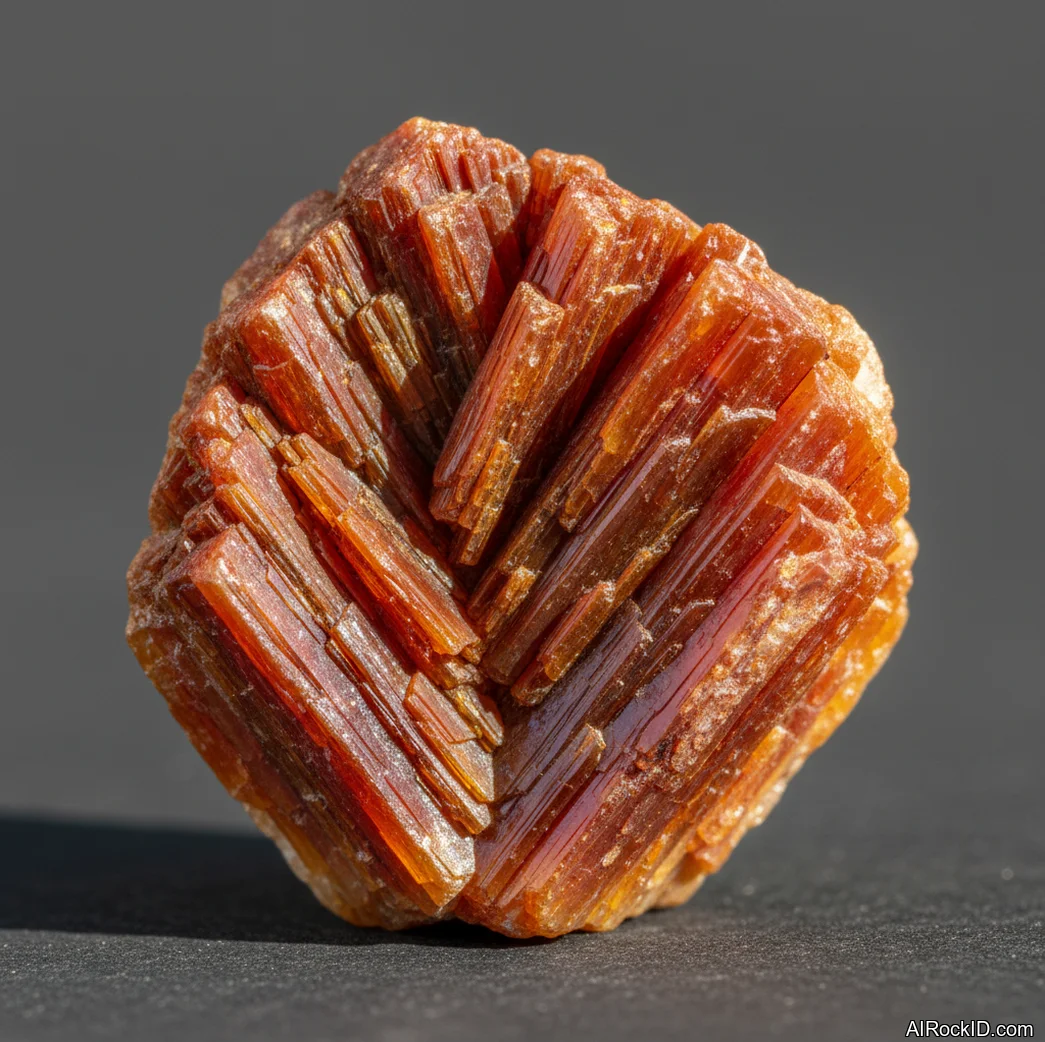
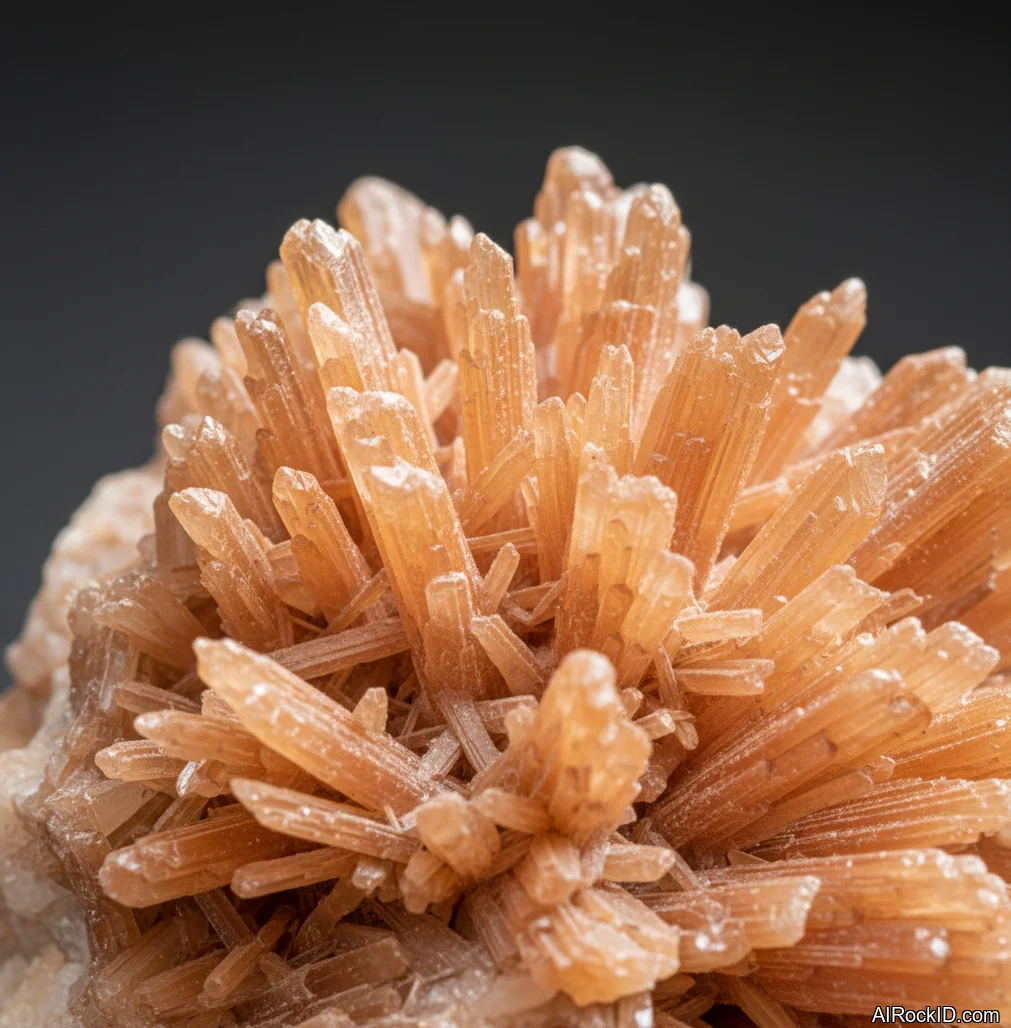
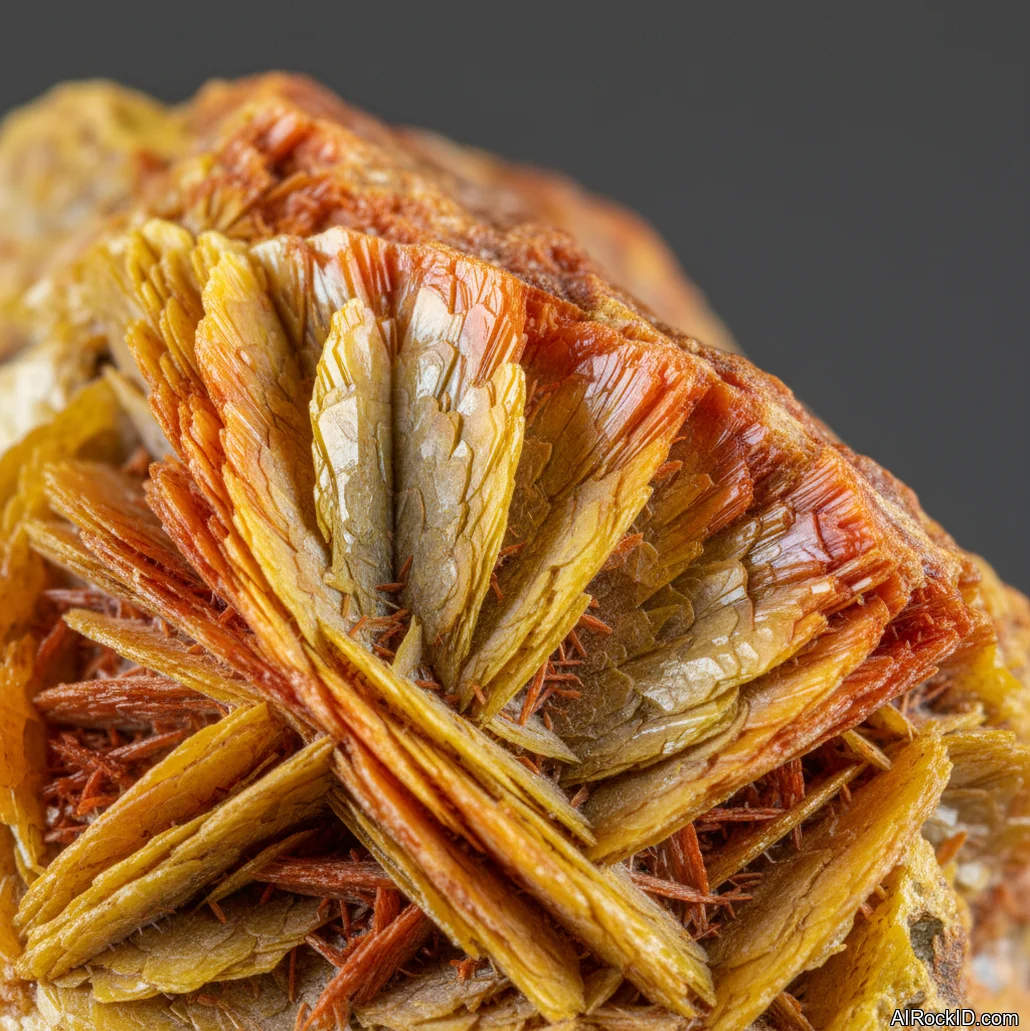
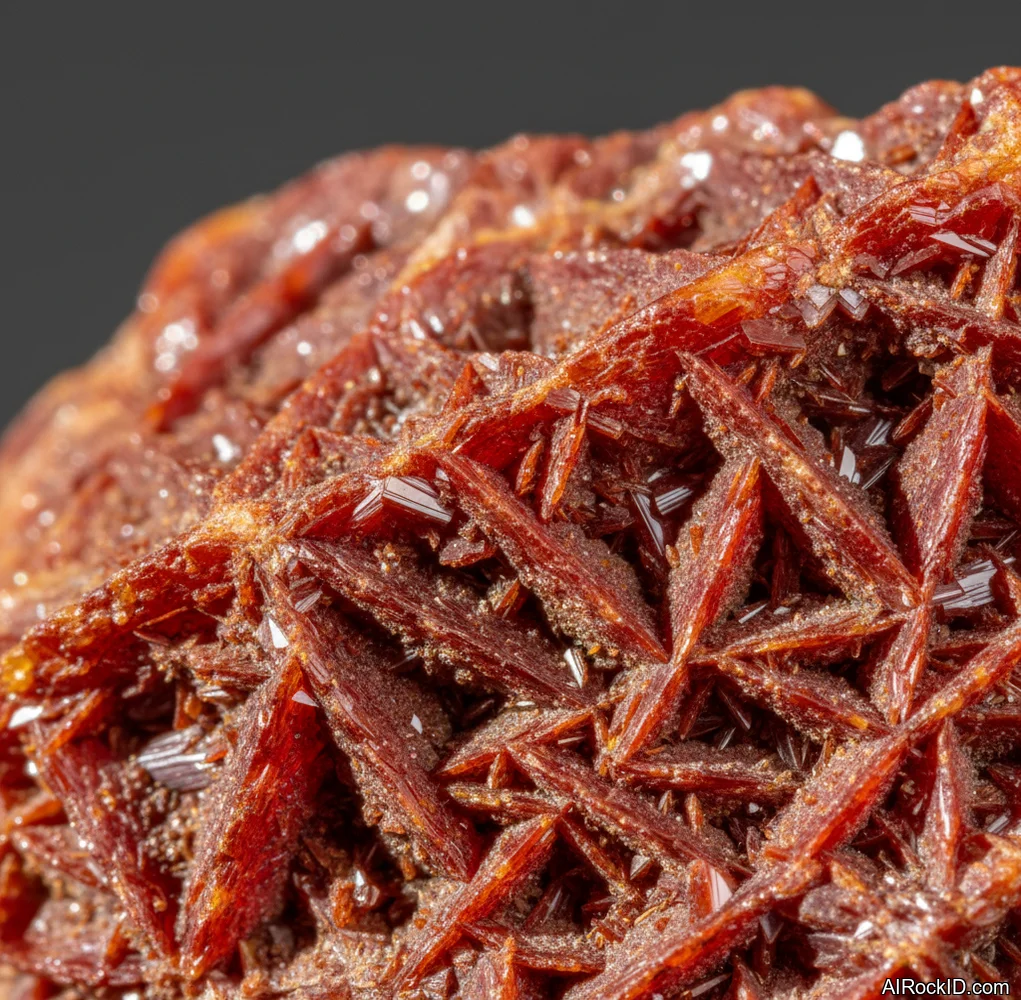
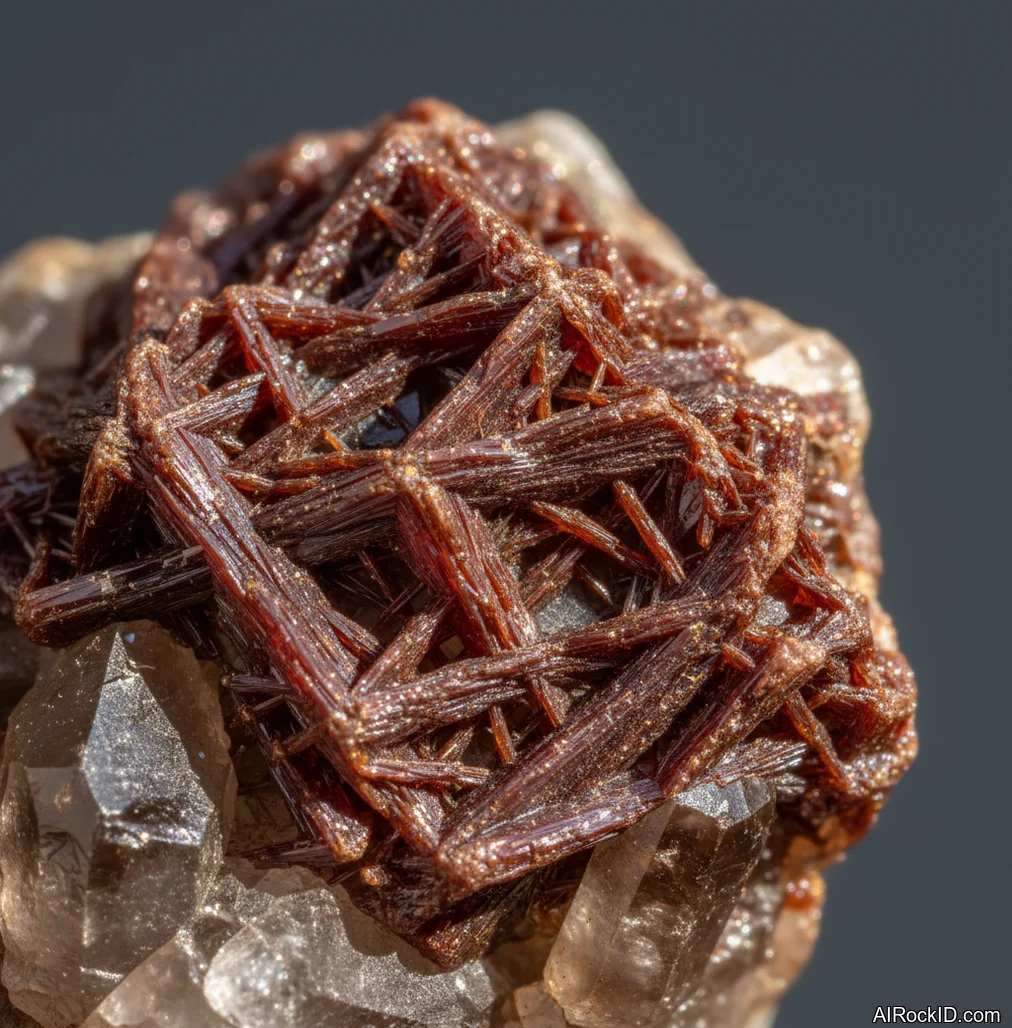
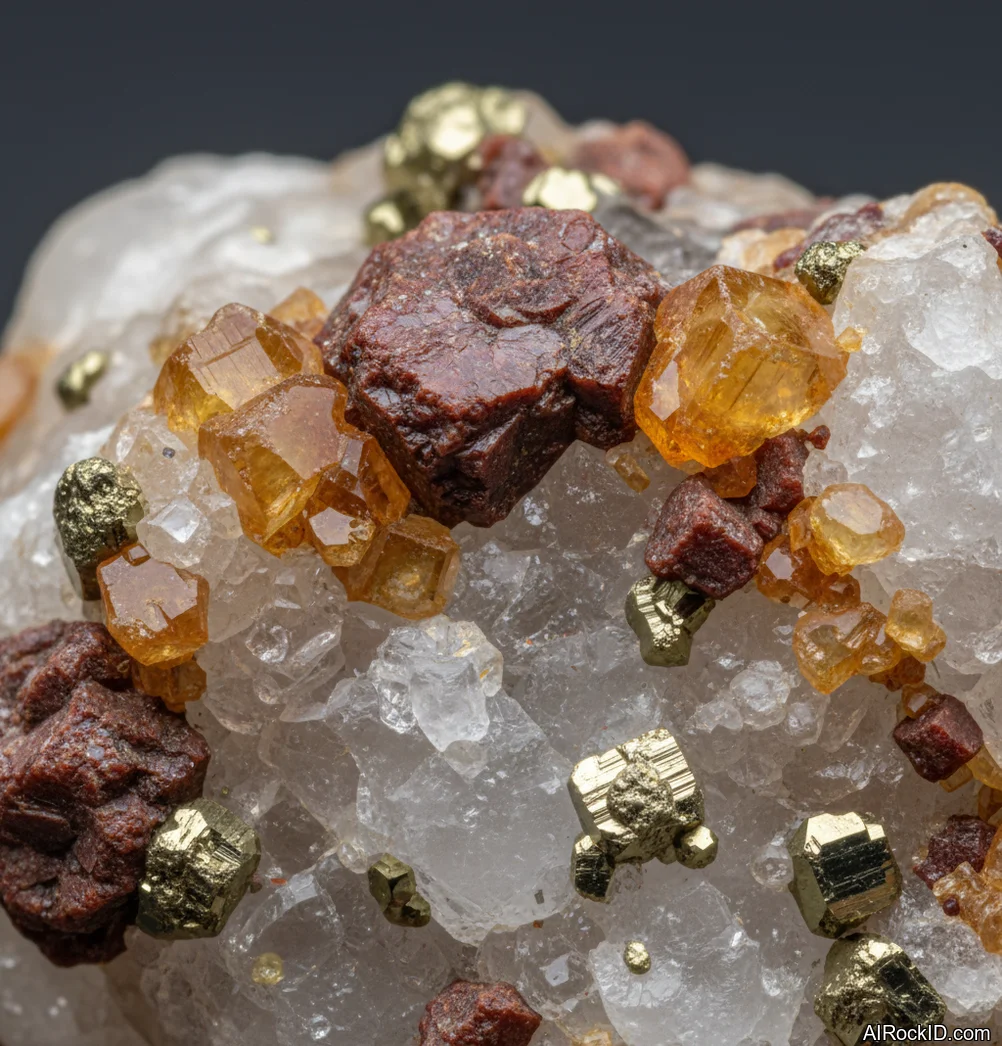
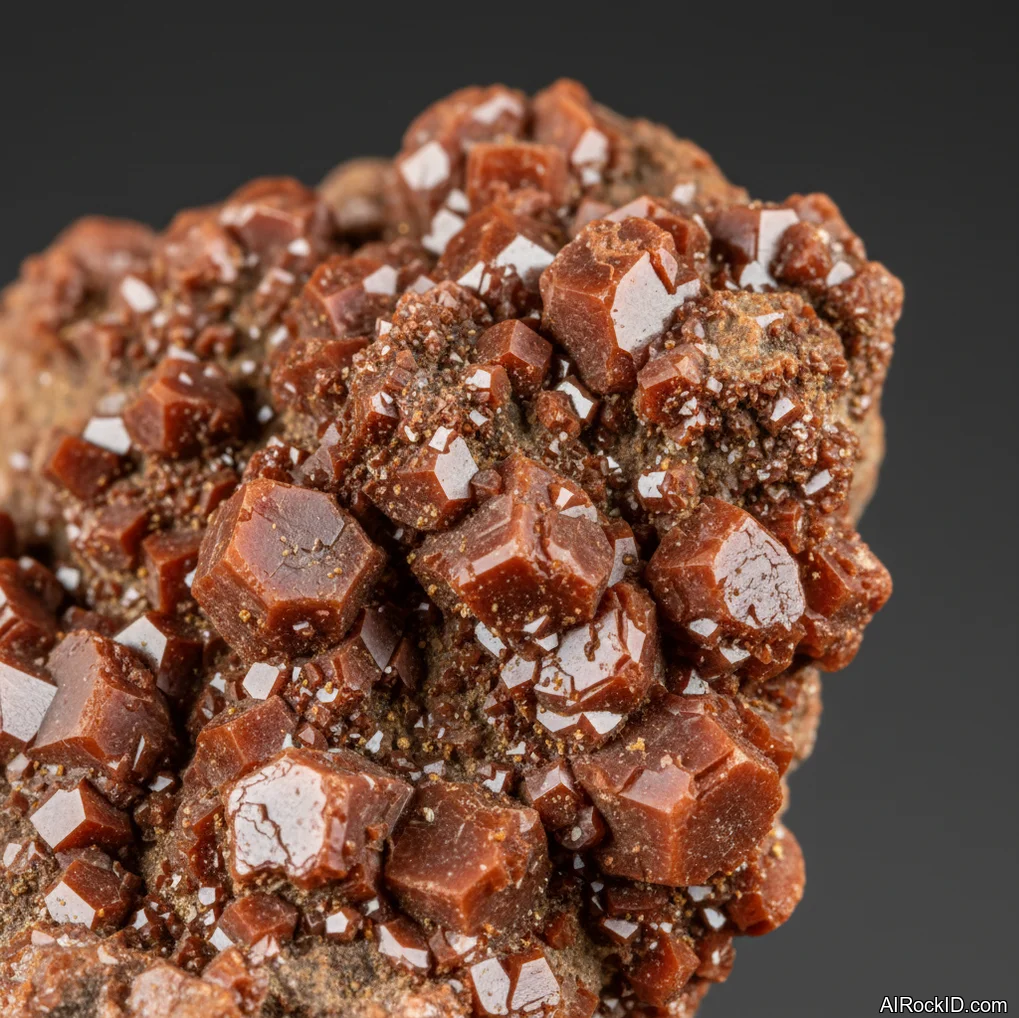
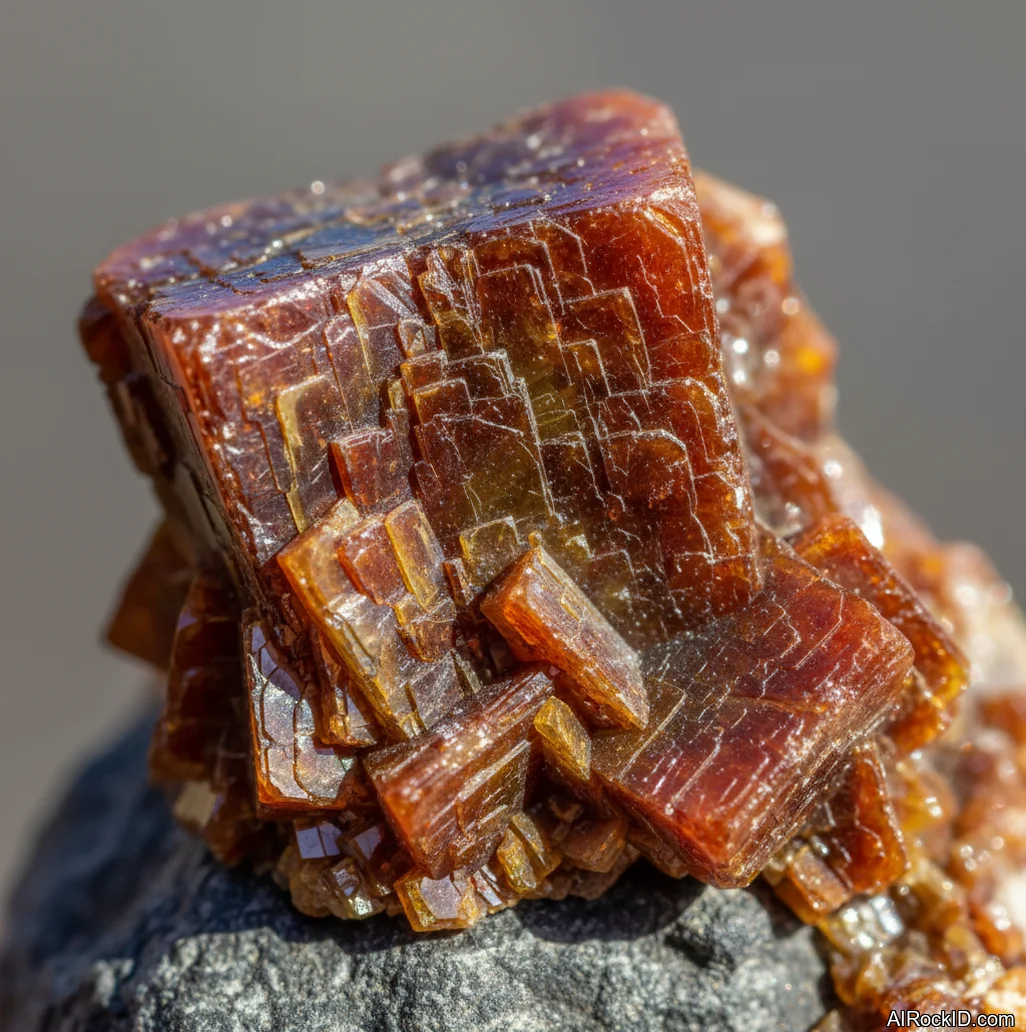
Some advanced collector minerals with strong orange or red color, such as vanadinite and crocoite, contain elements that require careful handling and should not be used in water, elixirs, or body contact practices. Keep fragile or toxic mineral specimens away from children, pets, food areas, and inhalable dust.
What Are Fire Crystals? The Energetic Element Explained
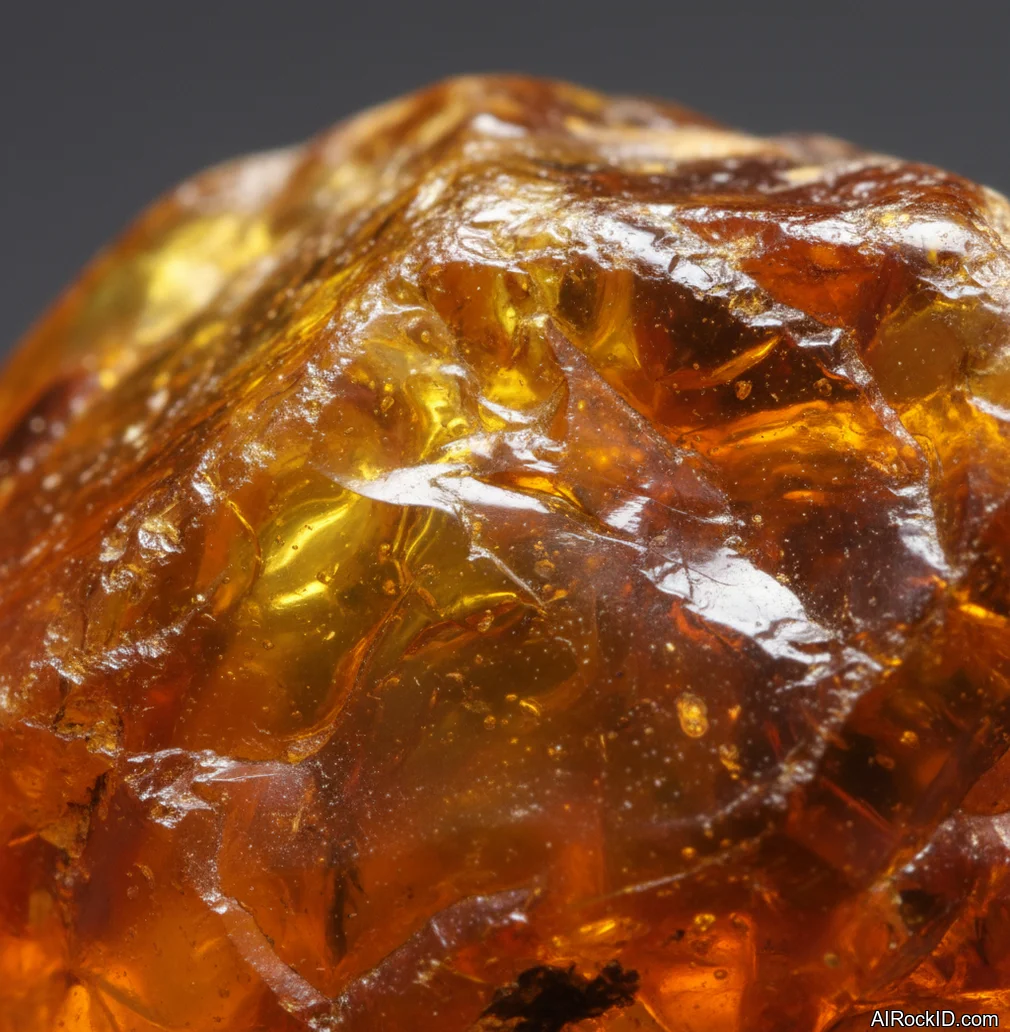
Fire, when people talk about it in crystal collecting, isn't about literal flames or burning. It's a shorthand for the quality that gets things moving: heat, appetite, willpower, and actual productivity. Most collectors reach for Fire stones when they're after momentum. They want more drive, not more calm. That means Fire stones aren't about chilling out or winding down—they're about getting up and doing the hard thing next on the list. Carnelian is a classic. Pick up a tumbled piece and you'll feel how solid it is for its size, almost like a paperweight shrunk down for your palm. When you backlight a good carnelian under a lamp, the deep orange glows like a coal. That's the physical clue people use to spot real Fire stones: rich reds, oranges, golds, and sometimes metallic or smoky undertones. Each family of Fire crystal has a slightly different 'heat,' but they're all about putting energy into motion, not letting it stagnate.
Fire Crystal Families: Color, Texture, and Physical Traits
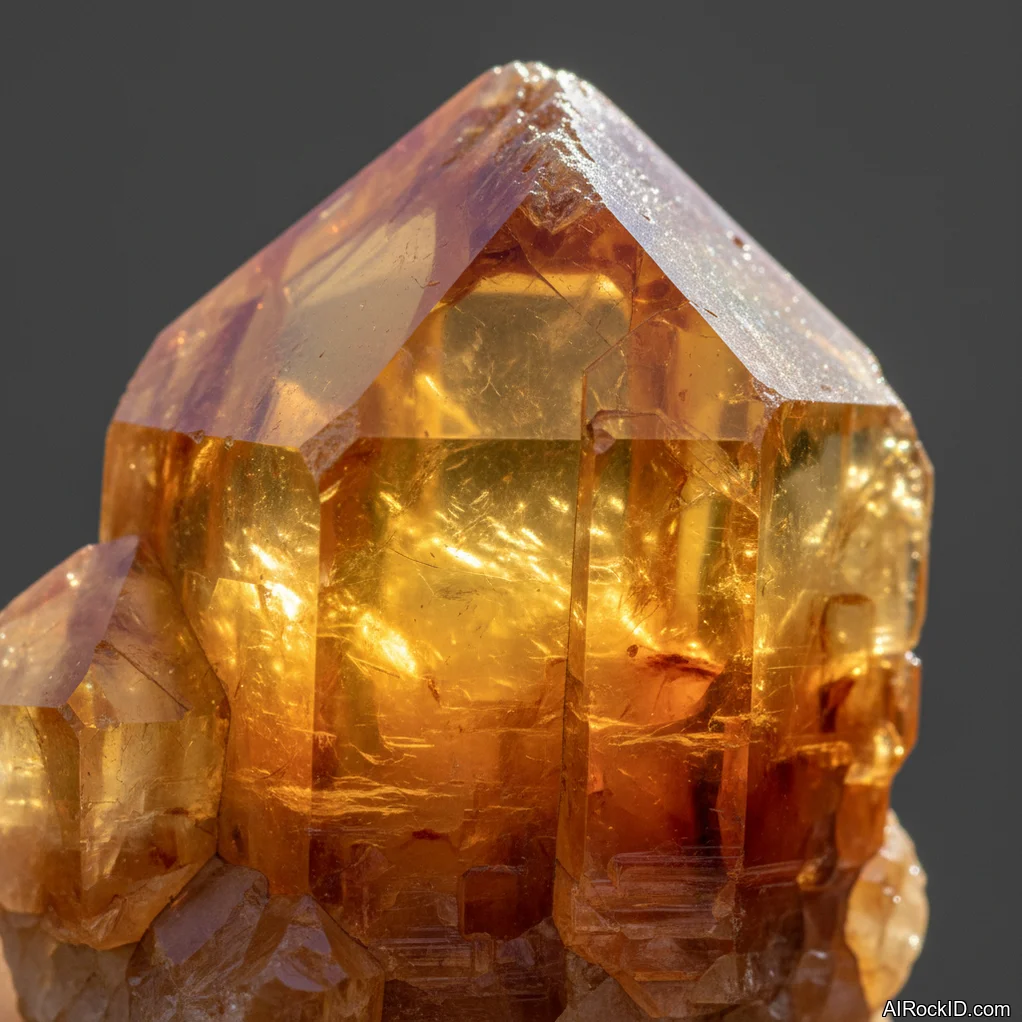
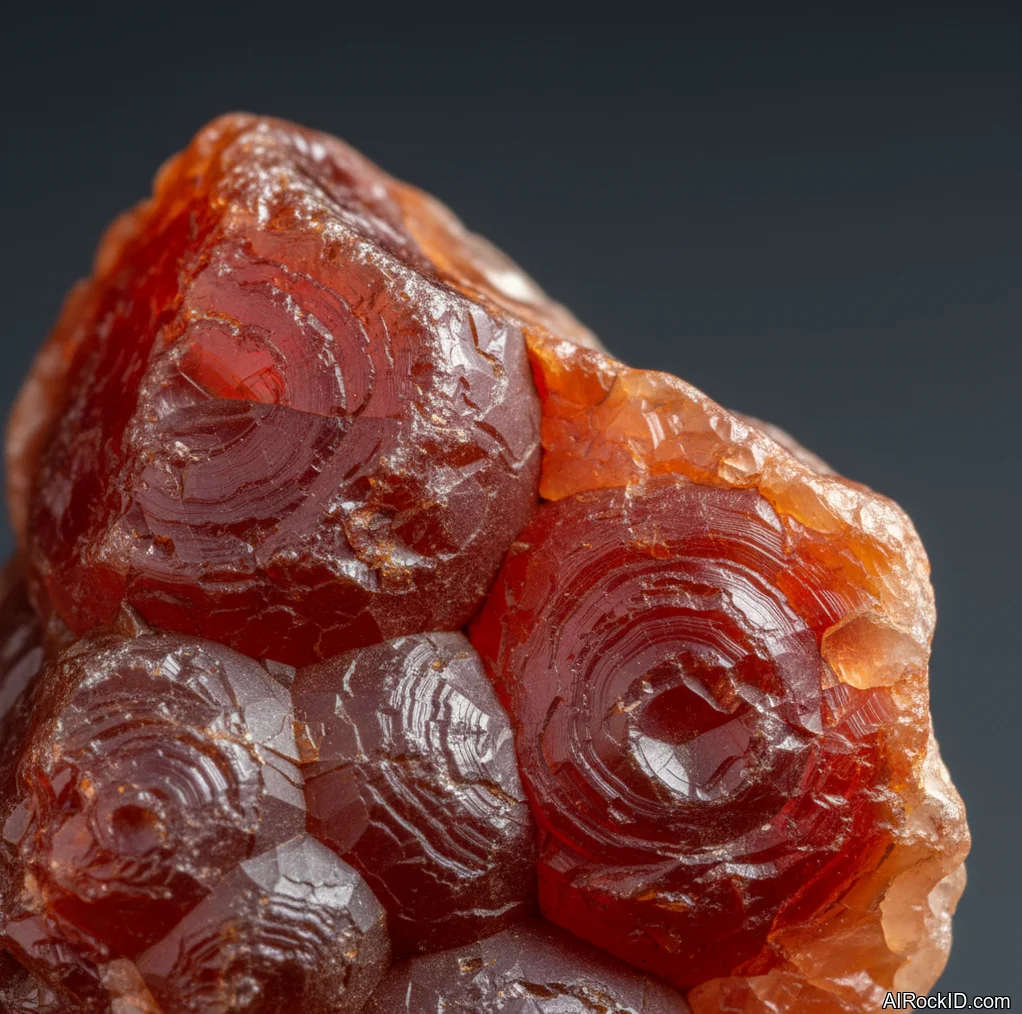
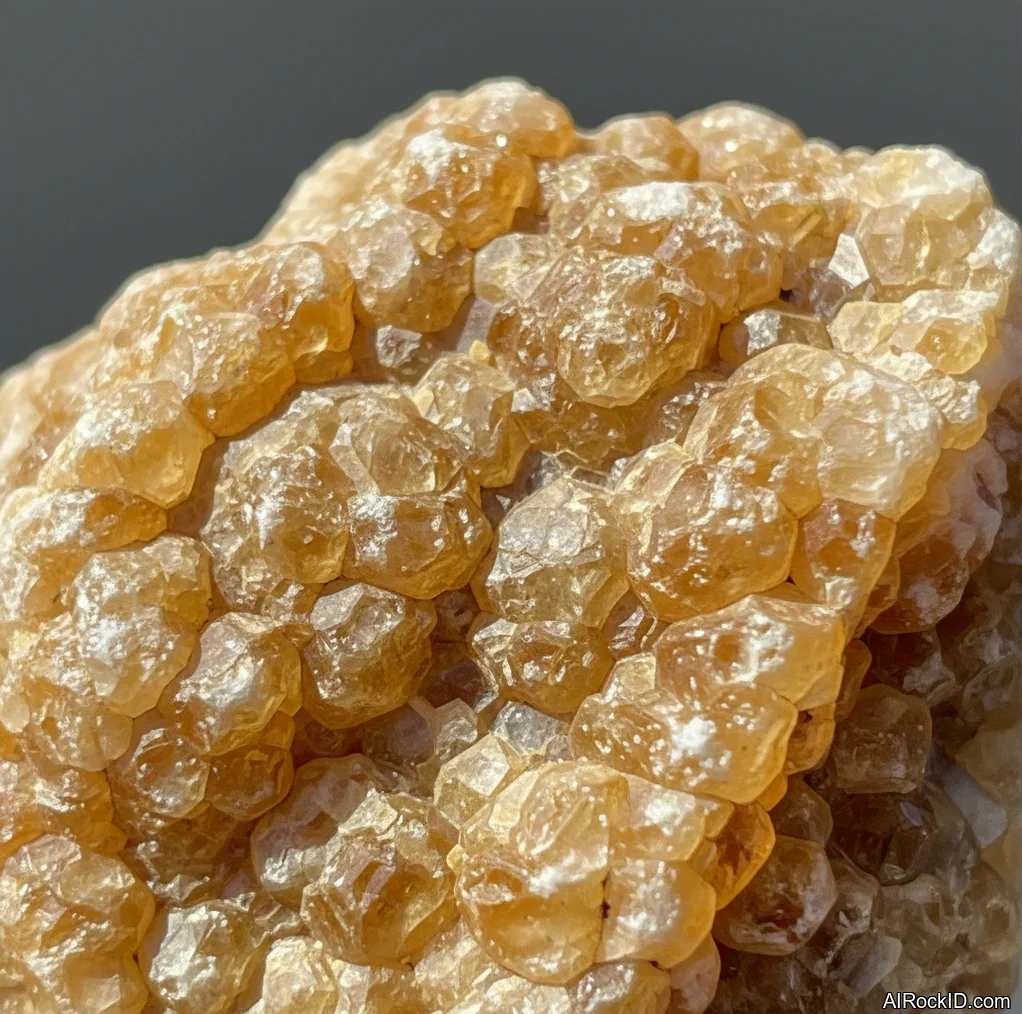
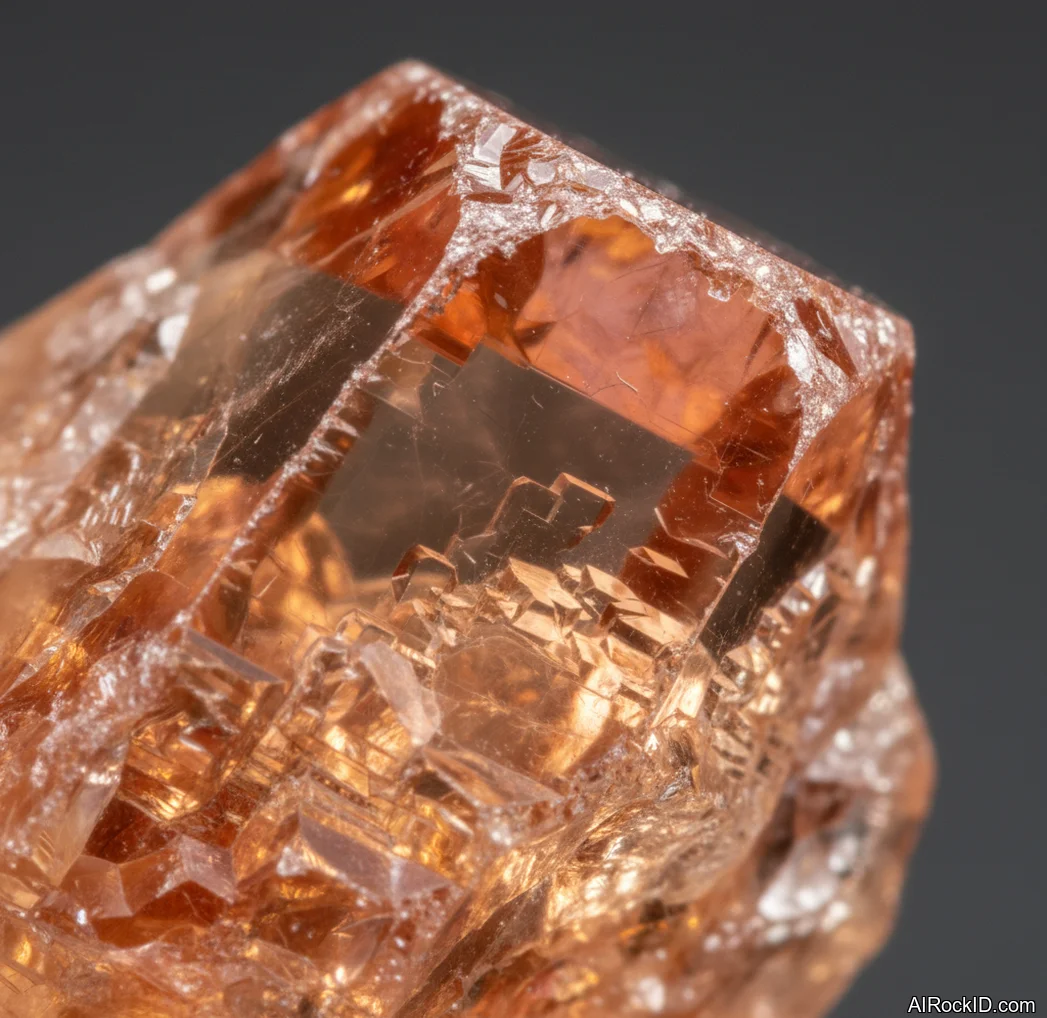
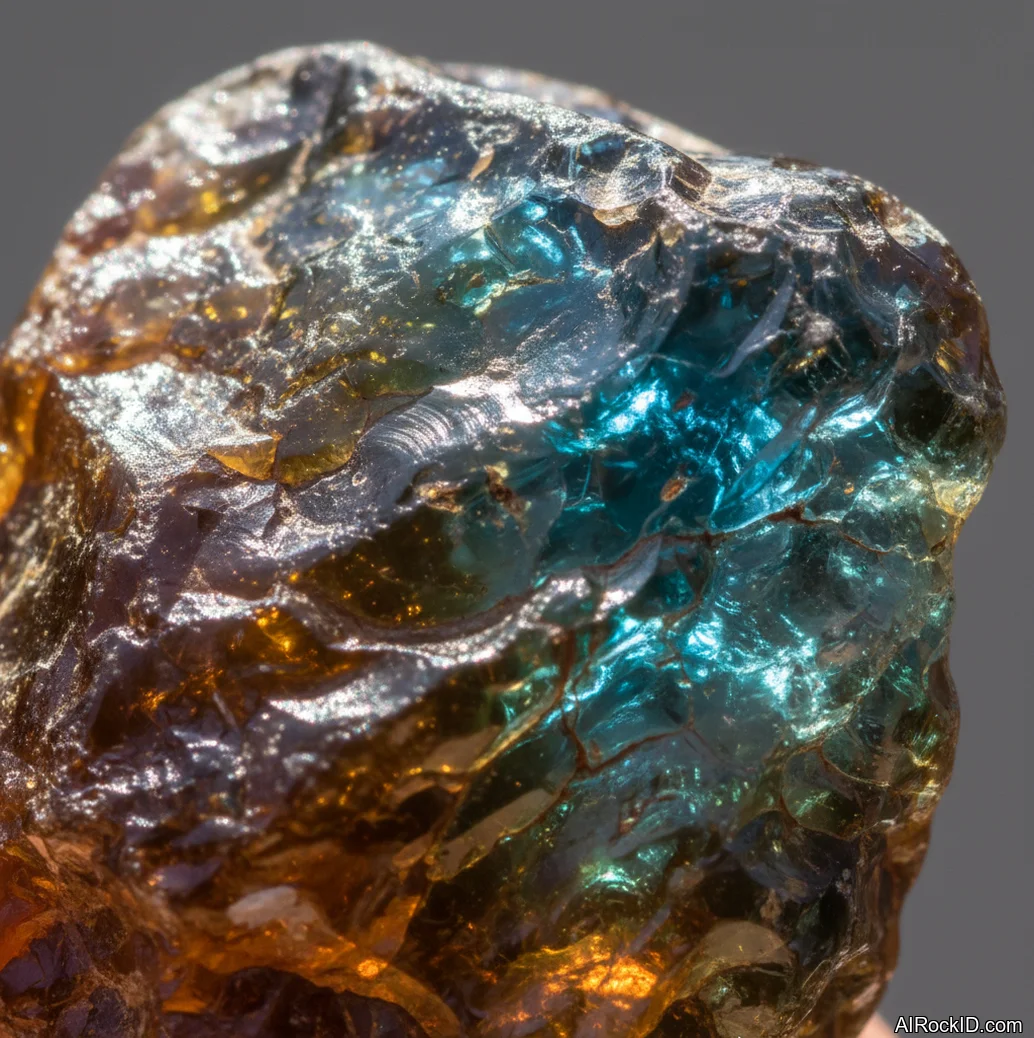
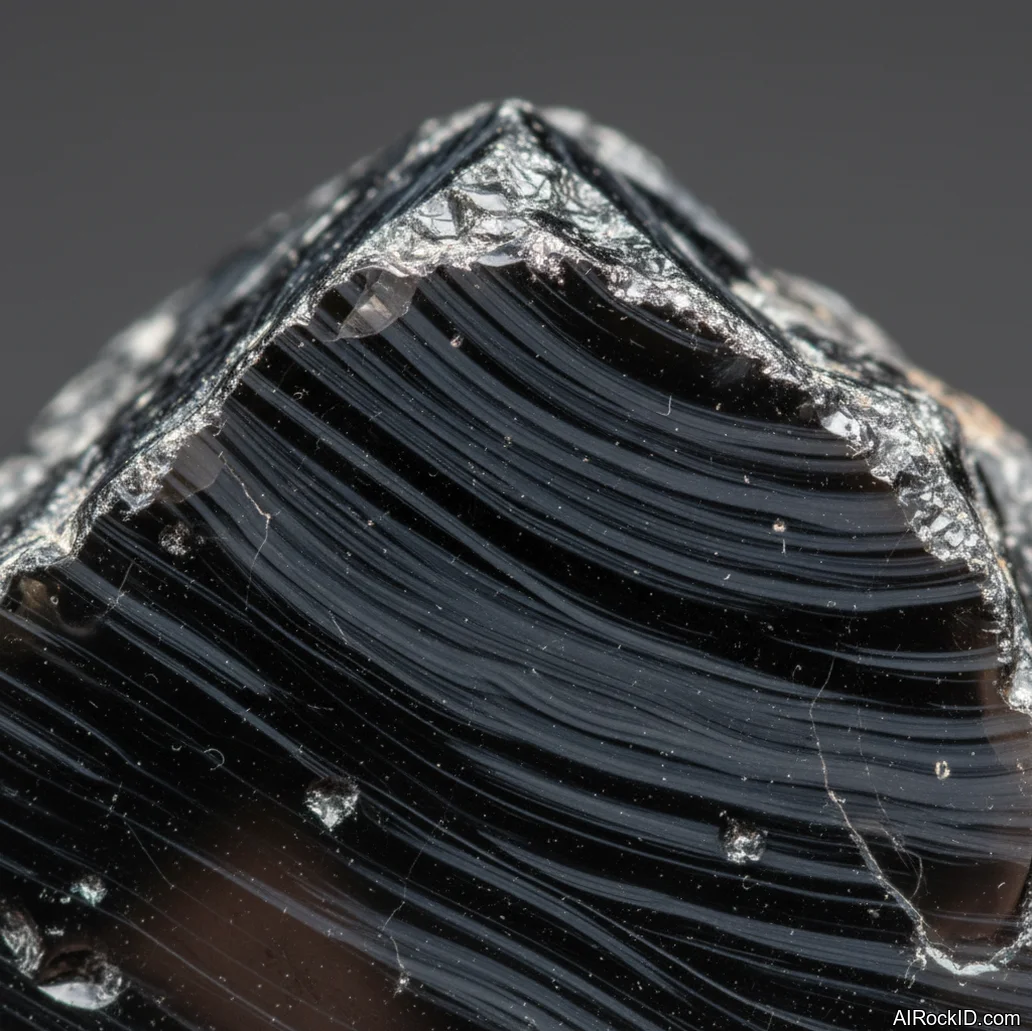
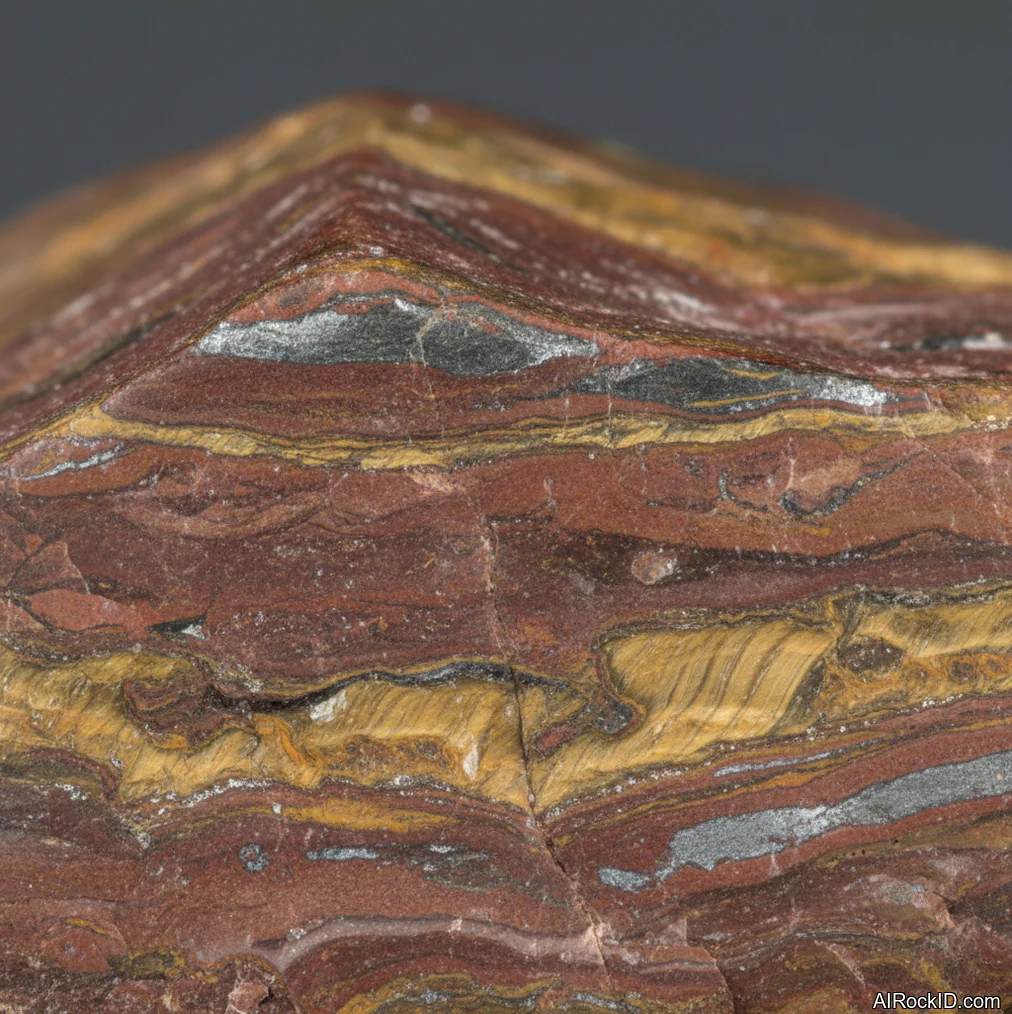
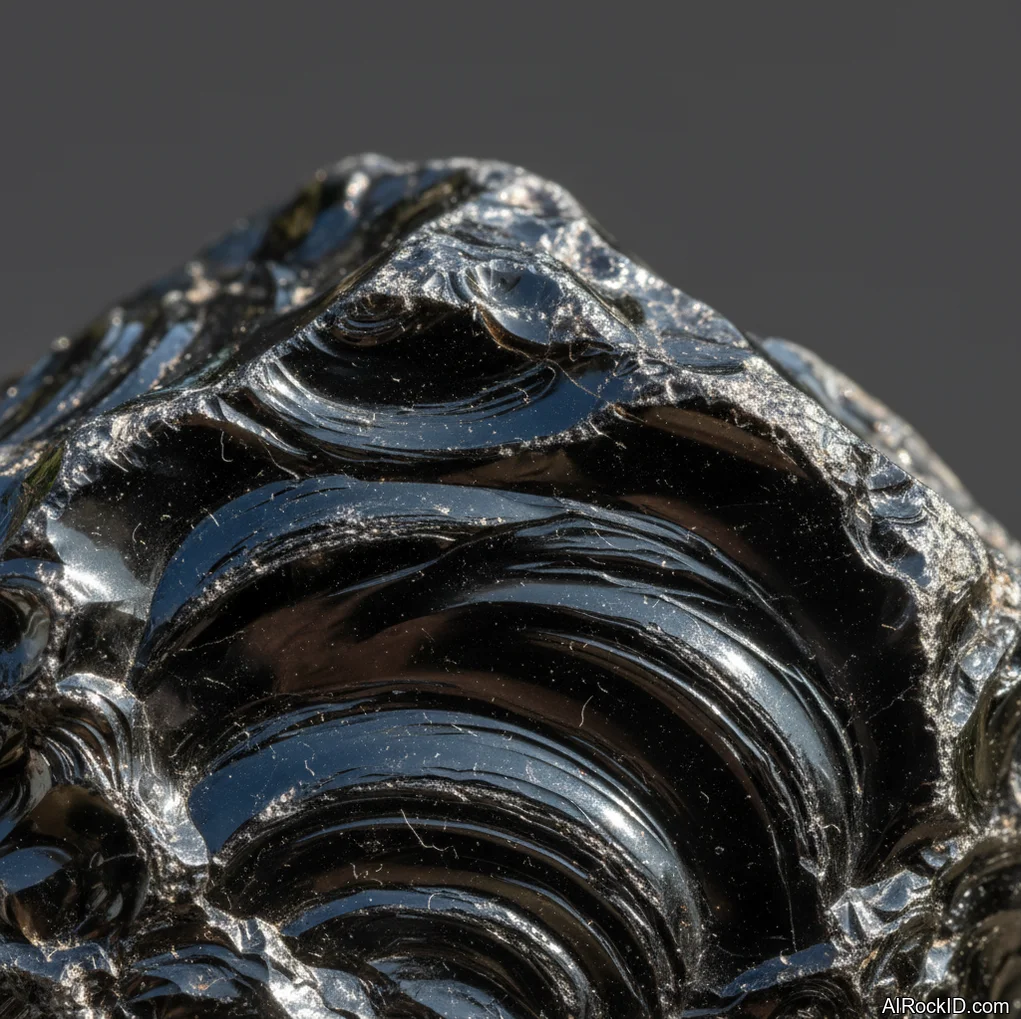
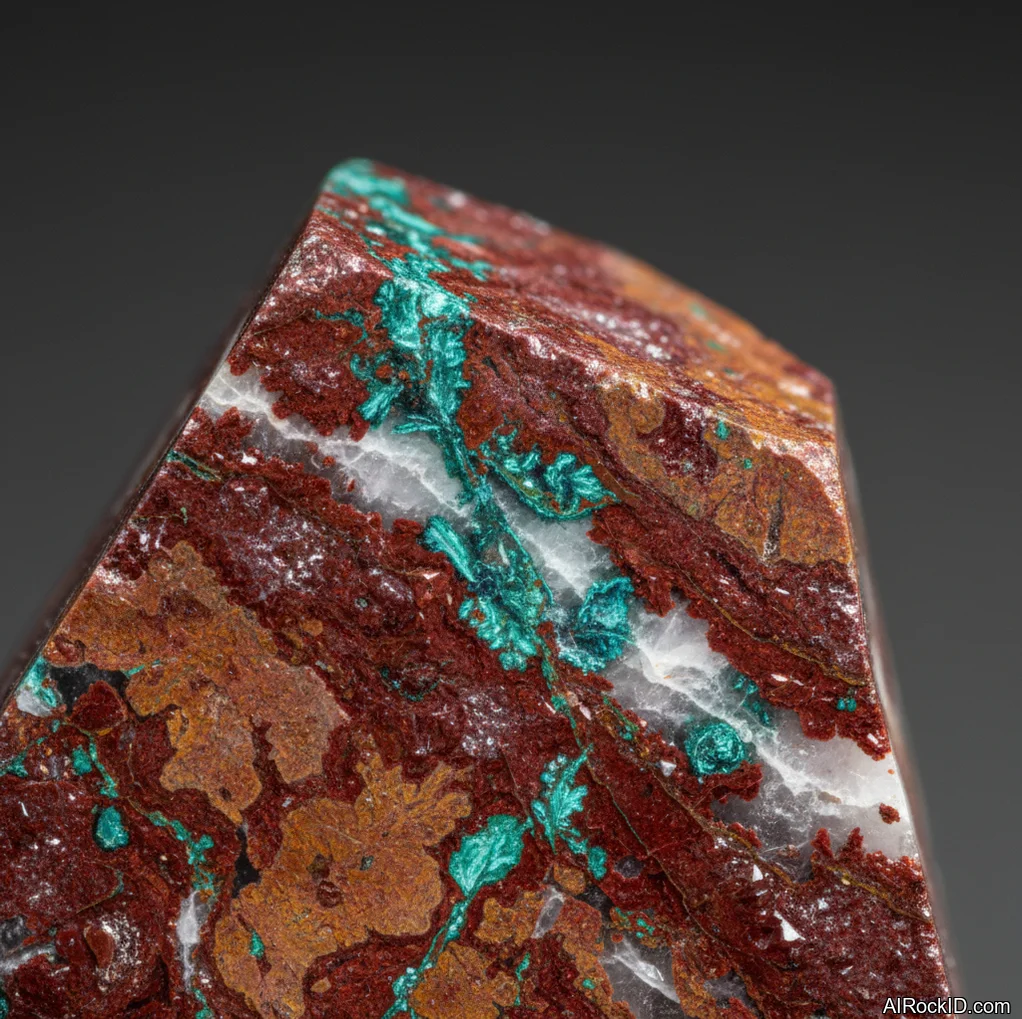
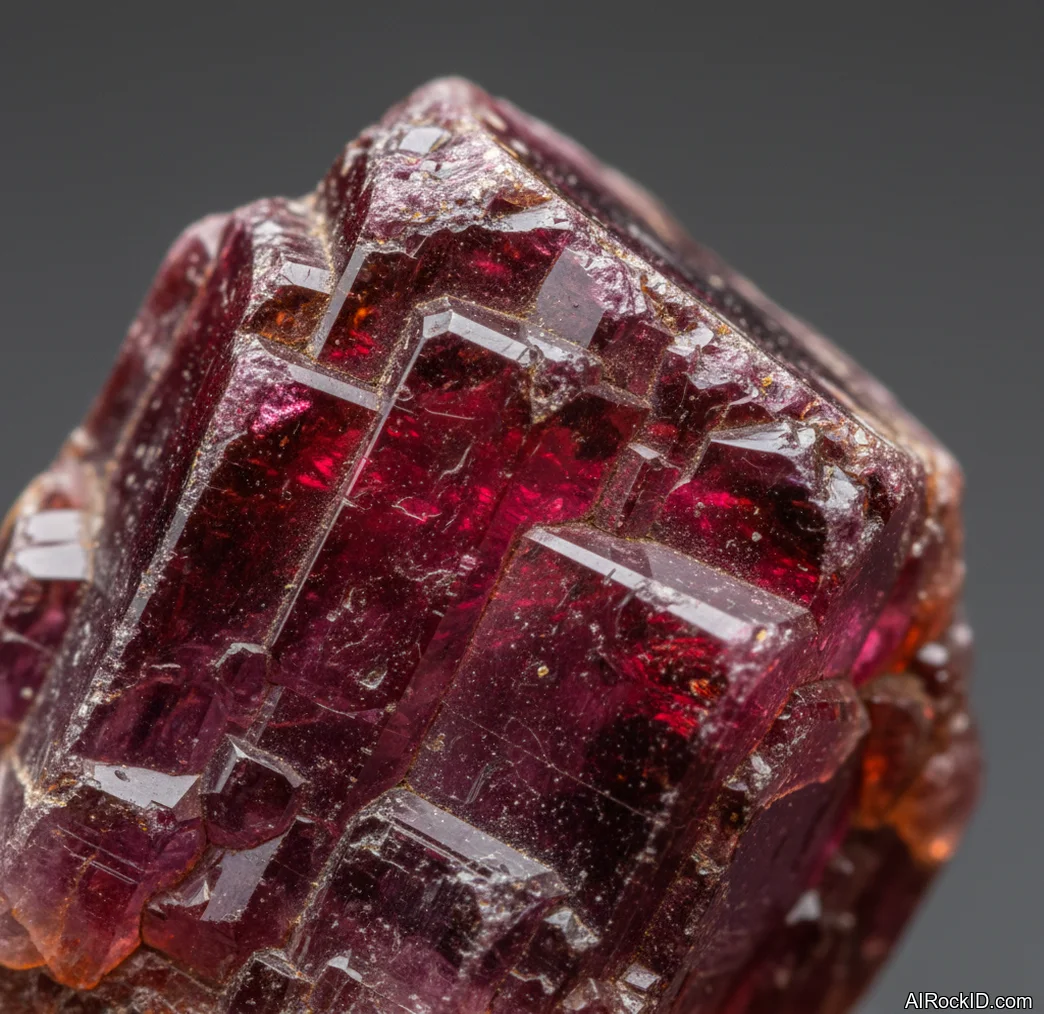
You can sort Fire crystals into a few groups by color and feel. Bright reds and oranges—like carnelian, red jasper, garnet, and ruby—look almost edible when polished. Sunstone and citrine lean gold or honey, with sunstone sometimes throwing coppery flashes that catch the eye if you tilt it just right. Then there are the dark, dense types: hematite feels heavy, even as a small tumbled stone, and it’s cool to the touch until you warm it in your hand. Smoky quartz sometimes gets called a Fire stone because it grounds that intensity without turning it into chaos. Labradorite is a wildcard. Most people think of it as a stormy, iridescent stone, but if you find a slab with strong gold or copper flash, it can fit right into a Fire toolkit—just more on the inspiration side than pure drive. The problem with buying Fire crystals is that fakes are common, especially dyed agate sold as carnelian. Genuine Fire stones have depth and a complex glow rather than a flat, painted orange.
Why Collectors Use Fire Crystals: Motivation, Confidence, and Balance
People chase Fire stones for three main reasons. First, they're stuck—motivation's low, and they need something to spark action. Second, they're rebuilding confidence, usually after tough setbacks like losing a job or ending a relationship. Third, they're trying to keep their inner spark alive without tipping into burnout. That's a tough line to walk. Piling on energizing crystals can push you into irritability or rash decisions instead of healthy motivation. Collectors who work with Fire stones often put them where friction happens—like a carnelian in the pocket during tough meetings, or a sunstone on the desk right where your hand rests. The texture matters. Carnelian's slight waxiness, sunstone's gritty schiller, hematite's cold heft—they all give physical cues that connect you to the idea of momentum. No one gets that from a photo online. It's in the handling.
Working with Fire Crystals: Real-World Tips and Collector Warnings
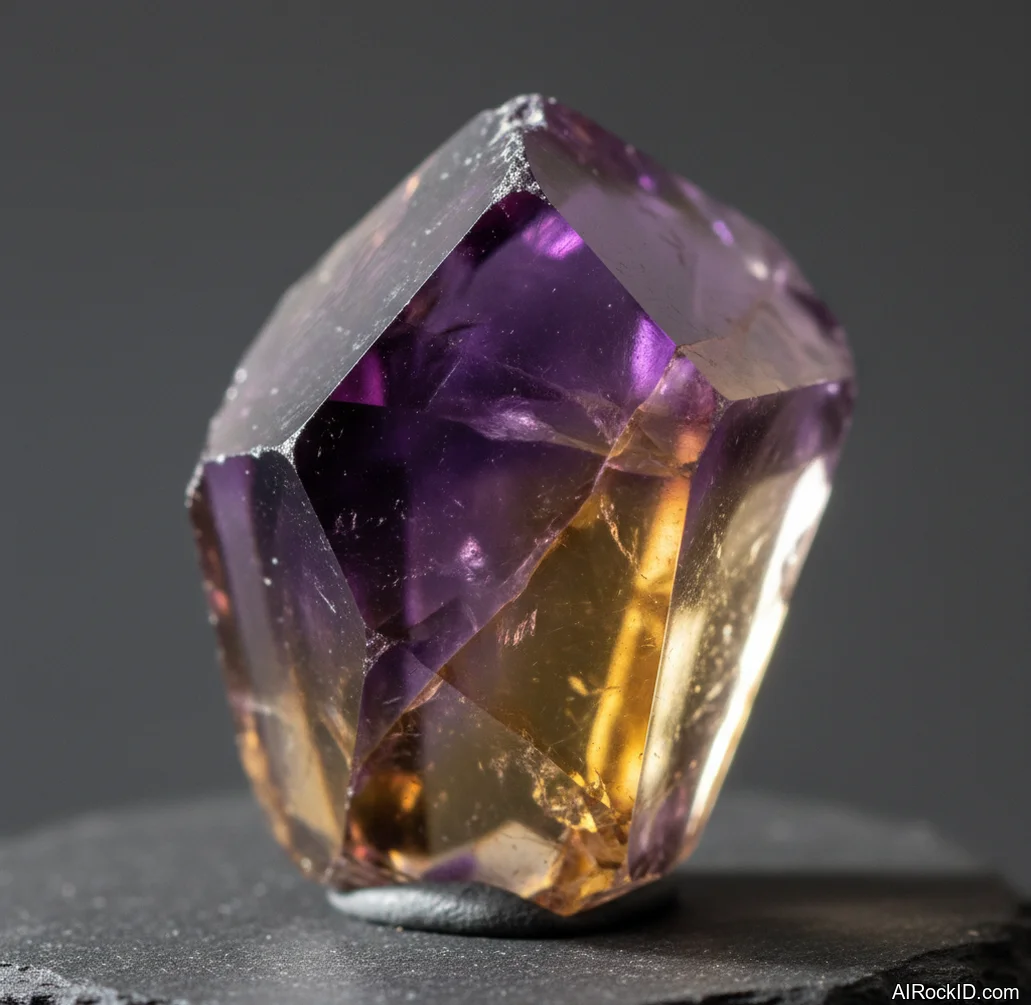
You don’t need rituals to use Fire stones. Just keep them where you want more spark—by your computer, in a jacket pocket, or even under your pillow if you don’t mind the weight. Raw pieces of sunstone lose their shimmer if handled too much, so display them where you can see but not touch every day. With hematite, watch for rust: water and sweat will tarnish the surface over time, especially on natural, uncoated pieces. Citrine’s biggest issue is fakery—most cheap citrine is just heat-treated amethyst, and the color is usually a harsh, unnatural yellow with no gradient. Real Fire energy in a crystal comes through in its physicality: the way light travels through polished carnelian, the metallic chill of hematite, even the warmth that builds up in your hand. Collectors learn to look beyond color and shop with their senses, not just their eyes.
Best Fire Crystals to Start With
| Level | Crystal | Note |
| Gentle / Beginner | Red Jasper | It's steady, earthy, and less intense than carnelian or garnet. Won't overwhelm sensitive users, and rough pieces show natural lines. |
| Balanced / Everyday | Carnelian | Good quality carnelian feels dense and grounding while still giving a clear energy boost. Easy to find in palm stones and tumbled forms. |
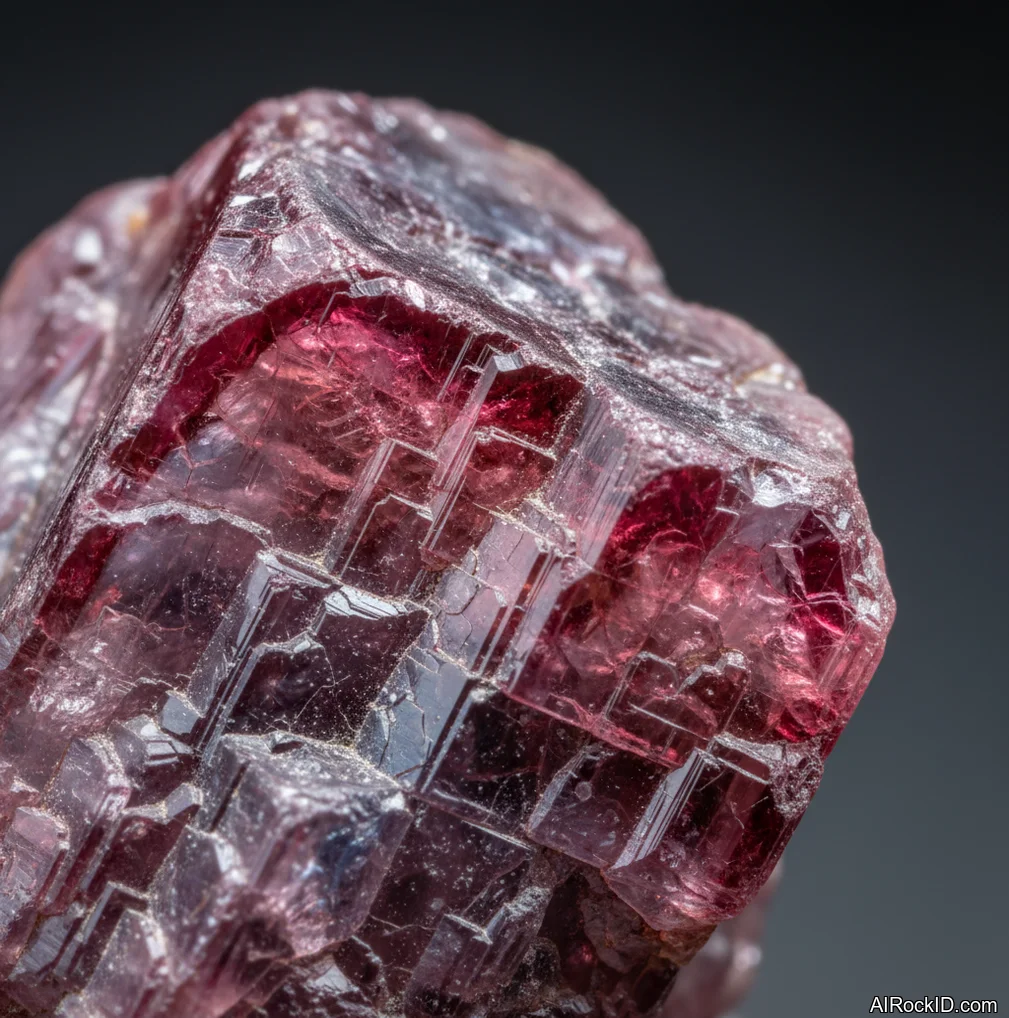
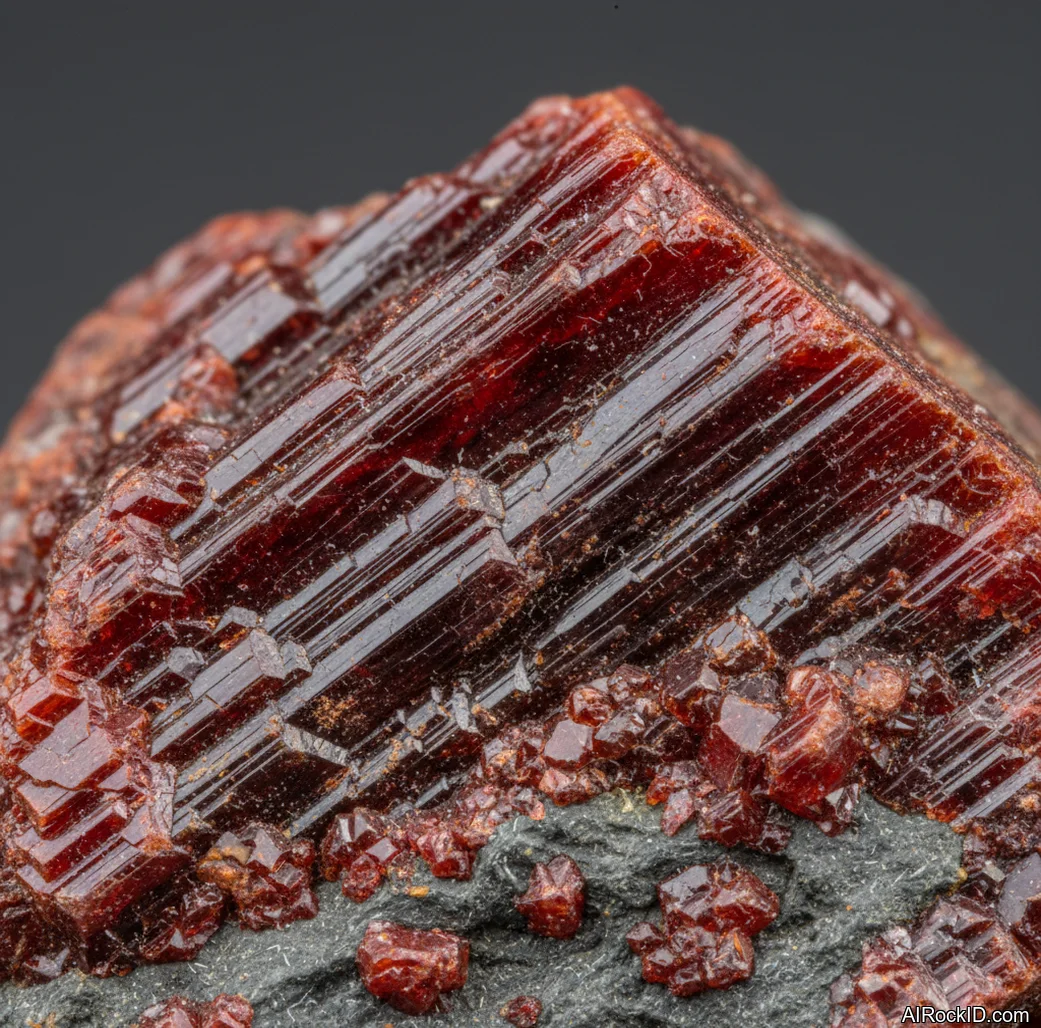
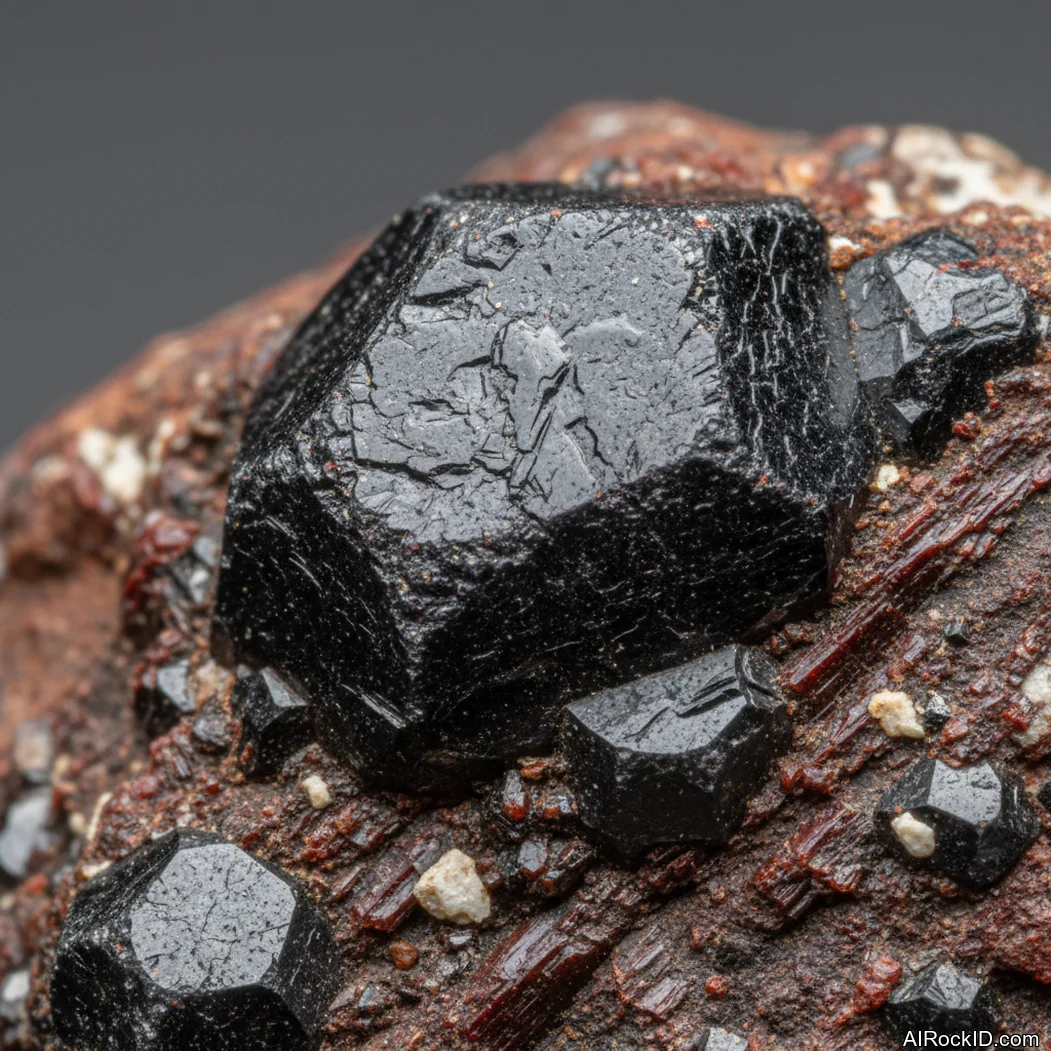
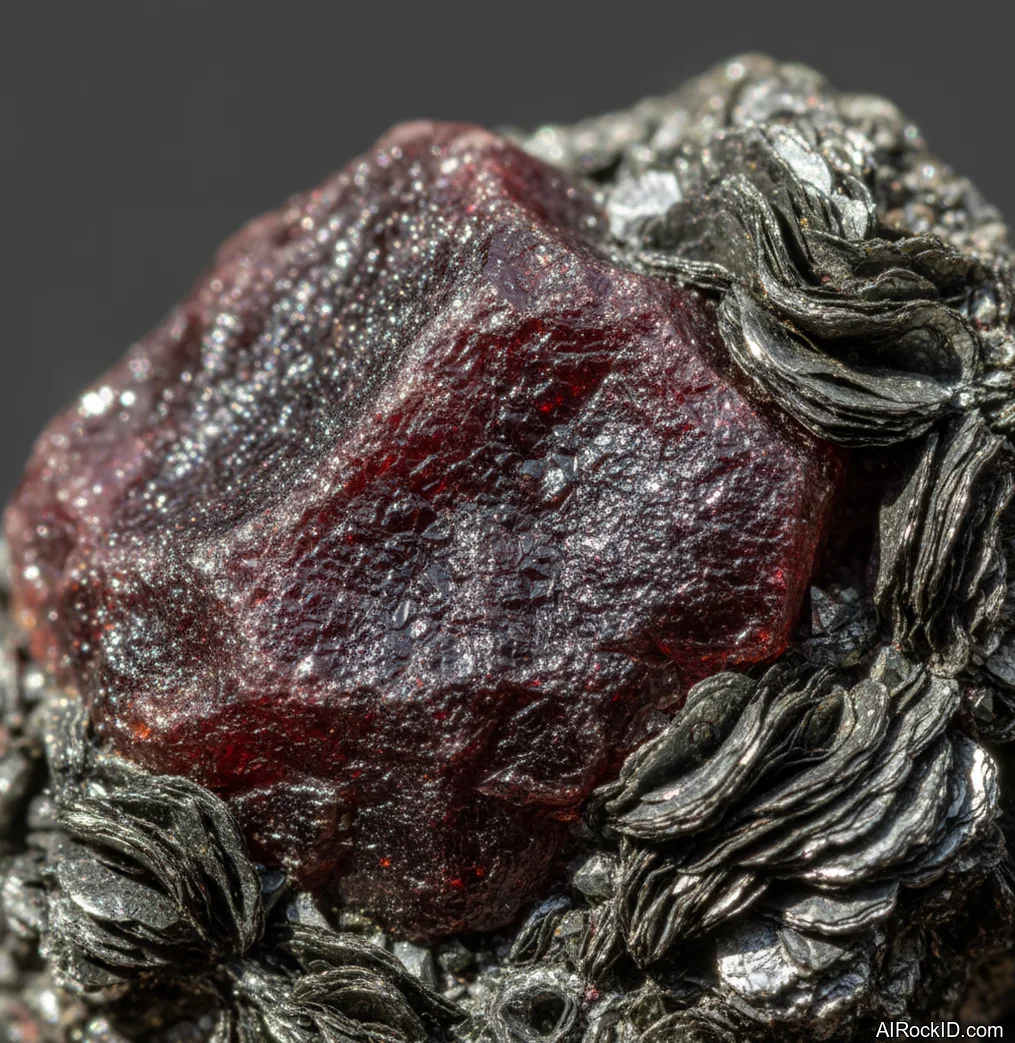
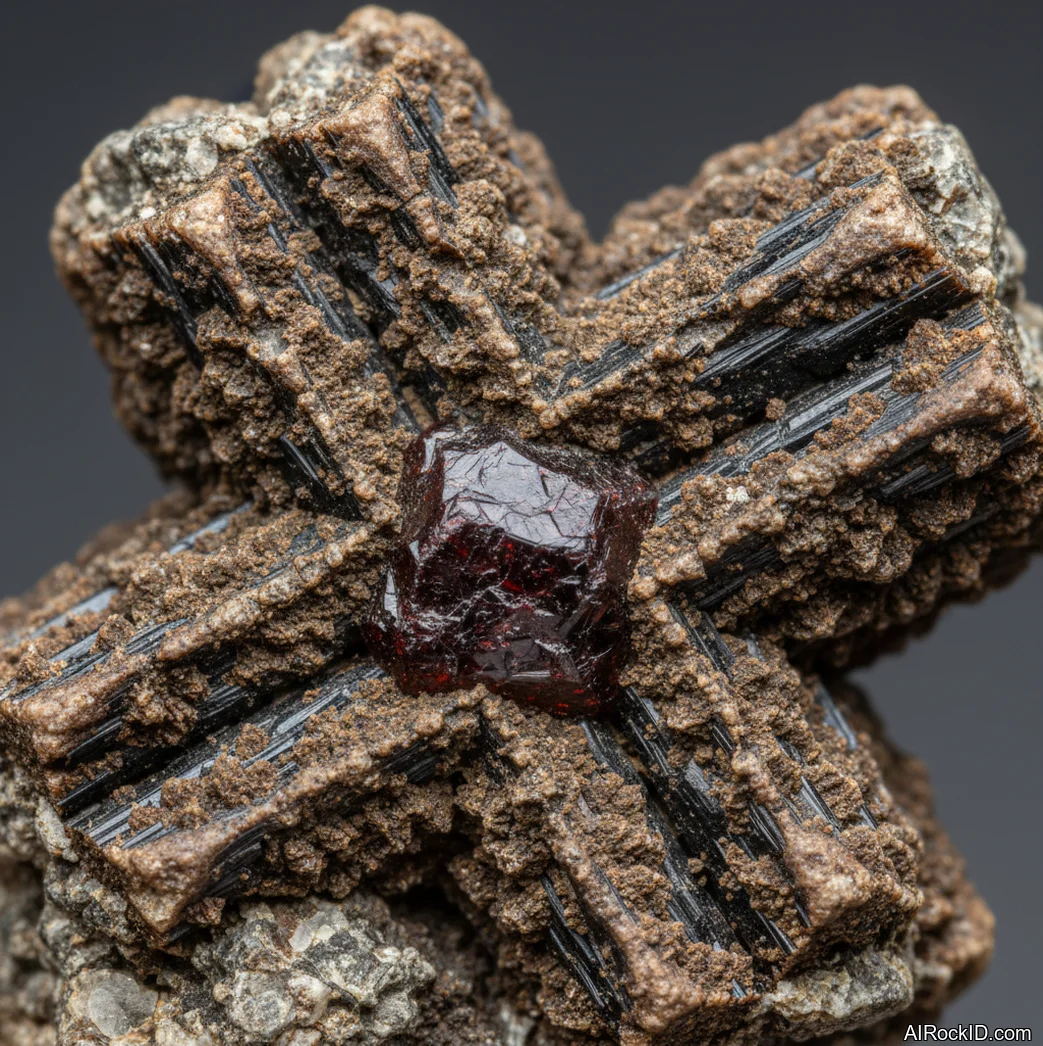
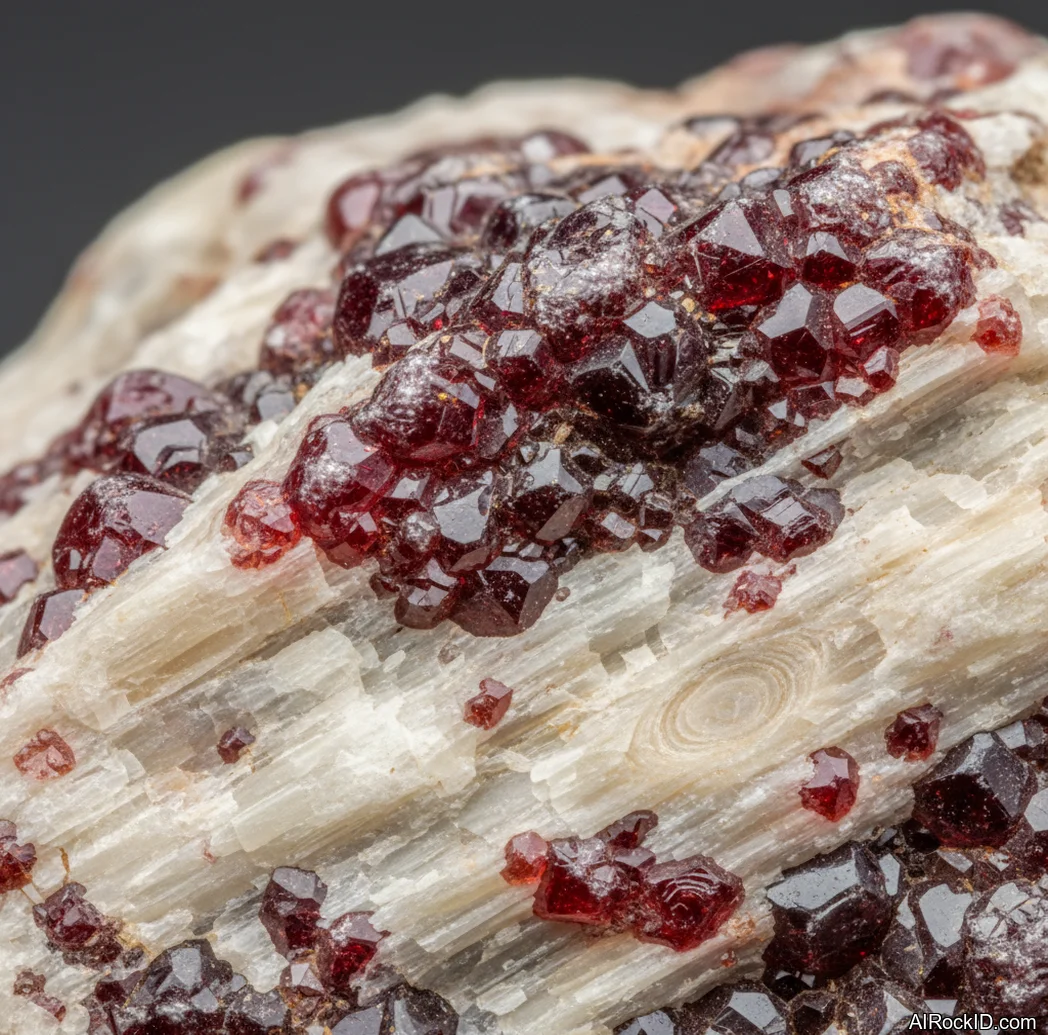
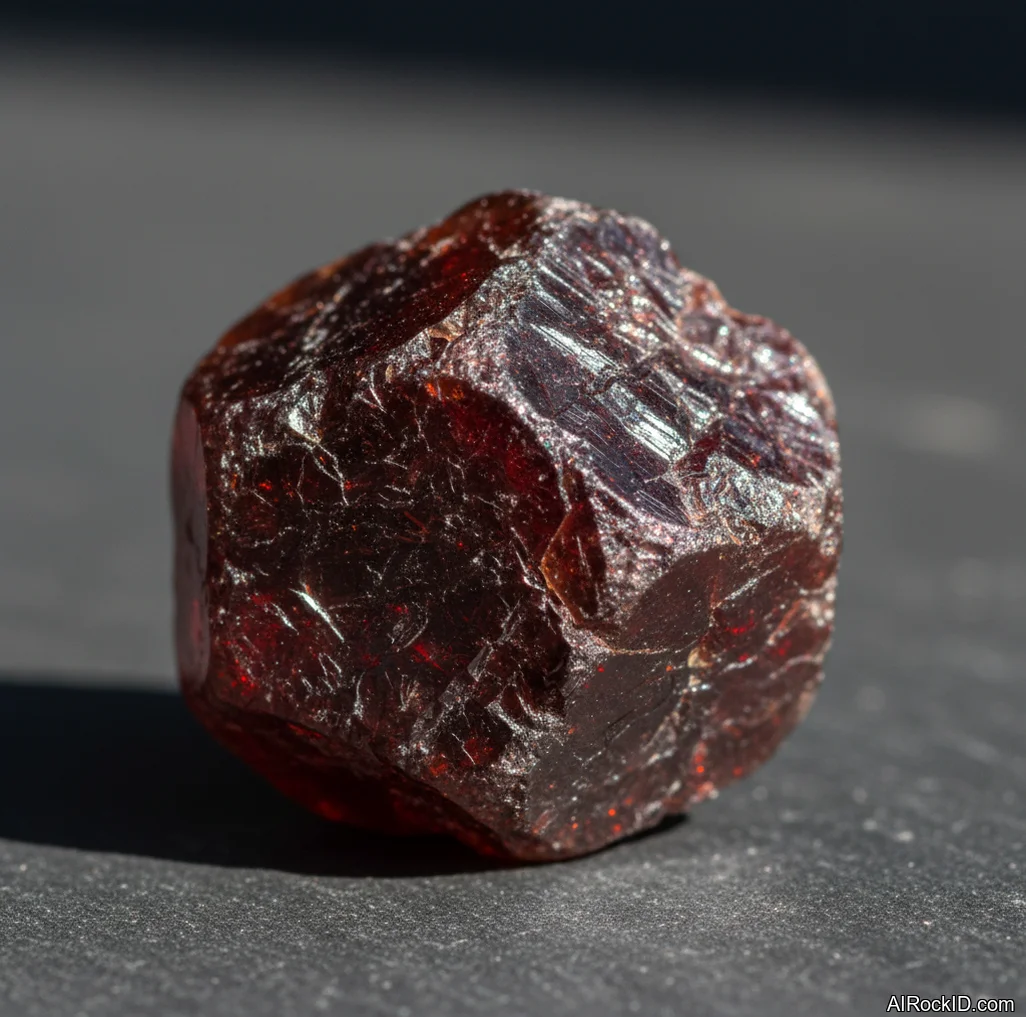
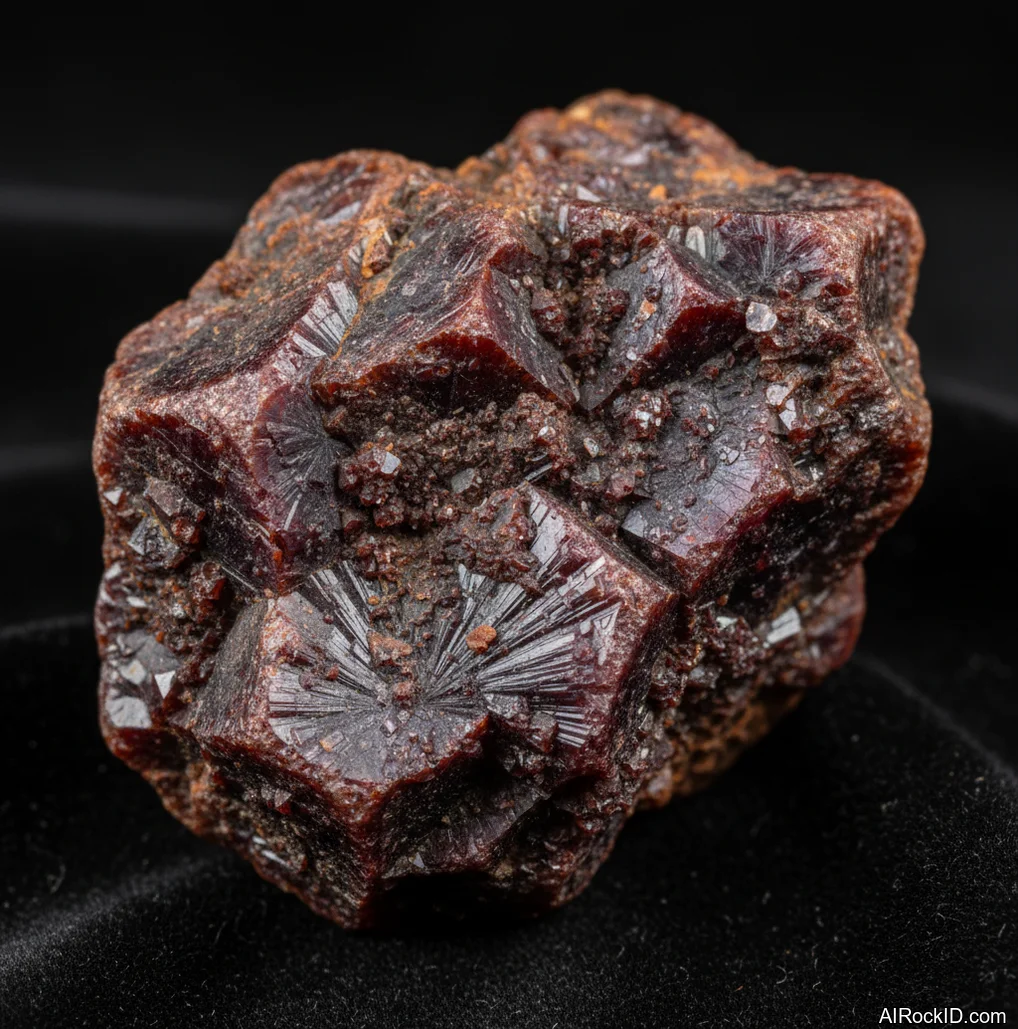
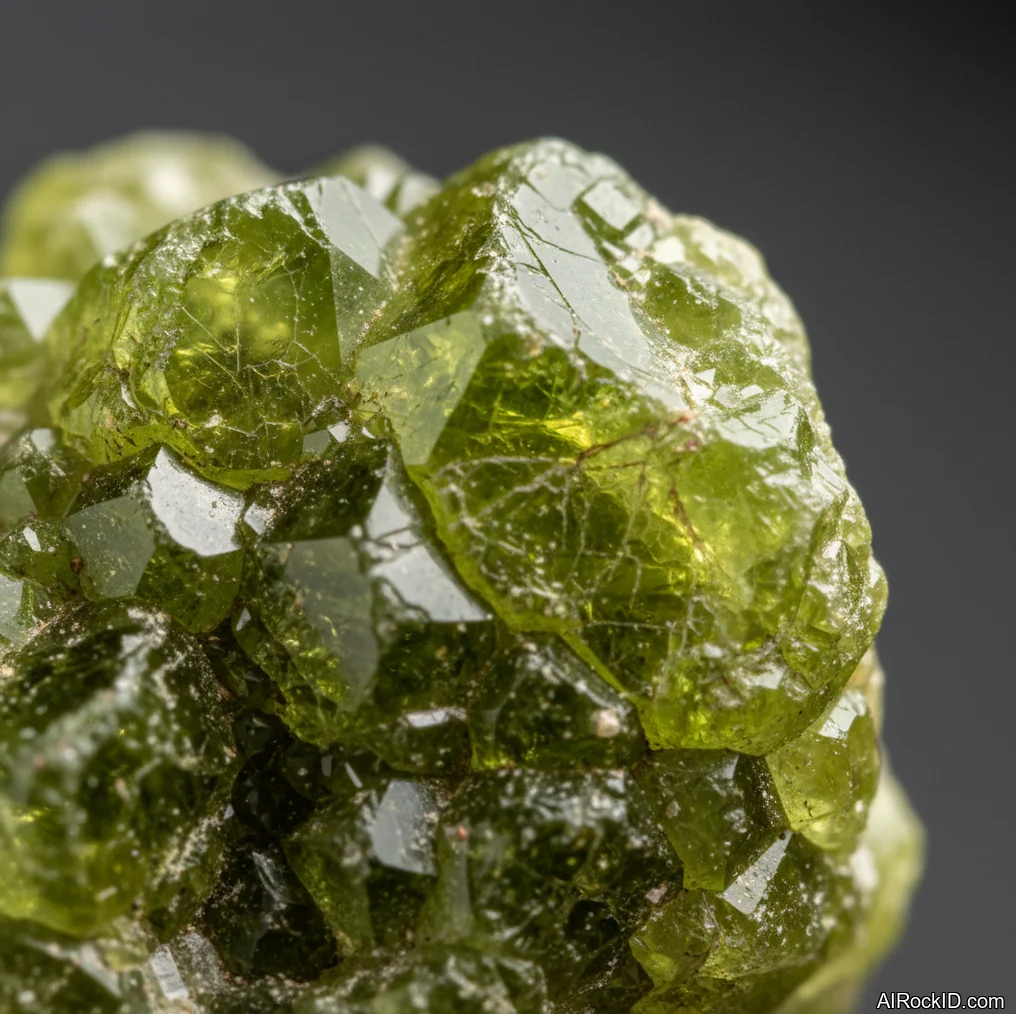
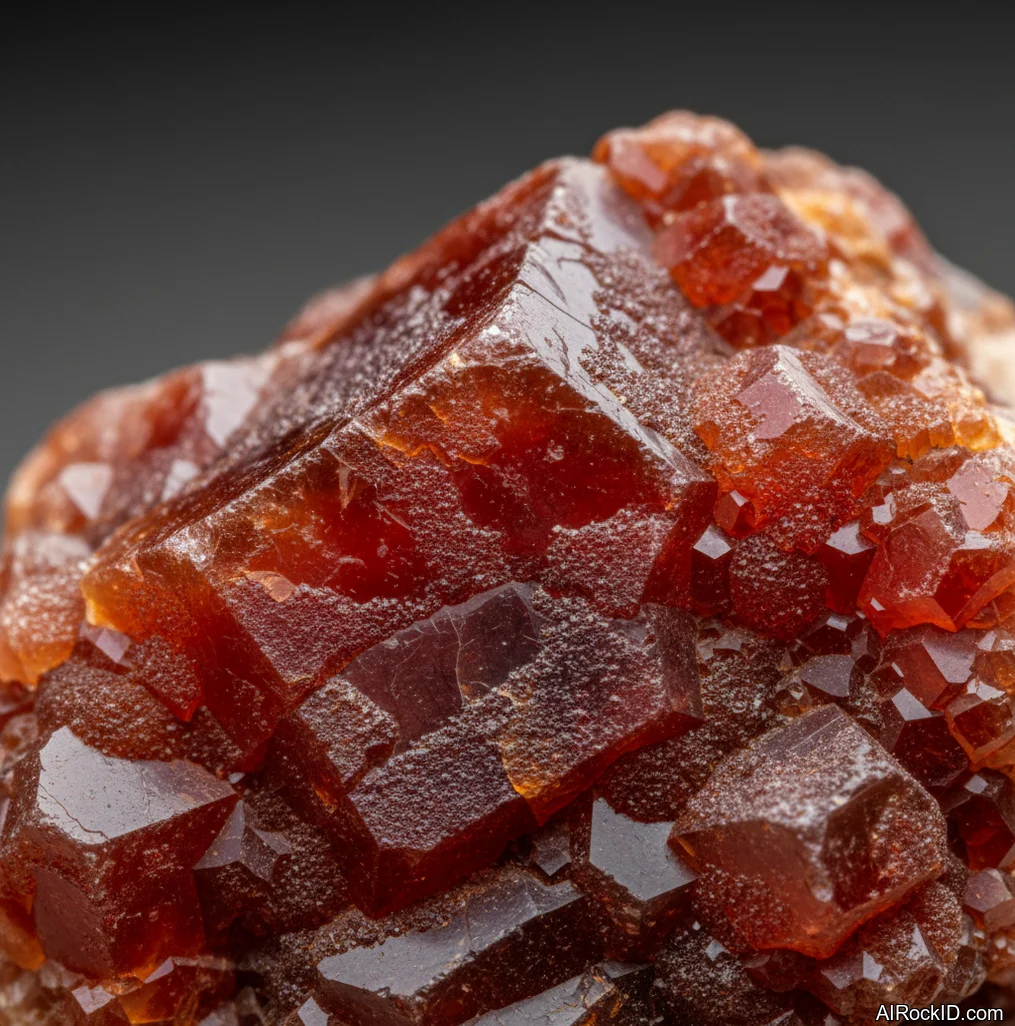
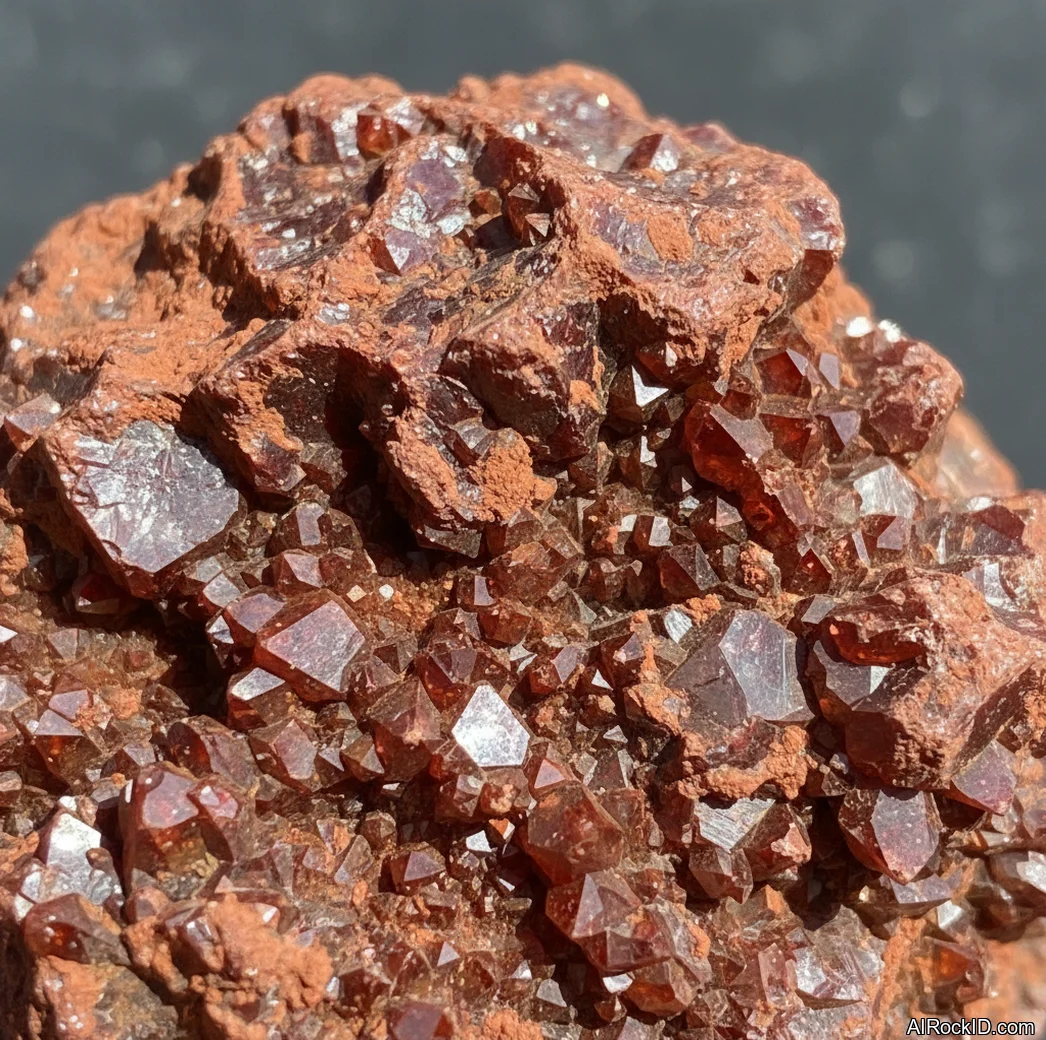
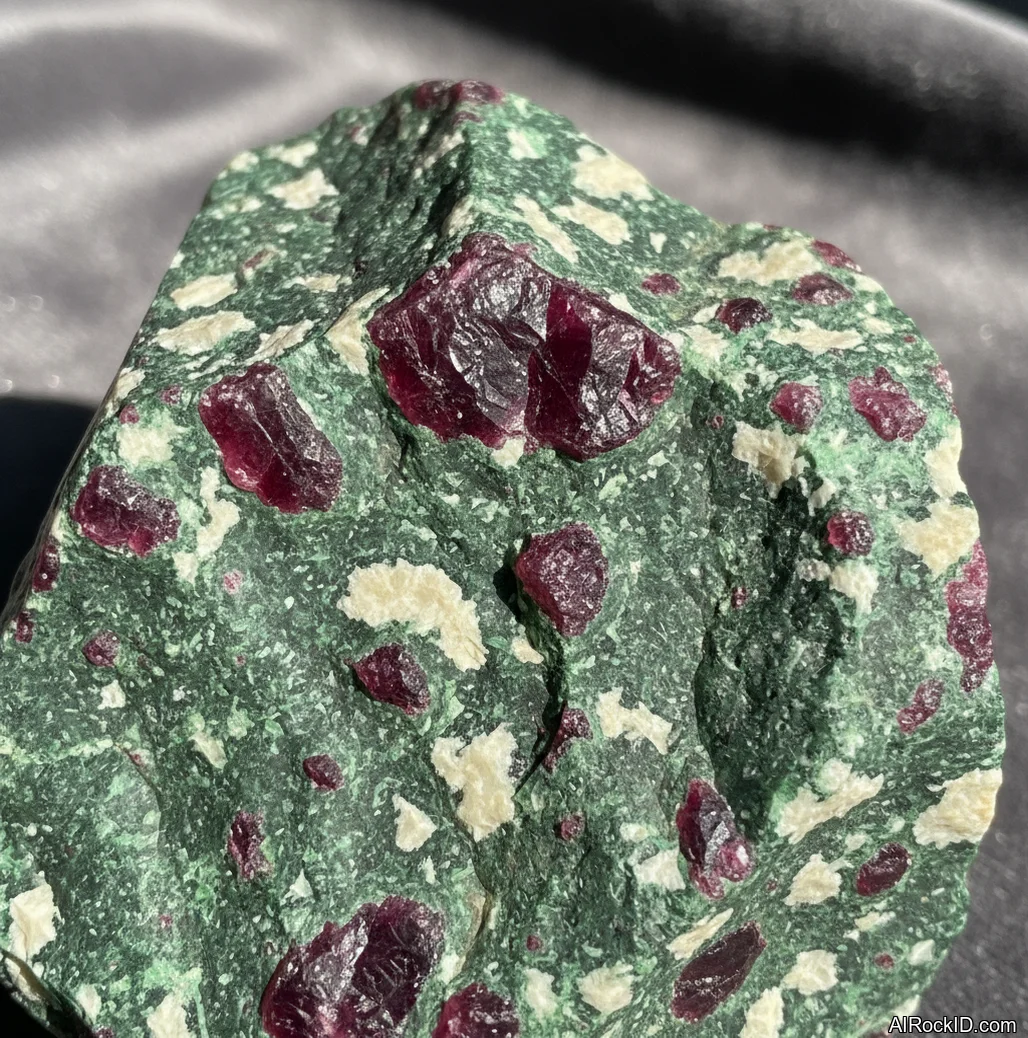
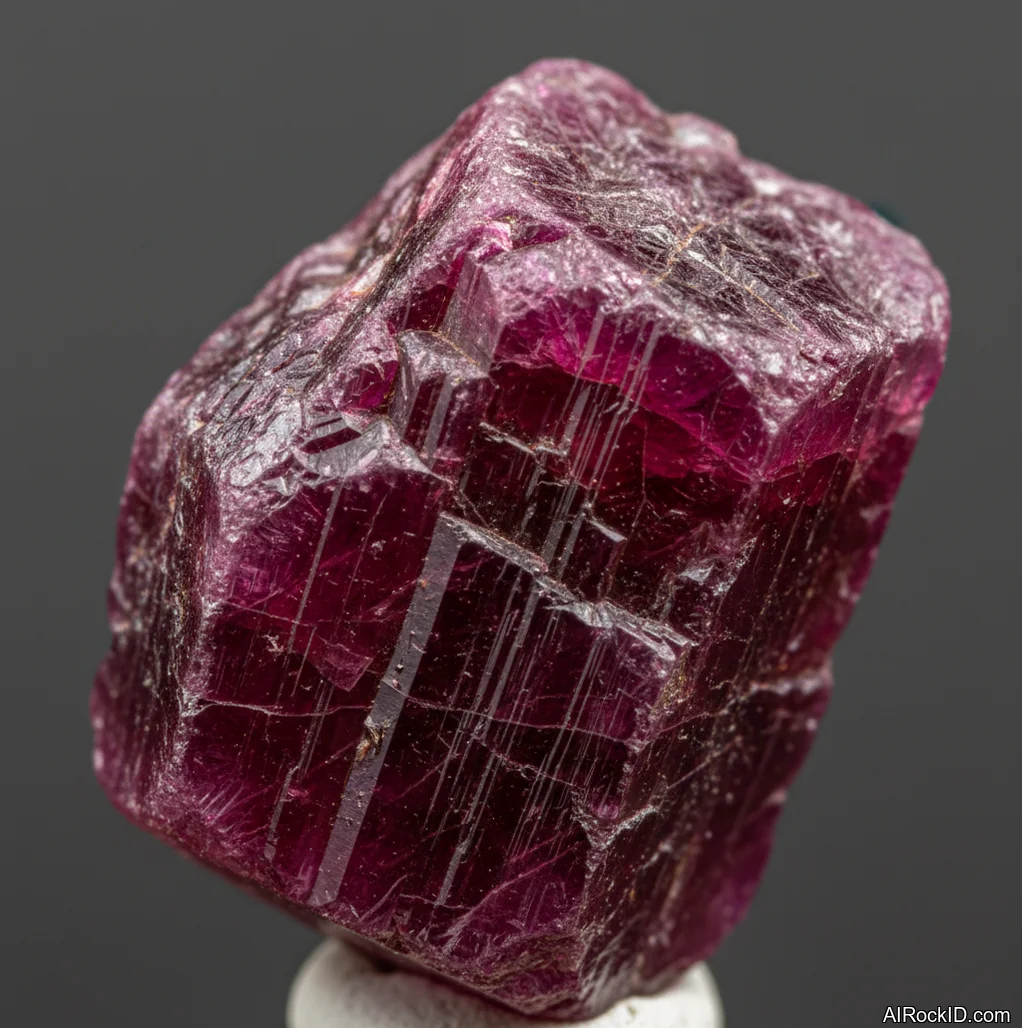
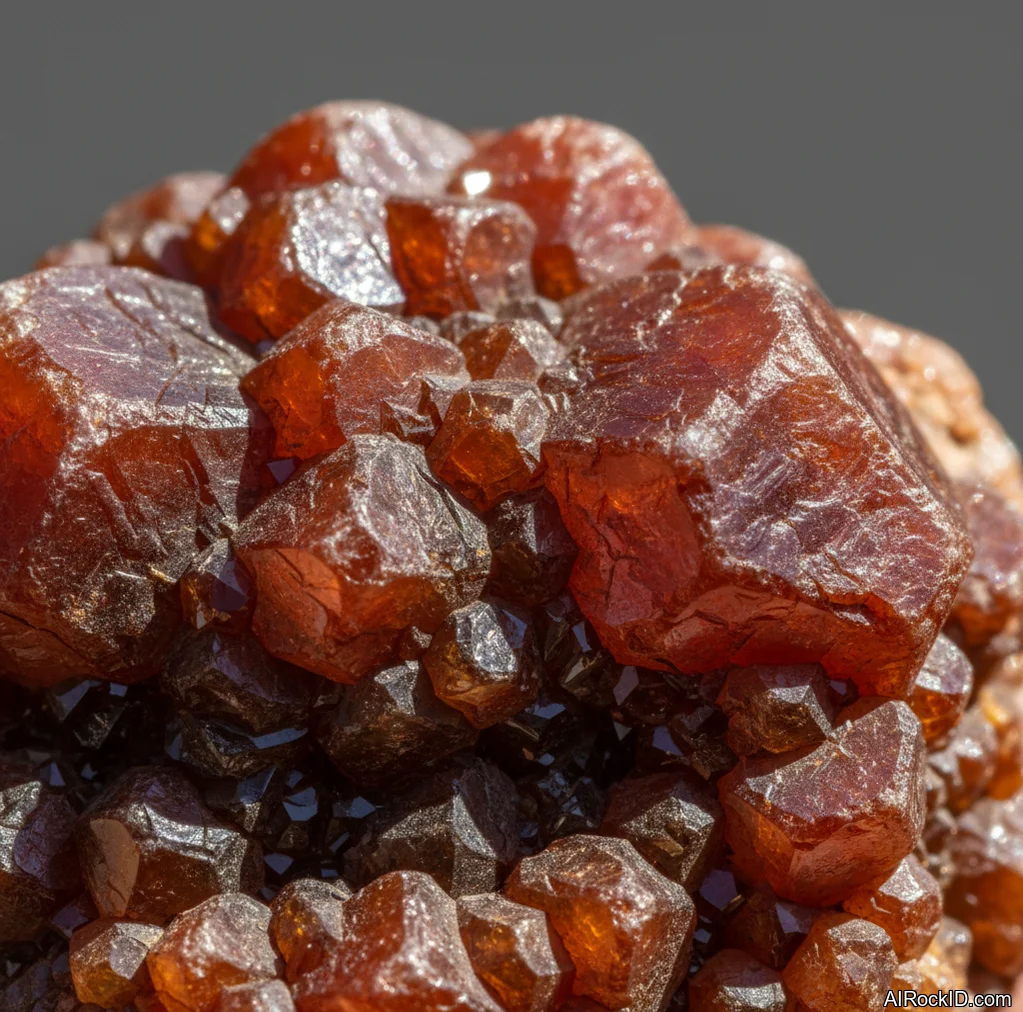
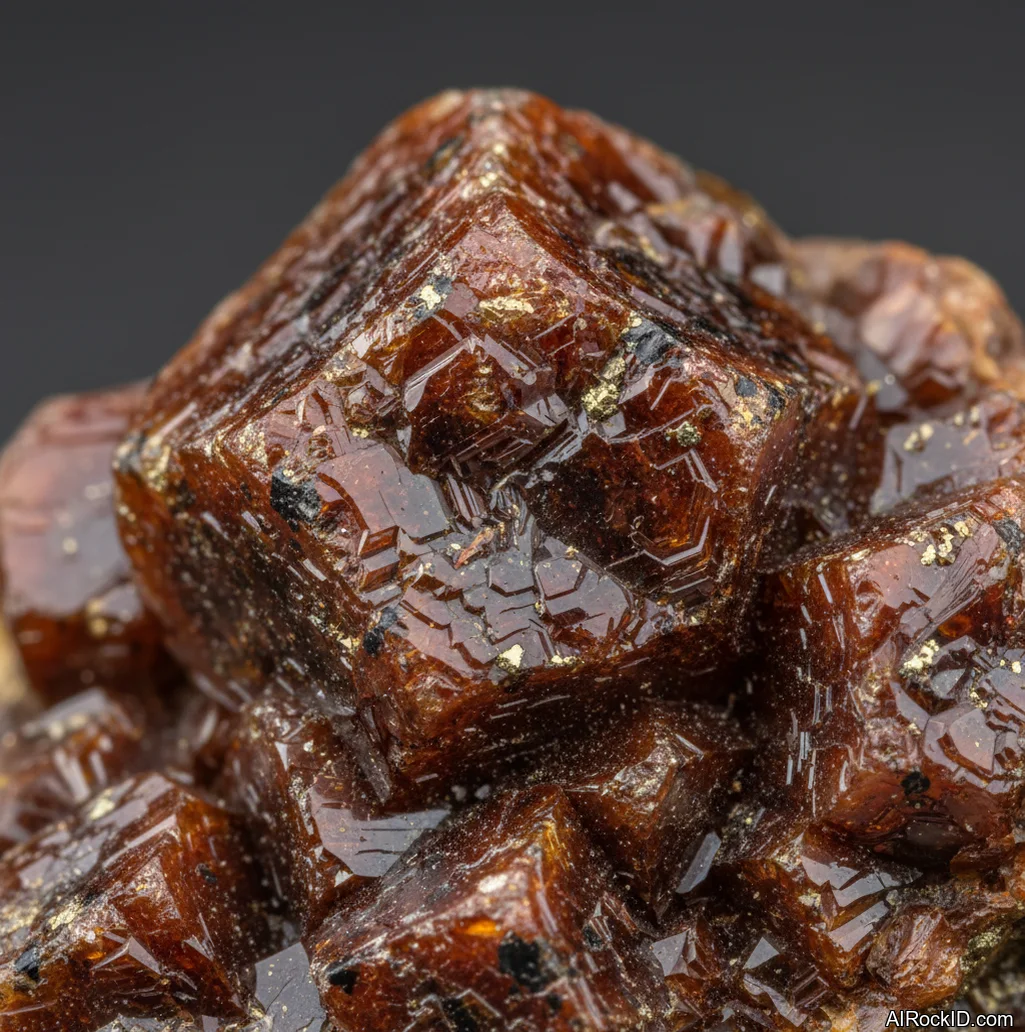
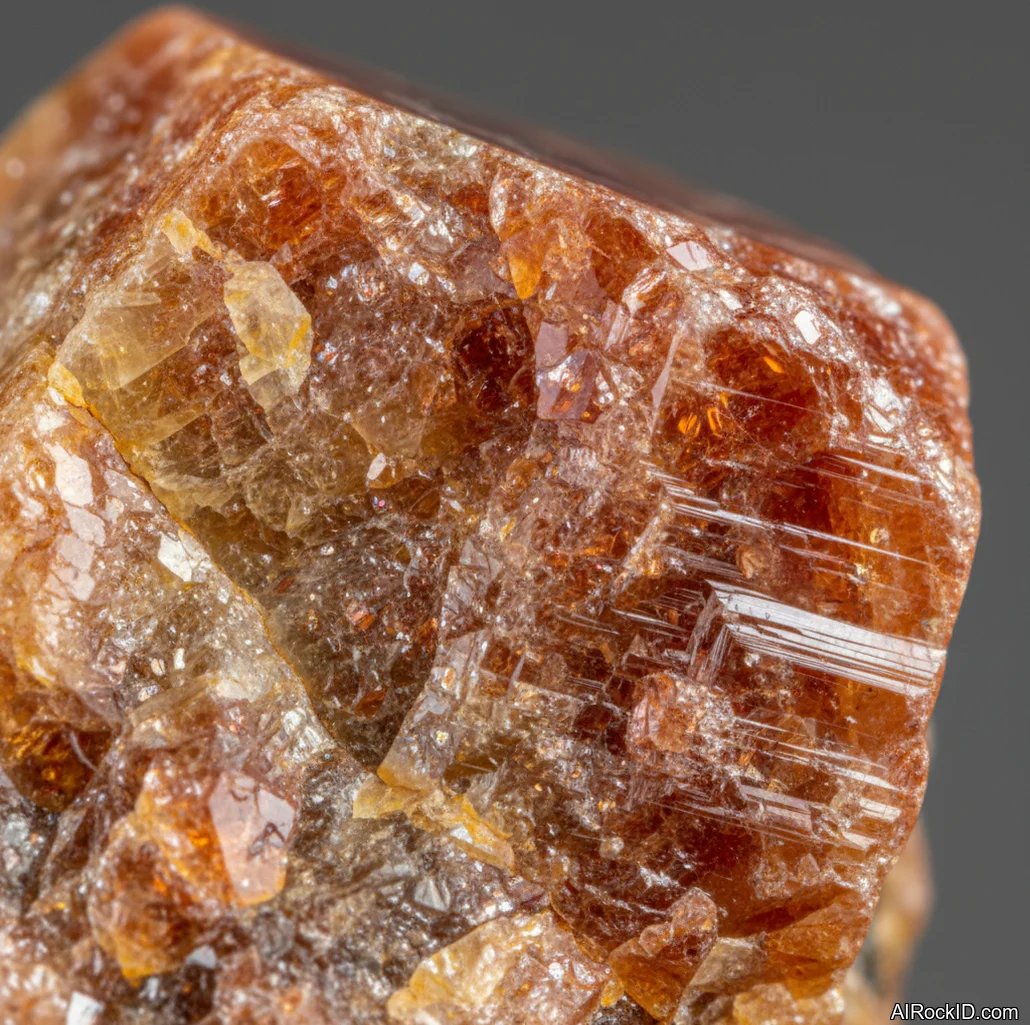
| Intense / Advanced | Garnet | Almandine or pyrope garnets have a weight and depth that hits hard, especially as raw dodecahedral crystals. Great for collectors who want maximum 'push.' |
| Best for Carrying | Sunstone | Tumbled sunstone slips easily into a pocket or bag and has a pleasant gritty feel. The shimmer is subtle but noticeable in sunlight. |
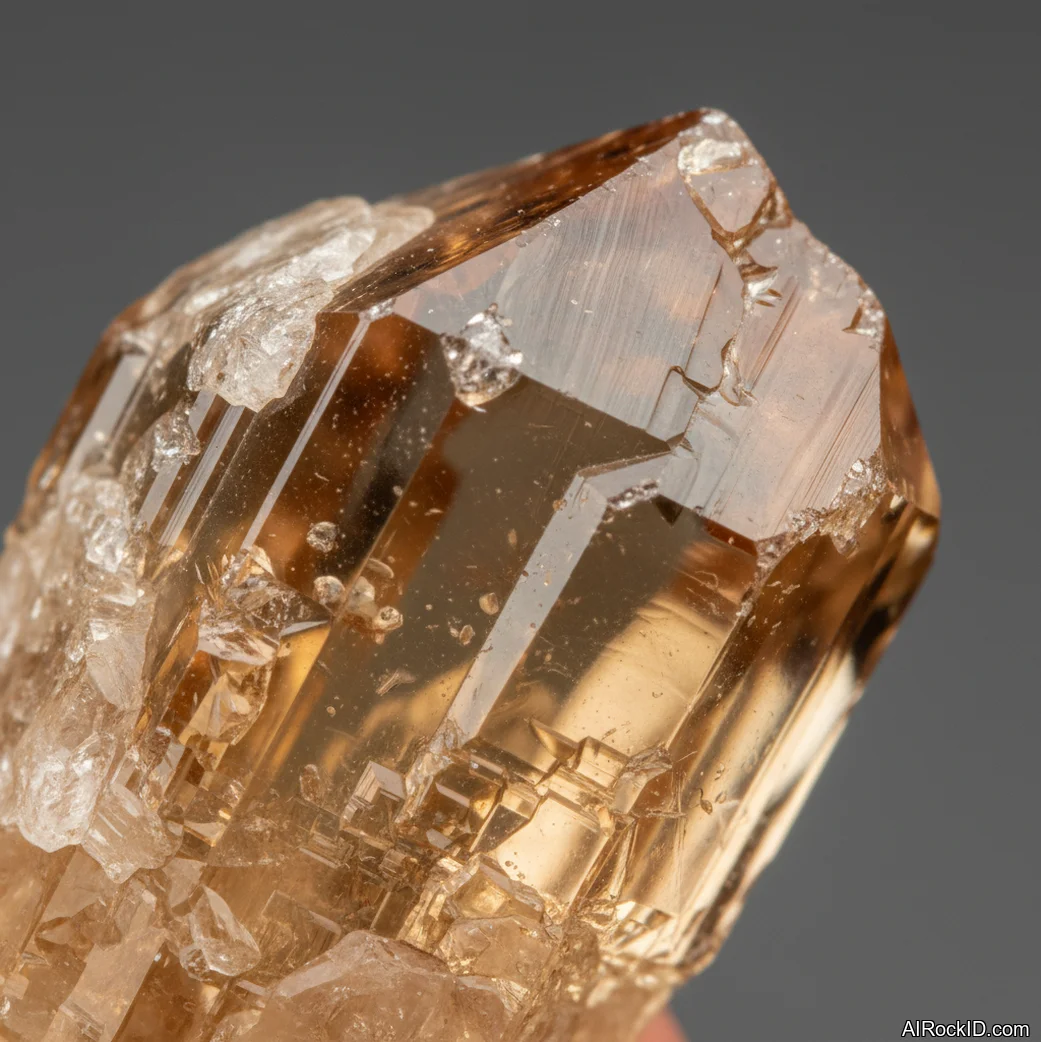
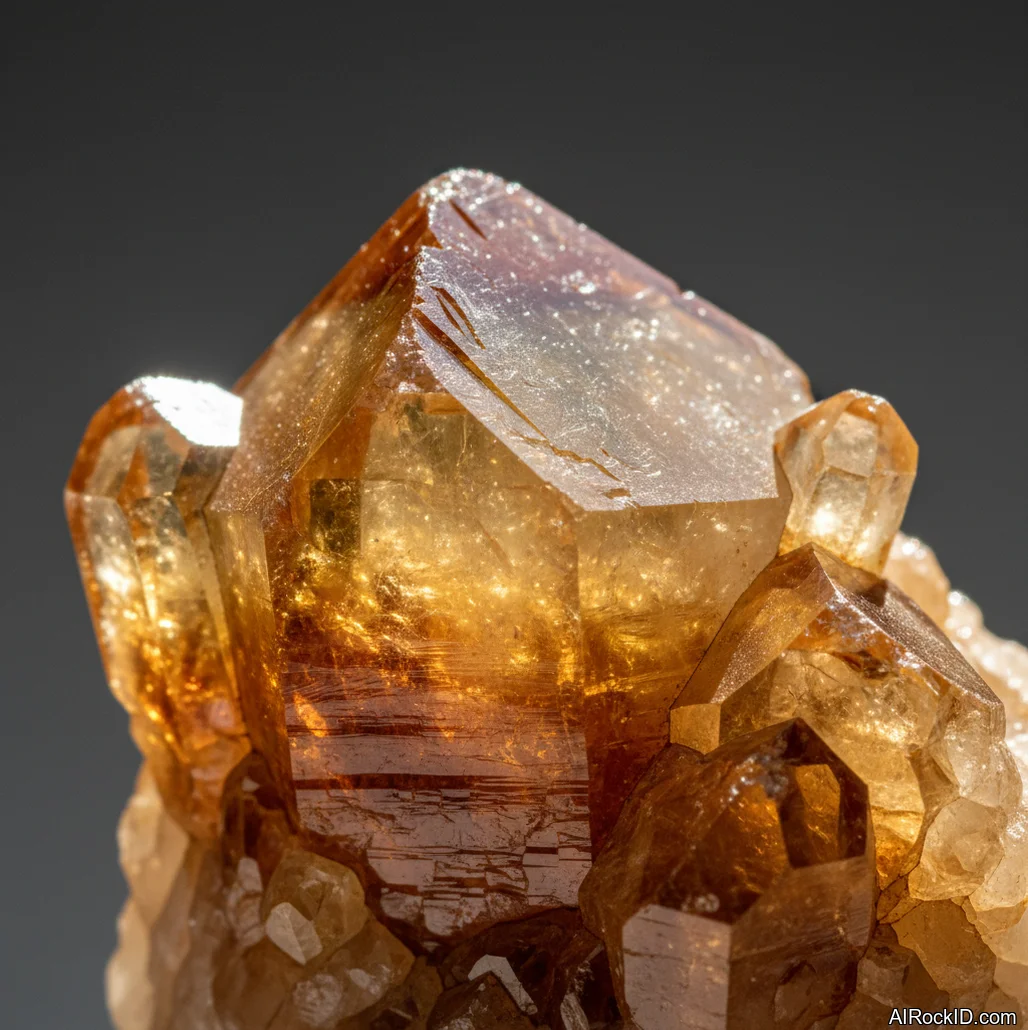
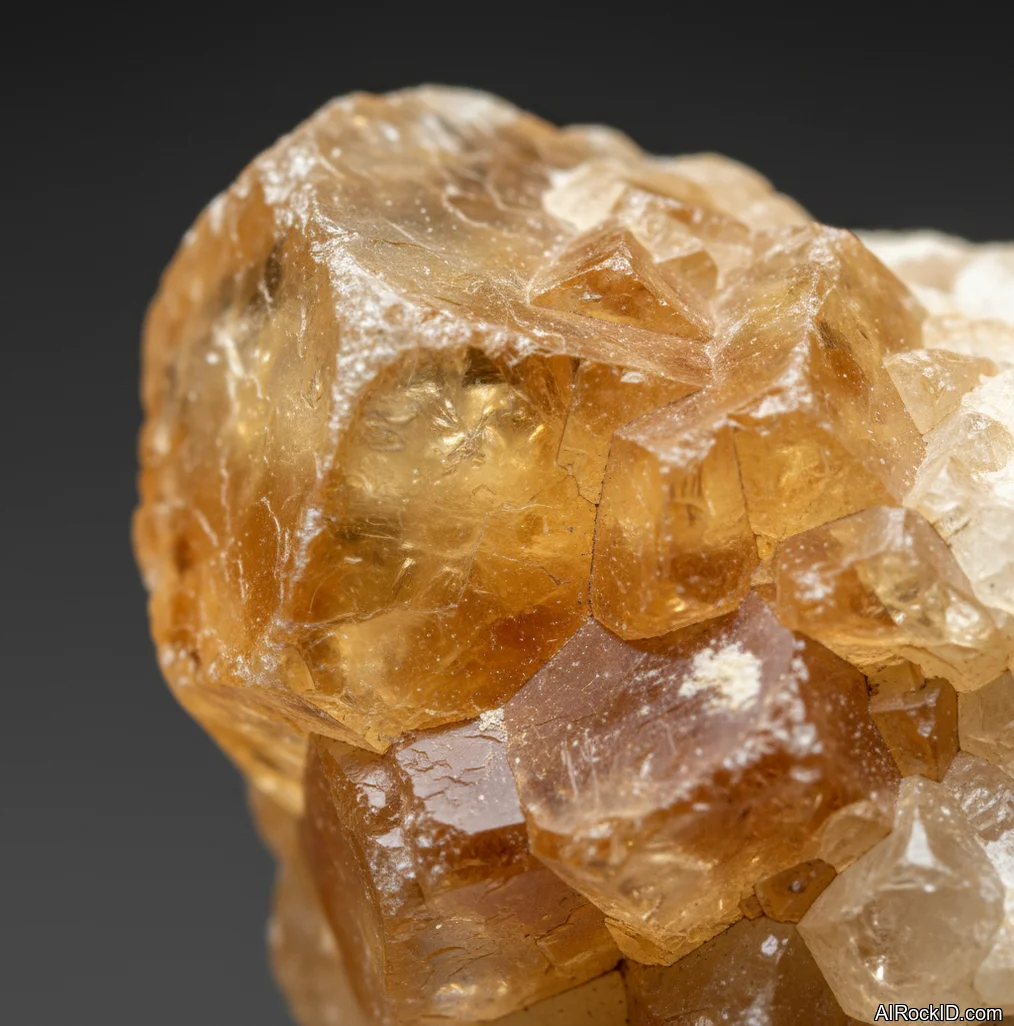
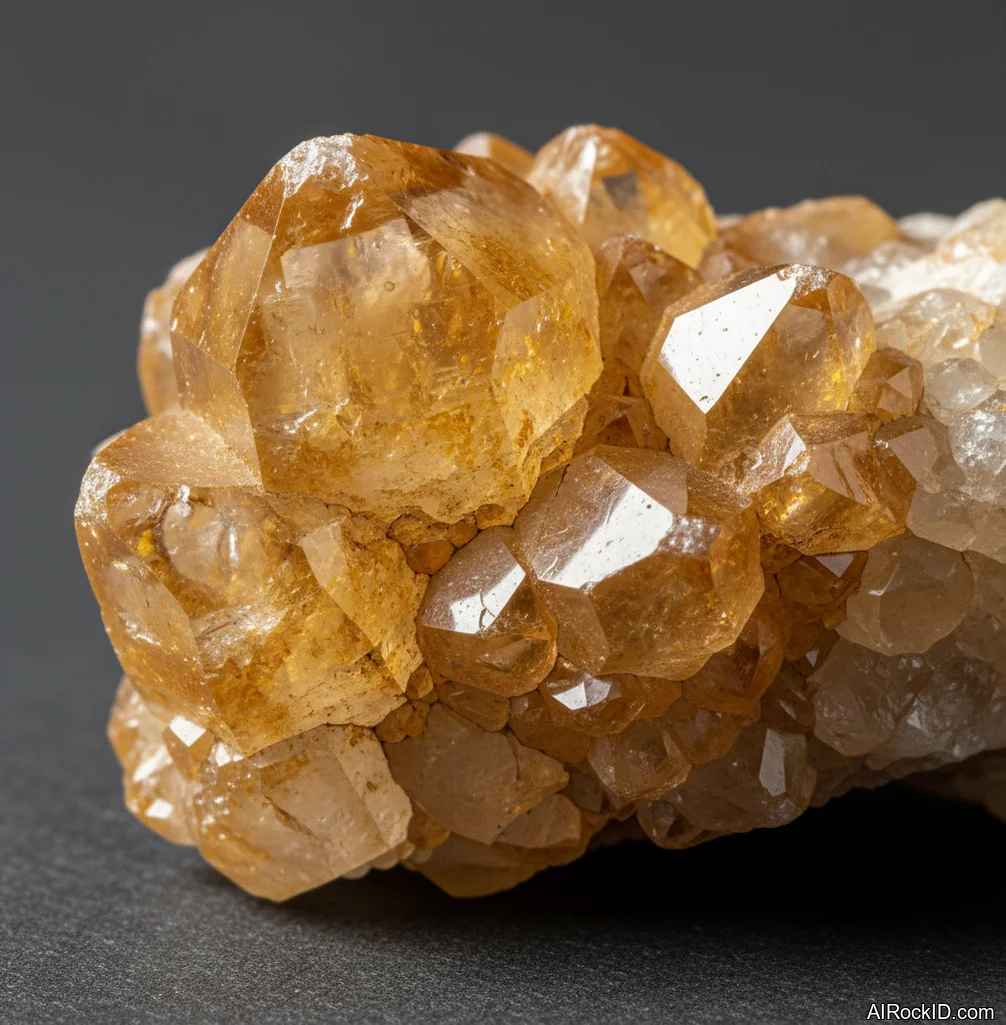
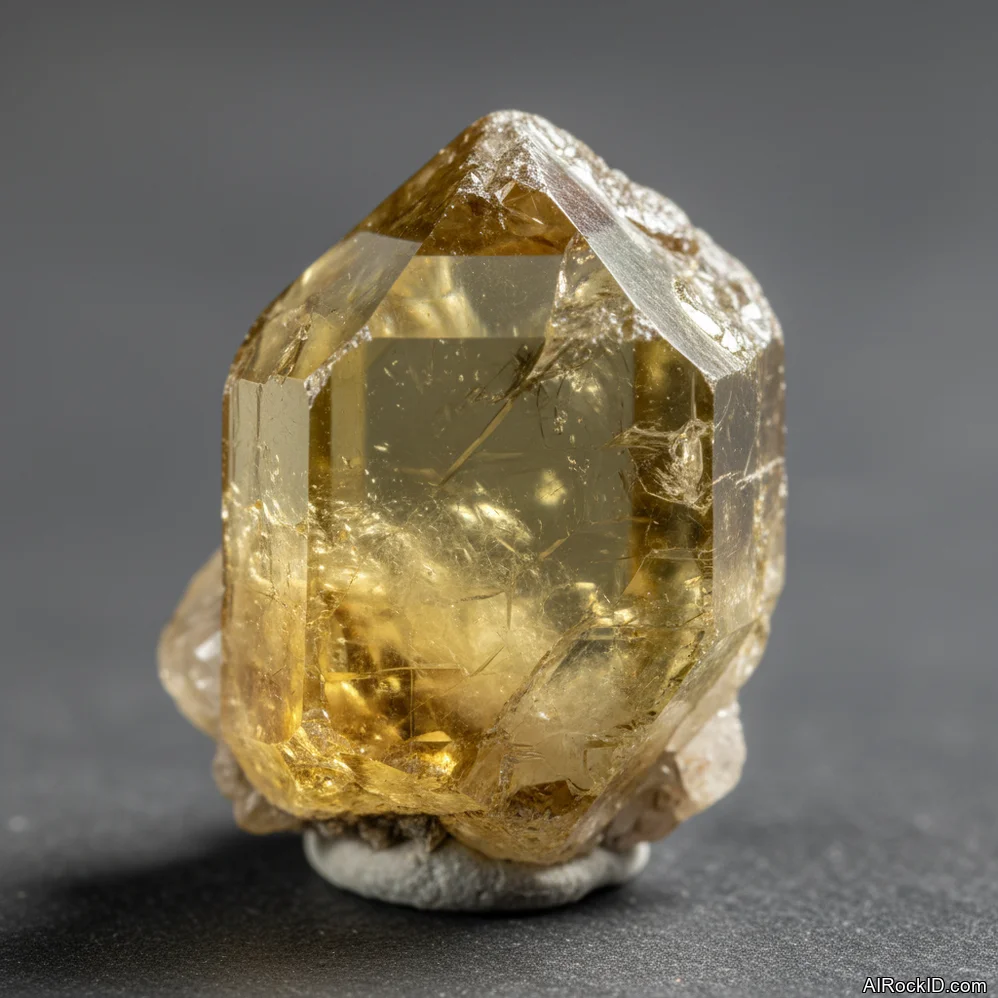
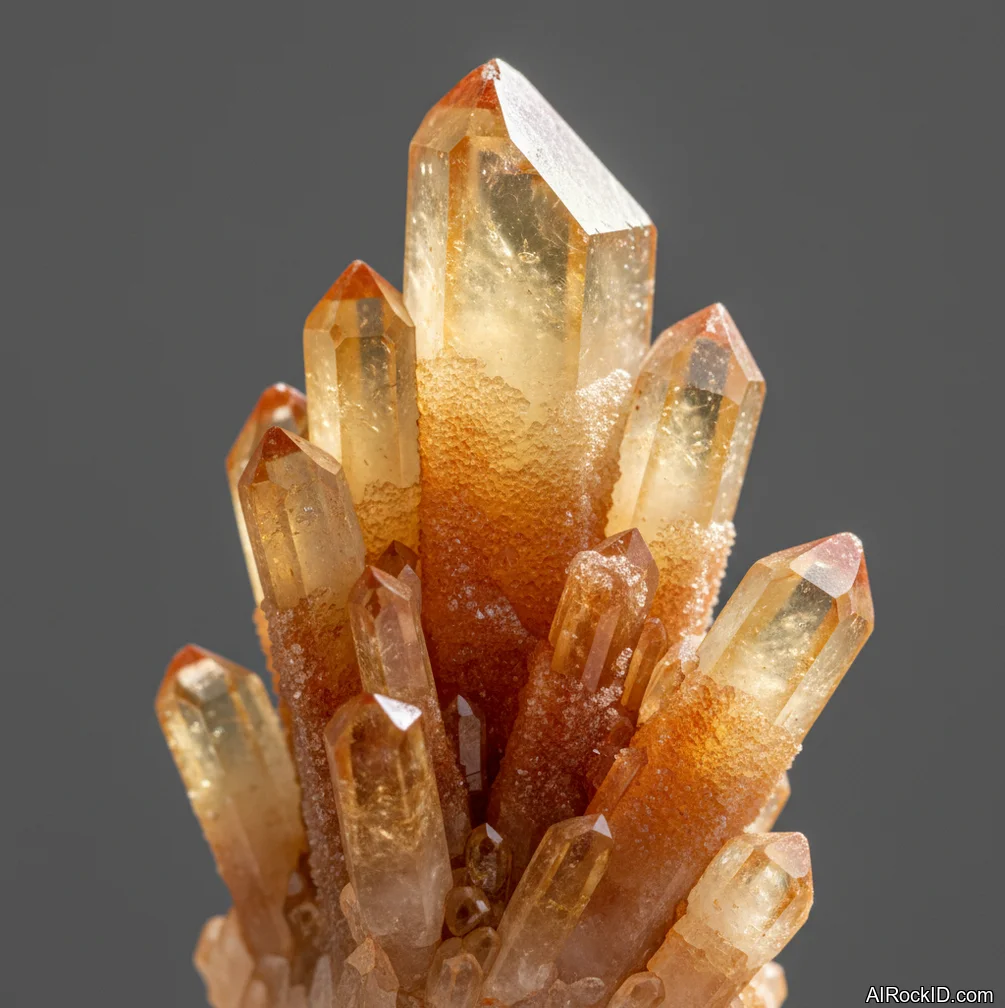
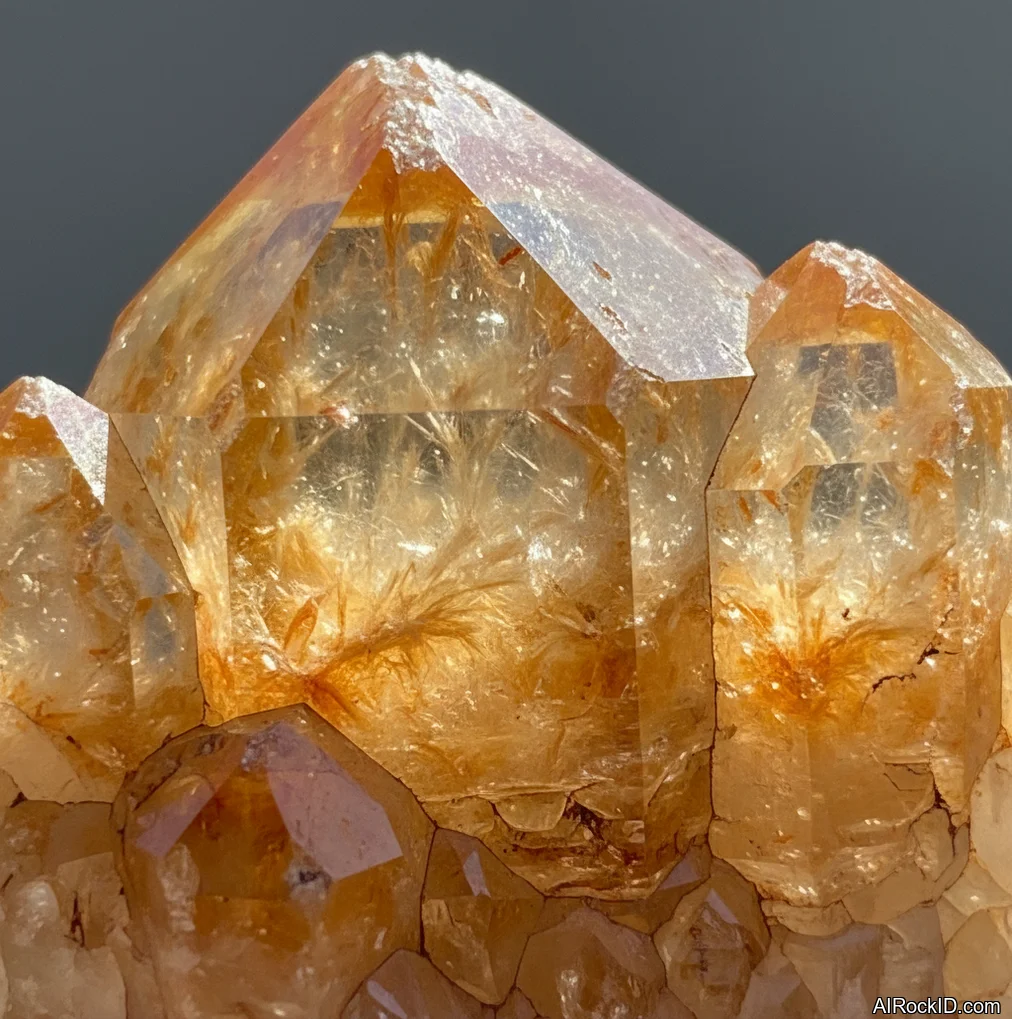
| Best for Display | Citrine (natural, not heat-treated) | A good natural citrine cluster looks alive under daylight and stands out in any collection. Keep out of direct sun to prevent fading. |
Fire Crystal Comparison
| Crystal | Common Use | Feel / Use Style | Care Caution |
| Carnelian | Motivation, energy, creative drive | Heavier than it looks, waxy surface, deep orange glow under strong light | Avoid heat and sunlight—color can fade; beware of dyed fakes |
| Sunstone | Confidence, optimism, breaking through lethargy | Lightweight, gritty texture, sparkling coppery flashes when tilted | Fragile when raw, shiller can wear off if handled constantly |
| Garnet | Raw power, strength, rebuilding after setbacks | Dense, cold to the touch, dodecahedral shapes with visible crystal faces | Smaller crystals can chip on edges, some pieces are artificially darkened |
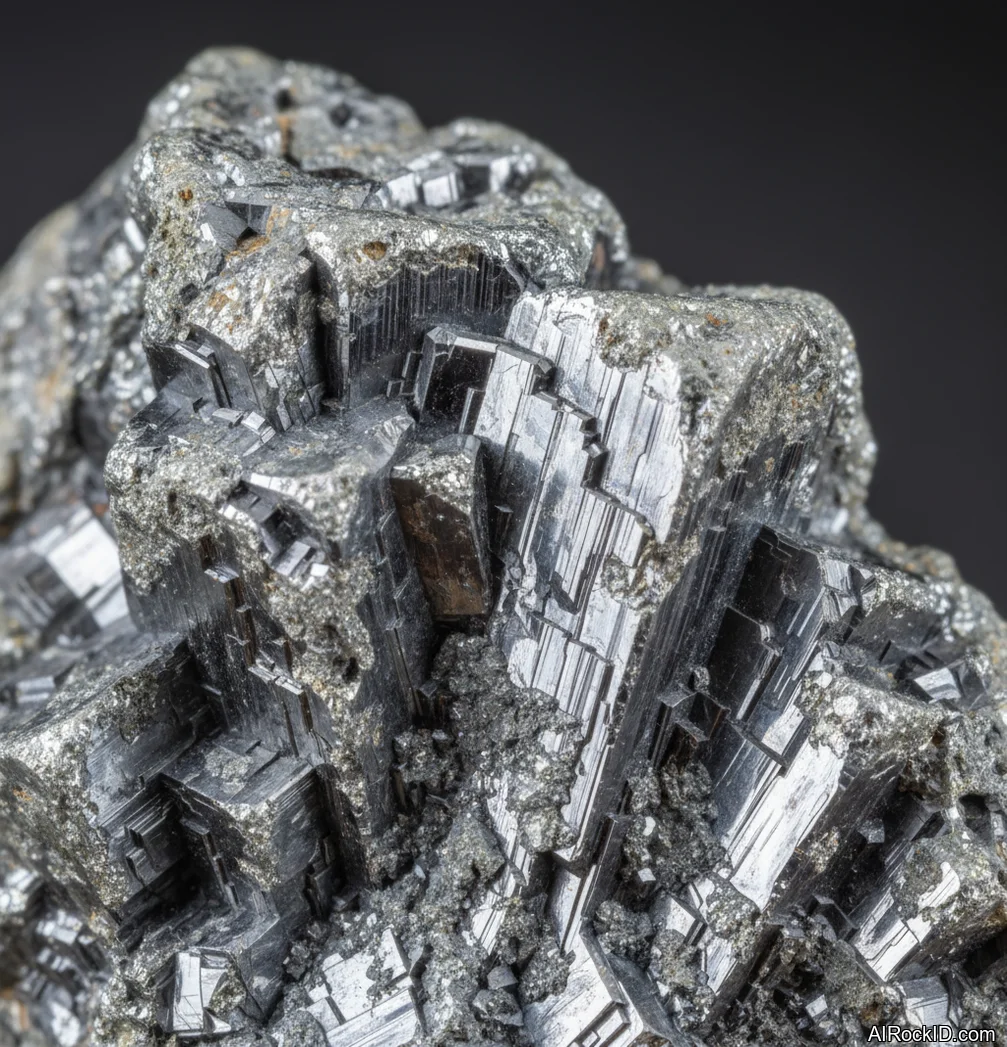
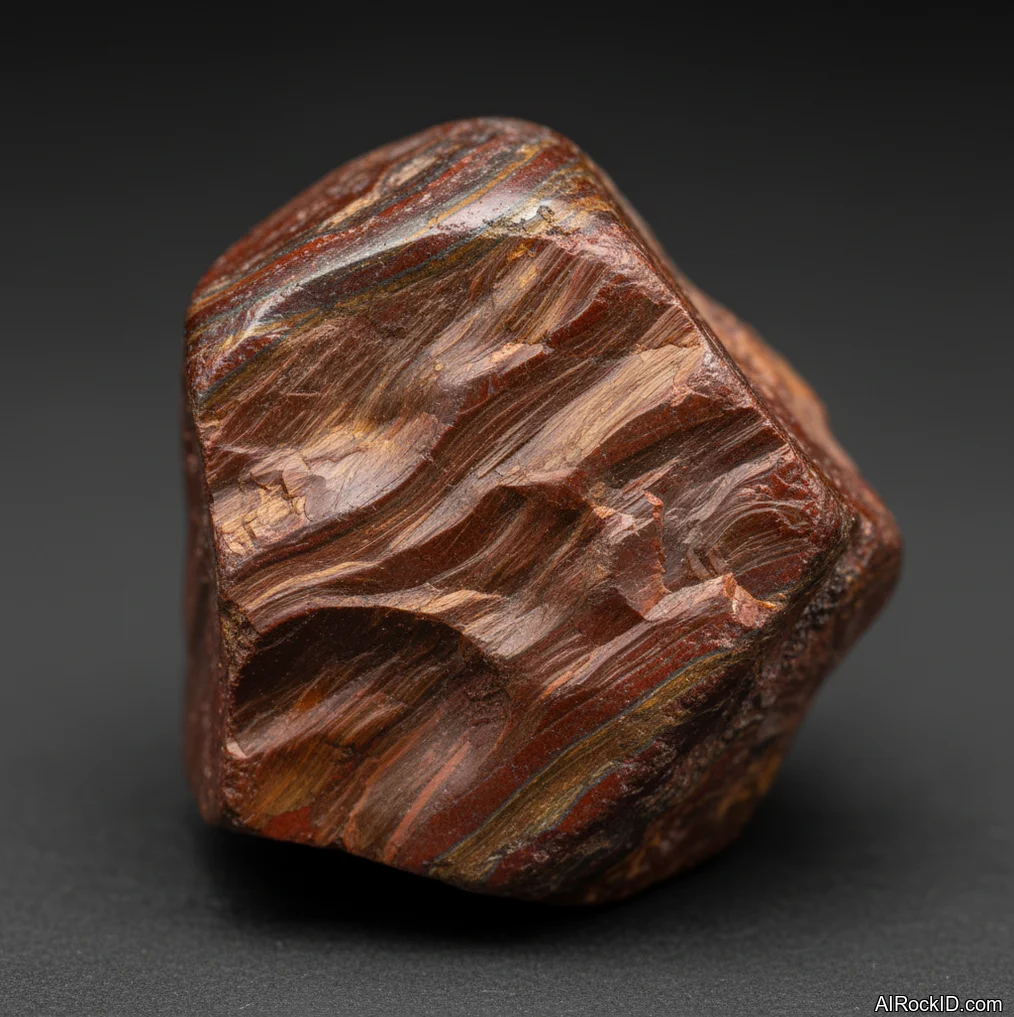
| Hematite | Stabilizing intensity, grounding fiery energy | Extremely heavy for size, metallic luster, cold even after being held | Rusts in humid conditions, easily scratched when not tumbled |
How to Identify Fire Crystals with AI Rock ID
To identify Fire crystals using an AI Rock ID app, photograph your stone in natural daylight, not under artificial bulbs. Take at least one full view and a close-up of any interesting features—like flashes, banding, or natural faces. Upload those photos and compare the results against known hardness and luster tests: for example, carnelian scratches glass, sunstone shows visible schiller, garnet crystals have sharp natural faces. Always double-check the app's suggestions with hands-on details, since color alone isn't a guarantee.
All Fire Crystals (123)