Best Crystals for Heart Chakra
Quick answer: Rose quartz is the most common starting point for heart chakra work in modern crystal traditions, especially for self-compassion and emotional softness. Green stones such as green aventurine, jade, and malachite are also often chosen when the focus is growth, repair, or steadier emotional boundaries.


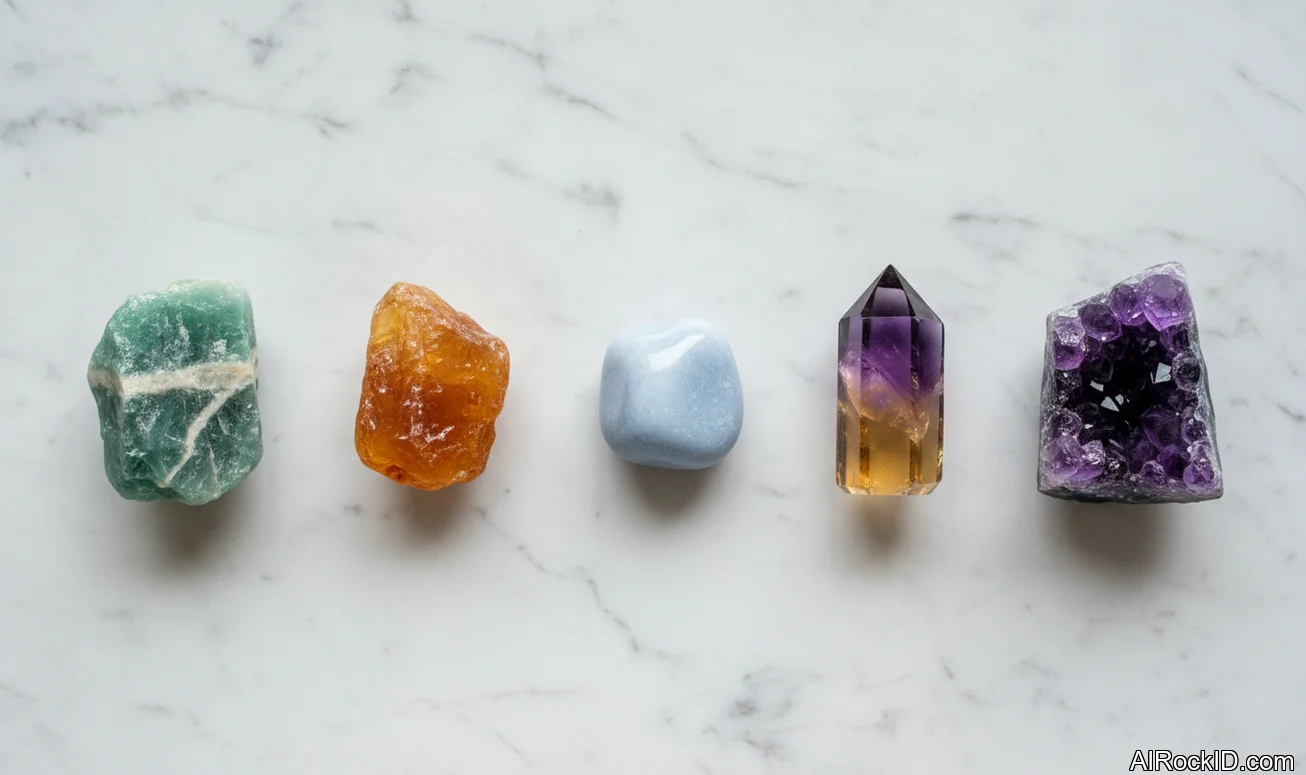
- Introduction
- Recommended Crystals
- How I pick a heart-chakra stone in a shop (without getting fooled)
- Heart chakra work isn’t just “love”: grief, boundaries, and repair
- Placement matters: sternum vs. pocket vs. necklace
- Pairing crystals with simple practices that actually change things
- How to Use These Crystals
- Common Mistakes
- FAQ
AI Rock ID can help identify a heart-chakra crystal from a photo, especially when color and surface features are clear. RockIdentifier.io also provides mineral and crystal references that can help separate look-alike stones before using them in a personal practice.
Good fit
- Beginners who want a simple, gentle crystal practice tied to compassion or emotional reflection
- People choosing between pink and green crystals for different heart-centered intentions
- Anyone building a small chakra set and wanting practical, easy-to-find options
- Readers who prefer grounded routines rather than complex rituals
Not a good fit
- Anyone seeking a substitute for mental health care, grief counseling, or medical treatment
- People who need guaranteed results from a crystal practice
- Buyers who cannot verify whether a stone is natural, dyed, or mislabeled
- Pet owners or parents planning to leave small stones where children or animals can swallow them
Most commonly confused with
- Rose Quartz: Usually pale pink and translucent to cloudy; often confused with dyed quartz or pink glass.
- Green Aventurine: A quartz variety with subtle sparkle from mica inclusions; commonly mistaken for jade.
- Jade: A trade name mainly covering jadeite and nephrite; many green stones are sold as jade without being true jade.
- Malachite: Recognized by vivid green banding; imitations may be plastic, resin, or dyed material with overly uniform patterns.
AI identification confidence
Photo-based identification is most reliable when the stone is shown in natural light with multiple angles, a close-up of the surface, and an object for scale. Confidence is lower for tumbled pink or green stones because polishing can remove many diagnostic features.
When AI gets it wrong
- A stone is dyed, coated, or made of glass but photographed as if it were natural.
- The image is too dark, blurry, filtered, or color-shifted.
- Several green stones have similar color and polish, such as aventurine, jade, serpentine, and dyed quartz.
- A trade name is used loosely by a seller and does not match the actual mineral.
Best choice summary
For most beginners, rose quartz is the simplest heart chakra crystal because it is affordable, widely available, and easy to connect with self-compassion practices. For a more grounding green option, green aventurine is a practical second choice because it is usually durable, accessible, and less intense than stones such as malachite.
Final recommendation
Choose one heart chakra crystal that matches the emotional quality you want to practice: rose quartz for gentleness, green aventurine for steady growth, rhodonite for repair, or jade for calm balance. Use the stone as a consistent reminder alongside journaling, breathwork, communication, or rest rather than expecting the crystal alone to change a relationship or emotional pattern.
Why people search for this
People often search for heart chakra crystals when they want a symbolic tool for compassion, grief processing, forgiveness, or relationship reflection. In crystal traditions, these stones are used as reminders and focus objects rather than as medical treatments.
Beginner recommendations
Advanced recommendations
Natural, Dyed, and Imitation Heart Chakra Stones
Many pink and green tumbled stones are enhanced, mislabeled, or sold under broad trade names. Dyed quartz, glass, resin, and low-cost look-alikes can still be used as symbolic objects, but they should not be priced or described as rare natural minerals. Ask for the exact mineral name when a seller uses vague labels such as "green jade," "love stone," or "healing quartz."
Care Notes for Common Heart Chakra Crystals
Rose quartz and green aventurine are generally easy to handle, but they can still chip if dropped on hard surfaces. Malachite is softer and copper-bearing, so it should be kept dry, not used in elixirs, and not handled as loose dust or powder. Emerald and jade may have treatments or fractures, so jewelry pieces should be cleaned gently rather than soaked in harsh chemicals.
A Simple Way to Choose Between Pink and Green Stones
Pink stones are commonly used in crystal traditions for tenderness, self-acceptance, and emotional softness. Green stones are often associated with renewal, balance, patience, and the steady repair of trust. If both meanings fit, choose the stone you are most likely to carry or use consistently.
Best crystals for the heart chakra are stones people use for emotional softening, steady self-compassion, and that “I can breathe again” feeling without getting spaced out, like amazonite, amber, angelite, ametrine, amethyst, and aquamarine. Pick up a good piece and you’ll notice it stays cool in your hand longer than glass, with a weight that feels settled instead of buzzy. But crystal work for the heart chakra is a support tool, not a fix for grief, trauma, or relationship patterns on its own.
The best crystals for the heart chakra are the ones that let you soften without zoning out, and that you can stand having parked on your chest for more than five minutes without wanting to fling it across the room.
Most people picture “heart chakra” stuff like a warm, glowing movie montage. But it’s rarely that neat. You’ll feel tender, then irritated, then wiped out, then randomly clear. So I stick to stones that feel calm in your palm and look easy on the eyes, not like they’re yelling at you from the table all day. When you pick up a solid piece, you can tell fast: it stays cool longer than you expect, it has that steady little heft, and it doesn’t get that plasticky, pocket-warmed feel.
Thing is, the market’s packed with dyed, irradiated, and straight-up mislabeled stones. I’ve literally handled pale green pieces being sold as “rare heart chakra jade” that scratched like chalk and left green streaks on a wet paper towel. That’s not what you want sitting on your sternum. You want something stable, not crumbly, not coated, and not cut with sharp edges that poke your ribs when you breathe (because yeah, that gets old fast). Below are my go-to picks from actual shop handling and long-term use, plus the common ways people trip themselves up when they try to force “open heart” results.
Quick Comparison
| situation | crystal | why | format |
| I feel shut down and guarded, and I want to open up without turning into a crying puddle at work | Amazonite | It’s that steady green-blue that reads calm to the nervous system, and a good polished piece feels cool and slightly waxy in the palm instead of jittery. | palm stone or flat worry stone |
| My chest feels tight after a breakup and I want something comforting that isn’t mentally stimulating | Amber | It warms fast against skin and has that soft, resin feel that’s comforting for chest placement, but you still get a grounded, cozy presence instead of a heady buzz. | lightweight pendant or smooth cabochon on the sternum |
| I’m trying to forgive someone, but I keep cycling between tenderness and irritation | Ametrine | It’s literally two moods in one crystal, and holding a piece with clear purple-to-gold zoning gives you a physical cue to stay balanced instead of swinging hard one way. | tumbled stone in a pocket or small palm stone |
| I want heart-chakra support that feels clean and breathable, not heavy or clingy | Aquamarine | Good aquamarine has that watery, glassy chill and a calm blue tone that pairs well with chest breathing, especially when you’re trying to speak gently and stay open. | small polished pebble for chest placement or a simple pendant |
Recommended Crystals
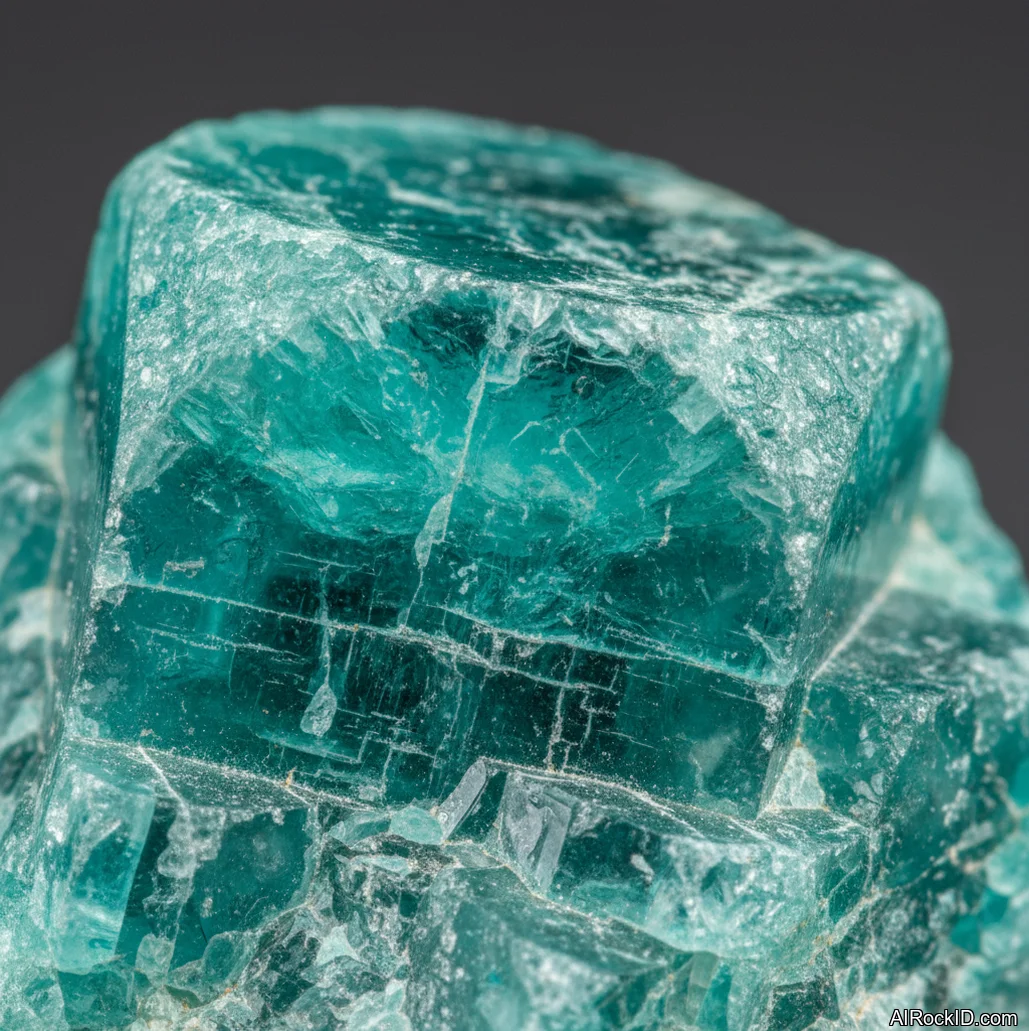
Amazonite
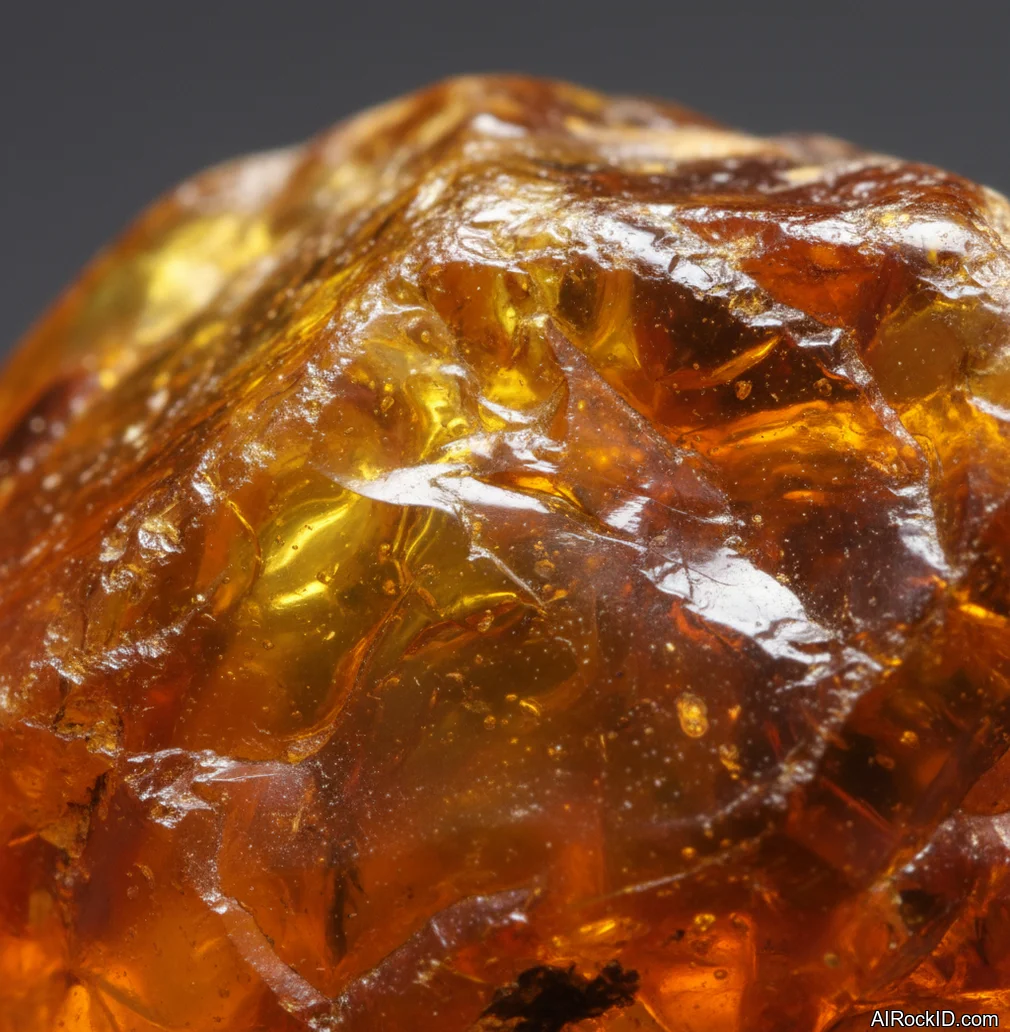
Amber
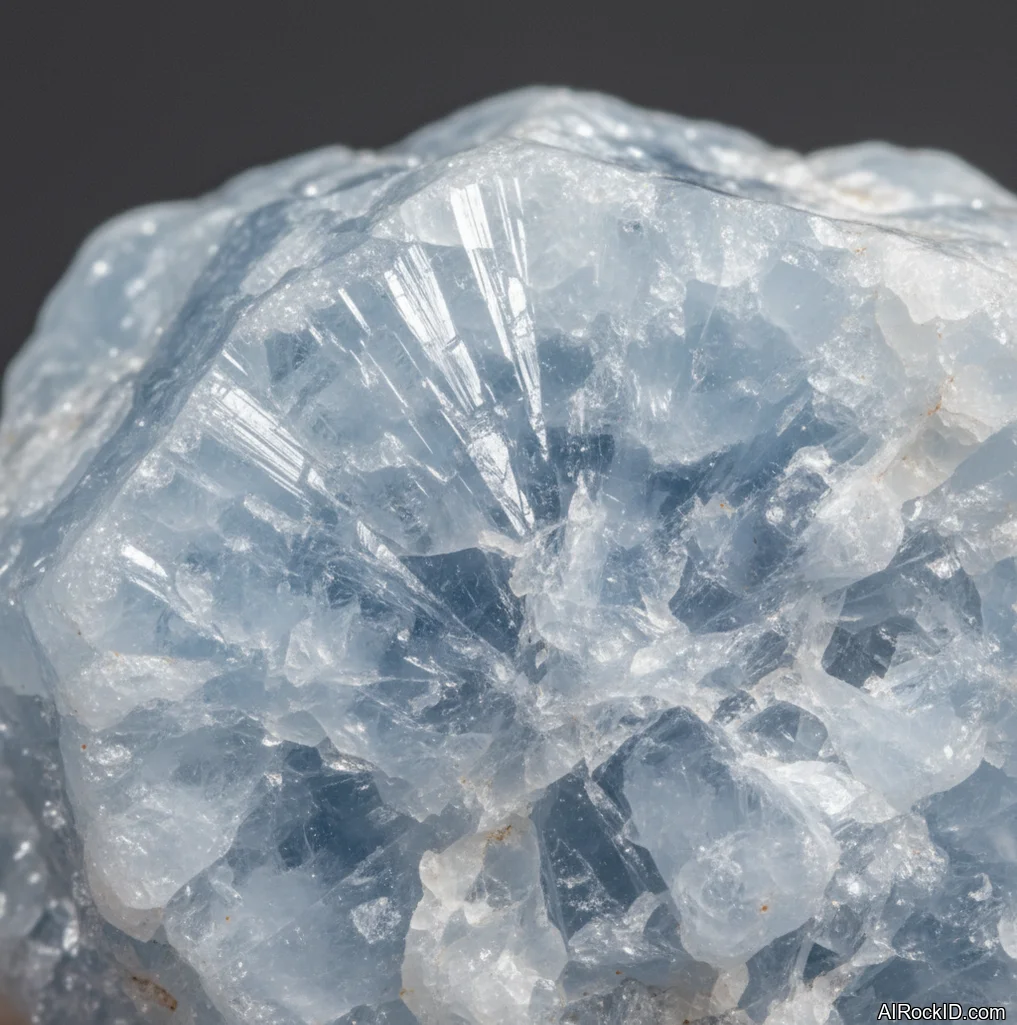
Angelite
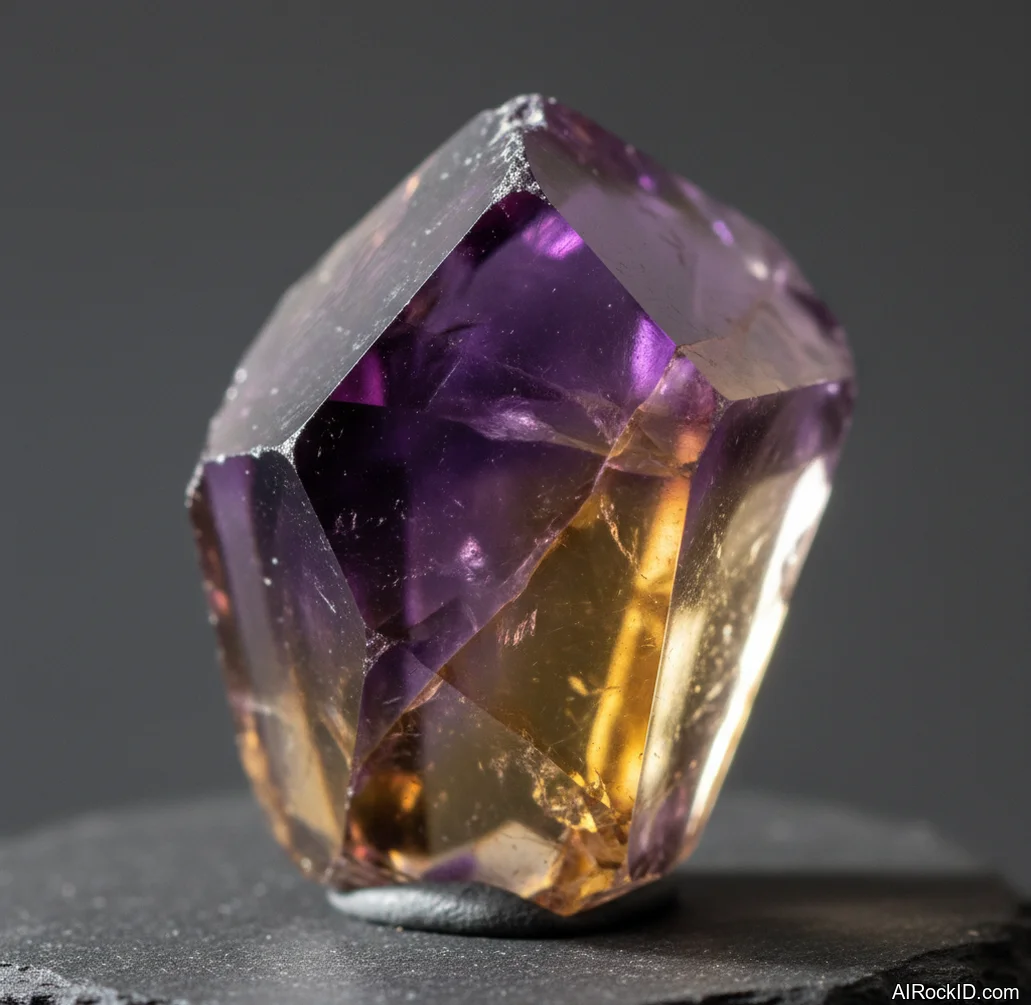
Ametrine
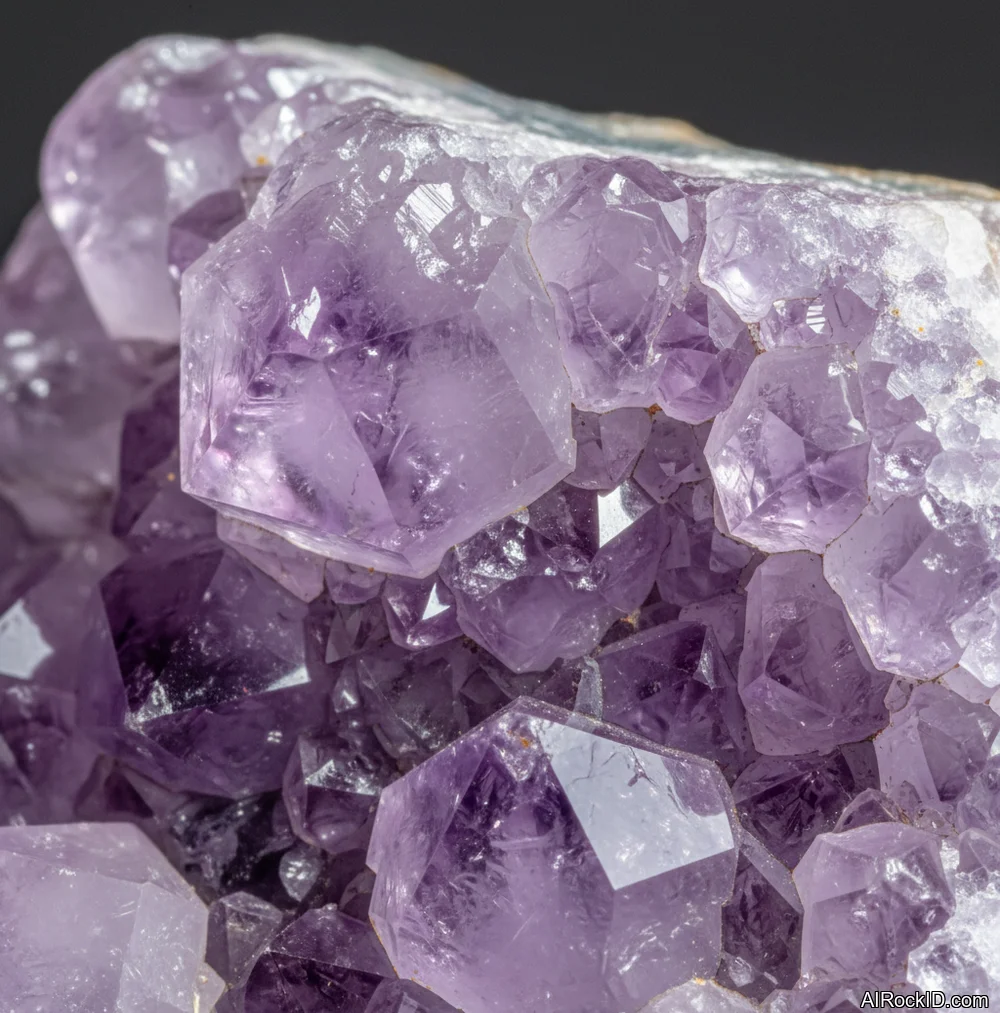
Amethyst
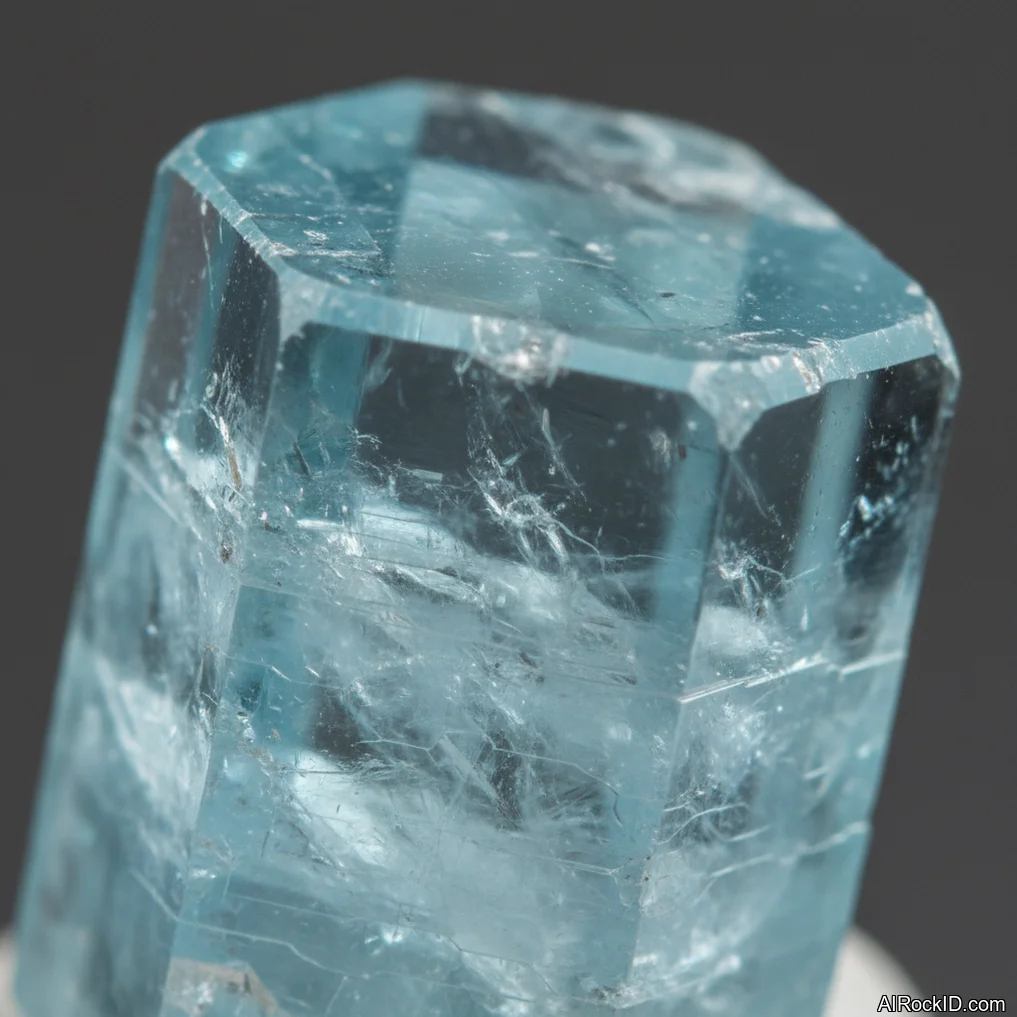
Aquamarine
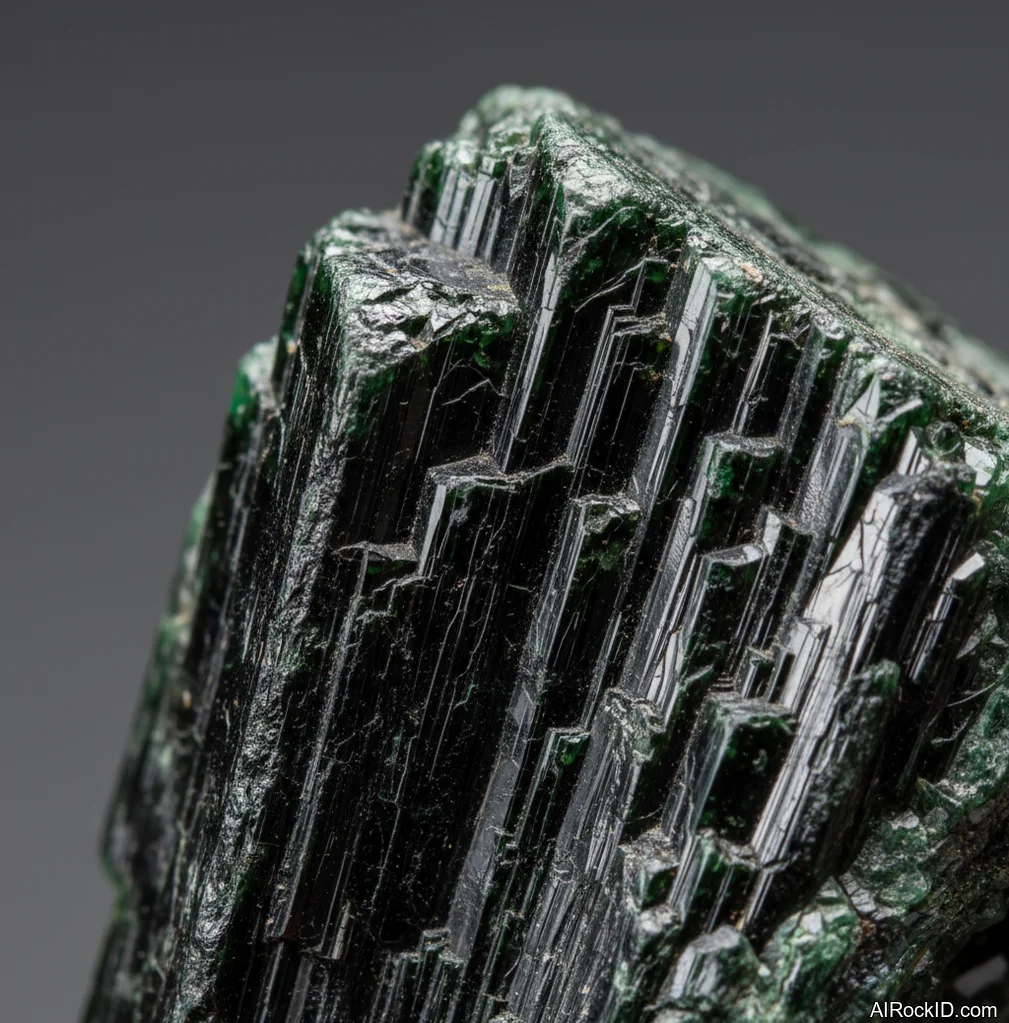
Aegirine
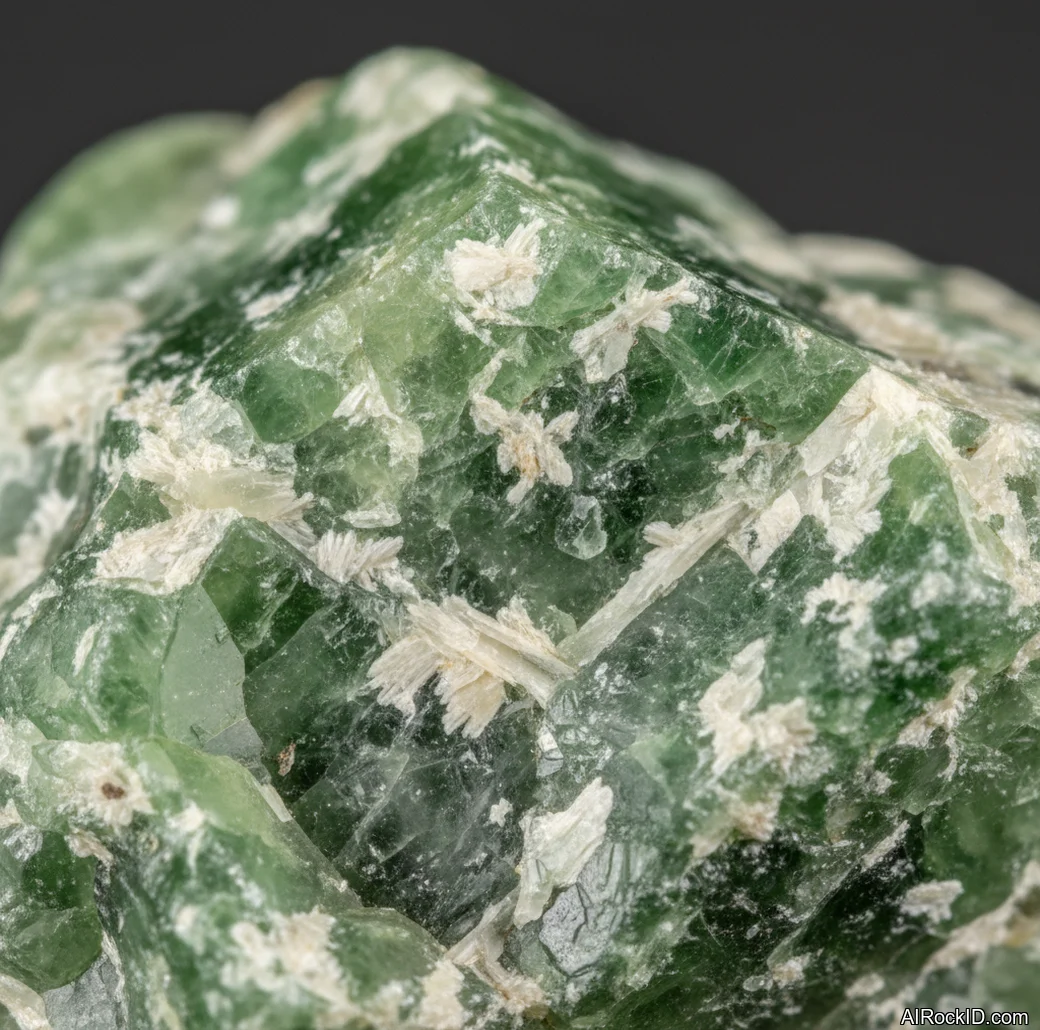
Atlantisite
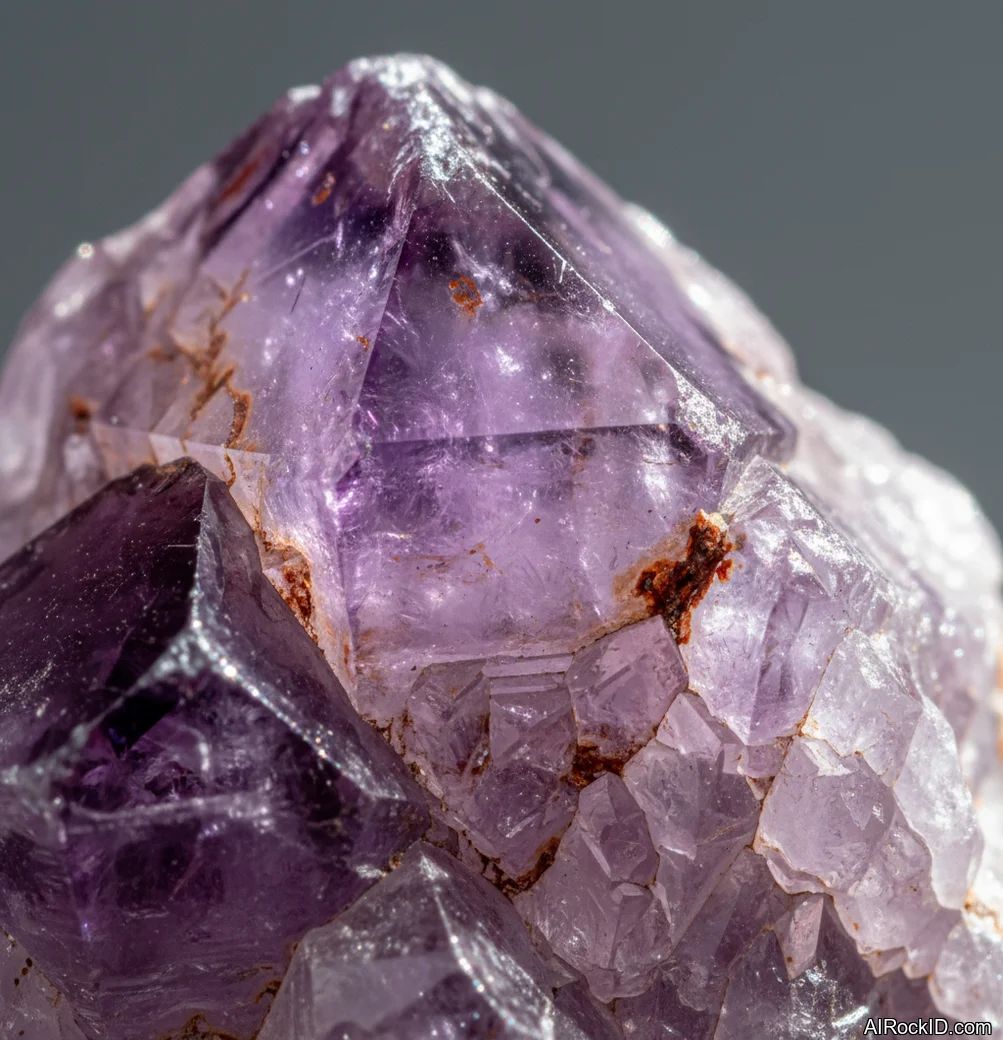
Auralite-23
How I pick a heart-chakra stone in a shop (without getting fooled)
Most dealers will stack “pink and green” side by side and hope you fall for it at a glance. Don’t. Grab the stone and actually hold it. Real minerals feel cool in your palm, like they’ve been sitting on a windowsill in the shade, and they don’t heat up fast against your skin. If it turns warm almost instantly and somehow feels heavier than it ought to, treat it like glass or a composite until you’ve got proof it isn’t.
Now get your eyes in close. Use a harsh light, even the little phone flashlight that always seems too bright. Dyed stuff loves to give itself away with color that collects in hairline cracks or hugs the edges around drill holes, and the saturation can look weirdly uniform no matter how you tilt it. What you want is the kind of consistency nature does, which is messy: zoning, tiny inclusions, uneven patches of color, maybe a couple small pits left from polishing (you can feel those if you run a thumbnail across, lightly). And look, be straight with yourself about texture. If it already annoys you in the shop, why would it magically feel better later when it’s resting on your chest in a quiet moment?
Heart chakra work isn’t just “love”: grief, boundaries, and repair
People hear “heart chakra” and they go straight to romance. But honestly, half the heart-related stuff that shows up is grief, resentment, or this dull, low-grade numbness that’s been hanging around so long it just feels like “you.” That’s why I don’t stick to only one vibe of crystal. I keep softer stones in rotation, and I also keep the firmer ones close.
Compared to something like angelite or amber, a darker stone like aegirine can be the difference between compassion and straight-up self-abandonment. Thing is, if you’re trying to stop chasing someone’s approval, you don’t need more sweetness rubbed into the situation. You need steadiness. And on the other side of it, if you’re already armored up, a gentle stone worn near the chest can make it easier to actually feel what’s there (without instantly spiraling into analysis and turning it into a whole project).
Here’s a practical cue. If your shoulders are basically living up by your ears, start with calming and grounding. If you’re slumped and checked out, bring in clarity and breathwork along with the stone. Simple, but it usually tells the truth.
Placement matters: sternum vs. pocket vs. necklace
Sternum placement is straightforward. But for some people, it hits kind of hard. Grab a heavier palm stone, drop it right on your chest, and you’ll feel your breathing shift, sometimes purely because there’s literal weight sitting there. That isn’t mystical. It’s just your body reacting. If that ramps up your anxiety, don’t push it.
Necklaces don’t get enough credit for heart work, mostly because they’re steady. Amber and aquamarine work well in that spot, as long as the bead holes aren’t sharp enough to chew up the cord (you can usually feel it with a fingernail) and the stringing is actually solid. Pocket carry is easy, sure, but it’s rough on softer materials. Angelite gets banged up, and polished stones end up with those annoying little scuffs from keys and coins. Fast.
So here’s a simple way to run it: use sternum placement for short sessions, wear a necklace when you want all-day support, and only pocket-carry tougher stones, and only if you’re fine with them getting a bit beat up. Why fight that reality?
Pairing crystals with simple practices that actually change things
If all you do is buy stones and never tweak what you actually do day to day, you’re gonna end up with a drawer full of pretty little reminders (the kind that clack together when you open it) and the exact same relationship loops. The combo that actually works is a stone plus one repeatable move. Tiny. Kinda dull. It works.
So, say you’re about to send a hard text. Hold amazonite while you write the draft, then set your phone down and wait 10 minutes before you hit send. And with amber, put it on before a slow walk. Let the memories float up on their own, without instantly turning them into a neat story you can explain to someone. Amethyst is great right before sleep. Keep it close, do a quick body scan: jaw, throat, chest, belly. Pick one spot and soften it. Just one.
Thing is, the goal isn’t to “stay open” 24/7. Who can do that? It’s to stretch your window of tolerance so you can feel affection, disappointment, and repair without snapping into shutdown or going straight to overreaction.
How to Use These Crystals for Heart Chakra
Keep it basic. One stone. One way to use it. Give it a week.
Heart chakra stuff gets messy fast once you pile on five crystals, a playlist, plus a 45-minute meditation. Then you’re sitting there thinking, what actually helped, and what just wiped me out? Pick a stone you honestly like having in your hand. If it feels clammy, sharp, or just annoying against your skin, you’re not going to stick with it.
For placement on the body, use a smooth piece (no pokey edges digging in). Keep it short. Five to ten minutes on the sternum is plenty. I usually tell people to keep one hand resting on the stone and the other on the belly, just so the breath stays grounded. And if your chest starts feeling tight, slide the stone a little off-center or stop placing it there and just hold it in your hand instead.
In regular day-to-day life, necklaces do a ton of the work for you. Amber sitting up near the upper chest is a classic comfort pick. Aquamarine is useful when you’re practicing saying the true thing without turning it into a fight (because that’s the hard part, right?). But if you’re working with a boundary-focused stone like aegirine, I’d keep it at your workspace or near the door. Treat it like a cue: shoulders down, jaw unclench, say no cleanly. Simple. Effective.
Common Mistakes to Avoid
The biggest trap? Chasing that constant “open heart” feeling like it’s the goal. People will sit there with a literal stone-on-the-chest heaviness, get teary, decide that must mean they’re healing, and then replay the exact same nighttime ritual on loop without changing a single thing. Emotion’s data. Not a finish line.
Another thing I see a lot is folks buying junk material, then blaming themselves when it feels off. I’ve watched dyed stones bleed color onto a polishing cloth, and I’ve had coated pieces go weirdly tacky after a week riding around in a pocket with lint and body heat. If you warm it up in your hand, rub it a bit, and it starts smelling like chemicals, don’t put that on your skin. And look, be careful with soft stones like angelite as pocket stones. They chip. Then you quietly stop carrying them.
Last one. Skipping the basics. If you’re dehydrated, sleeping four hours, and running on caffeine all day, no crystal is going to make your heart feel safe. Start simple: breathe, drink water, and have the one honest conversation you’ve been dodging (you know the one).
What Crystals Can and Cannot Do
Identify crystals related to Best Crystals for Heart Chakra
Snap a photo to check crystals mentioned in this guide and compare likely matches.