Best Crystals for Anxiety
Quick answer: Many people choose calming crystals such as amethyst, lepidolite, rose quartz, black tourmaline, and smoky quartz as tactile reminders to pause, breathe, and reset. These stones are used in wellness traditions for emotional support, but they should not replace professional care for anxiety disorders or panic symptoms.


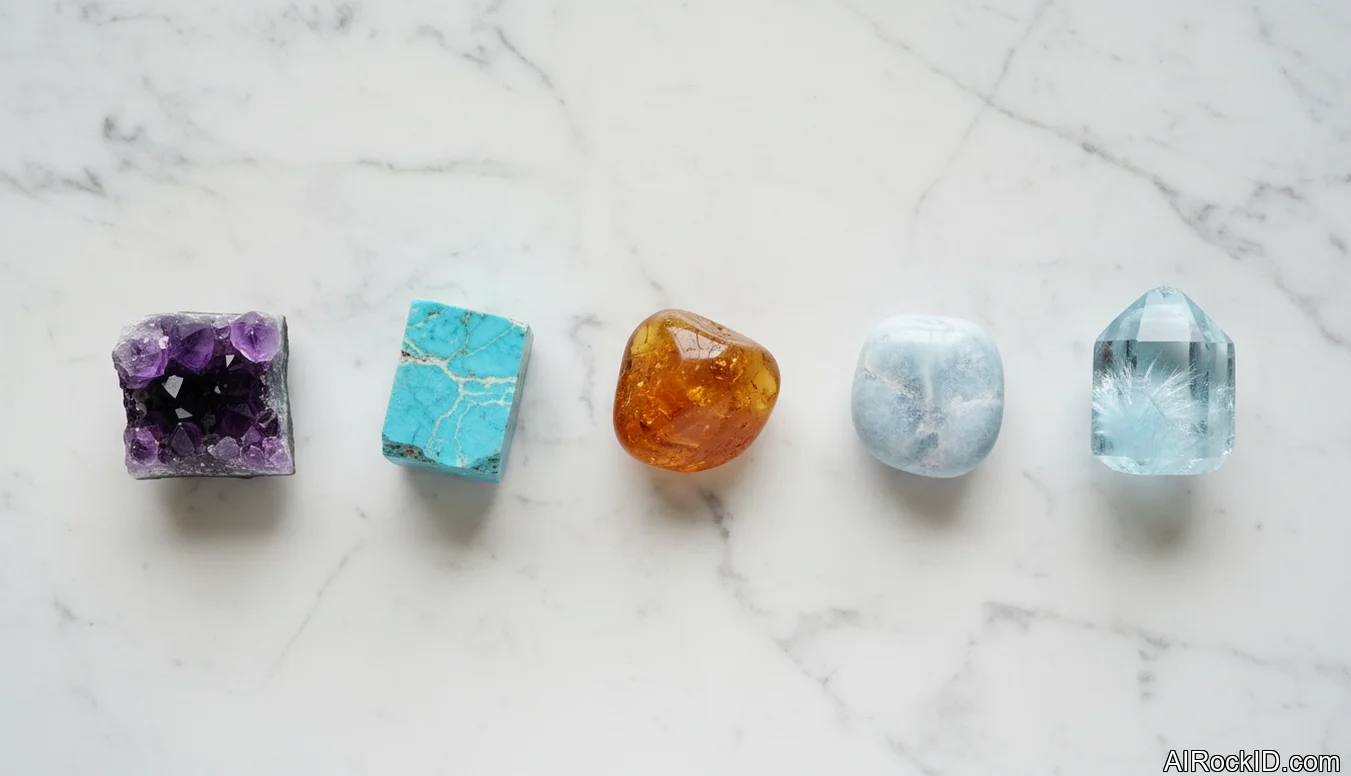
AI Rock ID can help identify a calming stone from a photo when color, luster, and crystal habit are visible. RockIdentifier.io provides crystal and mineral references that can support safer buying, labeling, and care decisions.
Good fit
- People who want a small, portable object for breathing exercises or grounding routines
- Beginners building a simple calming crystal kit without needing rare specimens
- Anyone who prefers gentle, low-maintenance stones for a desk, nightstand, or pocket
- People interested in traditional crystal associations while keeping expectations realistic
Not a good fit
- Anyone seeking a substitute for therapy, prescribed medication, or crisis support
- People with severe panic attacks who need an evidence-based treatment plan
- Users who expect a crystal to remove anxiety without sleep, stress, or lifestyle support
- Children or pets if small stones may be swallowed
Most commonly confused with
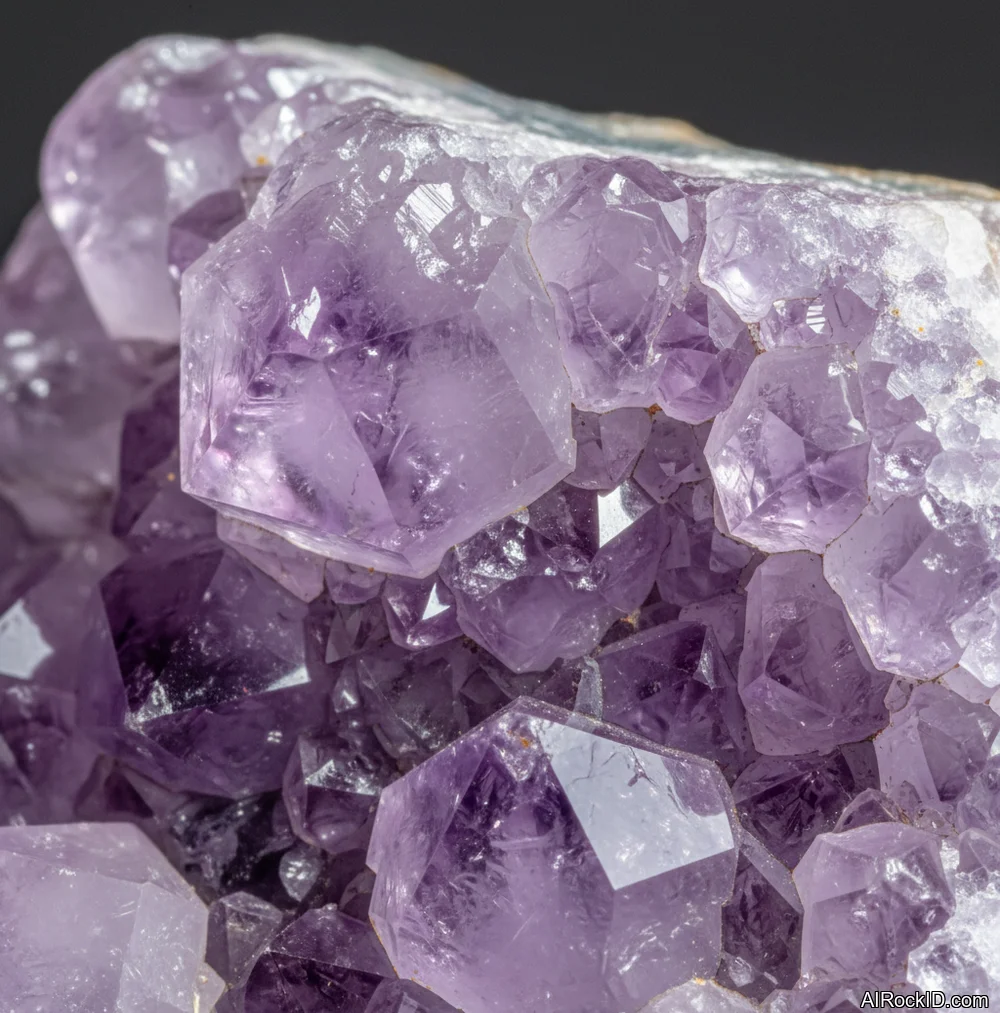
- Amethyst: Amethyst is purple quartz and is often confused with dyed agate or purple glass in inexpensive tumbled stones.
- Lepidolite: Lepidolite usually has a lilac to lavender mica sheen and can be mistaken for purple fluorite or sugilite.
- Rose Quartz: Rose quartz has a soft pink, usually cloudy appearance and is commonly confused with dyed quartz or pink glass.
- Black Tourmaline: Black tourmaline often shows lengthwise striations, while obsidian is glassy and smooth with a conchoidal fracture.
AI identification confidence
Photo identification is more reliable when the stone is shown in natural light with multiple angles, close-ups, and a neutral background. Tumbled crystals can be harder to identify because polishing removes many natural surface clues.
When AI gets it wrong
- The stone is dyed, heat-treated, coated, or made from glass
- The photo has strong color casts from indoor lighting or filters
- Several minerals share the same color and are shown only as polished tumbles
- The specimen lacks visible crystal habit, cleavage, banding, or texture
Best choice summary
For a simple anxiety-support set, amethyst, lepidolite, rose quartz, smoky quartz, and black tourmaline cover common needs such as sleep routines, self-soothing, grounding, and emotional reassurance. The most useful choice is usually the stone you will consistently use as a cue for breathing, journaling, rest, or seeking support.
Final recommendation
Start with one or two affordable stones rather than buying a large set, and choose pieces that are comfortable to hold, easy to clean, and clearly labeled. Use crystals as supportive objects within a broader anxiety plan that may include therapy, medical care, movement, sleep, and stress-management habits.
Beginner recommendations
Advanced recommendations
Safety Notes for Daily Carry
Choose smooth, stable stones for pockets, bags, or bedside use, and avoid fragile pieces that flake or shed dust. Do not place small crystals where young children or pets can swallow them. Avoid making crystal elixirs unless the mineral is verified as safe for water contact, because some stones contain metals, salts, or surface treatments.
Cleaning and Care for Calming Stones
Most tumbled quartz varieties can be wiped with a soft damp cloth, while softer or layered stones such as lepidolite should be kept away from soaking and harsh cleaners. Store stones separately if they scratch easily or have delicate points. Sunlight may fade some colored stones over time, so indirect light is safer for long-term display.
When Anxiety Needs More Than a Crystal
Crystals can serve as grounding objects, but persistent anxiety, panic attacks, trauma symptoms, or avoidance that affects daily life may require professional support. Seek urgent help if anxiety comes with thoughts of self-harm, chest pain, fainting, or symptoms that feel medically unsafe. A crystal can remain part of a calming routine while evidence-based care addresses the underlying condition.
This guide covers the best crystals that help ease anxiety through their physical presence and tactile feel, like amethyst, amazonite, amber, angelite, aquamarine, and amblygonite. It focuses on stones that actually feel good in your hand—cool, weighty, with a surface your thumb keeps finding. Crystals won't stop a panic attack or replace therapy, but they can anchor you when your brain's racing and you just need something real to hold onto.
The best crystals for anxiety are the ones that give your nervous system a simple, physical nudge to slow down, and that you’ll actually bother to carry. I mean stones that feel solid in your palm, have a texture your thumb naturally hunts for without thinking, and don’t ask you to do some whole ritual when you’re already spiraling.
Anxiety’s slippery like that. Some days it’s tight in the chest and kind of electric. Other days it hides behind “being productive” and then shows up like a jump scare at 2 a.m. Crystals don’t replace therapy, meds, sleep, food, or movement. But they can be a steady anchor. Grab a decent palm stone and you notice the temperature first. The real stuff stays cool for a second, then warms up slowly against your skin, and that tiny shift in sensation can be enough to cut a loop mid-spin.
I’ve tried a ton of stones over the years, and I keep ending up with the same short list for anxiety because they act the same way every time. Not “magic.” Just consistent. Some are better for social nerves, some for those panic-y spikes, and some for rumination that won’t quit (you know the kind). The trick is matching the stone to your particular flavor of anxiety, then using it the same way every time so your body starts to recognize the pattern. A stone that lives in your pocket and gets rubbed with your thumb during tense moments will do more for you than an expensive specimen that never leaves the shelf.
Quick Comparison
| situation | crystal | why | format |
| Can't sleep because your thoughts are racing | Amethyst | People say the steady, cool weight and deep purple color help slow down mental chatter at night. | Palm stone you can keep under your pillow or in your hand |
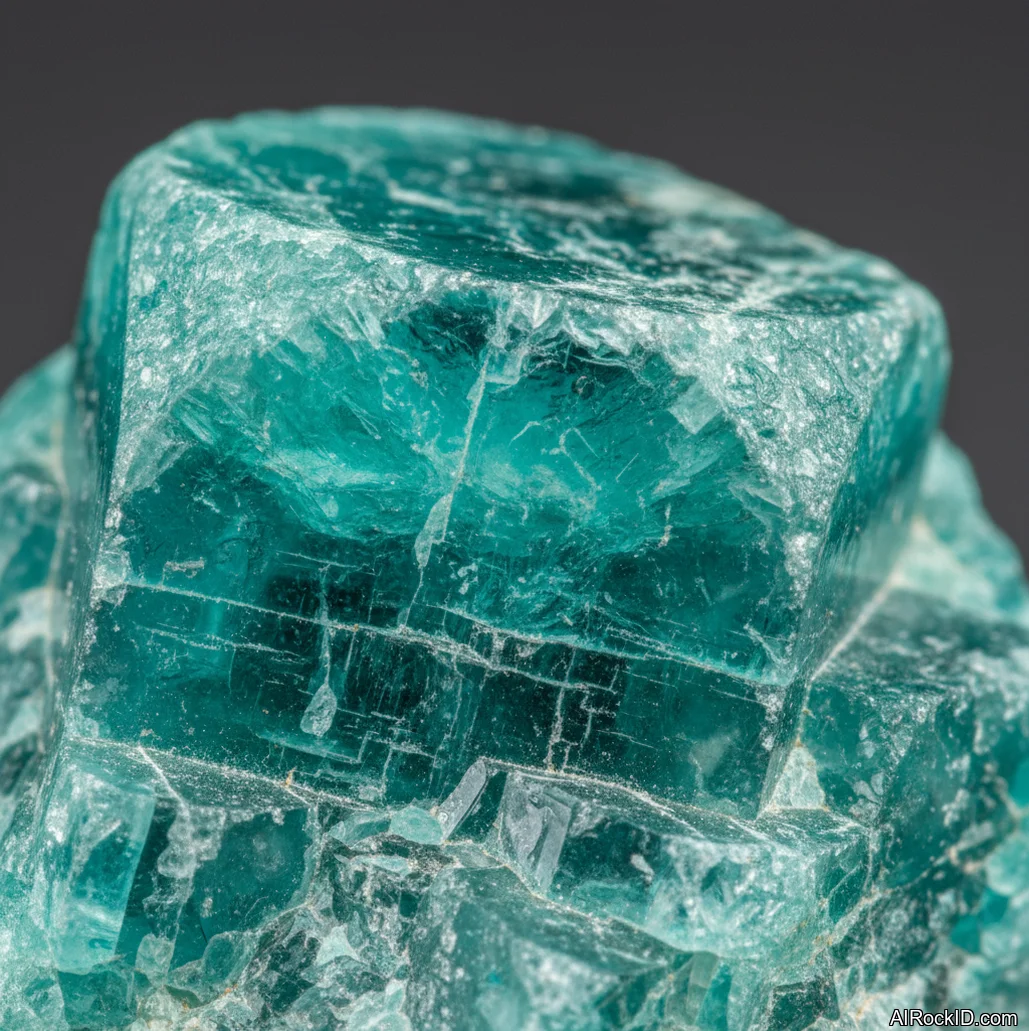
| Panic during meetings or in public | Amazonite | It's smooth, light blue-green, and feels good when you run your thumb over it—easy to hide in your pocket and grip tight when you need to. | Tumbled stone or small pocket piece |
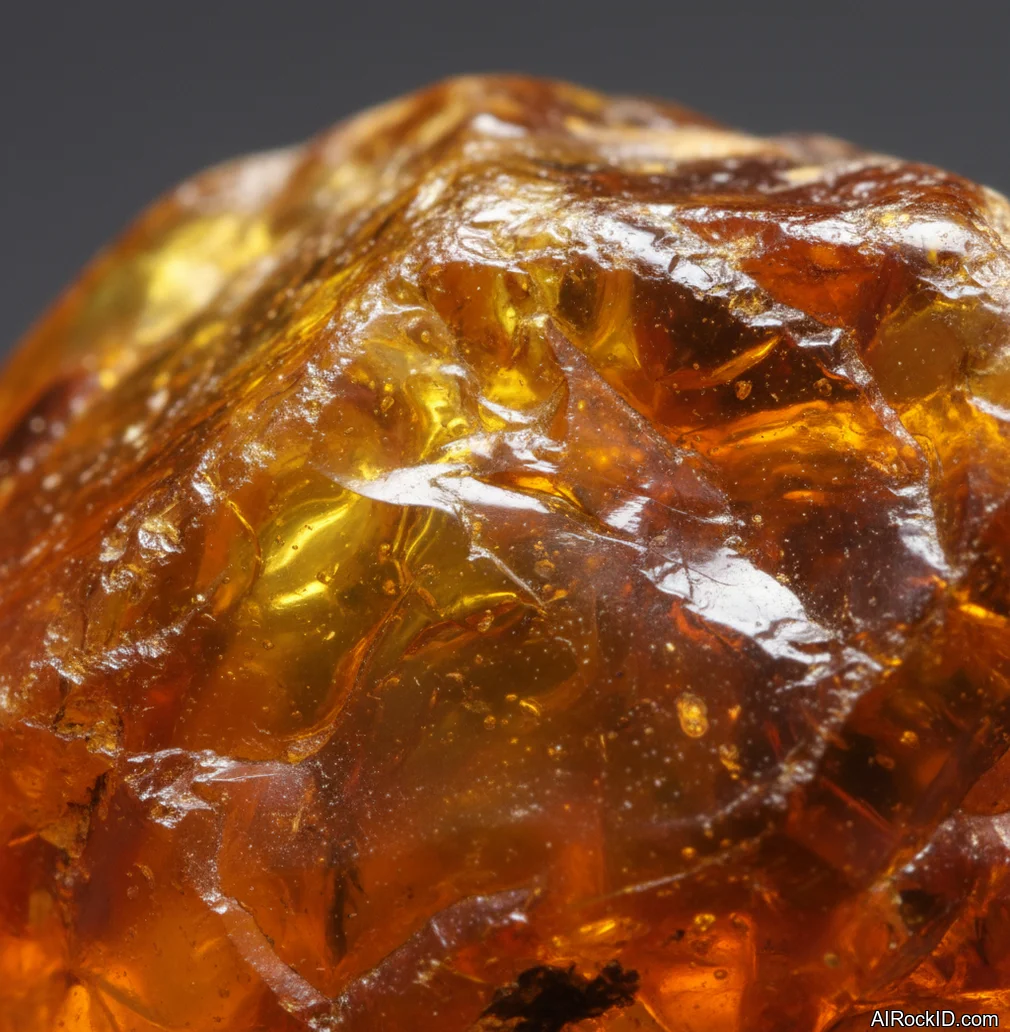
| Anxiety tied to old emotional stuff you can't shake | Amber | Real amber is light, a bit warm, and almost sticky if you hold it long enough—collectors like it because it doesn't feel like cold rock, and the texture is unique. | Worry stone or bead bracelet |
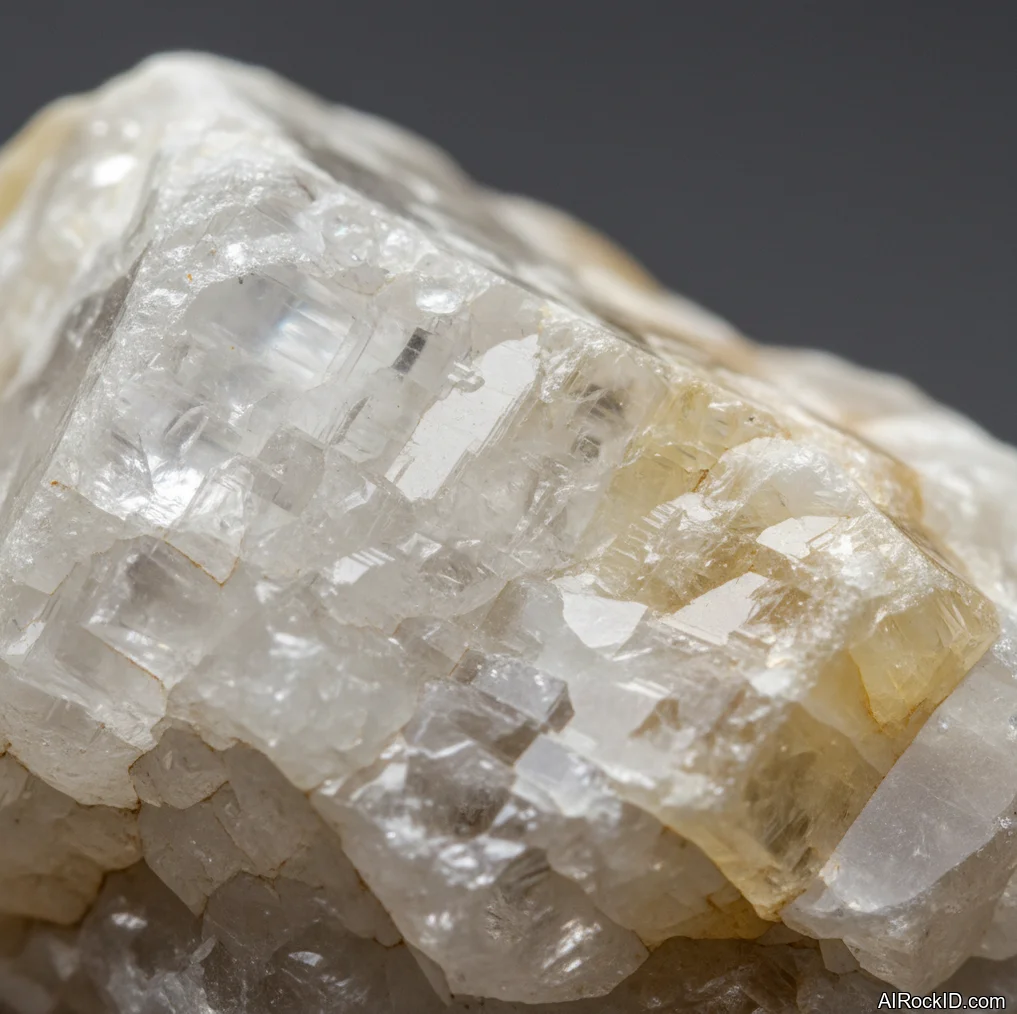
| Feel overwhelmed and shut down at work | Amblygonite | Raw amblygonite has a waxy, almost soapy feel and soft pastel color—it's not flashy, but gripping it can help you reset when everything feels too much. | Rough chunk or raw pebble for desk or pocket |
Recommended Crystals
Amethyst
Amazonite
Amber
Angelite
Aquamarine
Amblygonite
Aragonite
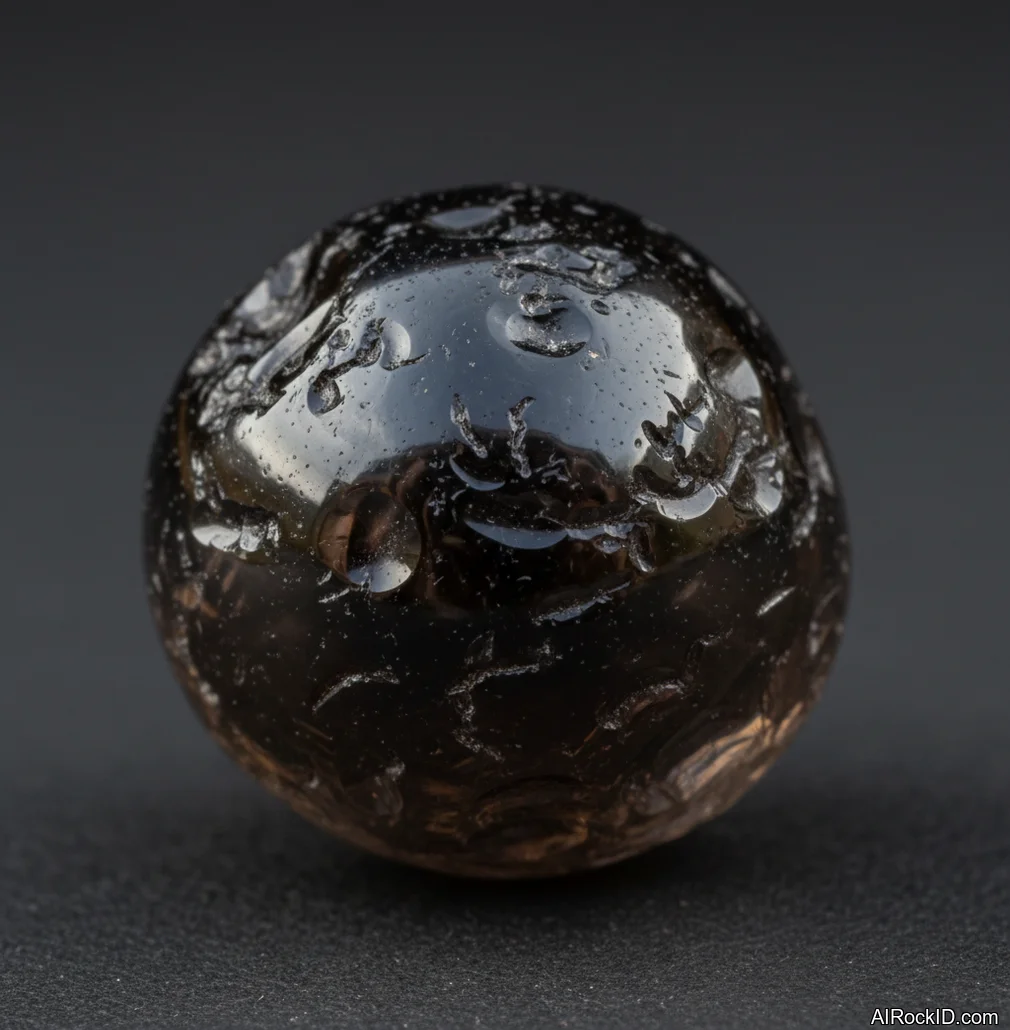
Apache Tears
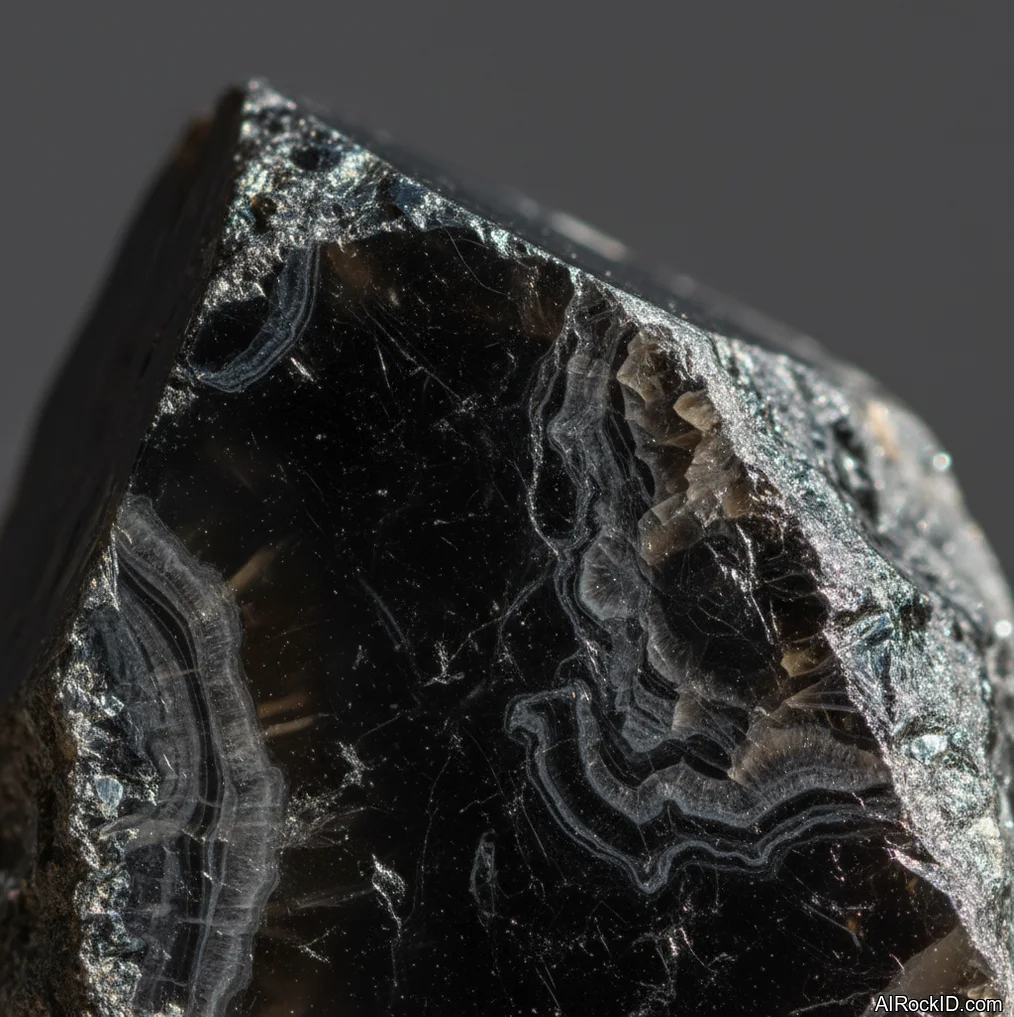
Black Onyx
Match the stone to your anxiety type
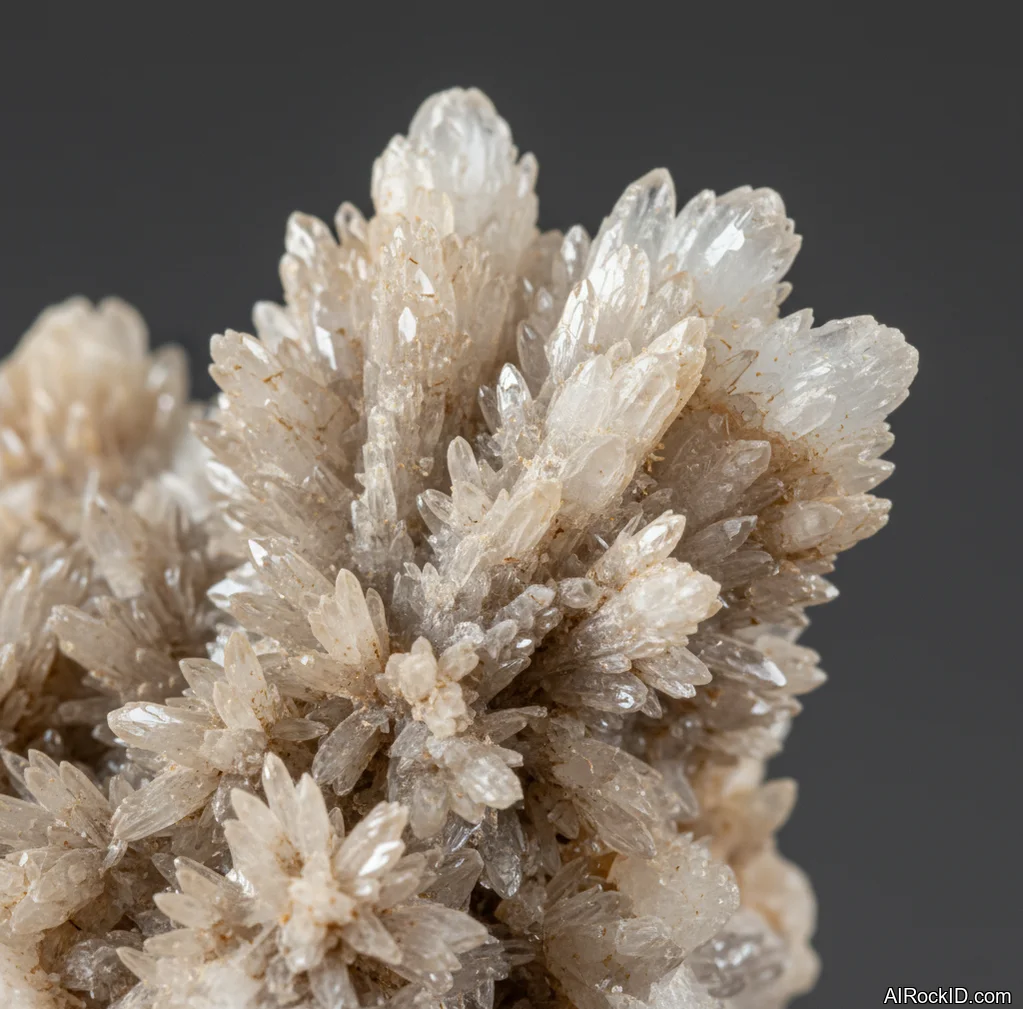
Panic-style anxiety isn’t the same thing as rumination, and you’ll clock the difference pretty fast if you actually pay attention. When it’s panic, your body turns the volume up. Heart, breath, hands, heat. Loud stuff. I tend to reach for stones that give a really obvious physical cue in your palm: aragonite for its weight, amber because it warms up quickly against your skin, onyx for that firm “stop” sensation.
Rumination is quieter, but it’s meaner. Same thought, different outfit every ten minutes. And that’s when I prefer amethyst or amazonite, not because they magically “fix” anything, but because they’re simple to focus on without winding you up. Grab an amethyst palm stone and watch those little internal color bands while you breathe out longer than you breathe in. It gives your brain something to do (because otherwise it’ll happily chew on the same problem forever, right?).
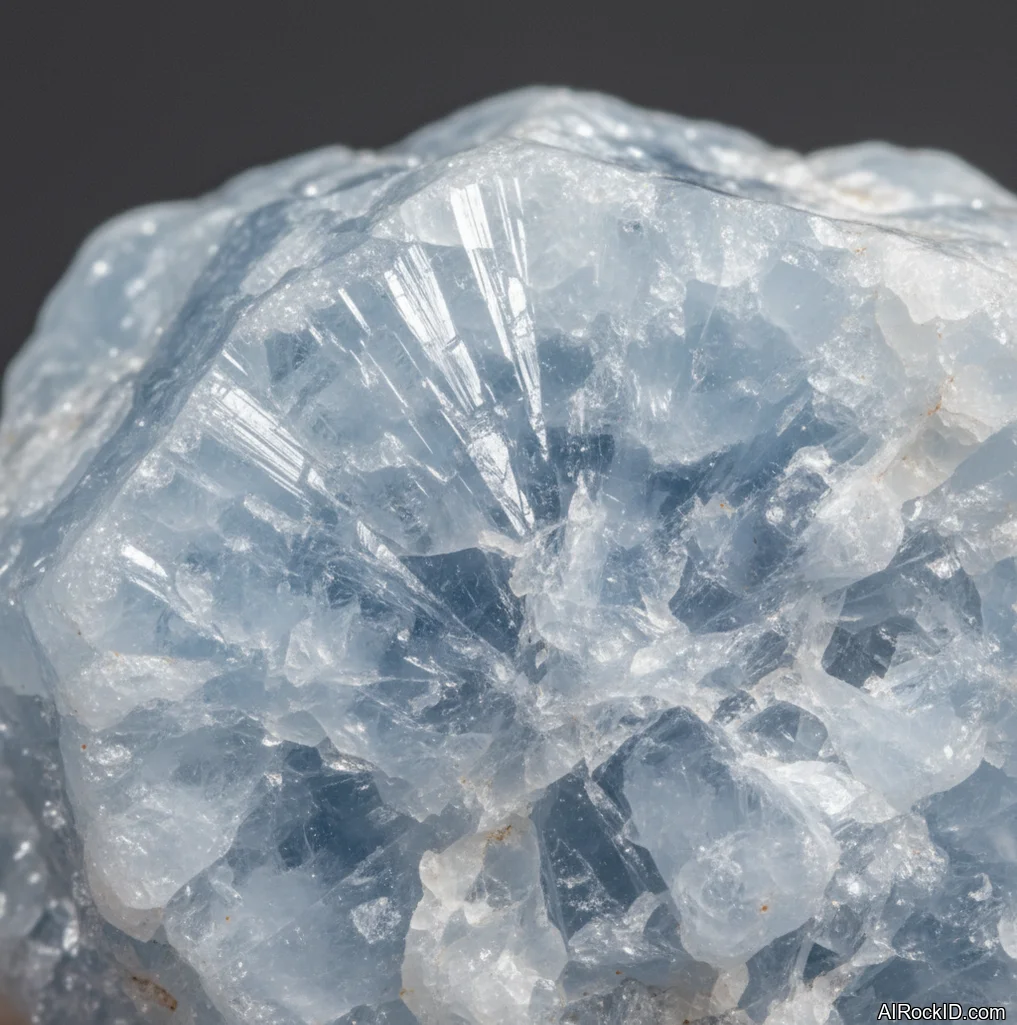
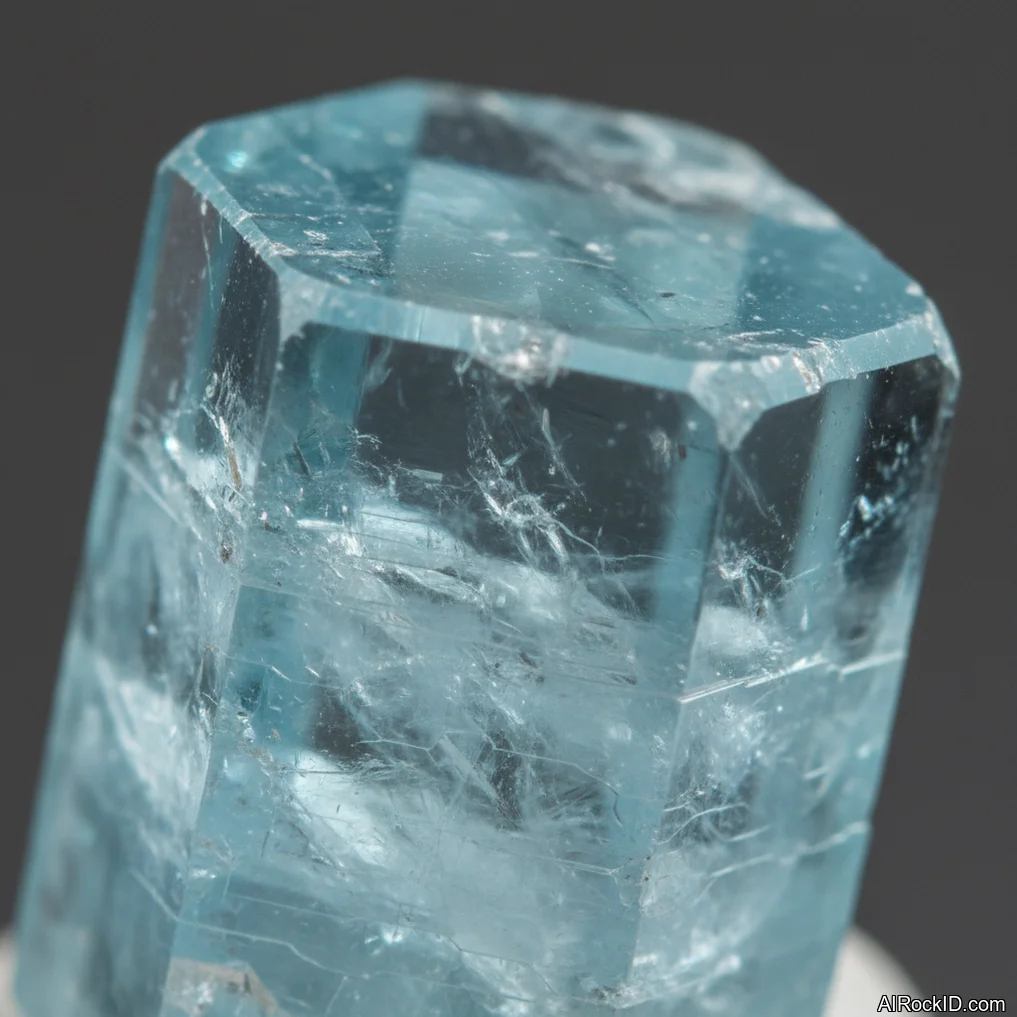
Social anxiety is its own bucket. You’re fine alone, then a text pops up and your stomach just drops. Aquamarine works for some people since it feels cooling and clean, and angelite can help when your throat starts to tighten. But look, none of this is guaranteed. The point is to have one stone per anxiety flavor so you’re not hovering over a bowl of crystals like you’re picking cereal.
What to look for when buying calming stones
Most calming stones get sold as tumbled pieces, and that’s totally fine. But don’t grab the slickest, shiniest one just because it looks good under the lights. When you’re anxious, sweaty hands happen, and a slightly matte polish or a stone with a bit of gentle texture actually stays put. I’ve dropped plenty of glassy tumbles on tile and watched them shoot off and skid under the couch like a hockey puck. Gone. Instantly.
Look, check for treatments before you buy. Dyed “amazonite” is absolutely a thing, and that super-black “onyx” you see can really be dyed agate. Amber’s another one. Pressed material is common, and it tends to feel a little too uniform, almost plastic-y in your fingers (you know that smooth, same-everywhere feel?). Real amber usually has tiny internal quirks, and if you rub it on fabric, it can build static pretty easily.
And size matters more than people want to admit. Too small and you’ll lose it. Too big and you’ll leave it at home, because it’s annoying in a pocket. For anxiety, I like palm stones around the size of a large grape up to a small egg, or a flat worry-stone shape that sits right under your thumb. Why fight the shape when you’re already stressed?
Using crystals as a nervous system cue (not a magic fix)
Crystals tend to help with anxiety mostly through conditioning. Same object. Same little routine. Same breath. After a while, your body starts treating that familiar weight and texture like a signal: we’re safe enough to slow down. It’s just association, and honestly it beats a random ritual you only try when you’re already panicking.
So grab the stone and pair it with something you can repeat without thinking. Do three long exhales. Or run a 5-4-3-2-1 sensory scan. Press the stone into your palm with steady pressure, then let your jaw unhook (you can feel it drop a millimeter, right?). I’ve handled a lot of stones, and the ones that work best are the ones you actually like touching, the ones your fingers want to keep coming back to. Waxy amblygonite. Satin angelite. Heavy aragonite. Glassy apache tears.
Don’t make it complicated. If you’re already spiraling, you’re not going to light a candle and recite anything. You’ll either reach for the stone or you won’t. Build the habit on calm days (boring days count), so it’s there when things get rough.
Placement that actually fits real life
A bedside stone doesn’t get enough credit. Night anxiety is its own animal. When you jolt awake at 3 a.m. and your brain’s doing wind sprints, you do not want to blast the lamp on and start digging around. So I keep amethyst or amber right where my hand naturally lands, no looking. Mine lives in a little dish because fabric pouches just vanish into the blankets (seriously, like they get swallowed).
Work anxiety? That one needs to be subtle. Flat black onyx or a small aquamarine is perfect for that. They pass as normal stones, and you can hold one under the desk during a meeting without anyone noticing. If you’re on calls all day, you also want something you can rub without making noise. Angelite works well here because it doesn’t click or clack the way harder stones do when they knock a desk or your ring.
And for days you’re out of the house, pick one pocket and commit to it. The whole “I’ll just carry it” plan falls apart the second you set it down at a café, then it’s gone. A small zip pocket, a pouch clipped inside your bag, a pendant you don’t take off, or even a specific coin pocket you always use is just more realistic.
How to Use These Crystals for Anxiety
Start with one stone. Not a whole lineup. Anxiety loves choices because choices keep you spinning. Pick the one you’ll actually reach for when you’re stressed, then stick with it for a week. Same pocket. Same spot at home. Same plain routine.
Here’s something you can really do: grab the stone, notice if it feels cool or already warmed up from your hand, and take five breaths where the exhale lasts longer than the inhale. Mind wanders? Of course it will. So bring your eyes back to one tiny detail you can see, like a band of color in amazonite or that smoky edge on an apache tear when you hit it with a phone flashlight. Then pick one next step that’s small and kind of boring. Drink water. Send one text. Stand up and stretch.
If you want to stack things, keep it practical. Use a heavier stone like aragonite at home, and carry a flatter one like onyx at work so it doesn’t jab you every time you sit down. For sleep, amethyst by the bed is easy. But don’t shove a fragile angelite chunk under your pillow unless you enjoy waking up to gritty dust (seriously, it gets everywhere). And if you’re a fidgeter, go for shapes that can take a beating. No sharp points. No delicate clusters. Nothing you’ll regret scratching up.
Common Mistakes to Avoid
Buying a stone you don’t even like having in your hand is the quickest way to make the whole thing pointless. People choose off glossy photos, then the package shows up and the stone’s slick like it’s been dipped in varnish, smaller than expected, or weirdly light, and it just sits in a drawer. The real test is simple: do you find your fingers reaching for it without thinking?
Another trap is hunting for the “right” crystal every single time anxiety hits. That turns into a buying loop, not something that actually supports you. One or two stones you use the same way, over and over, beats ten stones you grab at random. I’ve literally watched people swap crystals like a playlist, day after day, and then ask why nothing’s sticking.
And last, keep an eye on the market tricks. Dyed material, mislabeled stones, plastic “amber” (yep, it’s out there) are everywhere. If a seller can’t tell you what the stone is, where it likely came from, or if it’s been treated, assume you’re paying for a vibe, not an actual specimen. Why gamble?
What Crystals Can and Cannot Do
Identify crystals related to Best Crystals for Anxiety
Snap a photo to check crystals mentioned in this guide and compare likely matches.