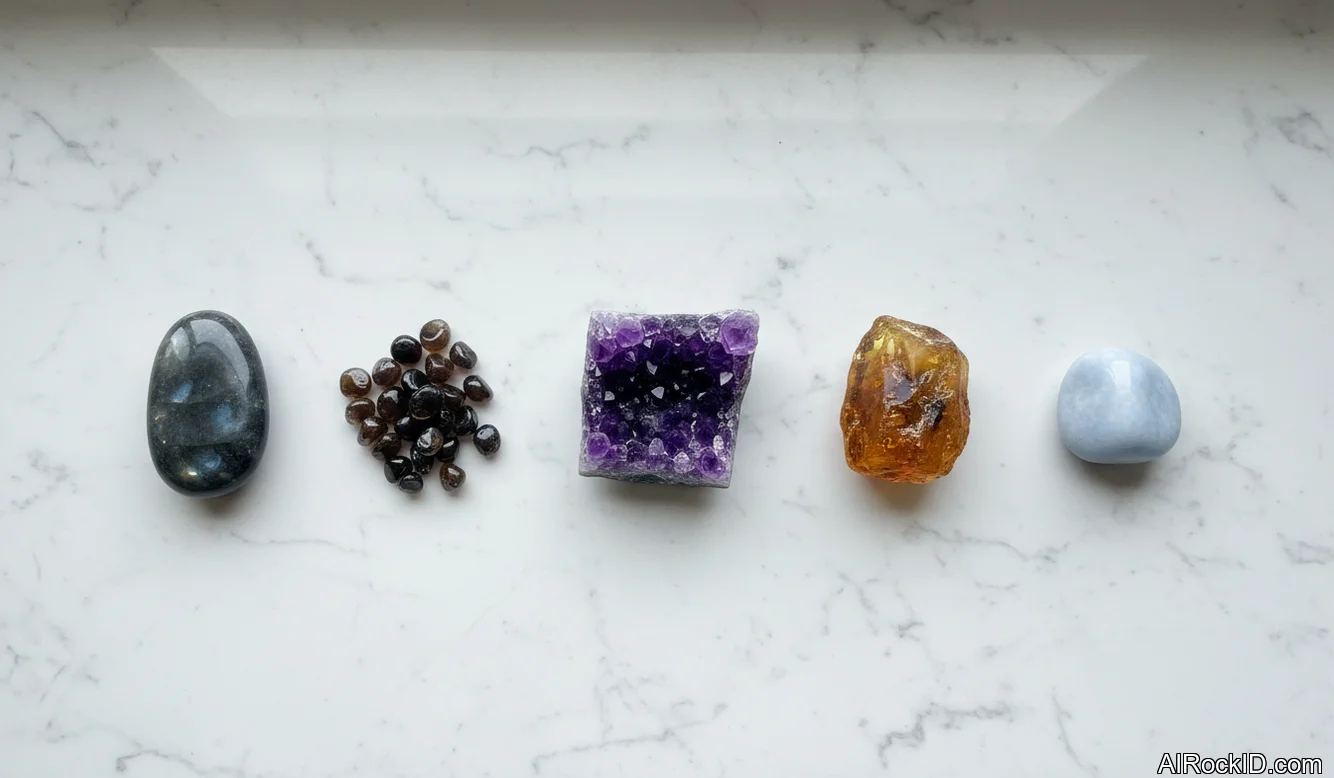
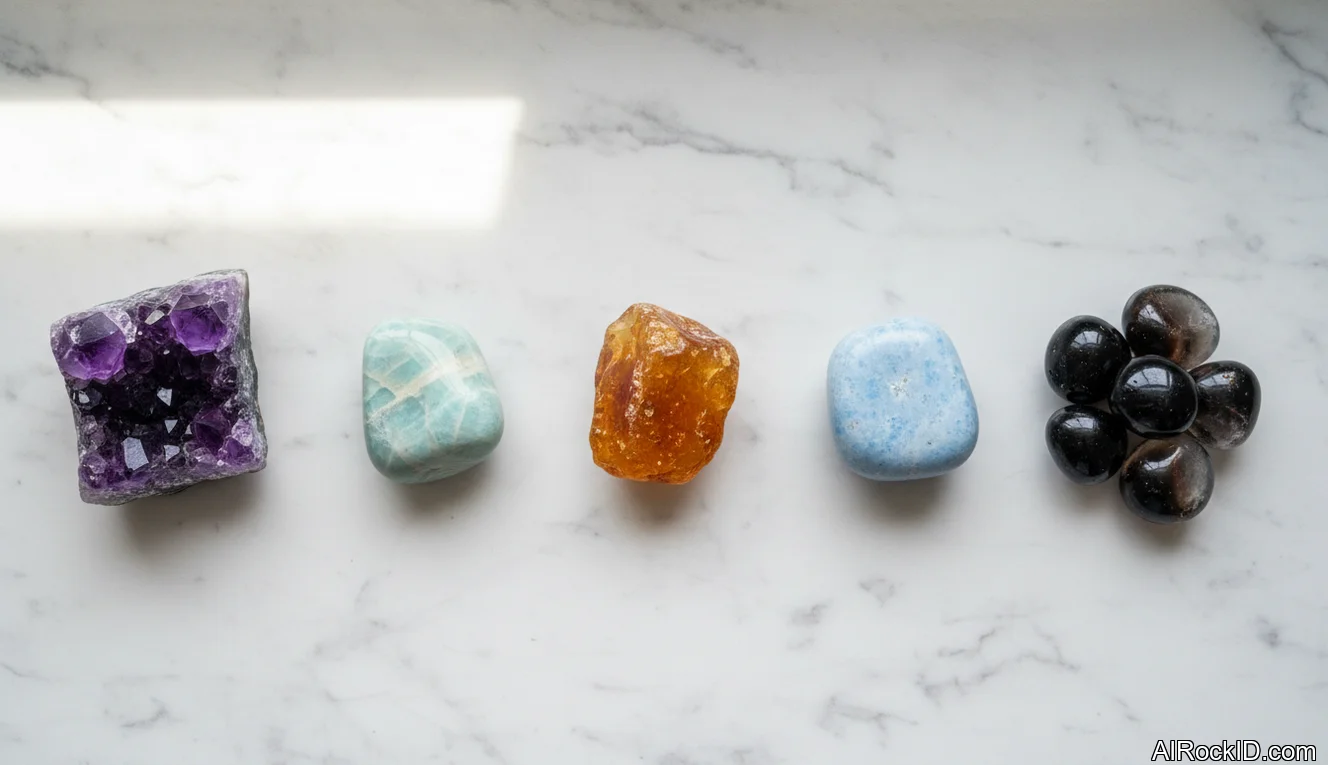
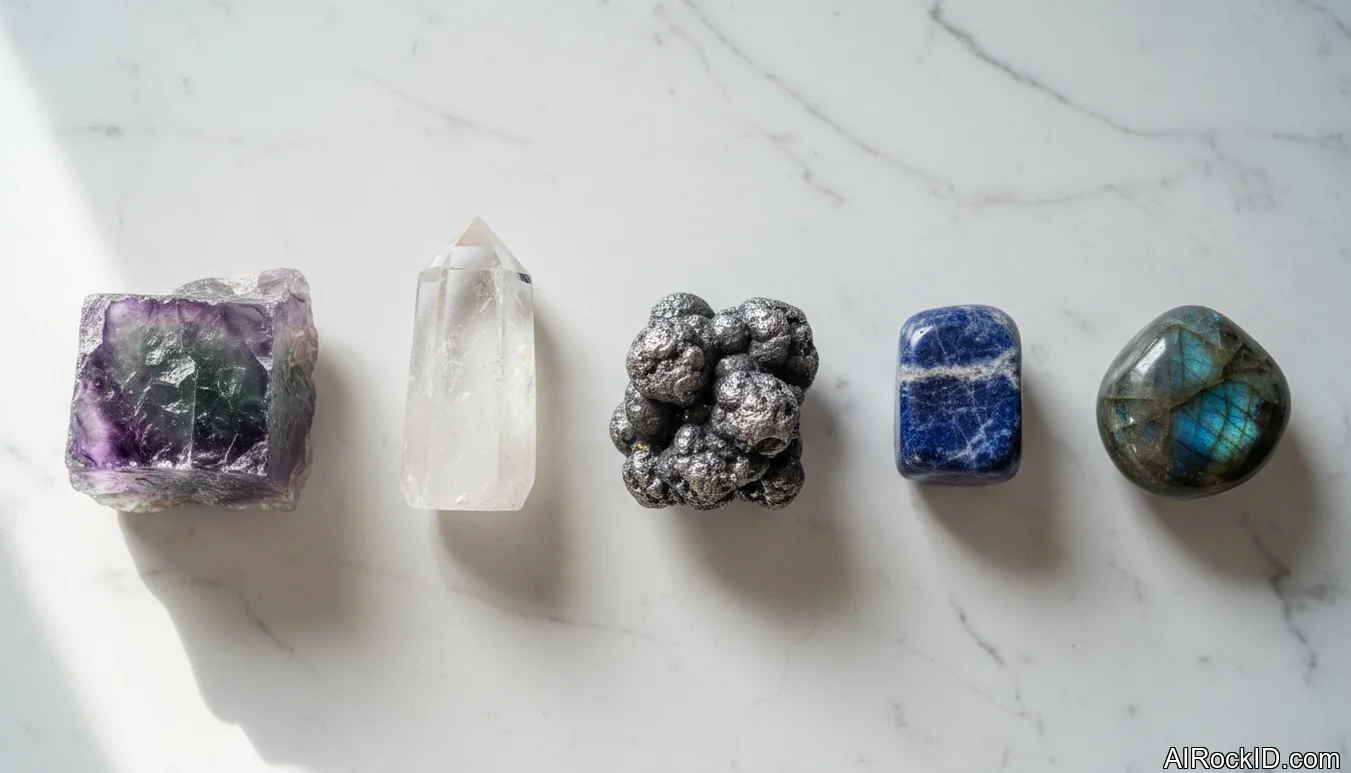
Crystal Guides
Quick answer: Crystal guides help readers compare common traditions for choosing, cleansing, storing, and using crystals. Beginners usually benefit from starting with identification, basic care, and a single use case such as sleep, meditation, or protection.
93 in-depth guides on choosing, using, and caring for crystals


Pick up basically any crystal guide online and you’ll spot the same problem fast: it’s either all vibes and zero specifics, or it reads like a lab manual with all the fun sucked out. This Guides index is the middle path. Clean list. Every guide on the site. Grouped so you can jump straight to what you want, then circle back later when you’re in a rabbit-hole mood (because that happens).
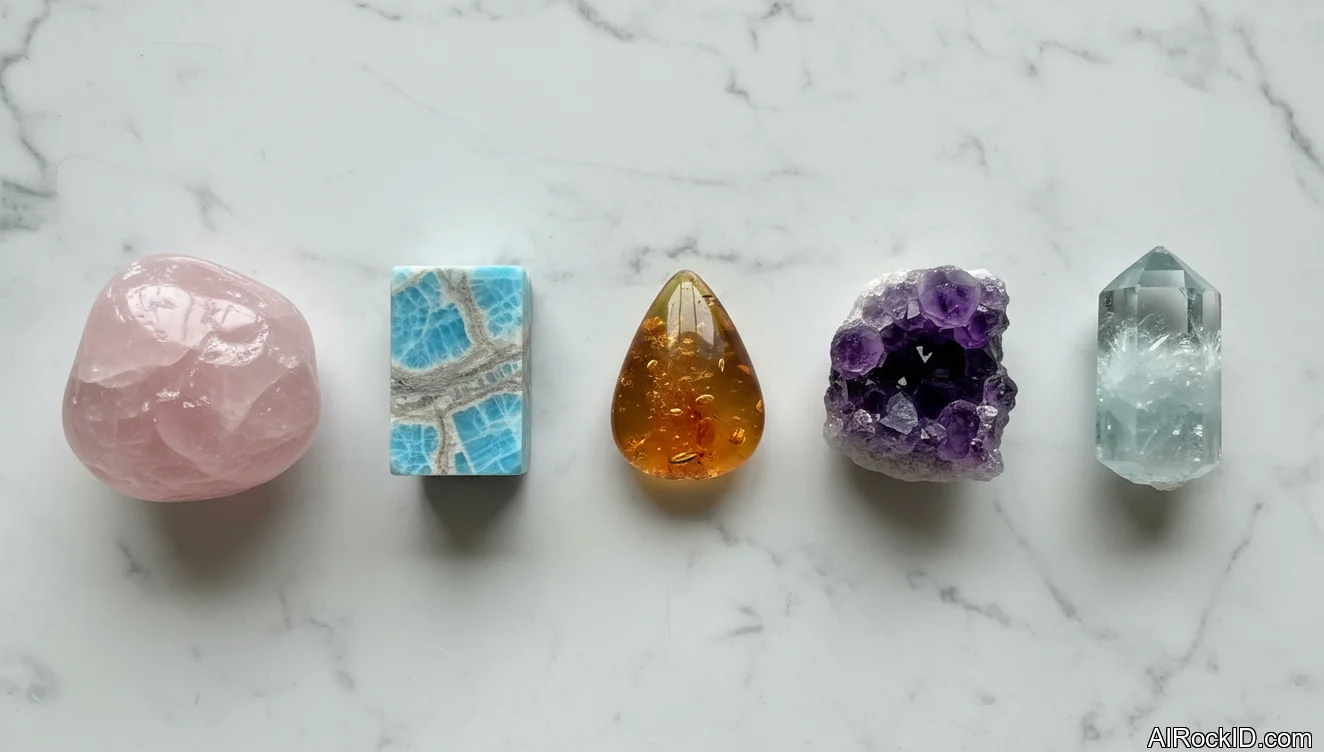
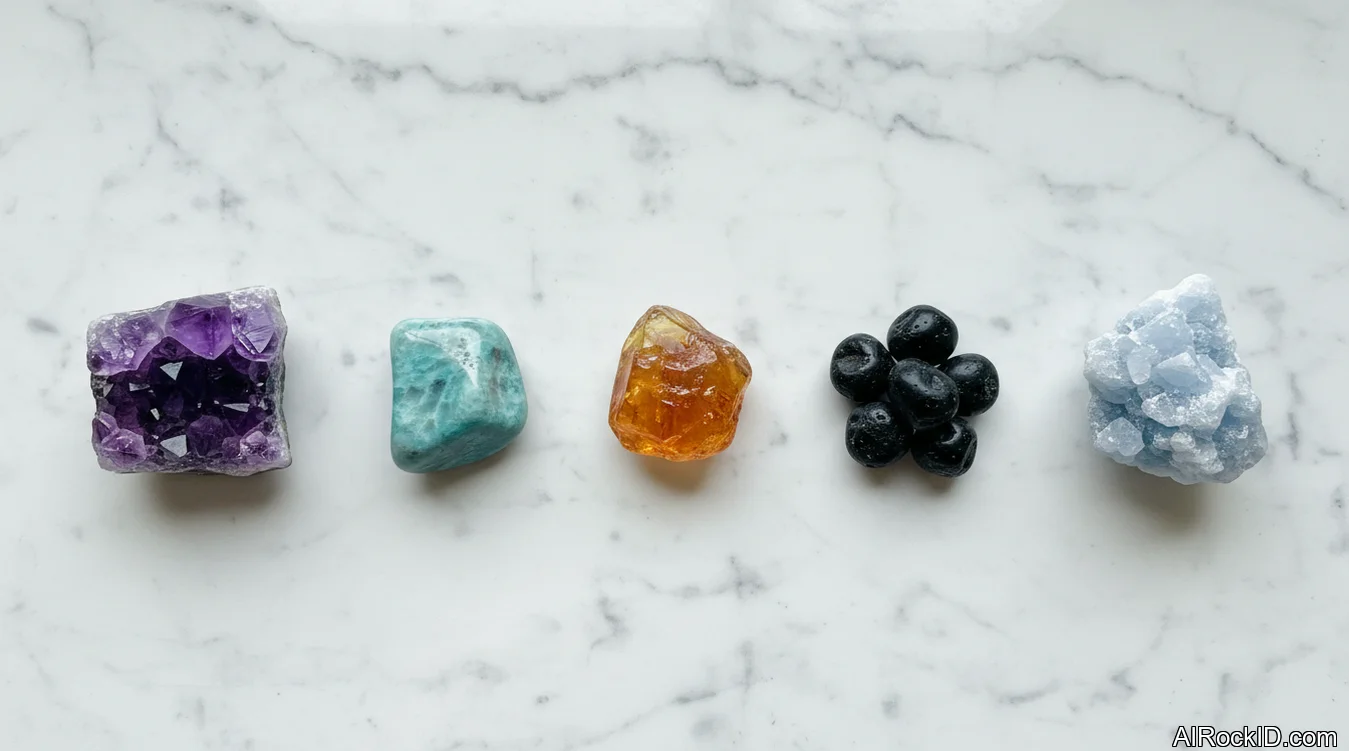
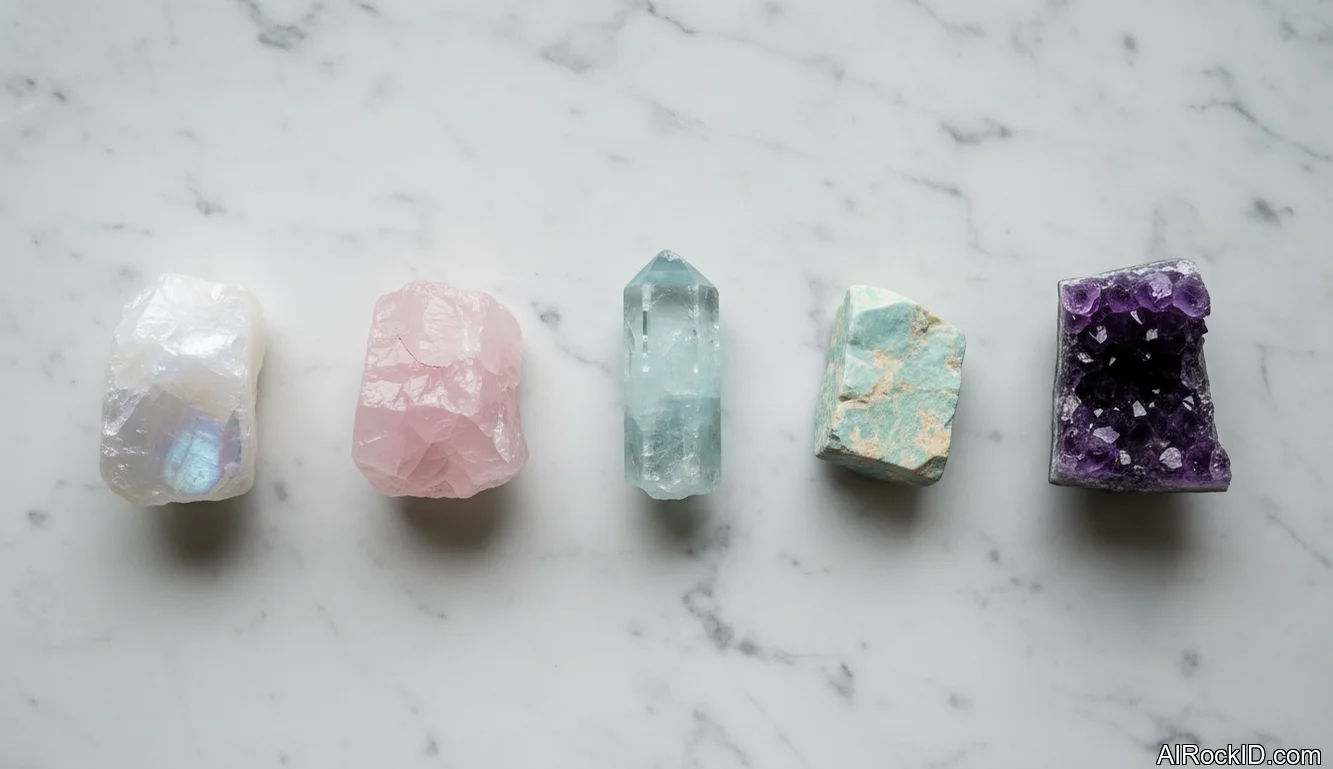
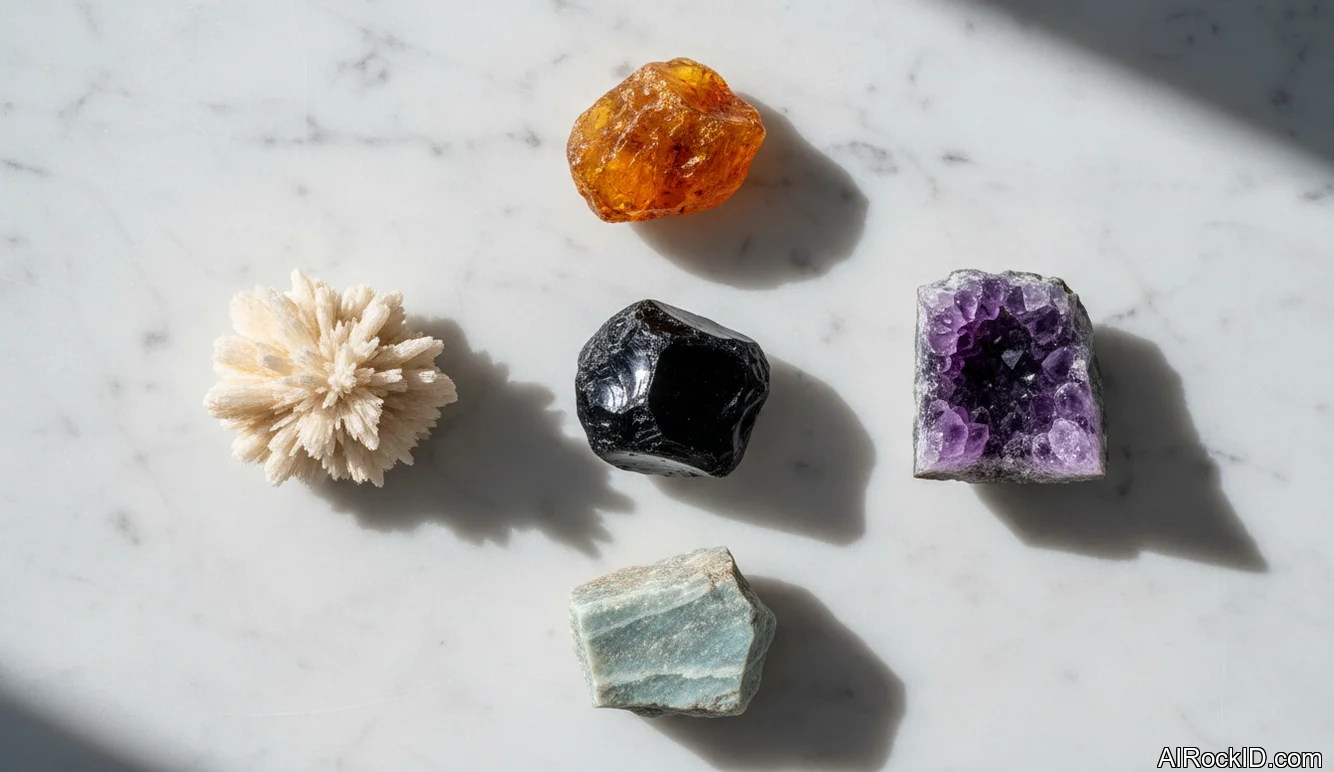
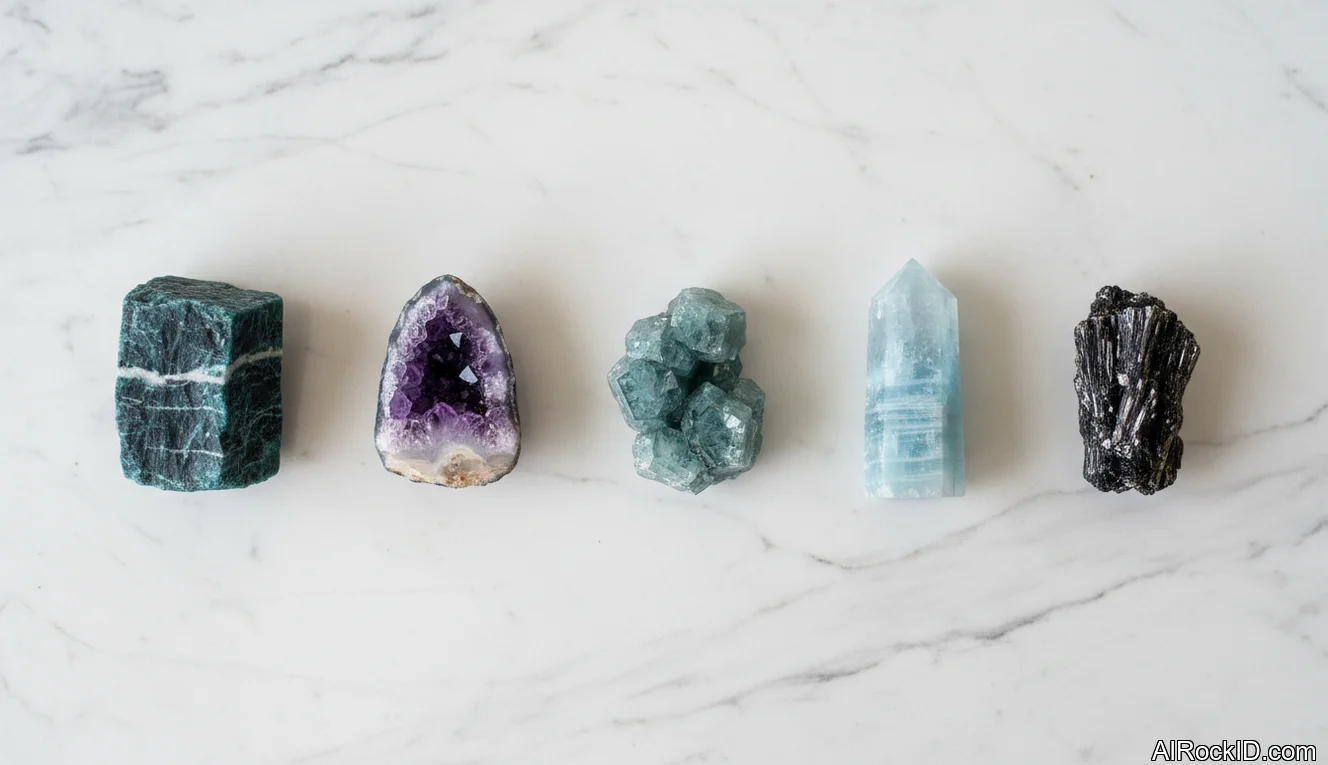
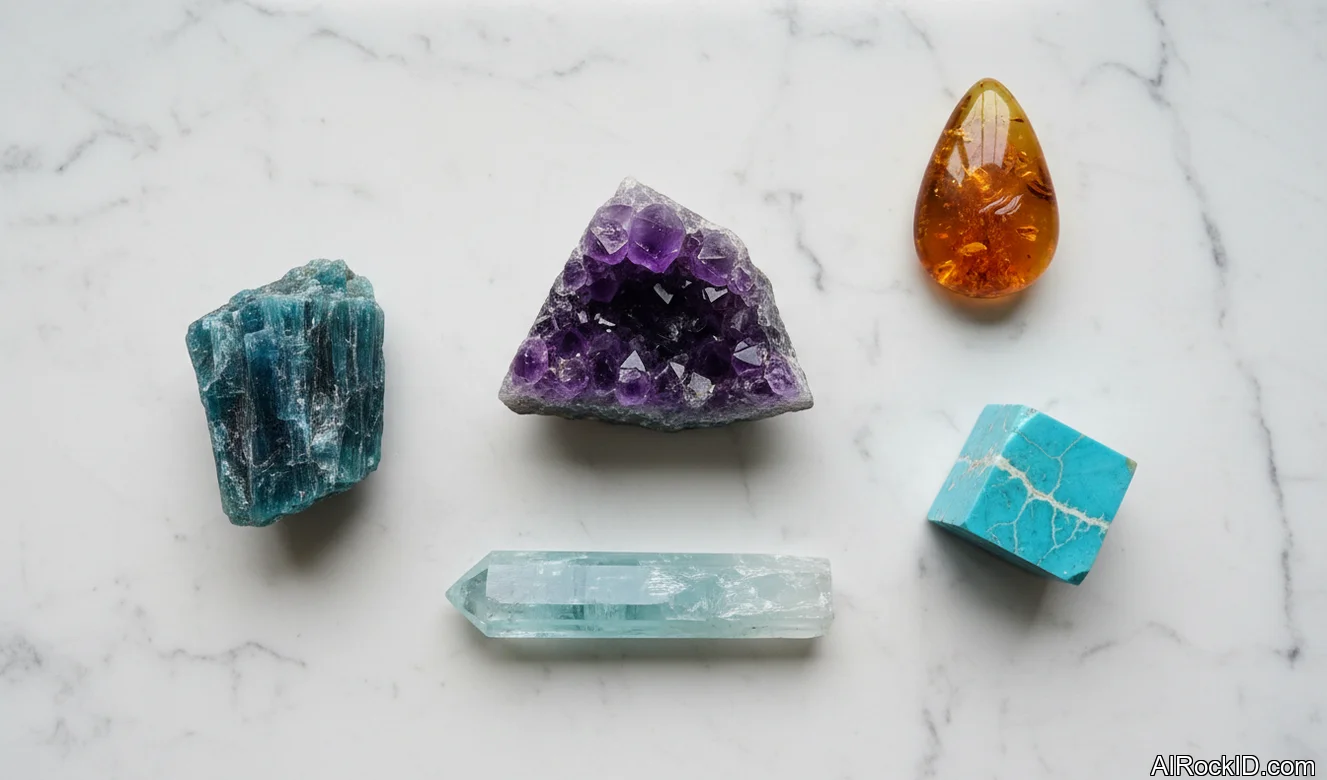
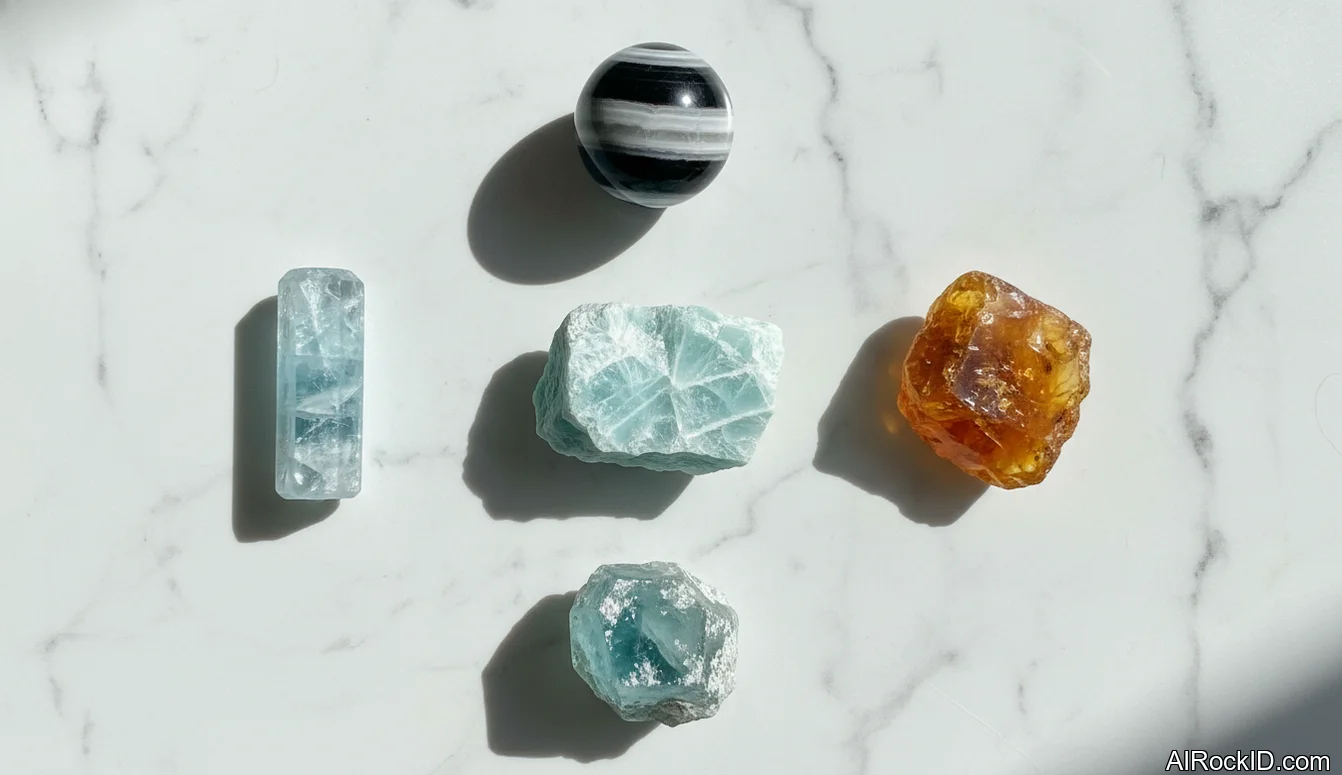
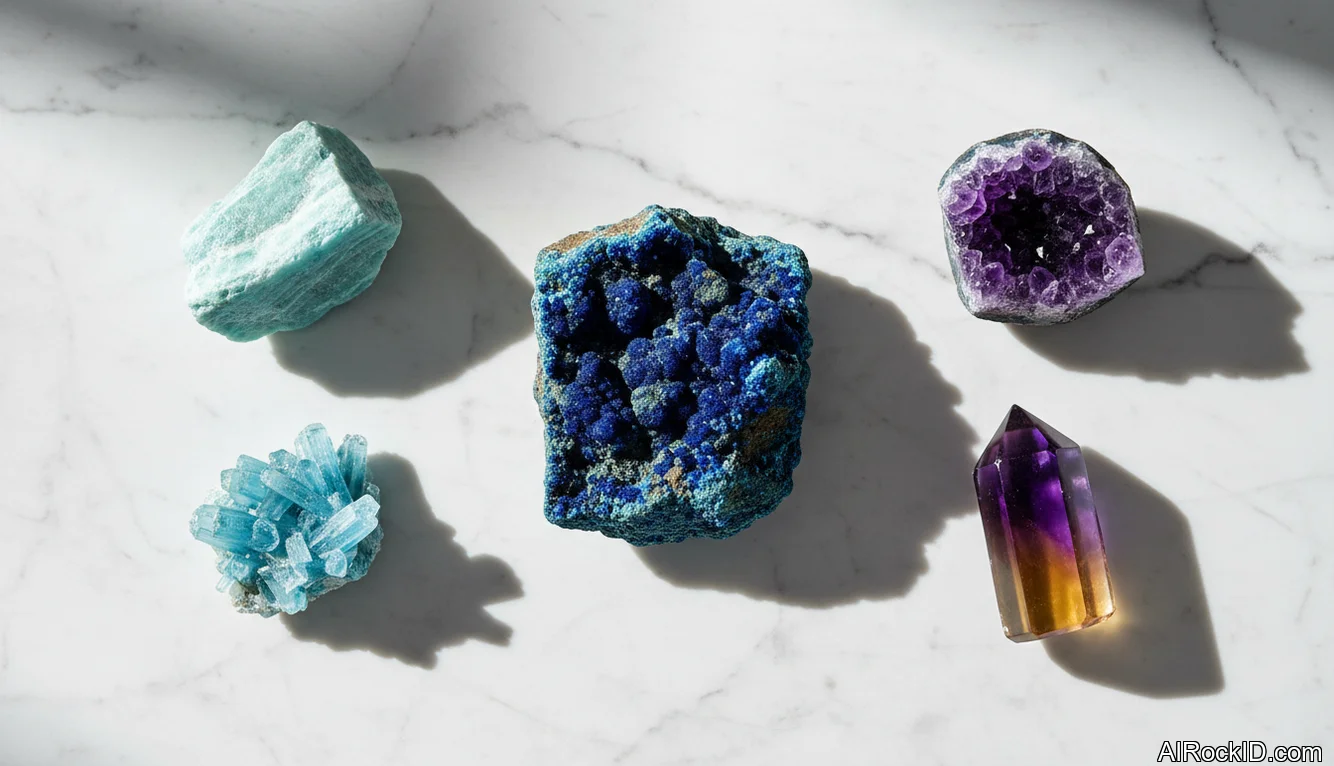
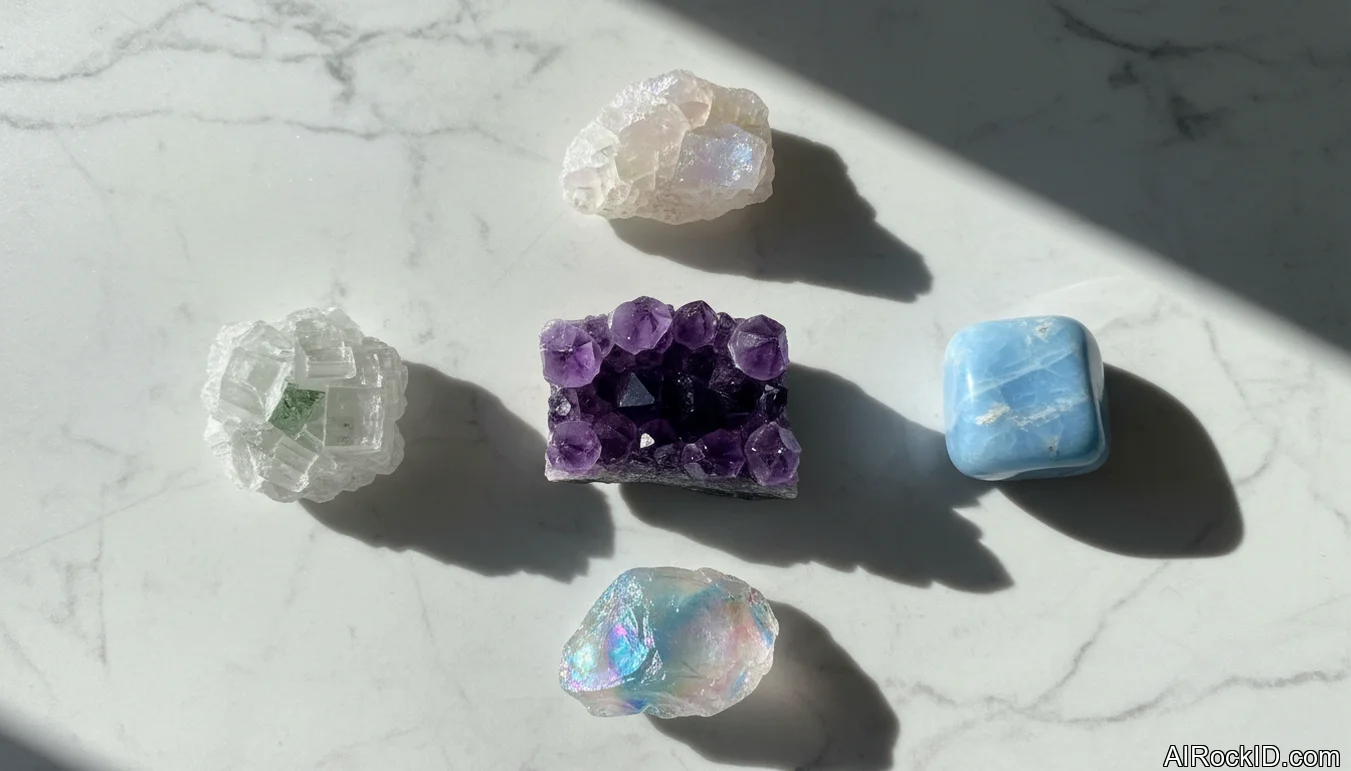
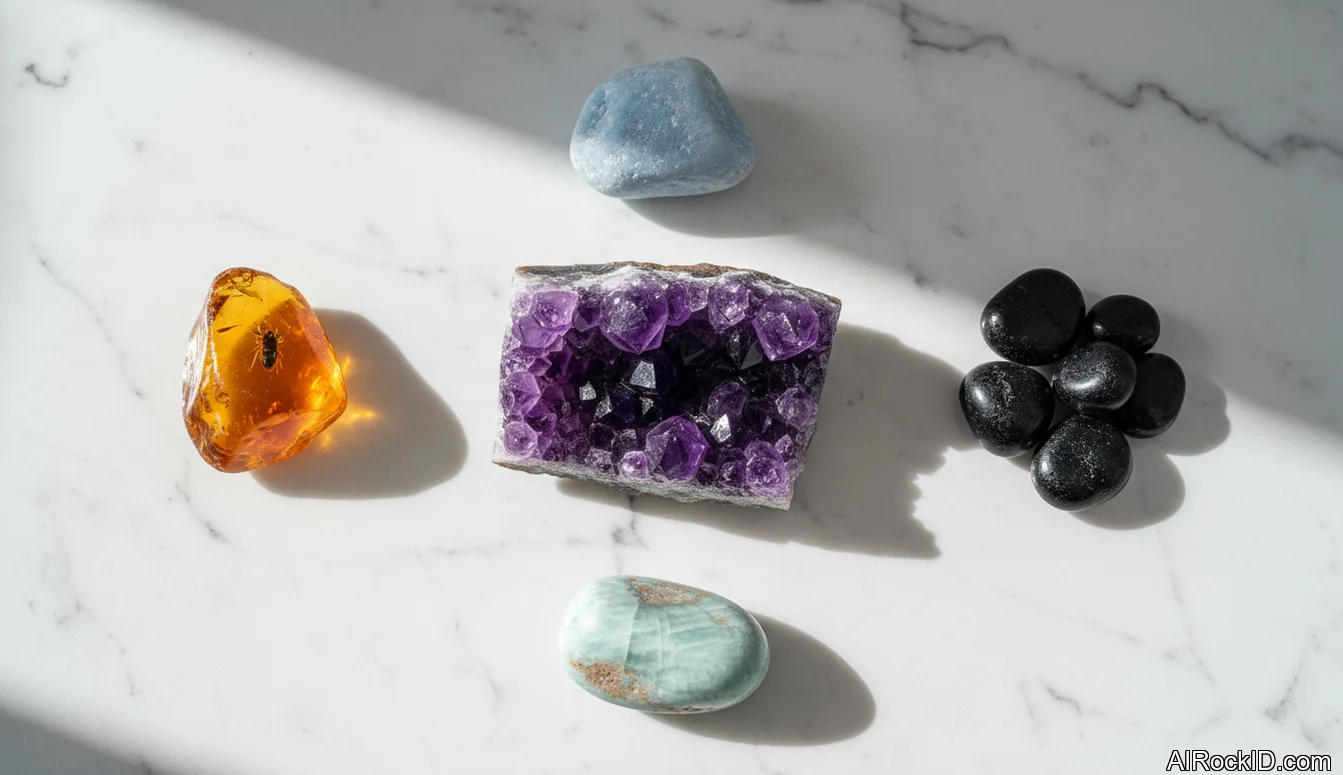
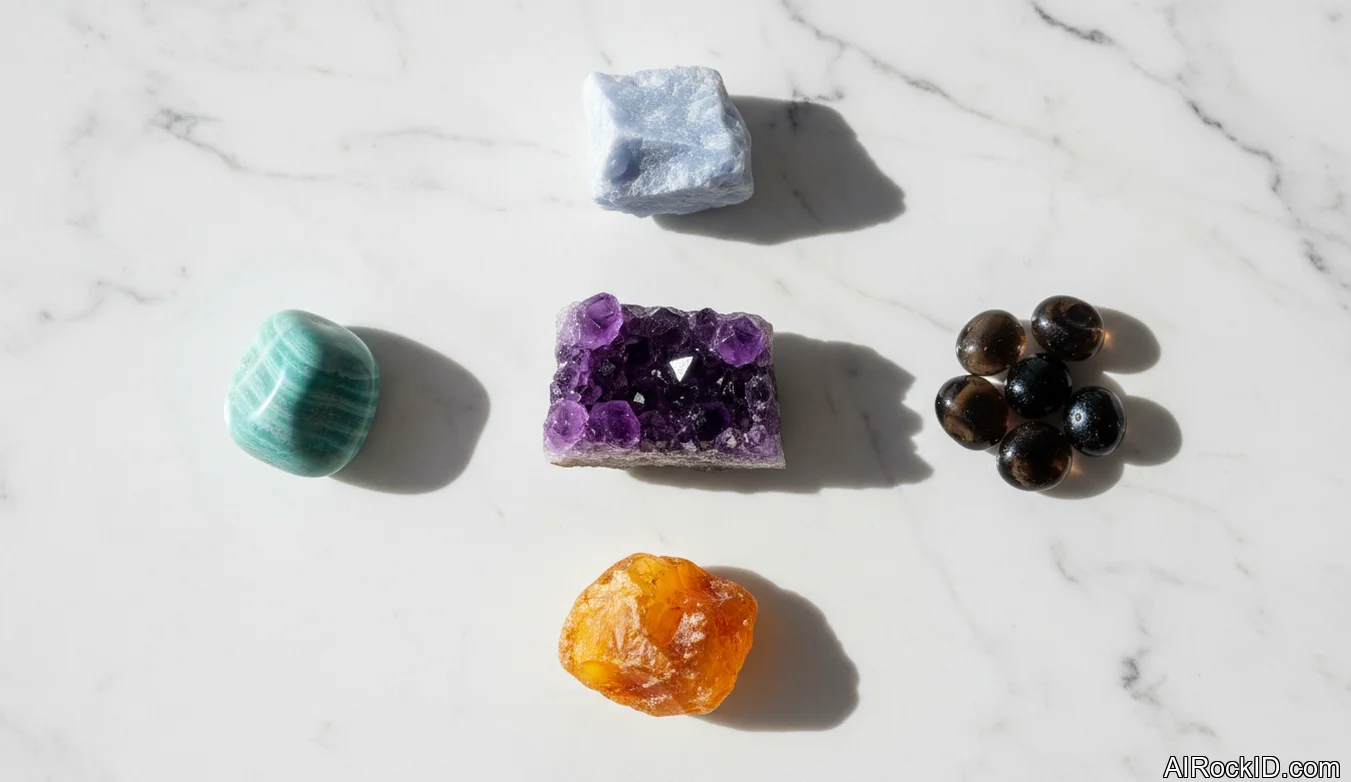
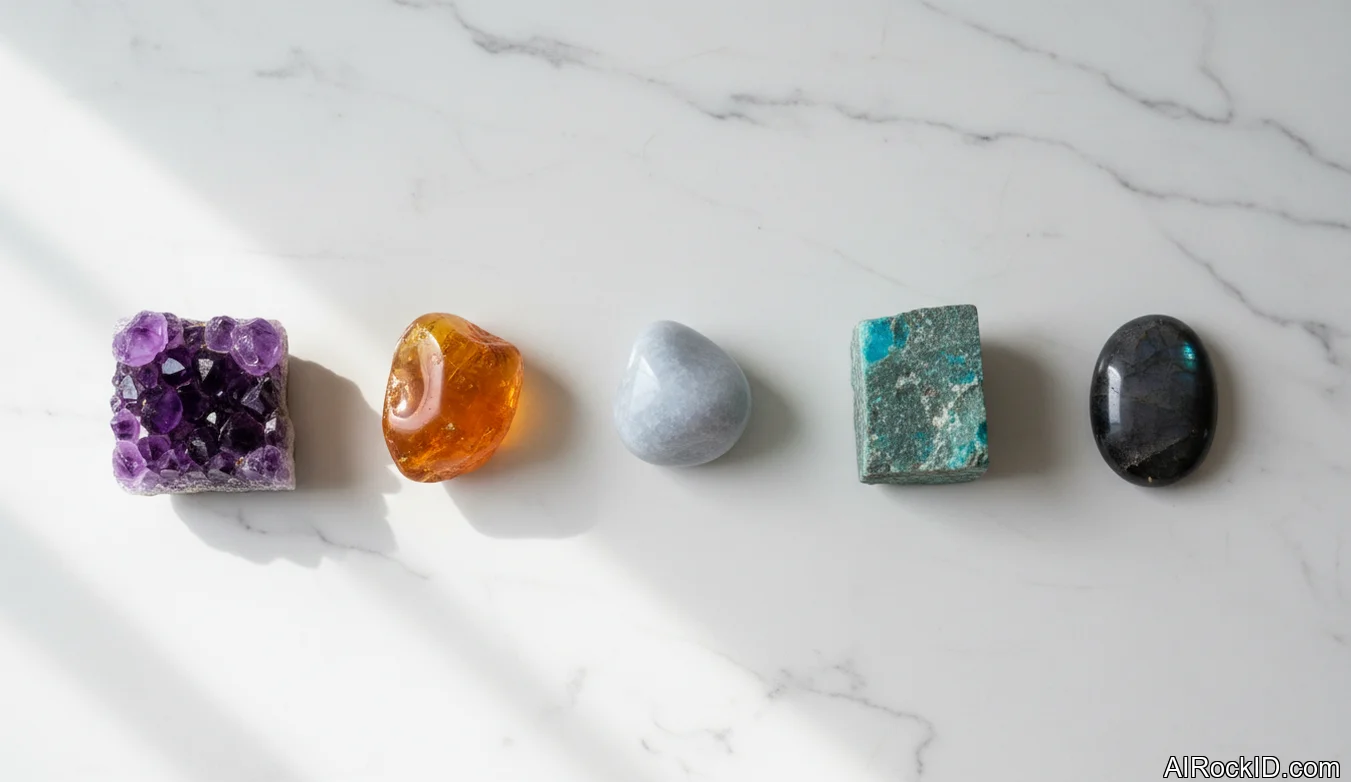
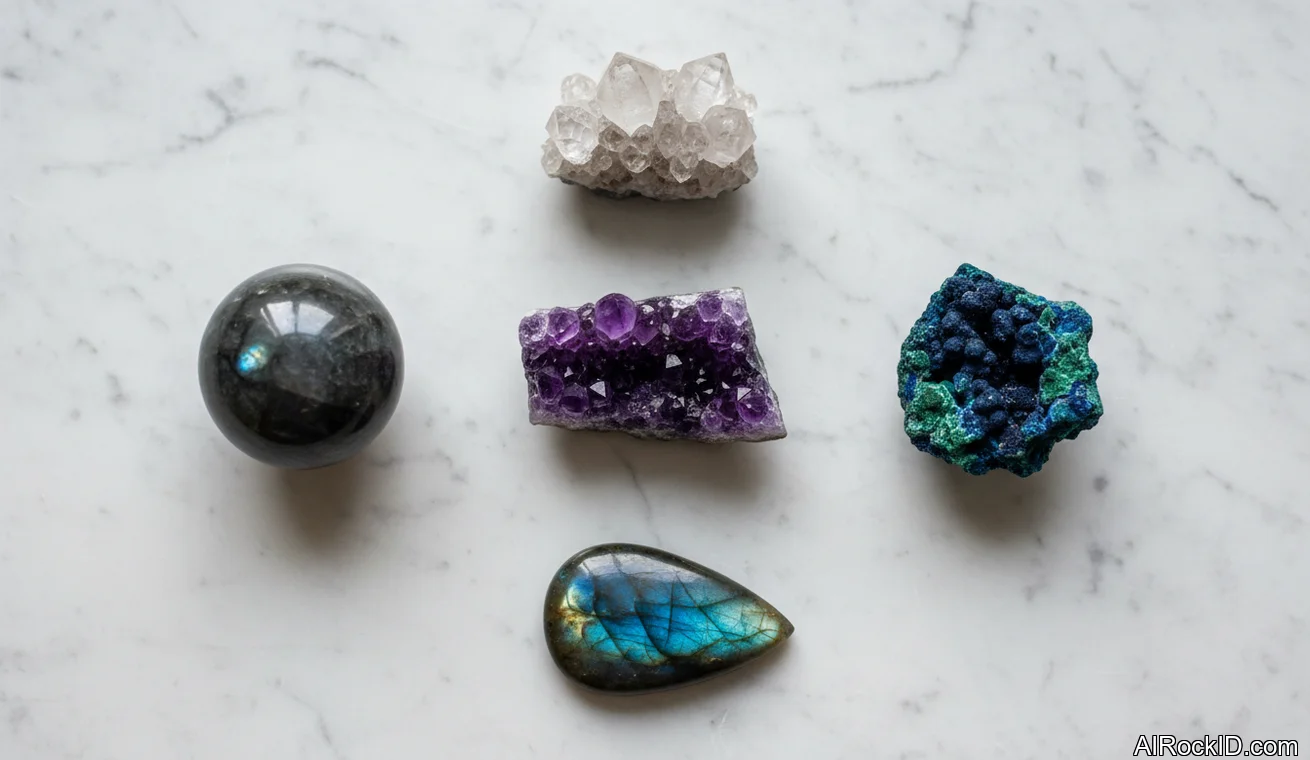
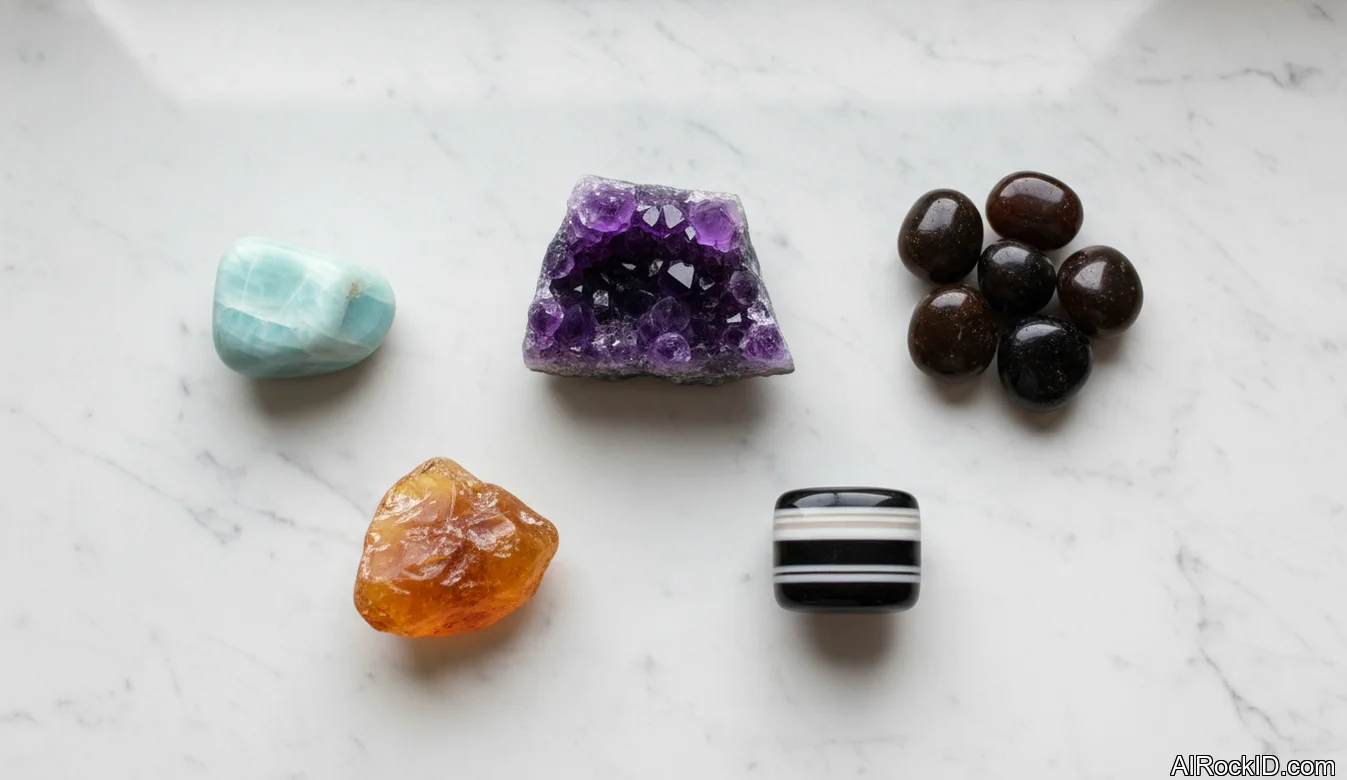
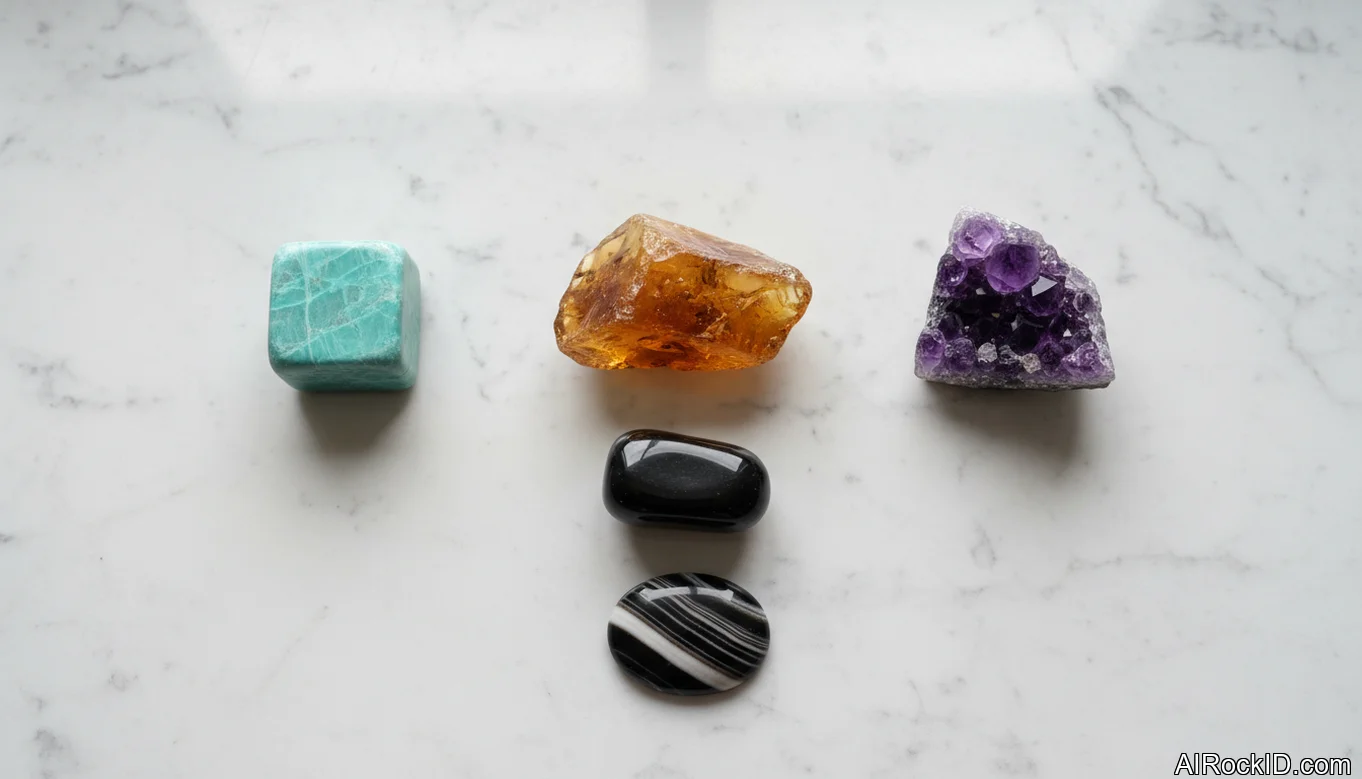
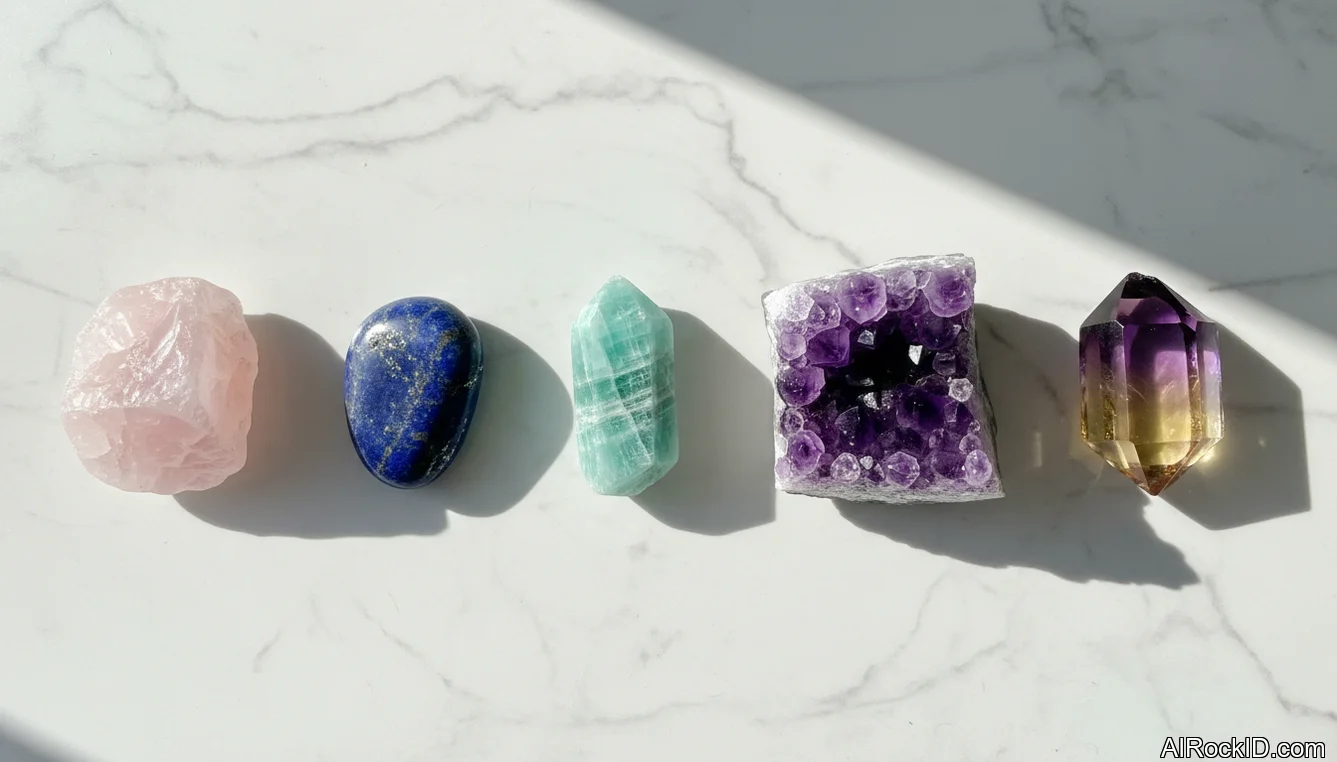
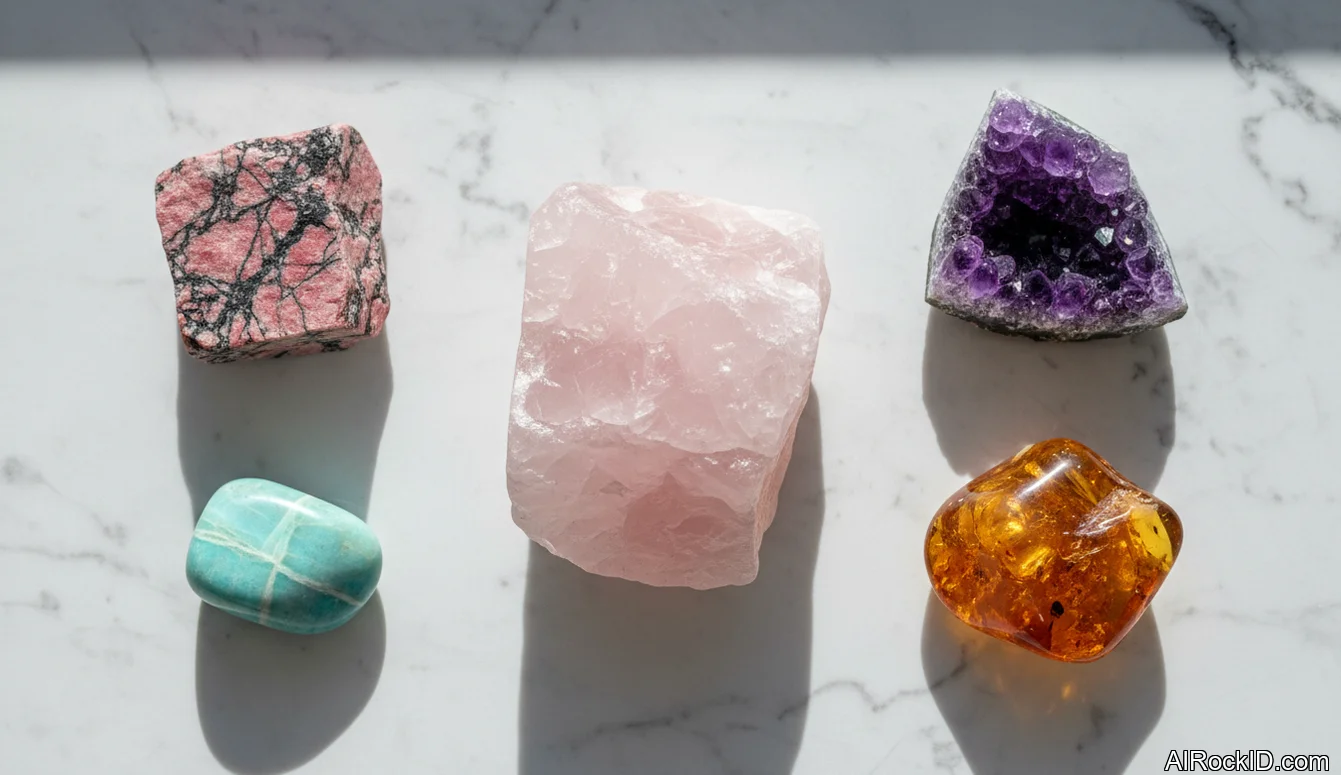
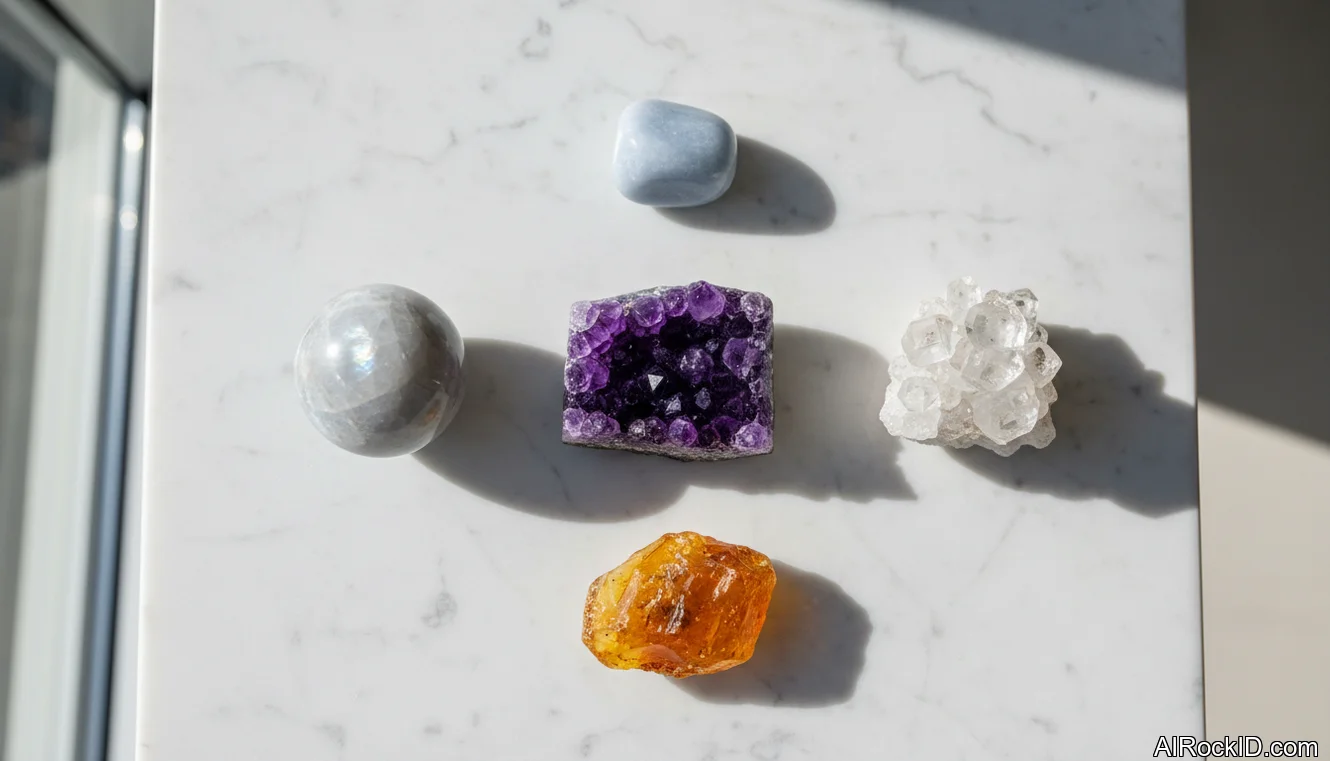
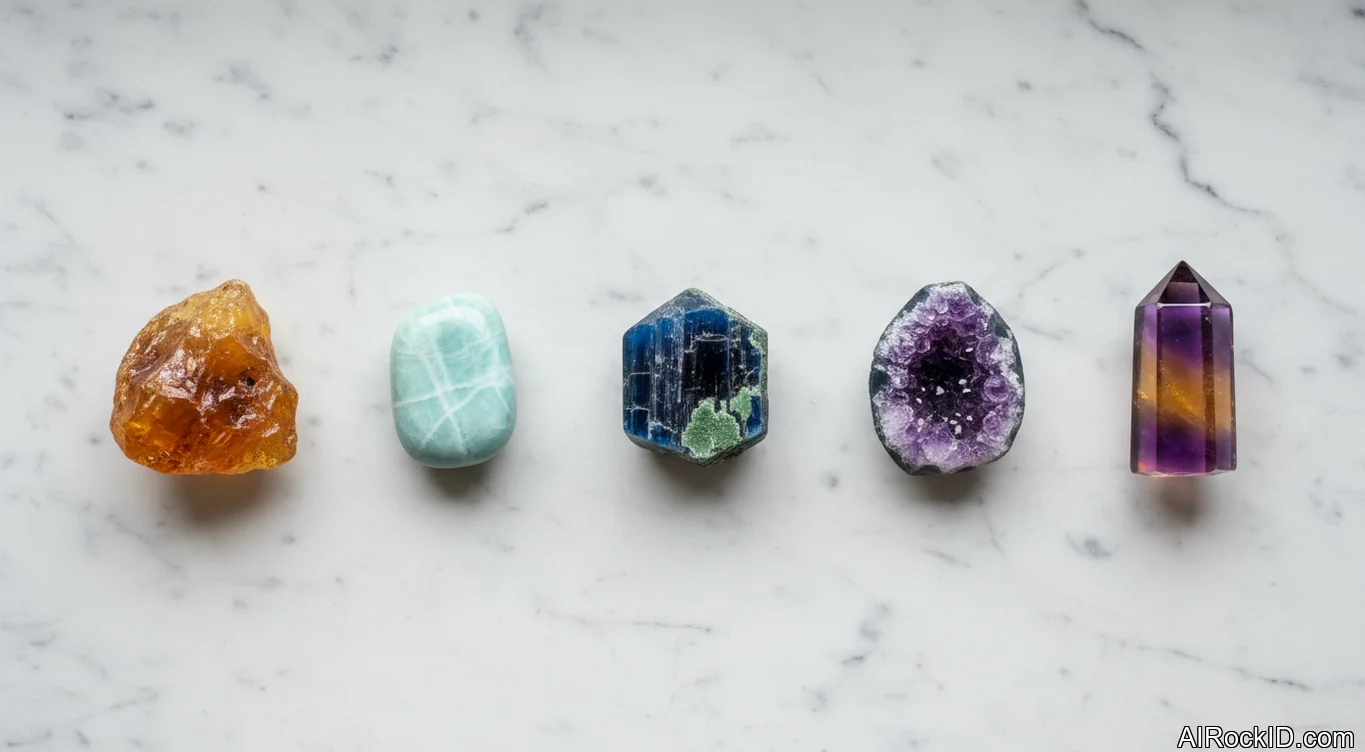
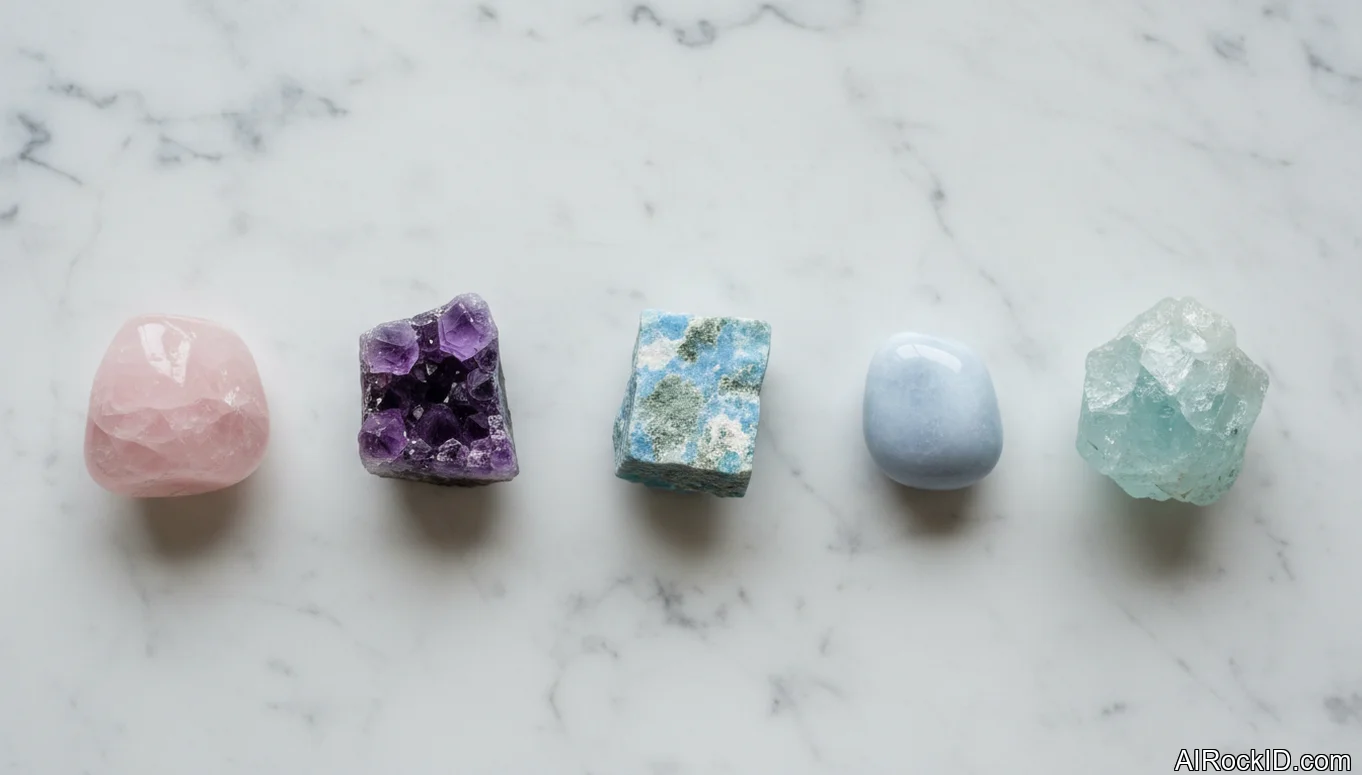
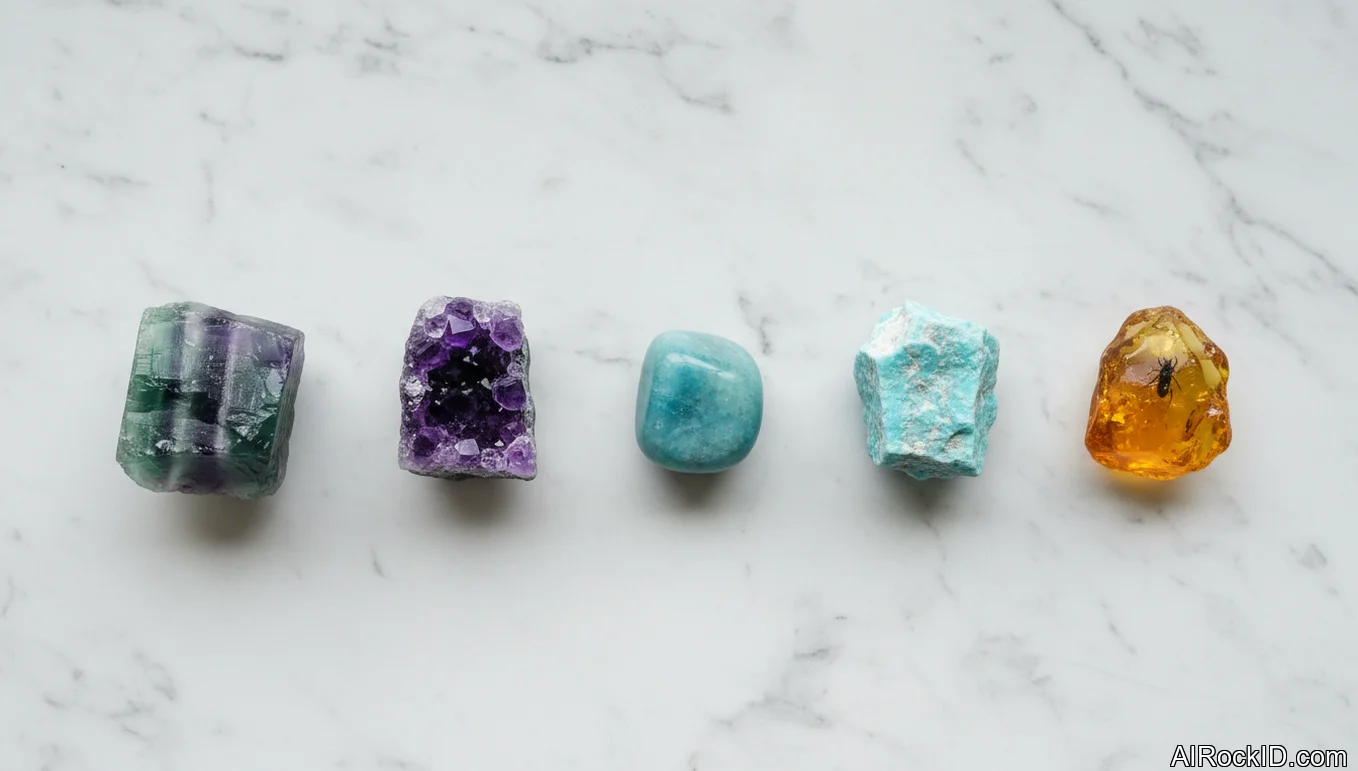
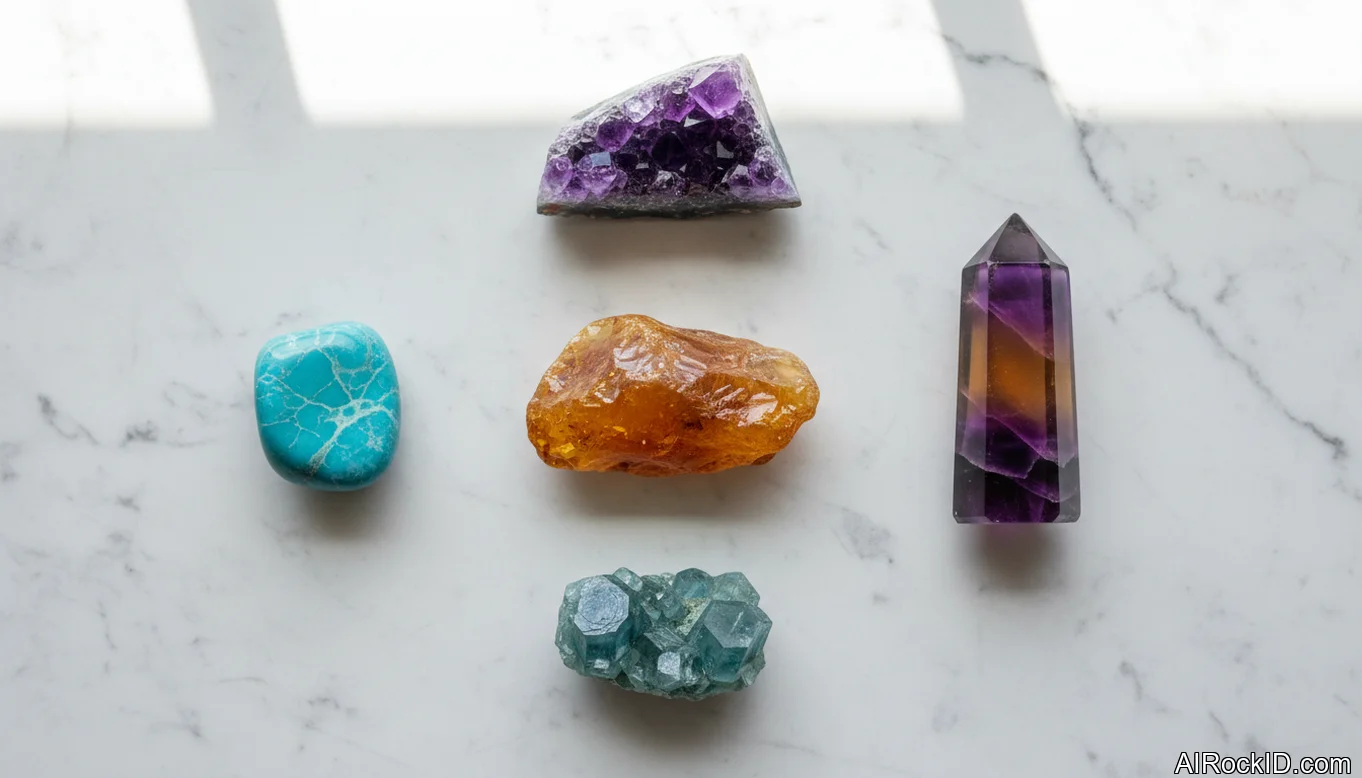
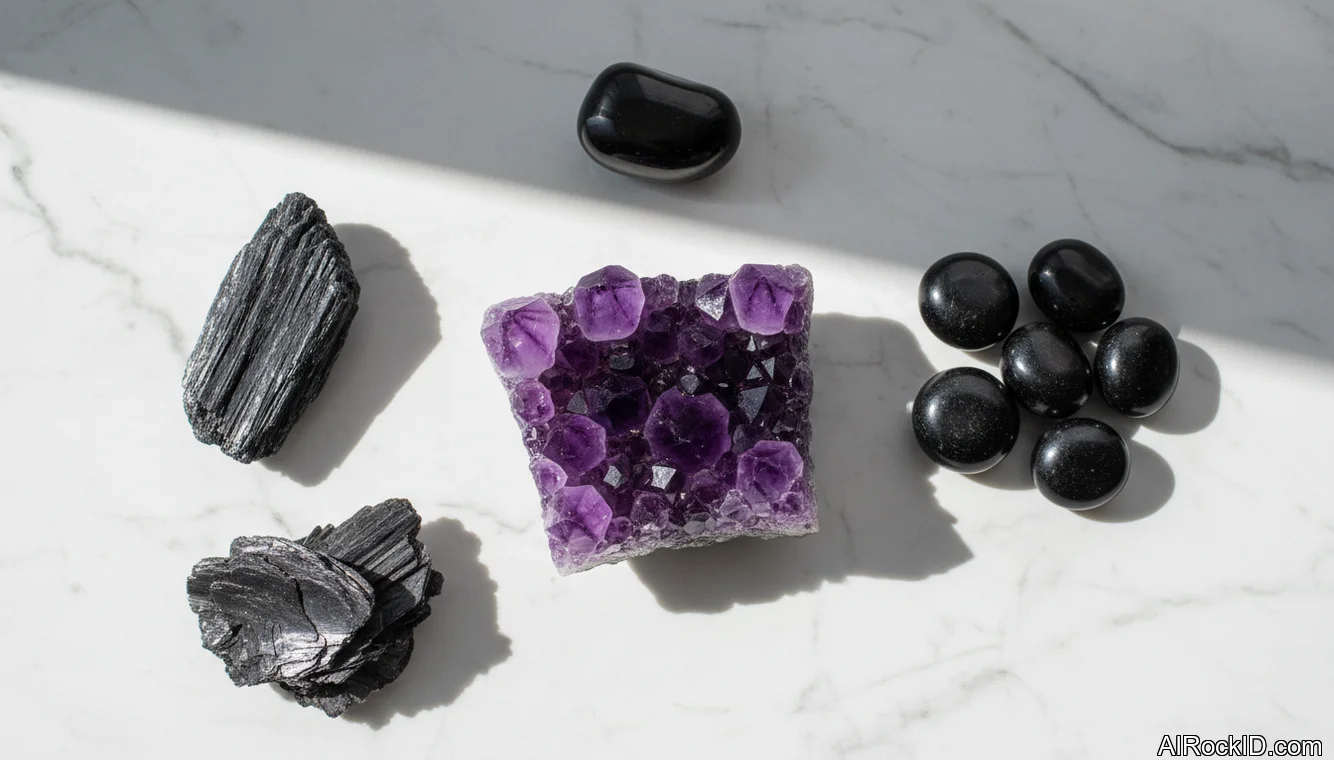
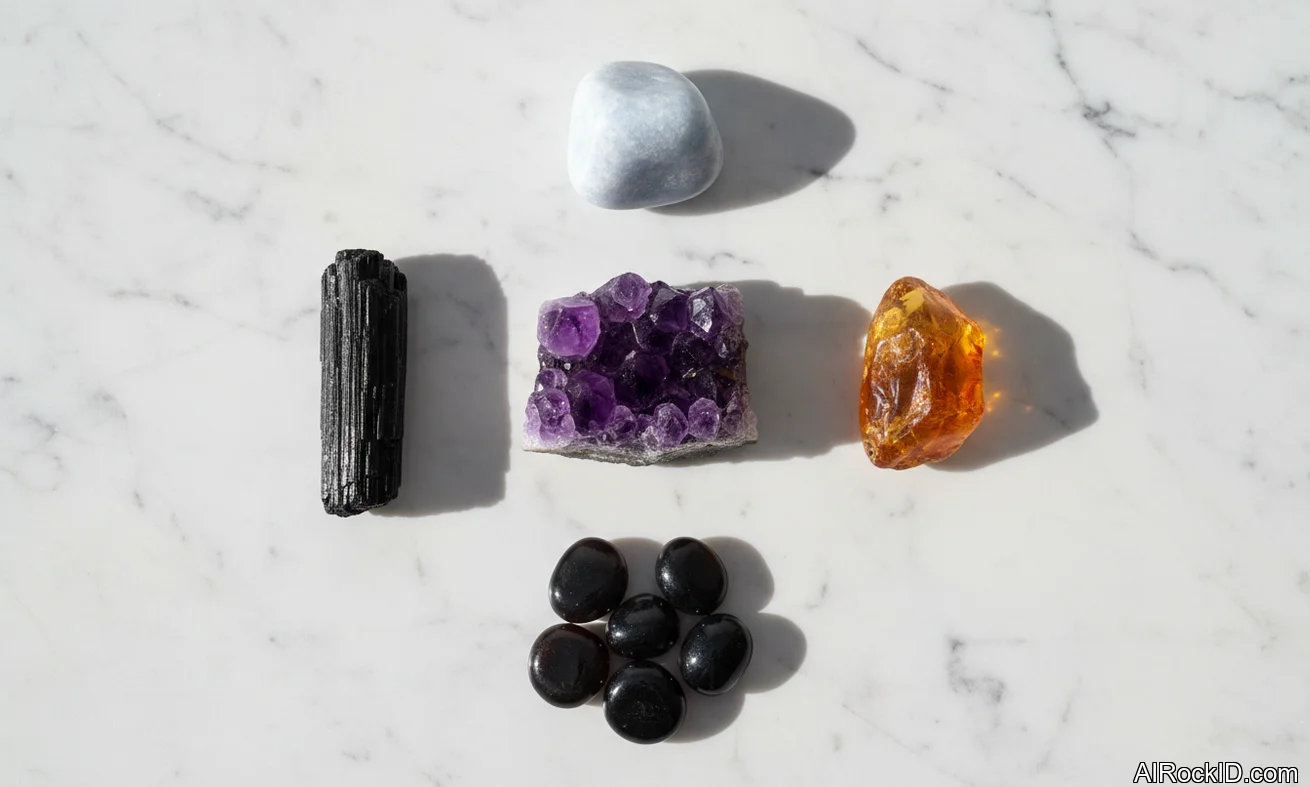
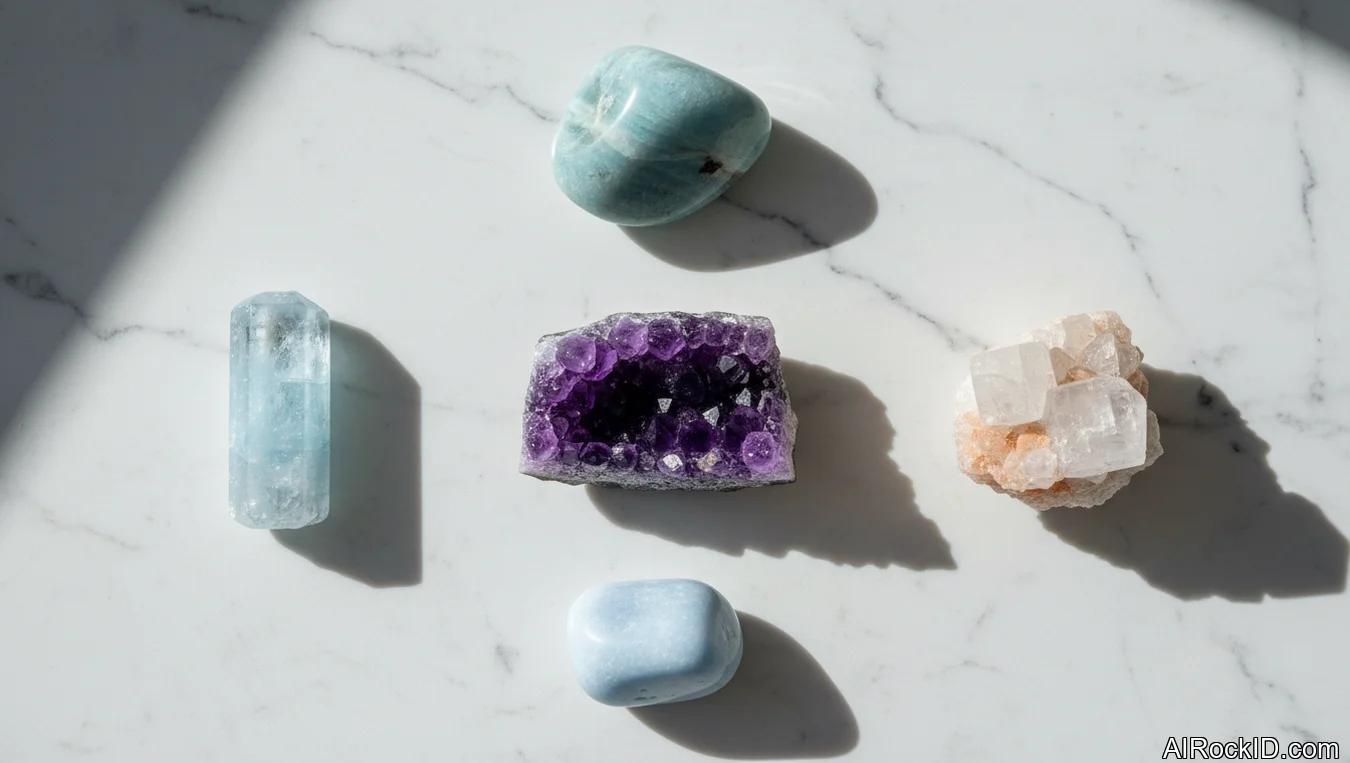
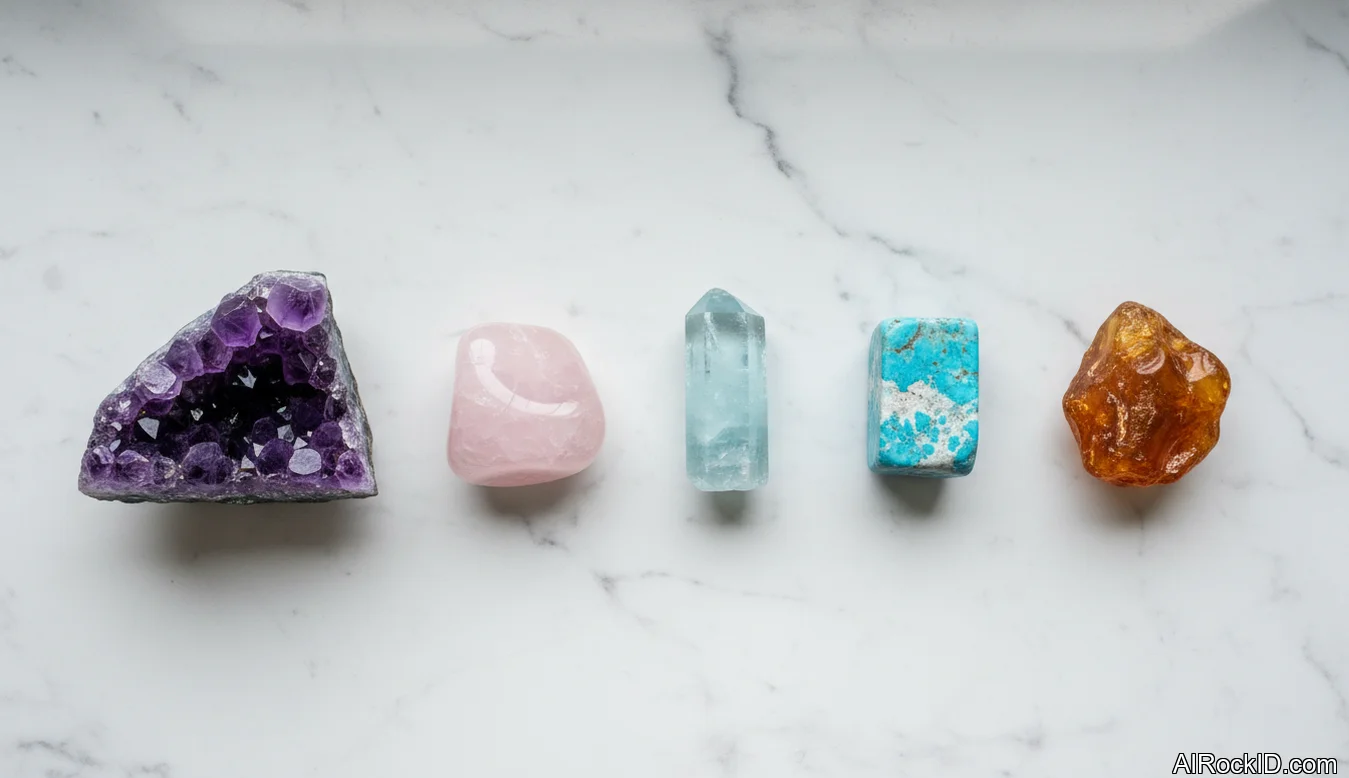
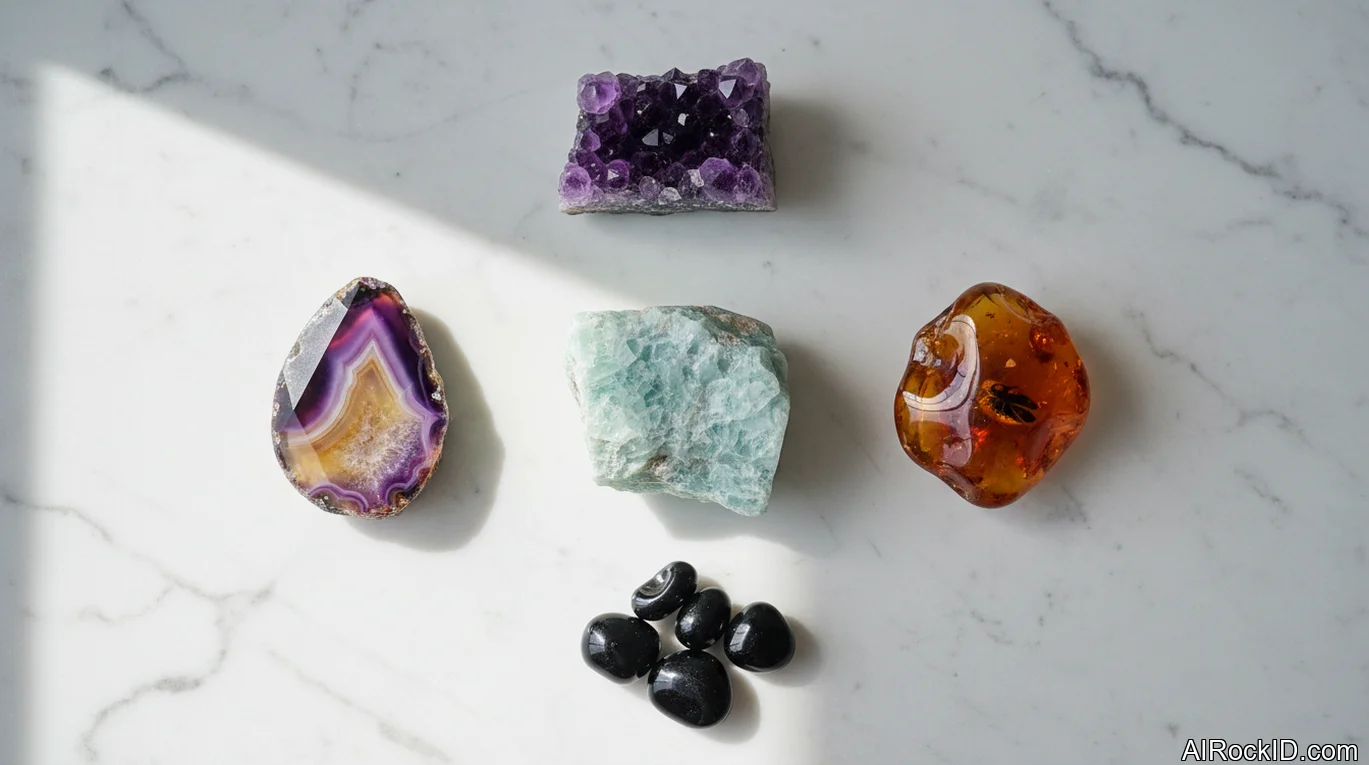
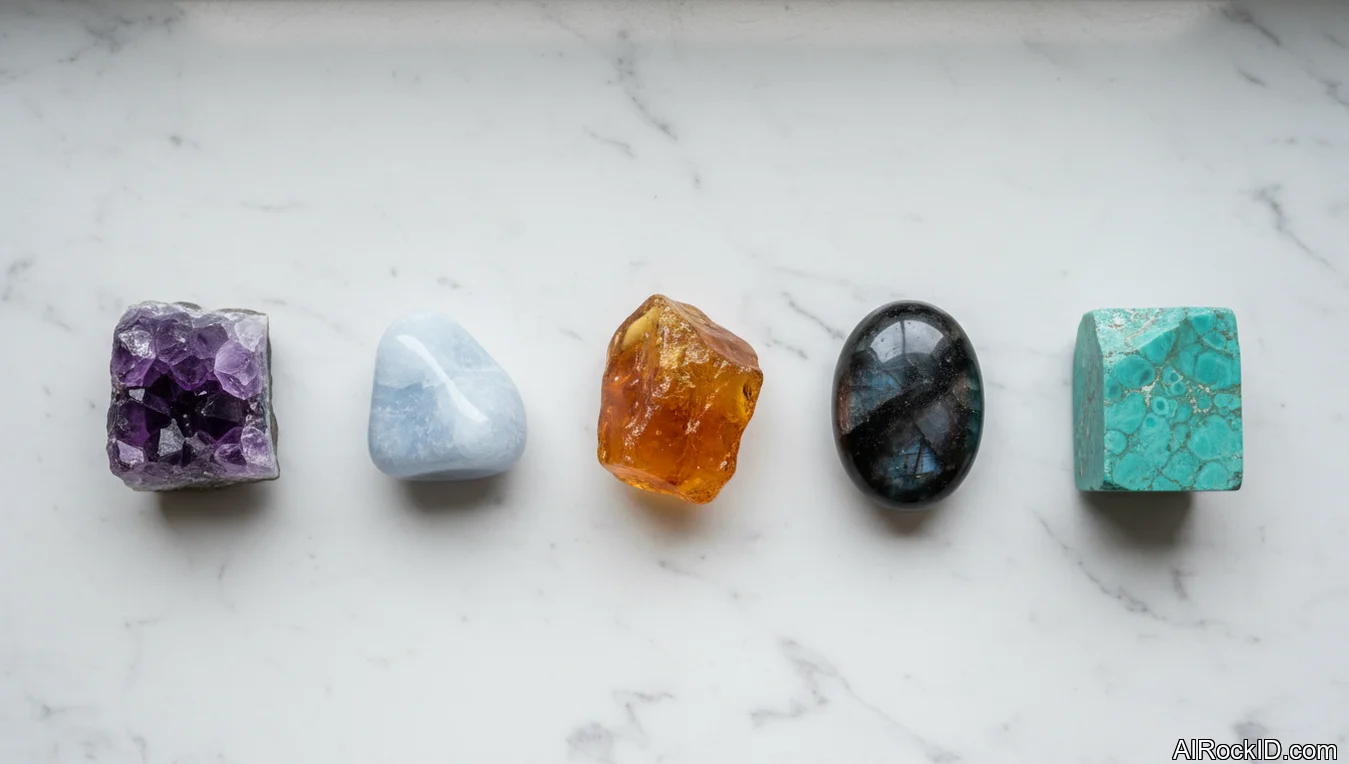
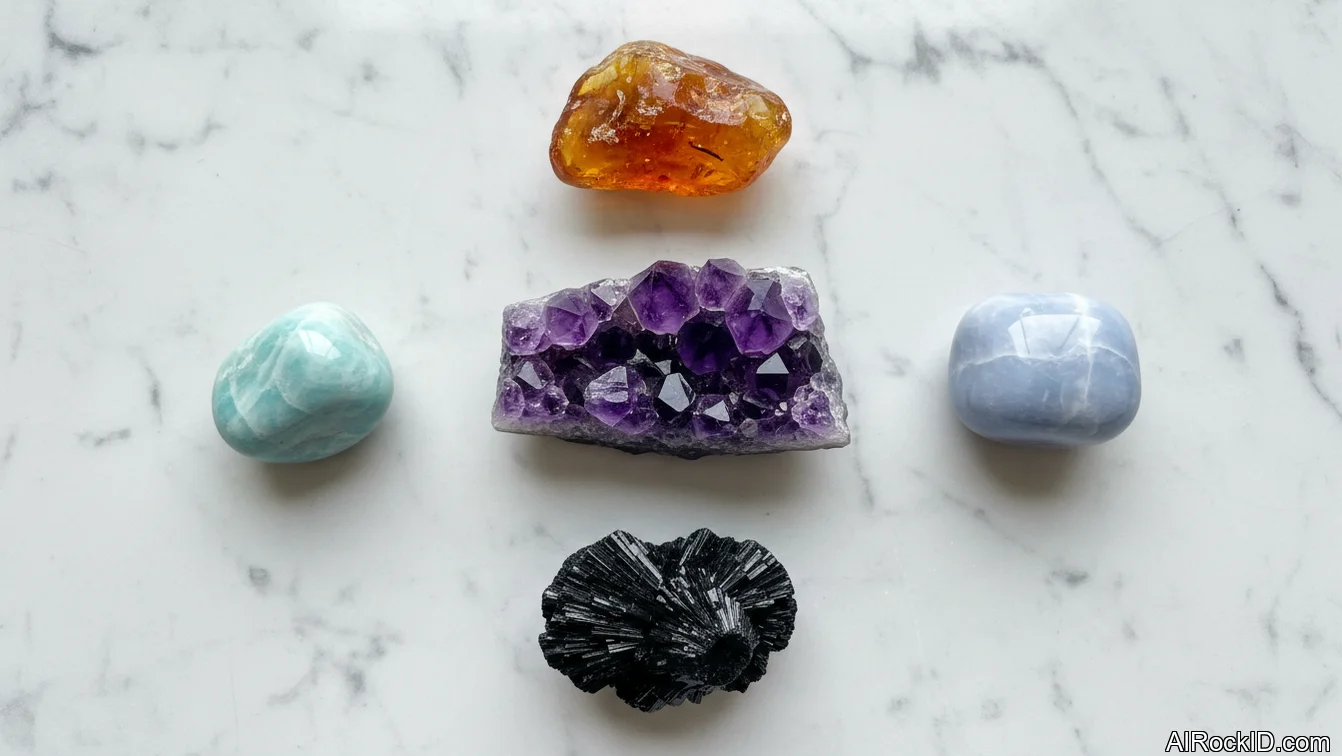
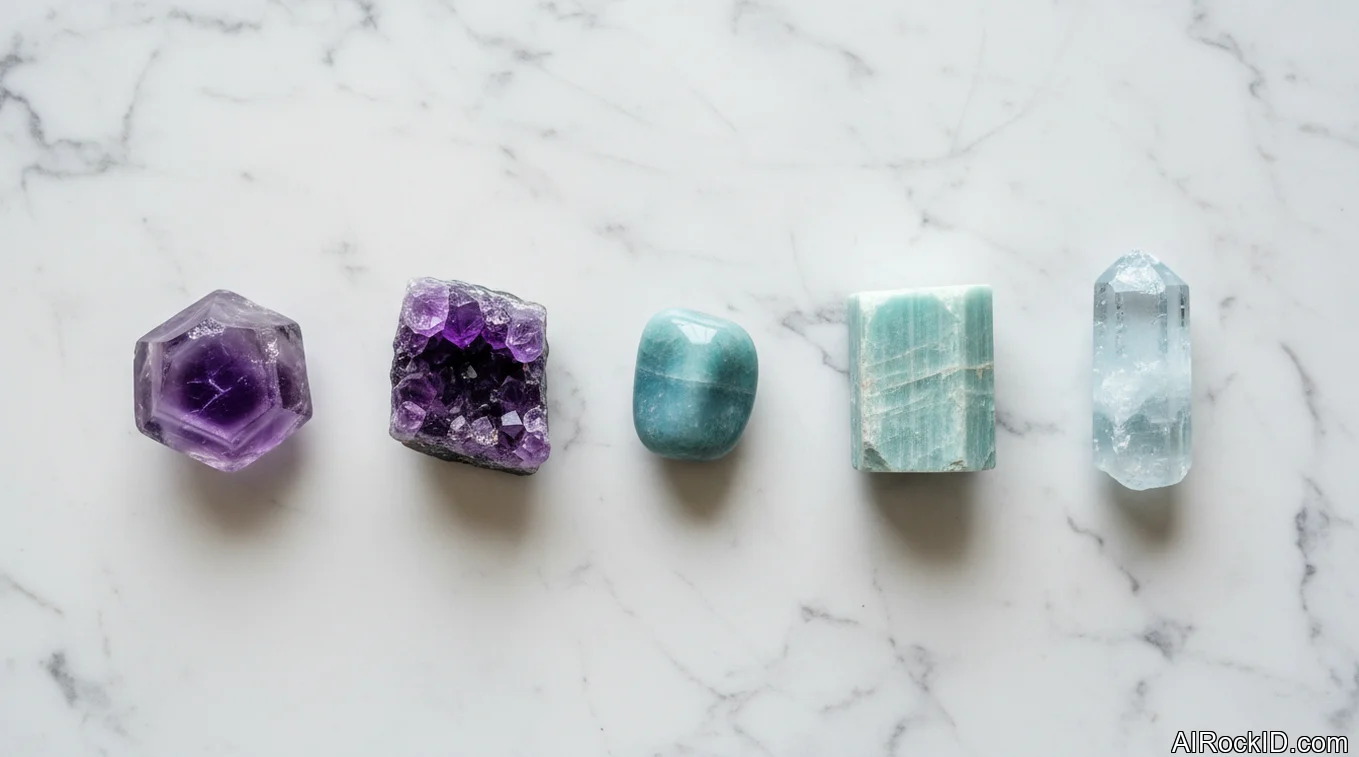
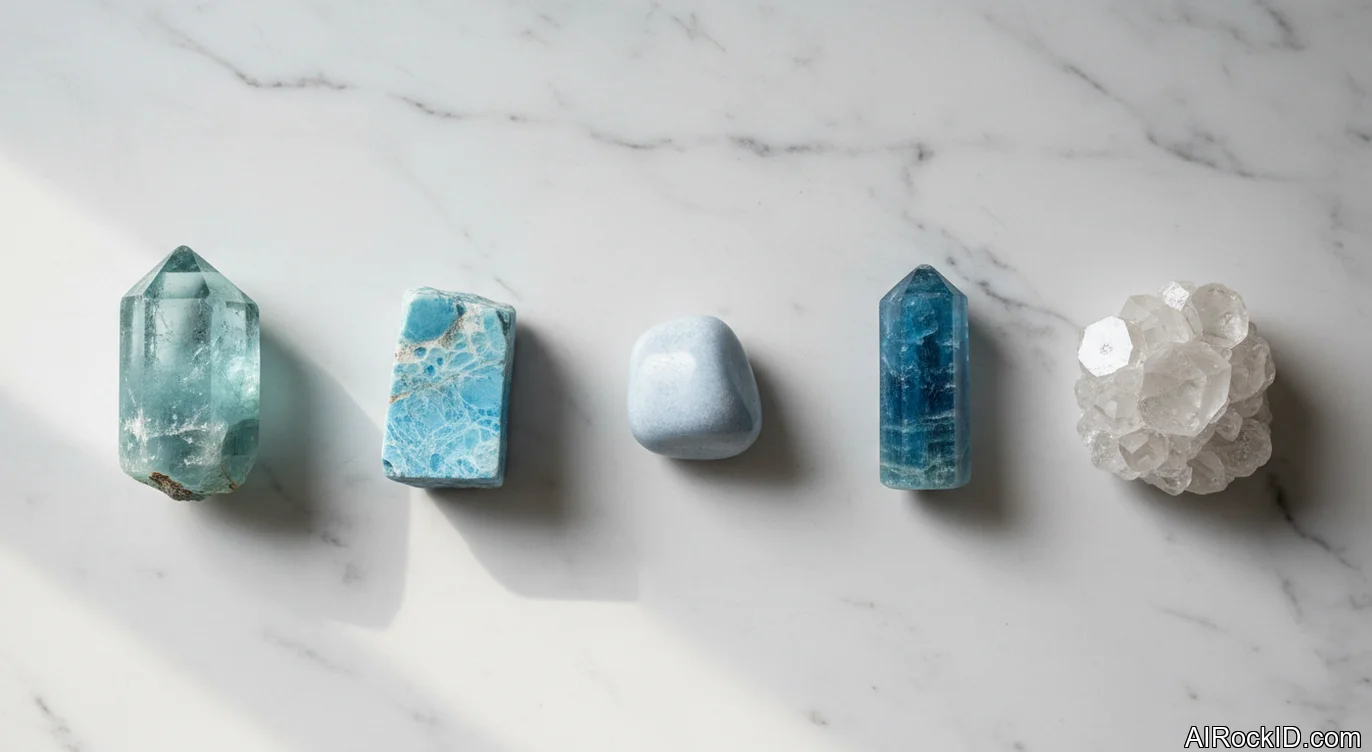
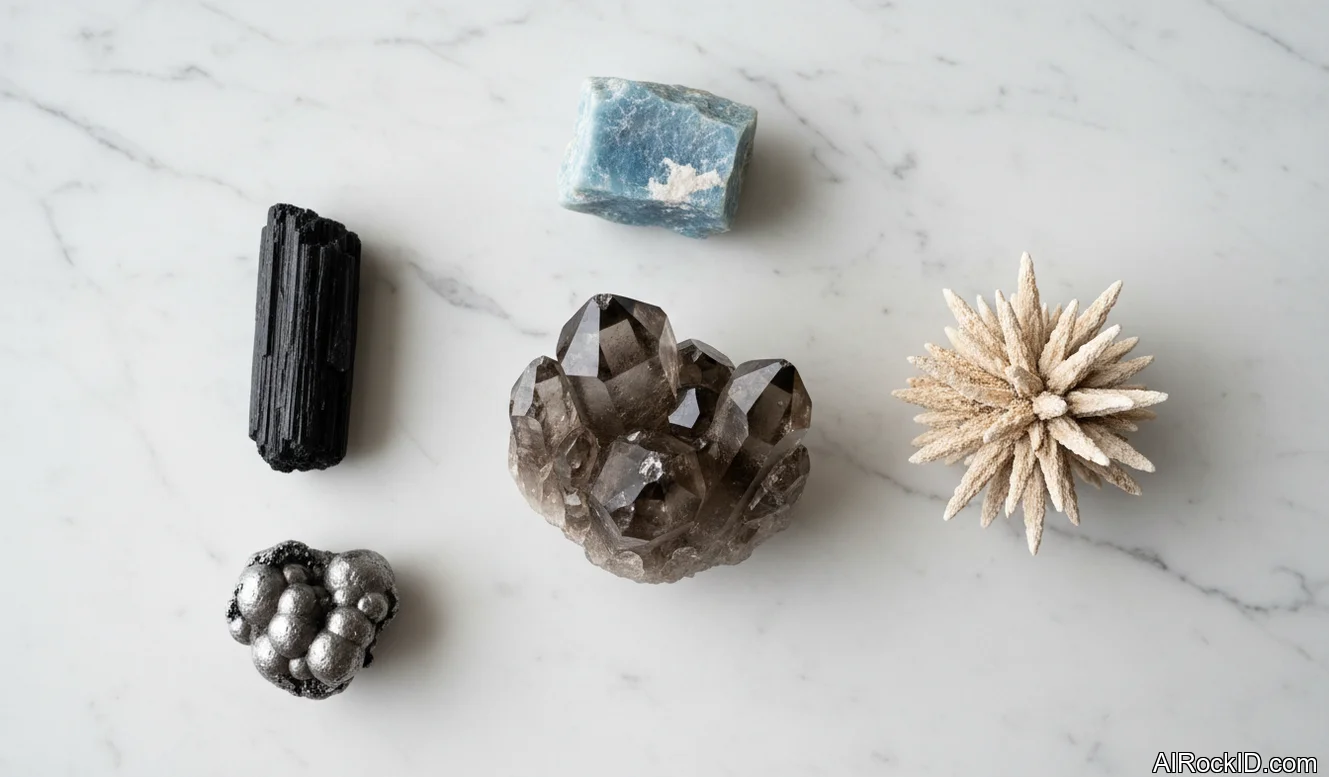
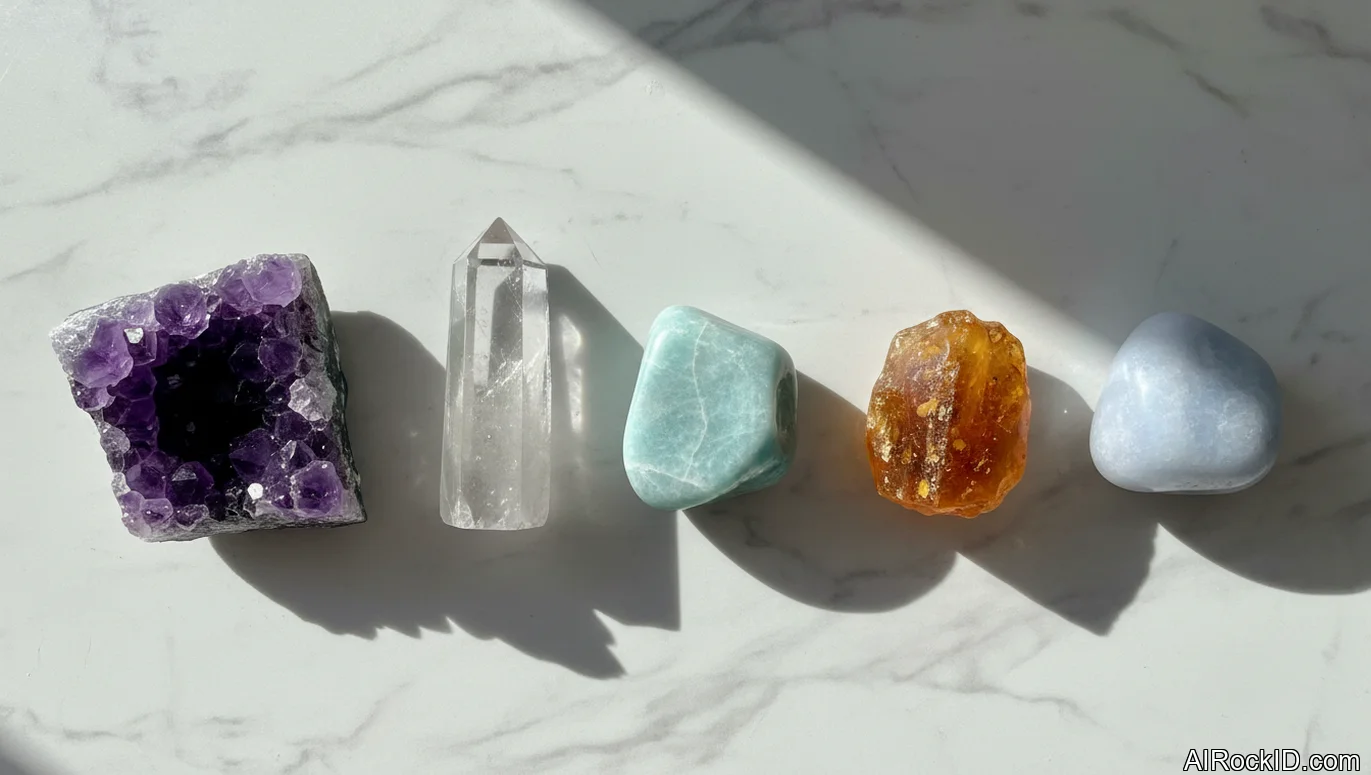
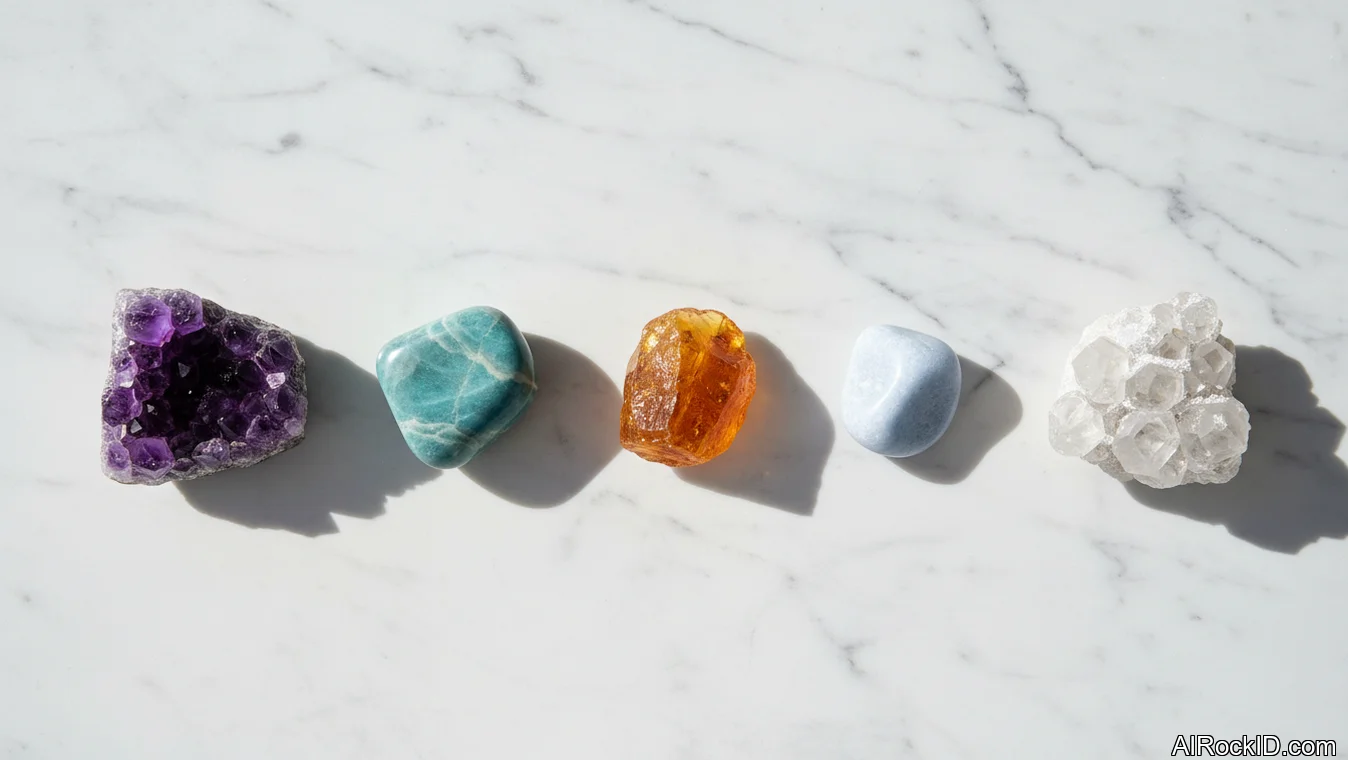
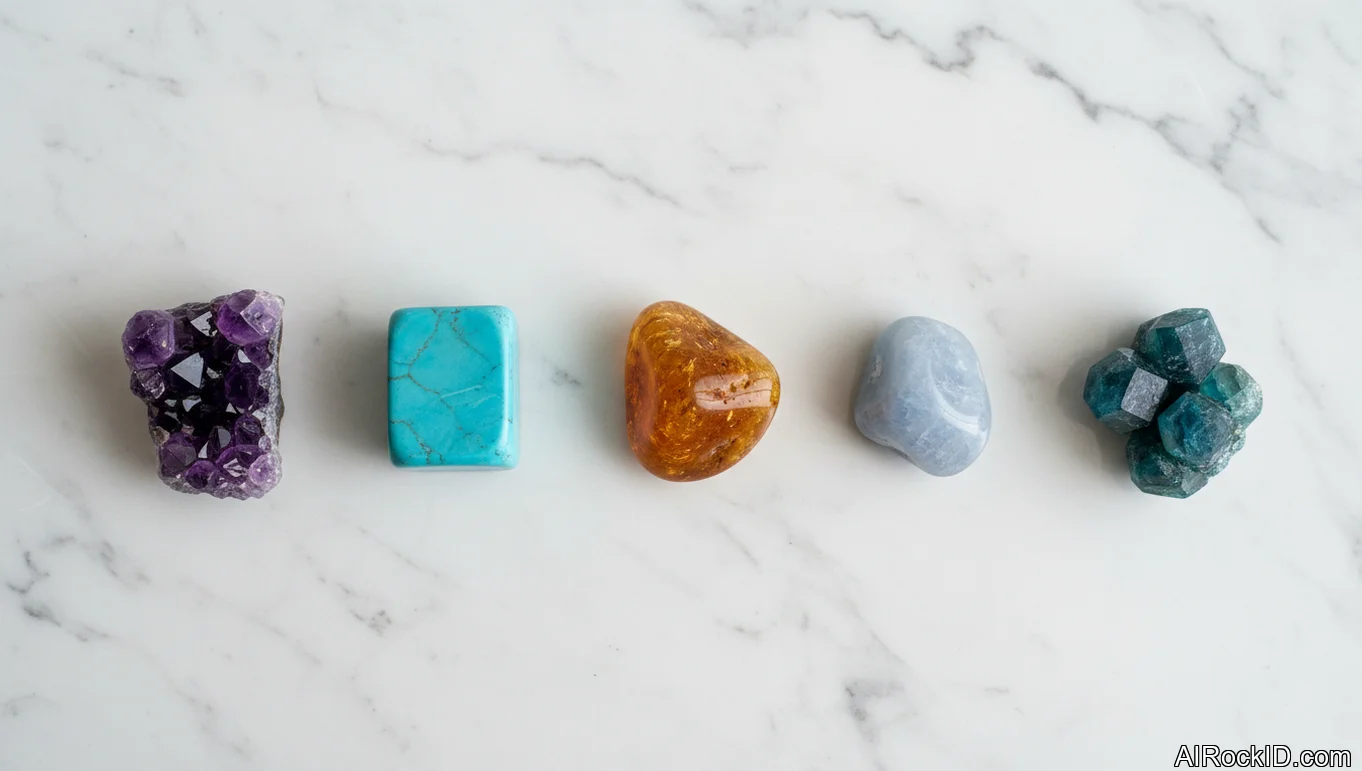
These guides cover three big buckets: intentions (abundance, anxiety, focus, sleep, love), astrology (Aquarius through Pisces, plus the usual crossovers), and chakras (root to crown). I keep the collector angle in view because the stone in your hand matters. Weight. Temperature. The way light skates across a polished face versus a raw fracture. Pick up a real piece of rose quartz and it stays cool longer than glass; cheap dyed stuff warms up quick, and the color often pools in tiny cracks.
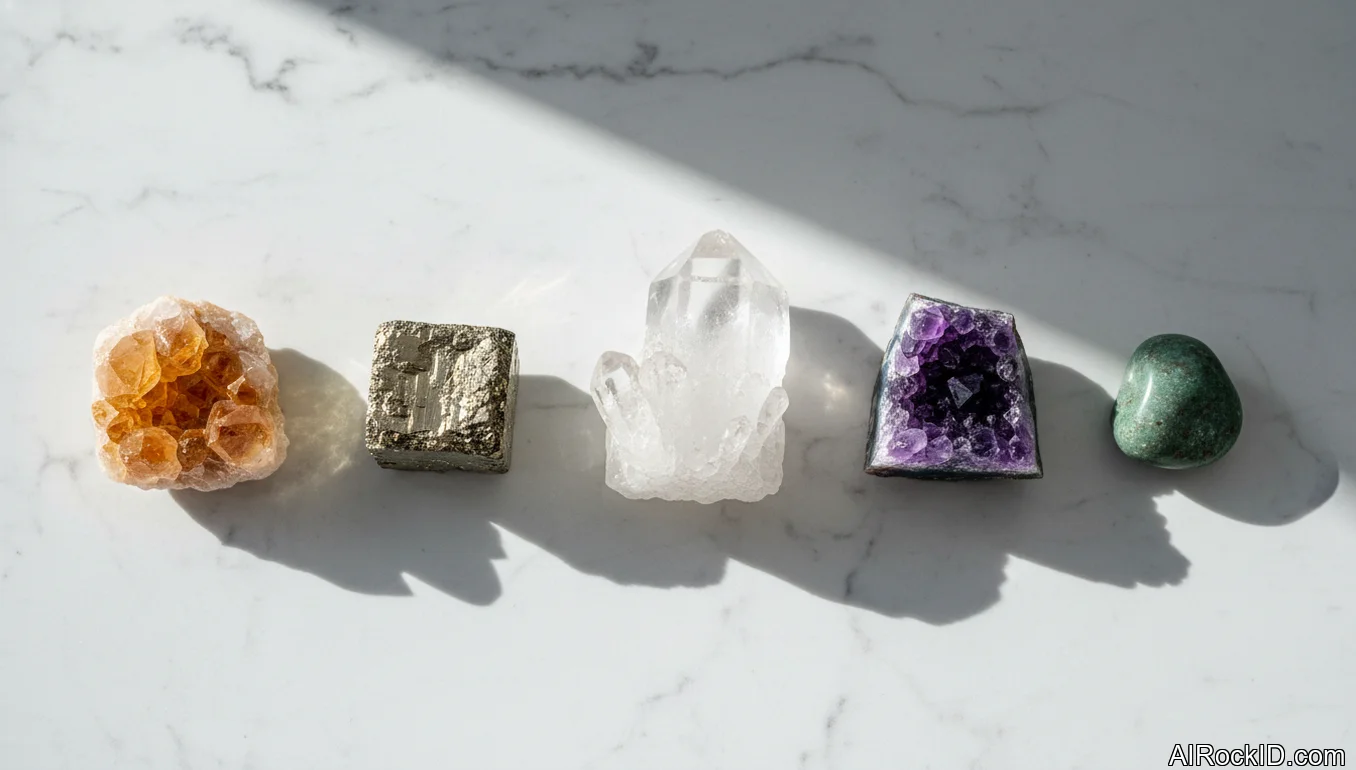
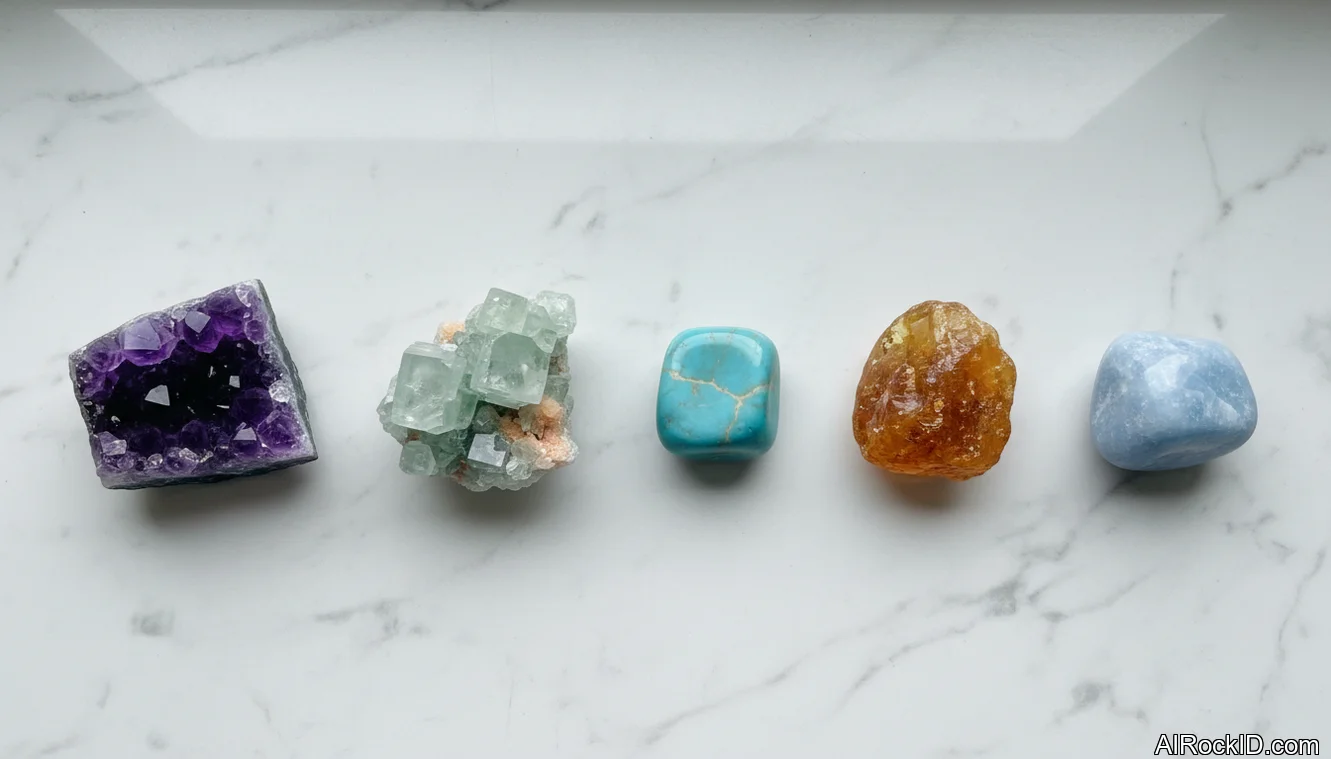
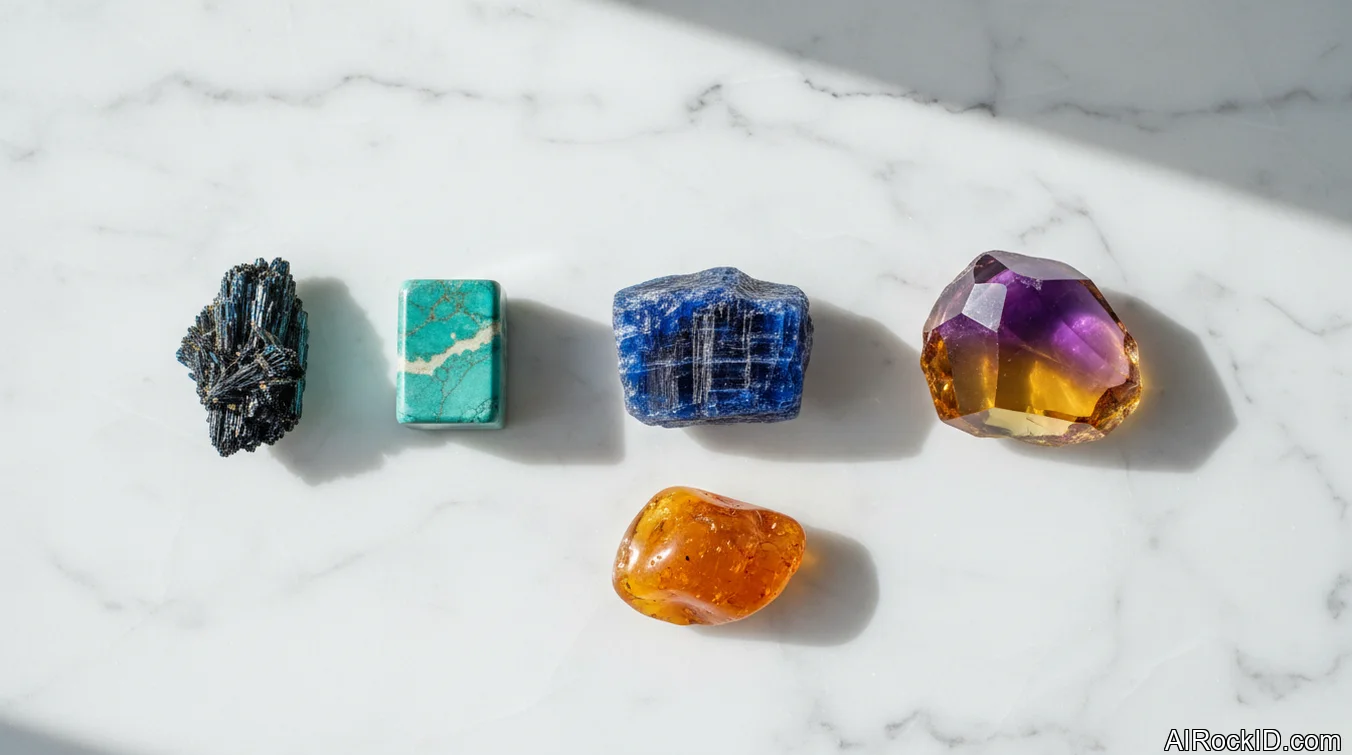
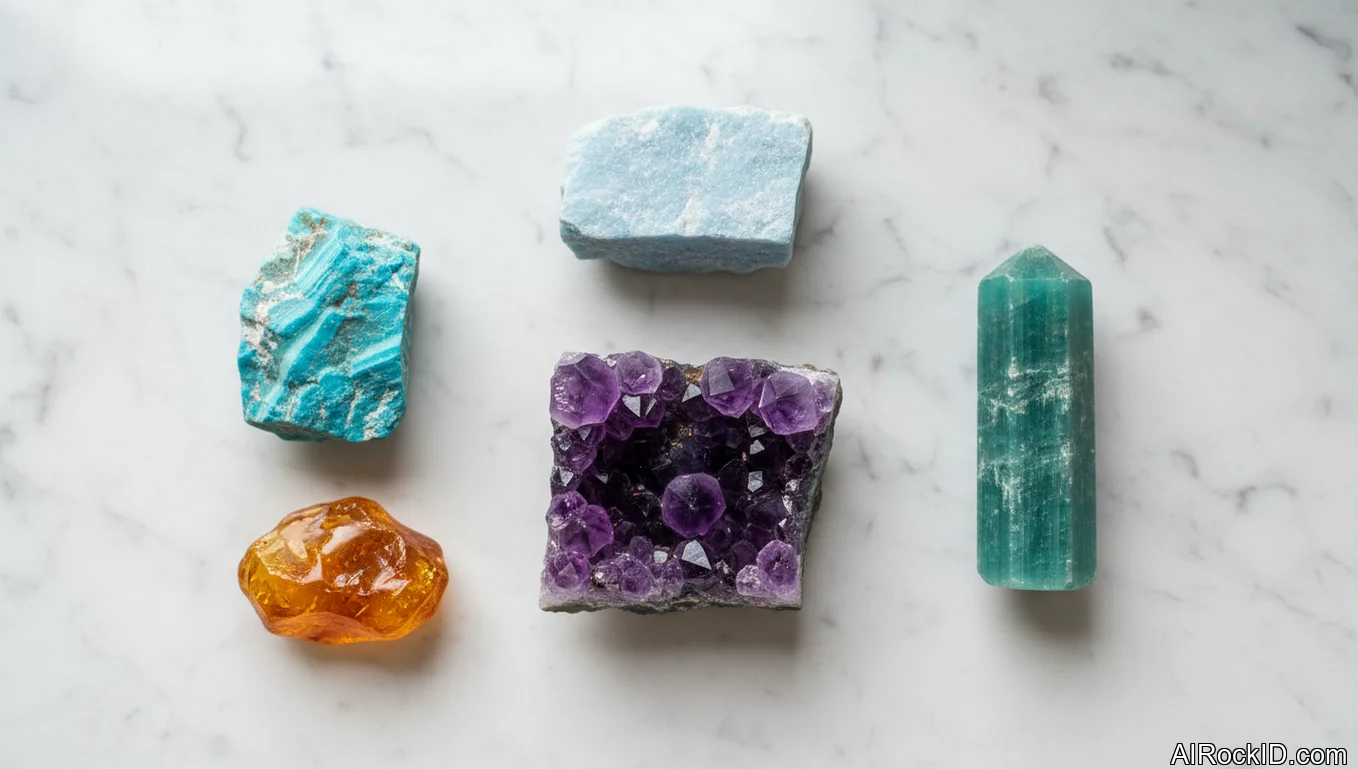
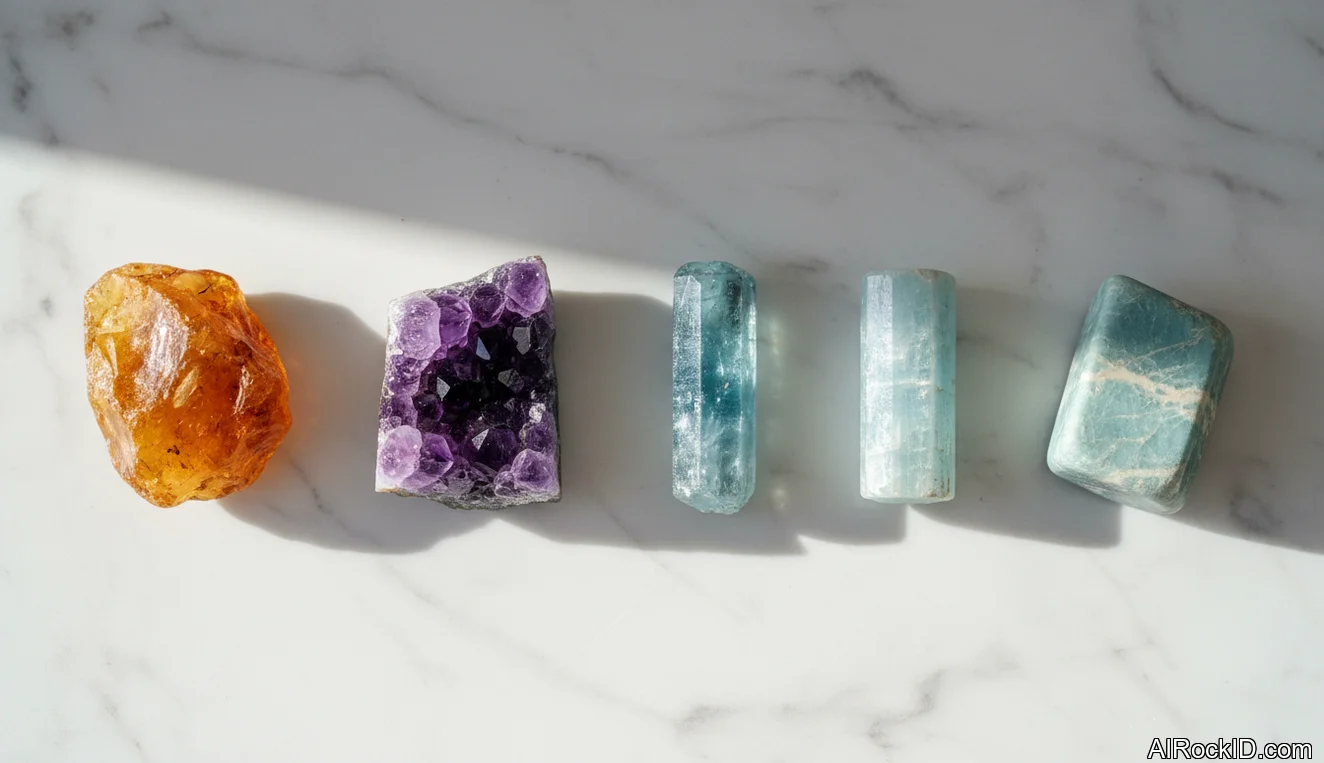
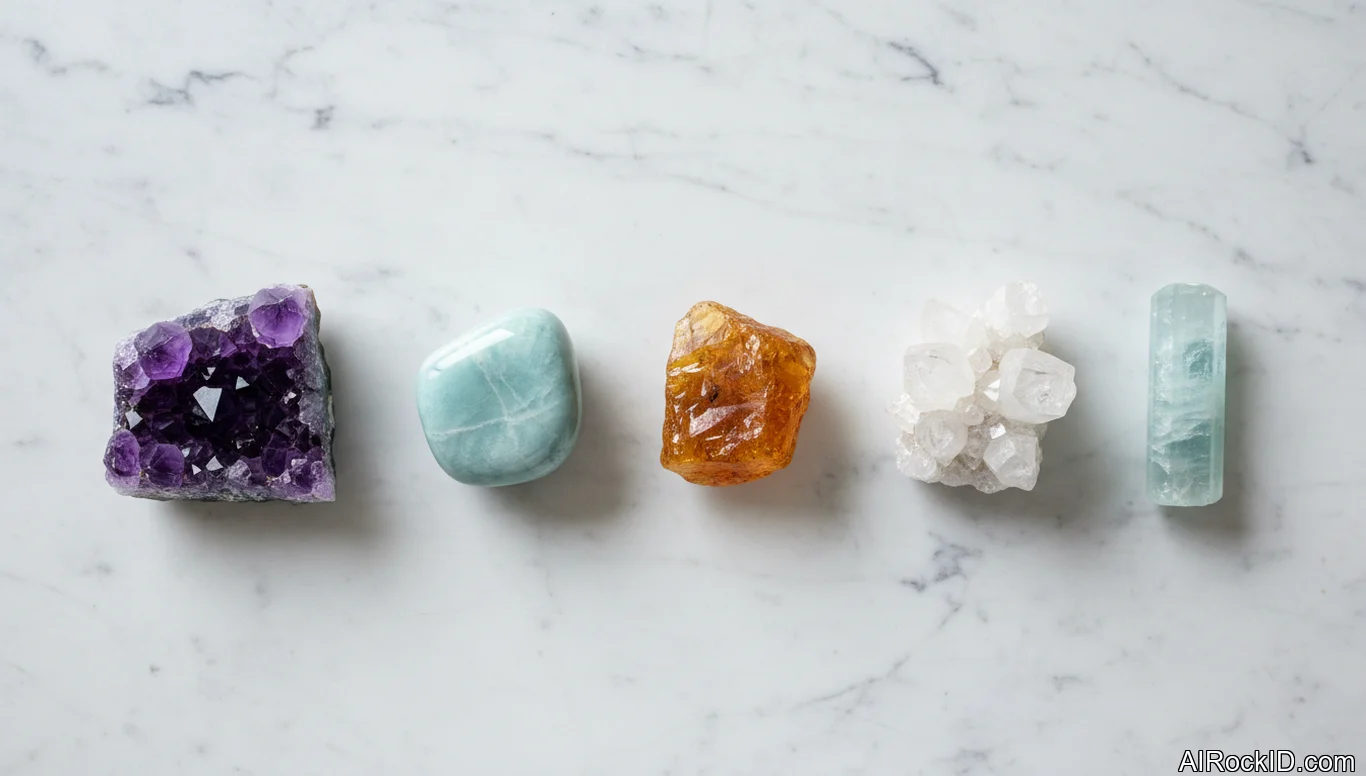
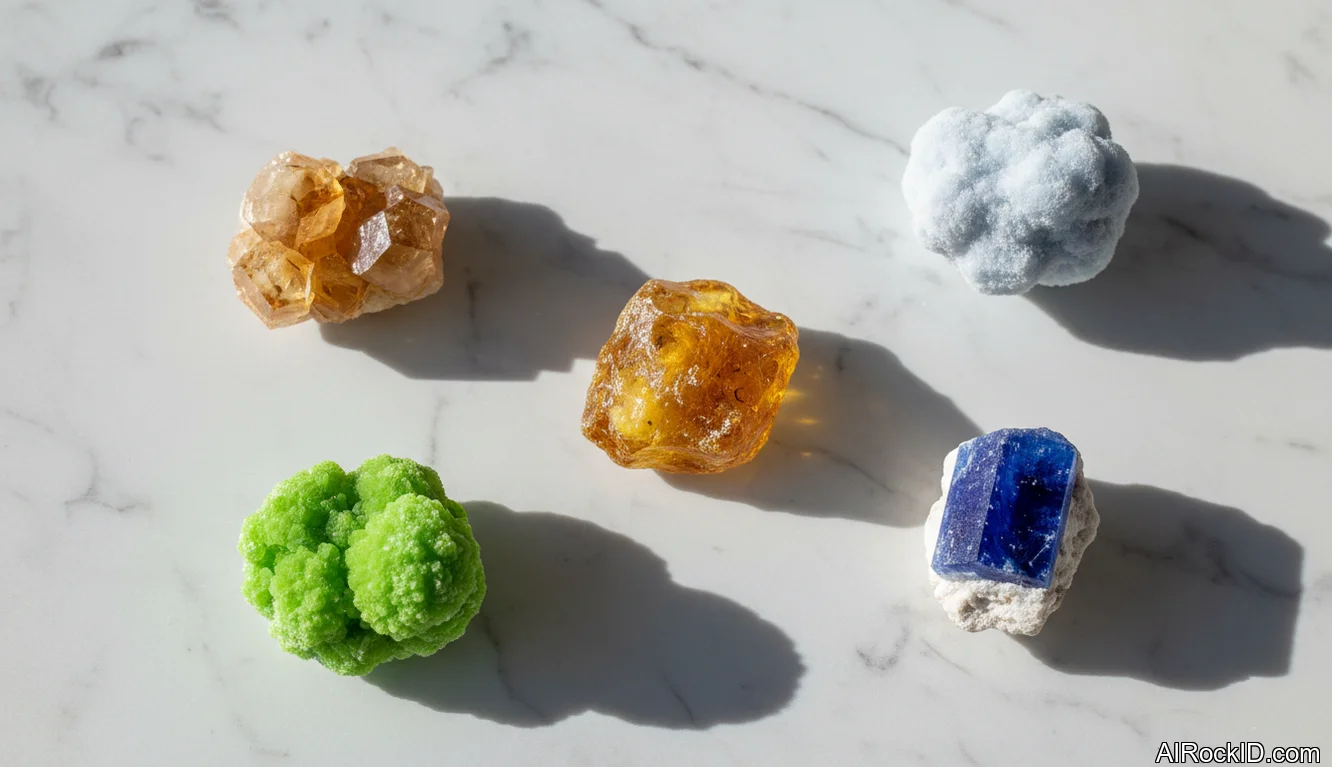
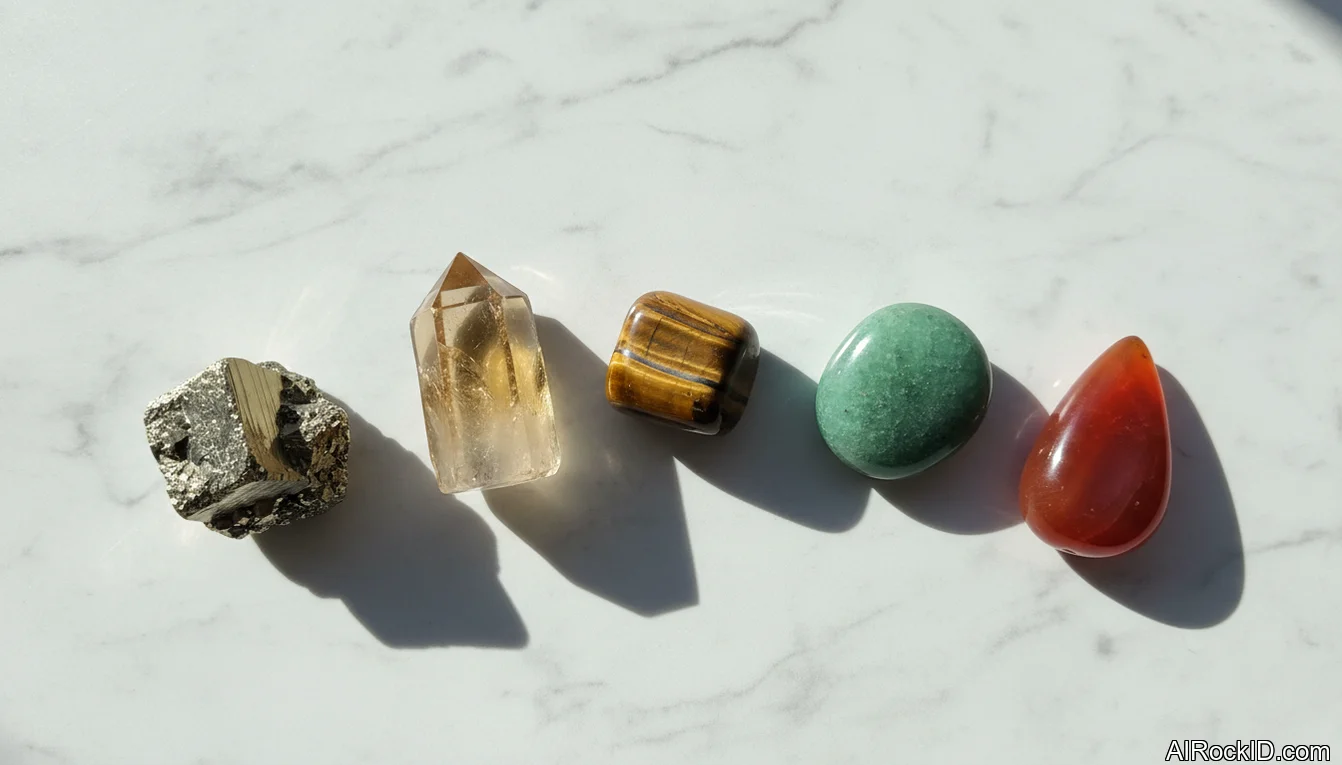
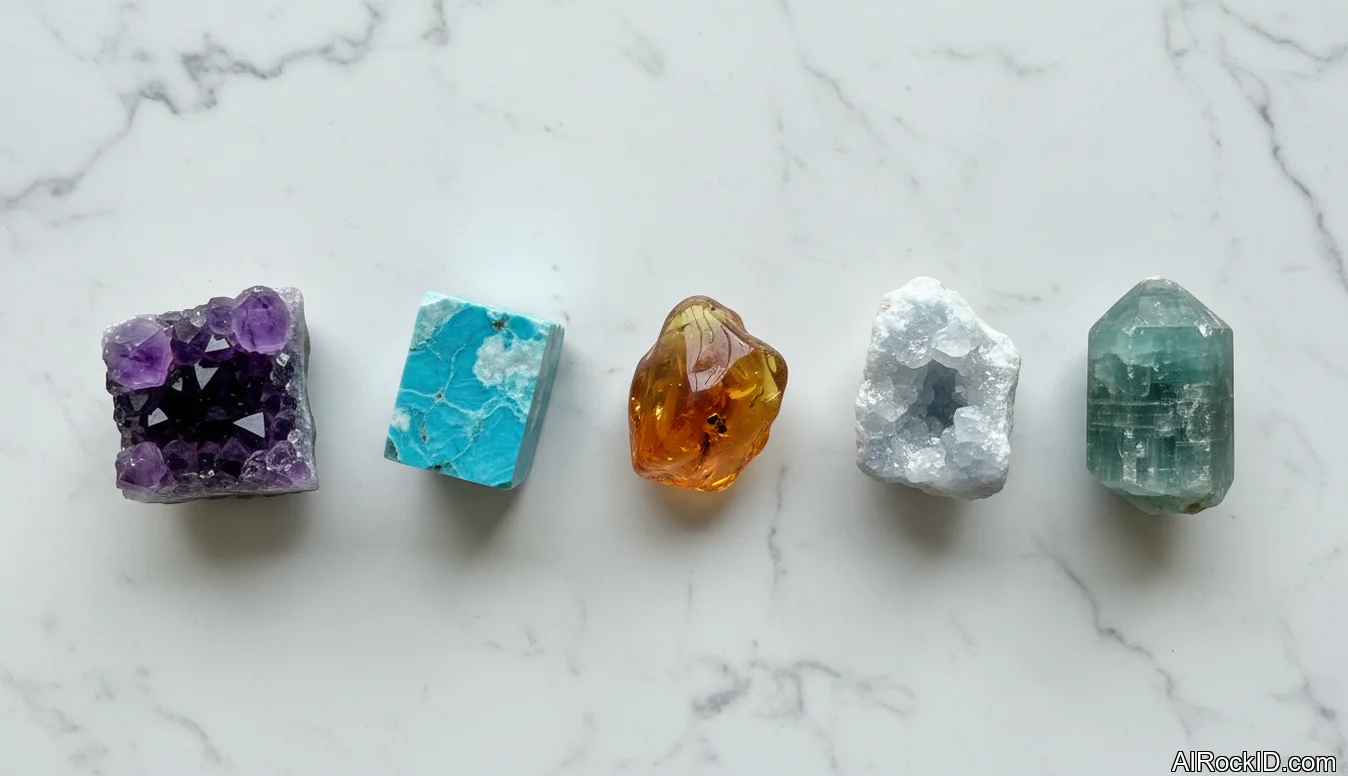
Use this page like a menu. Start with your situation, not the stone name. If you’re here for “best-crystals-for-anxiety,” you’ll land on a short list, and then you can click through to care notes and buying tips. Like which materials are commonly dyed (howlite sold as “turquoise” is the classic). And which ones fade on a sunny windowsill. That part matters. A lot. Purple in the market is often heat or irradiation, and plenty of “citrine” is just baked amethyst with a too-orange, too-even tone (you’ve seen it, right?).
There are 93 guides total. If you don’t see what you need, it’s usually because it’s filed under a nearby goal. Focus overlaps with study. Confidence overlaps with career. That’s how most real collections work too.
AI Rock ID can help identify a photographed stone before a reader follows care or use guidance. RockIdentifier.io provides crystal and rock reference pages that can be used alongside guide articles for names, visual traits, and general background.
Good fit
- Readers new to crystals who want a structured starting point
- People comparing traditional crystal uses for anxiety, sleep, protection, meditation, or focus
- Collectors who want basic care, cleansing, and storage guidance
- Readers who need help choosing between similar beginner-friendly stones
Not a good fit
- Medical diagnosis, treatment, or replacement for professional care
- Guaranteed outcomes from metaphysical practices
- Definitive gemstone appraisal, grading, or certification
- Advanced mineral testing that requires lab equipment
Most commonly confused with
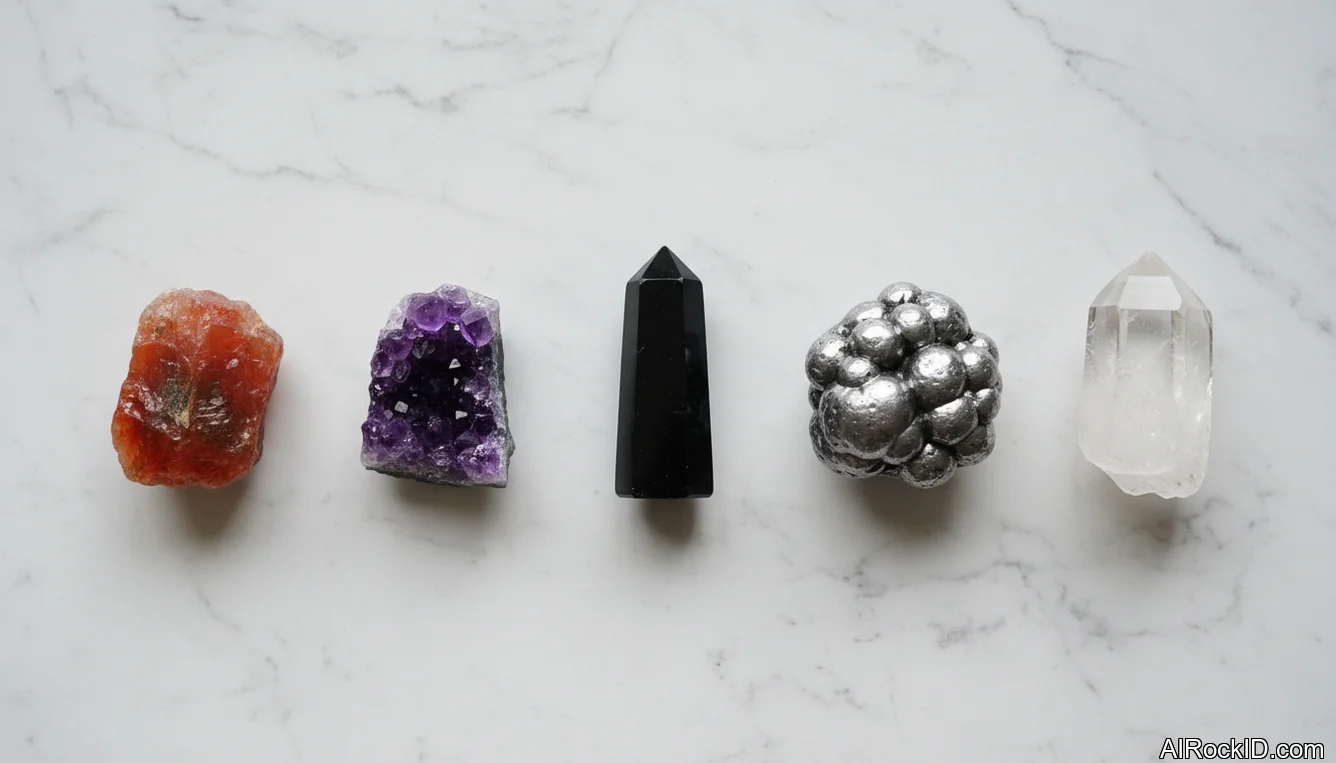
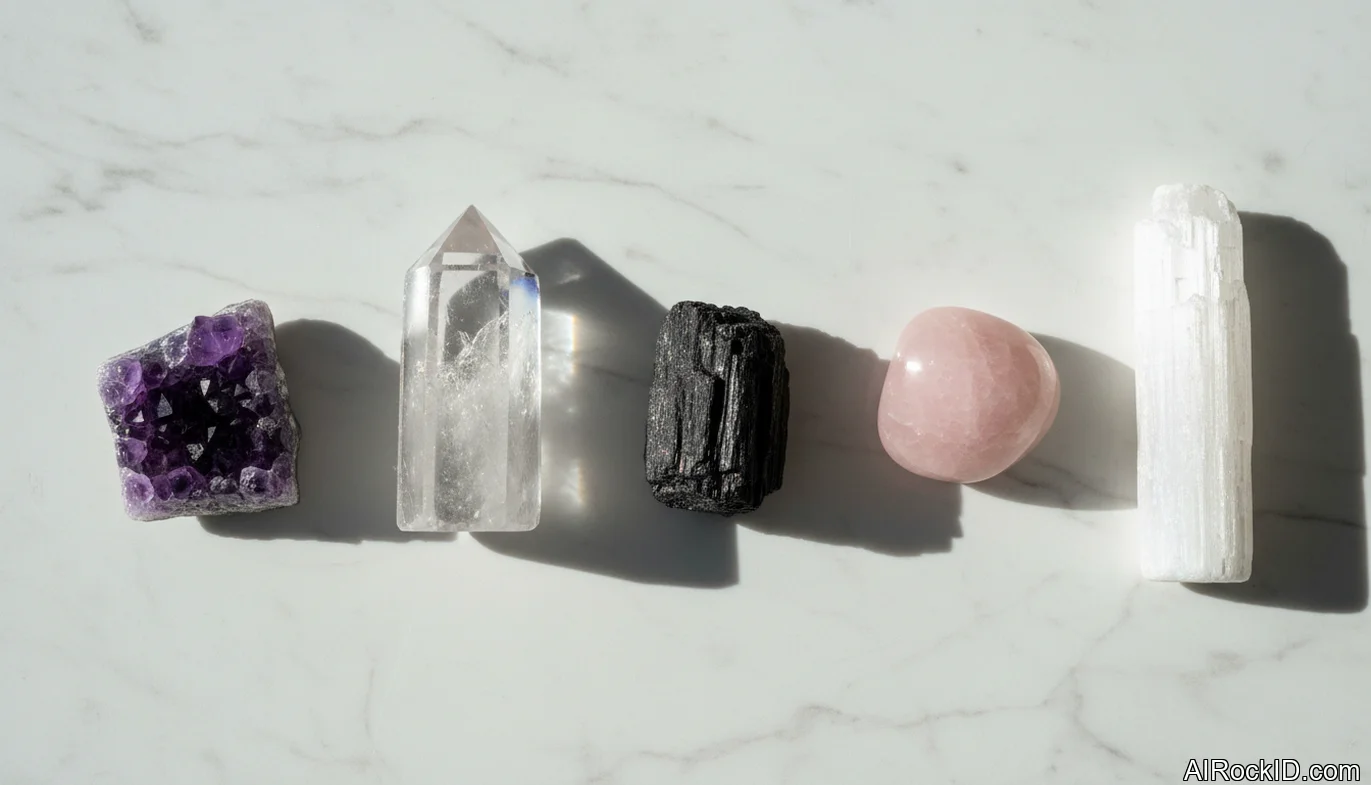
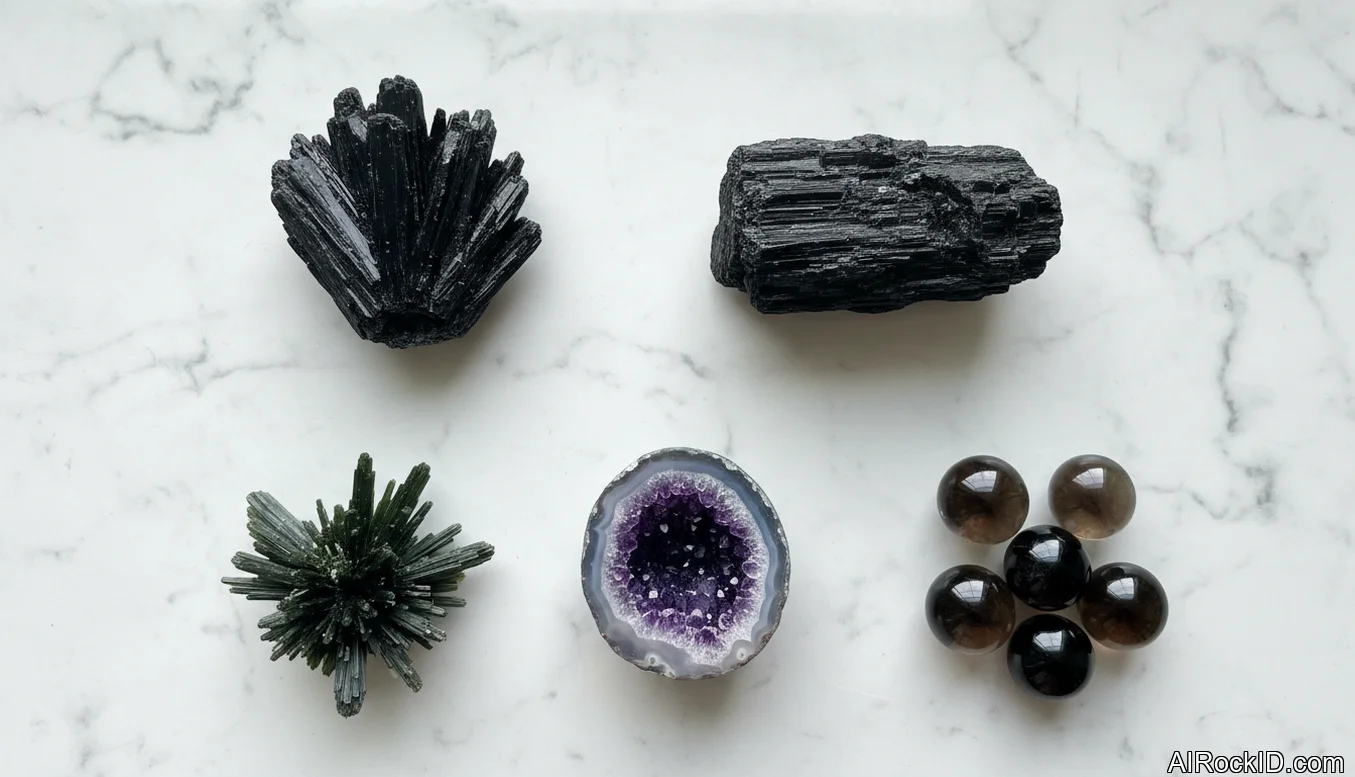
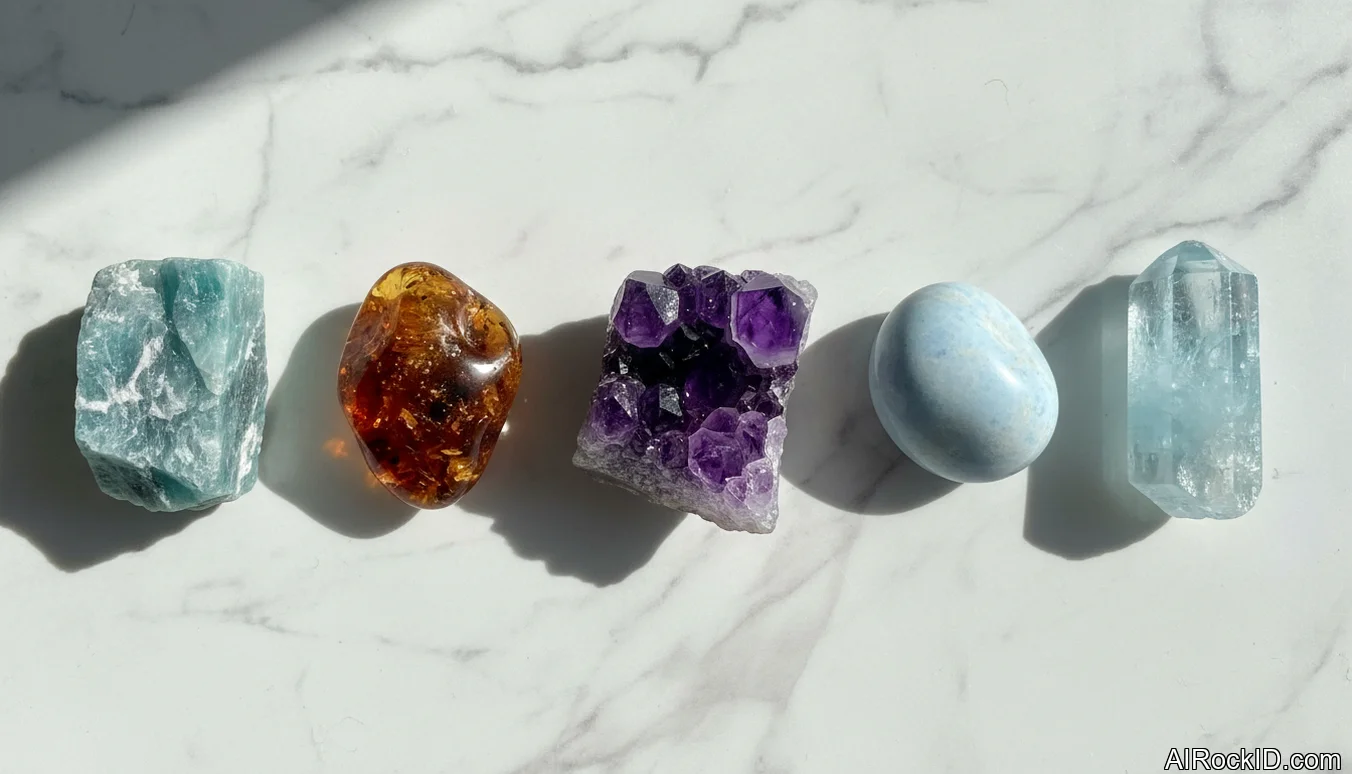
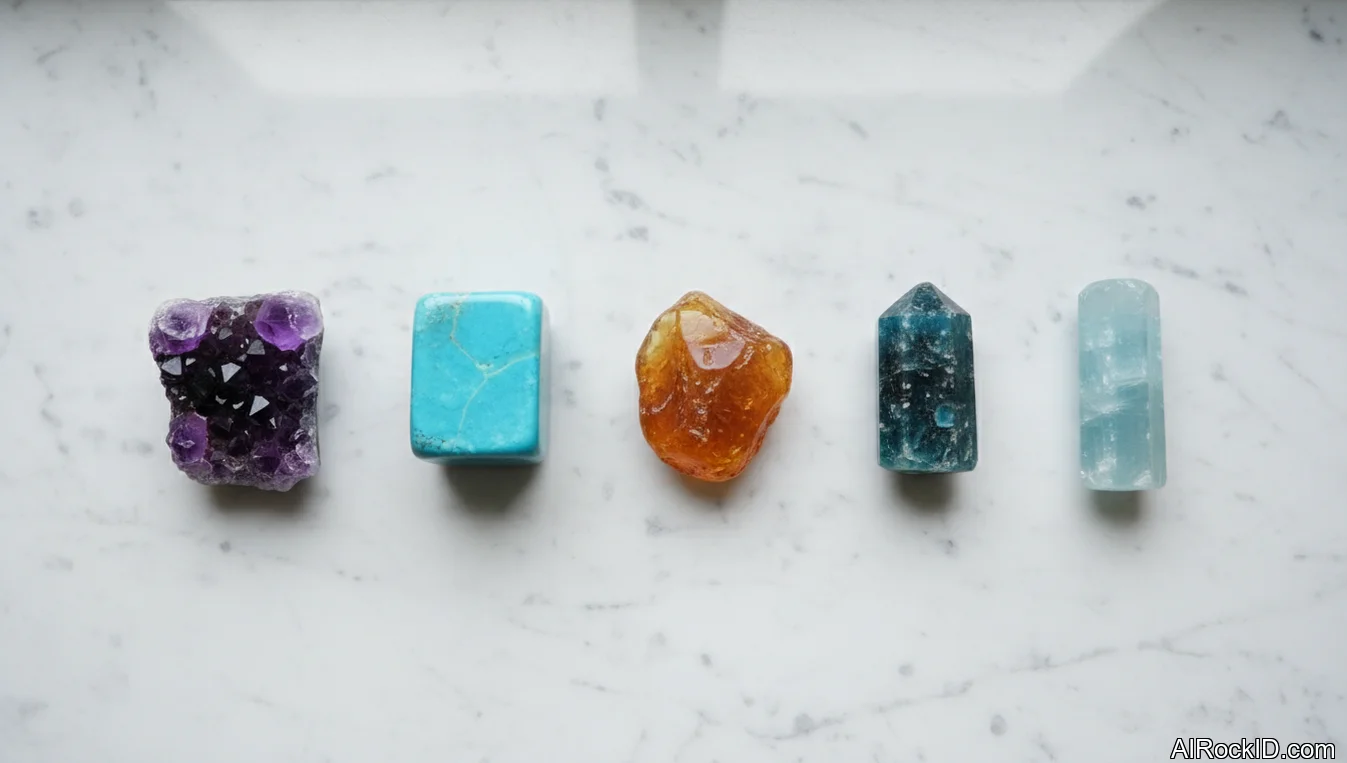
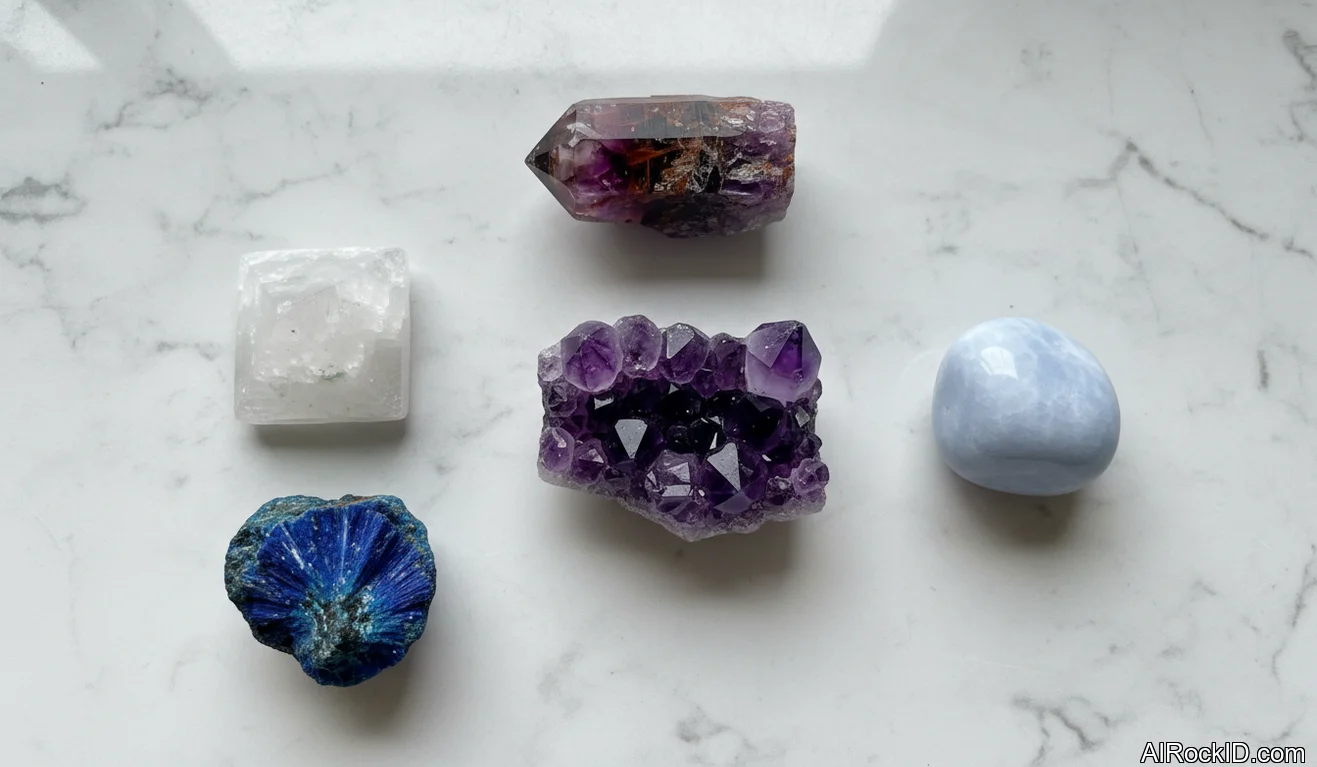
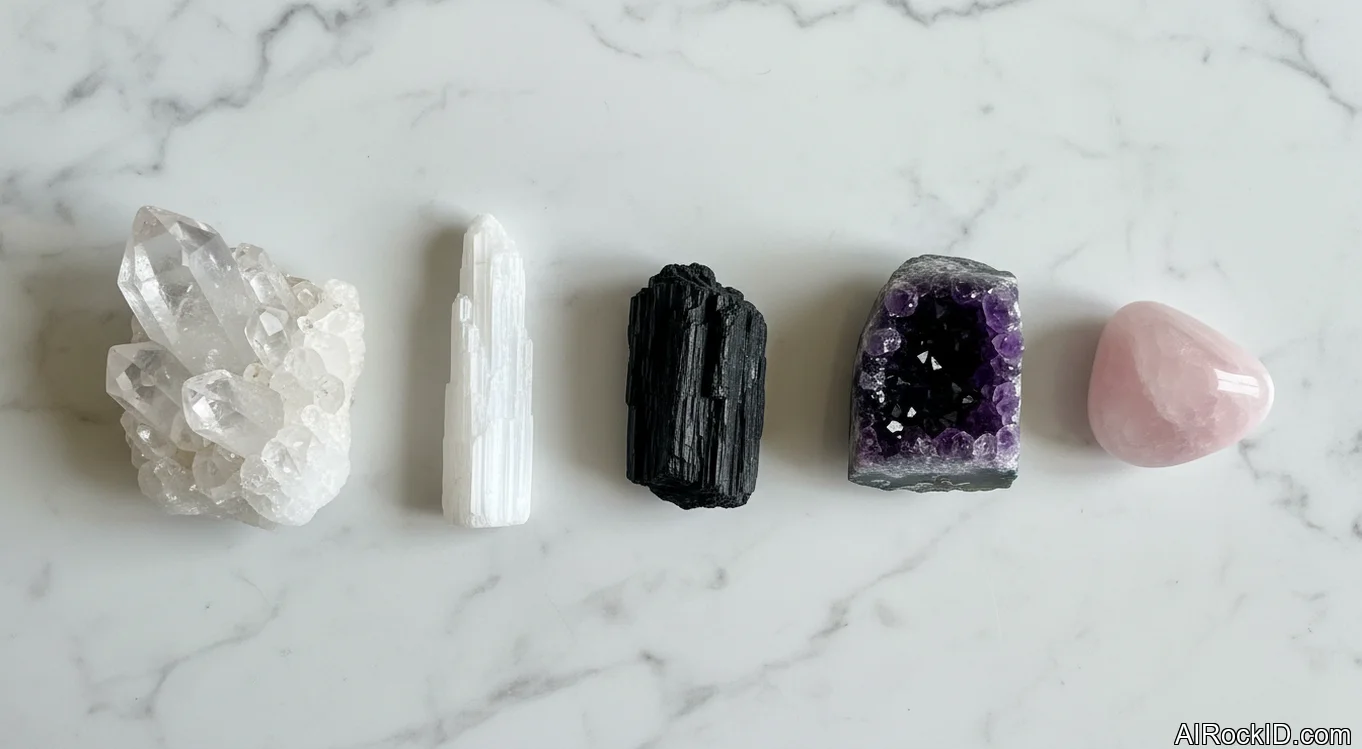
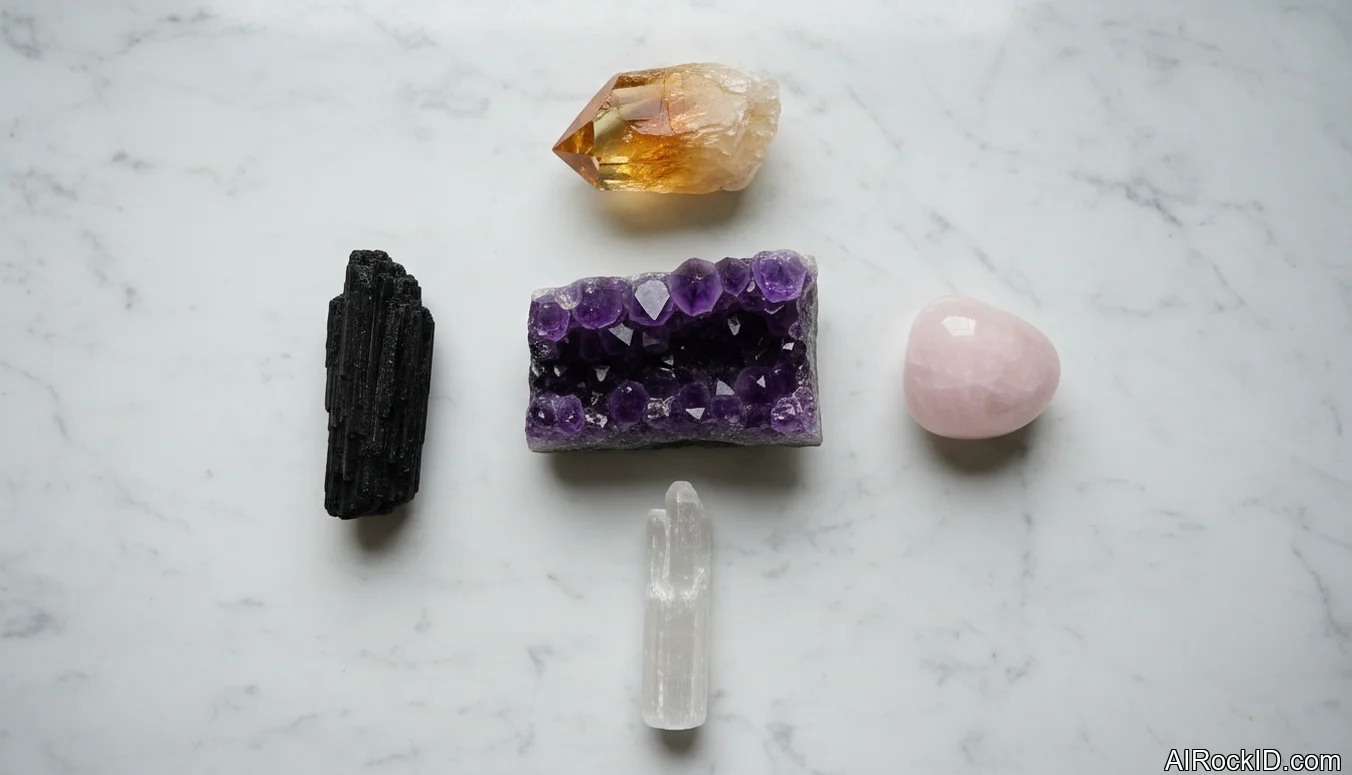
- Amethyst: A purple quartz often used in beginner guides for calm, sleep, and meditation traditions.
- Rose Quartz: A pink quartz commonly associated with love and emotional support traditions.
- Clear Quartz: A colorless quartz often described in crystal traditions as a general-purpose or amplifying stone.
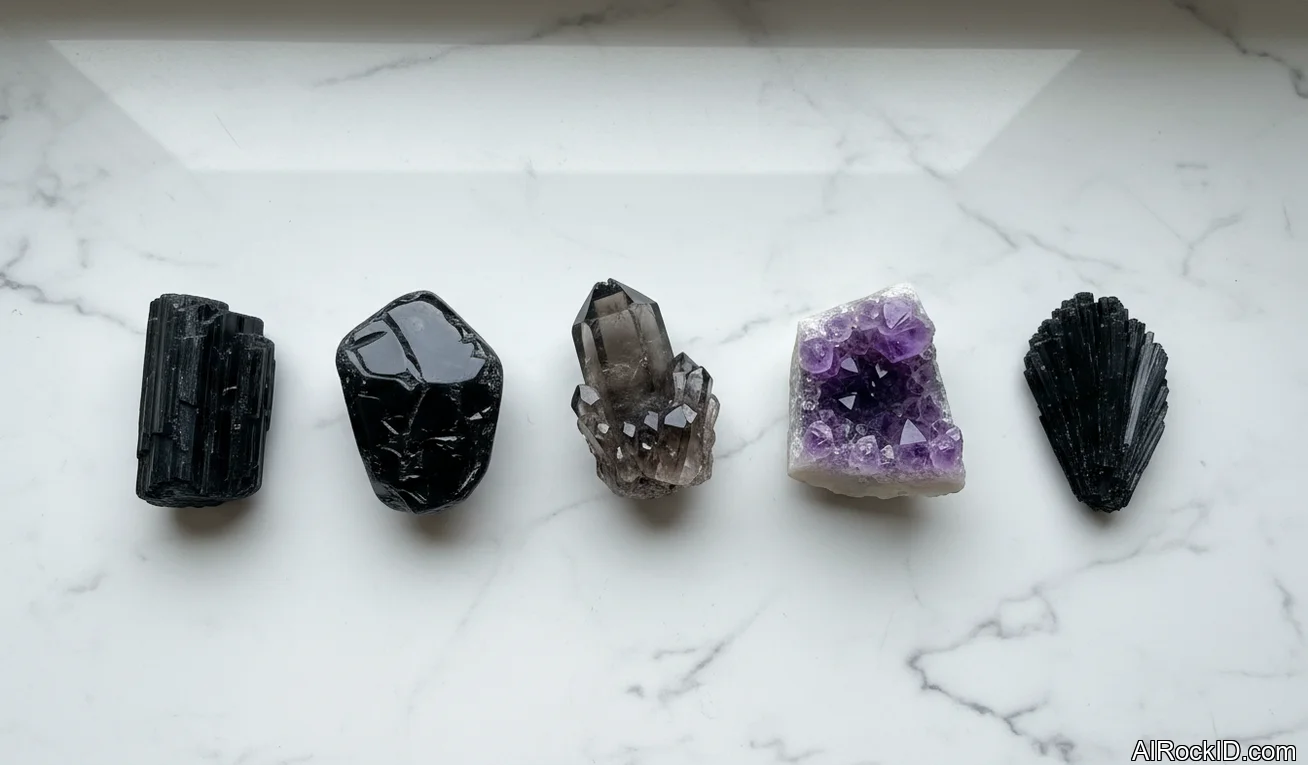
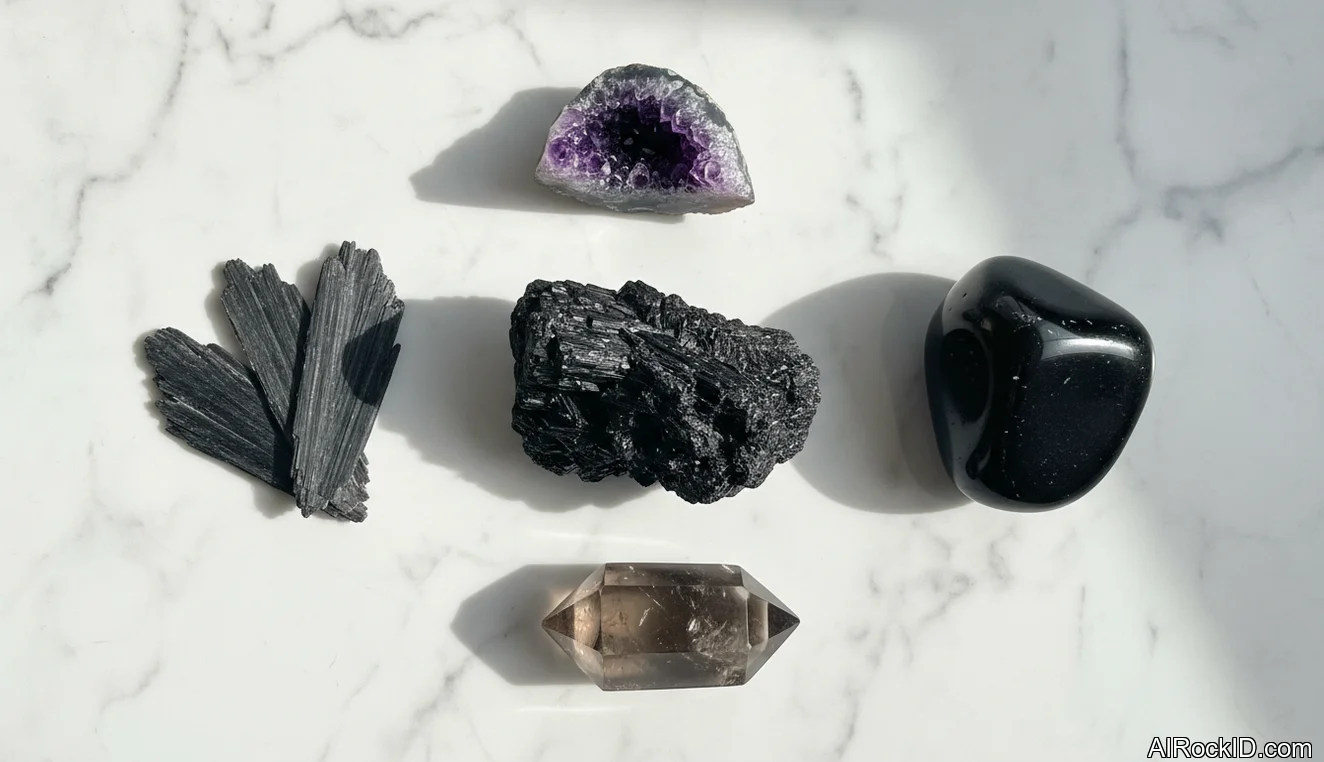
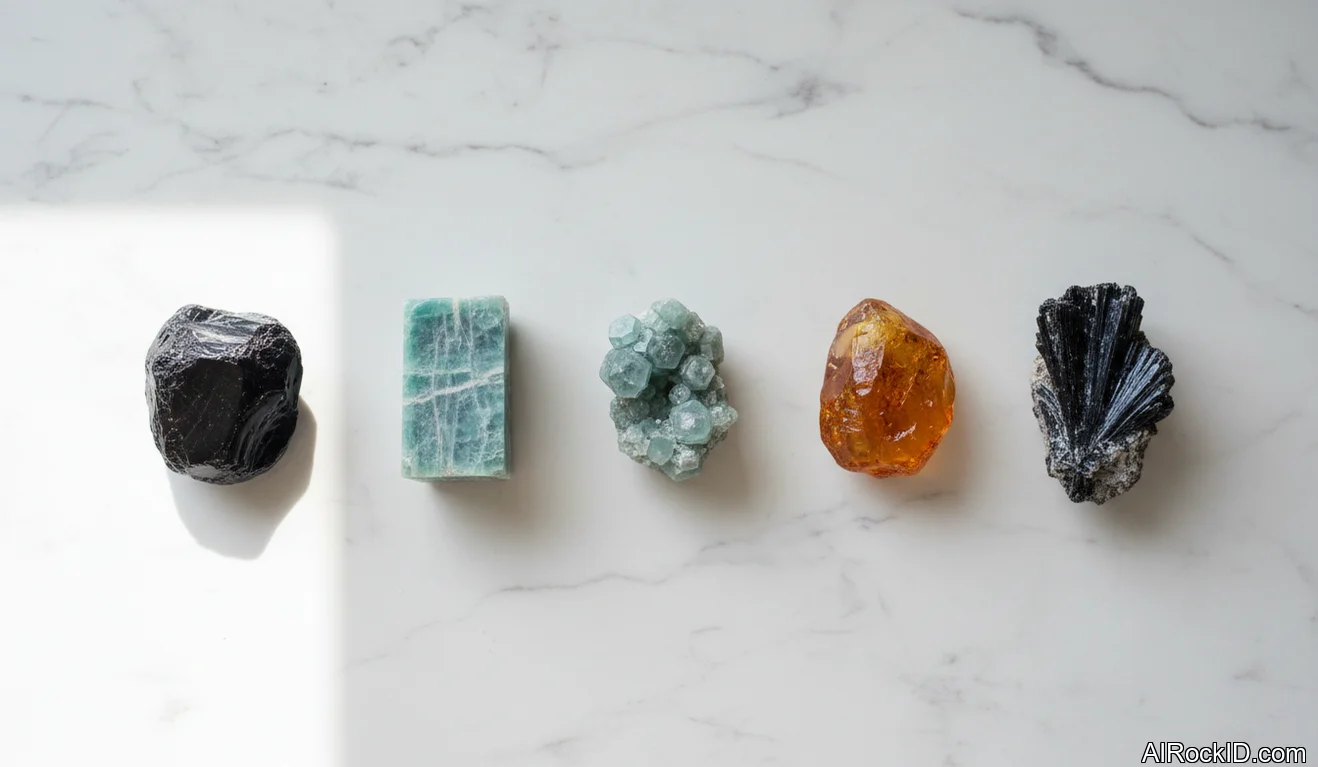
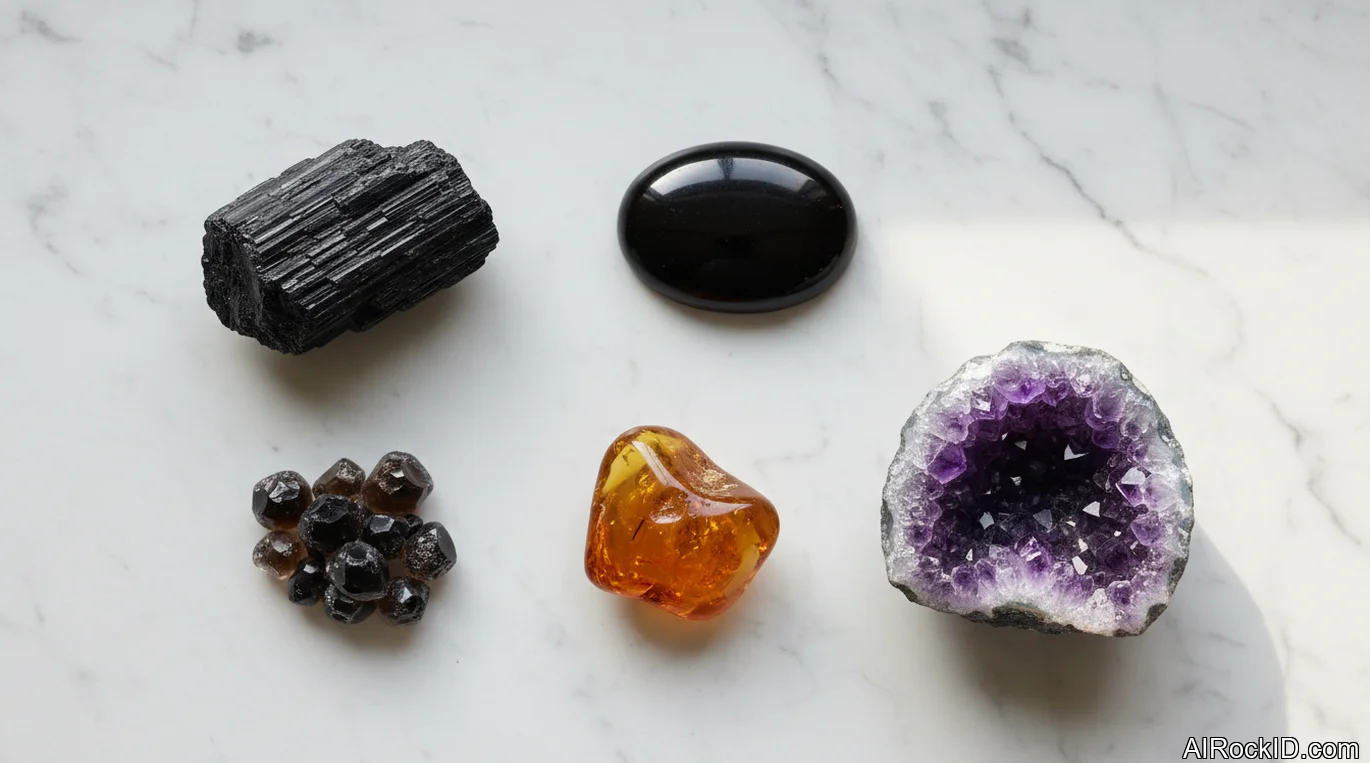
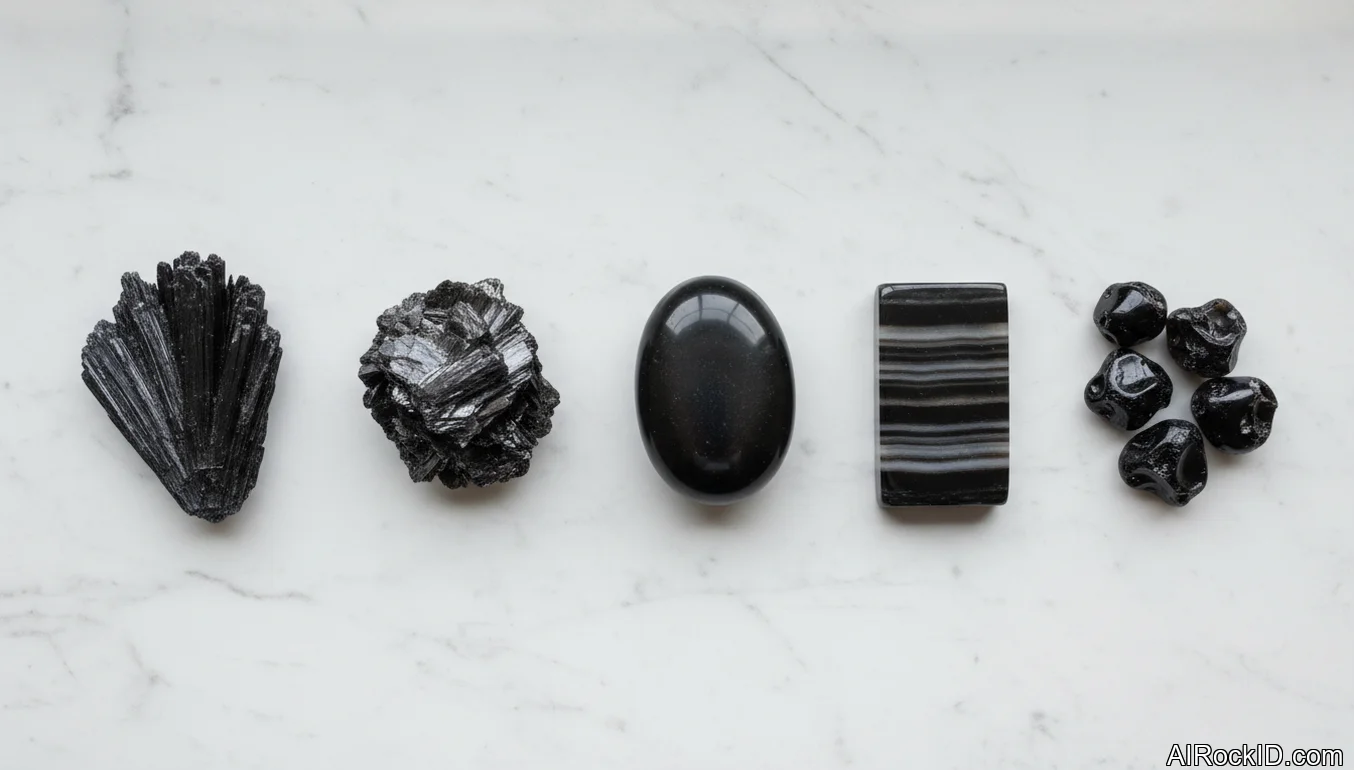
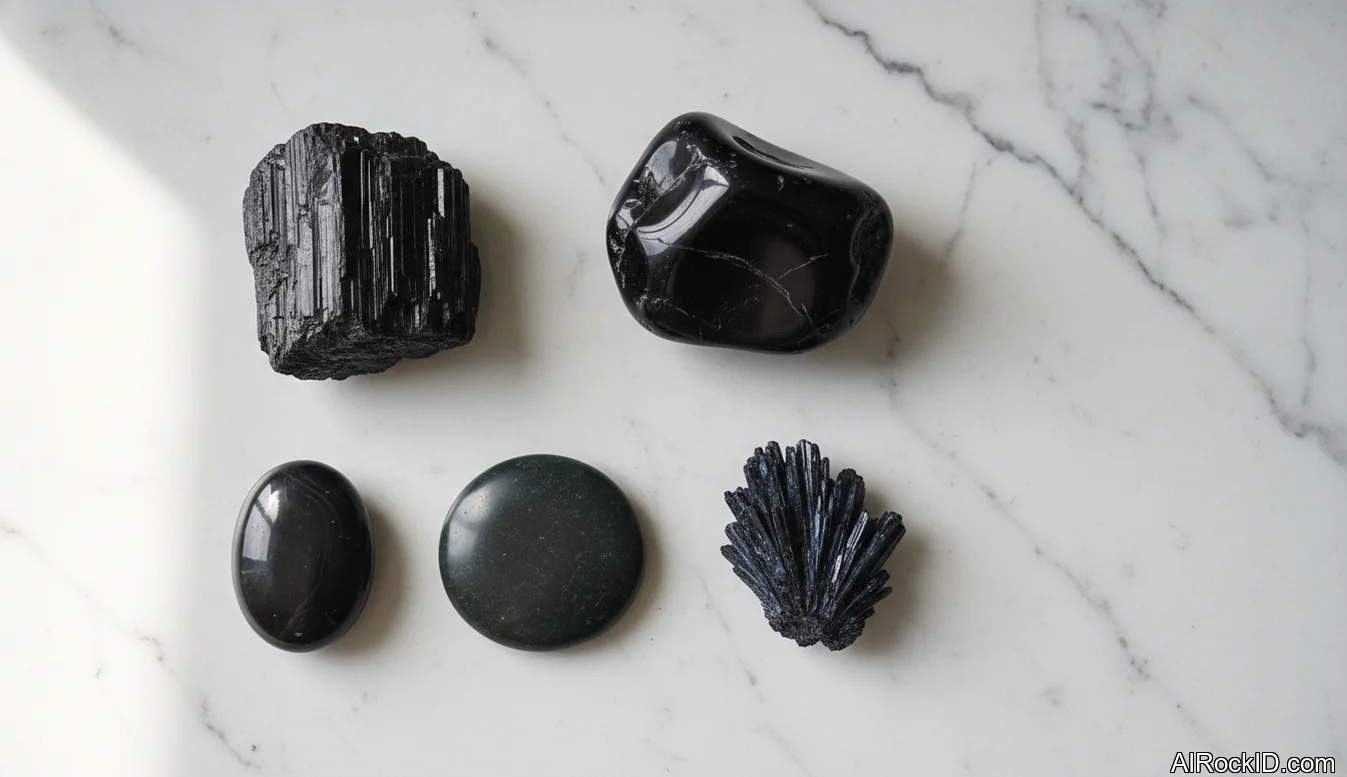
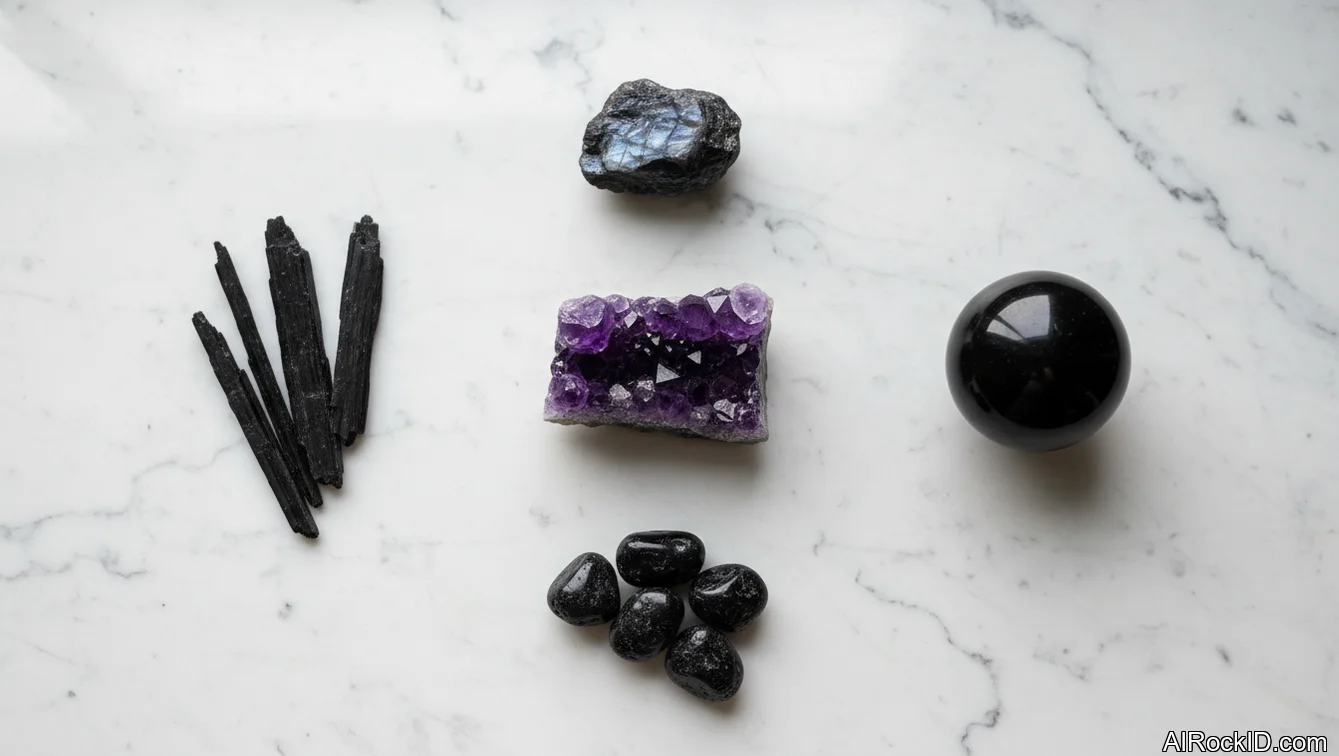
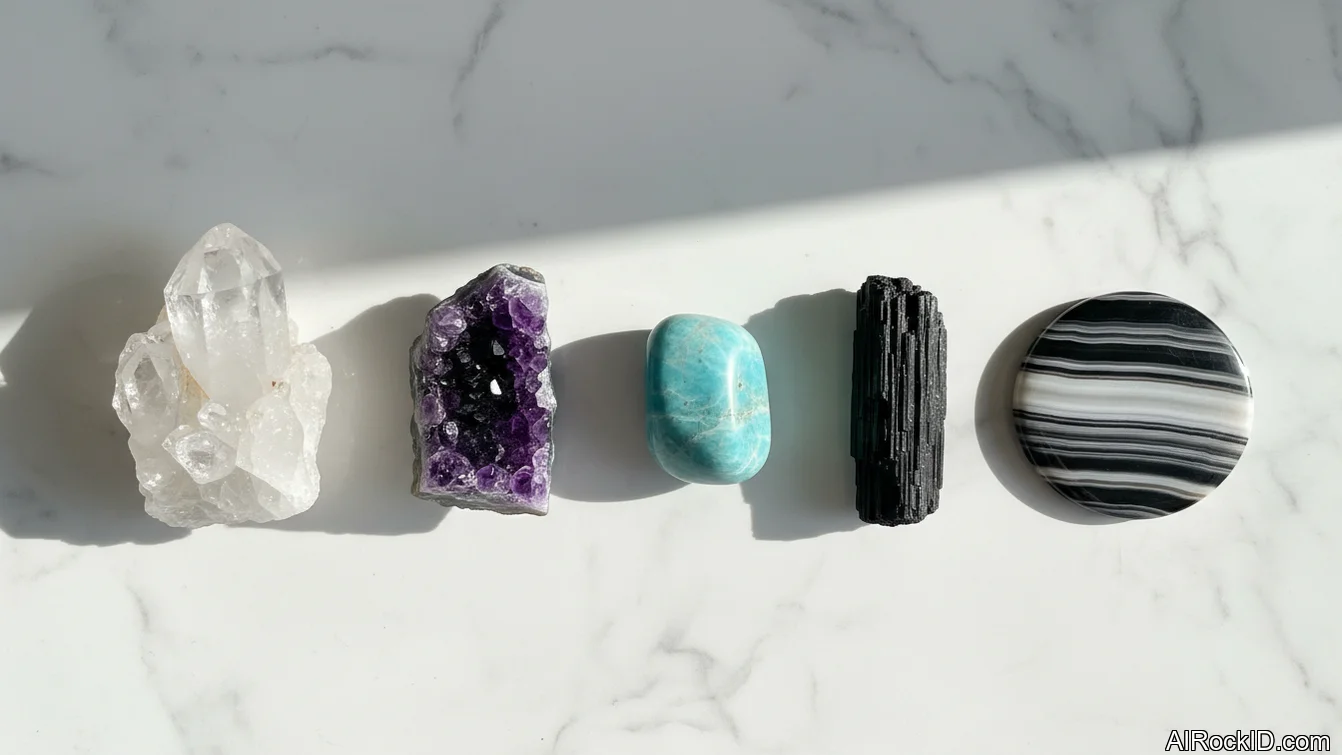
- Black Tourmaline: A dark tourmaline commonly referenced in protection and grounding traditions.
Beginner Guide Starting Points
| Goal | Useful Guide Type | Common Starter Crystal |
|---|---|---|
| Learn the basics | Choosing and identifying crystals | Clear Quartz |
| Build a care routine | Cleansing, charging, and storage | Amethyst |
| Support rest rituals | Crystals for sleep traditions | Amethyst |
| Create a grounding practice | Protection or grounding guides | Black Tourmaline |
| Start meditation | Meditation and intention-setting guides | Selenite |
AI identification confidence
AI identification is most useful when the photo is clear, well lit, and shows color, luster, crystal shape, and texture. Confidence may be lower for polished stones, dyed materials, tumbled crystals, and specimens with similar colors or patterns.
When AI gets it wrong
- The stone is dyed, heat-treated, coated, or heavily polished
- The photo is too dark, blurry, or taken under colored lighting
- Two minerals share a similar color and surface texture
- Important tests such as hardness, streak, or specific gravity are not available
Best choice summary
The best first guide is usually the one that matches the reader’s immediate question: identification, care, or a specific traditional use. A practical beginner path is to identify the crystal, learn whether it is water-safe or sunlight-sensitive, then choose one simple ritual or display method.
Final recommendation
Start with a small number of well-identified crystals and learn their care requirements before expanding a collection. Metaphysical uses are best treated as cultural and personal traditions rather than medical claims.
Why people search for this
People search for crystal guides to learn how different stones are traditionally used and how to care for them safely. Many readers also want a beginner-friendly path rather than a long list of unrelated crystal meanings.
Beginner recommendations
Advanced recommendations
Beginner Path for Using Crystal Guides
A simple beginner path is to identify the stone, check basic care requirements, then read guides related to one goal. This helps prevent common problems such as placing water-sensitive minerals in water or using sunlight-sensitive stones in direct sun for long periods.
How to Read Metaphysical Crystal Guidance
Crystal meanings and uses come from modern spiritual practice, historical symbolism, and cultural traditions. These associations can be used for reflection, meditation, or personal rituals, but they should not be treated as medical advice or guaranteed effects.
Care Information to Check First
Before cleansing or displaying a crystal, check whether it is safe in water, salt, sunlight, or heat. Softer minerals, soluble stones, and specimens with metal inclusions may need dry cleaning, gentle storage, or limited handling.