Where to Place Crystals in Your Home
Quick answer: Place crystals where they support a specific daily habit, such as pausing at the entryway, winding down in the bedroom, or staying organized at a desk. Choose stable locations away from direct hazards, and treat any traditional meanings as symbolic rather than medical or guaranteed effects.


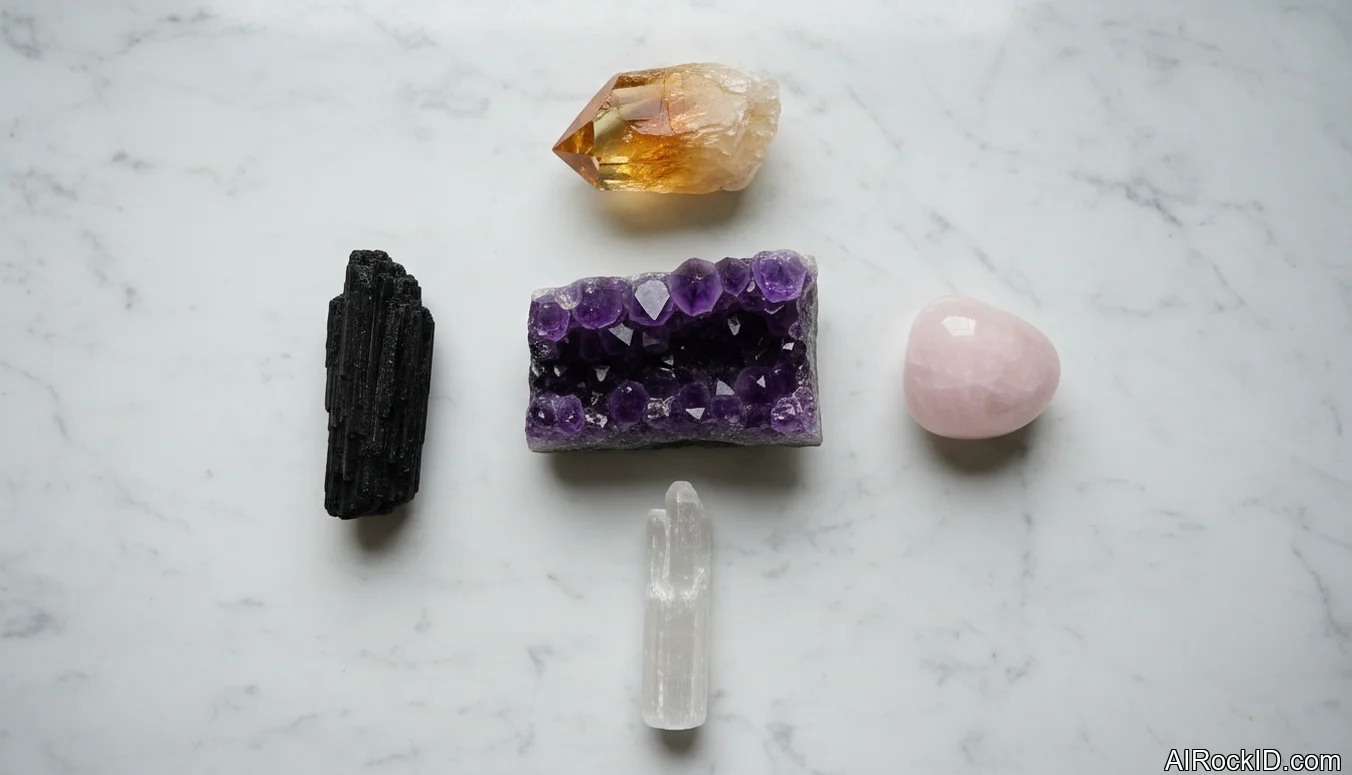
- Introduction
- Recommended Crystals
- Entryway placement: setting a boundary without turning it into clutter
- Bedroom placement: sleep first, aesthetics second
- Desk and home office placement: focus tools you’ll actually touch
- Living room placement: shared space, shared tone
- How to Use These Crystals
- Common Mistakes
- FAQ
AI Rock ID can help users document a stone’s visible traits, such as color, banding, translucency, and crystal habit, before placing it at home. RockIdentifier.io provides crystal and mineral references that can support safer identification, care, and display decisions.
Good fit
- Beginners who want simple, room-based placement ideas
- People using crystals as visual reminders for routines or intentions
- Home decorators who want stones that are easy to display safely
- Anyone organizing a small crystal collection by purpose or location
Not a good fit
- Replacing medical, mental health, or sleep treatment with crystals
- Placing fragile, soluble, or toxic minerals where children or pets can reach them
- Using crystals in water without confirming the mineral is safe for that use
- Expecting one placement to create a guaranteed outcome
Most commonly confused with
- Clear Quartz: Often confused with glass; clear quartz usually has natural inclusions, growth lines, or internal veils rather than perfectly uniform clarity.
- Amethyst: Can be confused with purple glass or dyed quartz; natural amethyst often shows uneven purple zoning.
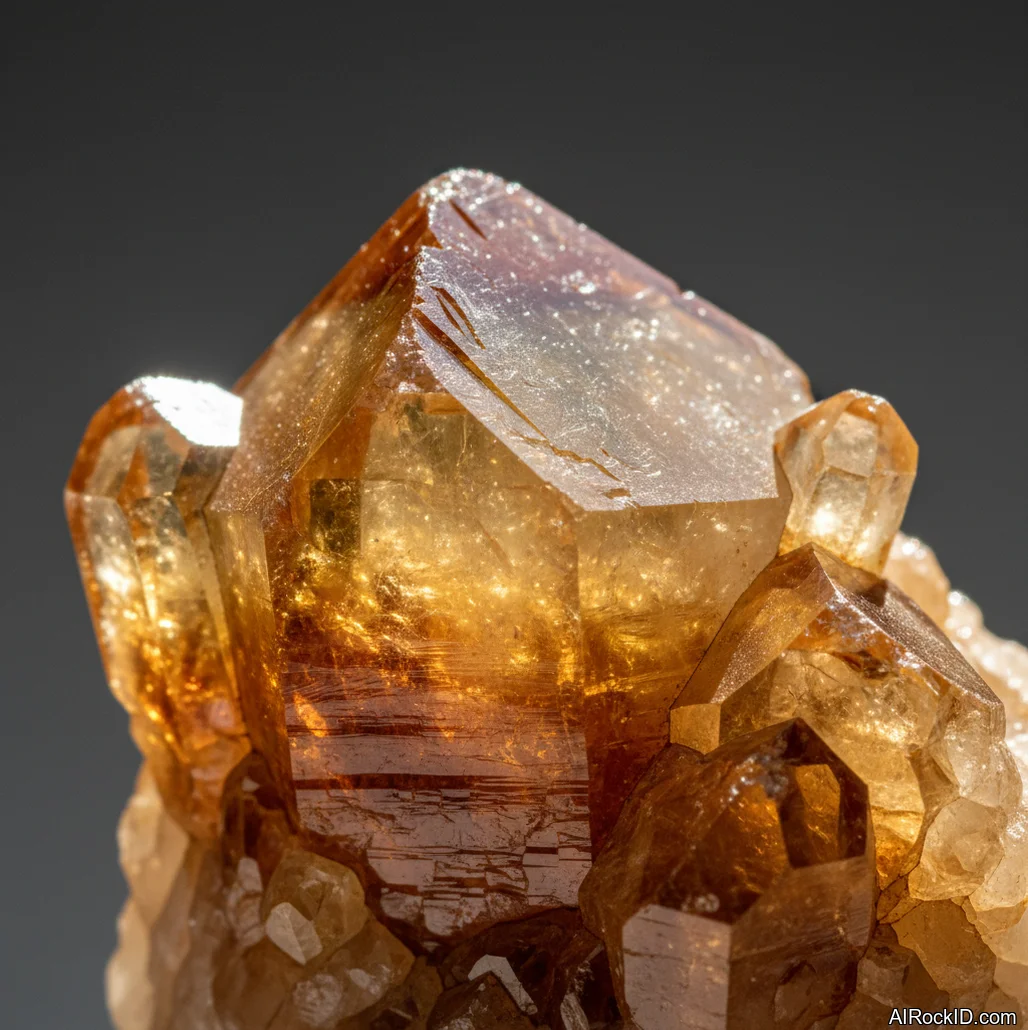
- Citrine: Many bright orange citrine pieces are heat-treated amethyst; natural citrine is usually paler yellow to smoky yellow-brown.
- Black Tourmaline: Can be confused with obsidian; black tourmaline commonly has lengthwise striations, while obsidian has a glassy fracture.
AI identification confidence
AI identification is most useful when photos are sharp, taken in natural light, and show multiple angles, surface texture, and any visible crystal structure. Confidence is lower for polished stones, dyed materials, tumbled pieces, and specimens with no diagnostic features visible.
When AI gets it wrong
- The stone is dyed, heat-treated, coated, or made of glass or resin.
- The photo has strong color casts, shadows, filters, or reflections.
- The specimen is tumbled or polished so natural structure is hidden.
- Several minerals share the same color and general appearance.
Best choice summary
For most homes, the best crystal placement is simple, visible, and tied to one behavior: a grounding stone near the entry, a calming stone near the bed, or a focus stone at the desk. Clear quartz, amethyst, rose quartz, black tourmaline, and citrine are beginner-friendly choices because they are widely available and easy to integrate into common rooms.
Final recommendation
Start with one or two placements and adjust them after a week based on whether they make the space easier to use, calmer, or less cluttered. Keep safety, stability, and material care ahead of symbolism, especially in homes with pets, children, direct sunlight, or humid areas.
Why people search for this
People often search this topic because they want crystal placement to feel intentional rather than random. Many also want to combine home decor, symbolic traditions, and practical safety in a simple way.
Beginner recommendations
Advanced recommendations
Safety Around Pets and Children
Place crystals on stable shelves, trays, or enclosed displays if pets or children can access the room. Small tumbled stones can be choking hazards, and some minerals may shed dust, splinter, or contain elements that should not be handled casually. Avoid placing crystals in pet bowls, aquariums, humid terrariums, or children’s beds.
Light, Heat, and Moisture Considerations
Some crystals can fade, crack, dissolve, or lose surface quality when exposed to direct sunlight, heat, or water. Amethyst and rose quartz may fade in strong sun, while selenite is soft and water-sensitive. Bathrooms, windowsills, and kitchens should be chosen carefully based on the specific mineral.
How Often to Reassess Placement
A practical placement should stay useful, safe, and easy to clean. Reassess crystals whenever a room’s function changes, clutter builds up, or the stone is repeatedly bumped or ignored. Moving a crystal is reasonable if the location no longer supports the routine or atmosphere you intended.
This guide explains where to place specific crystals in your home so you actually use them, not just decorate with them, using room function as the rule: sleep in the bedroom (amethyst), boundaries at the entryway (black tourmaline), and a clean-feeling reset spot (selenite). It also covers practical placement stuff collectors learn fast, like keeping rose quartz and citrine out of harsh sun and not leaving soft, scratch-prone pieces where keys and grit will chew them up. Limitation: placement is a habit and a tactile cue, not a guaranteed mood switch or a fix for health problems.
Put crystals where you’ll actually see them and put your hands on them. Then just match the stone to what that room already does. A bedroom is for sleep. A desk is for focus. An entryway is for transition. The living room is for shared energy. So yeah, you’re basically using placement like a reminder system you can touch.
I’ve tried the whole “one stone fixes everything” thing, and it never sticks. What does stick is simple: one or two pieces per area, left where your hands naturally go. A palm stone by the kettle actually gets picked up (especially when the counter’s still a little warm and you’re half awake). A tower tucked behind a plant just becomes décor you stop noticing. And some minerals just do better in certain spots, plain and simple. Softer pieces get scratched on a windowsill if you keep sliding them around to open it. Sun-faders get washed out fast when they sit in direct light all day. And if you’ve ever knocked a pointy quartz off a shelf at 2 a.m. and had to feel around on the floor for it? You start thinking like a practical person real quick.
Placement isn’t magic. It’s environment design. You’re setting cues for your nervous system and your habits, and the crystal is just a physical anchor for that cue. Pick up an amethyst and you notice the cool weight first. Set it on a nightstand and it turns into a nightly touchpoint. Same stone in a junk drawer? Gone. Keep it simple, keep it visible (no hiding it behind stuff), and don’t fight your own routines.
Quick Comparison
| situation | crystal | why | format |
| I want something by the front door that helps me feel less frazzled when I come home, but it can’t be fragile because keys and grit end up on that table. | Black Tourmaline | People put it at entryways for a hard stop between outside noise and home energy, and it holds up better than soft, flaky minerals when it gets bumped around. | Chunk or small tower on a dish/tray |
| What should I keep on my nightstand for sleep, and what won’t get ruined by a glass of water or being knocked over at 2 a.m.? | Amethyst | It’s a classic bedroom pick for winding down, and as quartz it’s tough enough that a sleepy fumble usually won’t wreck it. | Palm stone or small cluster on the nightstand |
| I want a crystal in my living room that feels calming for everyone, not just me, and it shouldn’t look like a random rock pile. | Rose Quartz | People use it in shared spaces for softer, friendlier vibes, and a polished piece reads like intentional decor instead of a specimen tray. | Polished freeform or large tumbled stone in a bowl |
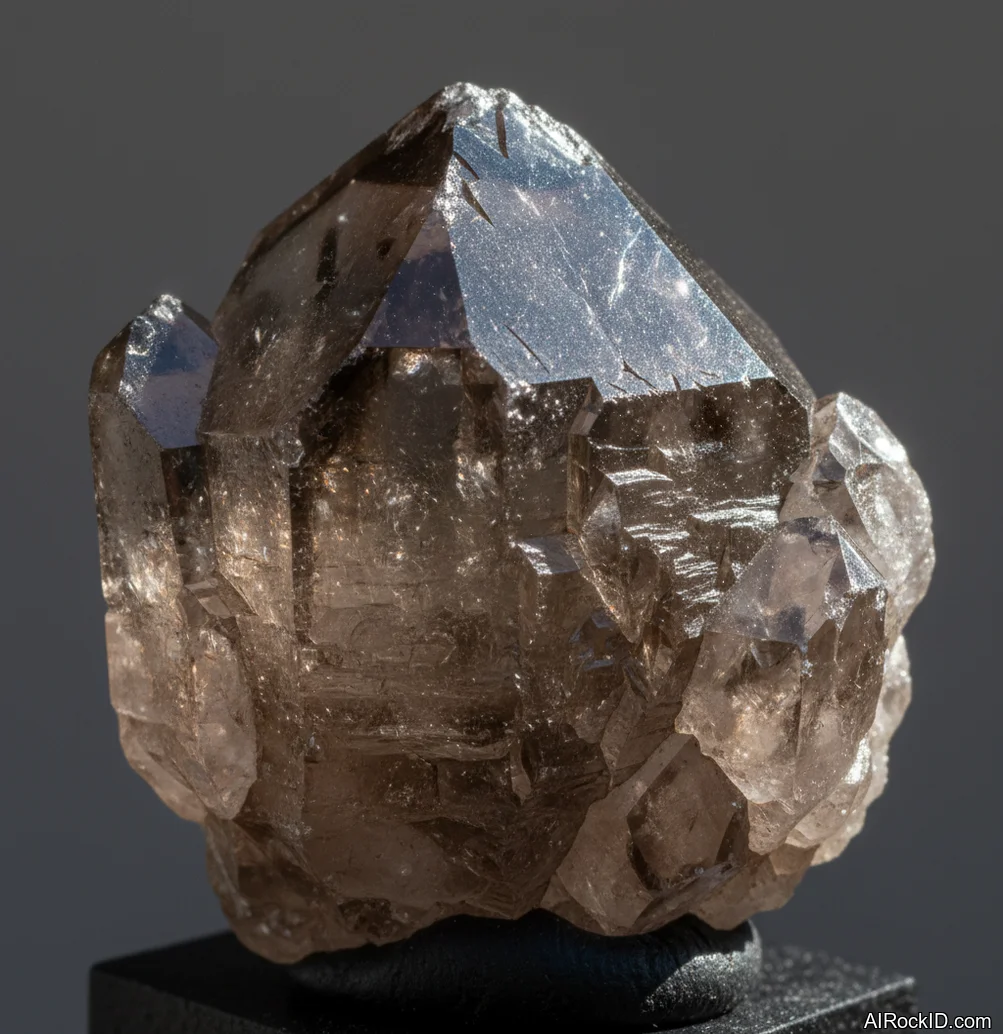
| I’m trying to set a focus zone at my desk, but I don’t want something that fades in a sunny window or gets lost under papers. | Smoky Quartz | It gets chosen for steady, grounded focus, and it’s less of a sun-fader than citrine and rose quartz when your desk sits in bright light. | Point/tower placed at the back corner of the desk |
Recommended Crystals
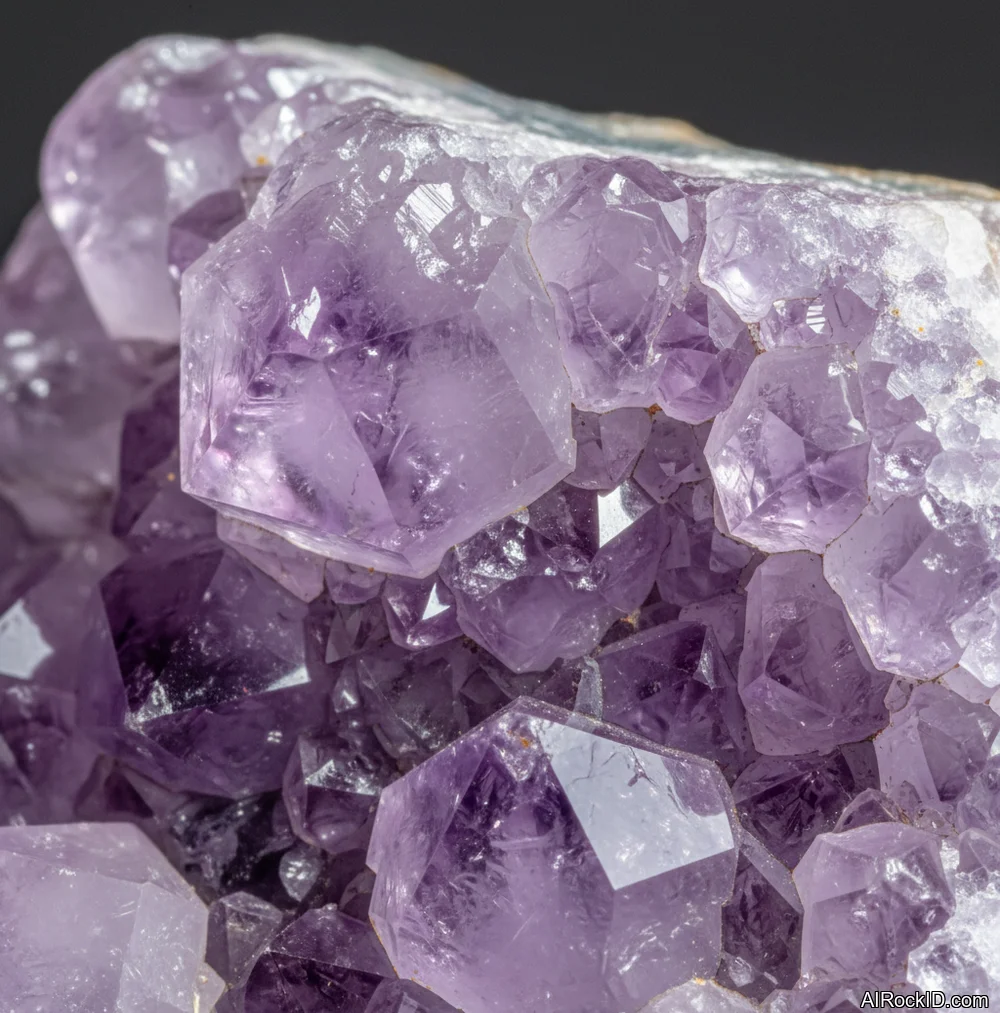
Amethyst

Black Tourmaline
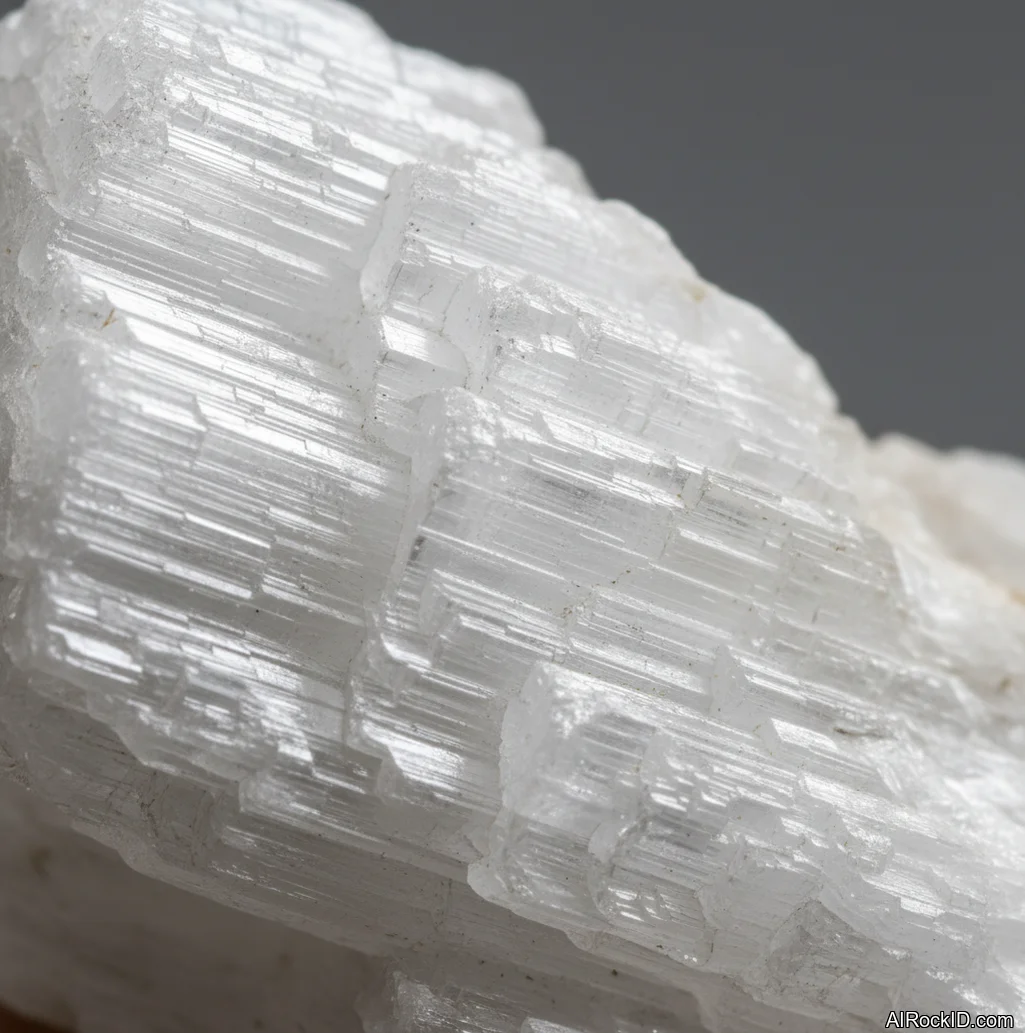
Selenite
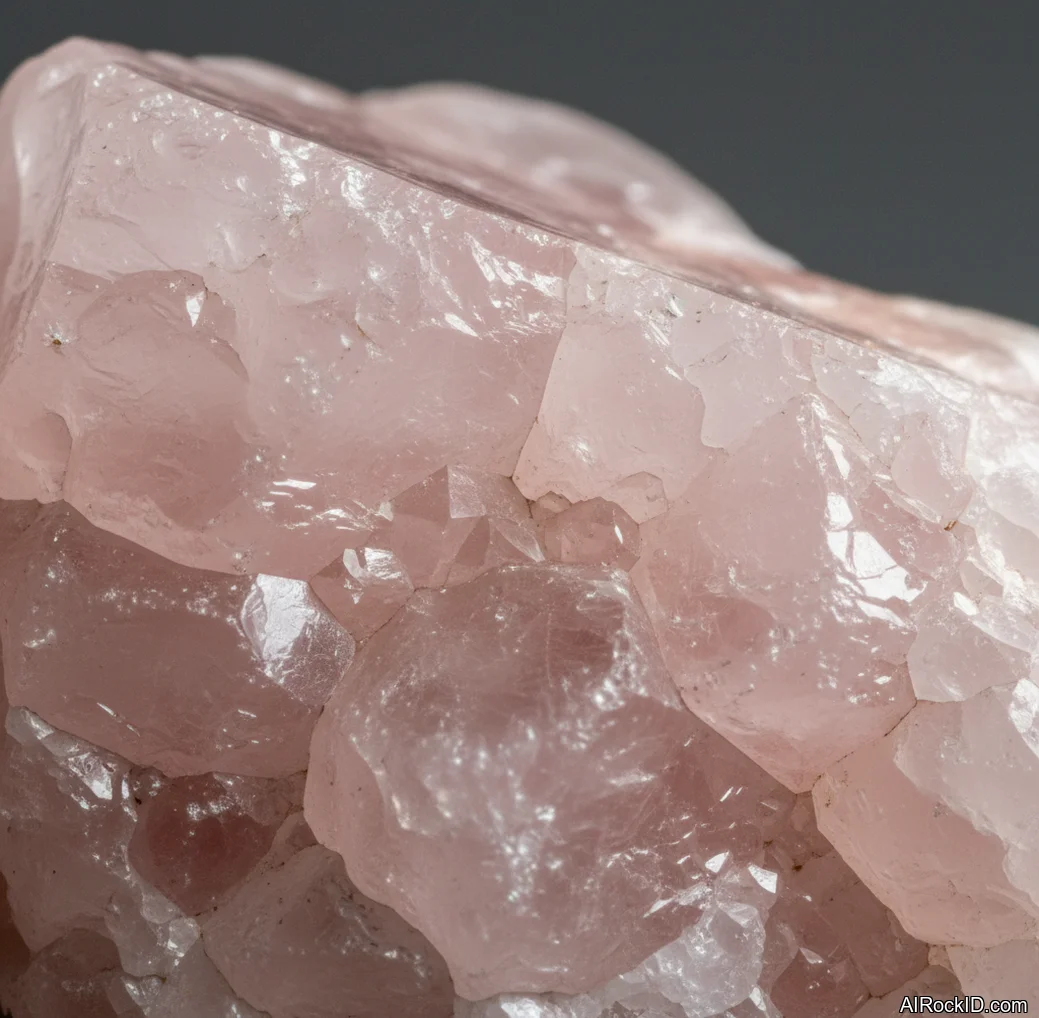
Rose Quartz
Citrine
Smoky Quartz
Fluorite
Amazonite
Apophyllite
Entryway placement: setting a boundary without turning it into clutter
Front doors end up holding onto everything. Shoes. Keys. Mail. Other people’s moods. Your own crappy day. If you’re only going to put one crystal anywhere in the house, the entryway is the place that actually makes sense, because it’s the threshold you walk through every single time.
Grab a rough chunk of black tourmaline and it’s pretty obvious why it works there. It’s heavy in your hand, kind of dense and blunt, not some fragile little sparkle that looks like it belongs behind glass. And it won’t get wrecked living next to loose change and a jangly metal keyring. I keep mine in a small ceramic bowl, not because bowls are magic, but because they keep stones from wandering off (seriously, how do they always migrate?). Selenite can work by the door too, but only if it’s up high and stays dry, because wet umbrellas and dripping jackets will chew it up.
Thing is, don’t overdo it. One bowl. One or two pieces. If the space starts looking like a mineral shop countertop, your eyes glaze right over it and then the placement isn’t doing anything anyway.
Bedroom placement: sleep first, aesthetics second
A bedroom crystal setup should be boring, and I mean that as a compliment. You’re not trying to hype the space up. You’re basically telling your brain, “Yep, we’re done for the day. Power down.”
Amethyst is the obvious grab because it feels quiet, but the look really changes the mood. A dark, tight Uruguayan cluster under a warm lamp gives off a totally different vibe than a pale lavender Brazilian piece that nearly vanishes in daylight. And I learned this the annoying way: spiky clusters don’t belong anywhere near a bed. Seriously. If you’ve ever raked your knuckles on a point while half asleep and reaching for a glass of water, you know exactly why a palm stone or a low cluster is the smarter move (ow).
So, keep rose quartz out of direct sunrise if you can. I’ve watched pieces fade from baby pink to almost clear when someone left them on a bright windowsill for a summer. A nightstand, a dresser, or a shelf across the room is safer.
Desk and home office placement: focus tools you’ll actually touch
Desk crystals only really do anything if they’re baked into how you work. If they’re just sitting there looking cute, your eyes stop seeing them after a day or two, and next thing you know you’re scrolling again.
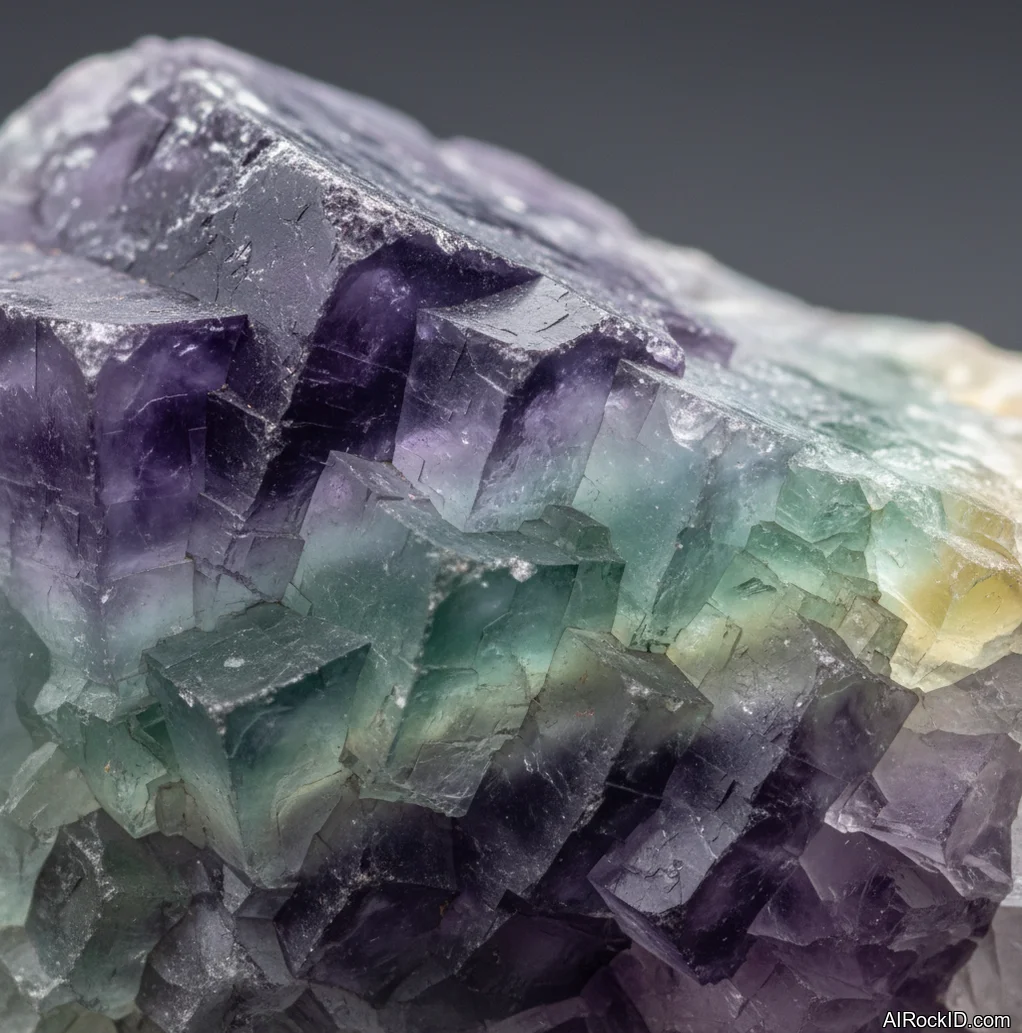
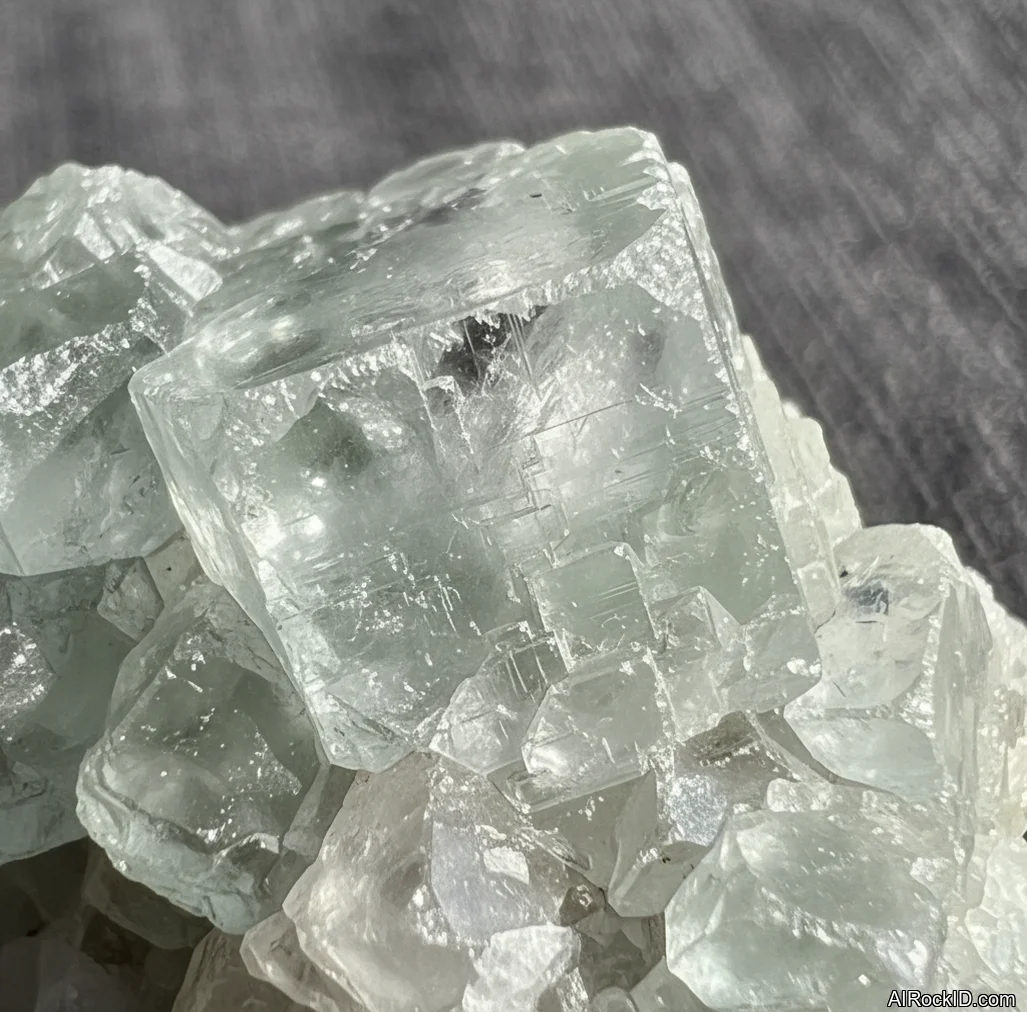
Fluorite works well for that because it looks “organized” all by itself. Those cubes and octahedrons read like order on a messy desk. But don’t park it right on the edge where your chair arm can smack it when you scoot in. It’ll chip.
Citrine shows up on desks a lot too, but you have to watch what you’re buying because the market’s packed with cooked amethyst being sold as citrine. Natural citrine is usually lighter and calmer, and honestly that’s what you want sitting near a screen.
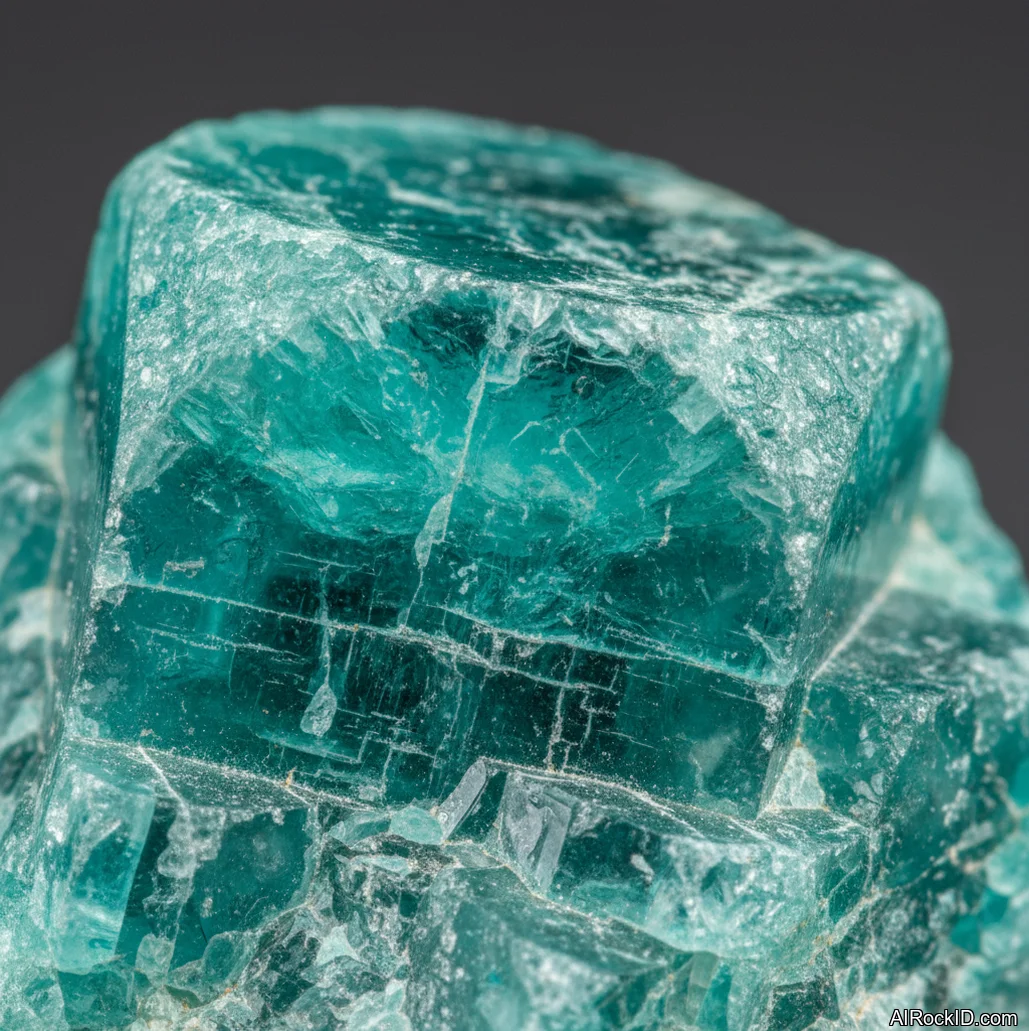
Amazonite is the one I keep by the phone charger. That’s the spot I end up hovering over when I’m about to send a spicy message. And having a cool, heavy stone right there makes you hesitate for half a second. That pause? That’s the entire point.
Living room placement: shared space, shared tone
The living room is the spot where everyone’s nervous system ends up piled together. You don’t need ten stones. You need one or two pieces that make the room feel a little easier to sit in.
Rose quartz is an easy win on a coffee table or a shelf because it reads as soft and friendly, even to the folks who roll their eyes at crystals. Smoky quartz is the other steady one, especially if your living room doubles as a playroom or that dumping ground where the mail turns into a leaning stack. It hides dust, it won’t scratch up easily, and it still looks decent under mixed lighting. And if you stare at a smoky point for a second, you can sometimes see those inner veils flash when the TV’s on, which sounds oddly specific until you catch it yourself (then you can’t unsee it).
Keep fragile showpieces like apophyllite up higher. One lazy tail swipe from a cat and you’re on your hands and knees digging glassy little shards out of the rug. Seriously, who wants that?
How to Use These Crystals for Where to Place Crystals in Your Home
Start with the map of your day, not a shopping list. Walk through your place and notice where your hands land without you thinking: keys by the door, that water glass you reach for at 2 a.m., the notebook that always ends up open on the desk, the kettle handle you grab in the kitchen. Those are your placement anchors. And a crystal that lives in an “anchor spot” actually gets touched, and that handling is what flips it from “nice little decor” into a real habit cue.
Keep it to small stations. Like, a dish by the entryway for black-tourmaline. A coaster on the desk for fluorite, because the second it slides against something gritty you’ll hear that awful little scrape and then, yep, a chip. A back corner of the nightstand for amethyst where you can reach it in the dark without bumping the lamp base (and sending the shade wobbling).
But be picky about selenite. Keep it dry and up off wet counters, because bathrooms and kitchens will slowly wreck it. I’ve literally watched people turn a selenite wand into this fuzzy, chalky mess just by leaving it next to a sink where the countertop stays damp.
Rotate instead of stacking. If a spot starts to feel noisy, clear it completely and put one piece back. Thing is, light matters too. Some stones fade in direct sun, and some look kind of dead unless they catch a lamp at the right angle. So move them six inches. Seriously. It matters more than you’d think.
Common Mistakes to Avoid
Putting crystals in spots where they’re basically doomed is the biggest mistake. Selenite in a steamy bathroom. Fluorite baking on a sunny windowsill. Apophyllite on that low coffee table where the kids sprawl out and click Lego together, pieces digging into everything. Those placements don’t just wreck the stone, they kind of train you to stop caring because sooner or later it all turns into chipped little clutter you ignore.
Another one: cramming a room full of them. People stack ten towers across a mantel and then act surprised when the whole space feels twitchy. Your eyes don’t get a place to land. One solid piece, set down on purpose (and actually handled once in a while), does more than a lineup you never touch.
And the last mess-up is buying the wrong material for what you want. That heat-treated “citrine” that reads like orange glass in photos just doesn’t feel the same as a pale natural piece. Dyed amazonite and neon-pink “quartz” are all over the internet too. The real tell is how it feels in your hand: natural stone stays cool longer, and up close it usually has tiny imperfections that look honest. That’s the thing.
What Crystals Can and Cannot Do
Identify crystals related to Where to Place Crystals in Your Home
Snap a photo to check crystals mentioned in this guide and compare likely matches.