Venus Crystals
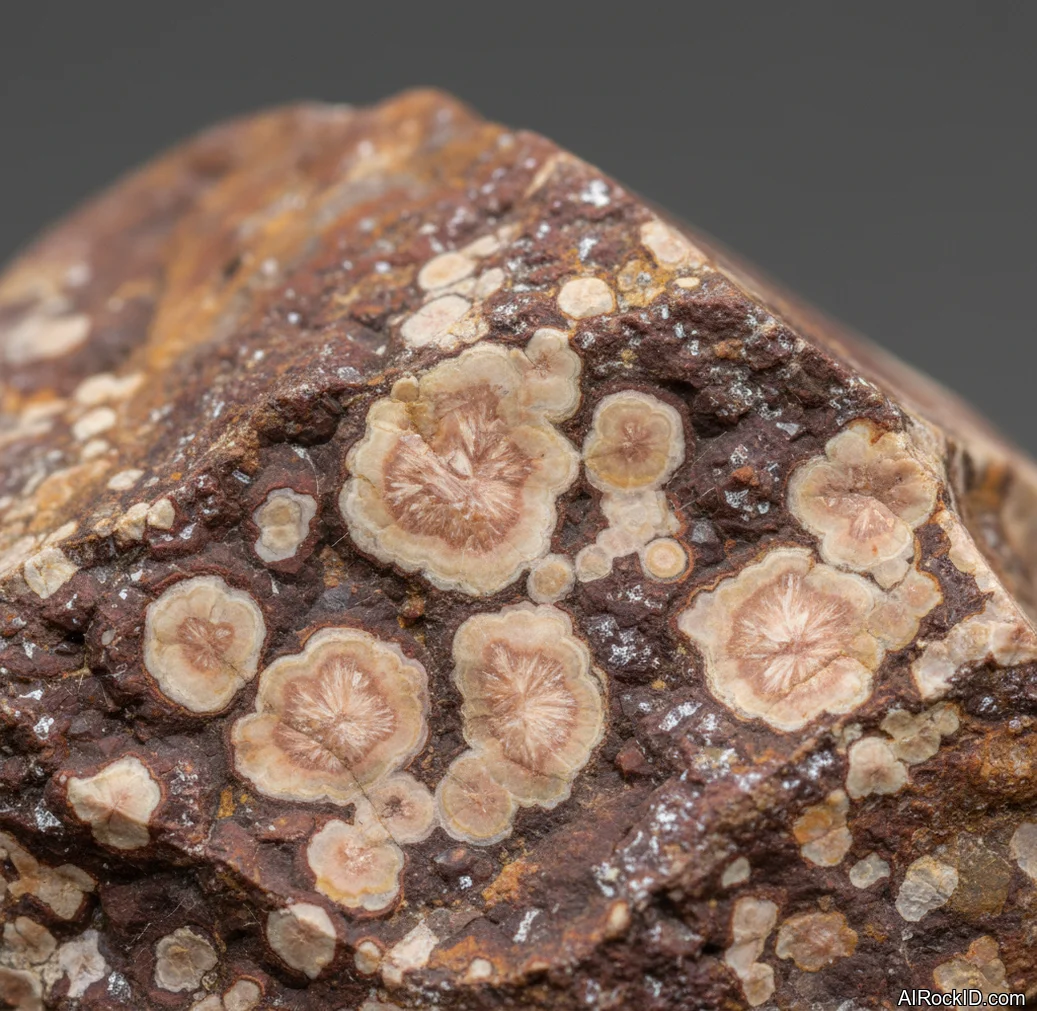
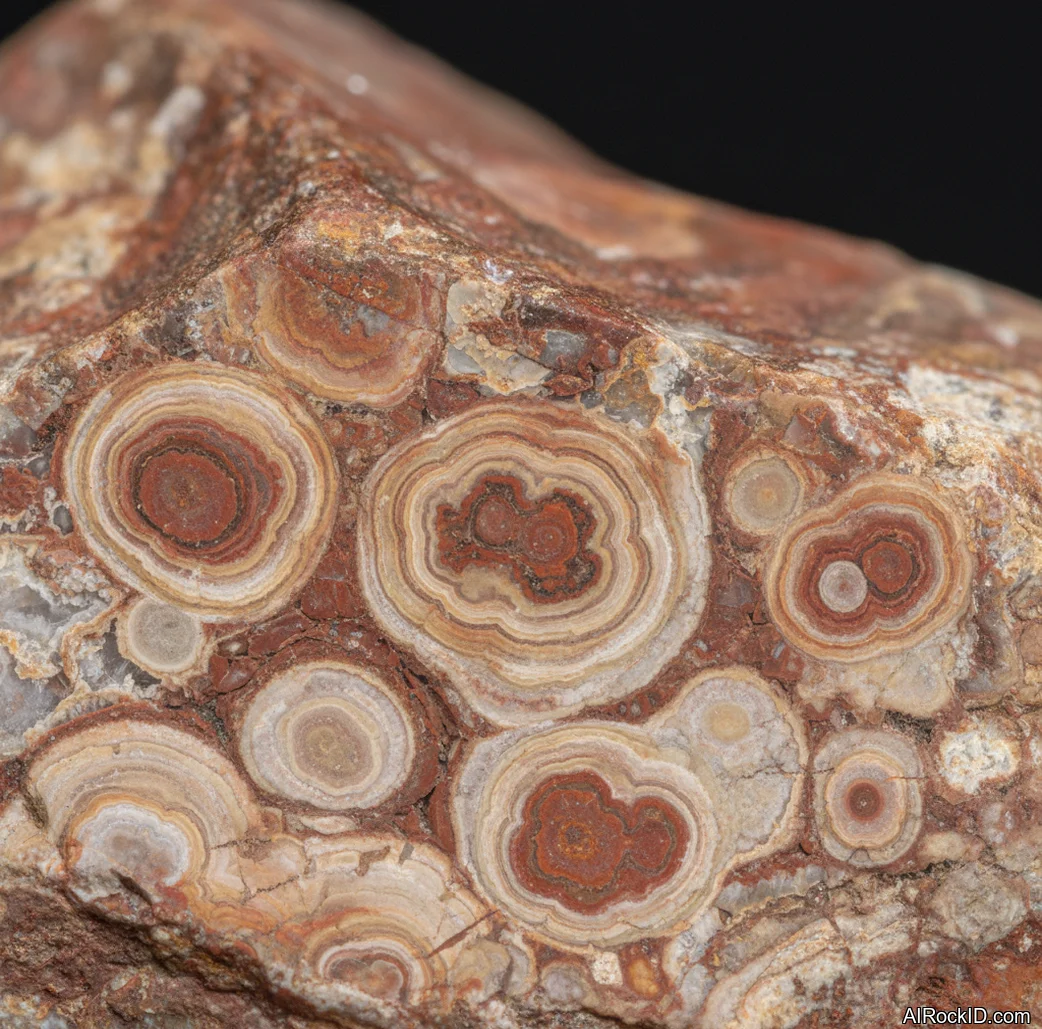
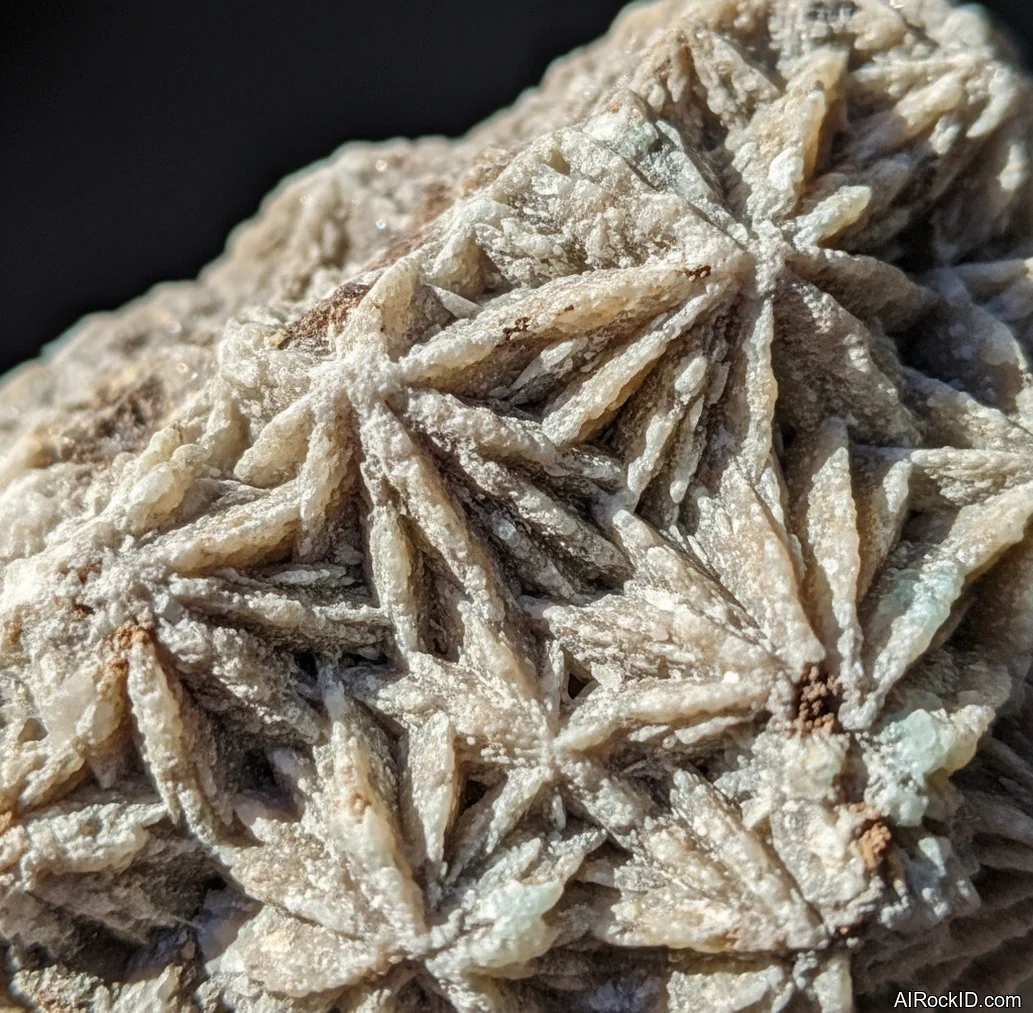
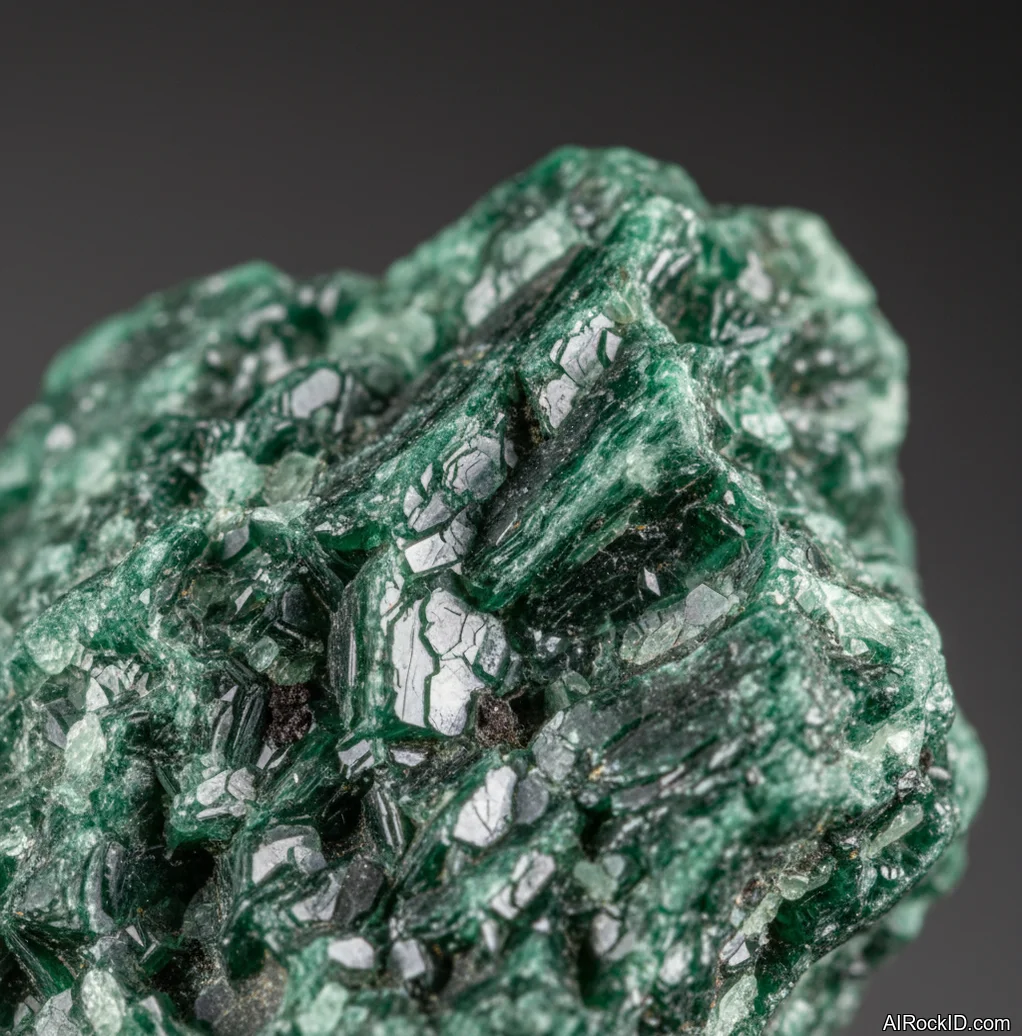
Quick answer: Venus crystals are stones commonly associated in modern metaphysical traditions with love, beauty, affection, emotional ease, and harmony. The category often includes pink, green, copper-bearing, and softly colored minerals, but the connection is symbolic rather than a scientific mineral classification.
Explore Venus and crystals linked to love, beauty, and harmony, with buying tips and practical ways to work with Venus stones every day.


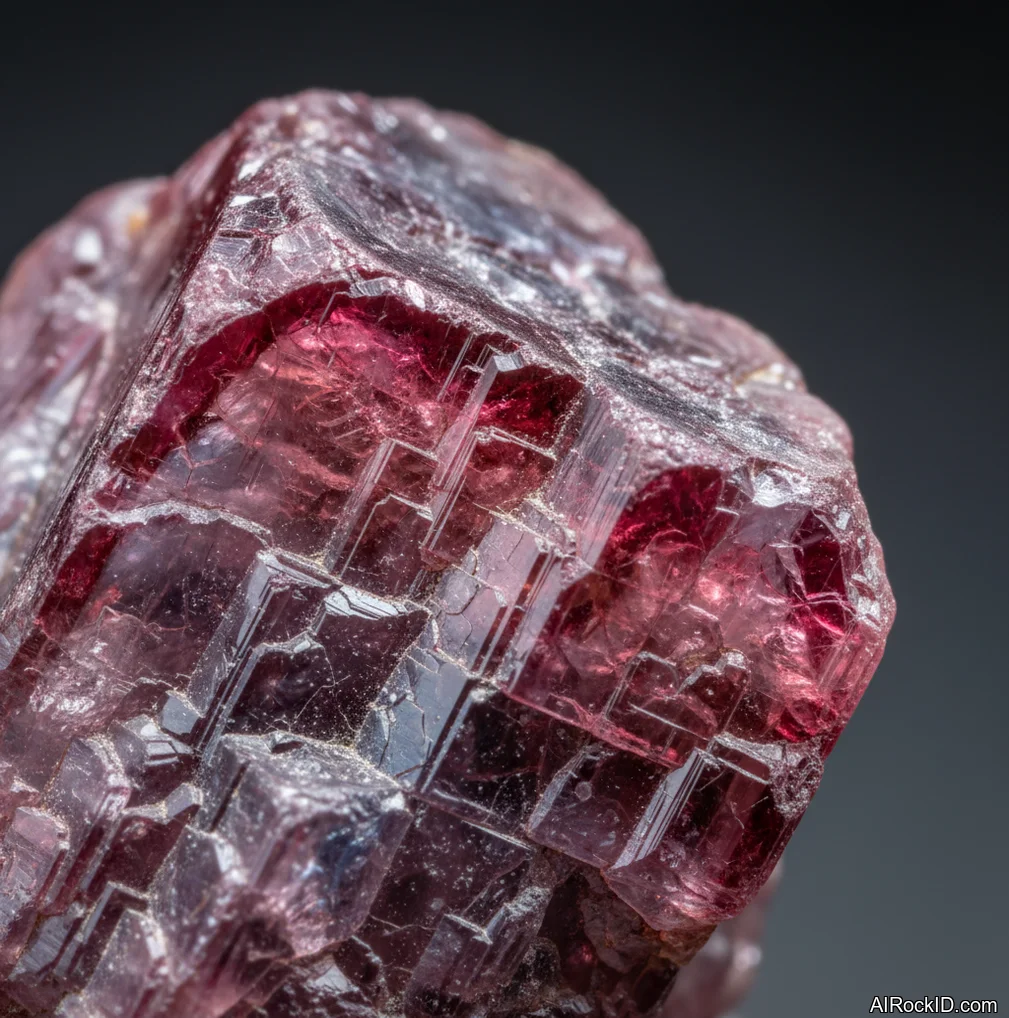
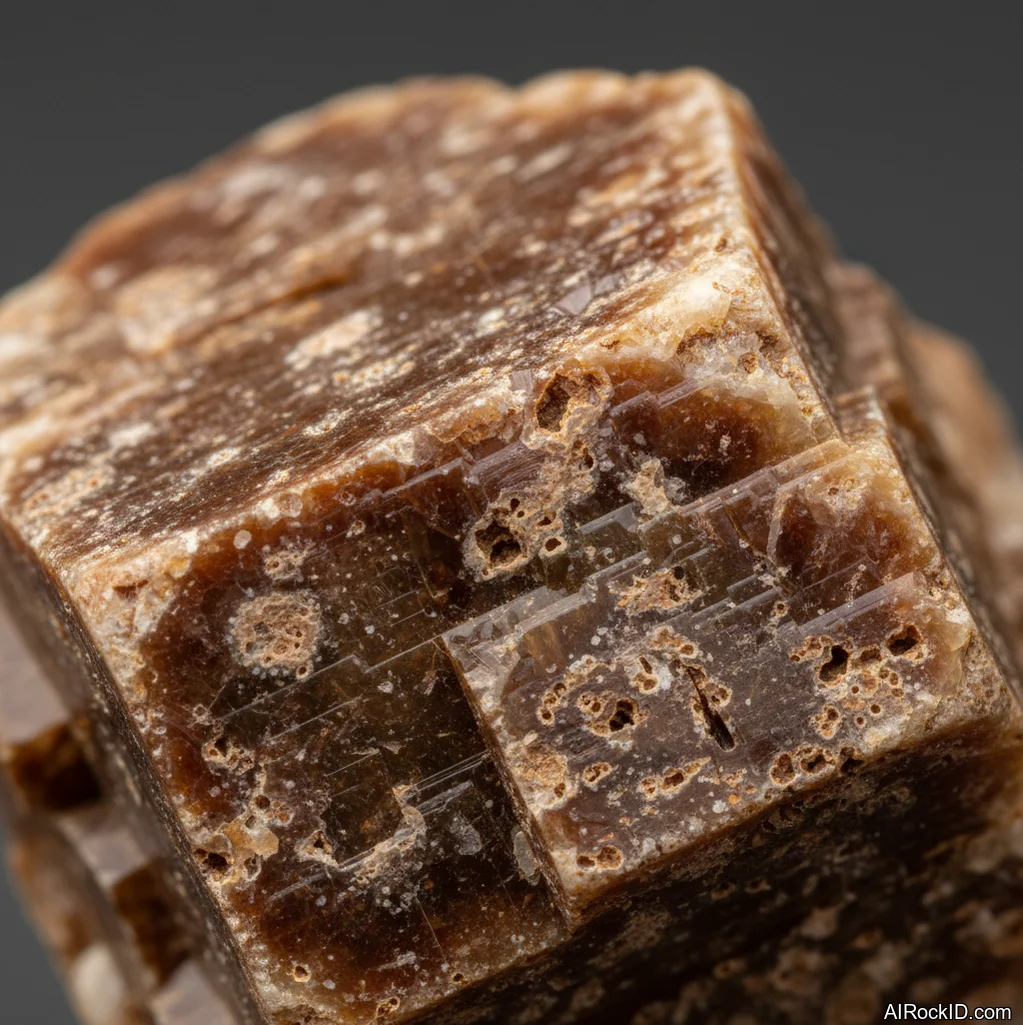
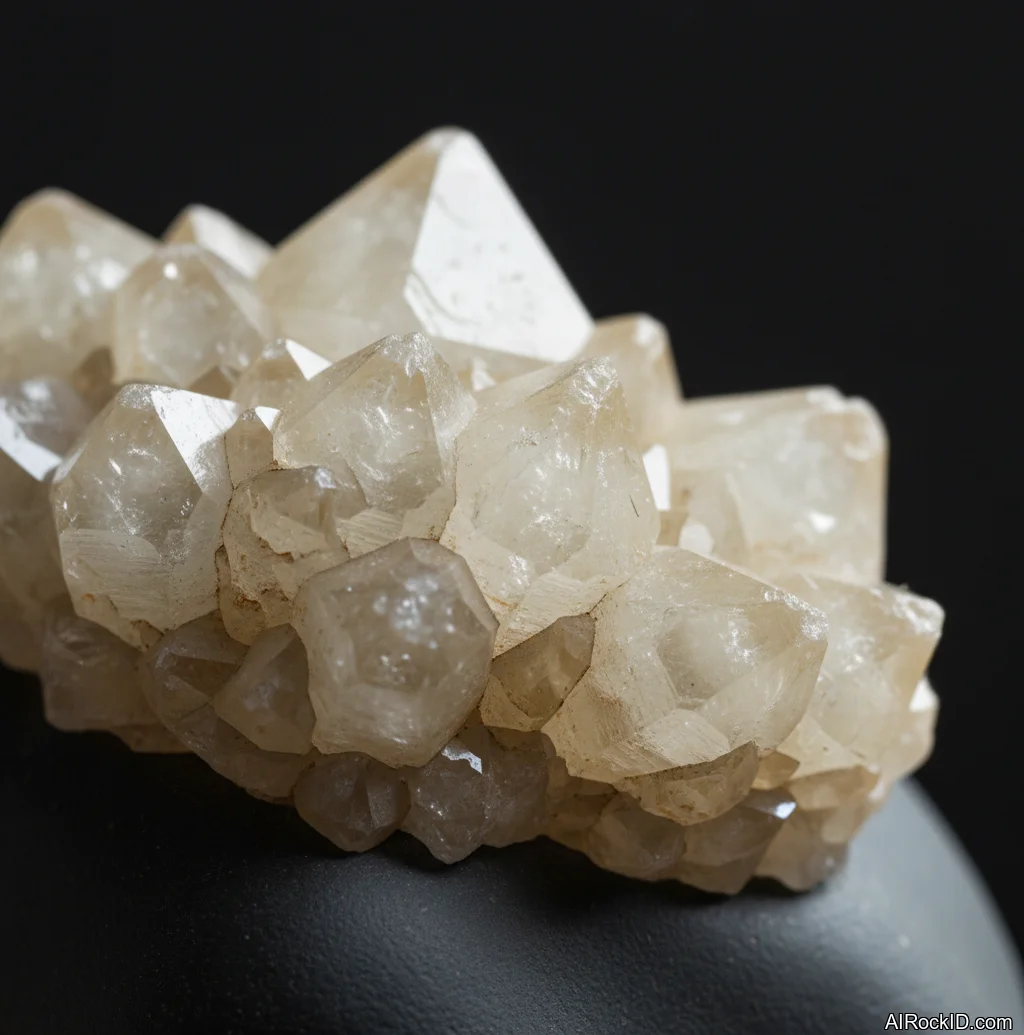
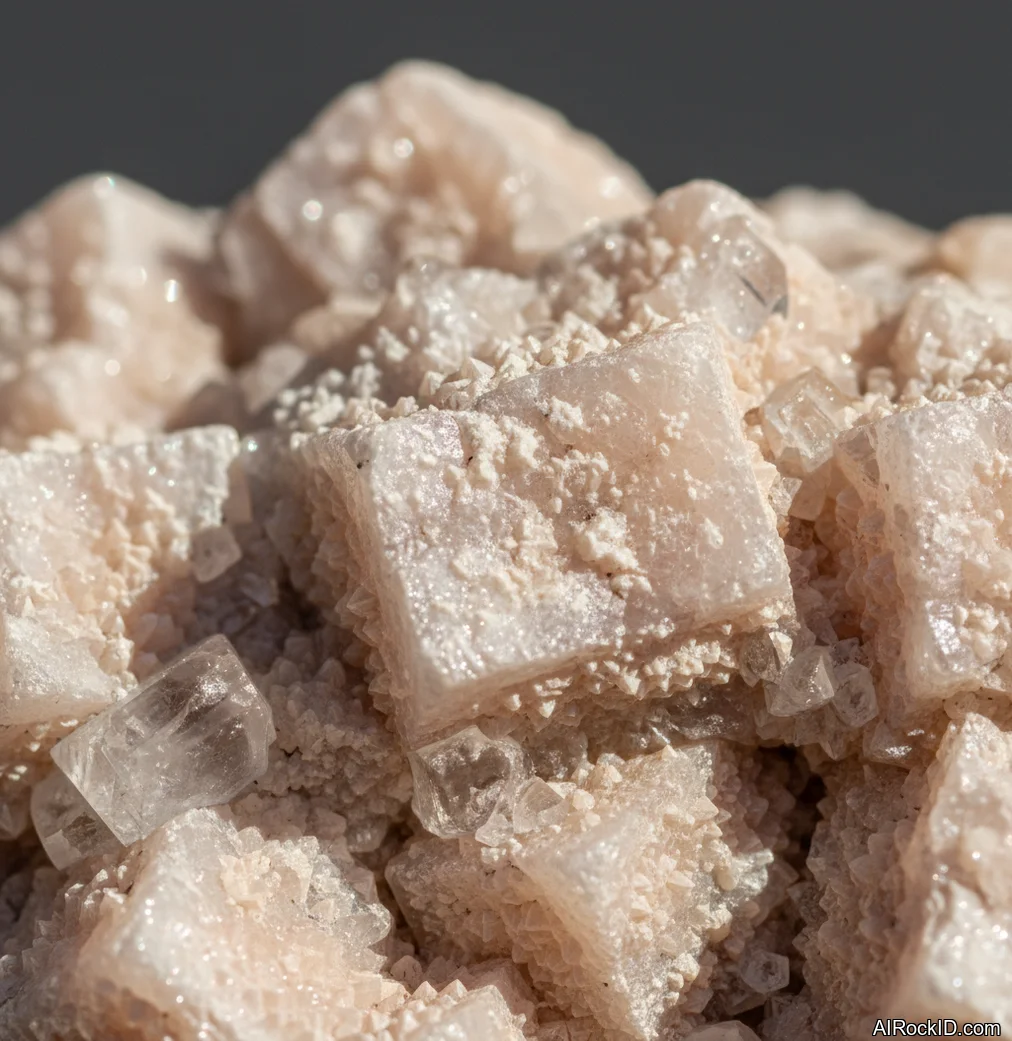
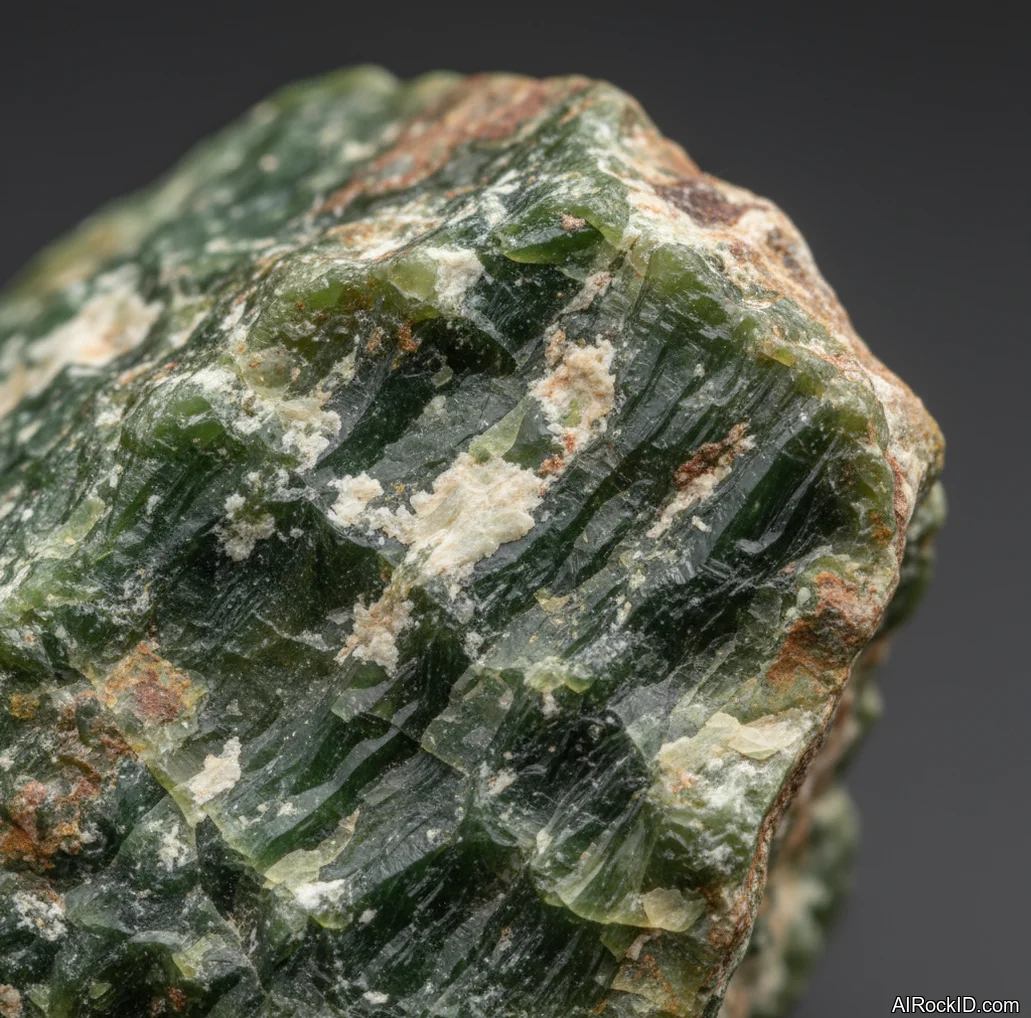
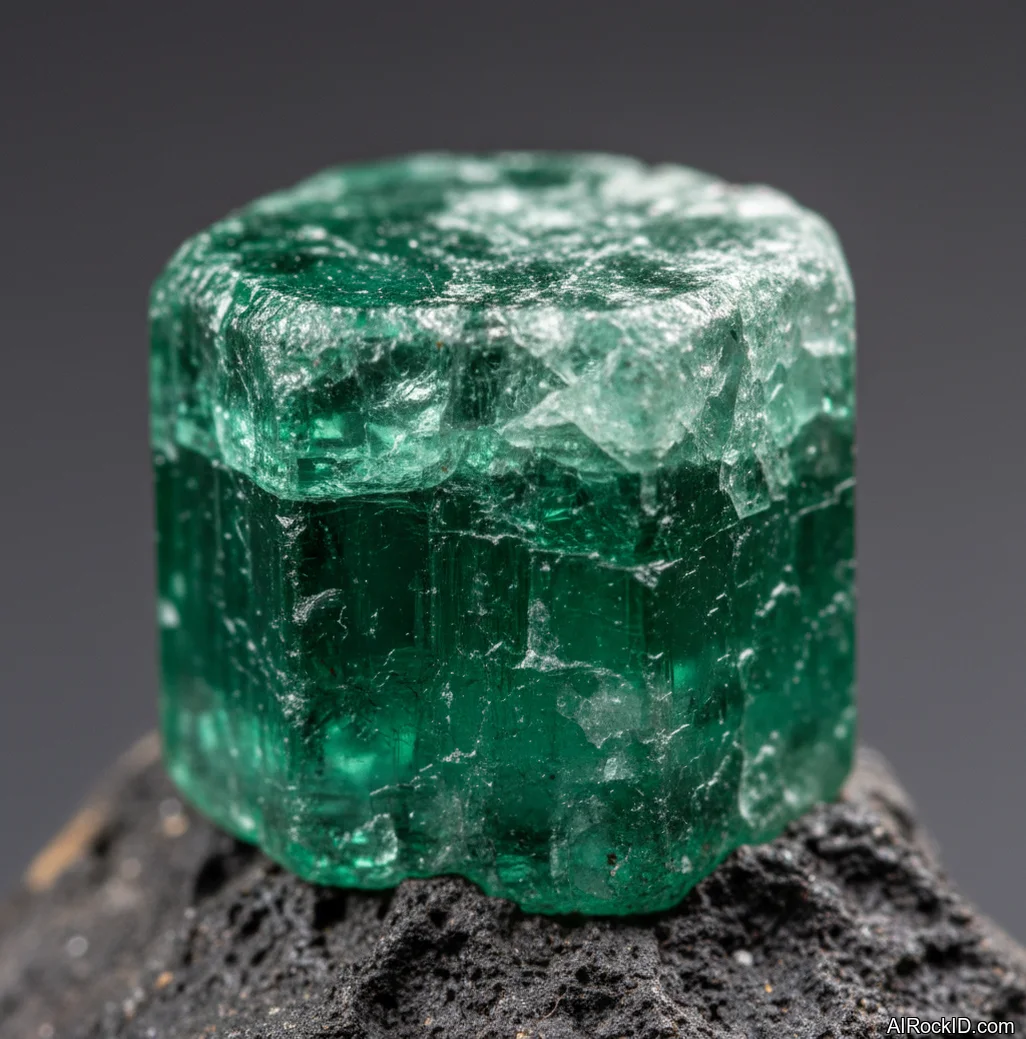
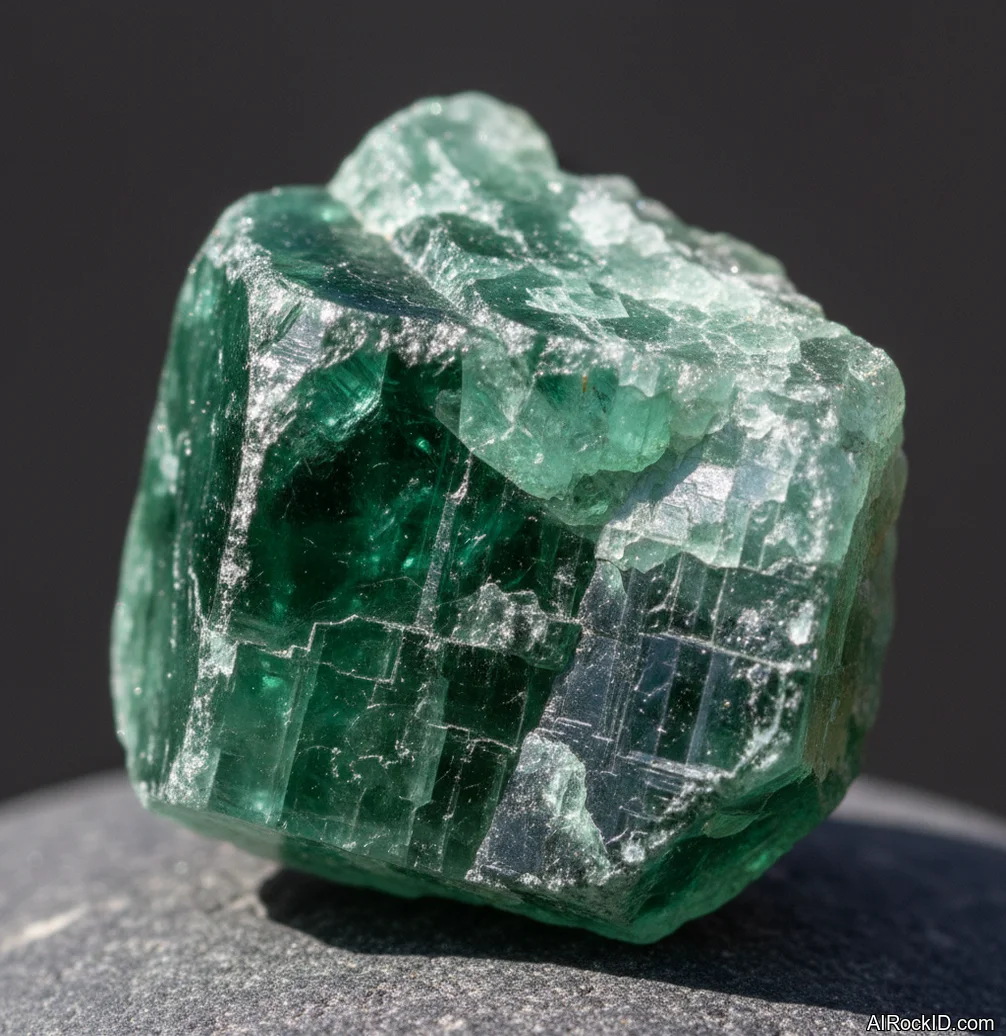
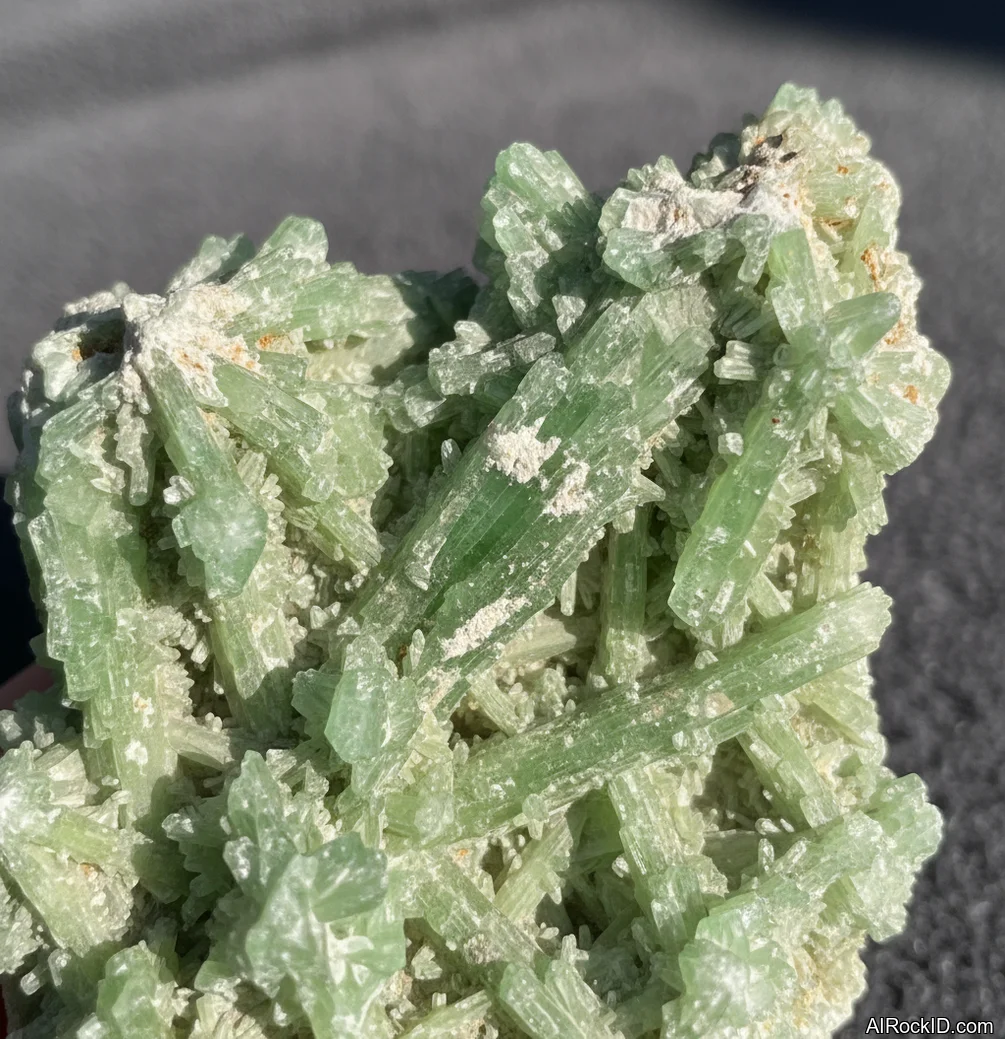
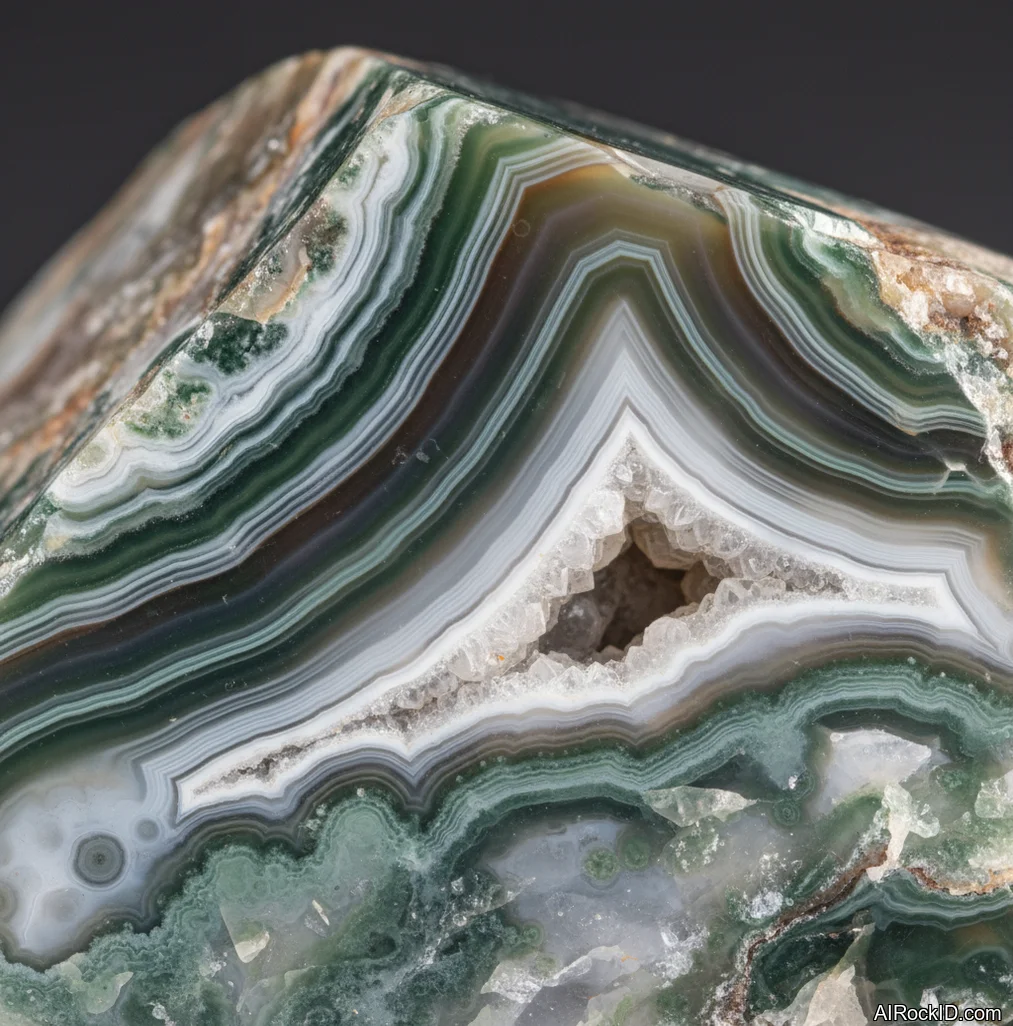
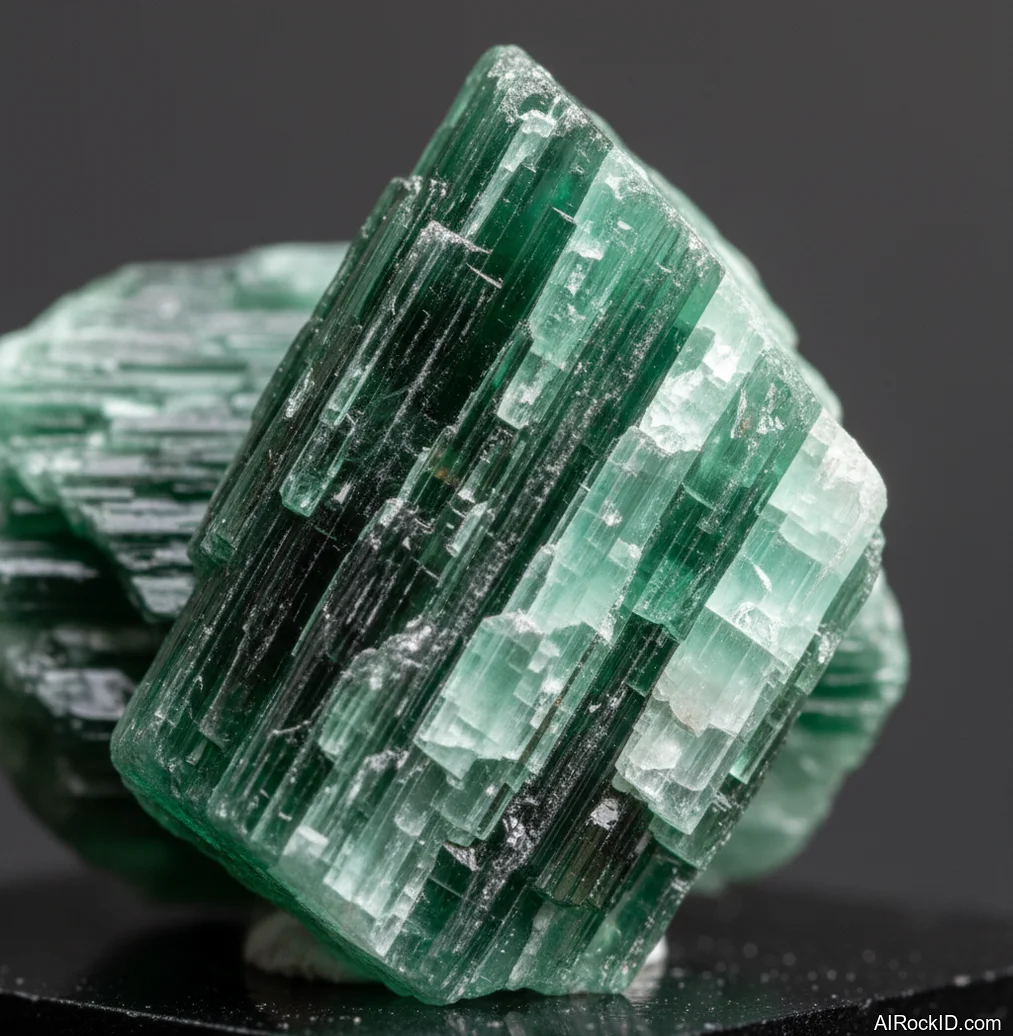
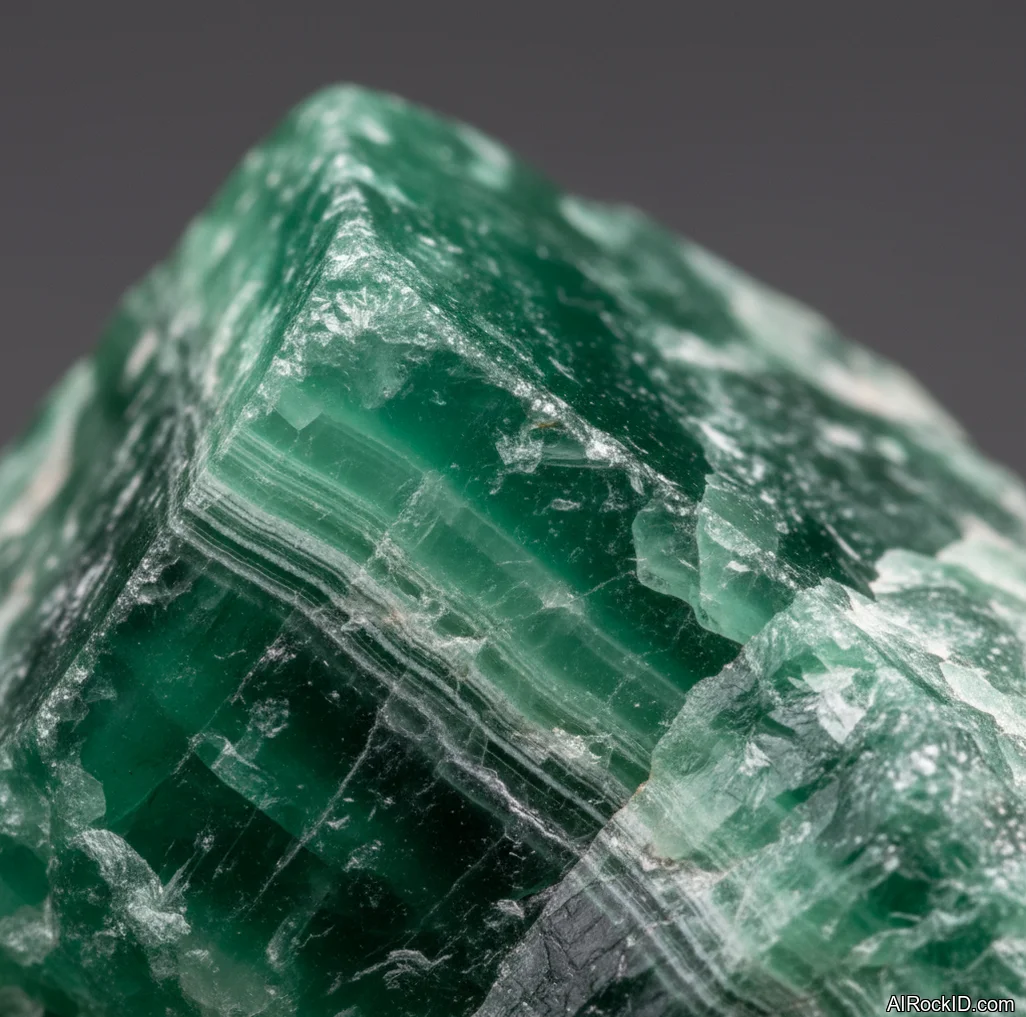
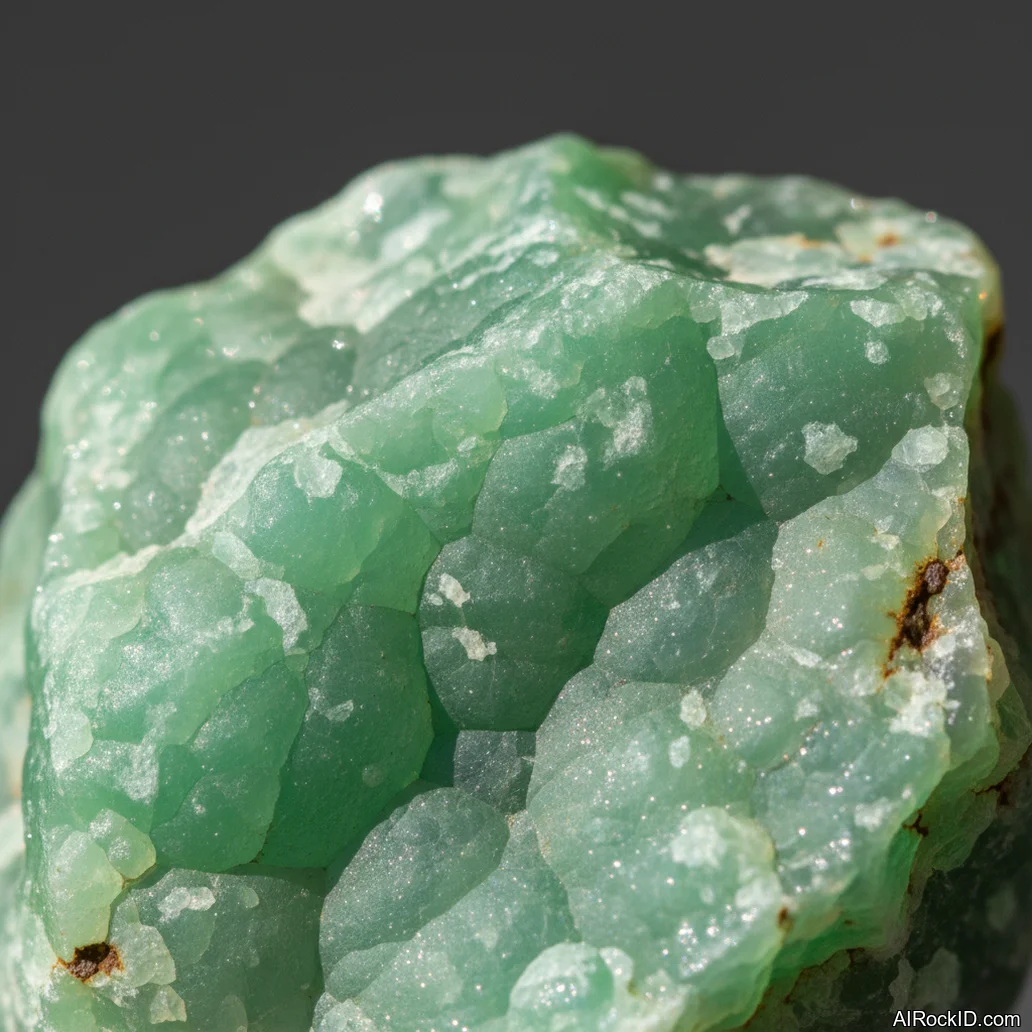
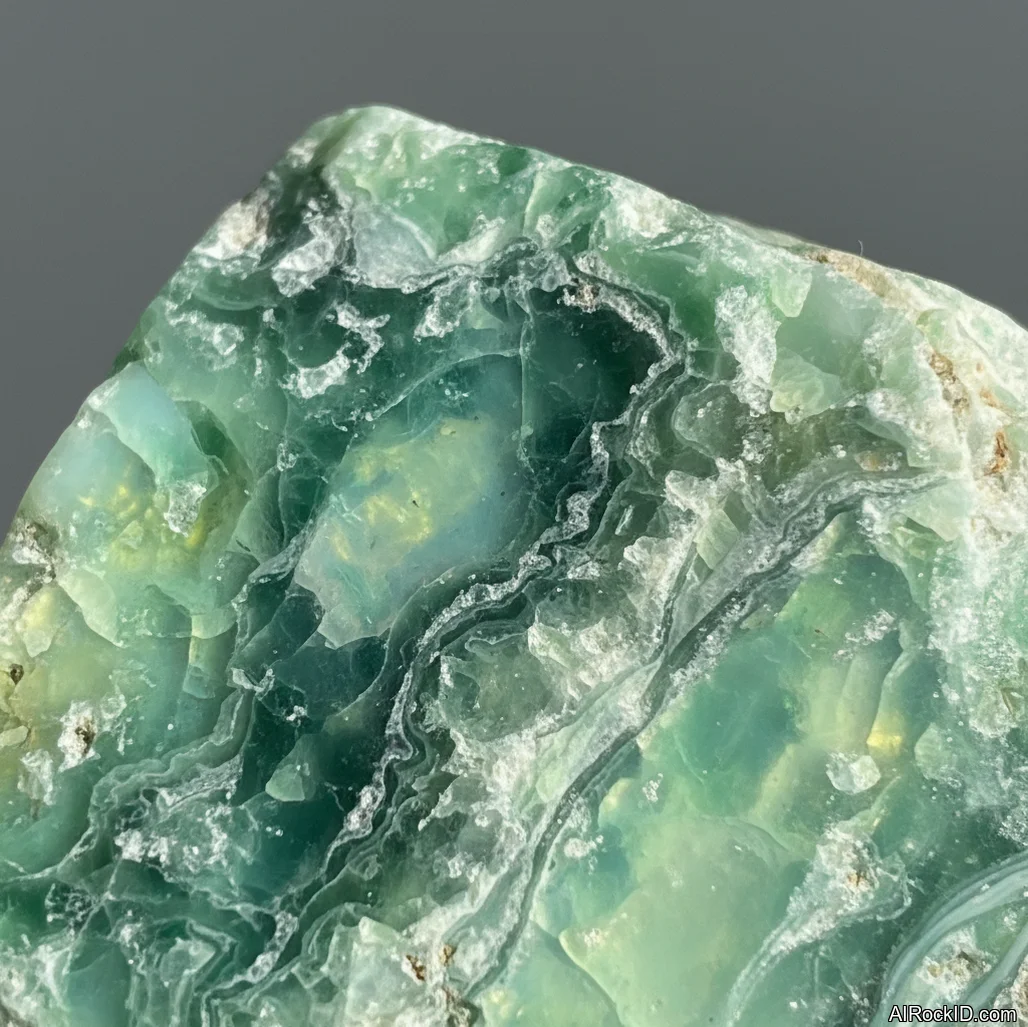
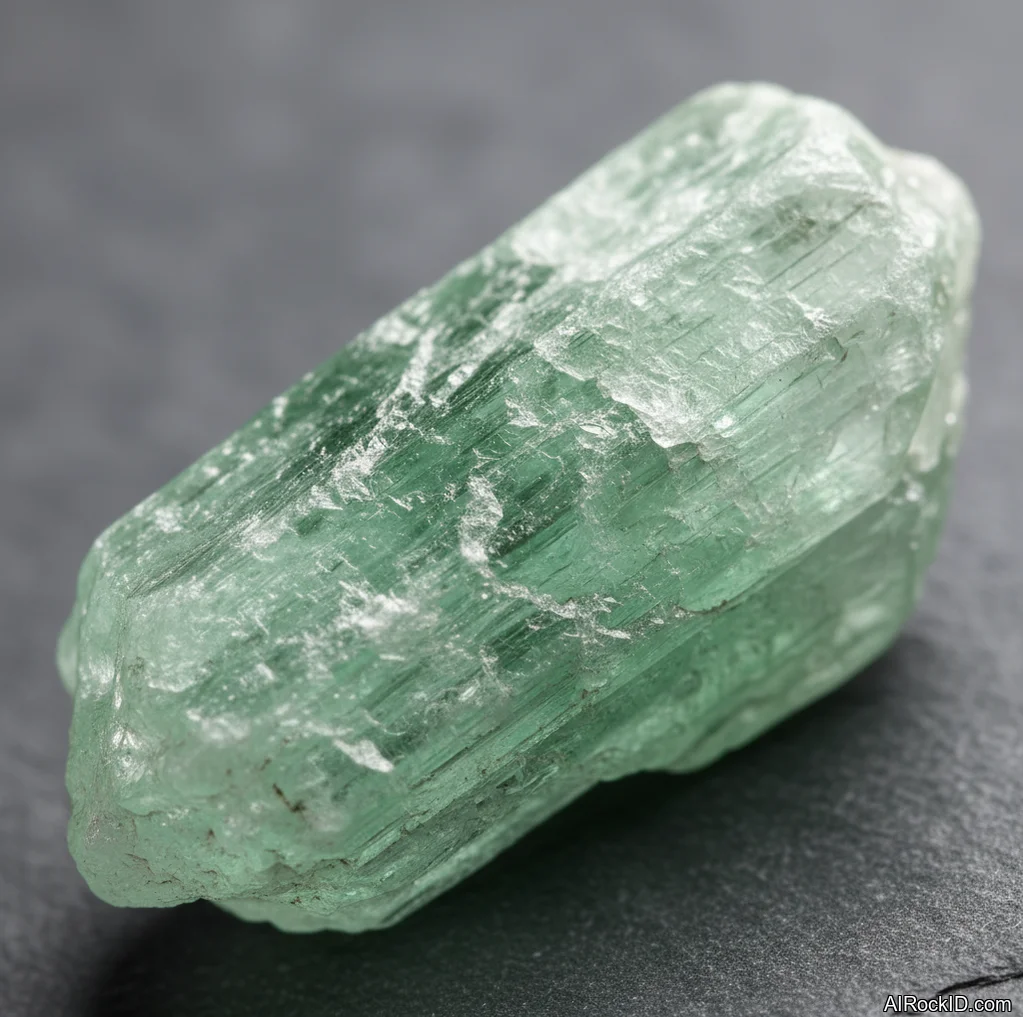
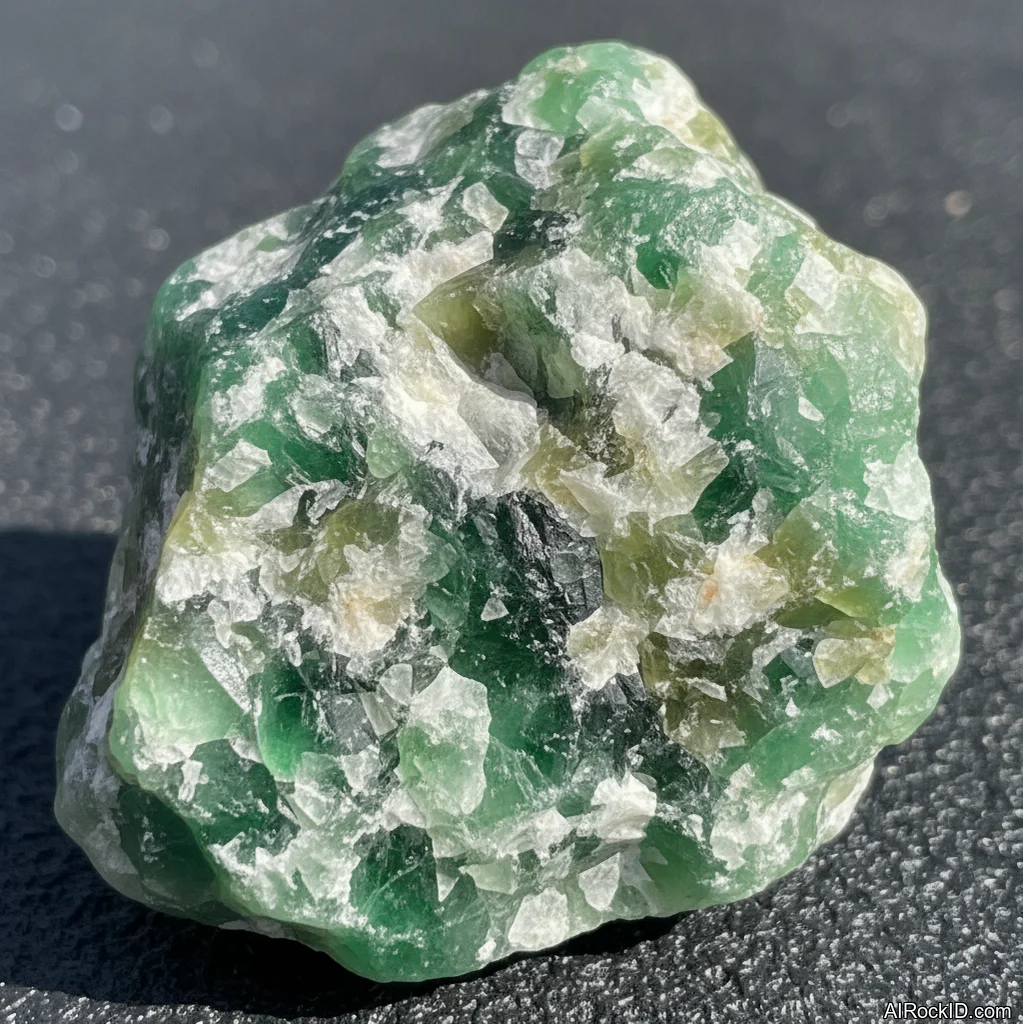
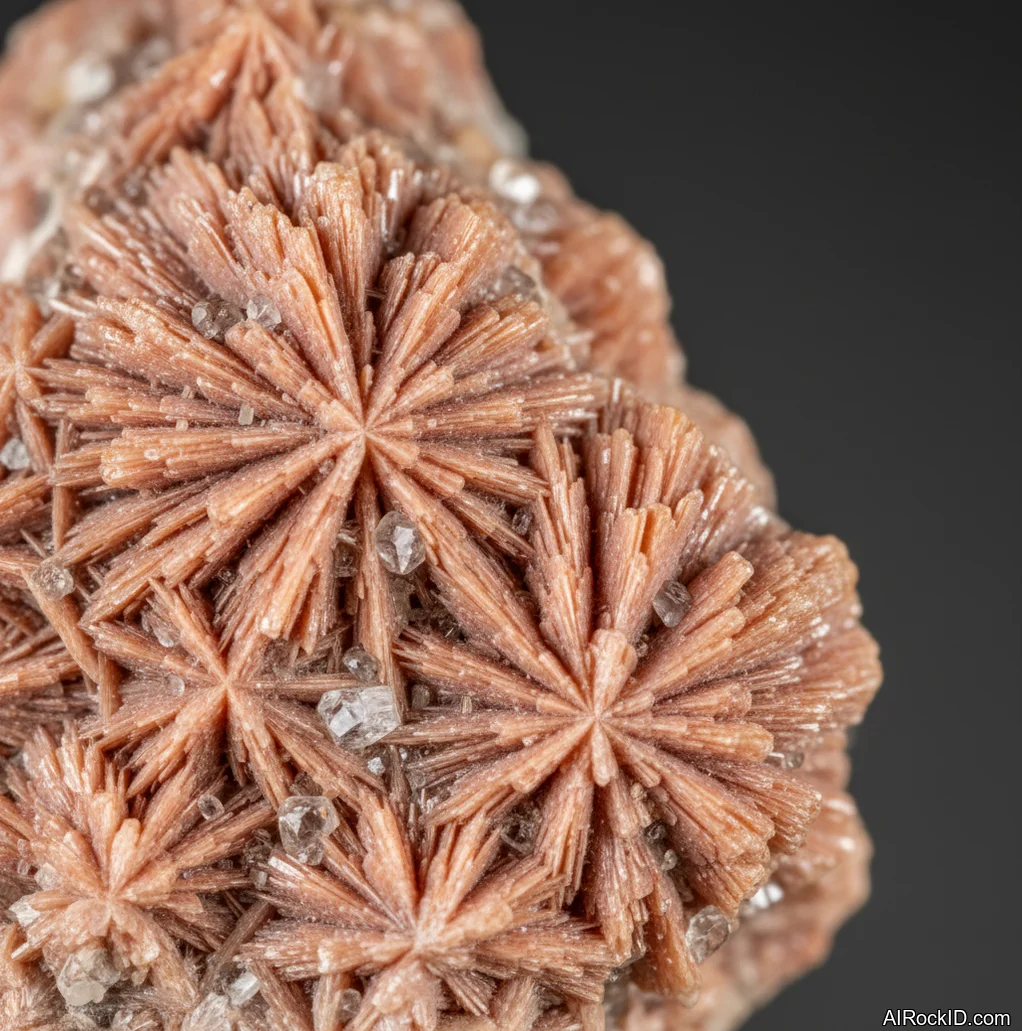
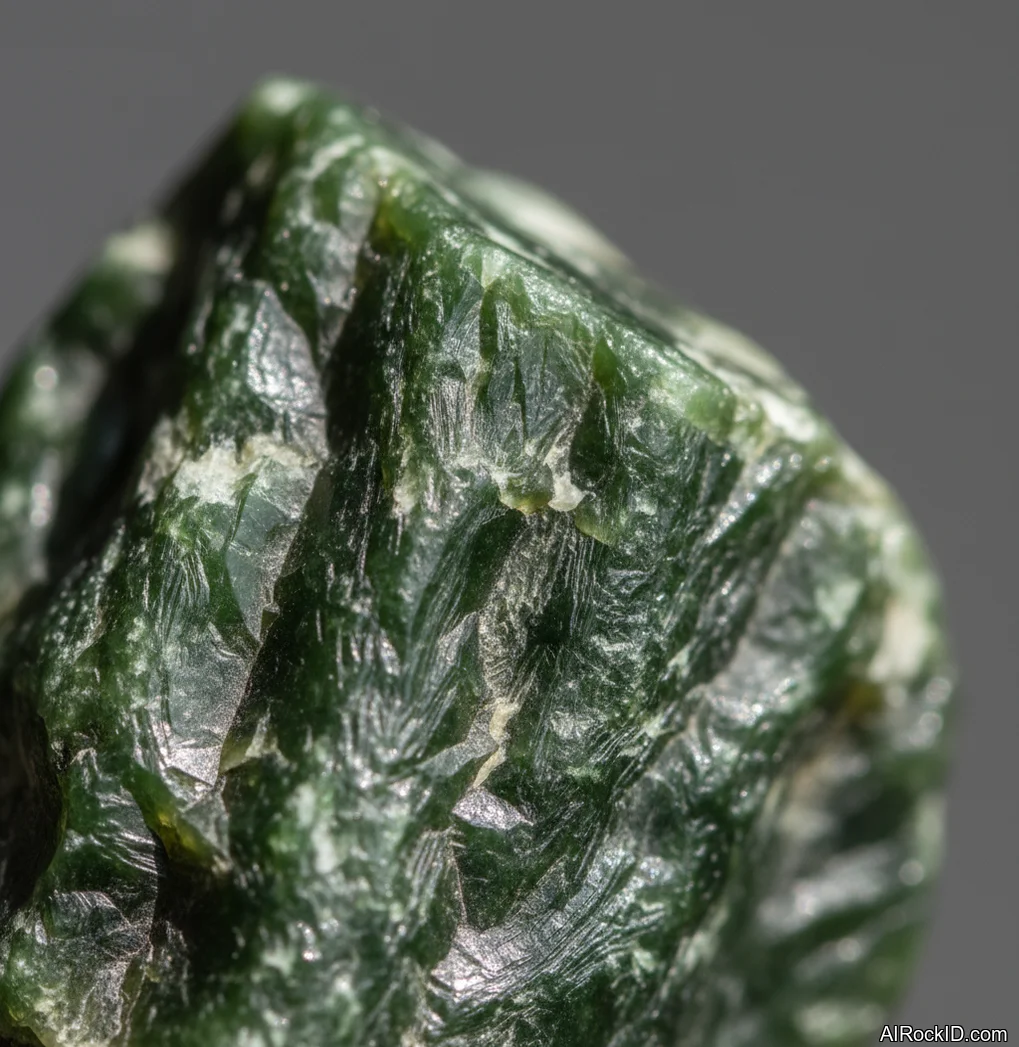
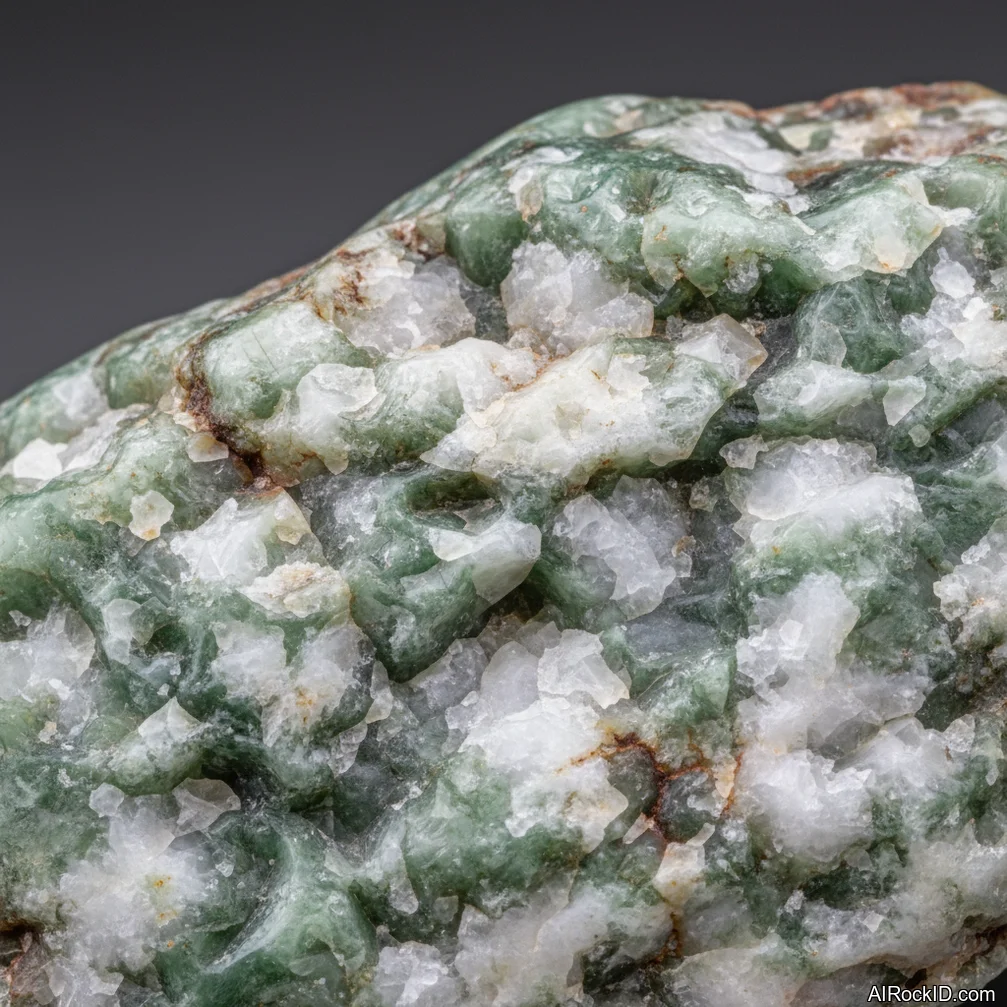
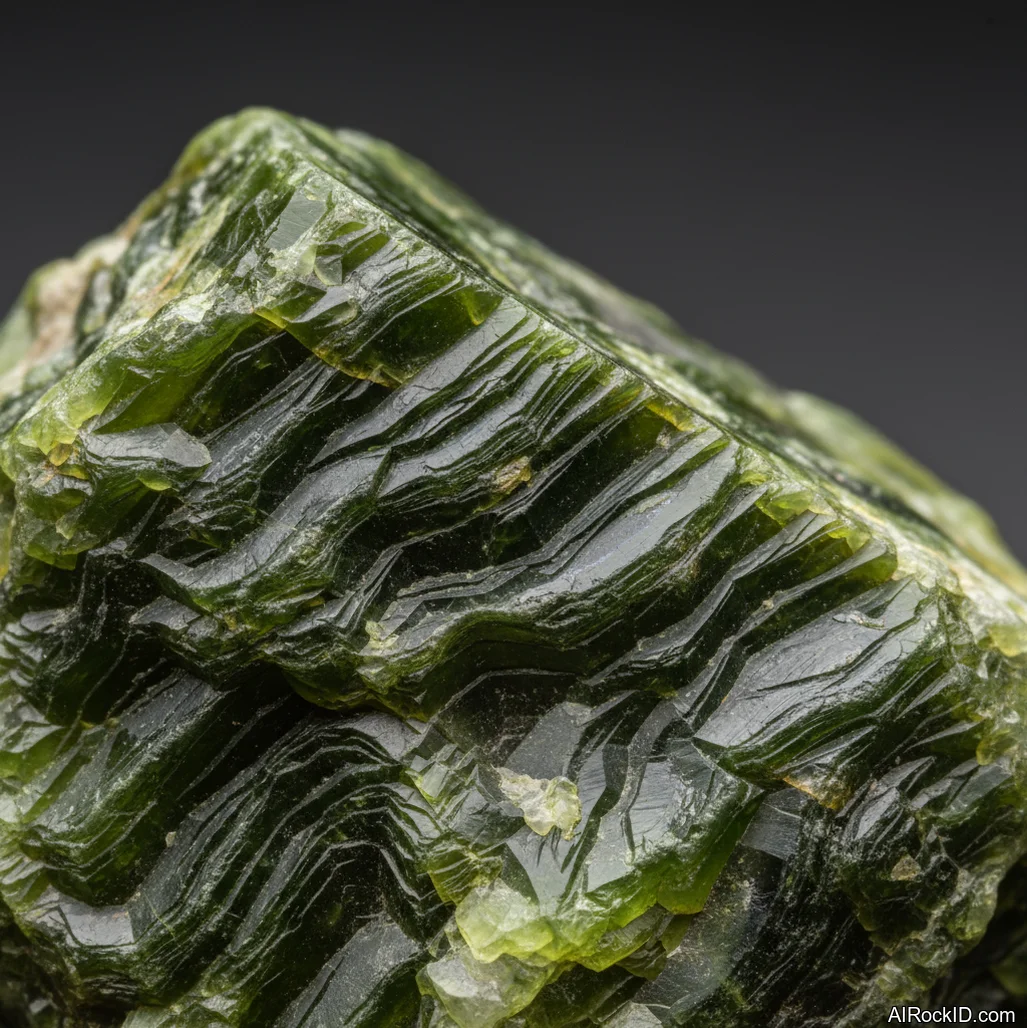
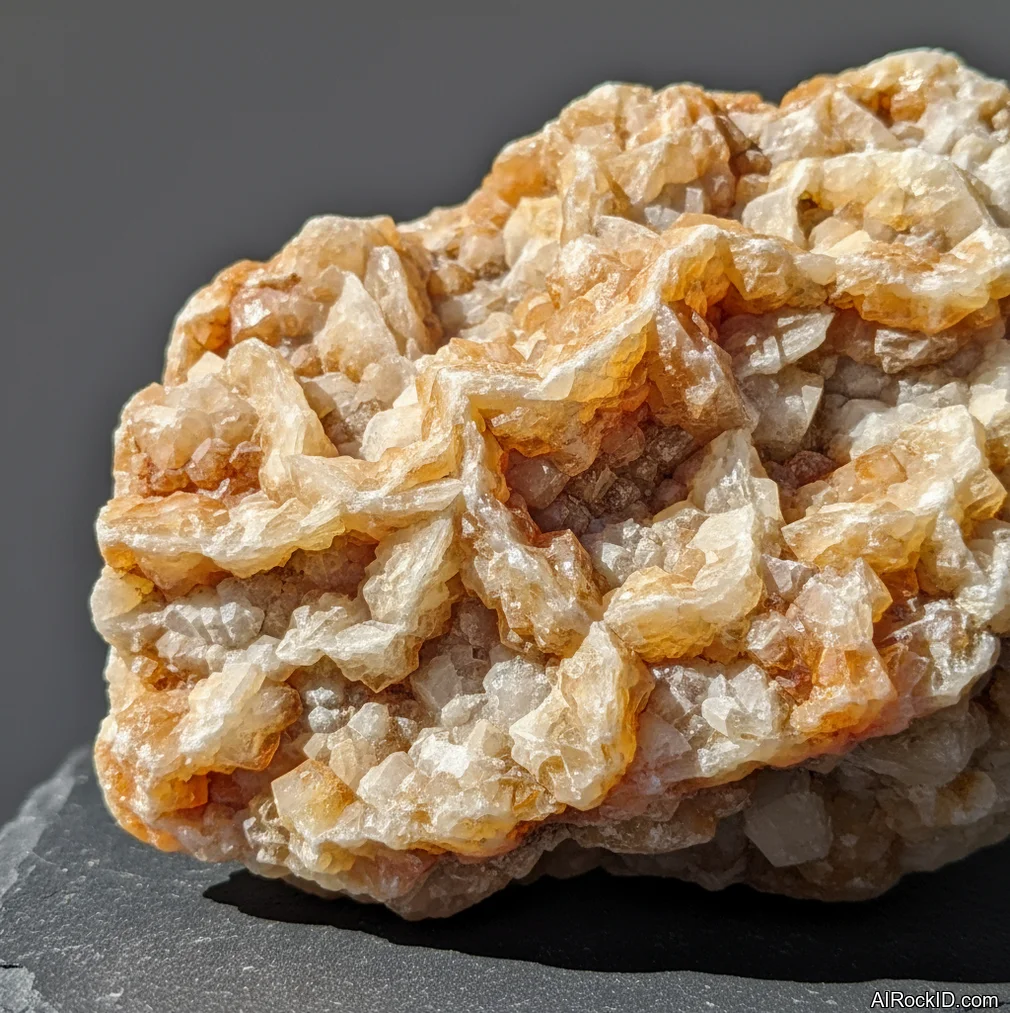
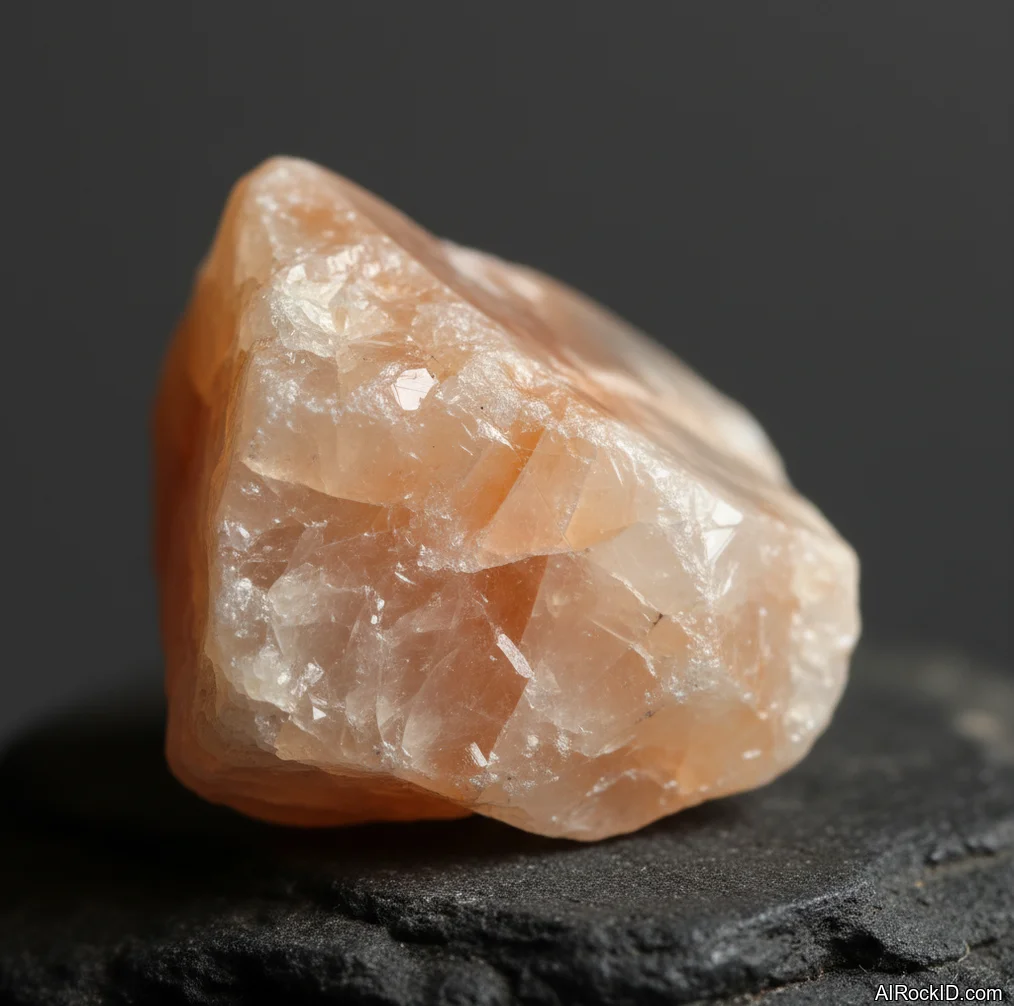
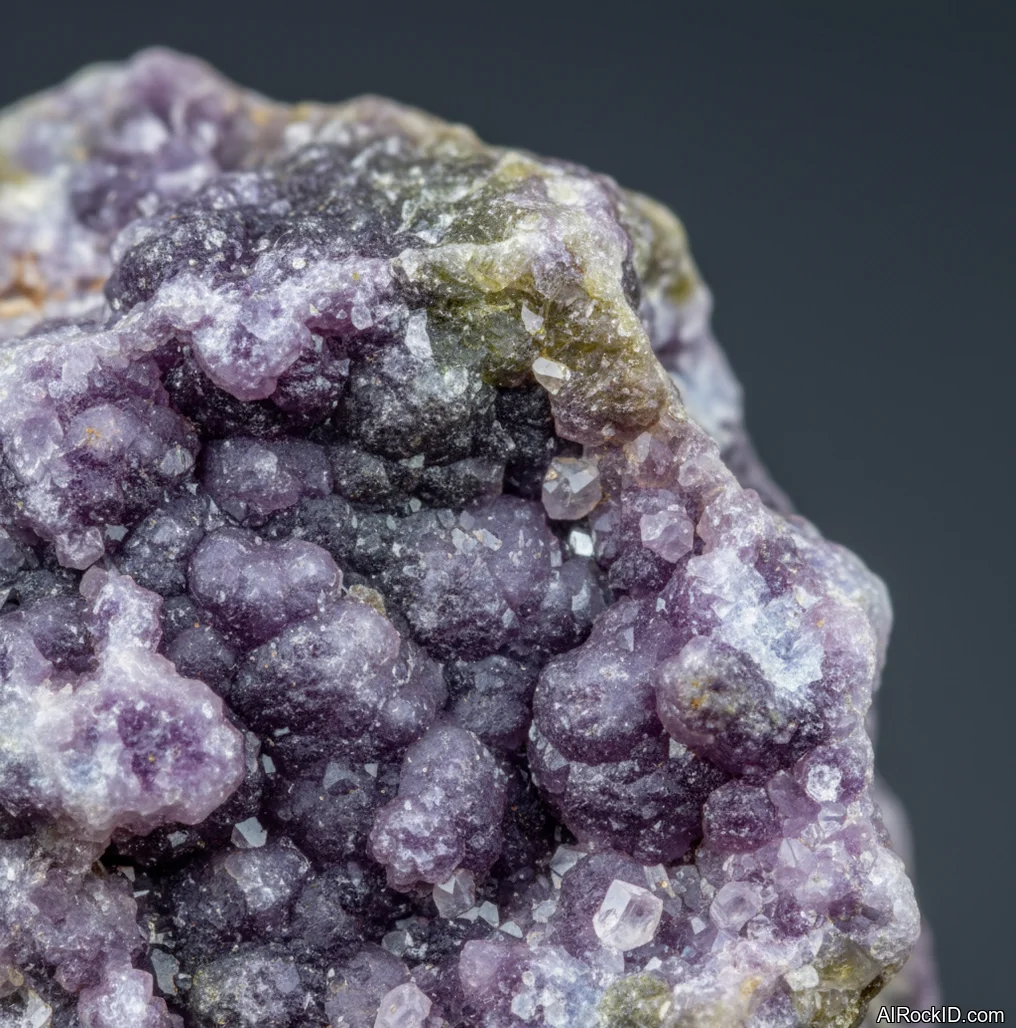
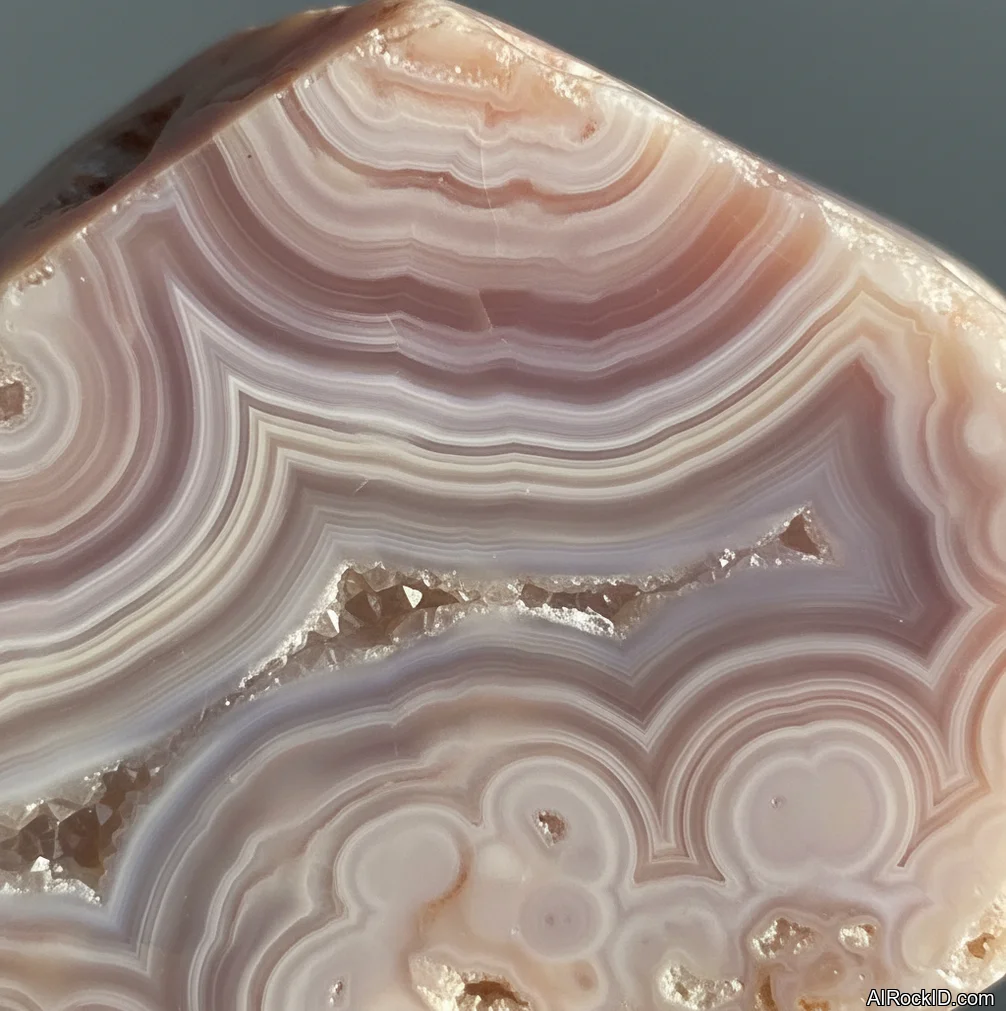
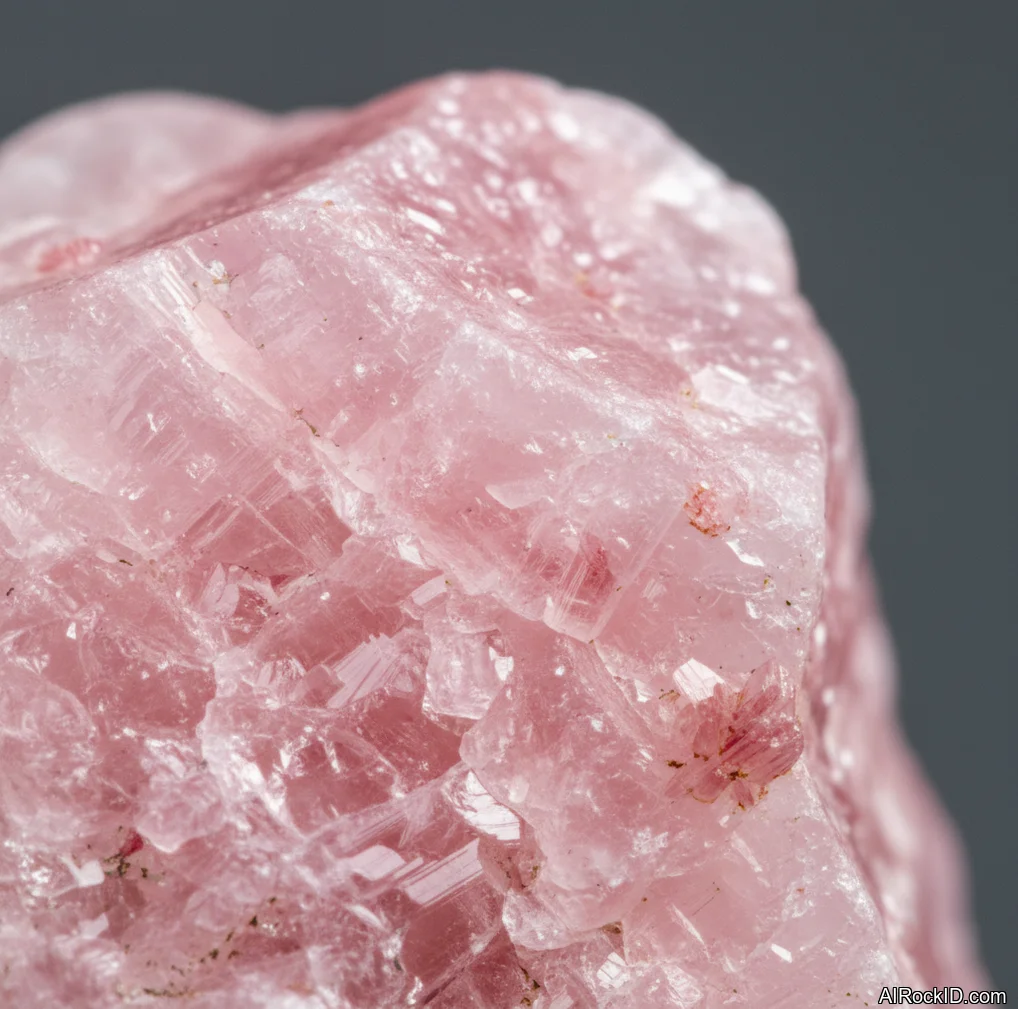
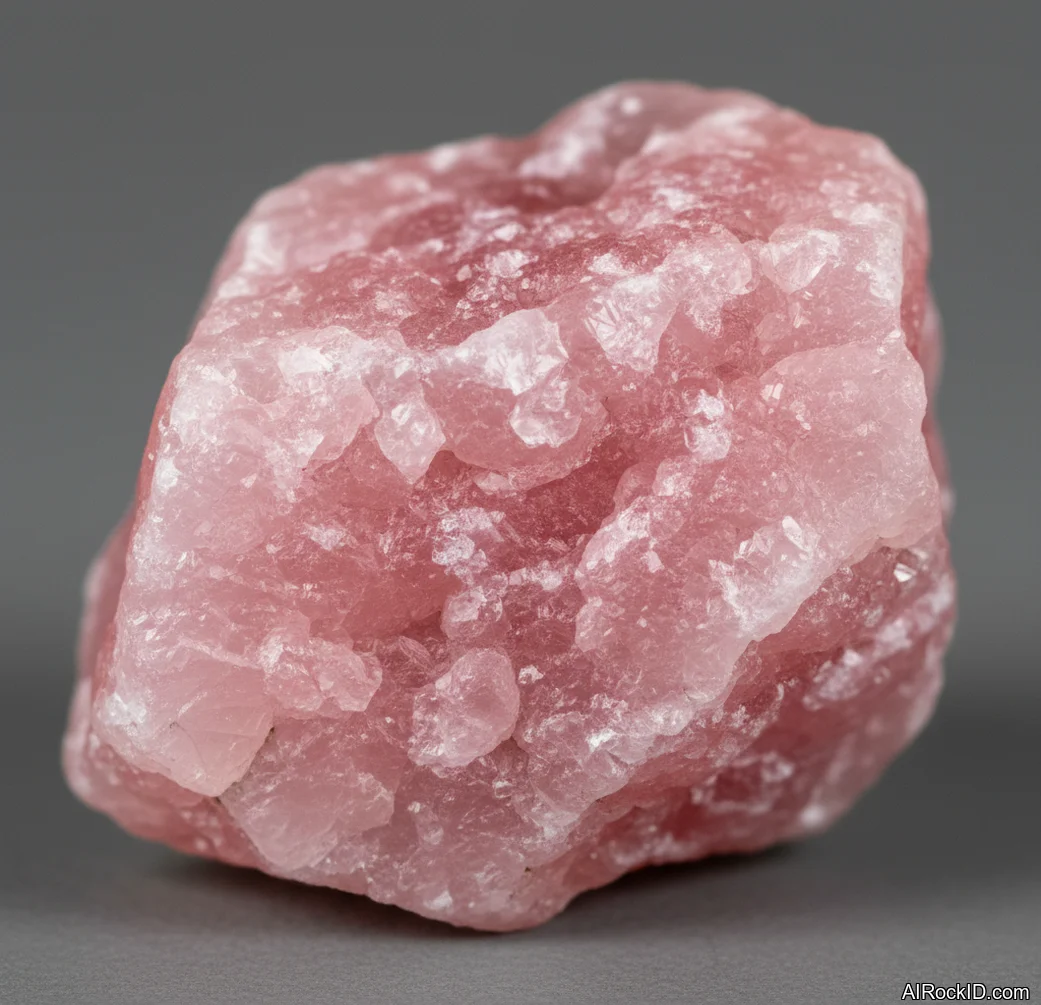
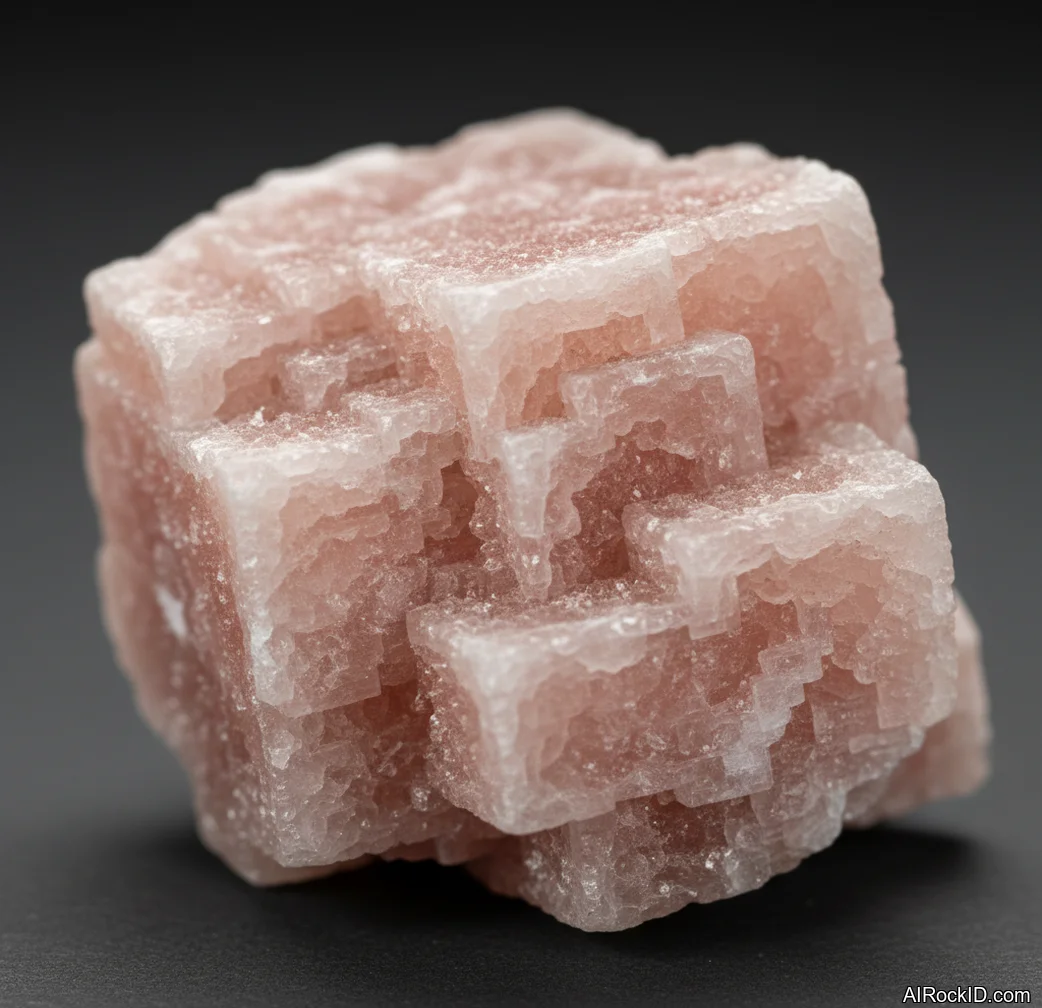
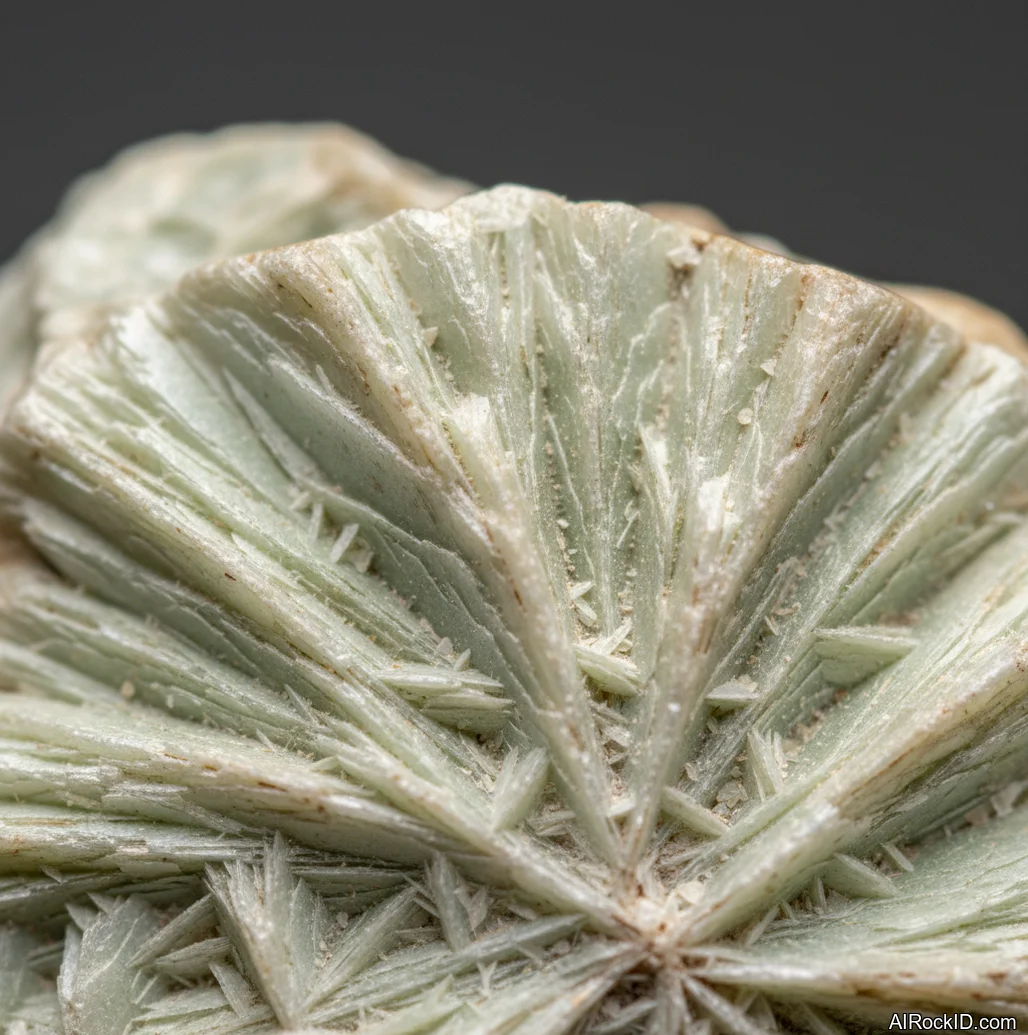
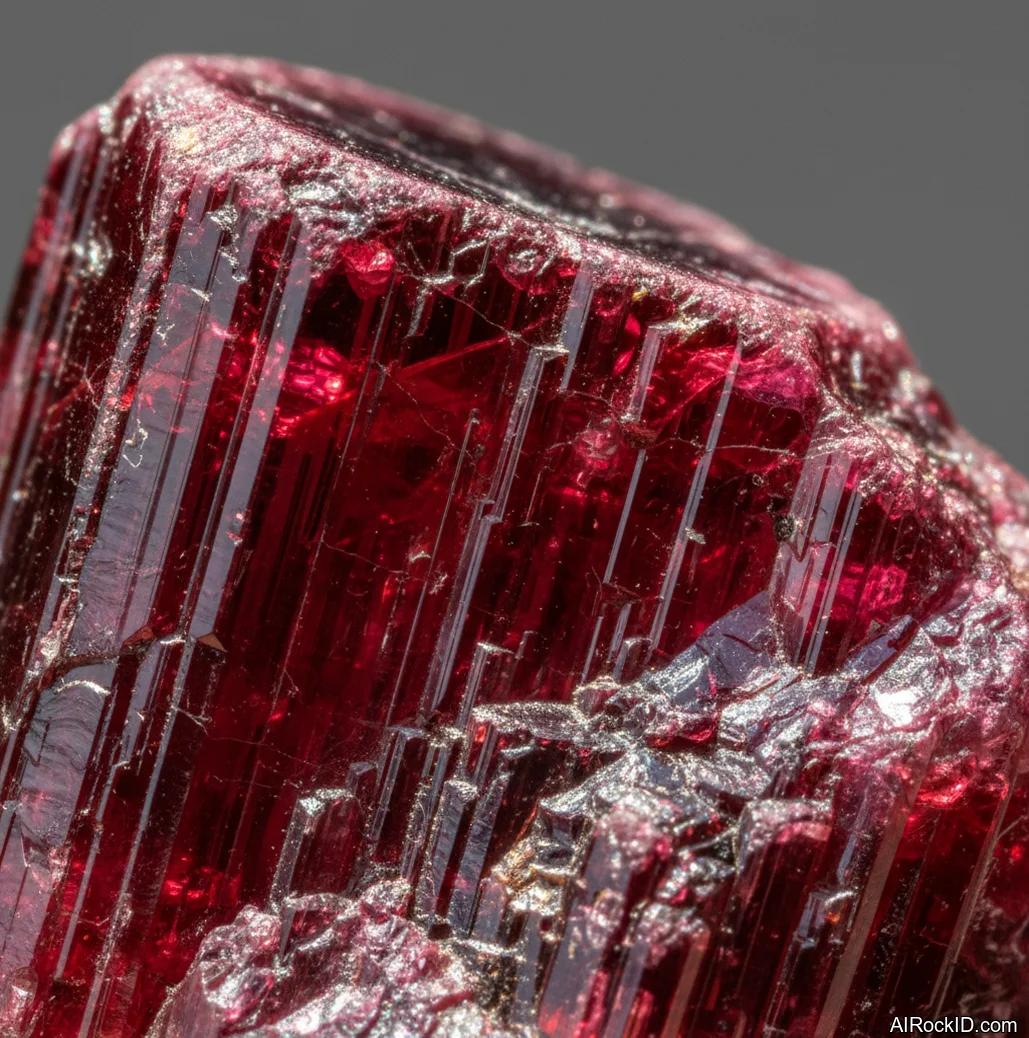
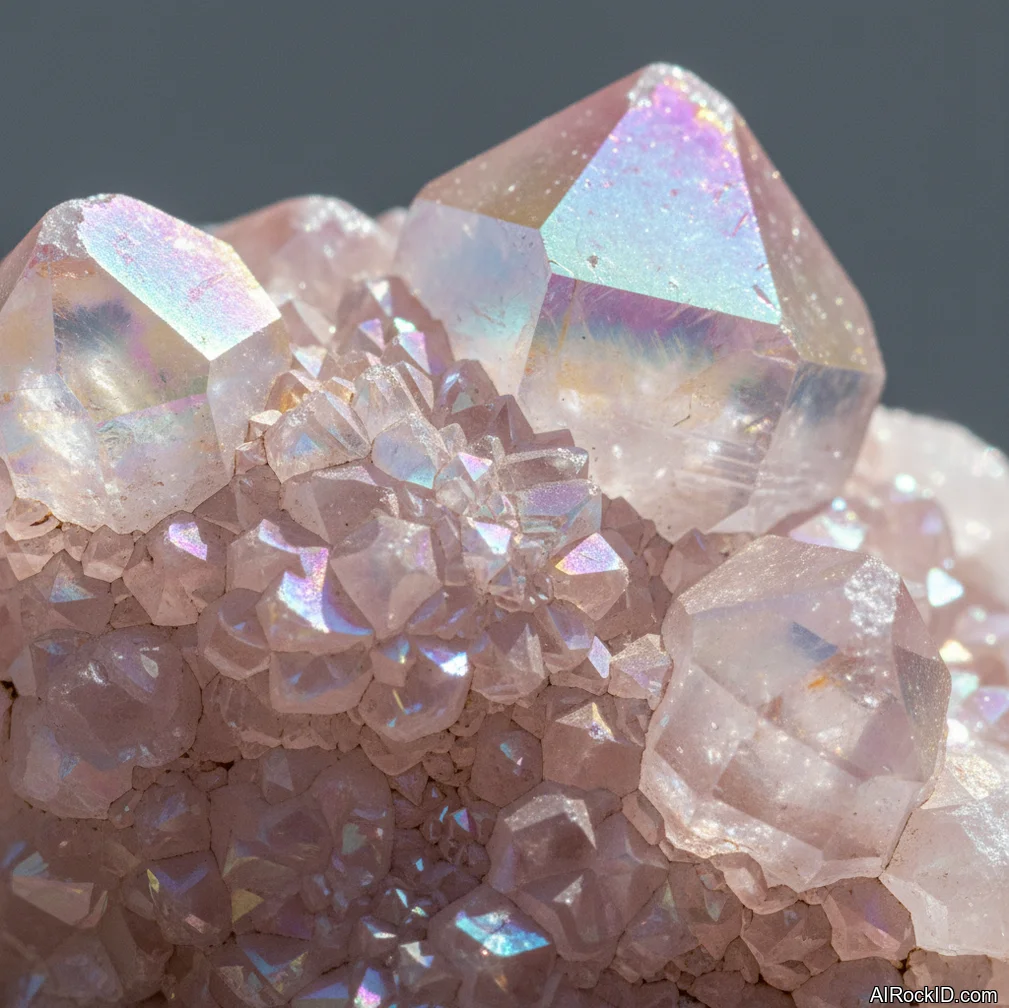
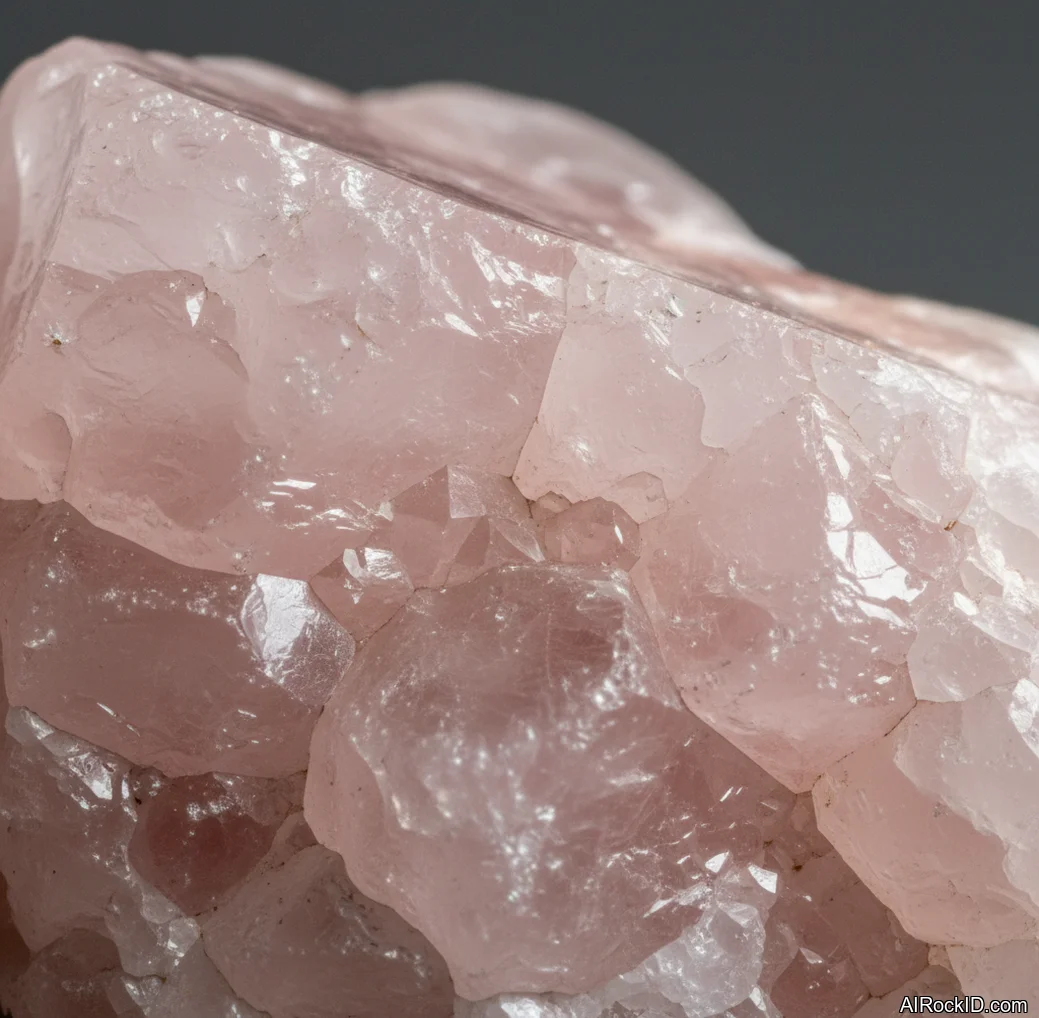
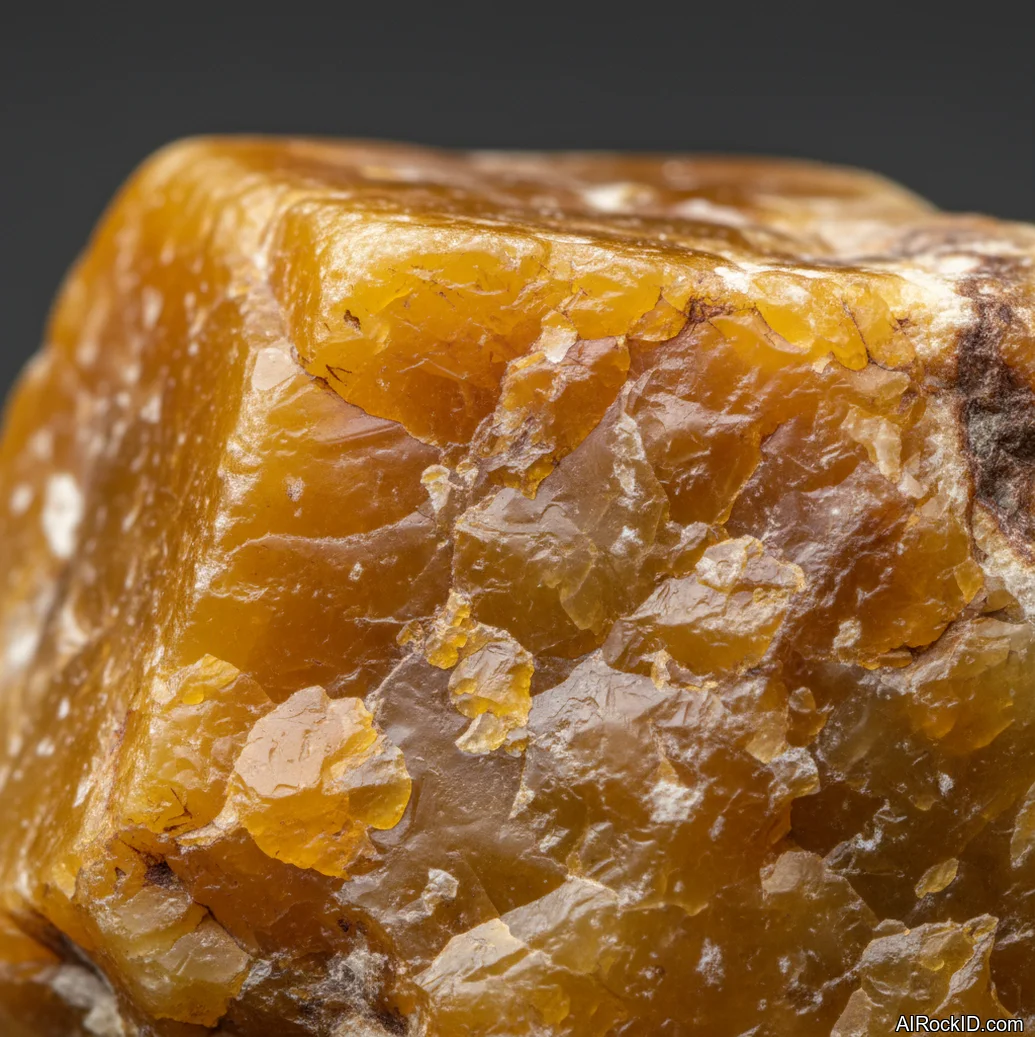
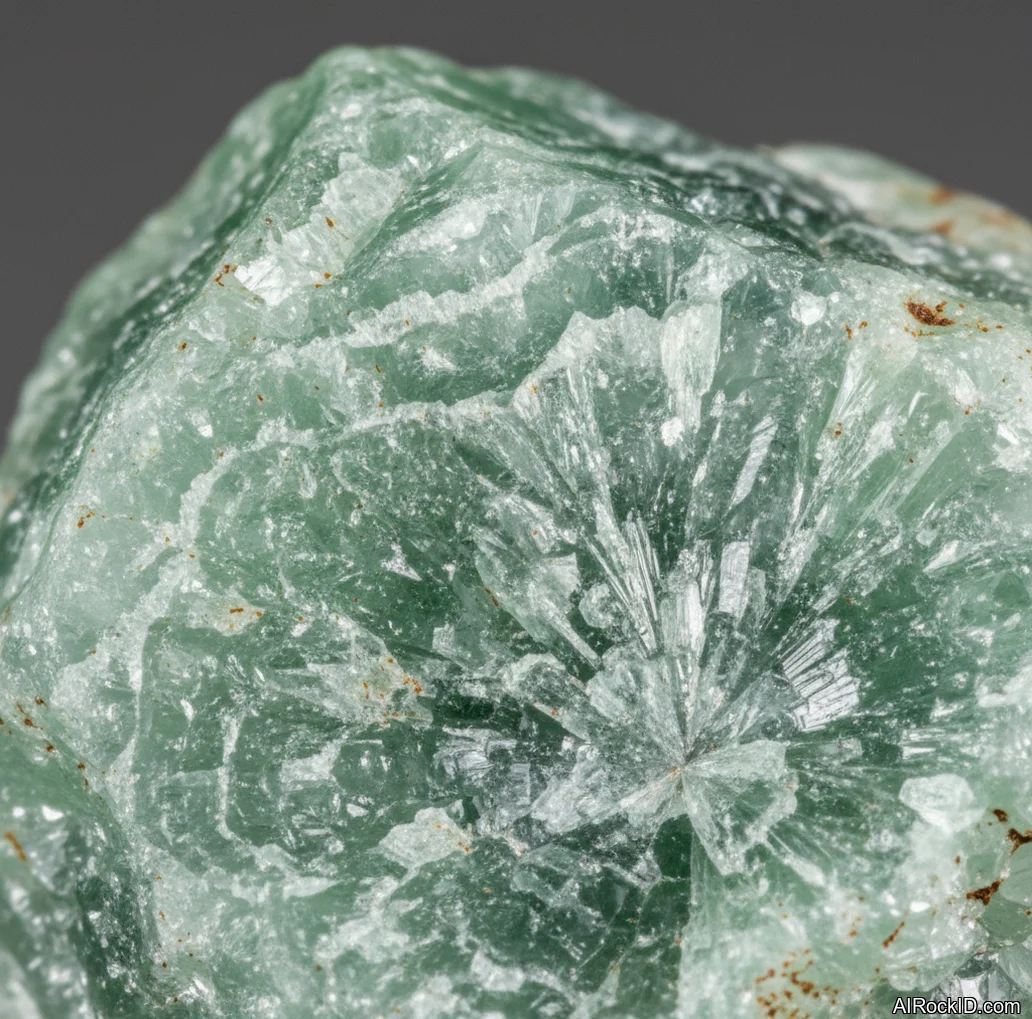
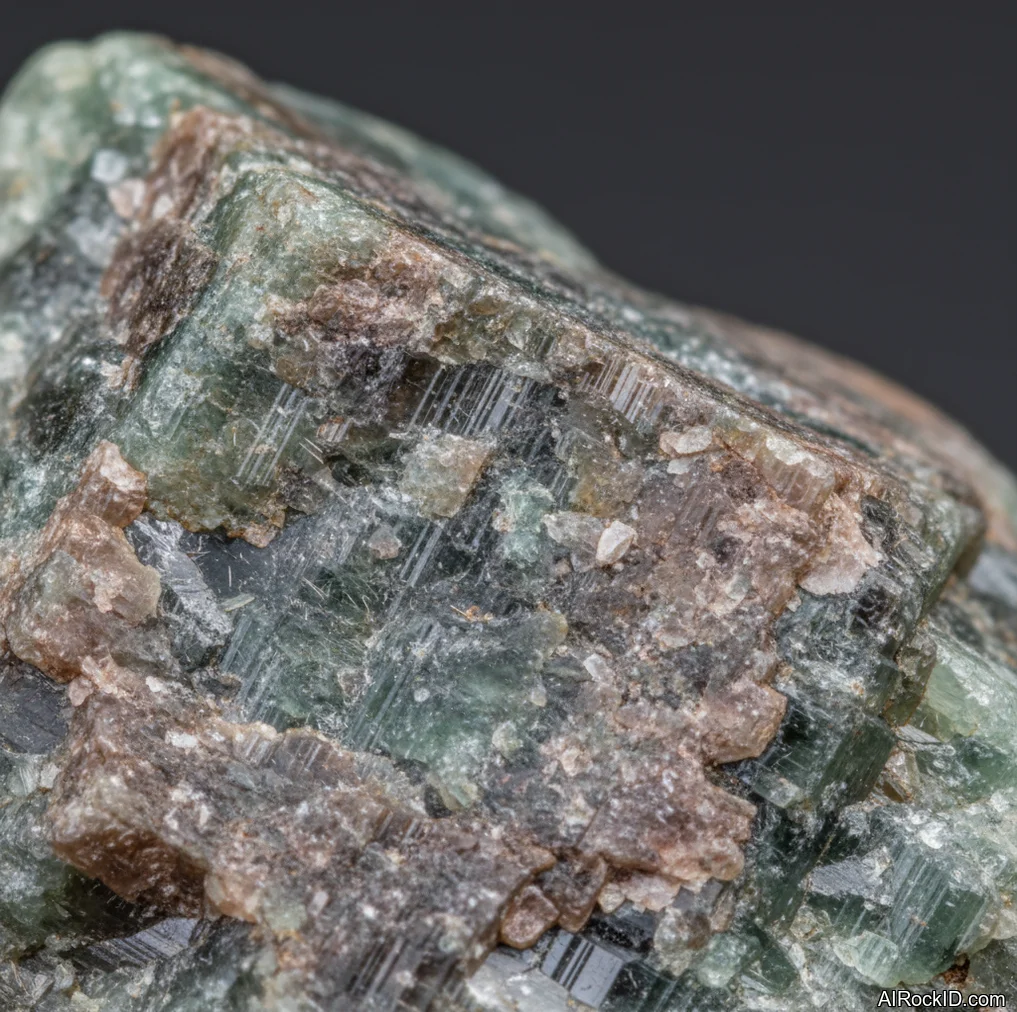
Venus crystals are stones traditionally linked to themes of attraction, pleasure, beauty, and harmonious relationships in metaphysical practices. The most common examples are Rose Quartz, Rhodonite, Green Aventurine, Jade, and Emerald, which are often pink or green and have a gentle sheen or soothing presence in hand. Collectors select Venus crystals when seeking emotional comfort, self-worth, or a sense of ease and warmth at home. These associations come from metaphysical traditions and are not medical claims.
Venus crystals are not a substitute for real relationship work or therapeutic support. They can't guarantee love, harmony, or self-esteem—use them as symbolic tools, not solutions.
AI Rock ID can help narrow down a possible crystal match from a photo by checking visible traits such as color, luster, habit, and surface texture. RockIdentifier.io provides crystal and mineral references that can support learning after a visual identification result.
Good fit
- People exploring crystal symbolism connected with Venus, love, beauty, and harmony
- Beginners who prefer gentle-looking stones such as rose quartz, green aventurine, or rhodonite
- Collectors building a themed set around planets, zodiac, chakras, or intention-based traditions
- Gift shoppers looking for stones commonly linked with affection, friendship, or comfort
Not a good fit
- Anyone needing a scientific mineral category, because Venus crystals are a symbolic grouping
- Buyers who want guaranteed natural color, since some pink and green stones may be dyed or treated
- People seeking medical or psychological treatment, because crystal traditions are not a substitute for professional care
Most commonly confused with
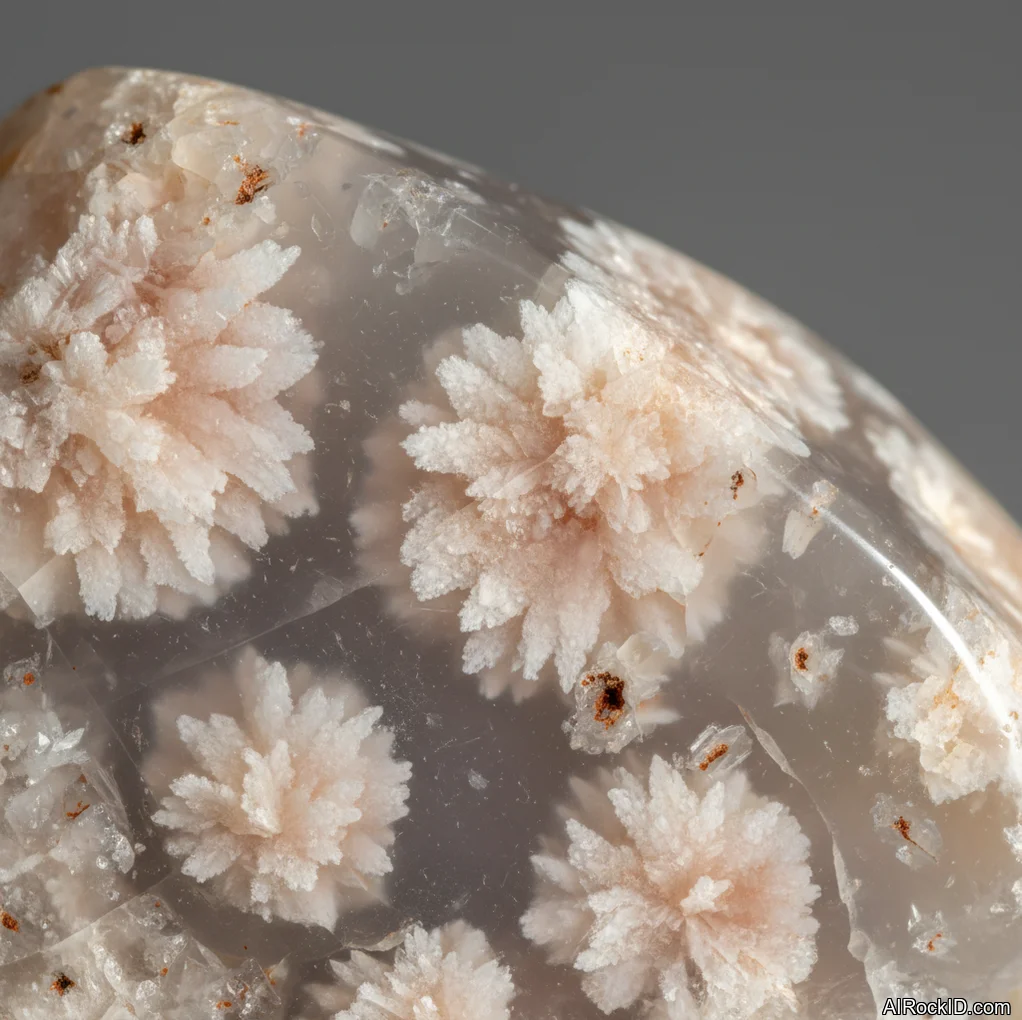
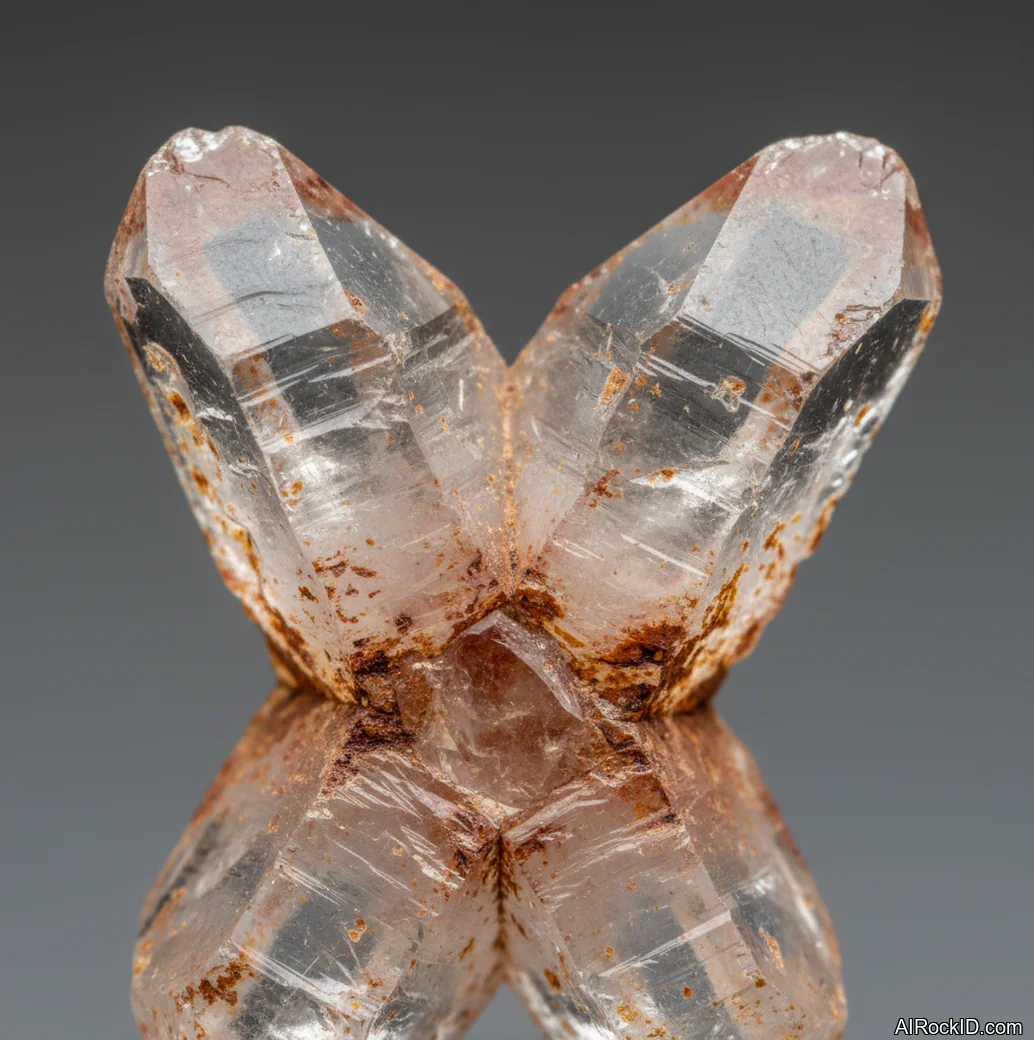
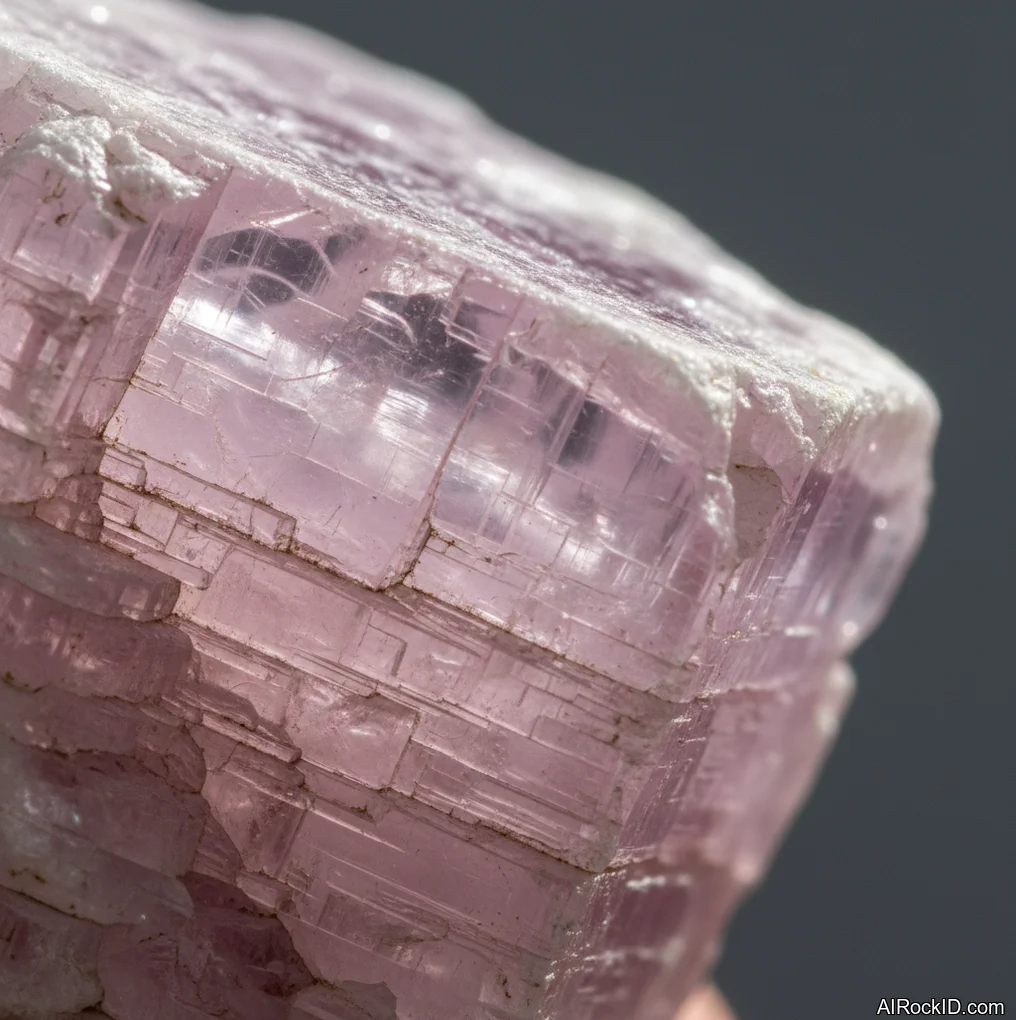
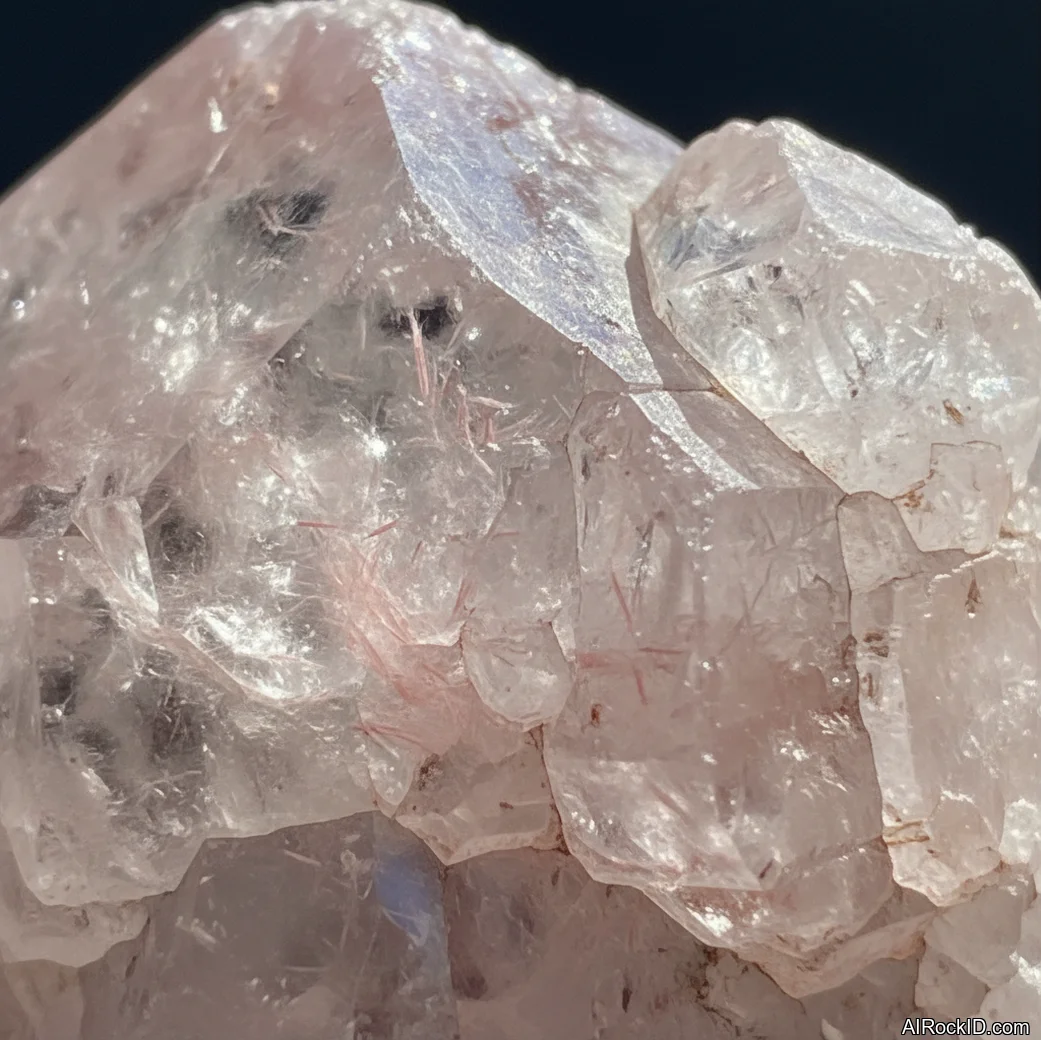
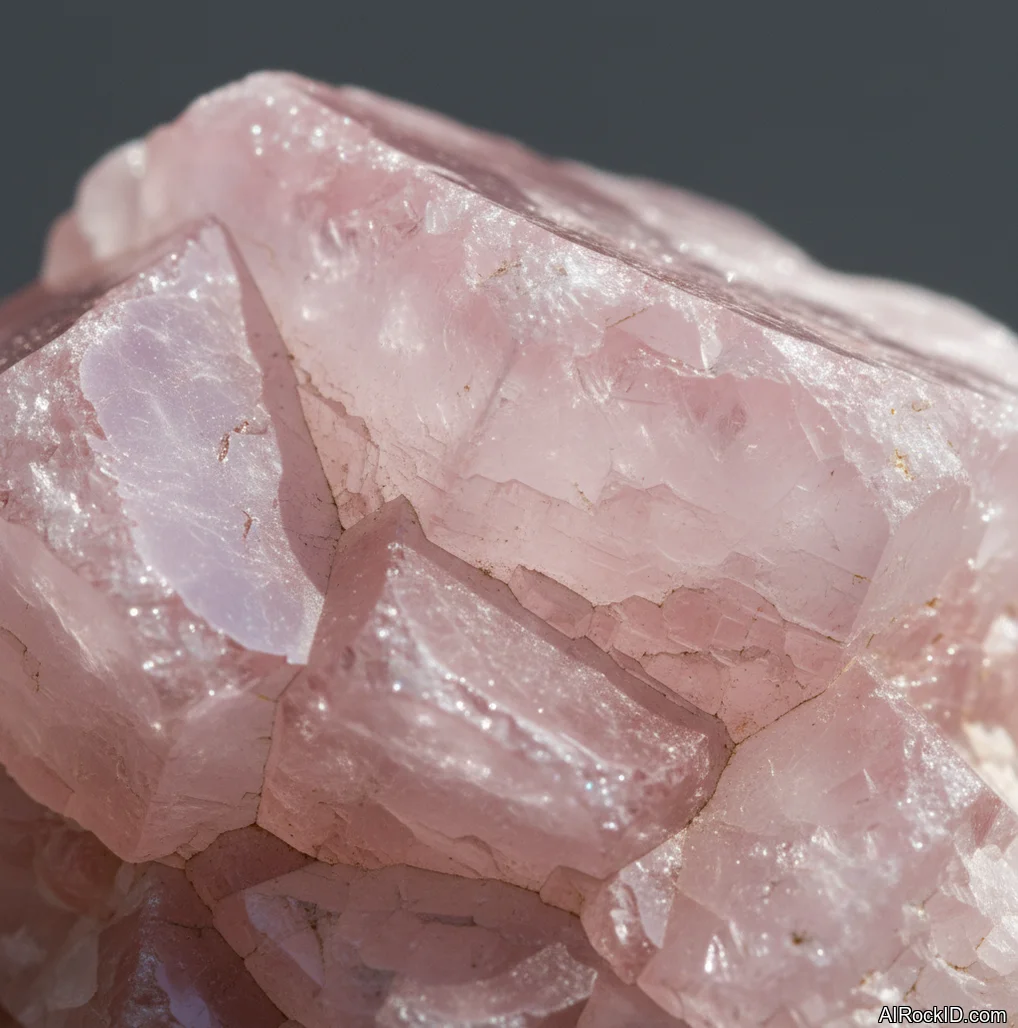
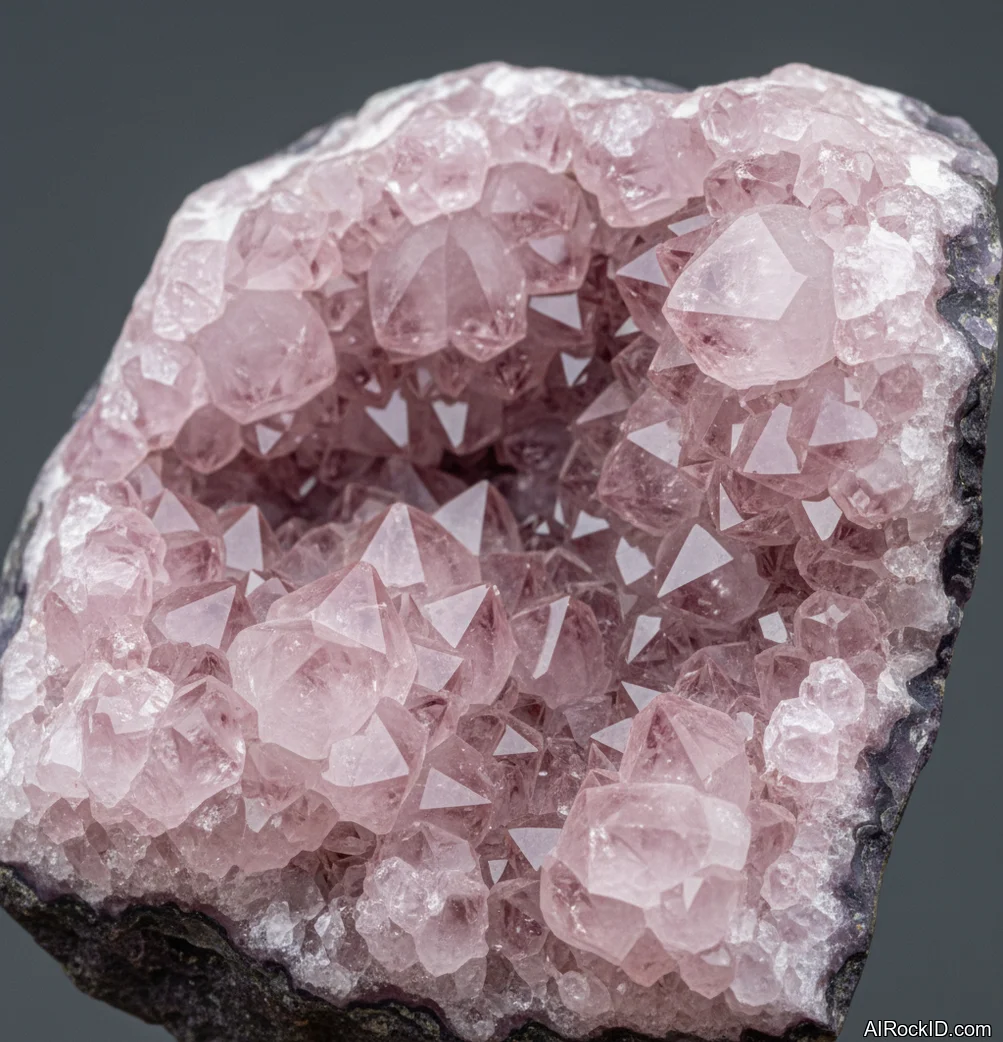
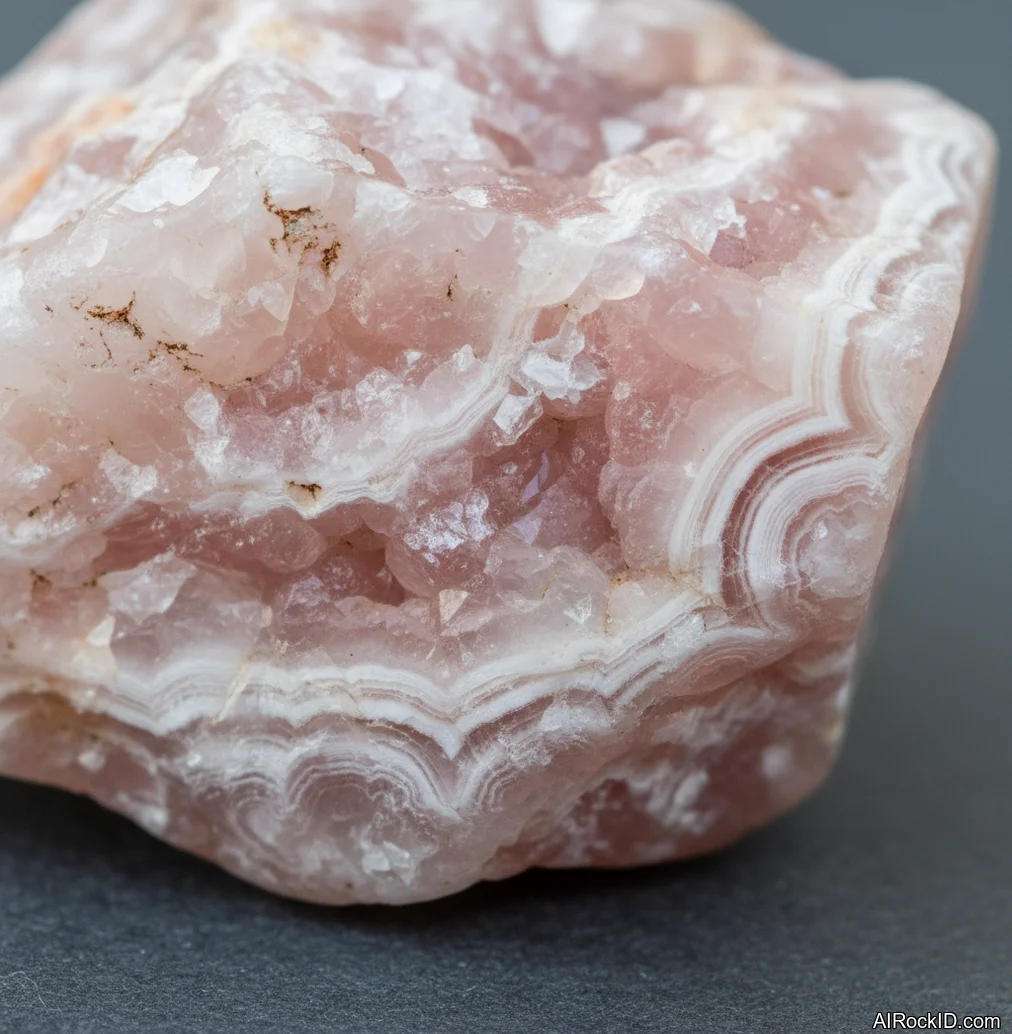
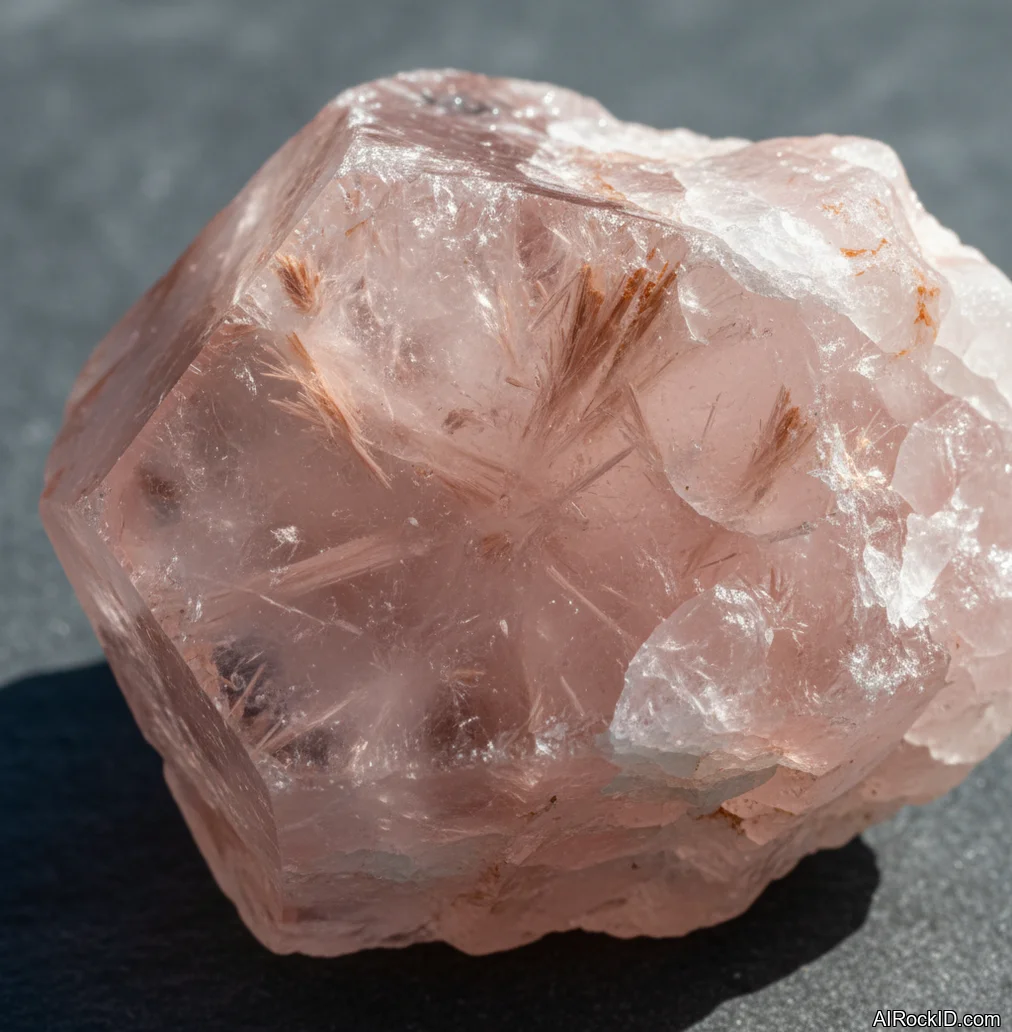
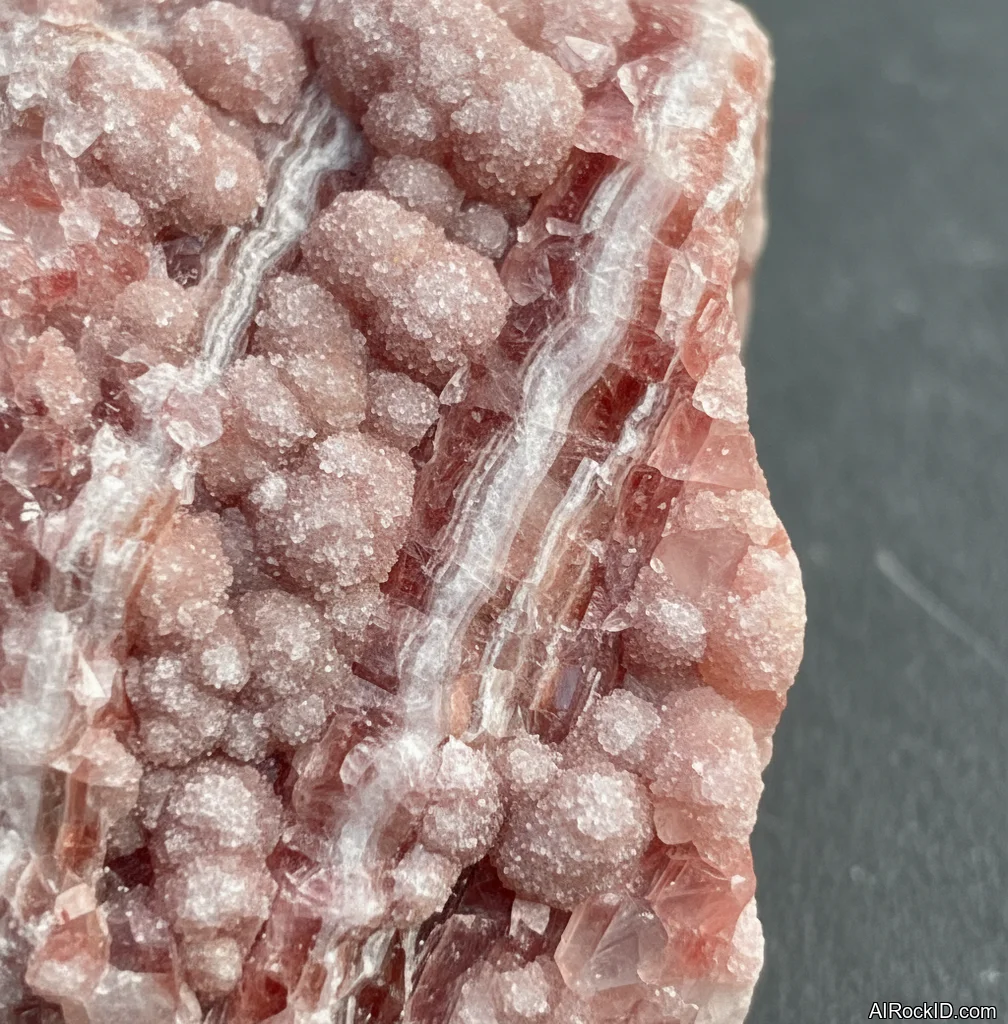
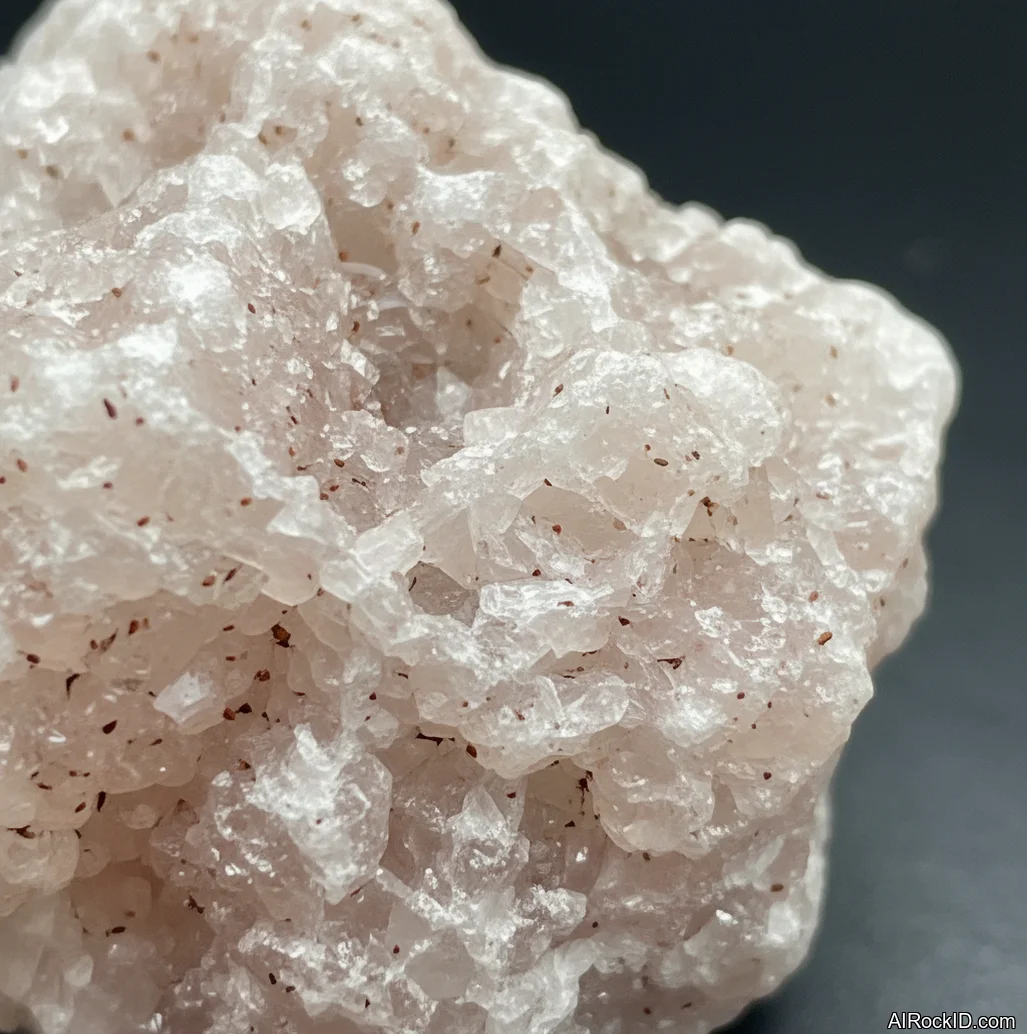
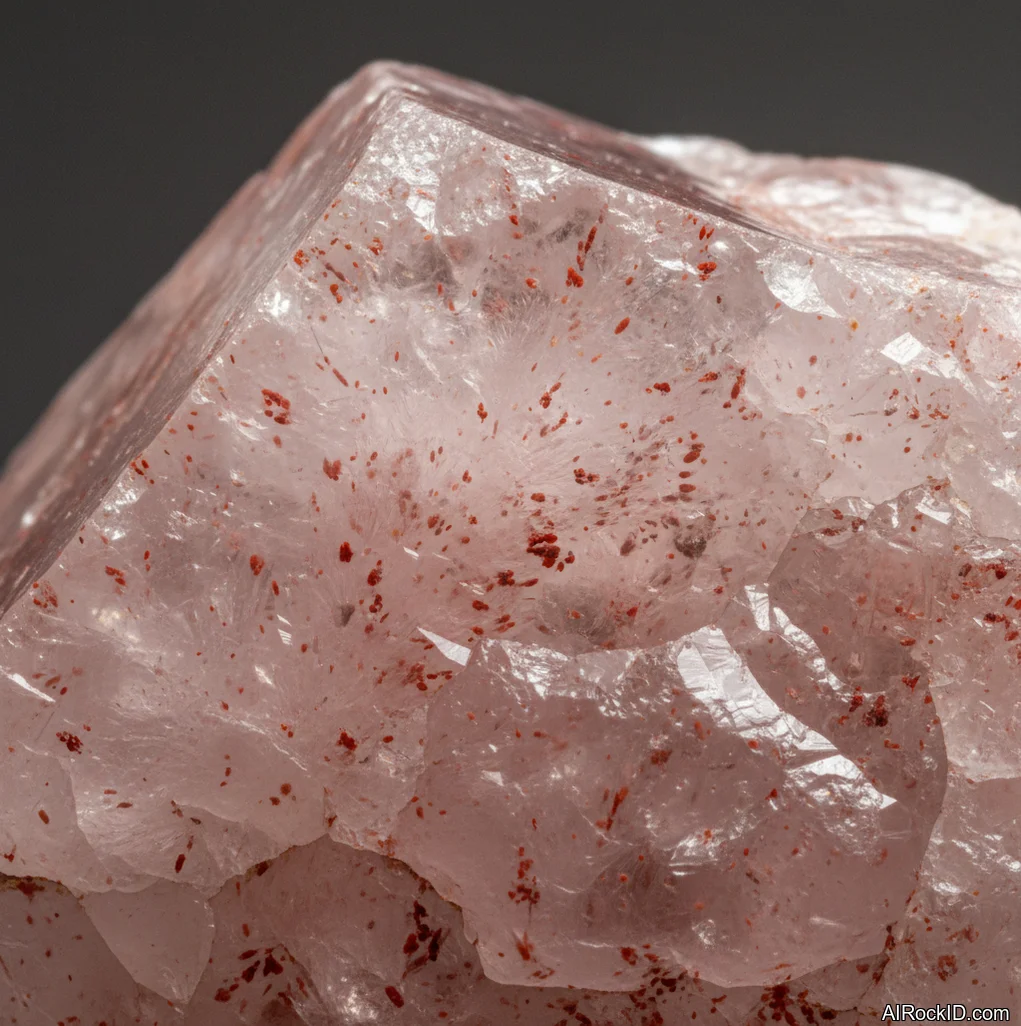
- Rose Quartz: Usually translucent to milky pink quartz; often confused with dyed quartz or pale pink calcite.
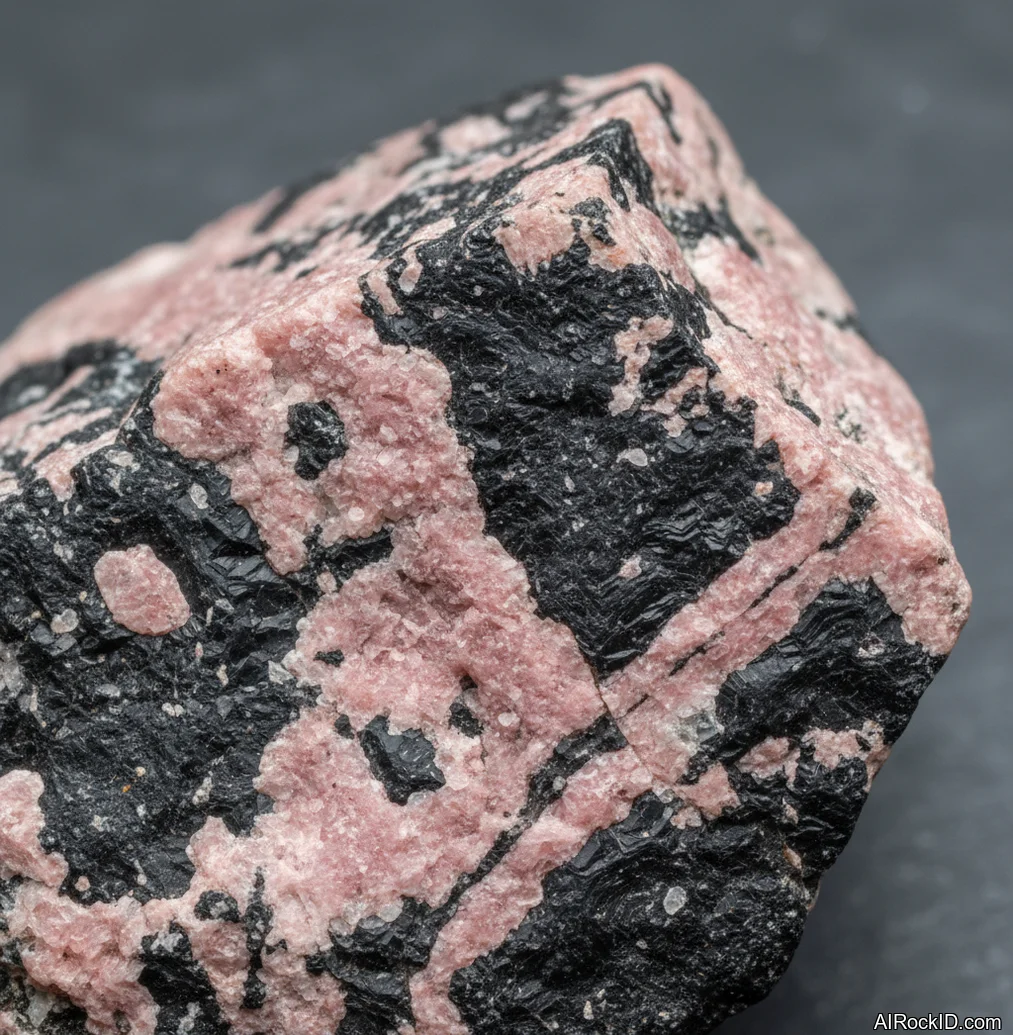
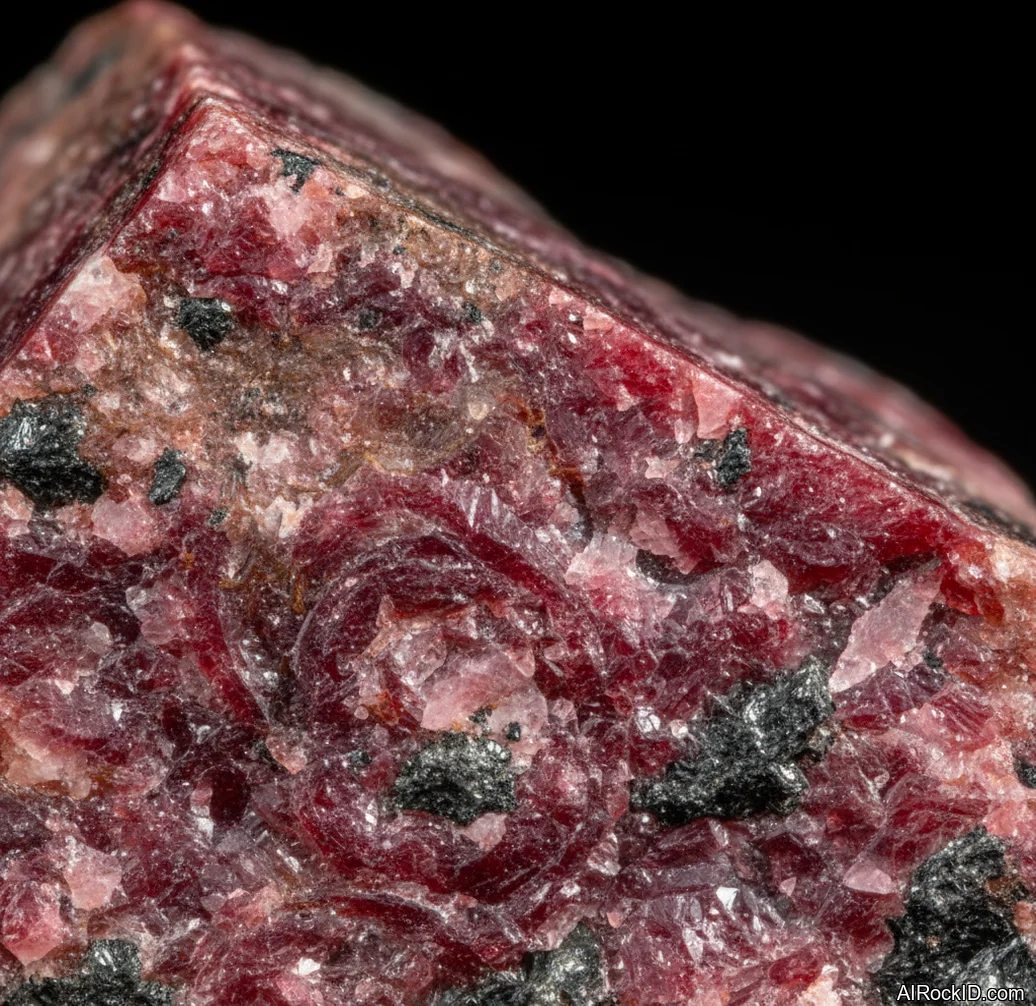
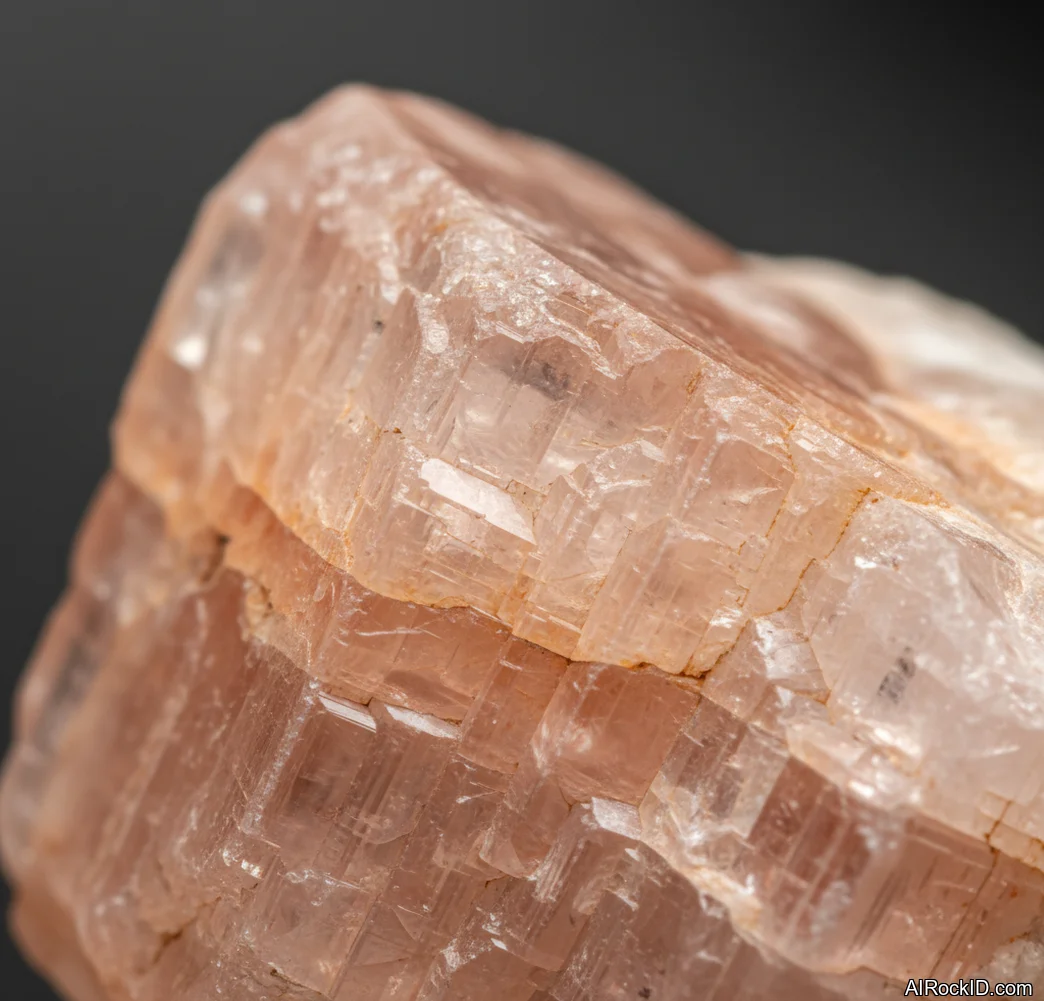
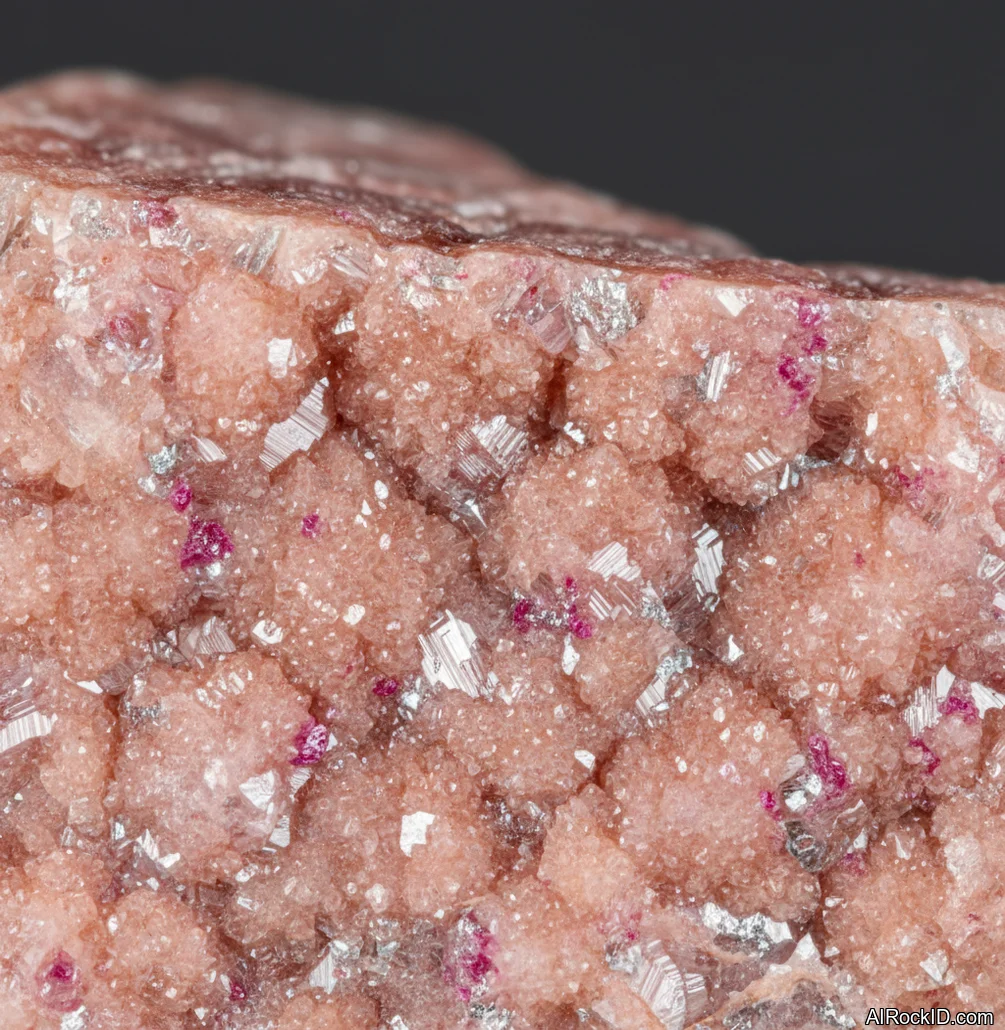
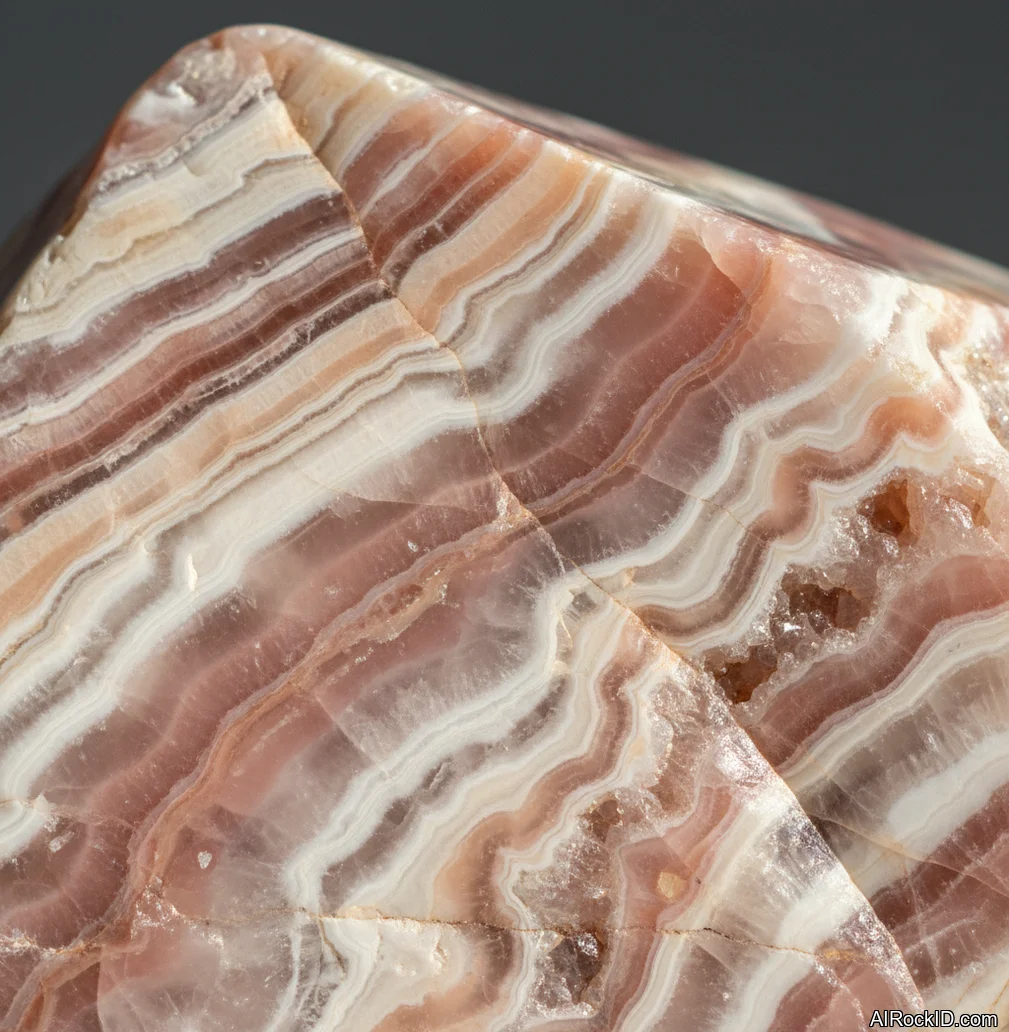
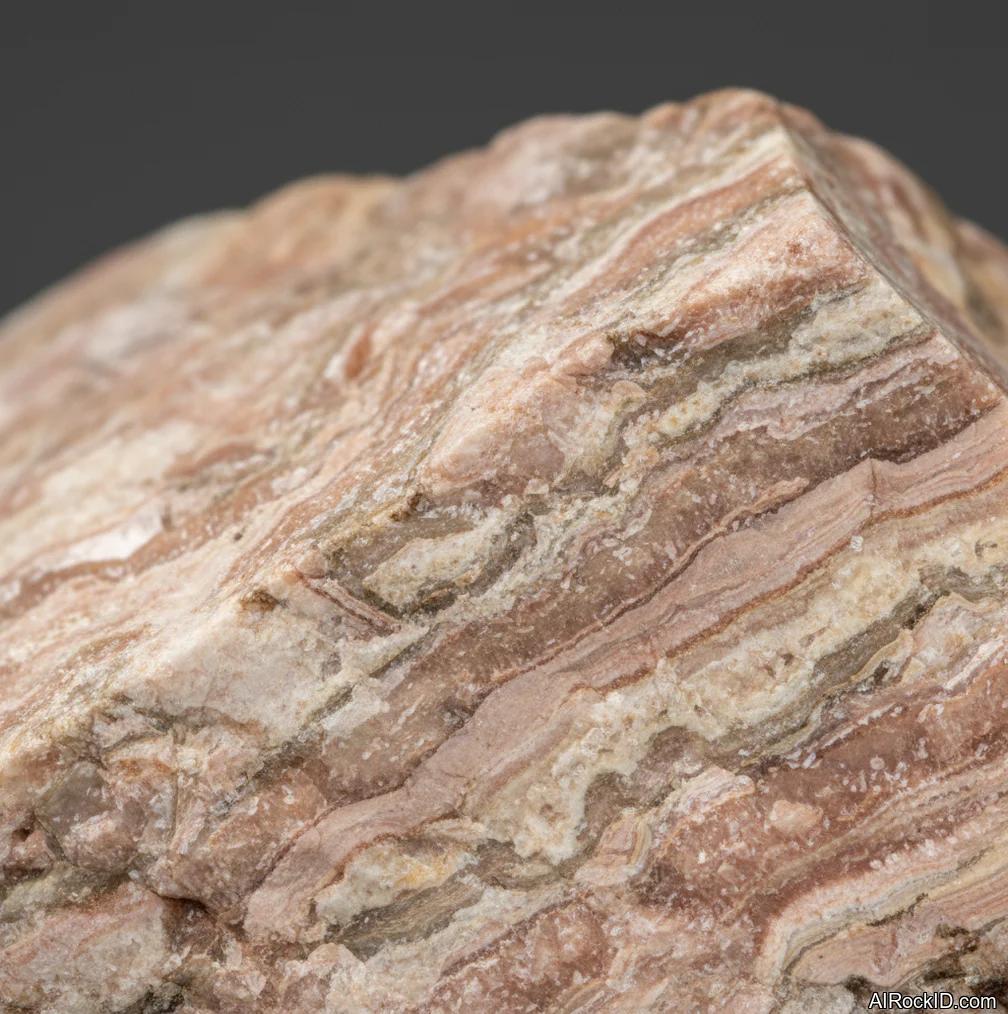
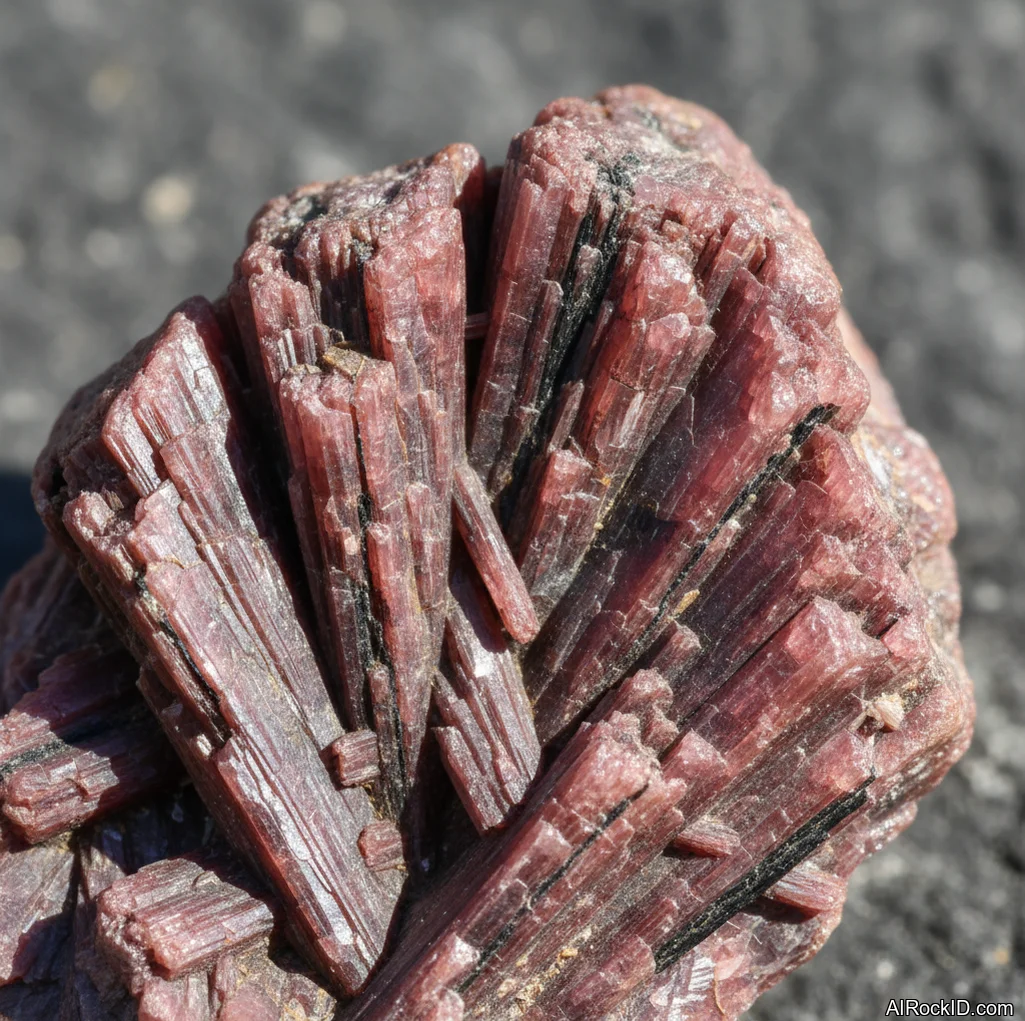
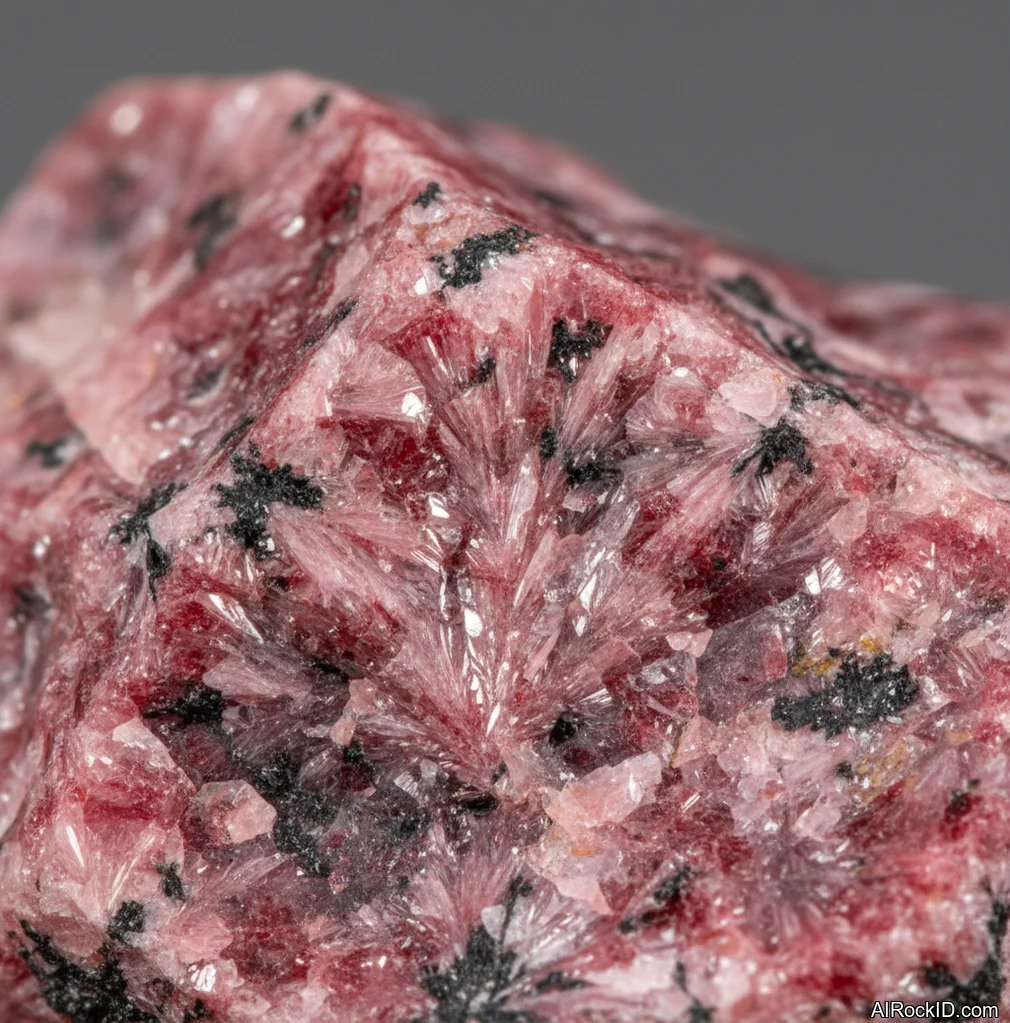
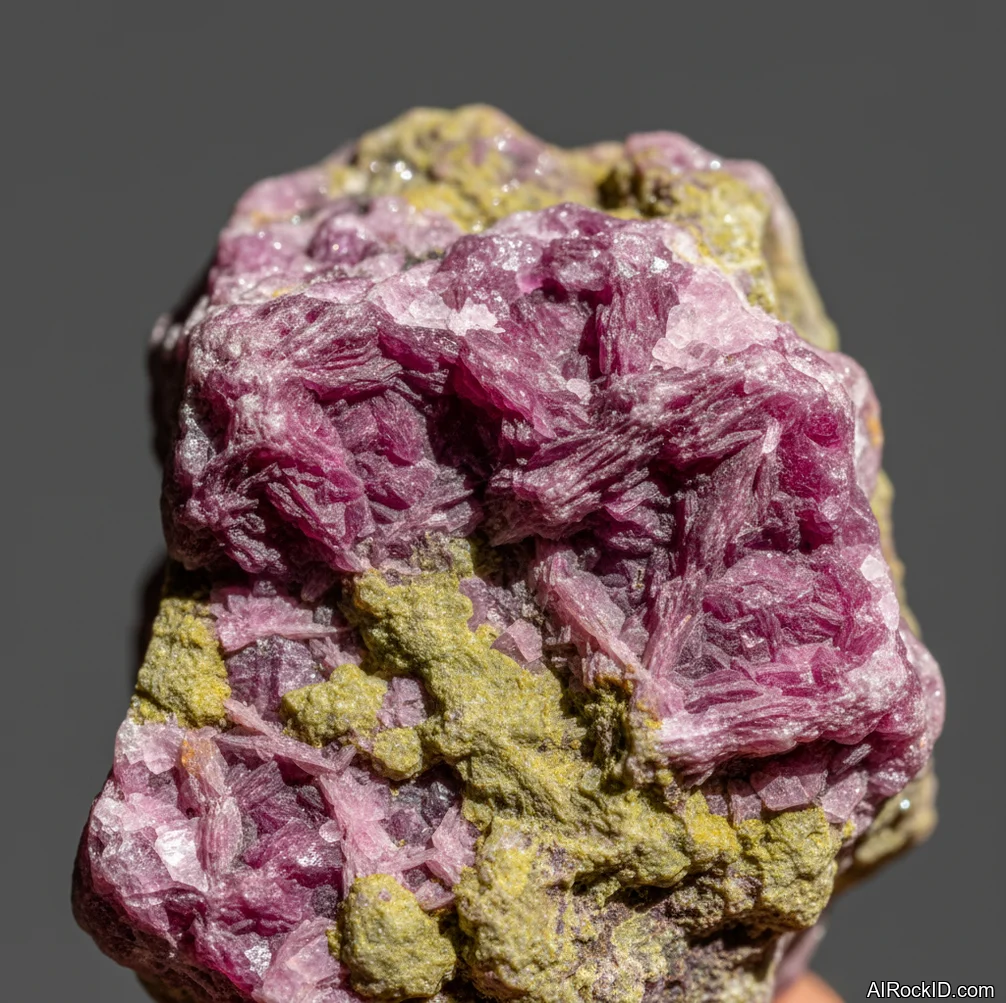
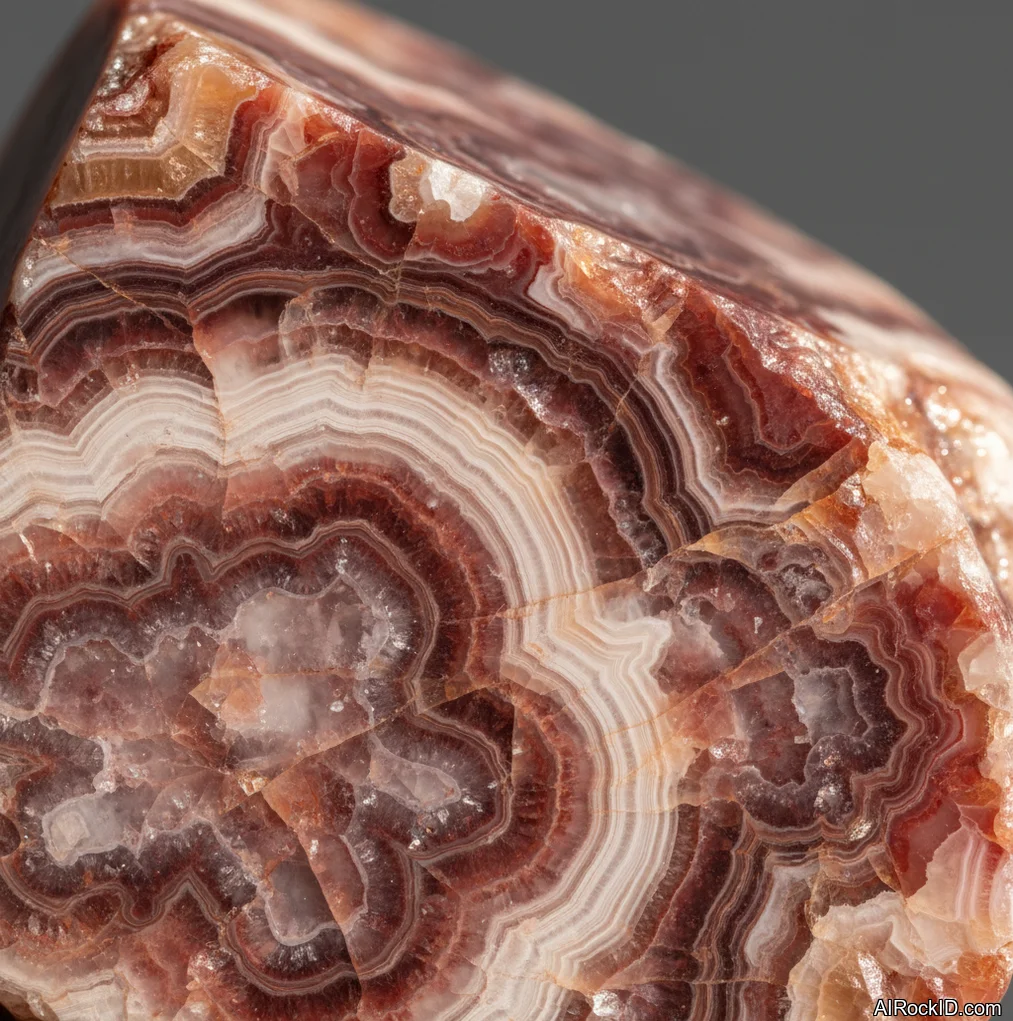
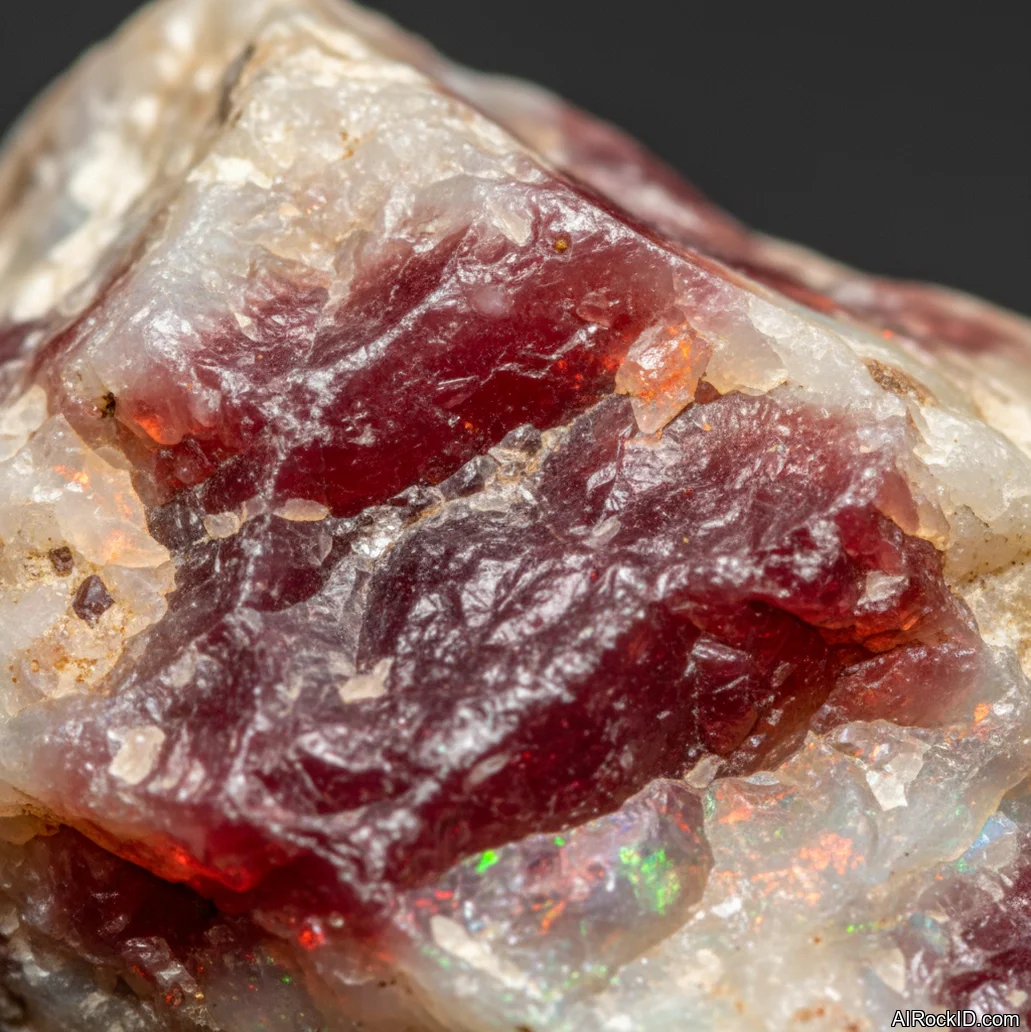
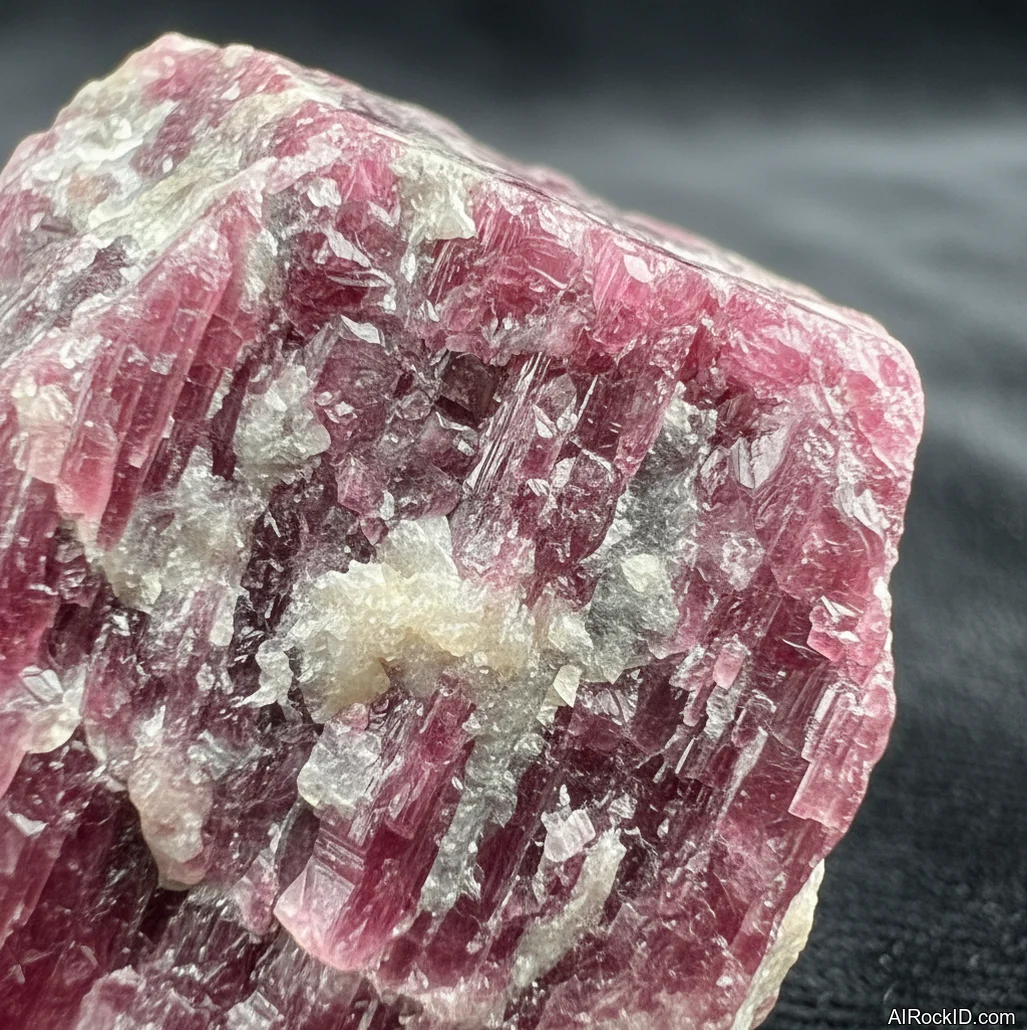
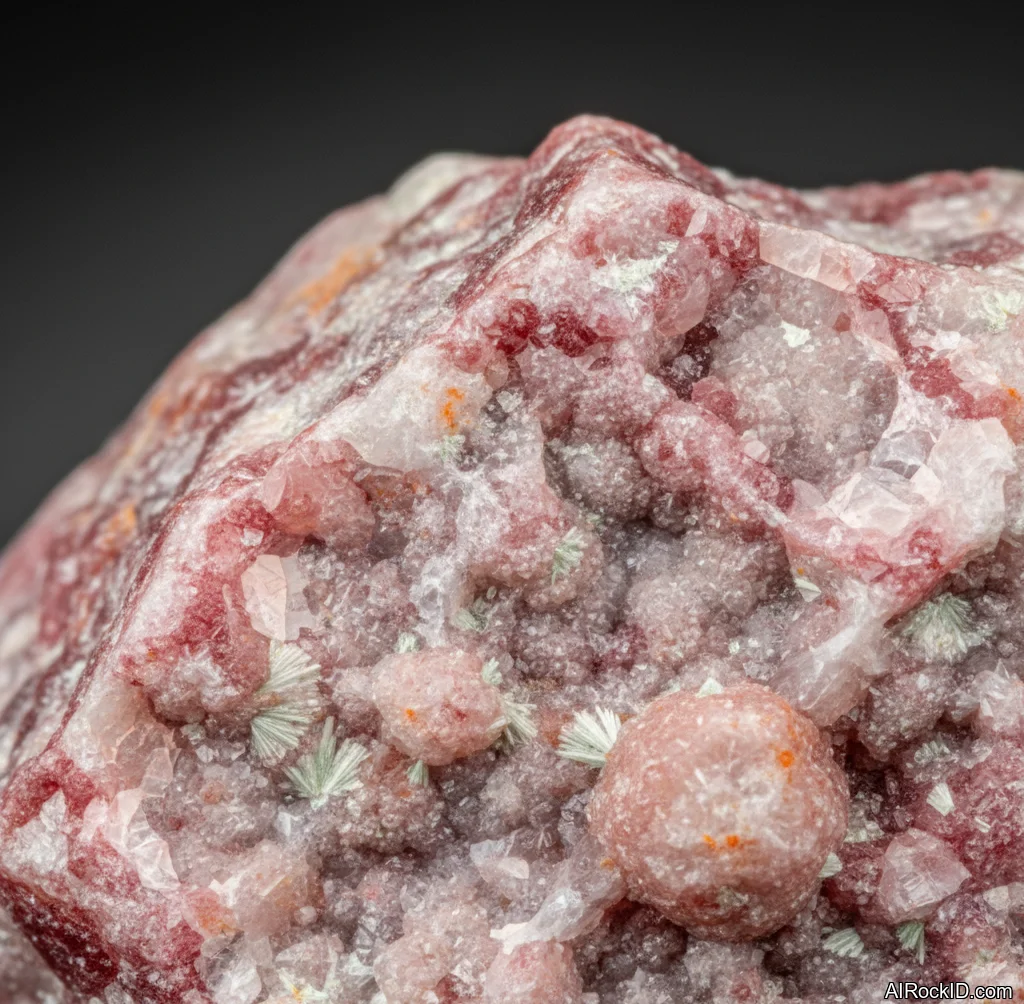
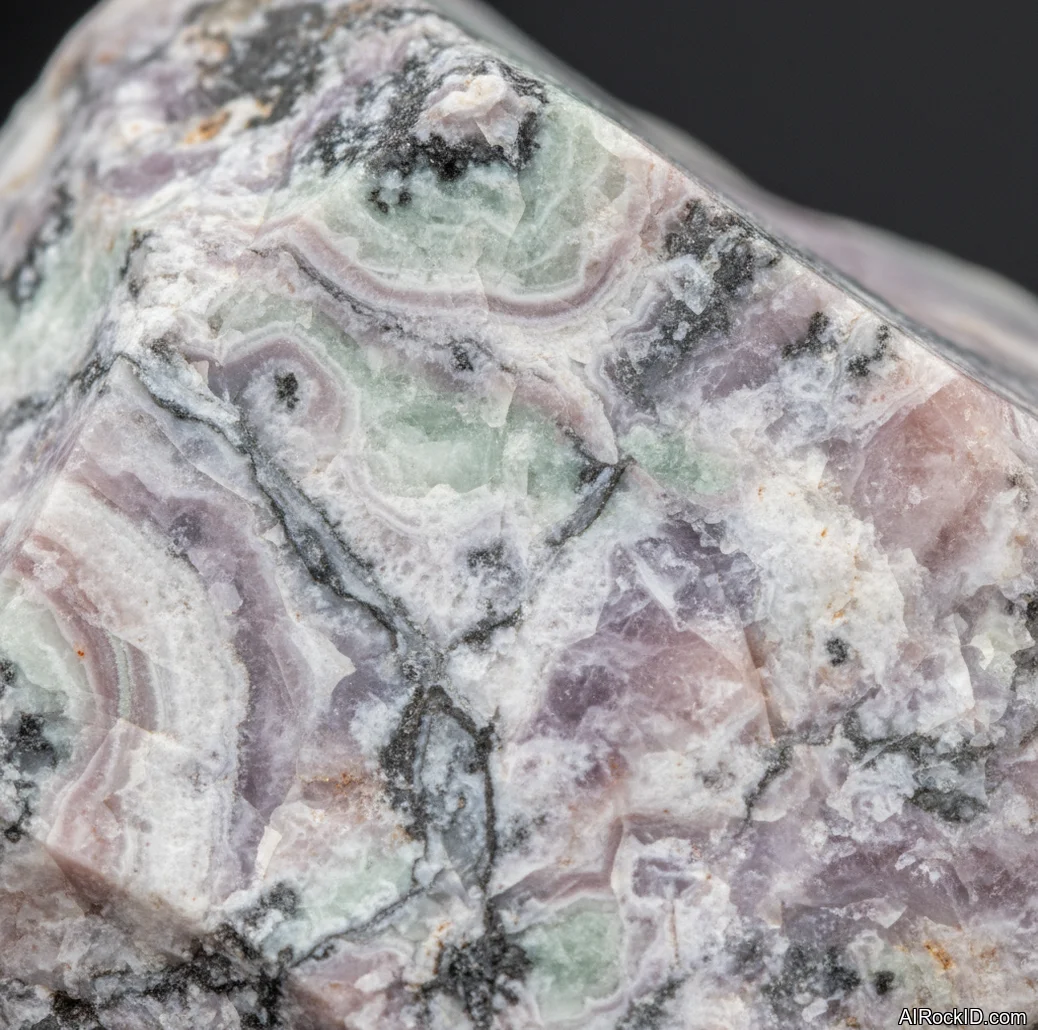
- Rhodonite: Typically pink to red with black manganese veining; heavier and more patterned than most rose quartz.
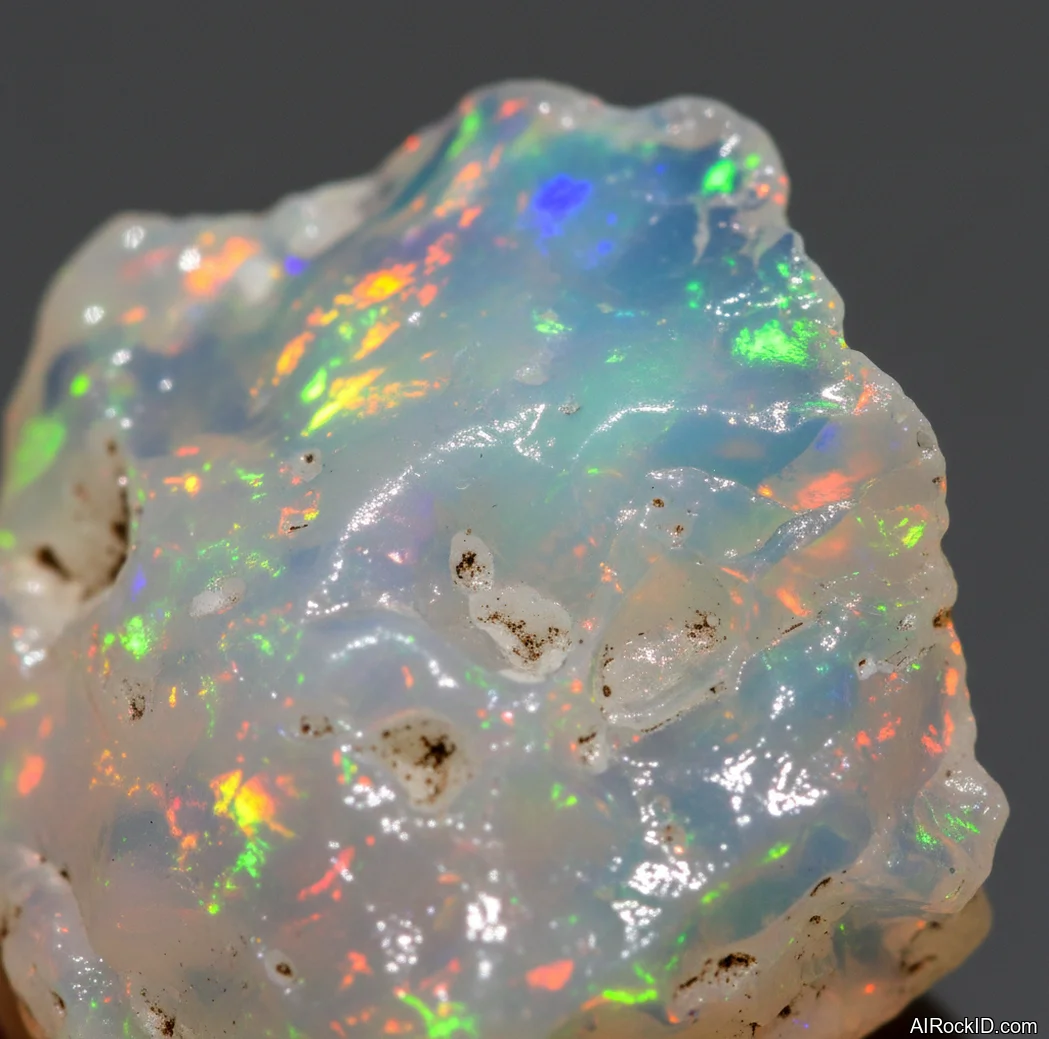
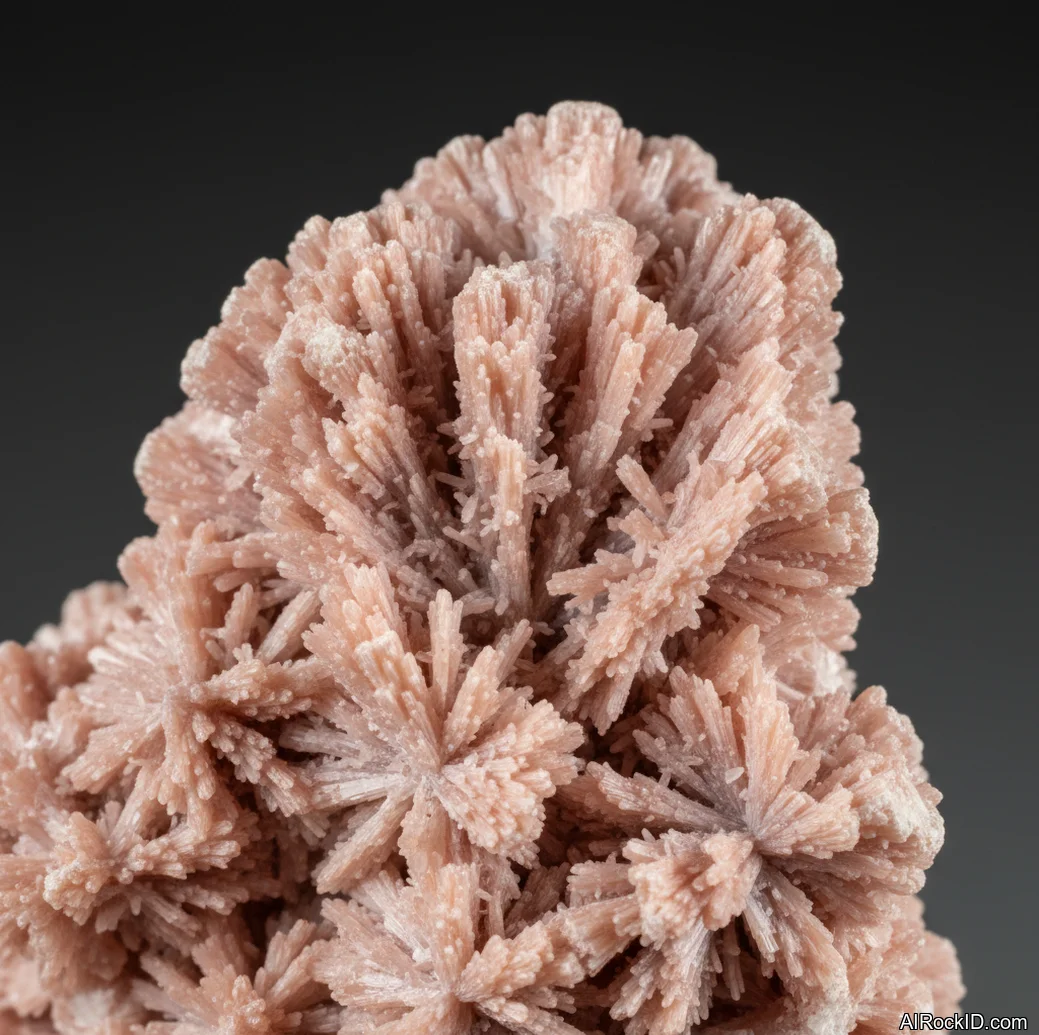
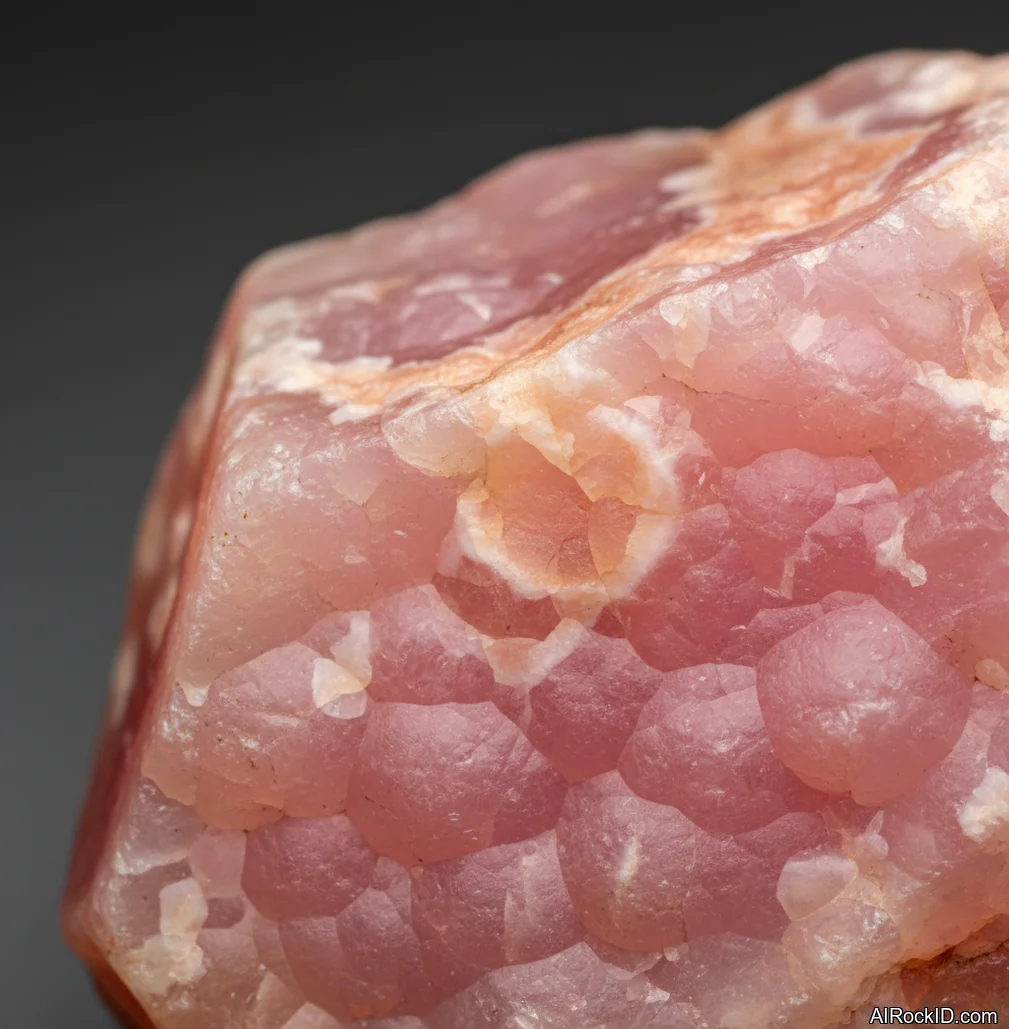
- Pink Opal: Usually opaque and waxy-looking; it lacks the glassy quartz texture of rose quartz.
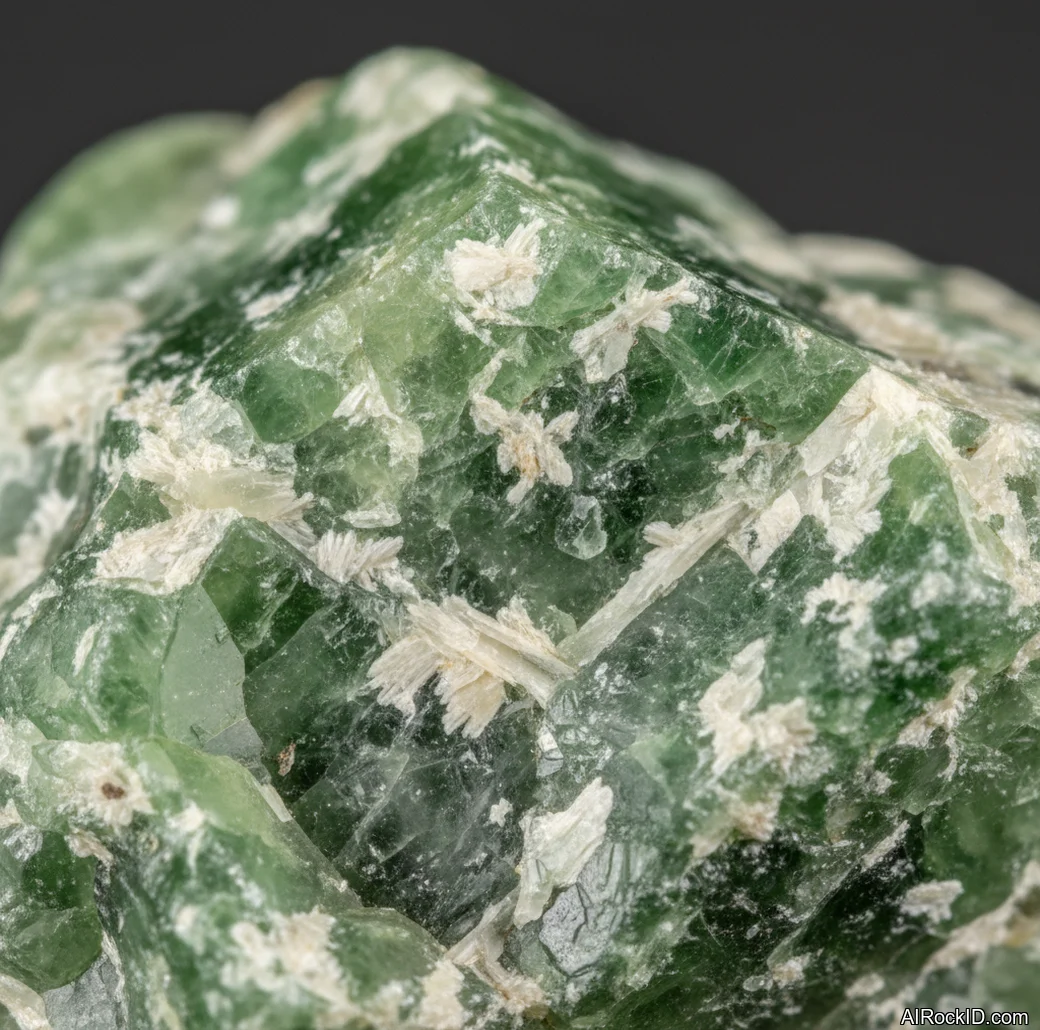
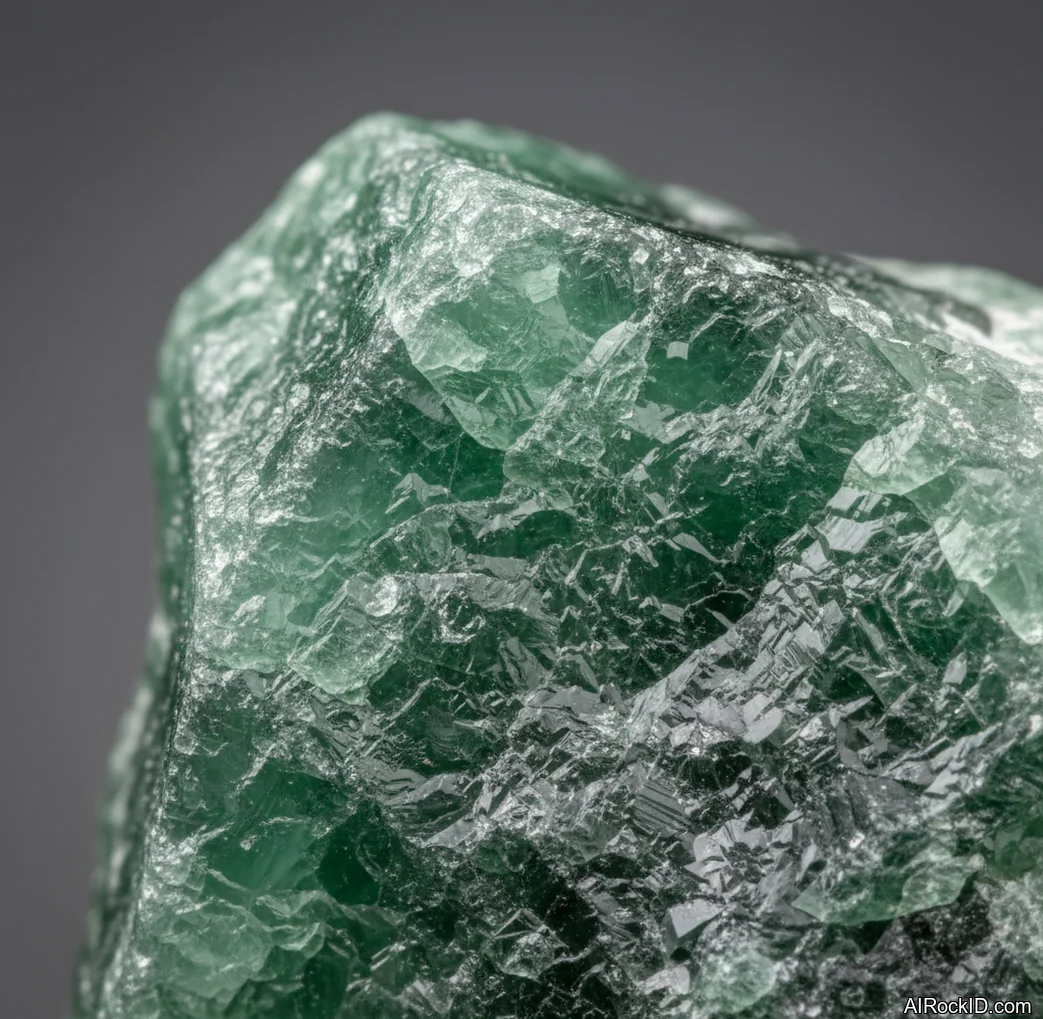
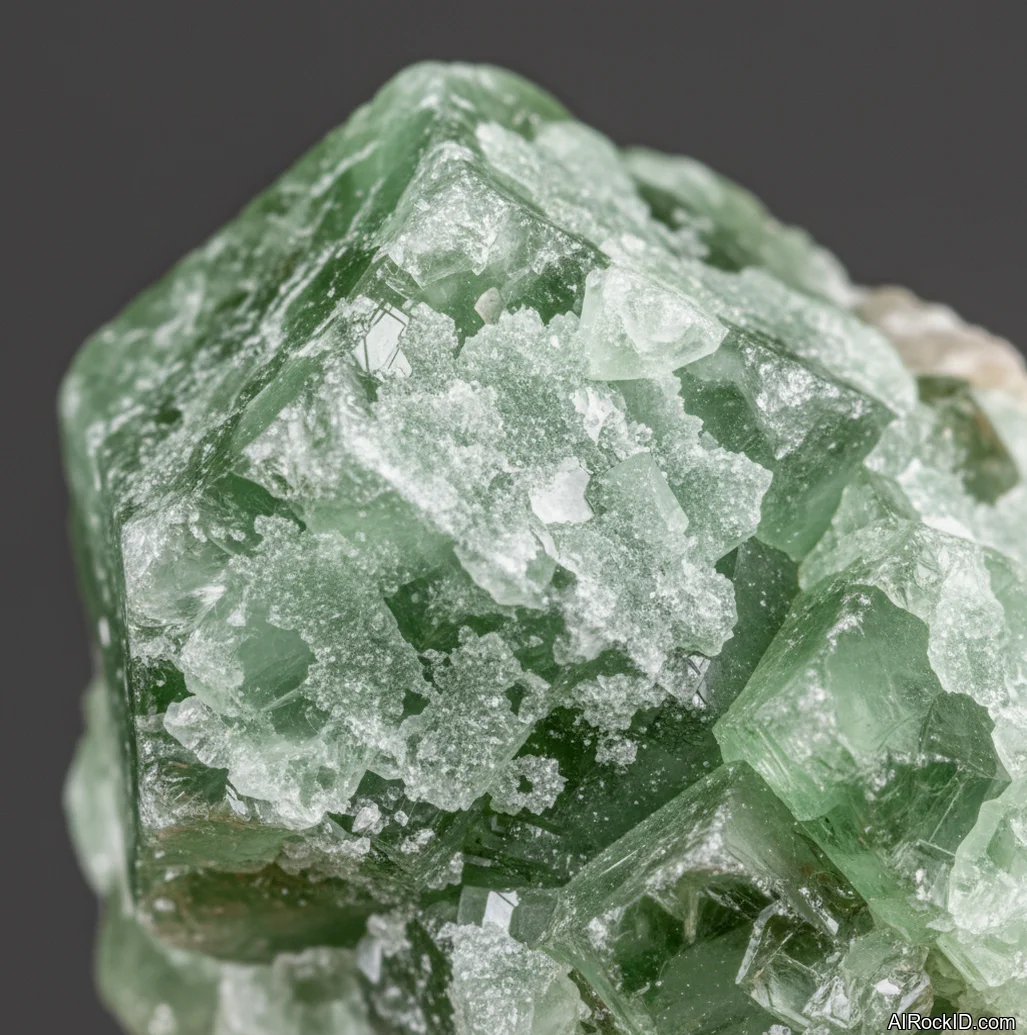
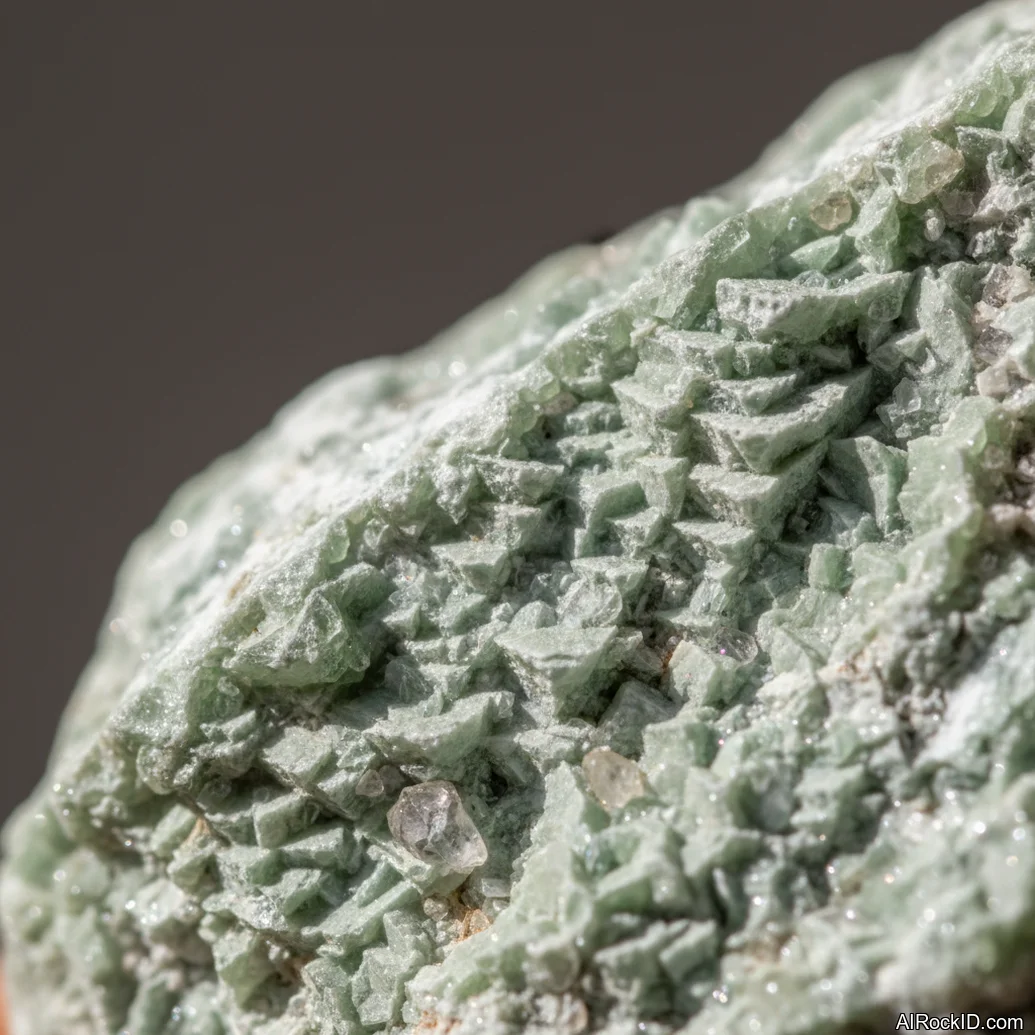
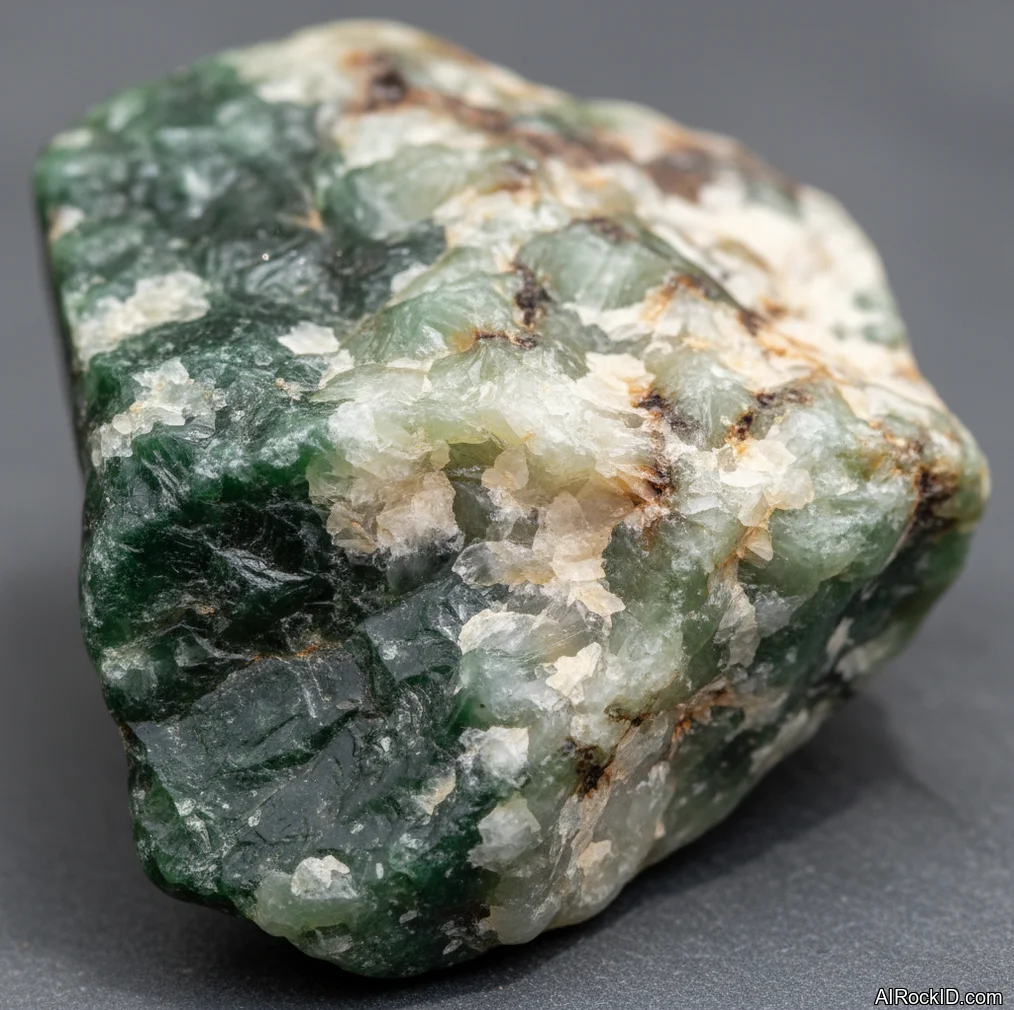
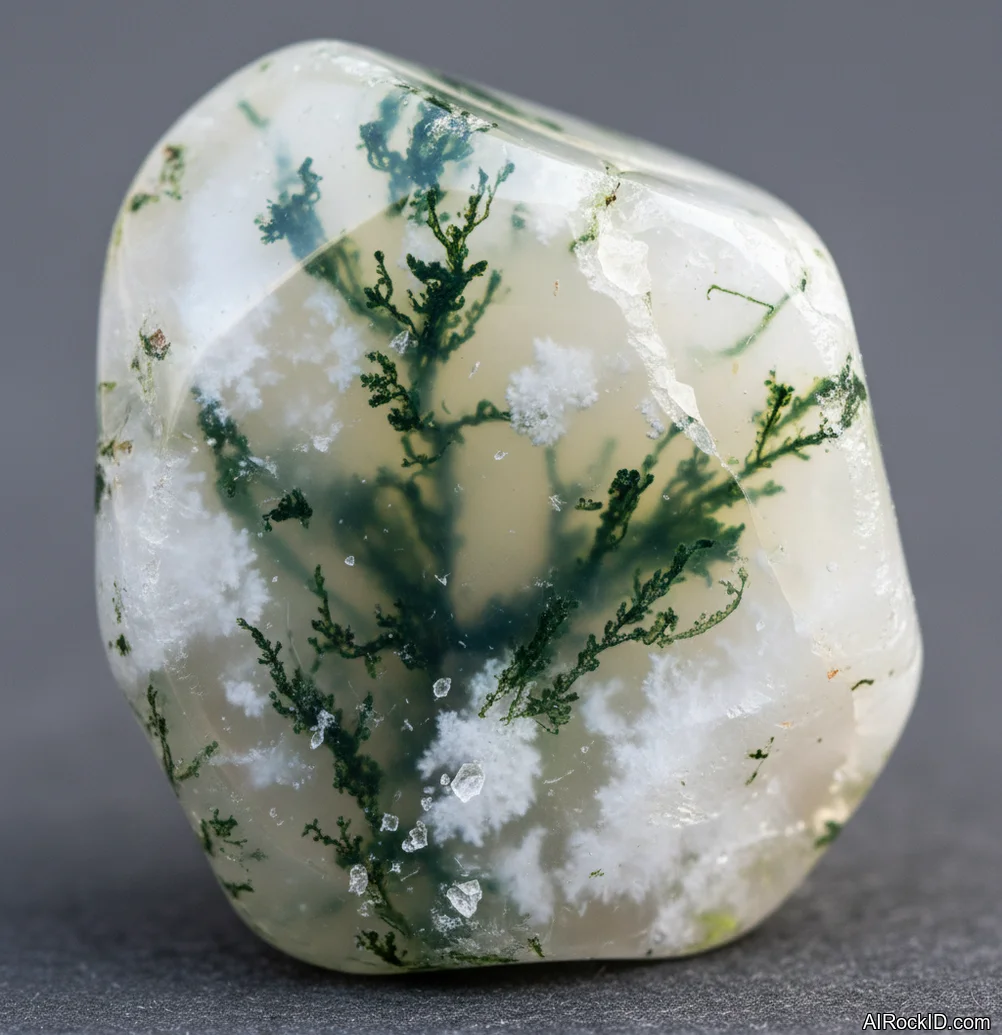
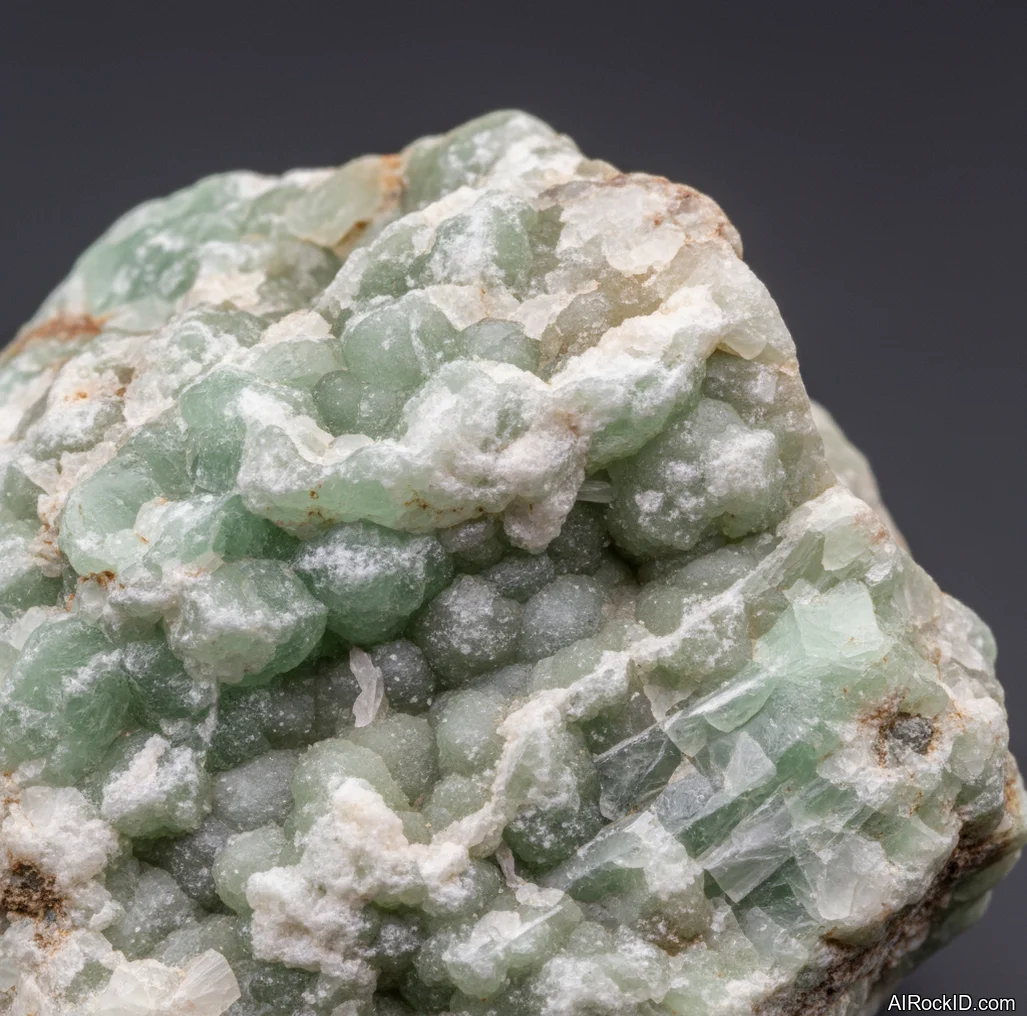
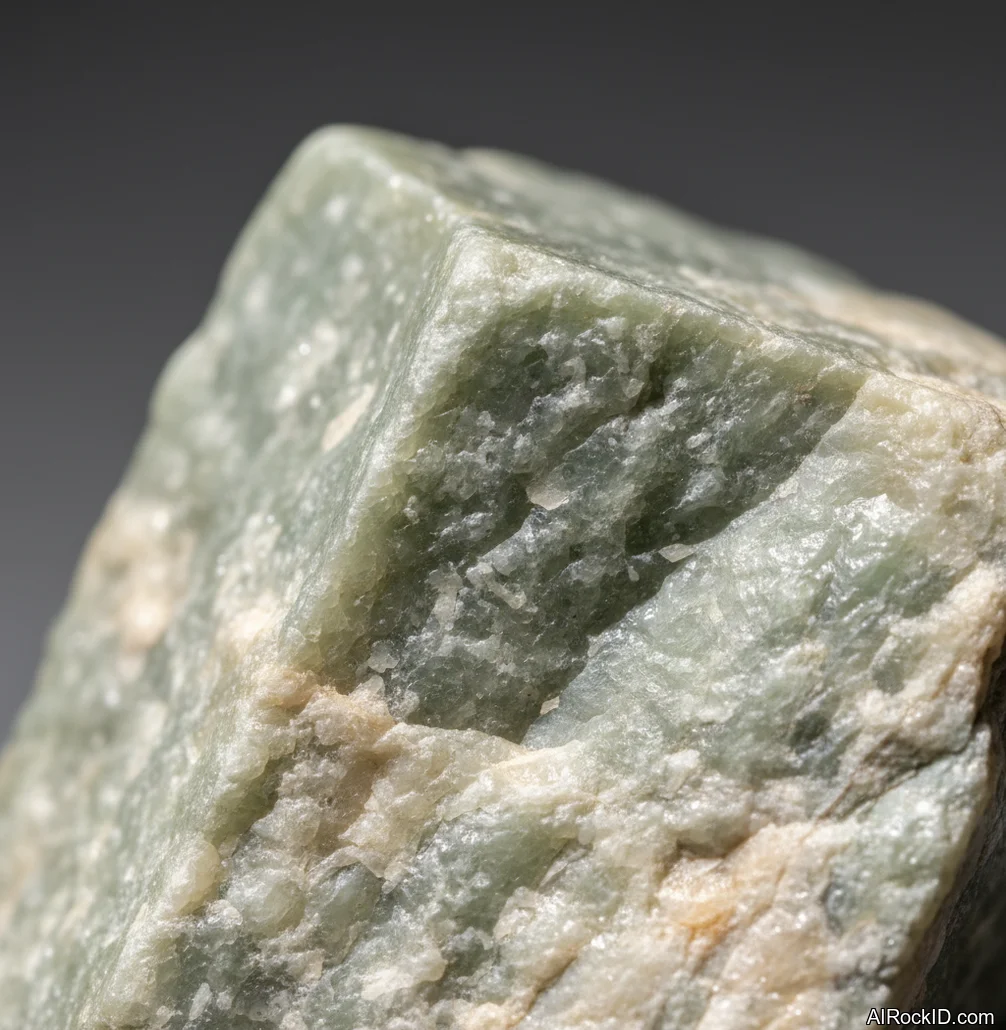
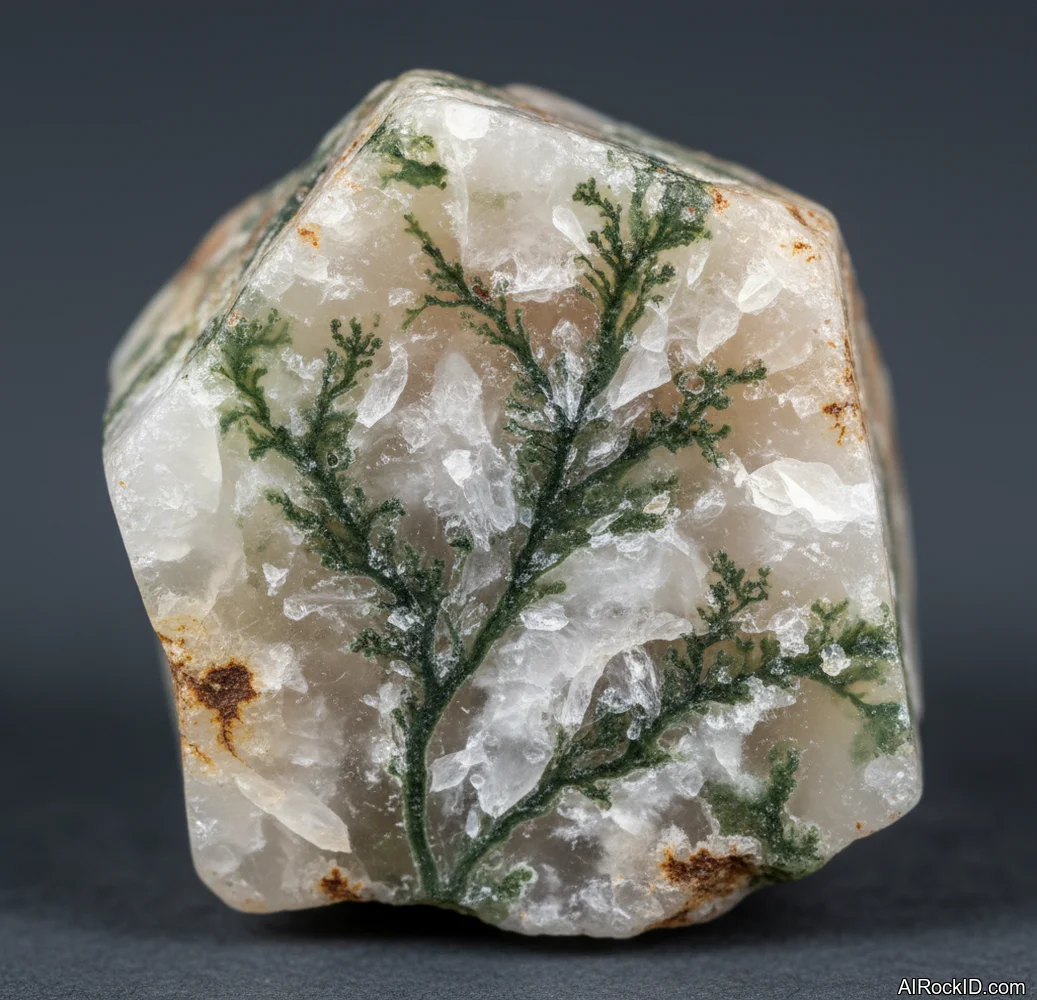
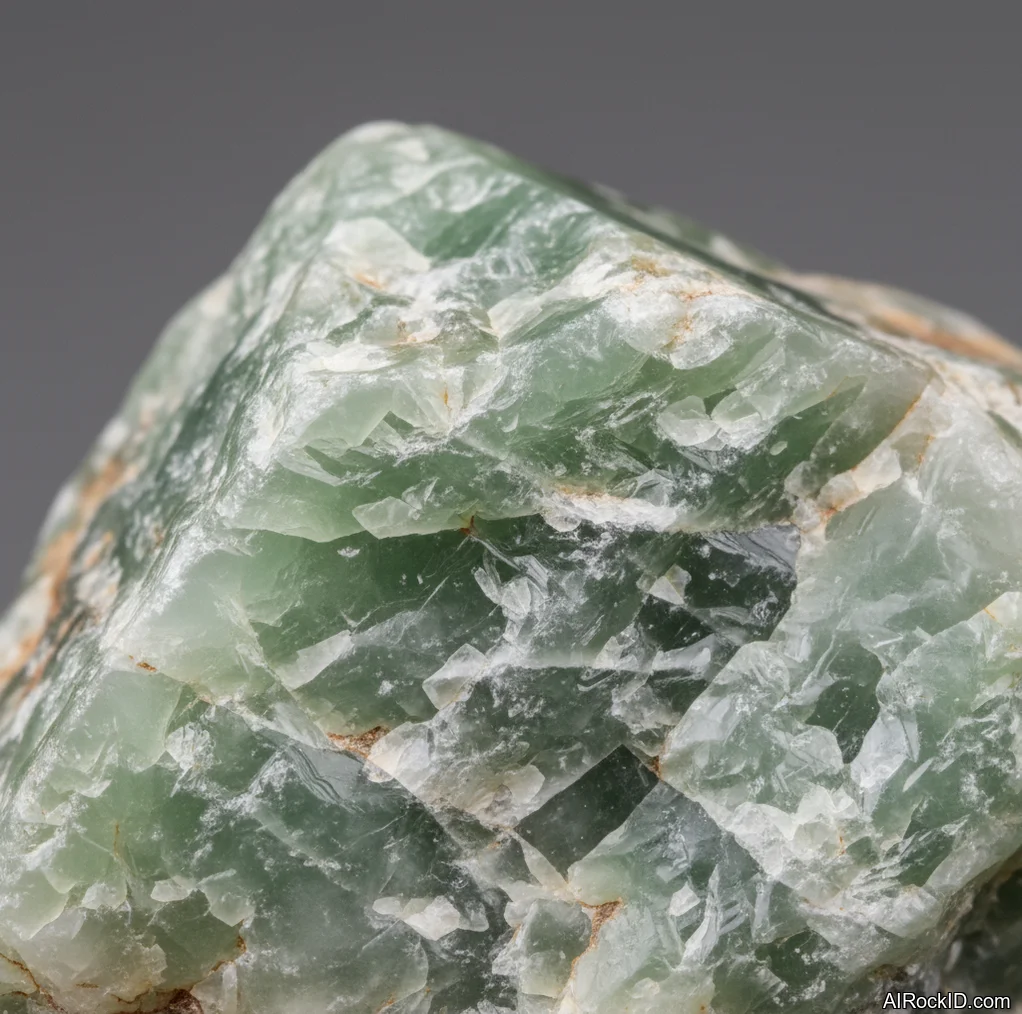
- Green Aventurine: A green quartz variety with subtle sparkle from mica inclusions; often mistaken for jade.
AI identification confidence
AI identification is usually more reliable when the photo shows the stone in natural light with close-up details and no heavy filters. Tumbled Venus stones can be harder to identify because polishing removes natural crystal shape and many pink or green minerals look similar.
When AI gets it wrong
- The stone is dyed, coated, heat-treated, or reconstructed
- The photo is taken under colored lighting or strong glare
- The specimen is a tumbled pebble with no visible crystal habit
- Two minerals share a similar color, such as rose quartz and pink opal
What this category represents
The Venus Crystals tag groups stones that are commonly connected with Venus symbolism in contemporary crystal practice, especially themes of love, beauty, pleasure, attraction, and harmony. This is a cultural and metaphysical tag, not a mineralogical class, so stones in the group can vary widely in chemistry, hardness, color, and origin.
Beginner recommendations
Advanced recommendations
Natural, Treated, and Imitation Venus Stones
Many Venus-associated stones are chosen for color, so treatments can affect buyer expectations. Pink and green stones may be dyed, stabilized, coated, or sold under trade names that do not clearly state the mineral species. Requesting the mineral name, treatment disclosure, and basic hardness information can make a purchase easier to evaluate.
Venus Crystals by Color Theme
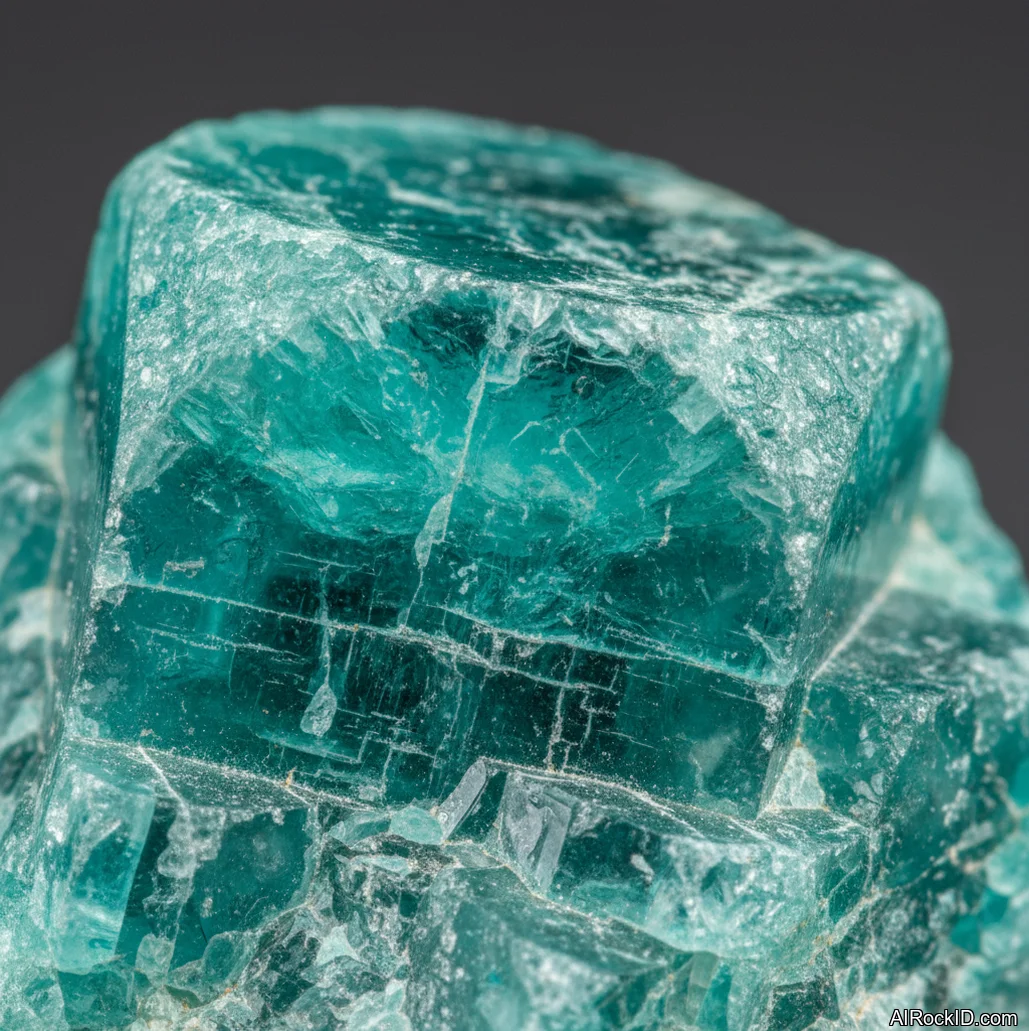
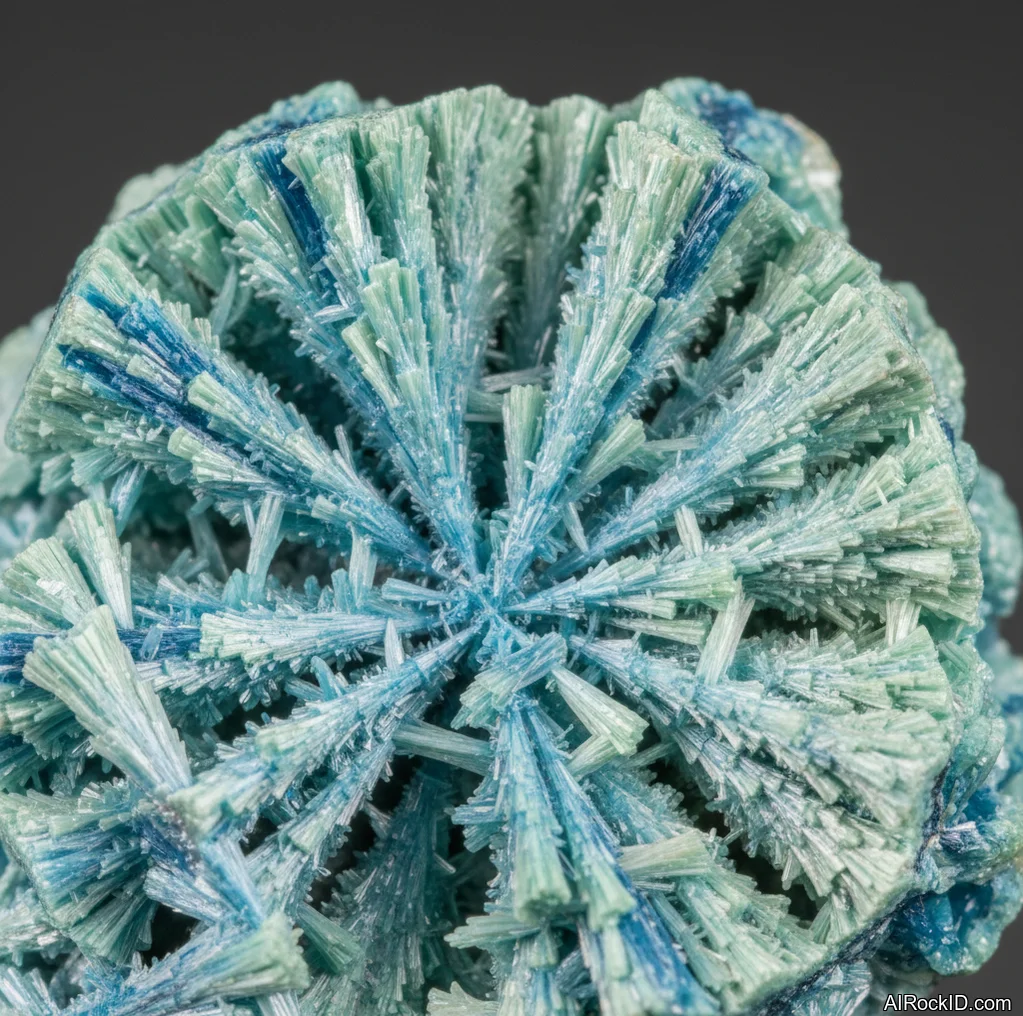
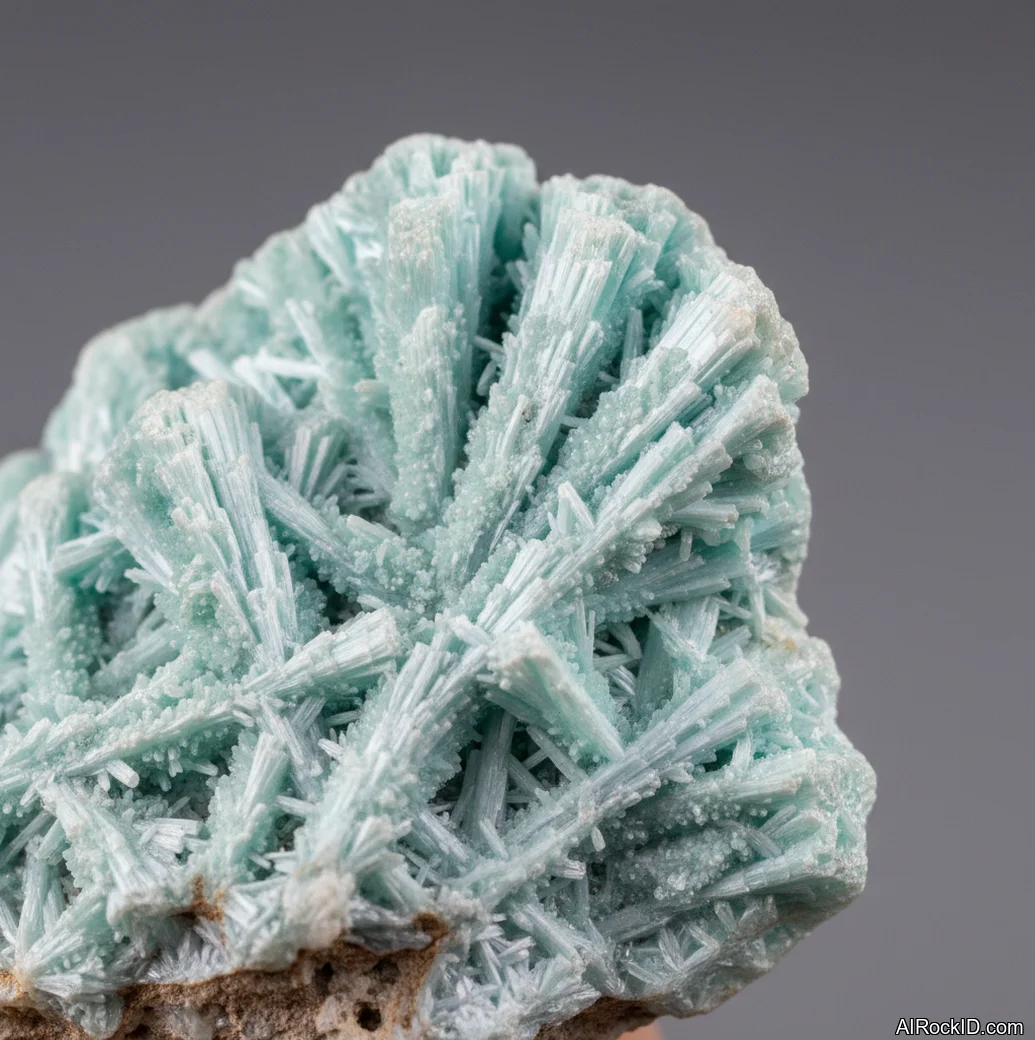
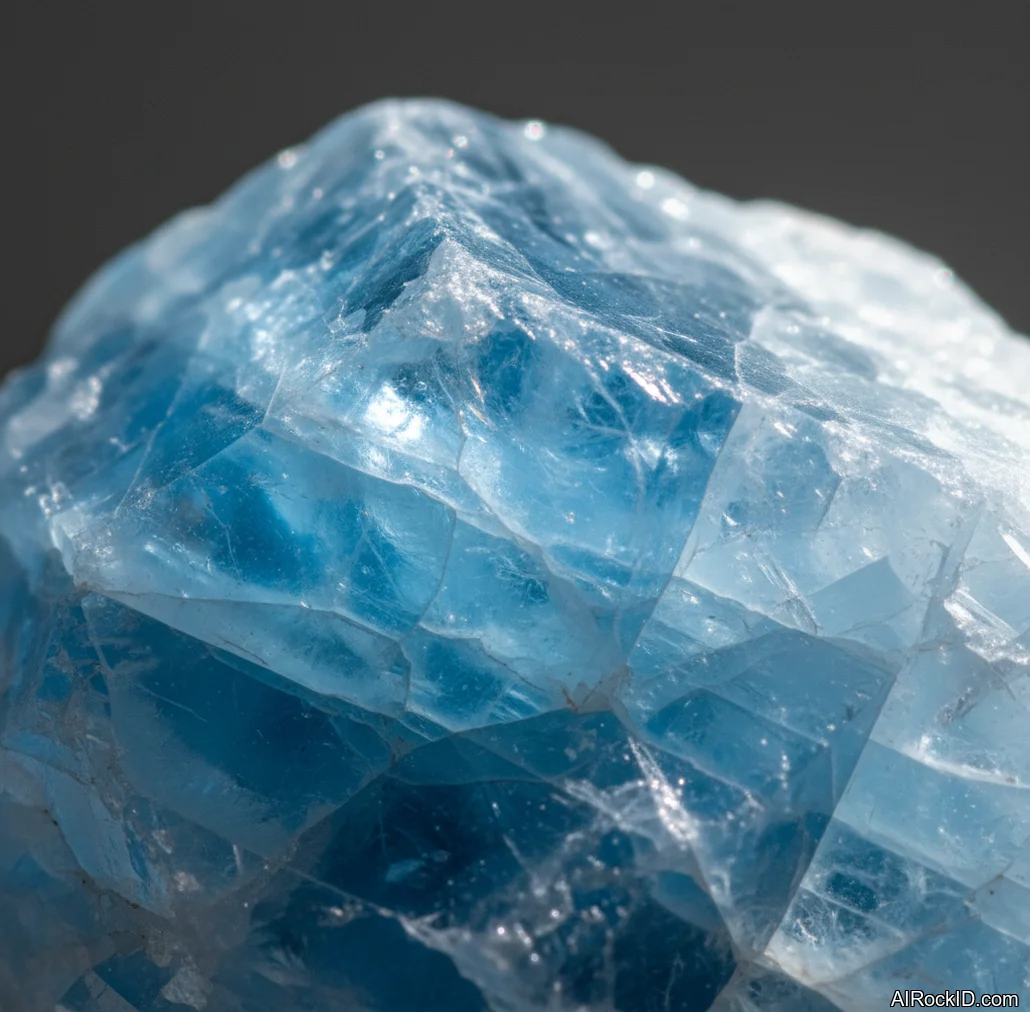
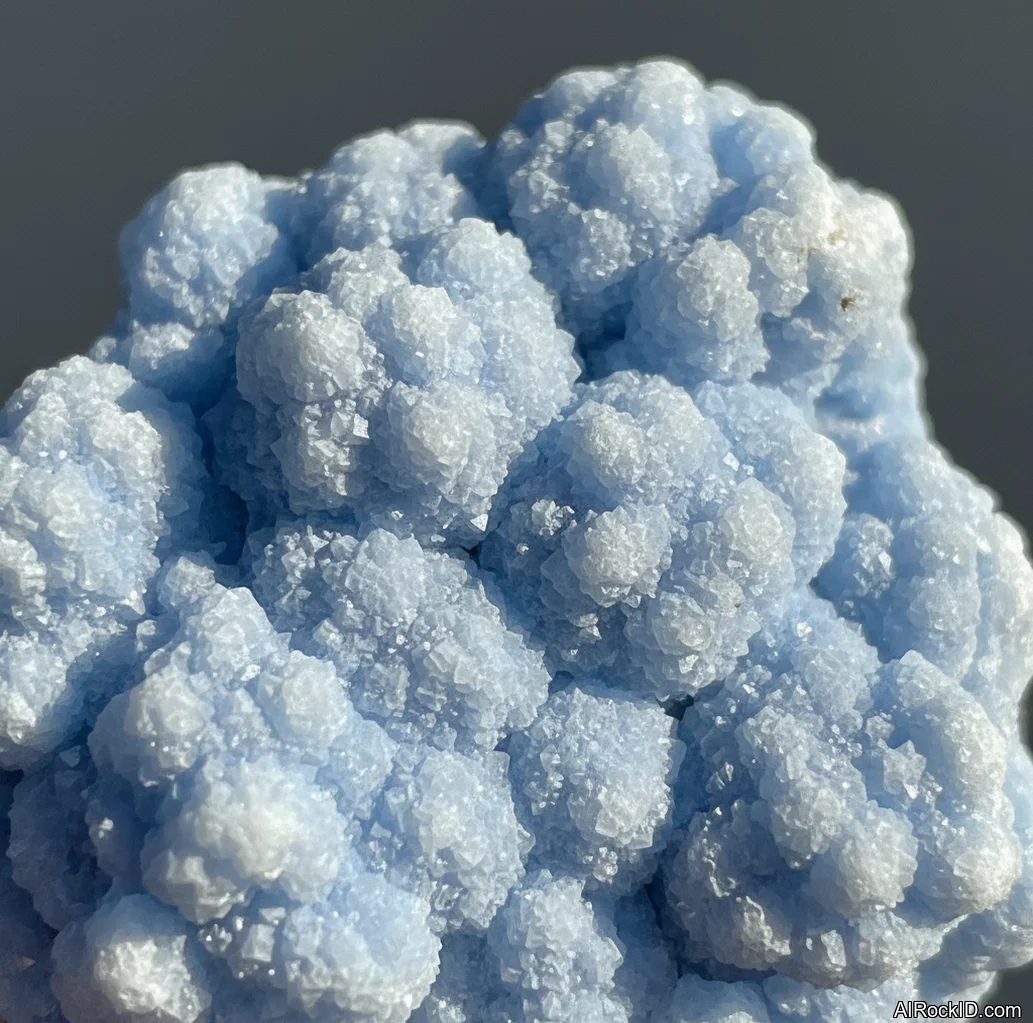
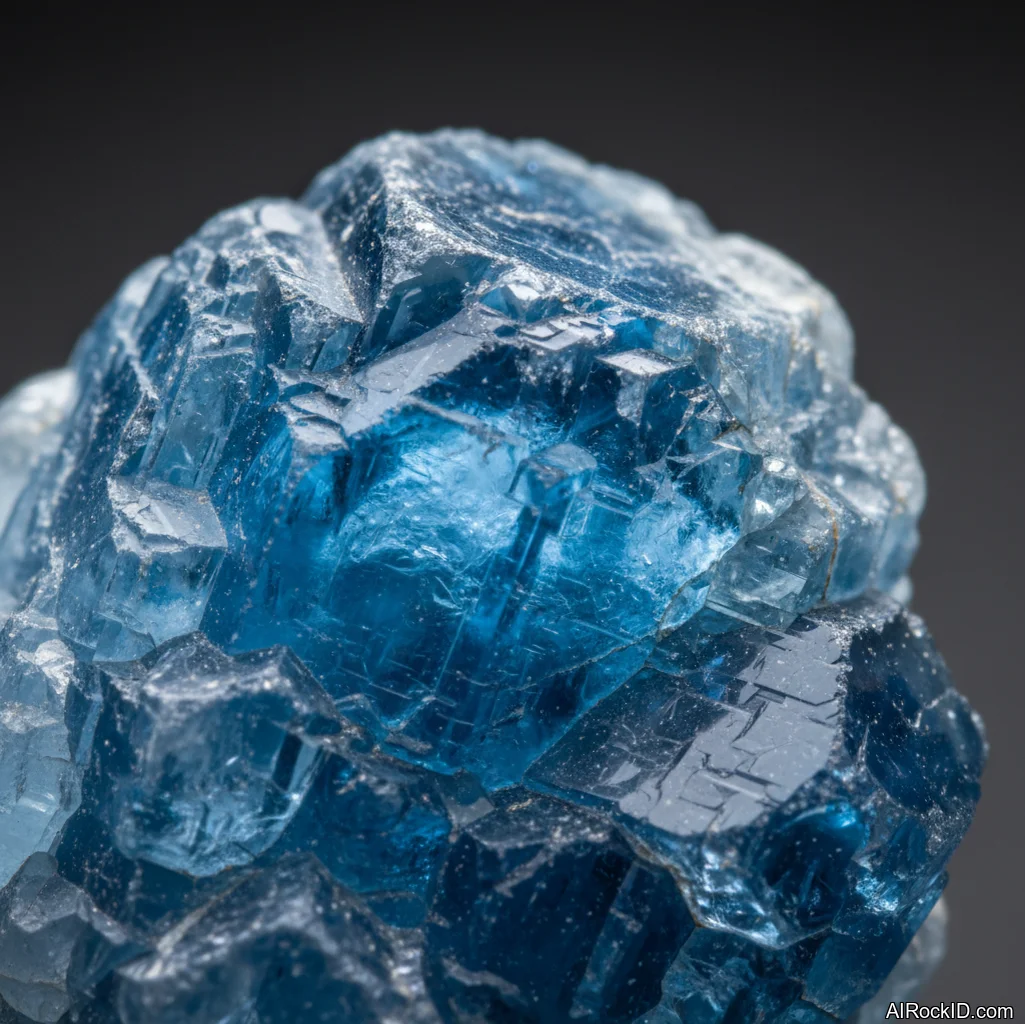
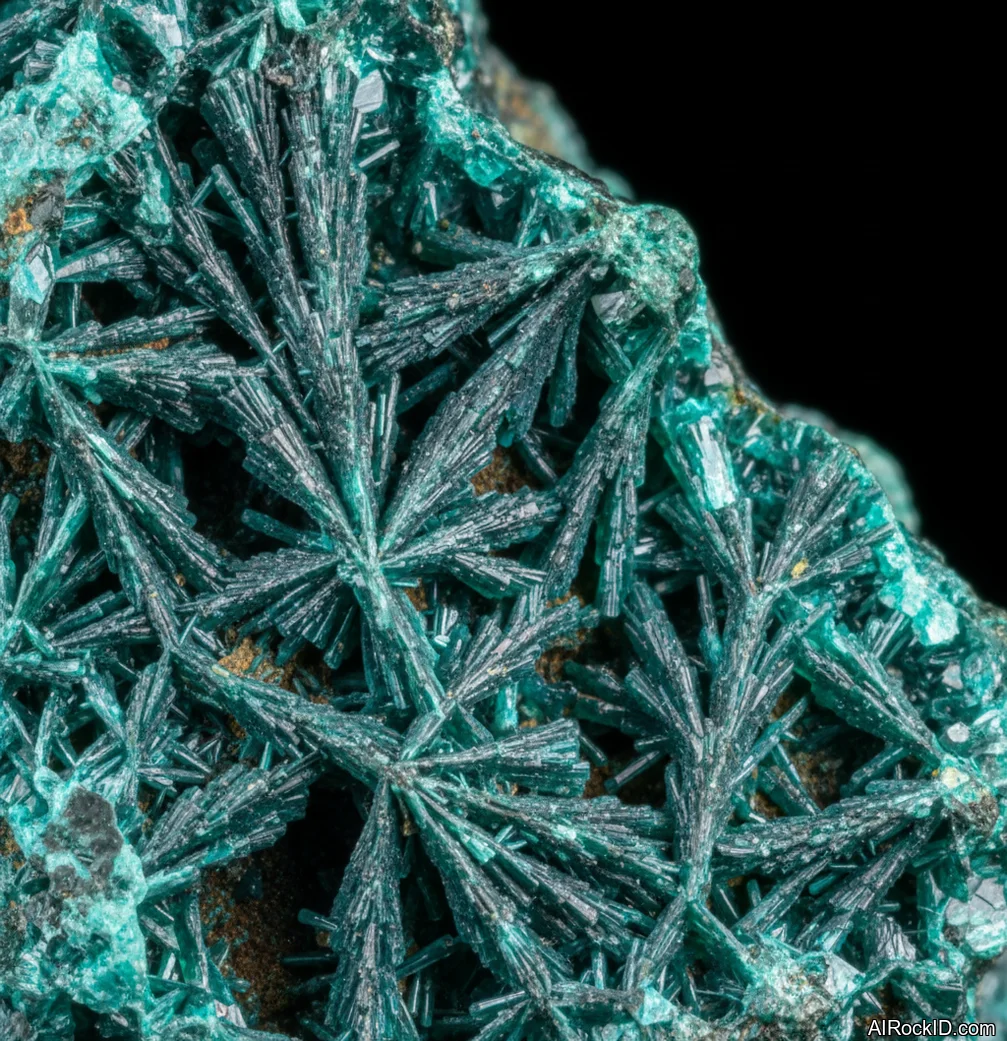
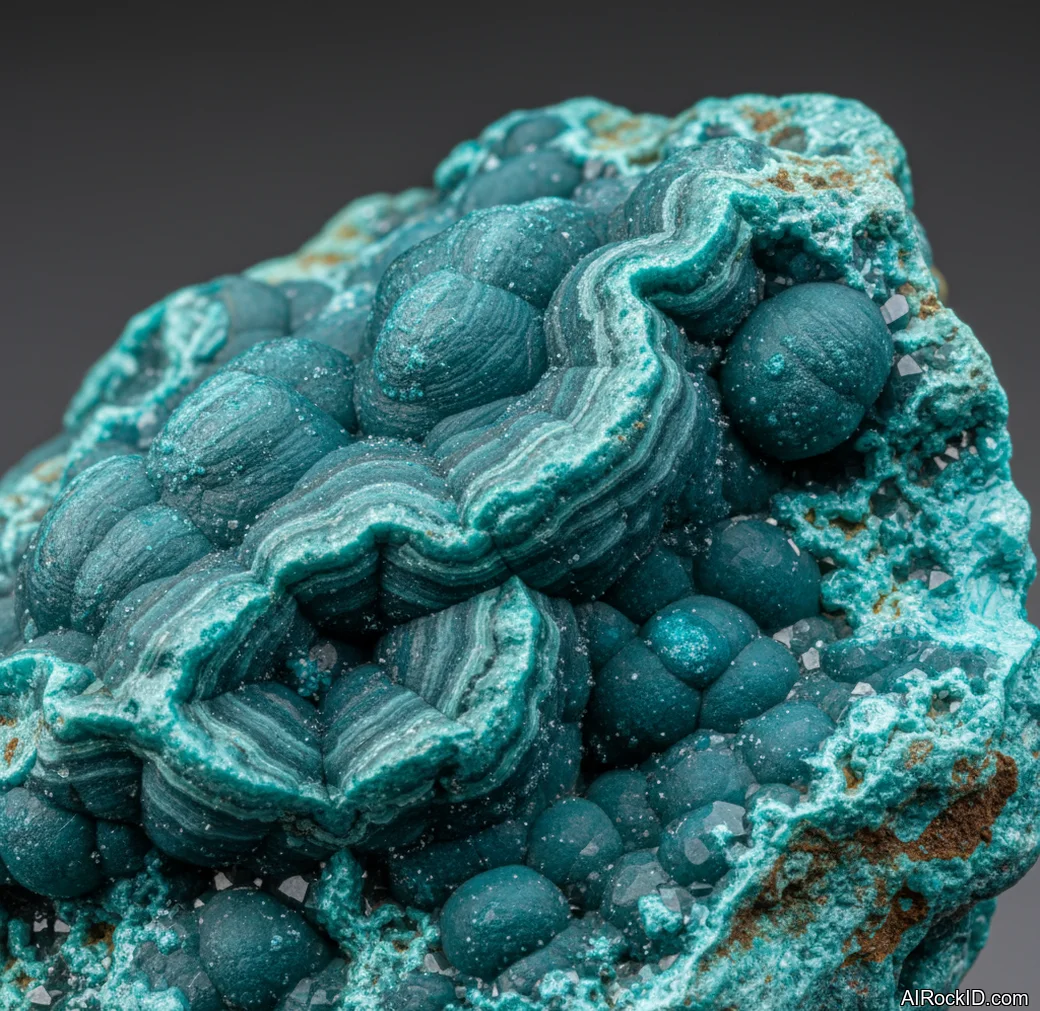
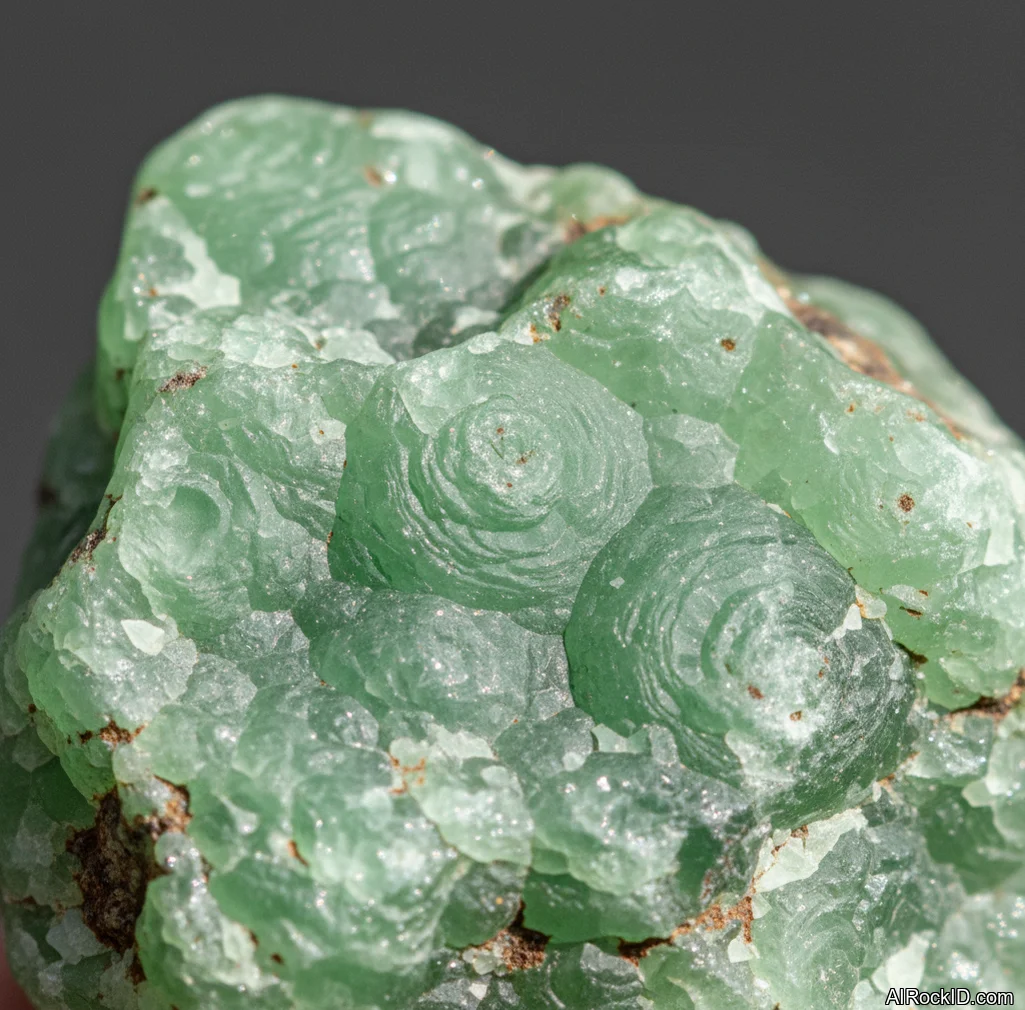
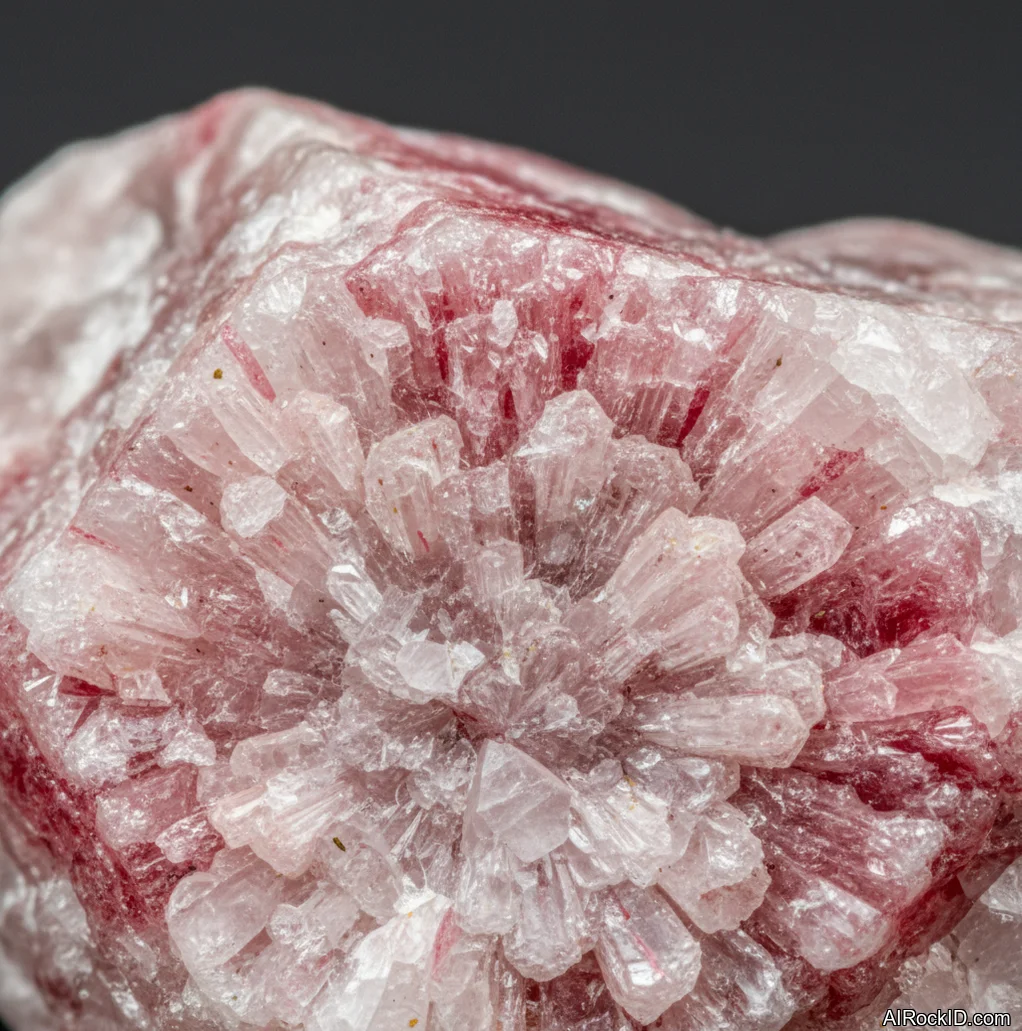
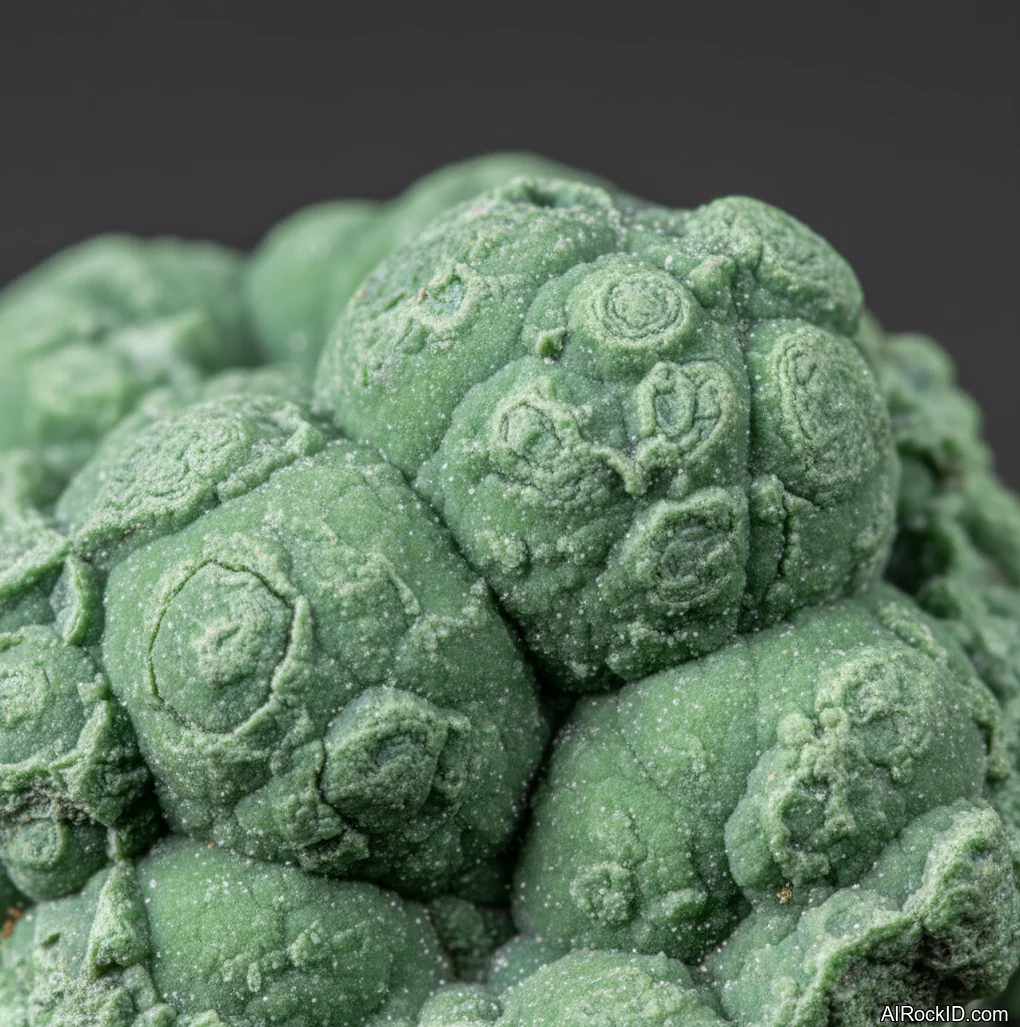
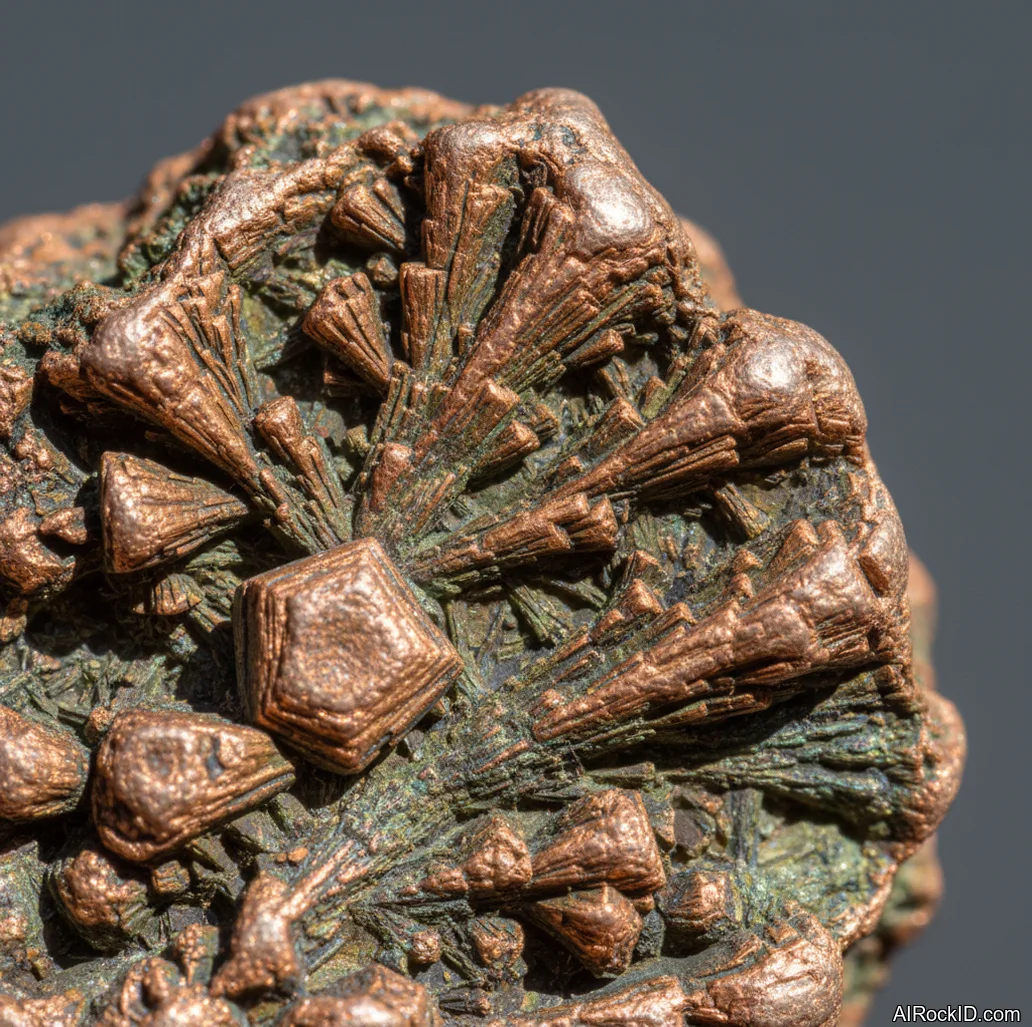
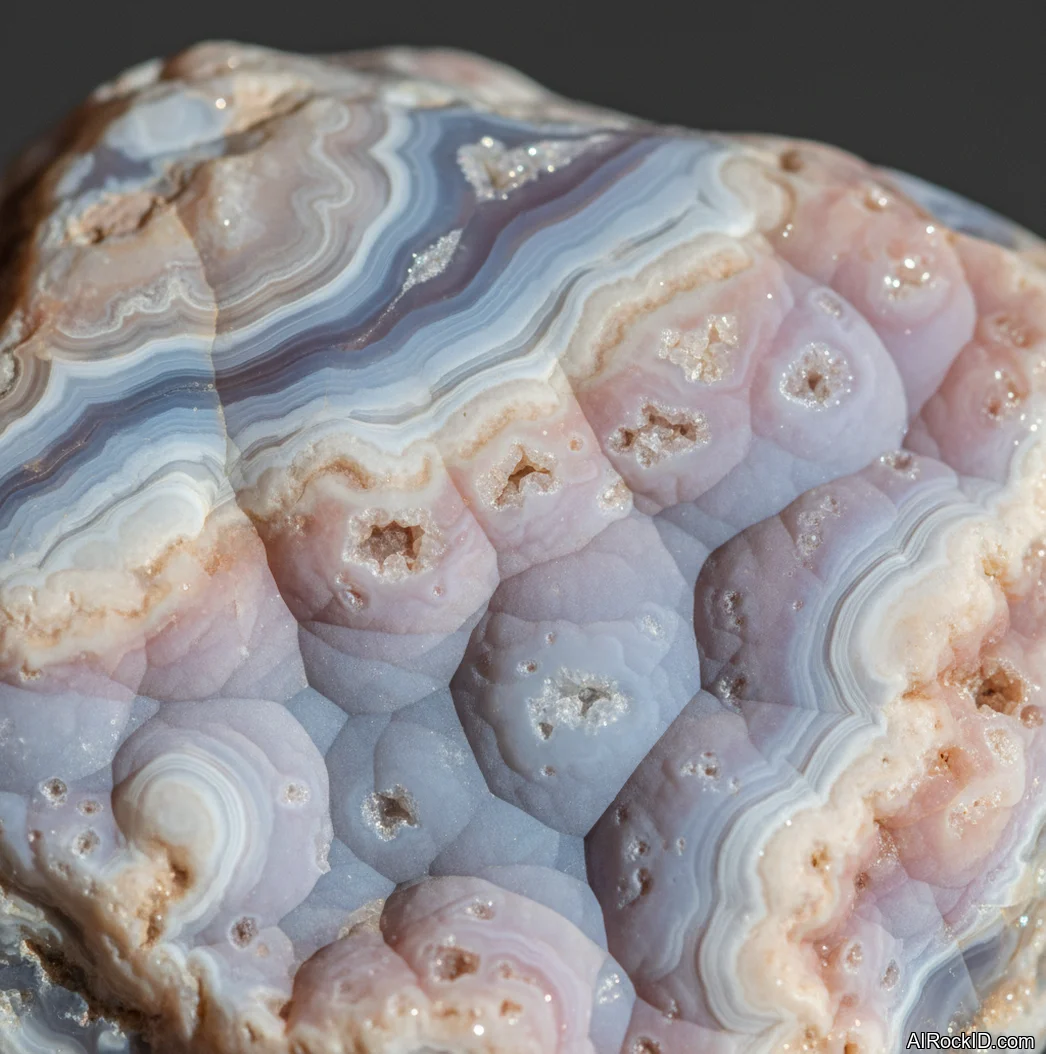
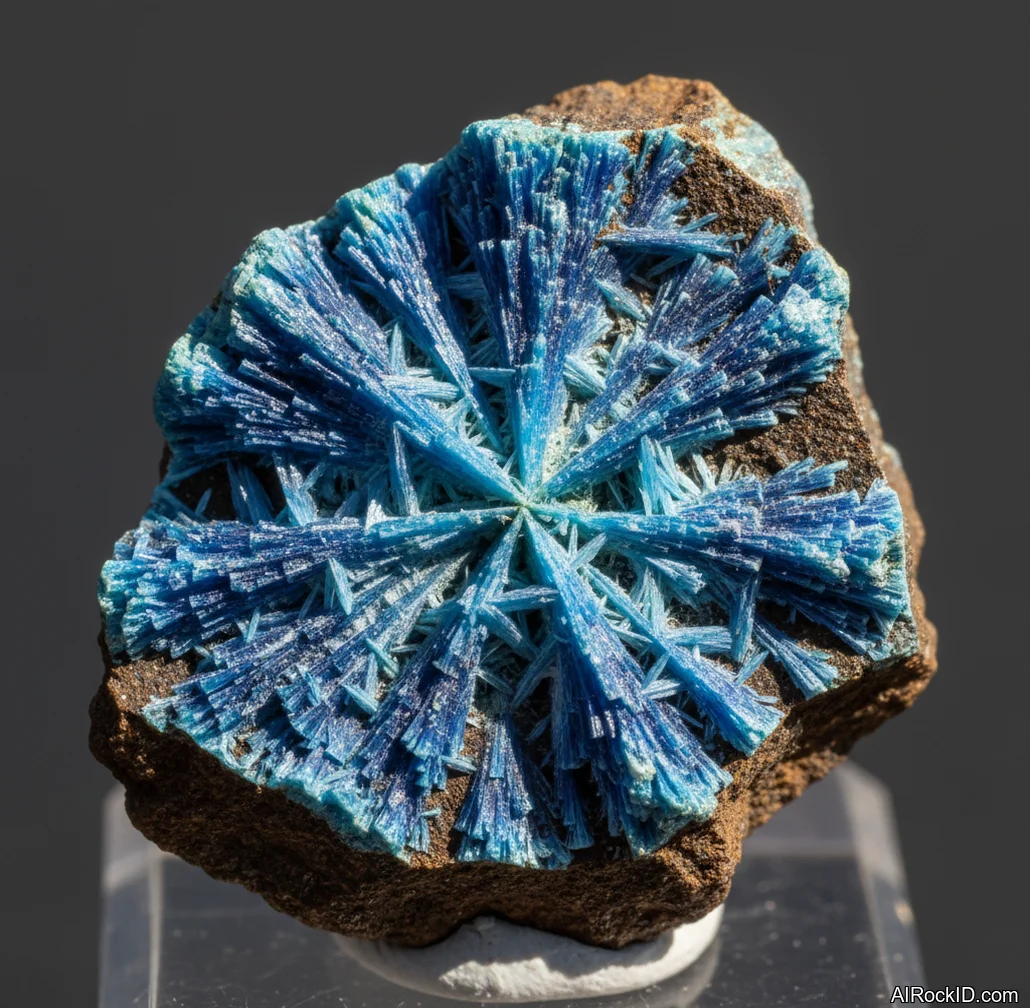
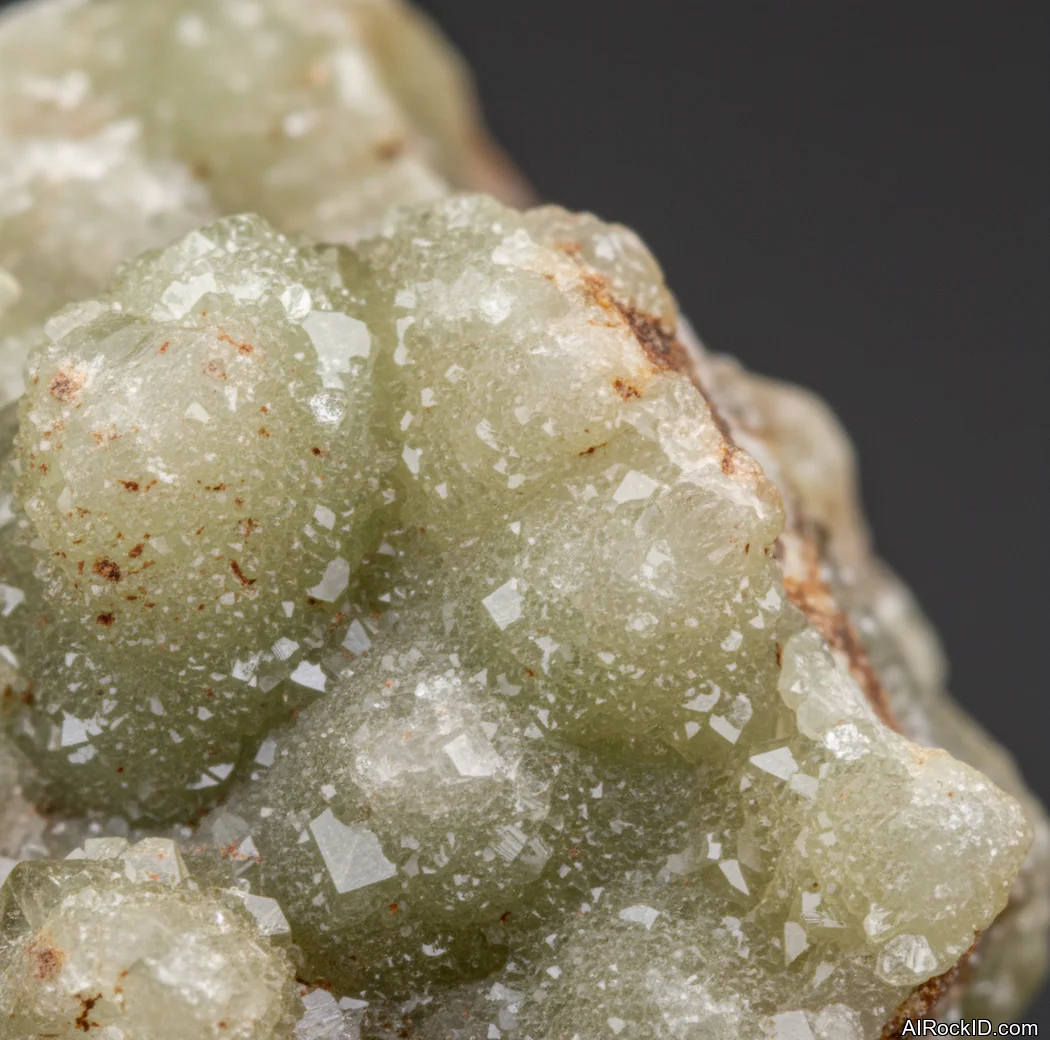
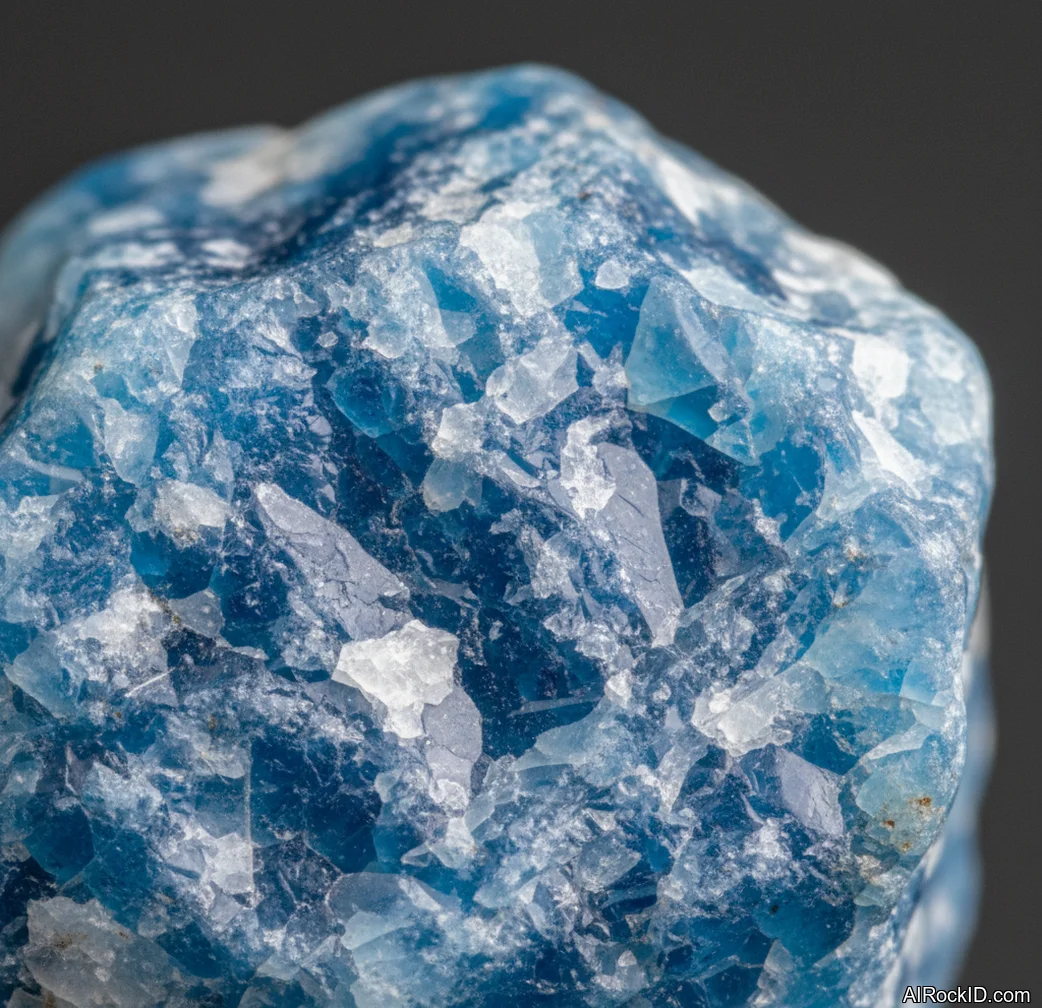
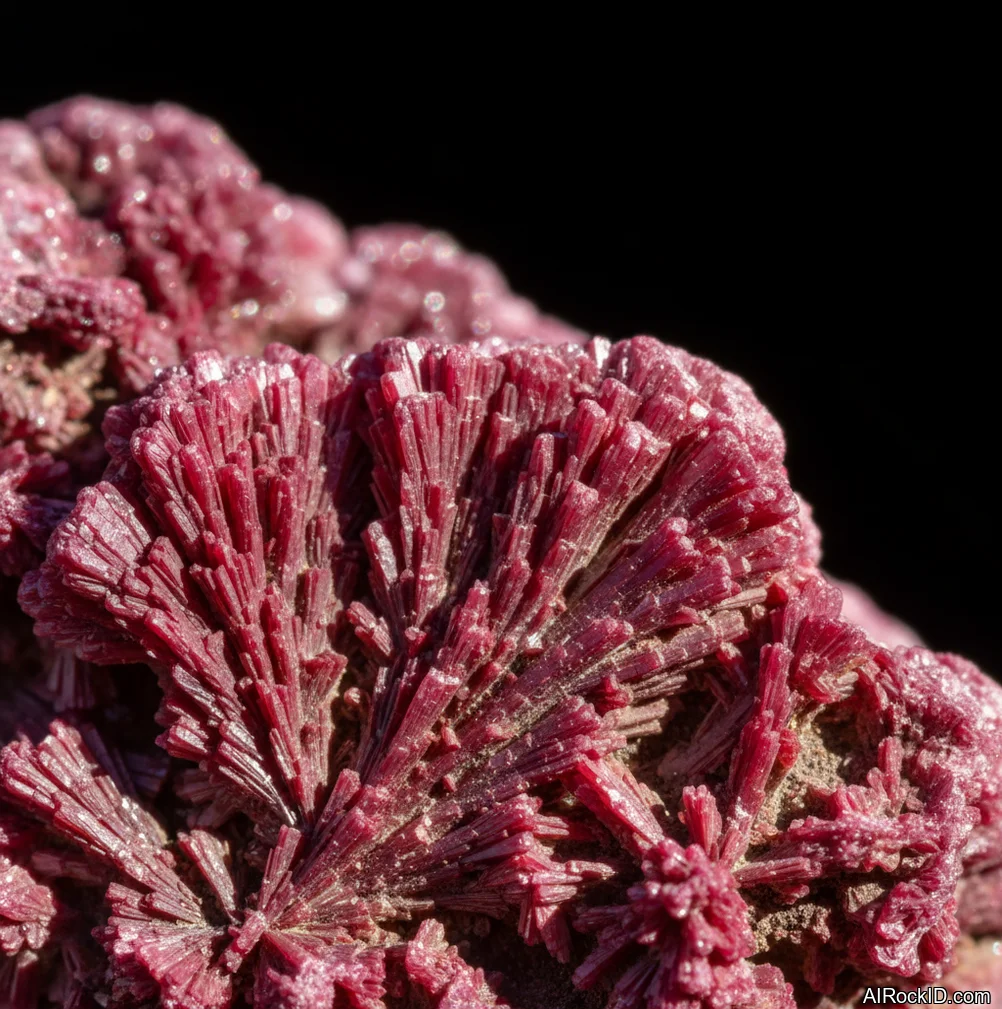
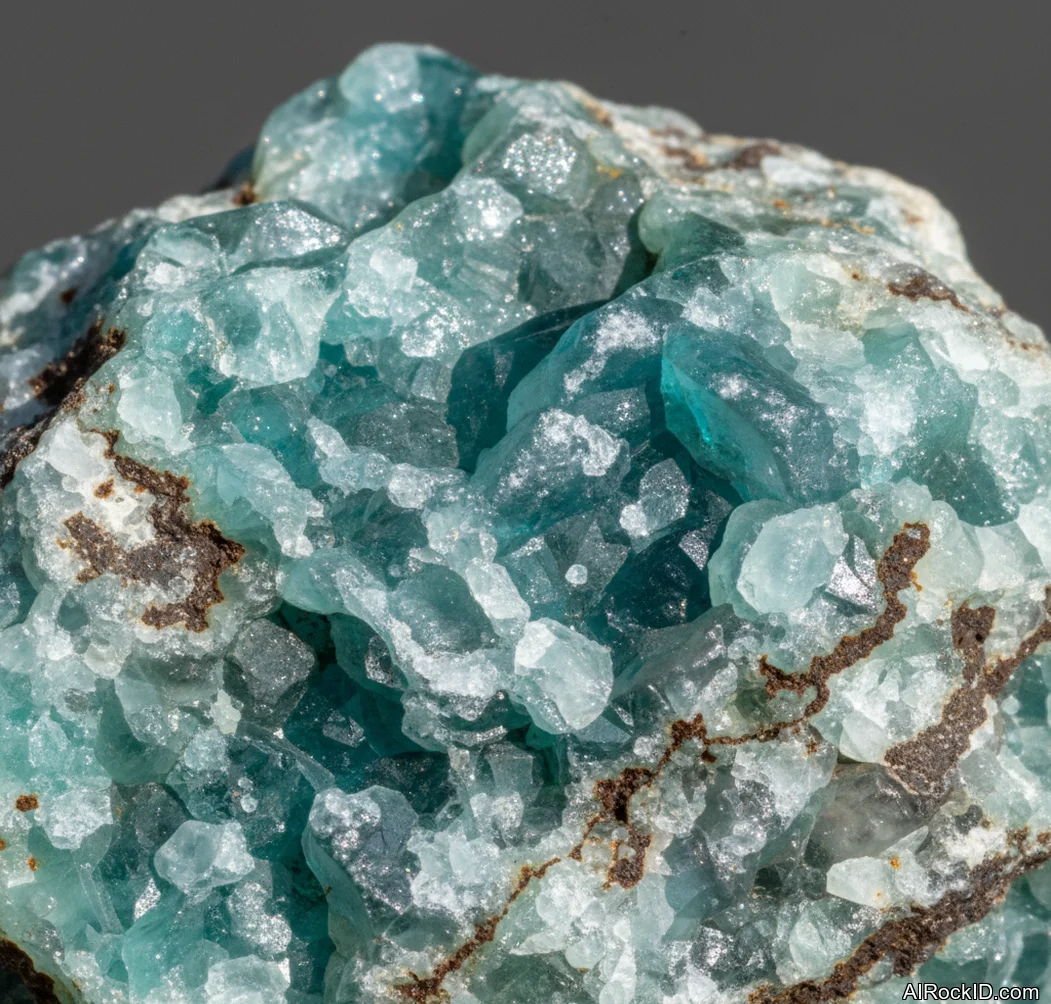
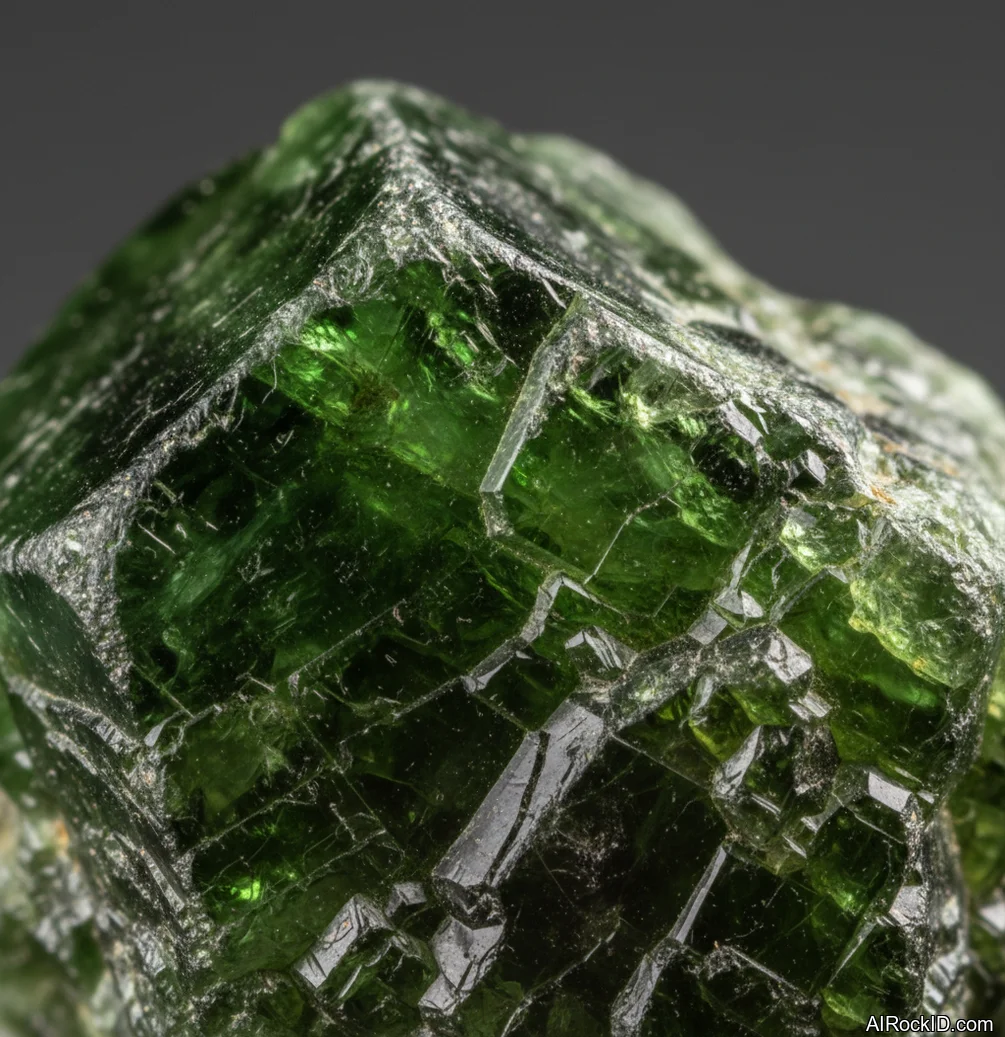
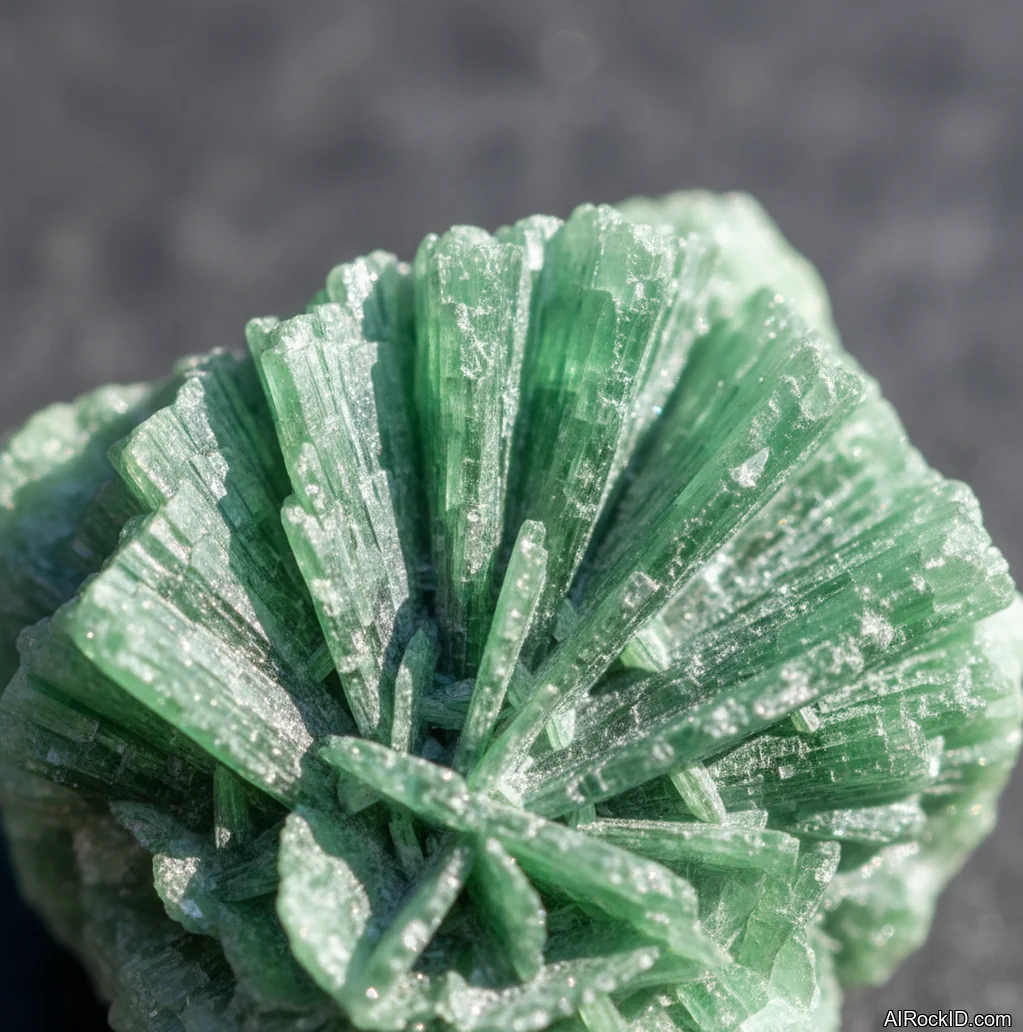
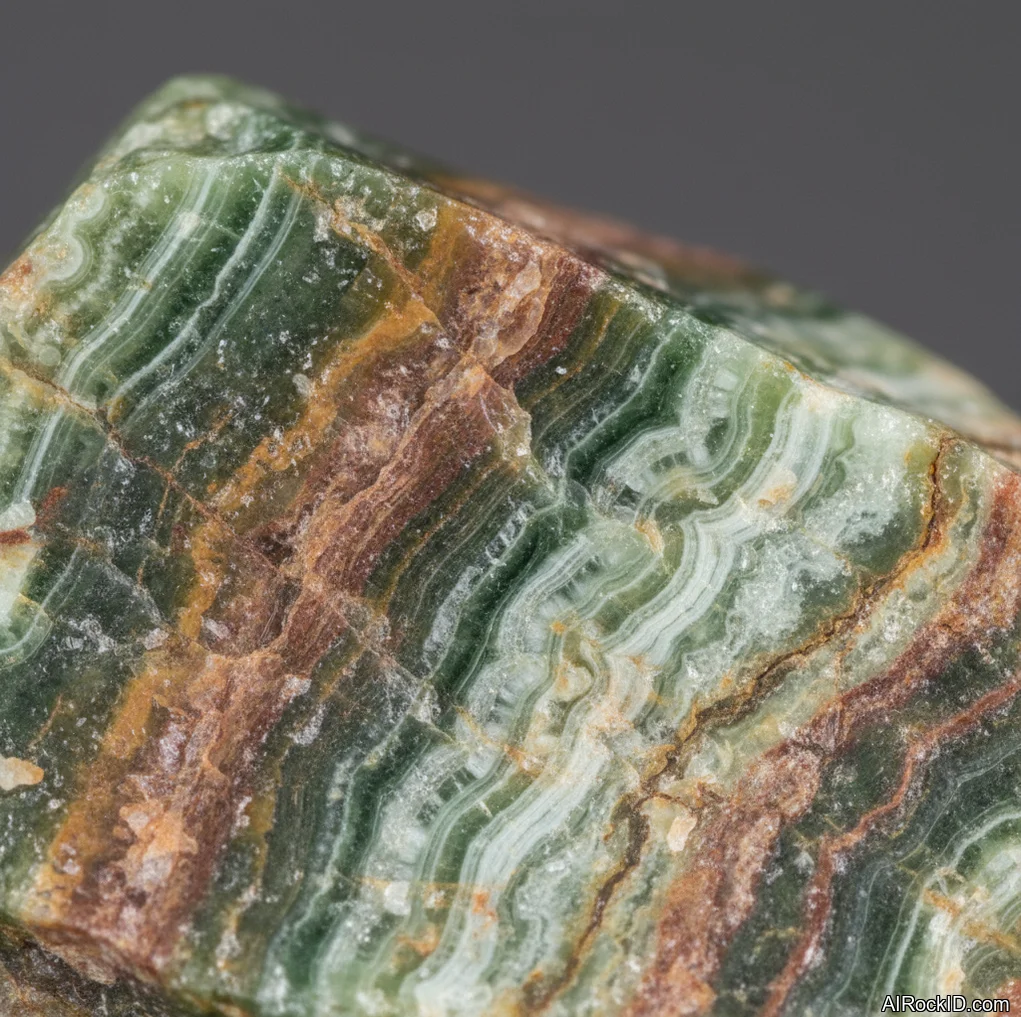
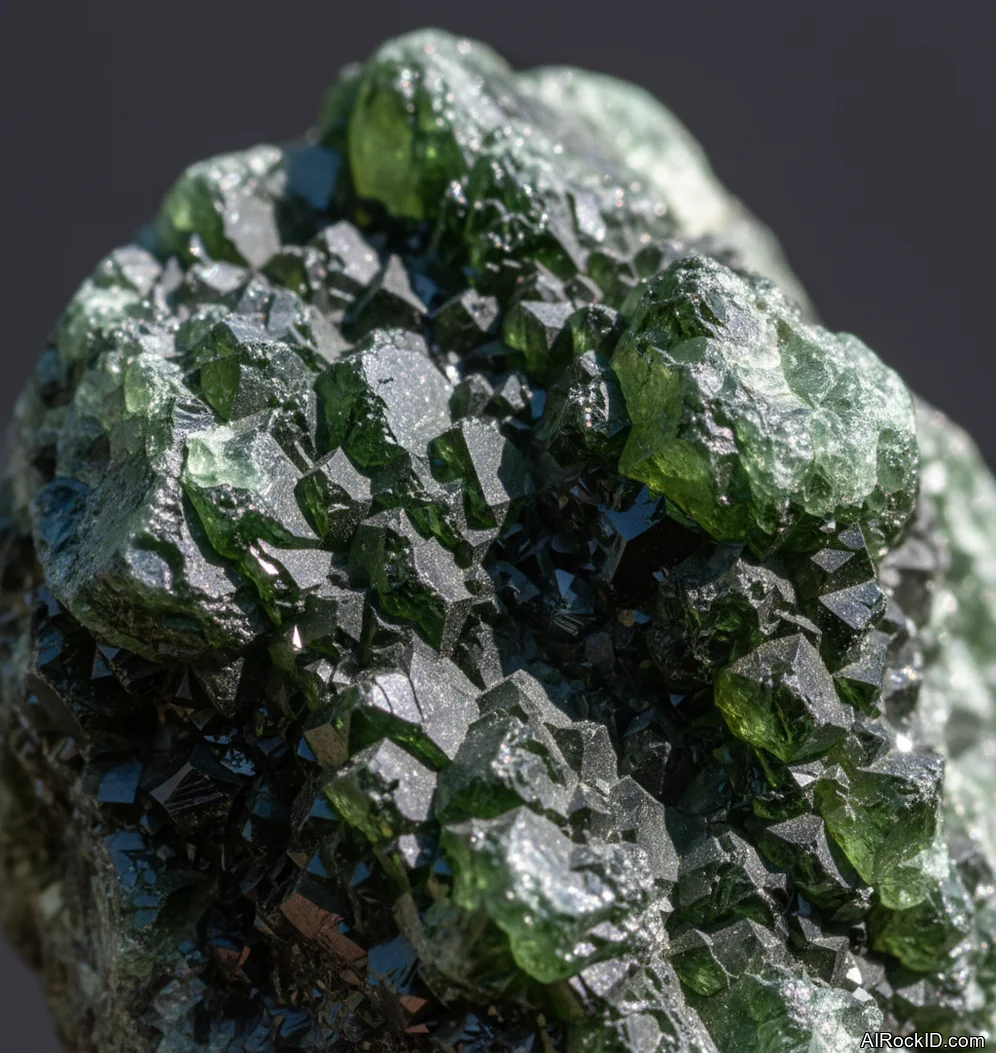
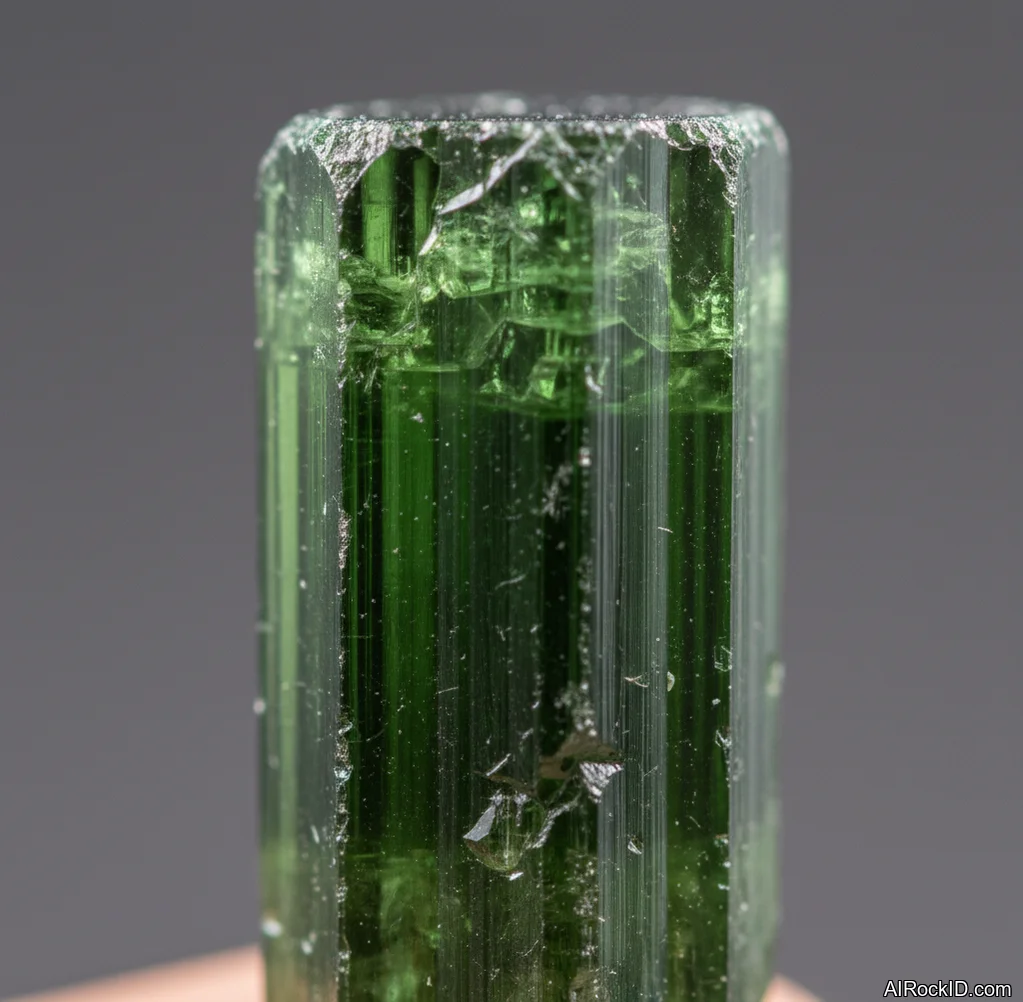
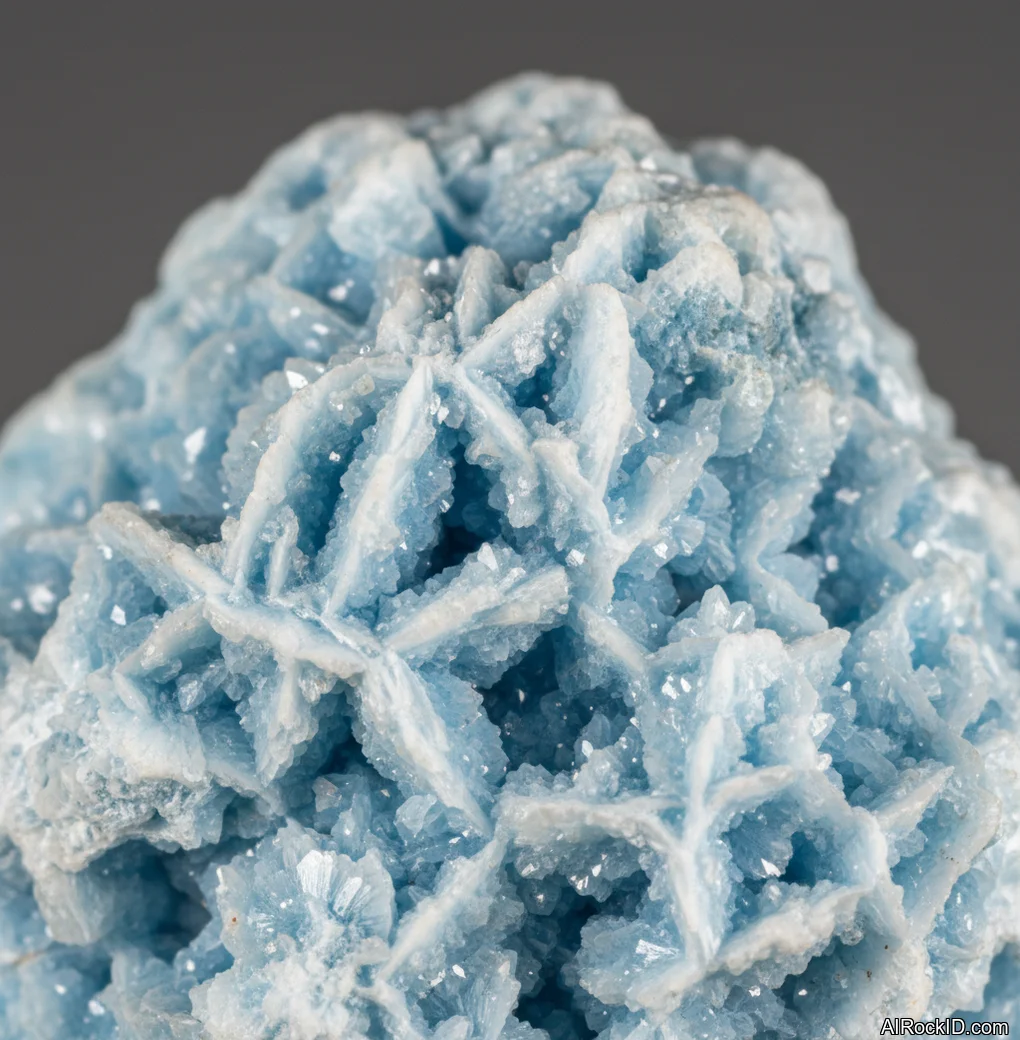
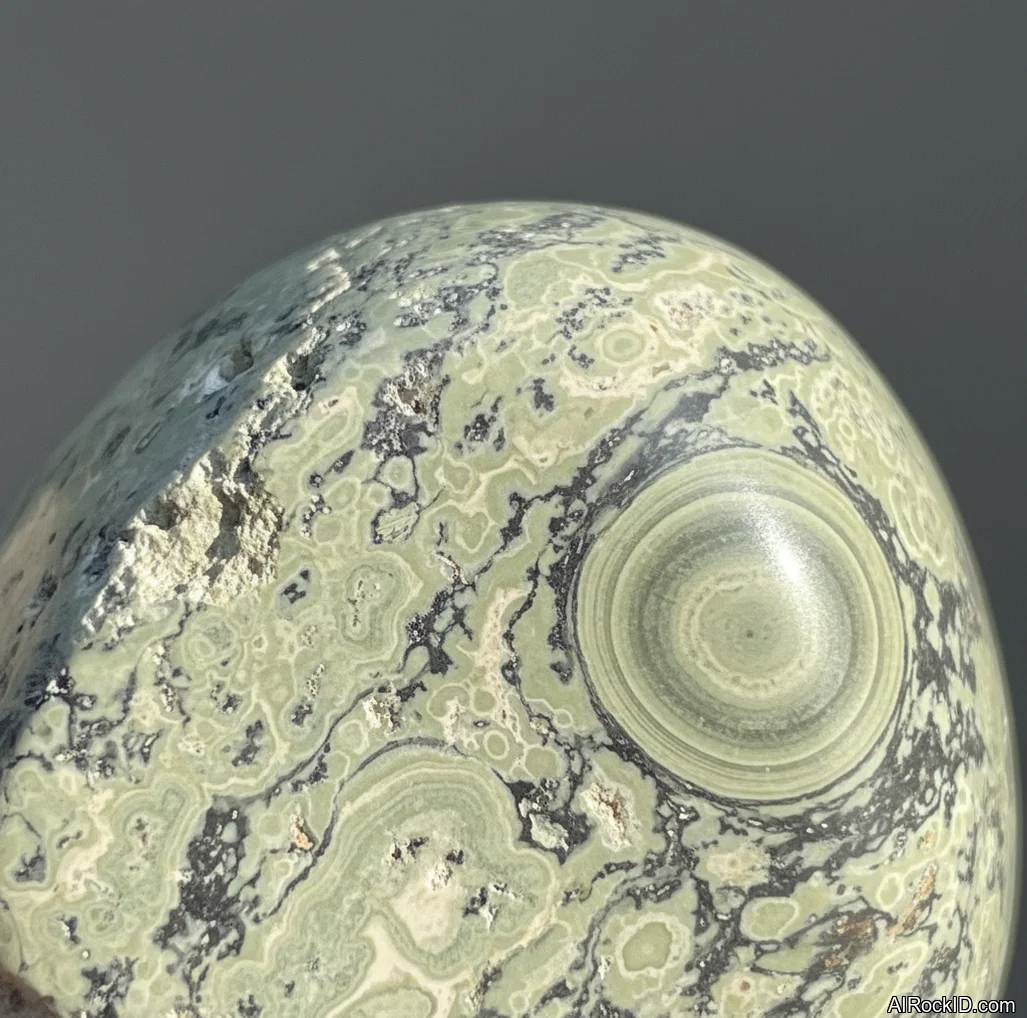
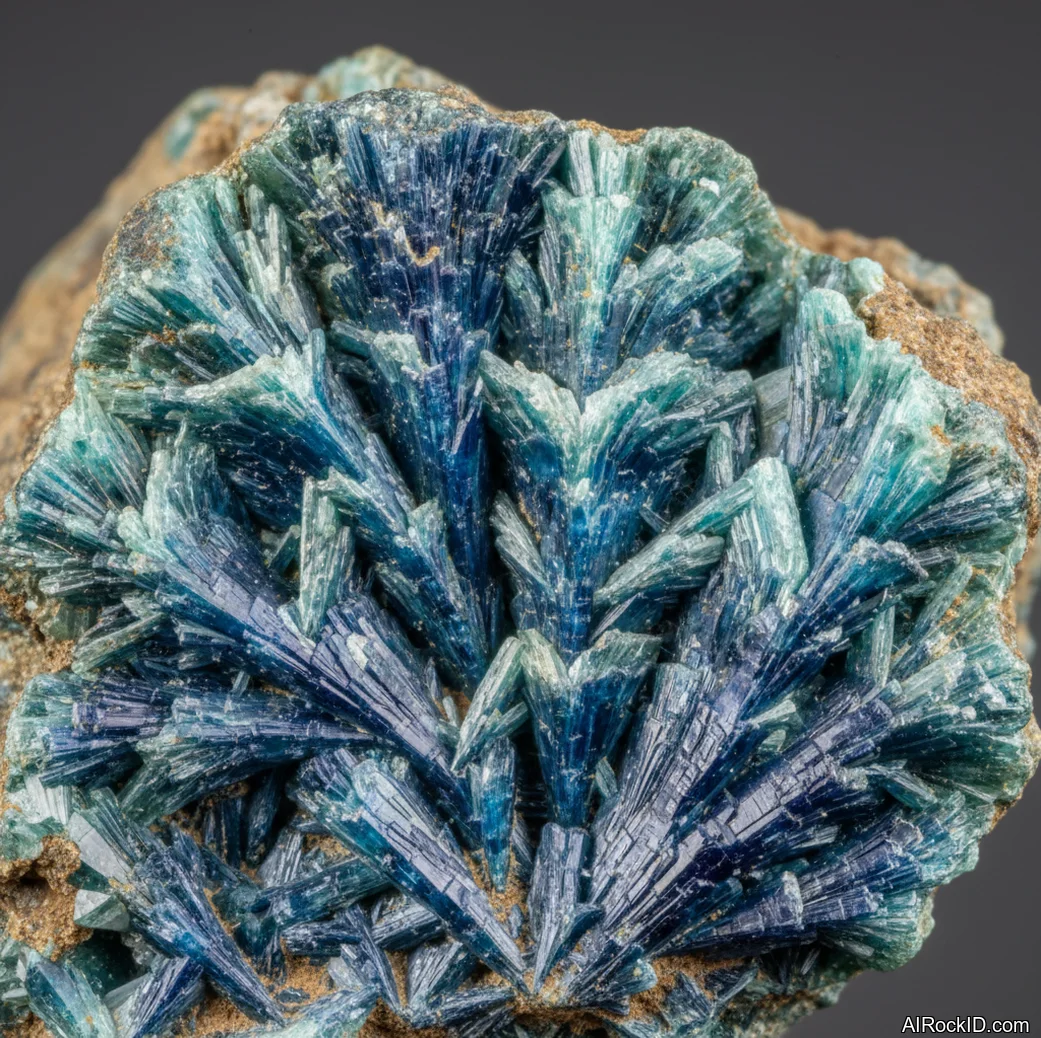
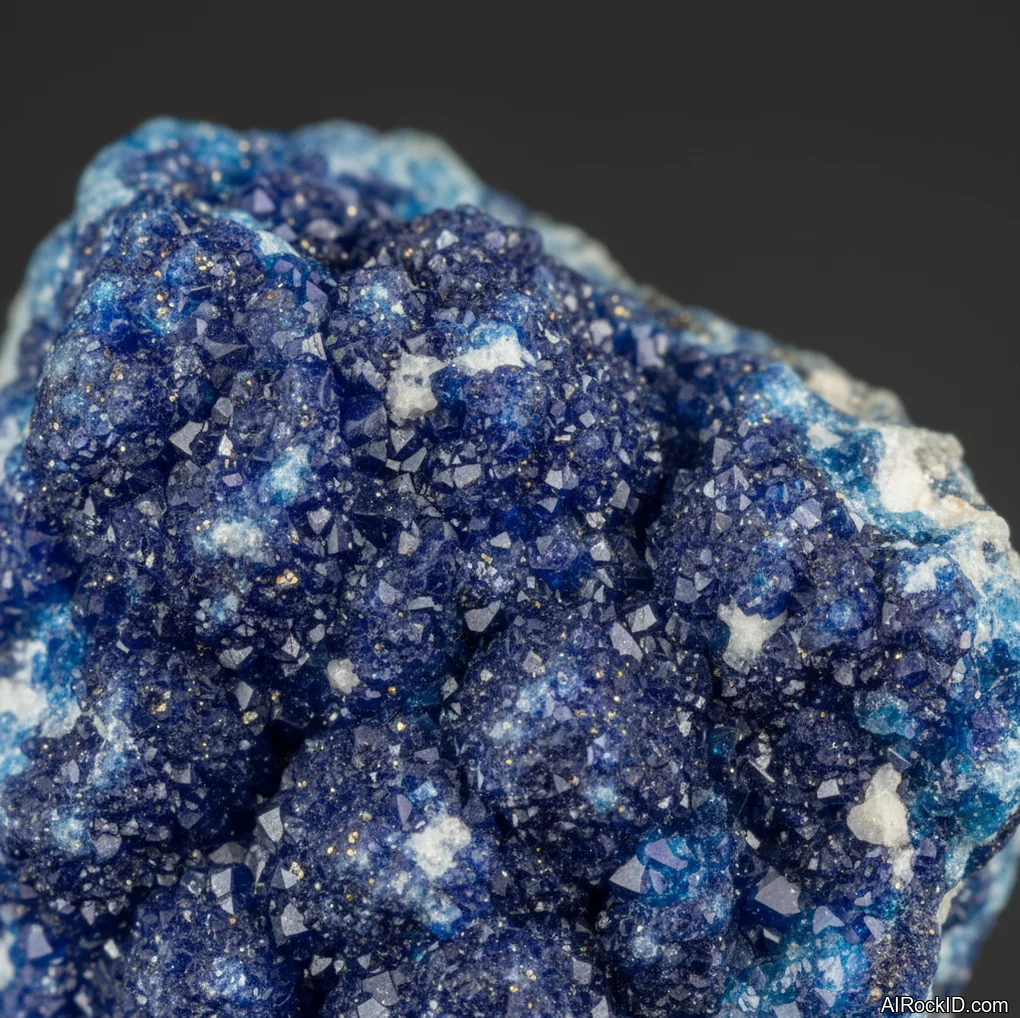
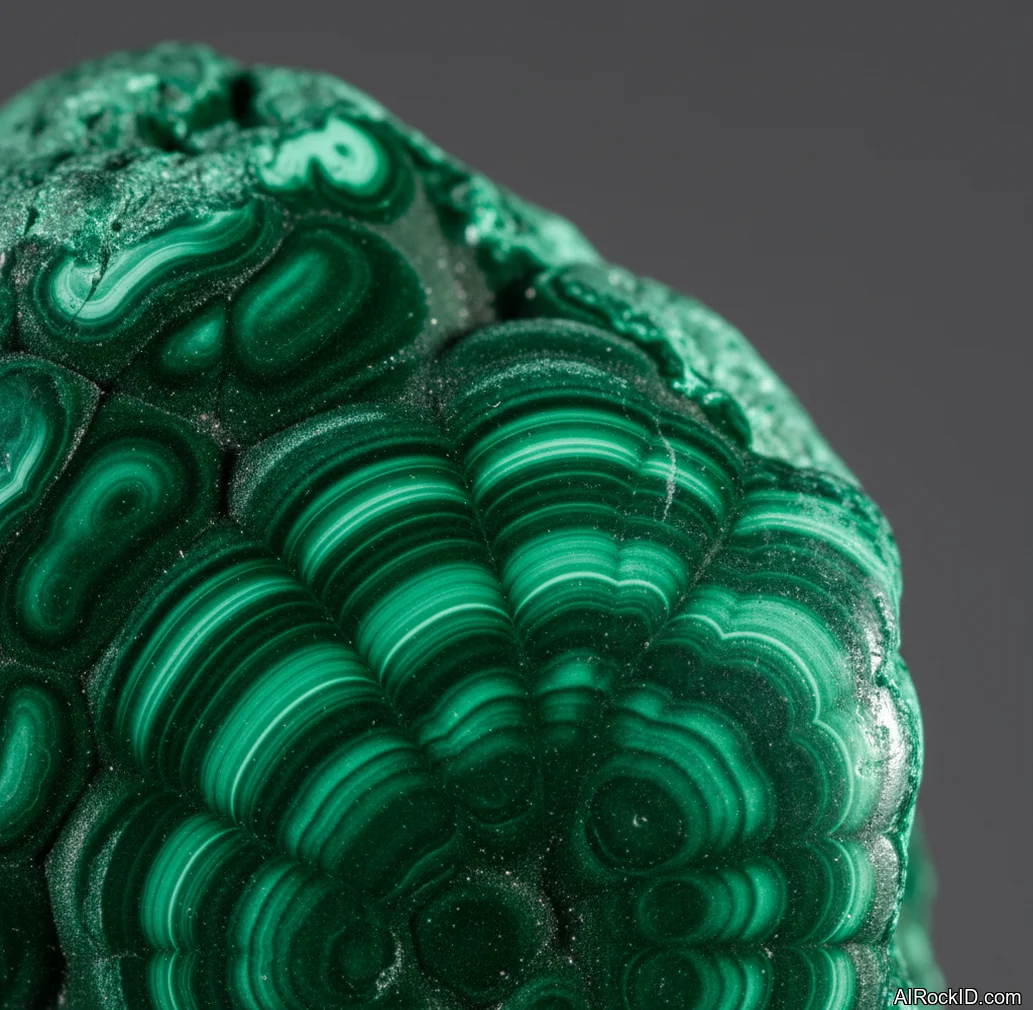
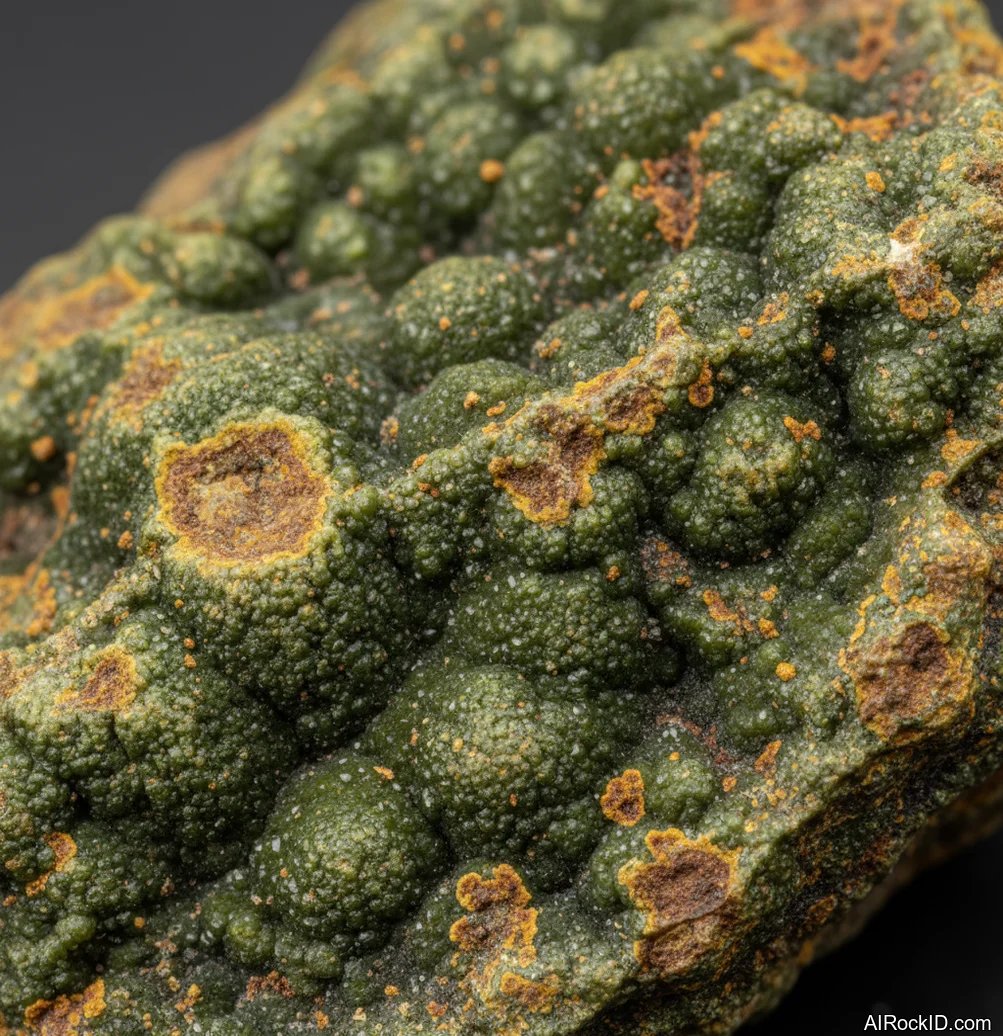
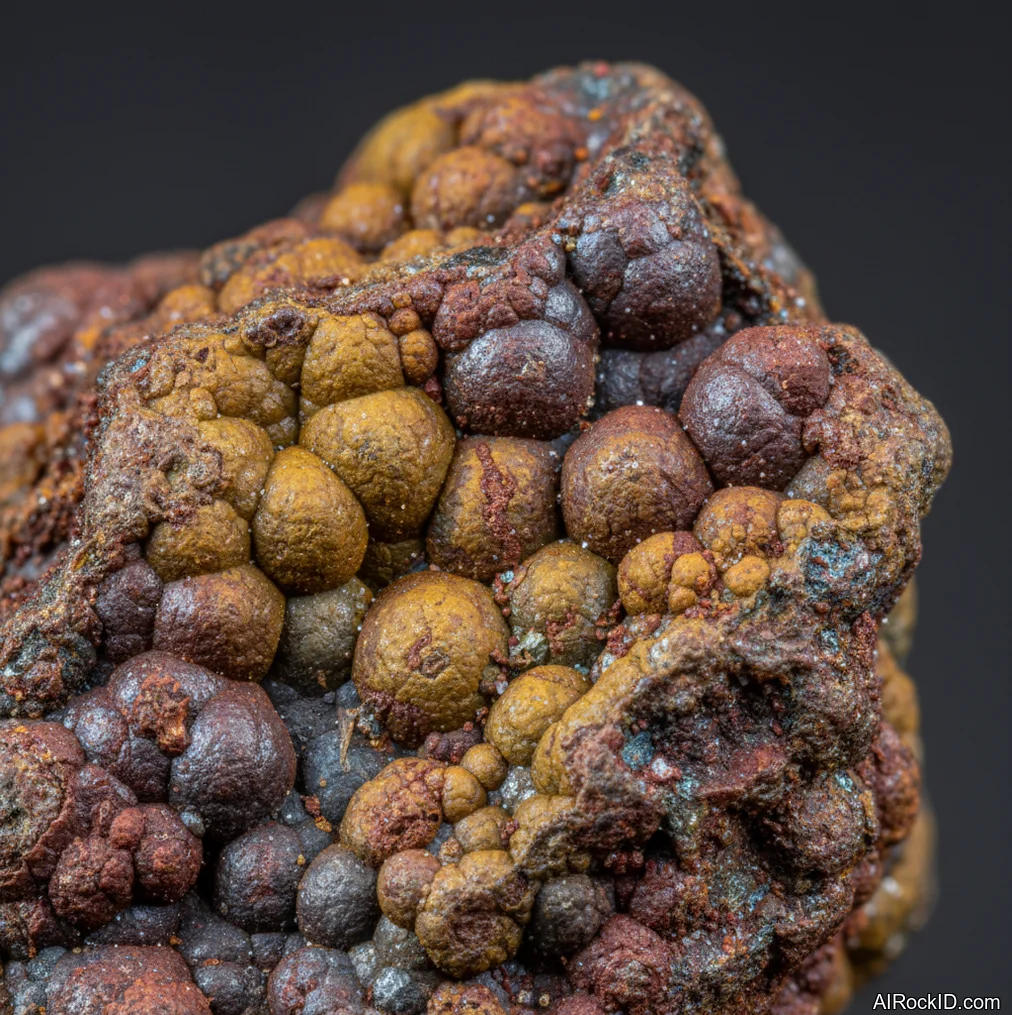
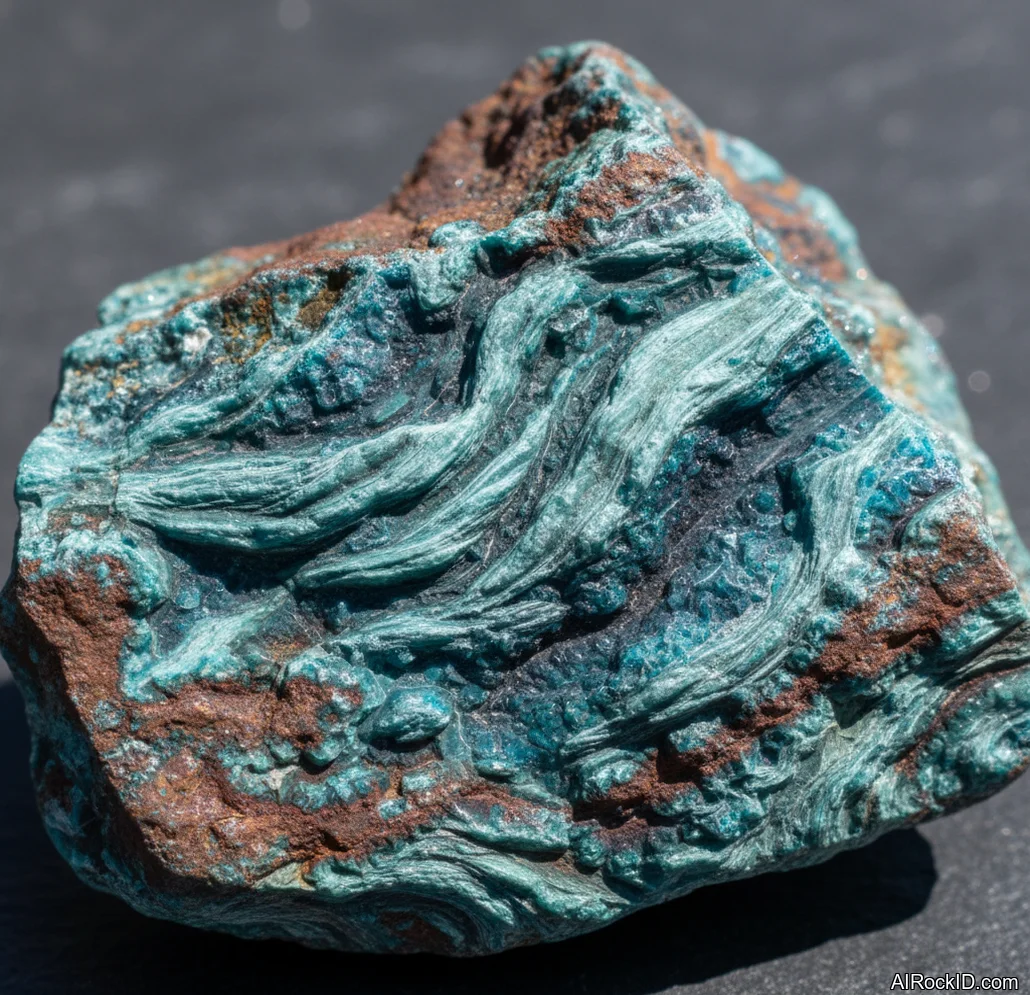
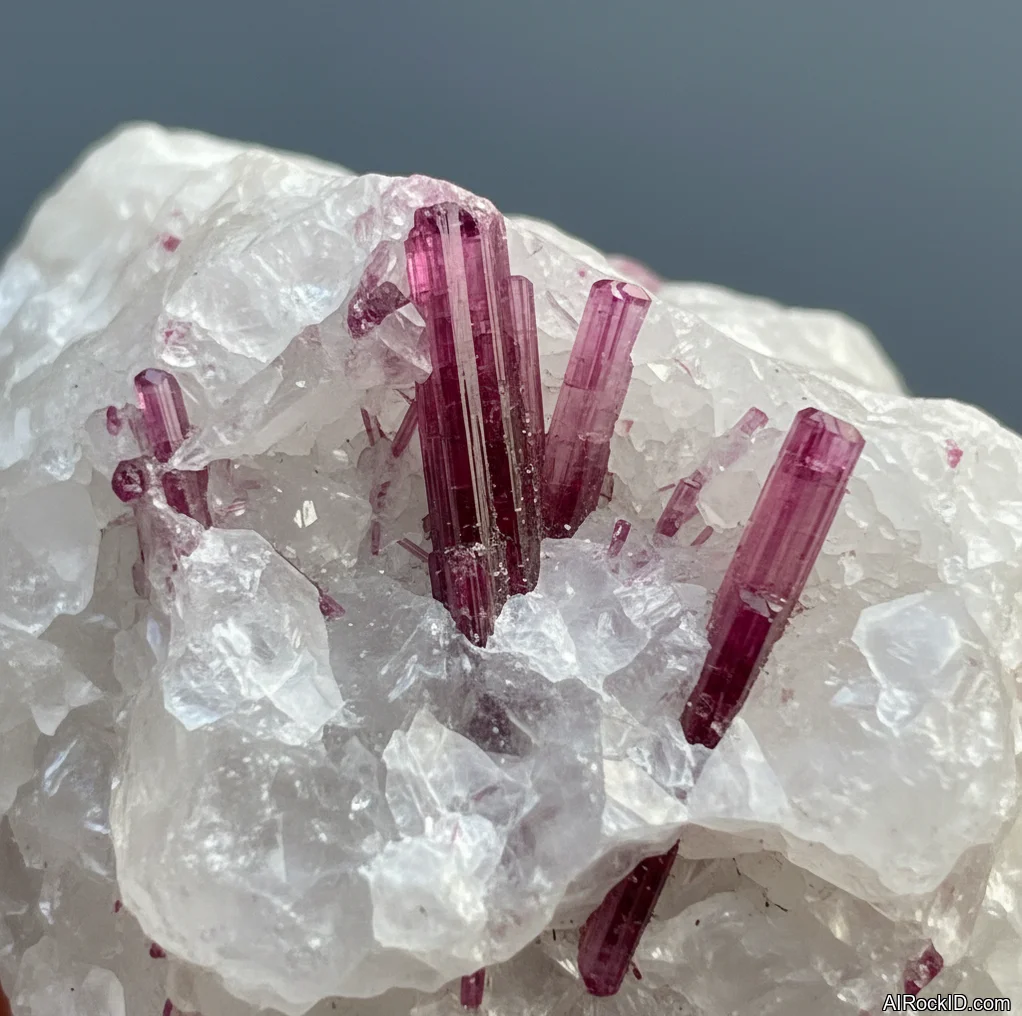
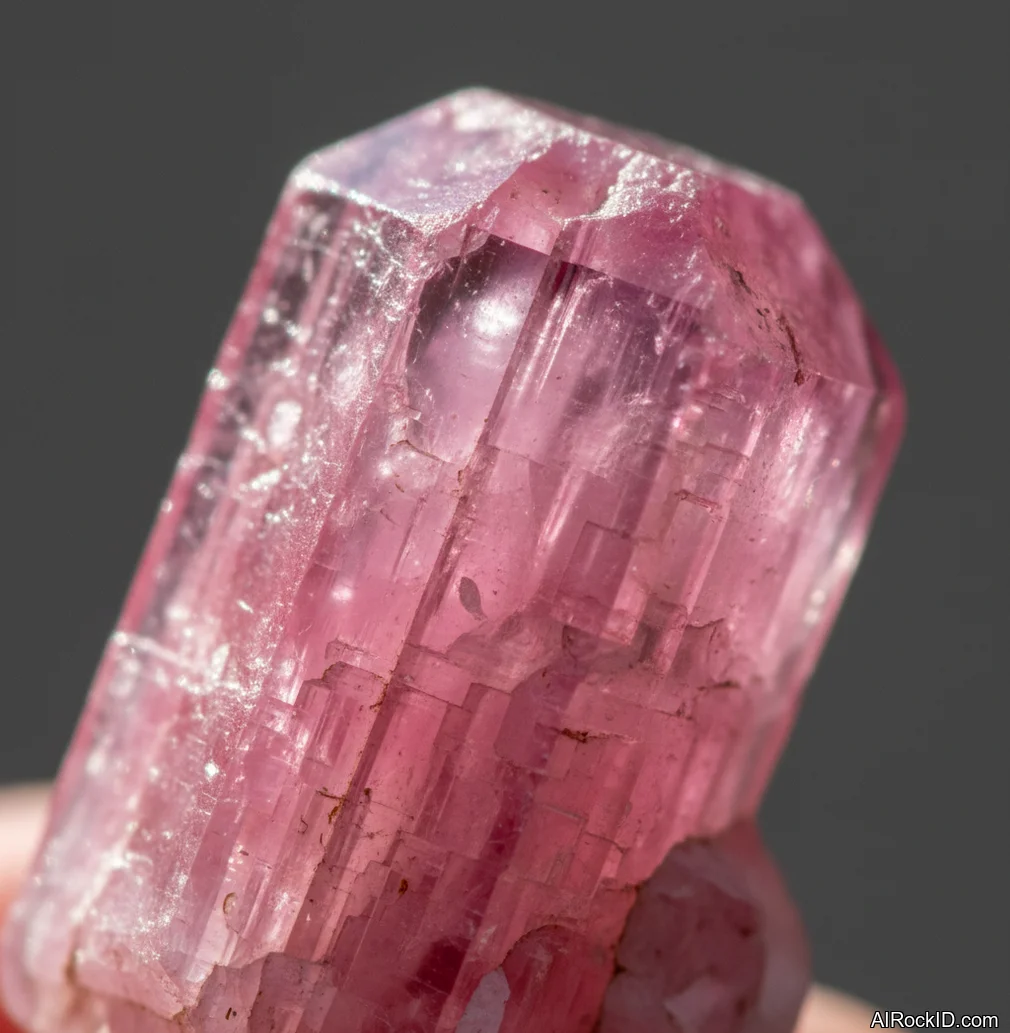
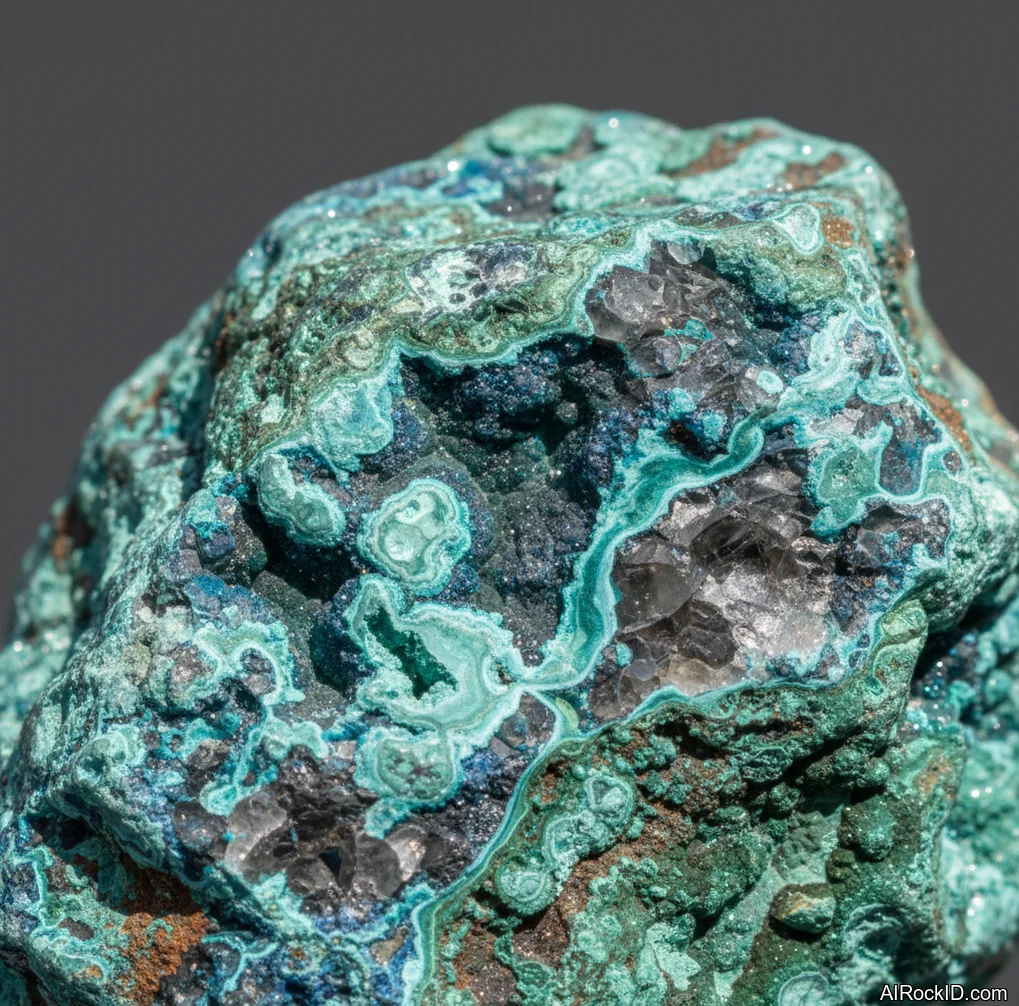
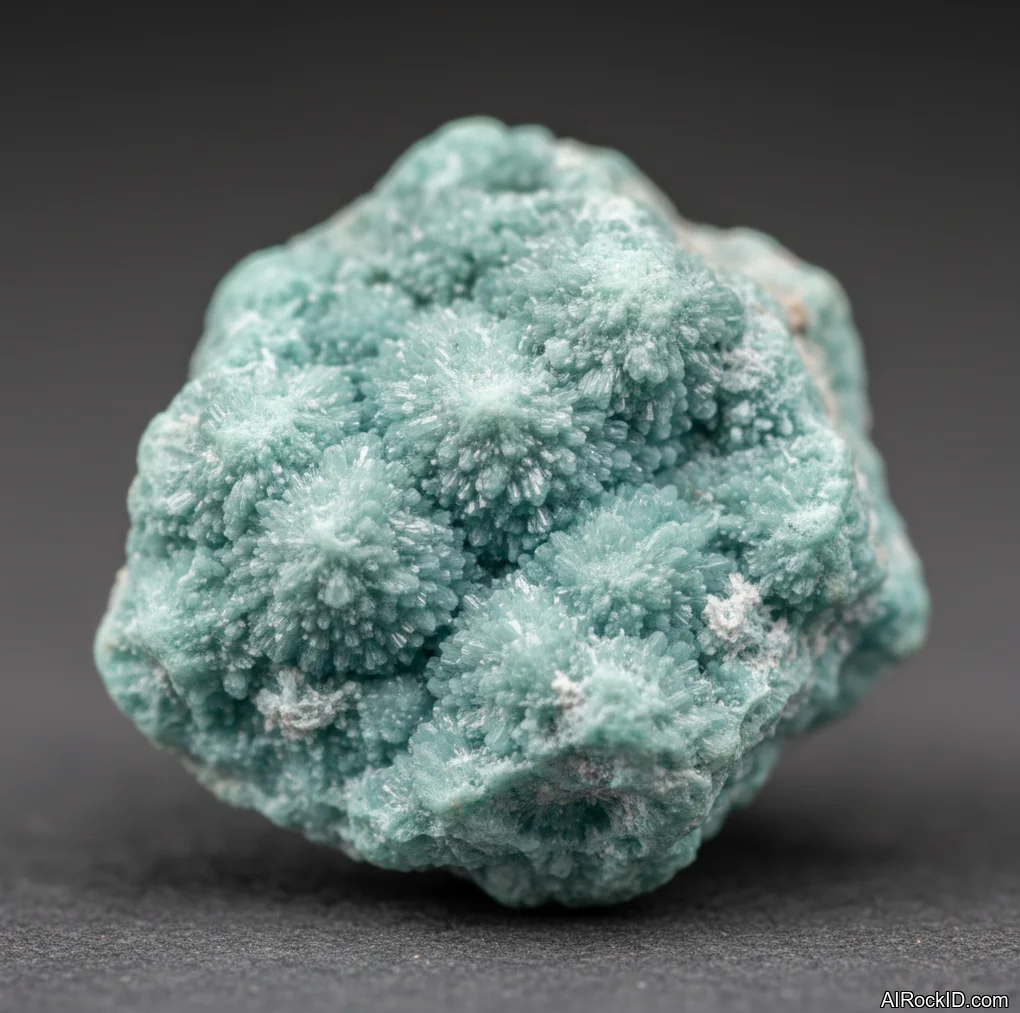
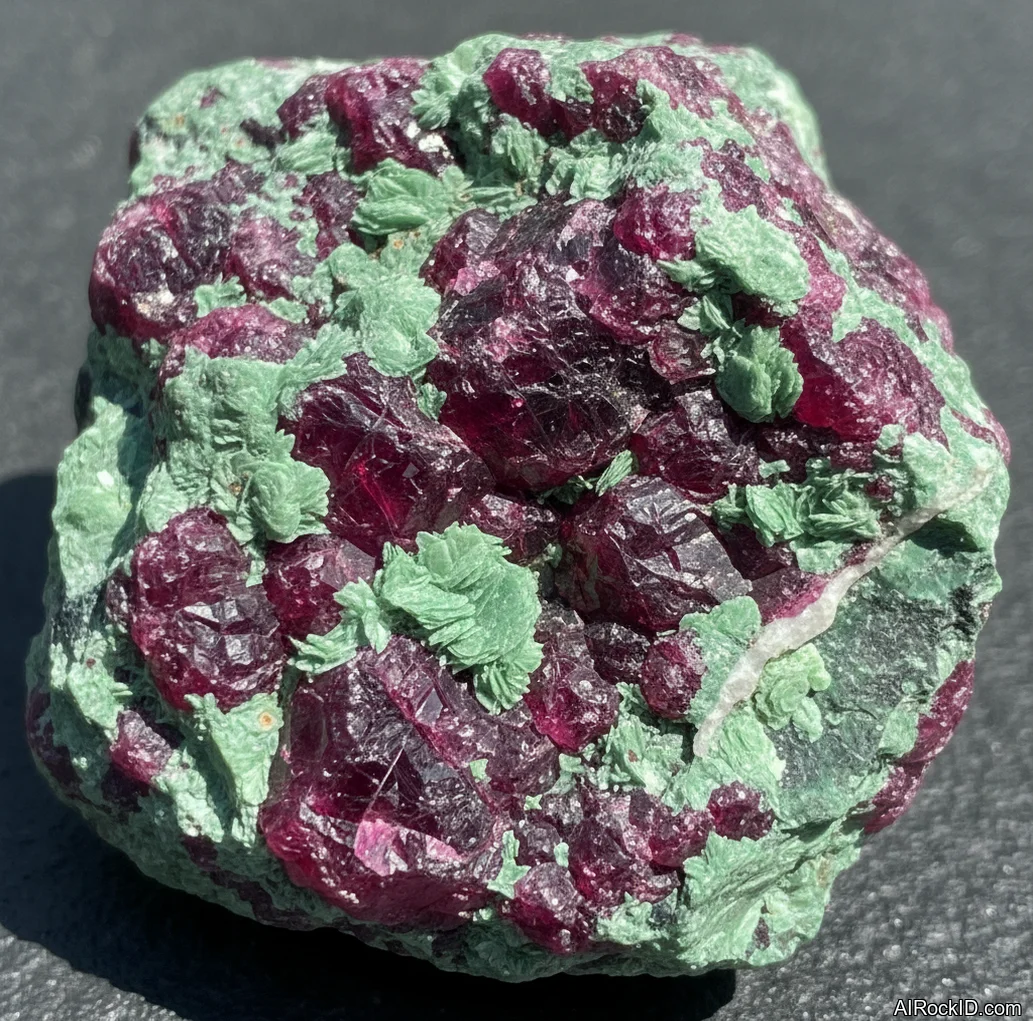
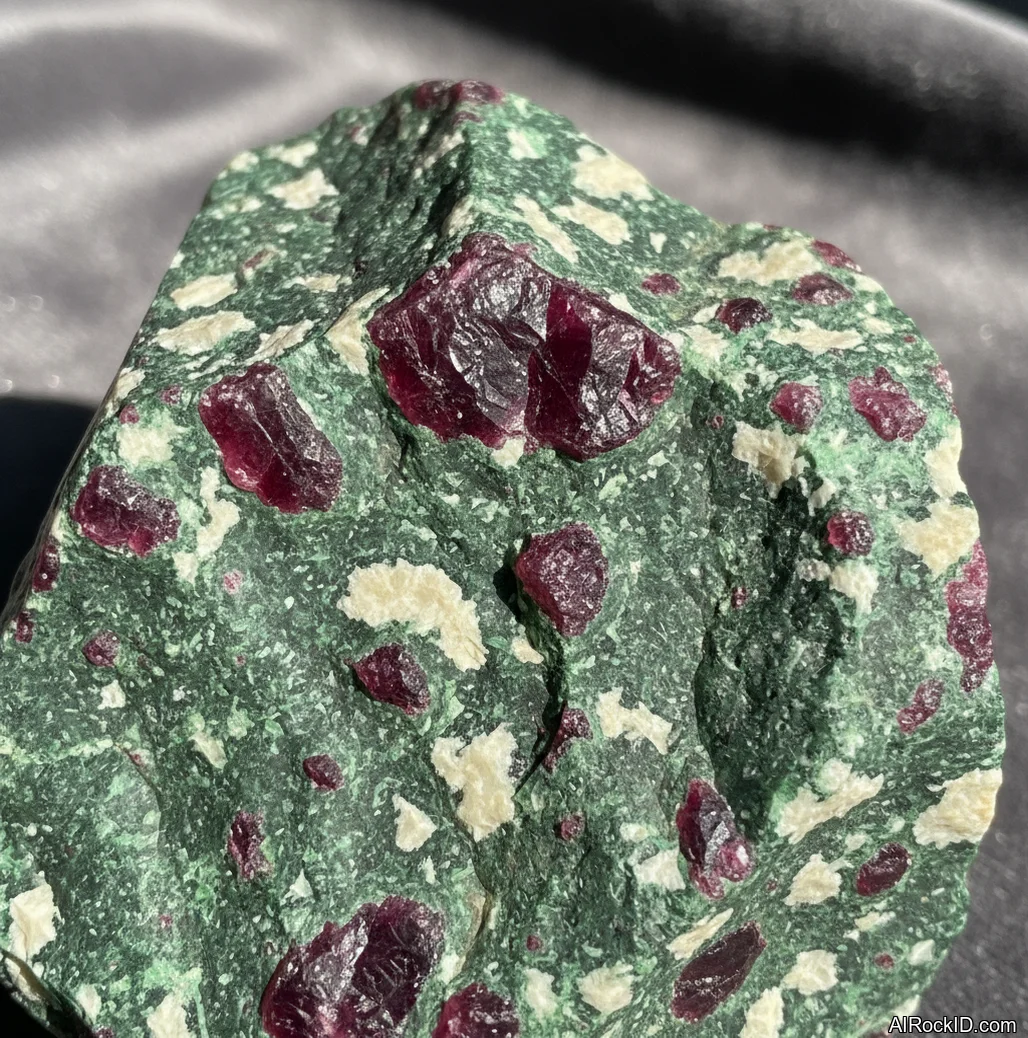
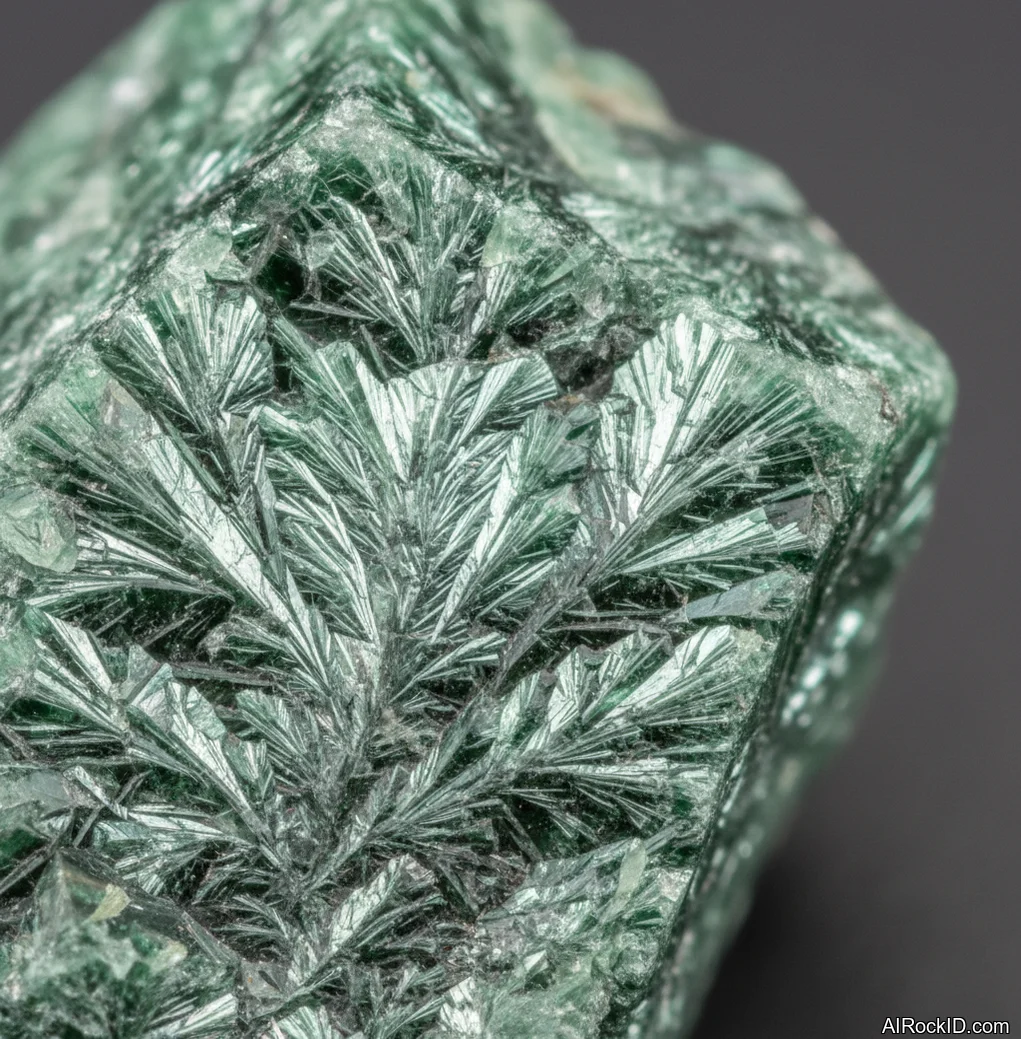
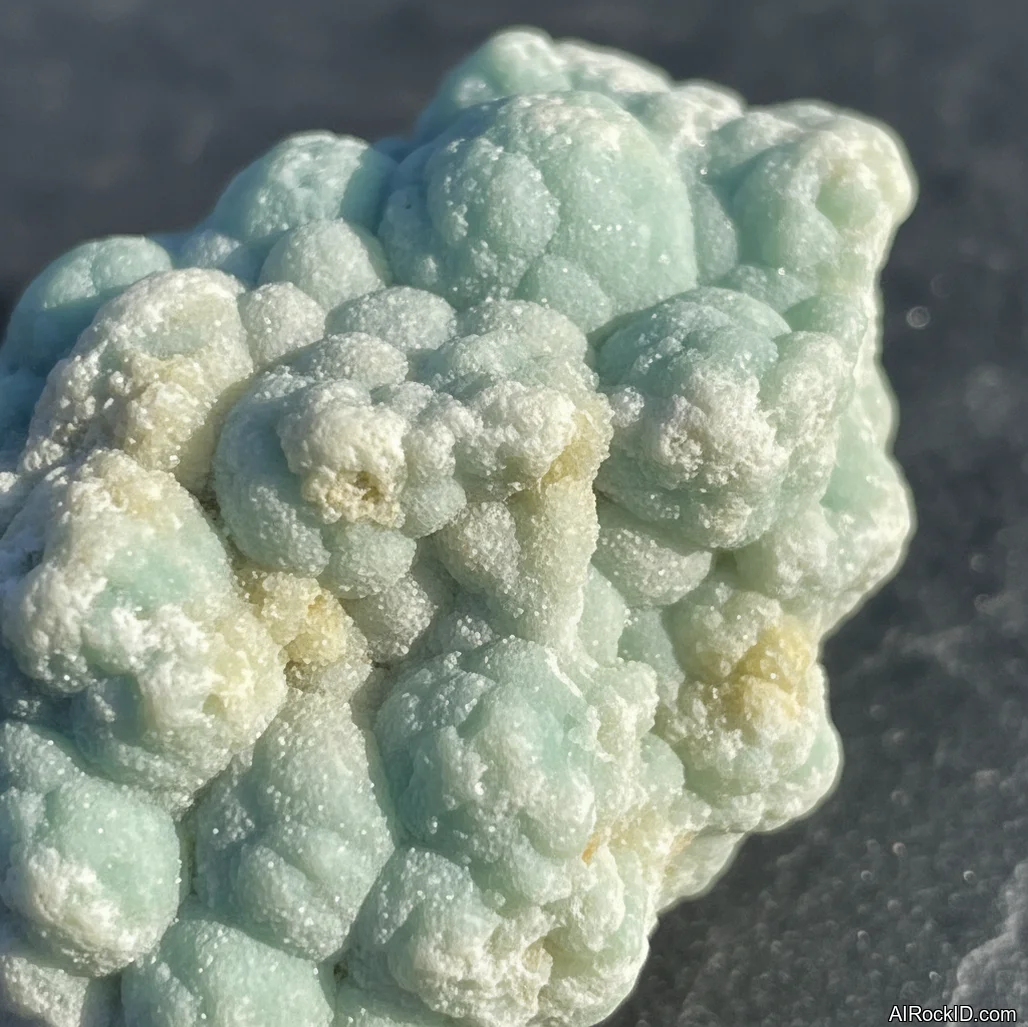
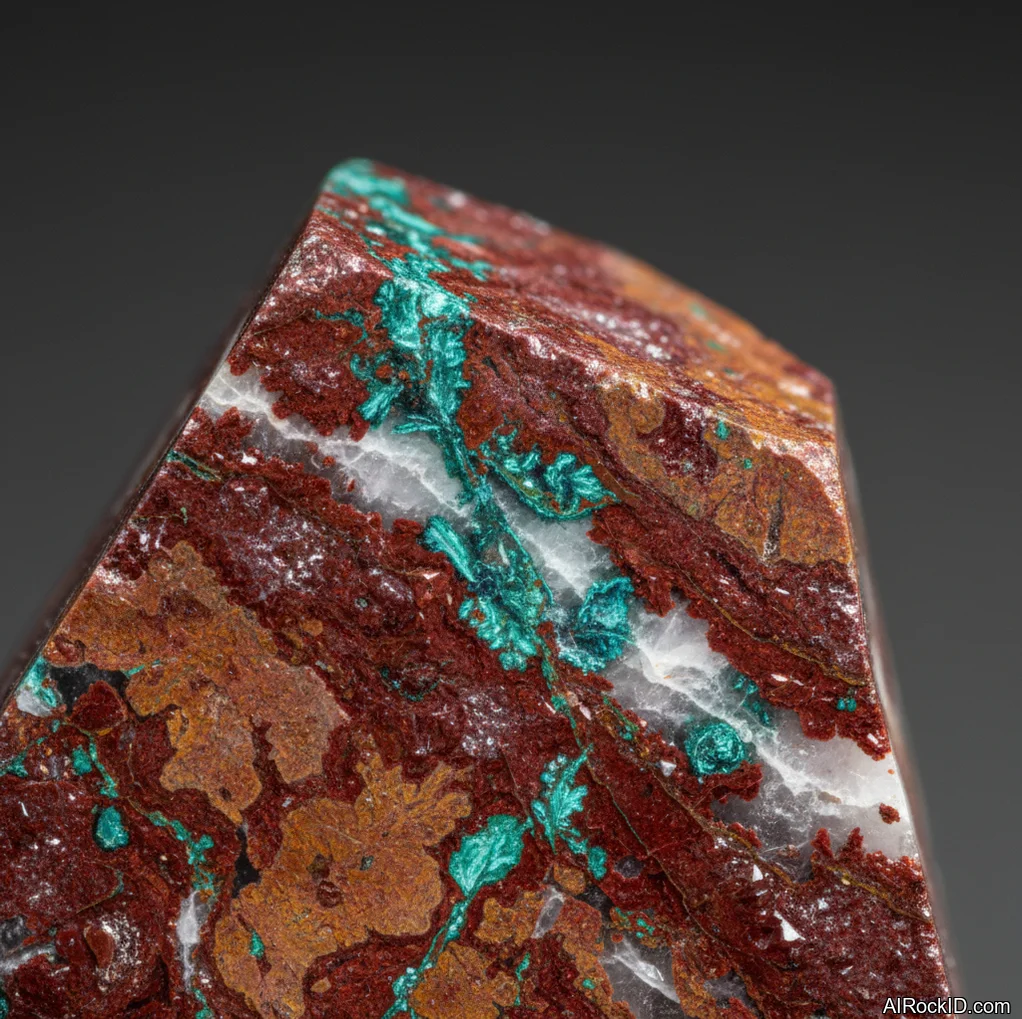
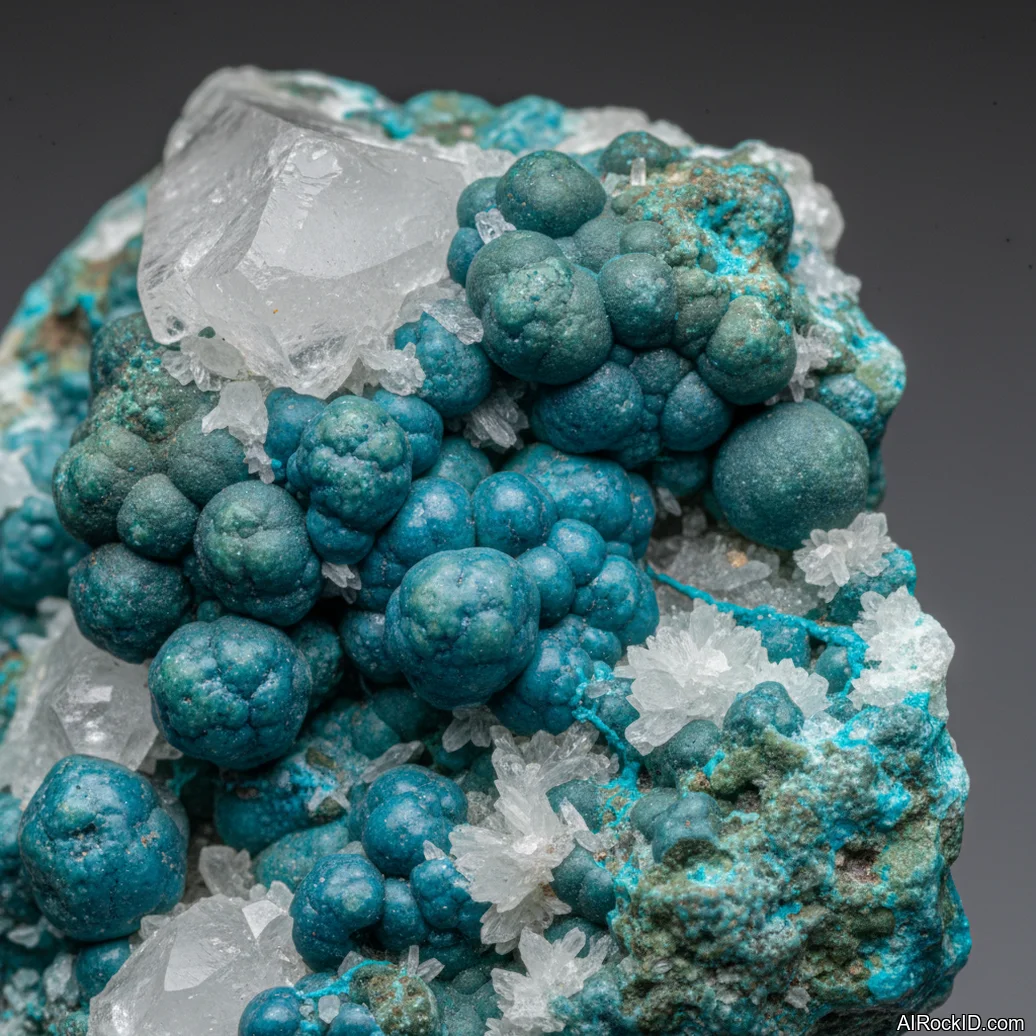
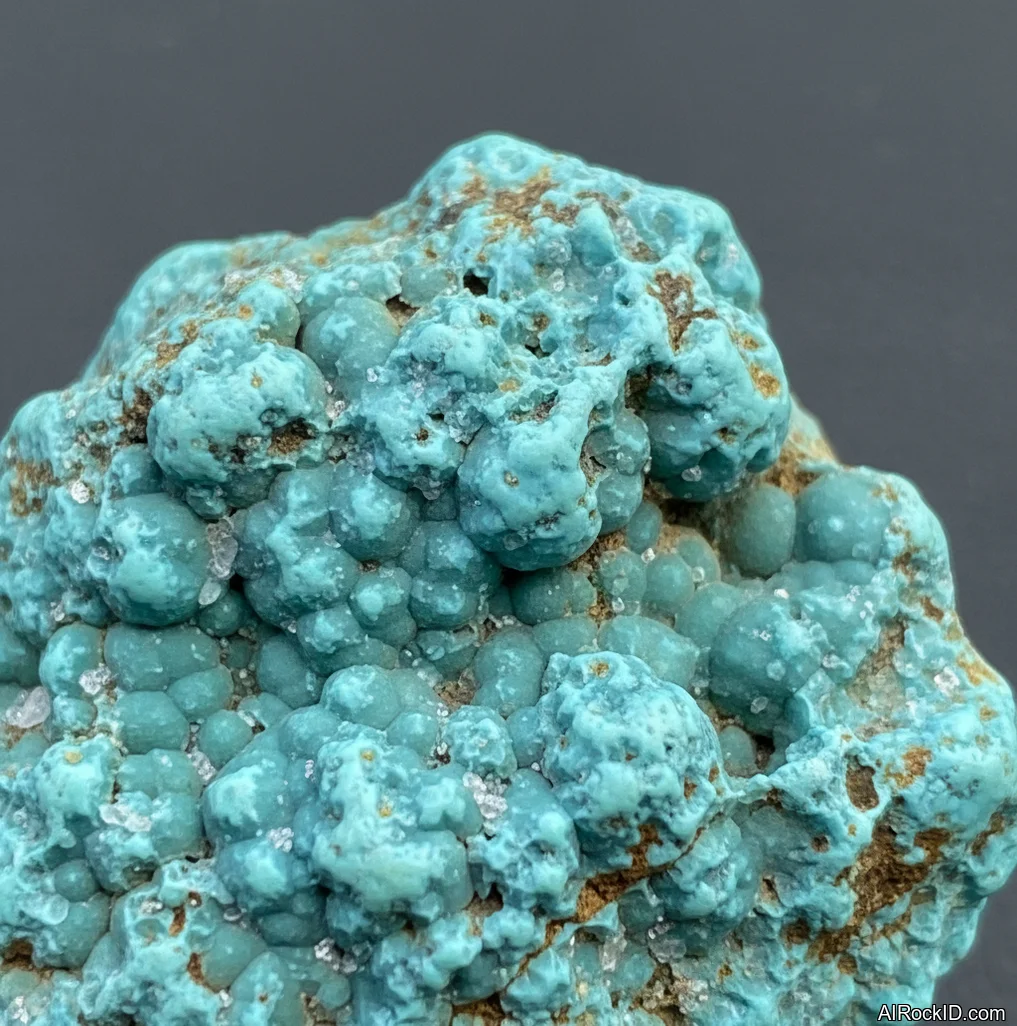
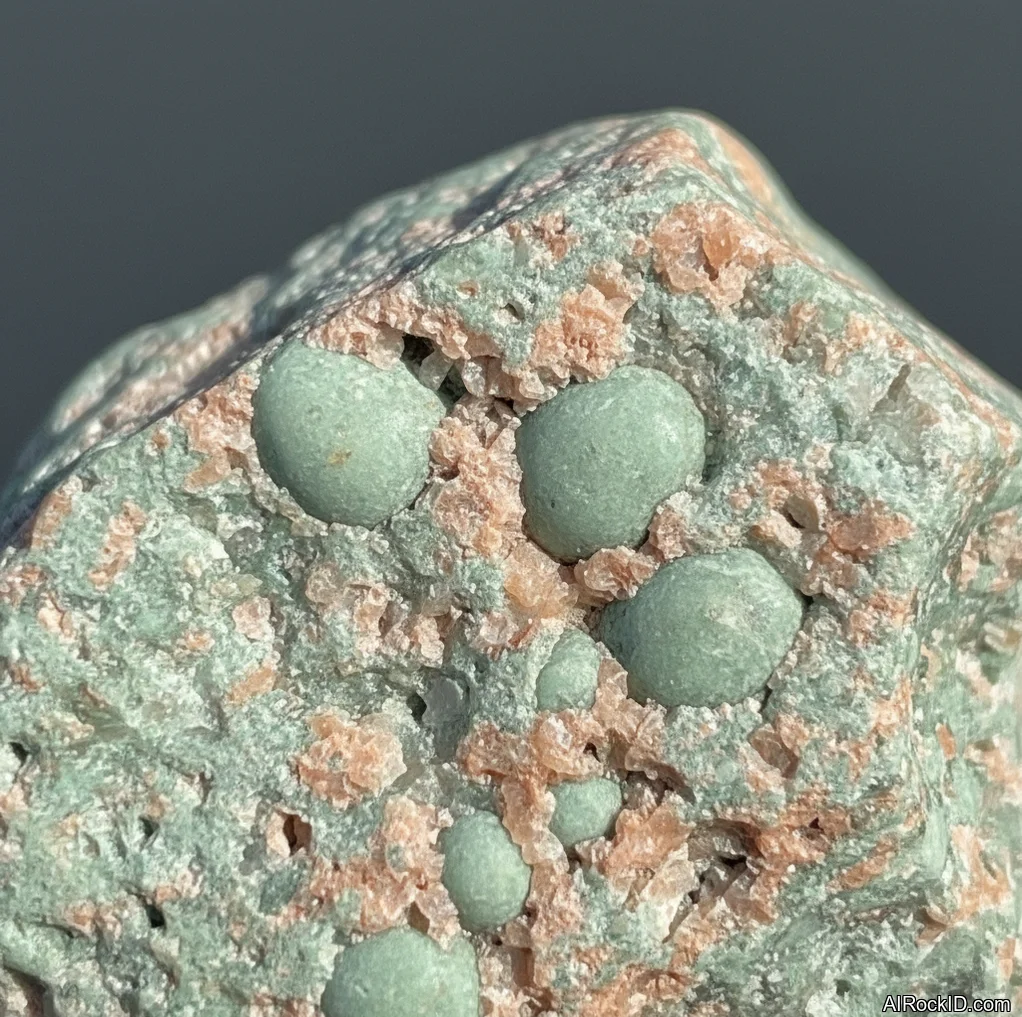
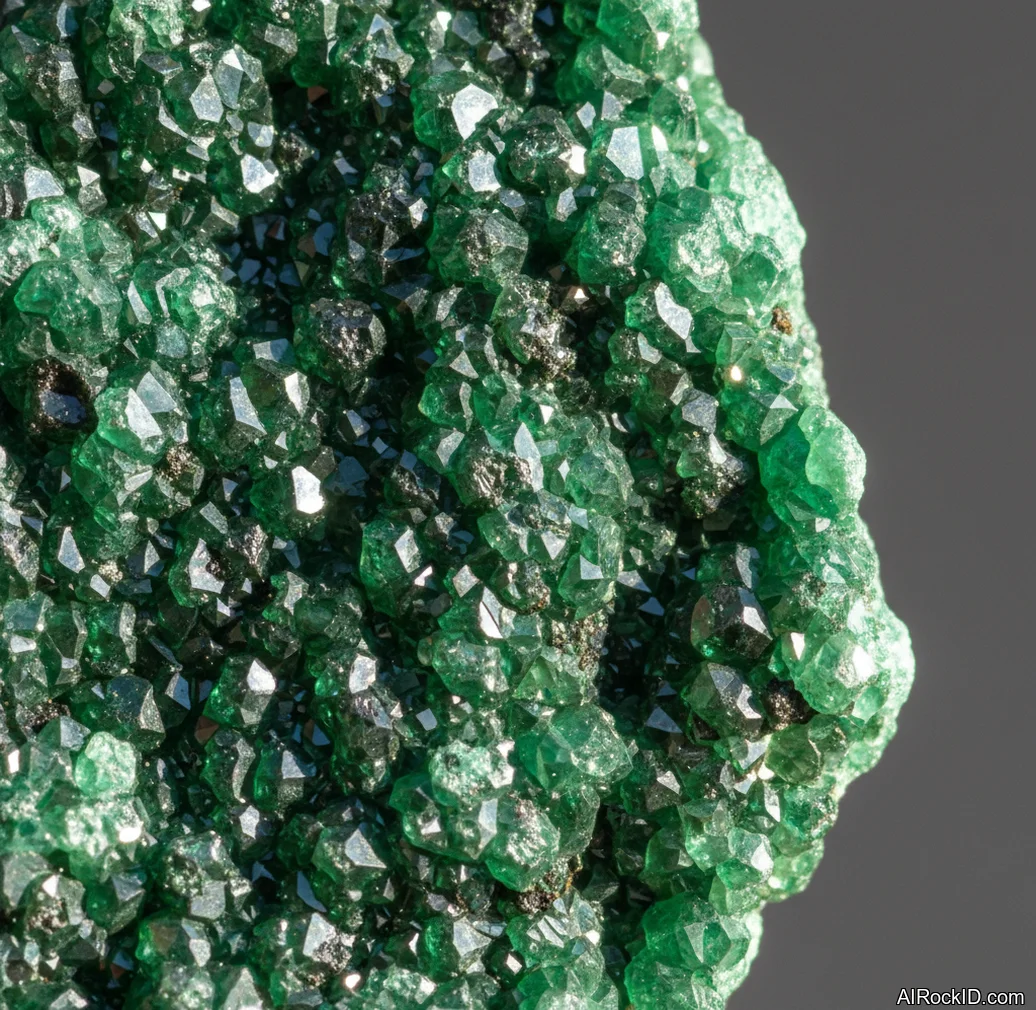
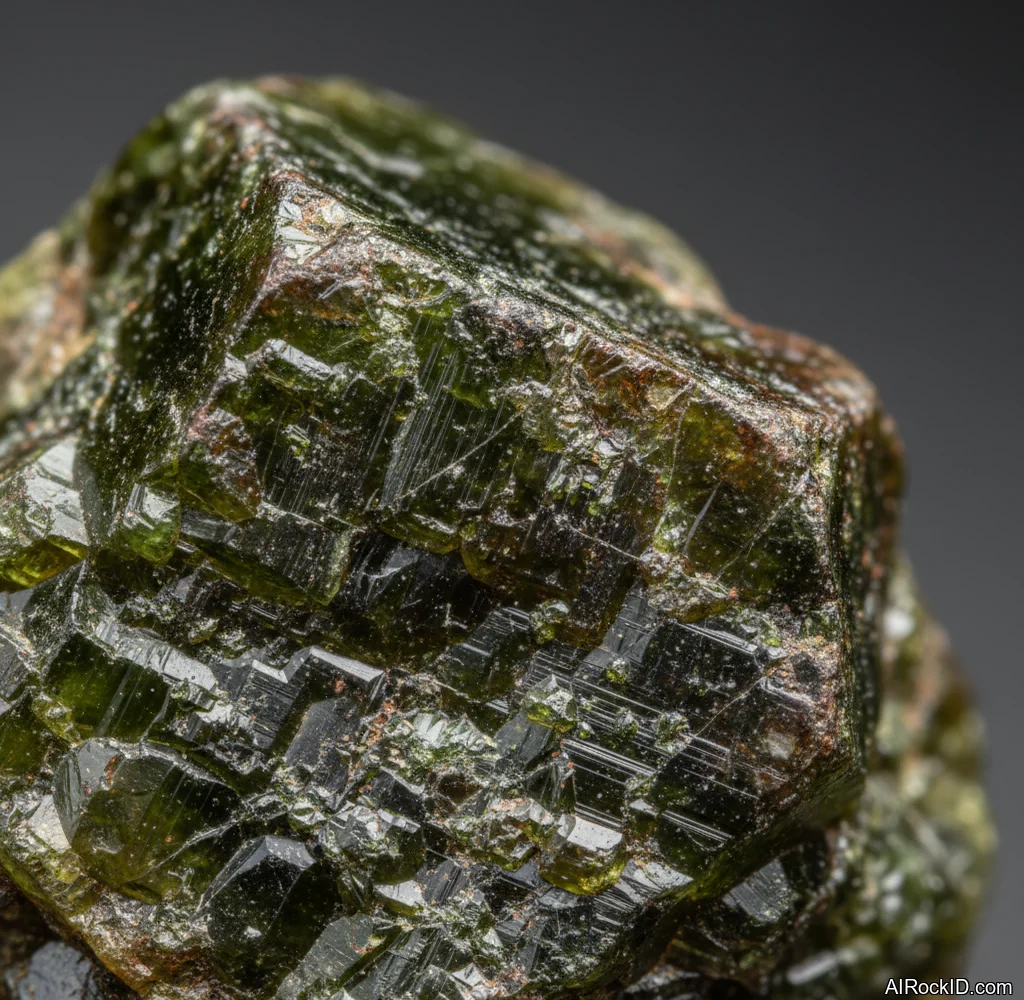
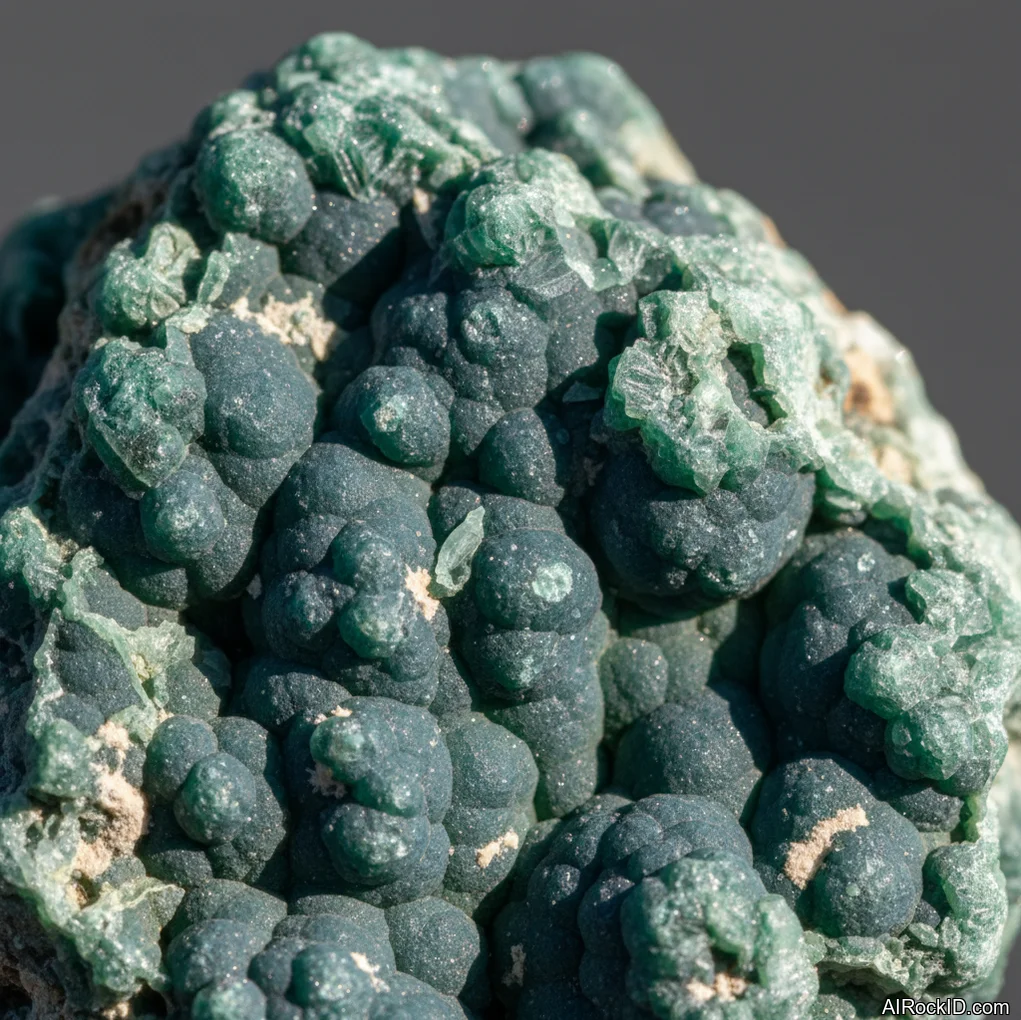
Pink Venus crystals are often linked in modern traditions with affection, softness, and emotional warmth. Green Venus crystals are commonly associated with harmony, renewal, and the heart chakra in contemporary crystal systems. Blue-green or copper-bearing stones, such as chrysocolla and malachite, are often included because copper has historical associations with Venus.
Simple Ways to Organize a Venus Crystal Collection
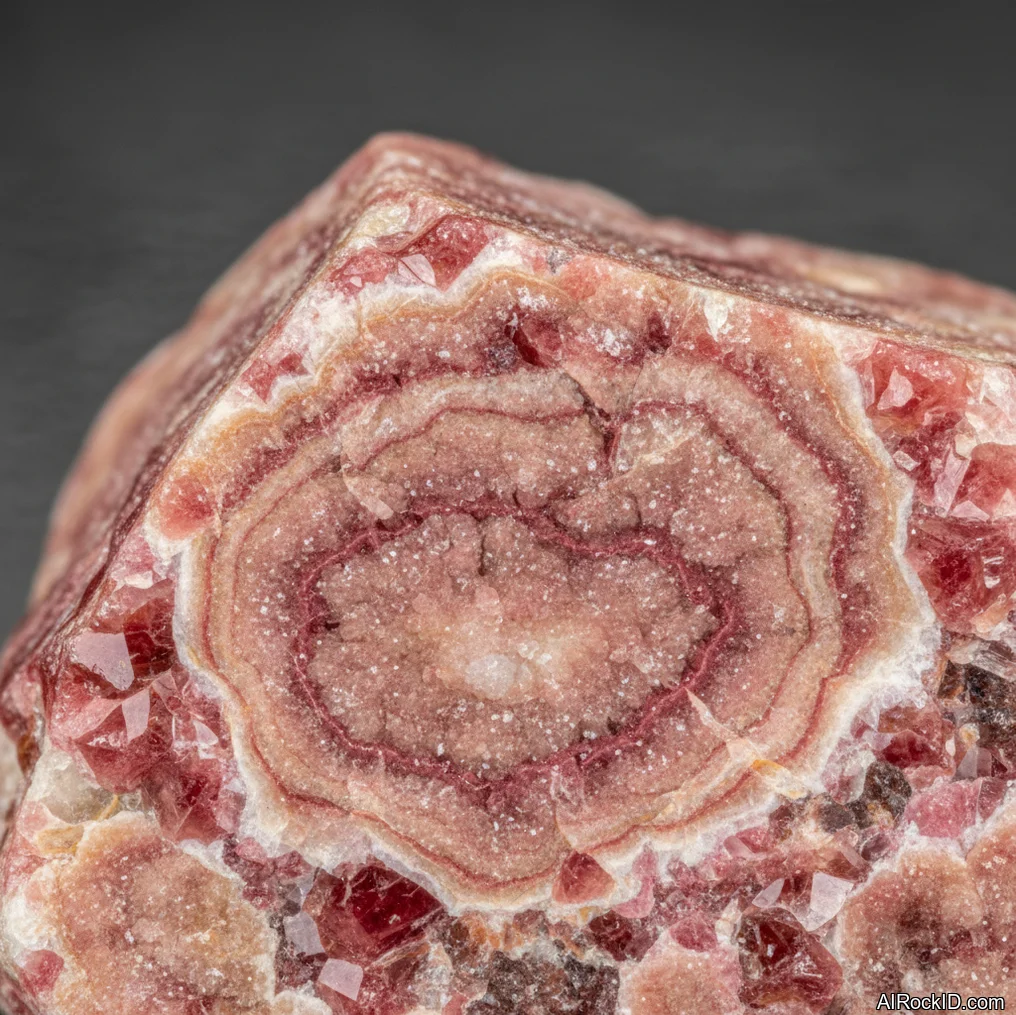
A Venus-themed collection can be organized by color, mineral family, hardness, or symbolic use. Separating softer stones such as malachite, rhodochrosite, and calcite from harder quartz varieties helps reduce scratches in storage. Labels with mineral name, locality, and any disclosed treatment are useful for both collectors and beginners.
Venus Crystal Meanings and Associations in Modern Practice
Venus, in crystal circles, runs the show when it comes to soft power. You see it tied up with attraction, pleasure, and the kind of confidence that doesn't need to shout. Someone walks into the shop asking for a Venus stone, and they're usually after help with relationships, a little more ease, or some peace at home. They want comfort. Not a rock that tries to do everything at once. The classic Venus themes show up—self-worth, sweeter communication, steady warmth that doesn't burn out. Life throws sharp edges sometimes. Venus crystals are what people reach for after a breakup, a cold patch at home, or when all the joy's been squeezed out by endless work. If you want a shortcut to spotting them, check the pinks, greens, and anything with a soft, almost glowing sheen. Rose Quartz gets the most requests, but it's not the only option. When someone's got actual relationship repairs to make, Rhodonite gets picked. If they want a clean slate, Green Aventurine gets called in. You’ll see Jade and Emerald used too, especially when the wish is for loyalty and long-term trust.
Physical Characteristics of Venus Crystals: What Collectors Notice
Pick up a good Rose Quartz and the first thing you'll notice: it stays cool in your hand, longer than a piece of glass in the same room. Most of the material on today's market comes out of Madagascar. It tends toward a sugar-pink body color—not neon, not loud, just calm. I look for cloudy, milky areas and those wispy internal veils that catch the light. That's where you get that soft glow when you rotate the stone. Perfectly uniform, bright pink pieces almost always mean dye. If the color pools in tiny cracks, that's a red flag. Rhodonite's different—heavier than you expect, and crisscrossed with black manganese veins. The black is part of the draw; it looks almost like a map. I’ve had pieces that take a mirror polish, and the polish makes those black veins pop. Most people are surprised by the heft when they pick up a chunk of solid Rhodonite. You might even notice your hand feels slightly warmer after holding it, compared to the persistent cool of Rose Quartz.
How Collectors Use Venus Crystals for Relationships and Comfort
Most people buy Venus crystals when they want to put a little sweetness back into daily life. It might be for mending a friendship, smoothing out rough communication, or just bringing more peace into their living space. In practice, Rose Quartz ends up on bedside tables and desks. Some tape a chunk to the back of their phone case for luck in texting. Green Aventurine, often called the 'opportunity stone', ends up near fresh starts—a new house, a first date, the first day of a job. Rhodonite gets carried for the hard work, like facing an ex or rebuilding after a fight. Jade and Emerald are less flashy, but collectors turn to them when the goal is stability, loyalty, and growing something that lasts. You notice that certain pieces get smooth from pocket carry—especially Jade. It picks up a shine just from skin oils. But collectors know not to leave these in the sun. The color fades fast, especially with Rose Quartz or Green Aventurine.
Choosing and Caring for Venus Crystals: Real-World Tips
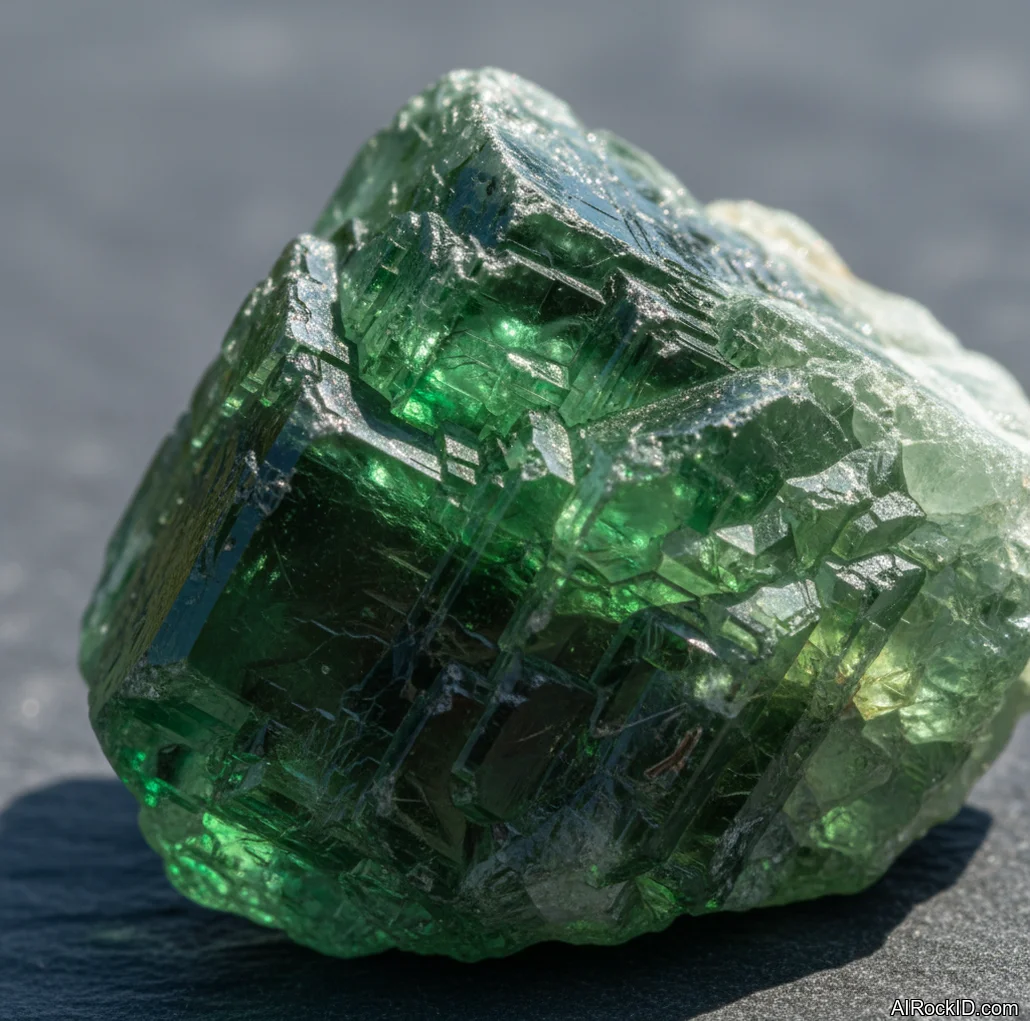
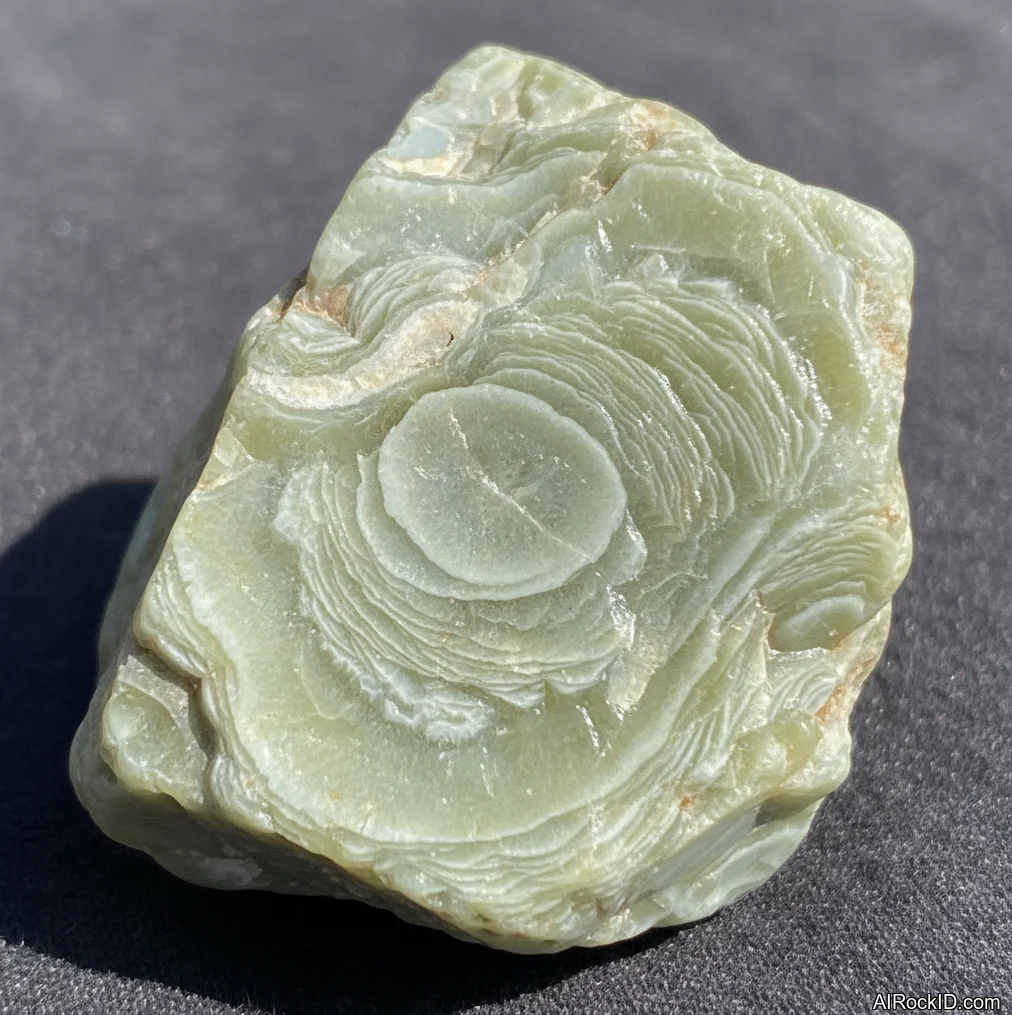
A lot of newcomers want the brightest, clearest Rose Quartz, but seasoned collectors go for the stones with depth—milky zones, inclusions, a little cloudiness that shifts in the light. Those are harder to fake and usually come from better sources. Rhodonite sometimes gets sold as Rhodochrosite, but the feel is different: Rhodonite sits heavy, and the black veins are rough if left unpolished. With Green Aventurine, check for visible mica sparkles. That's a giveaway for the real thing. Jade's a whole world on its own. True nephrite or jadeite has a dense, waxy feel, and the color should never look too electric. Most Venus stones are safe in water for quick cleaning but avoid salt or harsh cleansers. And always keep them out of direct sun for weeks at a time—faded Rose Quartz is everywhere. If you want your collection to last, handle each piece with clean hands and give them a soft cloth polish every so often.
Best Venus Crystals to Start With
| Level | Crystal | Note |
| Gentle / Beginner | Rose Quartz | It's forgiving, cool to the touch, and hard to damage—a classic for building confidence and comfort. |
| Balanced / Everyday | Green Aventurine | Tough enough for pockets or bags, with a fresh energy that doesn't overwhelm; real mica flecks show it's authentic. |
| Intense / Advanced | Rhodonite | Heavier, with black manganese veins; chosen for deeper emotional repair and those ready to face old wounds. |
| Best for Carrying | Jade | Gets smoother and glossier with use; dense, waxy feel holds up to daily handling in a pocket or pouch. |
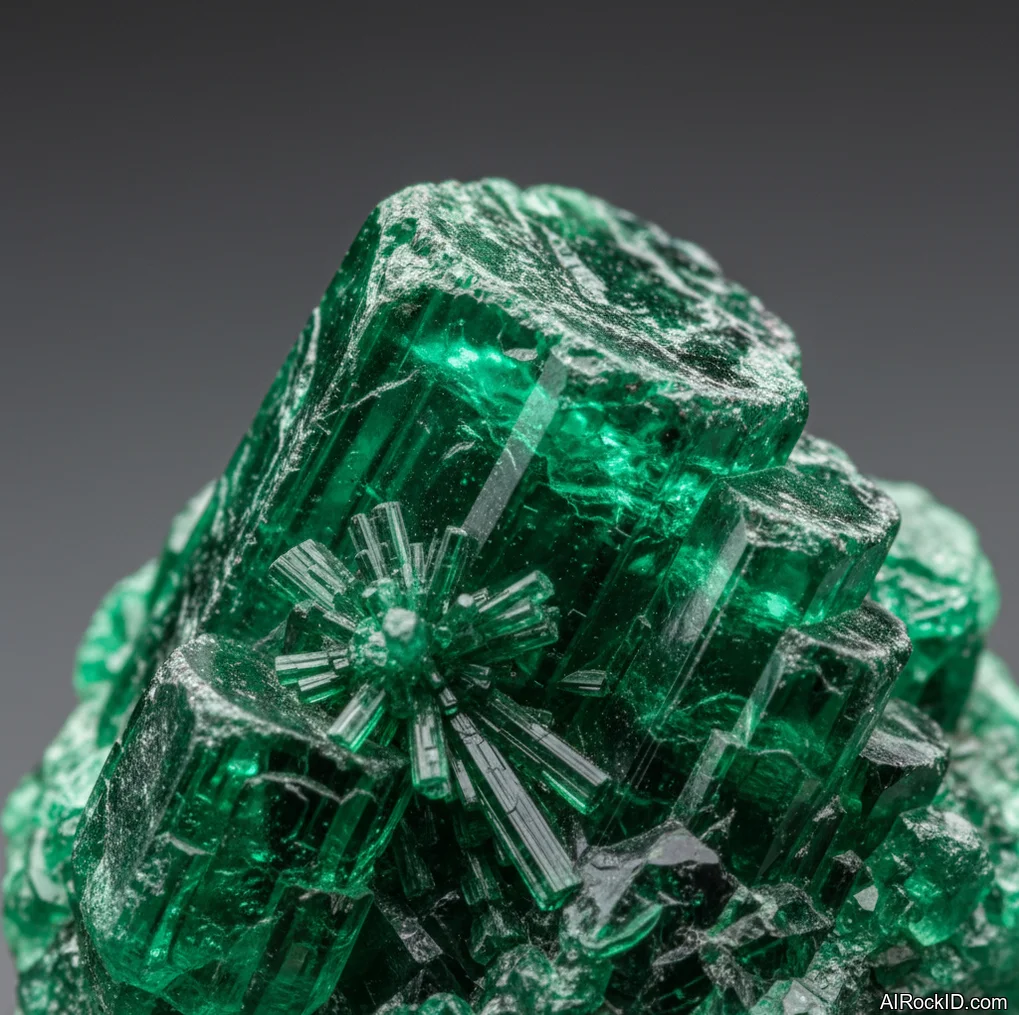
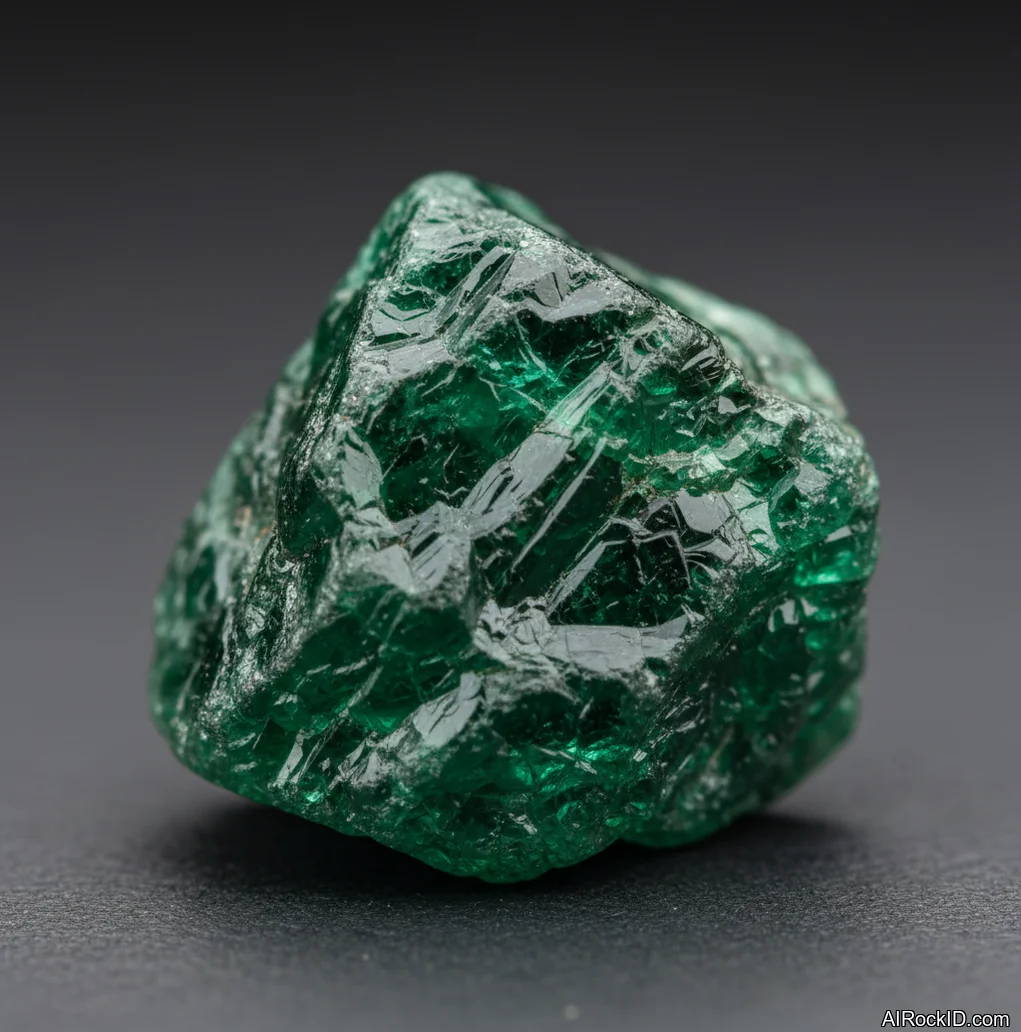
| Best for Display | Emerald | Raw or lightly polished emerald adds visual depth and draws attention, but it's more fragile than it looks—best for a shelf, not a bag. |
Venus Crystal Comparison
| Crystal | Common Use | Feel / Use Style | Care Caution |
| Rose Quartz | Self-love, comfort, gentle relationship healing | Cool, silky, sometimes slightly milky or veiled inside | Color can fade if left in sunlight |
| Rhodonite | Emotional repair, forgiveness, moving past conflict | Heavy, solid, with visible black veins | Can chip if dropped on hard floors |
| Green Aventurine | Fresh starts, opportunity, luck in relationships | Tough, glassy, often with sparkling mica | Surface can dull if cleaned with harsh chemicals |
| Jade | Long-term peace, stability, trust | Dense, waxy, smoother with handling | Dyed jade is common—test for colorfastness |
How to Identify Venus Crystals with AI Rock ID
To identify a Venus crystal with an AI rock ID app, take a clear photo in natural light, making sure the color and surface texture are visible. Snap both a full specimen view and a close-up of any unique features, like veins or inclusions. Upload these images and compare the AI's result to known traits like hardness, luster, and streak—Rose Quartz should be cool and cloudy, while Rhodonite will have black veins. The app can help sort out fakes, but always double-check with physical tests if you're unsure.
All Venus Crystals (155)