Crystal Encyclopedia
Quick answer: The crystal index is an alphabetical directory for browsing crystals, minerals, and gemstones by name. It is useful for checking basic identification clues, comparing similar-looking stones, and finding pages with properties, values, and traditional meanings.
Browse our complete database of 716 crystals, minerals, and gemstones


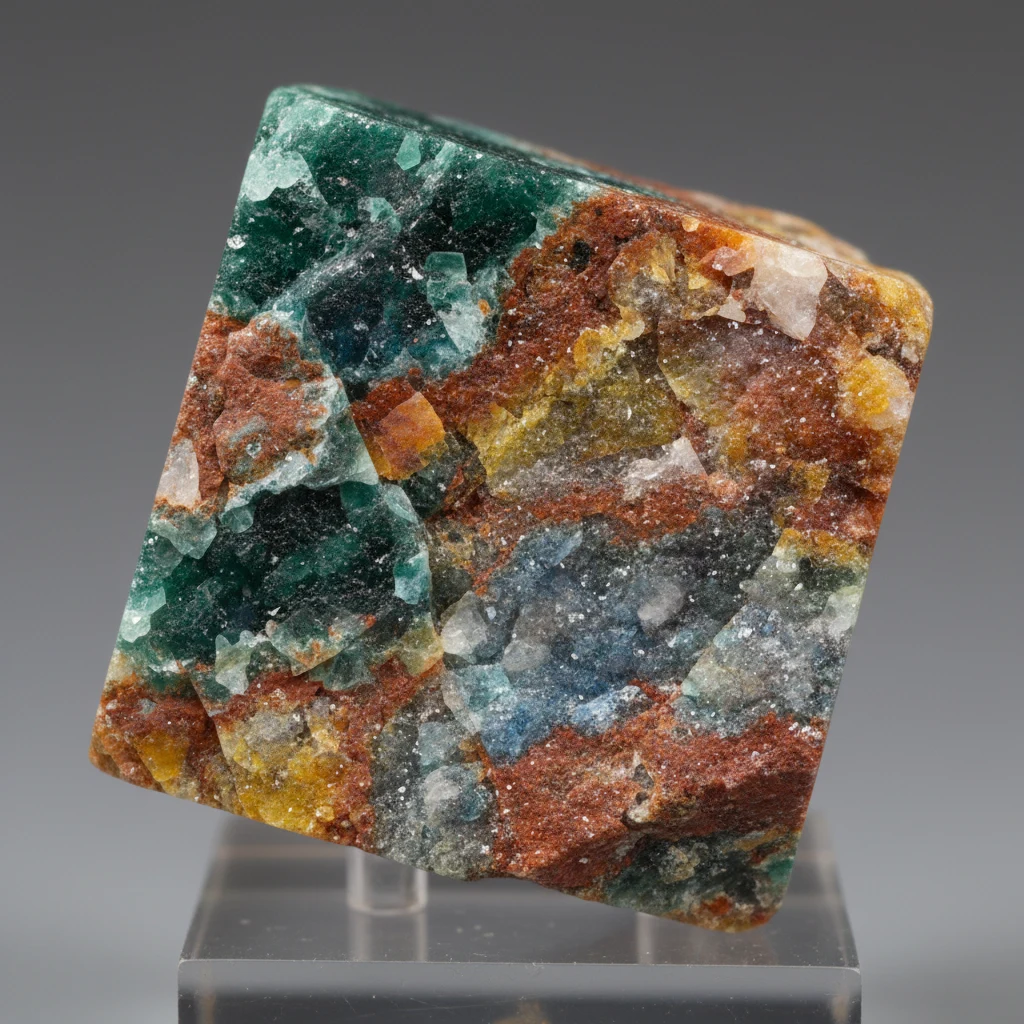
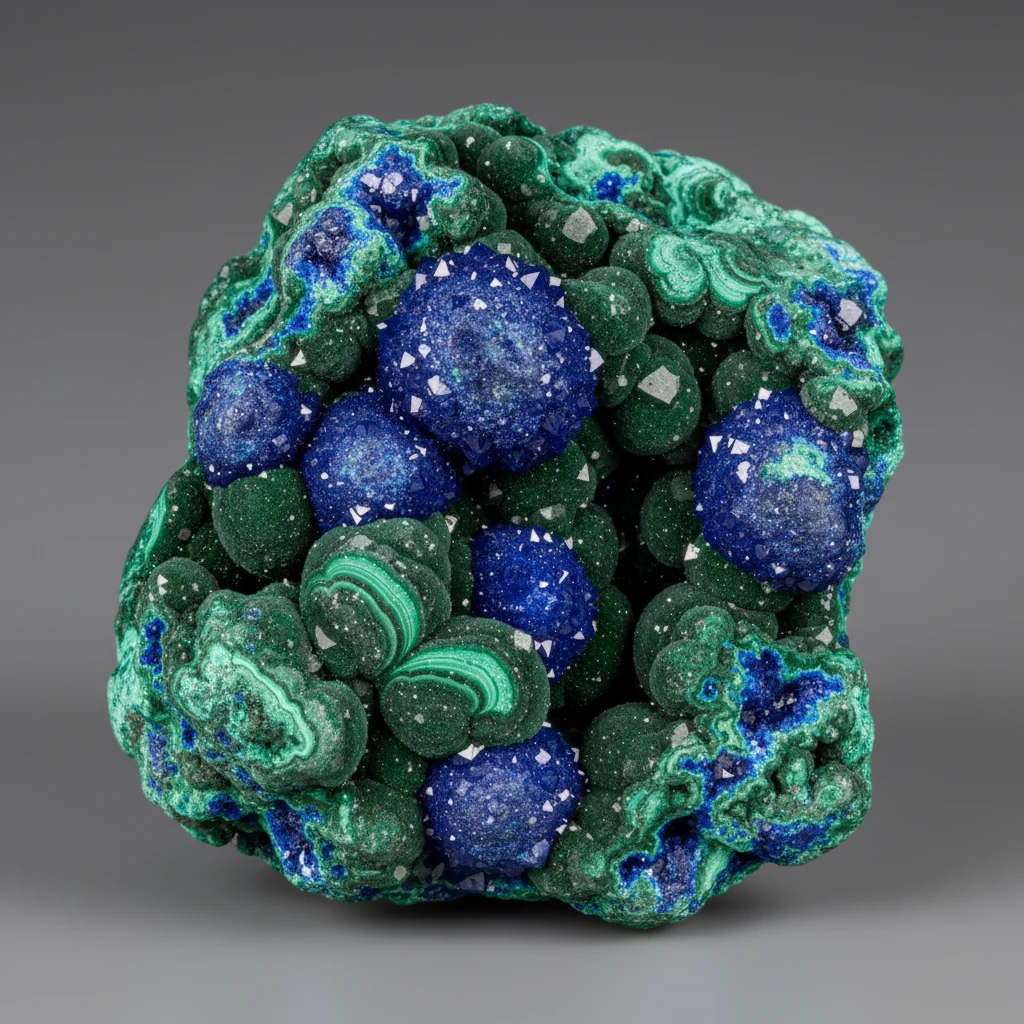
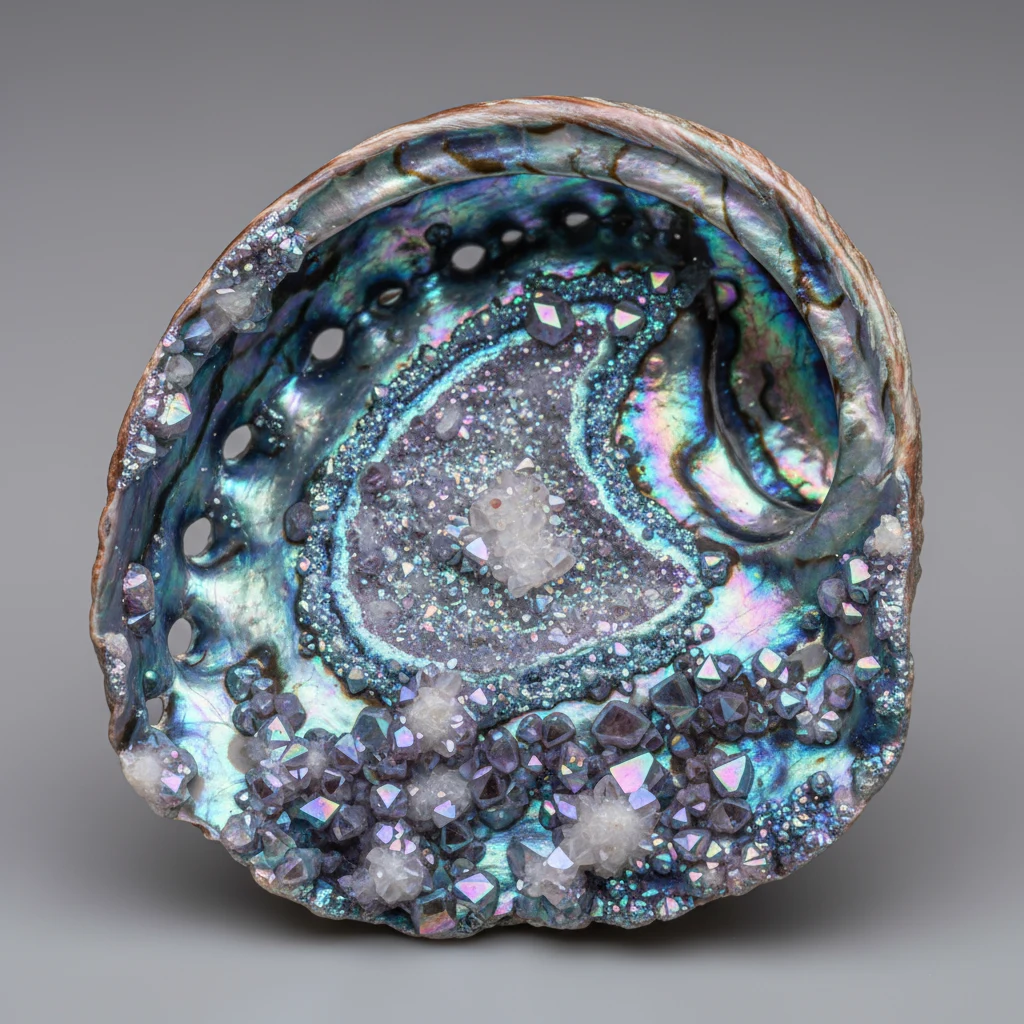
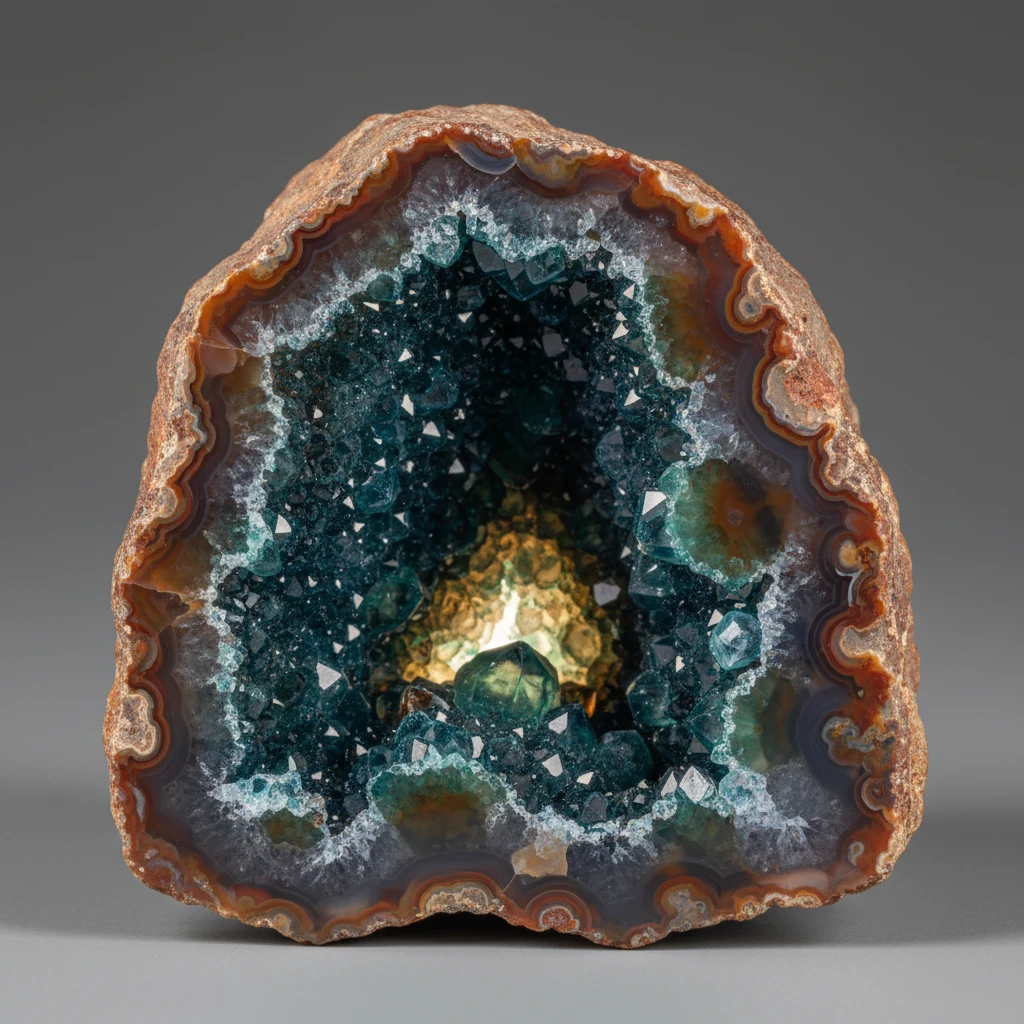
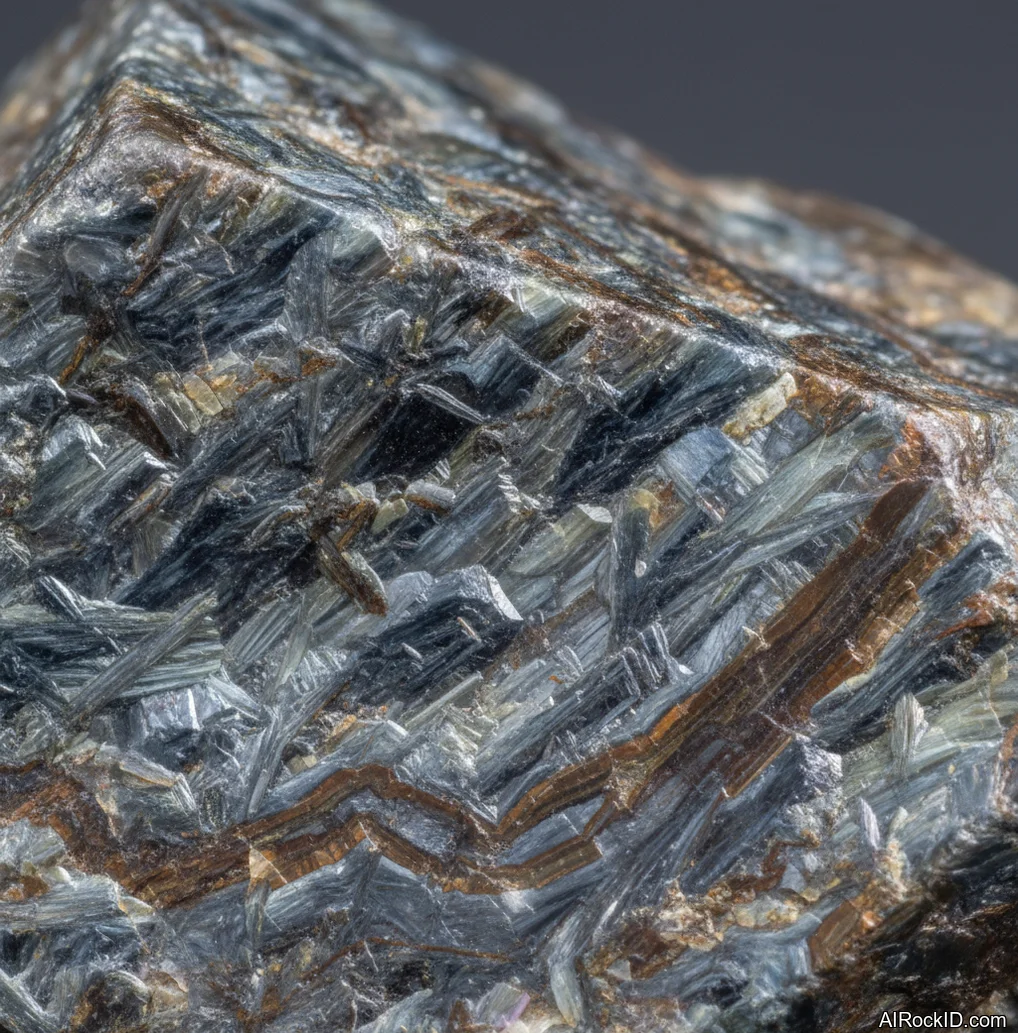
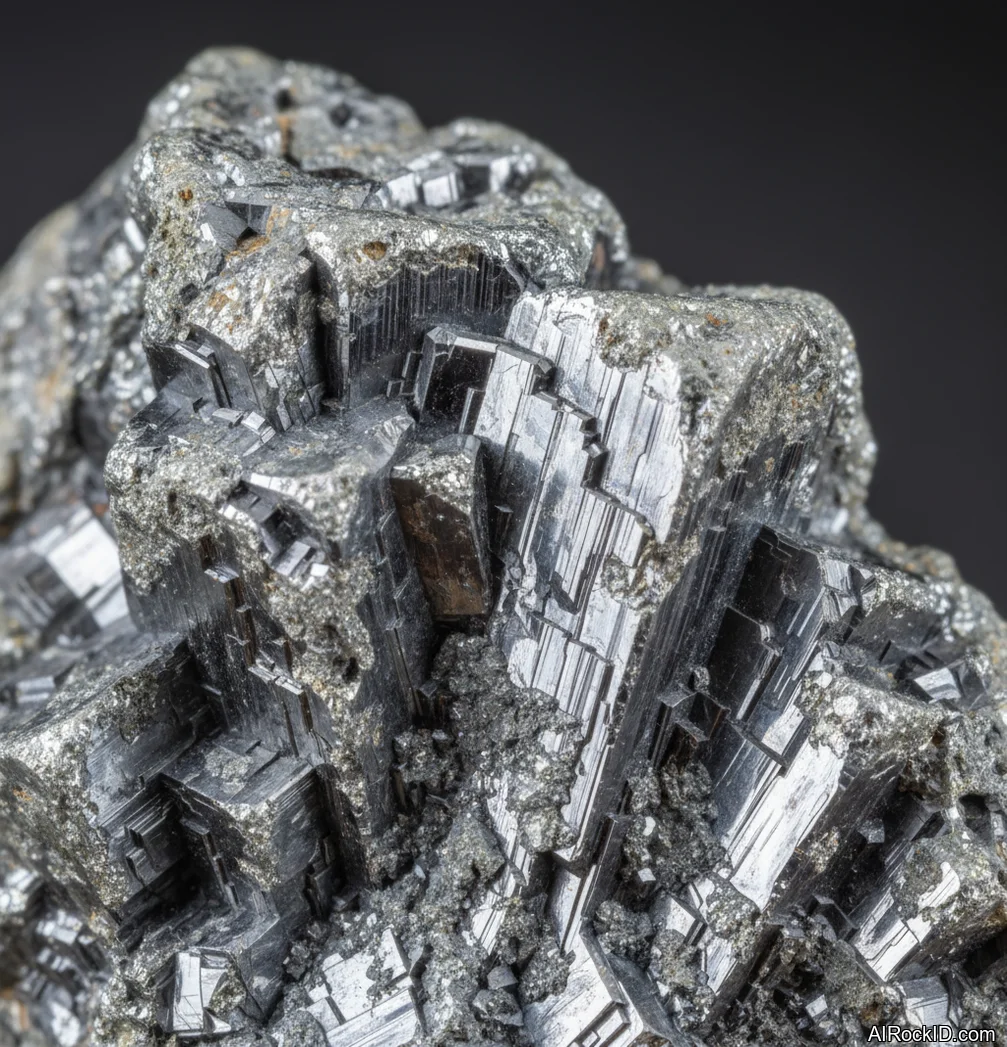
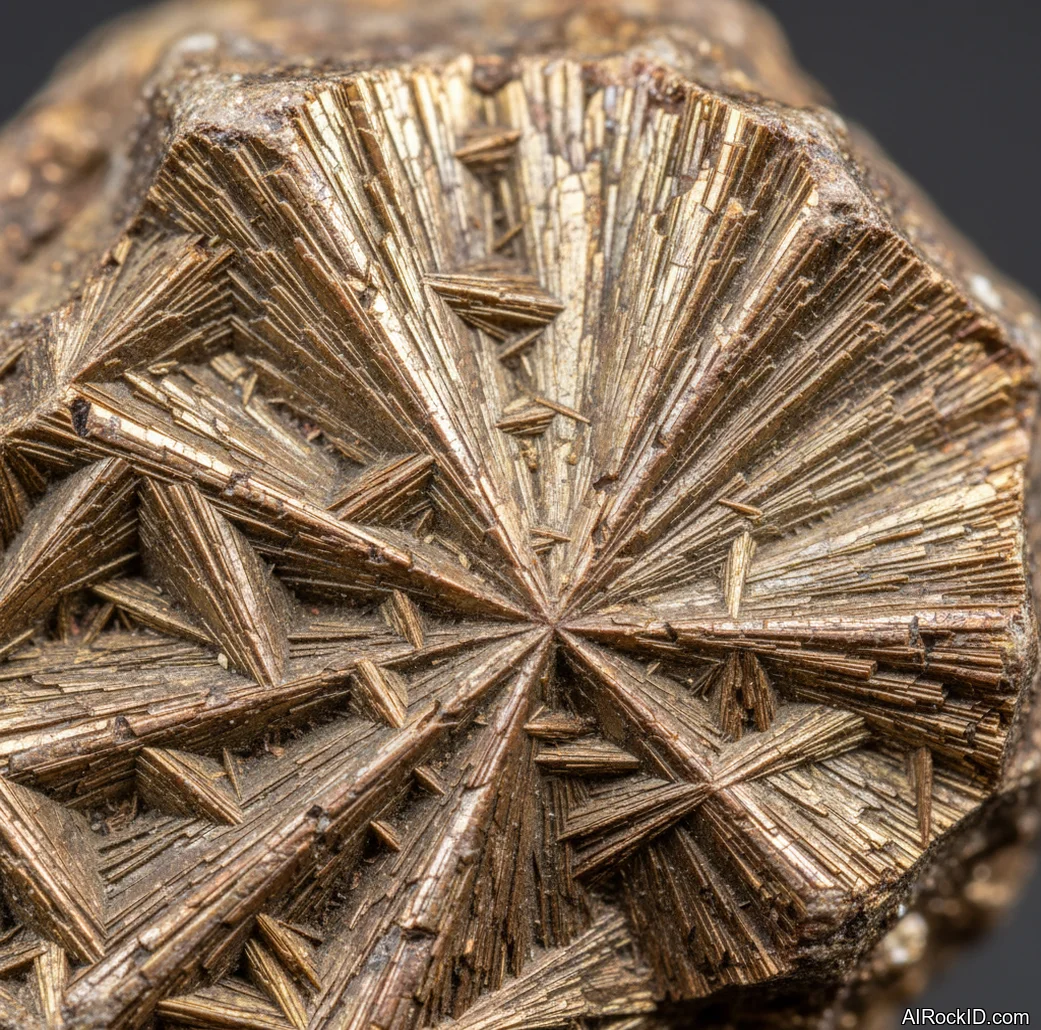
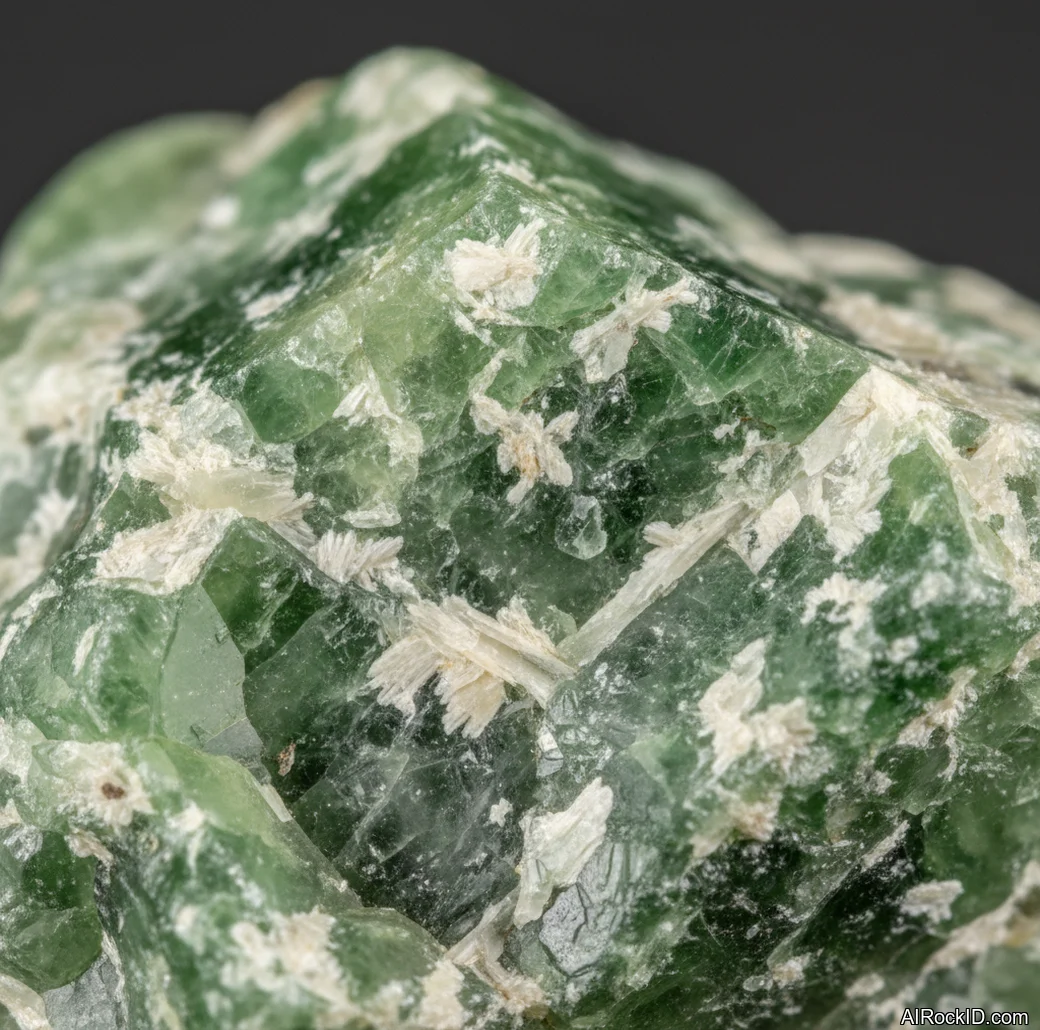
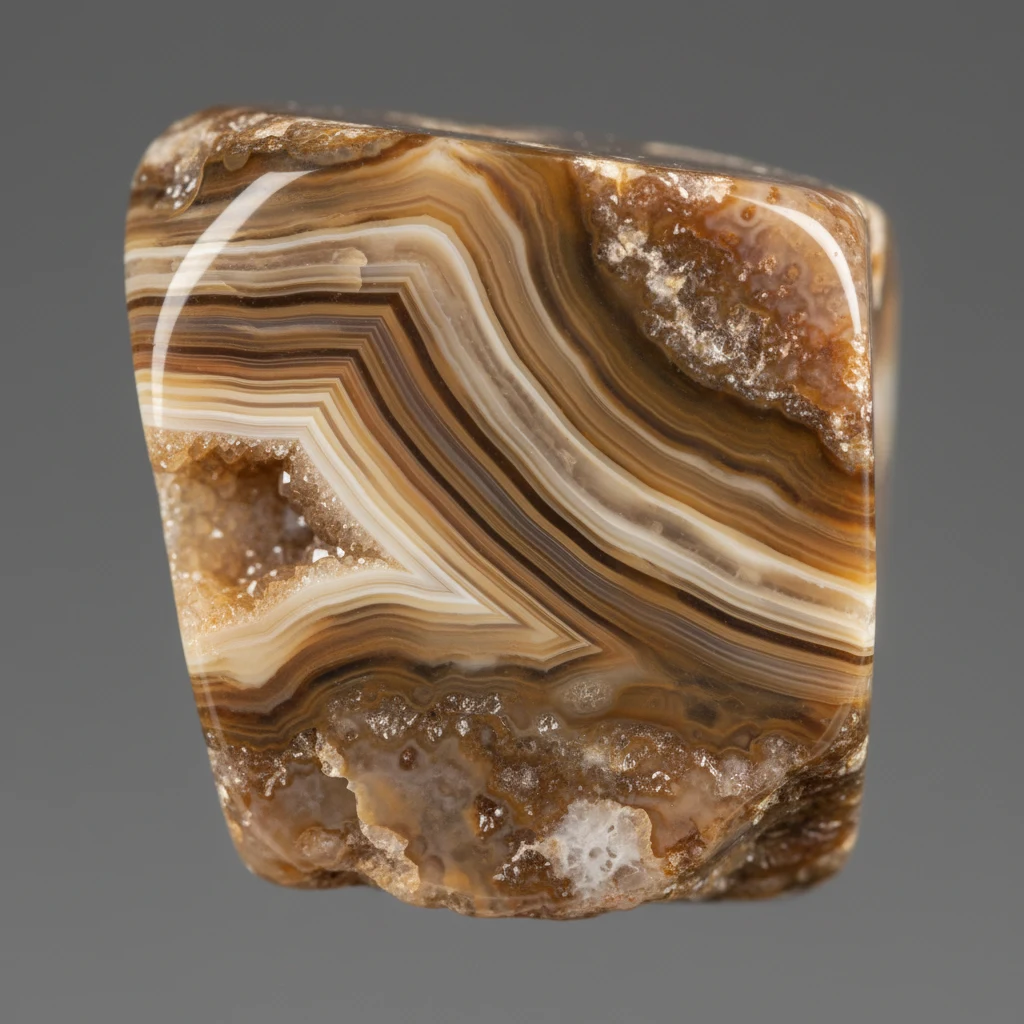
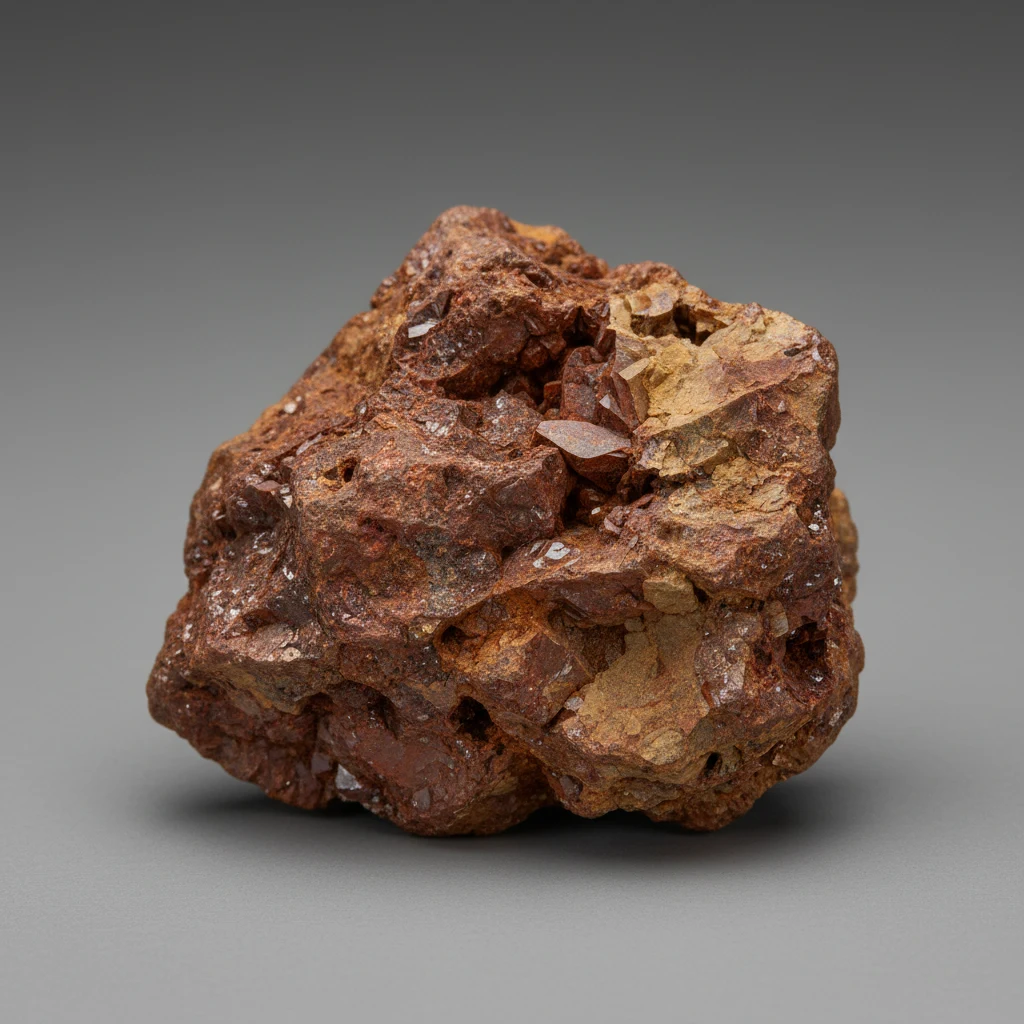
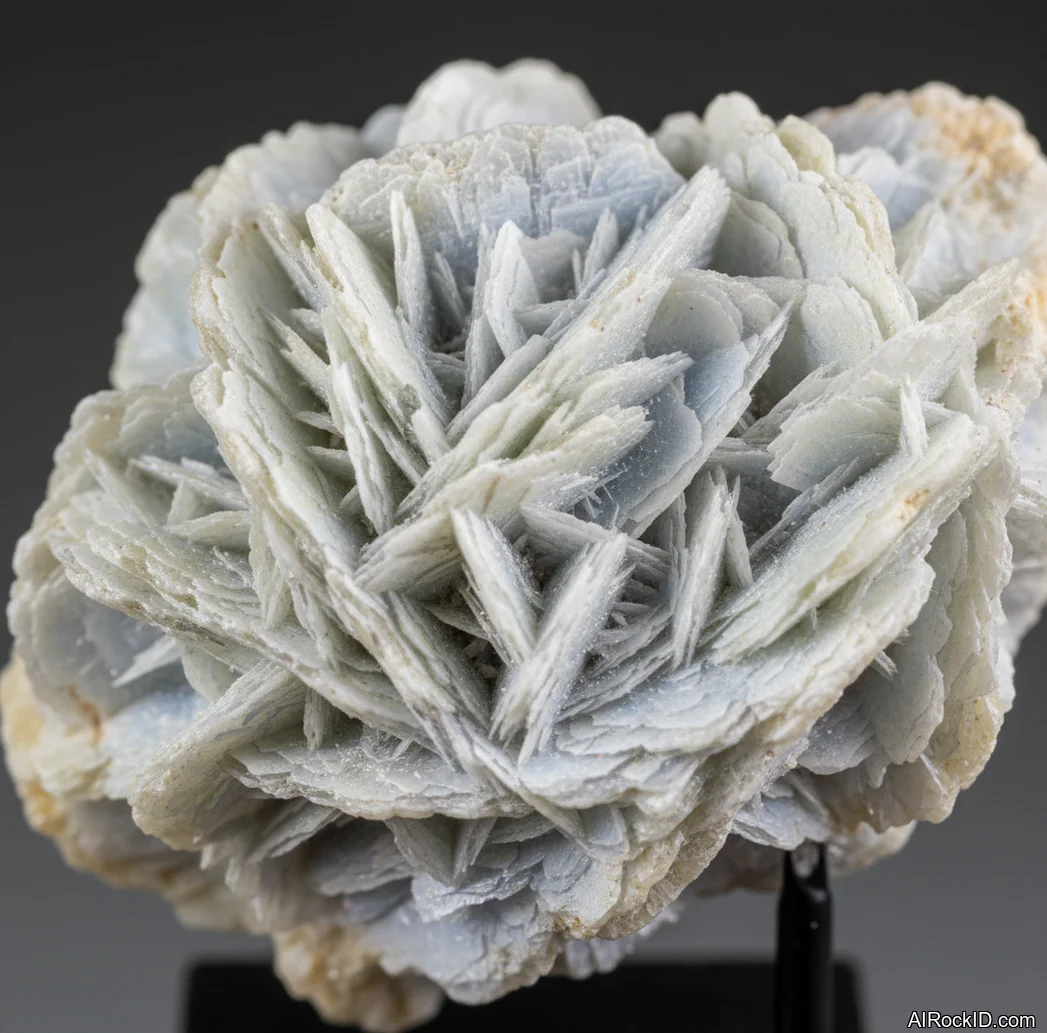
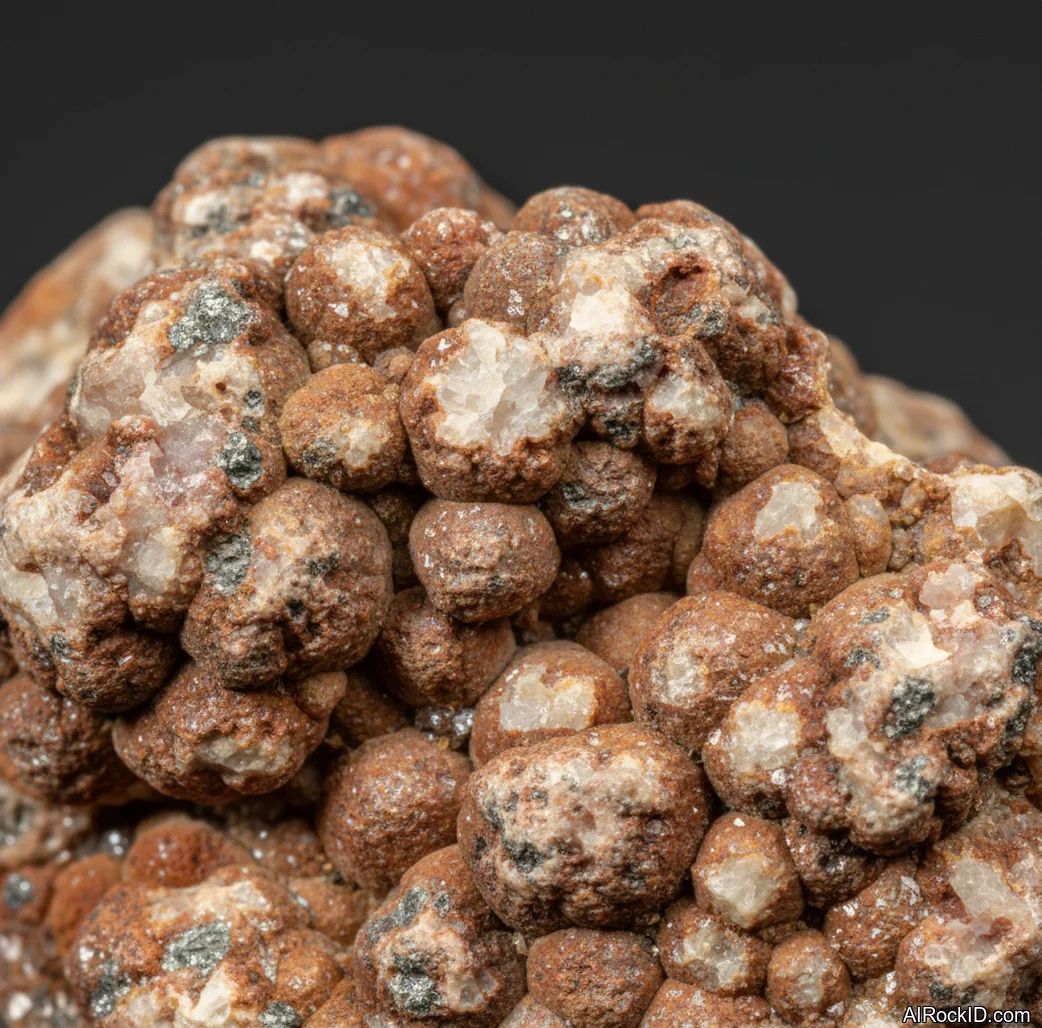
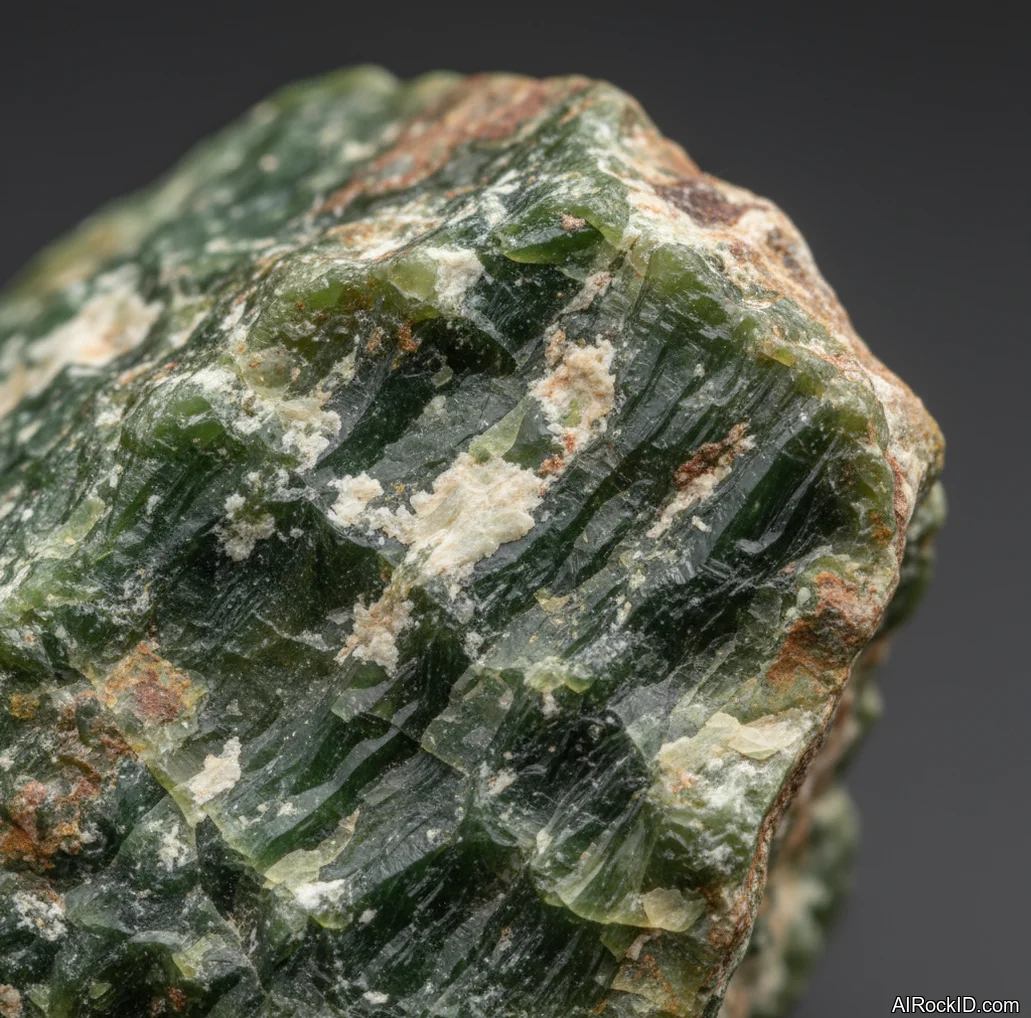
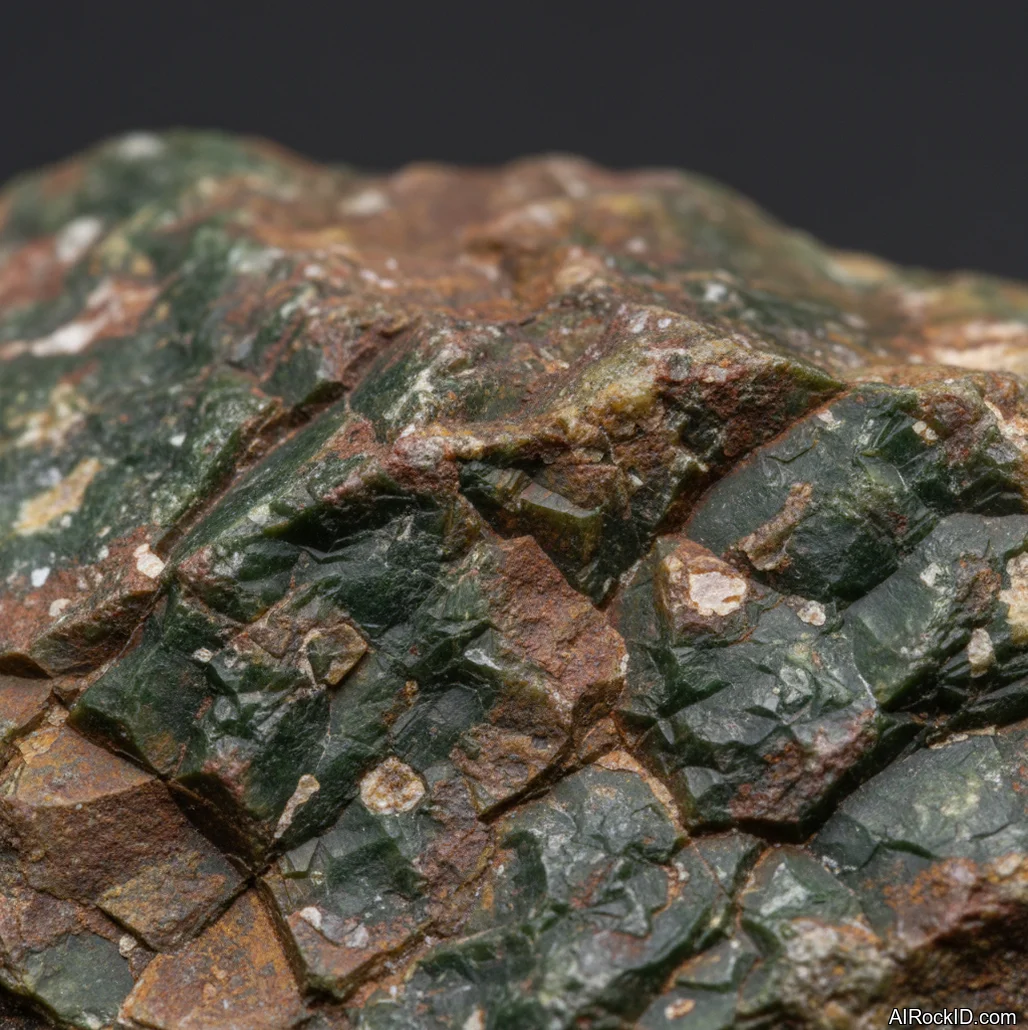
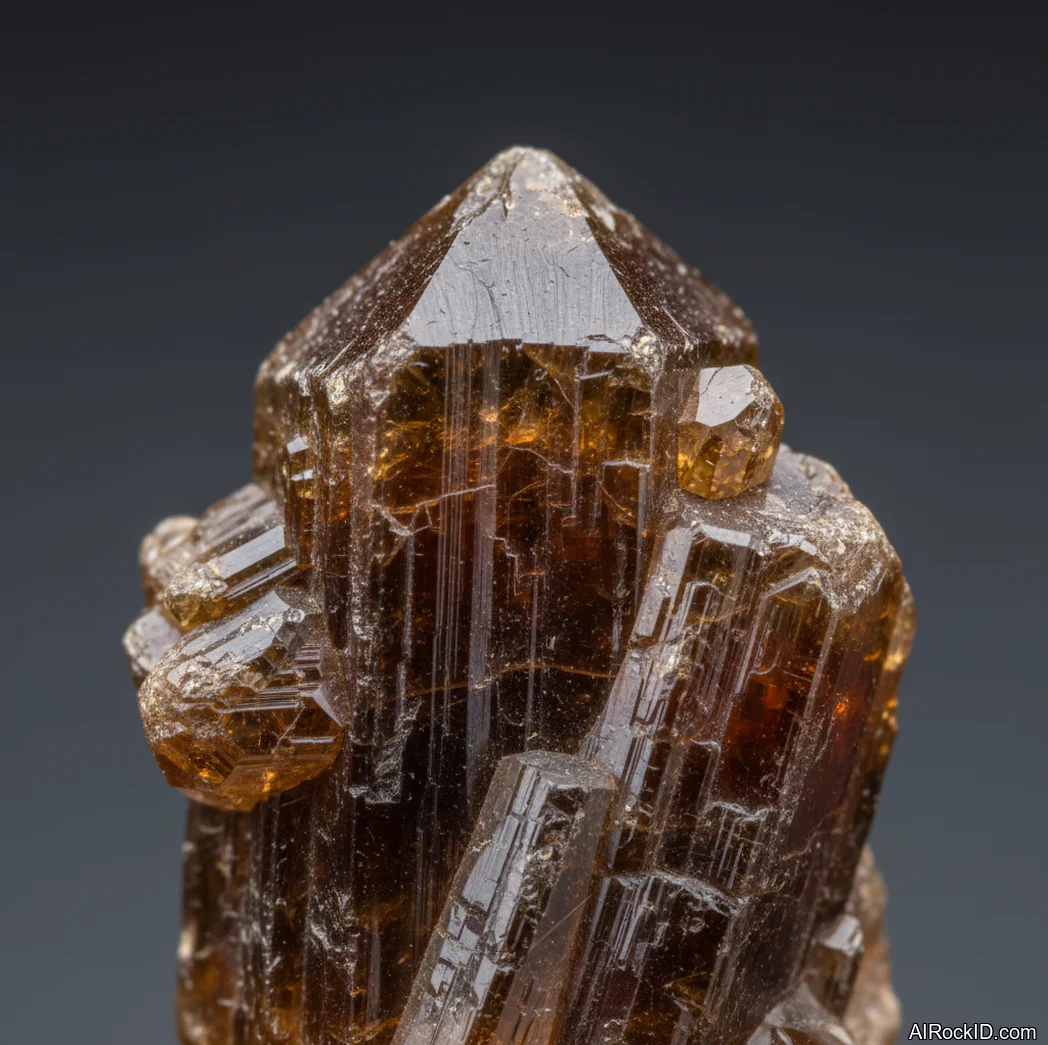
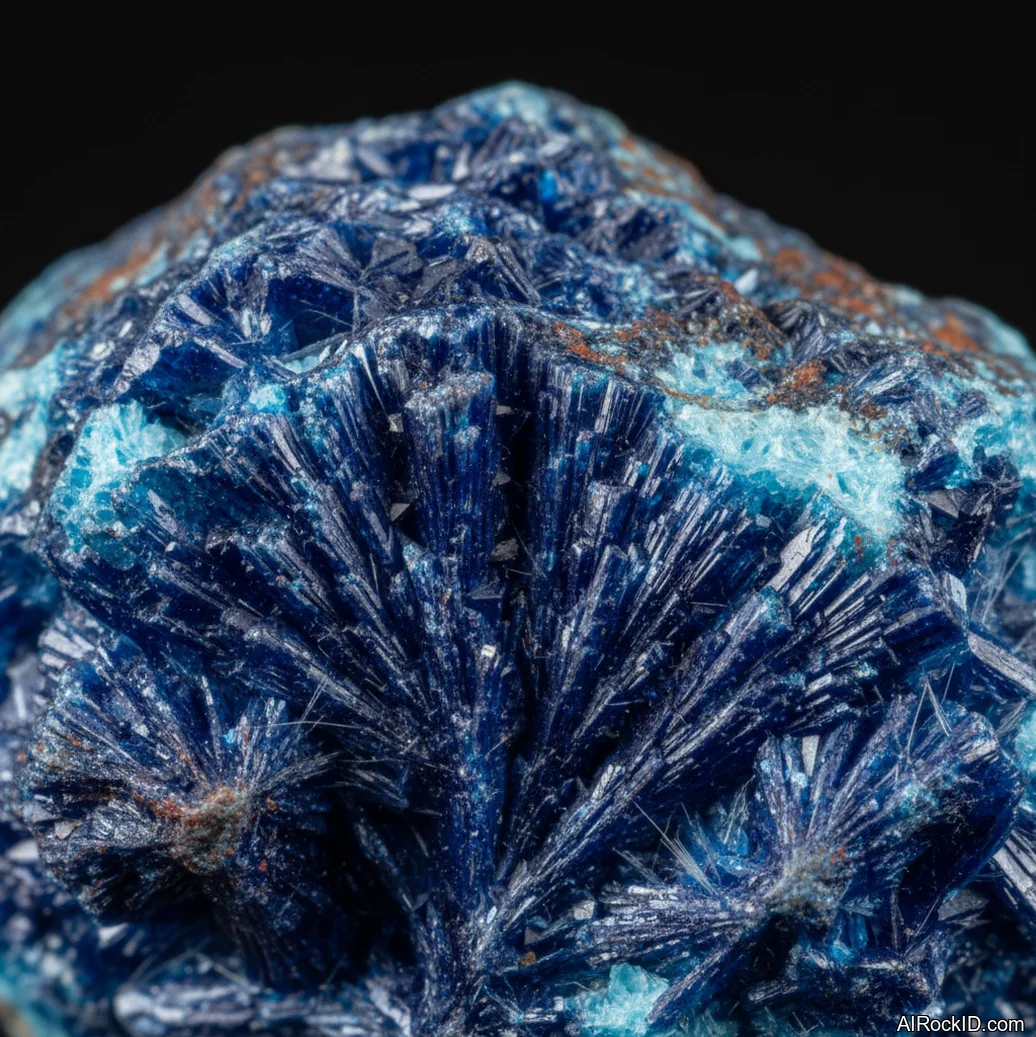
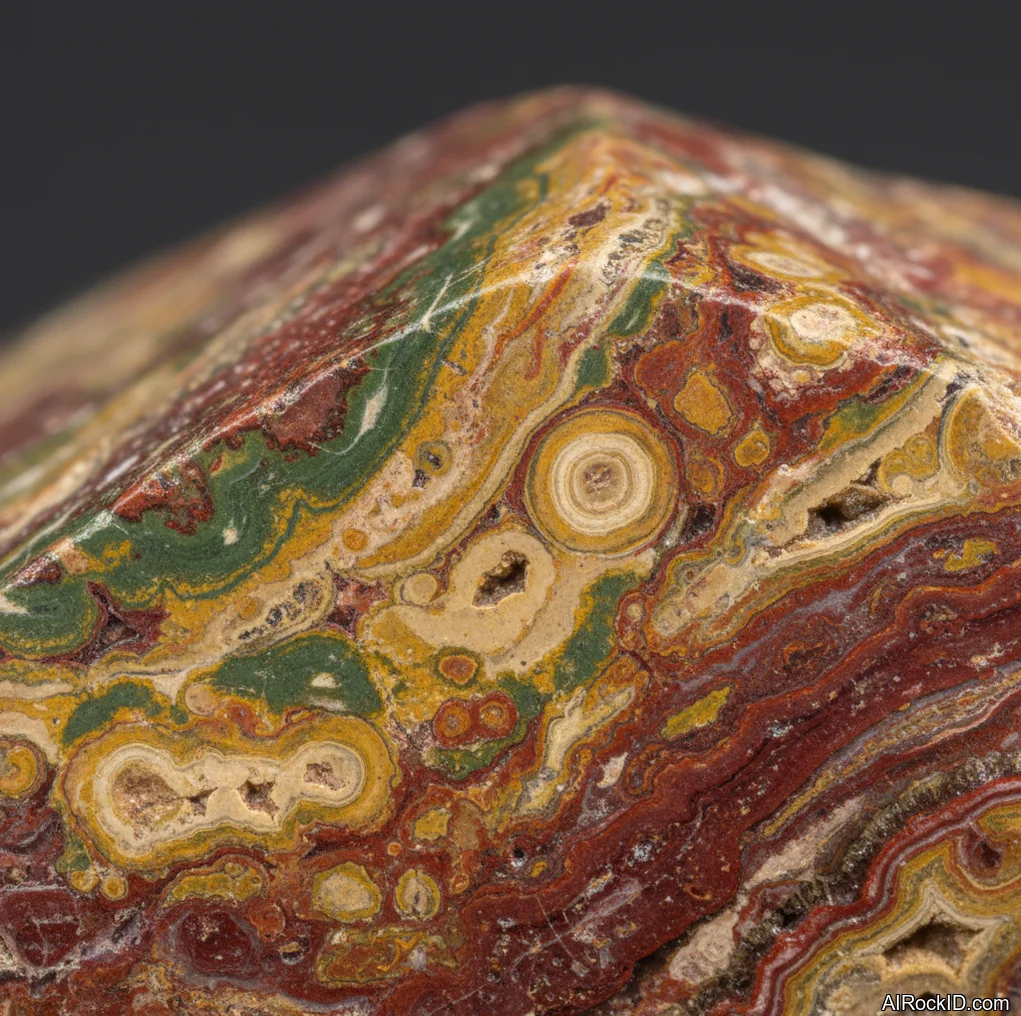
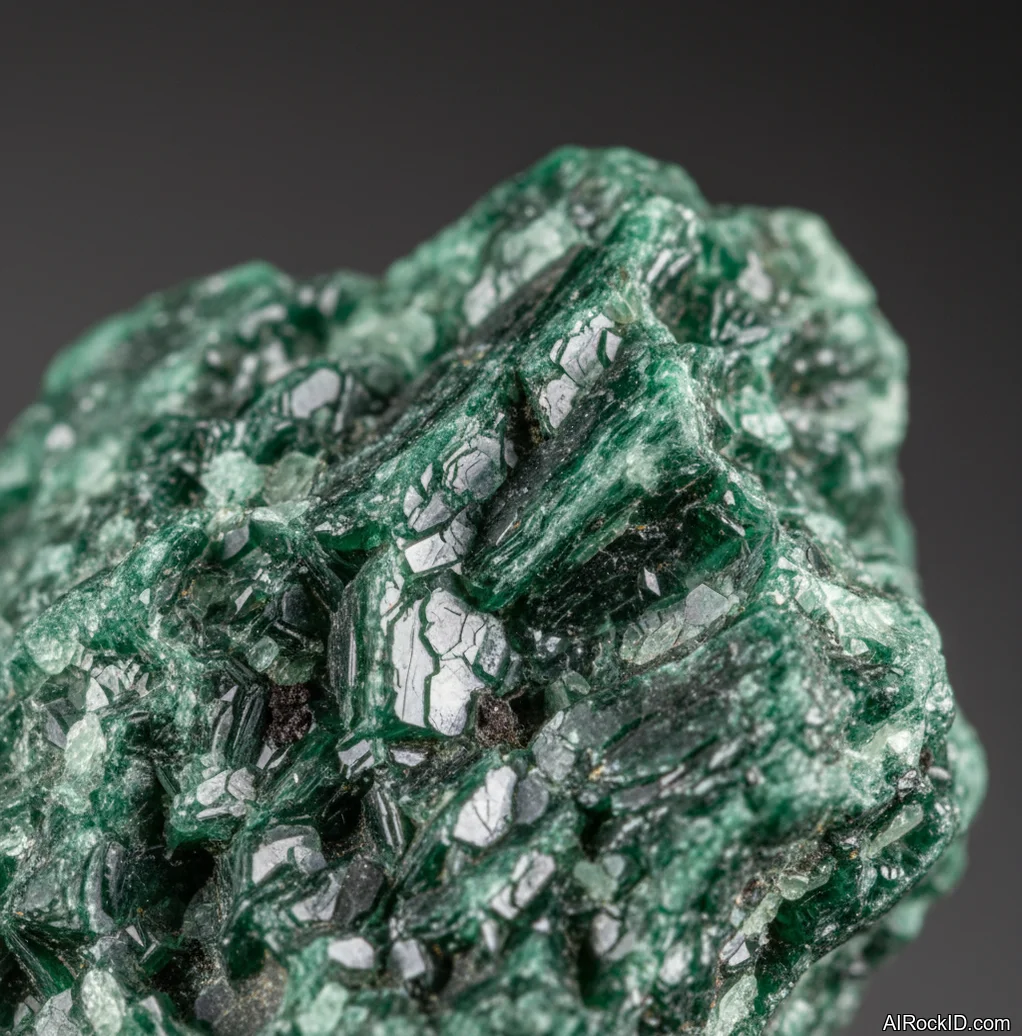
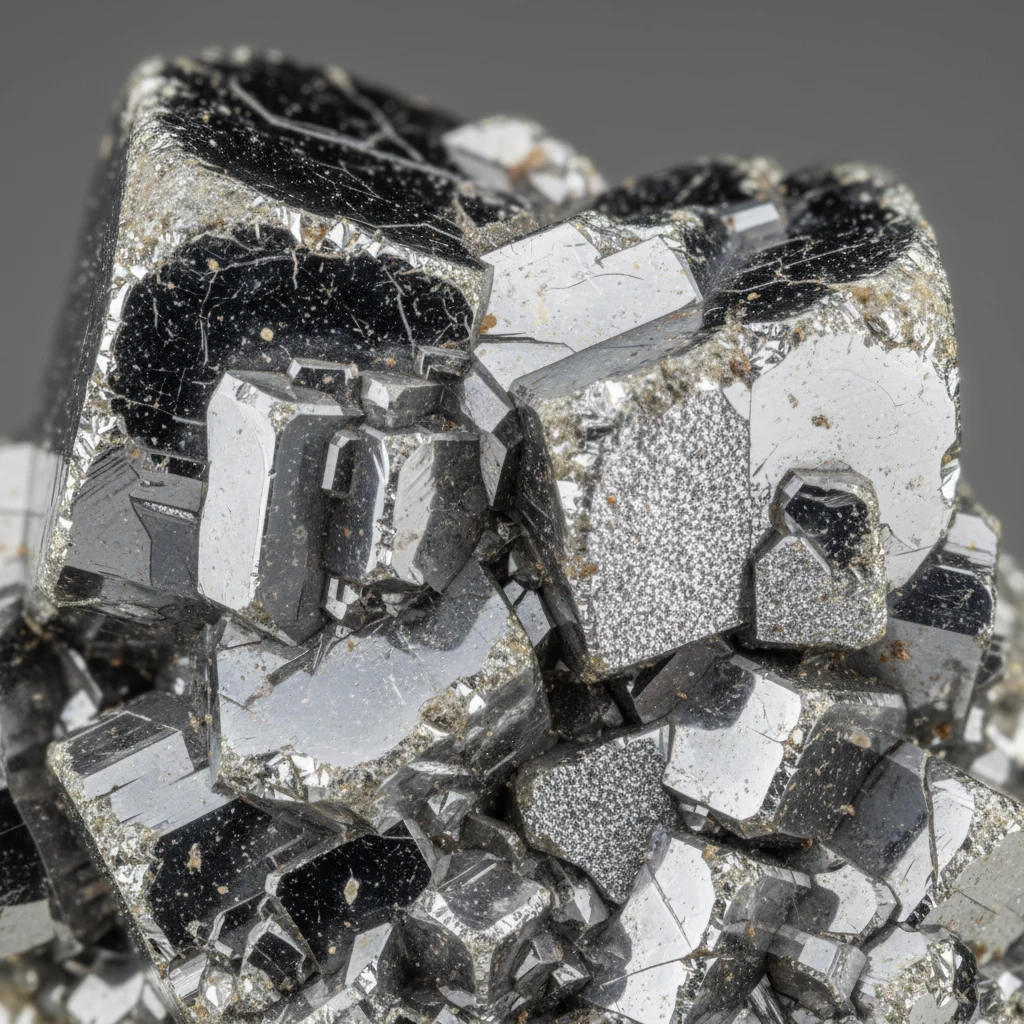
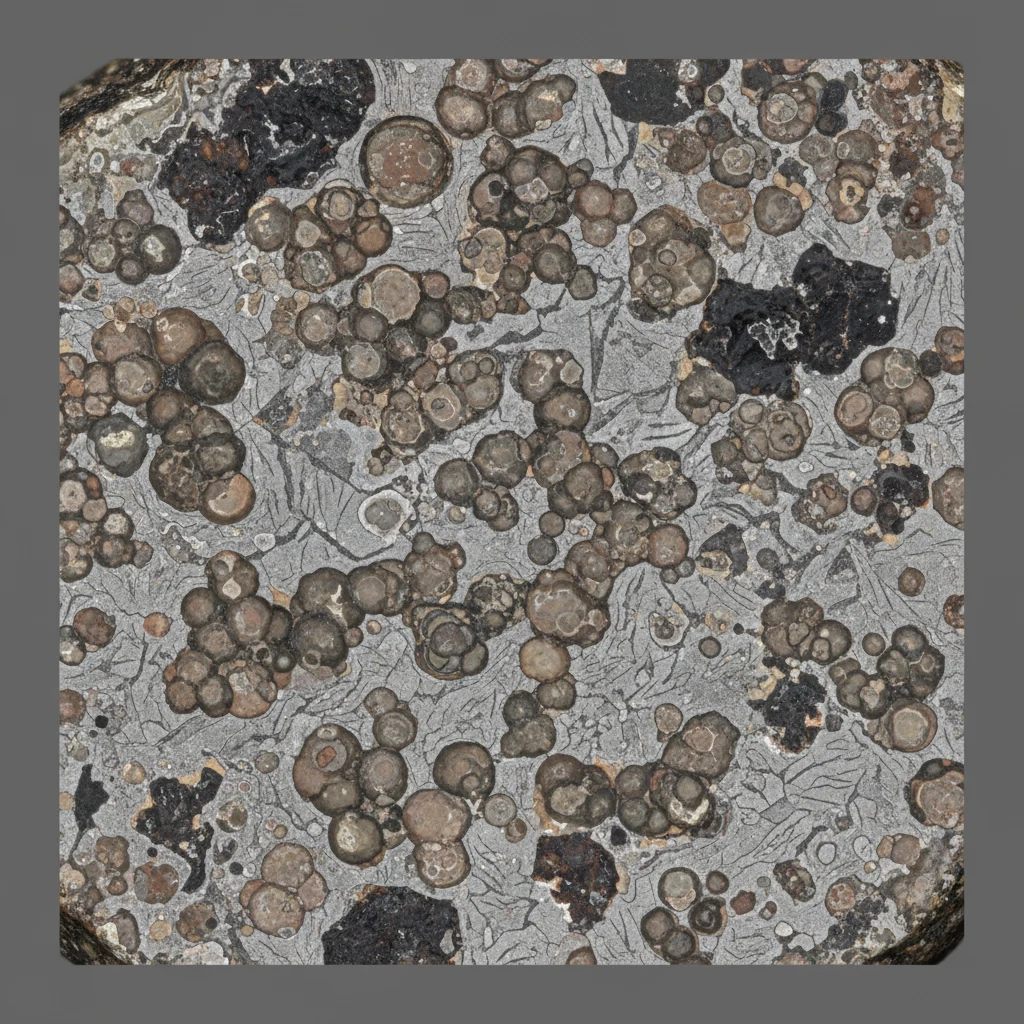
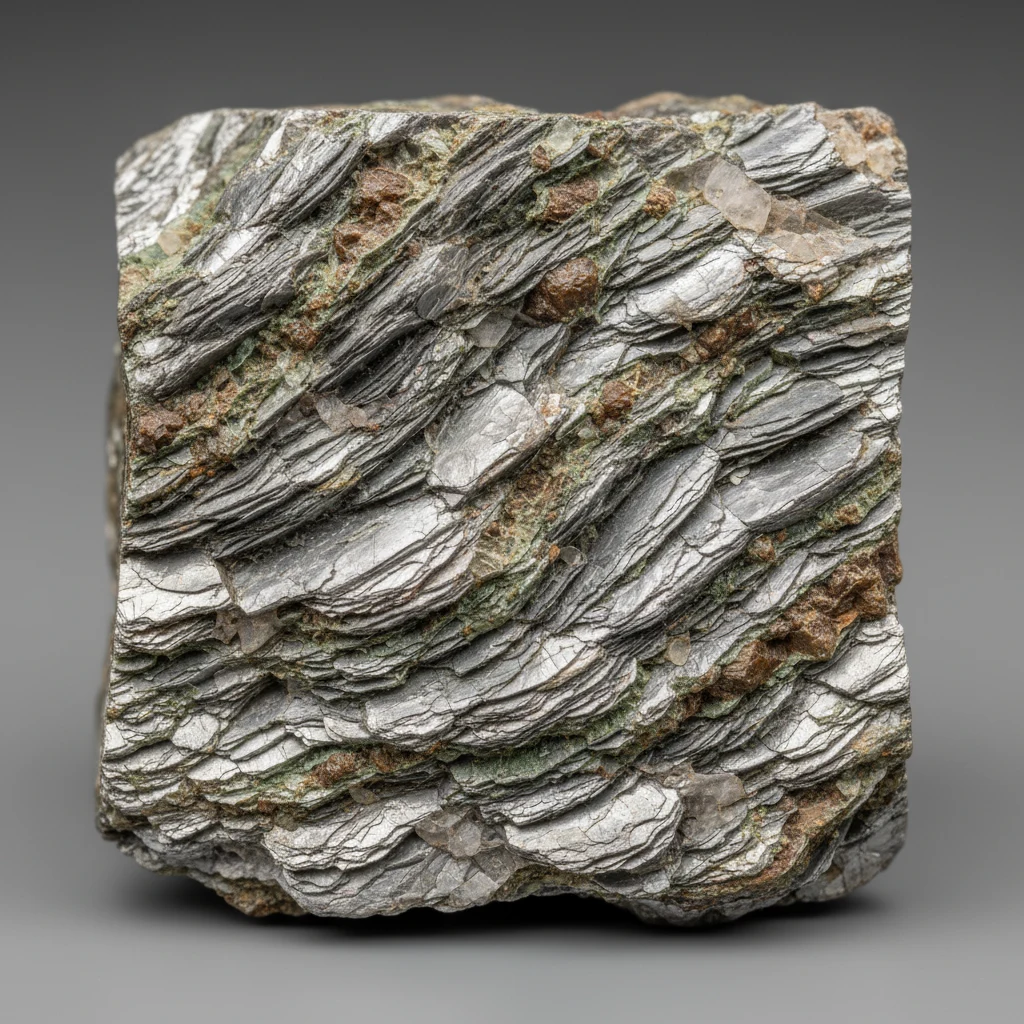
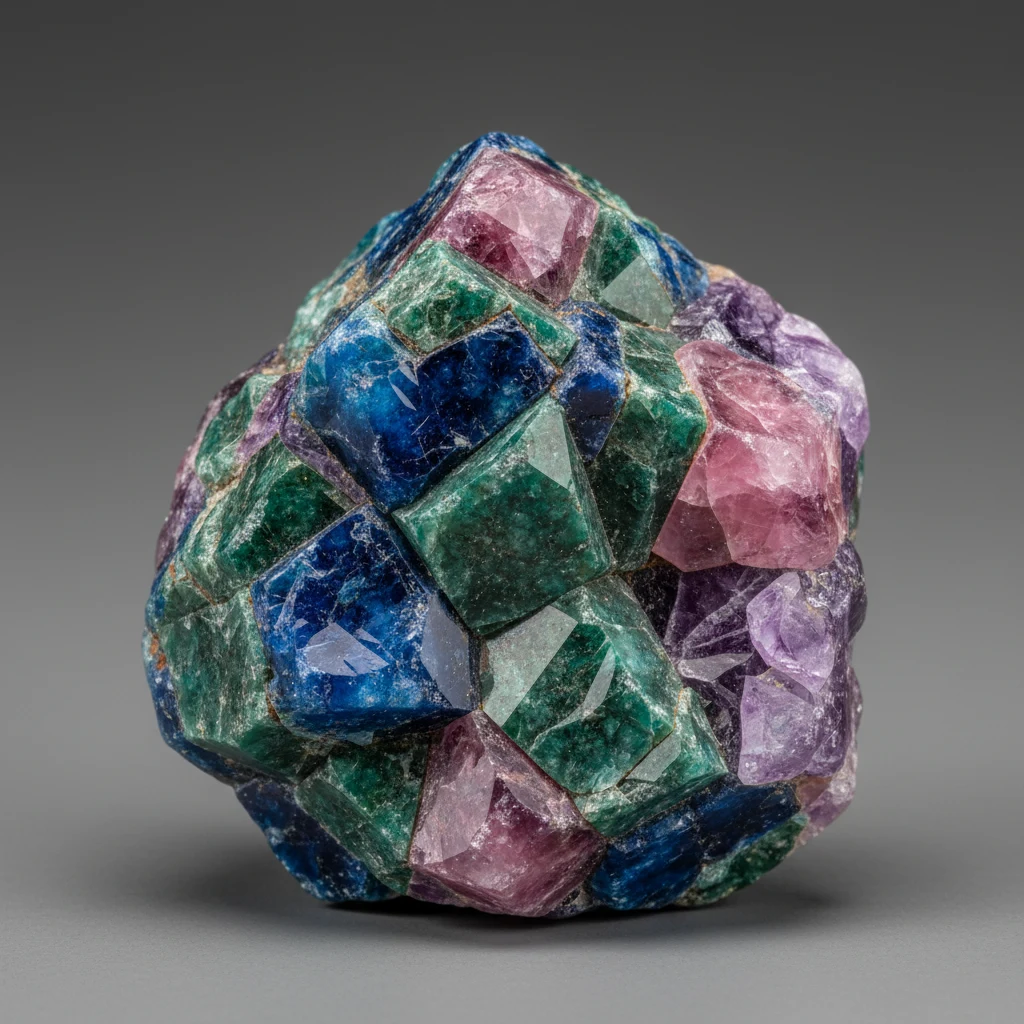
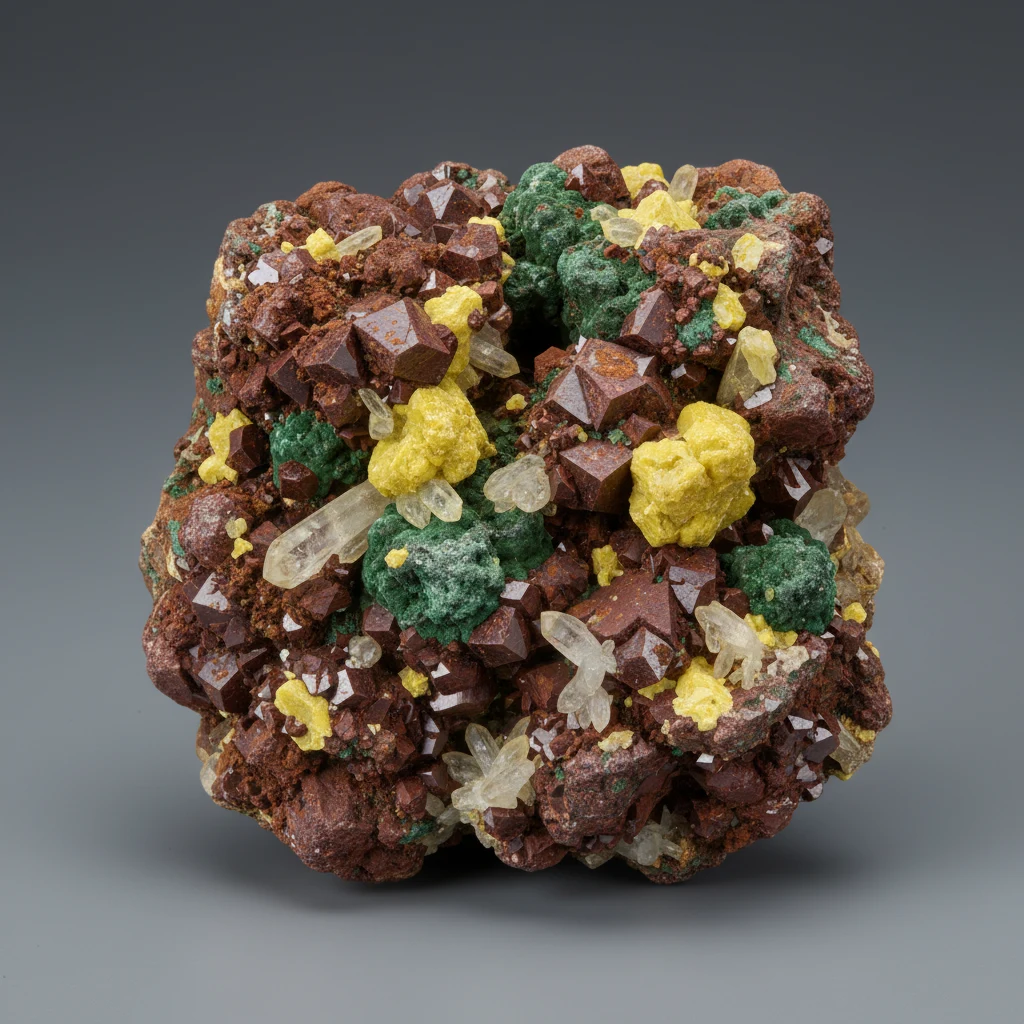
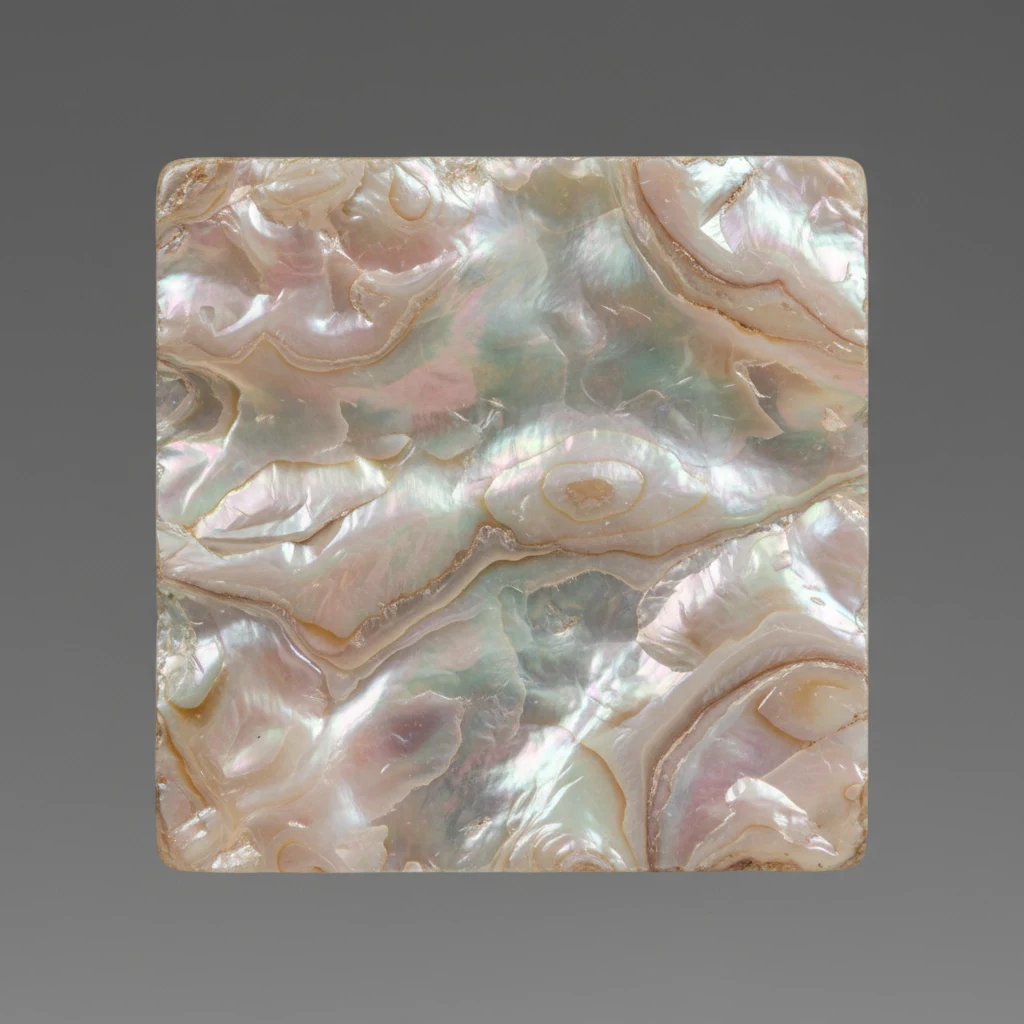
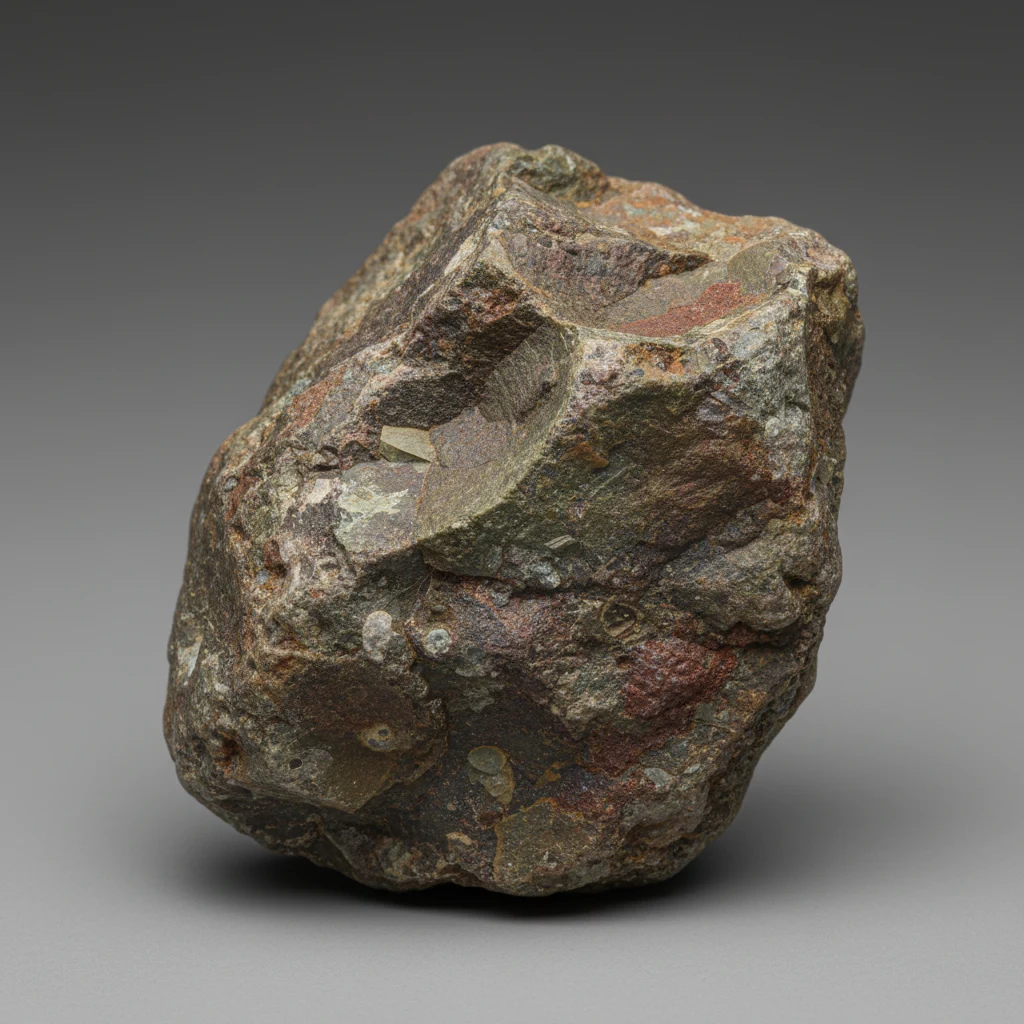
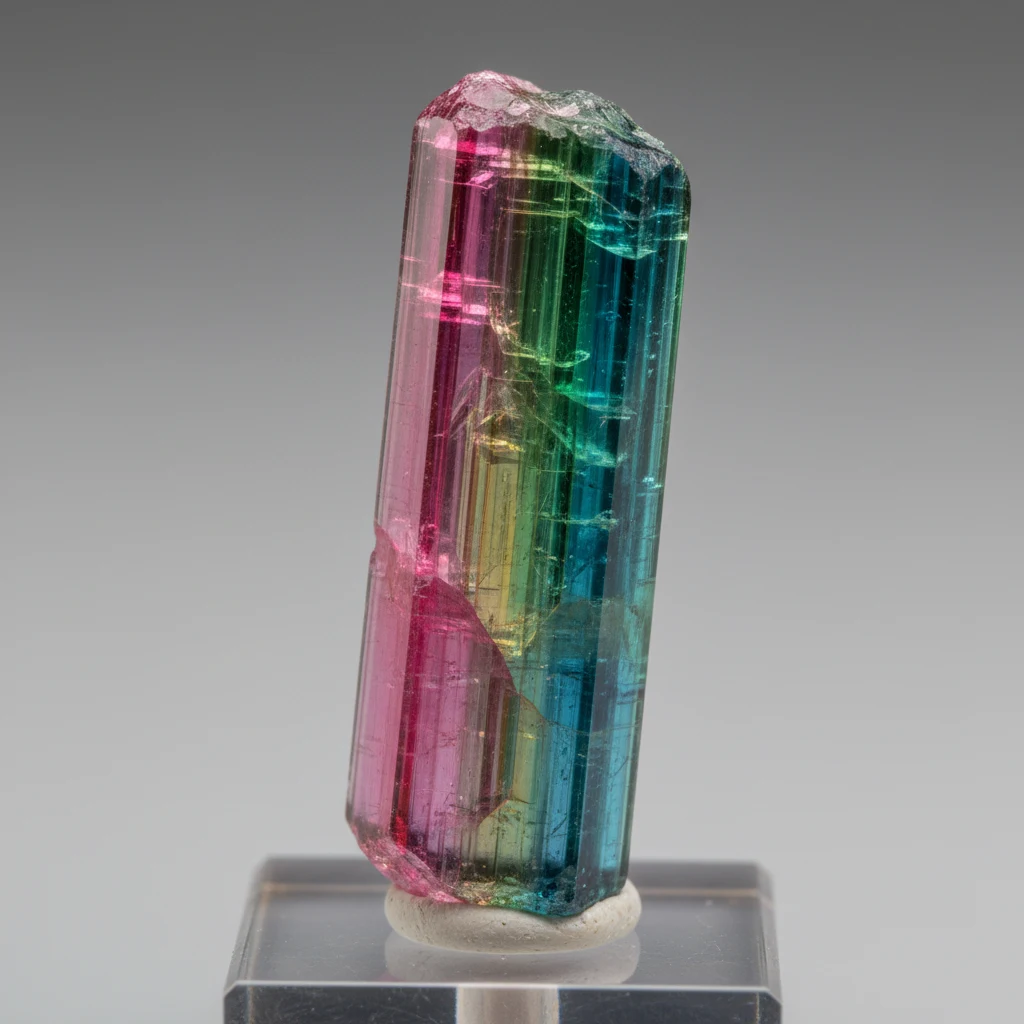
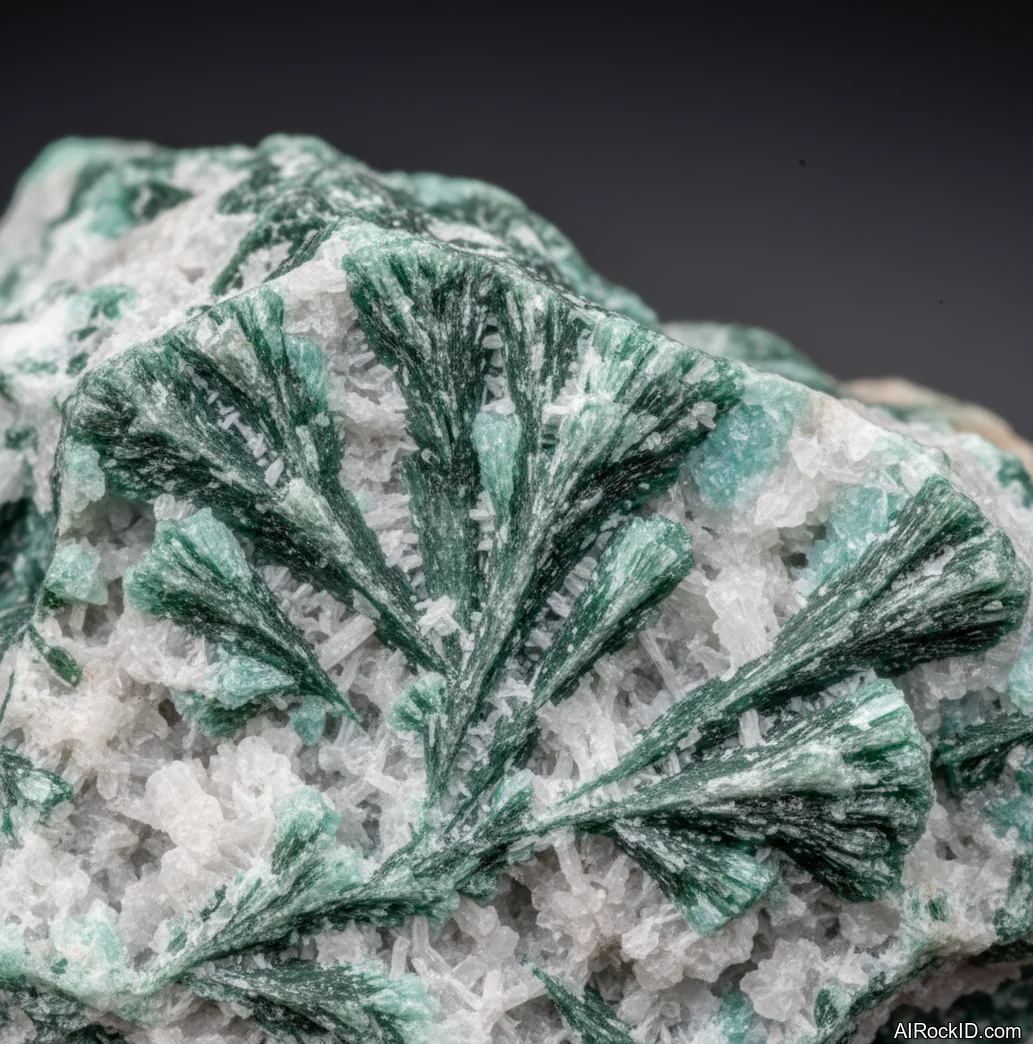
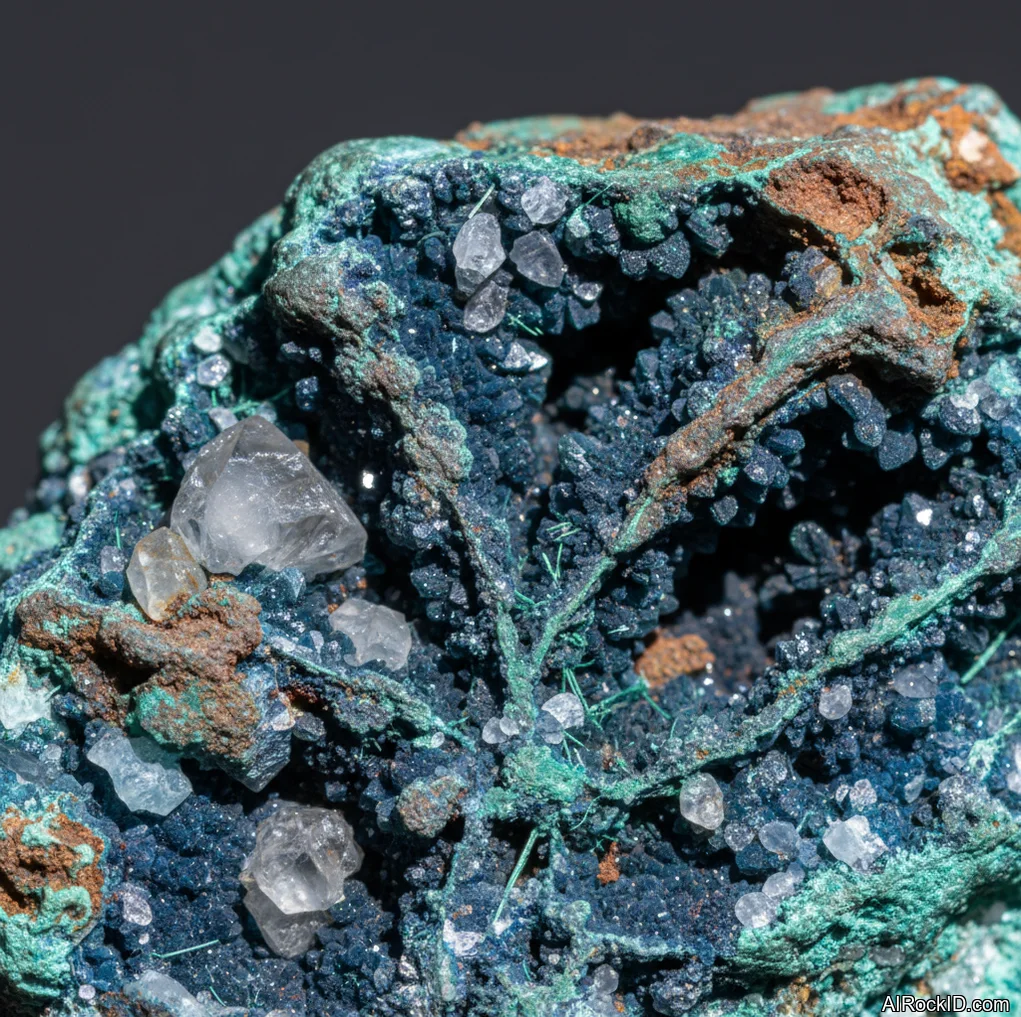
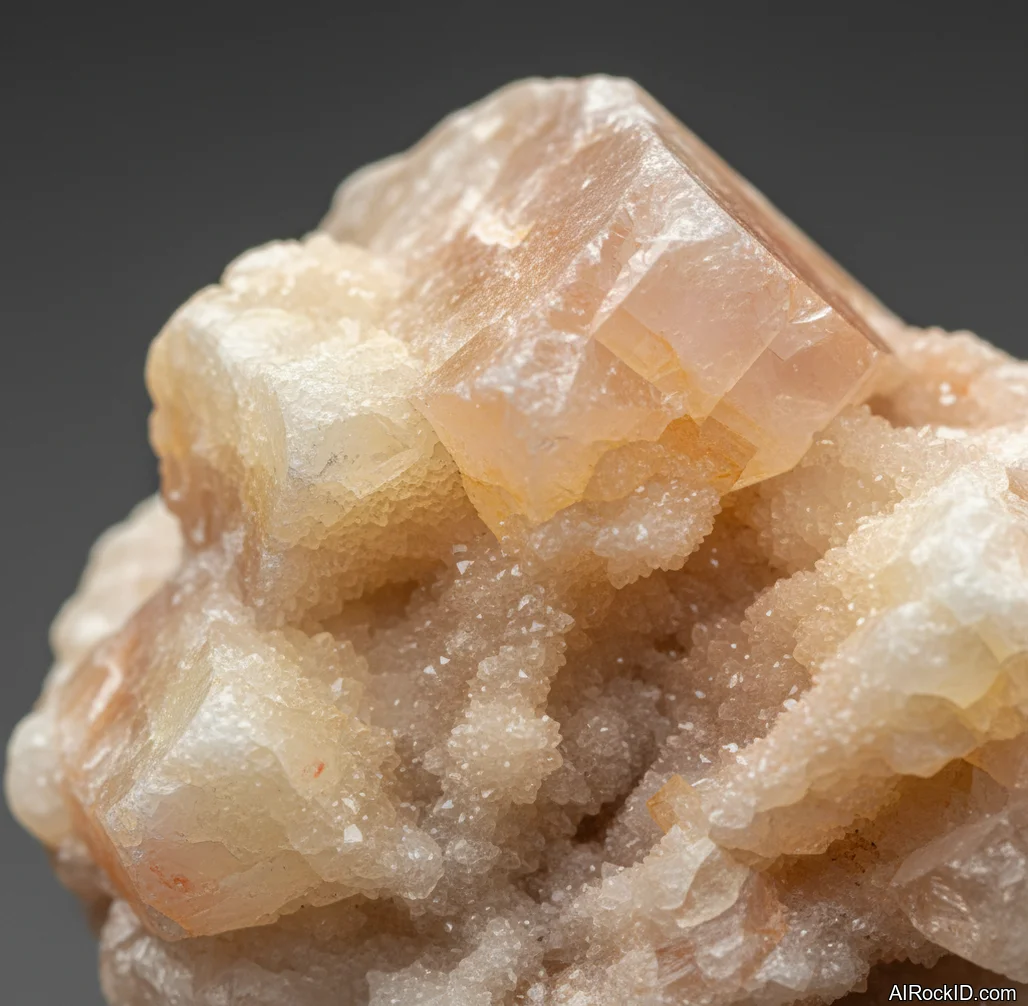
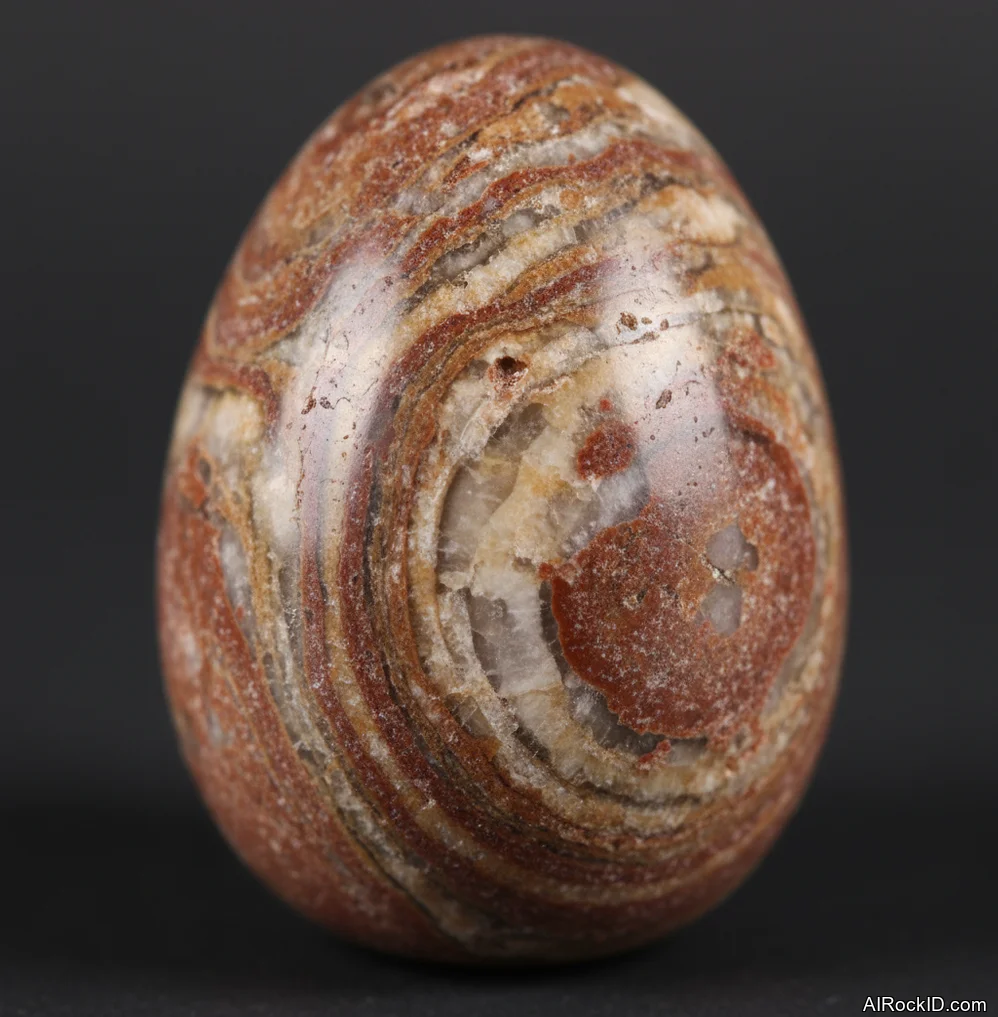
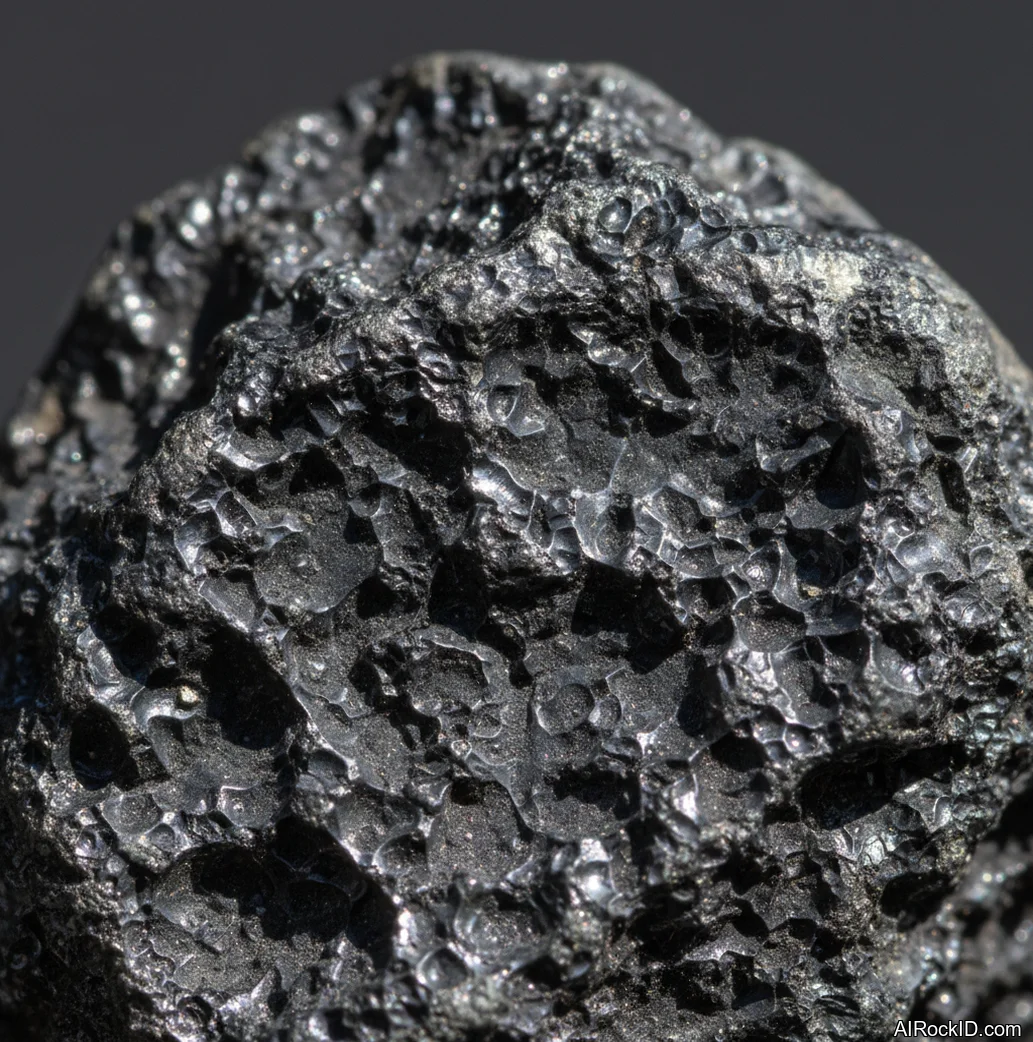
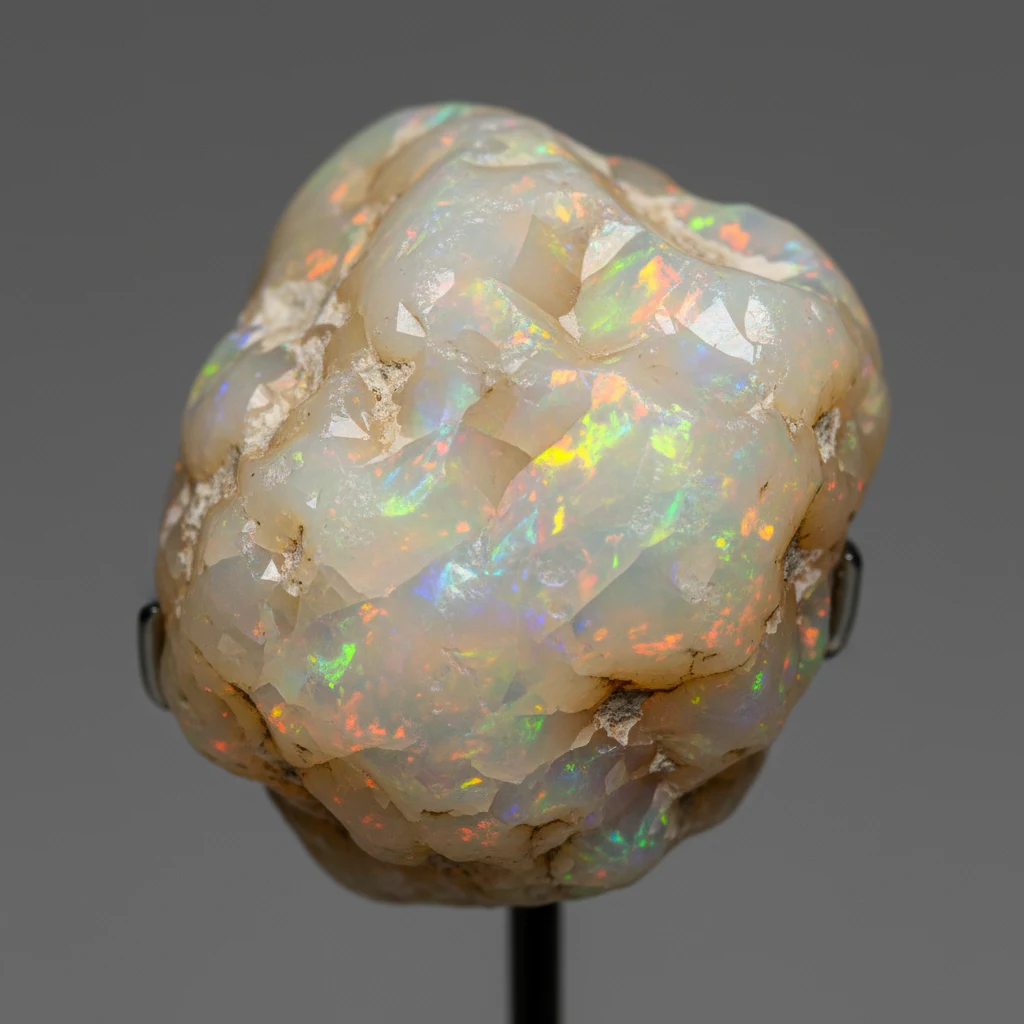
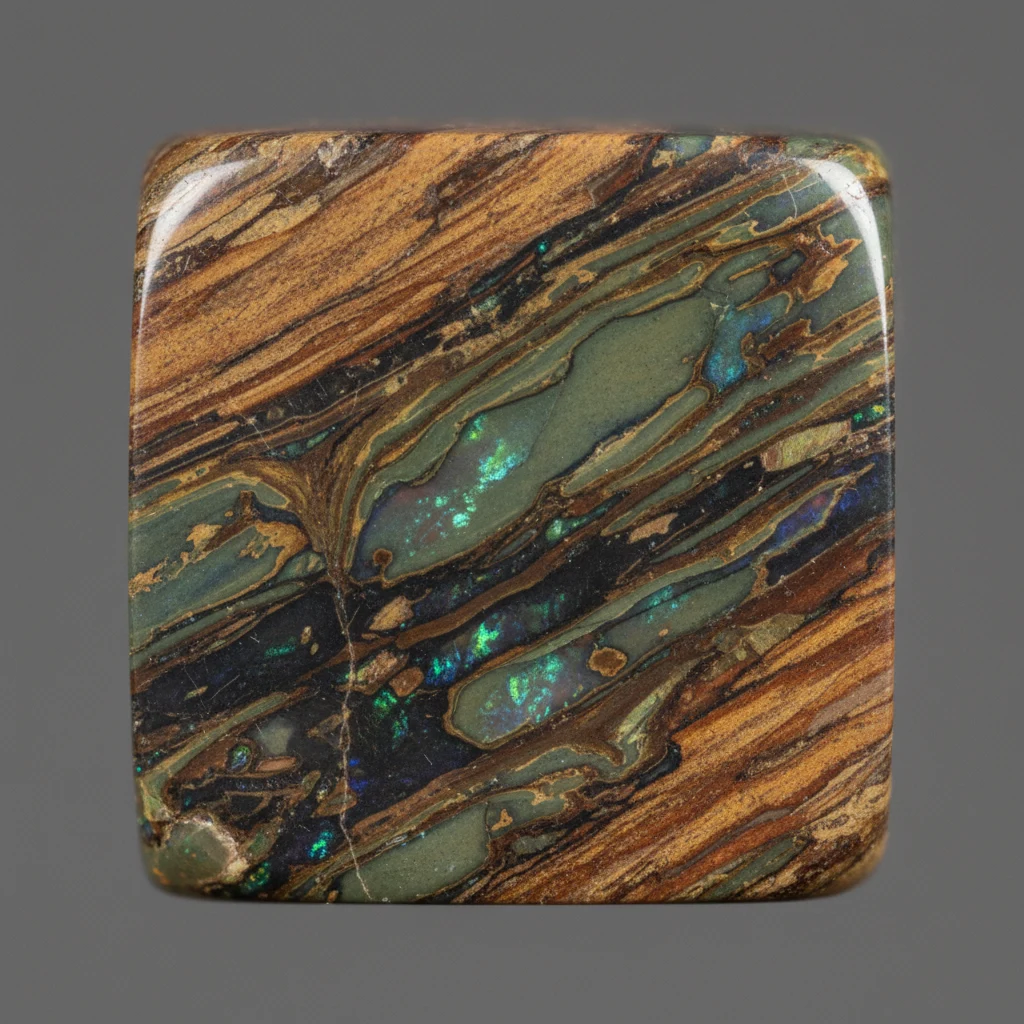
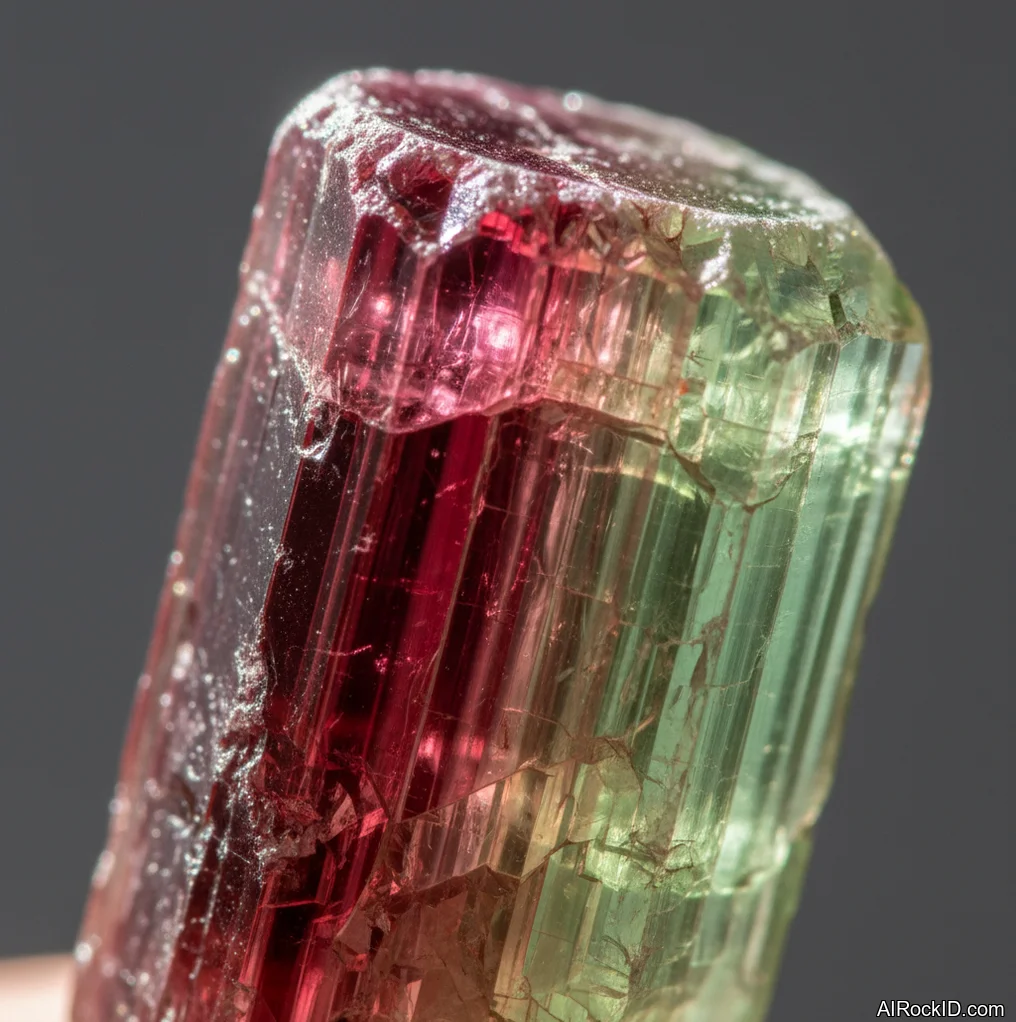
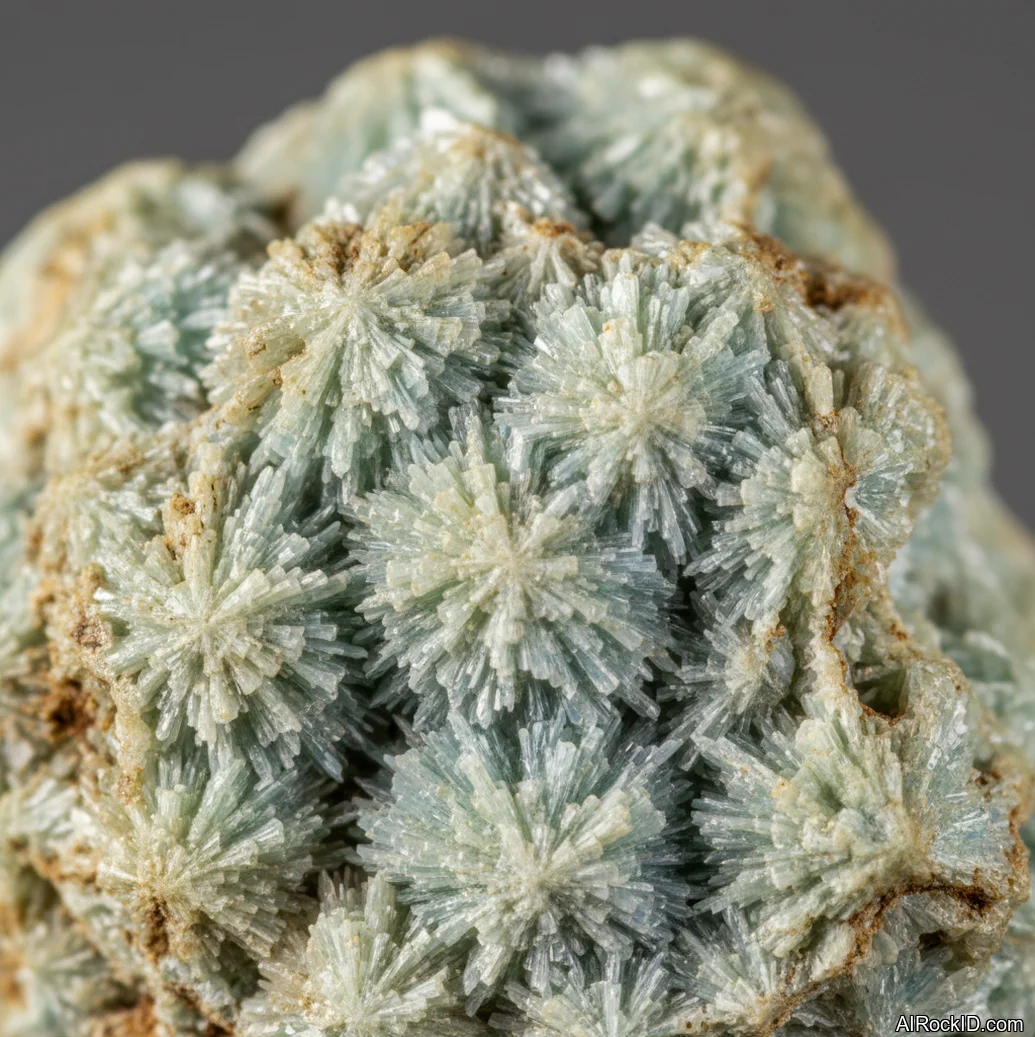
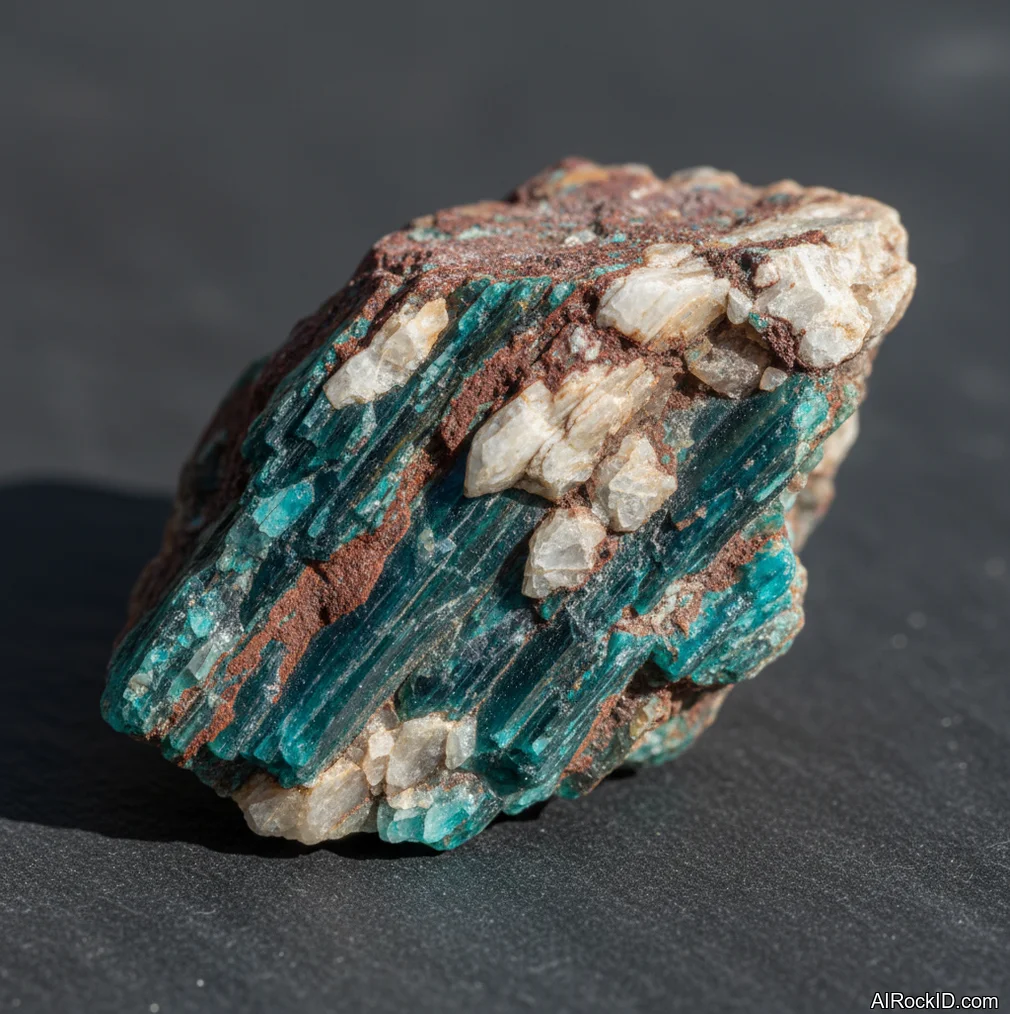
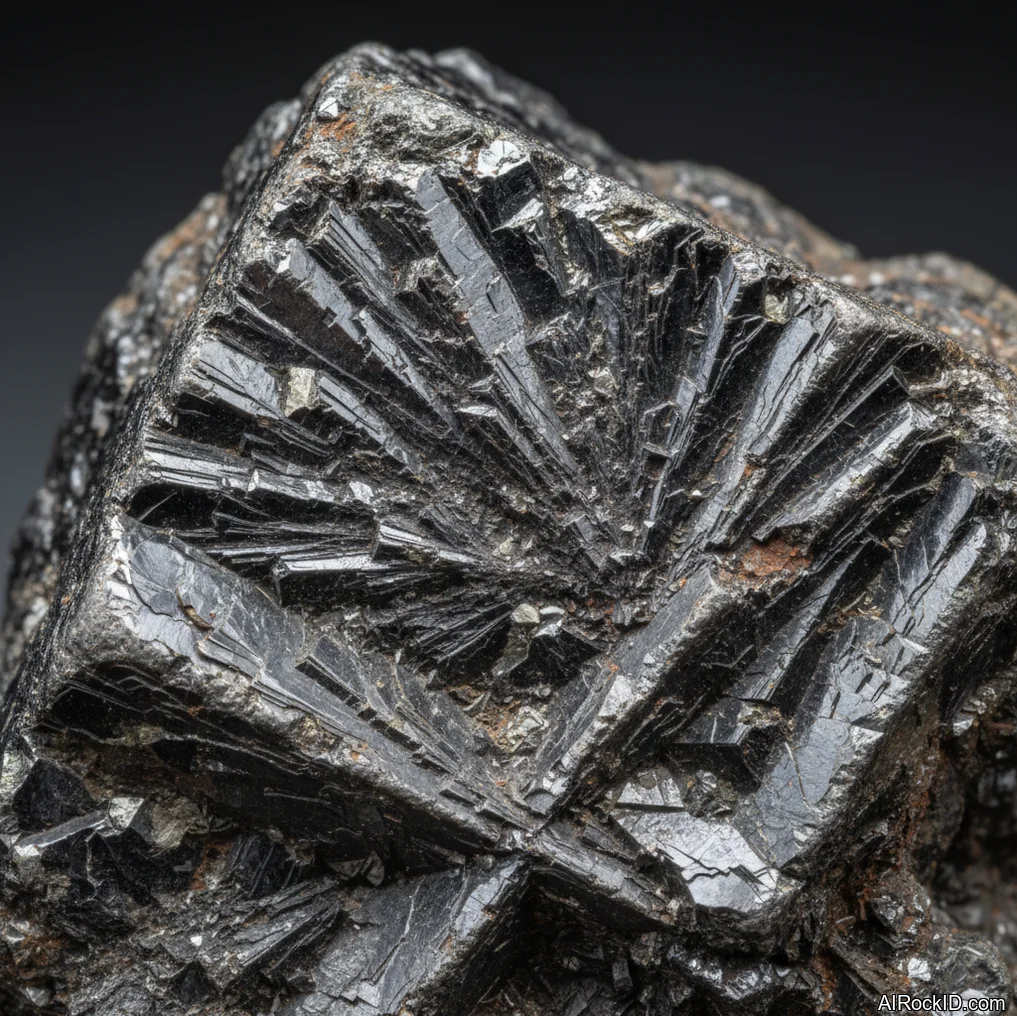
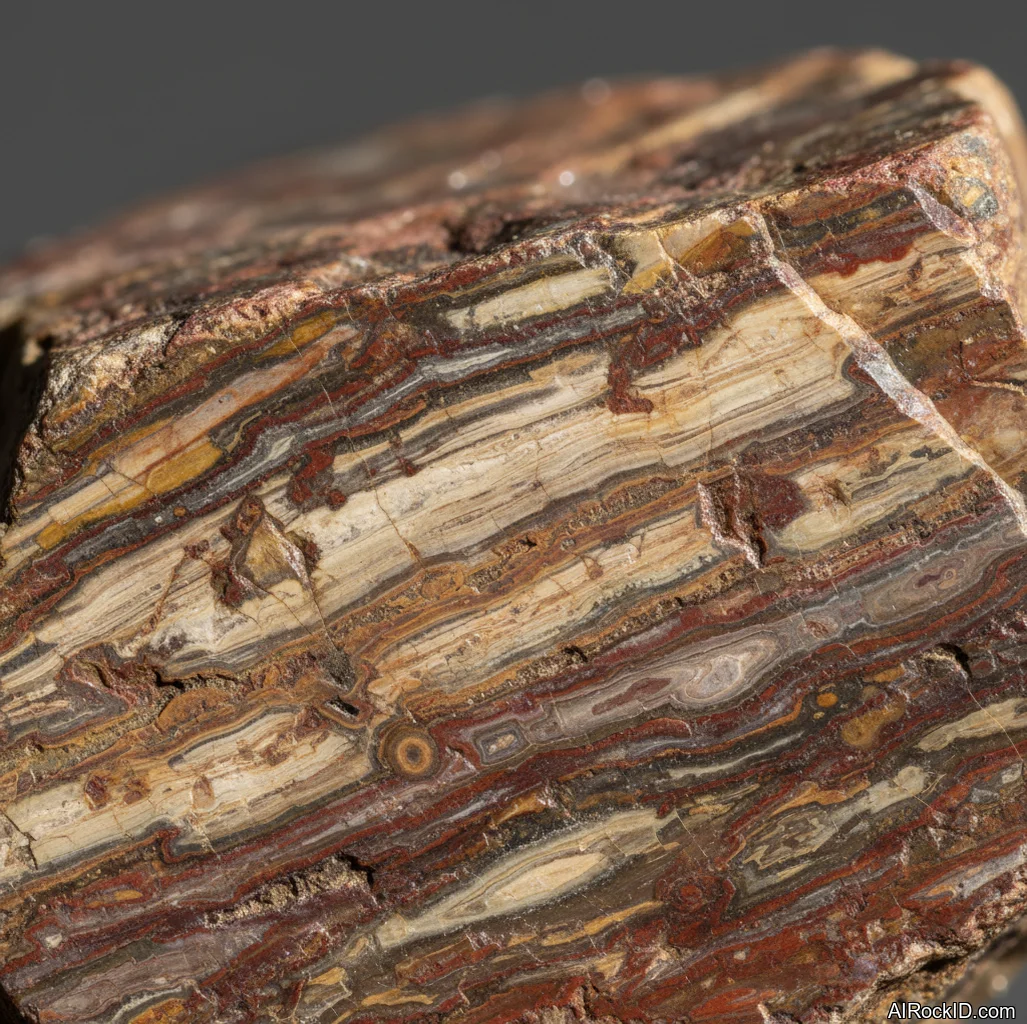
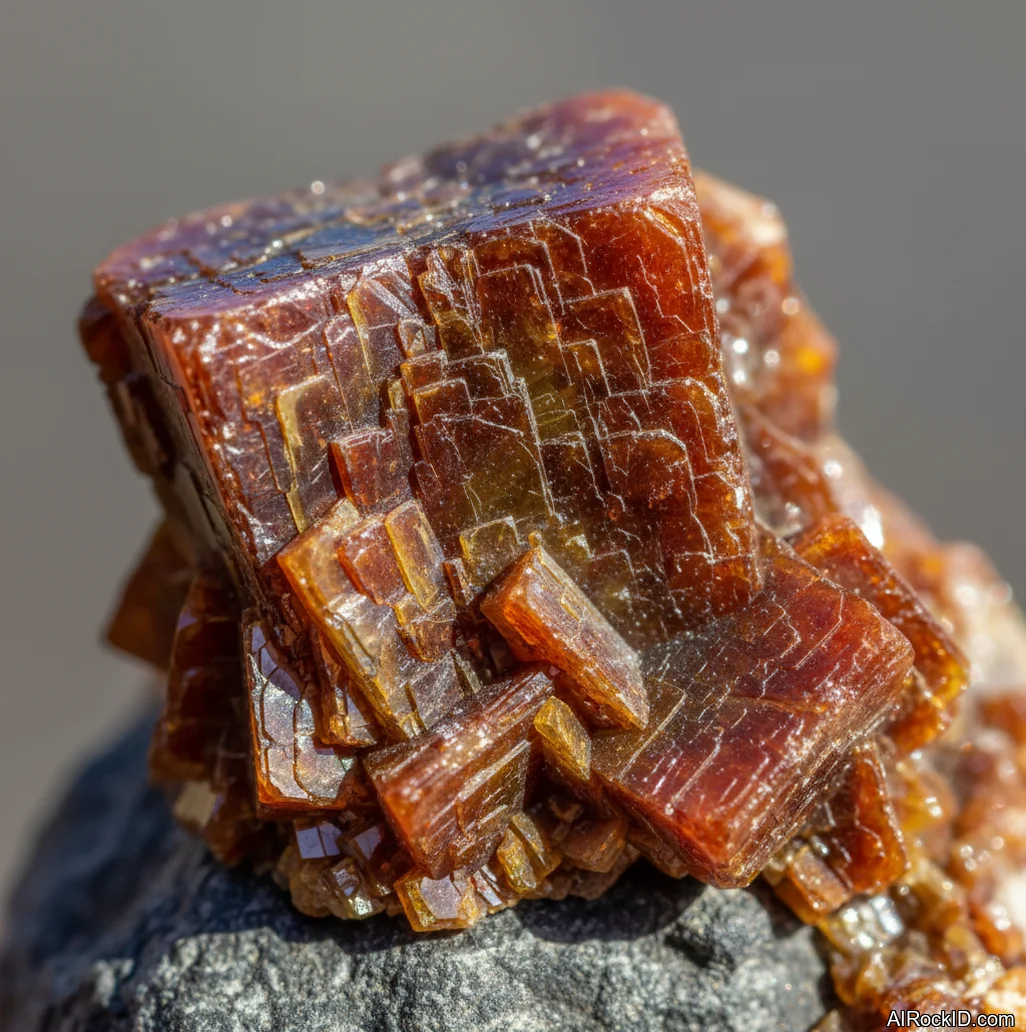
A crystal index sounds boring. Until you’re holding a tray of “green stuff” and you realize half of it could be something else. So that’s what this page is for: one clean A–Z list of every crystal in this wiki, 716 entries total, from actinolite and adamite all the way down the alphabet.
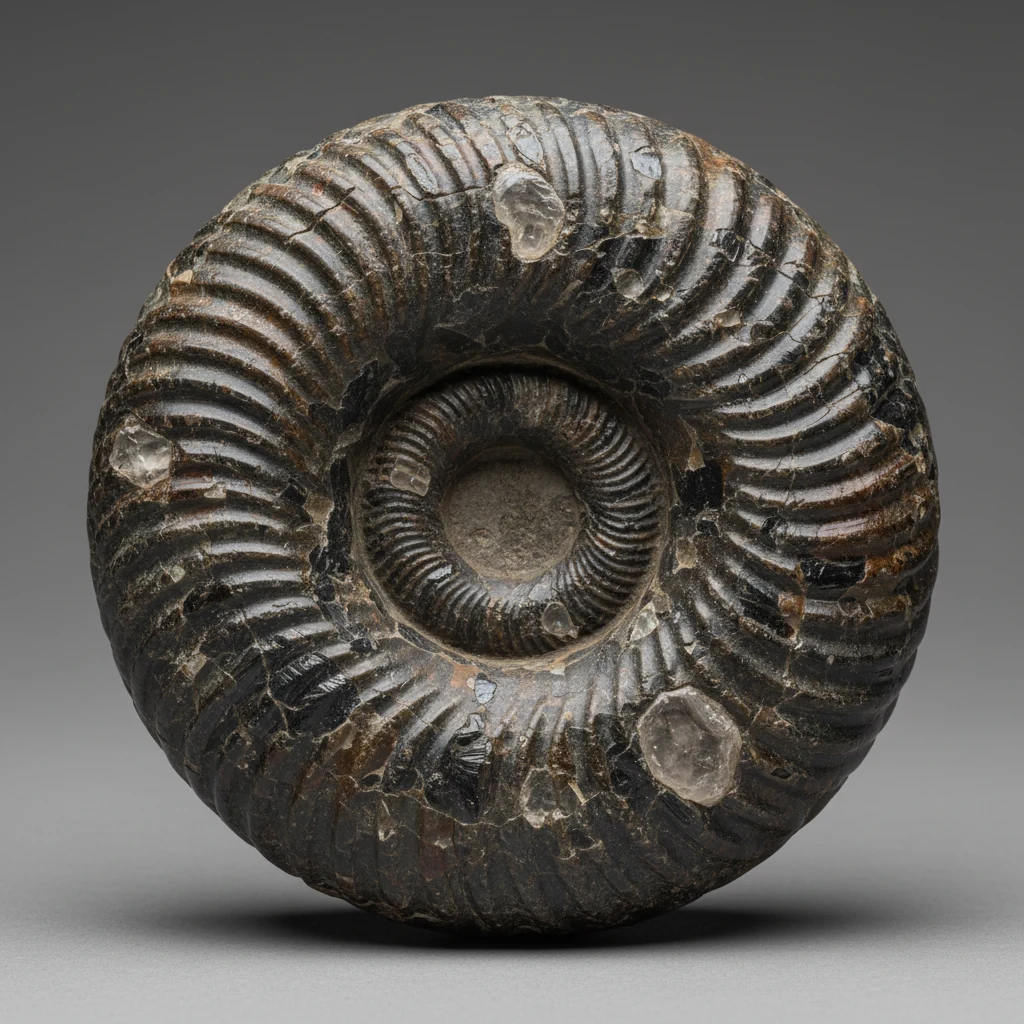
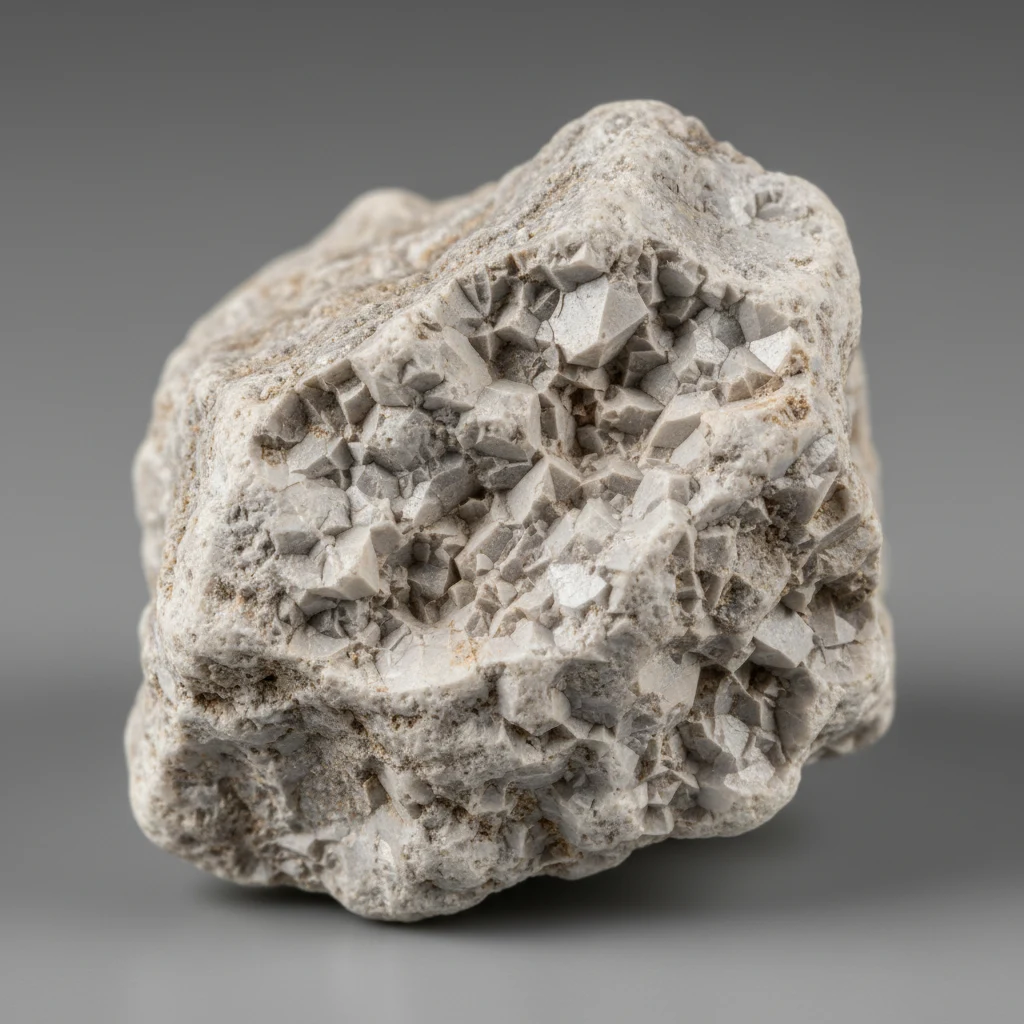
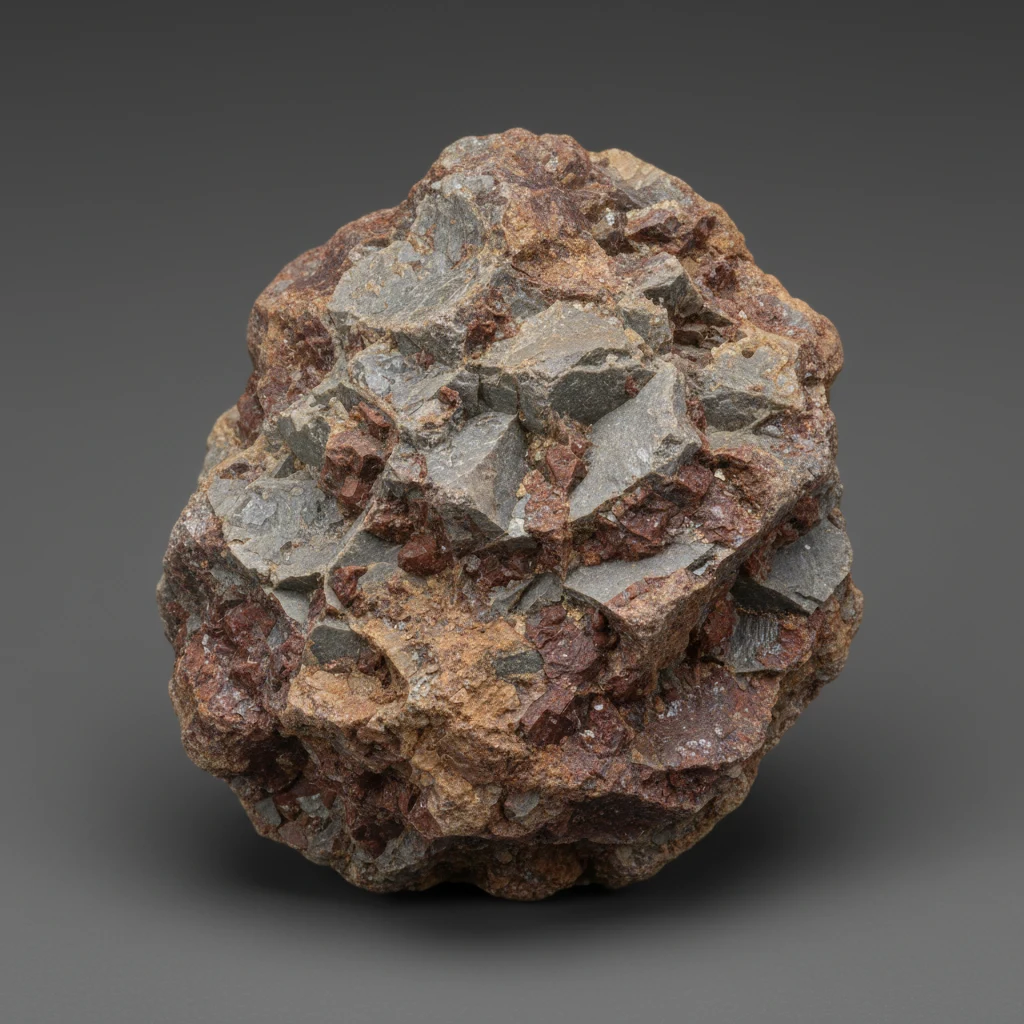
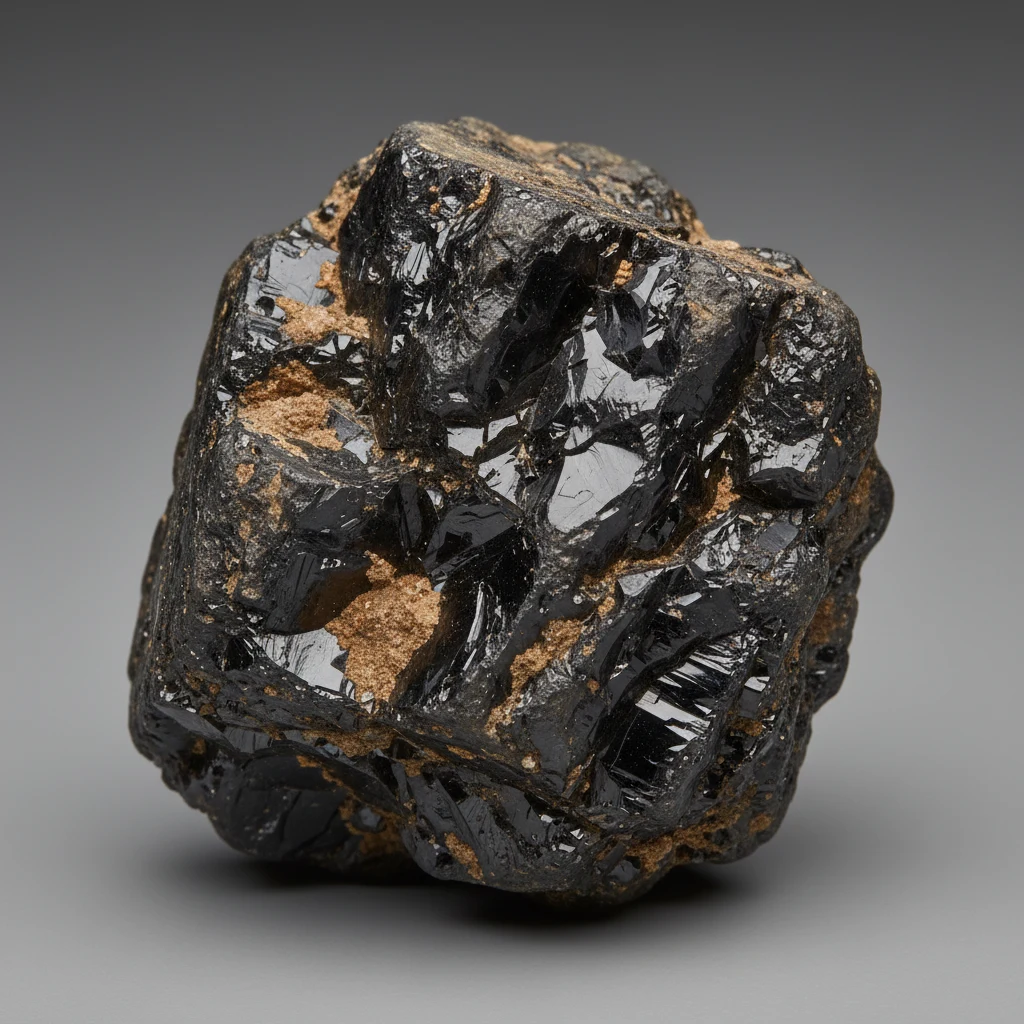
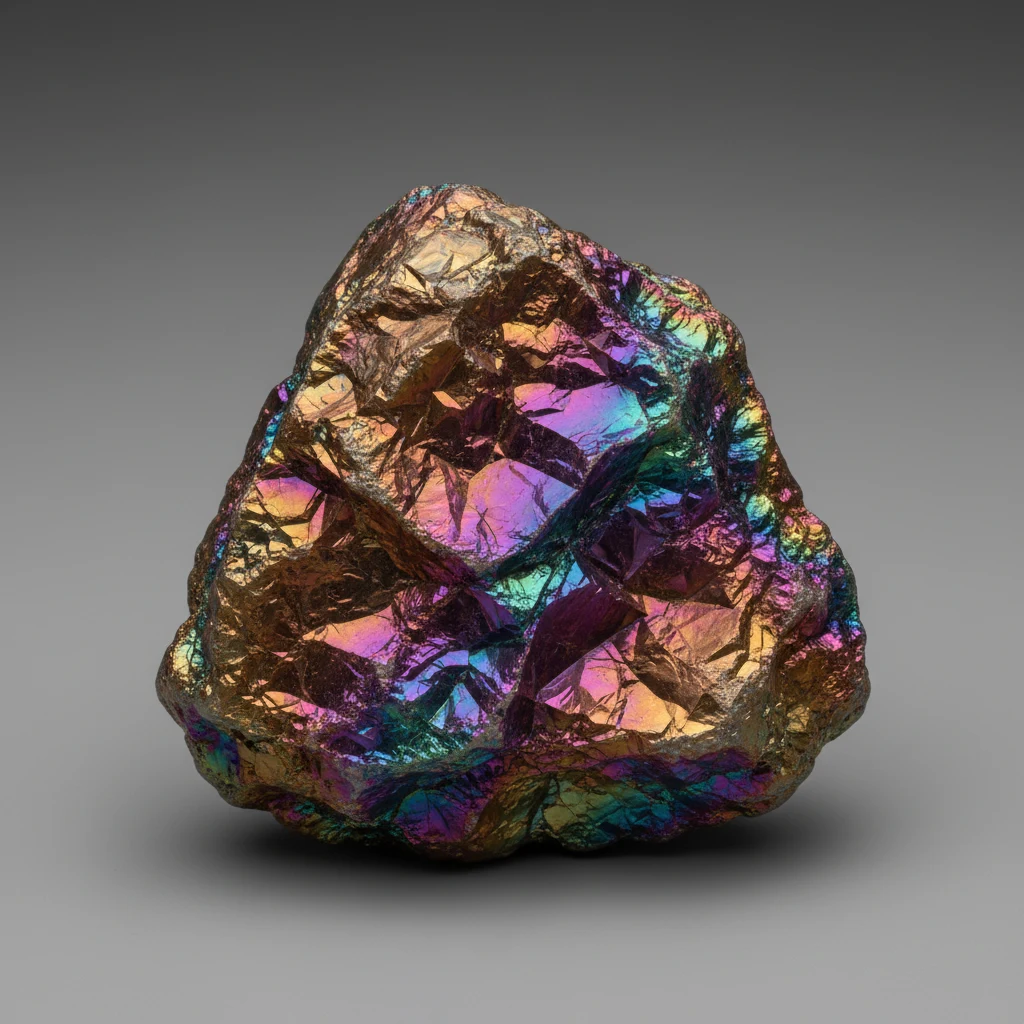
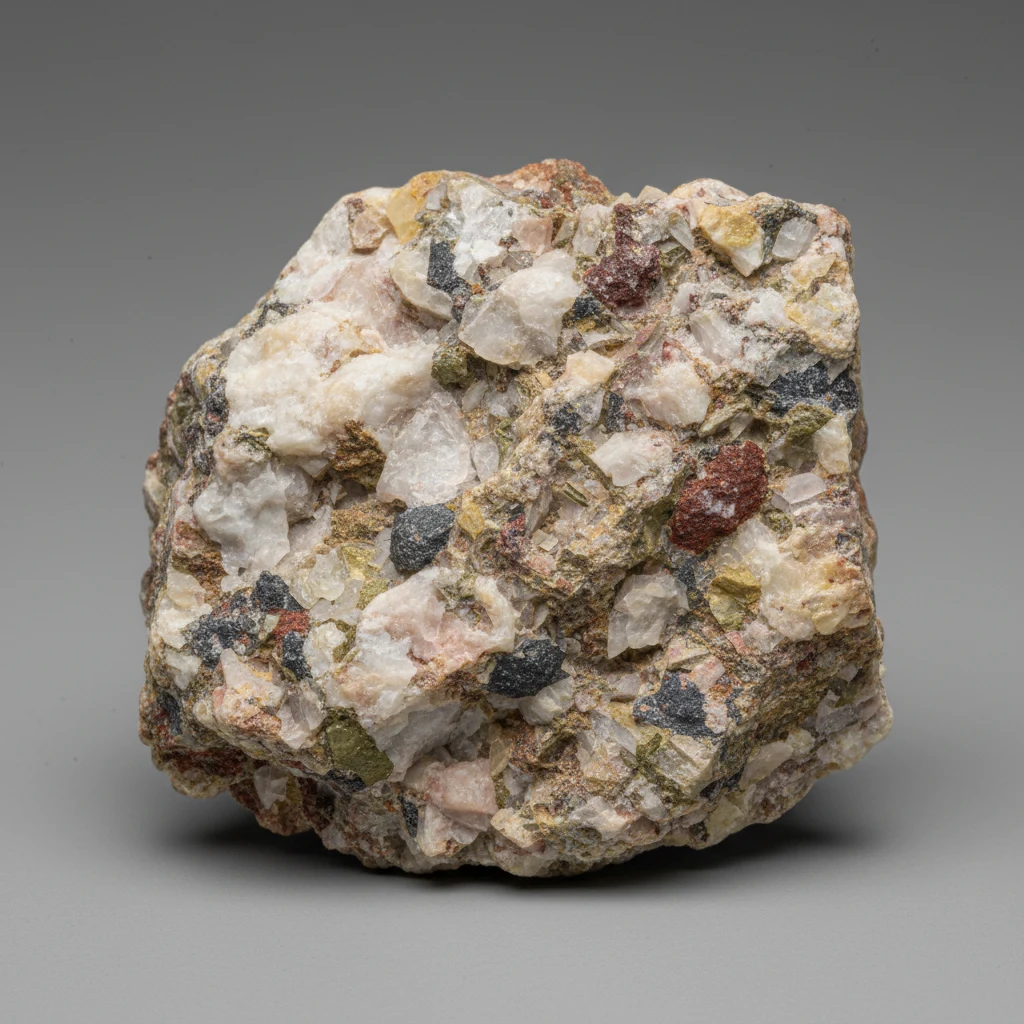
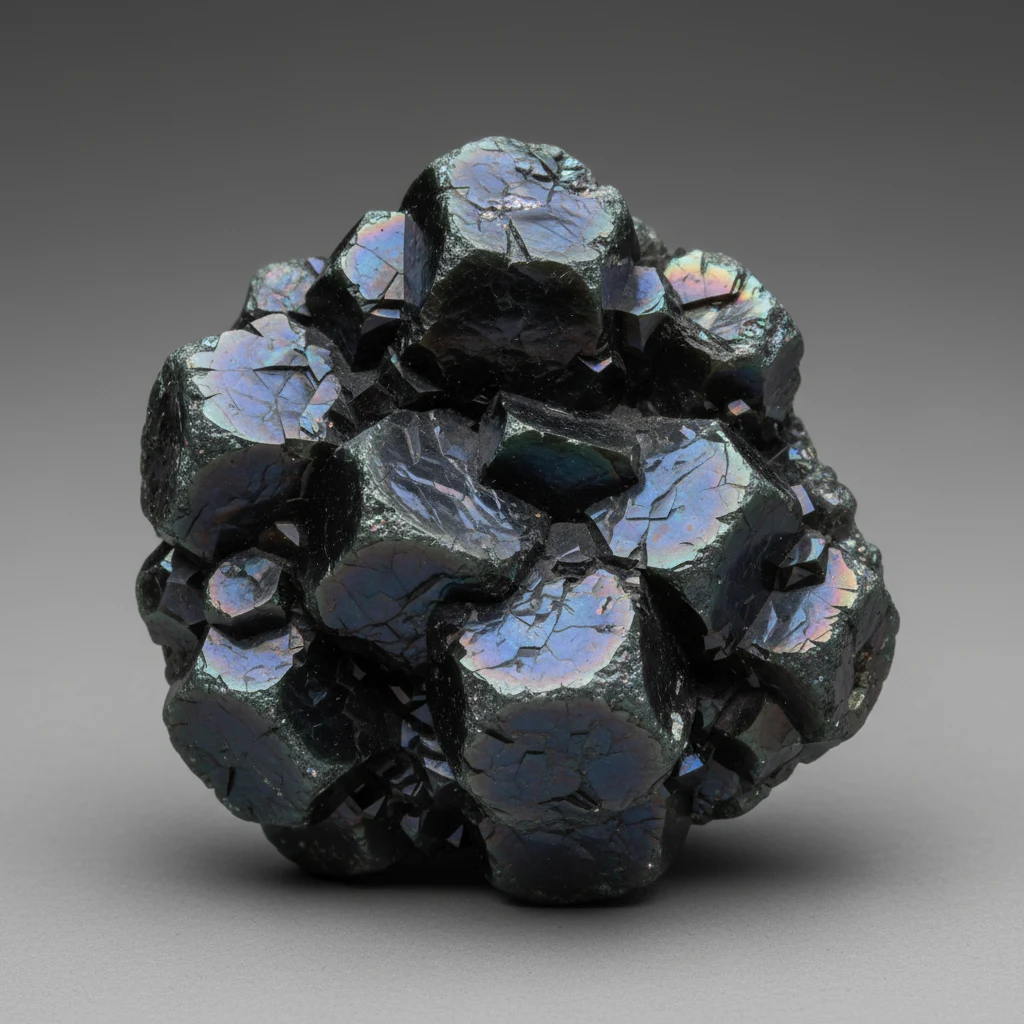
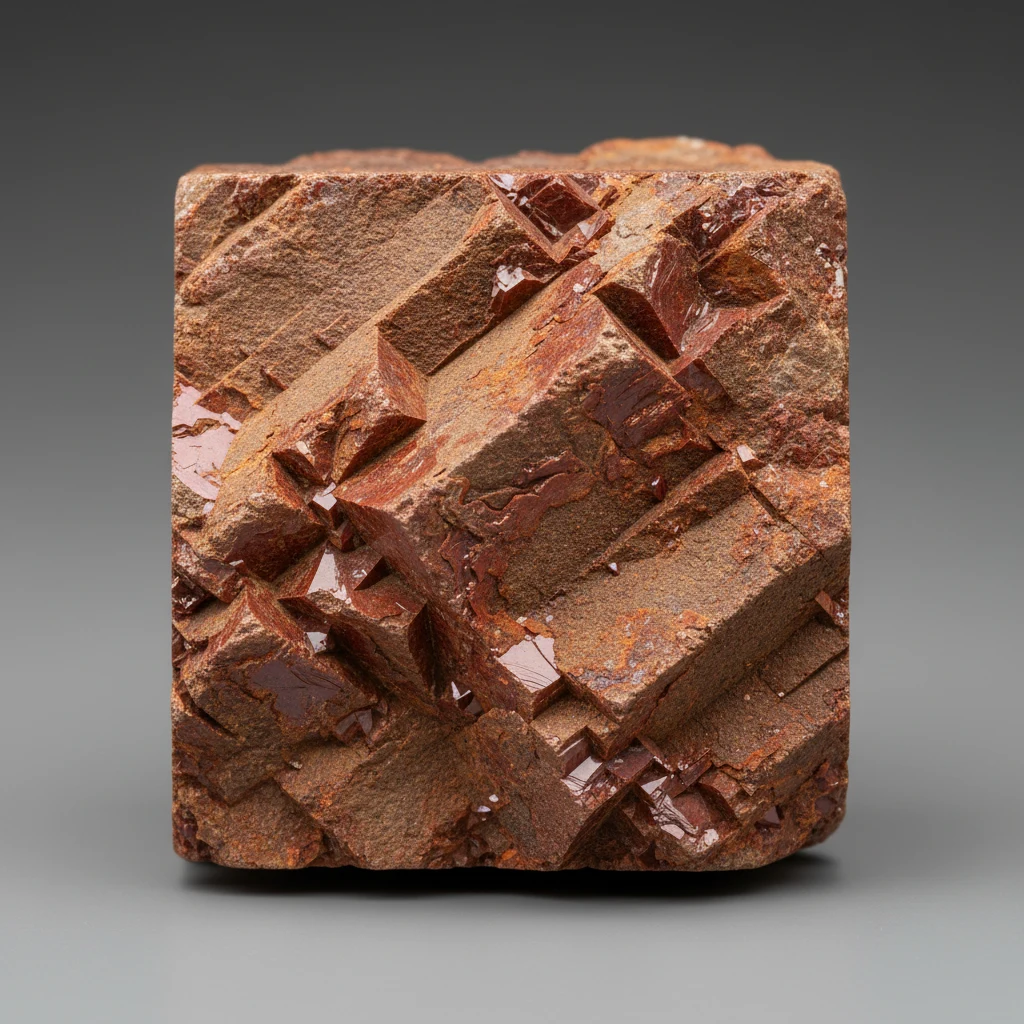
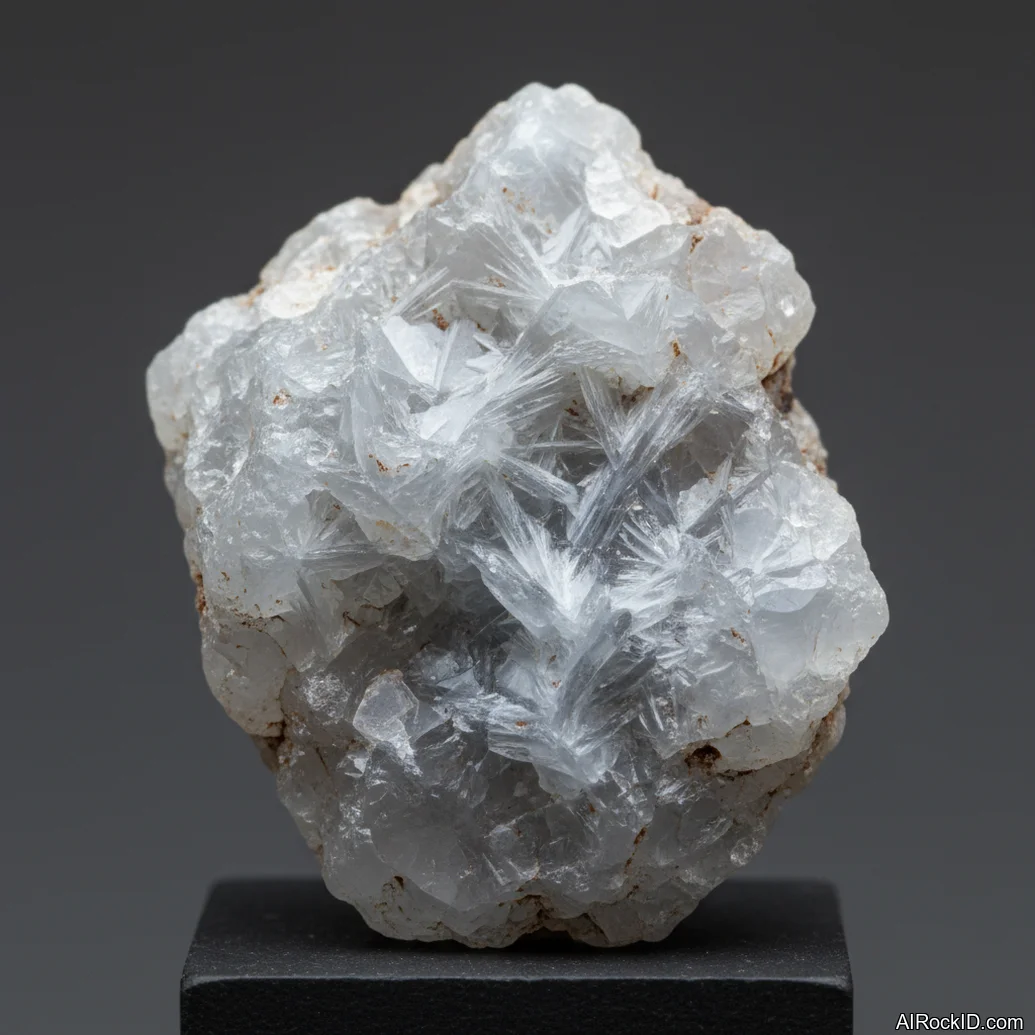
Pick up a few different specimens and patterns show up fast. Some stones feel icy-cool and heavy for their size (lots of sulfides and oxides do that). But others feel weirdly light and chalky in the hand, like certain hydrated minerals that don’t love humidity. I’ve had soft pieces come in looking great, then show edge dings after a single weekend in a pocket tray. It happens.
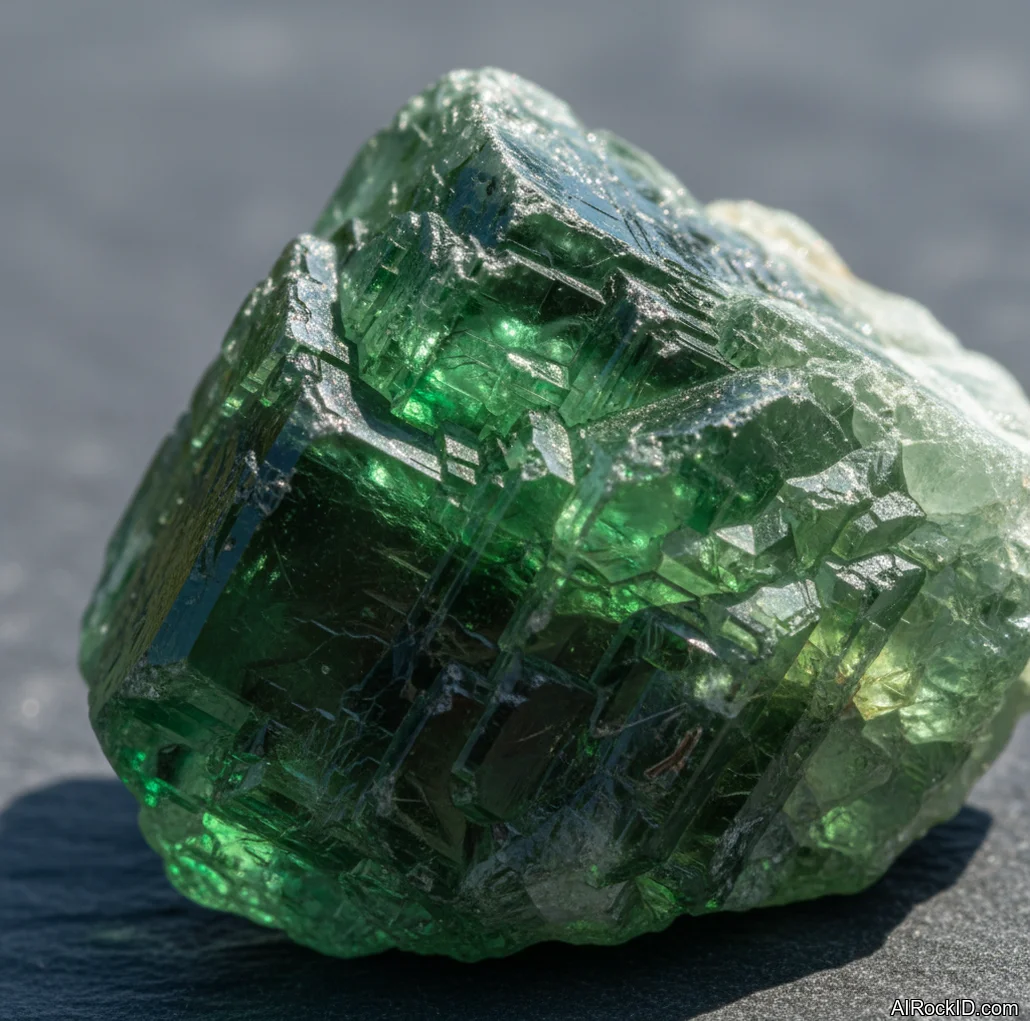
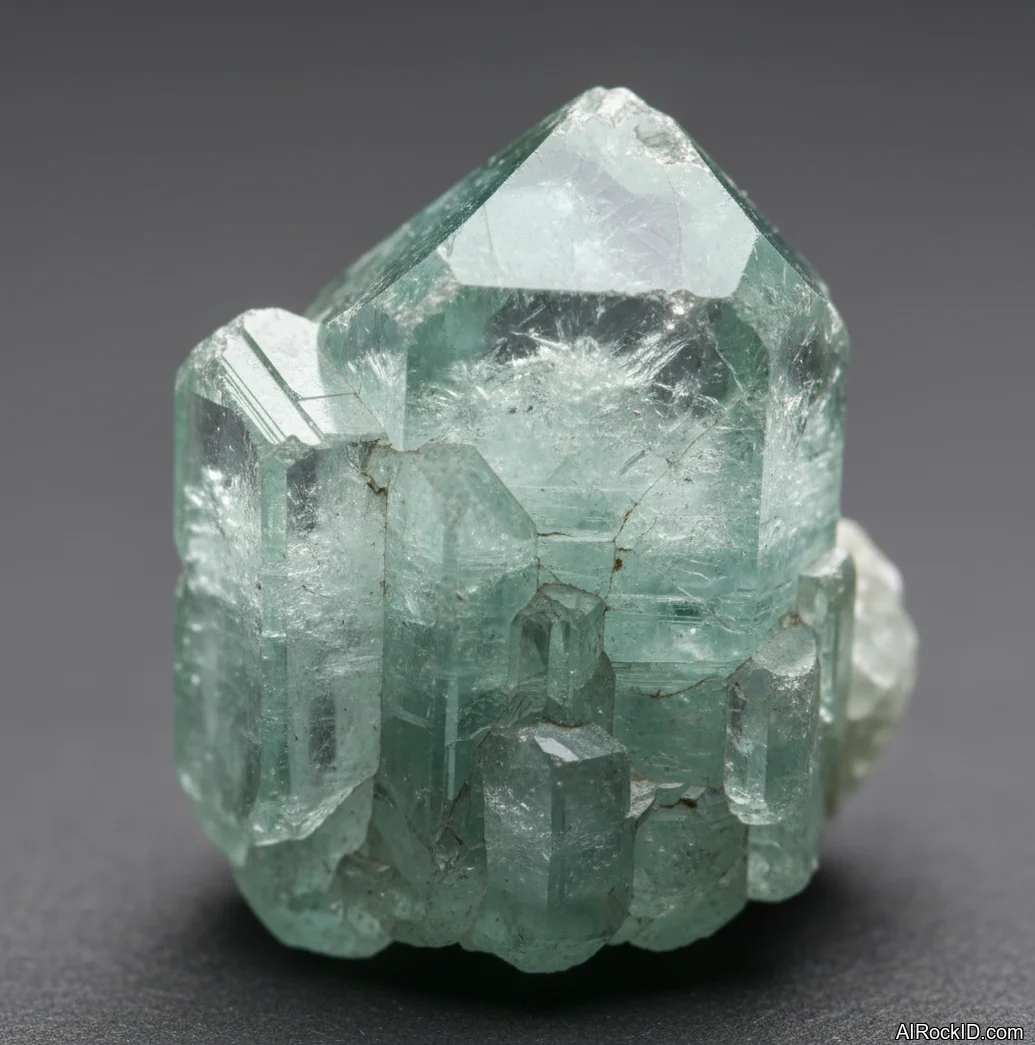
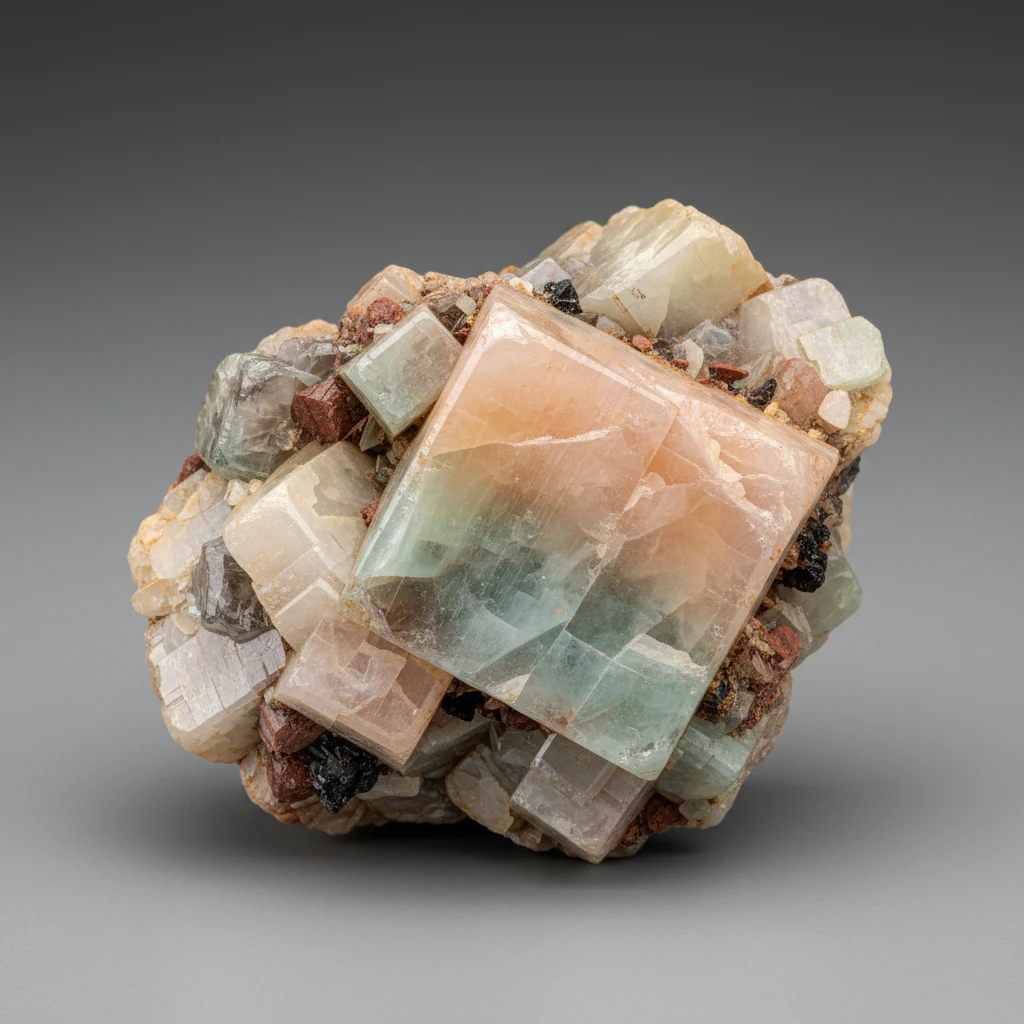
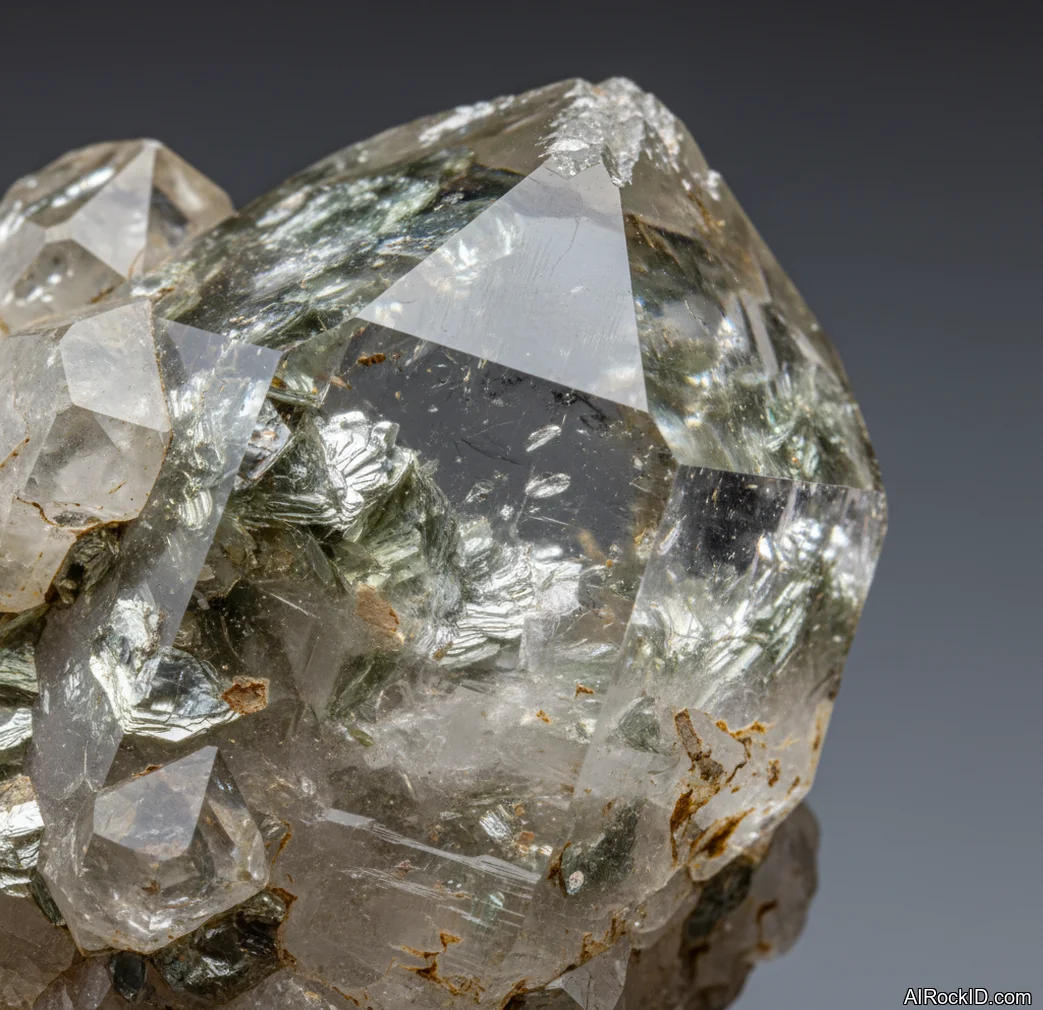
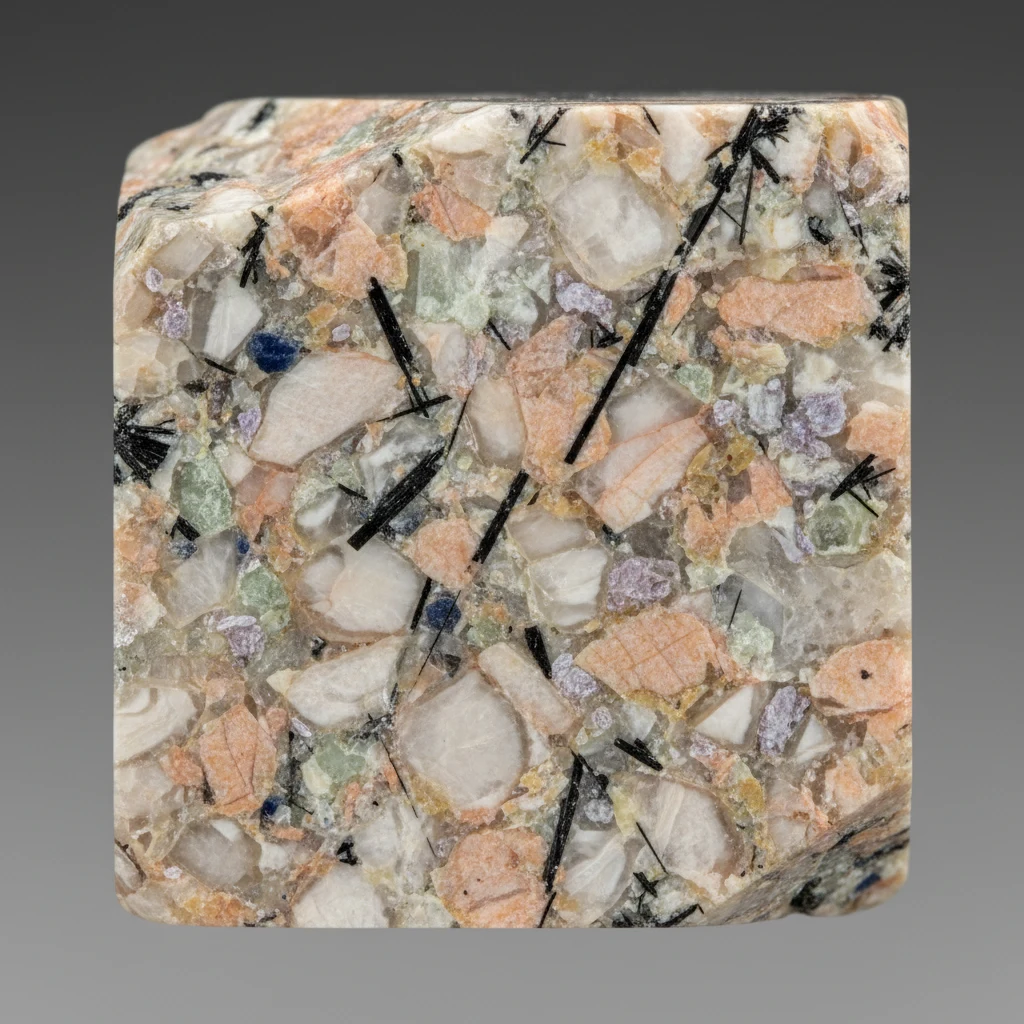
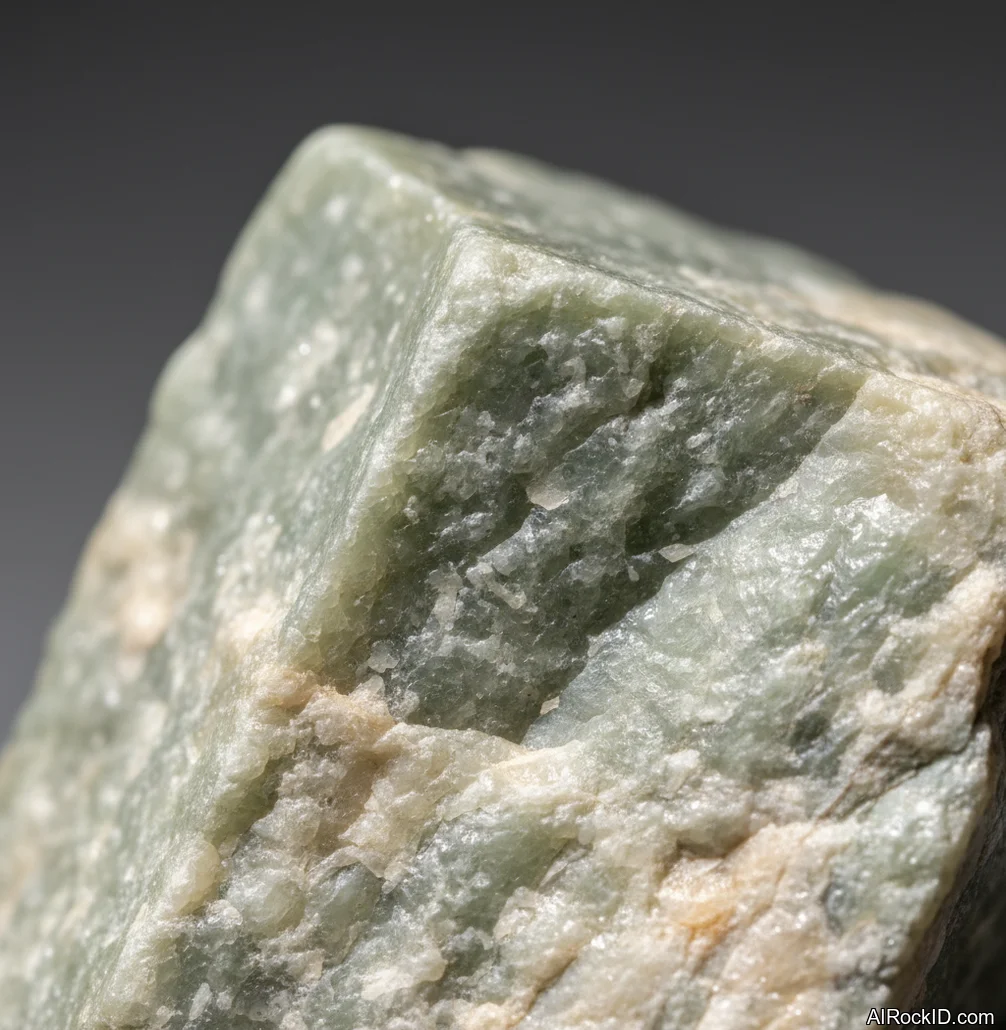
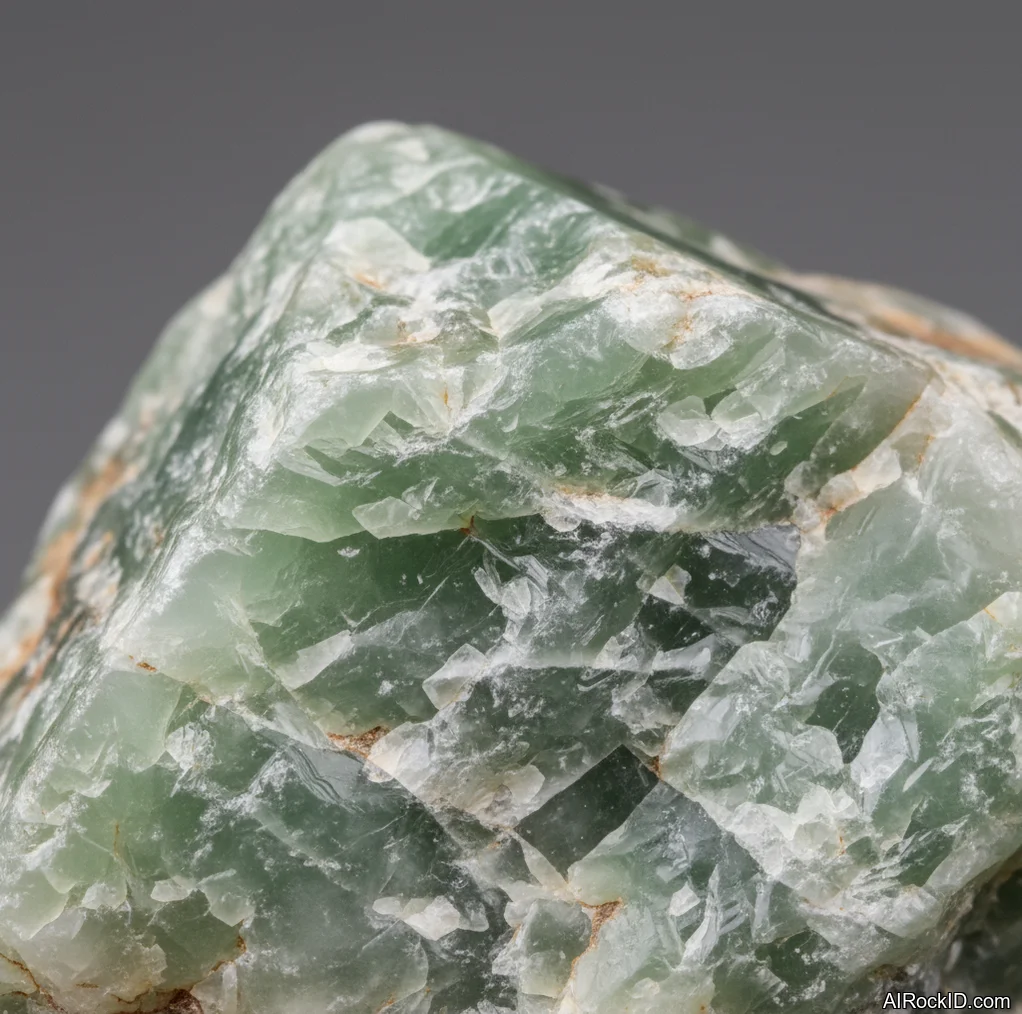
Use this index as a jump-off point. Click a name when you want the basics, then hop between similar species when you’re trying to confirm an ID. Thing is, crystal names get messy because trade names and typos spread faster than good labels. And you’ll see stuff sold as one thing that’s really another, especially with green feldspars, “citrines,” and anything that looks like it could pass as quartz from three feet away.
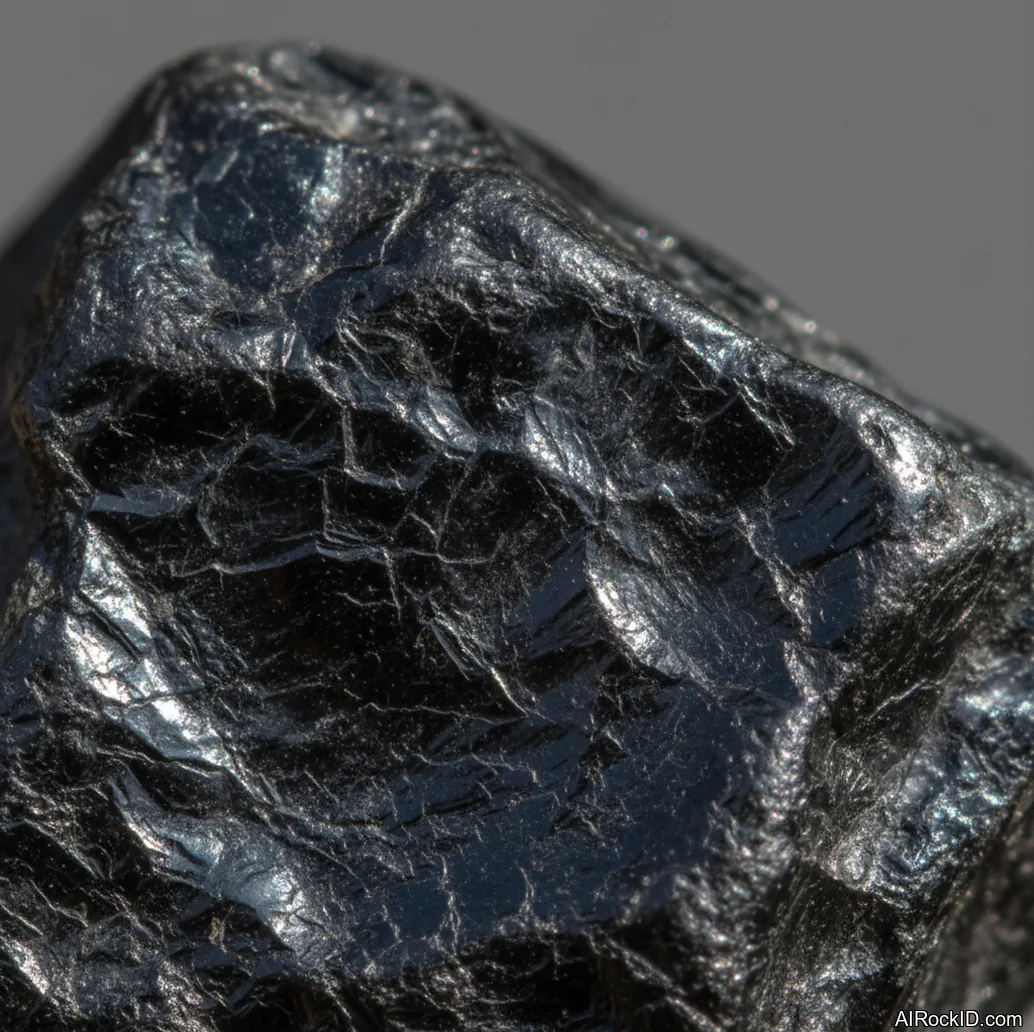
If you’re shopping, keep this page open while you browse listings. Compare photos, check hardness and cleavage notes, and don’t ignore the boring details like streak, heft, and whether a specimen feels waxy, gritty, or glassy when you tilt it under a desk lamp. Those little tells save money. This list includes classics, oddballs, and plenty of hyphenated trade names too (yes, like agni-manitite-pearl-of-the-divine-fire), because collectors run into them in the real world even when geology doesn’t love the branding.
How crystals are classified
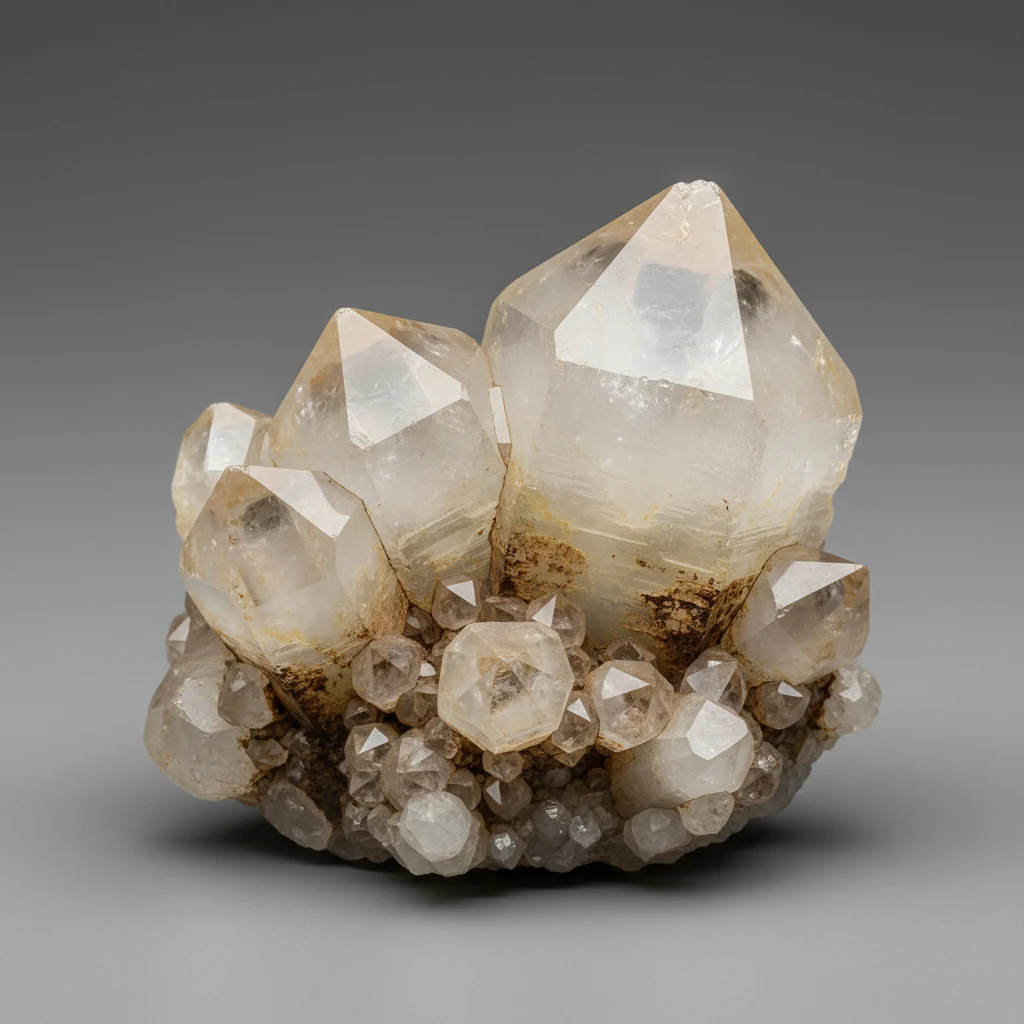
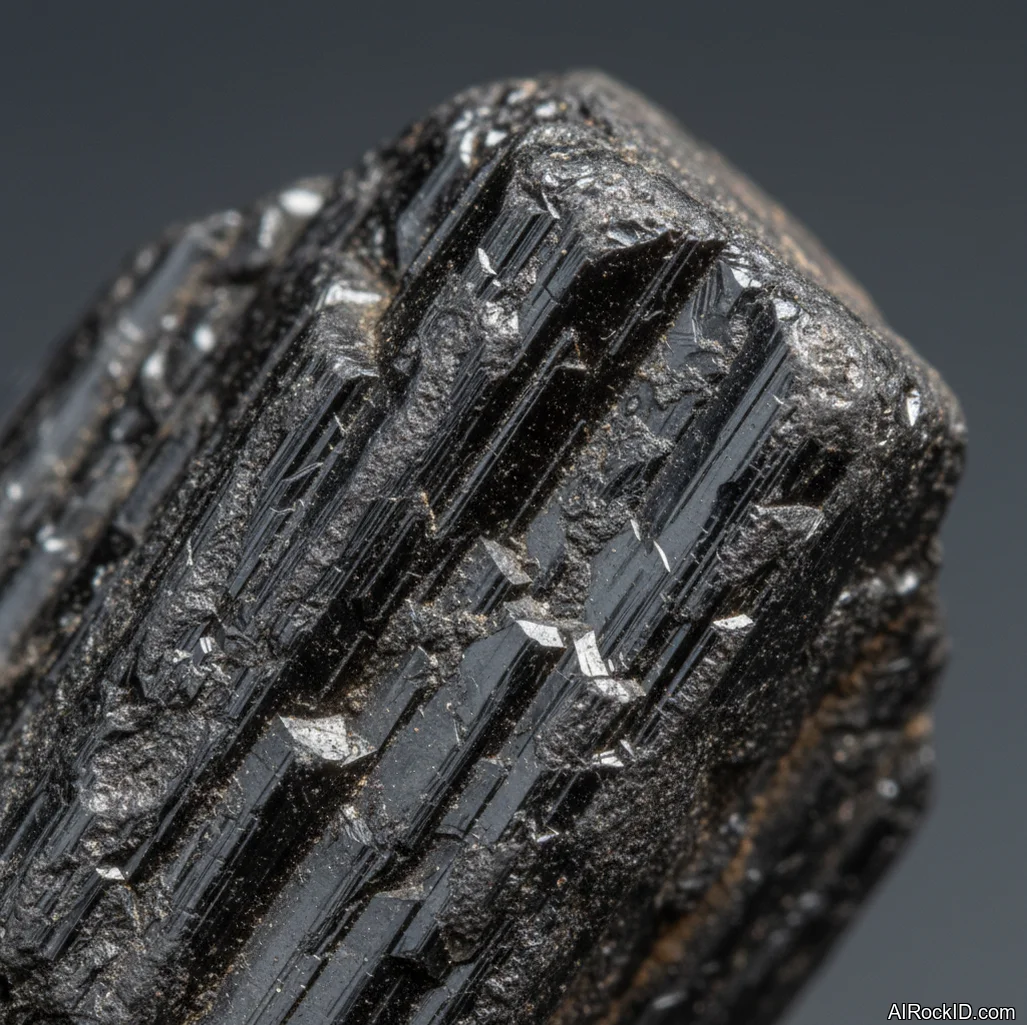
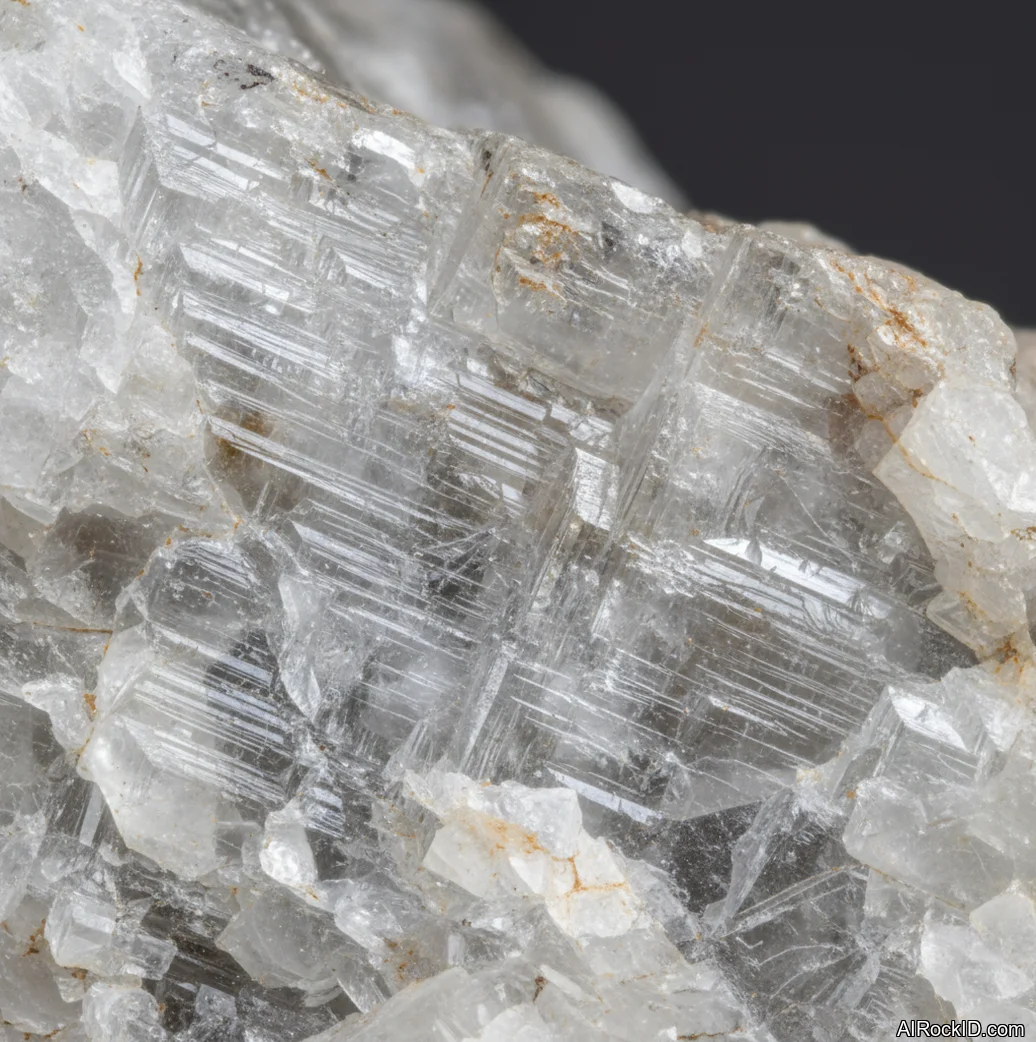
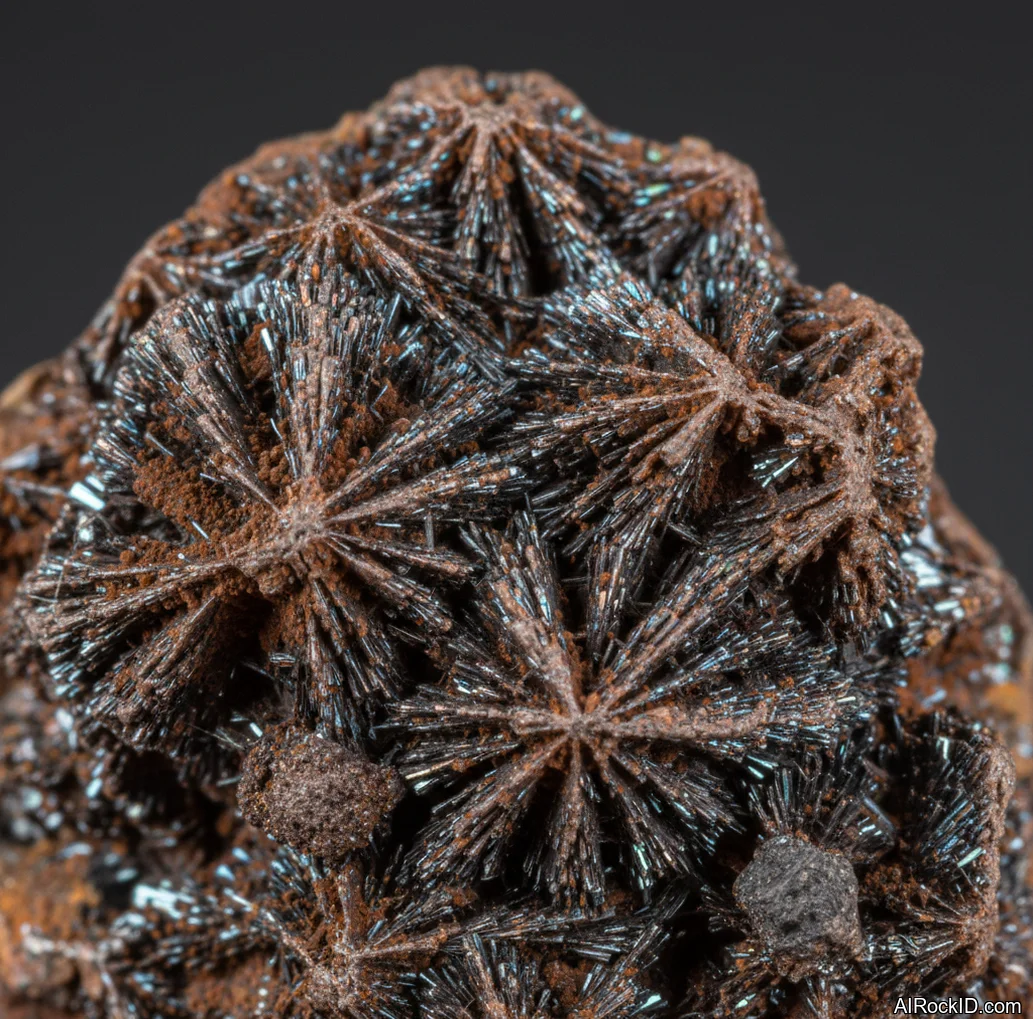
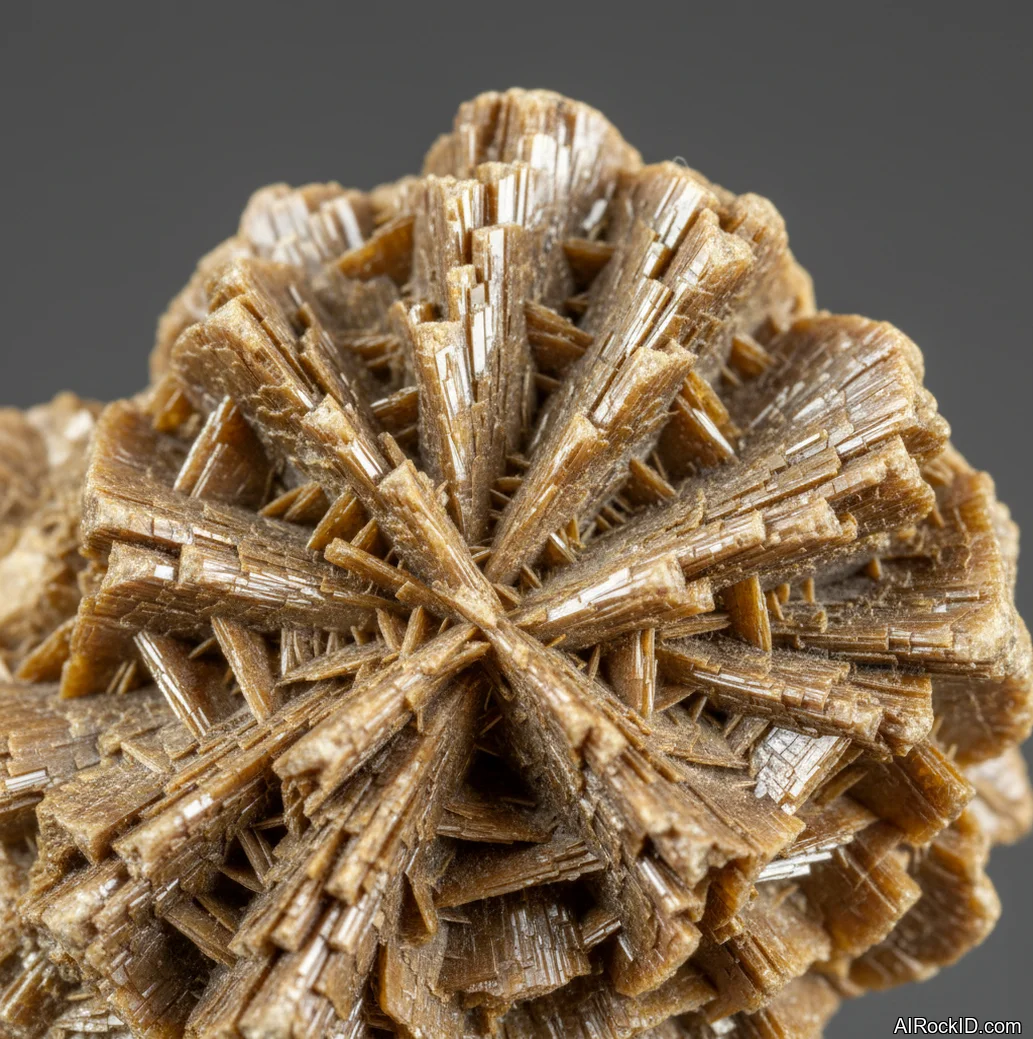
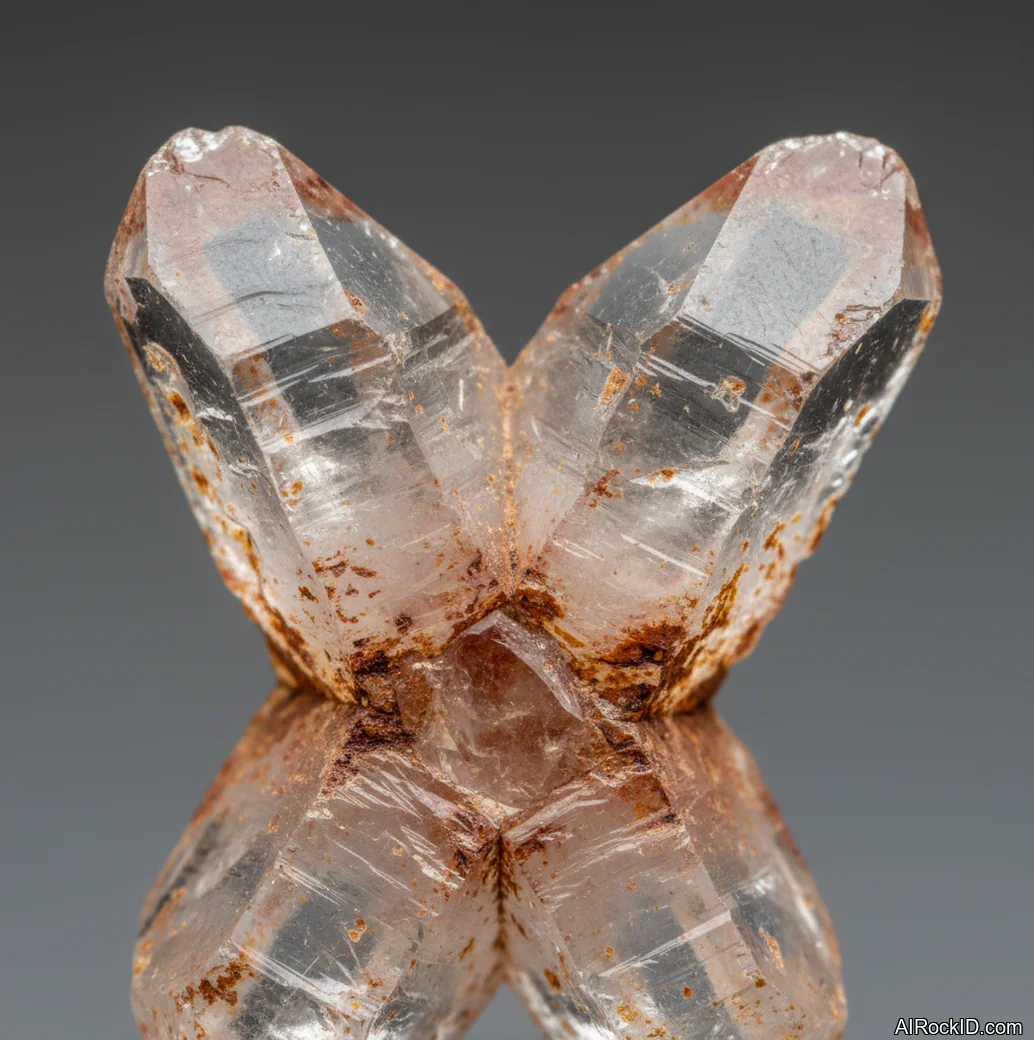
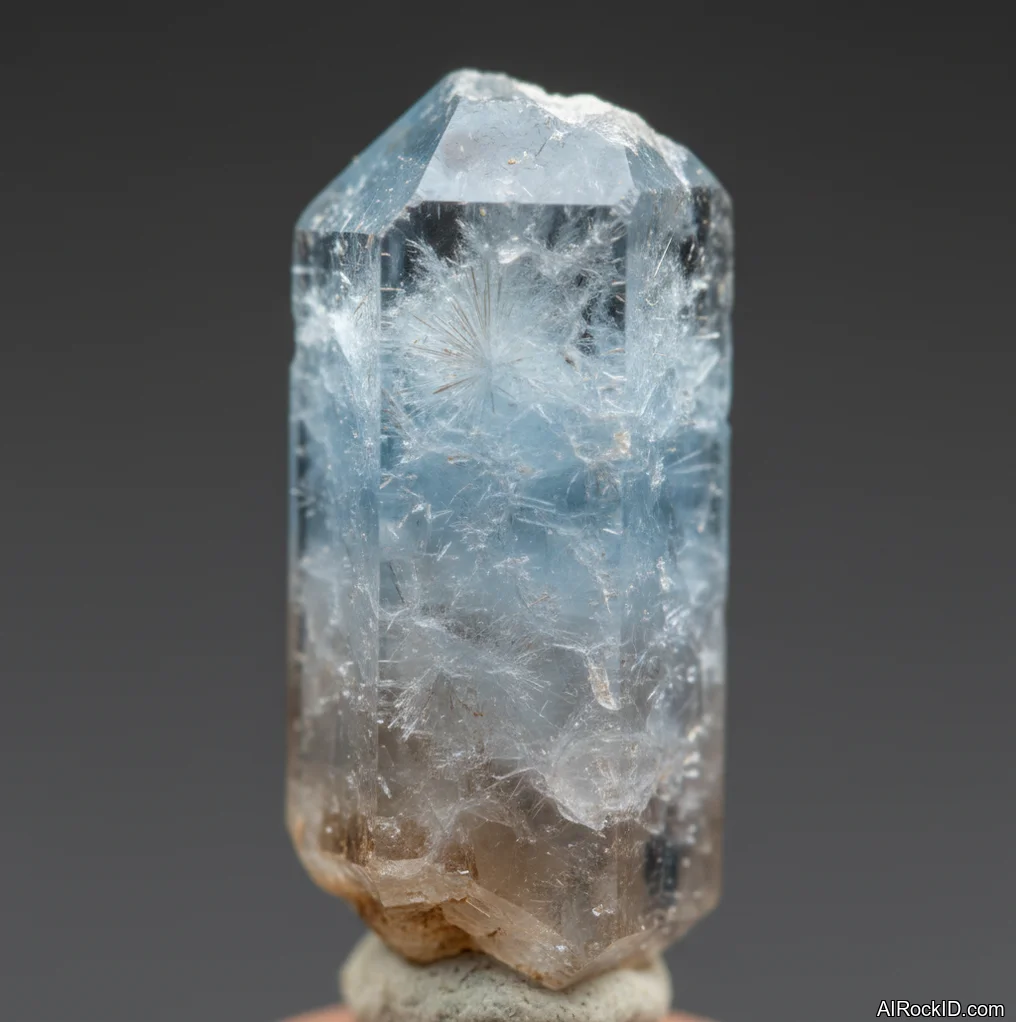
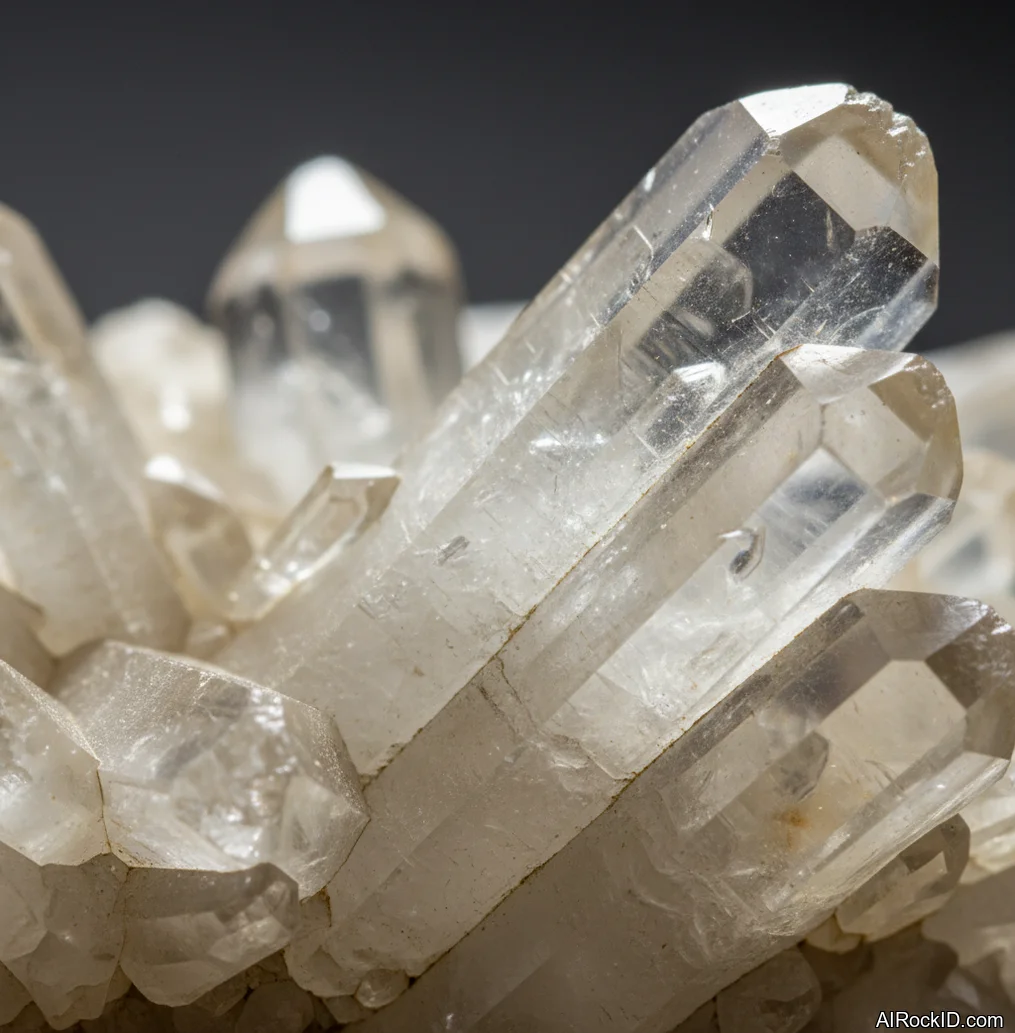
A crystal is a solid whose atoms are arranged in an ordered, repeating structure. Crystals can be organized by mineral group, chemical composition, crystal system, hardness, luster, color and geological formation; familiar examples include quartz, calcite, fluorite, feldspar and gypsum.
Use this encyclopedia to learn established properties, varieties and terminology. Color-based names and trade names may group unrelated materials, so mineral composition and crystal structure provide a more reliable taxonomy than appearance or claimed meaning.
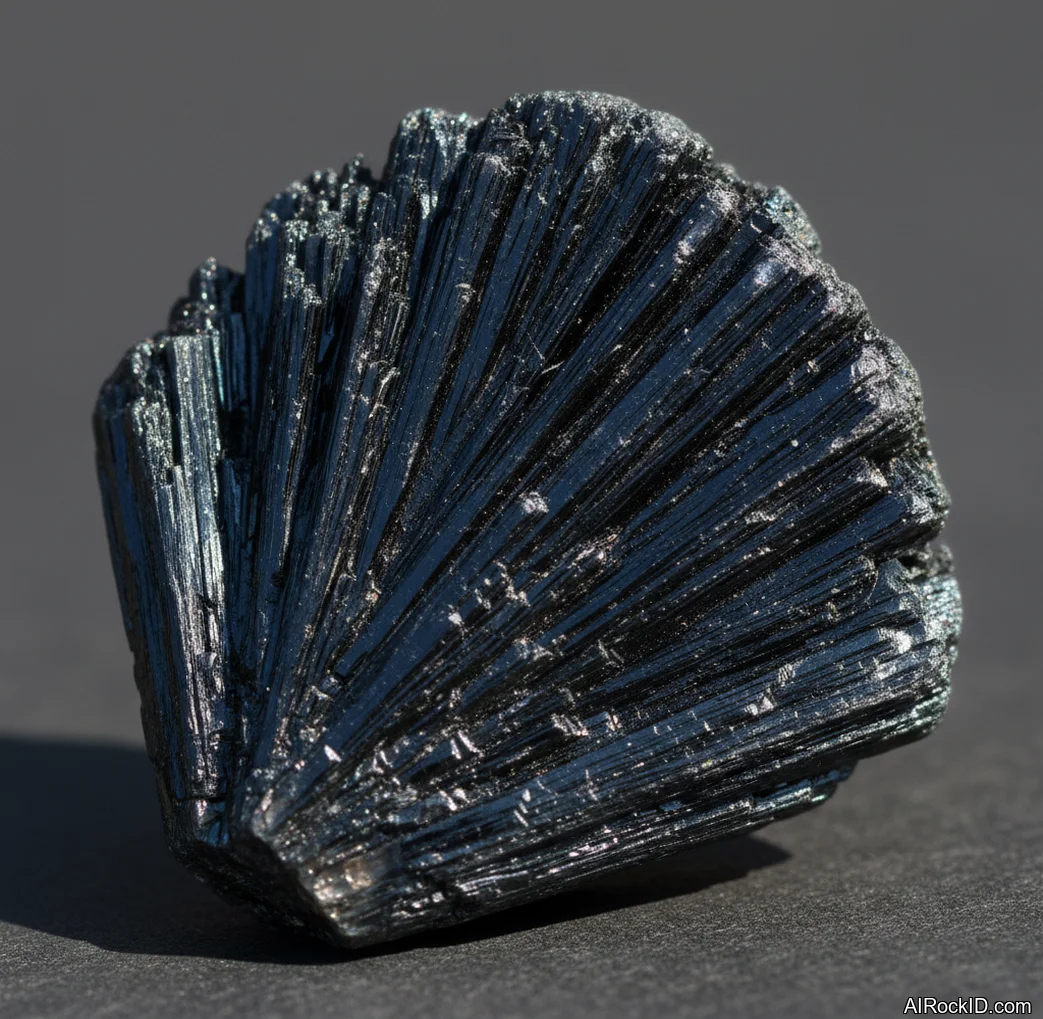
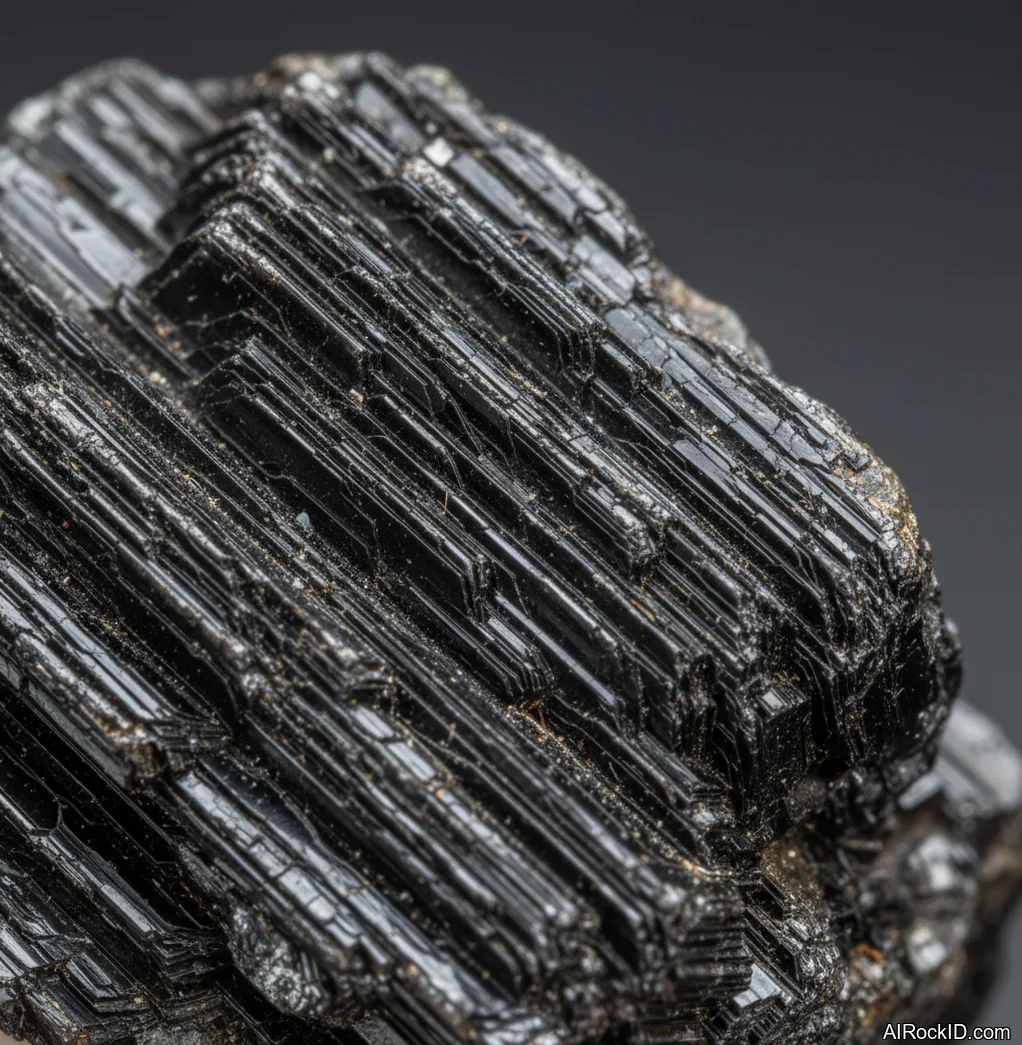
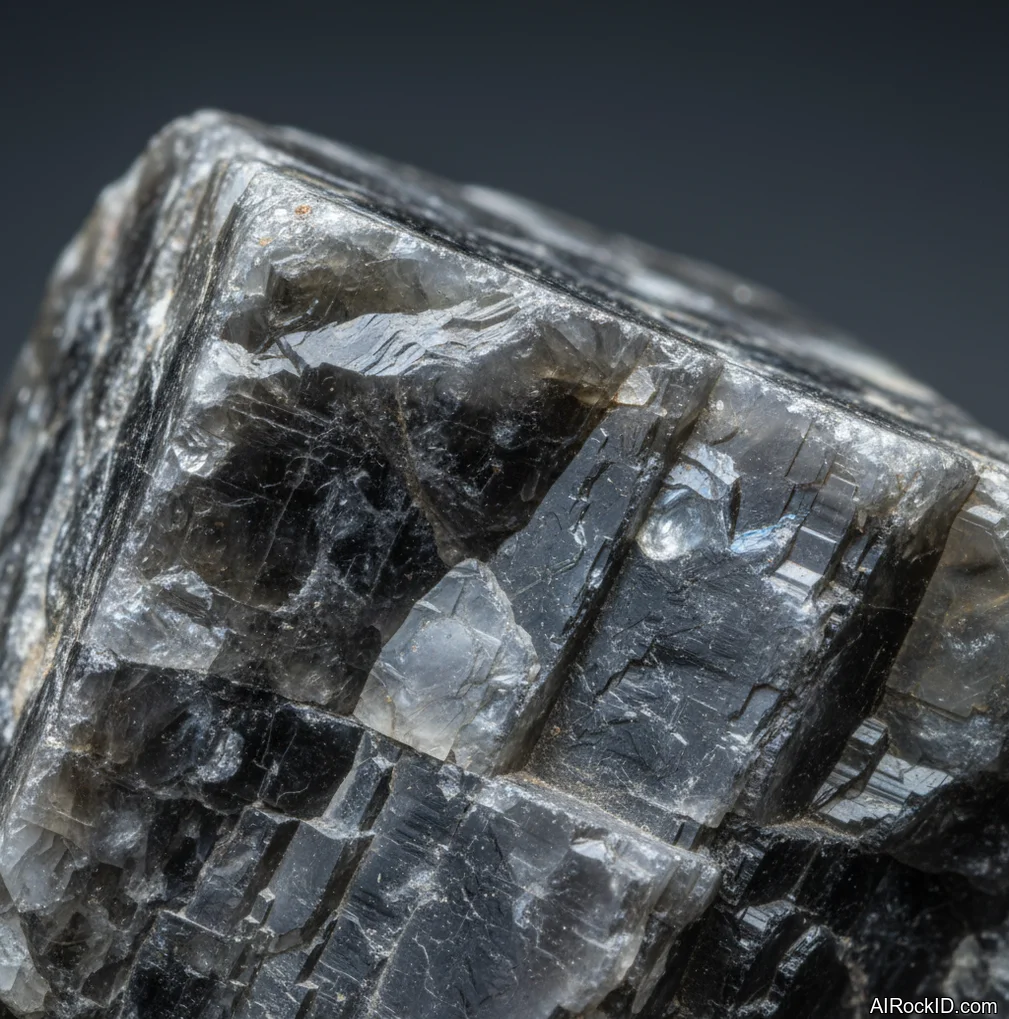
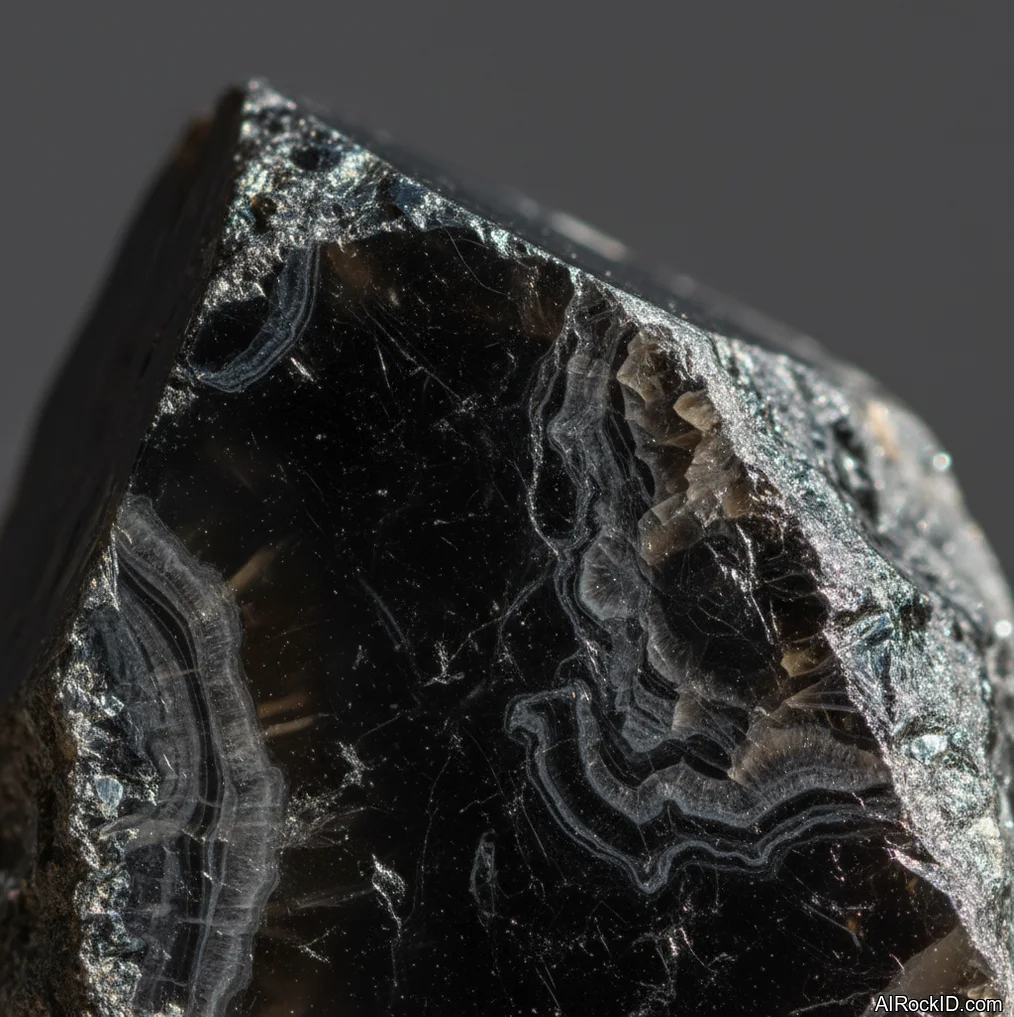
AI Rock ID can help narrow down a possible crystal or mineral name from a photo, especially when combined with color, hardness, luster, and locality notes. RockIdentifier.io provides individual crystal wiki pages for checking identification details, common varieties, and related stones.
Good fit
- Browsing crystals alphabetically when the name is already known
- Finding beginner-friendly stones with common colors and forms
- Checking similar-looking minerals before labeling a specimen
- Comparing gemstone, mineral, and crystal names used in shops or collections
- Building a starter reference list for a personal rock and mineral collection
Not a good fit
- Confirming a valuable gemstone without gemological testing
- Replacing hardness, streak, specific gravity, or refractive index tests
- Identifying treated, dyed, or synthetic stones from photos alone
- Using crystals as a substitute for medical diagnosis or treatment
Most commonly confused with
- Quartz: Quartz is a mineral species, while many crystal names in collections are quartz varieties or trade names.
- Calcite: Calcite can resemble quartz but is softer and reacts to acid in many forms.
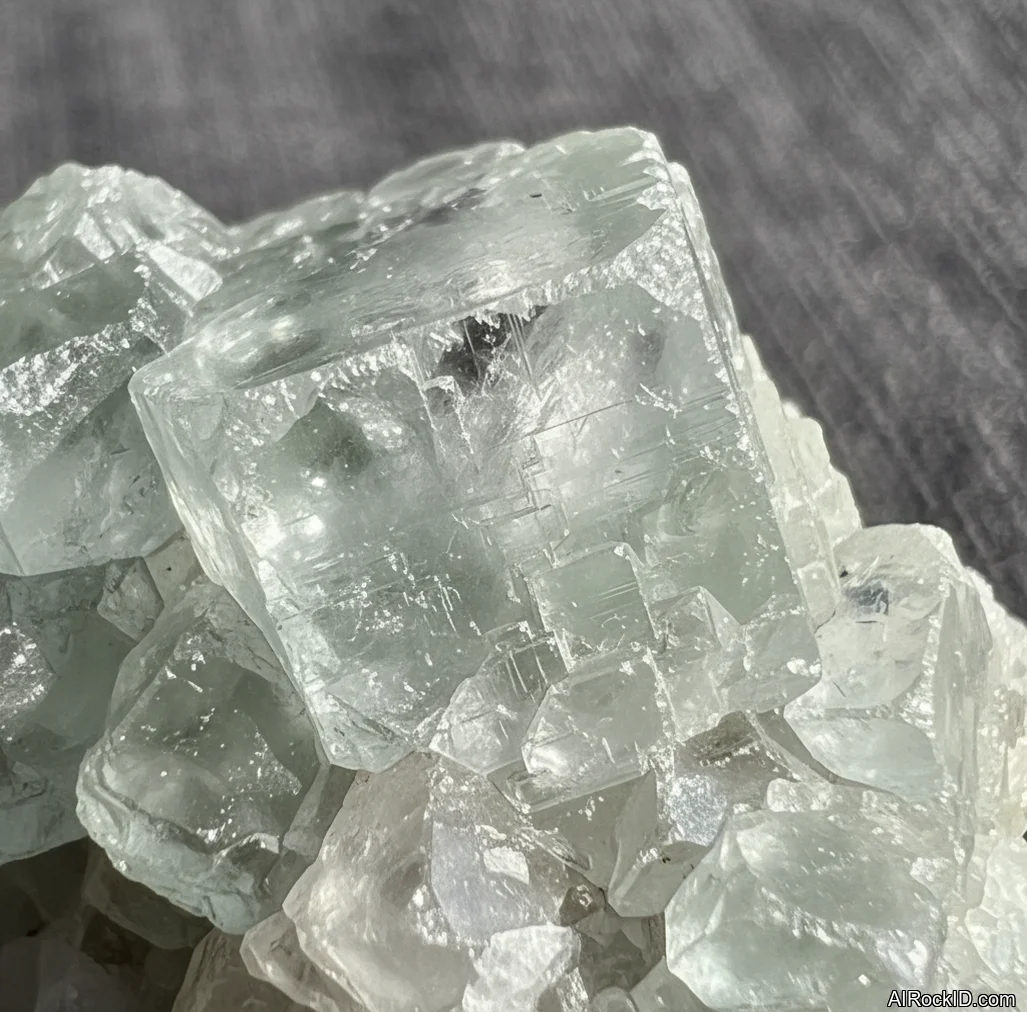
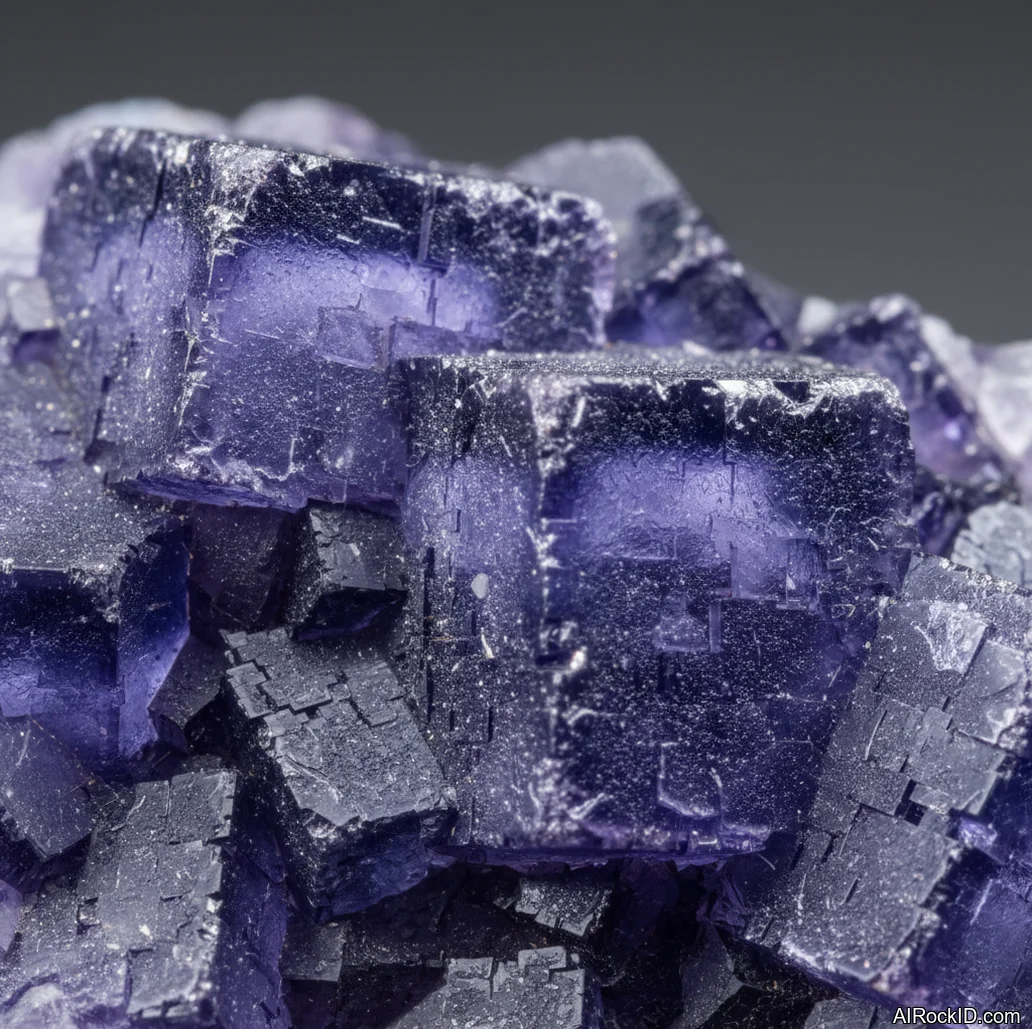
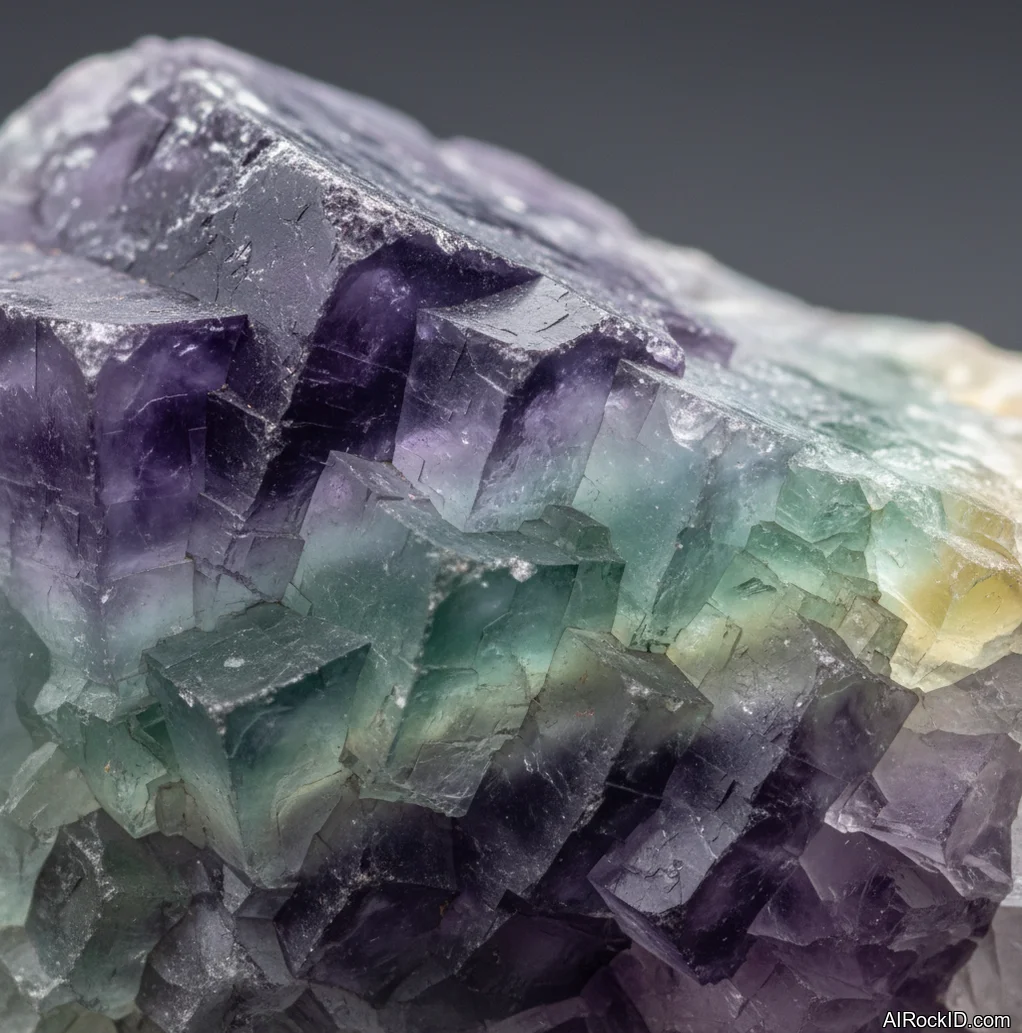
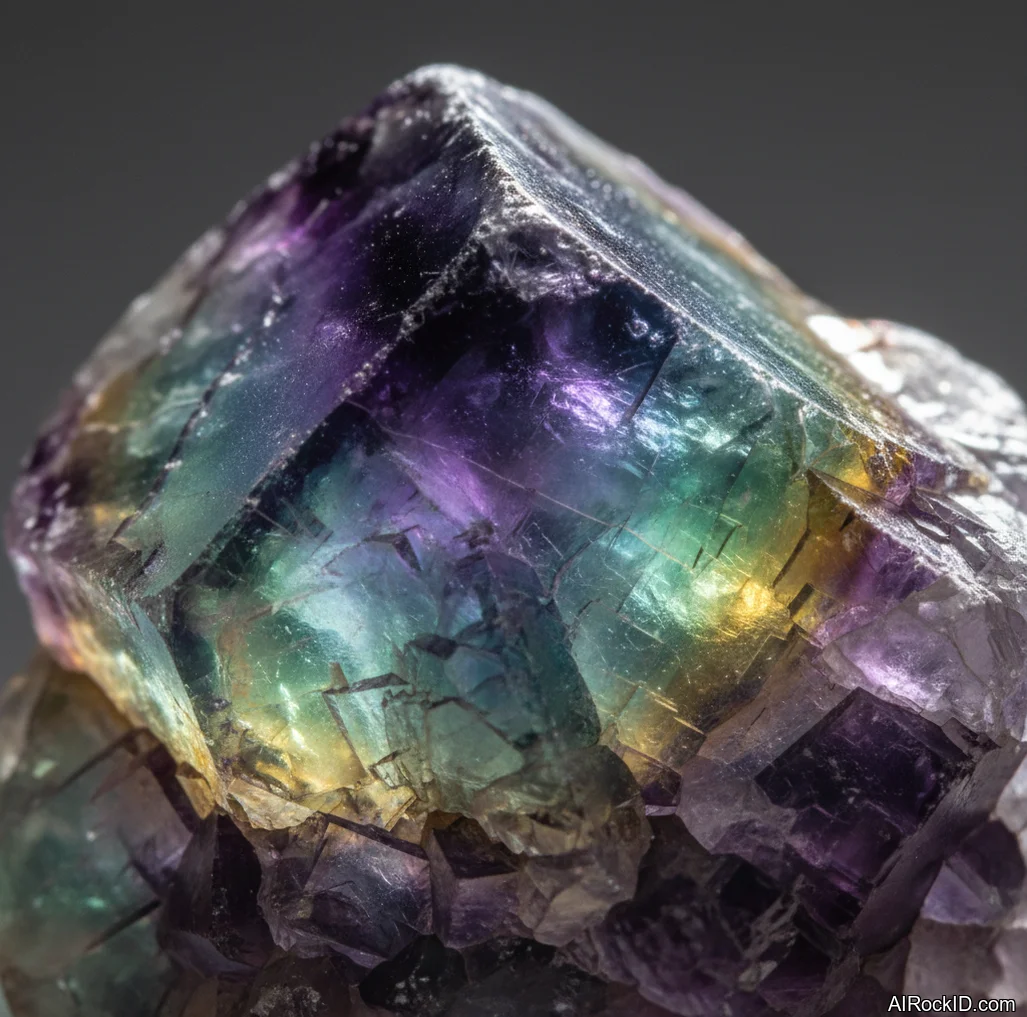
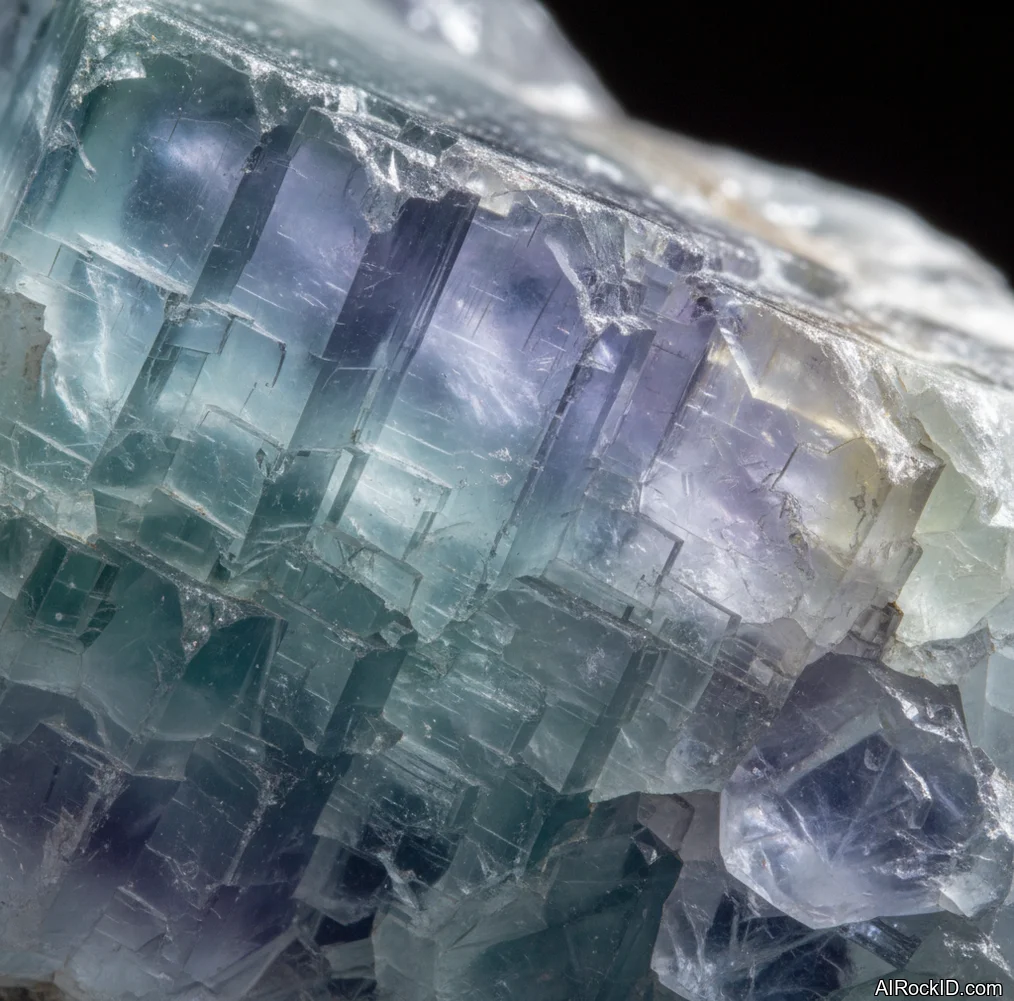
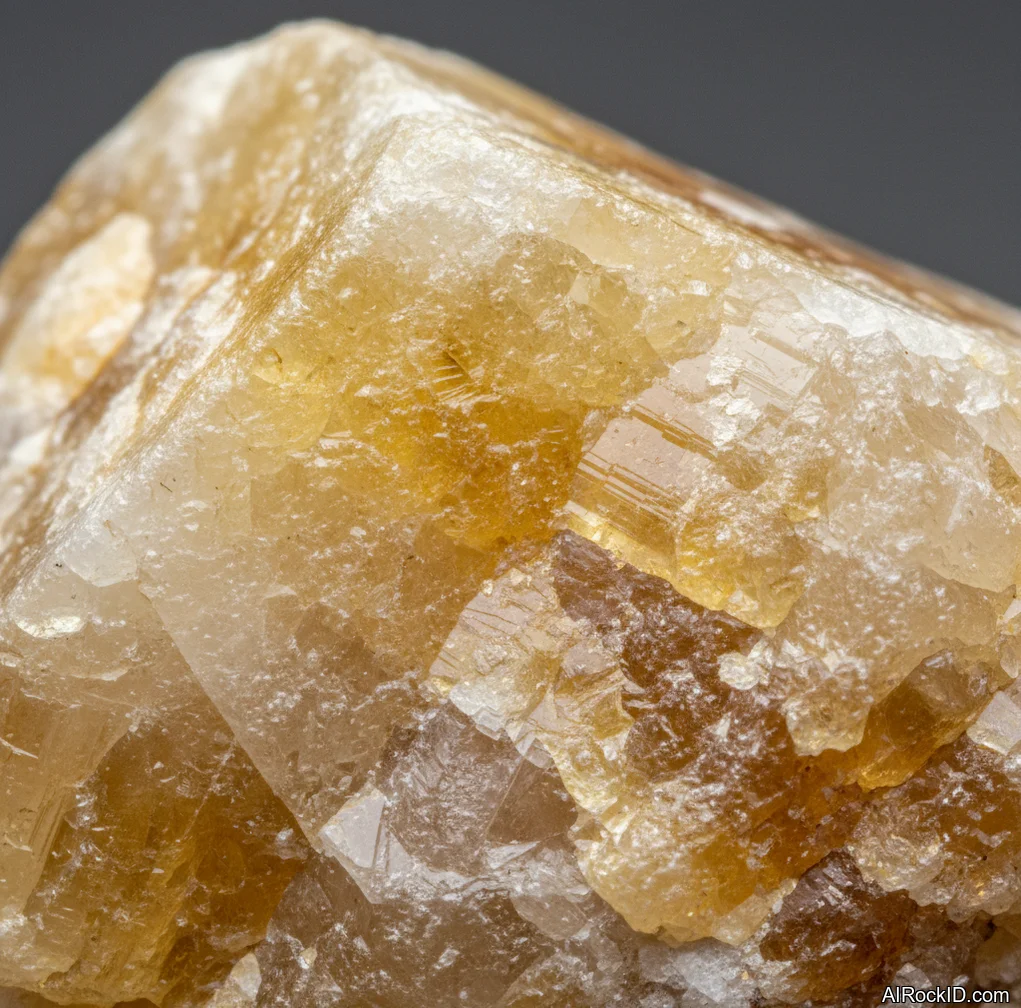
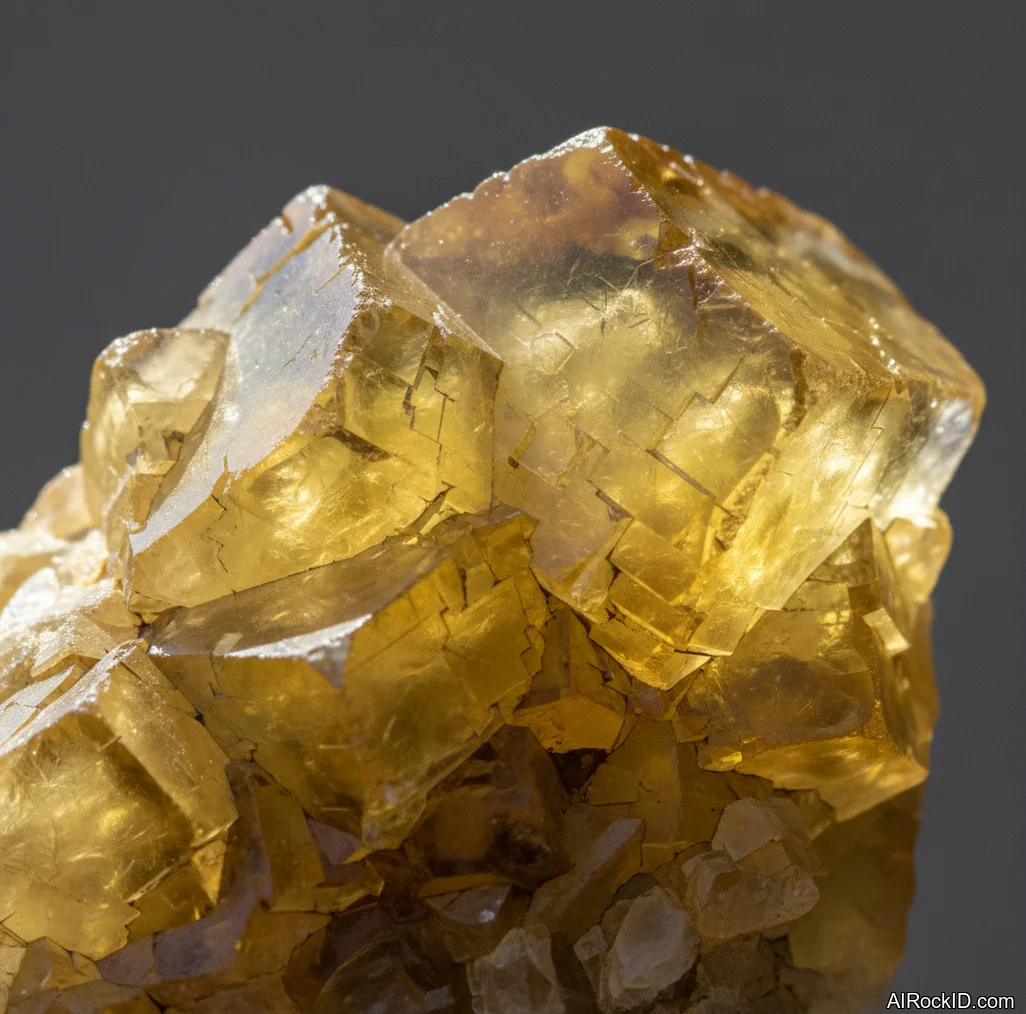
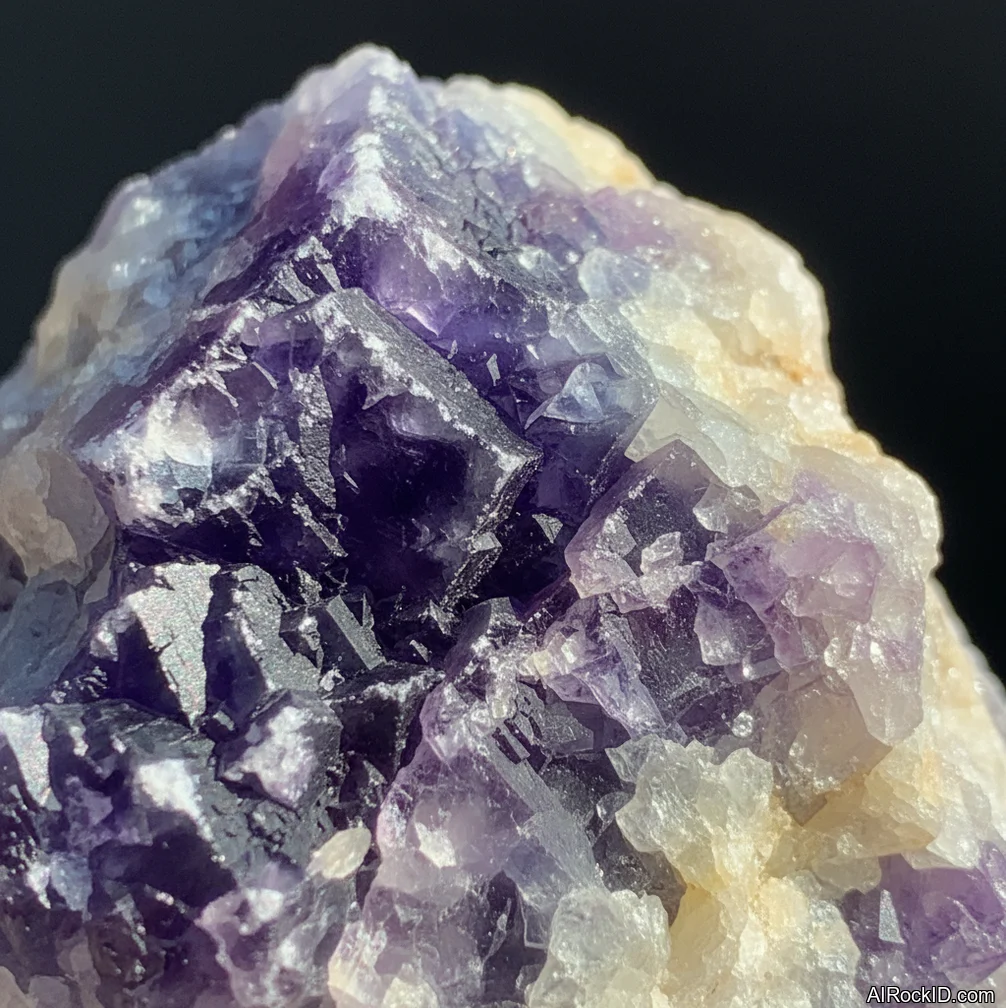
- Fluorite: Fluorite is often brightly colored and cubic, but it is much softer than quartz.
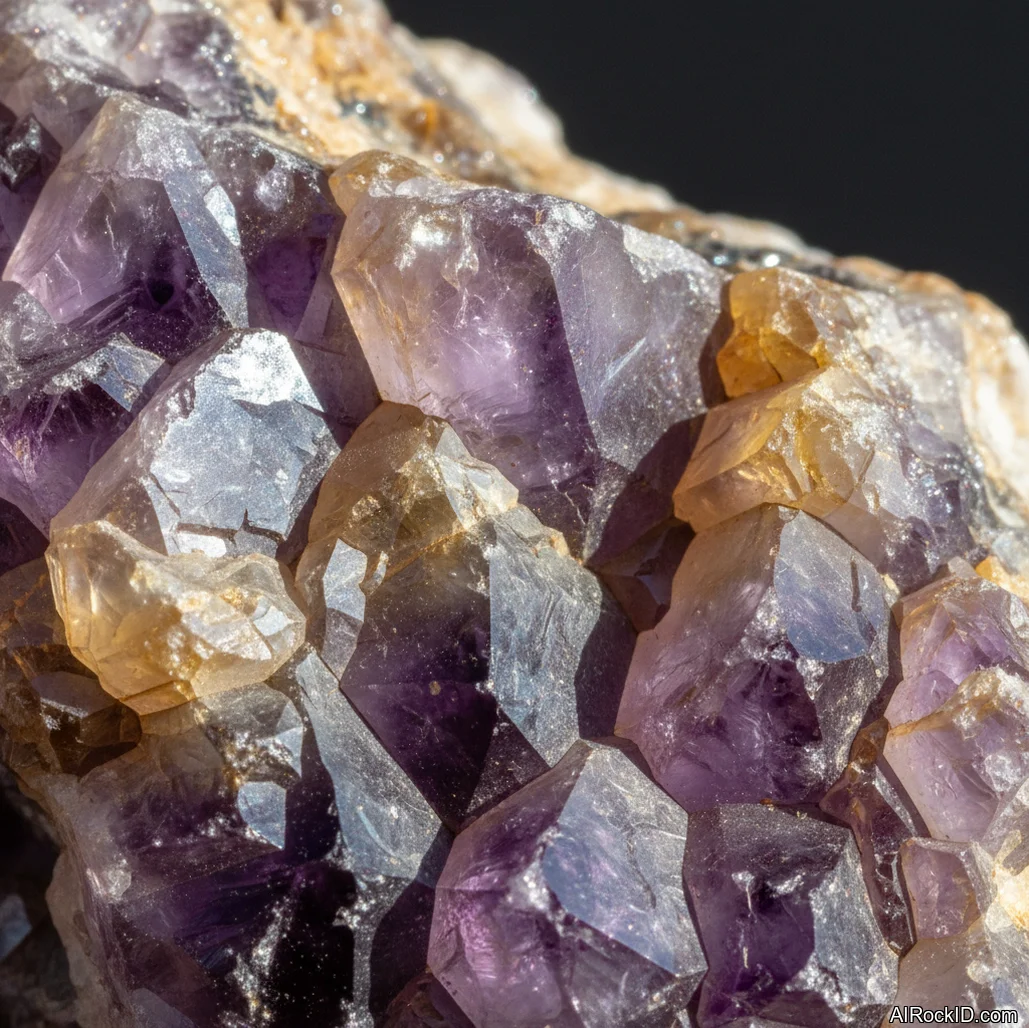
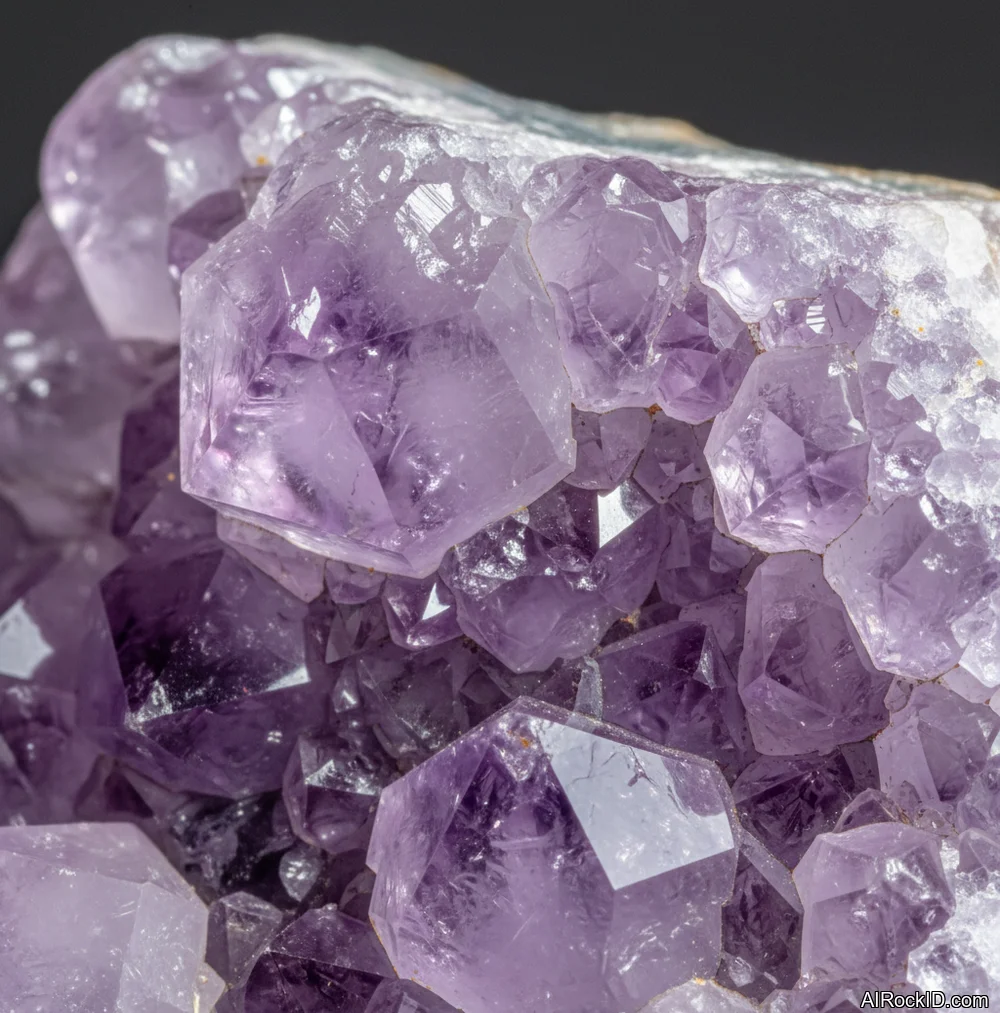
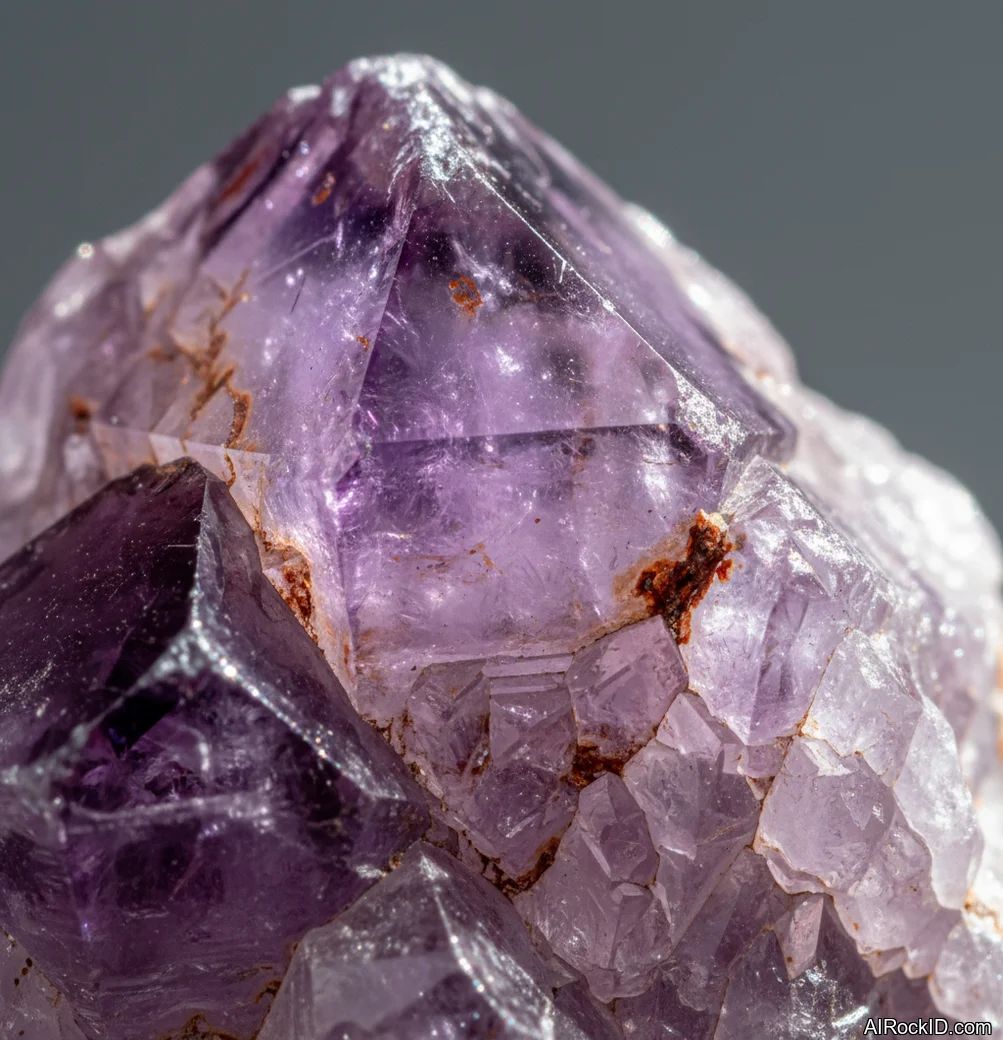
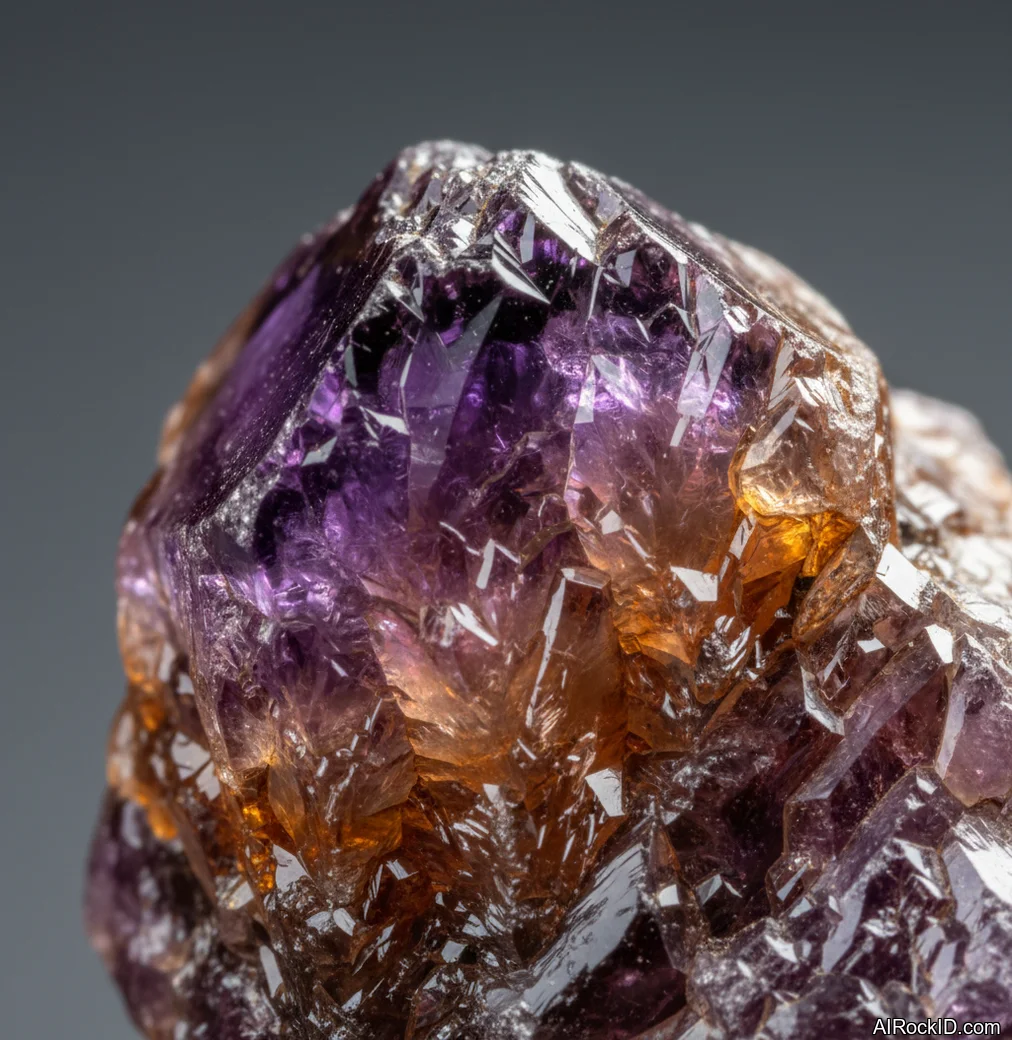
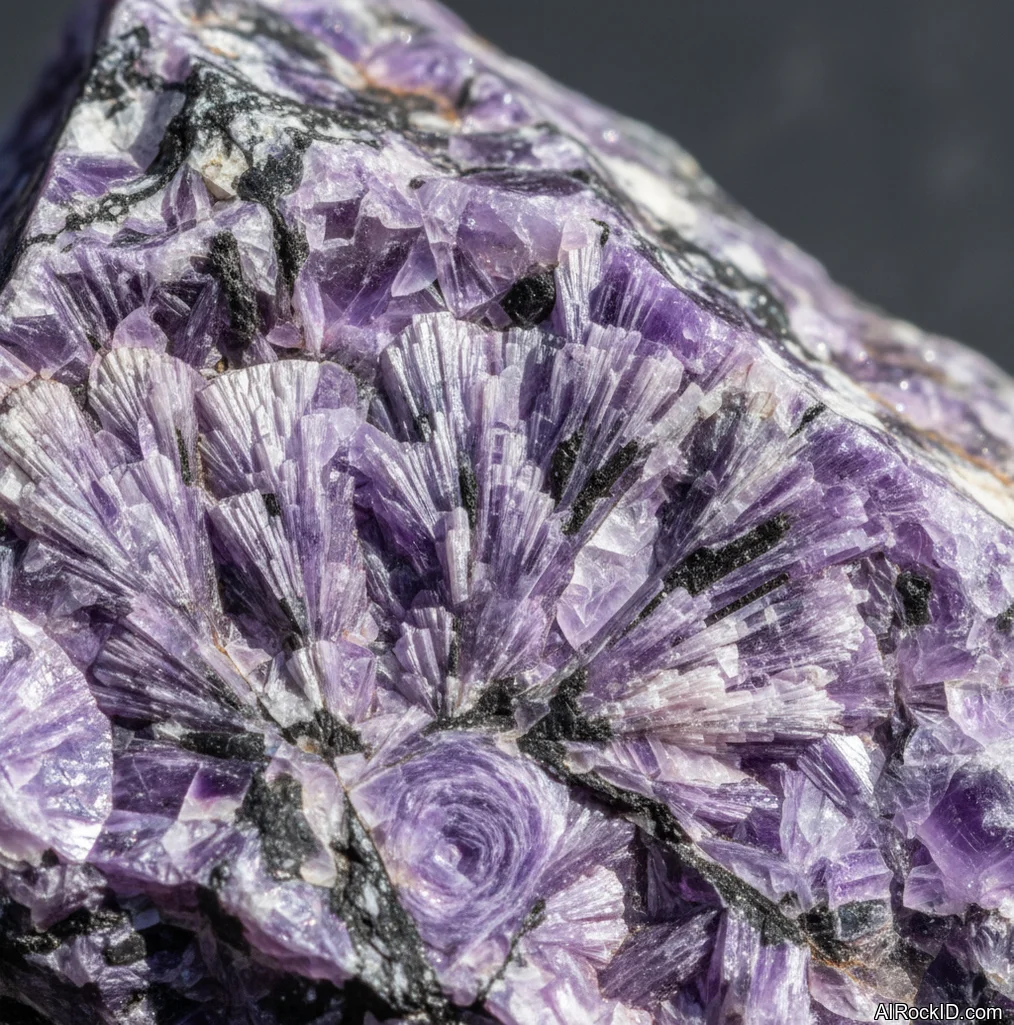
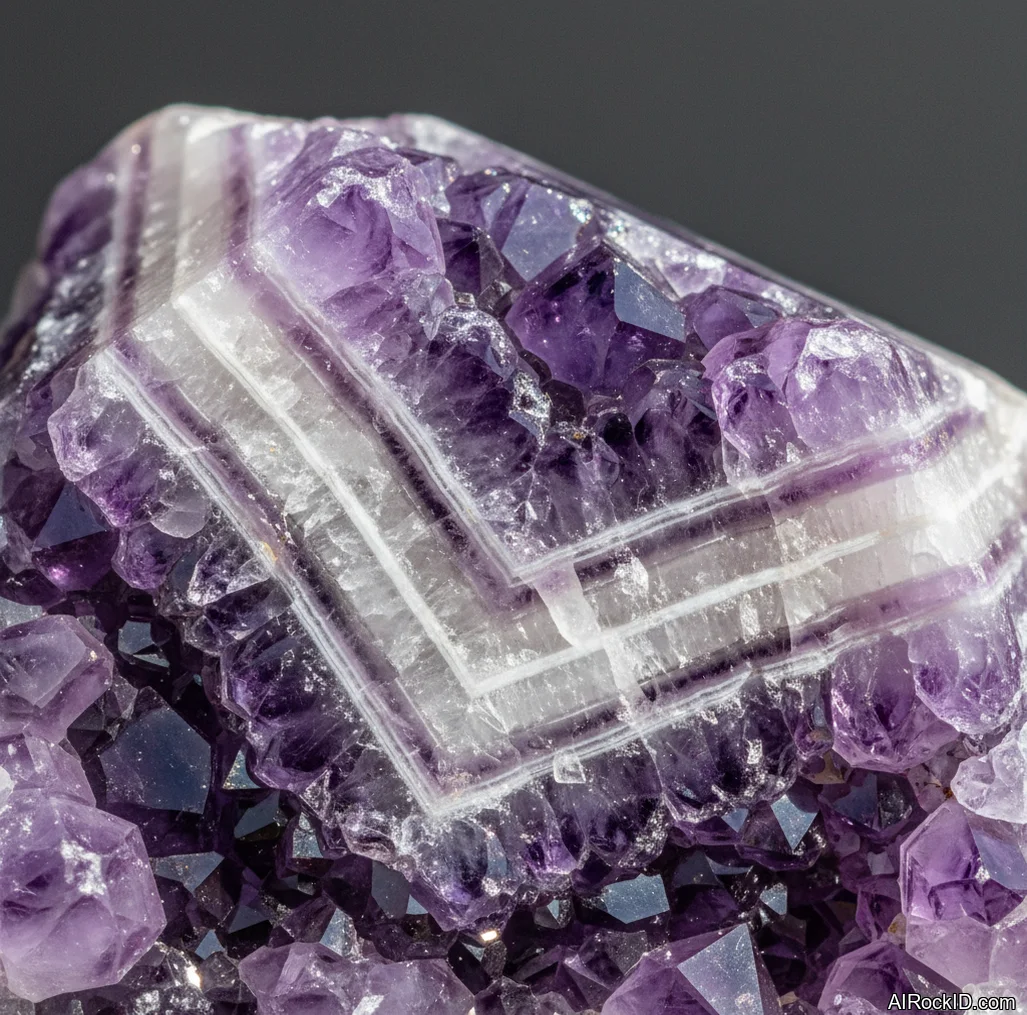
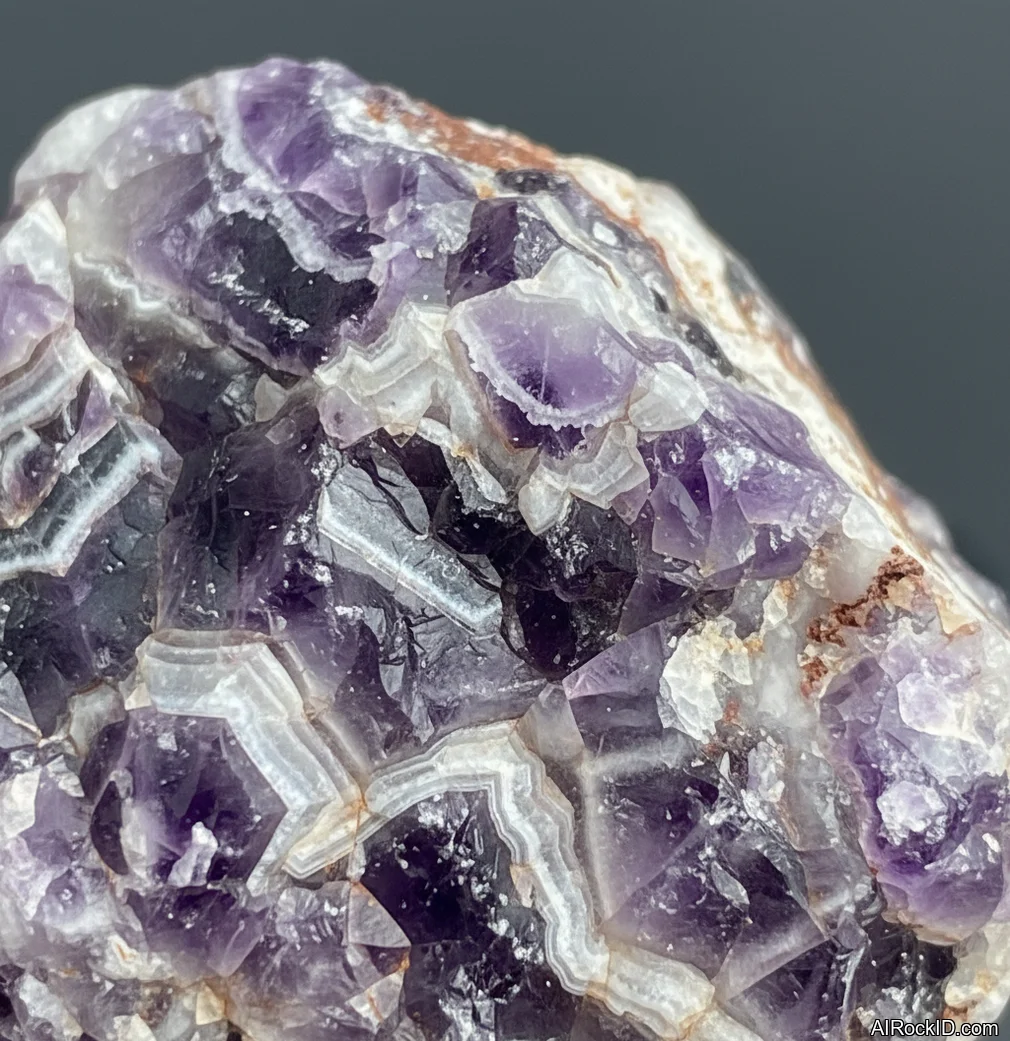
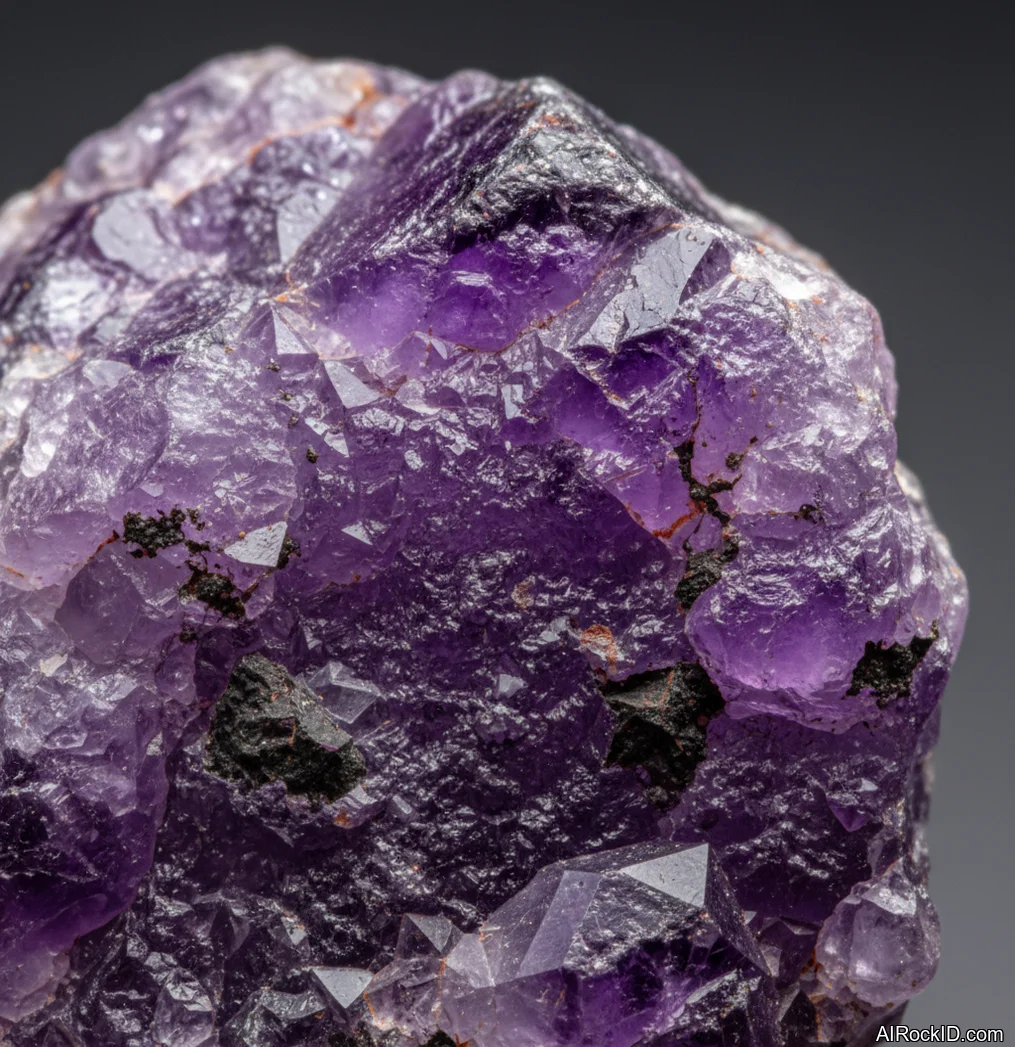
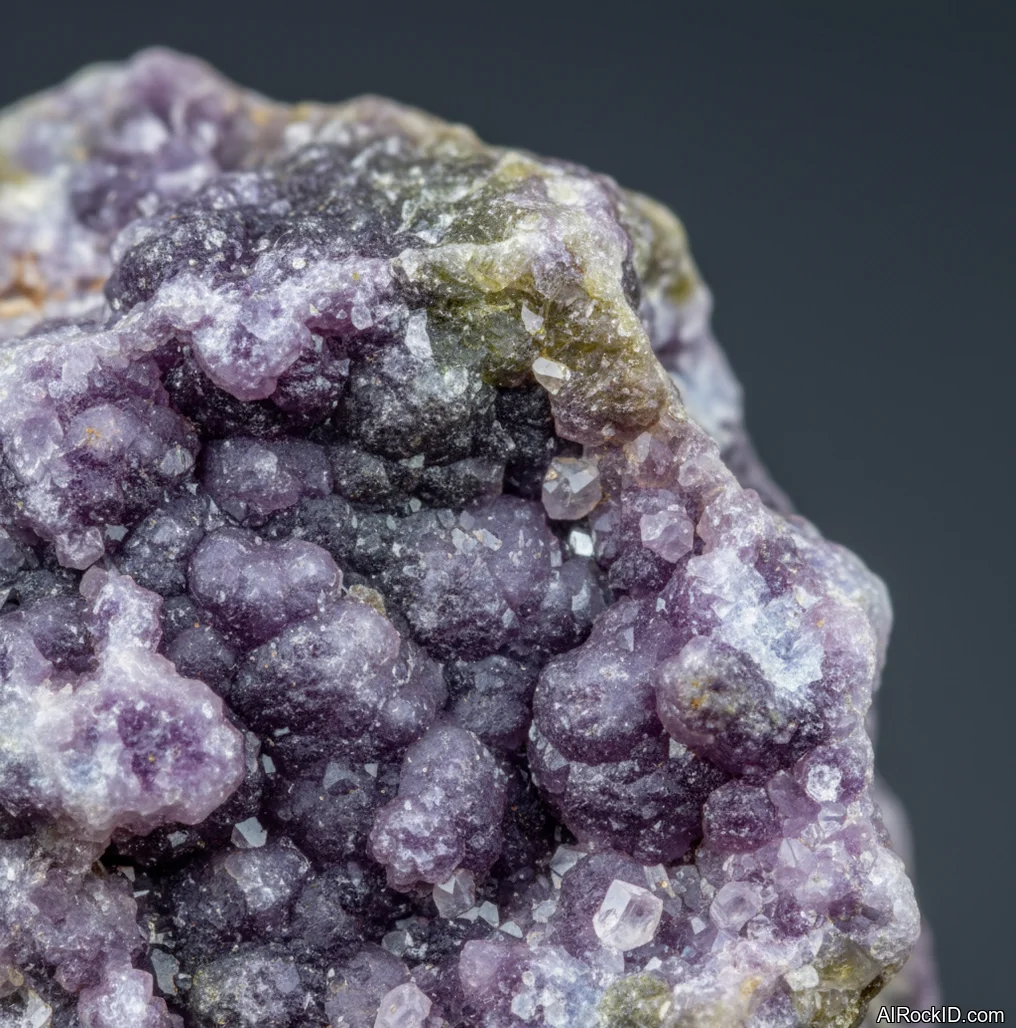
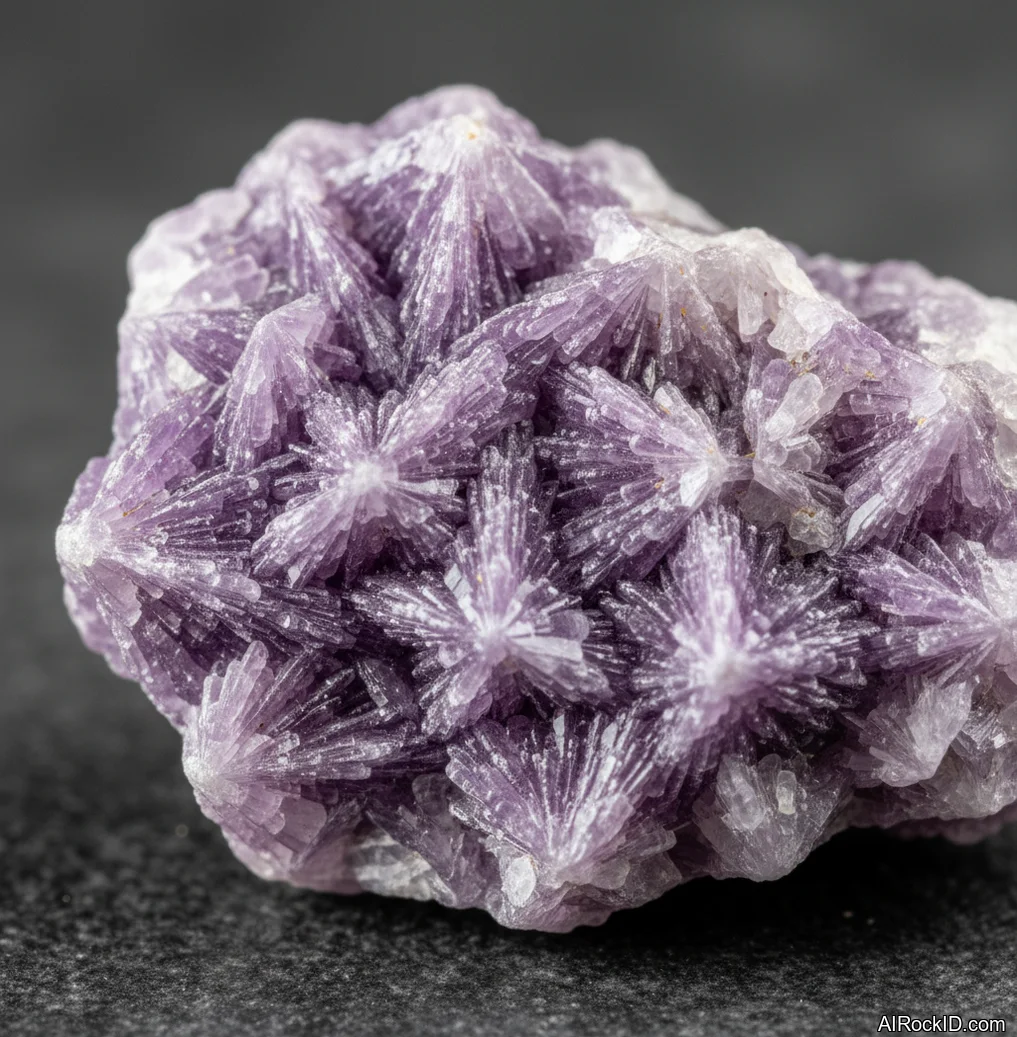
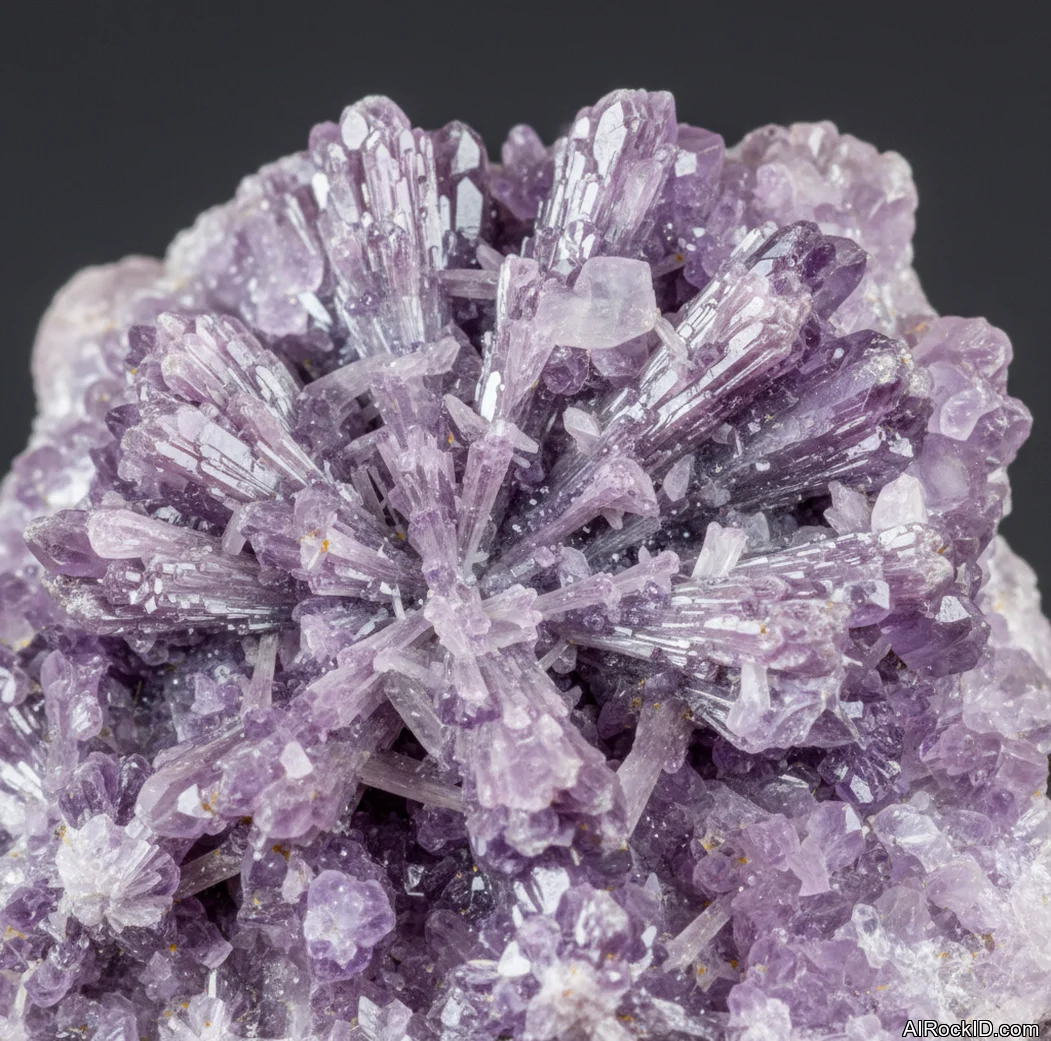
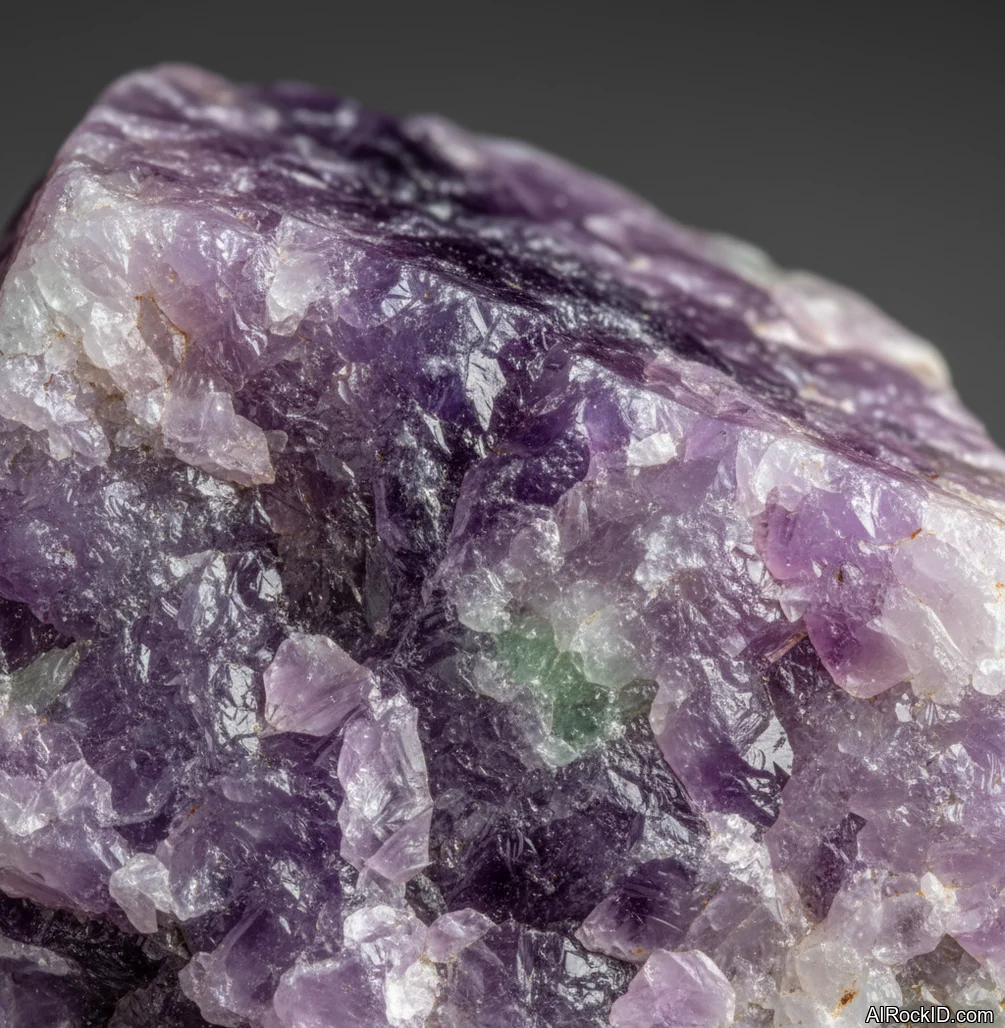
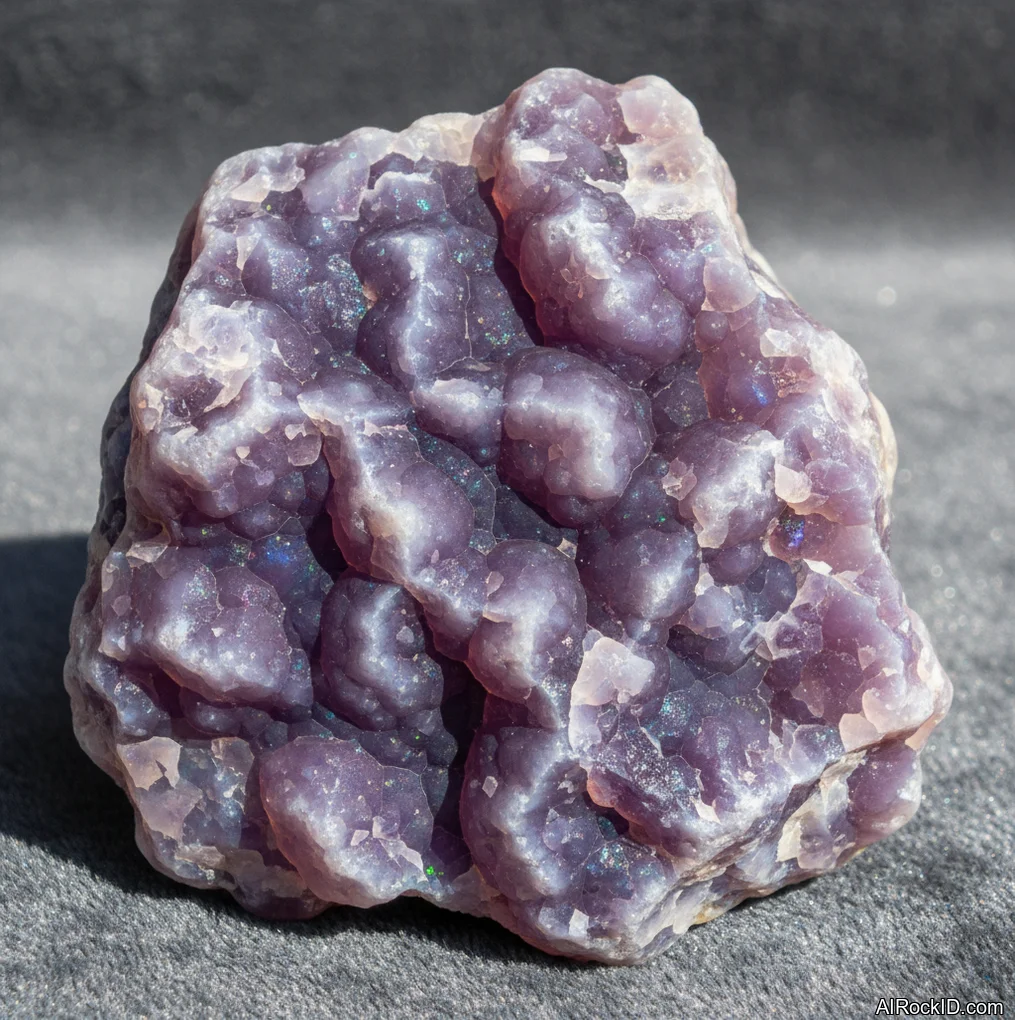
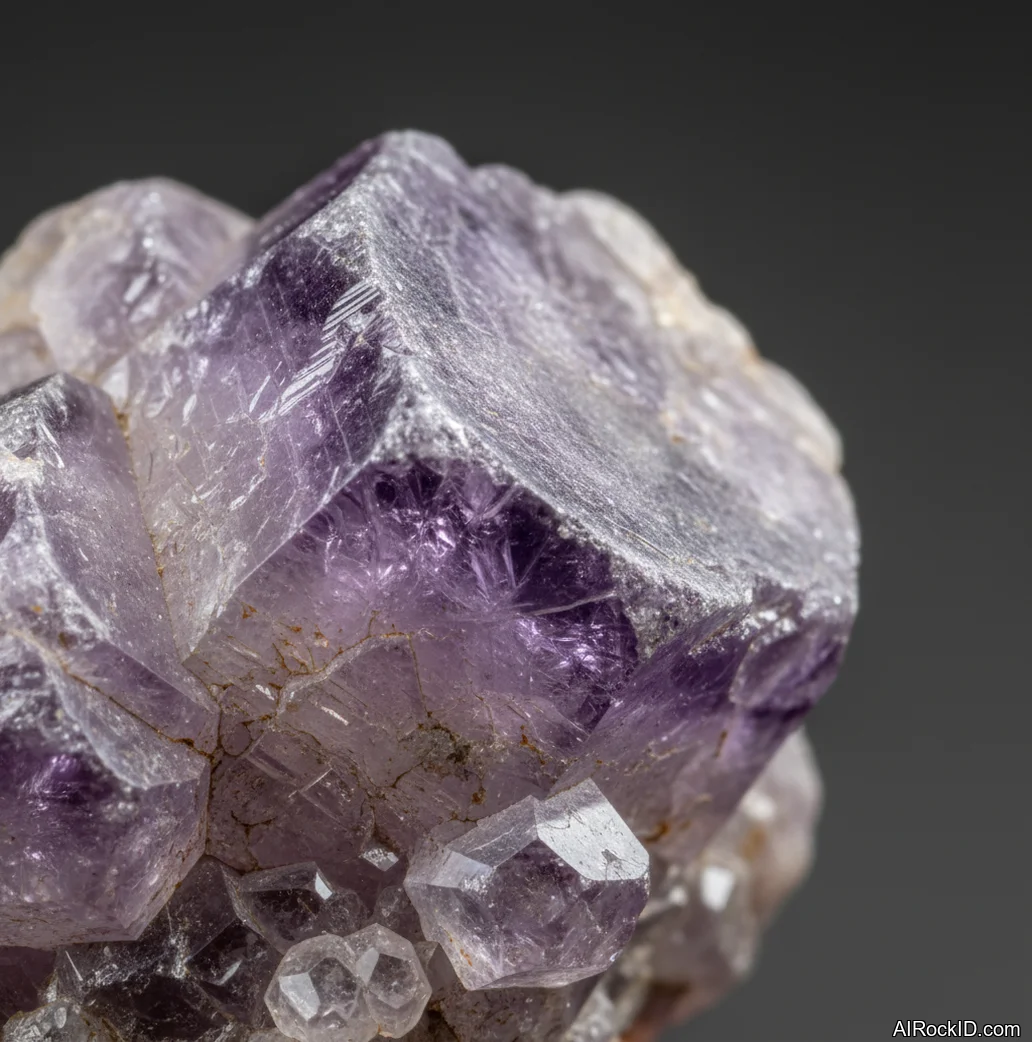
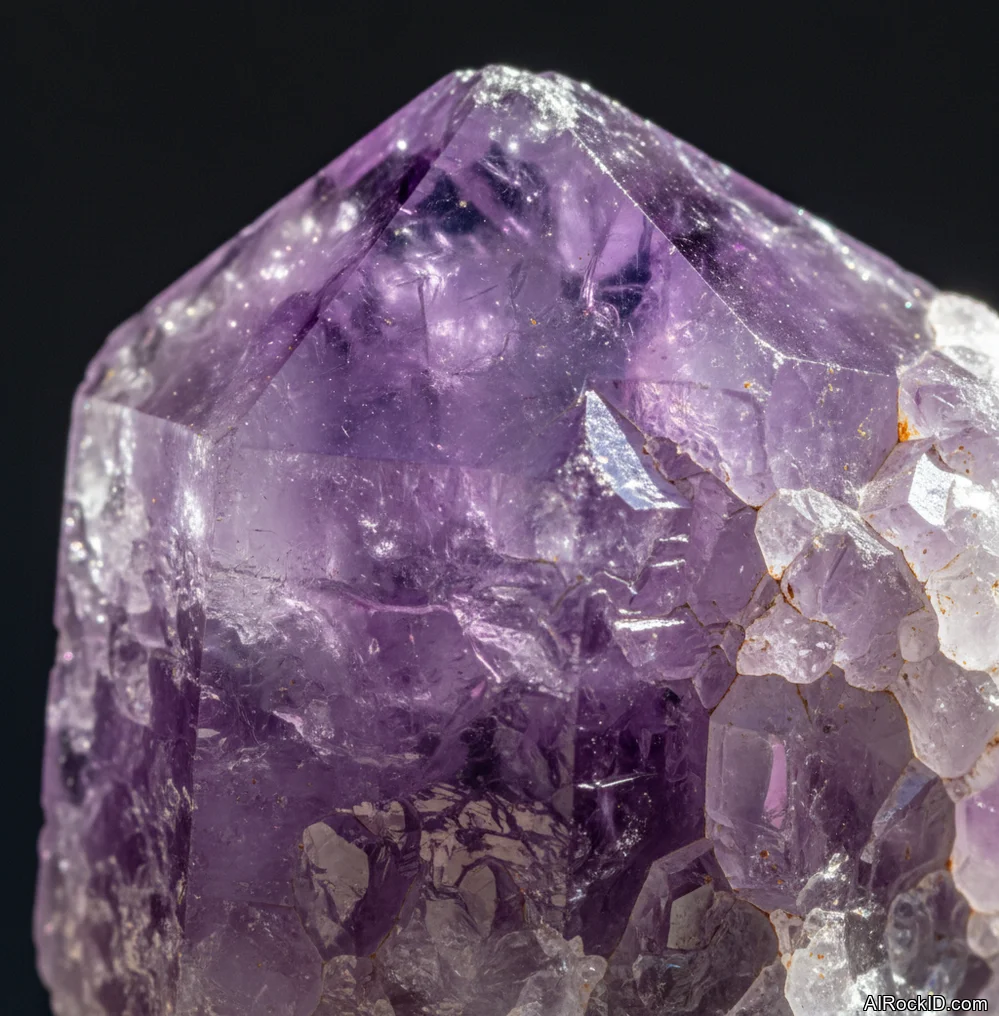
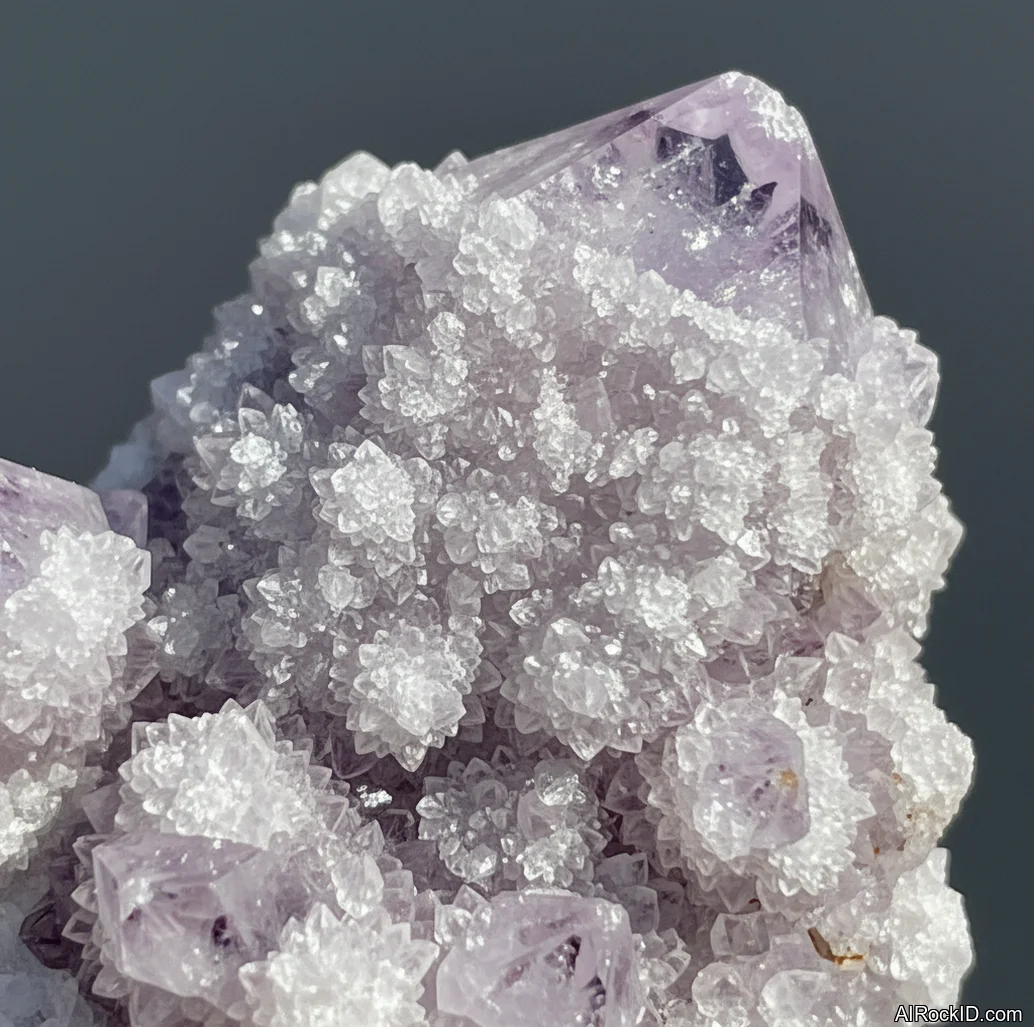
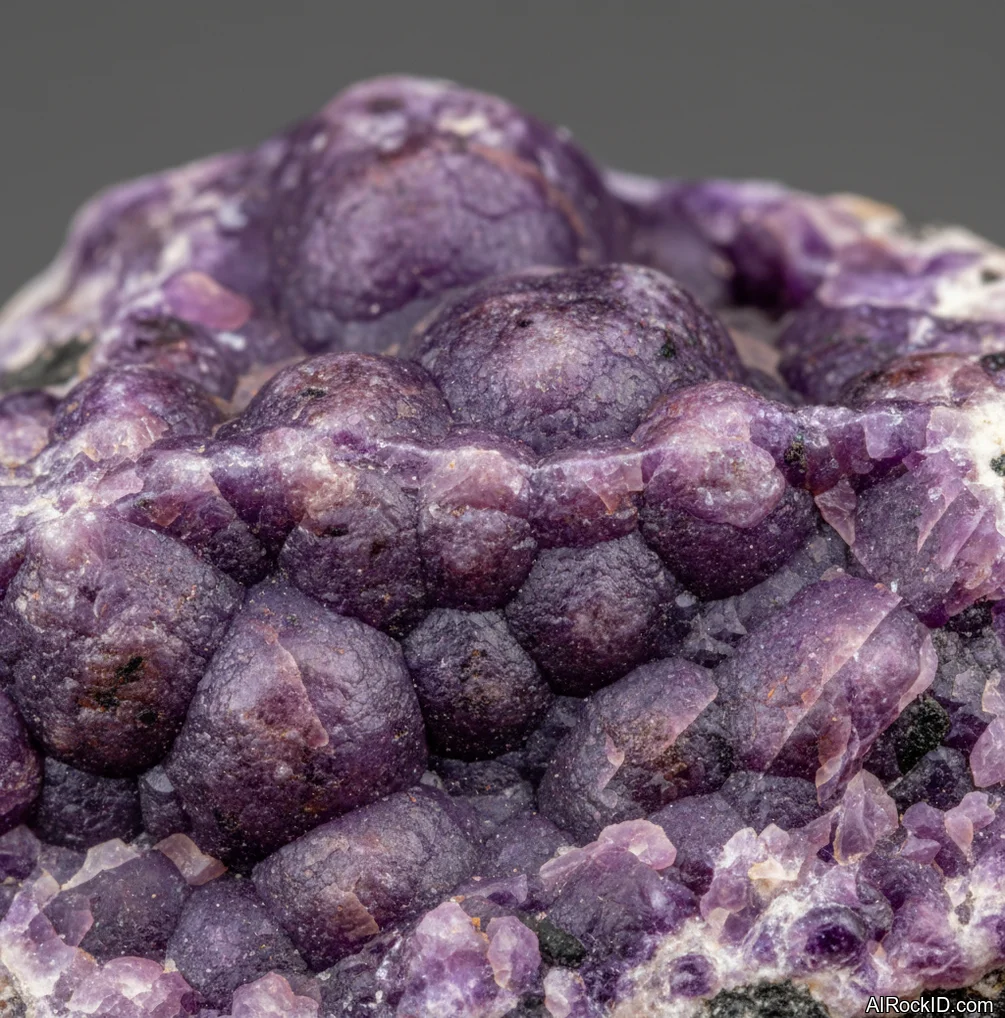
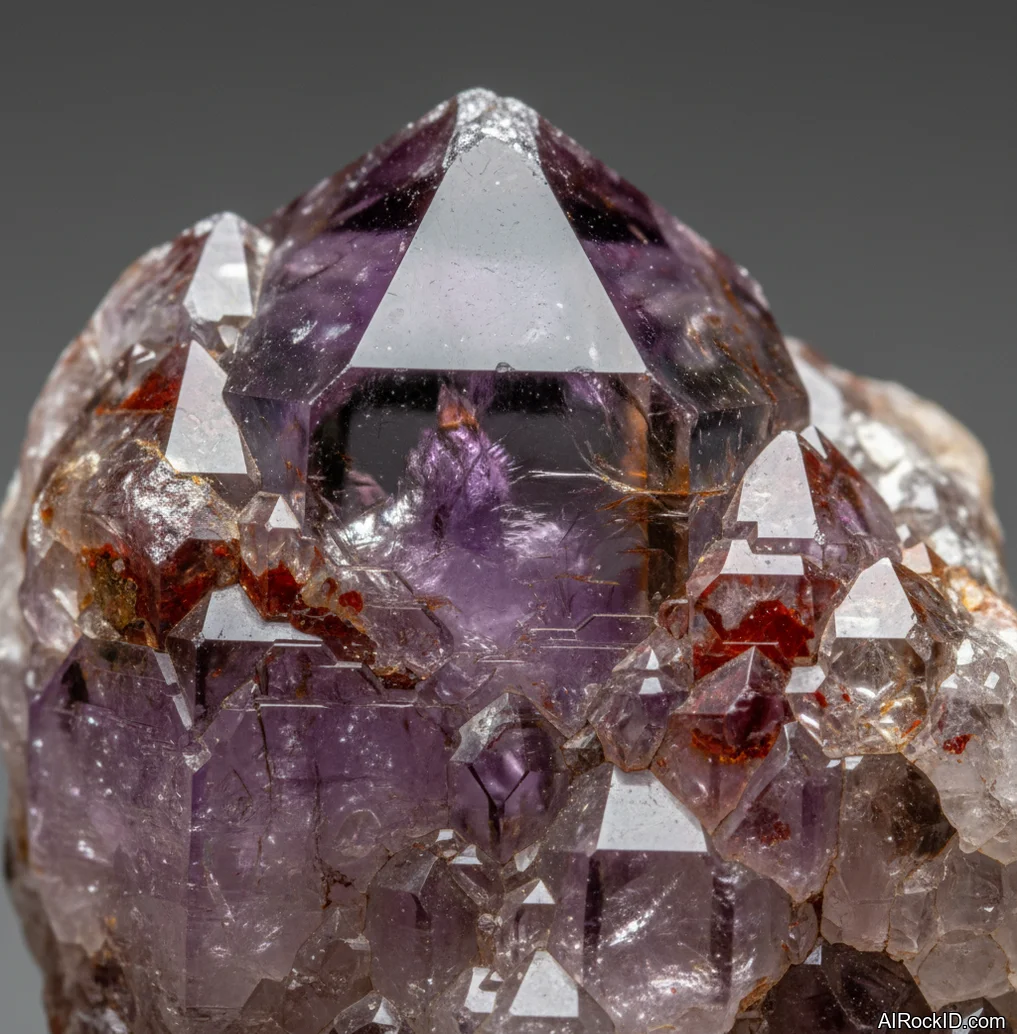
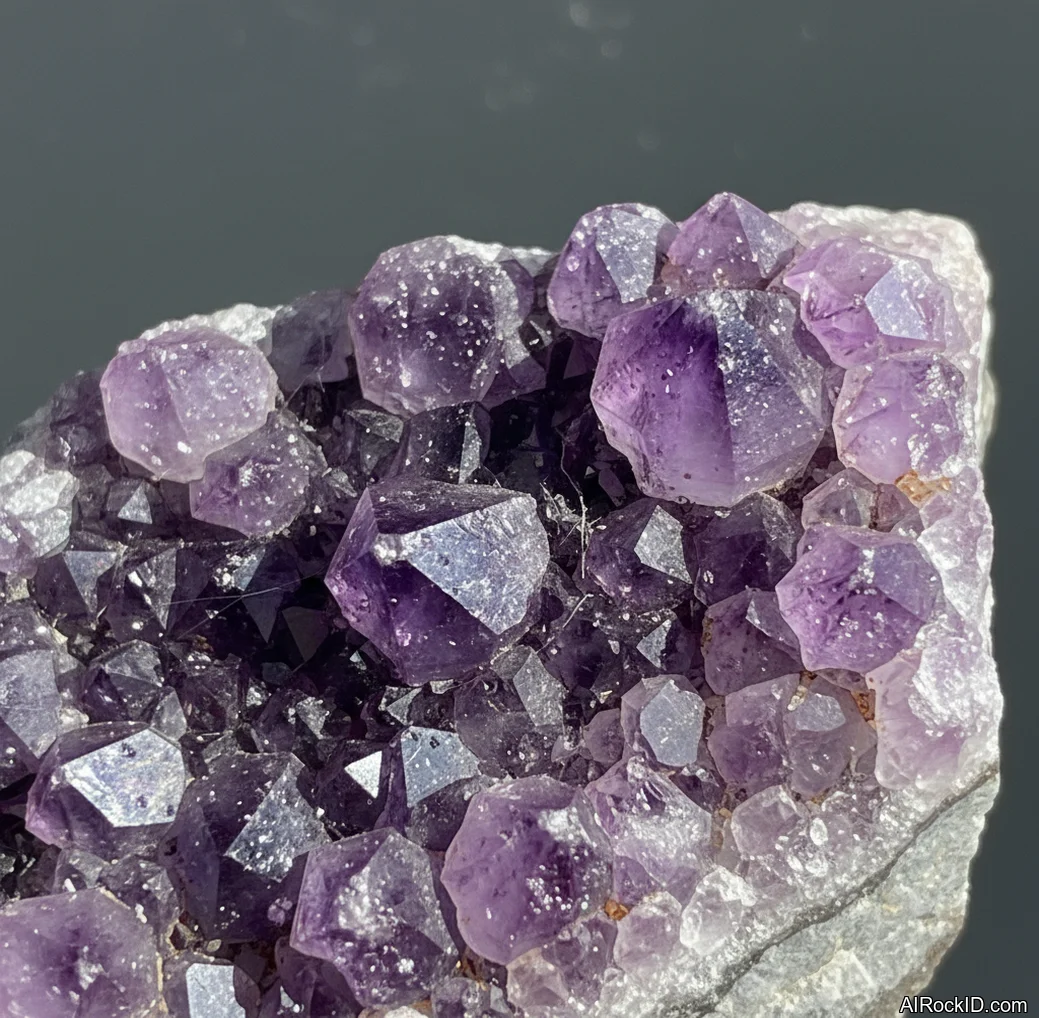
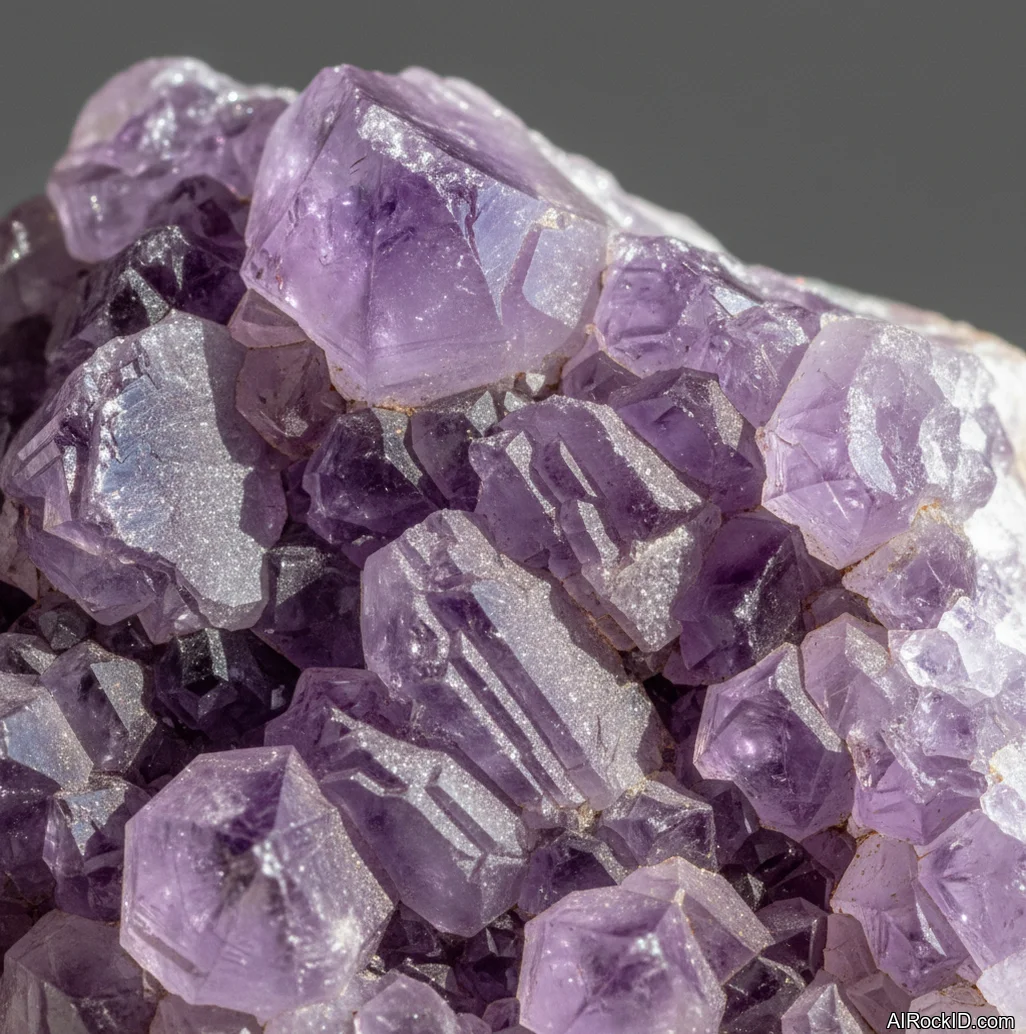
- Amethyst: Amethyst is purple quartz, while other purple stones may be fluorite, lepidolite, or charoite.
Ways to Browse the Crystal Index
| Browsing method | Best use | Example |
|---|---|---|
| Alphabetical name | Finding a known crystal quickly | Search for amethyst under A |
| Color | Narrowing down an unknown specimen | Purple stones may include amethyst or fluorite |
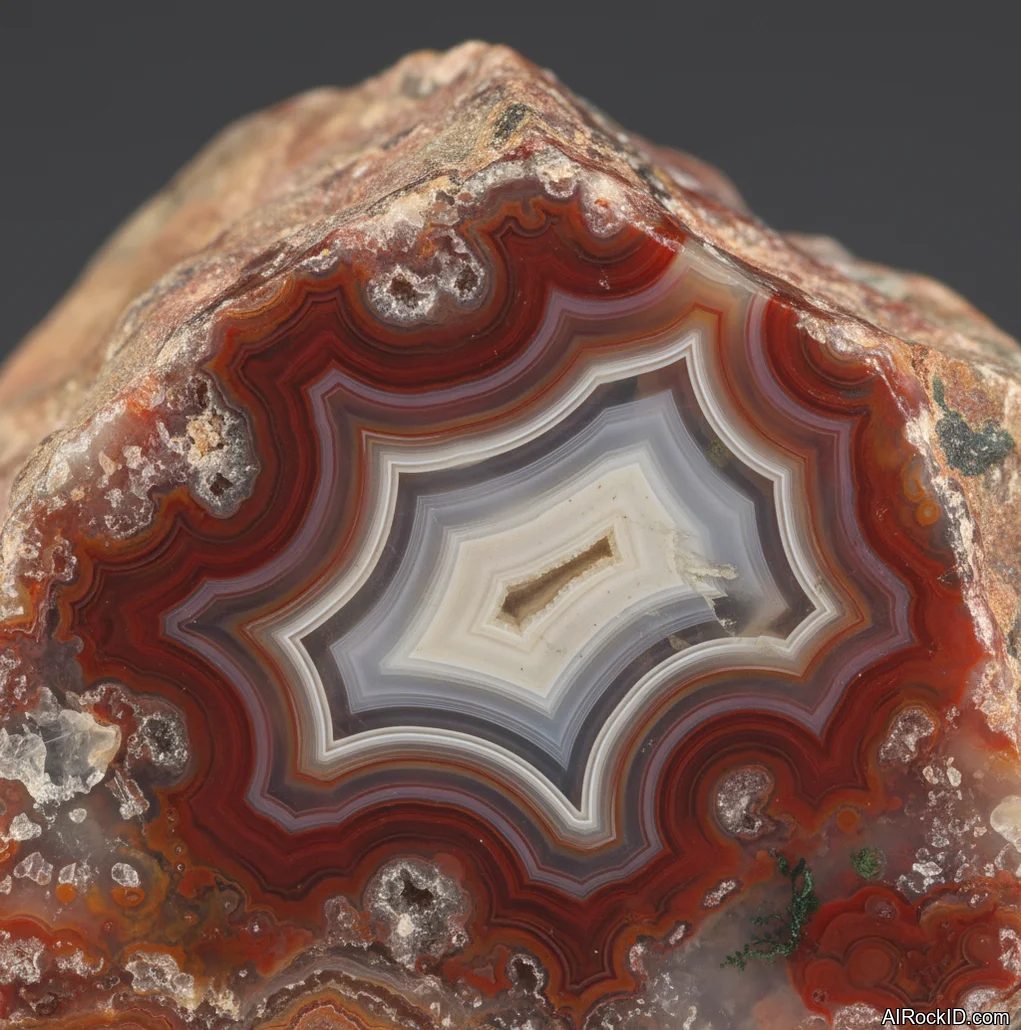
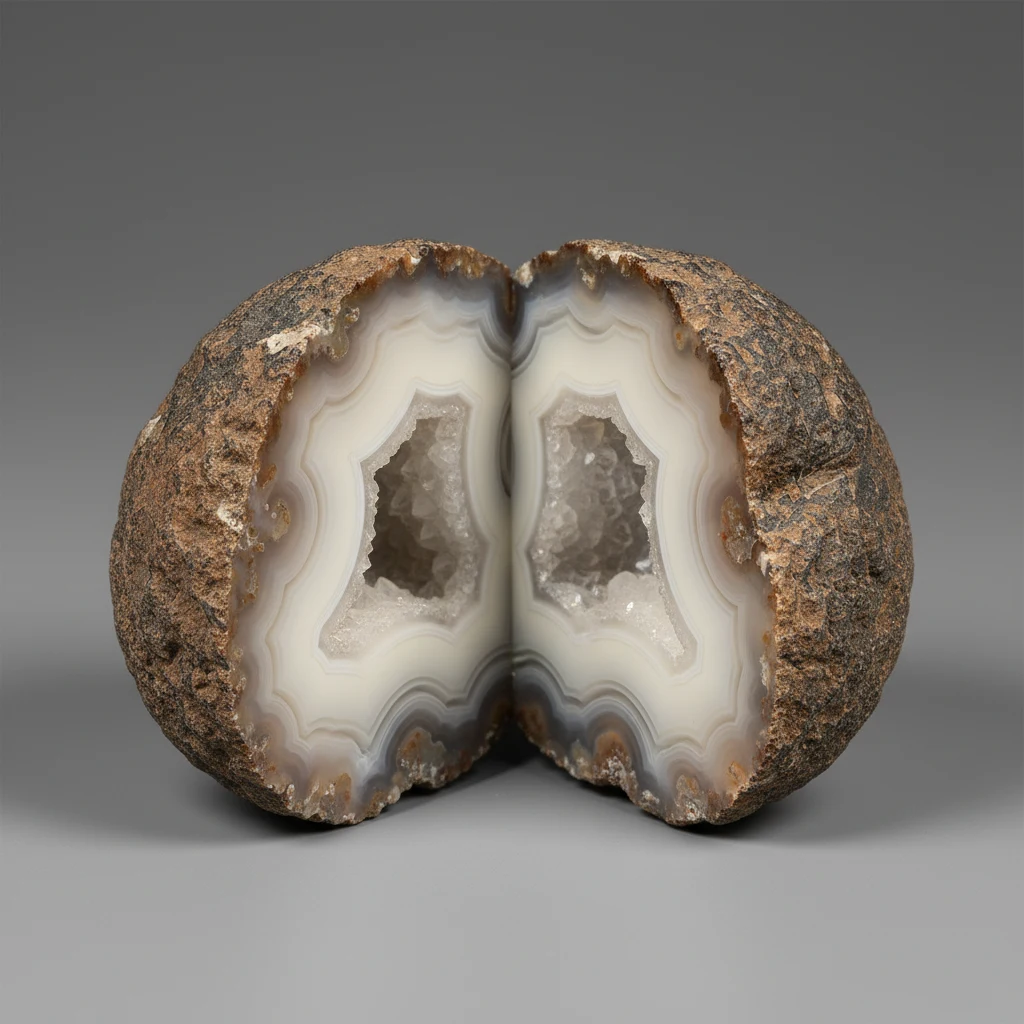
| Mineral family | Understanding related varieties | Agate, jasper, and amethyst are quartz-related |
| Collection level | Choosing starter or advanced specimens | Begin with quartz, calcite, and fluorite |
| Use or tradition | Exploring cultural or metaphysical associations | Some traditions associate rose quartz with love |
AI identification confidence
AI identification is usually more reliable for common crystals with distinctive color, shape, banding, or crystal habit. Confidence is lower for polished stones, tumbled stones, dyed specimens, and minerals that require hardness, streak, or optical testing.
When AI gets it wrong
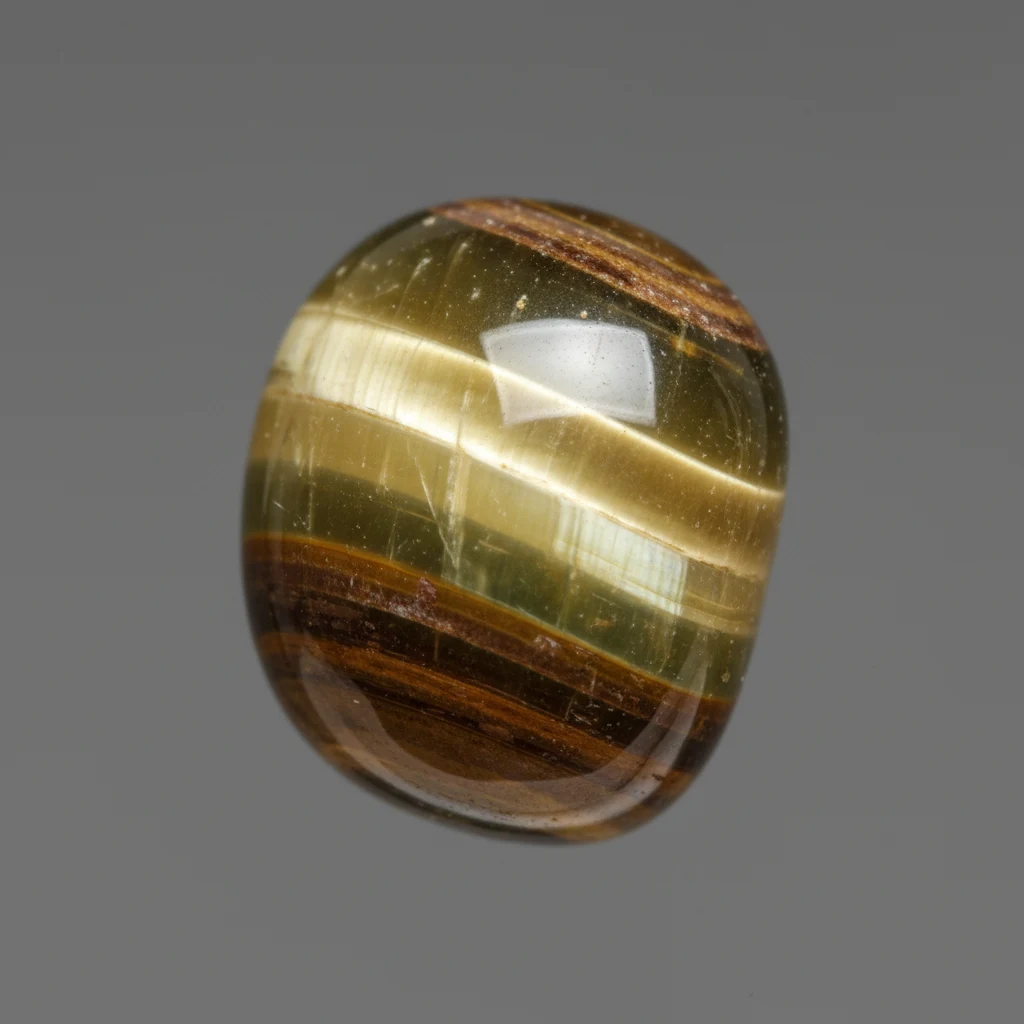
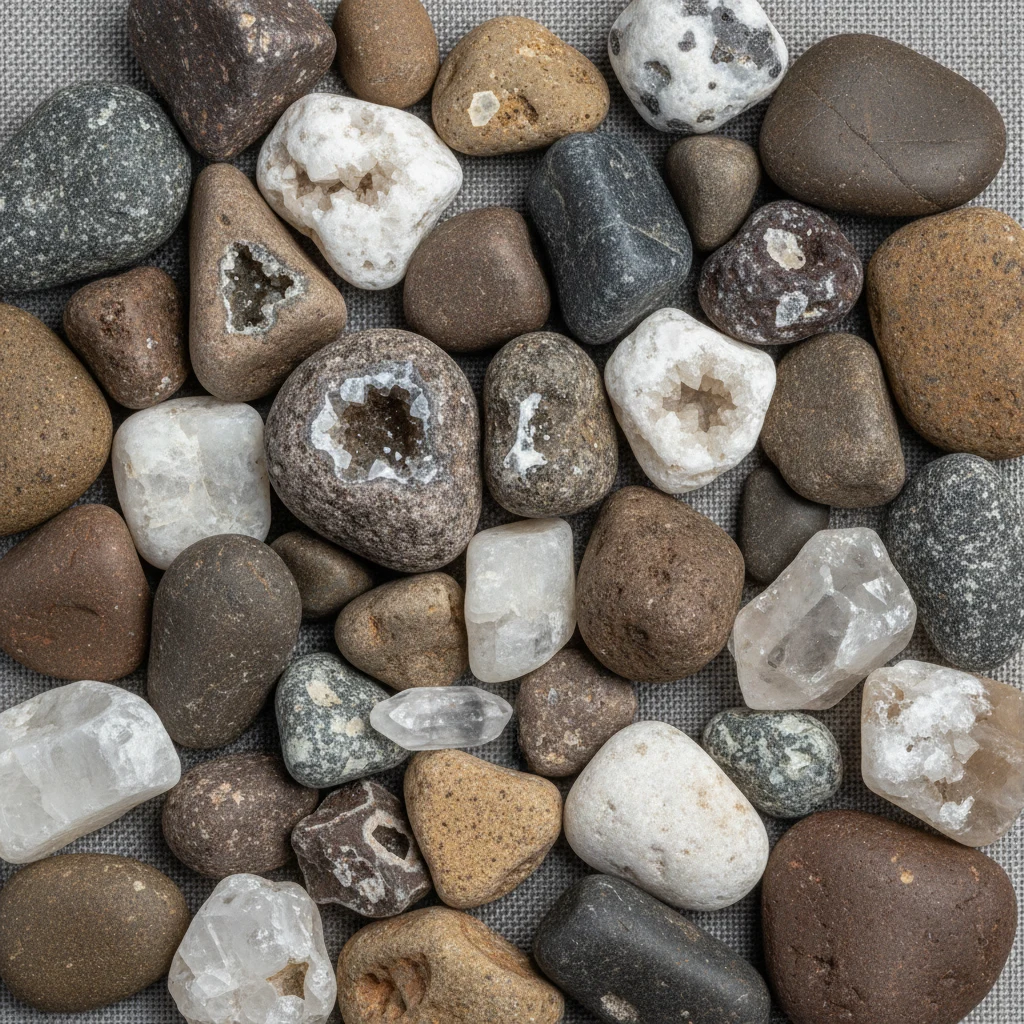
- The photo shows a polished or tumbled stone with no visible crystal habit
- Lighting changes the apparent color or hides transparency and luster
- Several minerals share the same color, such as purple fluorite and amethyst
- The specimen is dyed, heat-treated, glass, resin, or synthetic
Best choice summary
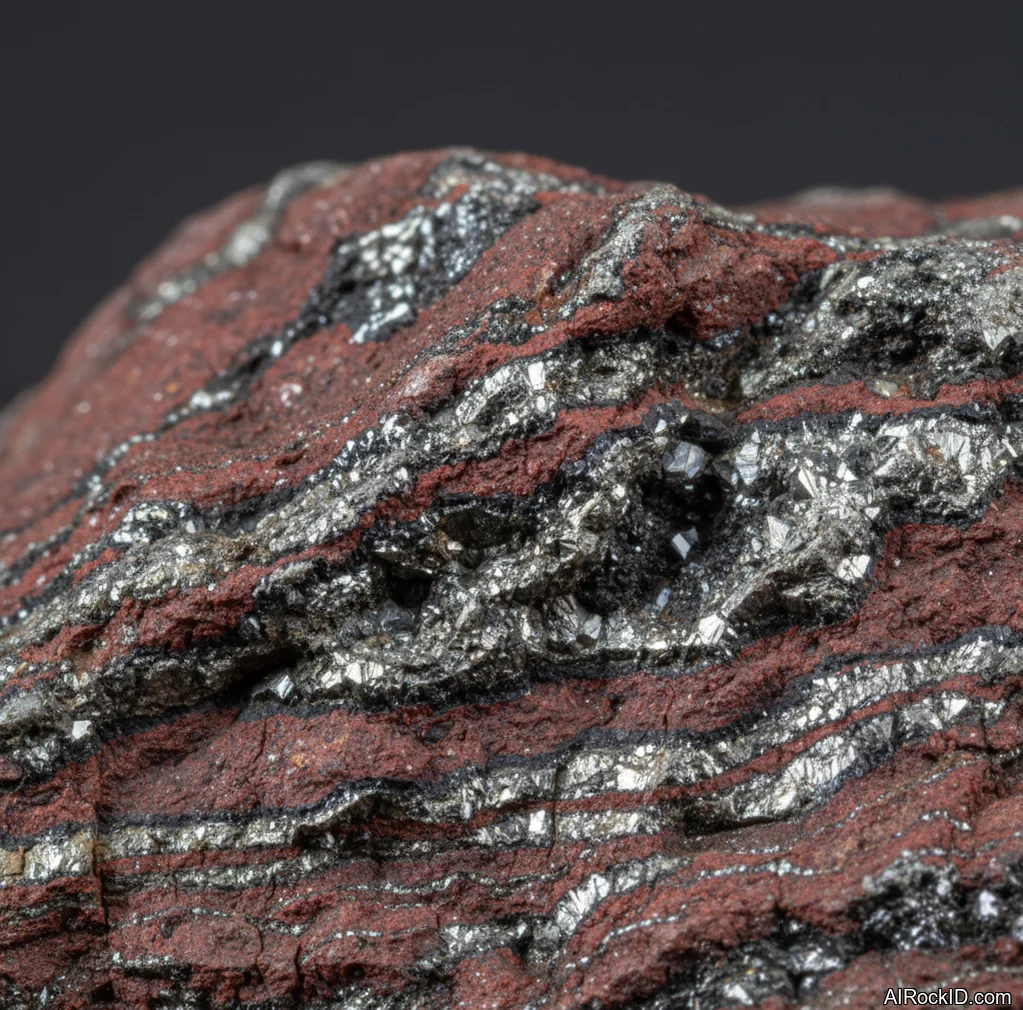
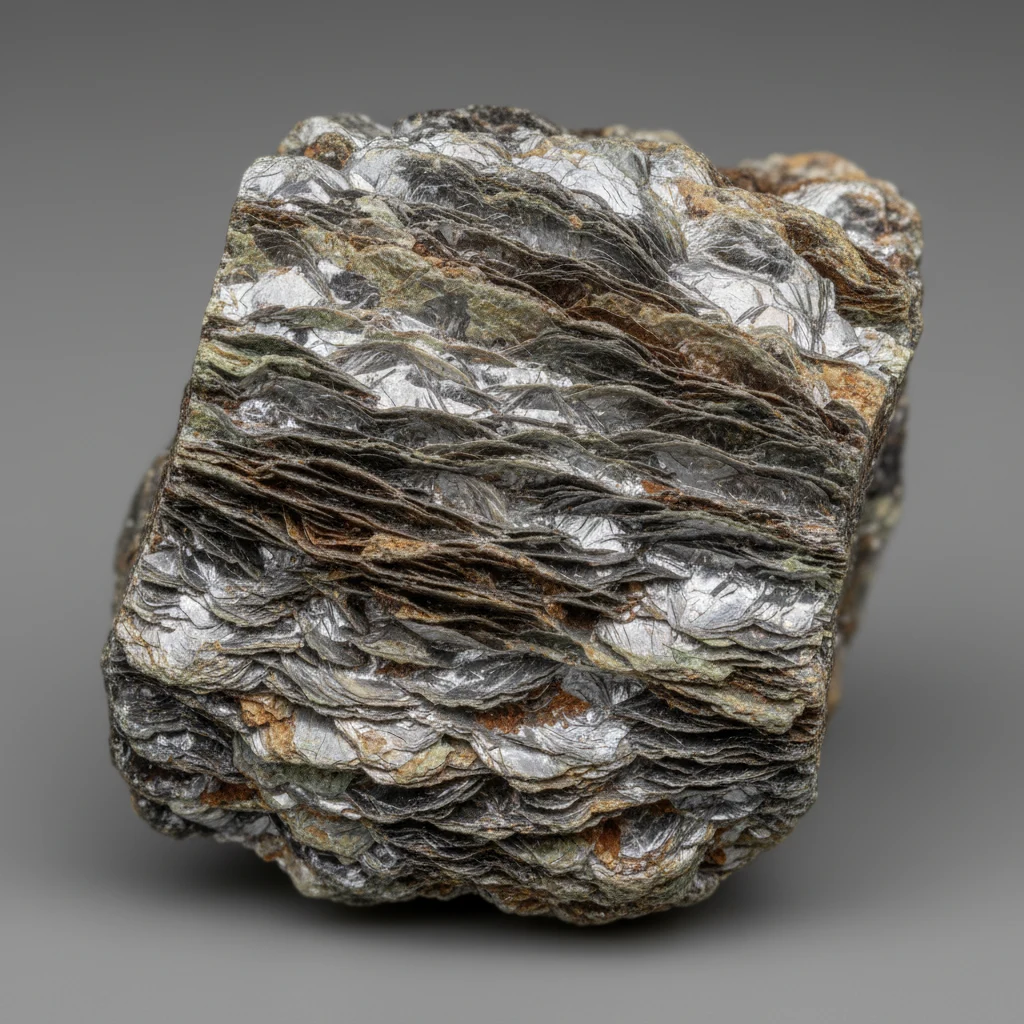
For a beginner collection, choose common minerals that are easy to compare by hardness, luster, color, and form. Quartz, calcite, fluorite, feldspar, mica, and hematite provide useful reference points for identifying many other stones.
Final recommendation
Use the A-Z index as a starting point, then confirm a specimen with physical properties rather than name or color alone. For potentially valuable gems, antiques, or jewelry stones, seek testing from a qualified gemologist or mineral laboratory.
Why people search for this
People often search a crystal directory when they have a name from a label, seller, or field note and want to verify what the stone is. Others use an A-Z list to discover related minerals, common varieties, and beginner collection ideas.
Beginner recommendations
Advanced recommendations
How to Use an A-Z Crystal Directory
Start with the exact name on a label, receipt, or field note, then compare spelling and common variety names. If the name is uncertain, use visible clues such as color, transparency, luster, banding, and crystal shape to narrow the possibilities before opening individual crystal pages.
Starter Crystal Collection Ideas
A practical beginner collection includes a few common minerals that show different properties clearly. Quartz, calcite, fluorite, gypsum, feldspar, mica, and hematite help demonstrate hardness, cleavage, crystal habit, metallic luster, and color variation.
Reading Crystal Names Carefully
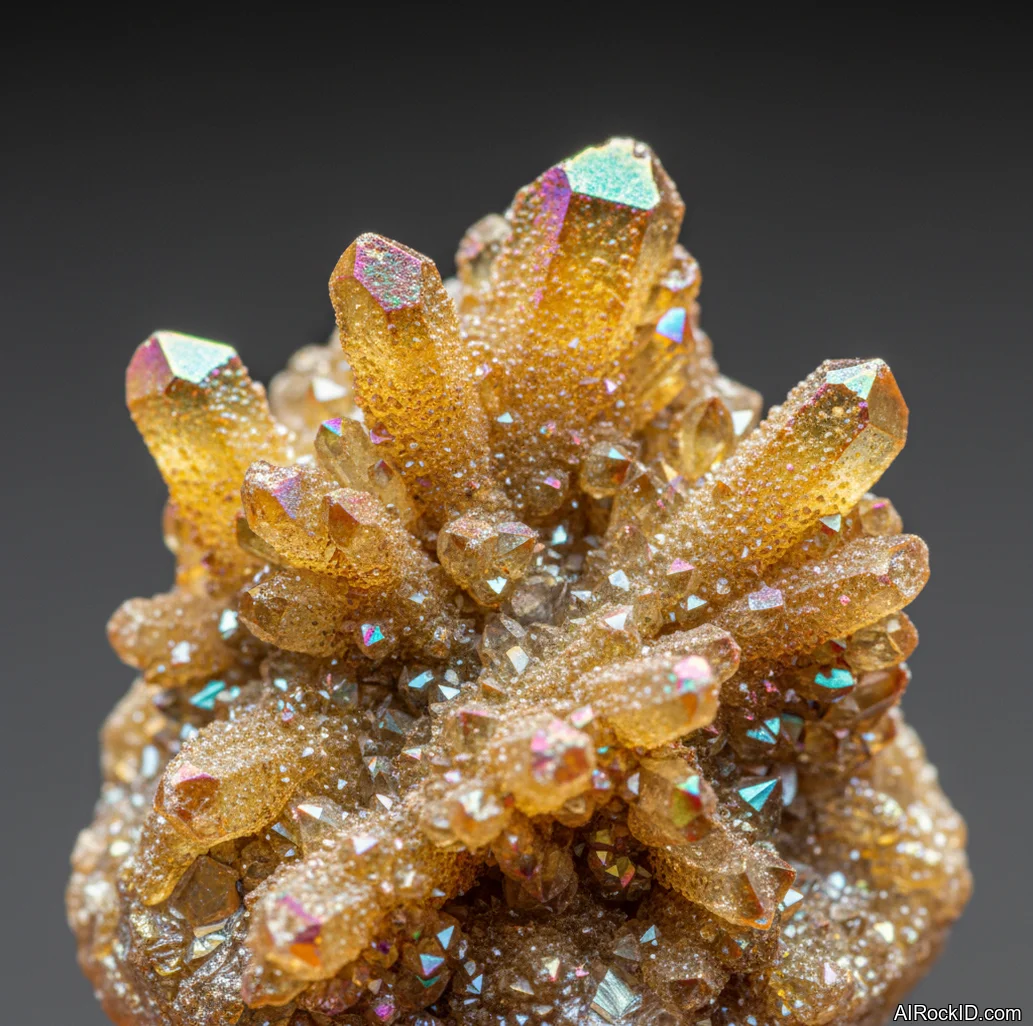
Some crystal names are mineral species, some are varieties, and others are trade names. For example, amethyst is a quartz variety, while names such as cherry quartz or aura quartz may describe treated, synthetic, or manufactured materials rather than naturally occurring mineral species.