Best Crystals for Leo
Crystal traditions link Leo with stones chosen for steady confidence, clear communication, and recovery from burnout. Common picks include citrine, carnelian, tiger's eye, sunstone, amber, amethyst, and black onyx. Treated or substituted material is common, so this guide also covers simple checks for telling natural stones from dyed, heated, or glass lookalikes.


- Introduction
- Recommended Crystals
- What Leo energy actually needs from stones (and what it doesn’t)
- How to pick quality pieces without getting played
- Work stones for Leo leadership: confidence without the ego hangover
- Leo burnout and recovery: when “fire” needs cooling, not feeding
- How to Use These Crystals
- Common Mistakes
- FAQ
Stones Often Confused With Each Other
- Citrine: Natural citrine is usually pale yellow to smoky yellow; very orange pieces are often heat-treated amethyst.
- Carnelian: Carnelian is chalcedony with orange to red tones, while dyed agate may show unusually bright color concentrated in cracks or bands.
- Tiger's Eye: Tiger's eye has a silky chatoyant band that shifts in light, unlike flat brown jasper.
- Sunstone: Natural sunstone may show glittery aventurescence; synthetic glitter glass is usually more uniformly sparkly.
Beginner recommendations
Advanced recommendations
Leo Crystal Care and Storage
Many Leo-associated stones are durable enough for everyday handling, but they still benefit from dry storage and gentle cleaning. Avoid soaking pyrite, rough black tourmaline, and iron-rich specimens, because water can damage surfaces or encourage oxidation. Store softer or polished stones separately to reduce scratches from harder quartz-based pieces.
Natural, Treated, and Synthetic Stones
Some popular Leo stones are commonly treated or substituted in the market. Heat-treated amethyst sold as citrine, dyed agate sold as carnelian, and glitter glass sold as sunstone are frequent examples. Treatments do not automatically make a stone unusable for symbolic or decorative purposes, but they should be disclosed and priced accordingly.
Safety Notes for Jewelry and Daily Carry
For rings and bracelets, choose harder stones such as quartz varieties, tiger's eye, and many feldspar specimens when the piece will be bumped often. Brittle, porous, or metallic minerals such as pyrite may be better suited to pendants, desk pieces, or display. Keep small stones away from children and pets, and avoid using crystal-infused water unless the mineral is verified as safe for that purpose.
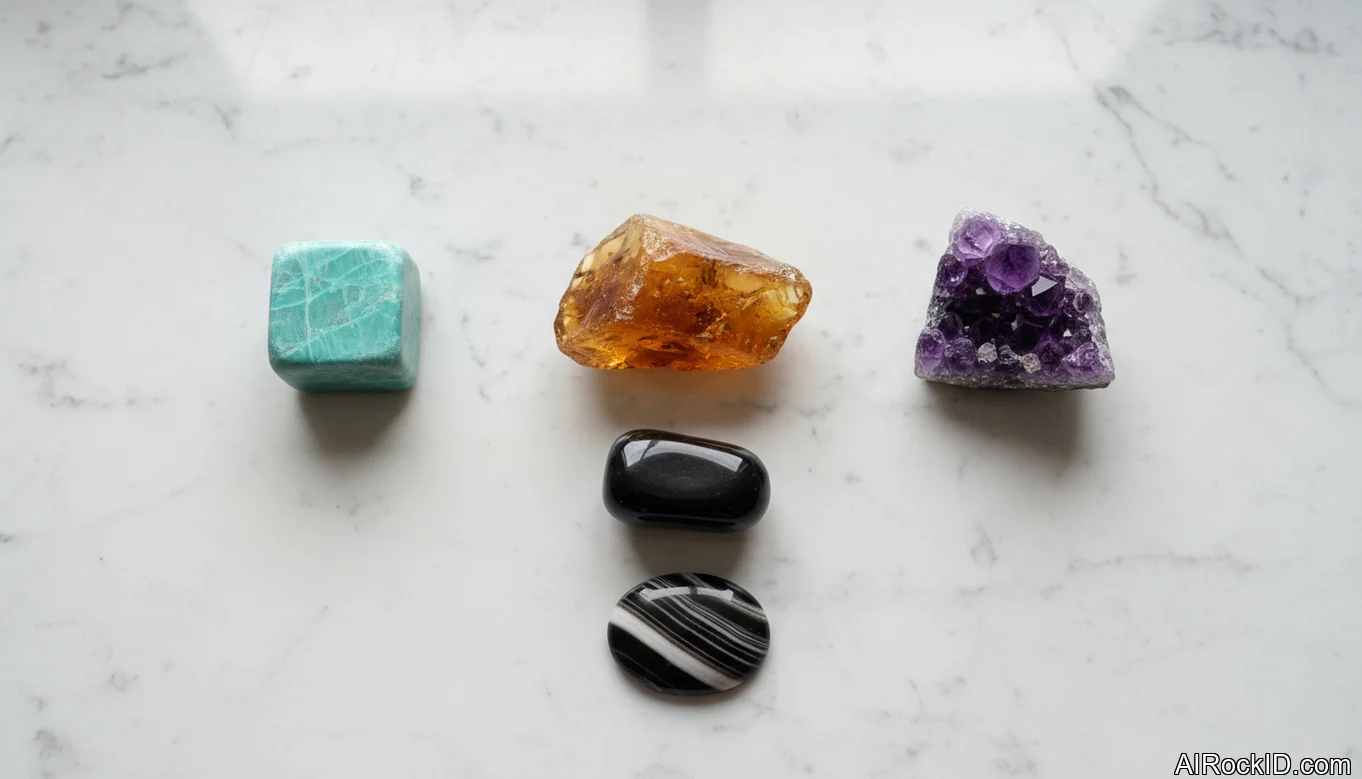
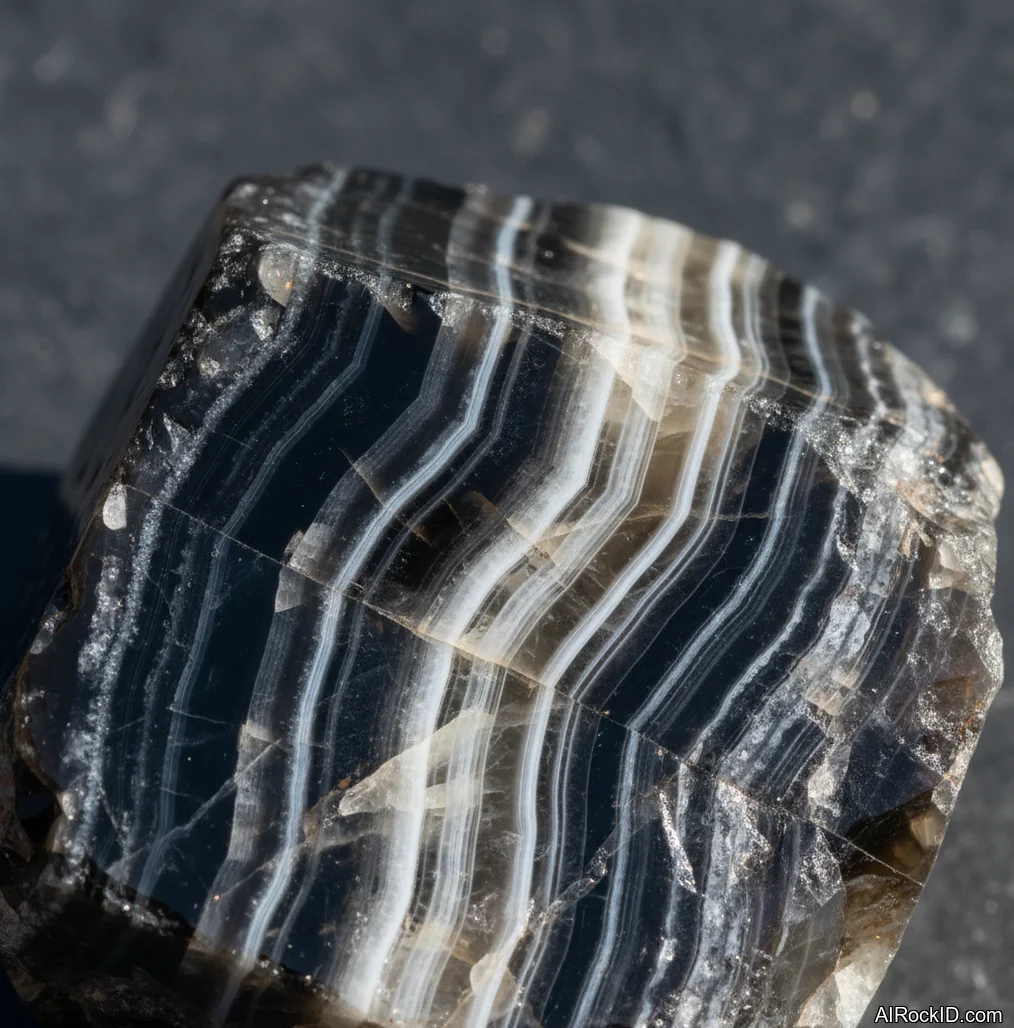
This guide covers crystals associated with Leo in crystal traditions: amber, amazonite, amethyst, black onyx, black banded onyx, and apatite. They are linked to steady confidence, clearer communication, and rest after long periods of being socially "on." Limitation: these stones are tactile objects and reminders. They do not change personality or control outcomes.
Leo is commonly paired with amber, amazonite, amethyst, black onyx, apatite, aragonite, auralite 23, azurite, and black banded onyx. These stones do not change a person's character. Practitioners suggest that texture, color, and the way a stone sits in the hand can act as a cue that supports better habits.
Leo is often described as big, sunny, and confident. That description fits some people, but loudness can also come from nerves, generosity from a wish to be noticed, and stubbornness from reluctance to back down. For that reason, this guide favors stones associated with steady confidence, clear communication, and recovery after overextending. Grounding stones such as black onyx are paired with warm, mood-lifting material such as amber.
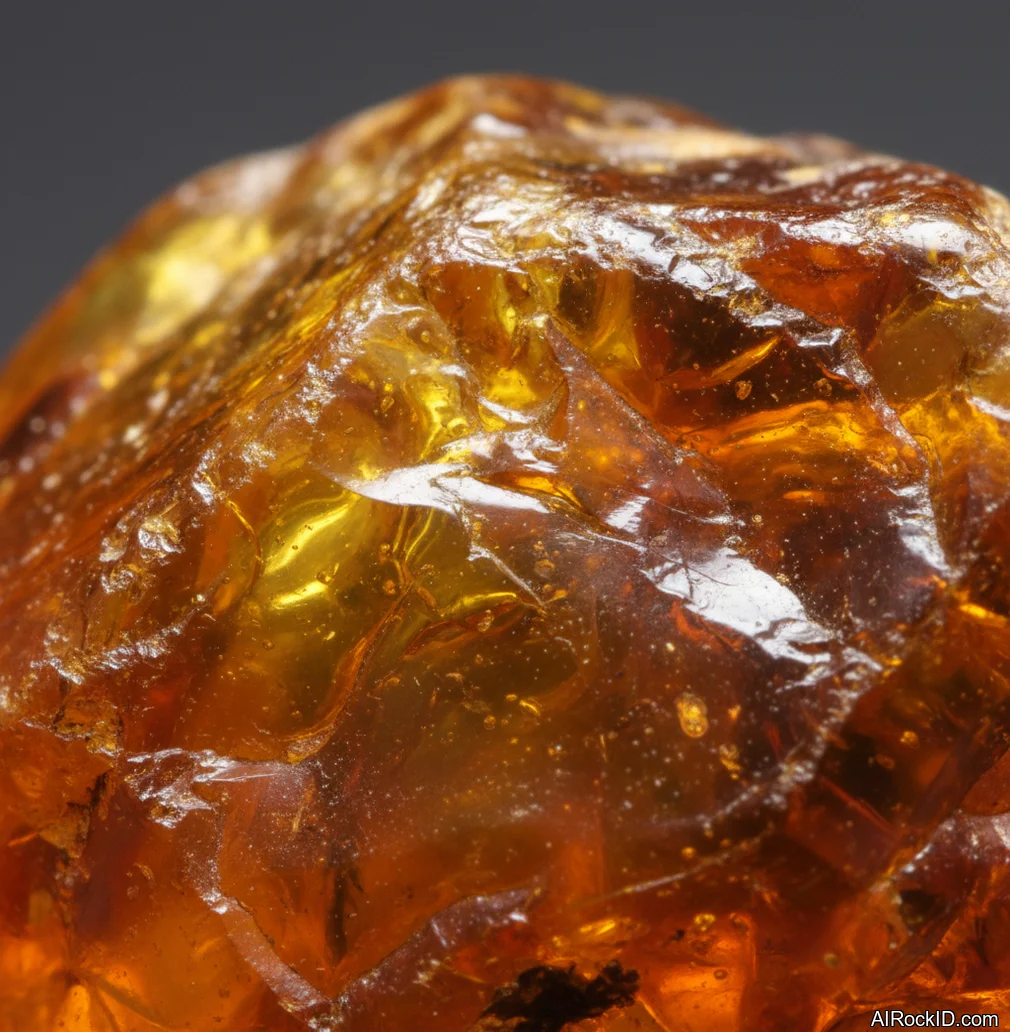
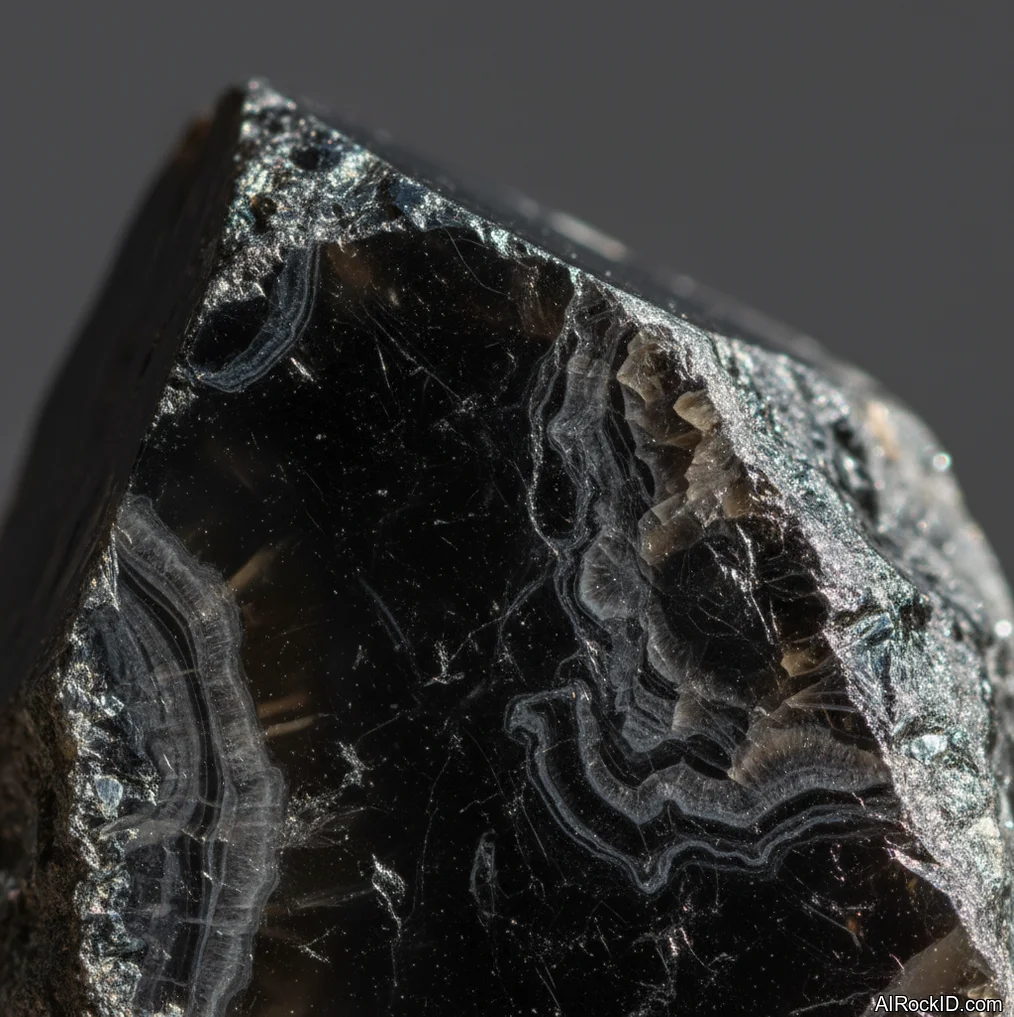
Amber and black onyx are easy to tell apart by hand. Amber is a fossil resin with very low density, so it feels light, and it warms quickly against skin. Black onyx is dense and stays cold, with a noticeable weight. In Leo symbolism the contrast is the point: amber stands for warmth and openness, onyx for steadiness and restraint. Used together, they represent balance rather than simply more fire.
Quick Comparison
| situation | crystal | why | format |
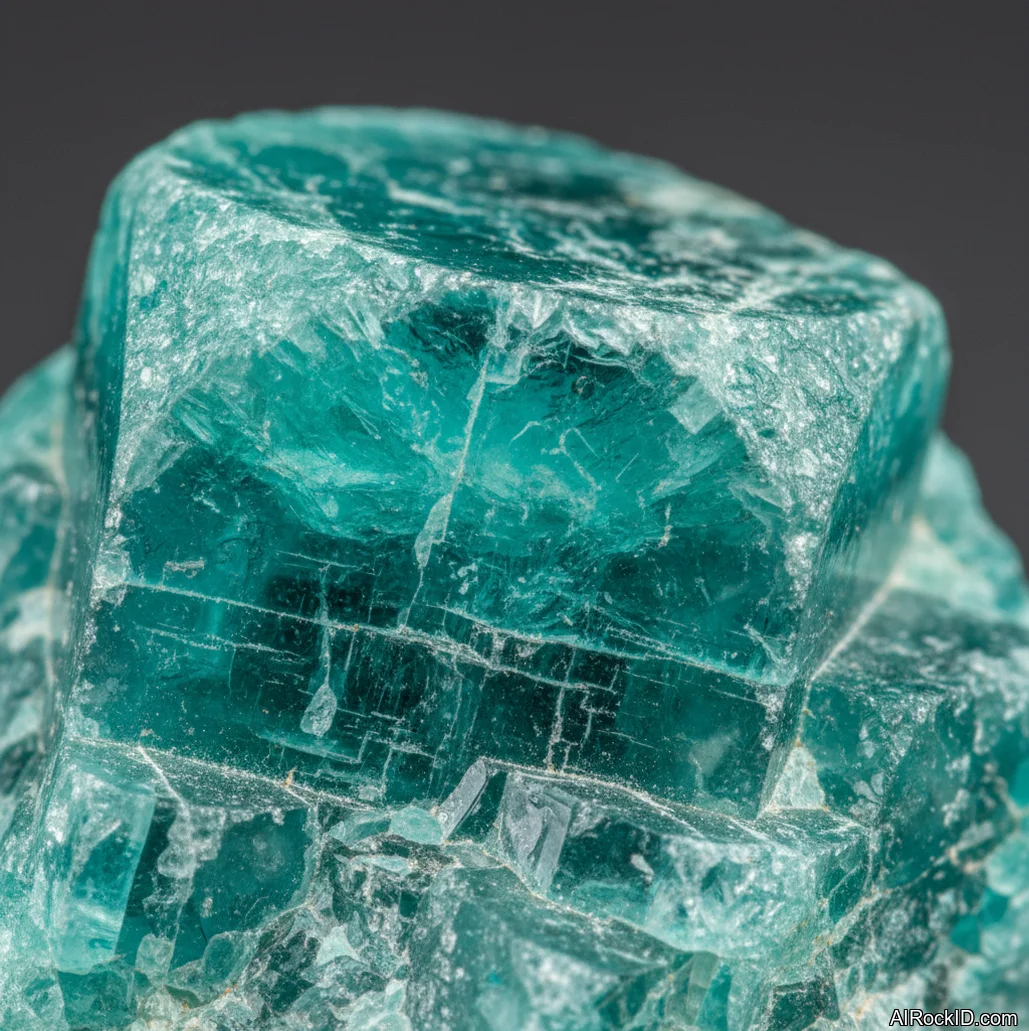
| I’m in a room full of people and I can feel myself getting loud or perform-y to keep the attention. | Amazonite | That cool, slick feldspar feel and the blue-green color cue a calmer voice and more measured words when Leo confidence starts turning into nervous talking. | palm stone (flat oval you can thumb during conversation) |
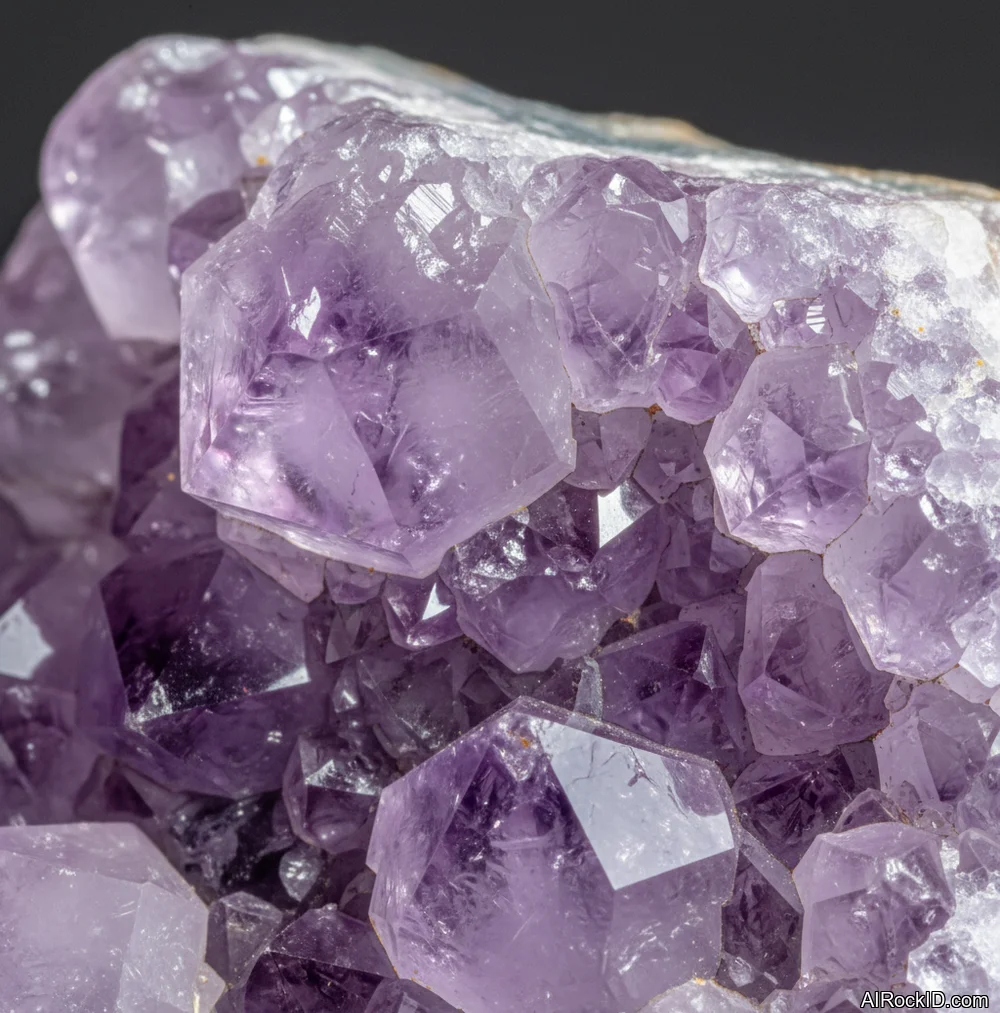
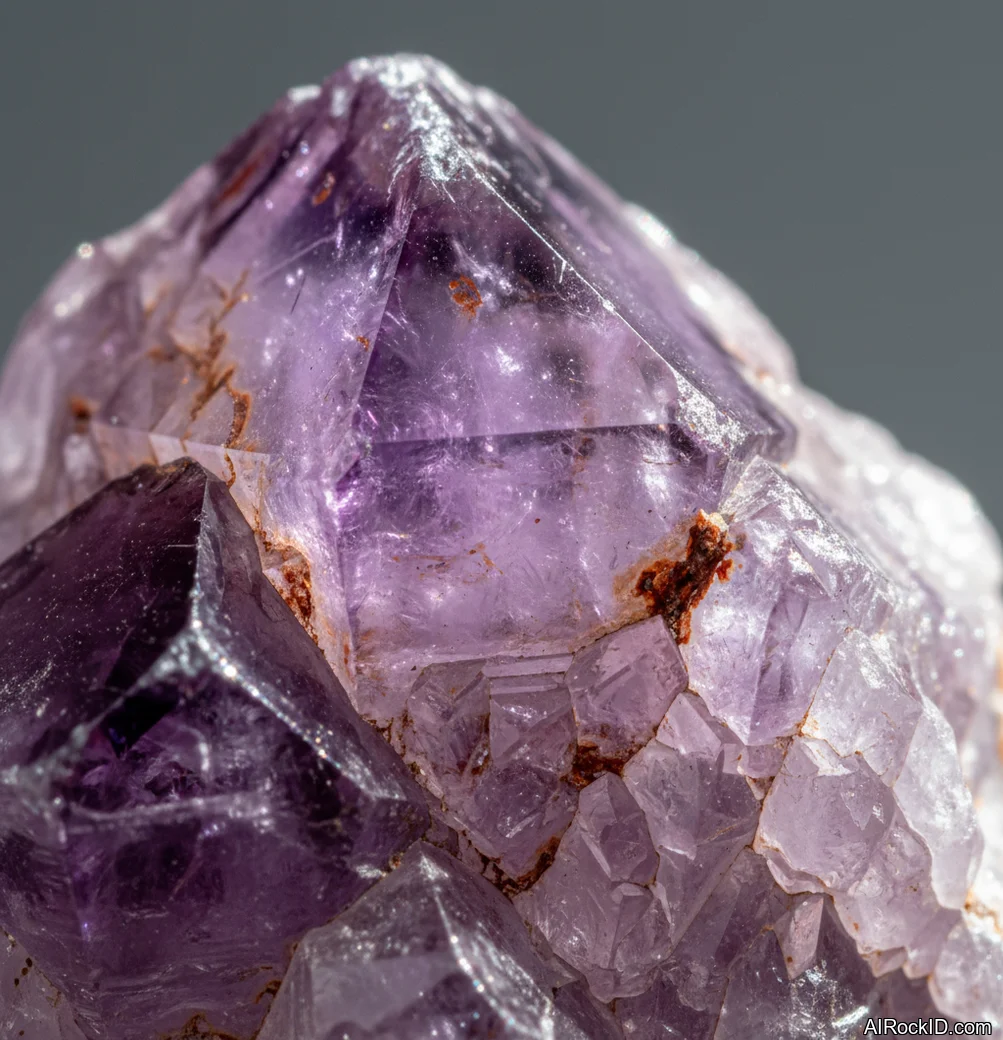
| I’m taking feedback personally and I can’t let it go, even when I know I should. | Amethyst | A darker purple piece with tiny sparkly druzy points gives your eyes something steady to land on, which helps you pause before you clap back or dig in. | small cluster on a desk (eye-level, not in a drawer) |
| I’m drained after being the hype person all day and I need to feel solid again, not scattered. | Black Onyx | It’s dense and cool in the hand, and that weight is the point: it pulls you back into your body when you’ve been running on social adrenaline. | pocket stone (tumbled, chunky, no sharp edges) |
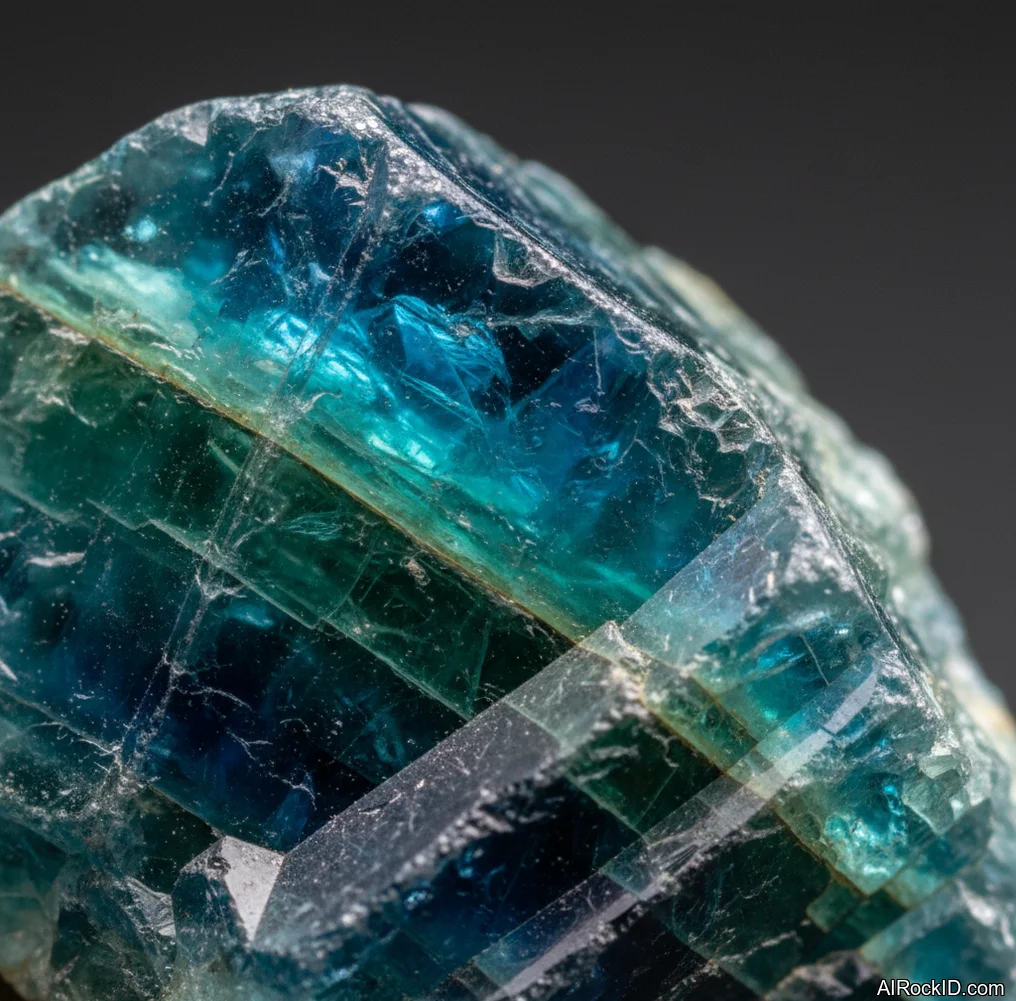
| I want motivation without the ego spike, like I need to create or lead but stay grounded. | Apatite | The bright blue-green look tends to nudge goal-focus, but keep it practical: apatite is softer and chips easier, so handling it gently becomes part of the “steady, not frantic” vibe. | pendant or bracelet (protected setting, not loose in a pocket) |
Recommended Crystals
Amber
Amazonite
Amethyst
Black Onyx
Black Banded Onyx
Apatite
Aragonite
Auralite 23
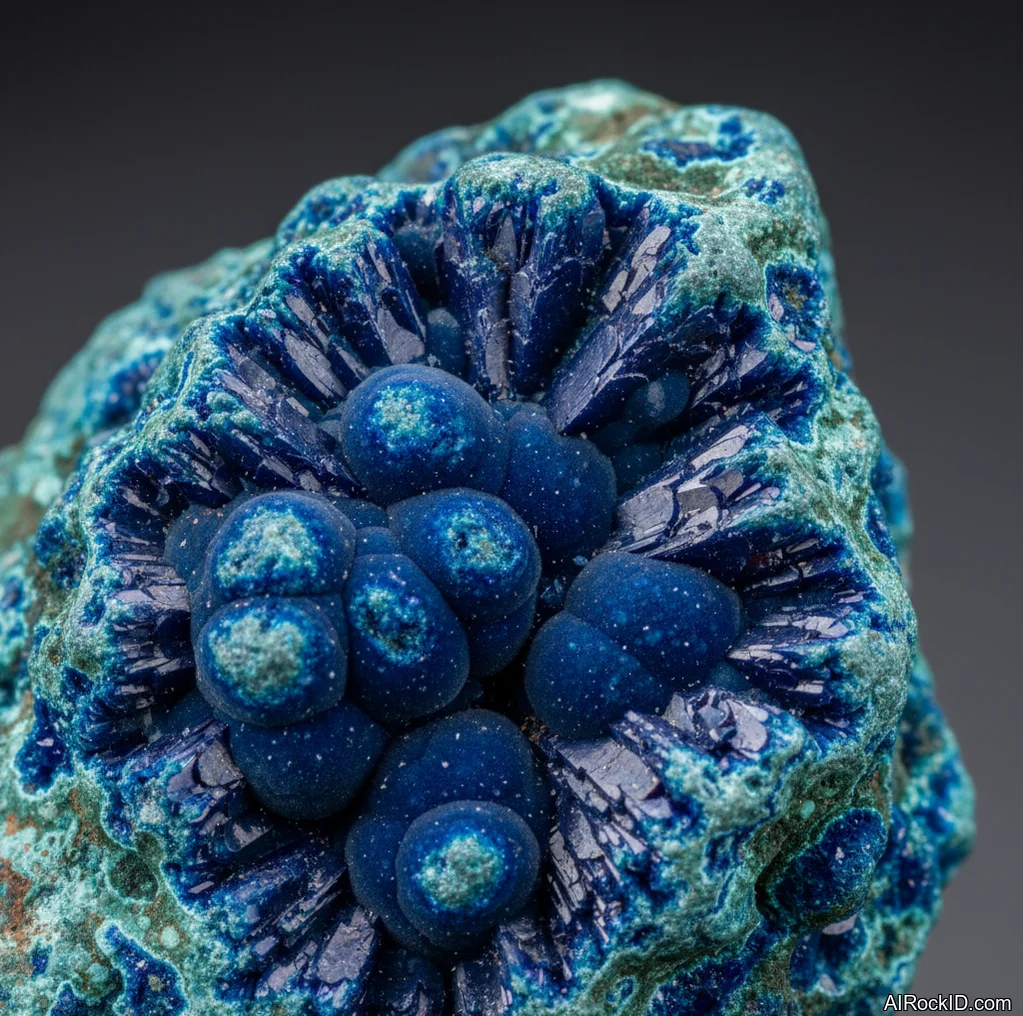
Azurite
What Leo Associations Ask of Stones
Most advice for Leos amounts to "be more confident," which overlooks the actual need. Leo is typically described as having plenty of outward energy. What the sign is said to lack is steady fuel and a way to return to center after giving too much of itself.
A simple comparison shows the difference without any metaphysical claim. Amber warms quickly in the hand and is very light. Practitioners link it to easing self-criticism and making room for joy. Onyx stays cool and feels heavy. It is linked to grounding, especially for people inclined to agree to everything to avoid disappointing others.
The pairing matters more than either stone alone. In crystal traditions, a bright, expressive stone by itself is said to push Leo toward performing, while a grounding stone by itself can feel subduing. Combining one of each is meant to produce confidence with restraint, which is how practitioners describe keeping Leo leadership from turning into burnout.
How to Judge Quality and Avoid Fakes
Most dealers are straight with you, but the whole market can be a bit of a jumble. With Leo stones, the biggest gotchas are fake amber and black onyx that’s been dyed. The cheap “amber” you’ll see online is often just plastic, or copal being sold for real-amber money. Real amber feels cool for a second when you first pick it up, then it warms up fast, and it’s weirdly light (like, the first time you hold it, your brain expects more weight and it’s not there).
Black onyx is its own thing. Dye isn’t automatically bad, but a lot of sellers won’t say that’s what you’re getting. If the color looks like it’s pooling in little cracks, or if the stone rubs off onto a wet tissue, that’s dye. And it can still work fine as a tactile anchor. You just need to know what you’re actually buying.
Apatite and azurite are both soft. Apatite rates about 5 on the Mohs scale, so a mirror-polished apatite ring will scratch quickly under normal wear. Azurite is fragile in a different way. Glossy polished cabochons exist, but raw pieces commonly leave blue dust on fingers or at the bottom of a pouch, which is normal for the mineral.
Stones for Leadership and Confidence
Leo leadership is usually described as best when it is warm and direct rather than aimed at winning the room. One common practice is to hold amazonite before a meeting: roll it between thumb and index finger, noting the cool, smooth surface, take one breath, then speak plainly. The method is simple, and practitioners say it works by interrupting the habit of putting on a show.
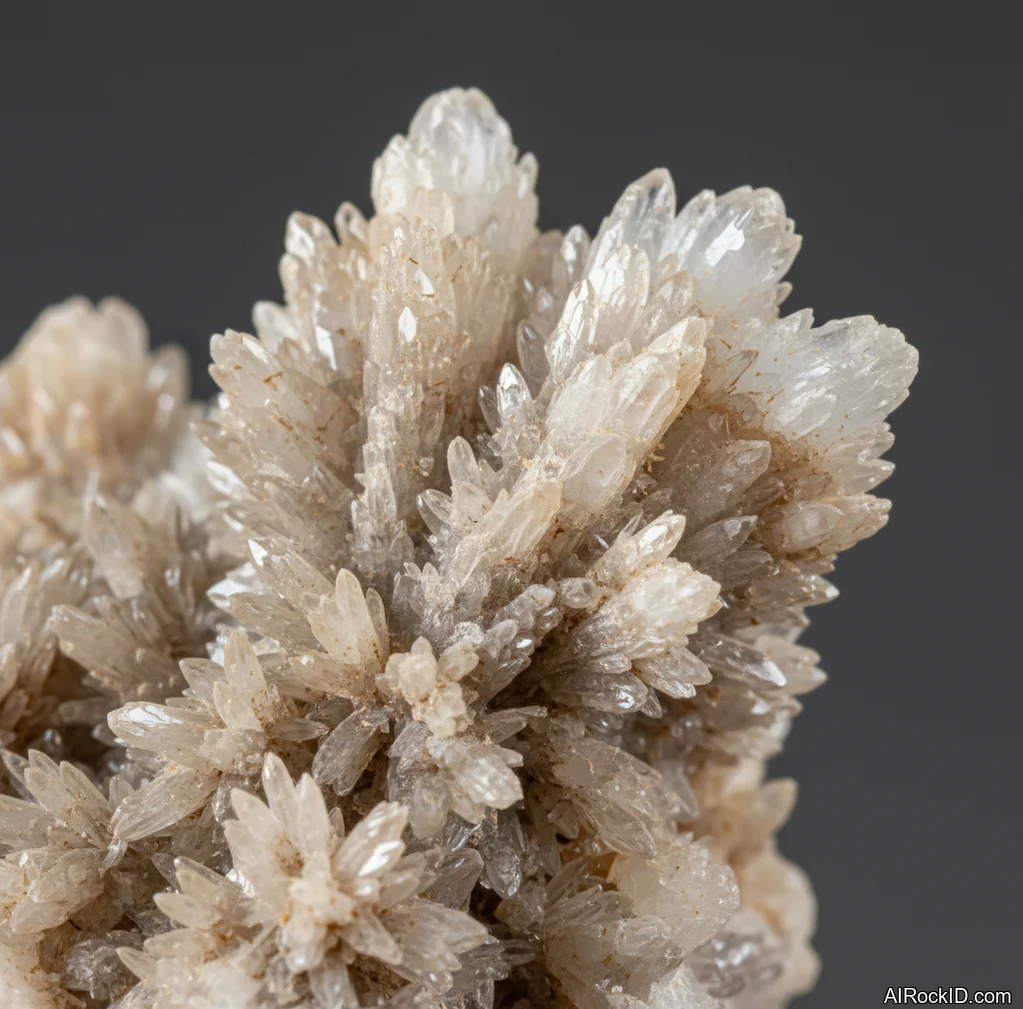
Aragonite is the plain, practical stone in this group. Kept where daily administration happens, it serves as a cue to handle responsibilities before seeking attention. The idea is direct, but practitioners find it freeing: once routine tasks such as emails are done, more room is left for creative work.
If you want something more inward-facing, auralite-23 can be useful, but don’t treat it like some magic antenna. The real value is noticing patterns. If you only grab it when you’re spiraling, that’s information. So use it when you’re calm too, and see what shifts (or what doesn’t).
Stones for Burnout and Recovery
Burnout in Leo types is usually described as irritability, withdrawal, or sudden resentment of something that was exciting the week before. Amethyst stays on this list even though it is not a "solar" stone, because it is associated with calming and cooling. Many Leos are said to rest only when the body forces it.
Amethyst by the bed is one of the simplest little experiments you can try. No rituals. No drama. Just a chunk of it where you’ll actually notice it when you drop your phone on the nightstand (right next to the charger and that random hair tie). If you wake up feeling less wired, you’ll know.
Amber is the other half of recovery in this tradition. It is associated with bringing warmth back without overstimulation, and it is often worn after a demanding period to encourage a return to enjoyment. It does not replace sleep, food, and boundaries. Without those, the stone is only jewelry.
How to Use These Crystals for Leo
Start with a pair. One that warms you up, one that steadies you. For Leo, that usually means amber plus black-onyx (or black-banded-onyx).
Put the grounding stone somewhere you’ll actually touch during the day, like on the corner of your desk where your wrist keeps bumping it, or down in your pocket with your keys. Wear the amber right against skin (tucked under a shirt works). You’re training a nervous system response here, not collecting trophies.
For communication and leadership, swap in amazonite on the days you already know you’ll be talking a lot, negotiating, or trying not to take everything personally. The real test? Your words should get simpler and cleaner. And if you catch yourself starting to make speeches, stop. Hold the stone. Cut your next sentence in half.
For rest and sleep, practitioners suggest keeping amethyst near the bed and azurite away from the pillow. Azurite is treated as a stone to keep on a shelf and look at when clarity is needed, since some people find it mentally activating. Apatite is suited to short, practical sessions such as planning, studying, or outlining. When the session ends, put the stone away.
Common Mistakes to Avoid
The most common mistake is choosing only flashy, sunny stones on the assumption that Leo means constant fire. This may feel energizing for a day, then lead to exhaustion. Balance matters, particularly for people others rely on in a crisis.
And durability gets ignored way too often. Apatite scratches. Azurite is soft and can leave blue dust, like that faint chalky smear you’ll notice on your fingertips after you’ve handled it for a minute. Aragonite doesn’t love water, and you can tell when it’s been splashed and left to sit because the surface starts looking a little tired. If you treat everything like quartz, you’ll end up with damaged pieces. Then you’ll blame the stone instead of your handling.
But dealers don’t exactly make it easy with sloppy labels. “Amber” can be plastic. “Onyx” is often dyed chalcedony. So ask direct questions. Request close photos in neutral light (not that warm, golden lamp glow that makes everything look expensive). And don’t be scared to buy smaller, better pieces instead of oversized bargain slabs. Why haul home a chunky disappointment?
What Crystals Can and Cannot Do
Related Crystal Identification Guides
Snap a photo to check crystals mentioned in this guide and compare likely matches.