Best Crystals for Throat Chakra
Quick answer: Common throat chakra crystals in modern metaphysical traditions include blue lace agate, aquamarine, sodalite, lapis lazuli, amazonite, celestite, turquoise, kyanite, and angelite. These stones are used symbolically for communication, calm expression, listening, and confidence, but they should not be treated as medical or psychological treatment.


- Introduction
- Recommended Crystals
- How to pick a throat chakra crystal that isn’t secretly dyed
- Placement matters: throat, chest, or hand
- Pairings that actually make sense for speaking up
- A simple throat chakra routine that doesn’t turn into a whole production
- How to Use These Crystals
- Common Mistakes
- FAQ
AI Rock ID can help compare color, texture, transparency, and visual patterns when checking a blue crystal used for throat chakra work. RockIdentifier.io provides educational crystal information and identification support for collectors, hobbyists, and wellness readers.
Good fit
- People who want a simple symbolic tool for journaling, meditation, or communication-focused routines
- Beginners who prefer recognizable blue stones associated with calm speech and self-expression
- Collectors comparing blue, blue-green, or pale translucent crystals for personal practice
- Anyone who wants to pair crystal use with practical habits such as breathwork, preparation, and active listening
Not a good fit
- Replacing therapy, medical care, speech-language support, or treatment for throat conditions
- Assuming a crystal will make difficult conversations easy without planning or boundaries
- Using fragile, soluble, or dyed stones in water-based rituals without checking safety first
- Buying rare or expensive stones before learning how to identify common lookalikes
Most commonly confused with
- Blue Lace Agate: Usually has soft banding and a pale blue tone; dyed agate may look unnaturally saturated.
- Sodalite: Typically darker blue with white veining and is often confused with lapis lazuli.
- Lapis Lazuli: Often contains golden pyrite flecks, while sodalite usually lacks metallic specks.
- Amazonite: More blue-green than true blue and may show a slightly striped or gridlike feldspar texture.
AI identification confidence
AI identification can be useful for narrowing down common throat chakra stones, especially when the photo shows color, luster, banding, inclusions, and scale clearly. Confidence is lower for dyed stones, polished tumbles, beads, and blue minerals that share similar color ranges.
When AI gets it wrong
- The stone is dyed, coated, heat-treated, or stabilized and the surface color hides natural features
- The photo is taken under blue lighting or heavy filters that change the apparent color
- The crystal is a small bead, cabochon, or tumbled piece with few visible diagnostic traits
- Several minerals share the same blue tone, such as sodalite, lapis lazuli, dumortierite, and dyed howlite
Best choice summary
For most beginners, blue lace agate is a practical throat chakra pick because it is widely available, visually distinctive, and traditionally associated with calm communication. Sodalite is a good second choice for those who want a deeper blue stone linked in metaphysical traditions with clarity, logic, and honest expression.
Final recommendation
Choose one stone that matches the kind of communication support you want: blue lace agate for gentleness, sodalite for clear thinking, aquamarine for calm confidence, or lapis lazuli for truth-centered expression. Use the crystal as a reminder to prepare, breathe, listen, and speak intentionally rather than expecting the stone to create results on its own.
Why people search for this
People often search for throat chakra crystals when they want a tangible reminder to speak more clearly, listen better, or feel calmer during conversations. The search is usually connected to modern chakra practices rather than verified medical effects.
Safety notes for wearing throat chakra crystals
Necklaces and pendants should be comfortable, secure, and not tight around the neck. Avoid wearing heavy points, sharp wire wraps, or brittle stones during sleep, exercise, driving, or any activity where the jewelry could catch or press into the throat.
Water, salt, and sunlight cautions
Some popular blue crystals can fade, scratch, dissolve, or become damaged when exposed to water, salt, or long periods of direct sunlight. Celestite, angelite, turquoise, and lapis lazuli should be handled more carefully than durable quartz-family stones.
Ethical and authenticity checks
Throat chakra stones are often sold as beads, tumbles, and polished pendants, which can make treatments harder to spot. Check whether the seller discloses dyeing, stabilization, reconstitution, or imitation materials, especially with turquoise, lapis lazuli, and bright blue agate.
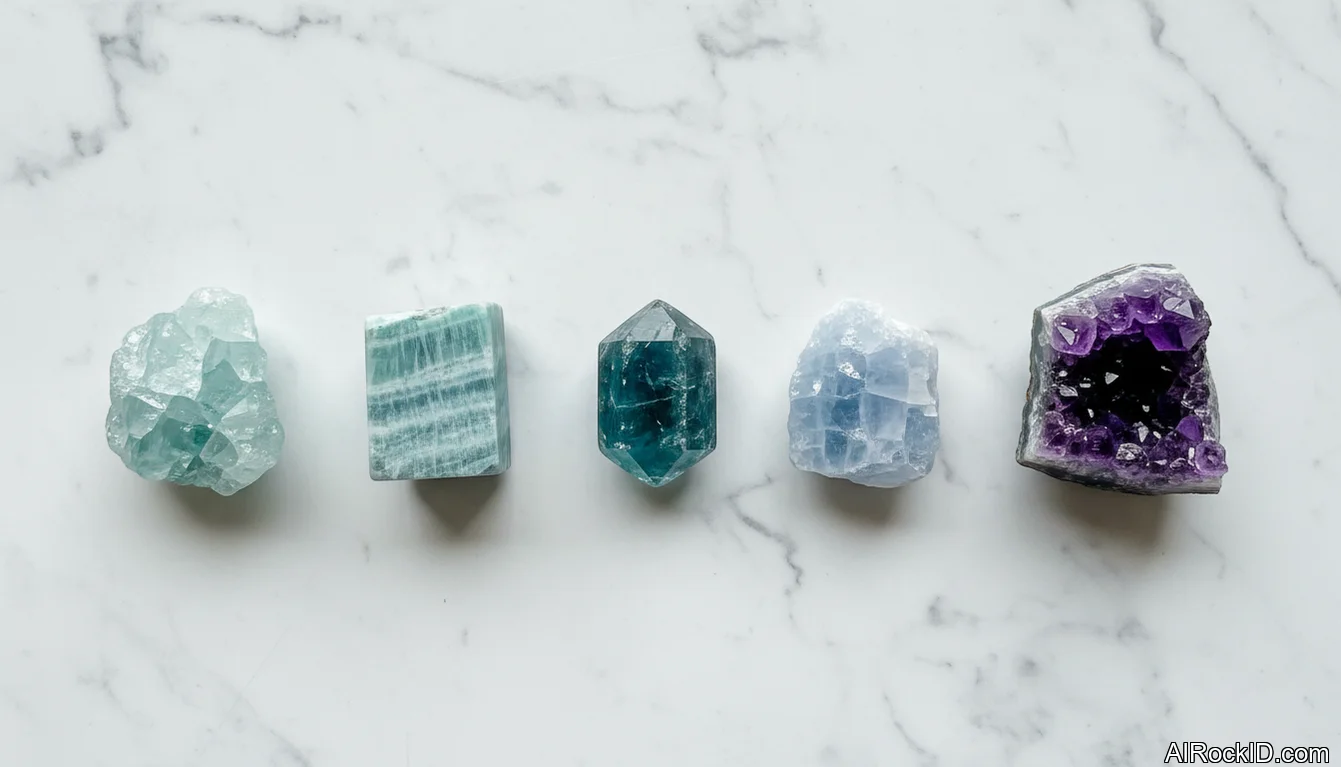
This guide covers the best crystals for working with the throat chakra, focusing on stones like aquamarine, amazonite, apatite, angelite, amethyst, and ametrine. These crystals are used as tactile reminders to help you speak honestly and listen without freezing up, especially when your words keep catching in your throat. They can be helpful as physical tools or rituals, but don't fix deep-seated communication problems on their own.
The best crystals for throat chakra work are the ones that nudge you to speak clearly and listen straight, without getting yourself all spun up. If your voice feels clamped down, your words come out crooked, or you keep swallowing what you actually want to say, throat chakra stuff can be a decent mirror. And yeah, a couple blue stones can help you stay pointed in the right direction. I mean practical support: something solid in your pocket, a little tactile anchor when a conversation gets sticky, a simple ritual that quietly pushes you toward telling the truth.
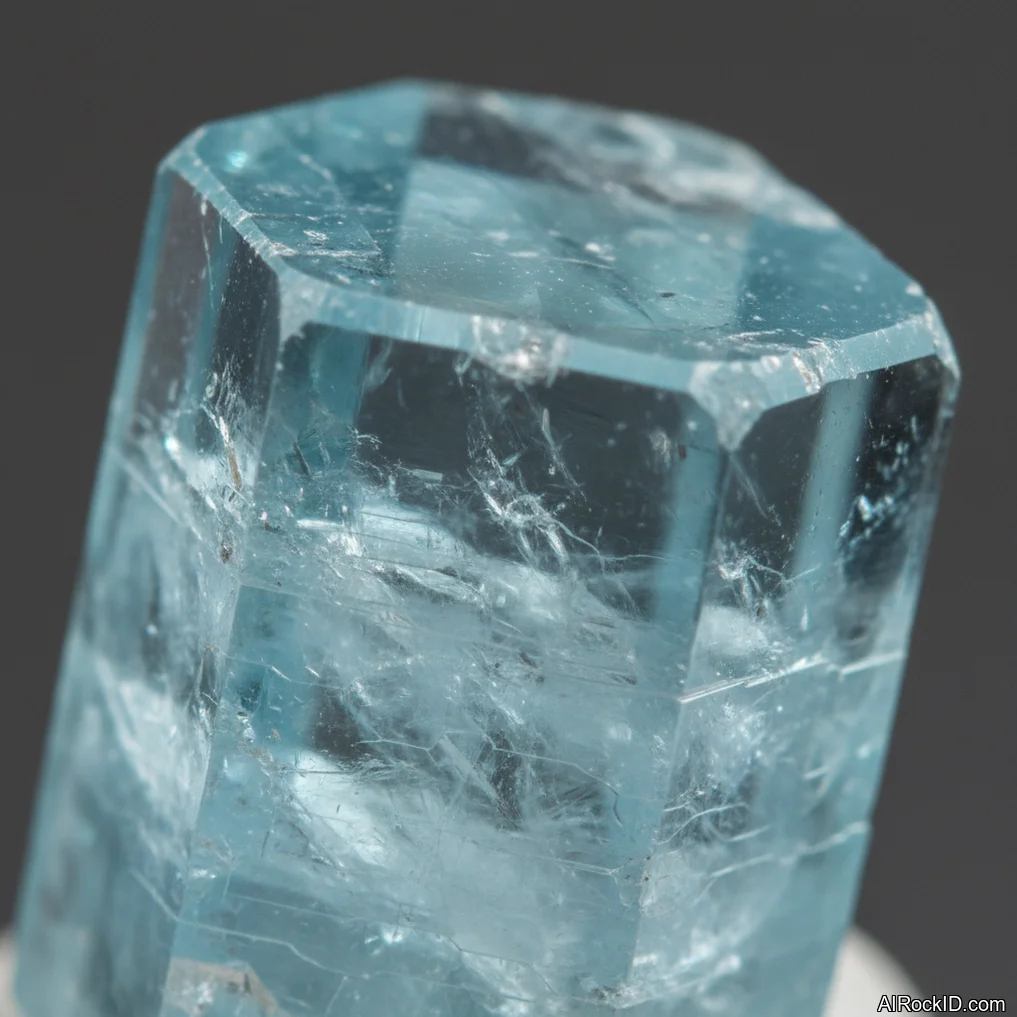
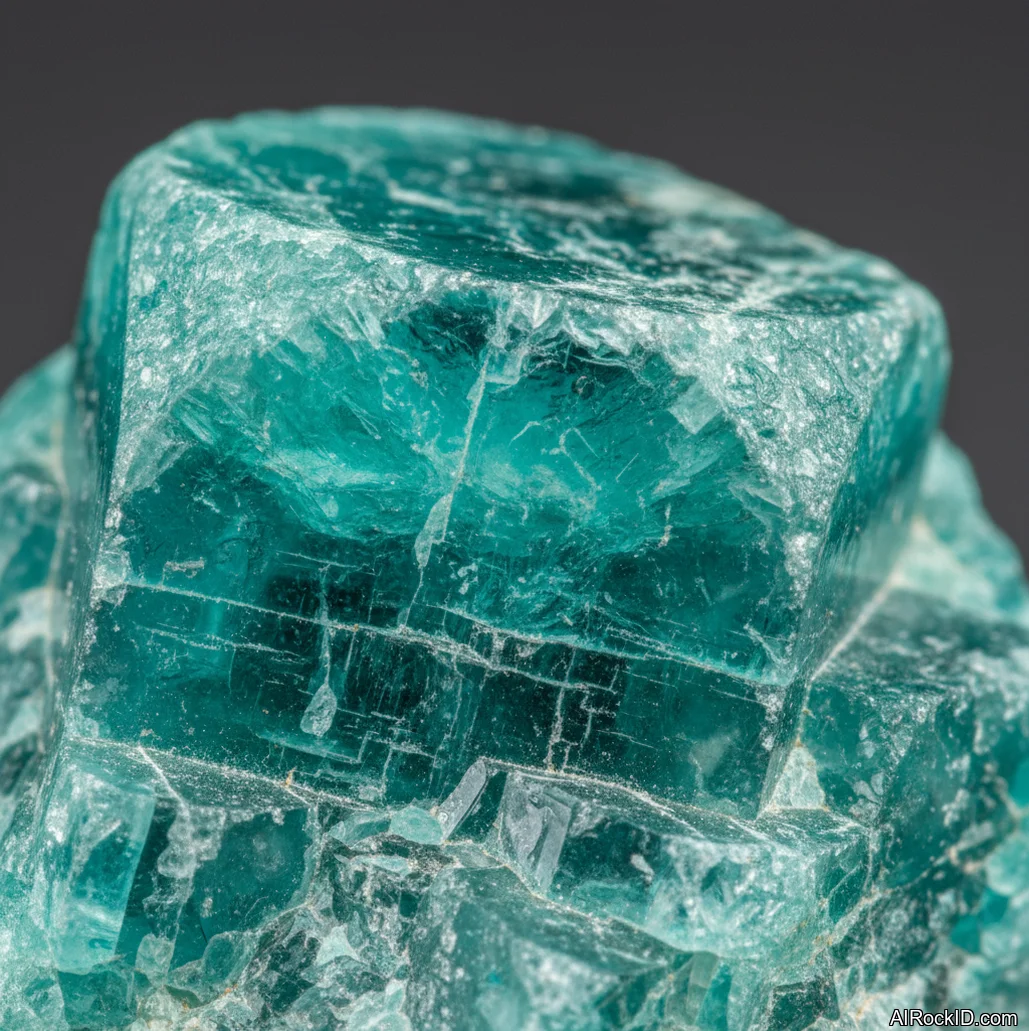
Most throat-focused stones do share the same look. Blues. Blue-greens. That pale, washed-out sky color. It’s not magic on its own, but you’ll catch the pattern fast if you’ve ever stood over those plastic bins of tumbled stones at a shop, fingers getting a bit dusty, the overhead lights making everything flash for a second when you turn it. Pick up aquamarine and it’s cool and glassy, almost “clean” in your palm. But grab amazonite and it’s usually waxier, more earthy, with those white streaks that really do look like tiny rivers when you tilt it under the counter light.
Look, quick reality check. Crystals won’t fix a chronic sore throat, thyroid issues, or trauma around speaking up. They won’t magically turn you into an eloquent public speaker either. So what can they do? They can help you build a repeatable habit: pause, breathe, choose your words, and then actually follow through. That’s the real work. The rocks just help you show up for it.
Quick Comparison
| situation | crystal | why | format |
| You freeze up before public speaking or interviews. | Aquamarine | People say its cool, smooth texture helps steady nerves, and it fits easily in a pocket or hand. | Small tumbled stone or worry stone |
| You want to stop swallowing your opinions in group settings. | Amazonite | Raw amazonite chunks feel gritty and solid, great for grounding and reminding you to stay honest. | Raw chunk, pocket-sized |
| You need help expressing anger or frustration without snapping. | Apatite | Apatite's glassy blue-green color catches the eye, and people use it as a pocket anchor to pause before speaking. | Tumbled stone or pocket pebble |
| You're stuck in a spiral of overthinking and can't get words out at all. | Amethyst | Amethyst points, especially the ones with visible phantoms, are used for quieting mental noise so you can speak clearly. | Double-terminated point or small cluster for the desk |
Recommended Crystals
Aquamarine
Amazonite
Apatite
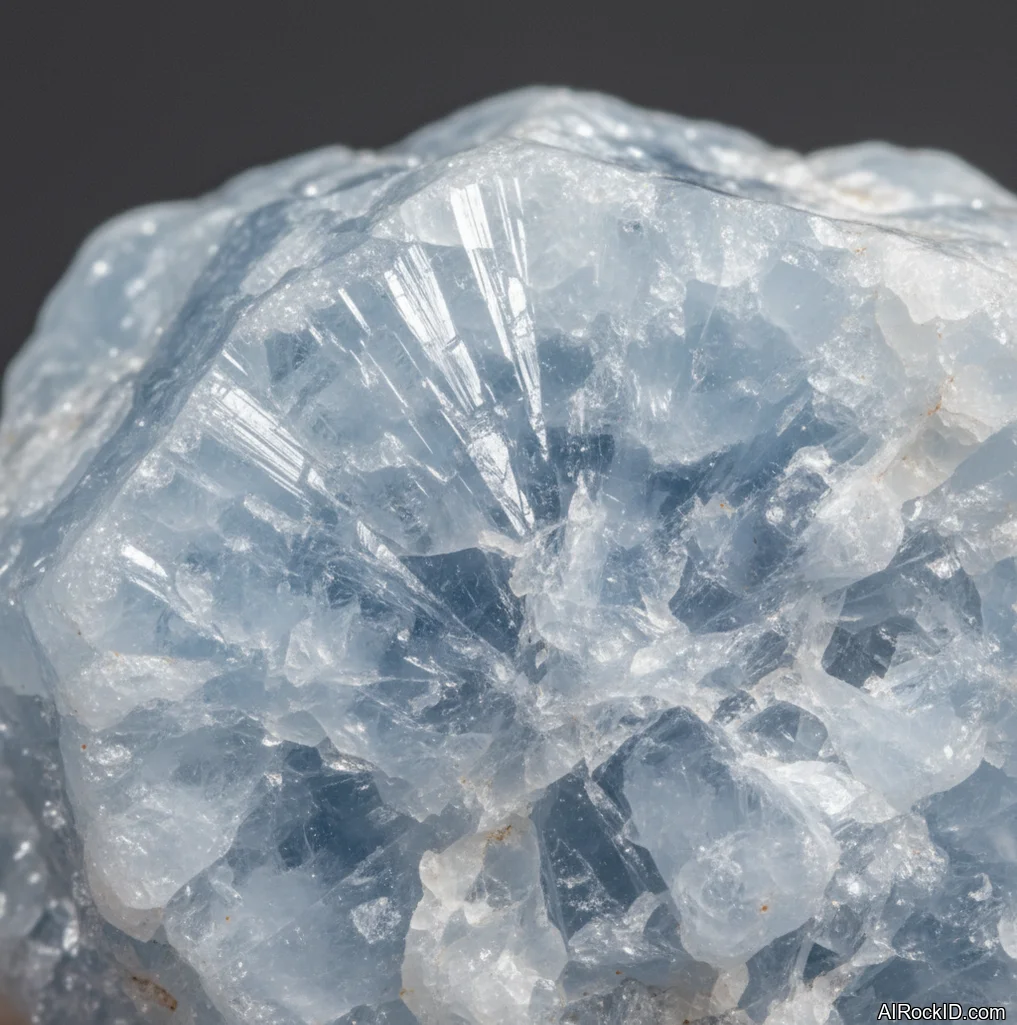
Angelite
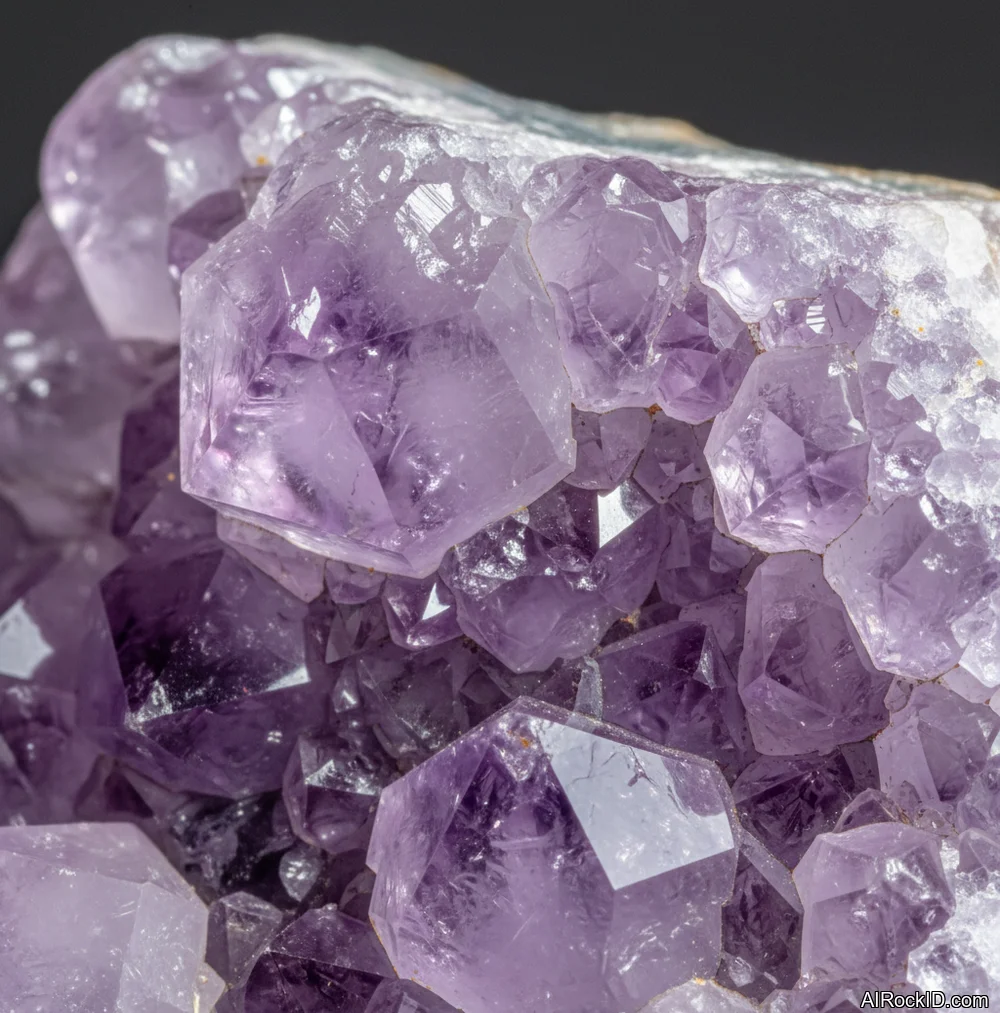
Amethyst
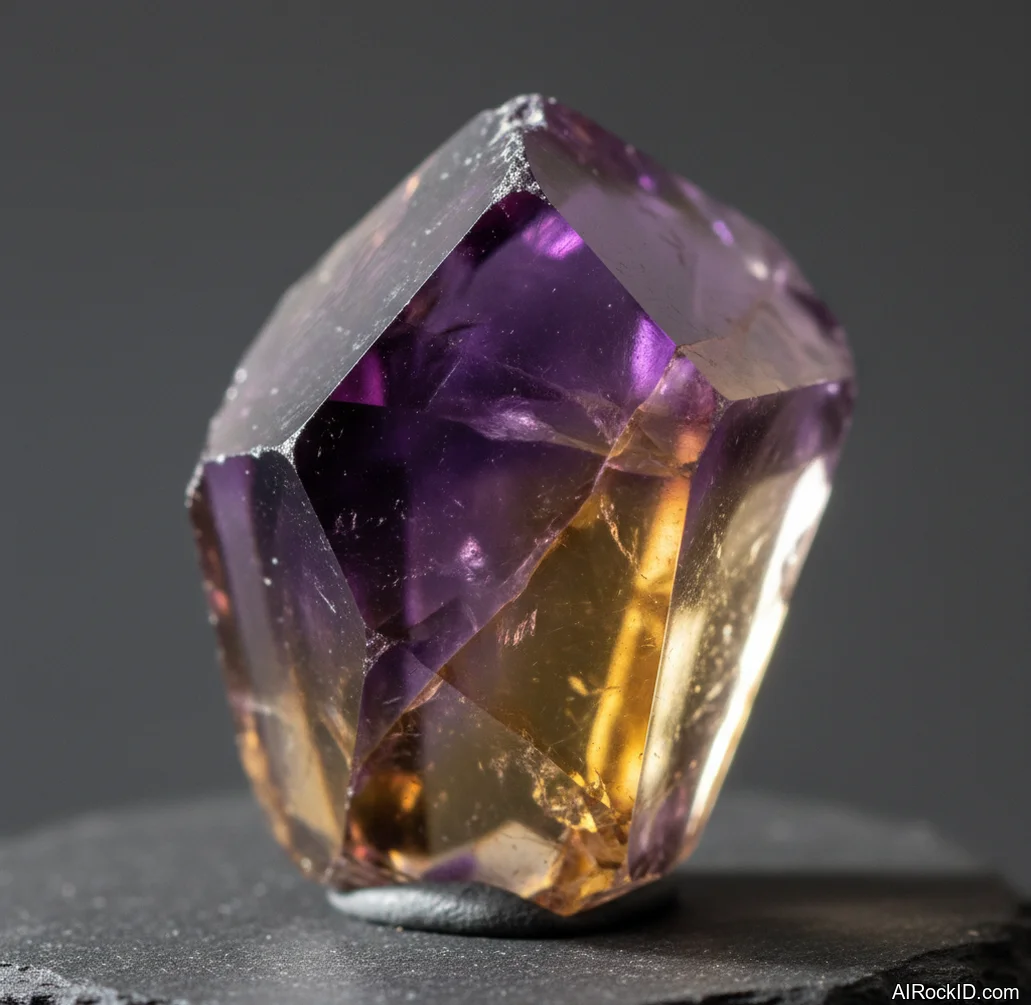
Ametrine
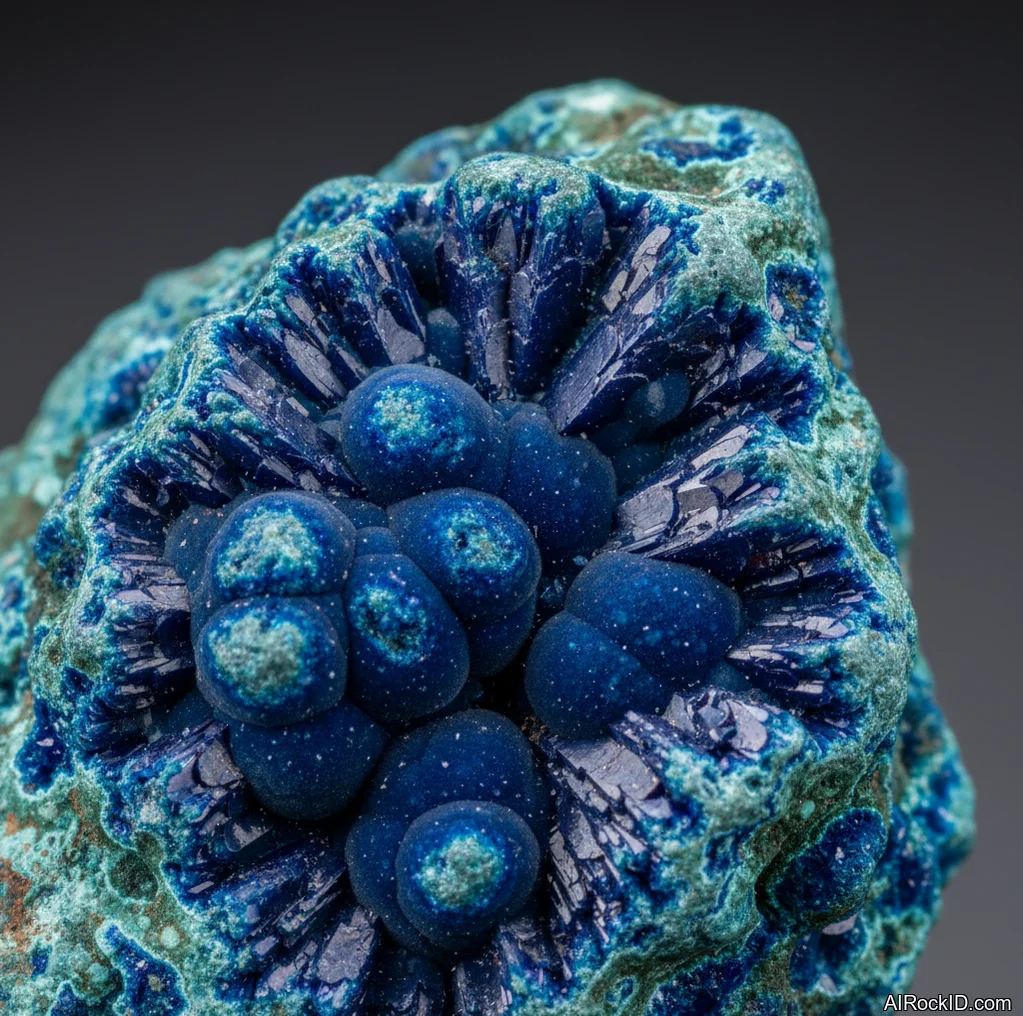
Azurite
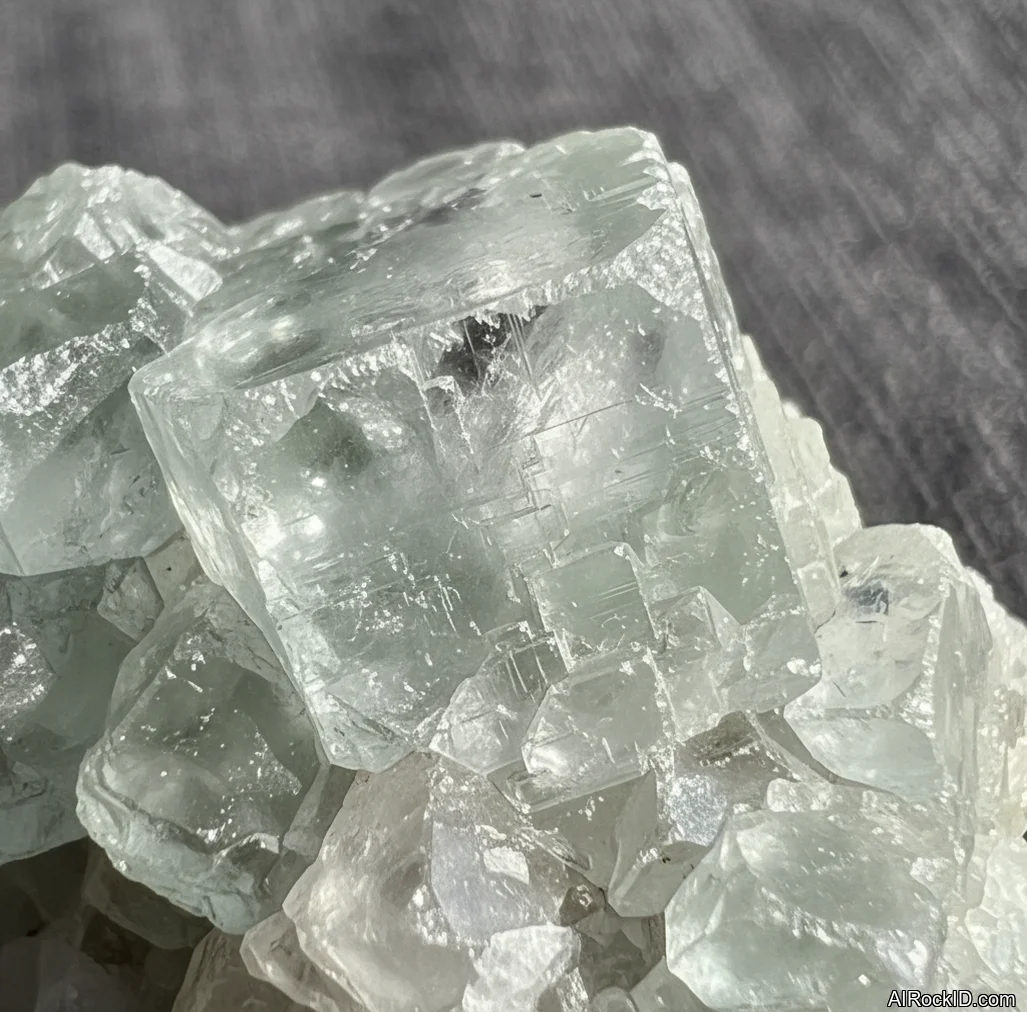
Apophyllite
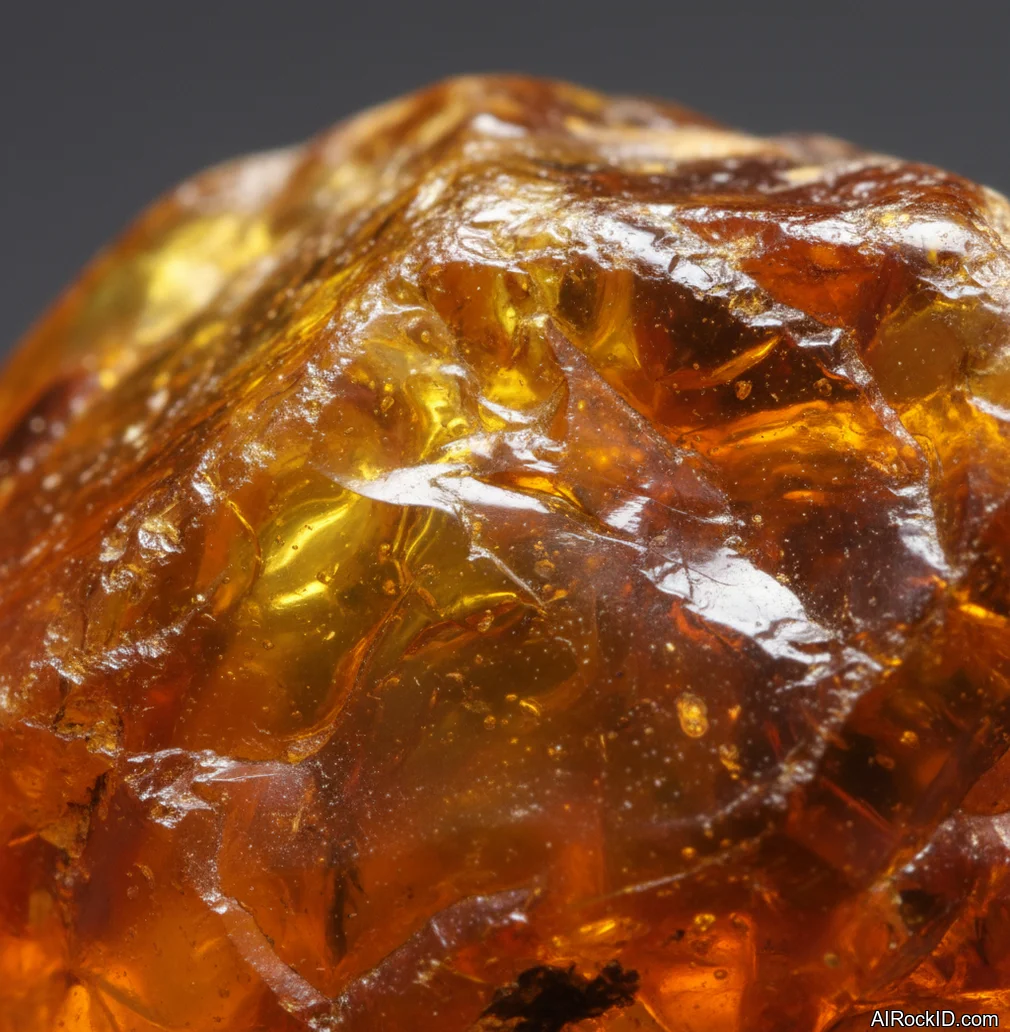
Amber
How to pick a throat chakra crystal that isn’t secretly dyed
Most dealers are straight with you. But dyed blue stones are all over the place because they move fast and they look great in photos. Check the color around cracks and drilled holes, especially right at the rim where the cord would rub. If that blue looks like it’s kind of painted on, sitting on the surface instead of coming from inside the stone, be skeptical.
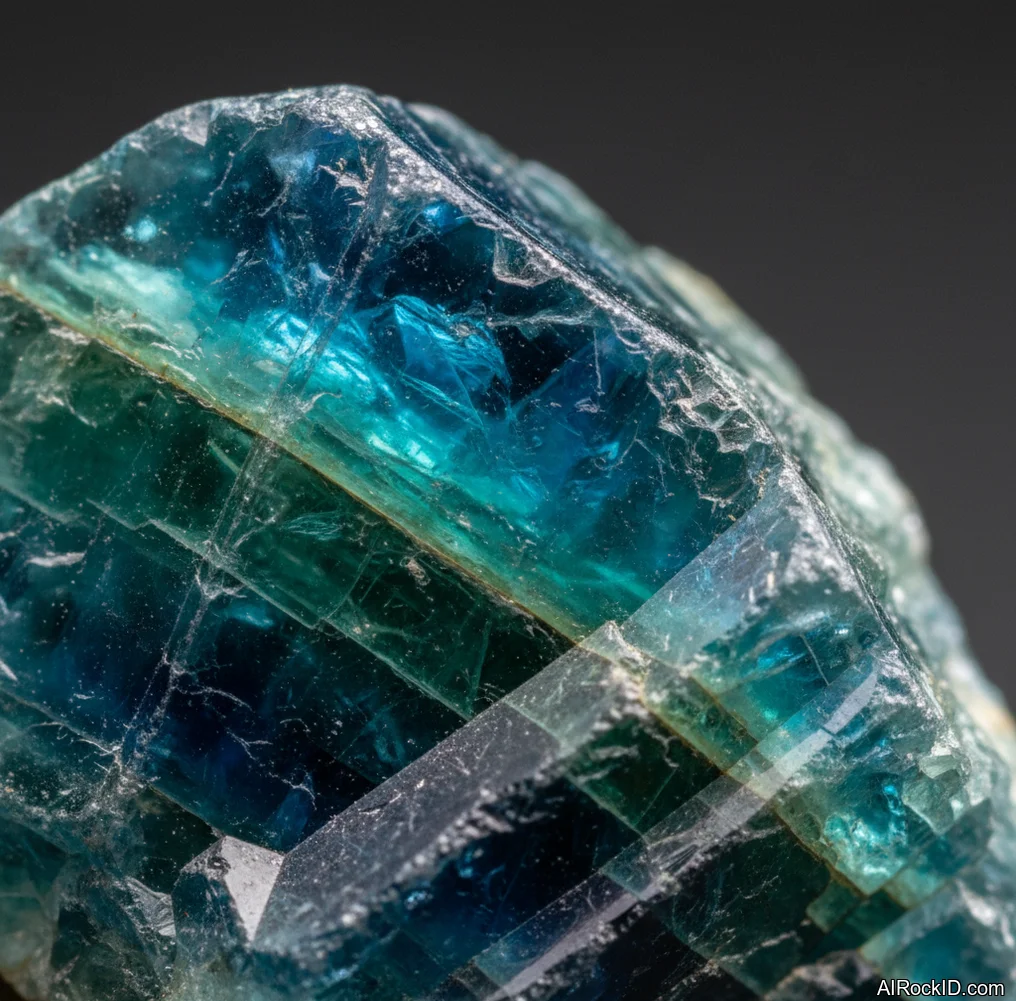
Grab two pieces and hold them side by side under decent light (even just near a window). Real amazonite usually has white streaks or cloudy patches that look natural, not like someone airbrushed them in. With apatite, the blue often shows up in zones, and when you tilt it you’ll notice uneven saturation, like it deepens and fades as the angle changes. And the “too perfect” stuff? It’s usually too perfect for a reason. If a tumbled stone is the exact same teal across the whole piece, no veining, no variation, and the price is bargain-bin low, you’re probably looking at dye or glass.
If you can, do the paper towel test. Wipe a damp white towel across the stone and see if any color comes off (you’d be surprised how often you get a faint blue smudge). Don’t try that on a fragile raw specimen, but for cheap tumbled pieces it’s fair game. Also, pay attention to temperature. Glass and resin fakes tend to feel warm faster than real mineral, while beryl like aquamarine stays cool longer.
Placement matters: throat, chest, or hand
People get weirdly fixated on plopping a stone right on the throat. Sometimes it helps. But sometimes it’s just annoying, and you spend the entire meditation thinking about swallowing and how the thing keeps nudging your windpipe.
Holding a stone in your hand can work way better for real-life communication. Your hands are already the place you fidget, right? You can squeeze a tumble during a pause, rub your thumb over the smooth spot and then catch on one little edge, and pull yourself back to what you were saying. I’ve watched people do this in meetings without anyone noticing, which is kind of the point if you’re trying to build a habit and not make it A Whole Thing.
Chest placement is underrated. If your voice locks up because your heart rate spikes, putting angelite or amber on the upper chest can calm the body first (you feel the breath drop a little), and then the words come easier.
And for “clarity before talking,” I’d rather put apophyllite on the desk in front of you than on your skin. You see it. You slow down. You speak. Simple.
Pairings that actually make sense for speaking up
Some combos are just nice to look at. Others actually fix something.
So if you freeze up, try angelite with aquamarine. One settles that whole body-clench thing, the other keeps what you’re trying to say clean and straight. But if you tend to ramble (and yeah, I’ve been there), apophyllite with amethyst can tug you back toward a simpler, more honest train of thought. Less spiraling. More point.
At first glance, amazonite and ametrine seem like an odd match. And yet it really works if you swing between people-pleasing and blunt honesty. Amazonite helps you catch the moment you’re about to betray your own truth. Ametrine helps you say the truth without lighting the room on fire.
Thing is, you’ve gotta be careful stacking high-intensity stones. Azurite plus apatite can hit like too much caffeine if you’re already stressed, like that tight buzz in your chest and your thoughts skipping ahead. The real test is what you do after. If you’re more reactive, not more clear, split them up. Use one per session, keep notes for a week, and see what changes. Why guess?
A simple throat chakra routine that doesn’t turn into a whole production
You don’t need a whole candle setup and some 40-minute playlist humming in the background. You need reps. Same thing, over and over. I keep telling people: pick one stone for two weeks, and quit swapping it out every day just because your mood changed.
Here’s a routine you’ll actually do (even on a busy day): hold your stone in your hand (cold at first, then it warms up), inhale for four counts, exhale for six. Do that five times. Then say one sentence out loud that starts with “The truth is…” and finish it. No explaining. No justifying. Weirdly hard, right? That’s why it works.
After that, write down one action step. Send the email. Make the call. Set the boundary. Thing is, crystals work best when you tie them to something you can measure in real life, not just a feeling you’re hoping will float in. And if your stone ends up parked on your desk and you only grab it when you’re about to backpedal (you know the moment), that’s a win.
How to Use These Crystals for Throat Chakra
Start with one stone, not a whole handful rattling around in your palm. Grab aquamarine if you’re after cleaner, calmer speech. Go with amazonite if you keep saying yes when you mean no. And pick apatite if you feel stuck and you just need words to start moving again. Stick with the same one for at least a week so you can tell what’s actually shifting vs. what’s just the new-toy effect.
For a practical throat session, sit up straight. Put the stone in your non-dominant hand so you’re not death-gripping it like a stress ball (you know that white-knuckle squeeze). Take five slow breaths. Then read a short paragraph out loud. You’ll catch where you rush, where your voice drops out, and where you swallow the last bit of a sentence like you’re trying to erase it. That’s your real throat chakra data. Want to place the stone somewhere? Rest it at your collarbone instead of jamming it into your throat, because that usually makes people tense up fast.
Use the stone right in the moment you normally blow it. If you over-explain, touch apophyllite before you add that third paragraph. If you dodge conflict, keep amazonite in your pocket and give it one squeeze before you answer. If anxiety tightens your throat, wear amber close to your neck and pair it with a slower exhale. So yeah, then comes the boring part. Repeat it until your body learns it.
Common Mistakes to Avoid
The biggest screw-up people make is acting like throat chakra work is just about talking. It isn’t. Listening matters just as much. If you’re clutching apatite to “speak your truth” while cutting everyone off mid-sentence, you’re not clearing anything, you’re just getting louder. And I’ve watched azurite ramp people up scary fast, especially when they came in already irritated.
Another one I see all the time: buying the wrong form of the stone for how you’ll actually use it. A fragile apophyllite cluster thrown in a pocket with keys and loose change is going to come out with fresh chips by lunchtime (those little points snap if you even look at them wrong). Then people feel oddly guilty, like they “failed” the crystal. Same deal with angelite: let it get wet, and it can go blotchy. So grab a tumbled stone if you’re carrying it around, and keep the delicate pieces on a shelf or your desk where they won’t get knocked around.
And the last thing. People chase the “perfect” stone instead of doing the practice. They’ll buy five pieces of amazonite, line them up, compare the shades, and still dodge the conversation they know they need to have. Pick one you actually like the feel of, keep it near you, and say the sentence you’re scared to say. Out loud. Even if your voice shakes a bit.
What Crystals Can and Cannot Do
Identify crystals related to Best Crystals for Throat Chakra
Snap a photo to check crystals mentioned in this guide and compare likely matches.