Best Crystals for Cancer
Crystal traditions commonly pair Cancer, associated with sensitivity and home life, with gentle stones such as moonstone, rose quartz and amazonite, and with grounding stones such as black onyx or smoky quartz. This guide covers nine stones, how to check them for fakes, and how to care for softer ones.


- Introduction
- Recommended Crystals
- What Cancer energy actually needs from a crystal
- Moon, water, and sleep: the Cancer pressure points
- Boundaries without becoming hard: pairing soft and dark stones
- Choosing quality: what to look for so you don’t get burned
- How to Use These Crystals
- Common Mistakes
- FAQ
Most commonly confused with
- Moonstone: Often confused with opalite; natural moonstone usually shows softer adularescence rather than a glassy, uniform glow.
- Selenite: Frequently mixed up with satin spar; both are gypsum varieties, but many wand-like retail pieces labeled selenite are actually satin spar.
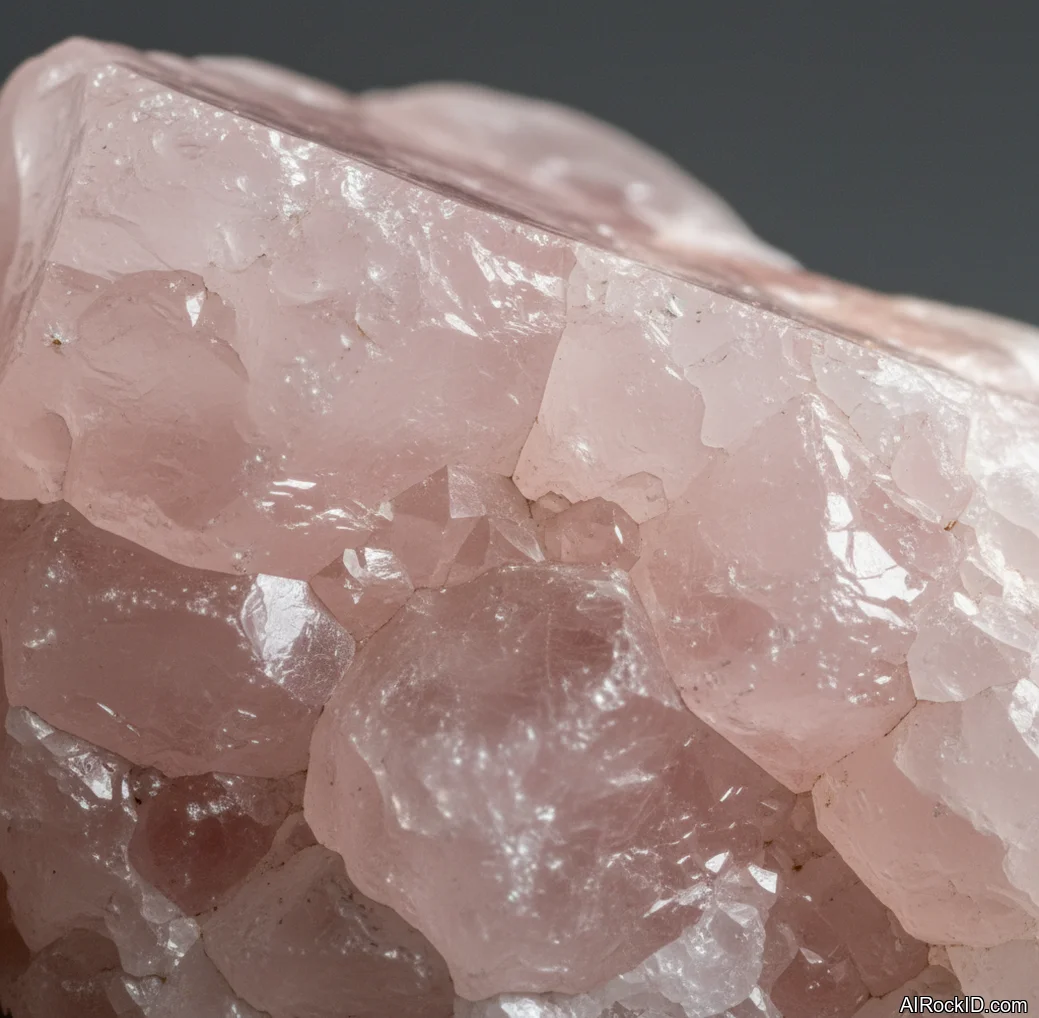
- Rose Quartz: Can be confused with dyed quartz or pink glass; natural rose quartz usually has a soft, cloudy pink appearance.
- Lepidolite: May be mistaken for purple mica-rich rocks; lepidolite typically has a flaky mica texture and lavender to lilac tones.
Beginner recommendations
Advanced recommendations
Cancer Crystal Care Notes
Some crystals commonly suggested for Cancer routines need careful handling. Selenite and many gypsum-based pieces should be kept away from water, lepidolite can flake because of its mica content, and softer stones may scratch if stored loose with harder quartz pieces.
Ethical and Practical Buying Tips
Look for sellers who disclose treatments, country of origin when available, and whether a name is a mineral species or a trade label. A modest, well-identified stone is usually more useful than a large piece with unclear labeling.
Simple Pairing Formula
A practical Cancer pairing is one gentle stone and one grounding stone. For example, rose quartz can be used as a reminder of compassion, while smoky quartz can represent steadiness during emotionally charged moments.
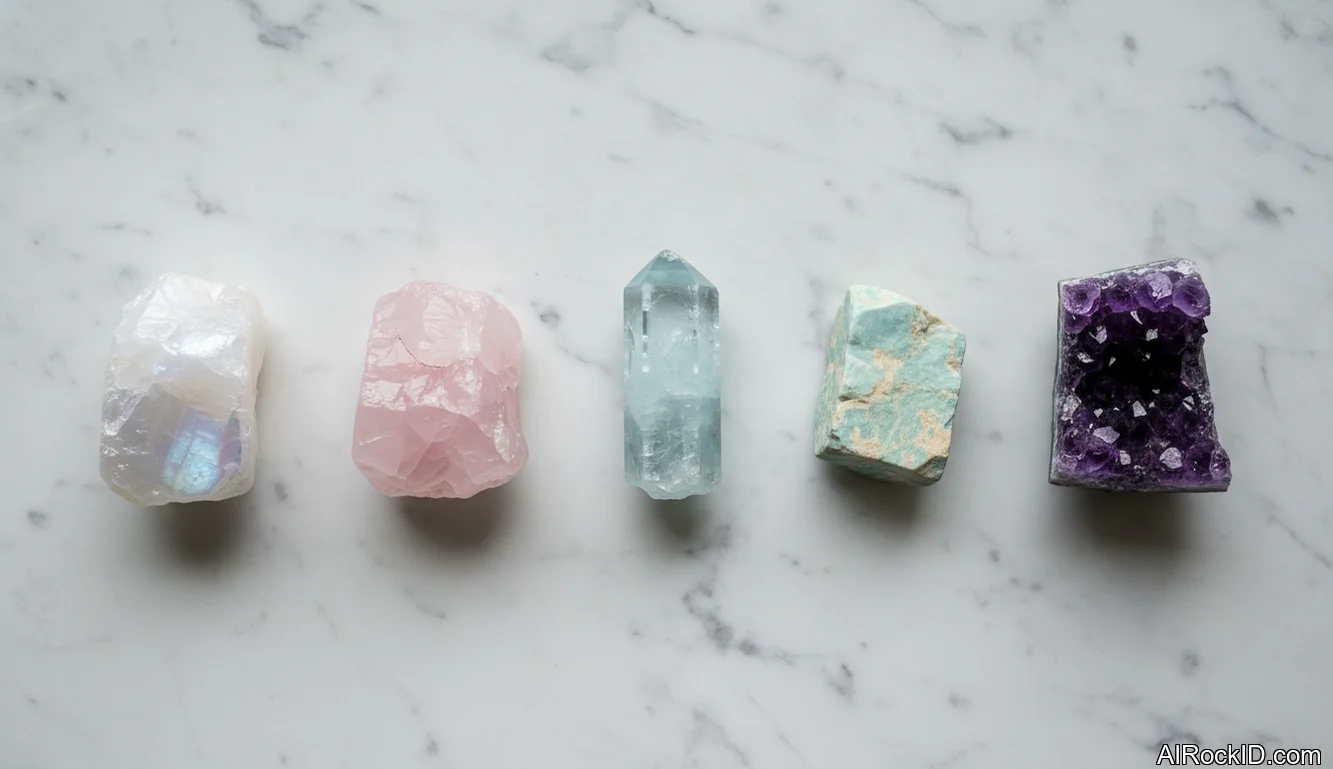
This guide covers the best crystals people pair with Cancer energy when they want calmer emotions, softer reactivity, and cleaner boundaries: Moonstone, Rose Quartz, Aquamarine, Amazonite, Amethyst, and Amber. Pick up a good moonstone cab and you’ll see that blue flash slide across the surface as you tilt it under a lamp, and that cool, slick polish is half the reason it feels so comforting to hold. Limitation: these stones can support a grounding routine and mood check-ins, but they won’t fix trauma, stop panic attacks on their own, or replace real mental health care.
For Cancer, the most useful stones are those traditionally linked with calming the nervous system, easing emotional spikes and supporting boundaries without feeling harsh. Cancer is associated with home, memory and protectiveness, so the usual picks are comfortable to hold and steady over time rather than sharp or stimulating.
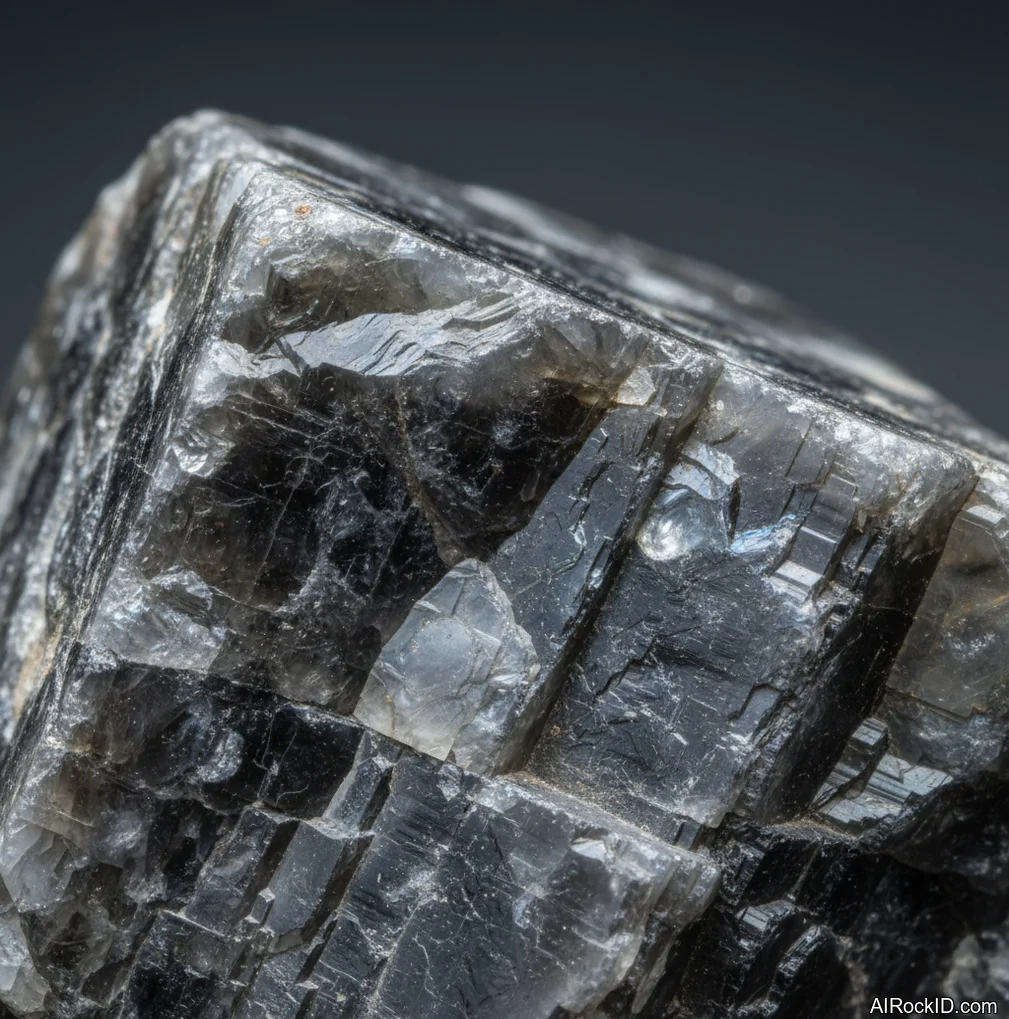
Moonstone shows its character before any metaphysical claim. Tilted under a lamp, it displays a blue sheen (adularescence) that moves across the surface, and a polished piece feels smooth, glassy and cool to the touch. These physical qualities matter because texture, temperature and comfort often determine which stones people keep handling, whatever their view of astrology.
Crystals do not fix problems on their own. Used consistently, they can serve as a physical cue to pause, reflect and choose different habits, much like a held reminder. The stones below are those most often recommended for Cancer and most likely to stay in regular use, which is the practical test of any choice.
Quick Comparison
| situation | crystal | why | format |
| I feel emotionally spiky and overstimulated after family time, and I need to come back to myself without shutting down. | Moonstone | People reach for it when they want a softer, more regulated emotional baseline, and the smooth, cool-to-the-touch flash stone gives your hands something calming to do while you reset. | palm stone |
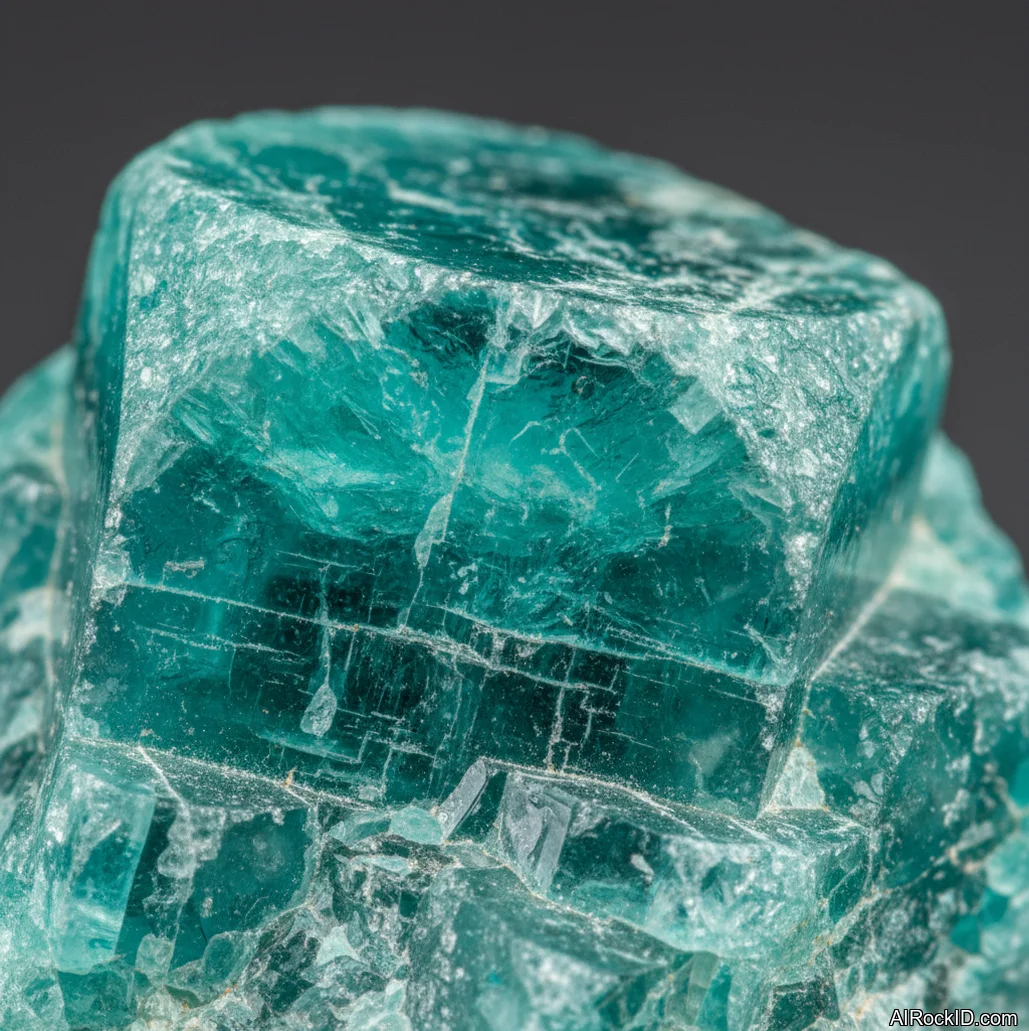
| I’m trying to set boundaries with someone I love, but I don’t want to go cold or guilty about it. | Amazonite | It’s a go-to for steady, plainspoken communication, and the best pieces have that blue-green color with white streaking that keeps you focused instead of spiraling into old scripts. | bracelet |
| My chest feels tight when I’m anxious, and I want something gentle for self-soothing at home. | Rose Quartz | Folks choose it for comfort and self-kindness, and a heavier tumbled chunk sits cool in the palm at first, then slowly warms, which makes it easy to use during breath work. | pocket stone |
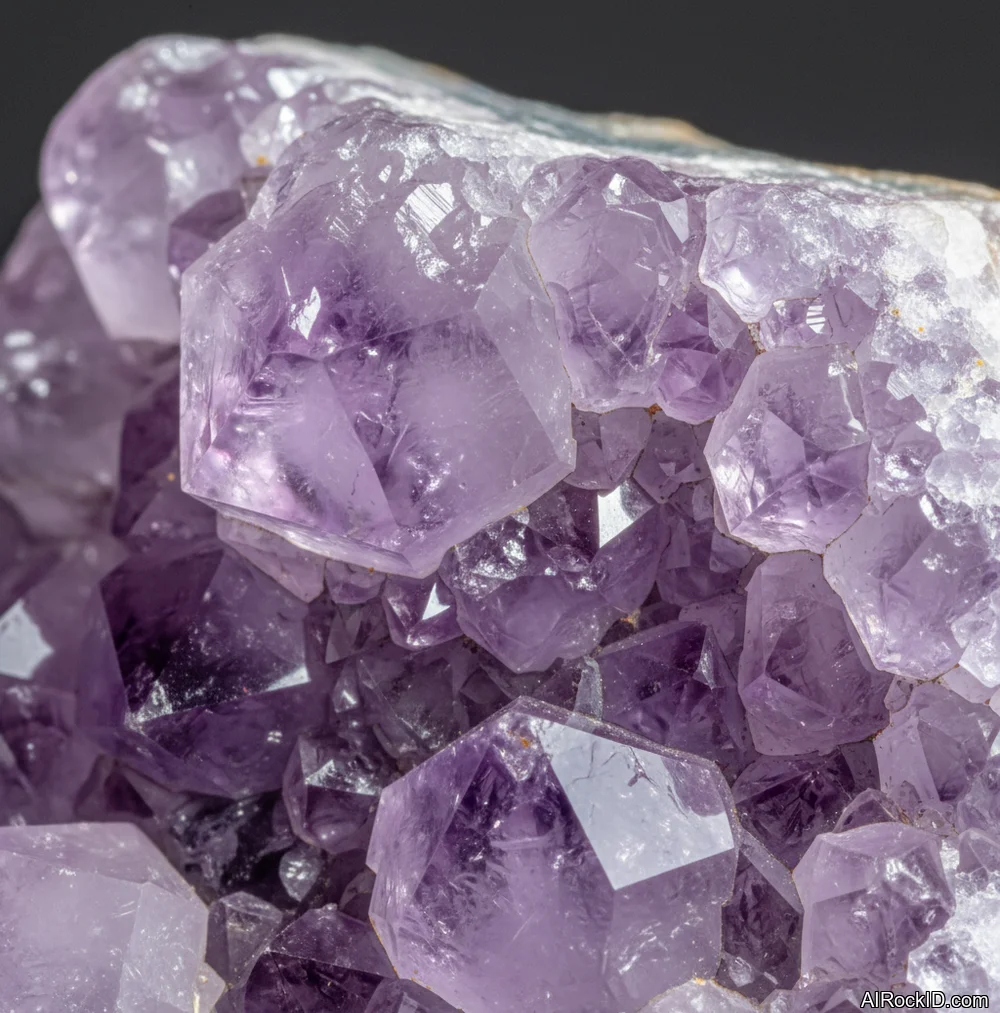
| I can’t switch my brain off at night, especially when I’m worried about my people and my home. | Amethyst | It’s commonly used as a sleep and wind-down stone, and a small cluster by the bed gives you something visually quiet to focus on, but the real catch is you don’t want it in direct sun because the purple can fade over time. | small cluster on nightstand |
Recommended Crystals
Moonstone
Rose Quartz
Aquamarine
Amazonite
Amethyst
Amber
Angelite
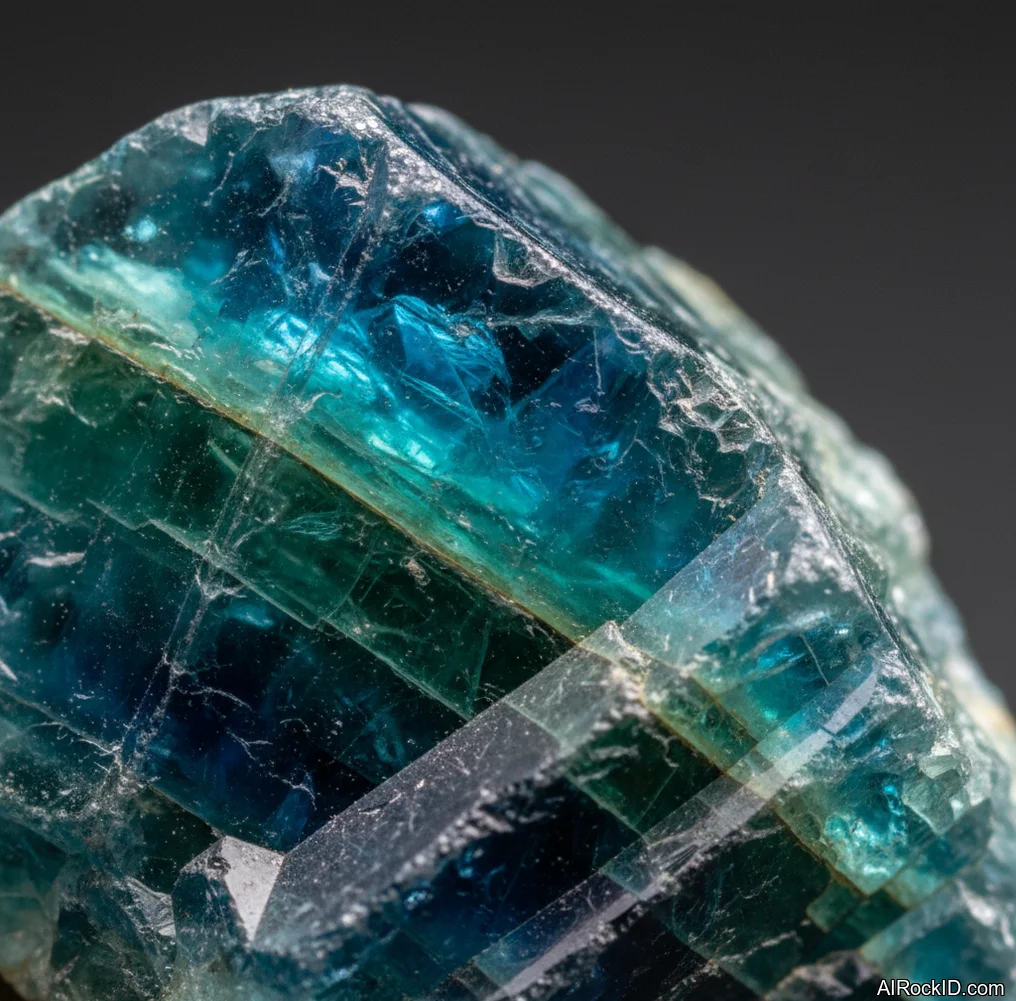
Apatite
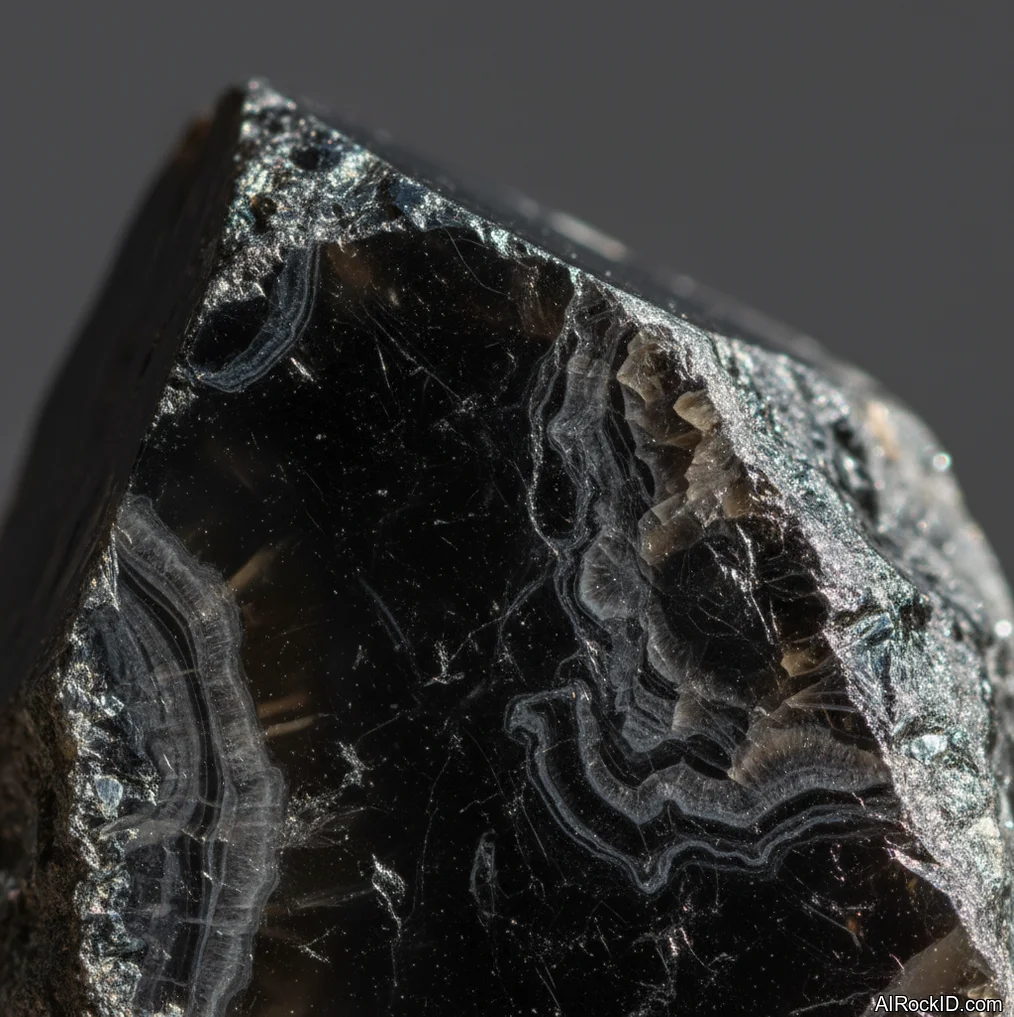
Black Onyx
What Cancer Energy Looks for in a Crystal
Cancer is often described as emotional, but a more precise description is porousness: family stress, a coworker's mood, a friend's tone or the tension in a room can all seem to seep in. Cancer is then said to manage other people's moods to relieve the pressure. In crystal traditions, a good Cancer stone does not shut feeling down. It supports feeling without absorbing everything around it.
Holding several stones one after another and noting the bodily response is a simple selection method. Sharp edges that press into the palm and raise tension in the shoulders are generally a poor match for Cancer, unless courage is the specific goal. Stones that are cool, smooth and comforting, or that invite rubbing with a thumb, tend to suit better. Slower breathing while handling one is a sign it fits.
Placement also matters. Stones get used when they sit where daily life happens, such as the kitchen counter, bedside or sofa table. An altar that is never passed will see little use. A practical start is one stone touched every day, even absentmindedly, with others added later.
Moon, Water and Sleep: Cancer Pressure Points
Sleep is basically where Cancer energy either stitches itself back together or totally falls apart. If you’re the type who replays a conversation at 1 a.m. like it’s a movie you can’t turn off, you don’t need a crystal that cranks up visions or intensity. You need something that slows the loop.
Black moonstone and amethyst are two common choices, and they are described differently. Moonstone is associated with emotional tides: it is said to bring feelings to the surface and let them pass if they are not resisted. Amethyst is associated with turning down mental static so that racing thoughts settle.
Some people report more vivid dreams when keeping moonstone nearby. If that becomes unwelcome, moving it a few feet away from the bed is a simple adjustment, and rose quartz or amber are common alternatives. Responses are personal, and no effect on dreams is established.
And keep an eye on the light. A bunch of stones will fade if they sit on a sunny windowsill, and the bedroom window is usually the sneaky one because it gets that harsh morning beam. If you’re keeping crystals near the bed, keep them out of direct sun, and don’t park them next to water cups either. One spill, and softer pieces can end up with stains or weird dull spots that don’t really buff out.
Pairing Soft and Dark Stones for Boundaries
The trouble with straight “protection stone” advice for Cancer is it can turn you into a bunker. Yep, boundaries matter. But no, you don’t have to go cold just to feel safe.
A common approach is to pair one softening stone with one boundary stone. Rose quartz with black onyx is the classic set, summed up as caring while staying unavailable for what drains you. Amazonite with black onyx is suggested for people who tend to apologize mid-sentence. As a check, hold one stone in each hand. If the jaw clenches or the shoulders rise, the combination is too intense, so swap the dark stone for a gentler one or carry it for less time.
Large dramatic pieces are not needed for boundary work. A small flat onyx worry stone carried in a pocket, warmed by the hand and smoothed at the edges, is more likely to be used than a large tower that is never picked up.
Choosing Quality and Avoiding Fakes
Most crystal letdowns come down to shopping, not “energy.” You buy the cheap one, it shows up, and then you realize it’s been dyed, heated, coated, or flat-out mislabeled. And now you’re trying to bond with a stone that isn’t even what you thought you ordered.
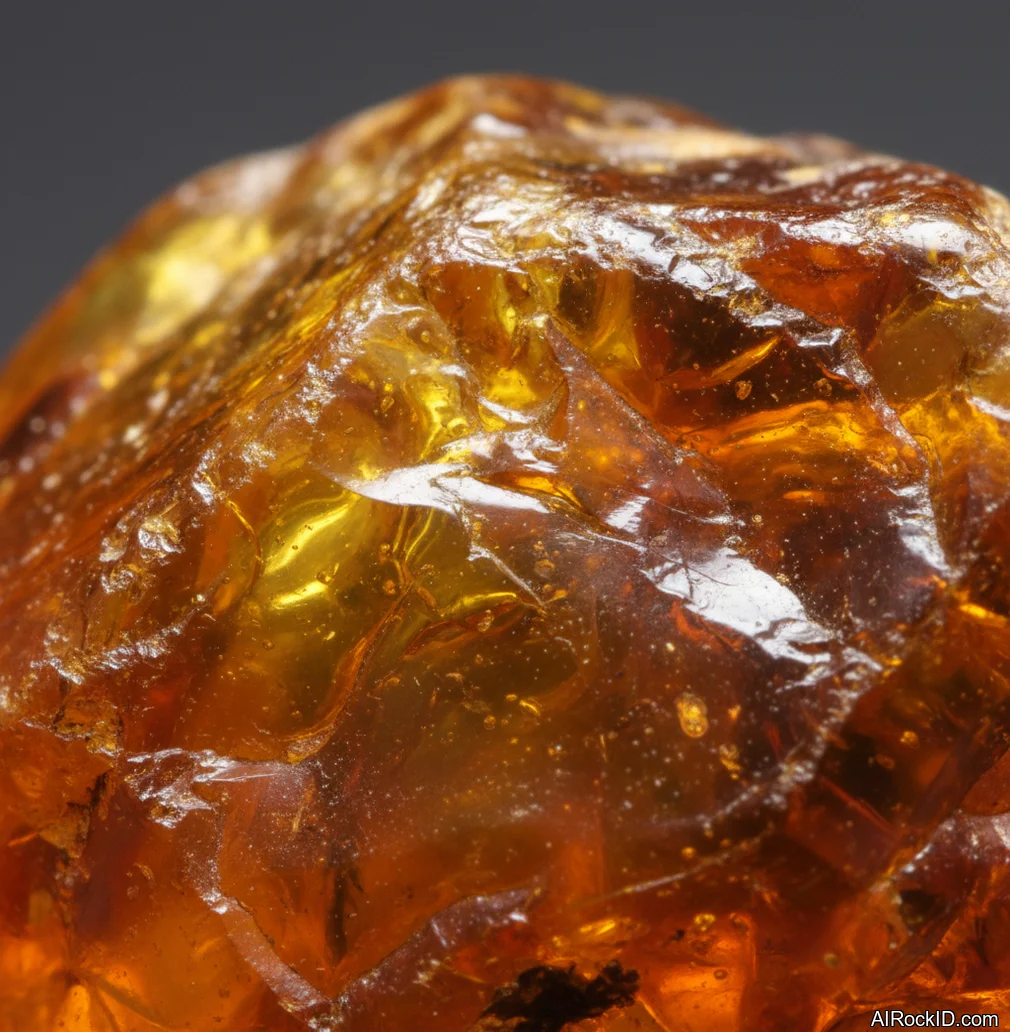
Imitation amazonite is common. Pool-paint blue color and white streaks that look uniformly airbrushed are warning signs. Amber is another frequent target. Genuine amber is light in the hand and gives off a piney resin scent when rubbed firmly on cloth. Plastic tends to smell sharply chemical or turns sticky and warm quickly. A flawed first impression is reason enough to pass.
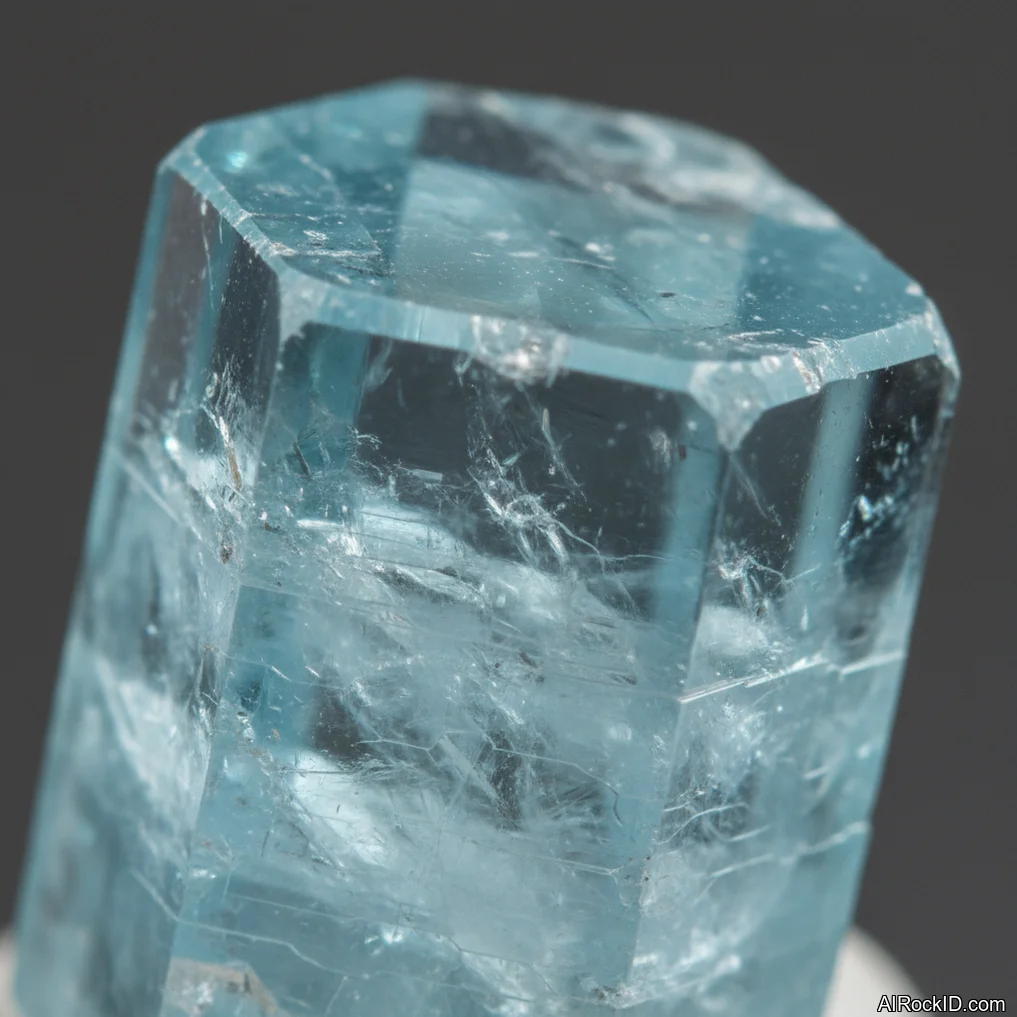
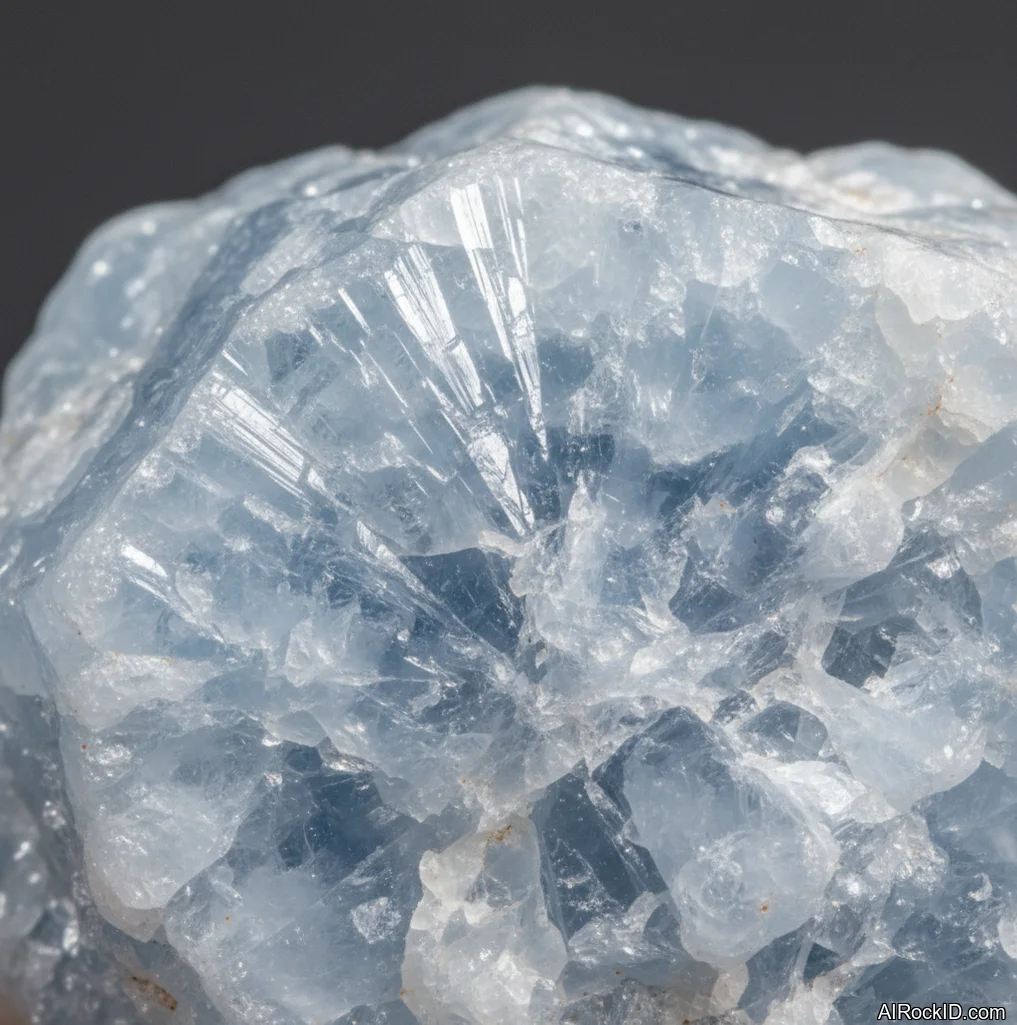
For aquamarine and amethyst, ask where the stone is from, since knowledgeable sellers answer openly. For angelite and apatite, inspect the edges for chips. Both are softer than they look, and a damaged piece will feel rough in the hand regardless of the seller's claims.
How to Use These Crystals for Cancer
A simple start is one home stone and one stone for outside the house. For Cancer, rose quartz or amber suit the home role, because they get handled during ordinary routines such as cooking, wiping the counter or resting on the couch. A smooth palm stone warmed on a windowsill or in a pocket is a good example.
Then grab something like black onyx or amazonite for when you’re out around other people and you need either a boundary cue or a truth cue. Different job. Different vibe.
Consistency is the real test. A crystal kept in a drawer is only decoration. Placing moonstone or amethyst beside the bed, where it is visible, supports a short repeatable routine: hold the stone, exhale longer than inhaling, and stop when the shoulders drop. Two minutes done daily is worth more than twenty minutes that never happen.
If you like layouts, keep it practical. For emotional processing, place moonstone at the lower belly, rose quartz at the chest, and aquamarine at the throat for 8 to 10 minutes. But if you start feeling floaty or overstimulated, stop. Just end it. Drink water, and do something boring like dishes. Grounding is part of the practice, especially for Cancer. Why fight that?
Common Mistakes to Avoid
A frequent mistake with Cancer placements is buying only soft stones. Rose quartz and angelite feel cool and silky, but without some boundary practice alongside them, a person may stay open and tired. A small black onyx, or a clear plan for when to be available, does more than another heart stone.
Another thing: treating crystals like mood suppressors. If you grab moonstone and basically demand it stop you from feeling, it usually backfires, and you end up weepy or irritable anyway. Use it as a container, not a plug. Let the feeling move, then decide what you’re going to do with it. Simple. Not always easy.
Care and placement are the last concern. Angelite and apatite are damaged by loose pockets, sinks and humid bathrooms. Angelite can turn chalky and dull at the edges after prolonged exposure to steam. Keep softer stones on shelves, in trays or in pouches, and do not cleanse everything with water by default.
What Crystals Can and Cannot Do
Identify Crystals Mentioned in This Guide
Snap a photo to check crystals mentioned in this guide and compare likely matches.