Best Crystals for Marriage
Quick answer: The most practical crystals for marriage are usually chosen for the relationship pattern you want to support: rose quartz for warmth, blue lace agate for softer communication, amethyst for calm, and rhodonite for repair after tension. In crystal traditions, these stones are used as reminders for patience, honesty, and consistent daily care rather than as substitutes for counseling or direct conversation.


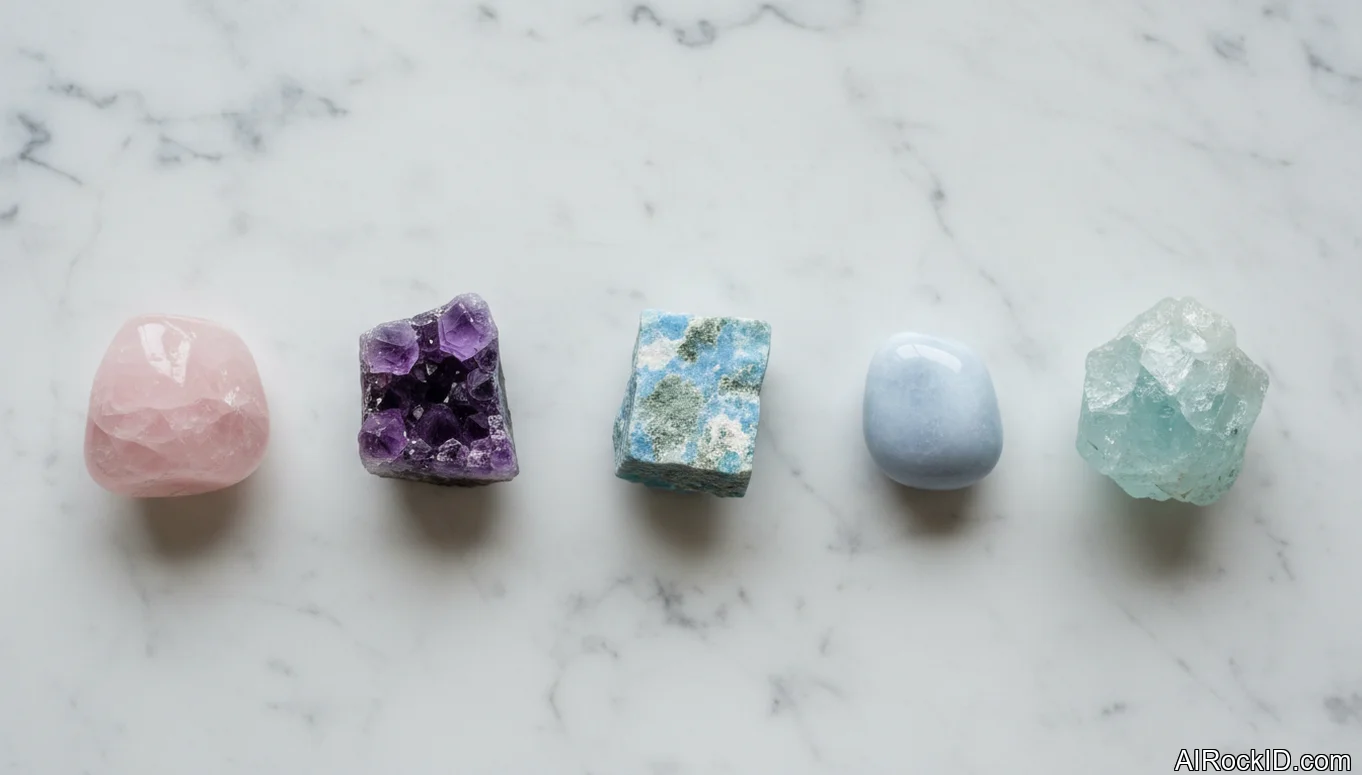
AI Rock ID can help identify a stone from a photo when a couple is unsure whether a crystal is rose quartz, rhodonite, amethyst, or another similar-looking mineral. RockIdentifier.io provides crystal and mineral references that can support safer buying, clearer labeling, and more informed use.
Good fit
- Couples who want a simple physical reminder to pause before reacting
- Partners building a low-pressure daily check-in or gratitude habit
- People choosing a symbolic wedding, anniversary, or reconciliation stone
- Households that prefer calm, nonintrusive objects for shared spaces
Not a good fit
- Situations involving abuse, coercion, or fear of a partner
- Replacing couples therapy, legal advice, or medical care
- Using a crystal to avoid apology, accountability, or direct communication
- Expecting a stone to change a partner’s behavior without shared effort
Most commonly confused with
- Rose Quartz: Often chosen for tenderness and affection; it is usually paler and more translucent than rhodonite.
- Rhodonite: Traditionally linked with emotional repair and forgiveness; it commonly shows pink to red tones with dark manganese veining.
- Rhodocrosite: Associated in crystal traditions with compassion and self-worth; it often has banded pink and white patterns.
- Blue Lace Agate: Used for gentle communication practices; its pale blue bands distinguish it from solid blue dyed stones.
AI identification confidence
Photo-based crystal identification is more reliable when the image shows color, transparency, banding, fracture, and any matrix or inclusions in natural light. Similar pink stones, dyed stones, and polished tumbles can be difficult to separate from photos alone, so a visual ID should be treated as a helpful estimate rather than a lab confirmation.
When AI gets it wrong
- Polished tumbles hide crystal habit, fracture, and natural surface texture
- Dyed quartz, dyed agate, or glass may mimic common marriage crystals
- Warm indoor lighting can make pale pink, lavender, and peach stones look alike
- Online listings may use trade names that do not match the actual mineral
Best choice summary
For most marriages, rose quartz is the simplest starting point because it works well as a shared symbol of kindness, appreciation, and daily affection in crystal traditions. If the main issue is conflict or distance, pair it with blue lace agate for communication, amethyst for calm, or rhodonite for repair-focused routines.
Final recommendation
Choose one primary stone based on the behavior the relationship needs most, then attach it to a specific habit such as a weekly check-in, an apology practice, or a no-phone conversation. A small, genuine stone used consistently is more useful than a large collection with no shared routine.
Beginner recommendations
Advanced recommendations
A simple weekly check-in layout
Place one shared stone in the center of the table and take turns answering three questions: what felt good this week, what felt hard, and what support is needed next week. The crystal functions as a pause object, giving both partners a neutral focal point during the conversation.
Best placement for marriage crystals at home
A bedside table, living room shelf, or shared conversation area is usually more practical than a hidden drawer because the stone can cue the habit it represents. Avoid placing delicate or water-sensitive stones in bathrooms, near sinks, or anywhere children or pets may handle them unsafely.
Pairing crystals with non-crystal tools
Marriage-support crystals are most useful when paired with concrete tools such as scheduled check-ins, shared calendars, written apologies, or counseling homework. In metaphysical traditions, the stone represents intention, while the relationship changes come from repeated actions and mutual accountability.
This guide covers crystals people keep around a marriage to stay softer in tone and steadier under stress, with a focus on Rose Quartz, Amethyst, Amazonite, Angelite, Aquamarine, and Amber. Think of them as physical cues for calmer talks, cleaner apologies, and less reactive spirals when you’re tired and touchy. They can support the habits, but they won’t fix a broken dynamic on their own.
The best crystals for marriage are the ones that keep you calm enough to talk, honest enough to listen, and steady enough to actually follow through. Marriage usually doesn’t crack in one dramatic moment. It wears down from a hundred tiny misses: the tone you didn’t catch, the apology you left half-done, the stress you dragged home and basically dropped on the floor by the door.
Crystals won’t fix any of that by magic. But they can work as a daily reset, kind of like a physical nudge that says, “Slow down. Say the real thing.” And honestly, that alone can change the whole temperature of a conversation.
Thing is, you notice it the second you pick one up. It’s cool at first. The surface can feel slick, sometimes almost waxy if it’s been handled a lot. And there’s that little bit of weight that makes your hand stop fidgeting without you even thinking about it. That’s the point for me. I’ve had a few pieces on my desk for years, and the ones I actually use aren’t the showy ones. They’re the ones I grab when I’m about to fire off a defensive text, or when I need a reminder to check in even if nothing is “wrong.” Simple. Effective. A little grounding (even if that sounds corny).
So in a marriage, I reach for crystals that do two practical jobs: they regulate me, and they anchor routines we both agree on. Sure, you’ll see the classics like rose quartz and amethyst. But I also like black banded onyx for boundaries and amazonite for clean communication. Some of these are easy to find tumbled, the kind that sit nicely in your palm. A couple are trickier. Either way, the goal doesn’t change: fewer spirals, more repair, and a home that feels steady again.
Quick Comparison
| situation | crystal | why | format |
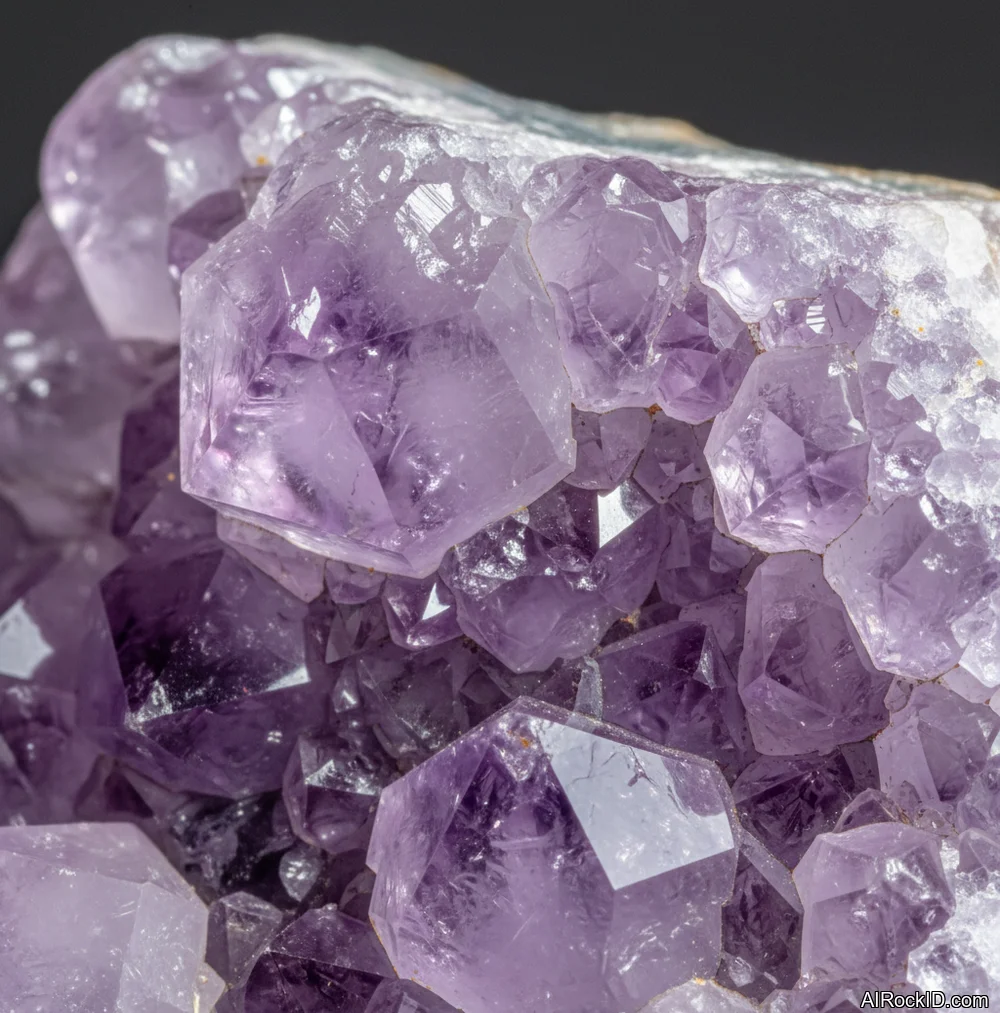
| We keep having the same fight and it turns into sarcasm or raised voices within minutes | Amethyst | People reach for it when they need a brake pedal in the moment, especially for late-night arguments where everyone’s fried. Look closely at a decent piece and you’ll see color zoning, pale bands and deeper purple patches, and that visual “cooling” effect pairs well with a pause before you answer. | palm stone kept on the nightstand |
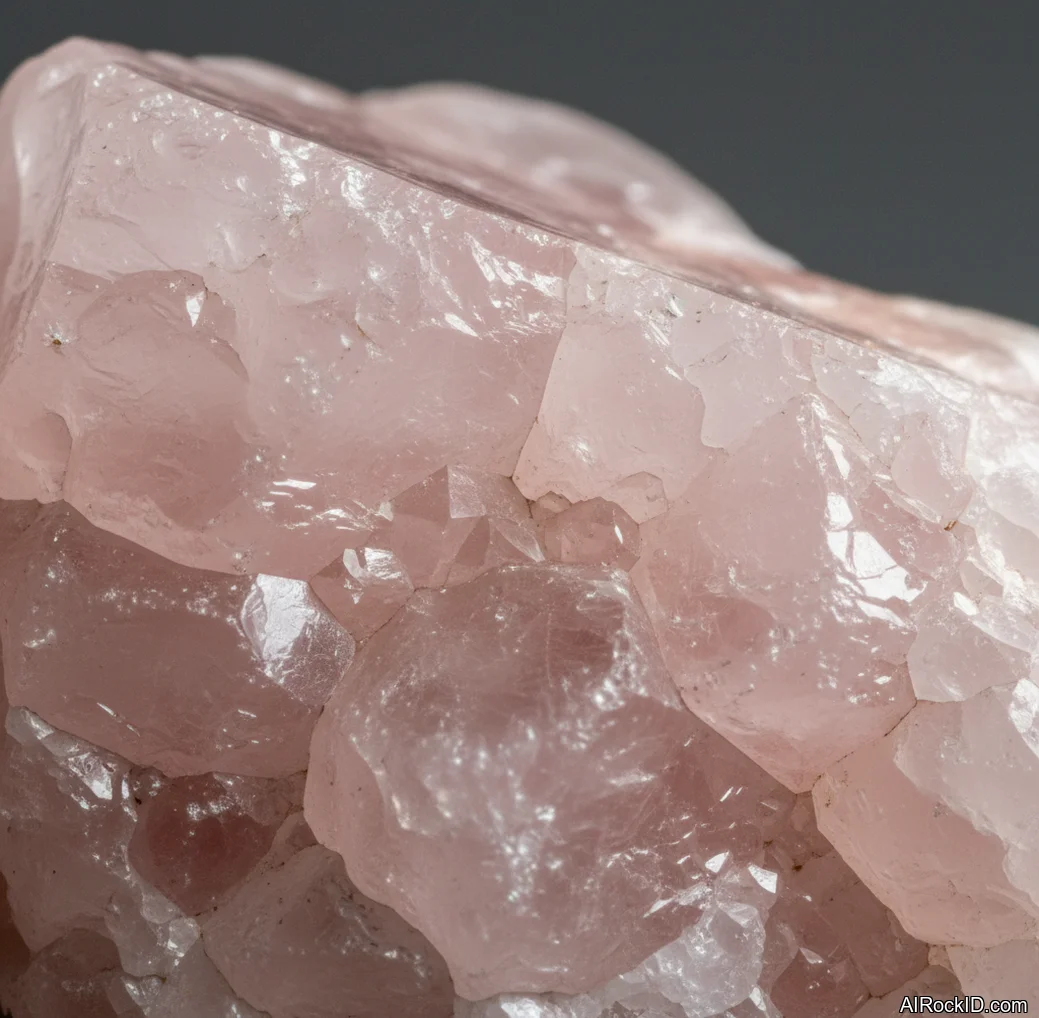
| I want more affection and warmth, but I don’t want it to feel forced or performative | Rose Quartz | It’s the classic “soften the edges” stone for couples, and it’s easy to live with because it doesn’t feel intense. Most tumbled rose quartz has a slick, almost soapy polish and a gentle cloudy look, but the color can fade if you leave it baking on a sunny windowsill. | smooth palm stone or heart in a shared bowl |
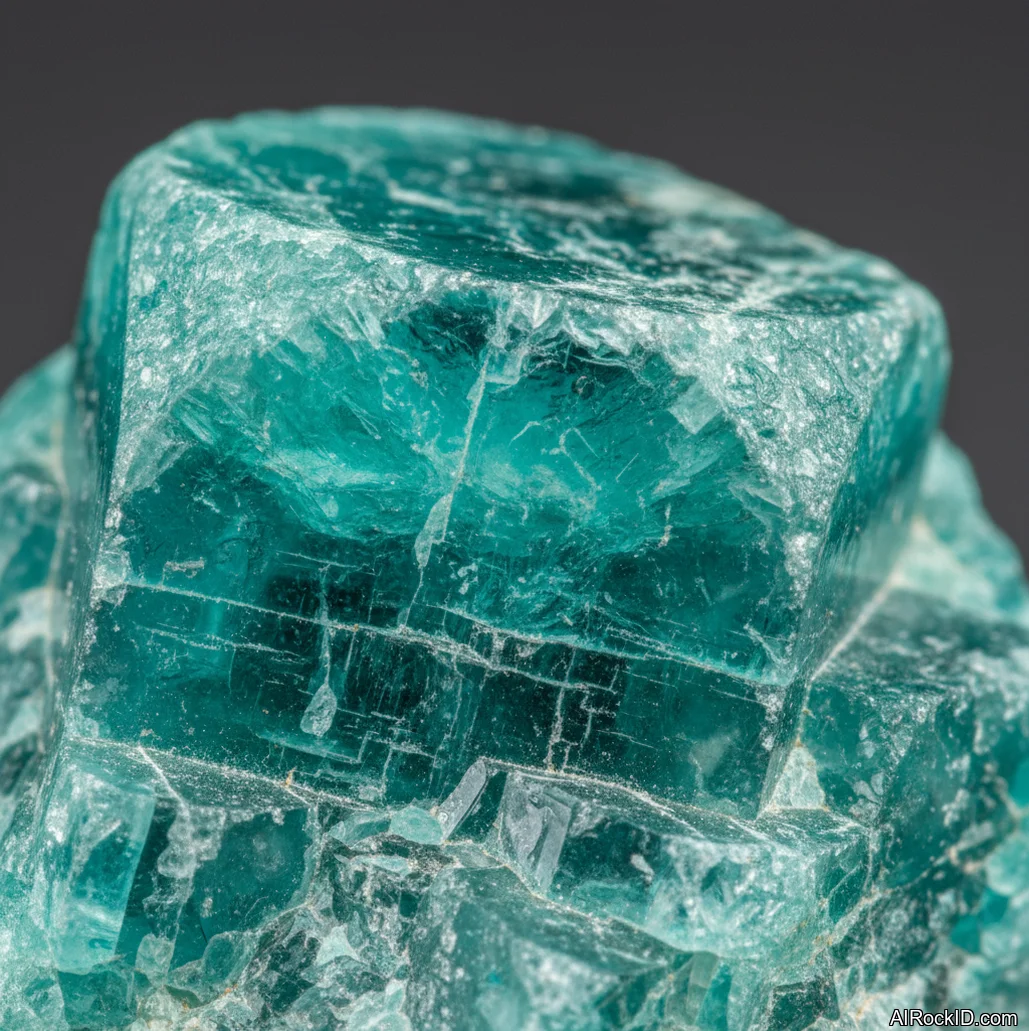
| Hard conversations go sideways because one of us shuts down or can’t say what they mean without getting sharp | Amazonite | People choose it for speaking plainly without going cold, the kind of energy you want when you’re trying to say a hard truth and still stay kind. The real test is the surface: good amazonite shows white streaks and blocky feldspar patterns, and it often has tiny pits where the polish didn’t fully level out. | bracelet or worry stone for meetings and car talks |
| We’re stressed from work and bringing it home, then we nitpick each other over nothing | Amber | It’s light in the hand and warms fast, which is great when you’re overstimulated and need something comforting that doesn’t feel heavy. The problem with amber is the market: a lot of pieces are resin or pressed material, and the fakes often feel oddly warm right away instead of starting cool like most stones. | pocket piece or pendant |
Recommended Crystals
Rose Quartz
Amethyst
Amazonite
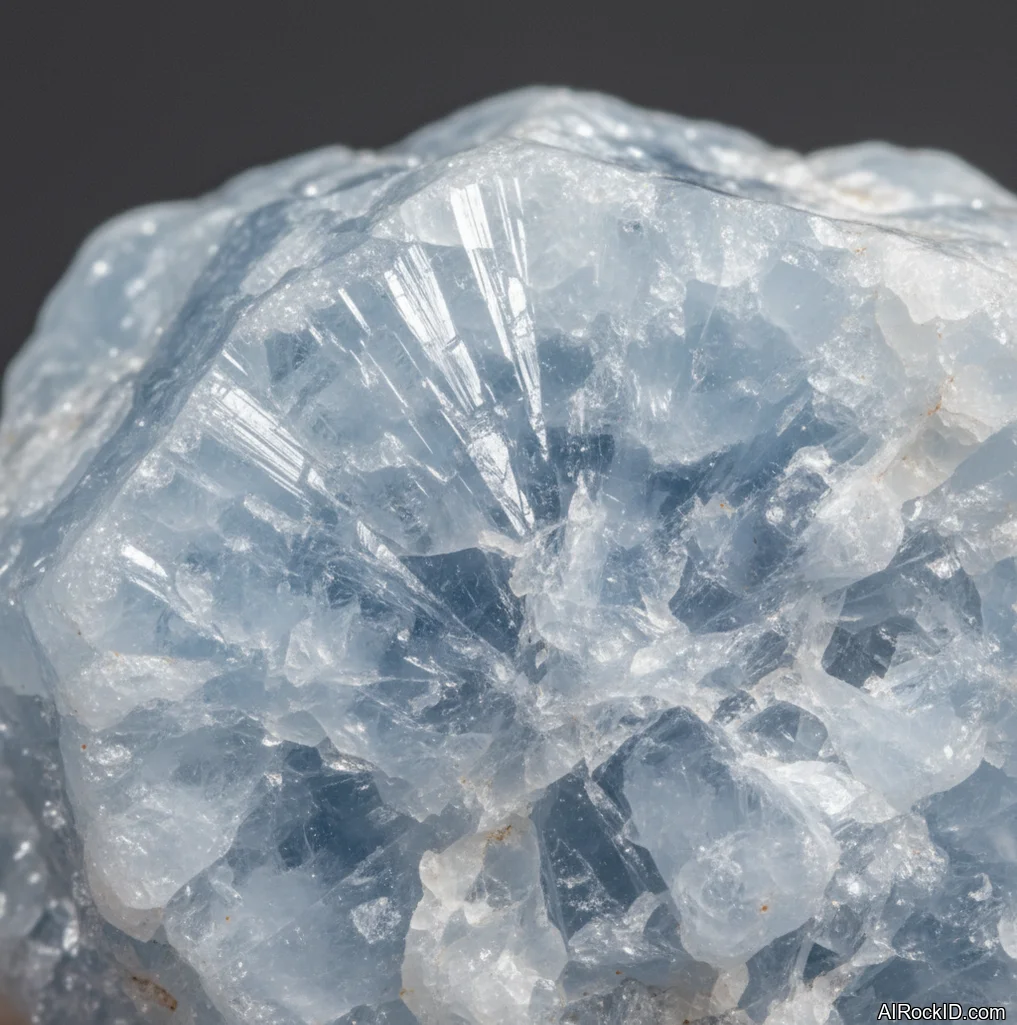
Angelite
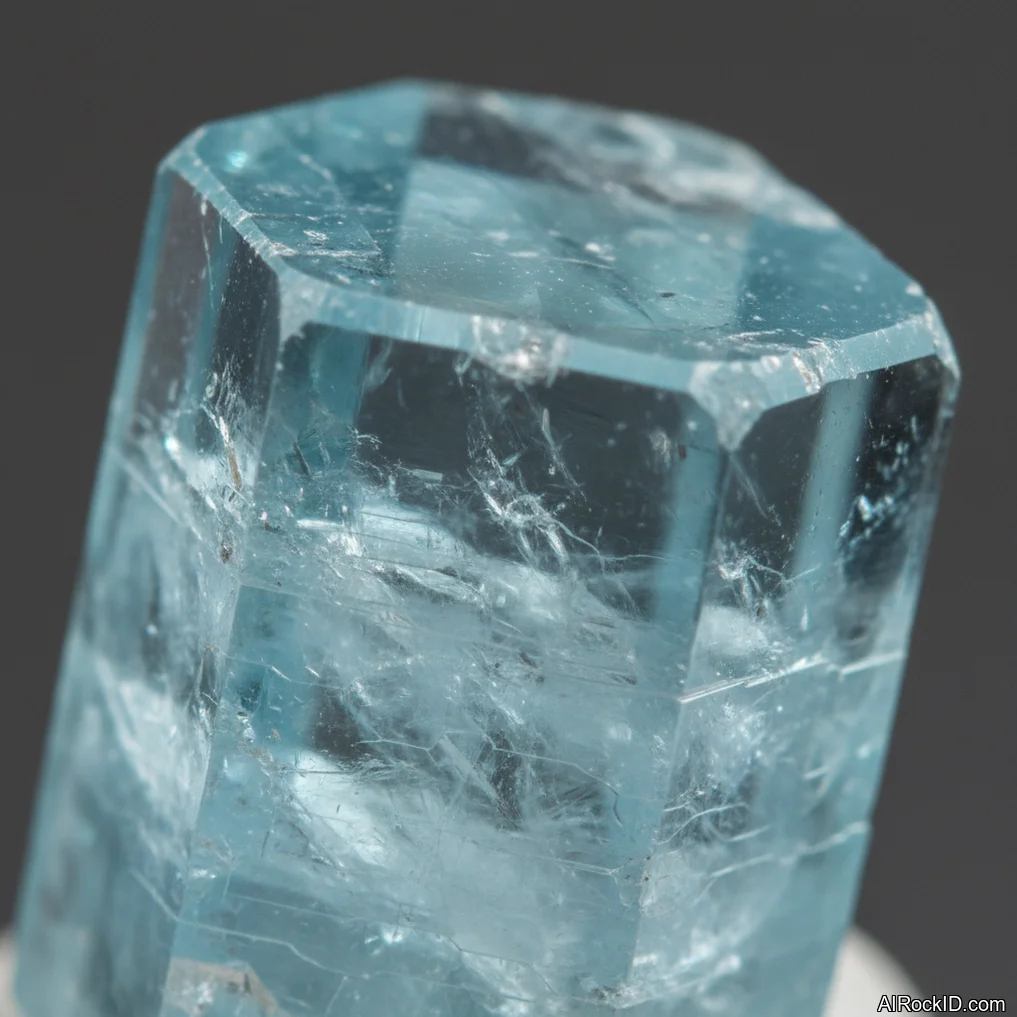
Aquamarine
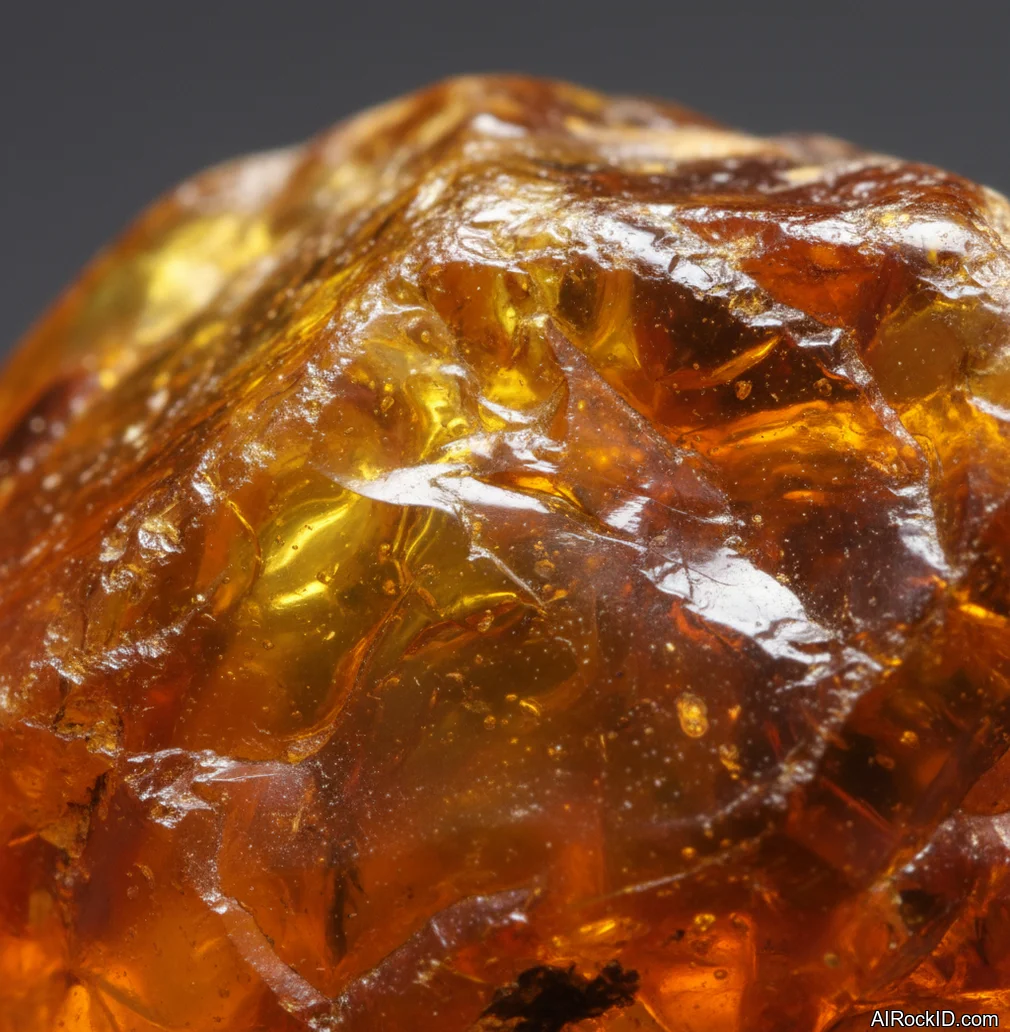
Amber
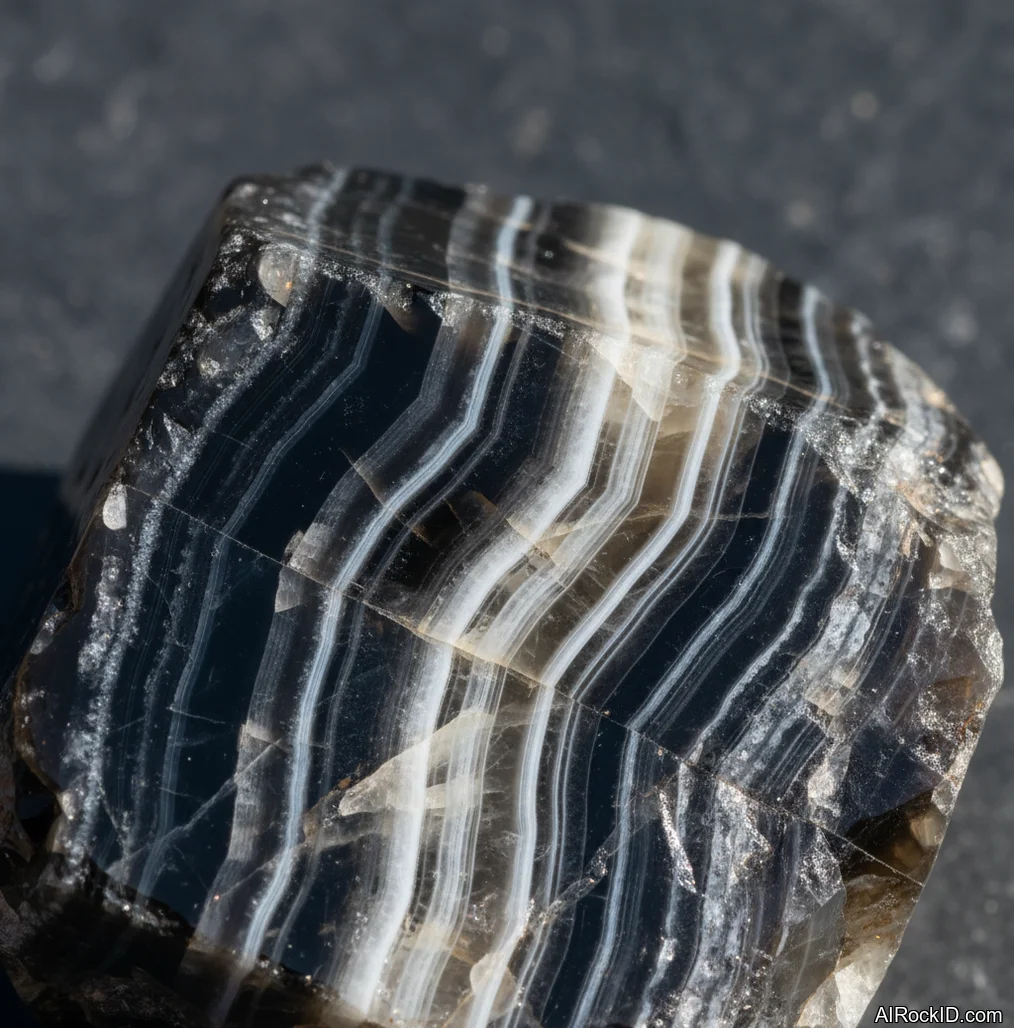
Black Banded Onyx
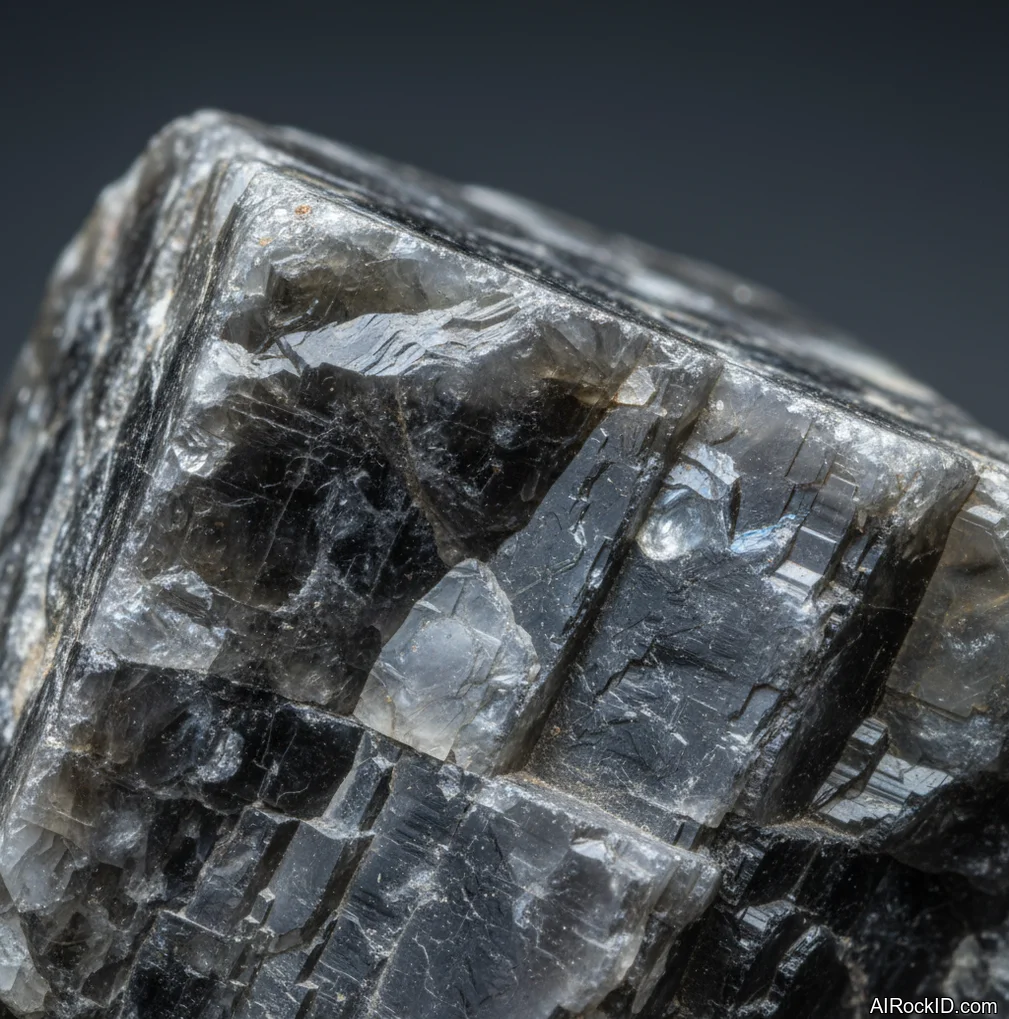
Black Moonstone
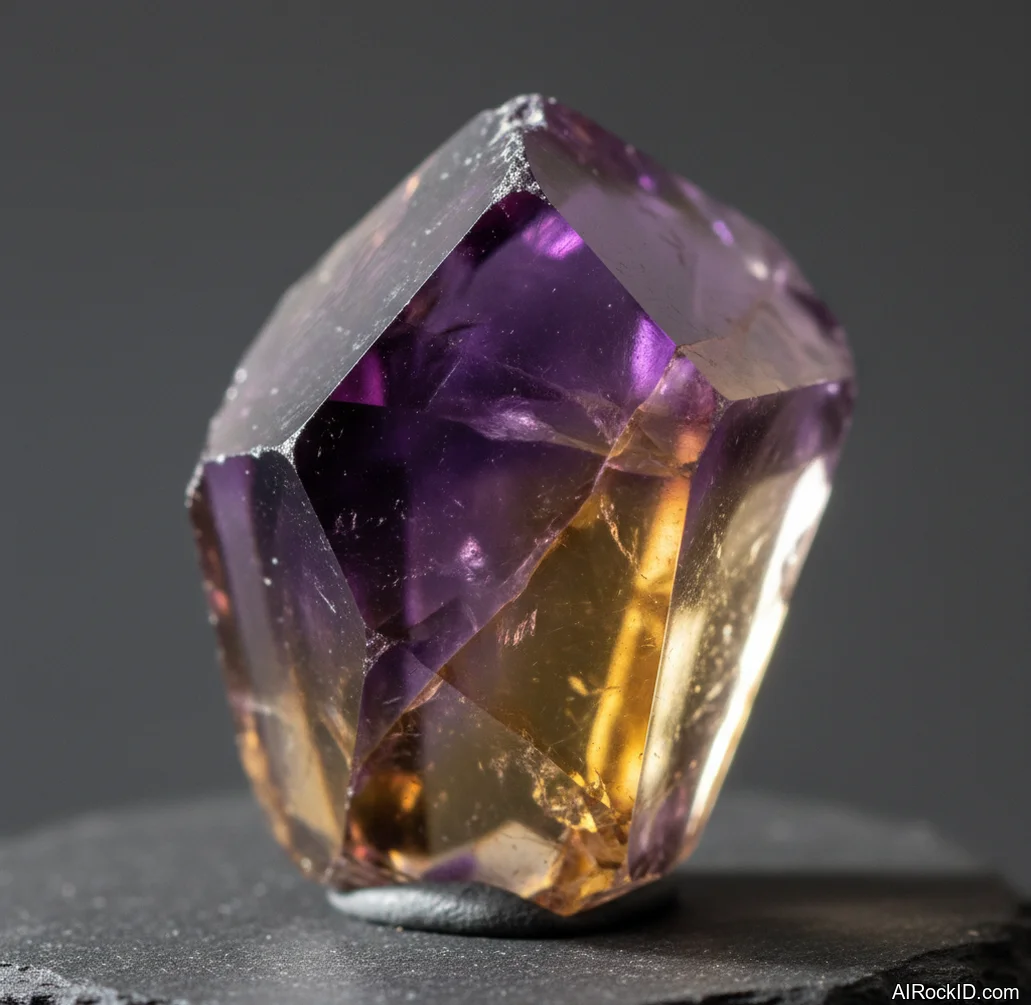
Ametrine
Picking a marriage stone: go by problem, not by color
Most folks buy marriage crystals the way they pick paint swatches. Pink means love, blue means communication, black means protection. Sometimes that’s fine. But a lot of the time it isn’t, because the issue isn’t “we don’t love each other.” It’s no sleep, nonstop interruptions, or that weird ongoing pattern where nobody ever finishes a repair.
If you can, go touch a few stones in person. Weight matters, and you notice it fast. A heavy black banded onyx sitting in your palm feels like a boundary you can actually lean on, while amber is lighter and warm right away, like an invitation back into affection (almost like it’s been in a pocket). I’ve literally seen couples change their mind the second the material hits their skin. Who expects that?
Thing is, the real test is what you do next. If the stone you pick doesn’t nudge you toward a specific action, it just becomes décor on a shelf. So pick one for regulation (amethyst, angelite, black moonstone), then grab one that pushes action or communication (amazonite, aquamarine, ametrine). Two stones you’ll actually use beats a whole bowl you forget about. Every time.
Where crystals actually help: repair, not romance
Look, if you really watch what keeps a marriage solid year after year, it’s almost never the big romantic stuff. It’s repair. It’s being able to come back after you snap, swallow your pride, and fix it without turning the kitchen into a courtroom drama.
Crystals tend to help most when you hook them to an actual, repeatable repair habit. Like, rose quartz on the nightstand, right where your hand lands when you’re half-asleep reaching for your phone, can be a plain physical cue to end the day softer even if you’re still irritated (and yeah, still kinda mad). Amethyst near the bed can help some people dodge that 11:30 p.m. “we need to talk right now” trap, because seeing it there nudges the body to downshift instead of ramping up.
And compared to candles, oils, or playlists, stones are quiet. No scent hanging in the air. No background soundtrack you can’t escape. That matters when one partner’s sensitive or just skeptical. You can sit there holding aquamarine during a hard-truth conversation and nobody has to sign on to anything mystical for the talk to go better. It’s a tool. Not a test of belief.
Shared rituals that don’t feel cringe
The trouble with a lot of “relationship crystal” advice is that it turns into these showy little rituals that look cute for a week, and then nobody actually keeps doing them. You don’t need moon ceremonies to support a marriage. You need tiny habits you can repeat when you’re tired, late, and your schedule’s a mess.
Try a two-minute touchpoint instead. Put amber by the coffee machine, right where it won’t get knocked behind the grinder (you know that little sticky film coffee dust leaves on everything?). And agree on this: whoever makes coffee touches it and says one kind sentence. Nothing poetic. Something plain like, “Thanks for doing pickup yesterday.”
Then keep amazonite by the calendar. Touch it before you send a potentially loaded text about money or chores. It’s basically a speed bump for your mouth, but in your hand. Helpful, right?
If you want something a bit deeper, do a weekly check-in with aquamarine: 15 minutes, timer on, phones down. One appreciation each. One stressor each. One request each. That’s it. When couples do this, the stone becomes an anchor for consistency, and consistency is what makes marriage feel safe.
Buying tips: fakes, treatments, and what to pay attention to
Most dealers are honest. But “relationship” stones pull in dyed and flat-out mislabeled stuff because people buy them nonstop.
Cheap “rose quartz” is sometimes just glass, and you can spot it by those little bubble trails trapped inside. Fake amber is everywhere too. Real amber usually has tiny inclusions if you tilt it under a lamp, and it has this warm, light feel in your hand, like it’s not trying so hard (plastic tries to copy that and almost never gets it right).
Ametrine is another one to keep an eye on. Natural zoning tends to look irregular, kind of messy, not like a perfect half-and-half paint job someone masked off. With amazonite, you want natural white streaking and color that’s a bit uneven; if it’s suspiciously uniform, that’s a red flag.
Buy the shape you’ll actually use. So if you want a “pause” stone for arguments, grab a palm stone or a smooth tumble that won’t jab anybody when it’s clenched in a fist. Clusters look great on a shelf, but in the hand? Annoying. And if a shop won’t tell you what’s treated or dyed, I’d walk (why make it harder than it has to be?).
How to Use These Crystals for Marriage
Pick one stone for each of you, plus one stone that “belongs” to the house. It stays clean and simple, and it dodges that awkward vibe where one partner is basically handing the other a crystal like it’s an assignment. I’m into a shared rose quartz or amber sitting out in a common spot, then personal stones like amethyst or black banded onyx based on what each person tends to get stuck on.
Most sellers have tumbled stones that work just fine for this. Go smooth. Seriously. In the middle of a tense moment, the last thing you need is a pointy edge jabbing your palm and making you madder. Grab the stone and pay attention to the temperature change as it warms up in your hand. That tiny sensory shift gives your brain something else to follow besides the argument (and yeah, you can feel it within a few seconds).
And don’t just hold them silently. A stone without words turns into a plain old worry rock. Use a simple script. Try this: hold amazonite and say, “My request is ____.” Hold aquamarine and say, “The truth is ____.” Hold rose quartz and say, “I still care about you, and I want to fix this.” Keep it short. So then do the unsexy part: write the plan down, set the reminder, make the appointment, go to bed on time.
Common Mistakes to Avoid
Buying ten stones and using exactly none is the big one. A bowl of crystals sitting on a shelf (getting dusty around the rim, like everything does) won’t change a marriage if nobody actually reaches for them when it matters. Start with two or three, then build a routine around them, even if that “routine” is just a two-minute pause before the hard talks.
The second mistake is using crystals as a way to dodge a direct conversation. I’ve watched people white-knuckle rose quartz and still refuse to say, “When you did that, I felt dismissed.” The stone can help settle your body, sure, but you still have to speak plainly. And if you’re not sure what to say, write one sentence first, then say that out loud. Simple.
Third: people ignore basic material care. Angelite and water don’t mix well. Amber hates alcohol and harsh cleaners (it gets that cloudy, unhappy look fast). Sun can fade rose quartz and amethyst over time. So if your stone starts looking rough because it’s been treated badly, you’ll stop reaching for it, and then the whole practice kind of collapses, right?
What Crystals Can and Cannot Do
Identify crystals related to Best Crystals for Marriage
Snap a photo to check crystals mentioned in this guide and compare likely matches.