Best Crystals for Positive Energy
Quick answer: Crystals often associated with positive energy include clear quartz, citrine, amethyst, rose quartz, black tourmaline, carnelian, selenite, green aventurine, and smoky quartz. In metaphysical traditions, these stones are used as reminders for clarity, optimism, calm, boundaries, and emotional balance, but they do not replace practical action or medical care.


- Introduction
- Recommended Crystals
- What “positive energy” actually looks like in real life
- How to choose a piece that feels good and isn’t junk
- Placement tricks: where the stone matters more than the stone
- Combining crystals without turning it into a complicated ritual
- How to Use These Crystals
- Common Mistakes
- FAQ
AI Rock ID can help users check a crystal’s likely identity from a photo, especially when color, luster, and crystal habit are visible. RockIdentifier.io provides crystal and mineral references that can support basic identification and care decisions.
Good fit
- Beginners who want a simple, low-pressure way to start using crystals
- People who like visual reminders for calm, focus, or optimism
- Anyone choosing stones for a desk, bedside table, meditation space, or entryway
- Collectors who want common, widely available crystals with recognizable meanings
Not a good fit
- Anyone expecting crystals to cure illness, anxiety, depression, or trauma
- Buyers looking for guaranteed spiritual results from a specific stone
- People who need urgent medical, mental health, legal, or financial support
Most commonly confused with
- Citrine: Natural citrine is often pale yellow to smoky golden, while many bright orange pieces sold as citrine are heat-treated amethyst.
- Clear Quartz: Clear quartz is harder and usually colder to the touch than glass, which may show bubbles or overly smooth molded edges.
- Selenite: Selenite is very soft and can be scratched with a fingernail, unlike harder white quartz or calcite.
- Black Tourmaline: Black tourmaline commonly has vertical striations, while obsidian is glassy and usually breaks with curved, sharp edges.
AI identification confidence
AI photo identification is most reliable when the crystal is clean, well lit, and photographed from several angles. Confidence is lower for tumbled stones, dyed pieces, coated points, and crystals with similar colors or textures.
When AI gets it wrong
- The stone is dyed, aura-coated, heat-treated, or resin-filled
- The photo shows only one polished surface with no crystal structure
- The lighting changes the apparent color of the stone
- Several minerals share the same color, hardness, and luster
Best choice summary
For a simple positive-energy starter set, clear quartz, rose quartz, amethyst, citrine, and black tourmaline cover clarity, emotional warmth, calm, optimism, and grounding in common crystal traditions. If choosing only one, clear quartz is the most flexible symbolic option because it is widely used as a general-purpose stone for focus and intention.
Final recommendation
Choose a crystal that matches the habit you want to build, such as keeping rose quartz near a journal for self-kindness or placing black tourmaline near an entryway as a reminder of boundaries. Treat the stone as a supportive object, not as a substitute for sleep, communication, therapy, medical care, or practical decision-making.
Beginner recommendations
Advanced recommendations
Ethical and Safe Buying Notes
Positive associations do not make every crystal purchase equally responsible. Look for sellers who disclose treatments, country of origin when possible, and whether a stone is natural, dyed, heat-treated, or lab-grown.
Care and Cleaning Basics
Not all crystals can be cleaned the same way. Selenite should be kept dry, pyrite can tarnish or react poorly with moisture, and softer stones should be stored away from harder quartz pieces to reduce scratches.
How to Keep Expectations Realistic
In spiritual and metaphysical traditions, crystals are often used to support intention, mindfulness, and personal symbolism. A crystal may help someone pause, focus, or create a calming routine, but the change comes from repeated choices and context rather than the object alone.
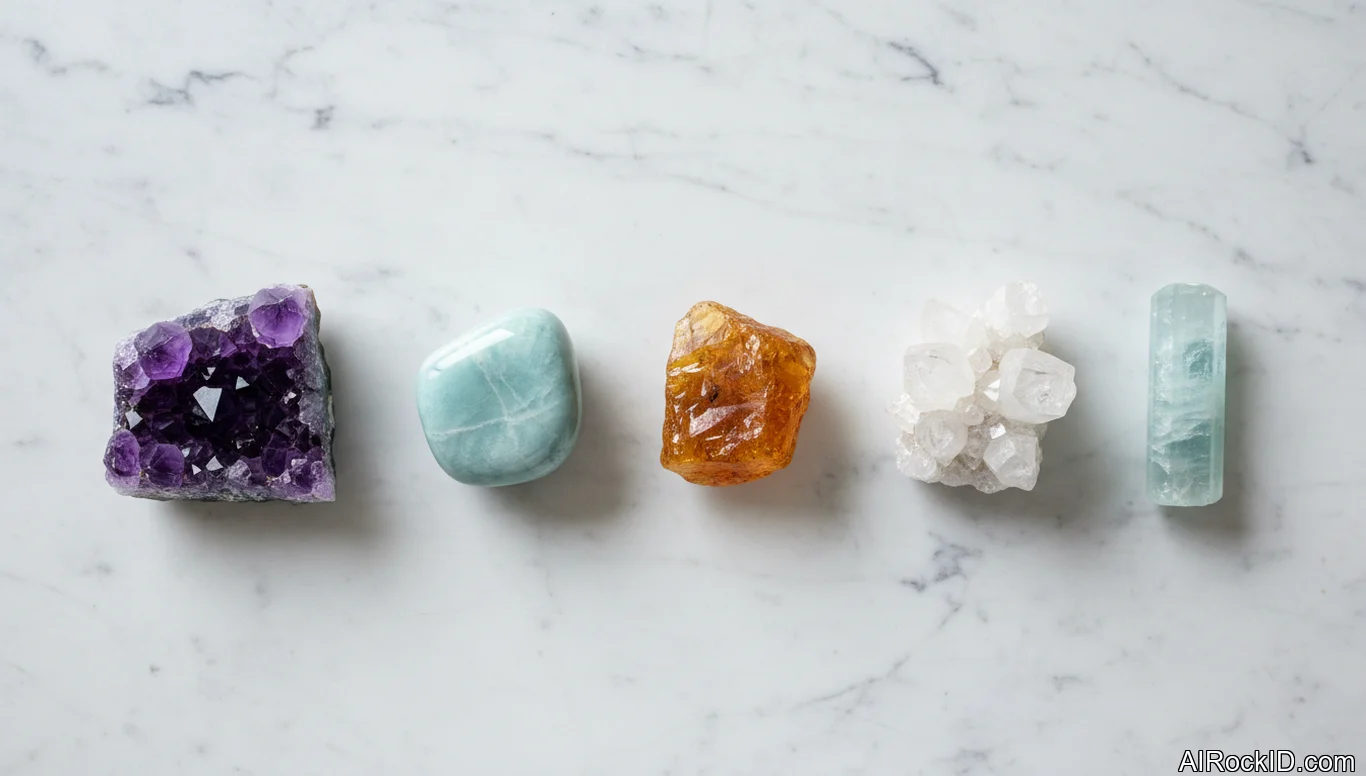
This guide is about picking a small set of crystals people reach for when they want a lighter, calmer vibe in their head and in their space: amethyst, amazonite, amber, apophyllite, aquamarine, and apatite. Think less mental static, smoother conversations, and a room that feels easier to sit in without getting edgy. Limitation: these are tactile, mood-setting tools and routines, not a guaranteed fix for depression, anxiety disorders, or any medical condition.
For “positive energy,” I’d keep it simple: amethyst to turn down the mental noise, amazonite when you want calmer communication, amber for that warm, cozy lift, and then something grounding like black tourmaline so you don’t end up feeling spun out.
Thing is, “positive energy” sounds kind of floaty. But day to day it usually boils down to very real stuff: less rumination, fewer emotional spikes, and a room that just feels easier to breathe in. I’ve handled enough stones to notice some feel almost “loud” the second they hit your hand, and others are more like a mute button. Grab a decent chunk of amber and you’ll feel it right away. It’s oddly light for its size, and it warms up fast in your palm. That little physical cue matters, honestly. It helps you treat the stone like a tool, not a wish.
And then there’s the market reality. A lot of “positive energy” stones get sold as perfectly polished tumbles with a perfect little story attached, and half the time the stories could be swapped between stones and nobody would blink. So I’m keeping this practical. What the material feels like, what I’ve seen it do in actual routines, and how to use it without turning your life into a crystal spreadsheet (because who has time for that?). If one stone makes you feel steadier and you actually remember to use it, that’s the win.
Quick Comparison
| situation | crystal | why | format |
| My brain won’t shut up at night and I want the room to feel quieter, not hyped | Amethyst | People grab it to take the edge off rumination and make a bedroom feel less “busy”; darker Uruguay pieces read calmer than pale lavender tumbles | cluster on the nightstand or a palm stone you can hold for 2 minutes |
| I keep getting snappy in texts or meetings and I want calmer communication without feeling muted | Amazonite | It’s a go-to when you want to speak cleanly and cool down the emotional spikes; the best pieces have that blue-green color with white streaking, not flat dyed teal | worry stone in a pocket or a small pendant near the throat |
| The room feels heavy and I want a warm, cozy lift during the day | Amber | That quick warmth in the hand makes it an easy “reset” object, and it brightens a space visually because it glows under lamp light; but it scratches easily so it’s not a rough-and-tumble pocket stone | polished chunk or beads kept in a pouch, handled briefly |
| I want the space to feel clear and bright fast, like after an argument or when guests are coming over | Apophyllite | A clean apophyllite cluster throws sharp little flashes when you tilt it under a ceiling light, and that crisp look is why people use it as a “fresh air” vibe-setter; however, the points chip if you bump them | display cluster on a shelf or desk, not a pocket carry |
Recommended Crystals
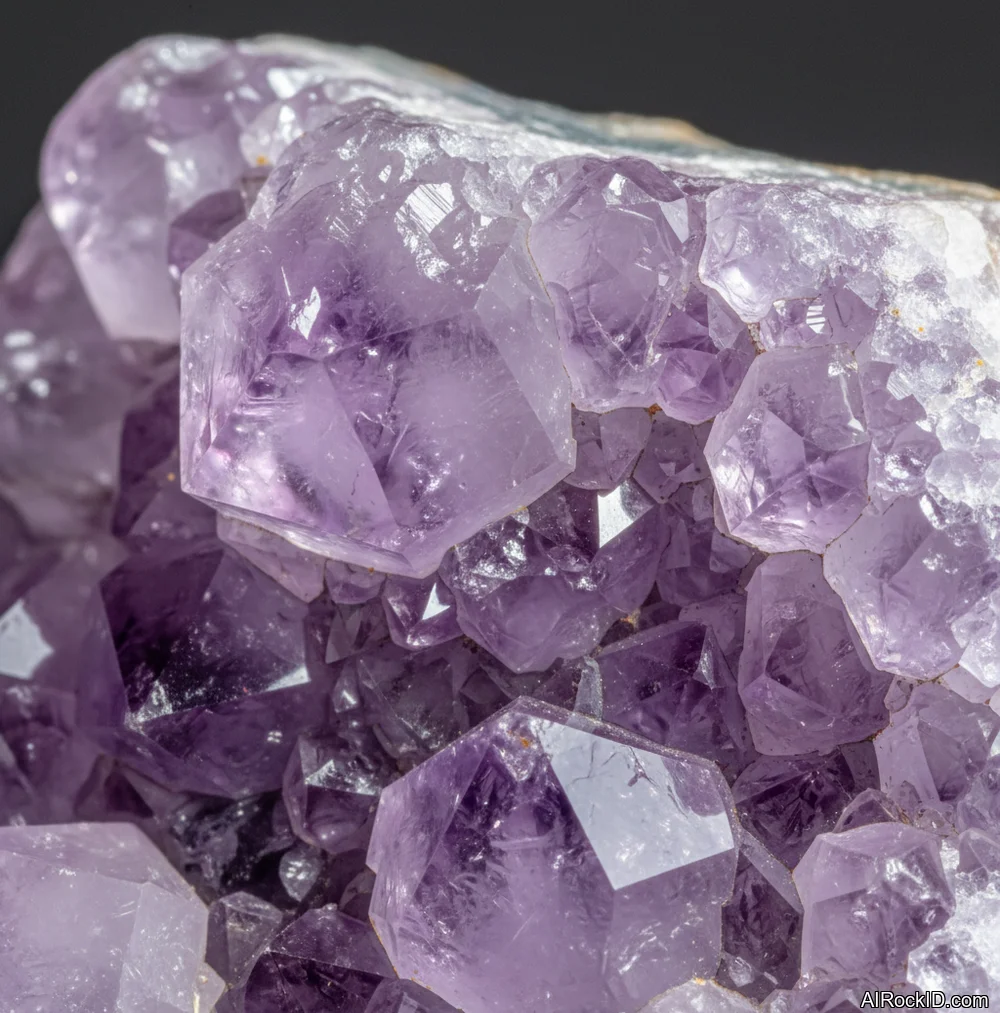
Amethyst
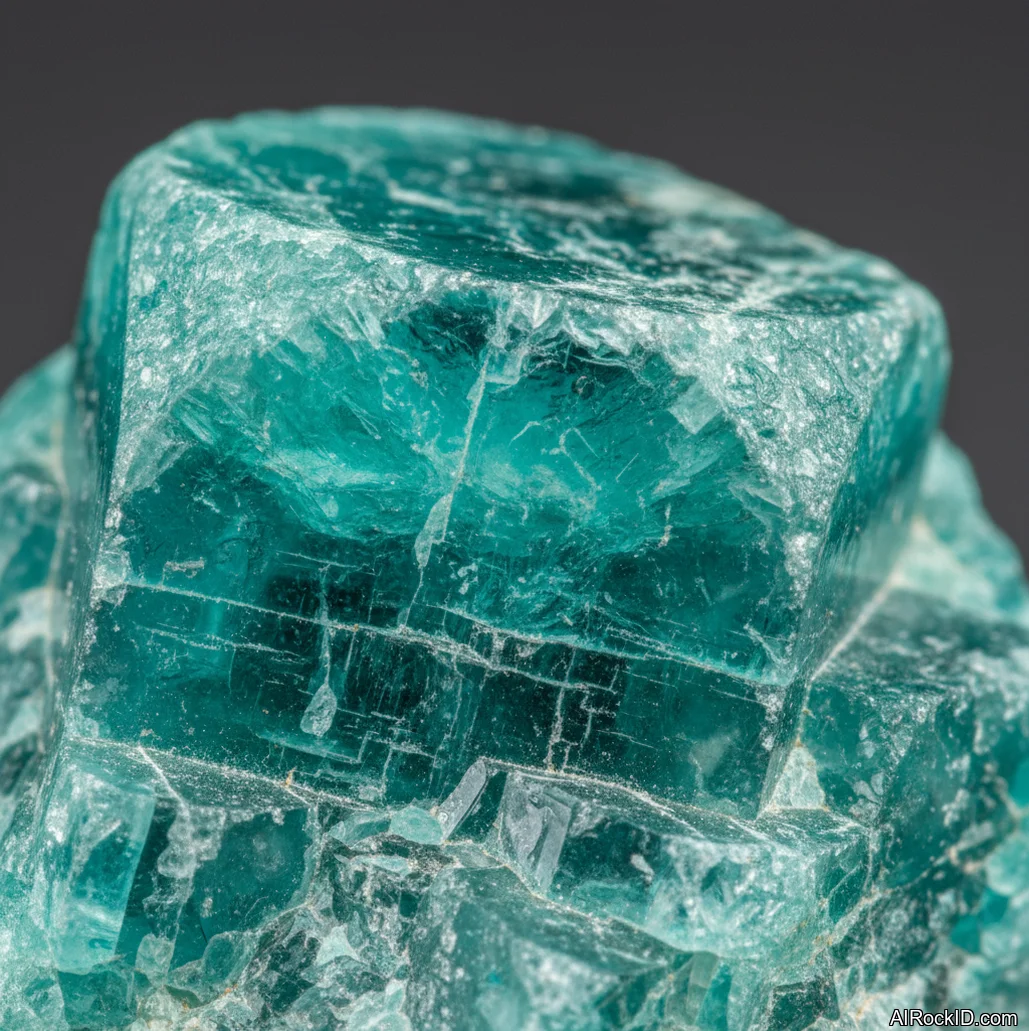
Amazonite
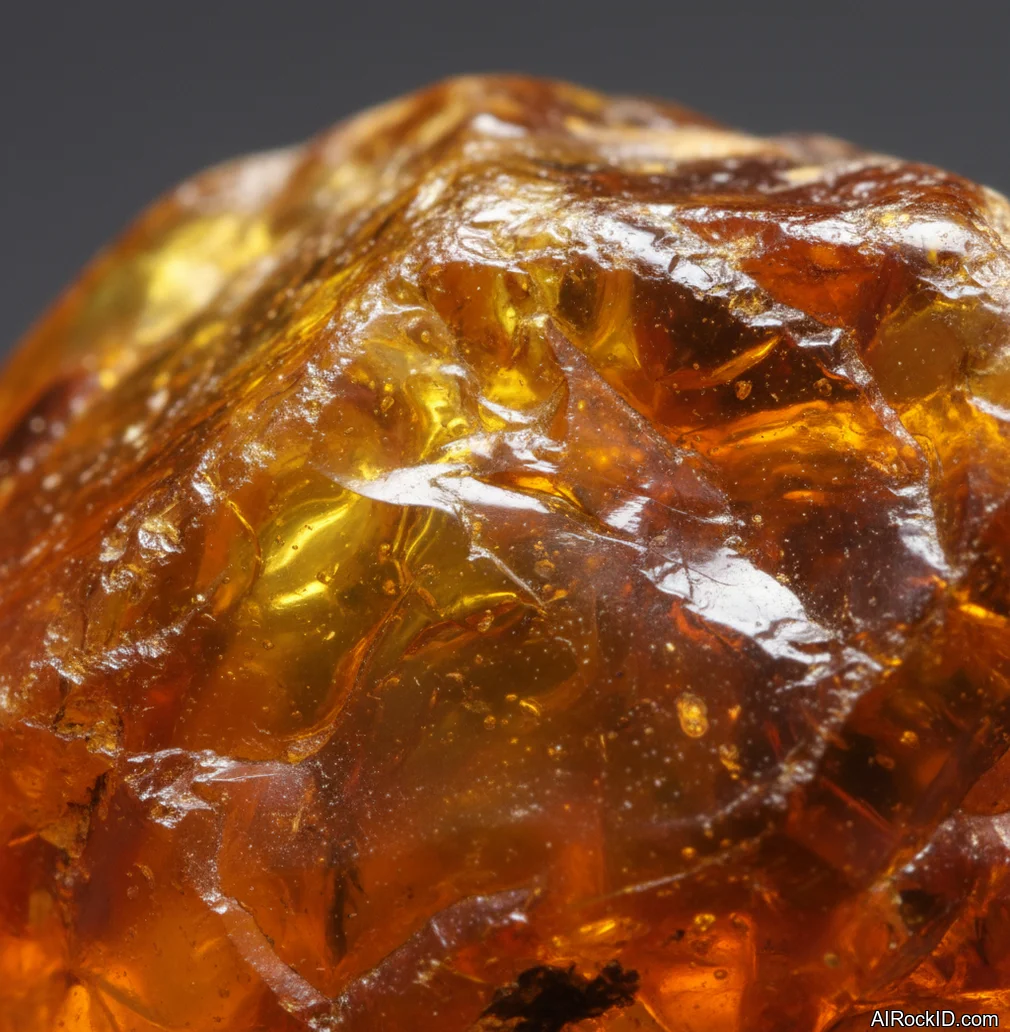
Amber
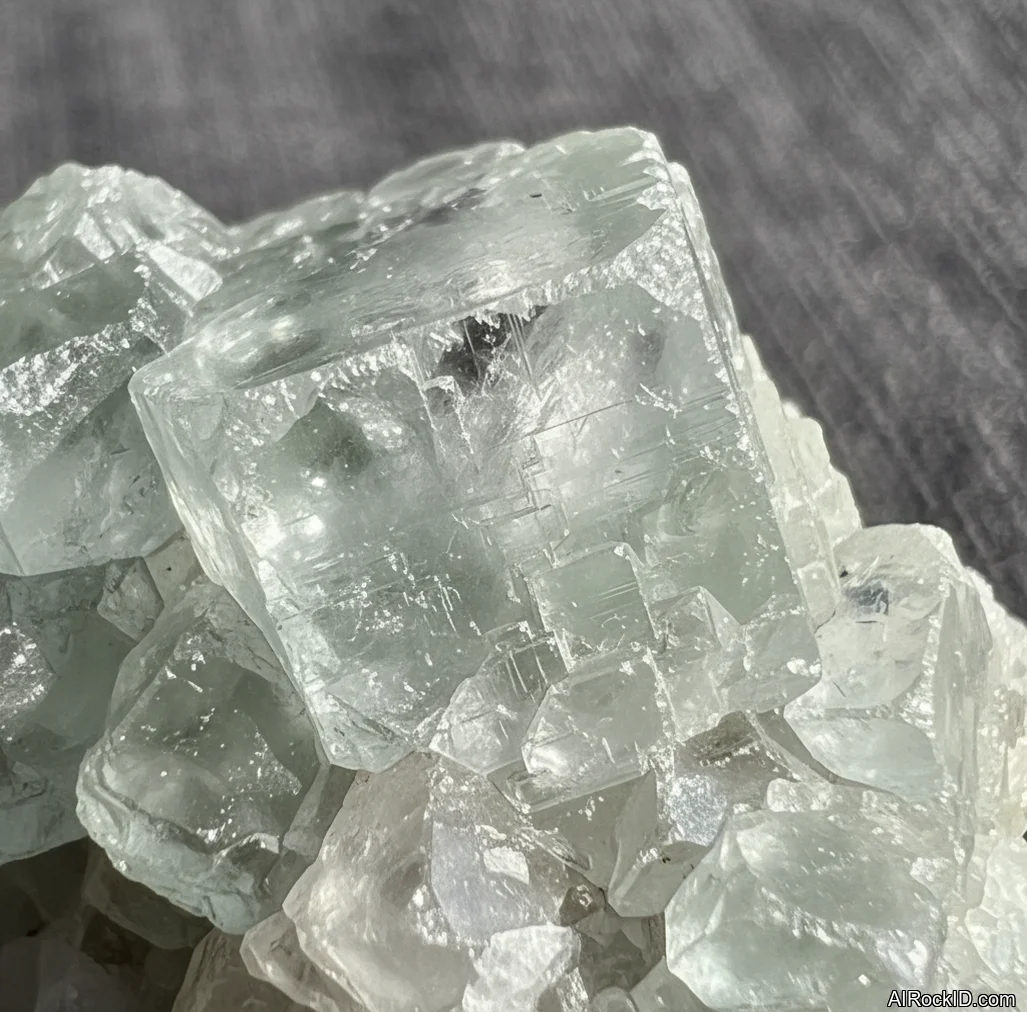
Apophyllite
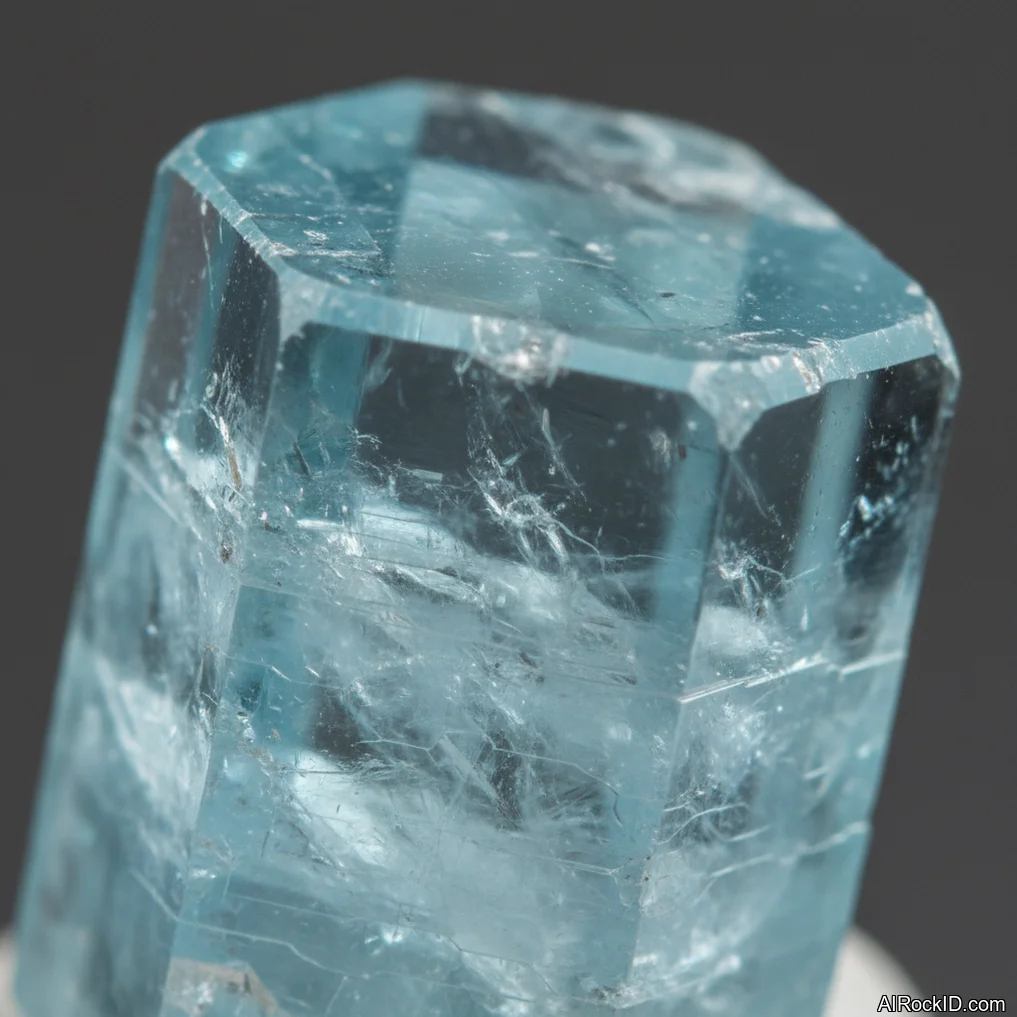
Aquamarine
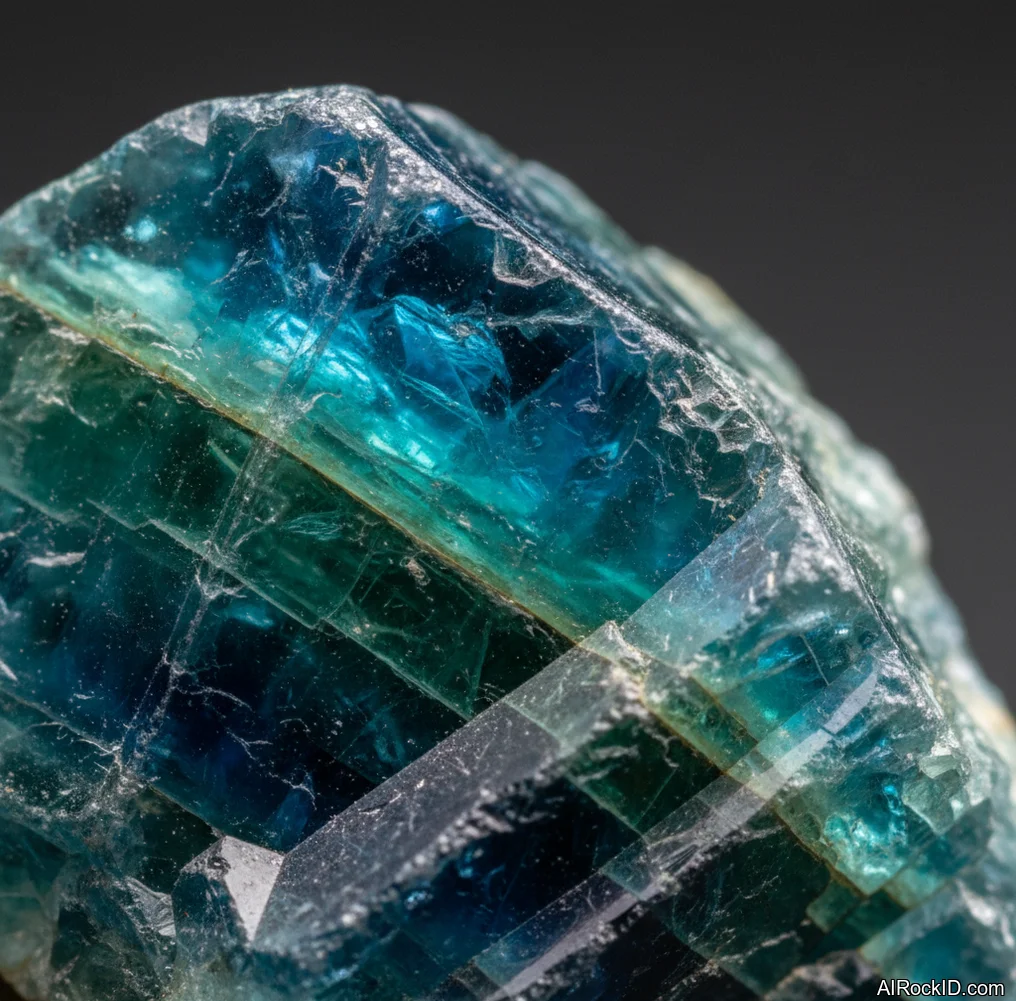
Apatite
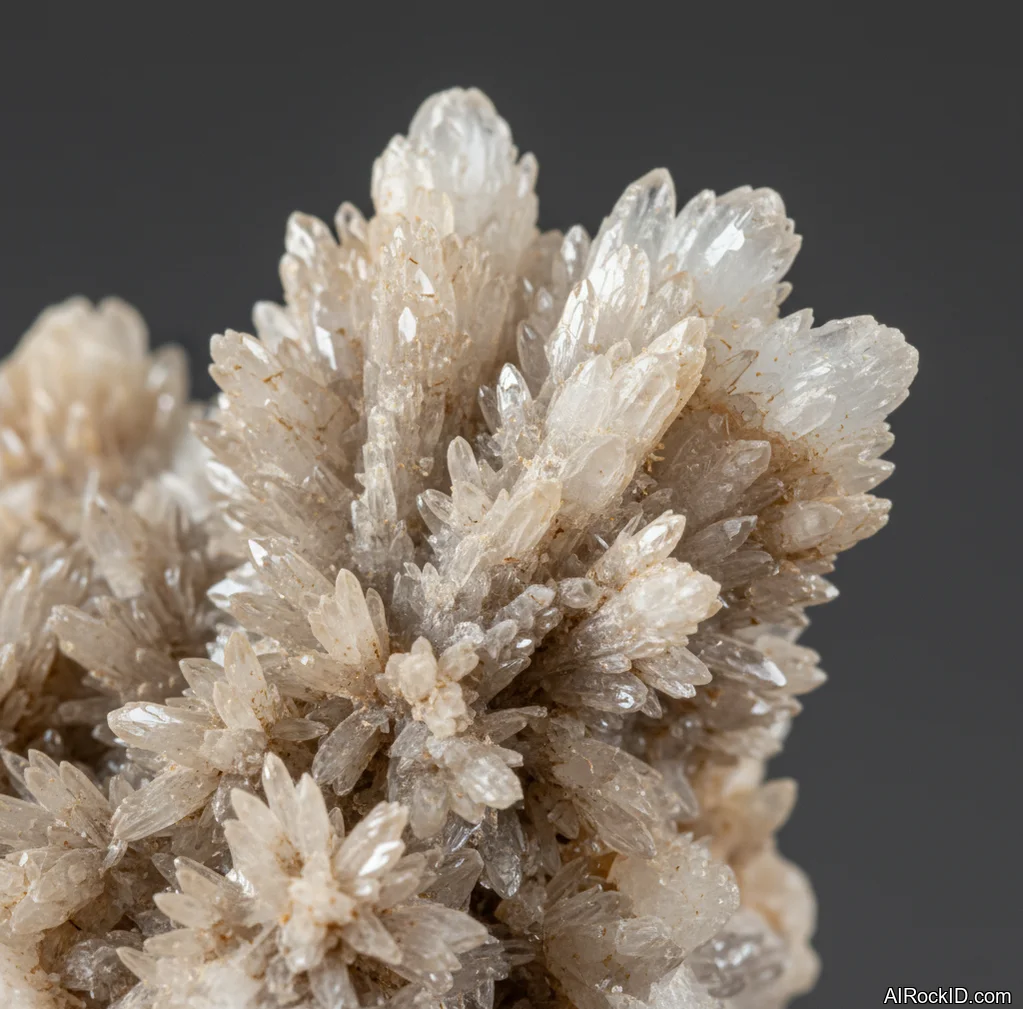
Aragonite
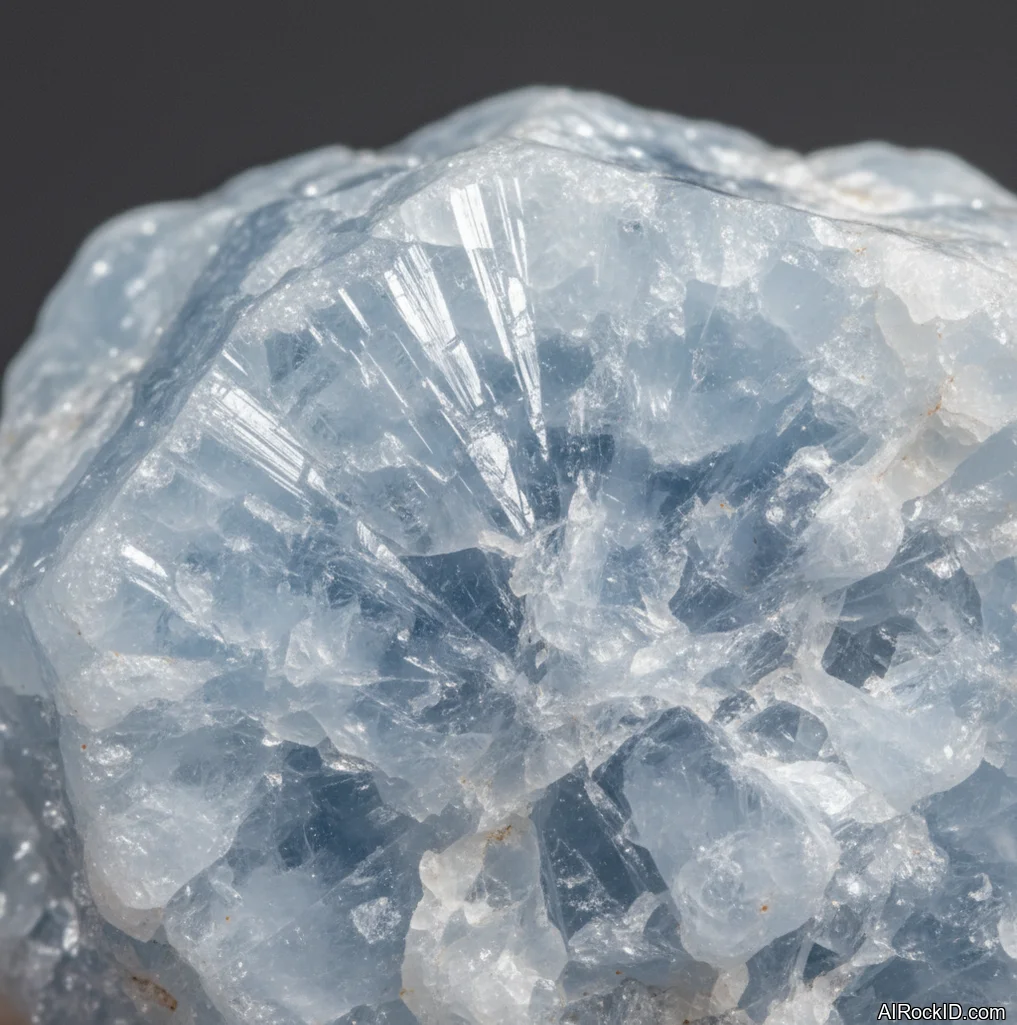
Angelite
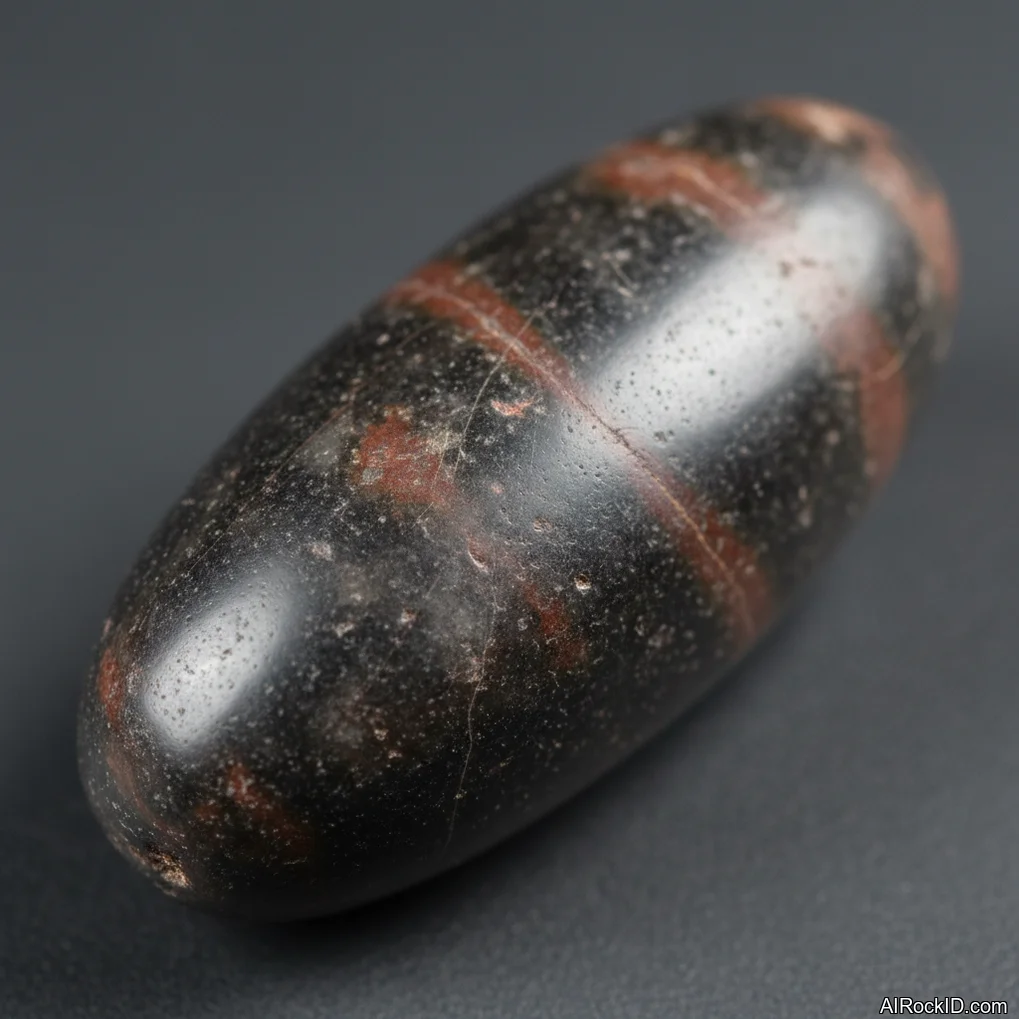
Black Tourmaline
What “positive energy” actually looks like in real life
Most people aren’t chasing nonstop happiness. They just want fewer emotional whiplashes, less resentment quietly stacking up in the background, and a baseline mood that doesn’t nosedive every time some tiny thing goes sideways.
Pick up different stones and you’ll feel it in your body before your brain even gets a chance to narrate what’s “happening.” A spiky apophyllite cluster practically forces you to handle it like it’s going to bite you, so your fingers slow down and you get weirdly careful without trying. And a warm bead of amber, especially after it’s been in your pocket for a bit, makes you keep it close on instinct, like a worry stone that doesn’t feel sterile or clinical. That little shift in how you move and fidget? That’s part of why crystals can be useful, even if big metaphysical claims make you roll your eyes.
Thing is, “positive energy” gets mixed up with “high energy” all the time. But if you’re already wired, piling on more stimulation doesn’t turn into joy, it turns into irritability. So I’ll pair calmer stones (amethyst, angelite, aragonite) with a do-something stone (apatite), plus a grounding anchor. The goal is a stable system. Not a sugar rush.
How to choose a piece that feels good and isn’t junk
At first glance, the prettiest stone isn’t always the one that actually works. I’ve had flawless, glassy tumbles that felt like nothing in my pocket, and then these ugly little chunks that somehow turned into daily carries for months.
Look hard at the surface and the edges. Softer stuff like apatite and angelite picks up dings fast, so a tumble that’s weirdly pristine can be a clue it was polished yesterday and it won’t stay that way for long. With amber, the real test is warmth and texture. Plastic tends to feel kind of “dead” and samey, but real amber has tiny quirks, a slightly organic look, and sometimes a faint scent if you rub it (almost like warm resin).
Most dealers will let you hold a stone. Do it. Pay attention to the weight, the temperature, and whether your grip relaxes or tightens without you even noticing. Buying online? So, prioritize sellers who show multiple angles in plain lighting, not just glossy studio shots that conveniently hide color treatments, tiny chips, and those little edge bruises that only show up when the light hits sideways.
Placement tricks: where the stone matters more than the stone
So many people buy really nice crystals, stick them in a drawer, and then act surprised when nothing feels different. Thing is, placement is the boring part that actually does the heavy lifting.
For “positive energy,” I think in zones. Sleep zone gets amethyst or angelite, not apatite, because you’re trying to power down, not buzz your brain awake at 11:47 p.m. Work zone gets apatite or aquamarine, and I keep them close enough to grab, like right by the keyboard or where my pen lands, so they’re a start button, not just something pretty collecting dust. And the entry zone gets something grounding, because that’s the threshold, that weird little moment where you drop the outside world and switch into your home mood.
If you only do one thing, put apophyllite somewhere you’ll actually see it while you’re tidying. Sounds silly, I know, but when the light hits those flat, glassy faces (that sharp little sparkle, like a tiny mirror), it nudges you to clear a surface, crack a window, and reset the room. The room shifts because you did something. The stone just becomes the cue. Why fight that?
Combining crystals without turning it into a complicated ritual
Stacking ten stones at once sounds cool on paper, but a small combo you’ll actually reach for beats that every time. I stick to a three-piece setup: one calmer, one brighter, one grounding.
Try amethyst + apatite + aragonite. Amethyst is the one that quiets the mental noise, apatite nudges you toward action, and aragonite keeps you from bouncing off the walls. Or go with amazonite + aquamarine + amber if your idea of “positive” looks like kinder speech, cleaner boundaries, a steadier mood, and that little bit of warmth you can feel right in the center of your chest (you know the spot).
Thing is, big mixes make everything blur together. You stop noticing what’s doing what. It turns into visual clutter, like a pile of pretty rocks you keep rearranging and never really use. Keep it small. Rotate based on your week.
So if you’re short-tempered, swap in amazonite. If you’re foggy and unmotivated, bring apatite forward. And if you’re overextended, anchor with aragonite and keep the rest simple. Why make it harder than it has to be?
How to Use These Crystals for Positive Energy
Pick one goal for the week. Just one. Not five. “Positive energy” actually works when you pin it to something you can count, like fewer snap reactions, more follow-through, or a calmer house at night.
So keep the routine stupid simple. Set up a two-stone station somewhere you’ll literally touch it, like the spot where your keys thud down or that corner of the nightstand that always collects dust (you know the one). Morning: one minute with apatite or aquamarine, then write down the first tiny task you’ll finish before noon. Evening: one minute with amethyst or angelite, then do the boring shutdown thing you keep dodging, like plugging your phone in across the room instead of right next to your pillow. And keep apophyllite as a space tool, not something you carry around. Use it when you’re resetting a room with fresh air and a quick wipe-down.
If you’re going to carry stones, be real about it. Pocket carry means friction, scratches, and that awful moment when you pat your jeans and realize one is gone. Use a pouch. Don’t mix soft stones with harder ones, either. Amber and amazonite are friendly for daily carry. Apatite and angelite get beat up fast (they’ll look scuffed before you know it). Once a week, rinse the hard stones in plain water and dry them. Keep the soft ones dry and clean them with a cloth. The routine matters more than how you cleanse.
Common Mistakes to Avoid
The biggest screw-up is acting like “positive energy” is some permanent mode you can flip on just because you bought a stone. Day one feels great, sure. Then your brain gets used to it, the buzz fades, and you end up blaming the crystal instead of your on-and-off routine.
And here’s another: piling on only bright, buzzy stones when you’re already stressed. People stack stimulating blues and clear stones, then lie there at 2 a.m. wondering why sleep won’t happen. If you’re already wired, start with grounding and calming first. Soften your system a bit, then bring in motivation.
Last thing. Folks buy fragile material and treat it like a worry stone, rubbing it constantly while they’re on calls or stuck in traffic. Angelite and apatite will scratch, chip, and get that beat-up, cloudy look if you grind them in your pocket all day (especially if there are keys in there). That doesn’t mean they’re “bad.” It means you chose the wrong format. Keep a tougher tumble for pocket use, and let the delicate pieces sit somewhere safe on a shelf.
What Crystals Can and Cannot Do
Identify crystals related to Best Crystals for Positive Energy
Snap a photo to check crystals mentioned in this guide and compare likely matches.