Love Crystals
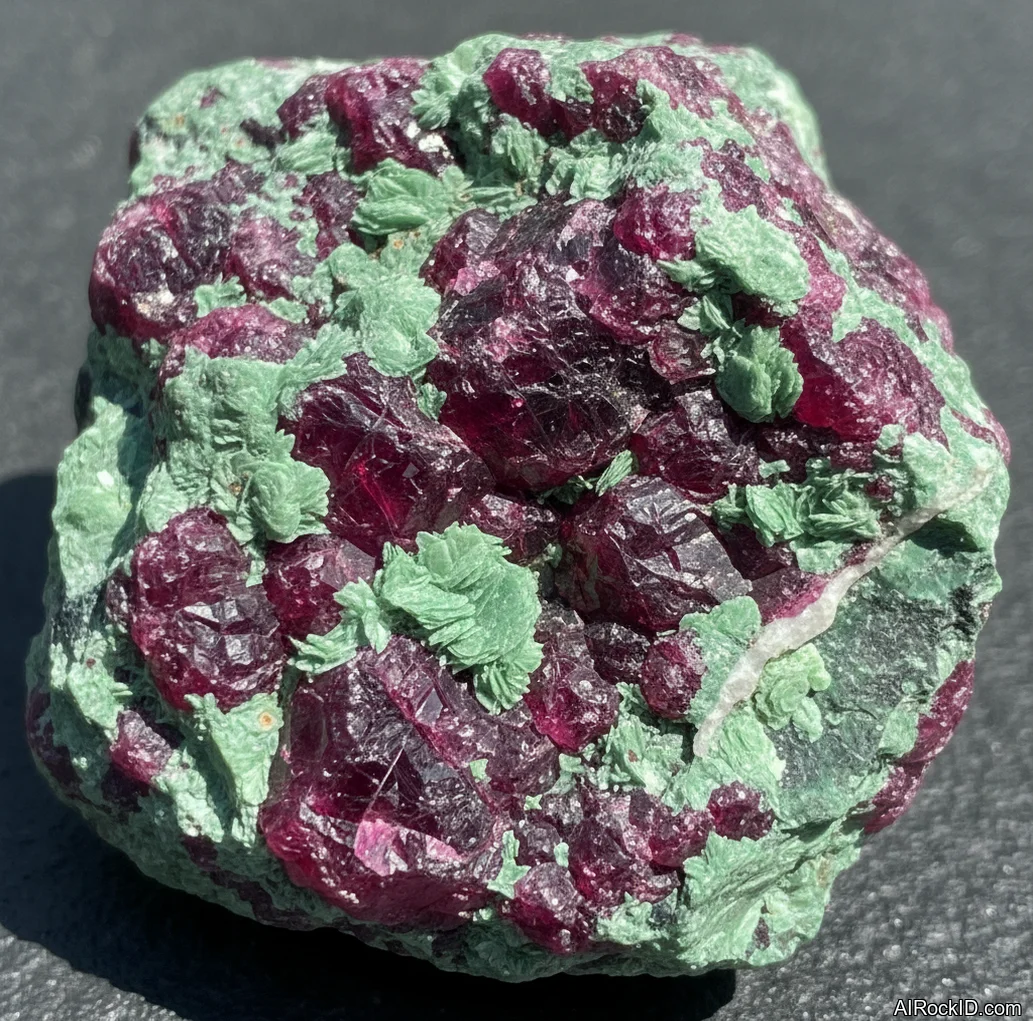
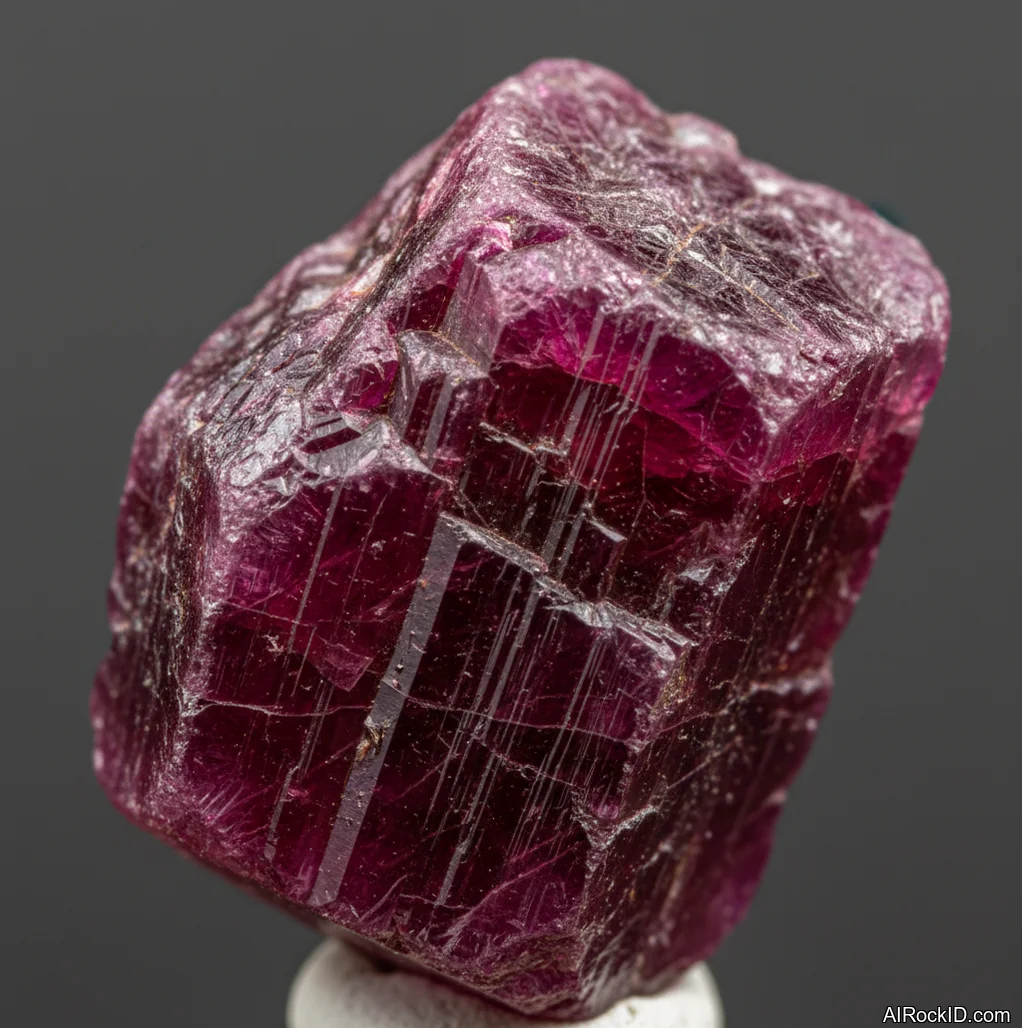
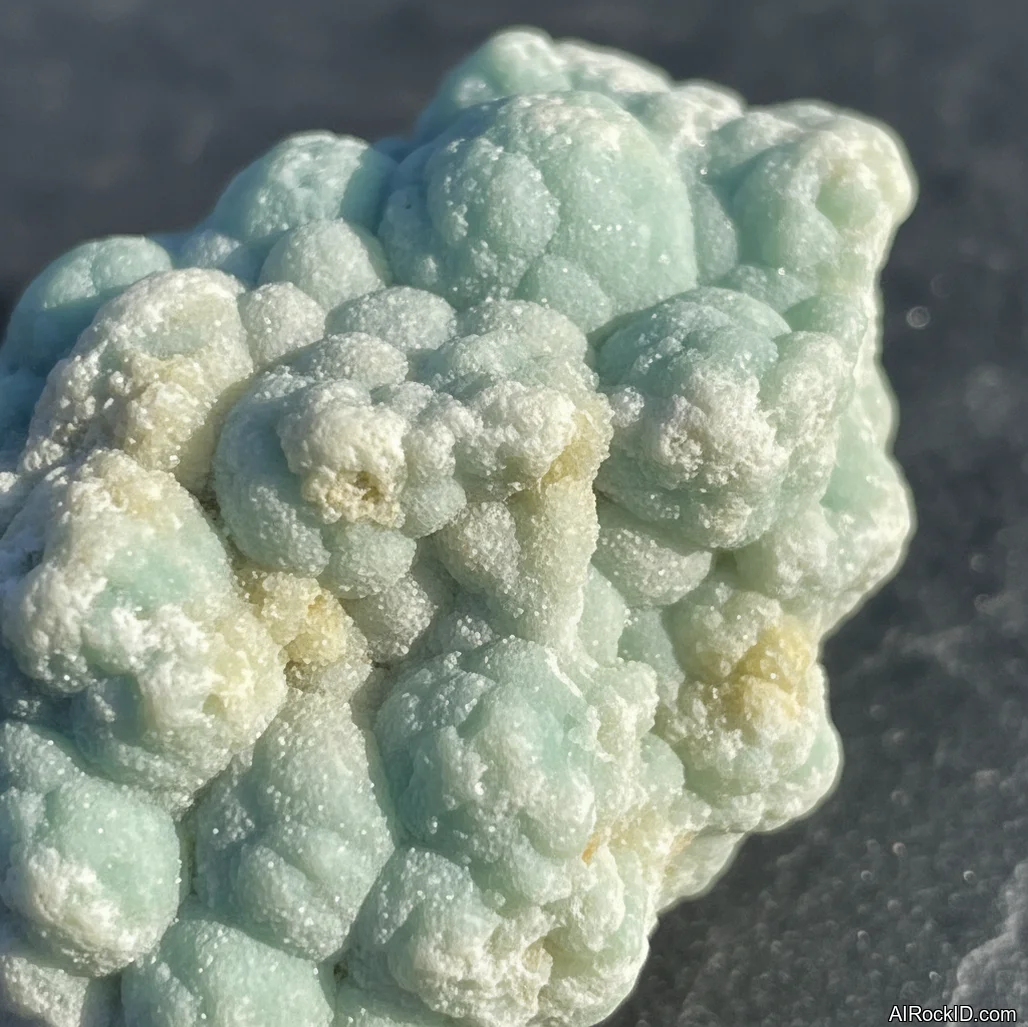
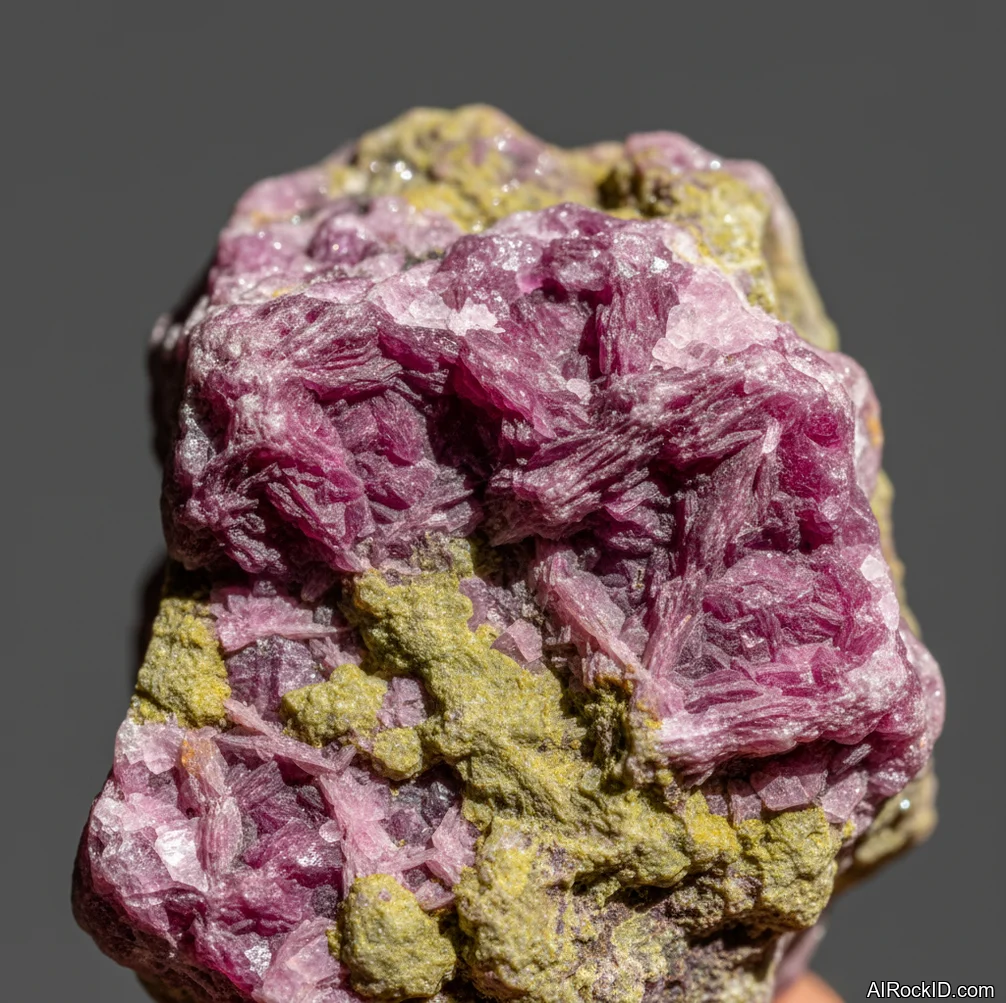
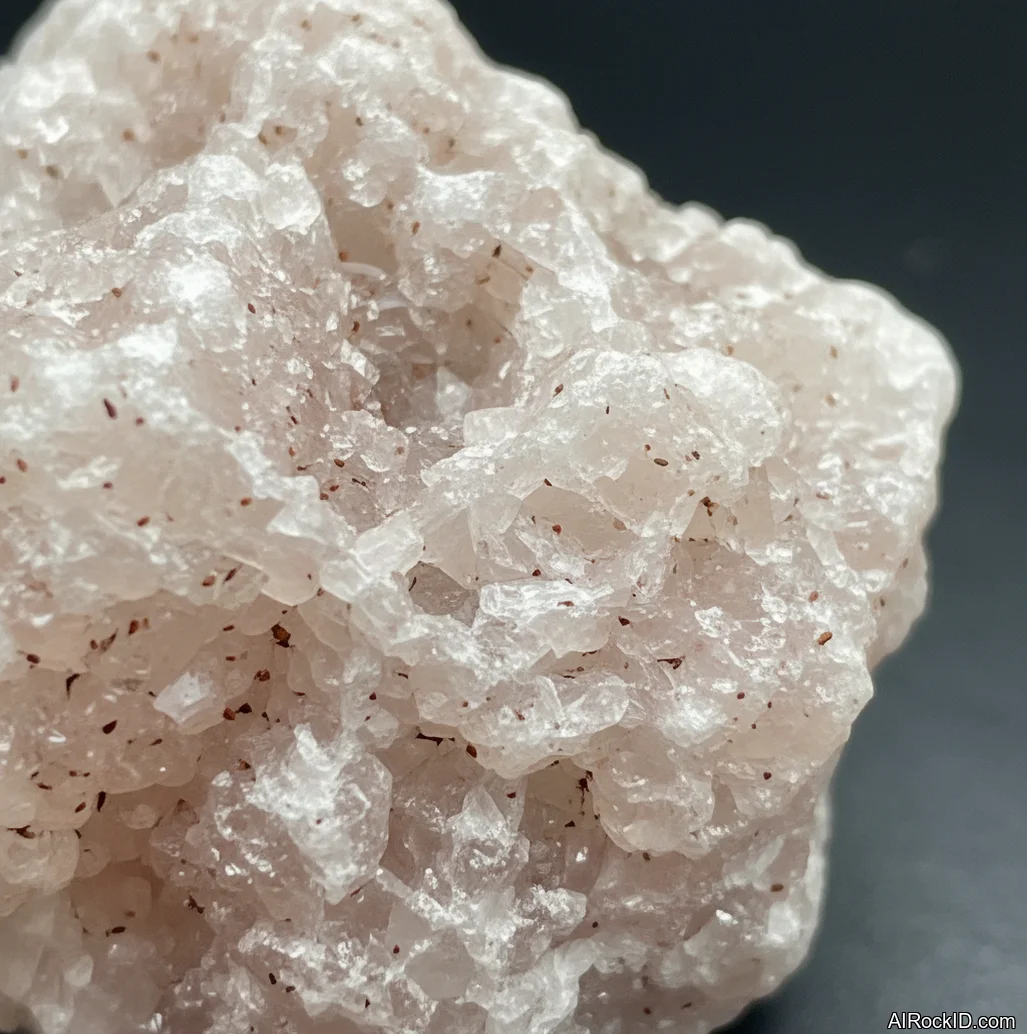
Quick answer: Love crystals are stones commonly associated in crystal traditions with affection, compassion, emotional balance, and self-acceptance. Popular examples include rose quartz, rhodonite, kunzite, morganite, garnet, and pink tourmaline.
Learn how Love crystals like rose quartz, rhodonite, and kunzite are used for heart healing, relationships, and self-love, with buying tips.


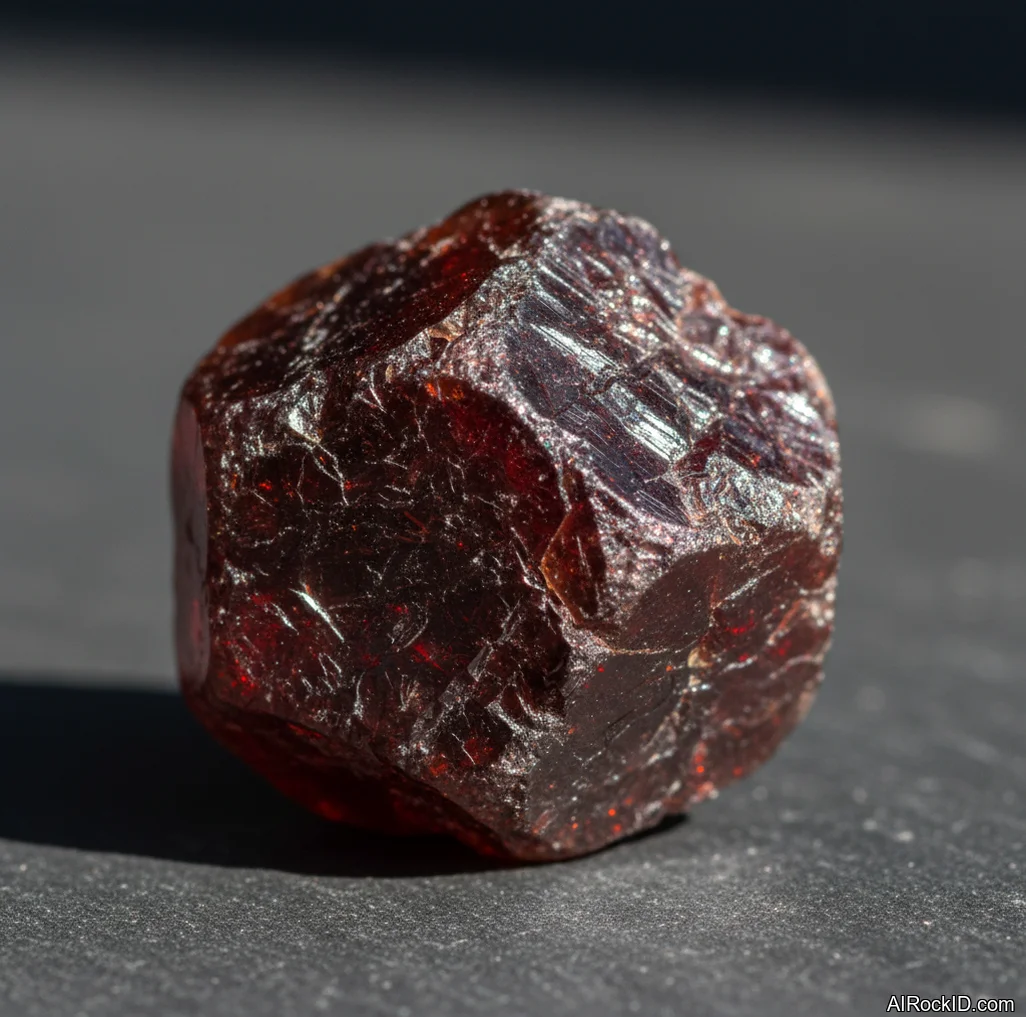
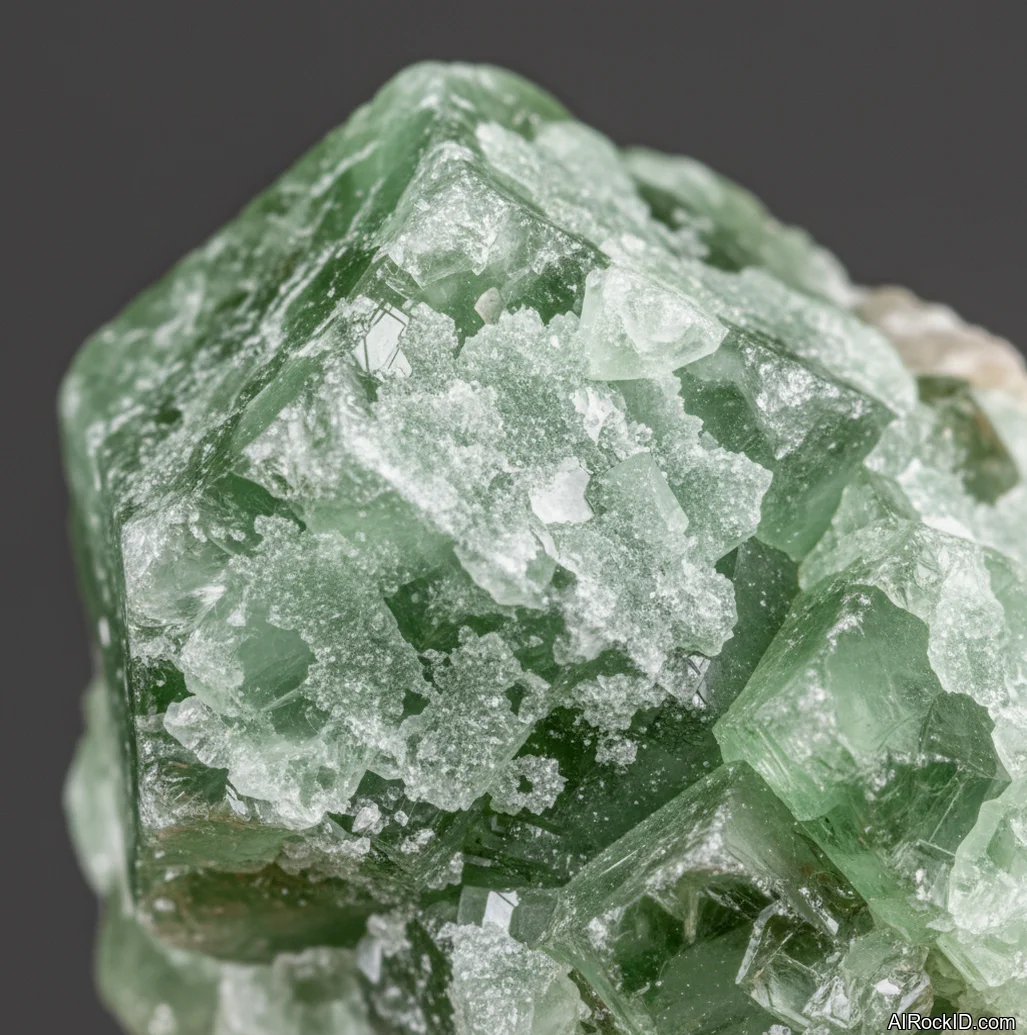
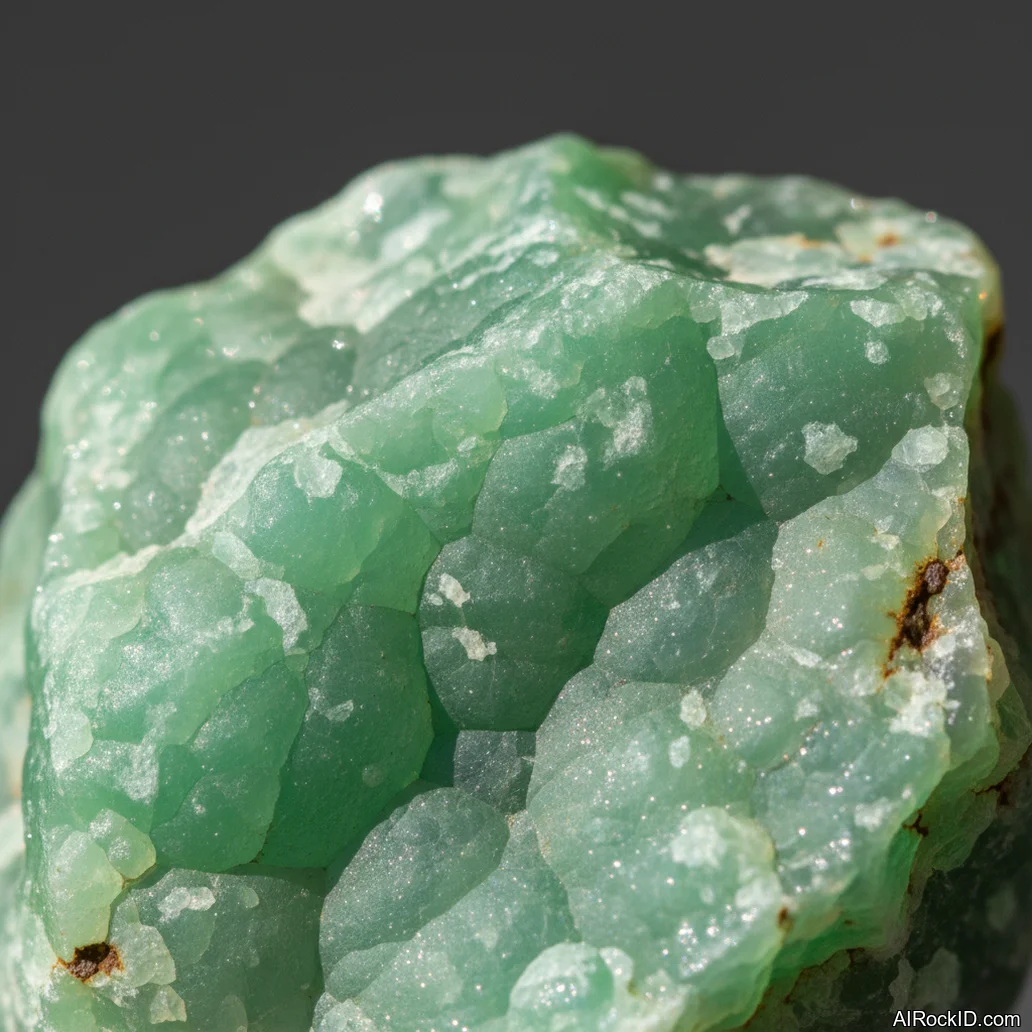
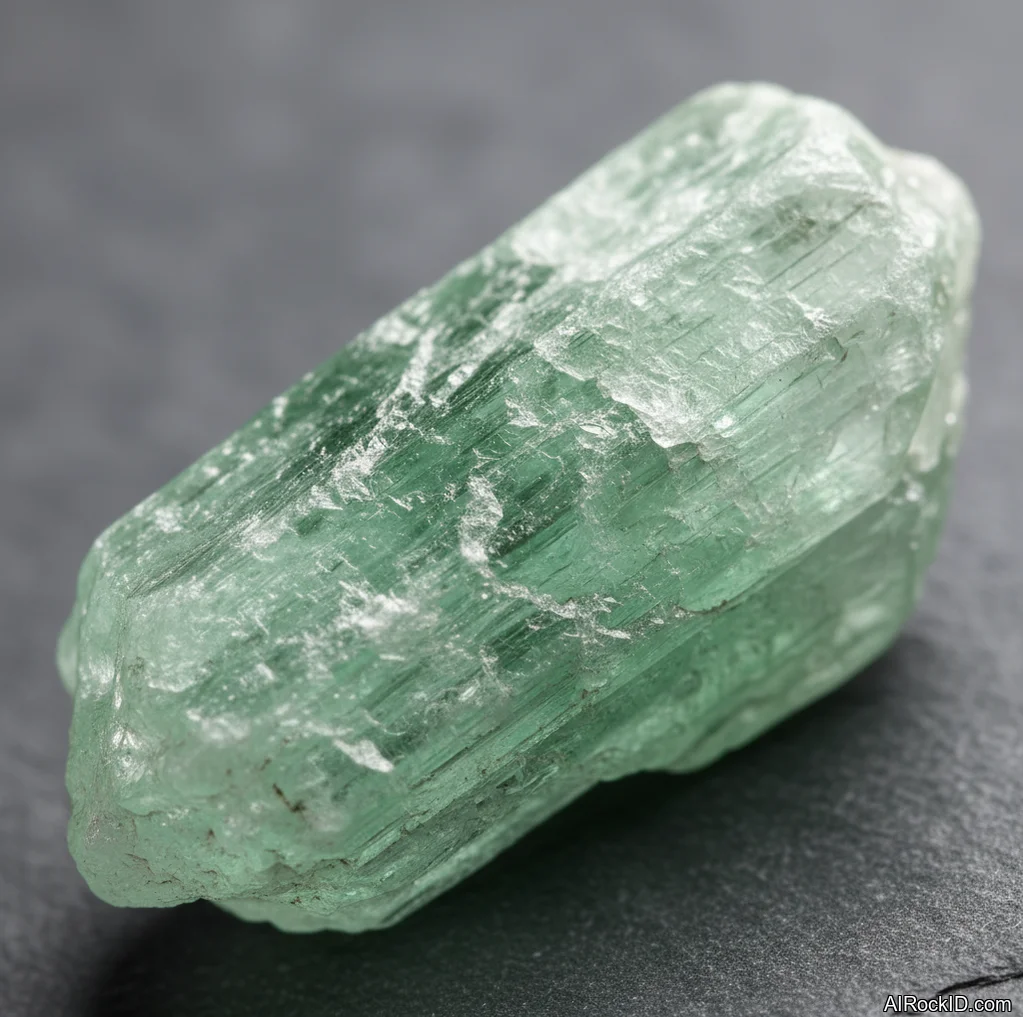
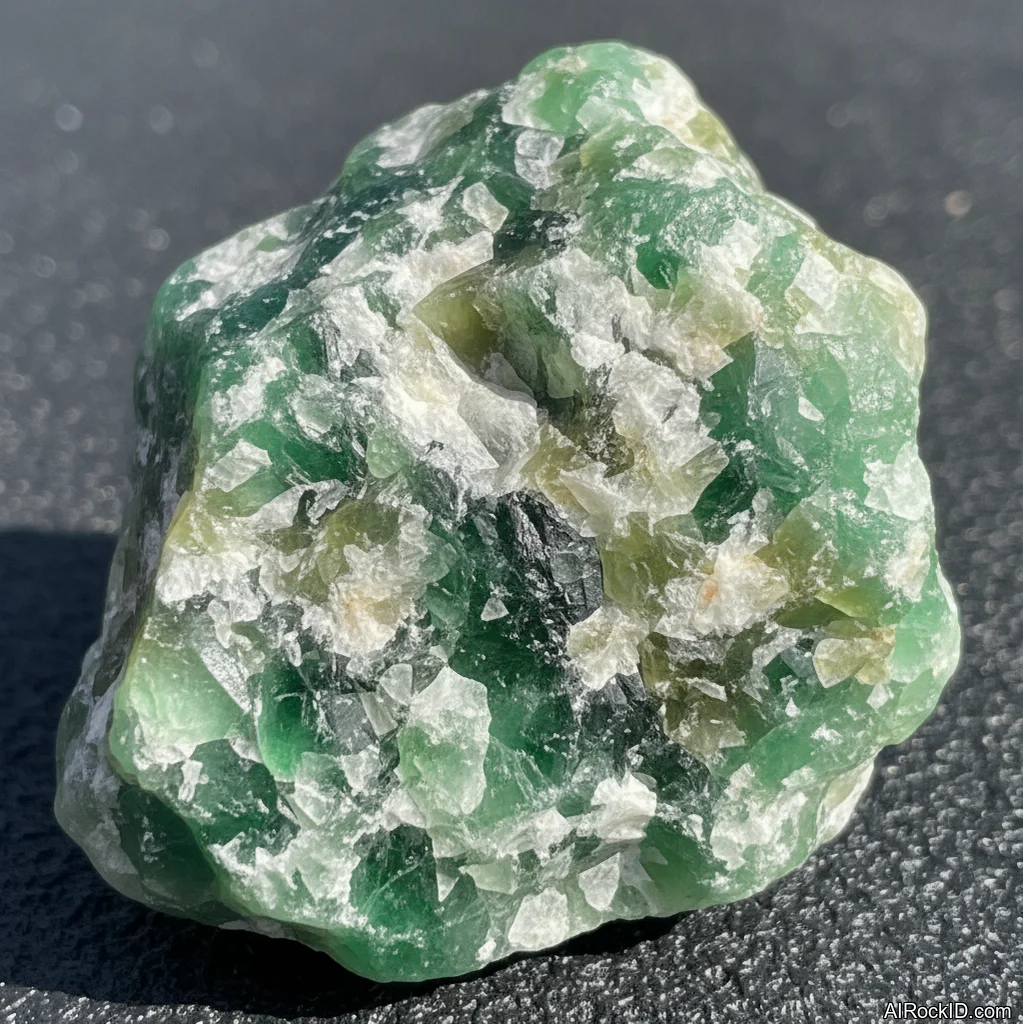
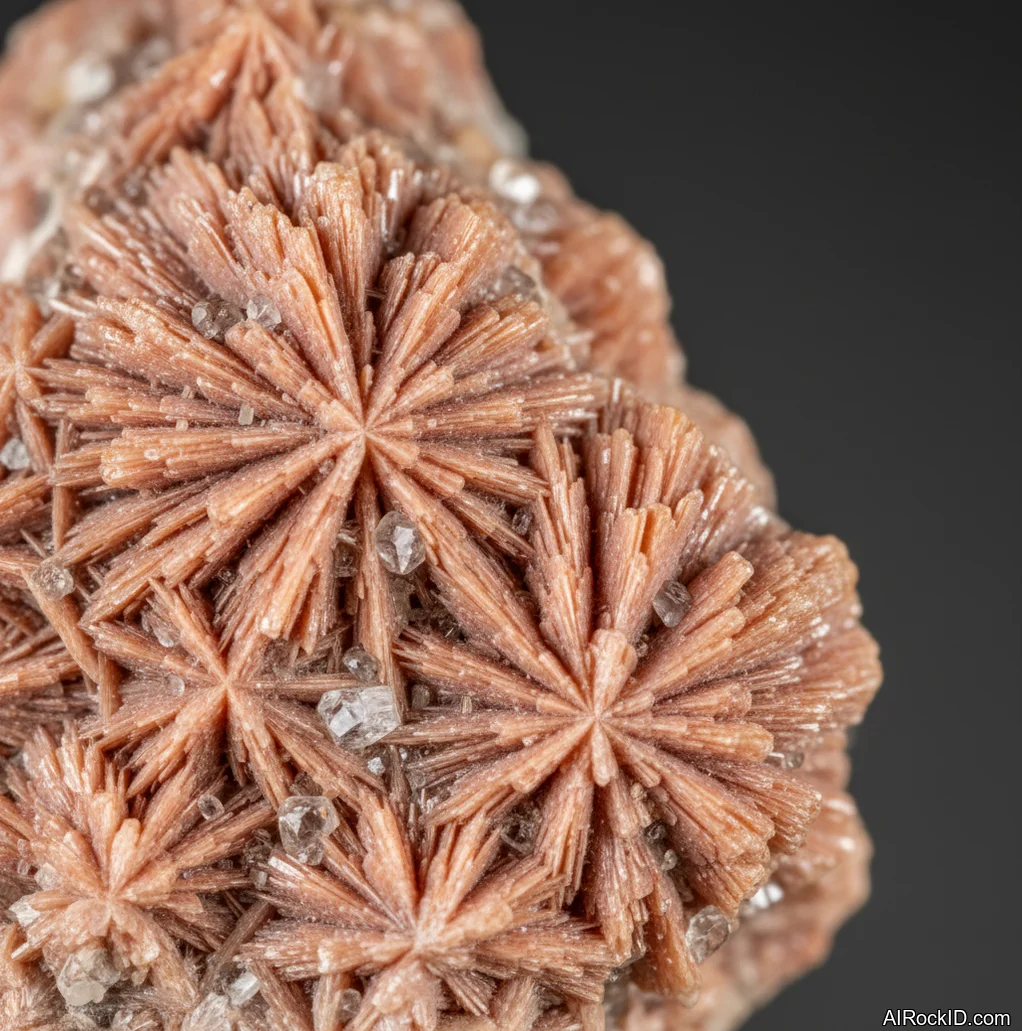
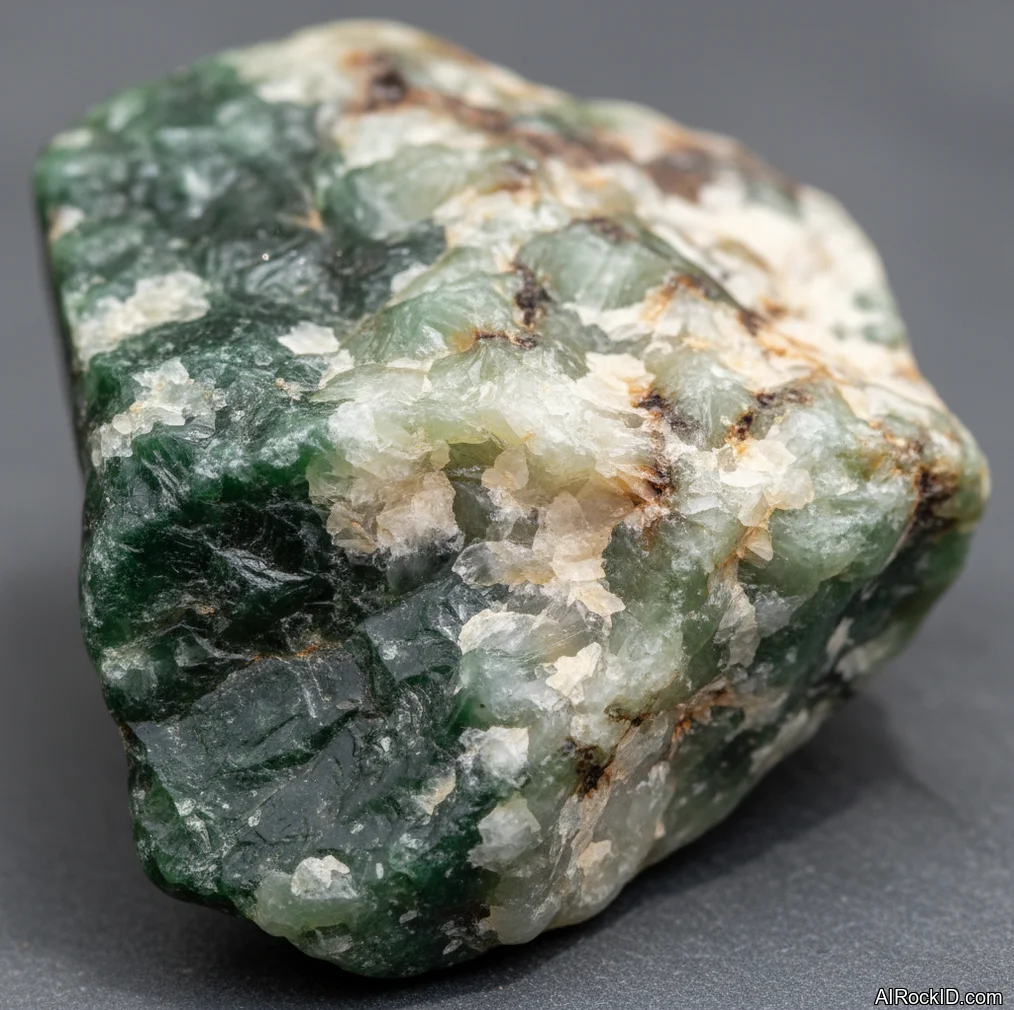
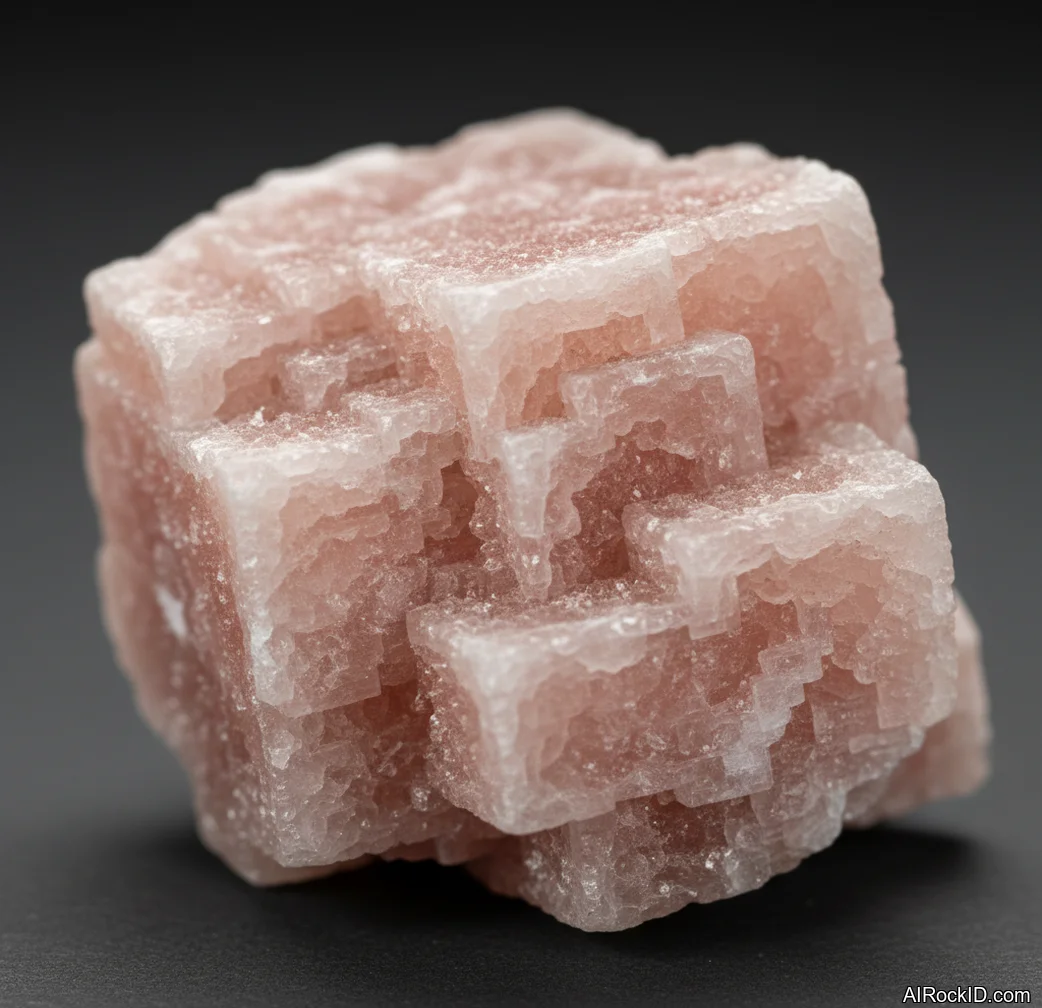
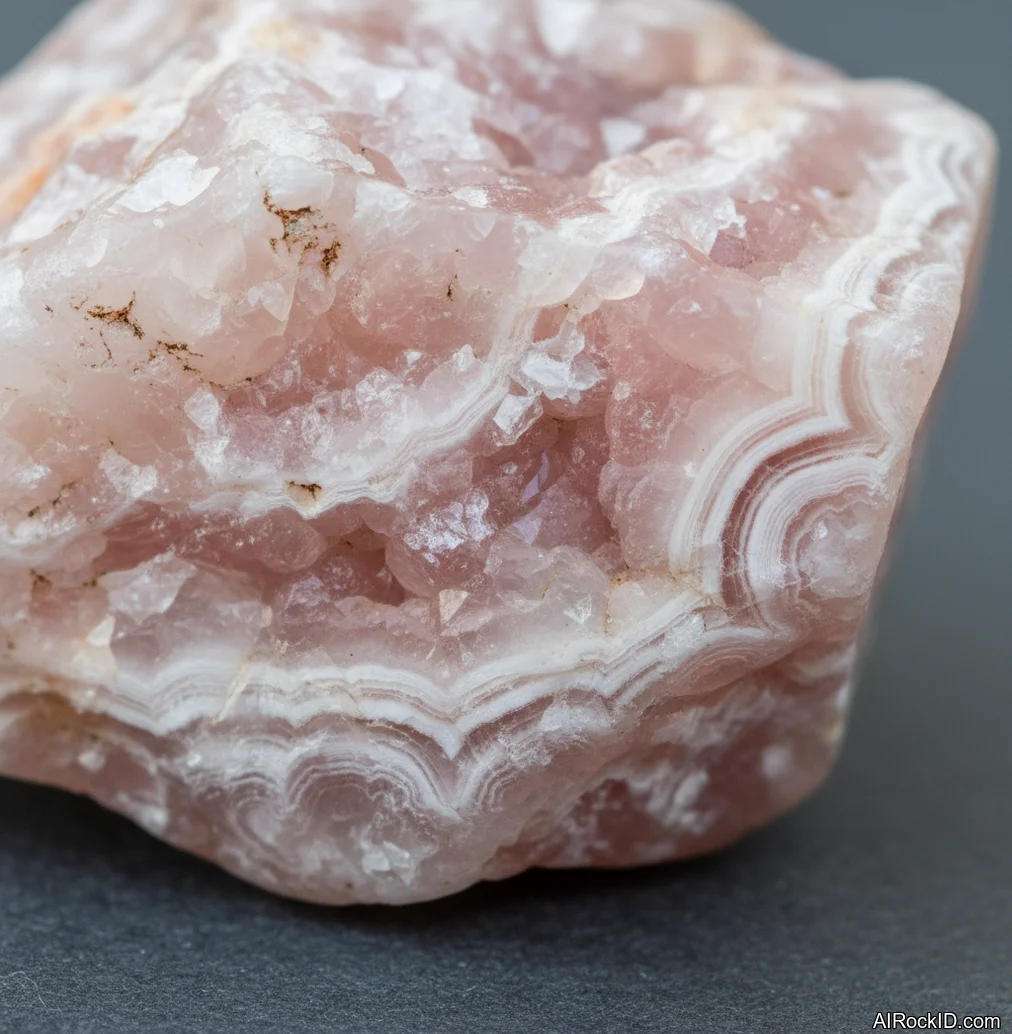
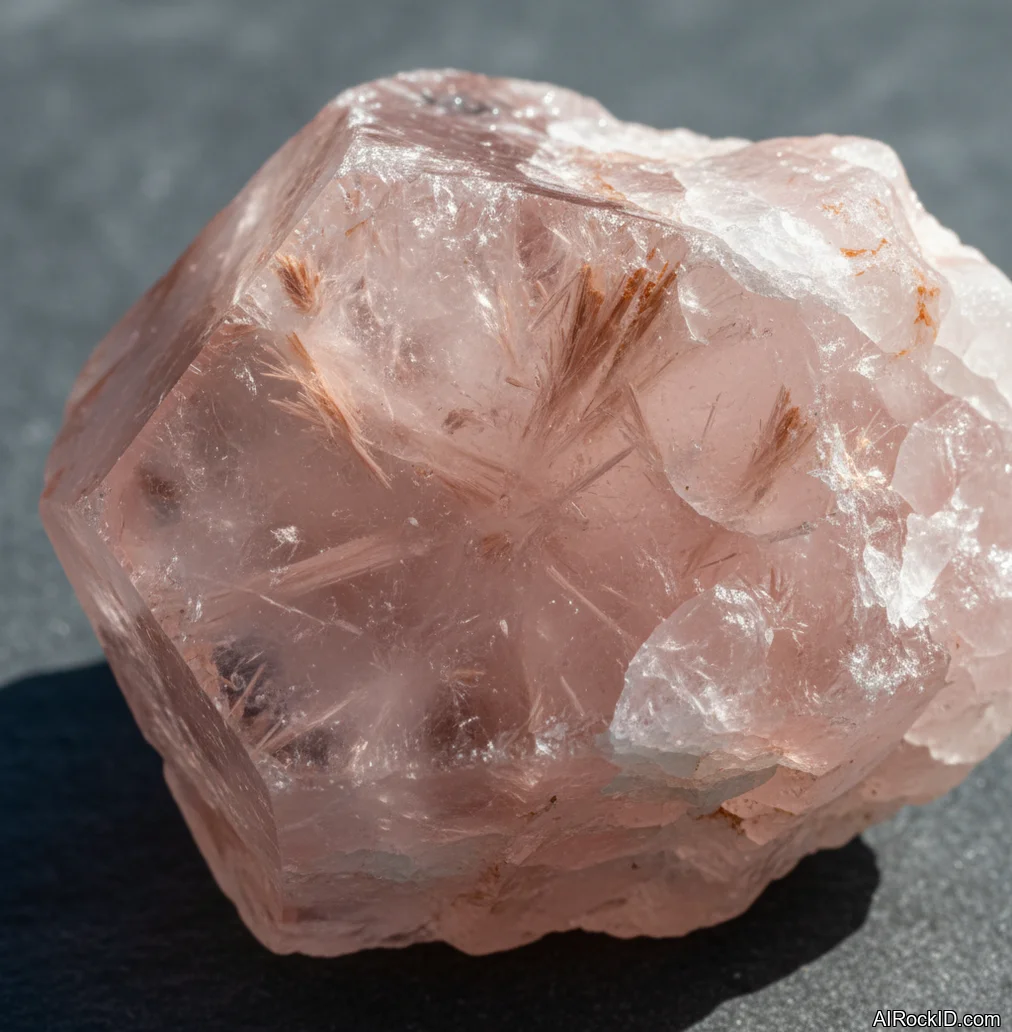
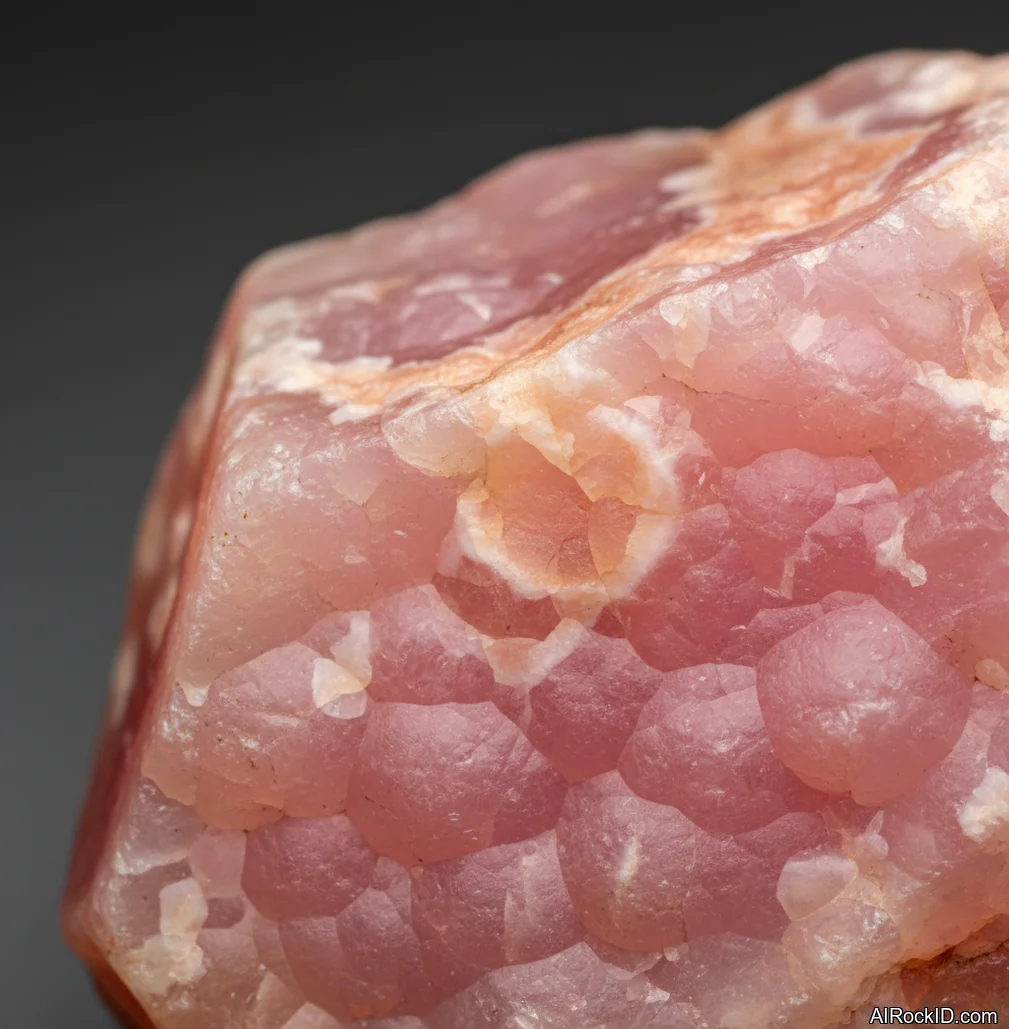
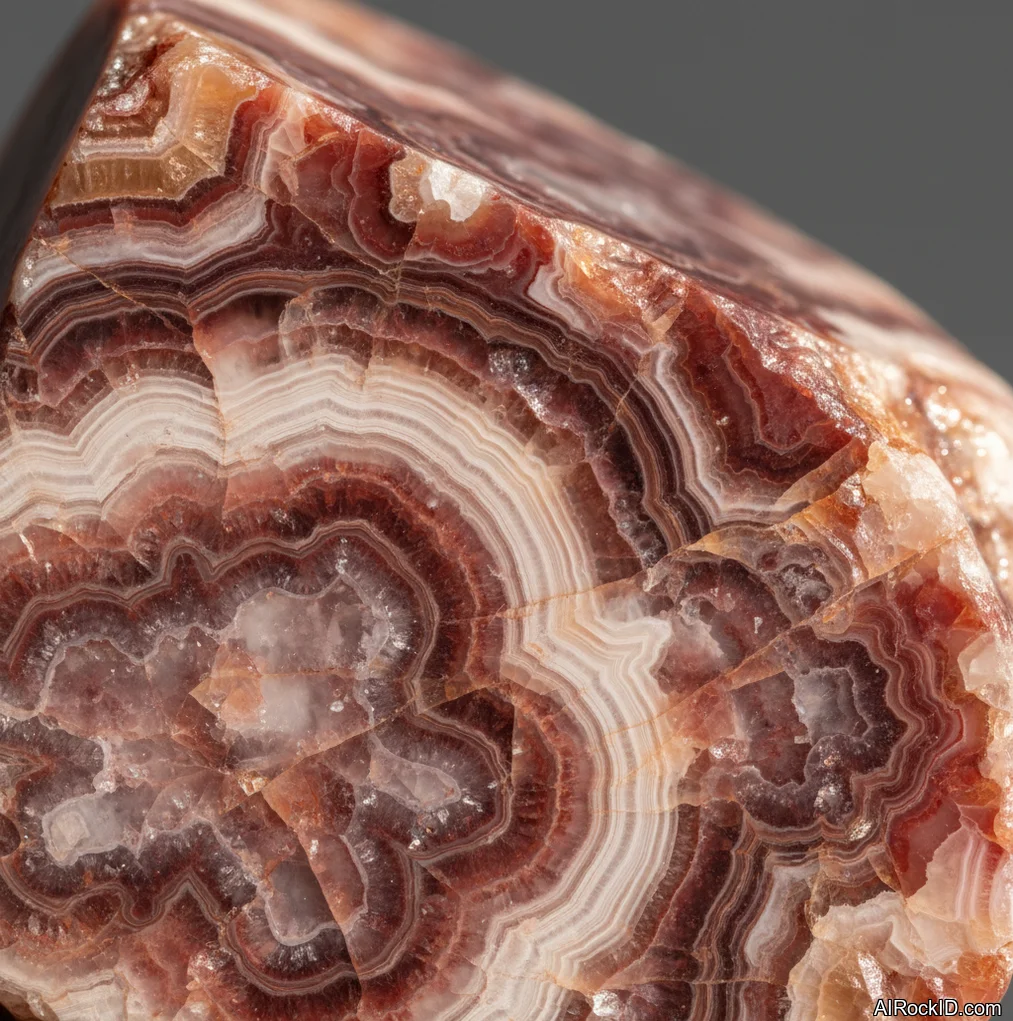
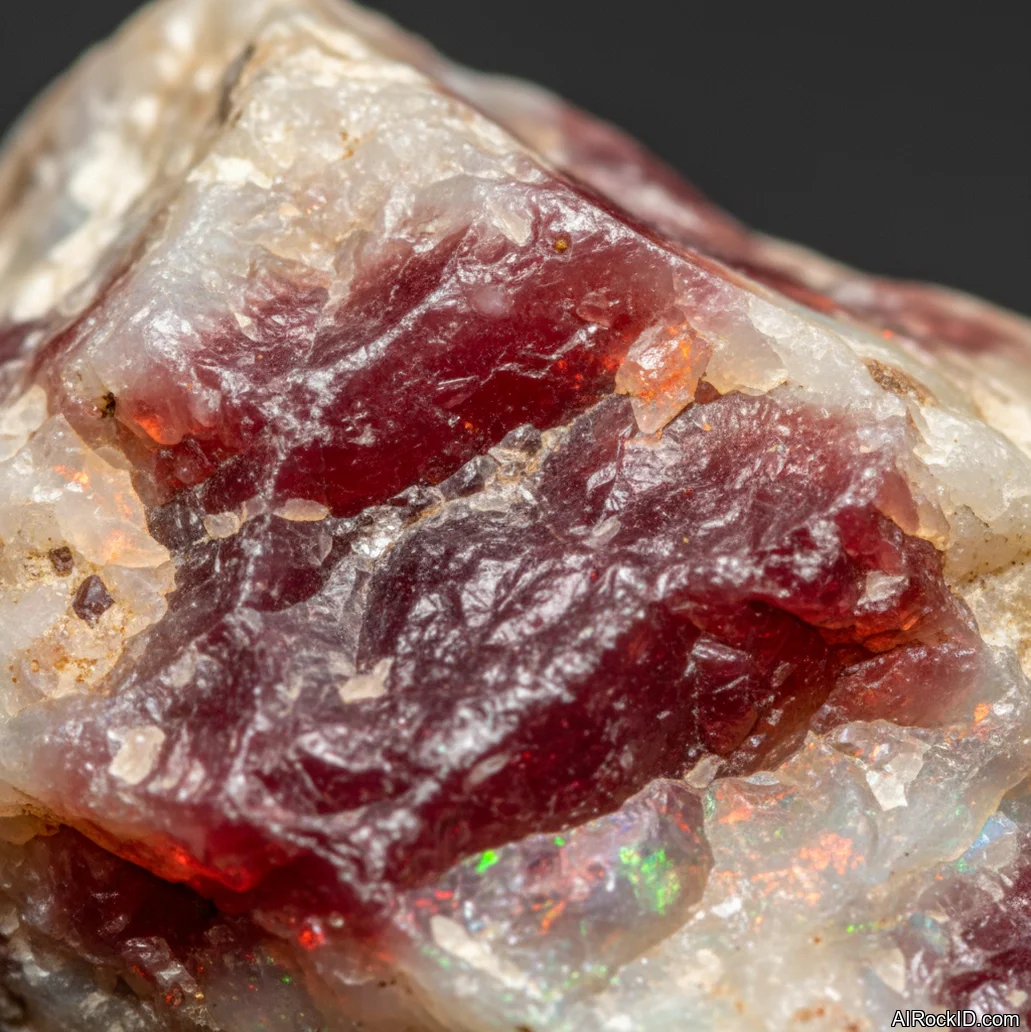
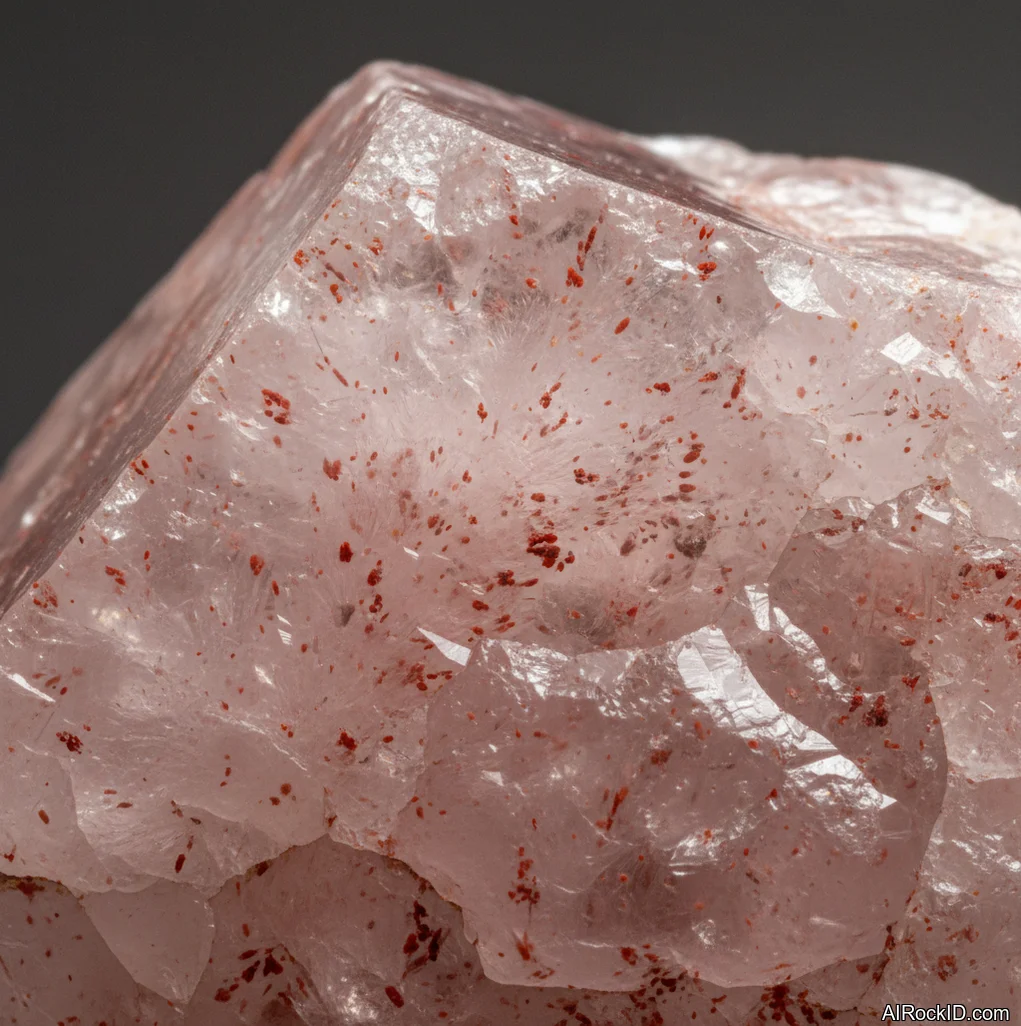
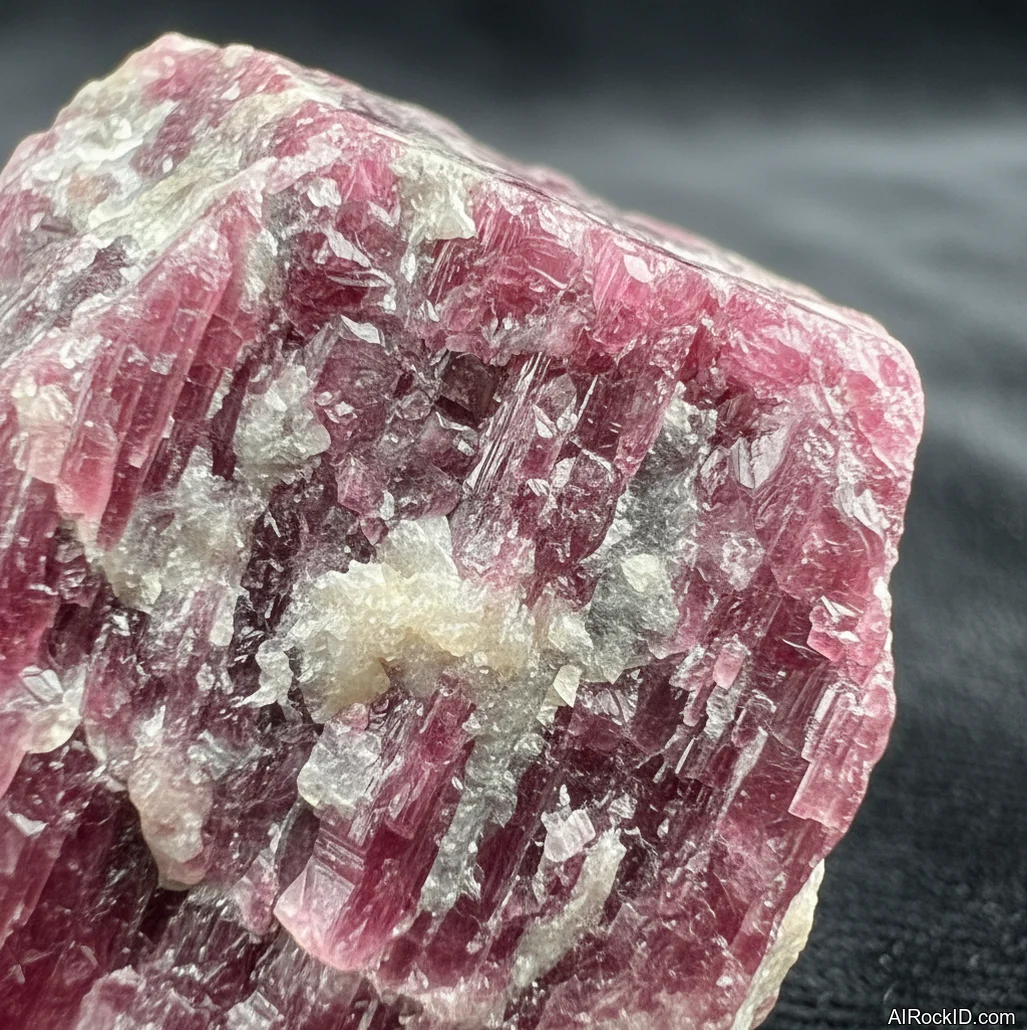
Love crystals are minerals and stones that people associate with emotional healing, self-compassion, forgiveness, and opening the heart to give and receive love. Common examples include rose quartz, rhodonite, kunzite, and morganite. Collectors value these stones for qualities like their soft pink color, unique internal patterns, and cool, soothing feel in the hand. These associations come from metaphysical traditions and are not medical claims.
Love crystals can't create or repair relationships for you, and they don't replace therapy for grief, heartbreak, or trauma. Their use is symbolic, not a substitute for real-life communication or professional support.
AI Rock ID can help compare a photographed specimen with known visual patterns for minerals commonly grouped as love crystals. RockIdentifier.io provides identification support and reference information, but visual results should be checked against hardness, luster, transparency, and seller details.
Good fit
- People choosing stones by symbolic meaning for self-love, compassion, or relationship rituals
- Beginners who want recognizable pink, red, or heart-associated crystals
- Collectors building a theme around heart chakra or emotional balance traditions
- Gift buyers looking for stones with commonly understood romantic or caring symbolism
Not a good fit
- Anyone seeking medical, psychological, or relationship treatment from a crystal
- Buyers who need a guaranteed natural stone without checking treatments or seller disclosures
- Collectors who prefer a single mineral group, since love crystals span many species
- Users who want identification based only on color, because many pink stones look similar
Most commonly confused with
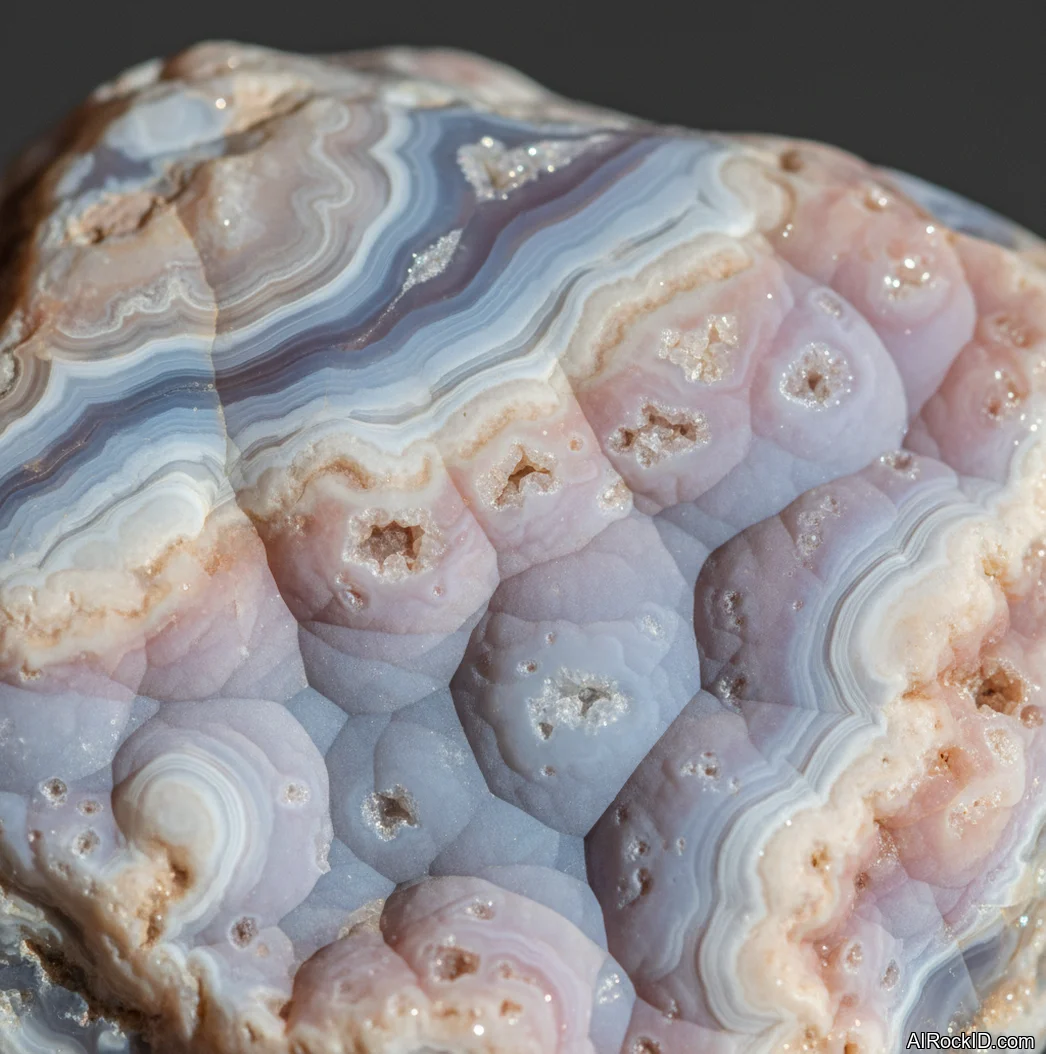
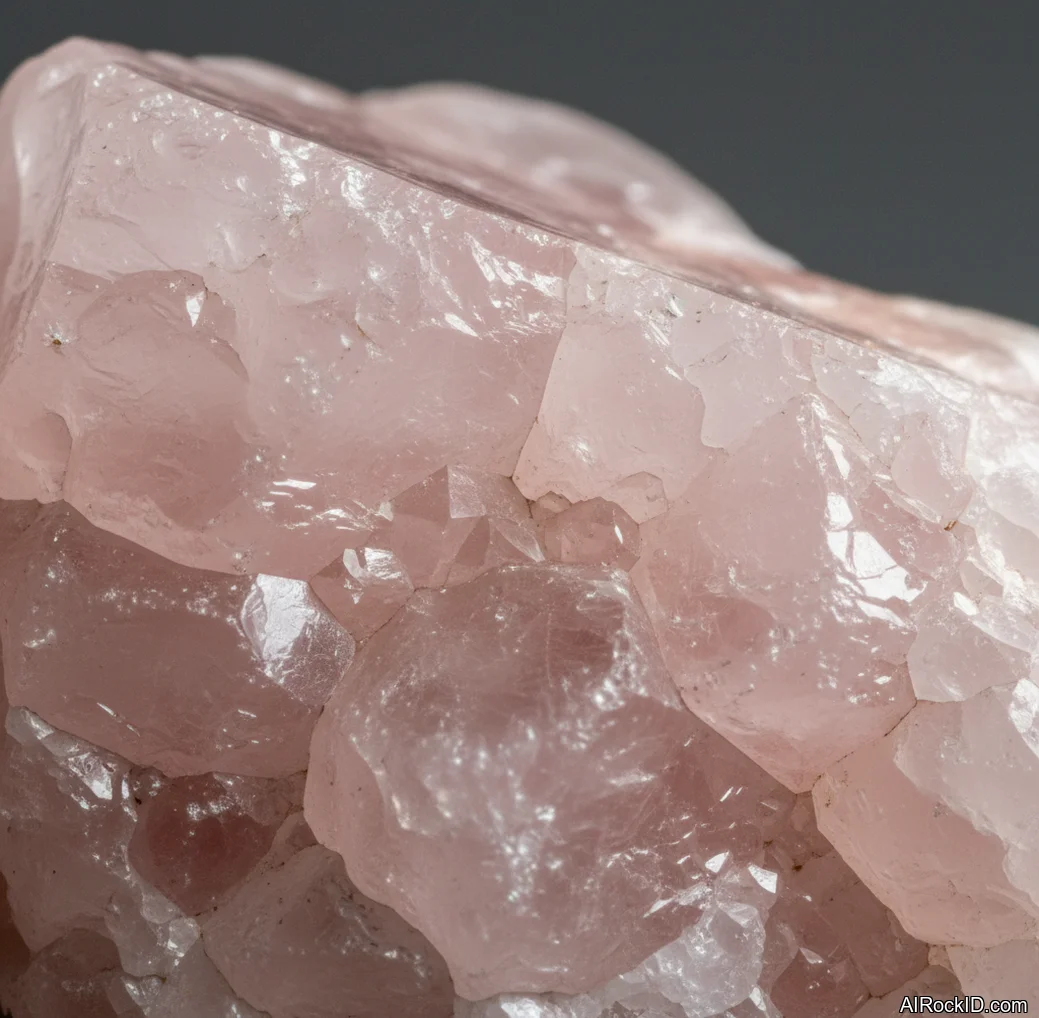
- Rose Quartz: Often confused with pink opal or dyed quartz; rose quartz is typically translucent to cloudy with a glassy luster.
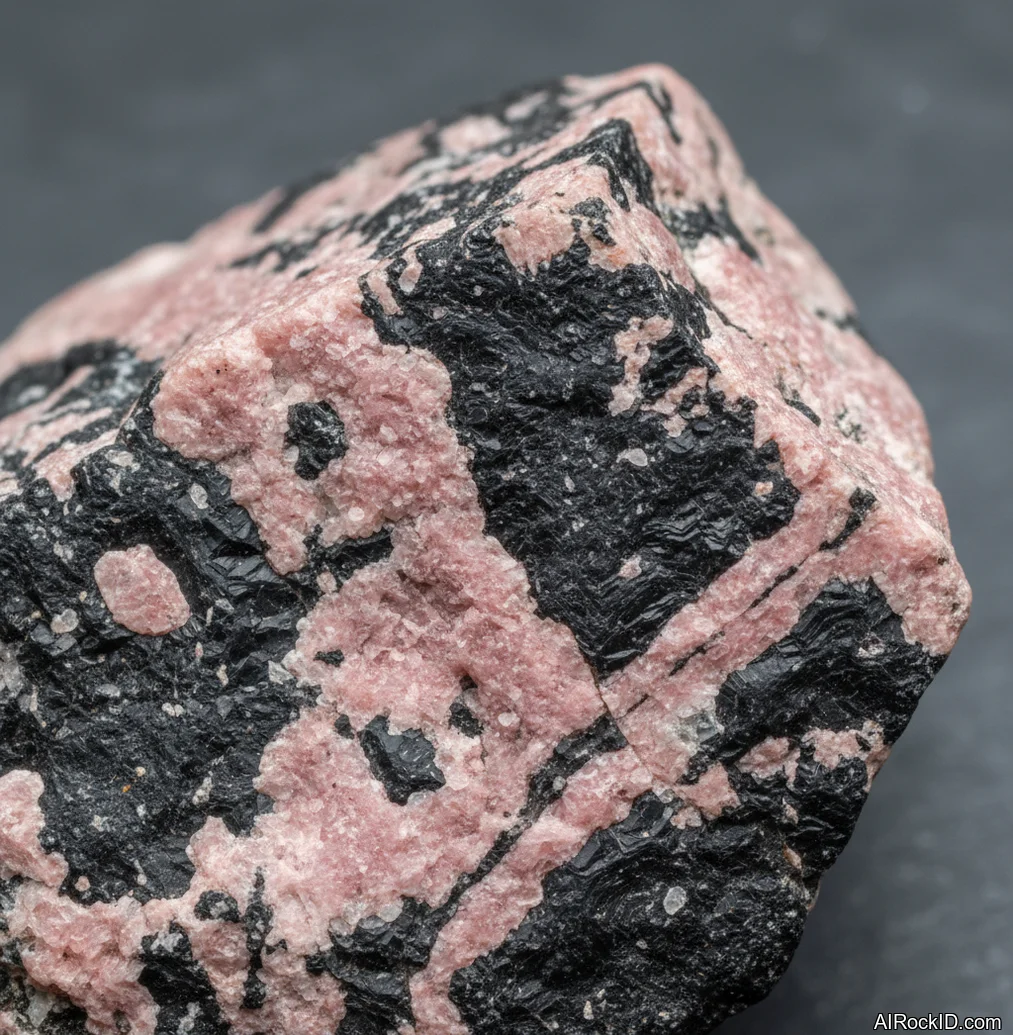
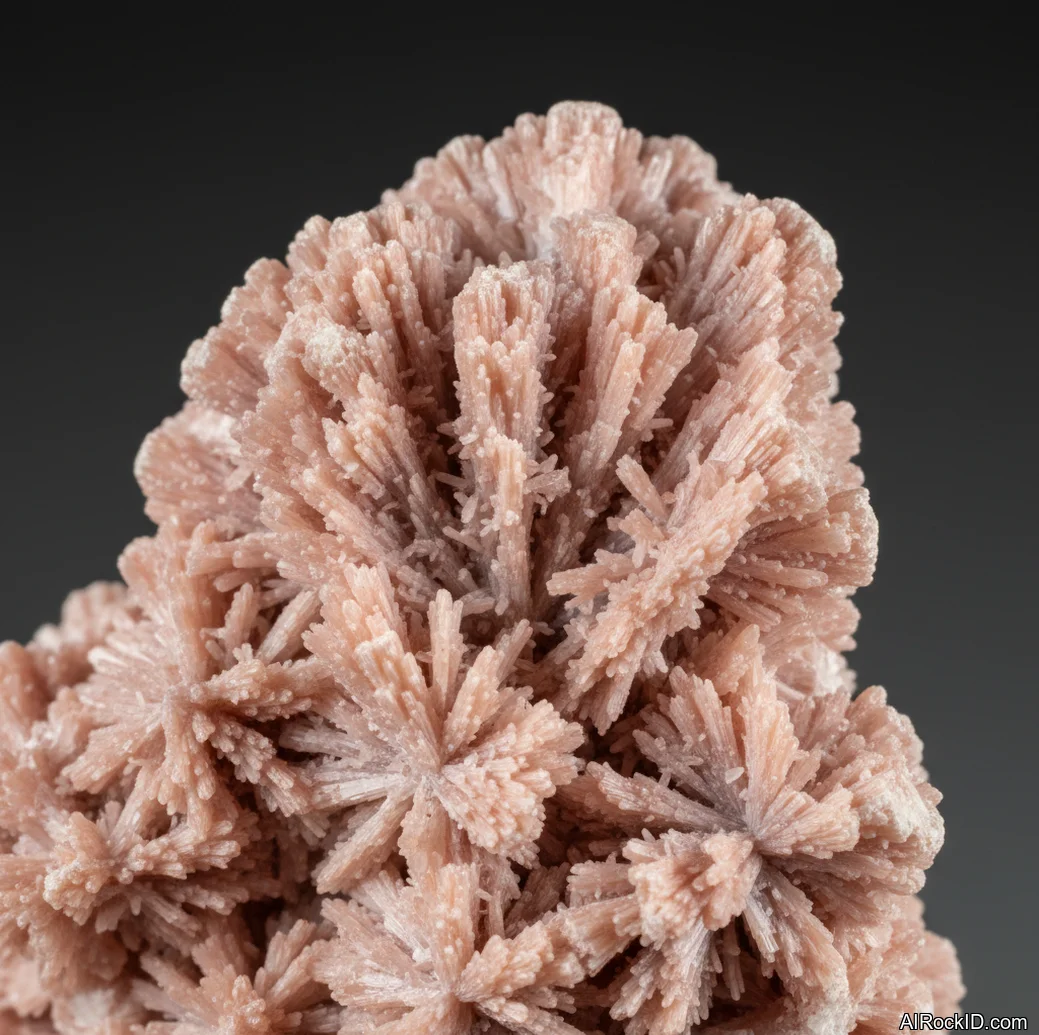
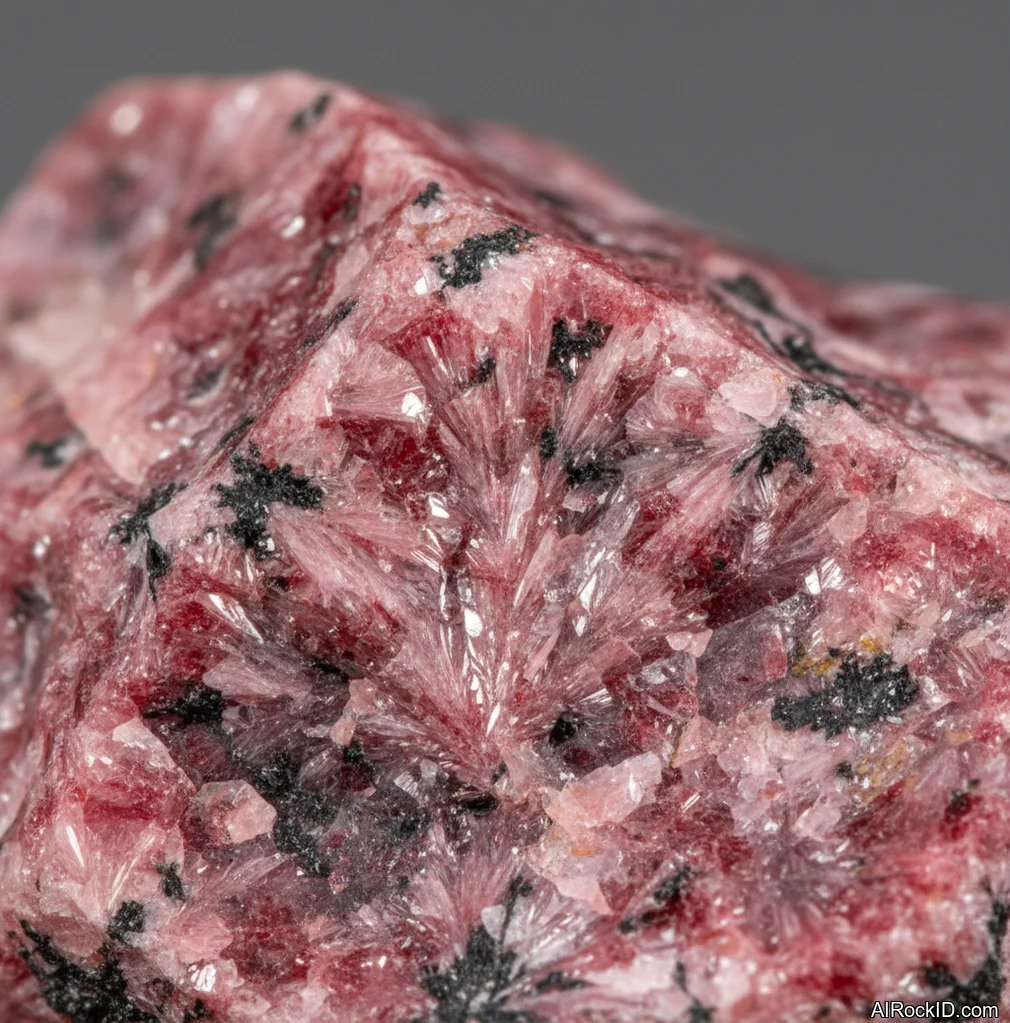
- Rhodonite: Can resemble rhodochrosite, but rhodonite commonly shows black manganese veining and is usually less banded.
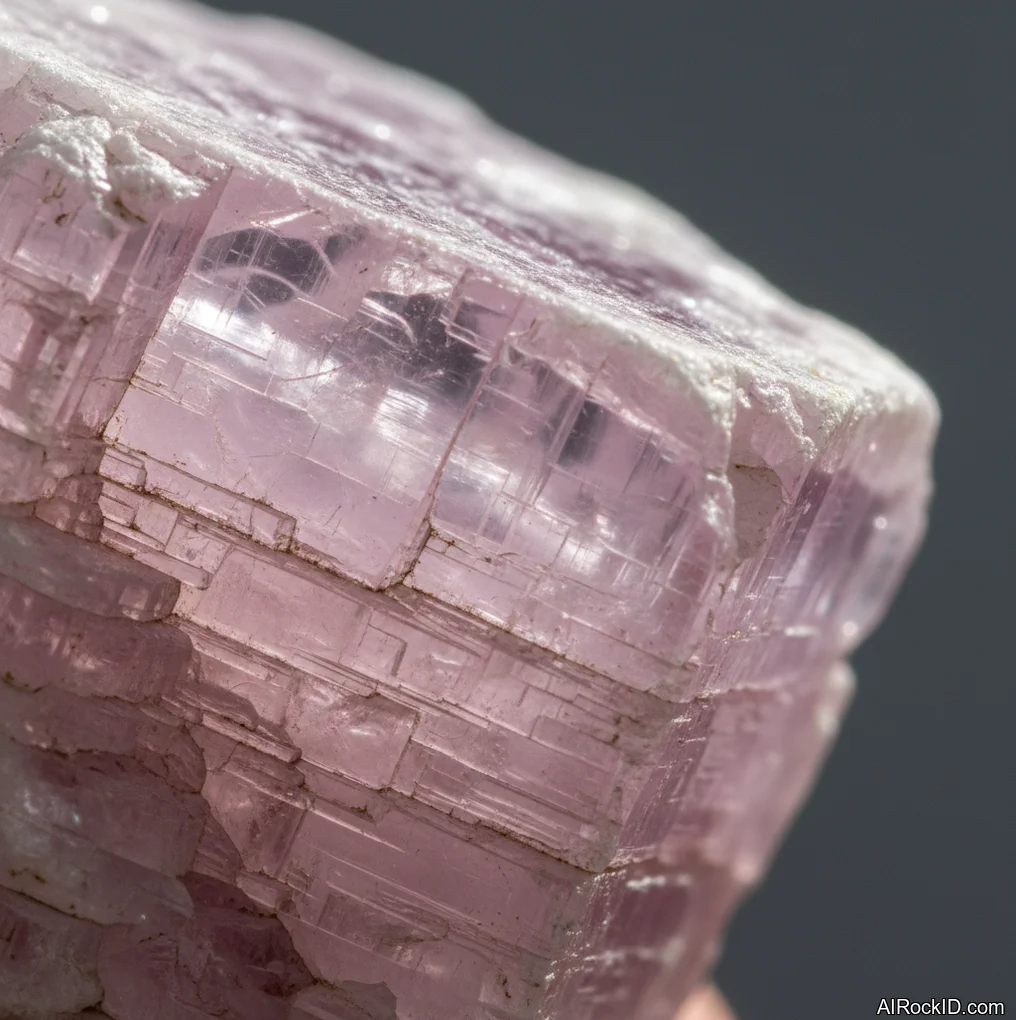
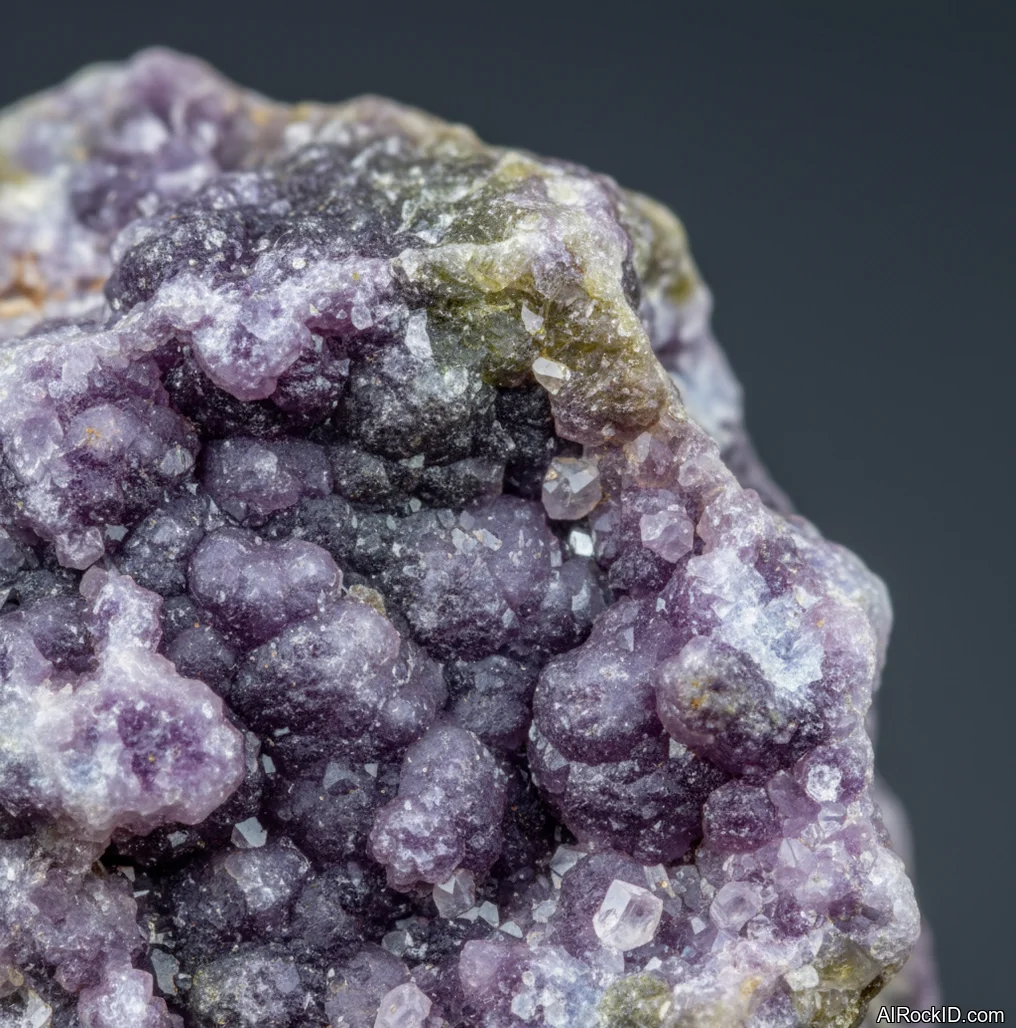
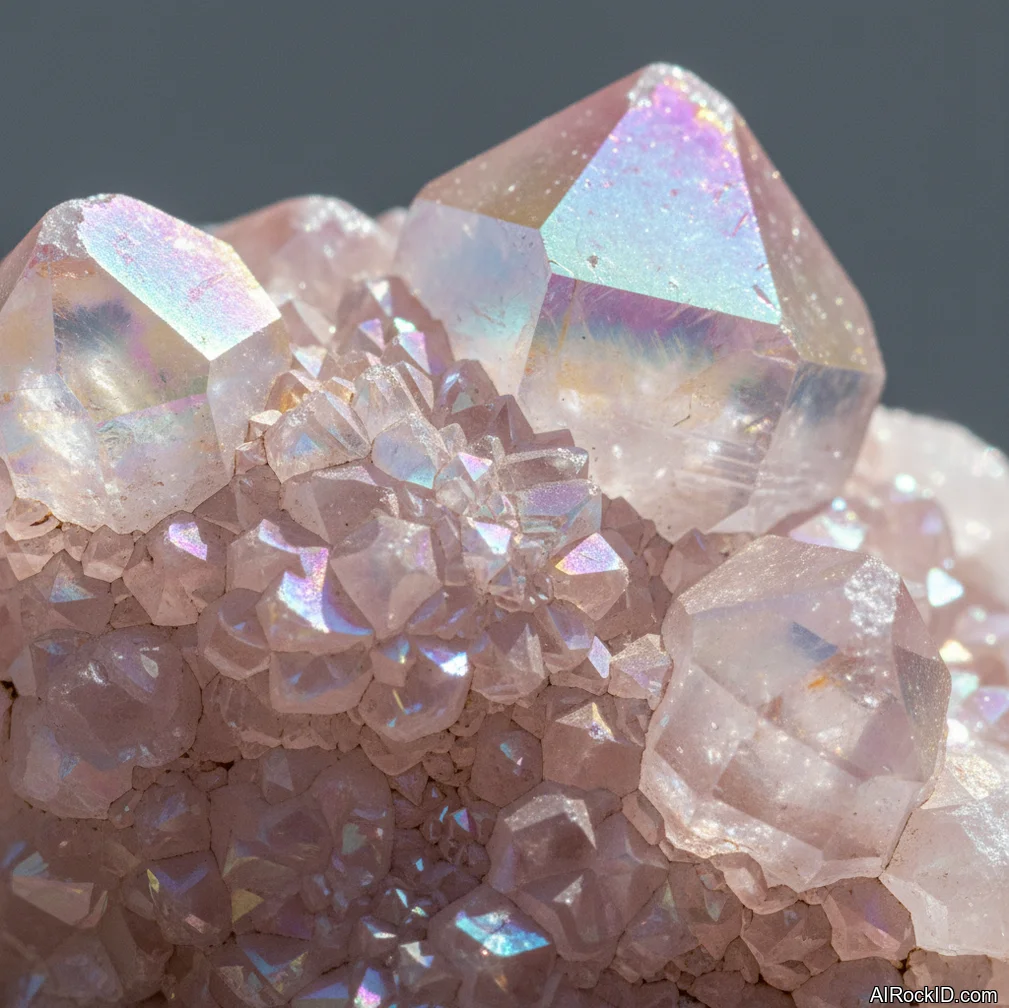
- Kunzite: May be confused with morganite or pink topaz; kunzite is a spodumene variety with strong cleavage and pleochroism.
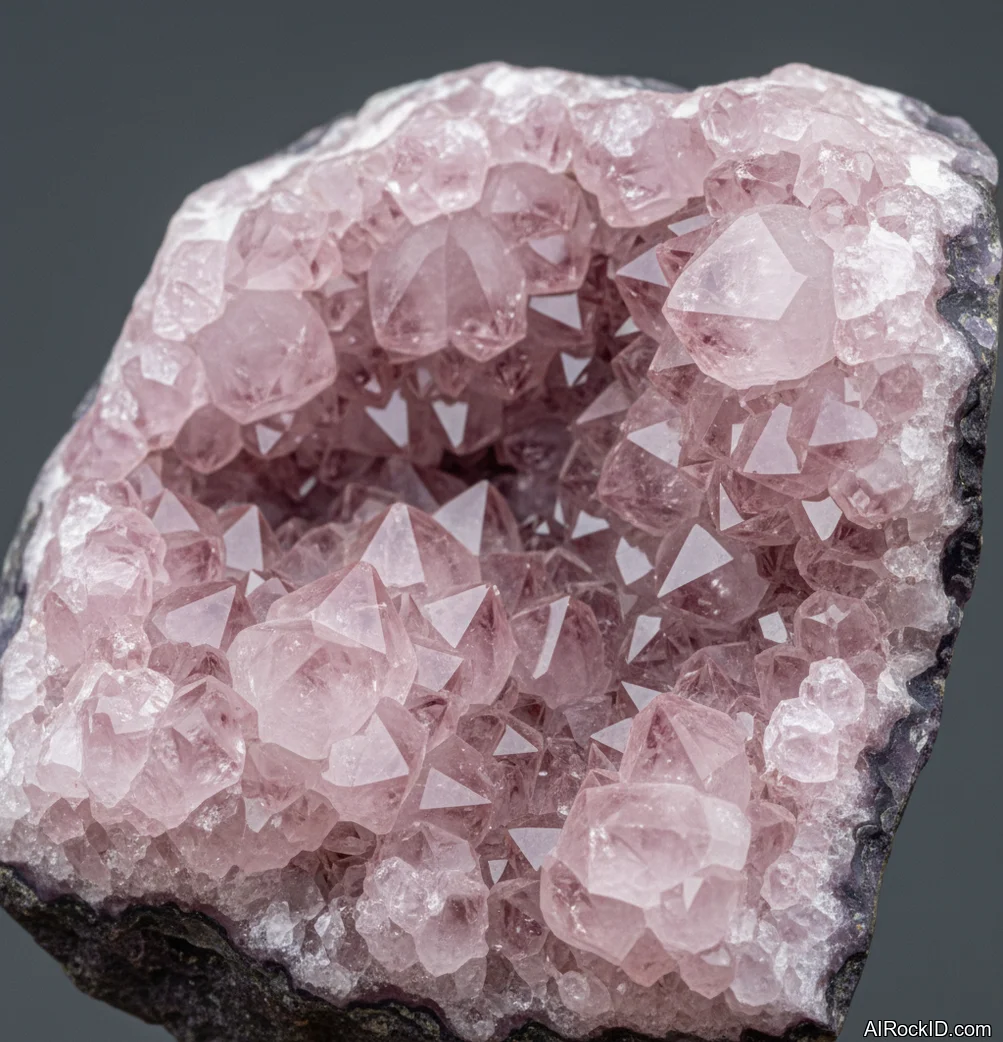
- Morganite: Can look similar to pale rose quartz, but morganite is beryl and is usually more transparent in gem-quality pieces.
AI identification confidence
AI identification is usually more reliable for love crystals with distinctive patterns, such as rhodonite with black veining, than for pale pink transparent stones. Color alone is not enough because quartz, beryl, spodumene, opal, calcite, glass, and dyed materials can overlap visually.
When AI gets it wrong
- The photo is taken under warm or colored lighting that changes pink, purple, or red tones
- The specimen is tumbled, polished, or carved, removing natural crystal shape clues
- The stone has been dyed, coated, heat-treated, or sold under a trade name
- Several minerals share the same soft pink color and similar transparency
What this category represents
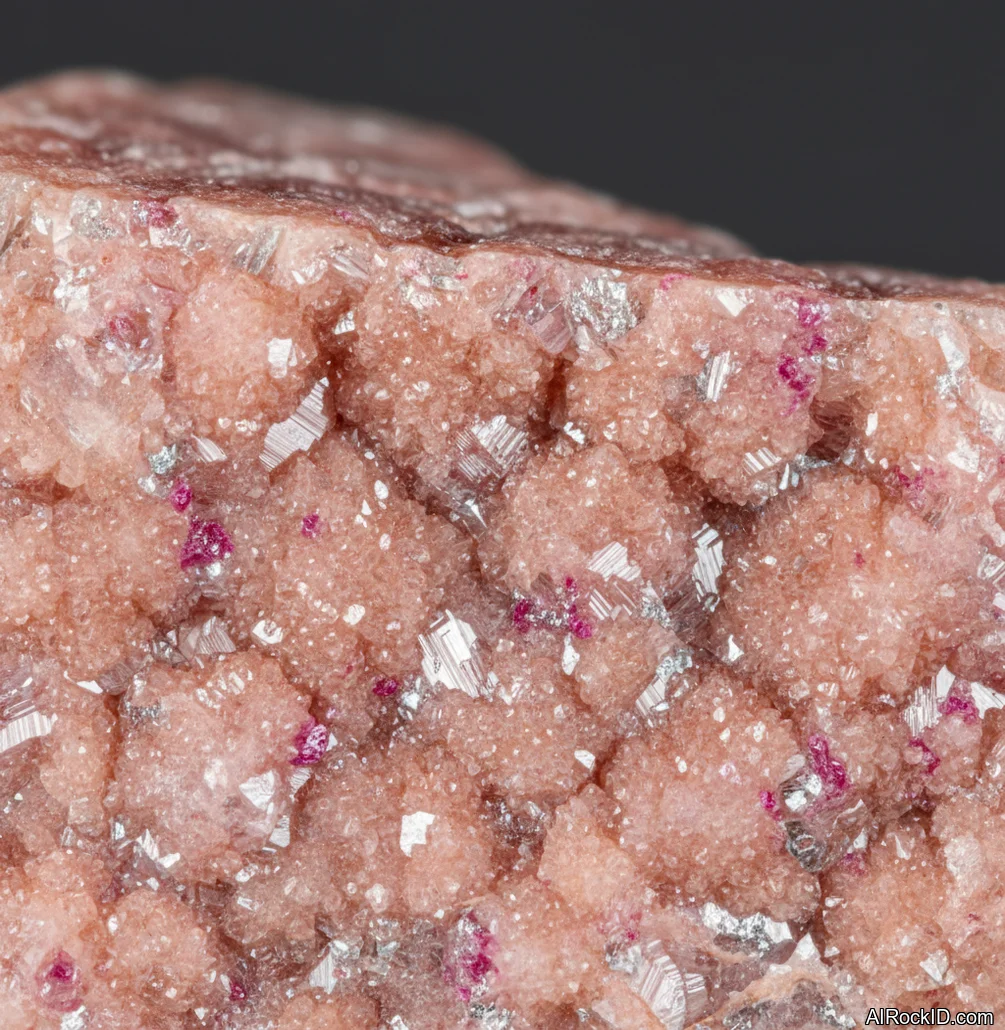
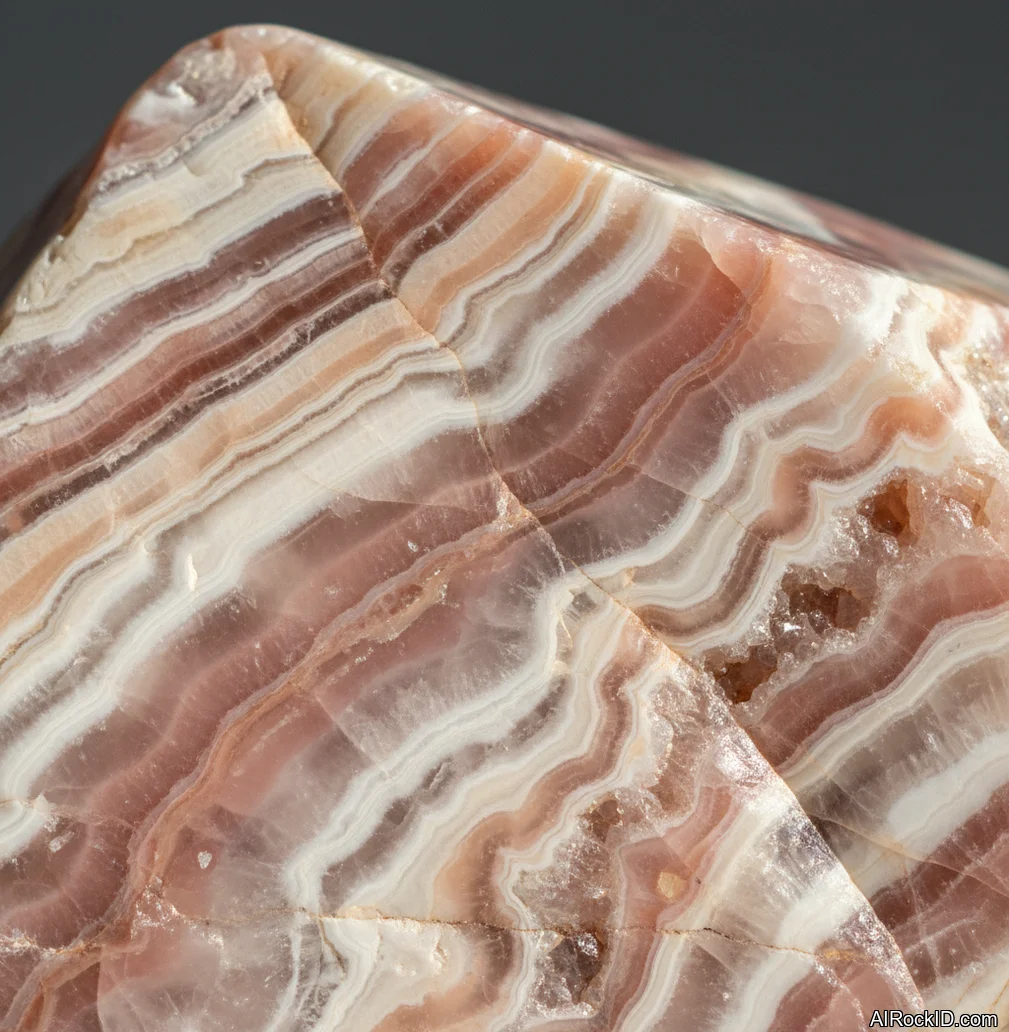
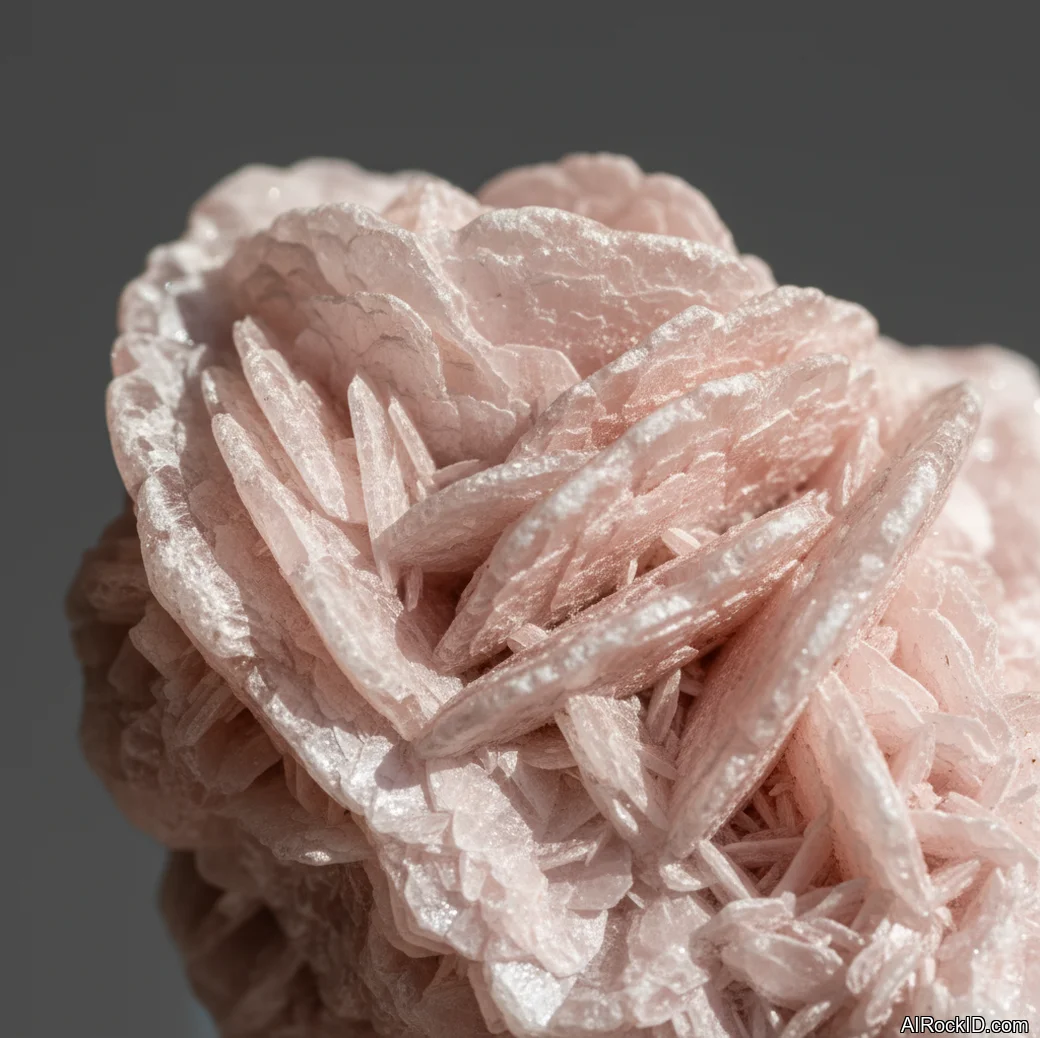
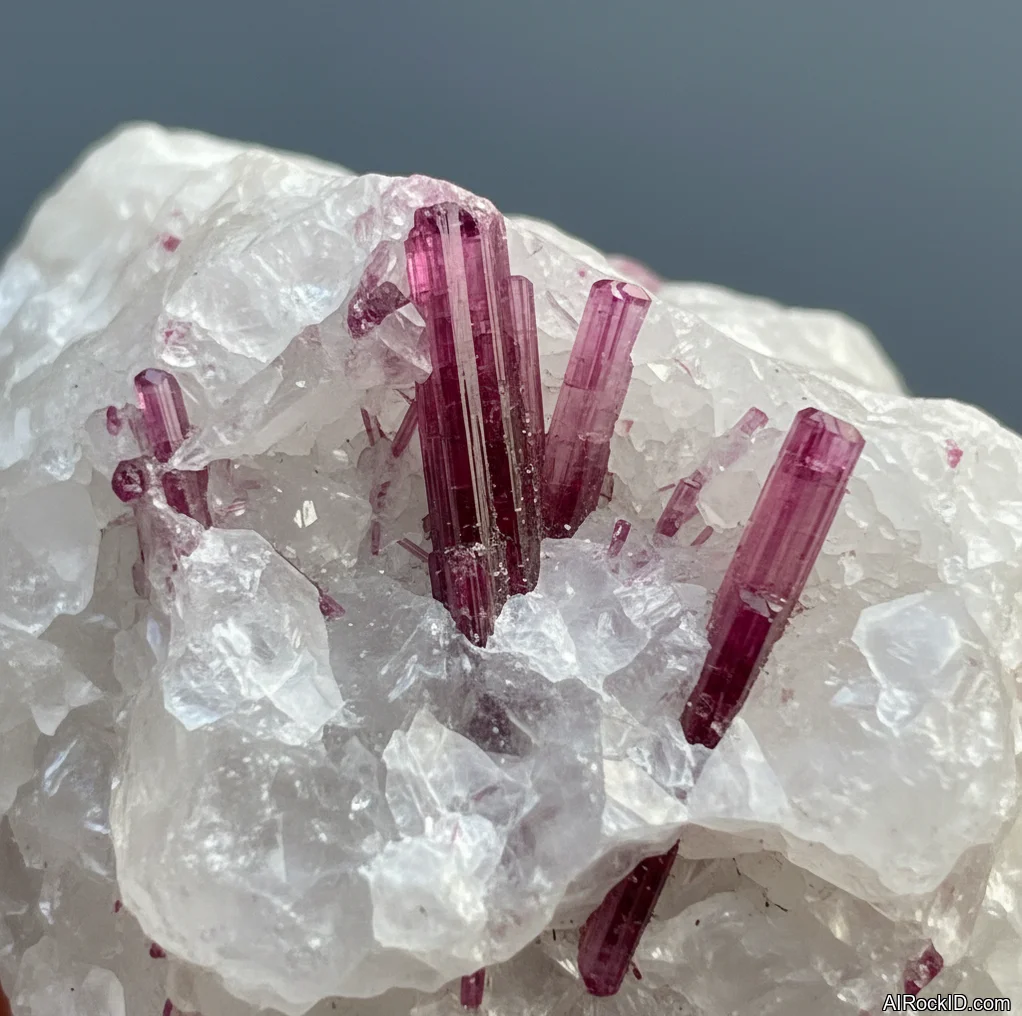
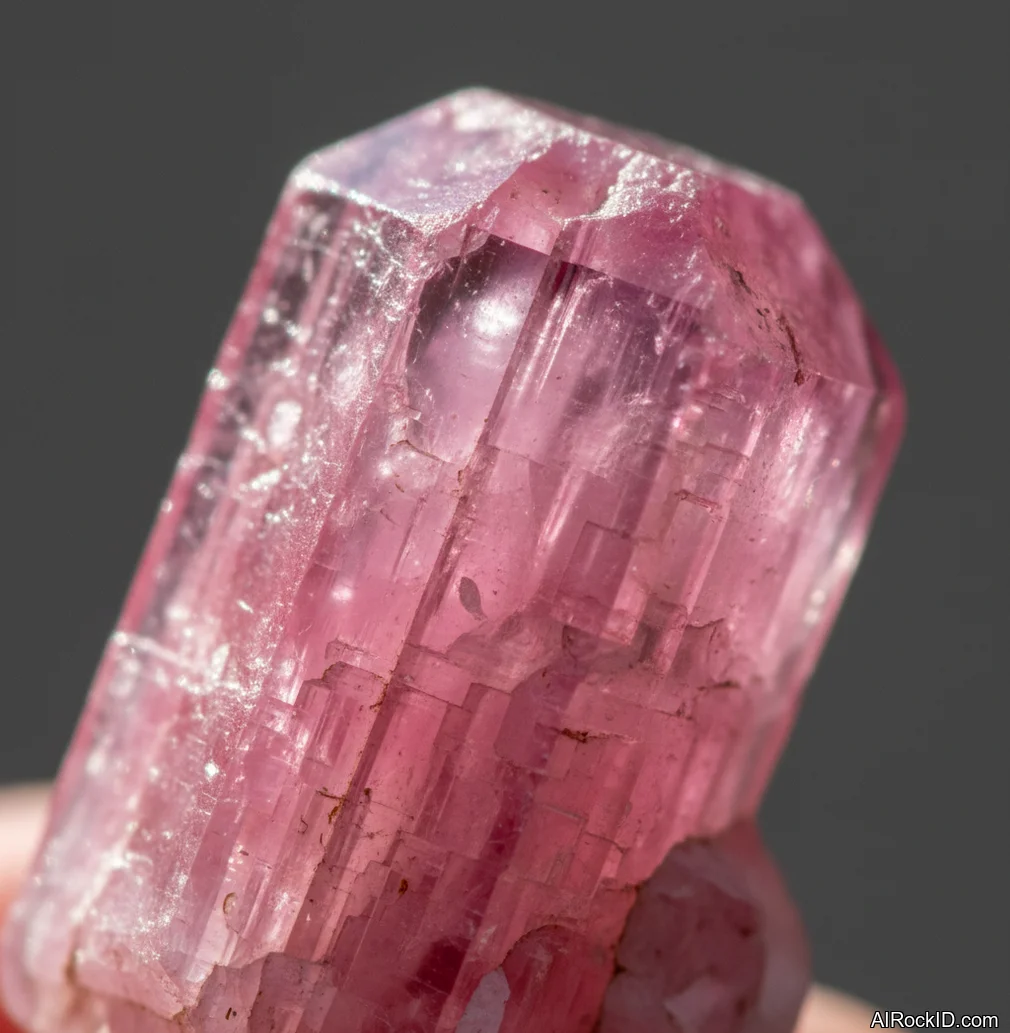
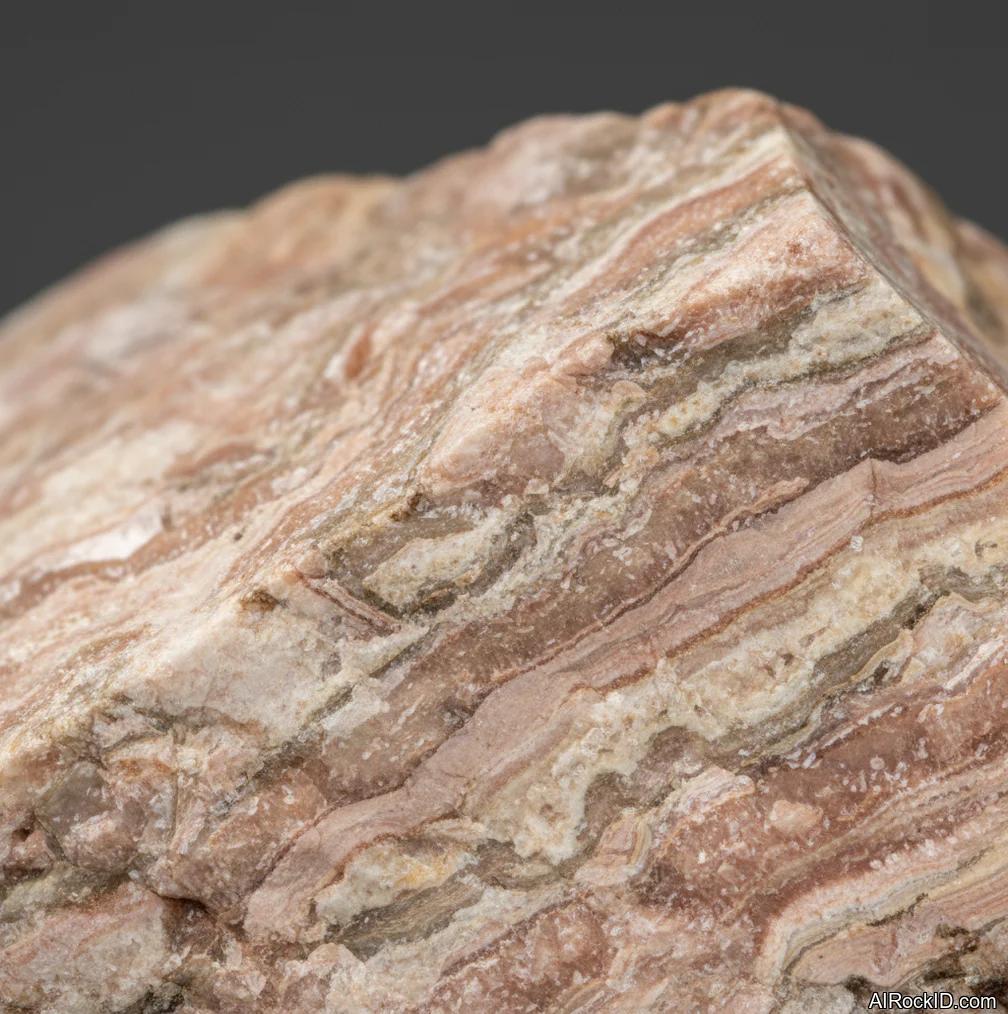
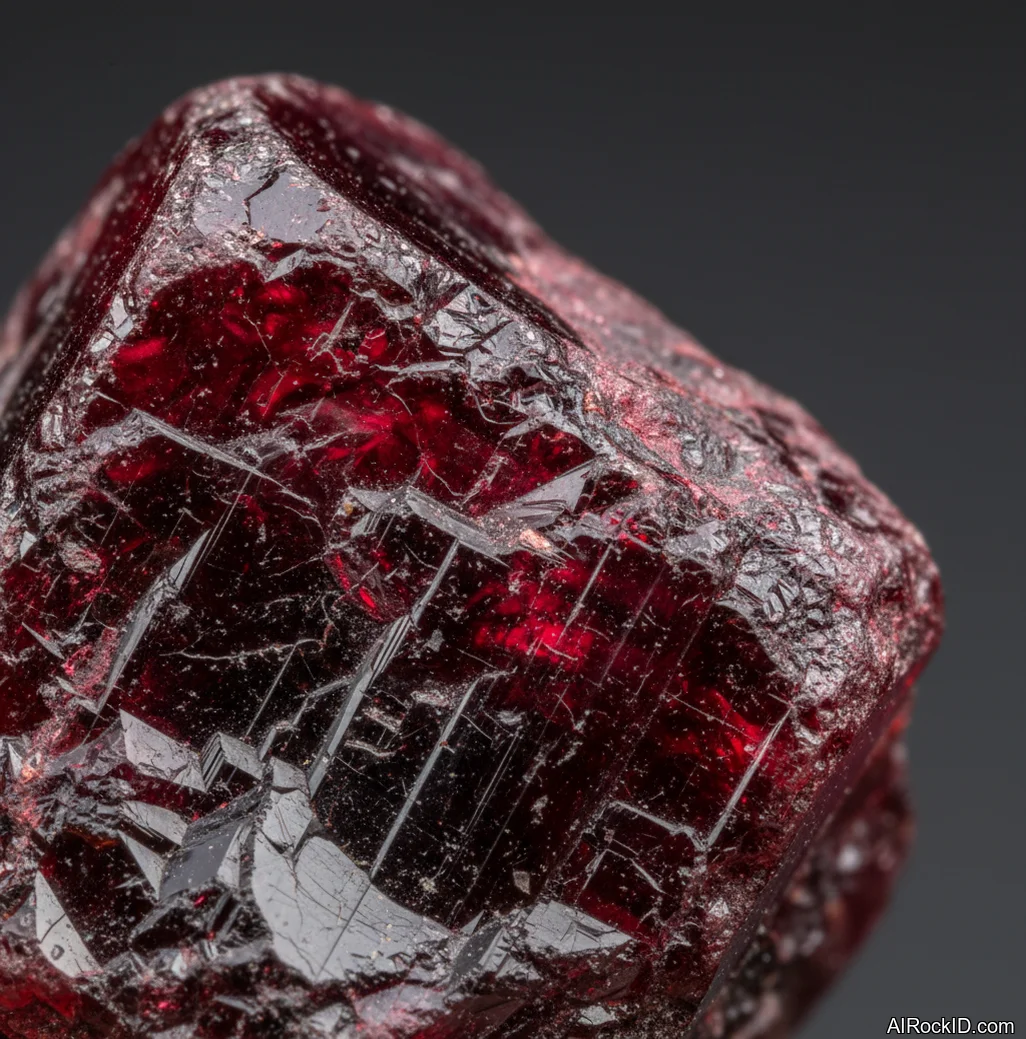
The Love Crystals tag groups minerals and gemstones traditionally linked with love, compassion, emotional openness, self-worth, and heart-centered symbolism. This tag is based on common metaphysical associations rather than a scientific mineral classification.
Beginner recommendations
Advanced recommendations
Natural Color, Dyeing, and Trade Names
Many stones sold as love crystals are chosen for pink, red, peach, or lavender color, but some inexpensive pieces may be dyed or coated. Trade names can also be vague, so a listing should identify the actual mineral, such as quartz, beryl, spodumene, calcite, or tourmaline. If natural origin matters, ask whether the stone has been dyed, irradiated, heated, stabilized, or filled.
Care Notes for Delicate Love Crystals
Some love-associated stones are more delicate than common quartz. Kunzite can fade with prolonged sunlight, calcite and rhodochrosite are softer and can scratch easily, and many porous stones should not be soaked. A dry soft cloth and separate storage are safer choices for most polished pieces and jewelry.
Choosing by Symbolism Versus Mineral Type
Love crystal lists combine cultural symbolism, color association, and modern metaphysical traditions, so different sources may include different stones. A collector may choose by mineral species, while a spiritual user may choose by traditional meaning, color, or personal association. Clear labeling helps separate the symbolic use from the geological identity.
What Are Love Crystals? Physical Traits and Collector Details
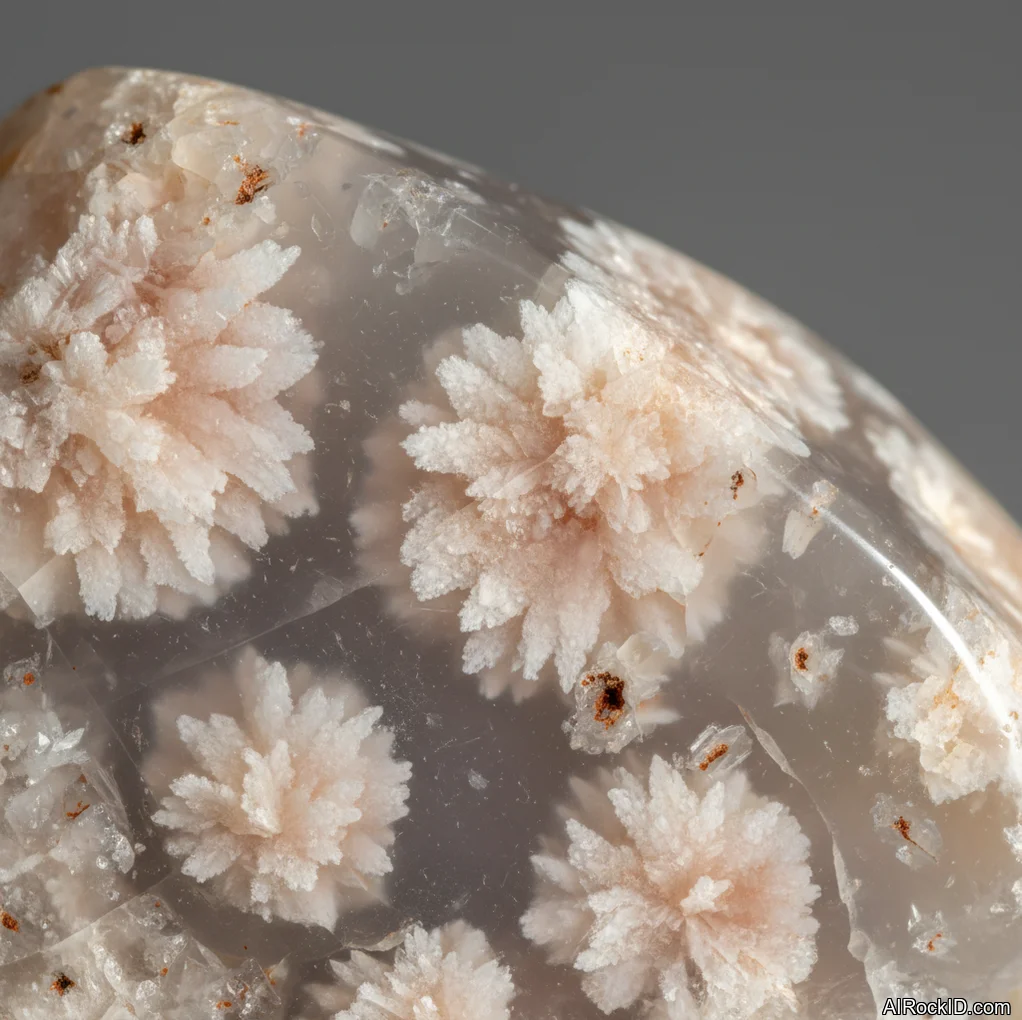
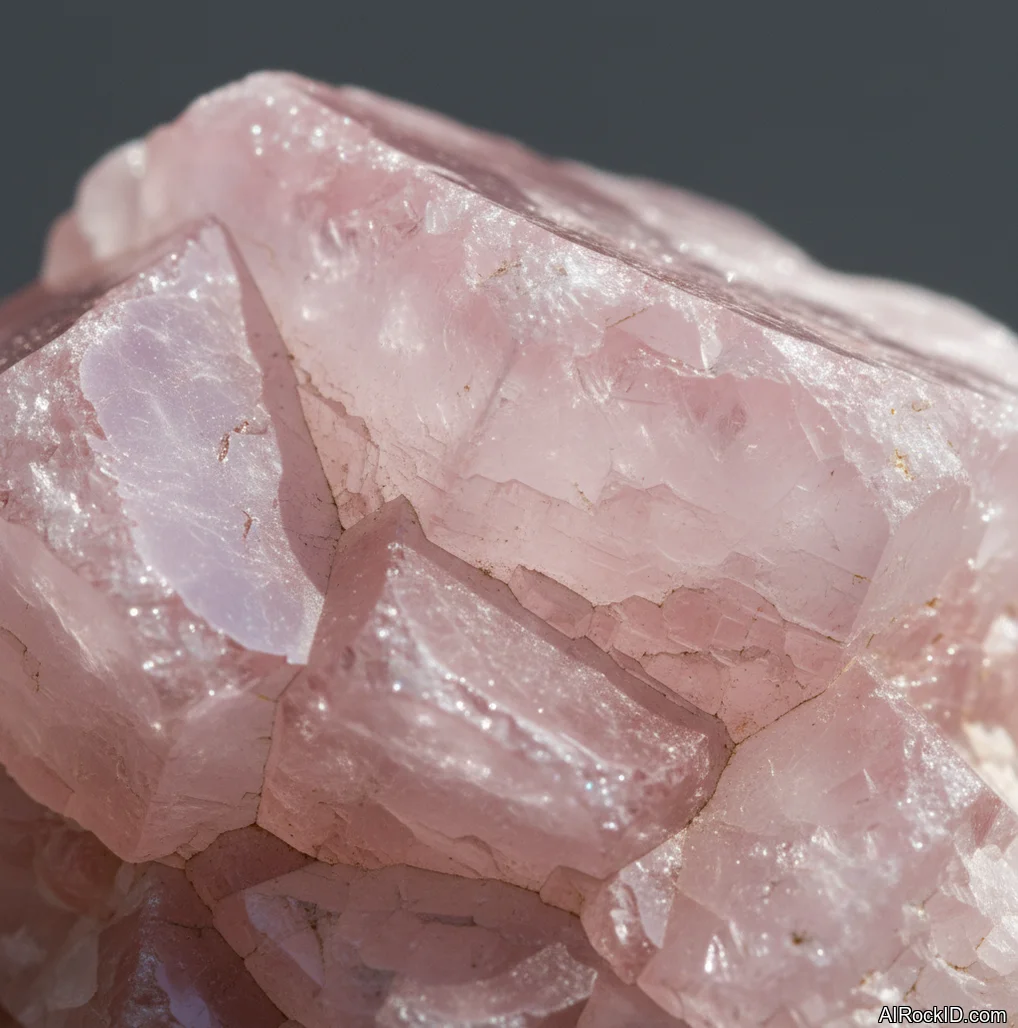
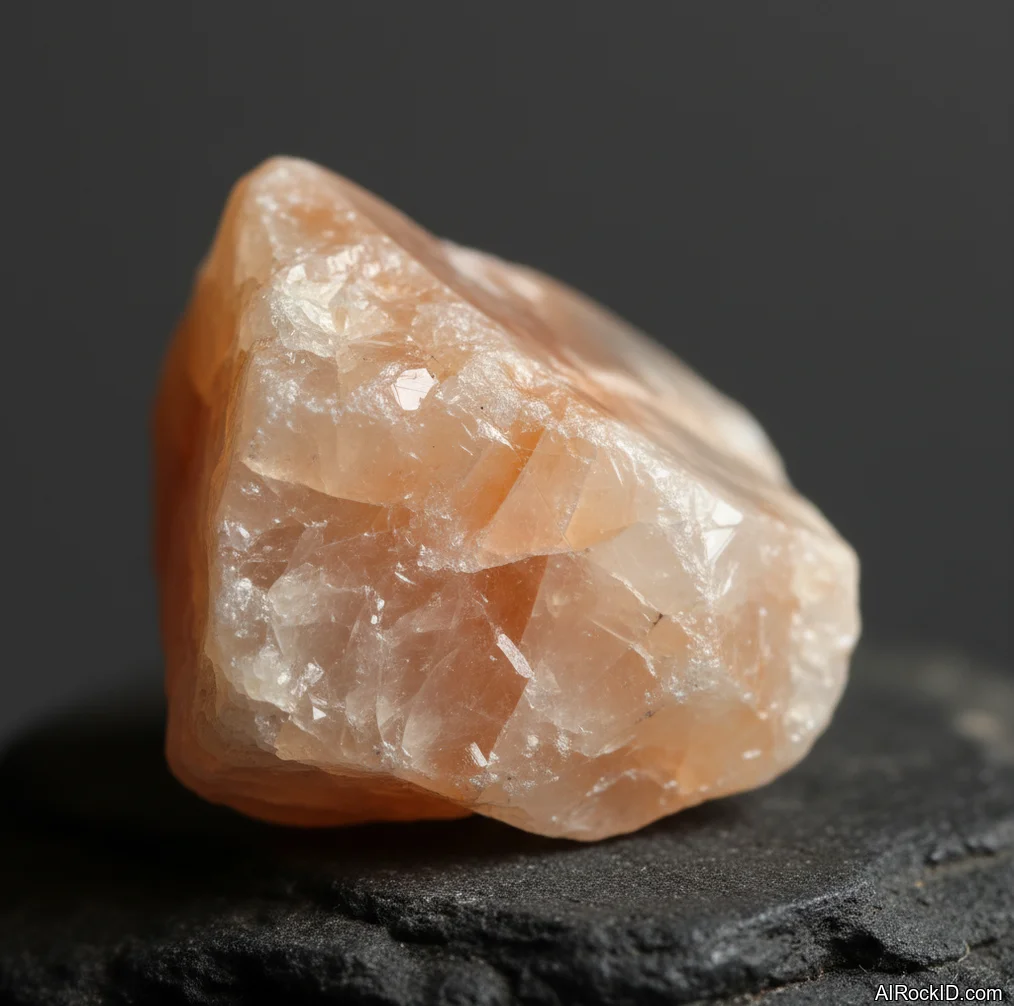
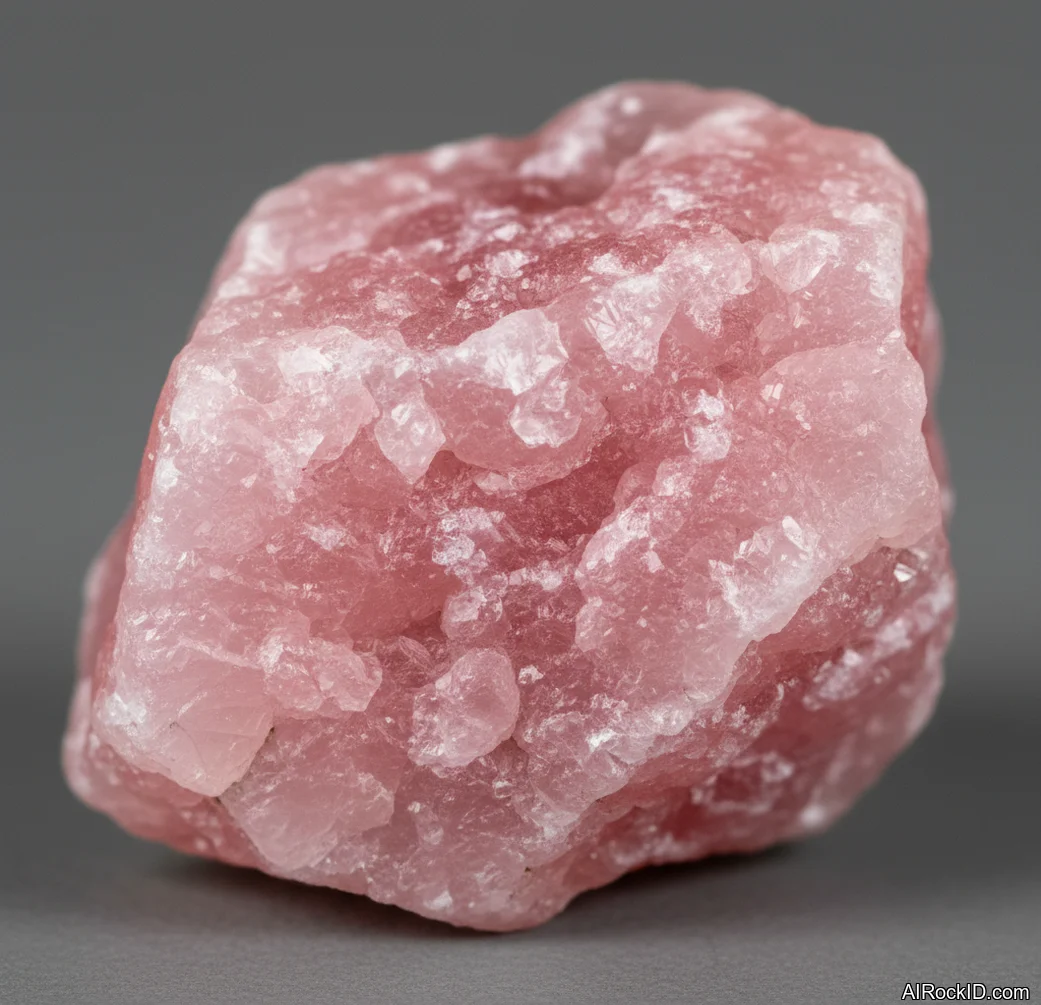
Pick up a piece of rose quartz and you'll notice something right away. Not the so-called 'energy'—the physical reality. The good stuff stays cool in your palm far longer than glass. It has this soft, cloudy look inside, and when you chip a raw chunk, it crumbles in a sugary way instead of flaking like plastic. I've found rough pieces at estate sales still carrying dust from old boxes, but the interior glow always comes through. For collectors, Love stones are more than color—they're about the weight, the subtle translucence, and how the edges break or polish. You won't get the same feeling from a dyed agate or glass fake, and you can tell after handling enough real ones. Most Love crystals feel solid and smooth but never slick. The best rose quartz chunks almost look like they're lit from within, especially in pieces thick enough to block most light. That's the trait that gets them picked up first at any show.
How Love Crystals Are Used: Emotional Healing and Everyday Practice
In the world of crystals, Love isn't just about romance or attracting a soulmate. People use these stones for the whole heart zone: self-respect, forgiving old hurts, working through grief, even learning to set boundaries or have honest conversations. After a breakup, you’ll see folks grabbing for their tumbled rose quartz or a chunk of rhodonite, not because it’s magic, but because there’s comfort in a physical anchor. Some people want that 'bring in a partner' luck, but honestly, most of the time it’s about untangling your own patterns—learning to be gentle with yourself. I’ve seen collectors tuck a small heart-shaped stone into a pocket as a reminder to be kind during rough days. The physical act of carrying or holding a Love crystal is usually more about focus and intention than any outside force. The stones themselves don’t change how you feel, but they can give your hands something solid when your head’s spinning.
Types of Love Crystals: Rose Quartz, Rhodonite, Kunzite, and Morganite
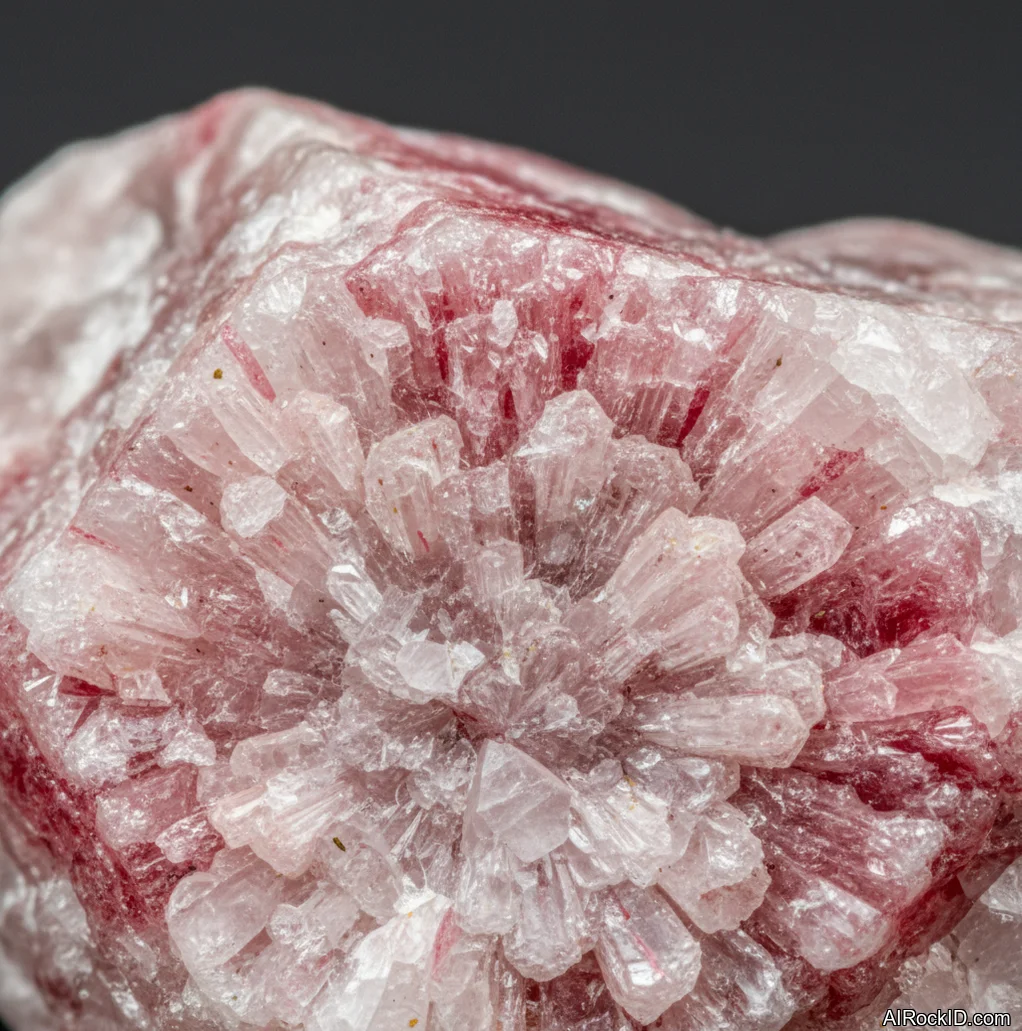
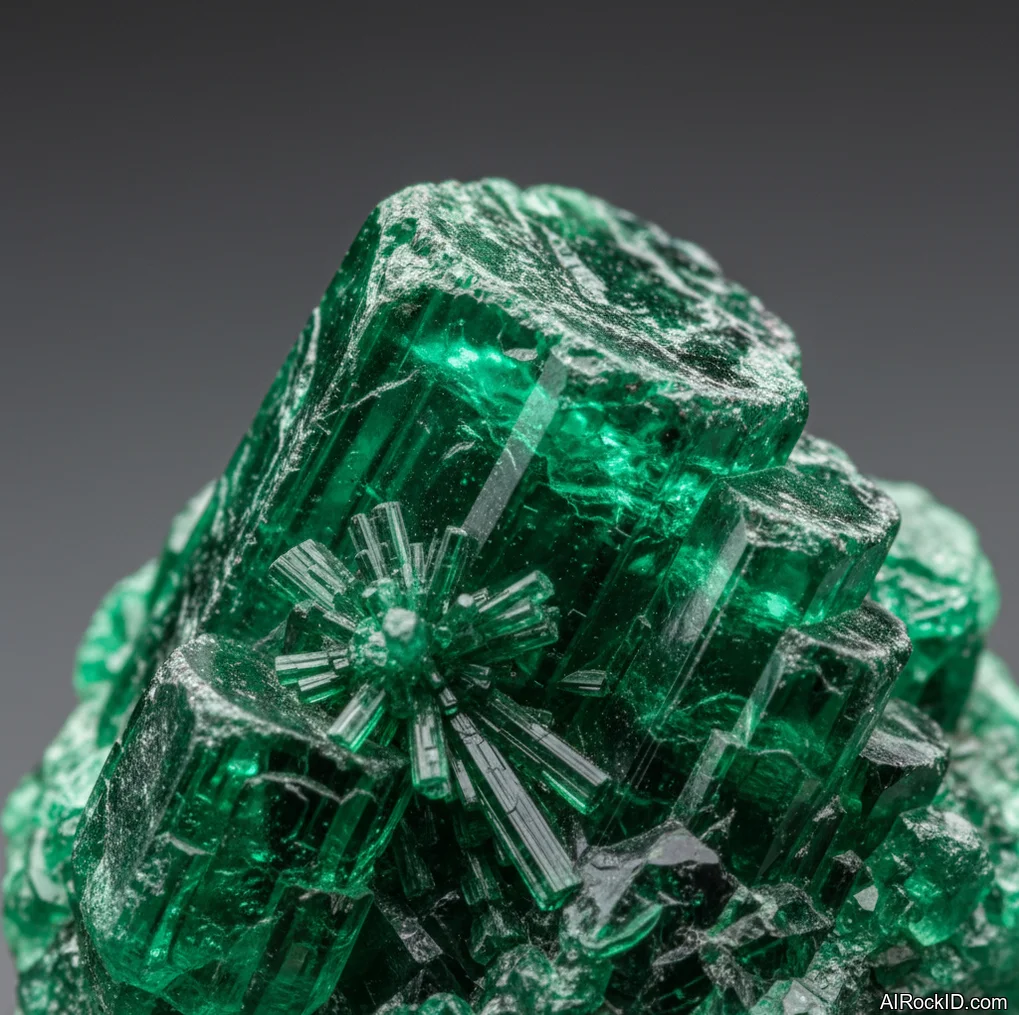
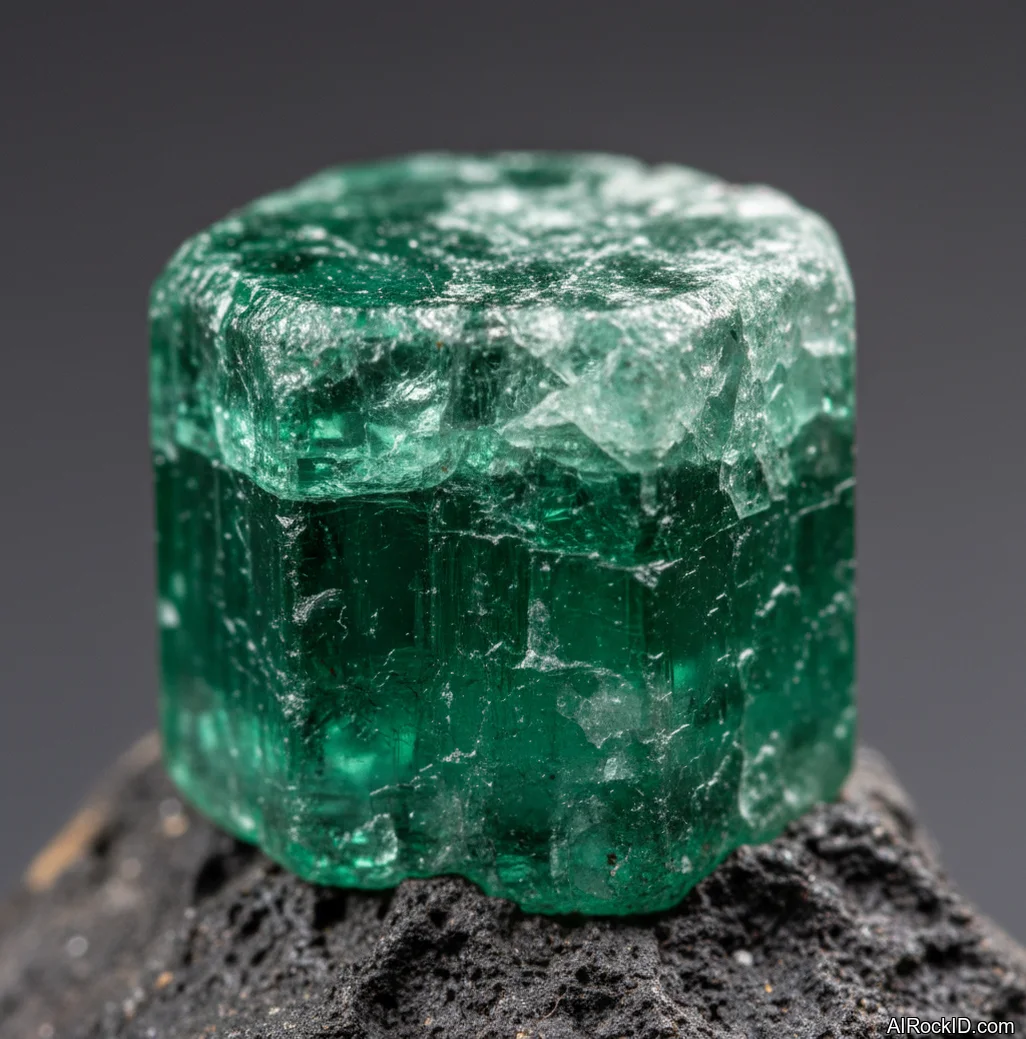
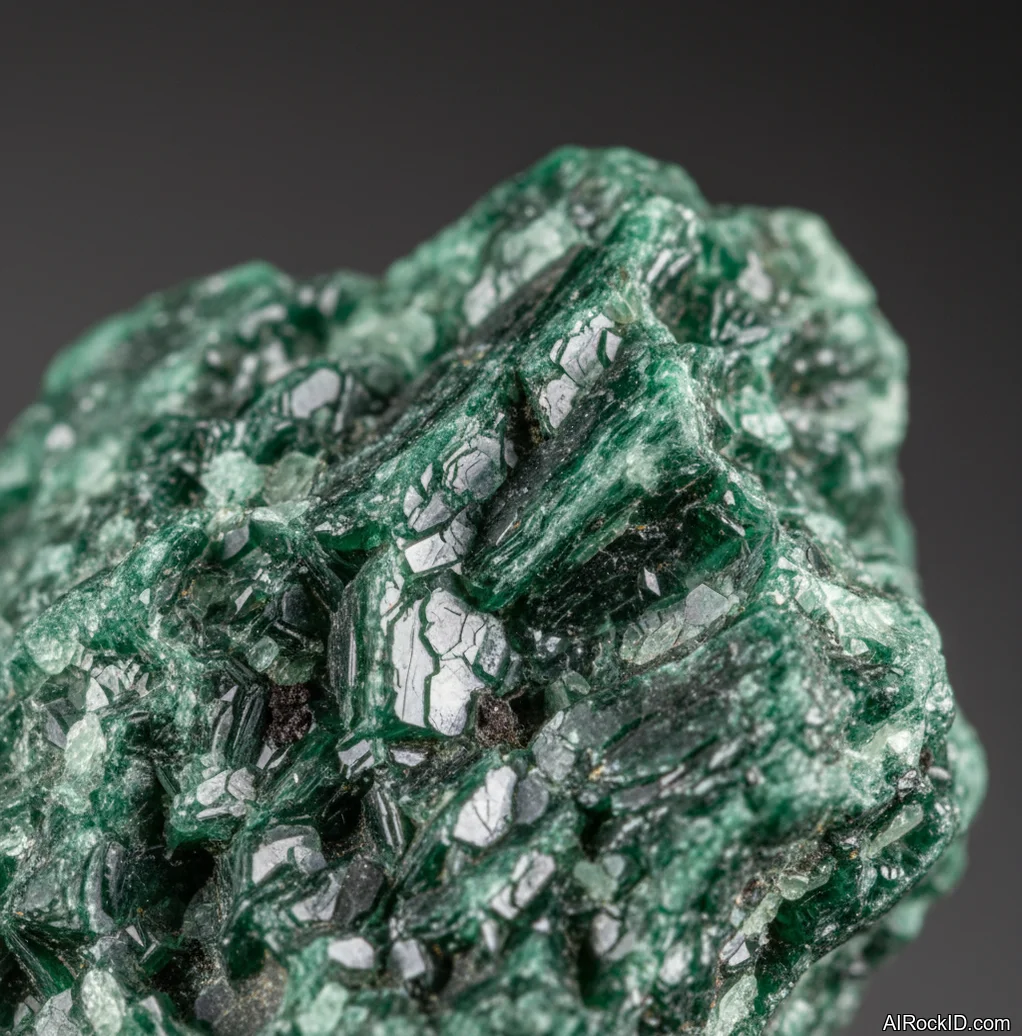
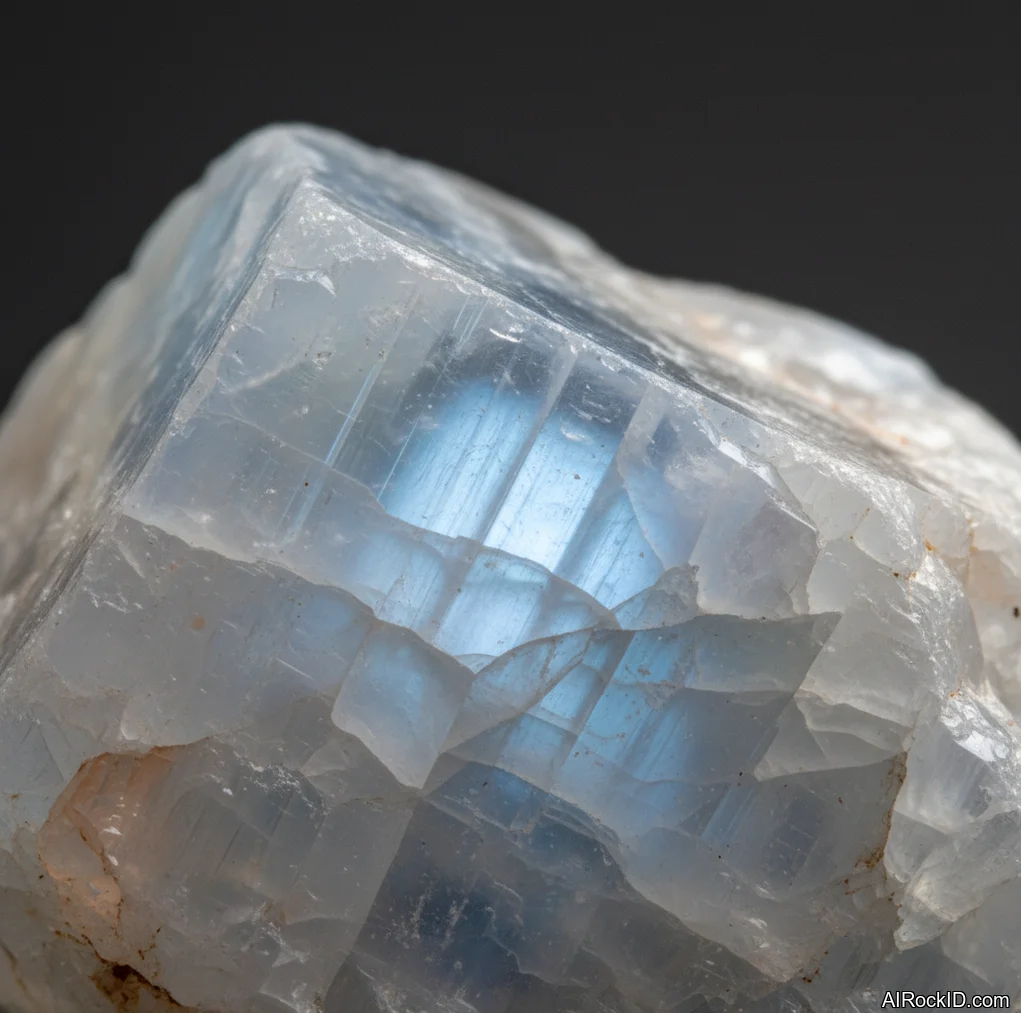
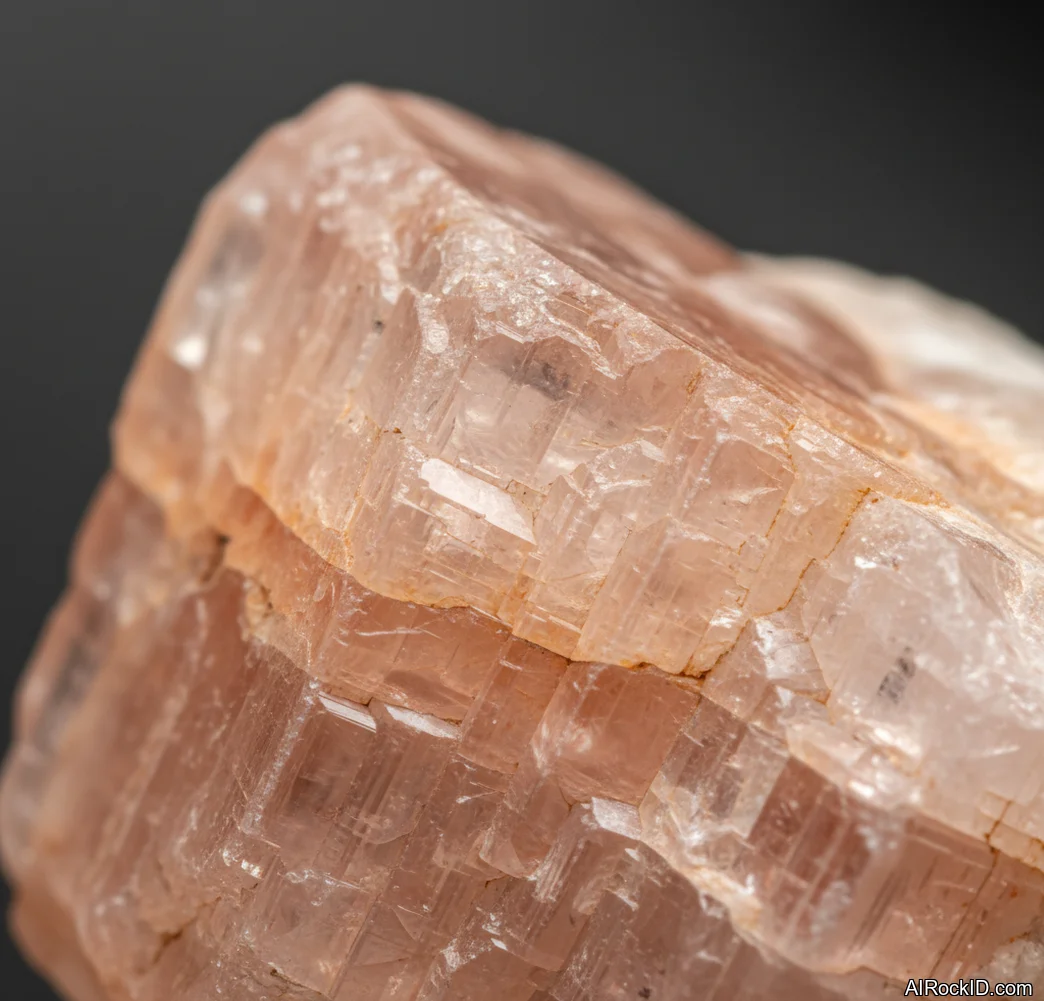
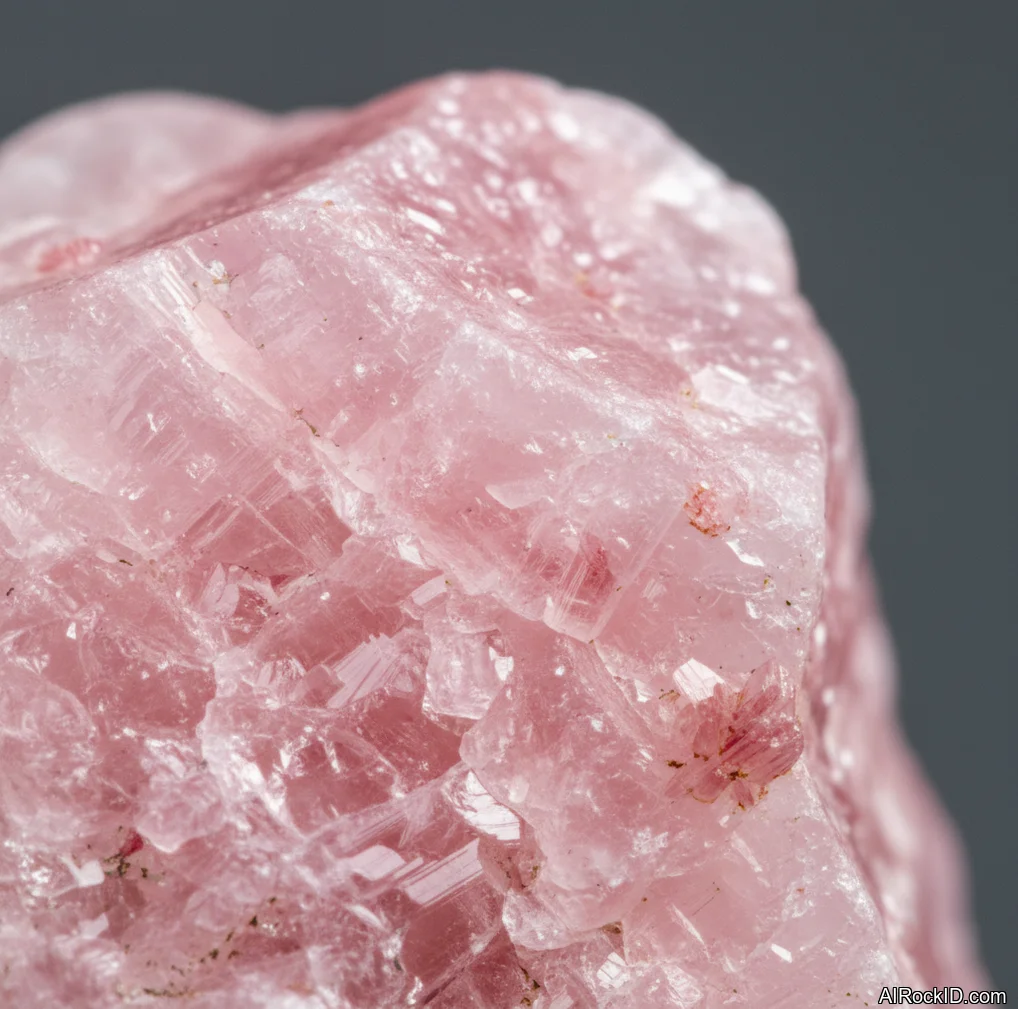
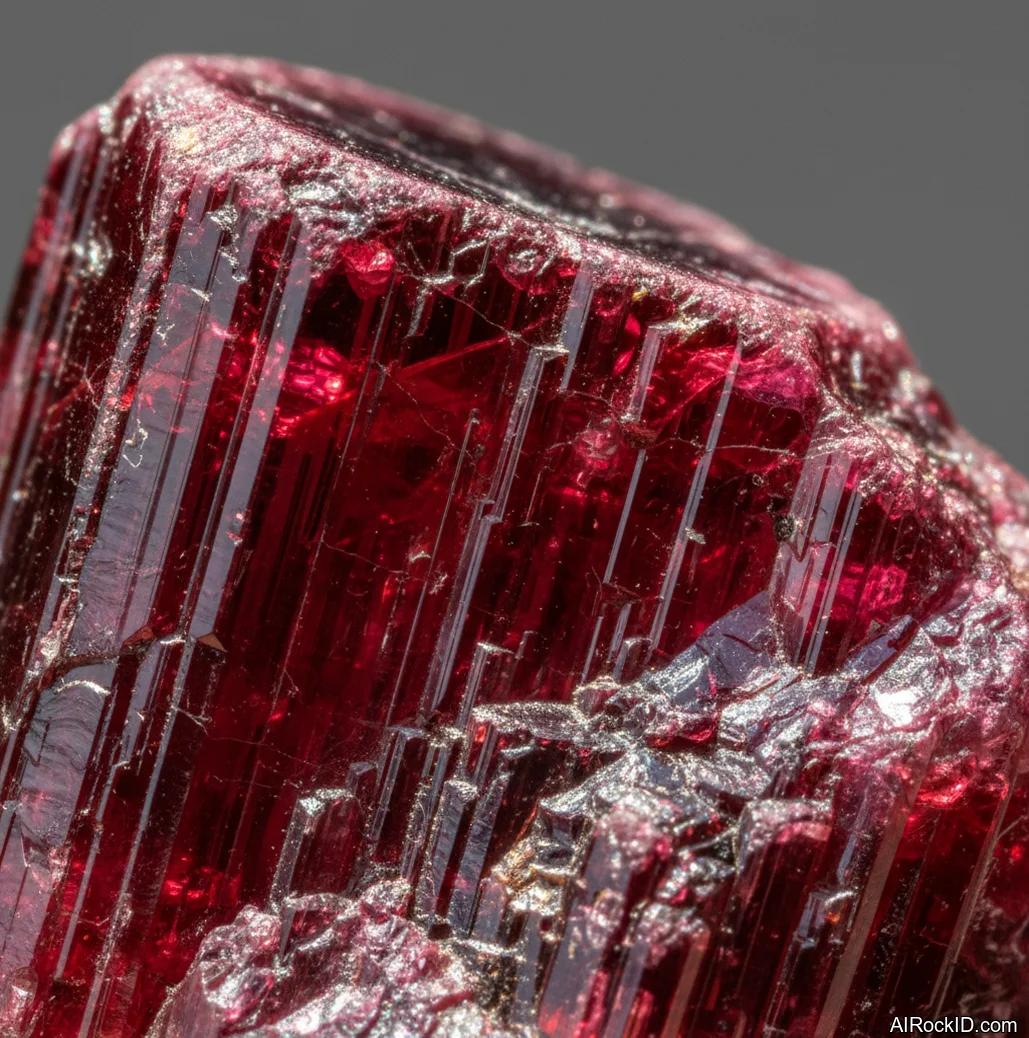
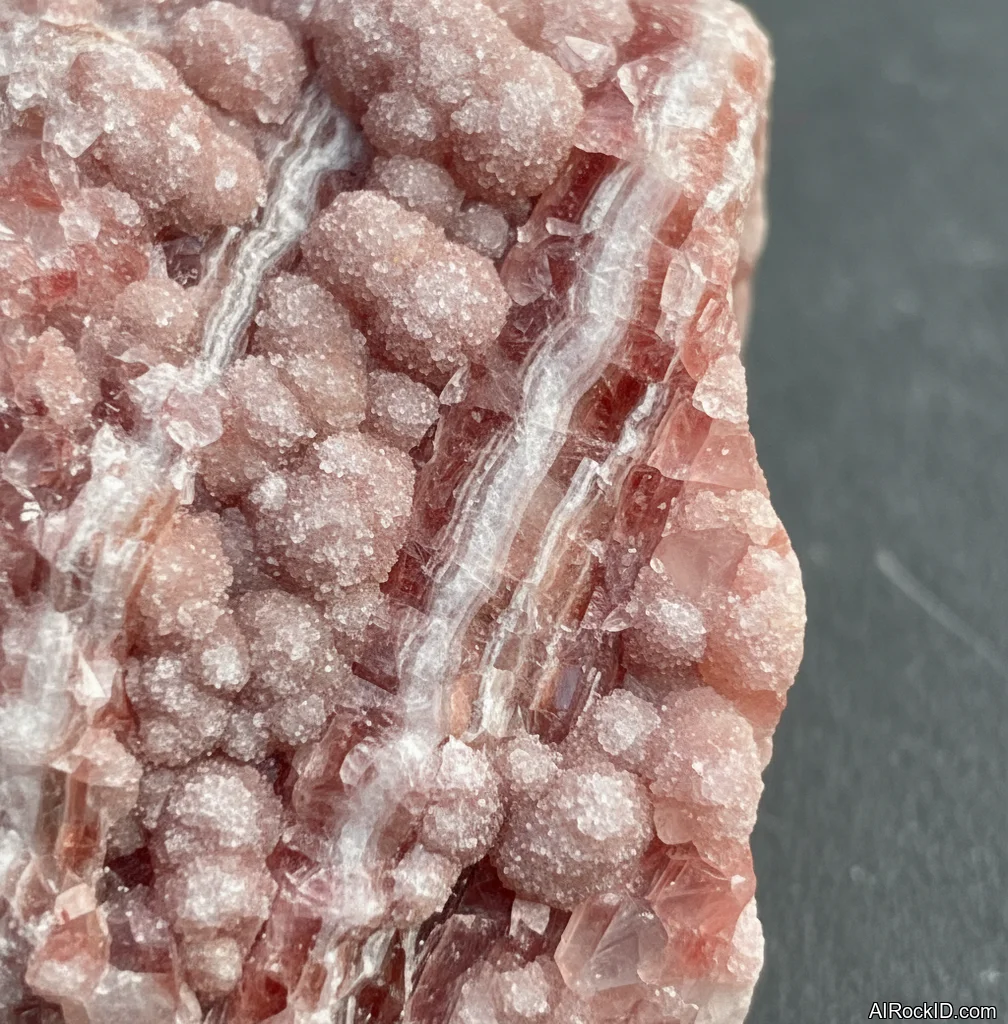
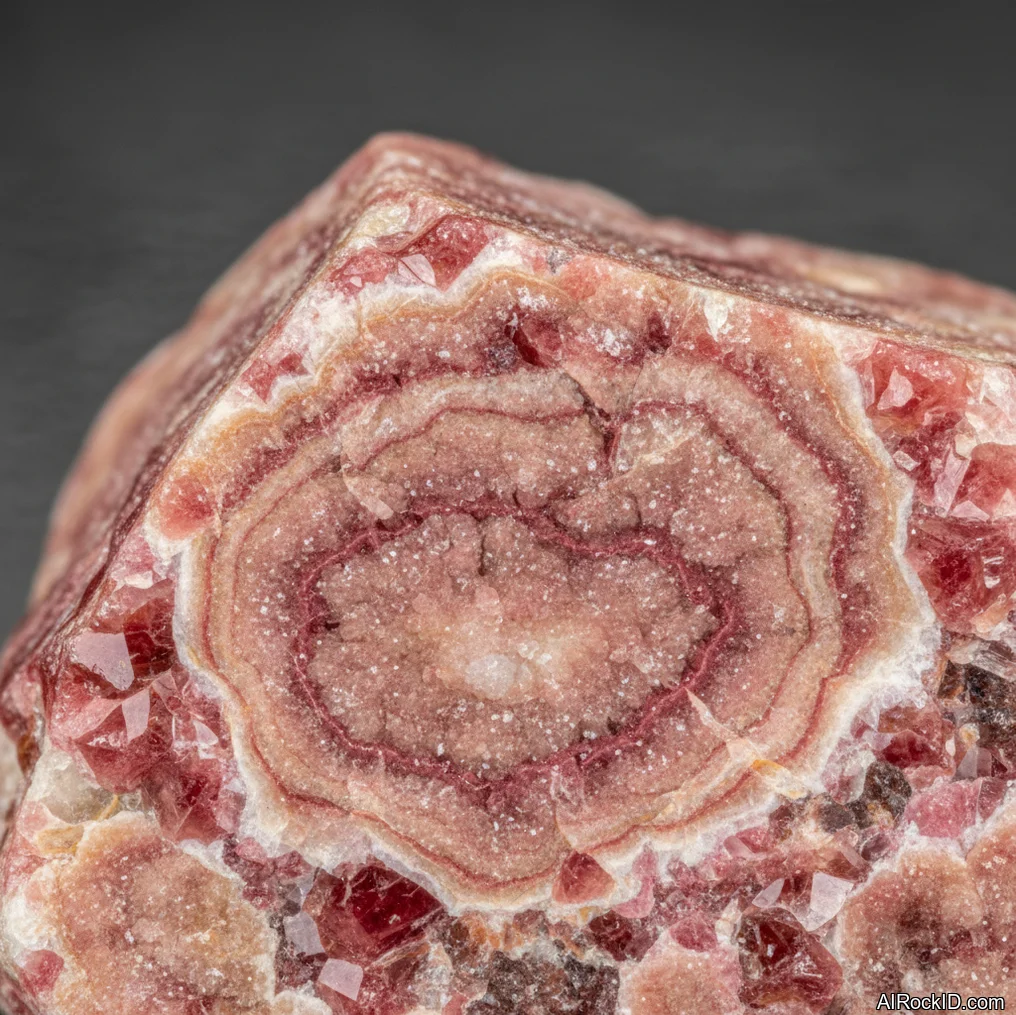
Rose quartz grabs all the attention for Love work, and for good reason. It’s common, affordable, and real pieces have a milky, almost glowing quality under indirect light. In larger raw chunks, you’ll see swirls and cloudiness deep inside. Scratch it with a steel blade and you’ll see white powder, not a shiny streak. But there’s more to the Love story than just rose quartz. Rhodonite has a totally different feel—heavier, with pronounced black veining that looks like ink running through pink clay. I’ve handled slabs where the pink feels warm and the black lines look like cracked riverbeds after rain. That’s the stone people reach for when working on repair—reconciliation, apologies, letting go of guilt. Then there’s kunzite, which comes as long, striated crystals in pale lilac to pink. The color can be streaky or uneven, and here’s the catch: it fades badly in sunlight. I lost a good kunzite piece to a windowsill once, and after a month, it looked totally washed out. Morganite, on the other hand, is pink beryl—glassy, clear, and sometimes with hints of orange. It feels harder and colder than rose quartz, with sharper breaks if you drop it.
Tips, Traps, and Real-World Uses for Love Crystals
At first glance, Love stones seem to cluster in the pink family, but there’s more variety than people think. Good morganite, for example, has a clean, crisp feel that’s nothing like the softer rose quartz. Fake love stones show up at flea markets all the time—a glass bead won’t stay cool, and dyed quartz will often leave a faint color on a damp cloth. Some sellers push heat-treated stones as 'rare pink topaz' or 'ruby quartz,' but the internal structure gives them away. If you buy online, always ask for close-up photos from multiple angles. People use Love crystals different ways: some keep them on a bedside table, some wear them as pendants, others just keep a rough chunk nearby when working through tough emotions. The biggest trap is thinking the stone will do the work for you. In practice, it’s about the ritual, whether that’s meditating with a palm stone or just squeezing it in your fist when you can’t sleep.
Best Love Crystals to Start With
| Level | Crystal | Note |
| Gentle / Beginner | Tumbled Rose Quartz | It's easy to find, usually smooth and palm-sized, and feels cool and comfortable—good for anyone starting out. |
| Balanced / Everyday | Rhodonite | It has weight, visible black veins, and works well for daily self-work or reminders about boundaries and forgiveness. |
| Intense / Advanced | Kunzite | Striated, often fragile, and sensitive to sunlight—needs more careful handling but prized for deeper heart work. |
| Best for Carrying | Morganite | Harder than rose quartz, less likely to scratch in a pocket, and small crystals are tough and portable. |
| Best for Display | Raw Rose Quartz Chunk | Thick, translucent material glows under soft light and makes a strong visual statement on a shelf. |
Love Crystal Comparison
| Crystal | Common Use | Feel / Use Style | Care Caution |
| Rose Quartz | Self-love, gentle emotional healing | Milky, cool, sometimes slightly greasy polished surface | Can fade slightly in strong light; surface scratches easily |
| Rhodonite | Reconciliation, forgiveness, boundary-setting | Heavier, with black veining and solid pink | Can break along veining if dropped |
| Kunzite | Deep emotional release, grief support | Striated, glassy, fragile; cool to touch | Fades in sunlight; brittle and easy to chip |
| Morganite | Attracting new love, heart openness | Glassy, hard, sometimes with orange-pink flashes | Rare in large pieces; can have natural inclusions |
How to Identify Love Crystals with AI Rock ID
To identify Love crystals with the AI Rock ID app, take clear photos in natural light showing the whole stone and a close-up of its surface texture. Upload both images for best results, and double-check the results by comparing hardness, luster, and any visible streaks with the app's database. The app can help spot key features like rhodonite's black veins or kunzite’s striations, but always check for physical details that are hard to fake, like weight and coolness. Good photos and a bit of hands-on testing make the ID much more reliable.
All Love Crystals (58)