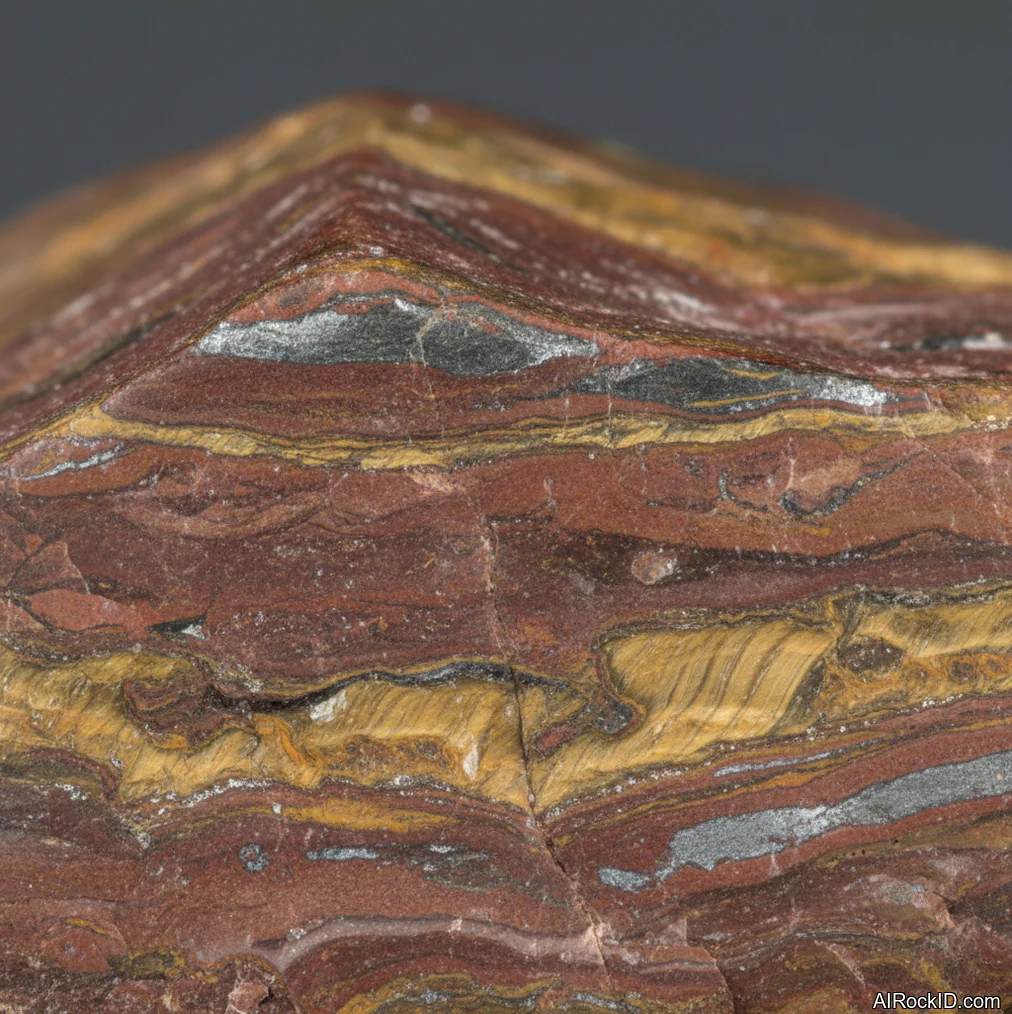
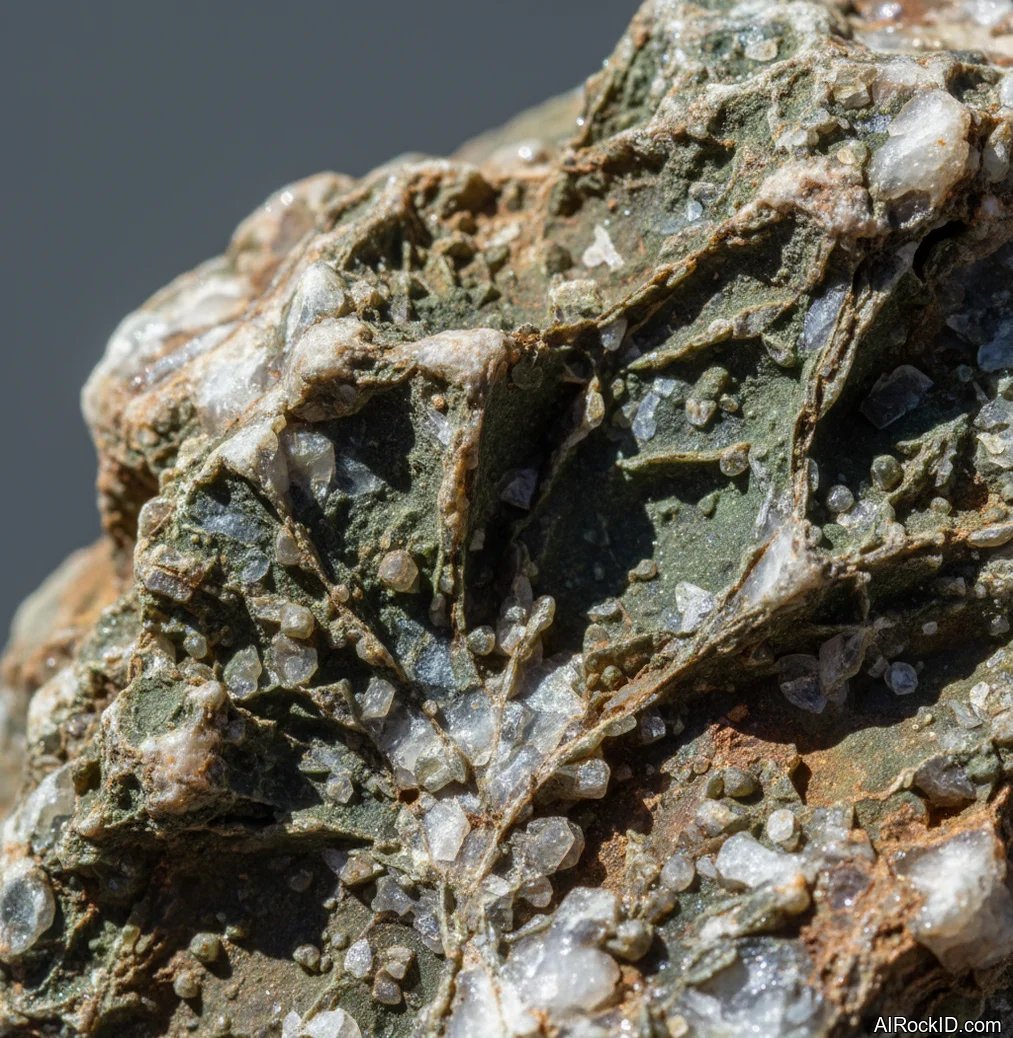
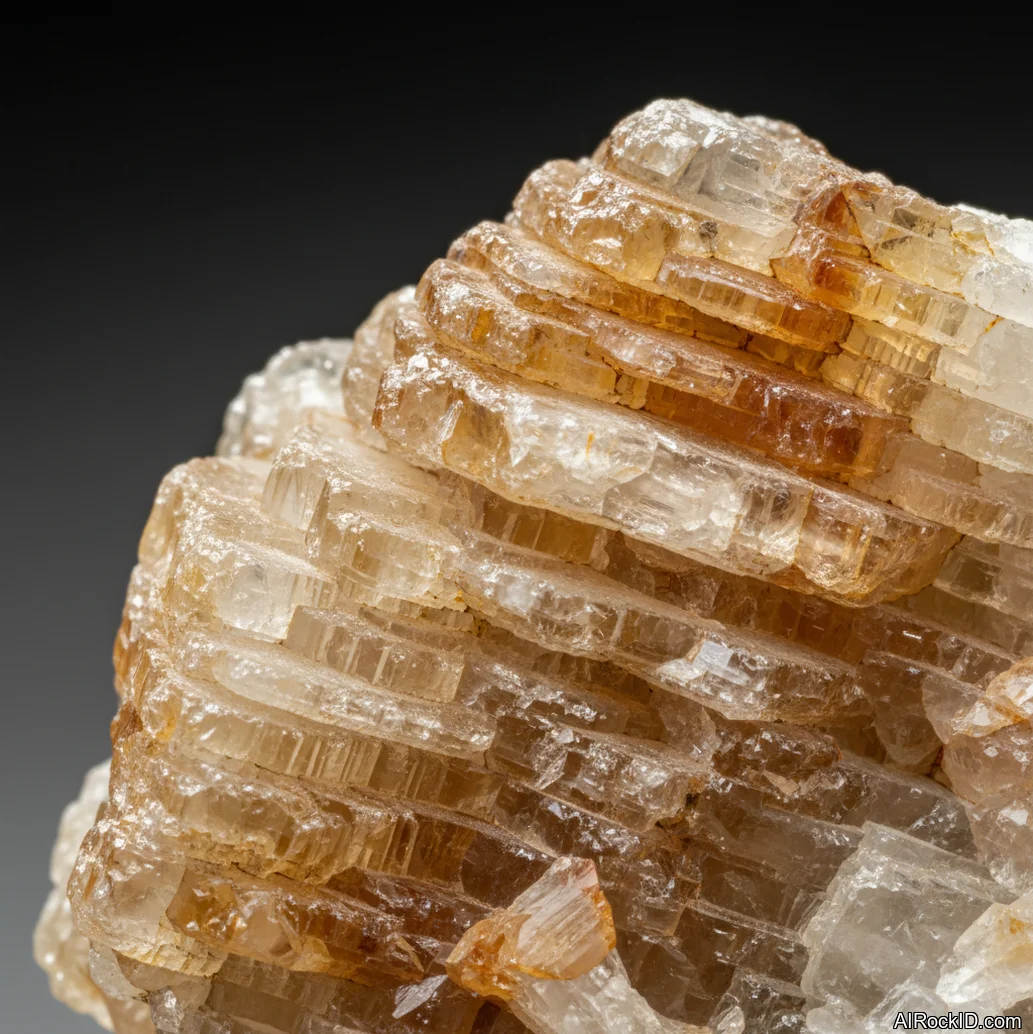
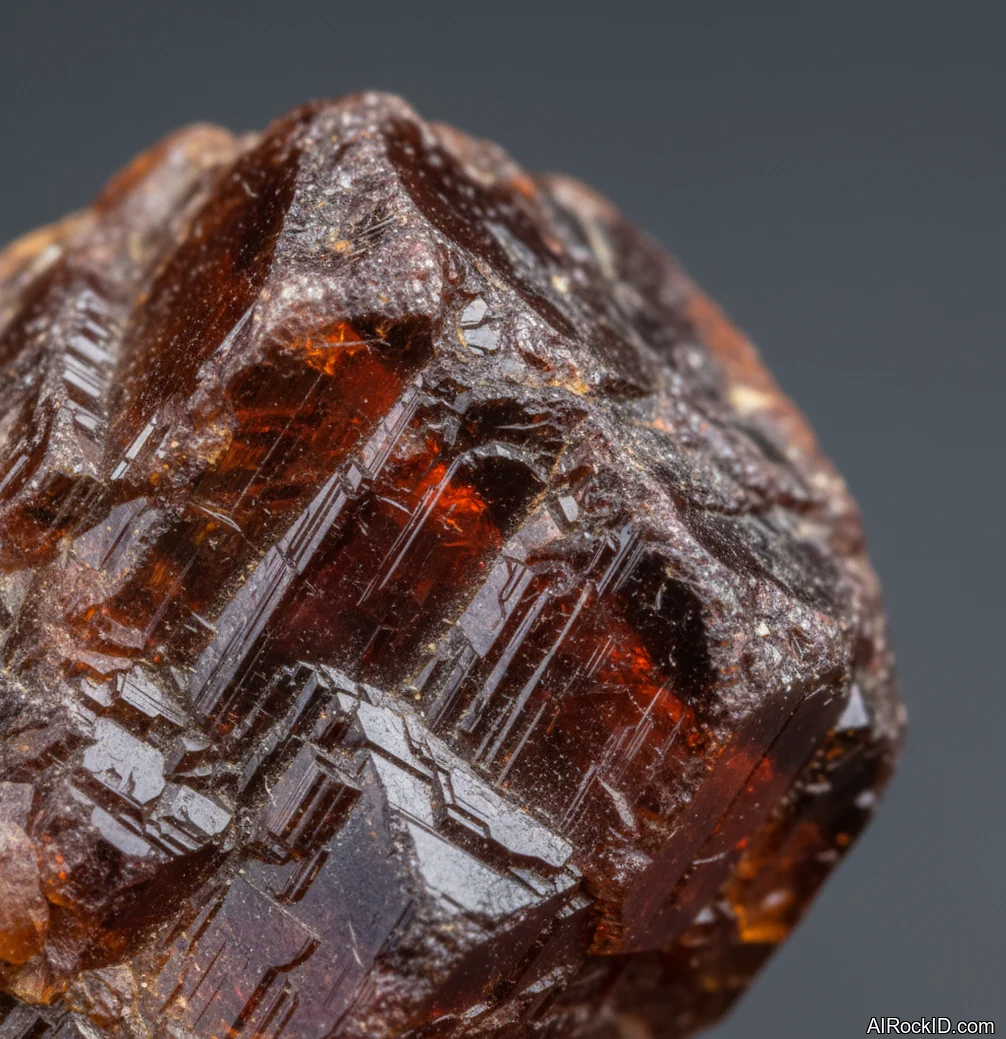
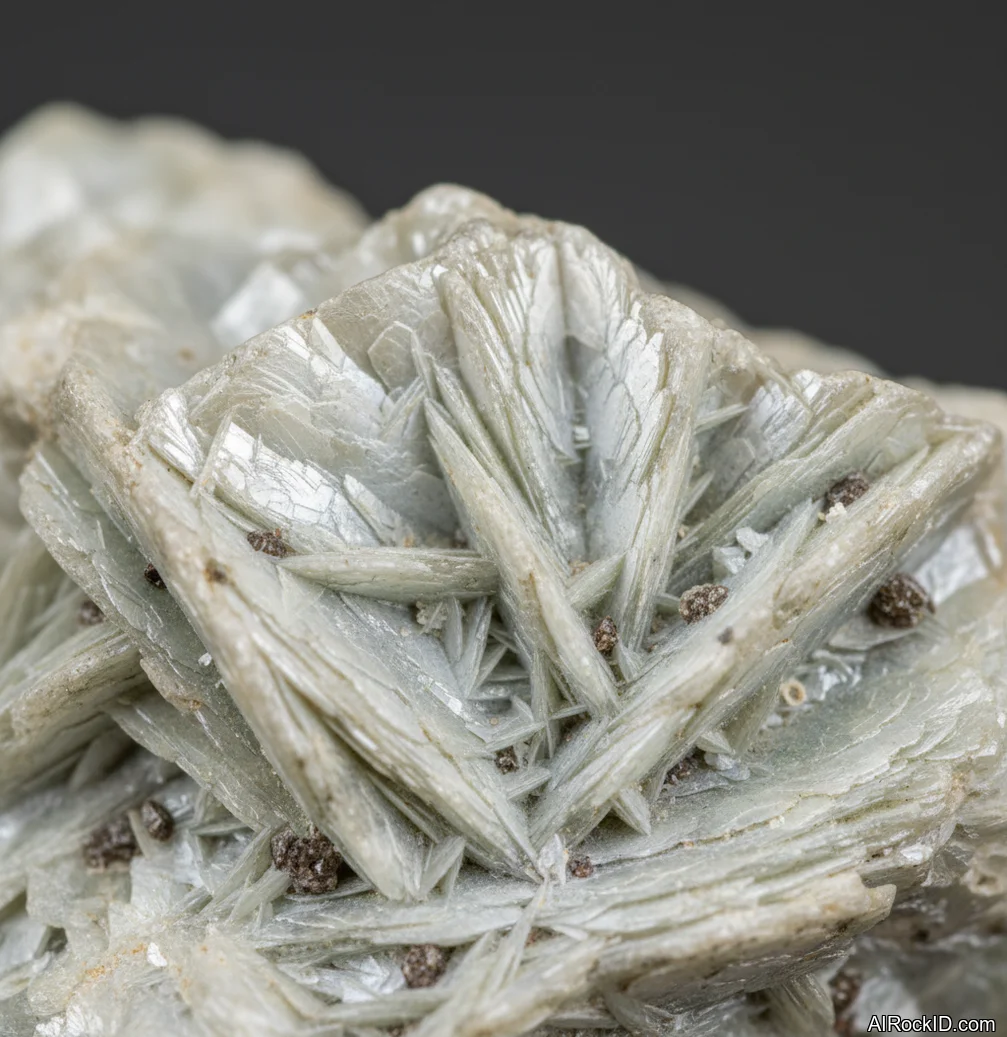
Meditation Crystals
Quick answer: Meditation crystals are stones selected for use as tactile focal points, symbolic objects, or ritual tools during meditation. Their meanings come from cultural, spiritual, and modern metaphysical traditions rather than verified medical effects.
Learn how Meditation crystals are used for focus, calm, and ritual. Explore meanings, buying tips, and top crystals for Meditation practice.


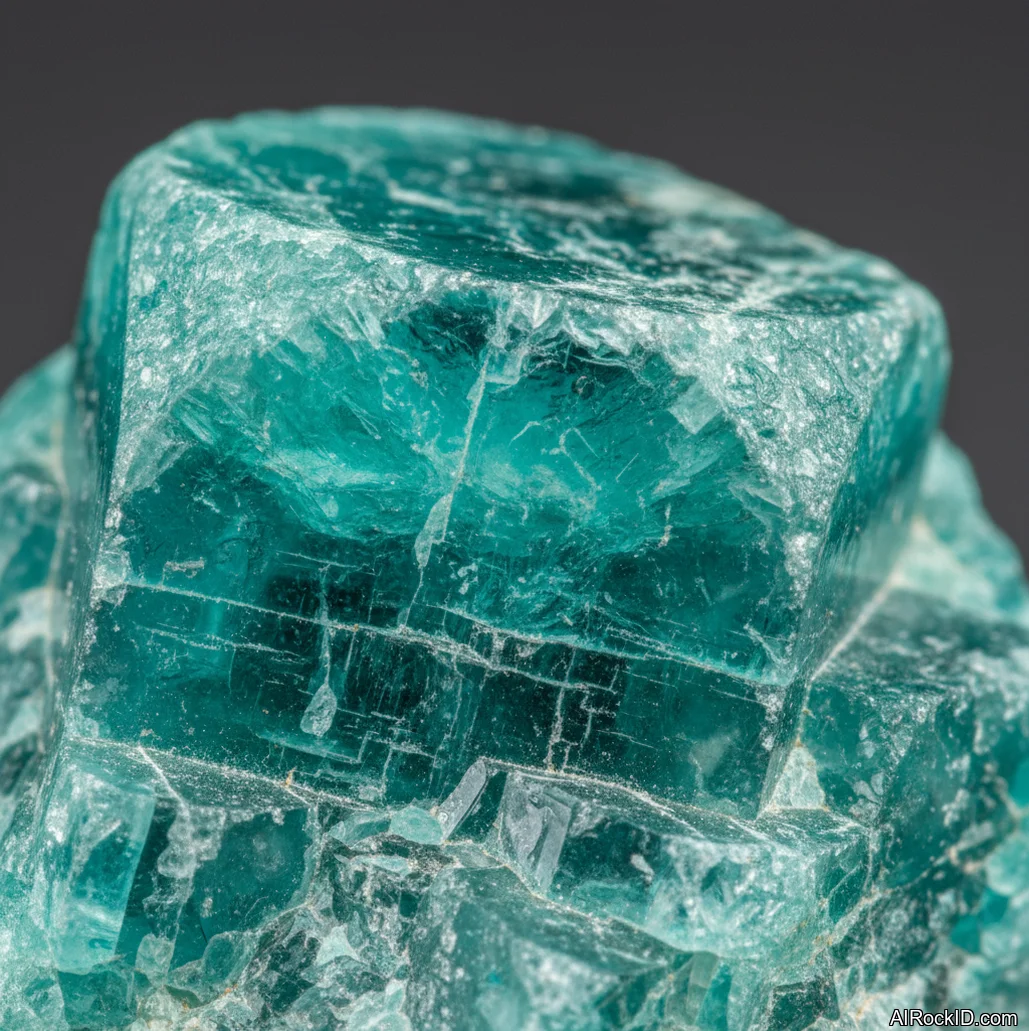
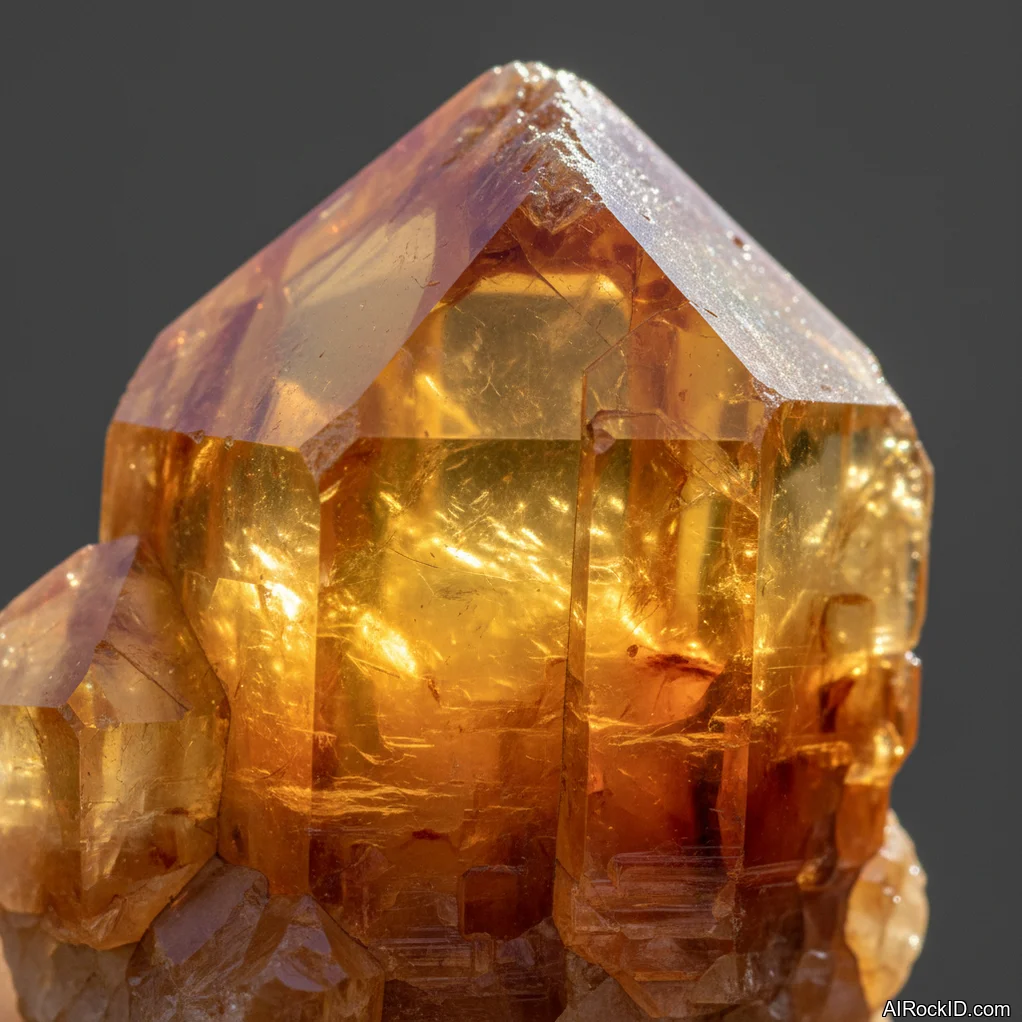
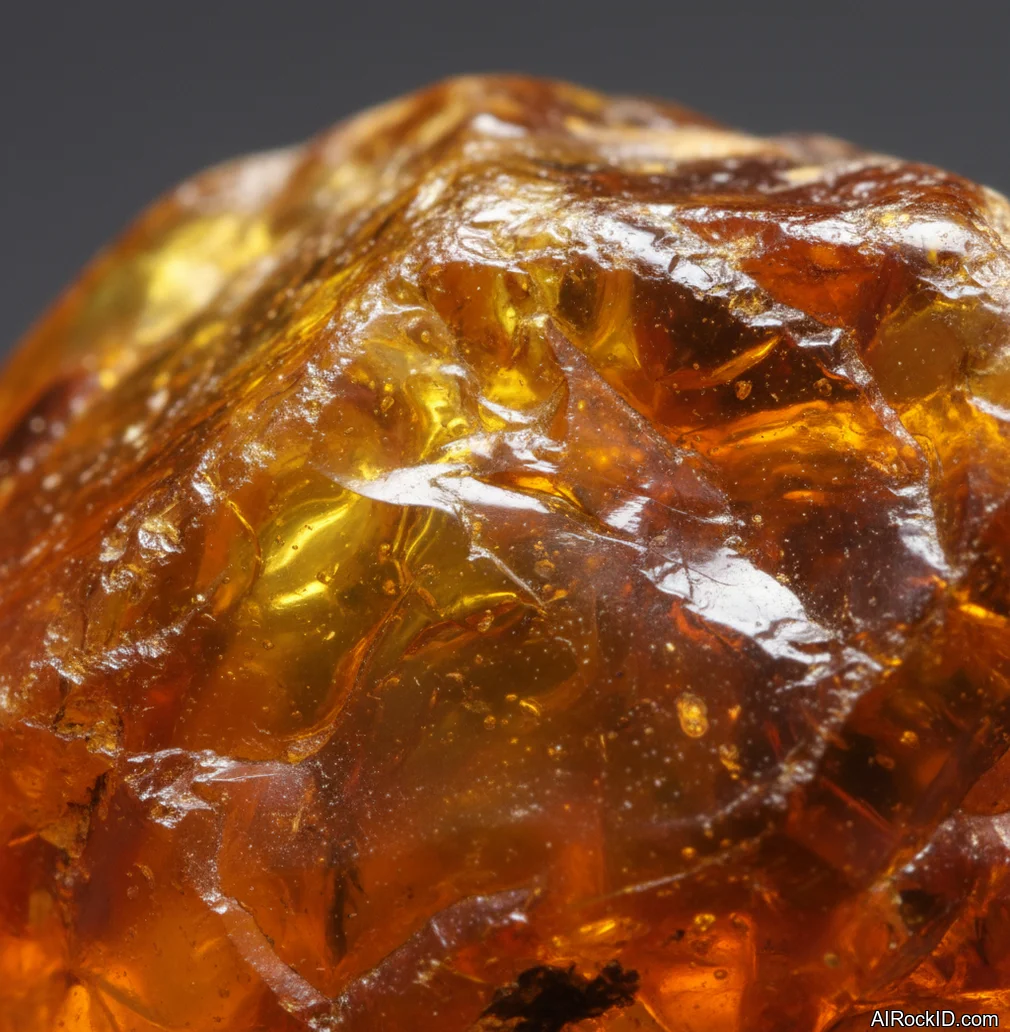
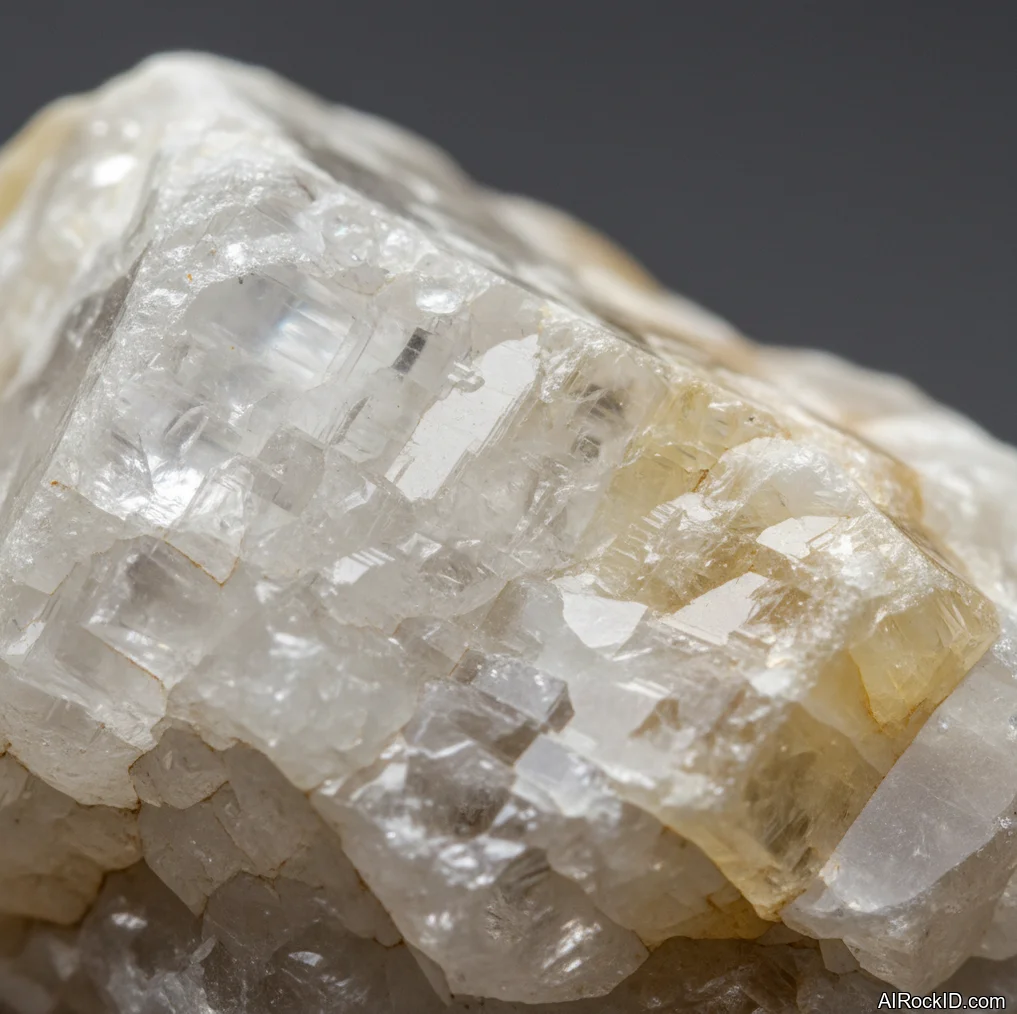
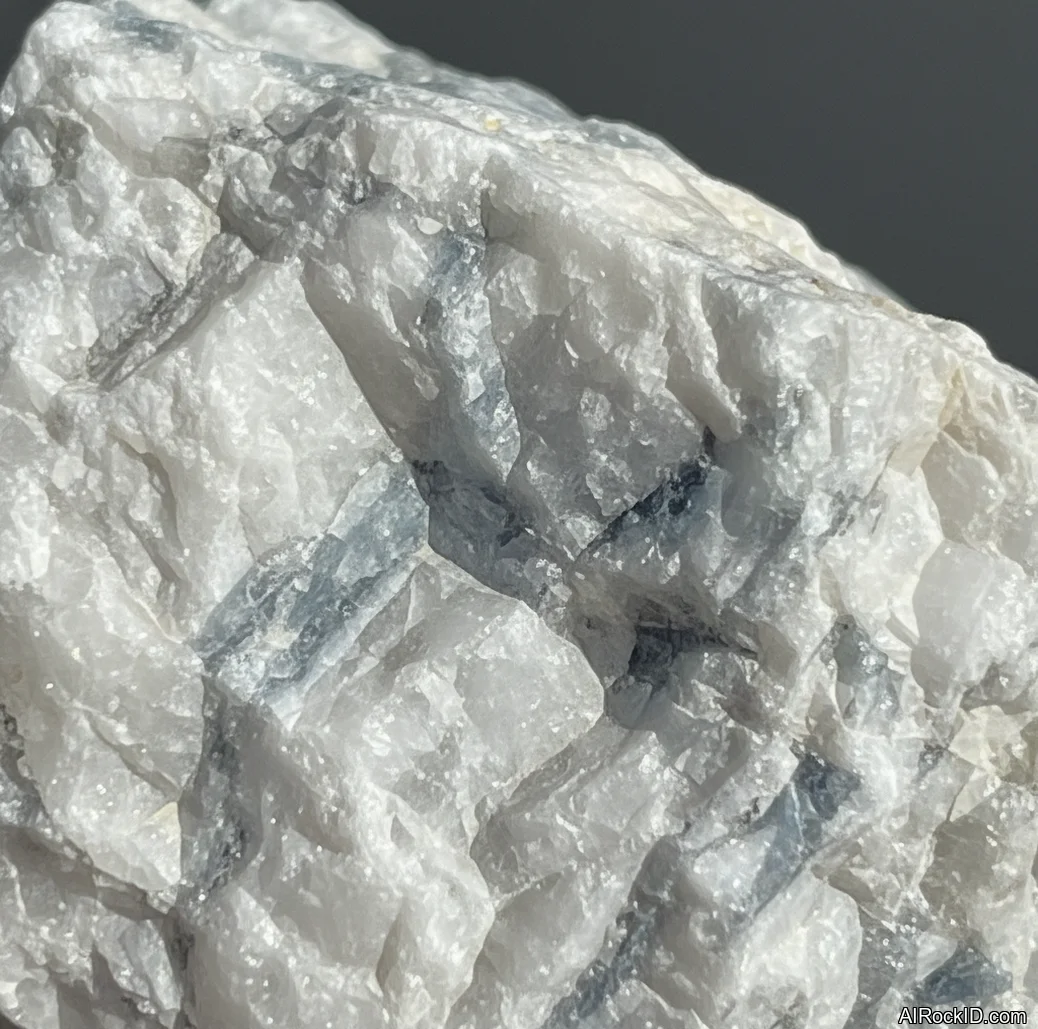
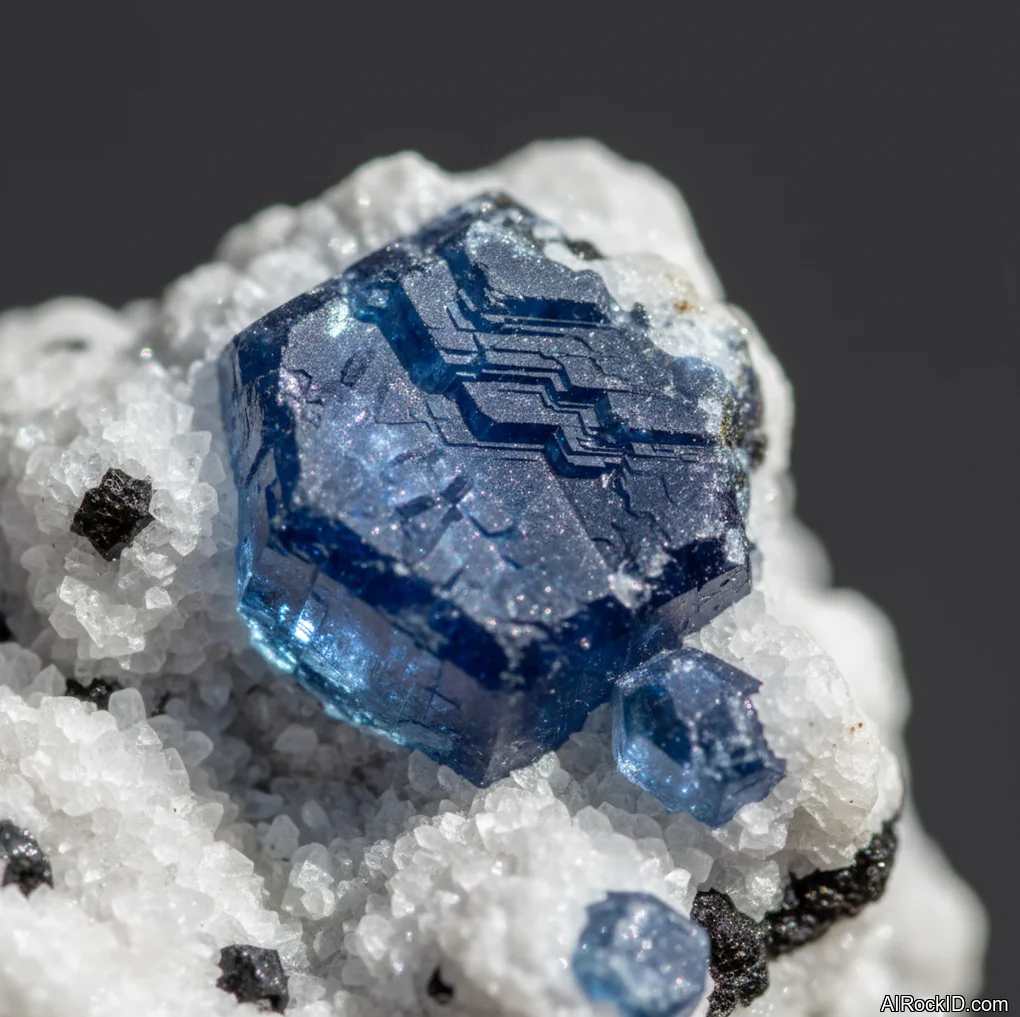
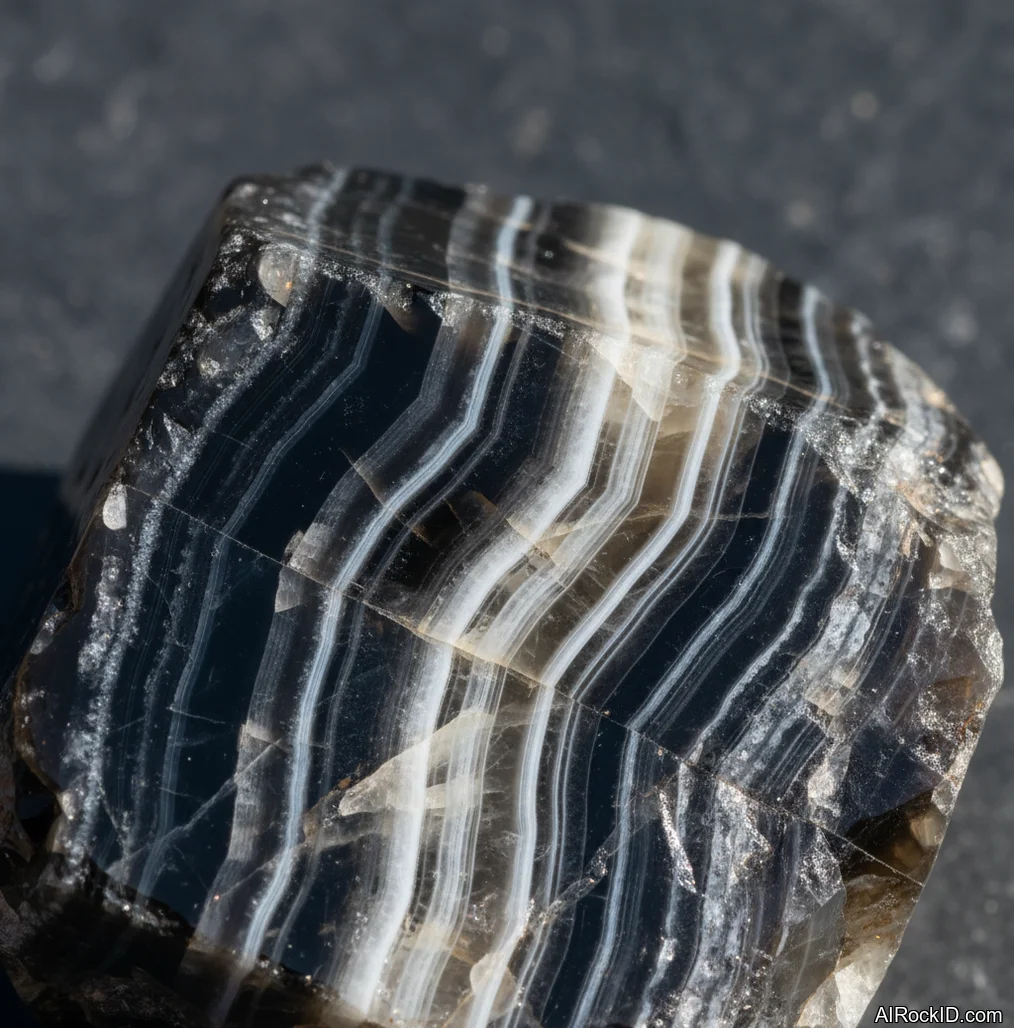
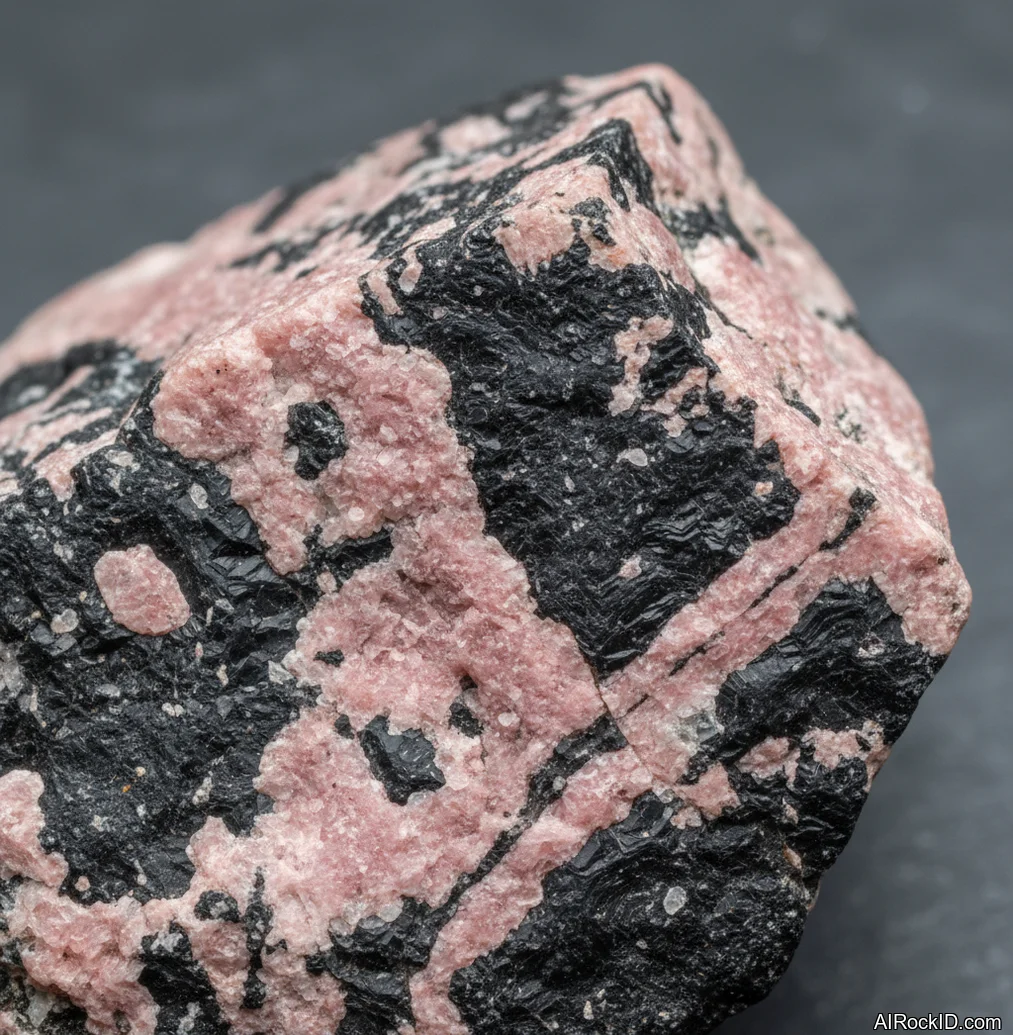
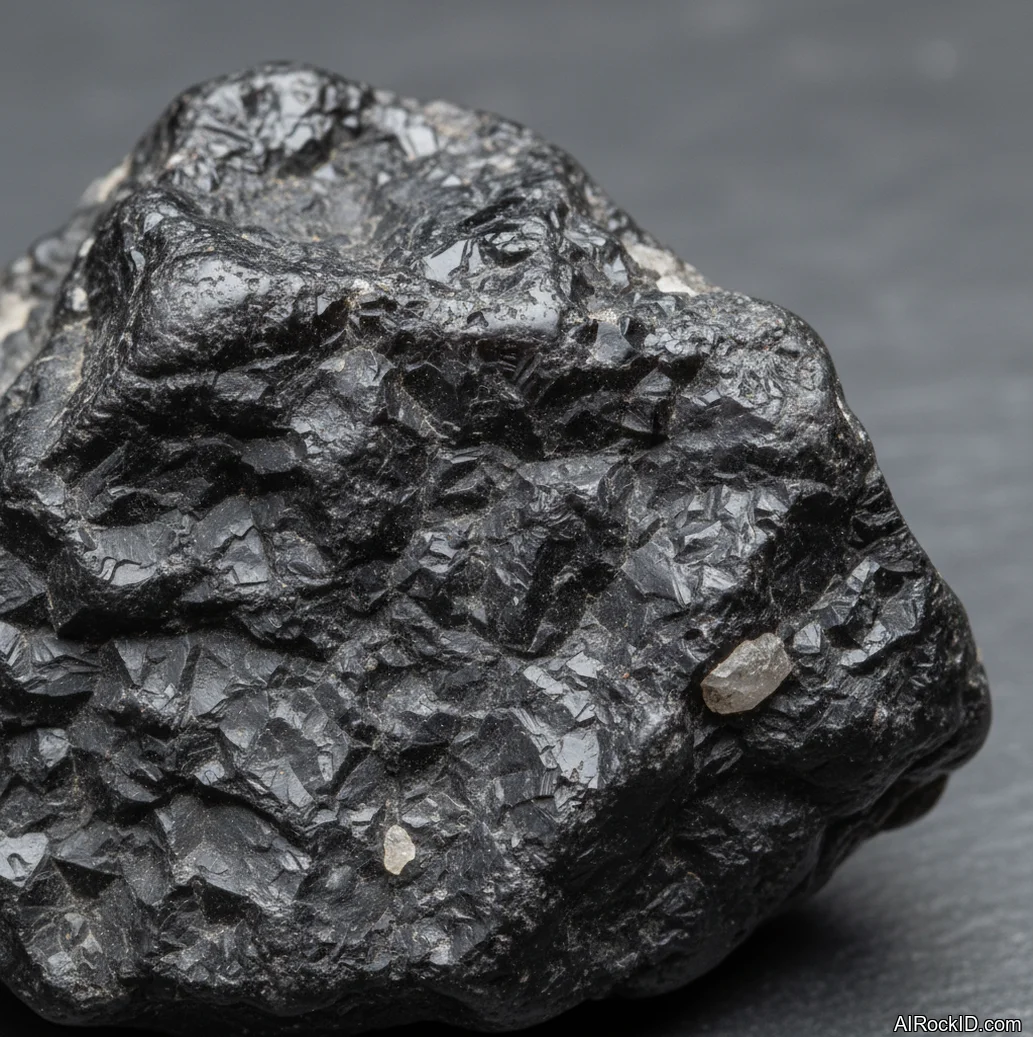
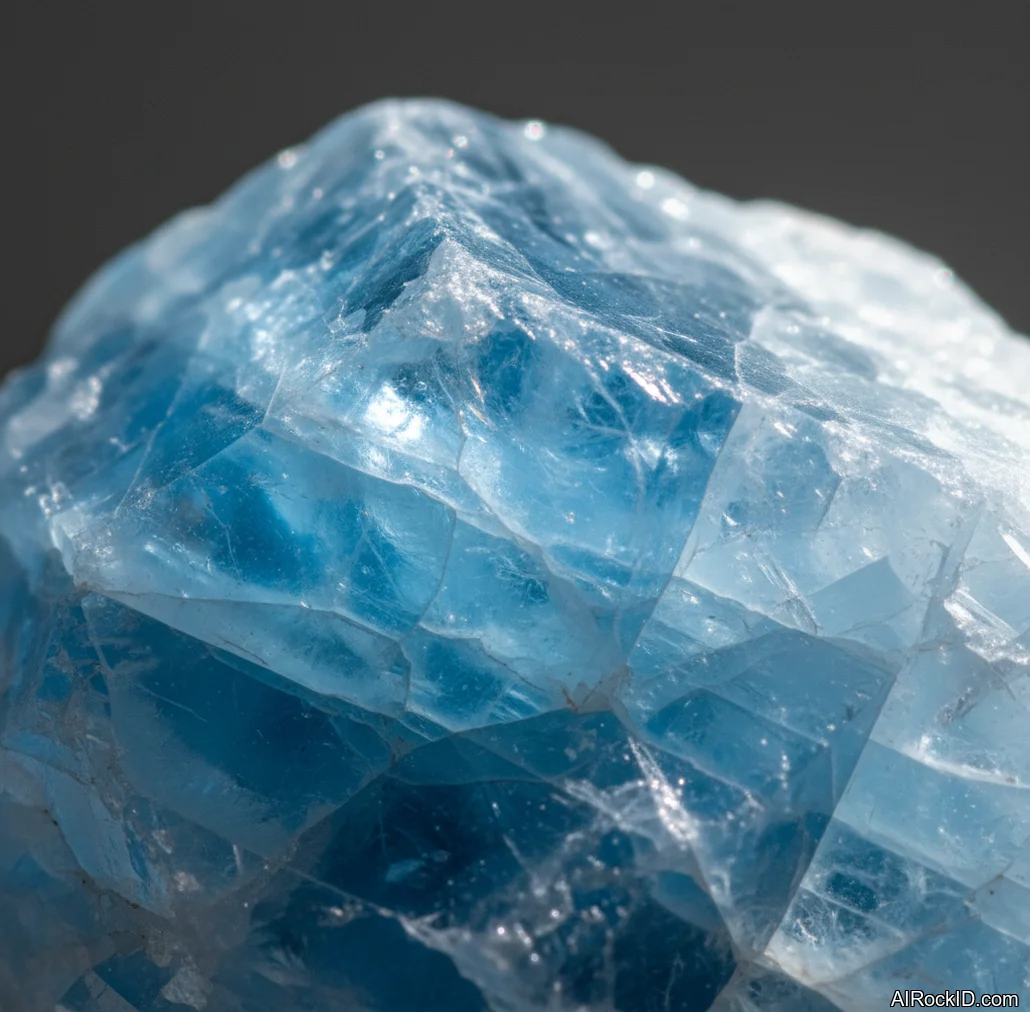
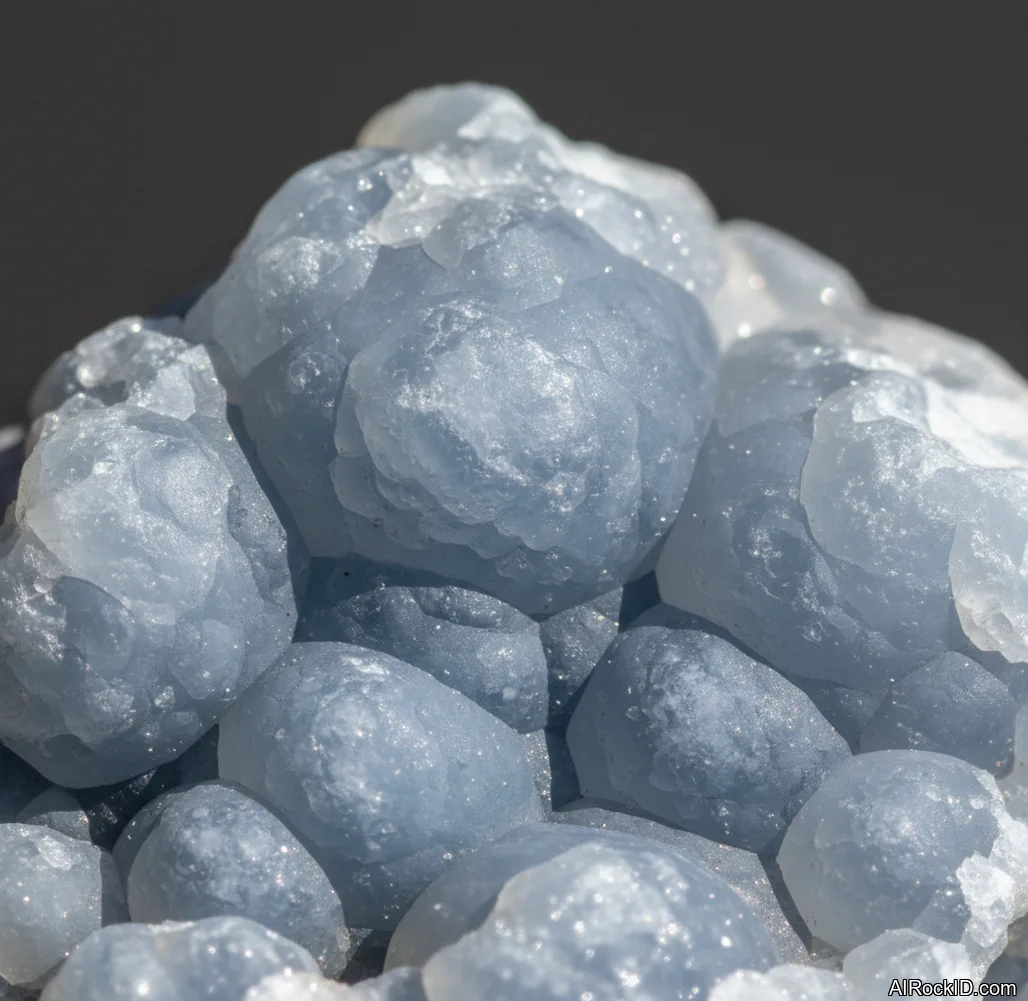
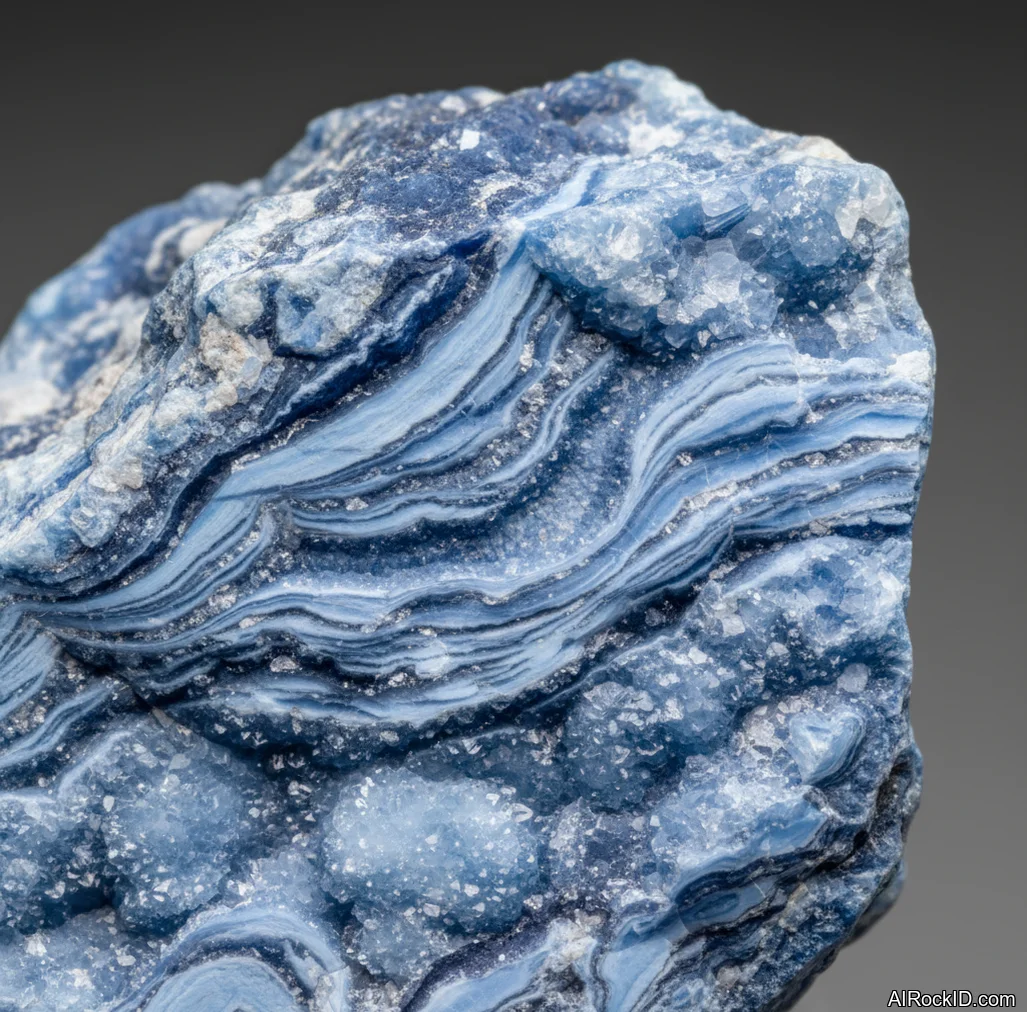
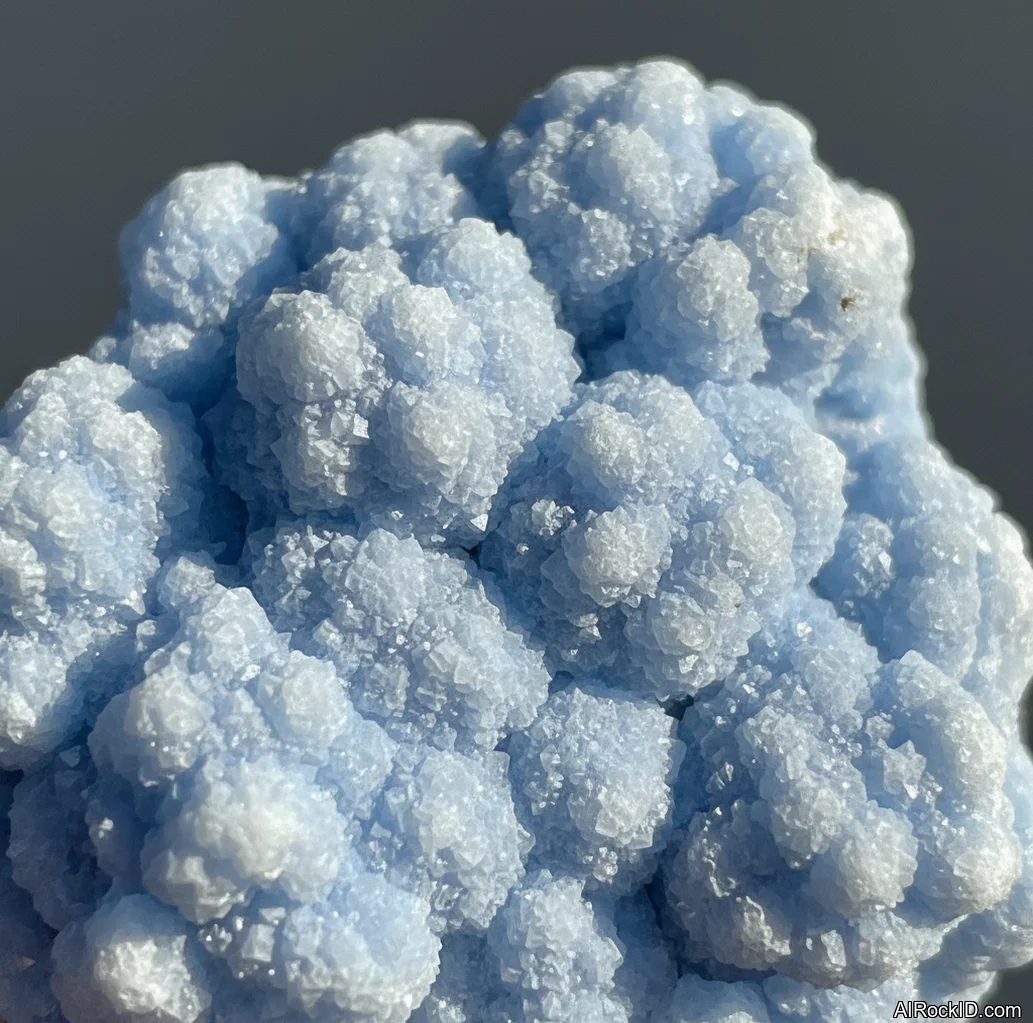
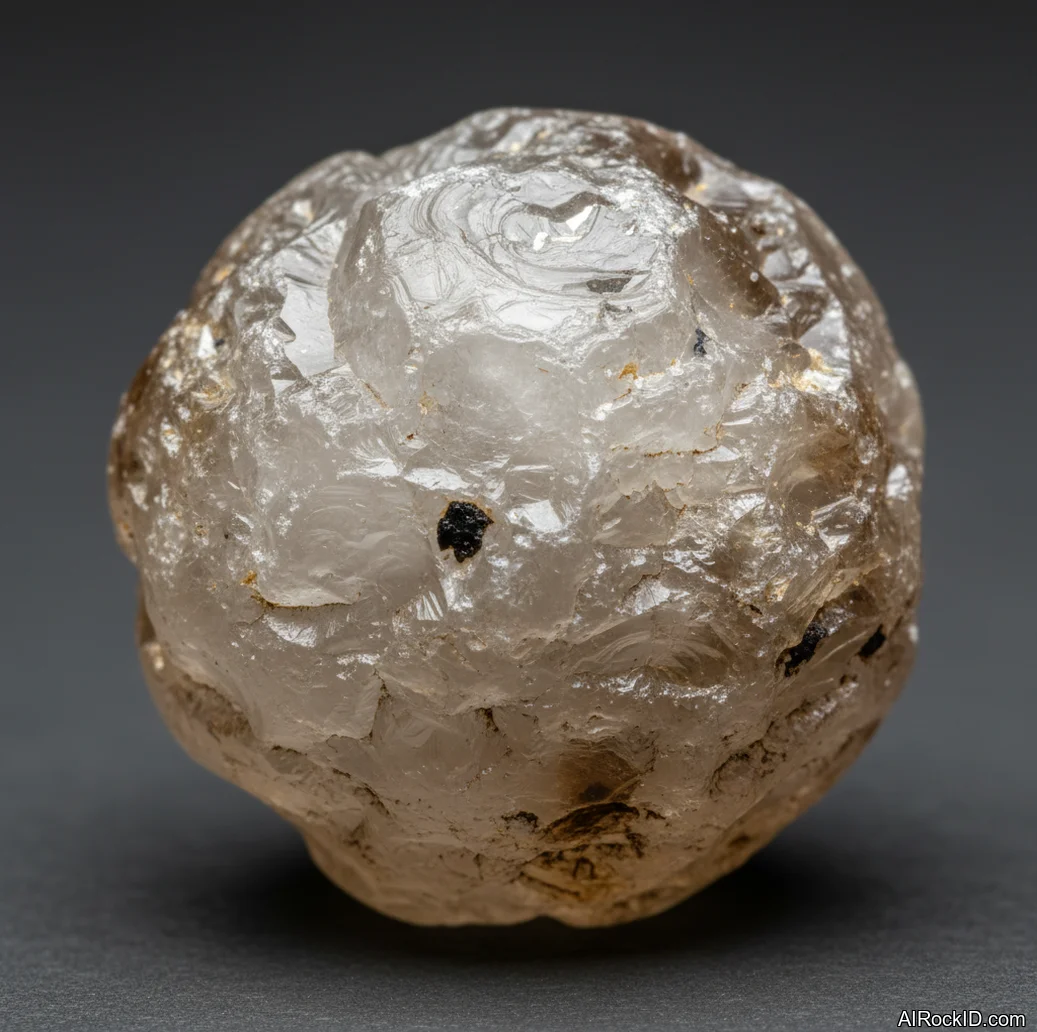
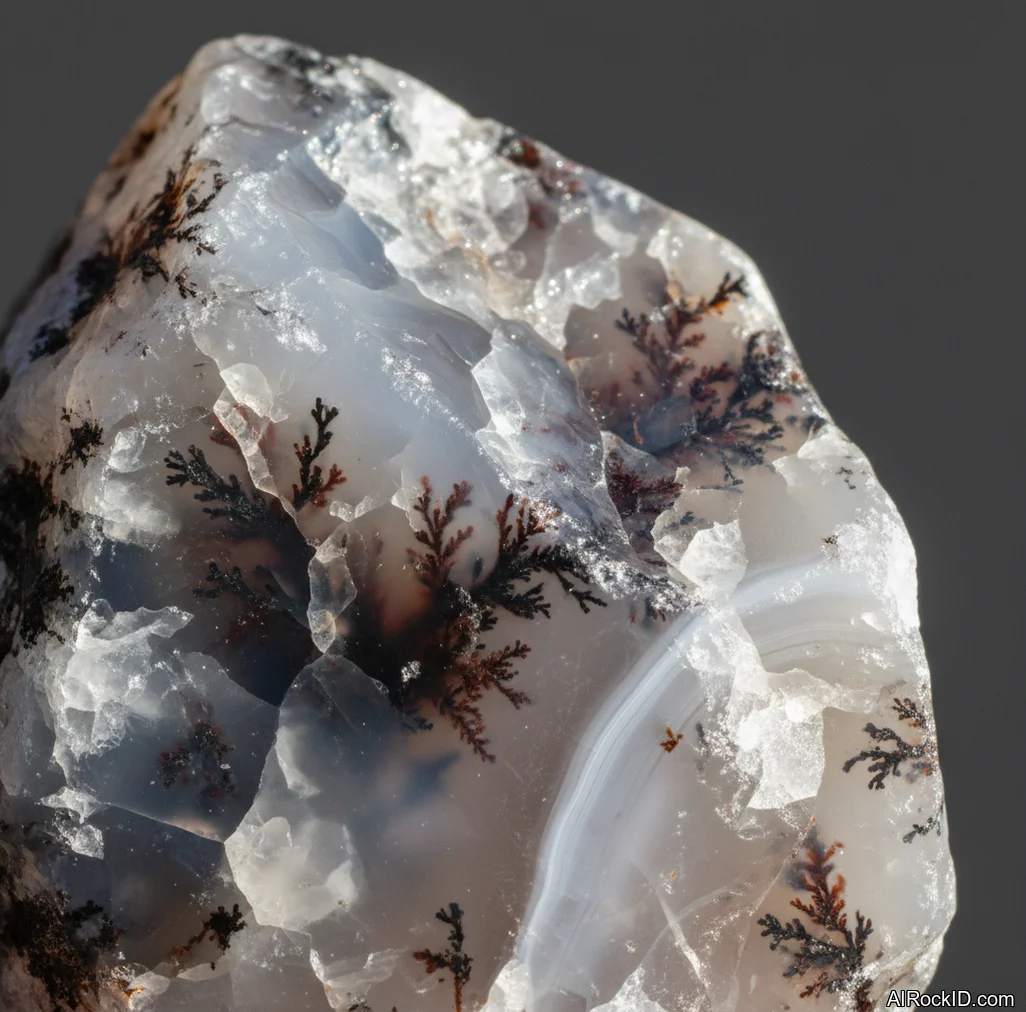
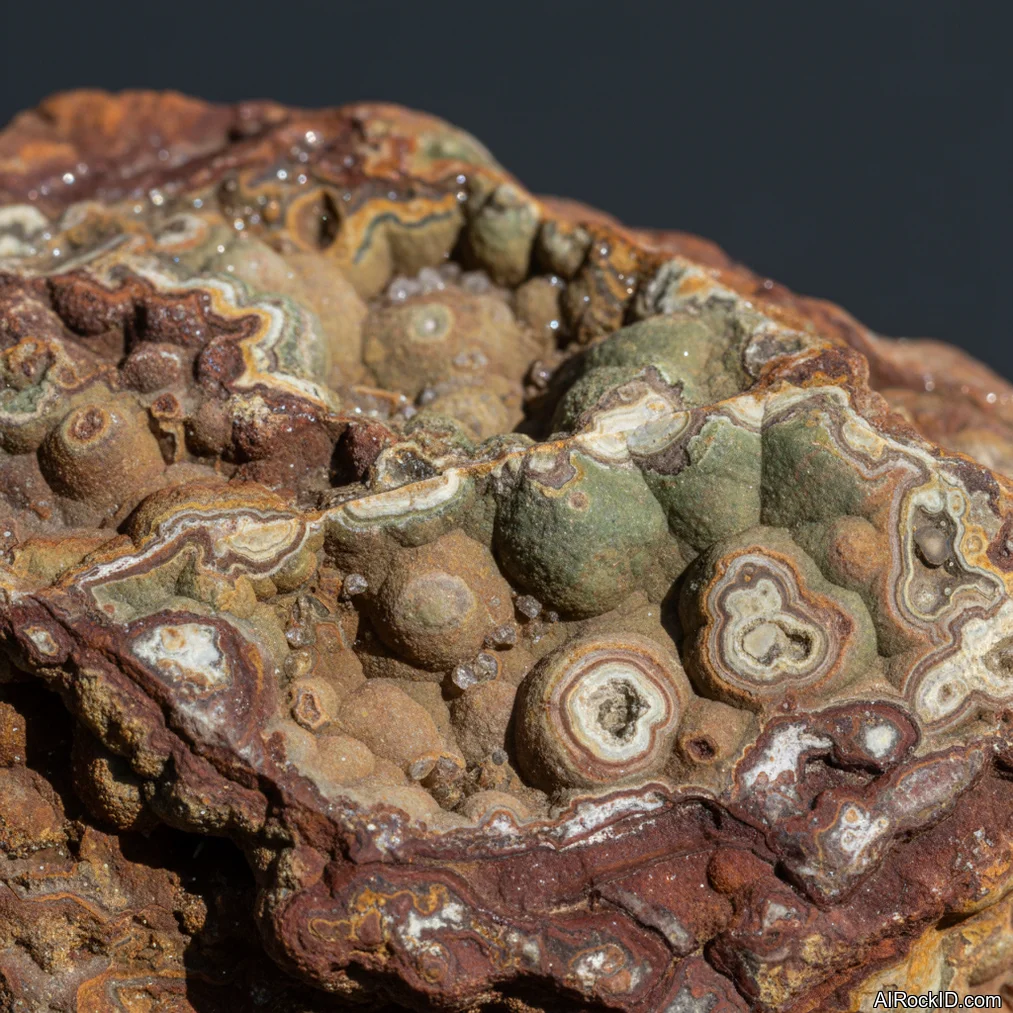
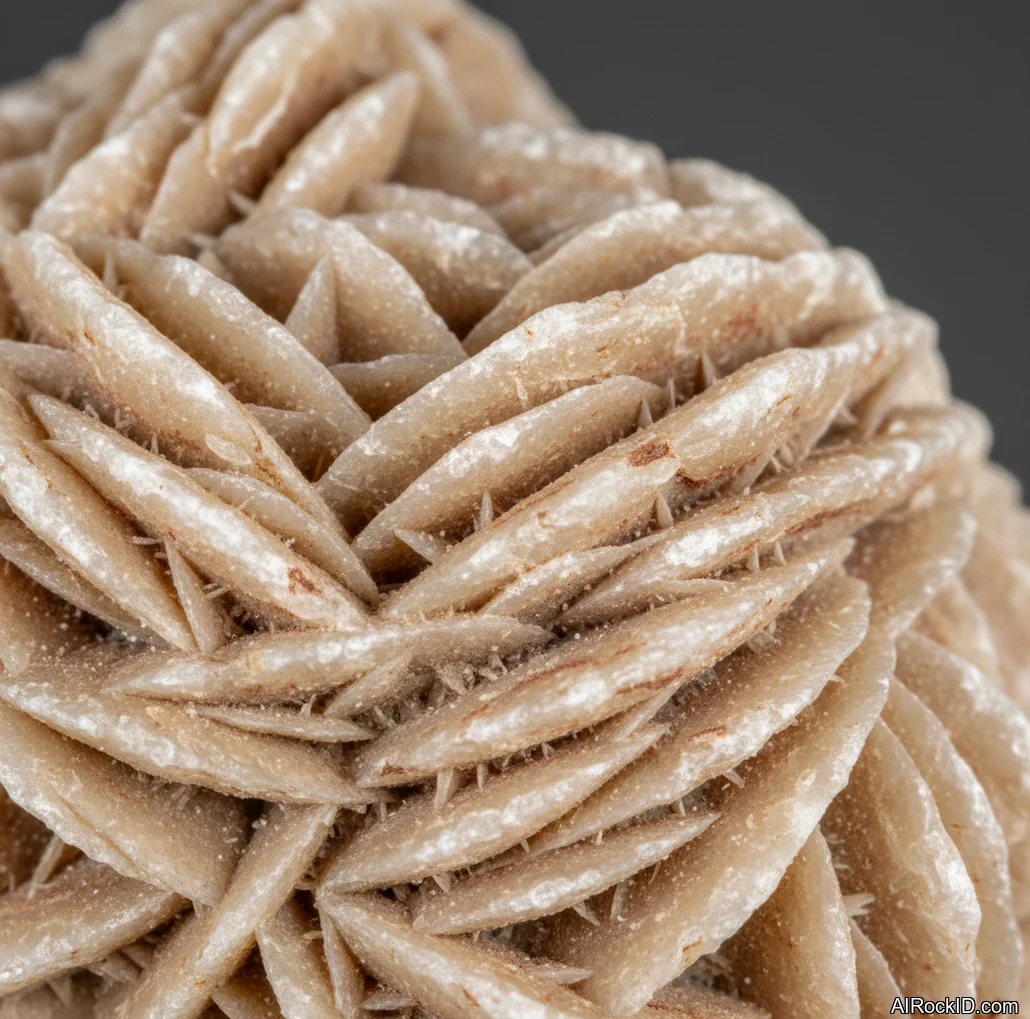
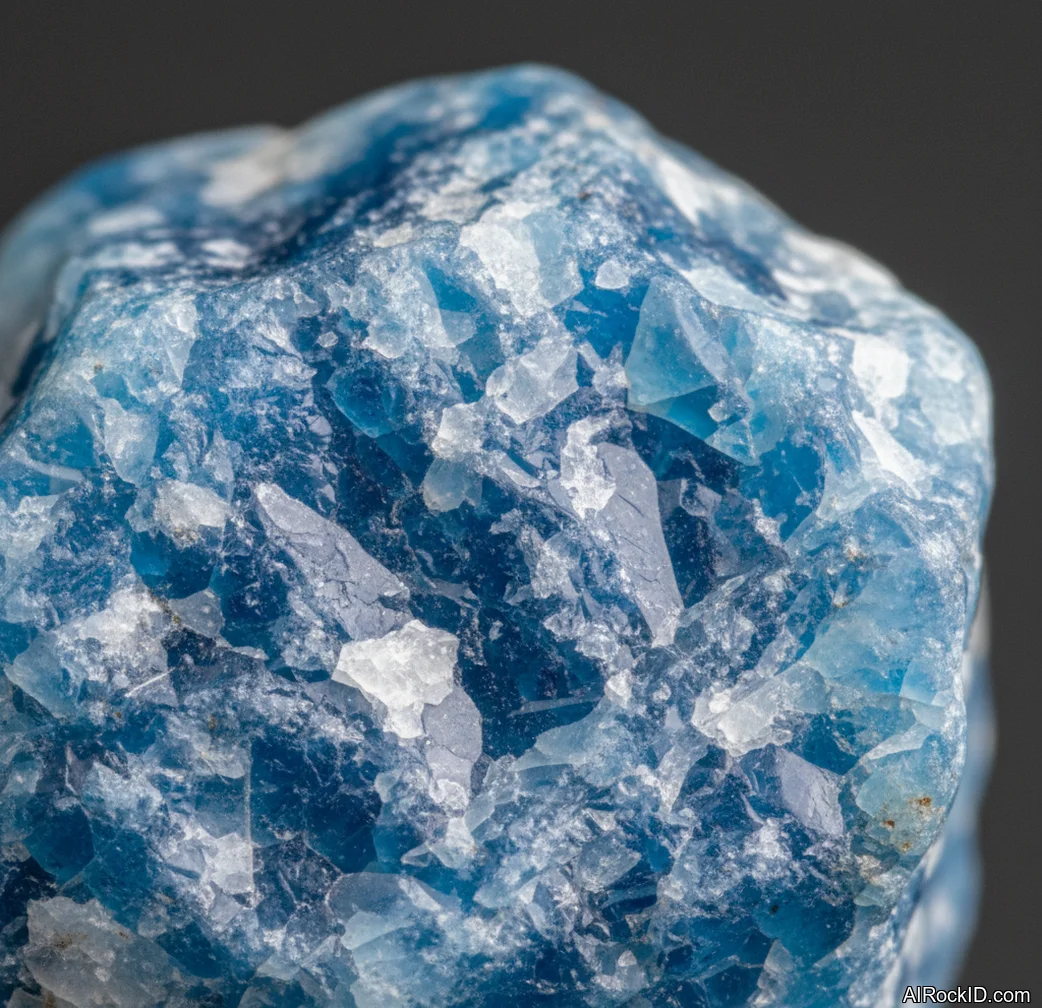
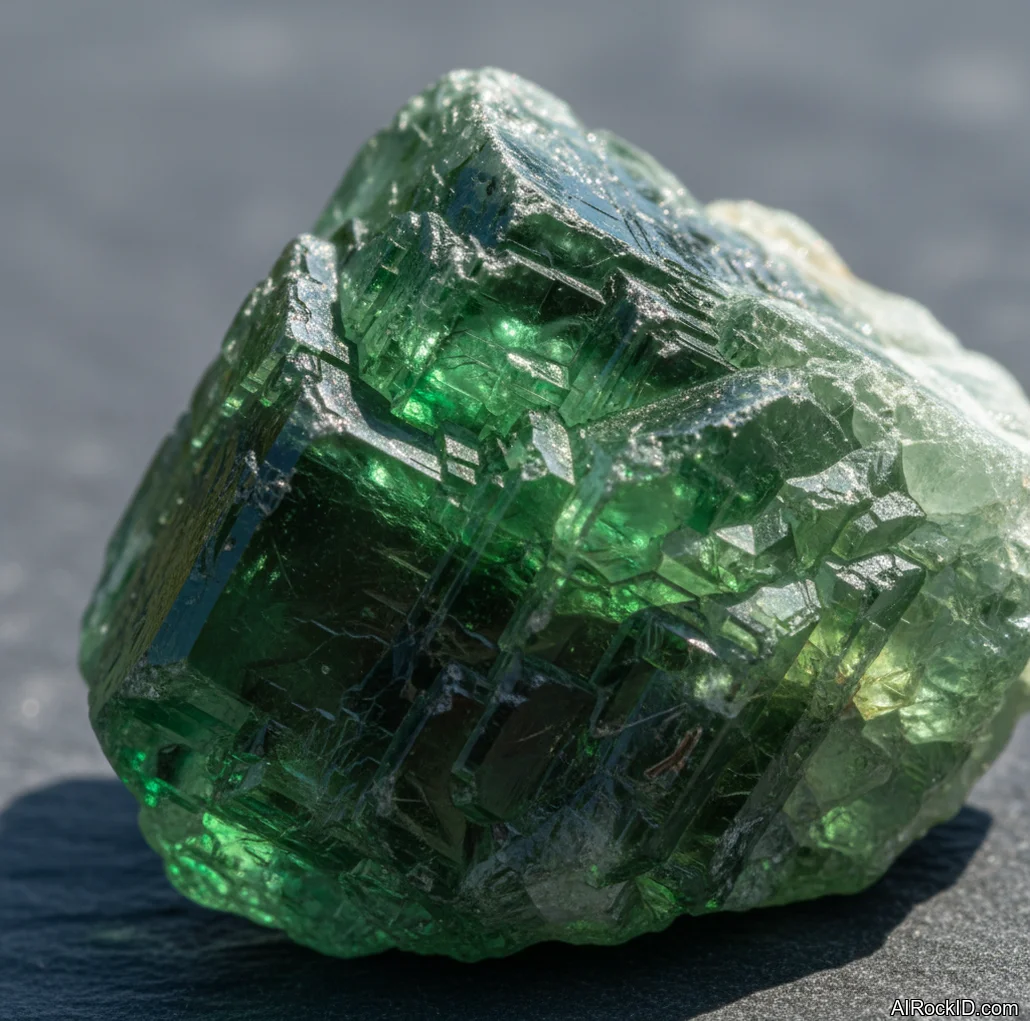
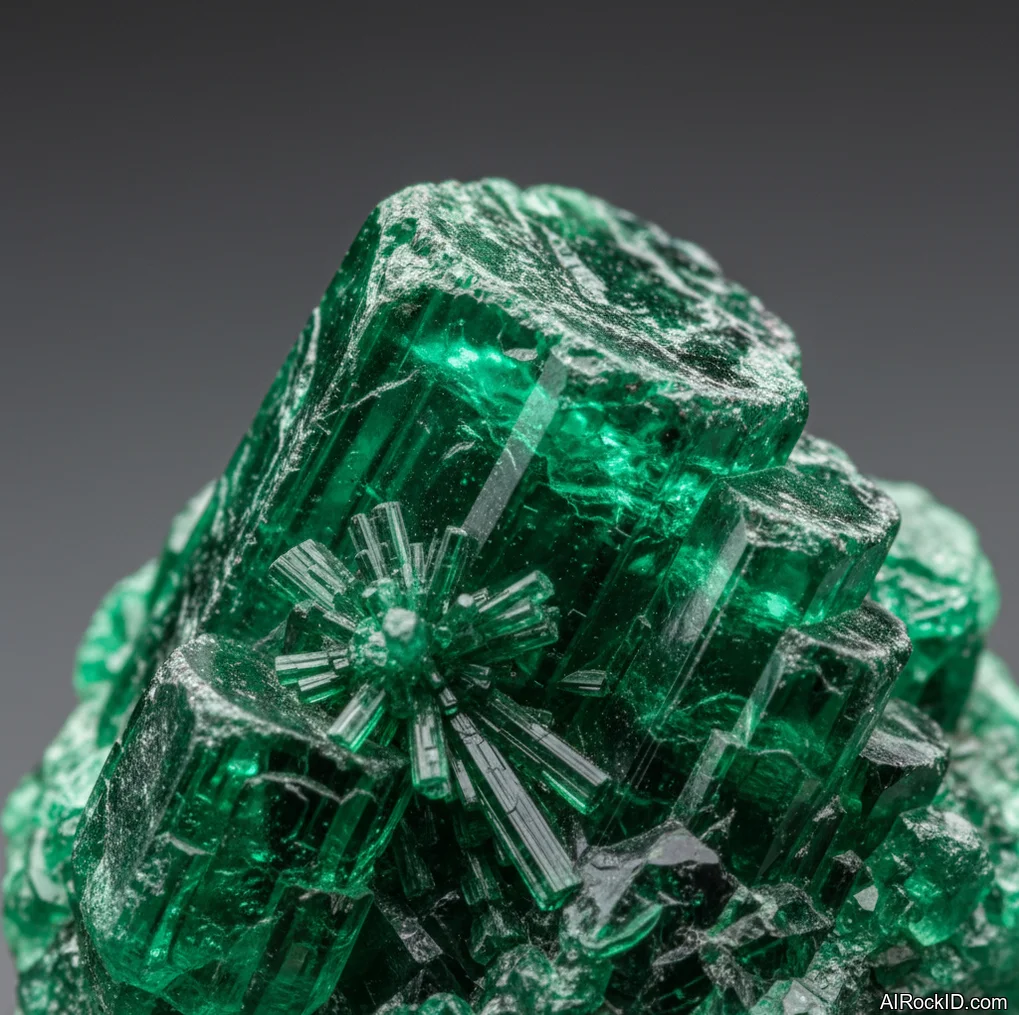
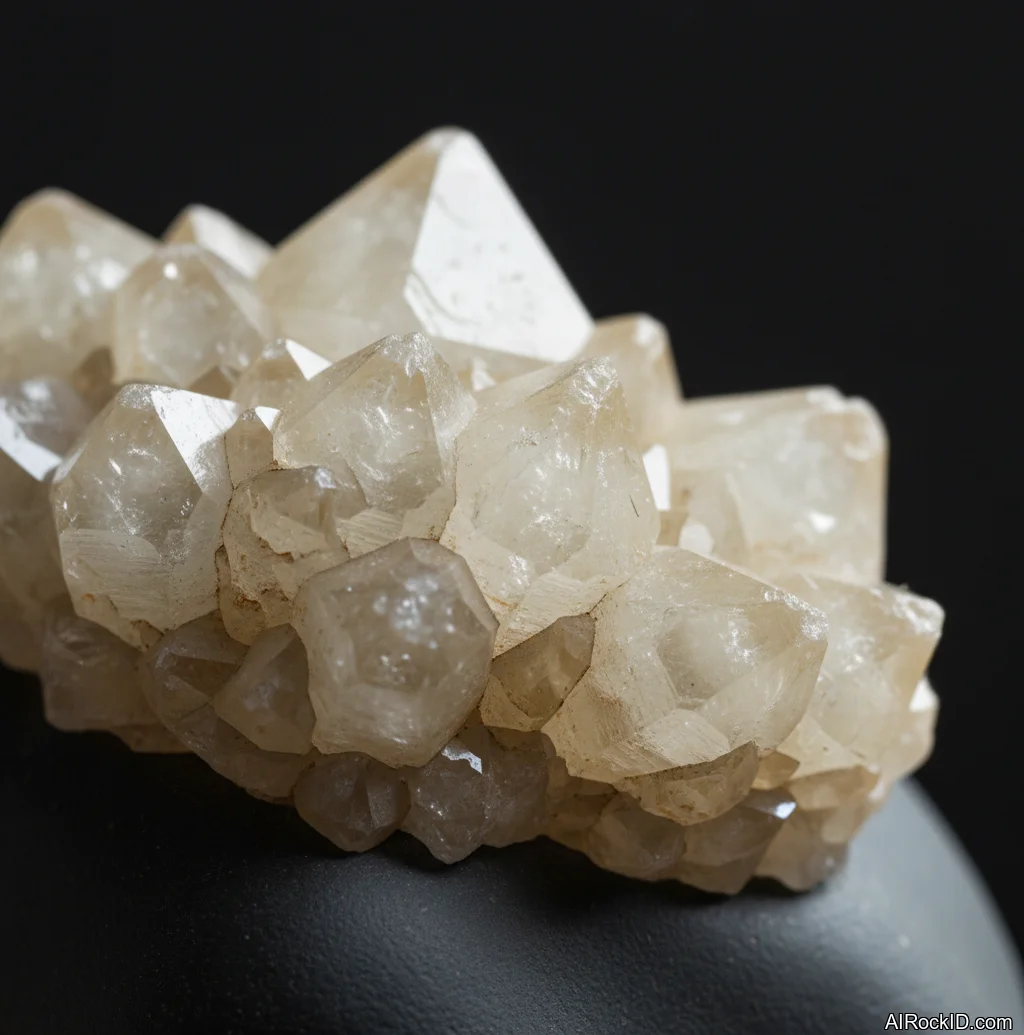
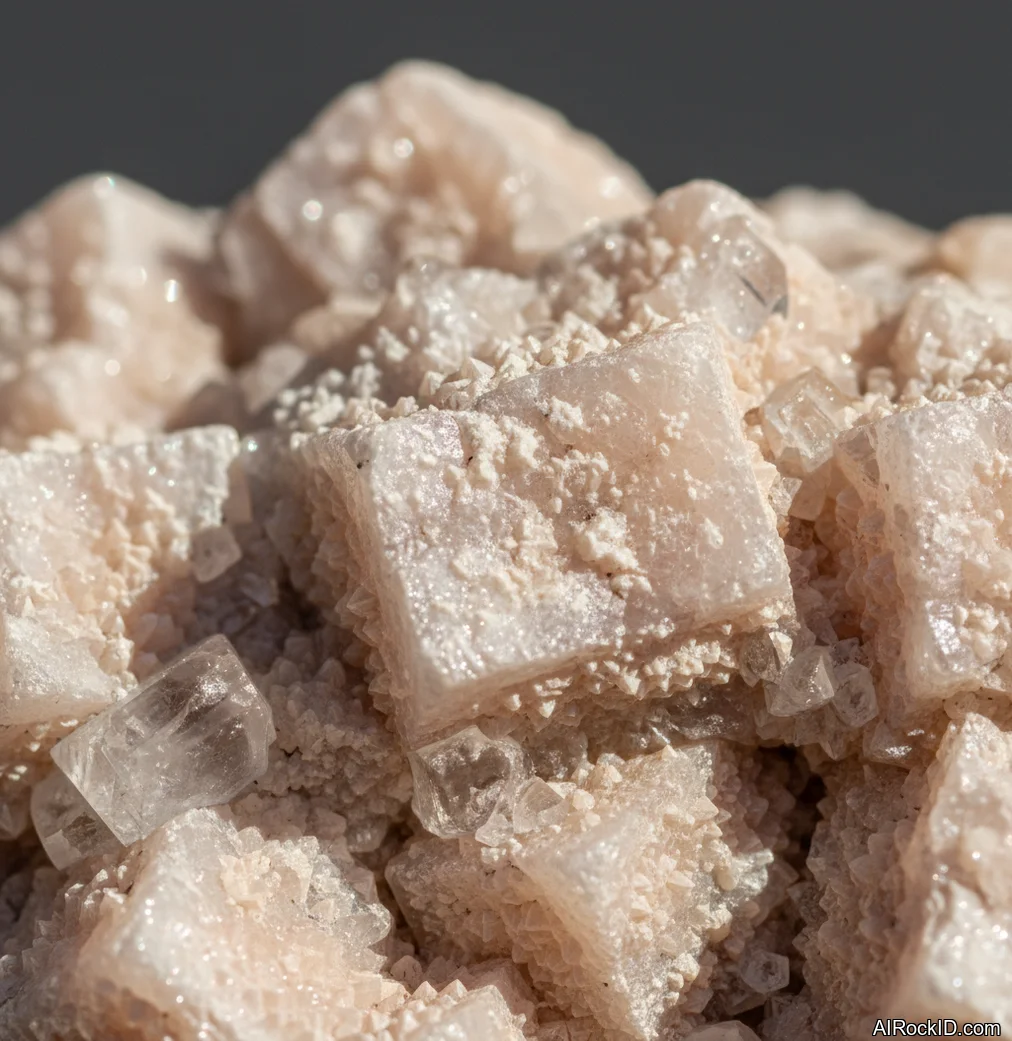
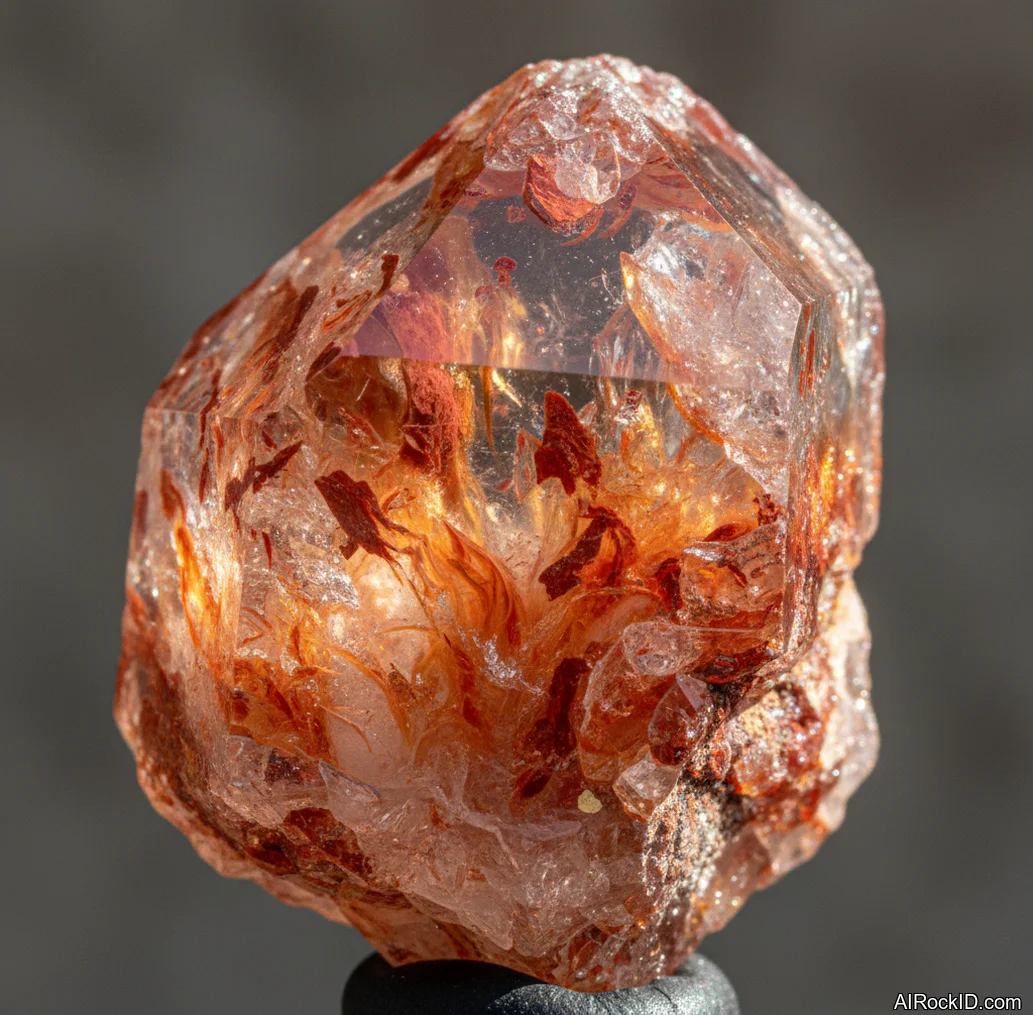
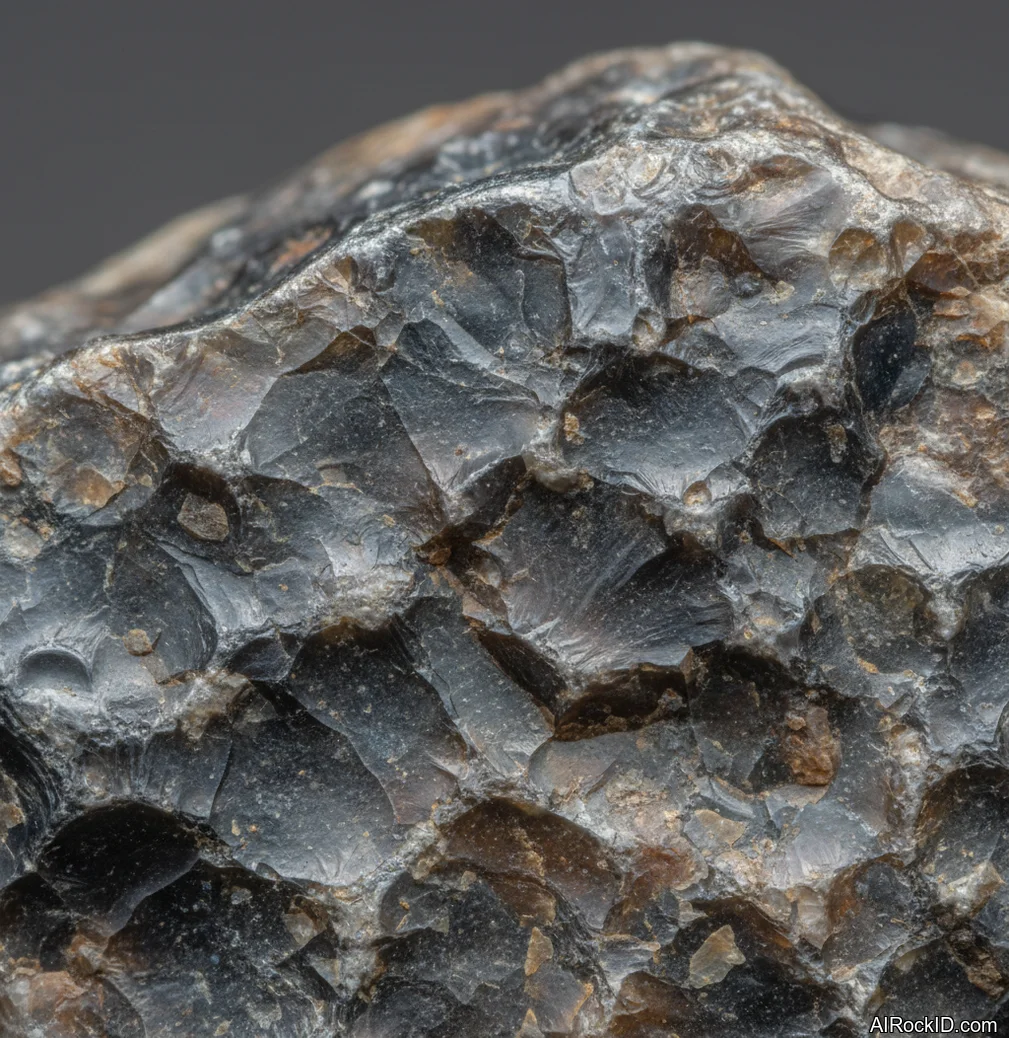
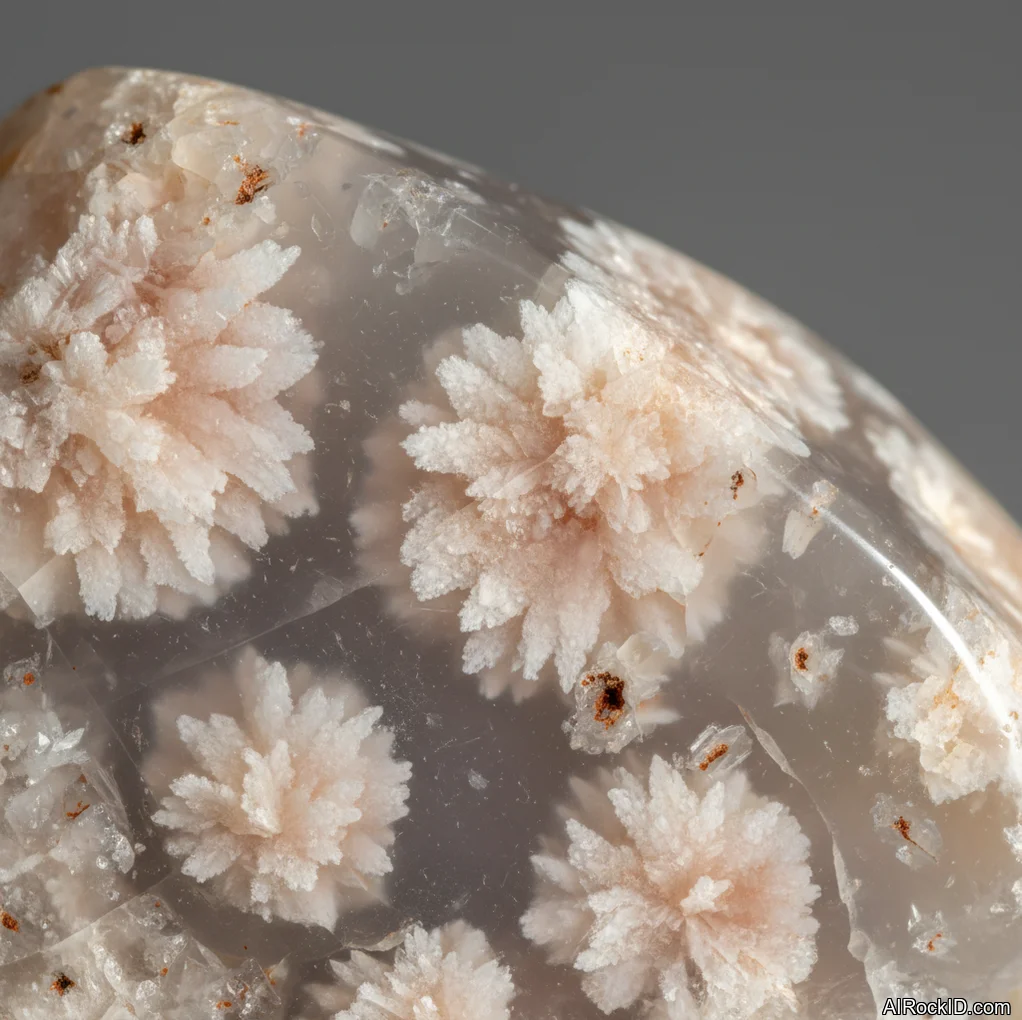
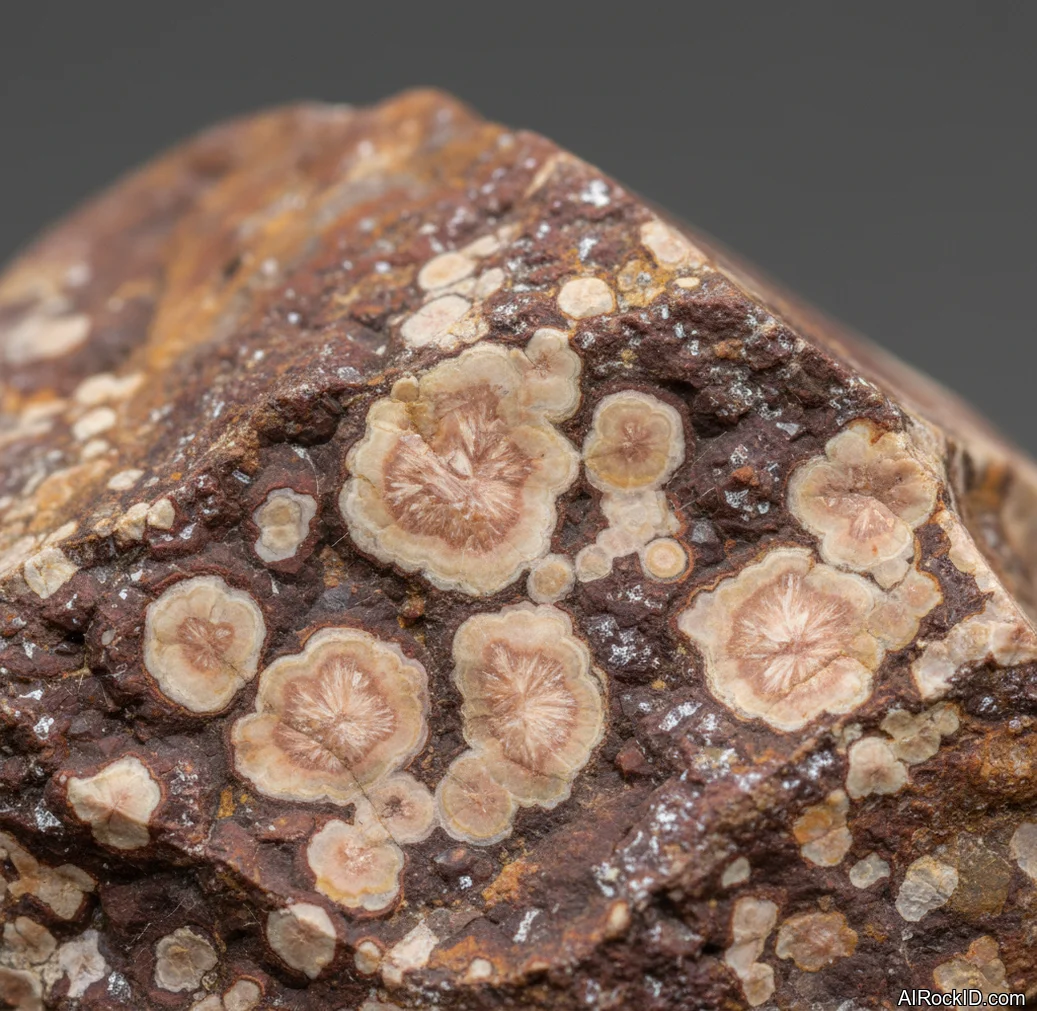
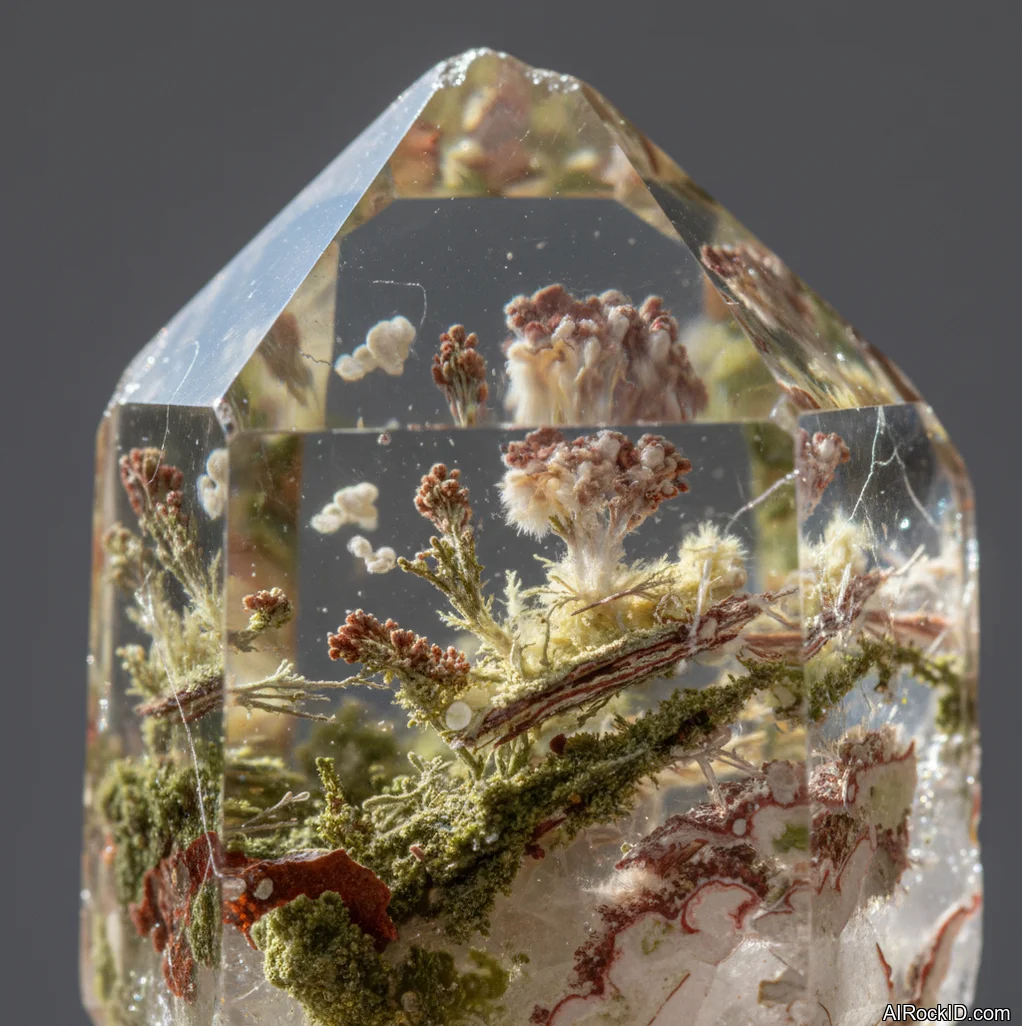
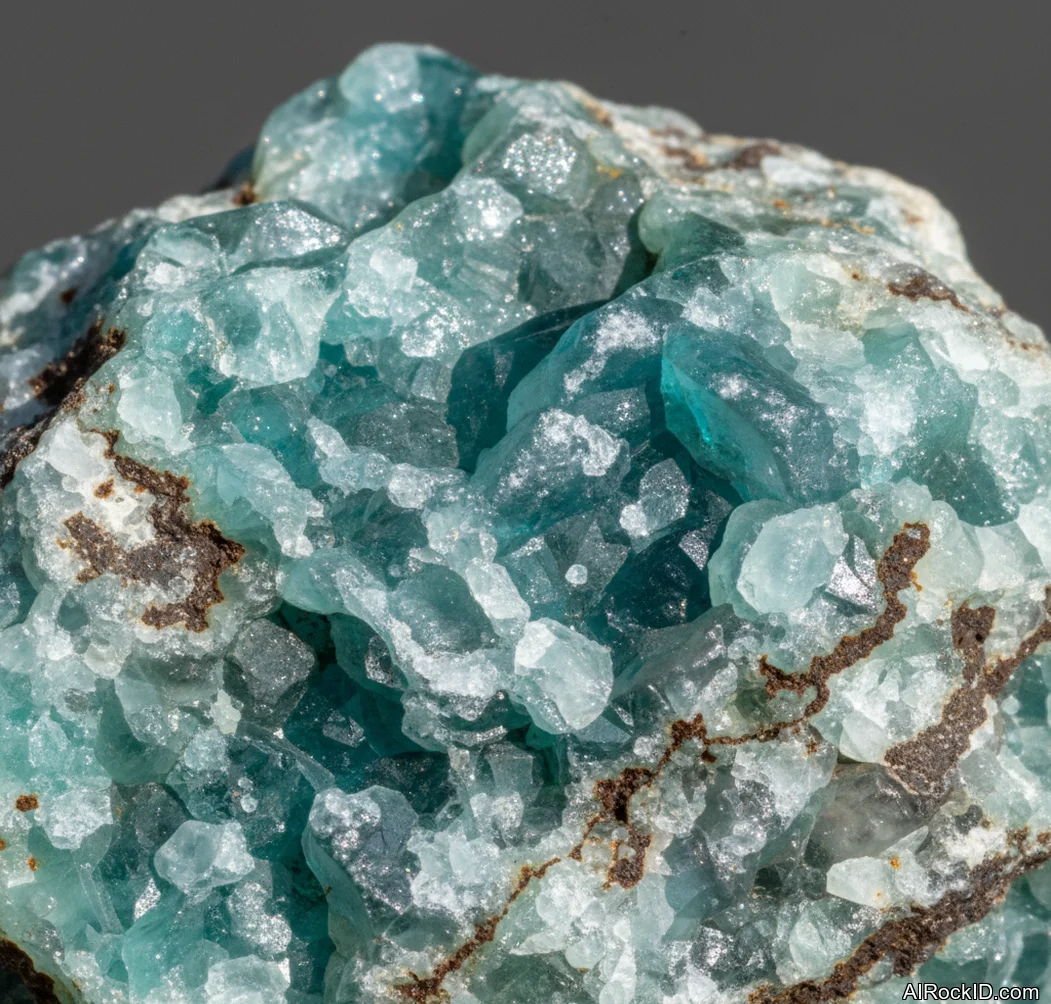
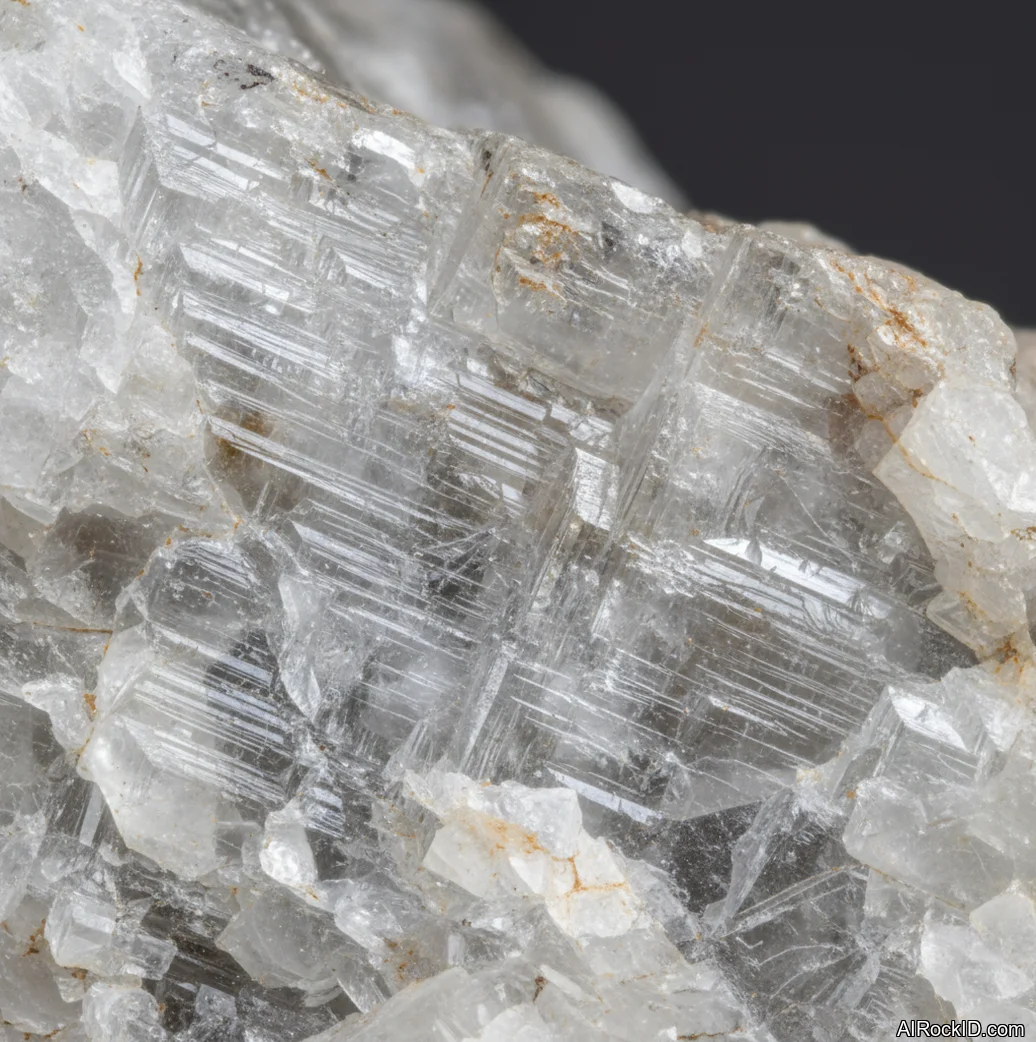
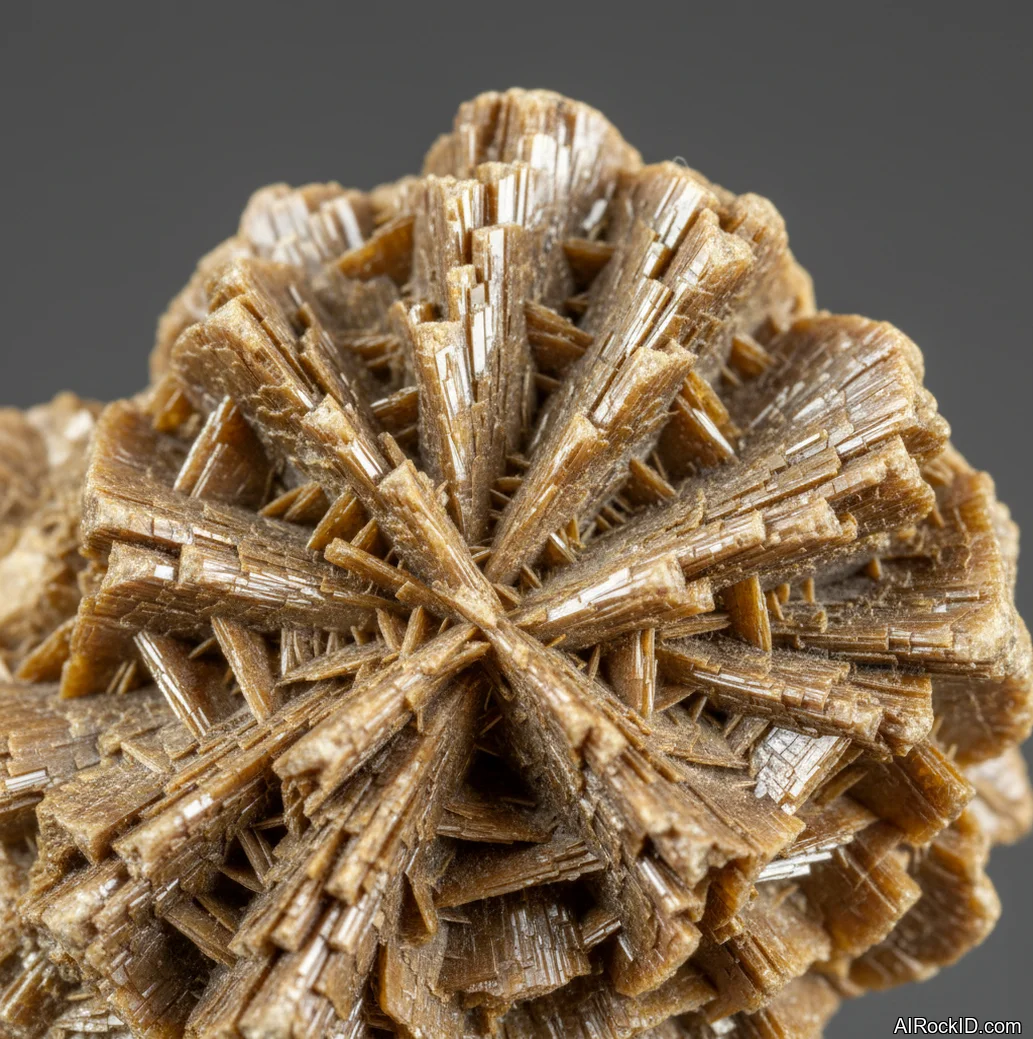
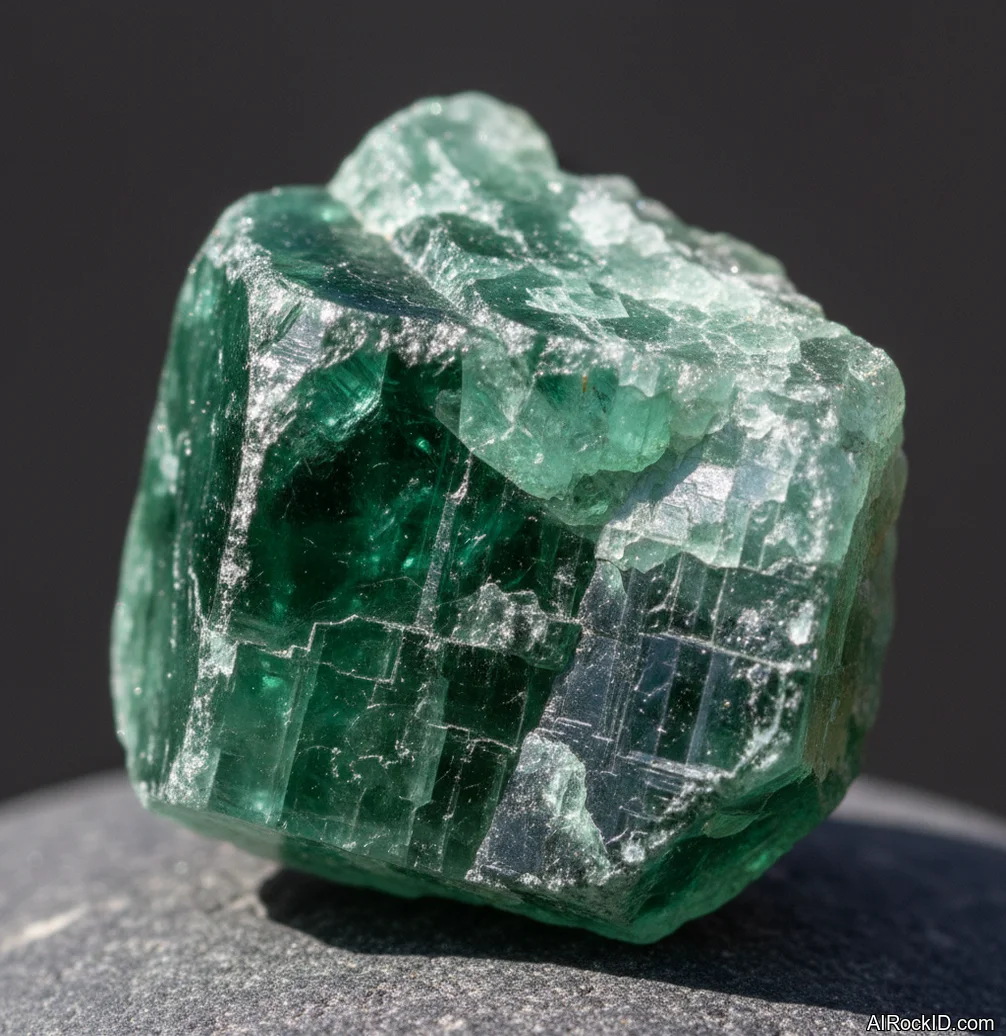
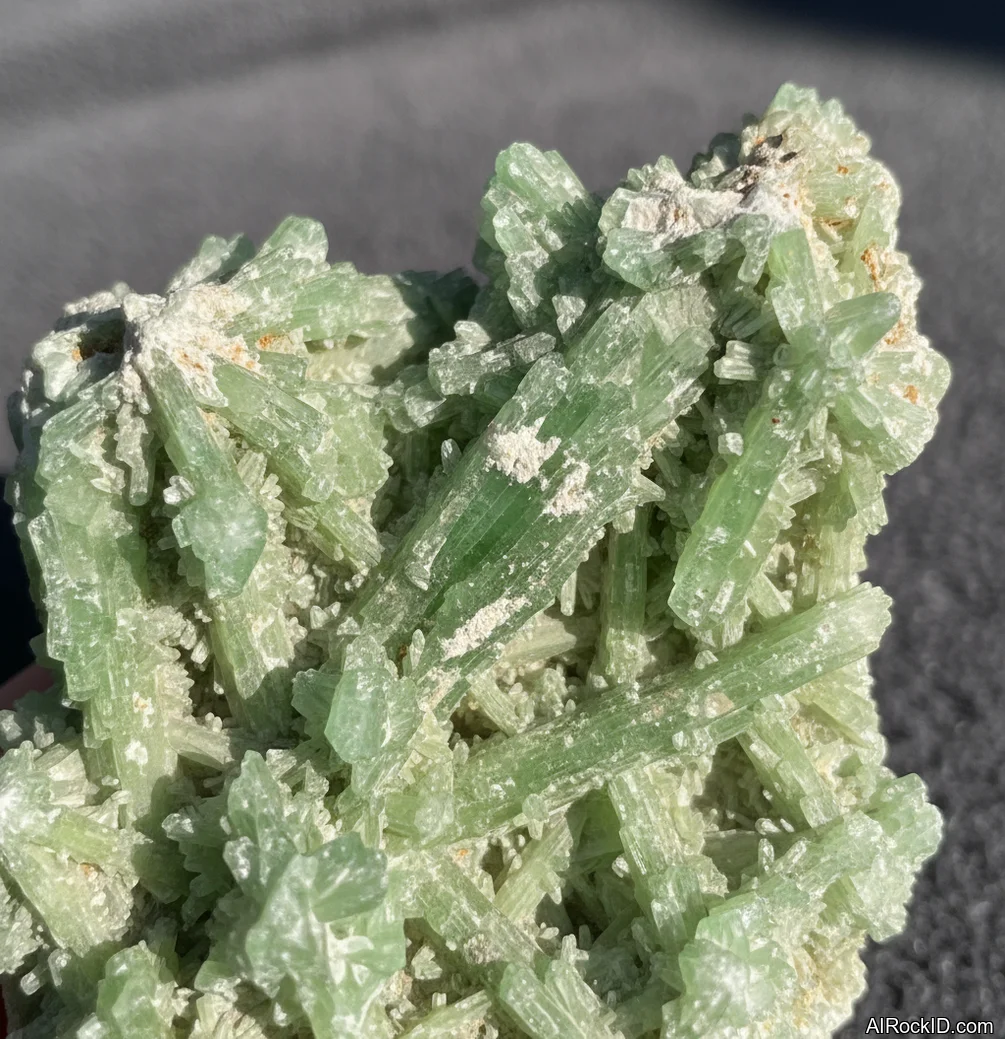
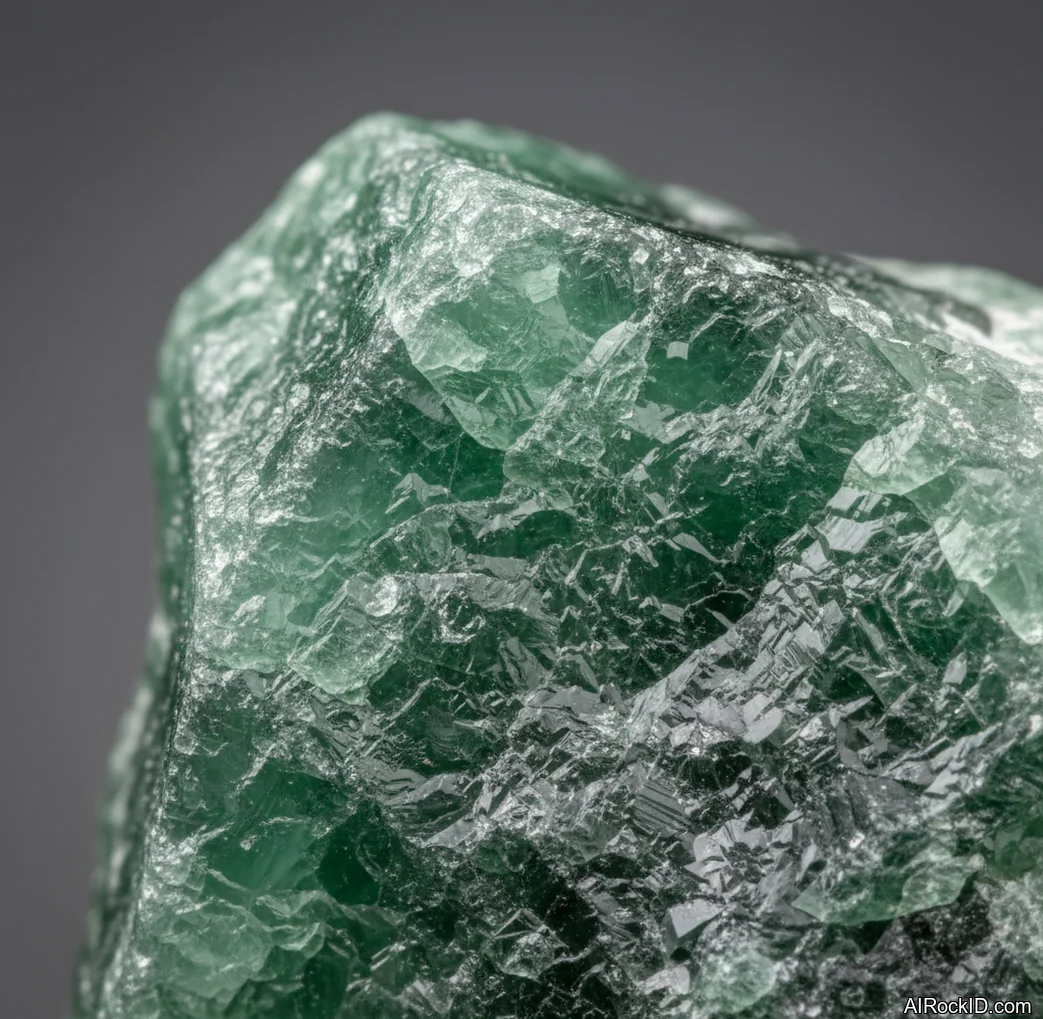
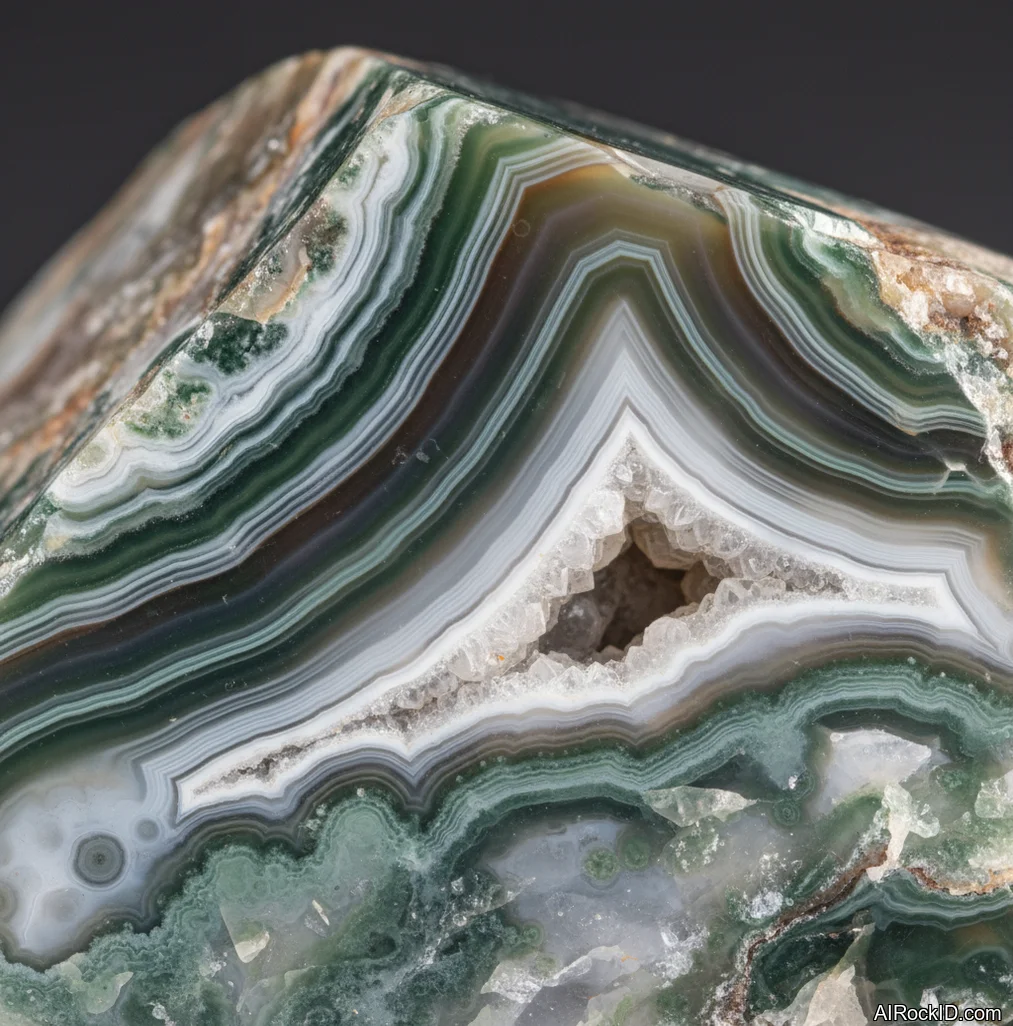
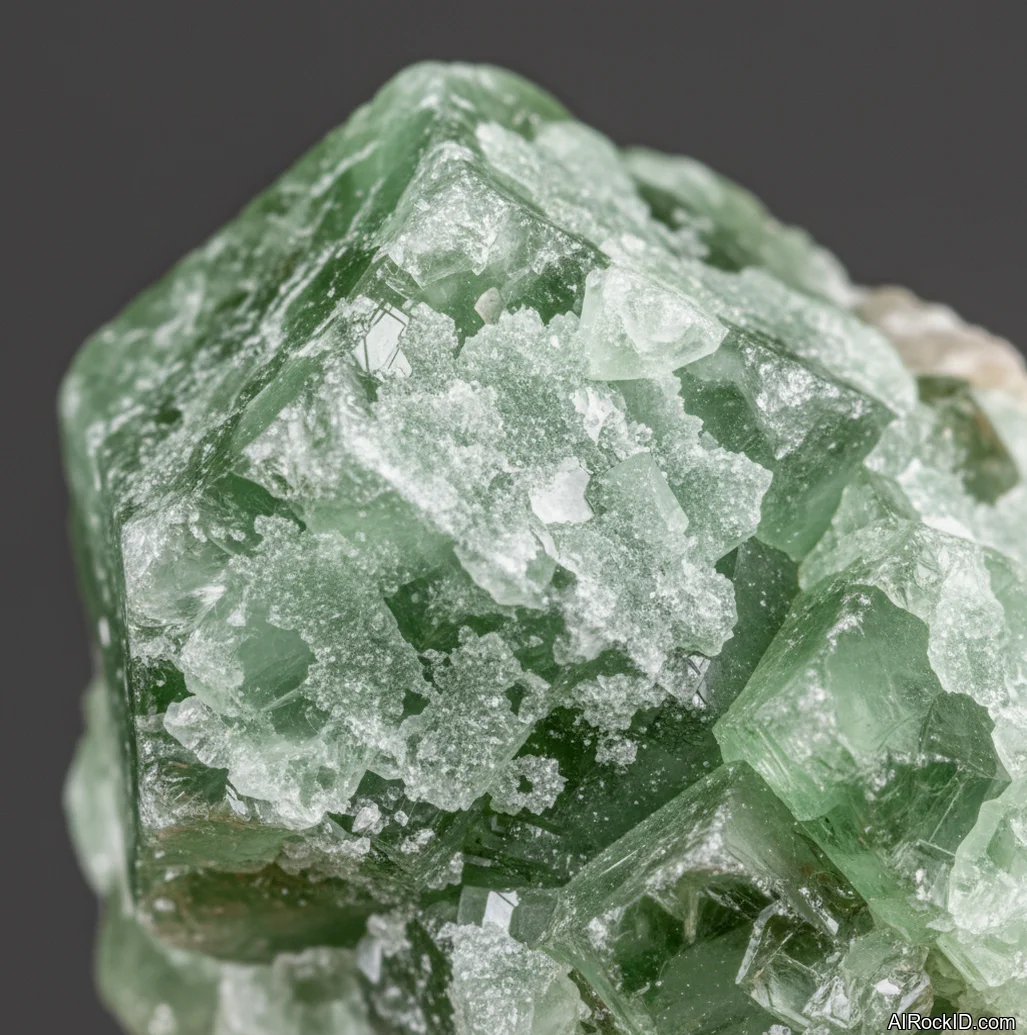
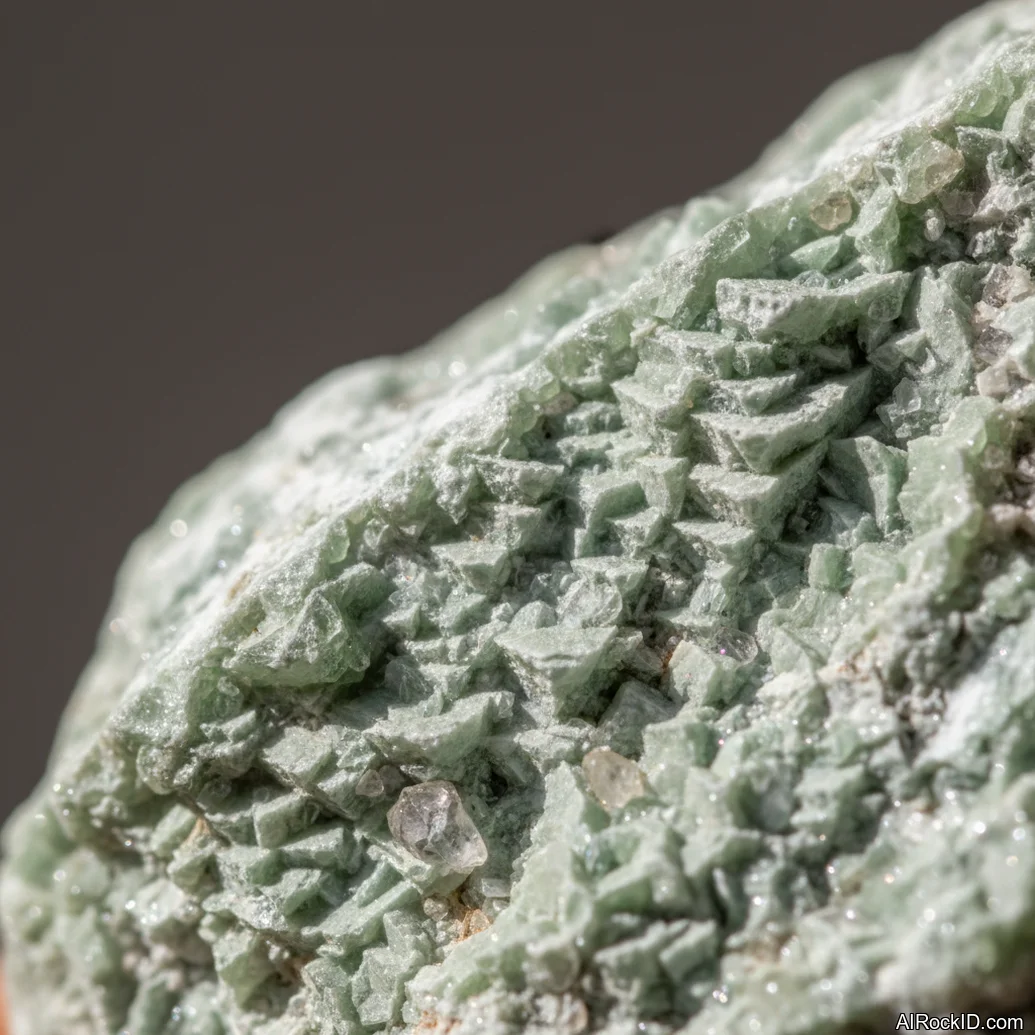
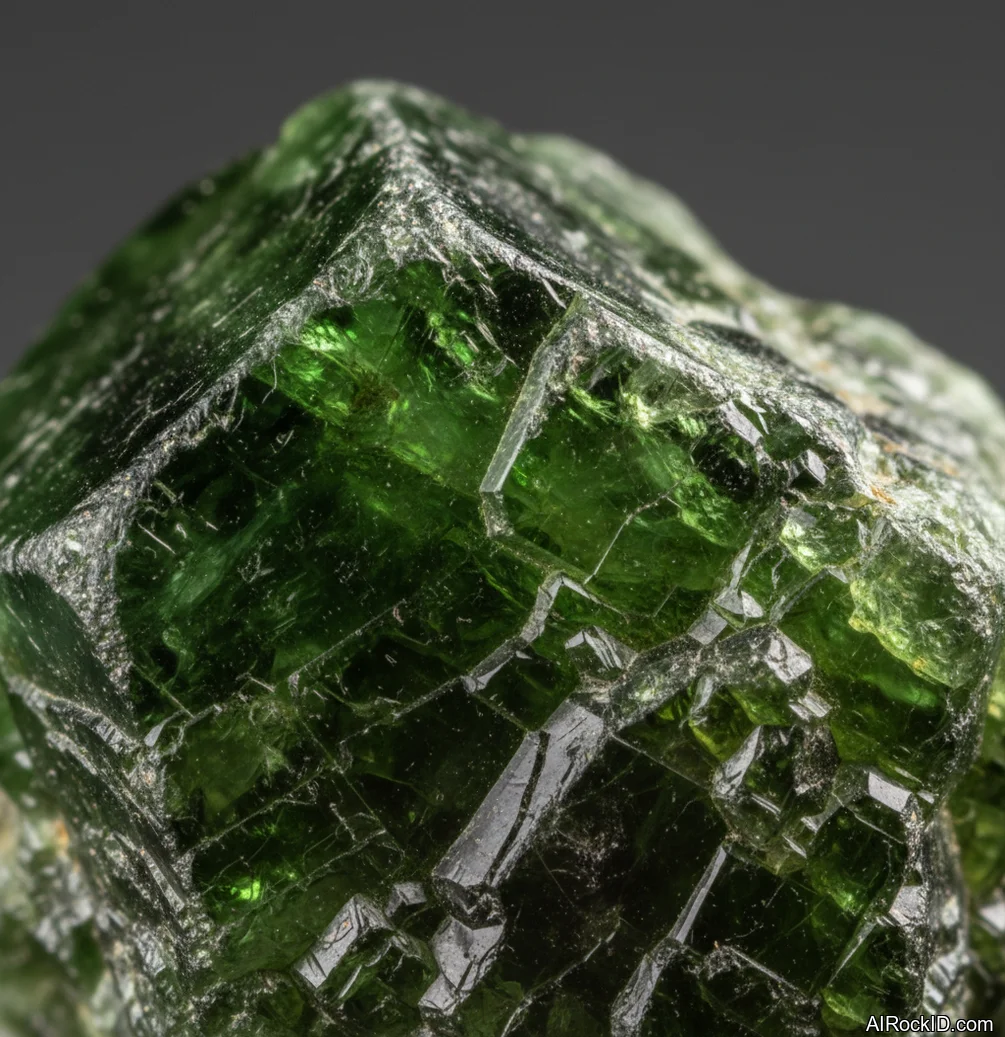
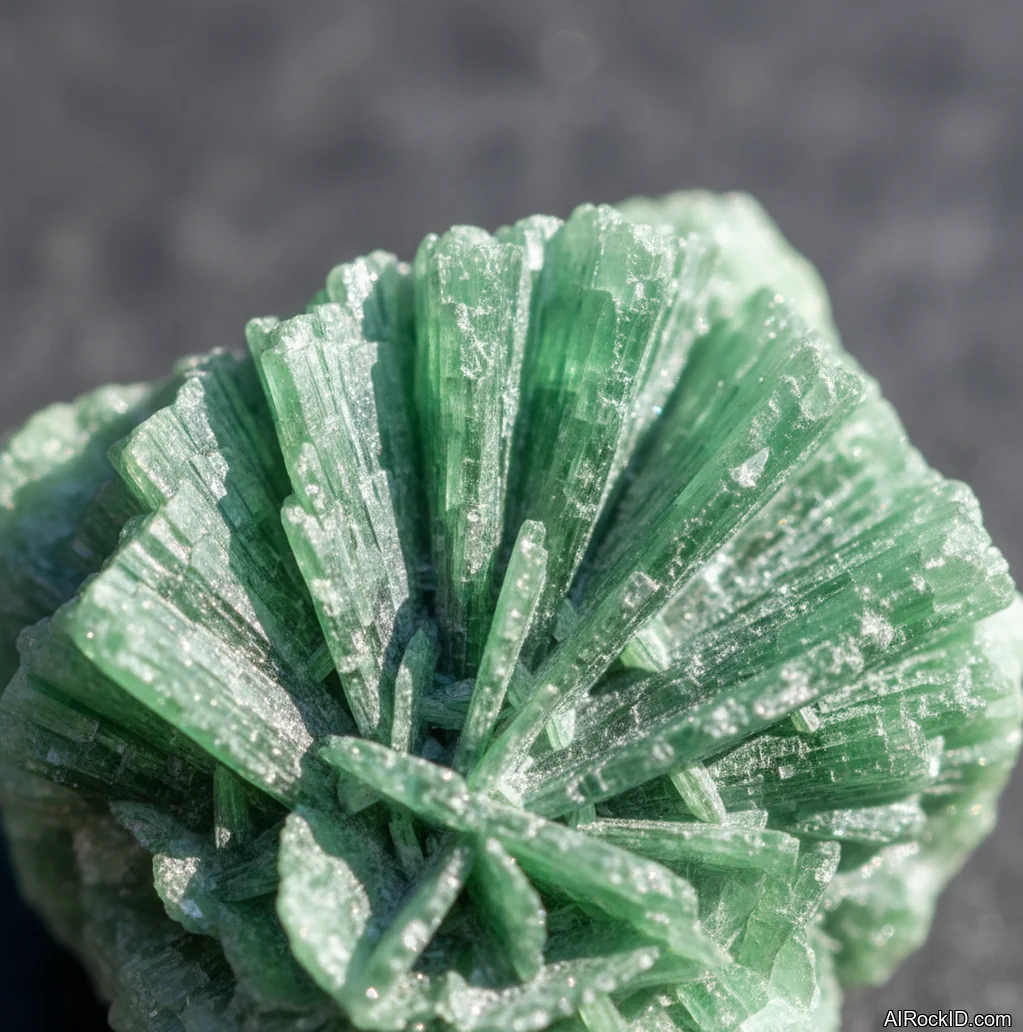
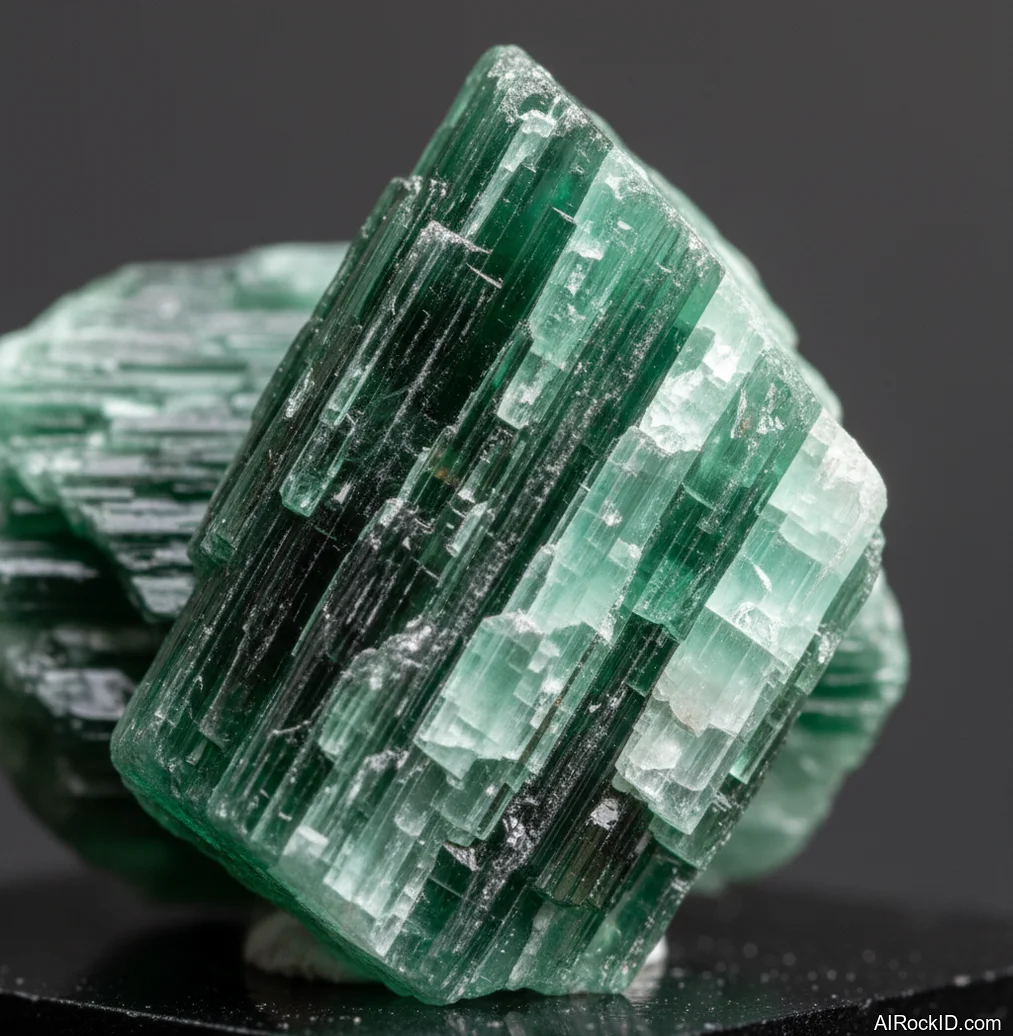
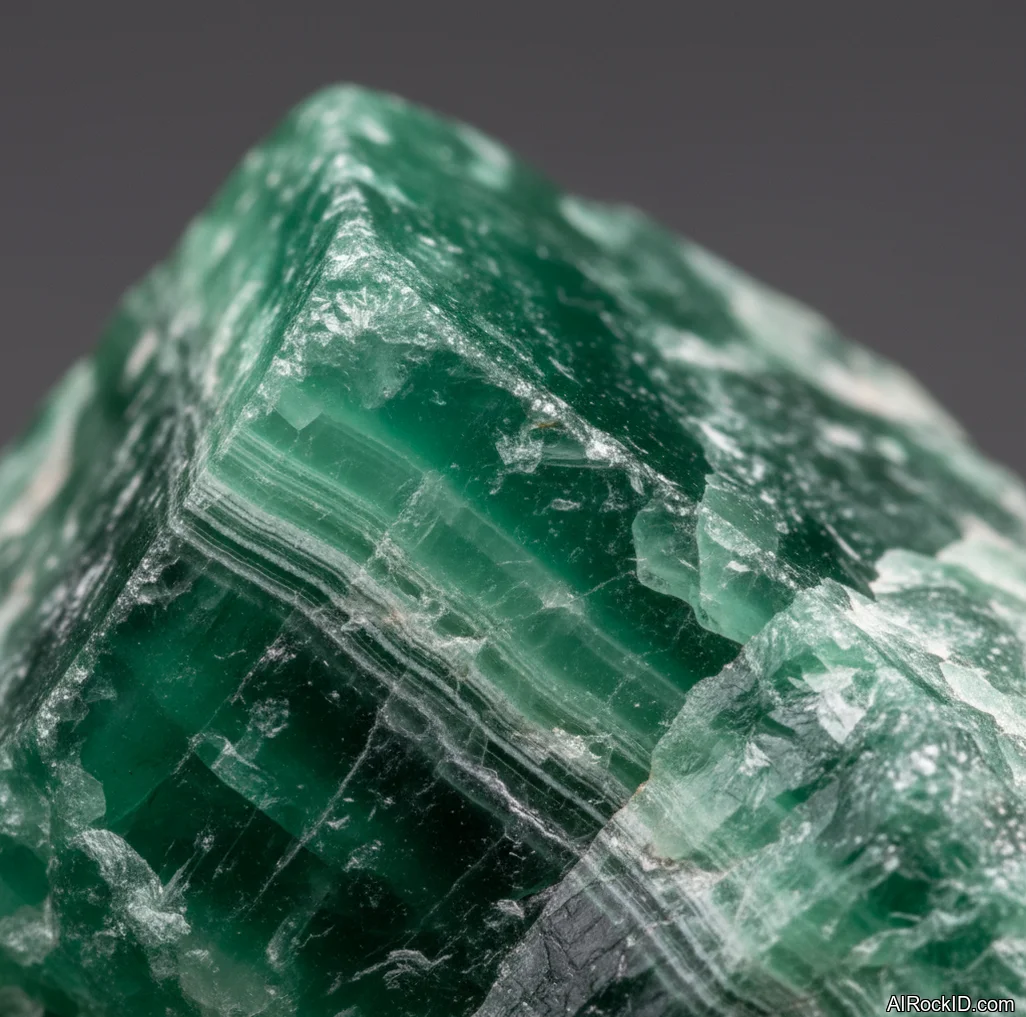
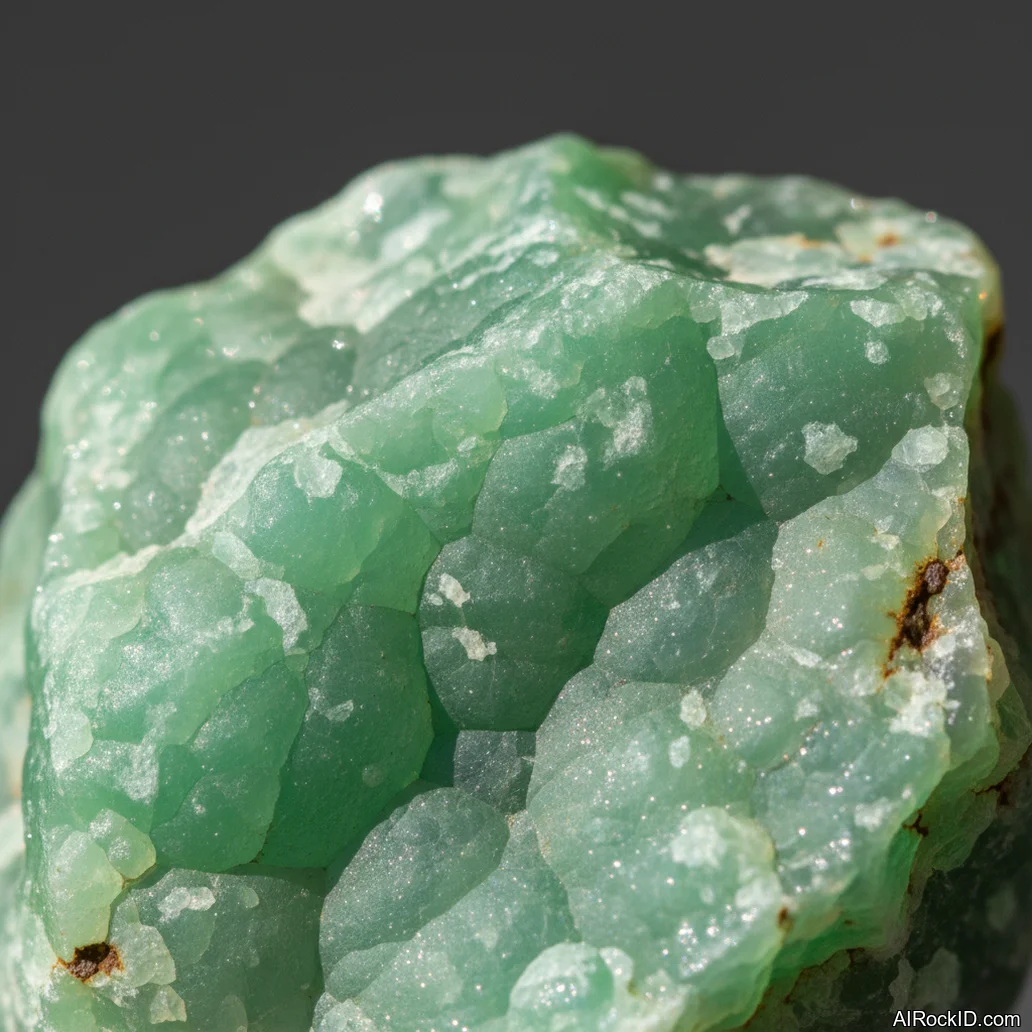
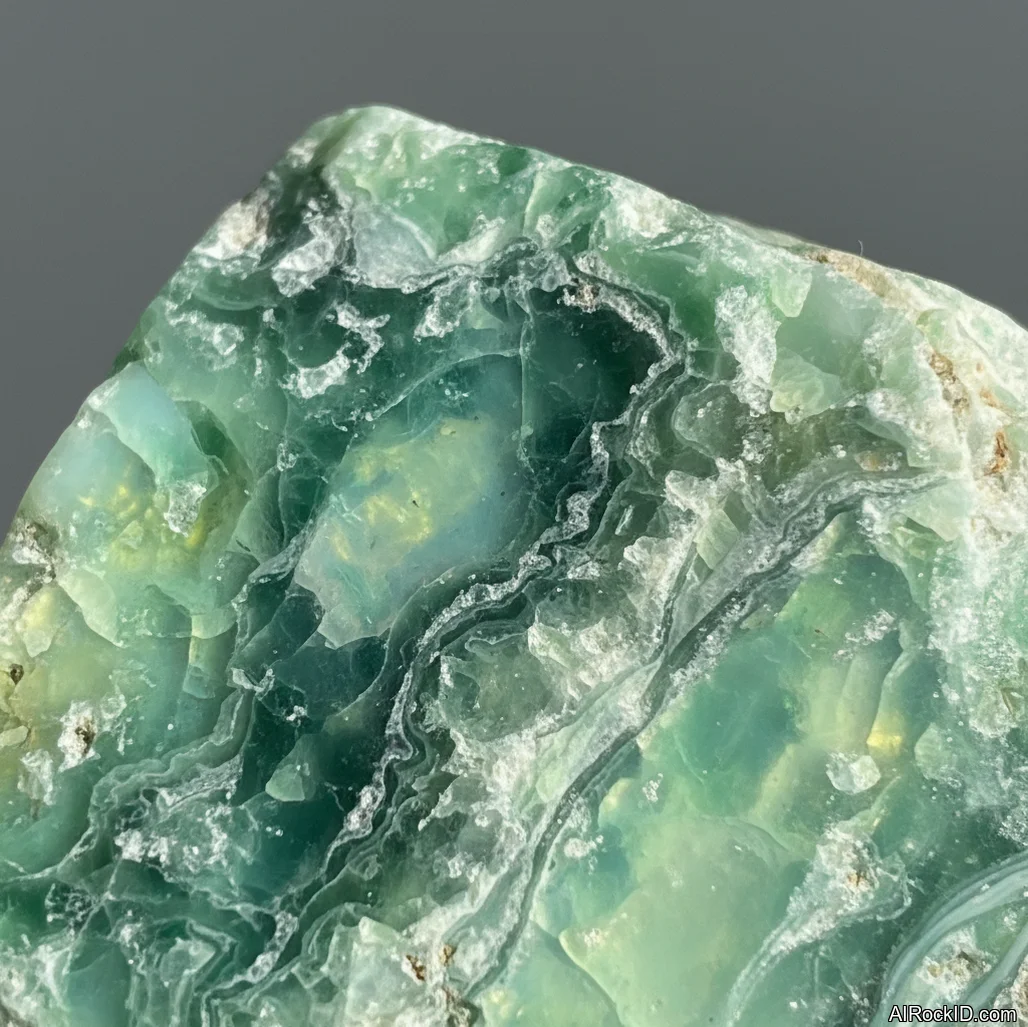
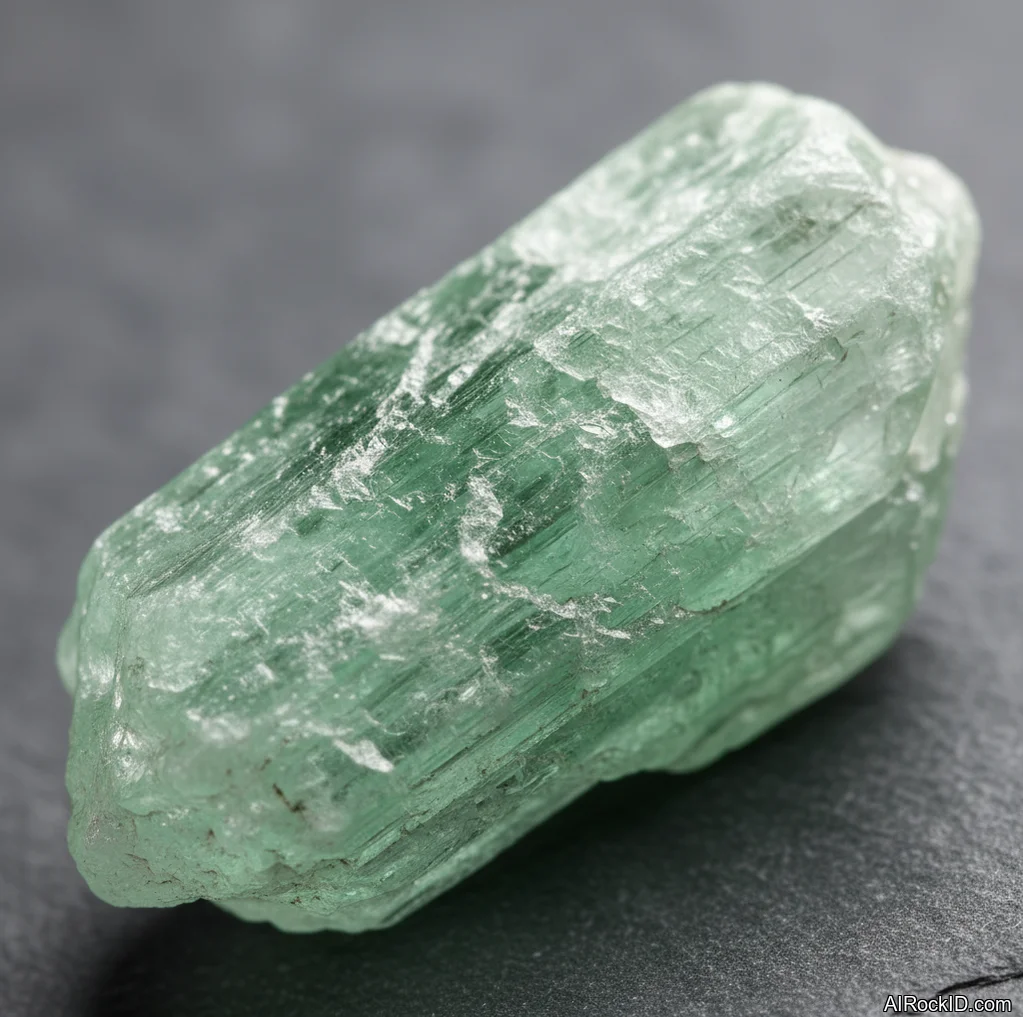
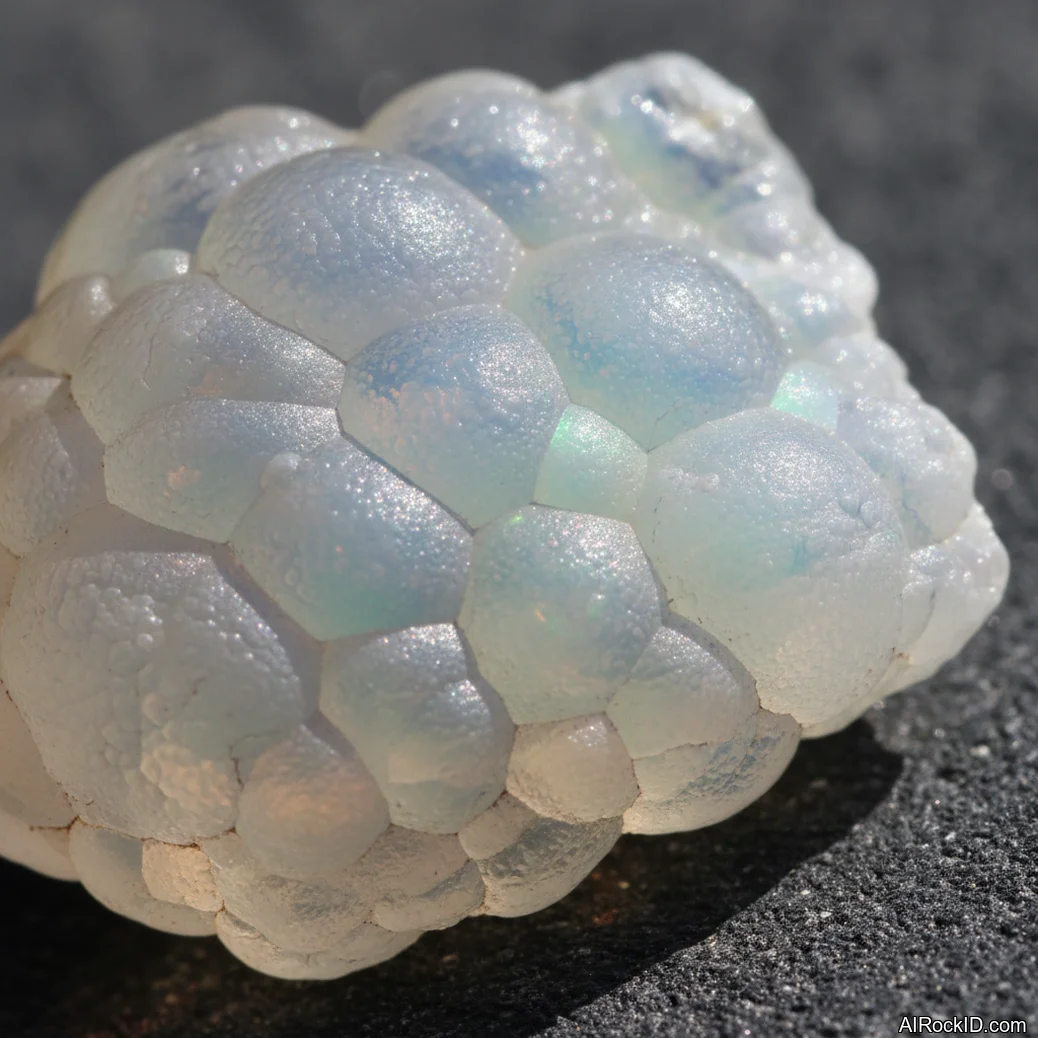
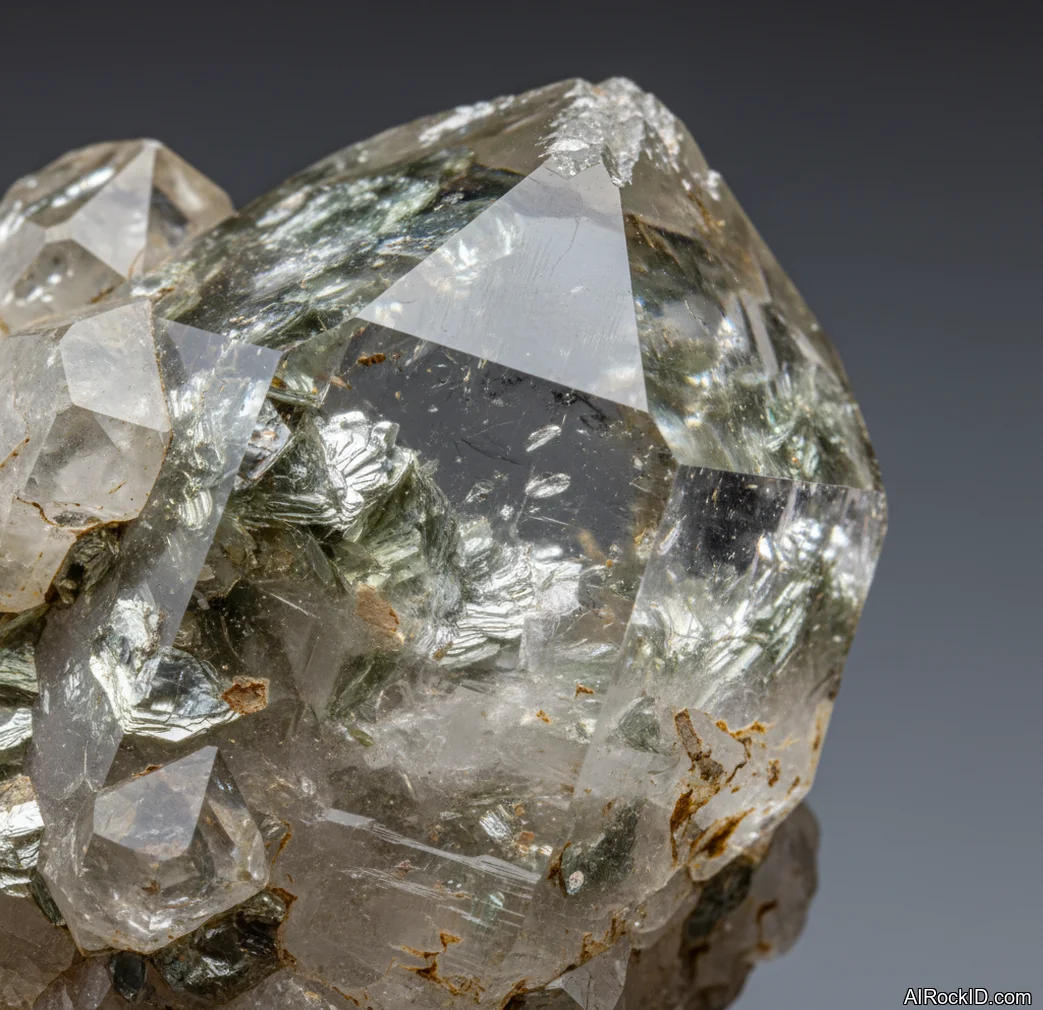
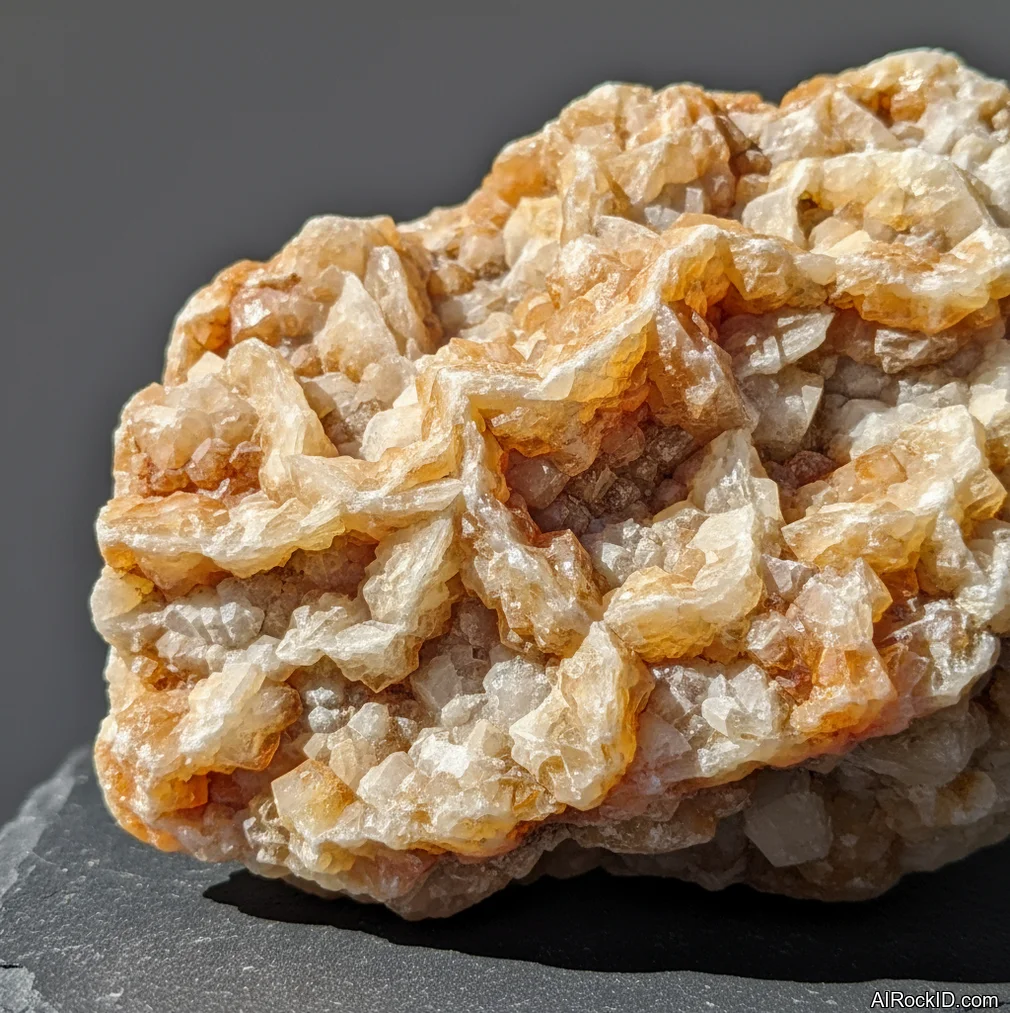
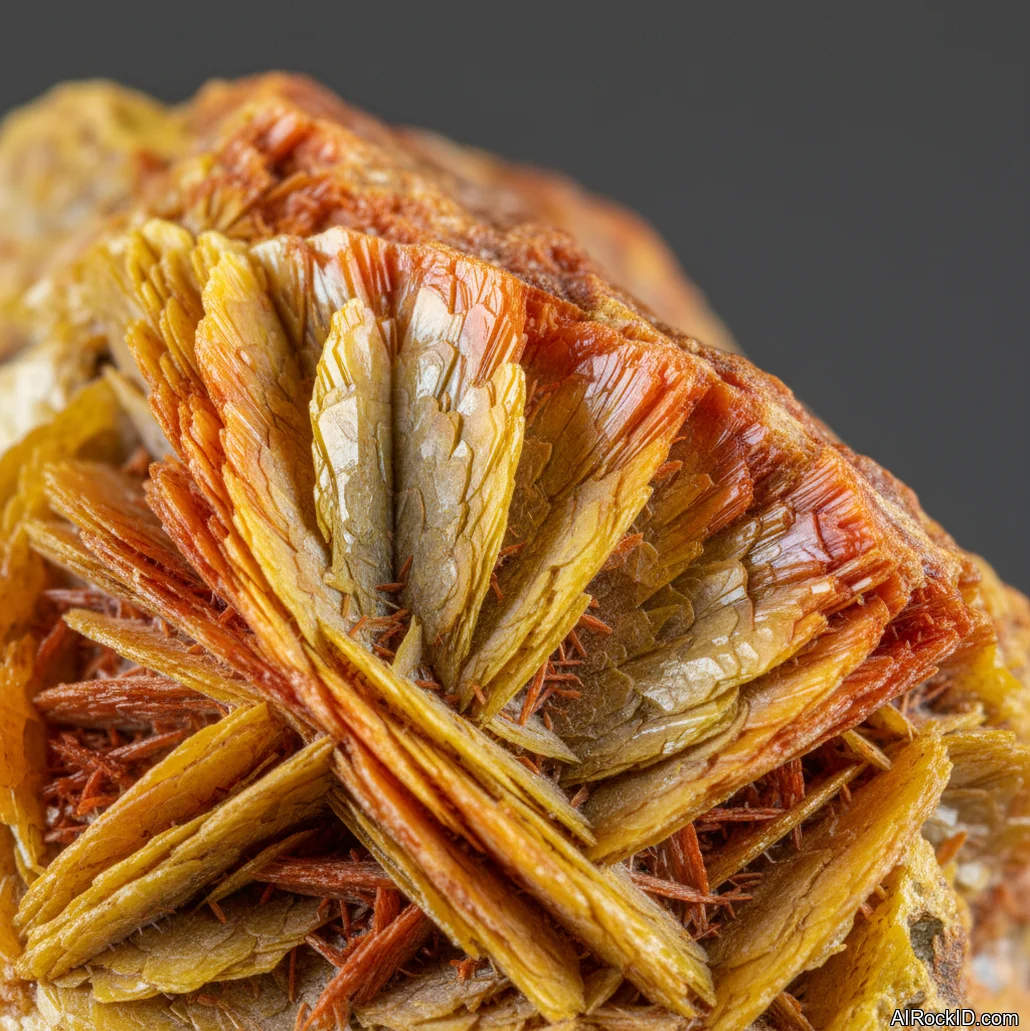
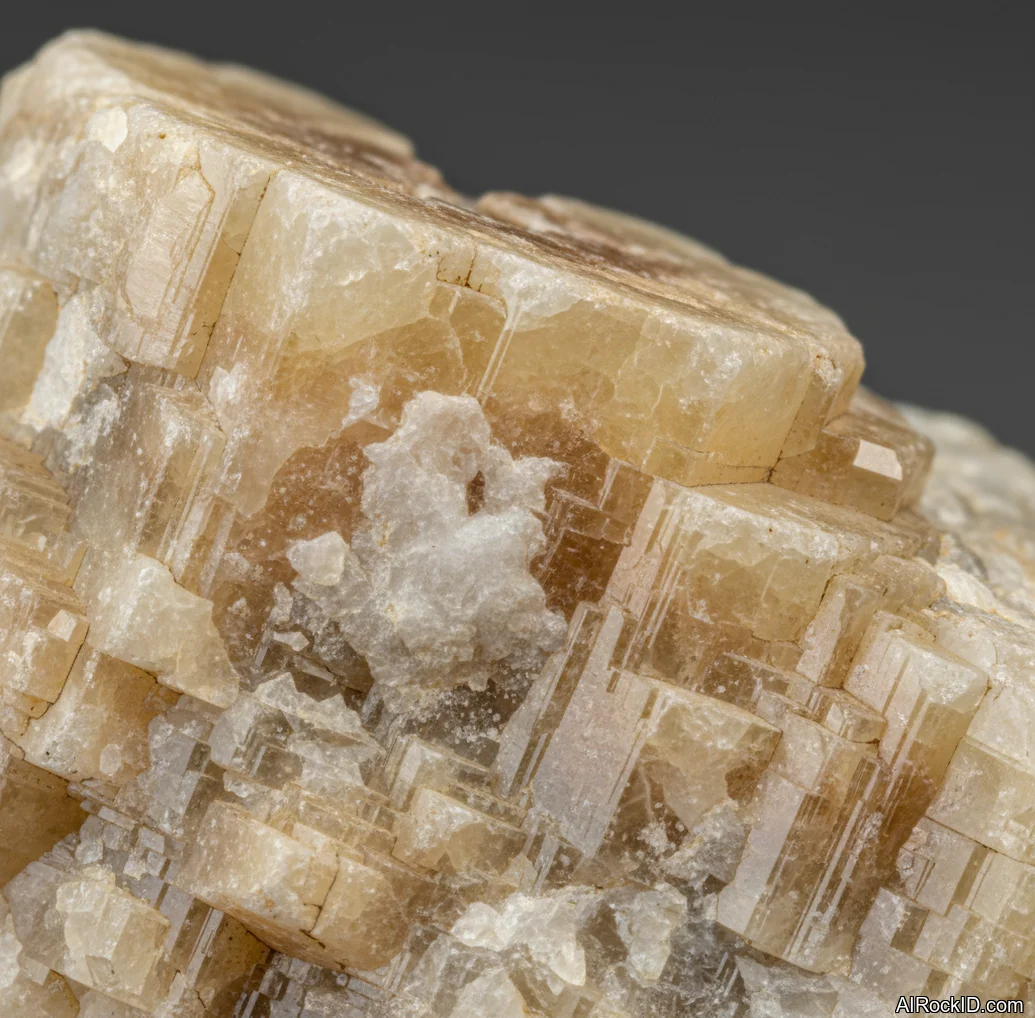
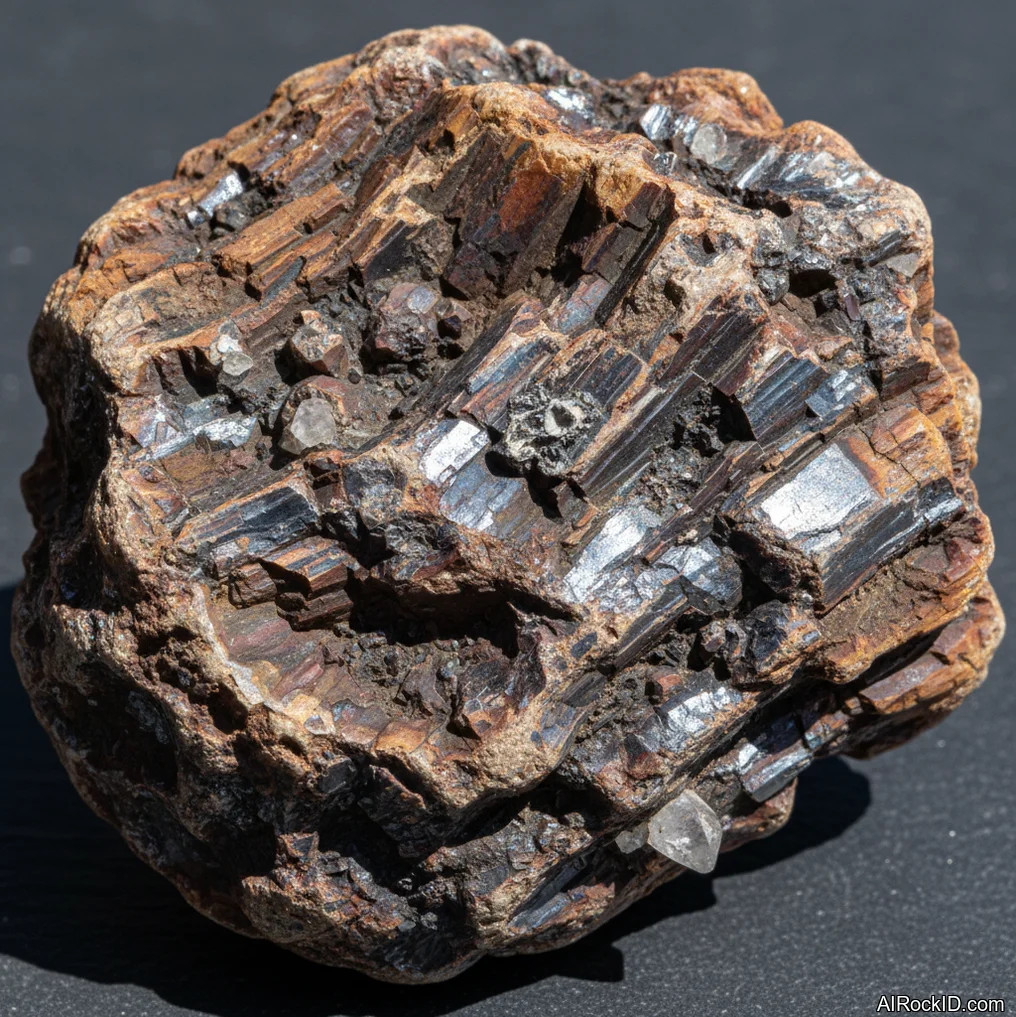
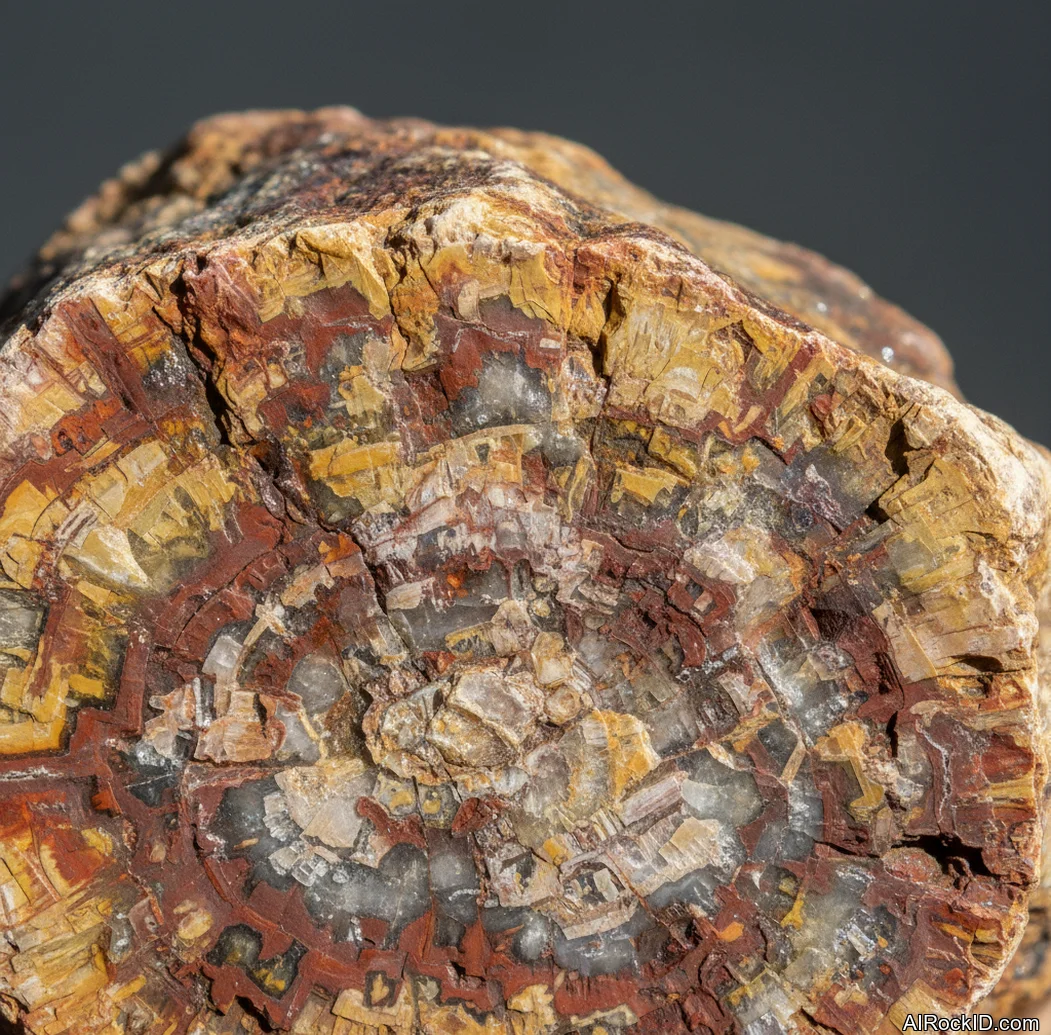
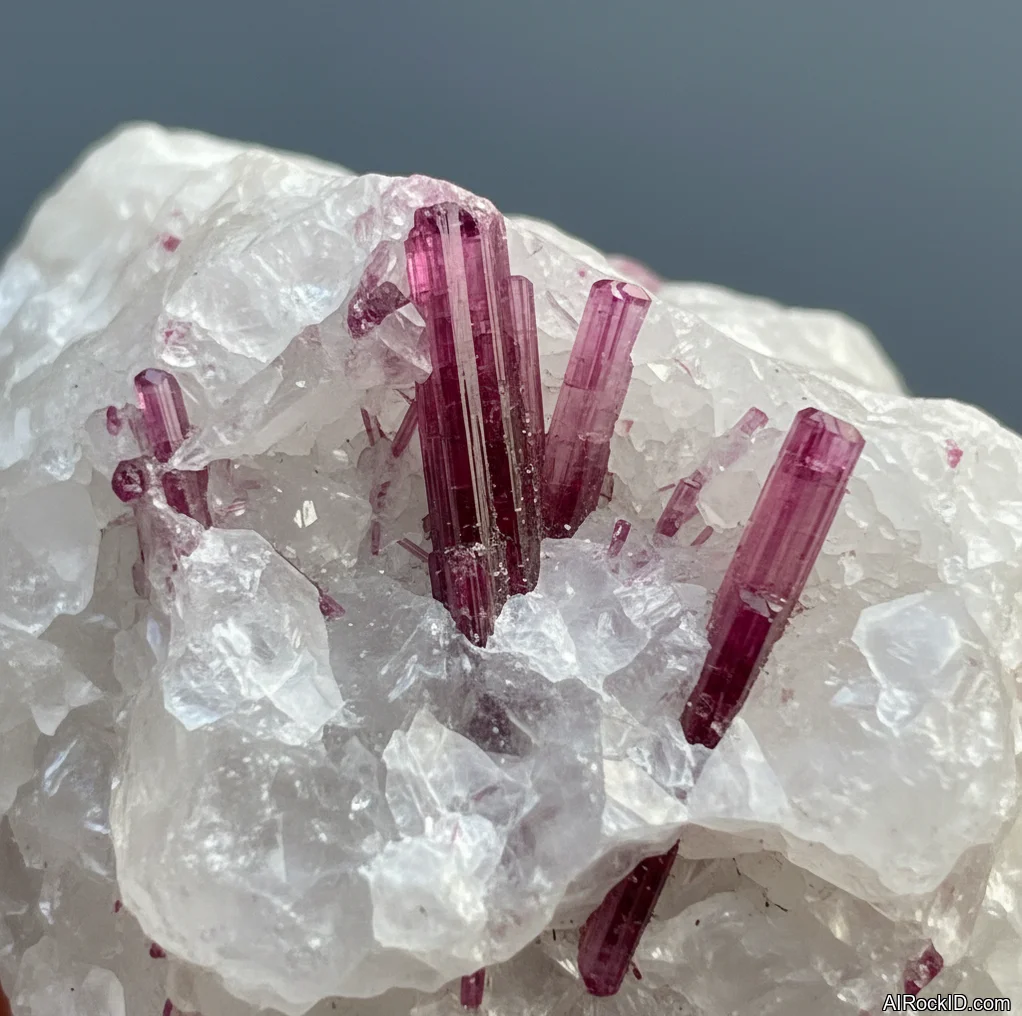
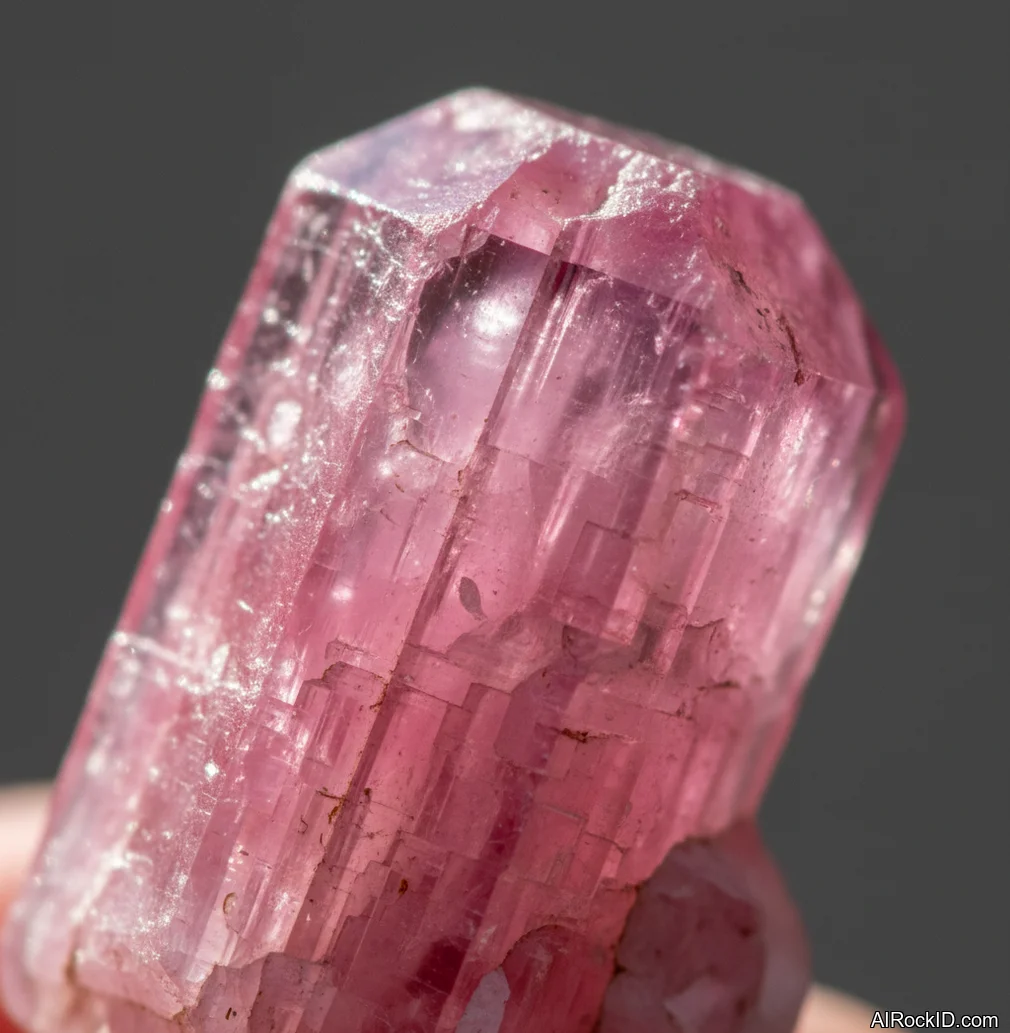
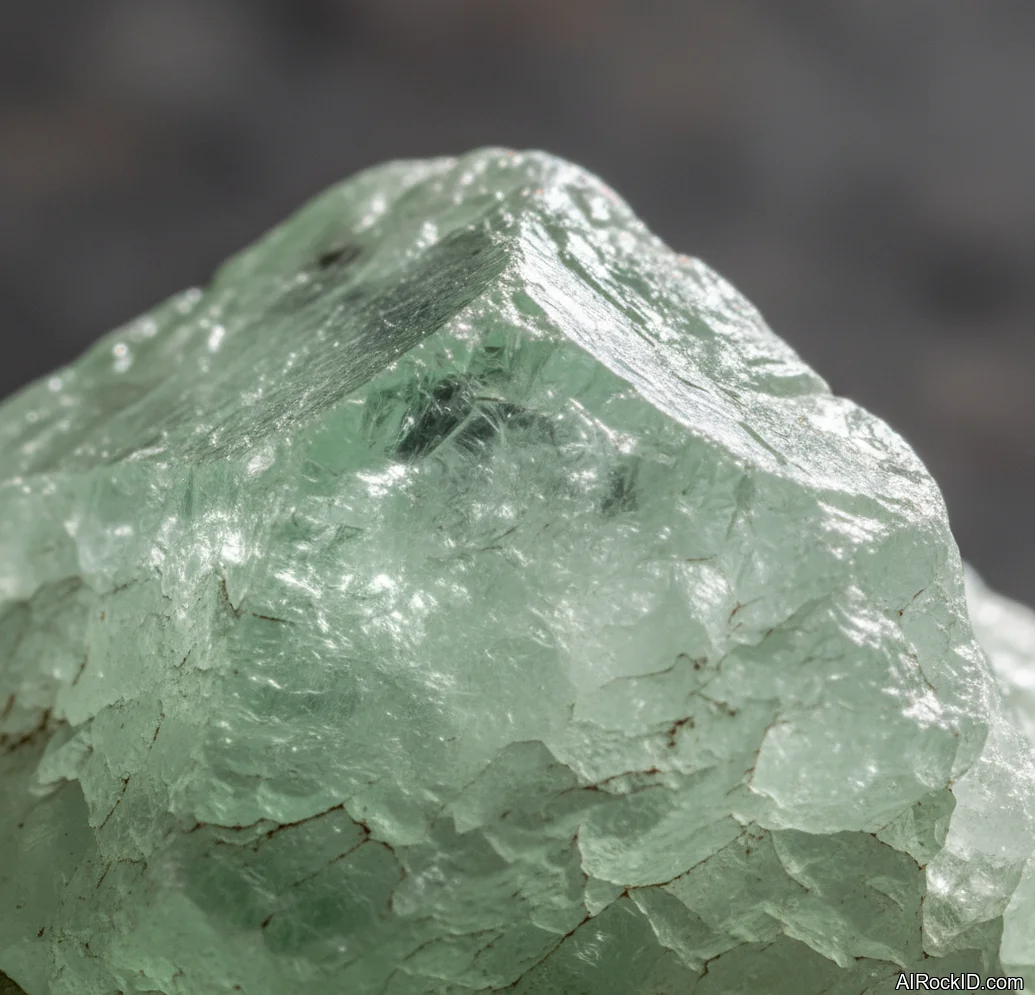
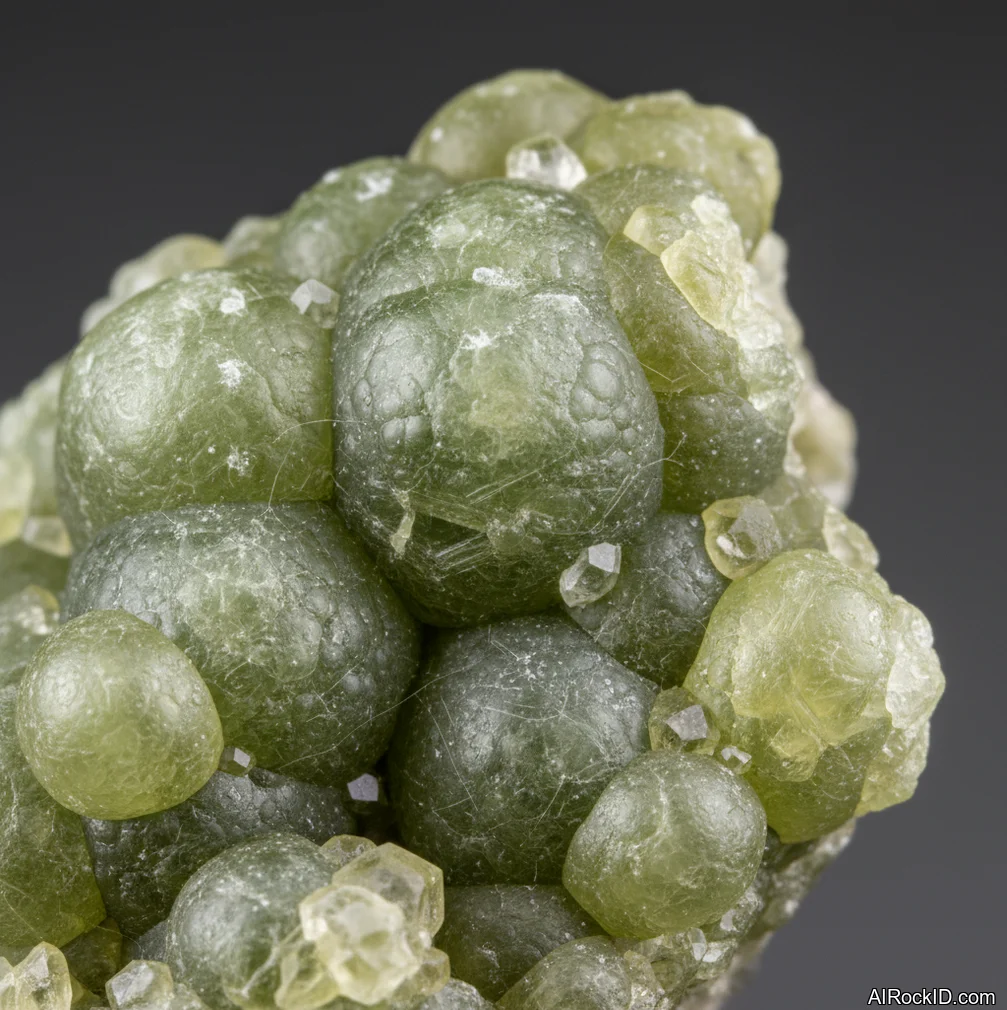
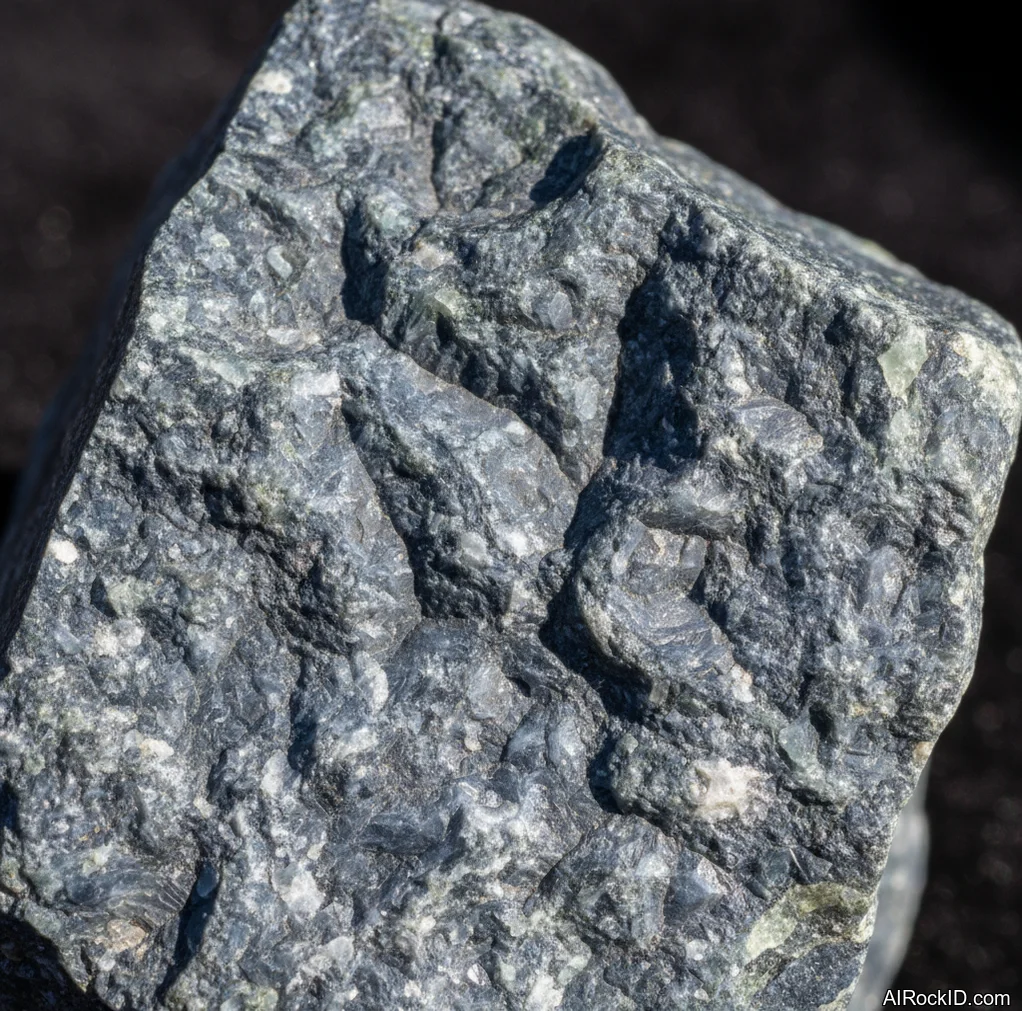
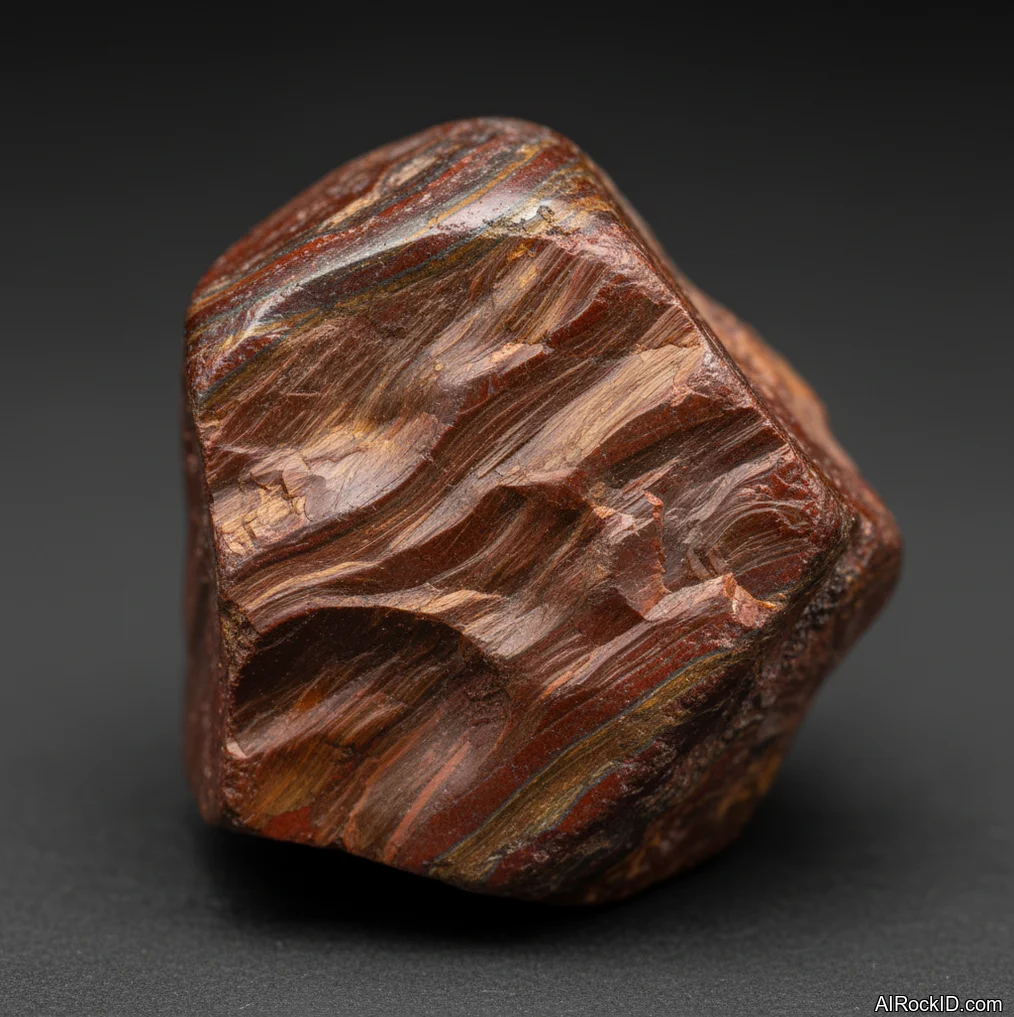
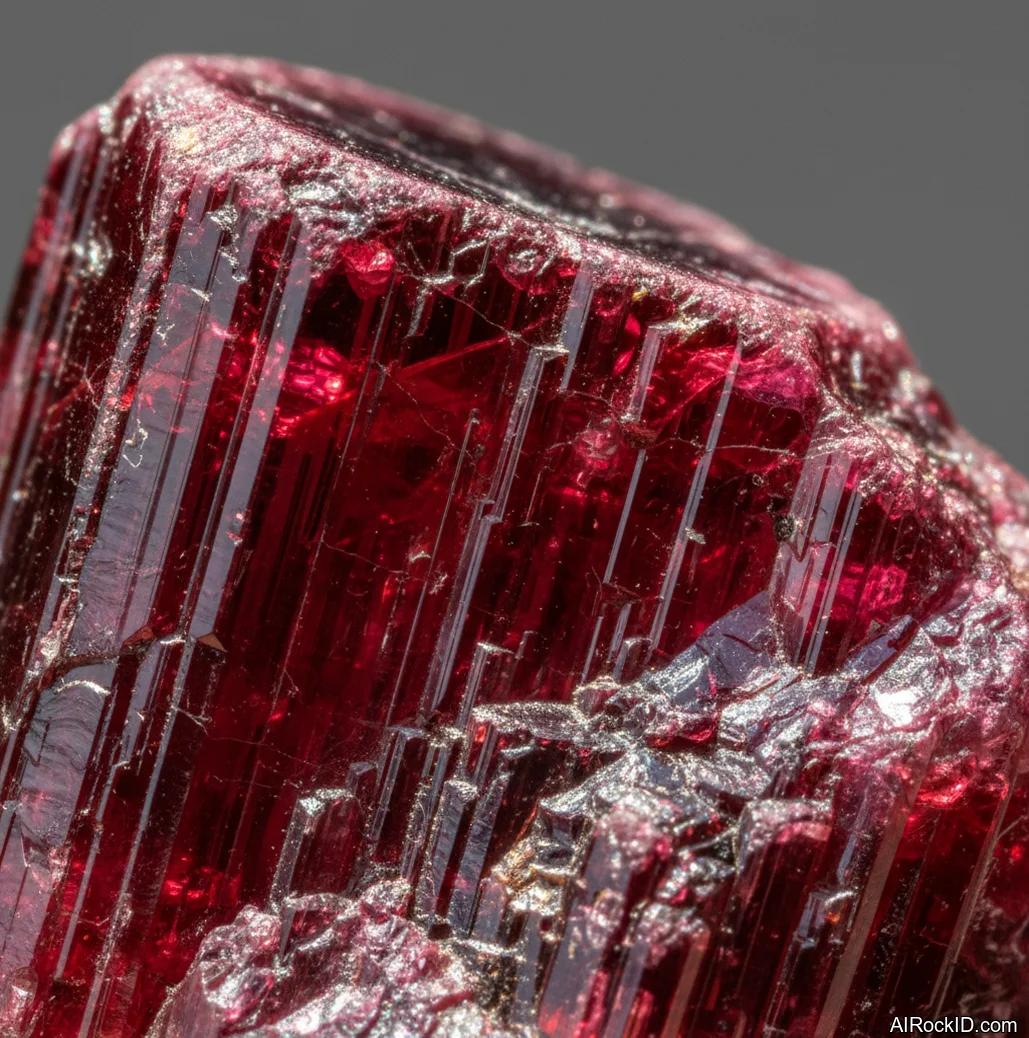
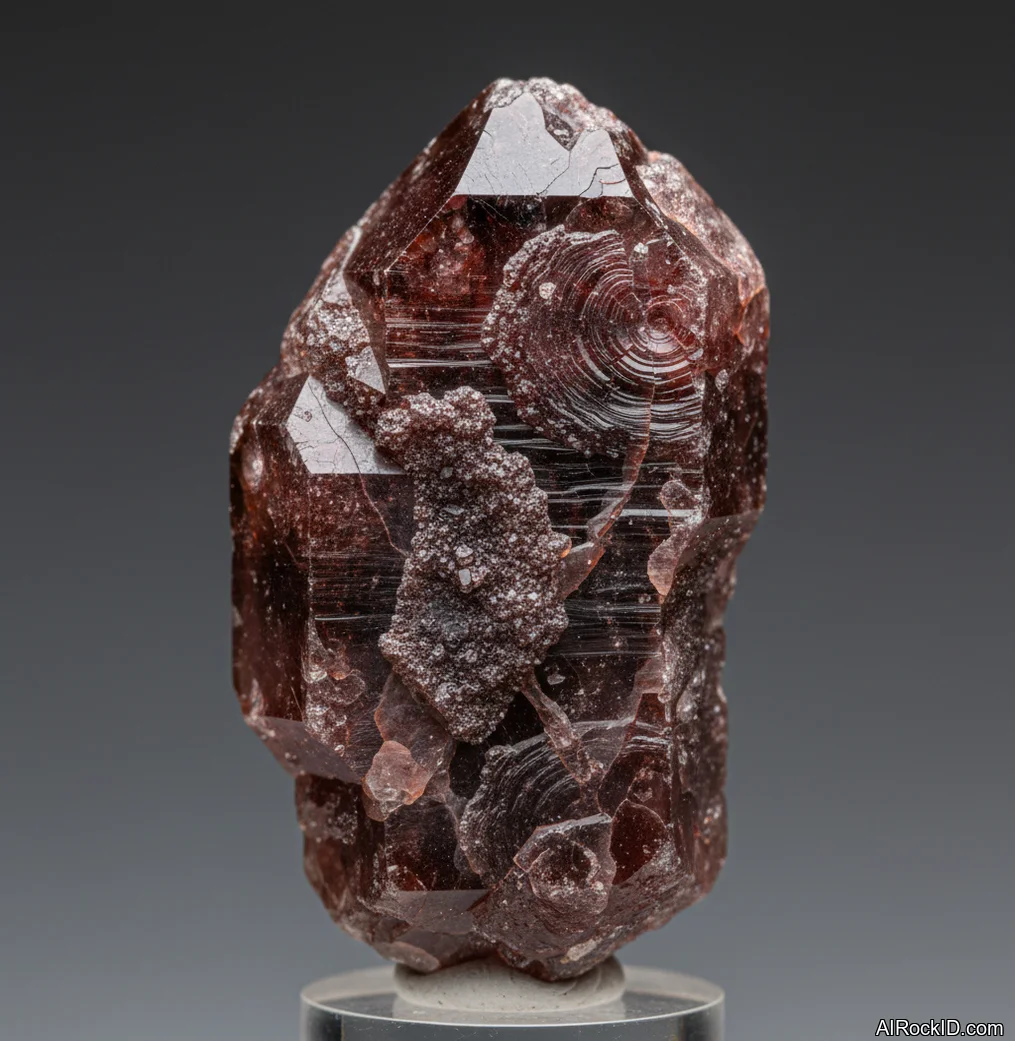
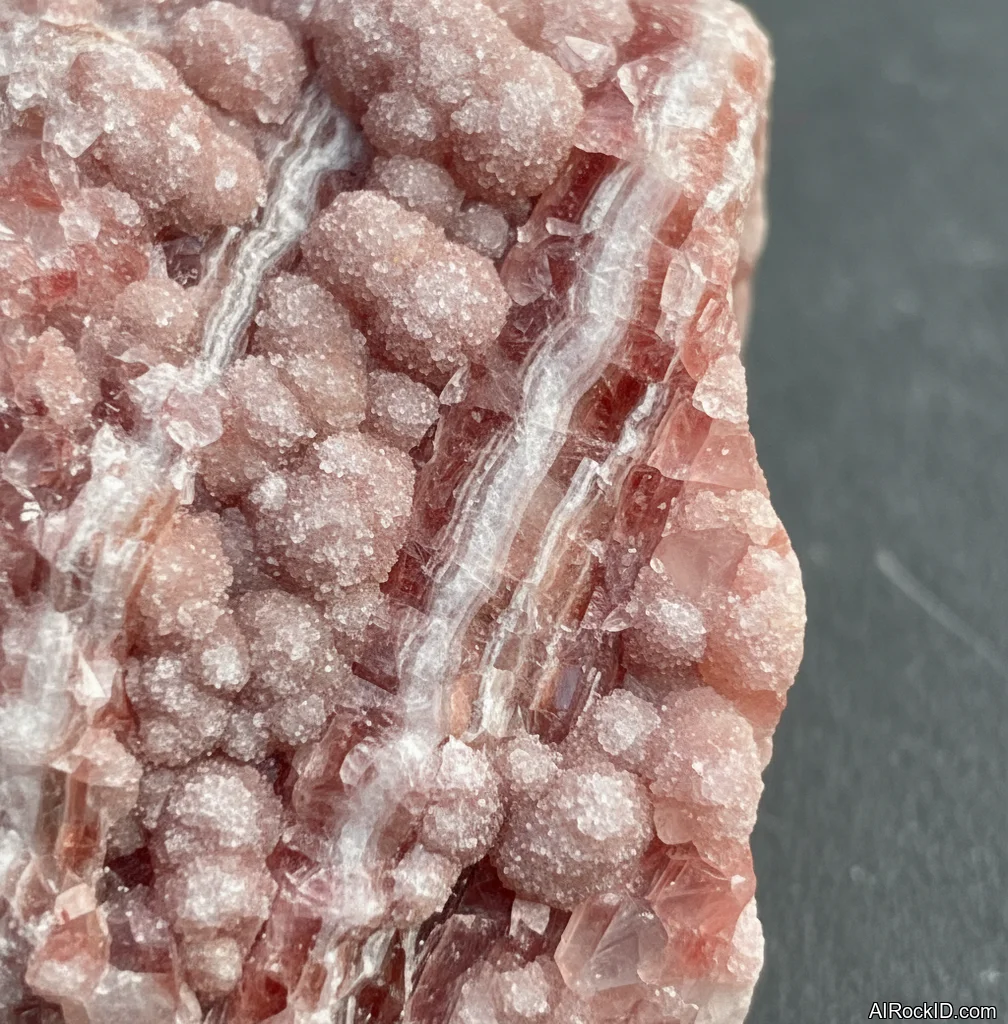
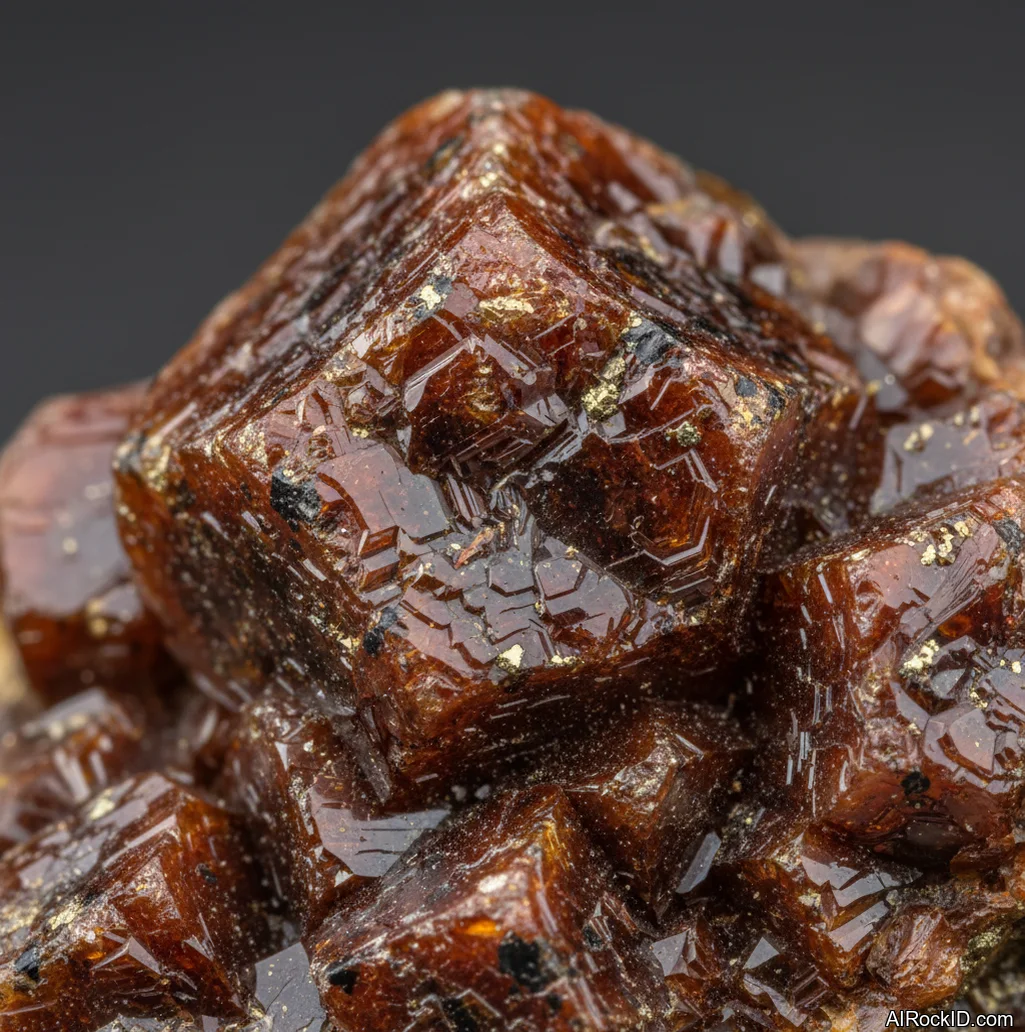
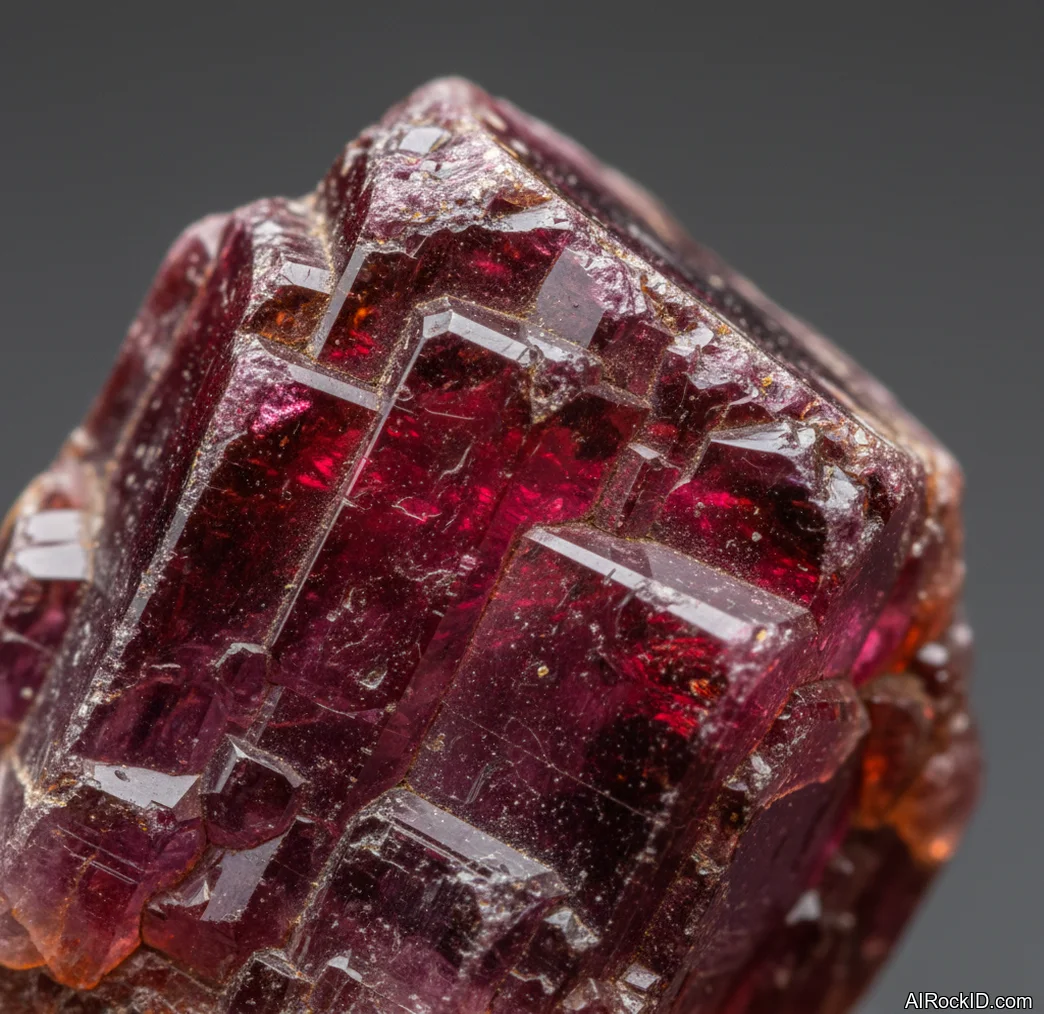
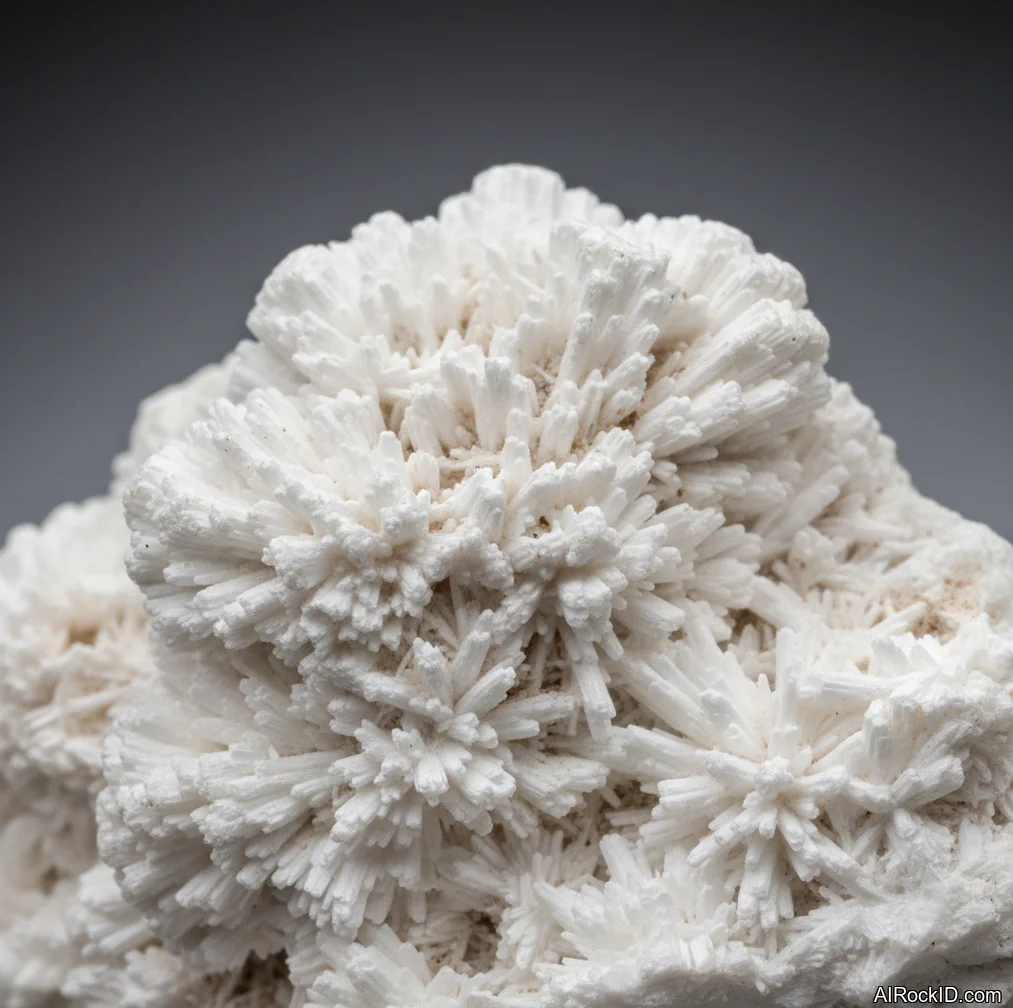
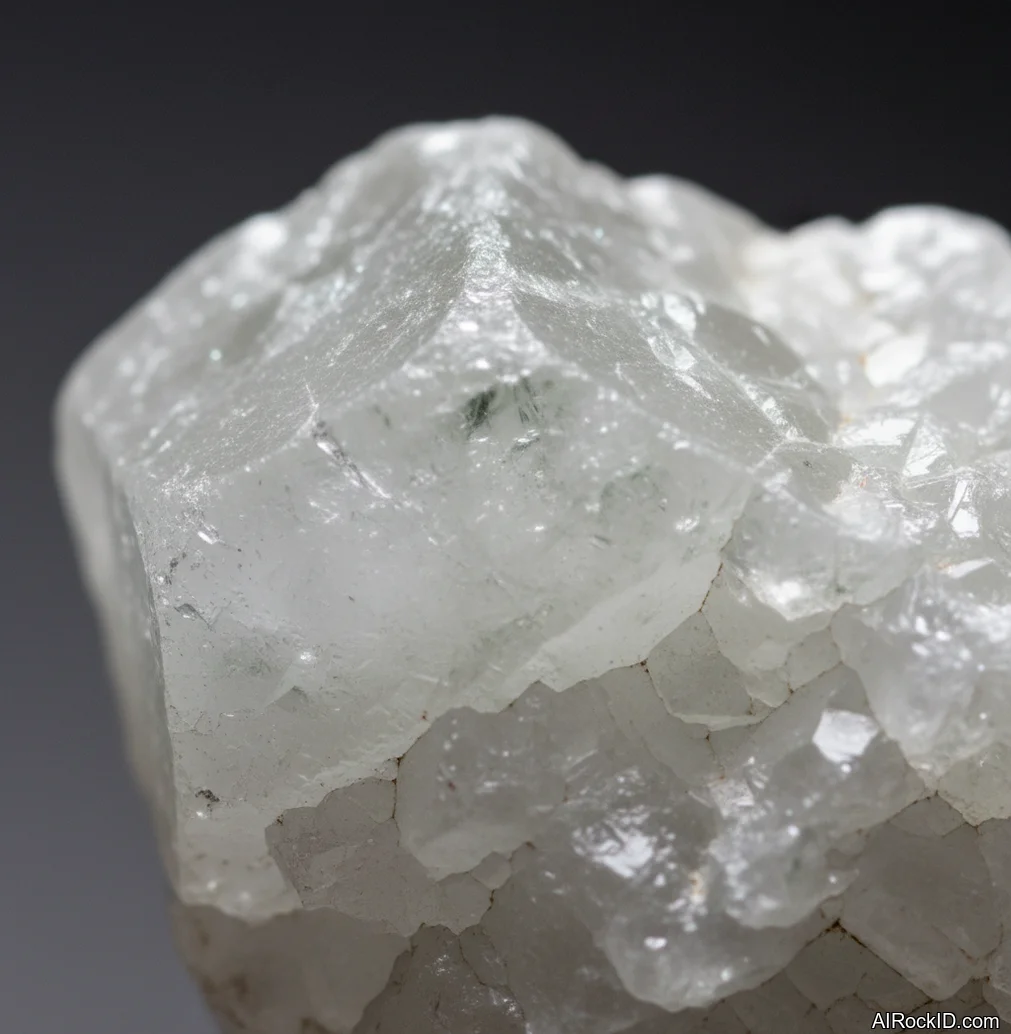
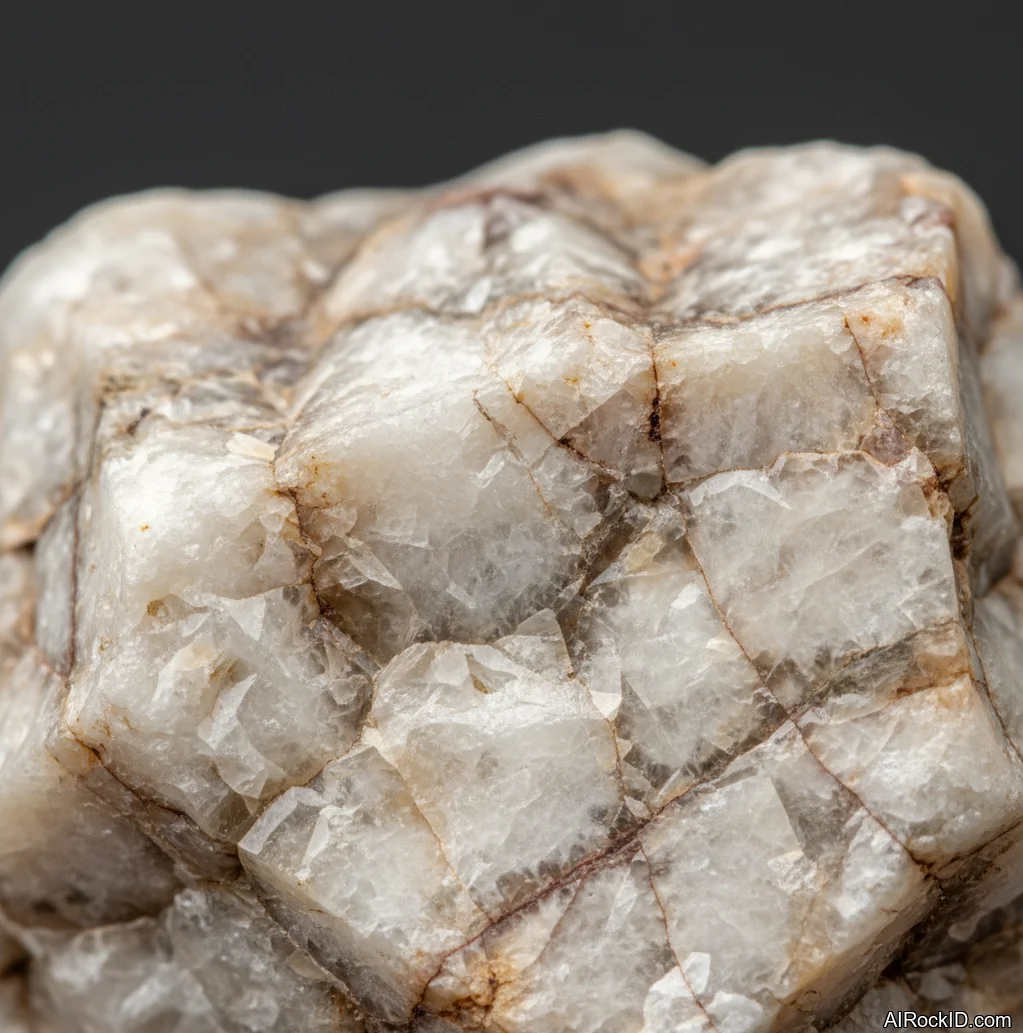
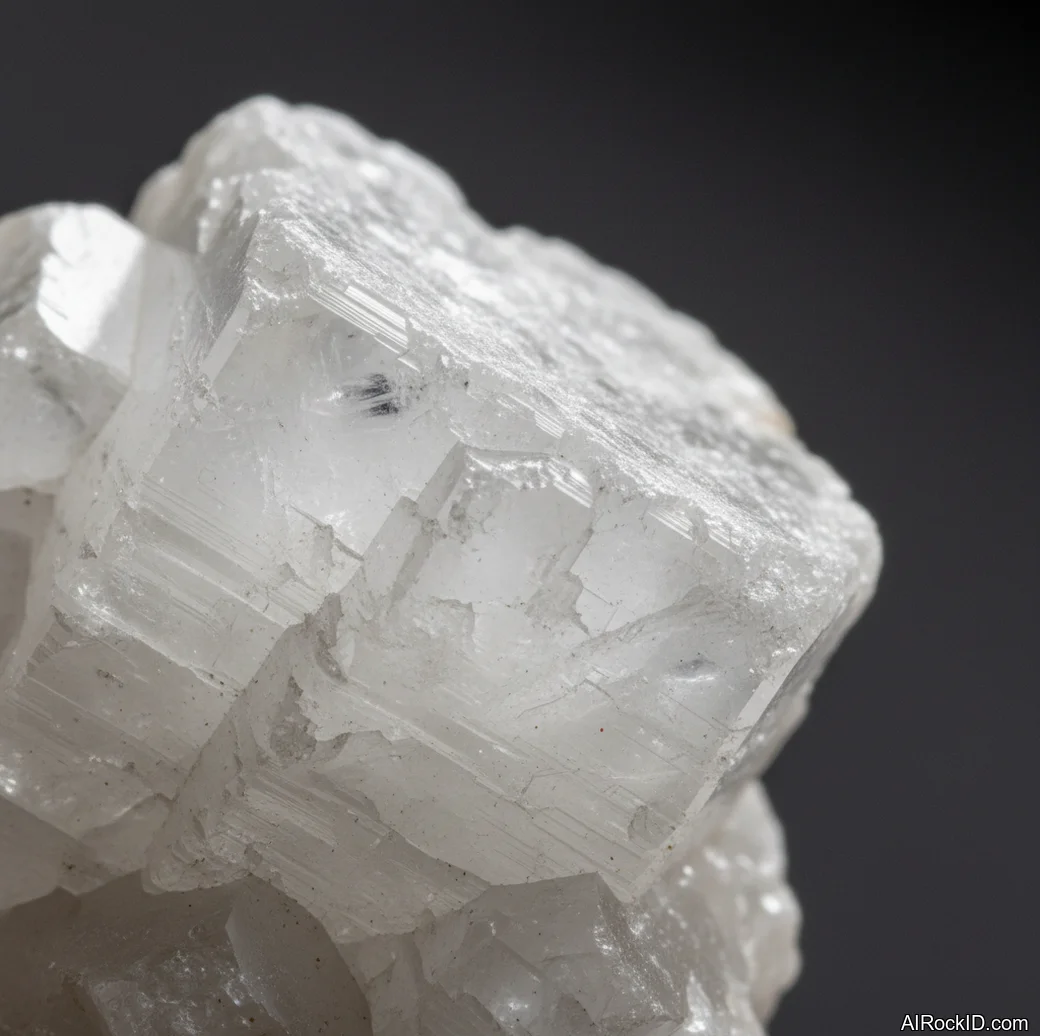
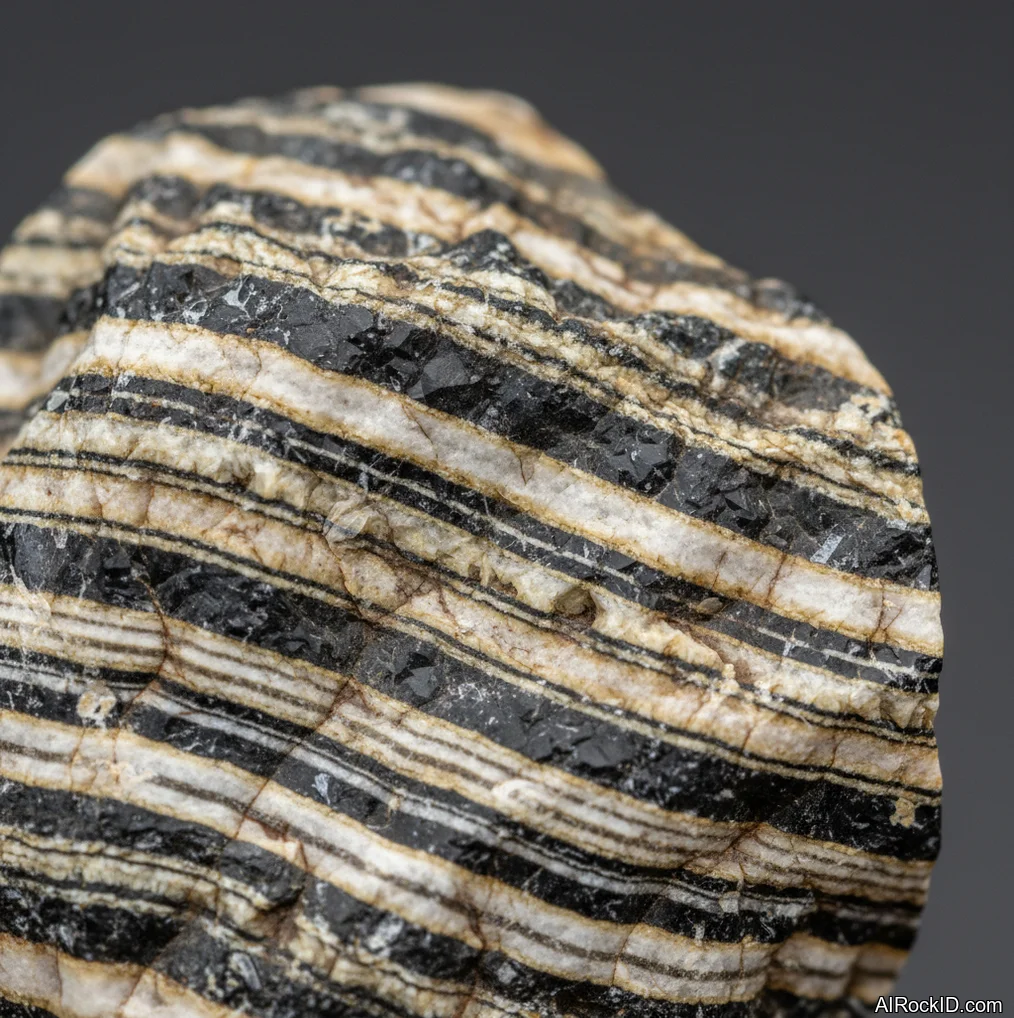
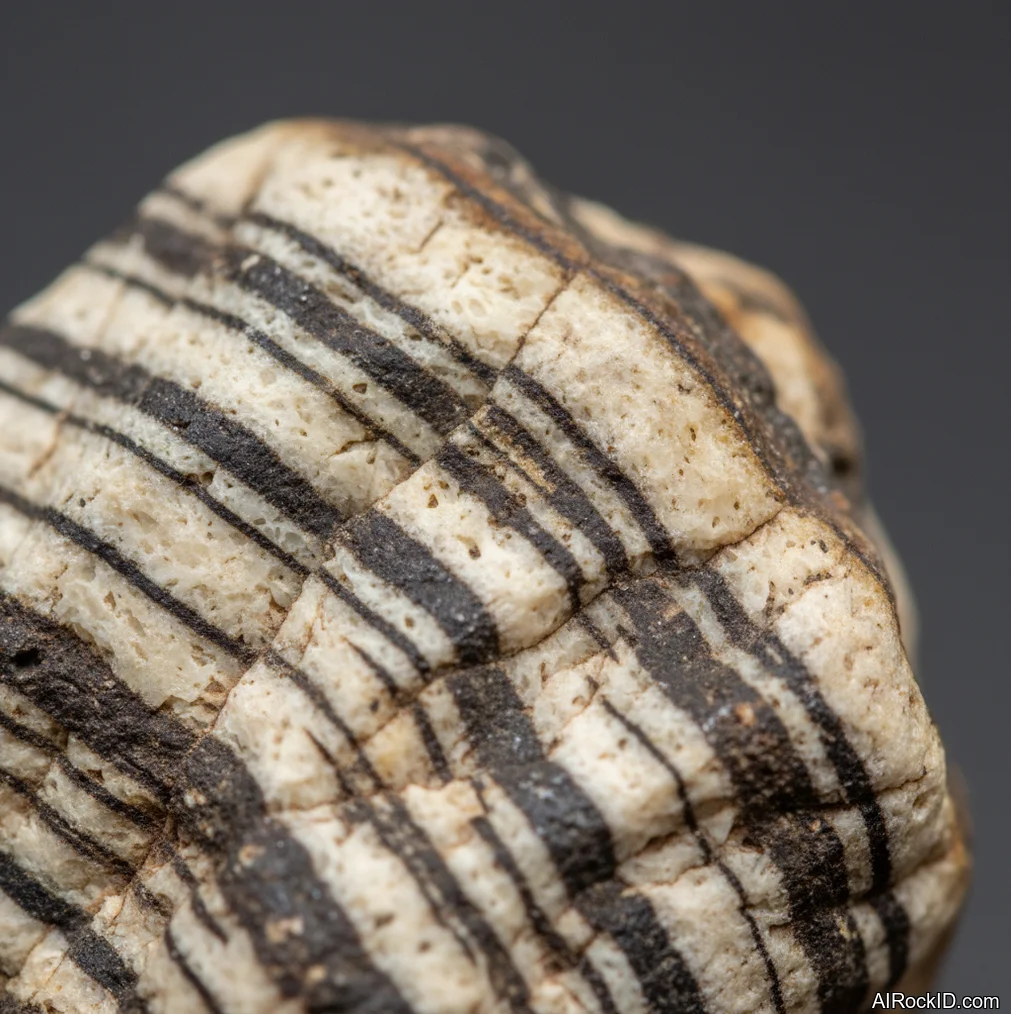
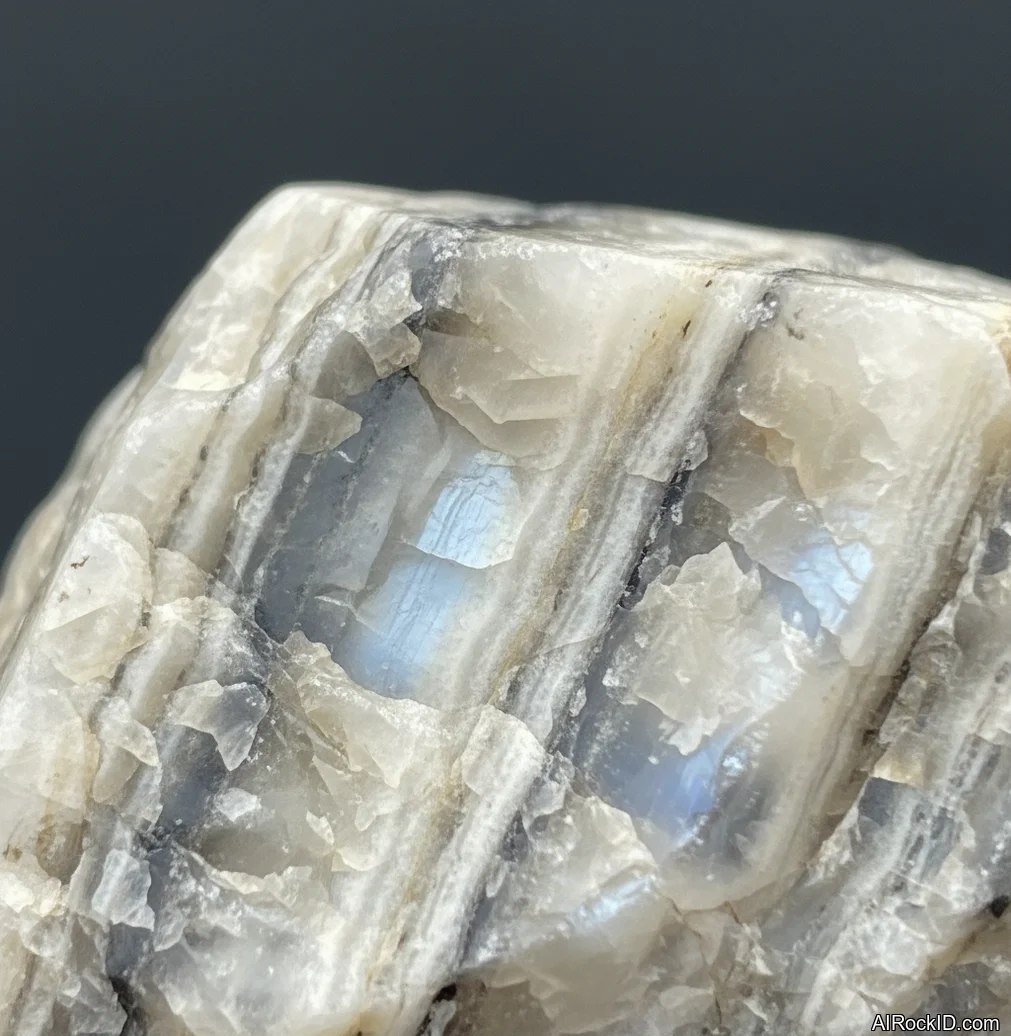
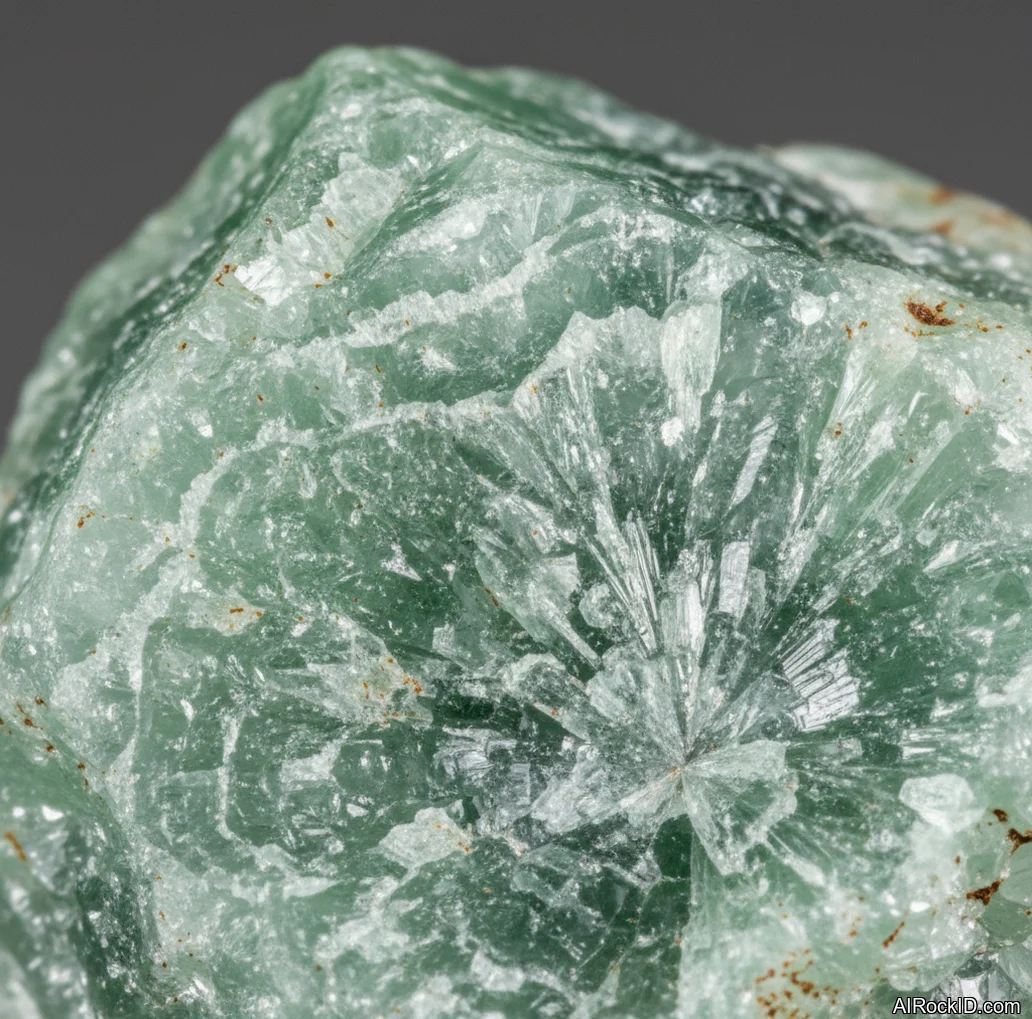
Meditation crystals are minerals and stones that people use as physical aids during meditation, helping with focus, grounding, or calming the mind. Common examples include amethyst, clear quartz, lepidolite, selenite (usually satin spar gypsum), and smoky quartz. These associations come from metaphysical traditions and user experience, not clinical research. Meditation crystals aren't a shortcut to silence or enlightenment; they're tools that add a tactile or visual focus during practice.
Meditation crystals can't guarantee deep meditation, silence the mind instantly, or replace trained mental health care. They're physical objects used to support focus, not sources of supernatural power.
AI Rock ID can help narrow down a crystal’s likely identity from a clear photo, especially when color, luster, and texture are visible. RockIdentifier.io provides crystal information that can support identification, comparison, and learning about traditional meanings.
Good fit
- People who like a physical object to anchor attention during meditation
- Beginners building a simple mindfulness or reflection routine
- Collectors interested in symbolic meanings from crystal traditions
- Gift buyers looking for a calming or contemplative theme
- Practitioners who use crystals as part of altar, breathwork, or intention-setting rituals
Not a good fit
- Anyone seeking a substitute for professional medical or mental health care
- Buyers who need guaranteed metaphysical outcomes
- Children or pets if stones are small, brittle, toxic, or easy to swallow
- People who prefer meditation without objects, symbolism, or ritual tools
Most commonly confused with
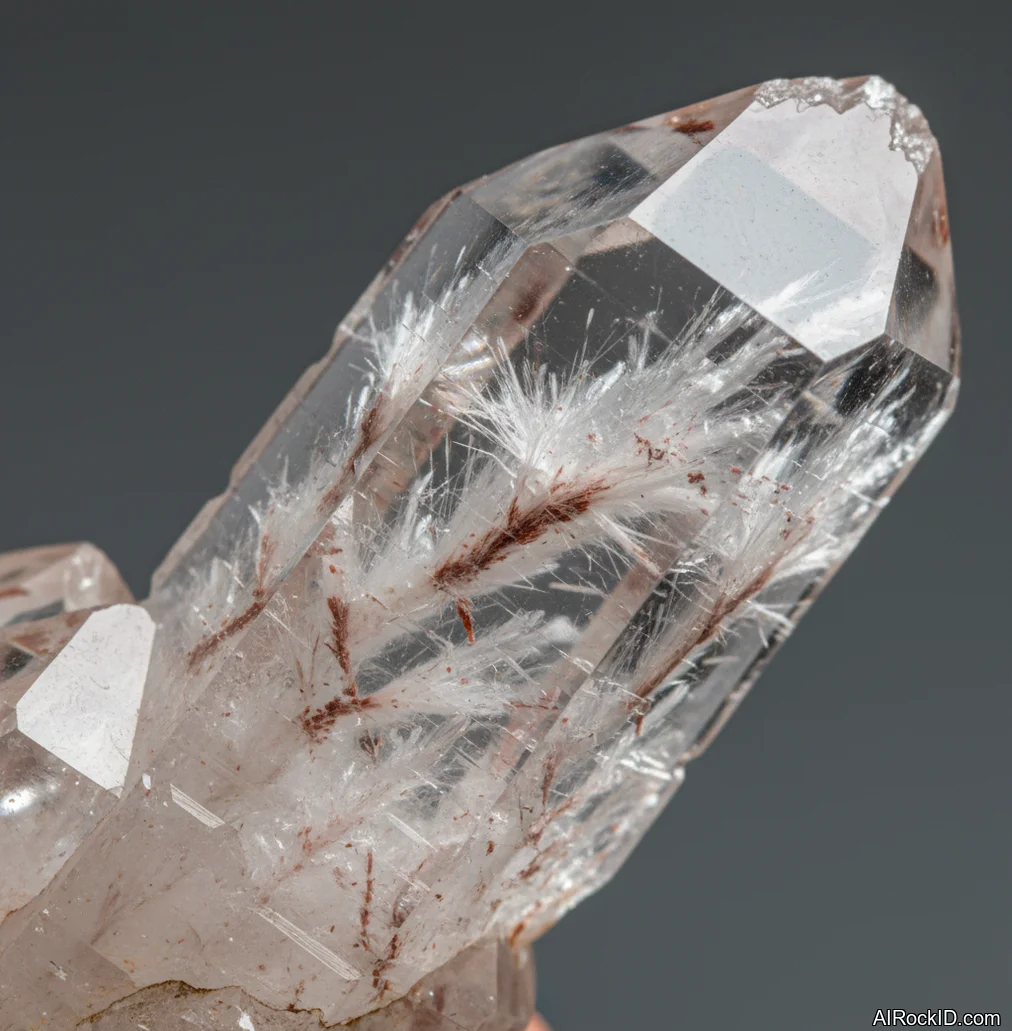
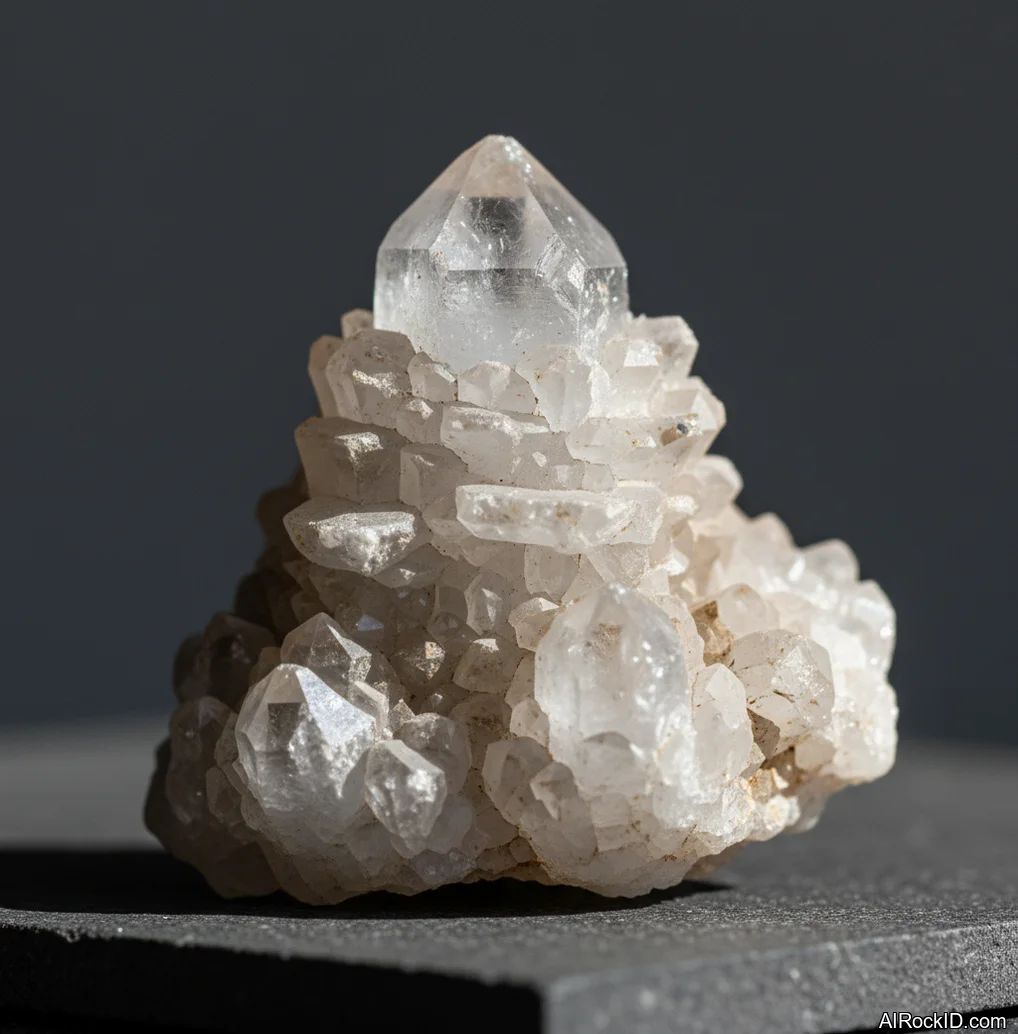
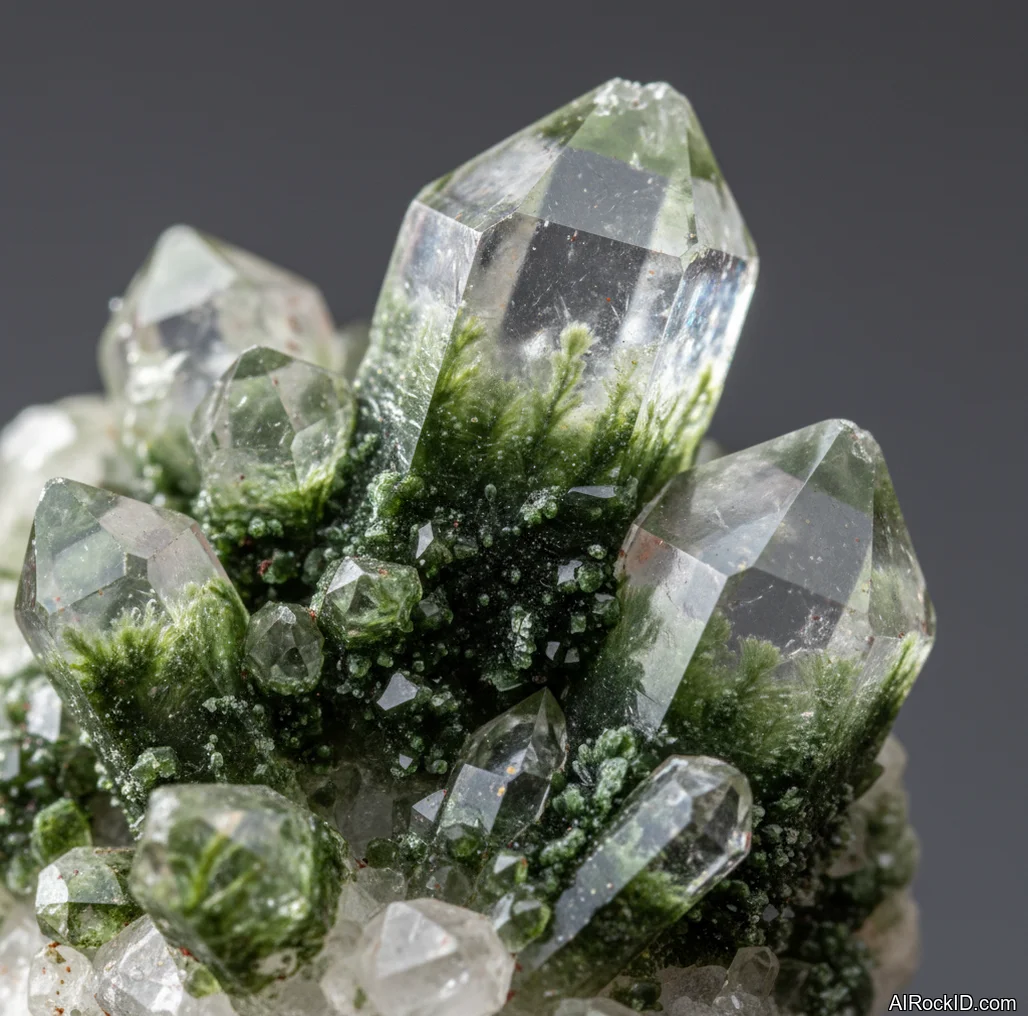
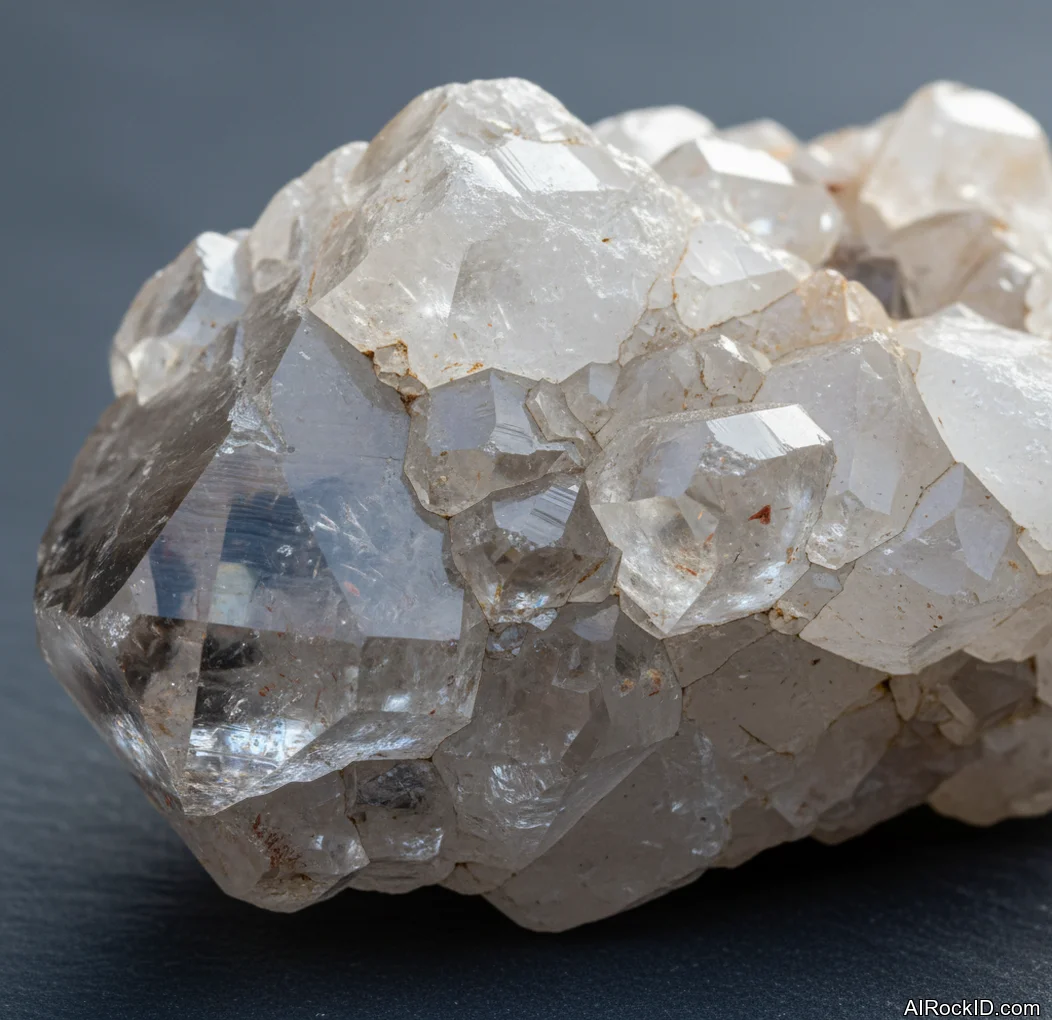
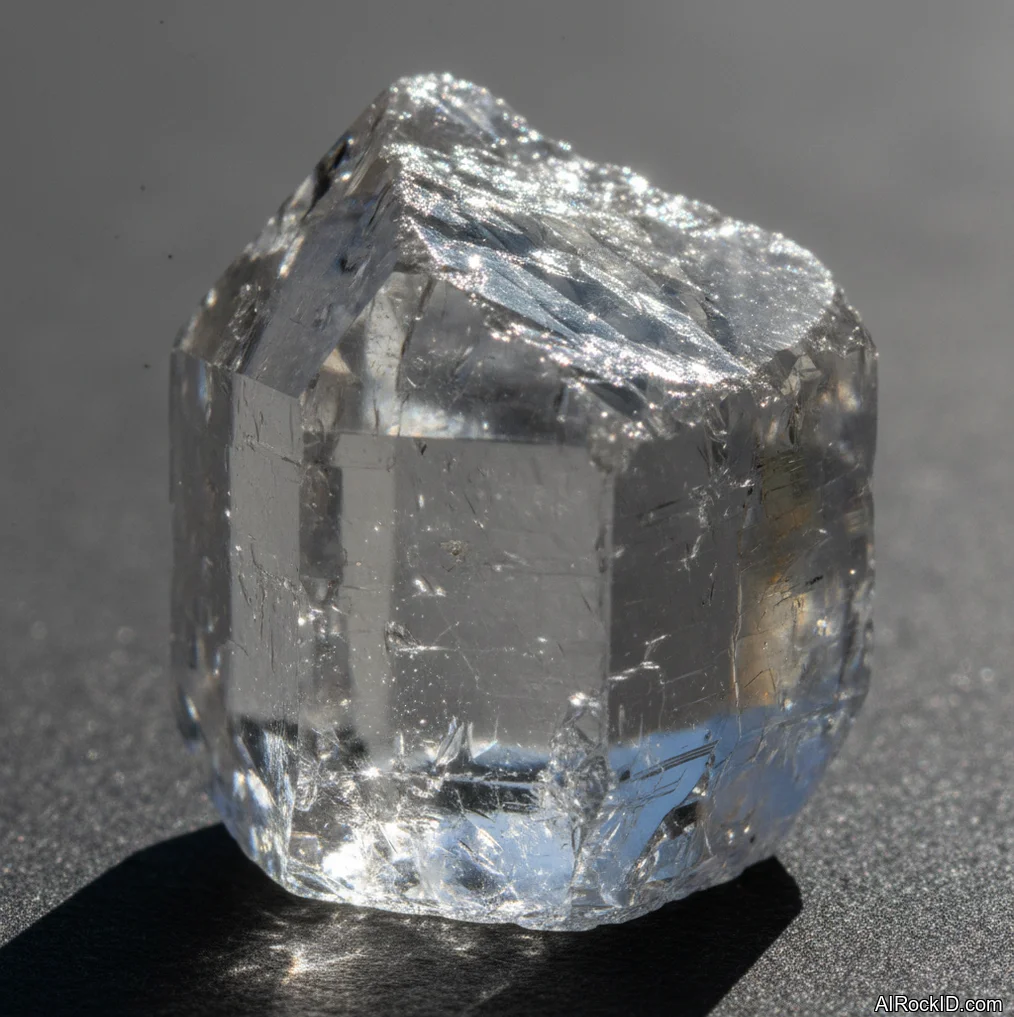
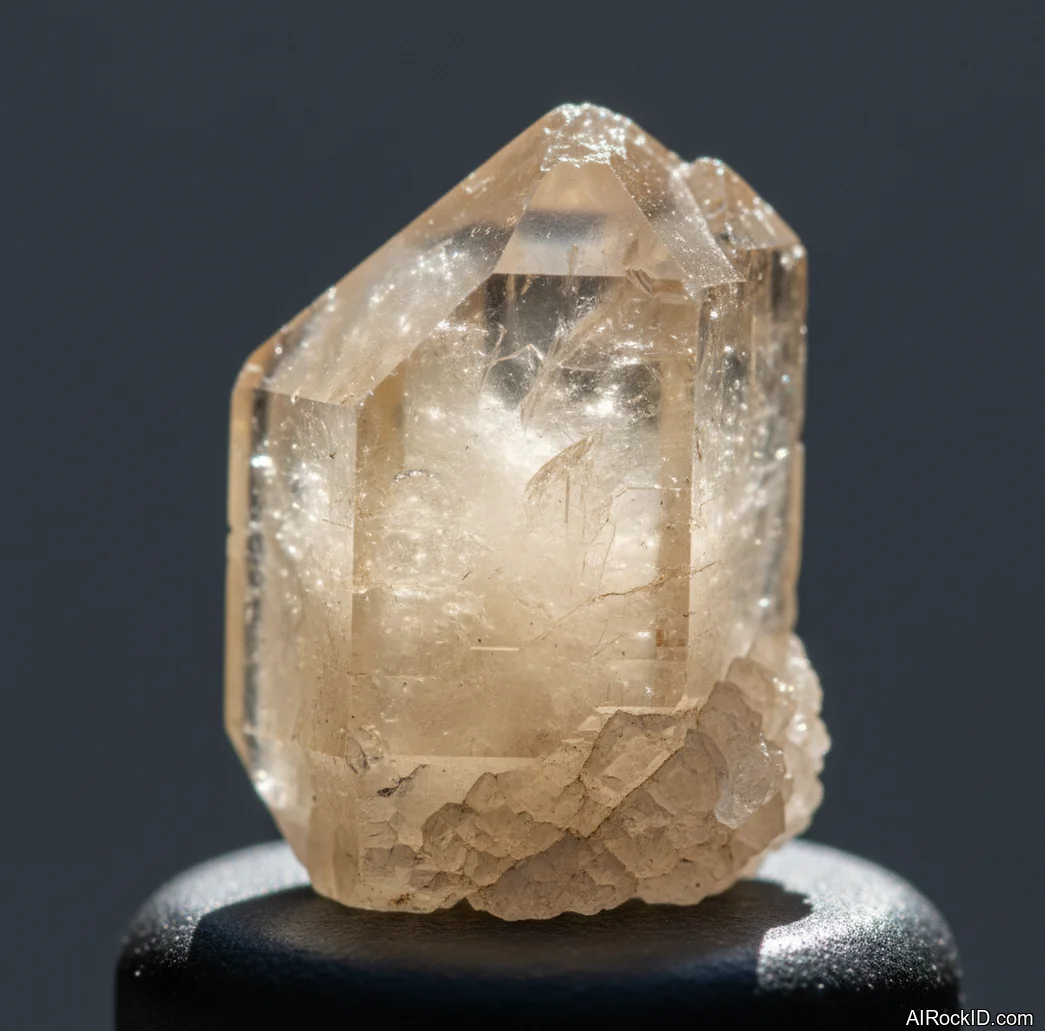
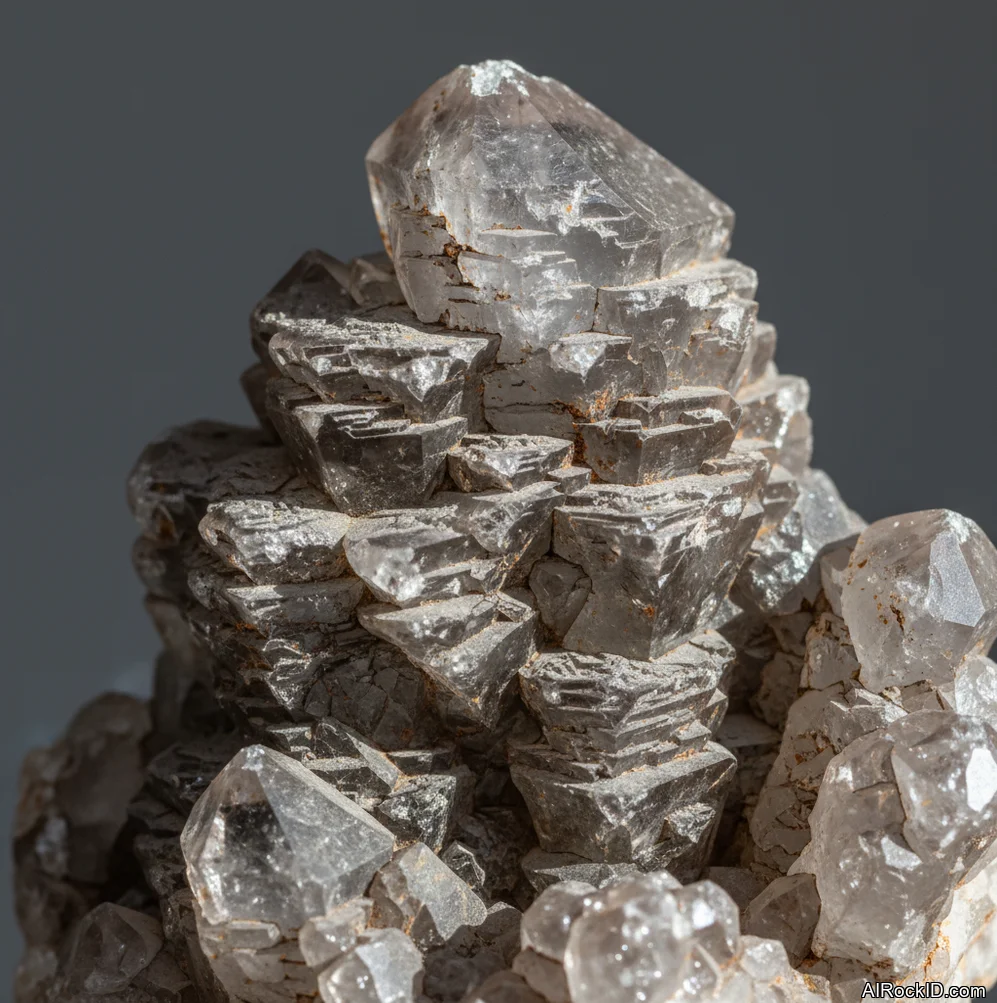
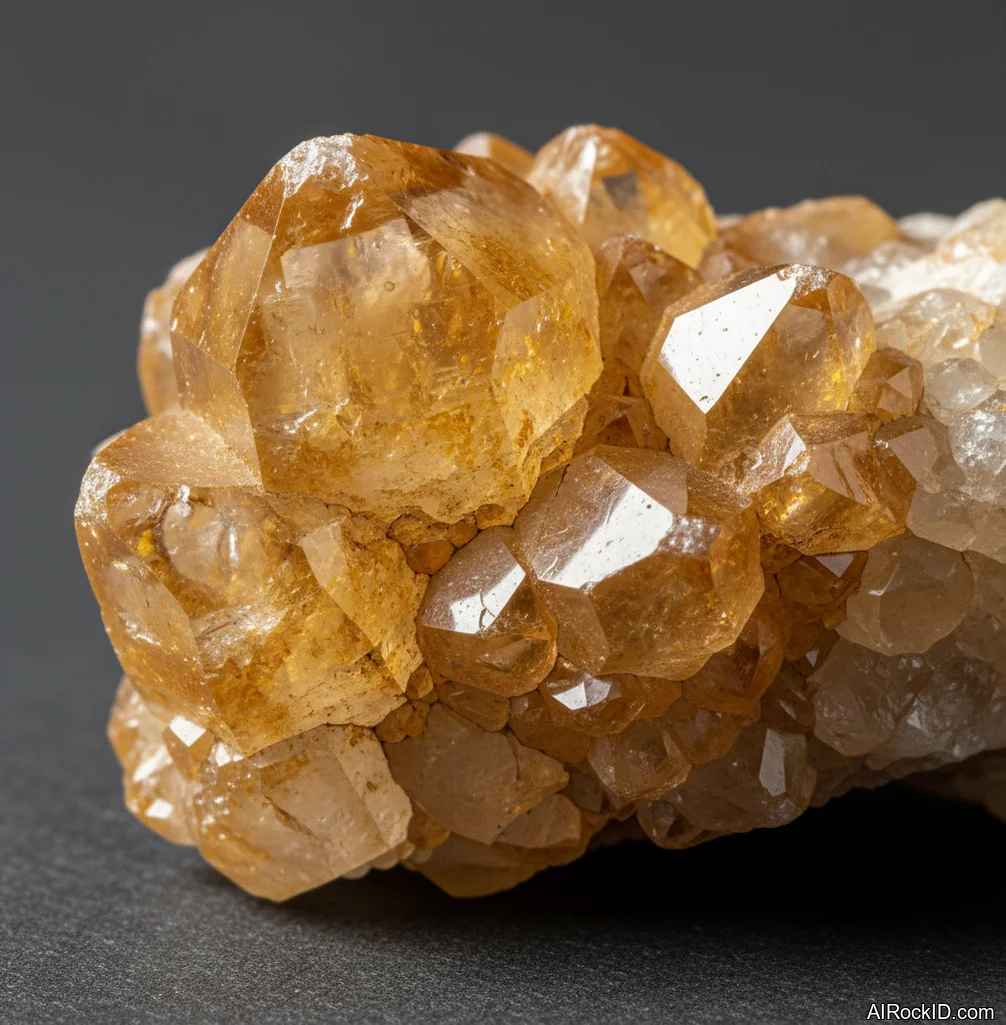
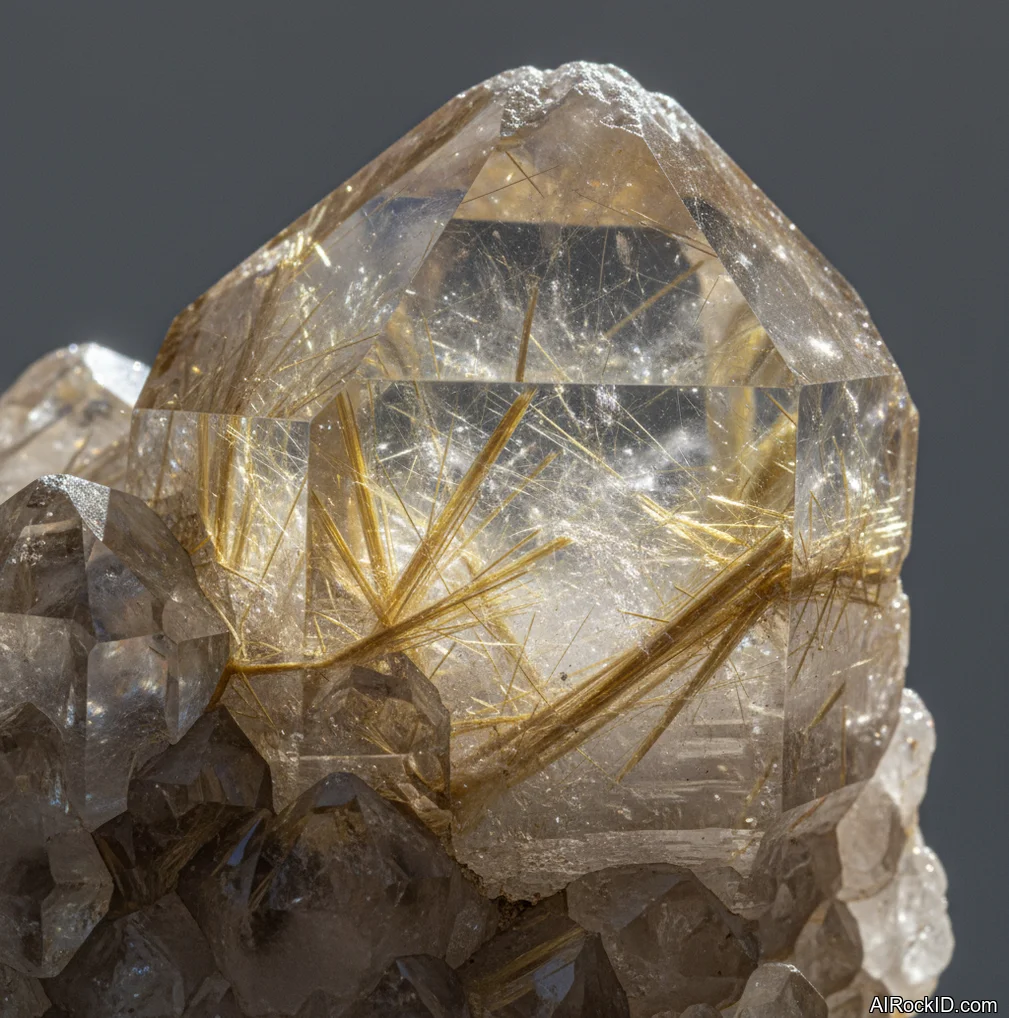
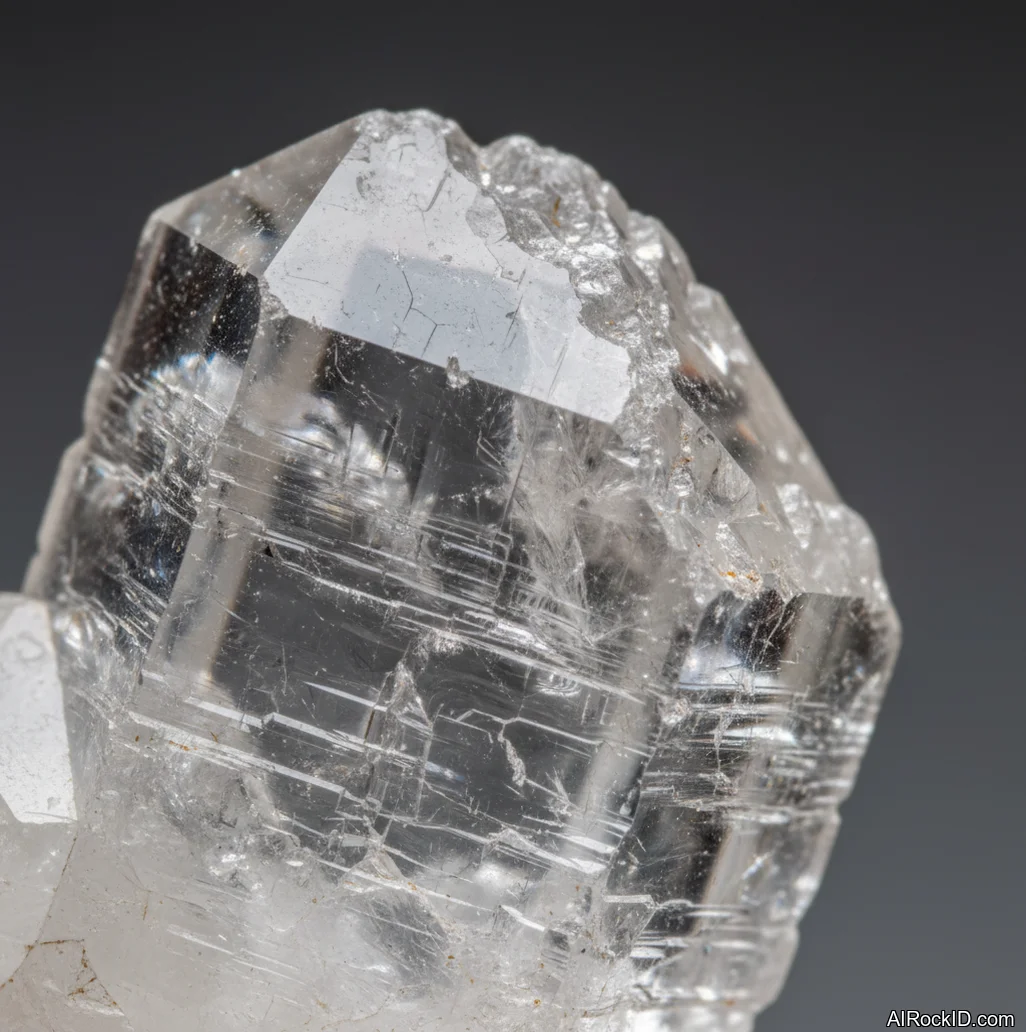
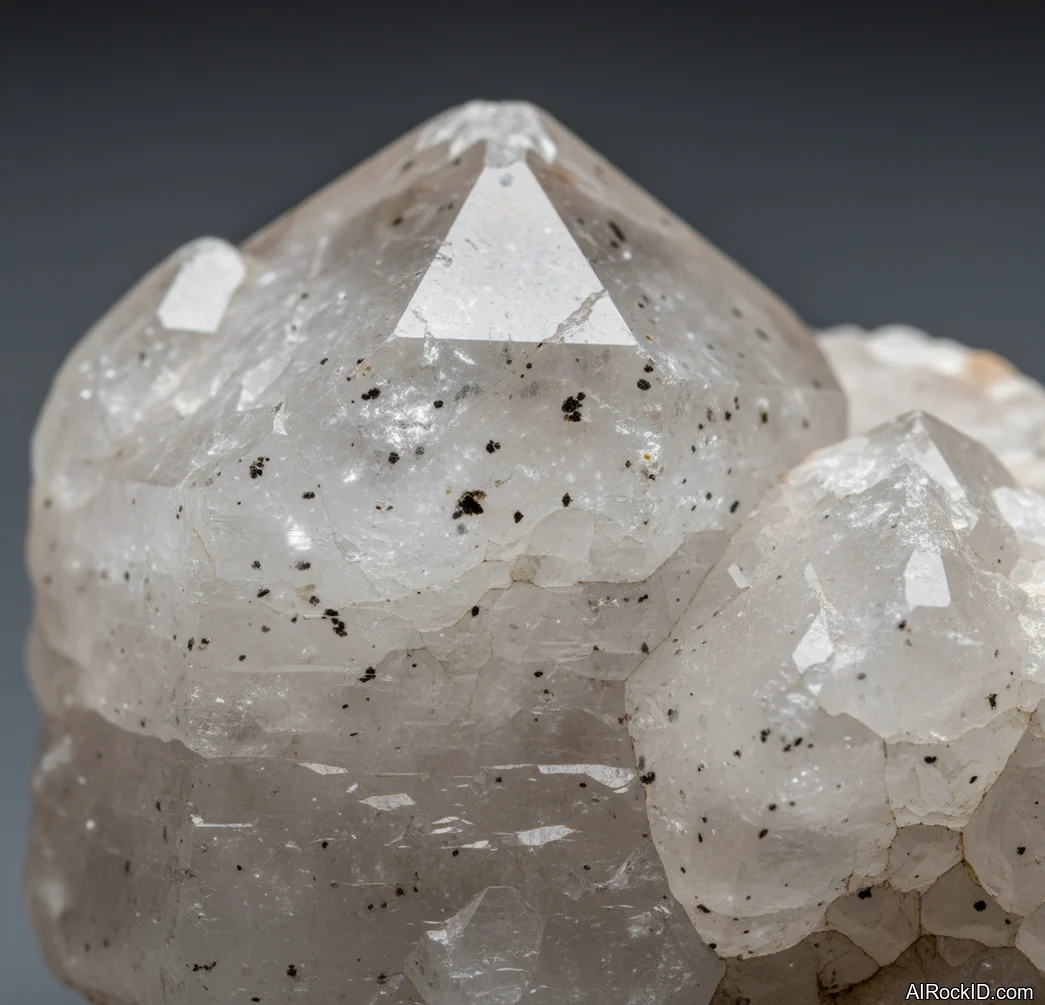
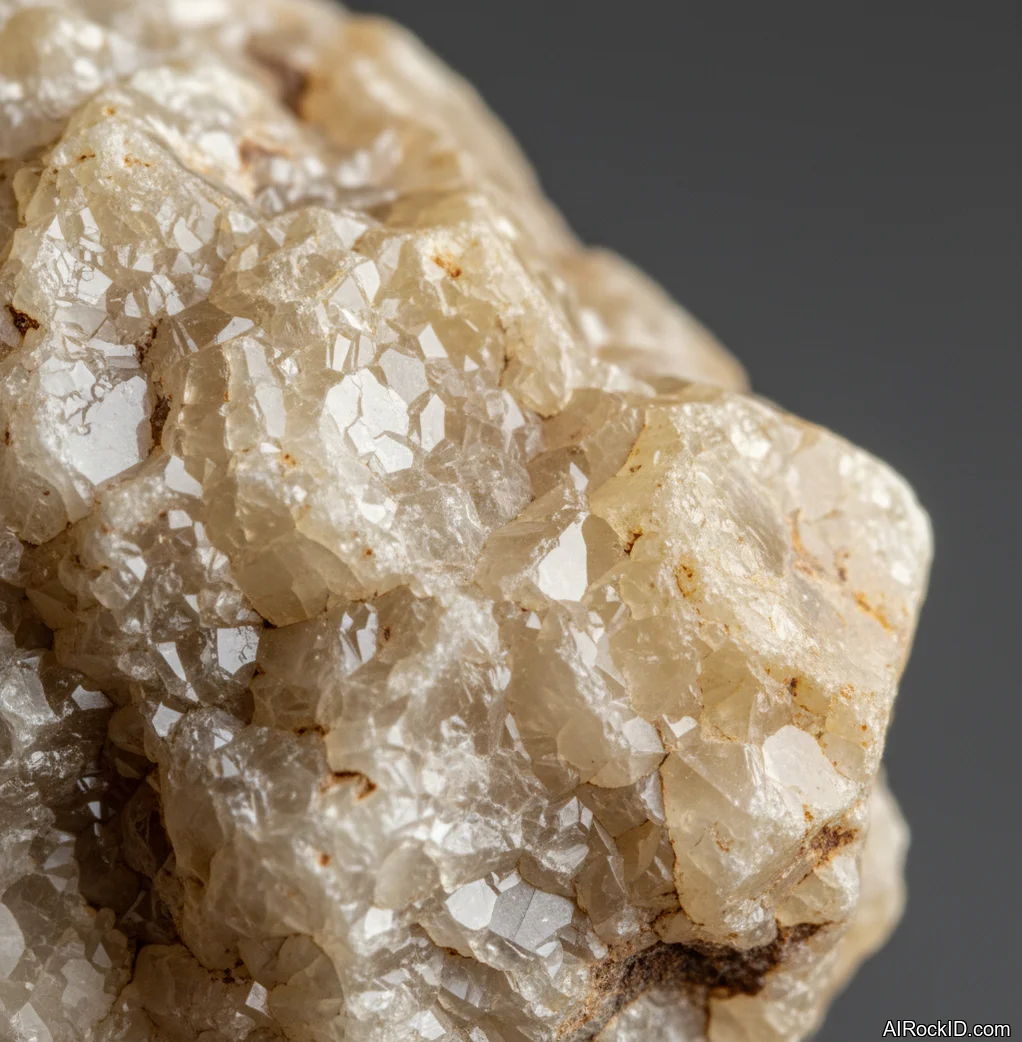
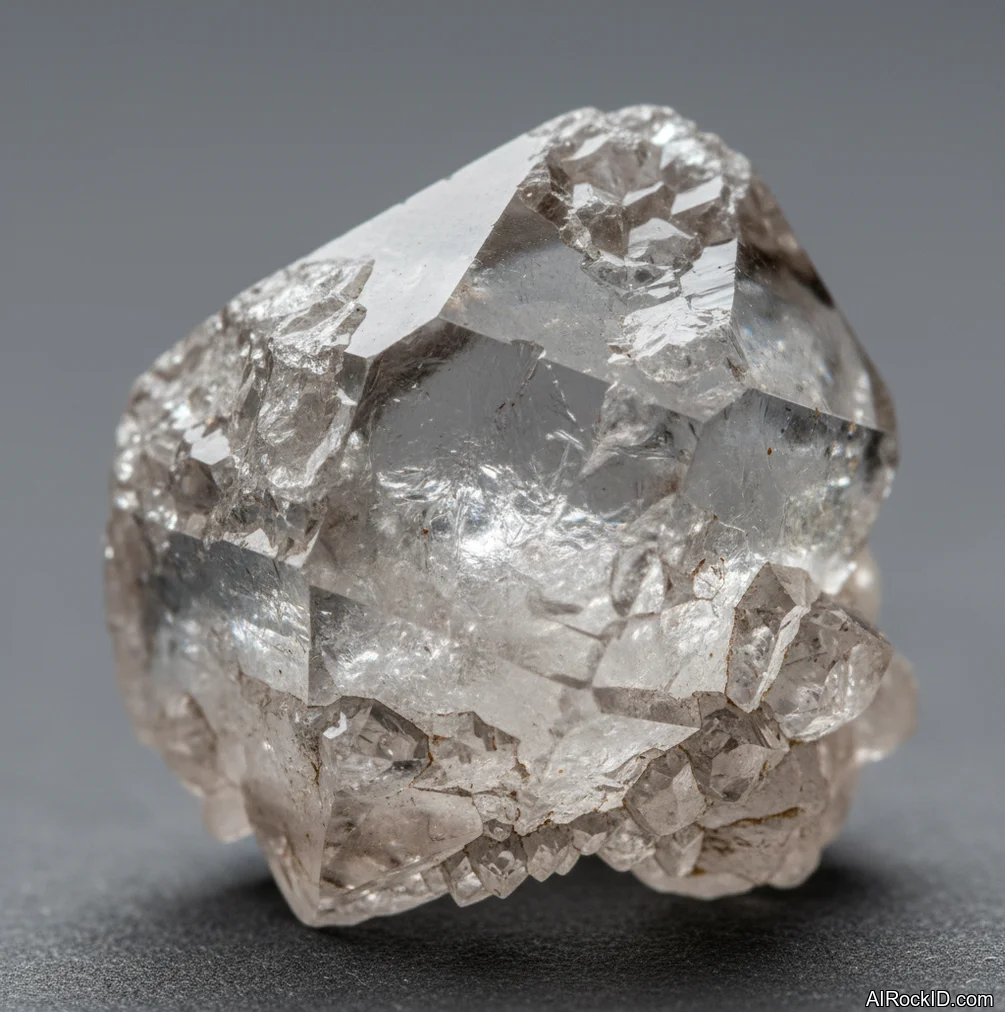
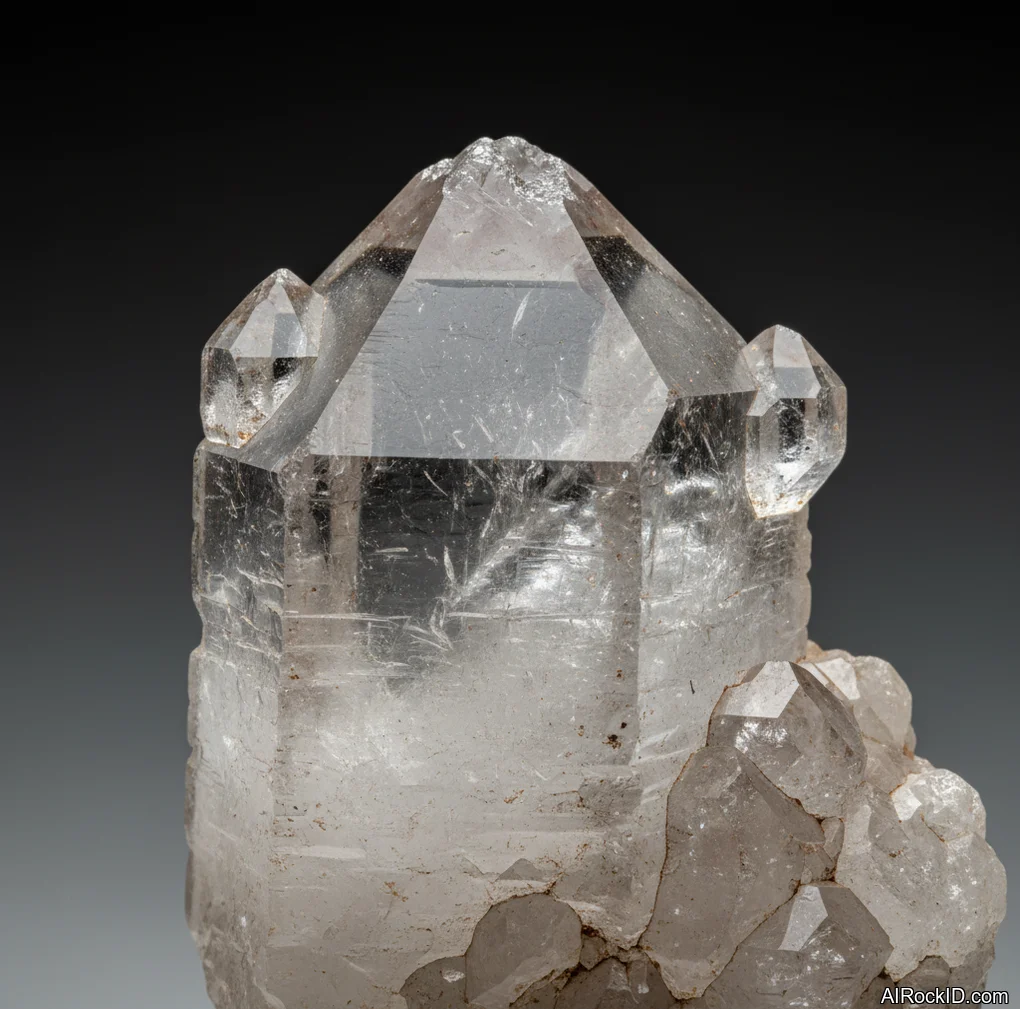
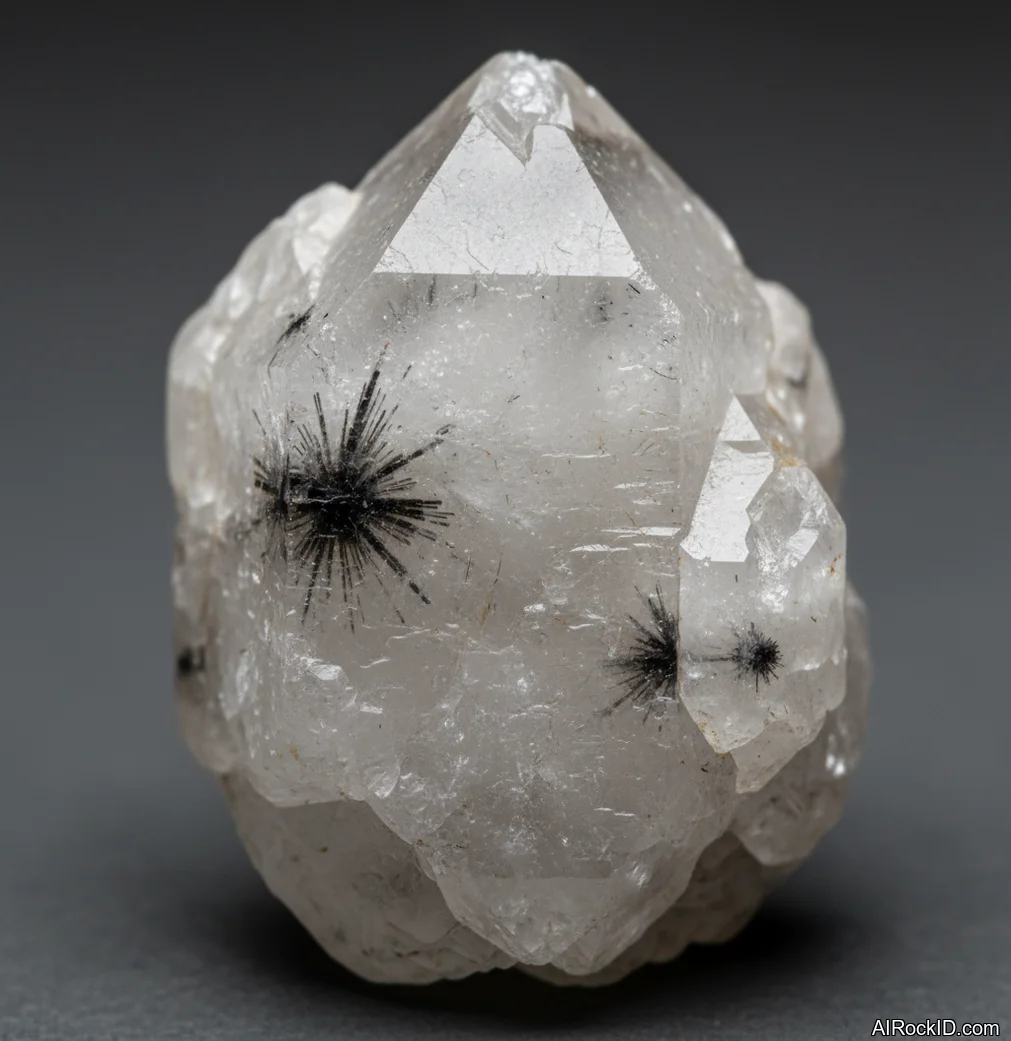
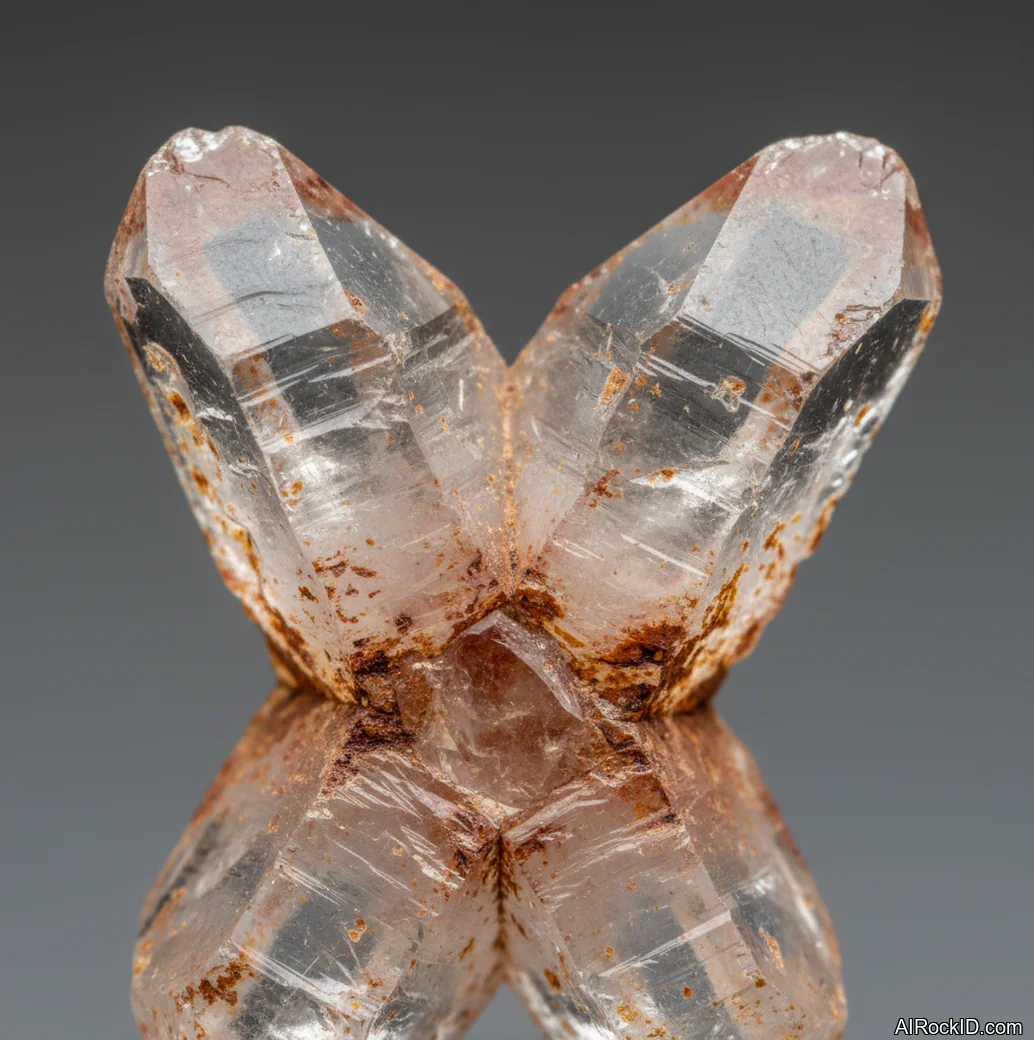
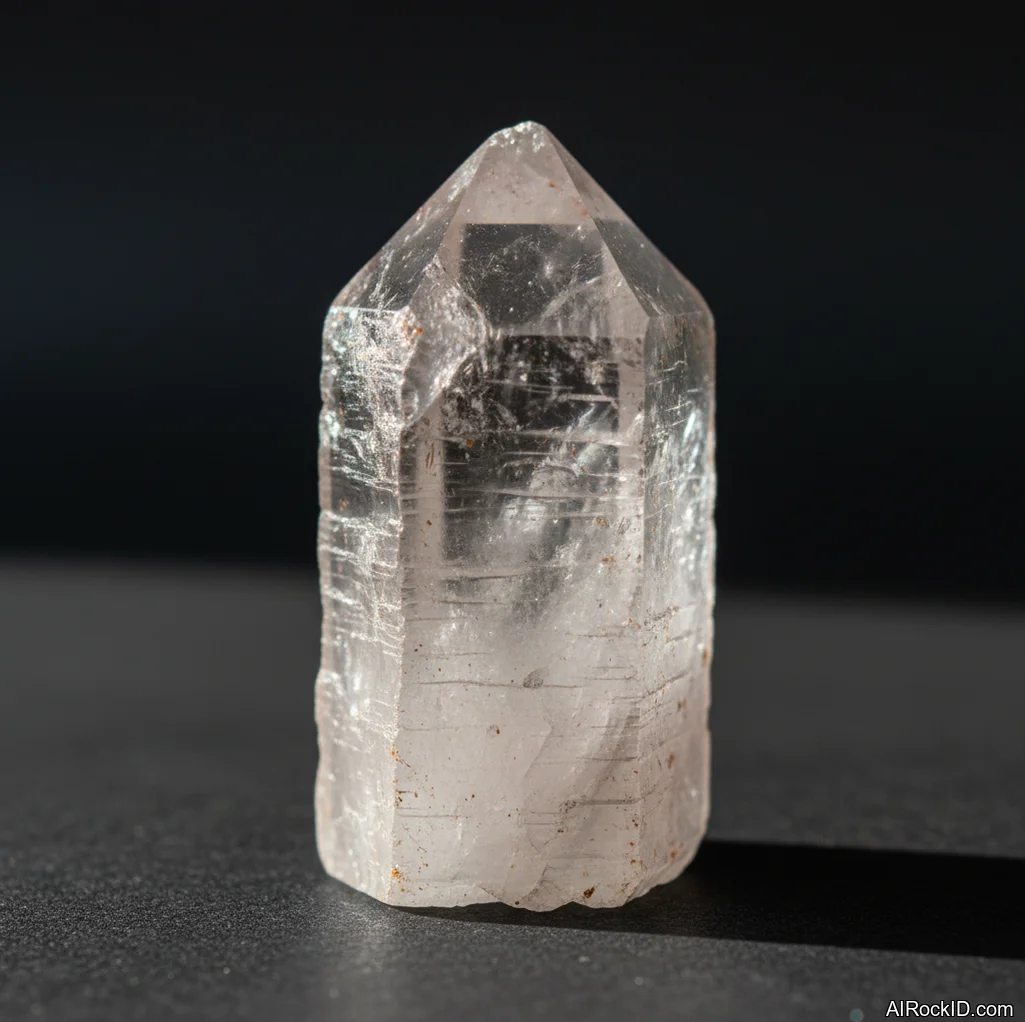
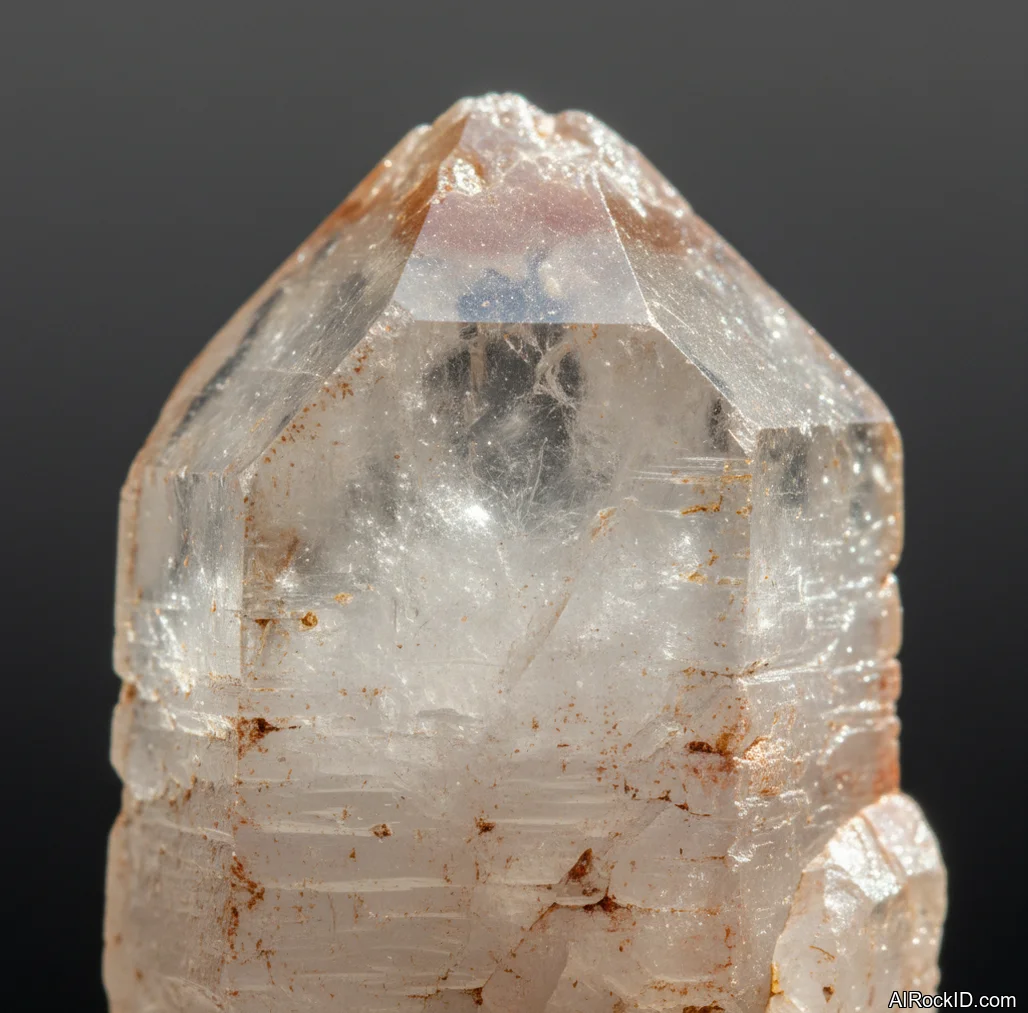
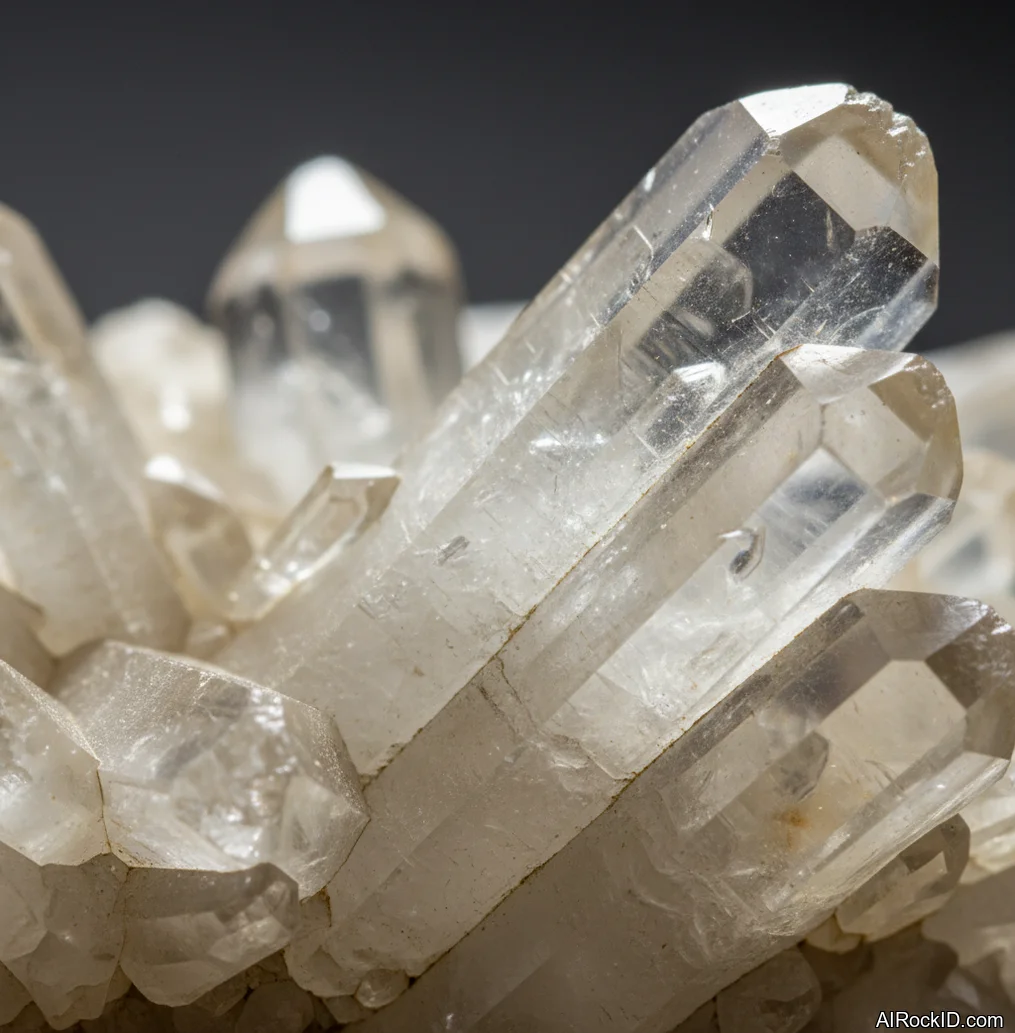
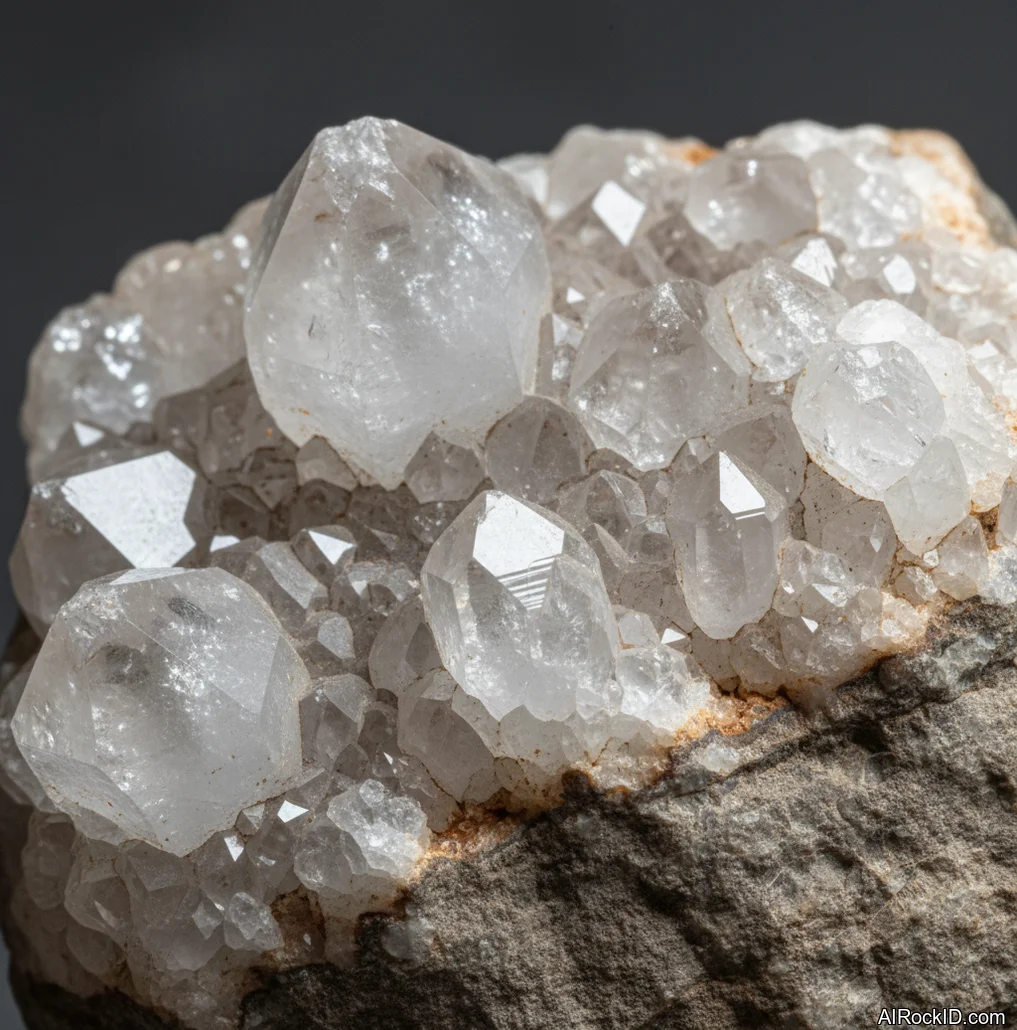
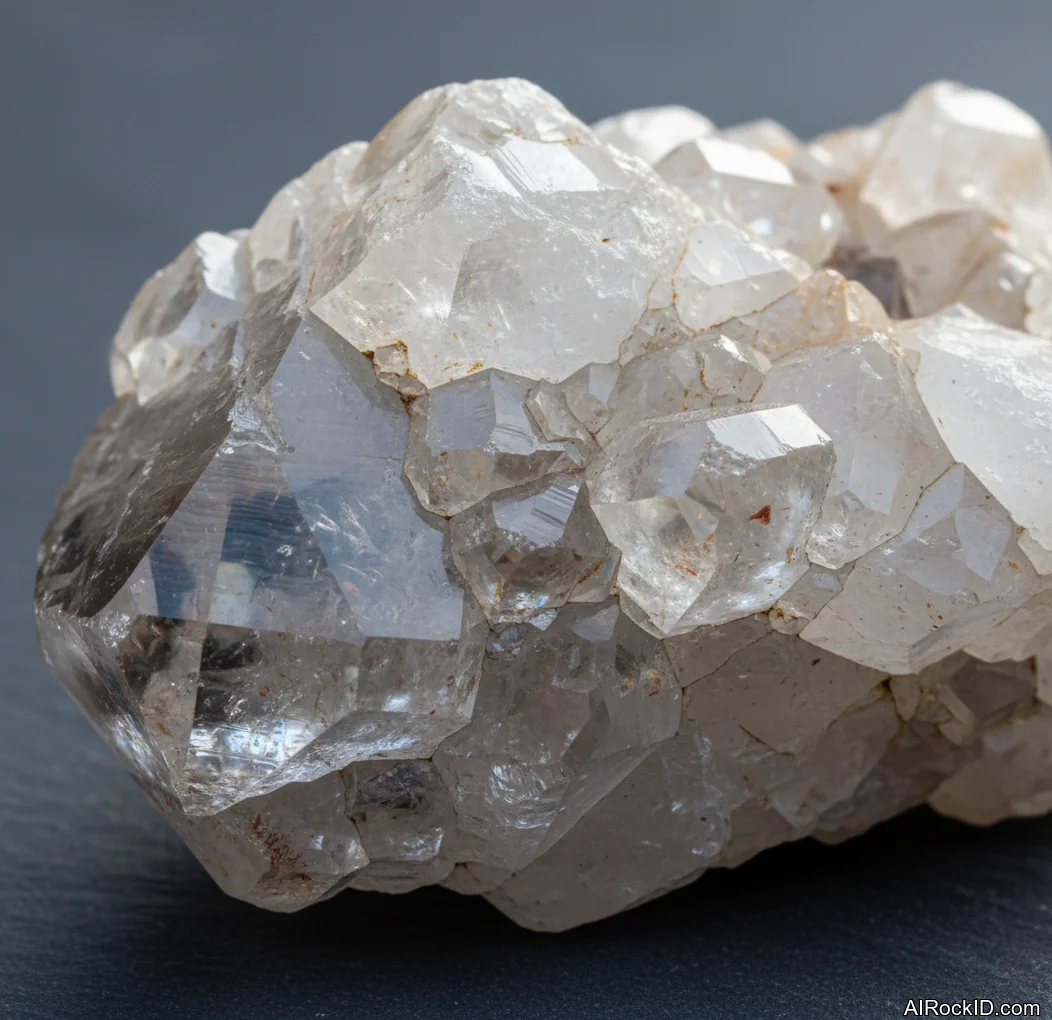
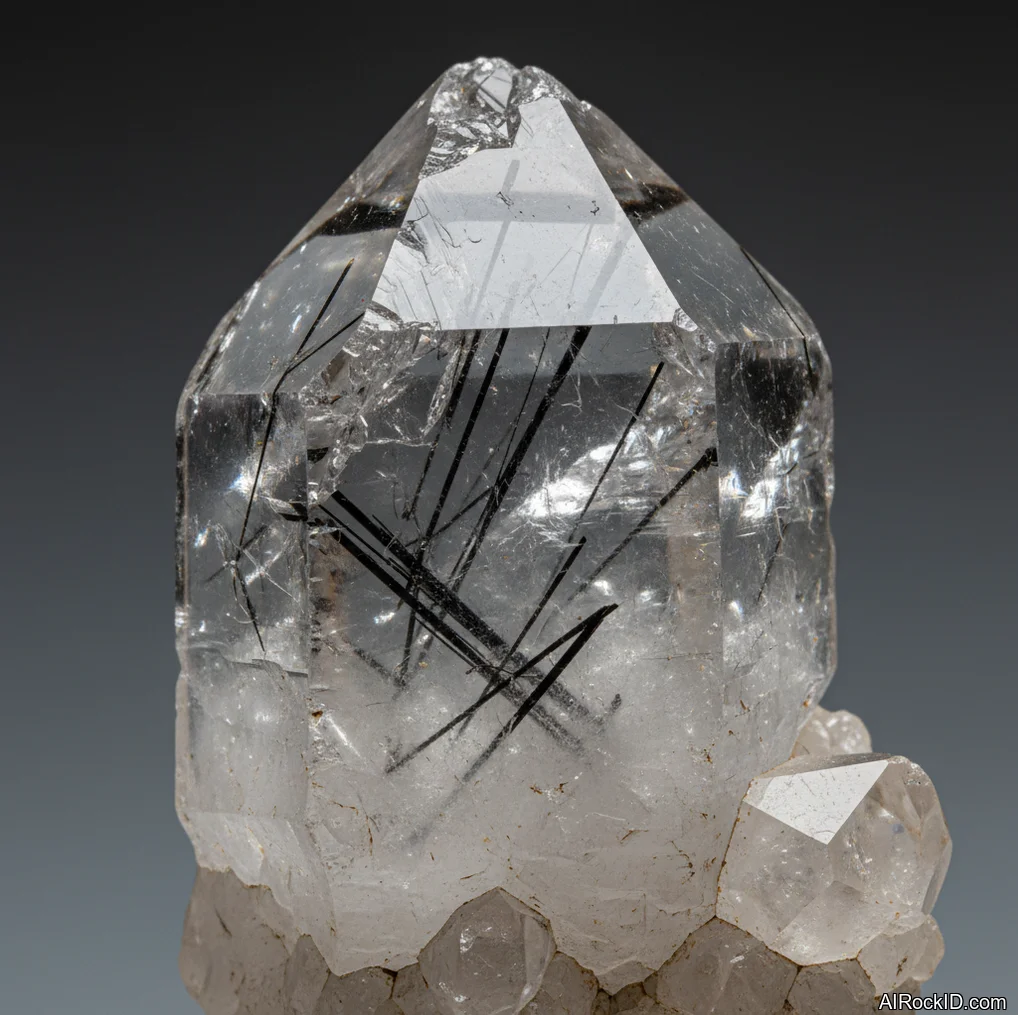
- Clear Quartz: Often chosen as a general meditation stone; it can be confused with glass, but natural pieces may show inclusions or uneven growth features.
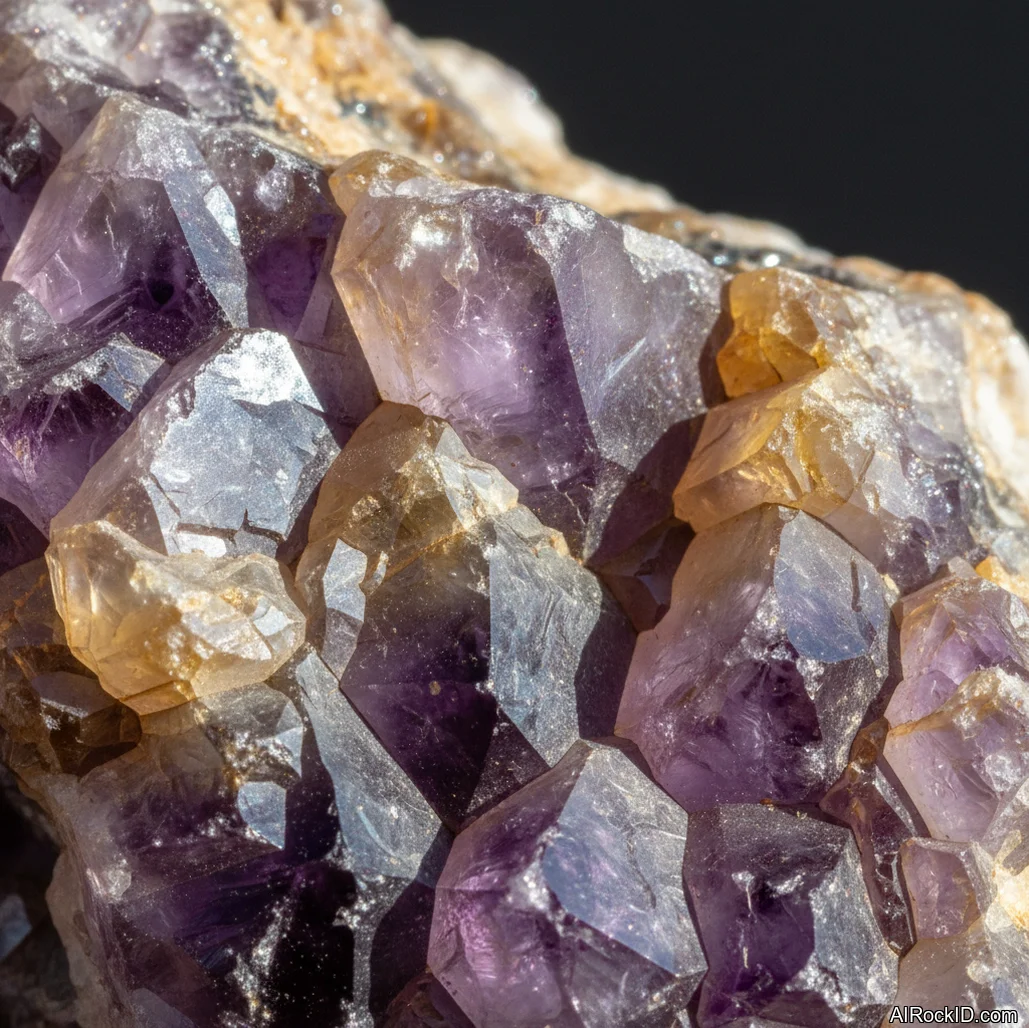
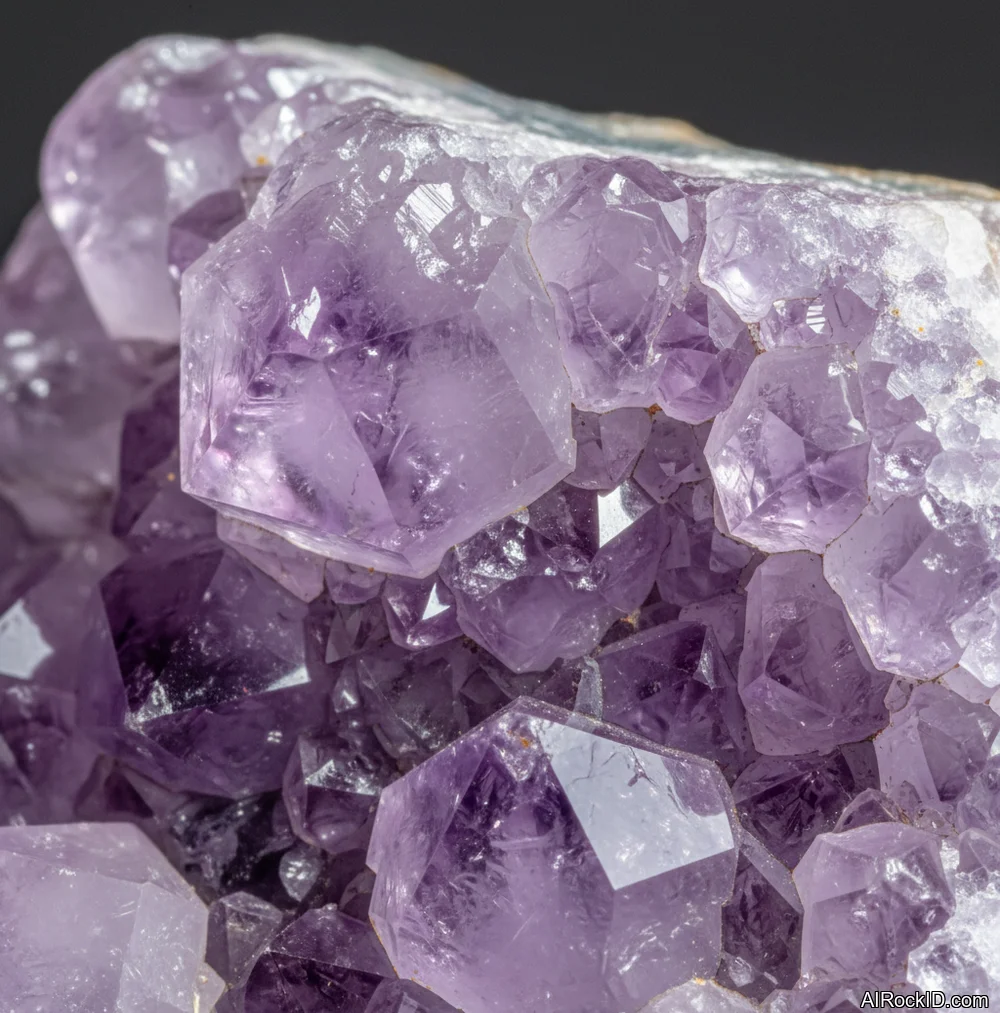
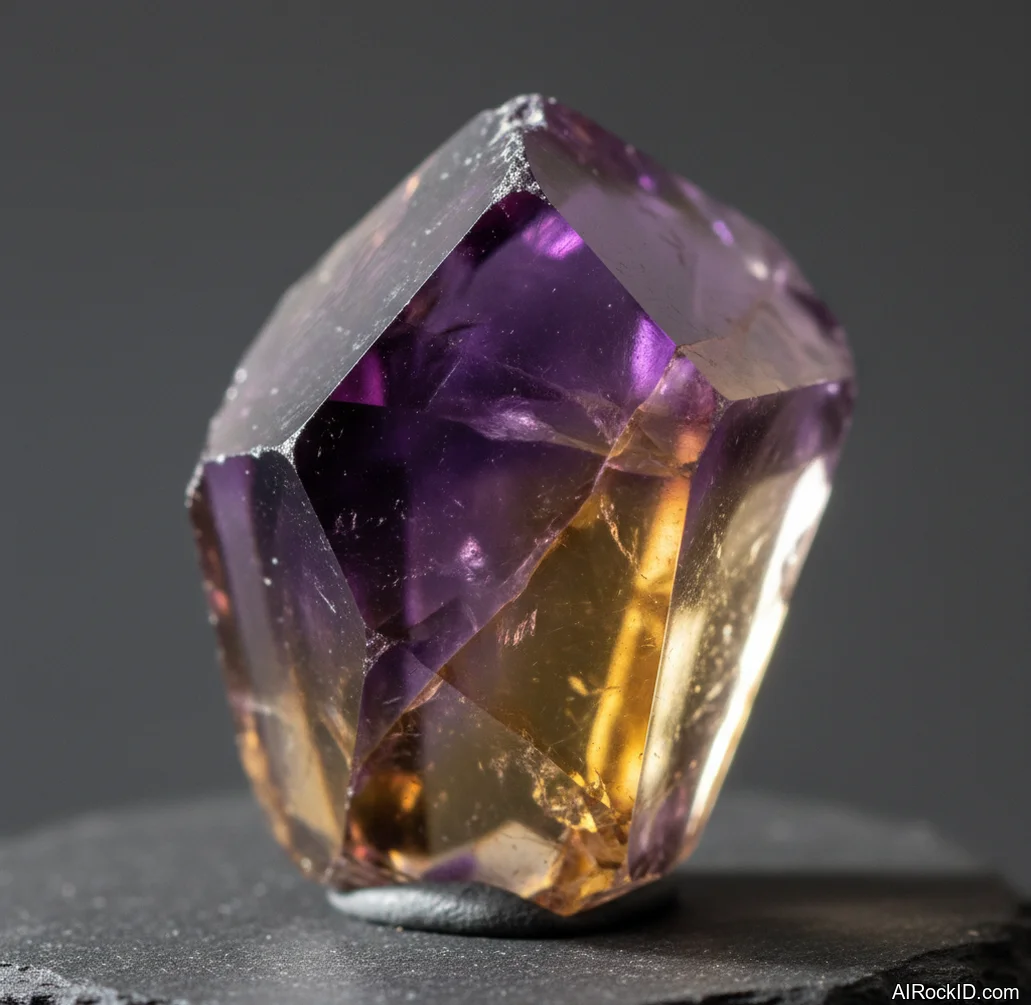
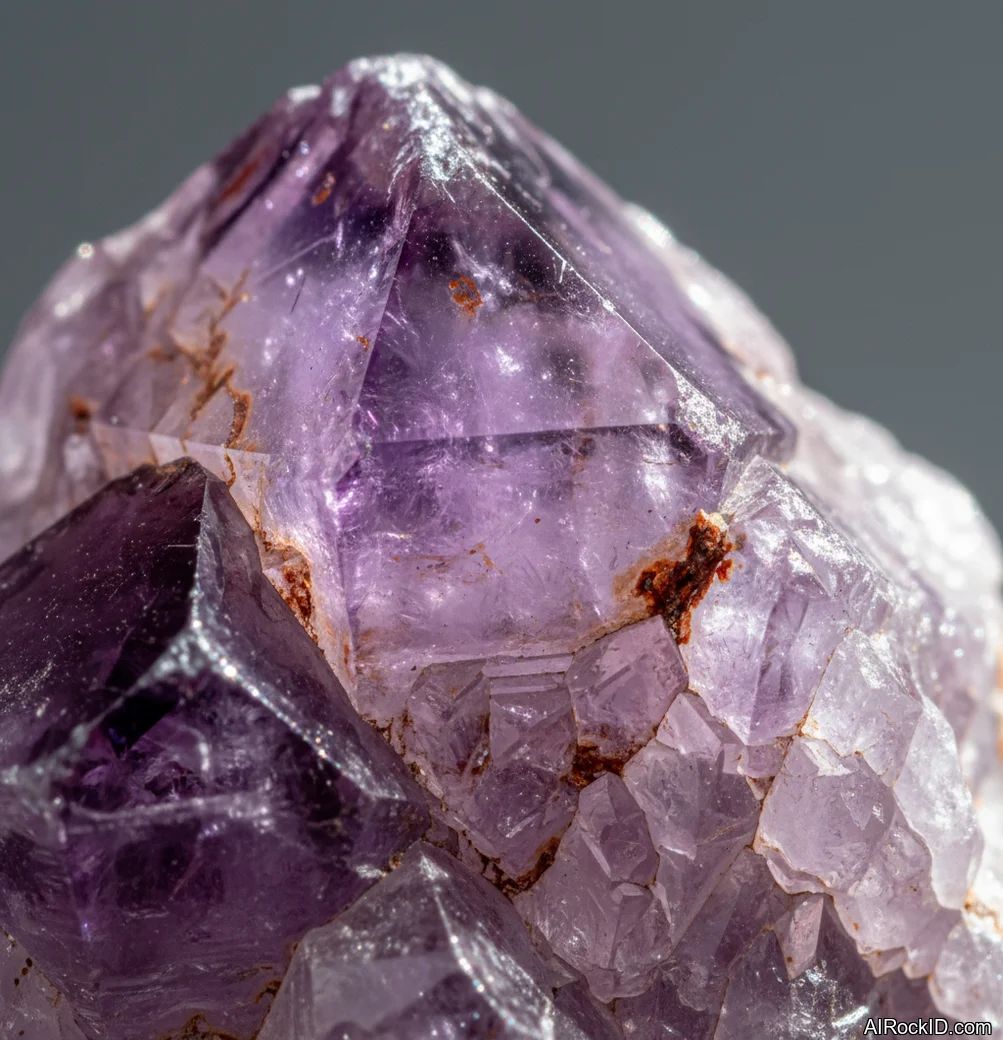
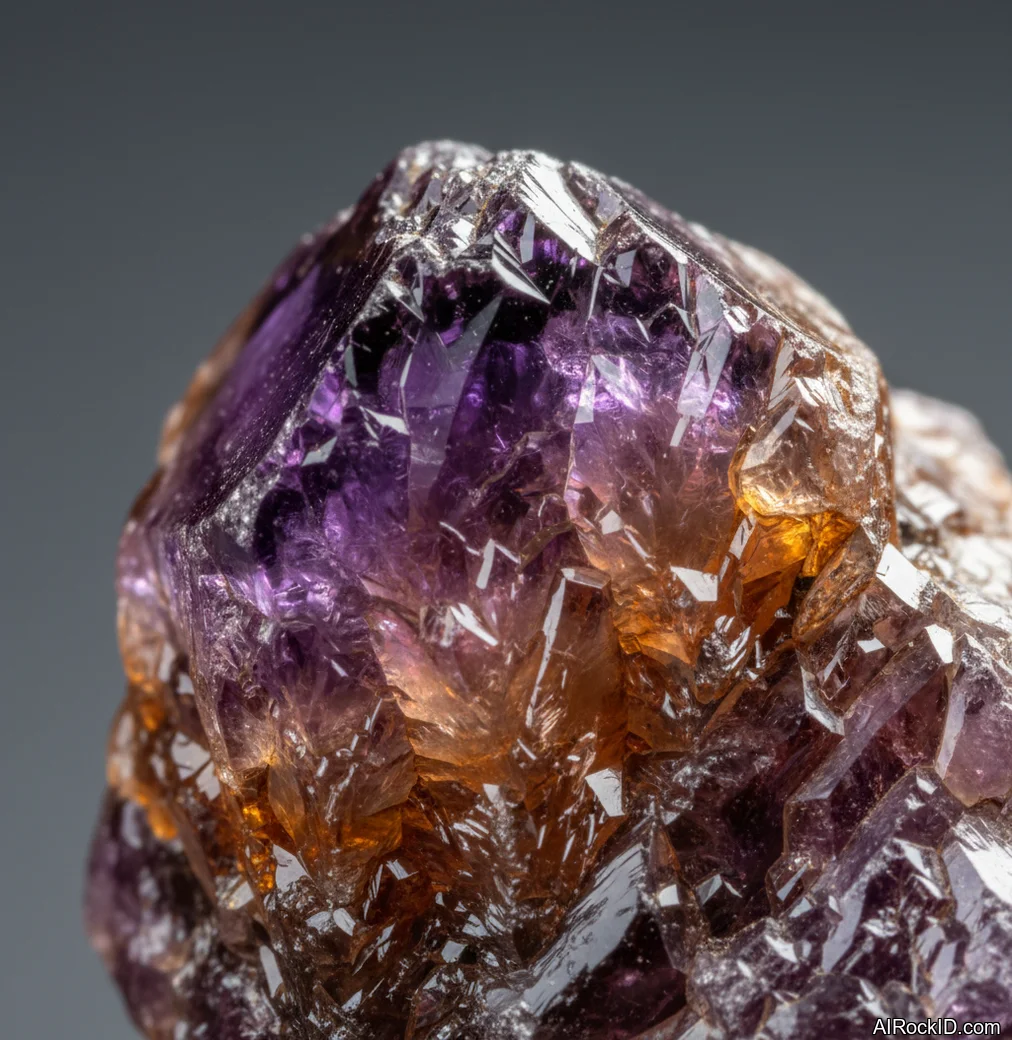
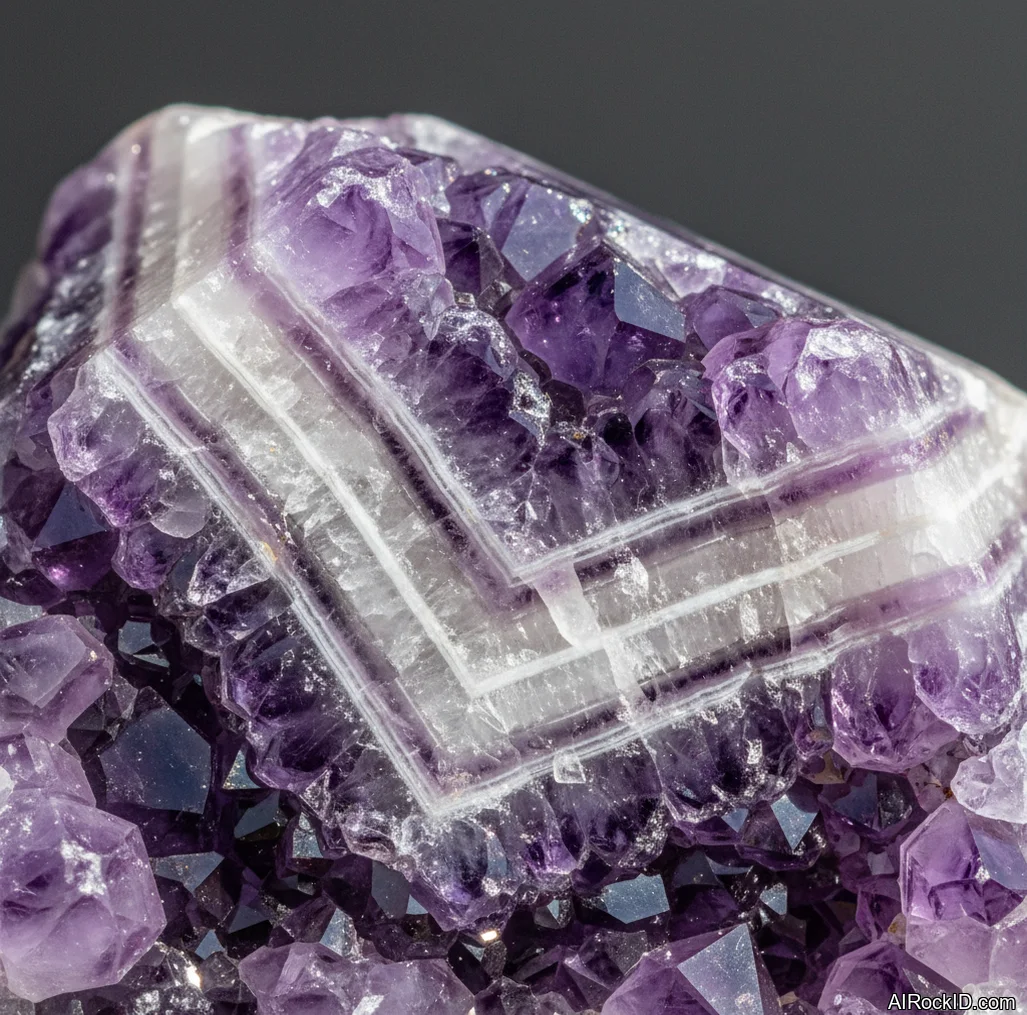
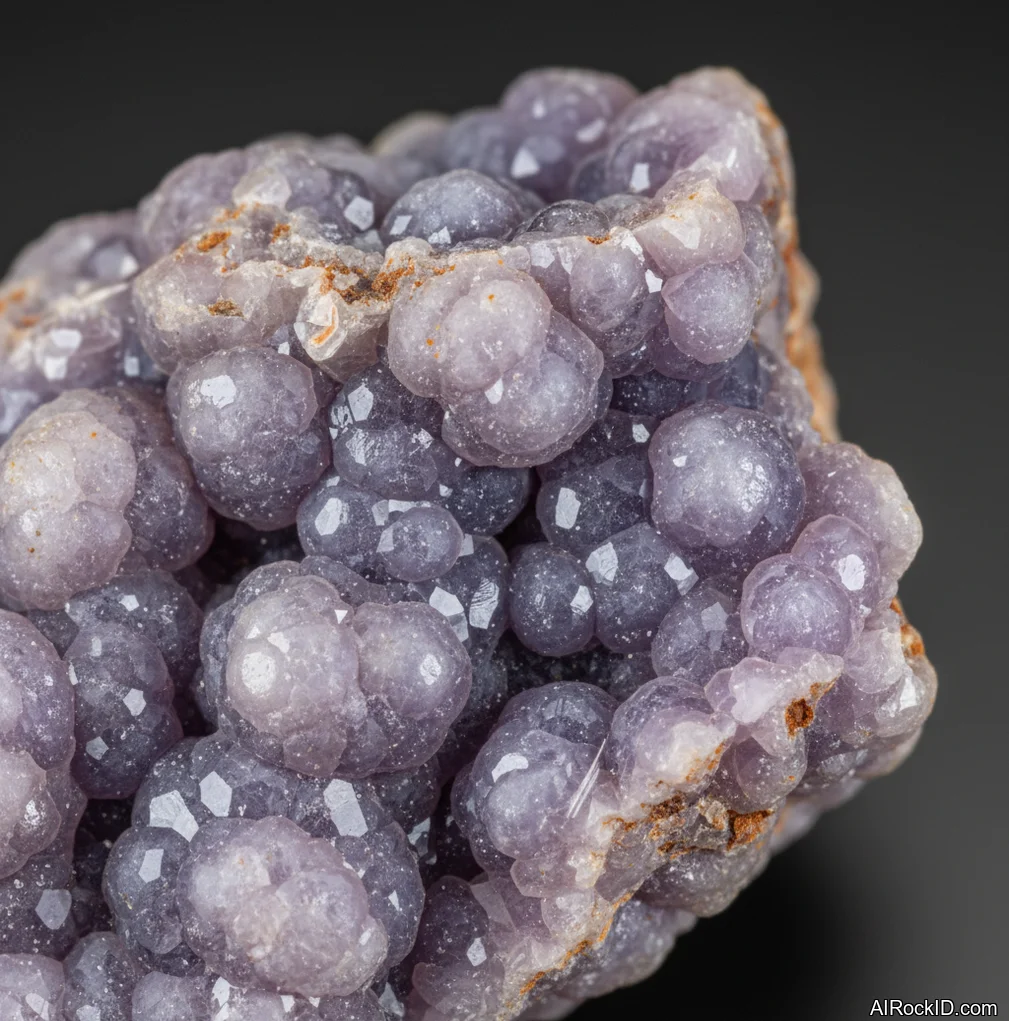
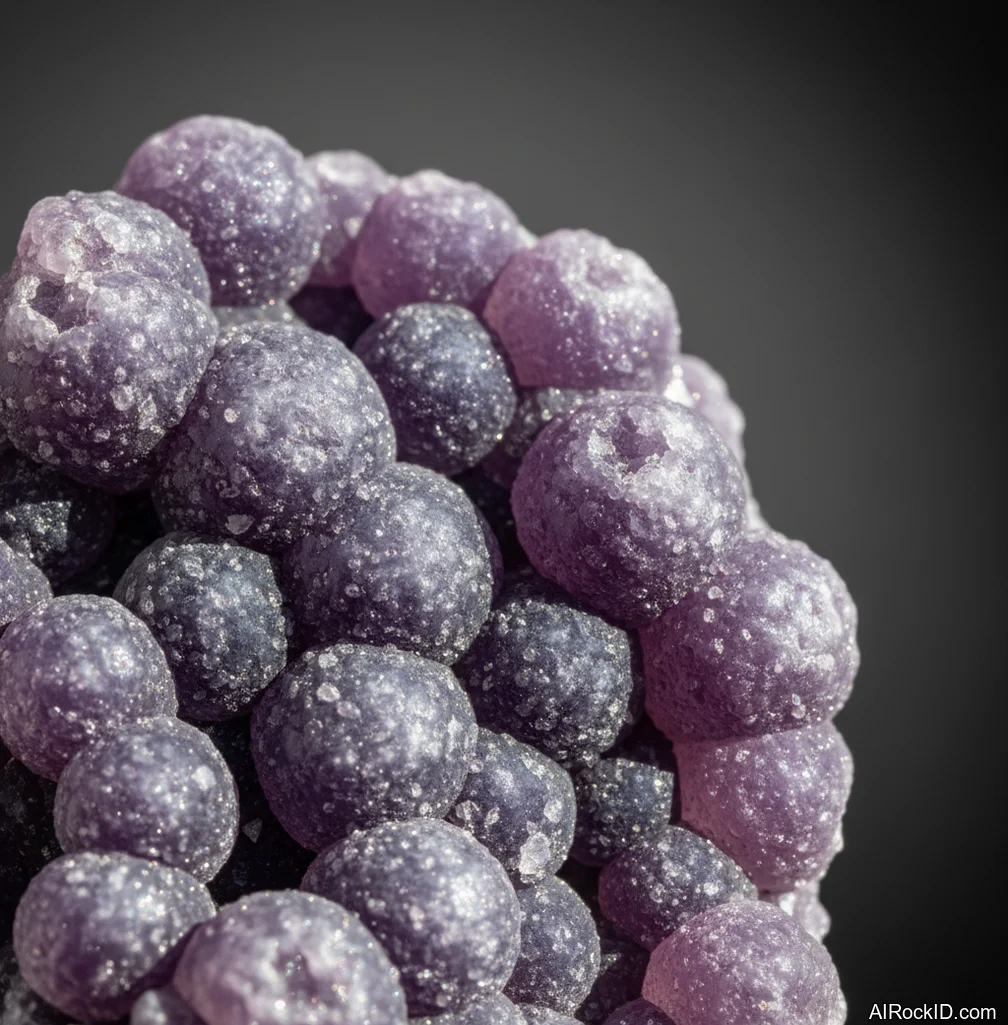
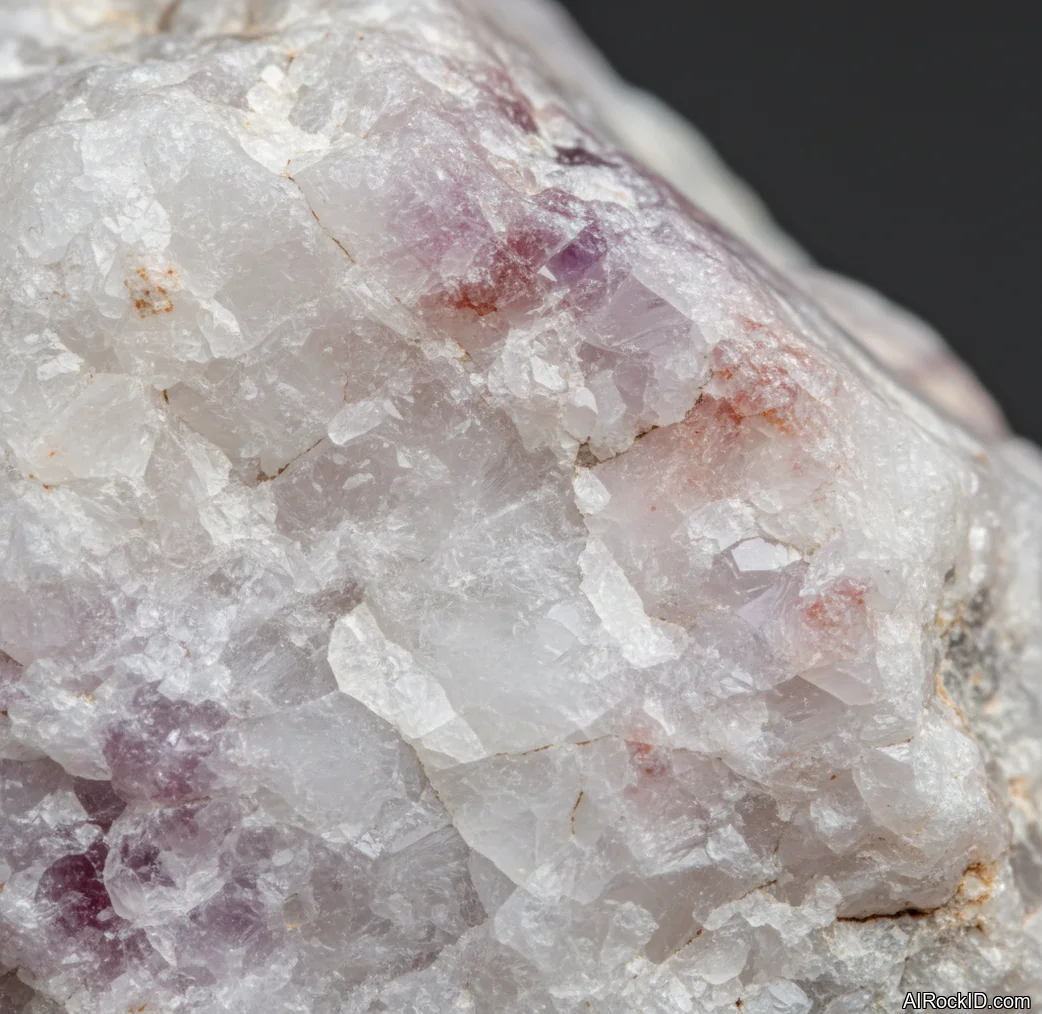
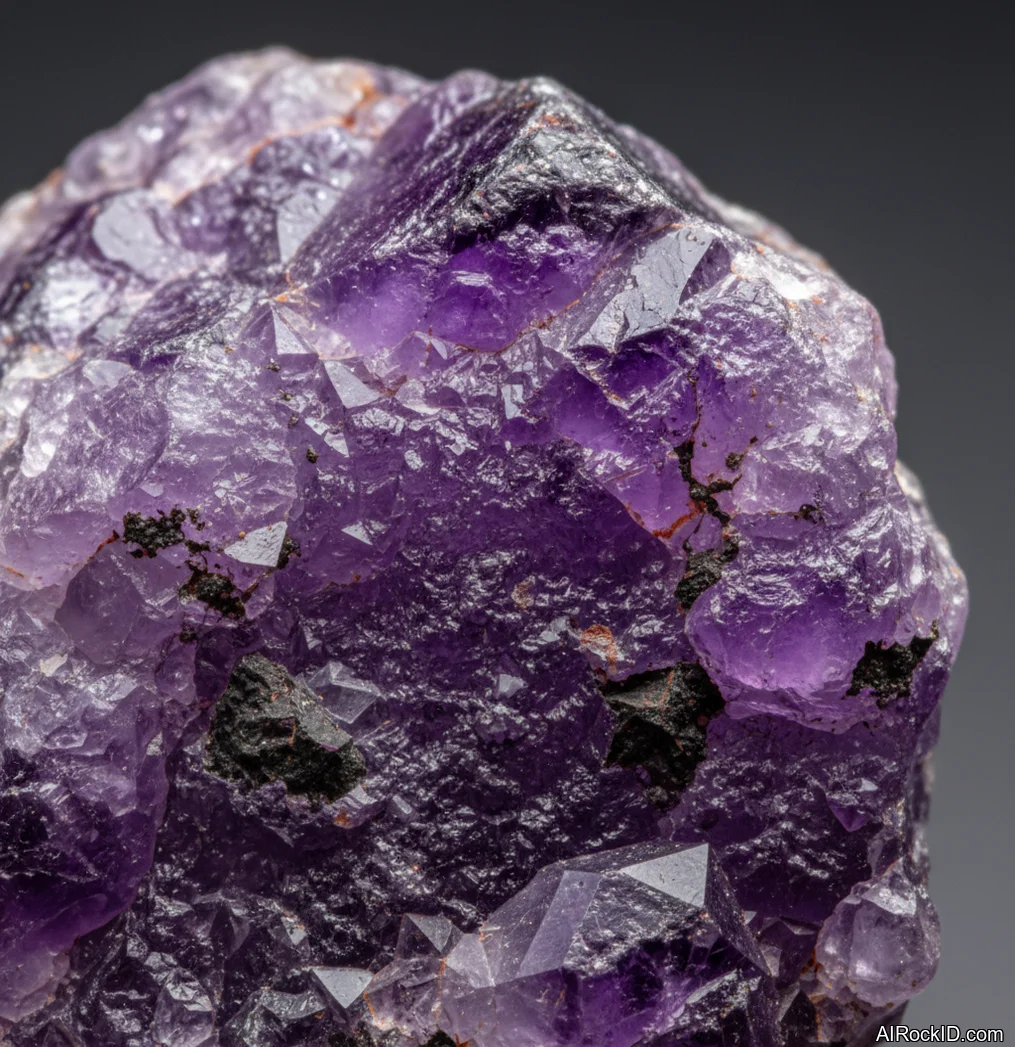
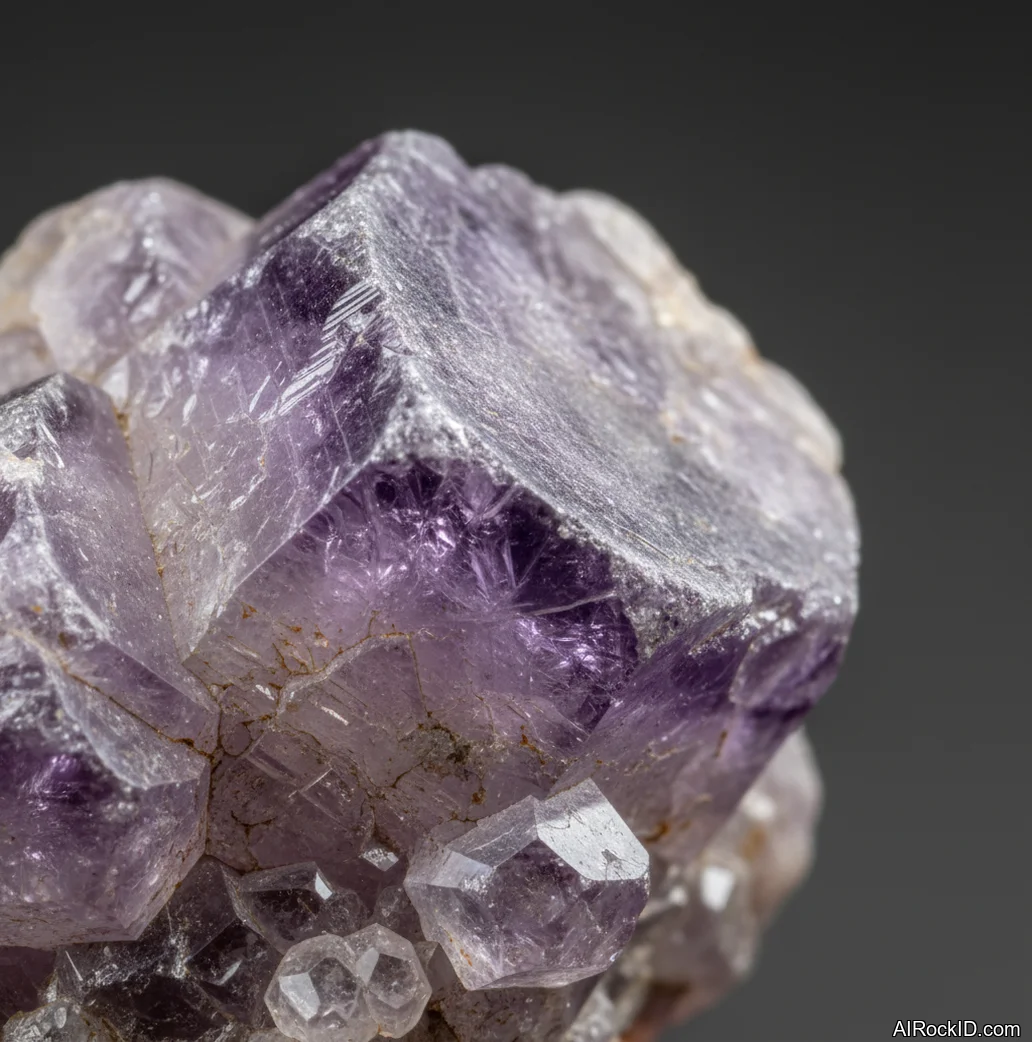
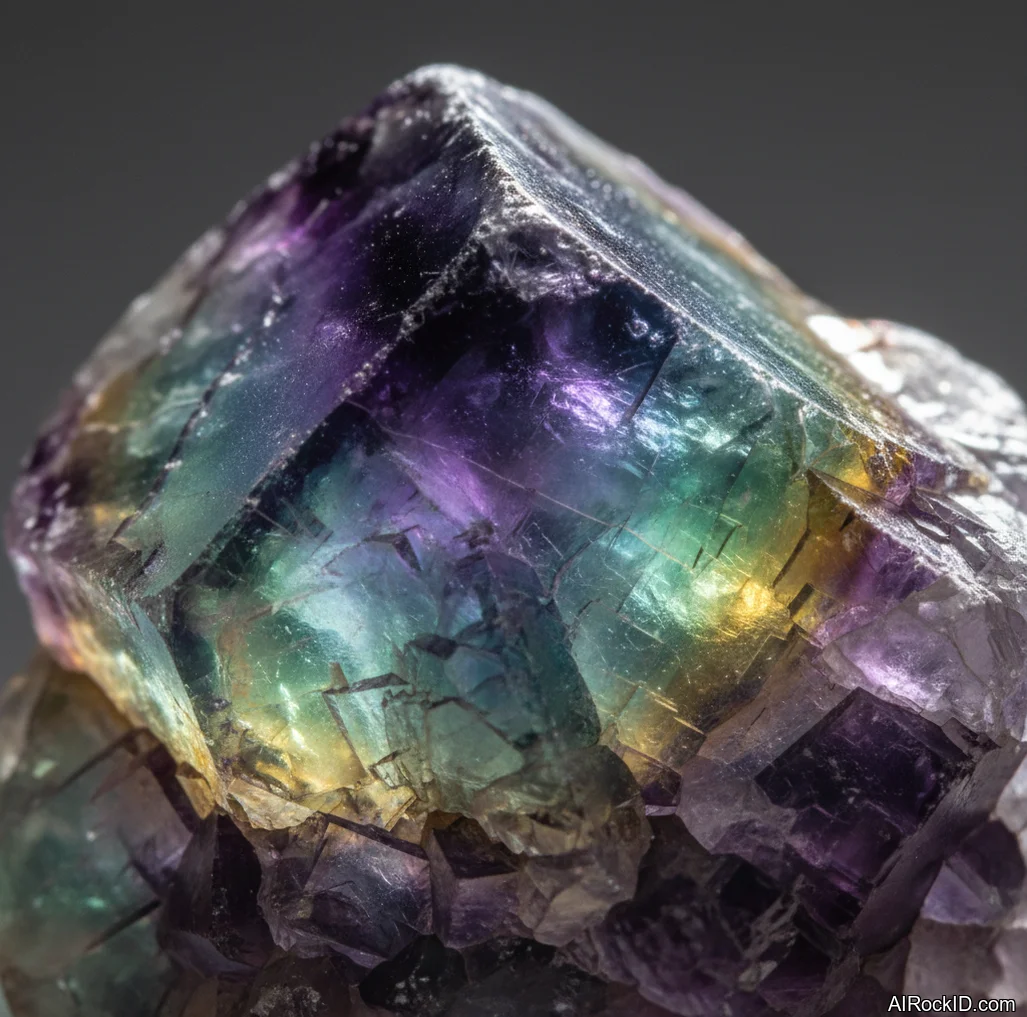
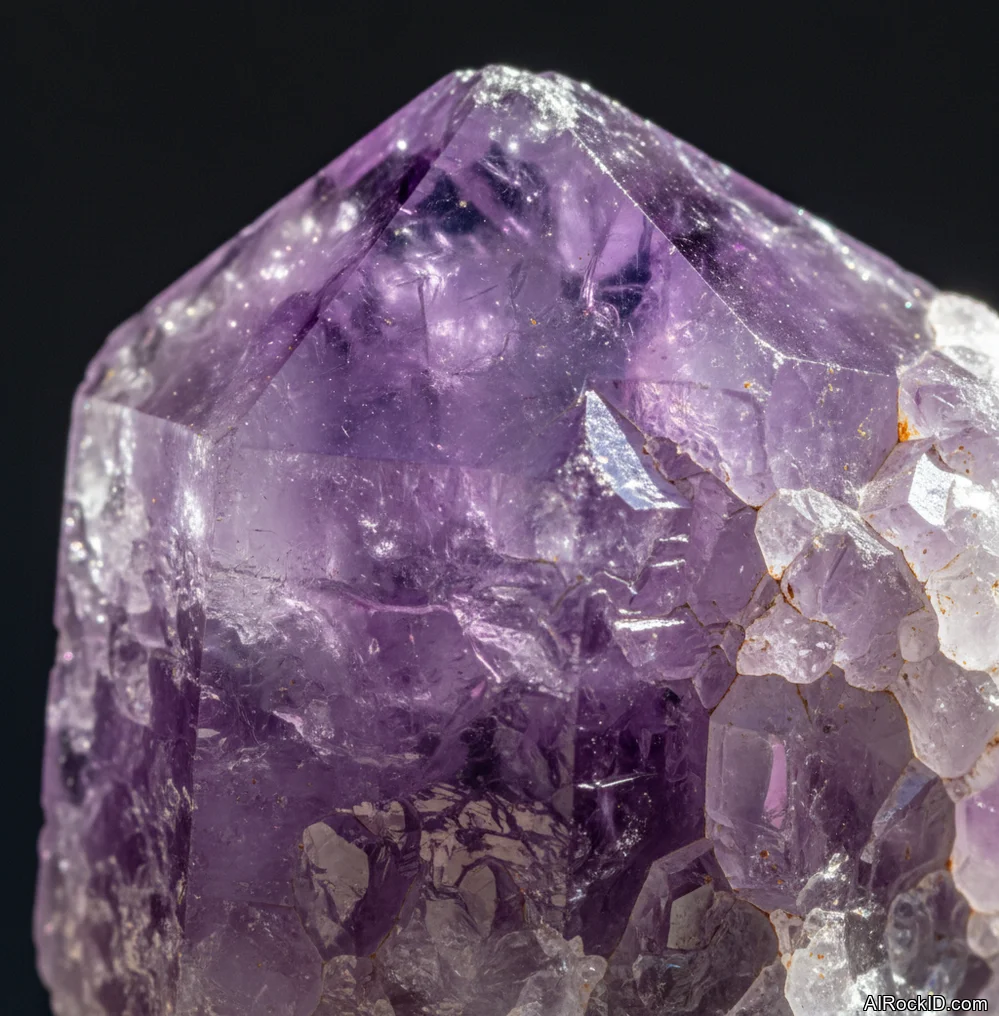
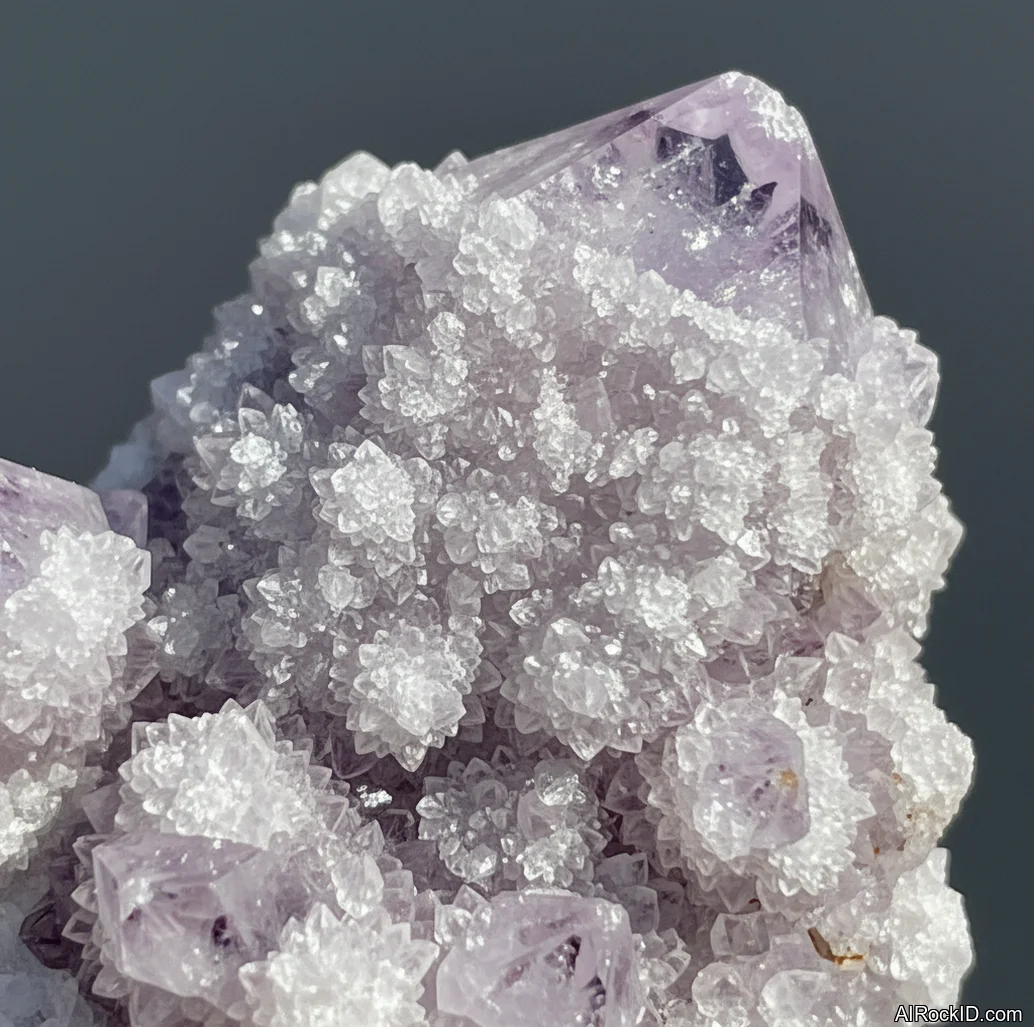
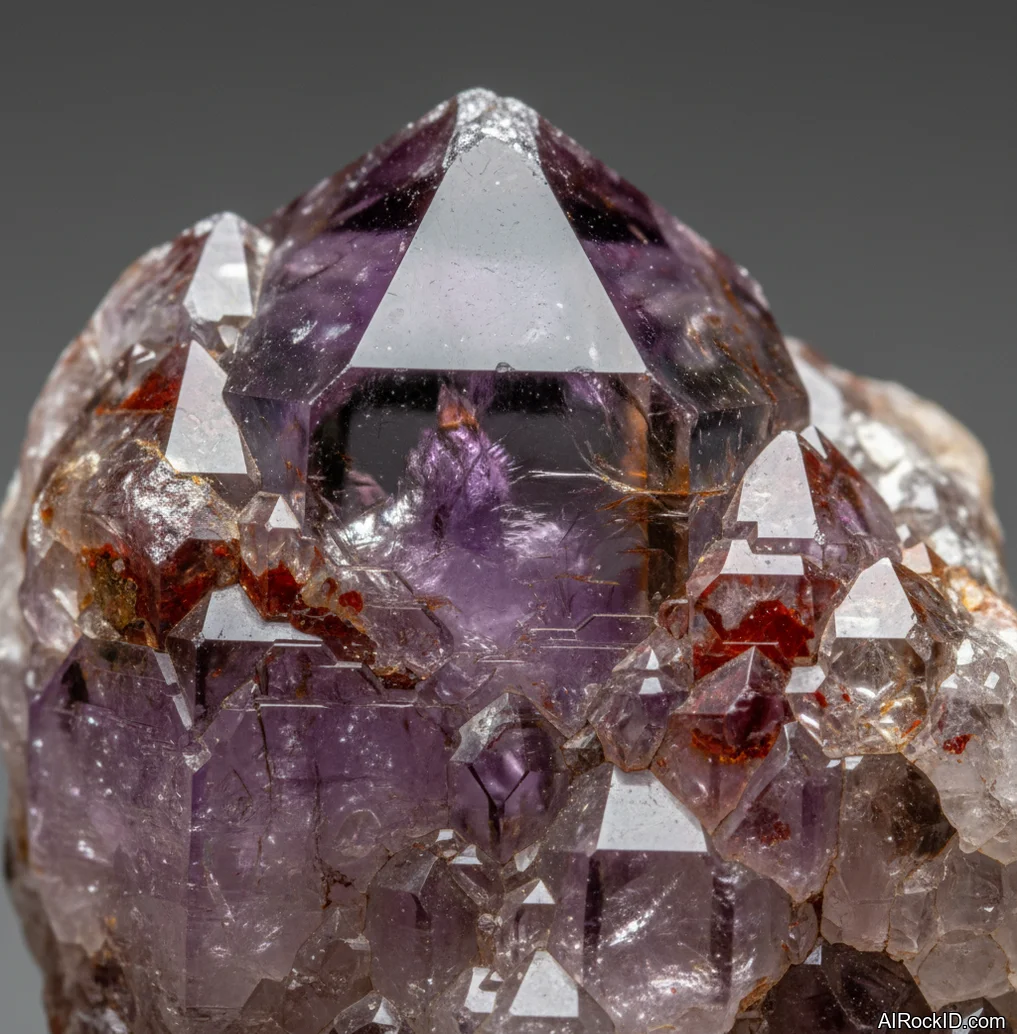
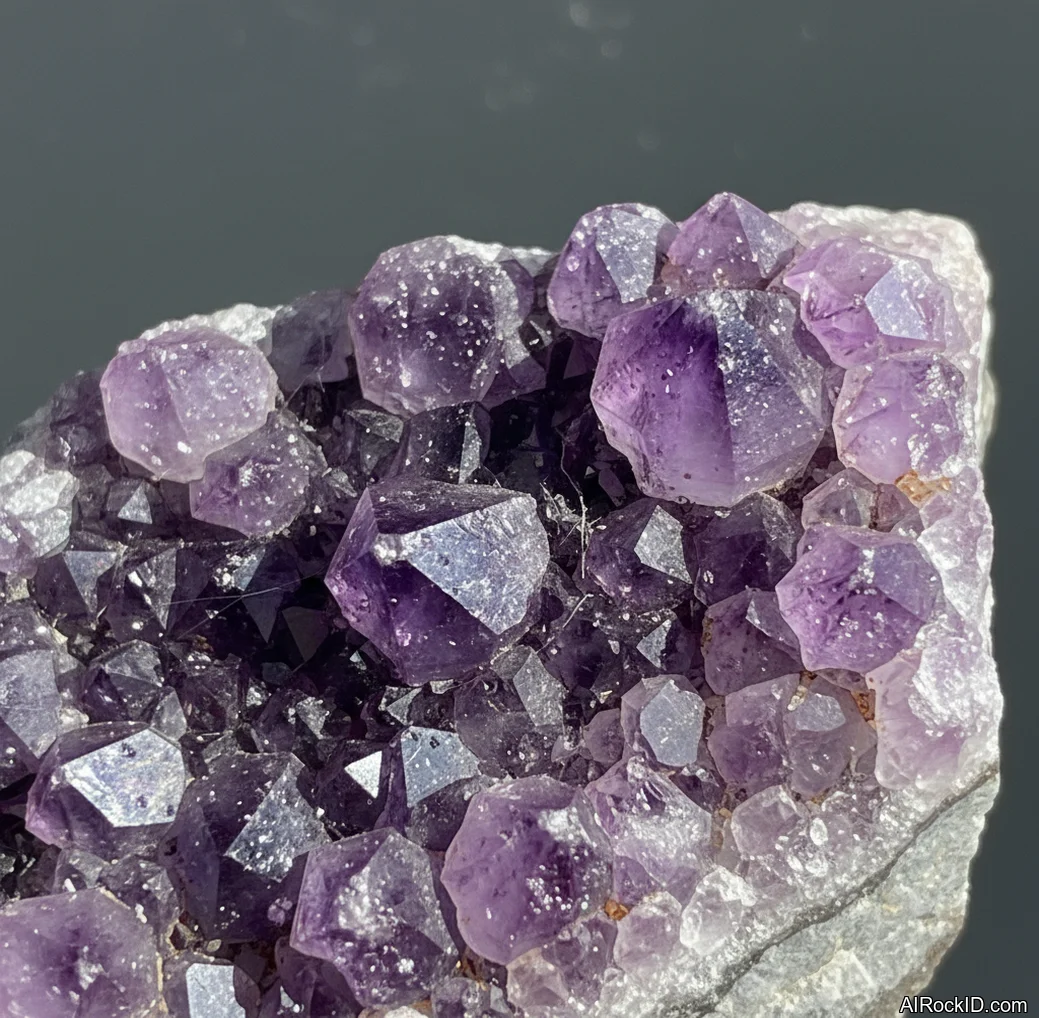
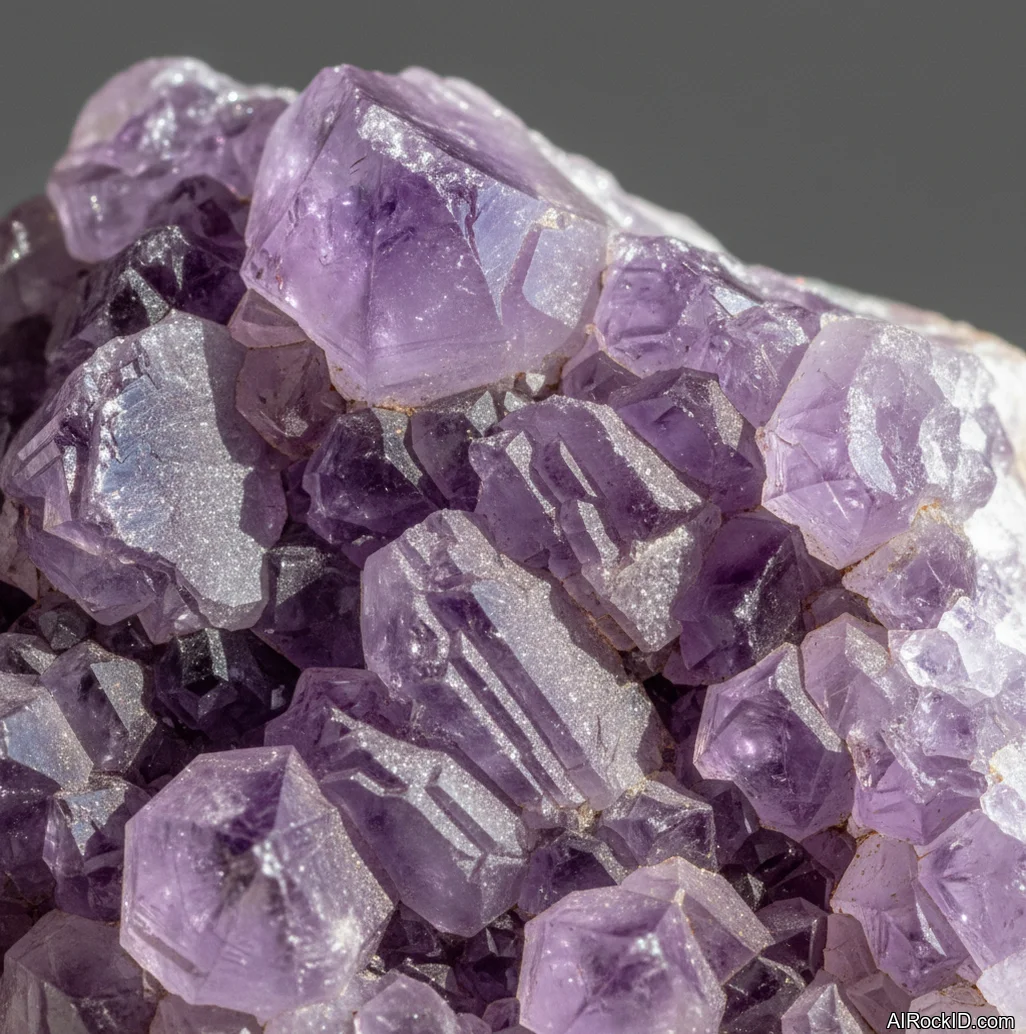
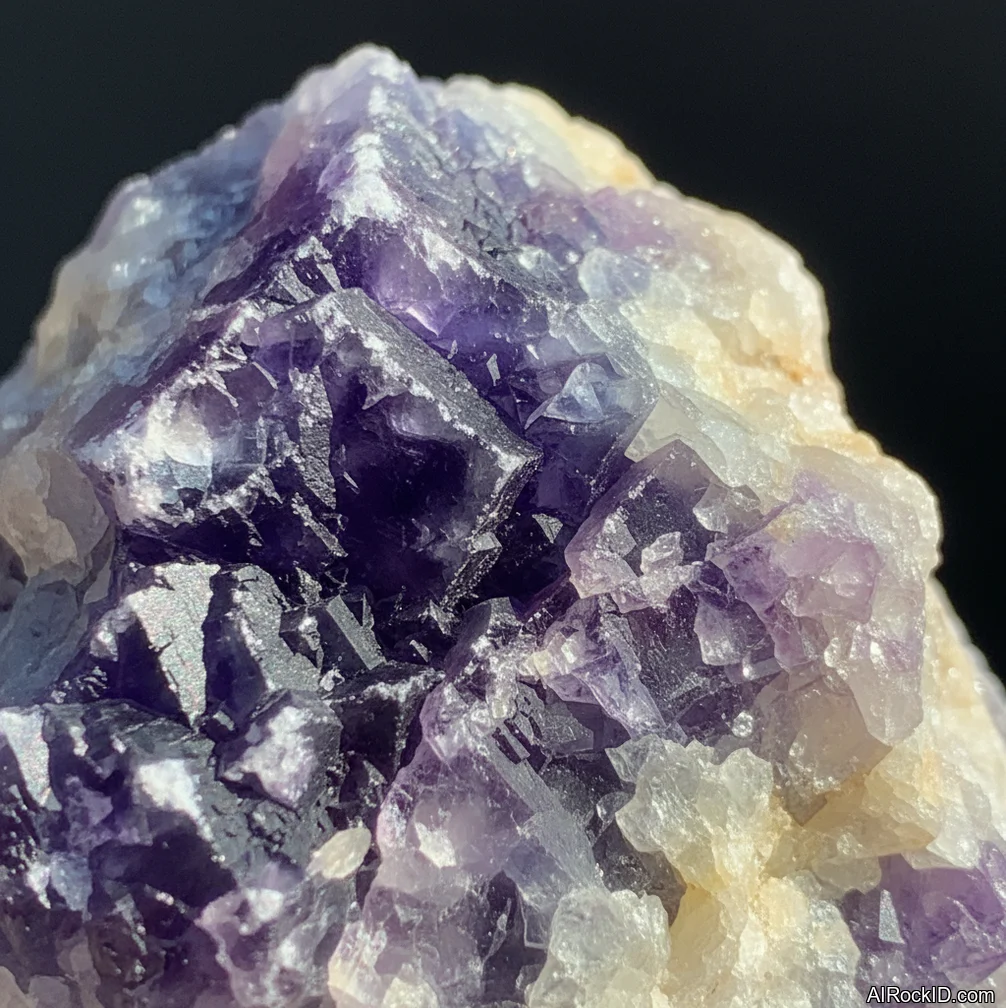
- Amethyst: Commonly linked with calm and contemplation; its purple color helps distinguish it from smoky quartz or fluorite.
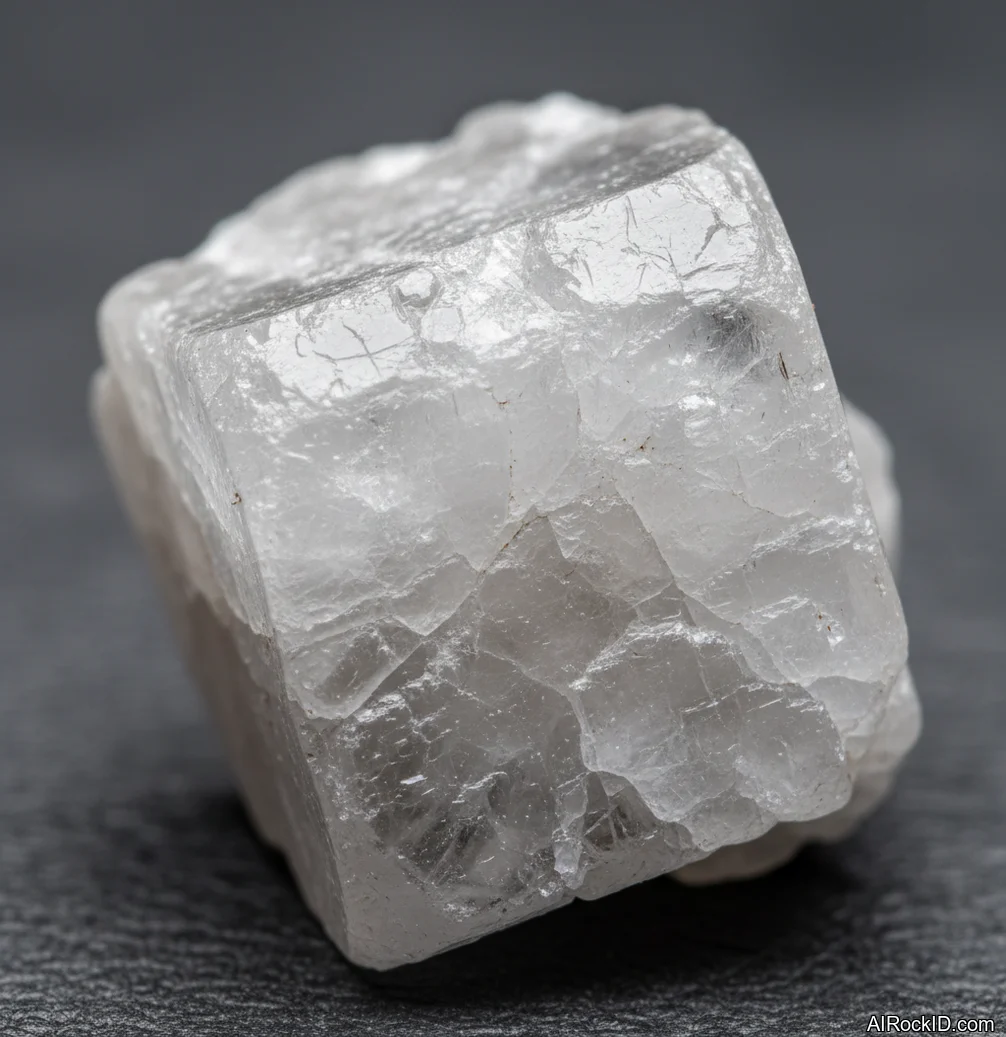
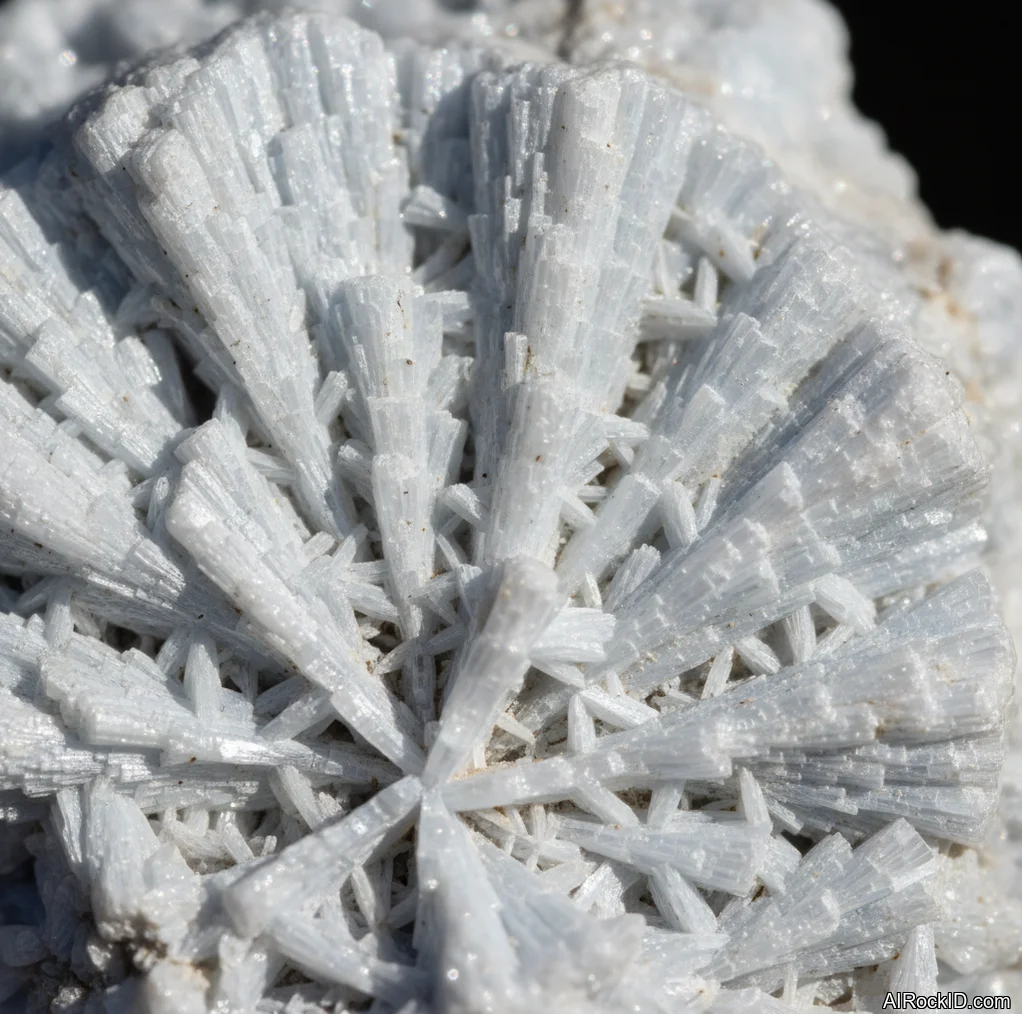
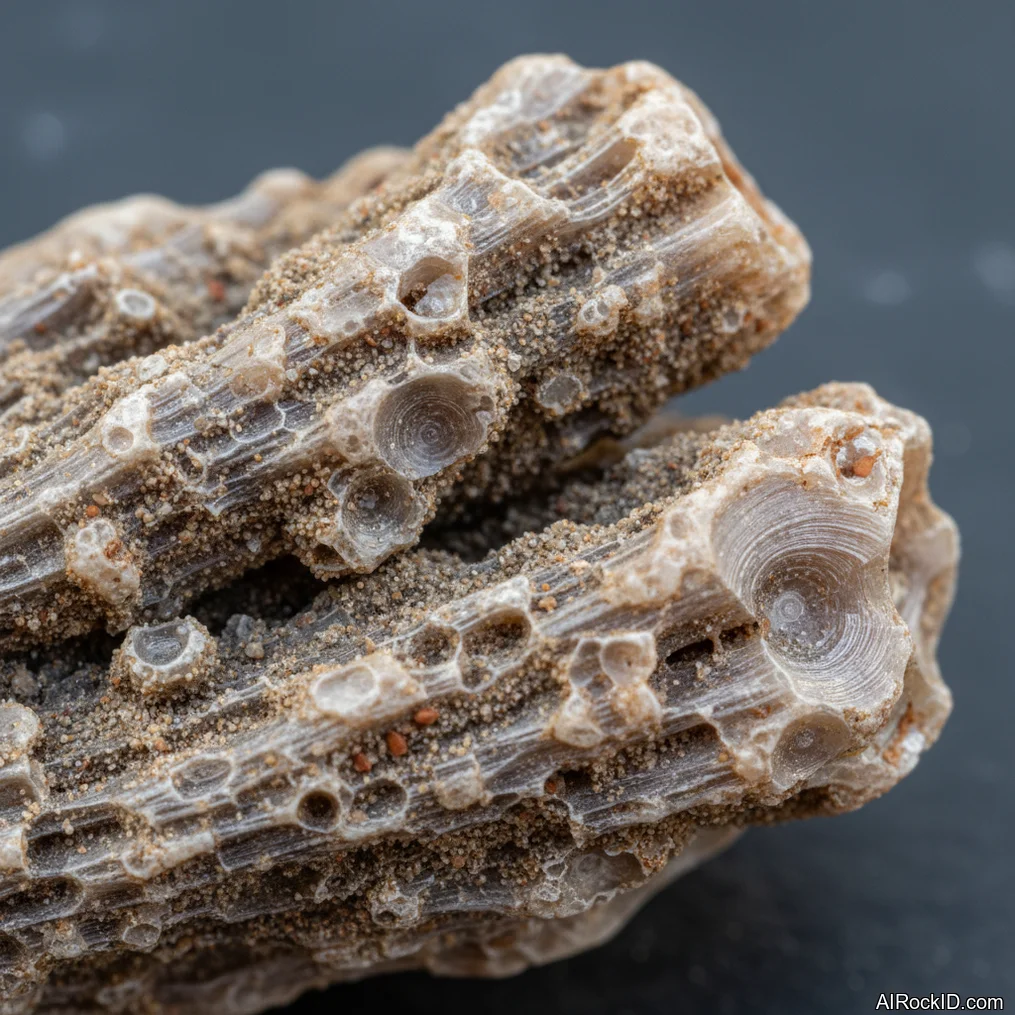
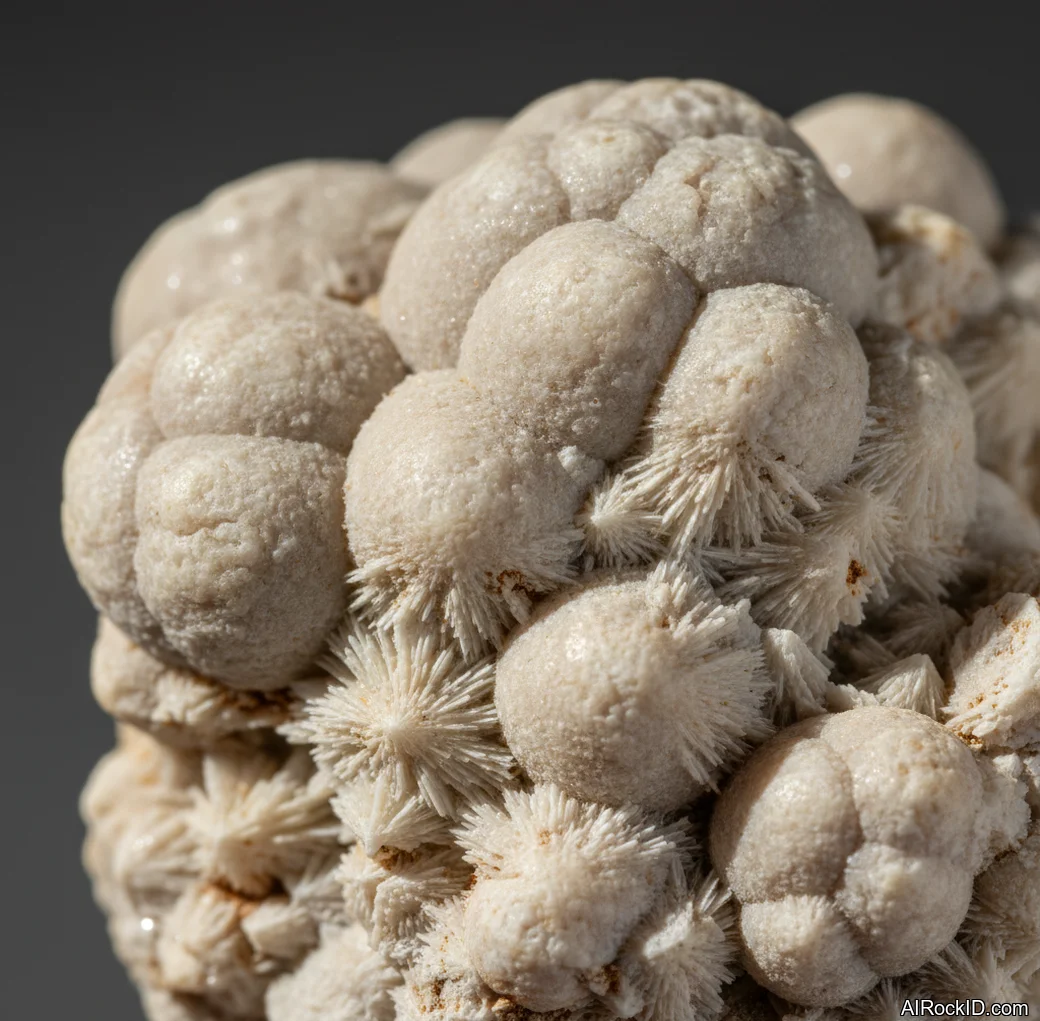
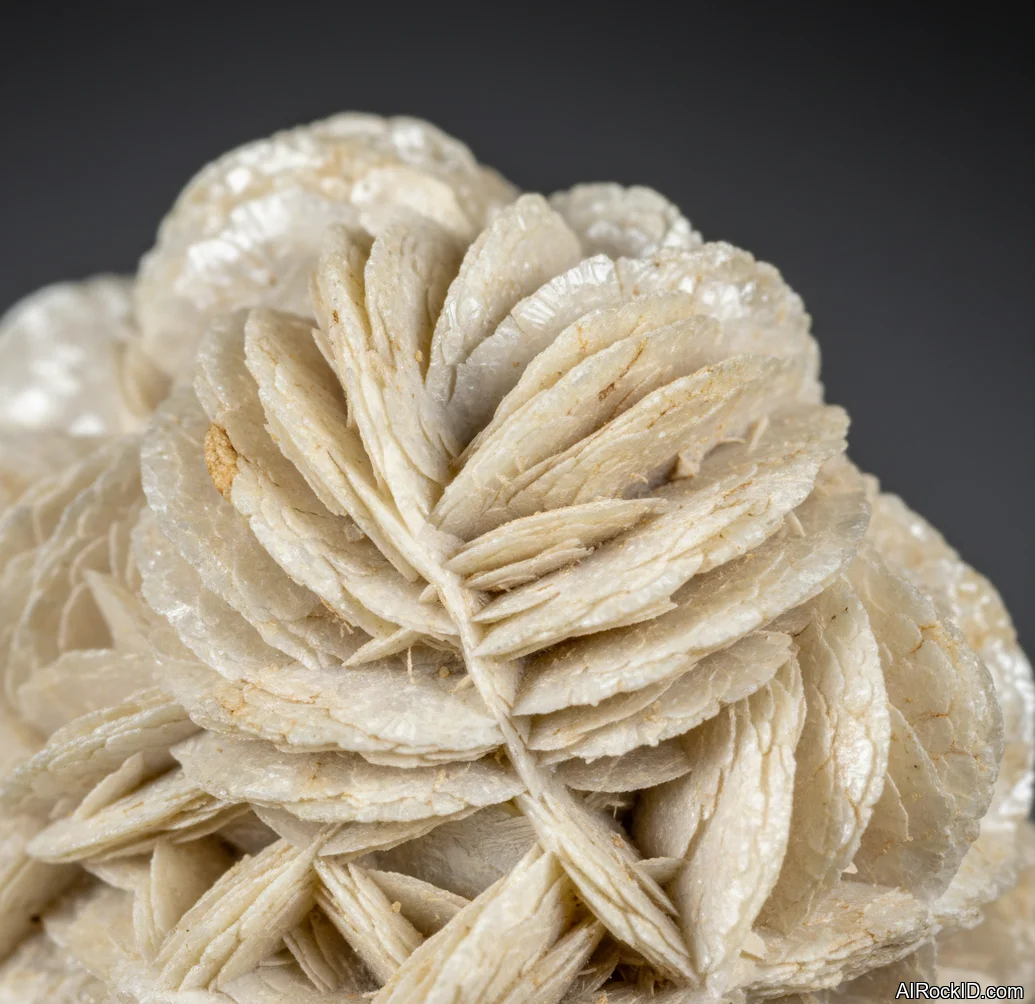
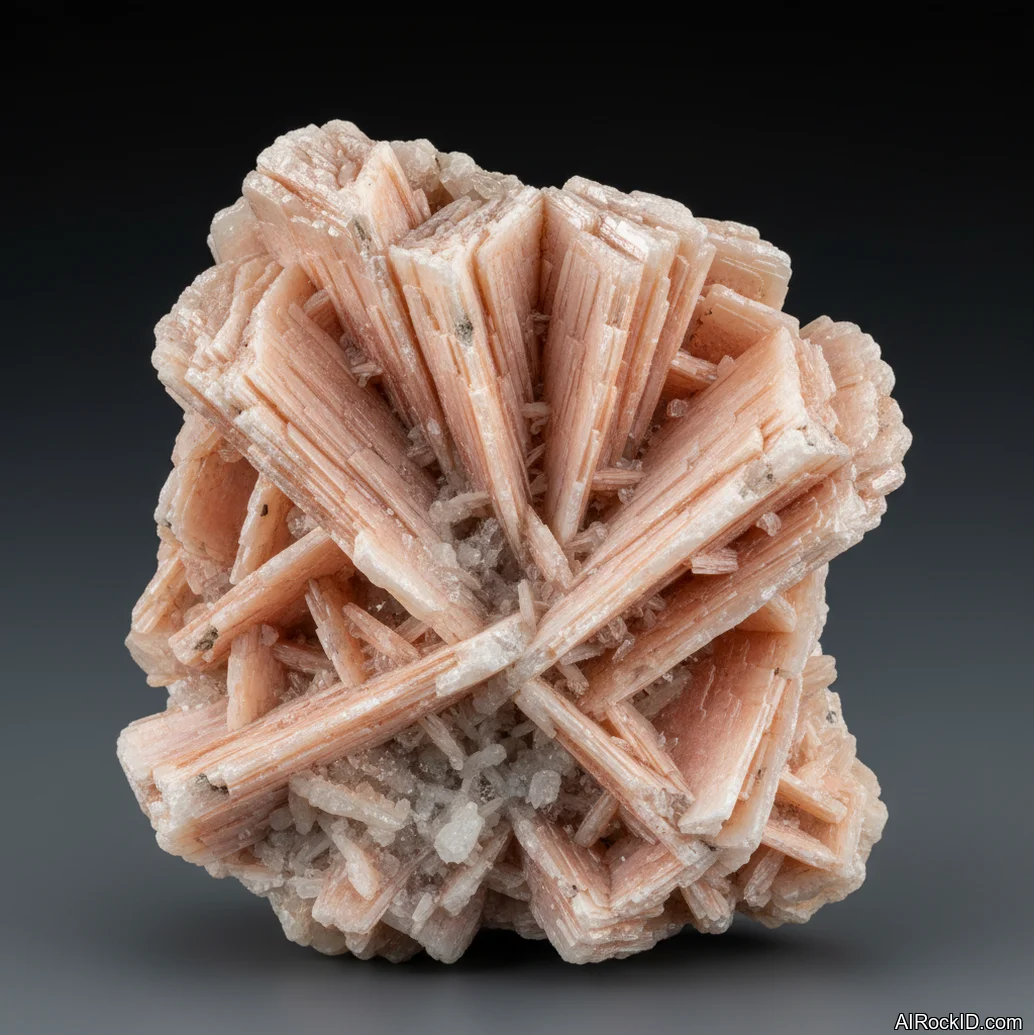
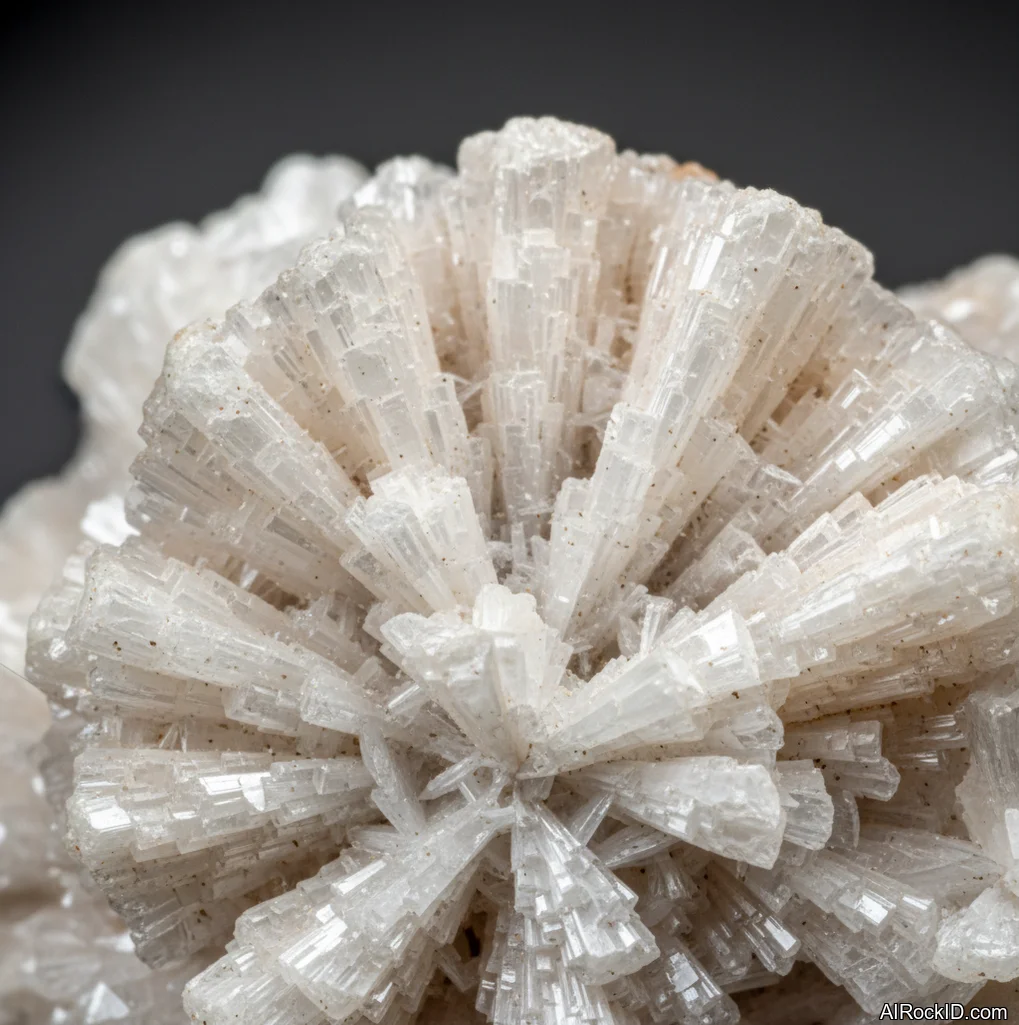
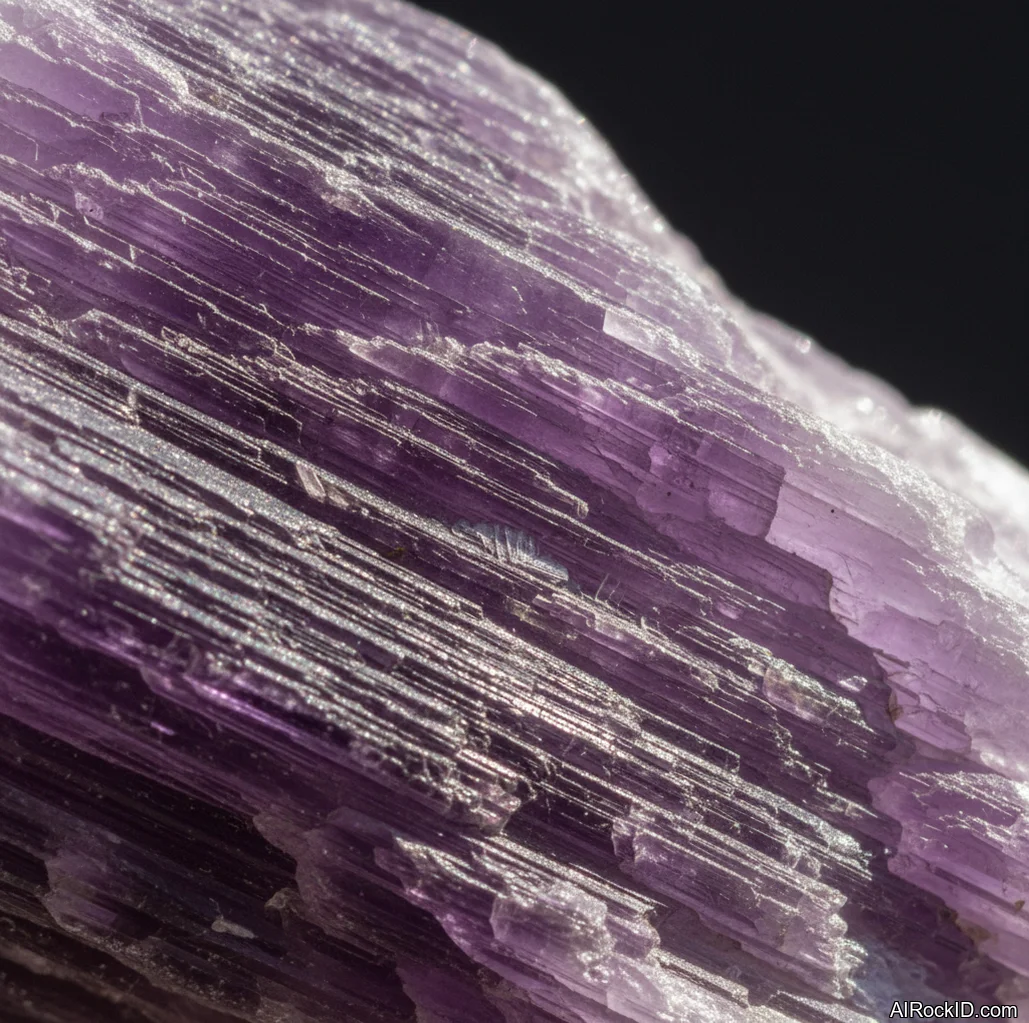
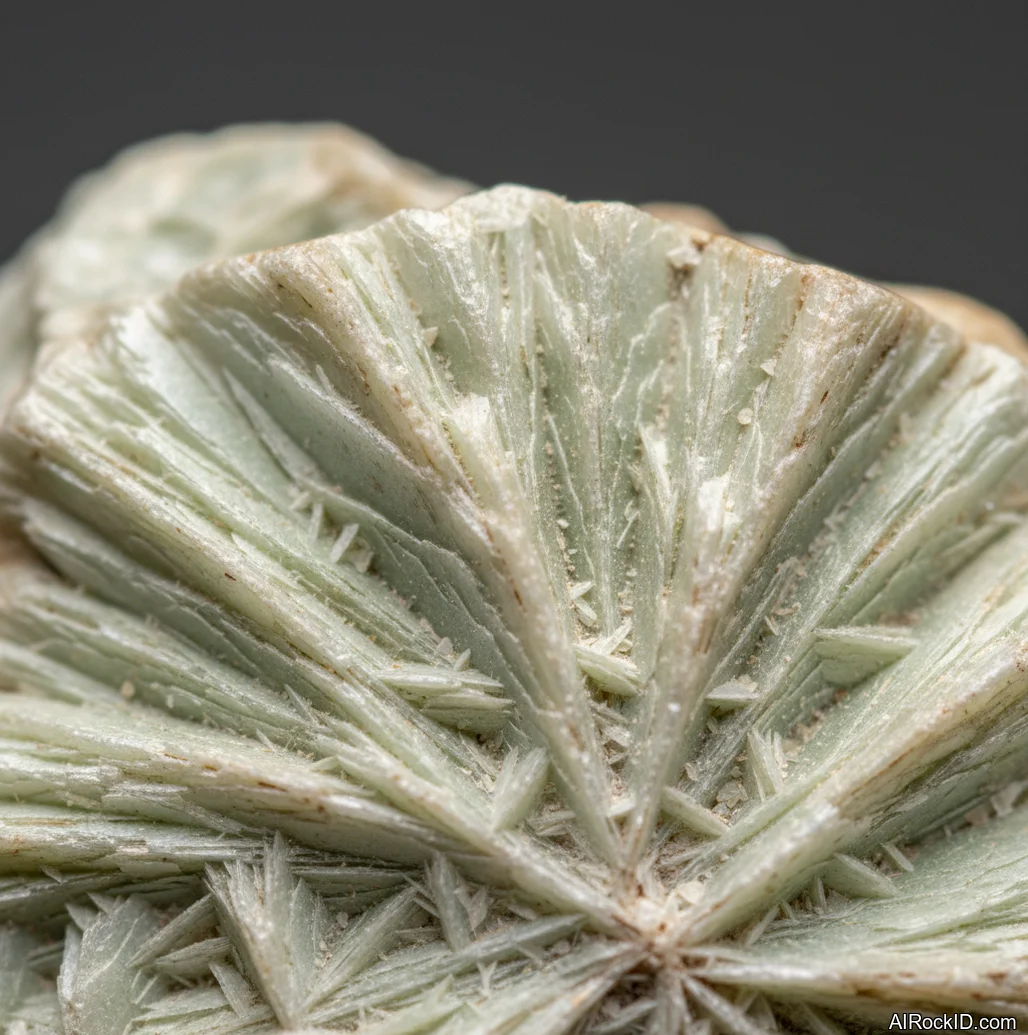
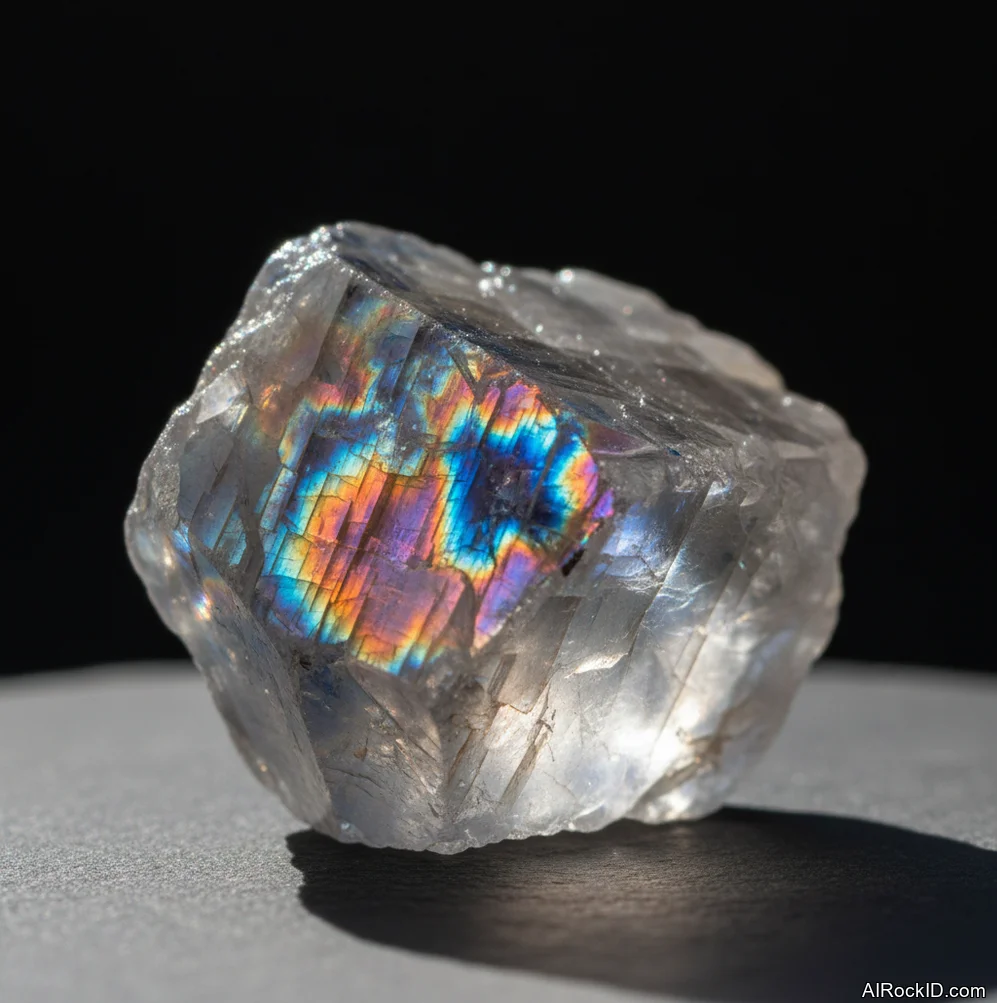
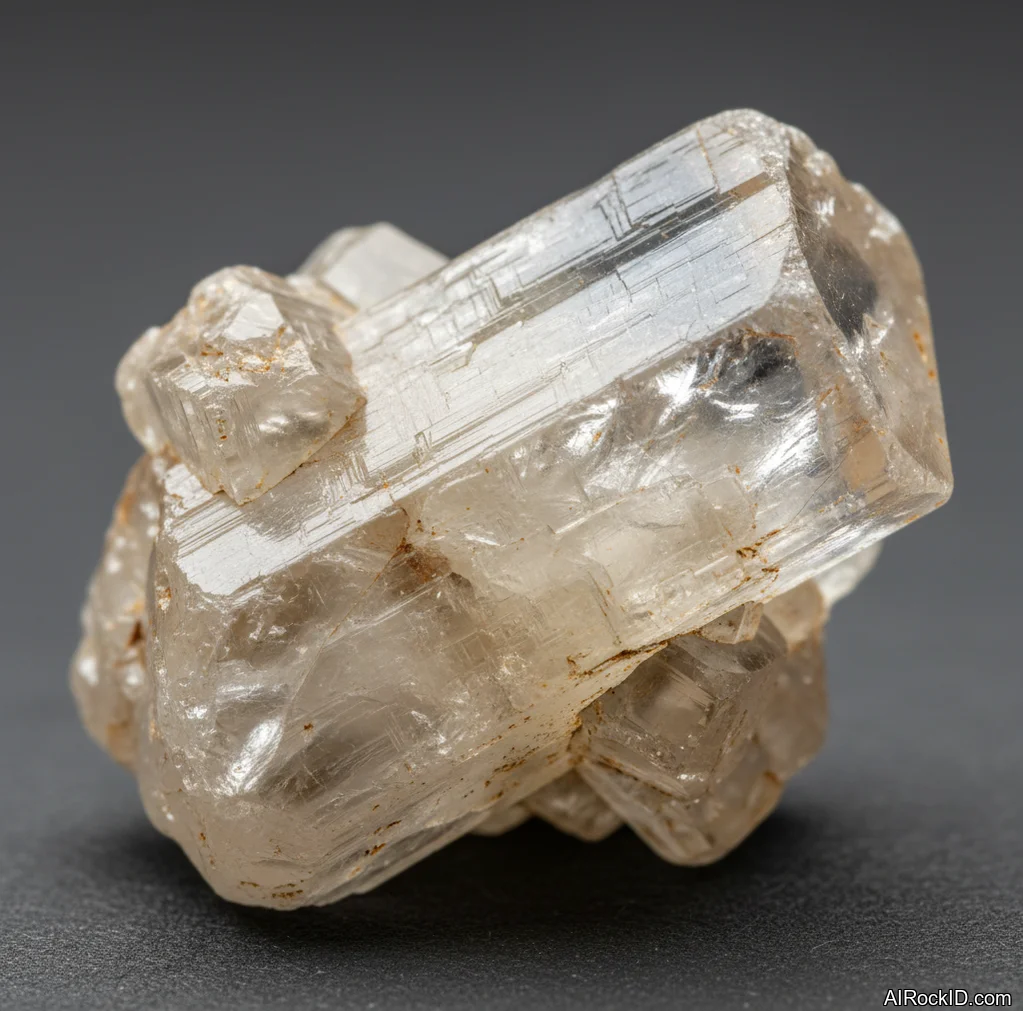
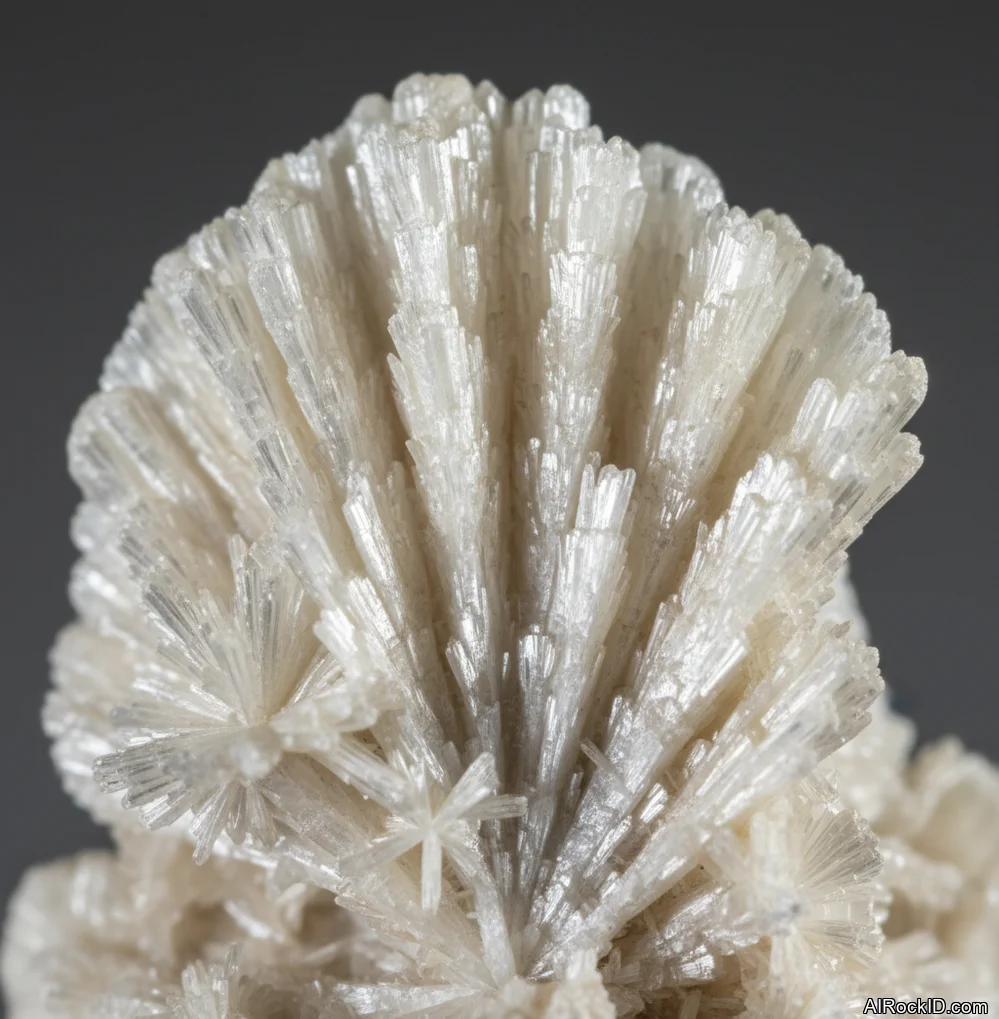
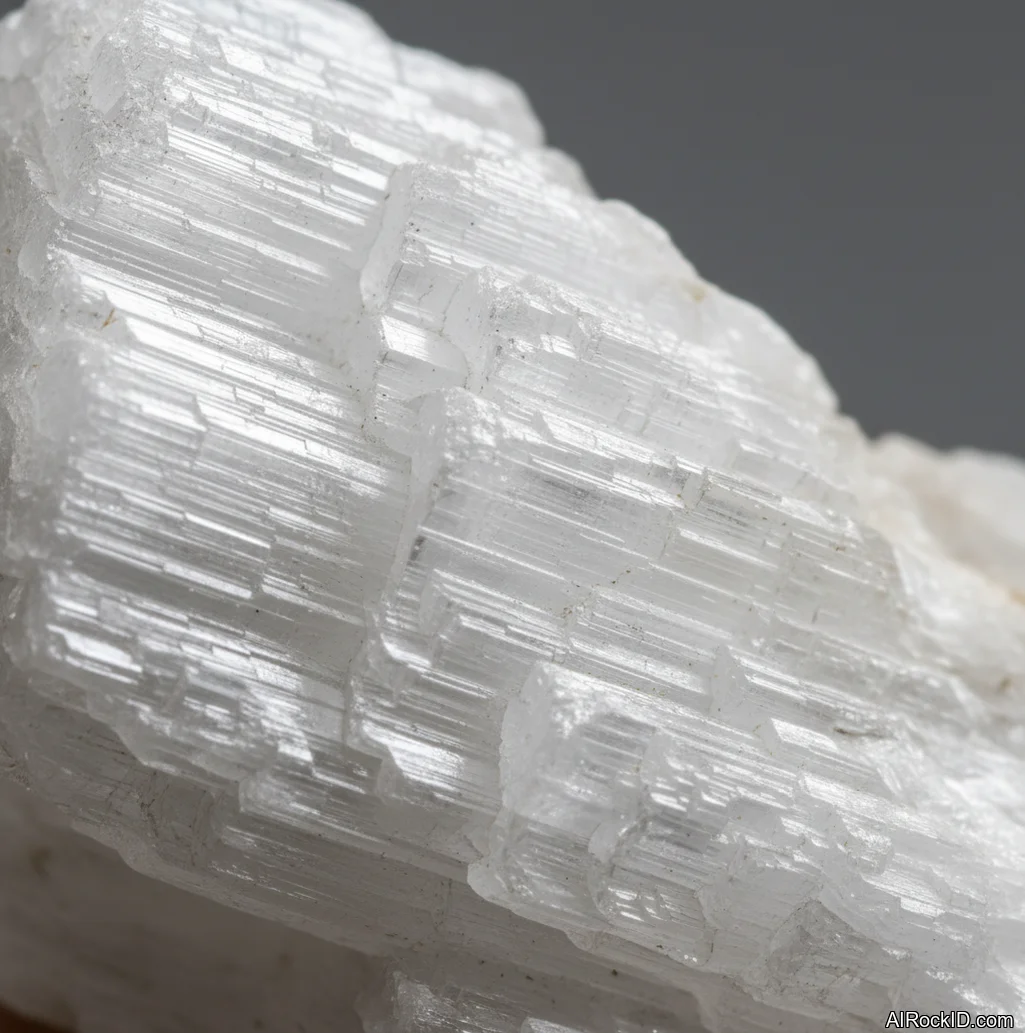
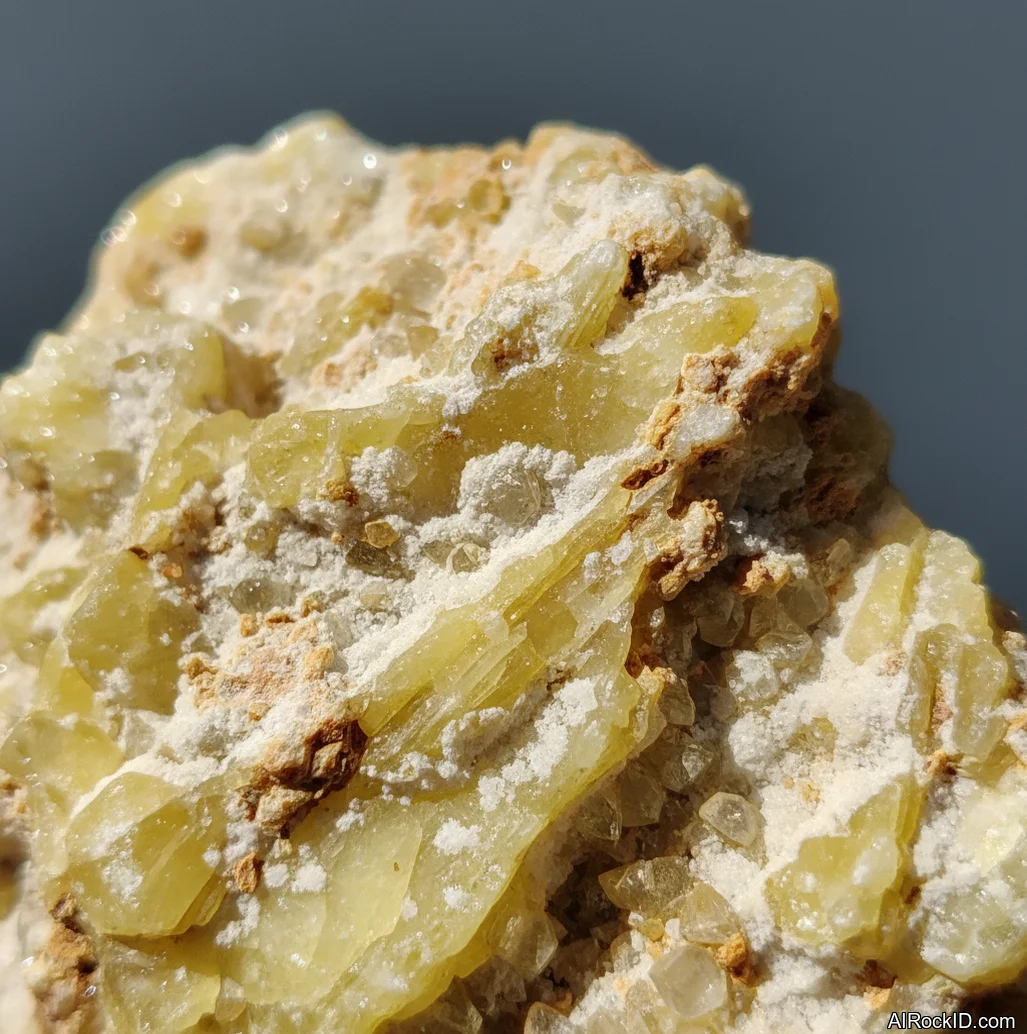
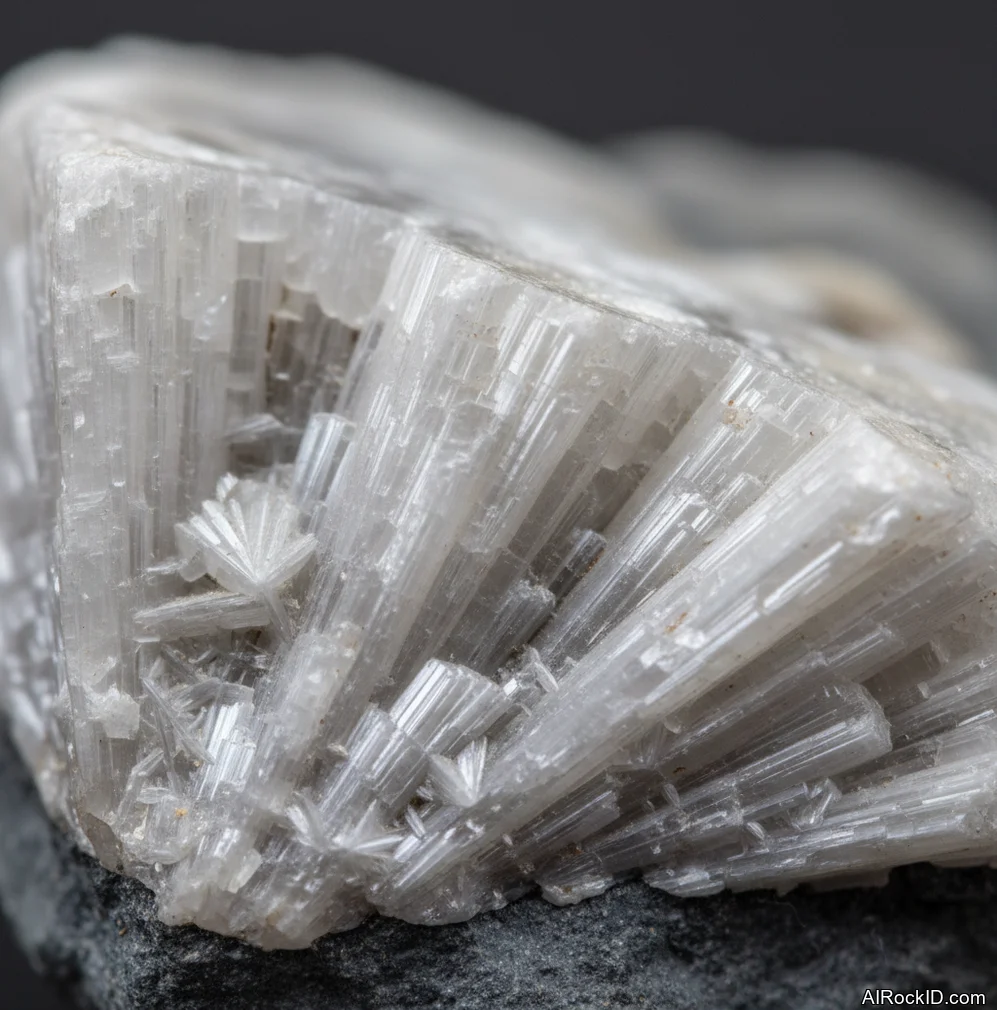
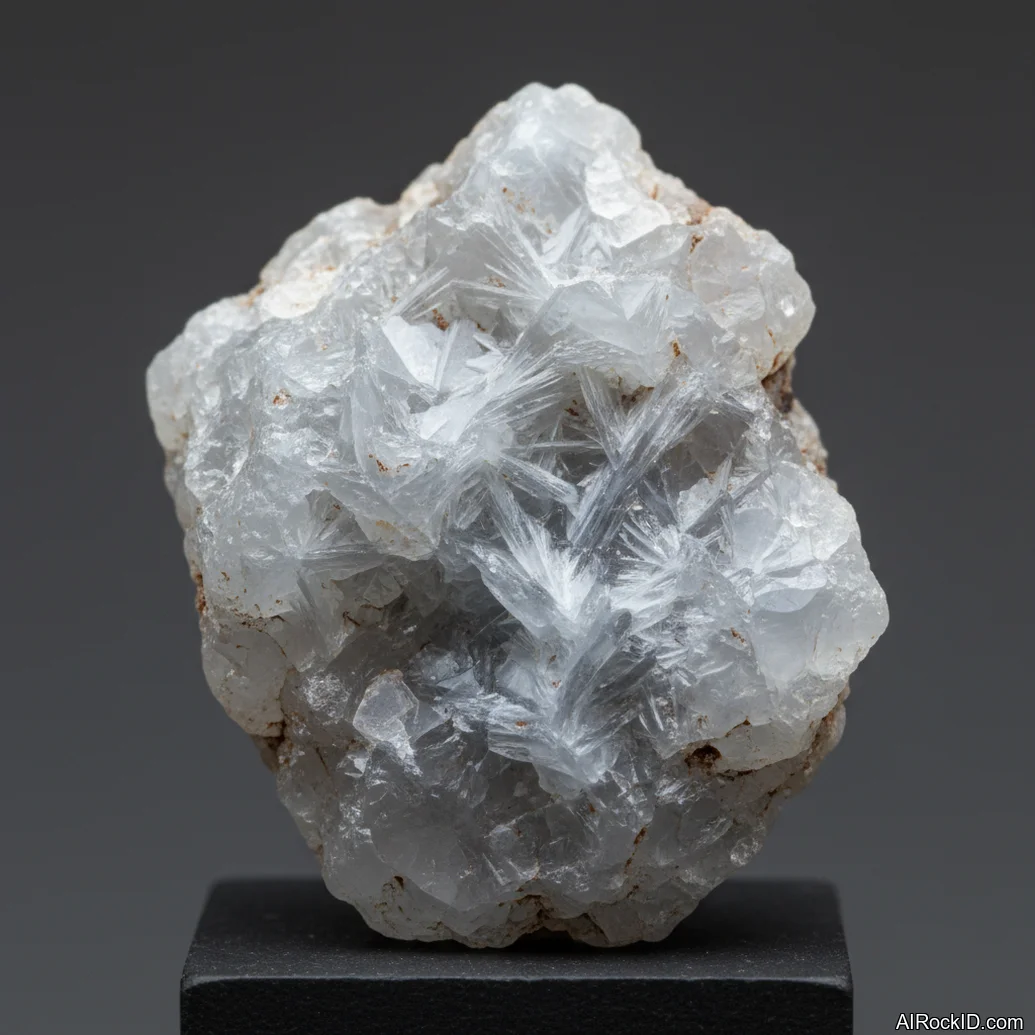
- Selenite: Used in some traditions for clarity or cleansing symbolism; it is much softer and more water-sensitive than quartz.
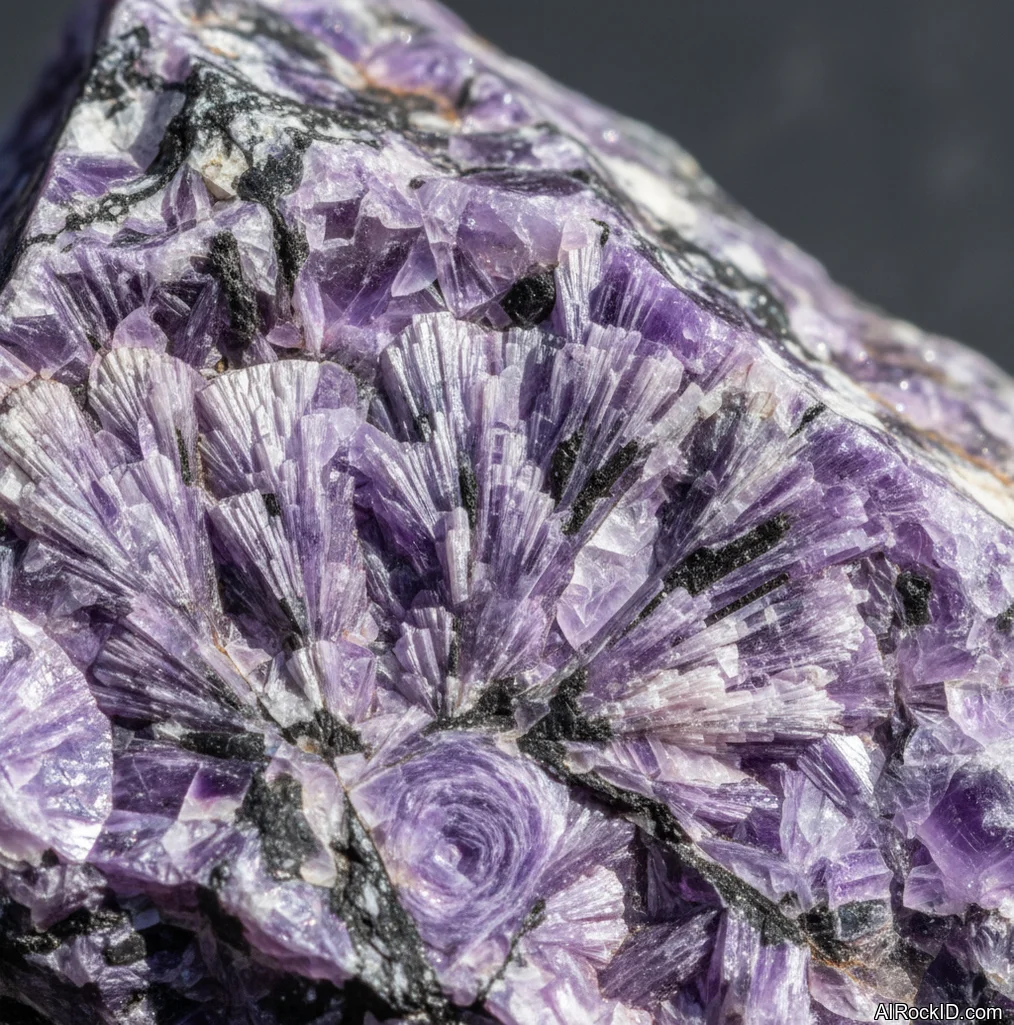
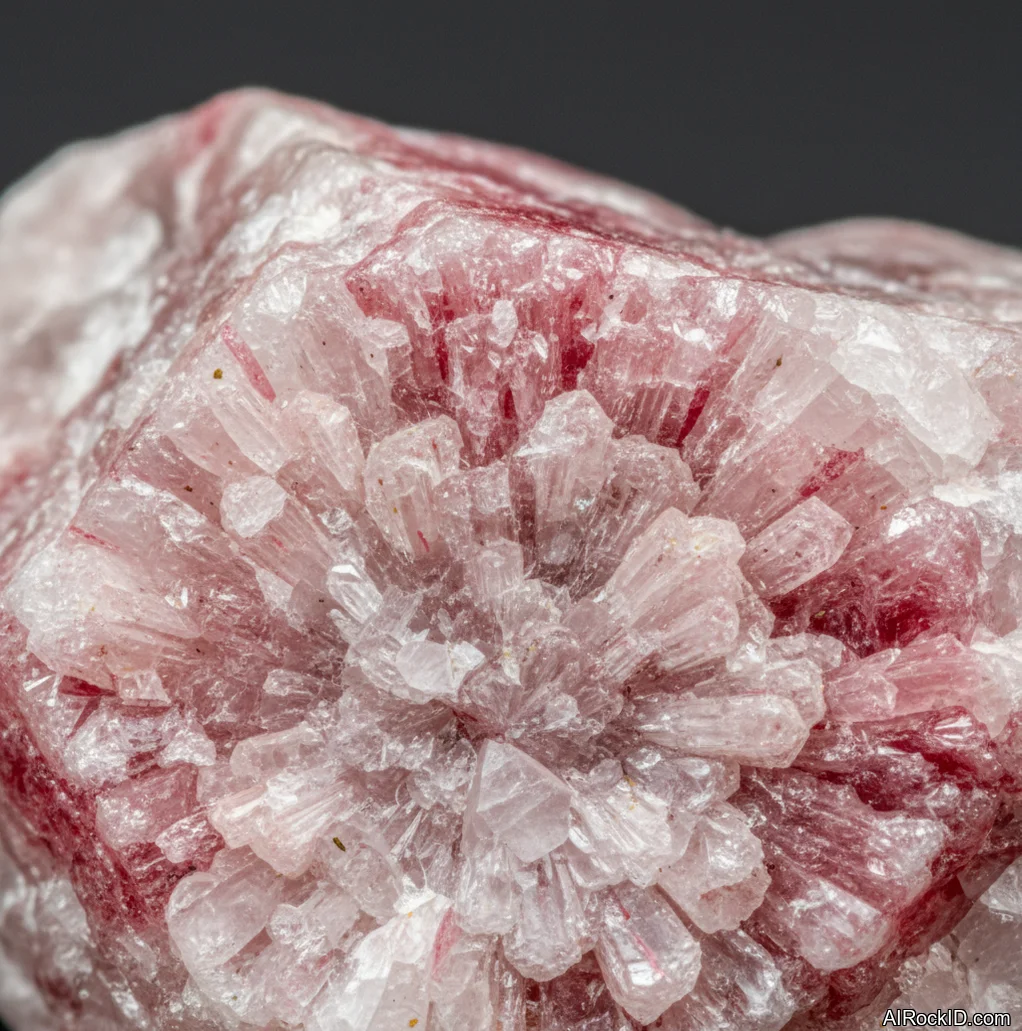
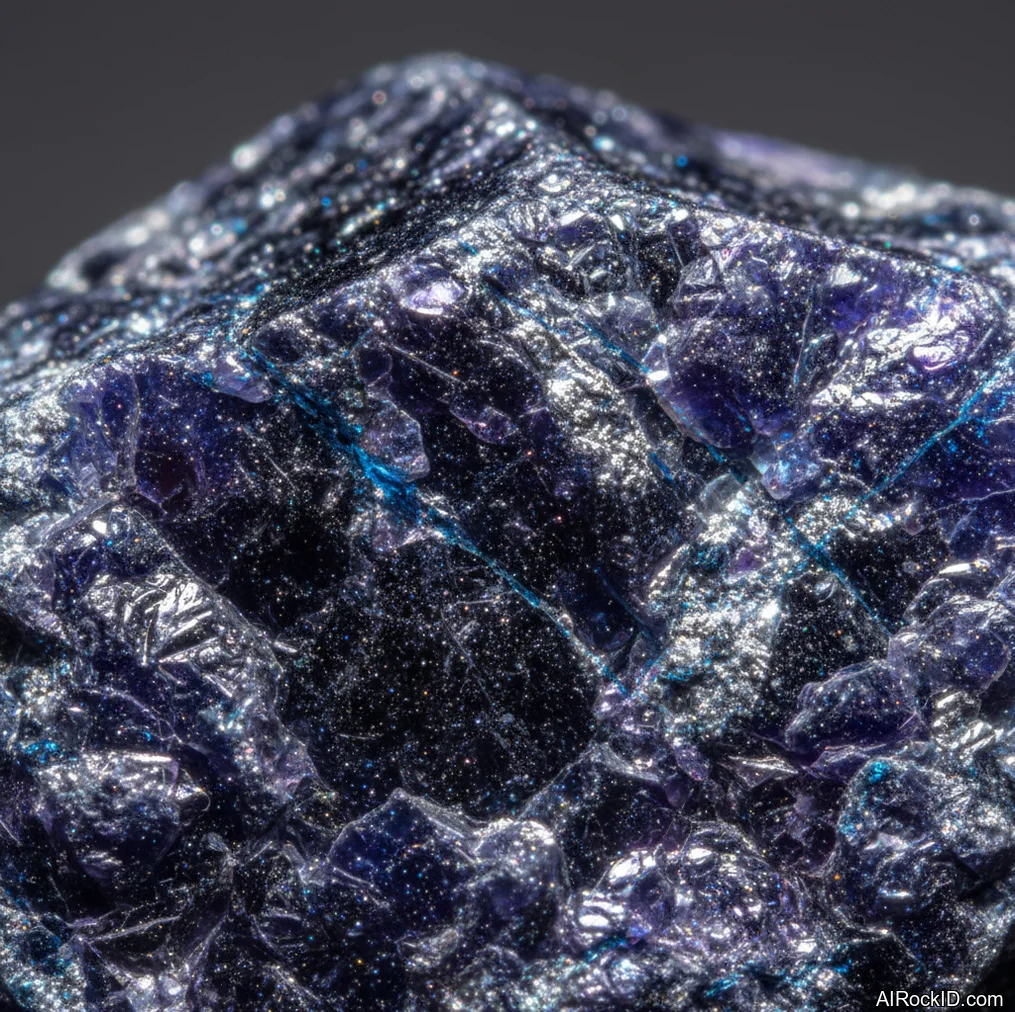
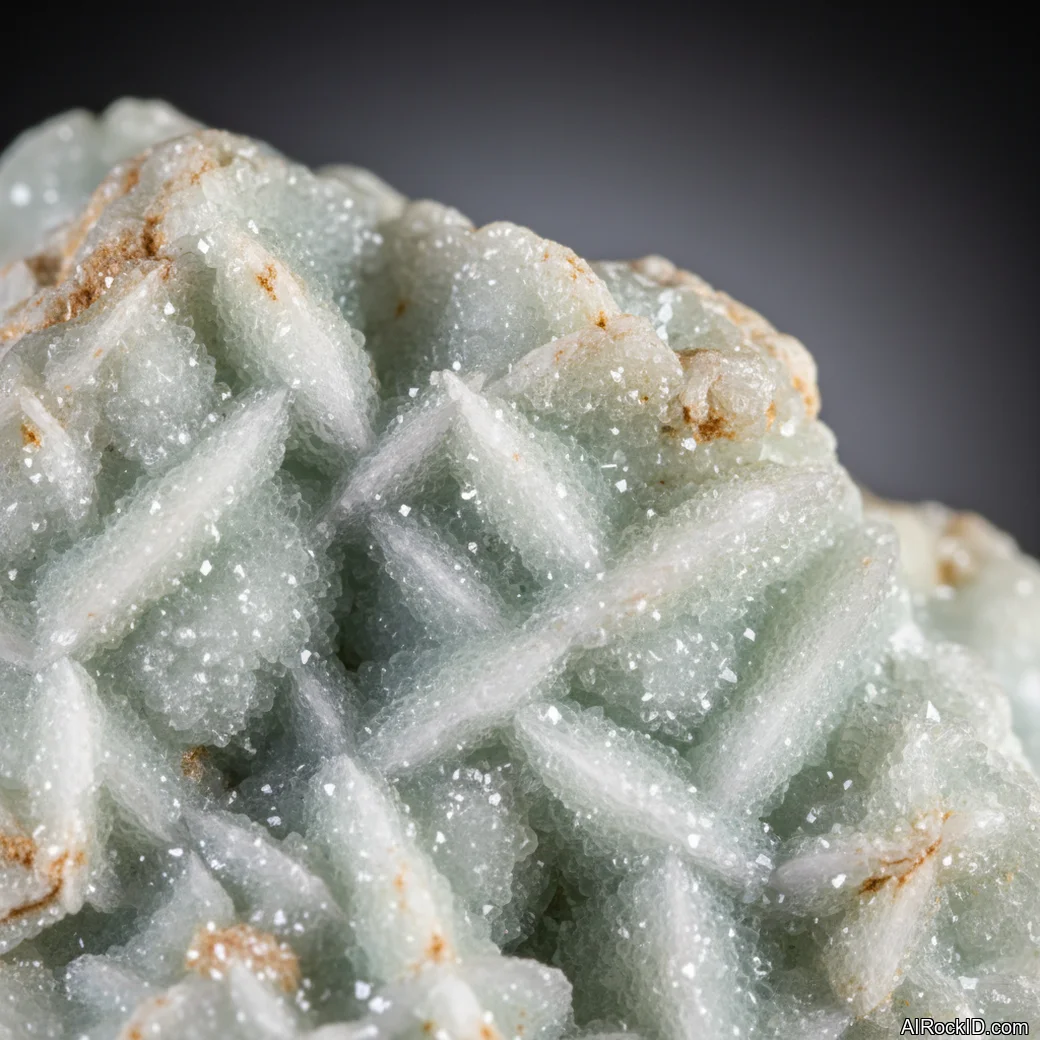
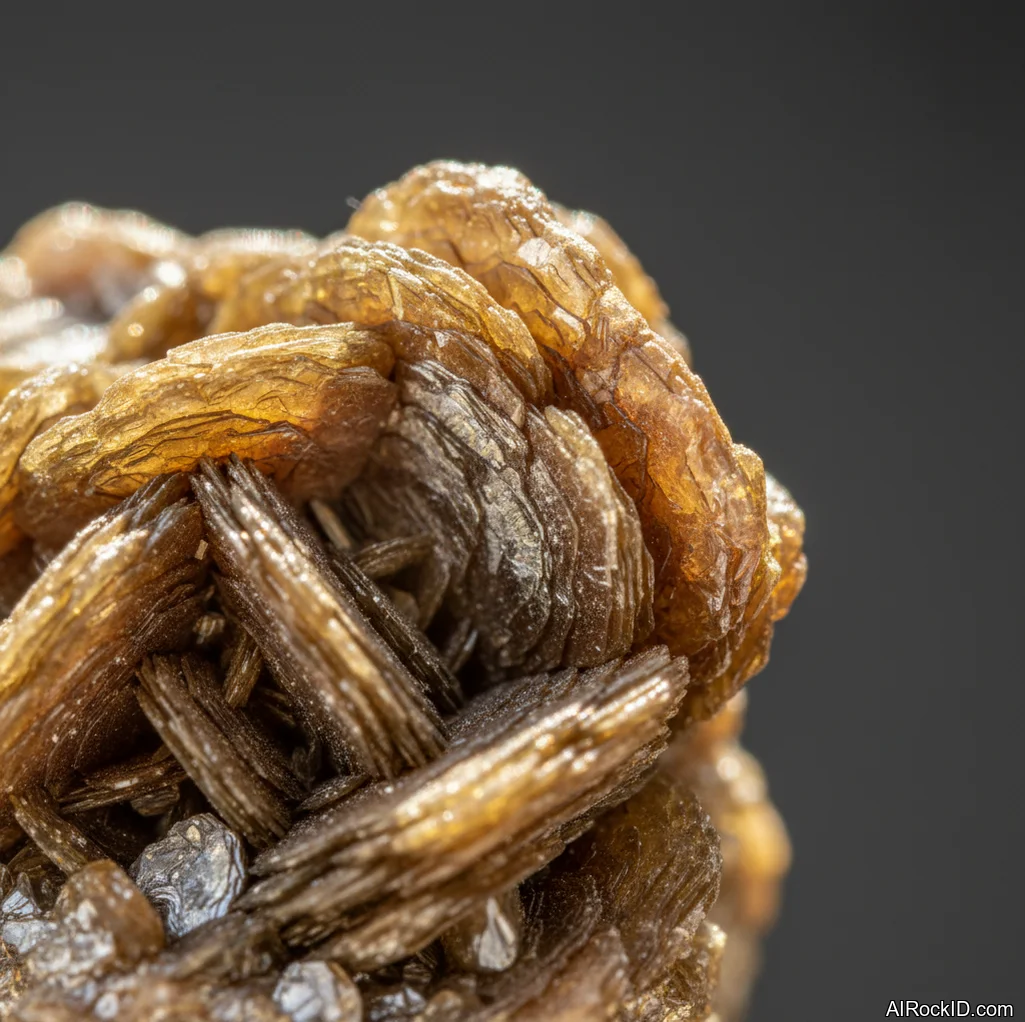
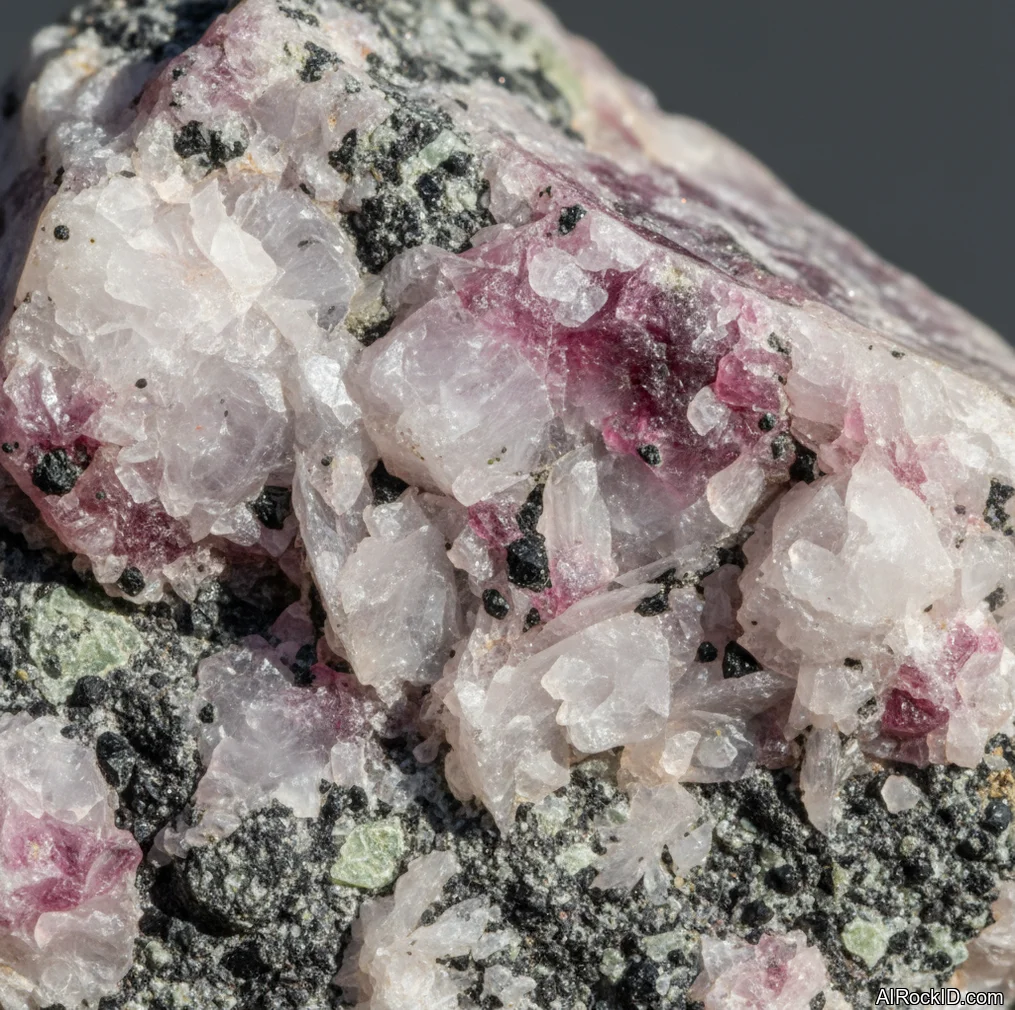
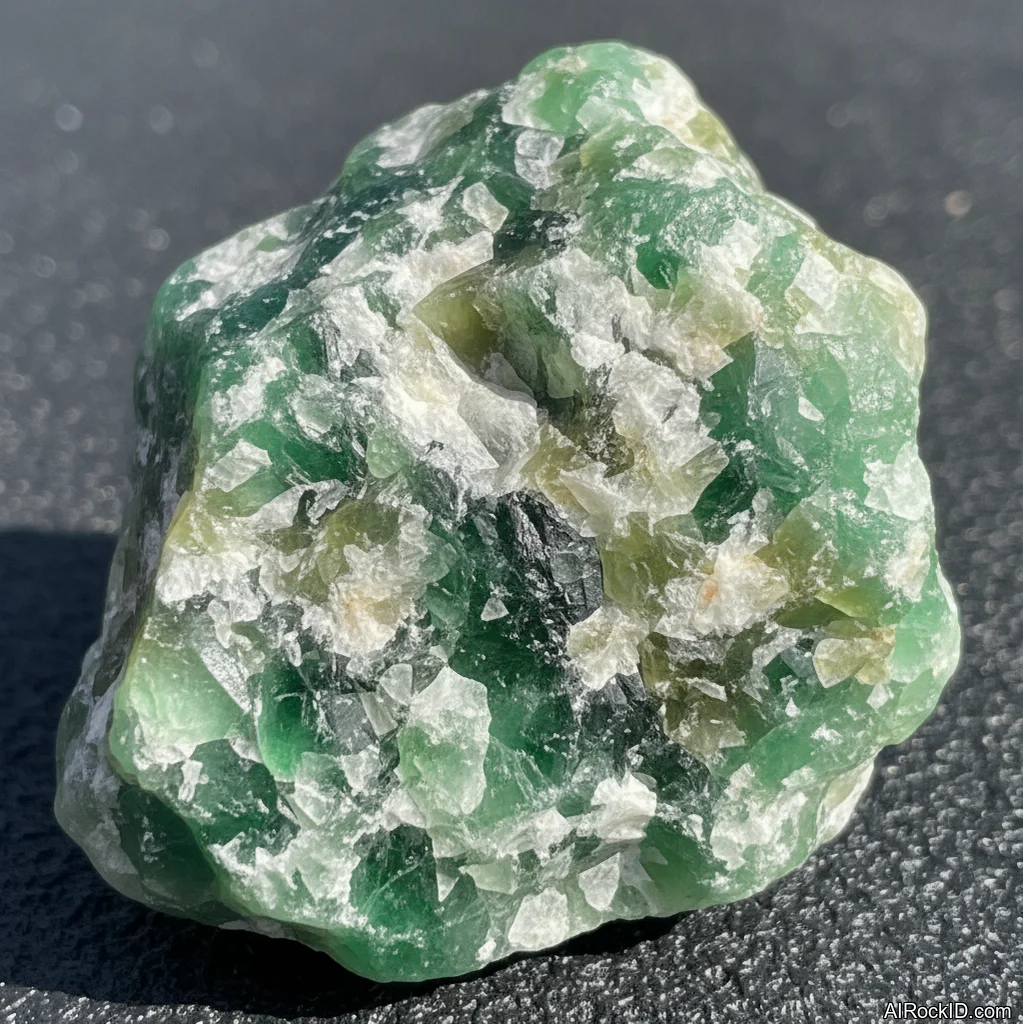
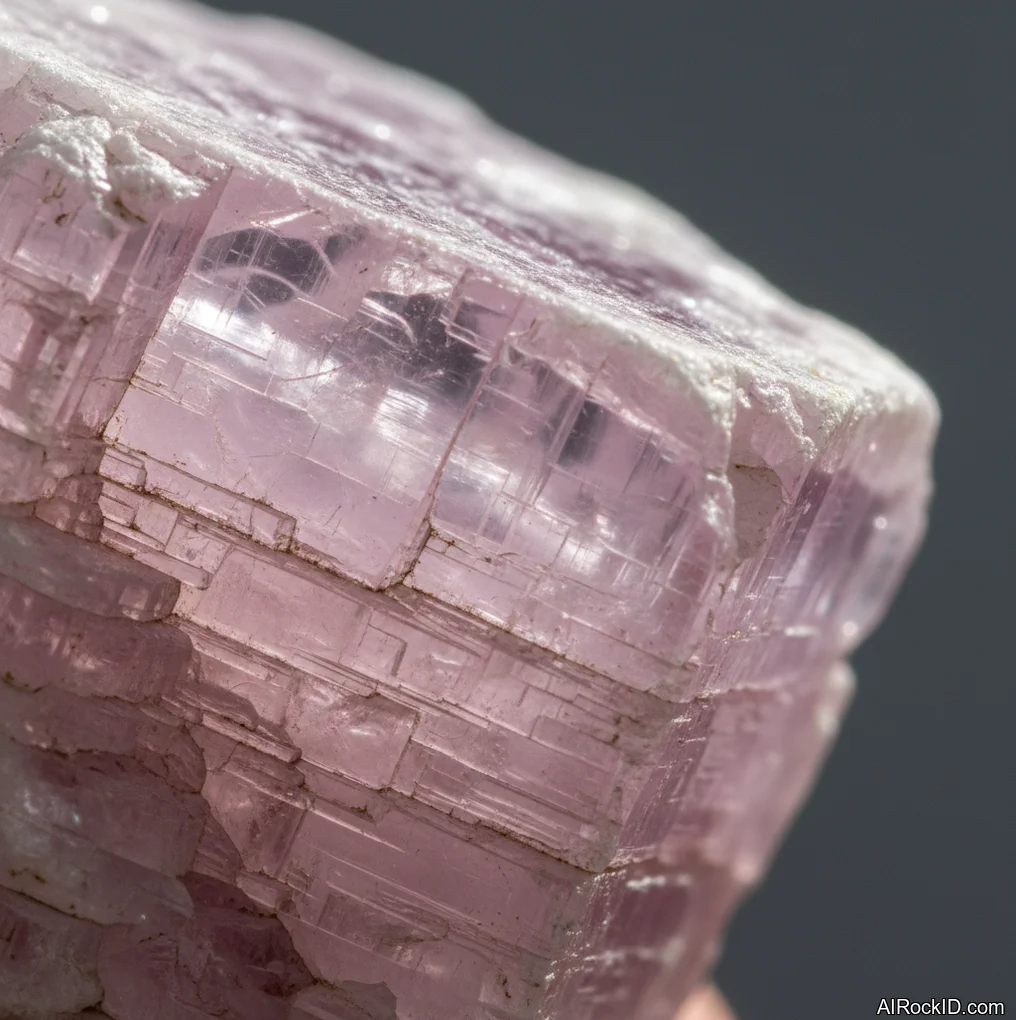
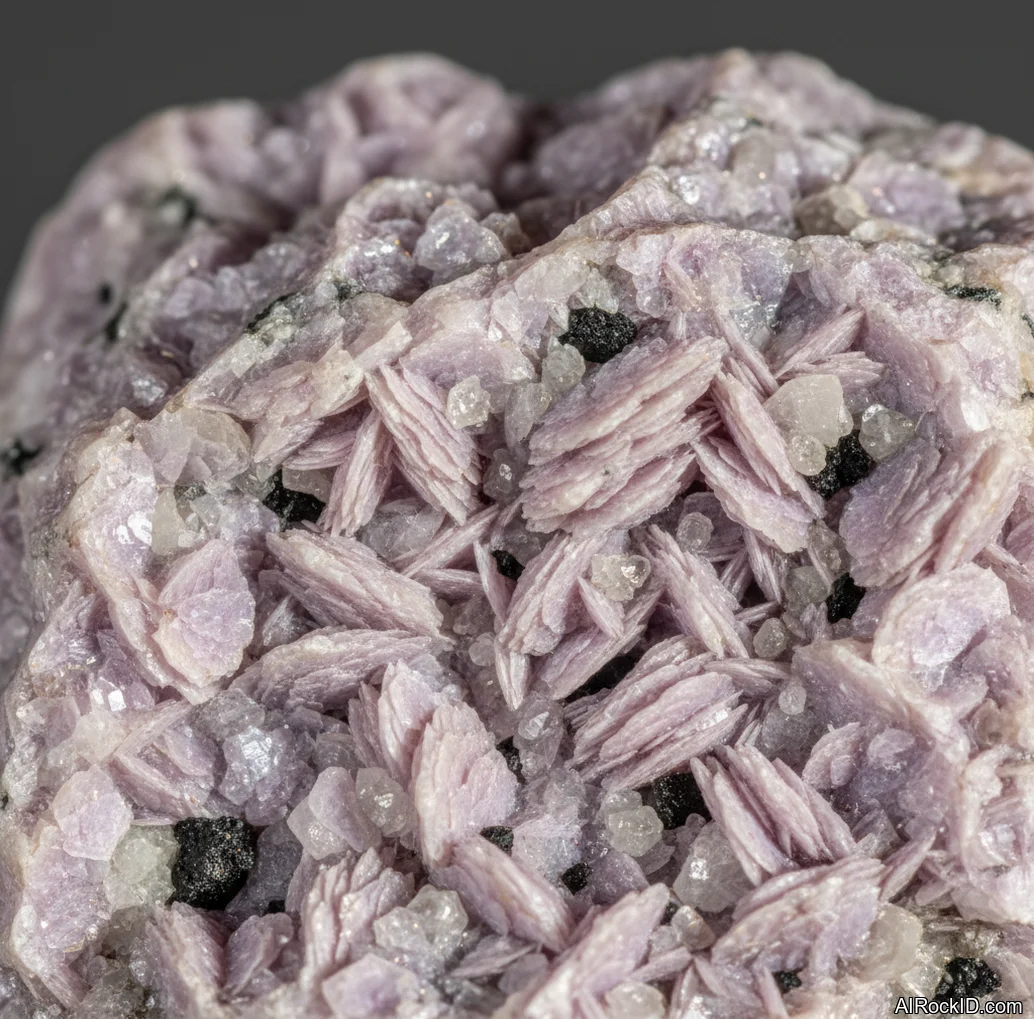
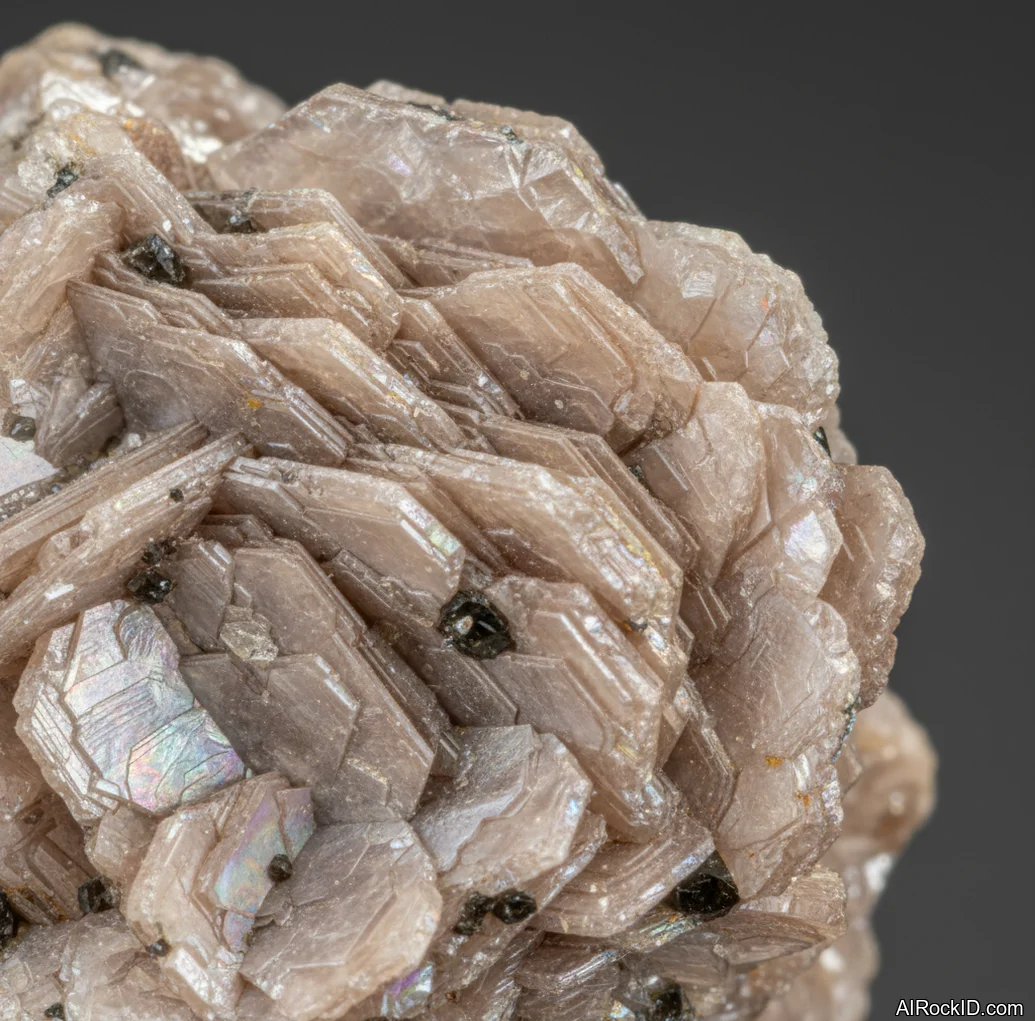
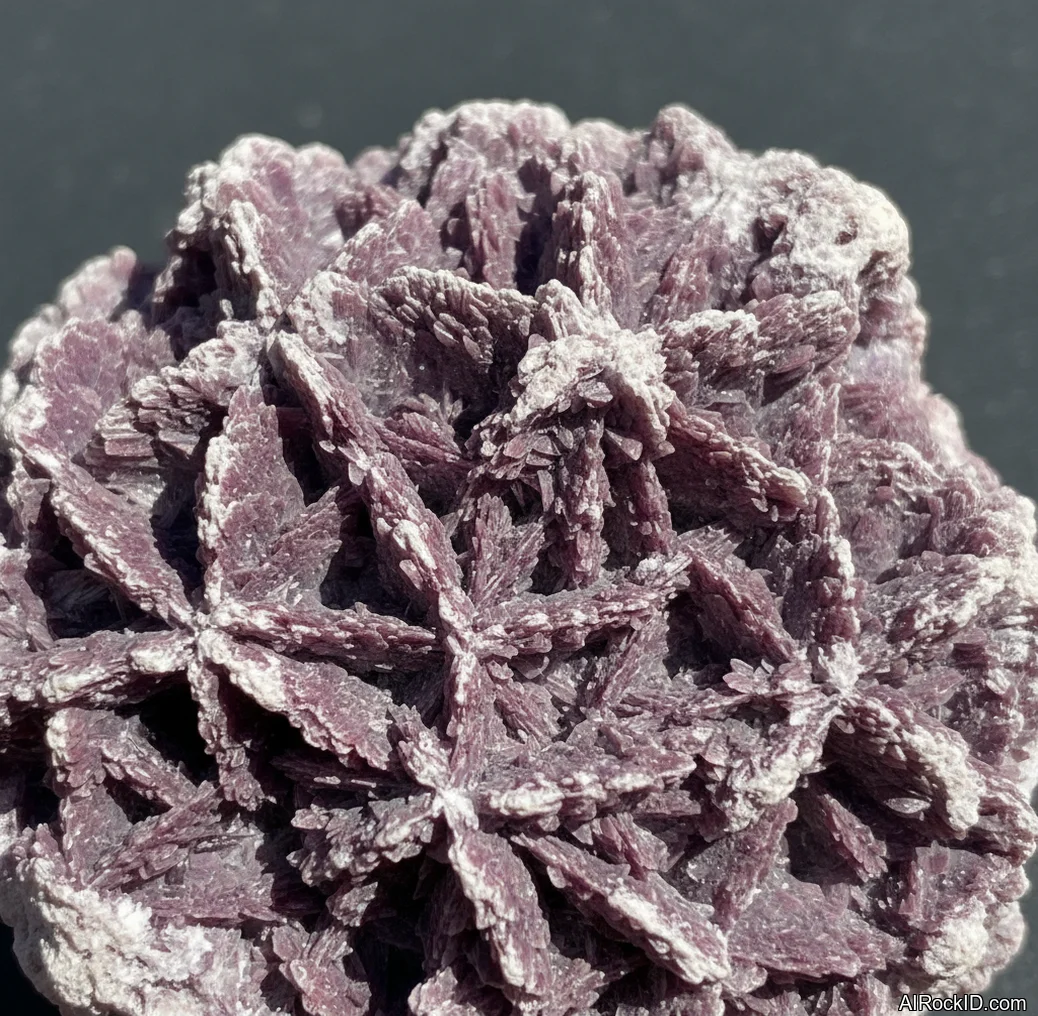
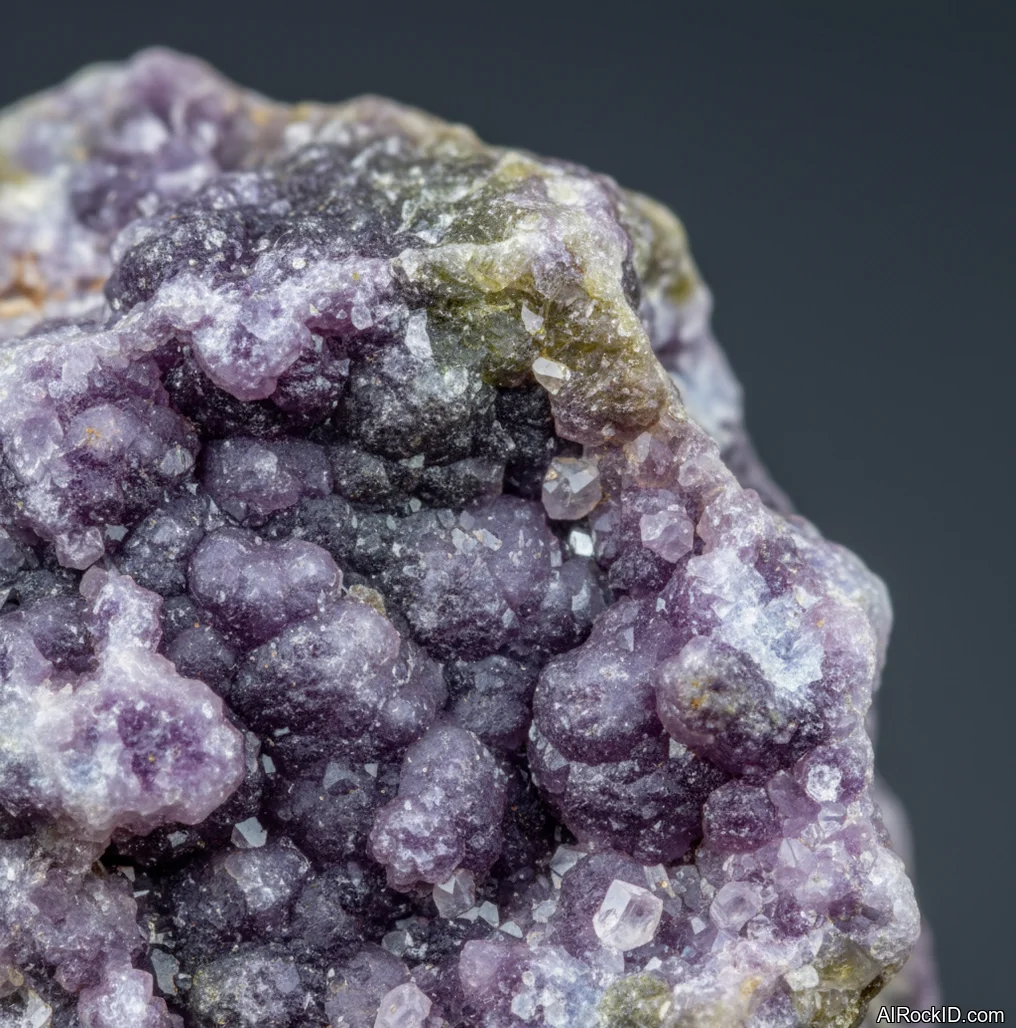
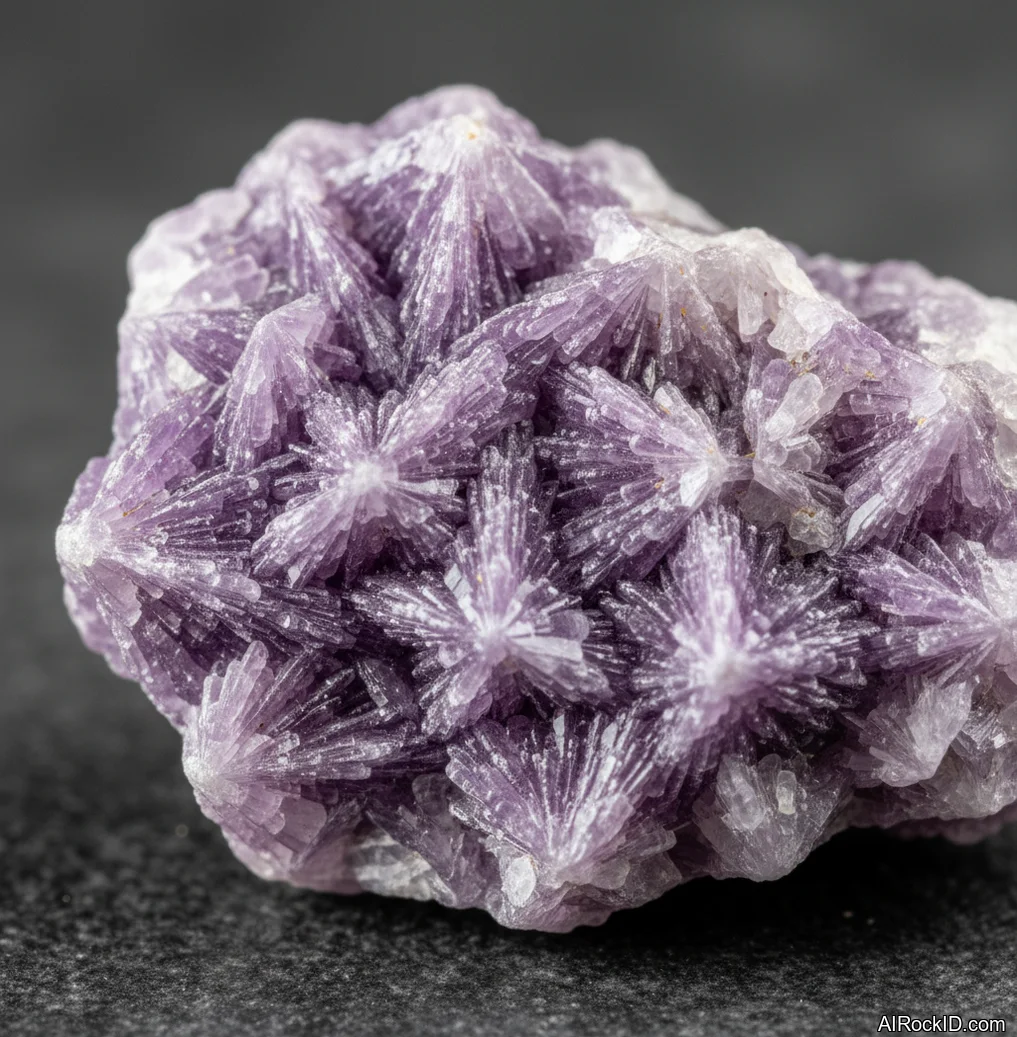
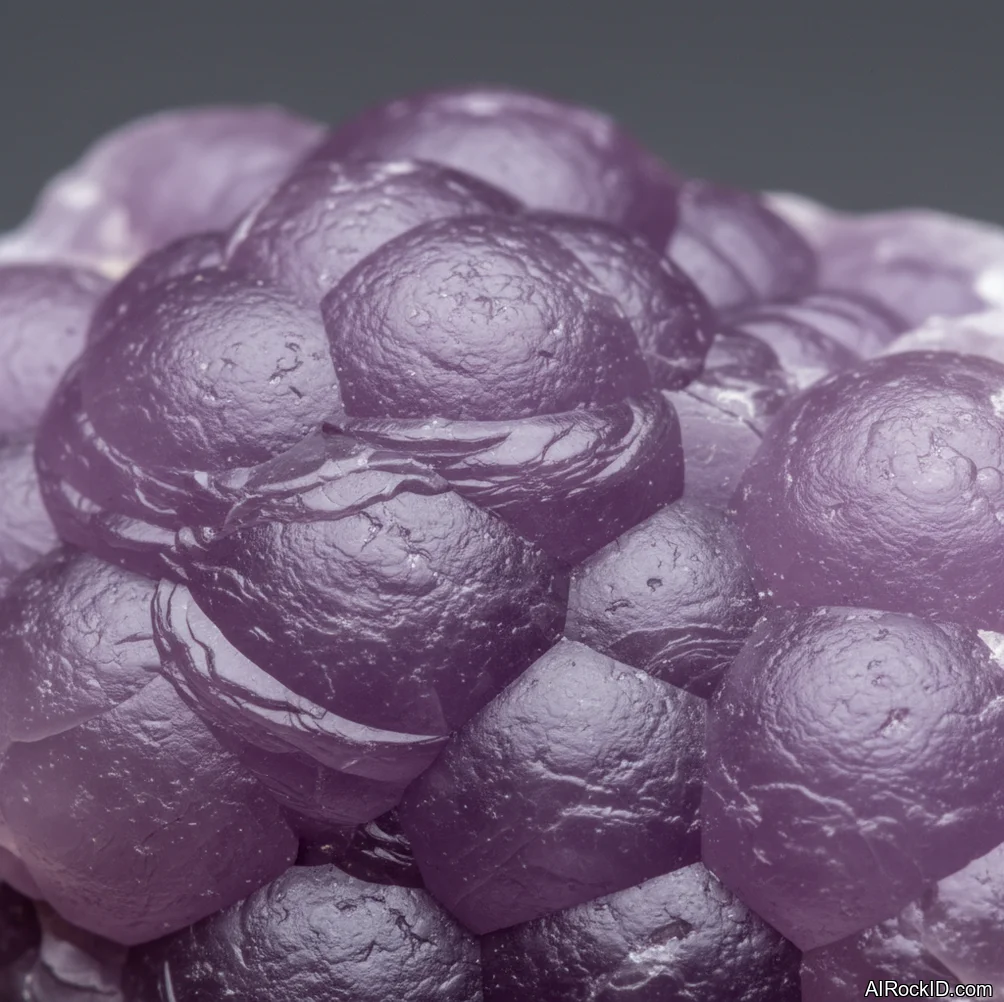
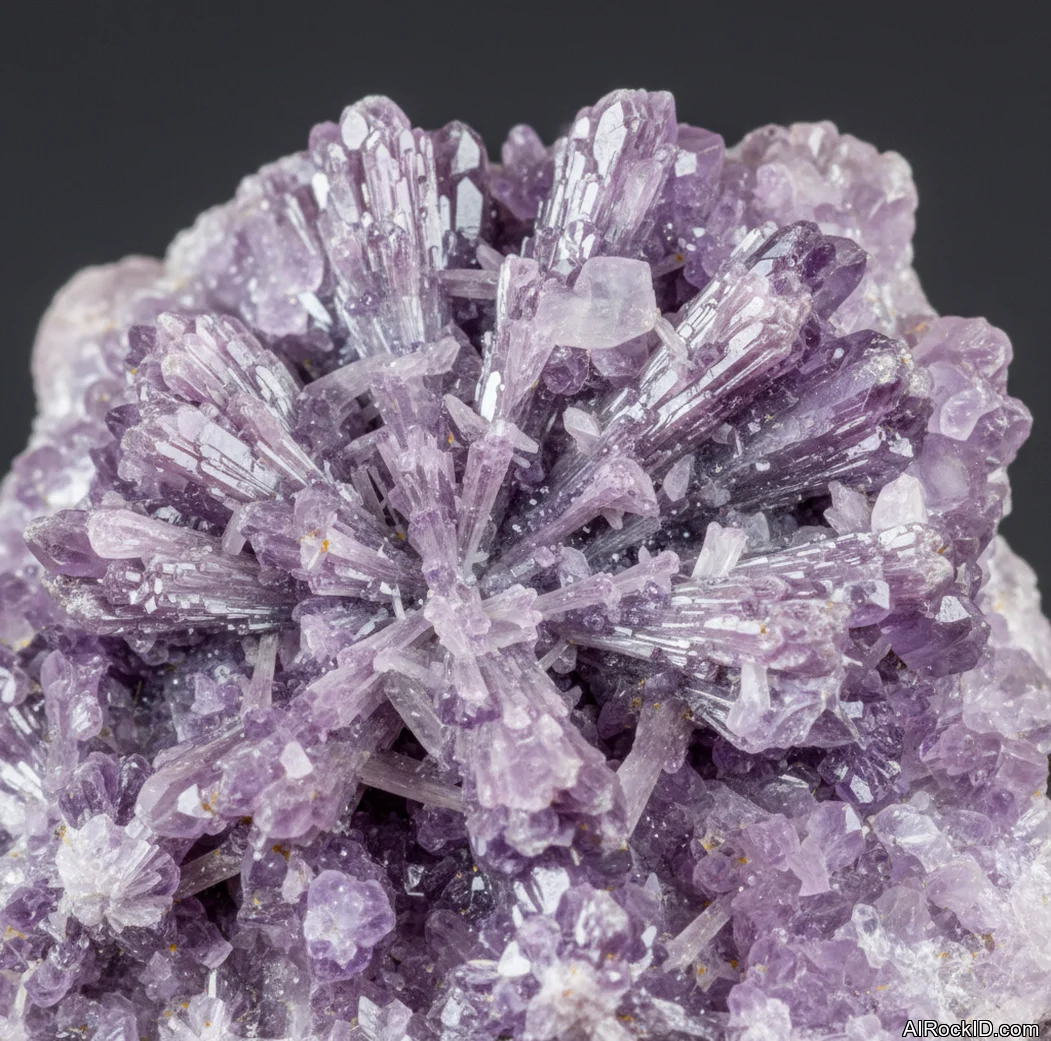
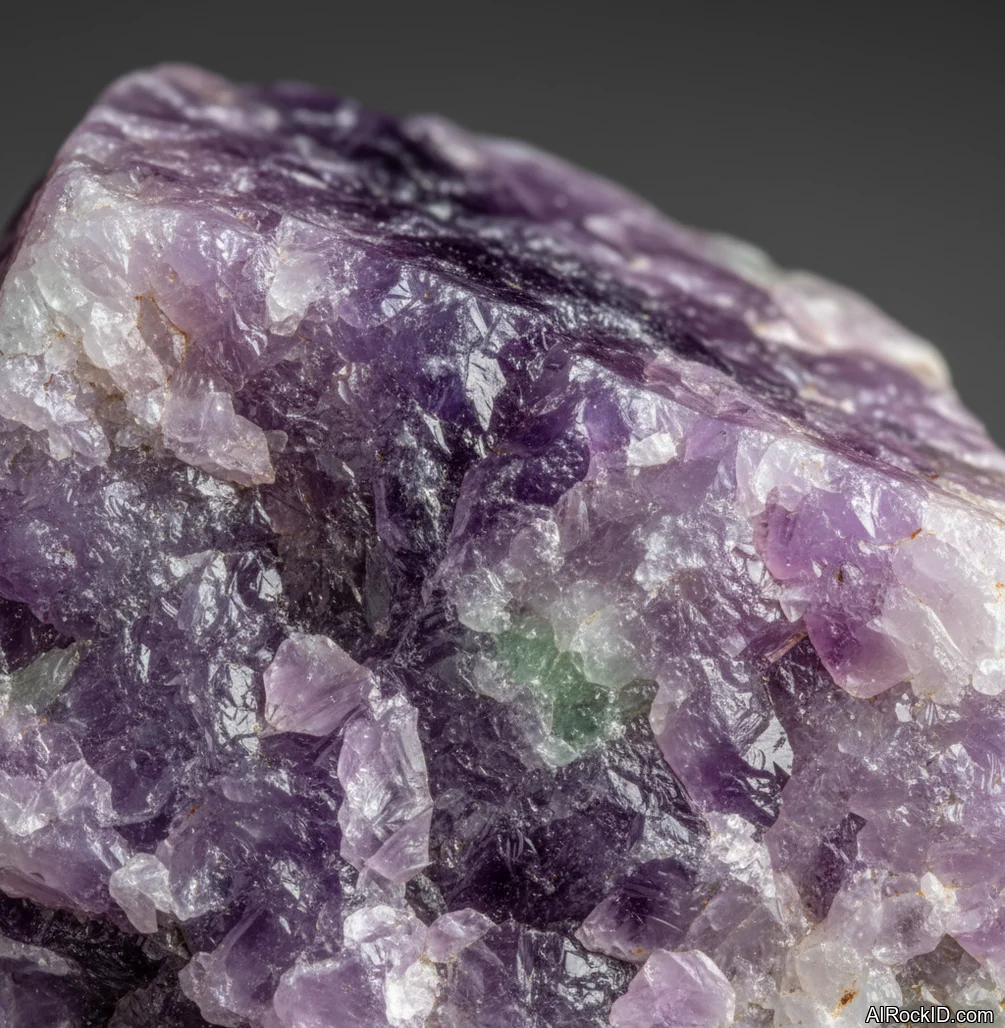
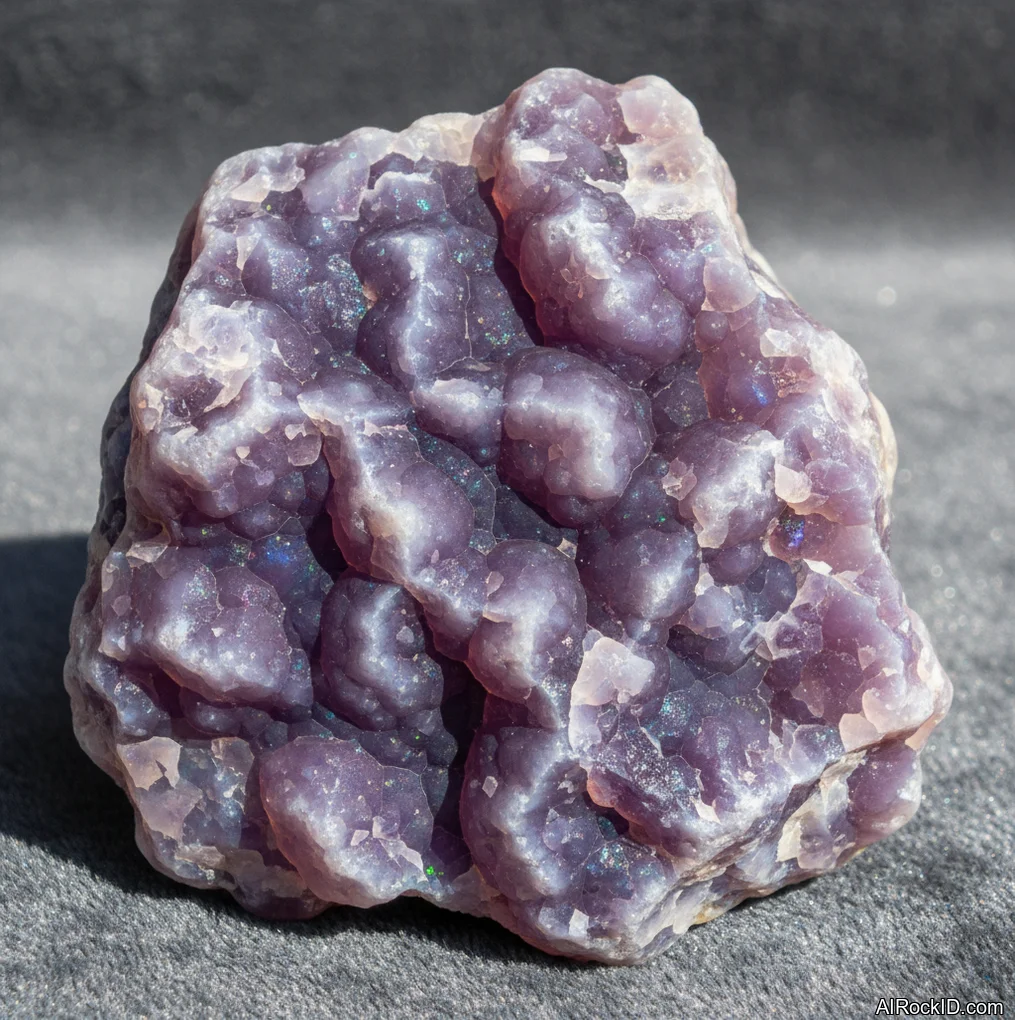
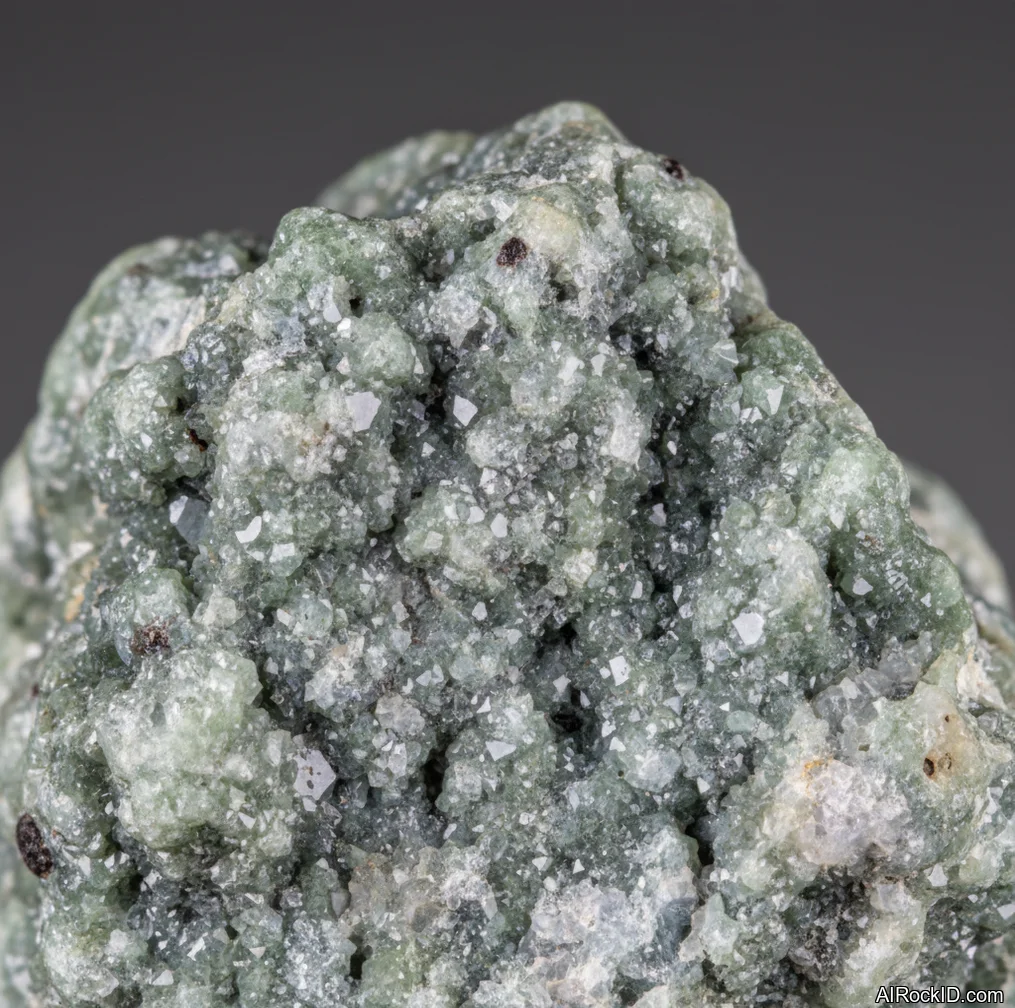
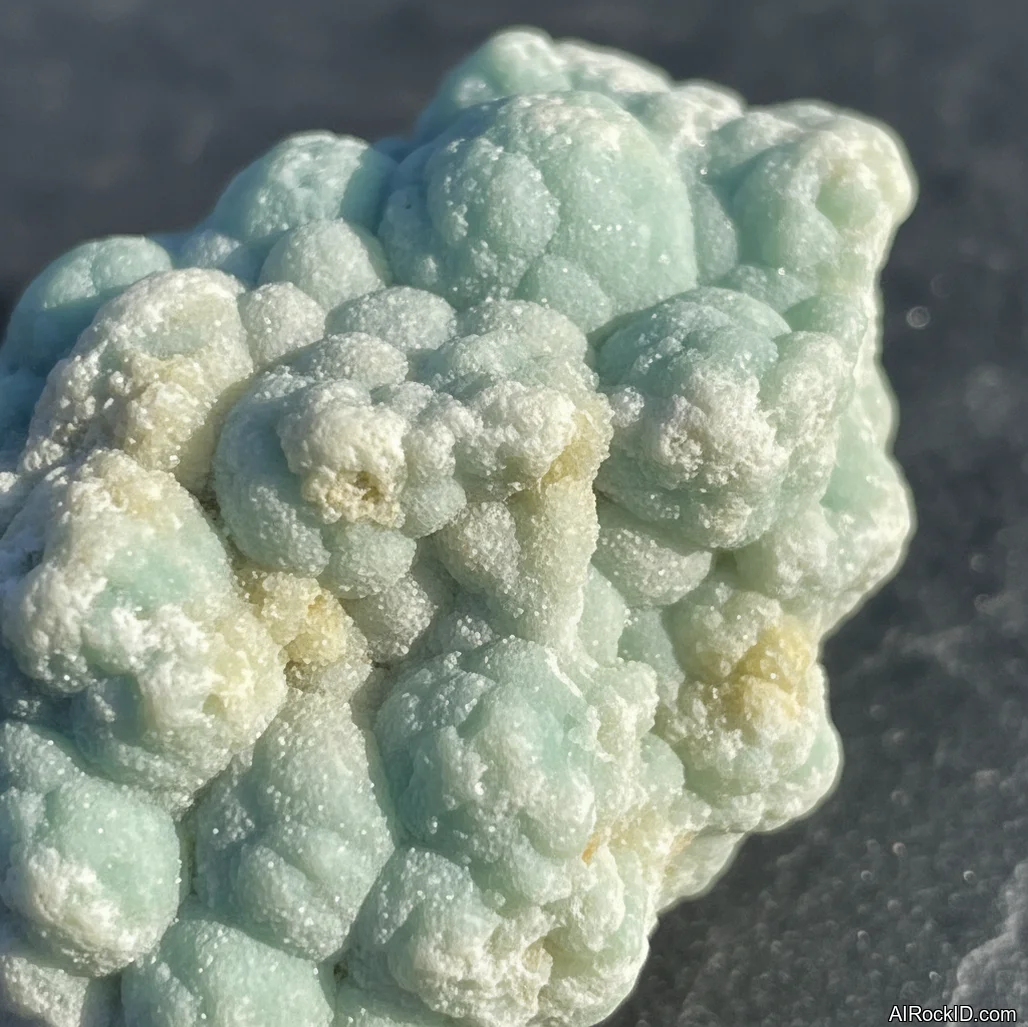
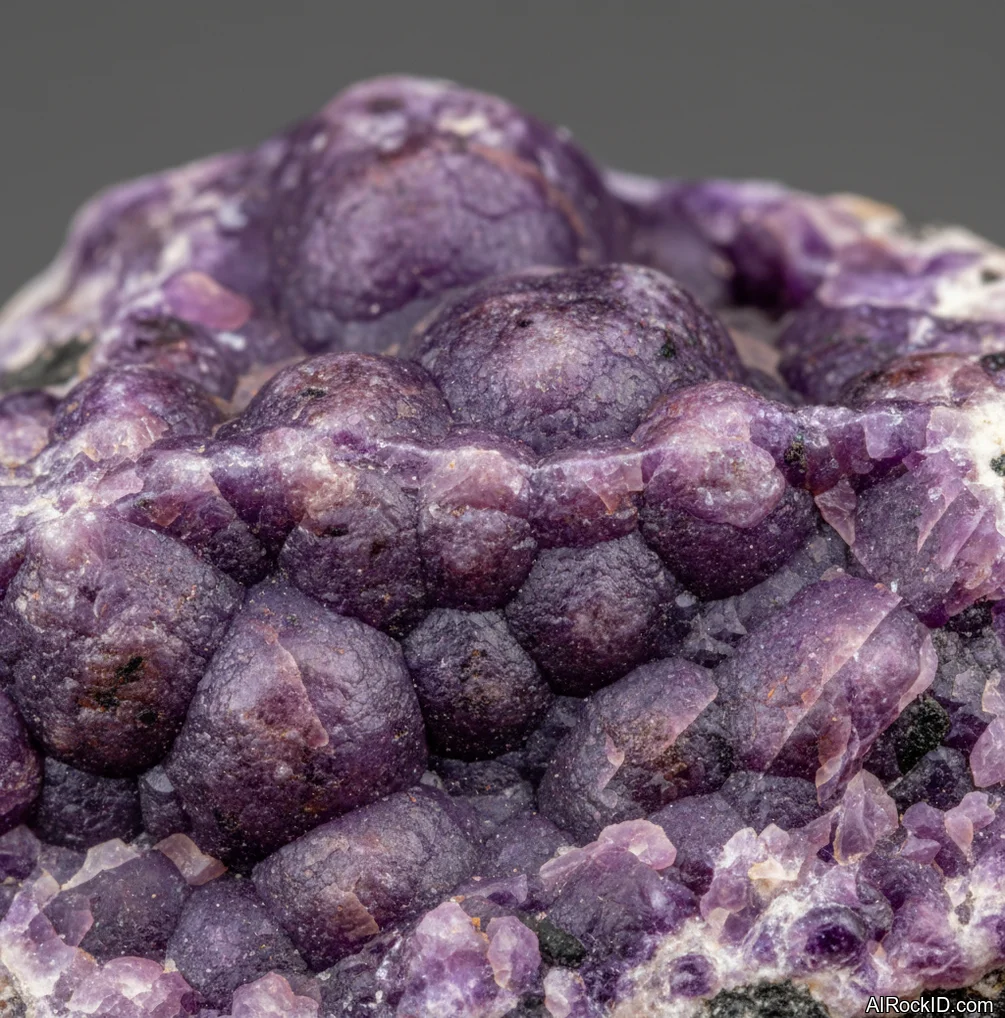
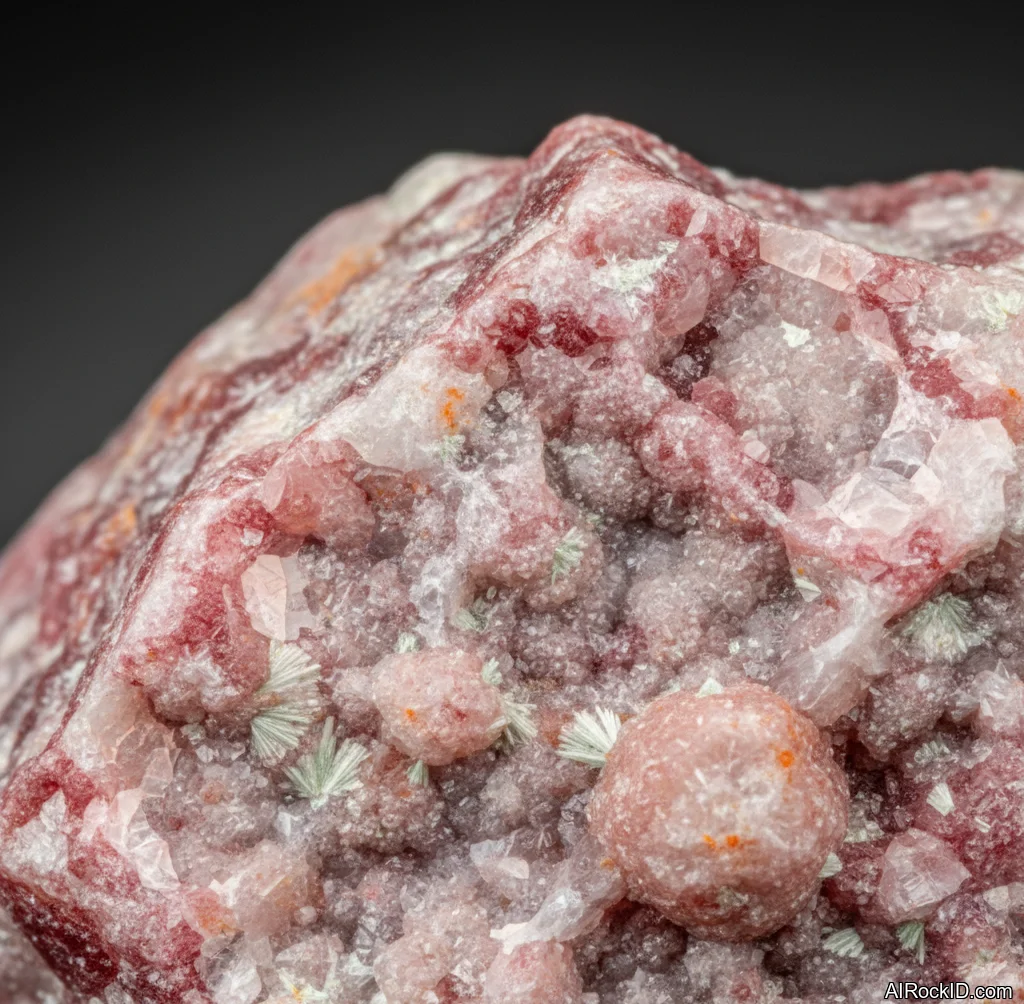
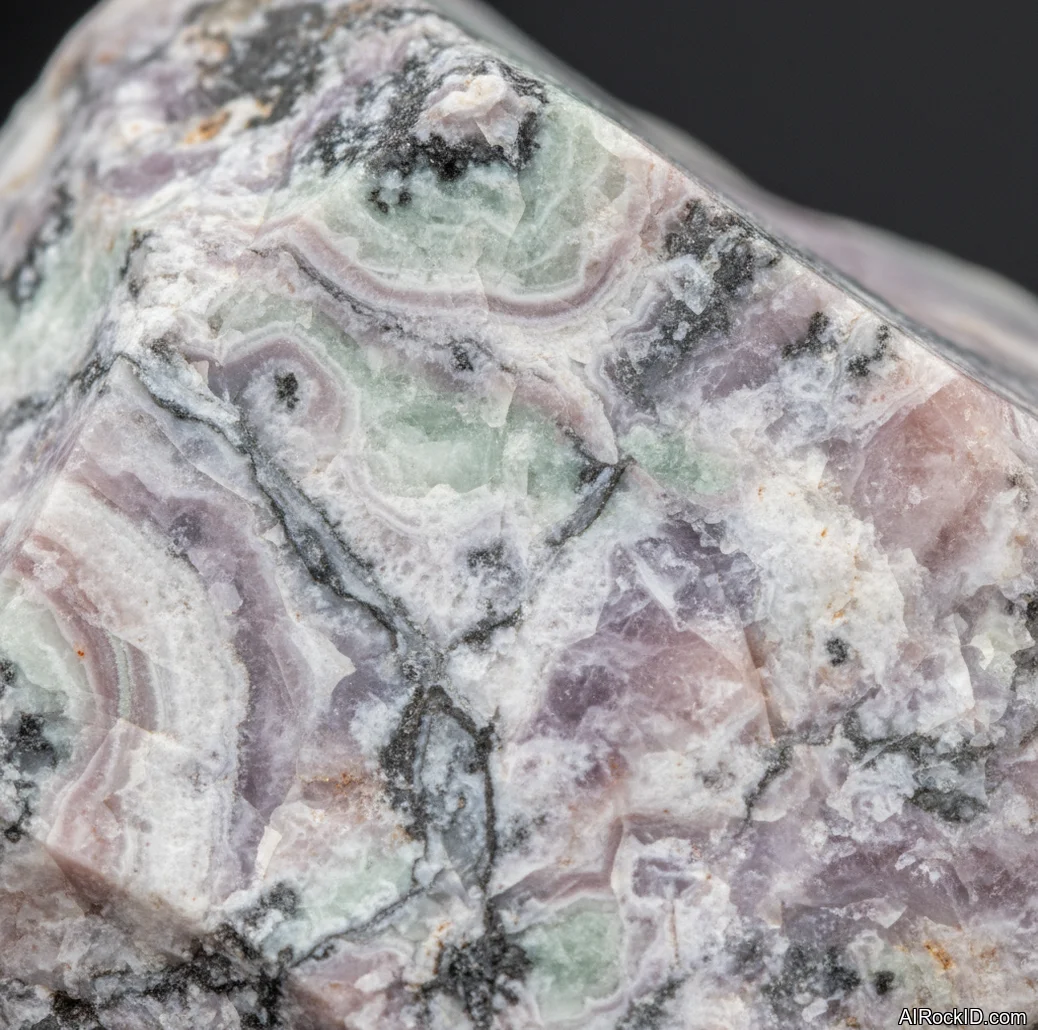
- Lepidolite: Associated with soothing routines in metaphysical use; it has a mica-like sparkle and is softer than amethyst.
AI identification confidence
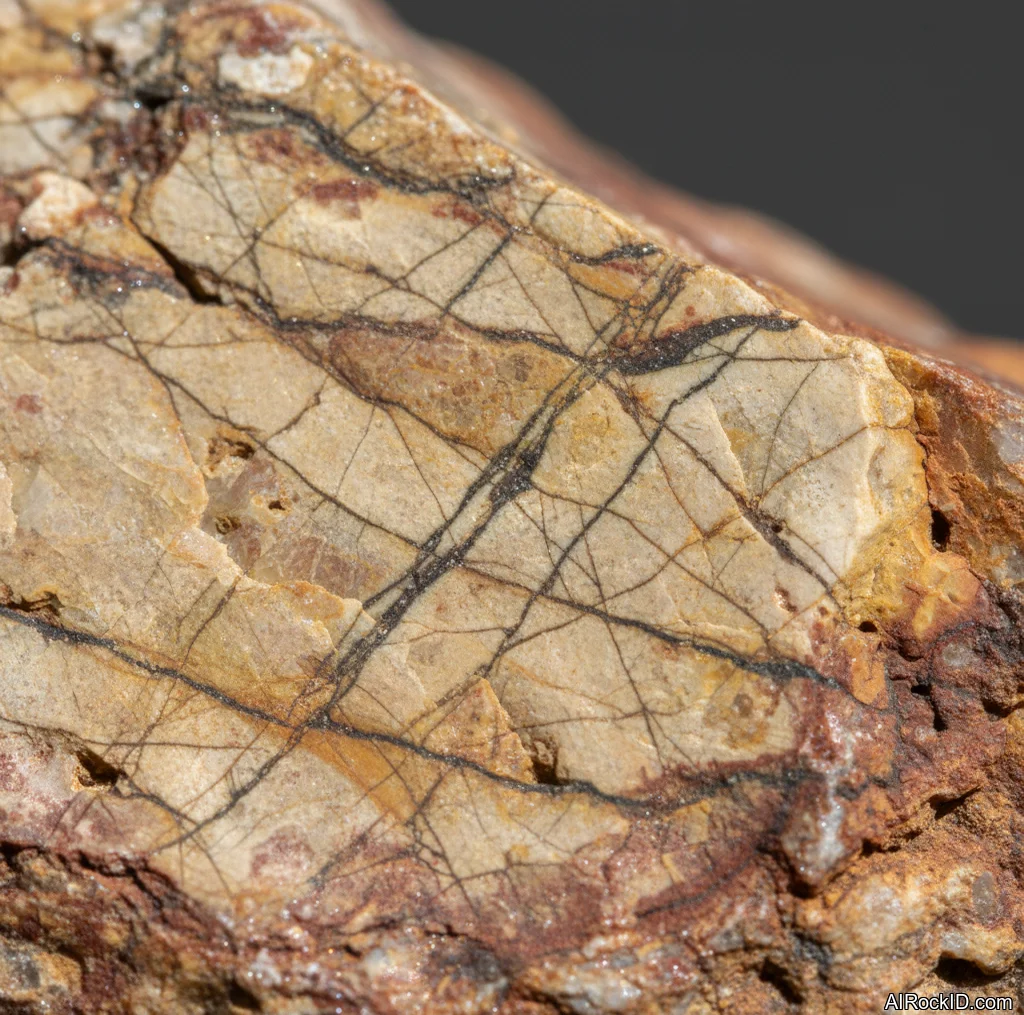
AI identification is most useful when the crystal has visible natural features such as crystal habit, translucency, veining, banding, cleavage, or inclusions. Confidence may be lower for tumbled stones, dyed stones, look-alike quartz varieties, or heavily polished pieces.
When AI gets it wrong
- The stone is dyed, heat-treated, coated, or mislabeled by a seller
- The photo is blurry, too dark, overexposed, or taken under colored lighting
- The piece is tumbled or carved, removing natural crystal habit
- Several minerals share the same color and general appearance
Best choice summary
For a simple meditation setup, many beginners choose one calming stone, one grounding stone, and one clear focal stone. The best choice is usually the crystal that is easy to handle, safe for the setting, and personally meaningful.
Final recommendation
Choose meditation crystals by combining practical factors such as durability, size, and care needs with the symbolic meaning you prefer. Treat crystal use as a mindfulness or ritual aid, not as a medical treatment.
Why people search for this
People often search for meditation crystals to find stones associated with calm, focus, grounding, or spiritual reflection. Search intent may include choosing a first crystal, identifying a stone already owned, or comparing meanings across traditions.
What this category represents
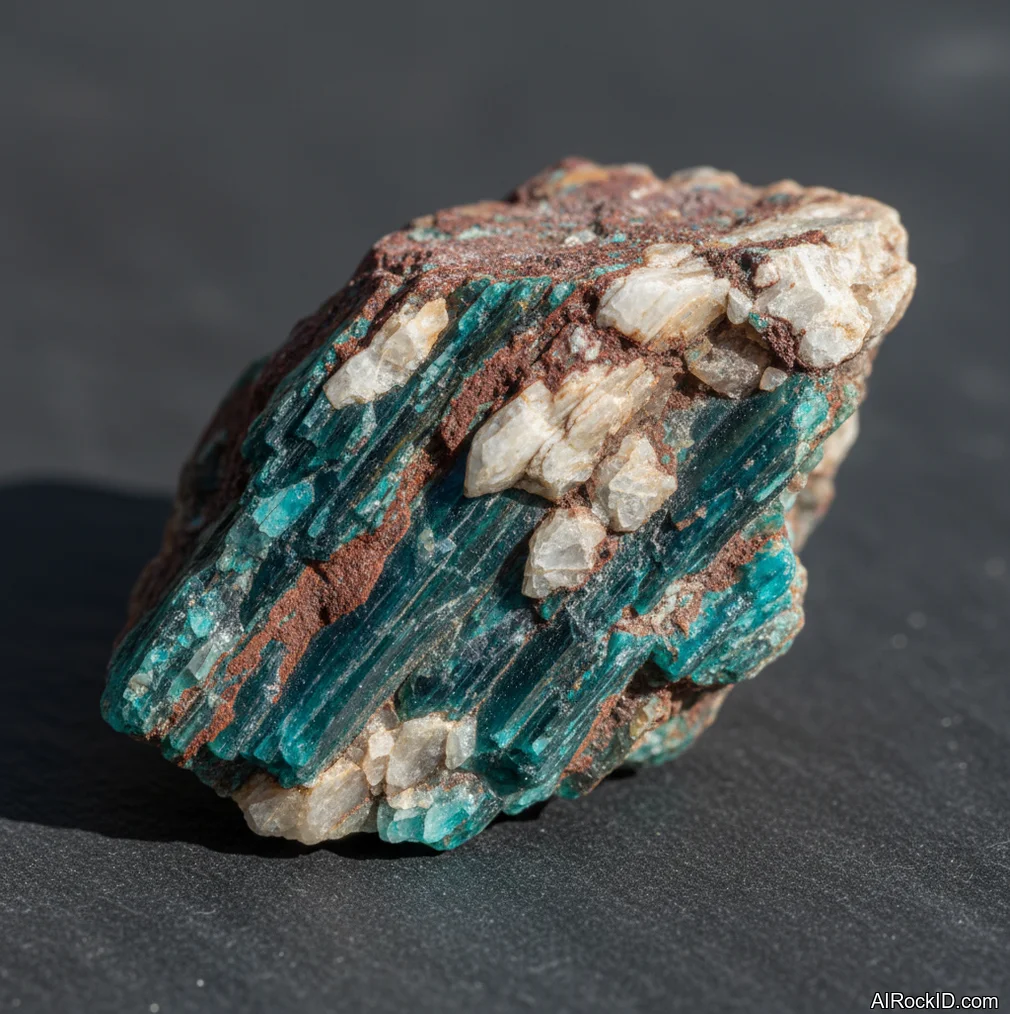
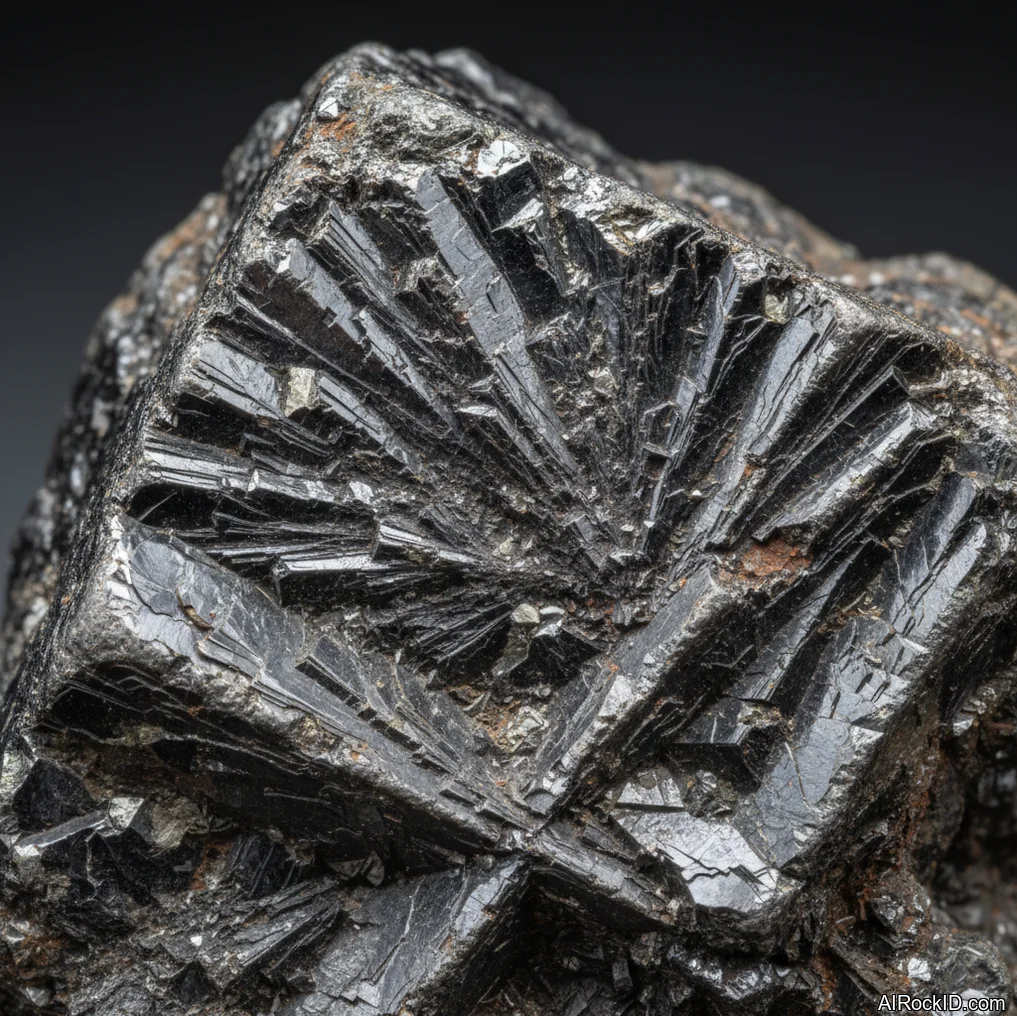
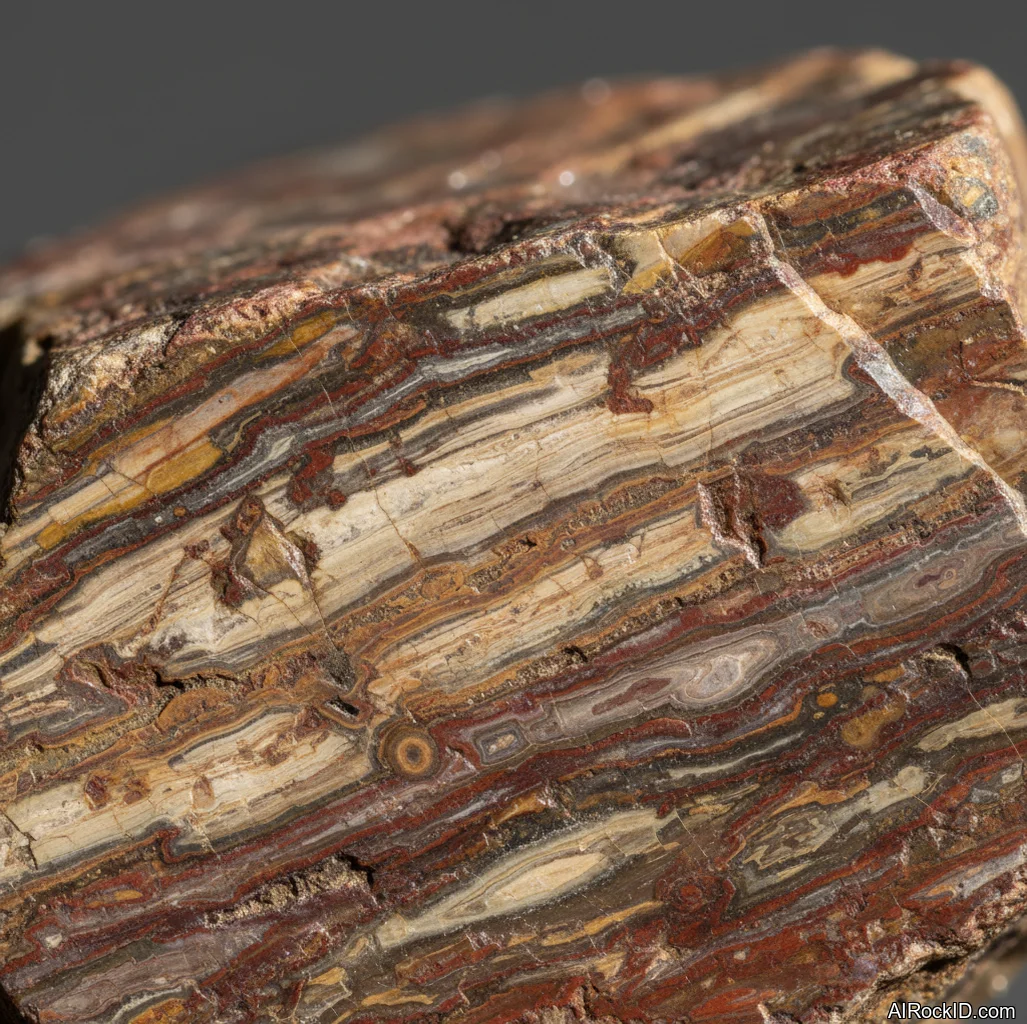
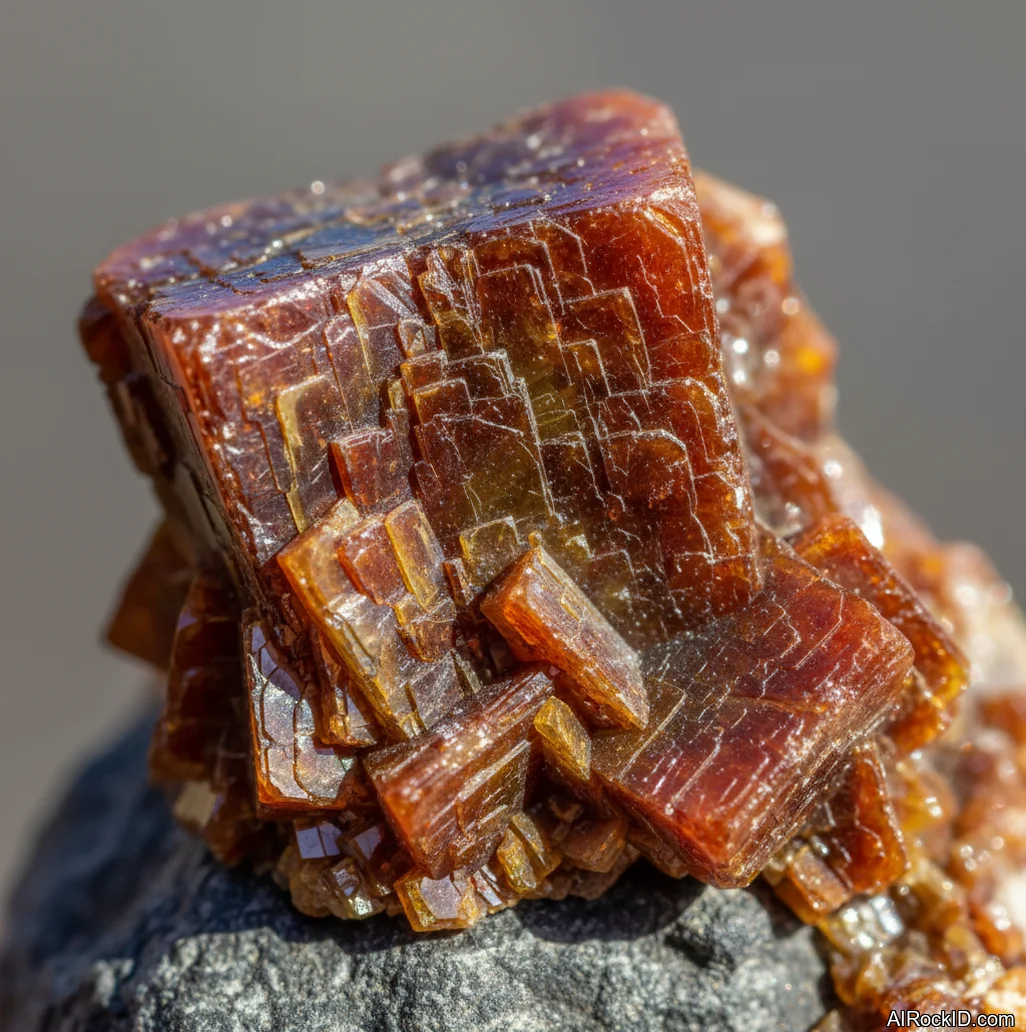
The Meditation Crystals tag groups stones commonly used as focus objects, altar pieces, intention stones, or symbolic supports in meditation practices. It includes crystals associated in metaphysical traditions with calm, clarity, grounding, breath awareness, and reflective practice.
Beginner recommendations
Advanced recommendations
Meditation Crystal Safety Notes
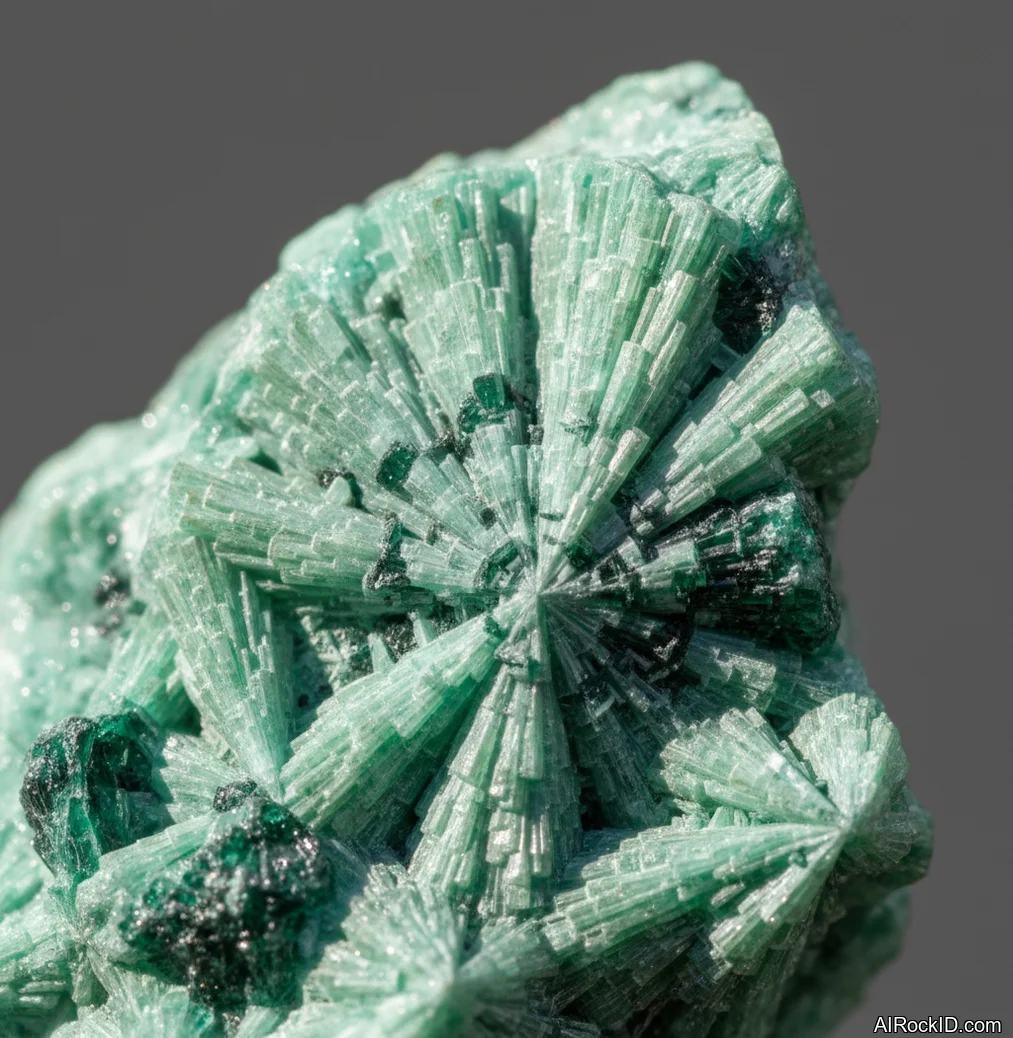
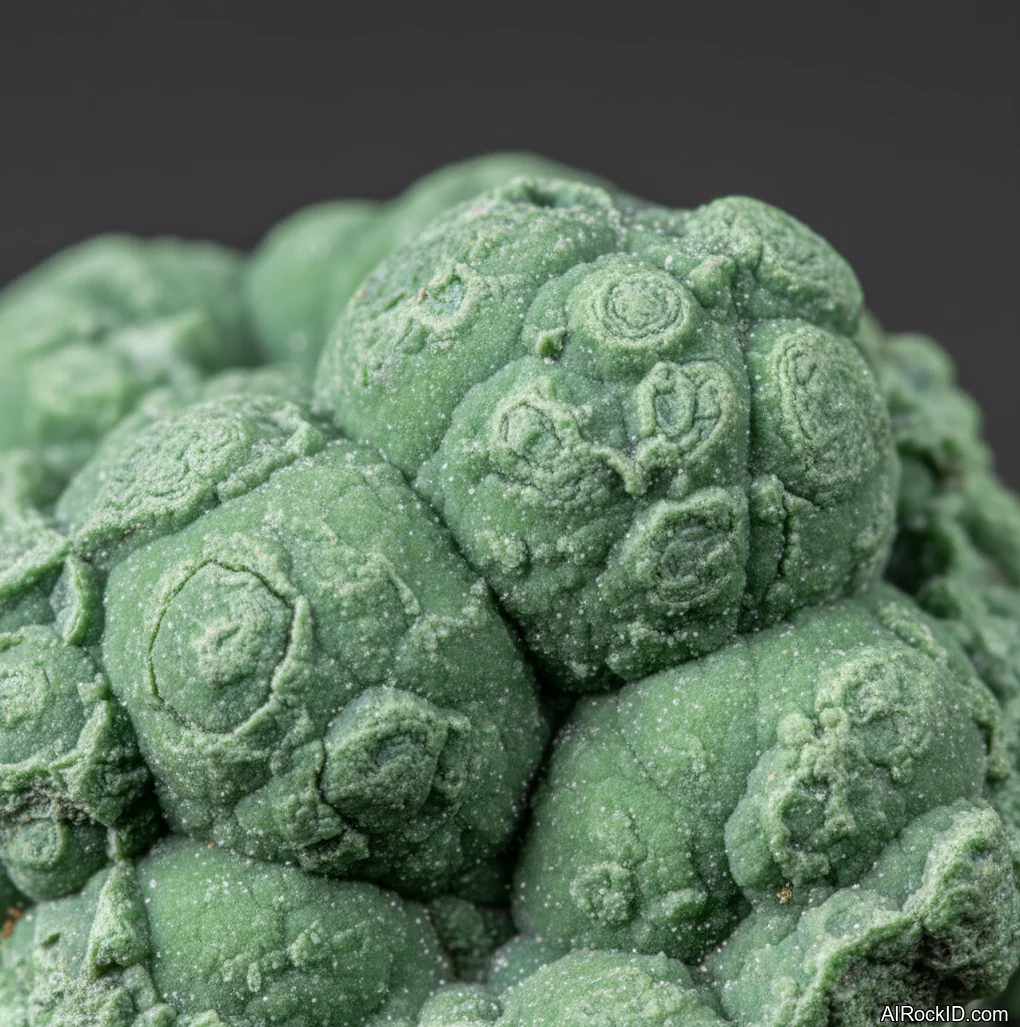
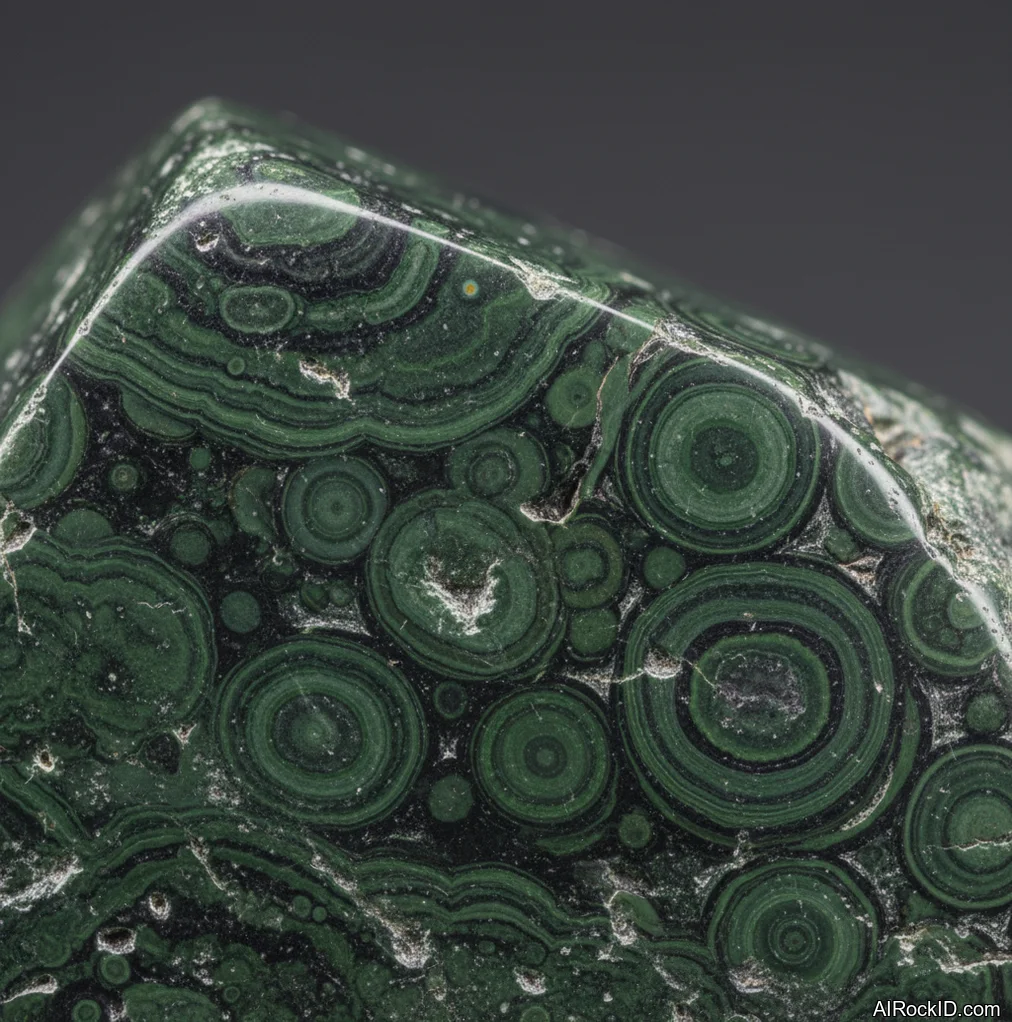
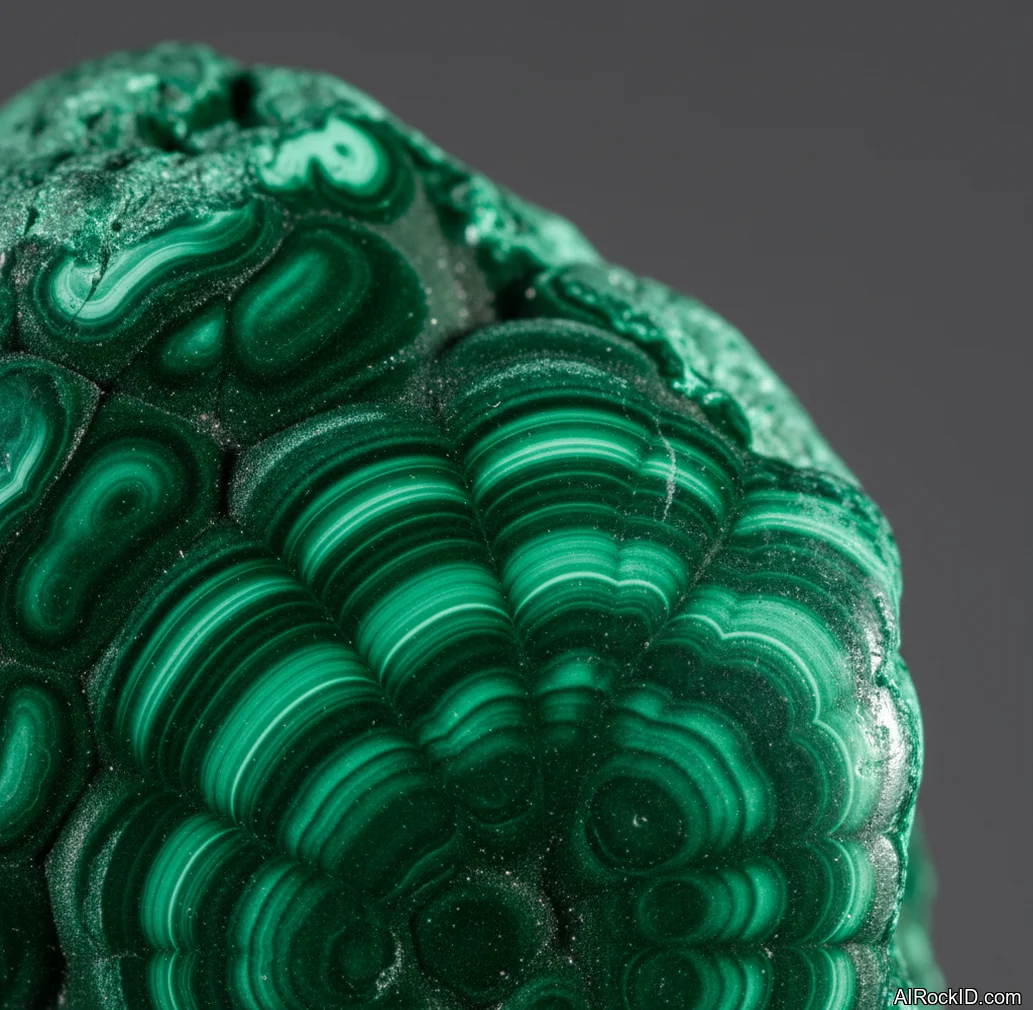
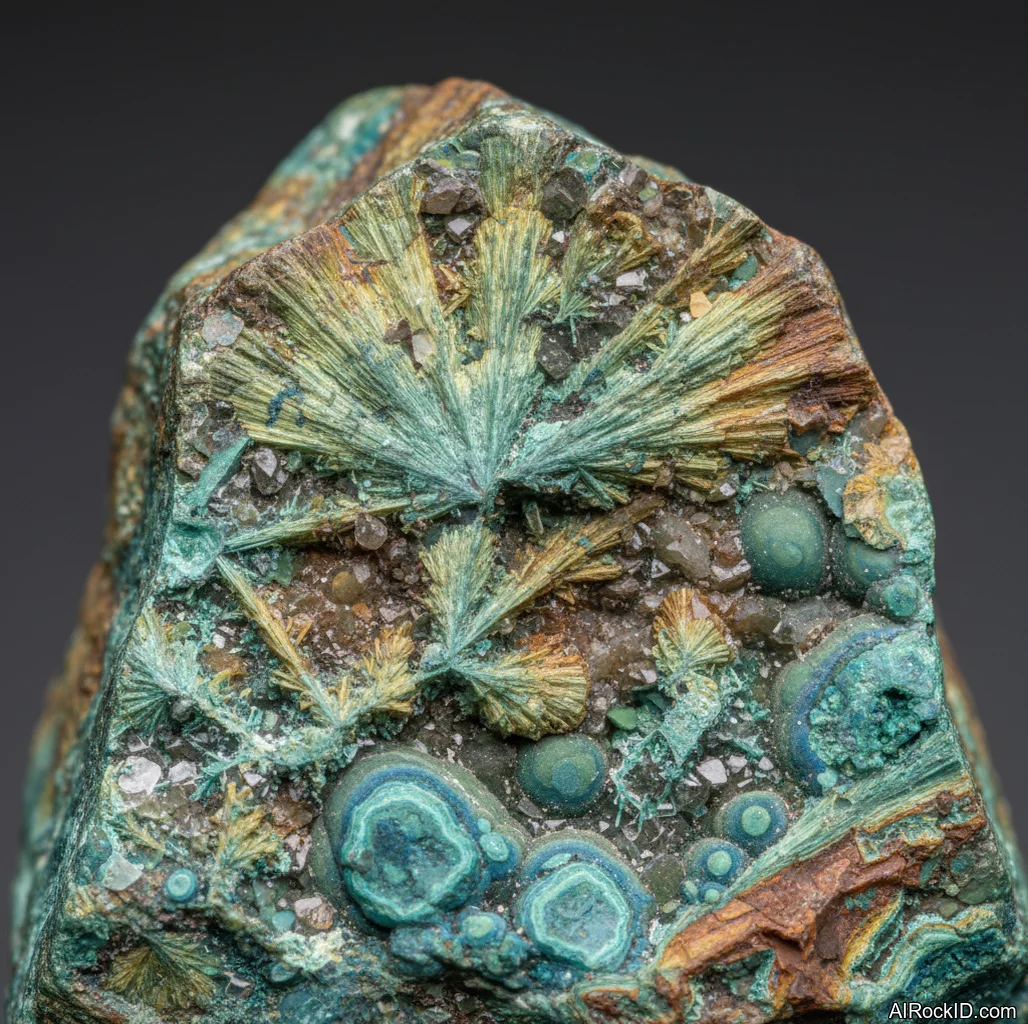
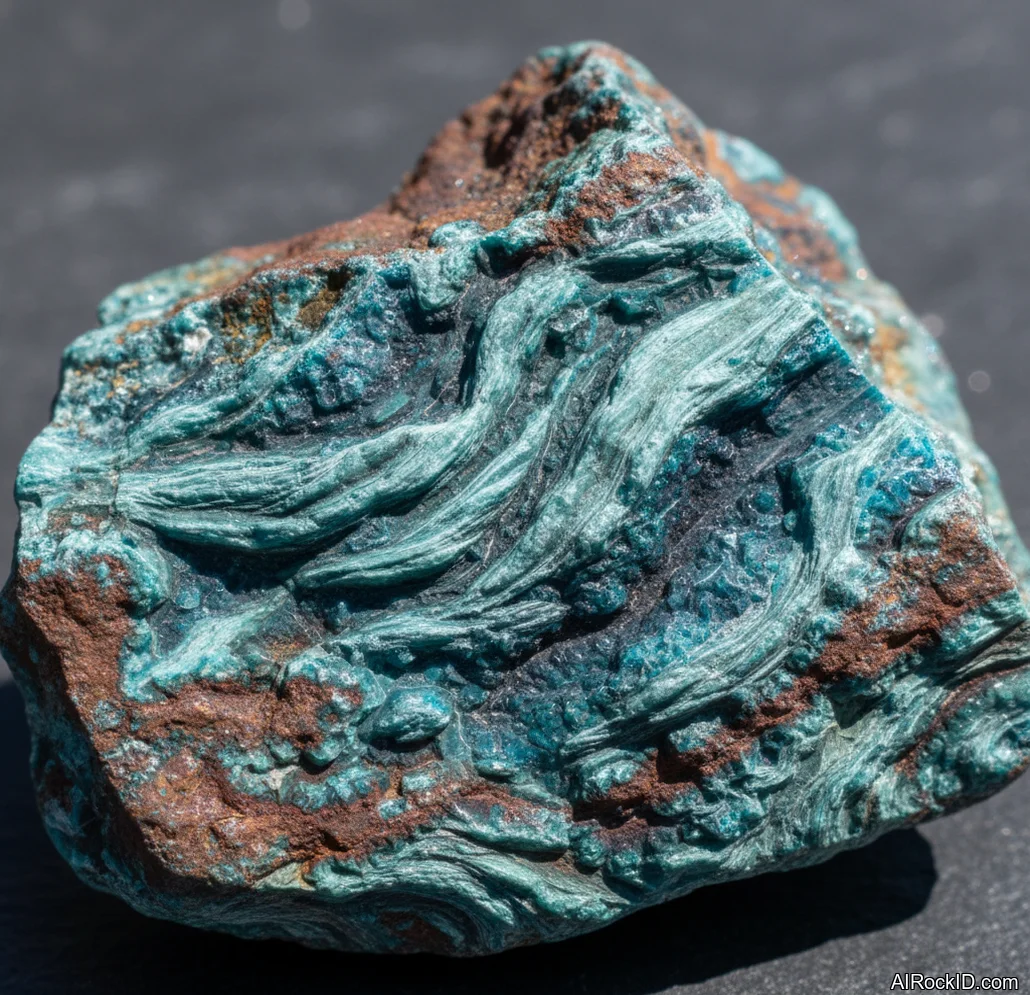
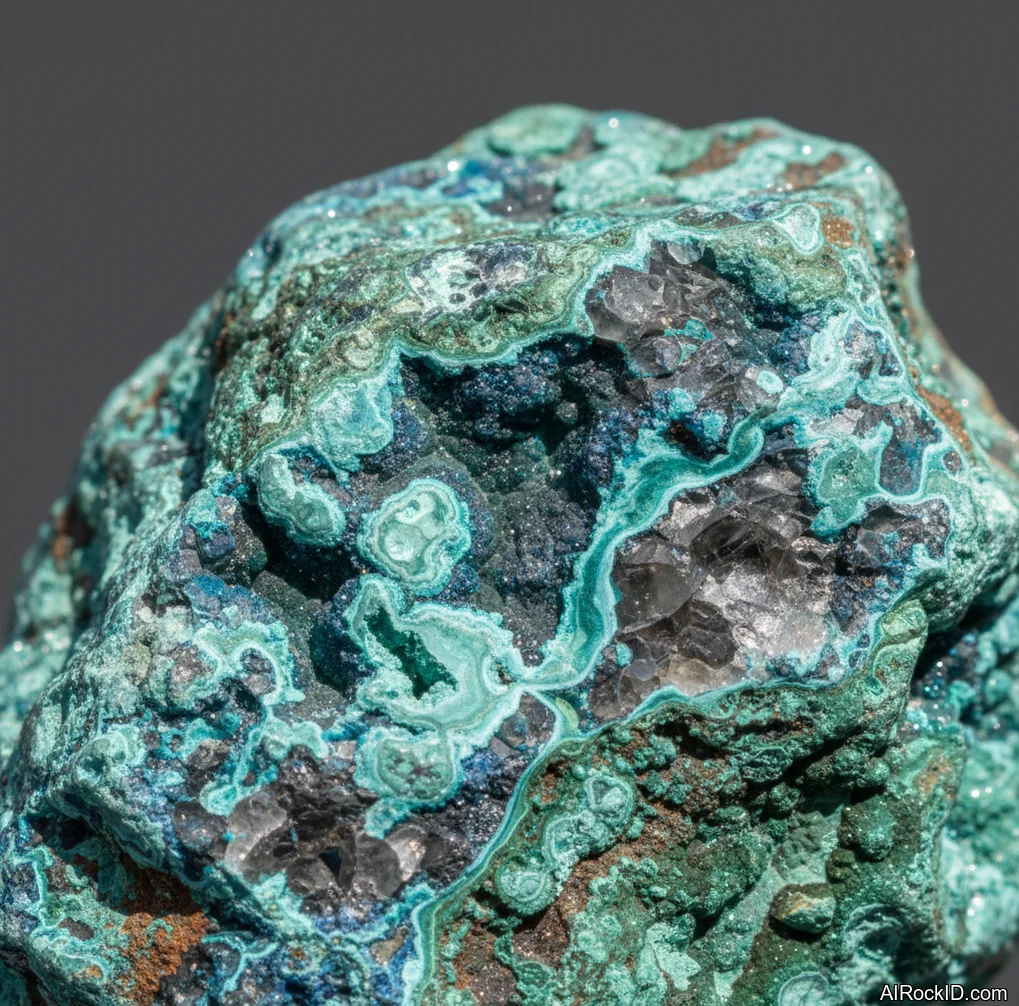
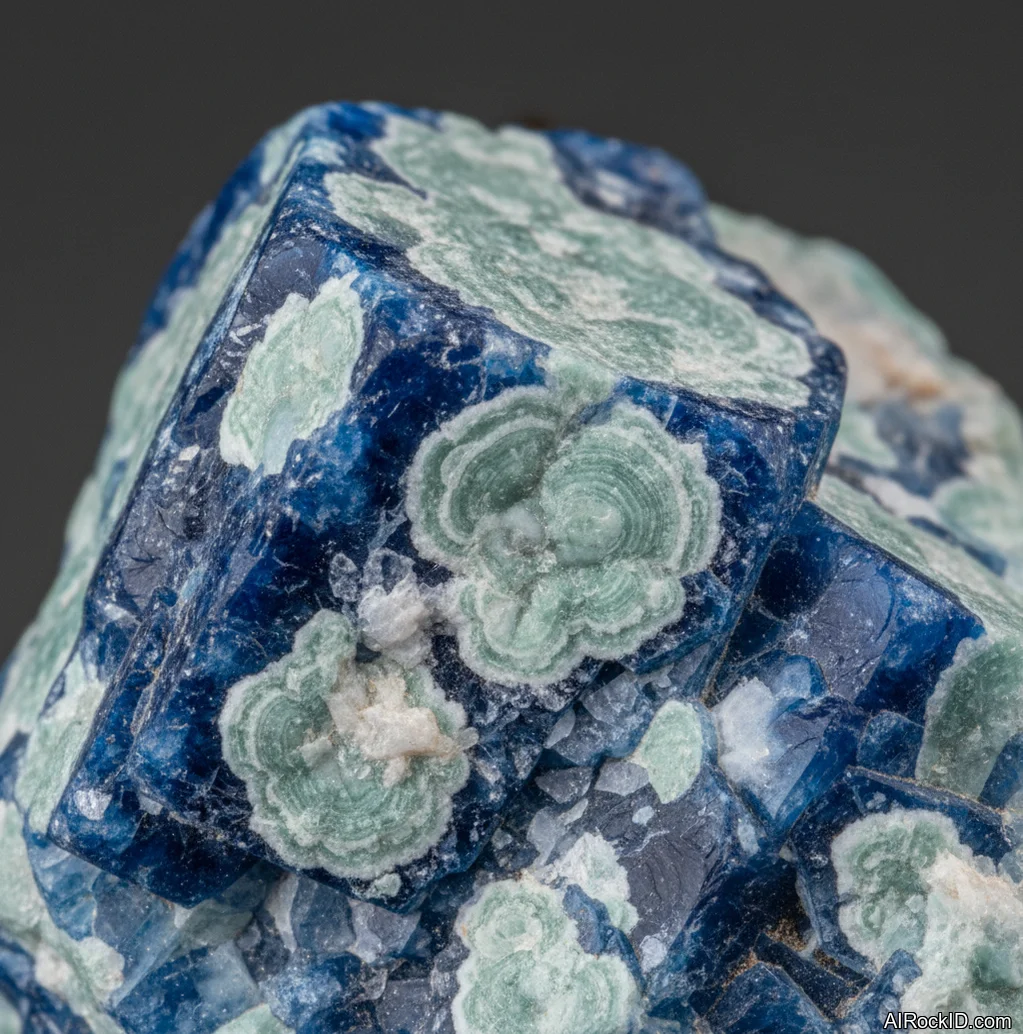
Some crystals are fragile, water-sensitive, or contain minerals that should not be used in elixirs or placed in the mouth. Selenite, malachite, cinnabar, and other delicate or potentially hazardous minerals should be handled with care and kept away from children and pets.
Natural, Treated, and Dyed Meditation Stones
Many meditation crystals are sold as tumbled stones, beads, carvings, or points, and some are dyed or heat-treated for color. Treatment does not necessarily make a stone unusable for symbolic practice, but accurate labeling matters for identification, value, and care.
Cultural Context for Meditation Crystal Meanings
Crystal meanings often blend modern metaphysical writing, older lapidary traditions, chakra-based symbolism, and personal practice. Interpretations vary by community, so a stone associated with calm in one tradition may be used for a different purpose in another.
How Meditation Crystals Work: Real-World Experience
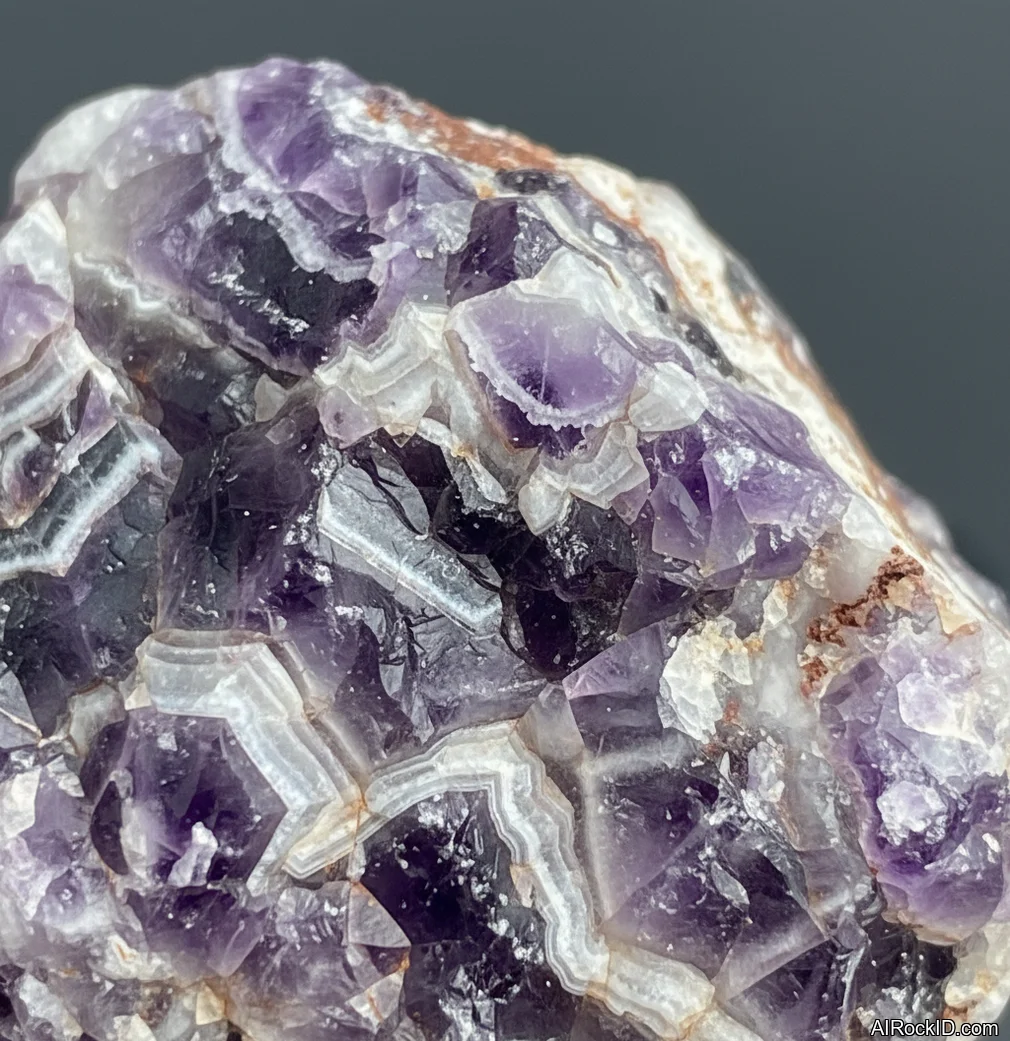
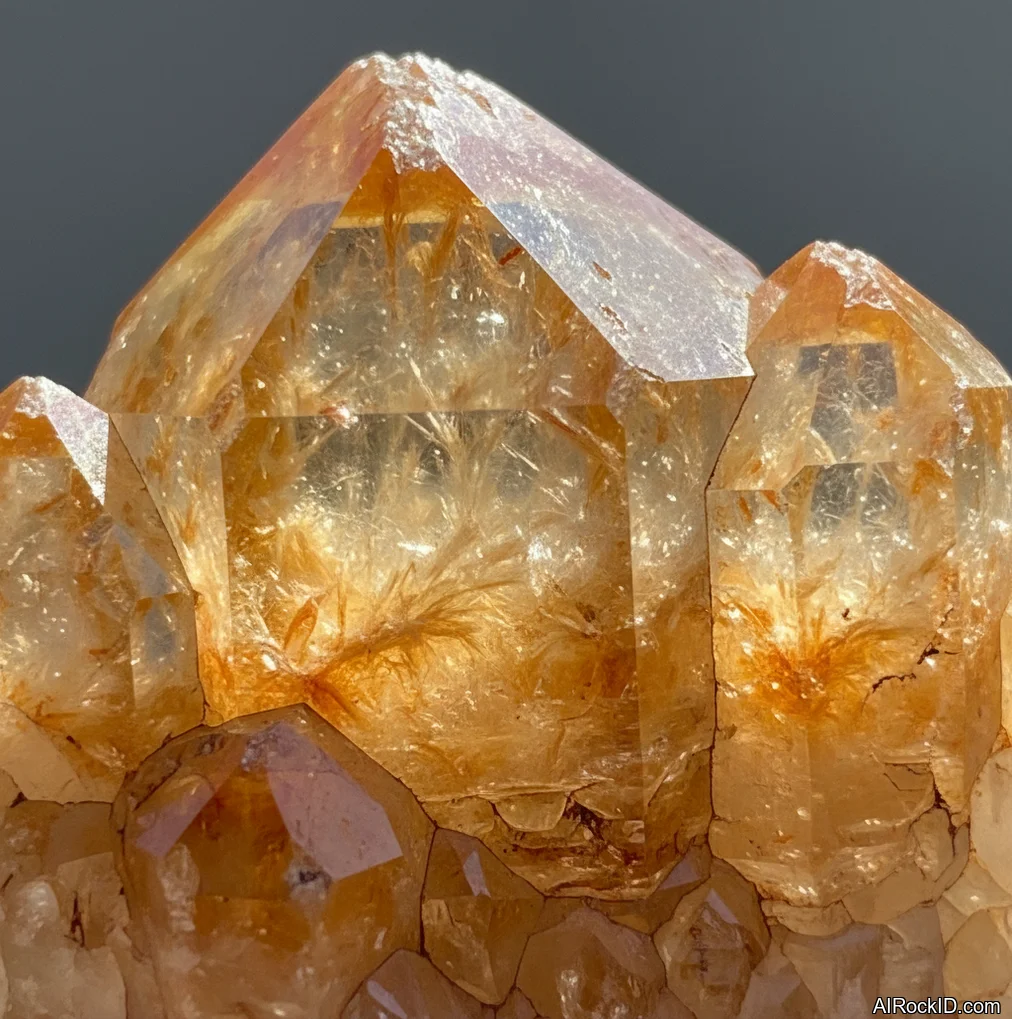
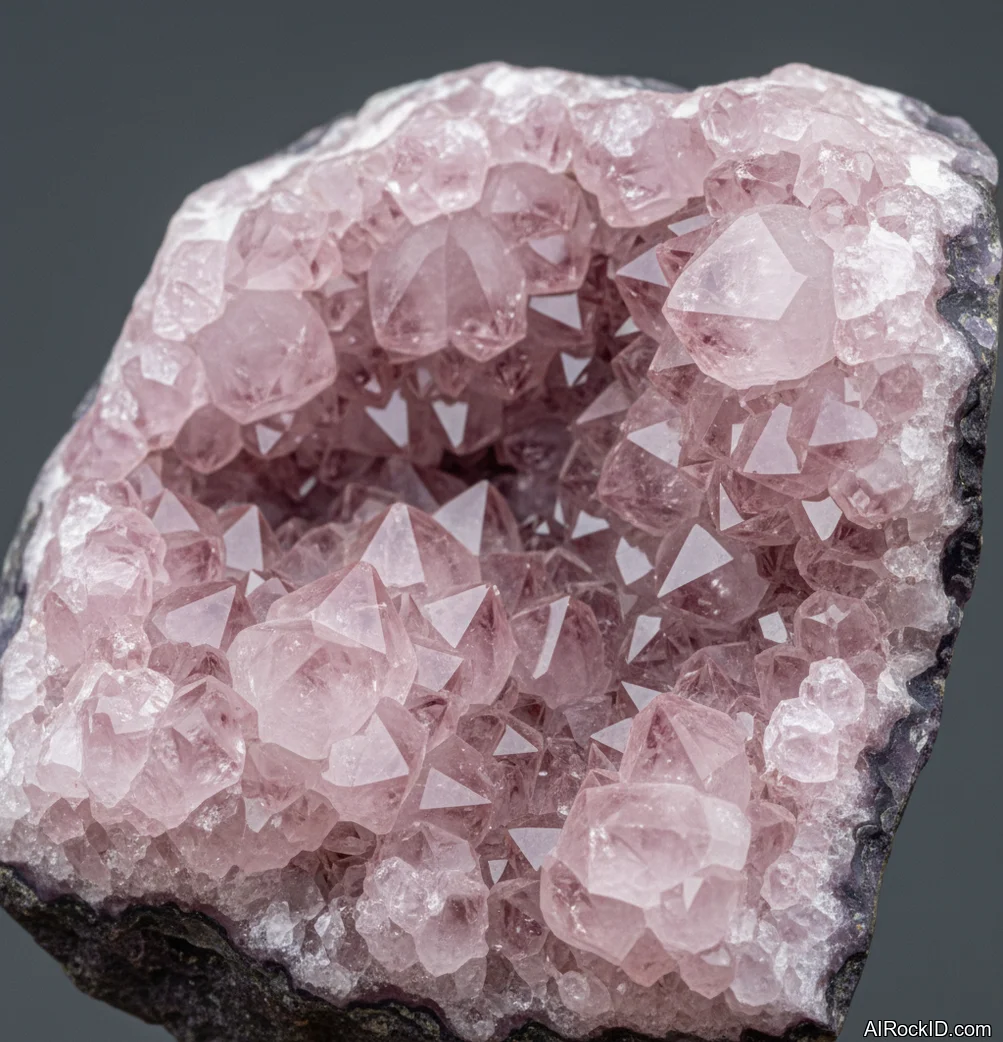
Pick a stone before you pick a technique. That's the trick with meditation crystals. It isn't about unlocking magic. It's about finding a piece that feels right in your hand—a little weight, a cool surface, something to look at when your eyes won't stay shut. I've lost count of how many people give up on meditation because their head won't quiet down on the first try. A crystal can help anchor you. Quartz points, for example, give your eyes a place to rest. An amethyst cluster, with its tiny peaks and valleys, gives you something to trace with your eyes or your fingertip. It's not about the crystal doing the work. It's about having something simple and steady as your focus so your mind doesn't keep latching onto every little sound or itch. The real difference comes from texture, temperature, and weight—the stuff you only notice once you stop worrying about doing it 'right.'
Choosing the Right Meditation Crystal For You
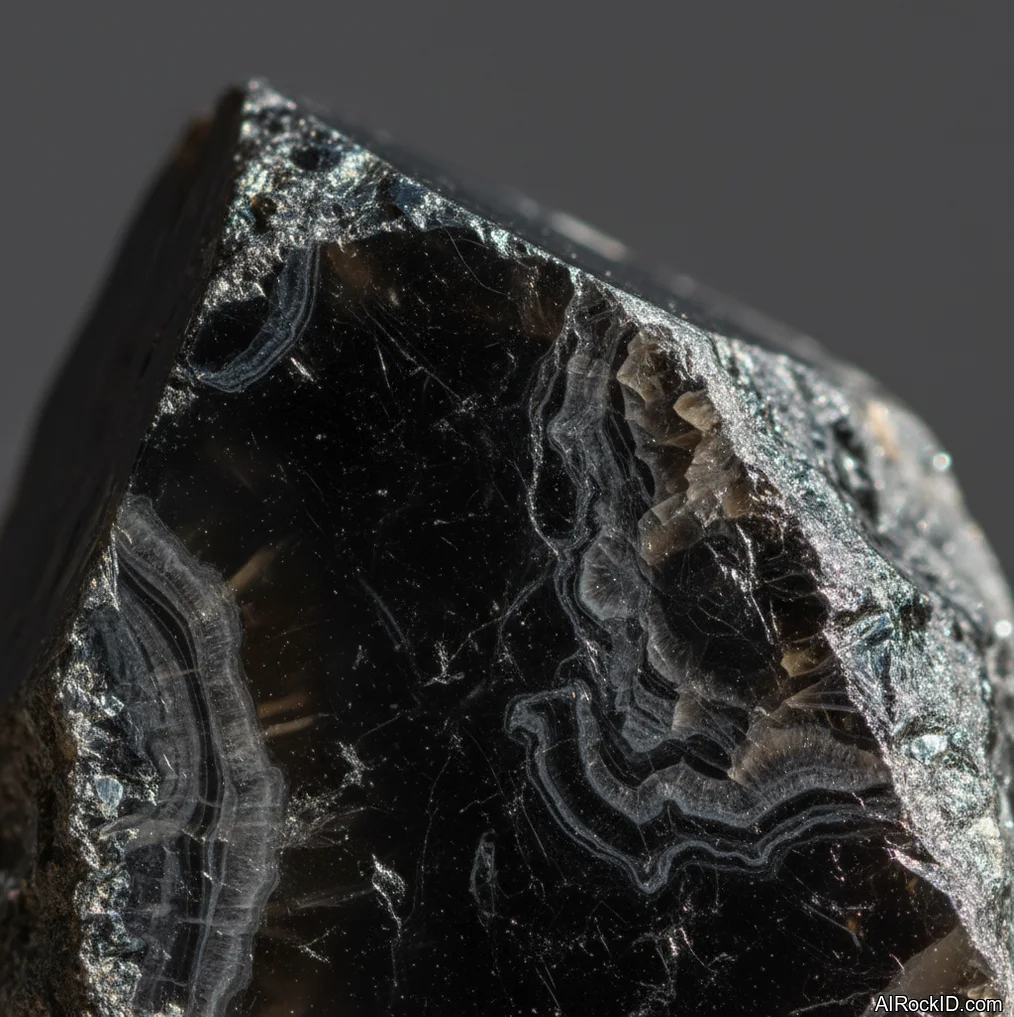
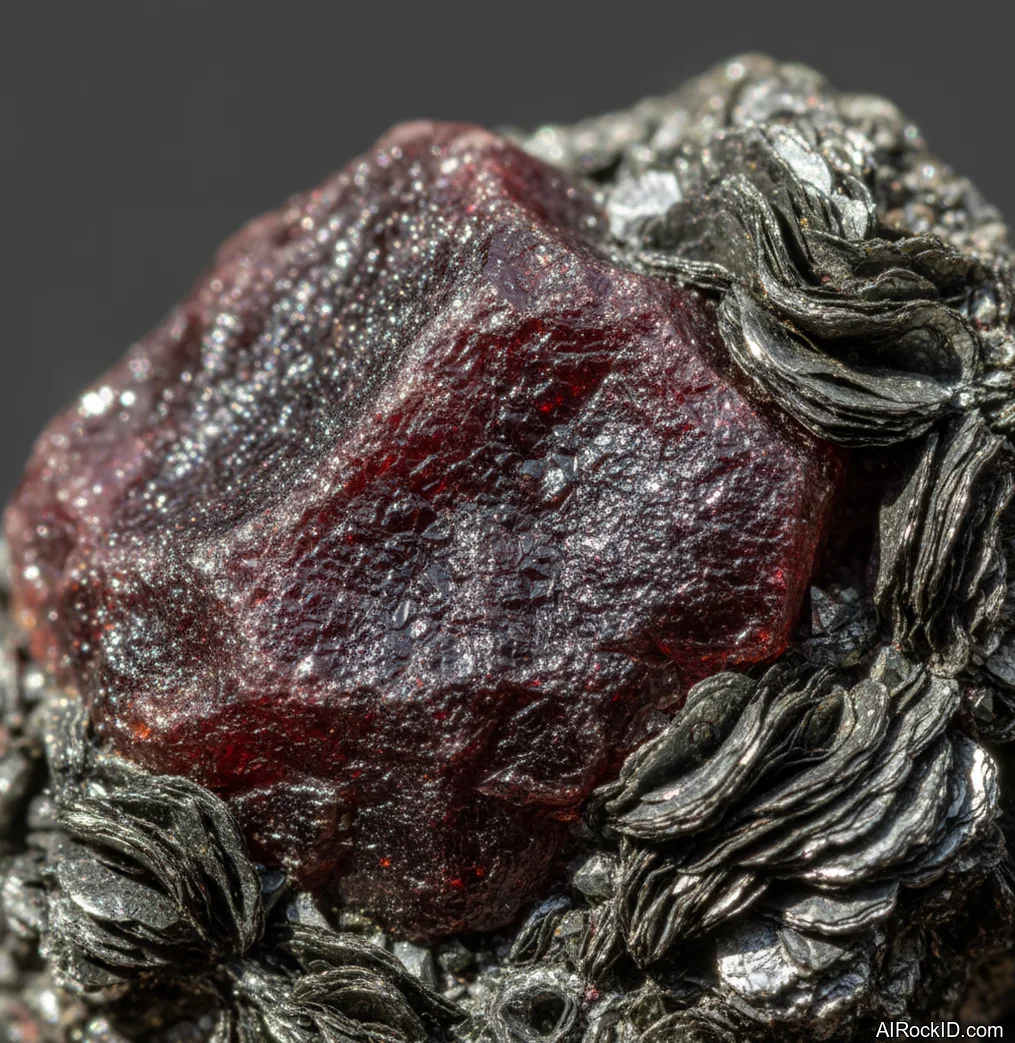
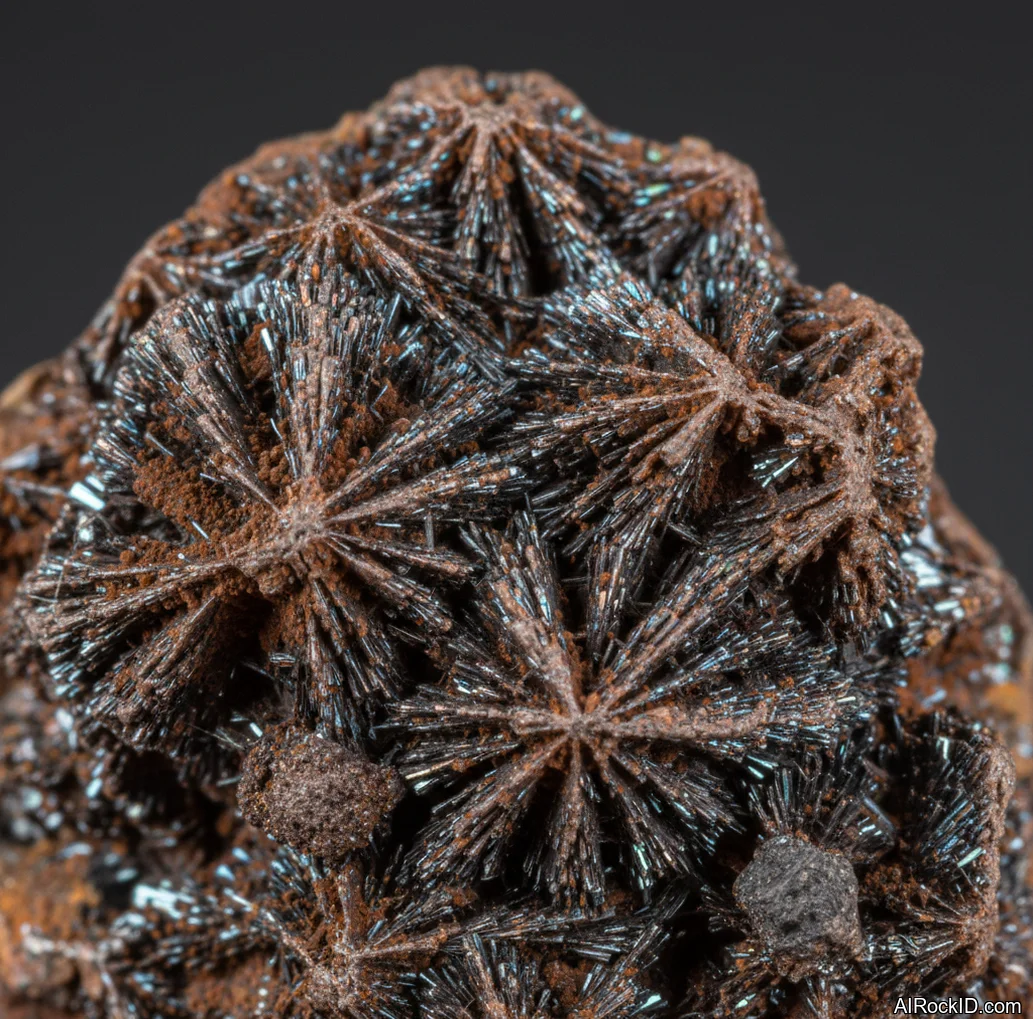
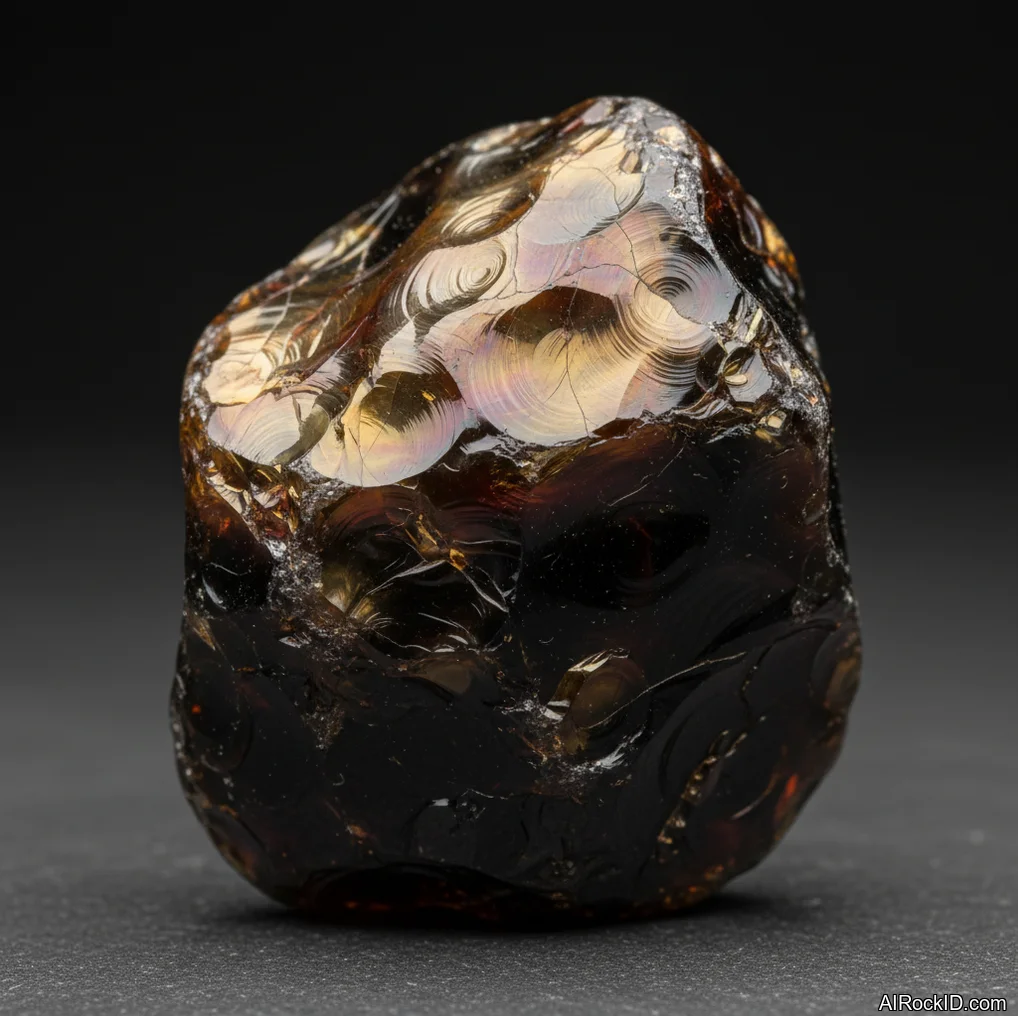
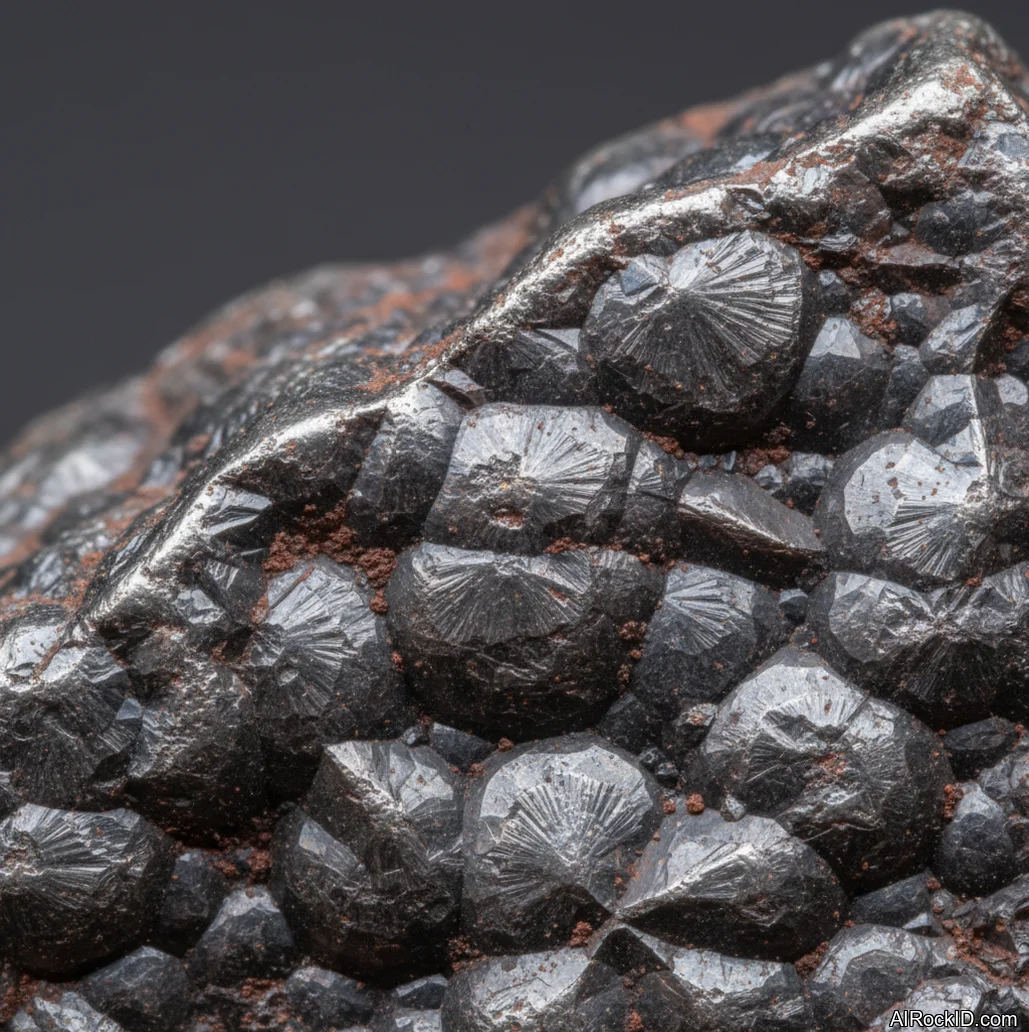
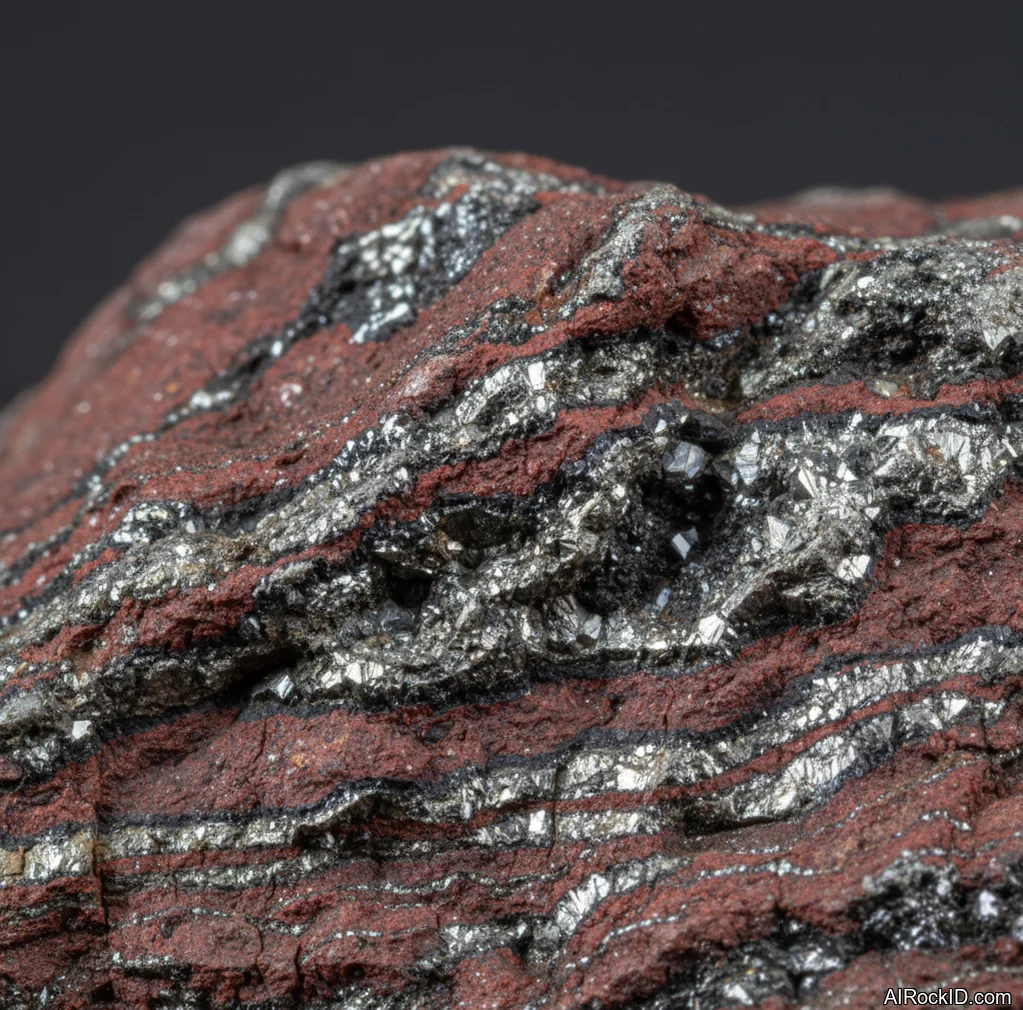
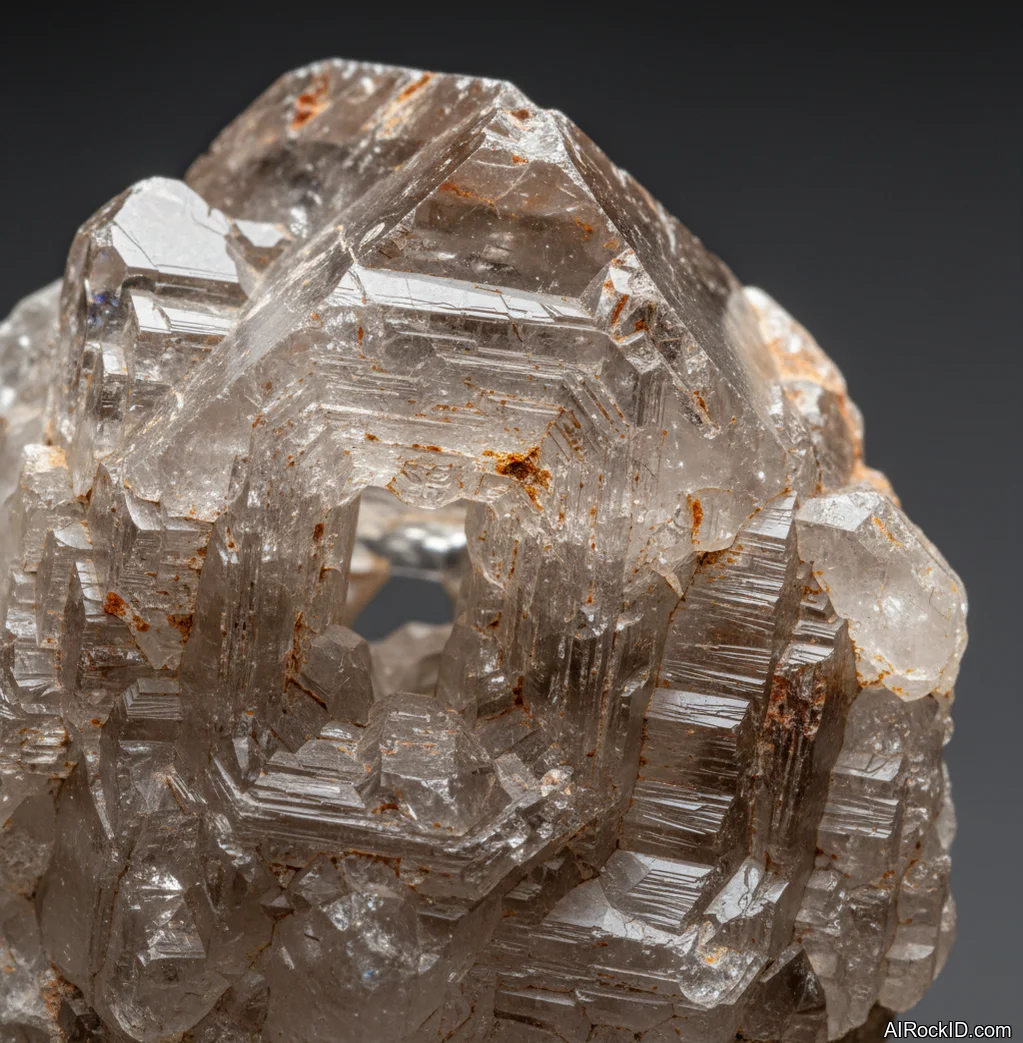
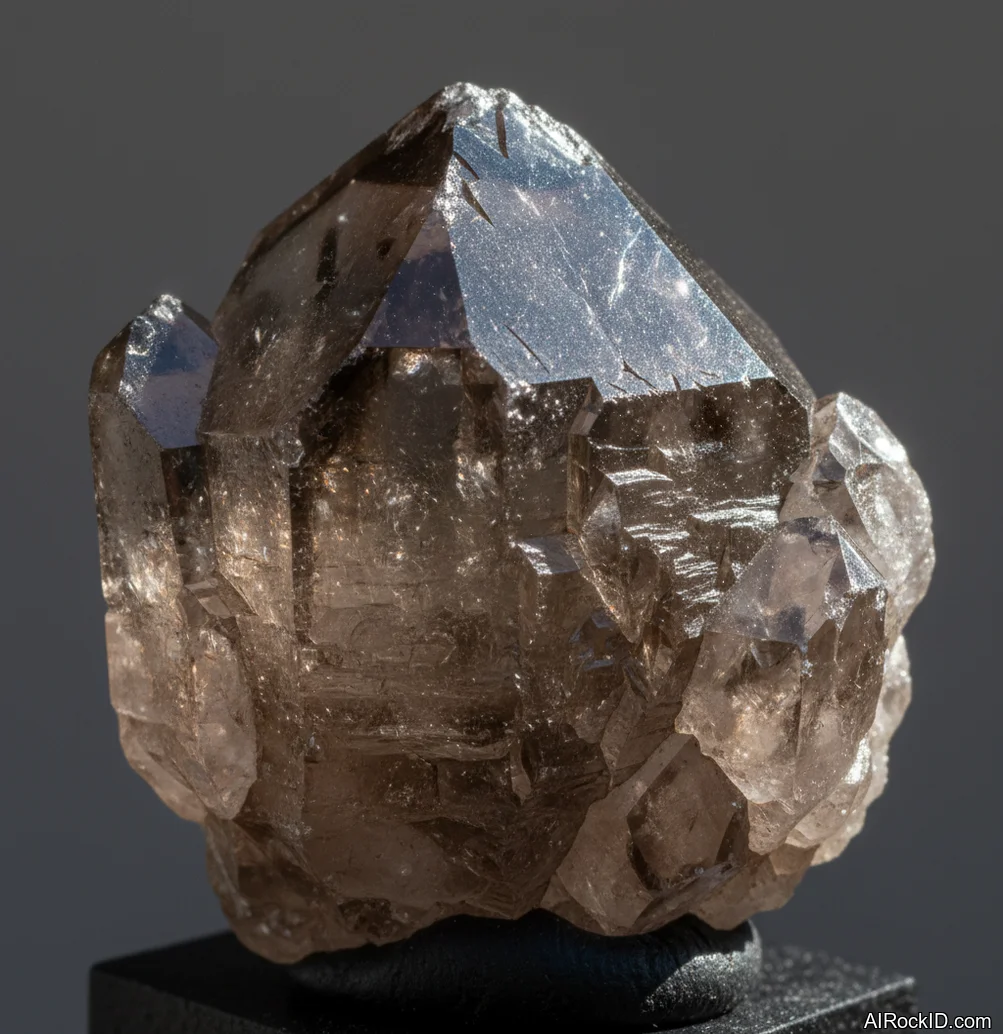
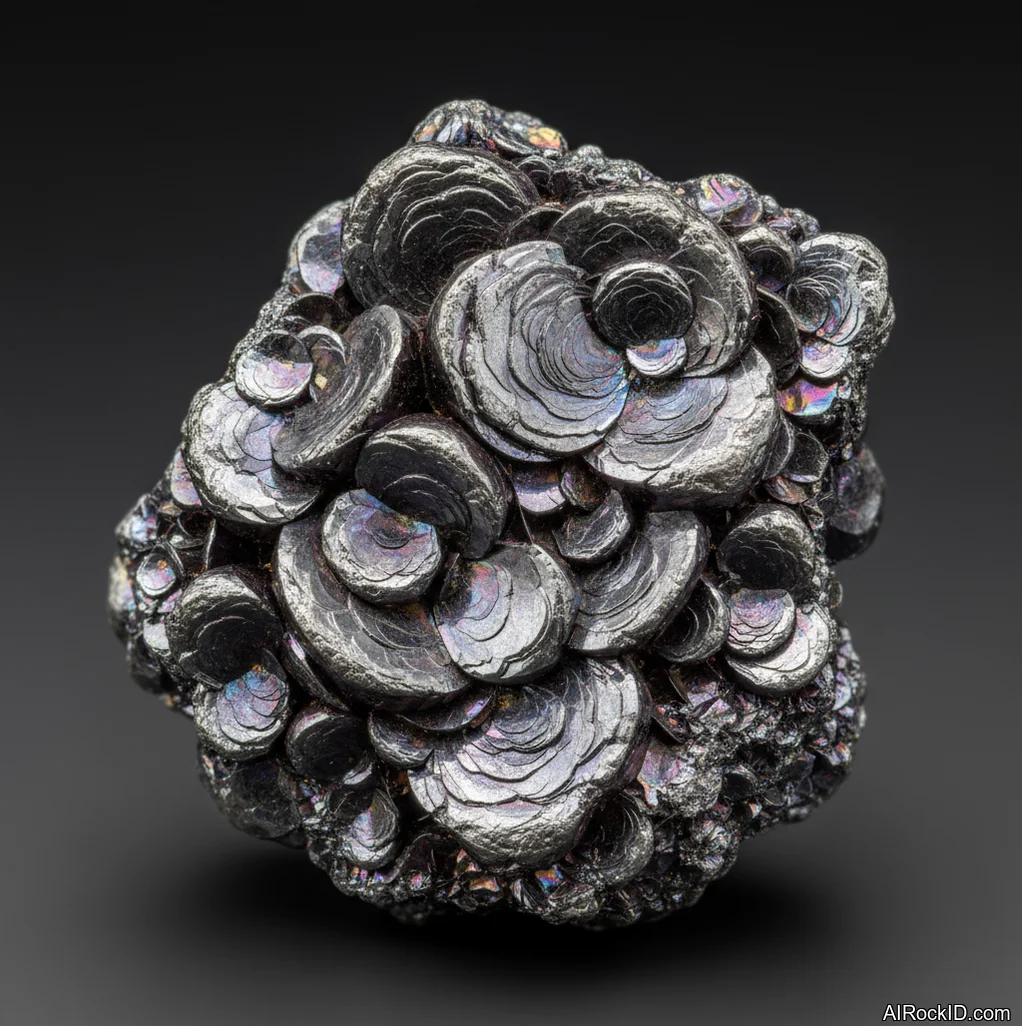
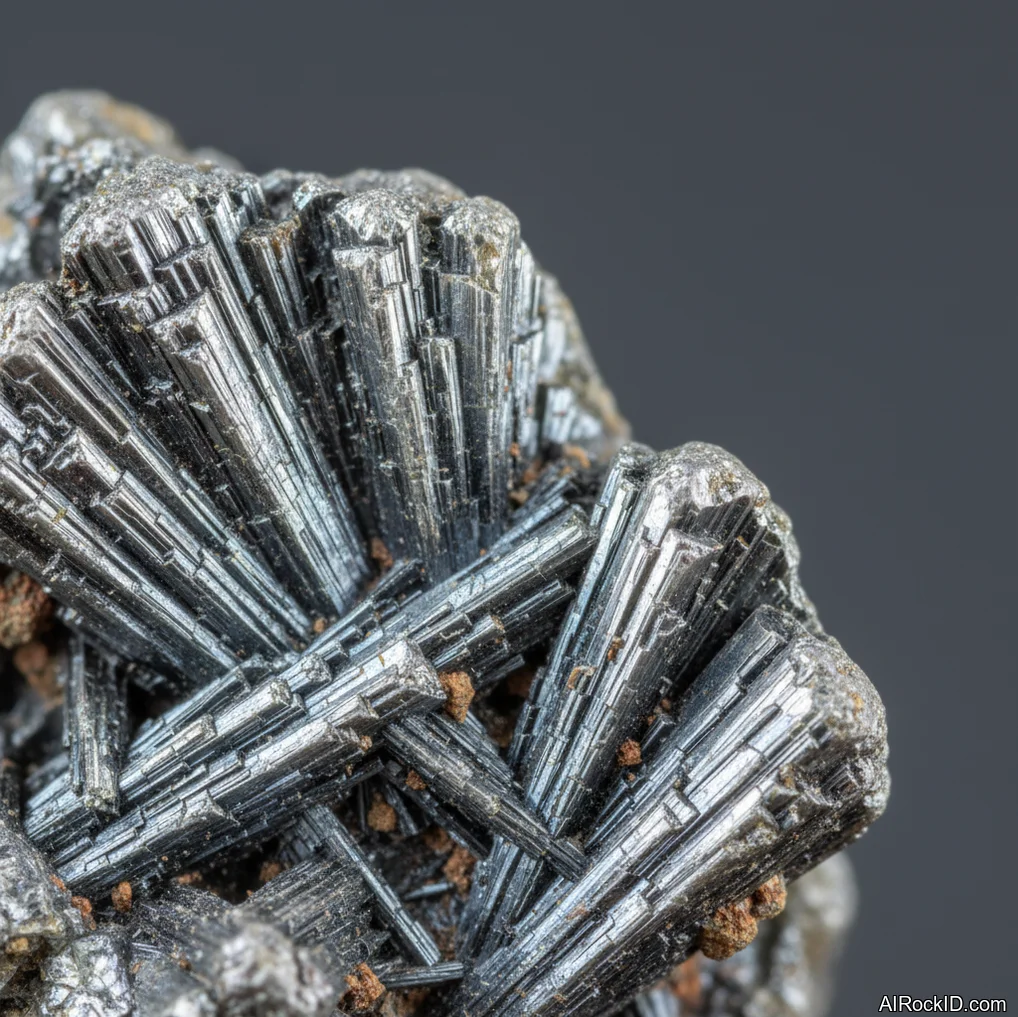
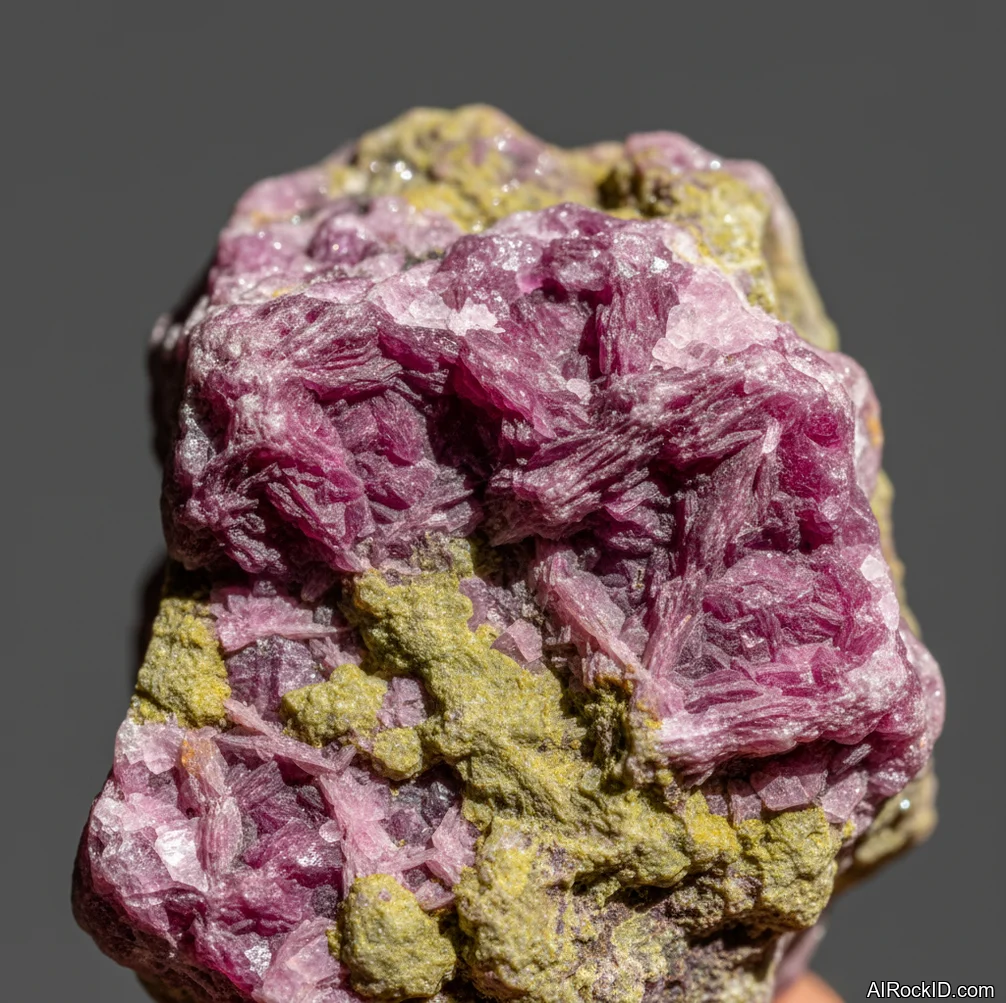
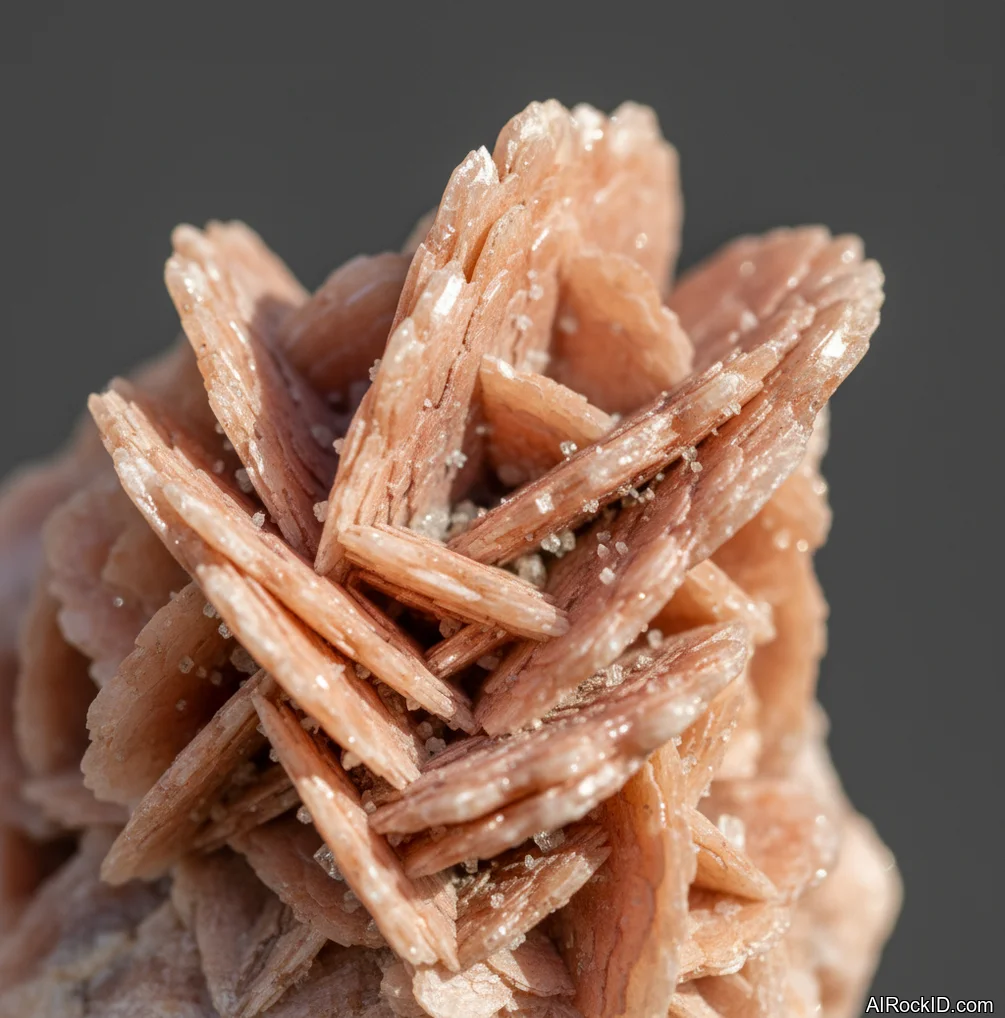
At first glance, 'meditation crystals' sounds like a tidy category. It's a grab bag in practice. There's lepidolite, all lilac and shimmery, but it flakes if you scratch it. Hold a lepidolite palm stone and it warms up almost immediately, much faster than quartz. That warmth can be grounding if your breath is shallow and your teeth are clenched. Selenite (which is almost always satin spar gypsum when you buy it) is the opposite. It stays cold, feels almost soapy, and if you tap it with your fingernail, it sounds hollow. Gypsum scratches at Mohs 2, so it's easy to gouge or dent. I keep my selenite wands wrapped up because if you drop them, the edges will chip, and the polish goes cloudy fast under a reading lamp. If you want something you don't have to baby, smoky quartz, hematite, and black tourmaline hold up better. Smoky quartz is easy to stare into—translucent brown-gray, not distracting. Hematite feels heavier than it looks. It's so dense you'll notice the weight as soon as you pick it up.
Physical Details: Handling and Caring for Meditation Crystals
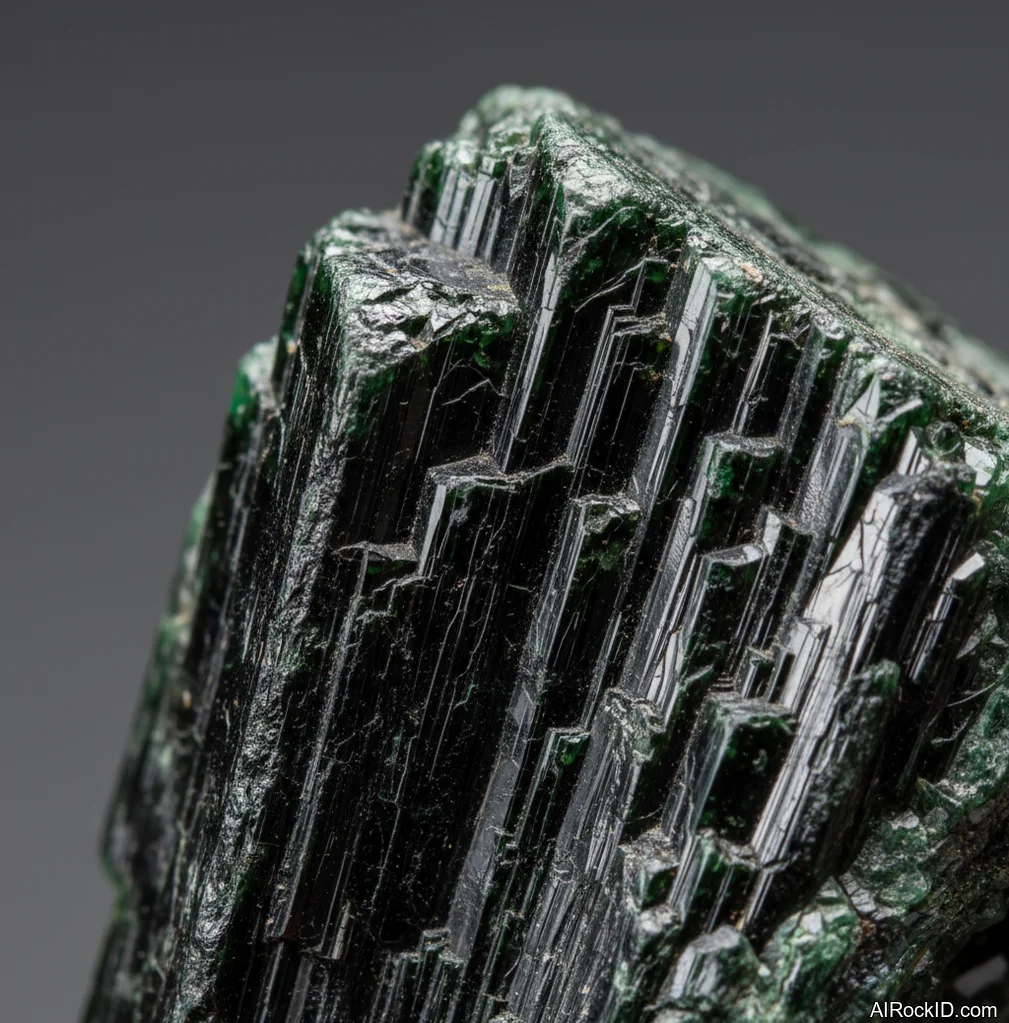
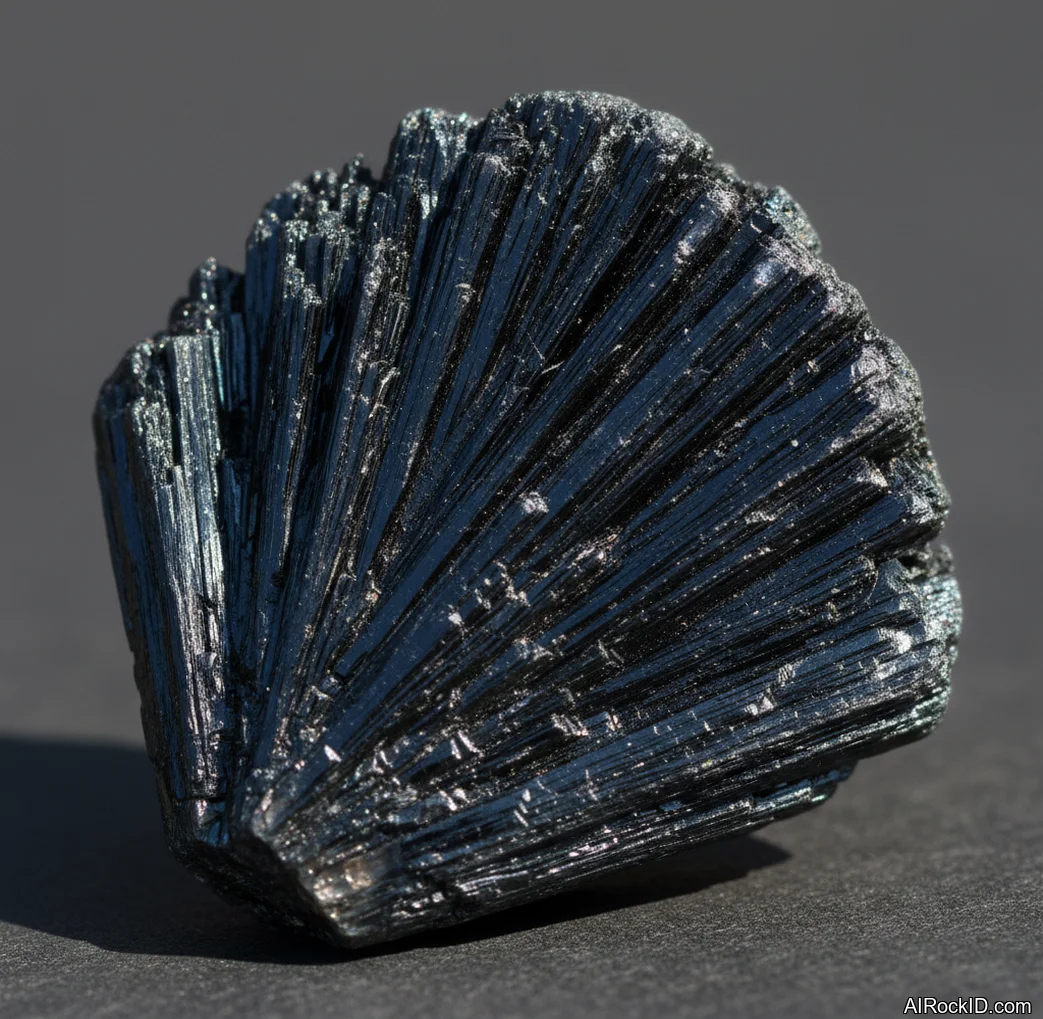
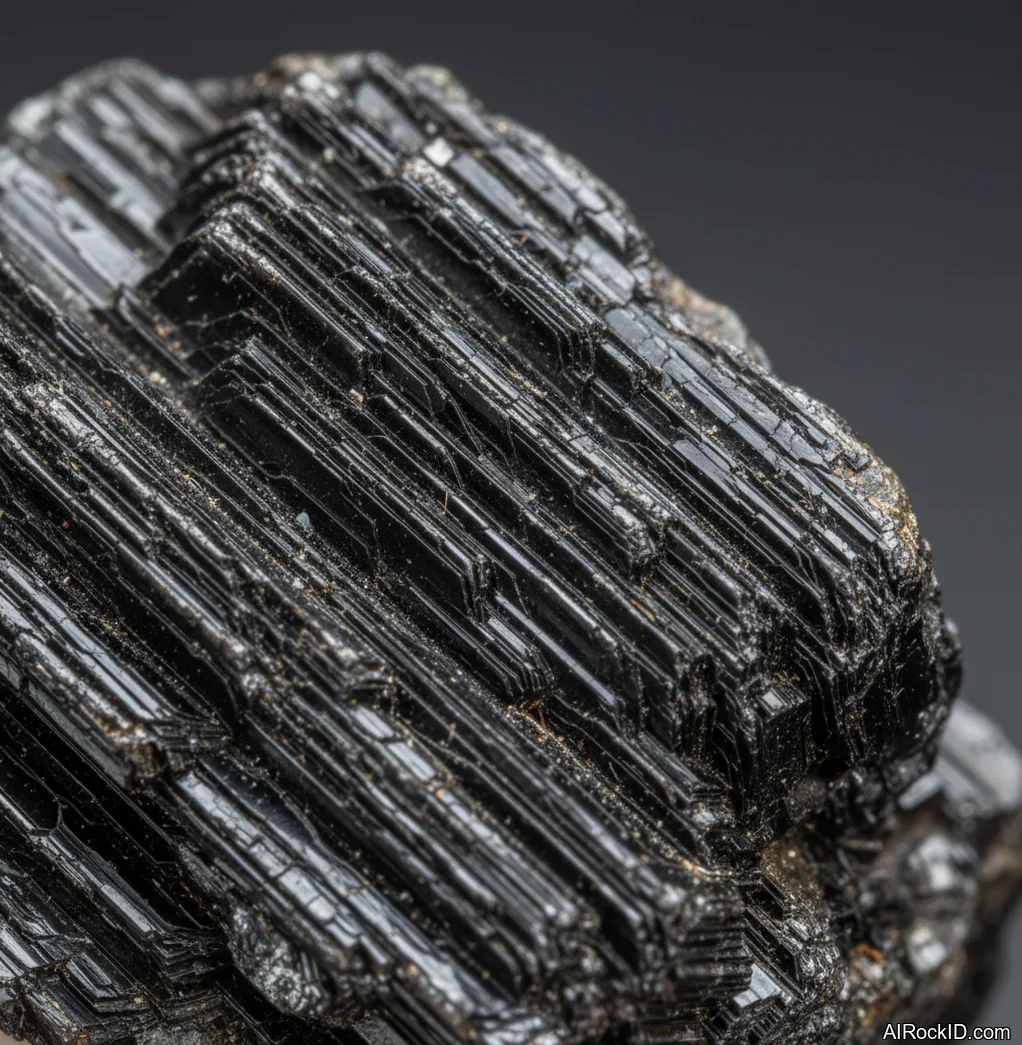
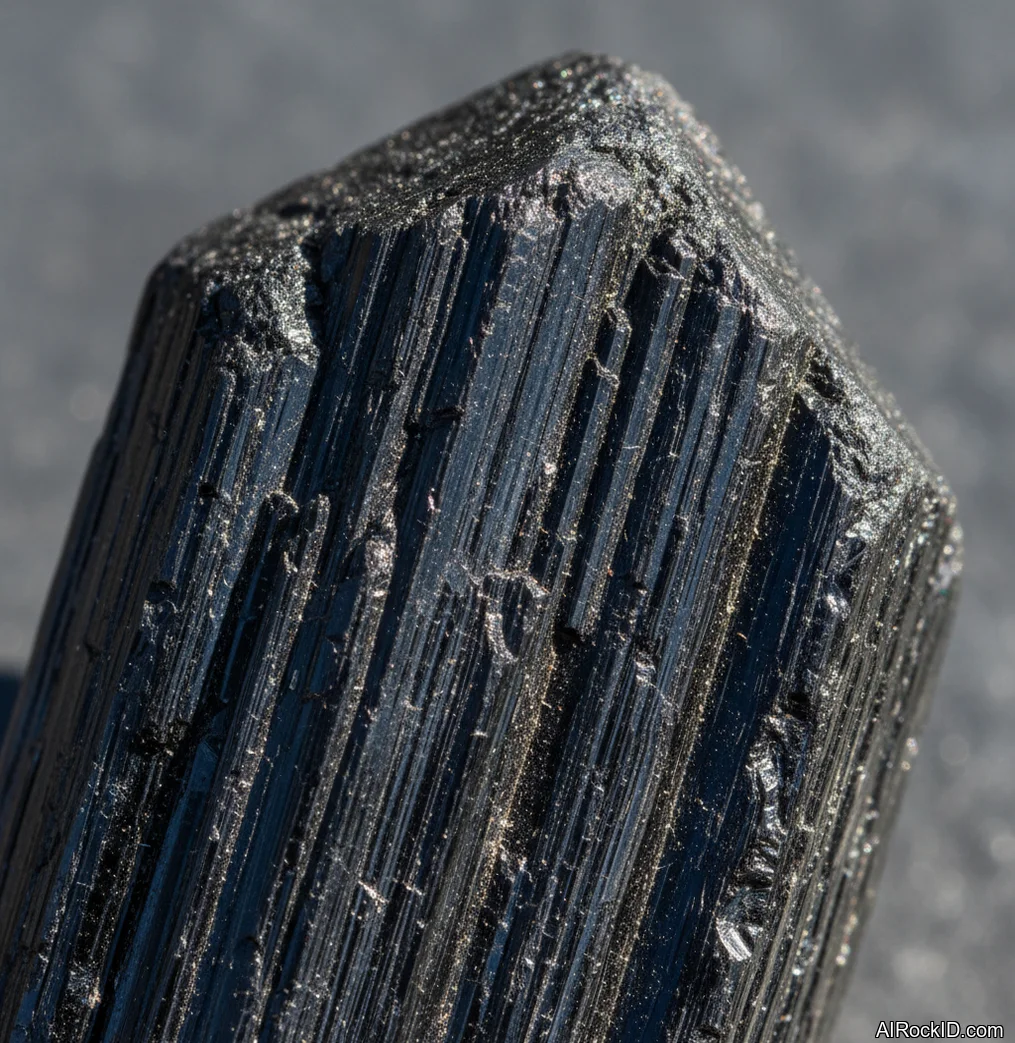
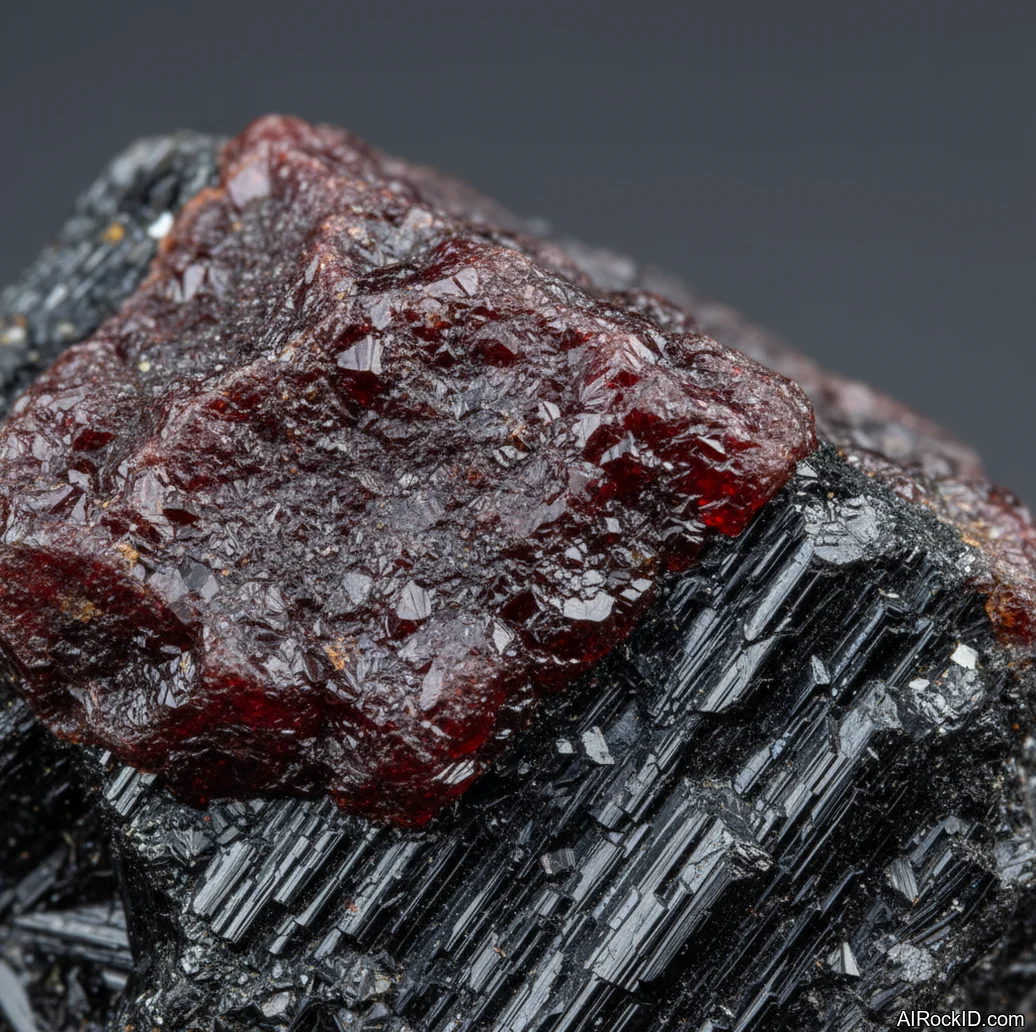
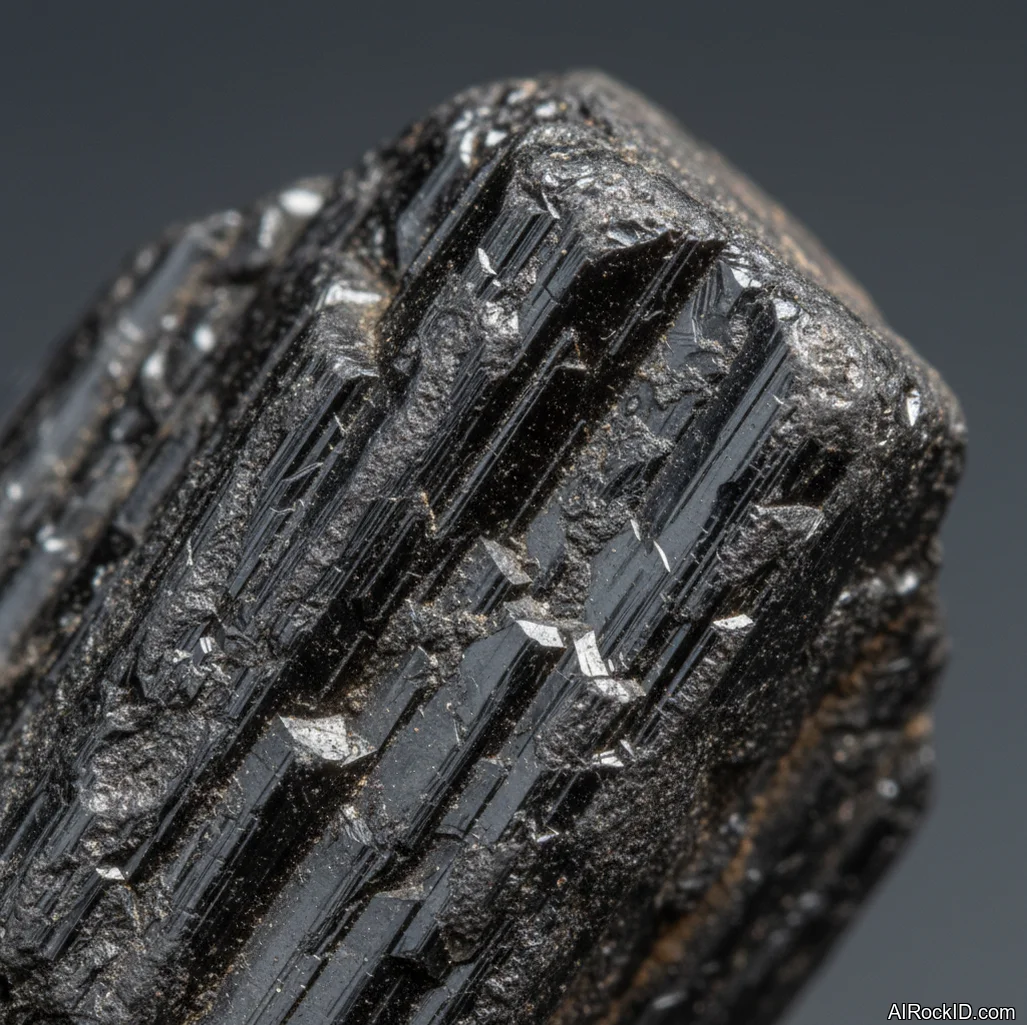
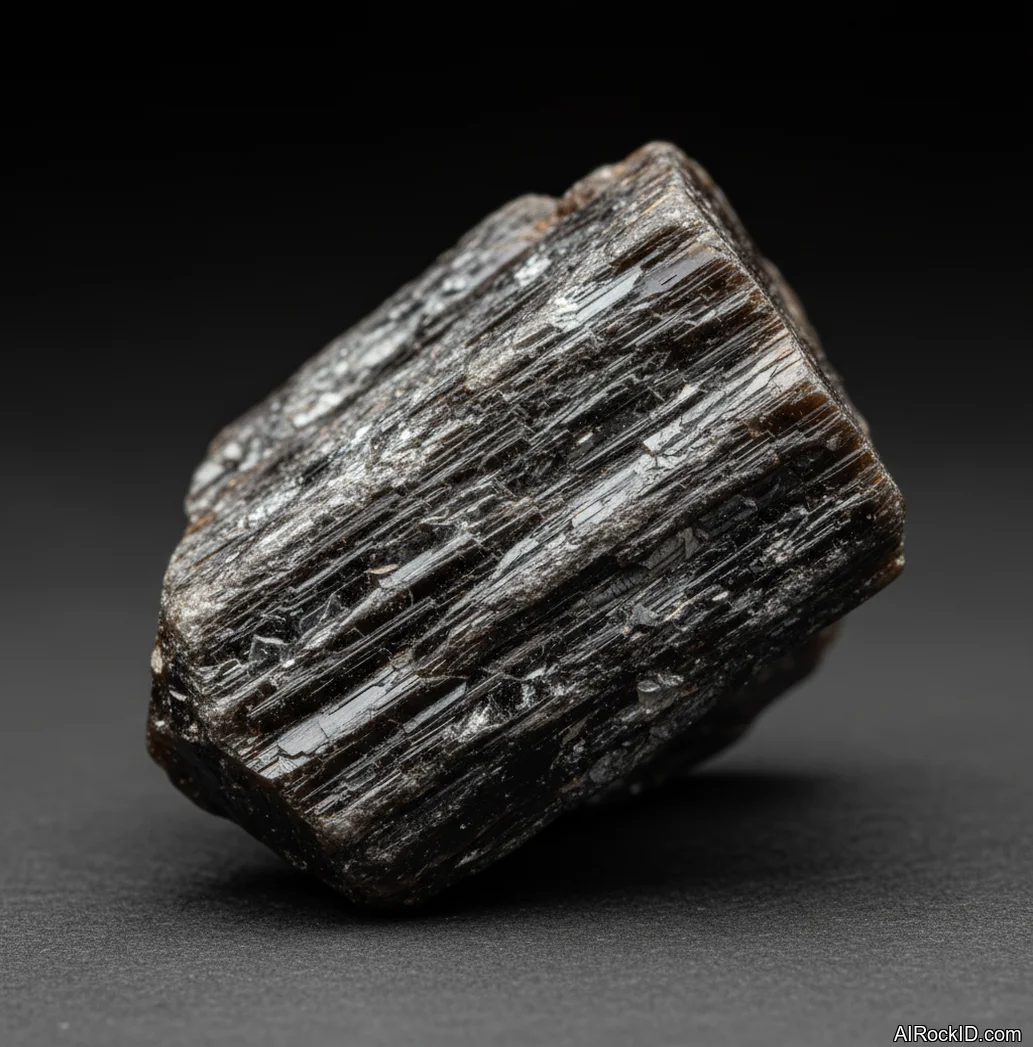
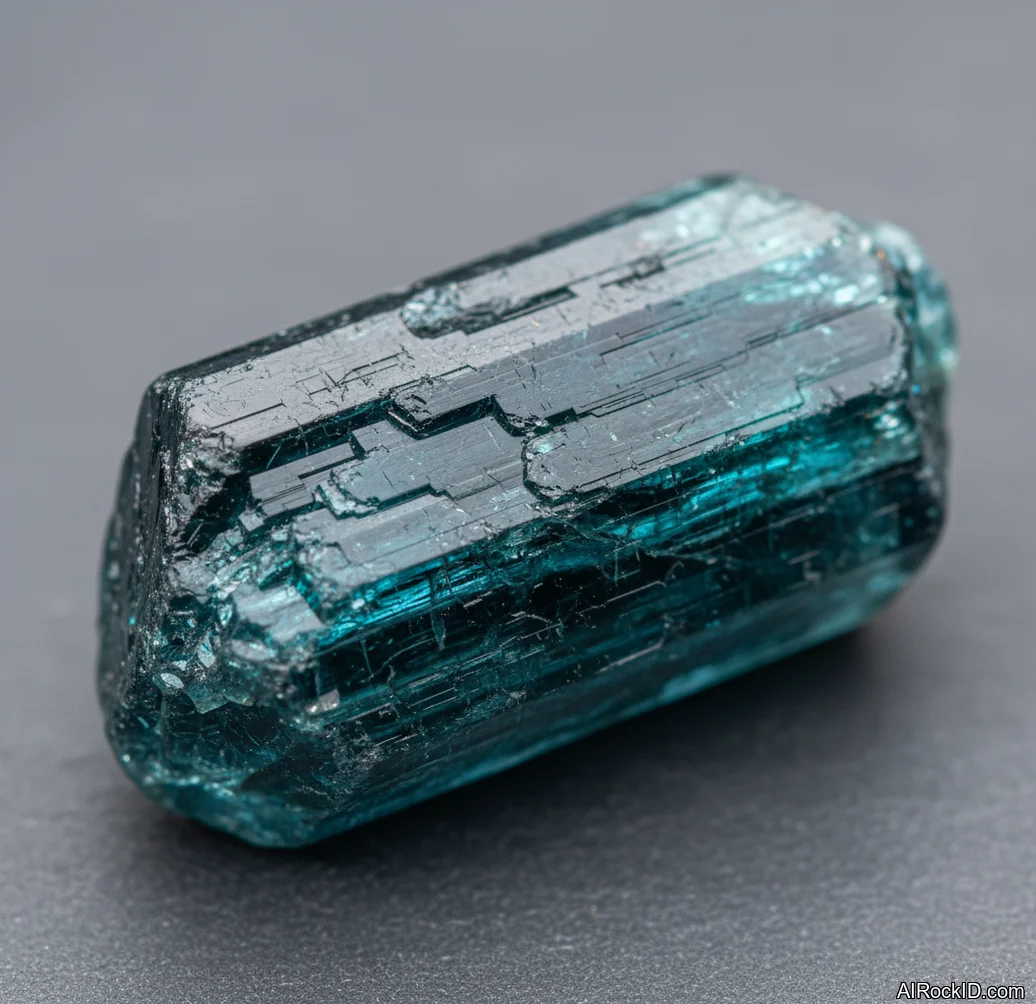
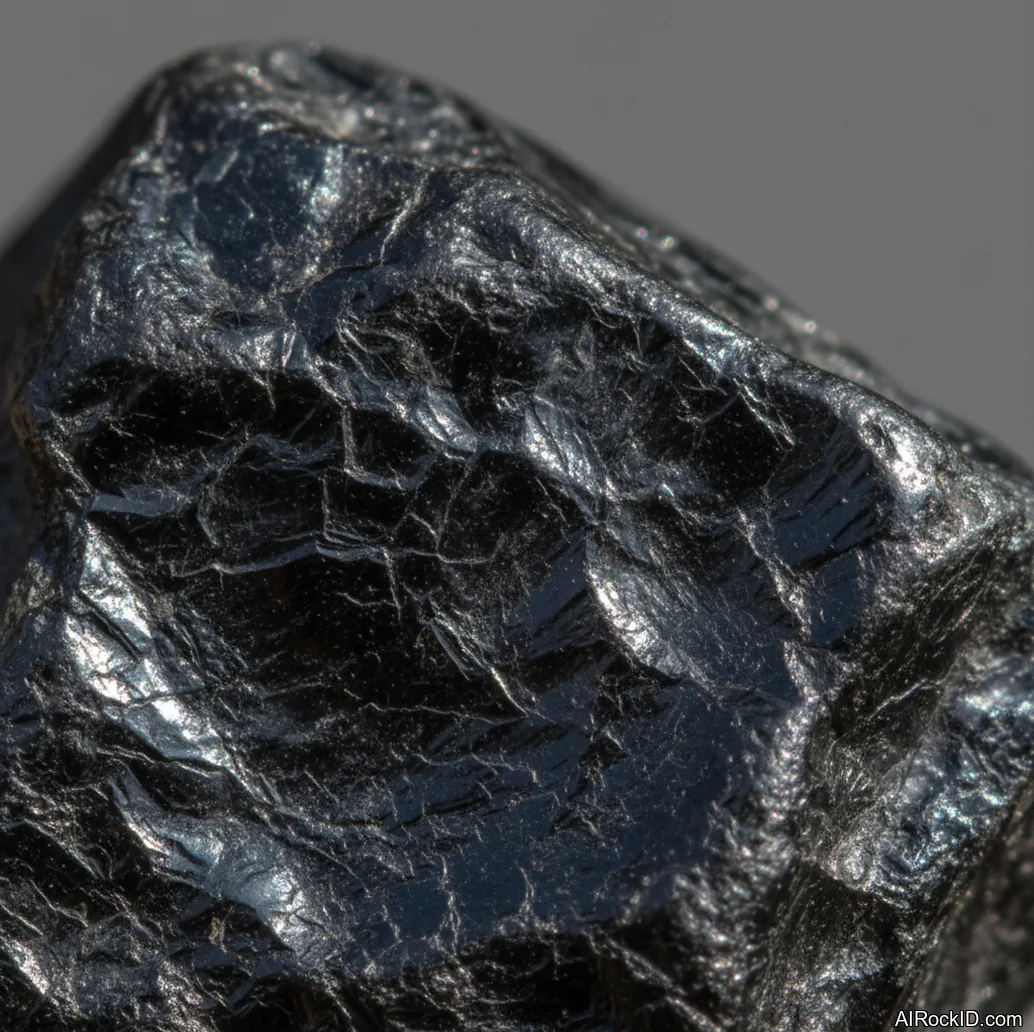
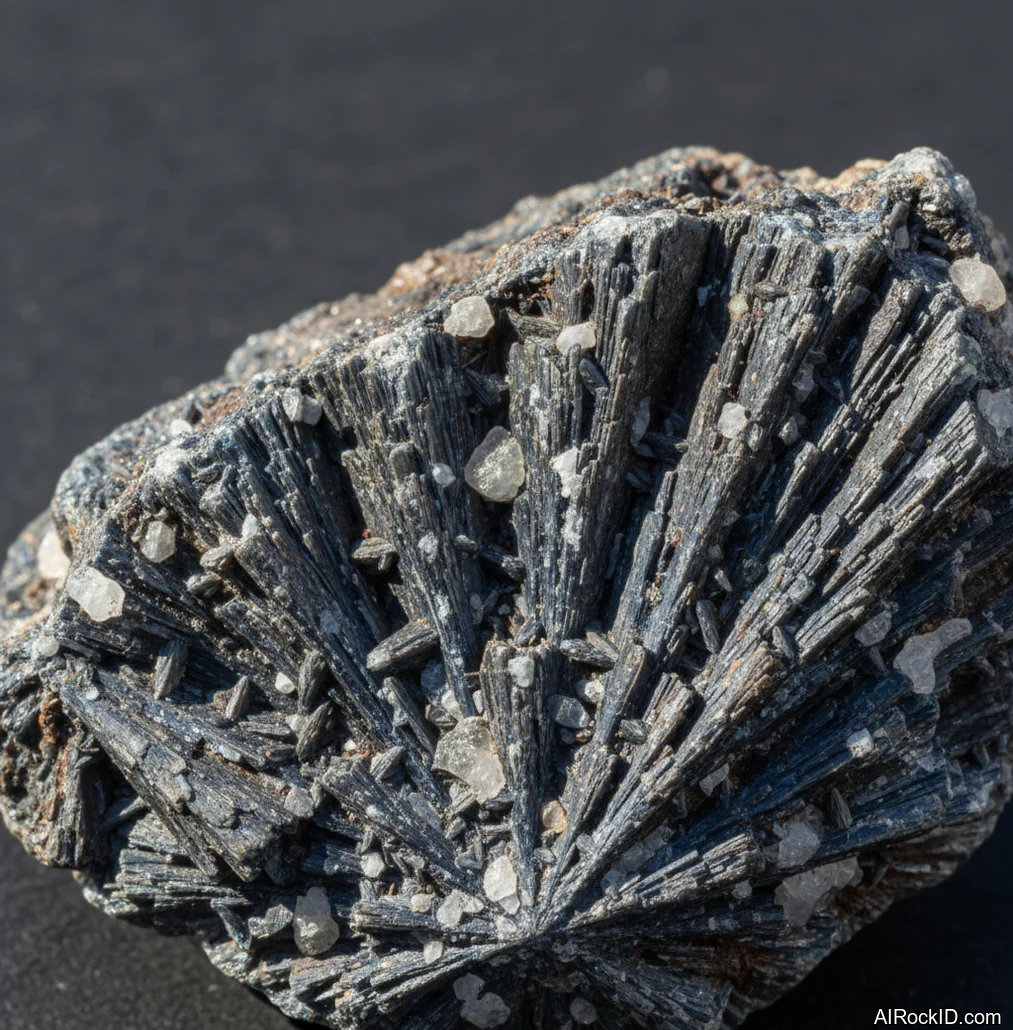
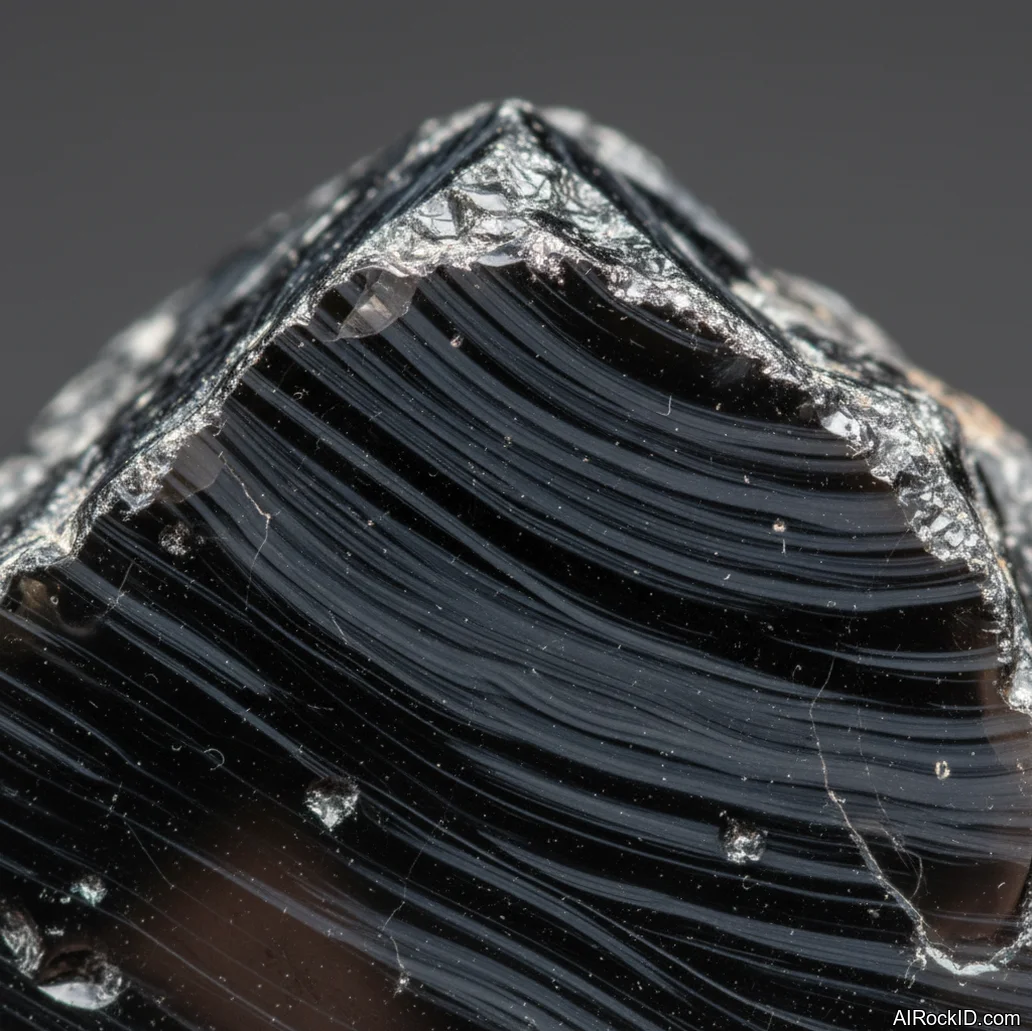
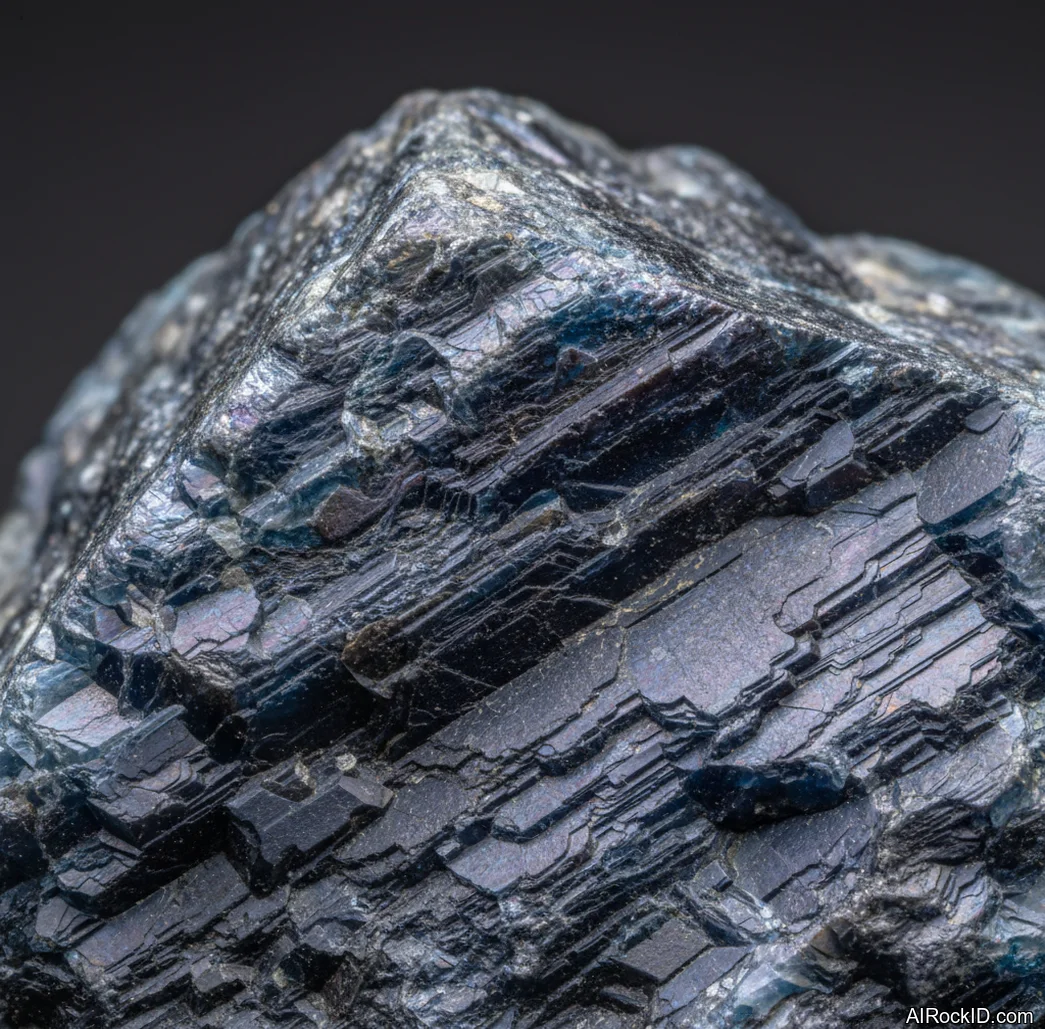
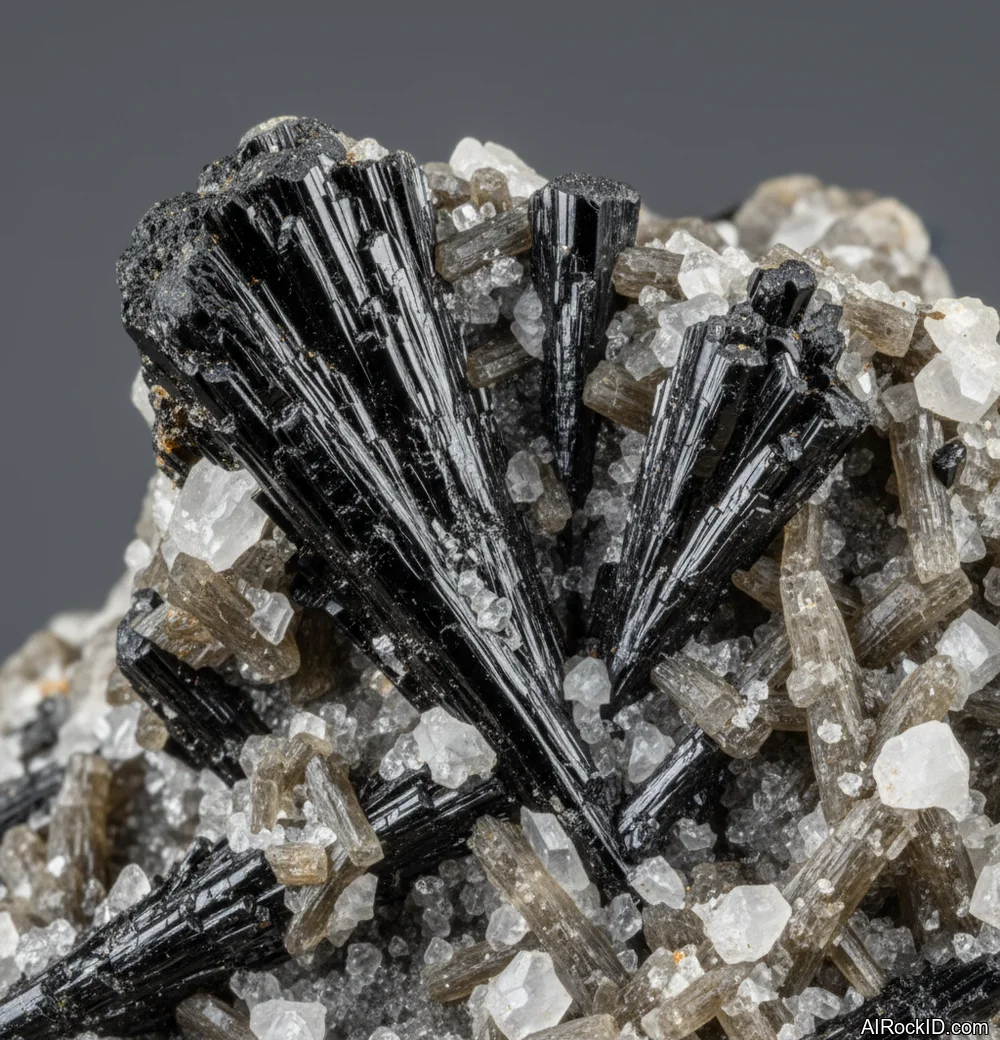
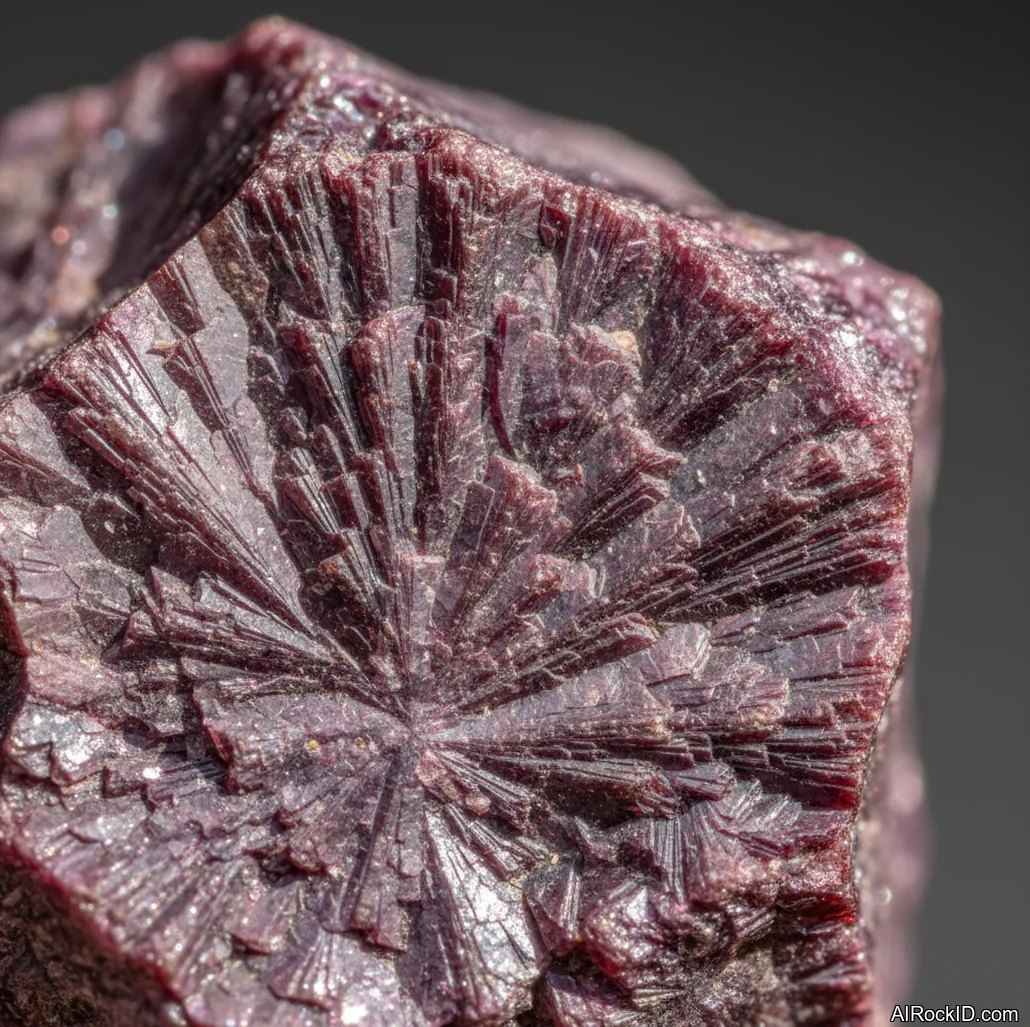
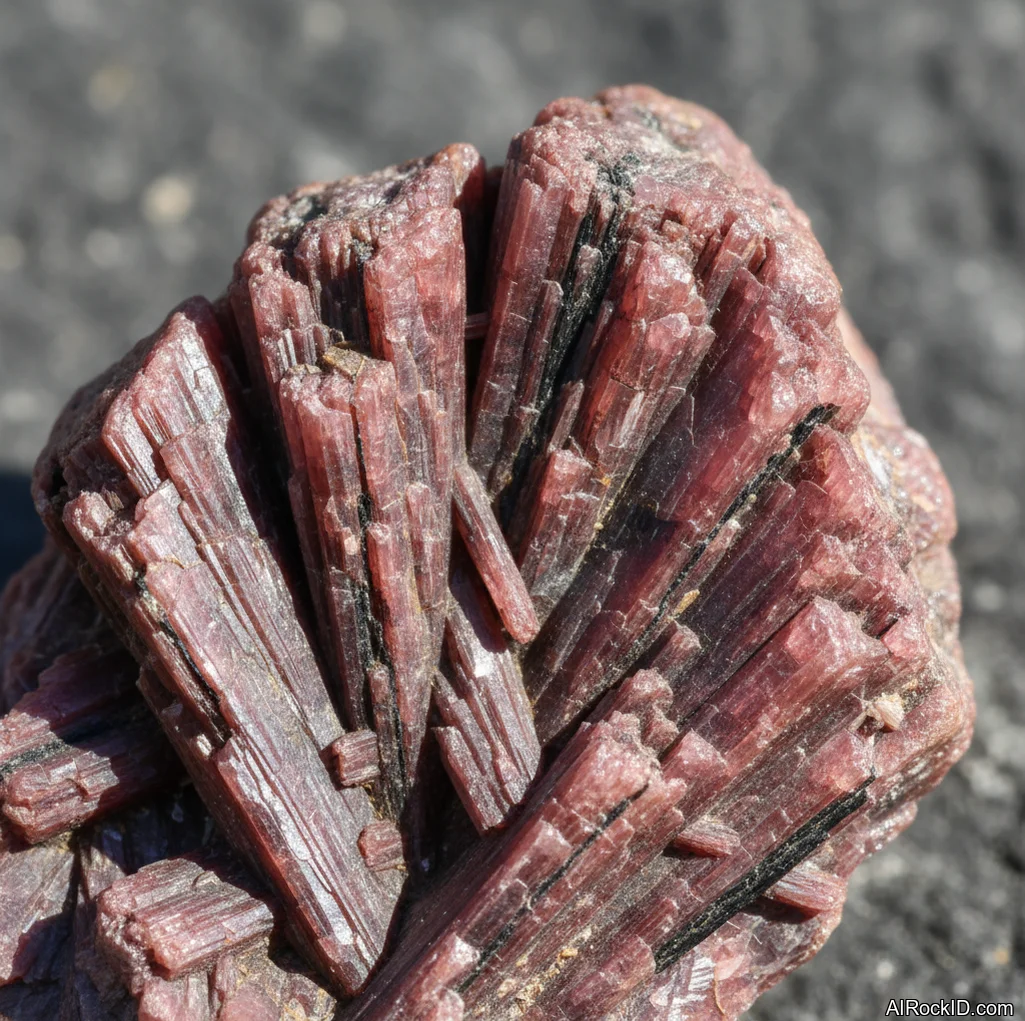
There's a difference between what looks good on a shelf and what feels good in the hand. Pick up a chunk of black tourmaline—it's got a rough, striated surface that grabs the skin a bit. Not a great pocket stone, but if you need something that won't roll away and can handle some abuse, it's hard to beat. Compare that to clear quartz, which scratches glass and takes a polish like glass. Most of the clusters come from Brazil, but look out for points with chipped tips. Amethyst clusters are fragile, too. Drop one and you'll see little purple shards everywhere. Lepidolite is soft and flaky, so it sheds in a pocket. If you want something for travel, smoky quartz or tumbled hematite outlast the rest. I've seen selenite pick up fingerprints and moisture marks just from a humid day. Always dry it off and wrap it before putting it away. Each crystal has its own quirks—the kind you only notice after a few weeks of real use, not just display.
Practical Tips: Using Meditation Crystals in Daily Practice
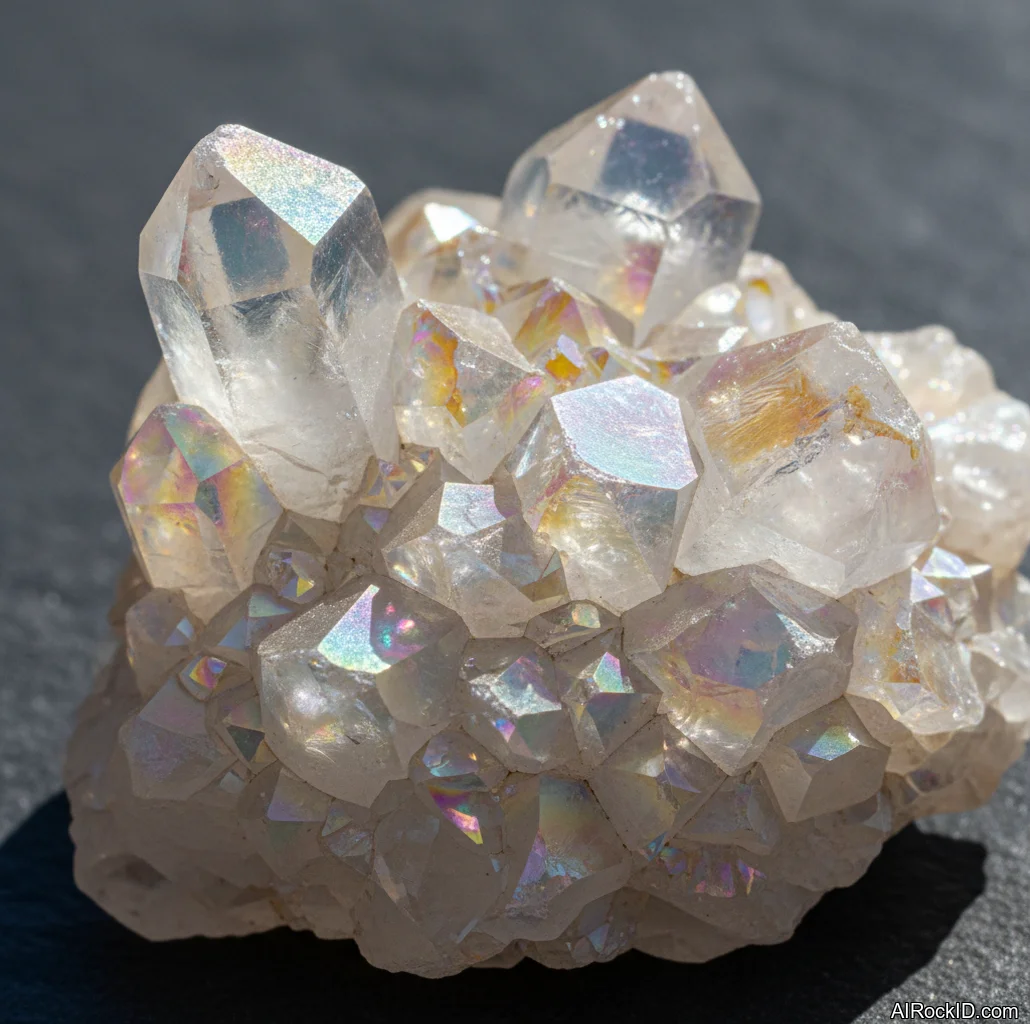
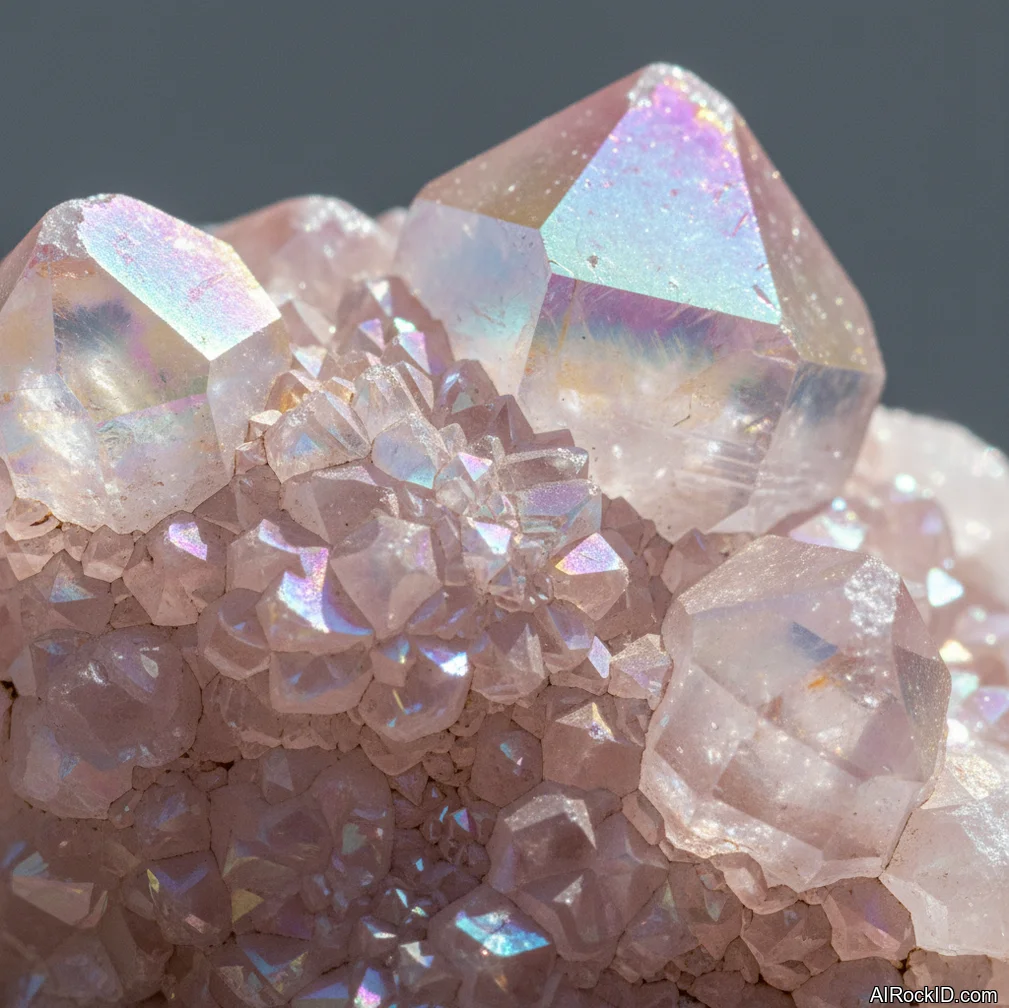
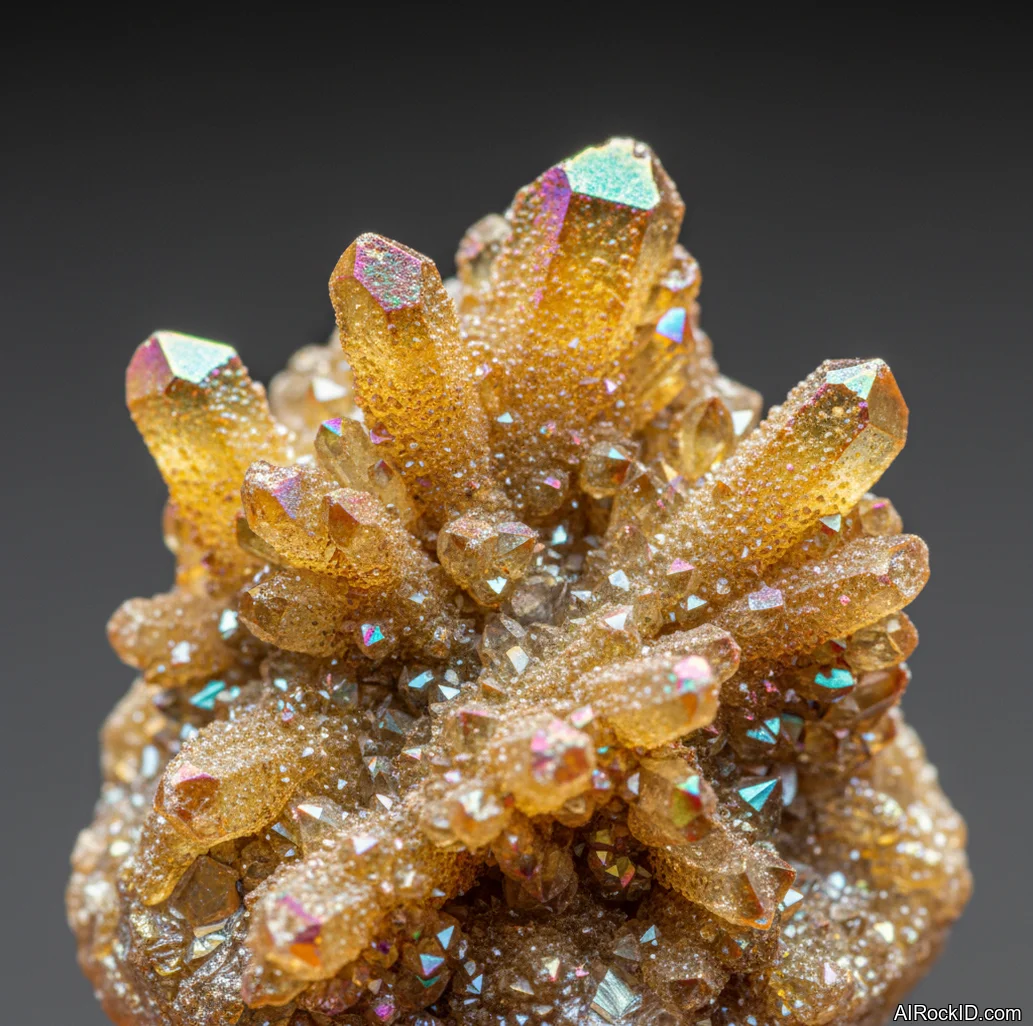
Start simple. Set a piece in your palm and just notice the weight and temperature. Some folks like to place a stone on the chest or forehead, but holding it works just as well. I like to keep a quartz point on the floor, aimed toward where I'm sitting. It's not about energy beams—it's just something to focus on when my mind drifts. Watch out for distractions. If your crystal is too flashy, like a rainbow aura quartz, it can actually pull your attention away from the breath. Raw stones with a little texture, like black tourmaline or lepidolite, tend to work best for restless hands. For group meditation or a dedicated space, bigger clusters or wands look good and give you a visual cue to settle in. Don't sweat the setup. The main thing is to pick a stone that feels right for you and doesn't demand too much care or worry.
Best Meditation Crystals to Start With
| Level | Crystal | Note |
| Gentle / Beginner | Lepidolite | Warms up quickly, feels soft, and its calming lavender color isn't overstimulating. |
| Balanced / Everyday | Smoky Quartz | Durable, grounding, and easy to carry or place in a meditation spot without much maintenance. |
| Intense / Advanced | Selenite (Satin Spar Gypsum) | Stays cool, almost ethereal in hand, but so soft it requires mindful handling—keeps you present. |
| Best for Carrying | Hematite | Dense, won’t scratch or chip easily, and the weight gives constant tactile feedback in a pocket. |
| Best for Display | Amethyst Cluster | Catches light beautifully, lots of detail to visually explore, but best left undisturbed on a meditation table. |
Meditation Crystal Comparison
| Crystal | Common Use | Feel / Use Style | Care Caution |
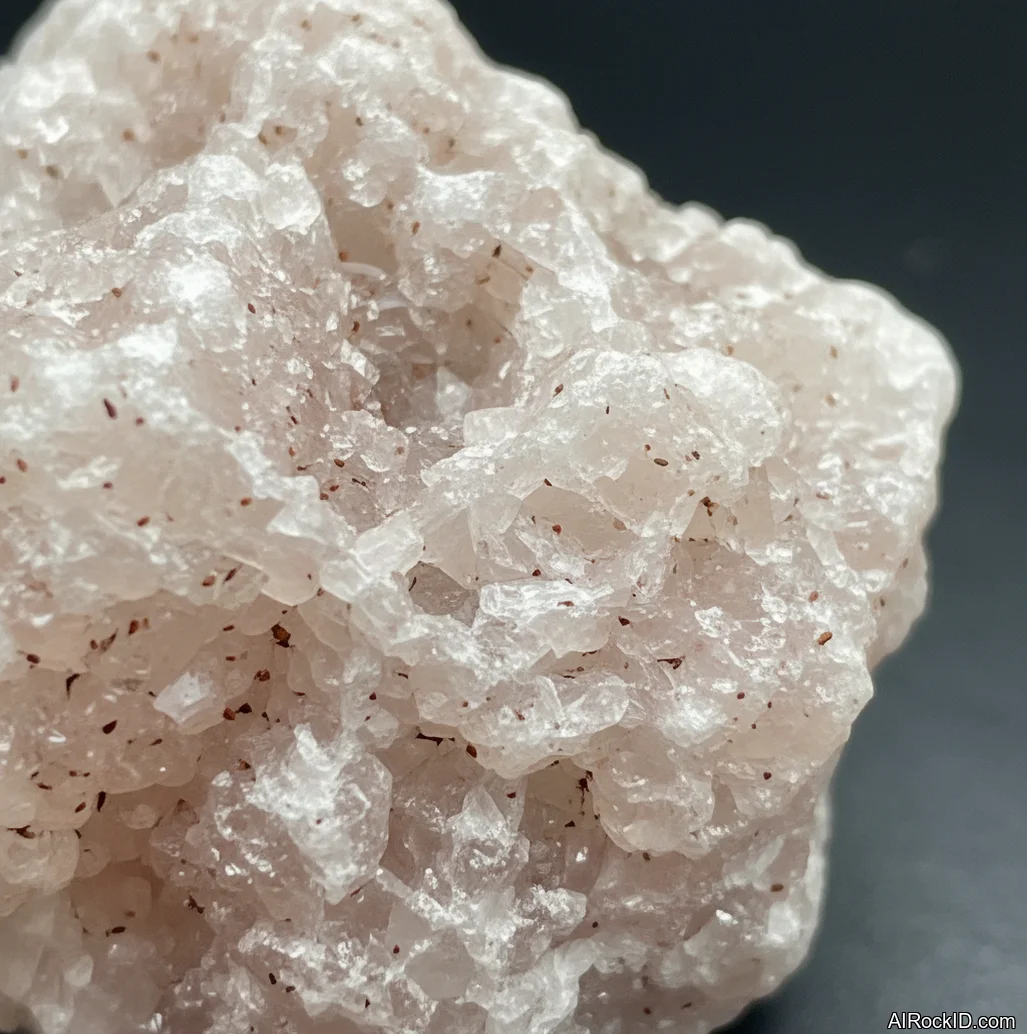
| Clear Quartz | Focus point, visual anchor during meditation | Cool, smooth, with defined prism faces and sharp points | Chips easily at the tip, avoid dropping |
| Lepidolite | Calming, stress relief, gentle tactile focus | Feels warm, soft, and slightly flaky; mica sheets shimmer | Flakes with friction, avoid pocket carry |
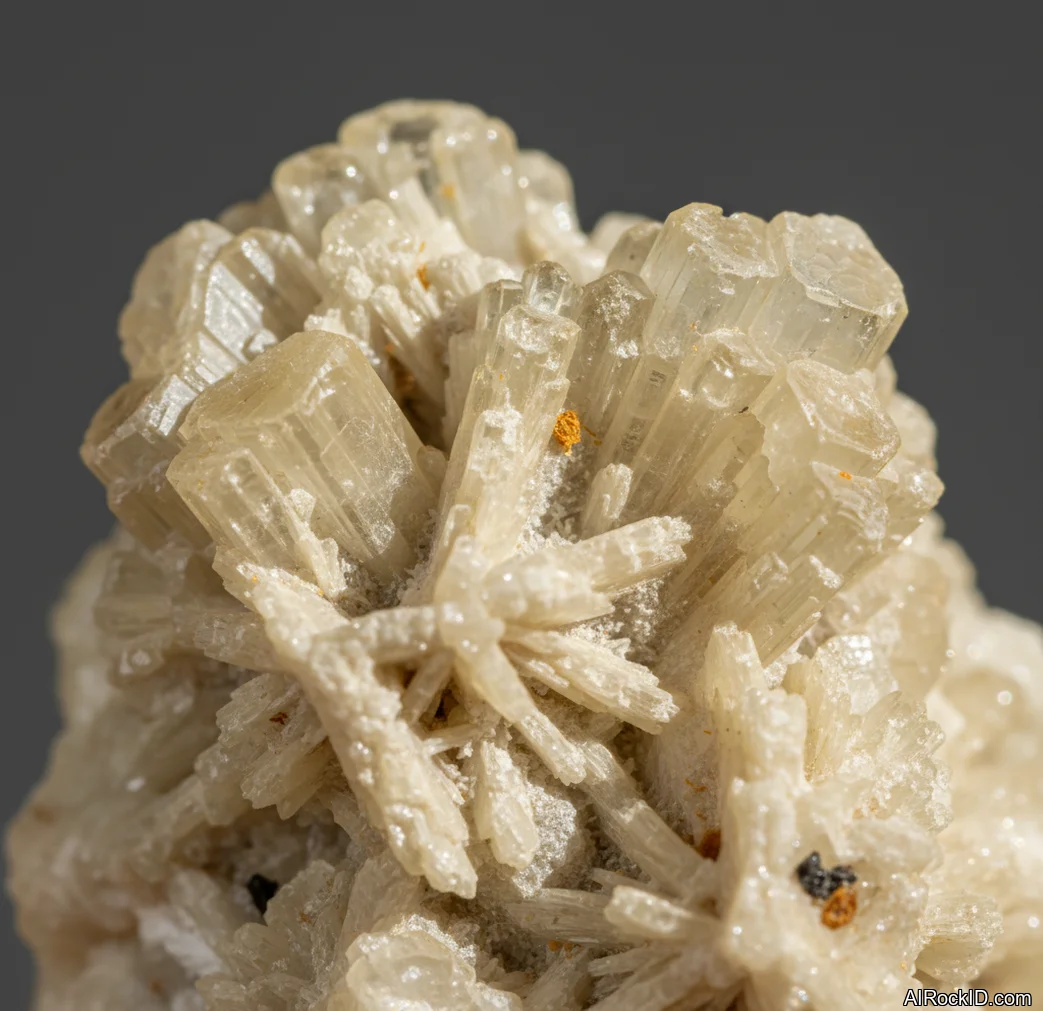
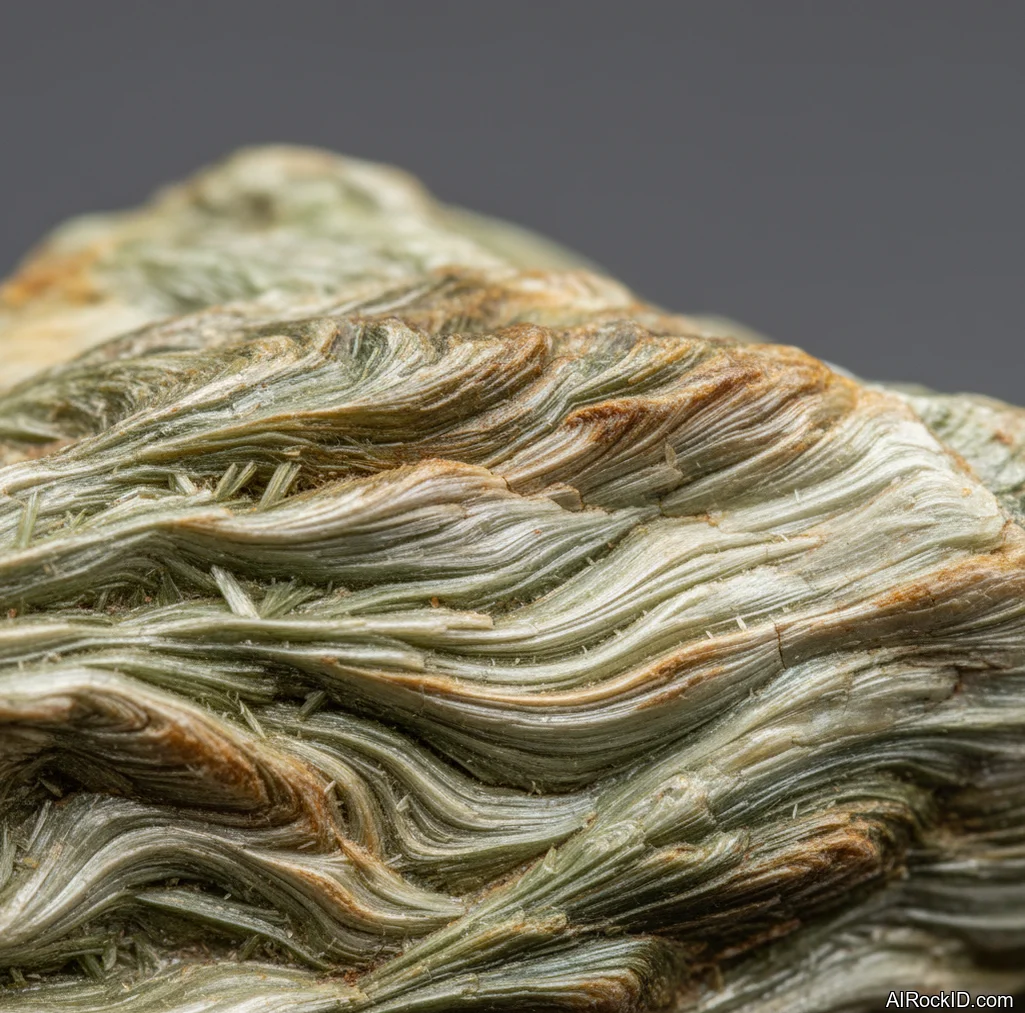
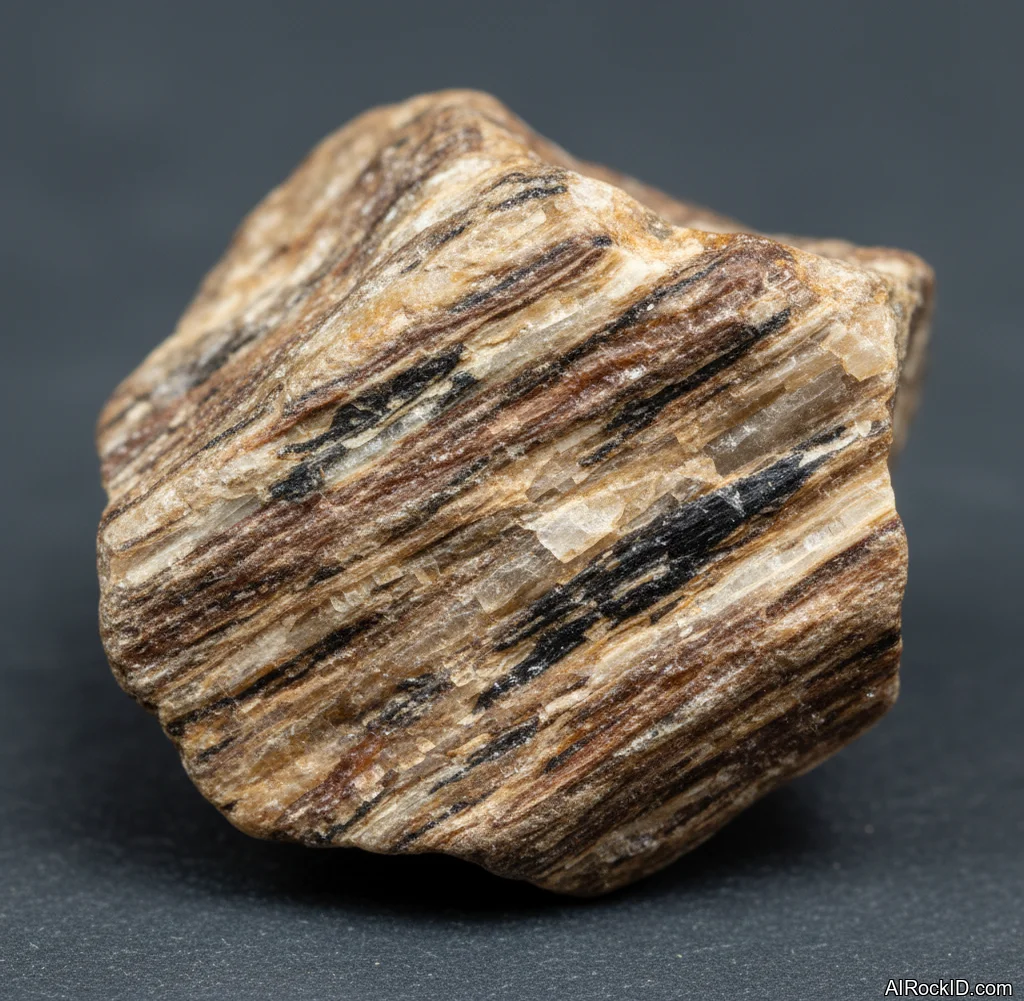
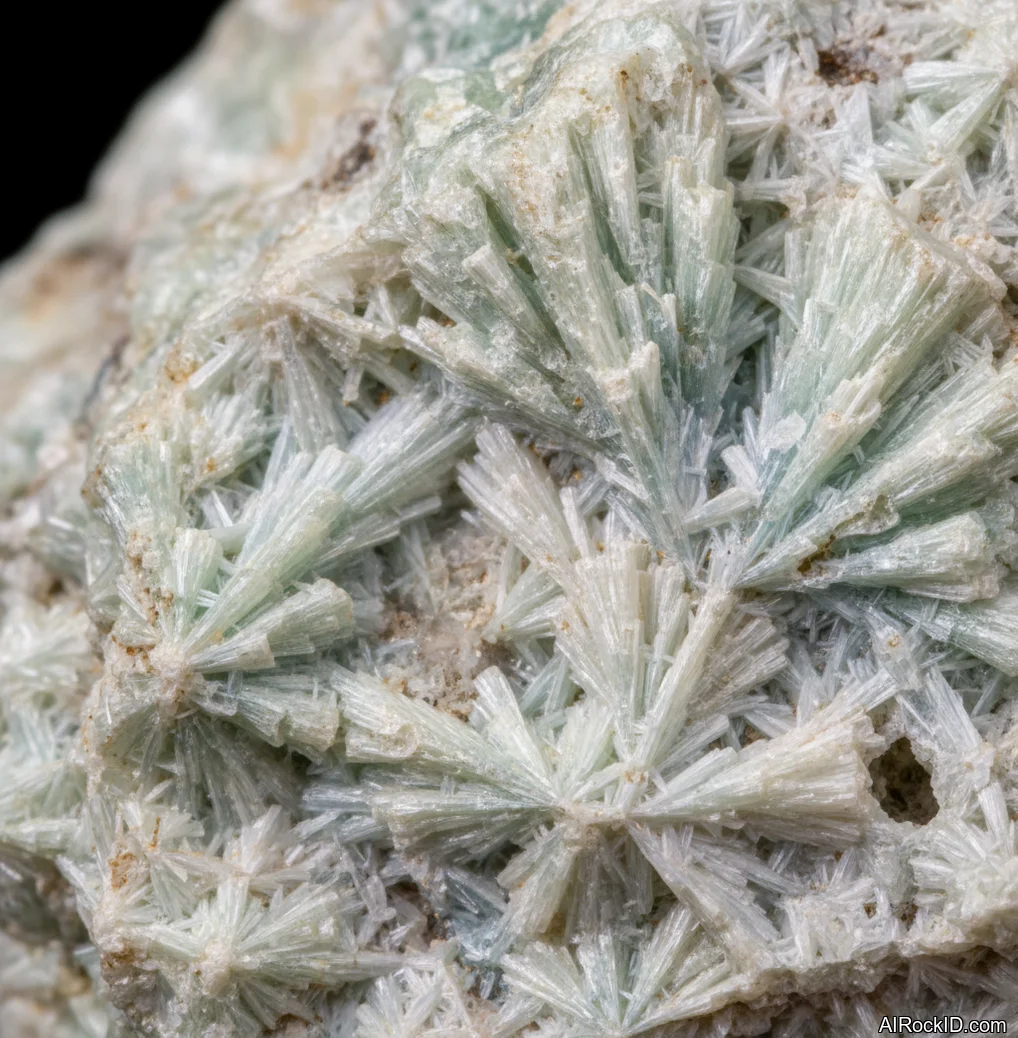
| Selenite (Satin Spar) | Cleansing, meditative calm, visual softening | Always cool, waxy, fibrous surface, feels light for size | Scratches and chips very easily, keep dry and protected |
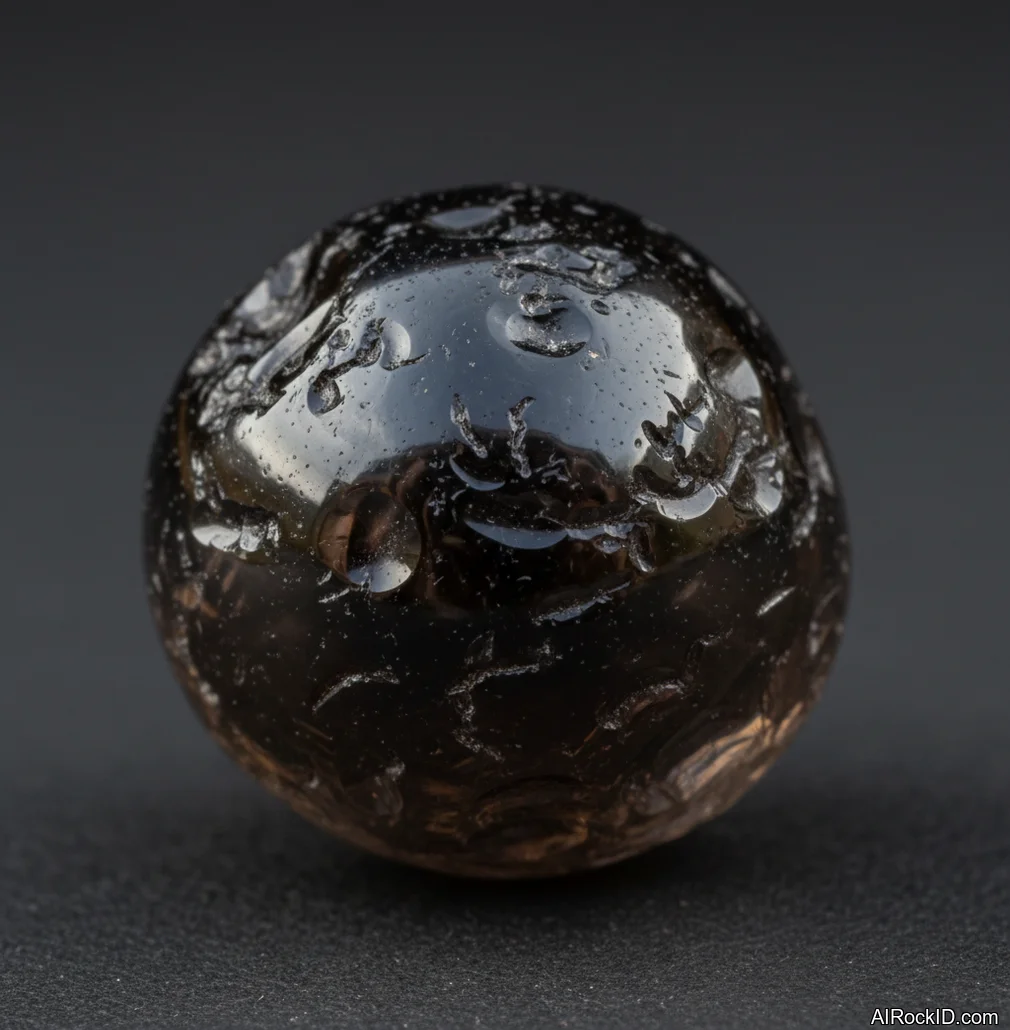
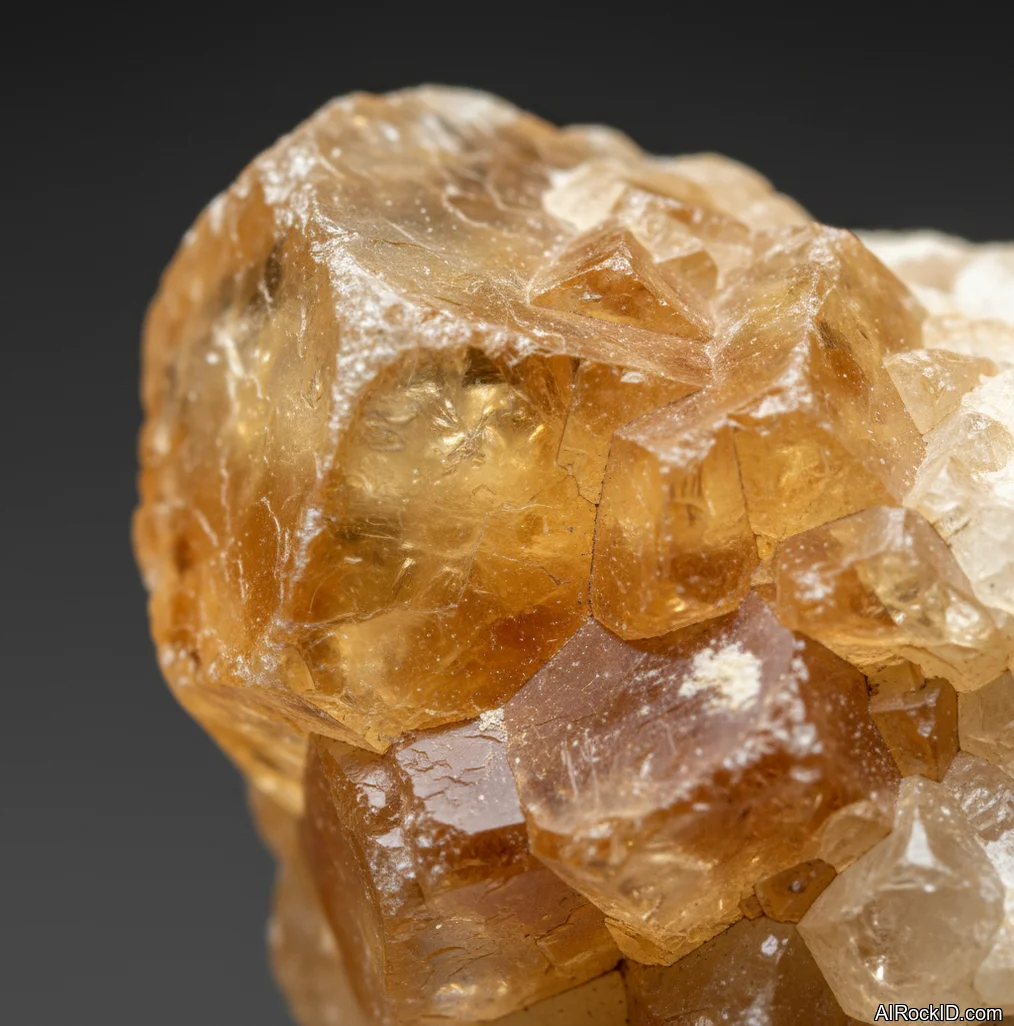
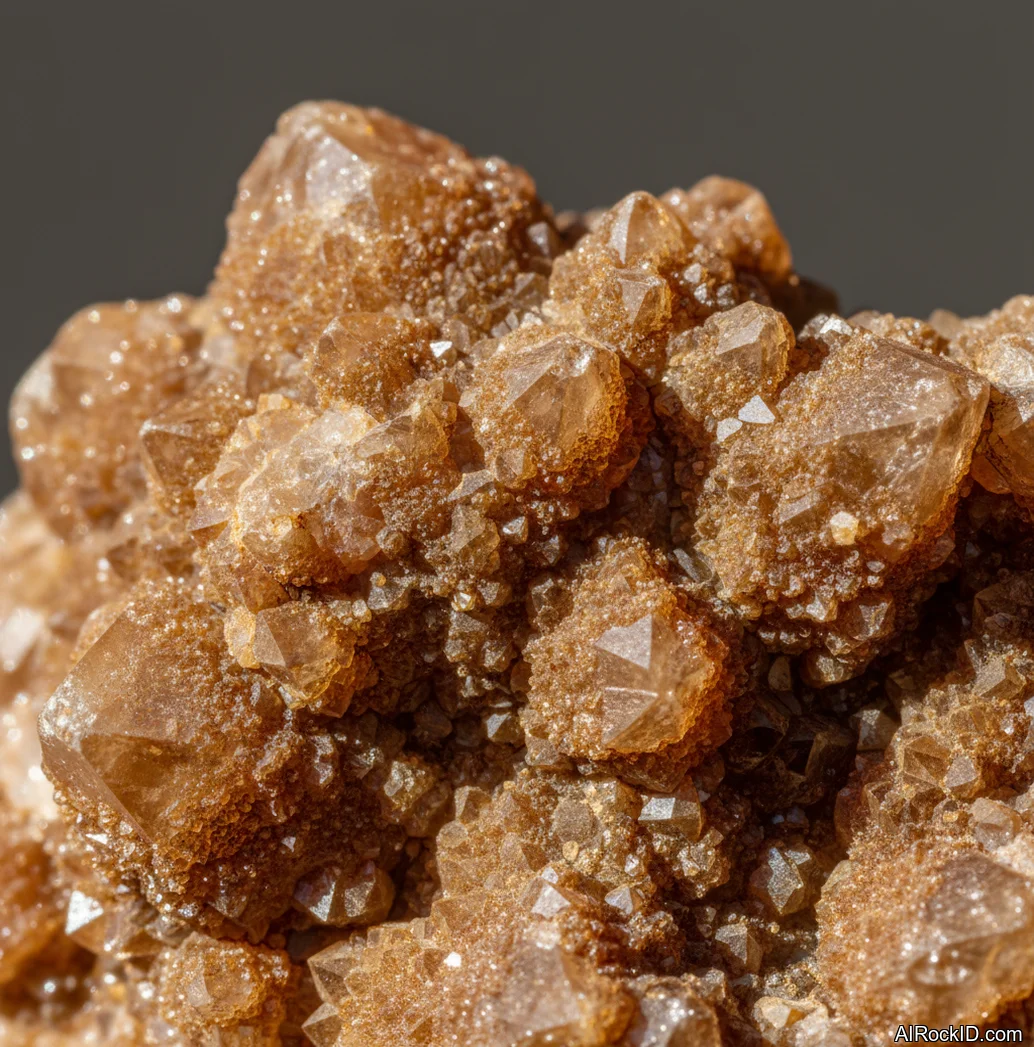
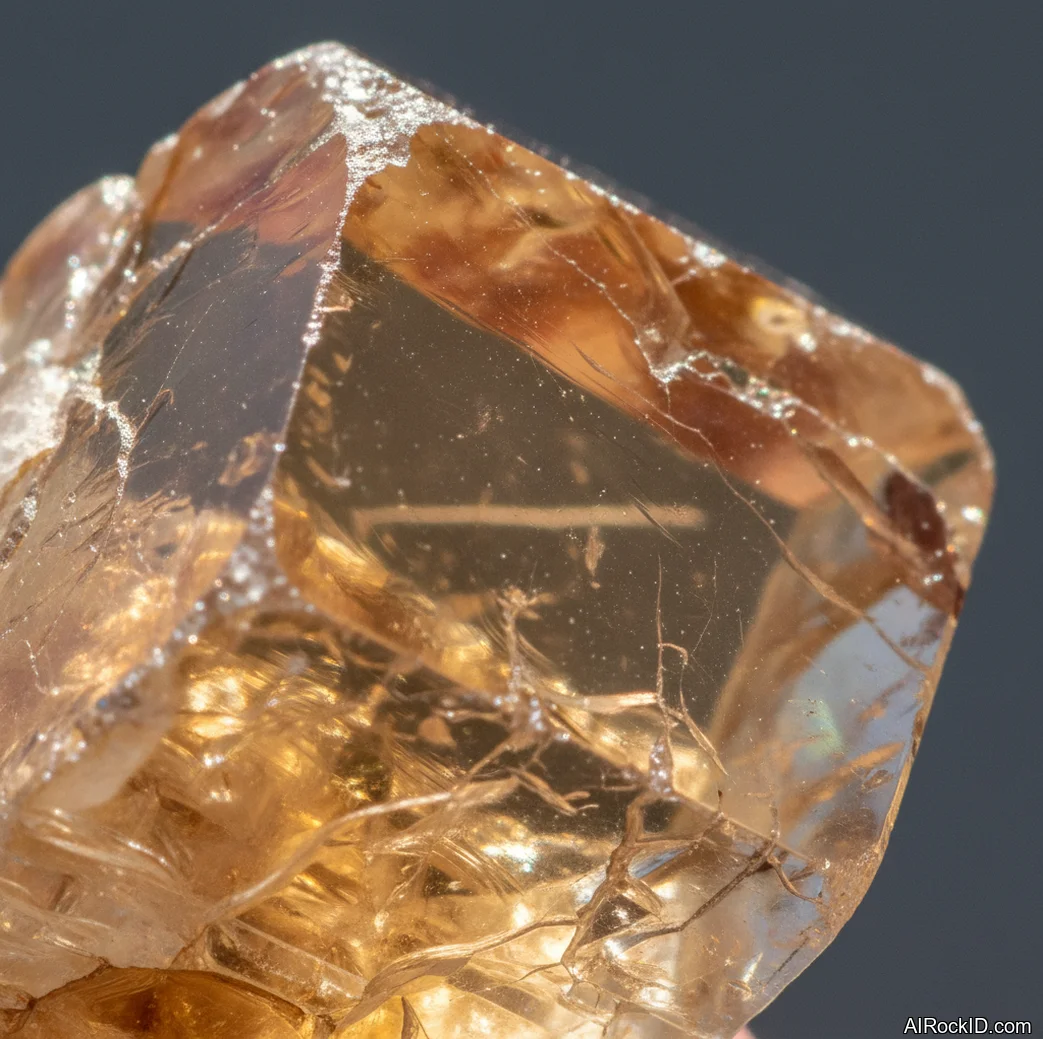
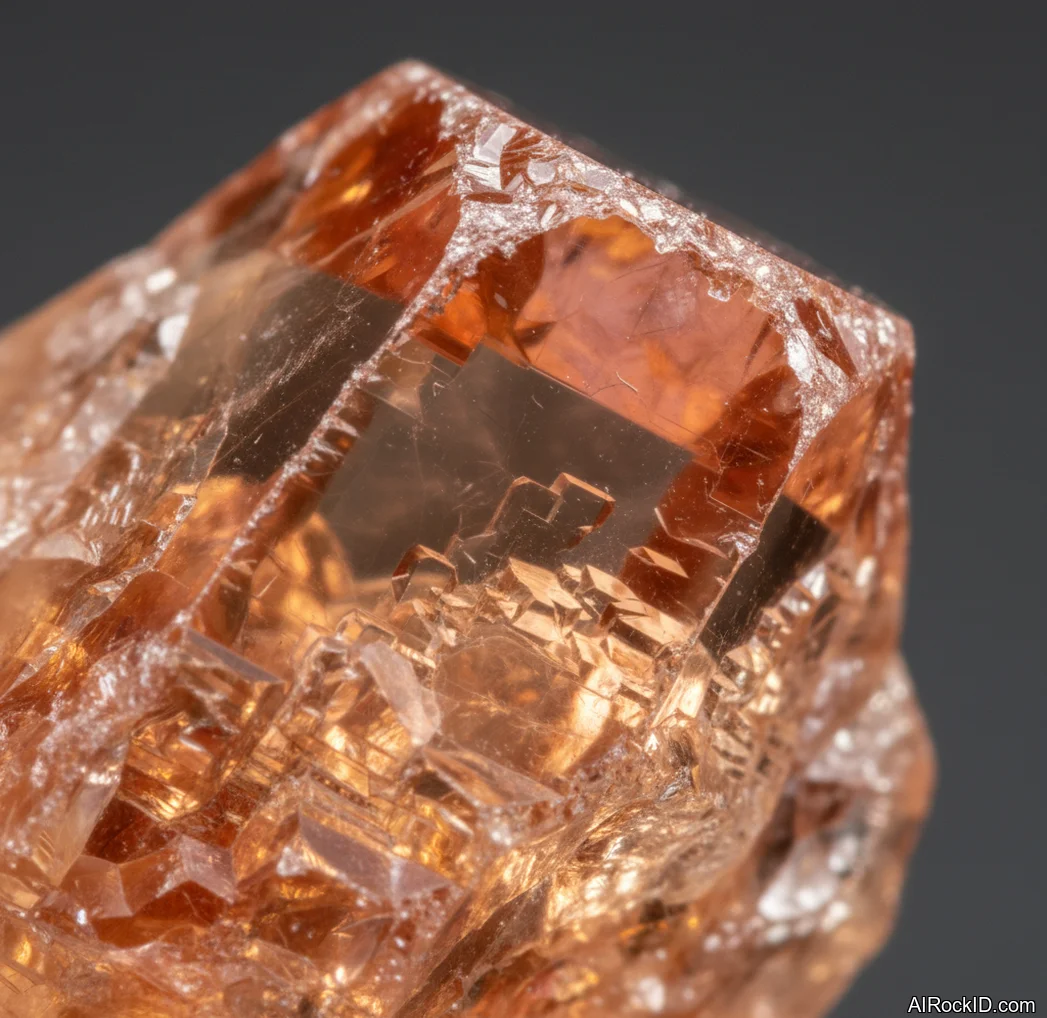
| Smoky Quartz | Grounding, gentle focus, daily meditation | Dense, glassy, brown-to-gray transparent; withstands handling | Color may fade in sunlight, but generally low maintenance |
How to Identify Meditation Crystals with AI Rock ID
To identify meditation crystals with the AI Rock ID app, take clear photos of your stone in natural light—one full view and one close-up. Upload both so the app can analyze features like luster, transparency, and surface texture. Compare results against physical tests like hardness (scratch with a steel blade), luster (vitreous, silky, or metallic), and streak color if you have a plate. The app helps narrow down your crystal type, but hands-on checks always give the final answer.
All Meditation Crystals (530)