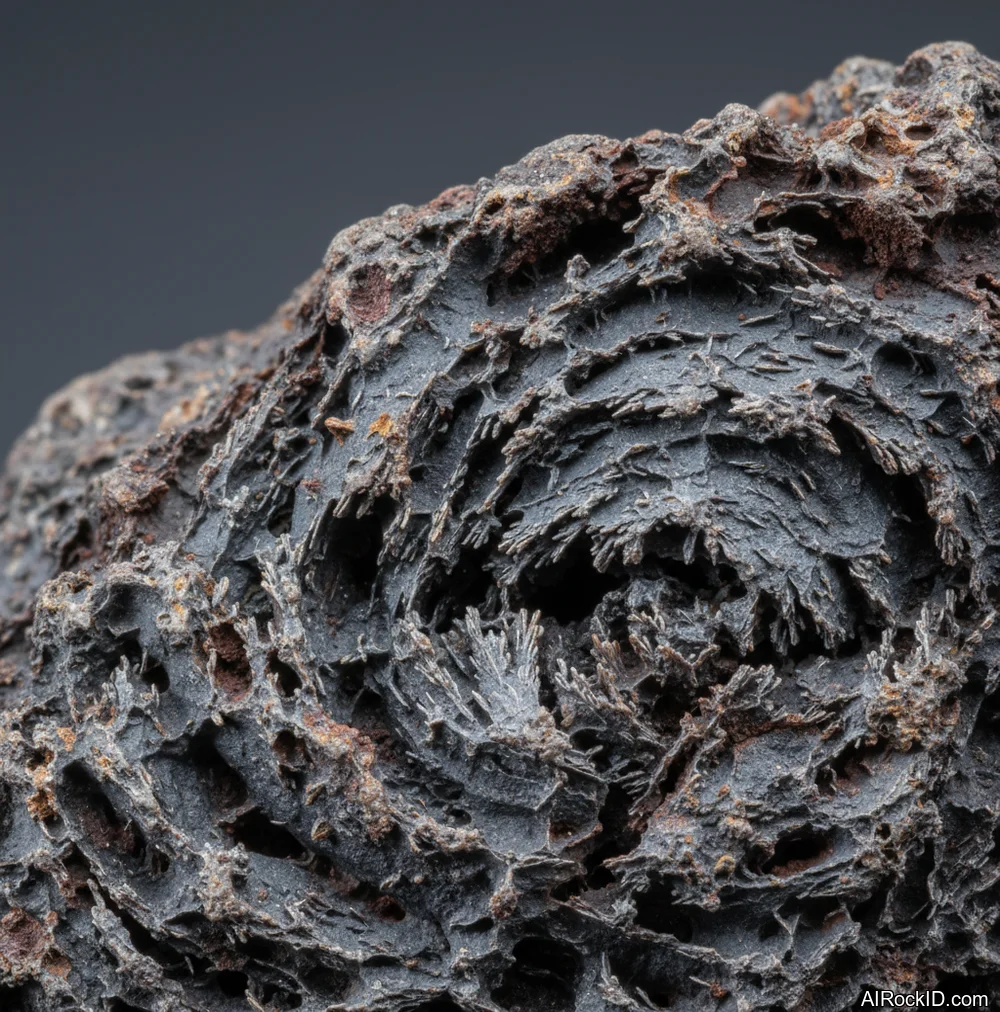
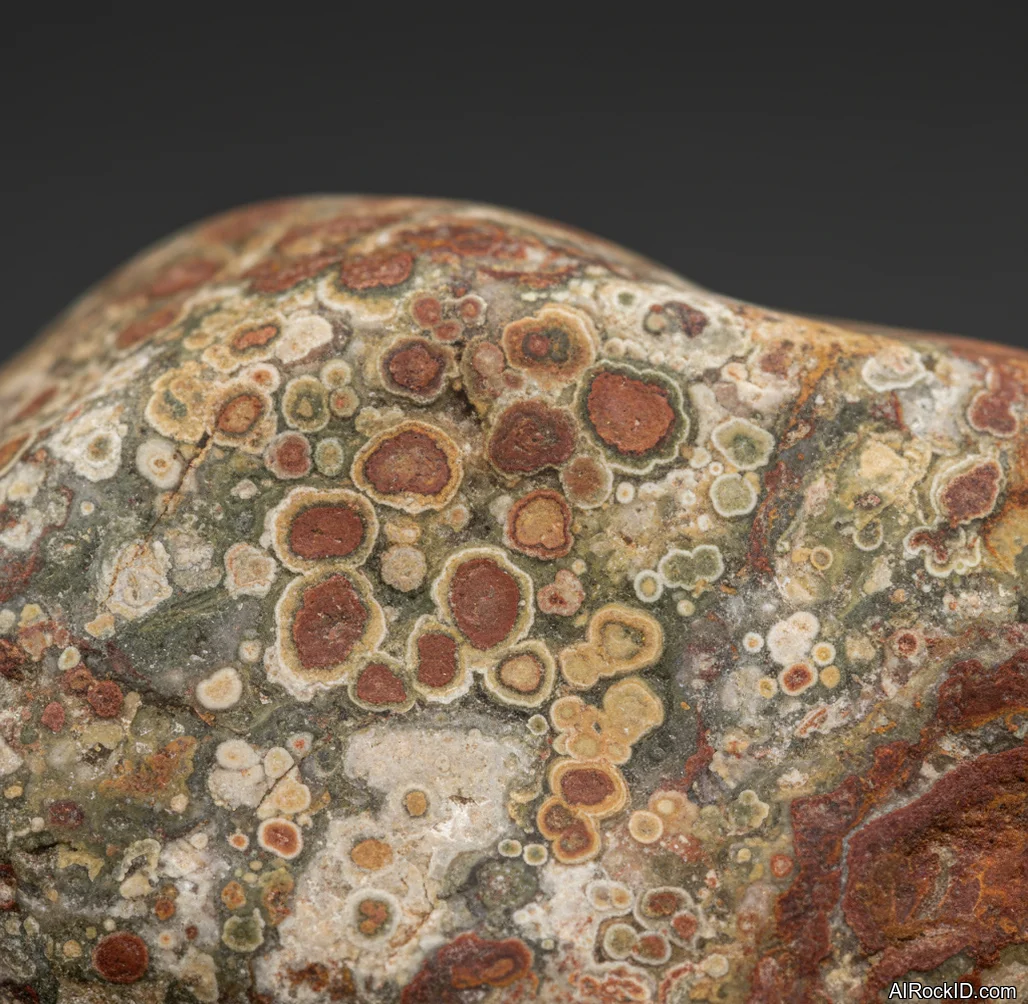
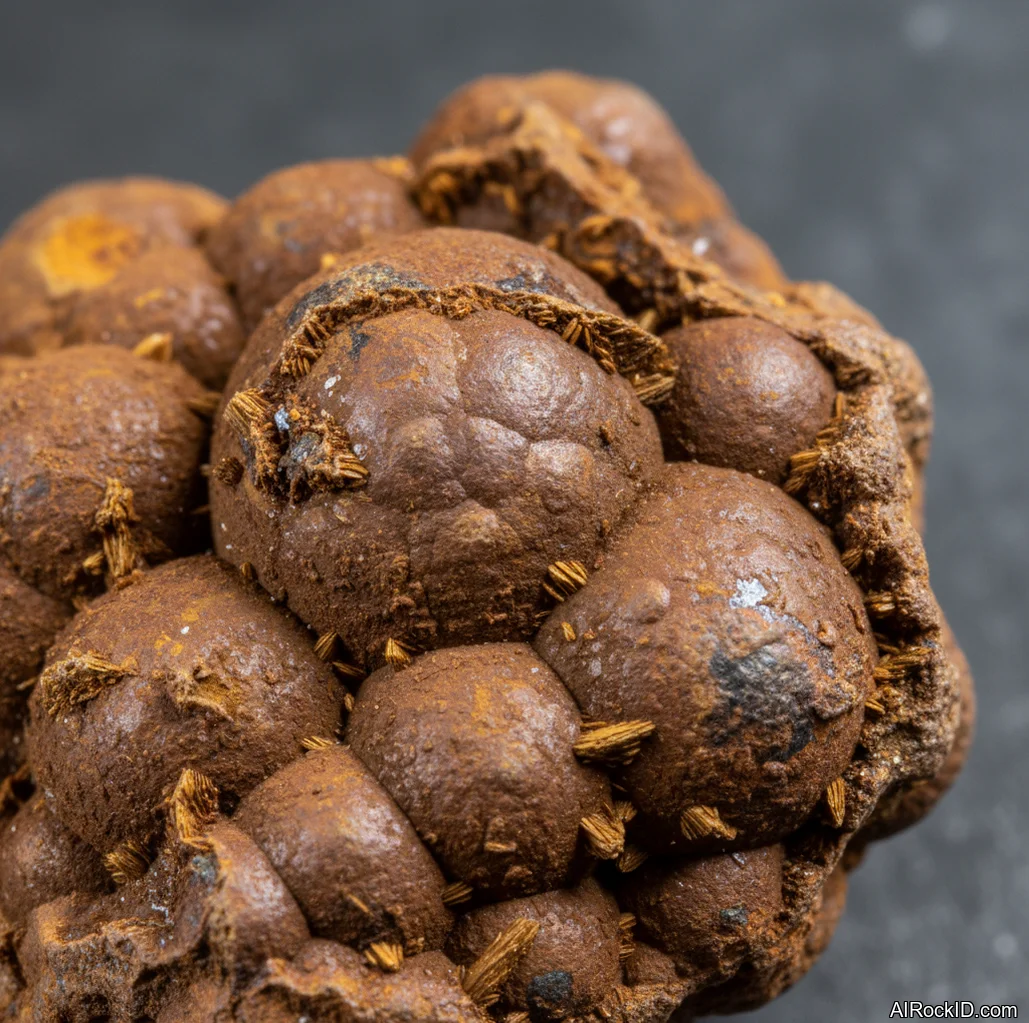
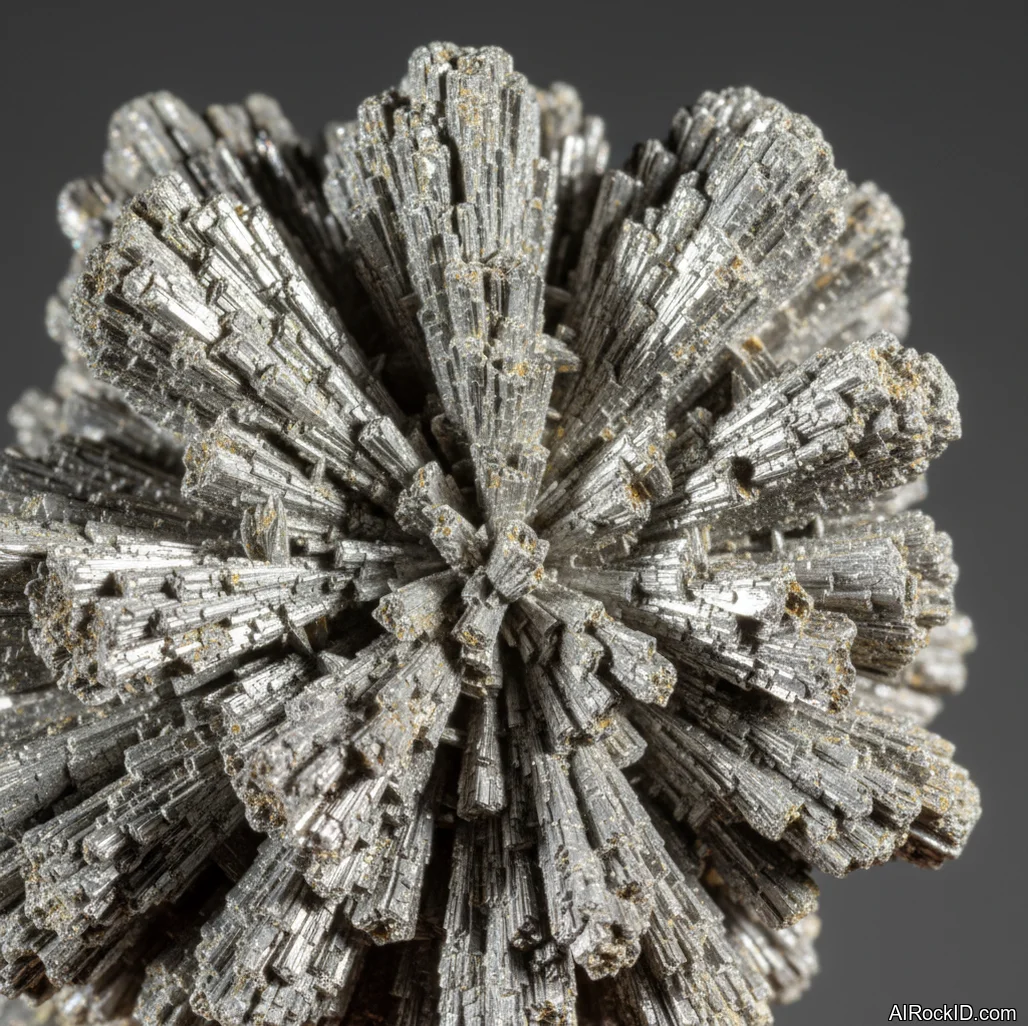
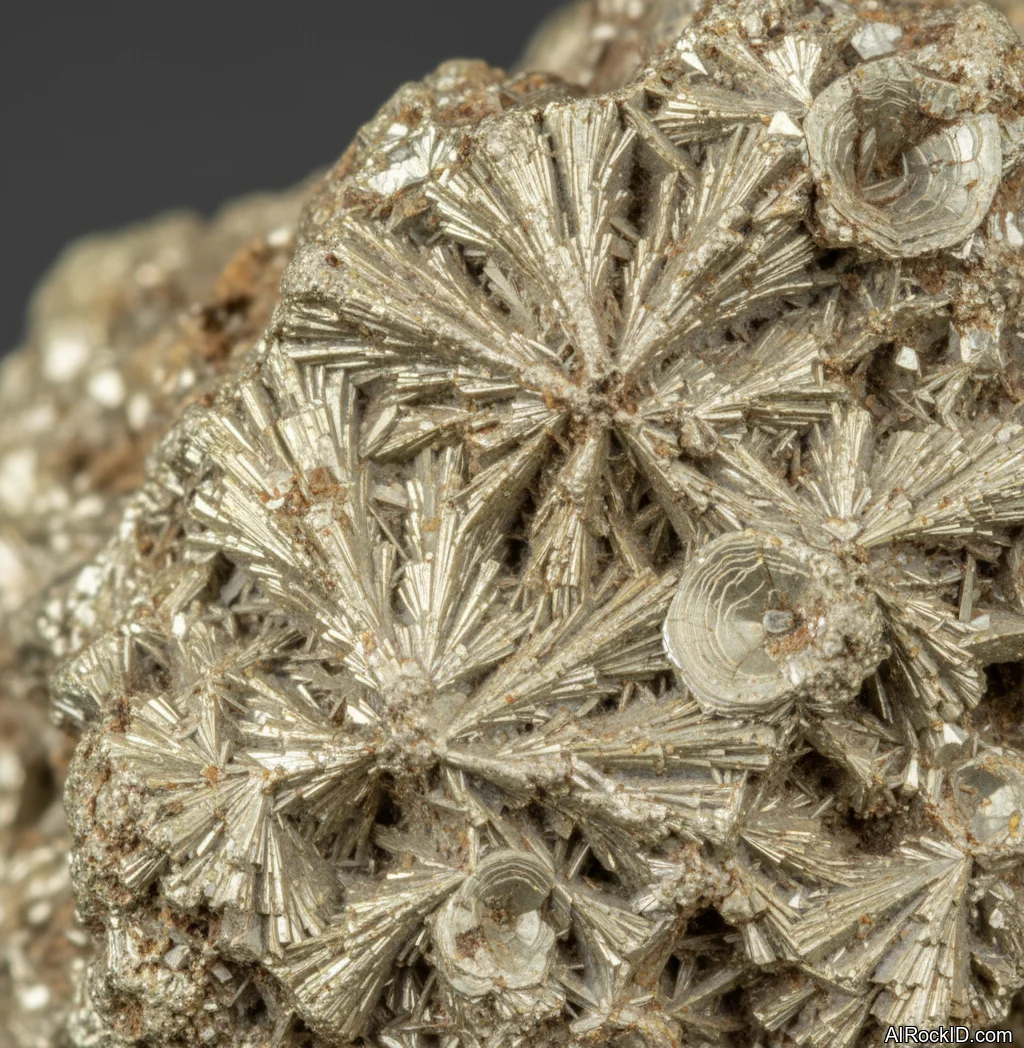
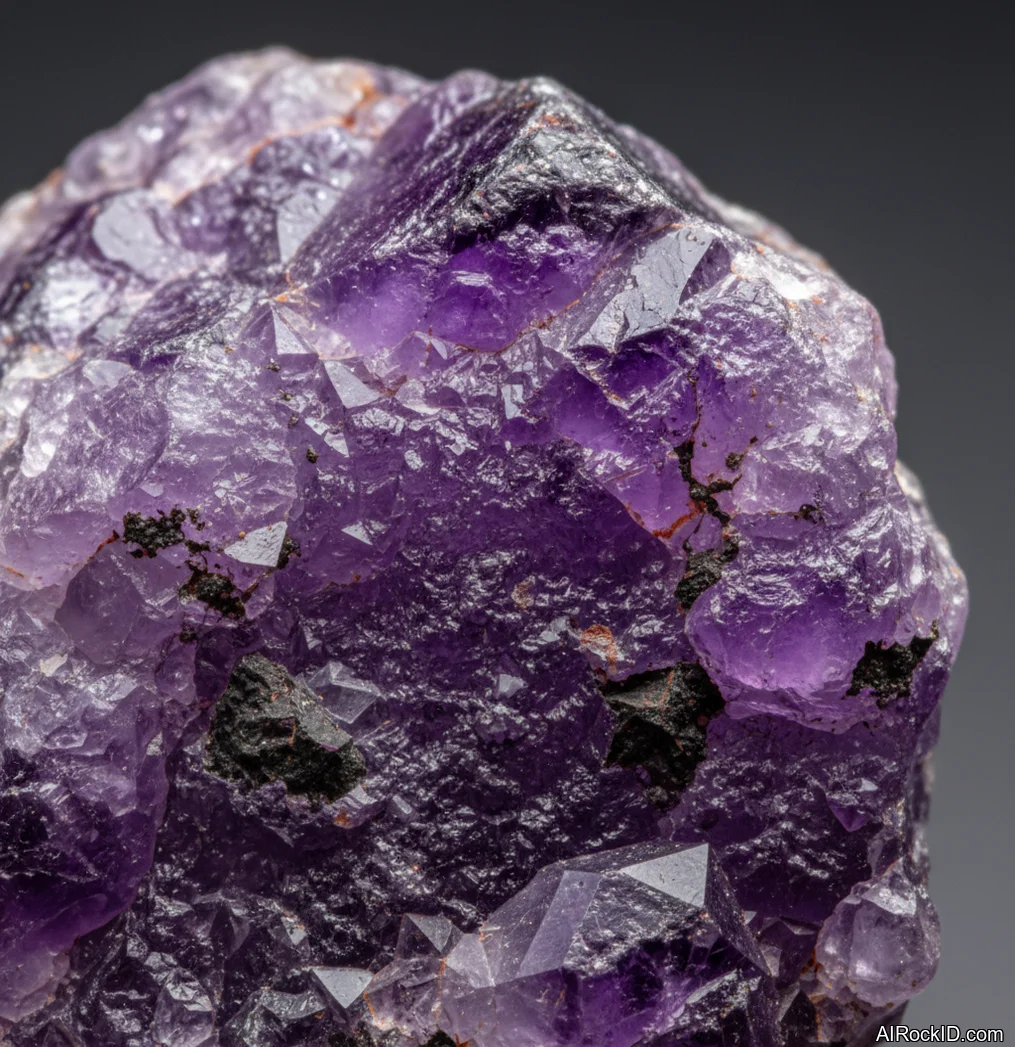
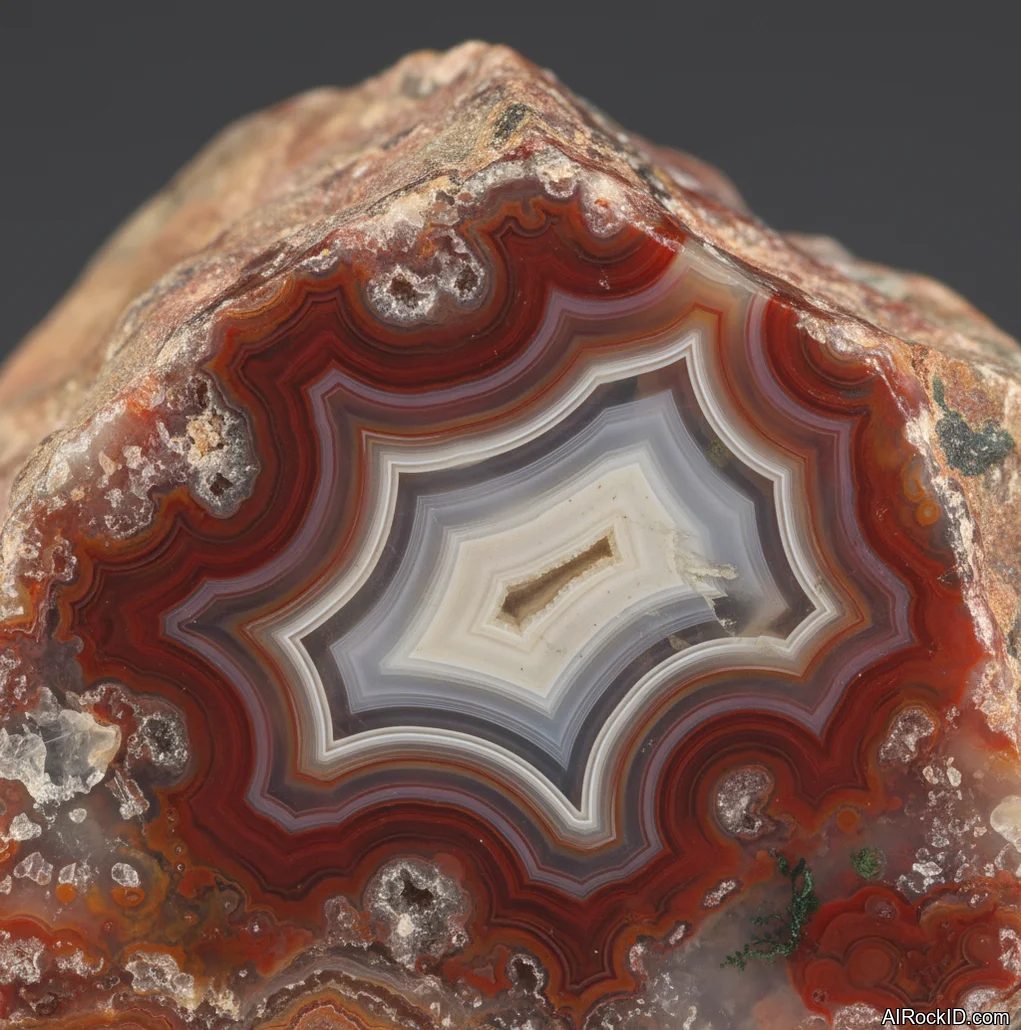
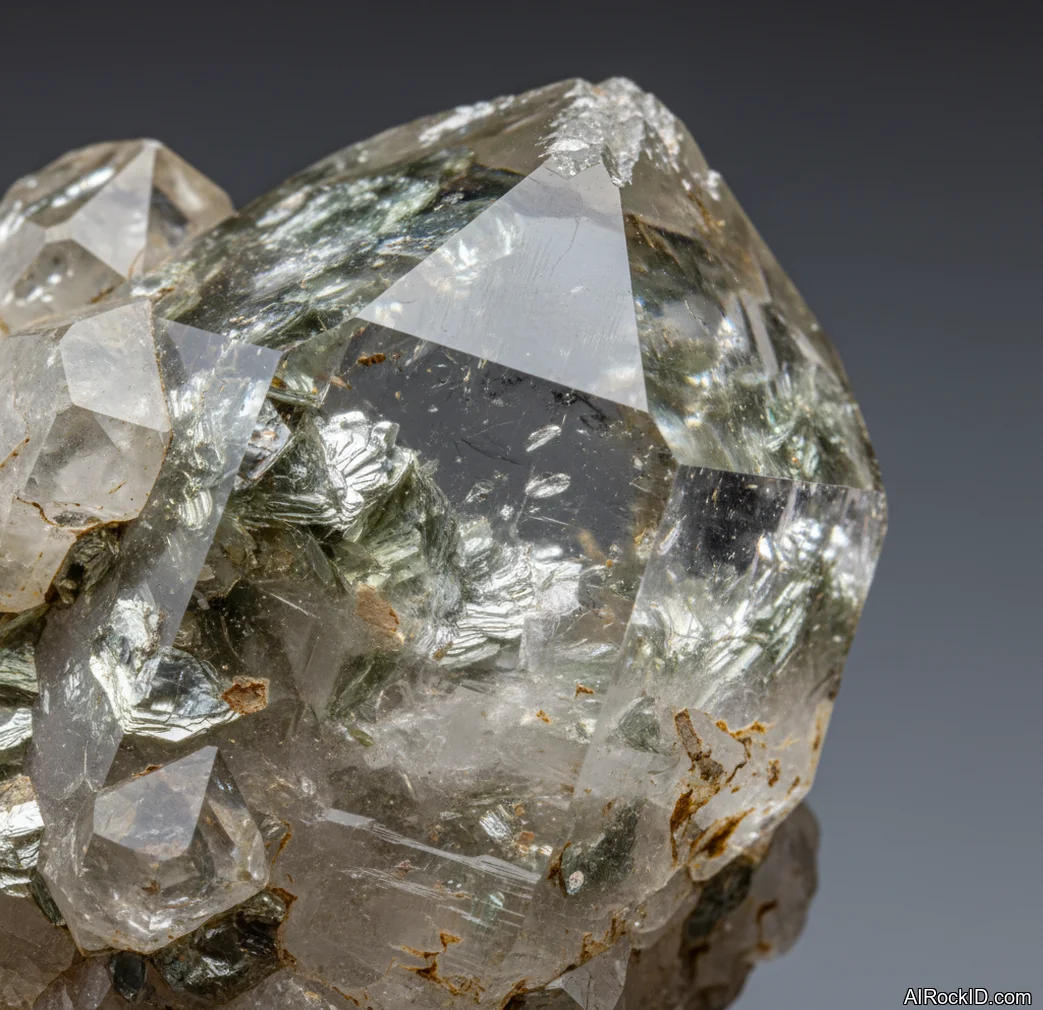
Protection Crystals
Quick answer: Protection crystals are stones that different spiritual and cultural traditions associate with grounding, boundary-setting, or warding off unwanted influences. They are used symbolically or ritually and should not be treated as substitutes for safety planning, medical care, or mental health support.
Learn about Protection crystals, what the Protection property means, how to use protective stones, and tips for choosing authentic crystals.


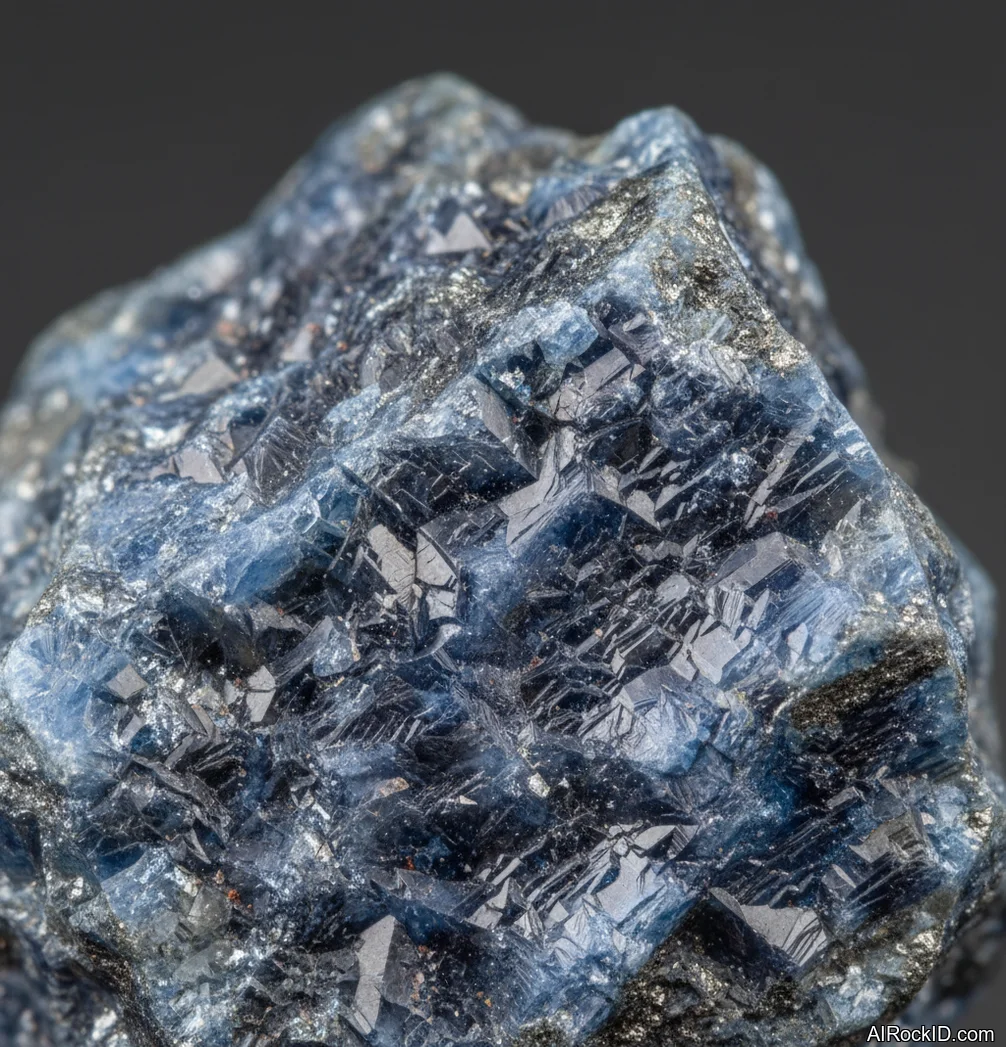
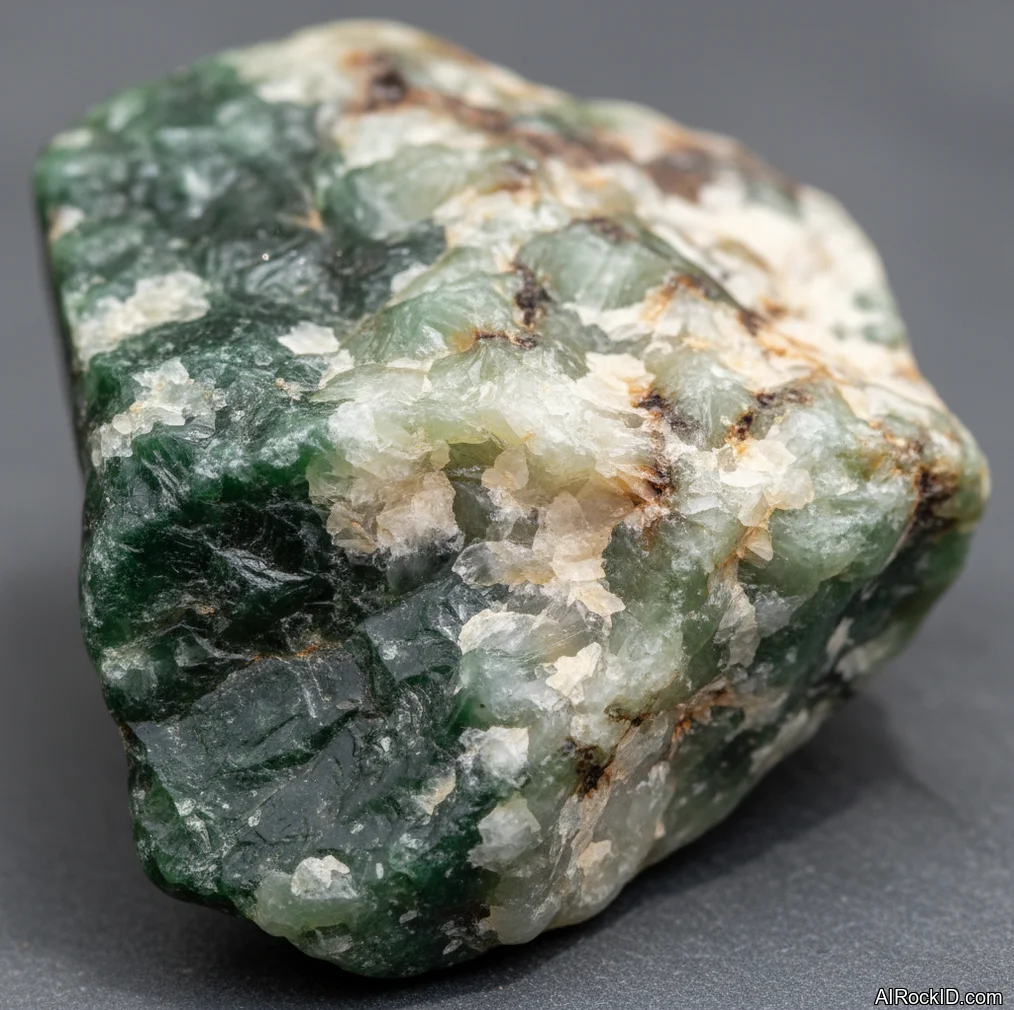
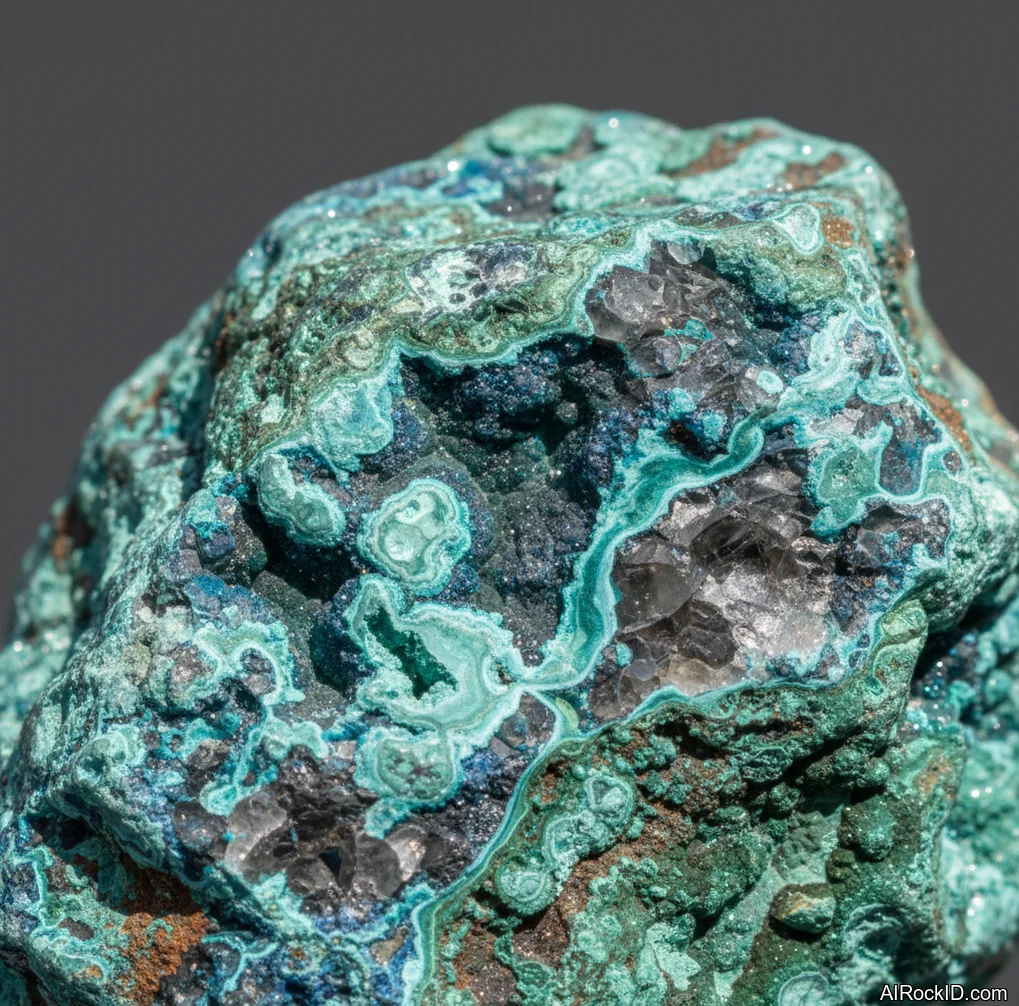
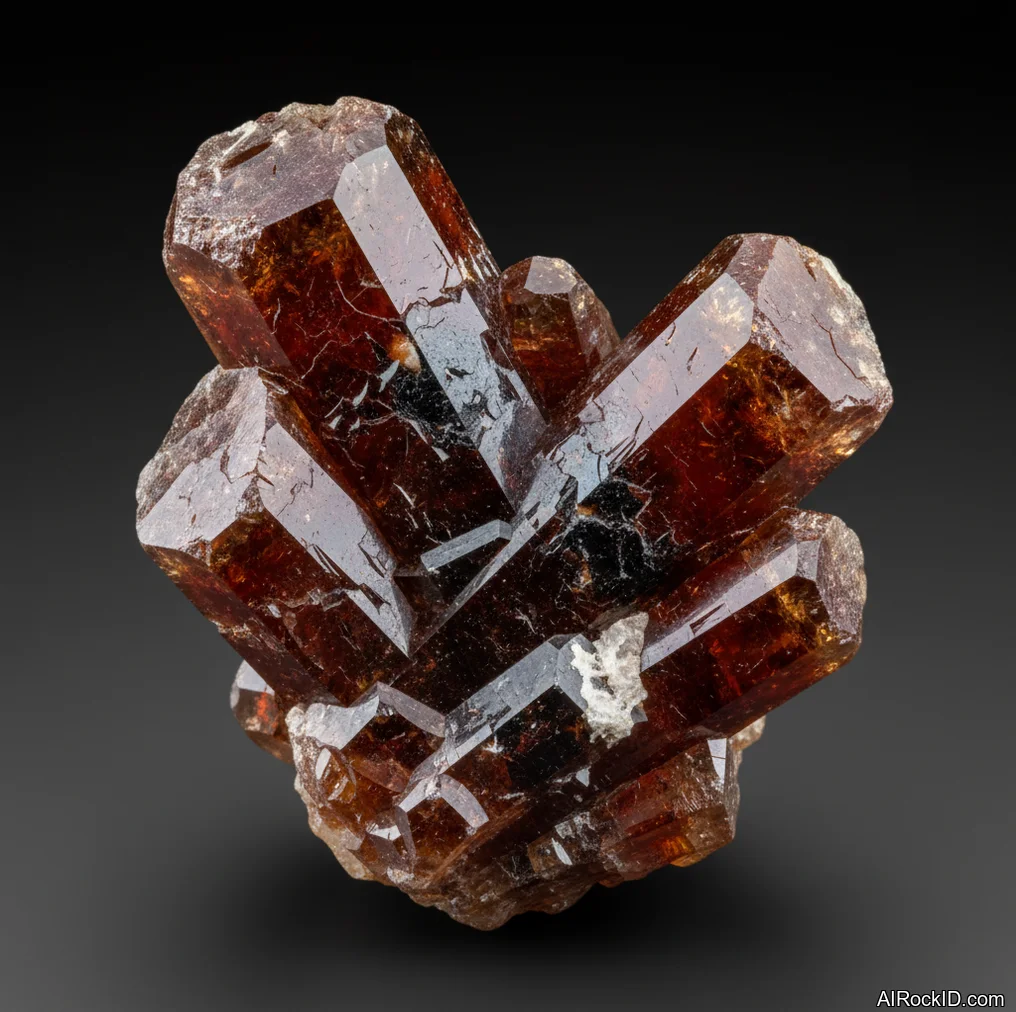
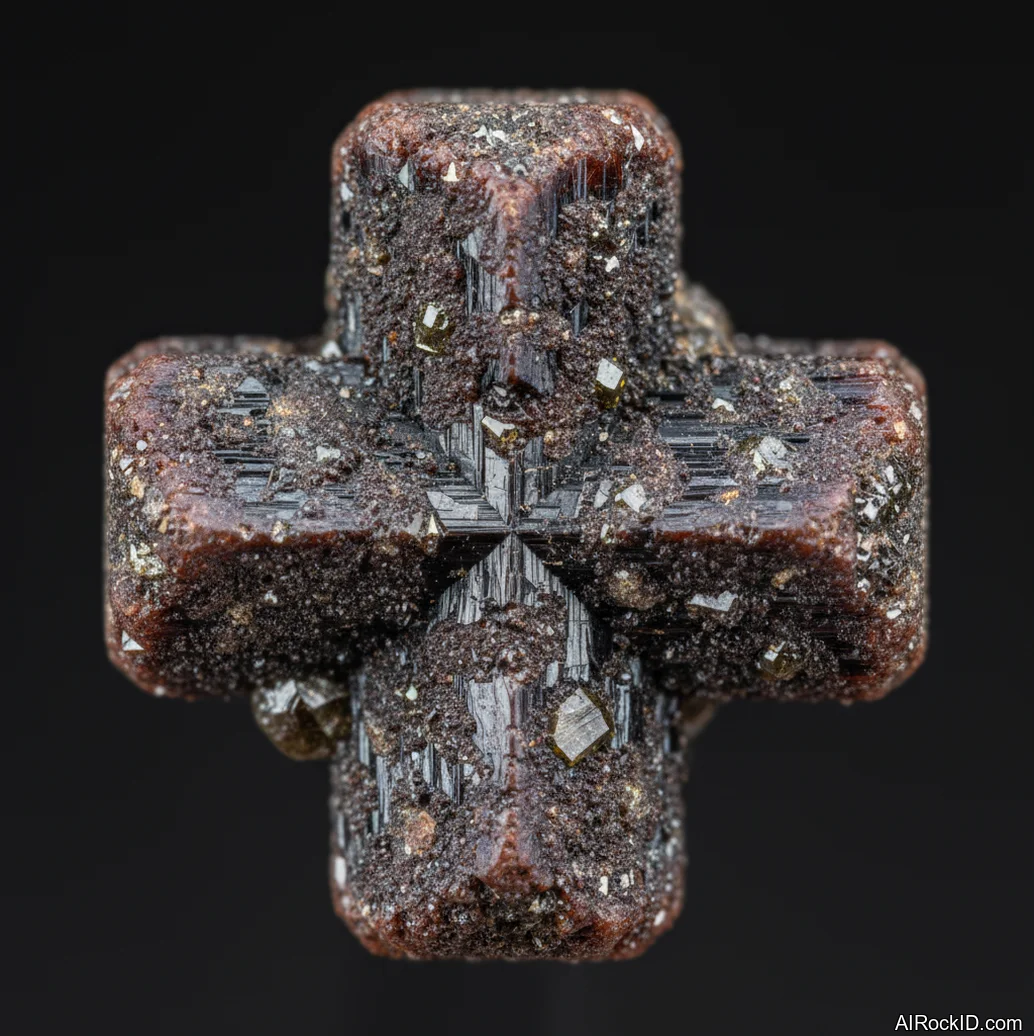
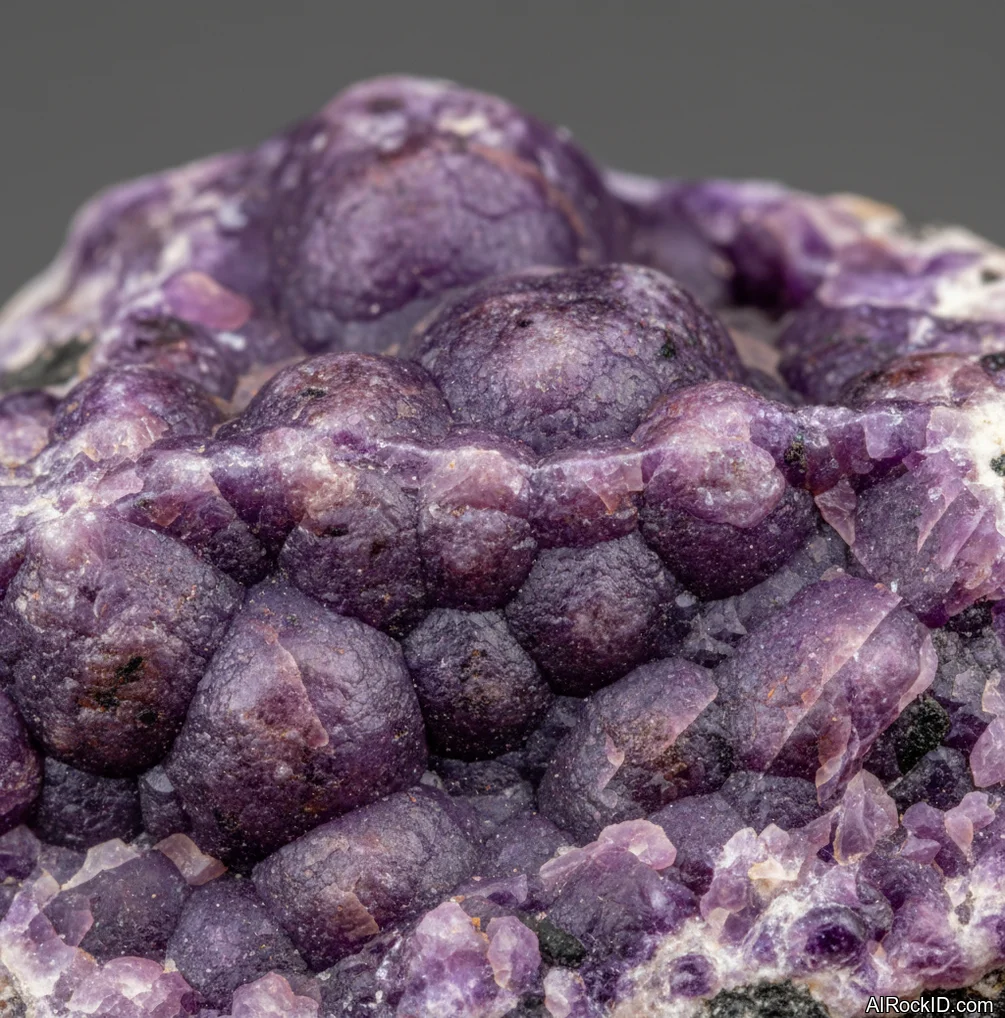
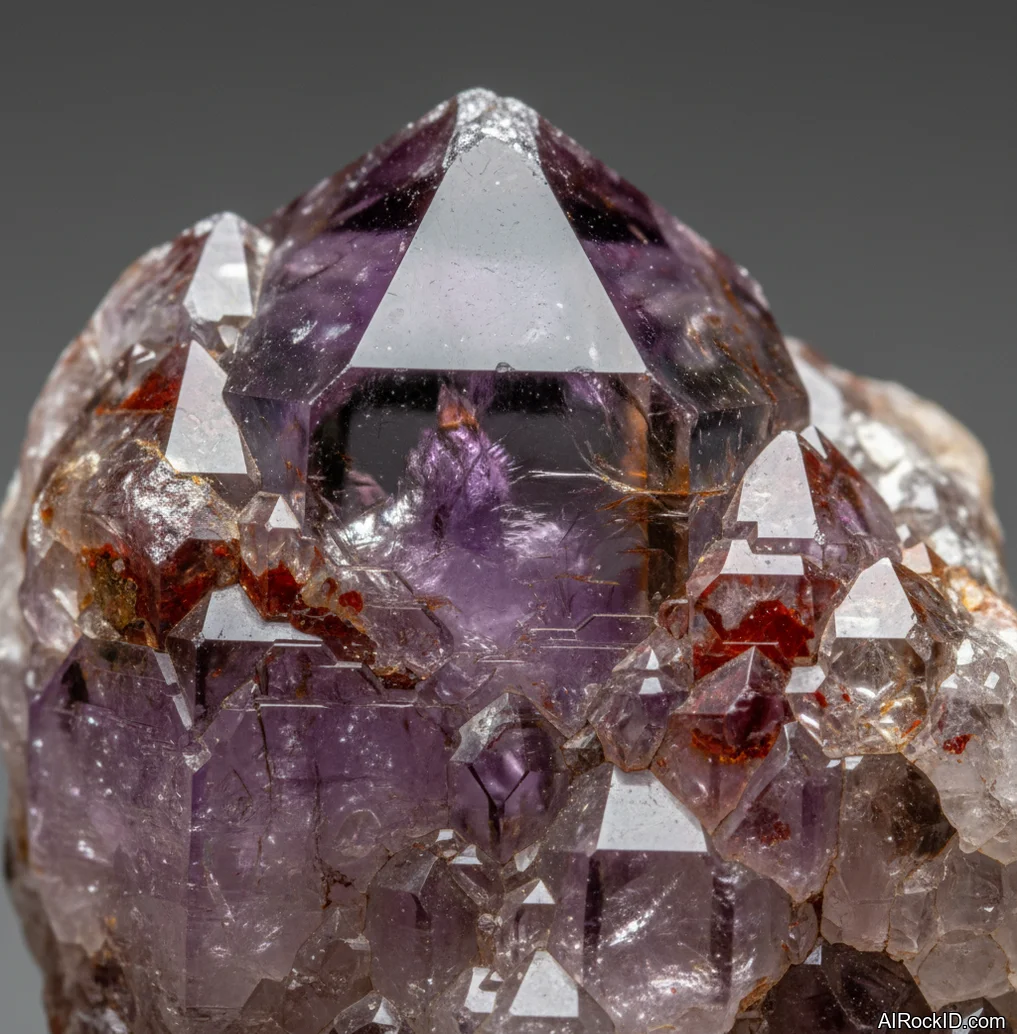
Protection crystals are minerals often used in metaphysical practices to help shield against unwanted energy, create personal boundaries, and reduce feelings of stress or overwhelm. Black tourmaline, obsidian, labradorite, hematite, and smoky quartz are the most common examples. They're picked up for grounding and clearing heavy energy, not as physical barriers. These associations come from metaphysical traditions and are not medical claims.
Protection crystals can't prevent real-world harm, block illness, or guarantee safety from negative situations. They're not a replacement for practical precautions, professional help, or personal responsibility.
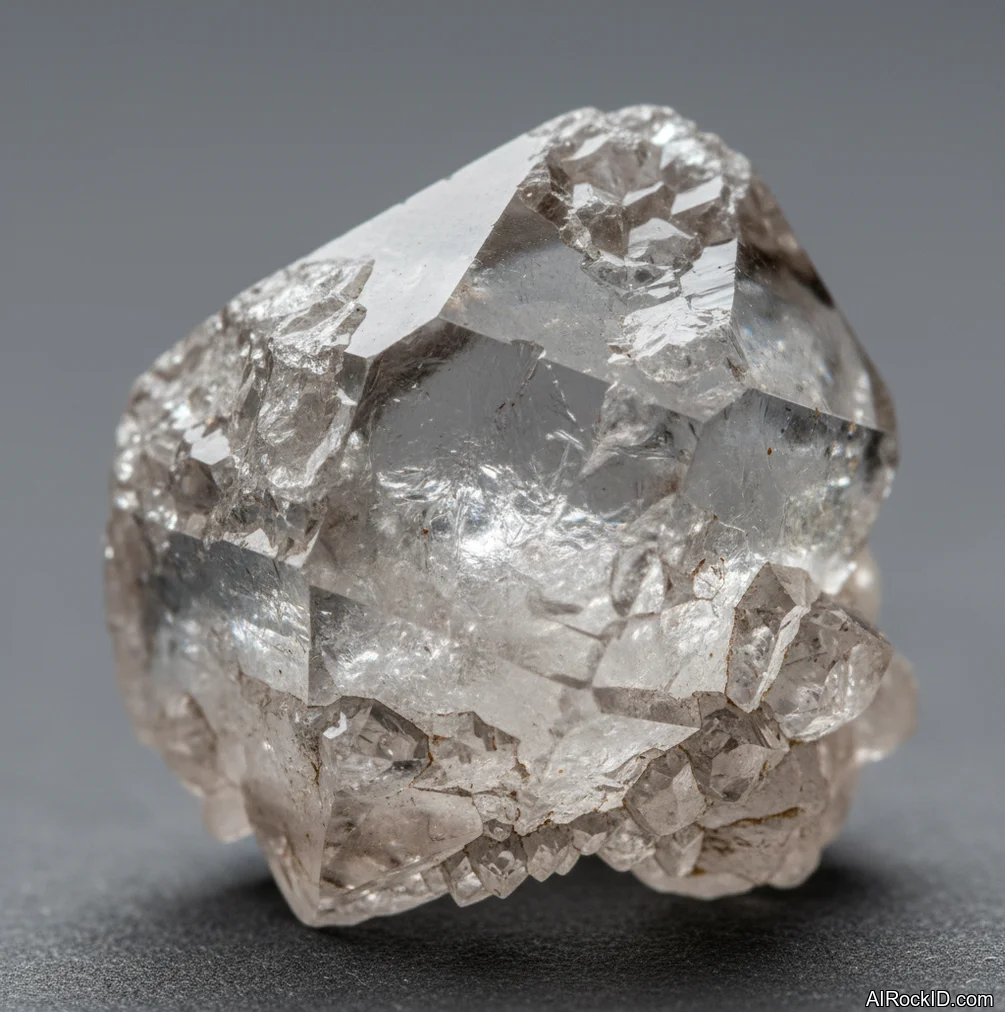
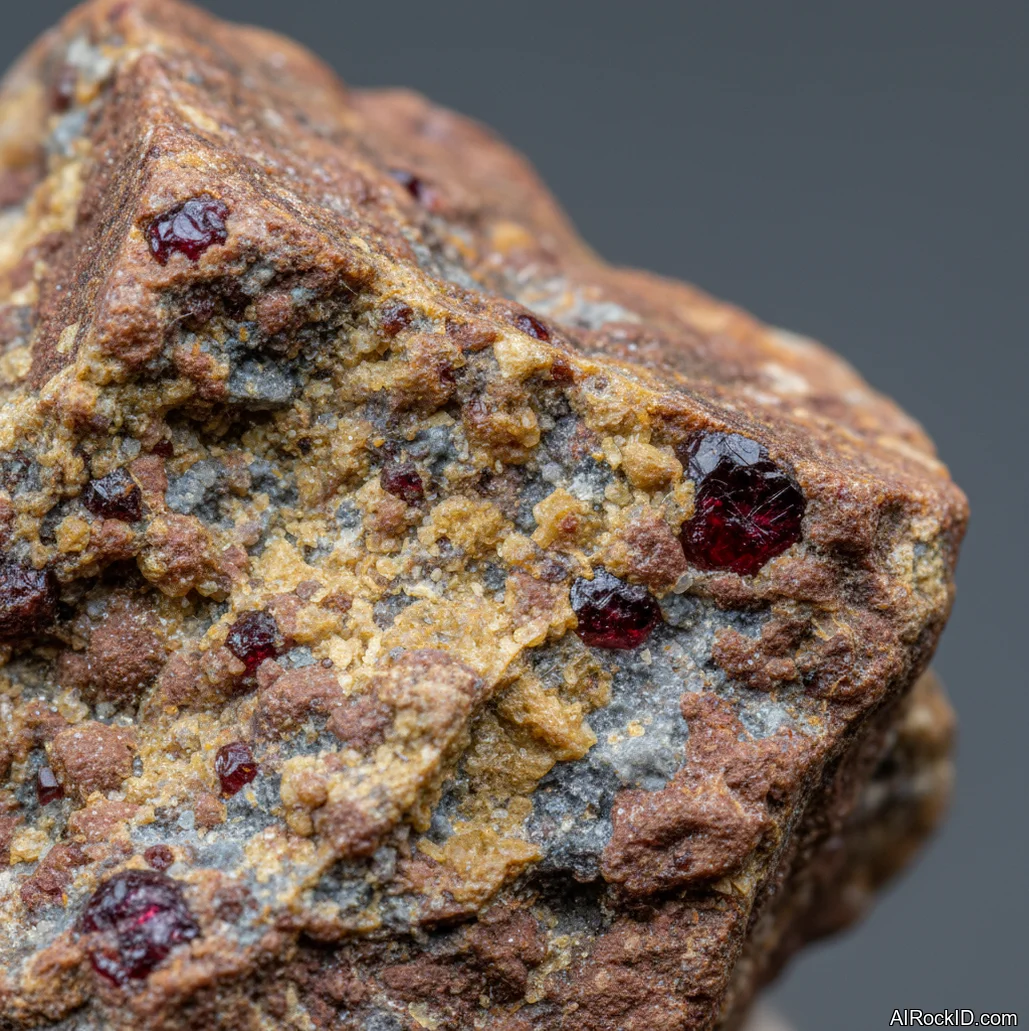
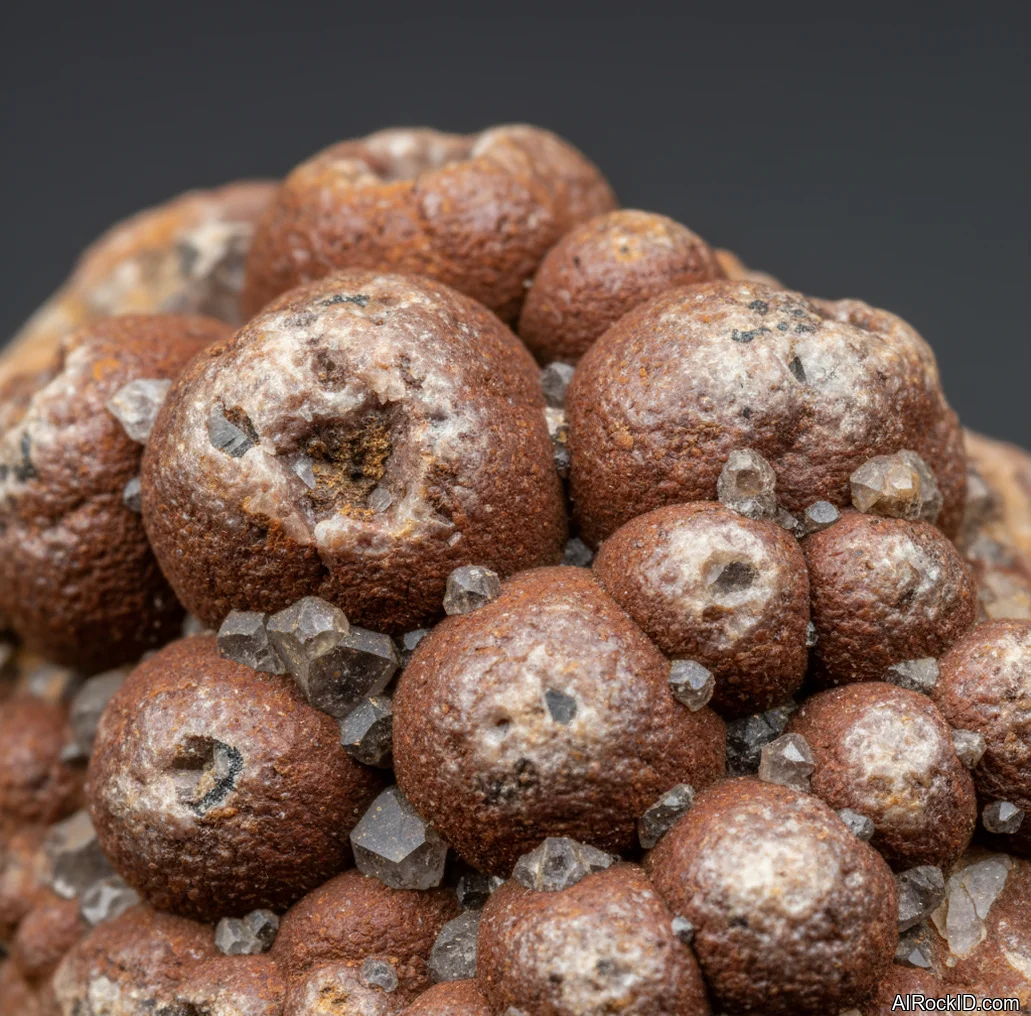
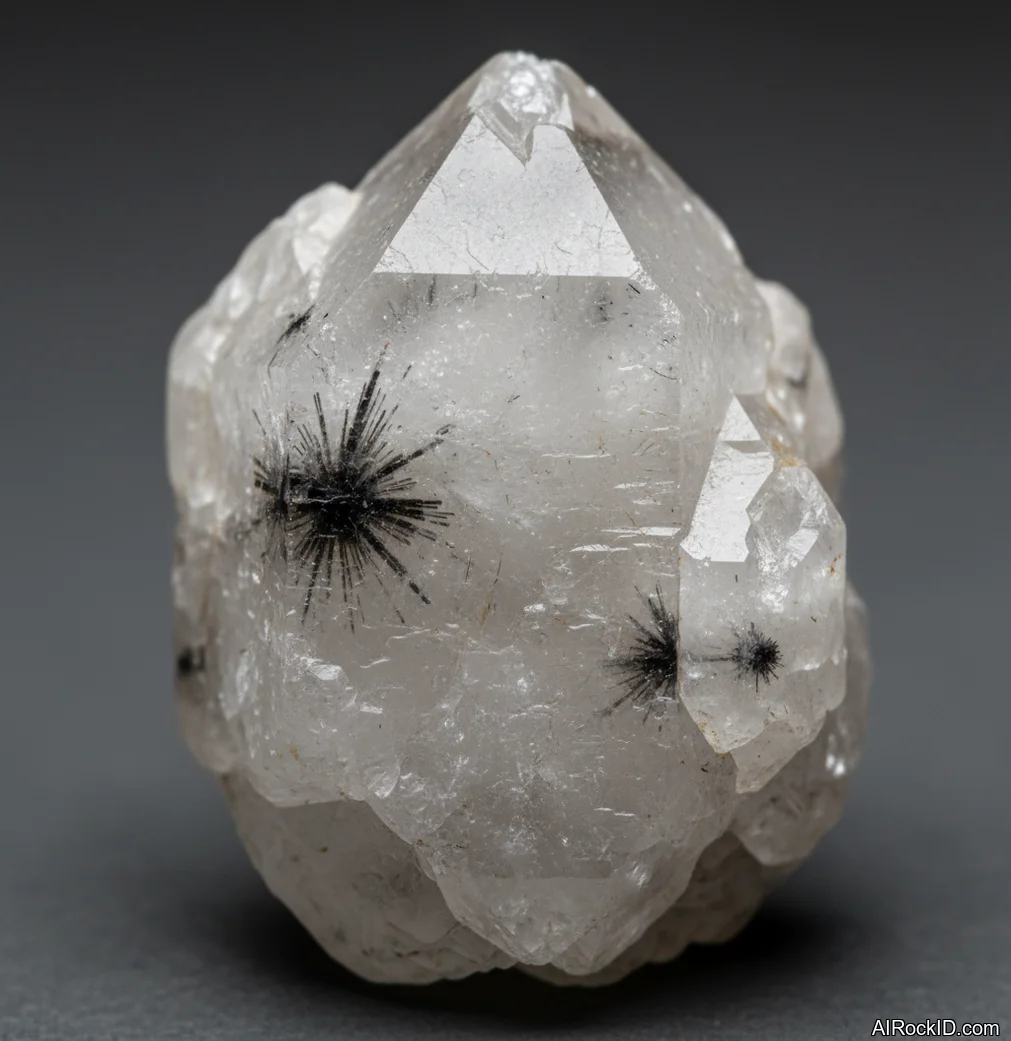
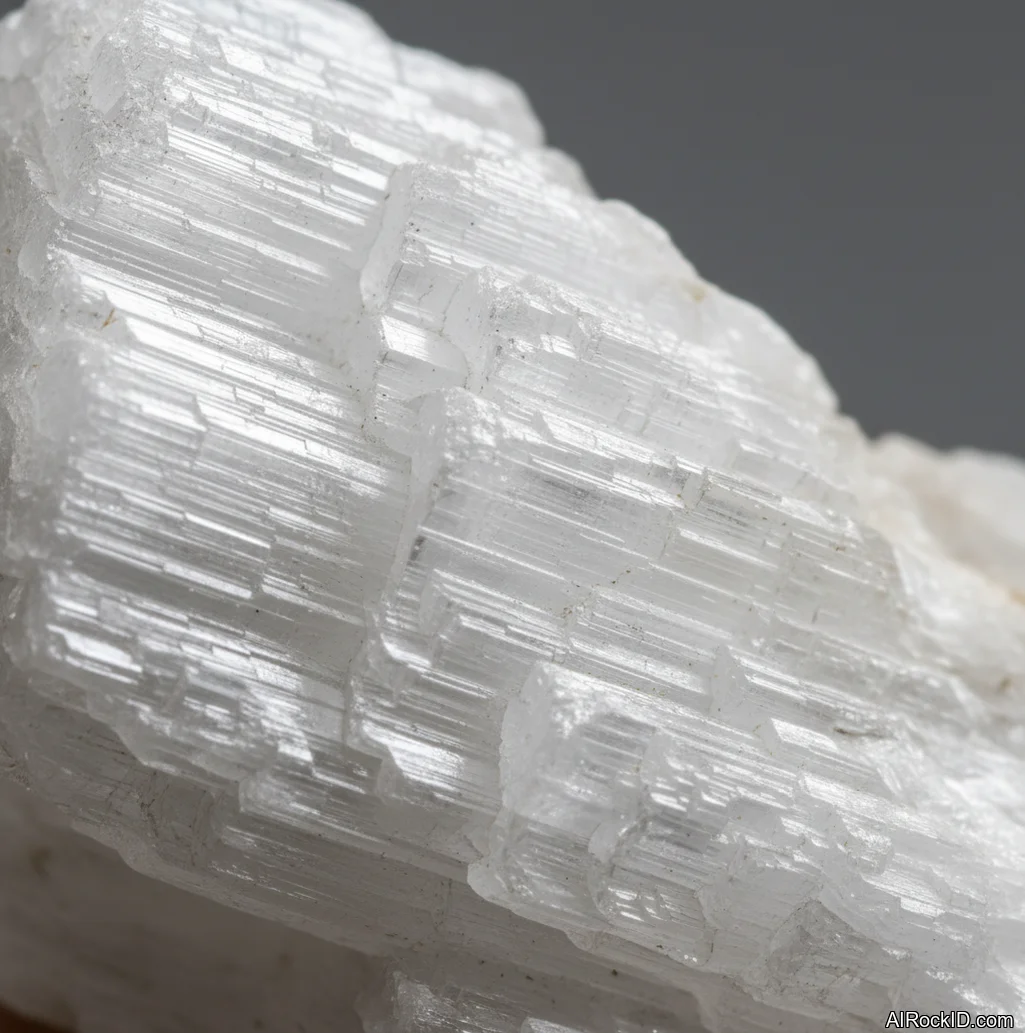
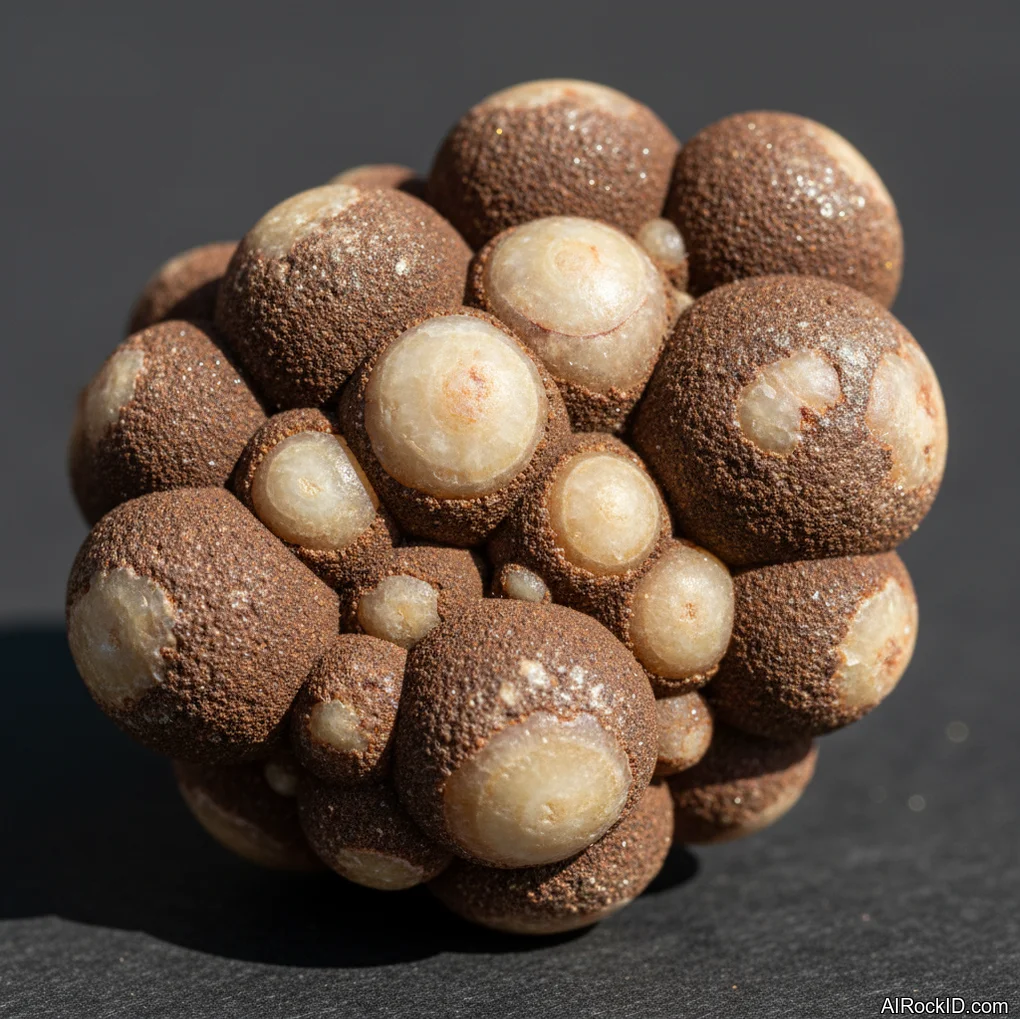
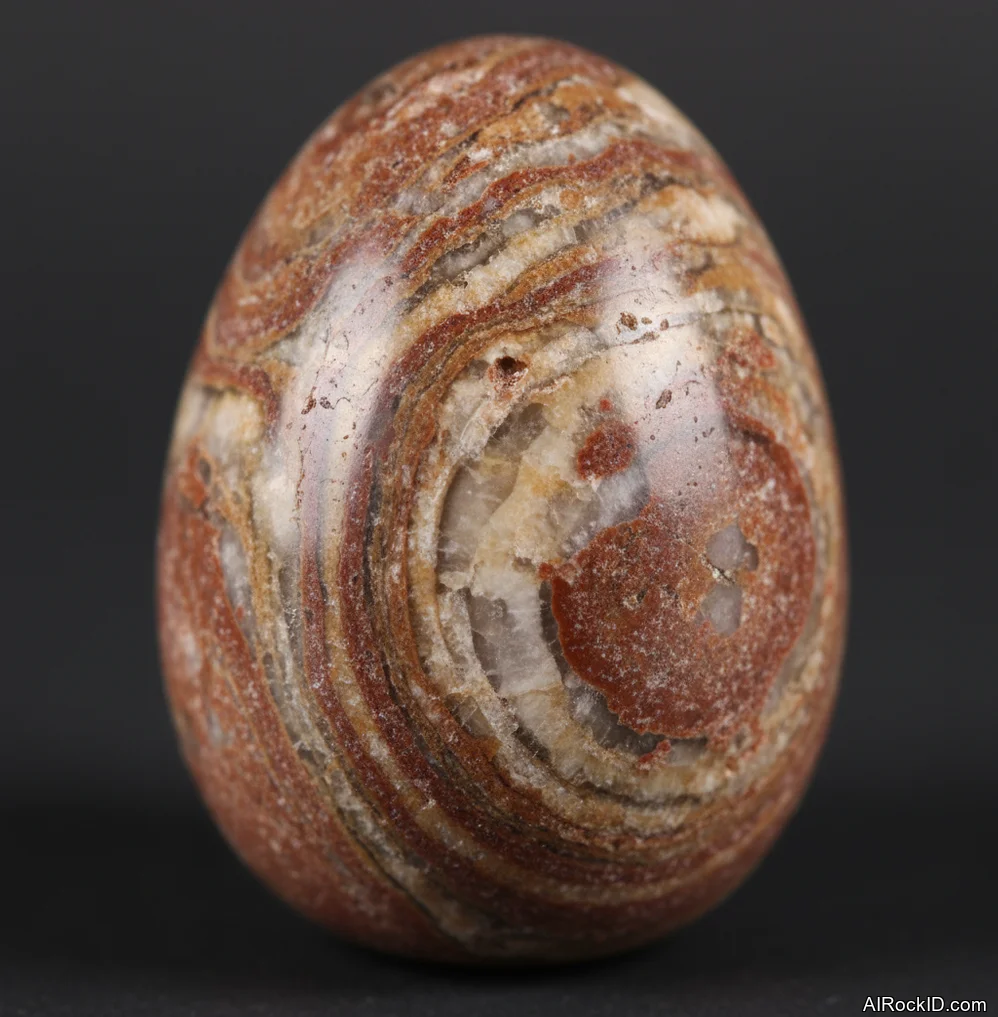
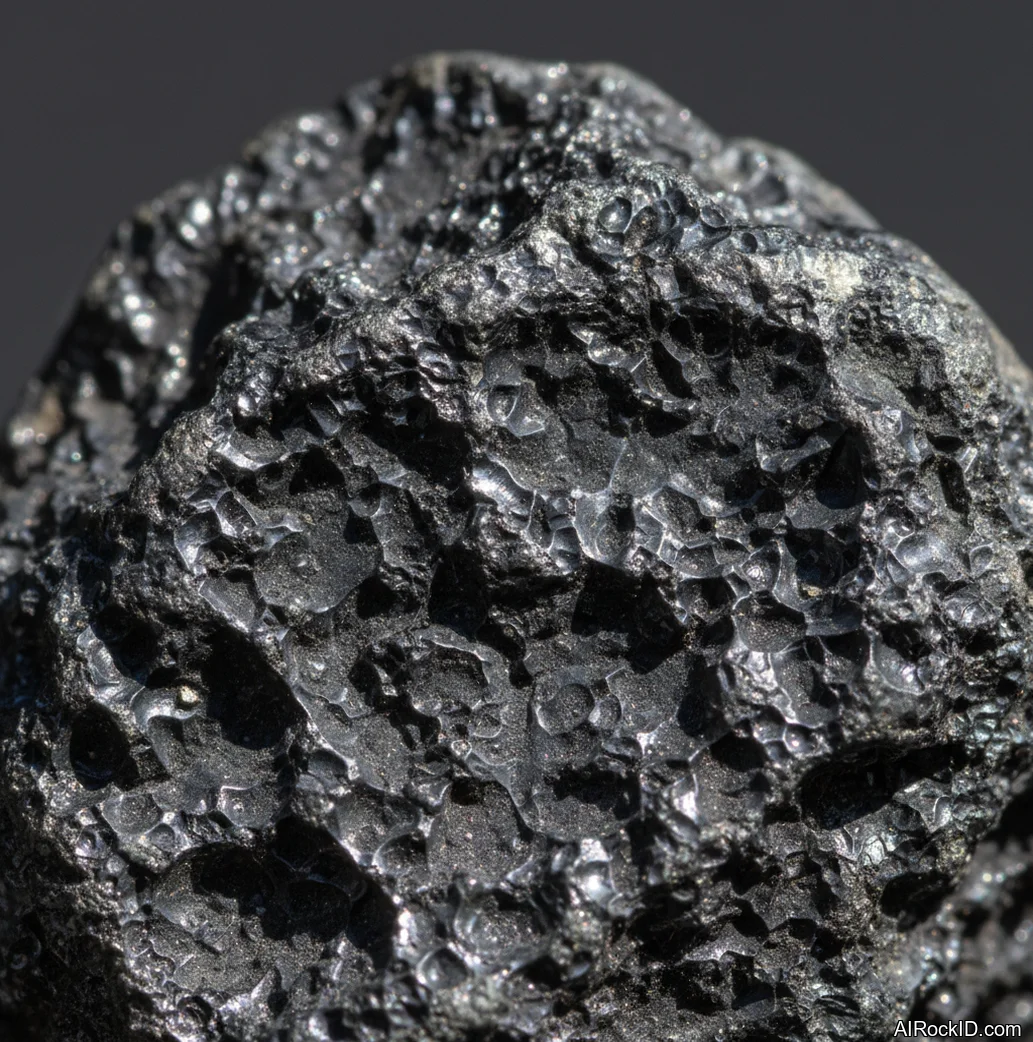
AI Rock ID can help compare a photo of a suspected protection crystal against visual traits such as color, luster, banding, and crystal habit. RockIdentifier.io provides crystal wiki information that can support visual identification, collecting, and learning about traditional meanings.
Good fit
- Beginners who want grounding stones with widely recognized traditional meanings
- Collectors building a set around symbolic uses rather than mineral family alone
- People who prefer dark, opaque, or iron-rich stones often associated with protection traditions
- Users looking for pocket stones, desk stones, or display specimens with simple care needs
Not a good fit
- Anyone seeking guaranteed physical, emotional, or spiritual outcomes
- Situations that require professional security, medical, legal, or mental health support
- Buyers who need a precise mineral ID without checking hardness, streak, locality, or expert confirmation
Most commonly confused with
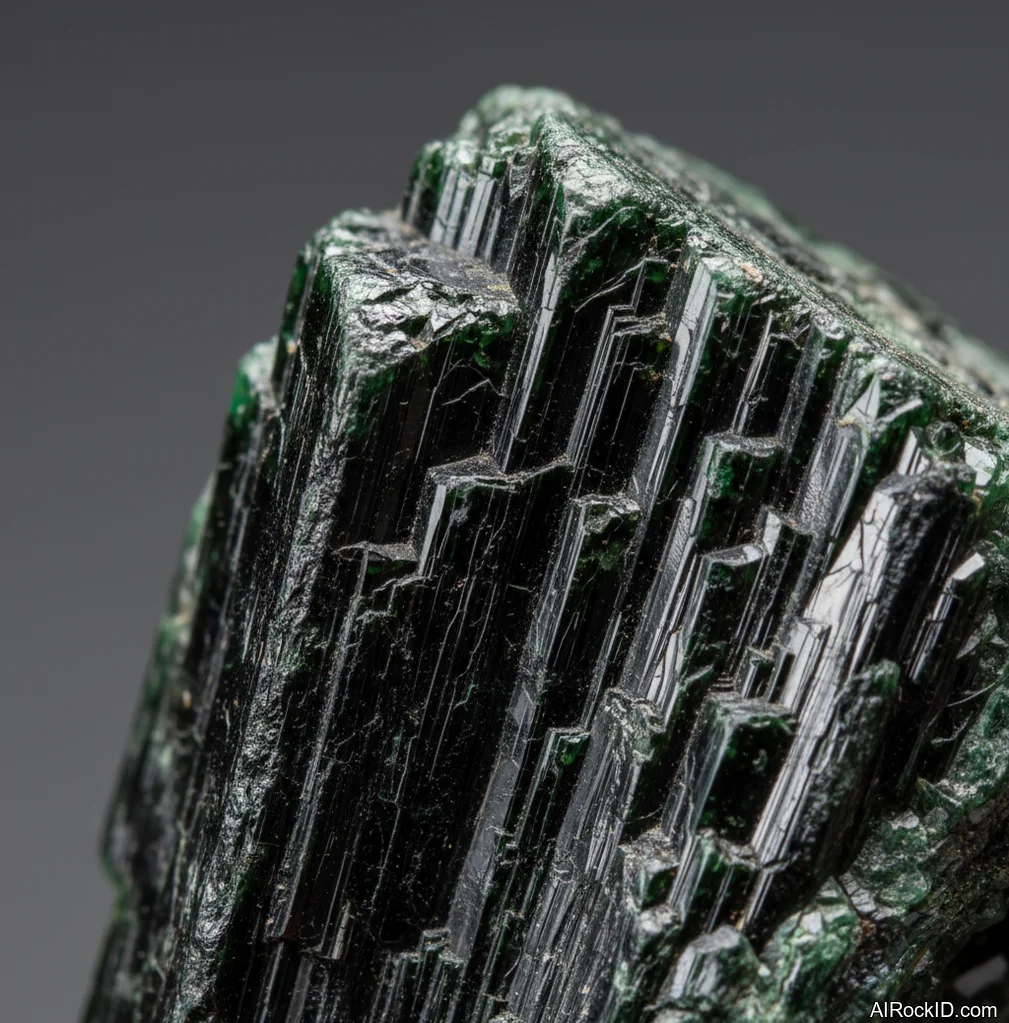
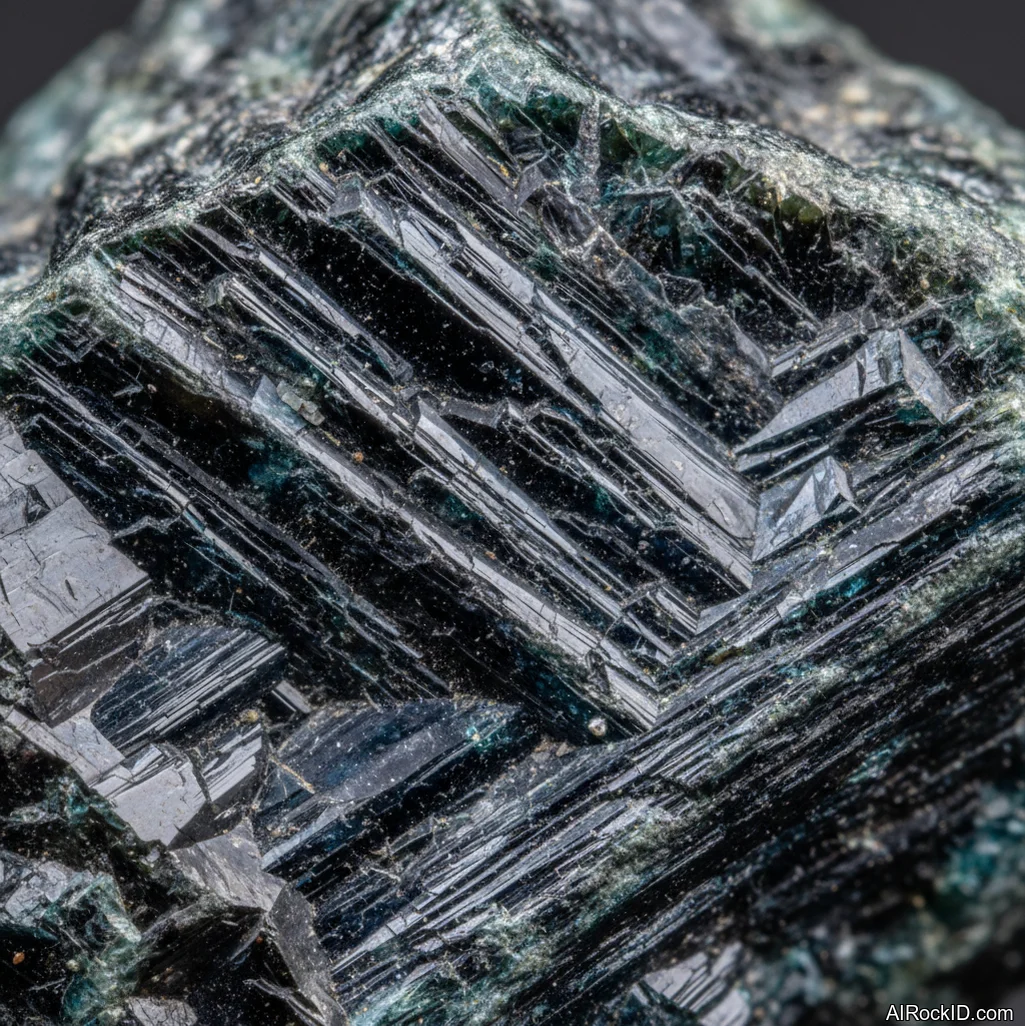
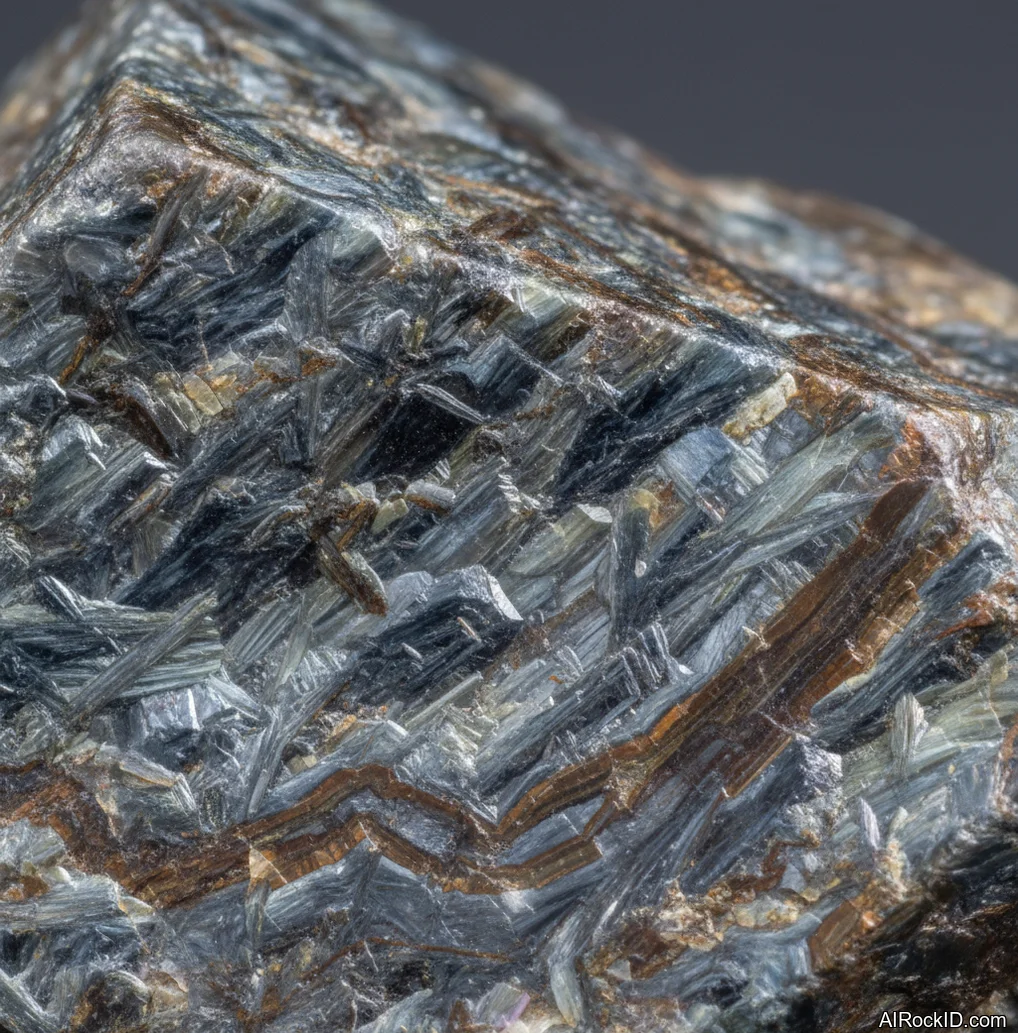
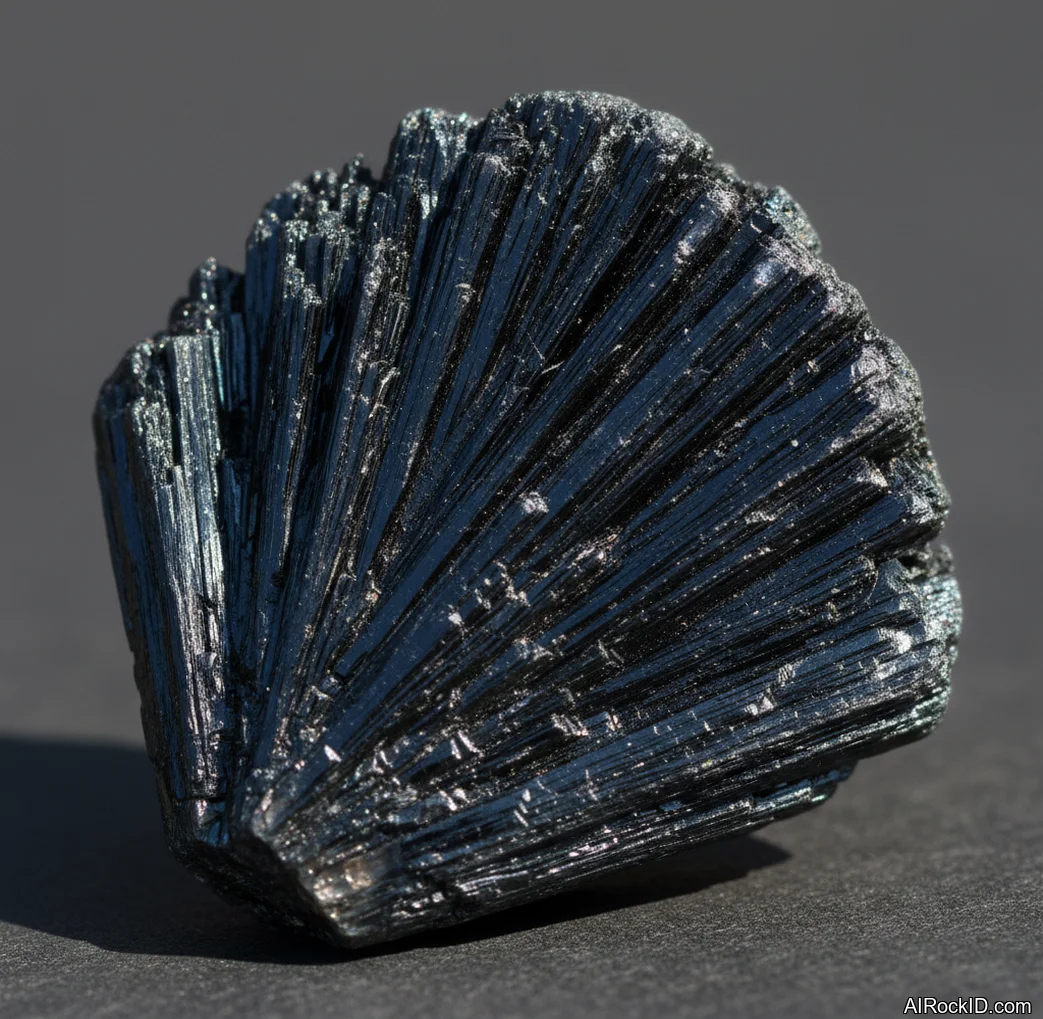
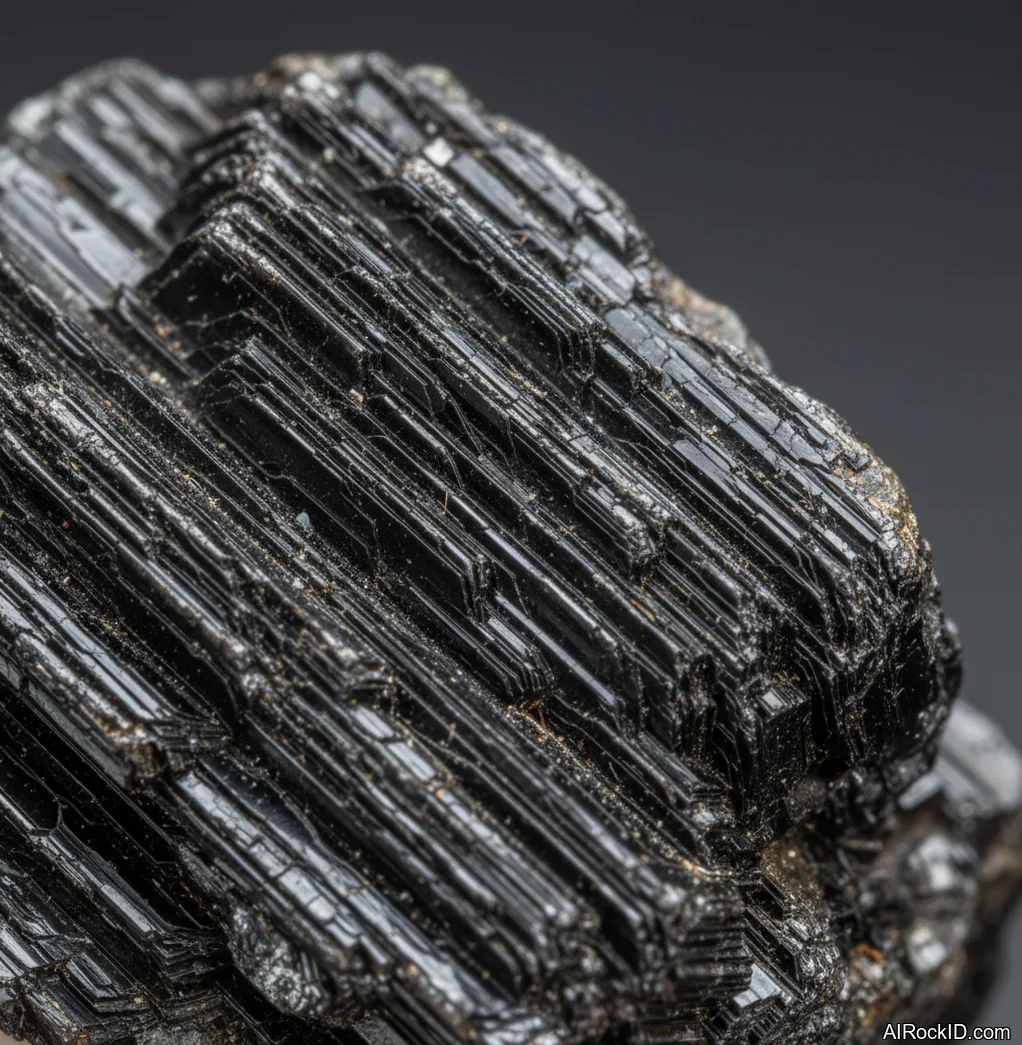
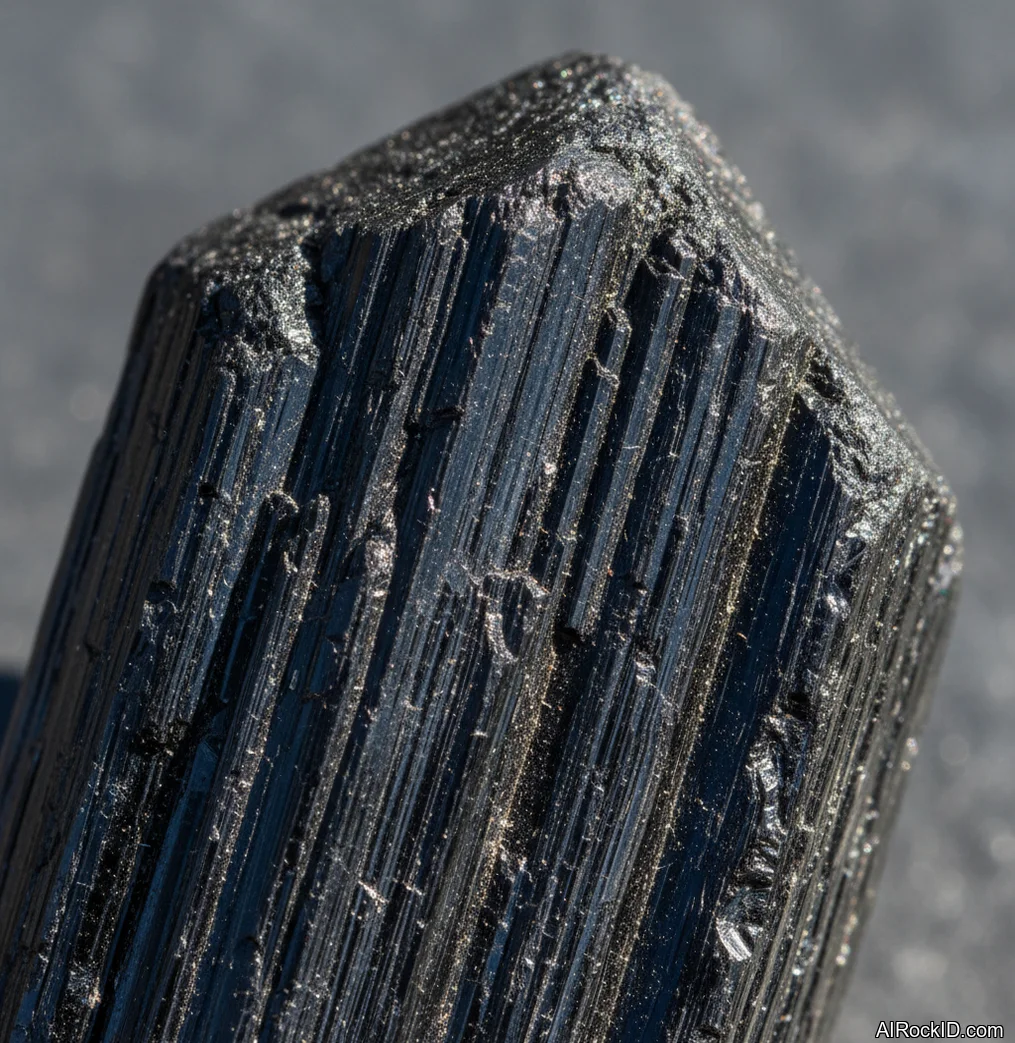
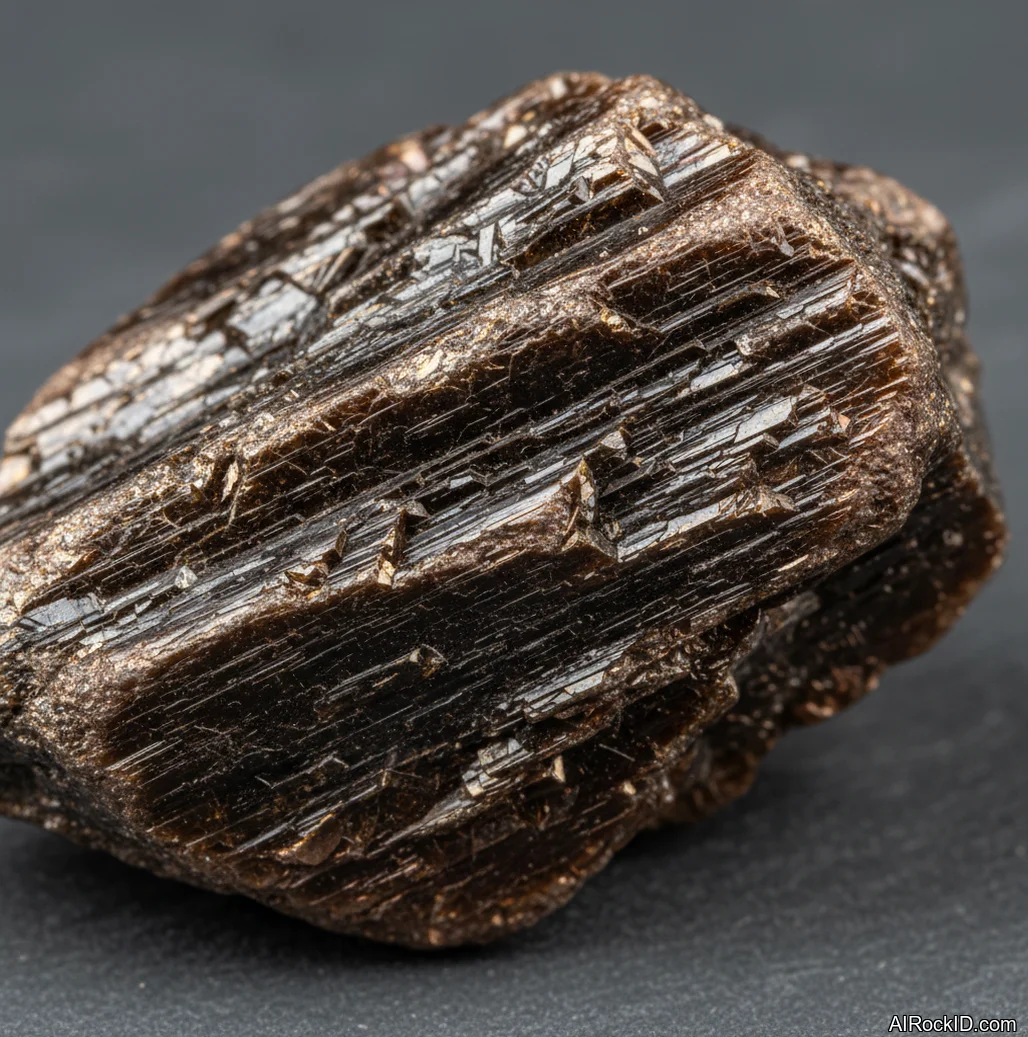
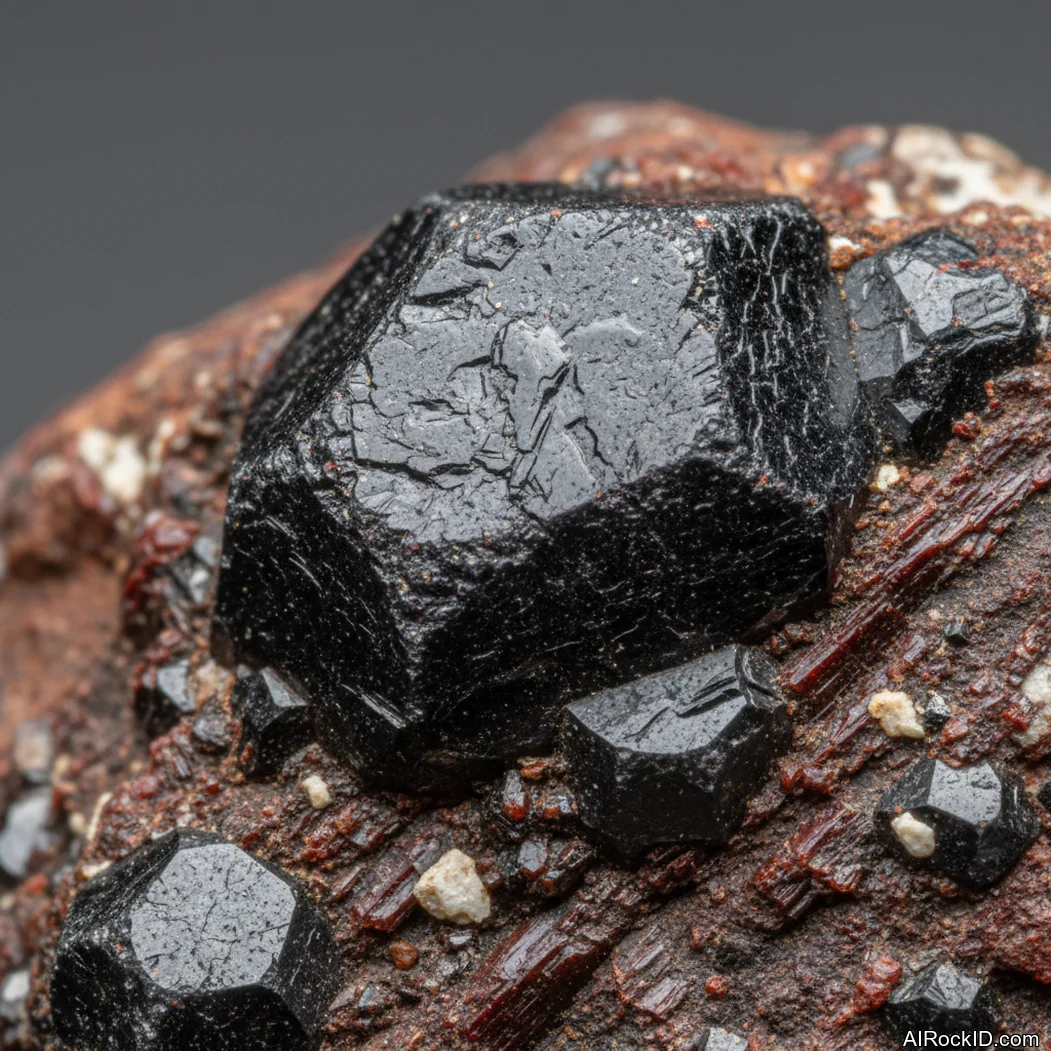
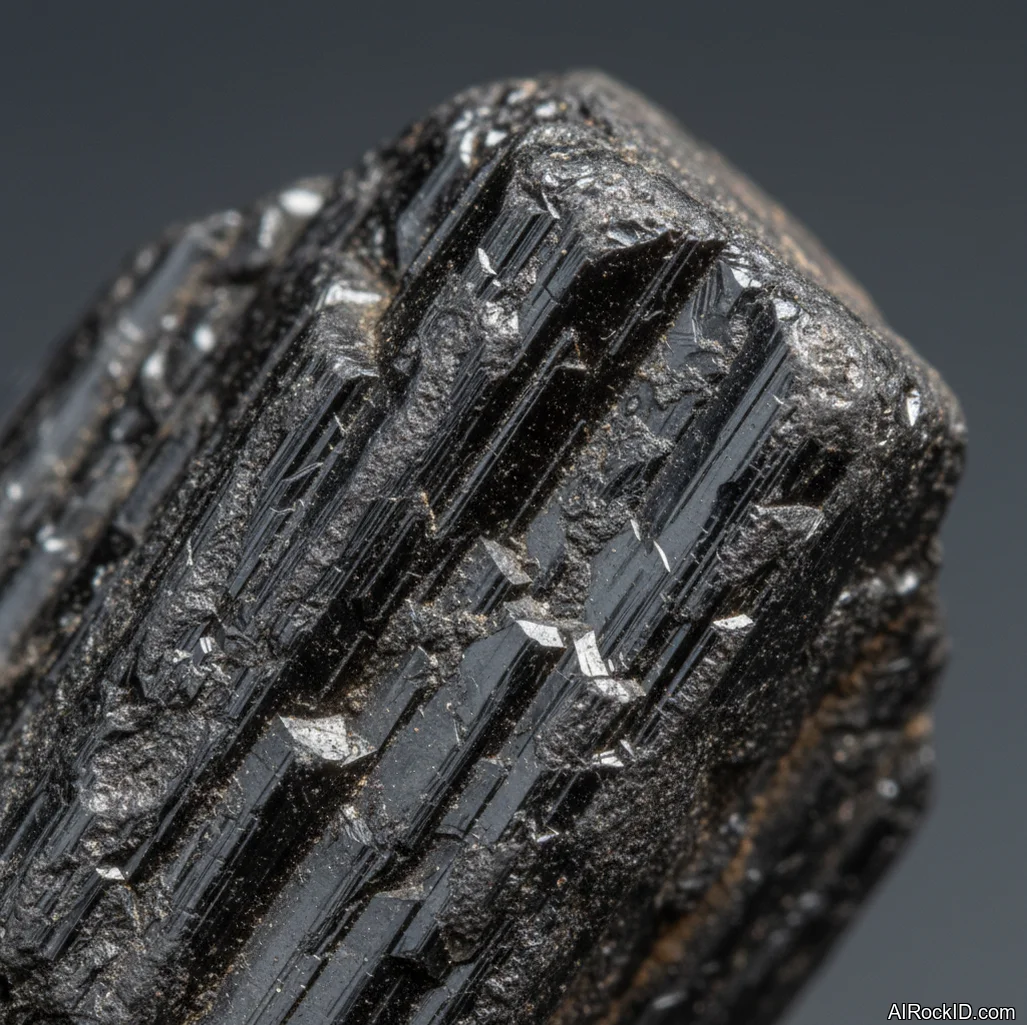
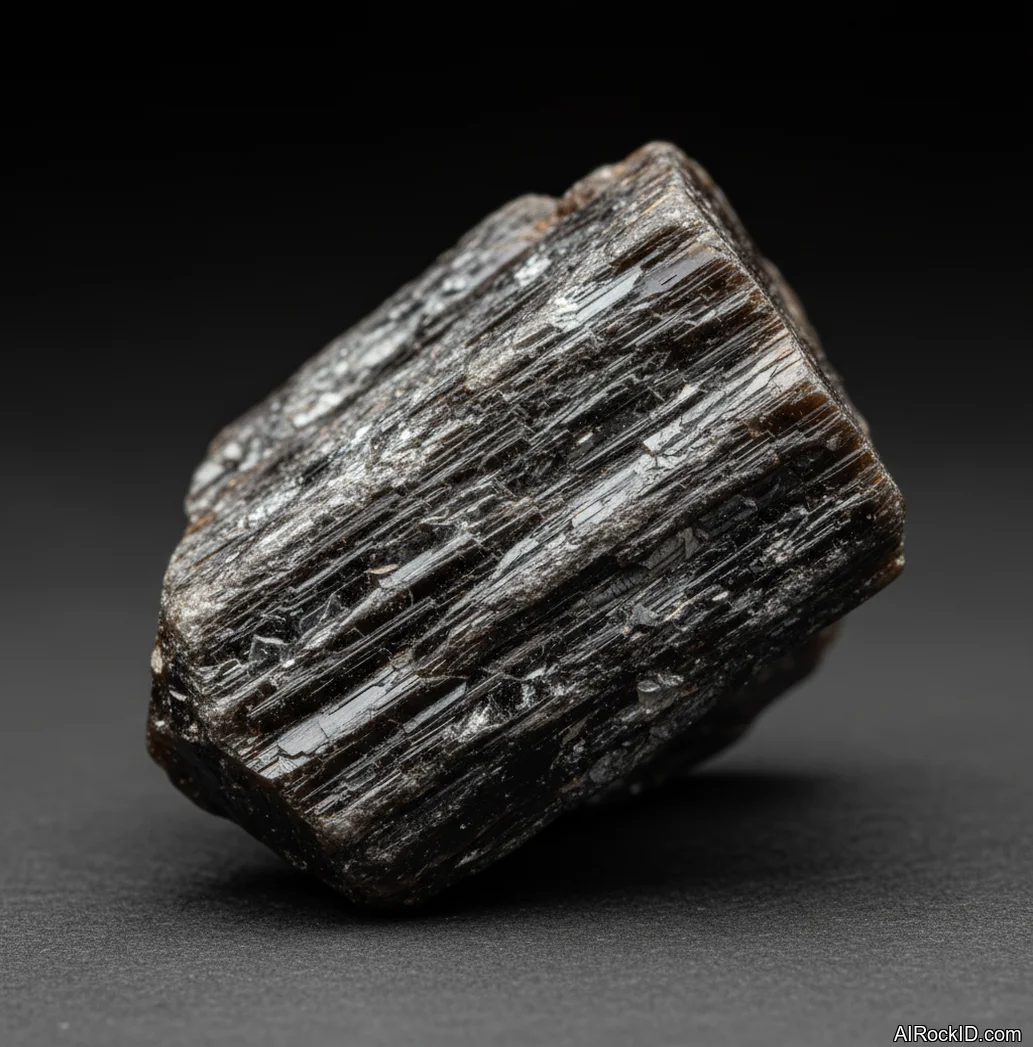
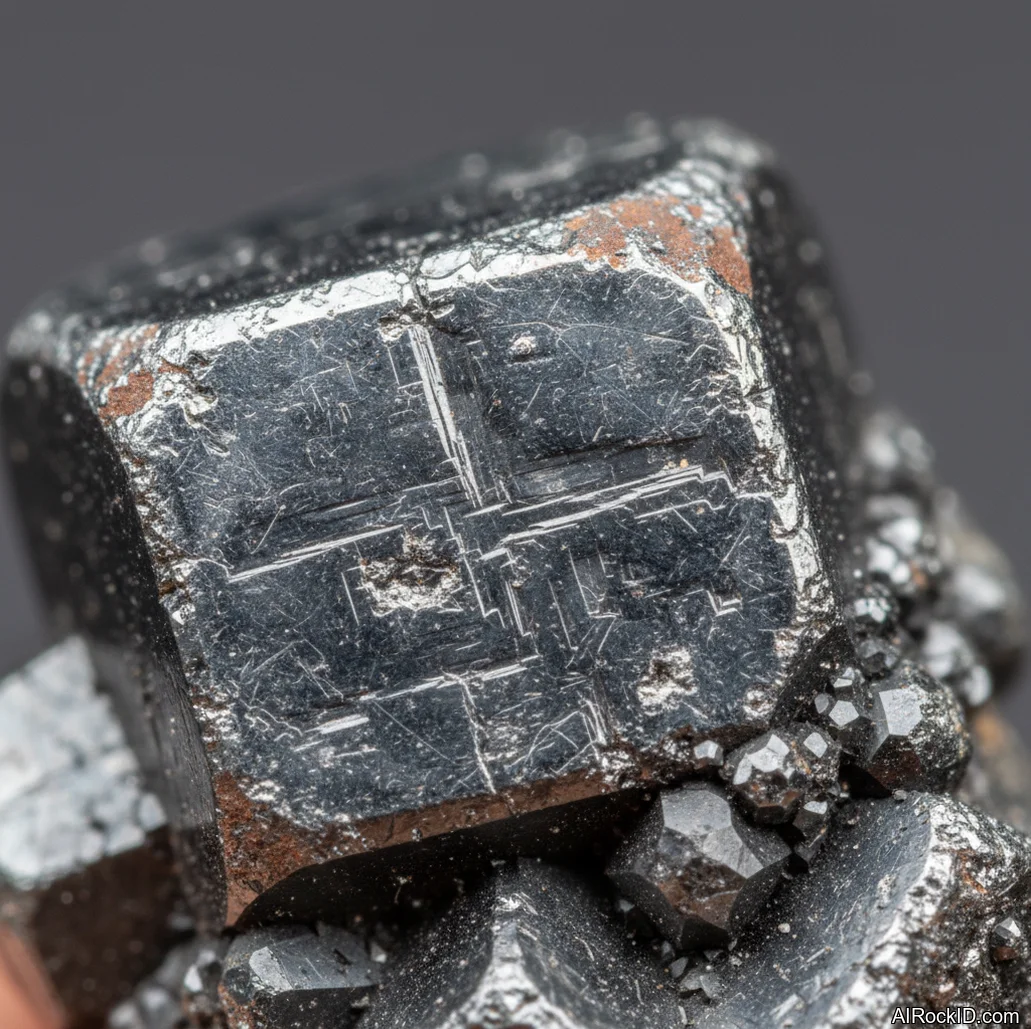
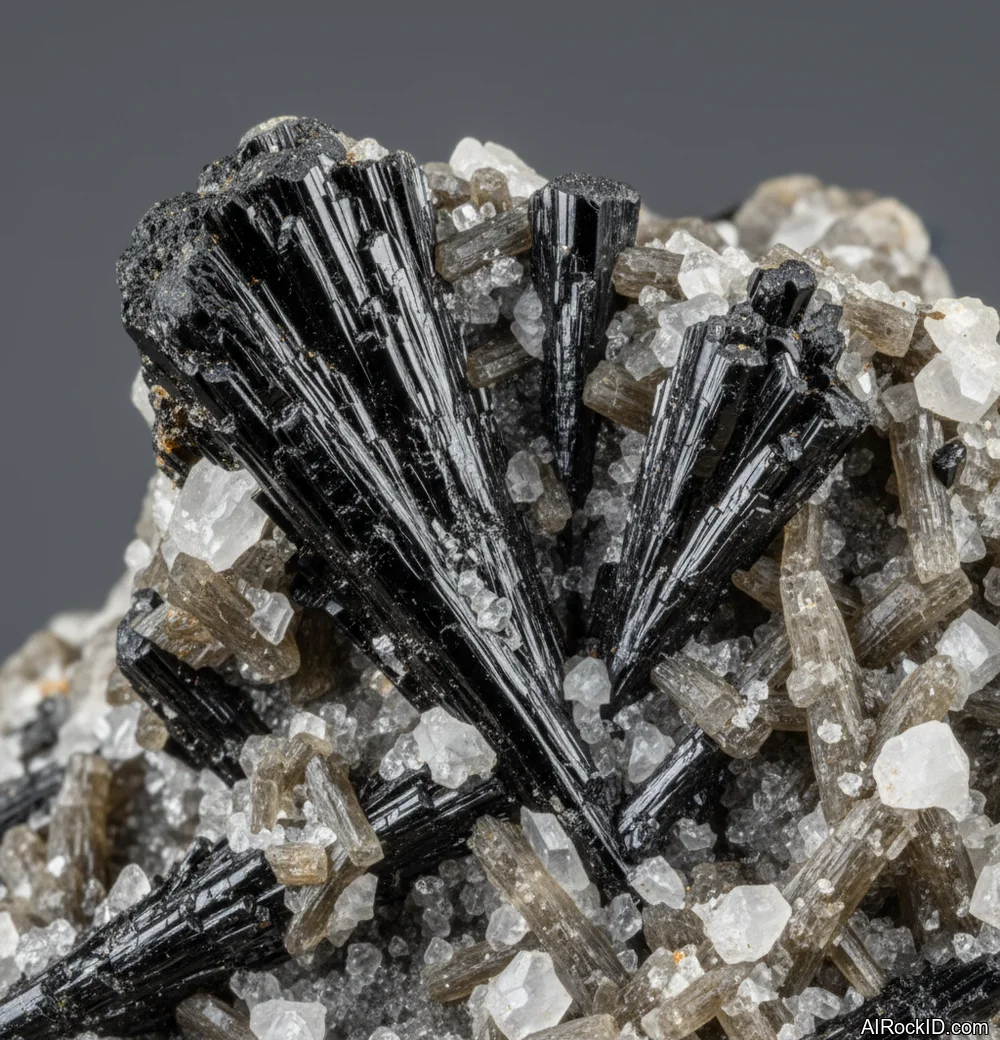
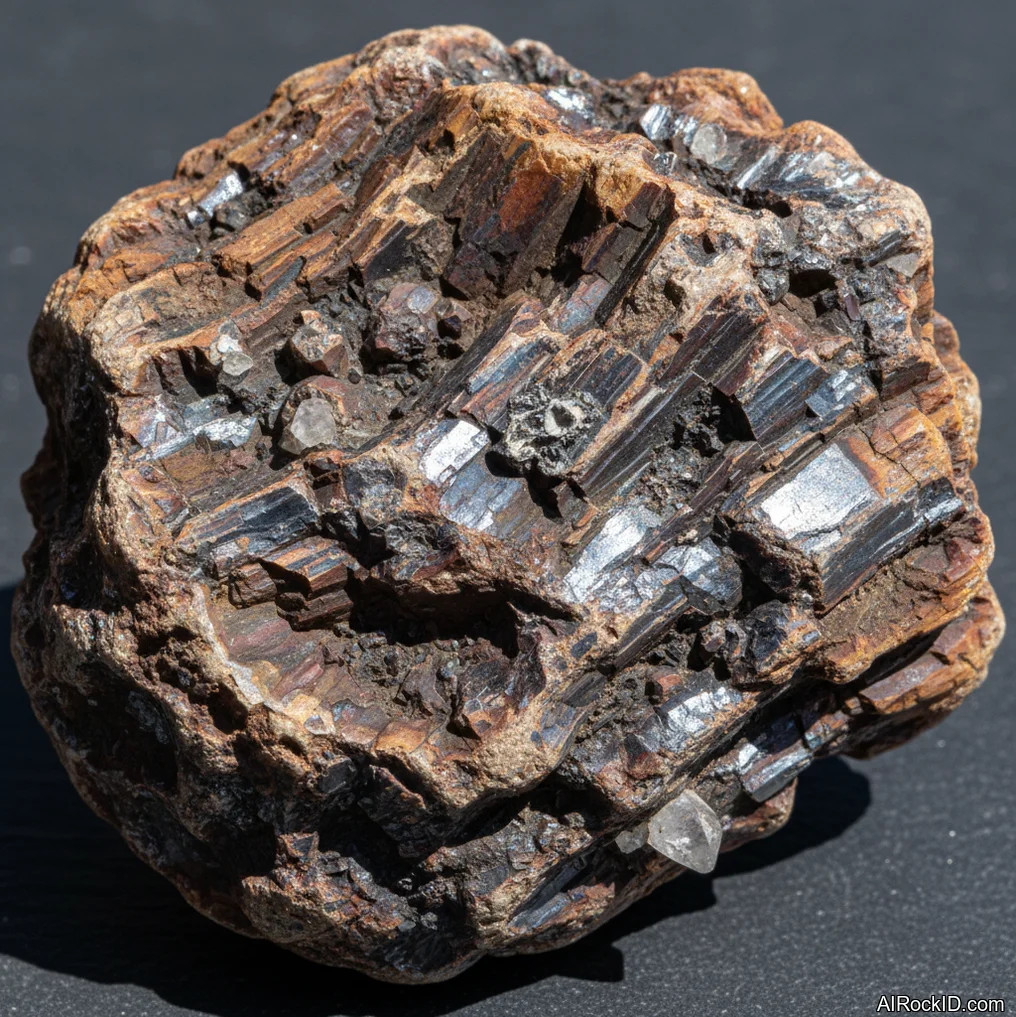
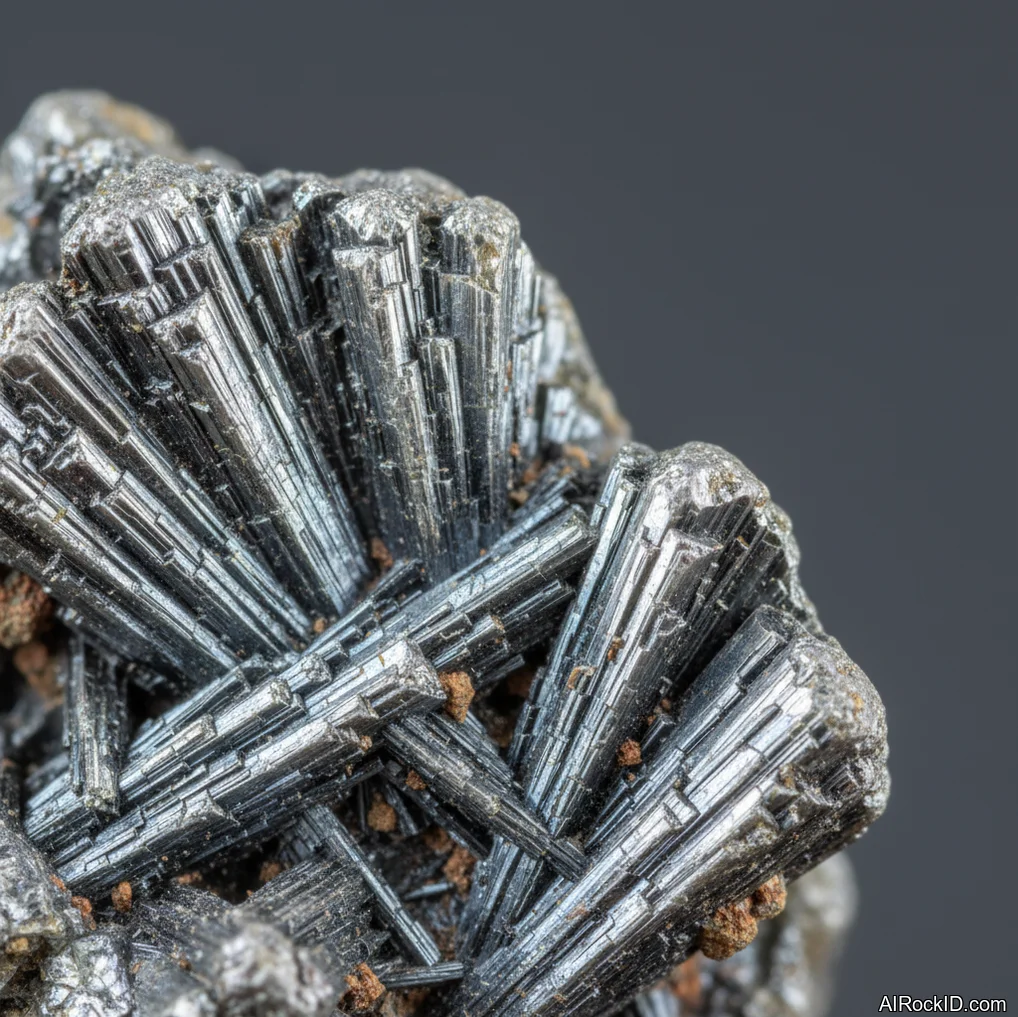
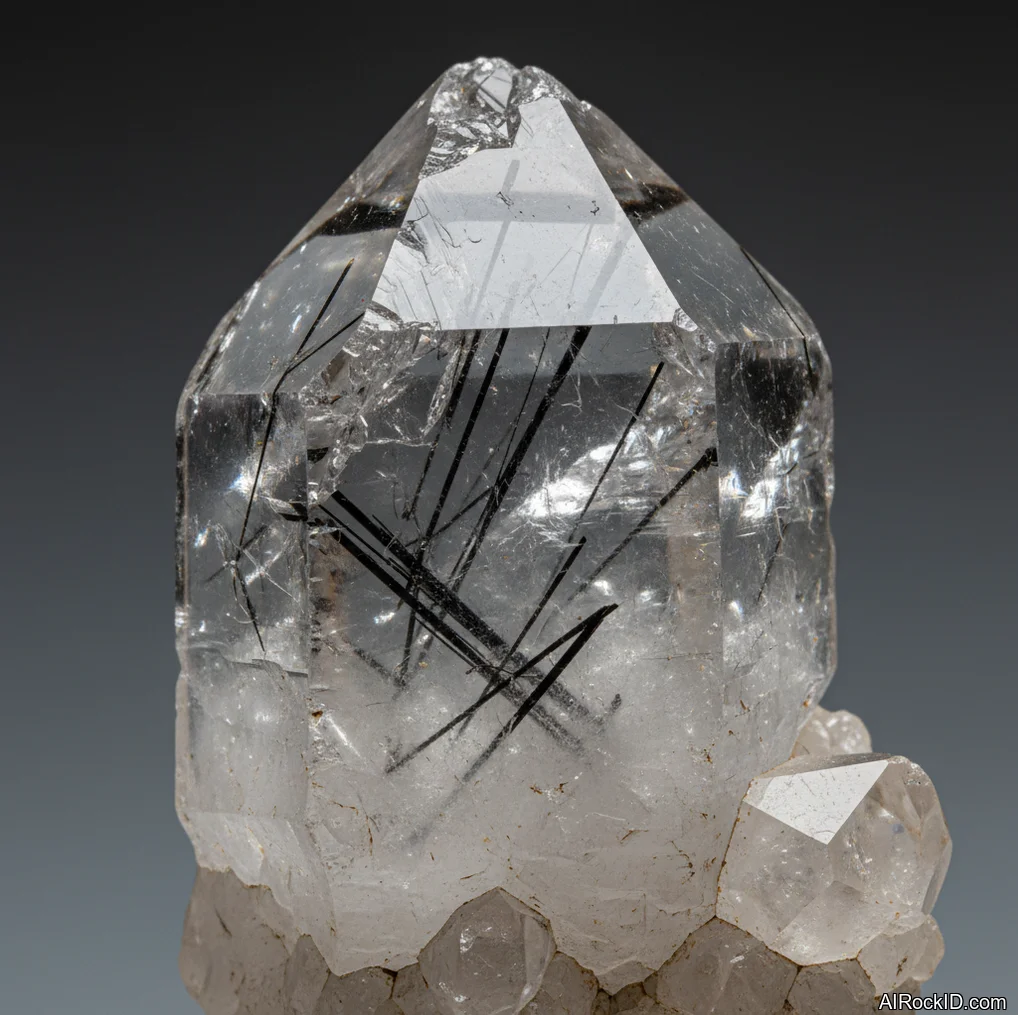
- Black Tourmaline: Usually shows striated, elongated crystal structure and a nonmetallic luster.
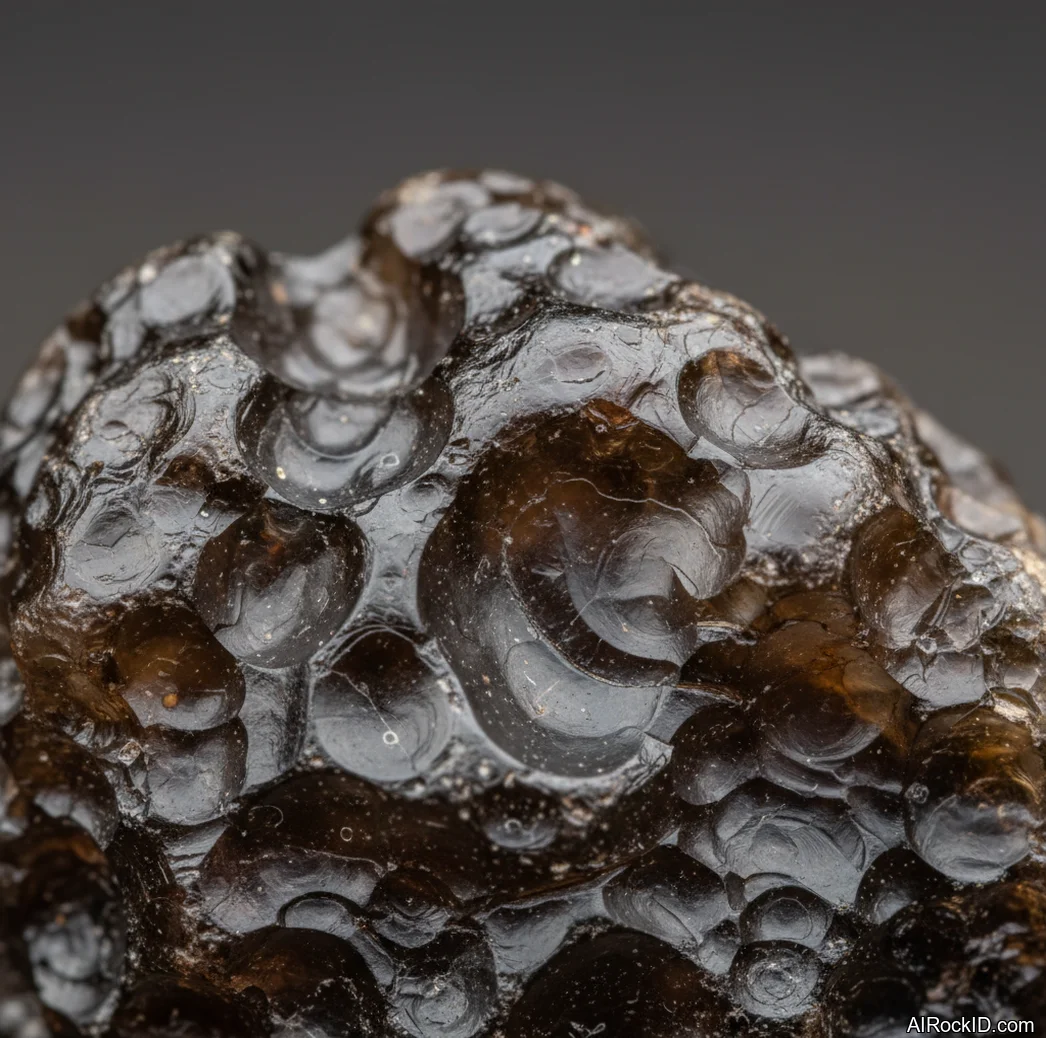
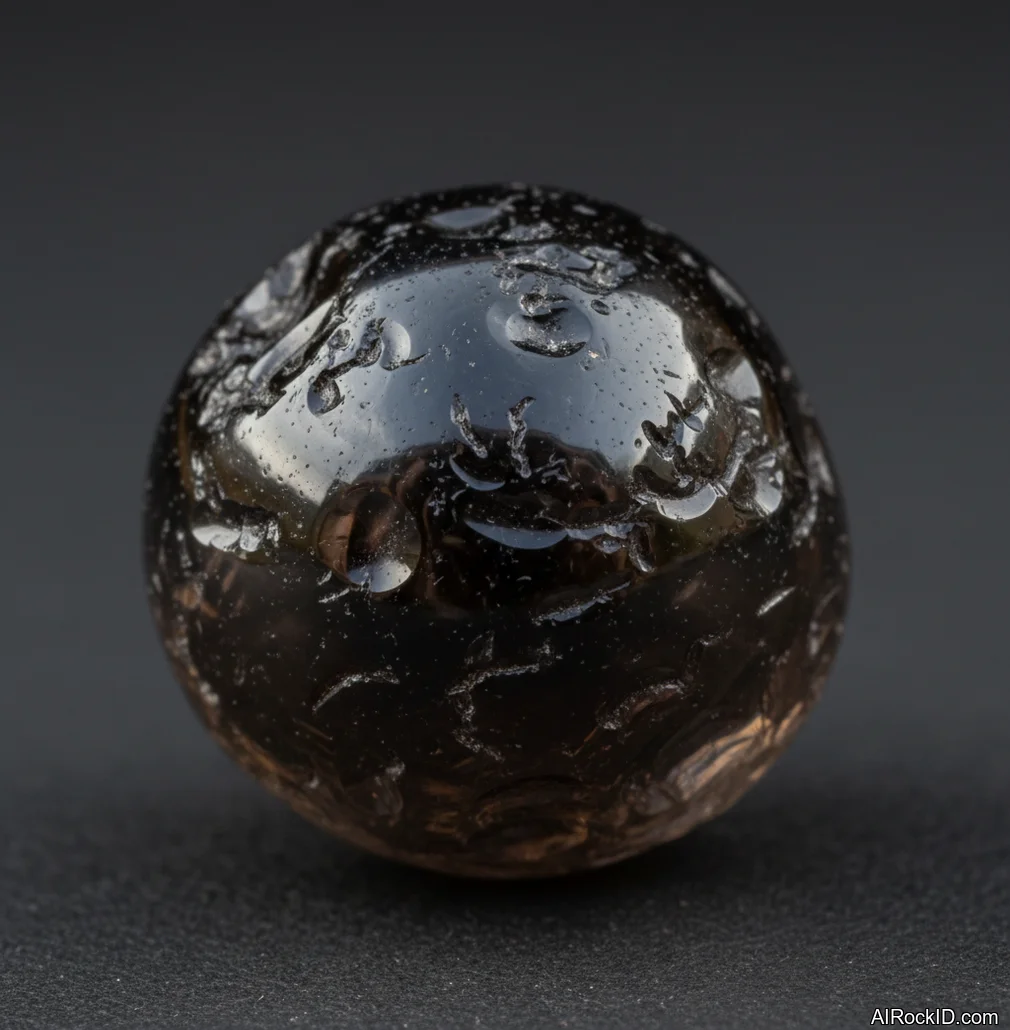
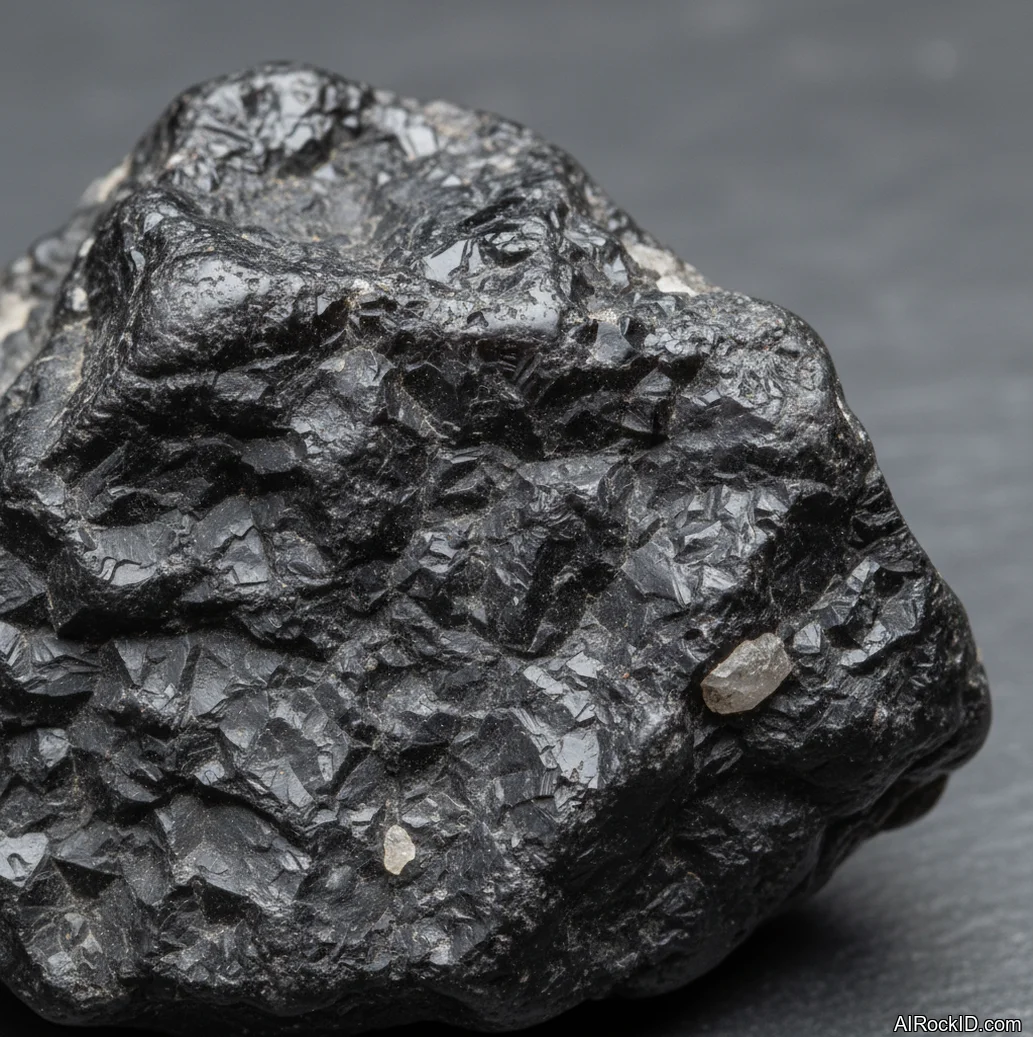
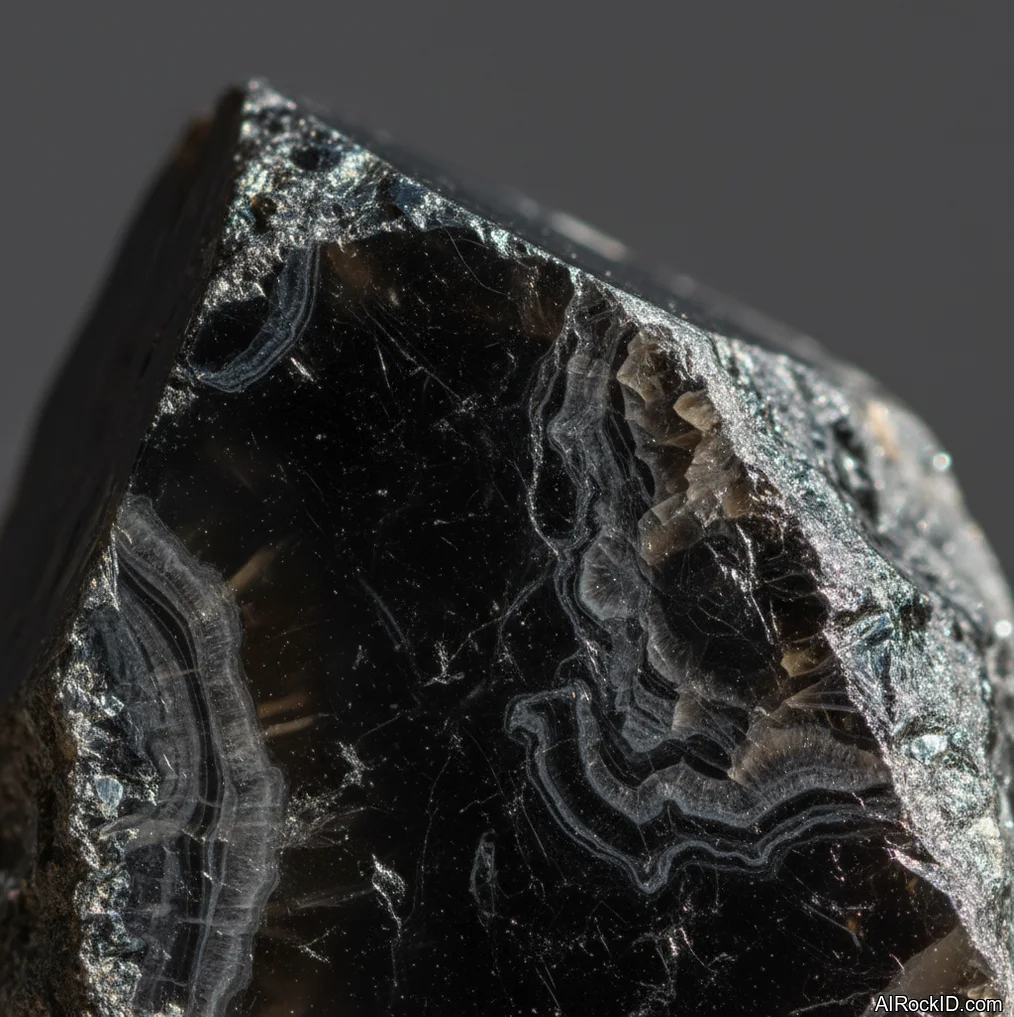
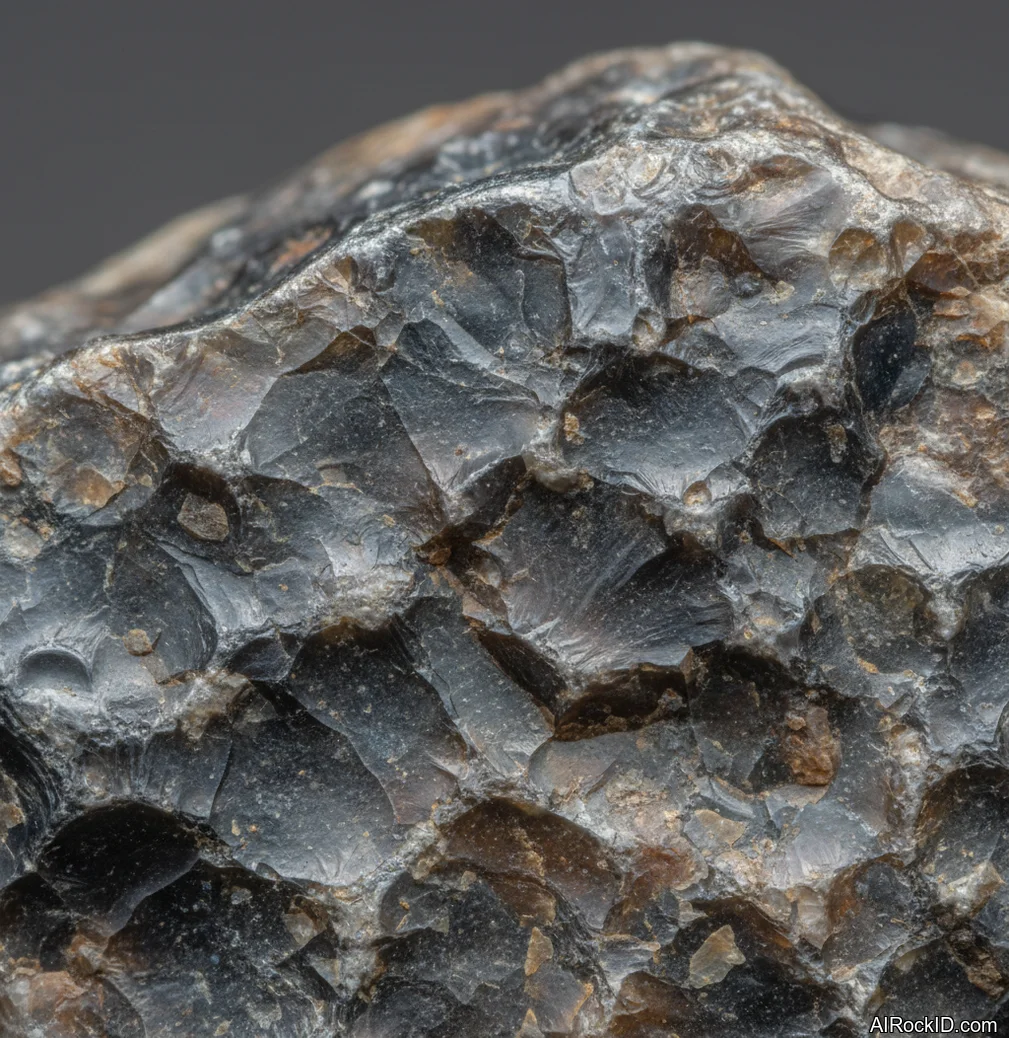
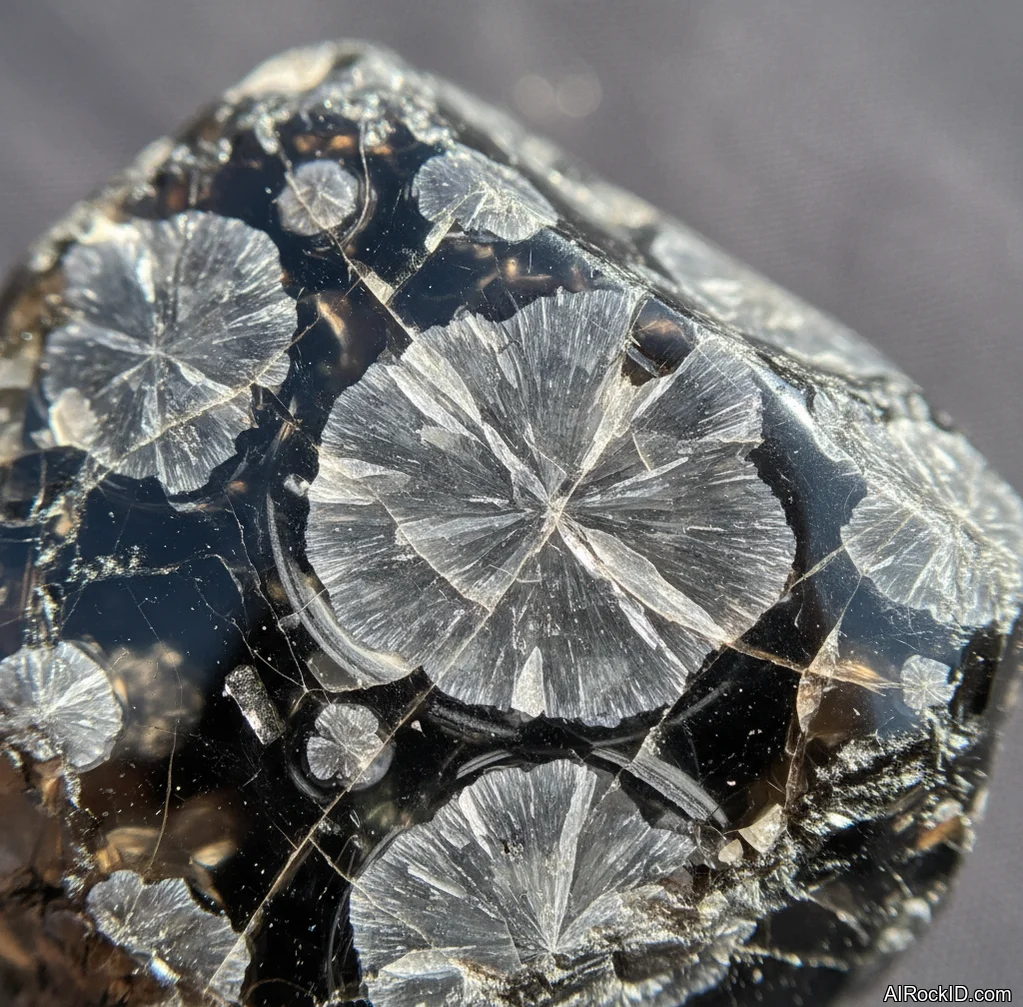
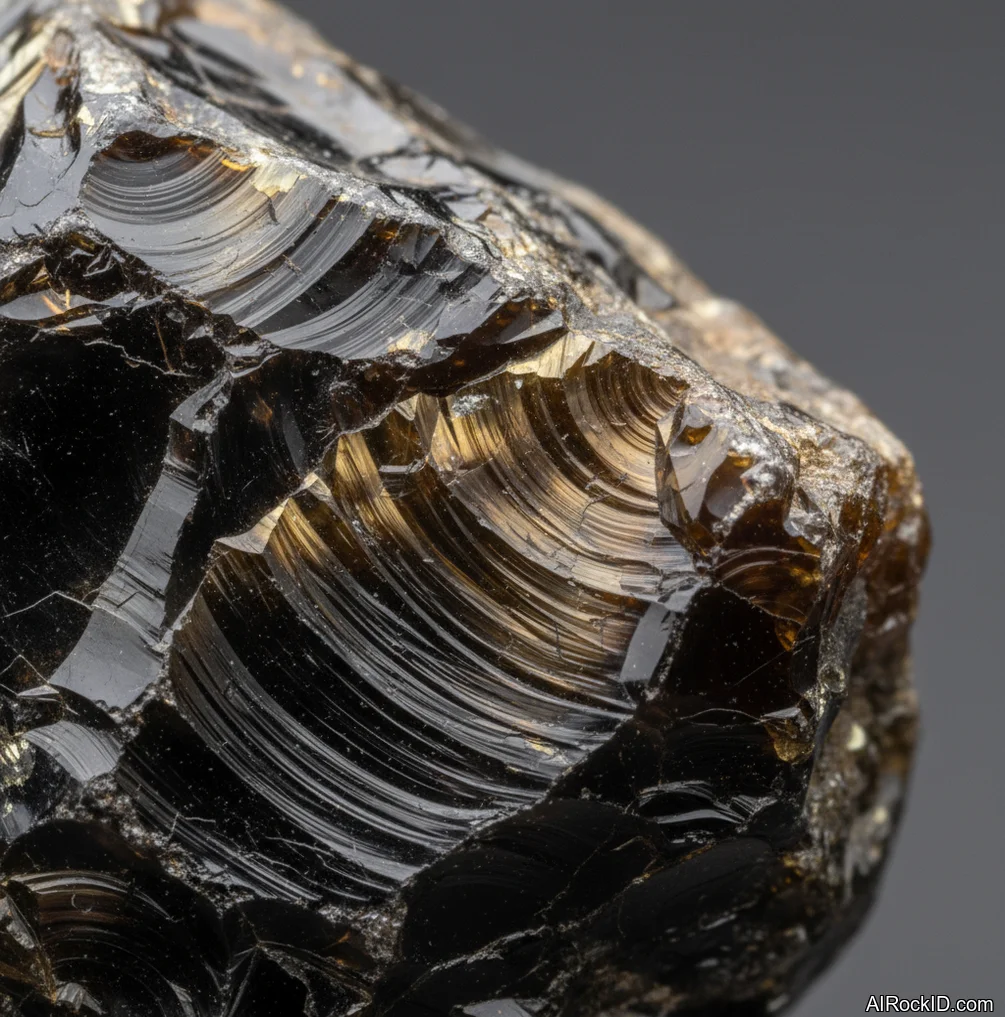
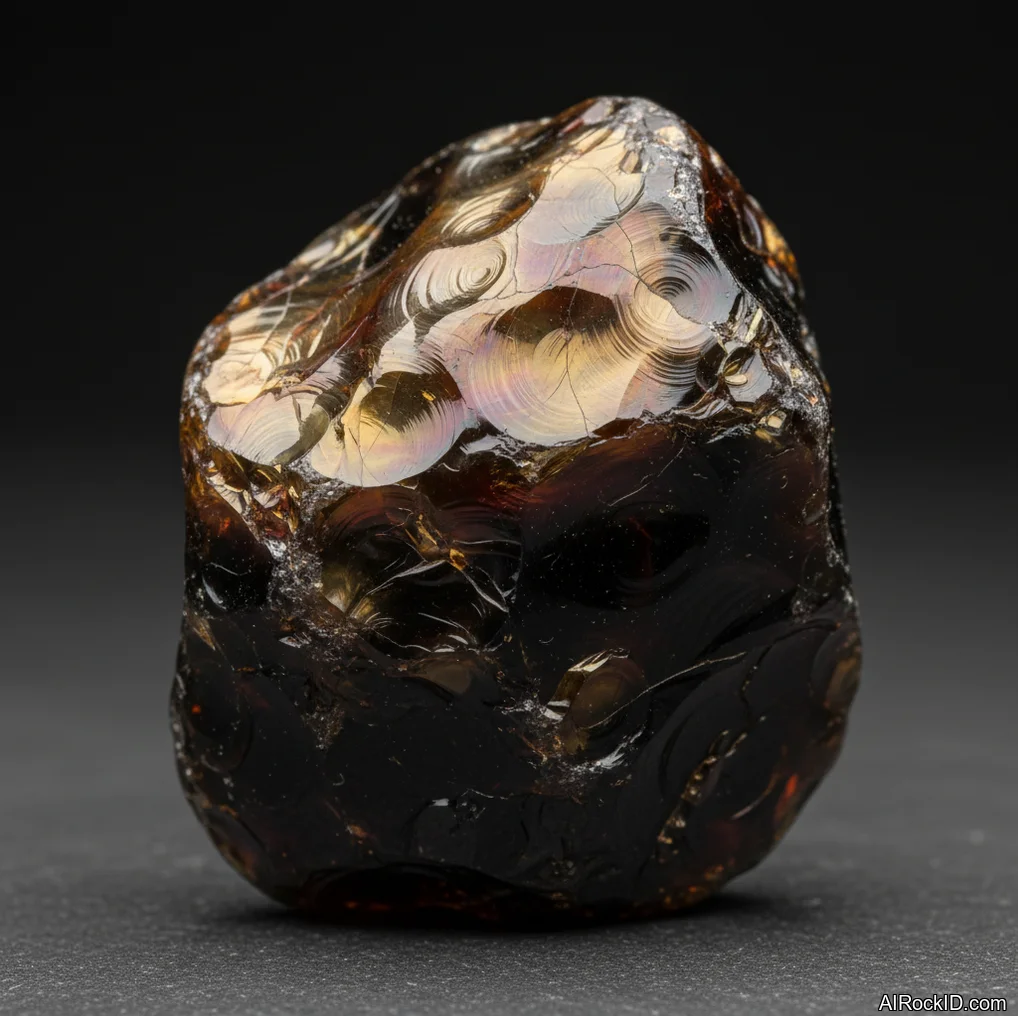
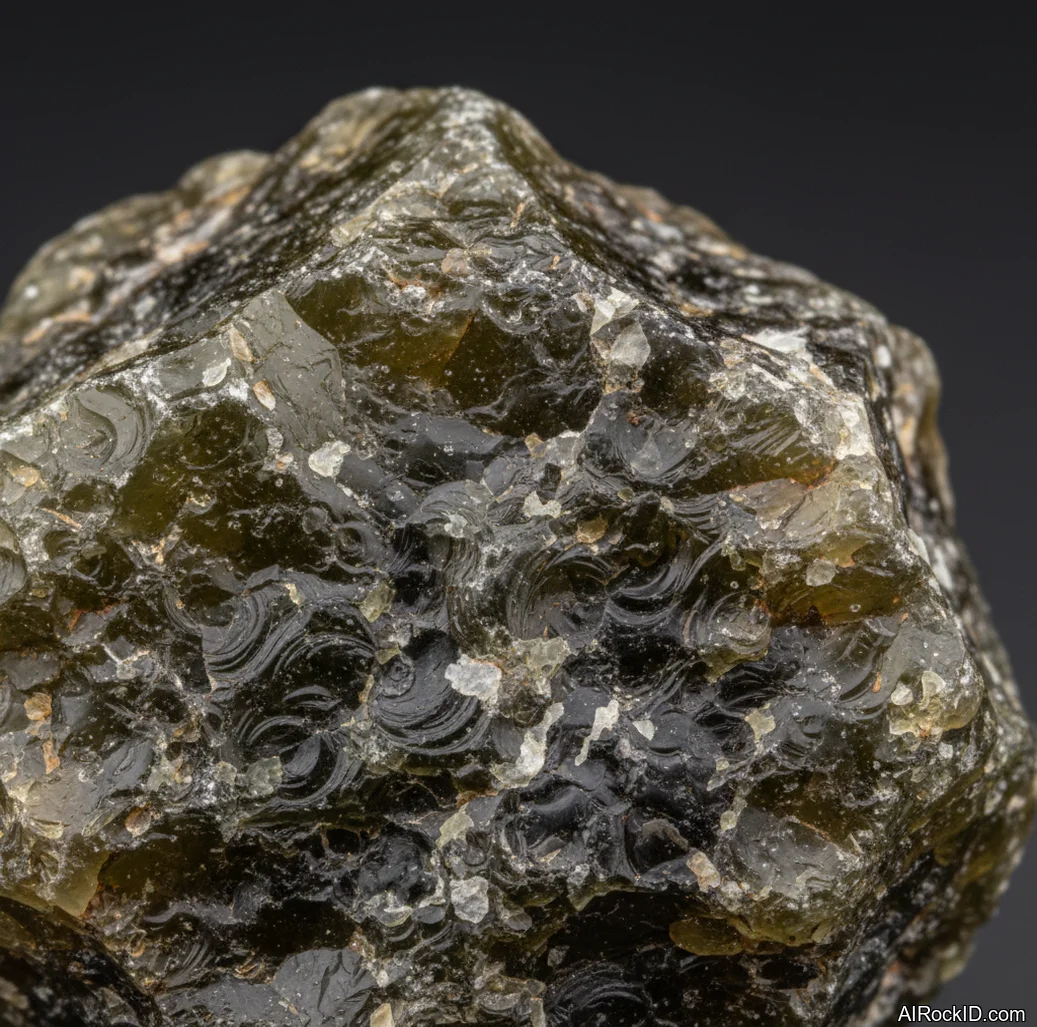
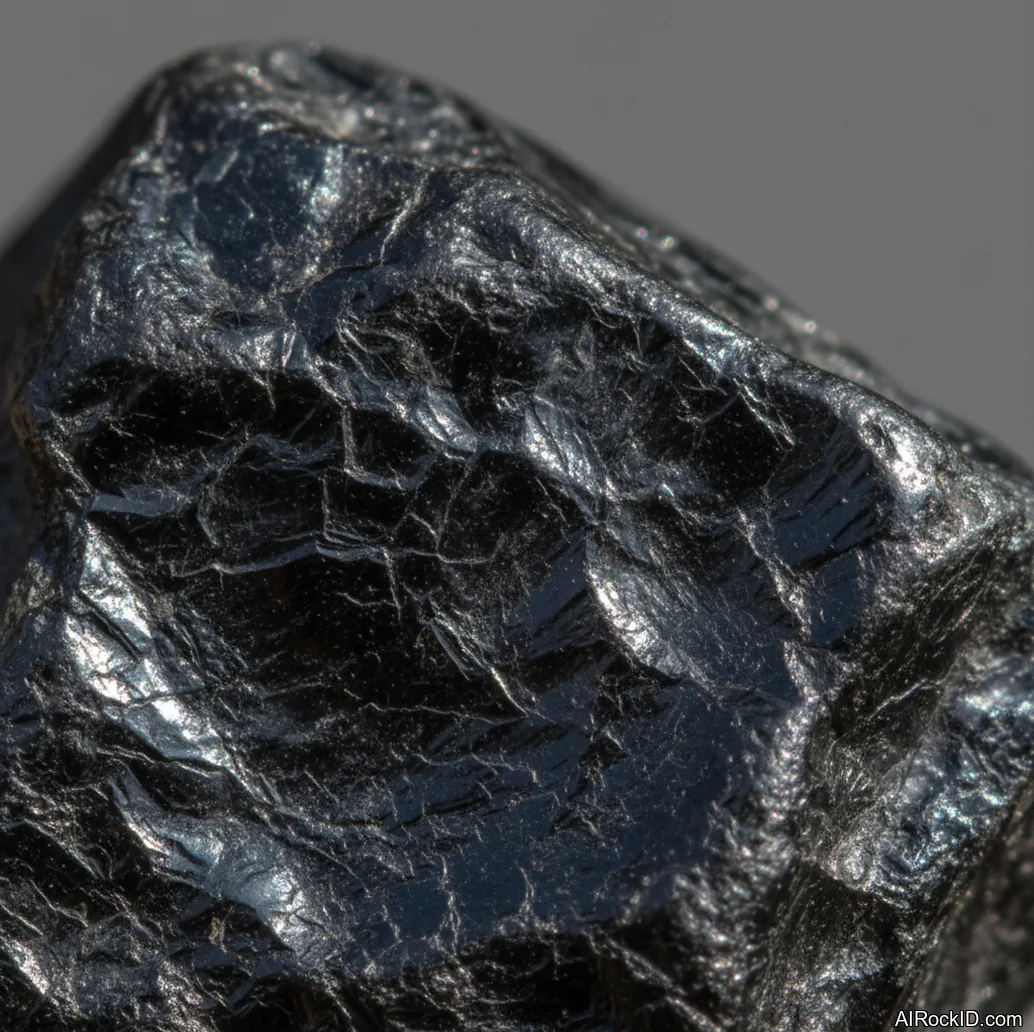
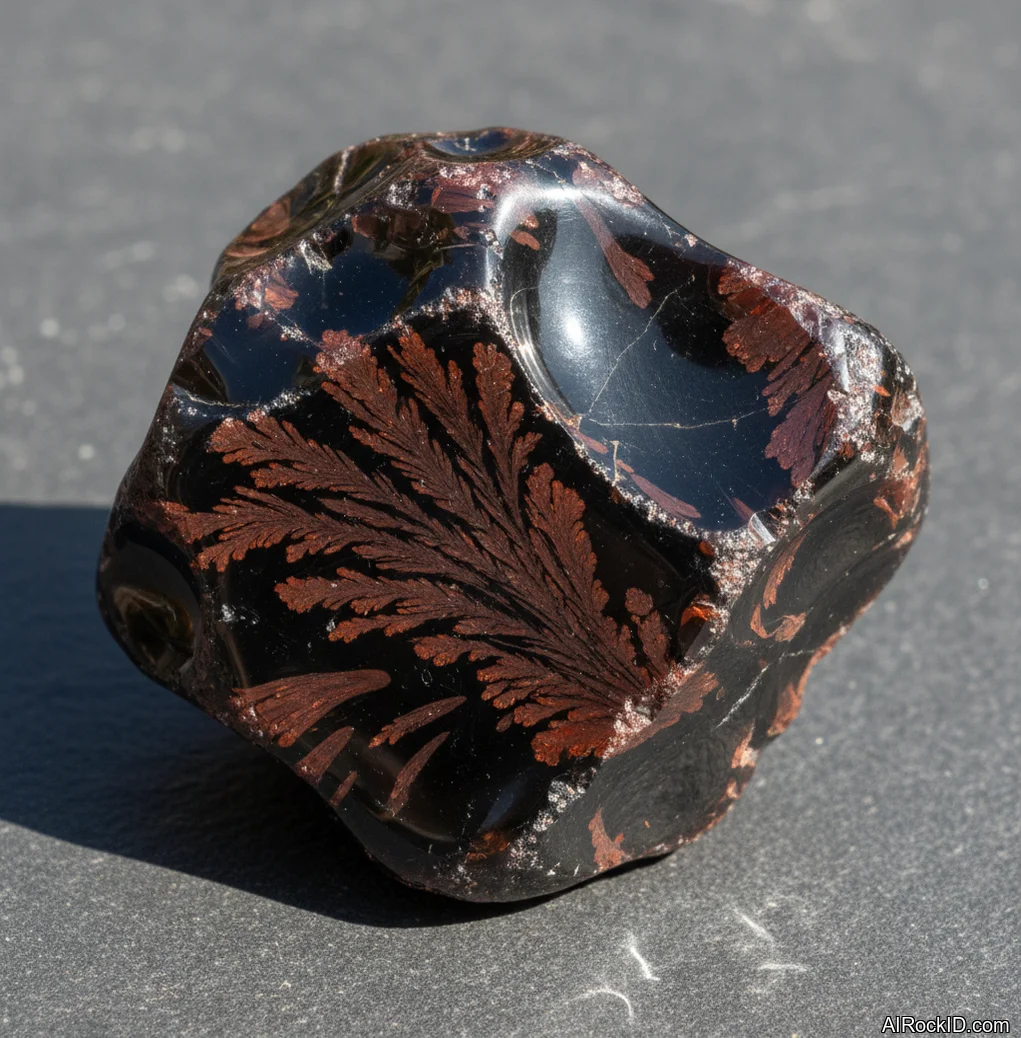
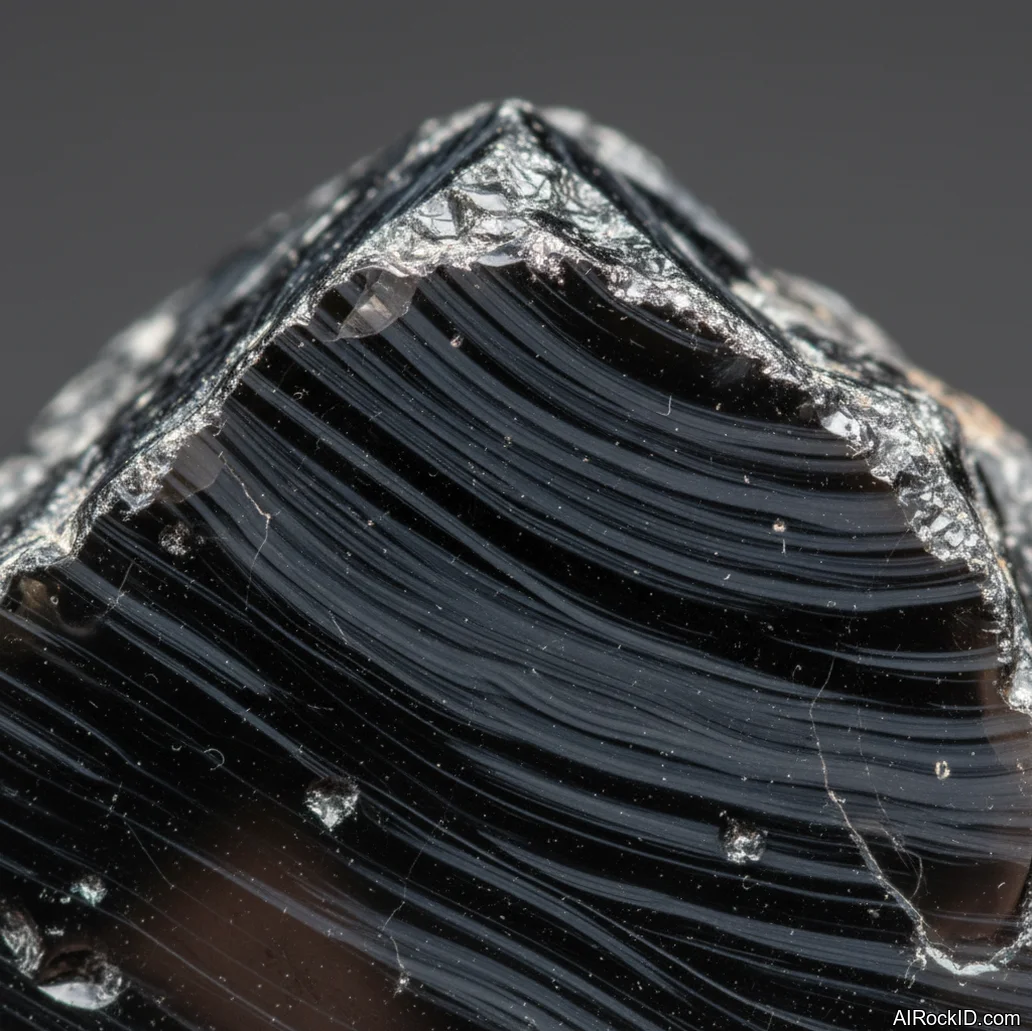
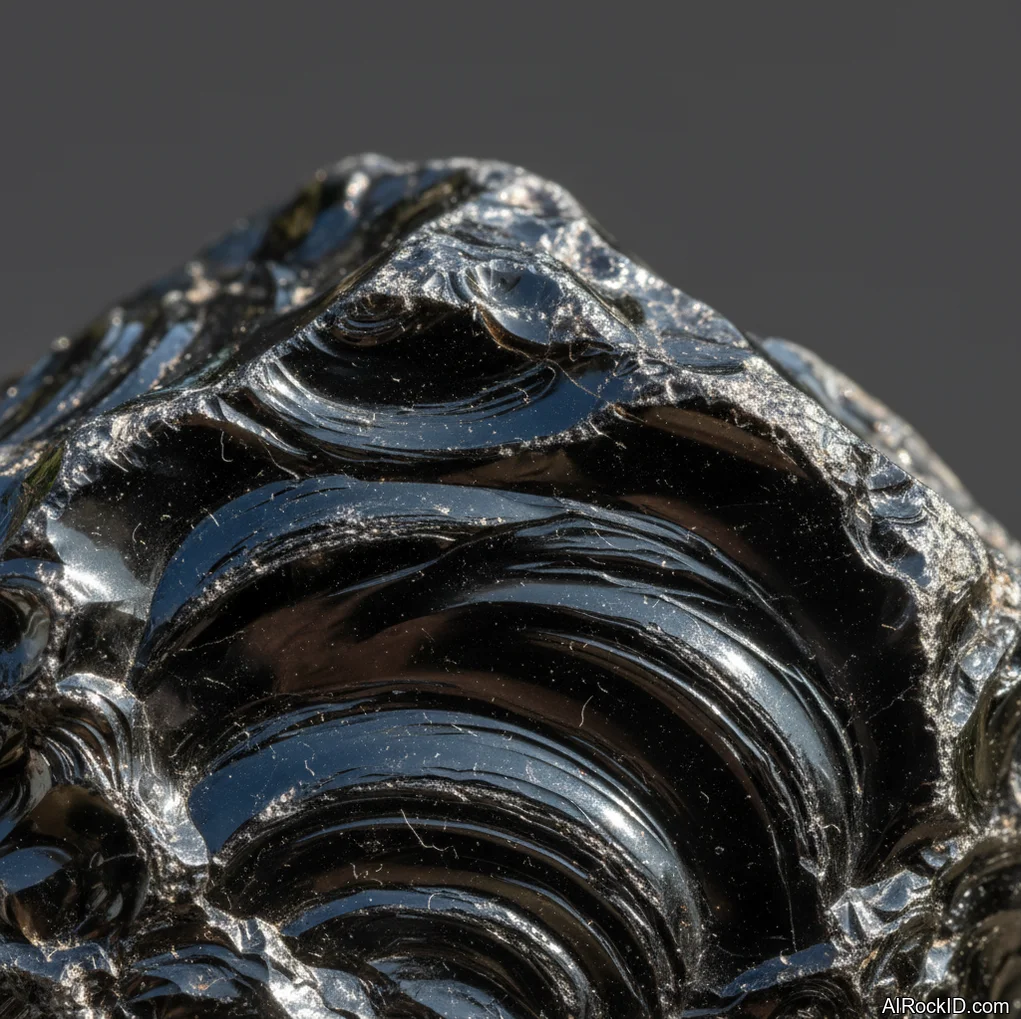
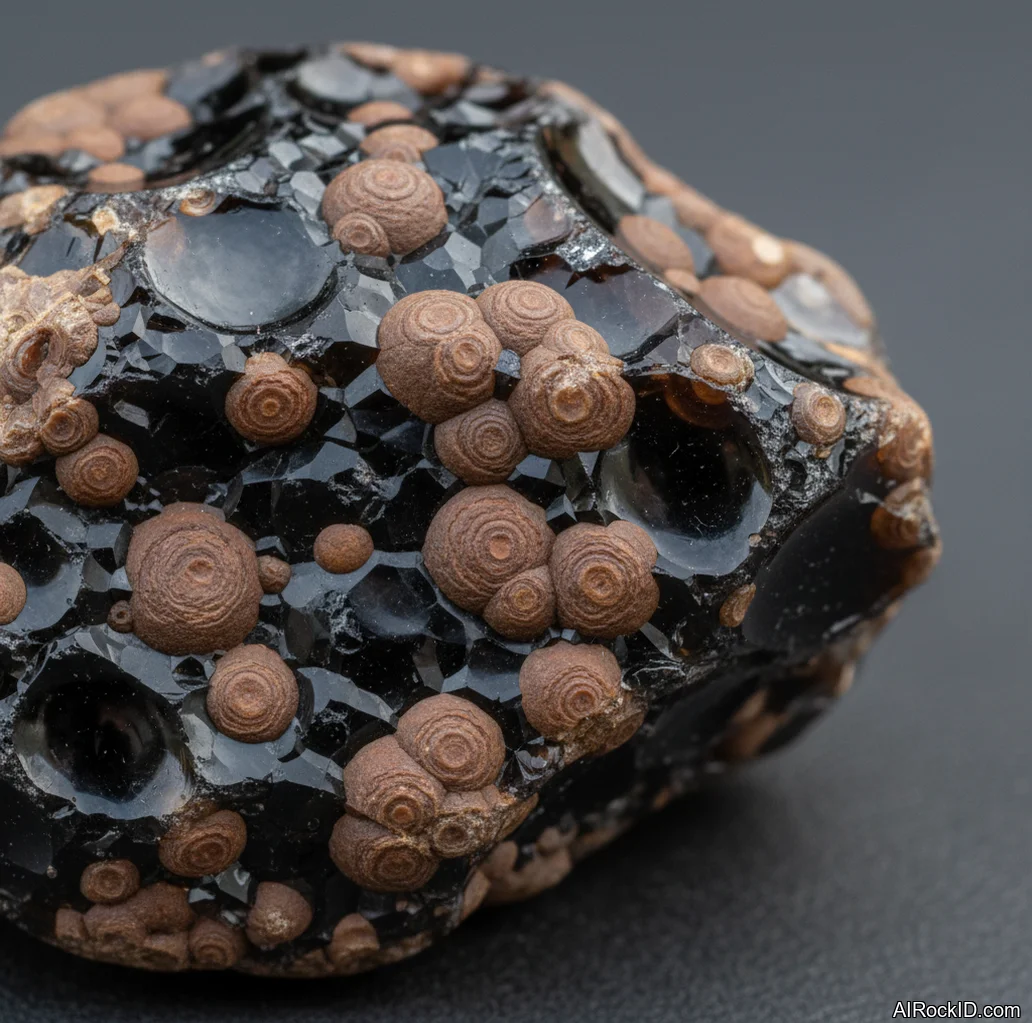
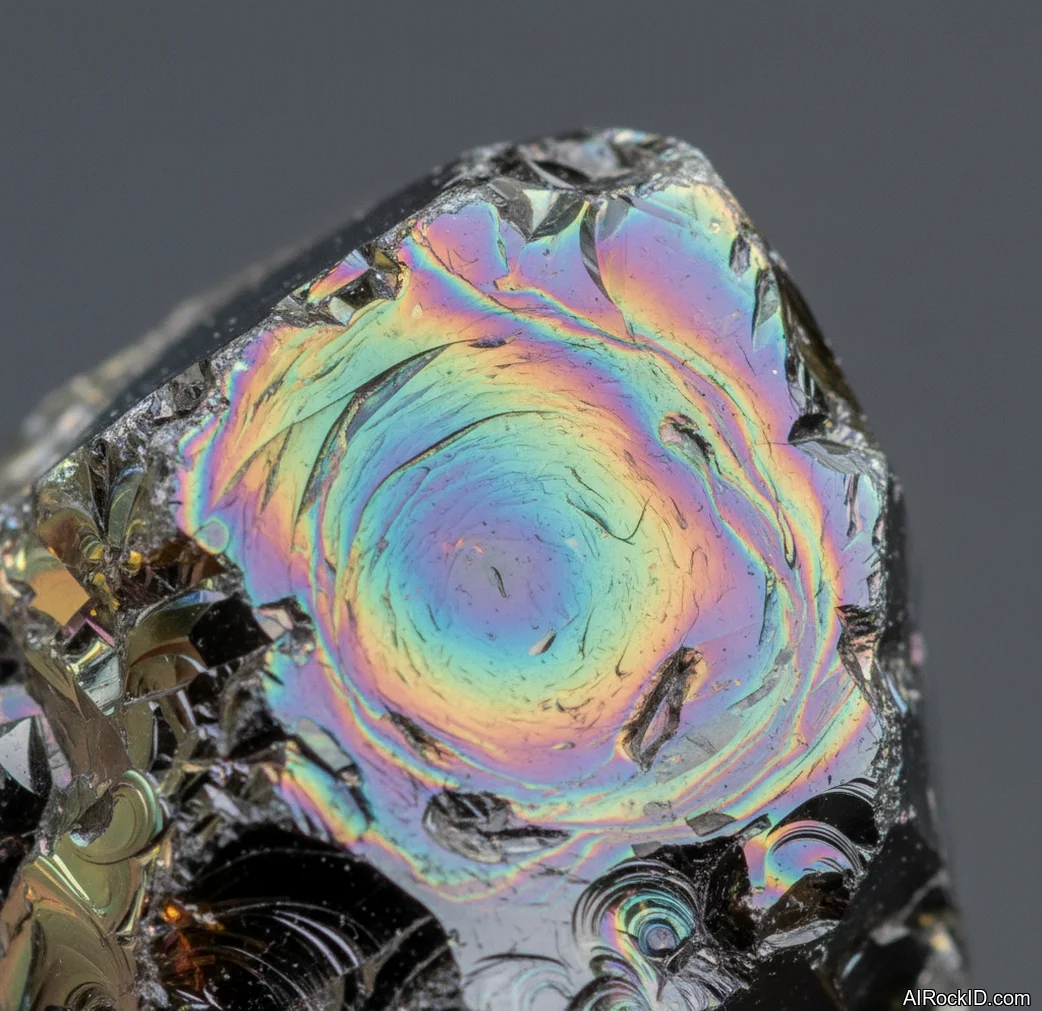
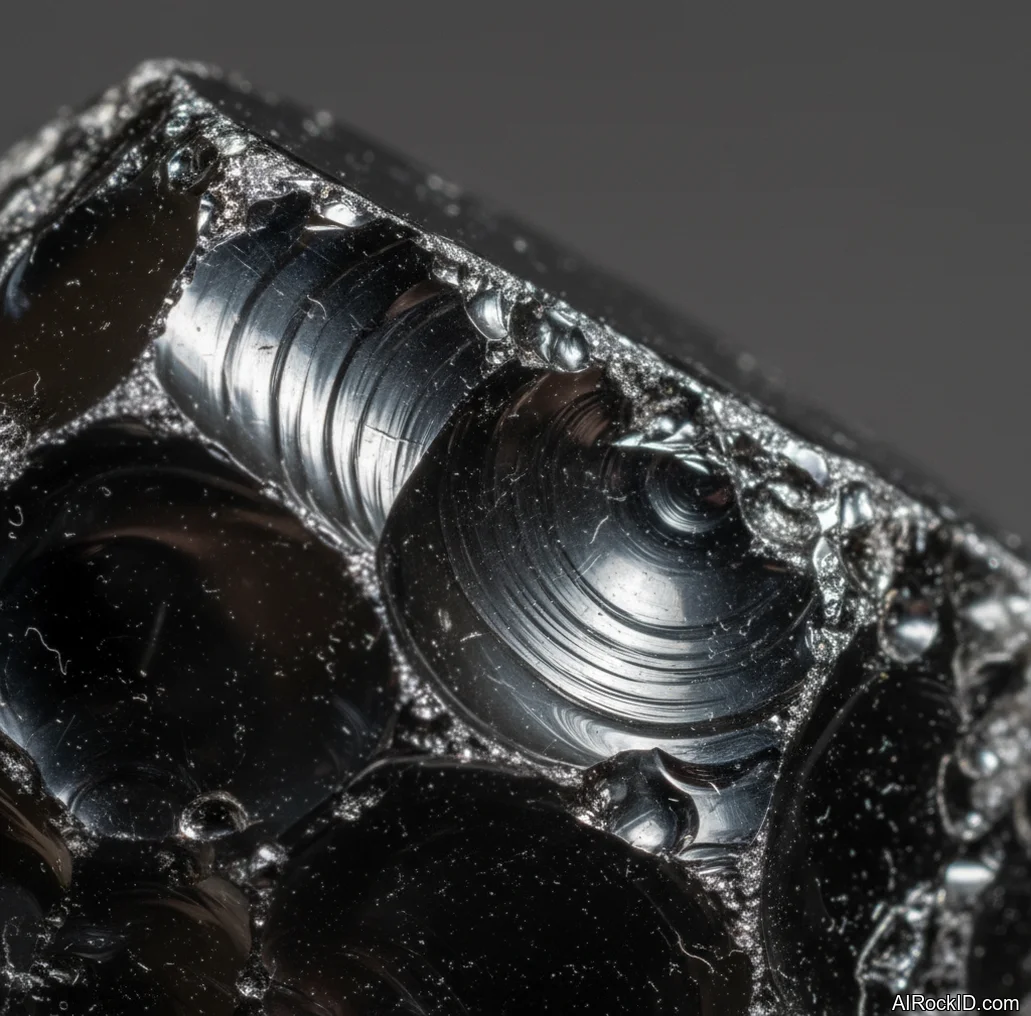
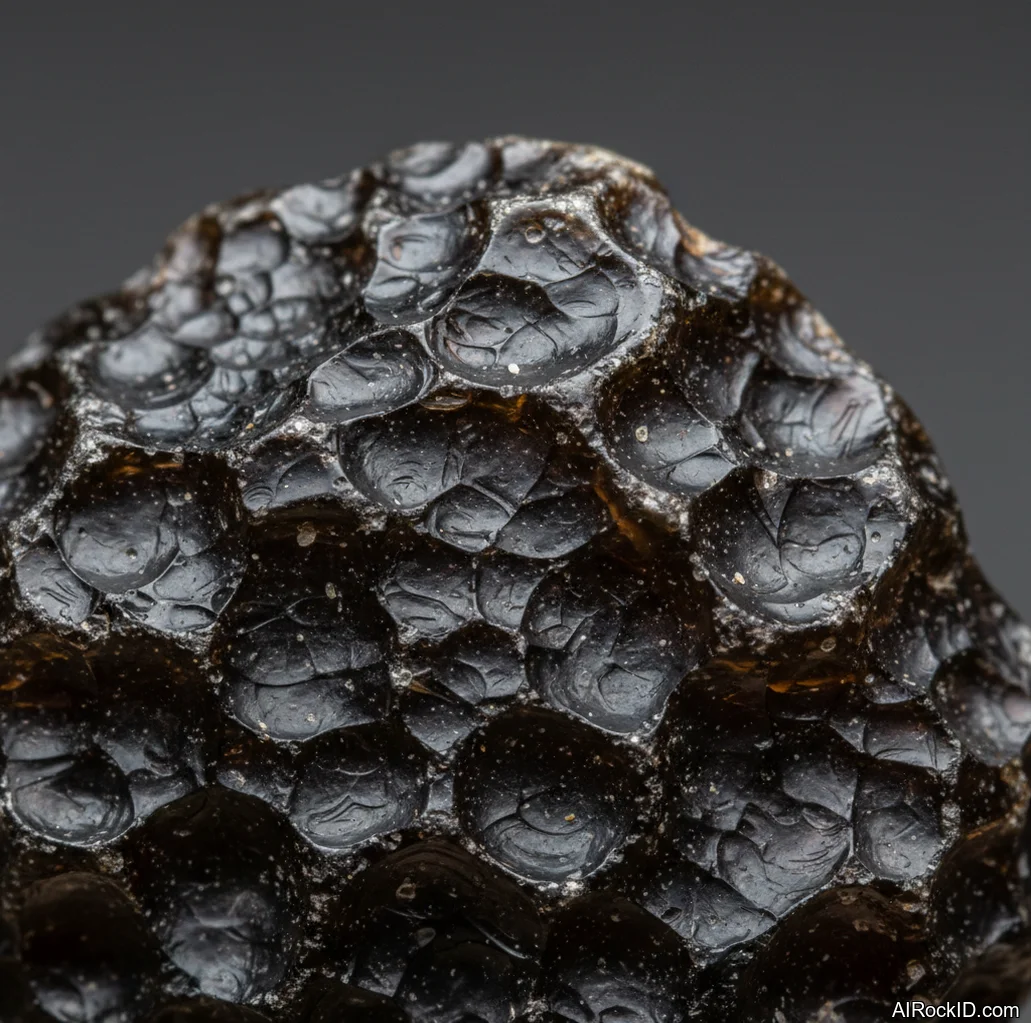
- Obsidian: A volcanic glass that often has a smooth, glassy fracture instead of crystal faces.
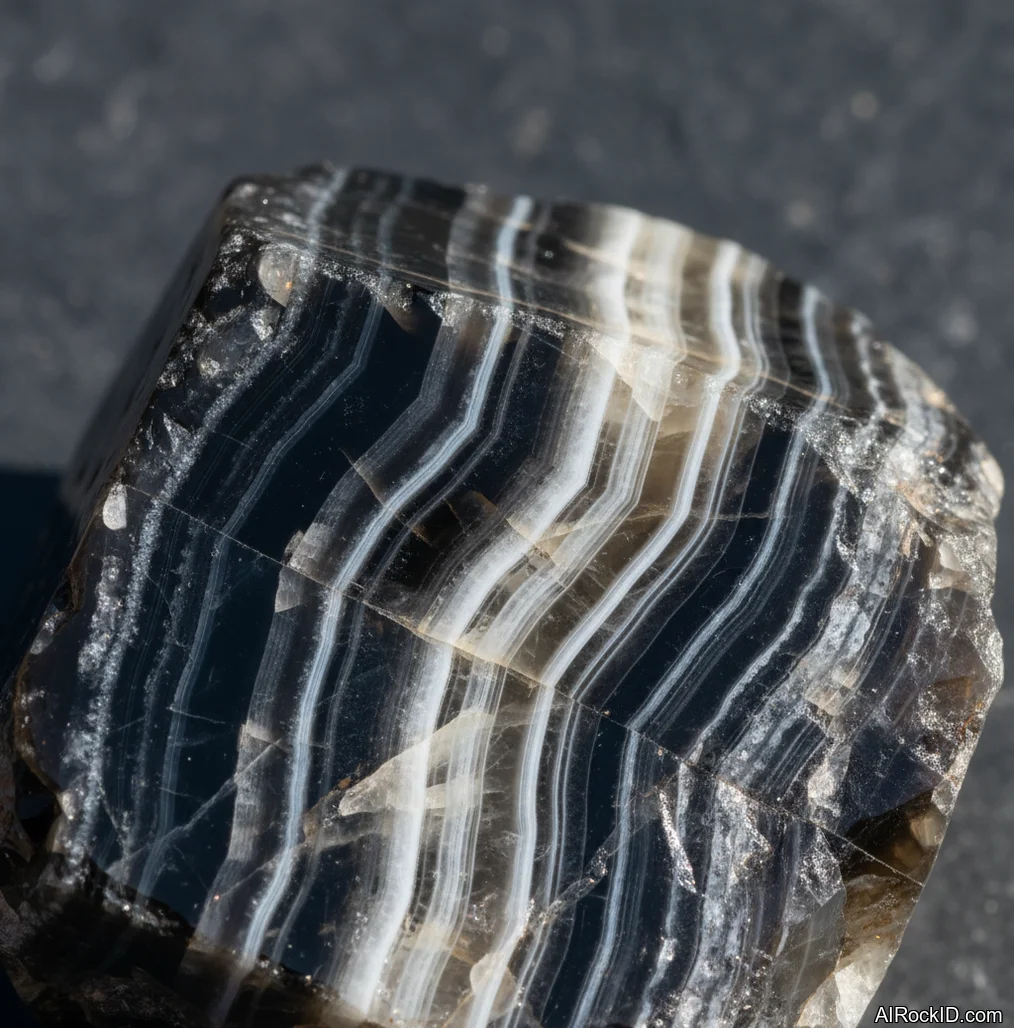
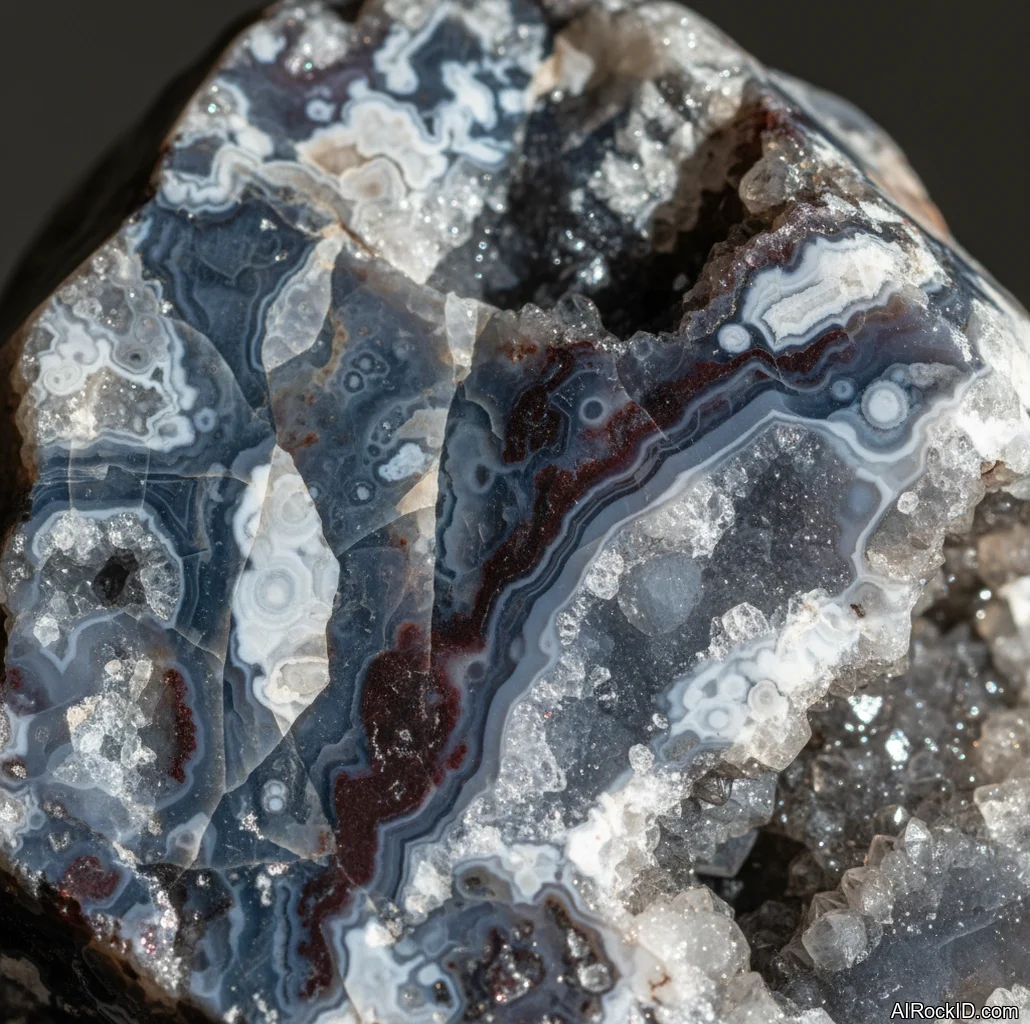
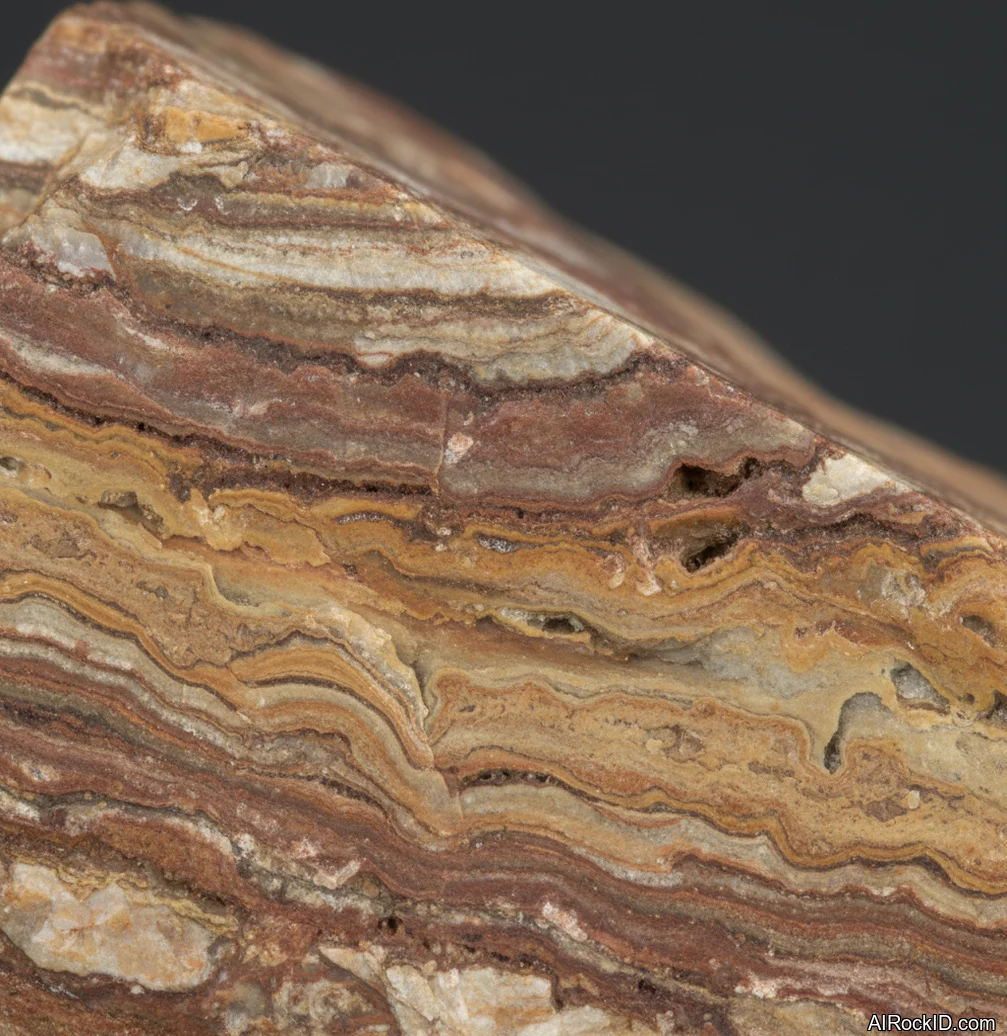
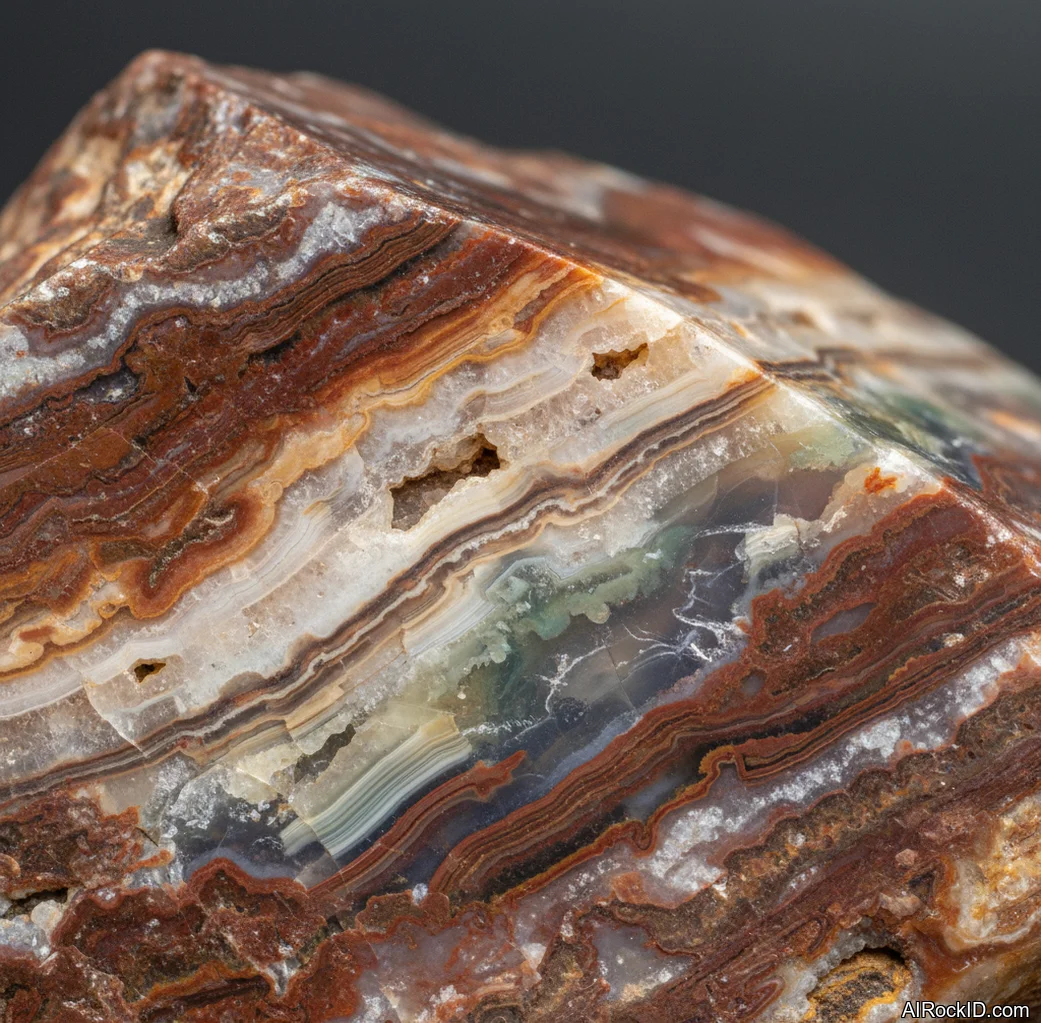
- Onyx: A chalcedony variety that may show subtle banding and is commonly dyed to deepen black color.
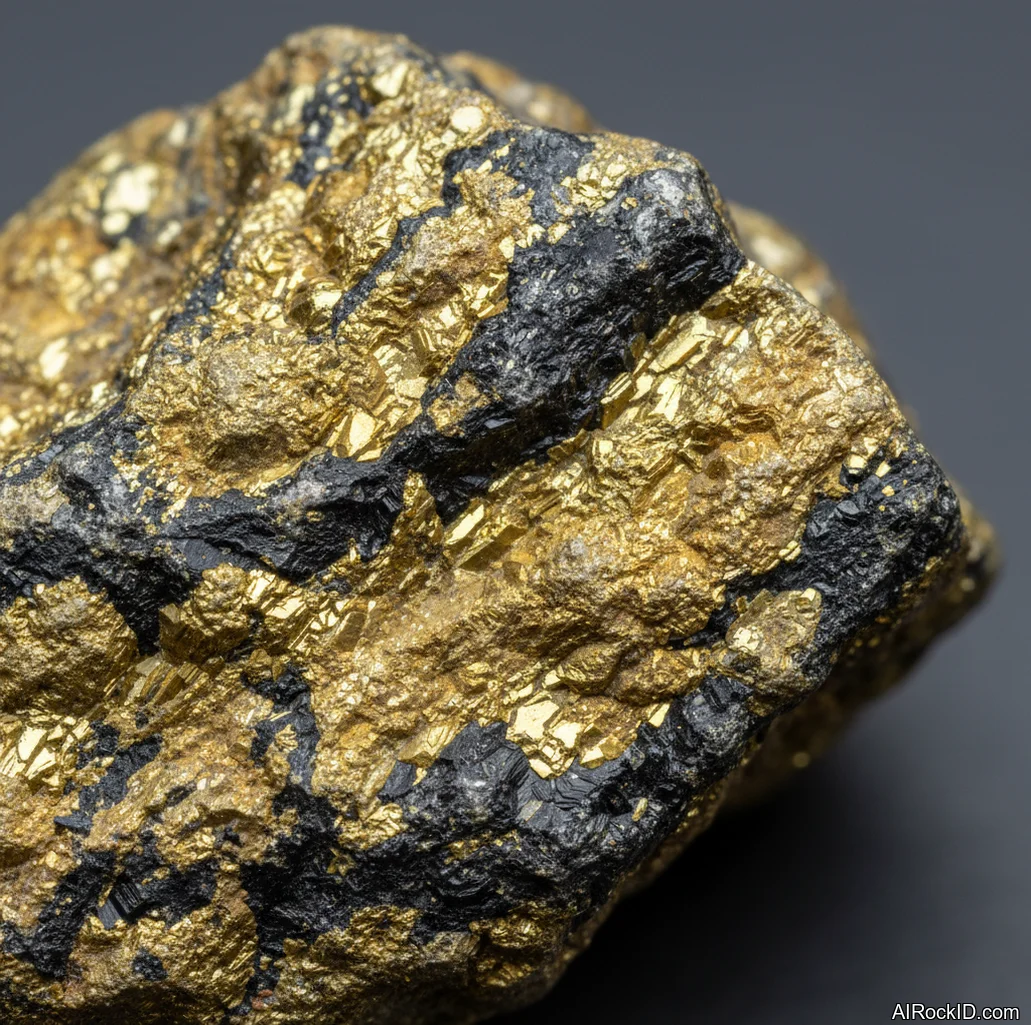
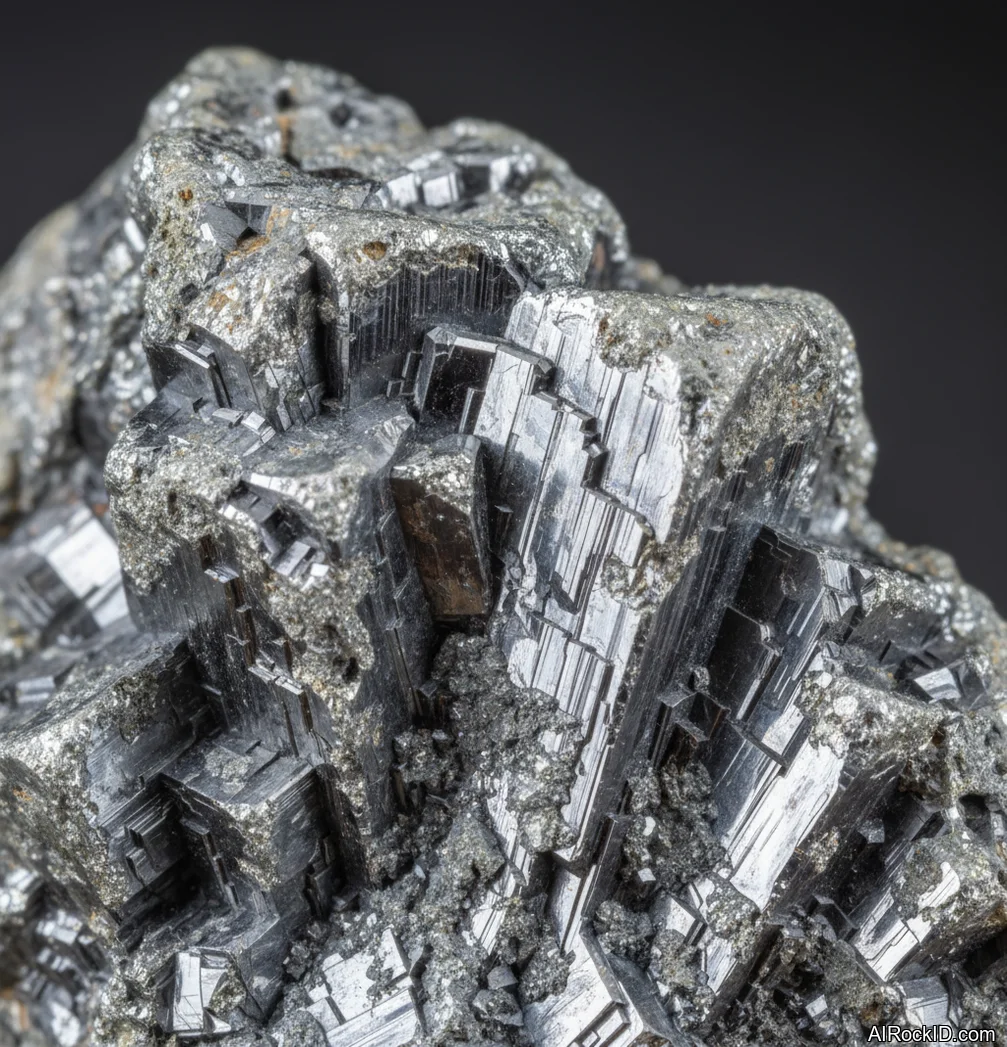
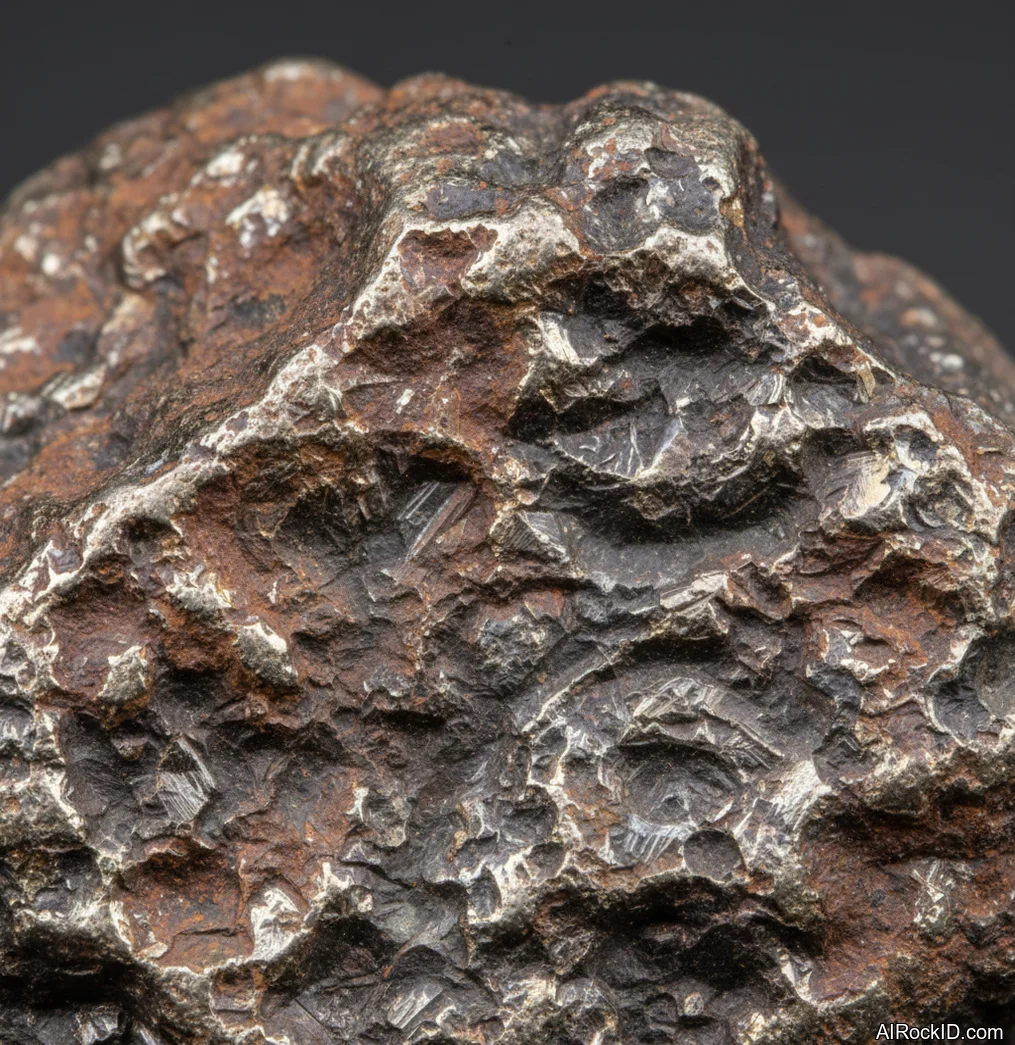
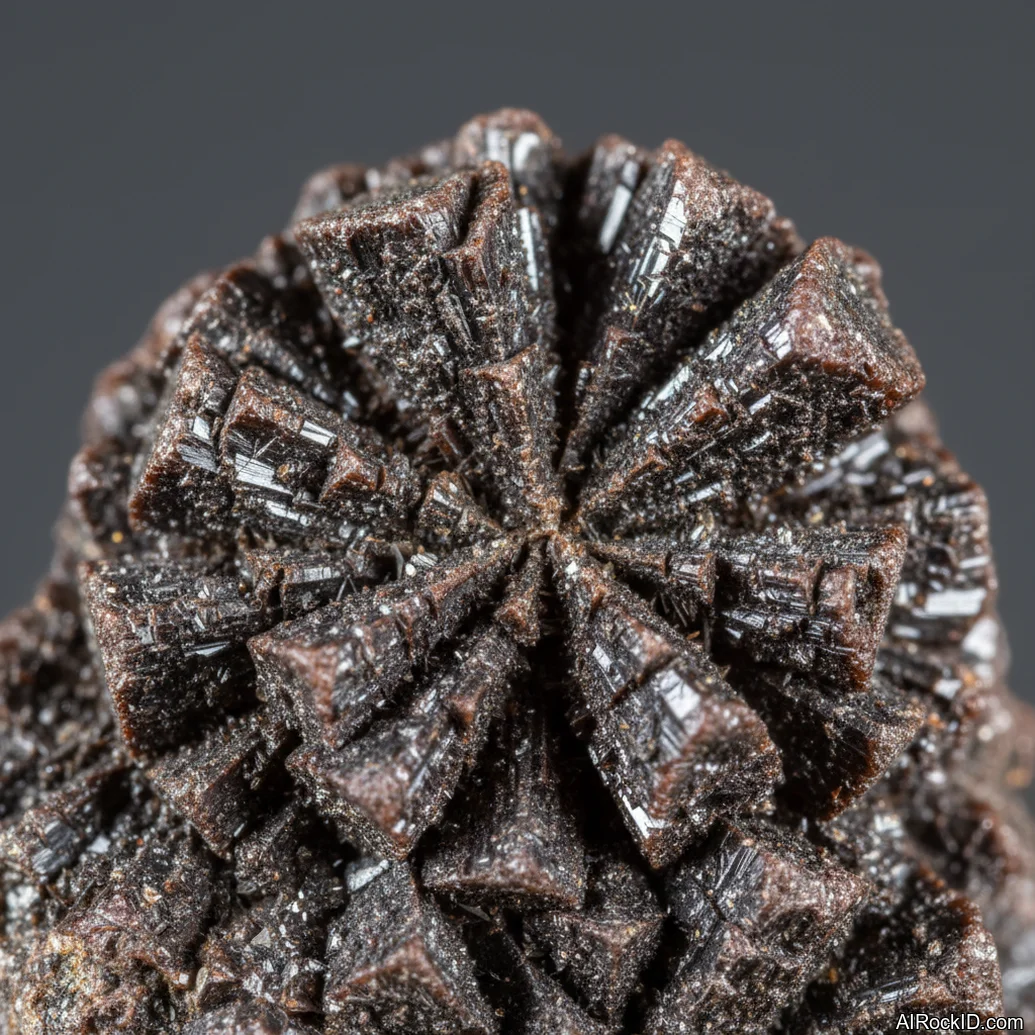
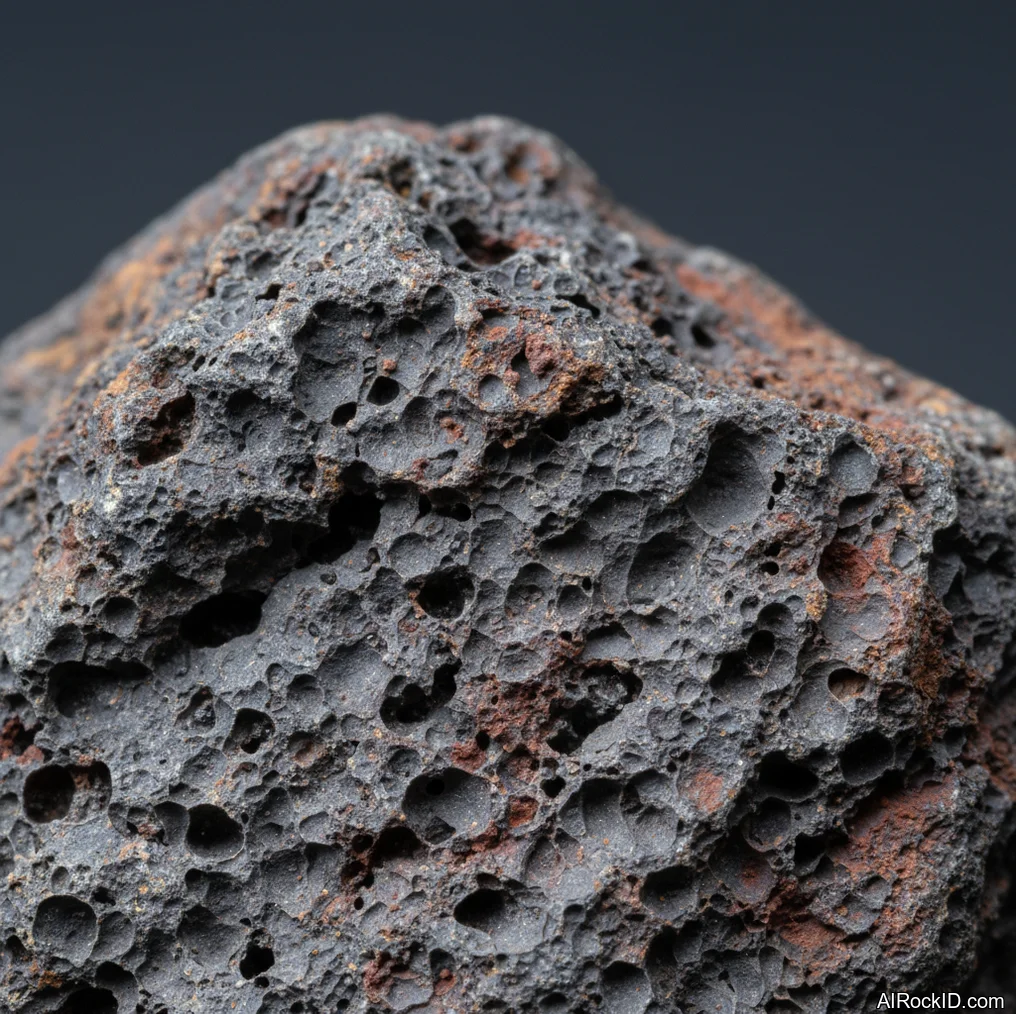
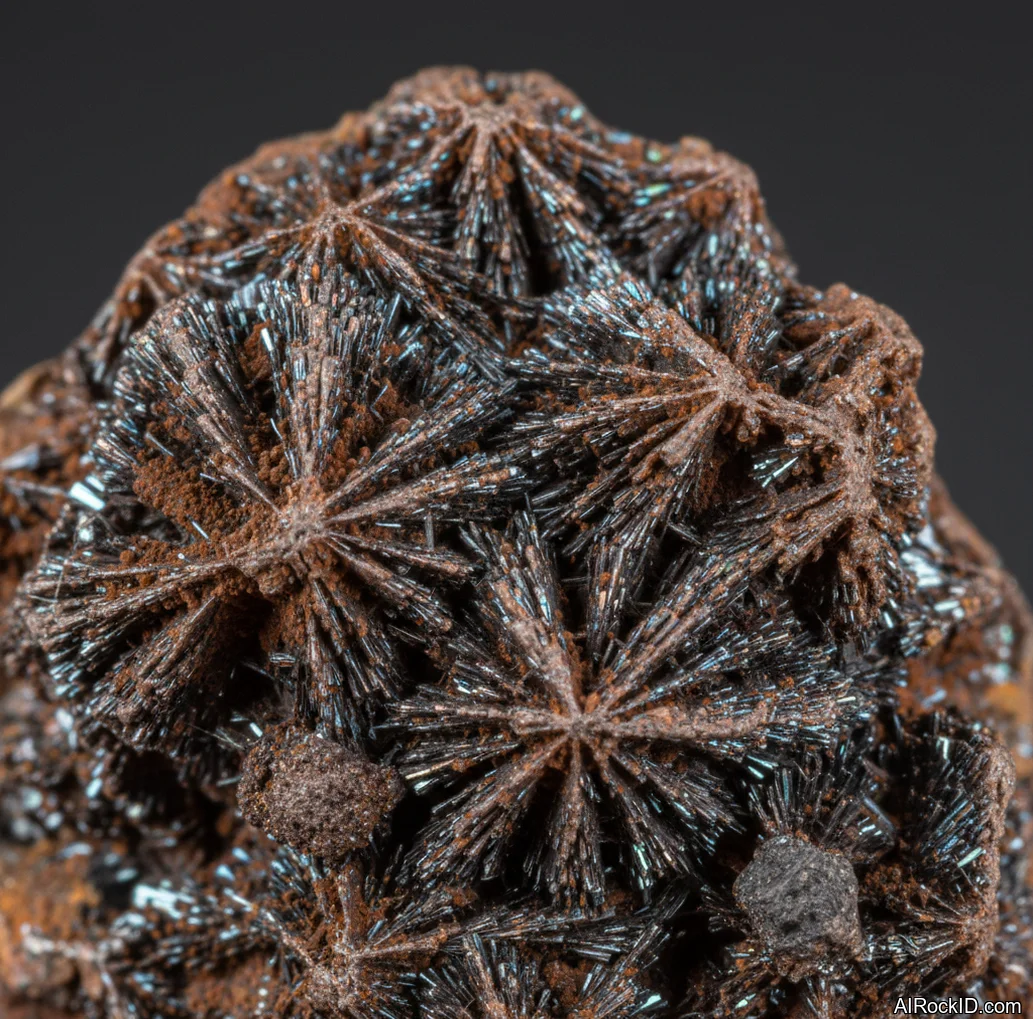
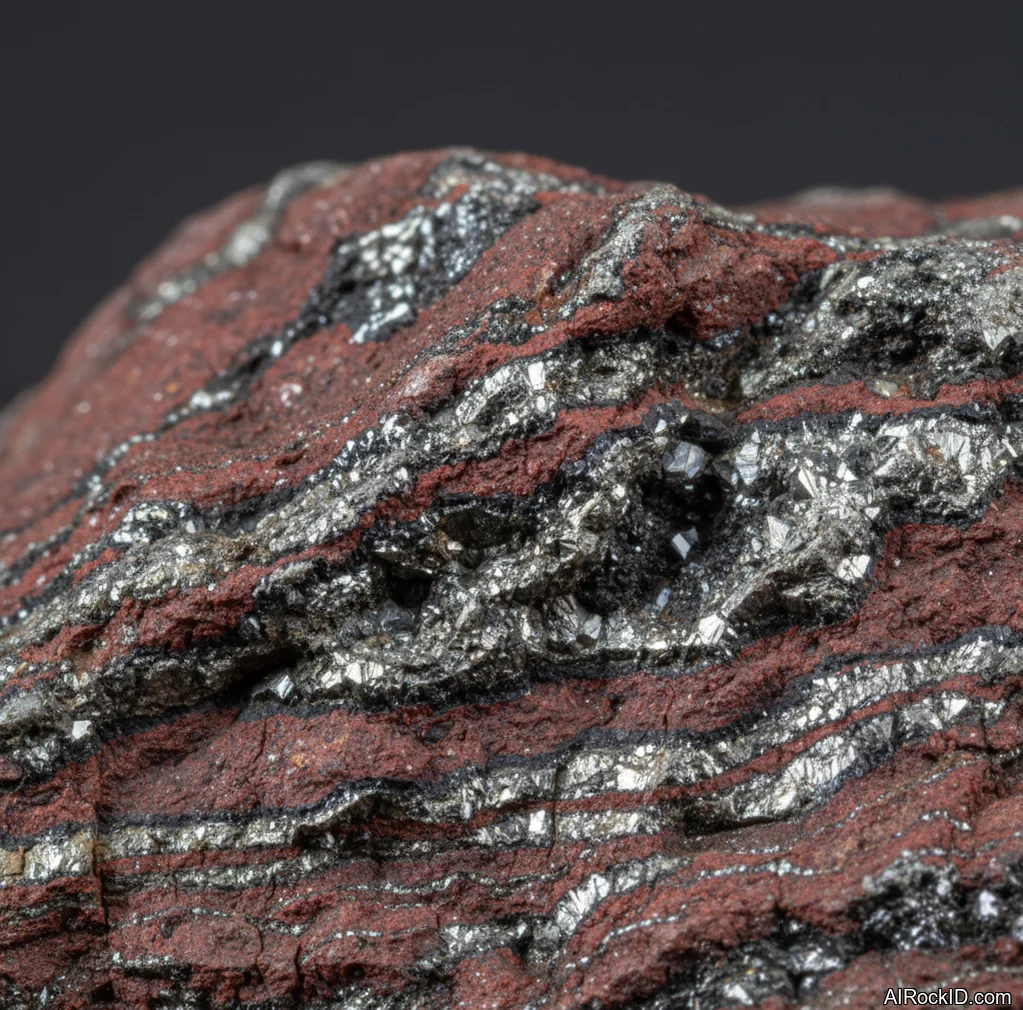
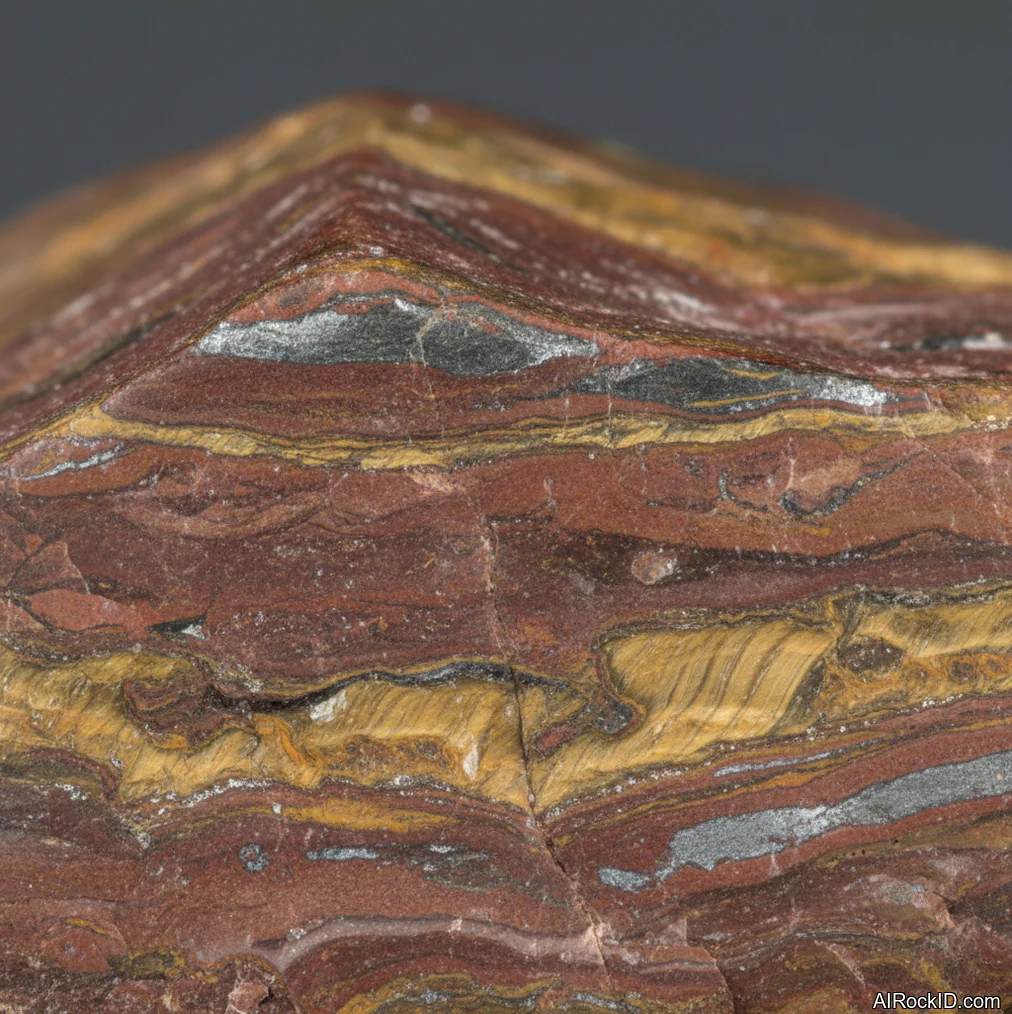
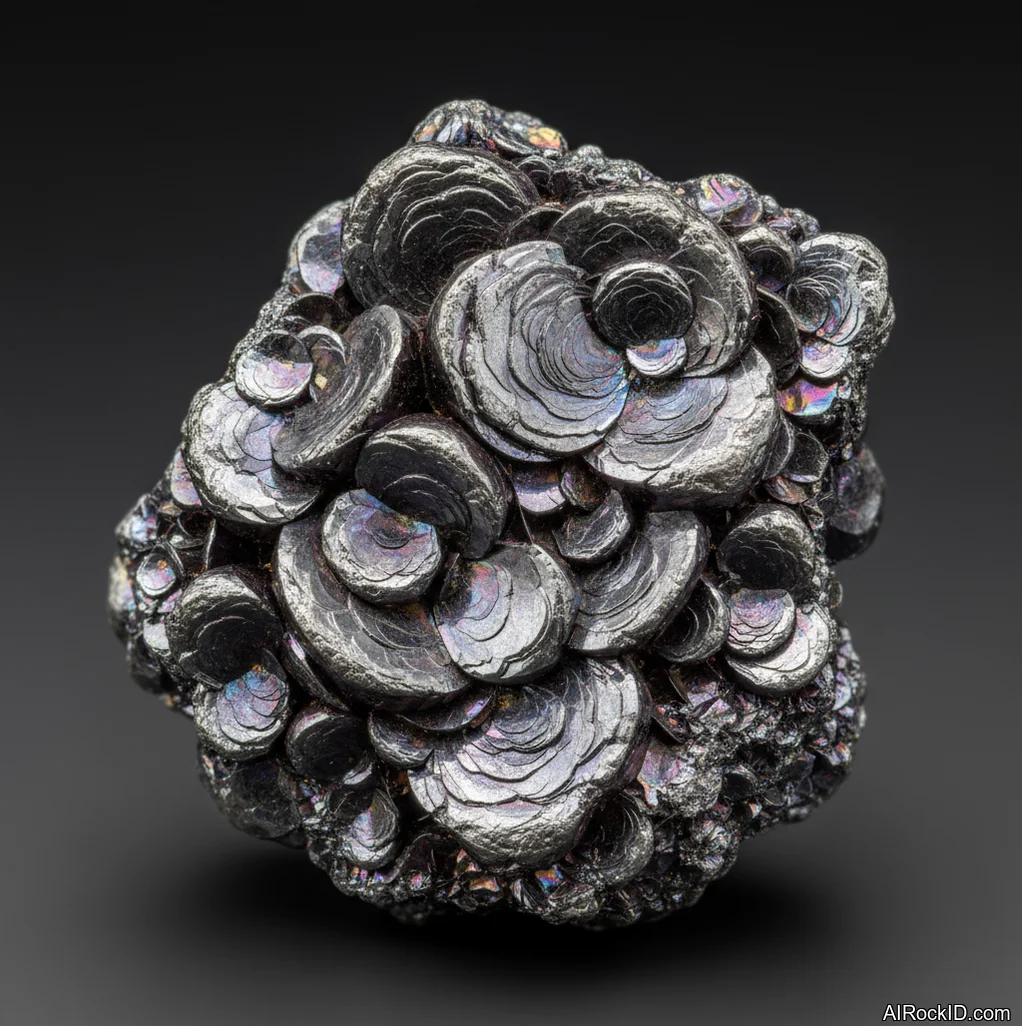
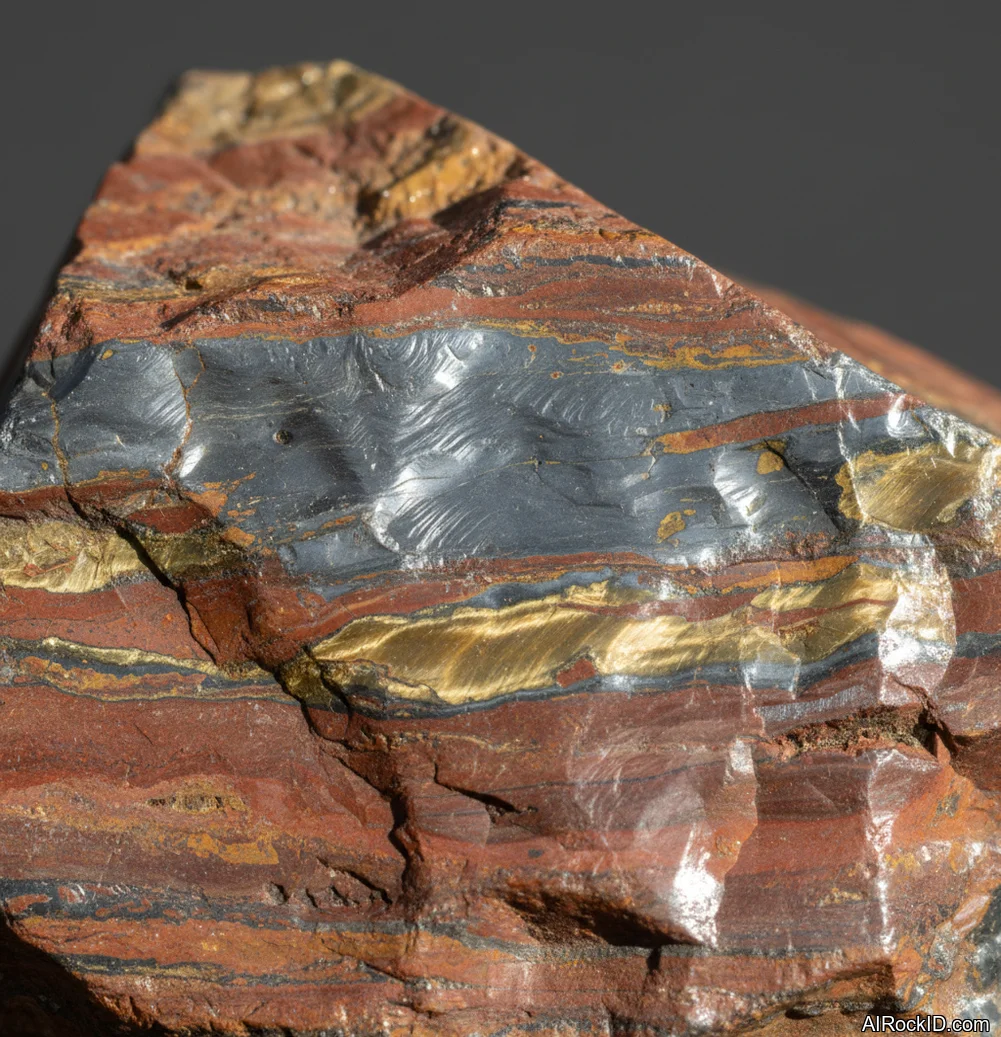
- Hematite: Typically heavier than many black stones and often leaves a reddish-brown streak.
AI identification confidence
AI identification is most useful when the photo shows the stone in natural light with multiple angles, scale, and visible texture. Confidence may be lower for polished black stones because different minerals can look very similar after tumbling or carving.
When AI gets it wrong
- Polished black stones with no visible crystal habit or fracture pattern
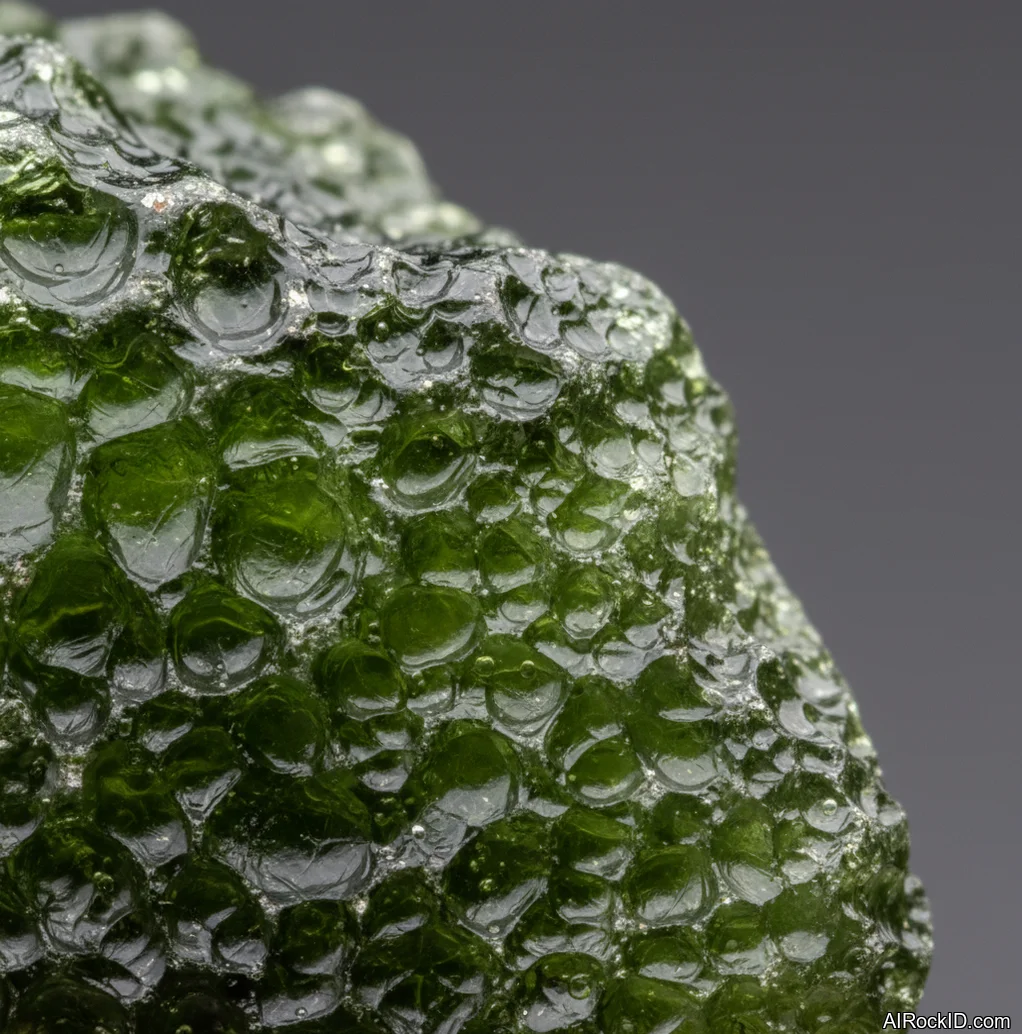
- Dyed agate, dyed howlite, or glass sold under protection-related trade names
- Low-light photos that hide luster, banding, or surface texture
- Specimens photographed without scale, streak information, or locality details
Final recommendation
Choose a protection crystal by combining personal preference, durability, care needs, and basic identification checks. For metaphysical use, treat the meaning as a tradition-based association rather than a guaranteed effect.
What this category represents
The Protection tag groups crystals and minerals that are commonly associated with shielding, grounding, energetic boundaries, or warding symbolism in metaphysical traditions. Stones in this category can differ widely in chemistry, hardness, origin, and appearance, so the shared theme is cultural use rather than a single mineral property.
Beginner recommendations
Advanced recommendations
Protection Crystals by Color and Appearance
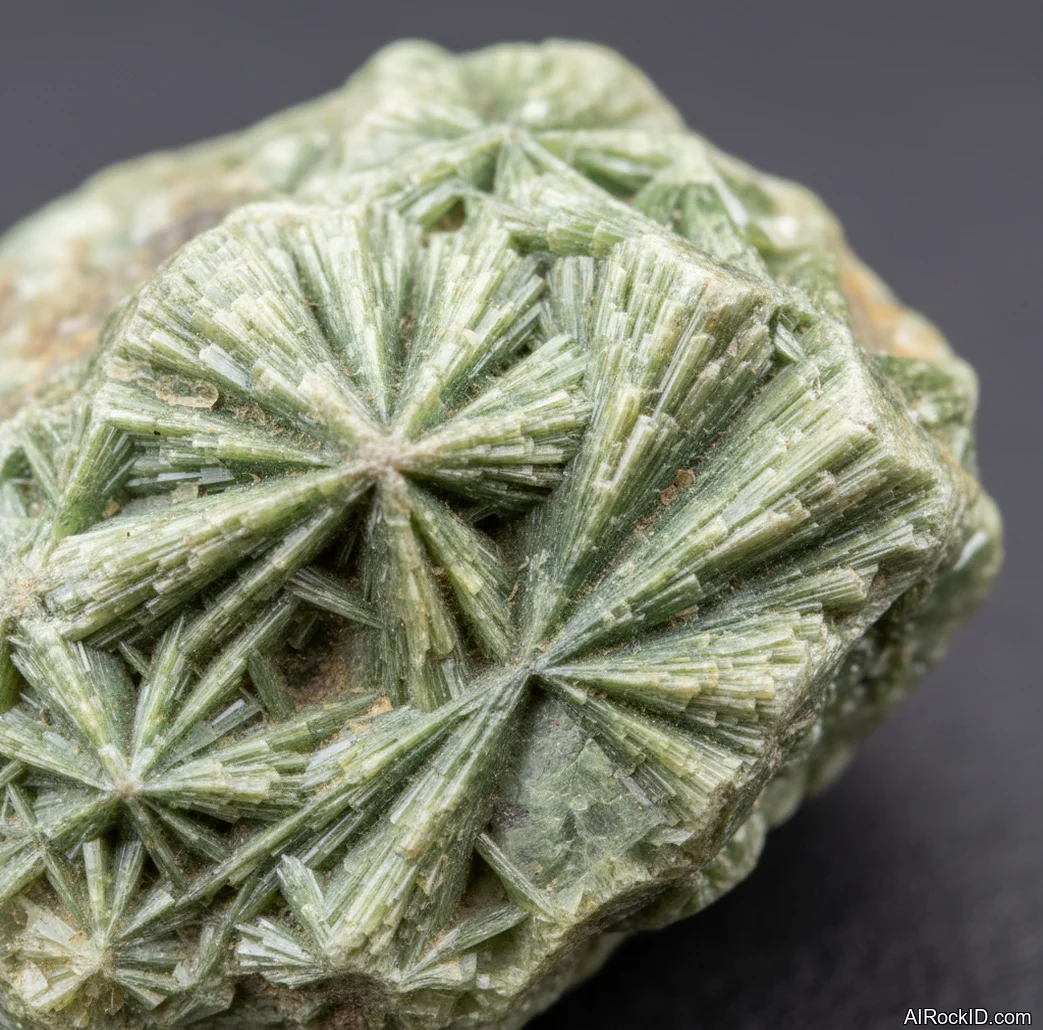
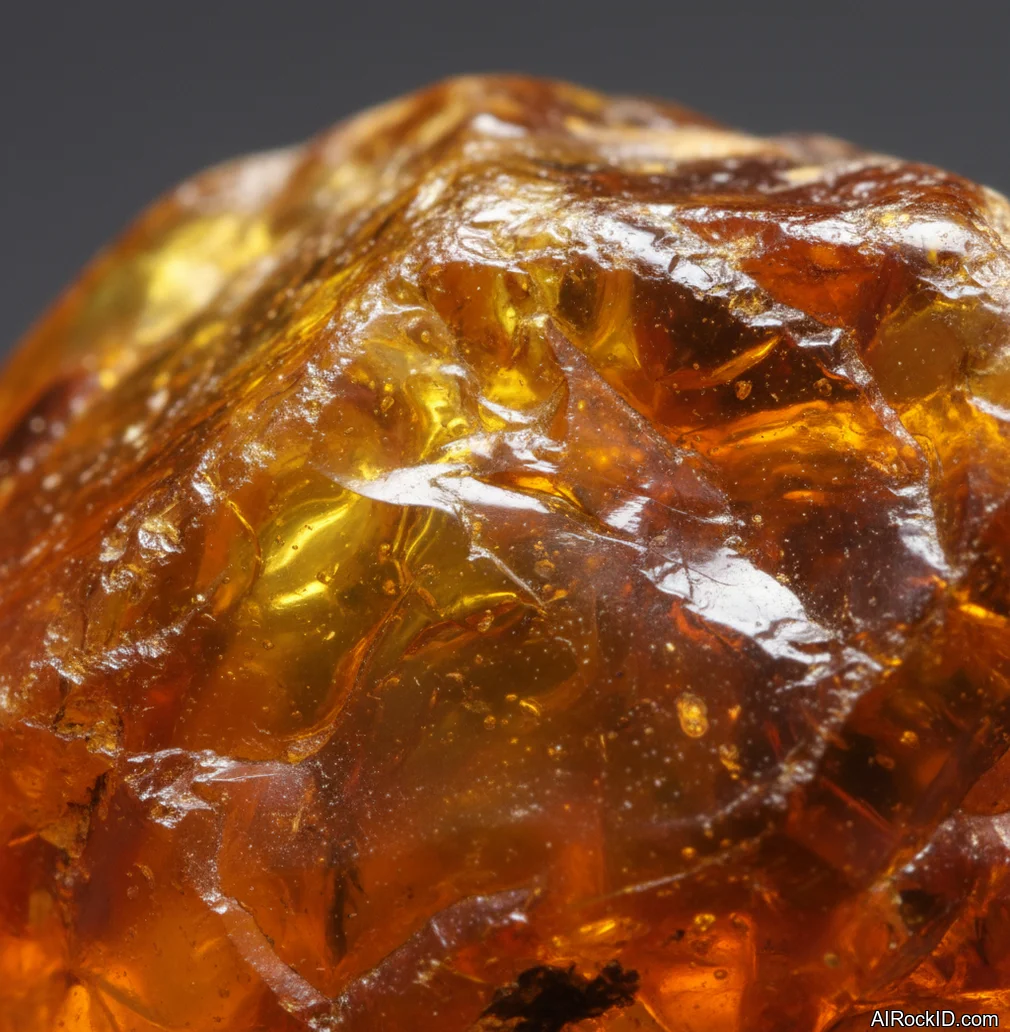
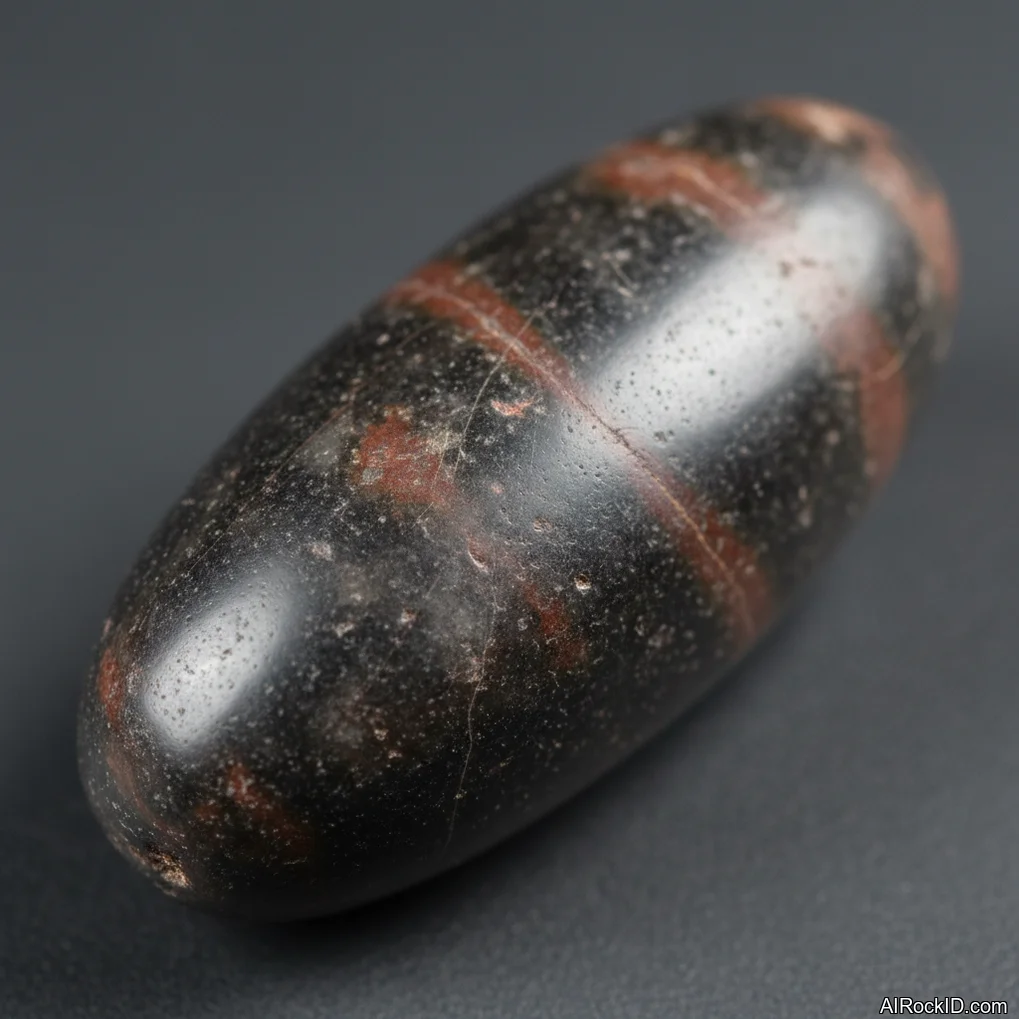
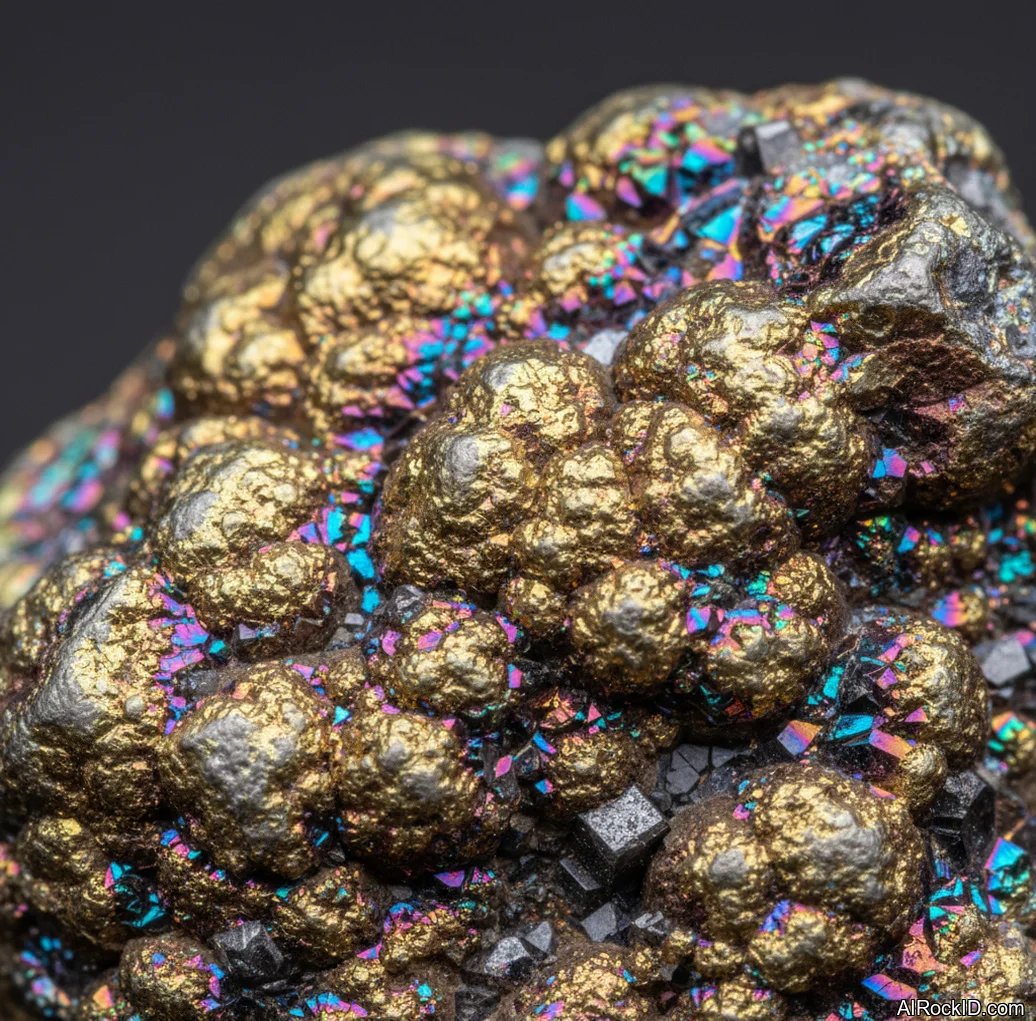
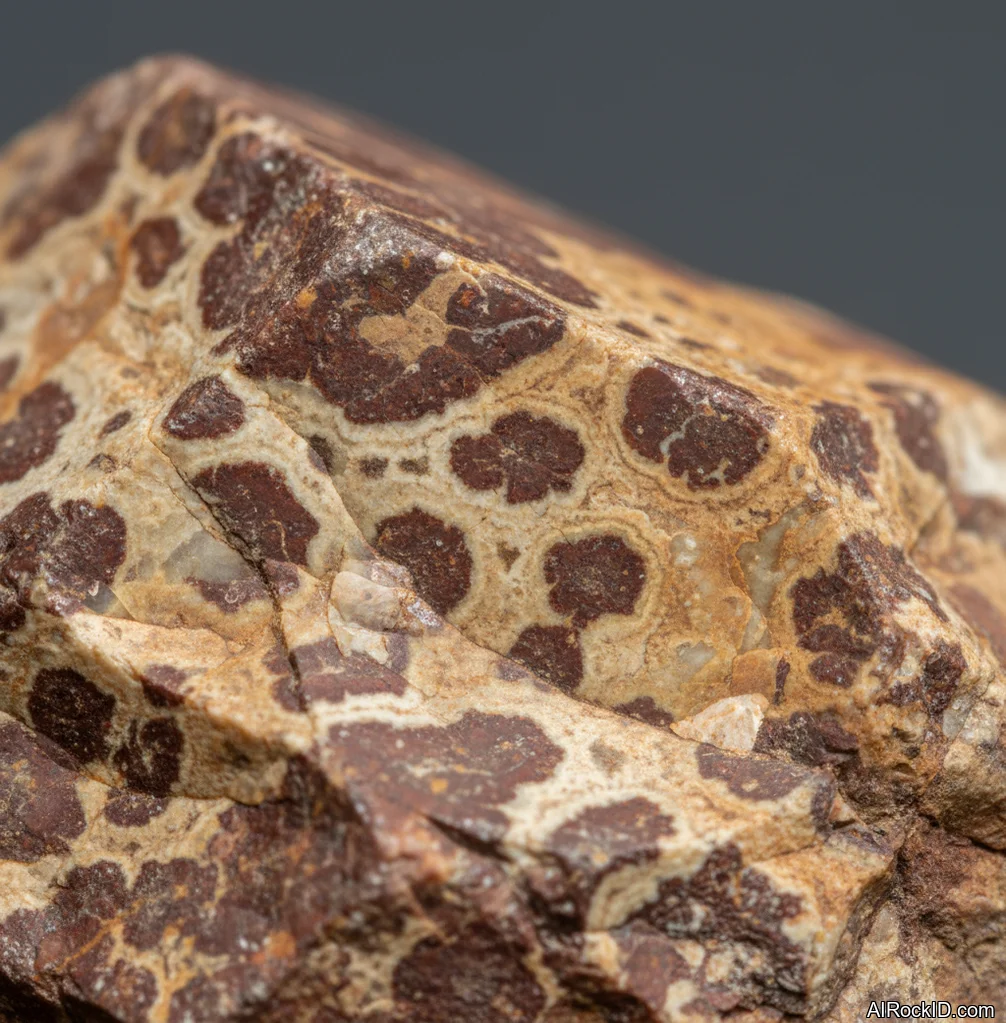
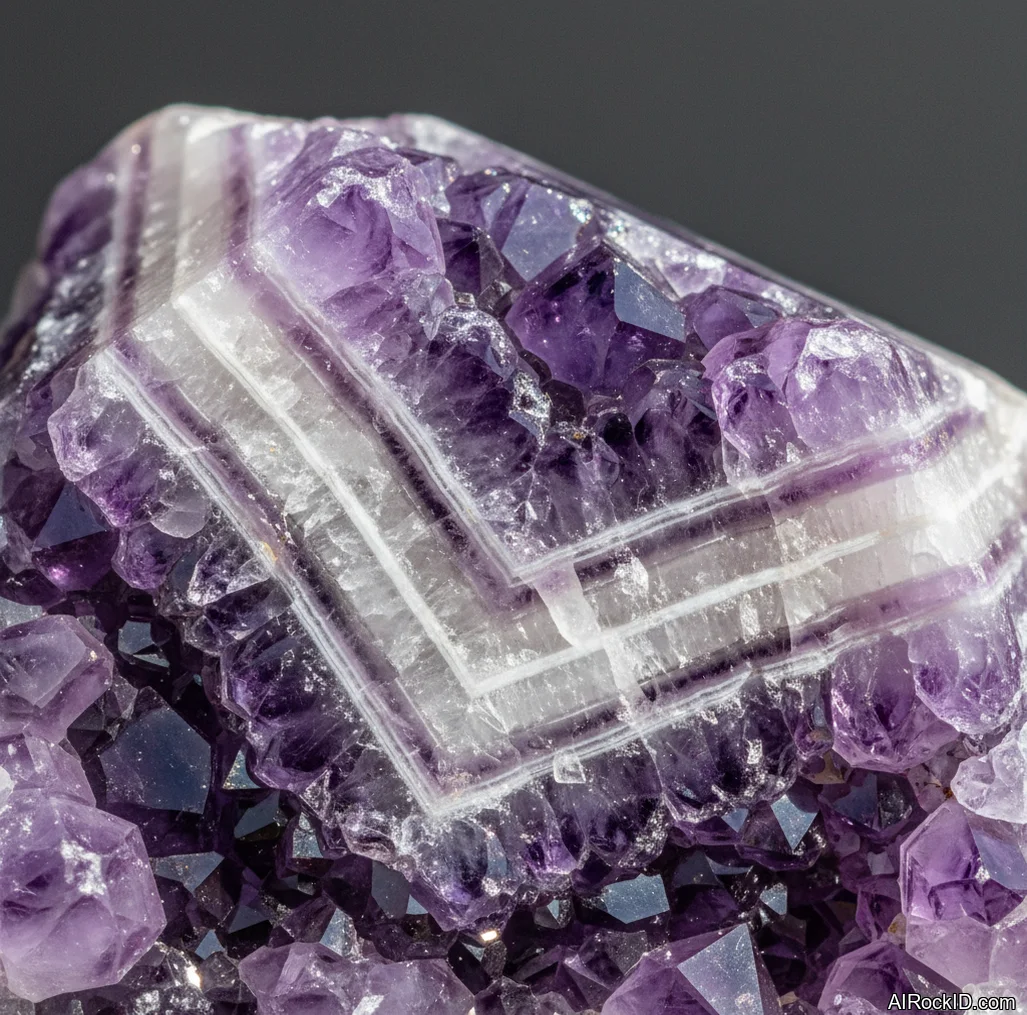
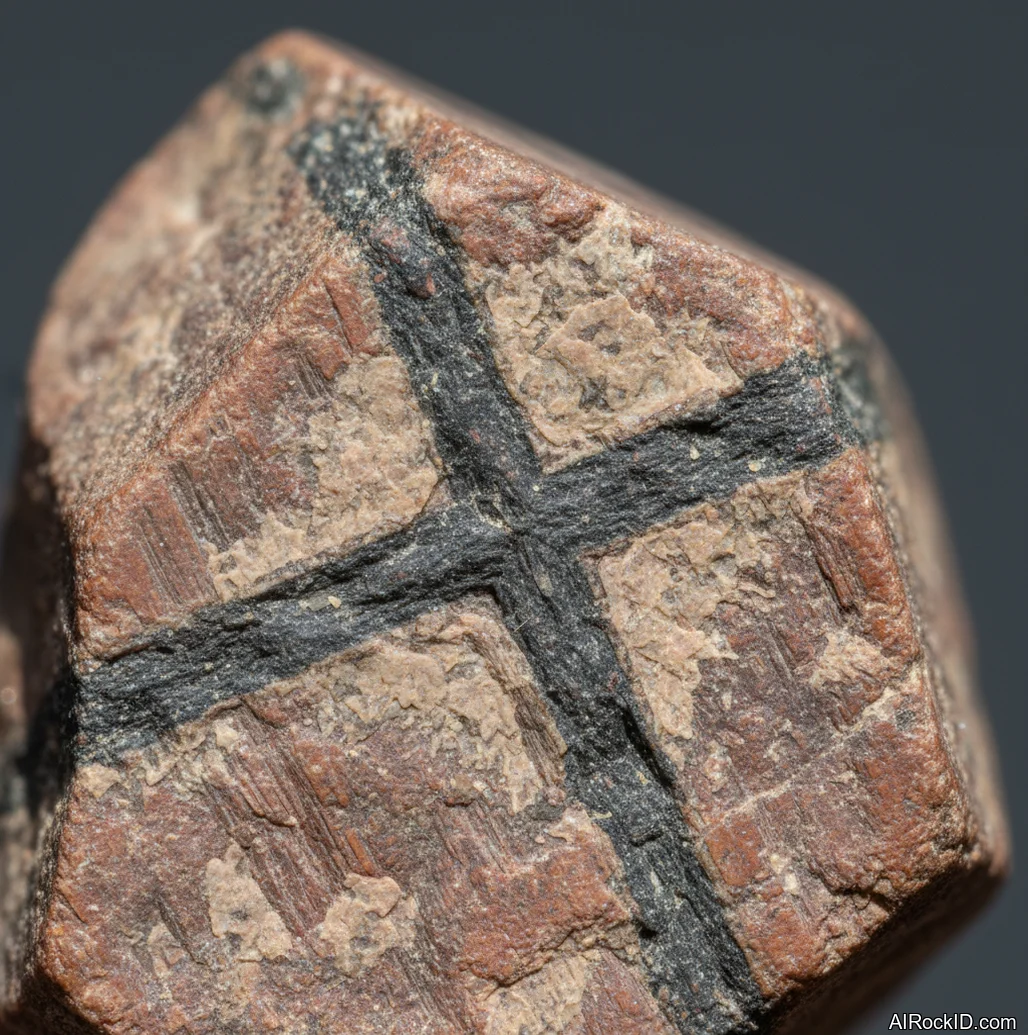
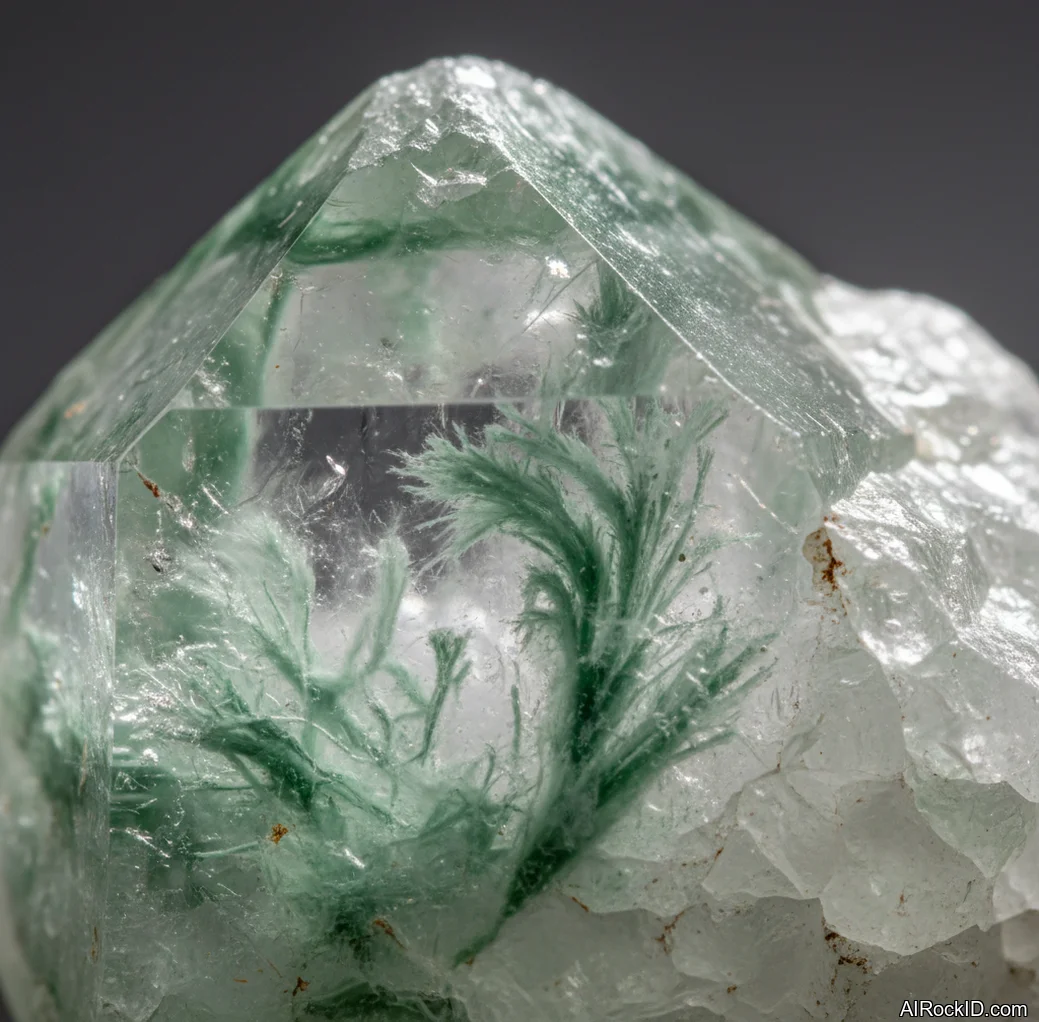
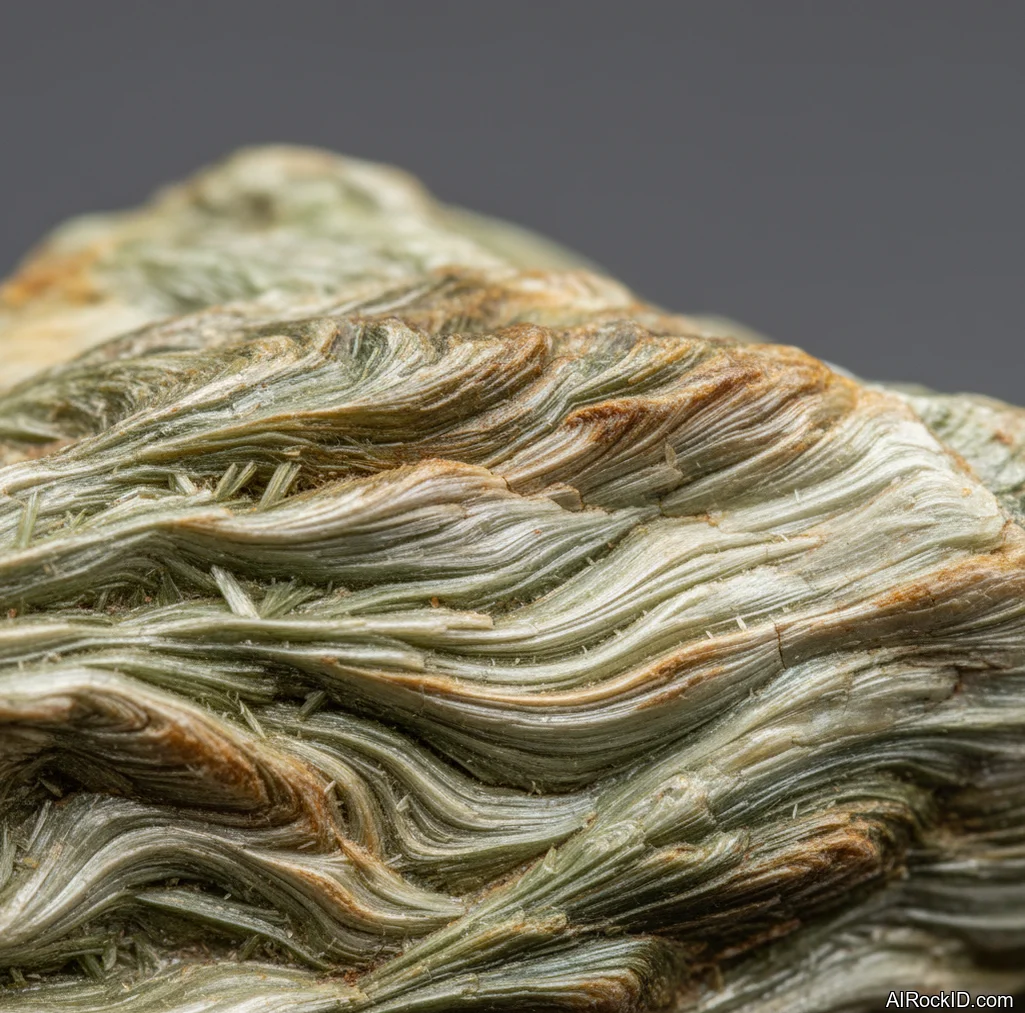
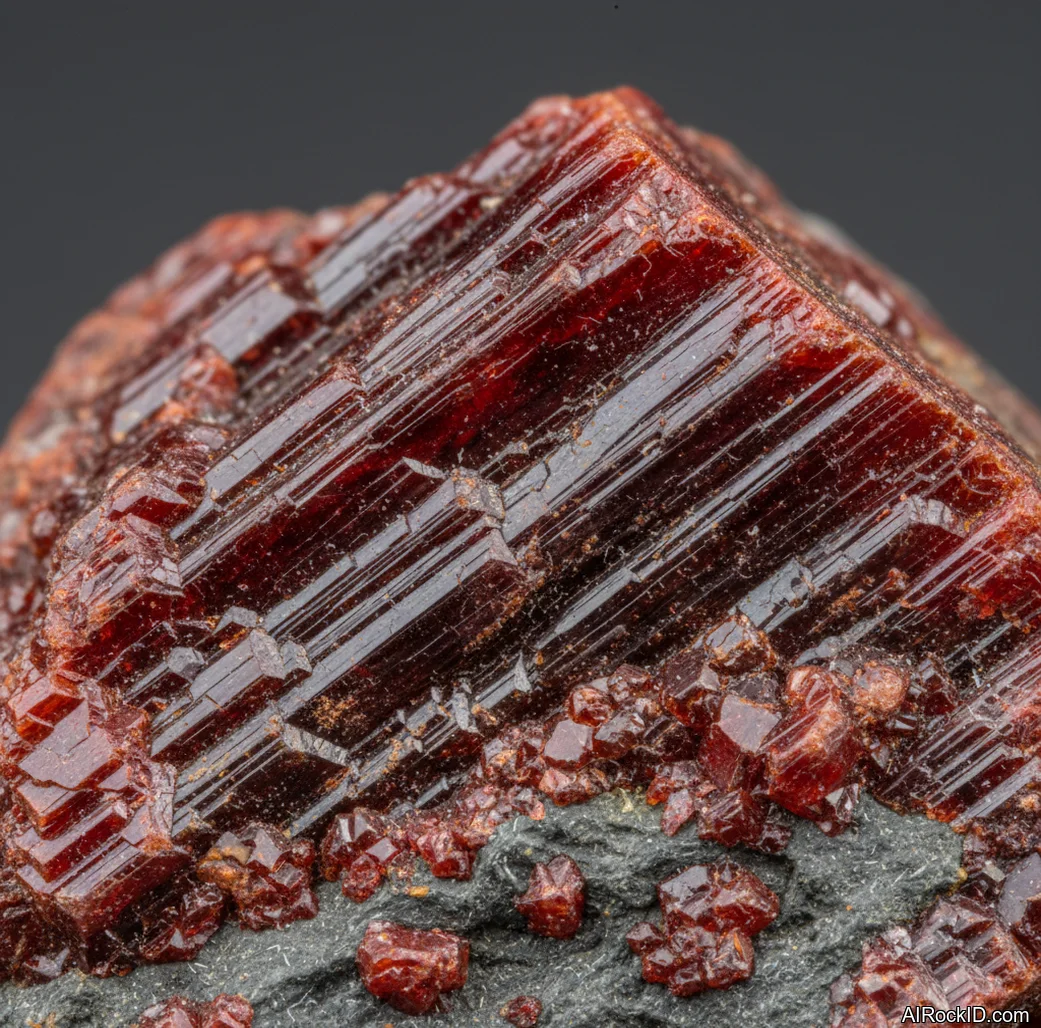
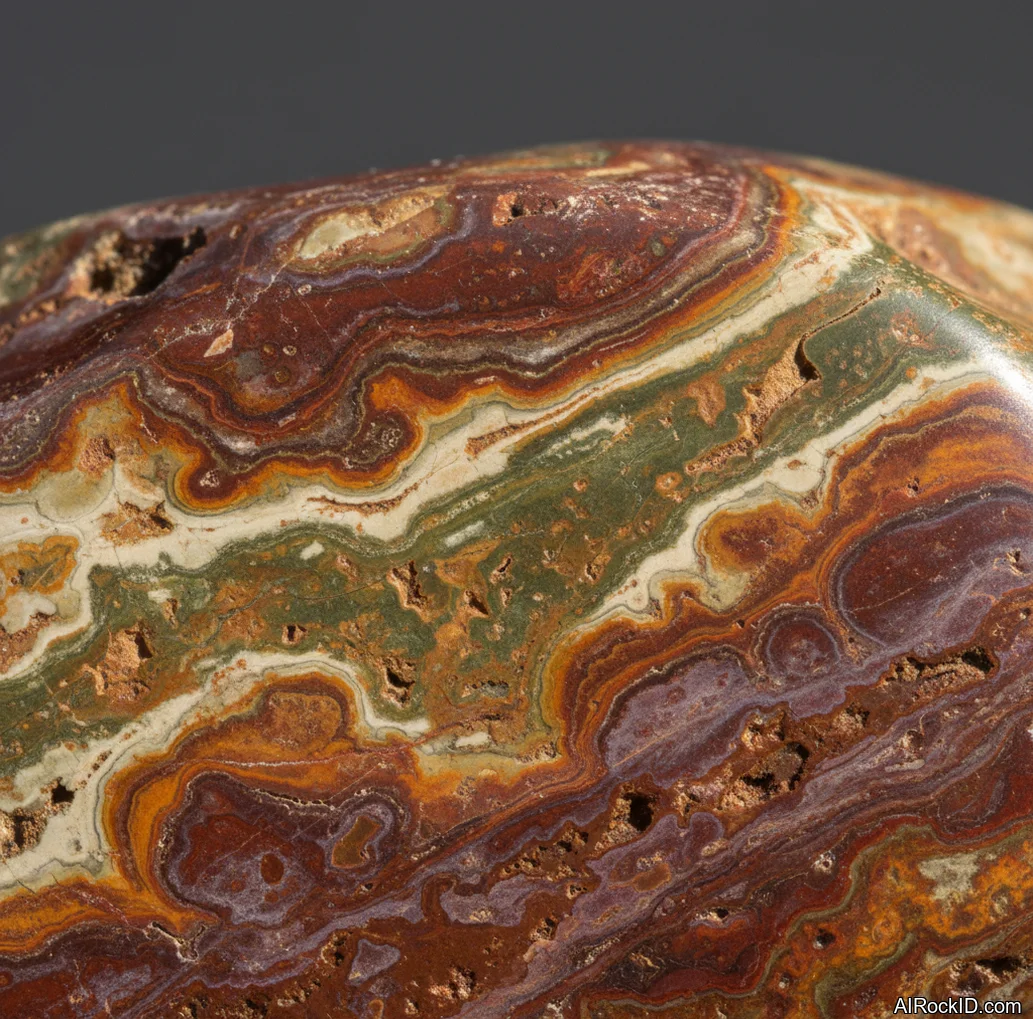
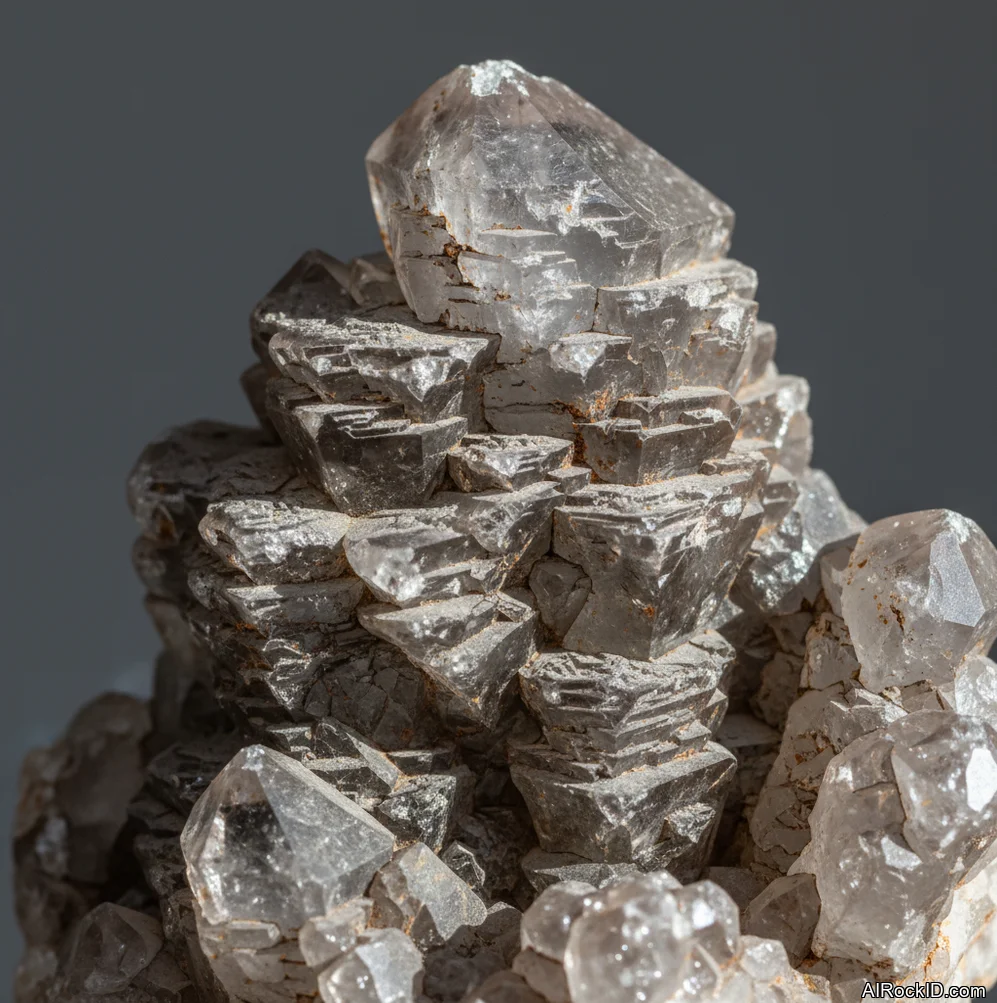
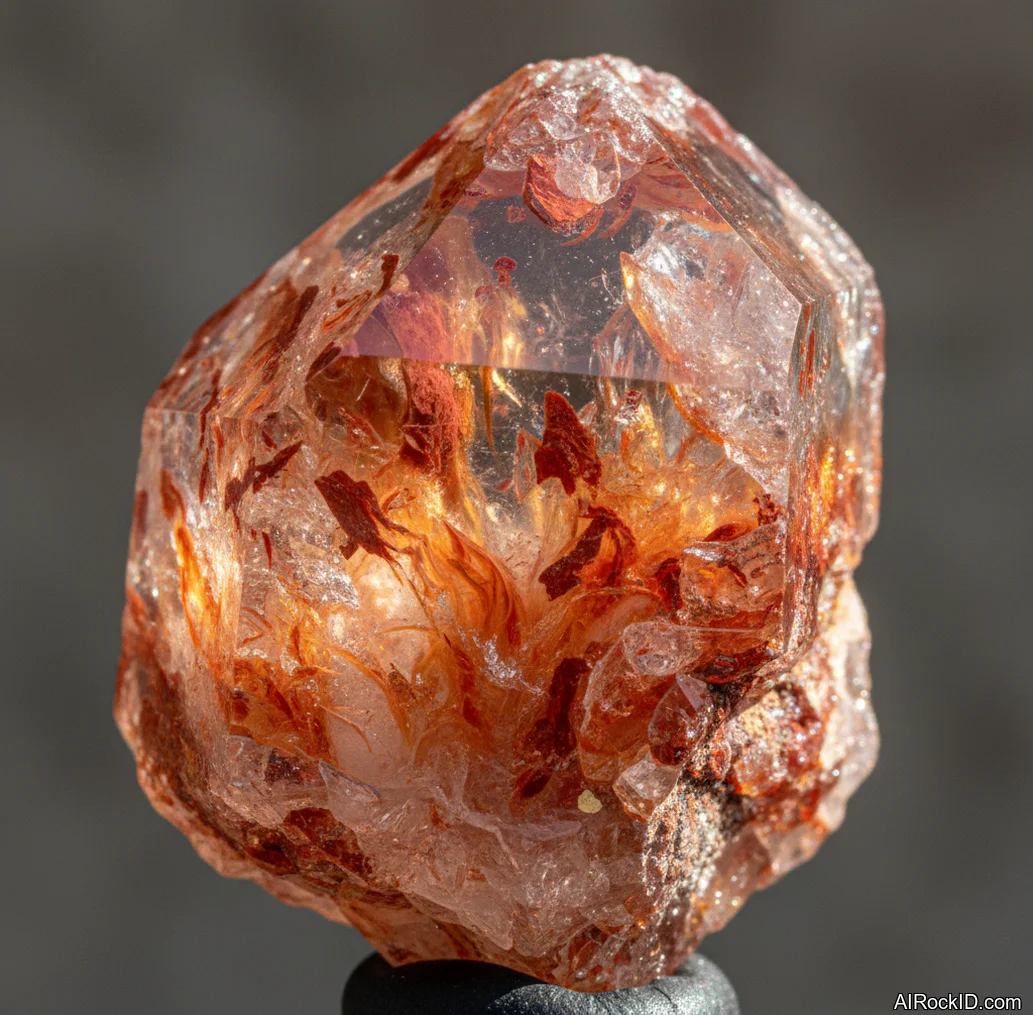
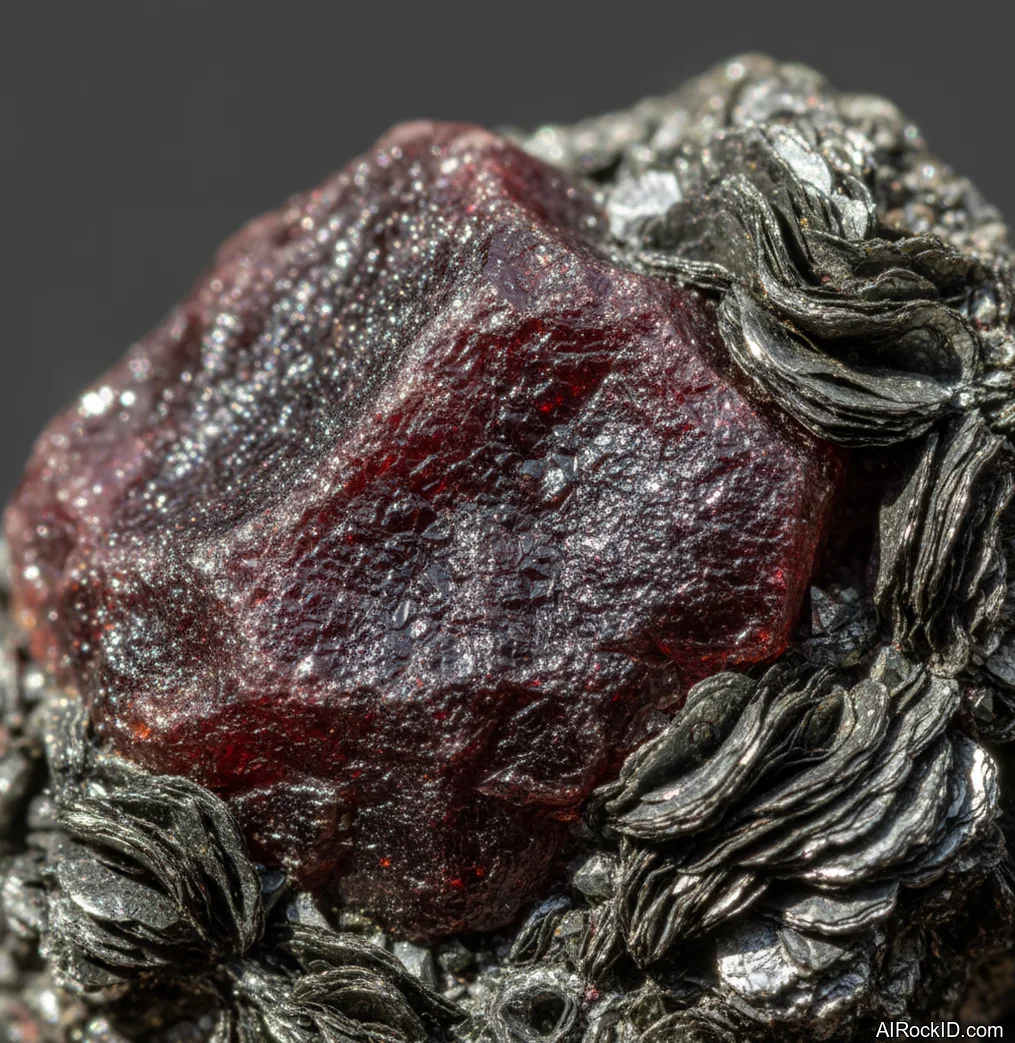
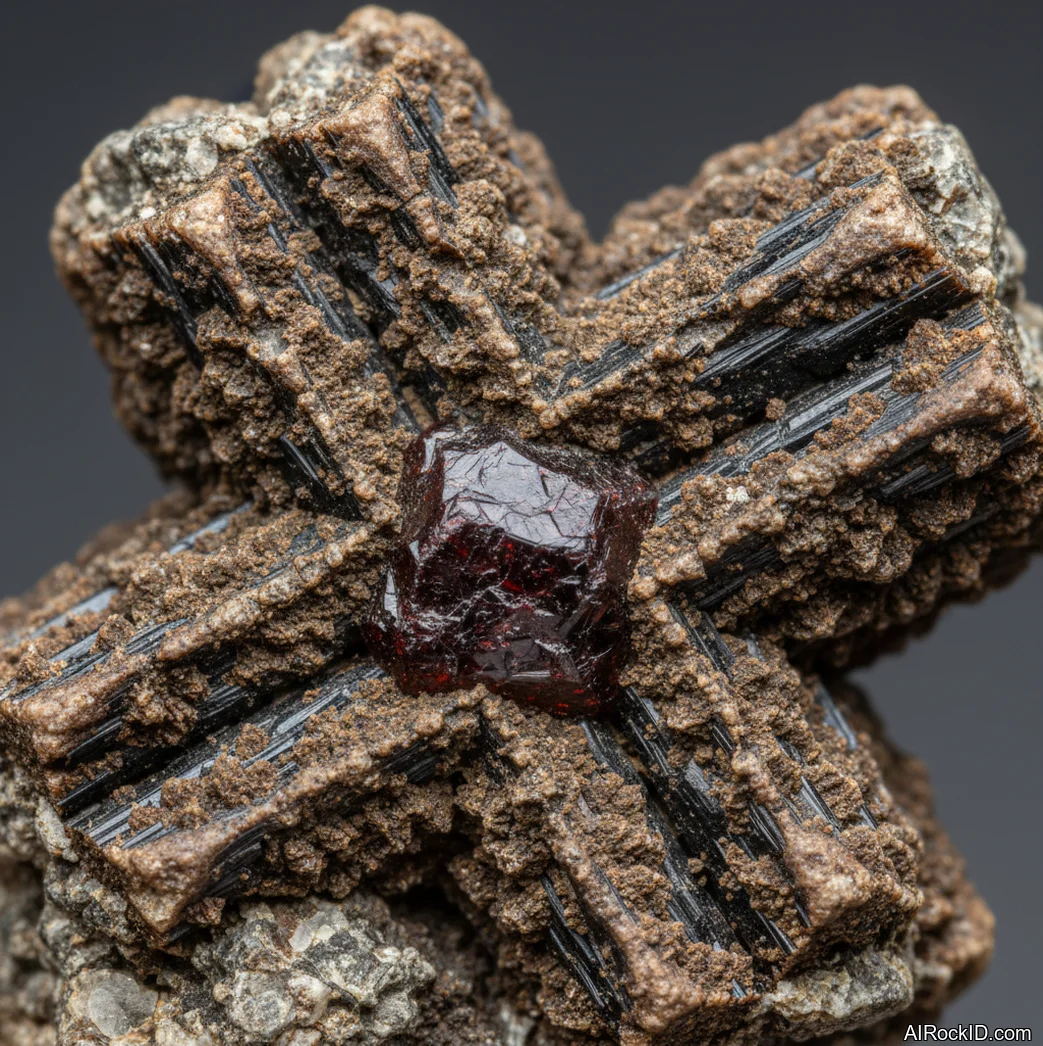
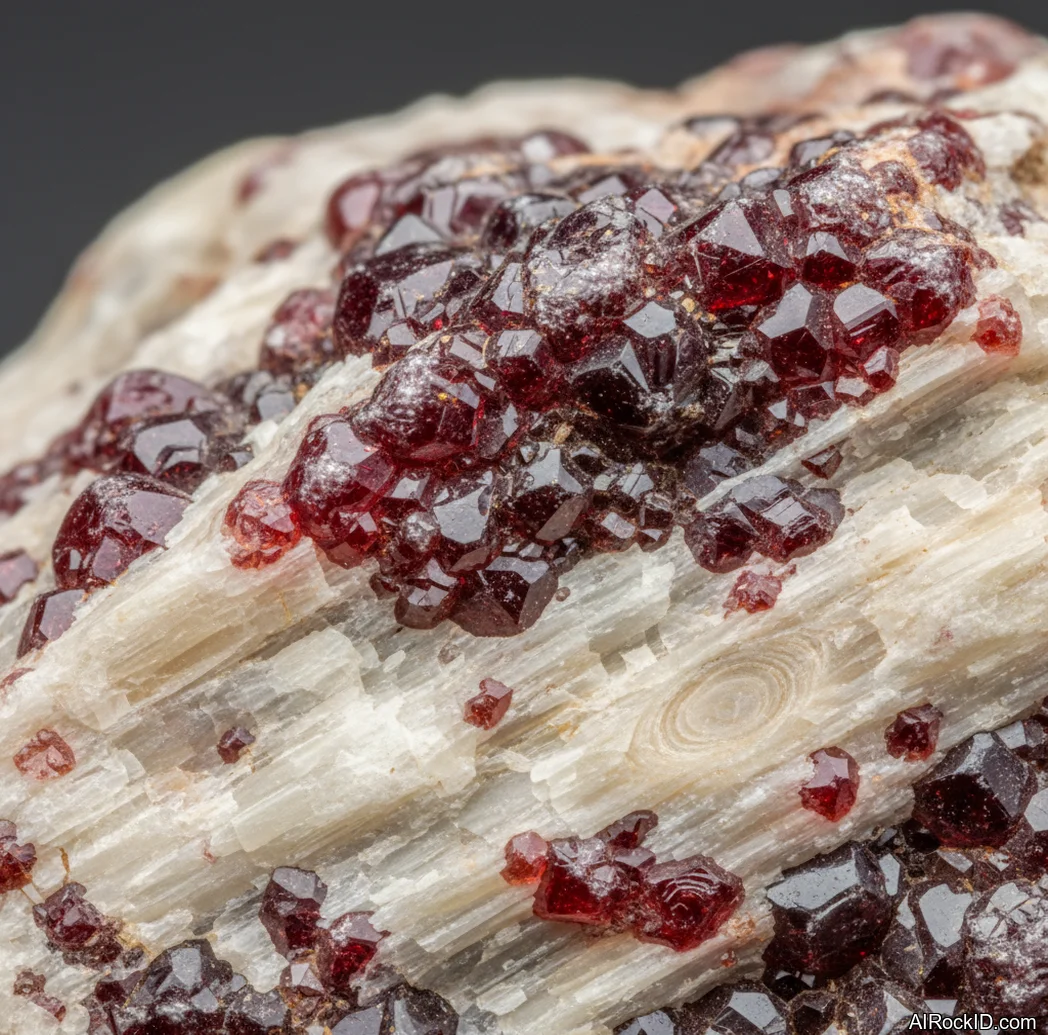
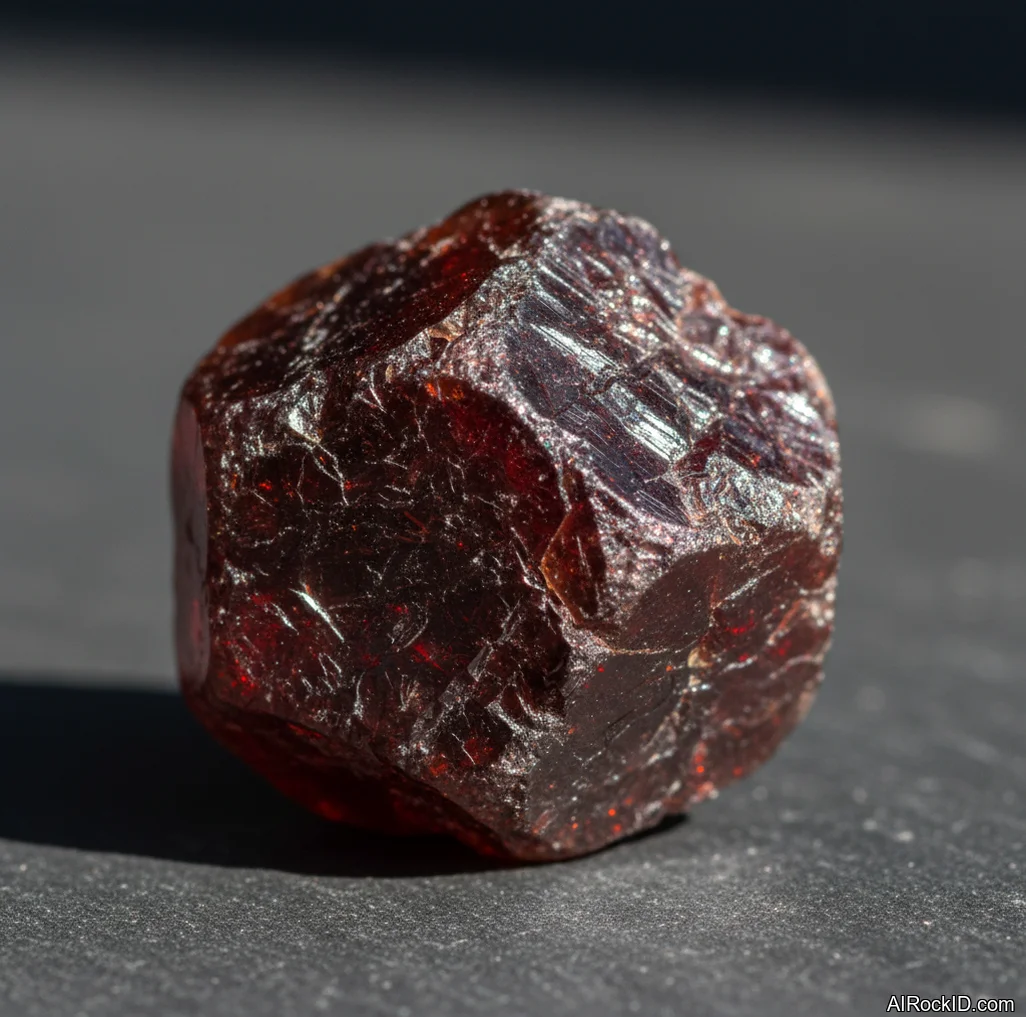
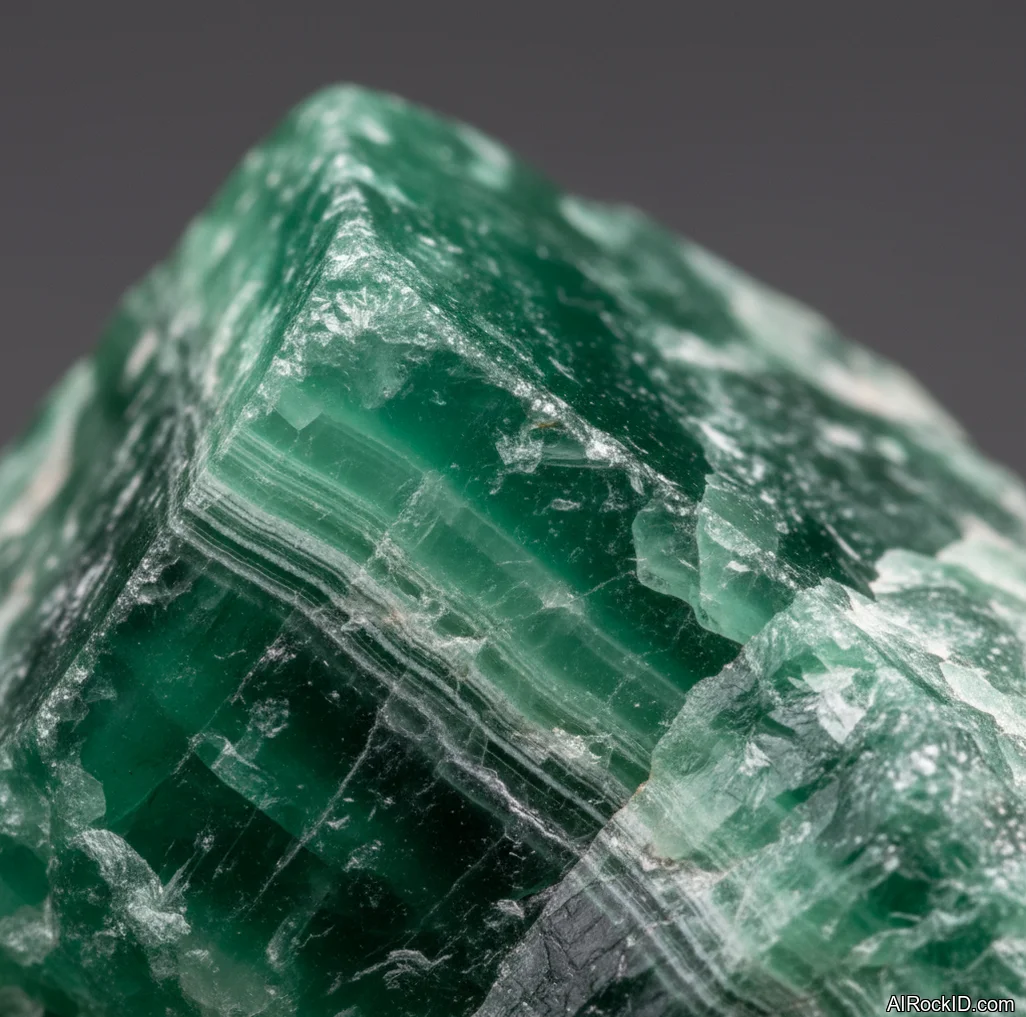
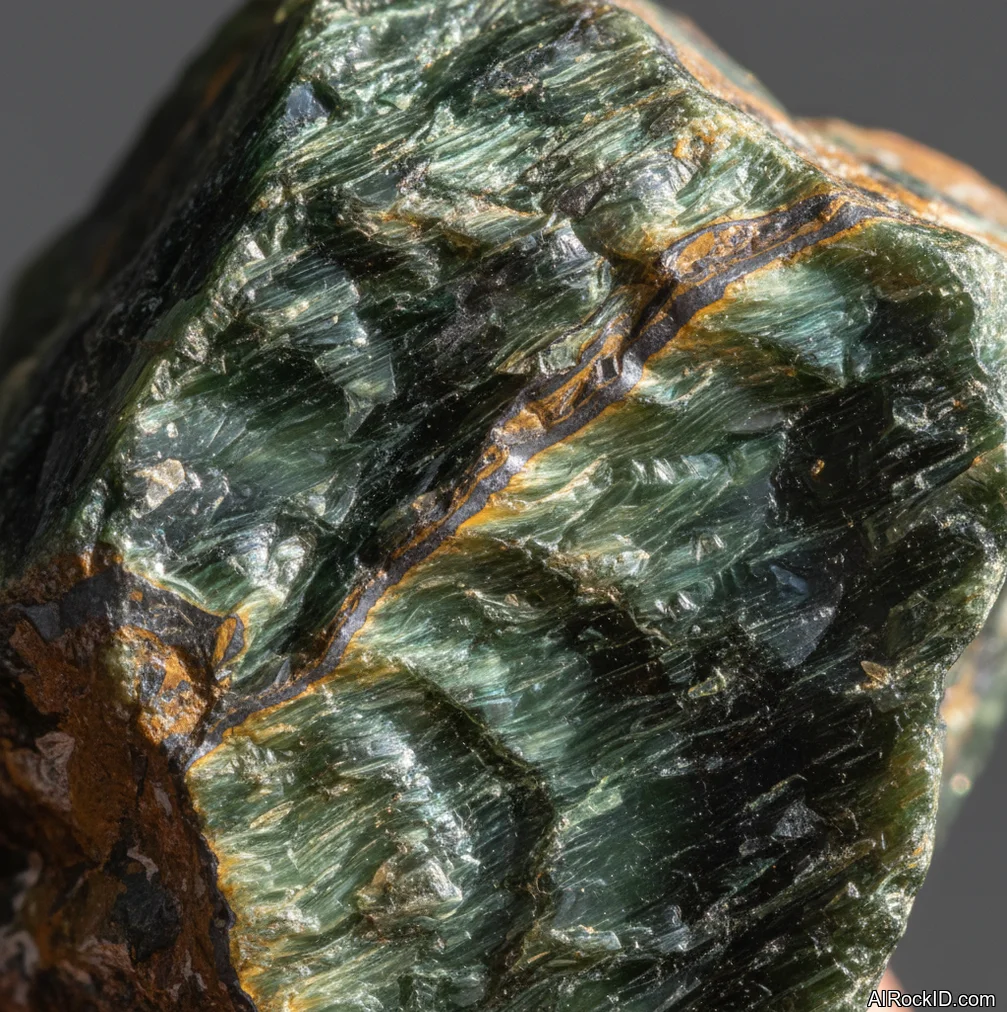
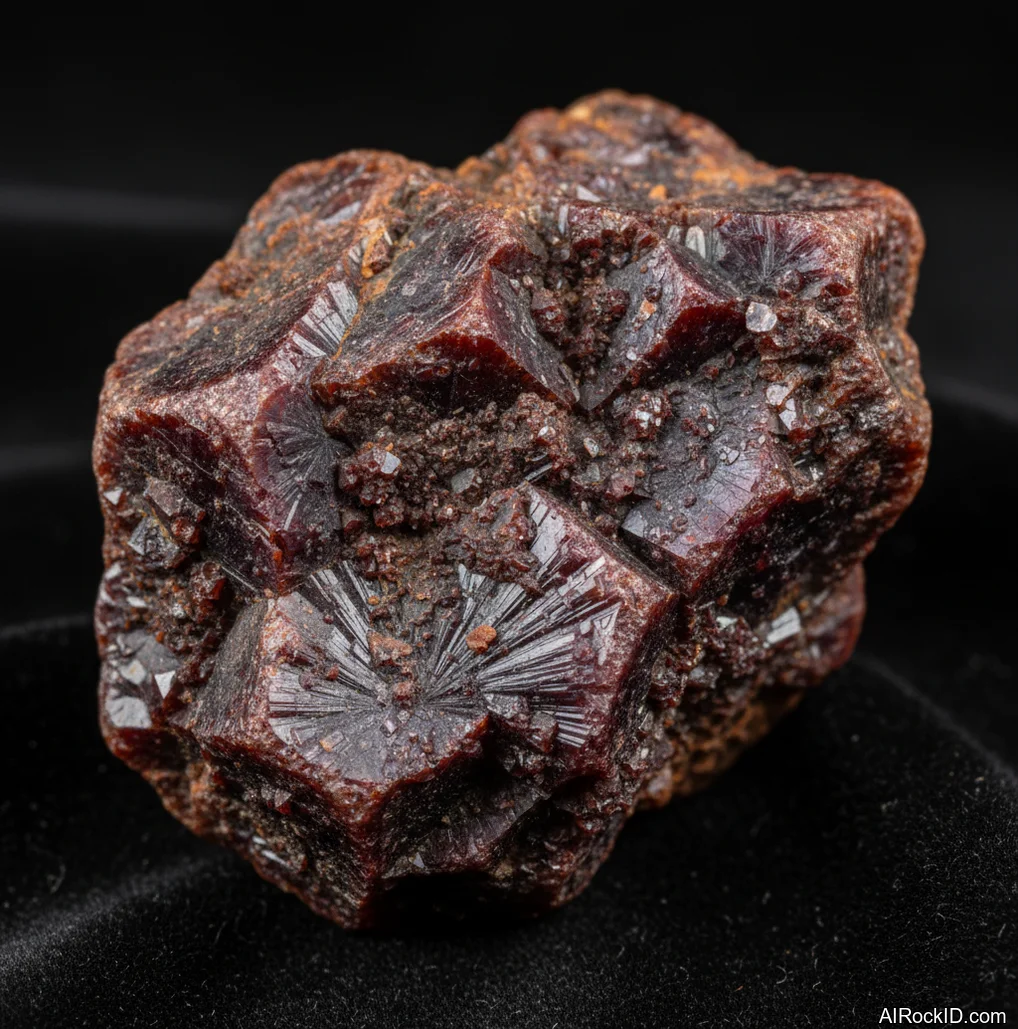
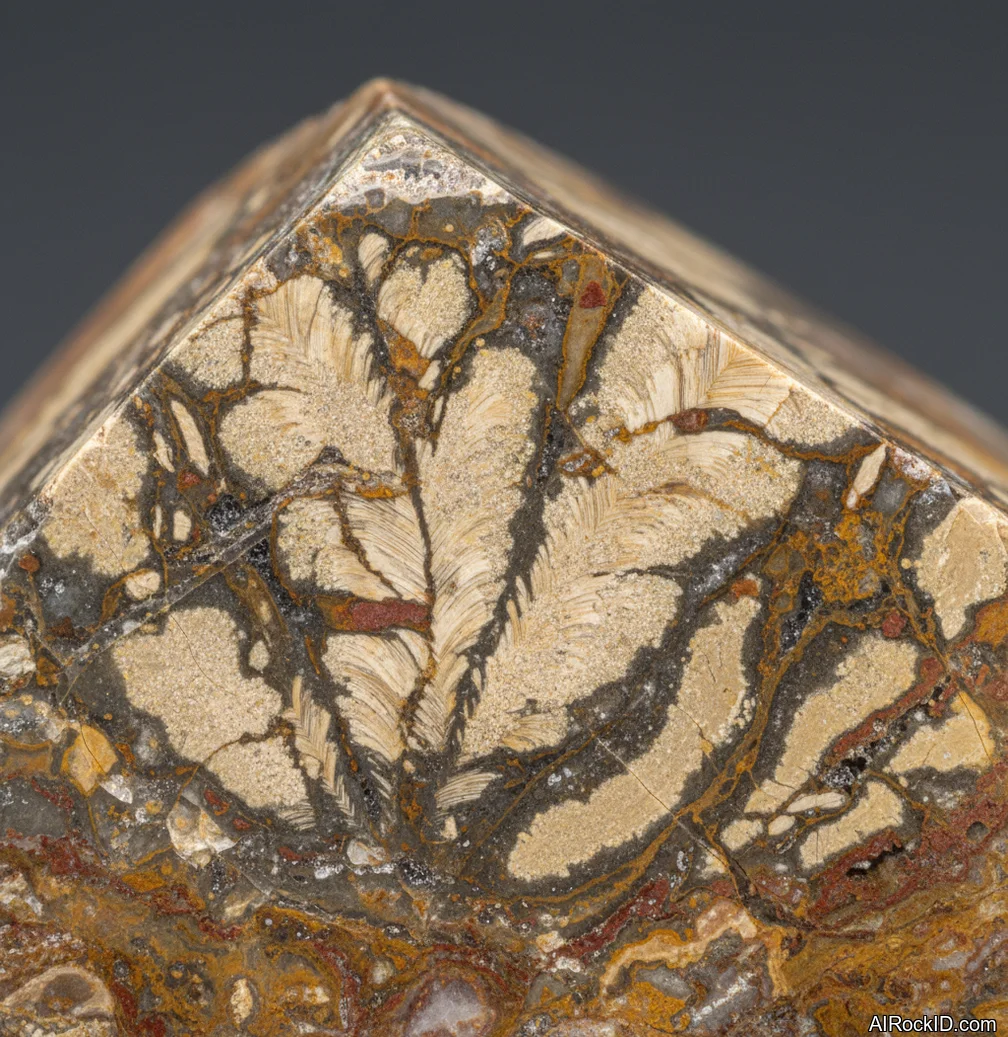
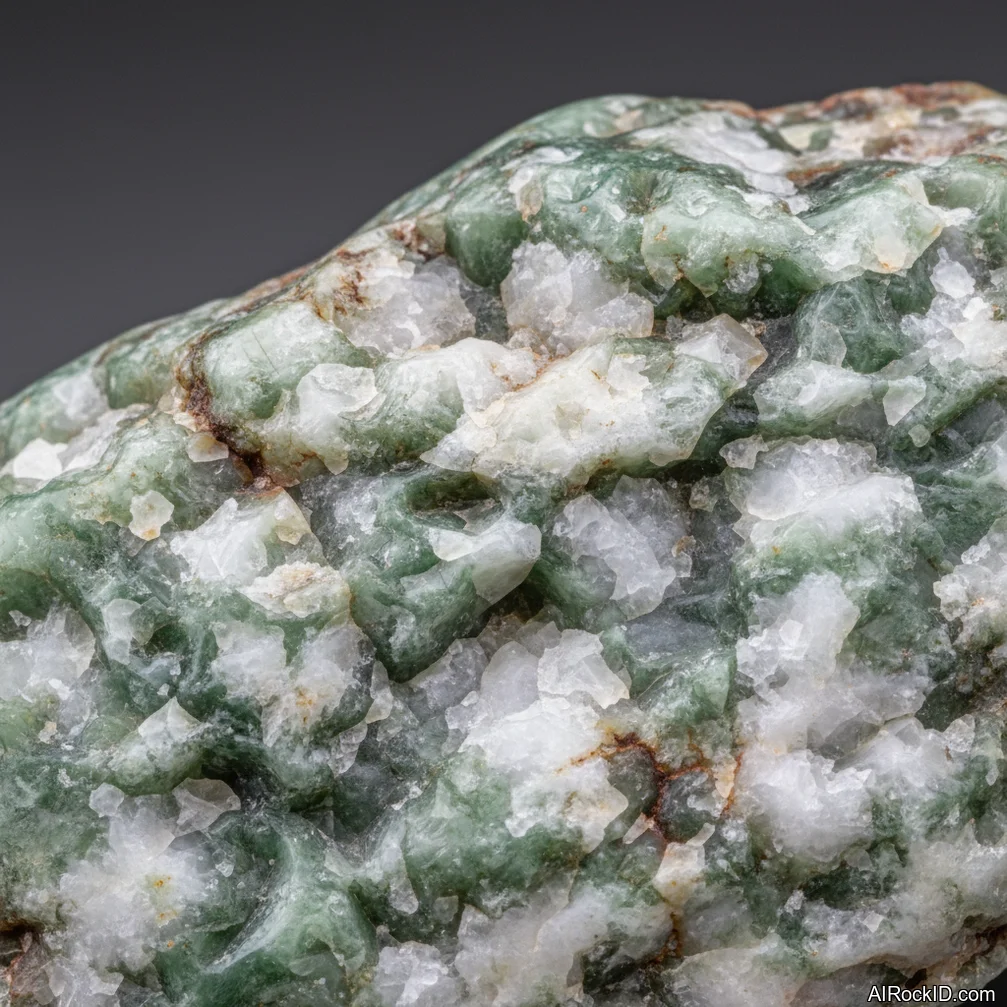
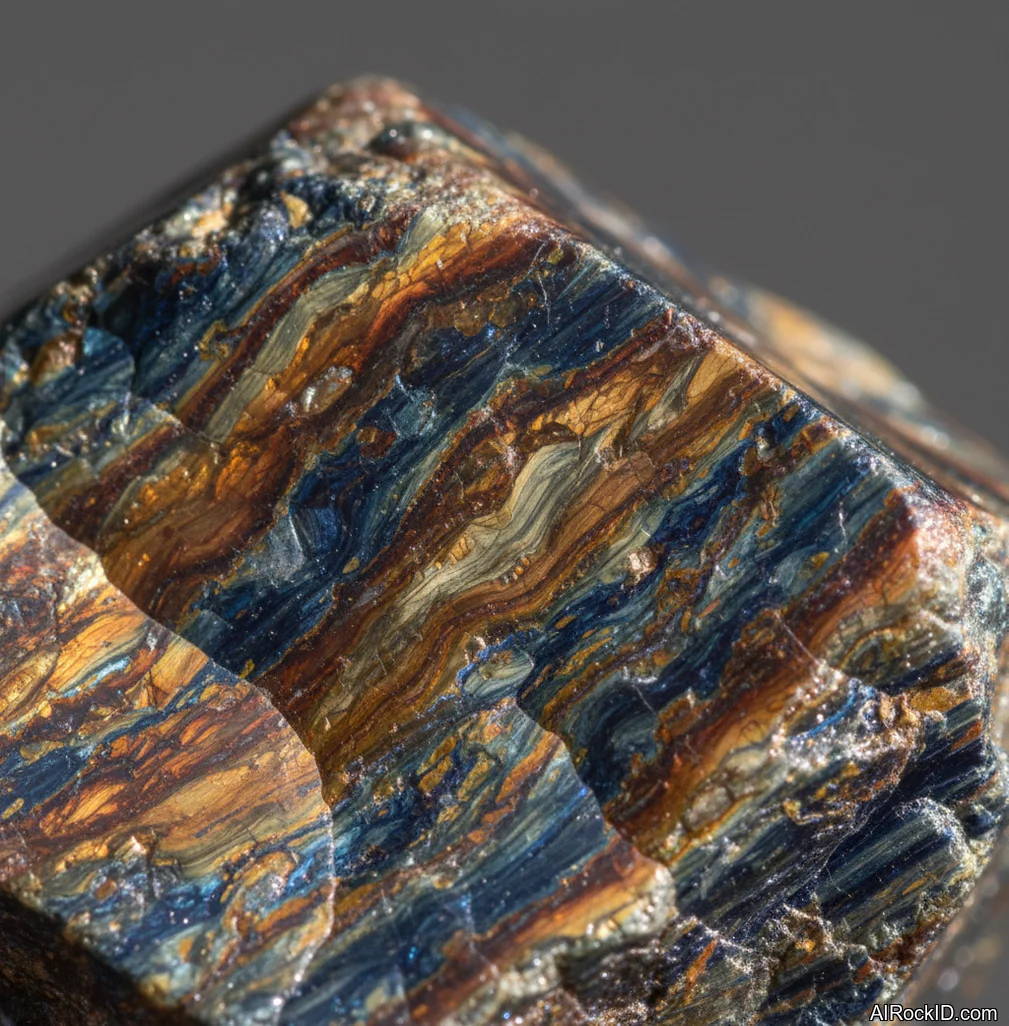
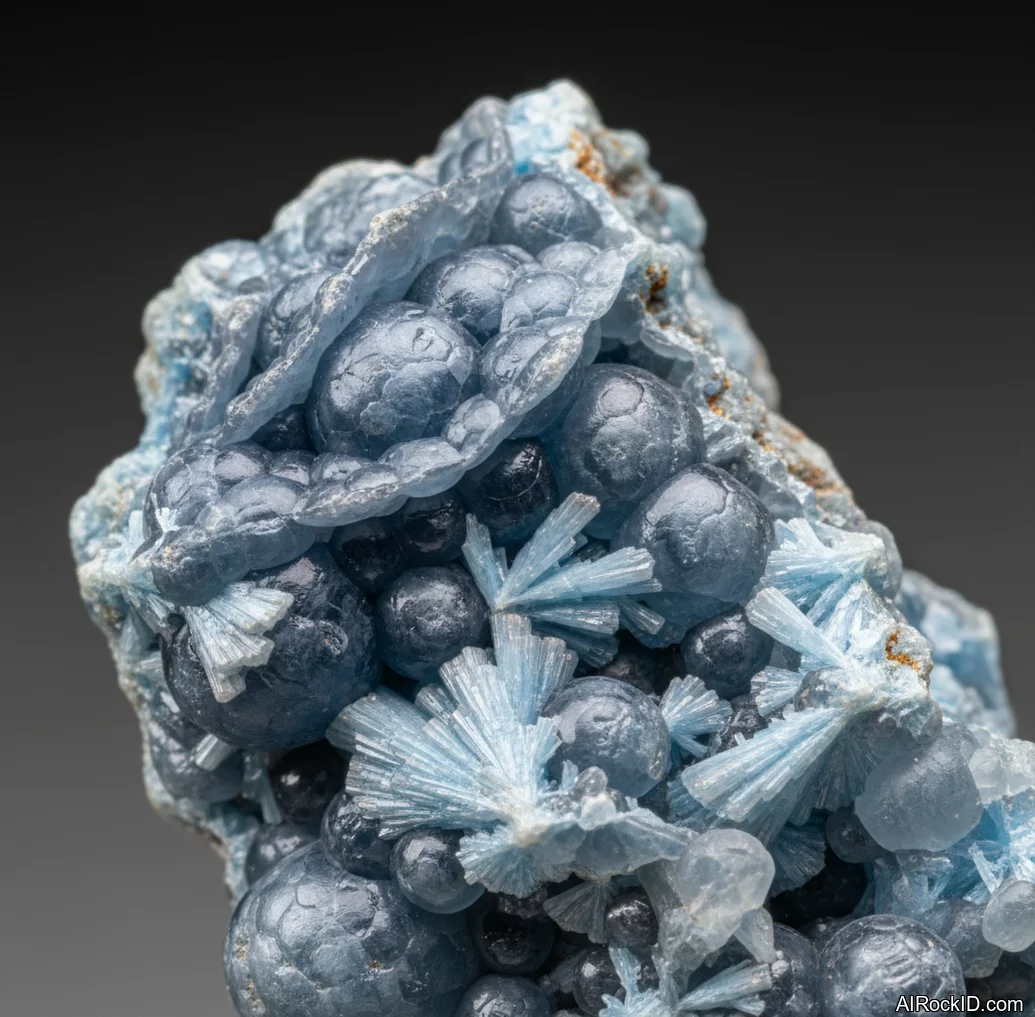
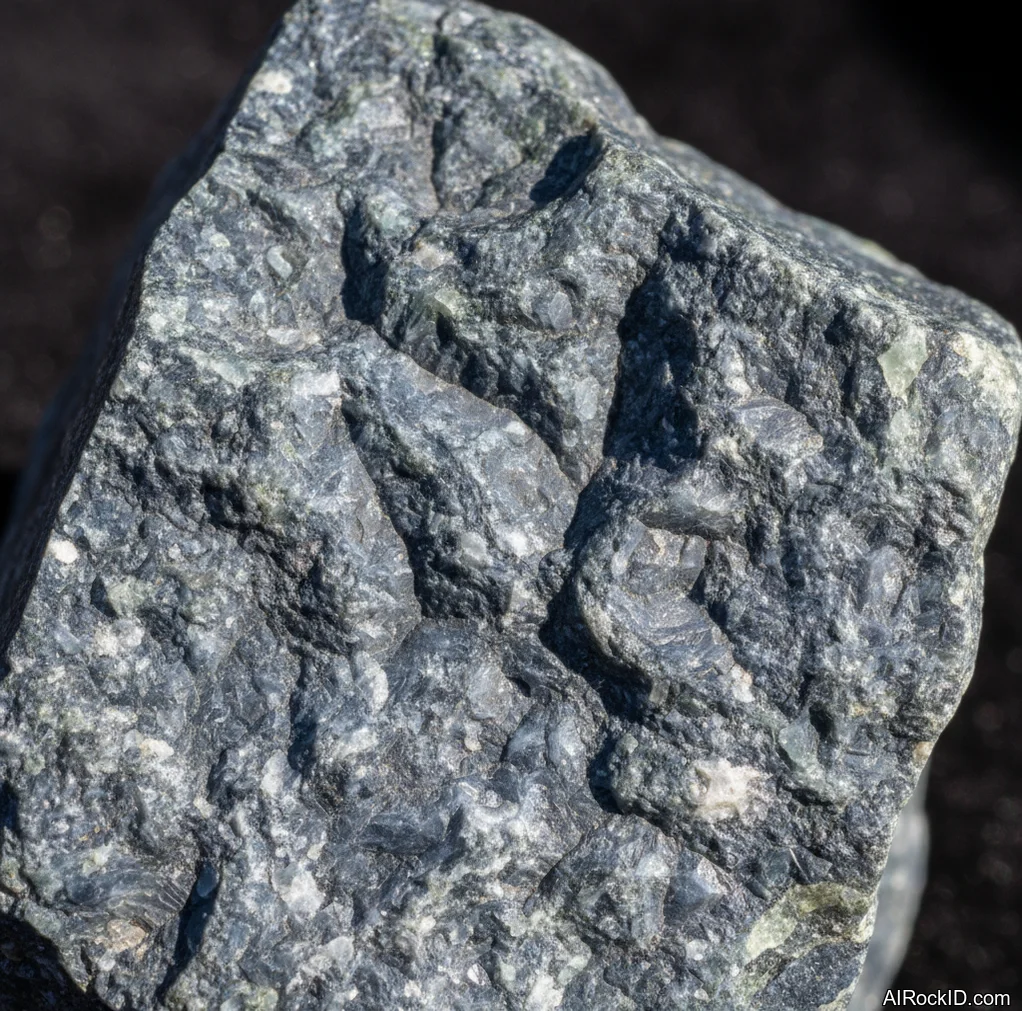
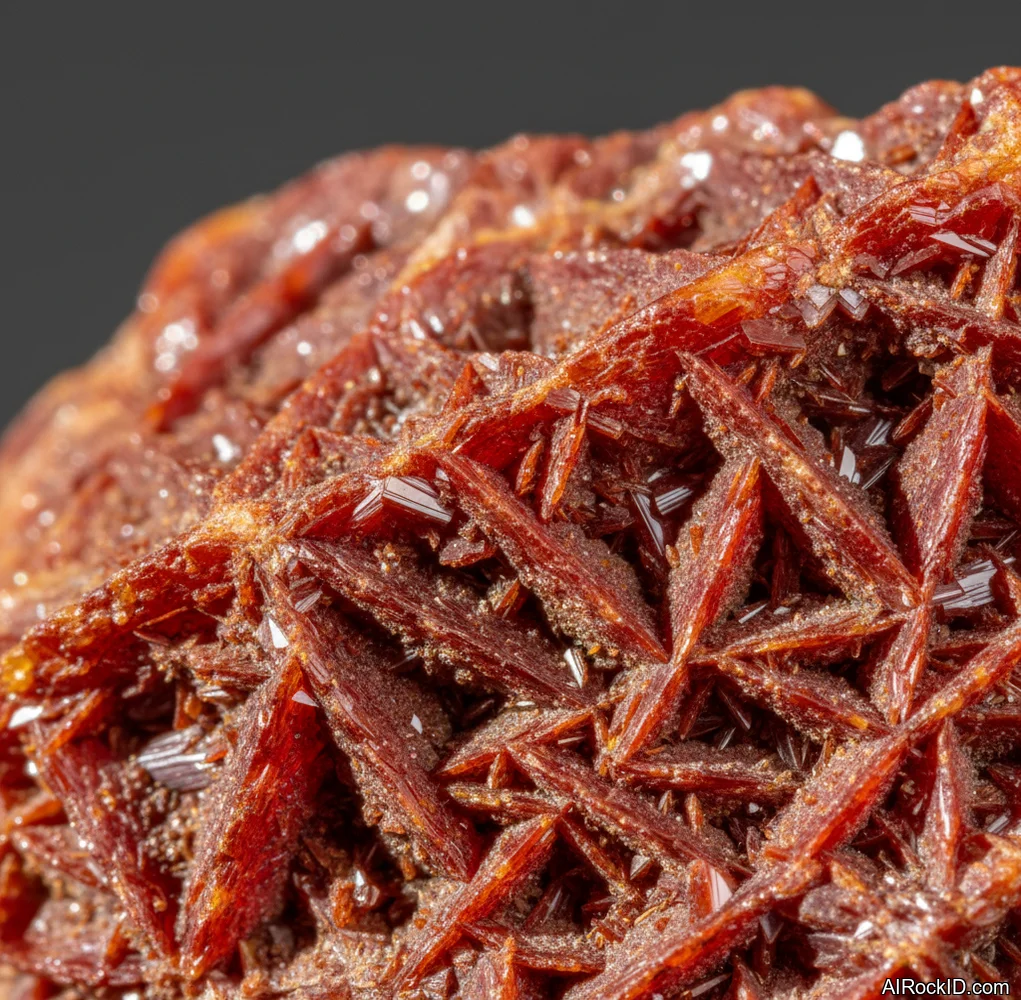
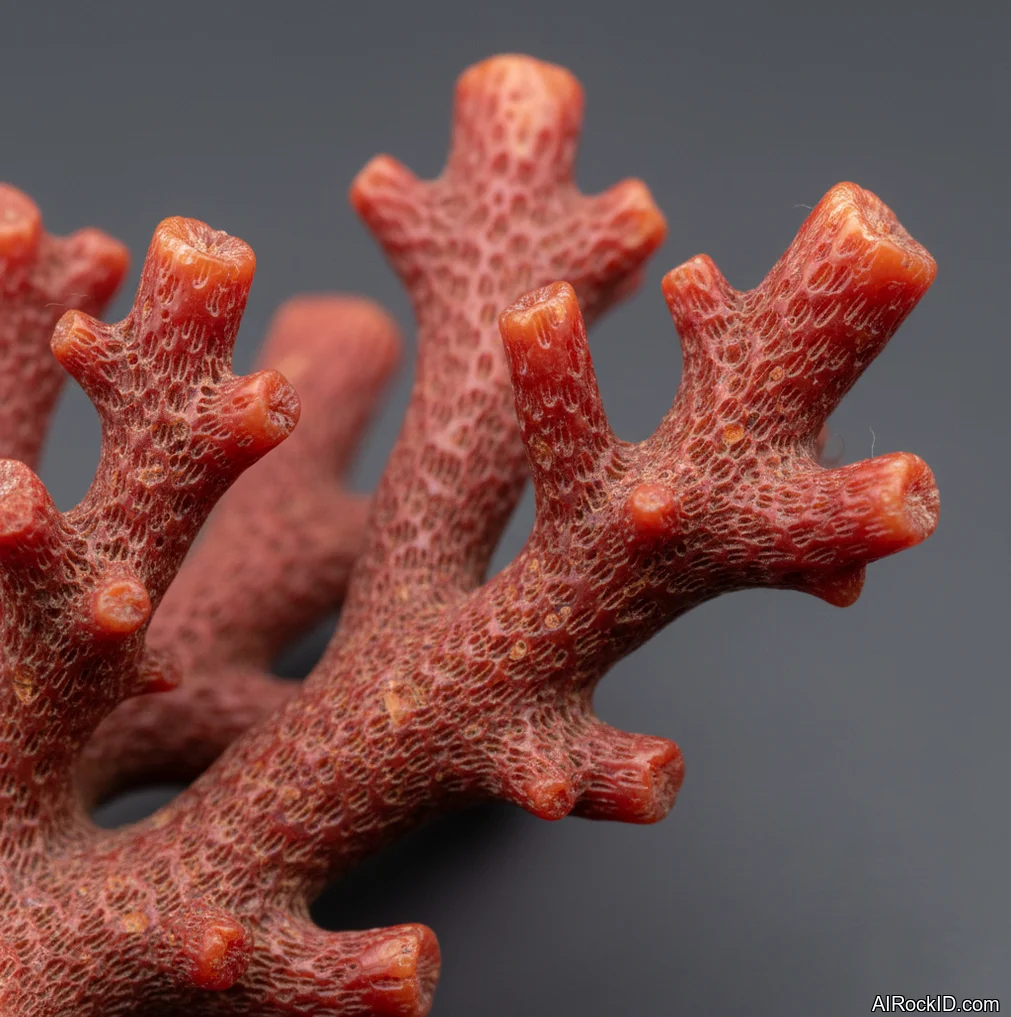
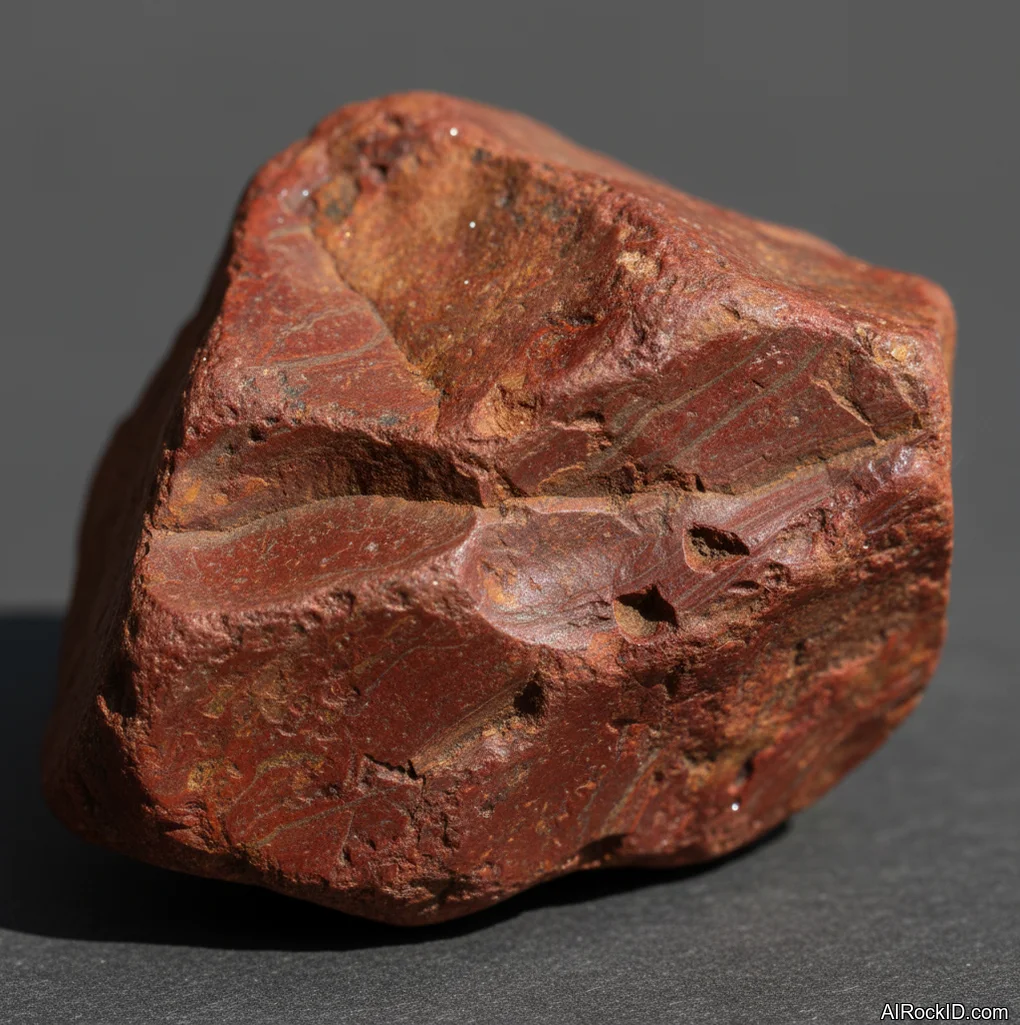
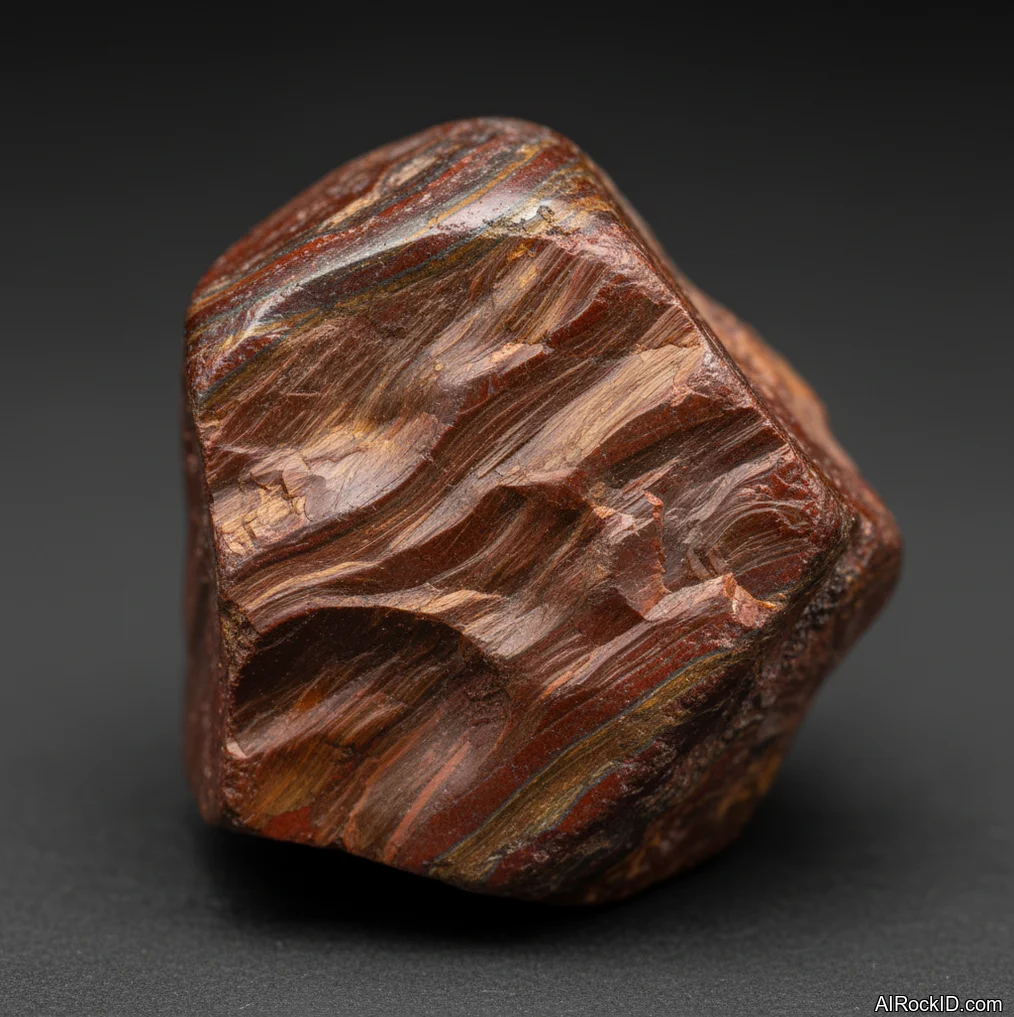
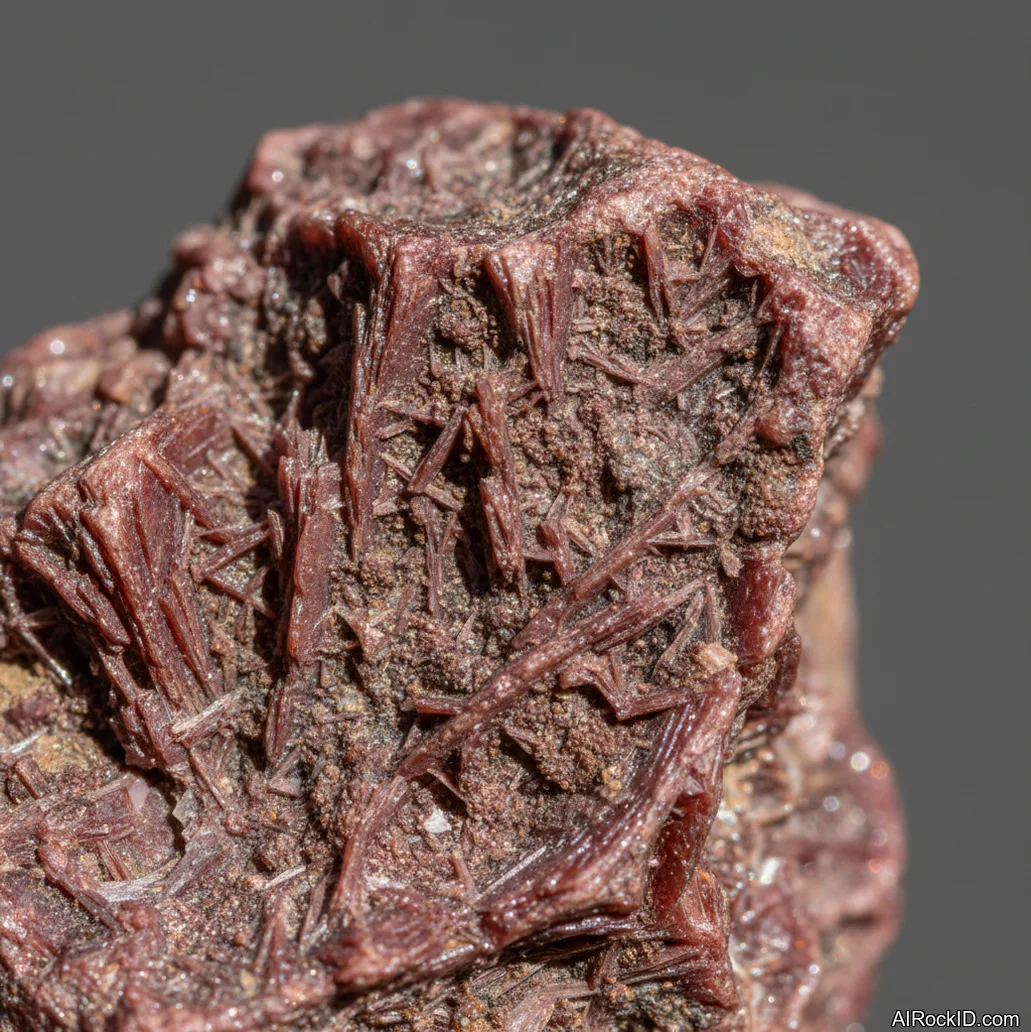
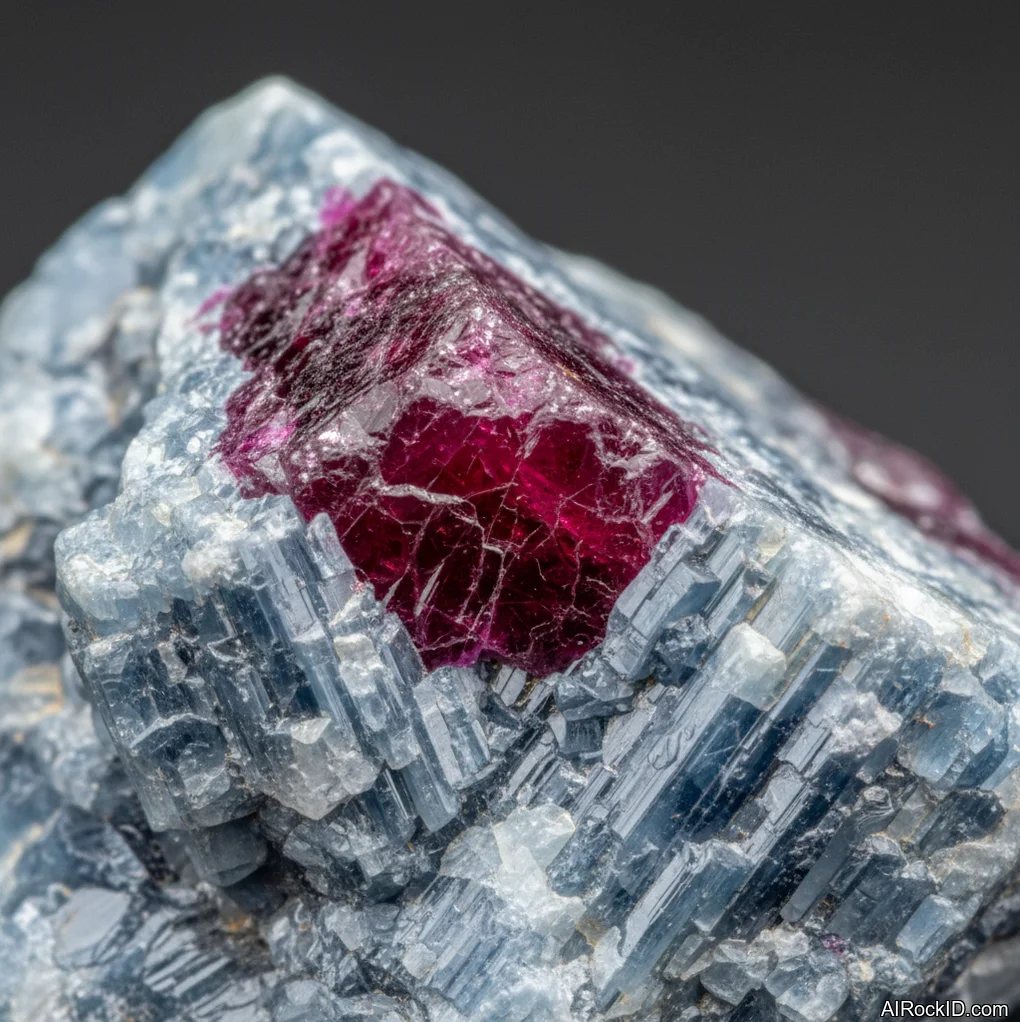
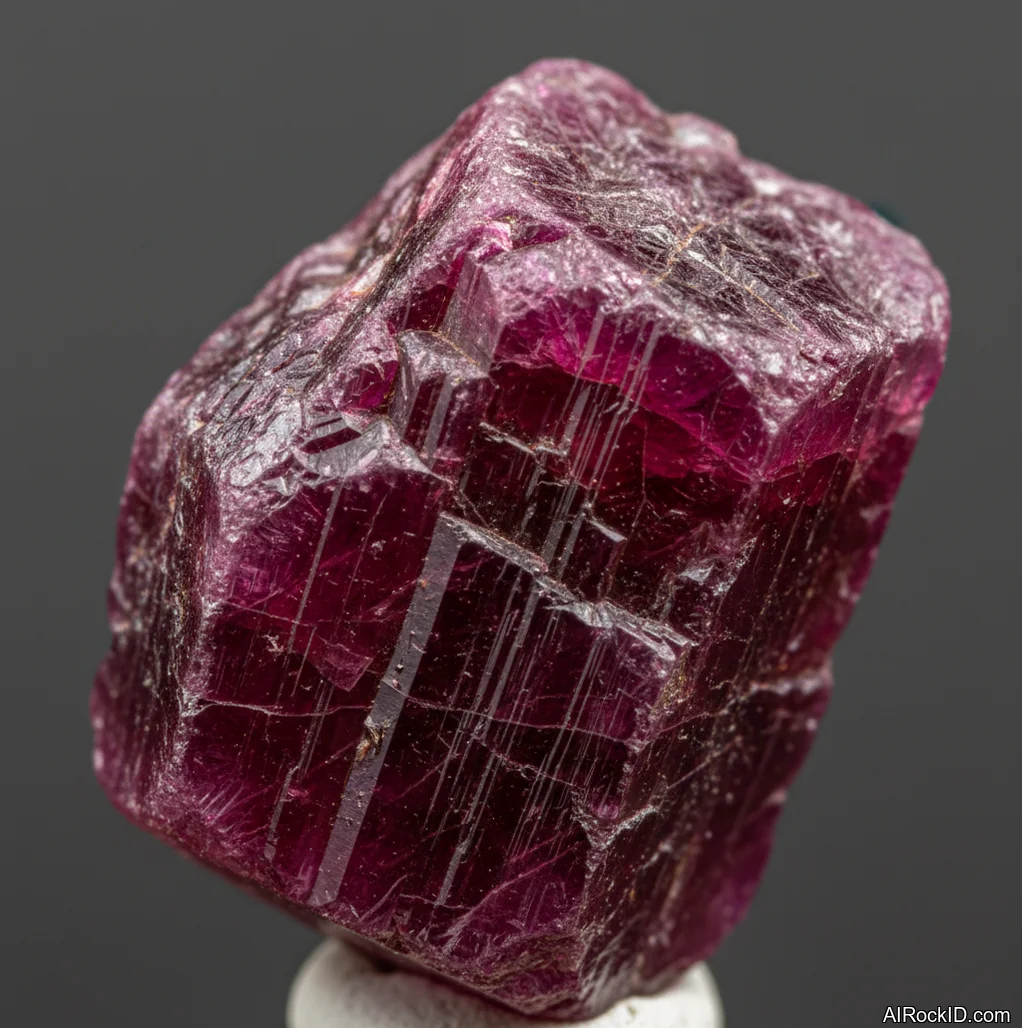
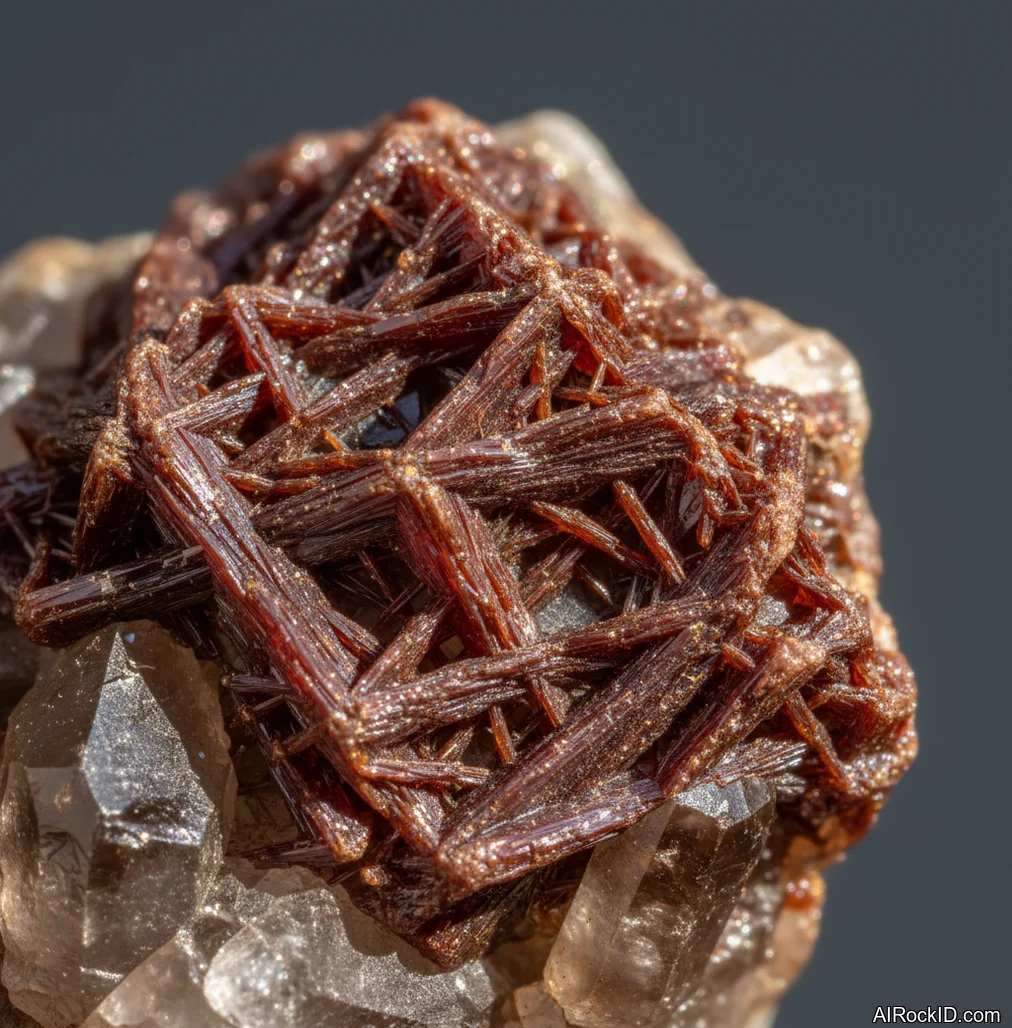
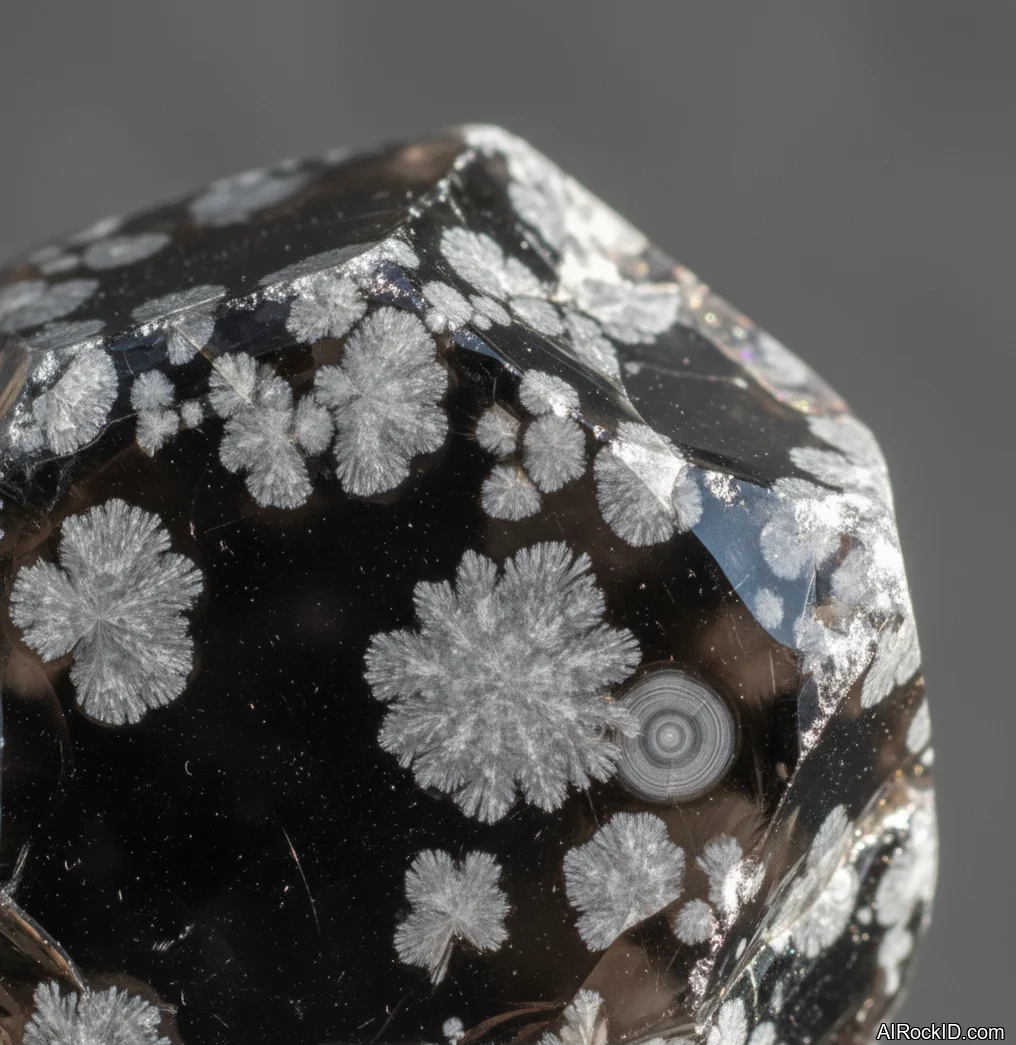
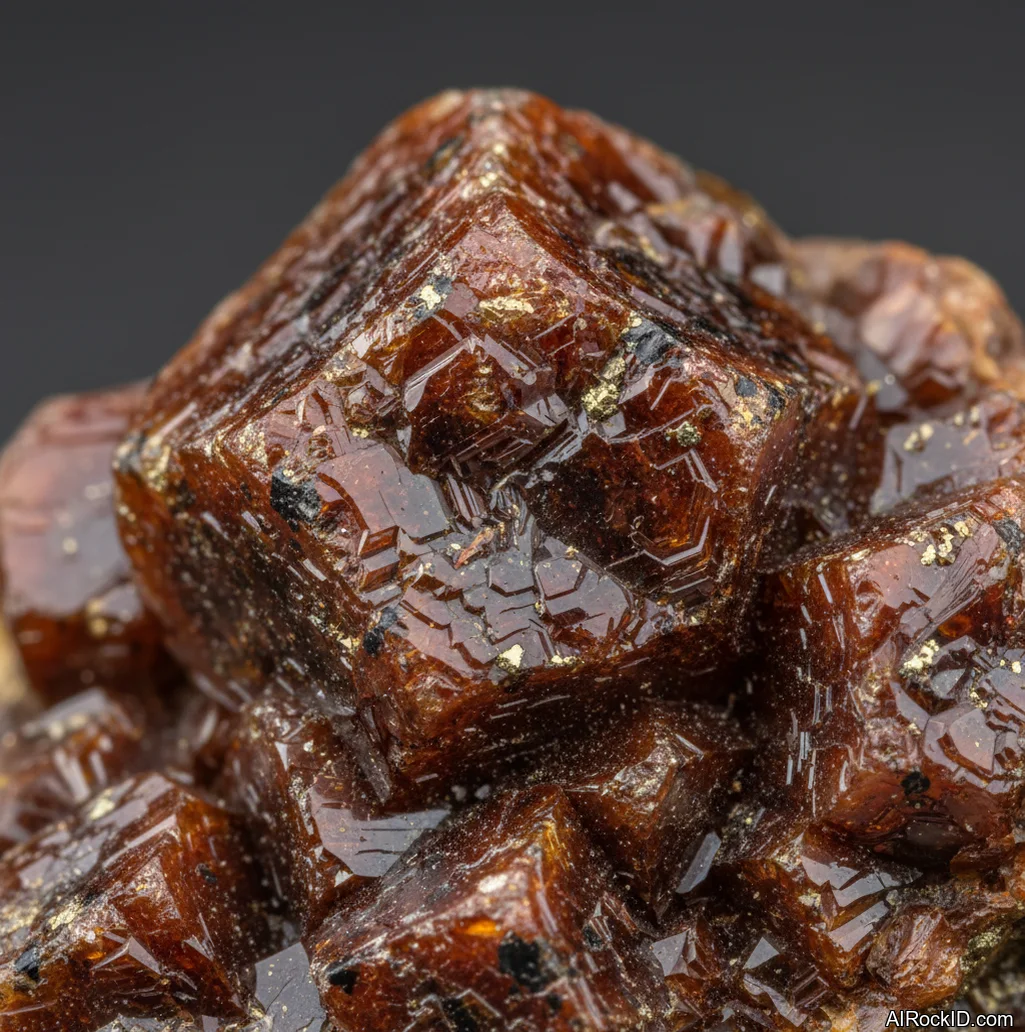
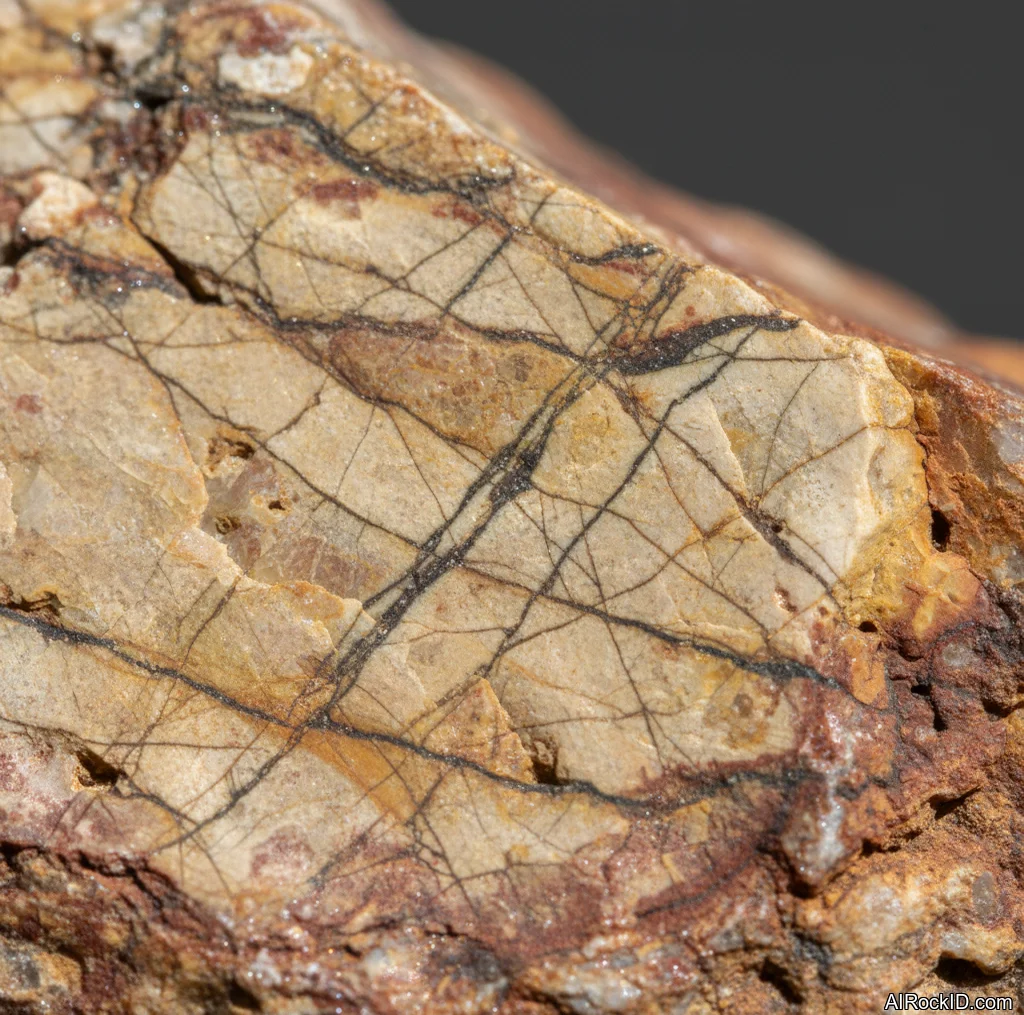
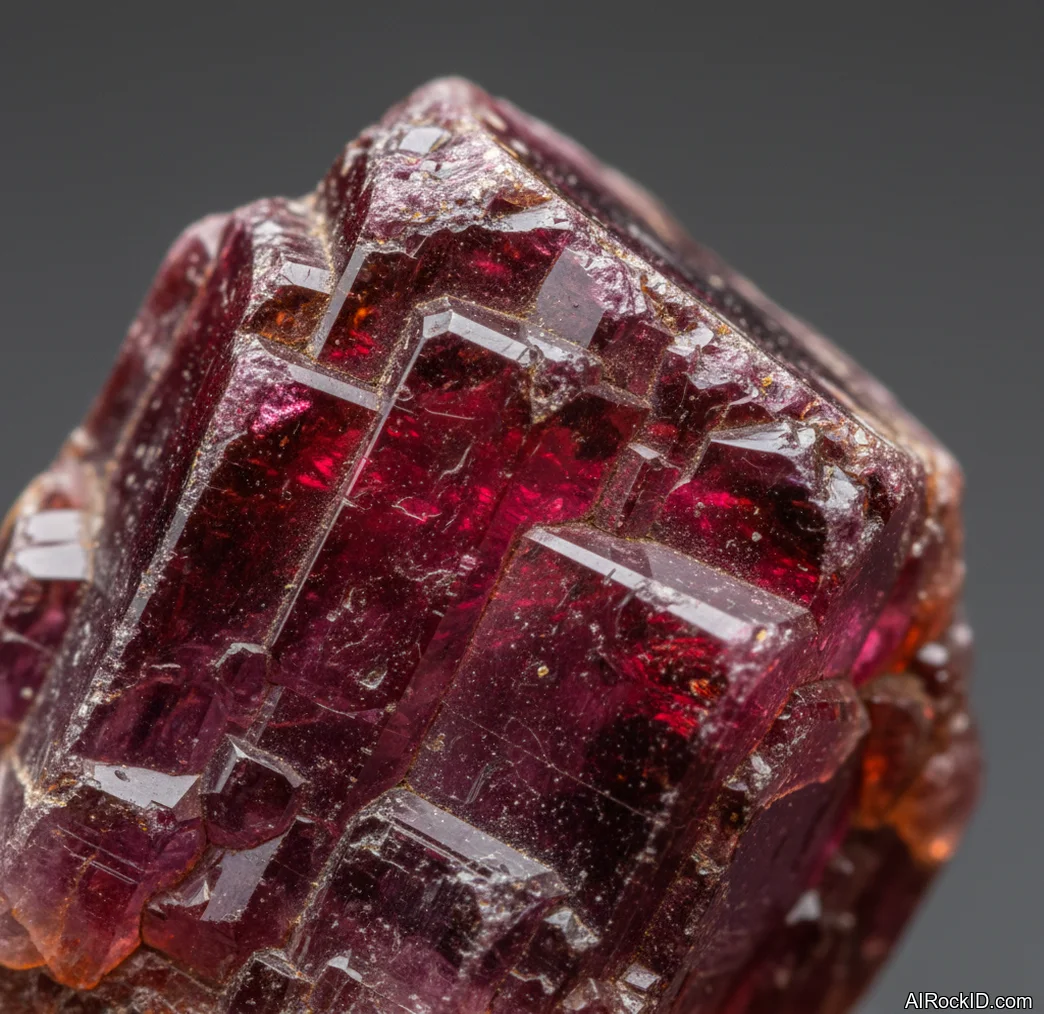
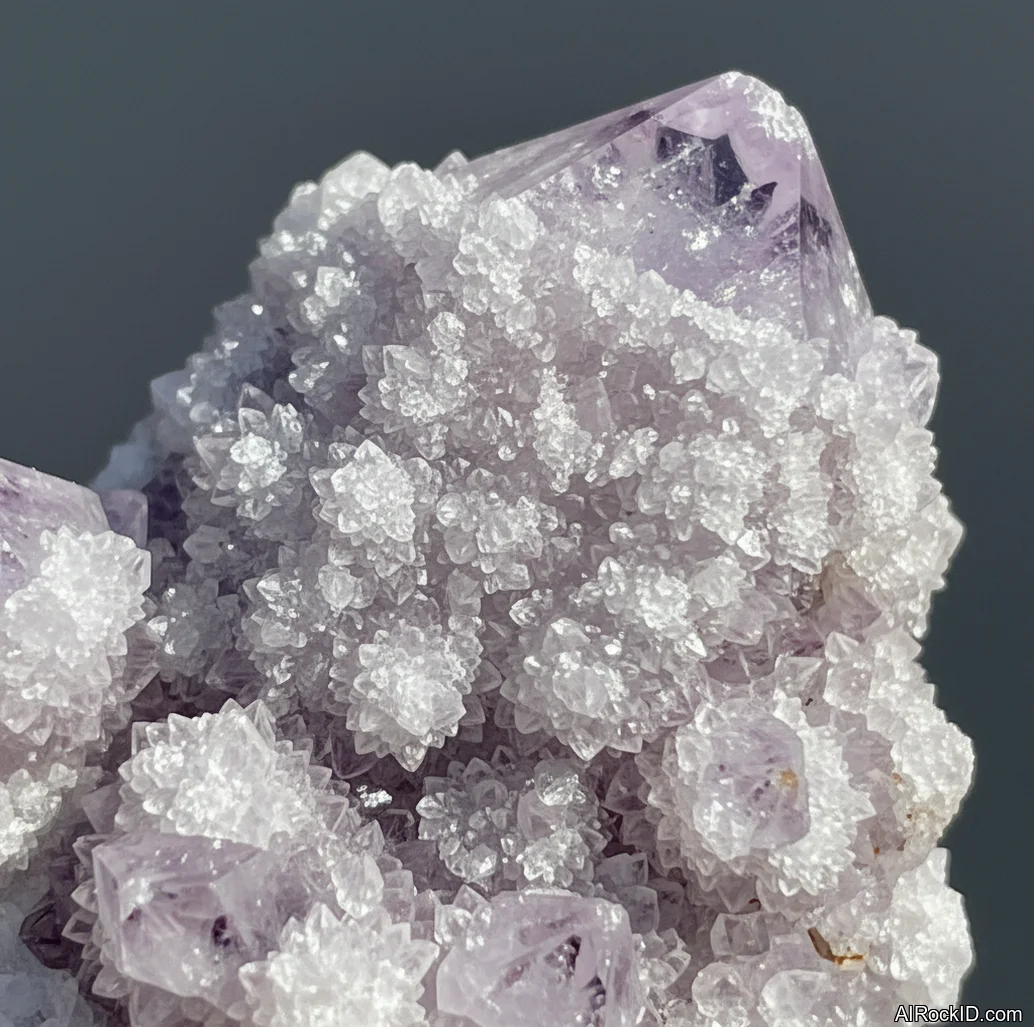
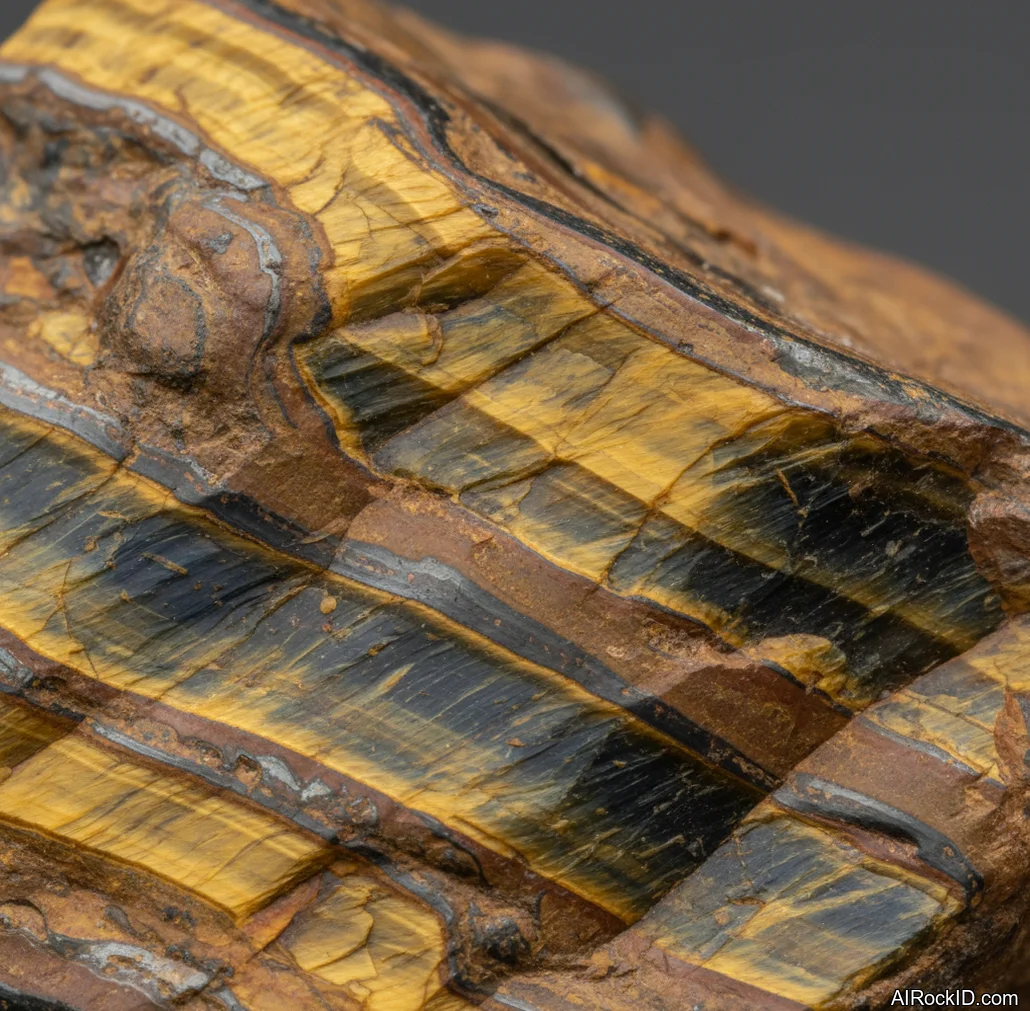
Many stones linked with protection are black, gray, deep red, or smoky brown, but color alone is not enough for identification. Black tourmaline, obsidian, onyx, hematite, and dyed agate can appear similar in photos while differing in hardness, streak, density, and formation.
Ethical and Authenticity Notes
Protection crystals are sometimes sold under trade names that do not identify the actual mineral. Buyers can ask for the mineral name, treatment status, country of origin, and whether a stone has been dyed, irradiated, coated, or reconstituted.
Care and Storage Considerations
Some protection stones are durable enough for daily handling, while others can scratch, chip, rust, or react poorly to water. Hematite, pyrite, selenite, and soft or porous stones should be stored dry and checked before cleansing methods that involve water, salt, or sunlight.
What Protection Crystals Really Do and Why People Use Them
Protection, in the context of crystals, usually means keeping yourself from feeling drained or thrown off by outside influences. Some days, you pick up vibes from other people like lint. Other times, a place just feels heavy. That's when people reach for stones like black tourmaline or obsidian. It's not about making yourself invincible. Think of it like grabbing a sturdy jacket before heading into a windstorm—you're still in the weather, just less rattled by it. Most collectors I know use protection stones during times of high stress, when they're working with the public, traveling, or sleeping poorly. I always keep a chunk of black tourmaline at my front door. I've tossed it in a bag, knocked it off a shelf, and it never chips. There's a comfort in the way it sits solid in the palm, all rough edges and weight. That physical toughness matches the feeling people want: stable, grounded, and hard to push around. Protection stones can help set energetic boundaries so you don't constantly soak up other people's moods or tension. They won't fix every problem, but for a lot of folks, carrying or handling one becomes a good habit when life gets chaotic.
Comparing Popular Protection Crystals: Tourmaline, Obsidian, and More
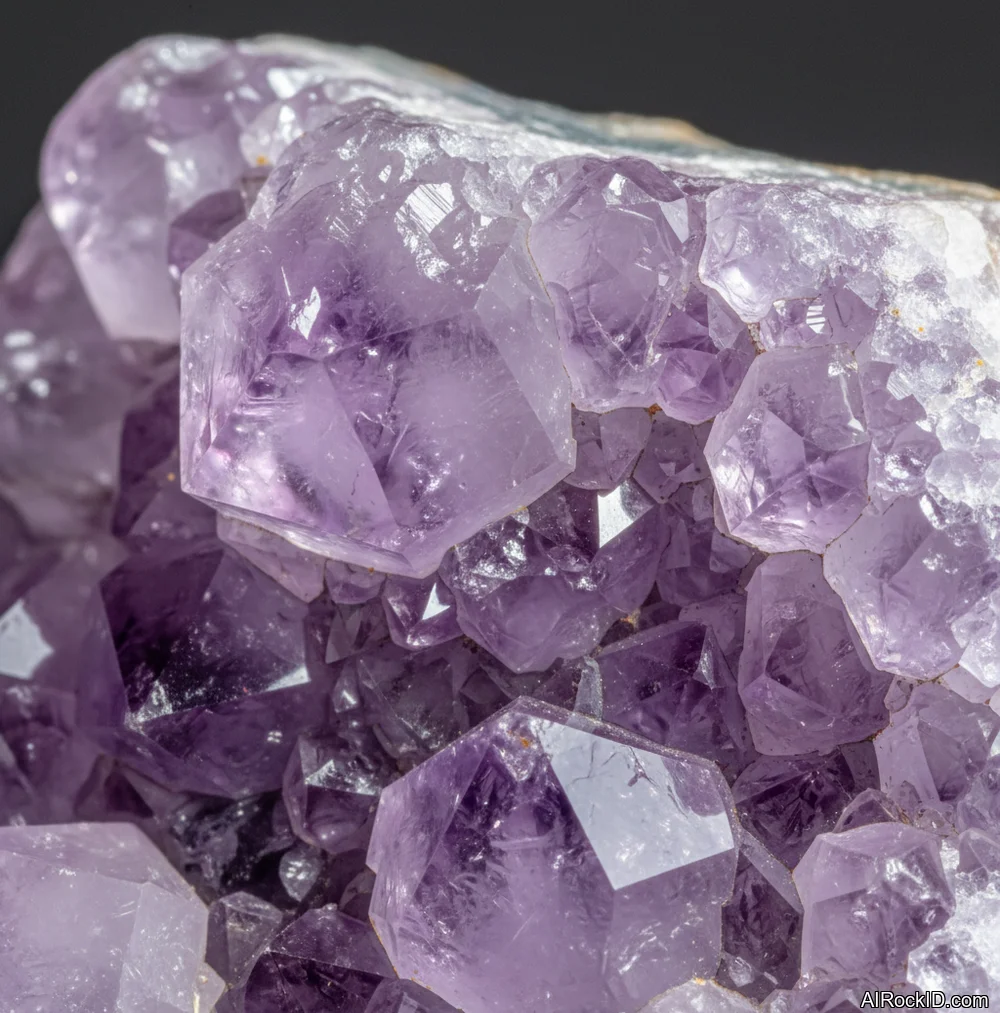
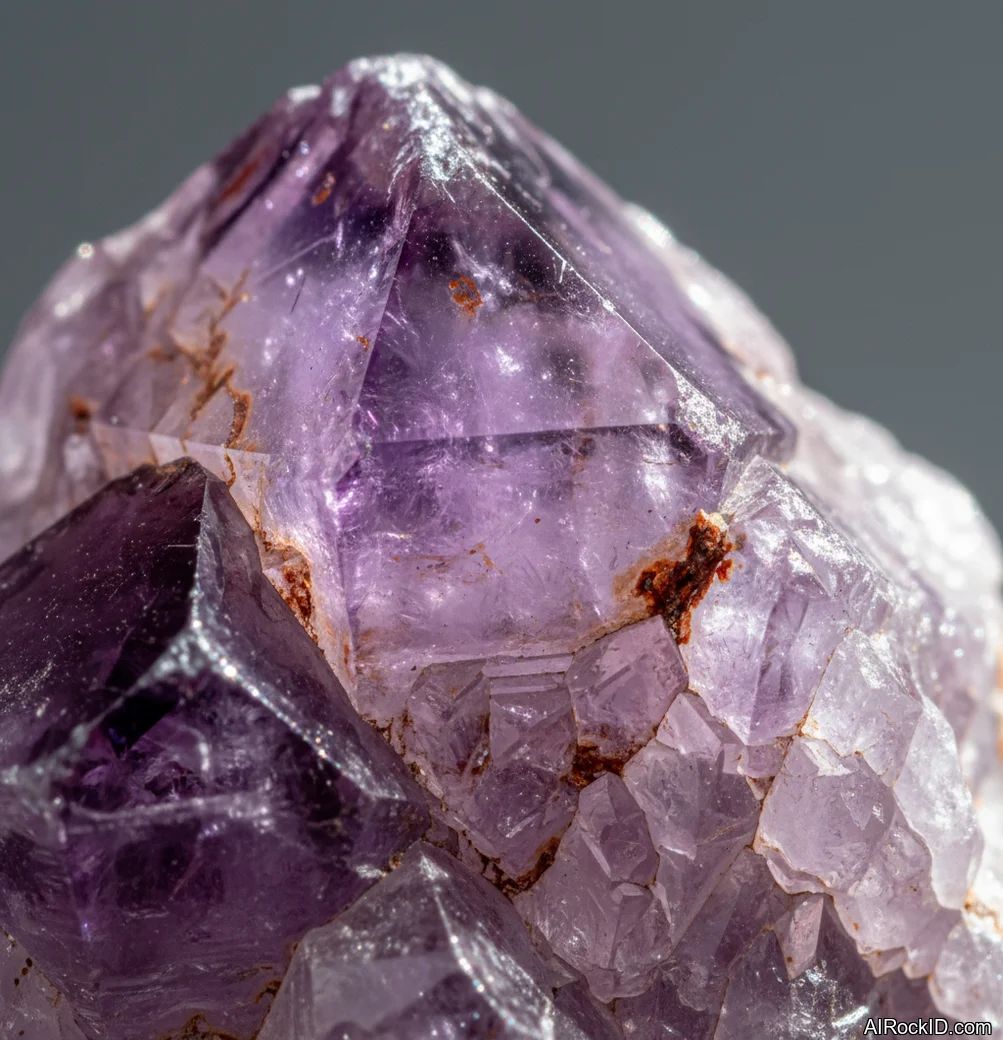
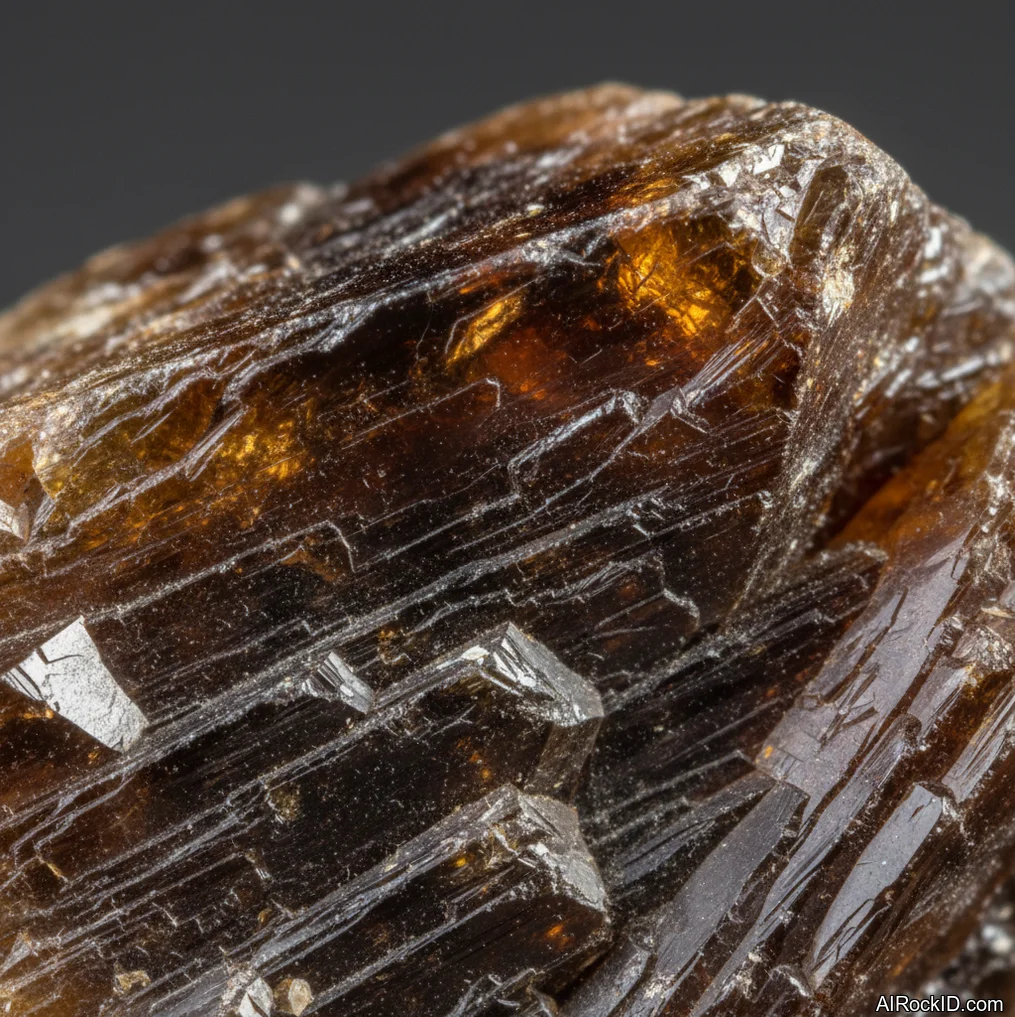
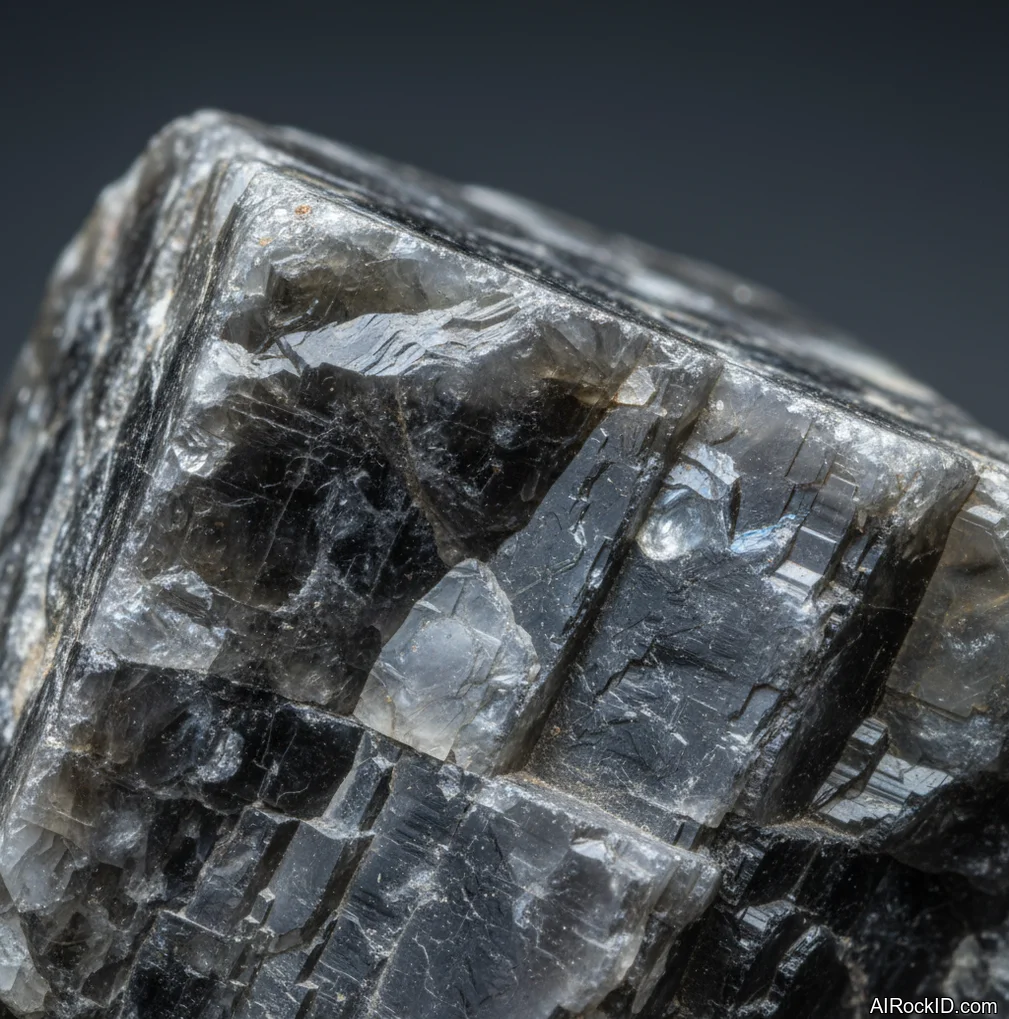
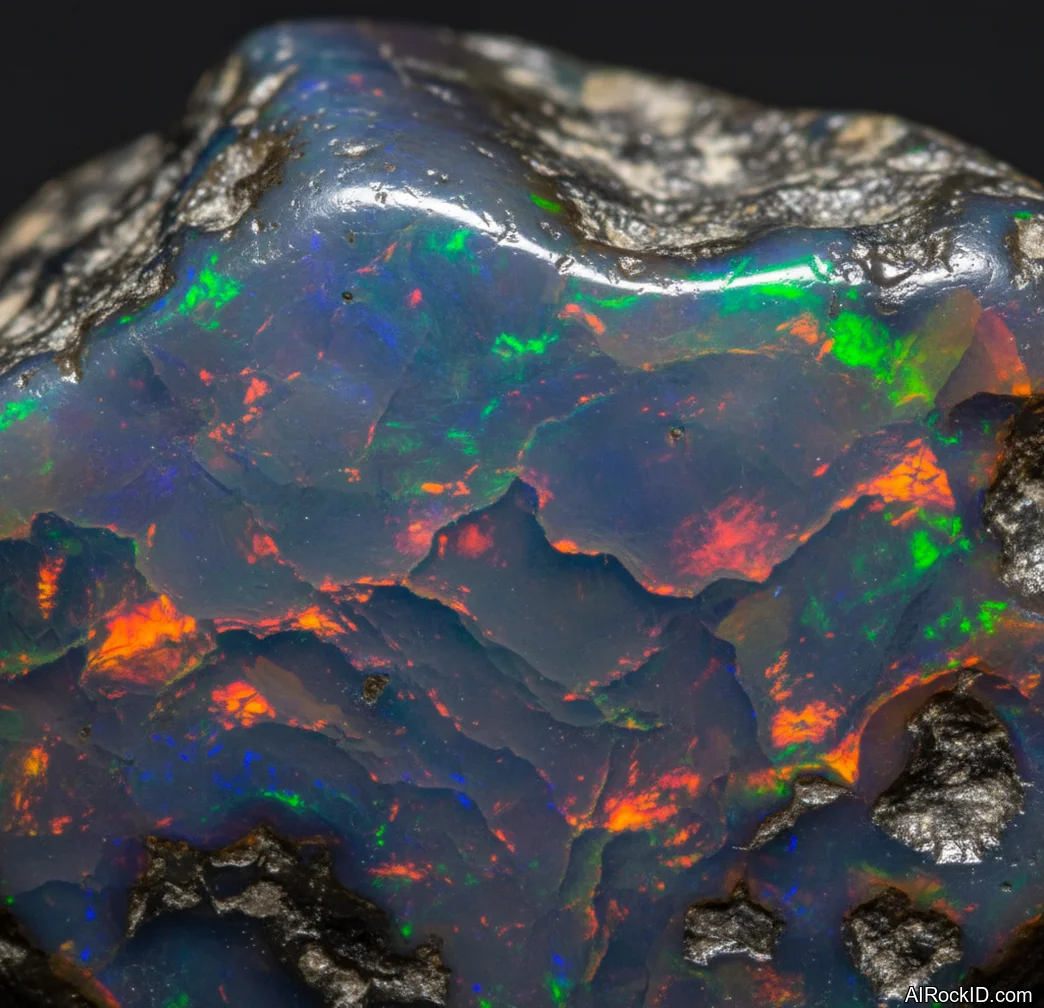
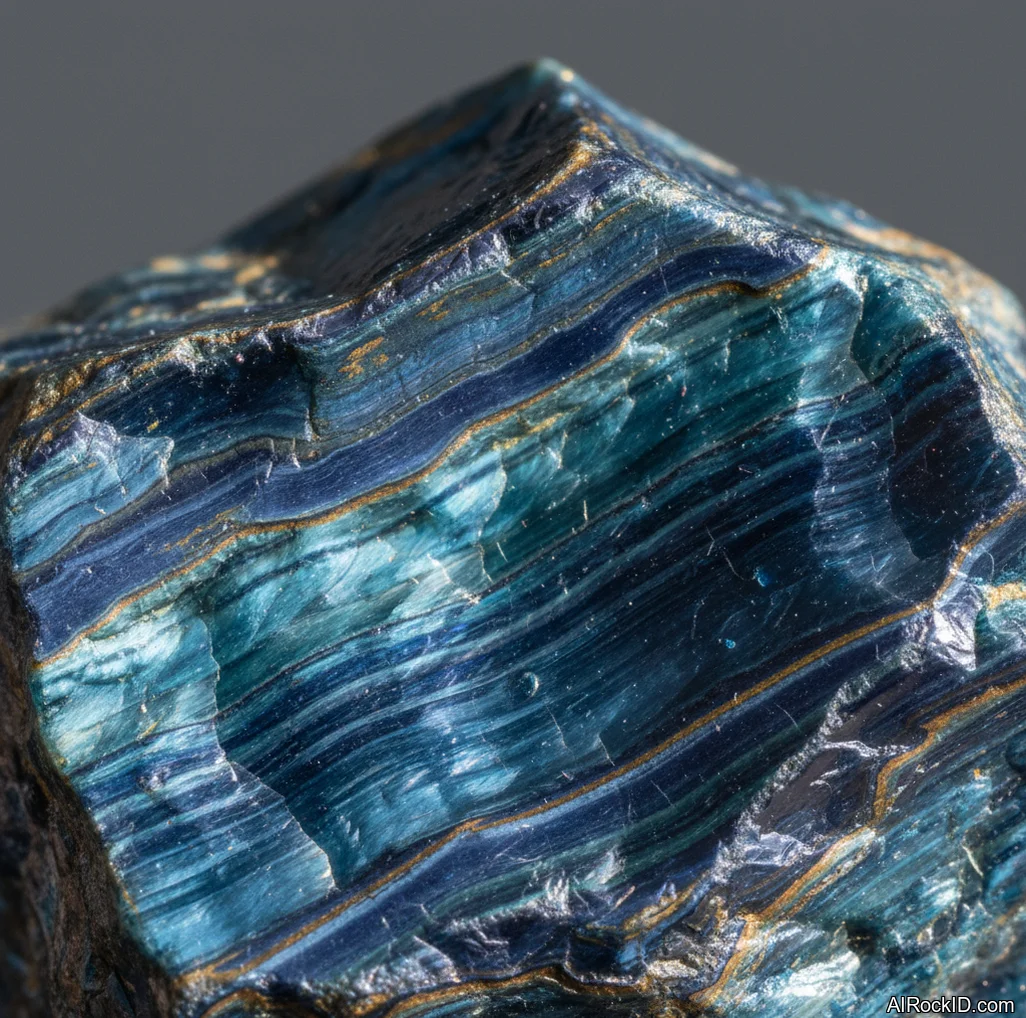
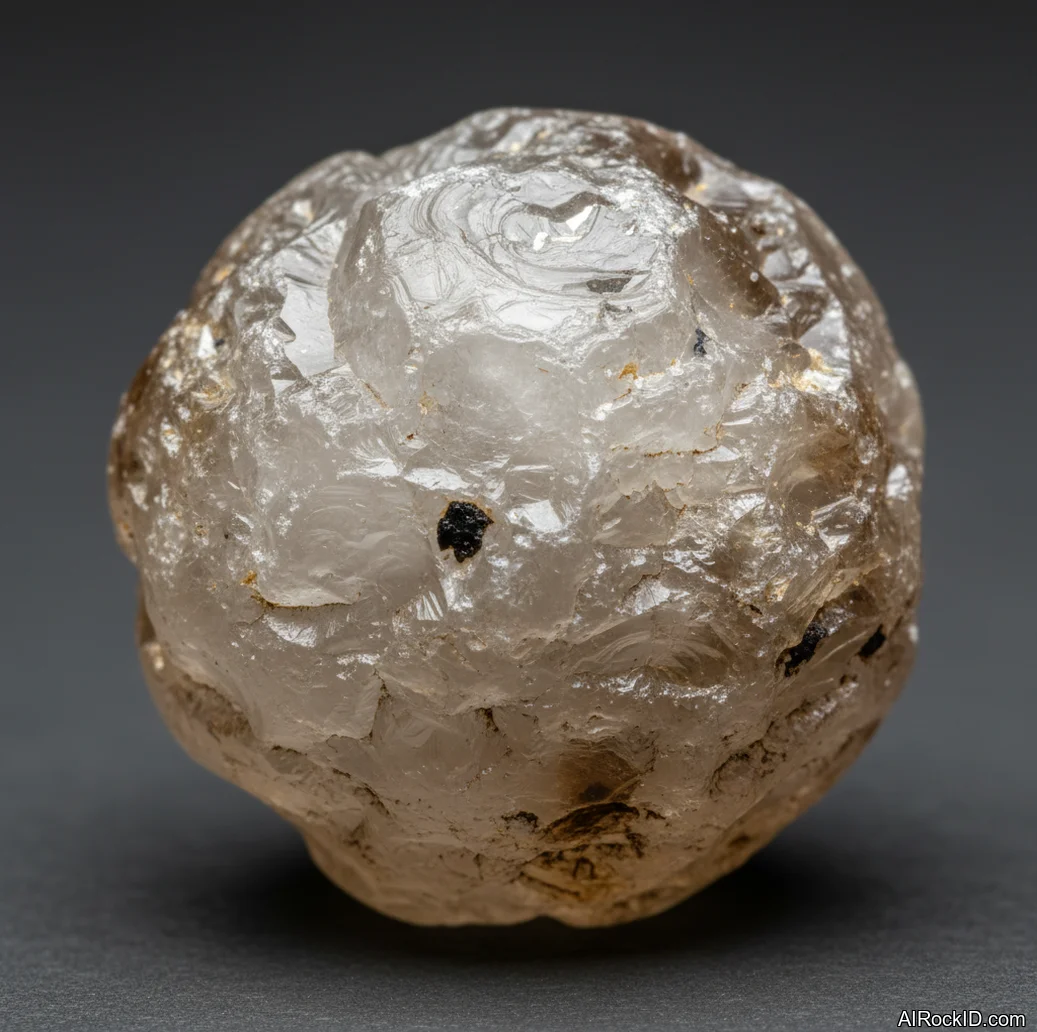
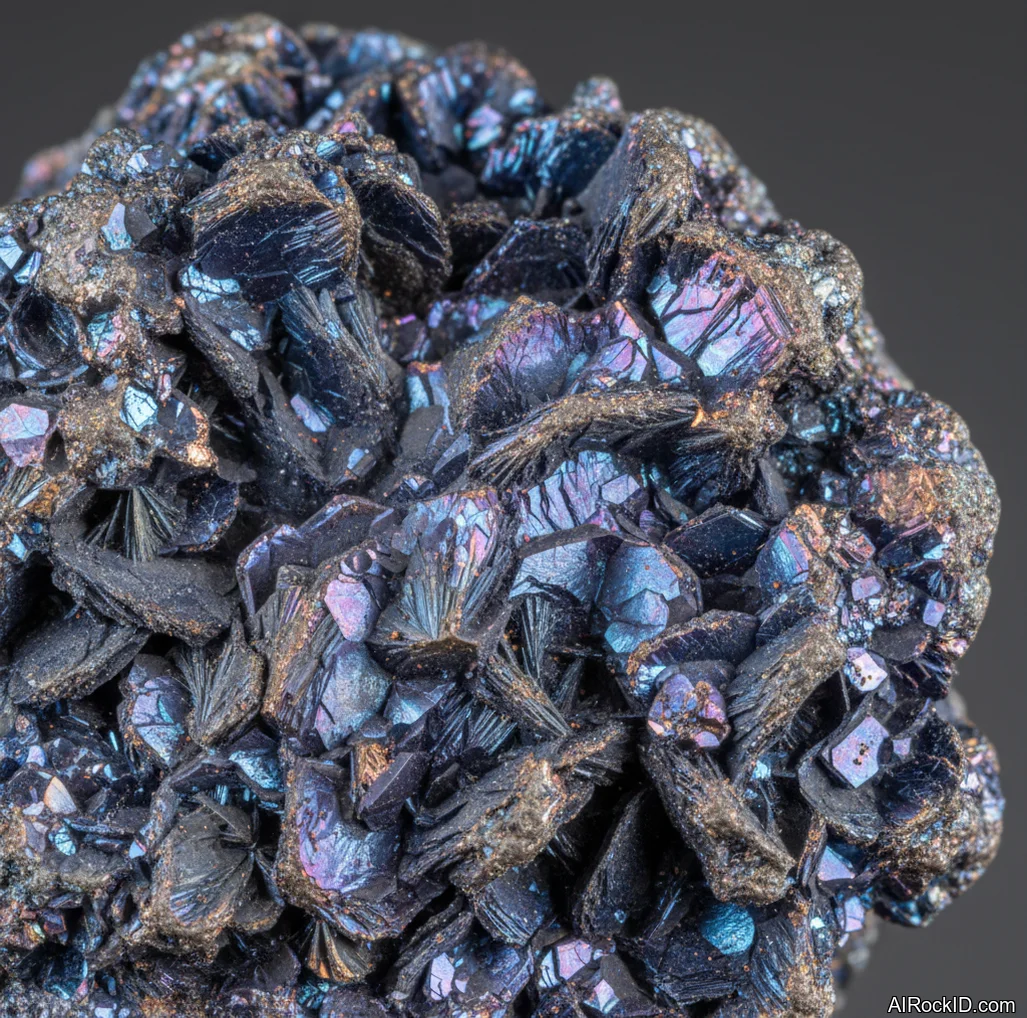
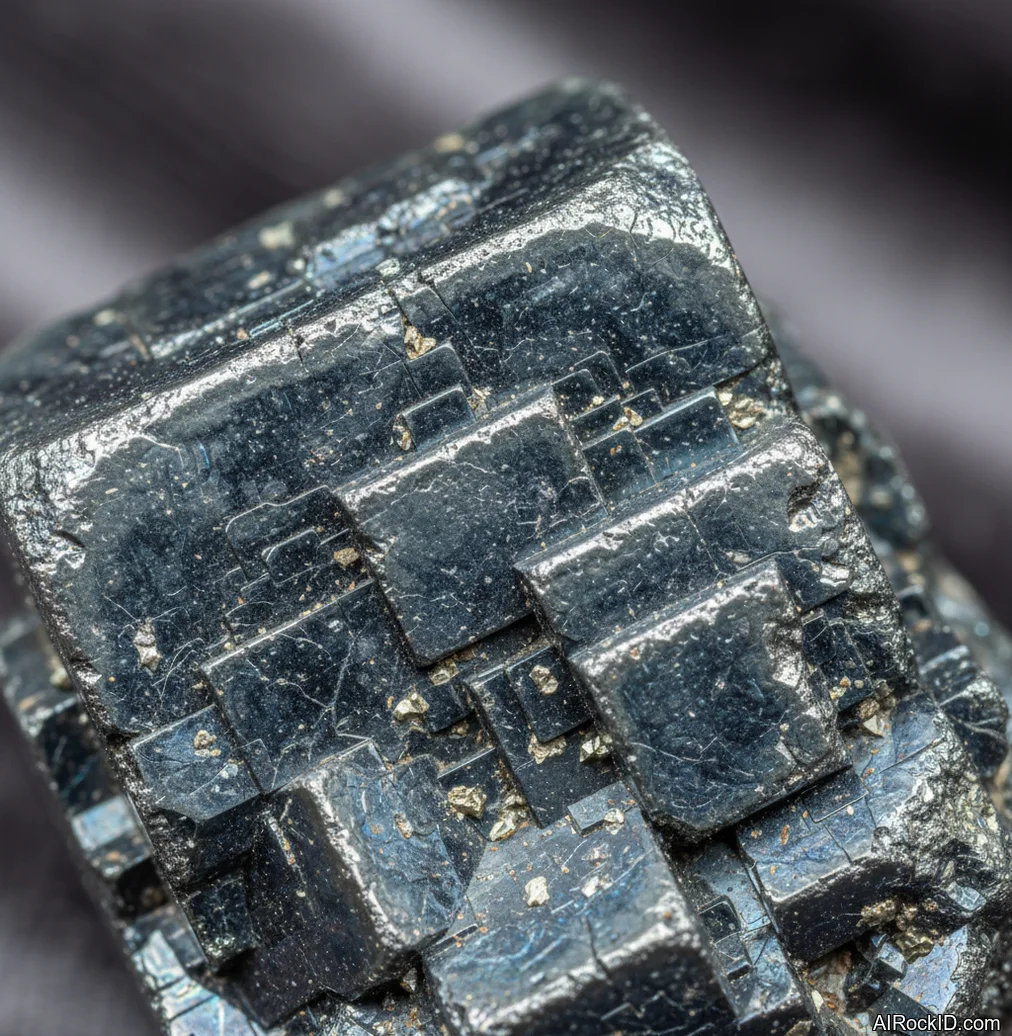
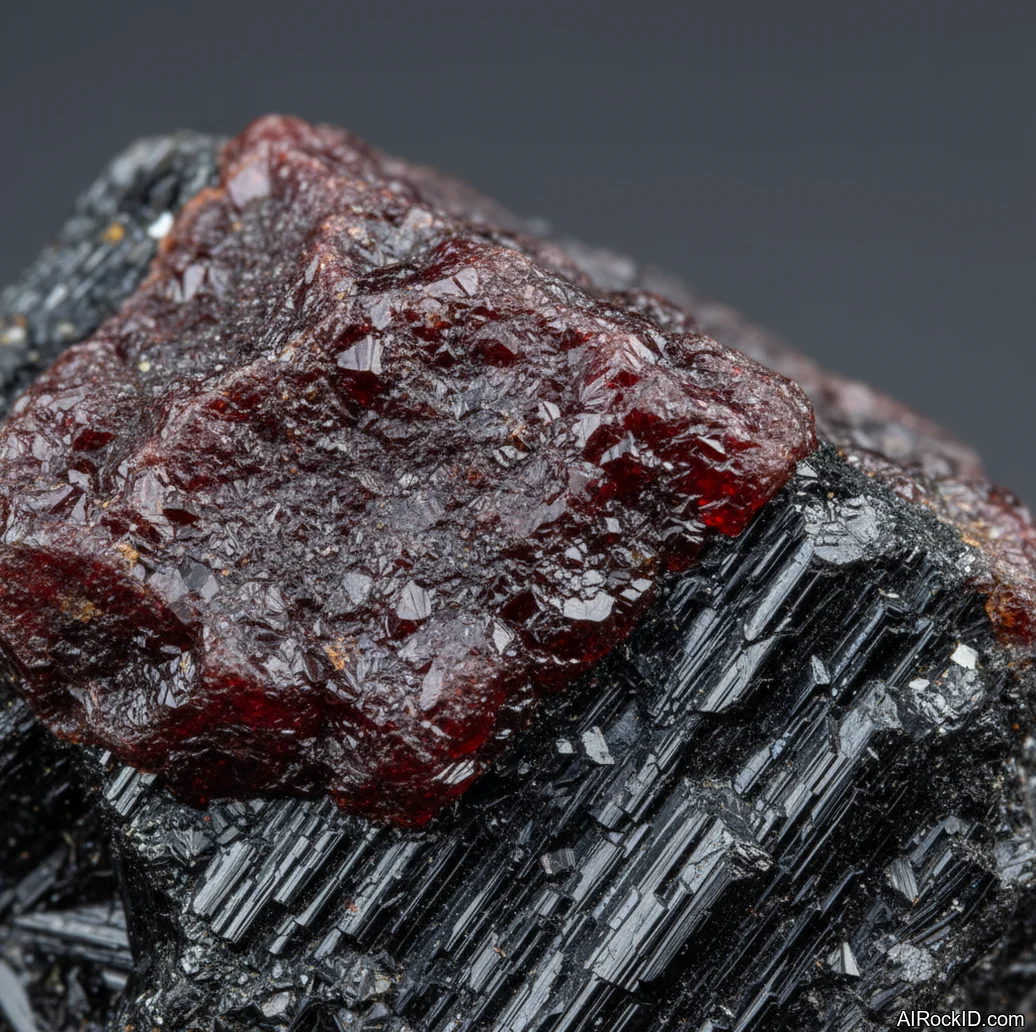
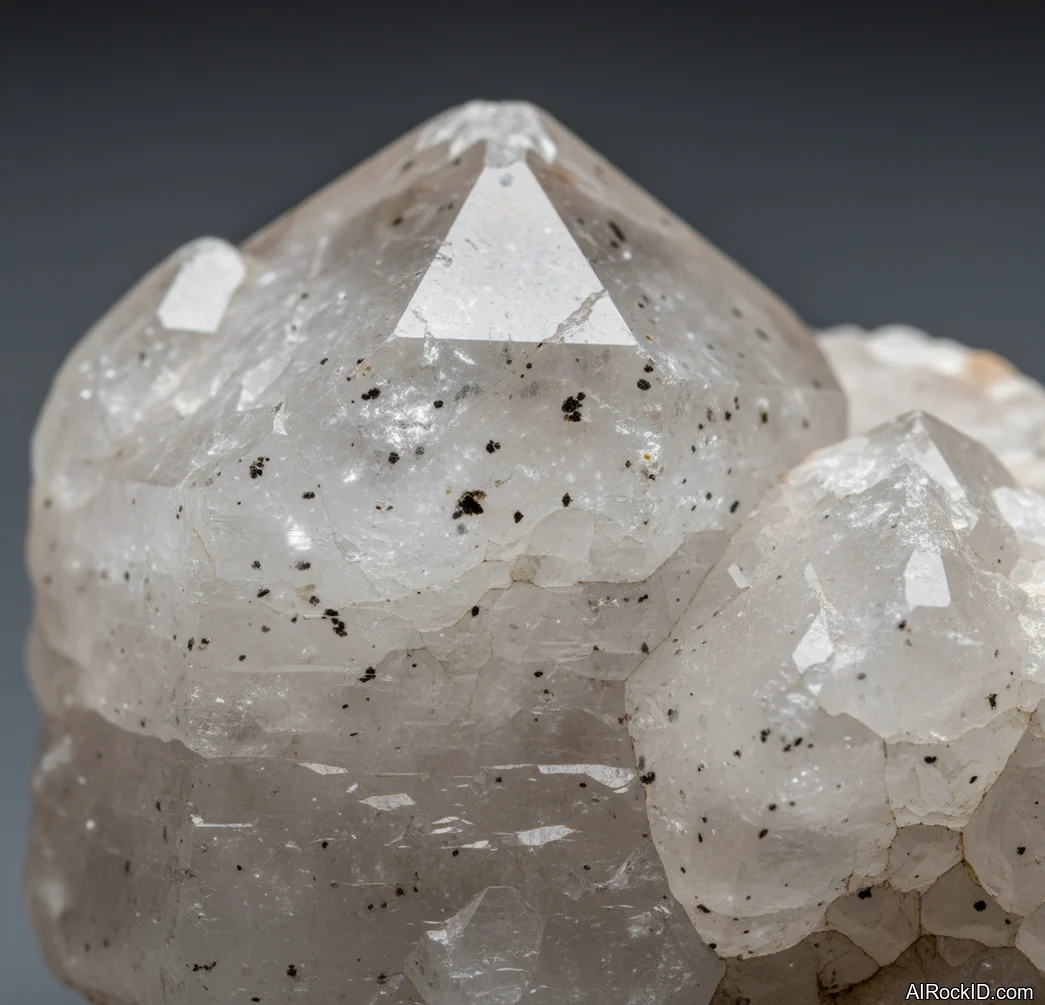
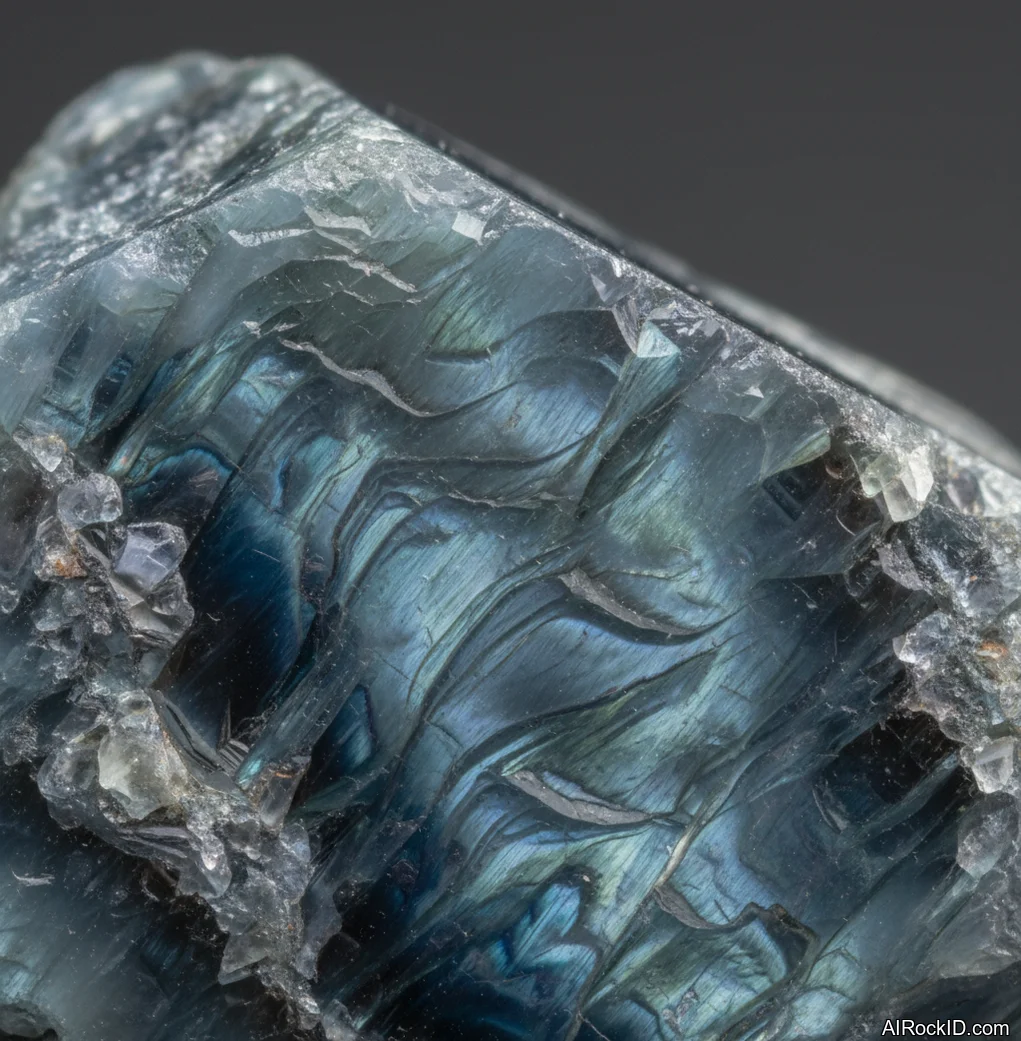
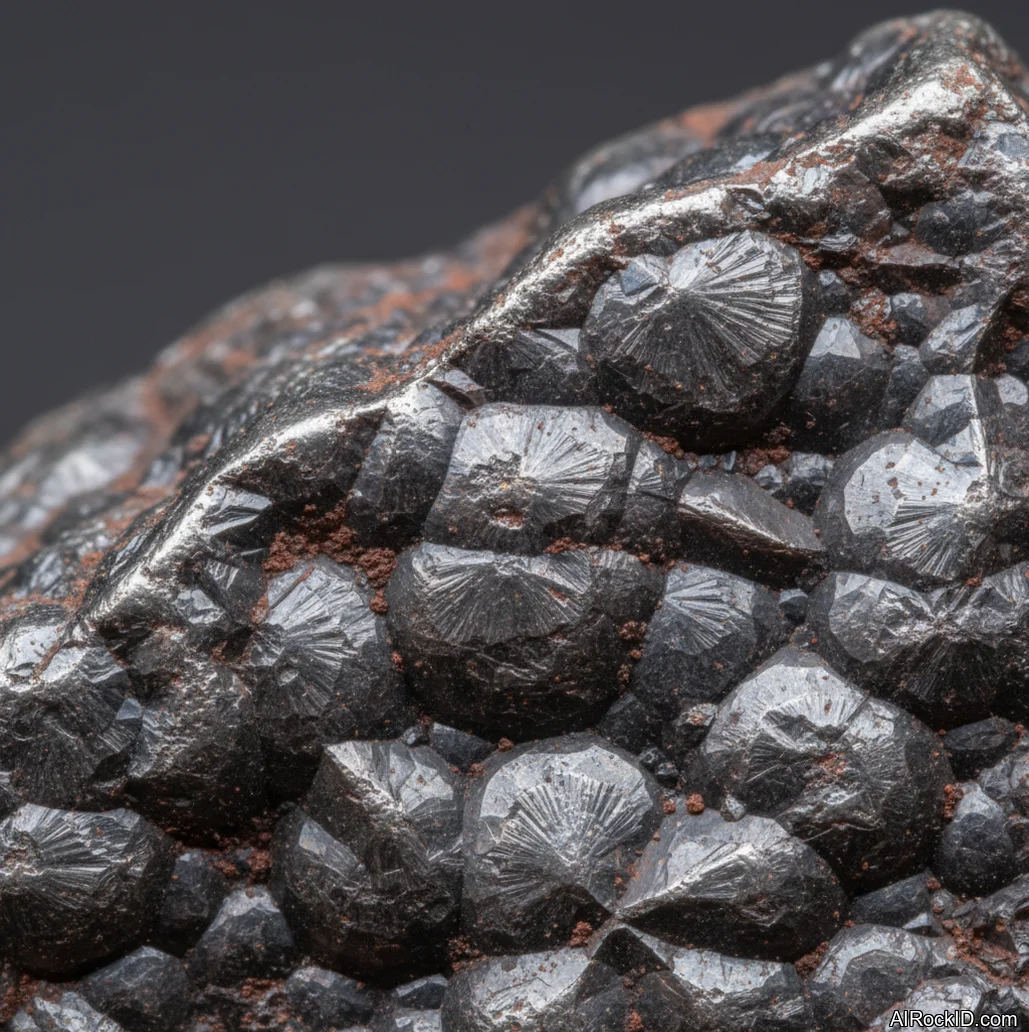
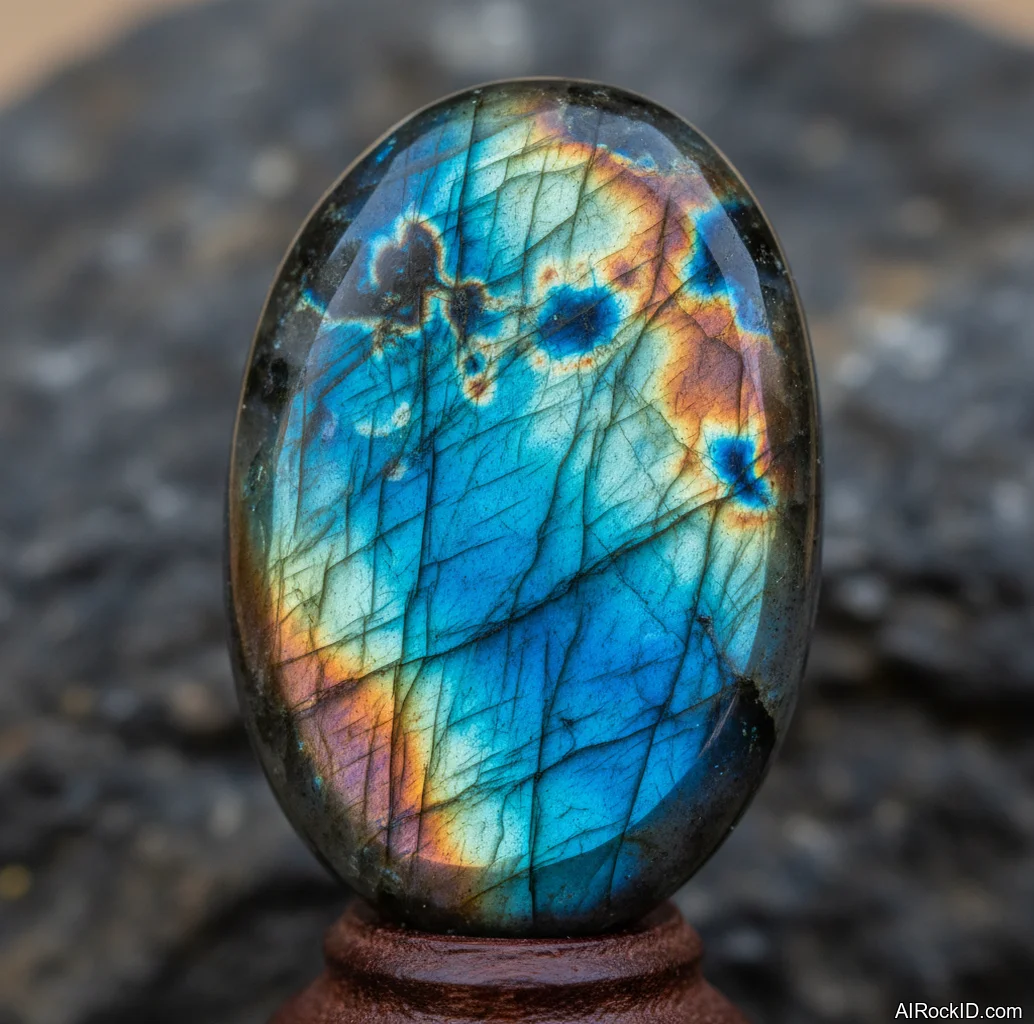
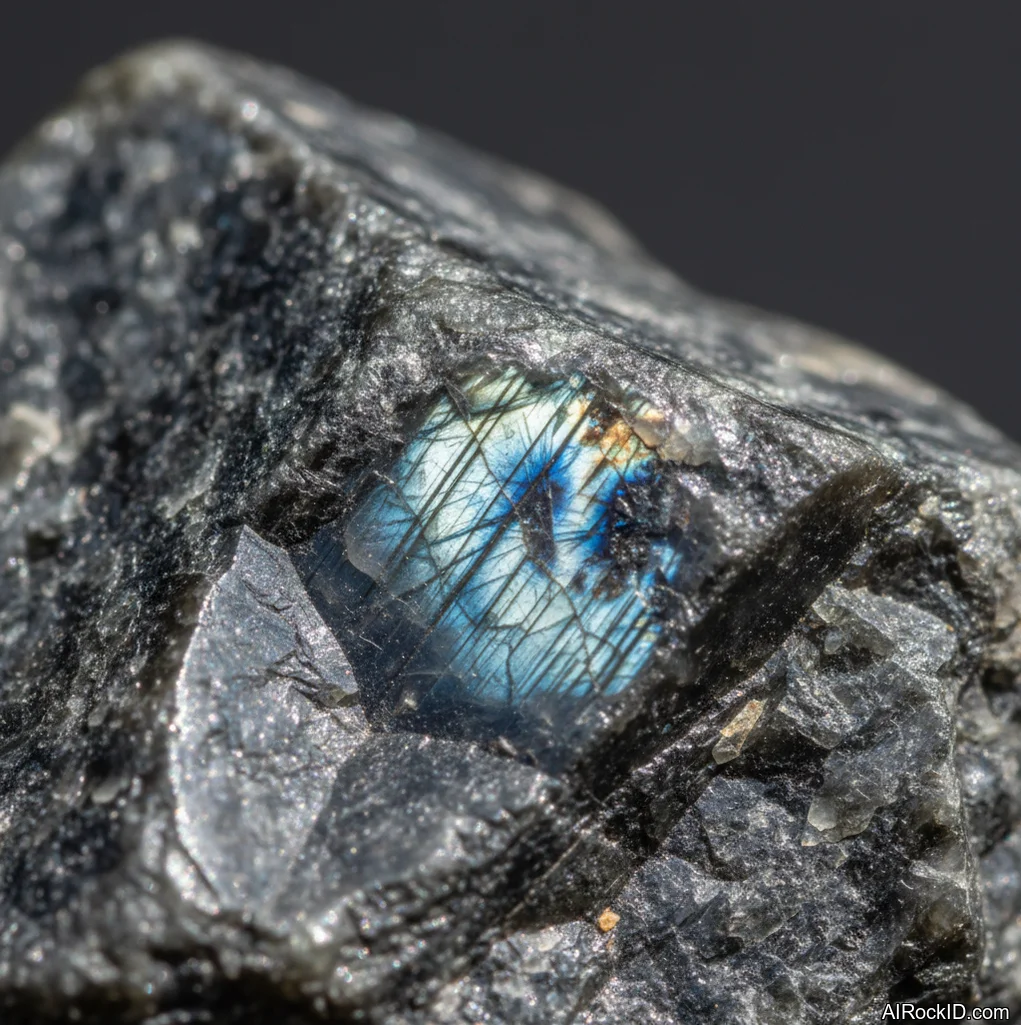
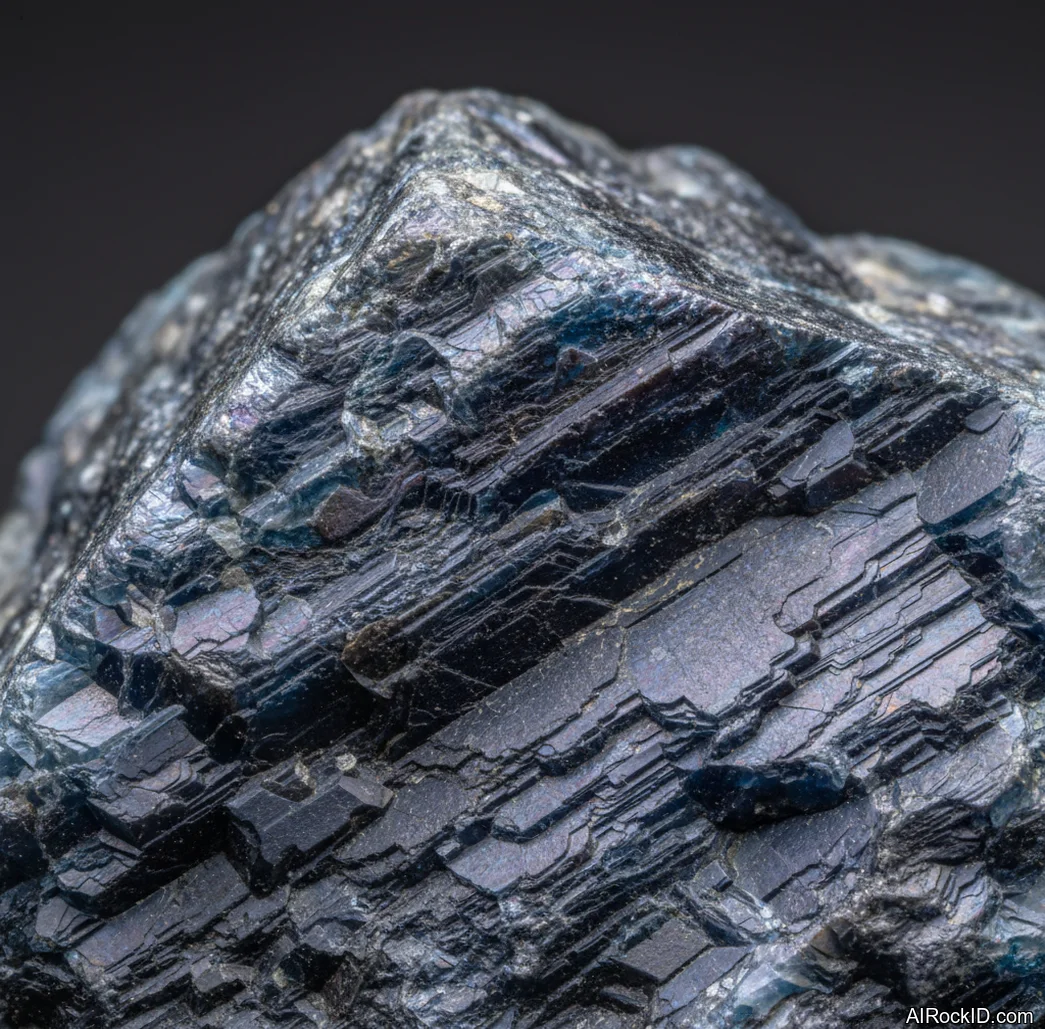
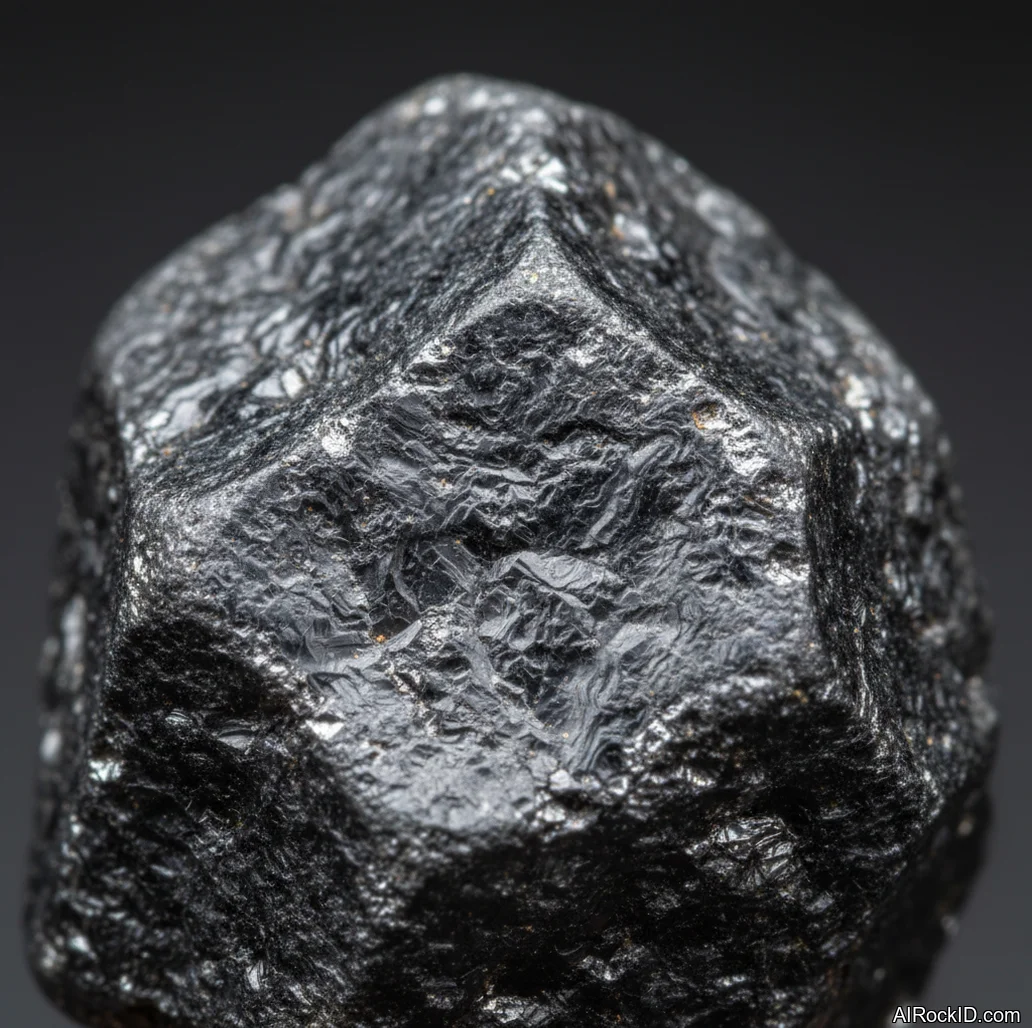
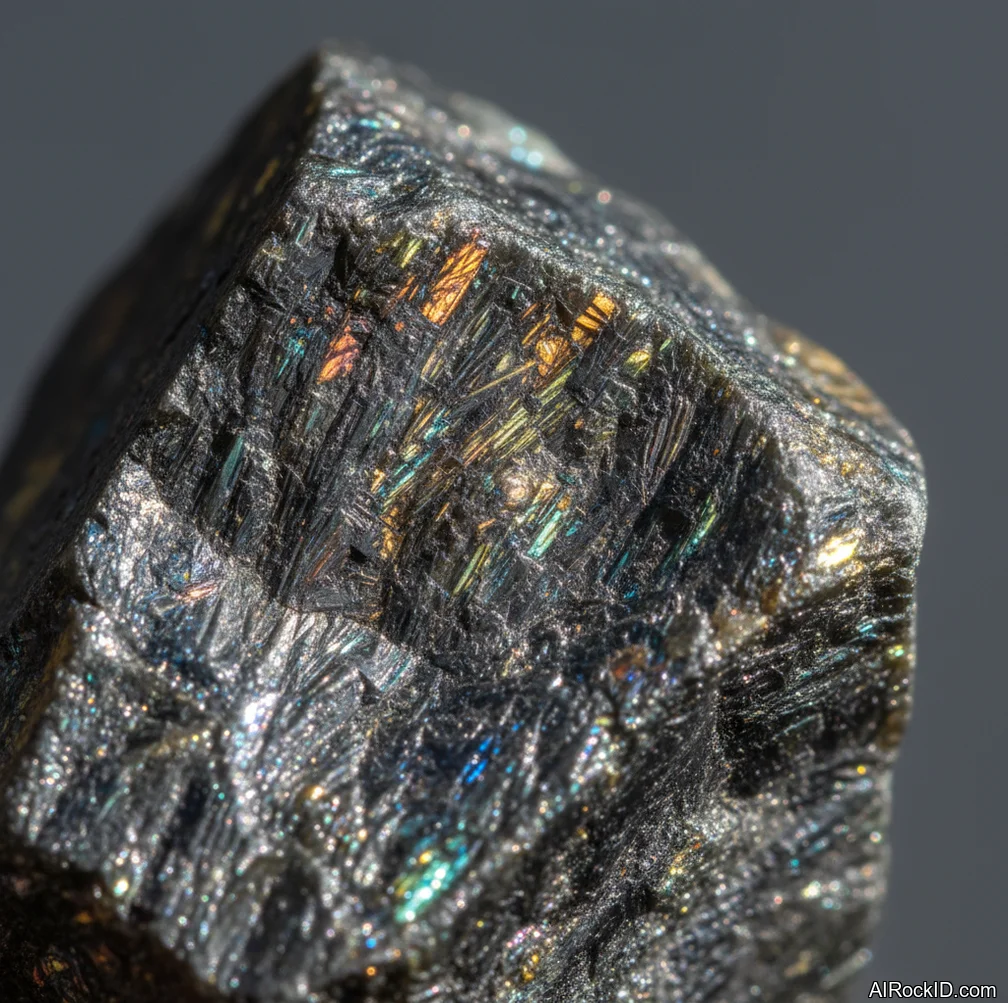
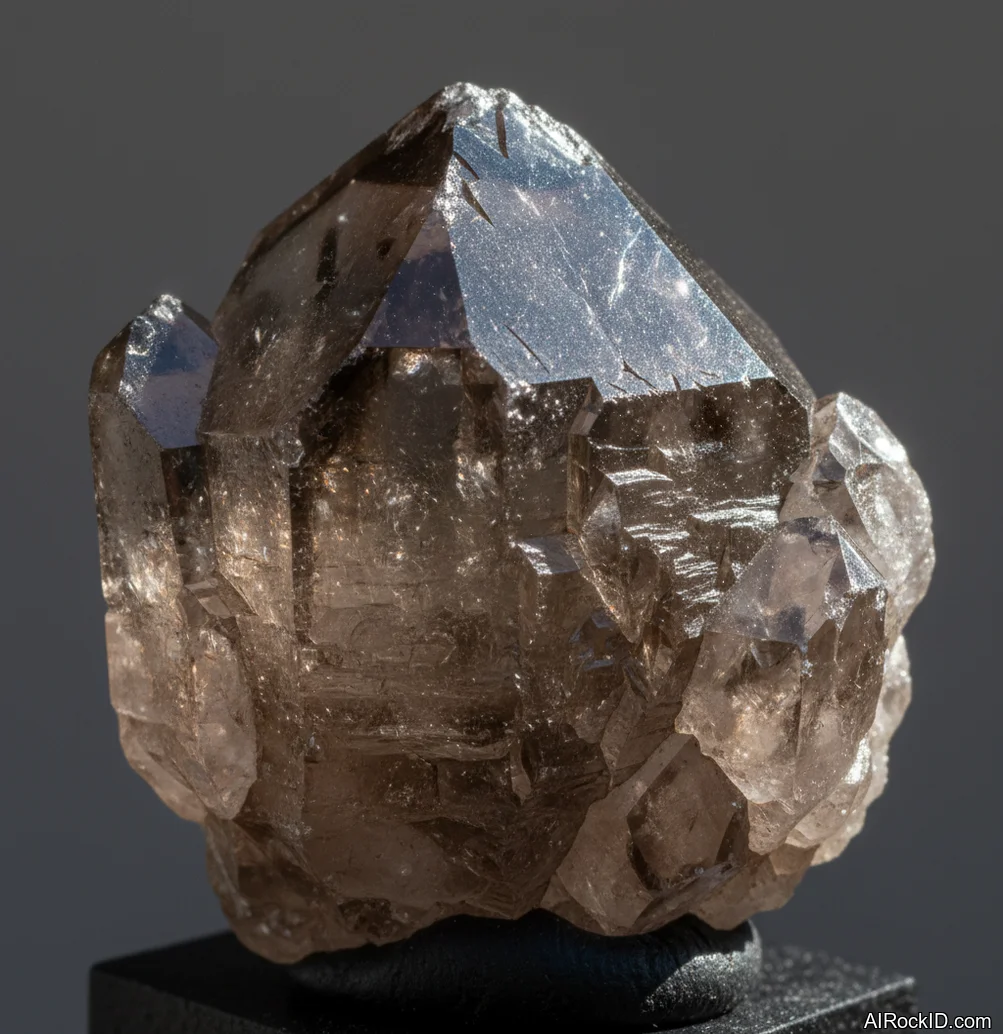
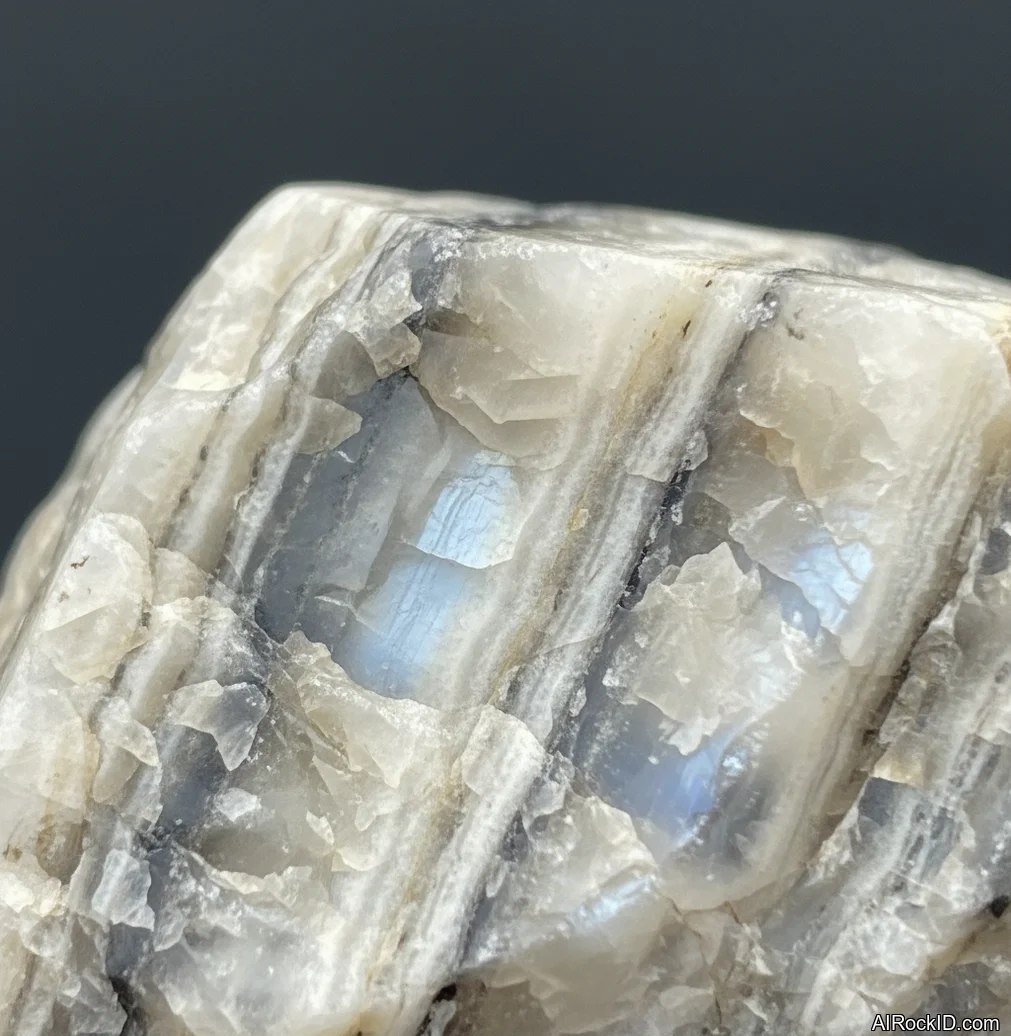
Pick up a piece of black tourmaline and you feel the density right away. Raw tourmaline looks rugged, almost like a broken fence post with ridges running the length. It’s tough, handling drops and rough handling without changing much. Obsidian, on the other hand, has a glassy look—slick when polished and sharper than anything else if it breaks. I’ve cut my finger badly on chipped obsidian before, so don’t carry loose pieces in a pocket with keys or coins. The vibe is different, too. Tourmaline feels like a buffer, while obsidian cuts through confusion or stagnant energy. Smoky quartz and hematite are softer in both color and “feel”—smoky quartz shades from translucent gray to deep brown, and hematite is metallic, cool, and almost slippery when tumbled. Labradorite stands apart because it isn’t black. Most of the time it’s a dull green-gray, but catch the angle just right and you’ll see sheets of blue or green flash. It’s subtle and hard to photograph, but that play of color makes it feel like hidden protection, the kind you don’t always notice but appreciate when you do.
Physical Properties and Collector Tips for Protection Stones
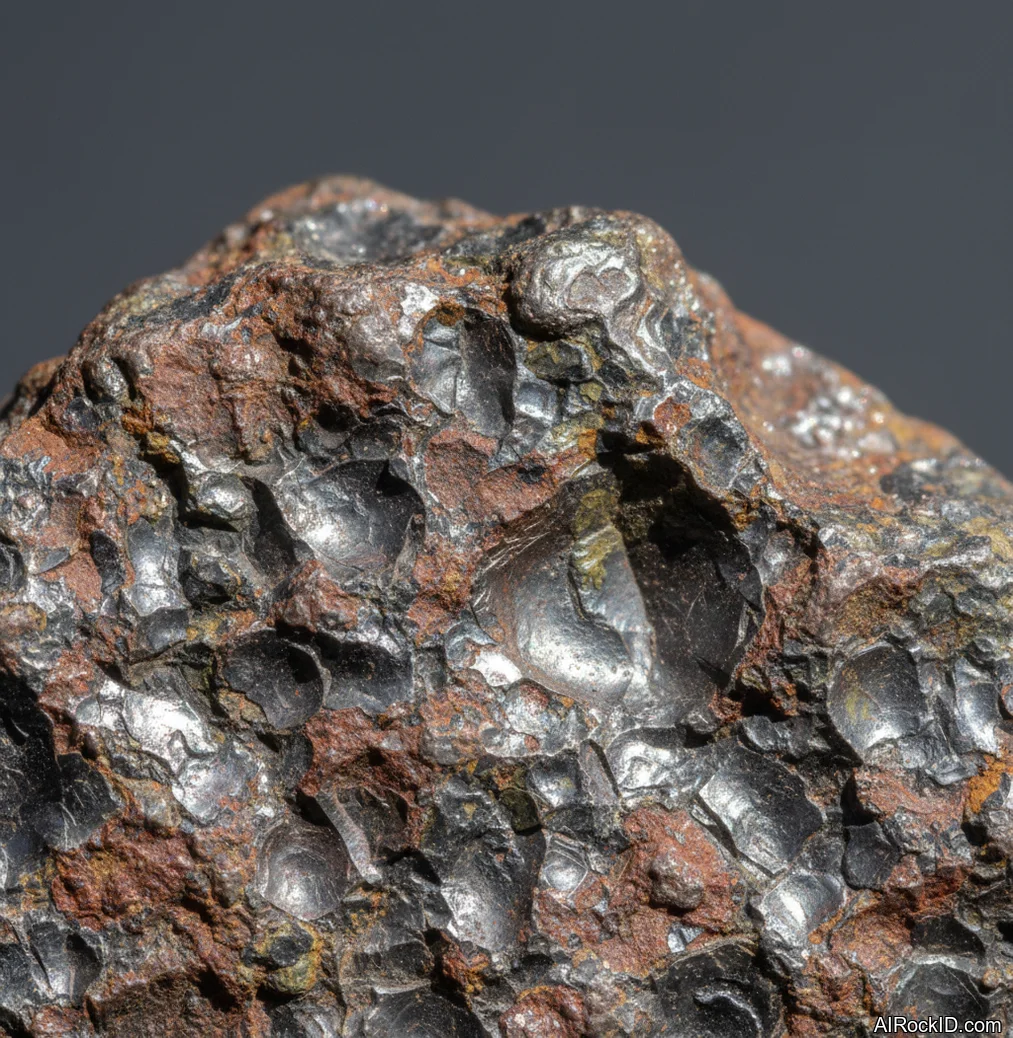
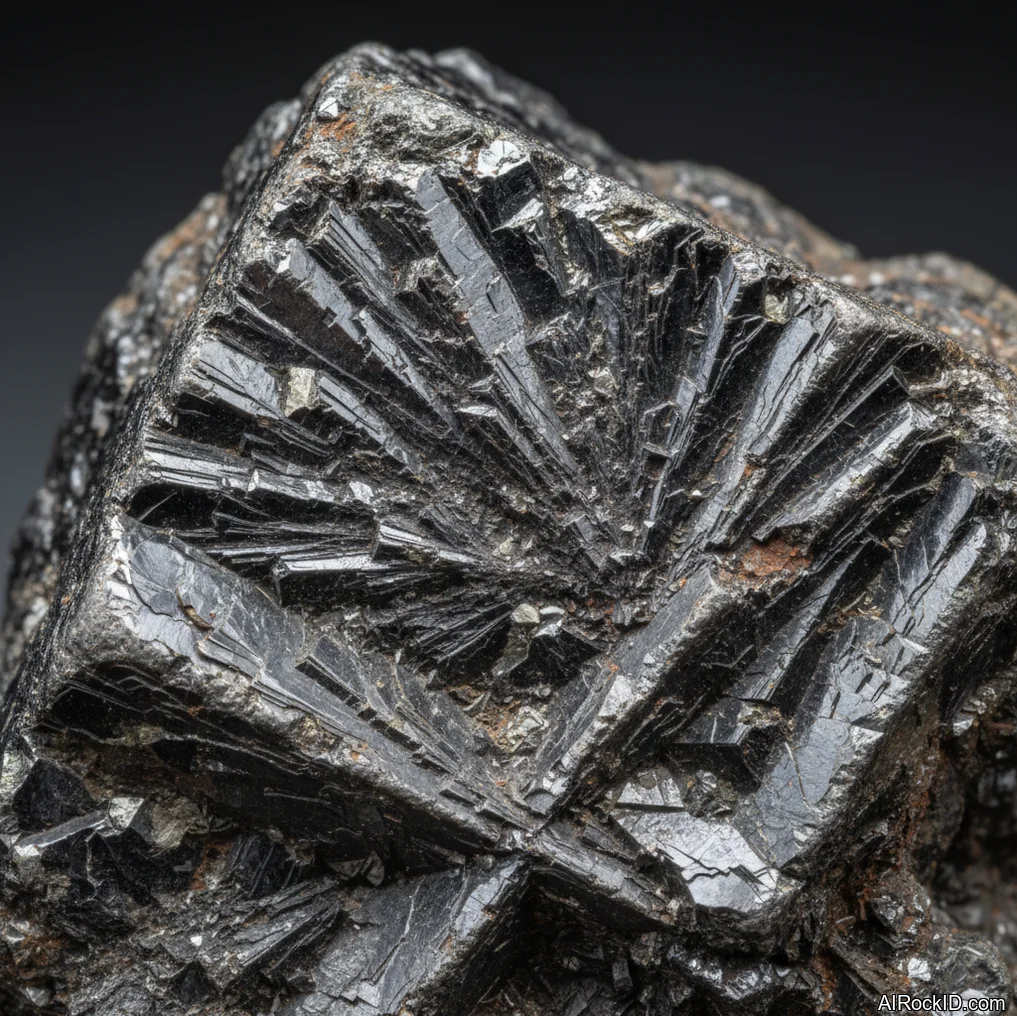
Most black tourmaline you’ll find on the market comes from Brazil or Africa. Raw pieces are heavy, with vertical striations and a matte, almost chalky surface. They can leave a grayish streak if you rub them on ceramic. Don’t be surprised if small shards break off—tourmaline is brittle, especially along those ridges. For obsidian, the important thing is sharpness. Even tumbled stones can have micro-edges that’ll scratch a phone screen. Real obsidian feels cool and much heavier than plastic fakes. Labradorite is a feldspar, so it cleaves easily. If you drop a slab on tile, expect chips at the corners. Look for pieces with a clean window or uninterrupted flash; cloudy or cracked sections usually mean less color play. Hematite is cold and noticeably heavier than most stones its size. It rusts if you leave it wet for days, so dry it off after rinsing. Smoky quartz is pretty stable, but prolonged sunlight can fade the darkest pieces. Always check for natural color zoning under a bright LED.
How People Use Protection Crystals in Everyday Life
A lot of people carry a palm stone or tumbled piece in their pocket during stressful days or meetings. Some keep a chunk by the bed for sleep, or set a larger specimen near the front door as a kind of boundary marker. I know one teacher who glues a thin slice of black tourmaline under her desk. Others wear hematite bracelets because the metal luster feels grounding during work. Smoky quartz is popular for meditation spaces—when you hold it up to the light, you can see wisps or veils inside that seem to pull heavy thoughts out. Labradorite tends to be the stone people keep on their desk, mostly for the flash when sunlight hits just right. One thing I notice: people with pets or kids stick to sturdier crystals like tourmaline and avoid fragile clusters. No matter what, these stones are a tool for focus and routine, not a shield against everything.
Best Protection Crystals to Start With
| Level | Crystal | Note |
| Gentle / Beginner | Smoky Quartz | Soft brown-gray color, rarely overwhelming, and tumbled pieces are easy to carry or hold during meditation. |
| Balanced / Everyday | Black Tourmaline | Durable even in rough form, feels grounding in the hand, and holds up to daily use at home or work. |
| Intense / Advanced | Obsidian | Strong cutting energy and can feel too harsh for some, but it's popular for quick clearing and deeper personal work. |
| Best for Carrying | Hematite | Smooth, heavy, and metallic; tumbled stones don’t chip easily and fit easily in a pocket or bag. |
| Best for Display | Labradorite | Flash catches light from across a room; looks impressive as a palm stone or standing freeform on a shelf. |
Protection Crystal Comparison
| Crystal | Common Use | Feel / Use Style | Care Caution |
| Black Tourmaline | Grounding and personal protection from overwhelming energy | Heavy, ridged, matte black, brittle along striations | Can break if dropped on hard surfaces; edges shed small shards |
| Obsidian | Cutting through negativity and energy clearing | Glass-like, cold, sharp edges if chipped, deep black shine | Very sharp when broken; handle tumbled pieces carefully |
| Labradorite | Subtle protection and intuitive work | Gray-green base, flashes of blue/gold, smooth slabs or palm stones | Prone to chipping, dulls if left in sun or handled roughly |
| Hematite | Grounding, focus, and carrying during stressful tasks | Metallic, very heavy for size, cool and smooth to touch | Can rust if left damp or stored with moisture |
How to Identify Protection Crystals with AI Rock ID
To identify Protection crystals with the AI Rock ID app, take clear photos of your specimen in natural daylight—one full view and at least one close-up of any unique texture or flash. Upload both images to the app and compare results, paying close attention to hardness, luster, and streak in the description. For example, black tourmaline should show striations and a matte finish, while obsidian will reflect light and look glassy. Always double-check the suggested ID with physical tests if possible, since some look-alike stones are common in the Protection category.
All Protection Crystals (179)