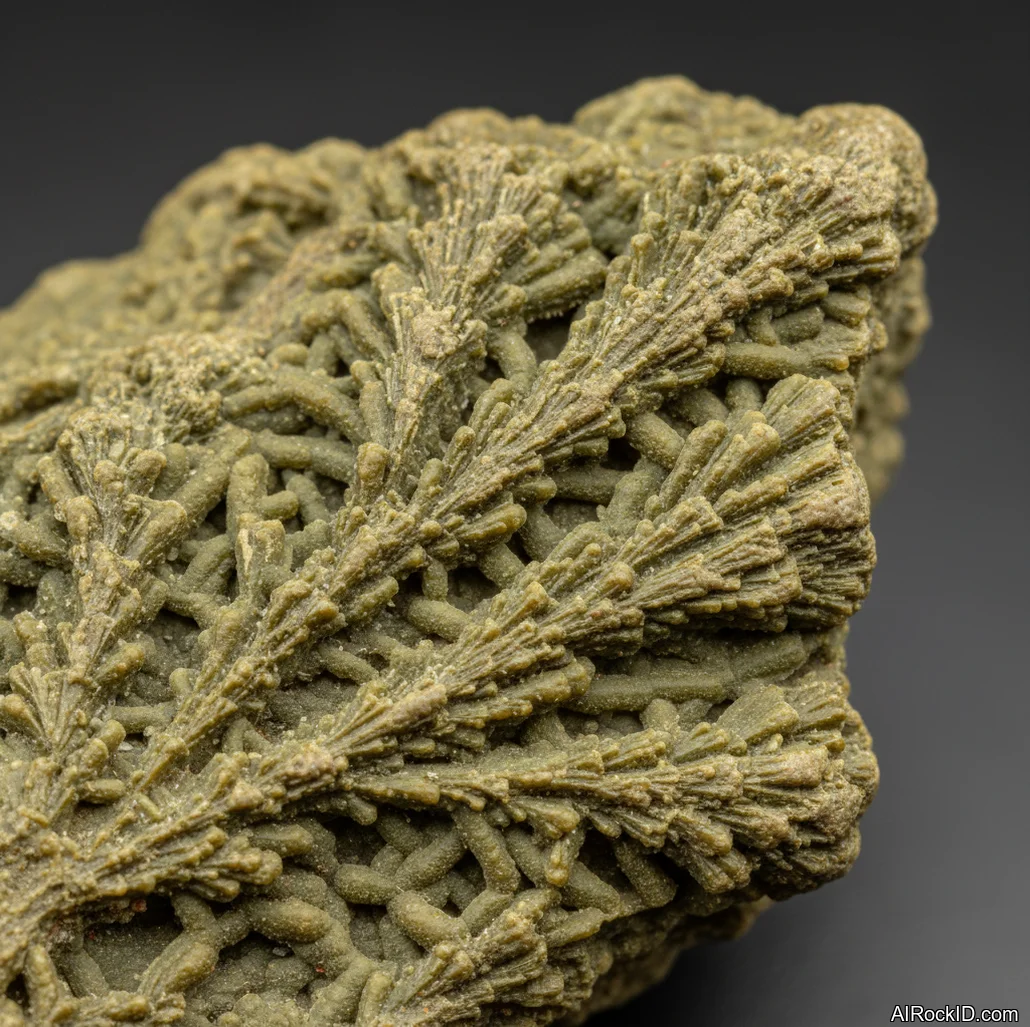
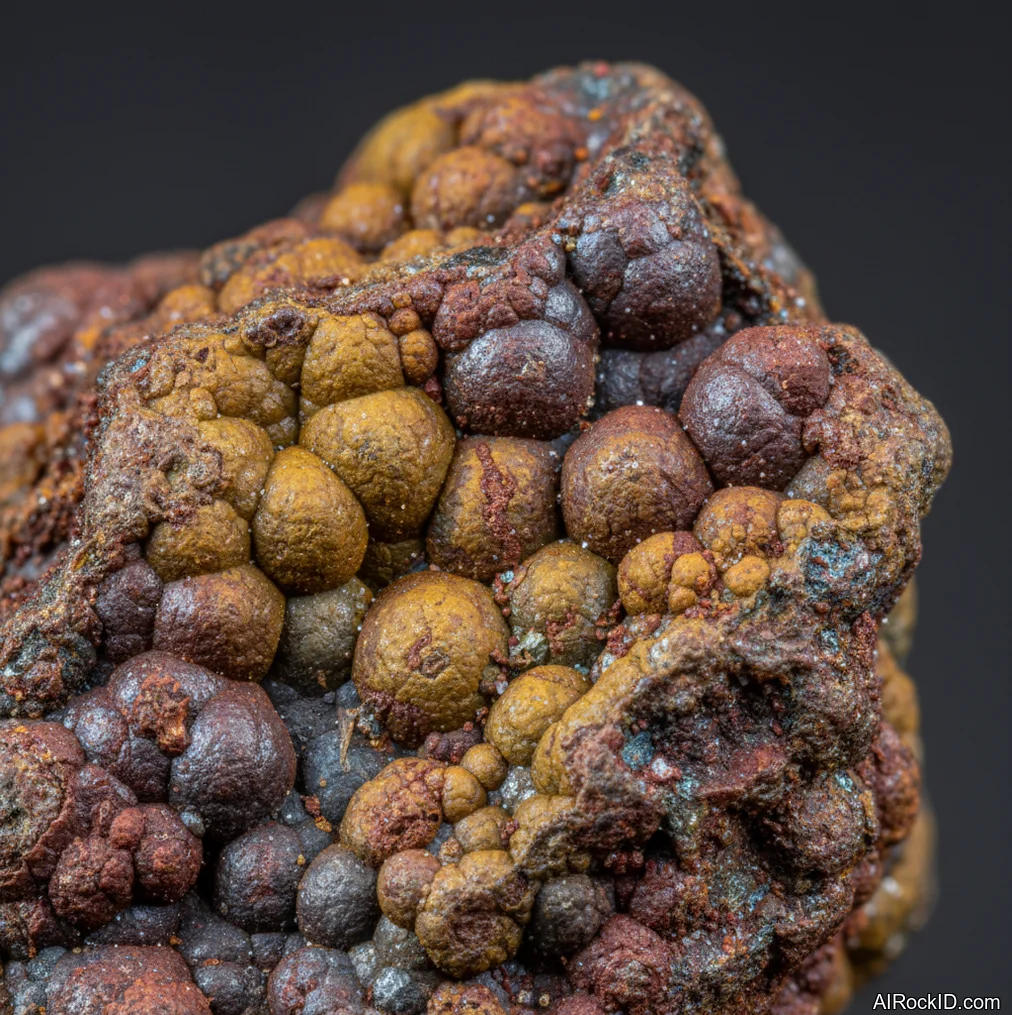
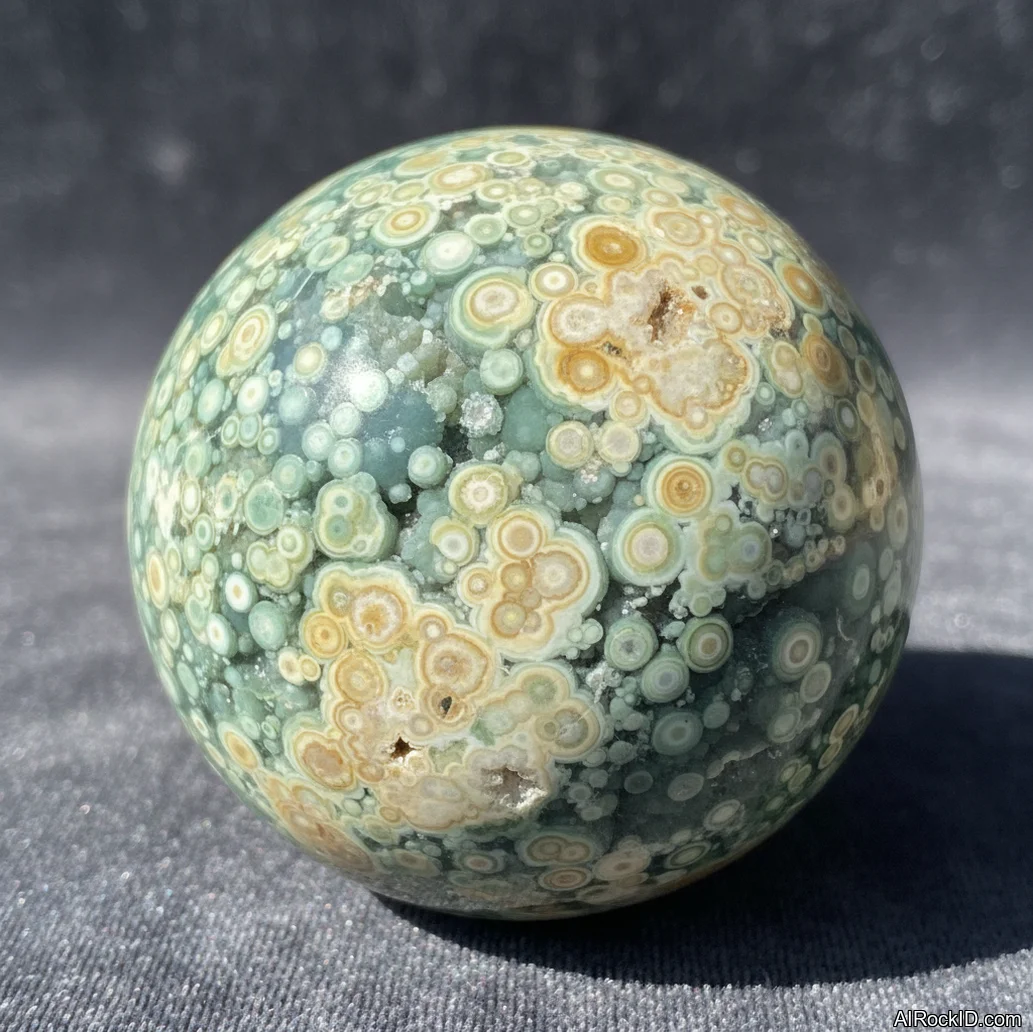
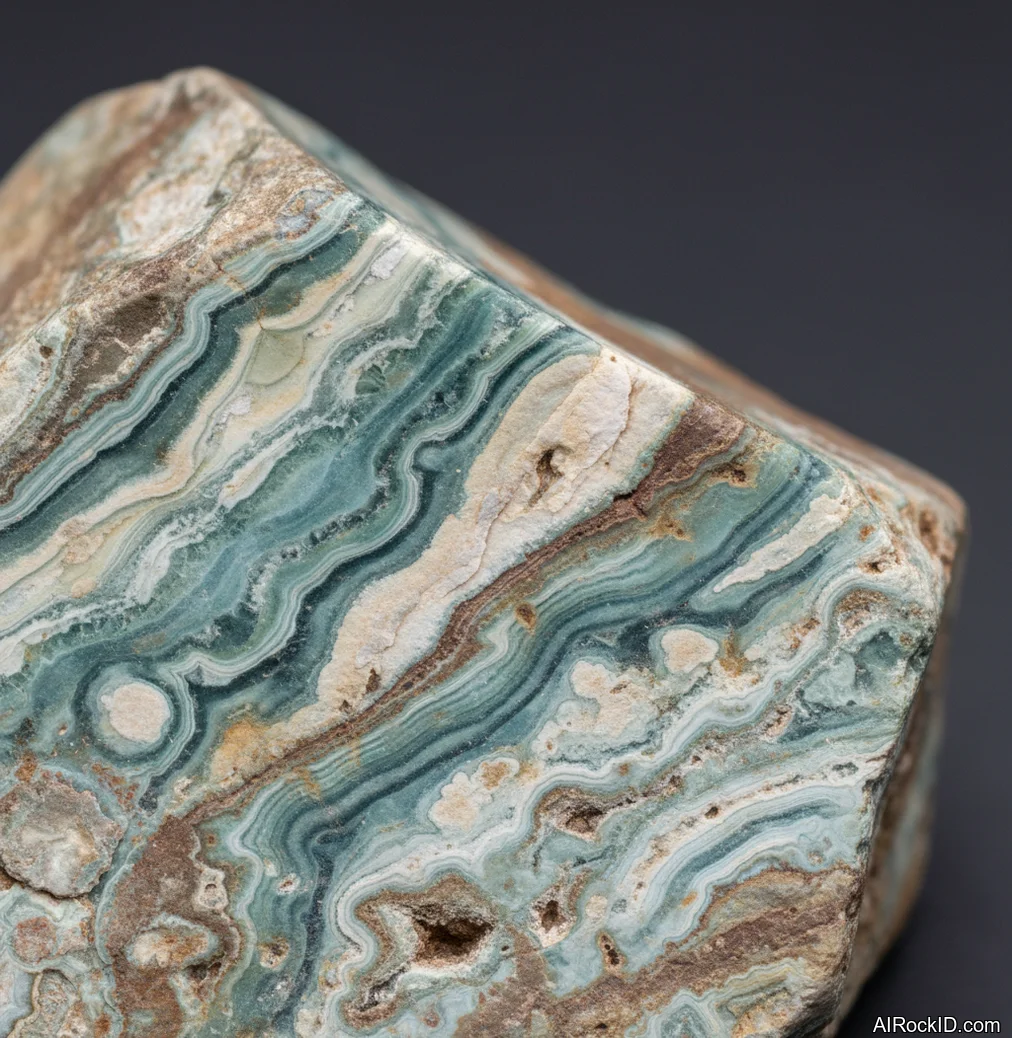
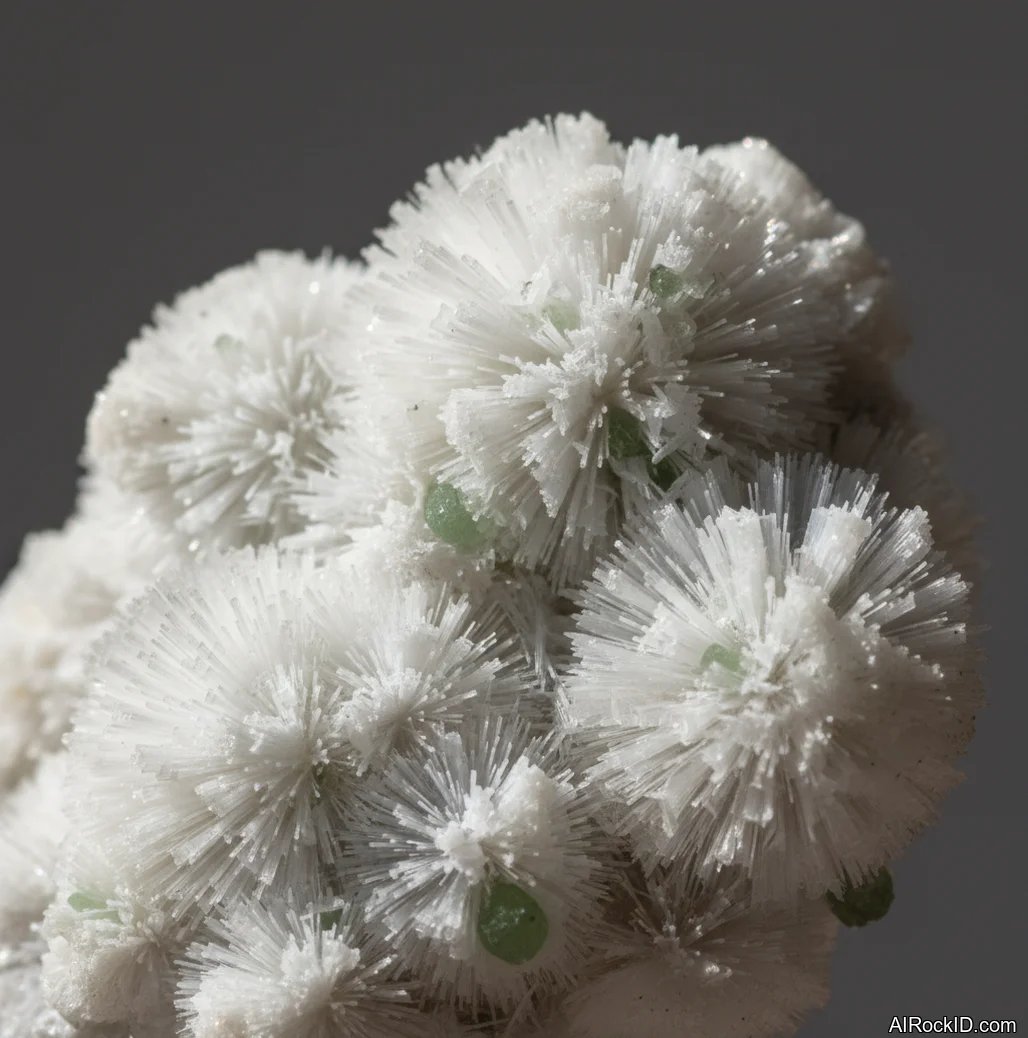
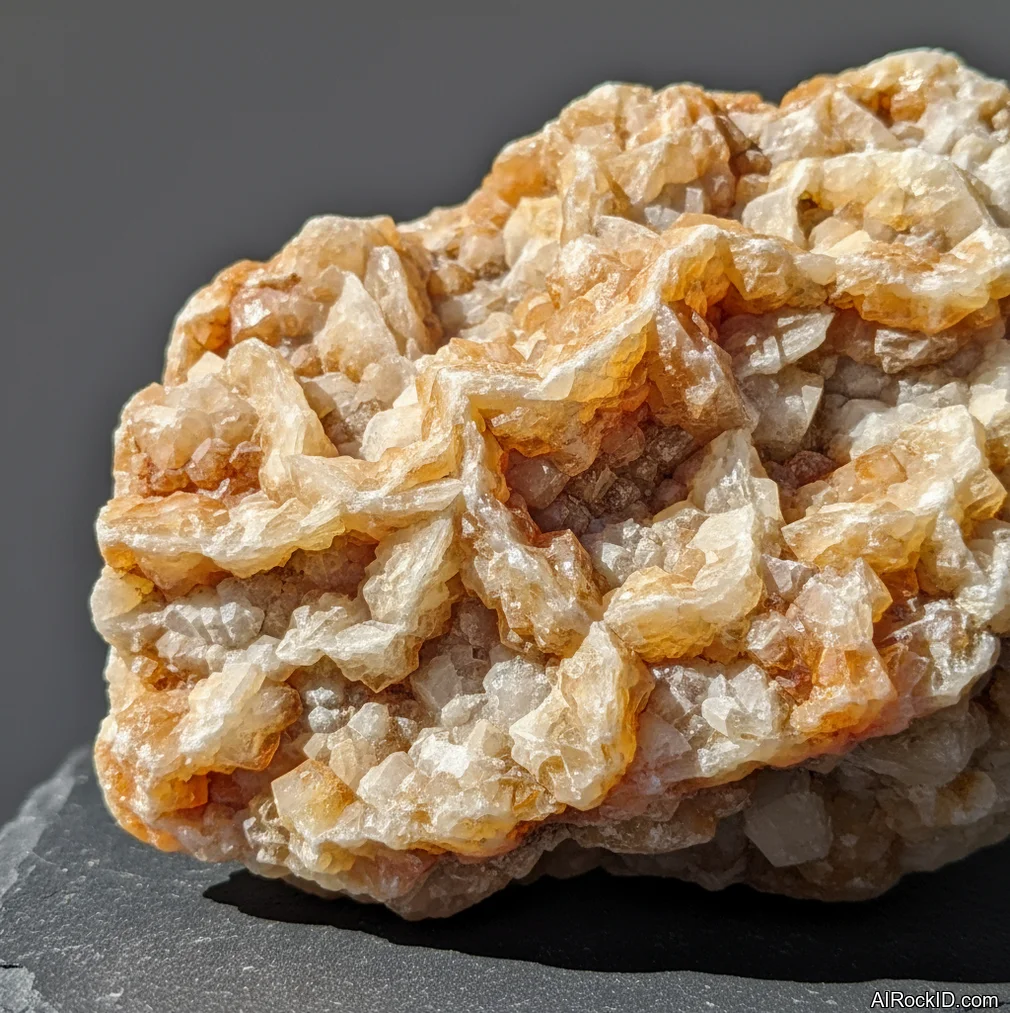
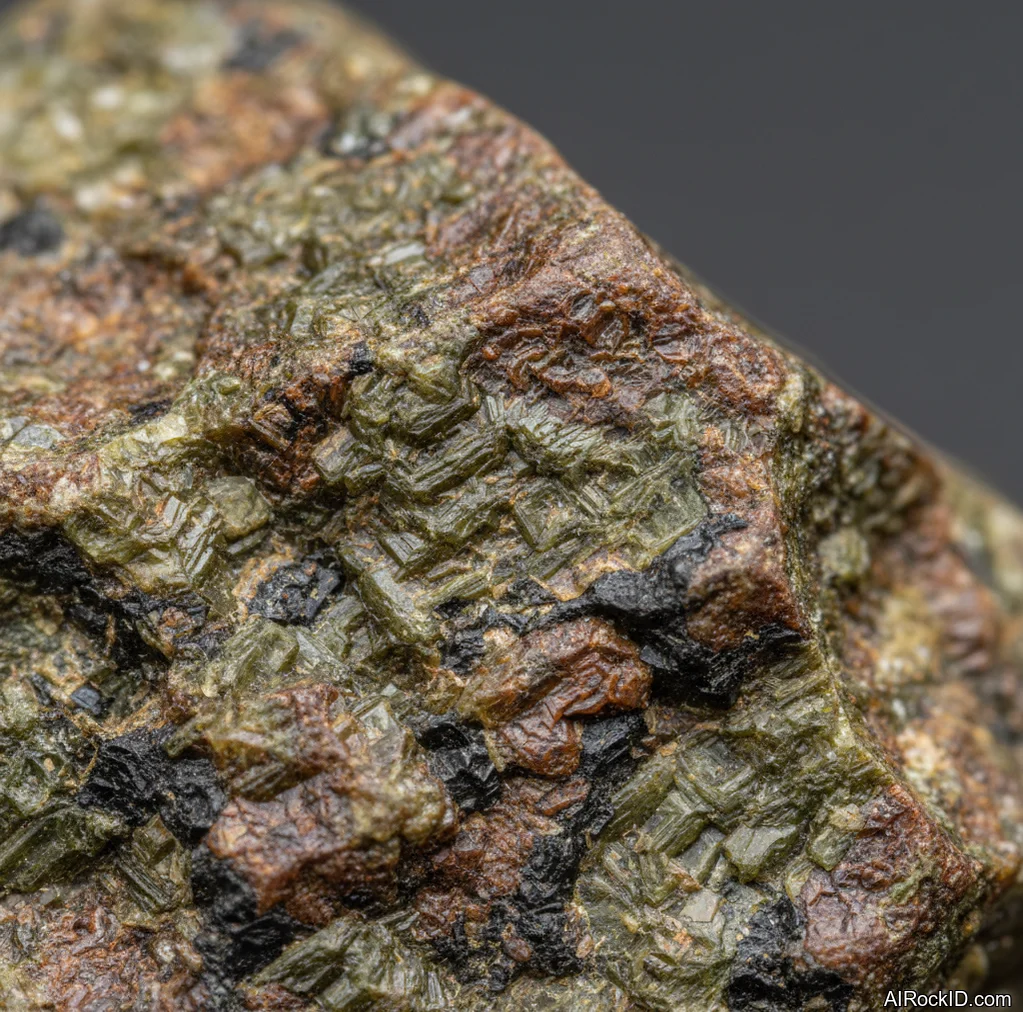
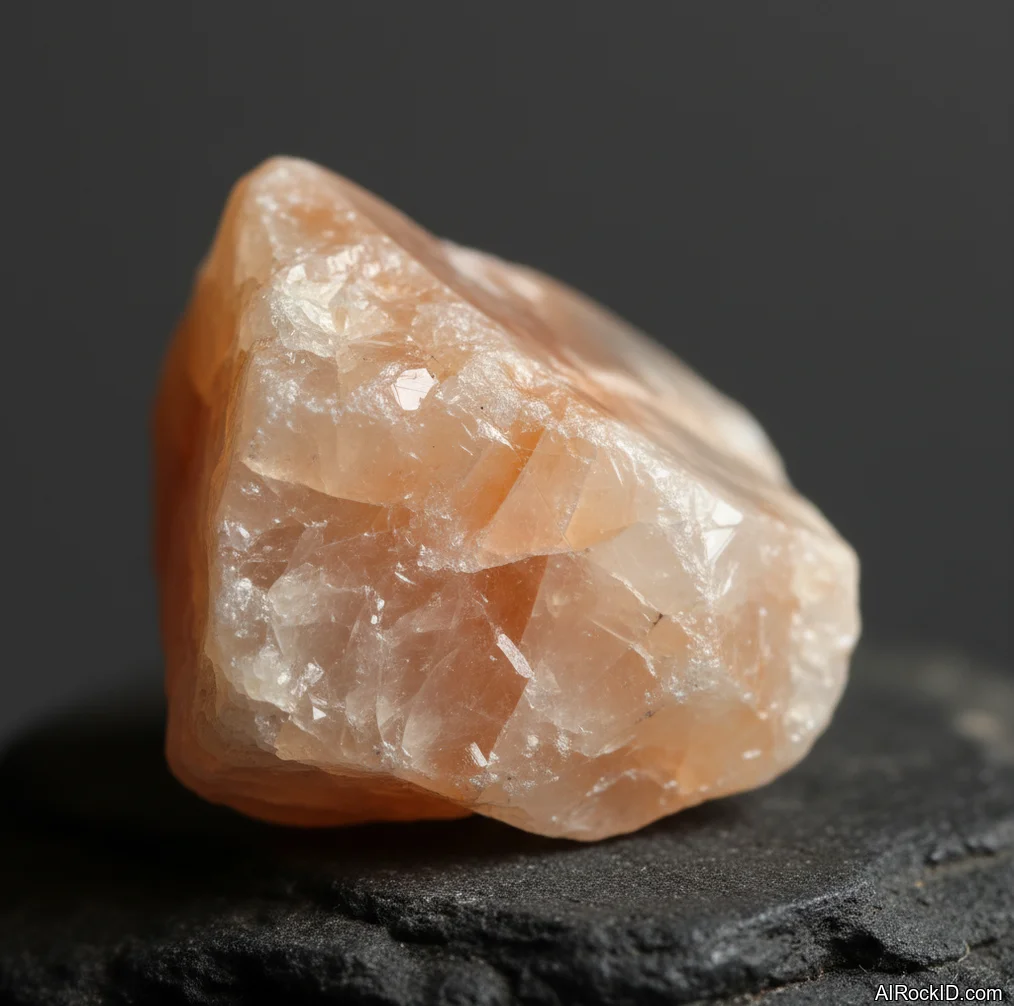
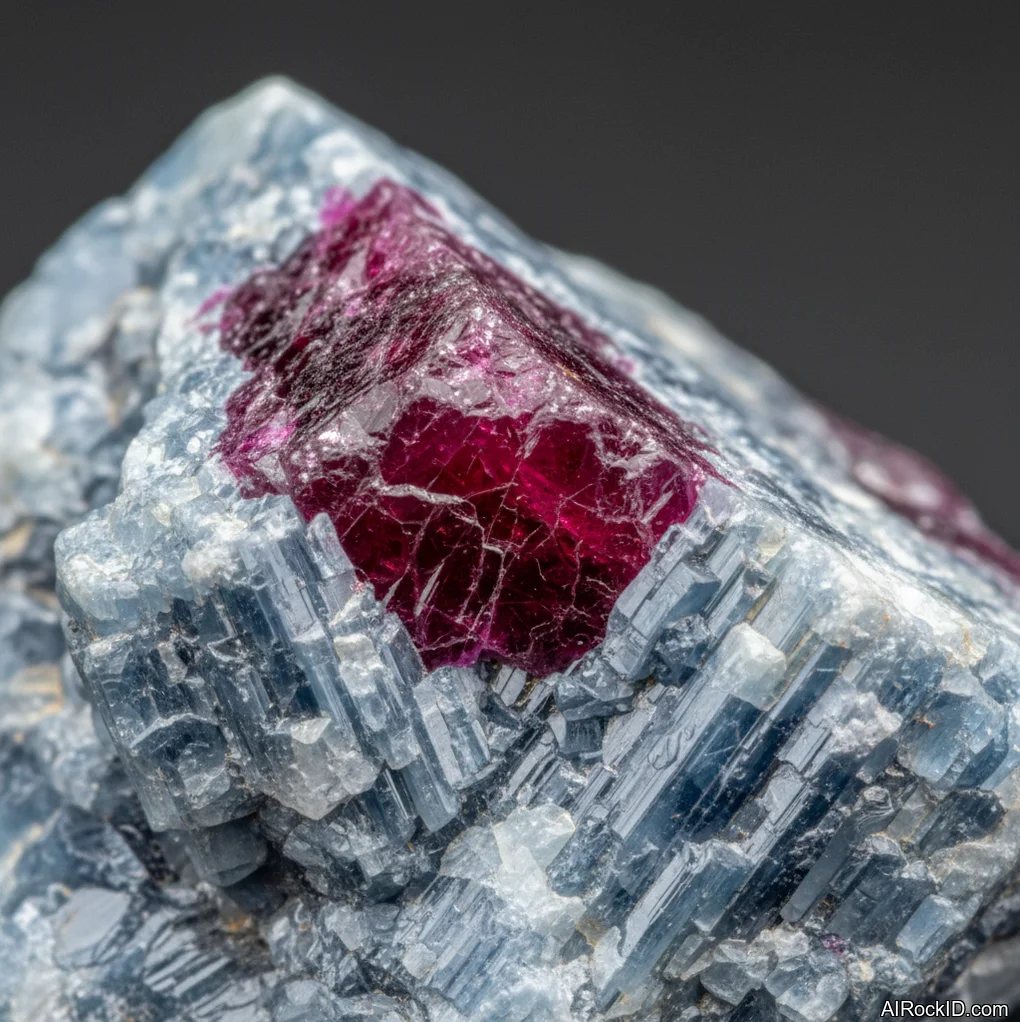
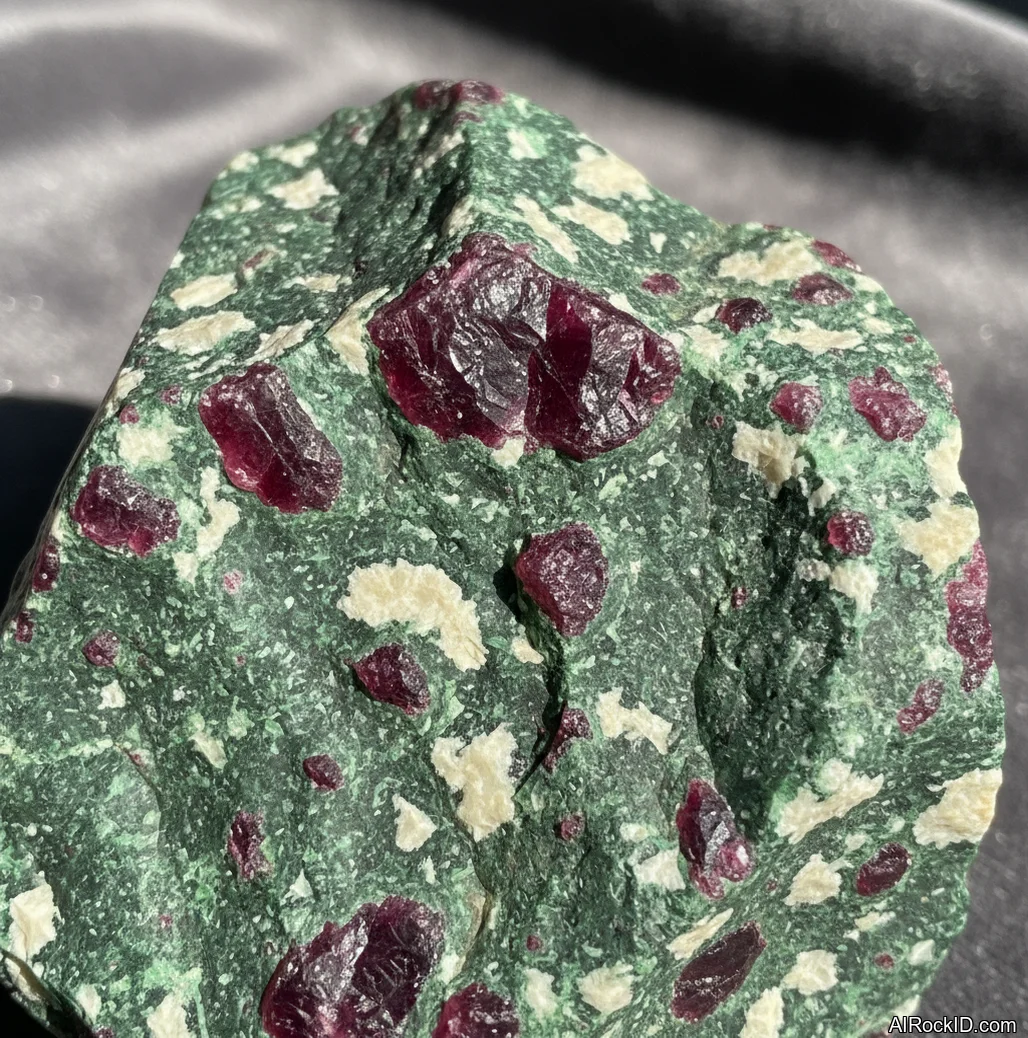
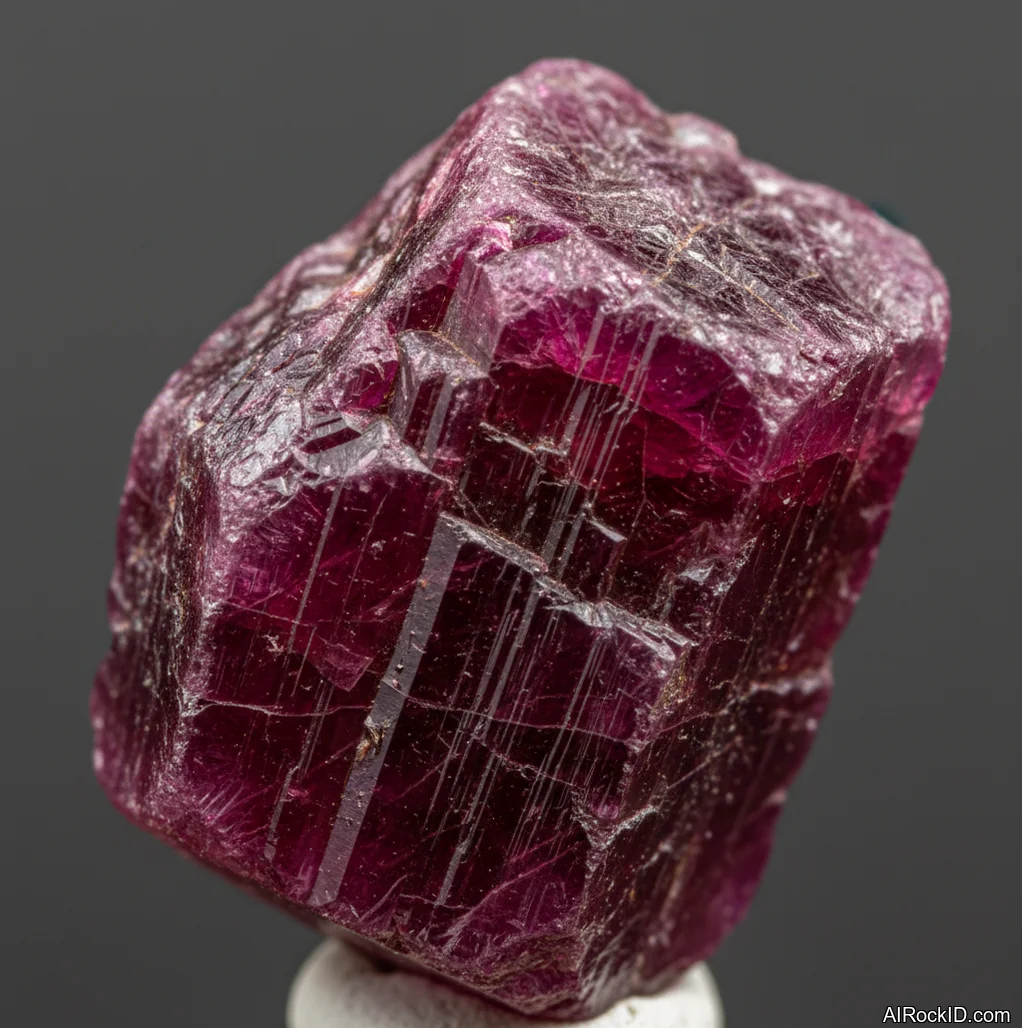
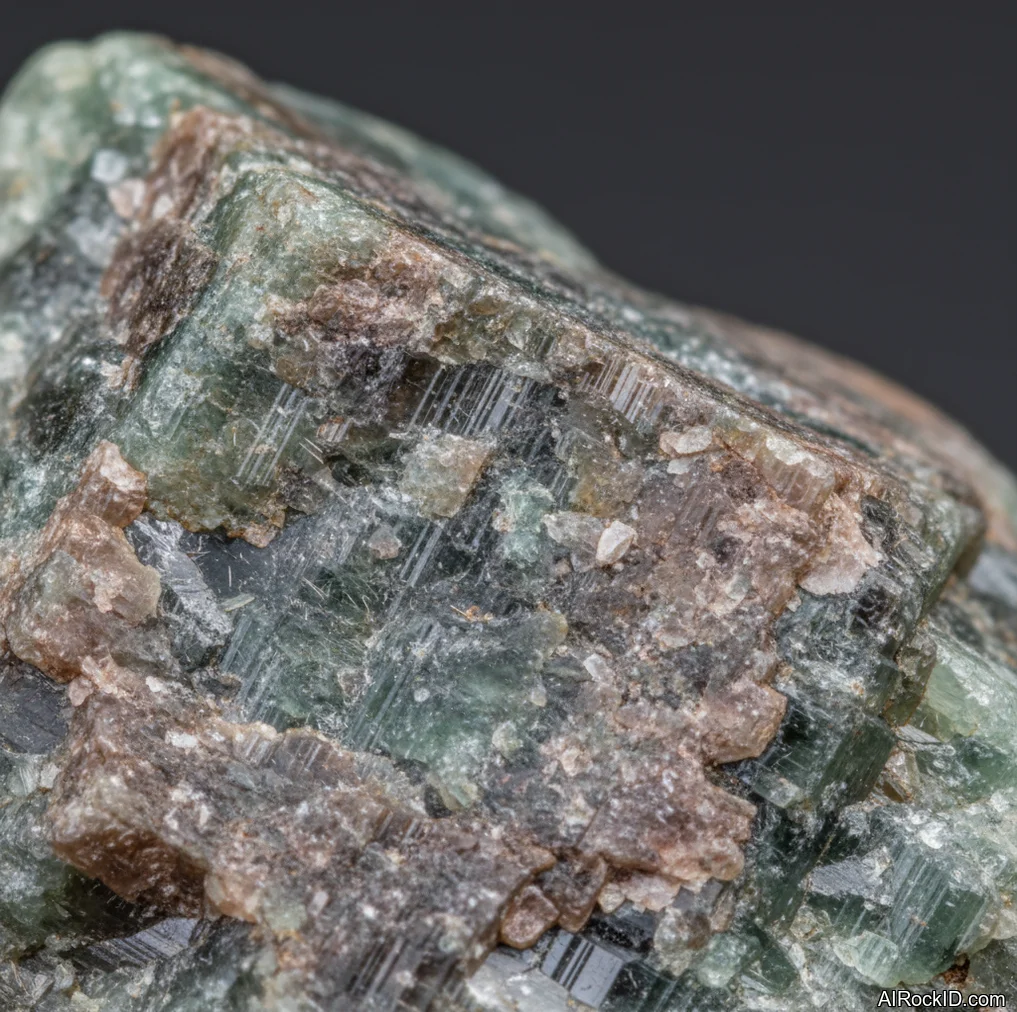
Heart Chakra Crystals
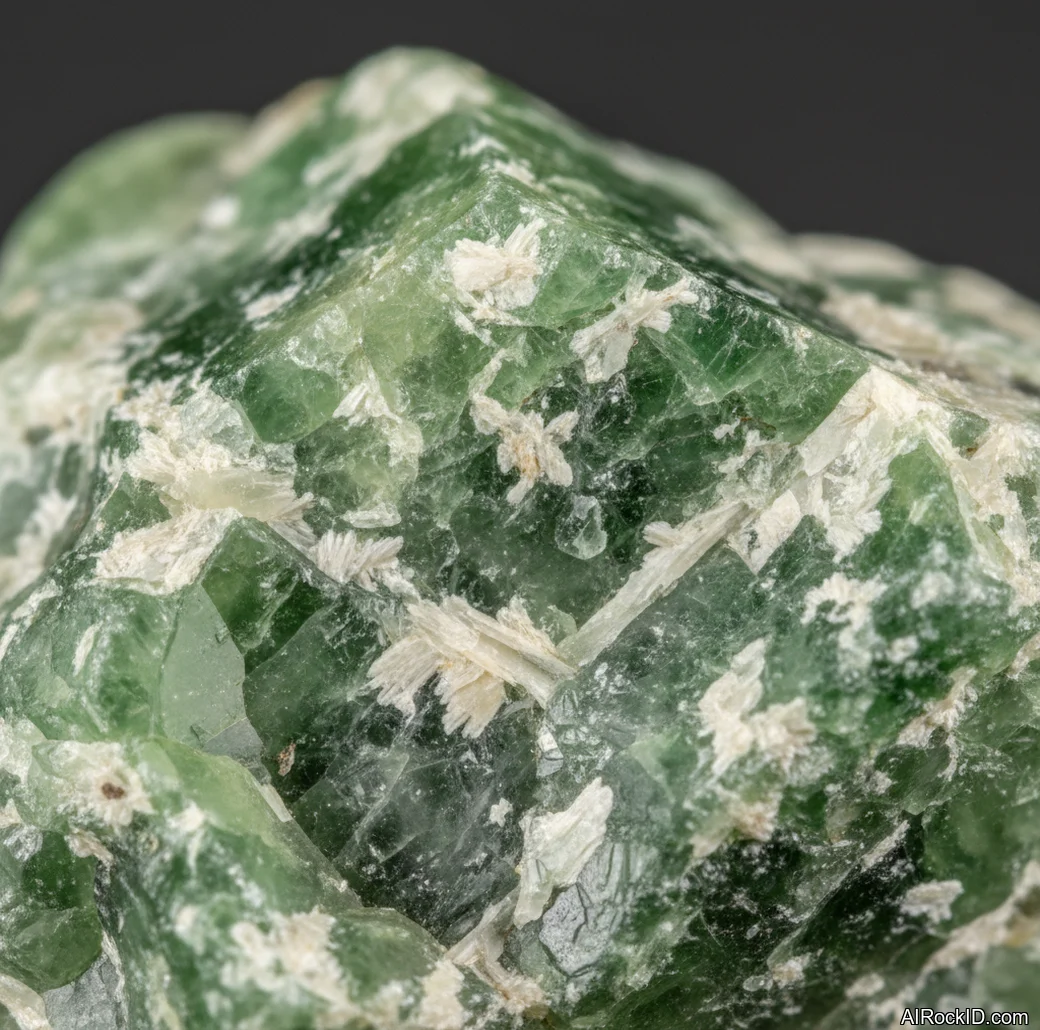
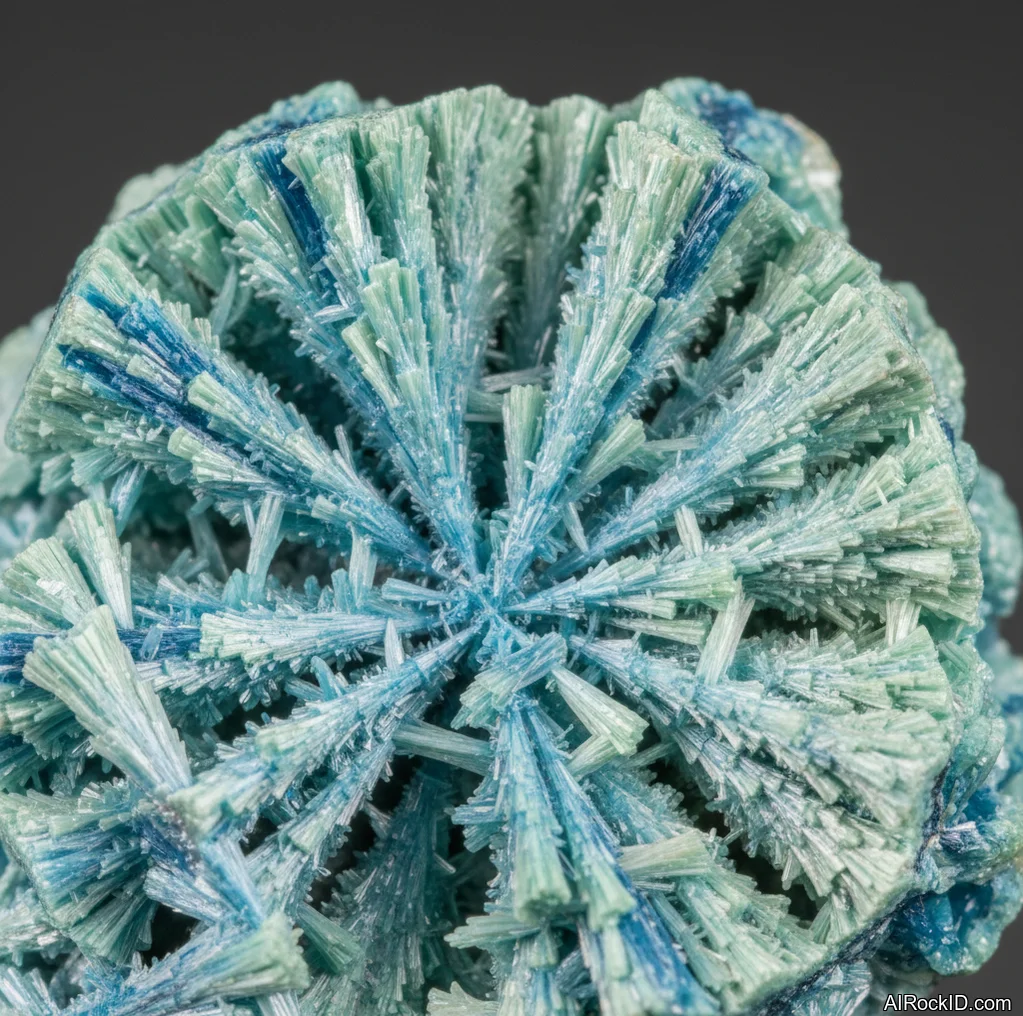
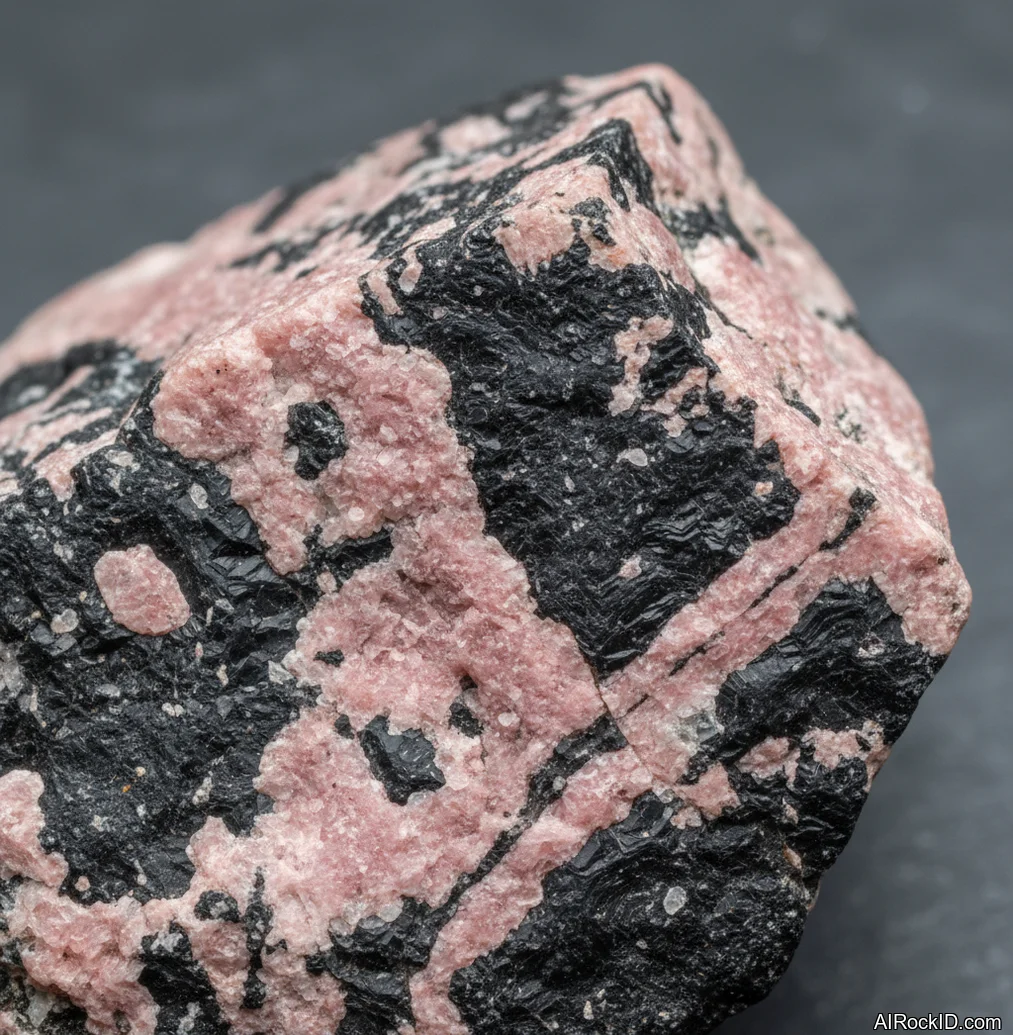
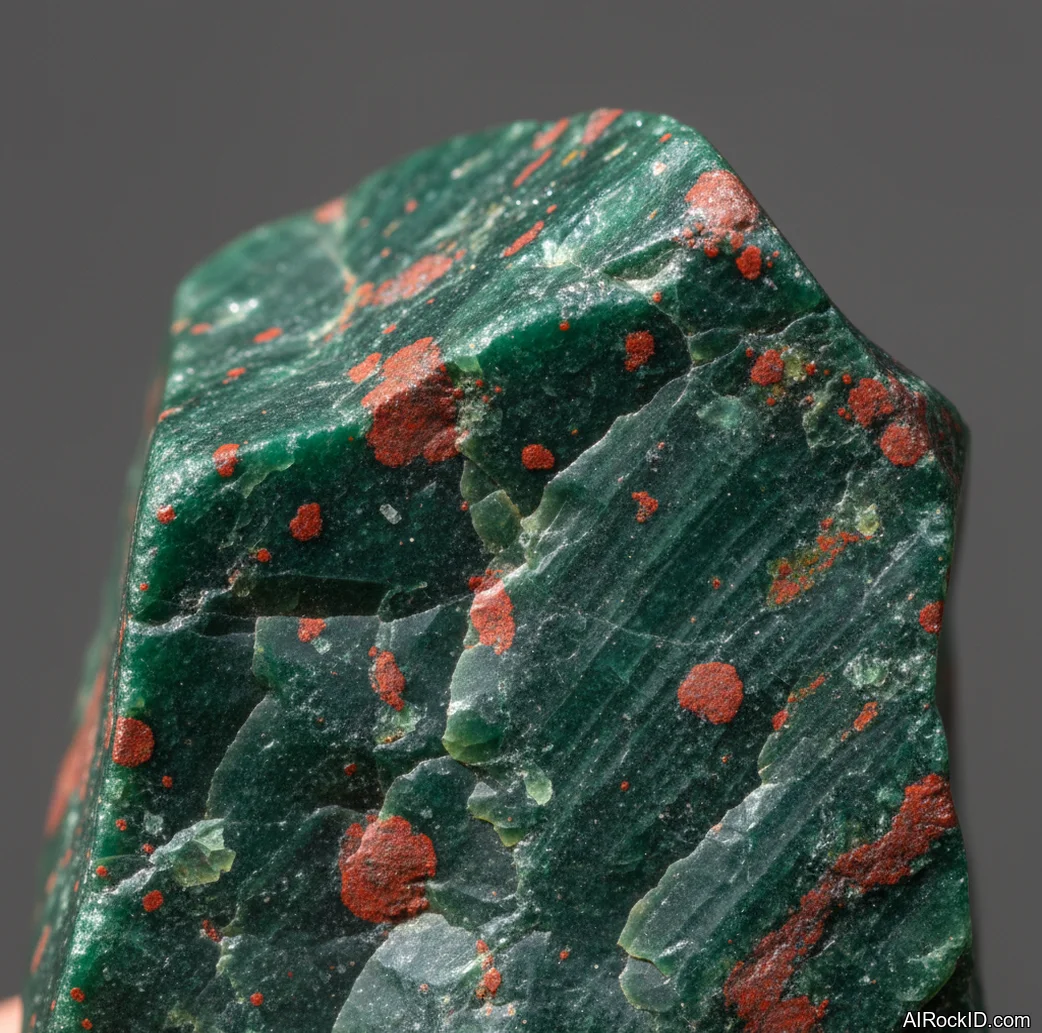
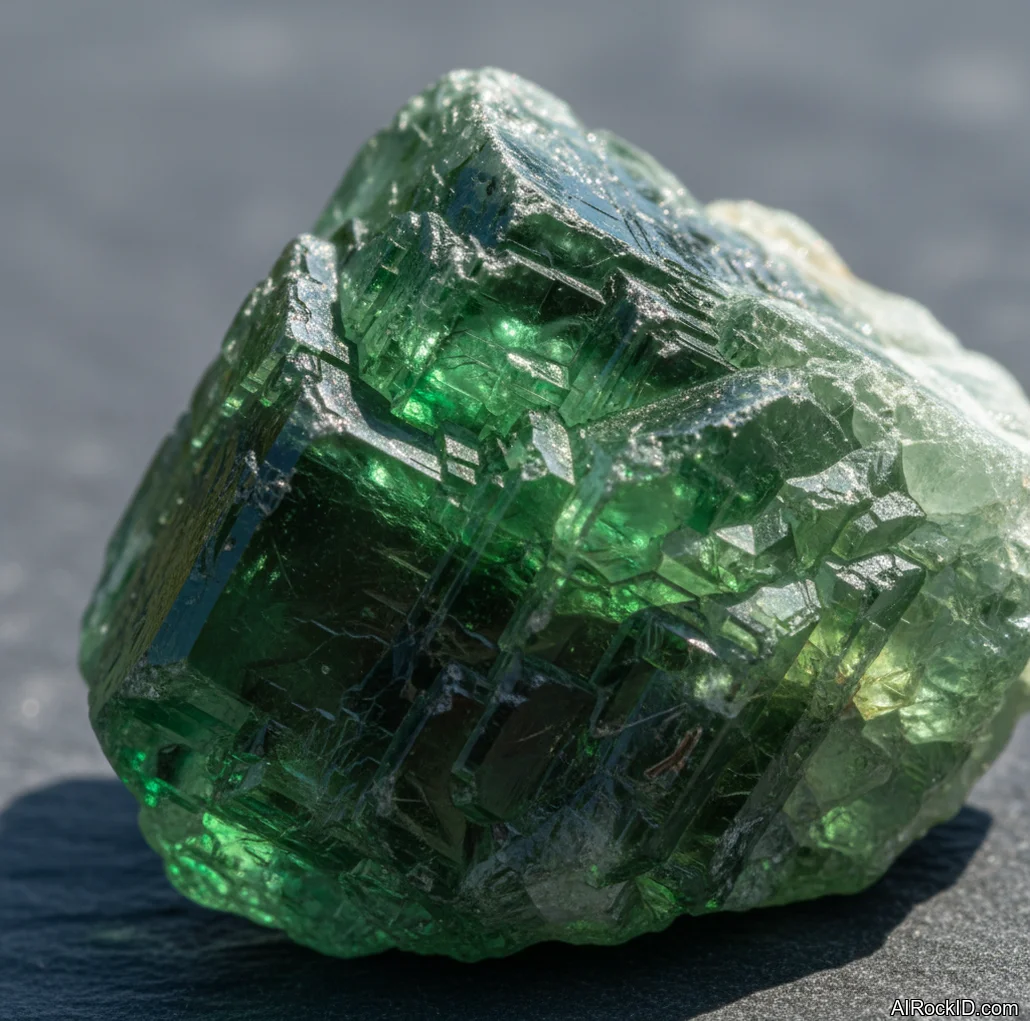
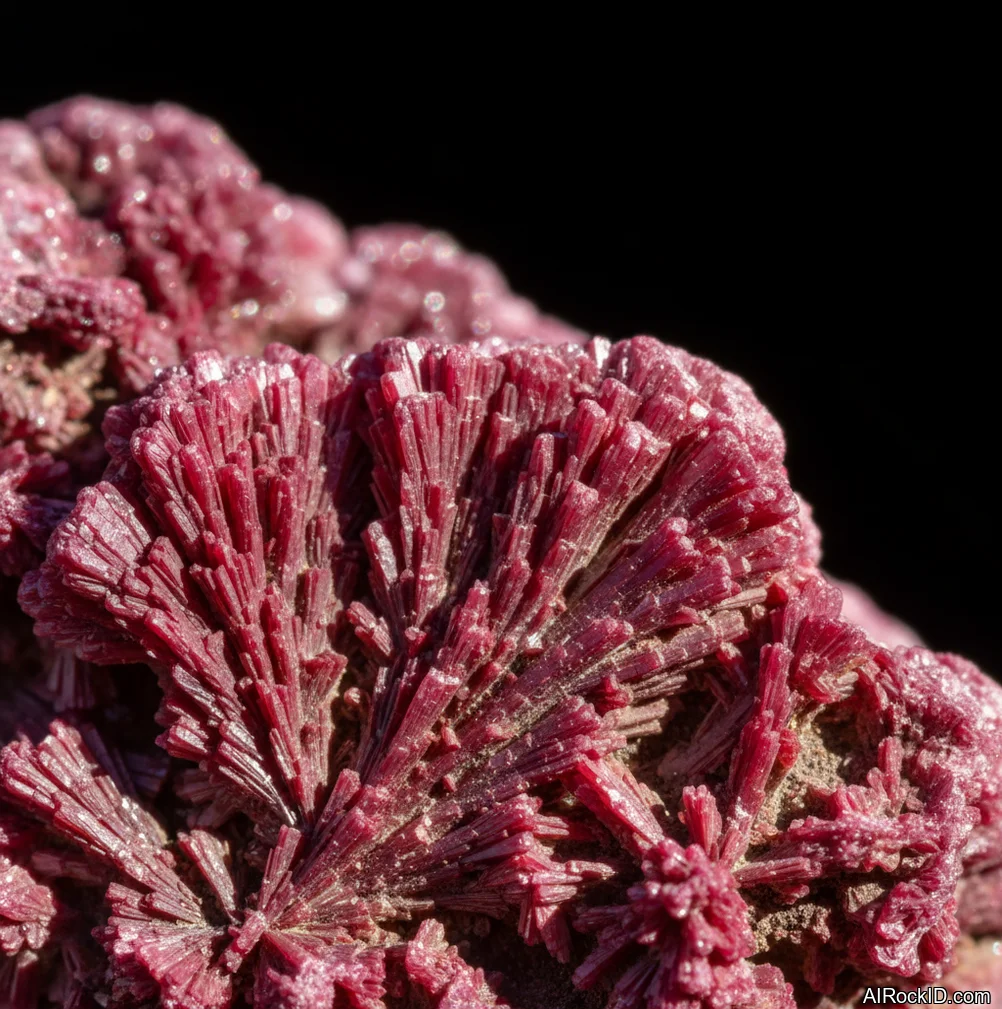
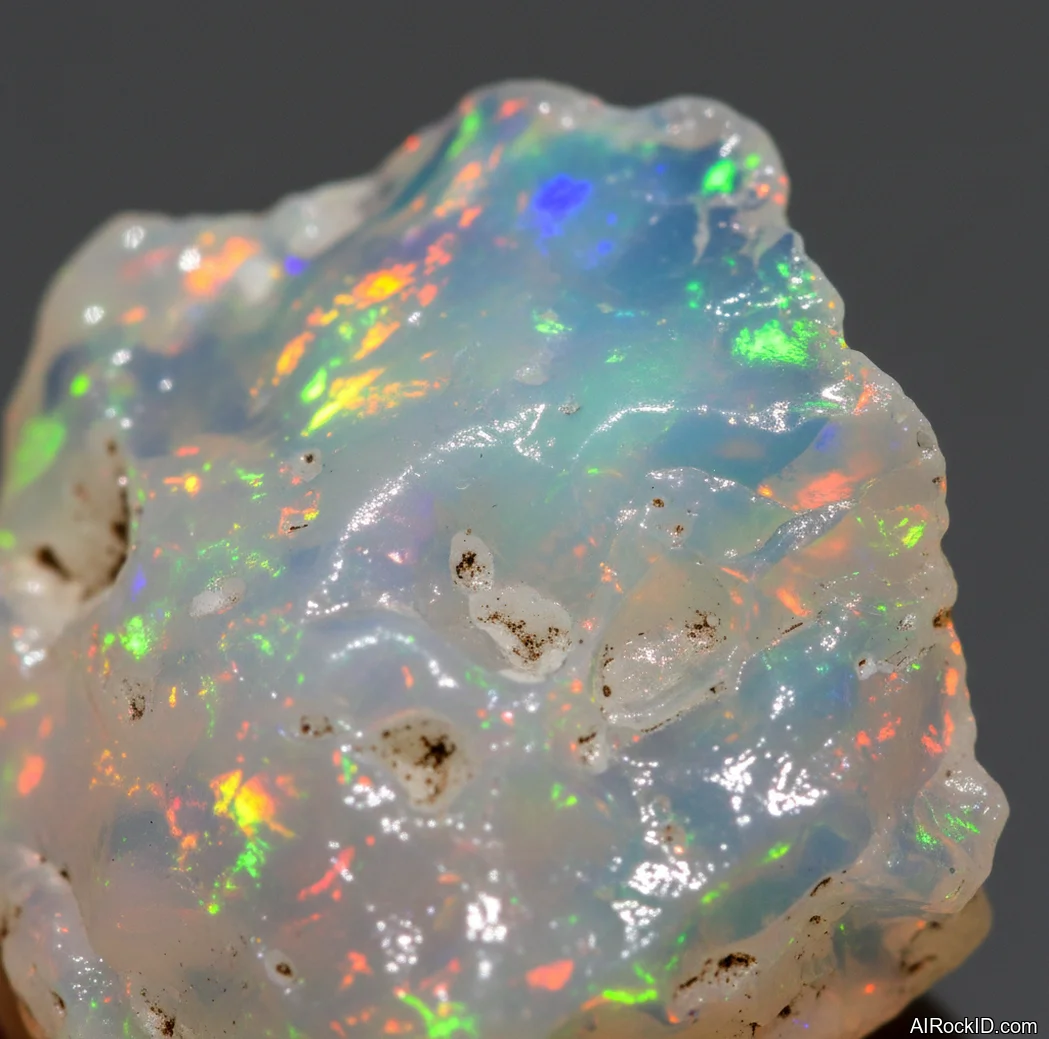
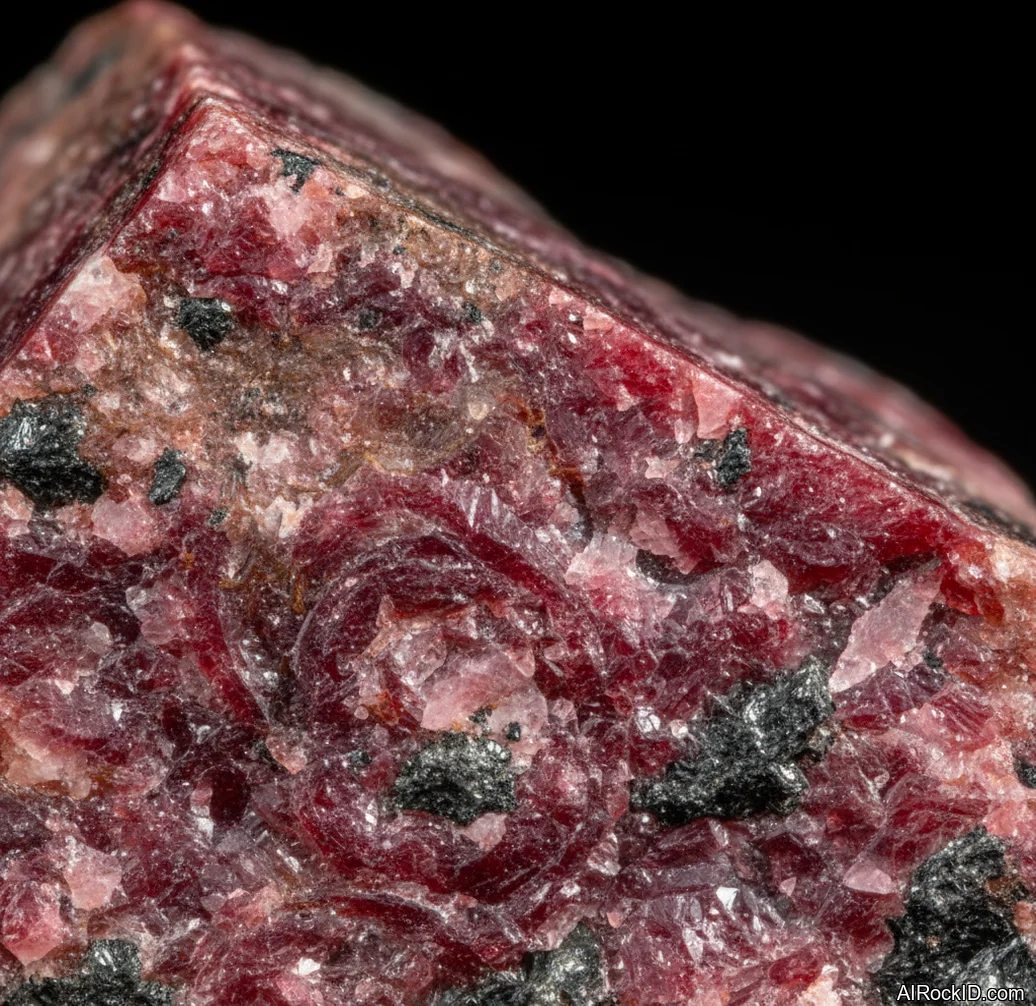
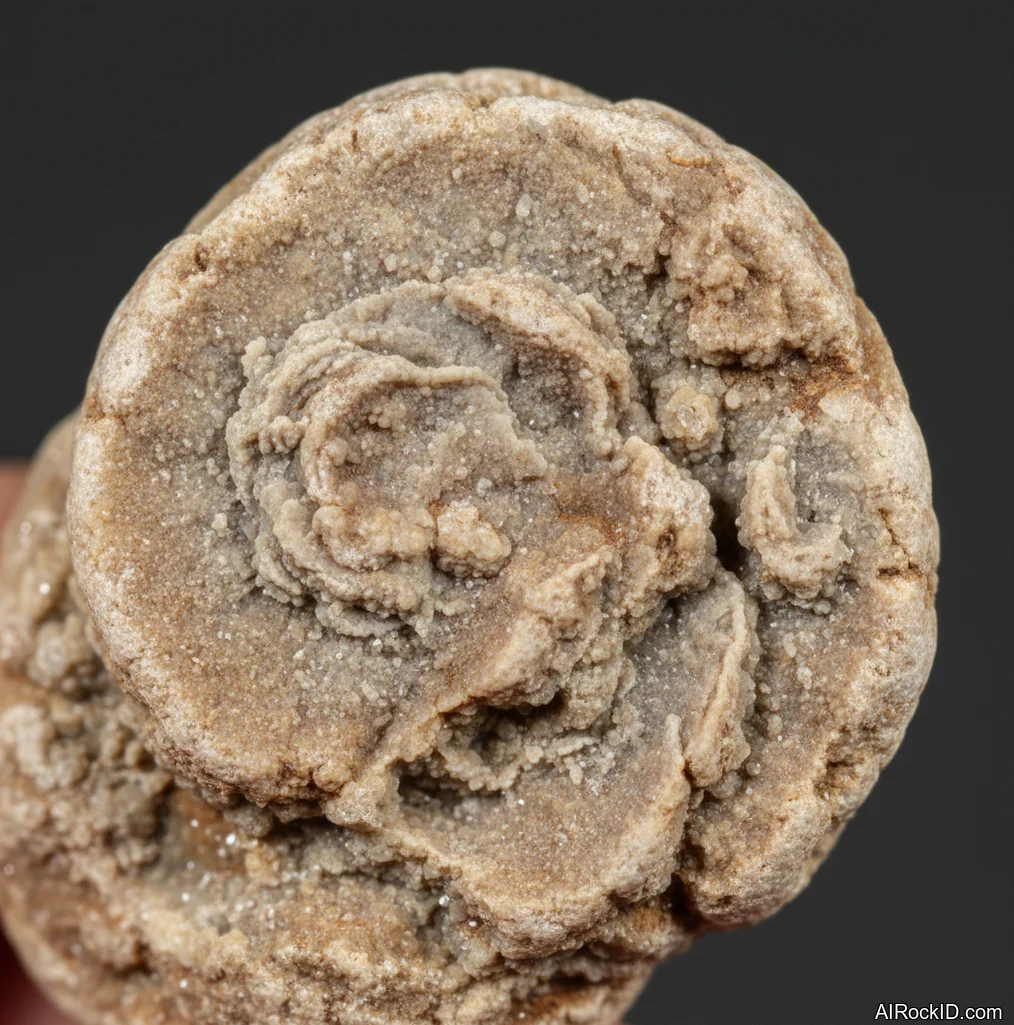
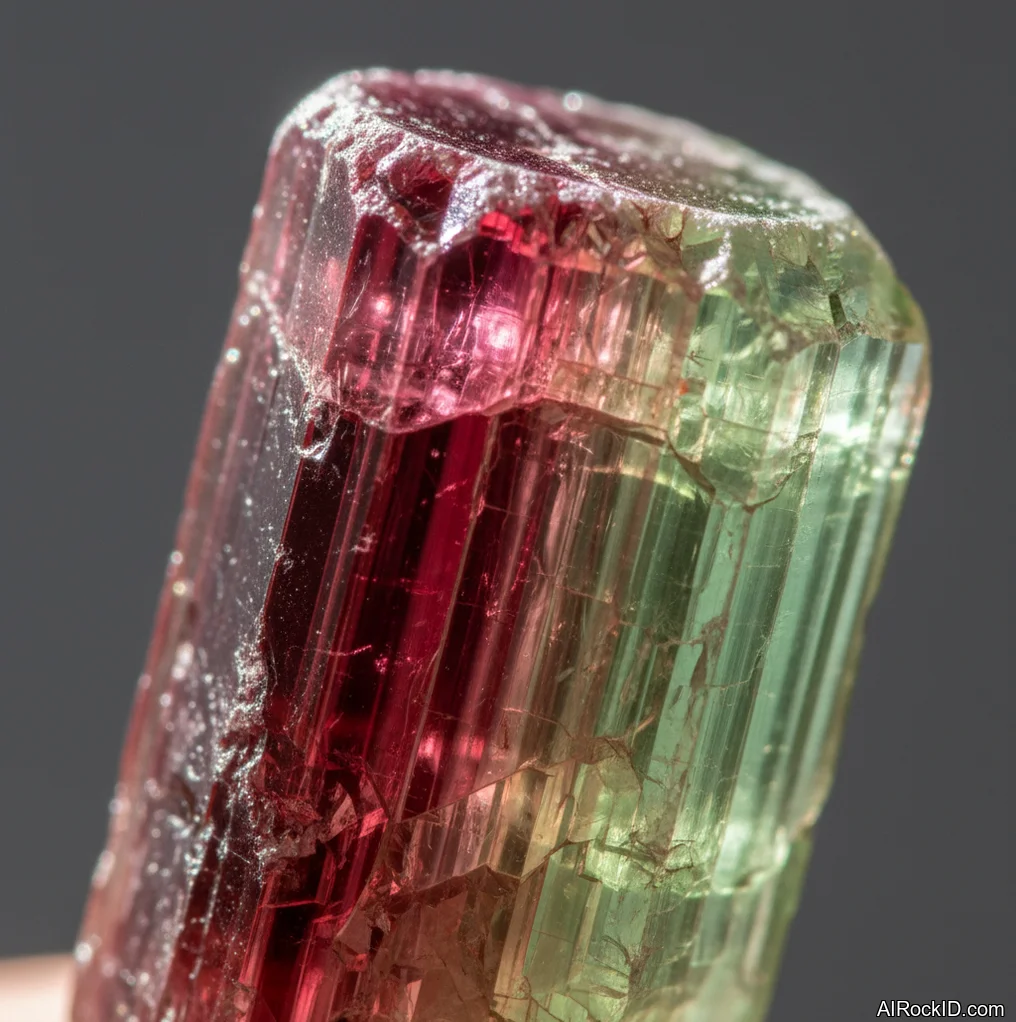
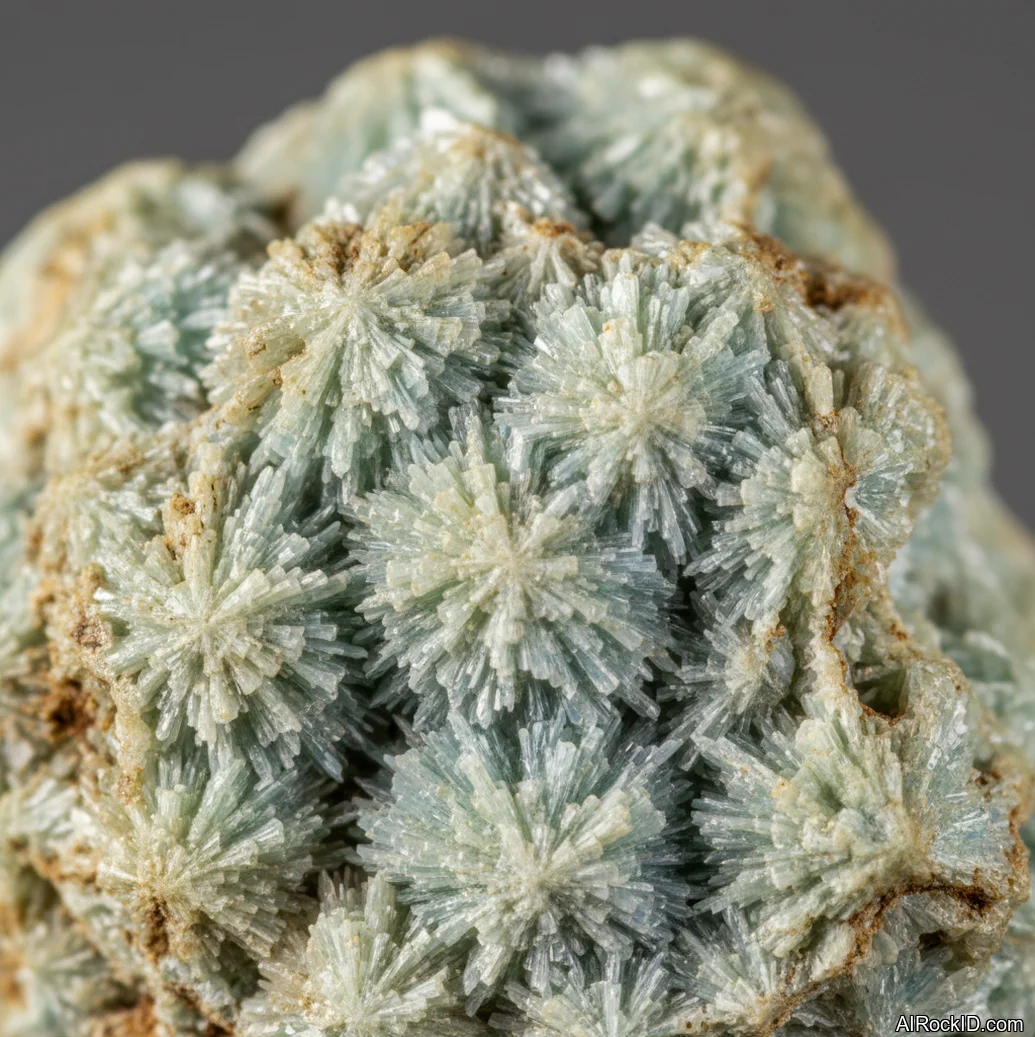
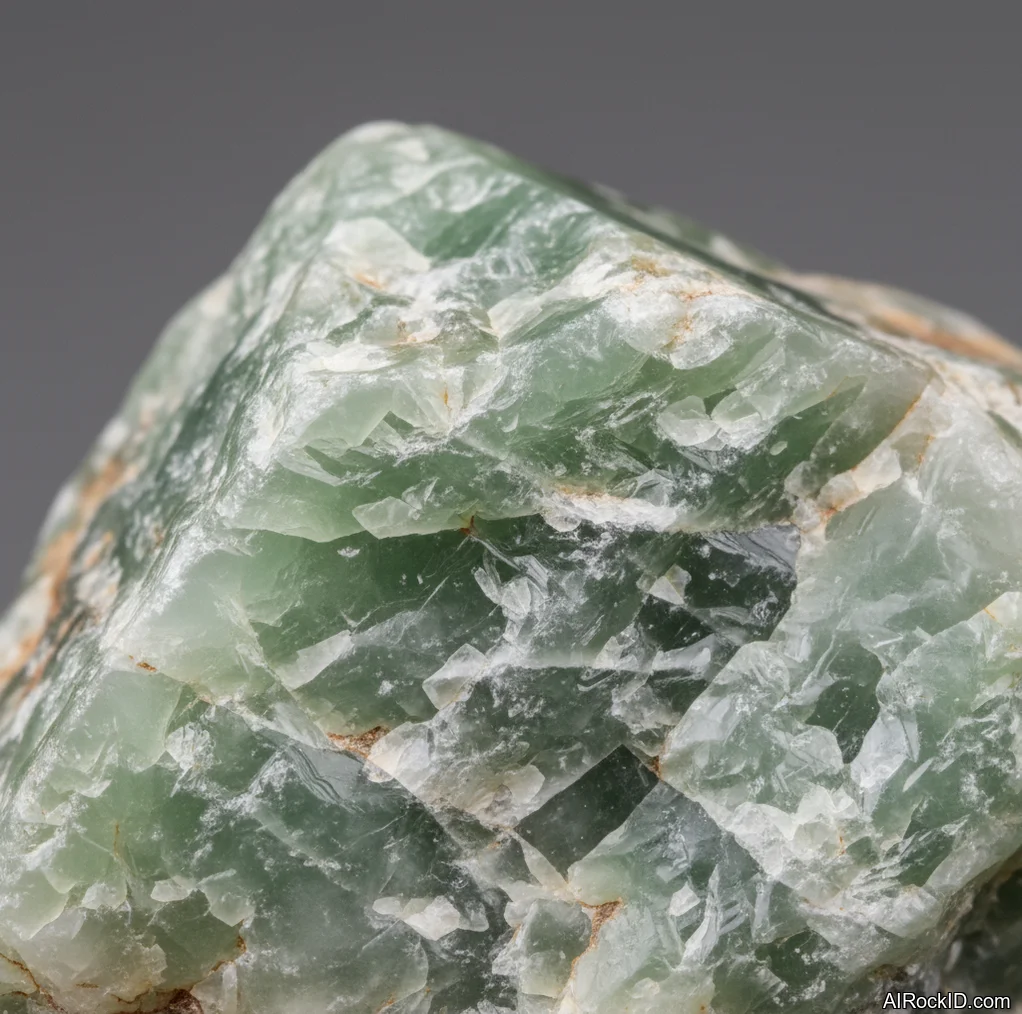
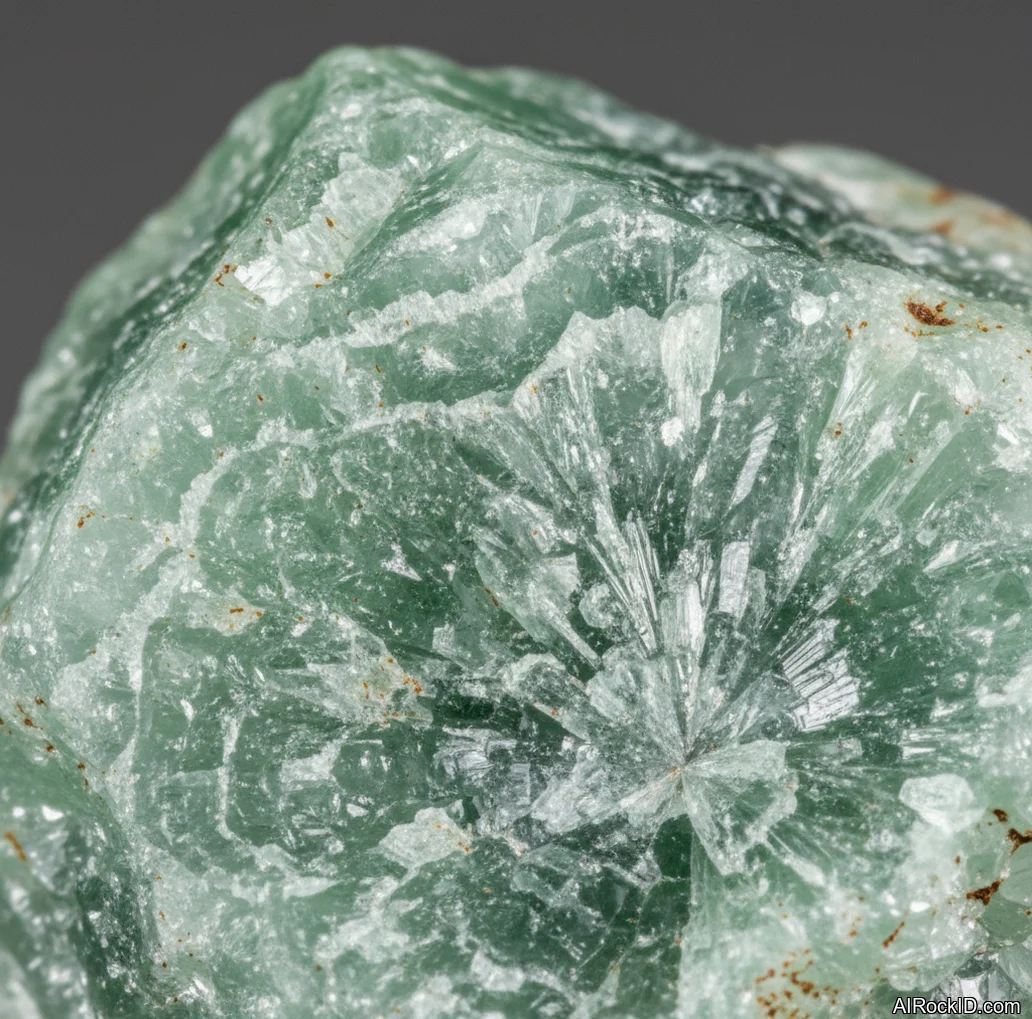
Quick answer: Heart Chakra crystals are stones commonly associated in crystal-healing traditions with compassion, emotional balance, forgiveness, and connection. Many are green or pink, such as rose quartz, jade, rhodonite, malachite, and green aventurine.
Explore Heart Chakra crystals, their meanings and properties, plus tips for choosing and using stones like rose quartz, jade, and malachite.


Heart Chakra crystals are natural stones linked to the fourth energy center in metaphysical traditions, said to support emotional balance, connection, and healing around the chest area. Common examples include rose quartz, green aventurine, malachite, and rhodonite, all chosen for their color and tactile qualities. These crystals are used in spiritual and wellness practices, not as medical treatments. These associations come from metaphysical traditions and are not medical claims.
Heart Chakra crystals can't heal physical heart conditions or replace therapy for emotional issues. Chakra crystal associations come from spiritual traditions, not clinical evidence. They should not replace medical or mental health care.
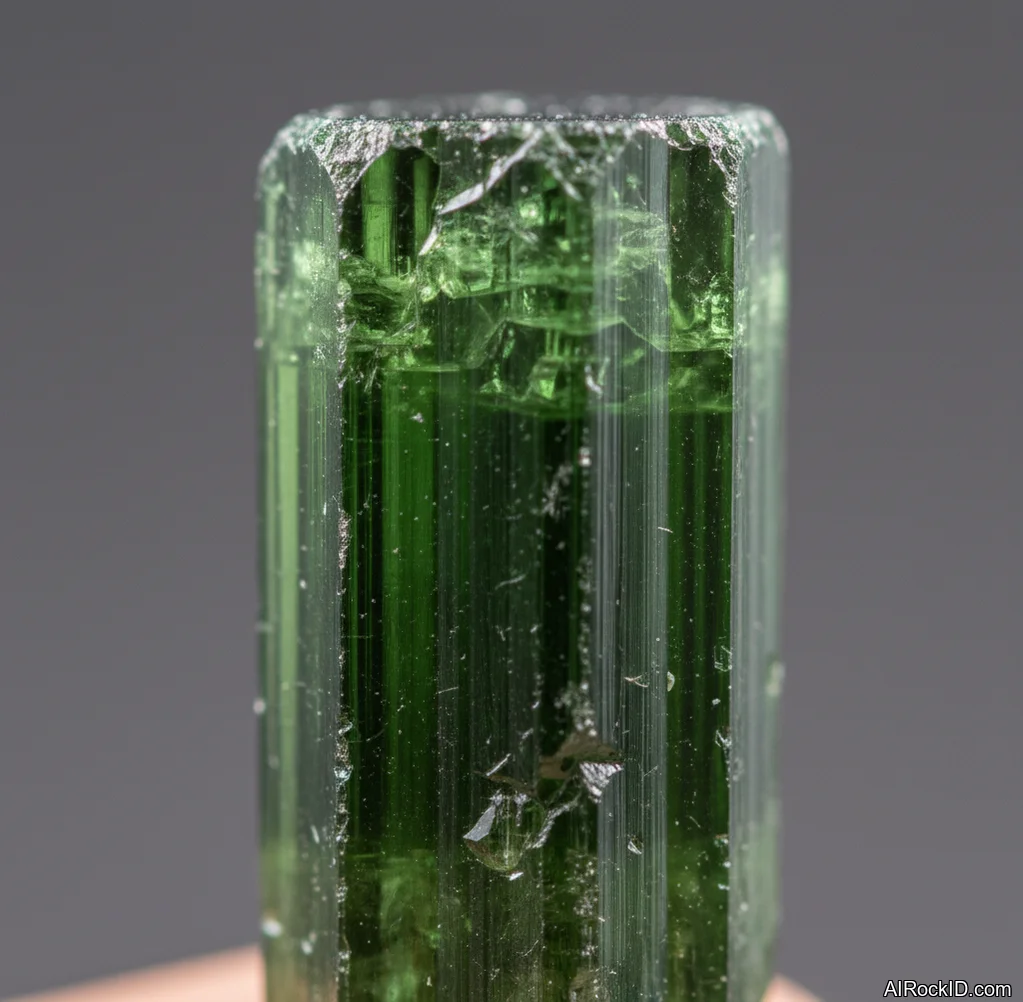
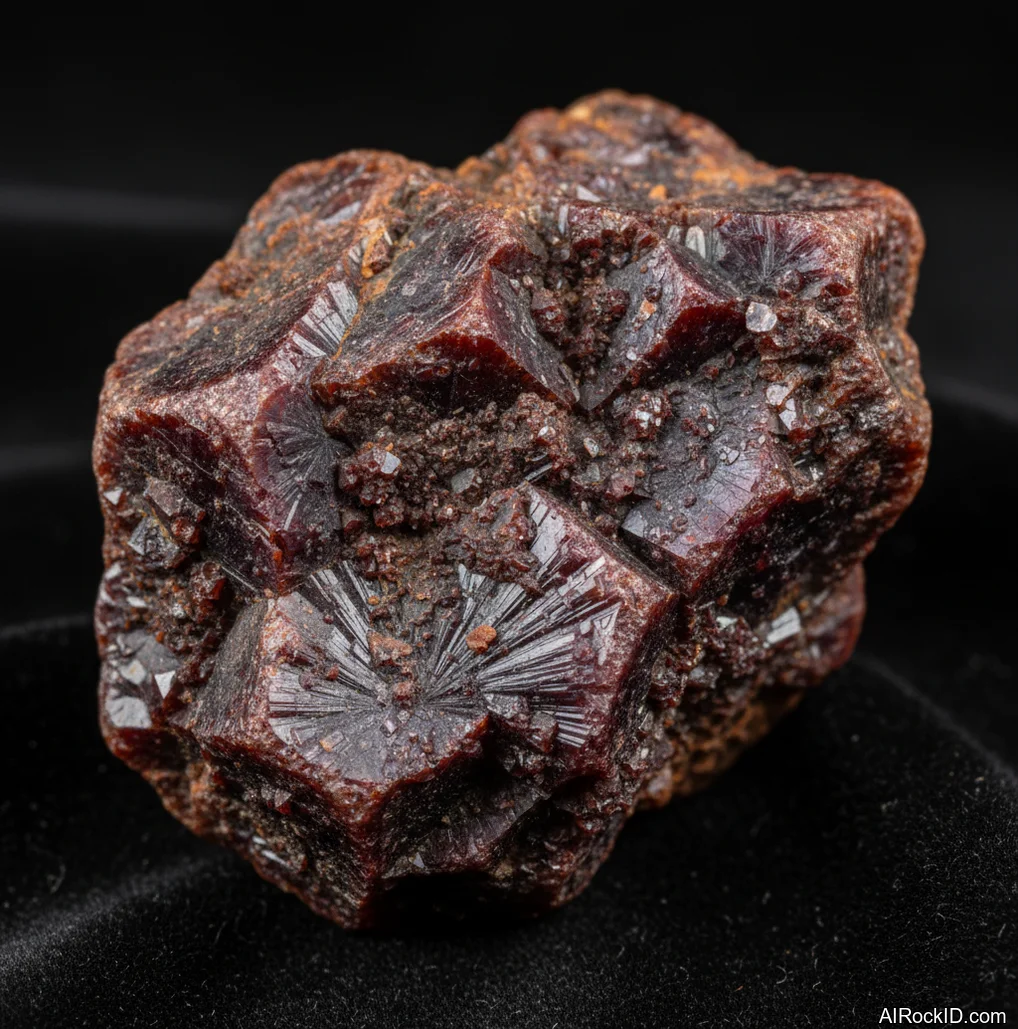
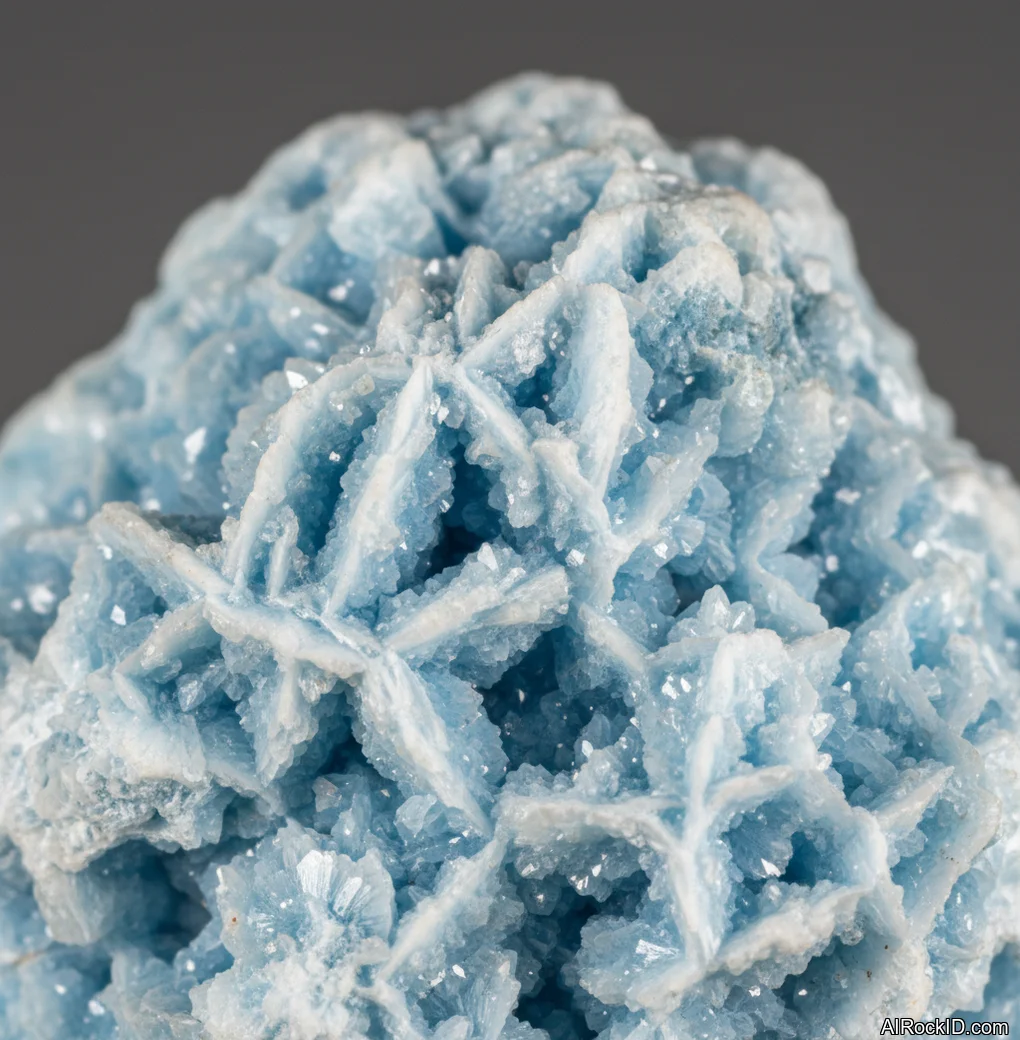
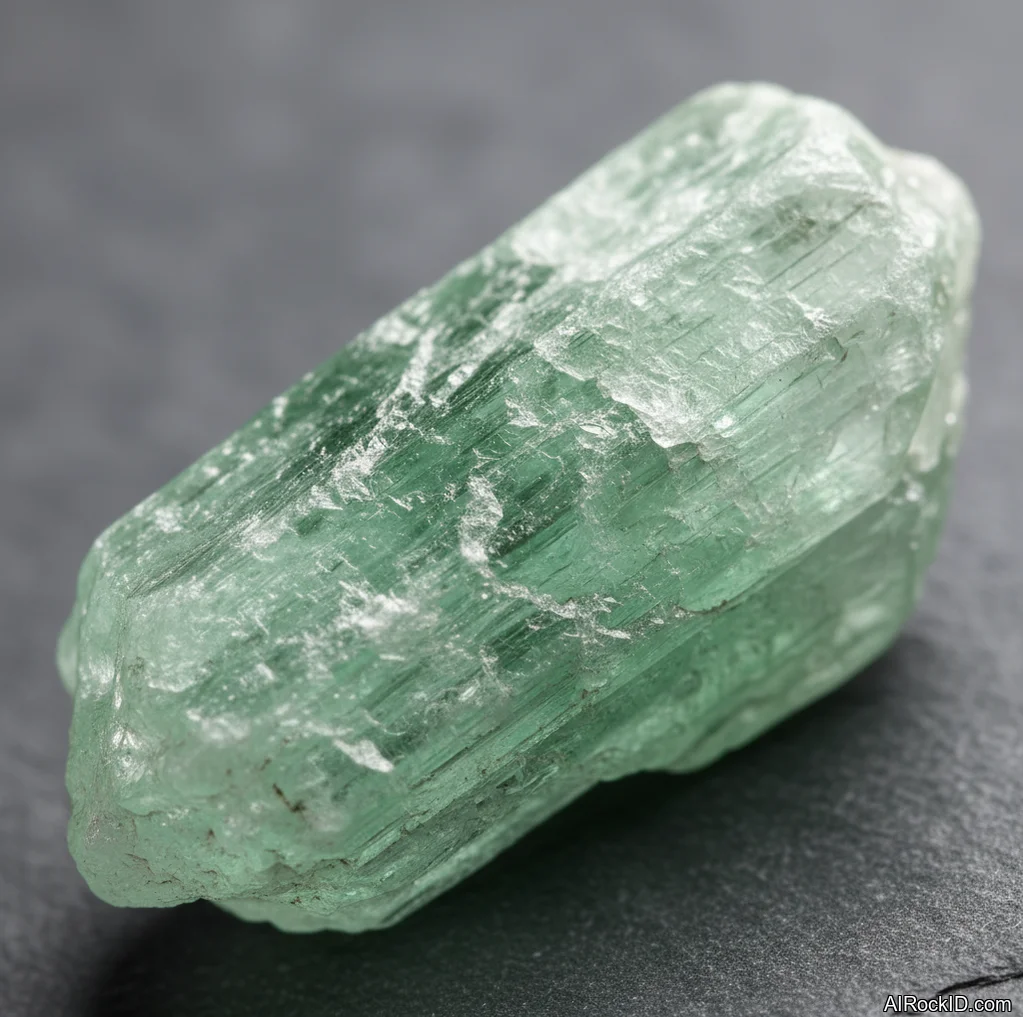
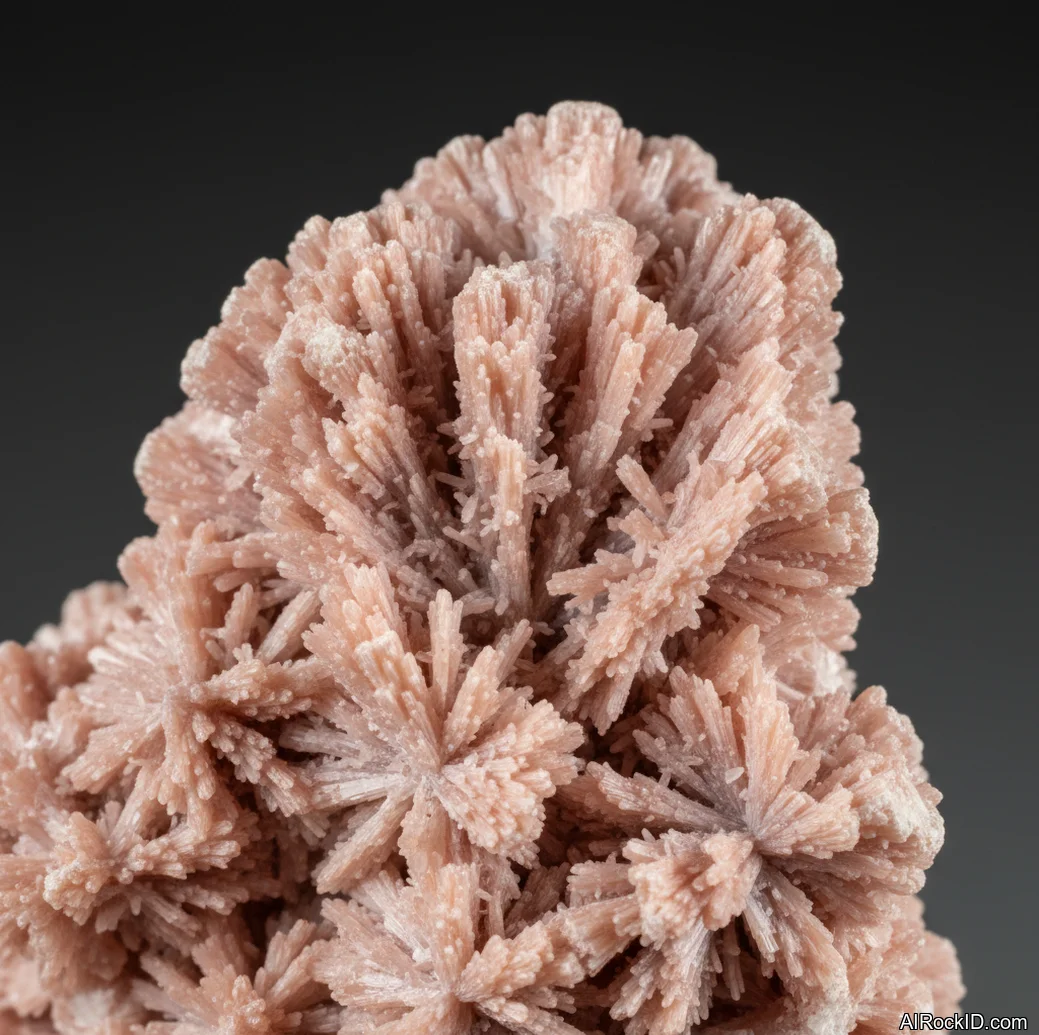
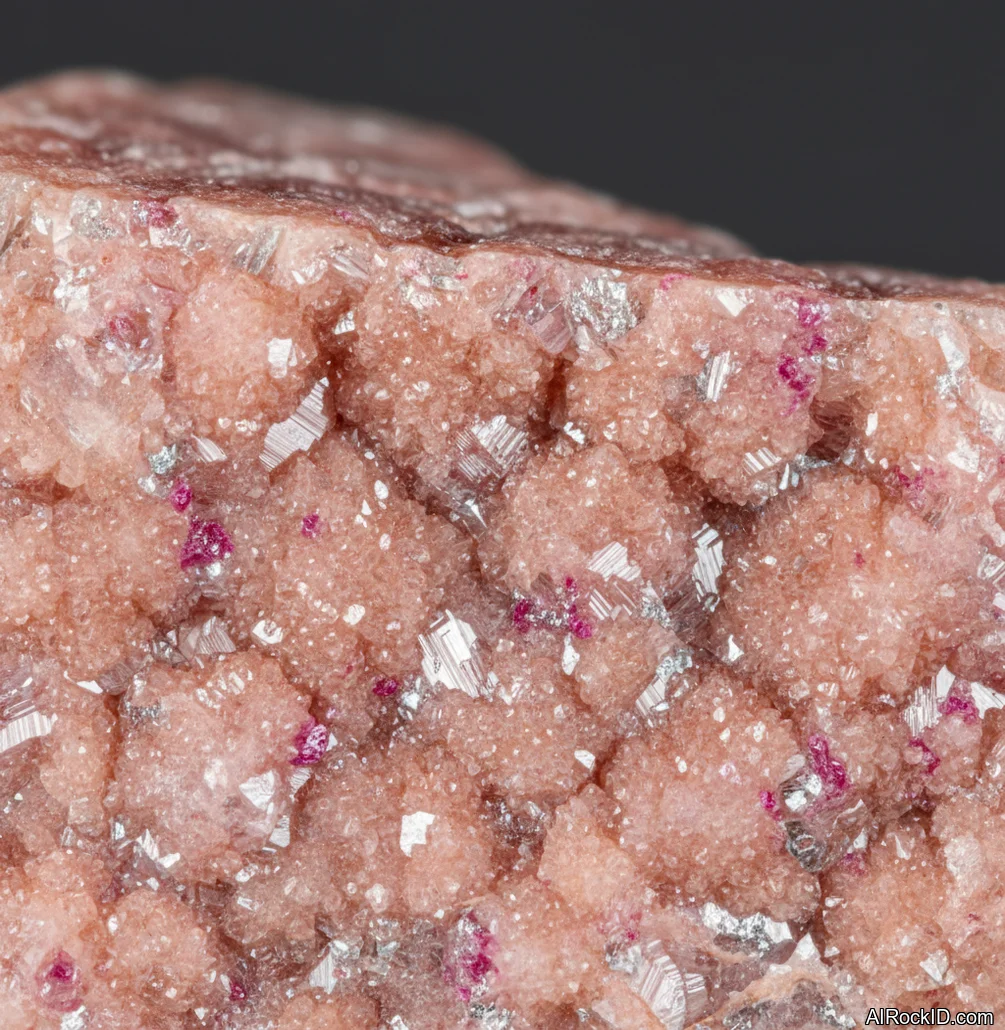
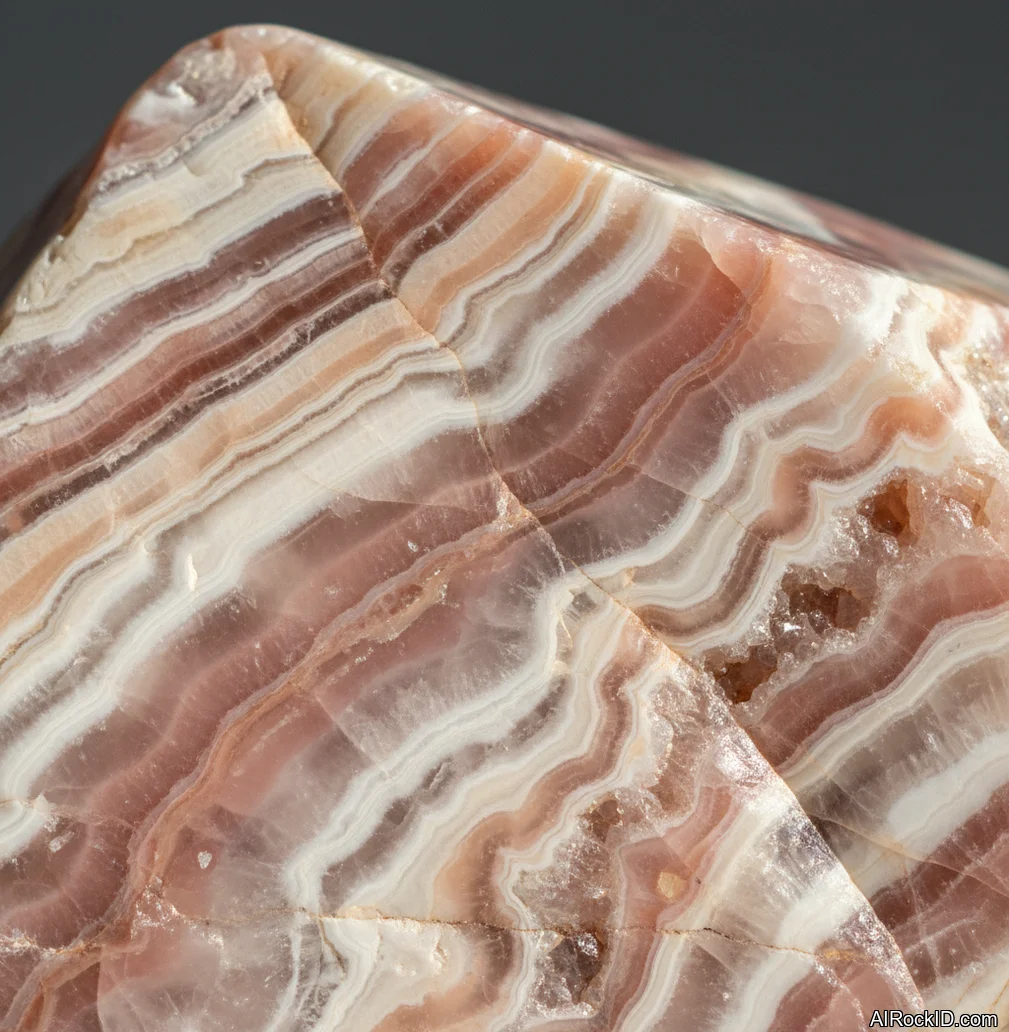
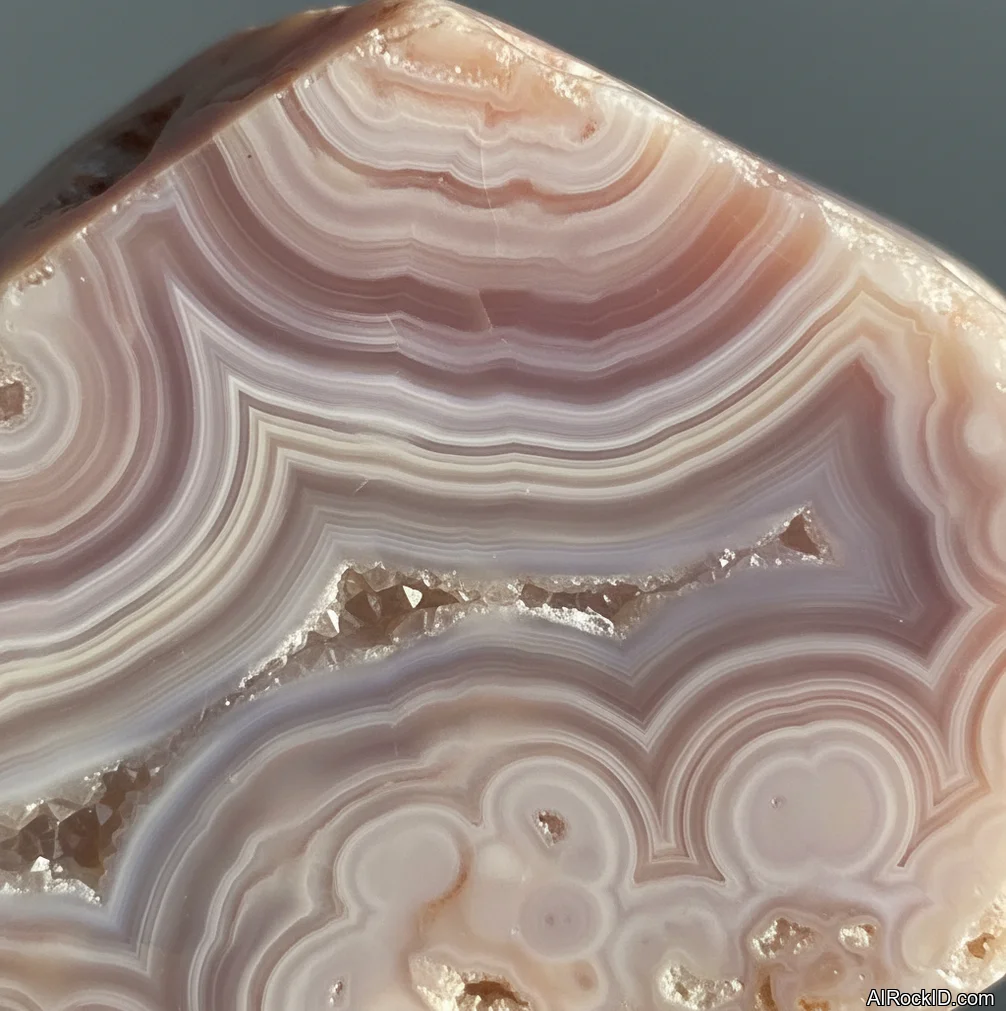
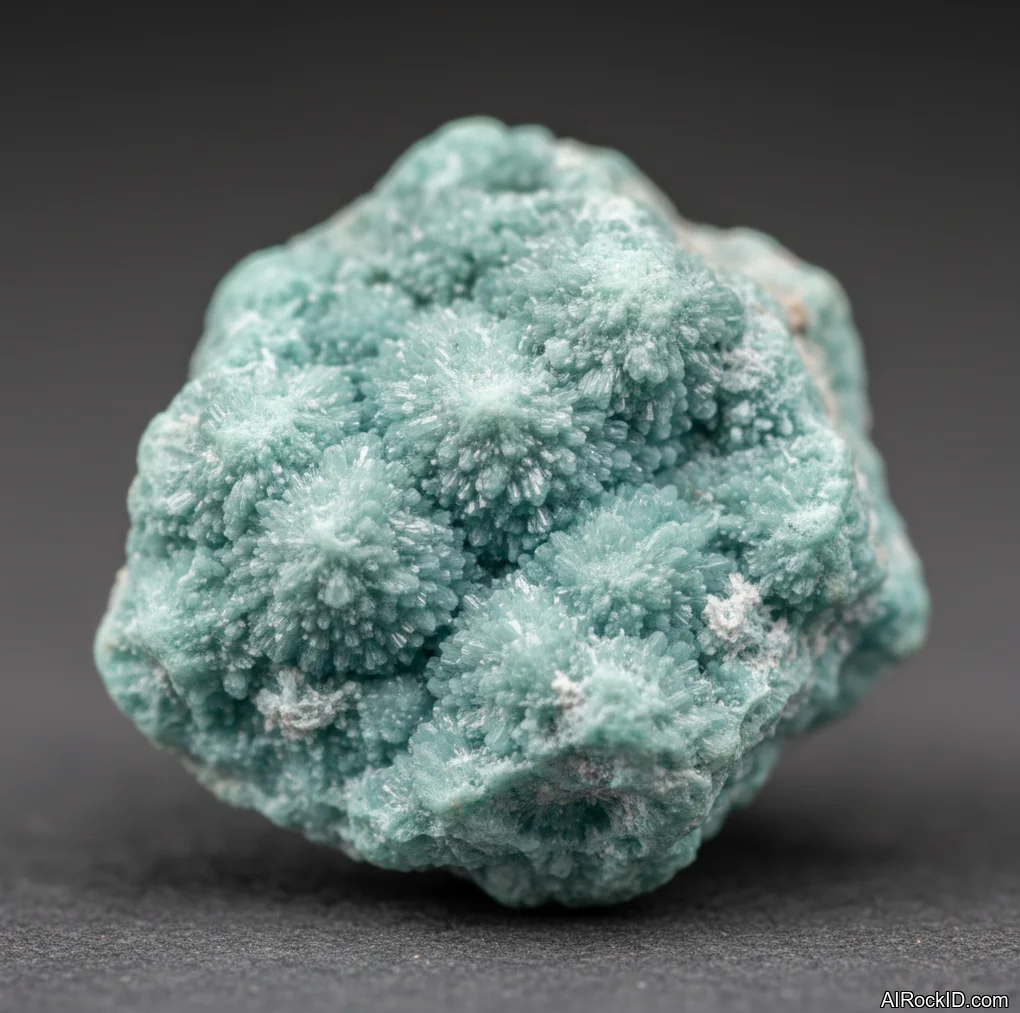
AI Rock ID can help compare a photo of a green or pink stone against visual traits such as color, luster, banding, and crystal habit. RockIdentifier.io provides educational crystal profiles that can support identification and help distinguish look-alike Heart Chakra stones.
Good fit
- Beginners who want a simple way to explore crystals connected with love, compassion, and emotional openness in metaphysical traditions
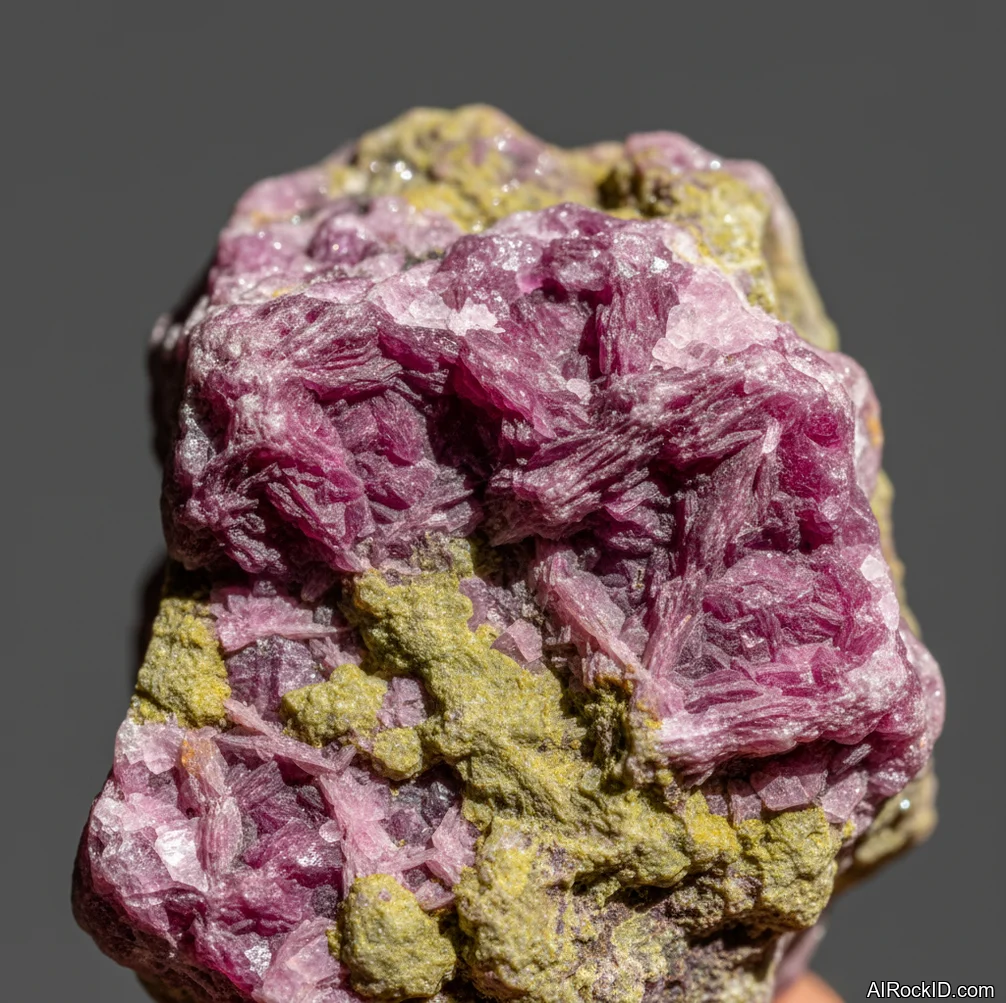
- Collectors interested in green and pink minerals such as rose quartz, jade, malachite, rhodonite, and green aventurine
- People creating a chakra-themed crystal set or meditation space
- Gift shoppers looking for symbolic stones associated with care, friendship, or reconciliation
Not a good fit
- Anyone seeking a substitute for medical, psychological, or relationship counseling
- Collectors who need laboratory-level gem identification from photos alone
- People who prefer crystals chosen only by mineral species, locality, or gem value rather than symbolic associations
Most commonly confused with
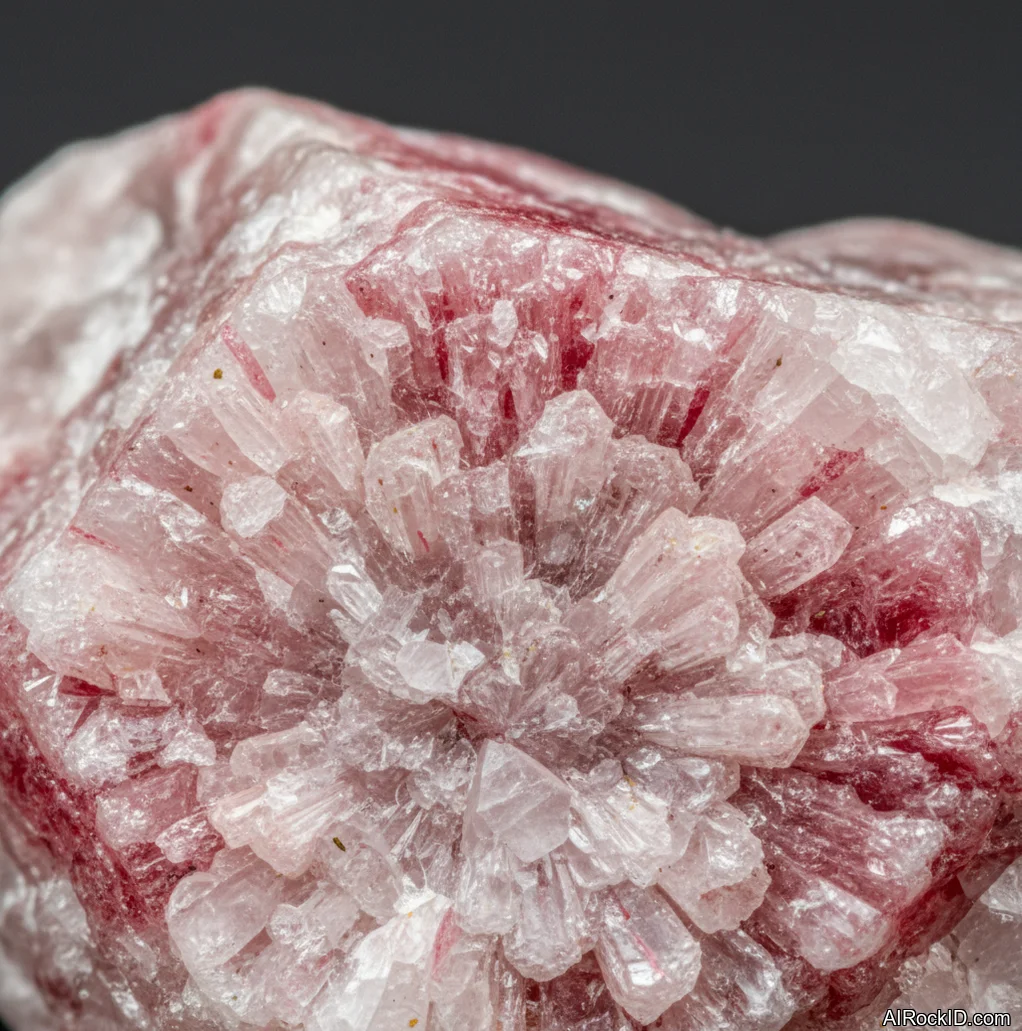
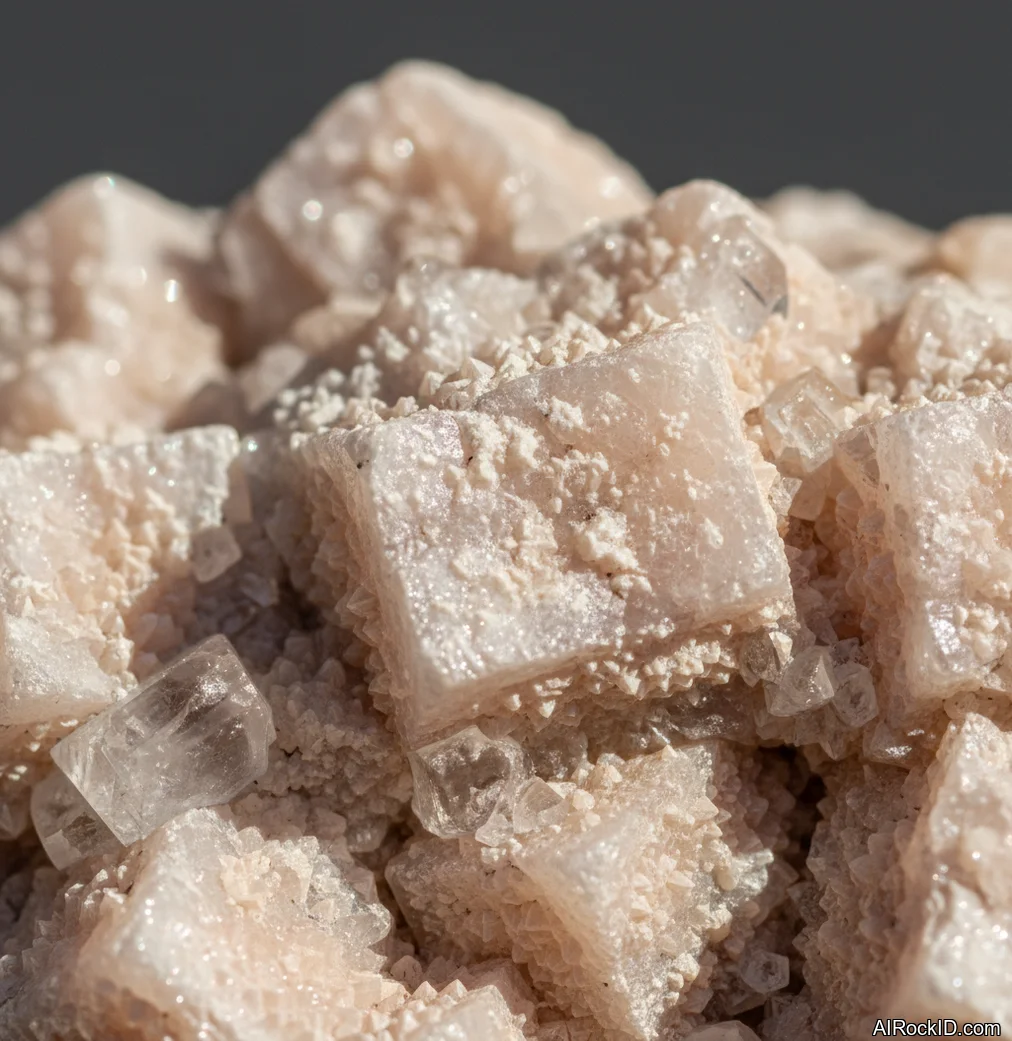
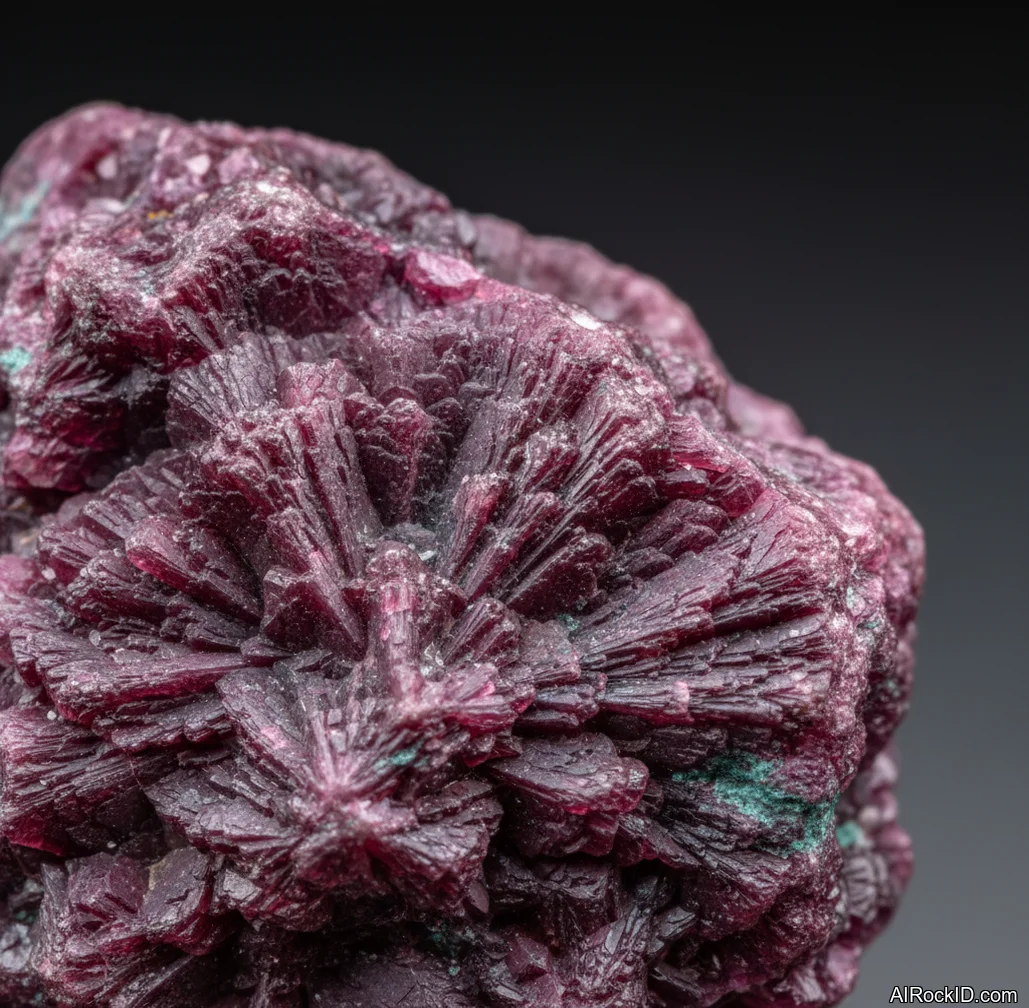
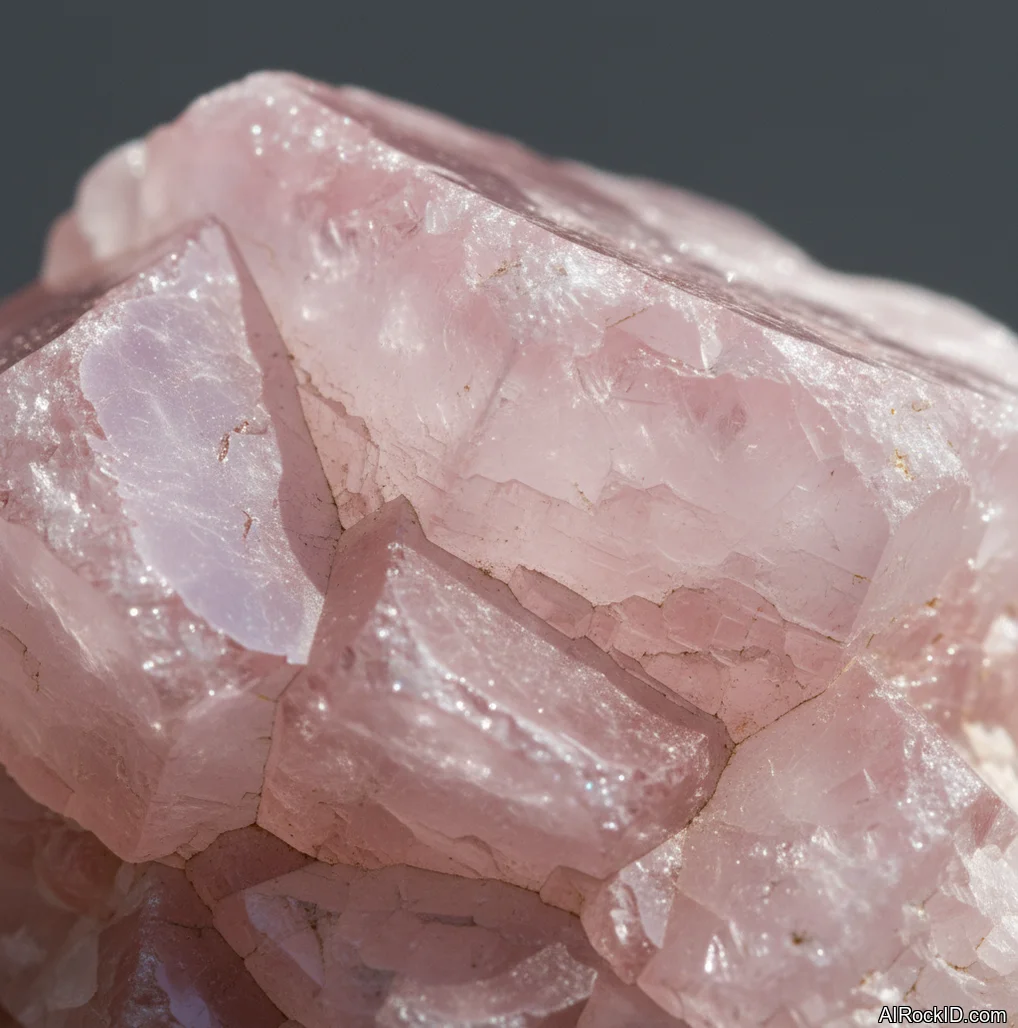
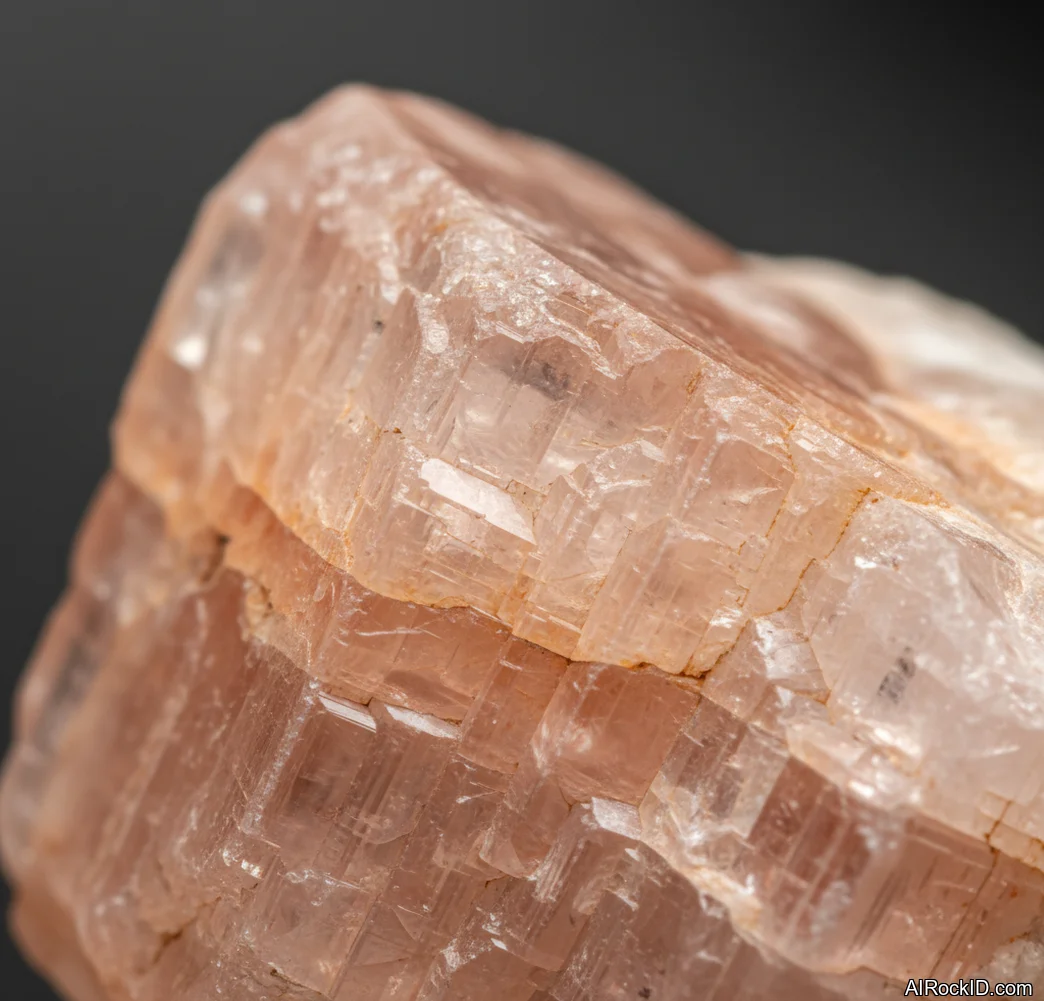
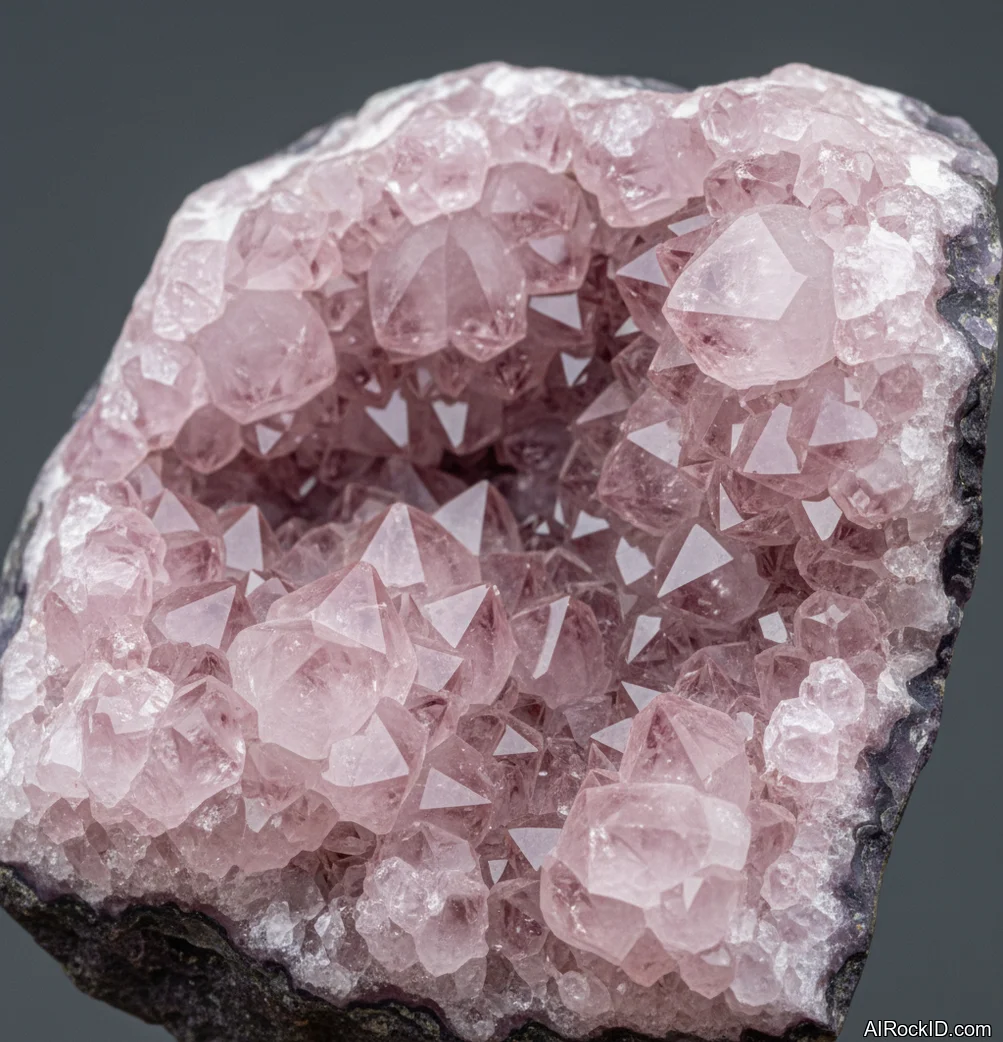
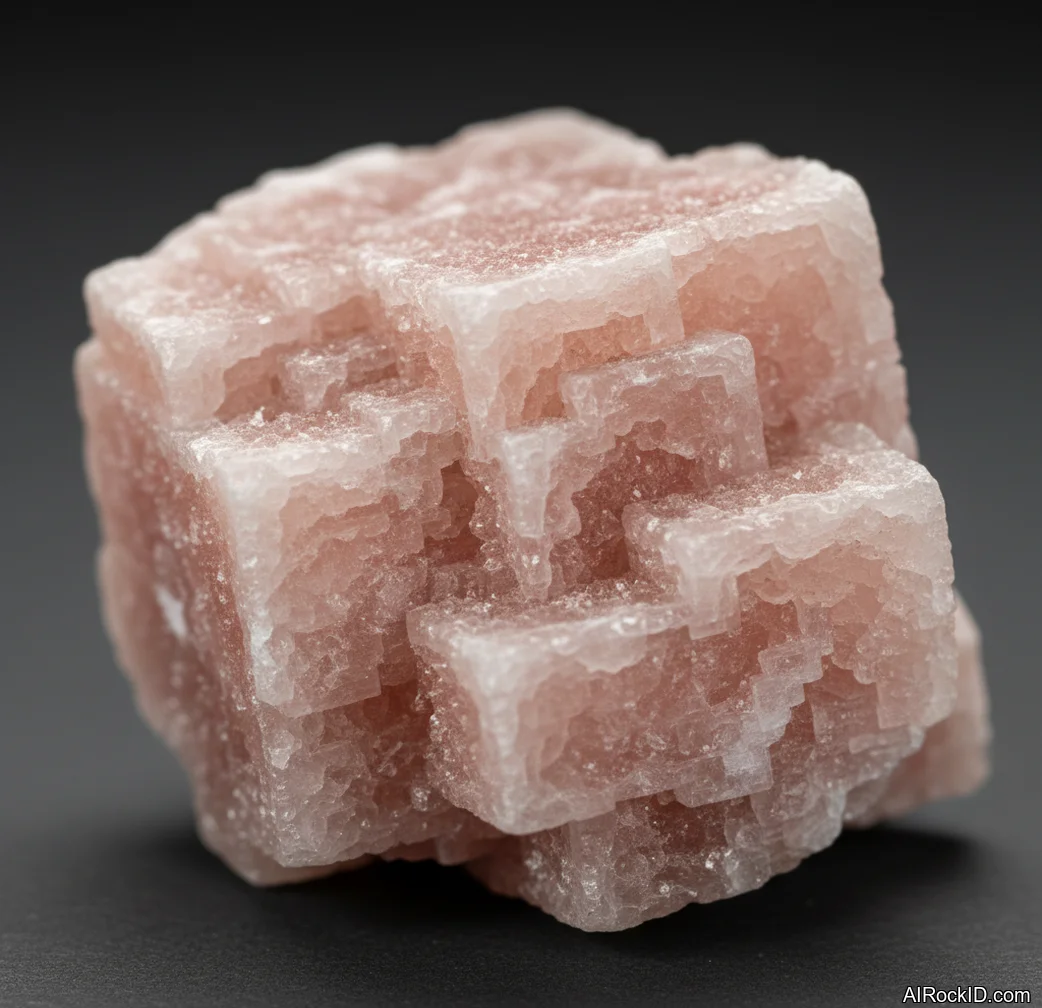
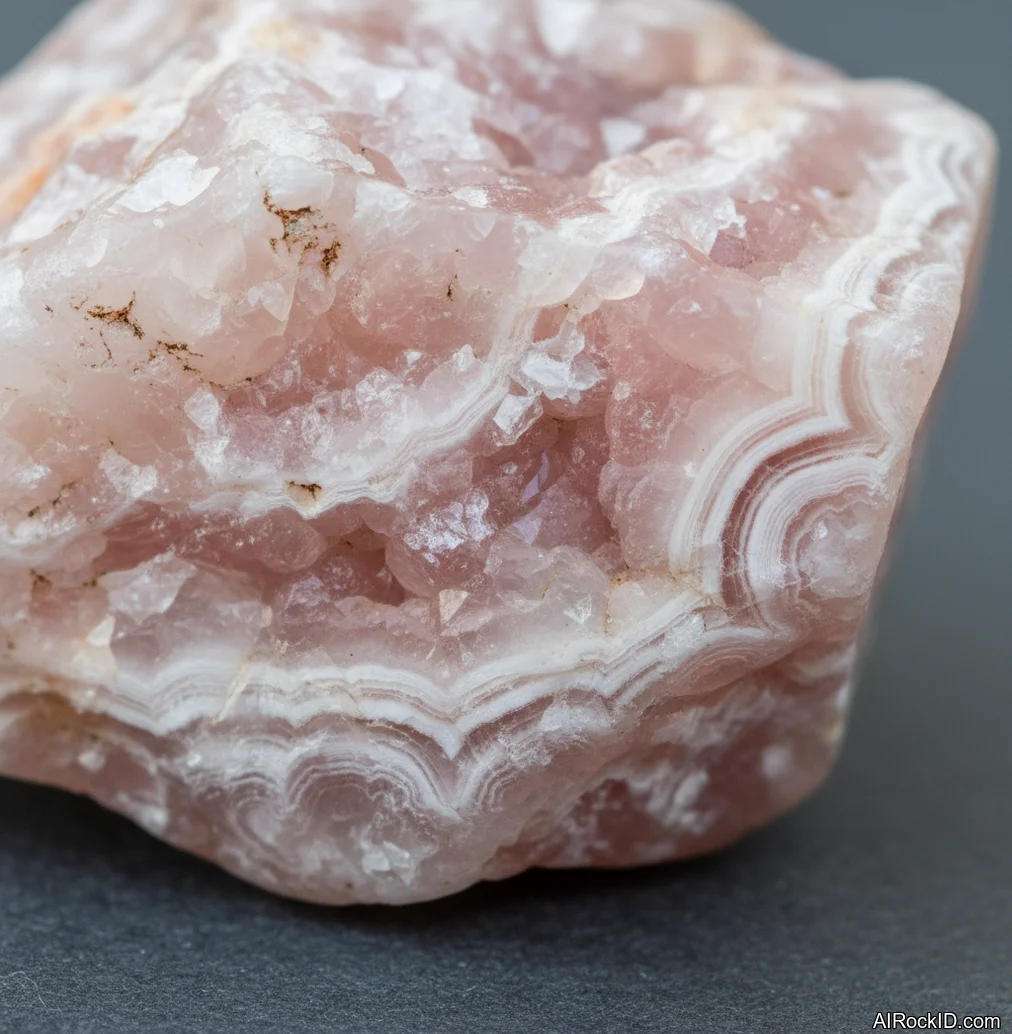
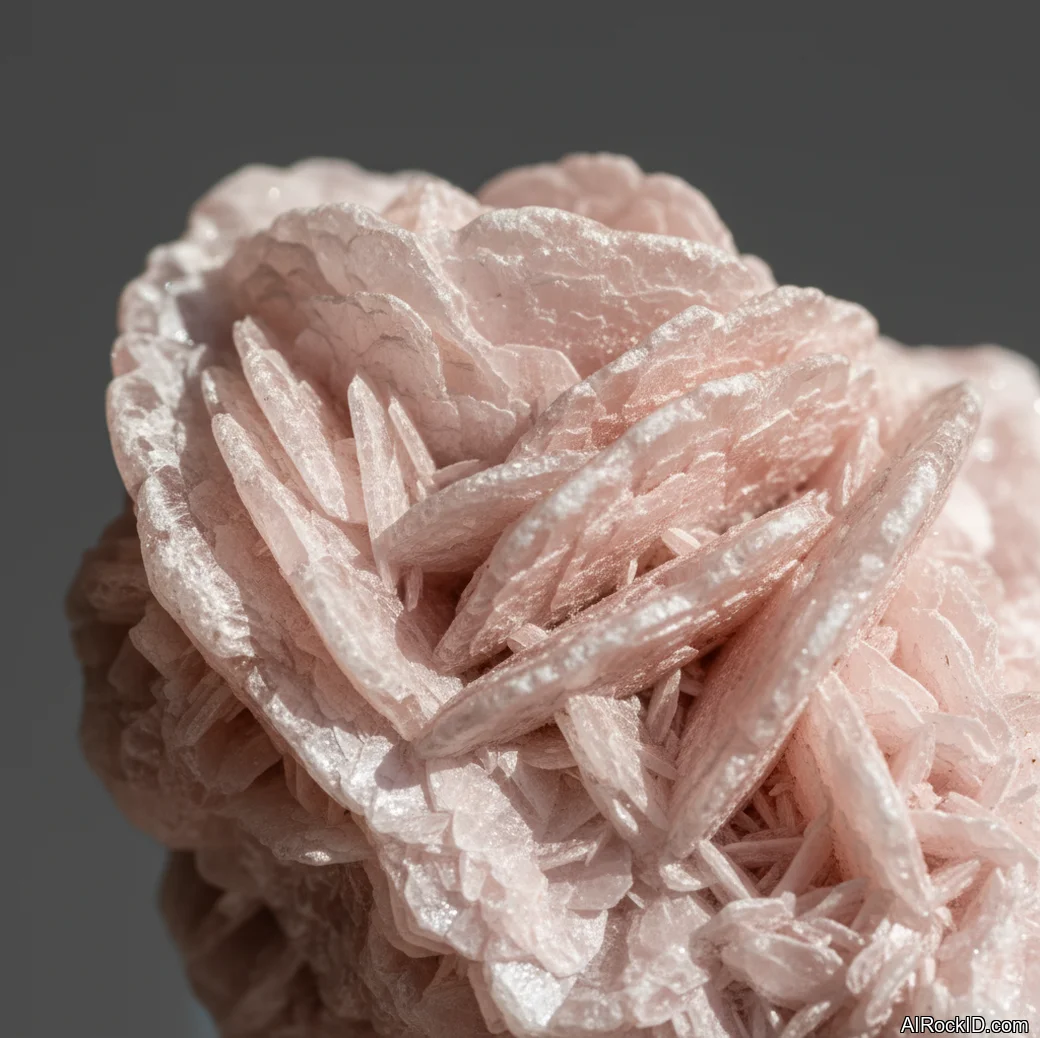
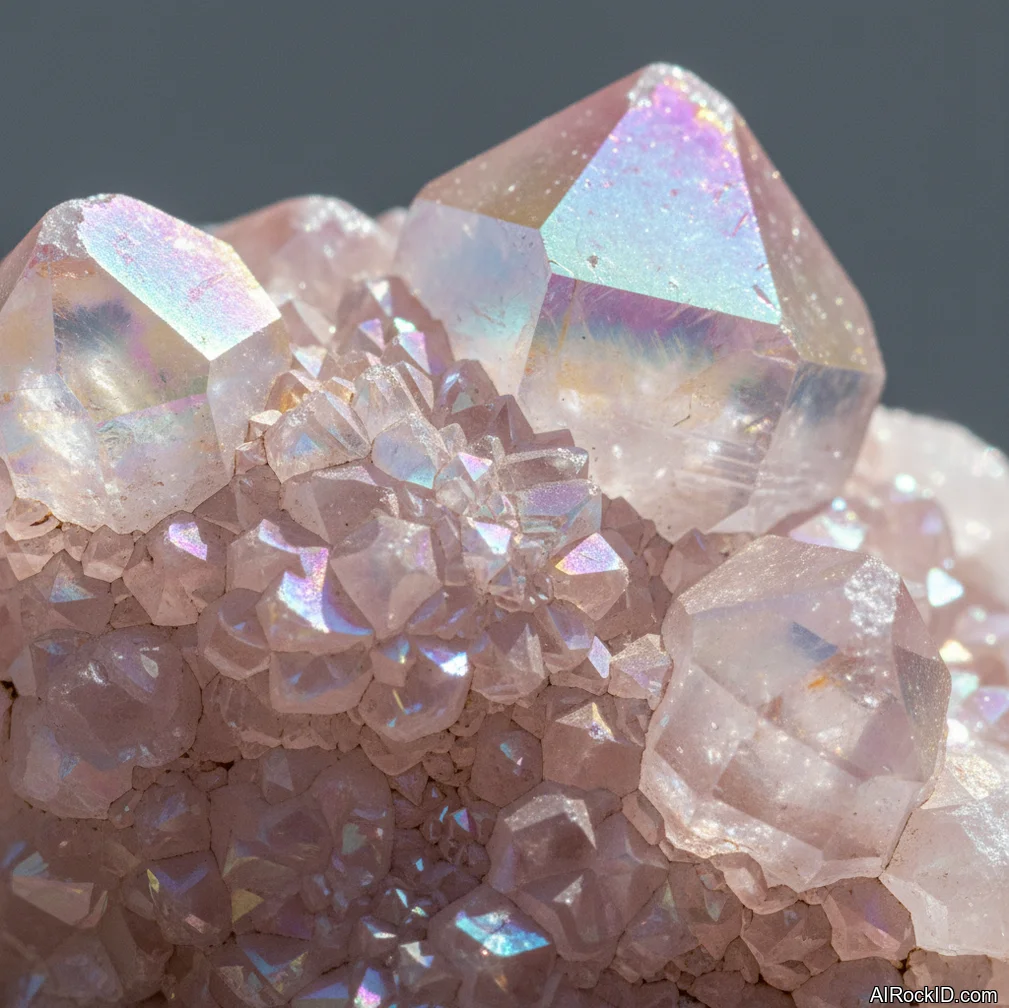
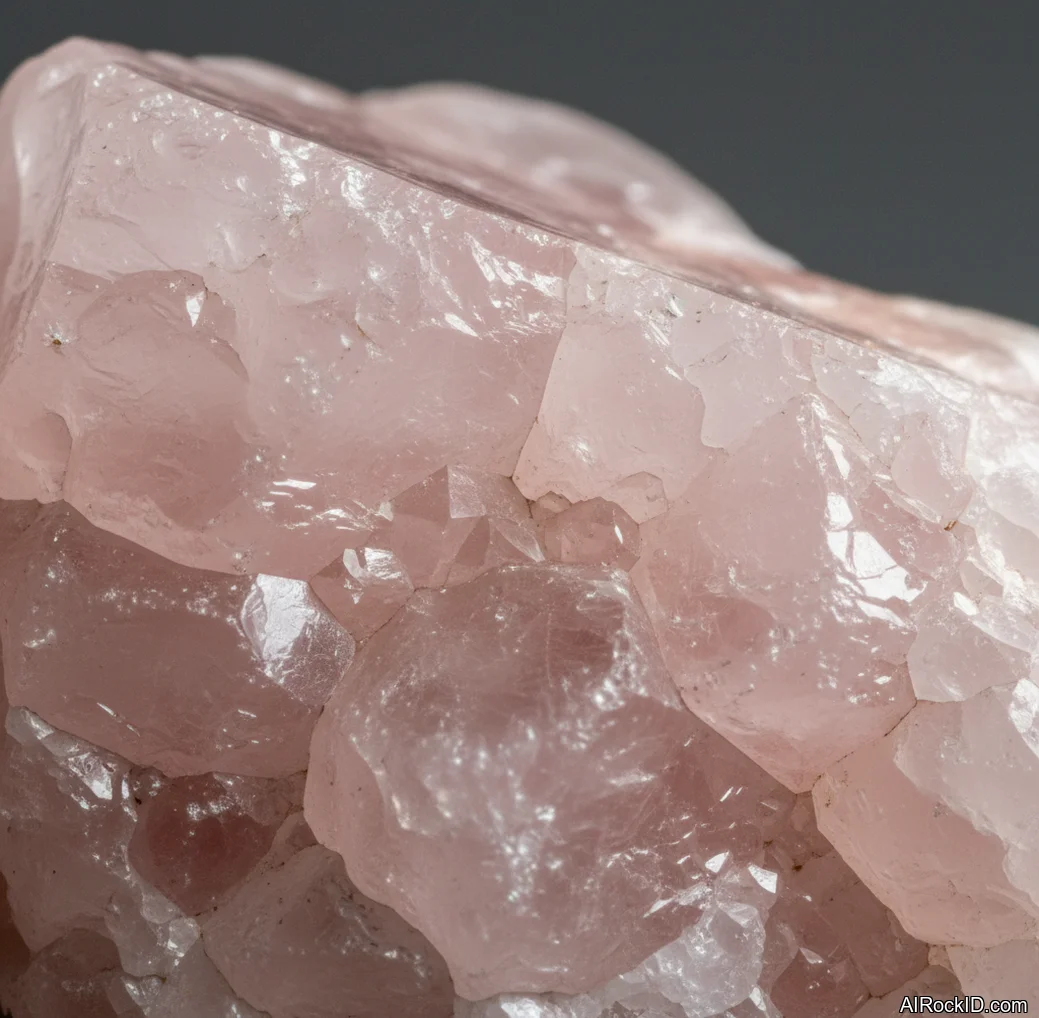
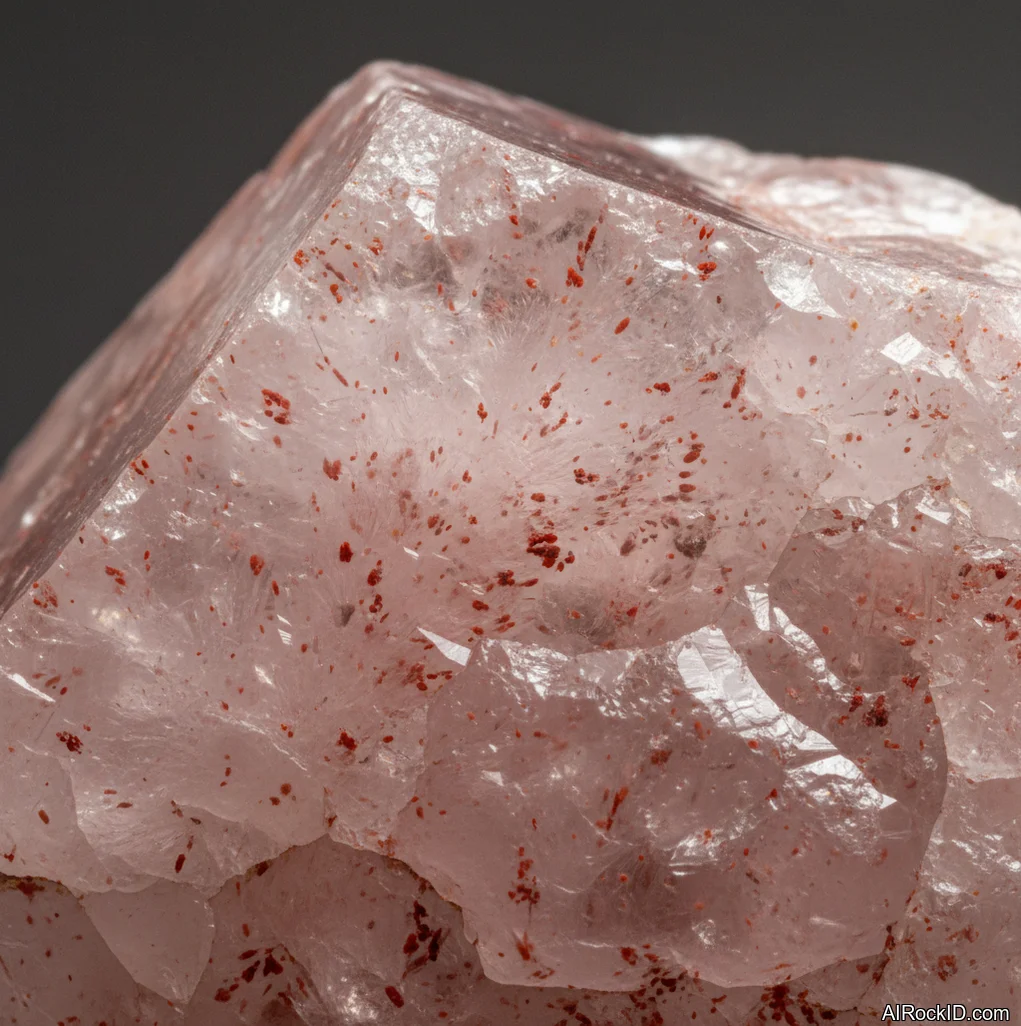
- Rose Quartz: Usually pale to medium pink quartz; often confused with pink calcite or dyed quartz.
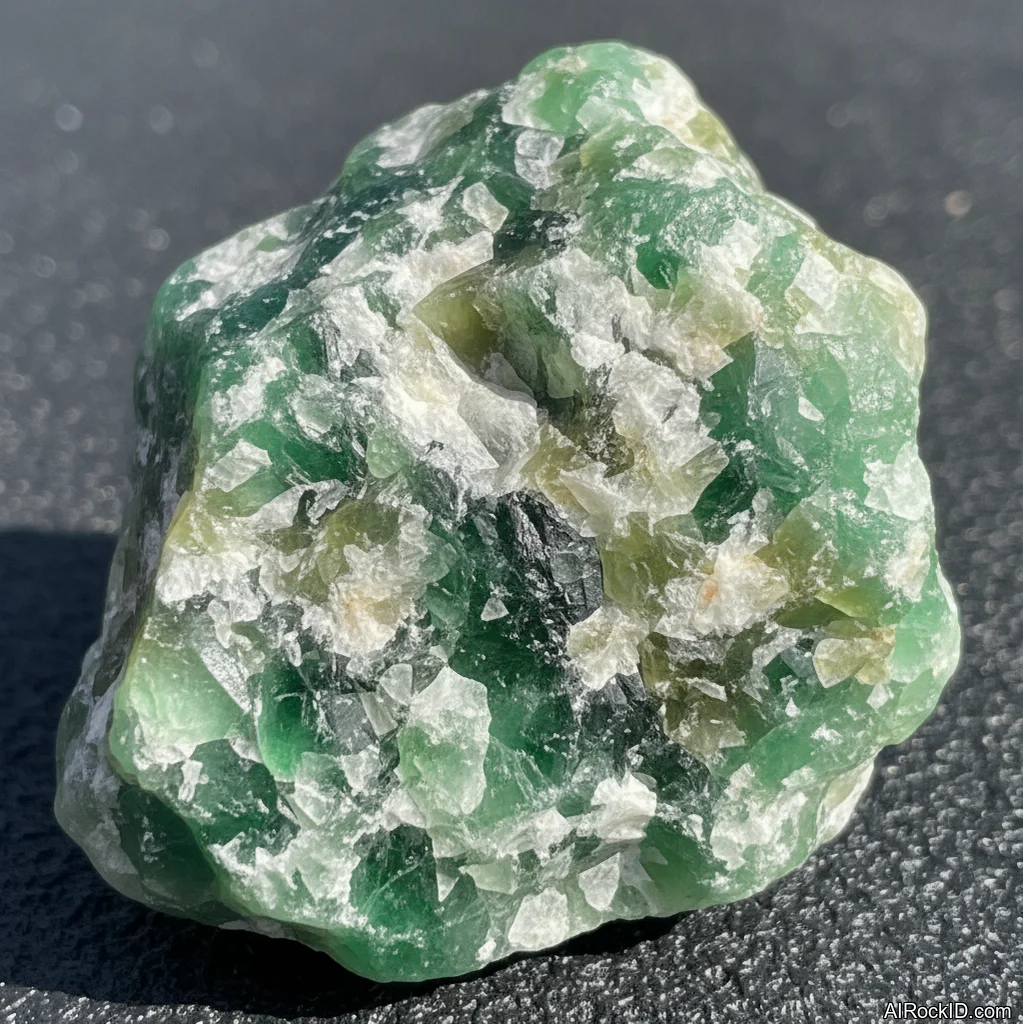
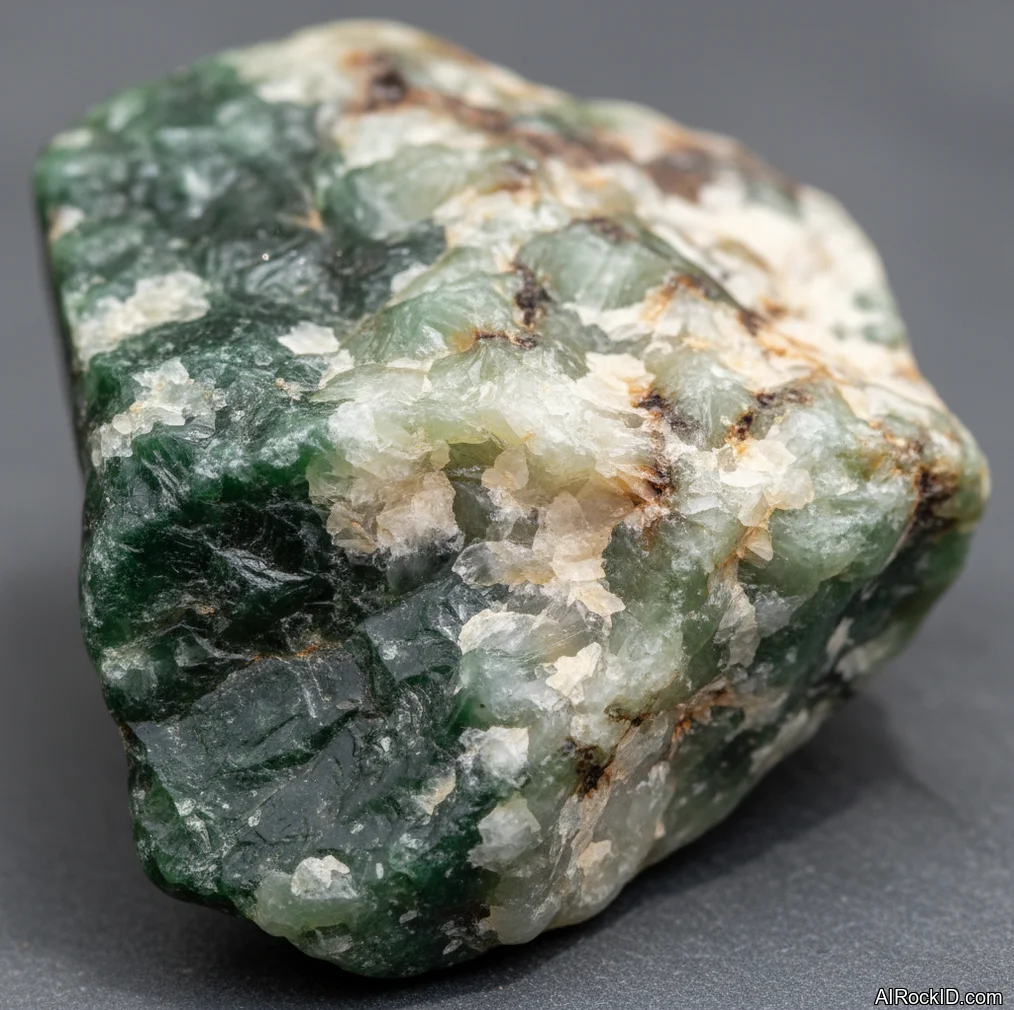
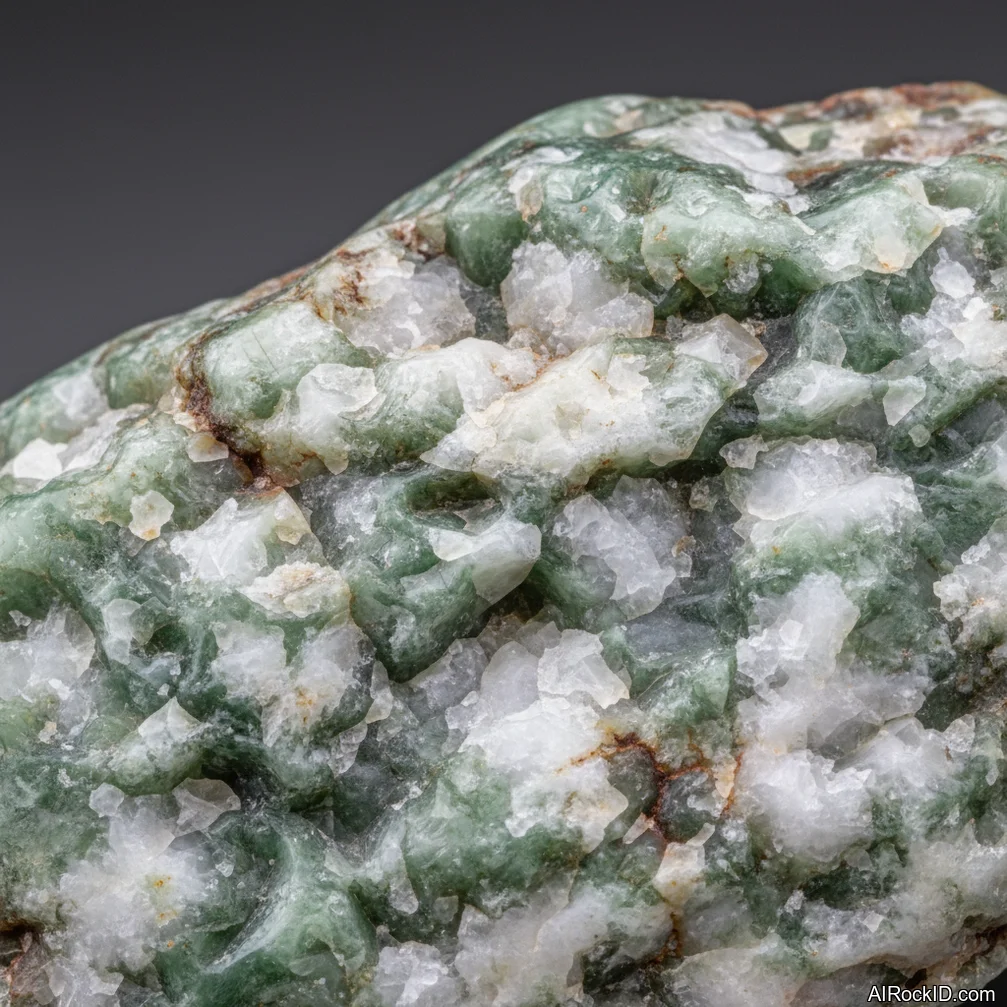
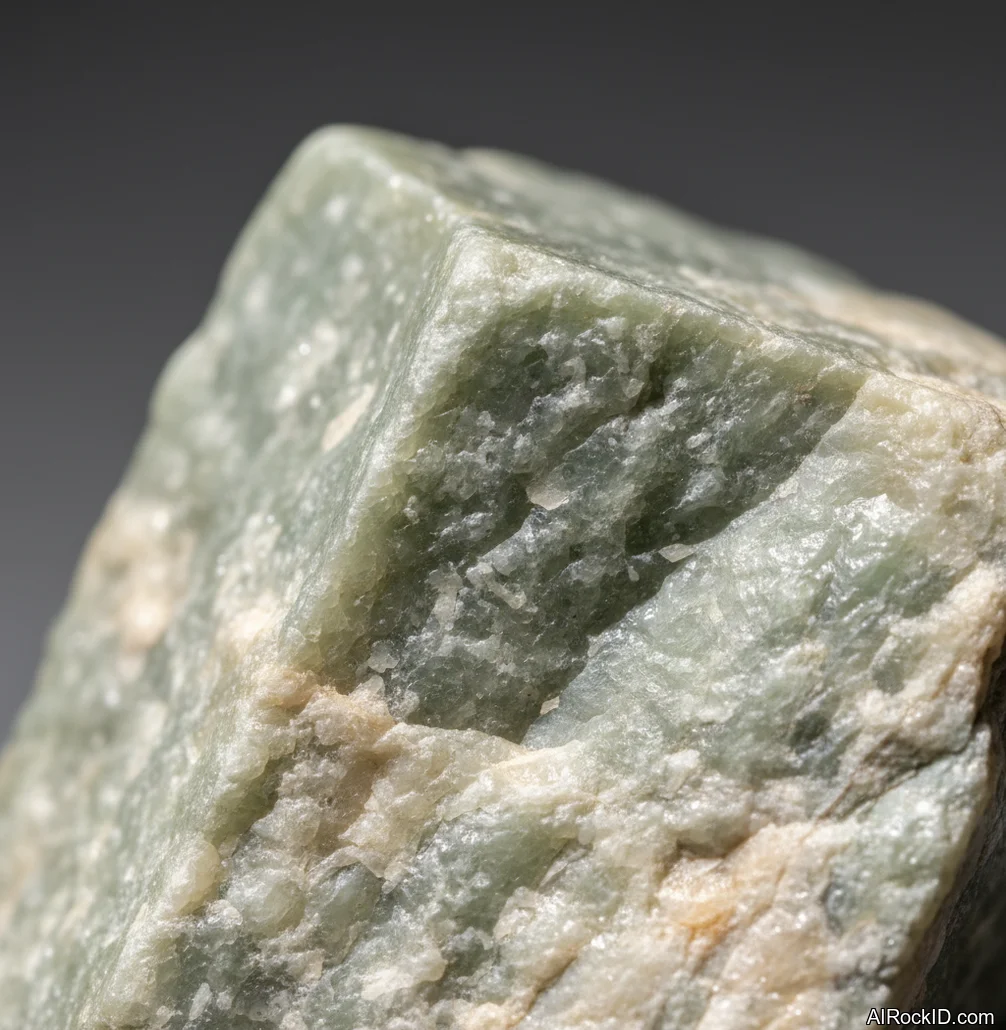
- Green Aventurine: A green quartz variety with subtle sparkle from mica inclusions; often mistaken for jade.
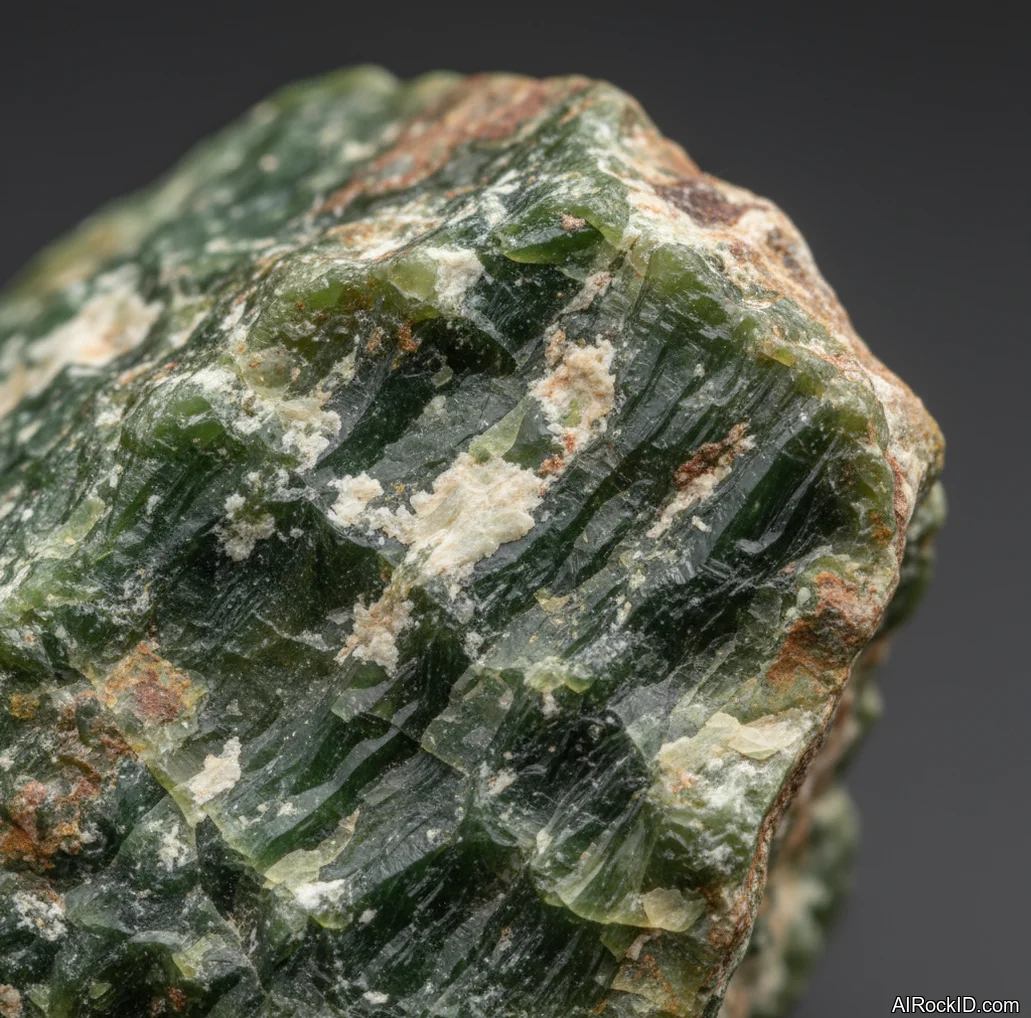
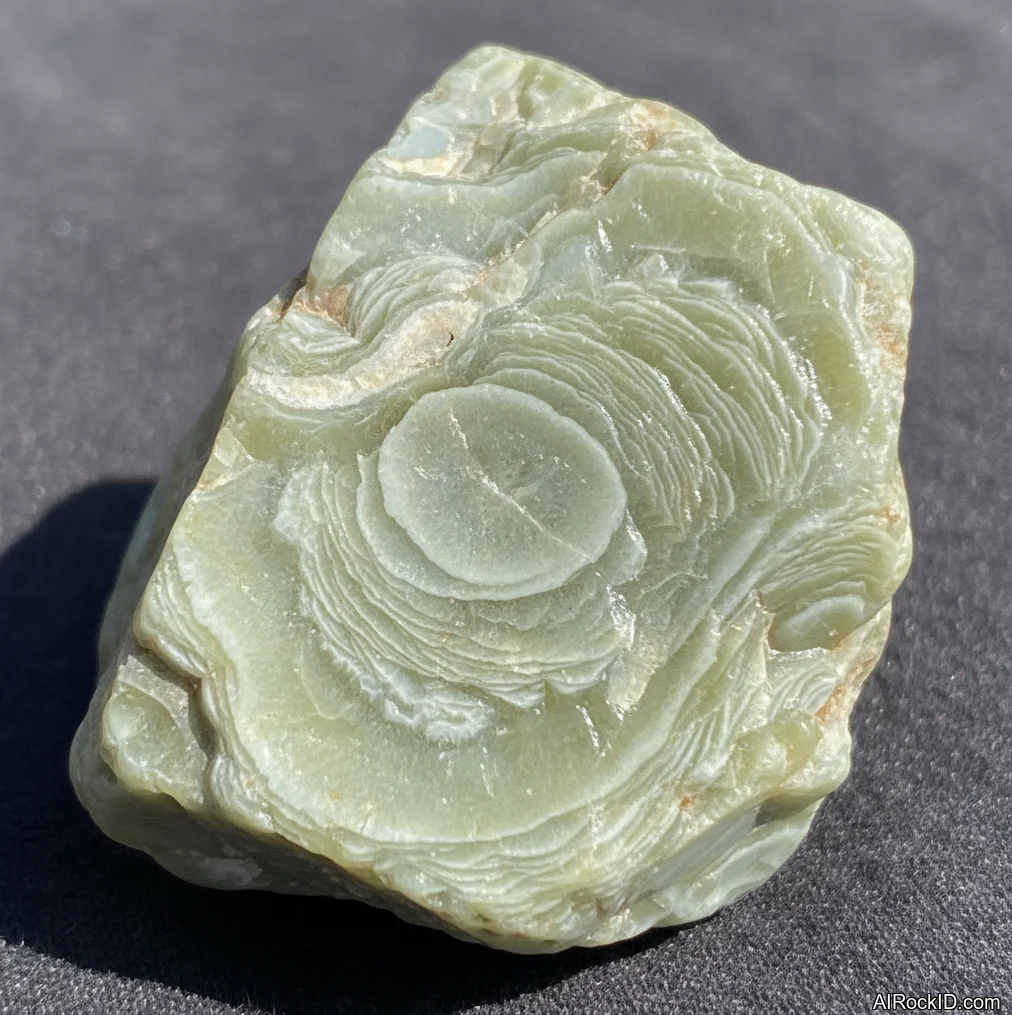
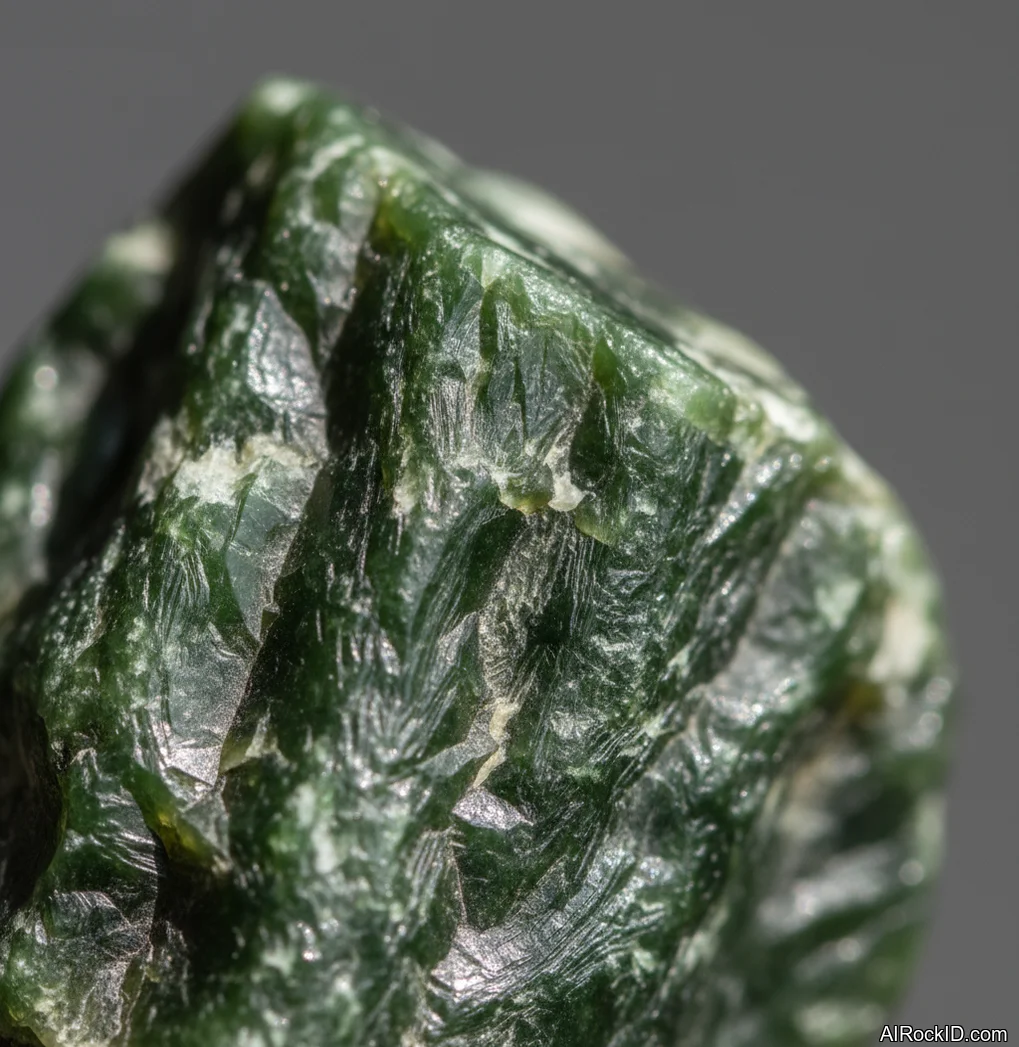
- Jade: A tough ornamental stone that may be jadeite or nephrite; many green look-alikes are sold under trade names.
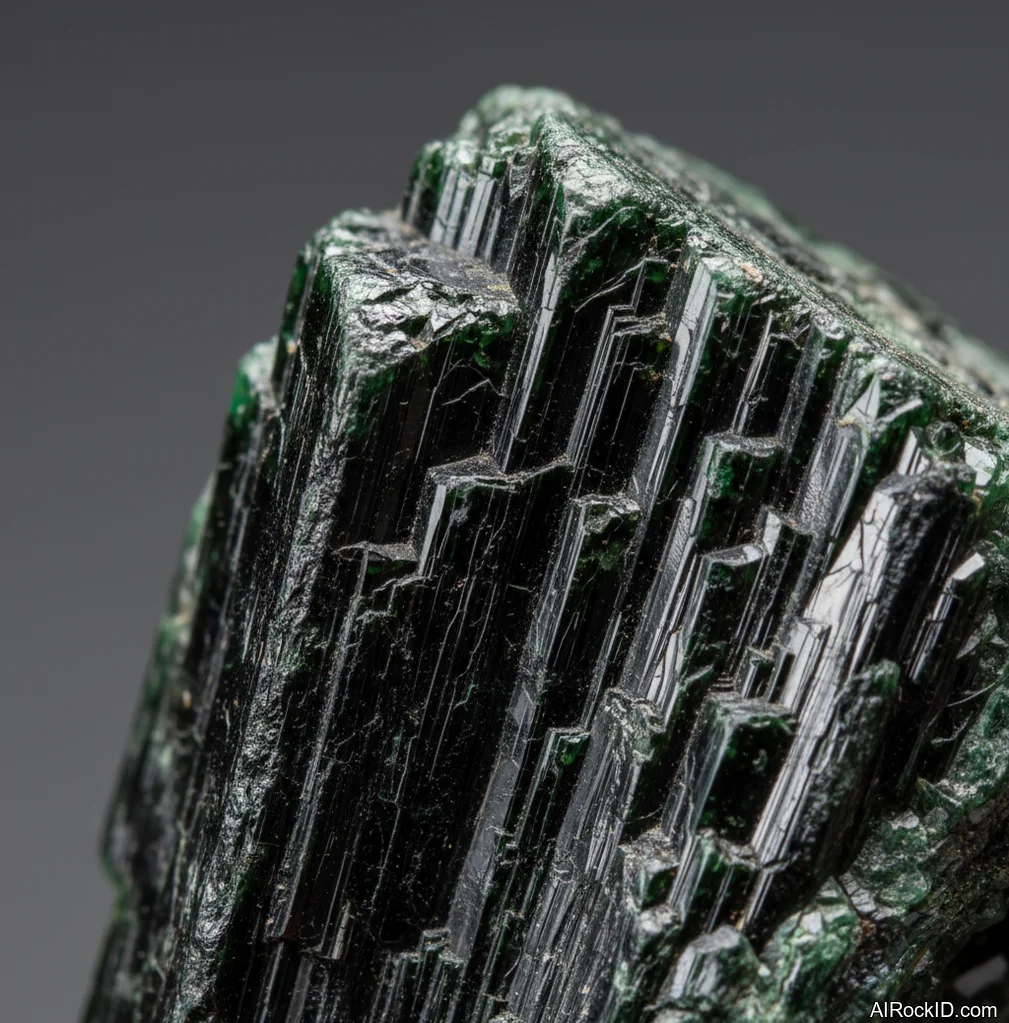
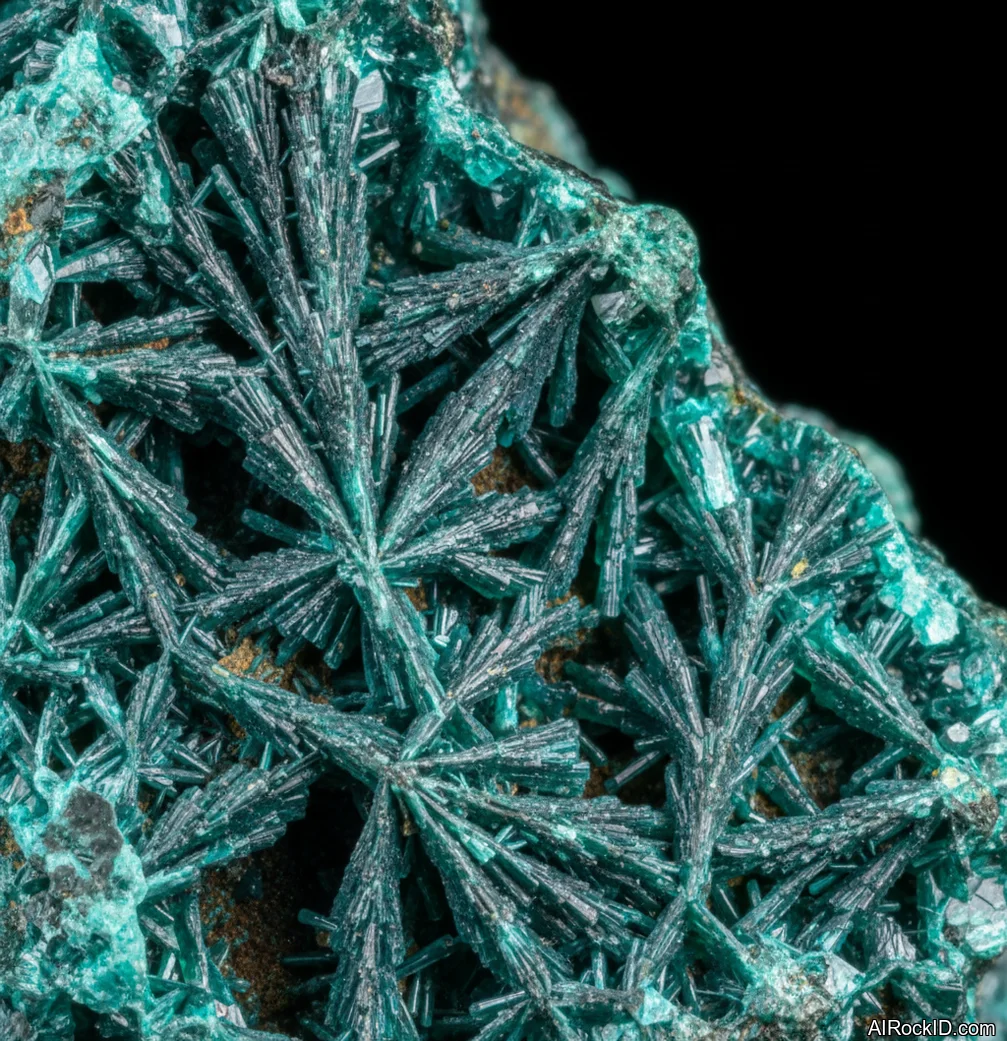
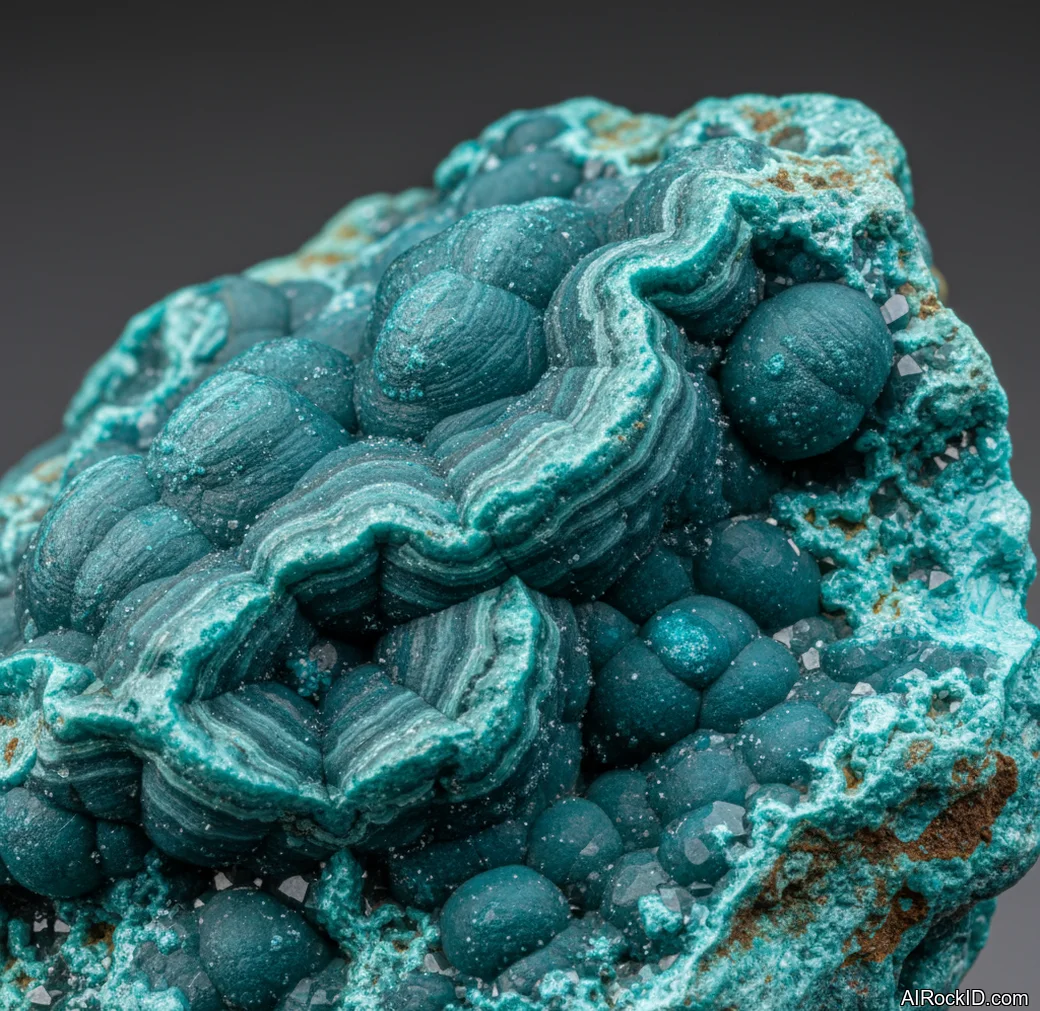
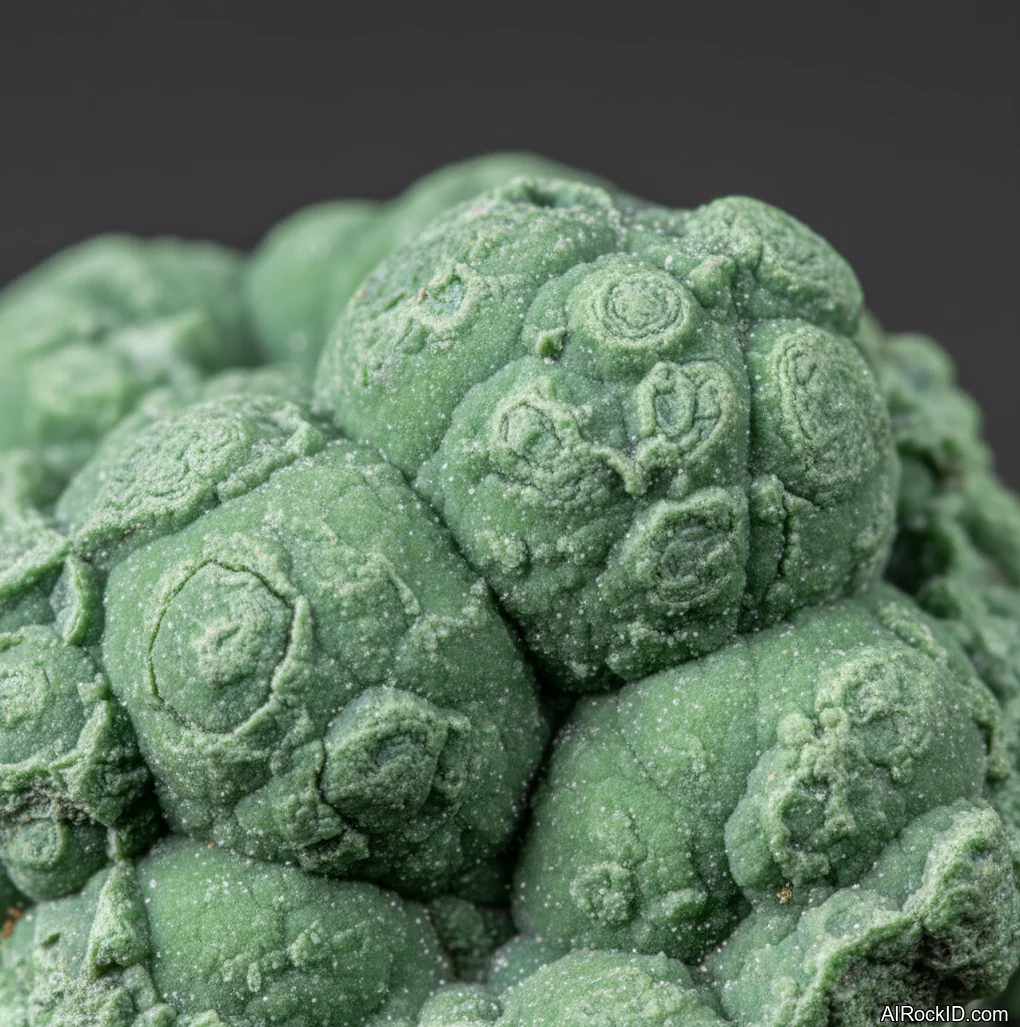
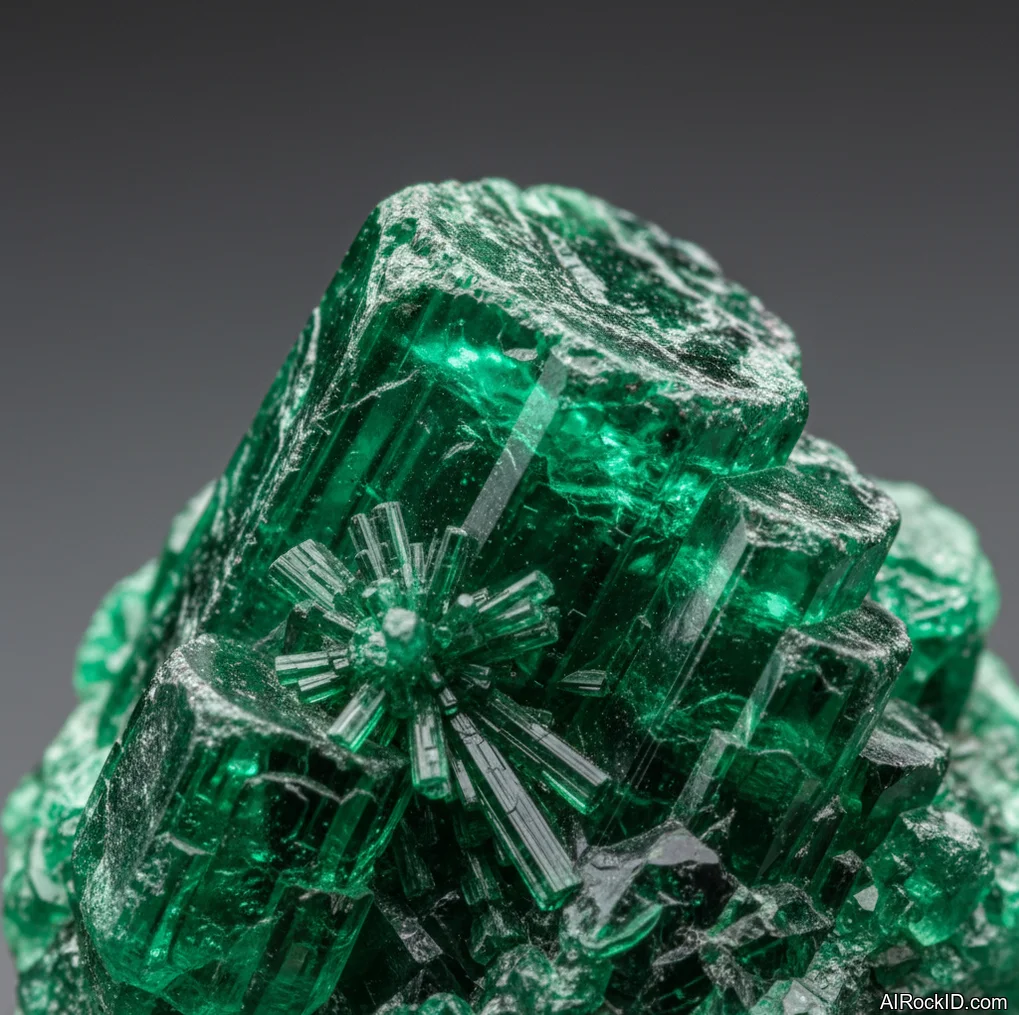
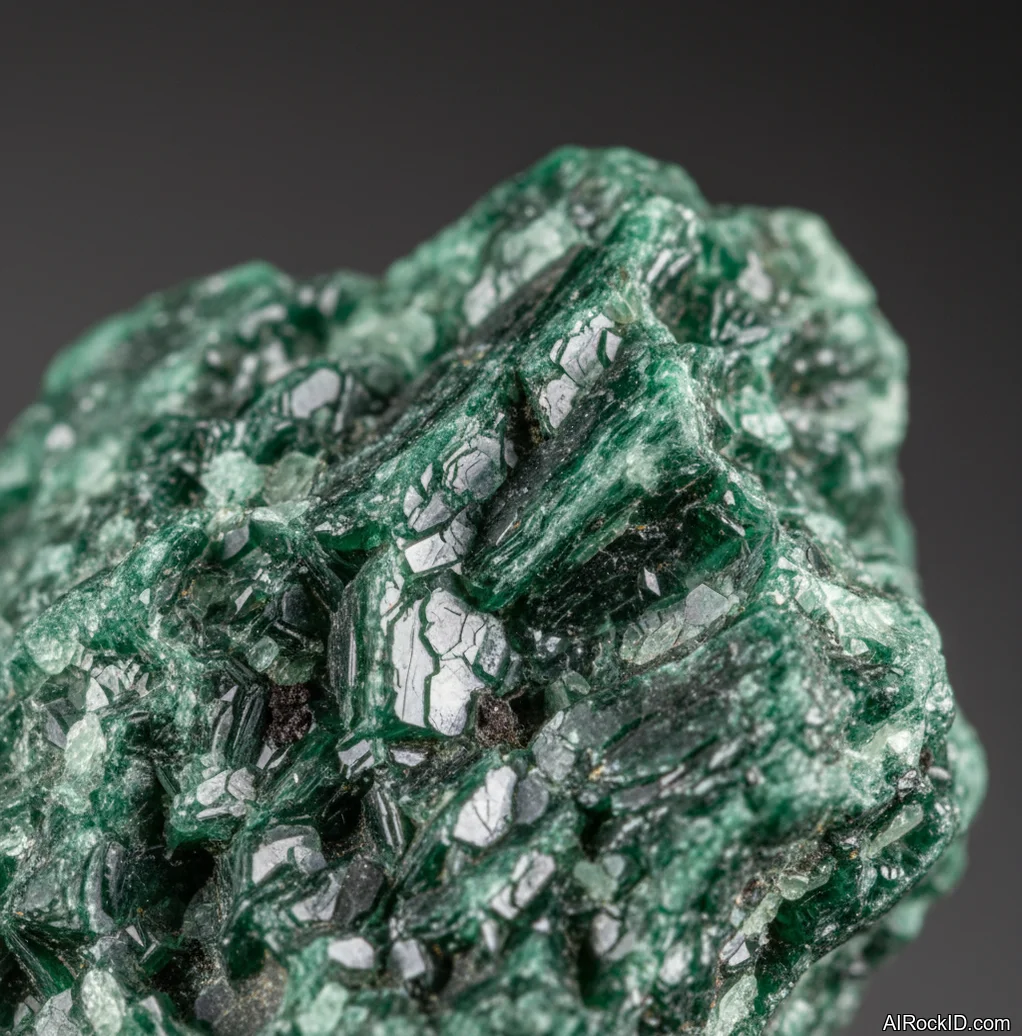
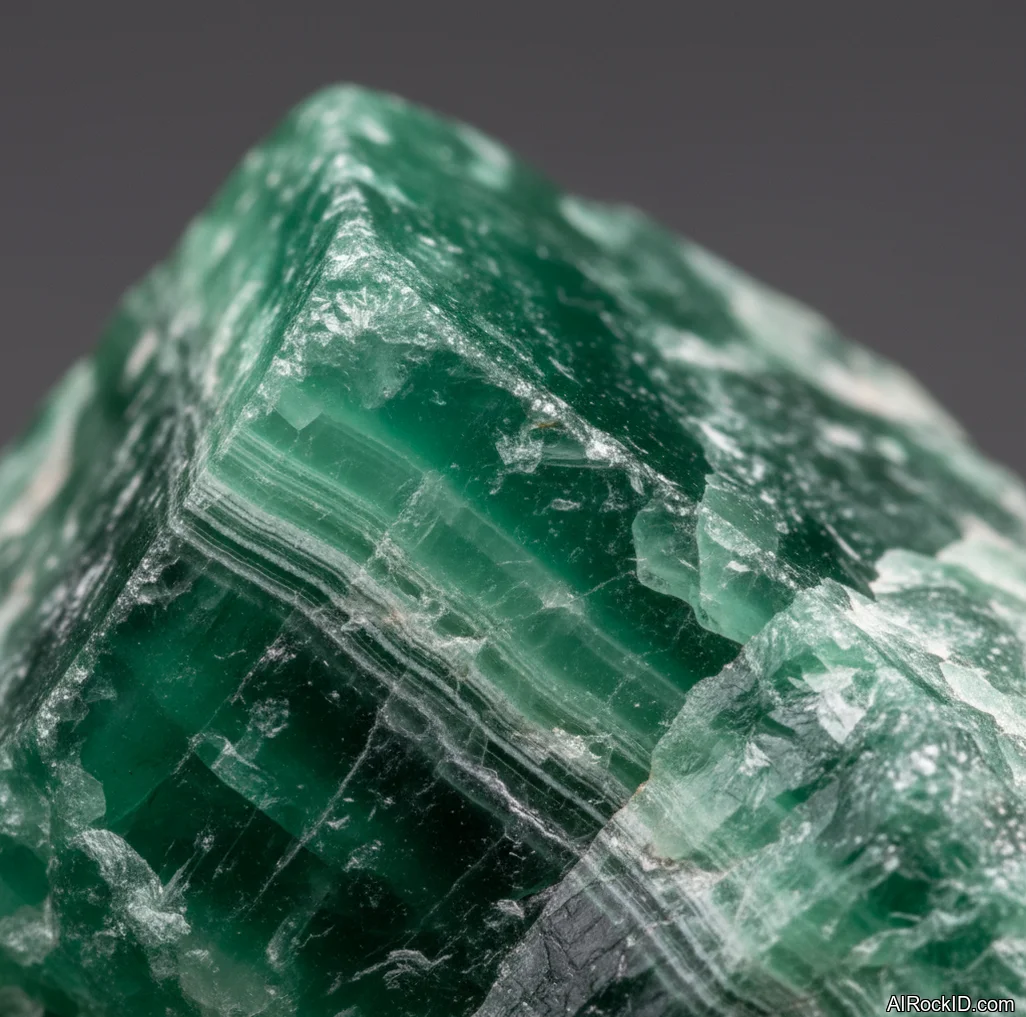
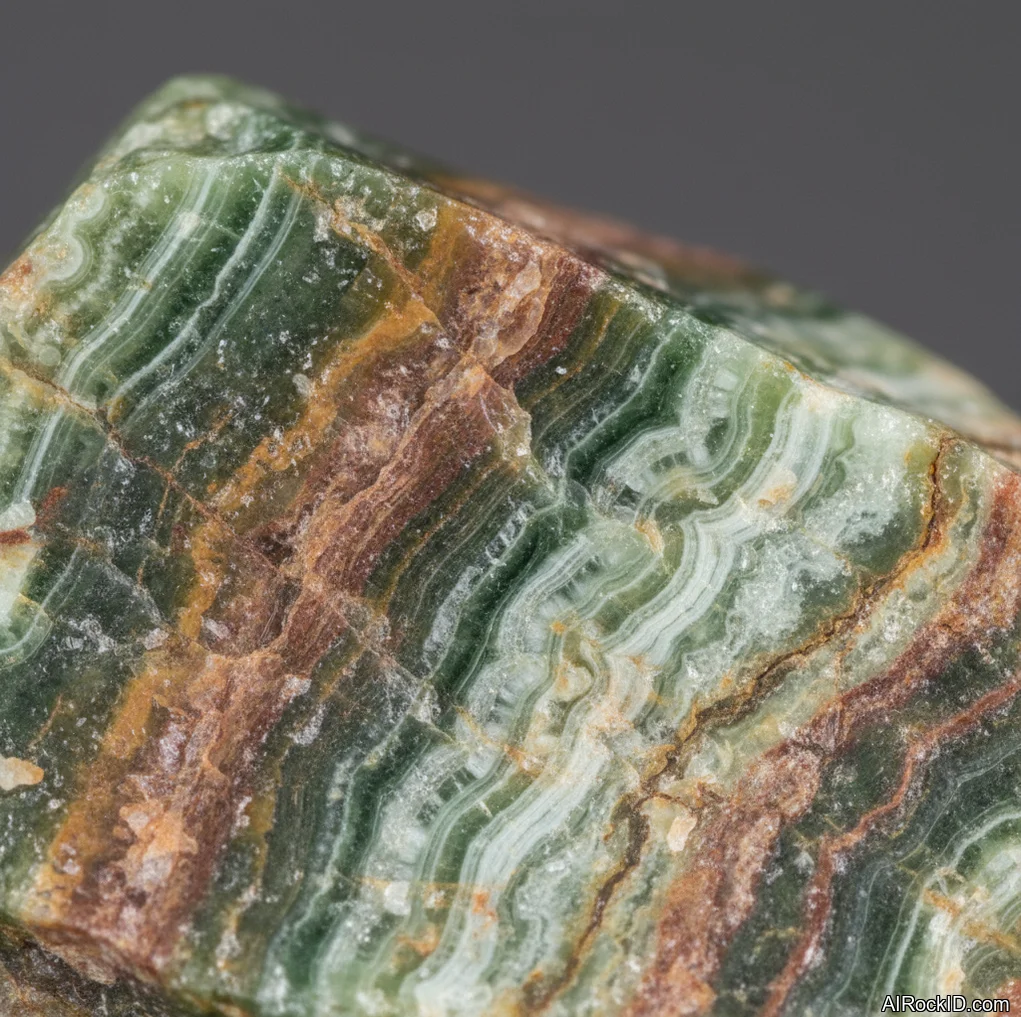
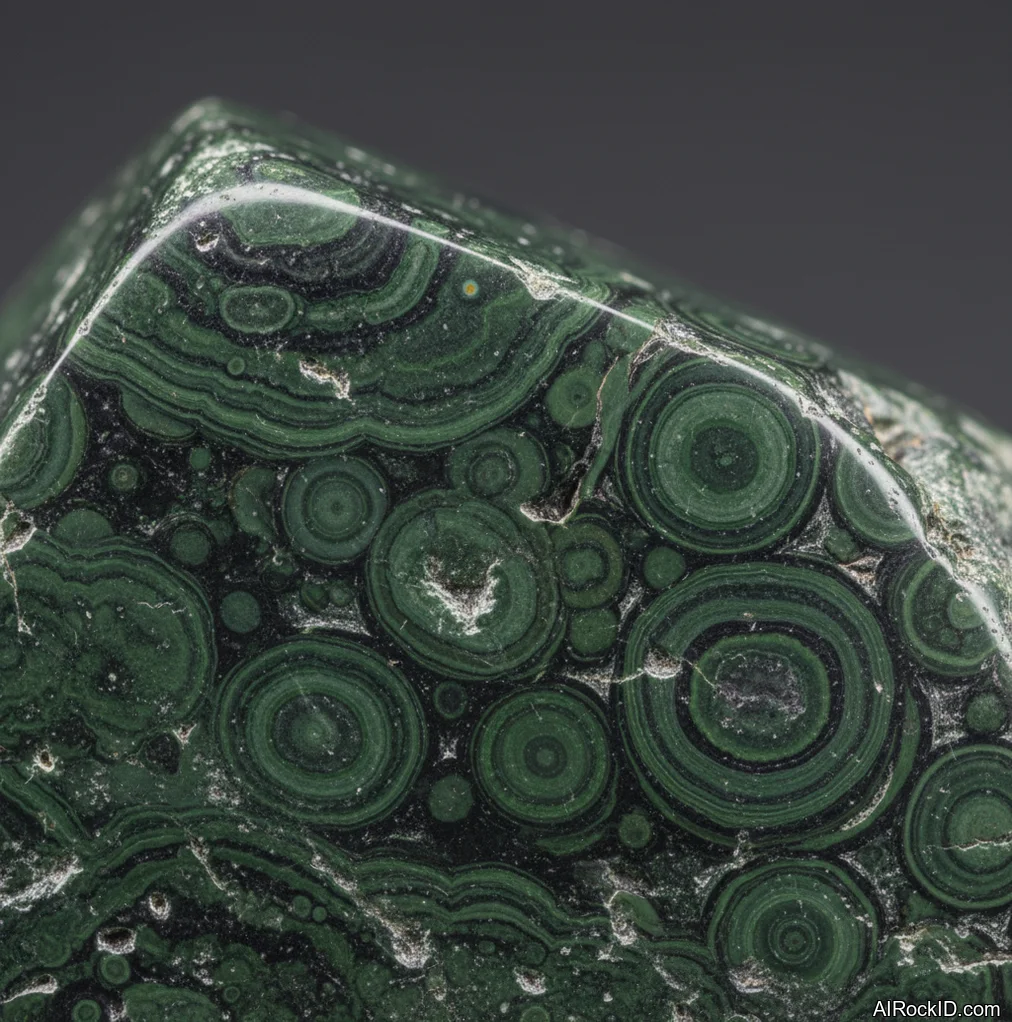
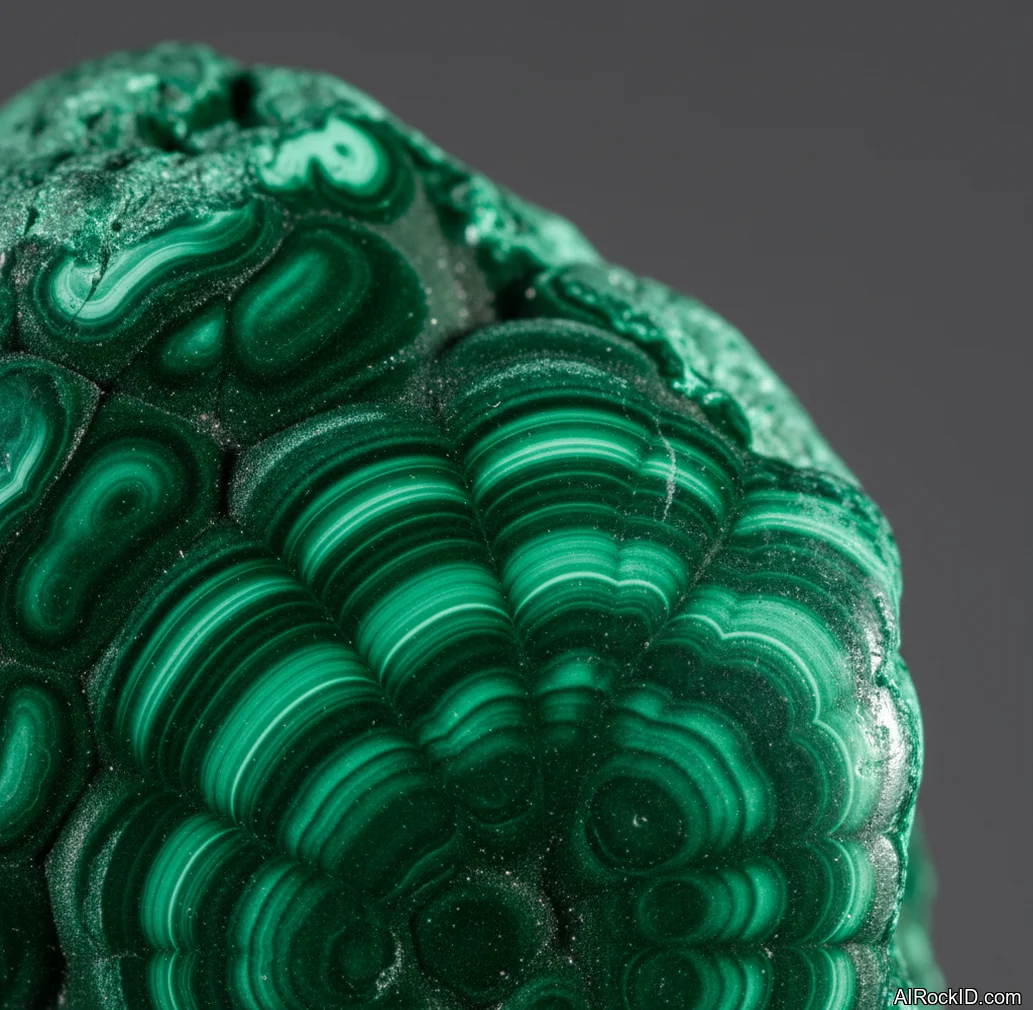
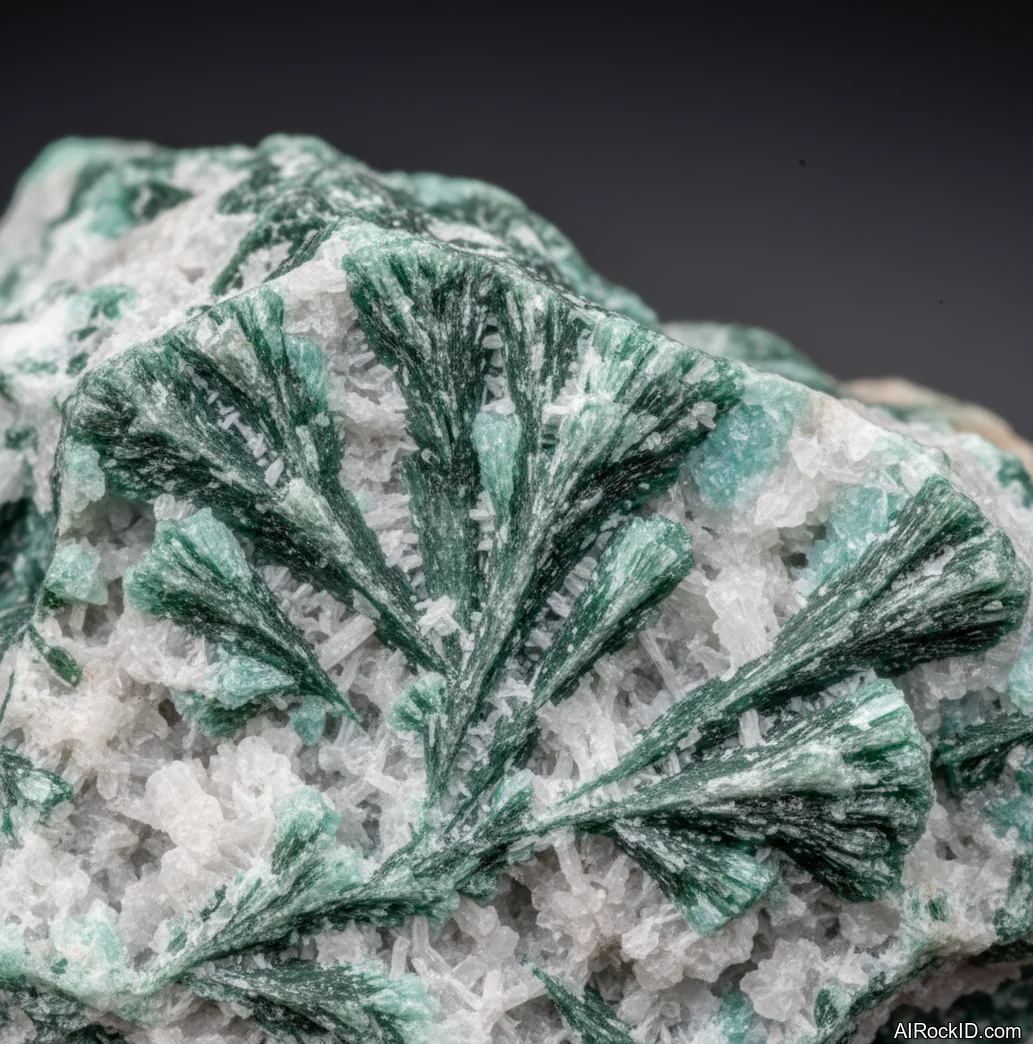
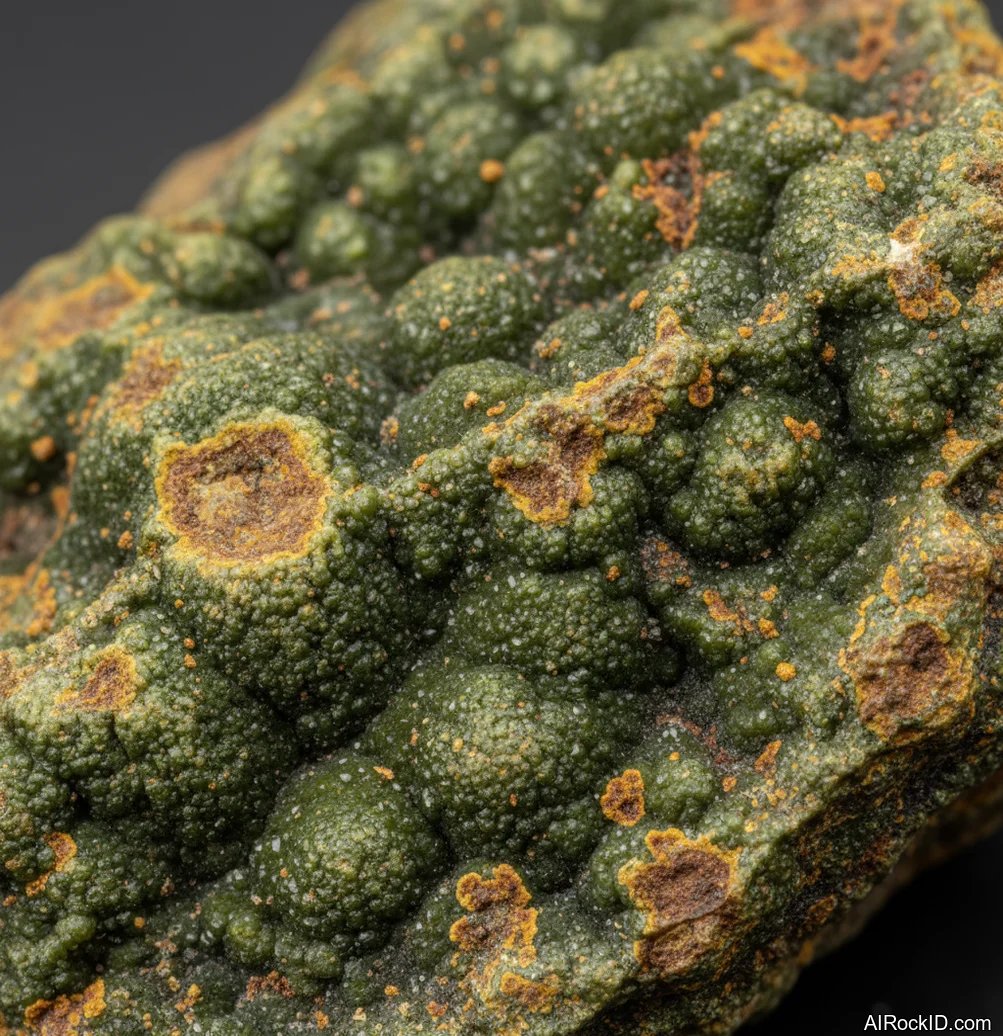
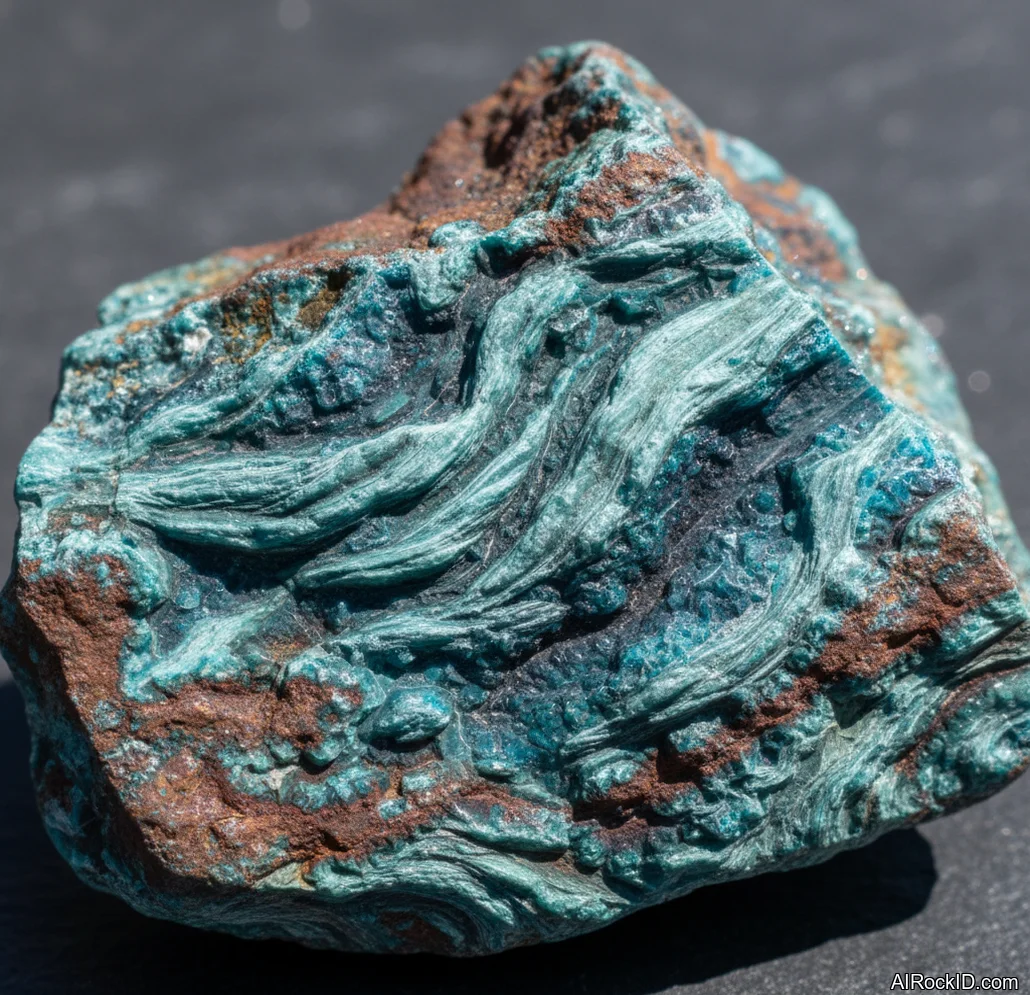
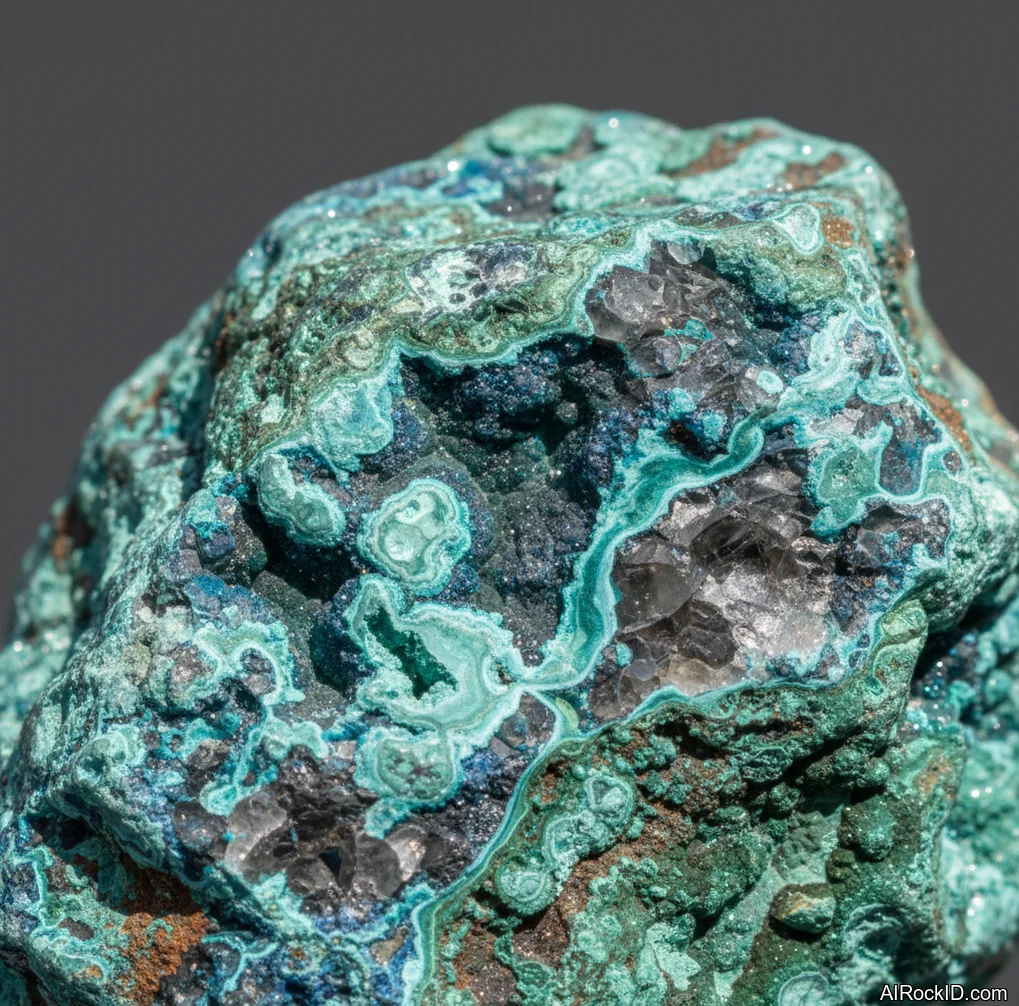
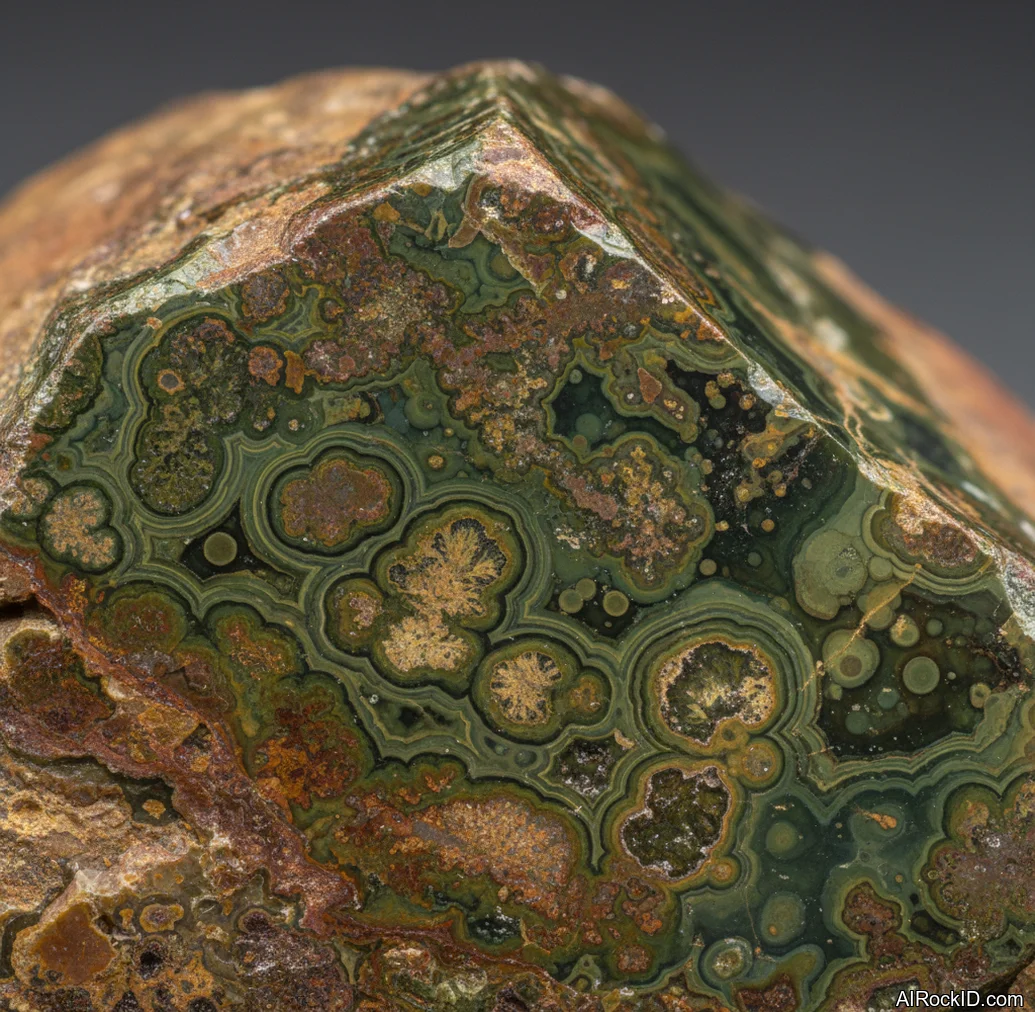
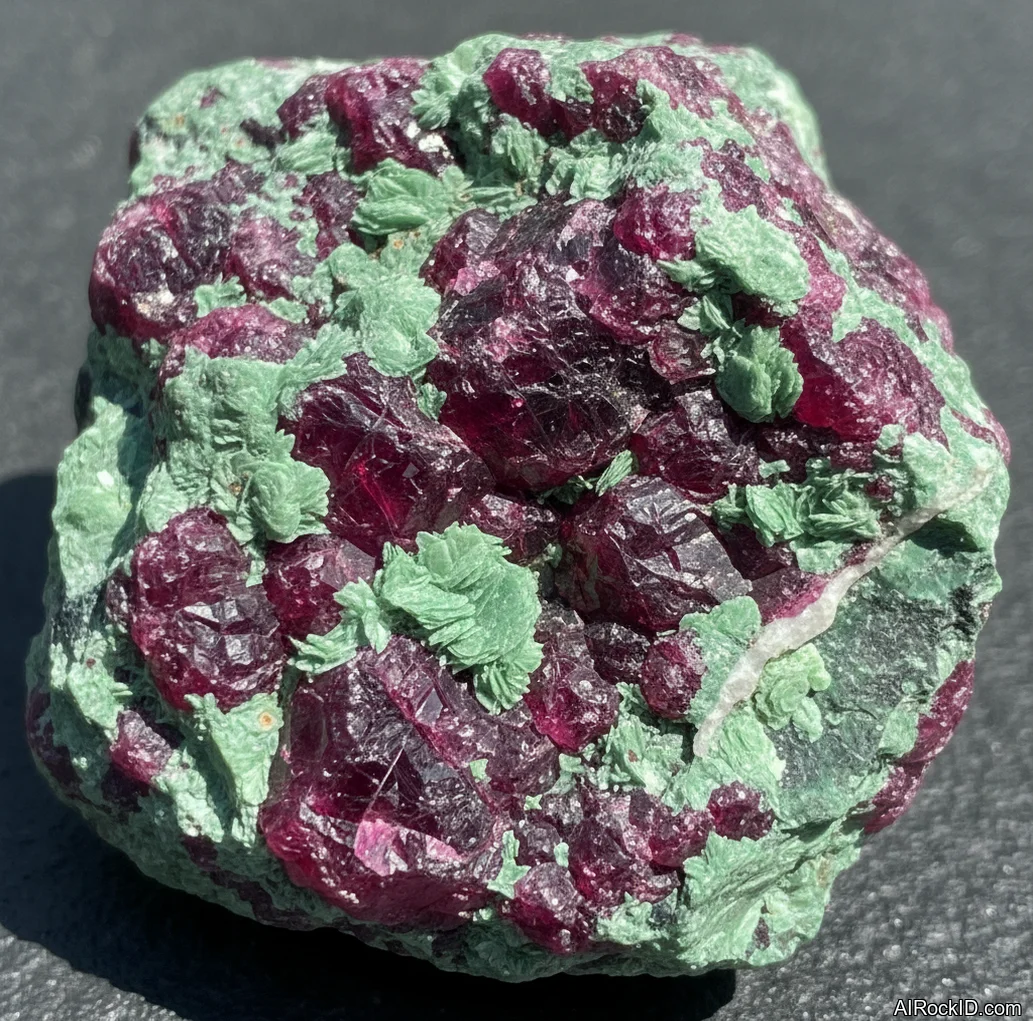
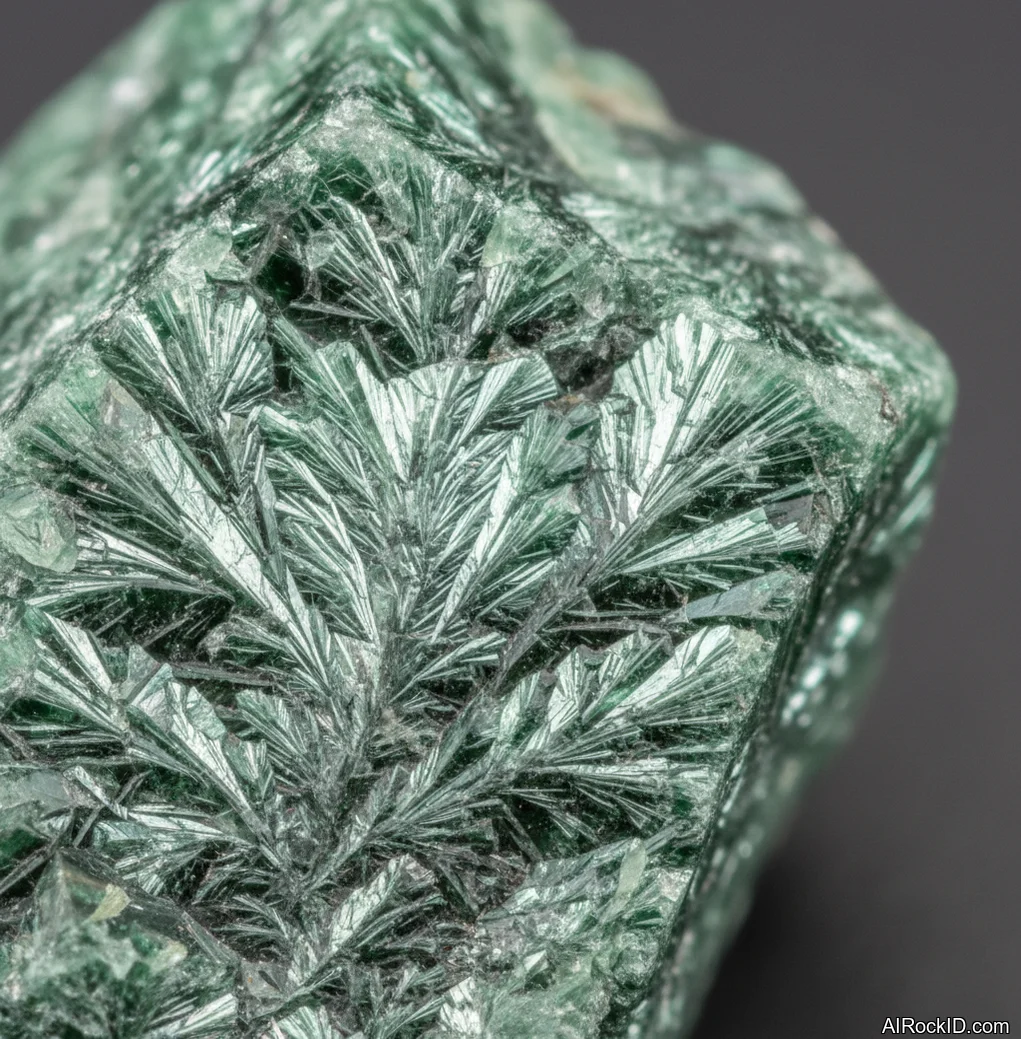
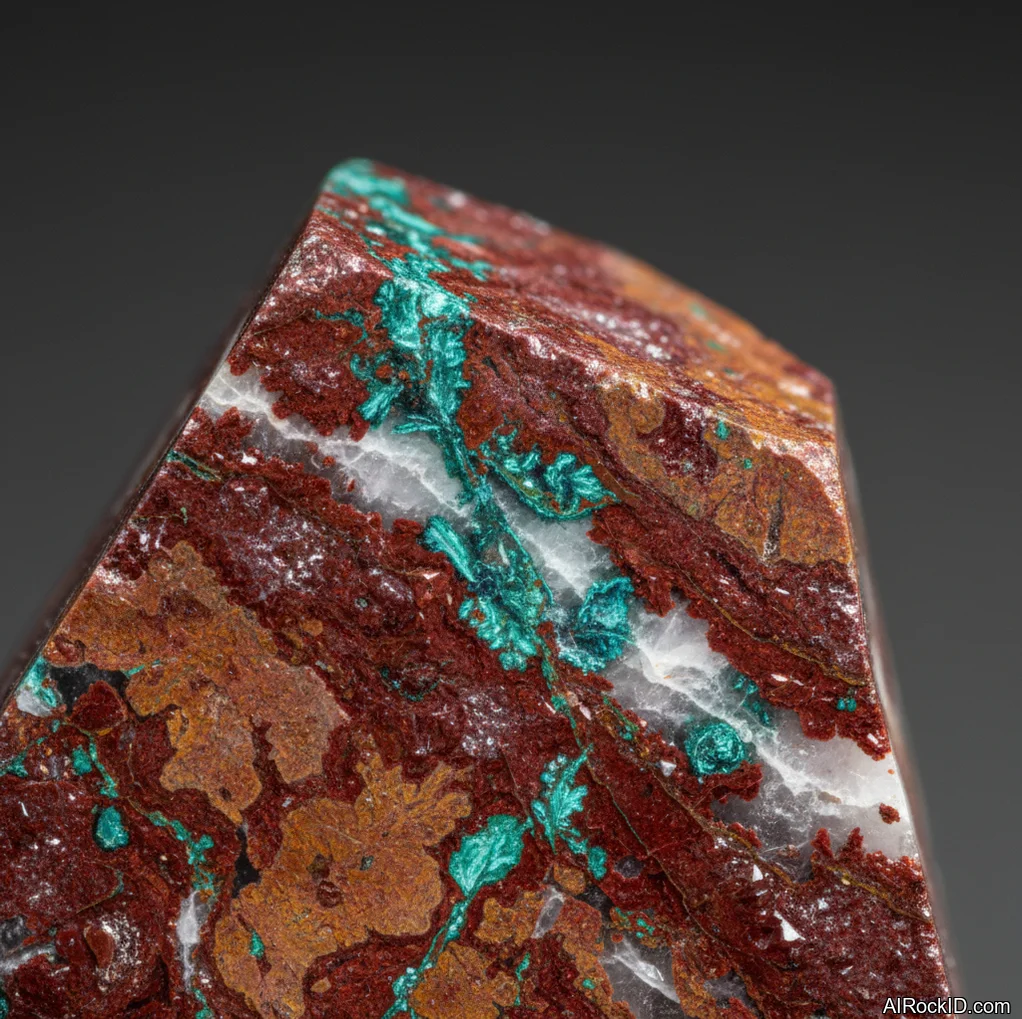
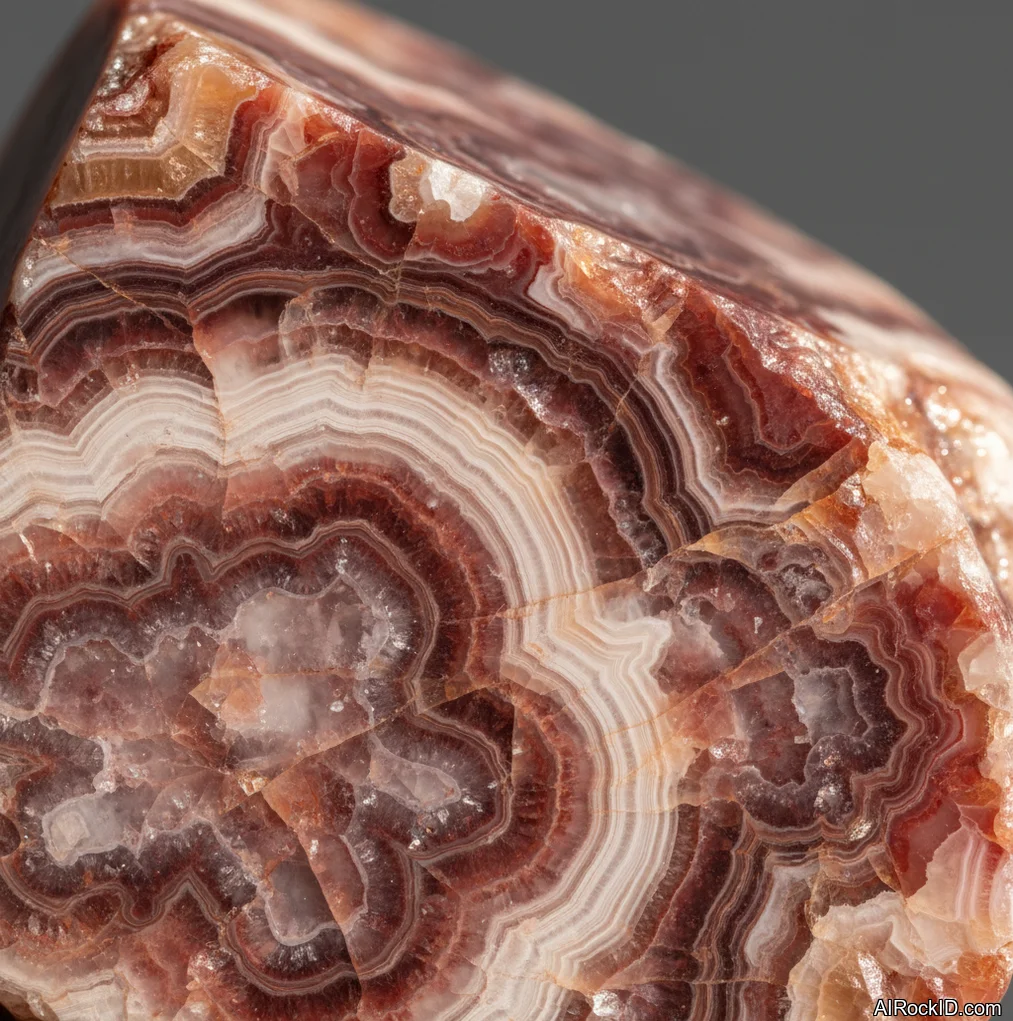
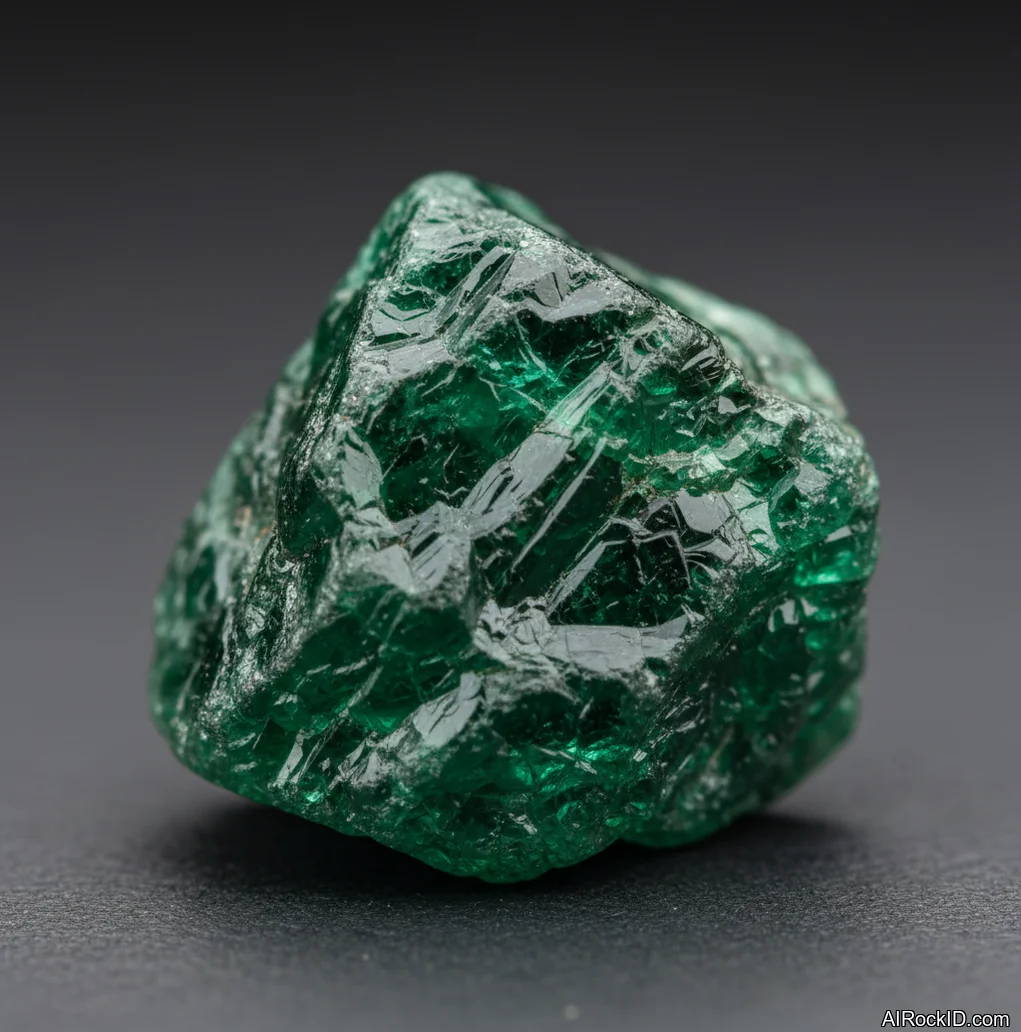
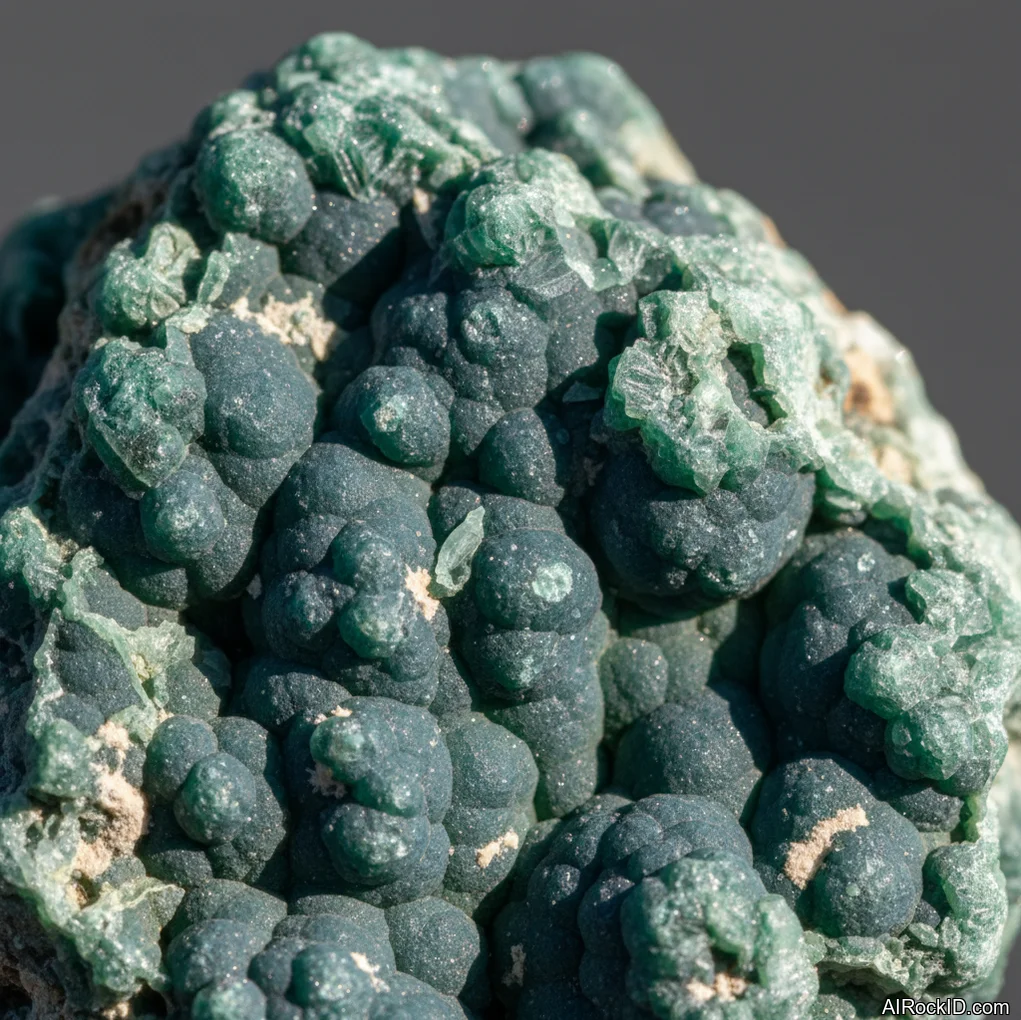
- Malachite: Typically shows vivid green banding; confused with dyed stones or green jasper when patterns are unclear.
AI identification confidence
AI identification is often more reliable when the photo shows natural color, surface texture, patterning, and multiple angles. Confidence may be lower for tumbled stones, dyed stones, beads, or polished pieces with few visible diagnostic features.
When AI gets it wrong
- Green tumbled stones may look similar when sparkle, hardness, or internal structure is not visible.
- Dyed quartz, dyed howlite, and imitation jade can resemble natural Heart Chakra stones in photos.
- Polished cabochons and beads may hide banding, cleavage, grain, or other identifying traits.
- Lighting can make pale pink stones appear white, peach, or lavender, affecting visual identification.
What this category represents
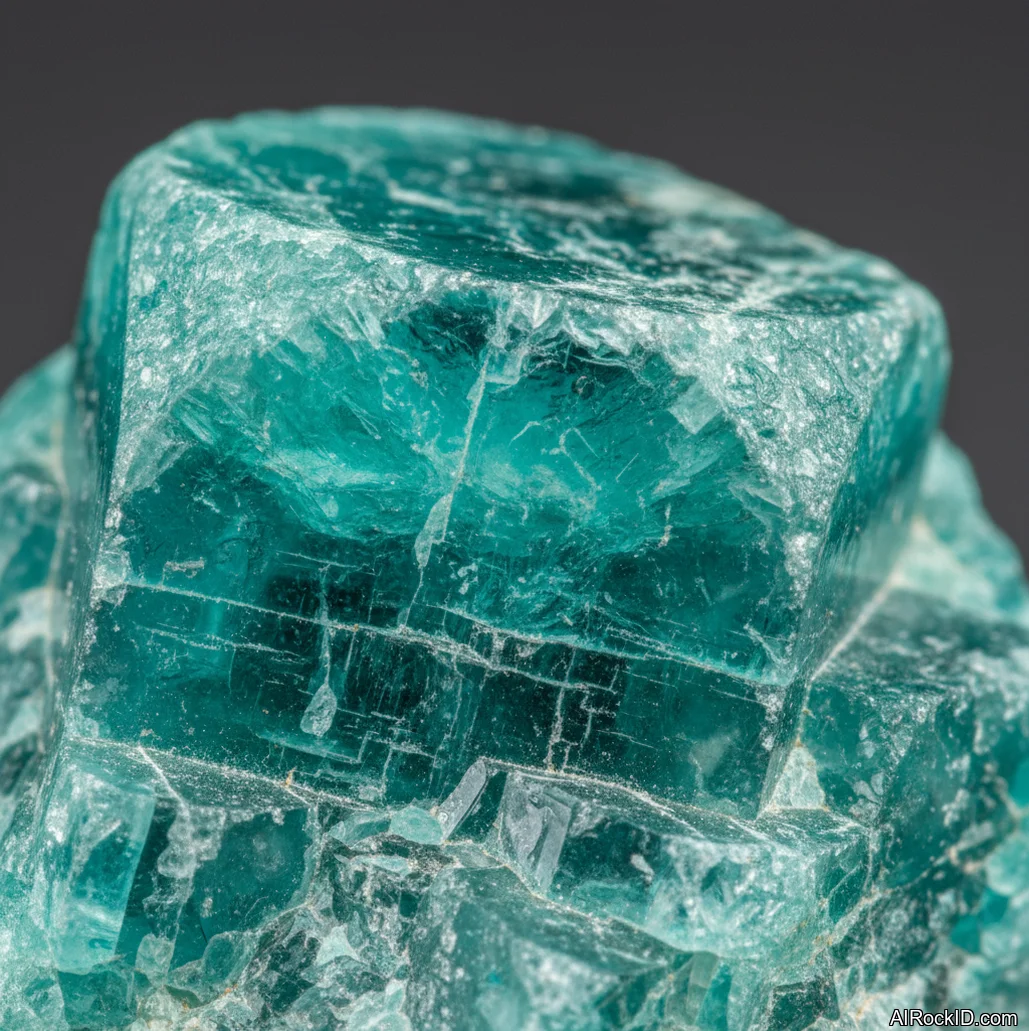
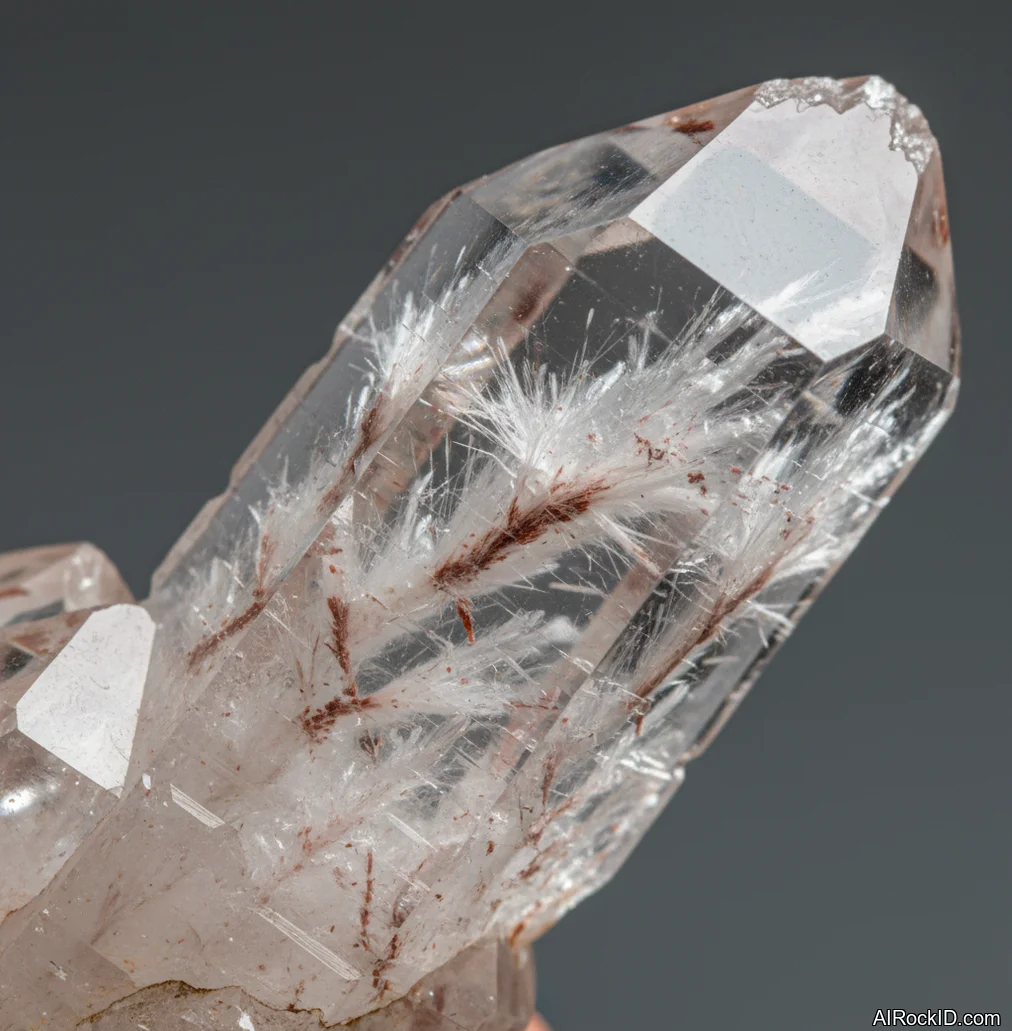
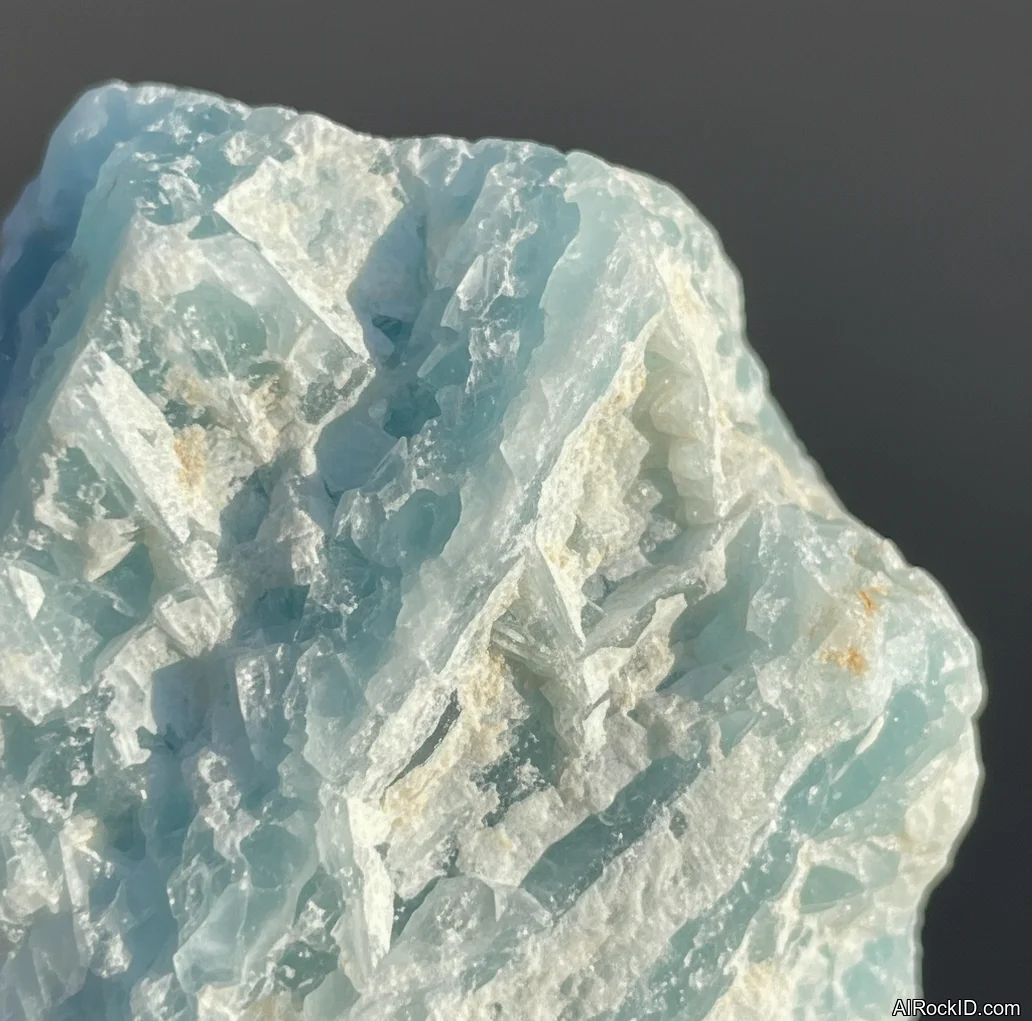
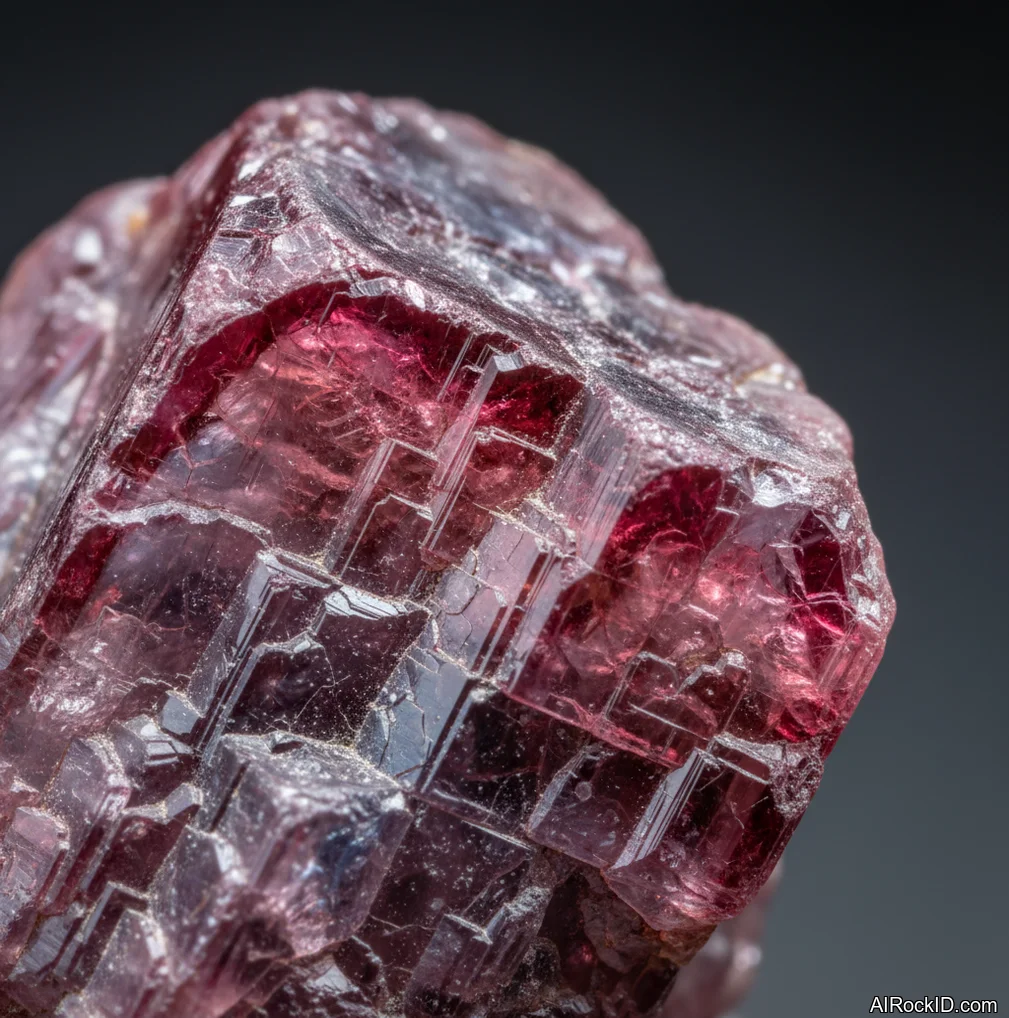
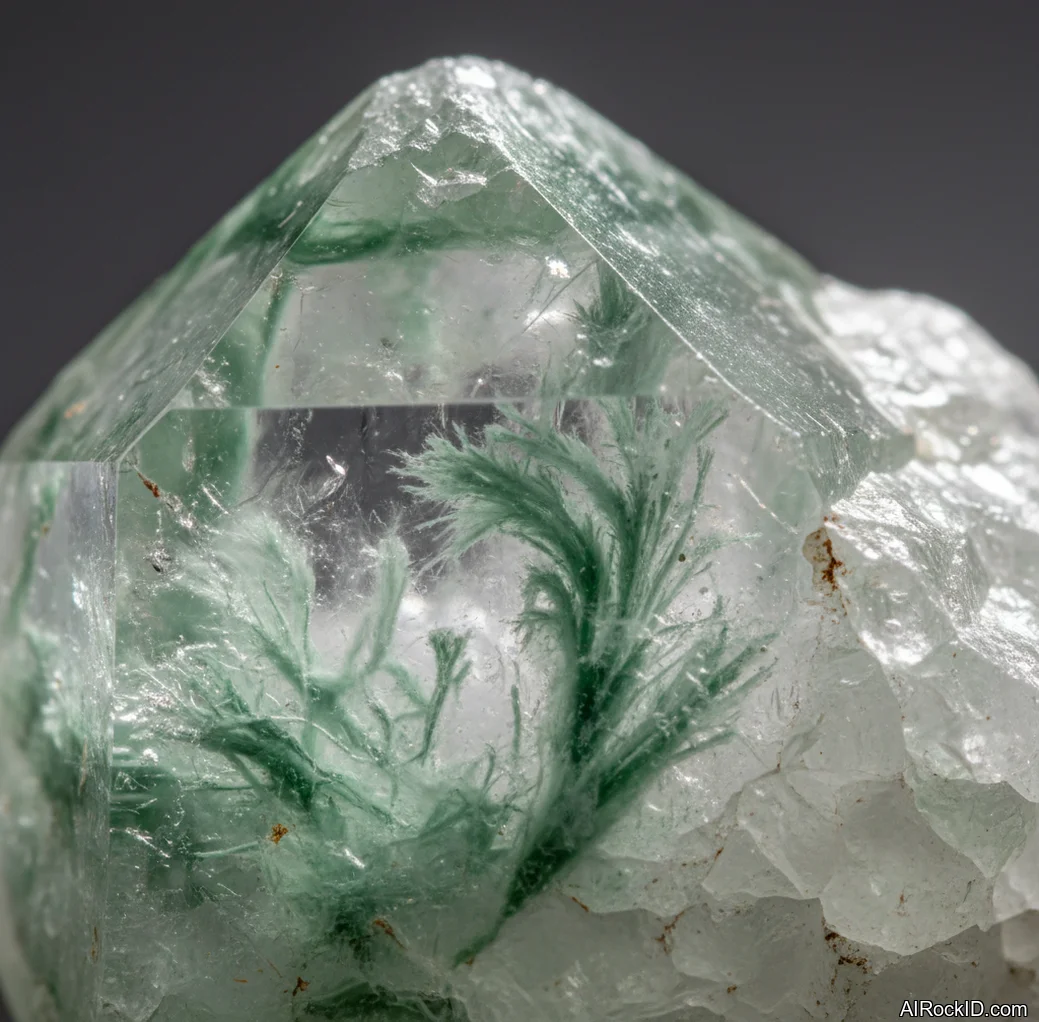
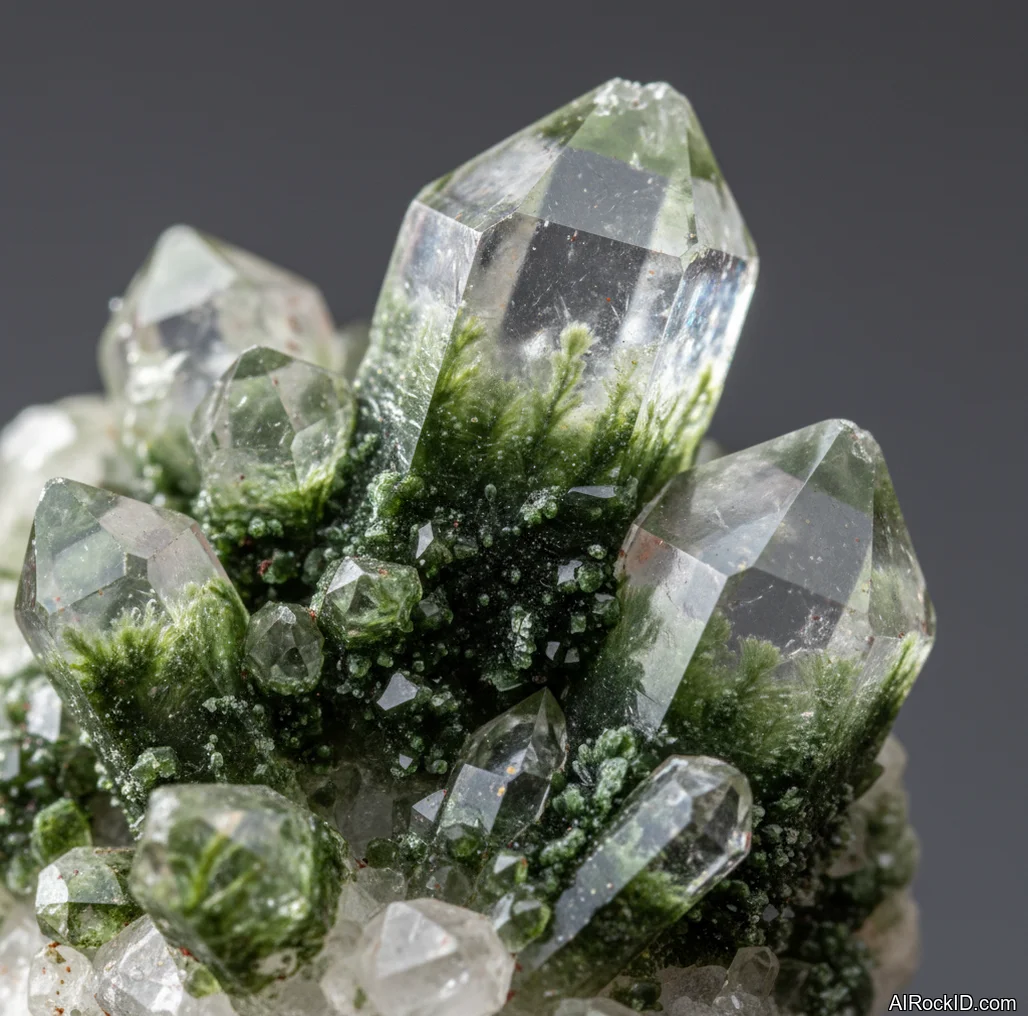
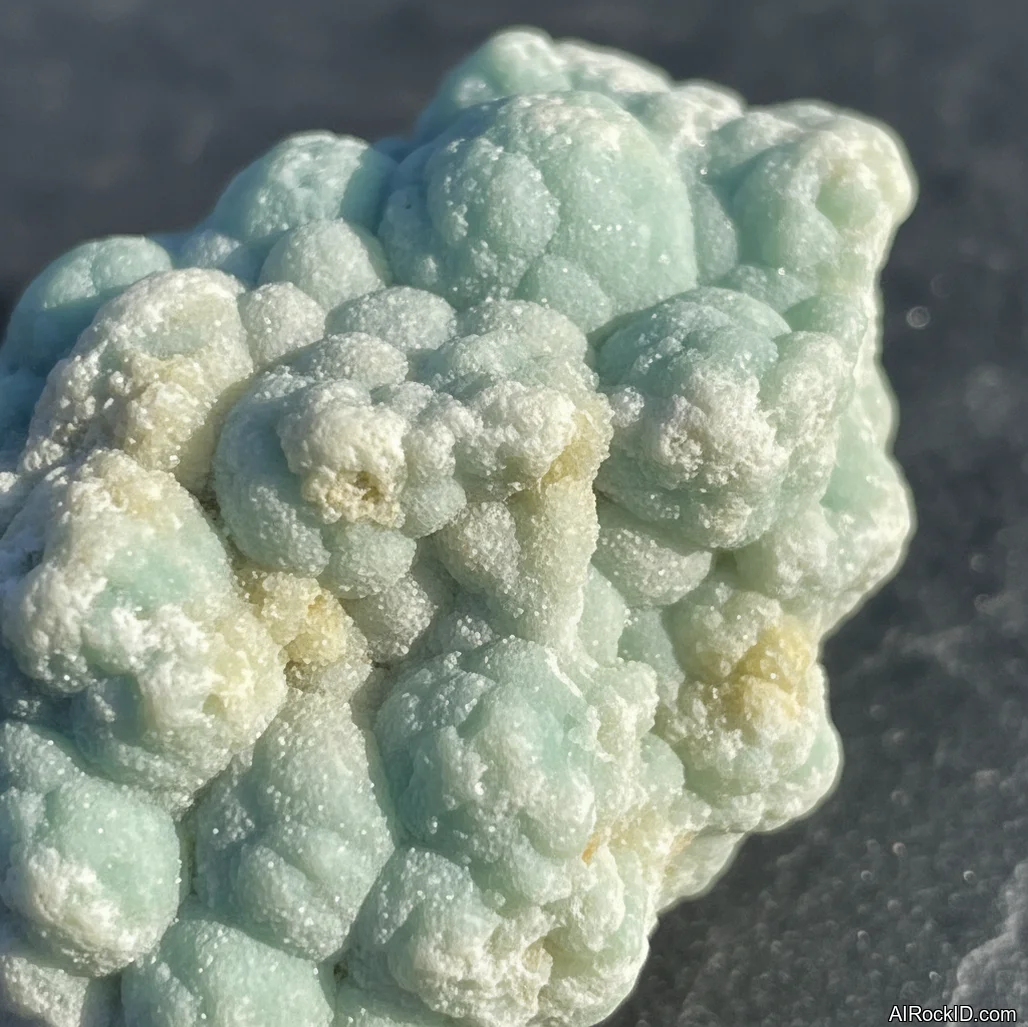
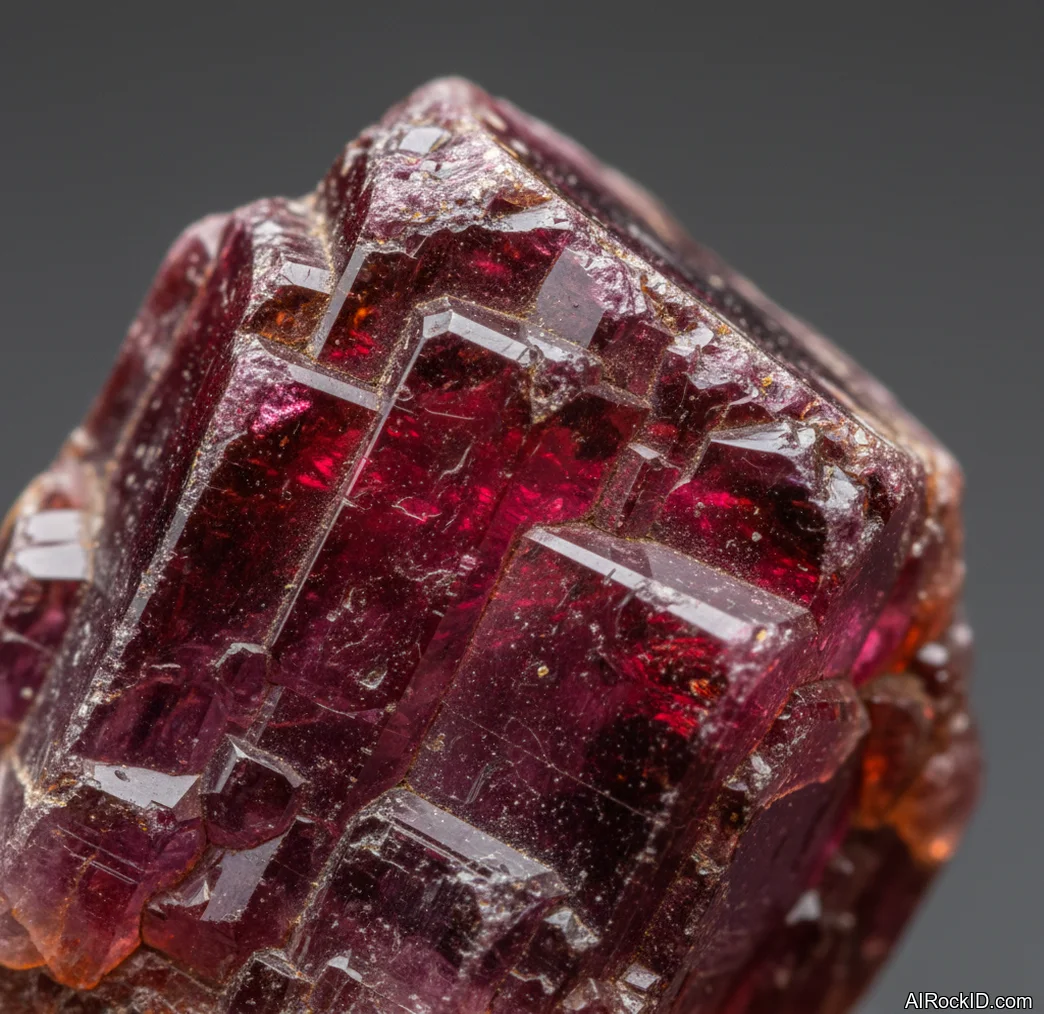
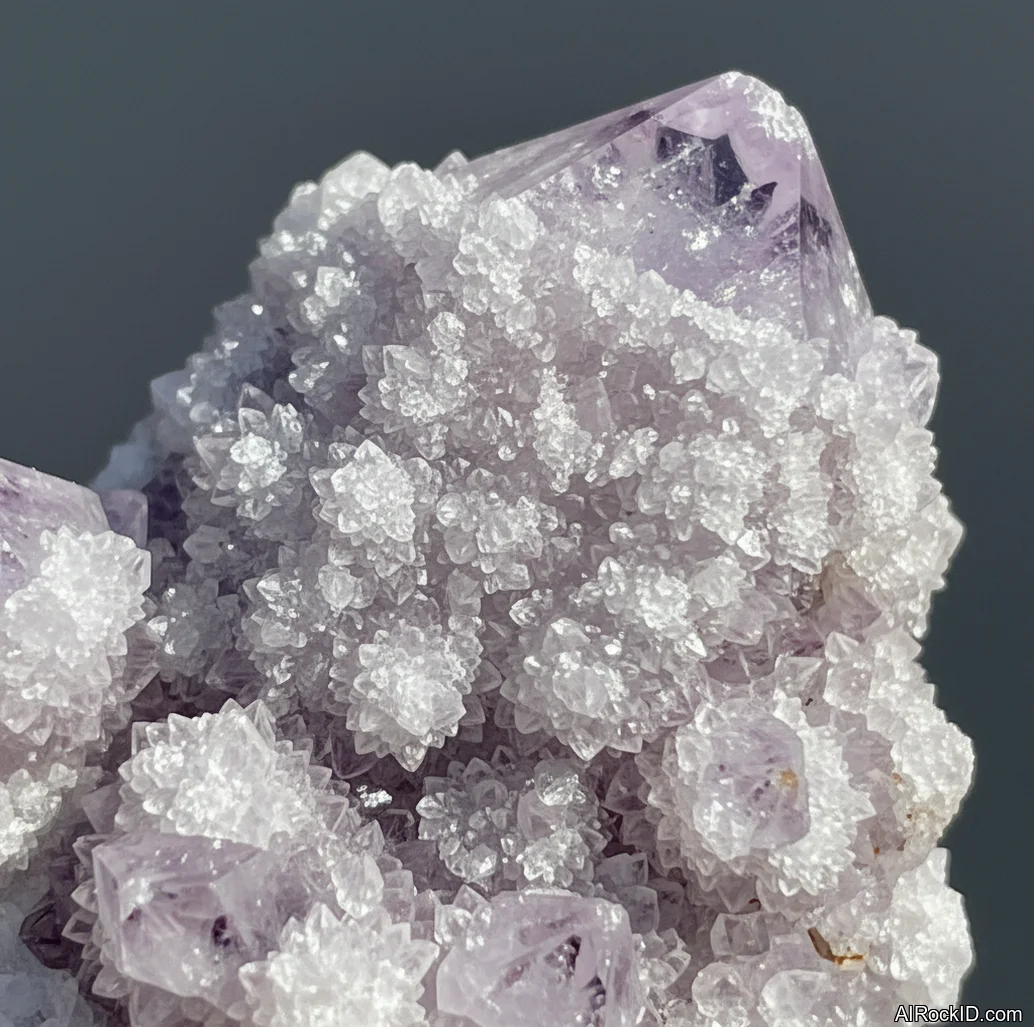
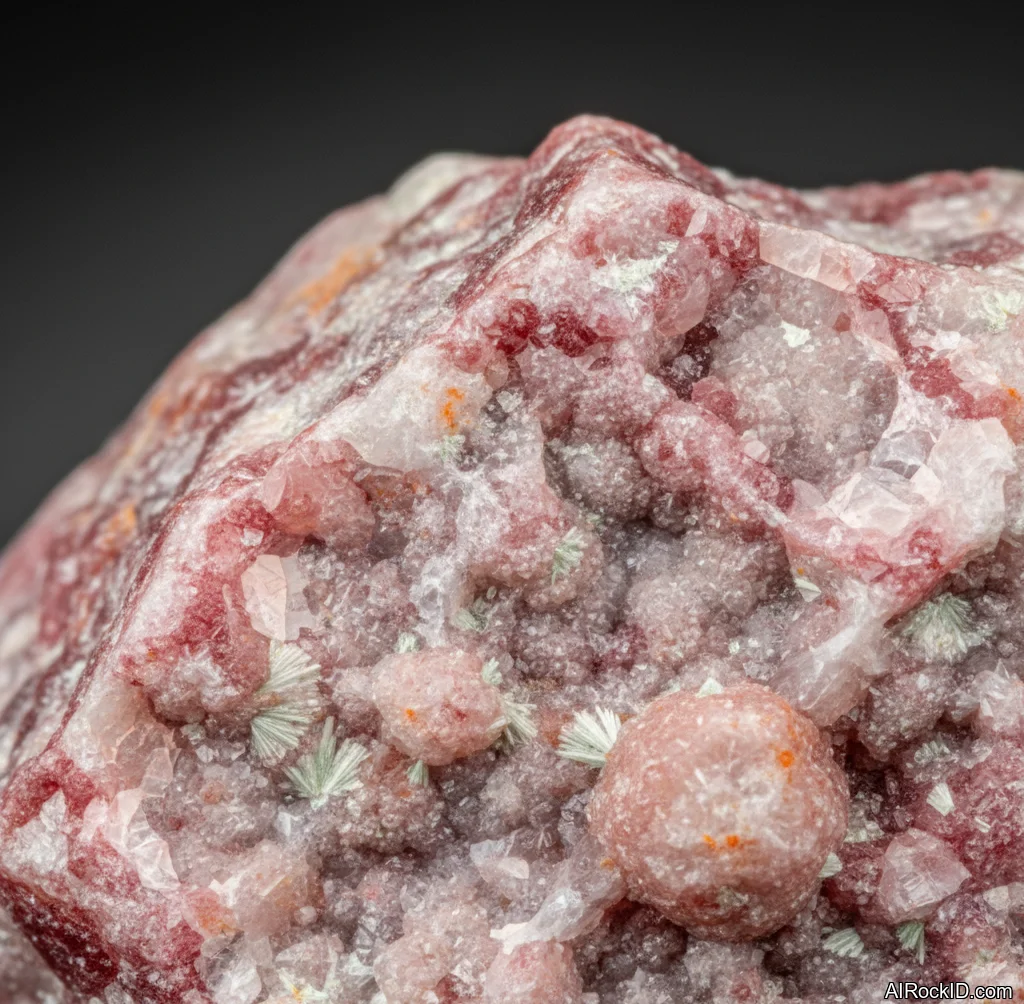
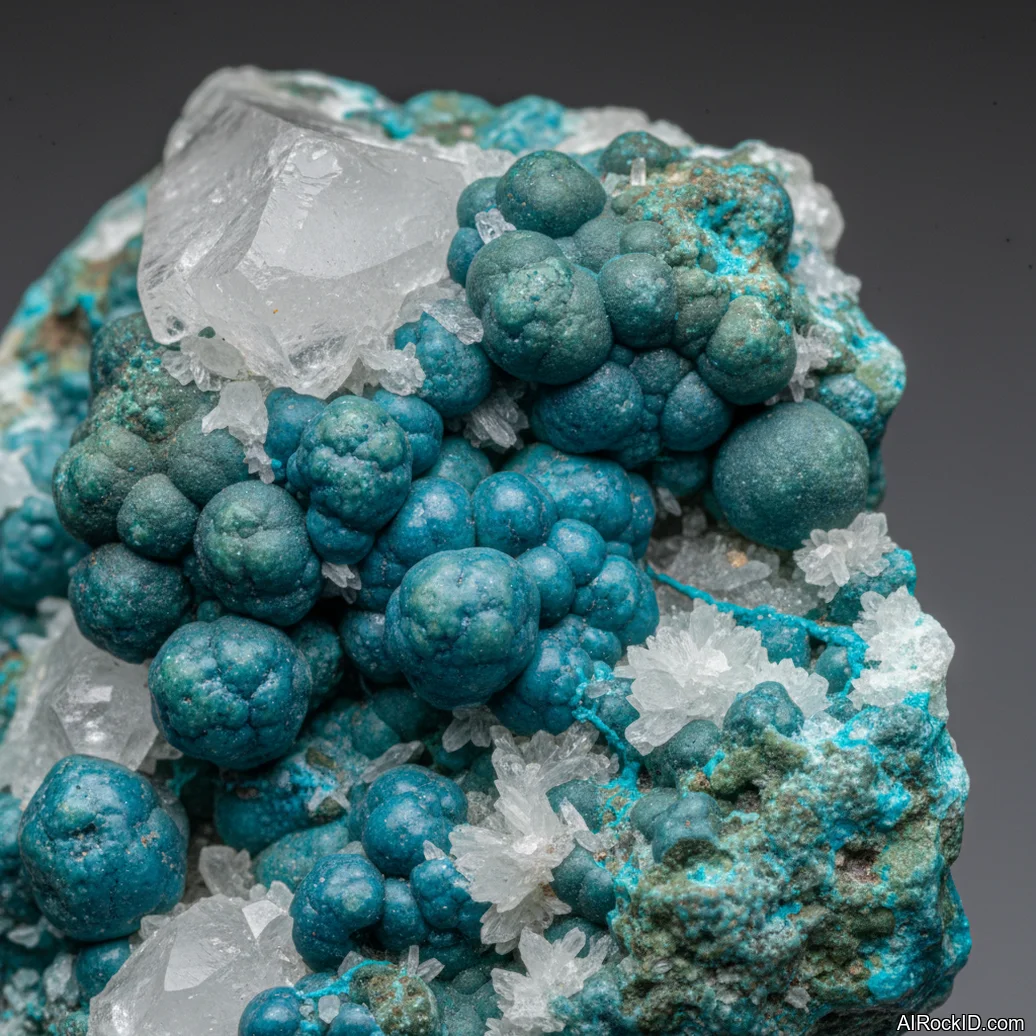
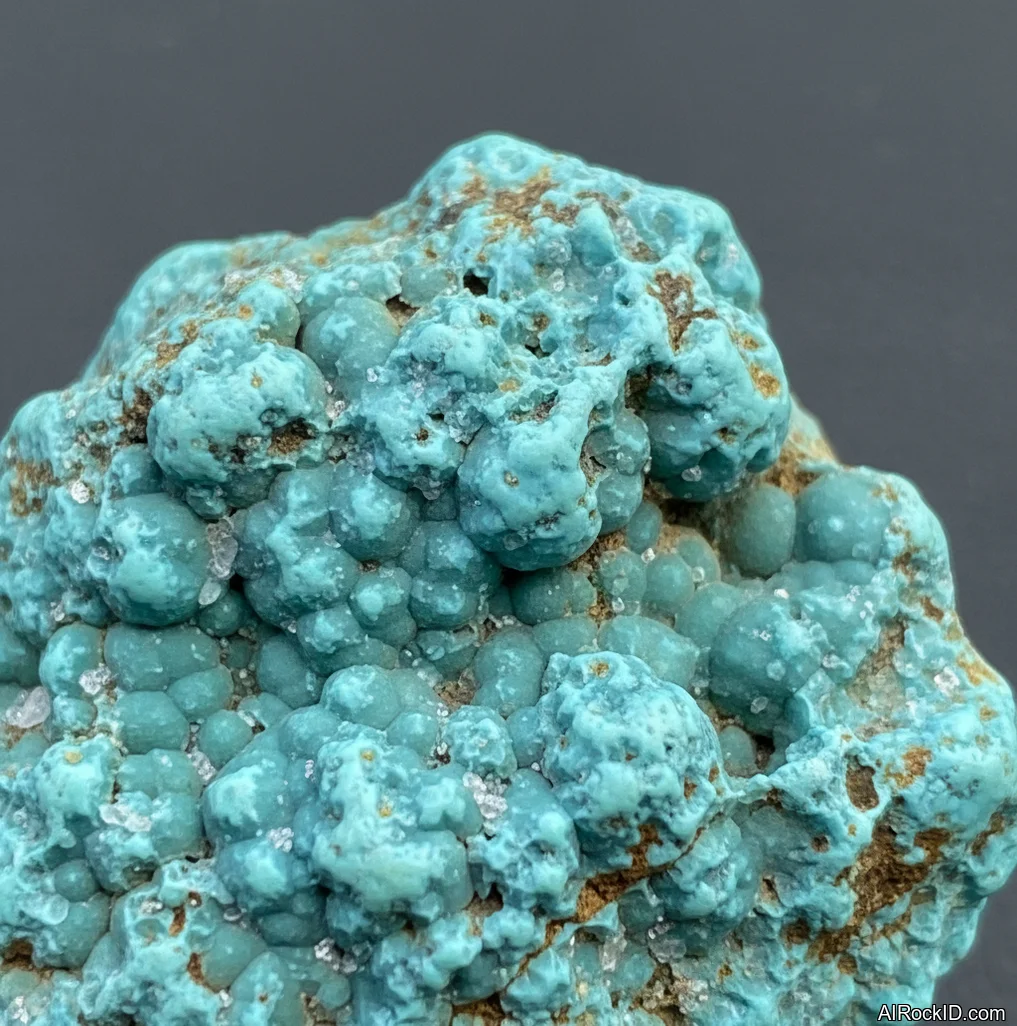
This tag groups crystals commonly linked to the Heart Chakra in modern chakra and crystal-healing traditions. It includes both classic green stones, often associated with balance and growth, and pink stones, often associated with affection, compassion, and emotional warmth.
Beginner recommendations
Advanced recommendations
Heart Chakra Stones by Color Family
Pink Heart Chakra stones are commonly associated in metaphysical traditions with affection, gentleness, and emotional comfort. Green Heart Chakra stones are often associated with renewal, balance, and growth. Some collectors choose one color family for a focused set, while others combine both for symbolic variety.
Natural, Treated, and Imitation Heart Chakra Stones
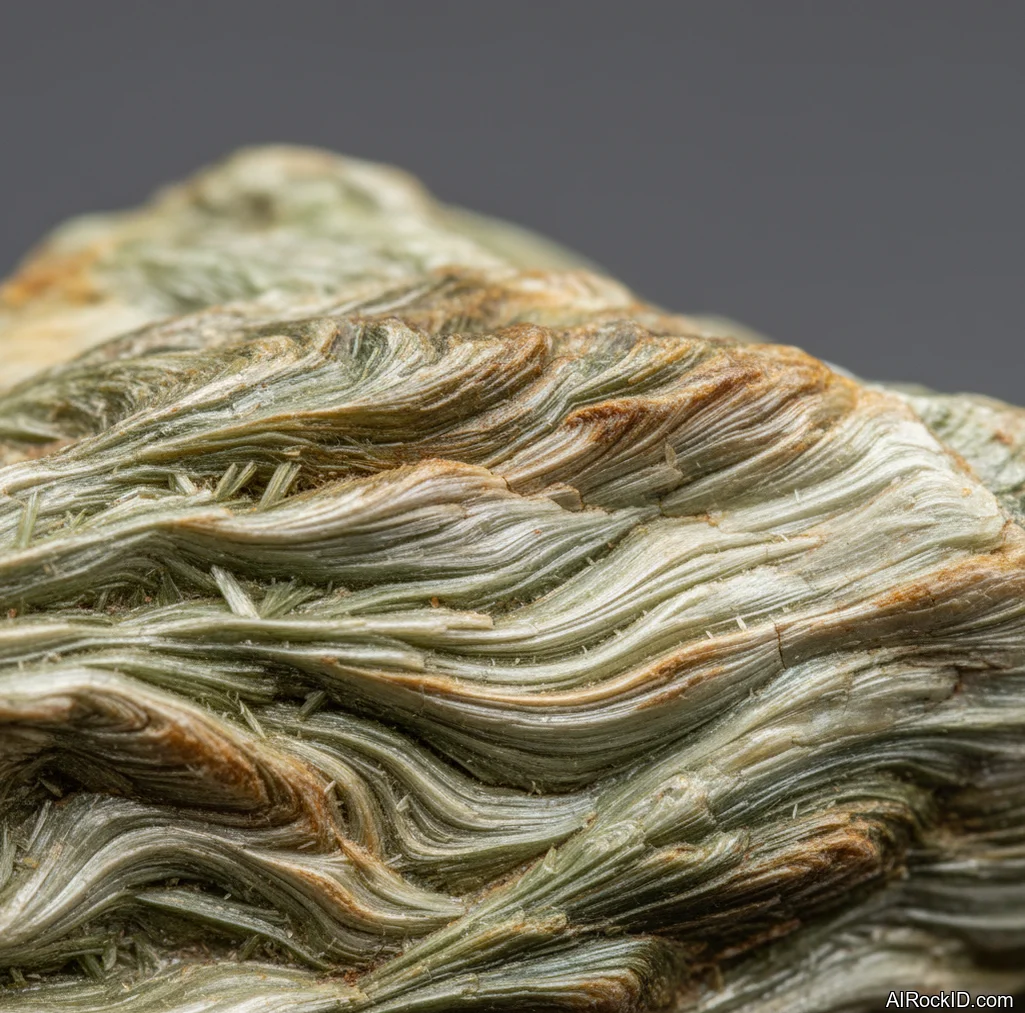
Many Heart Chakra stones are sold as natural, dyed, stabilized, or imitation material. Common examples include dyed quartz sold as vivid green stones, serpentine or aventurine sold as jade, and reconstructed or imitation malachite. Asking for the mineral name, treatment status, and seller disclosure can help clarify what a specimen actually is.
Heart Chakra Crystals in Jewelry
Rose quartz, jade, green aventurine, and rhodonite are commonly used in bracelets, pendants, and beads because they are widely available and can be polished smoothly. Softer or more fragile stones may scratch, chip, or react poorly to water, sweat, or impact. Jewelry use should consider durability as well as symbolic meaning.
What Are Heart Chakra Crystals? Meaning, Color, and Common Stones
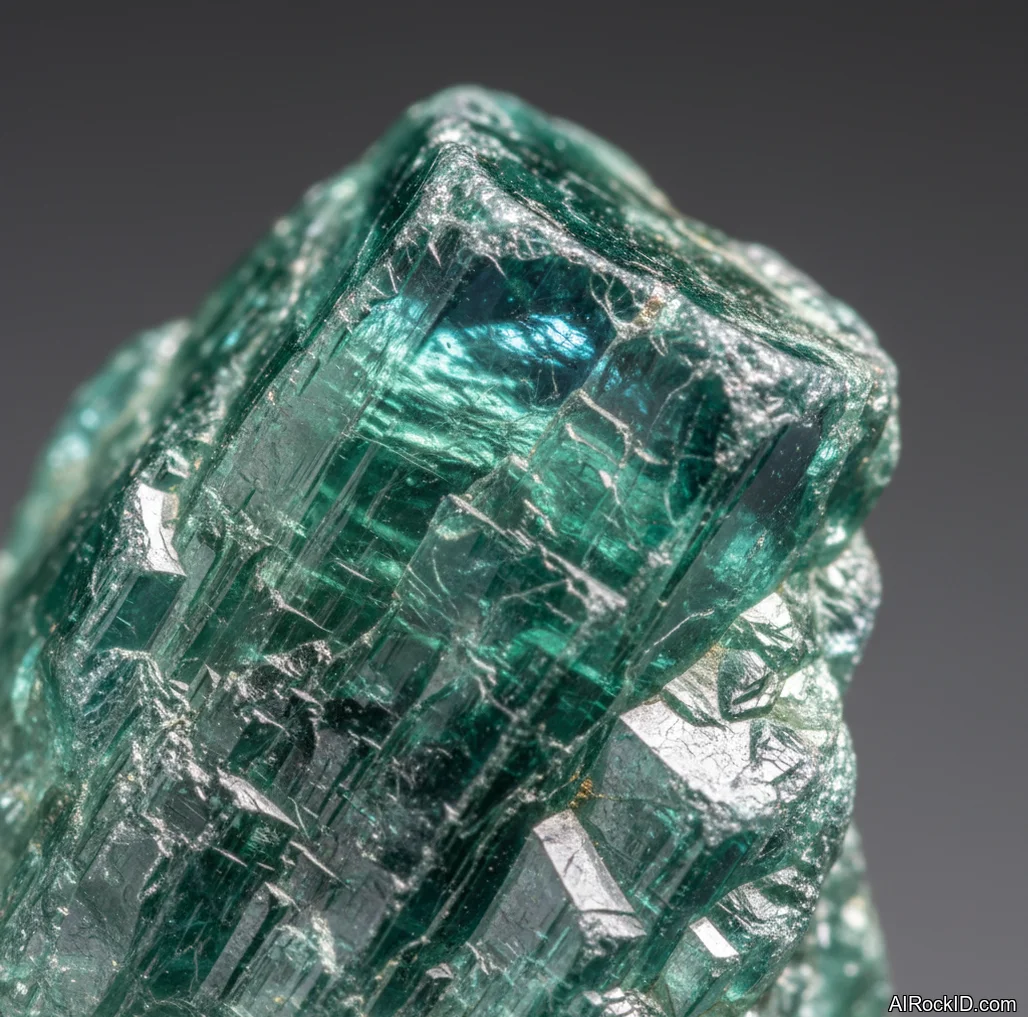
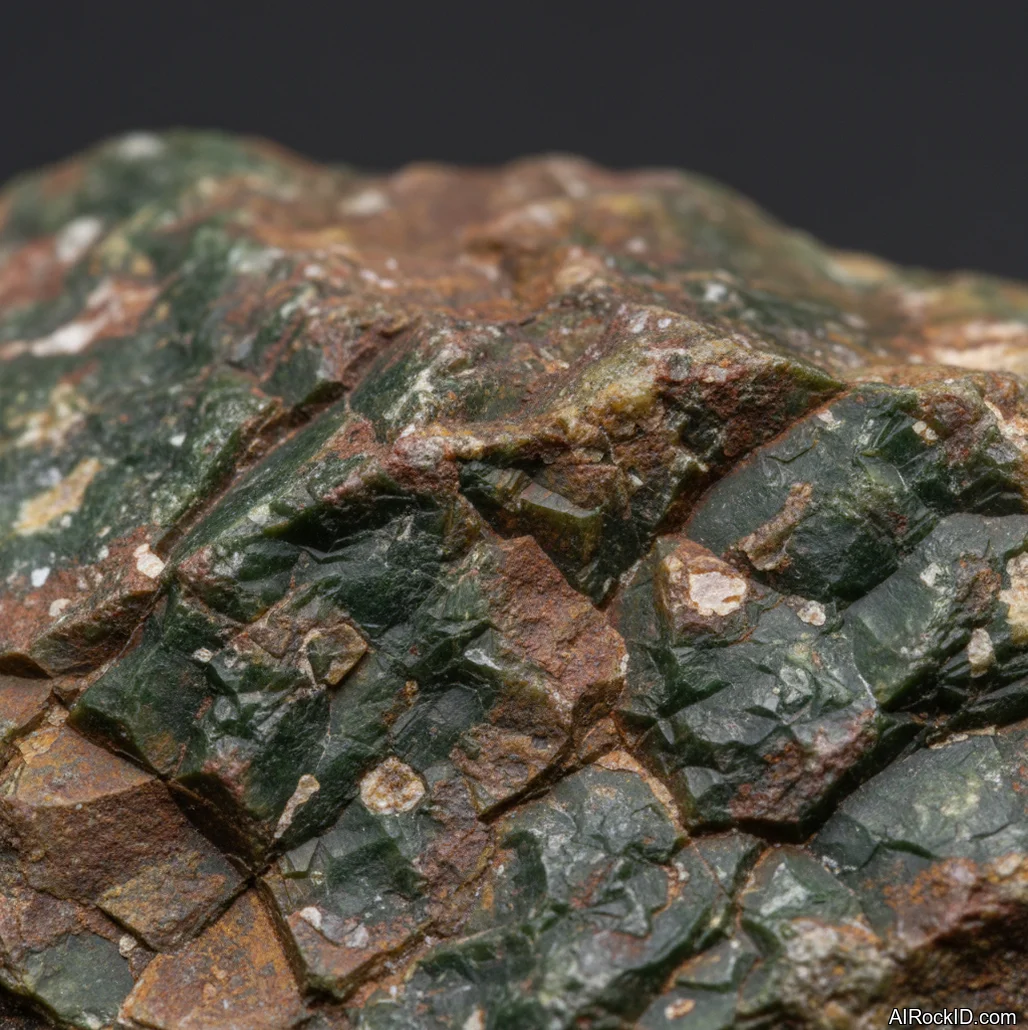
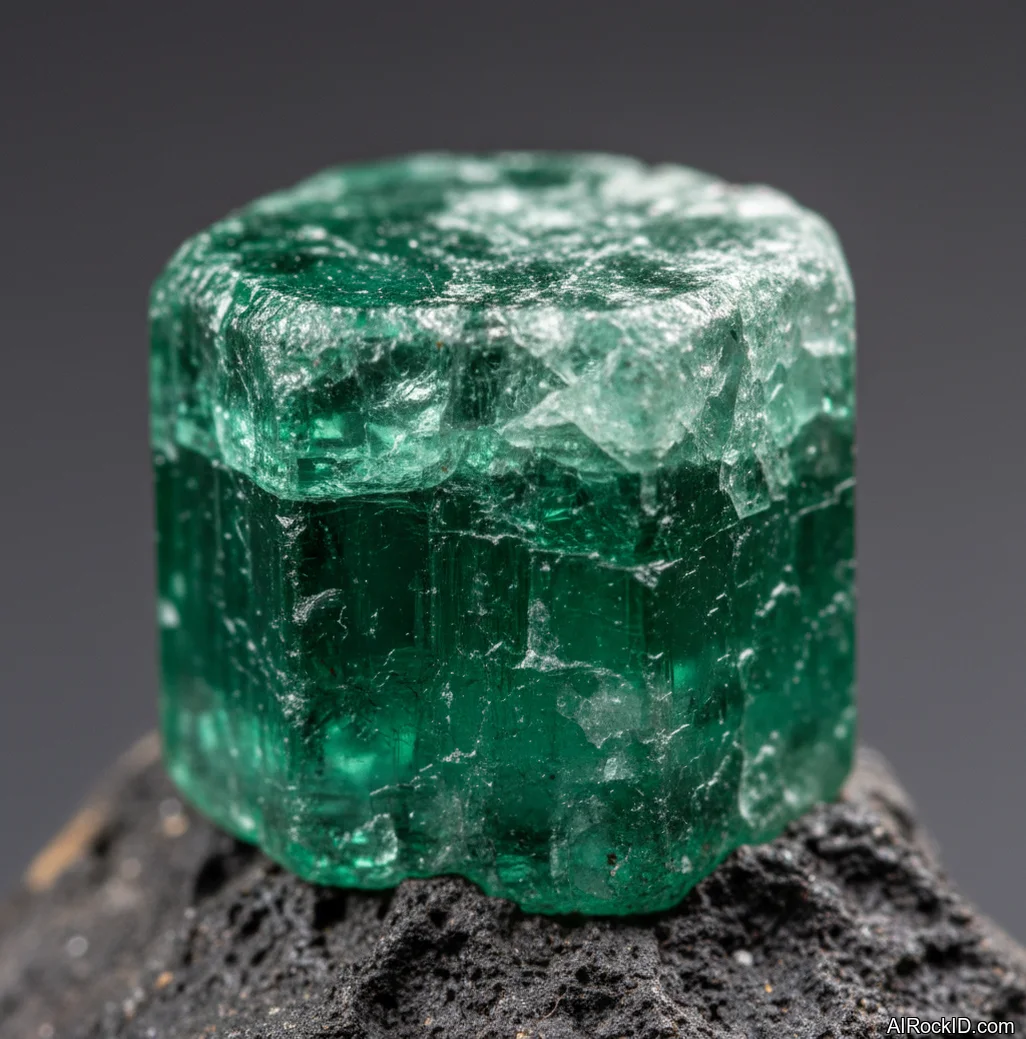
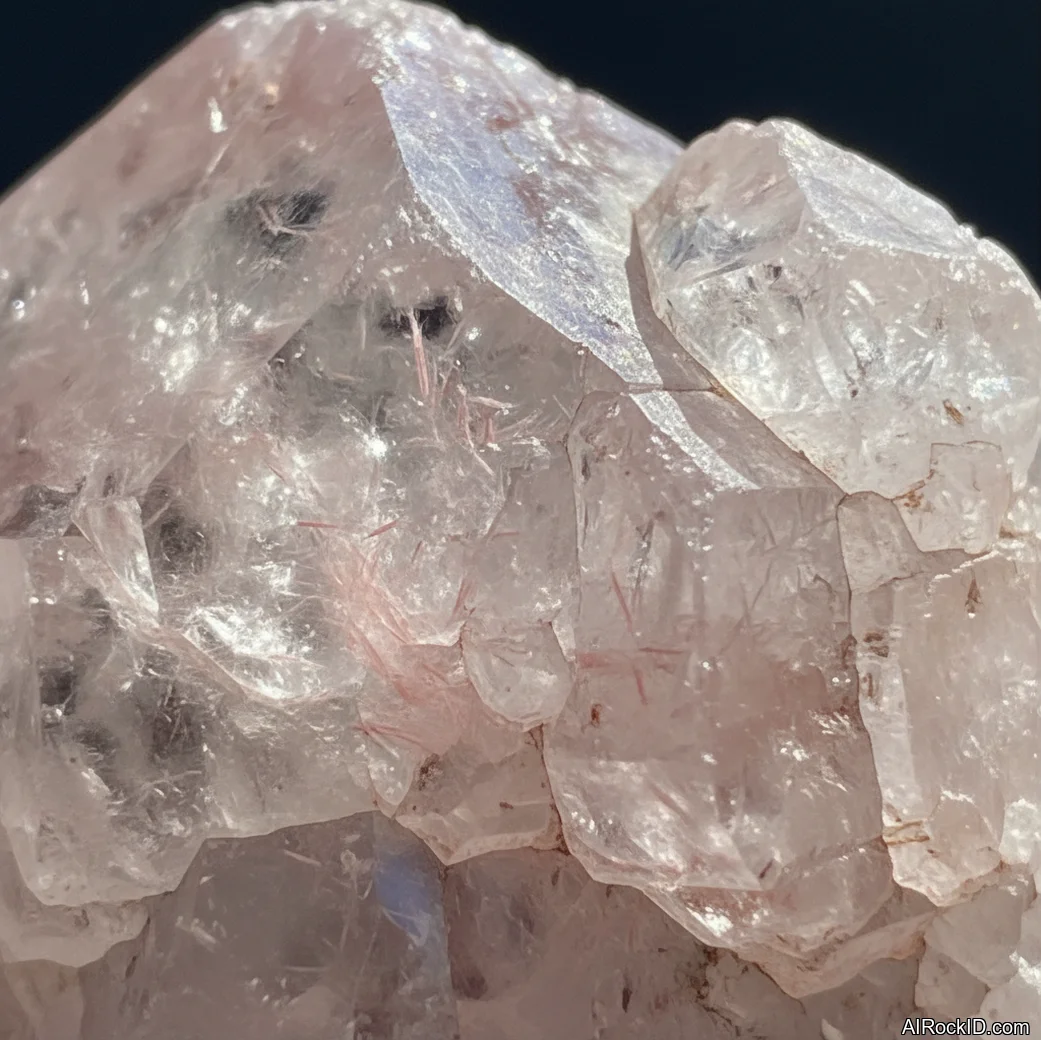
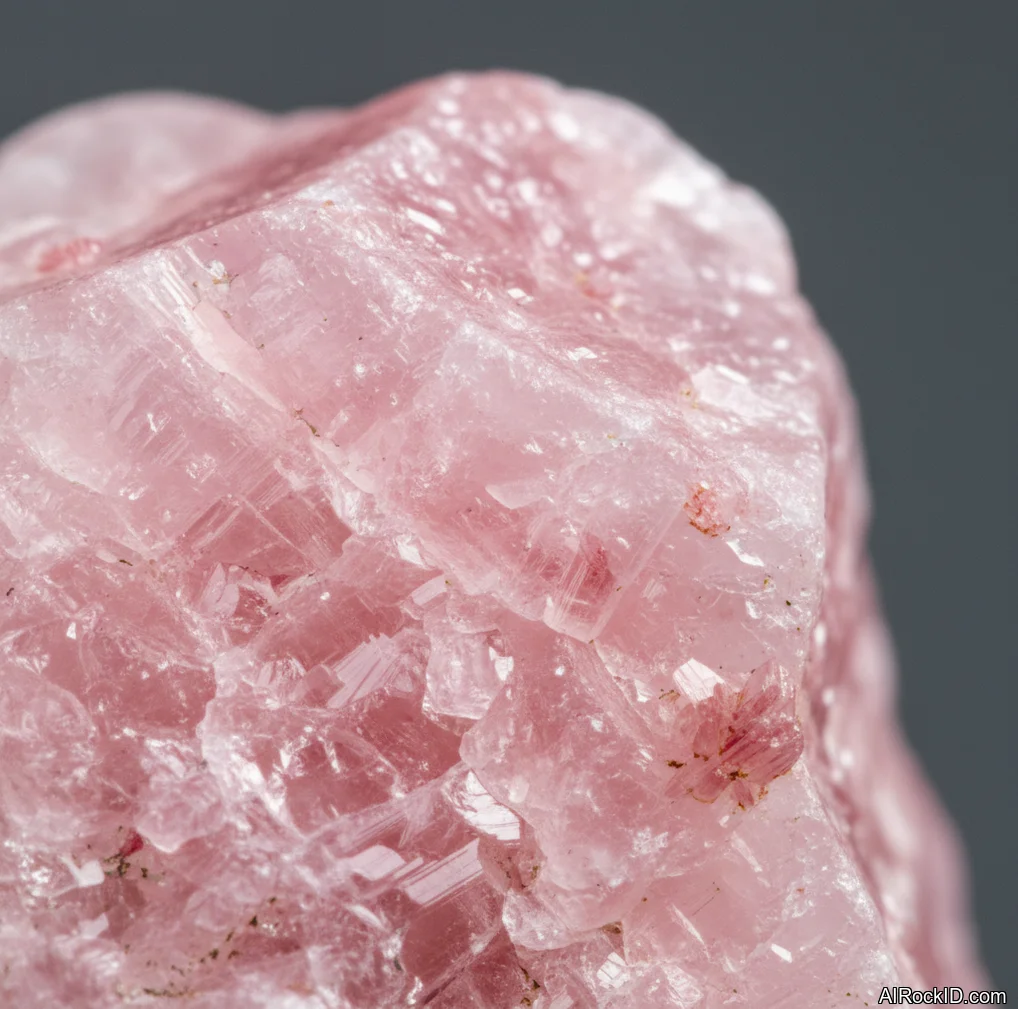
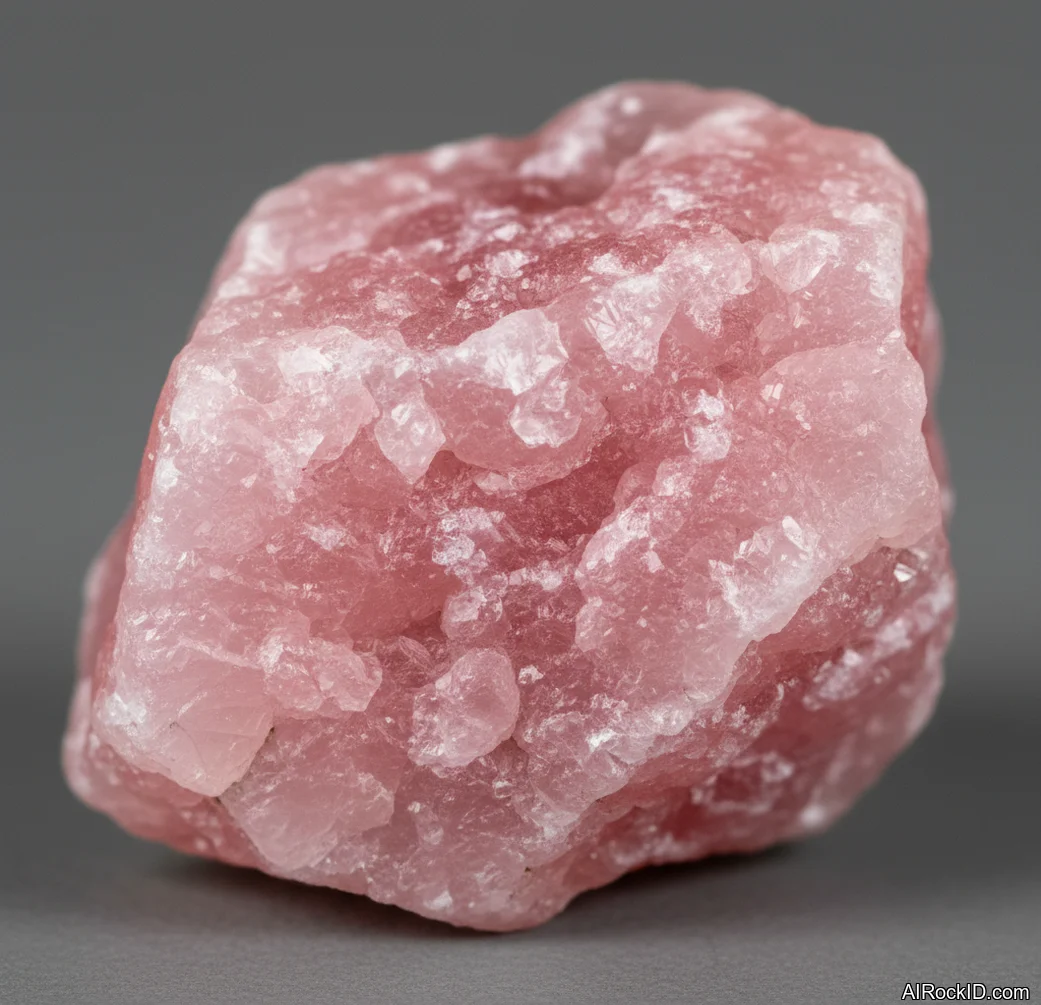
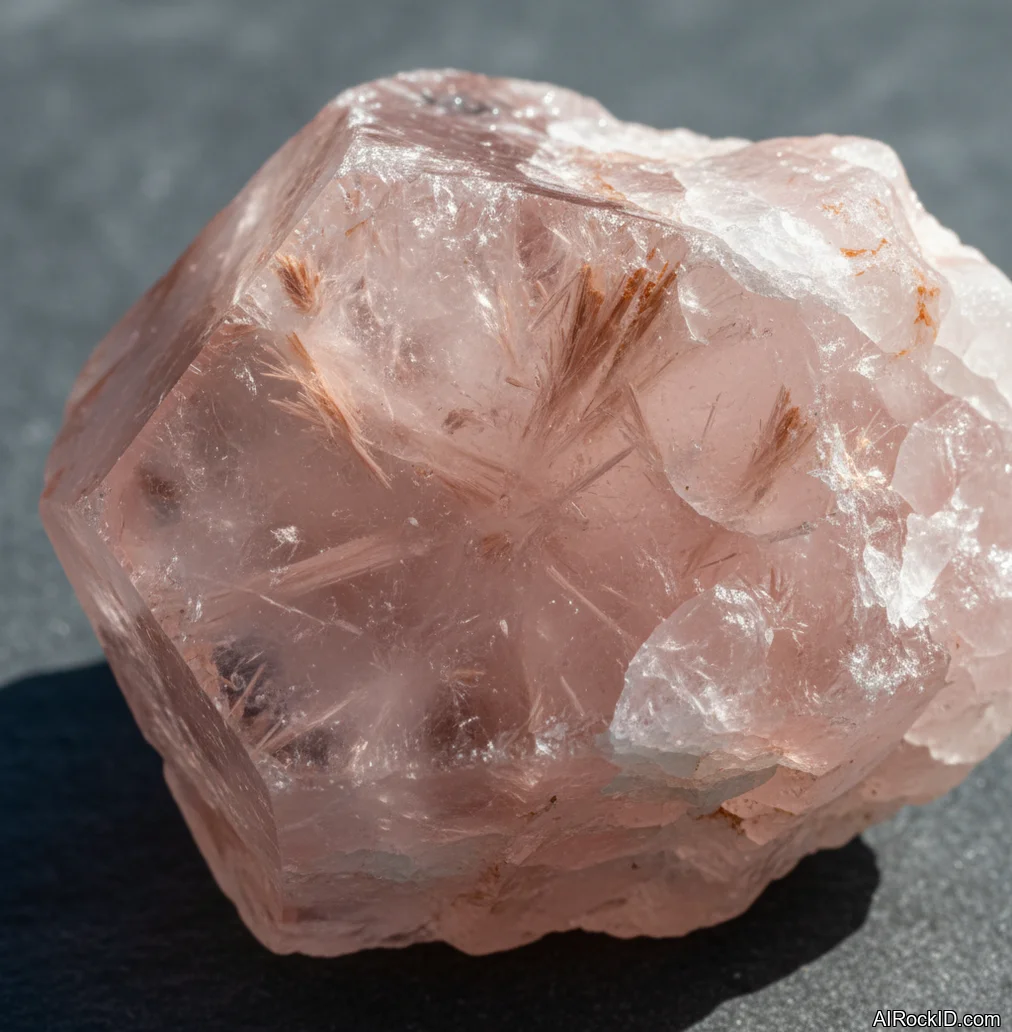
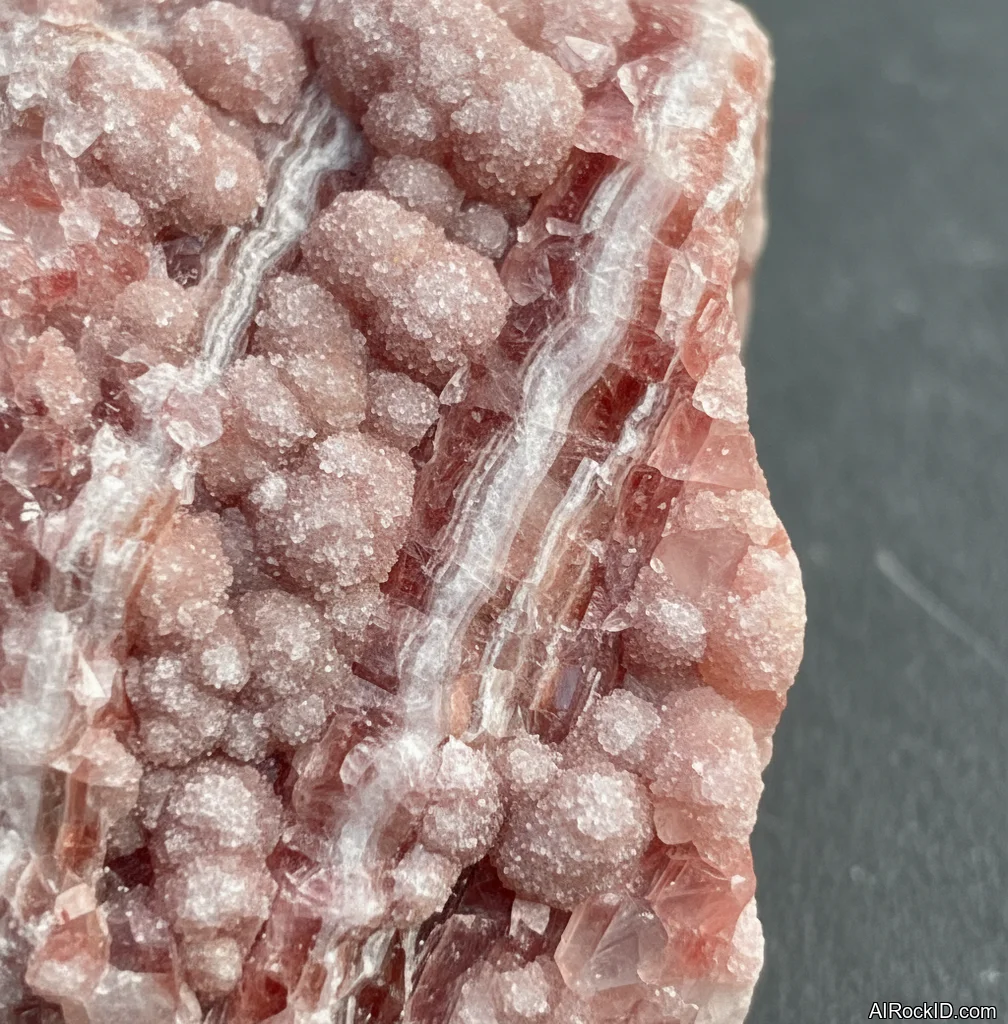
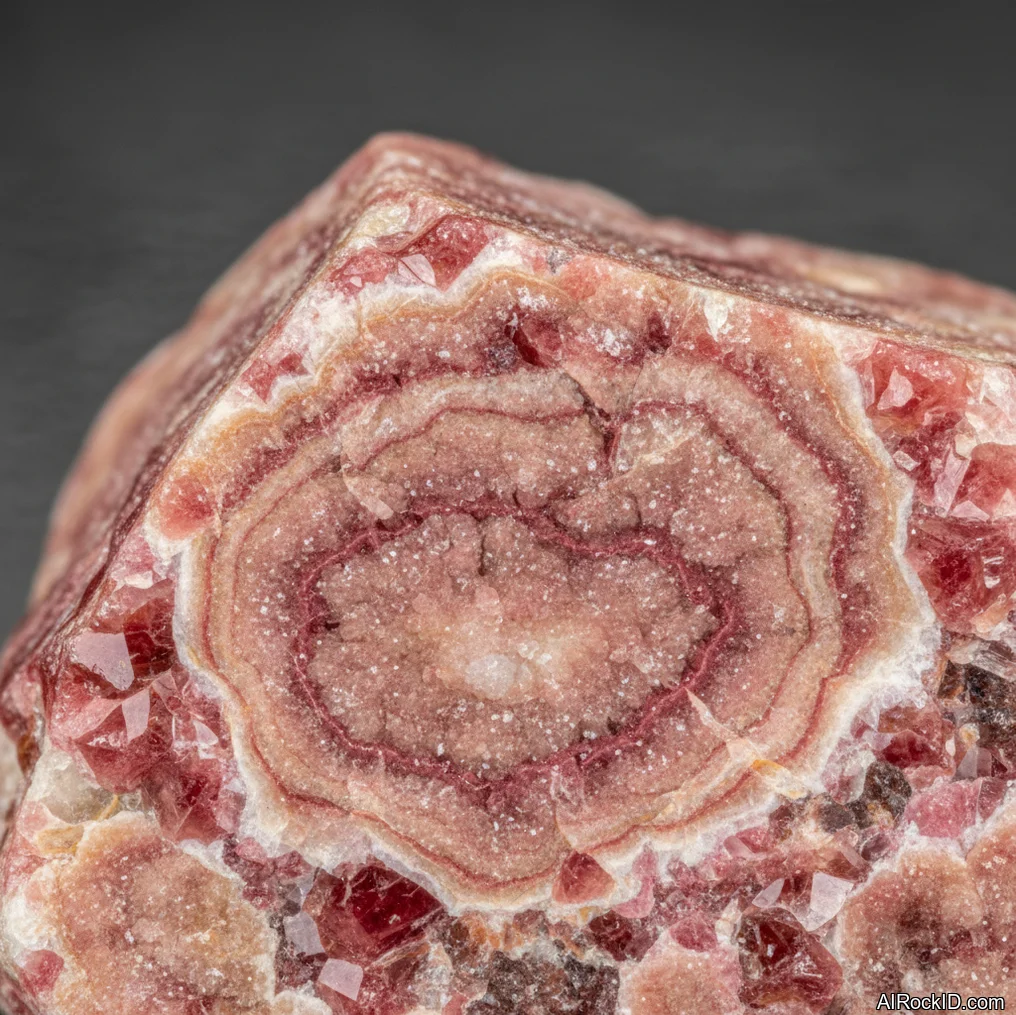
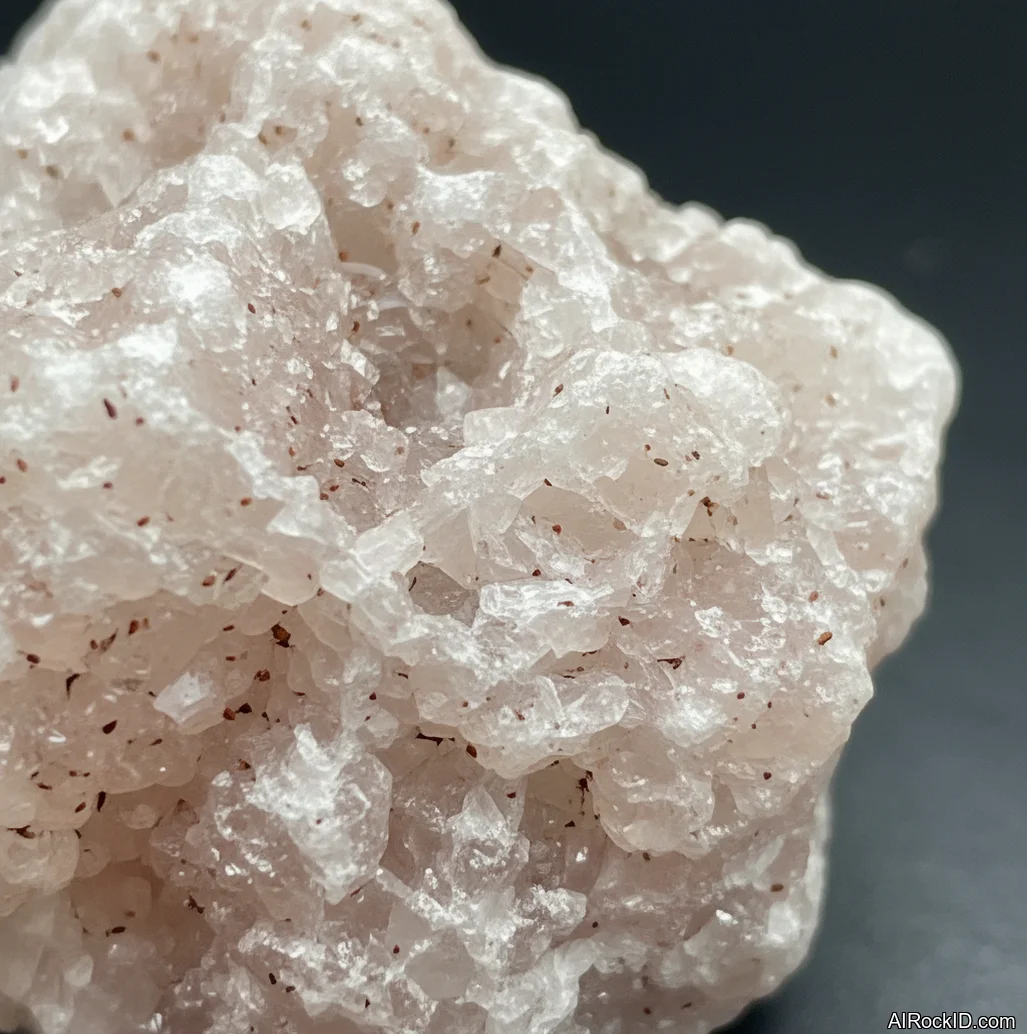
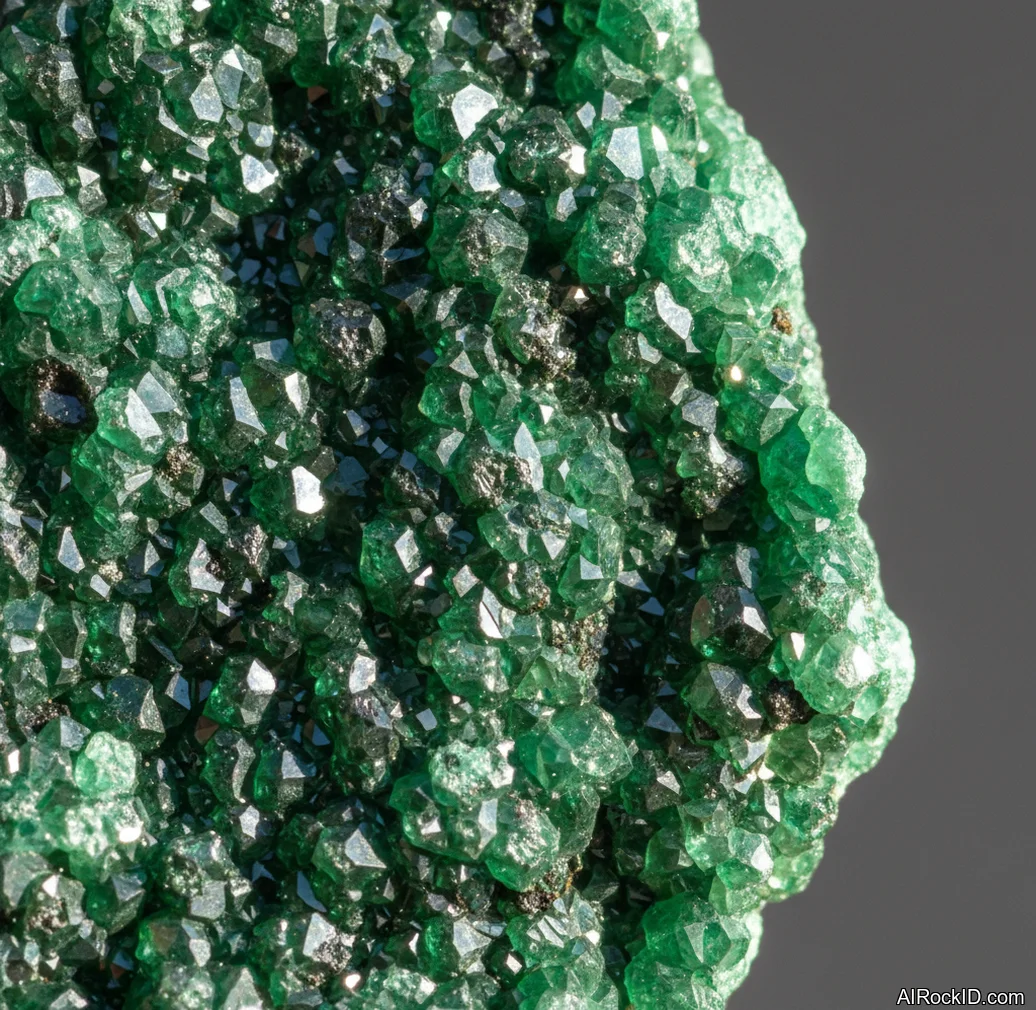
Put a palm-sized rose quartz in your hand and you'll clock it fast. It stays cool longer than glass, even after you've been holding it. Color-wise, it isn’t just "pink"—the hue slips between cloudy blush and almost white, depending on the lighting. That’s the kind of stone people reach for when they talk about the Heart Chakra in crystal work. In most traditions, the Heart Chakra sits right at the center of your chest, tied to connection, grief, trust, and the sticky balance between boundaries and letting people in. Green stones show up everywhere you look, but it’s not just about color. Texture, translucence, and feel play a big part. A shelf labeled for Heart Chakra in any shop is usually a mix: gentle, soothing pieces like rose quartz and pink opal beside stones that demand attention like malachite or emerald. Malachite, with its tight bands and high shine, has made people put it down after one touch—it can feel loud in the hand, almost like it’s humming. That reaction is why people hunt for Heart Chakra stones. They’re hoping to soften a chest-clench feeling, or maybe open up something that’s stuck.
Physical Qualities of Heart Chakra Stones: Touch, Color, and Texture
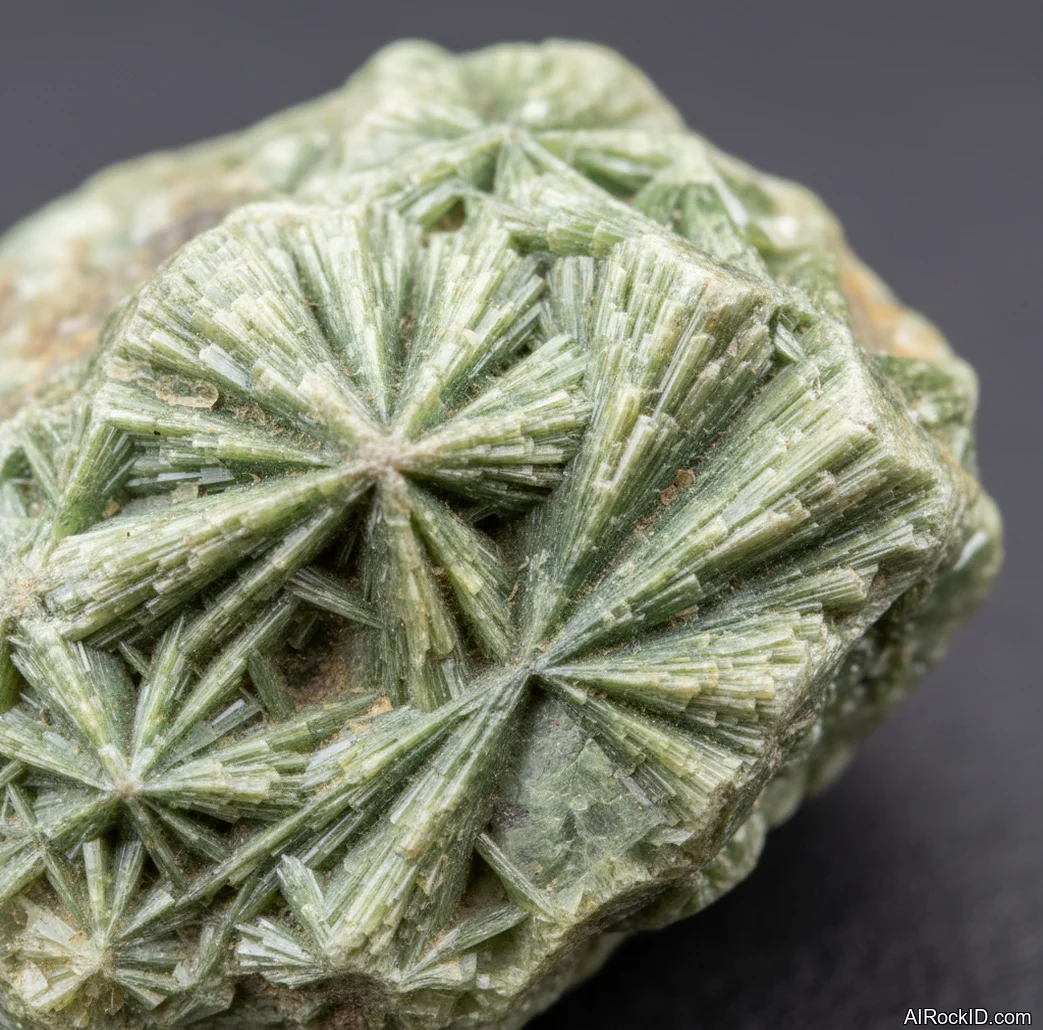
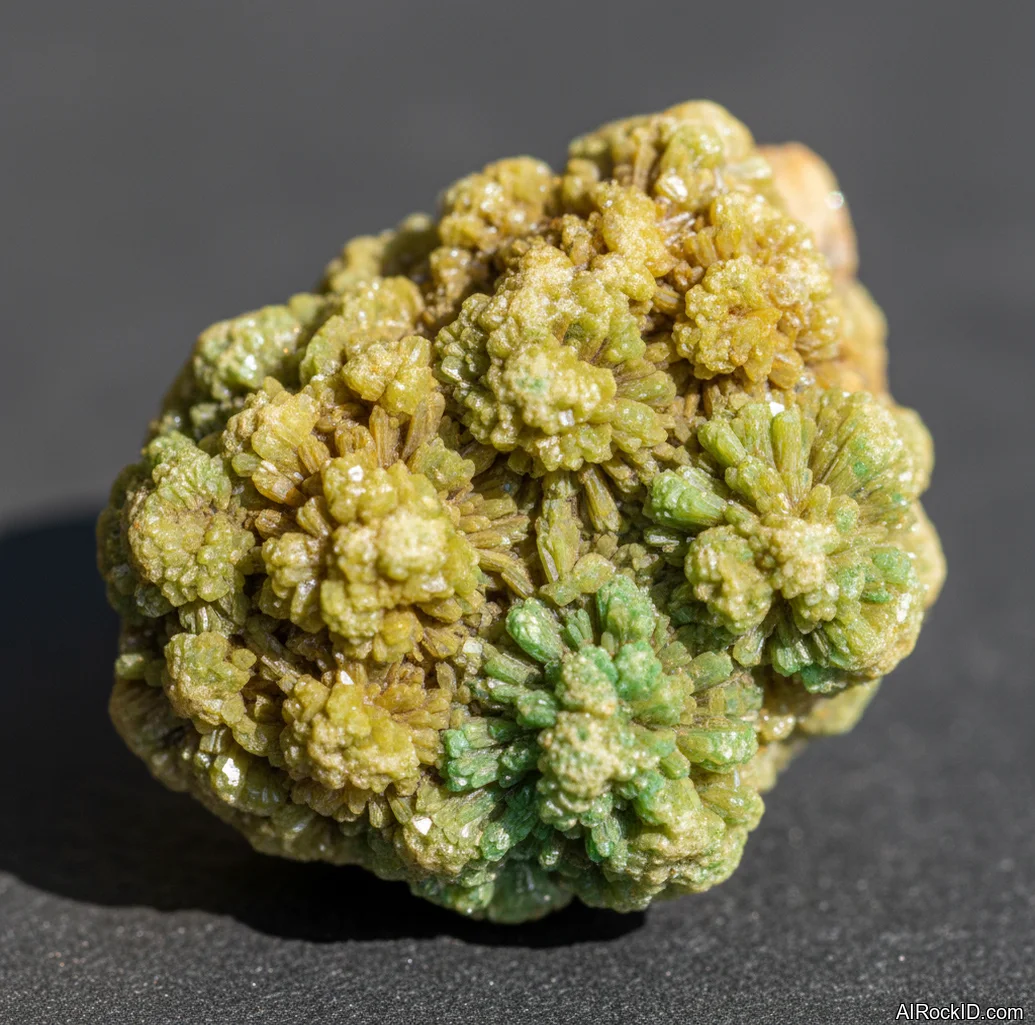
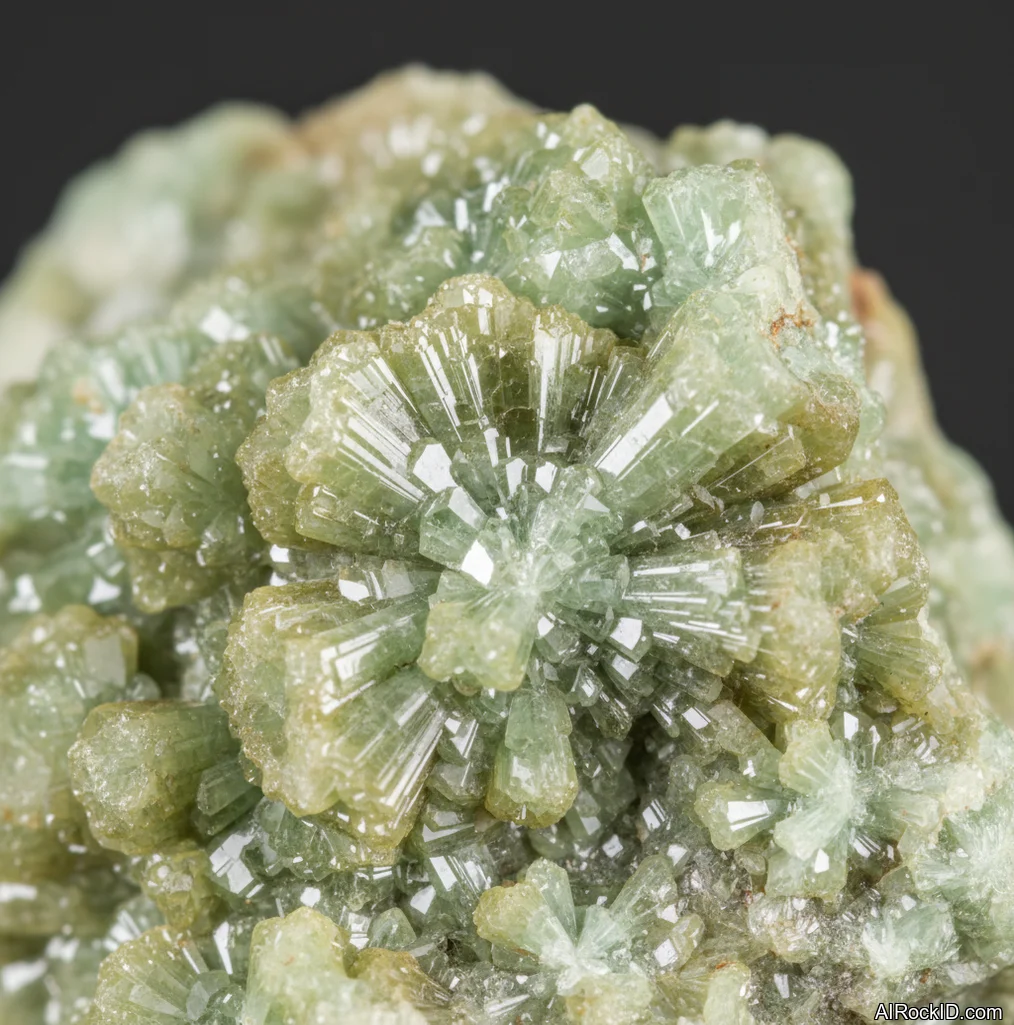
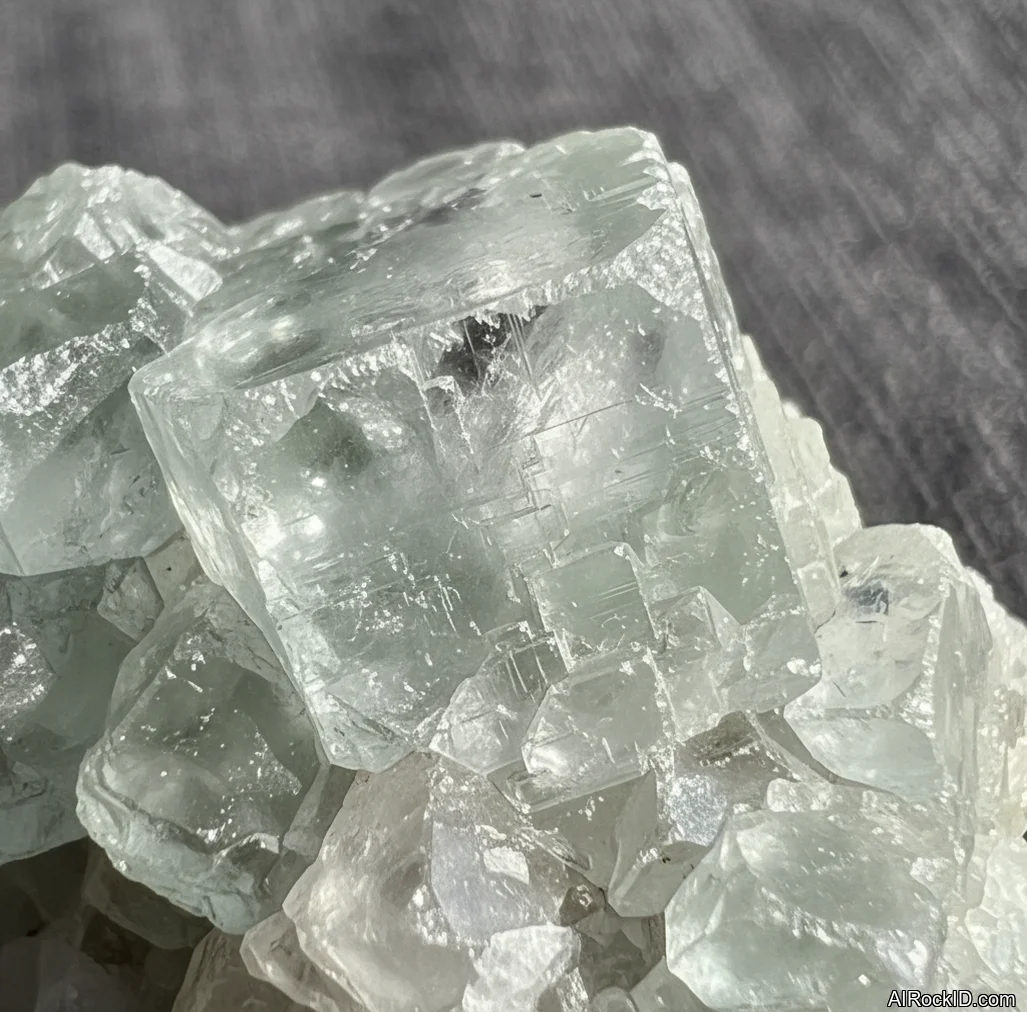
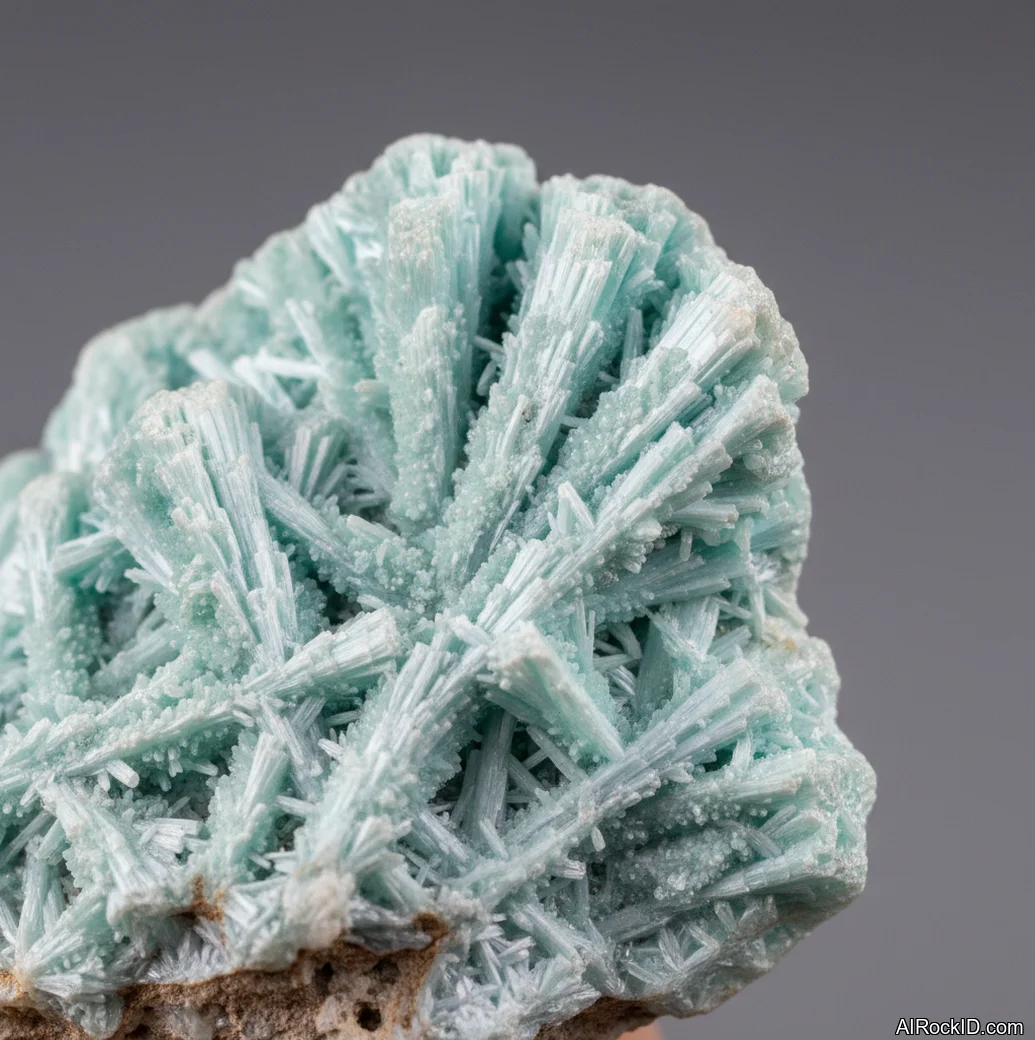
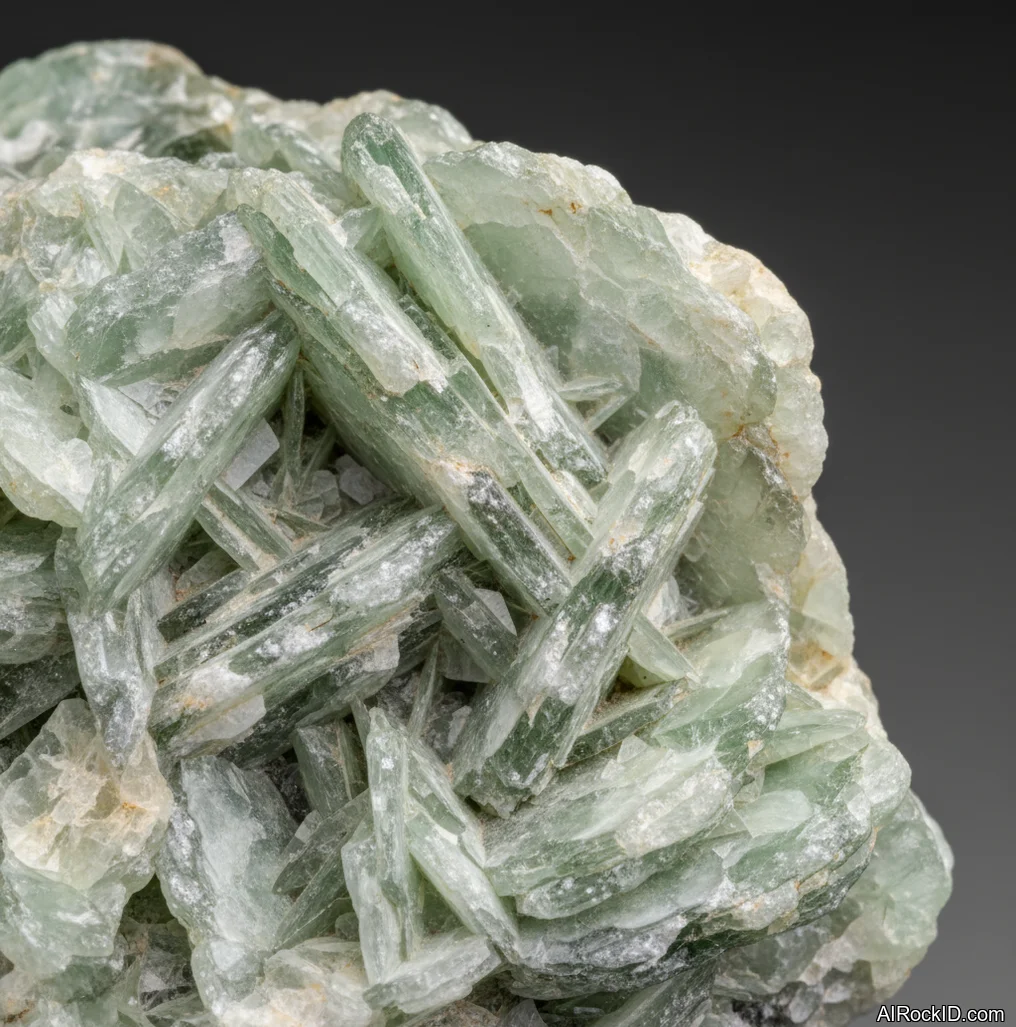
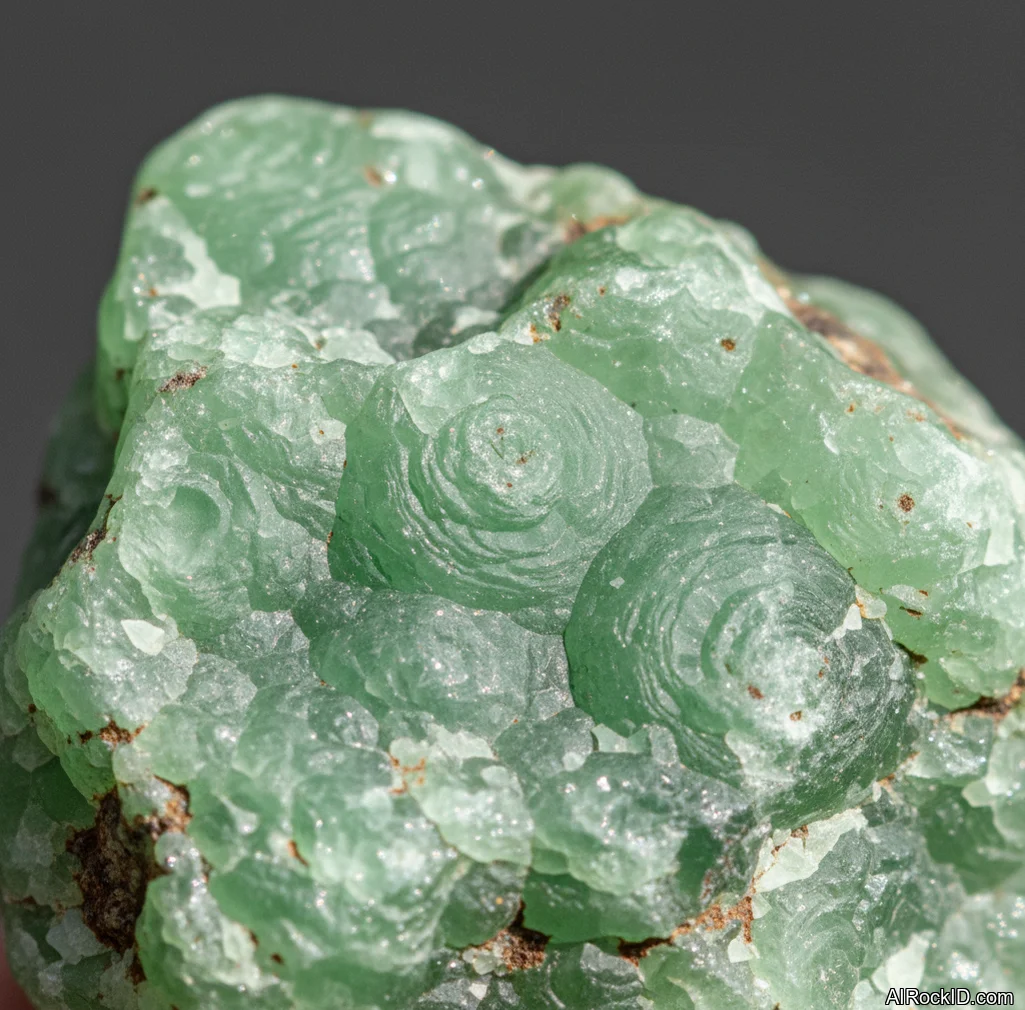
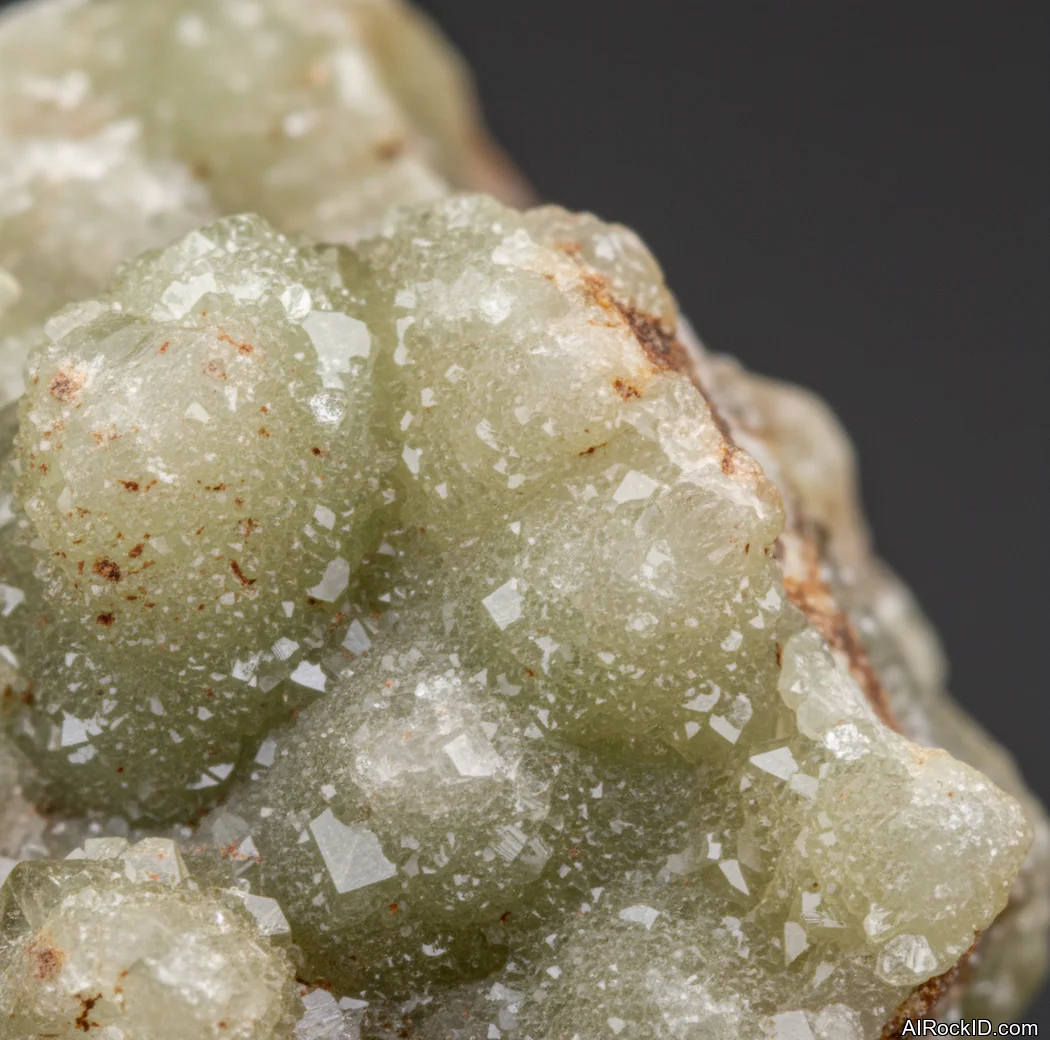
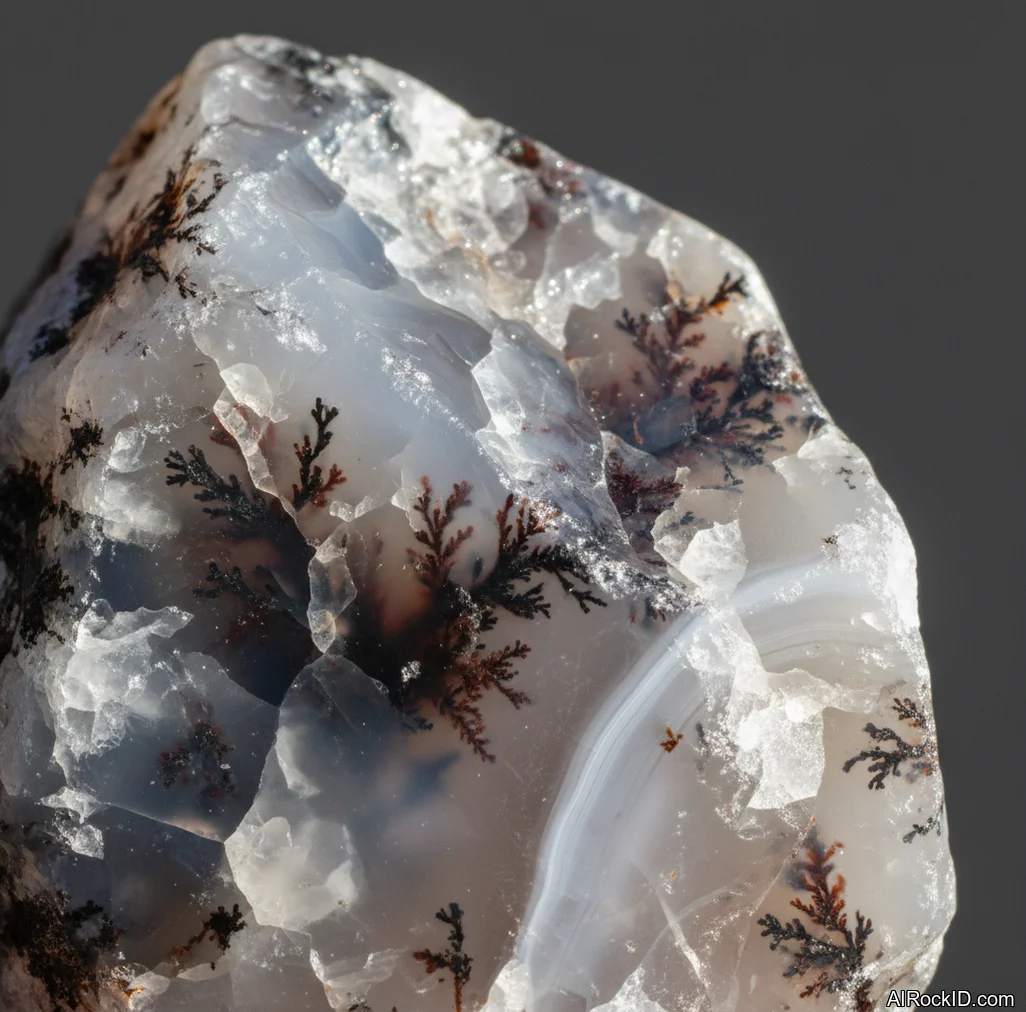
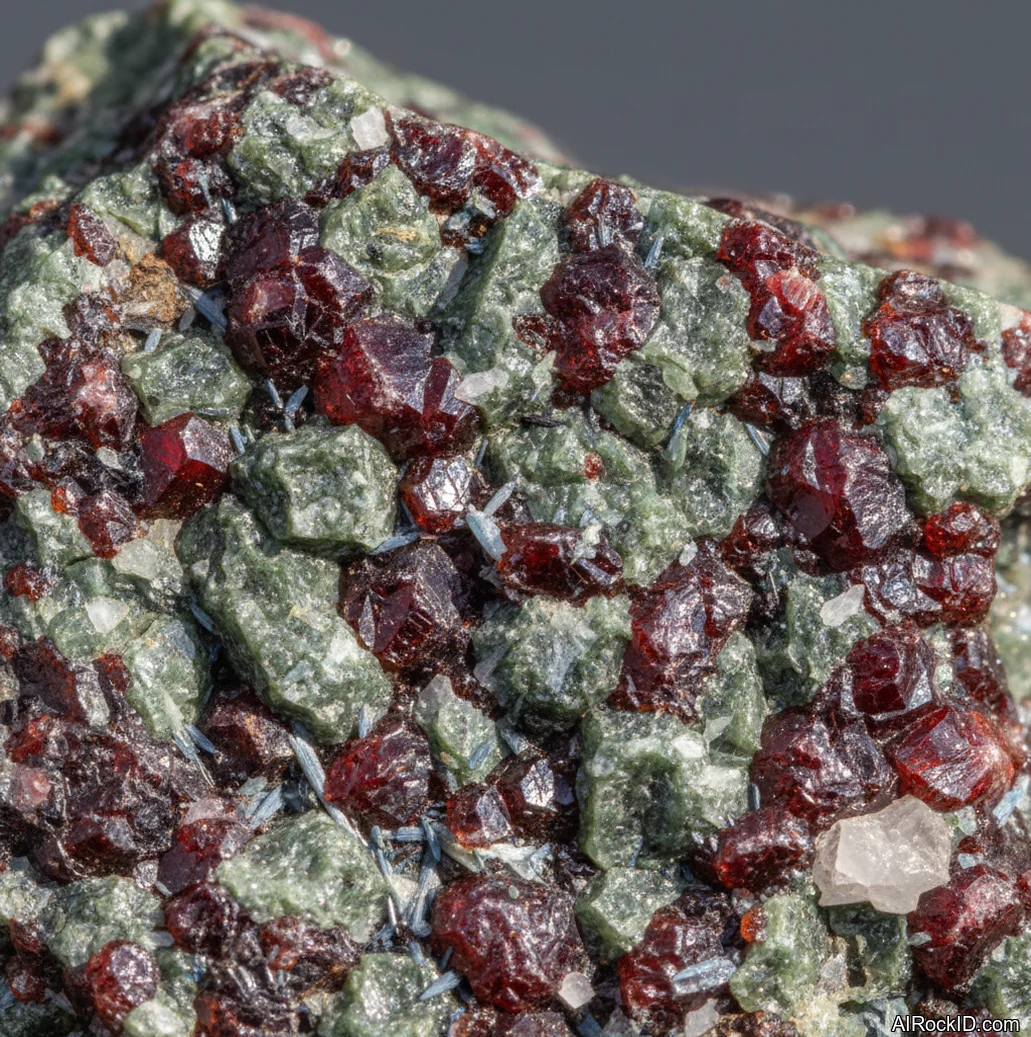
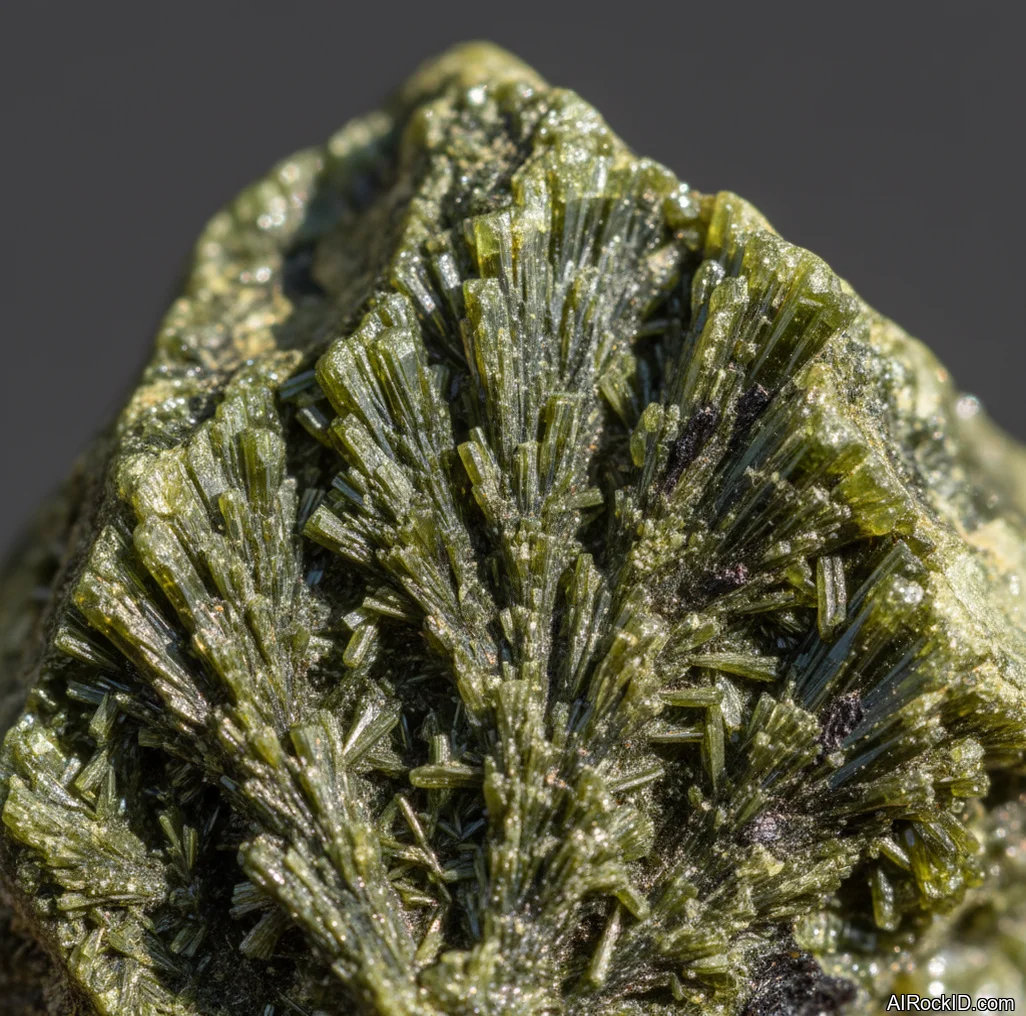
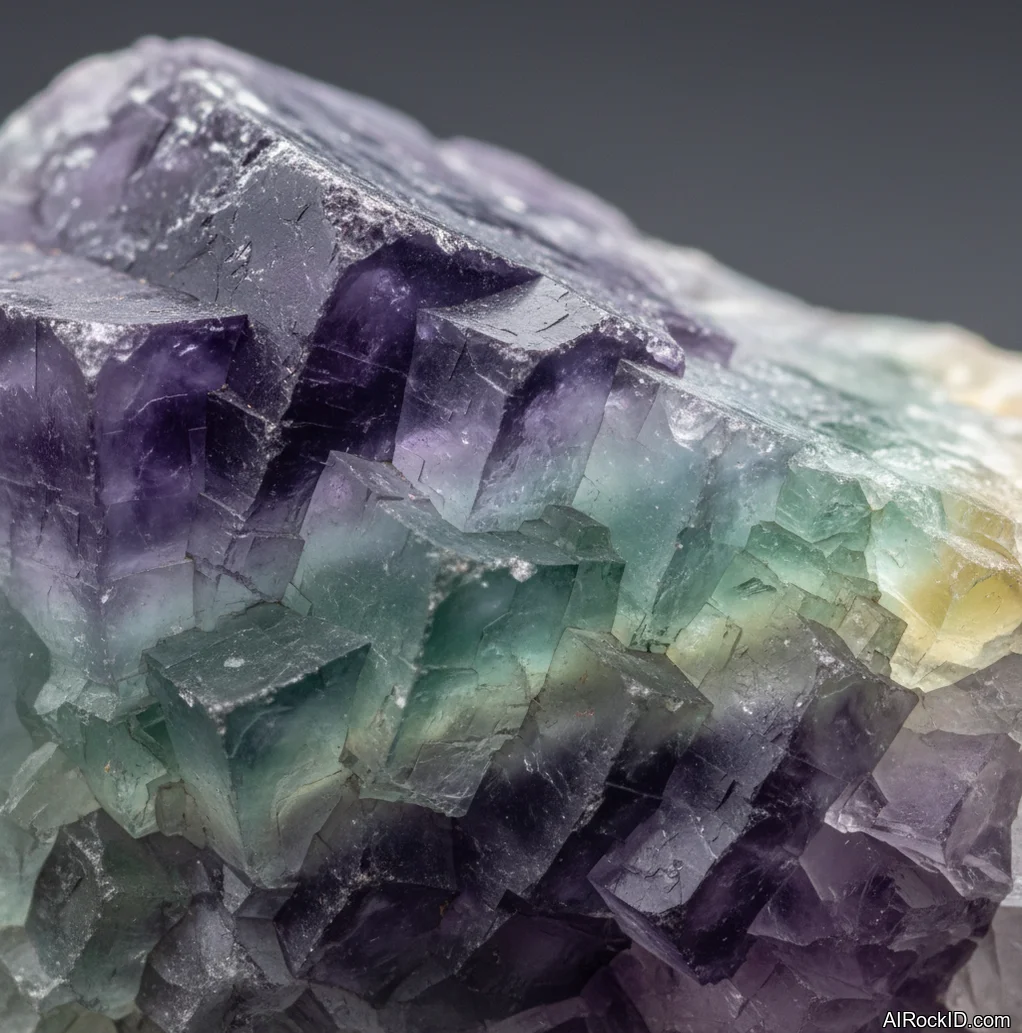
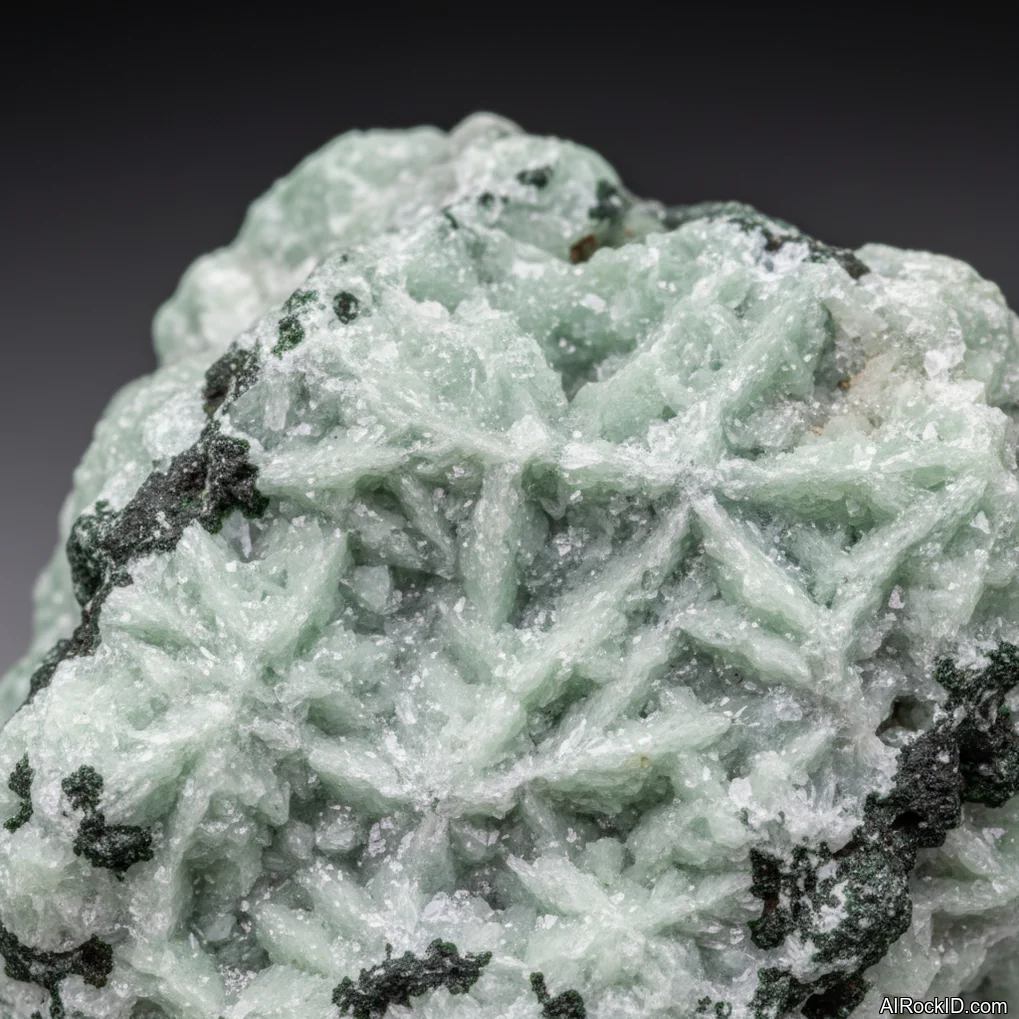
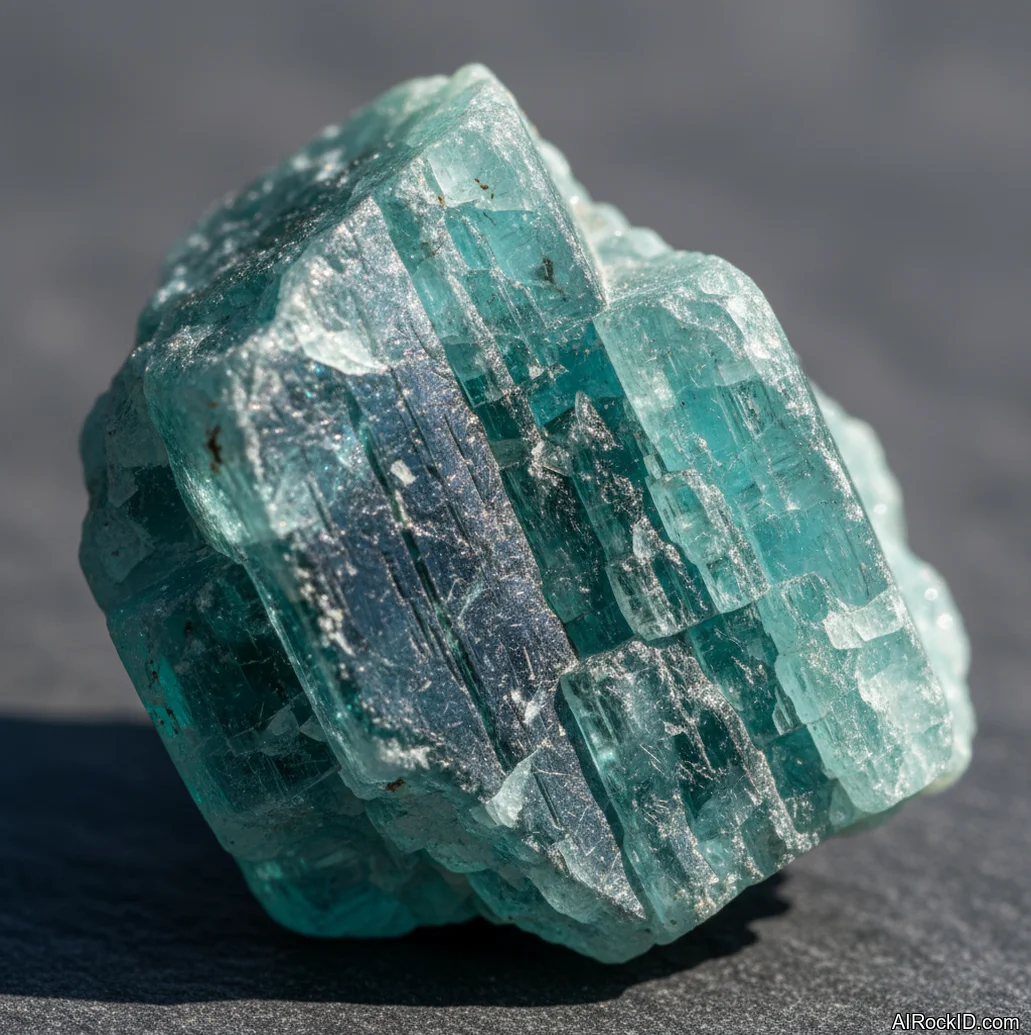
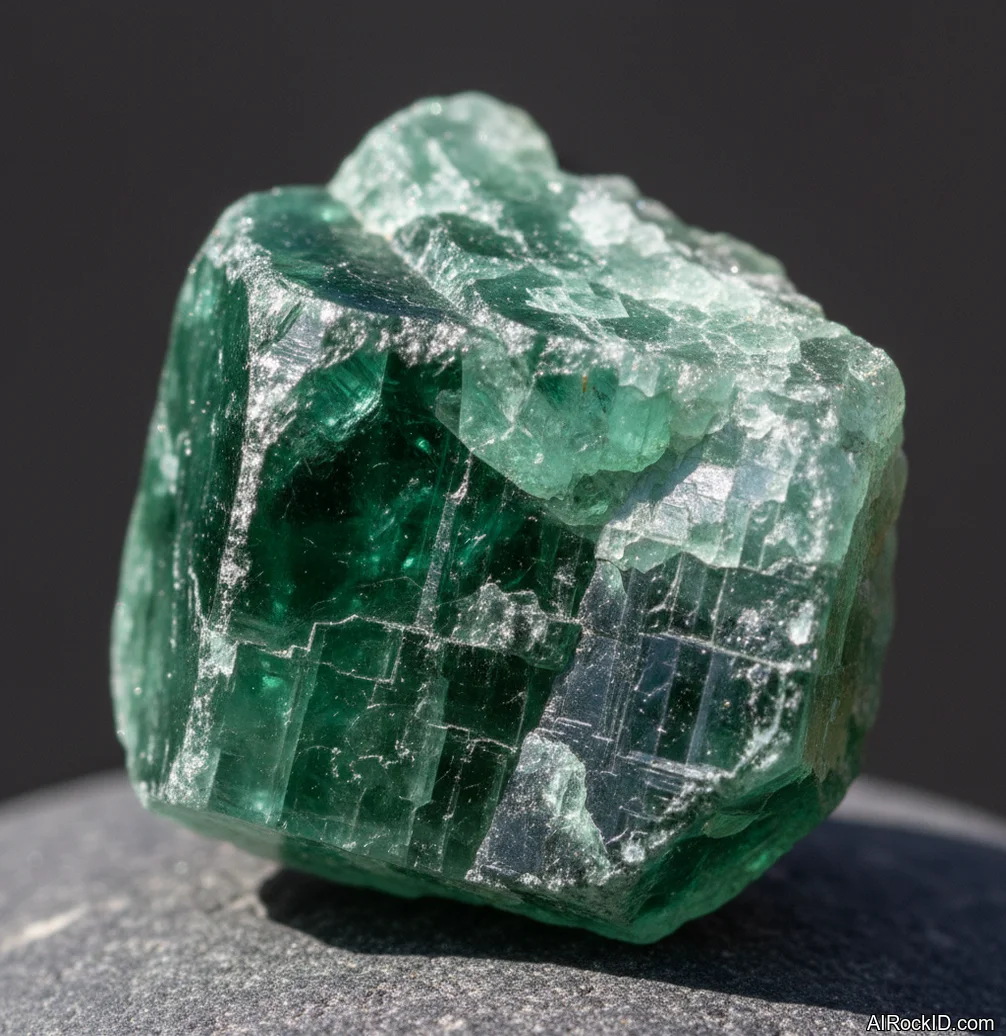
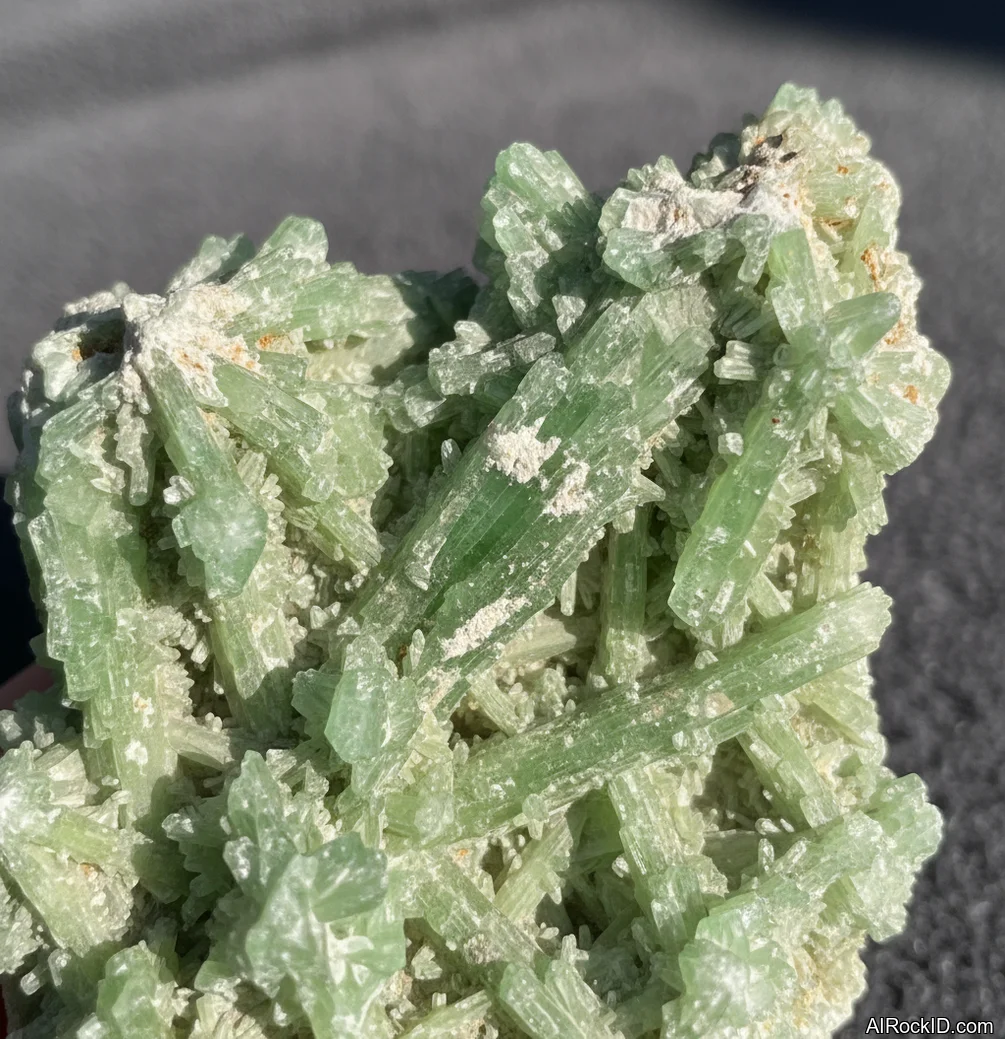
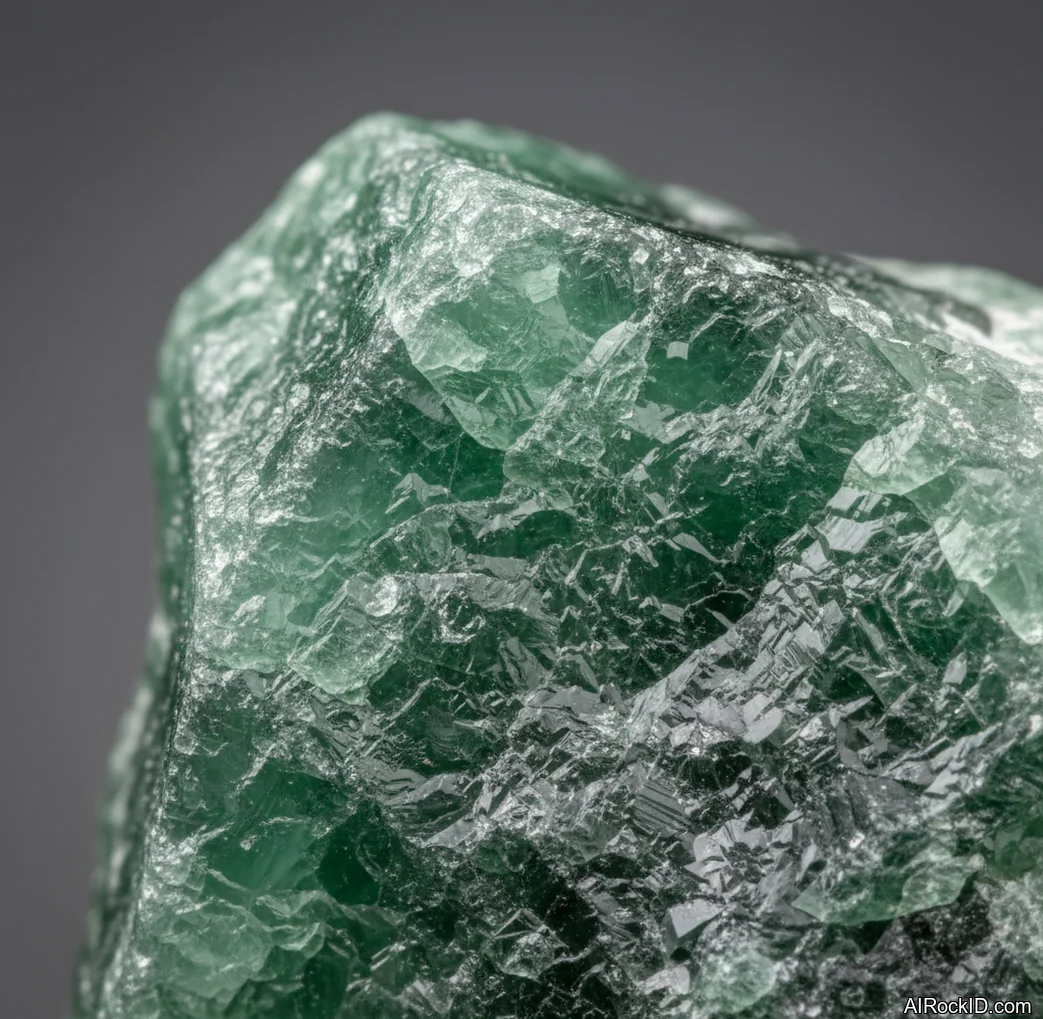
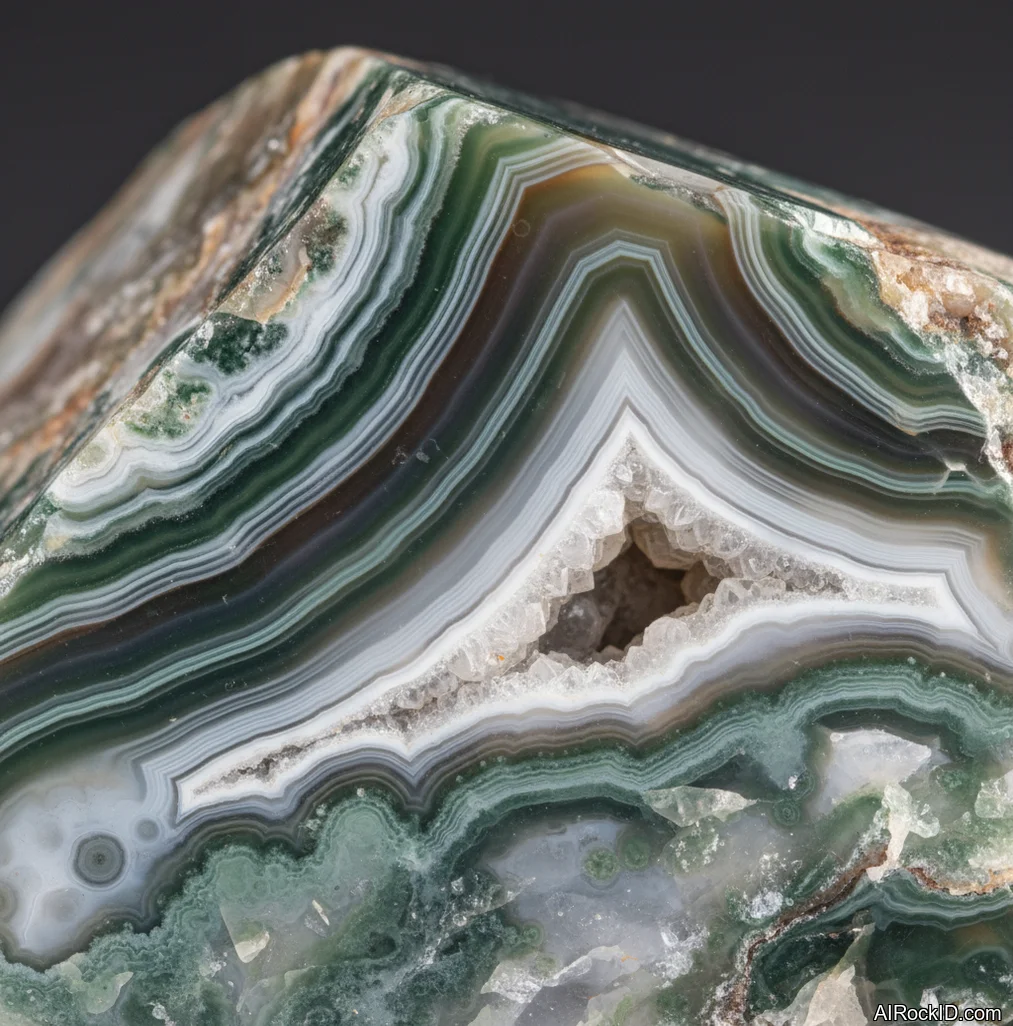
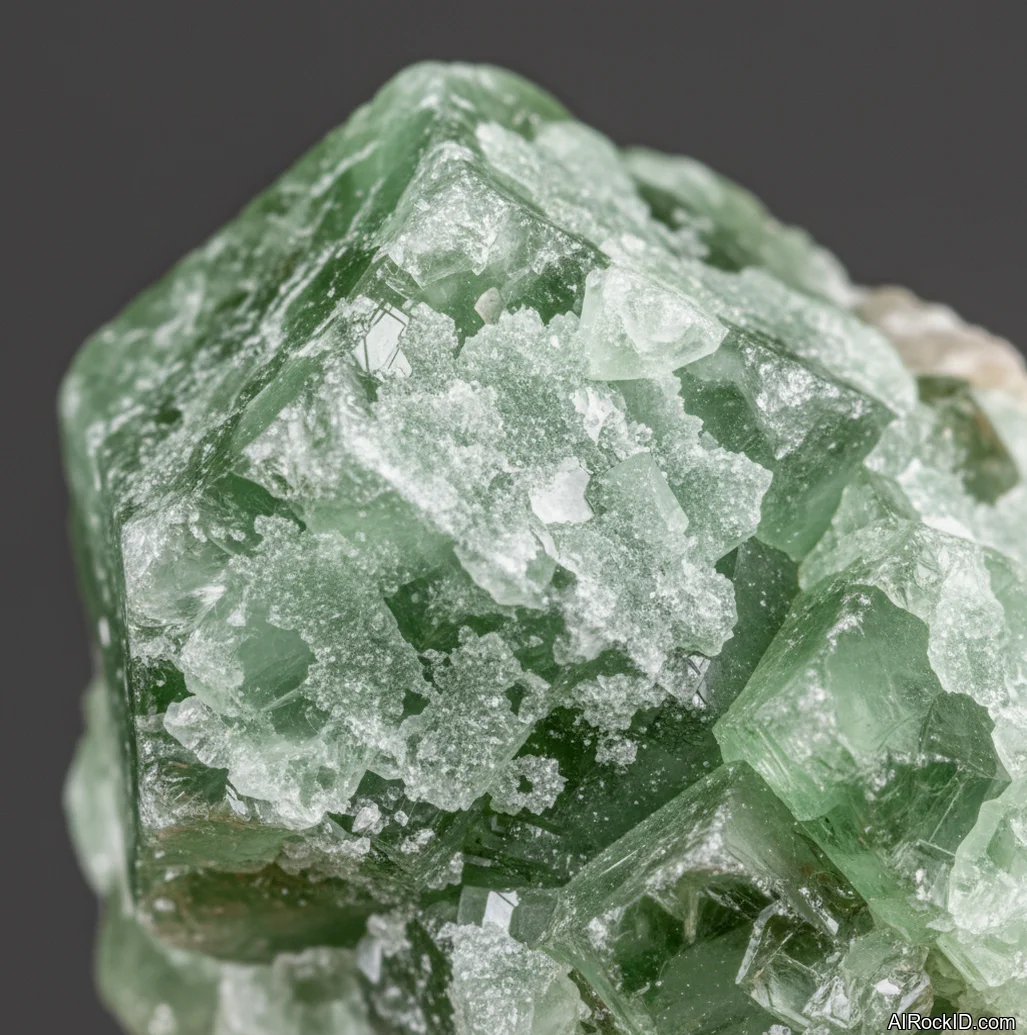
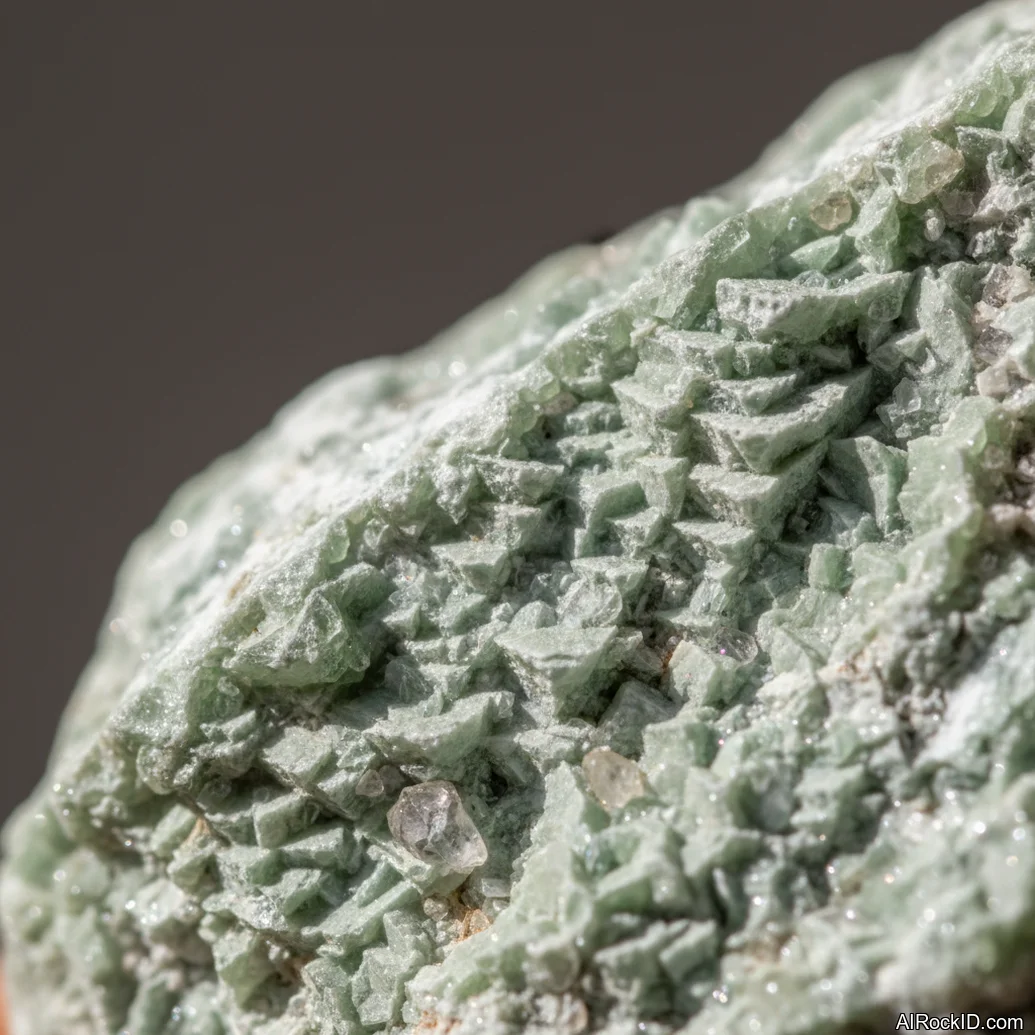
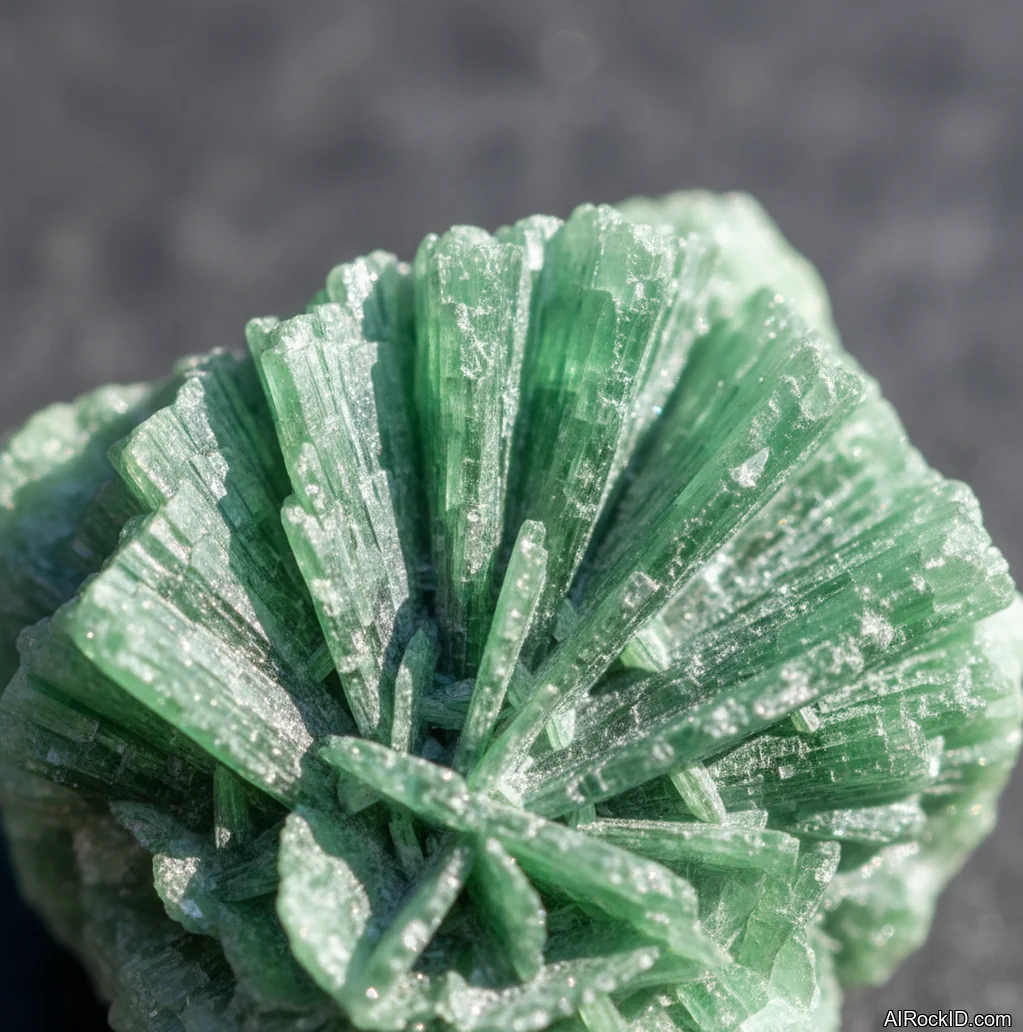
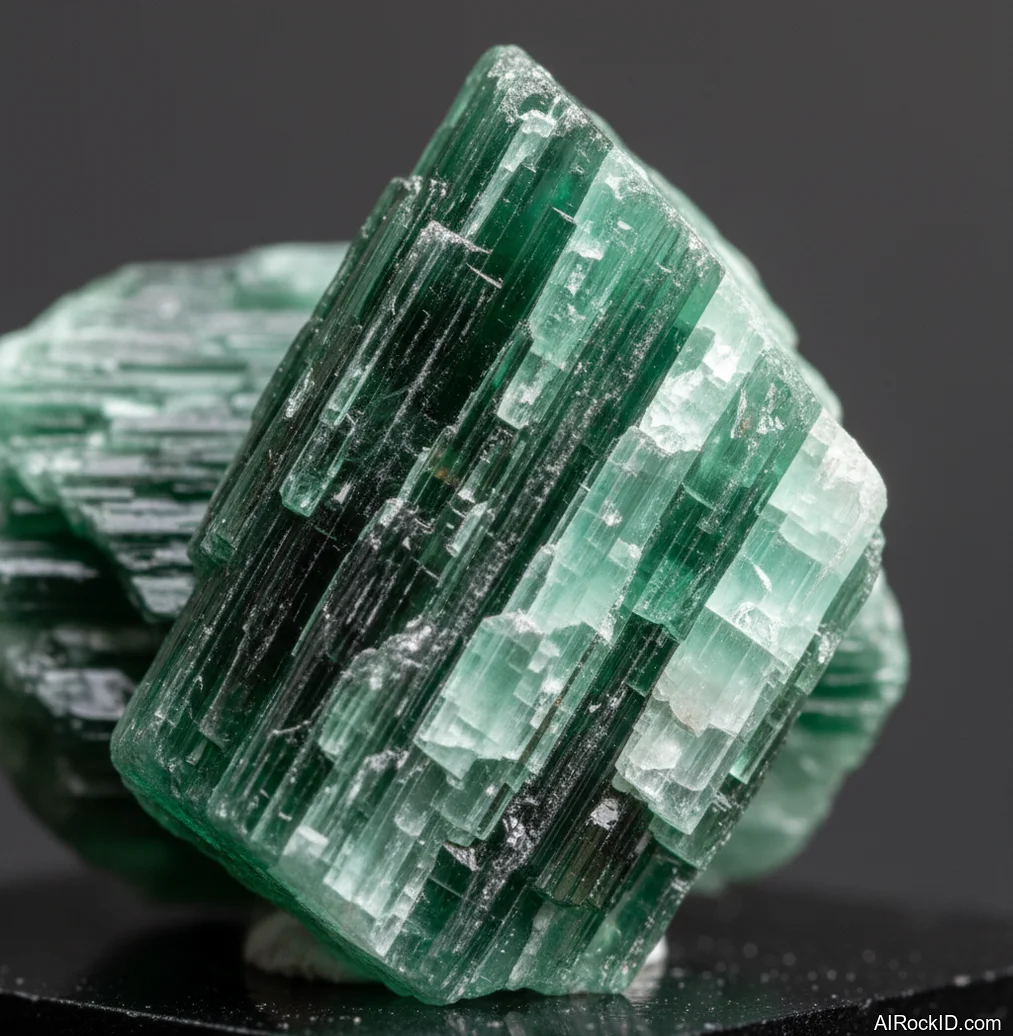
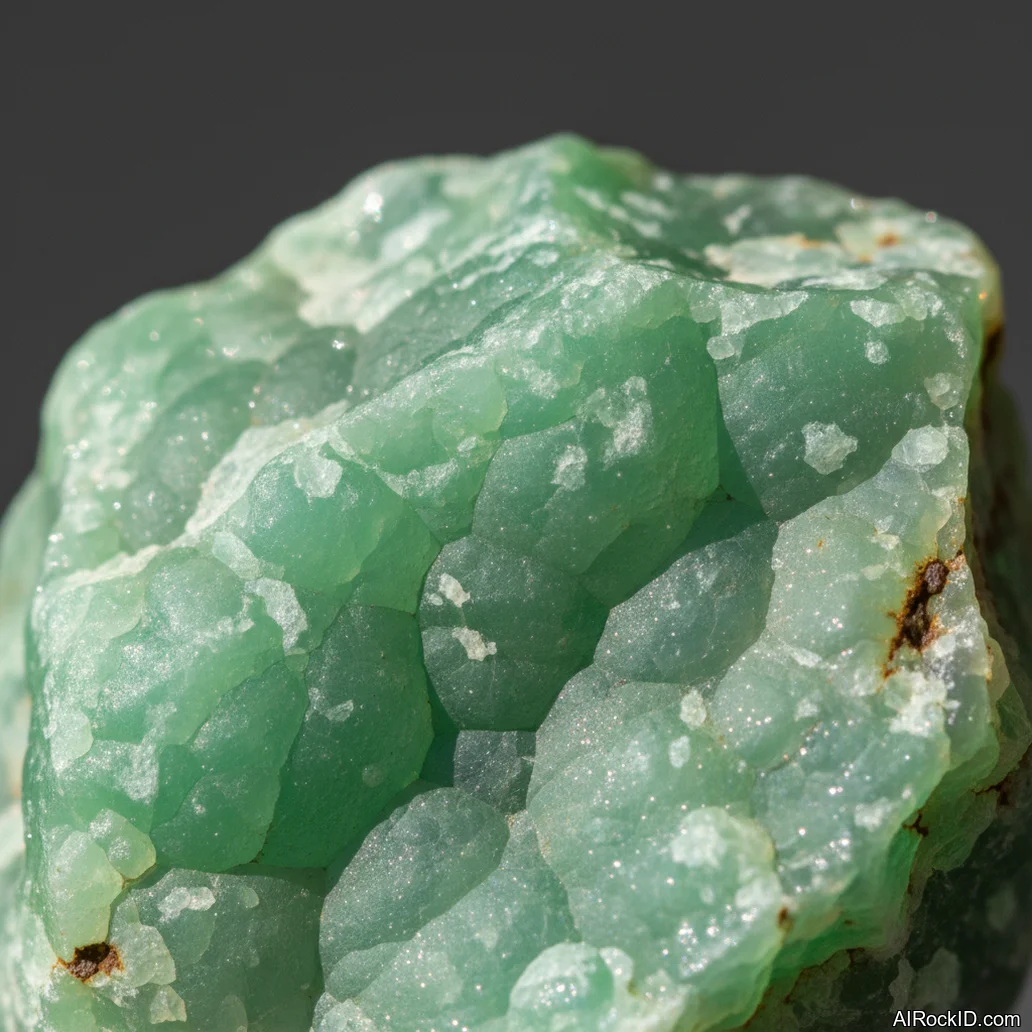
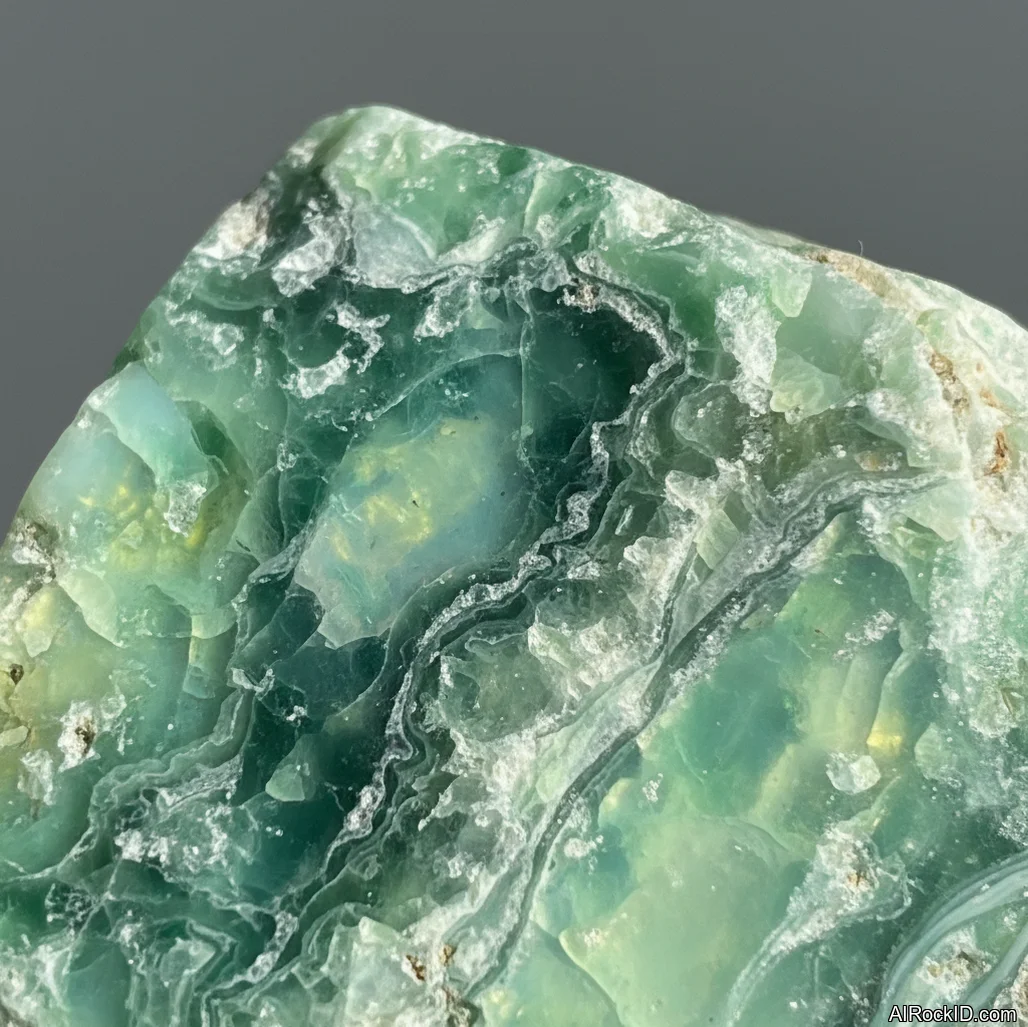
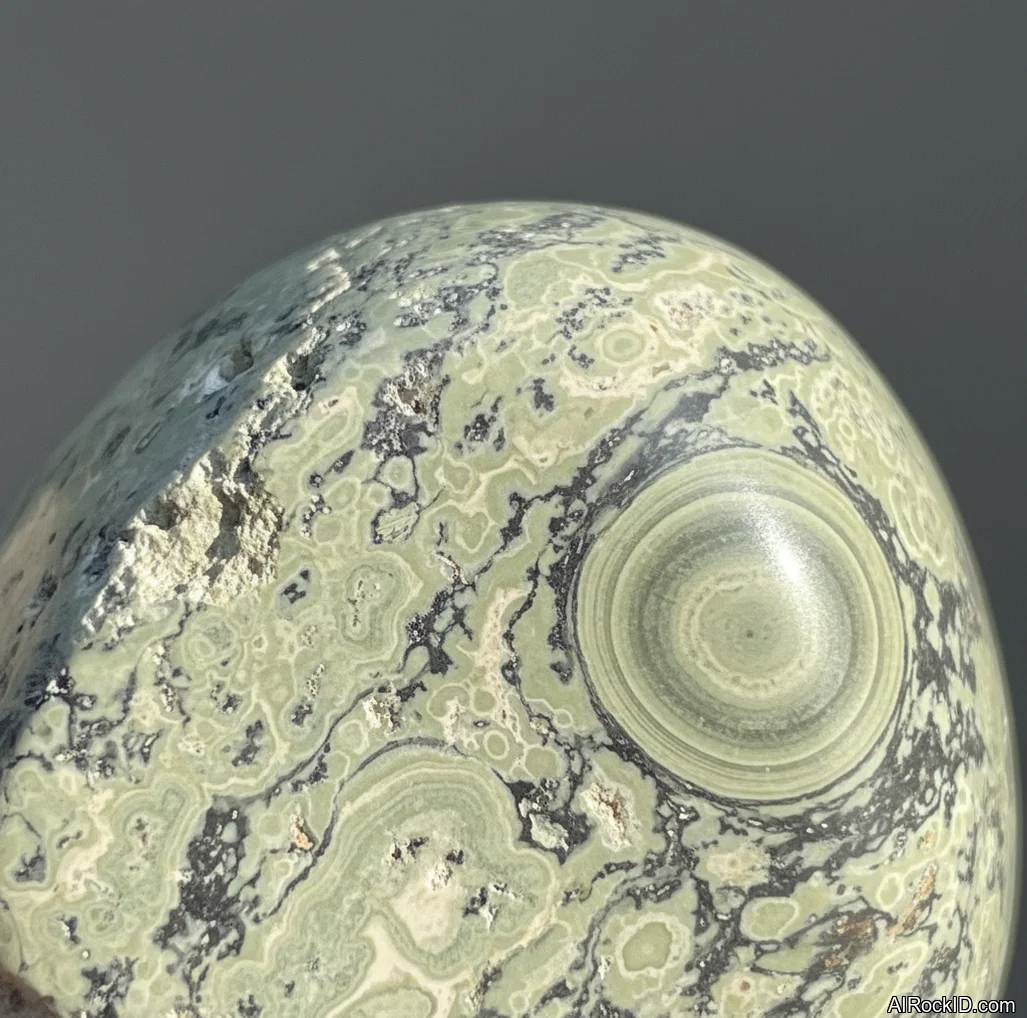
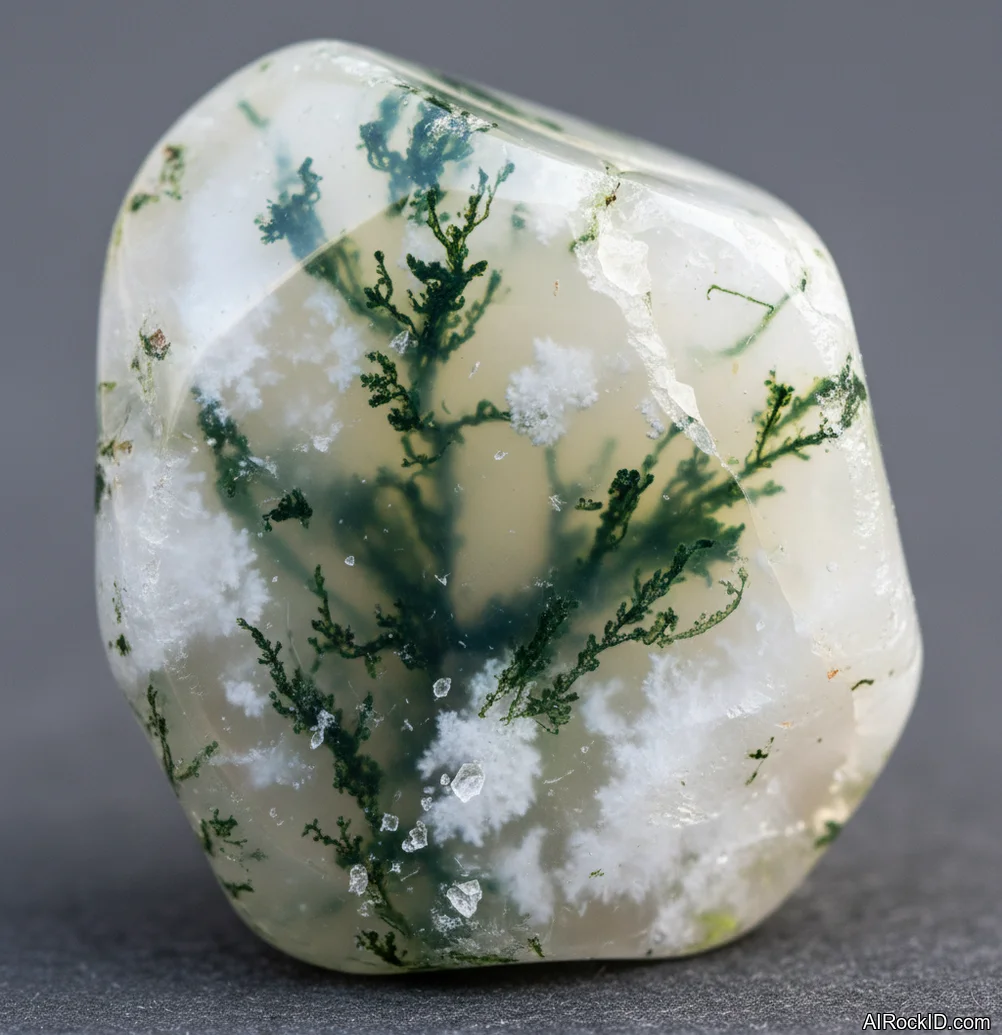
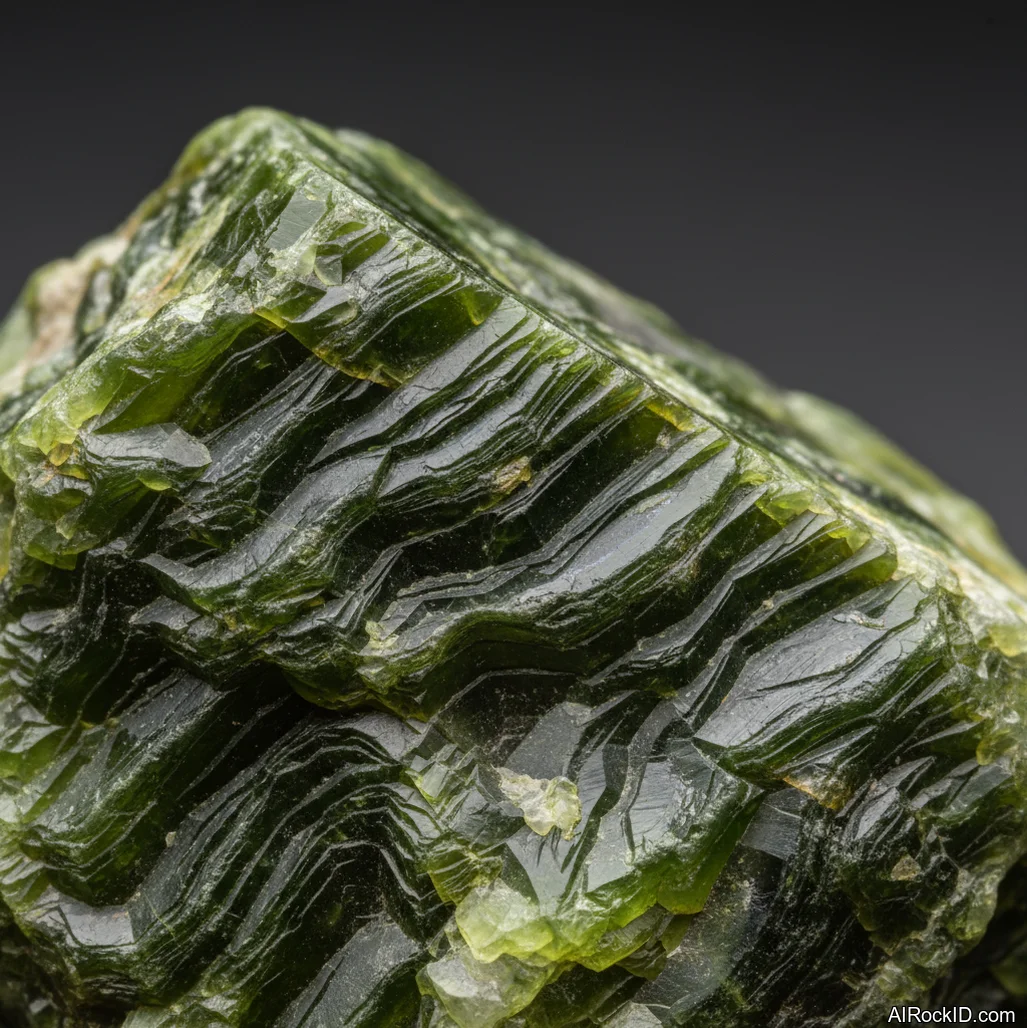
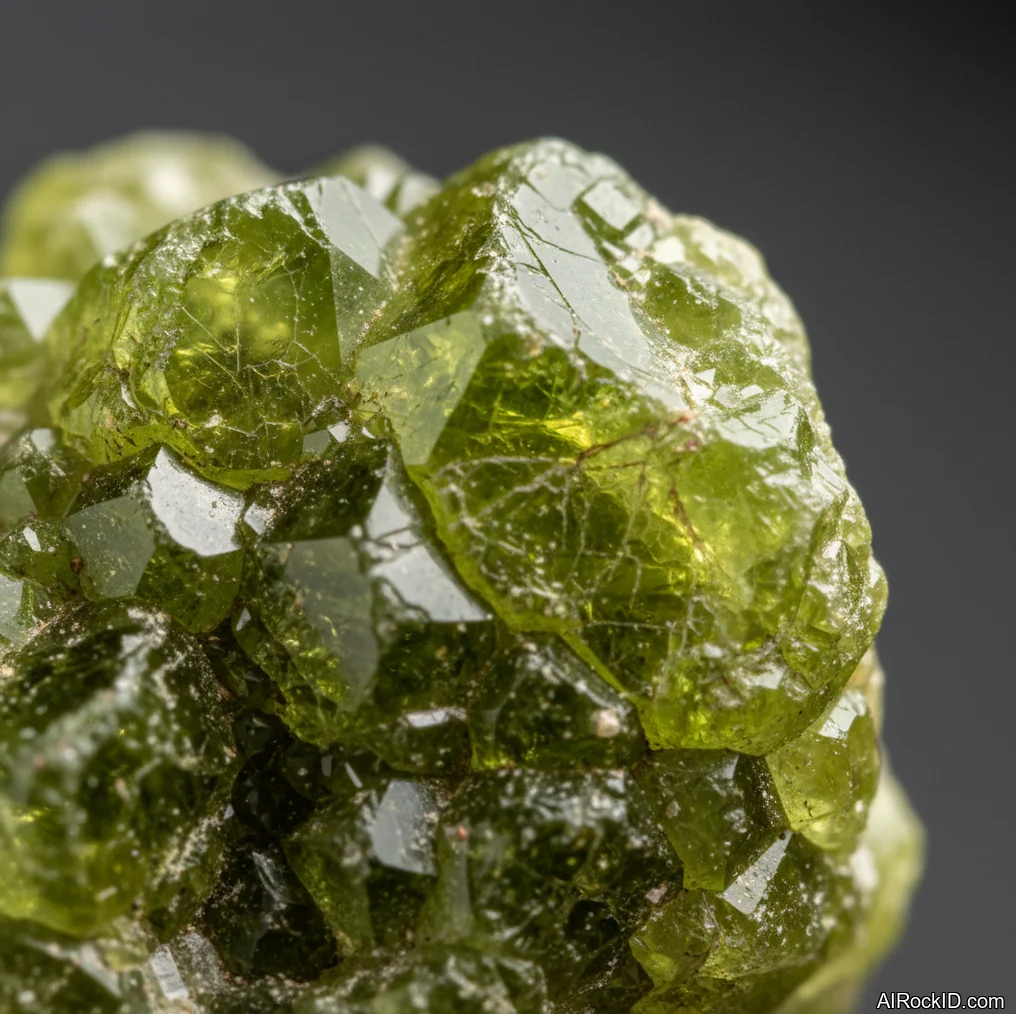
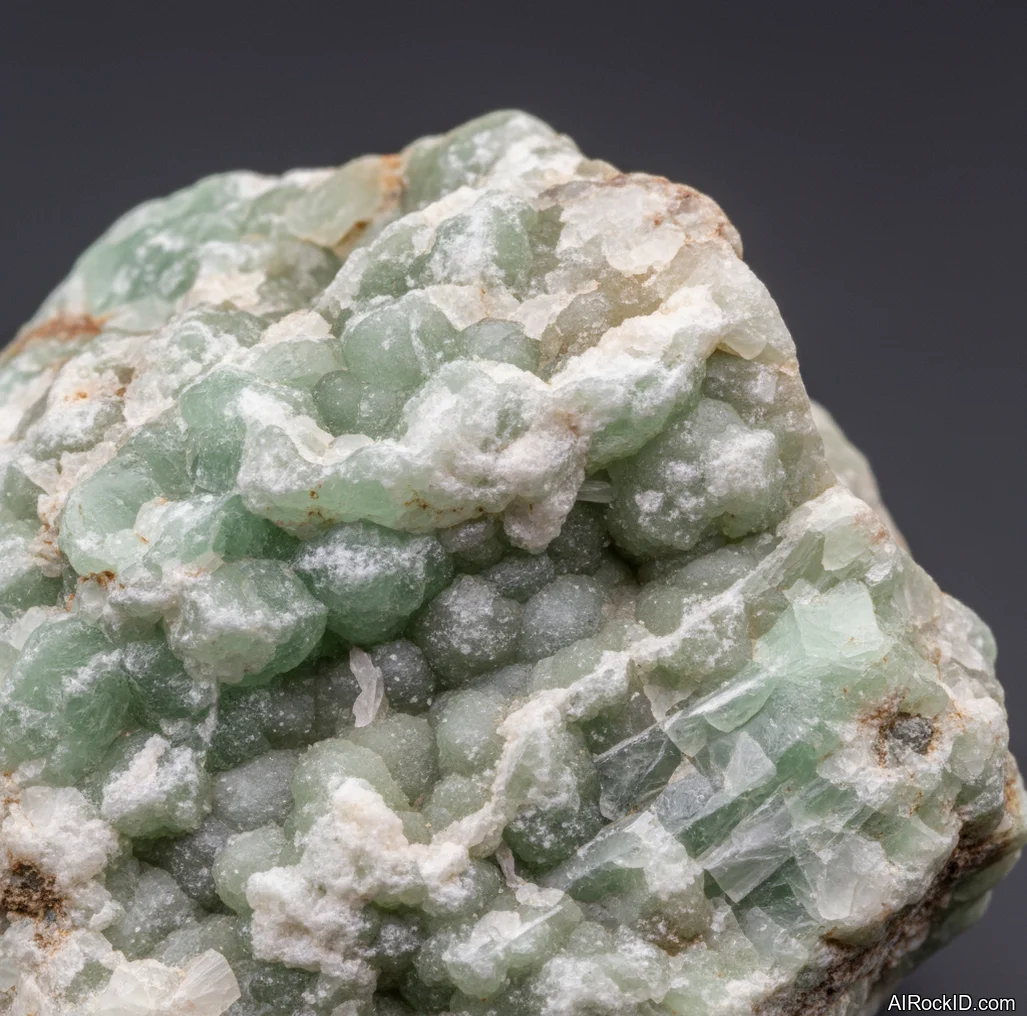
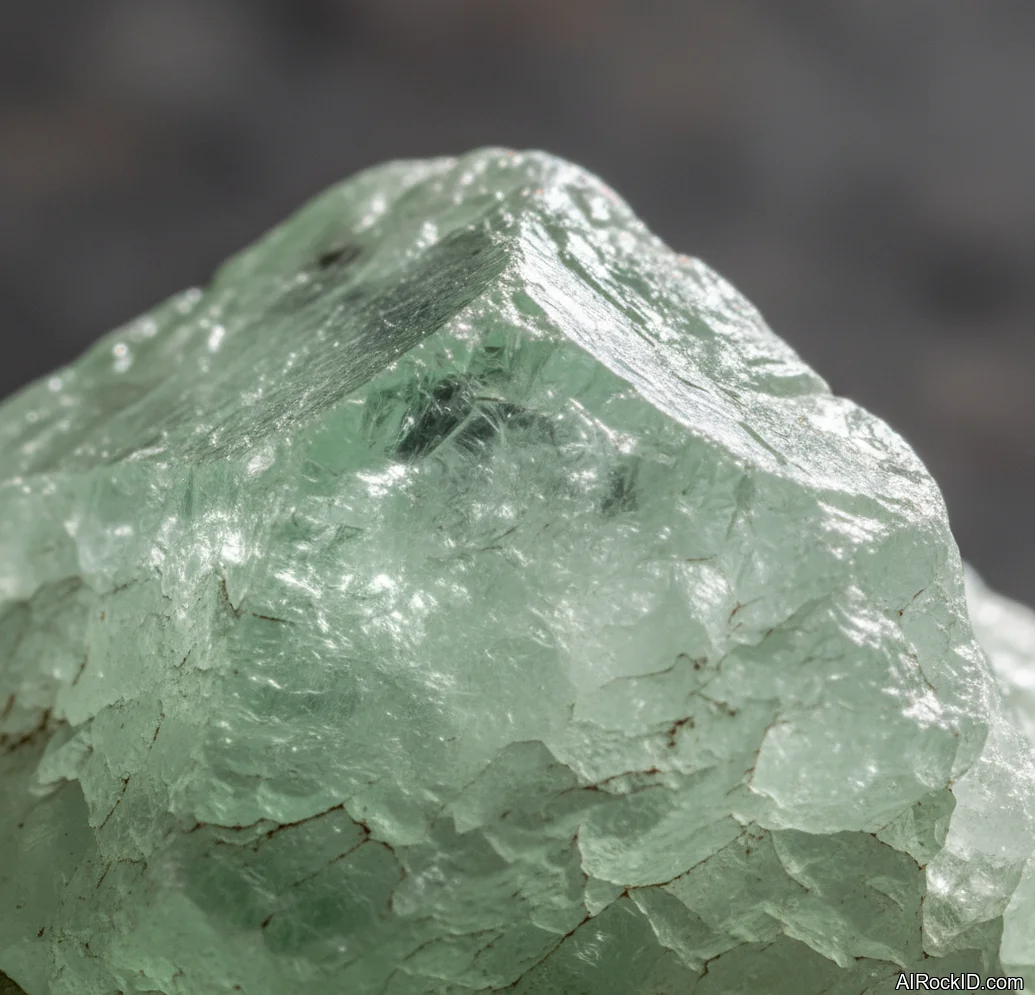
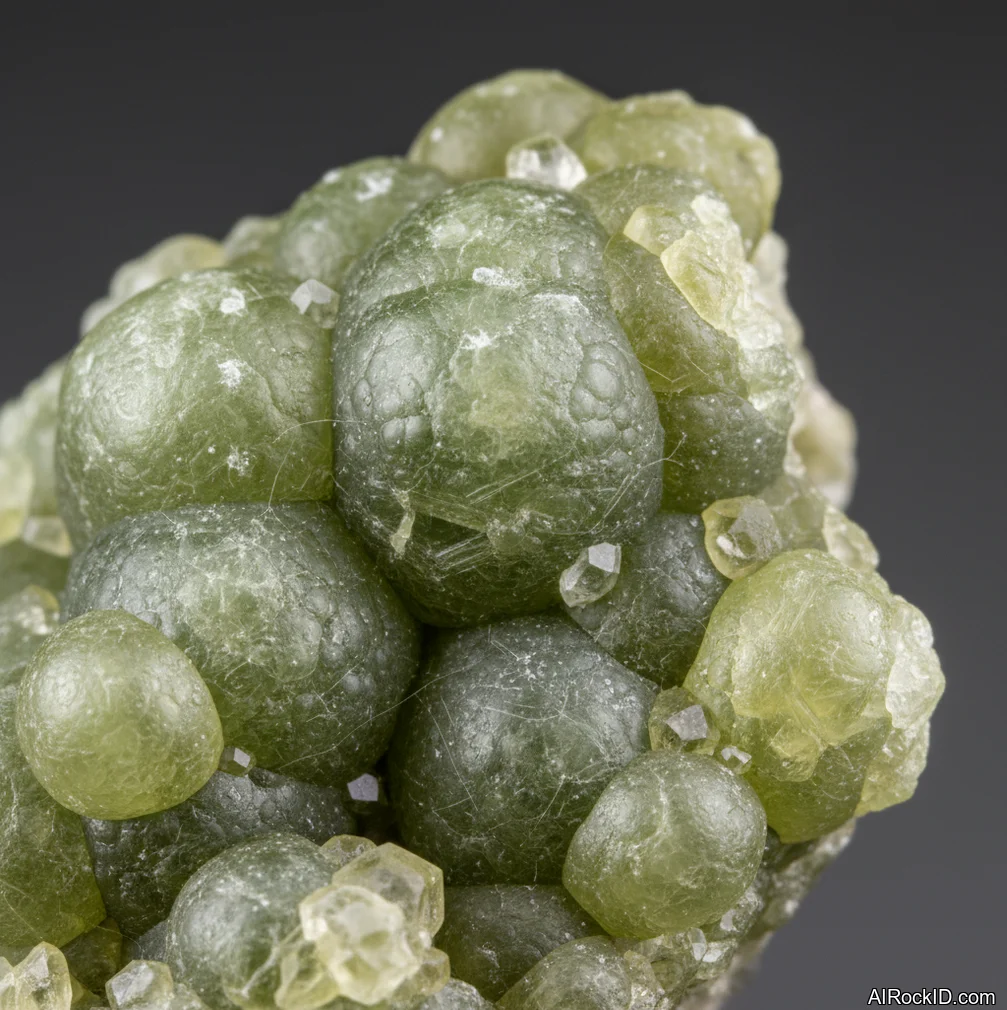
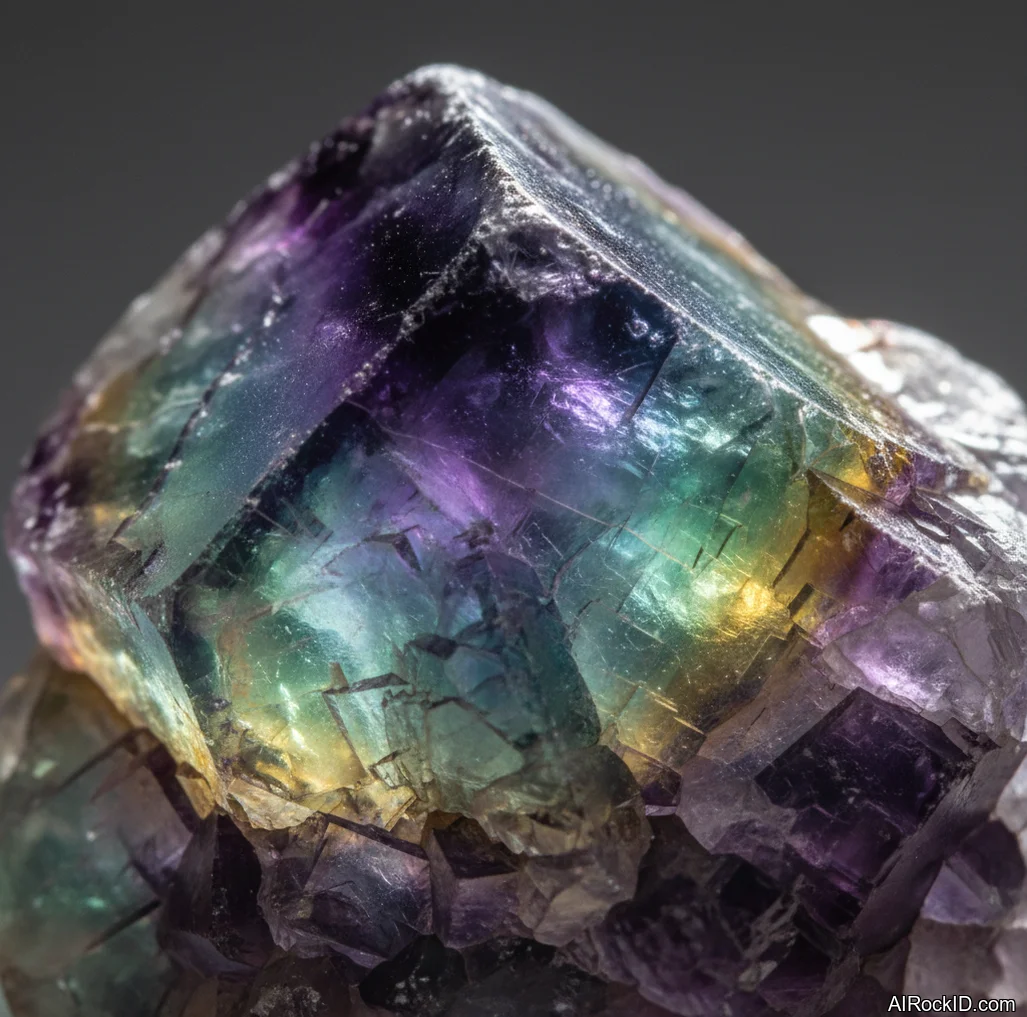
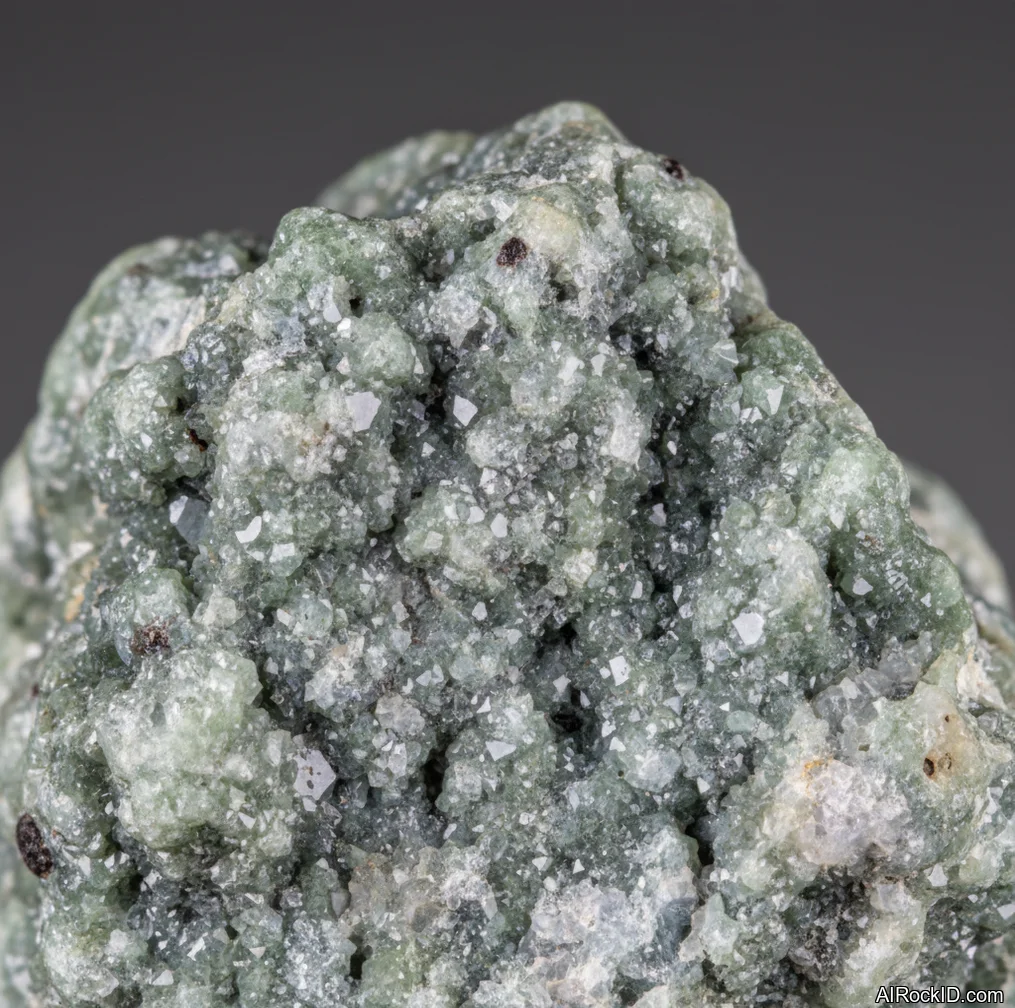
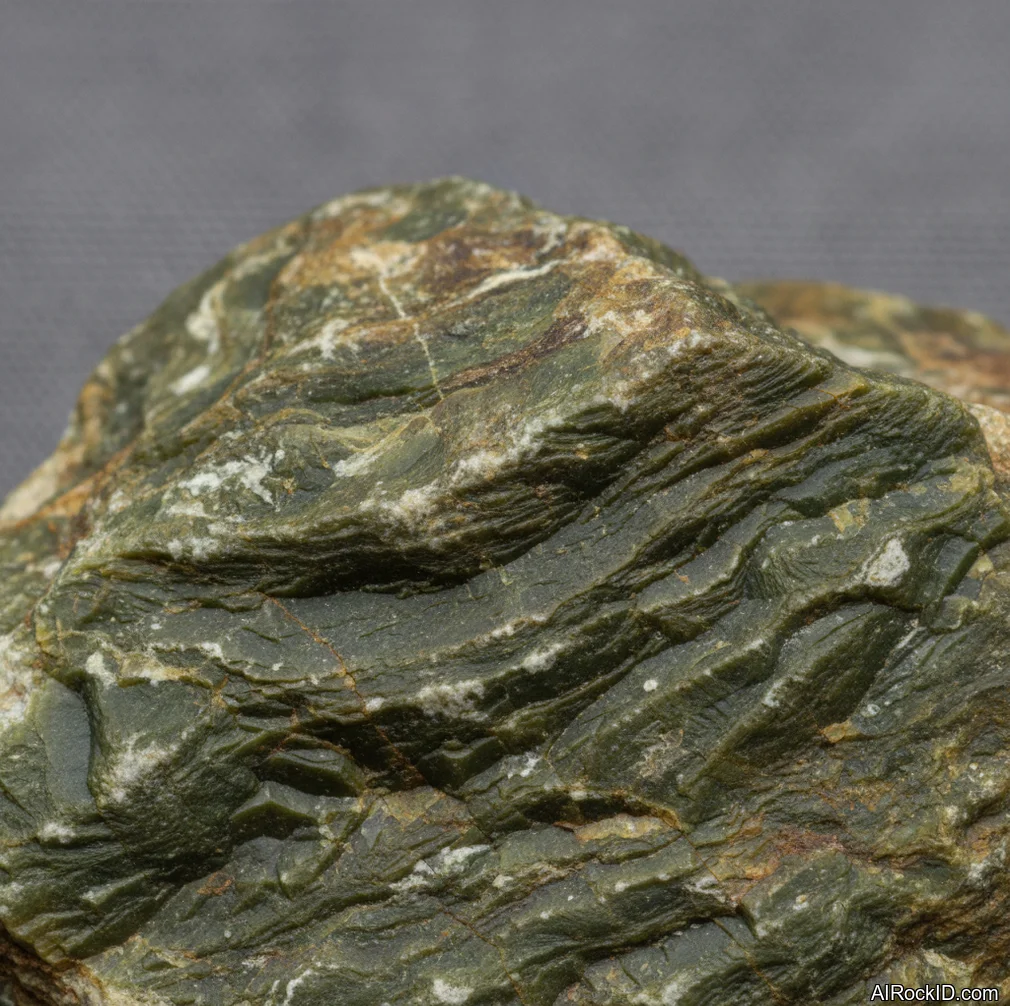
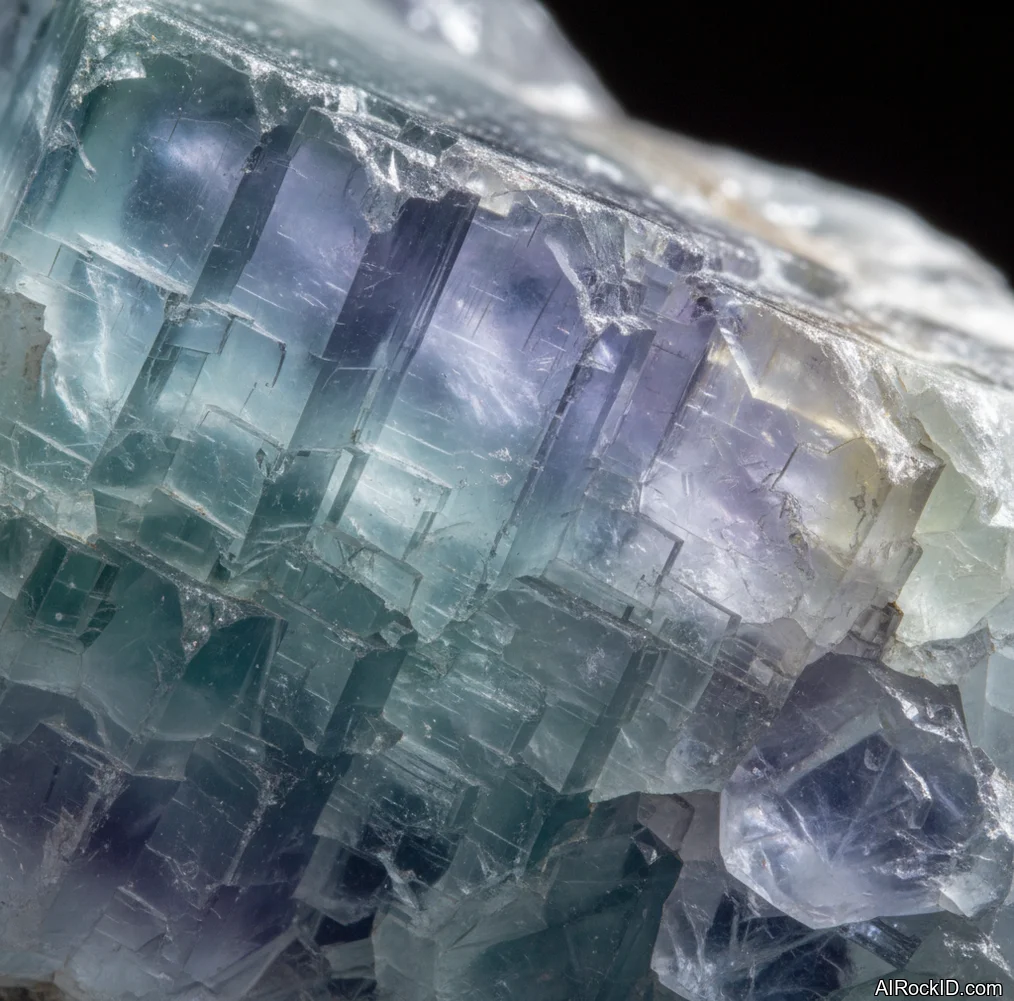
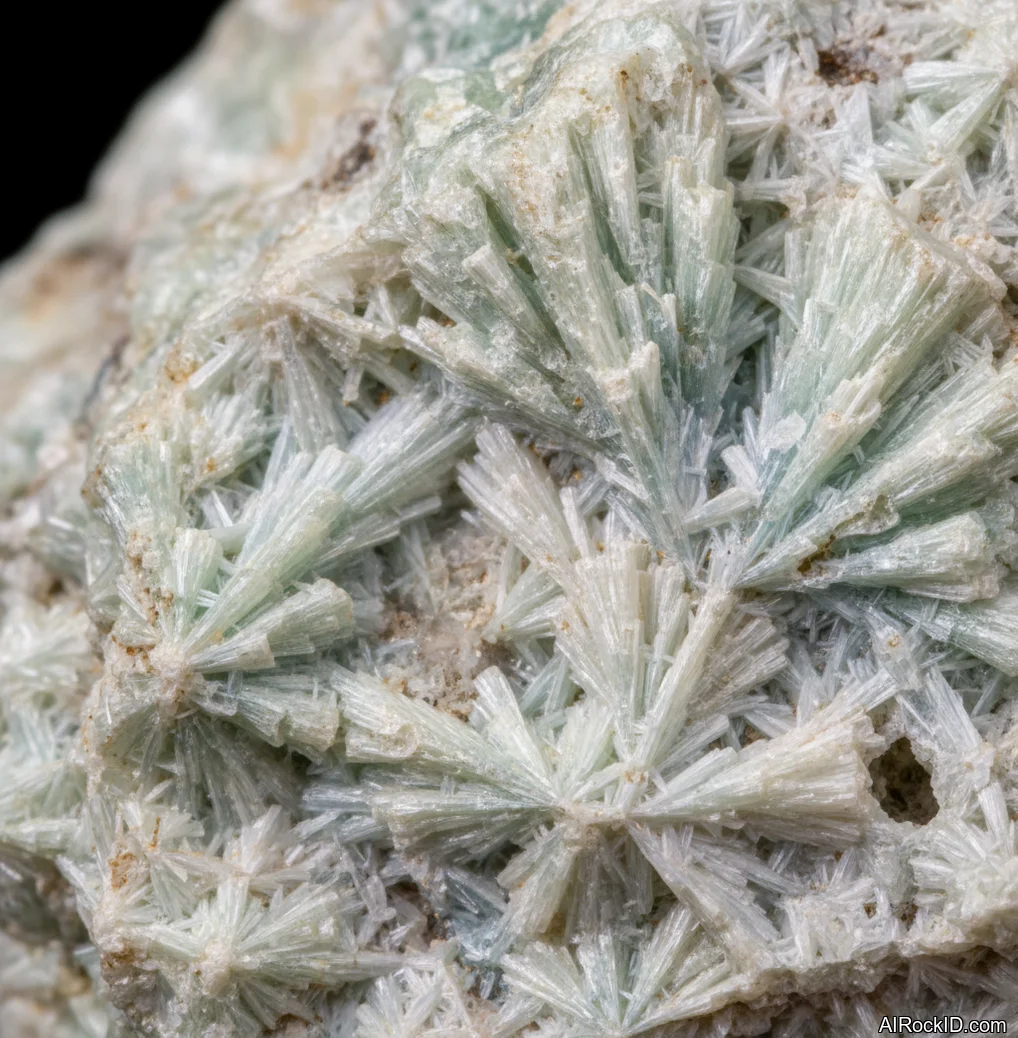
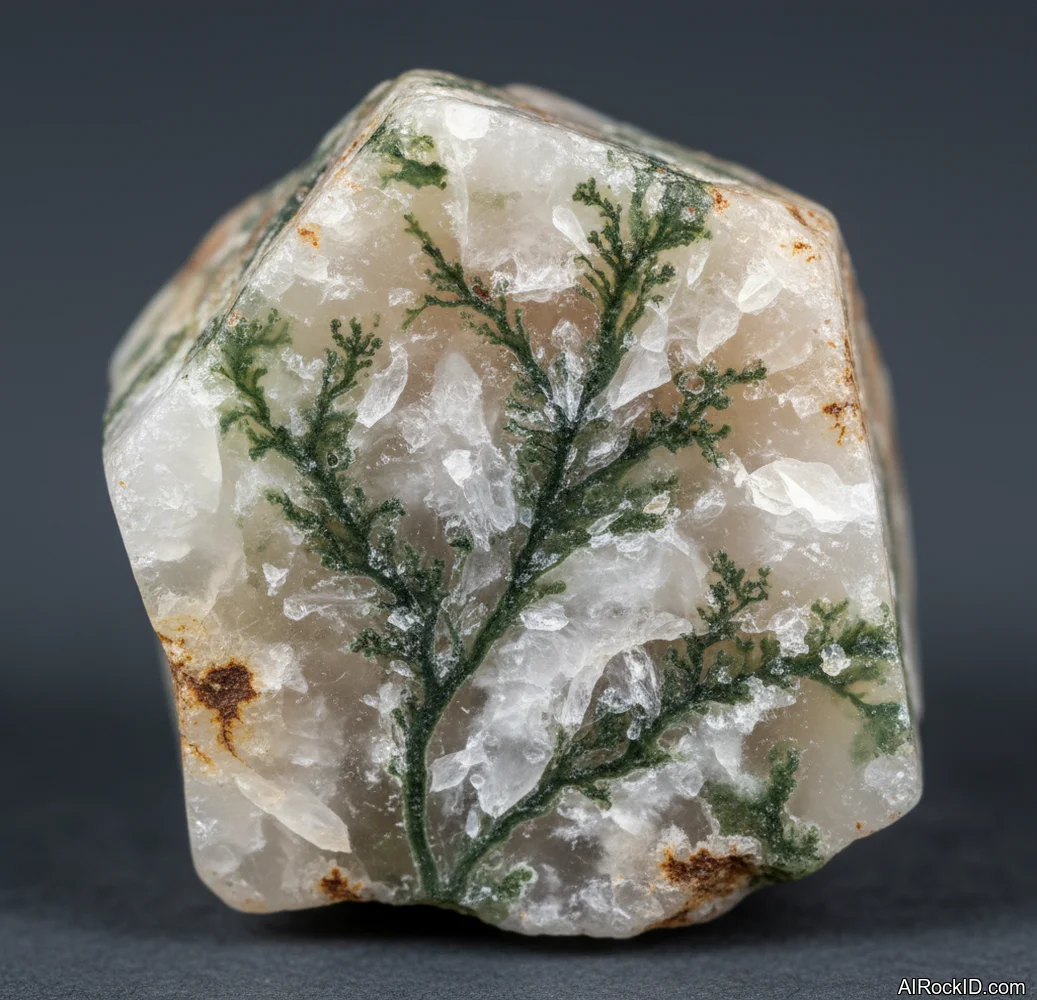
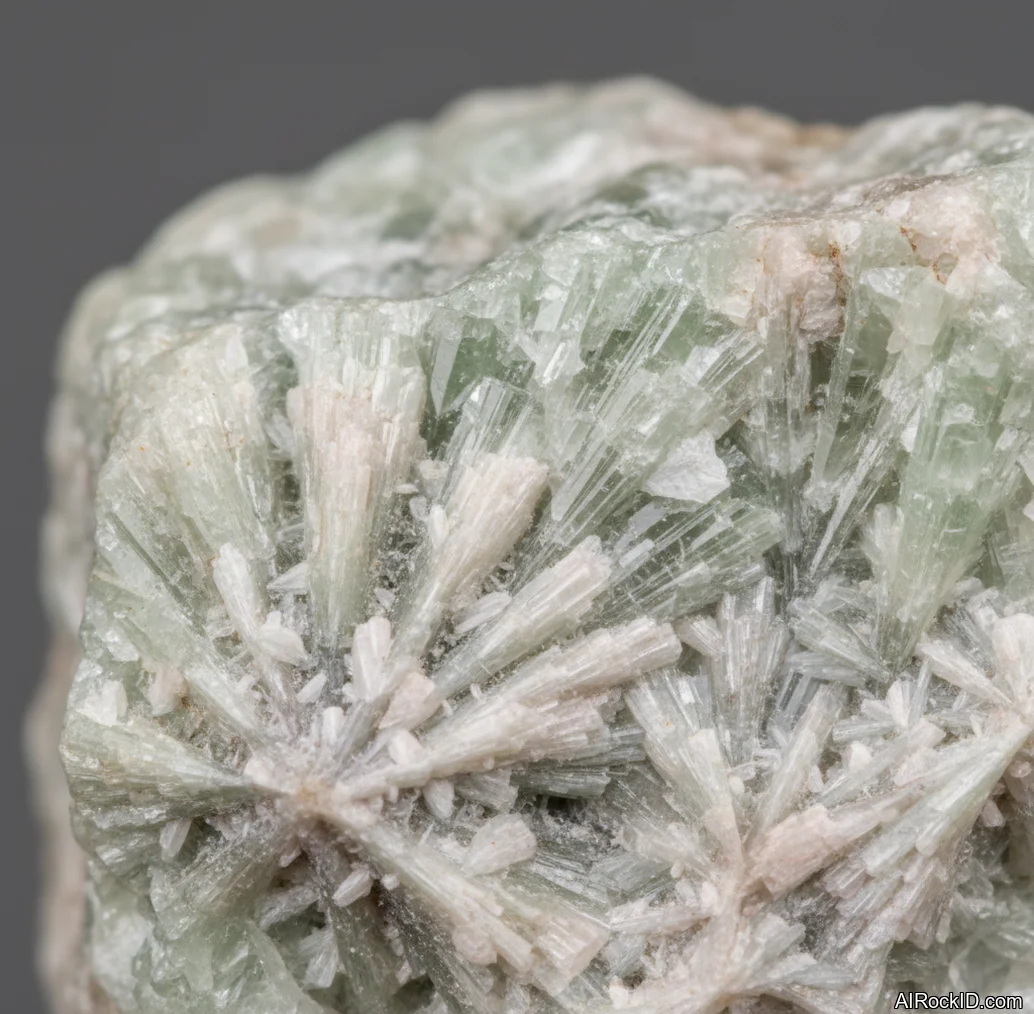
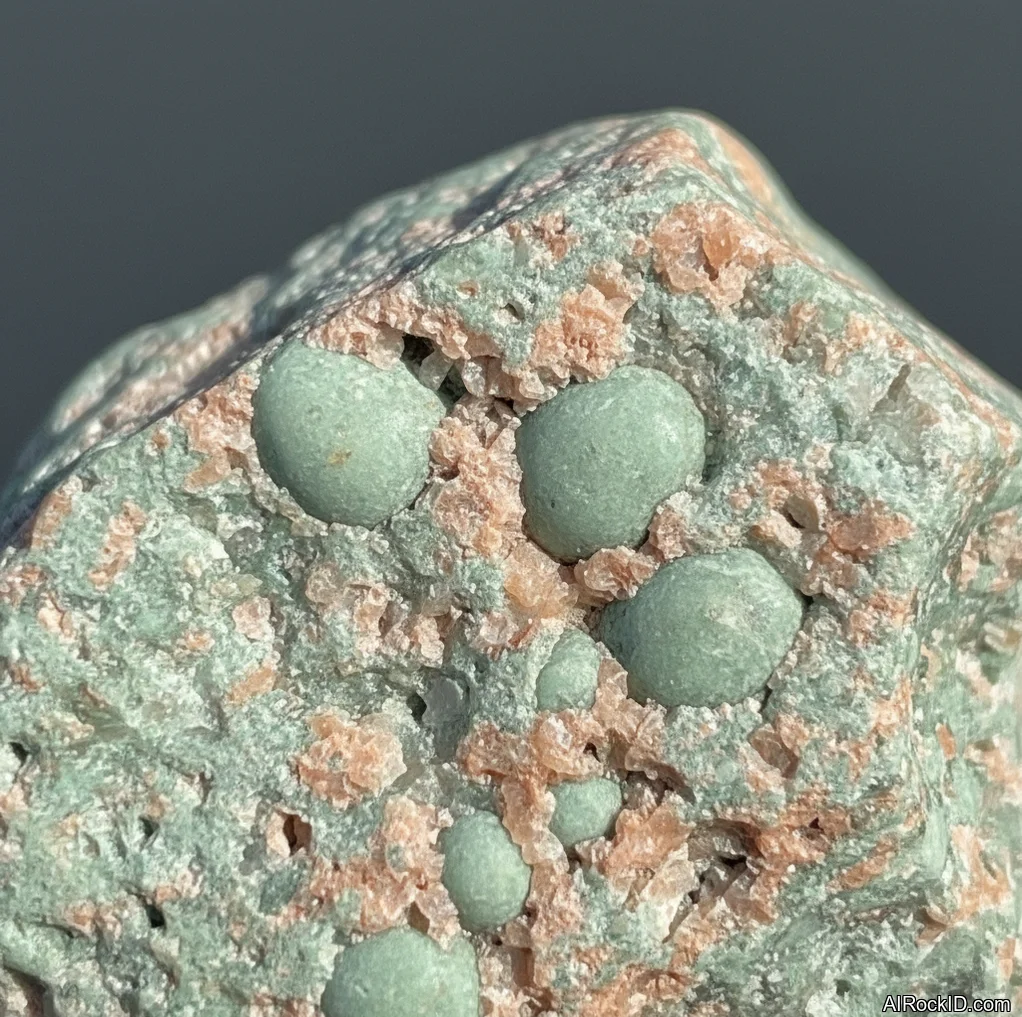
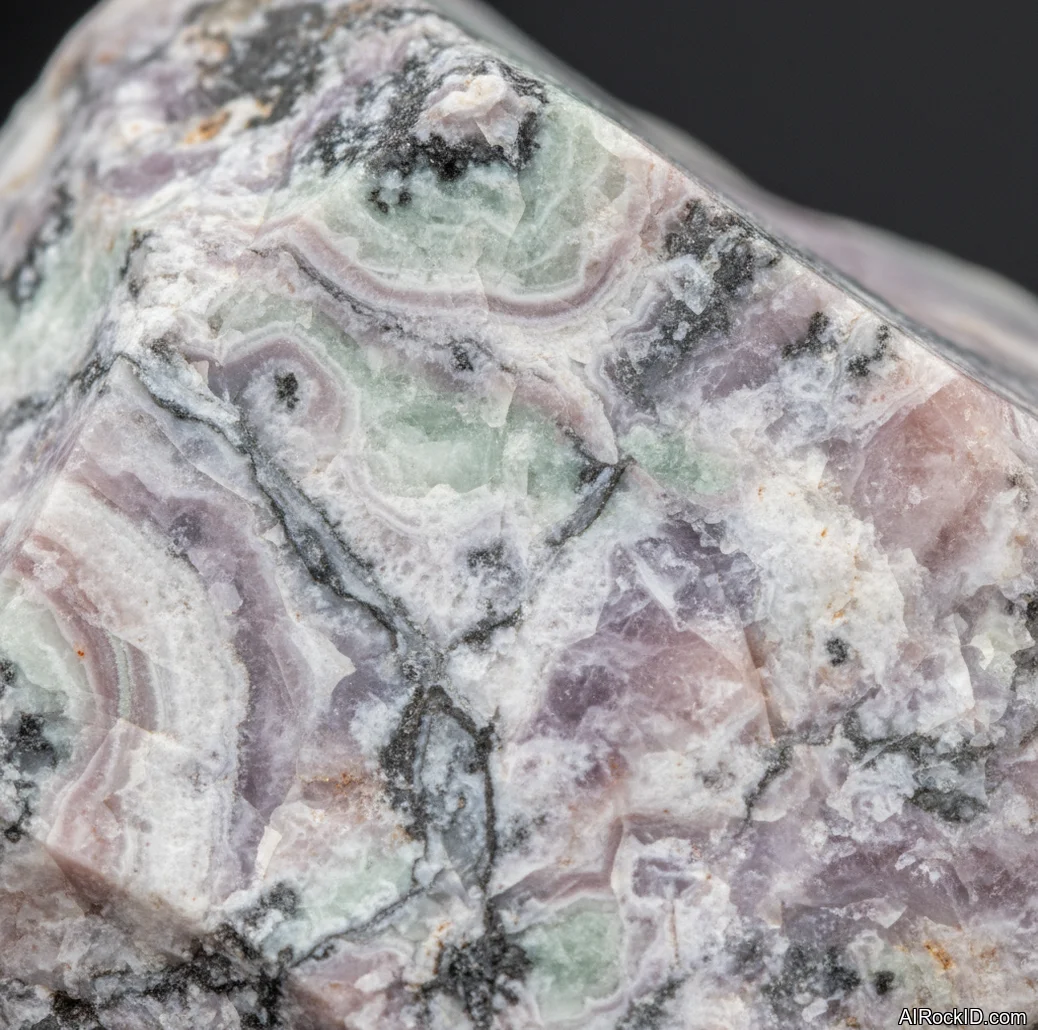
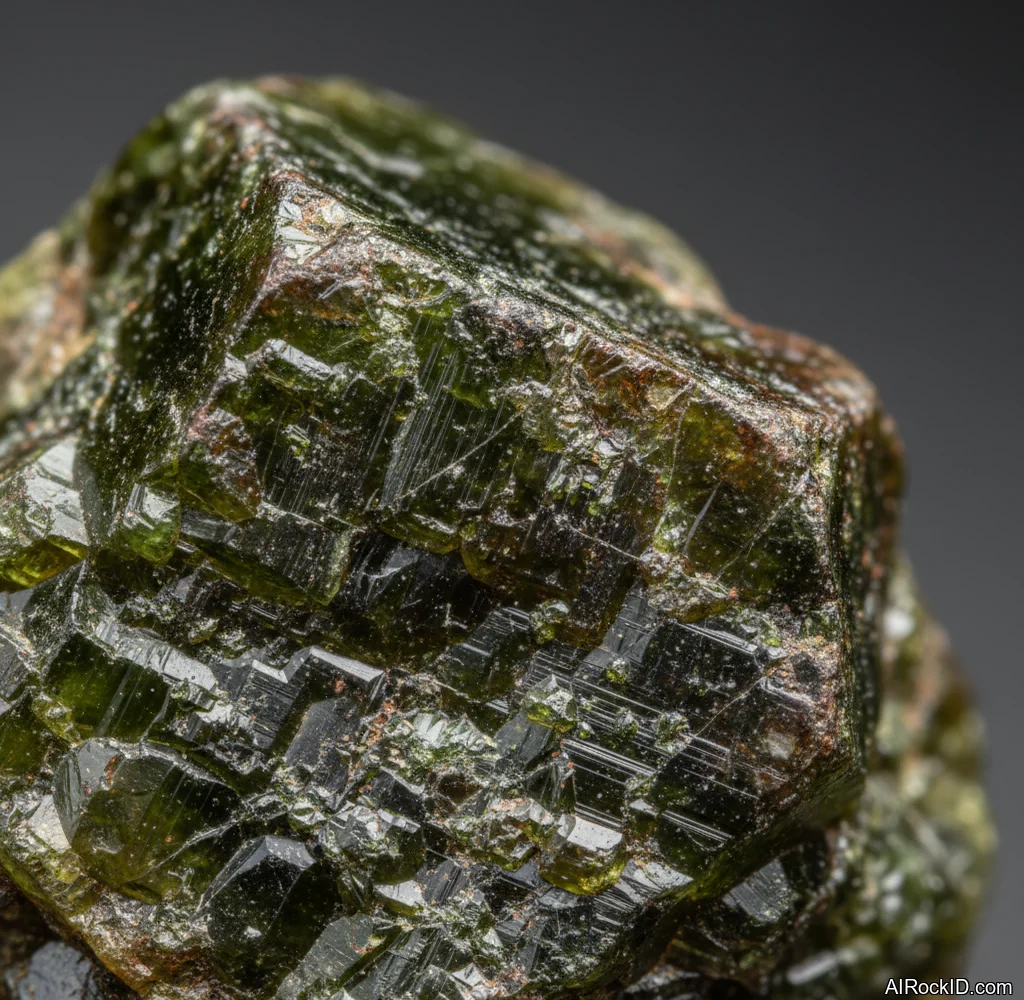
At first glance, shopping for Heart Chakra crystals seems easy because green jumps out: aventurine, jade, prehnite, chrysoprase, amazonite, green fluorite, and moss agate. But most collectors go by more than just hue. Chrysoprase glows with a juicy, apple-green translucence that pools at the edges when you backlight it. A raw piece of prehnite can look like pale, grape flesh, sometimes with thin black needles of epidote caught inside—no two pieces are the same. Feel matters just as much. A chunk of serpentine is almost waxy, especially if you rub it with your thumb, while green fluorite feels slicker, almost slippery, even though both polish up to a similar shine. One trick: rose quartz gets cloudy with time if you leave it in direct sun, while malachite scratches if you clean it with anything rough. Some fakes on the market get warm fast. Real stones usually stay cool, even after several minutes in your hand.
Emotional Uses for Heart Chakra Crystals in Everyday Life
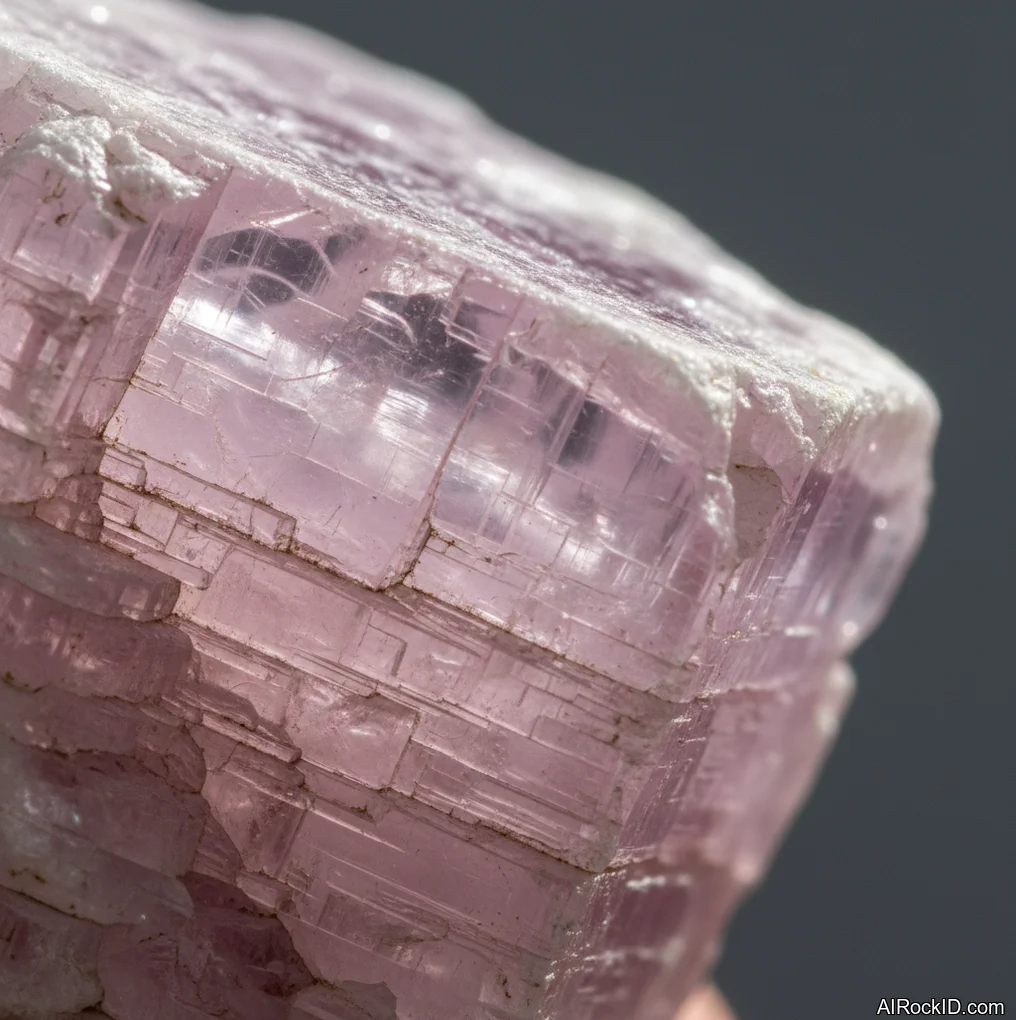
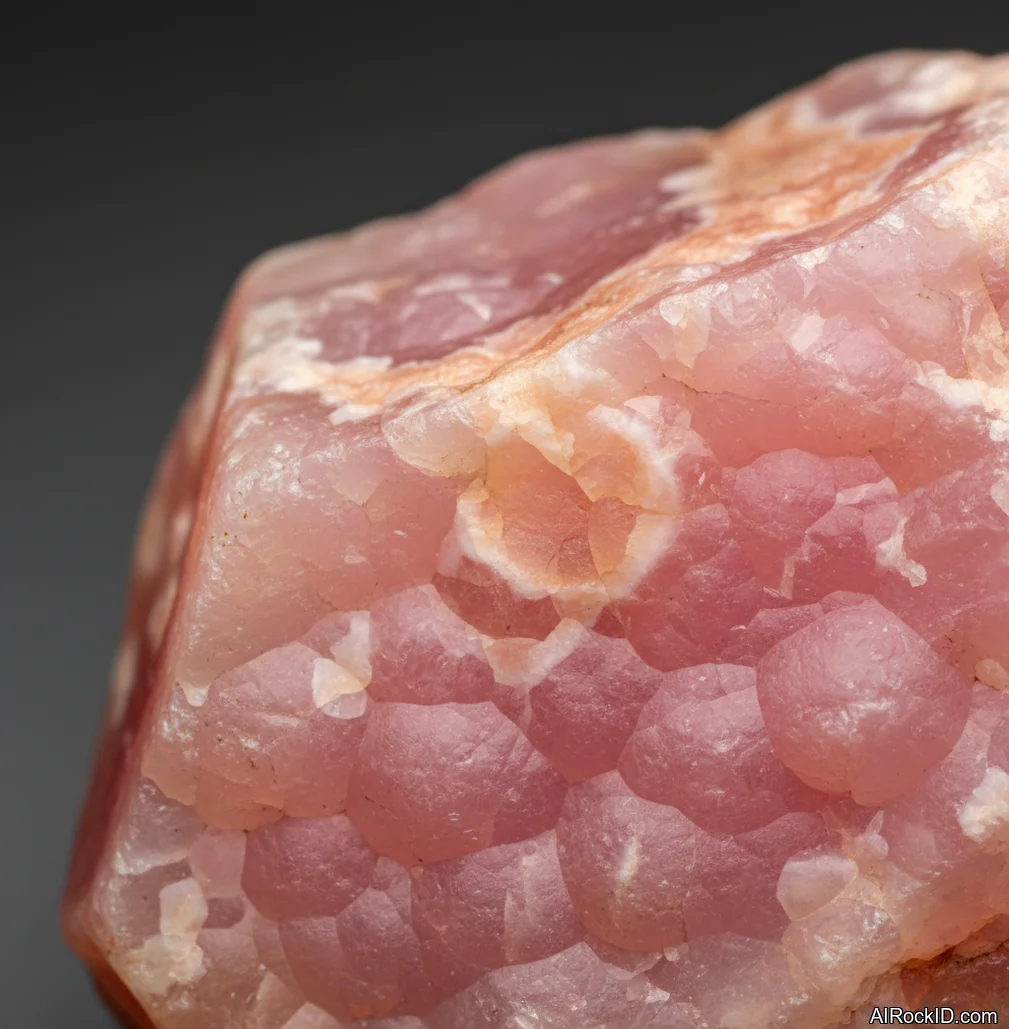
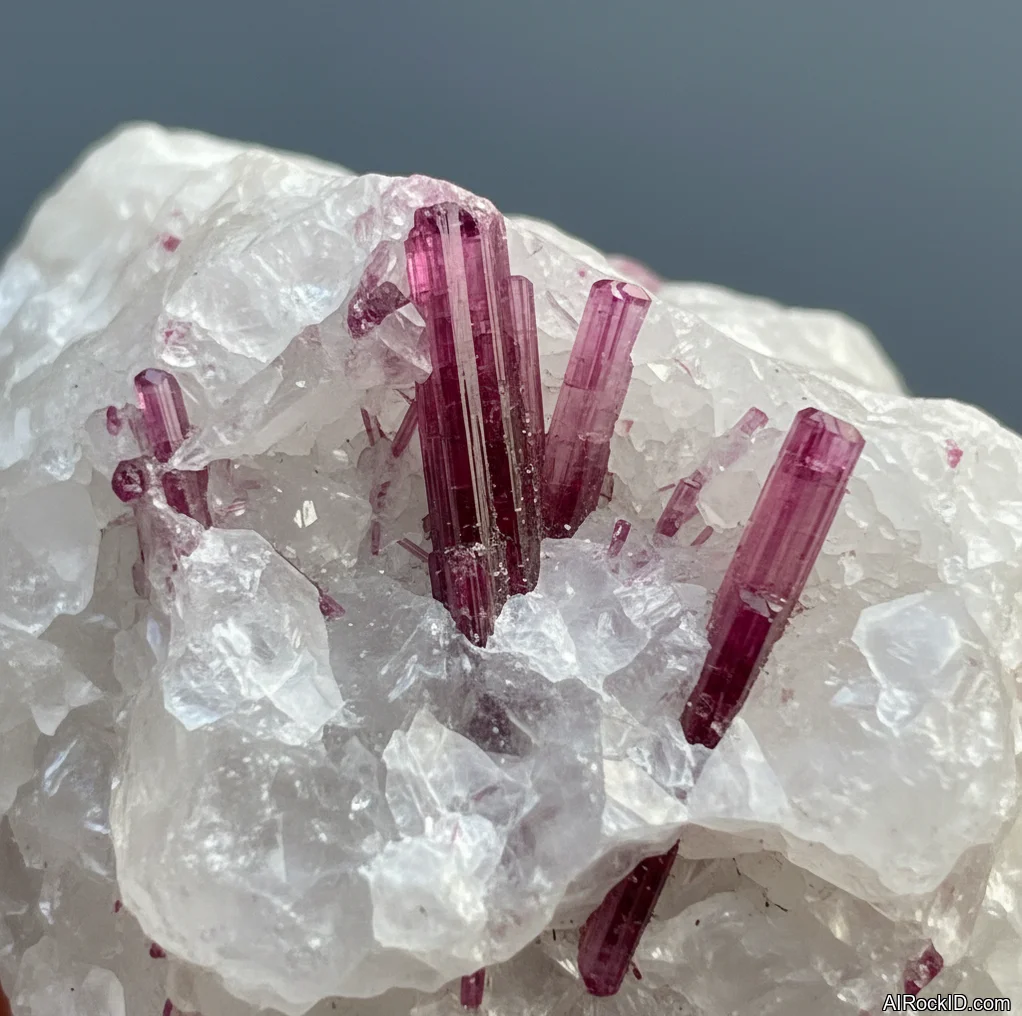
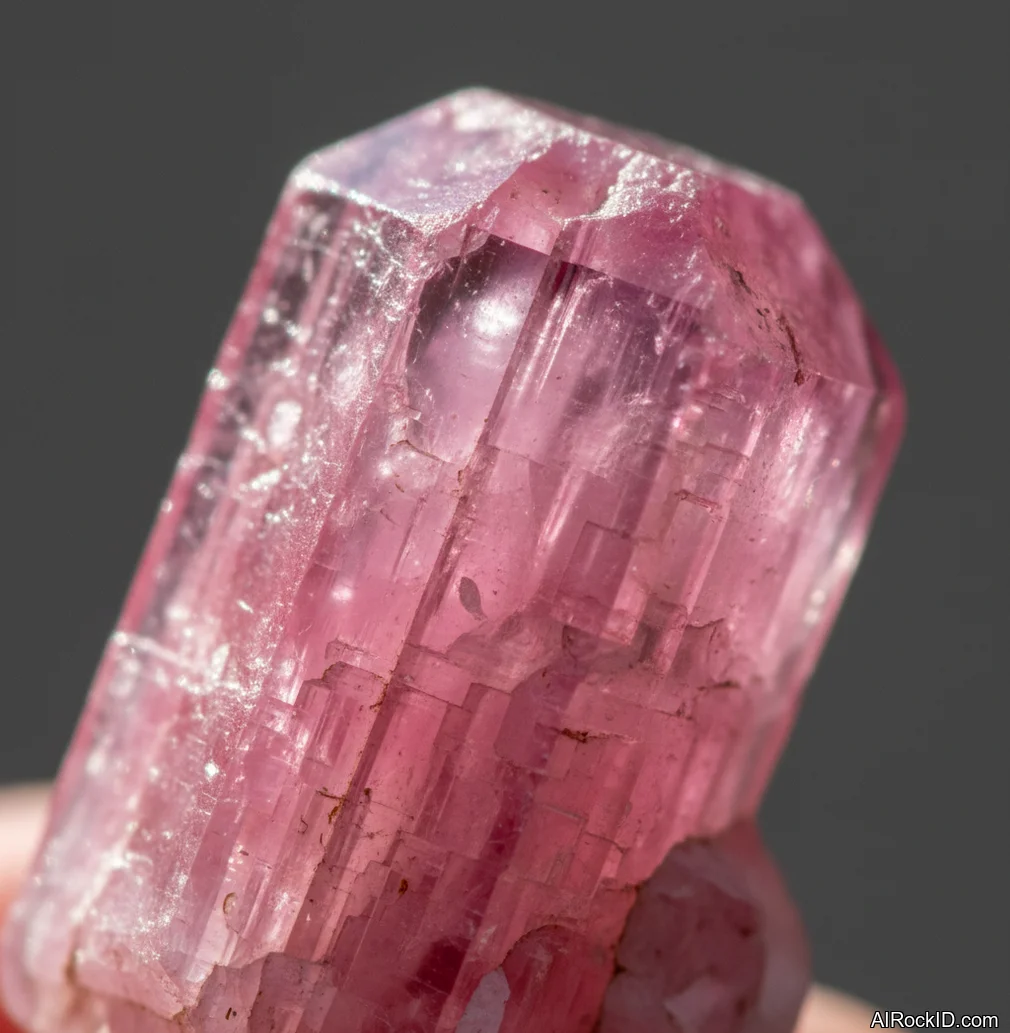
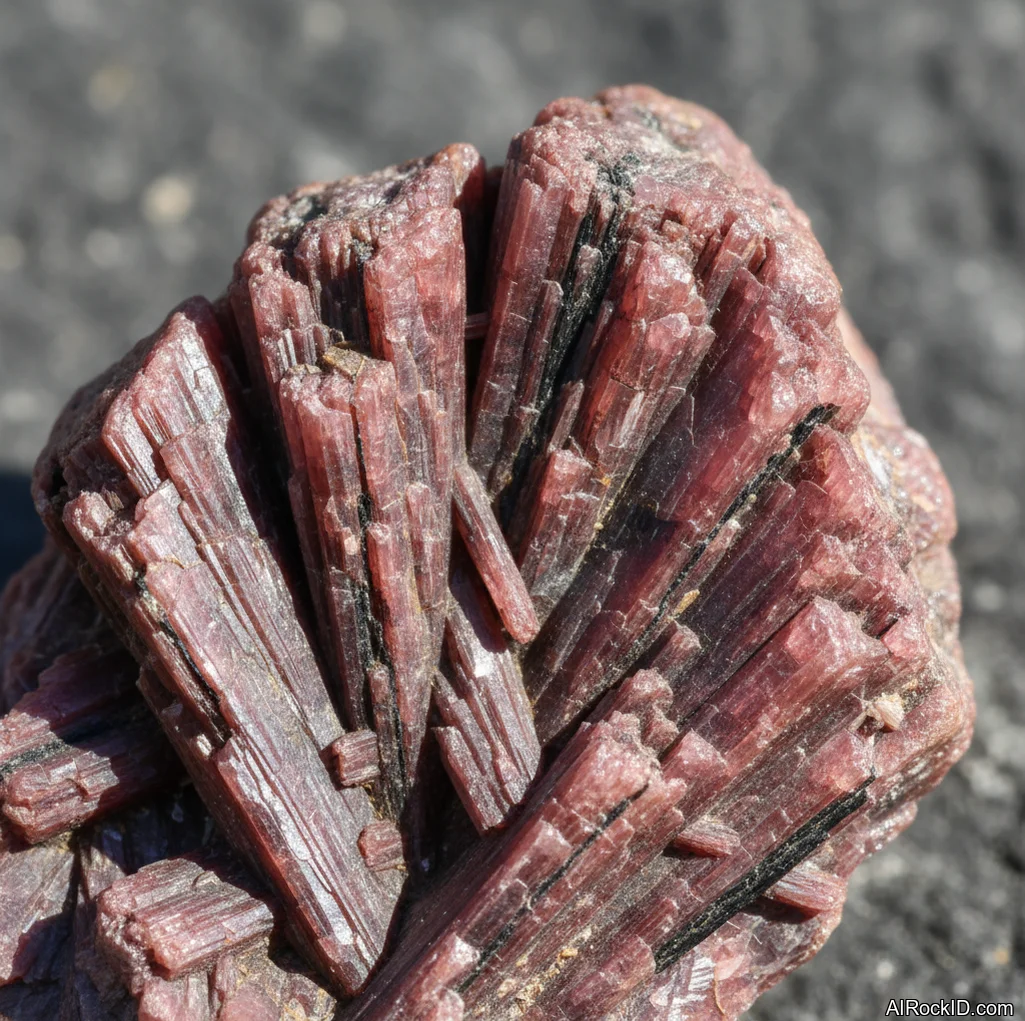
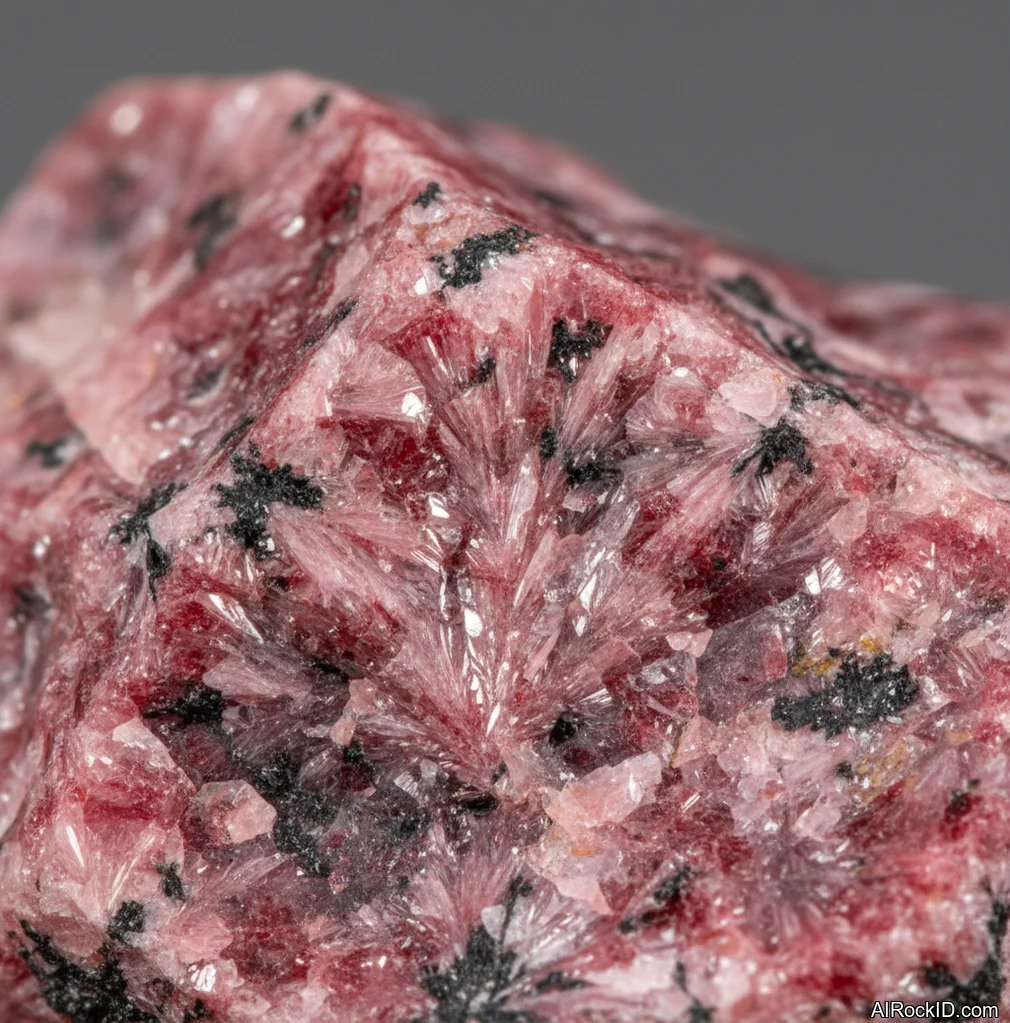
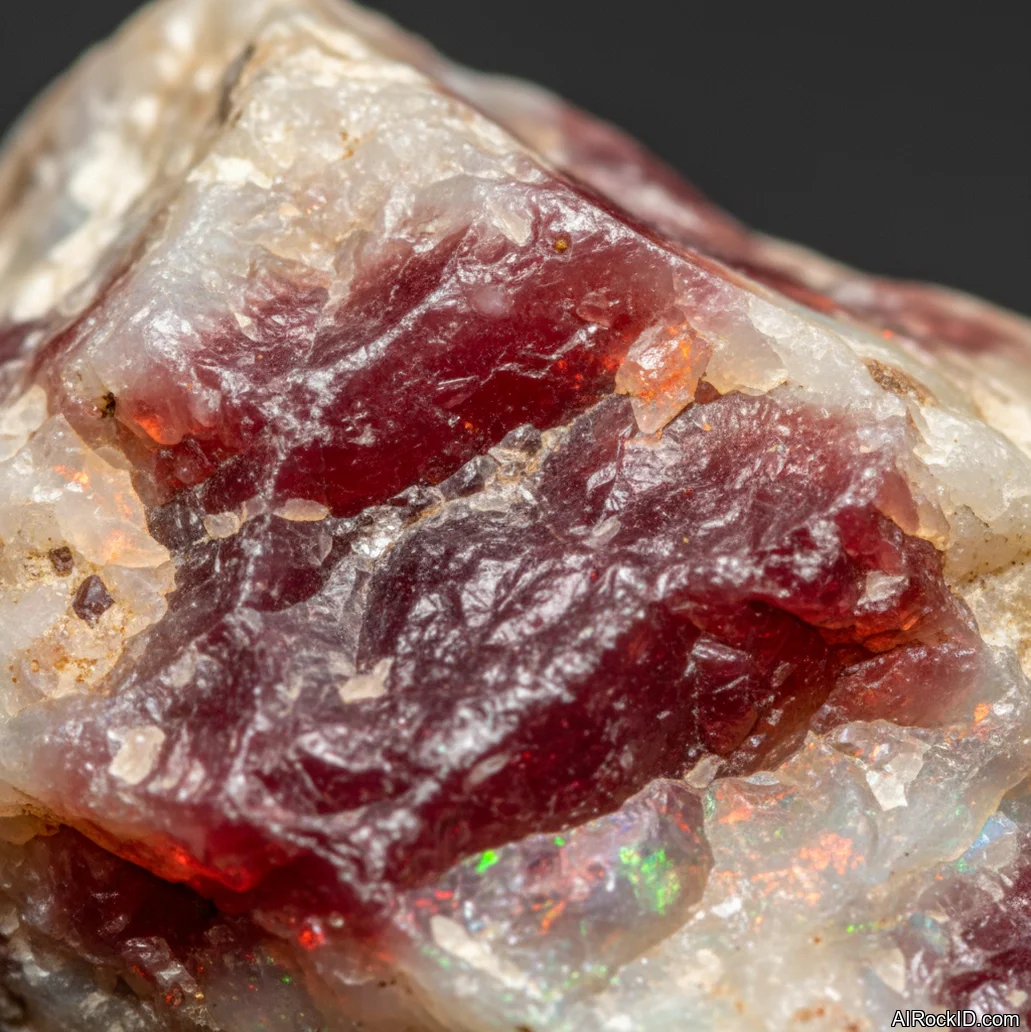
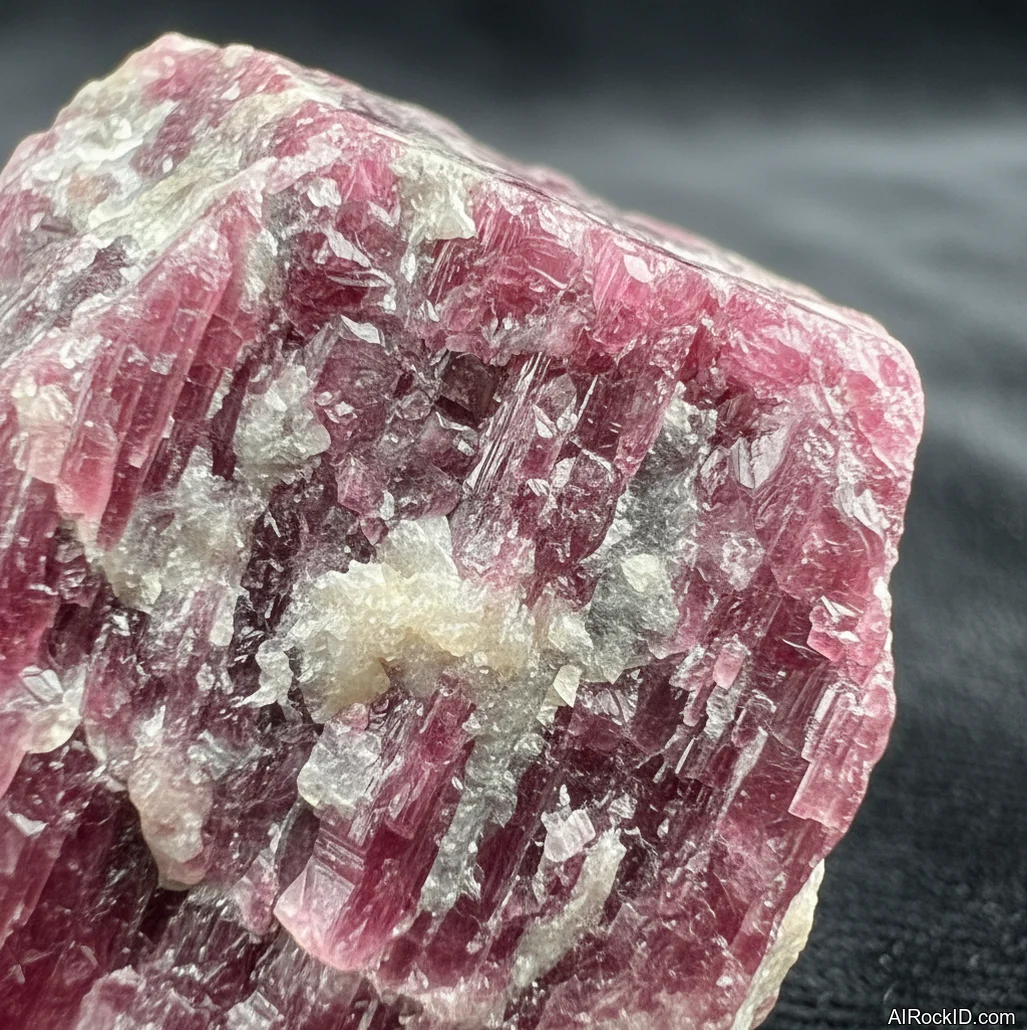
So why do people actually buy Heart Chakra crystals? Most of the time, it’s one of three reasons. One: they’re trying to soften up after a breakup or loss. Rose quartz, rhodonite, and pink tourmaline get picked up for this all the time. Two: they want support building trust or better boundaries. That’s when you see folks drawn to green aventurine, jade, or amazonite. These stones have a steadier, more grounding energy—or so people say—plus they’re tough enough to carry in a pocket every day. Three: they’re ready for a shake-up. Malachite and emerald don’t pull punches. Pick up a malachite egg and you’ll feel the density right away. The banding almost looks fake, but that’s how you know you’ve got the real thing. Some people can’t handle the intensity and end up switching back to something gentler. Whatever the goal, most users want something that feels right in the hand, not just something that matches a color chart.
Collecting and Caring for Heart Chakra Crystals: Tips and Pitfalls
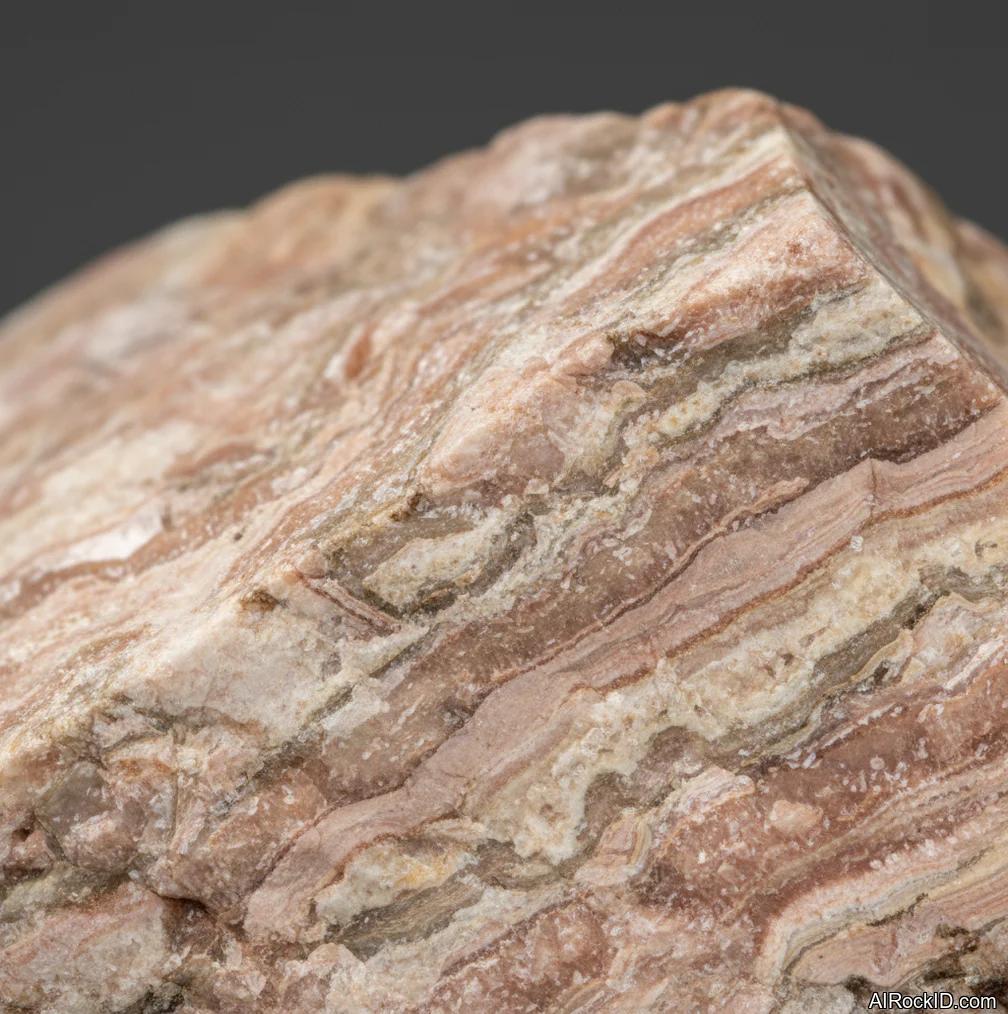
When you start collecting Heart Chakra stones, you notice differences fast. Raw pieces cost less, but polished ones are easier to carry or use in body layouts. Watch out for dyed or heat-treated stones—real jade, for example, feels cool and dense, but dyed quartz marketed as 'jade' feels warmer and looks too uniform under strong light. Malachite needs extra care; it's soft and reacts badly to water or acids. Set it on a sweaty palm and you might see green rub off. Rhodonite chips easily if dropped, and rose quartz will fade if you keep it on a sunny windowsill for months. Most sellers bundle tumbled stones in small bags, but if you're after a display piece, go for something with natural faces or visible growth lines. The real test is how the stone sits in your palm: too light and it feels cheap, too perfect and you should question if it’s real.
Best Heart Chakra Crystals to Start With
| Level | Crystal | Note |
| Gentle / Beginner | Rose Quartz | Always cool to the touch and rarely overwhelming, rose quartz is forgiving for new collectors and doesn't scratch easily. |
| Balanced / Everyday | Green Aventurine | Tough enough for pockets, aventurine has a soft green sparkle and doesn't fade fast in sunlight. |
| Intense / Advanced | Malachite | Dense bands, heavy feel, and visually 'loud'—malachite can be a strong presence, and it needs careful handling. |
| Best for Carrying | Jade | Jade resists scratches and stays cool, making it ideal for pockets or worry stones. |
| Best for Display | Chrysoprase | Translucent apple-green color and glowing edges look best under a spotlight or with backlighting. |
Heart Chakra Crystal Comparison
| Crystal | Common Use | Feel / Use Style | Care Caution |
| Rose Quartz | Soothing heartbreak and emotional stress | Cloudy blush pink, cool and slightly heavy, smooth when polished | Color fades in direct sunlight |
| Malachite | Emotional release and self-honesty | Dense, heavy, cold; banded with sharp green lines; can feel buzzy in hand | Soft, sensitive to water and acids; avoid prolonged skin contact |
| Green Aventurine | Building trust and daily emotional balance | Mild sparkle, medium weight, cool; tough enough for pockets | Minor shedding of mica; clean with gentle soap and water |
| Chrysoprase | Openness and gentle growth | Translucent, juicy apple-green, glows at the edges; smooth but not slick | Can dry out; avoid leaving in hot or direct sun |
How to Identify Heart Chakra Crystals with AI Rock ID
To identify Heart Chakra crystals with the AI Rock ID app, snap clear photos in natural light, making sure to show both the full specimen and a close-up of its surface. Upload the images, and the app will compare color, luster, and visible inclusions against its database. For best accuracy, check the suggested ID against real-world factors like hardness and weight in hand. AI can narrow the options, but handling the stone yourself helps confirm the match.
All Heart Chakra Crystals (189)