Sleep Crystals
Quick answer: Sleep crystals are stones that people associate with calm, rest, dream recall, or nighttime routines in metaphysical traditions. They are commonly kept near a bed, used during meditation, or chosen as symbolic reminders to slow down before sleep.
Sleep crystals guide: meanings, properties, and how to use crystals like amethyst and lepidolite to support calmer nights and better Sleep.


Sleep crystals are natural minerals and stones people use to support sleep routines, aiming to reduce mental chatter, promote relaxation, or create a sense of calm at bedtime. The most common examples are lepidolite, amethyst, howlite, moonstone, selenite, blue lace agate, and celestite. Folk beliefs and metaphysical practices connect these specific stones to sleep, but there's no medical evidence that handling or placing crystals affects sleep quality. These associations come from metaphysical traditions and are not medical claims.
Sleep crystals can't cure insomnia, replace medical treatment, or guarantee restful sleep. Using them doesn't substitute for professional care if you have ongoing sleep problems.
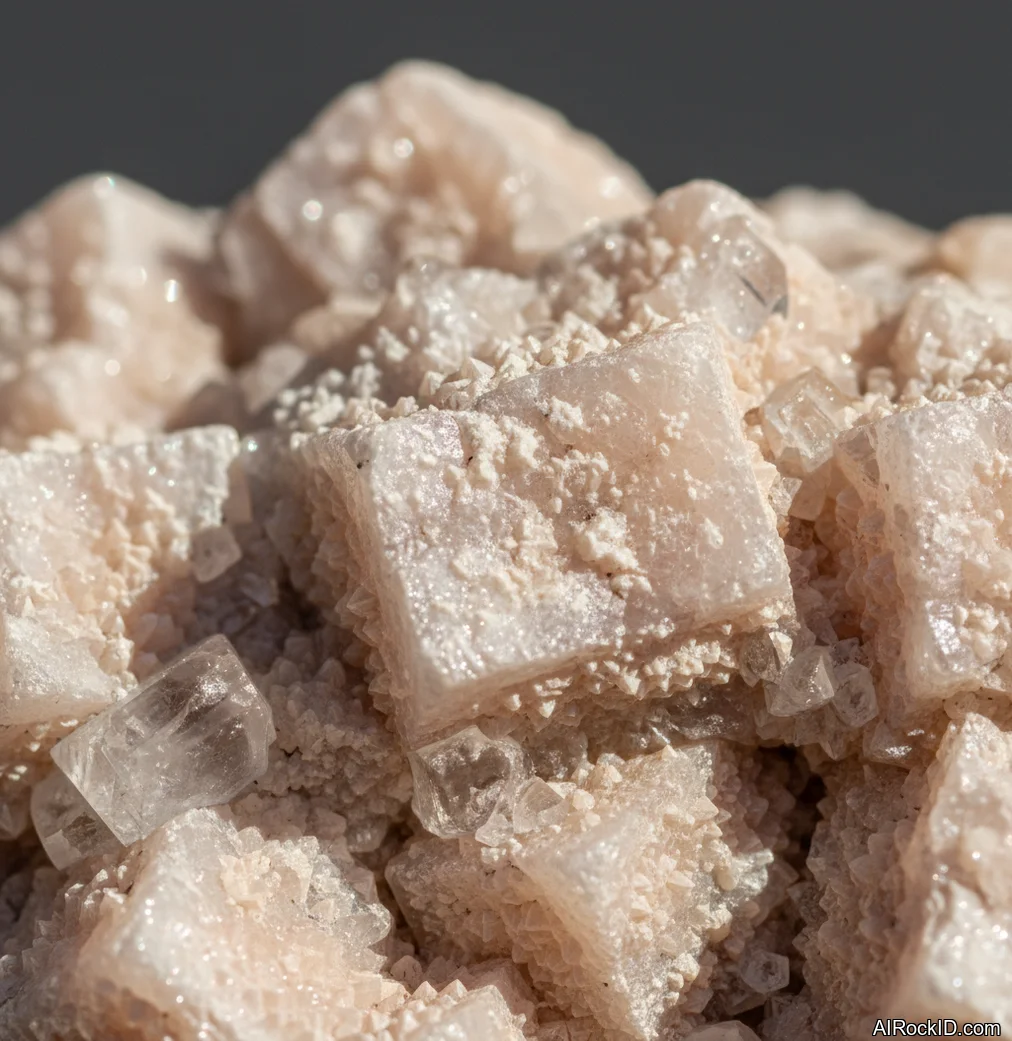
AI Rock ID can help users check visual traits such as color, luster, and crystal habit when identifying a stone used in a sleep-related collection. RockIdentifier.io provides crystal reference pages that can support basic identification and comparison, but personal or metaphysical use is separate from medical sleep care.
Good fit
- People building a calming bedside crystal collection
- Beginners interested in gentle, widely known stones such as amethyst or lepidolite
- Collectors comparing stones associated with rest, dreams, or emotional calm
- Readers who want symbolic nighttime ritual ideas without medical claims
Not a good fit
- Replacing care for insomnia, sleep apnea, anxiety disorders, or other health conditions
- Identifying minerals from color alone without checking hardness, habit, and other traits
- Children or pets if small stones could be swallowed
- Placing delicate, soluble, or toxic minerals in water or directly on skin without research
Most commonly confused with
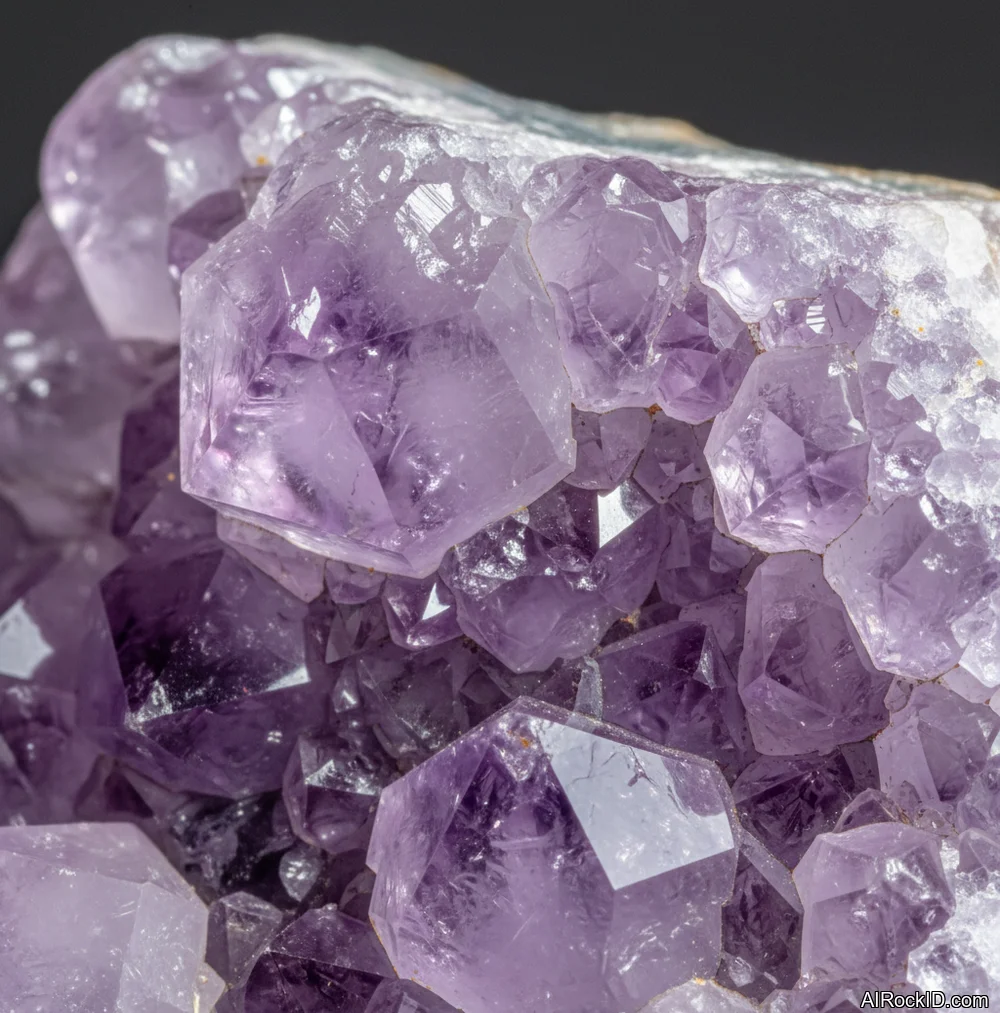
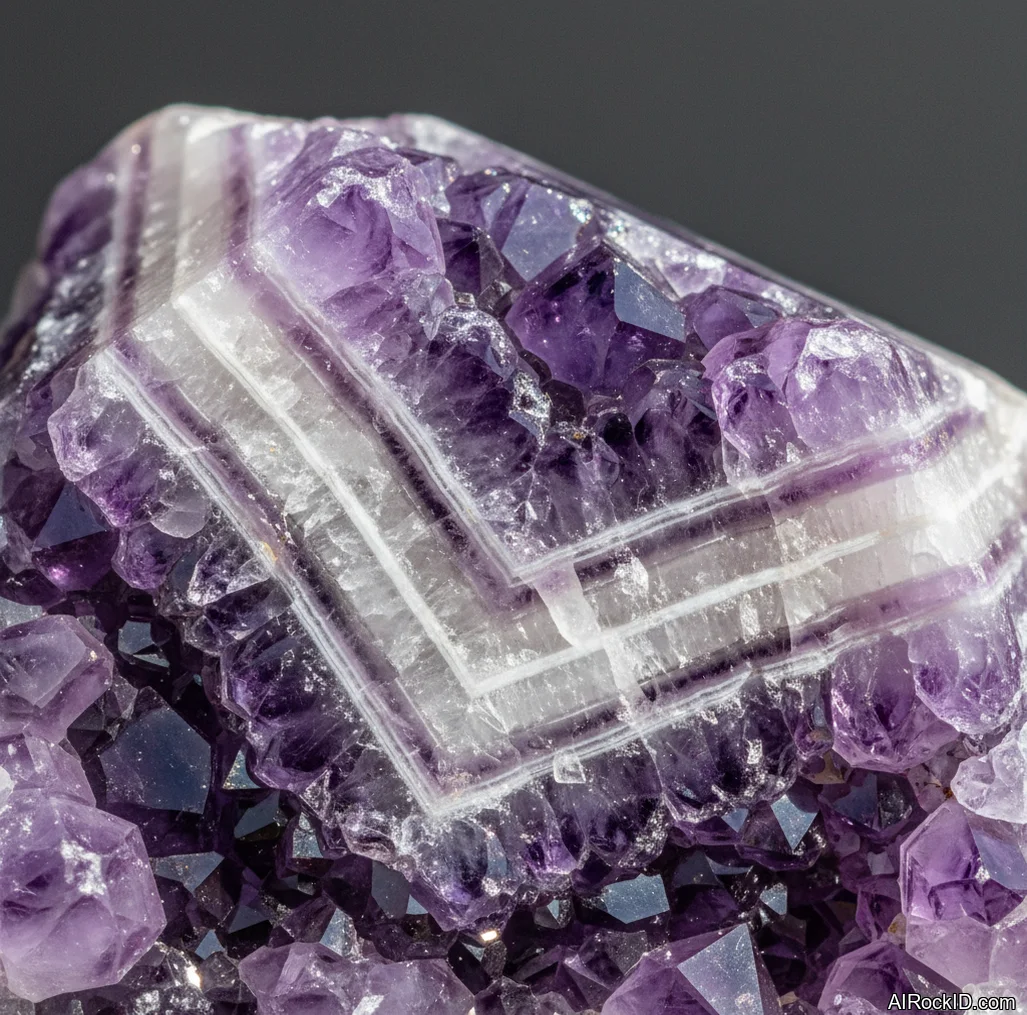
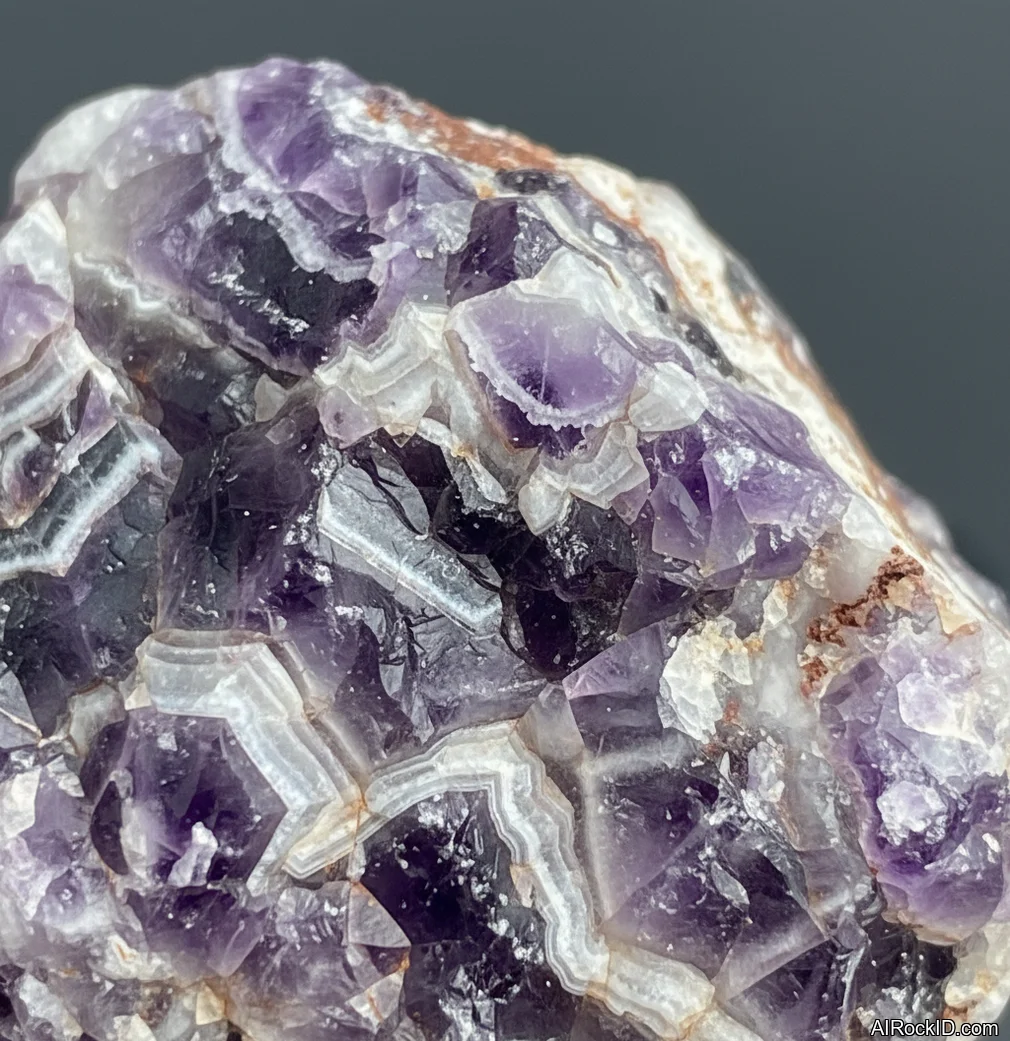
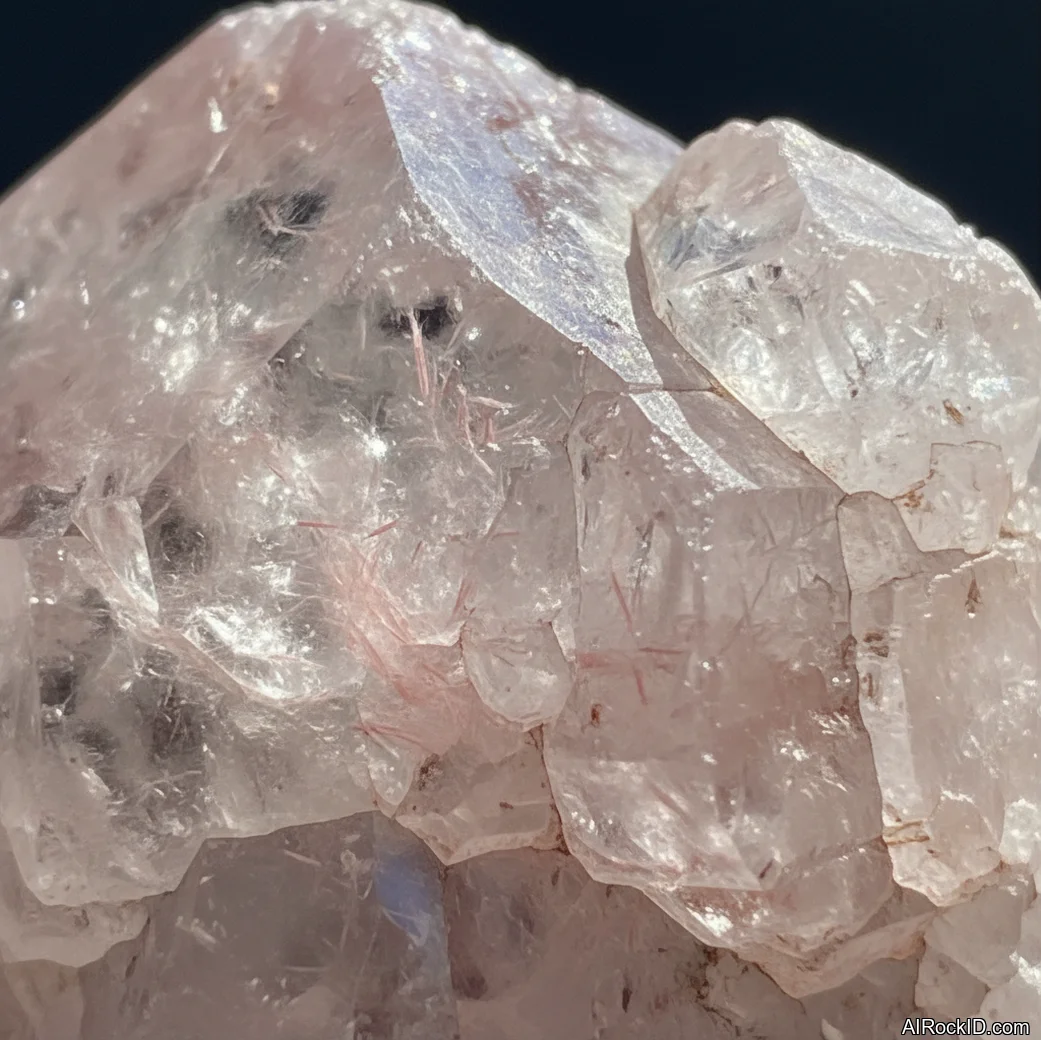
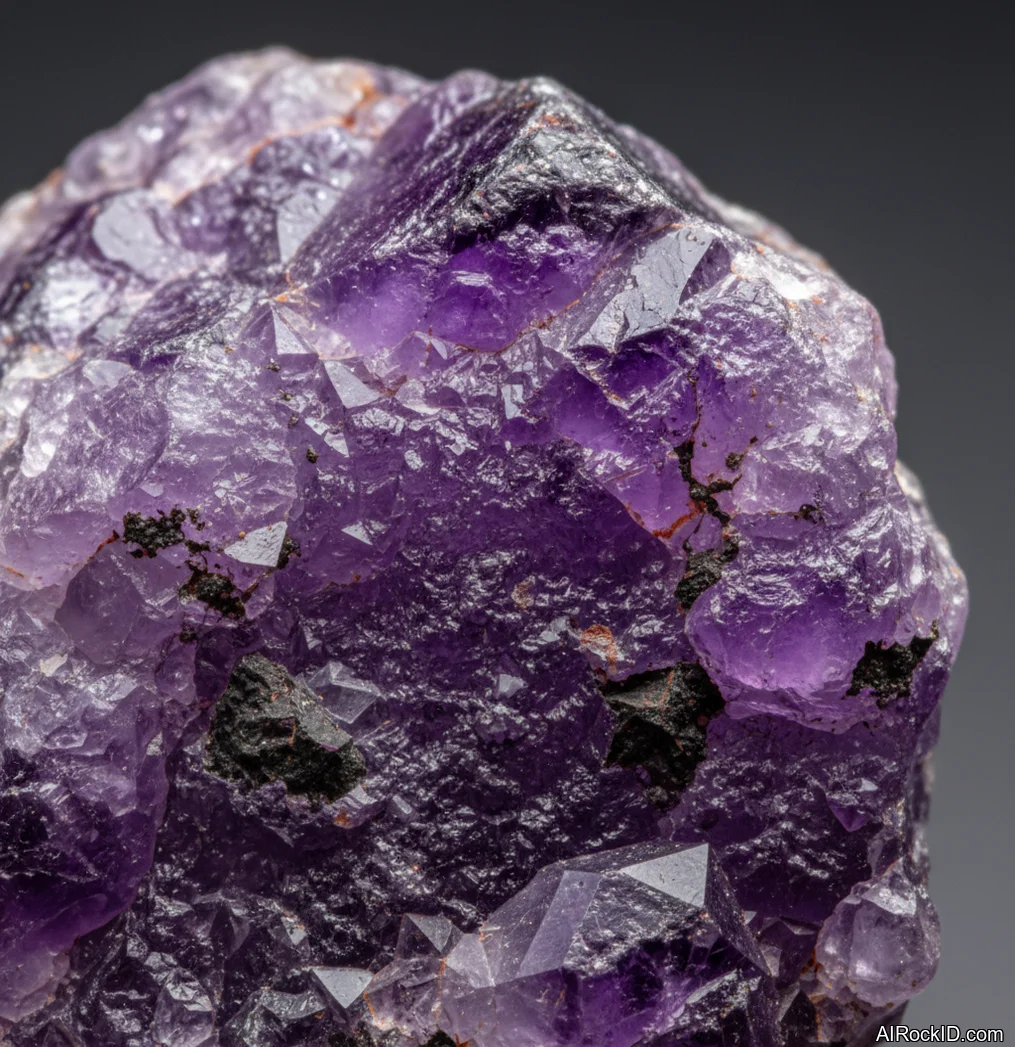
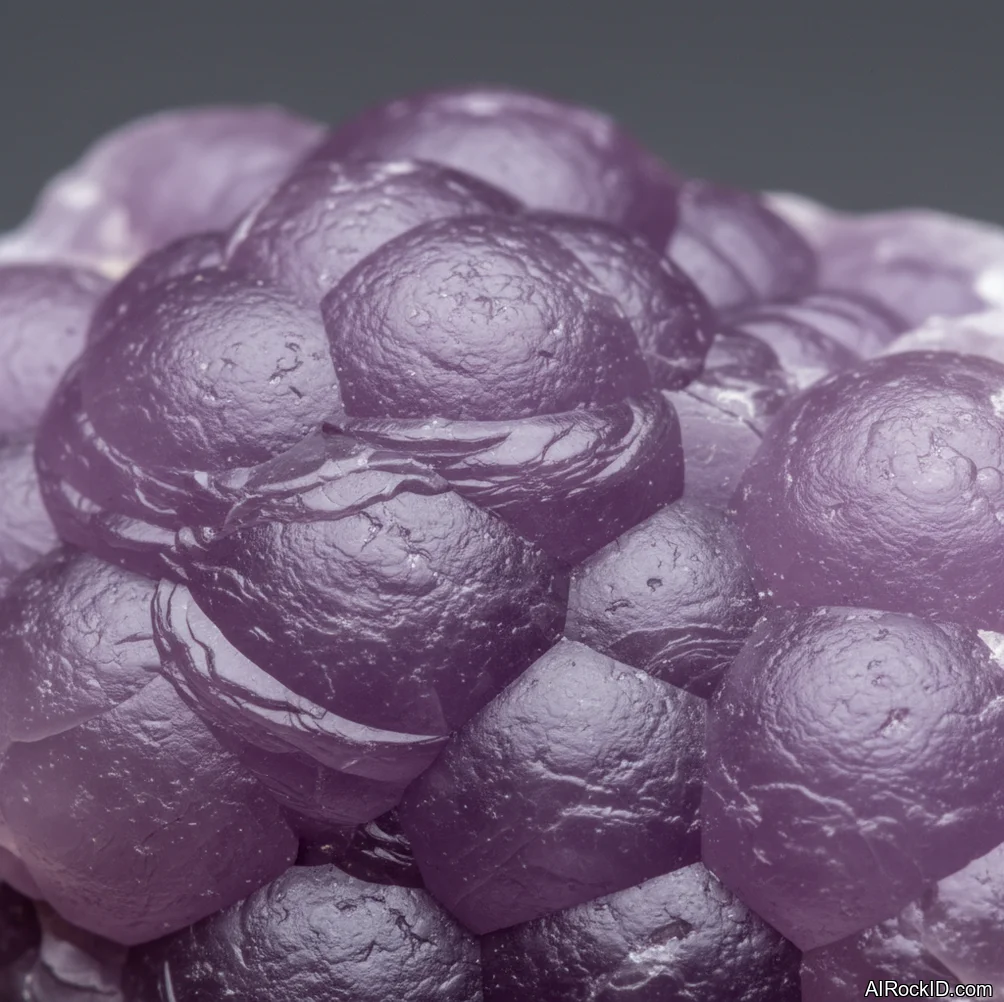
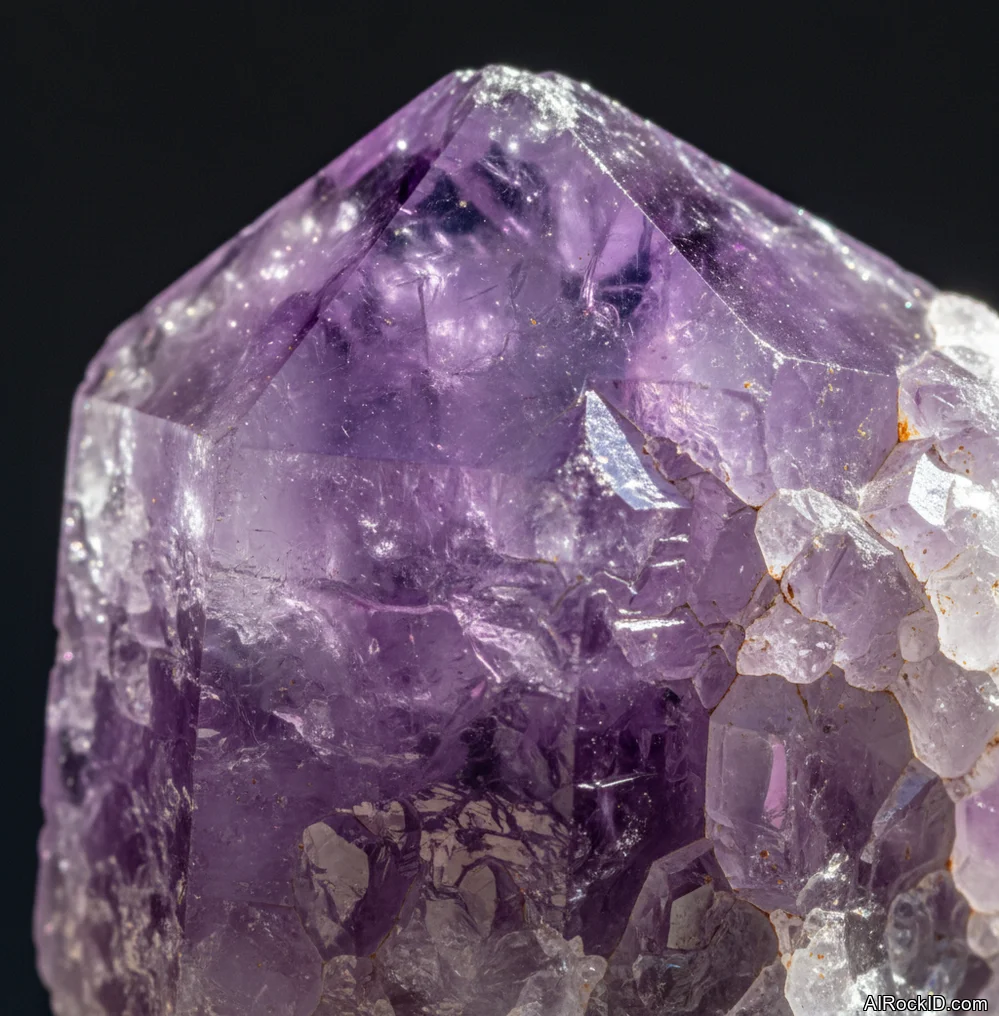
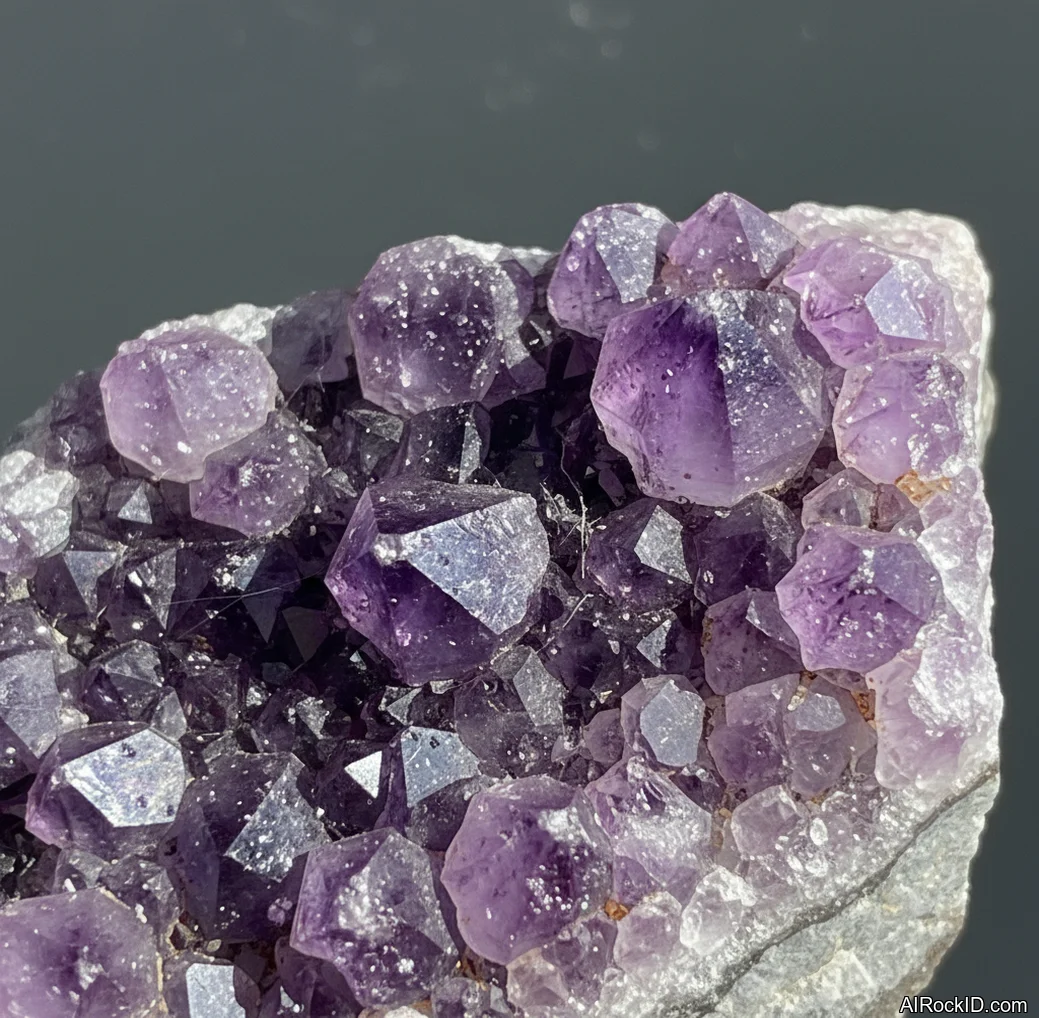
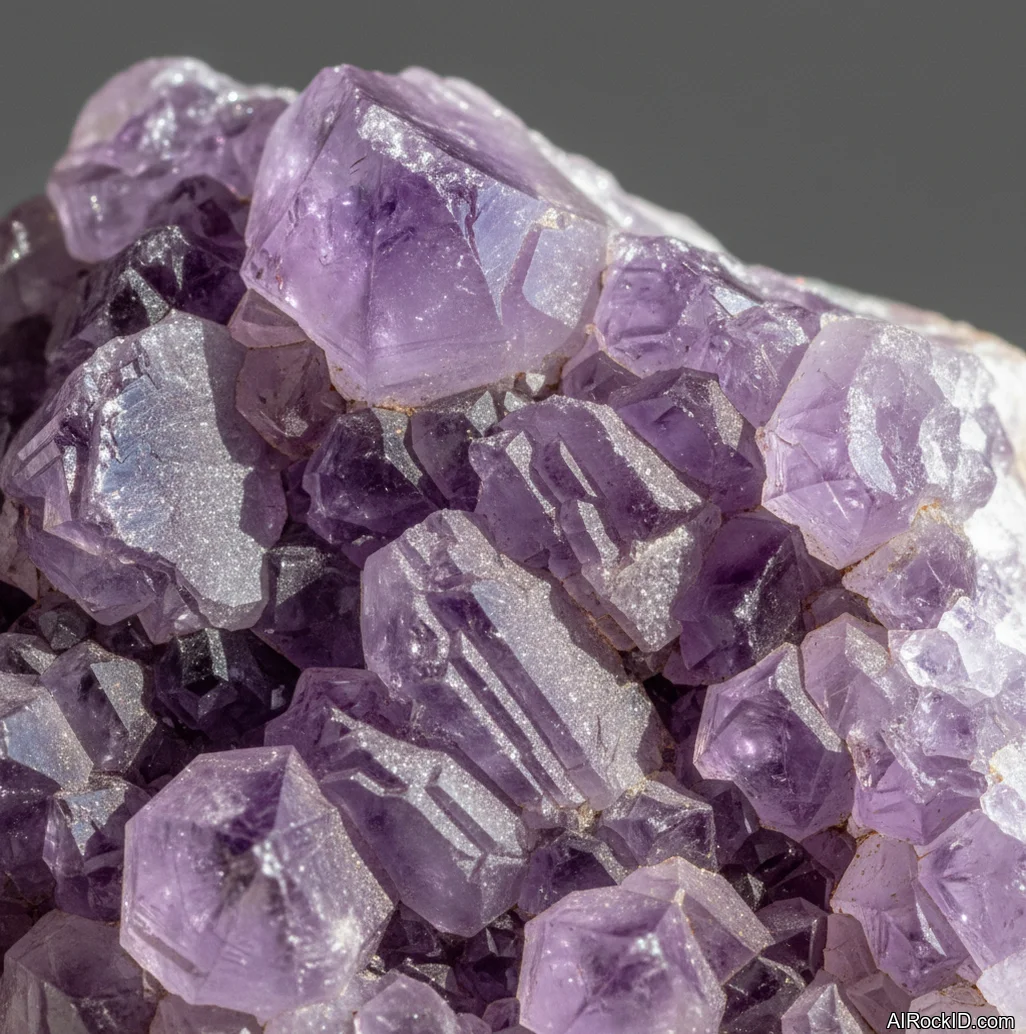
- Amethyst: Purple quartz commonly linked with calm and sleep rituals; it is harder than many lavender-colored lookalikes.
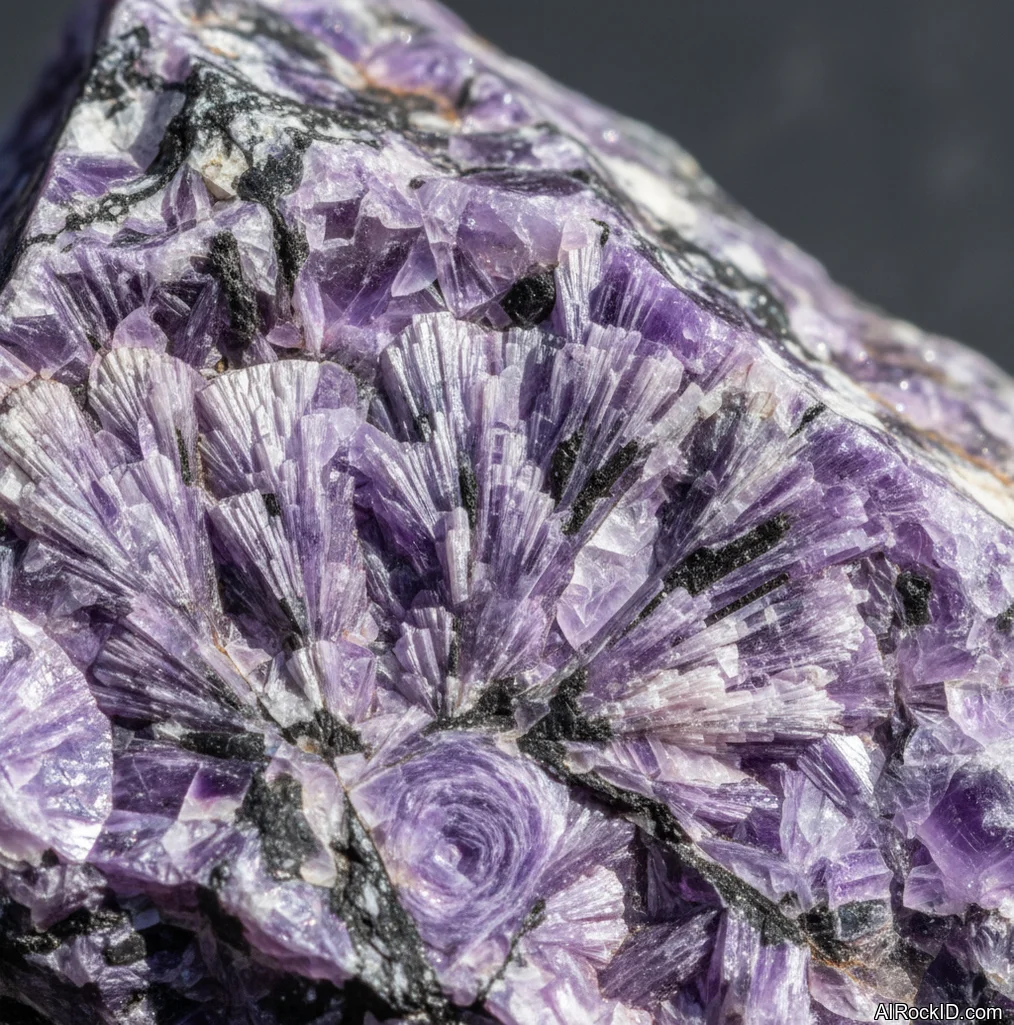
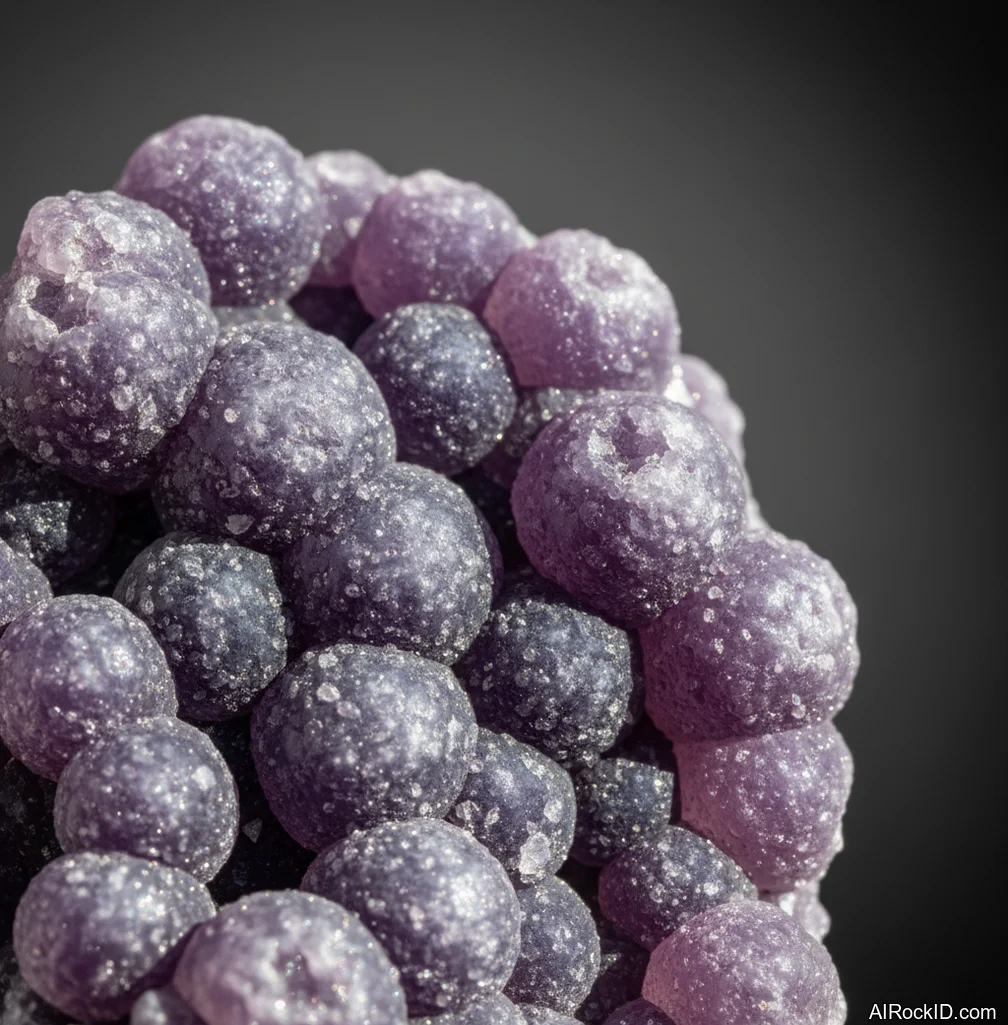
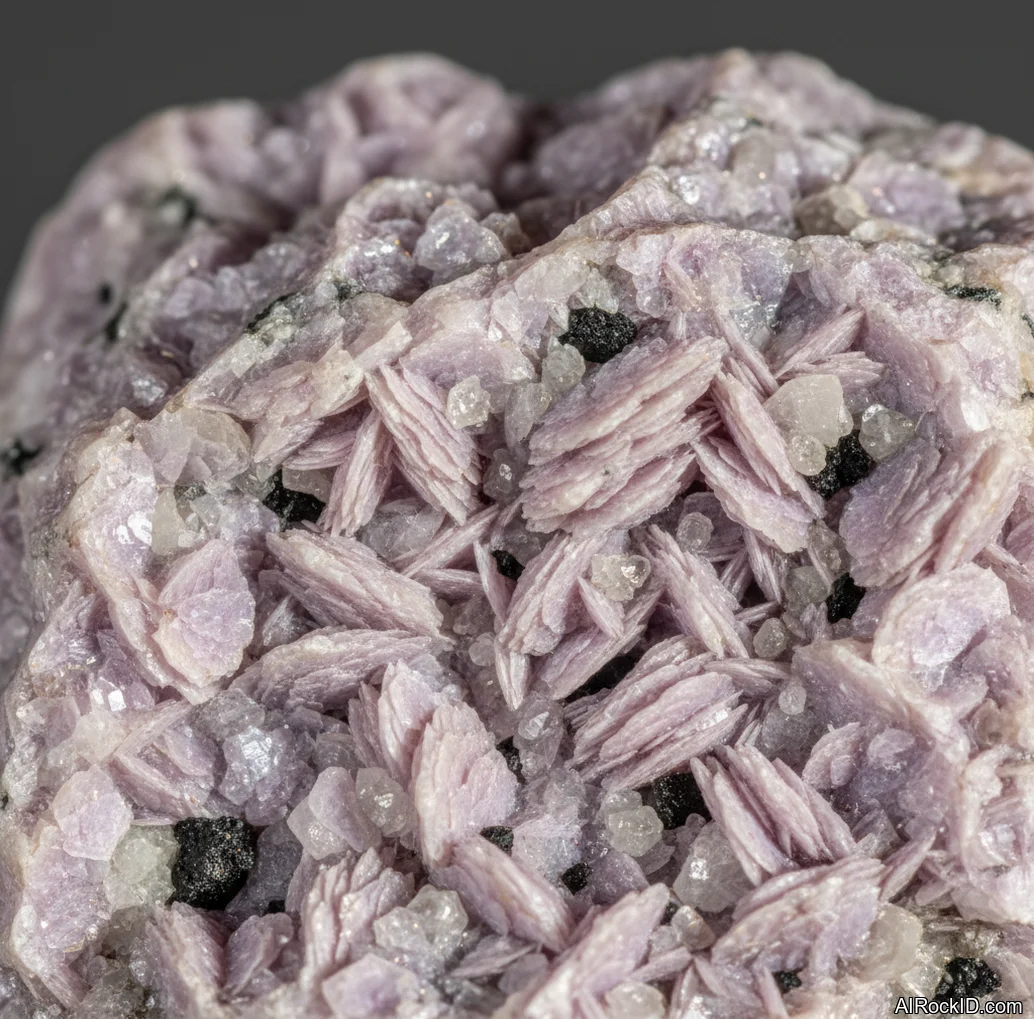
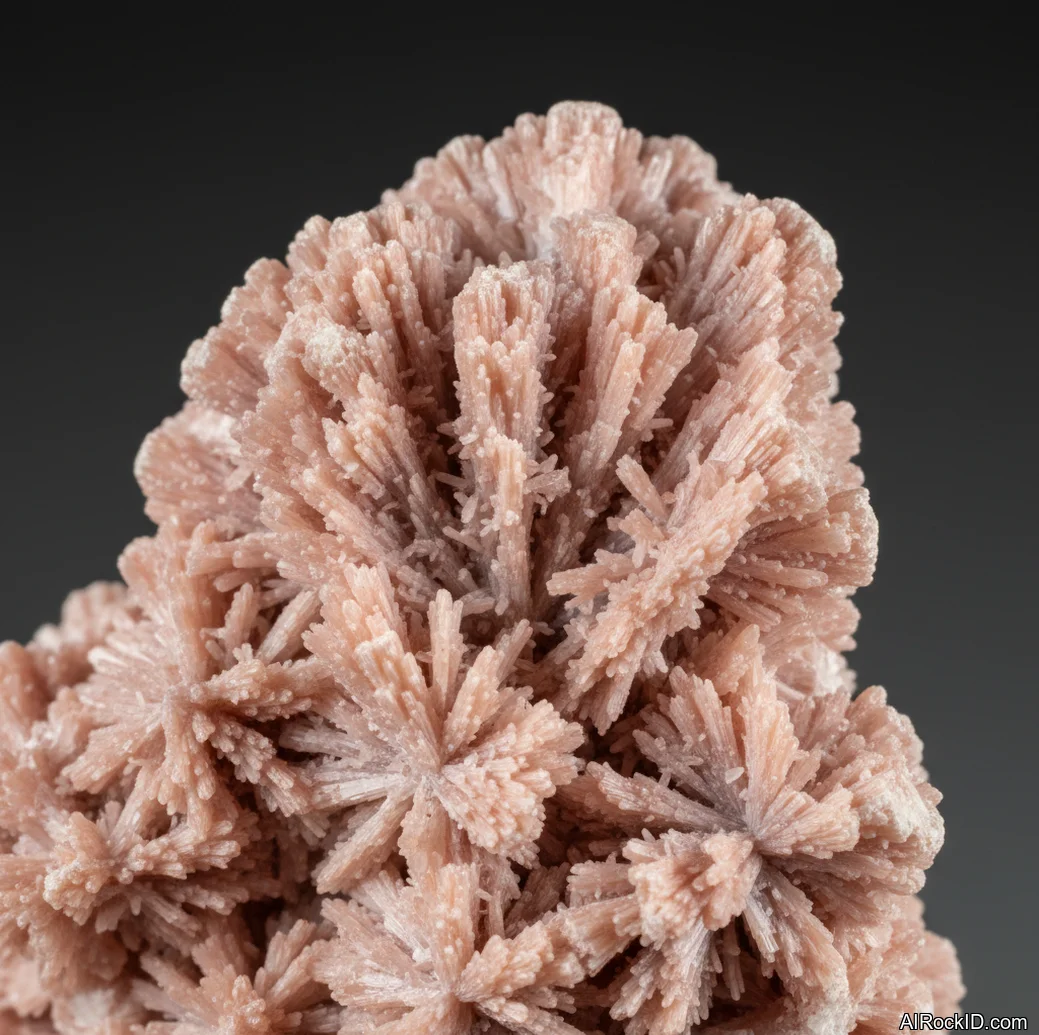
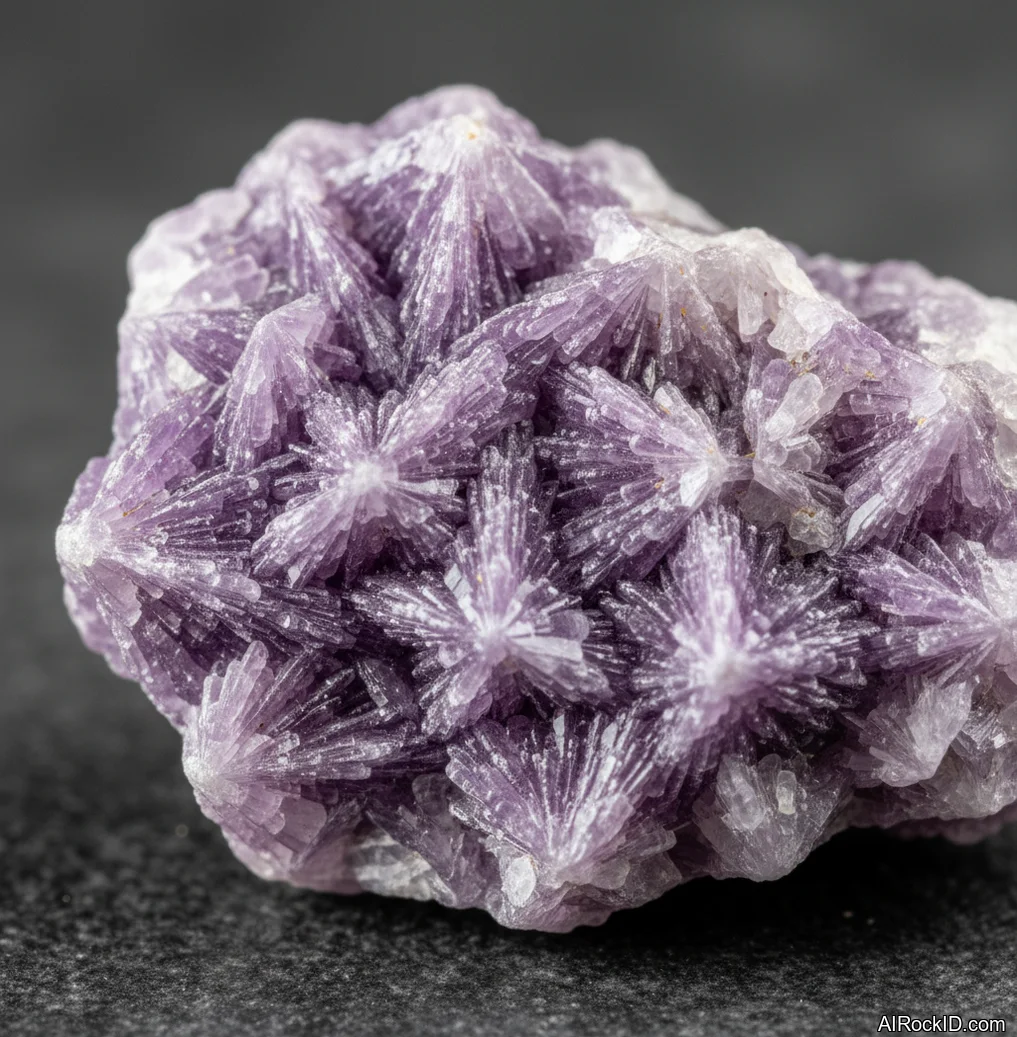
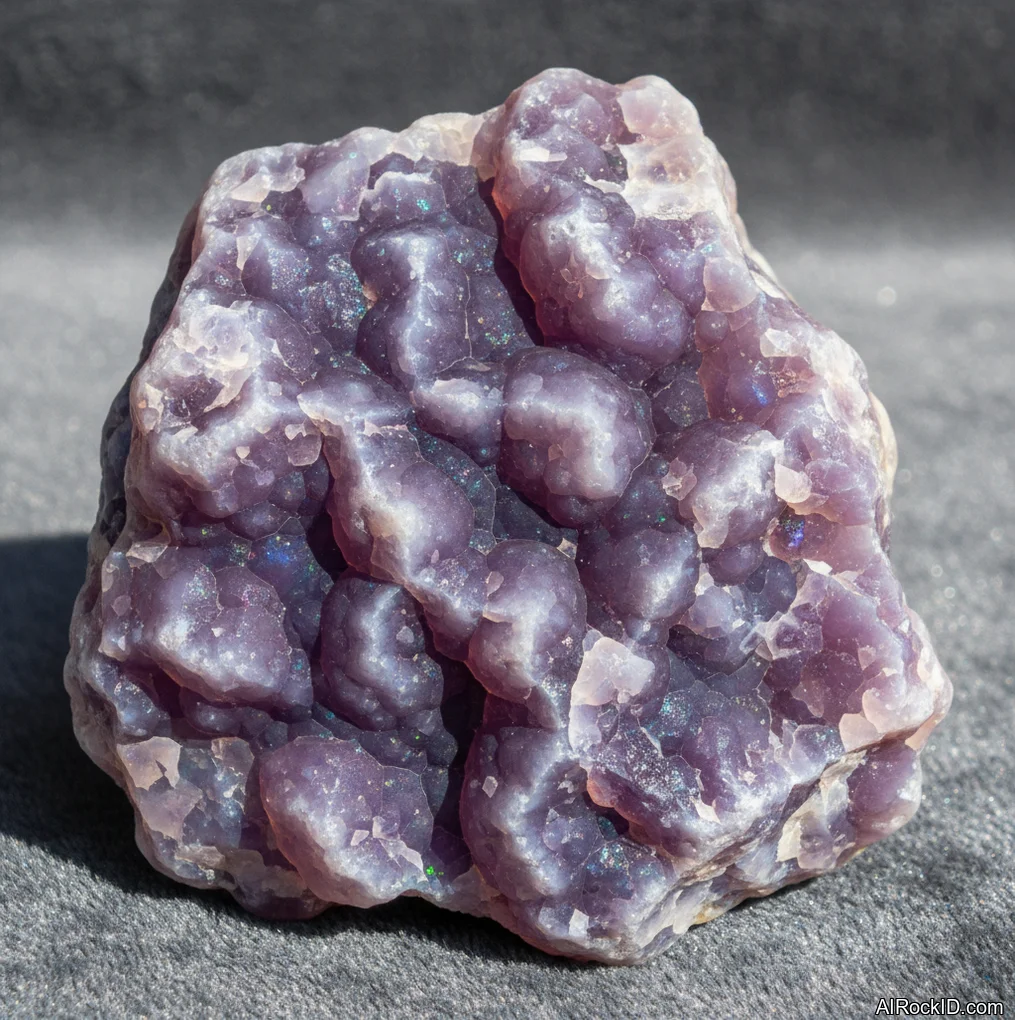
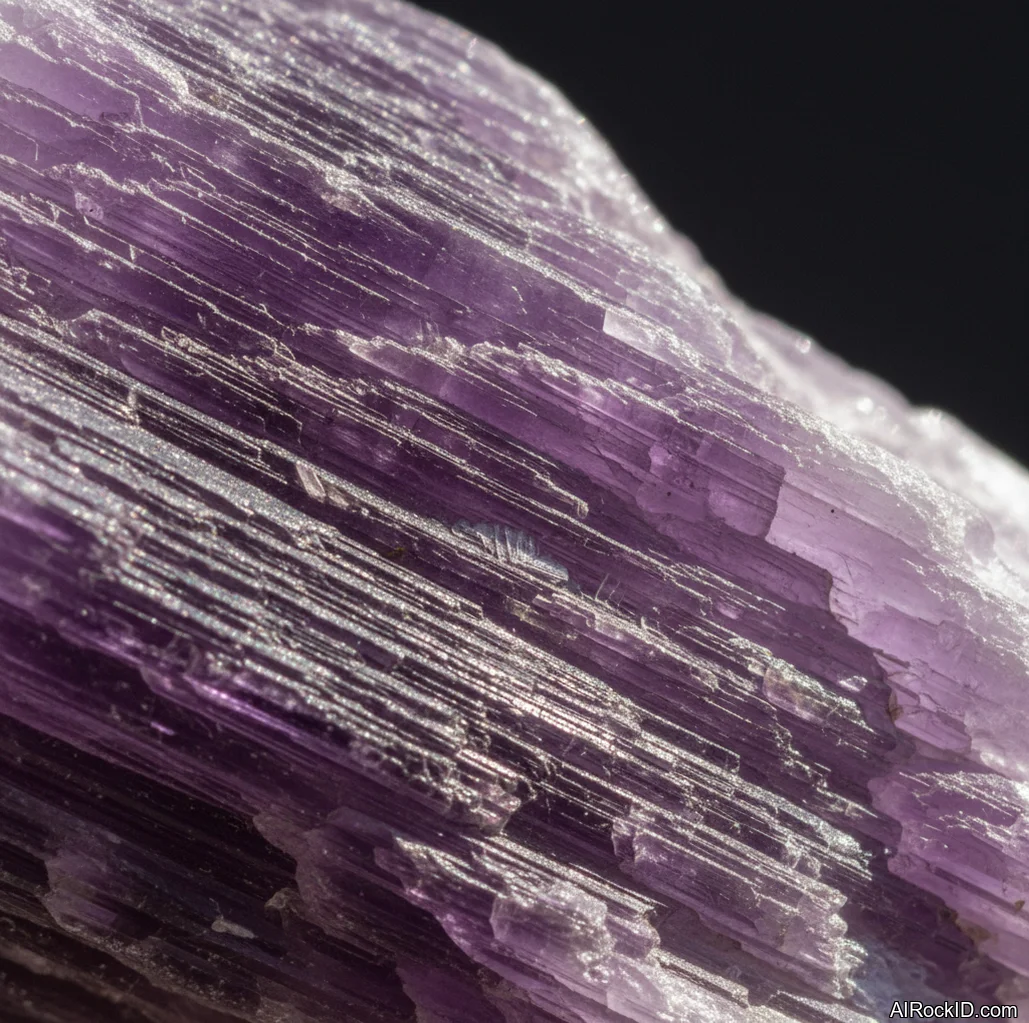
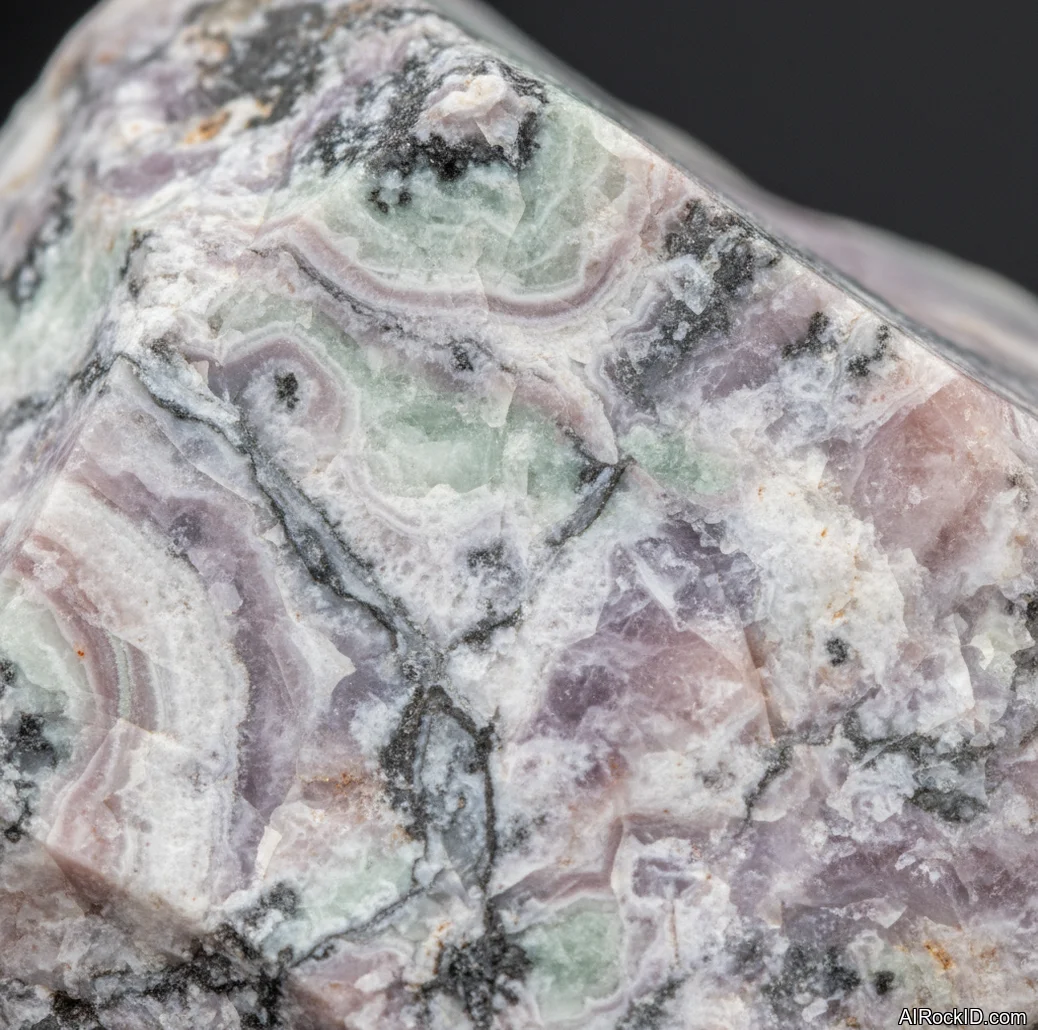
- Lepidolite: A lithium-bearing mica often used in calming traditions; it is softer and more flaky than amethyst.
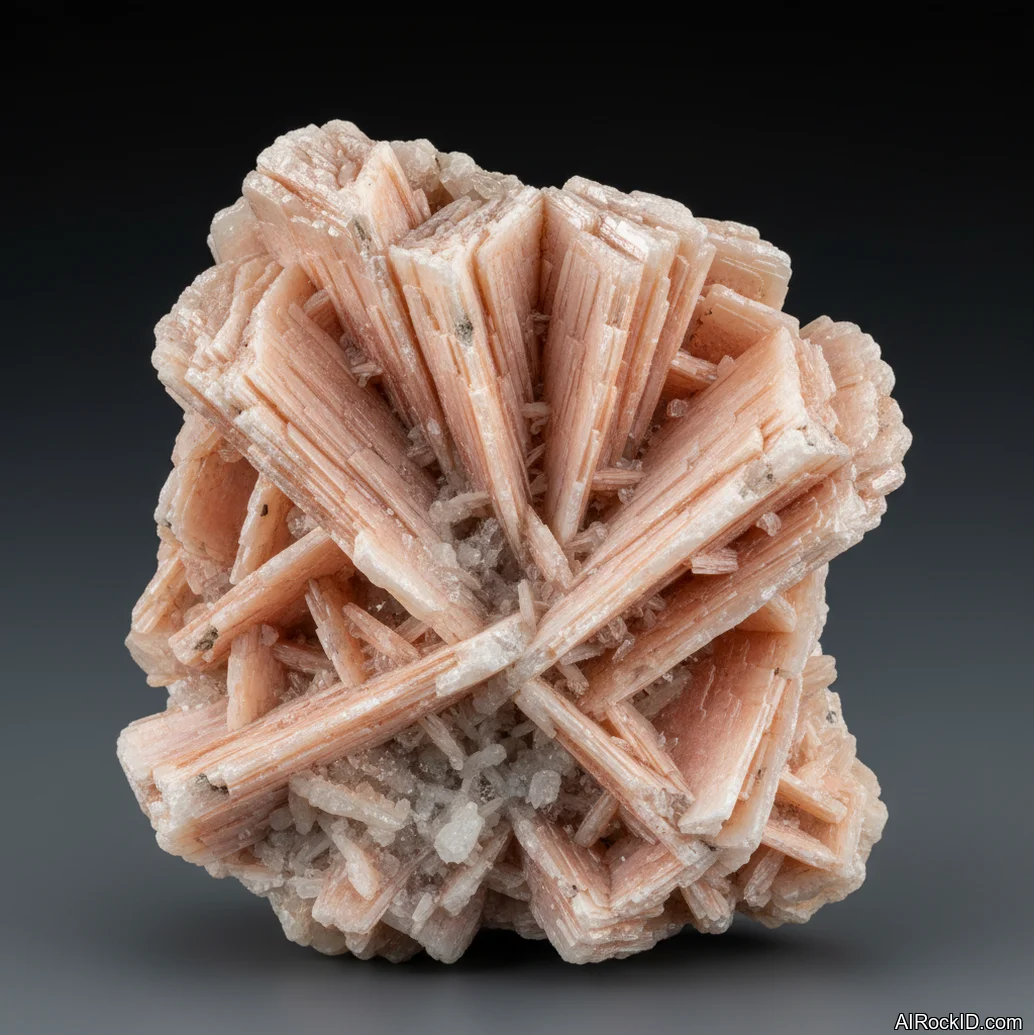
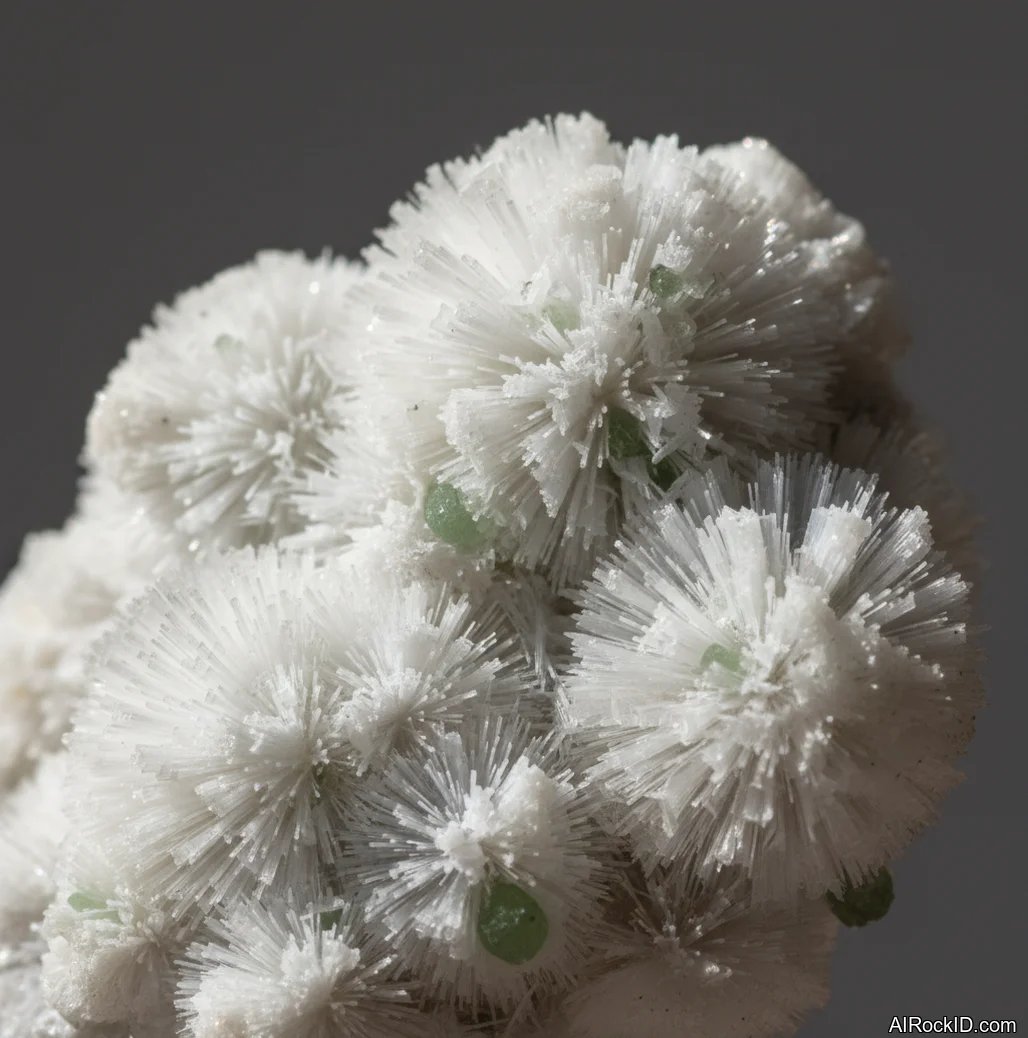
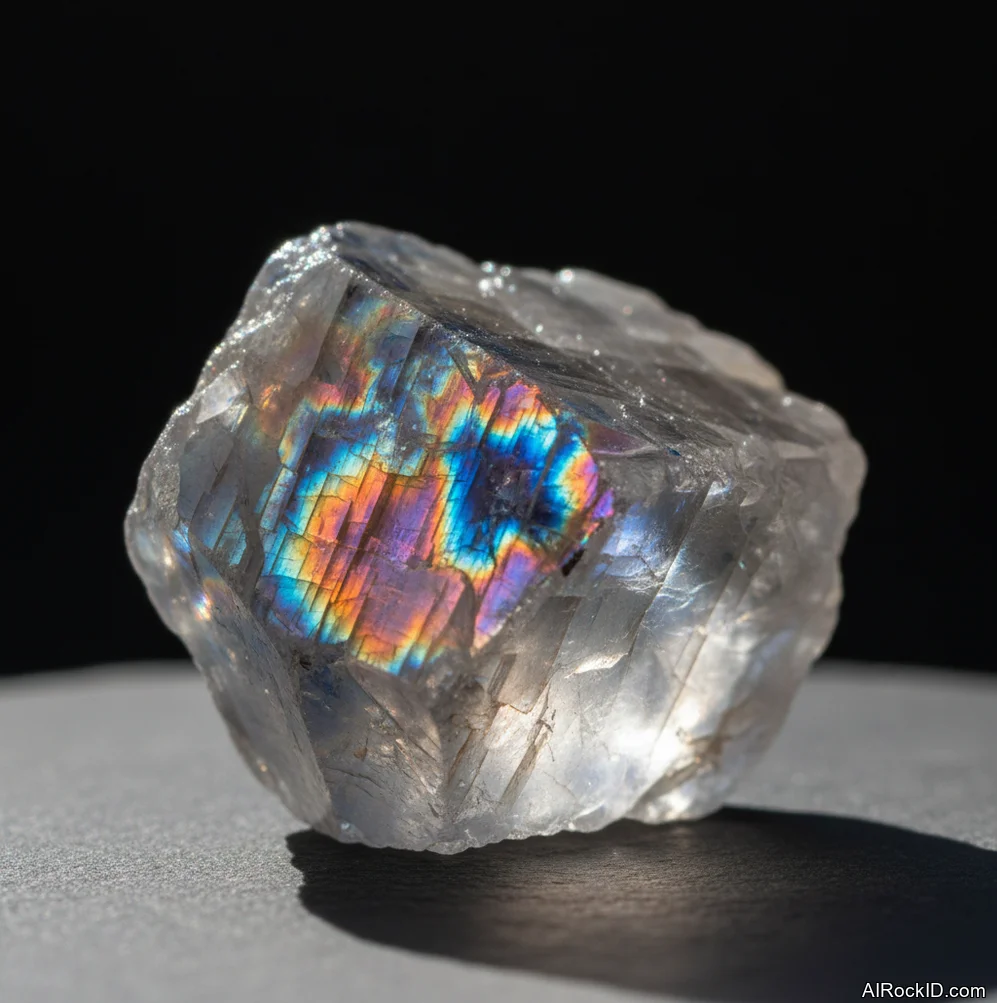
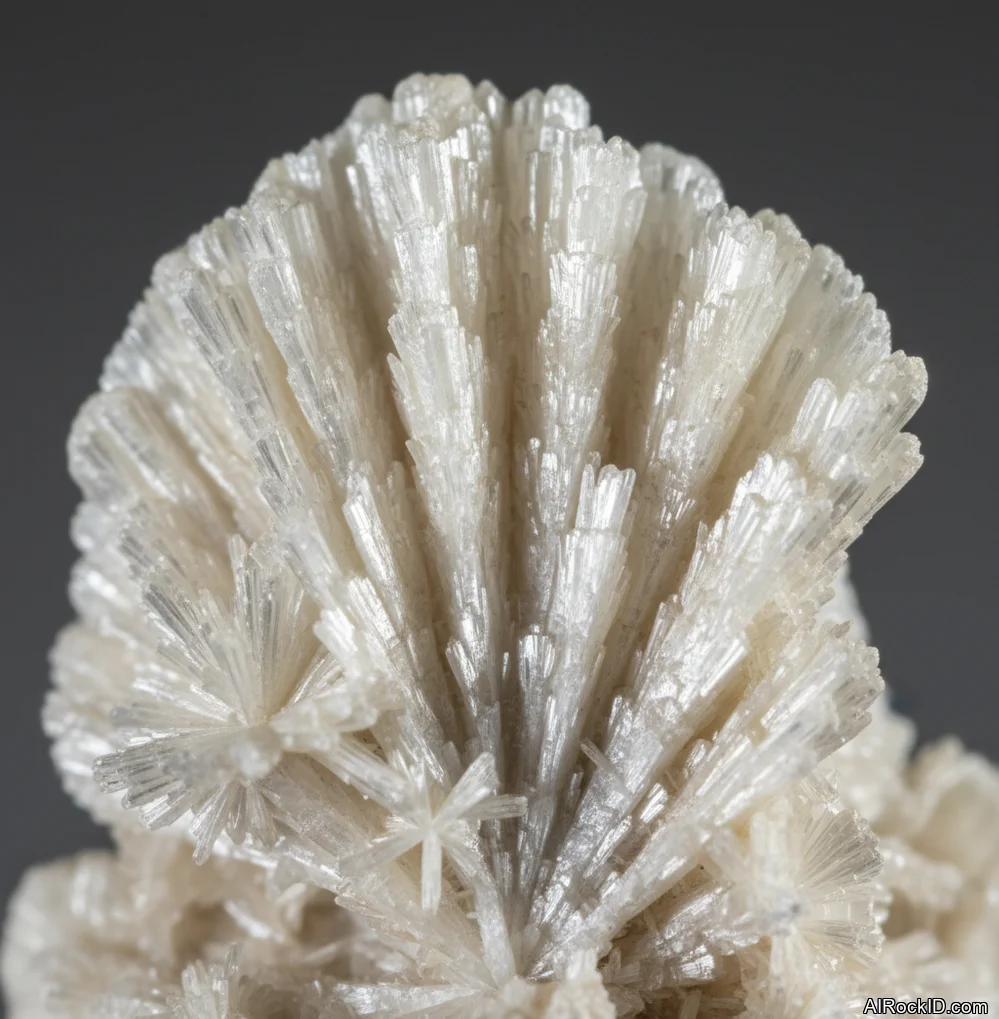
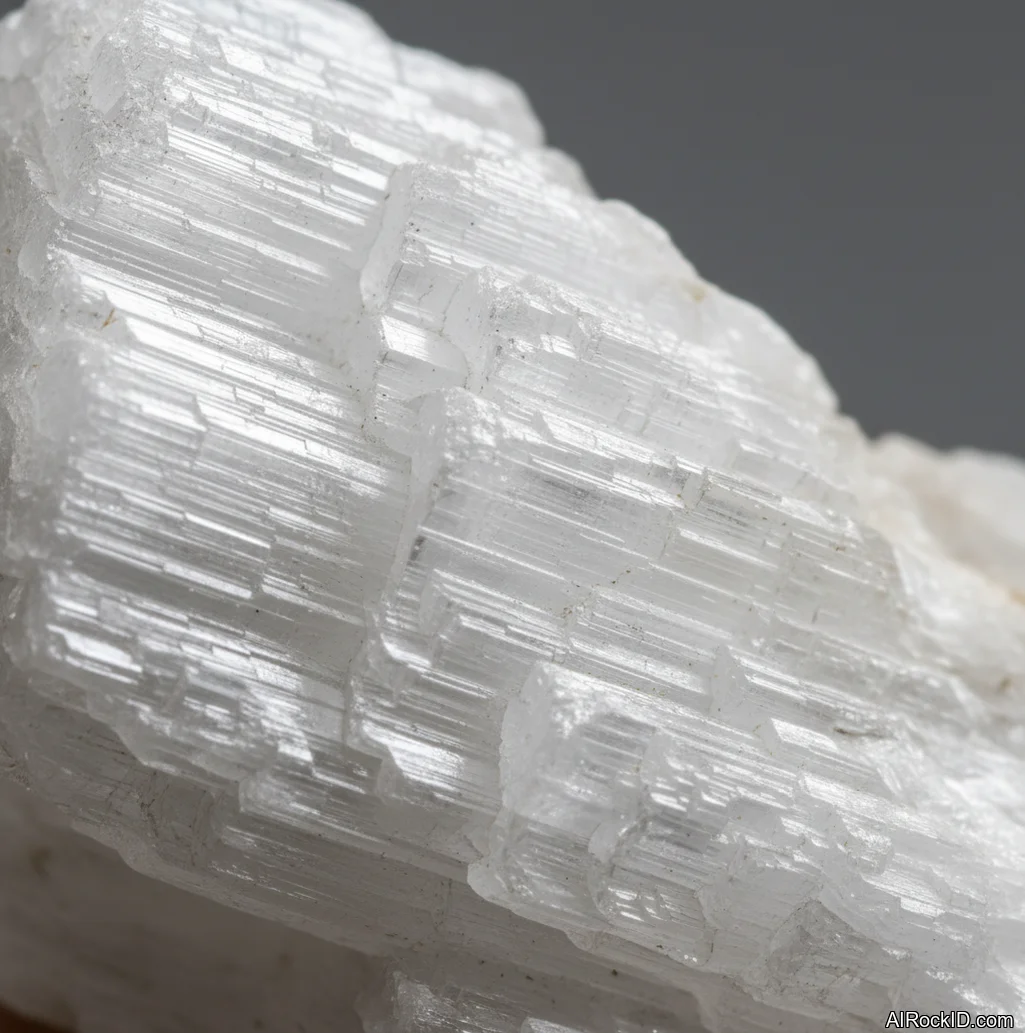
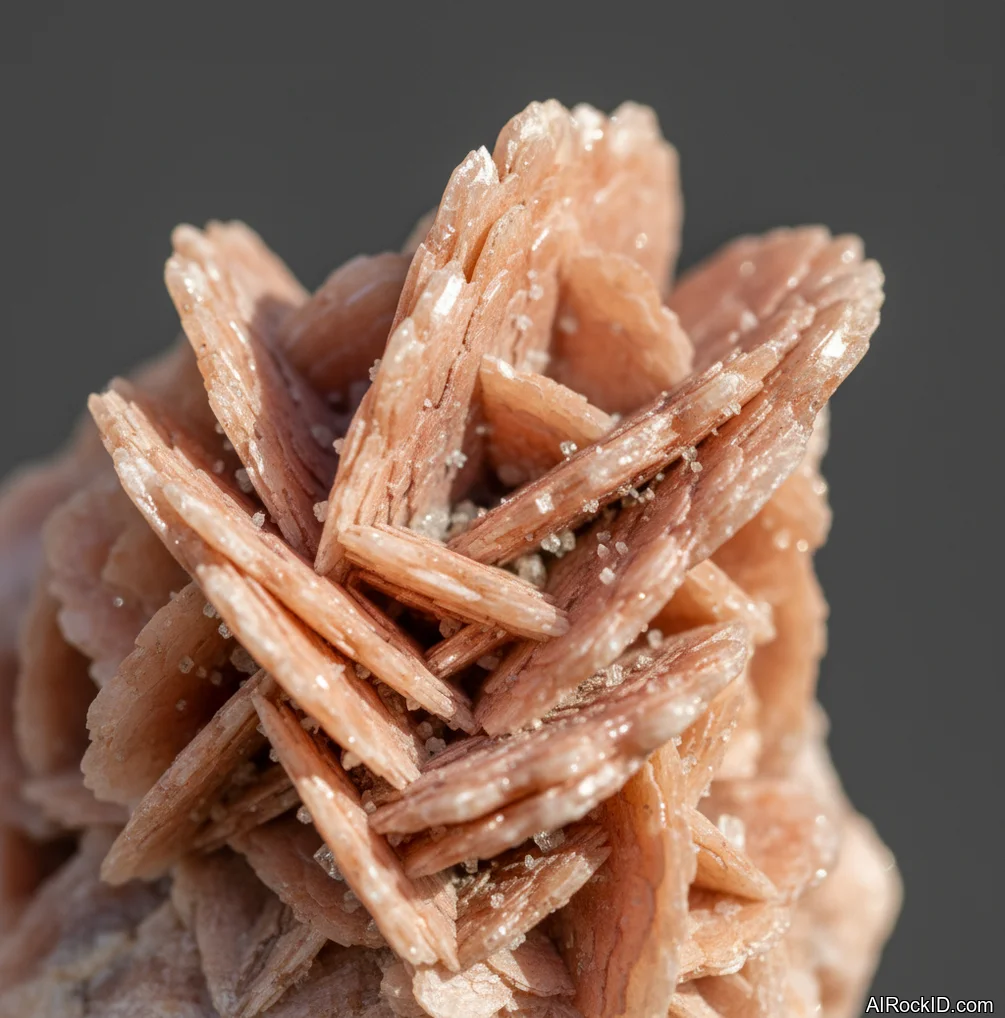
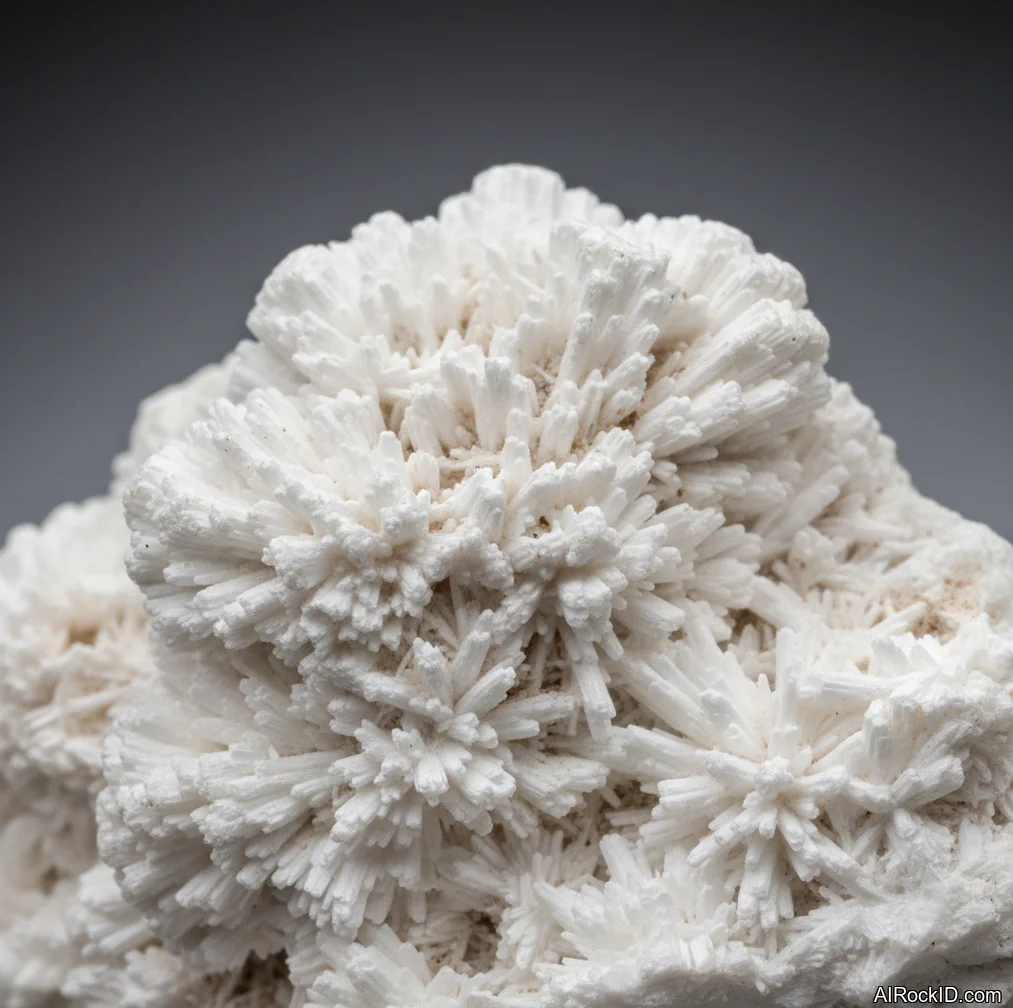
- Selenite: A soft gypsum variety associated with cleansing traditions; it can scratch easily and should be kept dry.
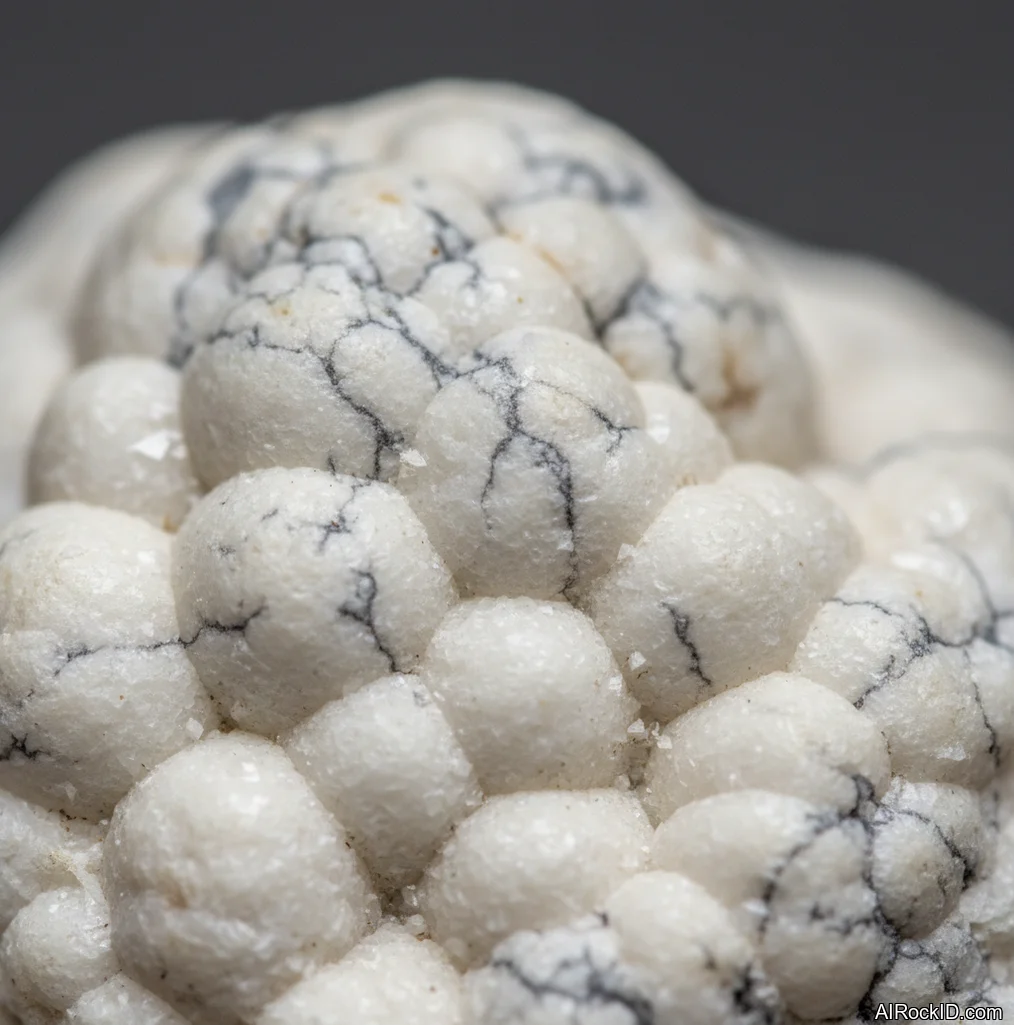
- Howlite: A white, veined borate mineral often connected with relaxation; it is commonly dyed and mistaken for turquoise.
AI identification confidence
AI identification is usually more reliable when photos show the stone in natural light from multiple angles, including close-ups of texture and any crystal faces. Tumbled sleep crystals can be harder to identify because polishing removes many natural mineral clues.
When AI gets it wrong
- The photo is dark, blurry, or strongly color-filtered.
- The stone is dyed, heat-treated, coated, or sold under a trade name.
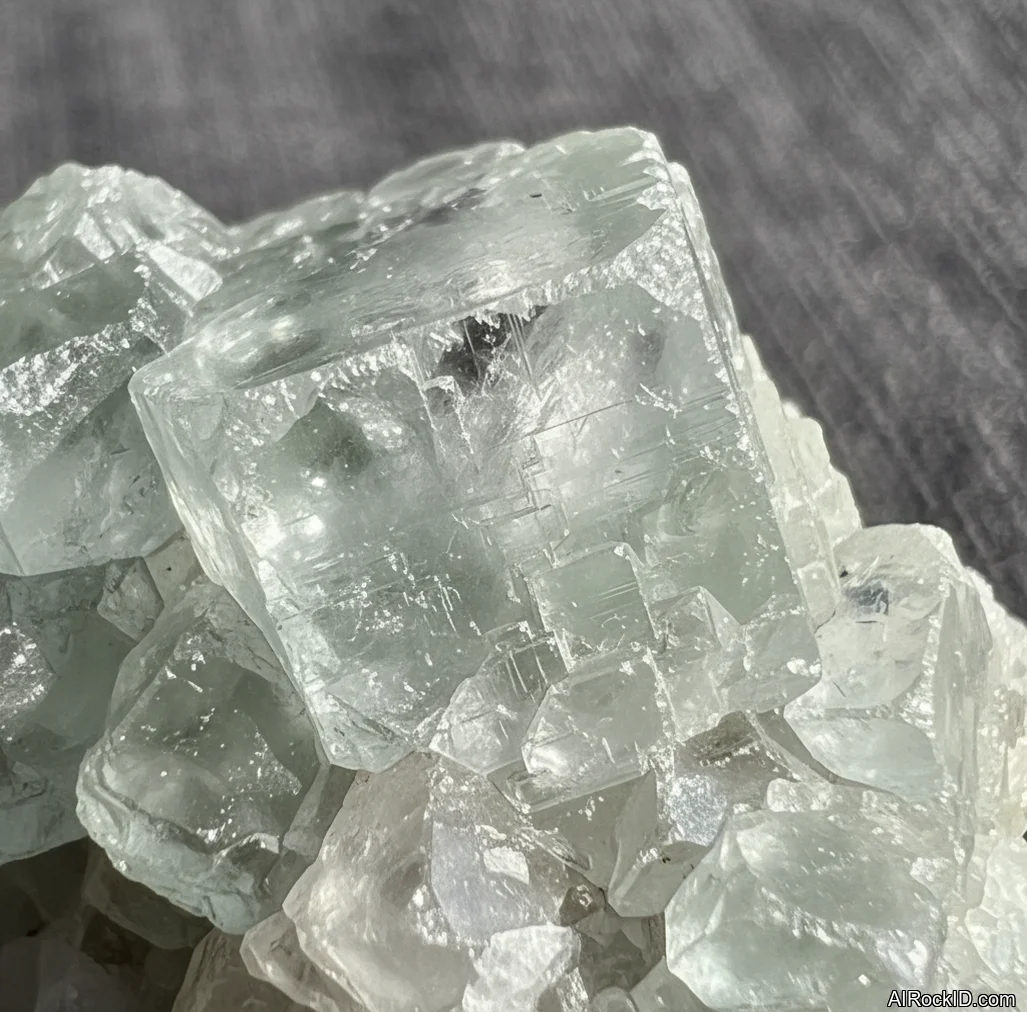
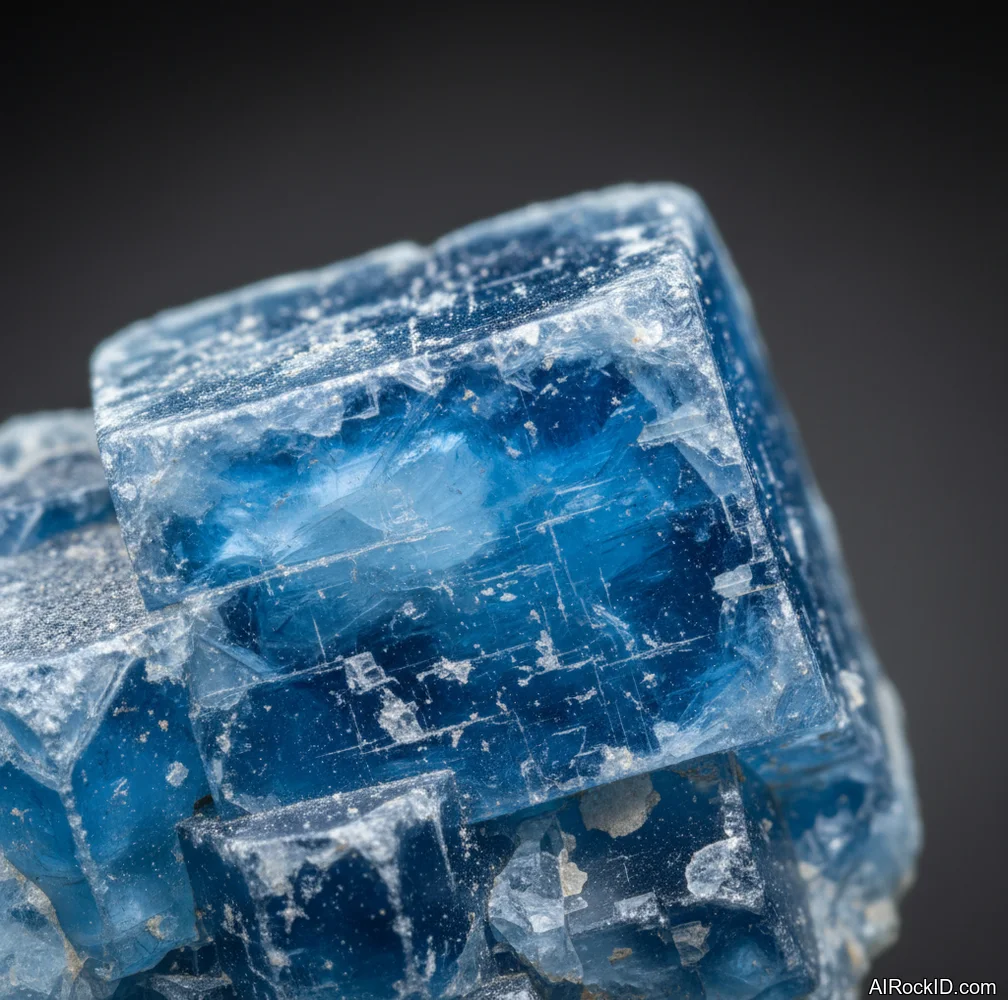
- Several minerals share a similar color, such as purple fluorite, amethyst, and lepidolite.
- The specimen is tumbled or carved, hiding natural crystal habit and cleavage.
What this category represents
The Sleep Crystals tag groups minerals and crystal varieties that are commonly associated with rest, relaxation, dreams, or bedtime routines in modern crystal traditions. The tag reflects cultural and metaphysical use patterns, not clinical evidence that a crystal can diagnose, treat, or cure sleep problems.
Beginner recommendations
Advanced recommendations
Safety Notes for Bedside Crystals
Bedside crystals should be placed where they cannot fall, chip, or create a choking hazard for children or pets. Soft minerals such as selenite, celestite, and calcite can scratch or break more easily than quartz. Stones should not be placed in drinking water unless their mineral safety and stability are well understood.
Natural, Dyed, and Trade-Name Sleep Stones
Some stones sold for sleep routines are natural mineral varieties, while others may be dyed, stabilized, or sold under trade names. Dyed howlite, coated quartz, and color-enhanced stones can still be decorative, but the treatment matters for identification and care. Checking seller details and visual clues can help distinguish mineral identity from marketing names.
Choosing by Mineral Care Needs
Crystal care needs vary by hardness, cleavage, and water sensitivity. Amethyst is relatively durable for normal display, while lepidolite, selenite, celestite, and calcite require gentler handling. A practical sleep collection can combine symbolic meaning with minerals that are safe and easy to maintain in a bedroom setting.
What are Sleep Crystals and How Do People Use Them?
Sleep, in the crystal world, means more than just drifting off. It's about the rituals and signals you set each night to let your body and mind know it's time to wind down. No, a hunk of amethyst on your nightstand won't knock you out like a prescription. But it does act as a physical anchor—something you notice, touch, even subconsciously register when you flick off the lamp. That's the whole idea behind sleep crystals: a tactile cue that marks the start of your routine. Pick up lepidolite and you'll notice it flakes a little, sometimes shedding tiny mica sparkles. It stays cool, even after a few minutes of holding. That's different from amethyst, which always feels glassy, and howlite, which is light and almost chalky. This mix of sensations matters. People ask for sleep stones when they want something real—something with weight—that helps them set a nightly pattern. Consistent habits, not magic rocks, are what most people actually need. But the ritual? That’s where crystals fit in.
Top Crystals for Sleep: Real User Experiences
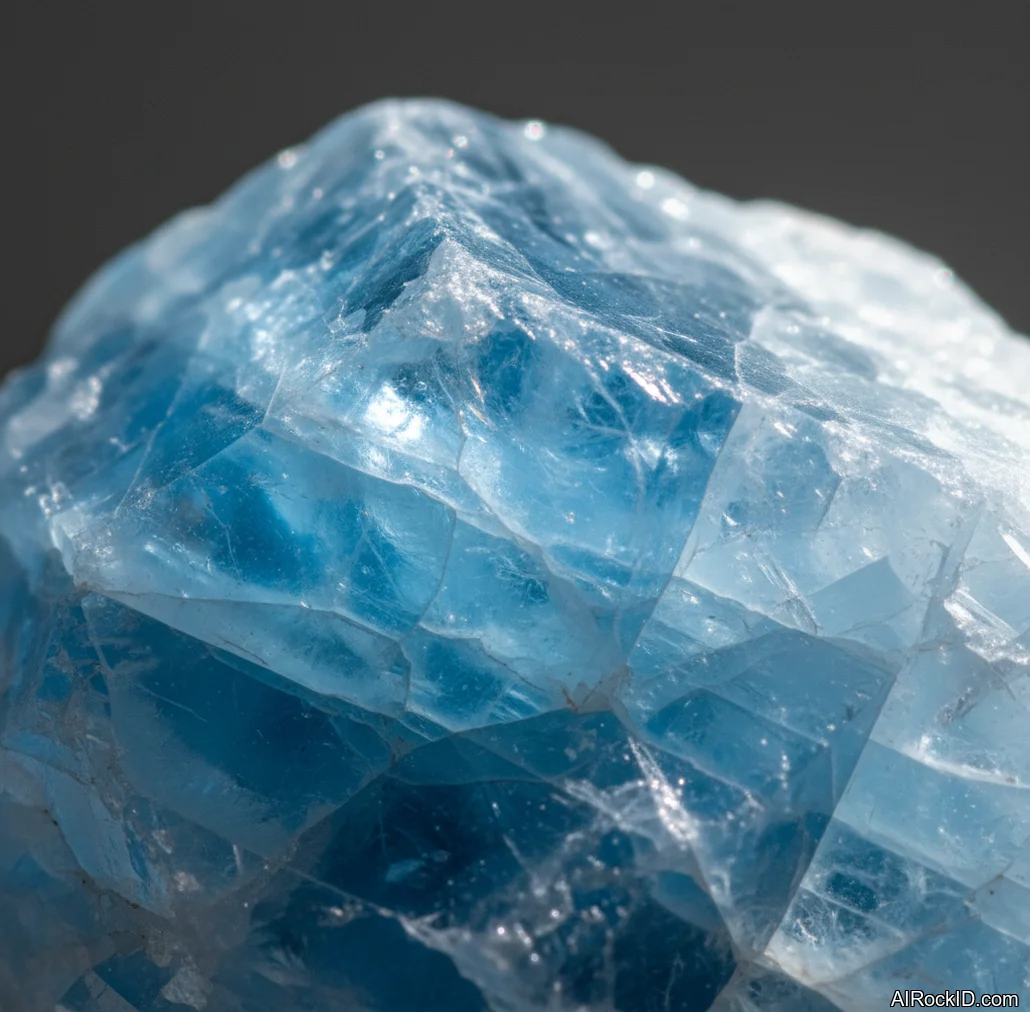
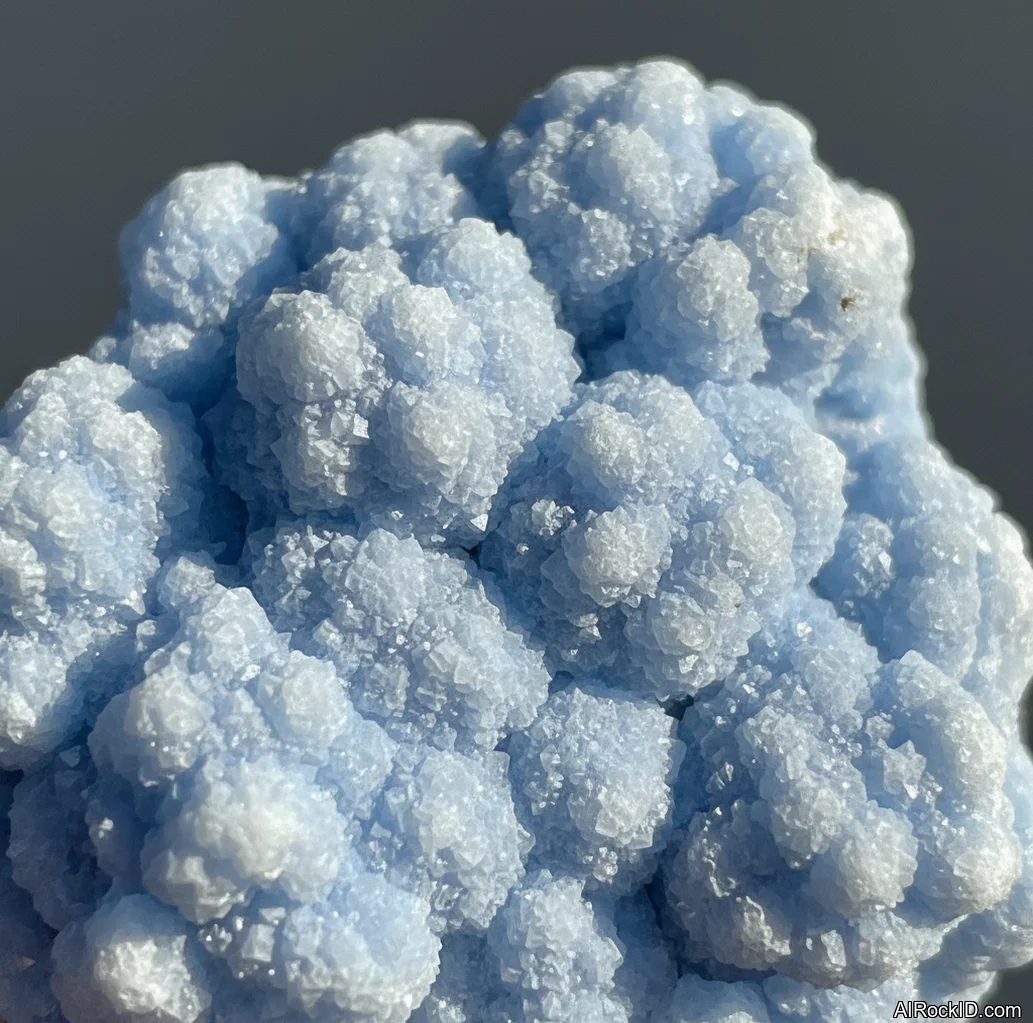
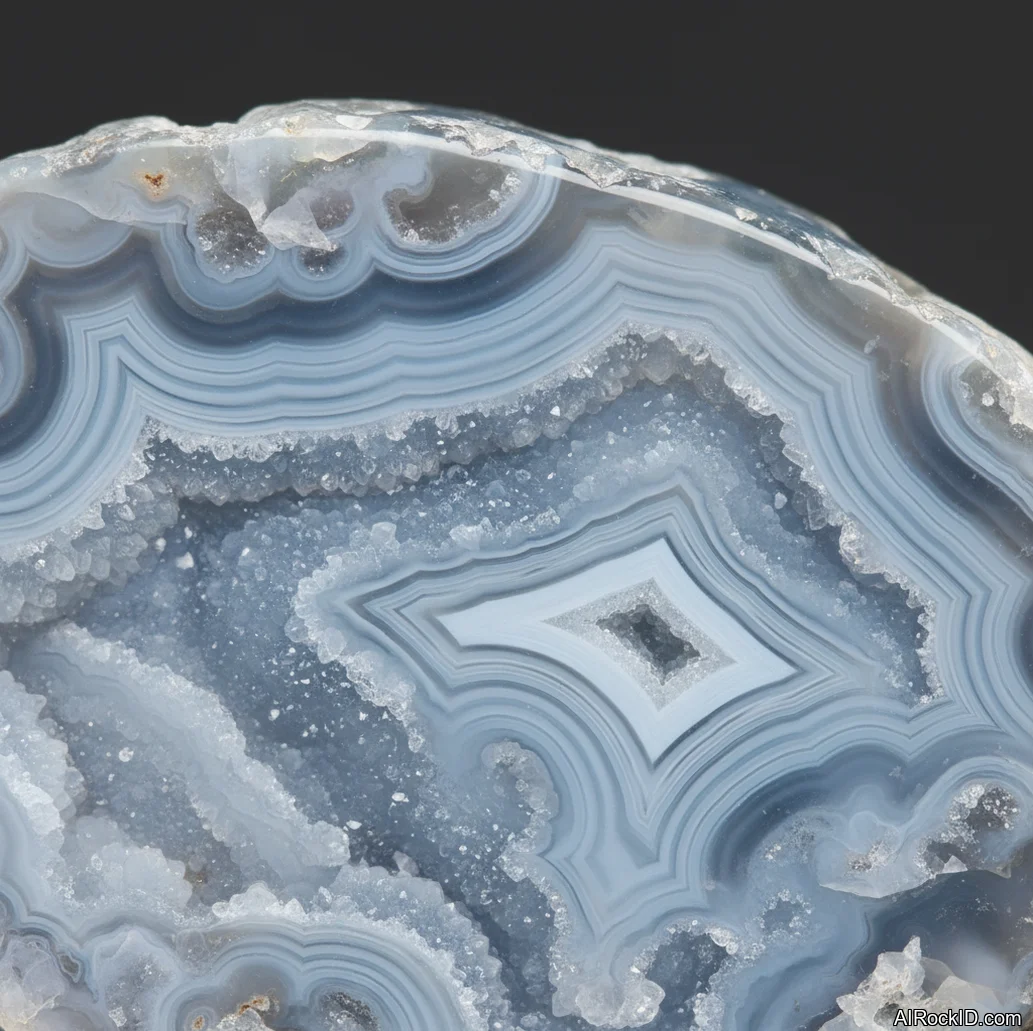
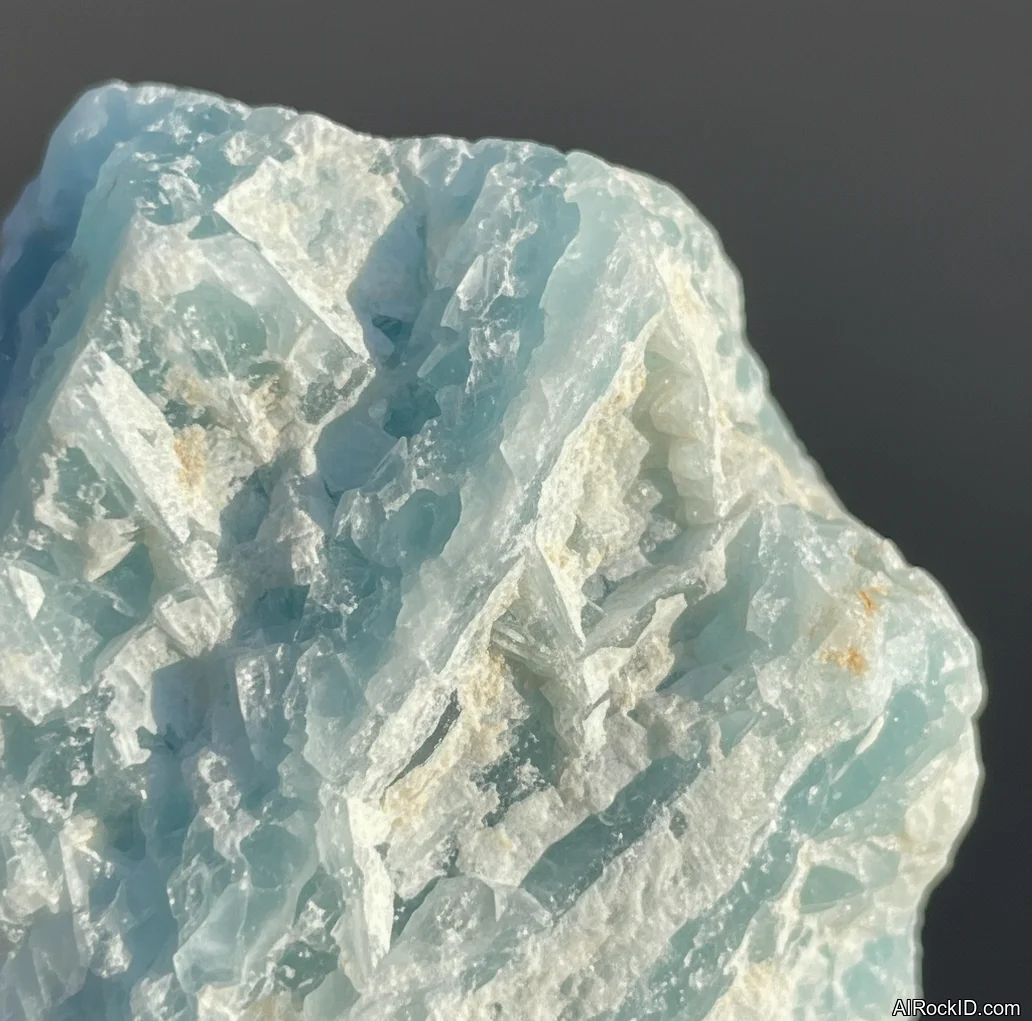
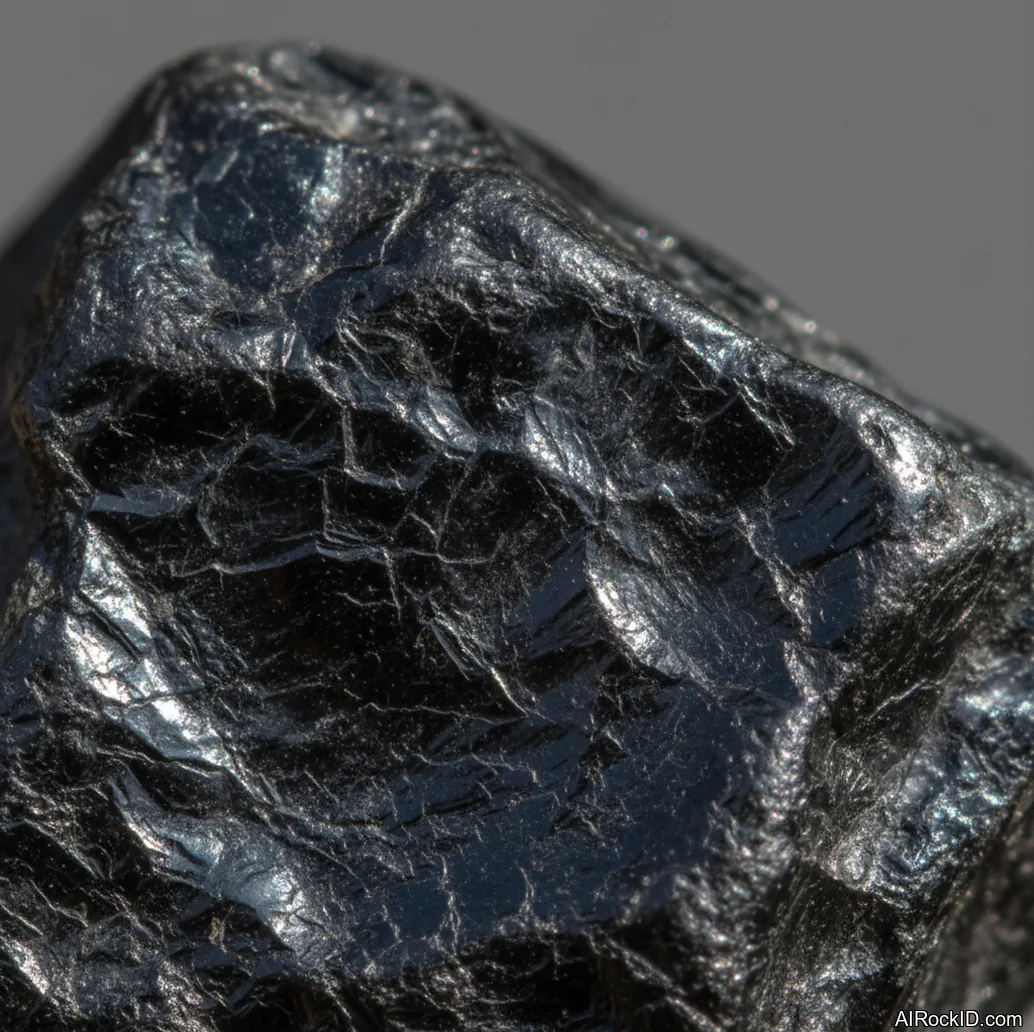
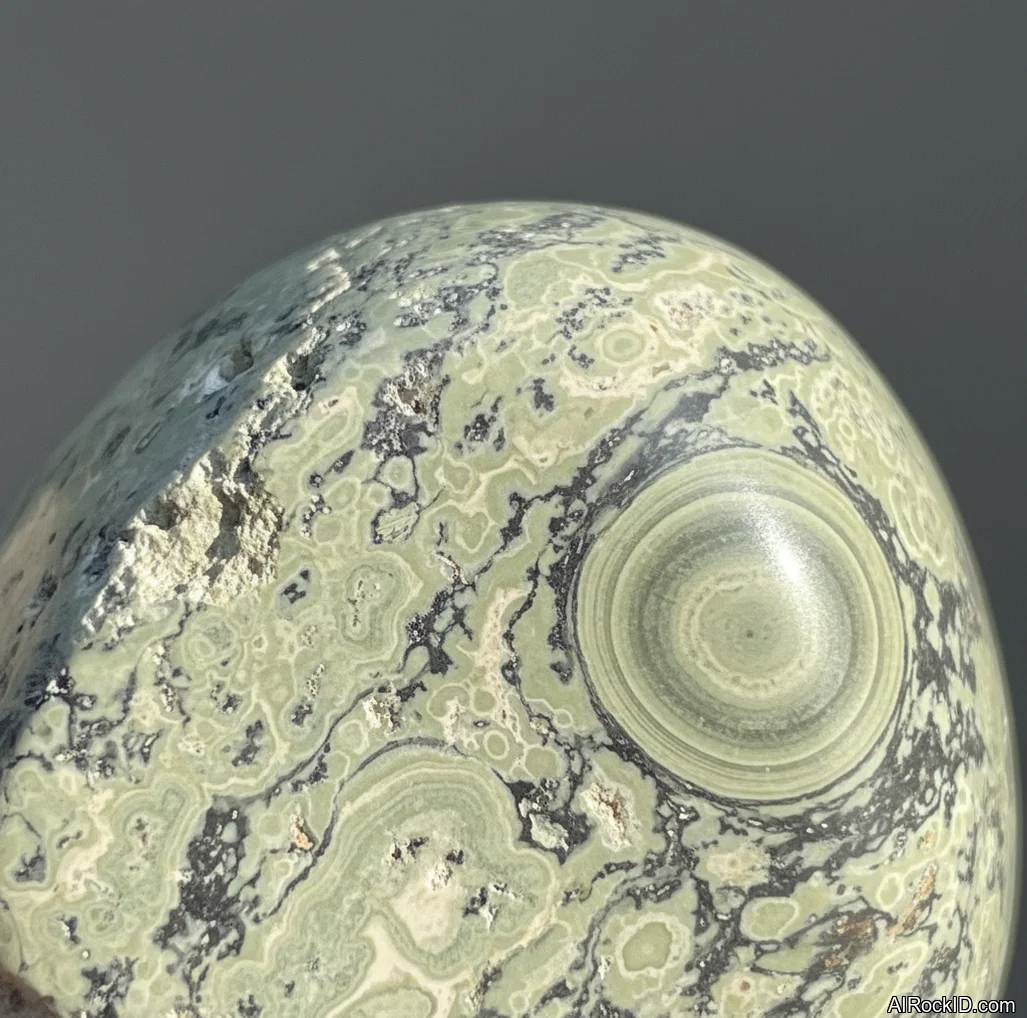
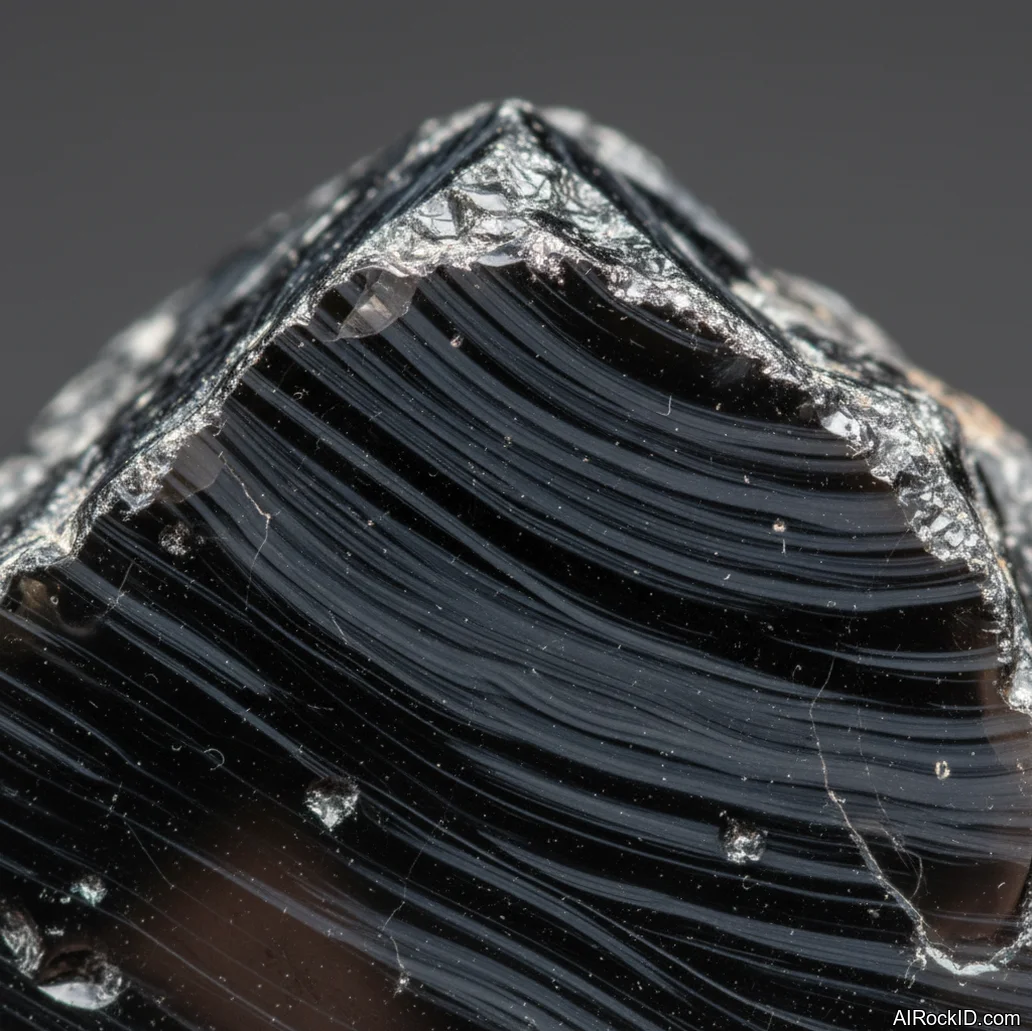
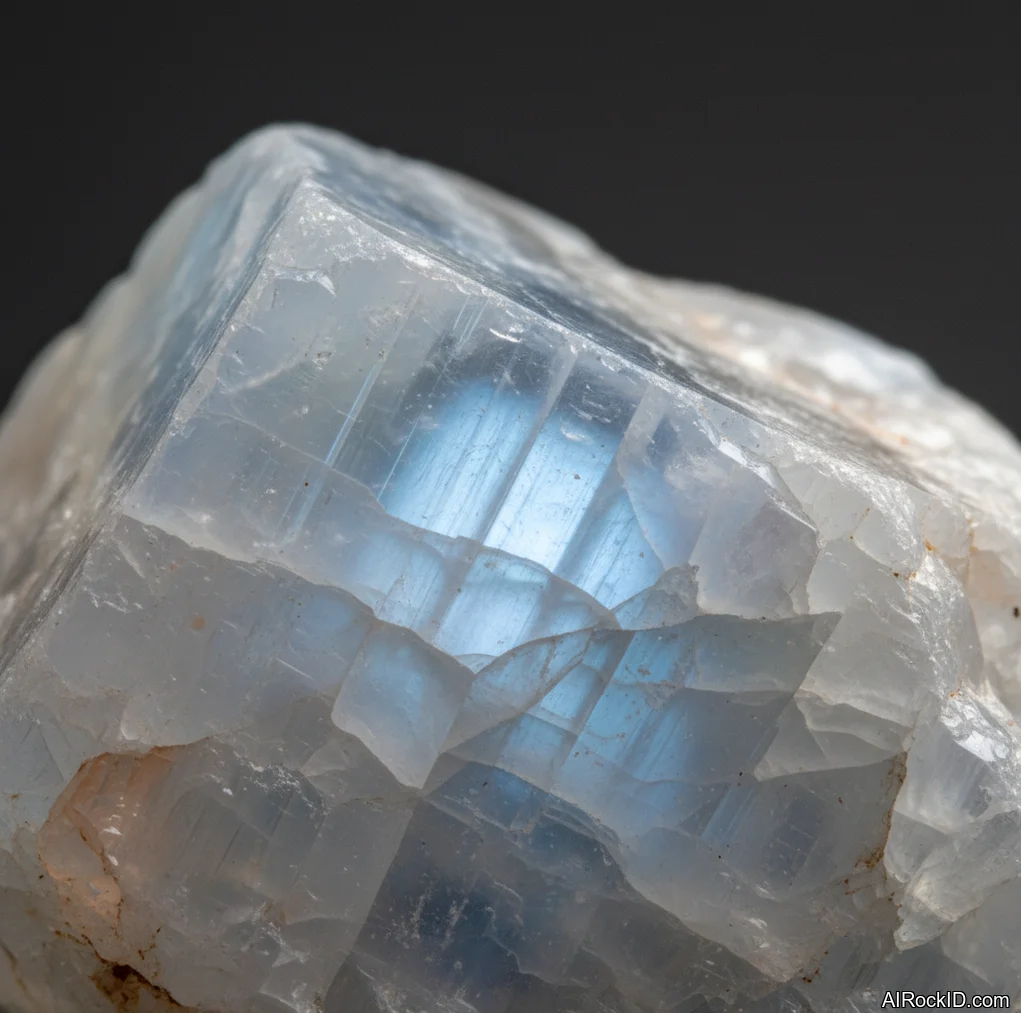
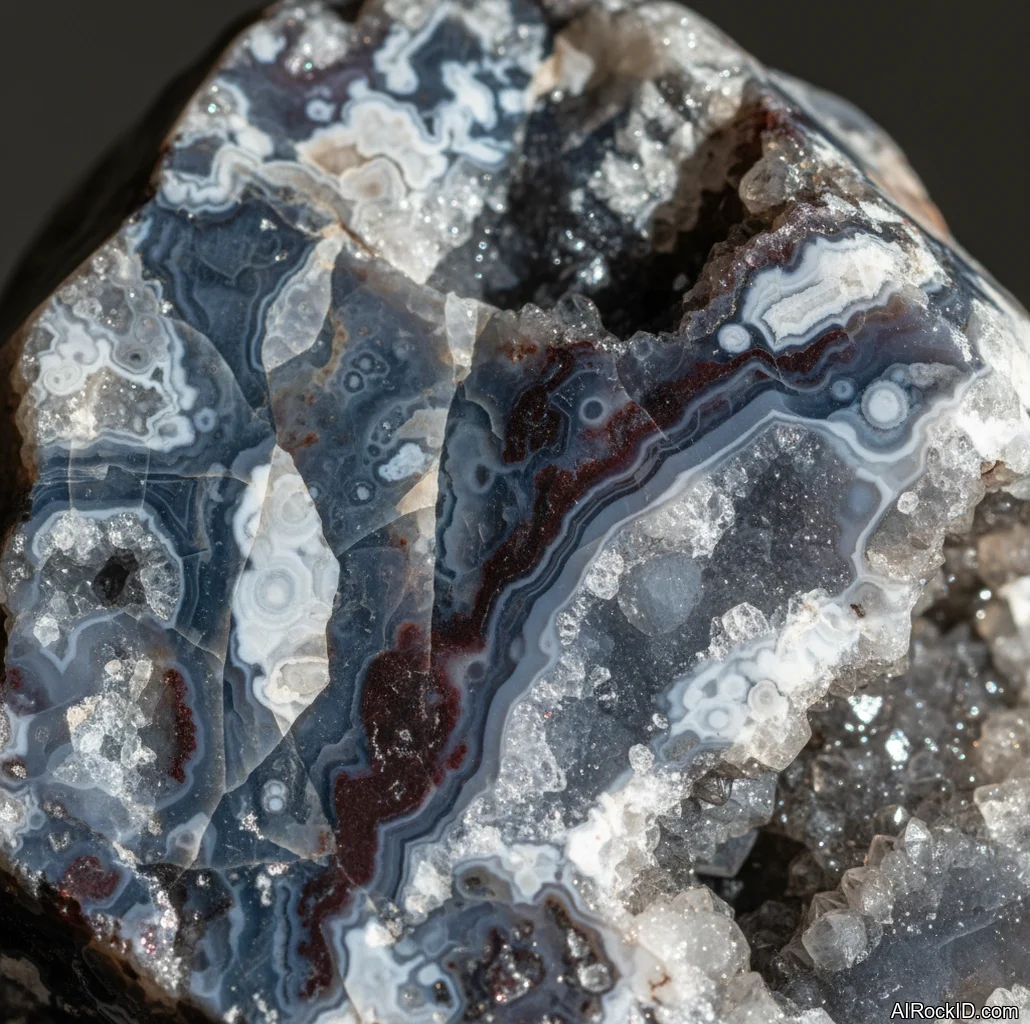
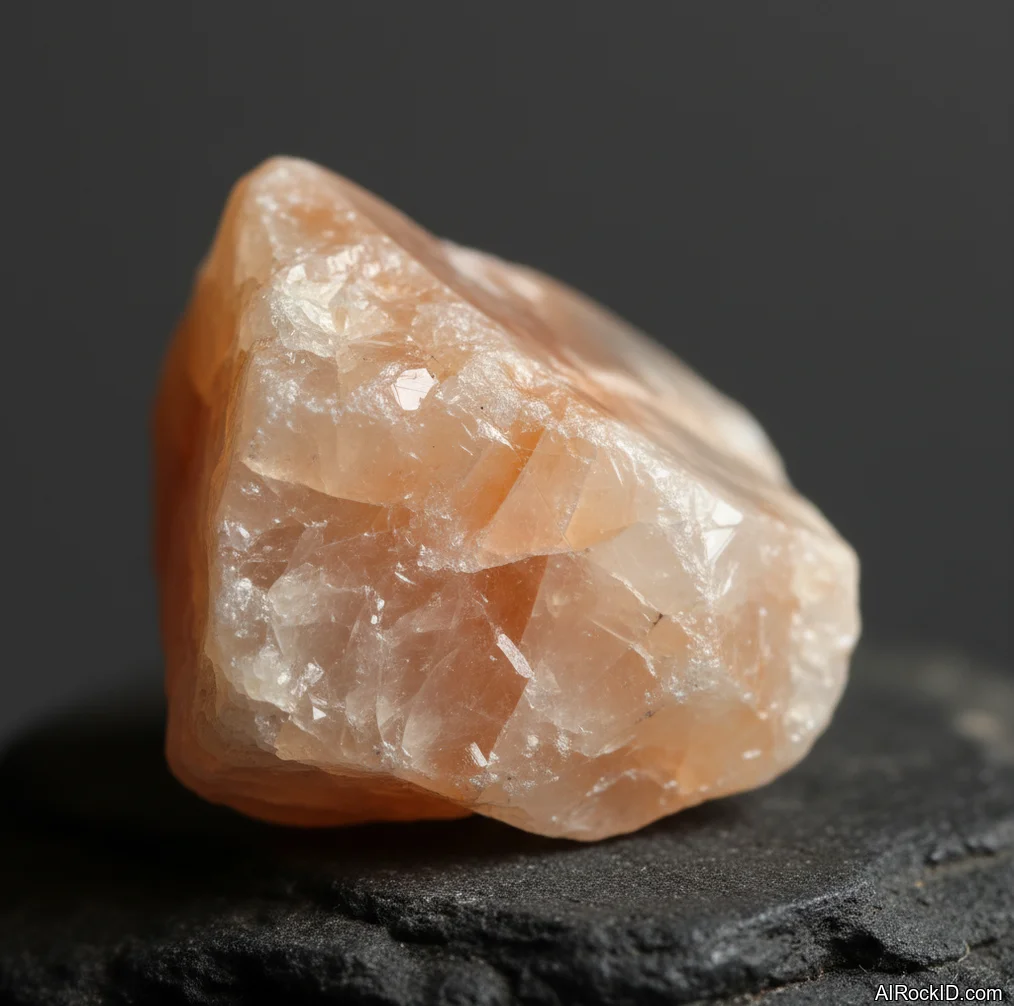
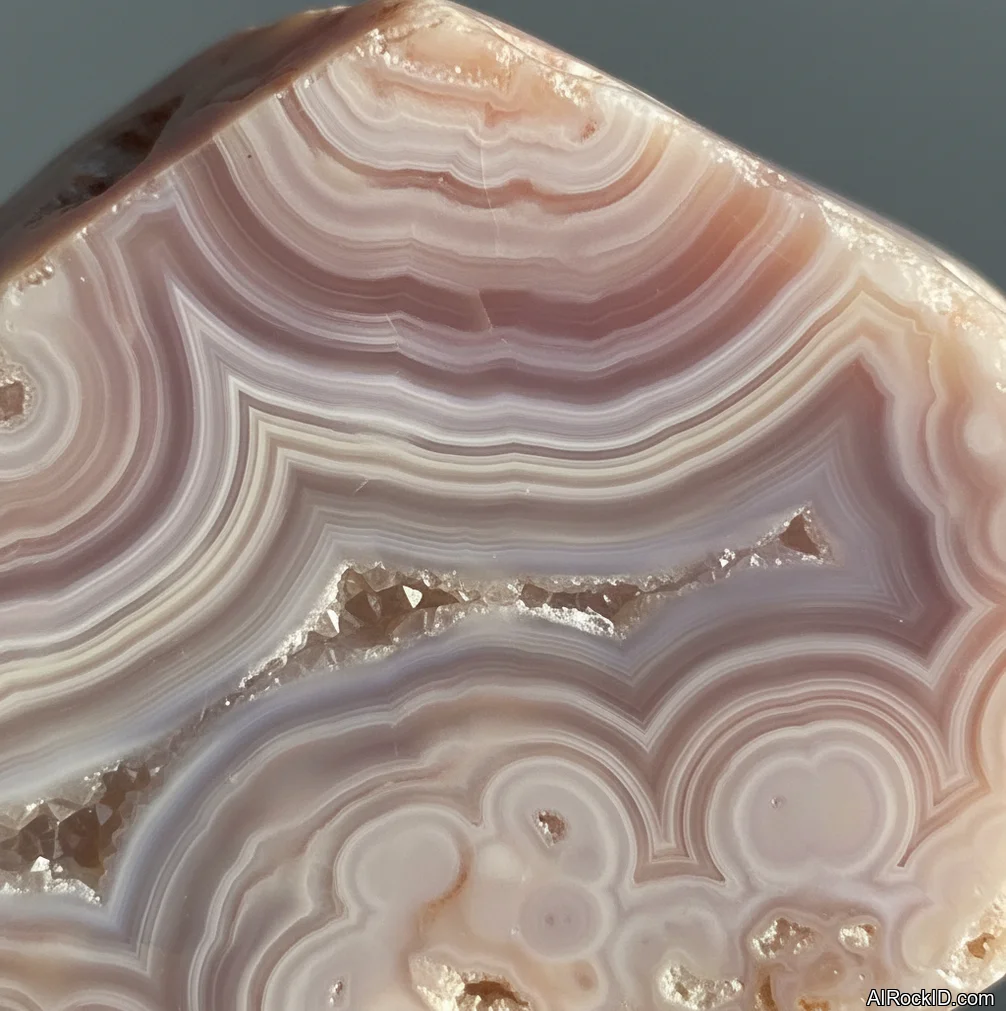
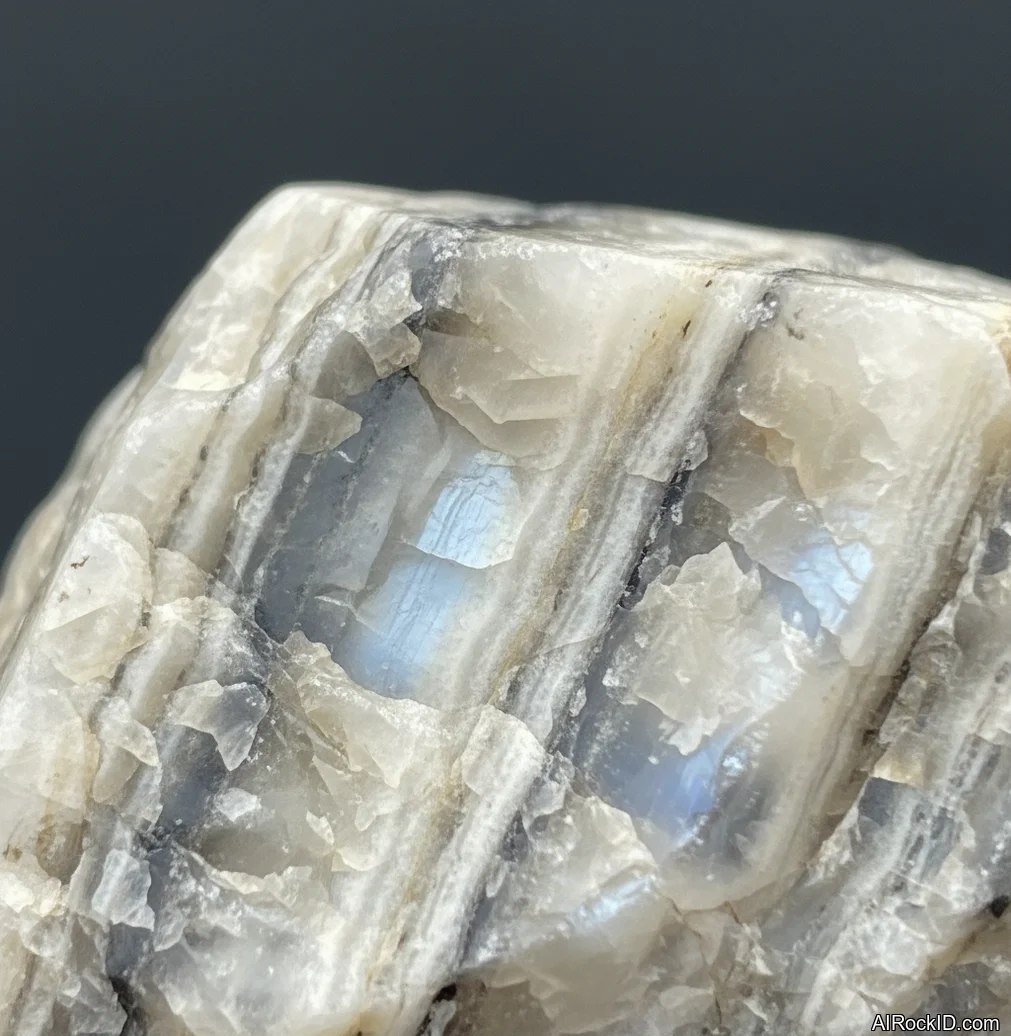
Ask anyone who's worked in a mineral shop: sleep crystals come up all the time. The usual suspects are lepidolite, amethyst, howlite, moonstone, selenite, blue lace agate, and celestite. Each one feels different in the hand. Amethyst points feel sharp and cold, especially if you get the raw, unpolished kind. Lepidolite flakes off in thin sheets if you rub it hard enough. Howlite looks like someone took a pencil and scribbled gray spiderwebs through a chunk of white chalk. Selenite scratches if you press your fingernail into it. People choose based on texture, color, and the story that feels right for them. For racing thoughts, the combo of lepidolite and amethyst is popular. If physical tension is the issue, blue calcite and blue lace agate are smoother, sometimes almost waxy, and lend themselves to palm stones. Nightmares? That's when moonstone or labradorite gets pulled out. Not because they're sedatives, but because folks treat them like boundary markers—something to keep restless energy out of the room.
Why People Turn to Sleep Crystals: Common Reasons and Myths
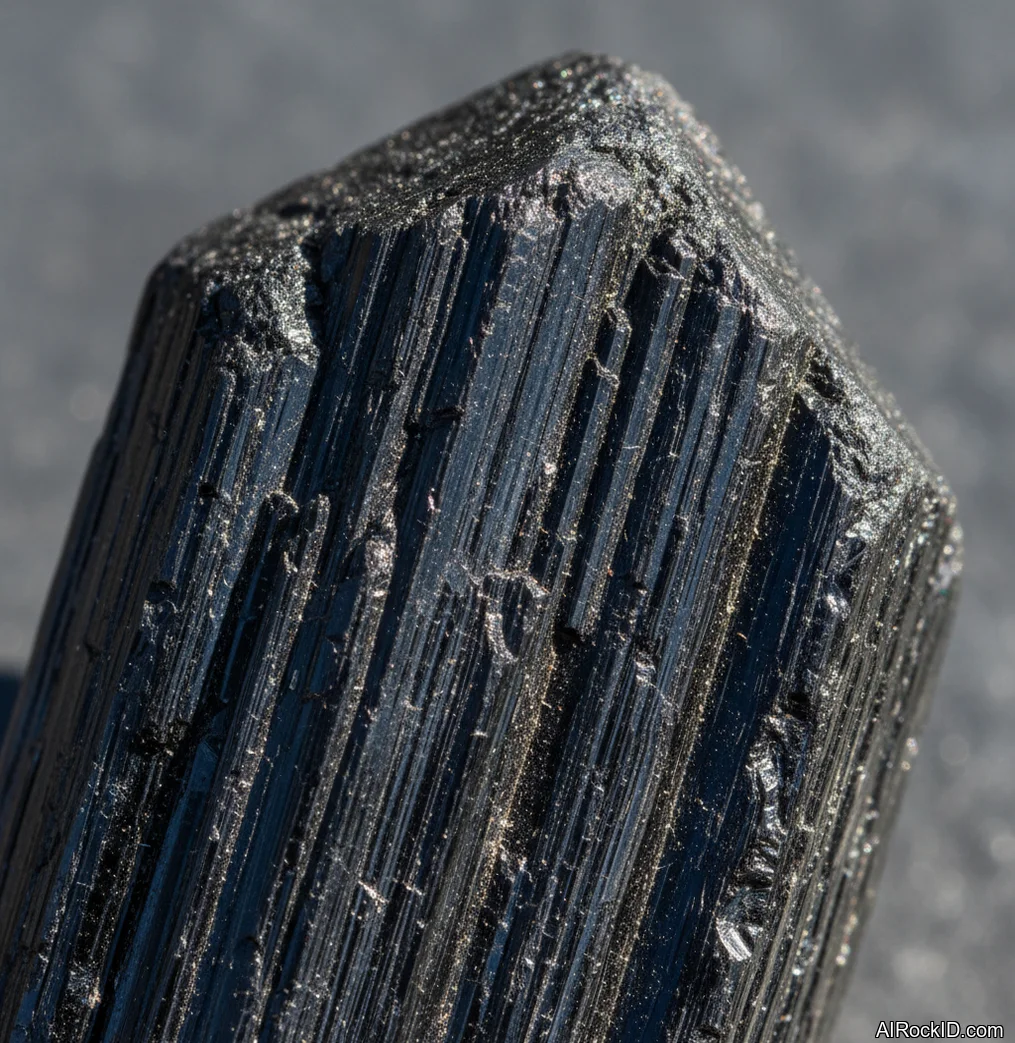
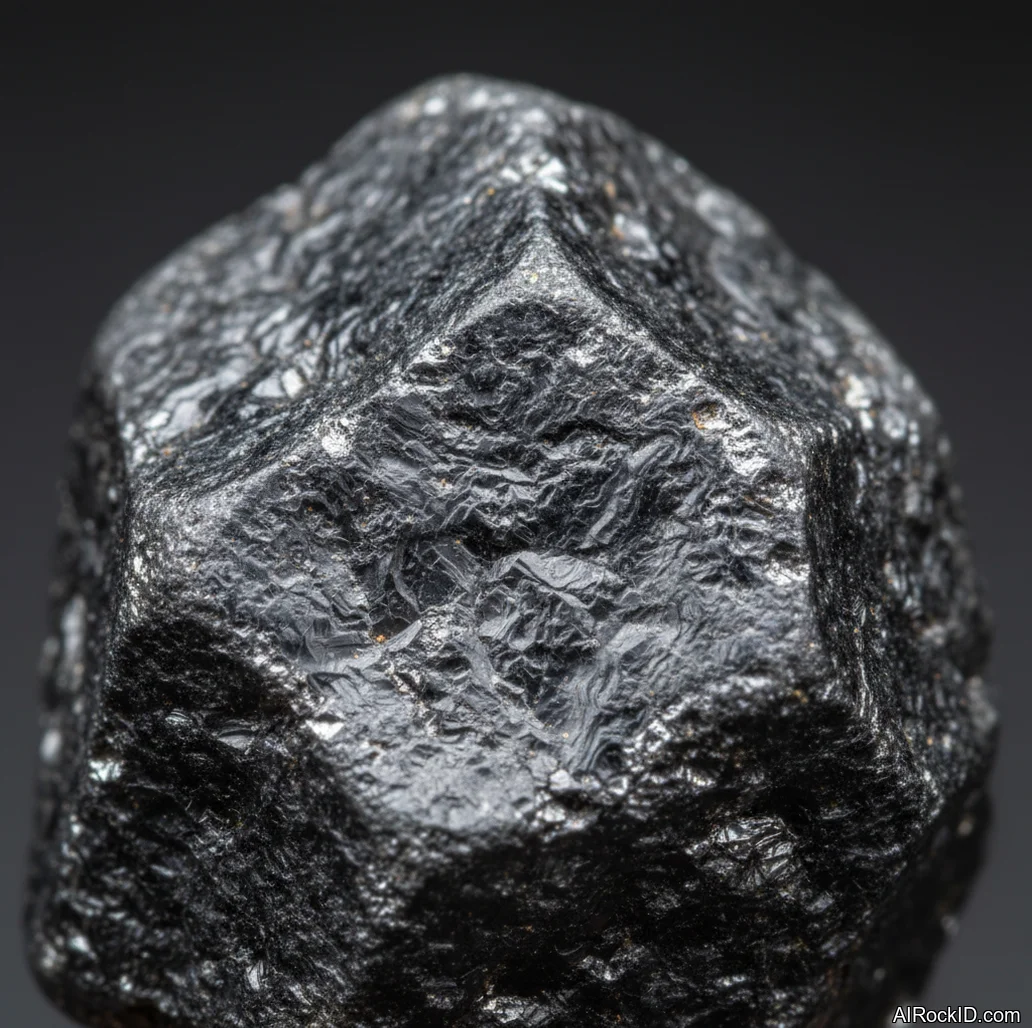
Most customers chasing sleep crystals are after one of three things. First: turning down the mental volume. That’s the crowd who’d rather reach for amethyst or lepidolite than a notebook or a phone. They want a stone that feels like a dimmer switch. Second: releasing body tension. Walk around a gem show and you'll see people rolling blue lace agate or blue calcite stones in their palms, hoping for that jaw-unclenching effect. These stones usually have a cool, smooth finish and a softness under the fingertips that’s different from, say, labradorite. Third: protection from nightmares and restless sleep. That’s where moonstone, labradorite, or even black tourmaline come in. They're not about sedation but about making the bedroom feel like a safe container. The problem? Sometimes people expect instant results or treat these stones like a substitute for real sleep hygiene. The truth: any benefit comes from the ritual and routine, not from a secret property in the mineral itself.
Practical Tips for Using Sleep Crystals at Home
Don't overload your bedroom with a dozen stones. A simple setup works best: one palm stone or tumbled piece by the pillow, maybe another on the nightstand. Too many and you’ve just got clutter. Raw points can snag sheets, so tumbled or palm stones are safer if you move a lot in your sleep. Some people tuck a flat piece of lepidolite under their pillow, but be warned: flakes shed and can make a mess. Selenite feels smooth but scratches easily, and it’ll dissolve if it gets wet, so keep it away from humidifiers or spilled drinks. If you’re traveling, slip a small tumbled howlite or amethyst into your bag—they don’t mind the jostling. Over time, you’ll figure out which texture or weight is most grounding for you. The key is consistency, not quantity.
Best Sleep Crystals to Start With
| Level | Crystal | Note |
| Gentle / Beginner | Howlite | It's lightweight, smooth, and not likely to shed or scratch. The gray veining makes it easy to spot in a pile of stones. |
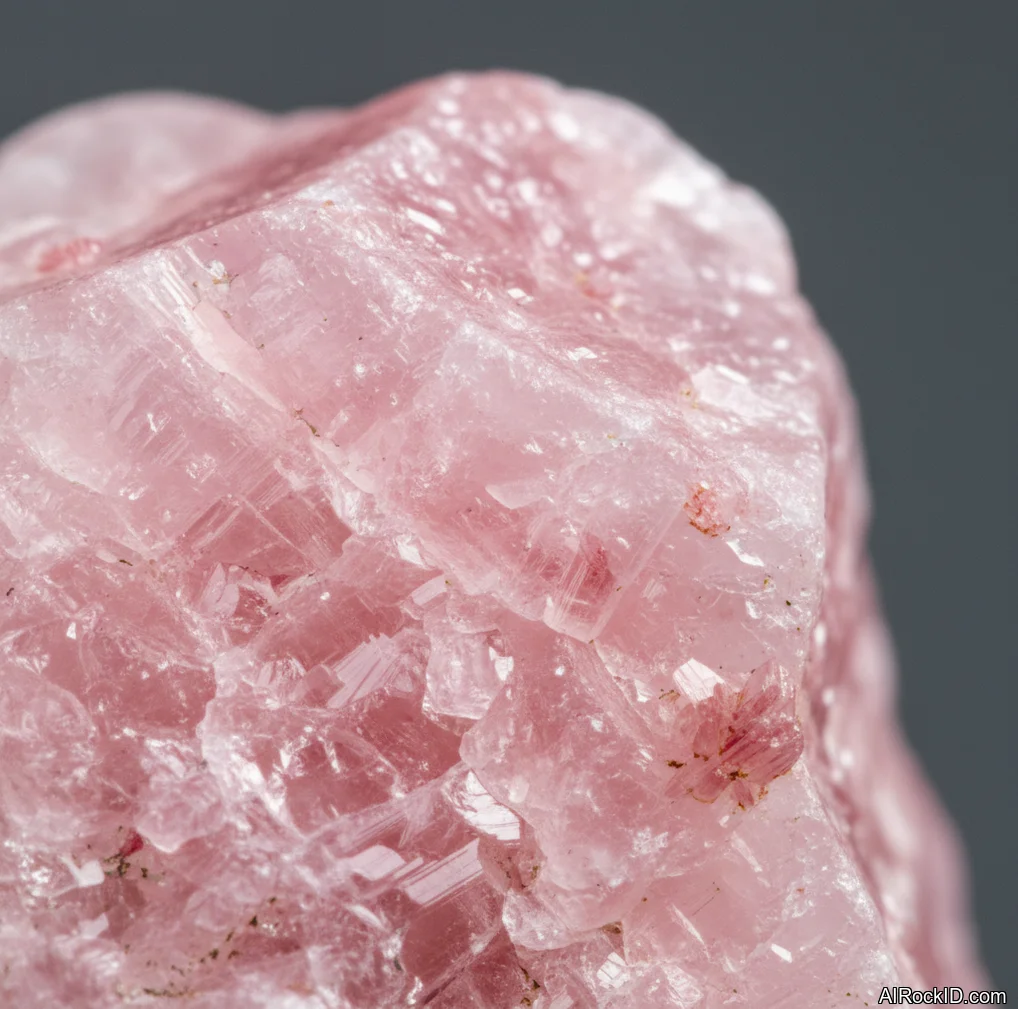
| Balanced / Everyday | Amethyst | Amethyst points or tumbled stones hold up well, stay cool to the touch, and are easy to find in nearly any size or shape. |
| Intense / Advanced | Lepidolite | It flakes and sheds, which can bother beginners, but those mica layers are what many people look for in deeper calming routines. |
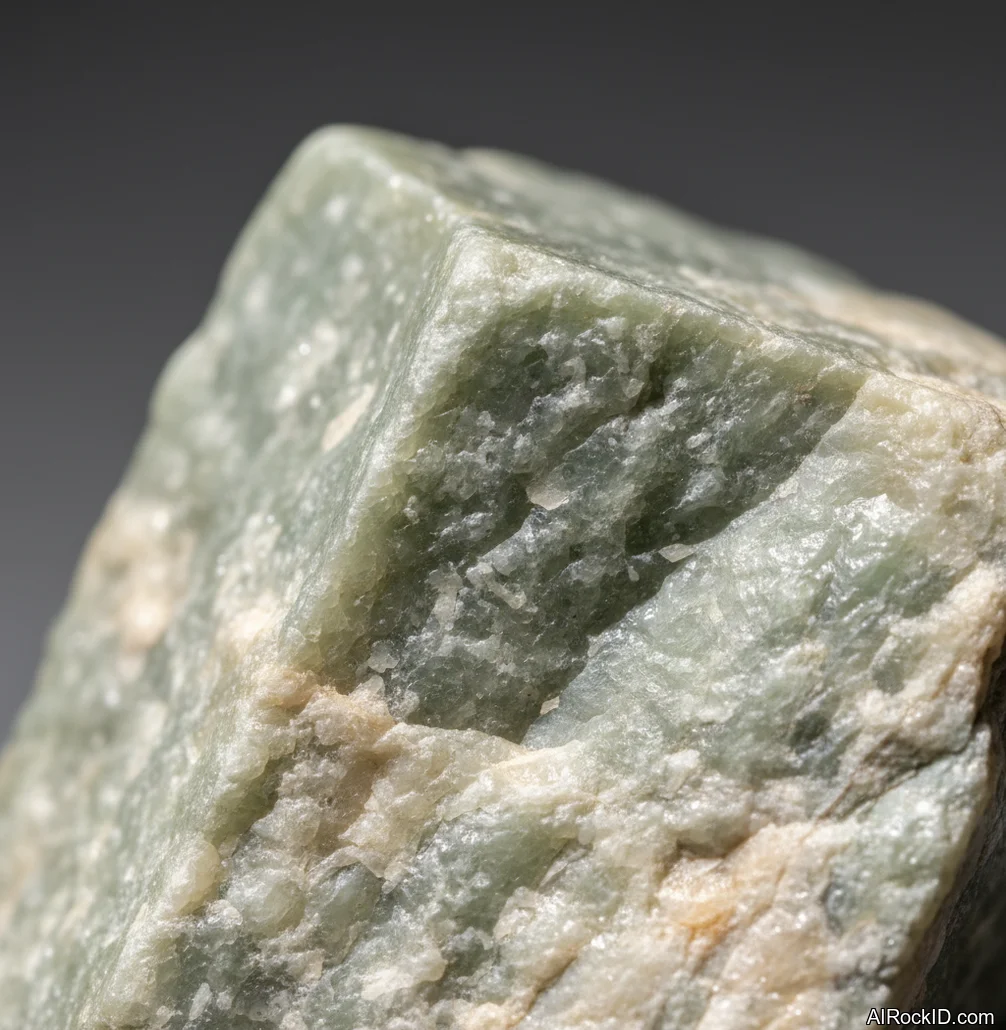
| Best for Carrying | Blue Lace Agate | Small tumbled pieces fit smoothly in a pocket and don't crumble, unlike selenite or raw lepidolite. |
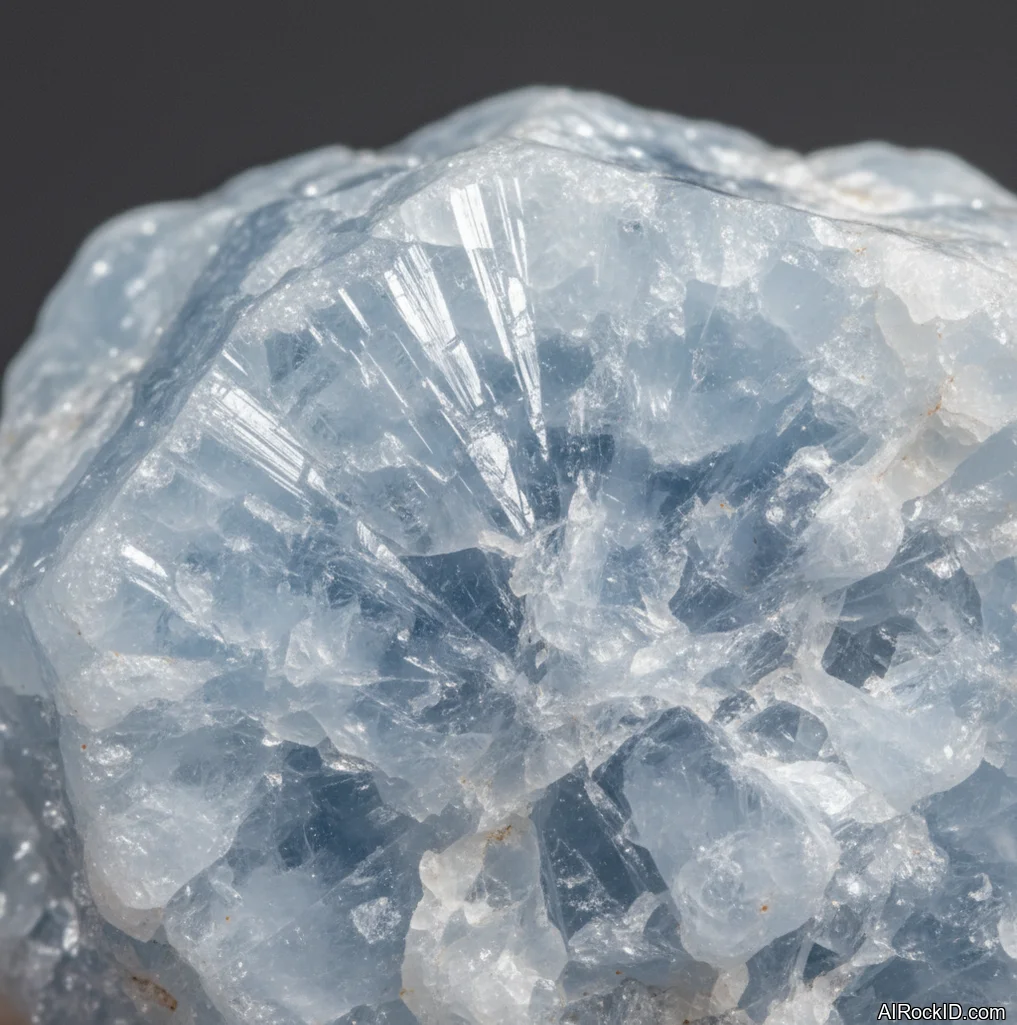
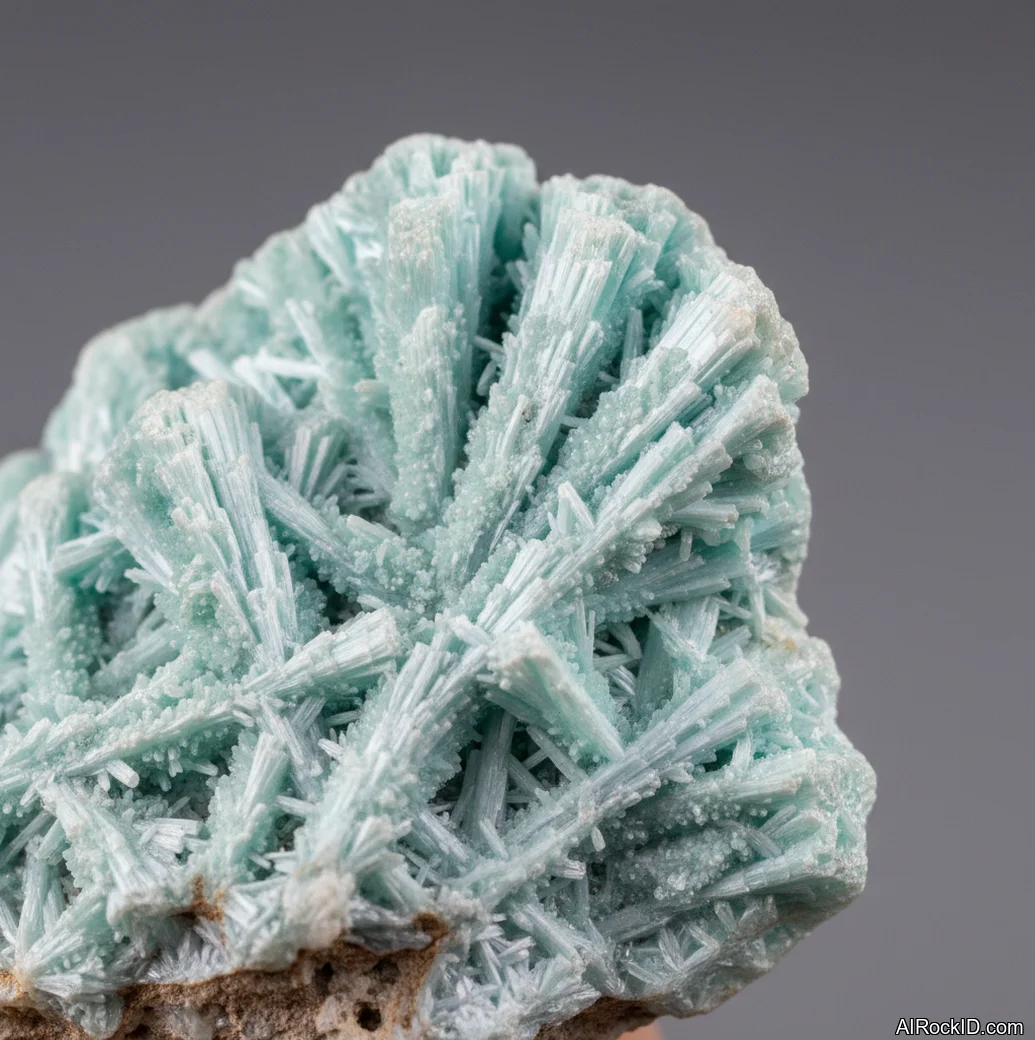
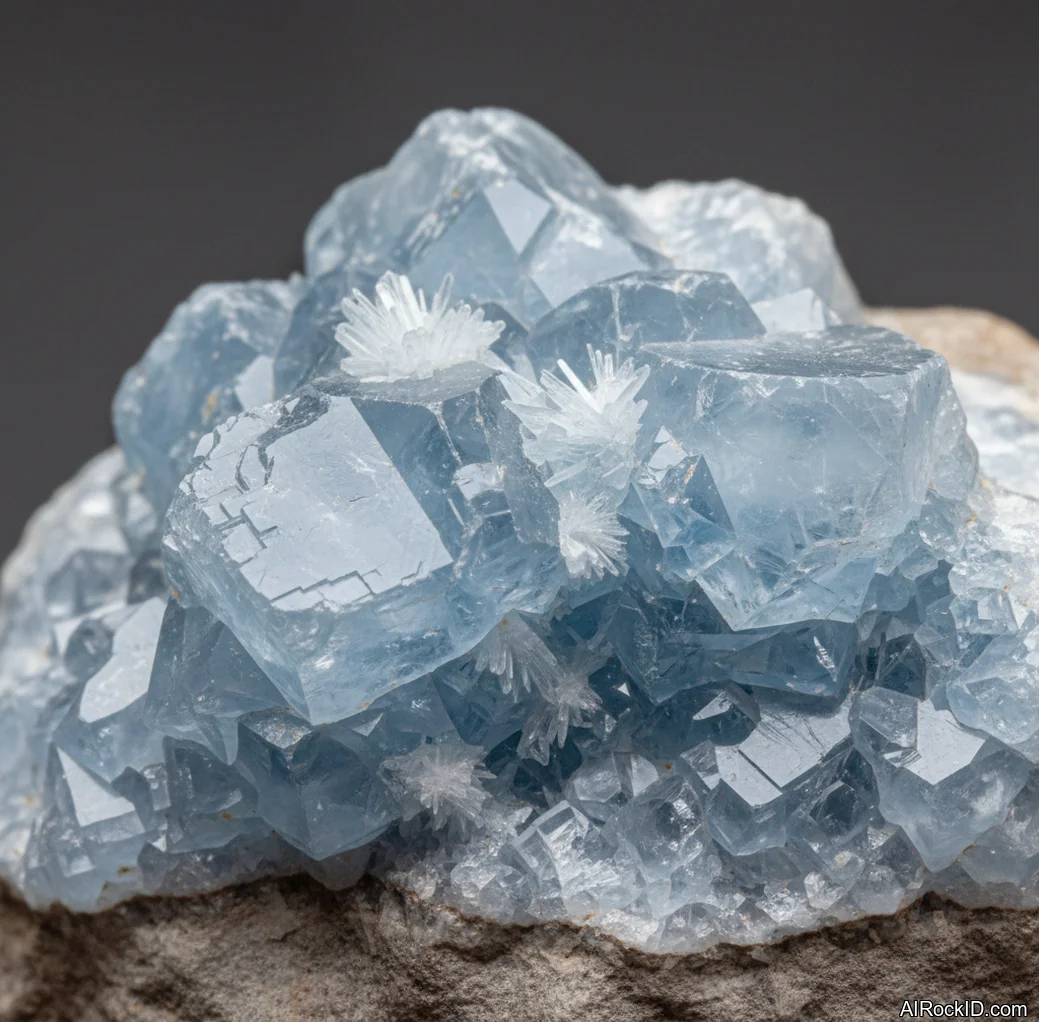
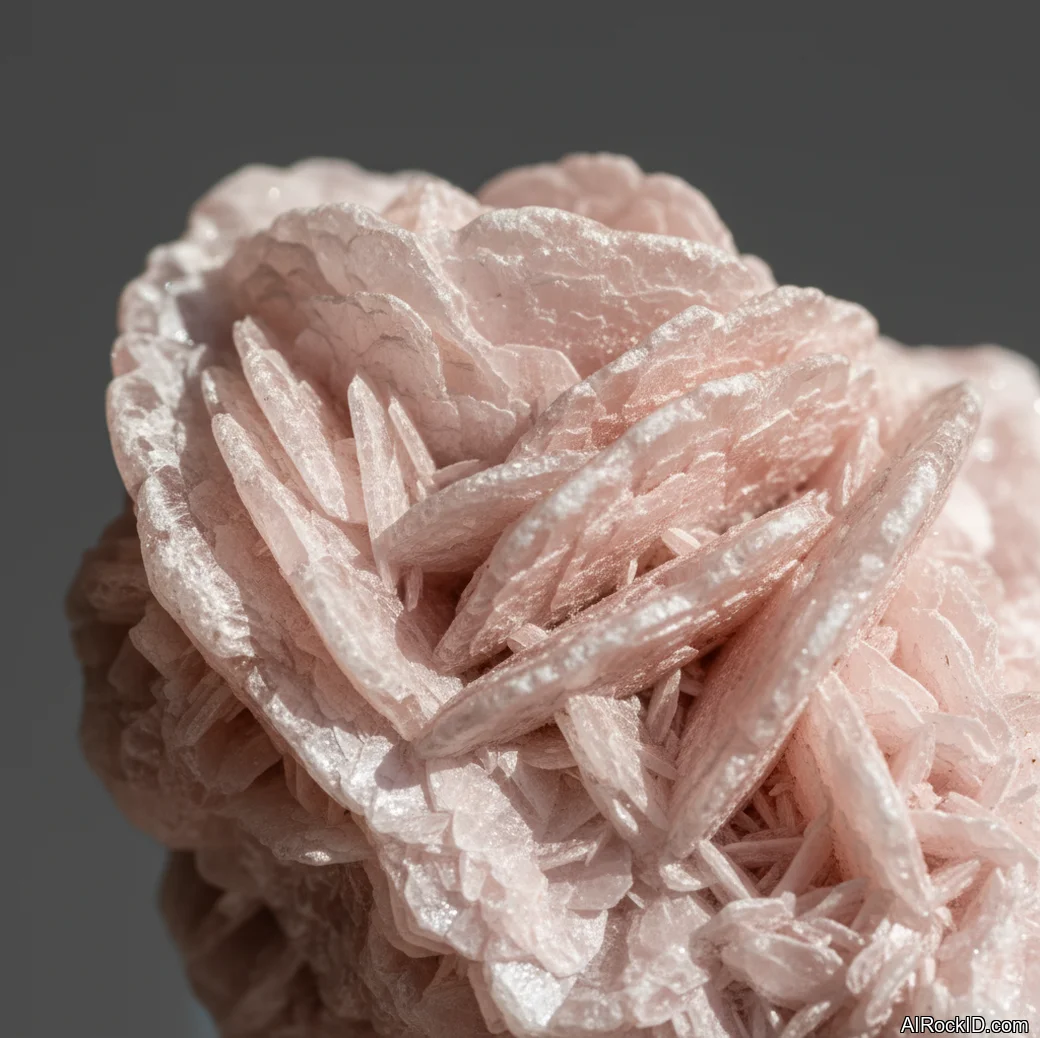
| Best for Display | Celestite | Cluster pieces look great on a nightstand, catching light, but they're fragile so best left in one spot. |
Sleep Crystal Comparison
| Crystal | Common Use | Feel / Use Style | Care Caution |
| Lepidolite | Mental quiet, reducing racing thoughts | Flaky, cool, can shed mica layers if handled roughly | Keep dry and avoid dropping; flakes easily |
| Amethyst | General calming, sleep routines | Glassy, crisp edges if raw; smooth if tumbled | Colors fade in direct sunlight |
| Howlite | Relaxation, easing tension | Light, smooth, chalky; gray veining visible | Can chip if knocked against hard surfaces |
| Selenite | Bedroom 'clearing', gentle presence | Very smooth, soft, can be scratched with a fingernail | Will dissolve or crumble if exposed to water |
How to Identify Sleep Crystals with AI Rock ID
To use an AI Rock ID app for sleep crystals, take clear photos in natural daylight—one showing the whole specimen, and another close-up of surface texture. Upload images that capture color, luster, and any veining or banding. Compare the app's suggestions against known traits like hardness (how easily it scratches), layer structure (like lepidolite’s flakes), and luster (glassy for amethyst, silky for selenite). The more details you provide, the better the app can narrow down which sleep crystal you’ve got.
All Sleep Crystals (51)