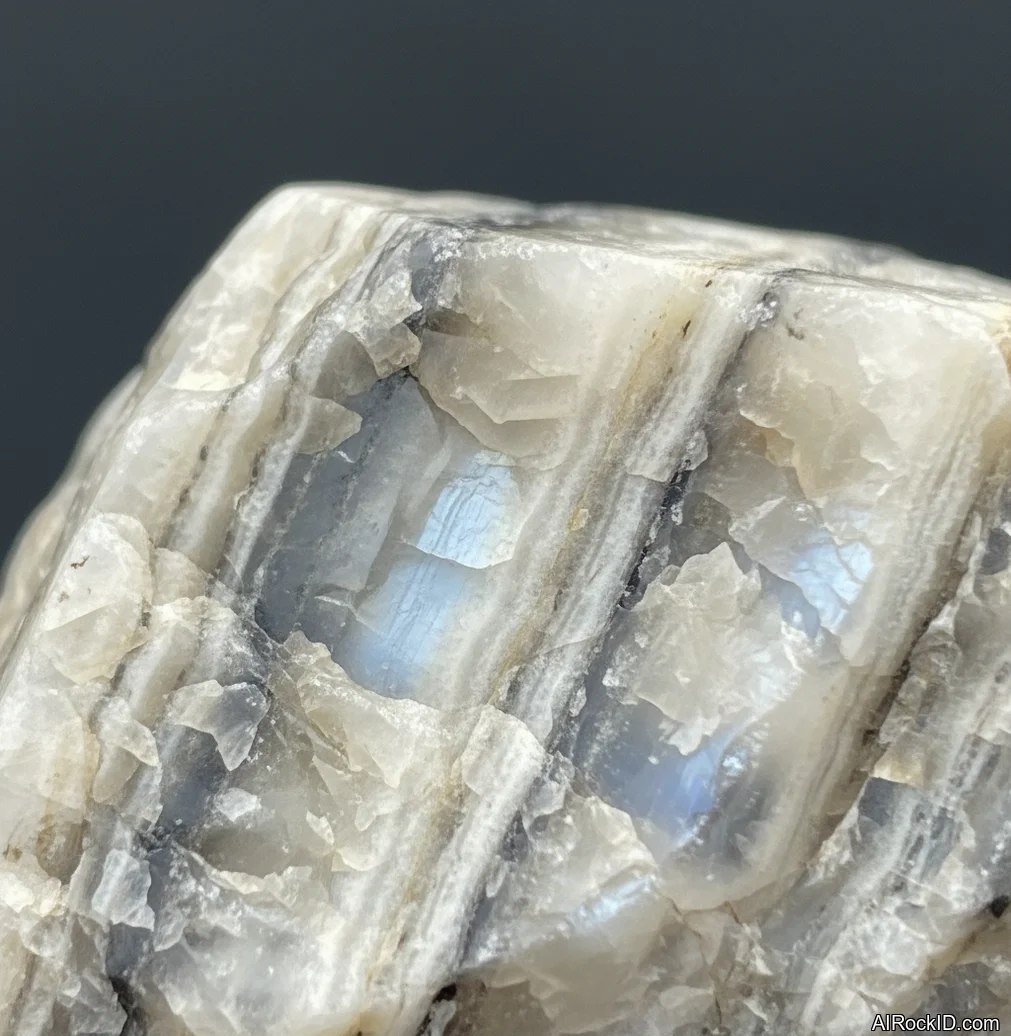
Third Eye Chakra Crystals
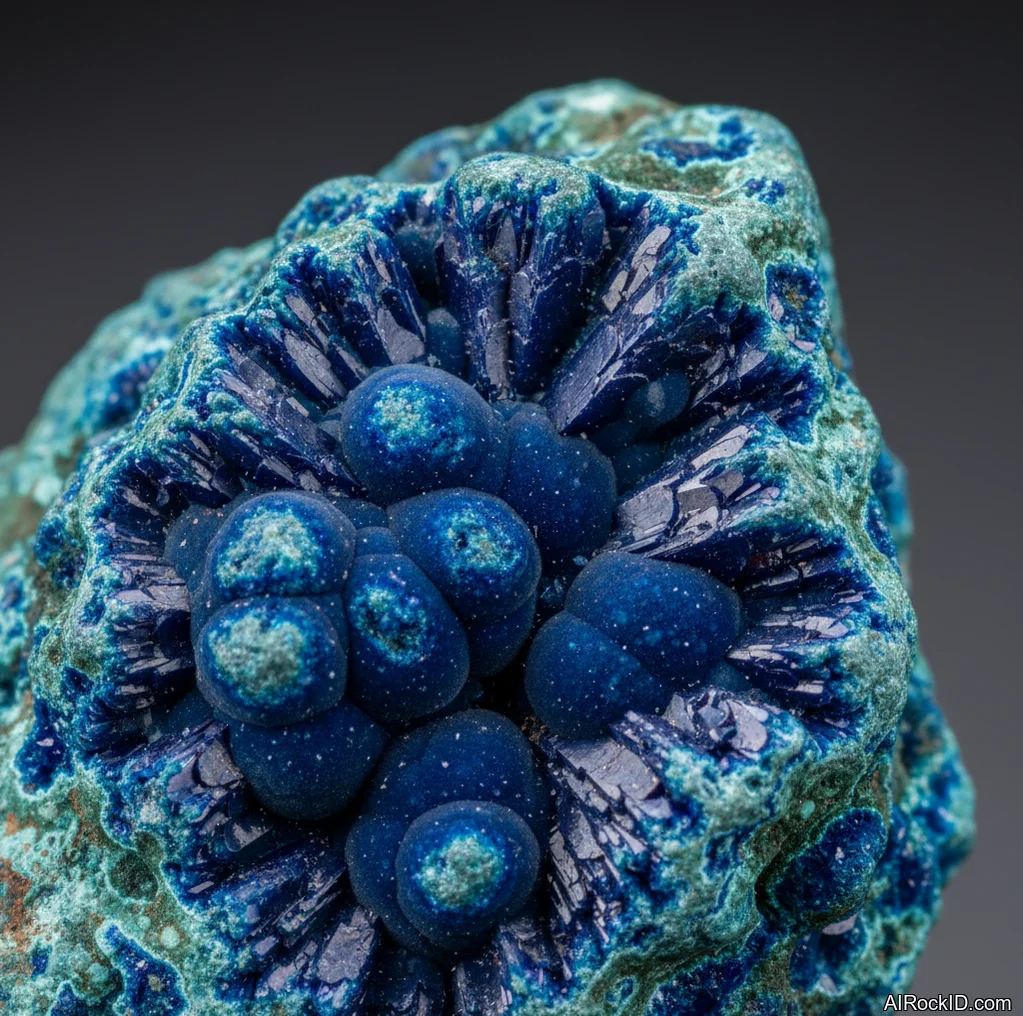
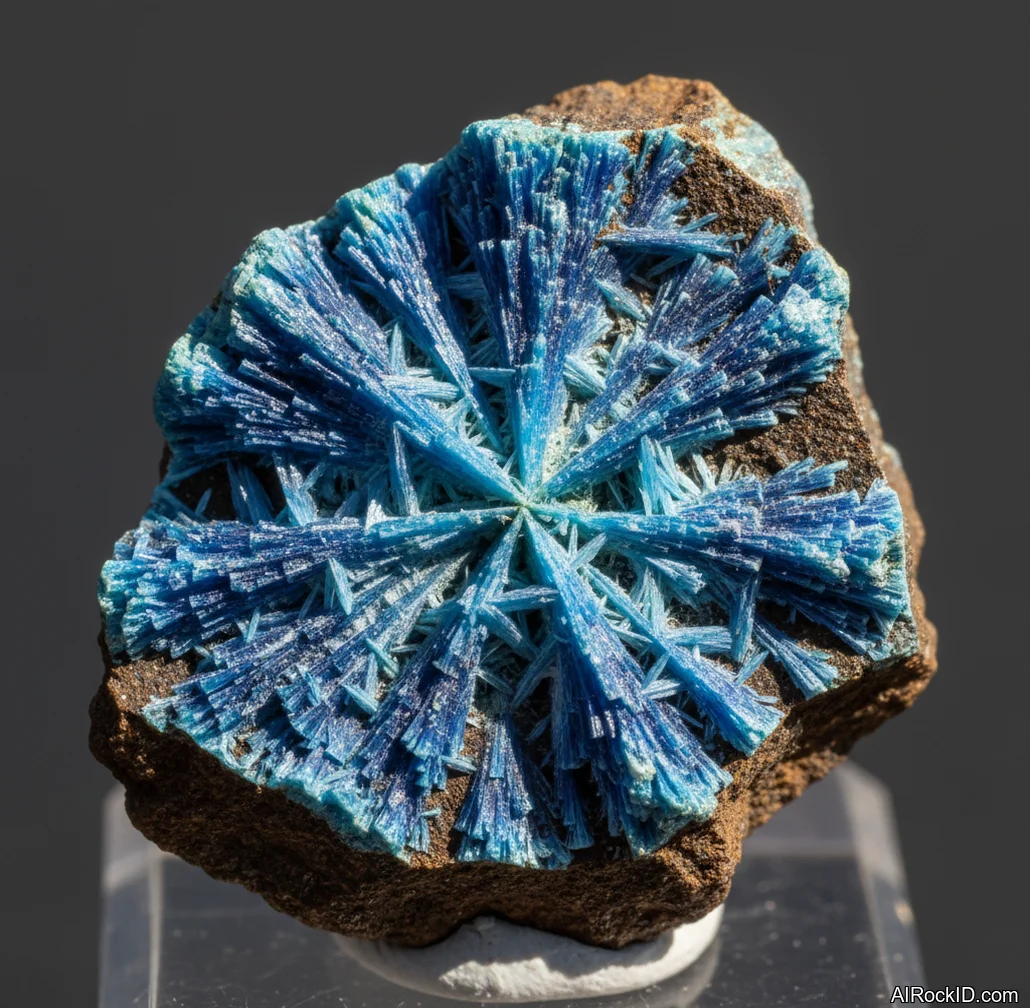
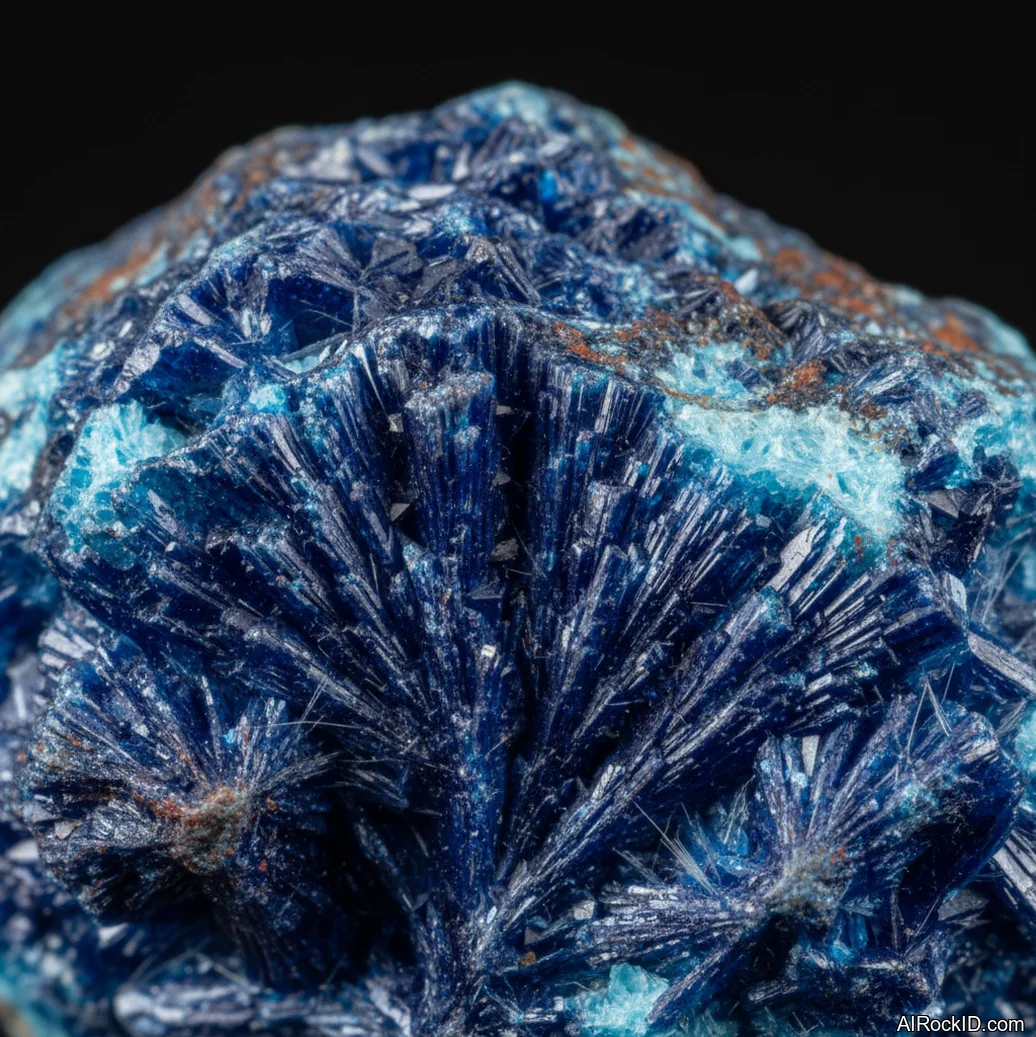
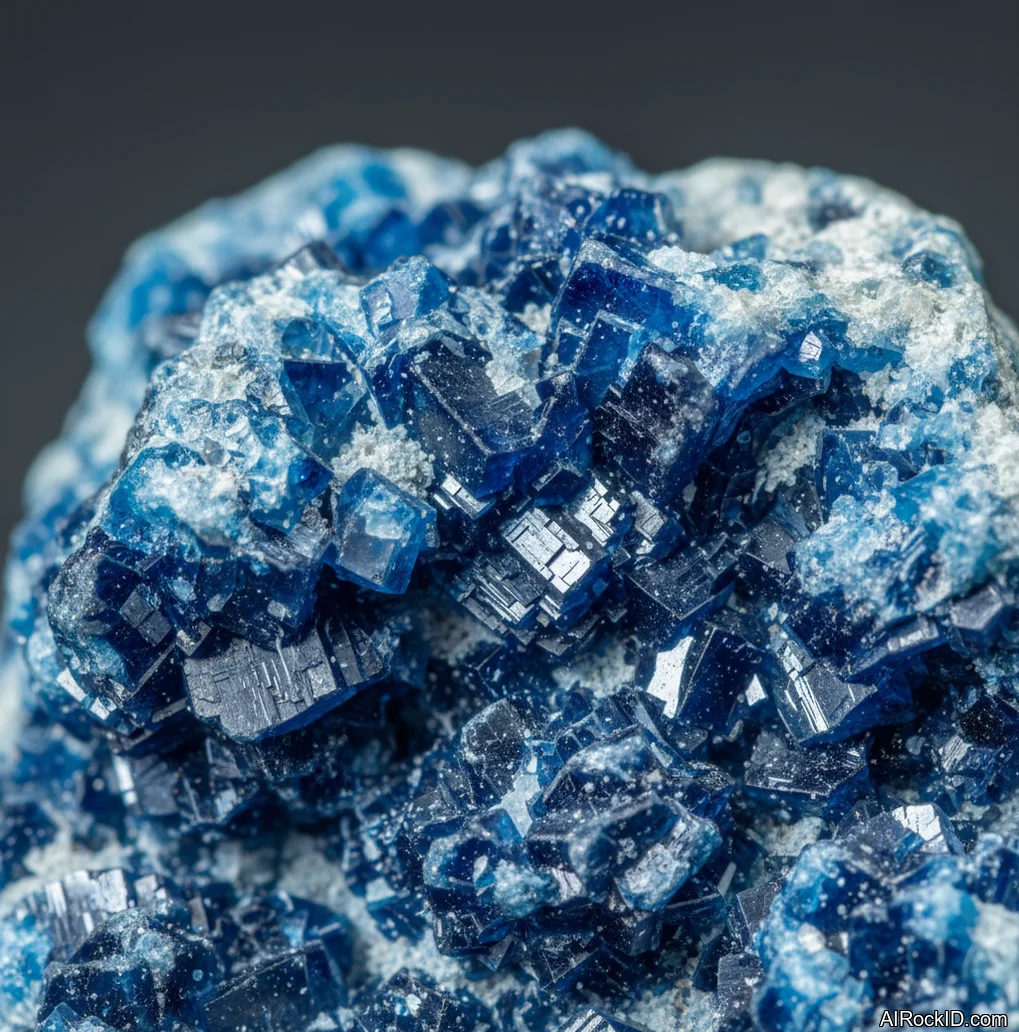
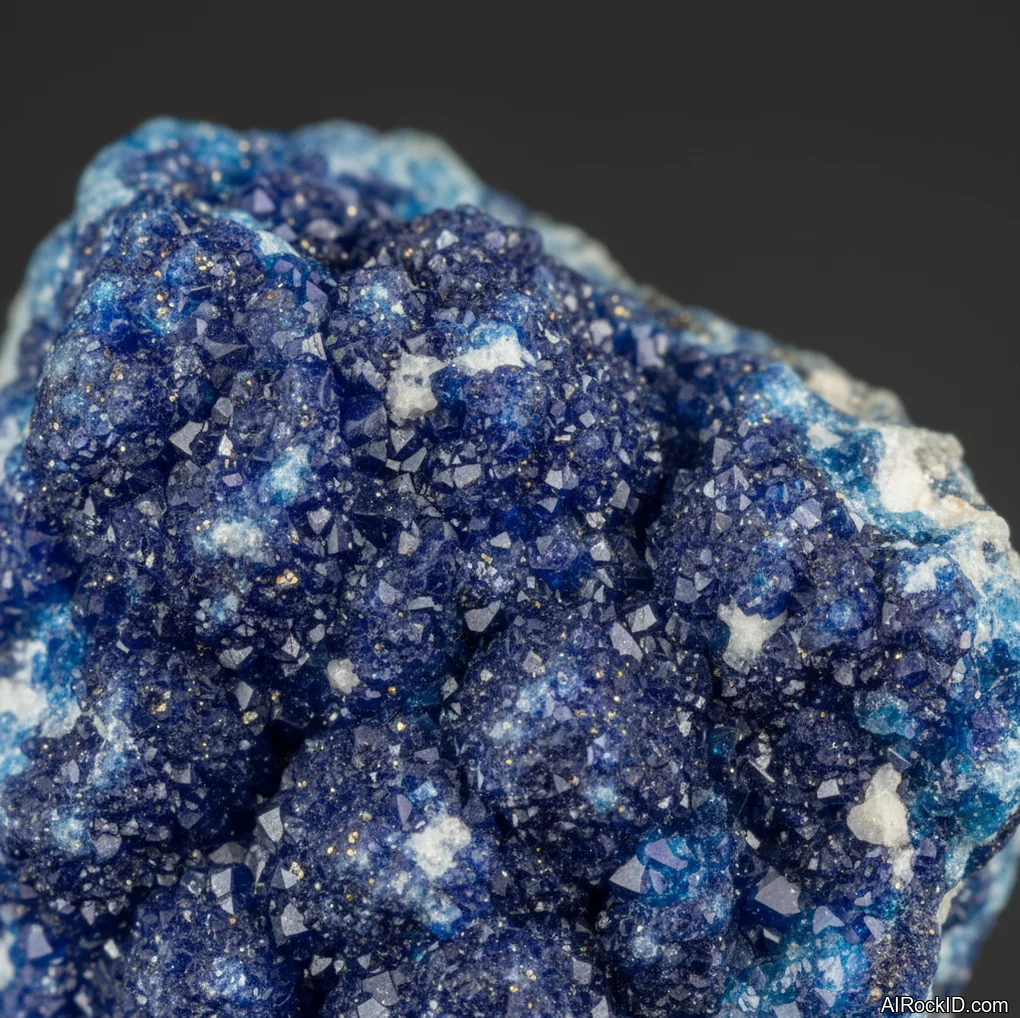
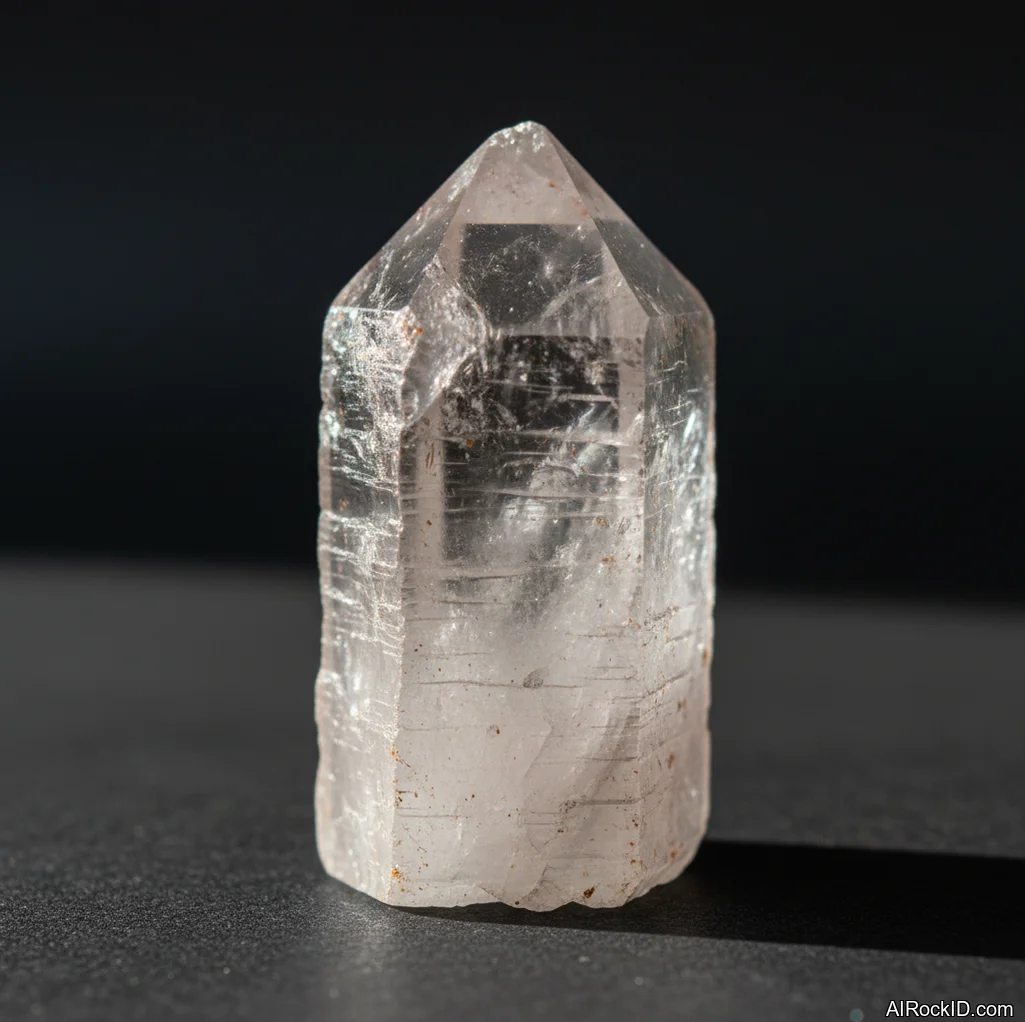
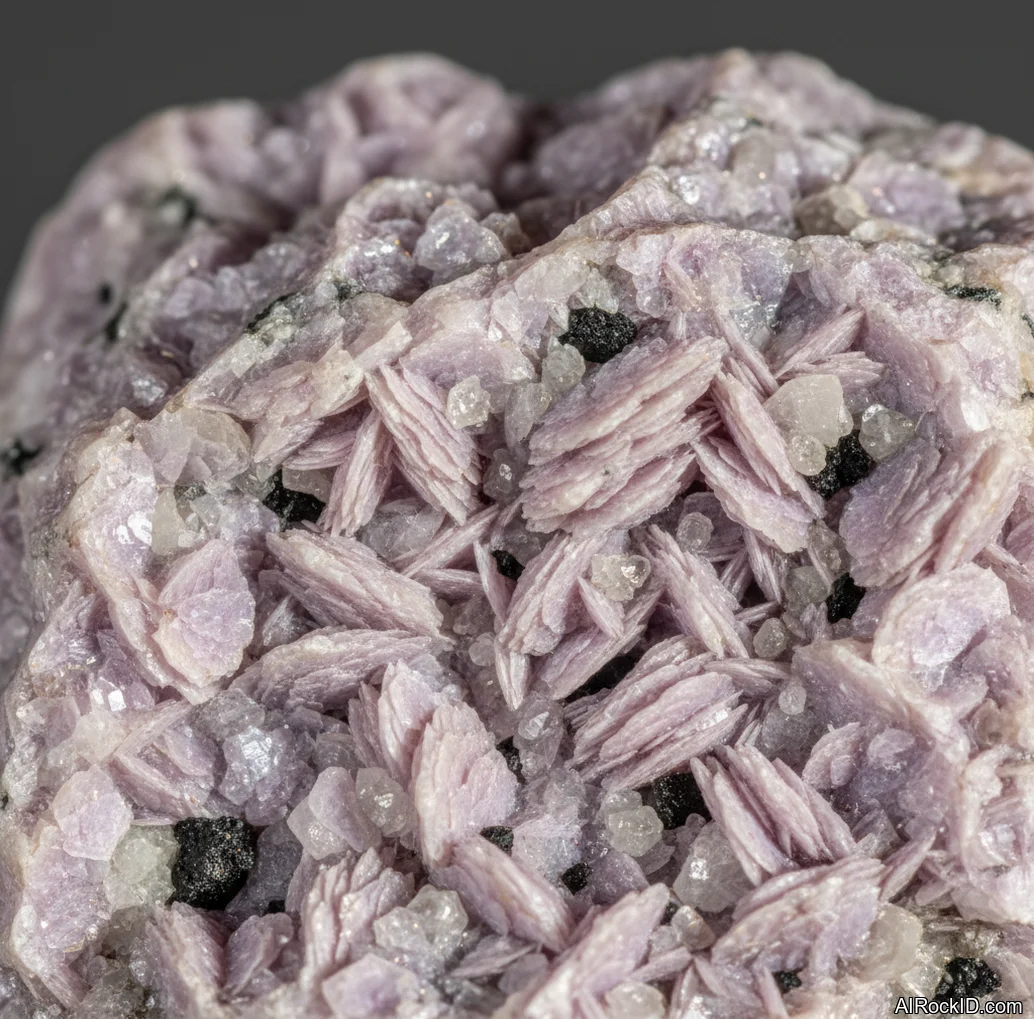
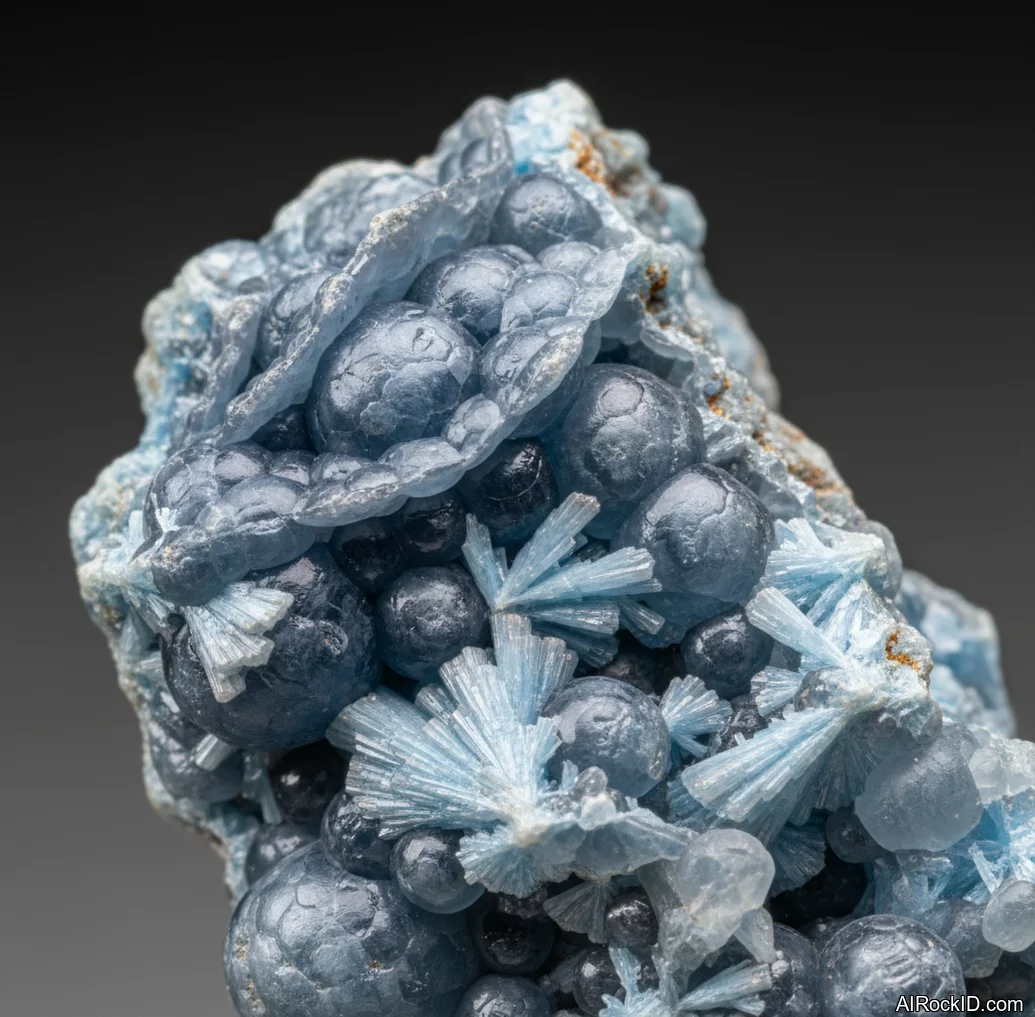
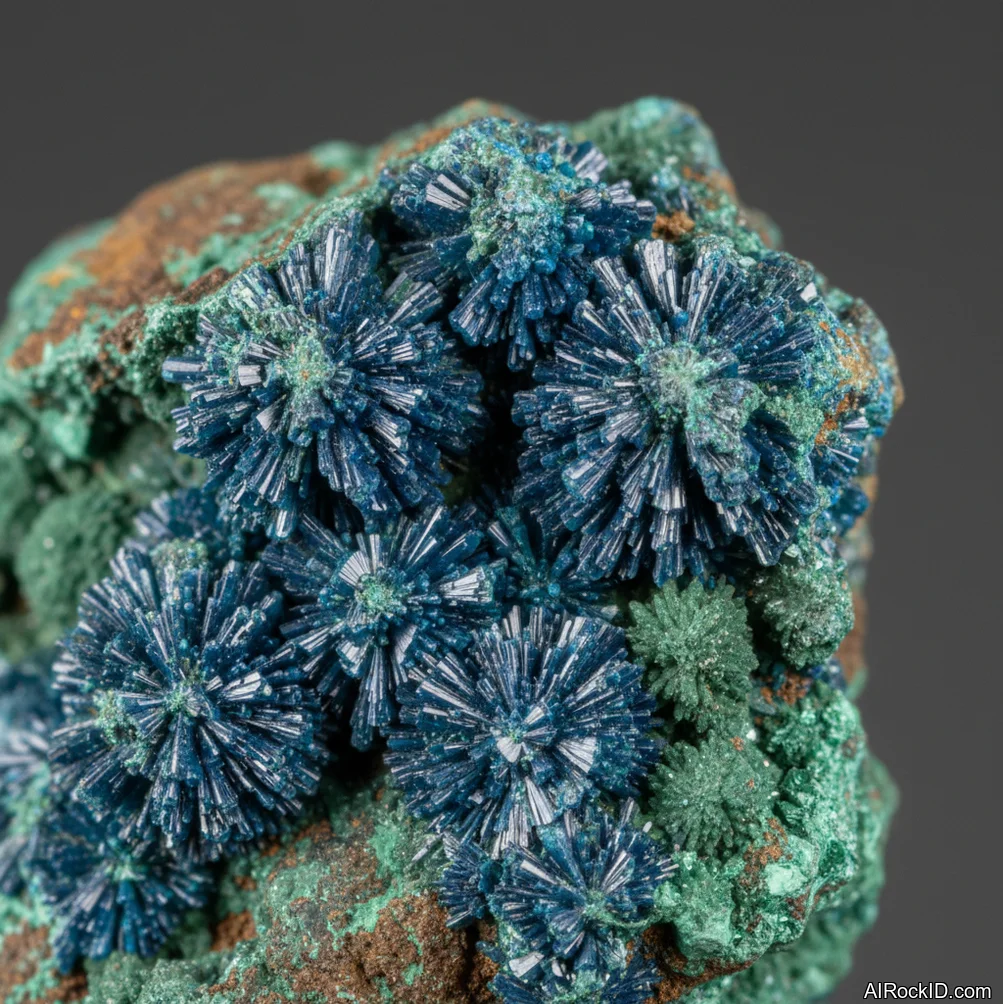
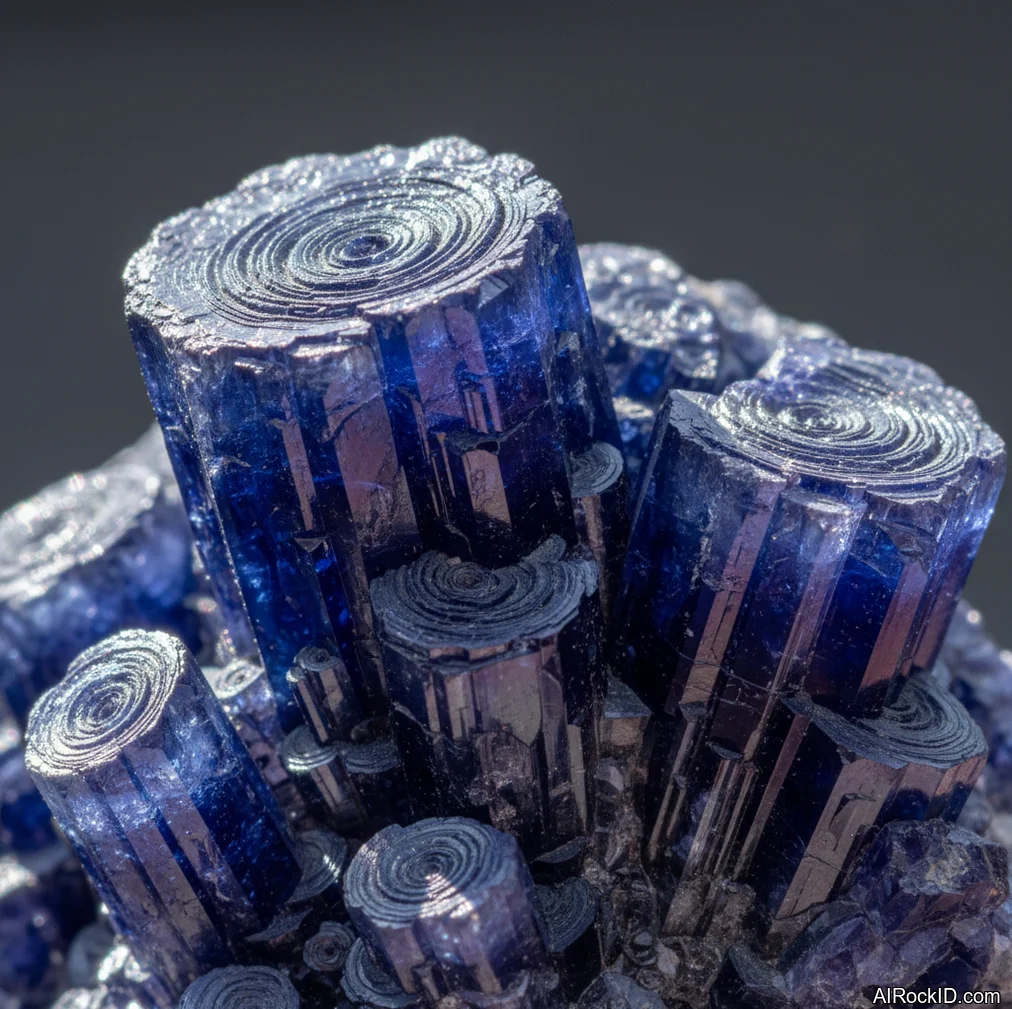
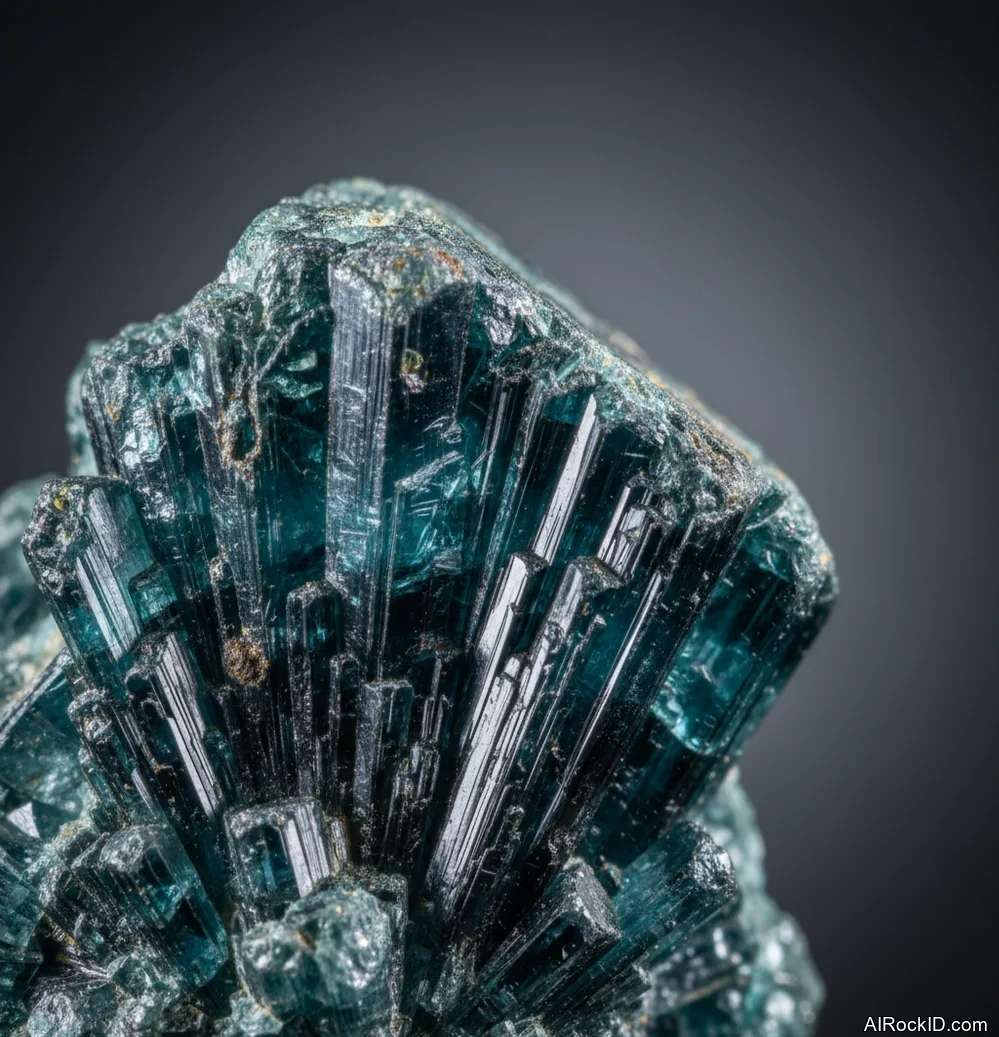
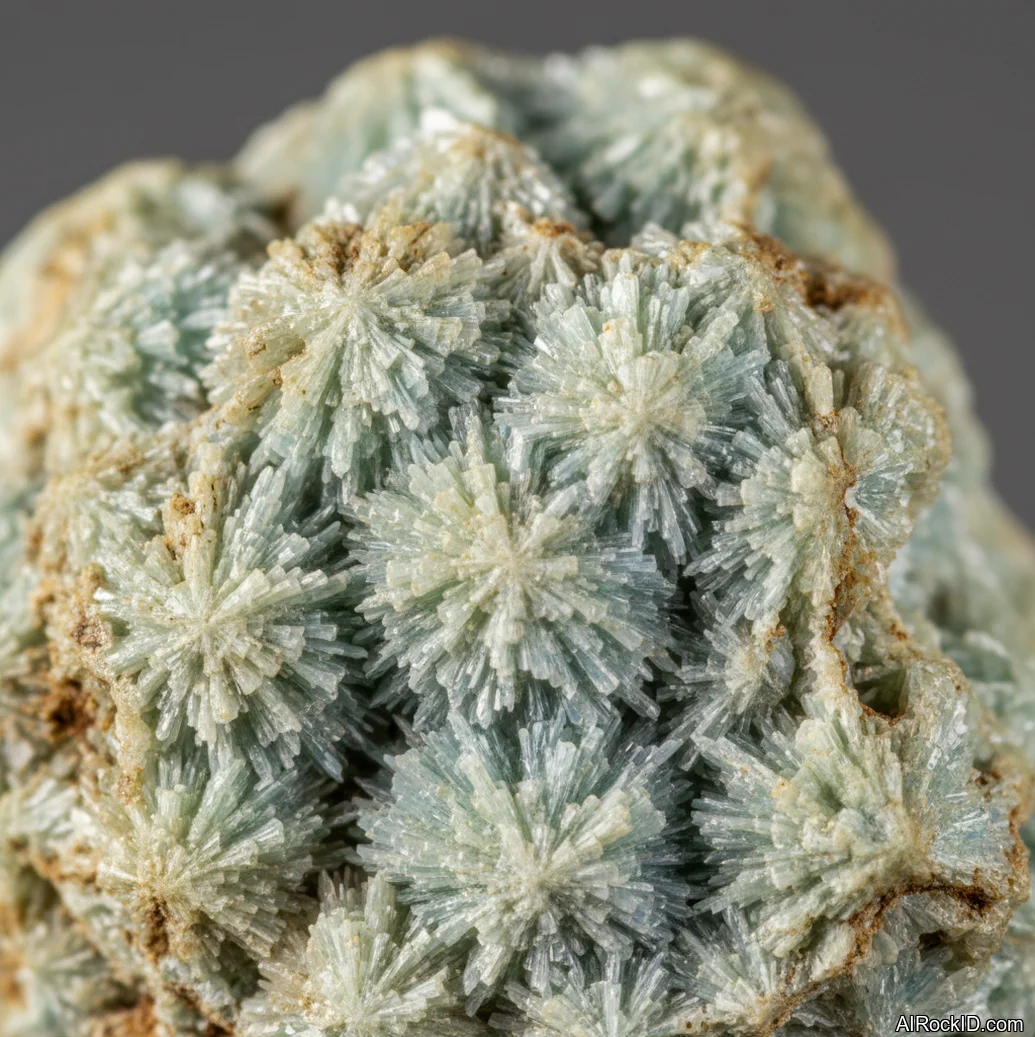
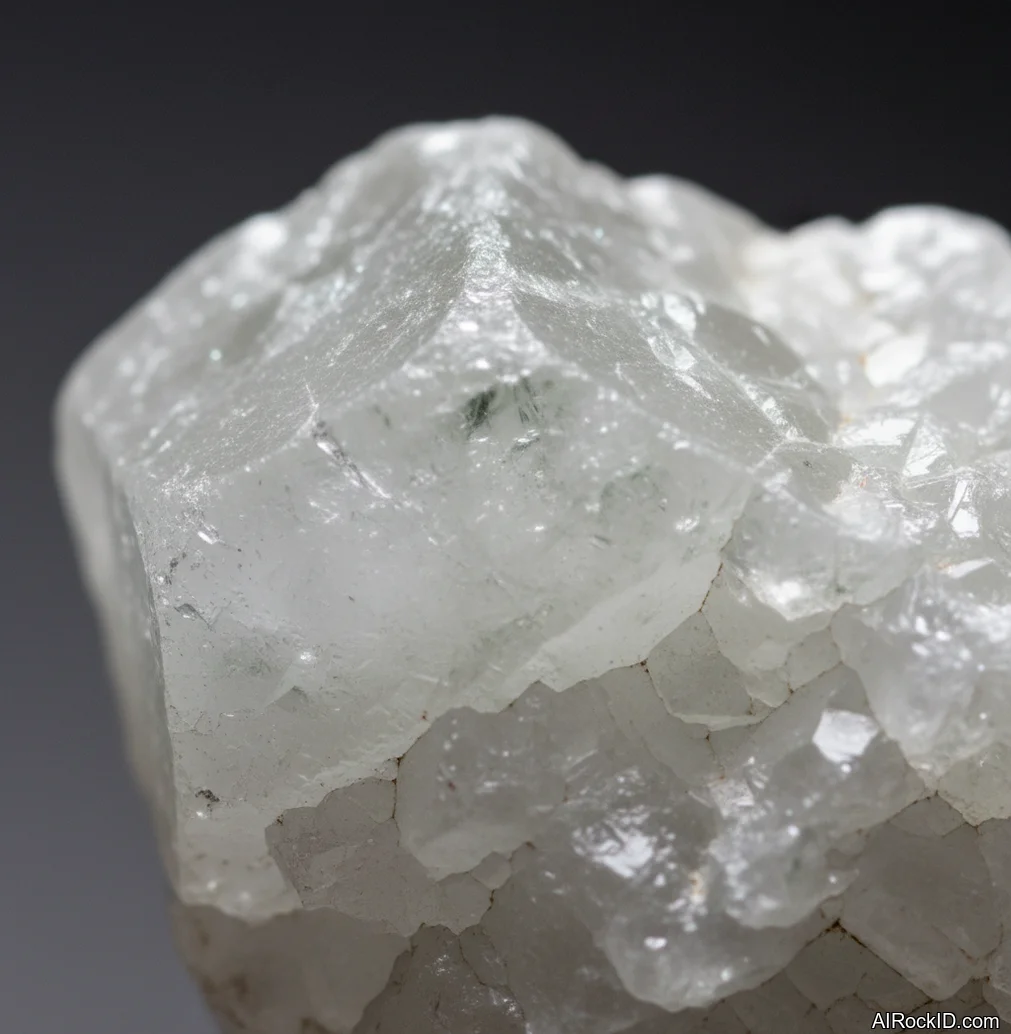
Quick answer: Third Eye Chakra crystals are stones traditionally associated with intuition, insight, focus, and inner awareness. Common examples include amethyst, lapis lazuli, labradorite, sodalite, and azurite, often chosen for indigo, violet, or deep blue color symbolism.
Learn about Third Eye Chakra crystals, meanings, and practical tips for choosing and using stones like amethyst, lapis lazuli, and labradorite.


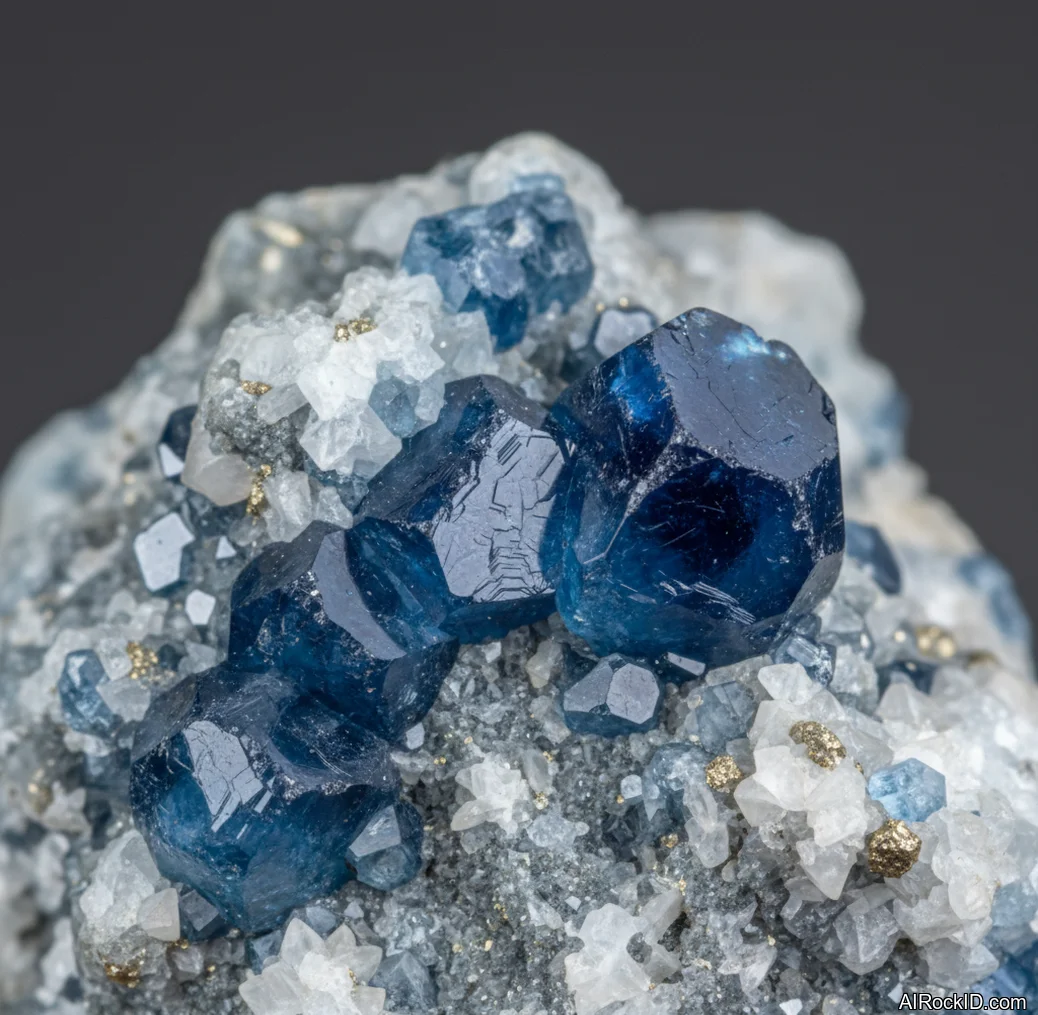
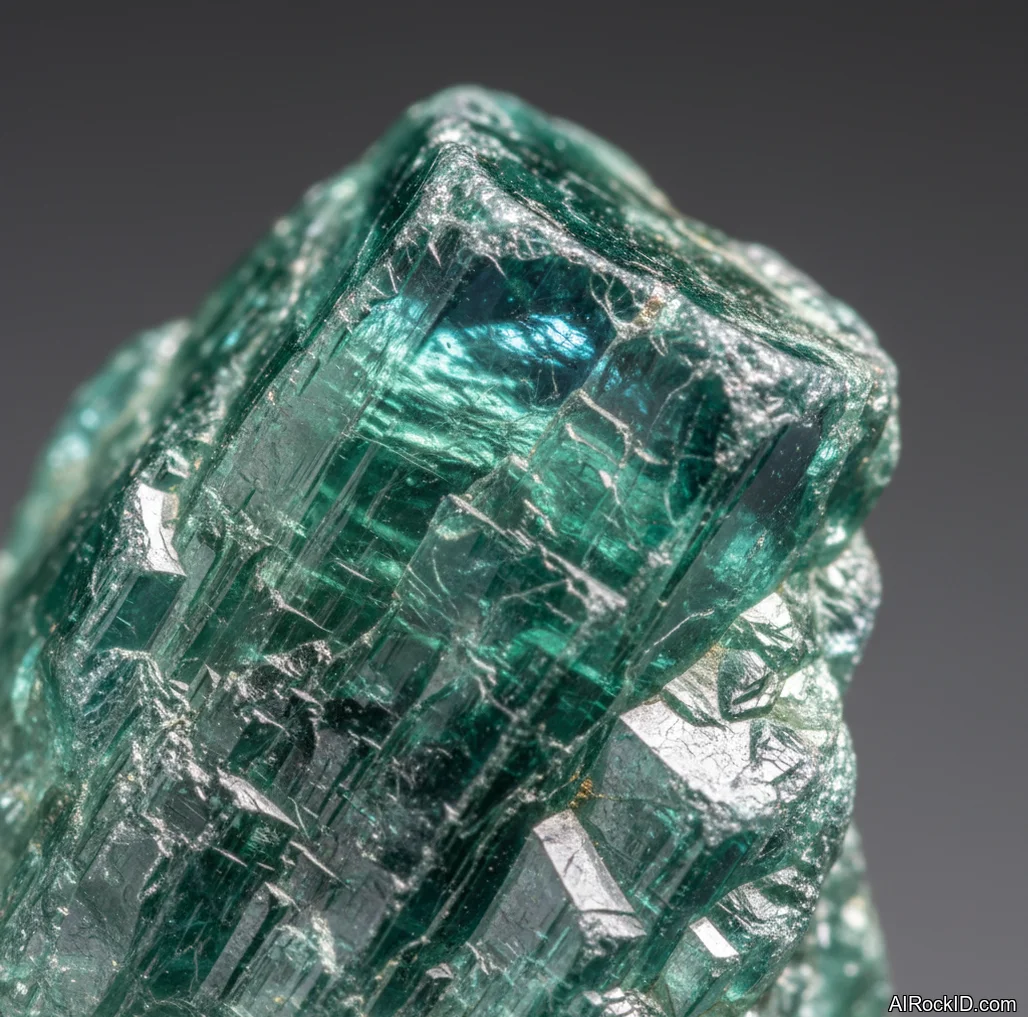
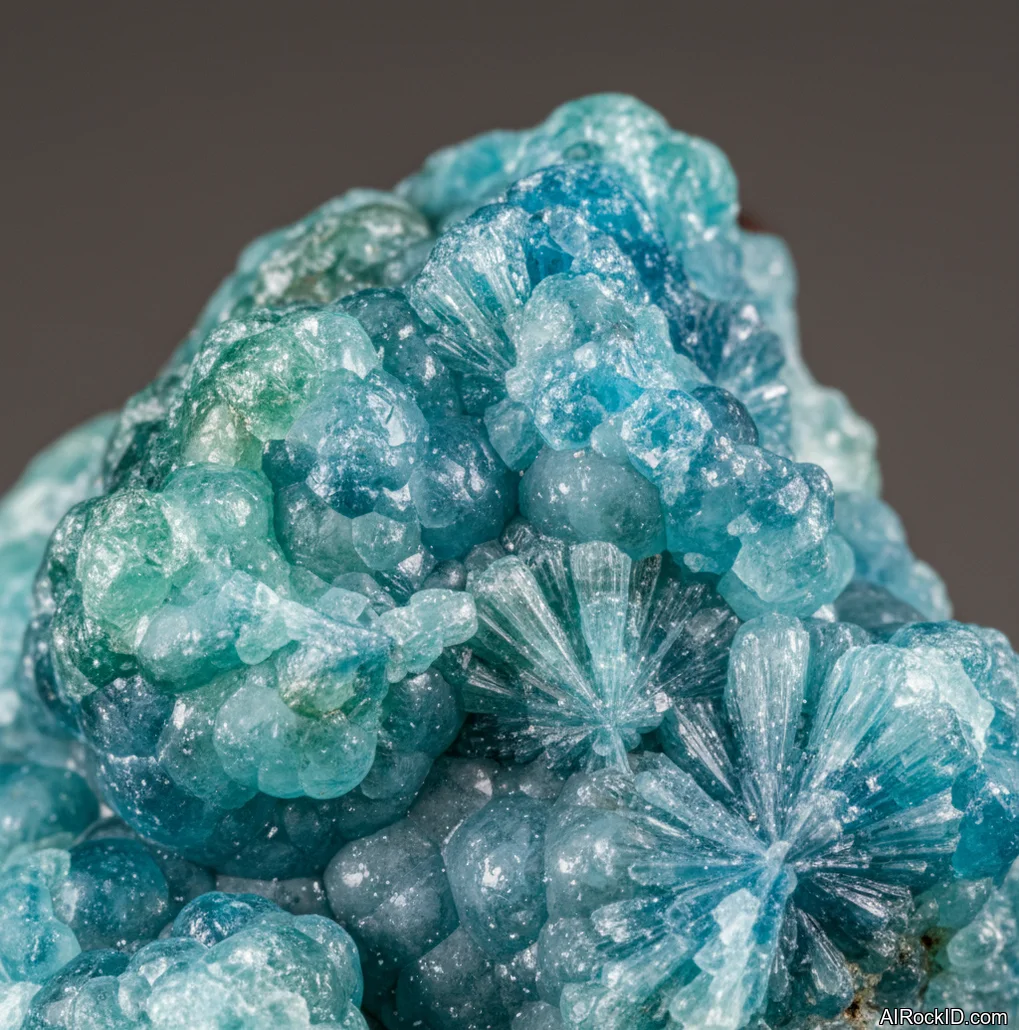
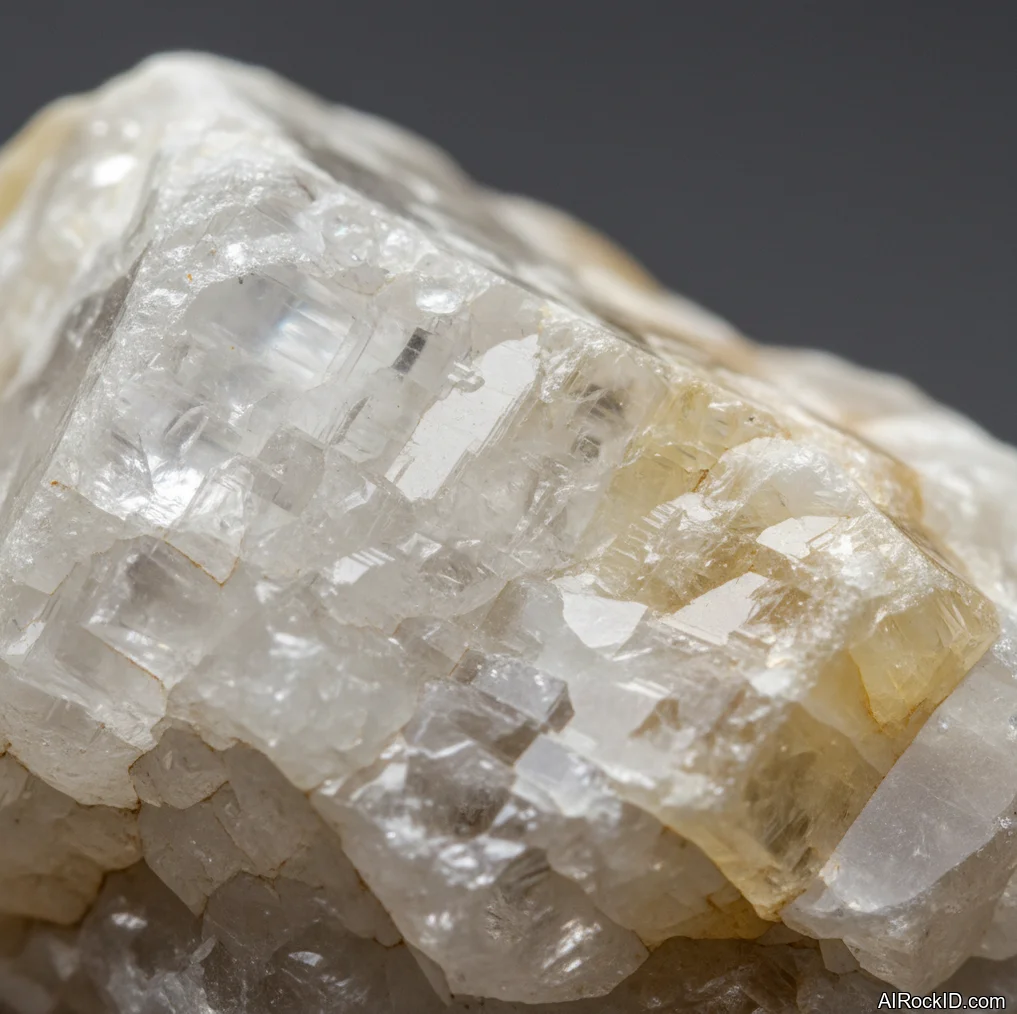
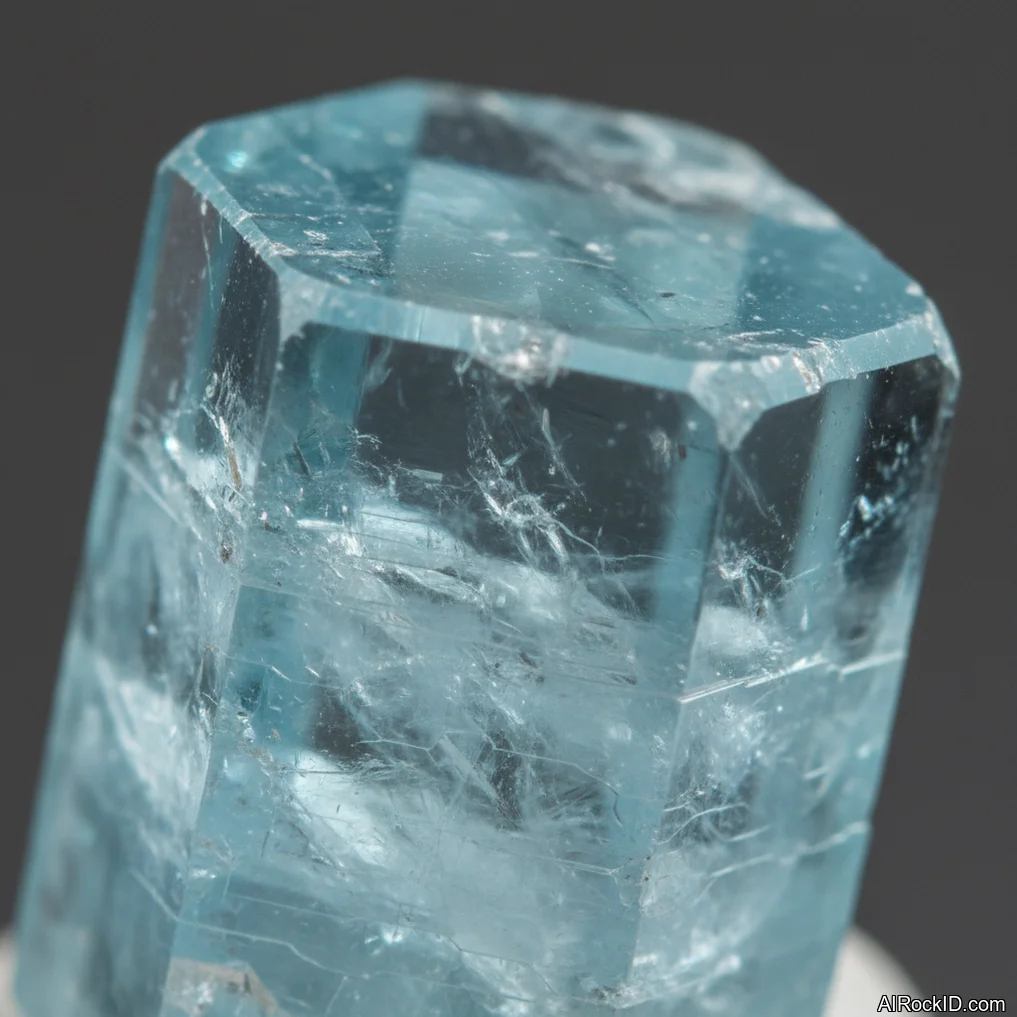
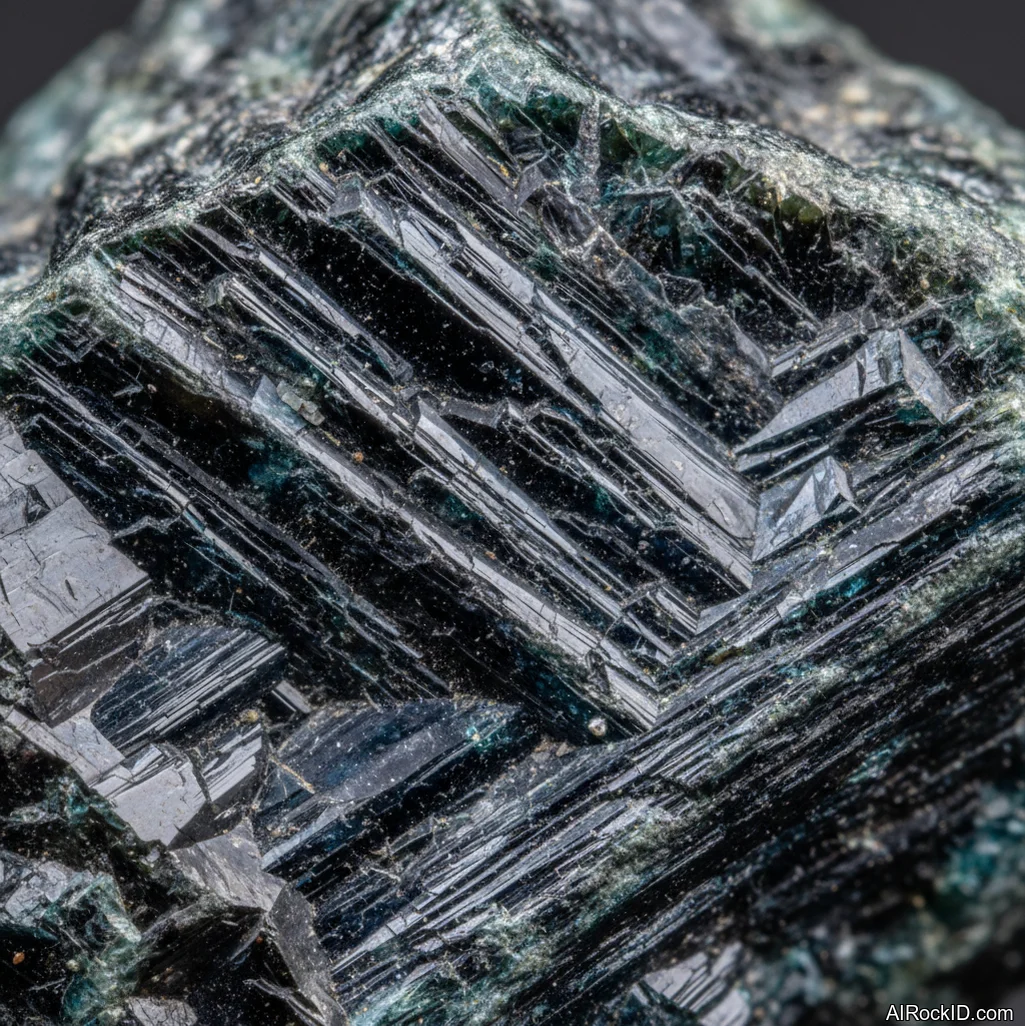
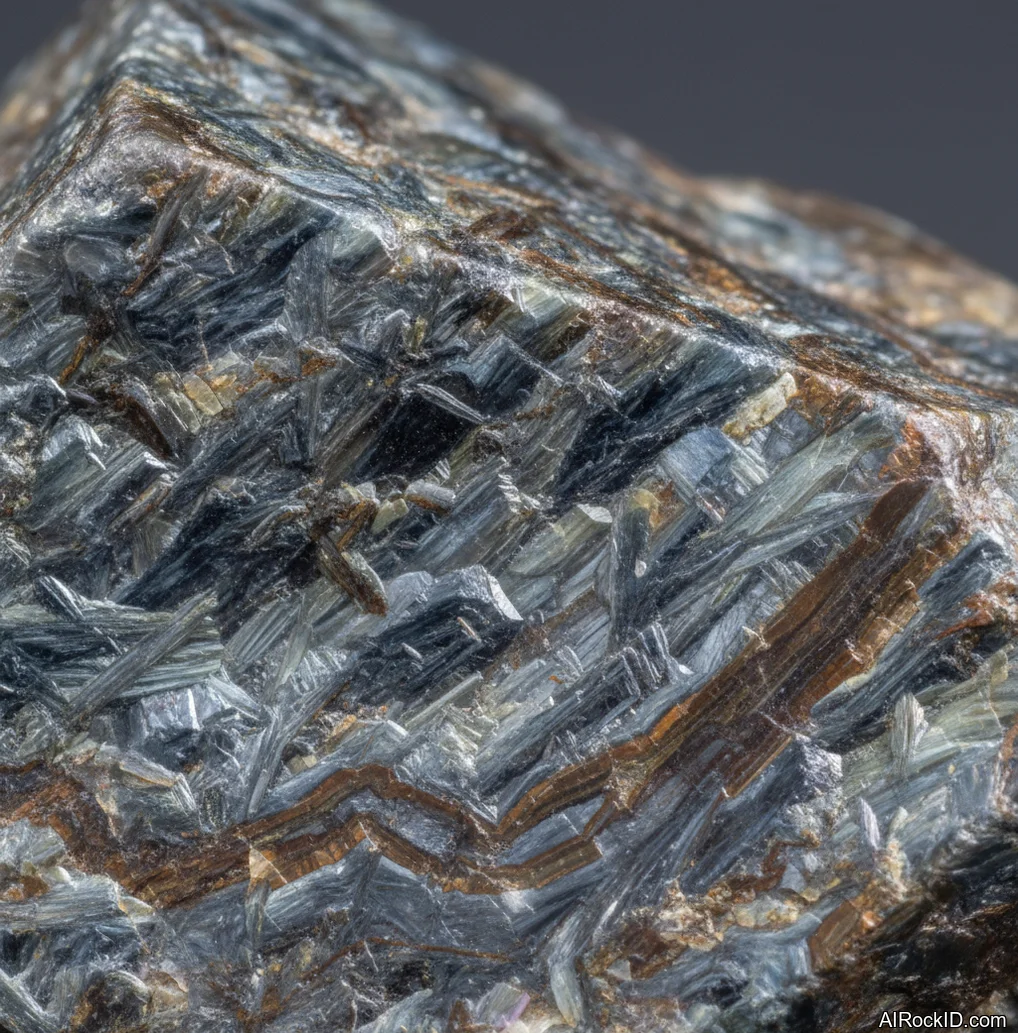
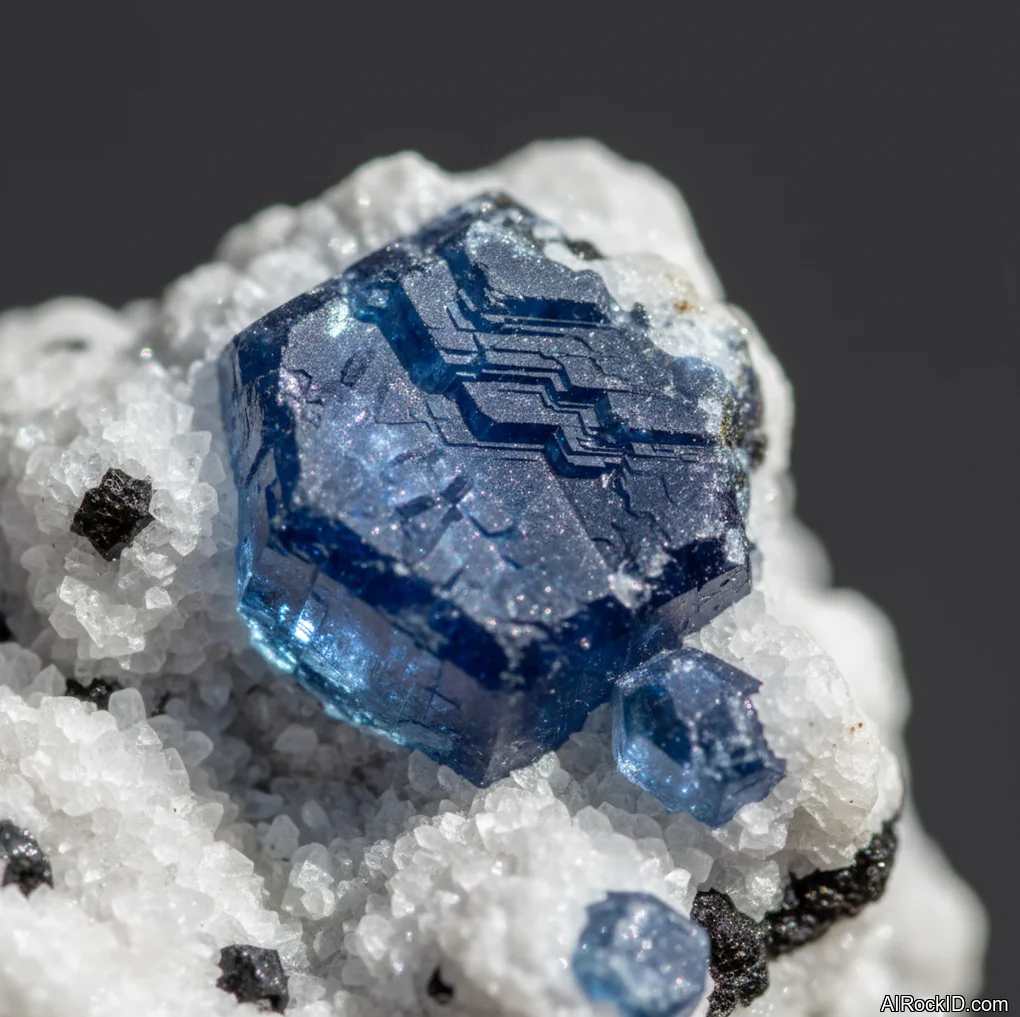
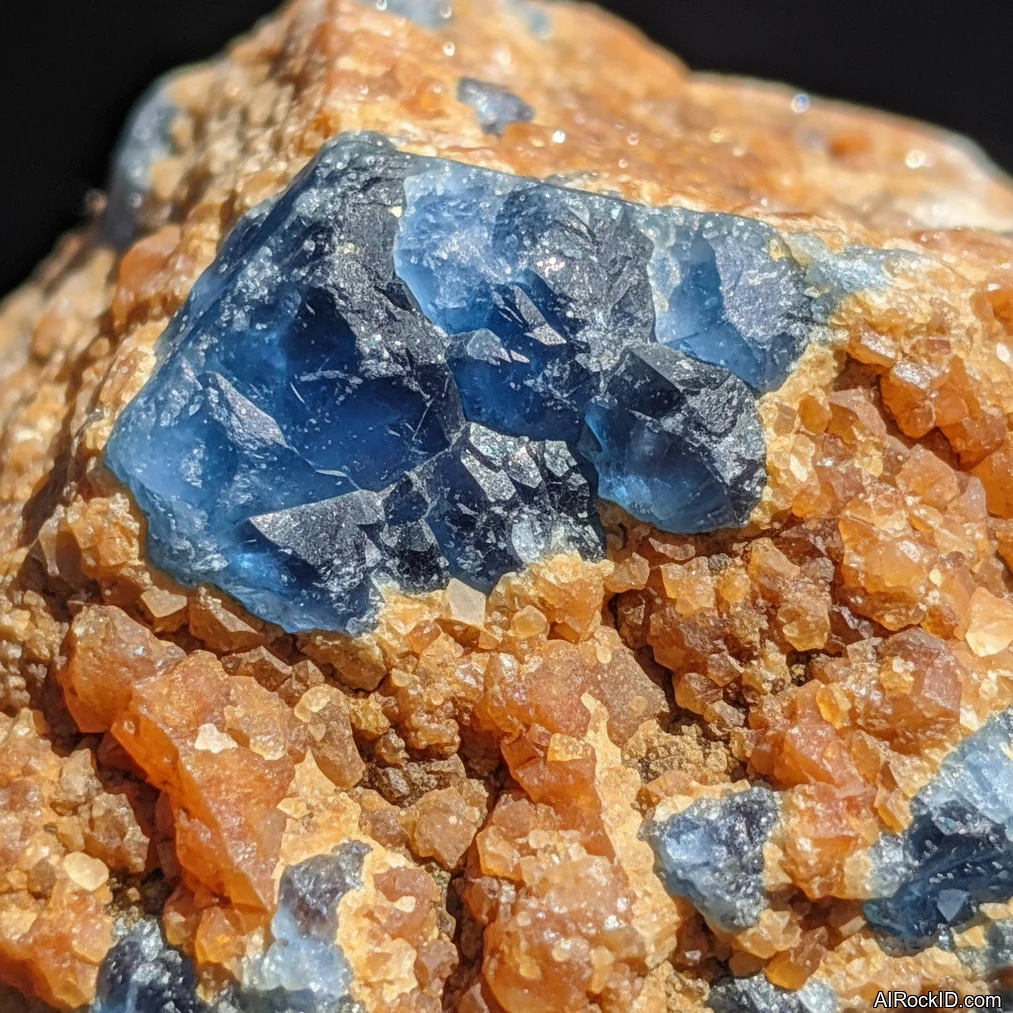
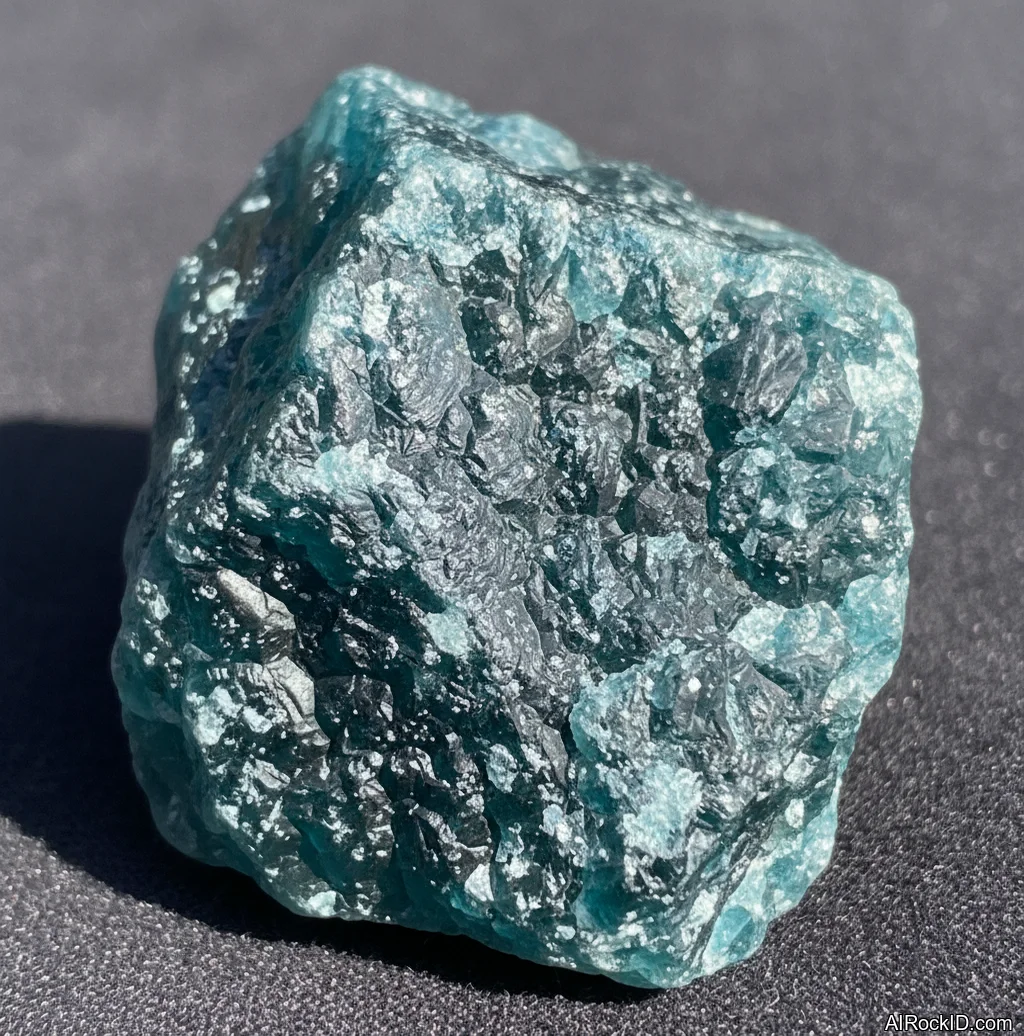
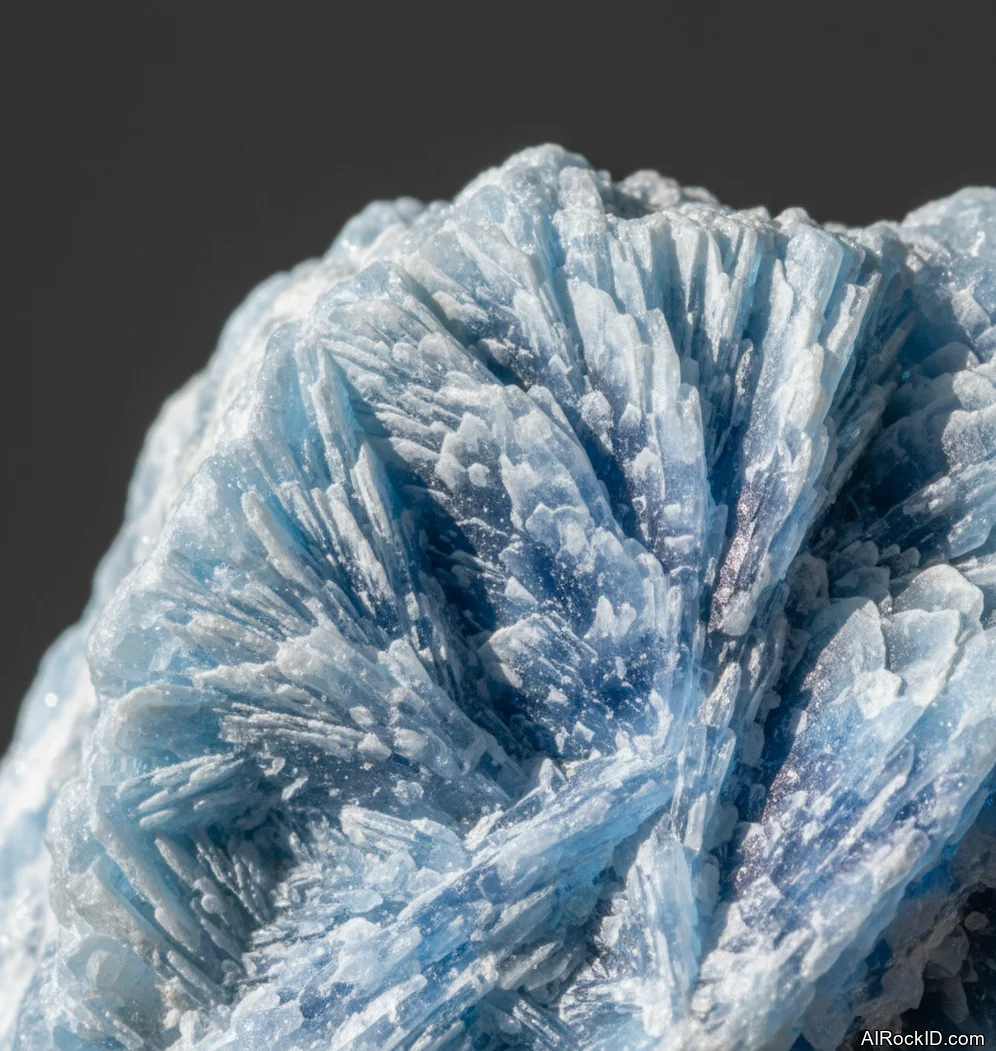
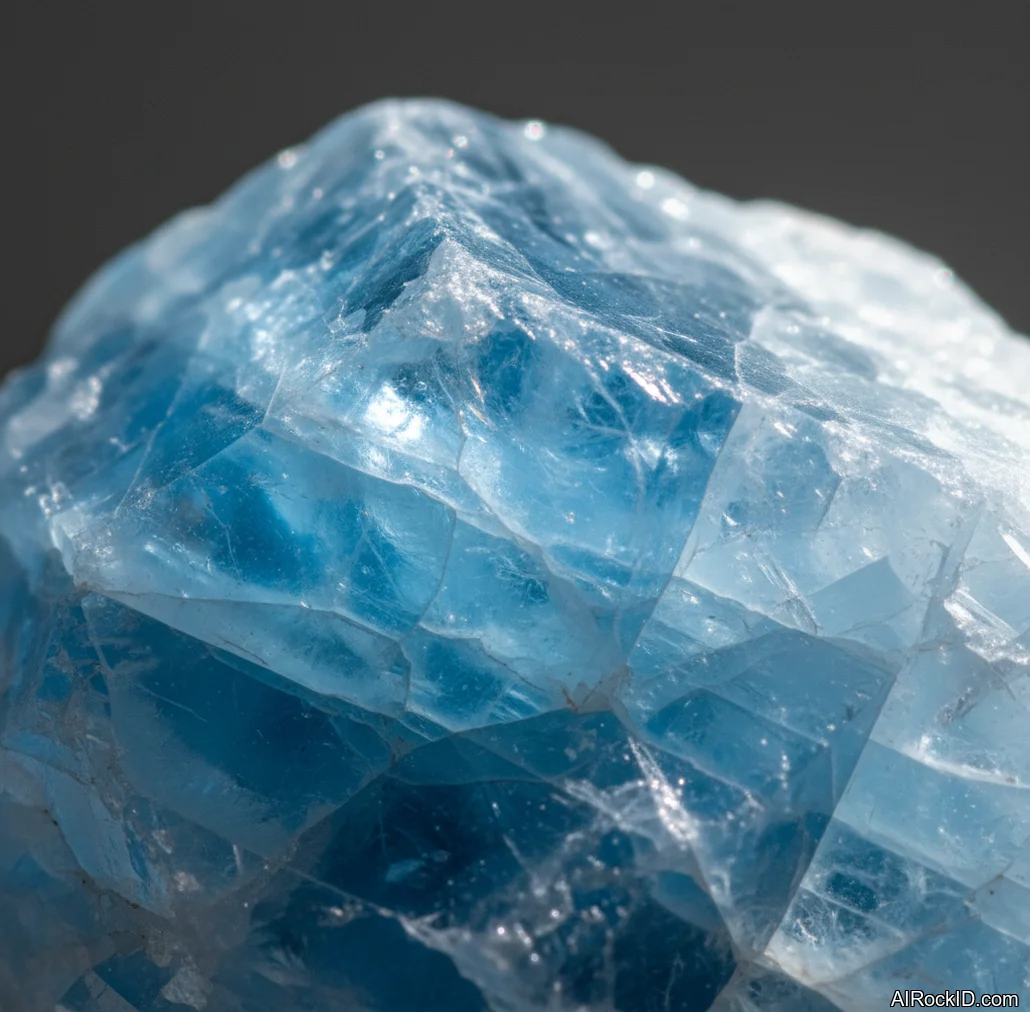
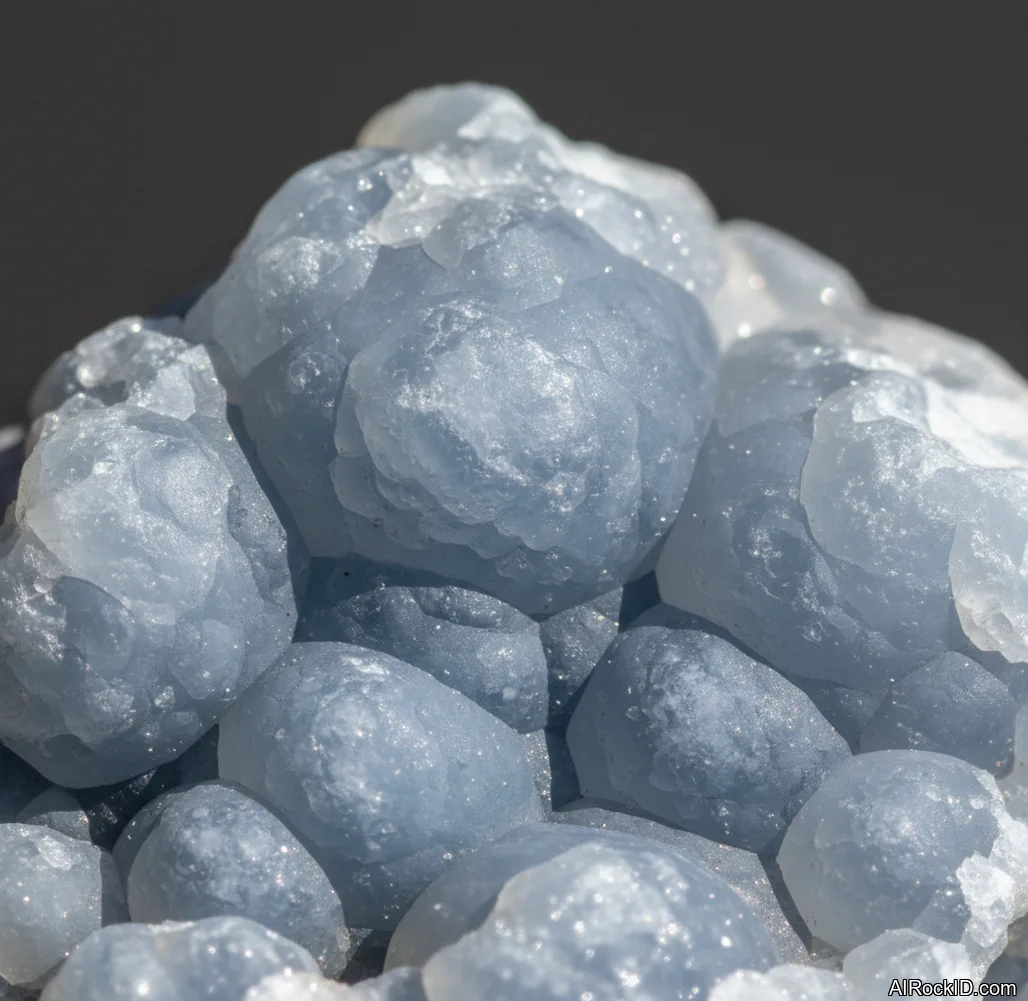
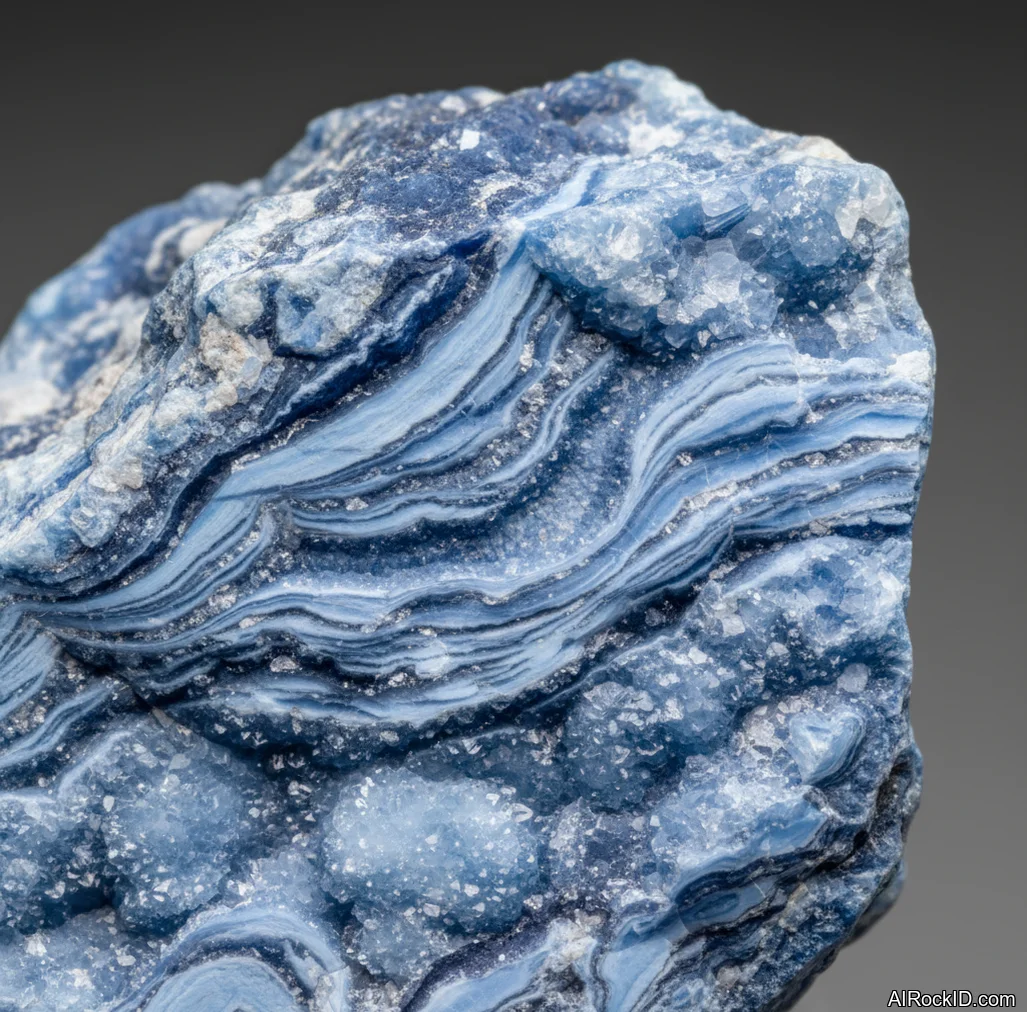
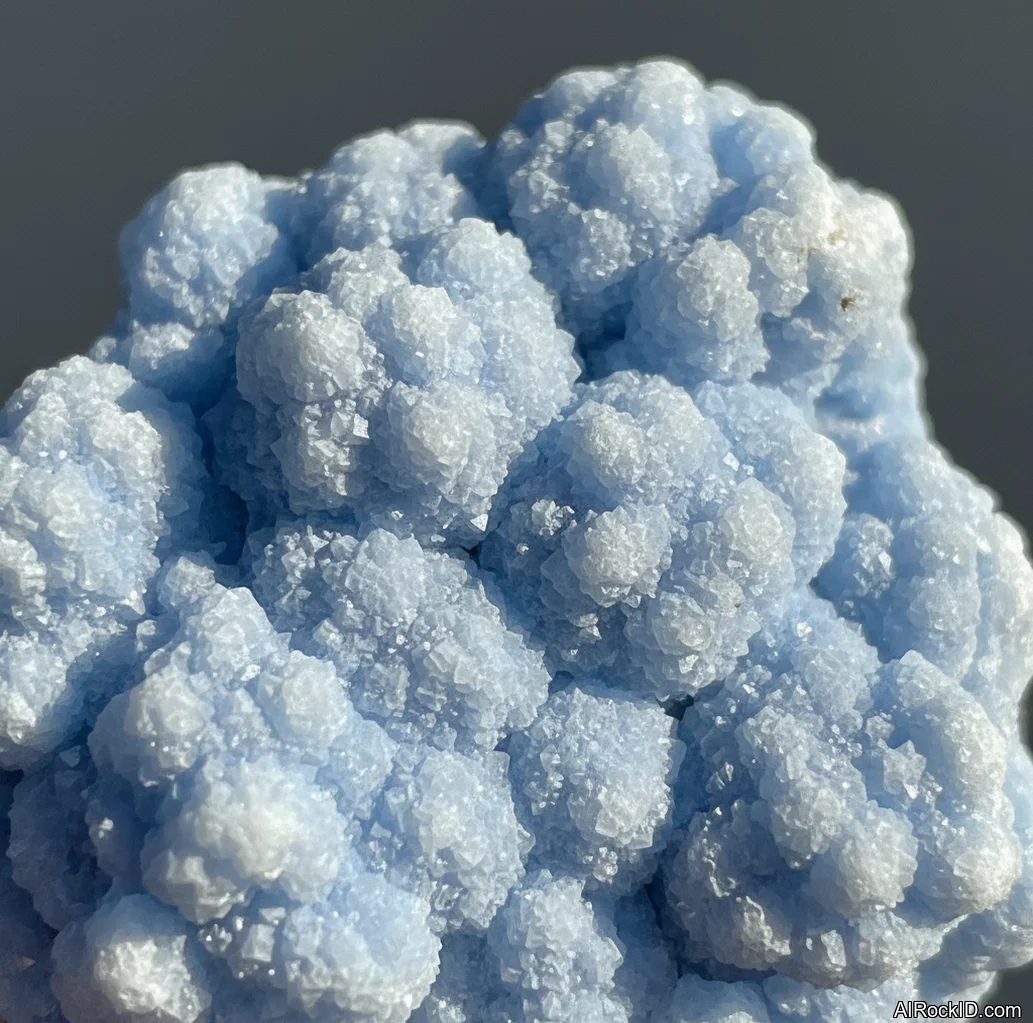
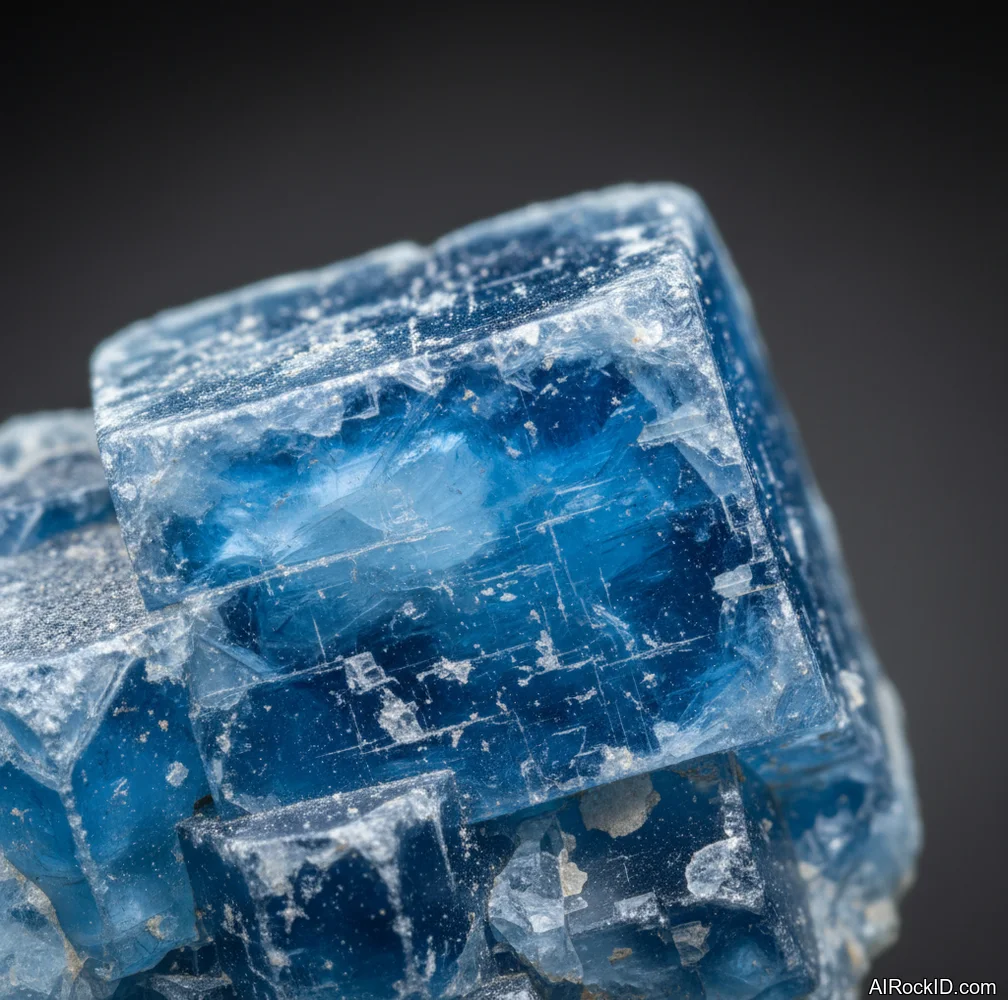
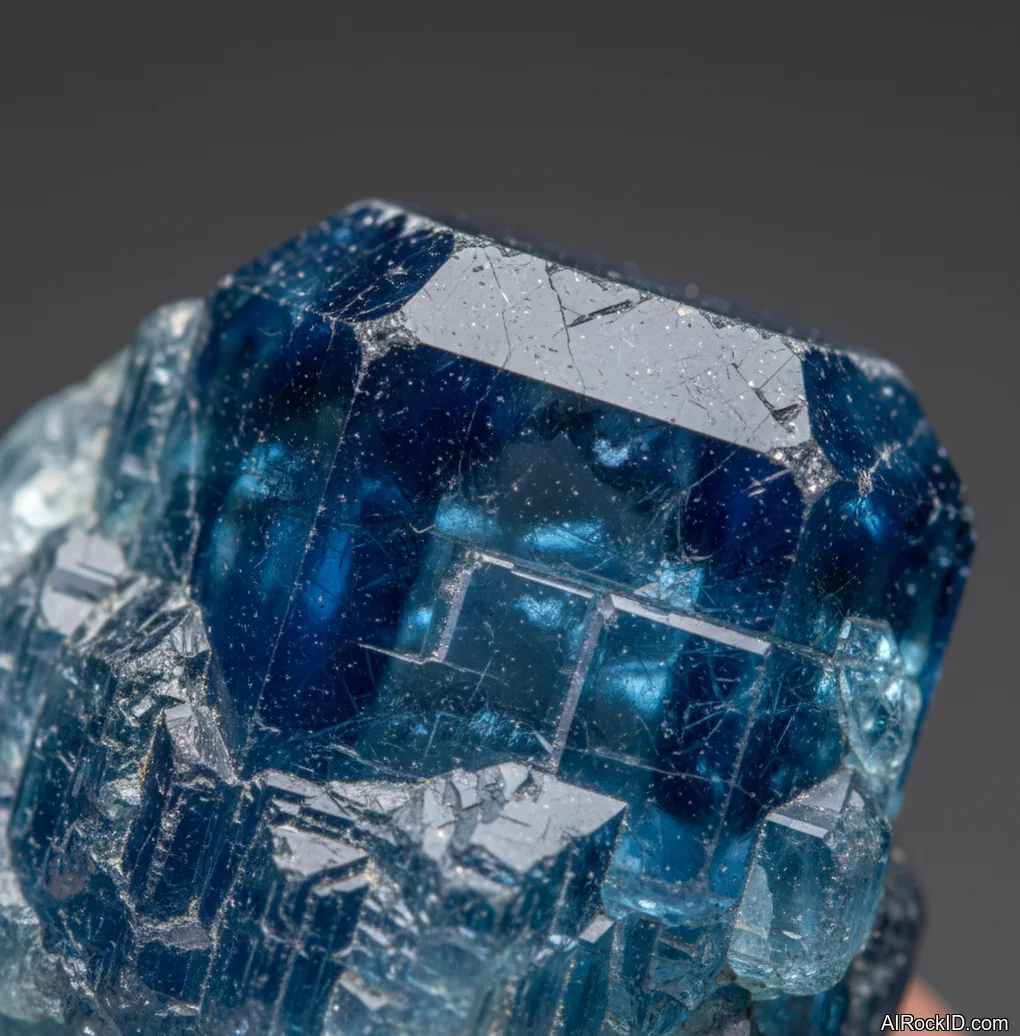
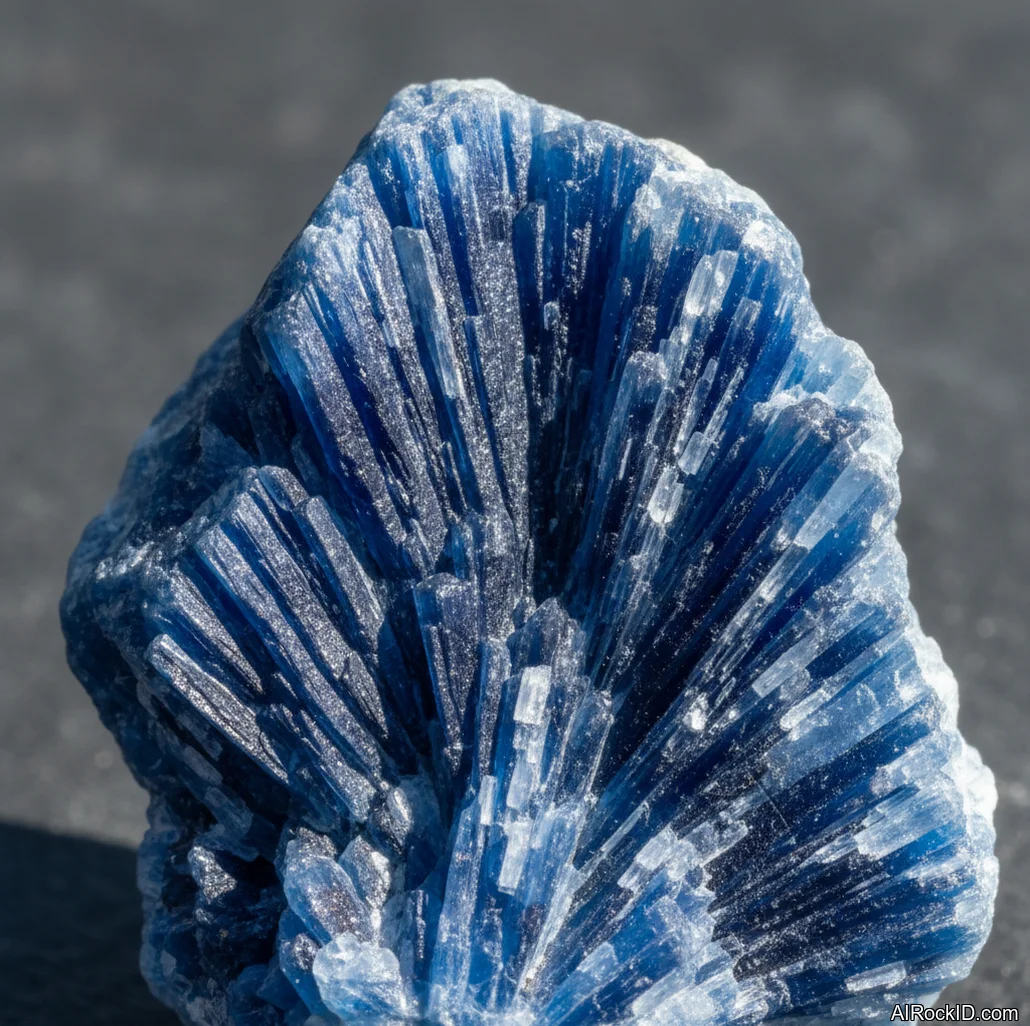
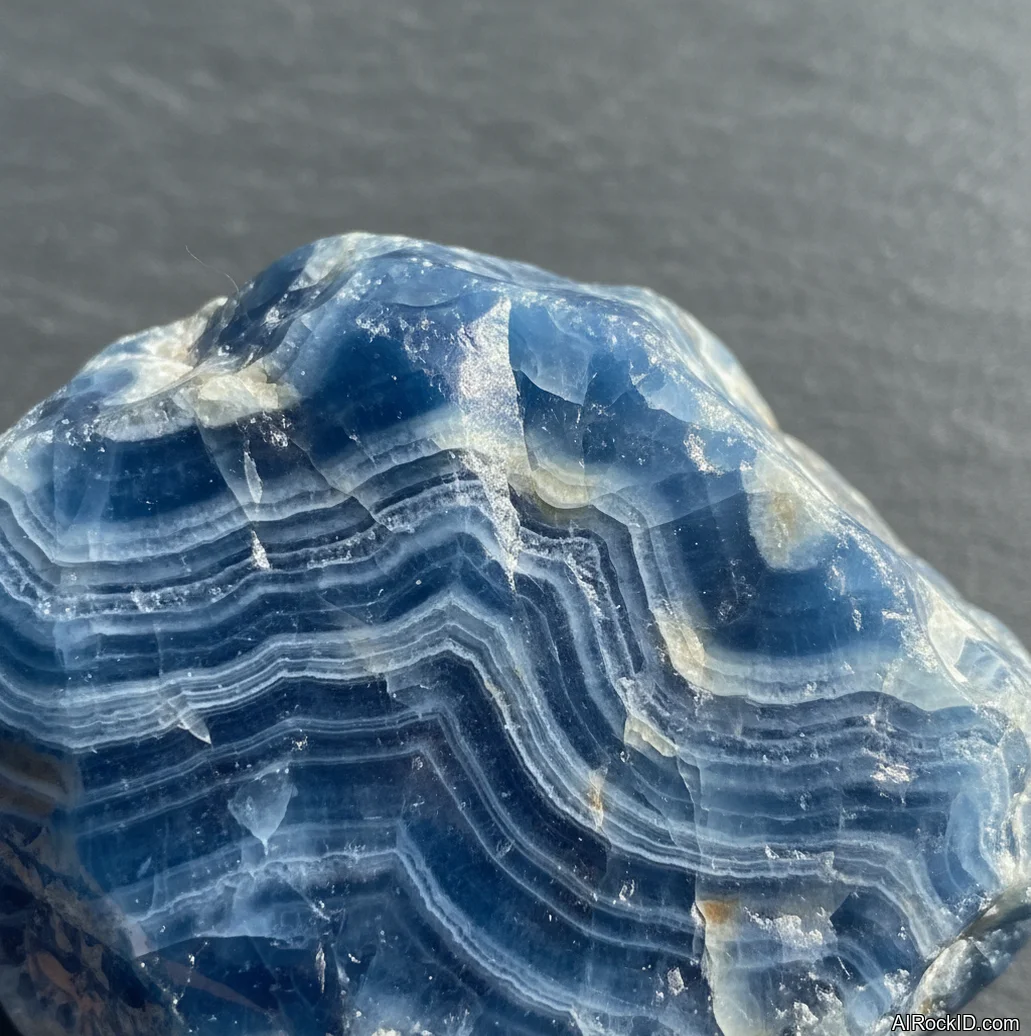
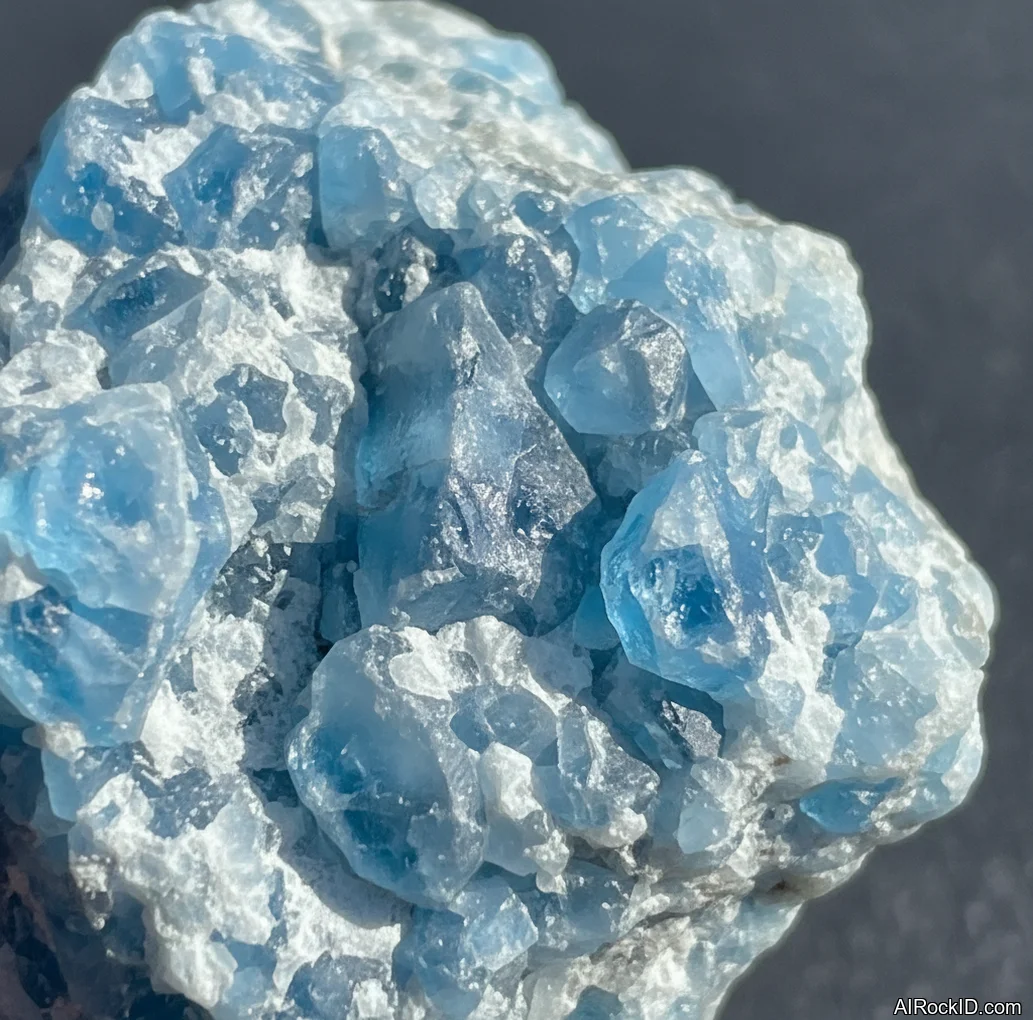
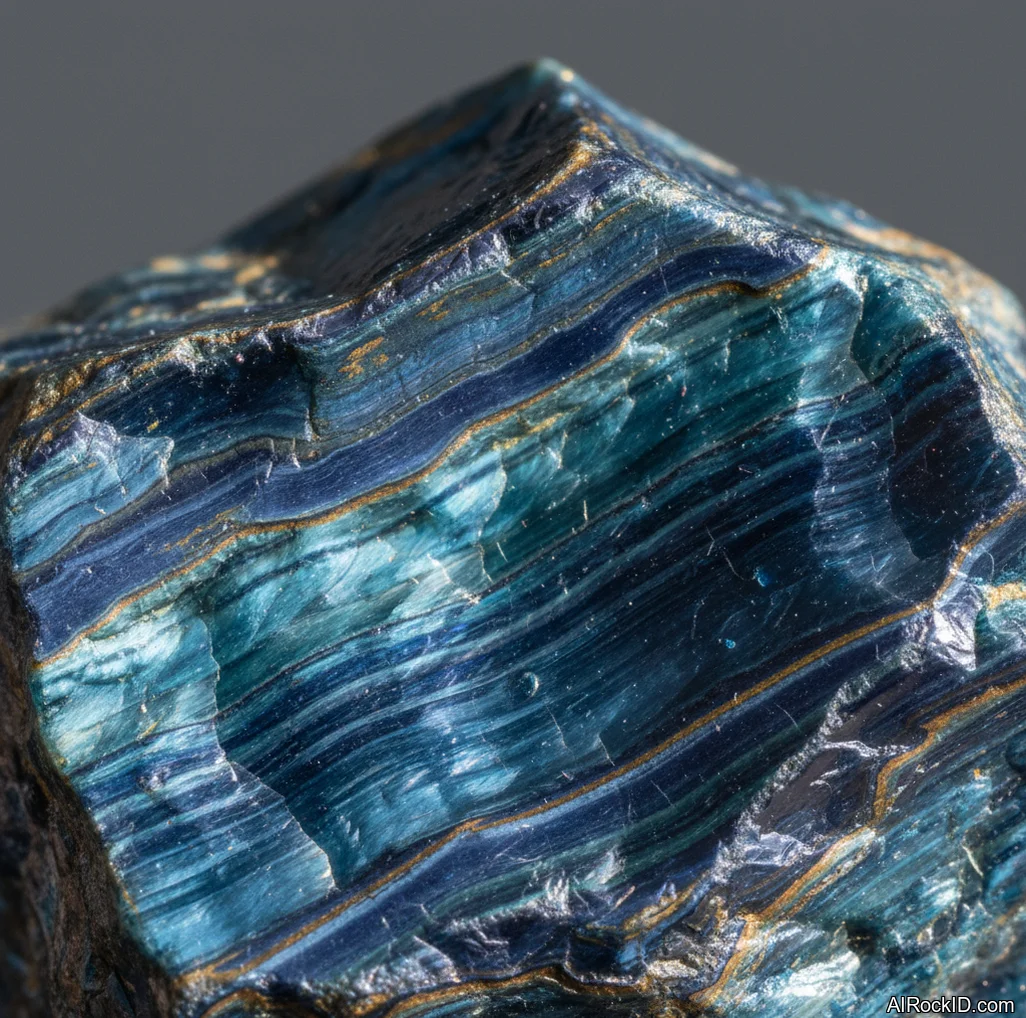
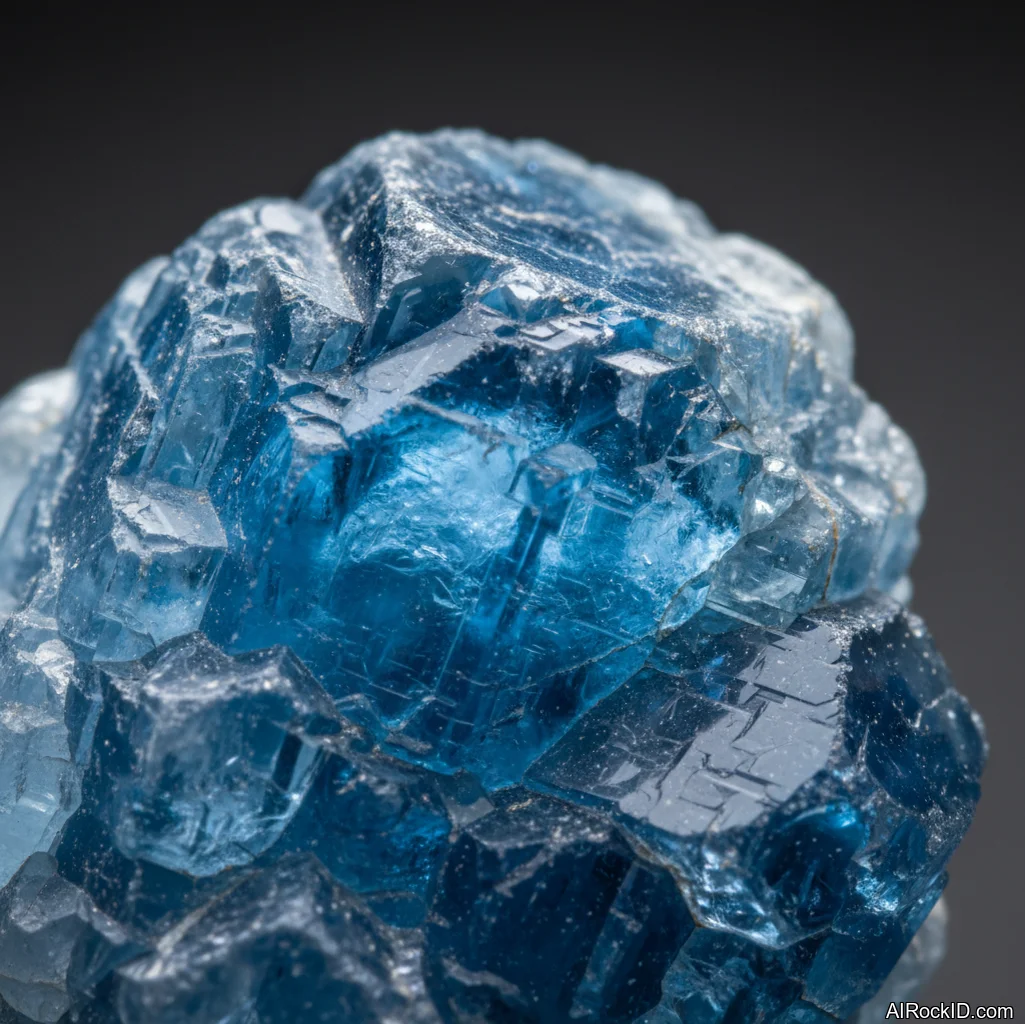
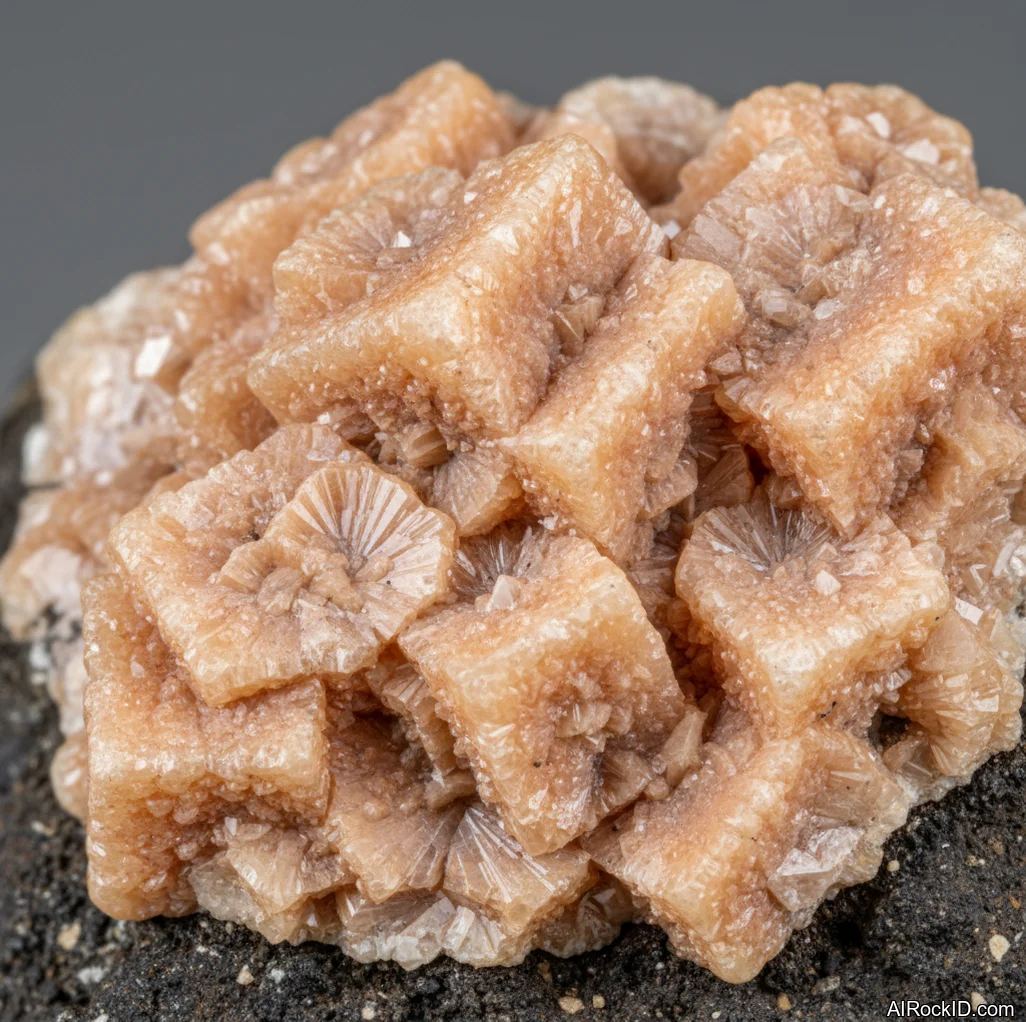
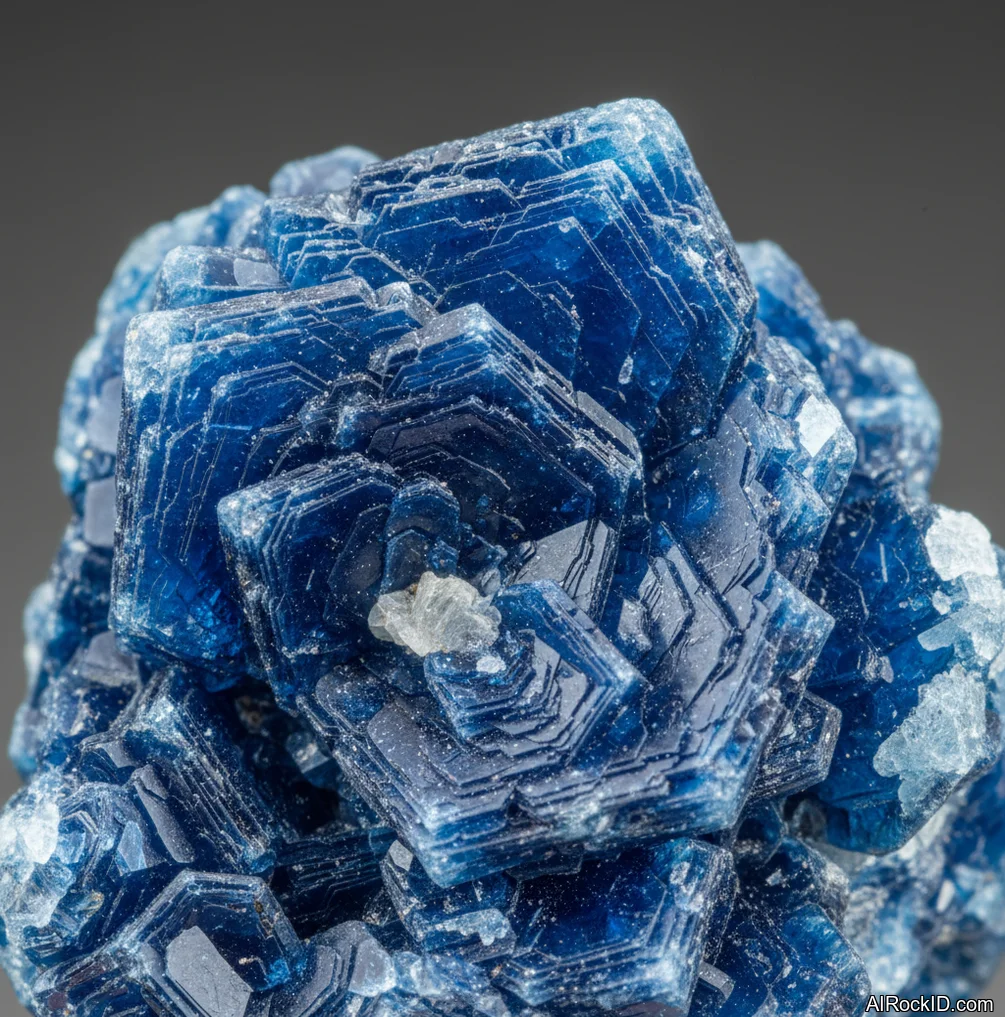
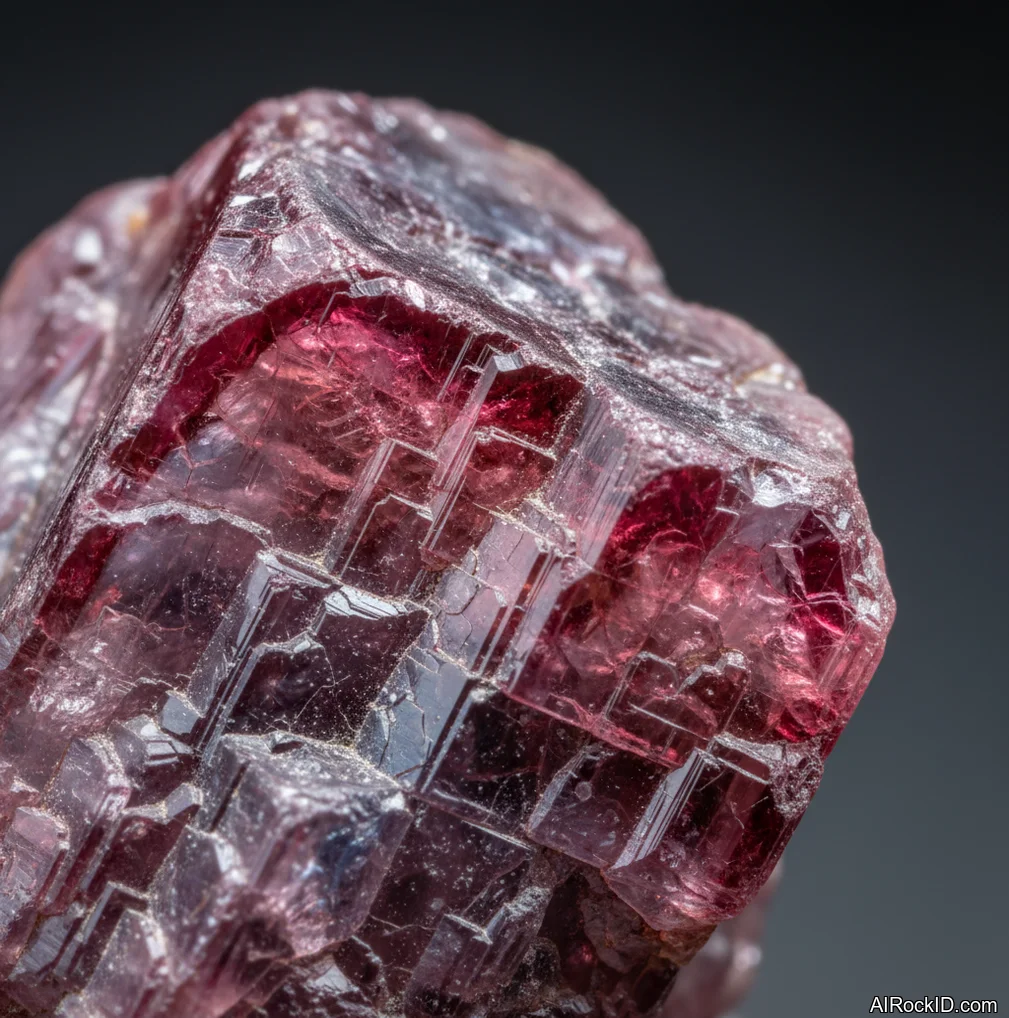
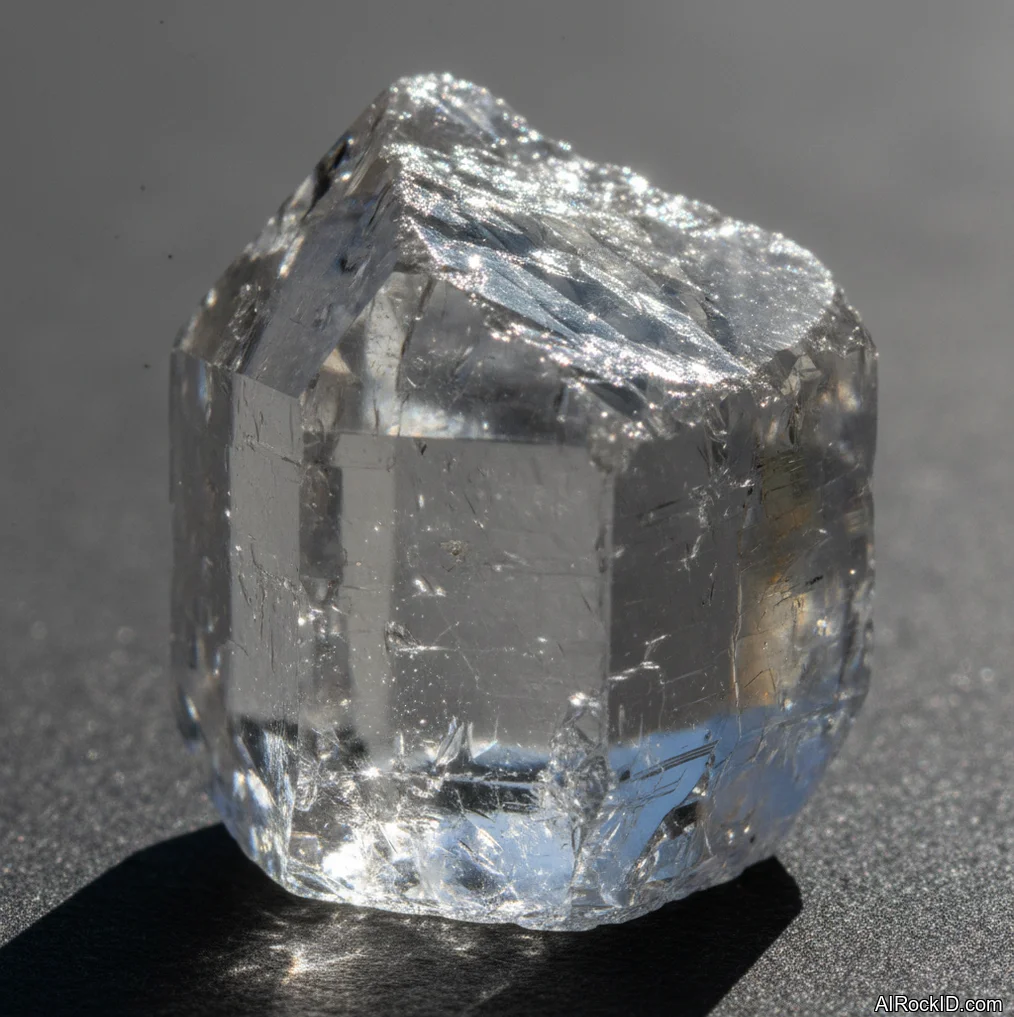
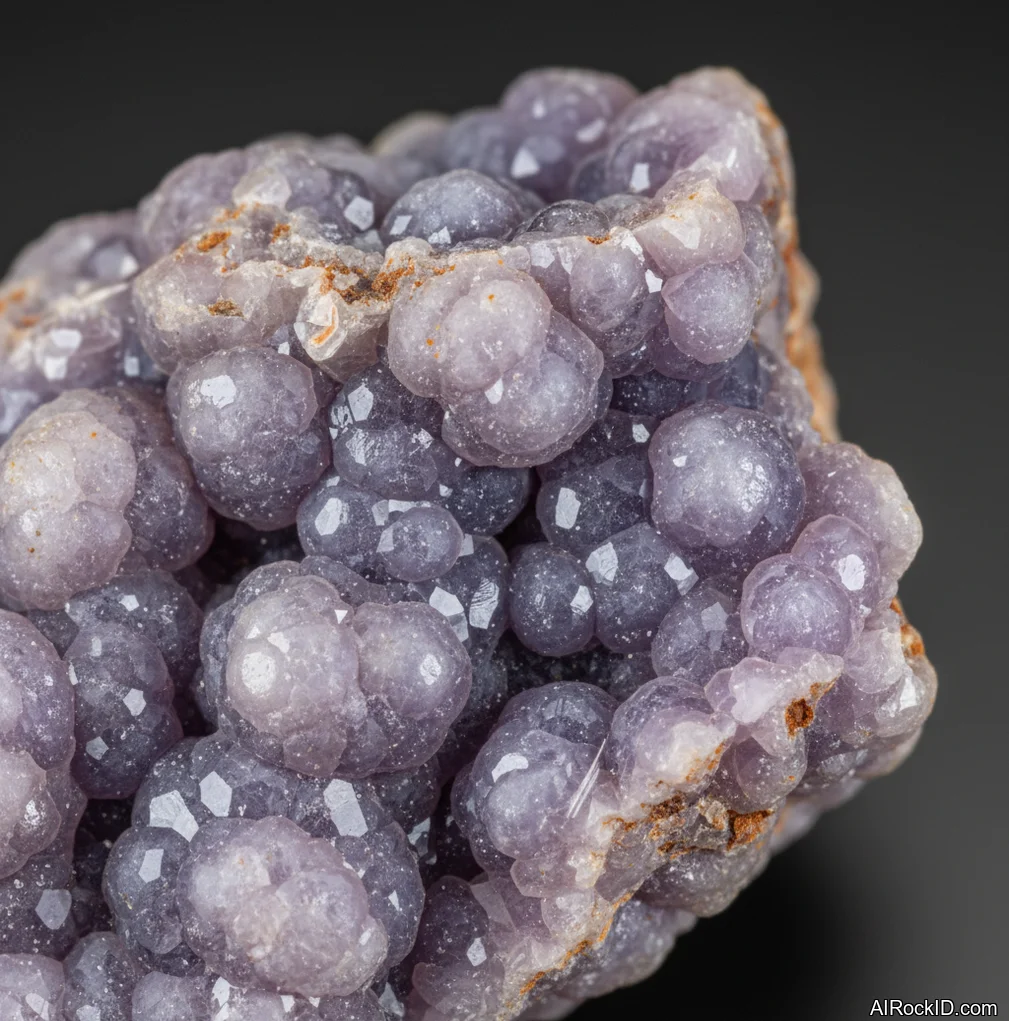
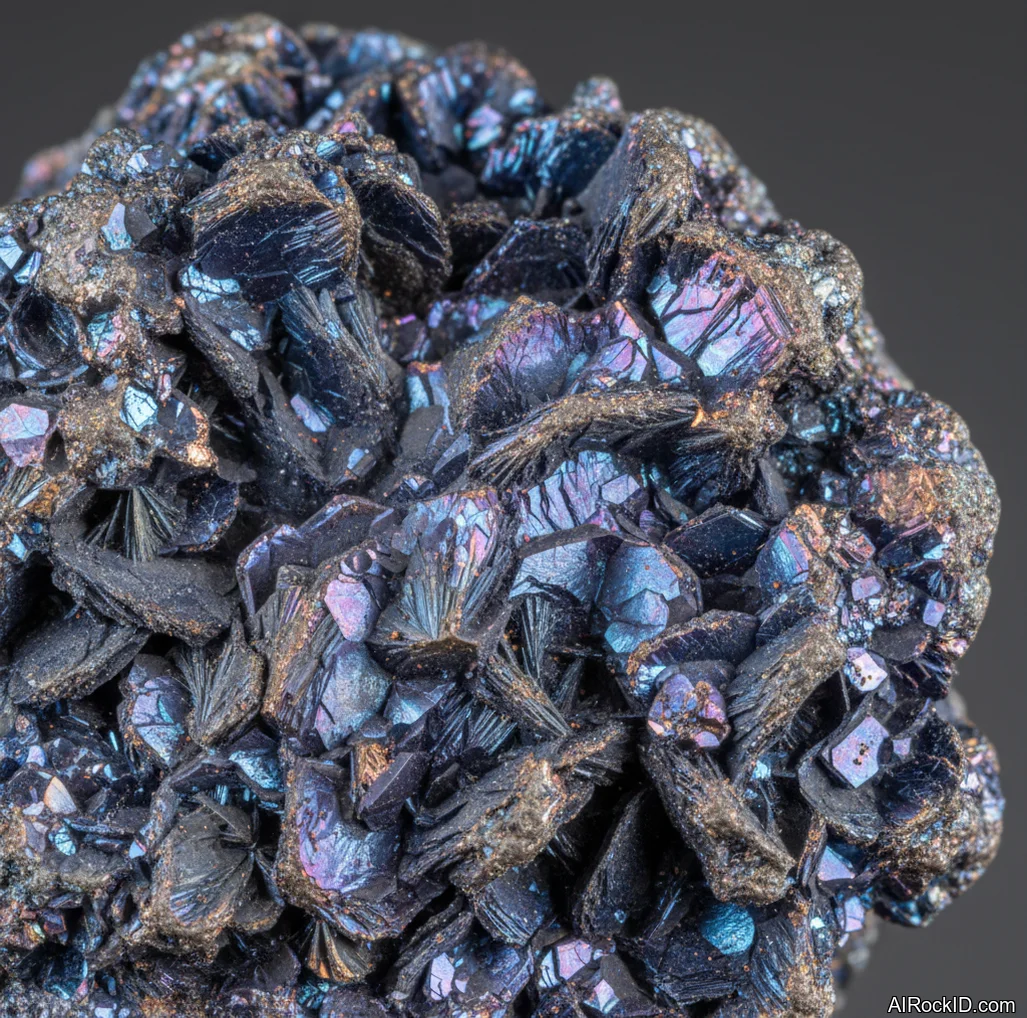
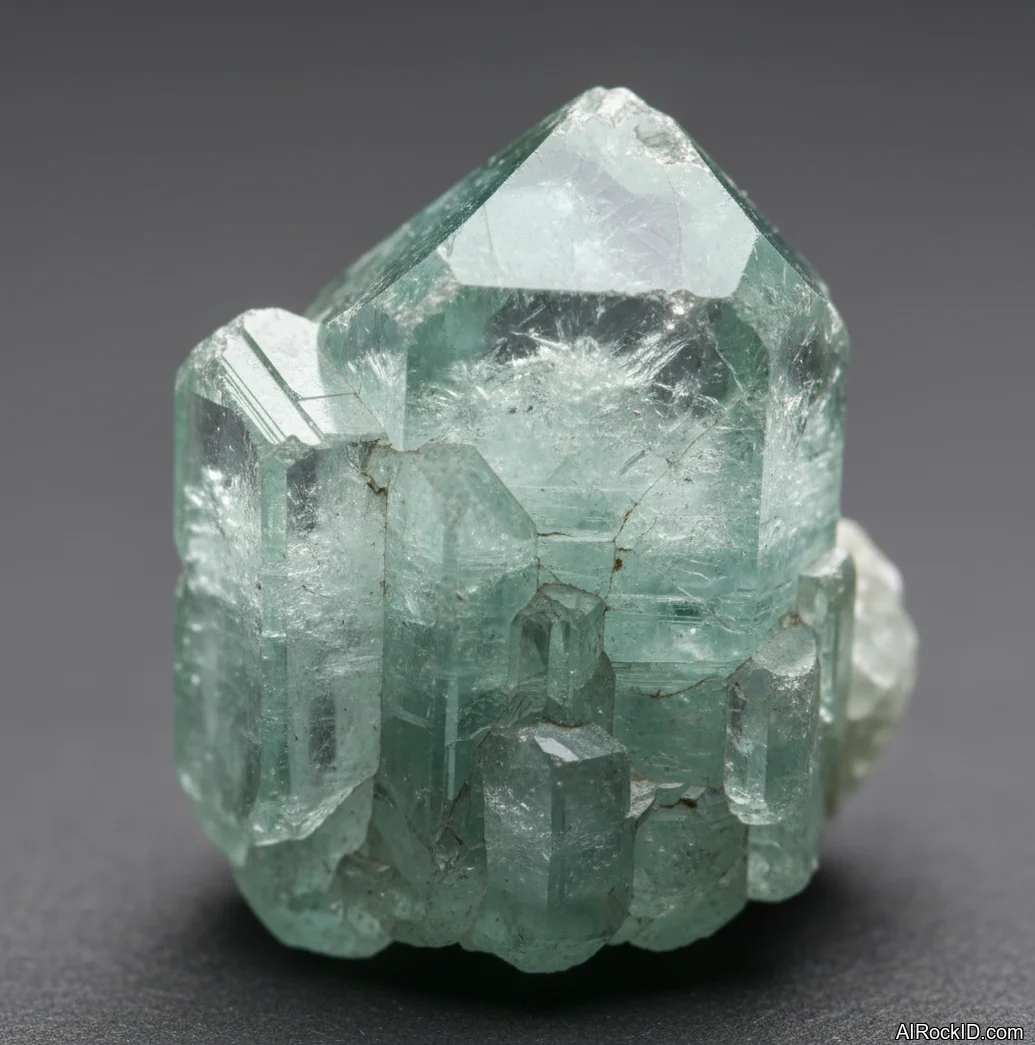
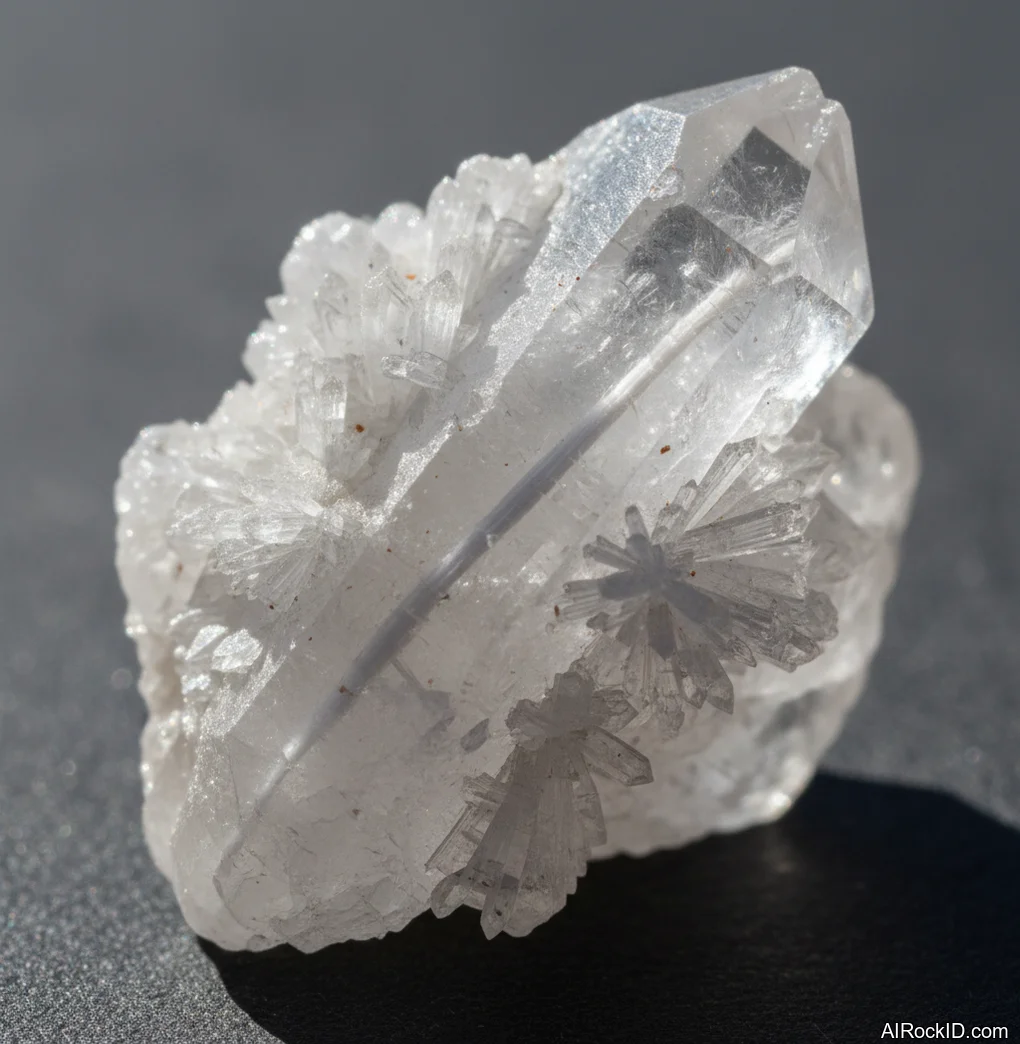
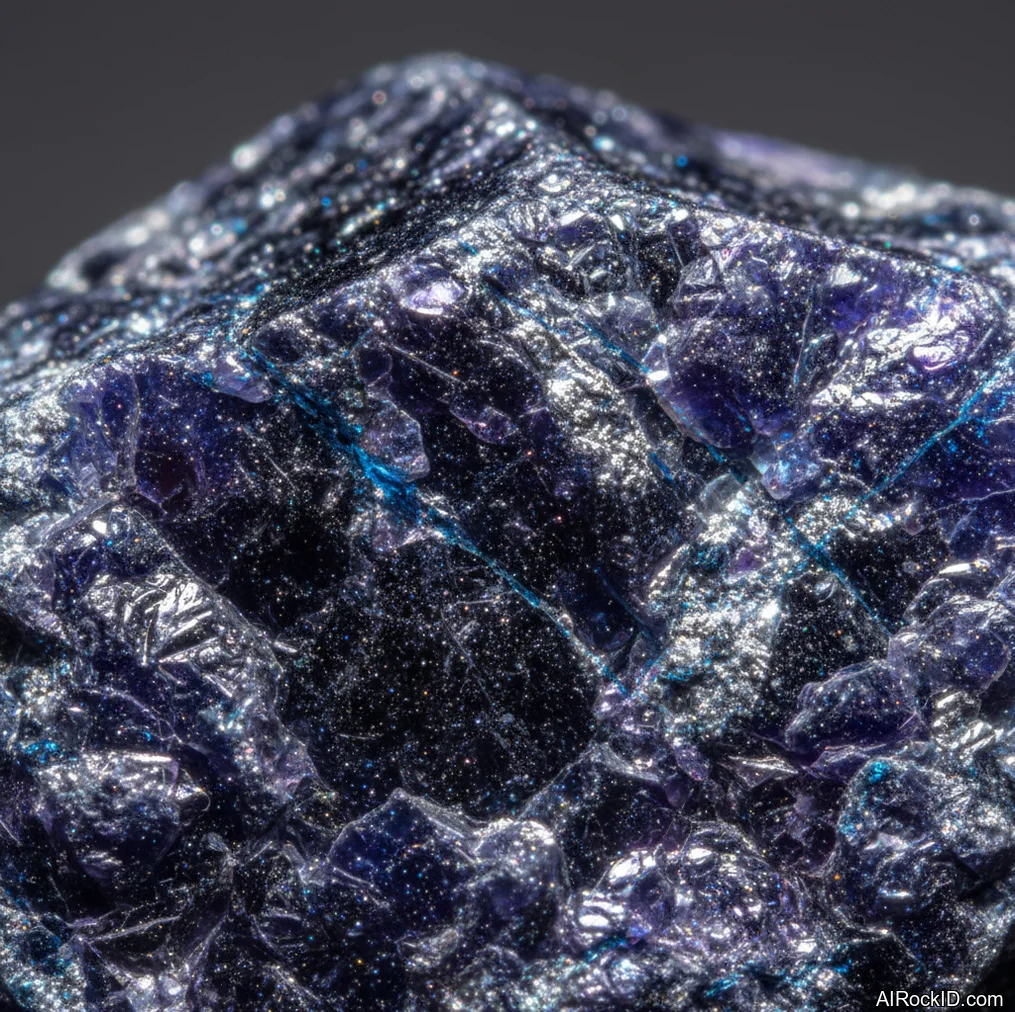
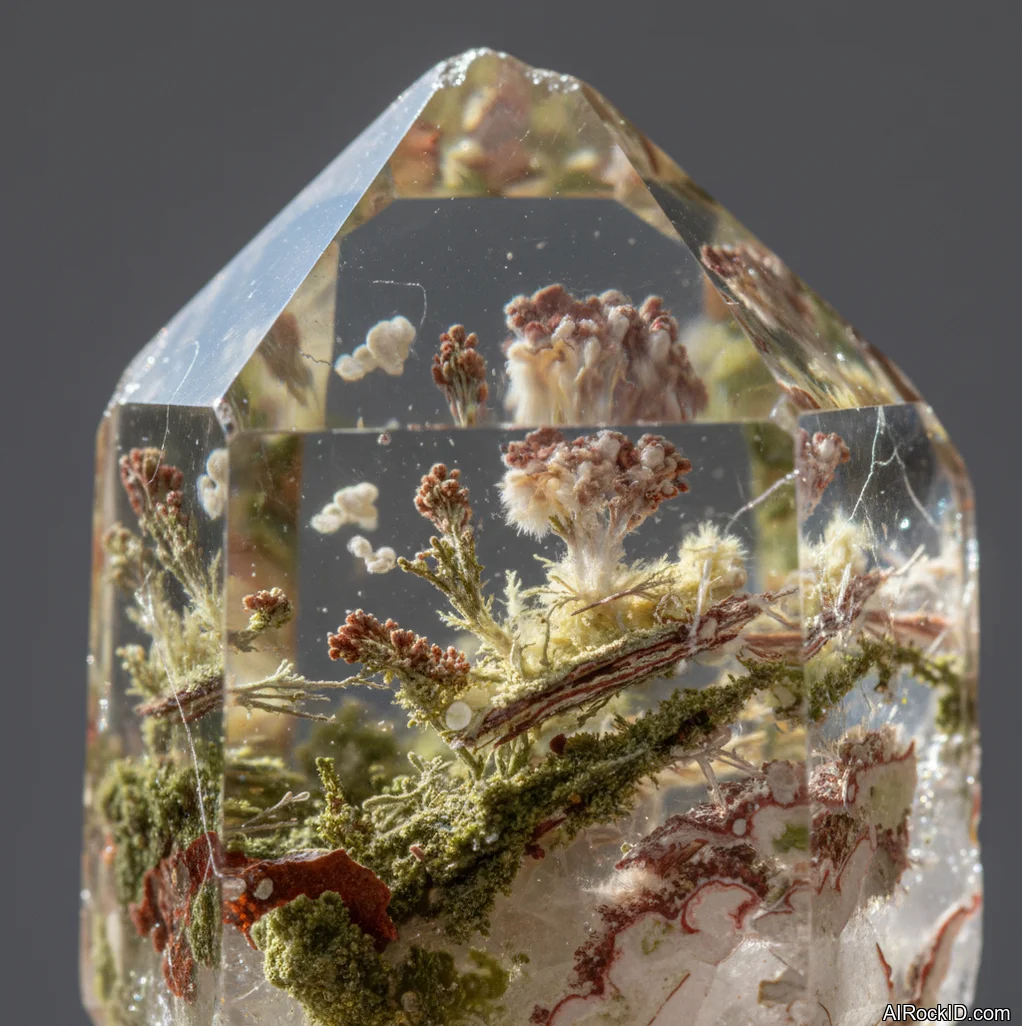
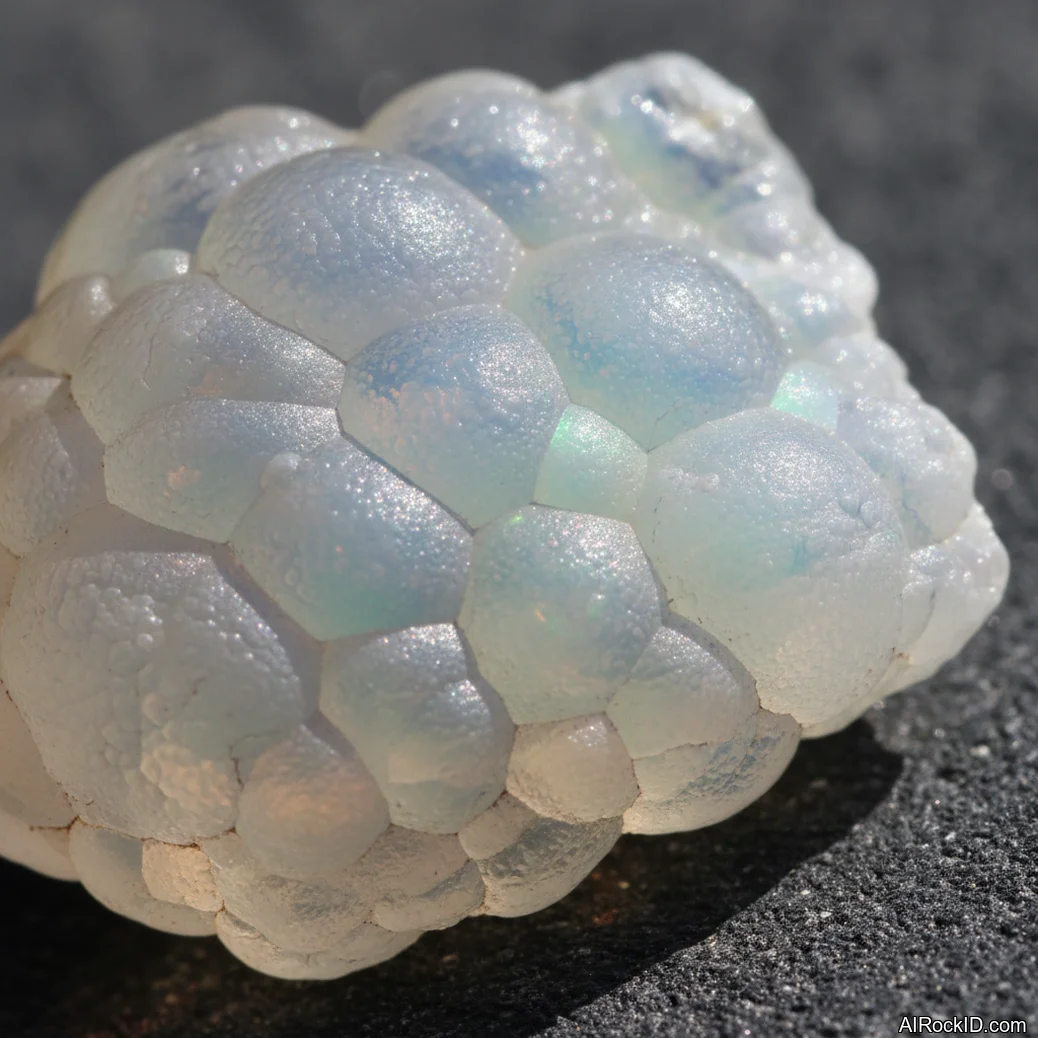
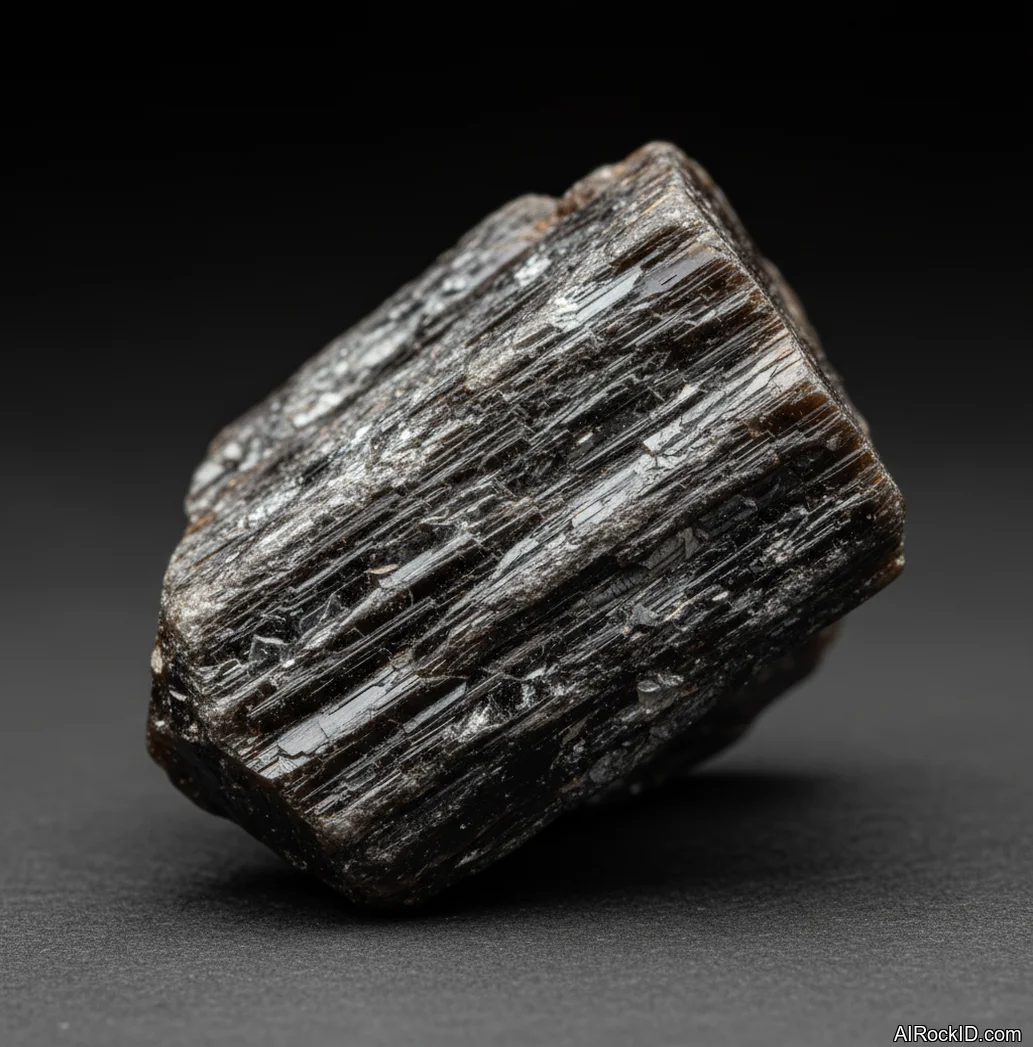
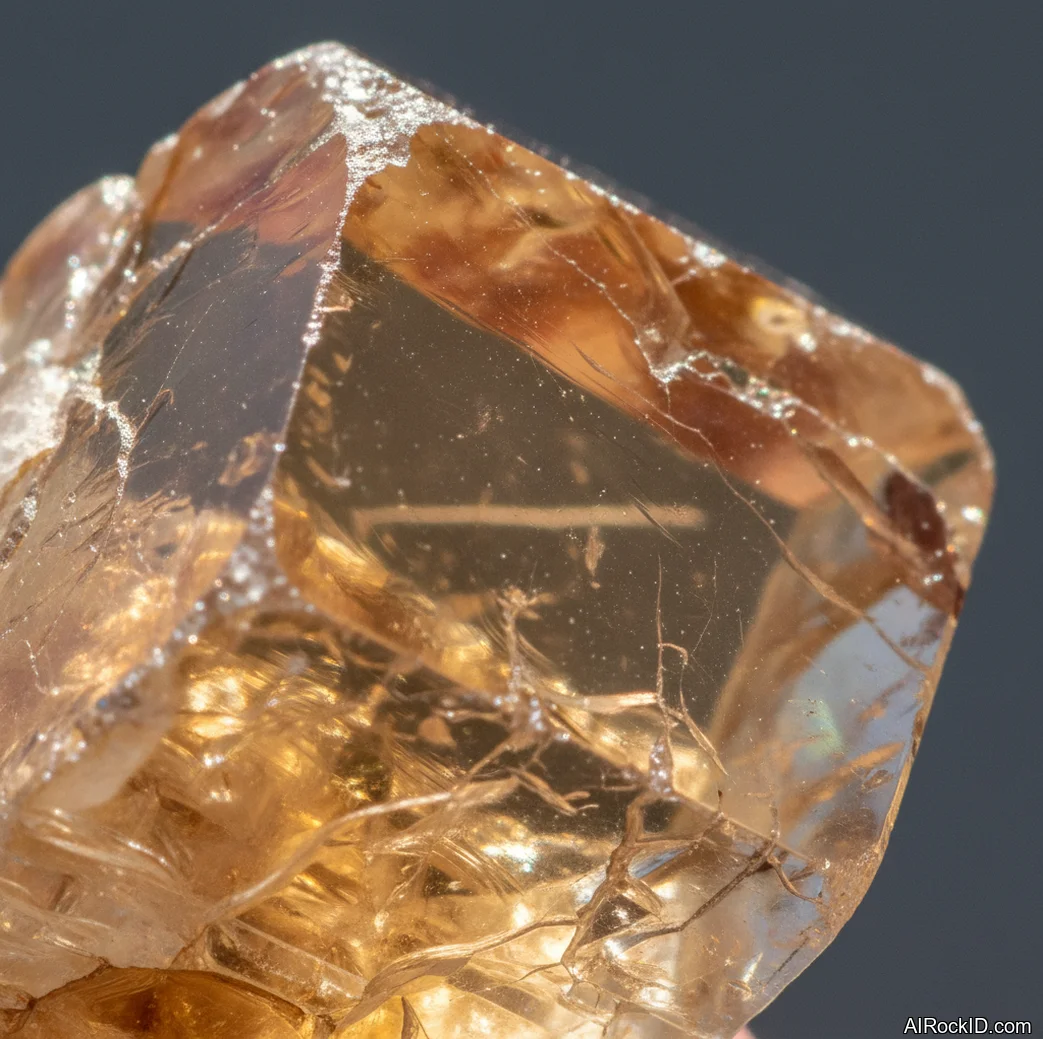
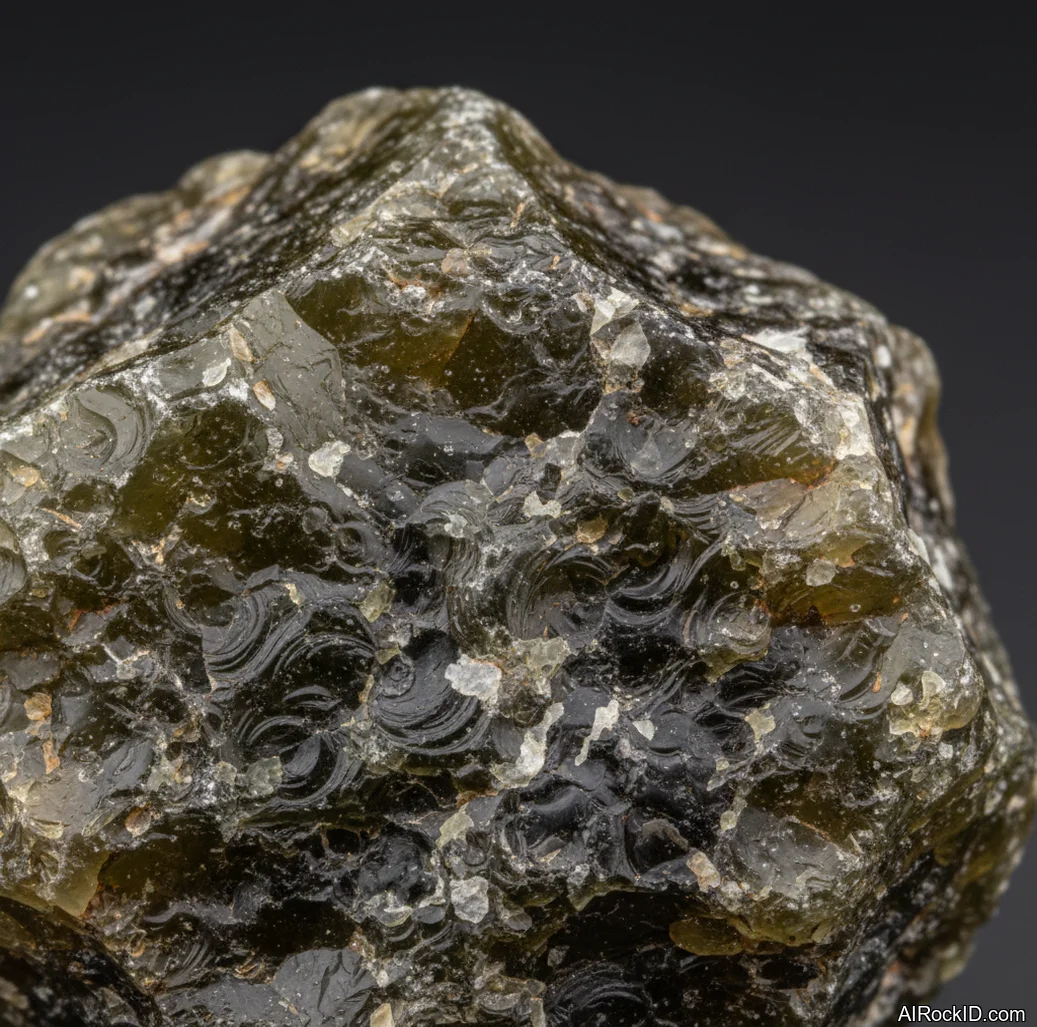
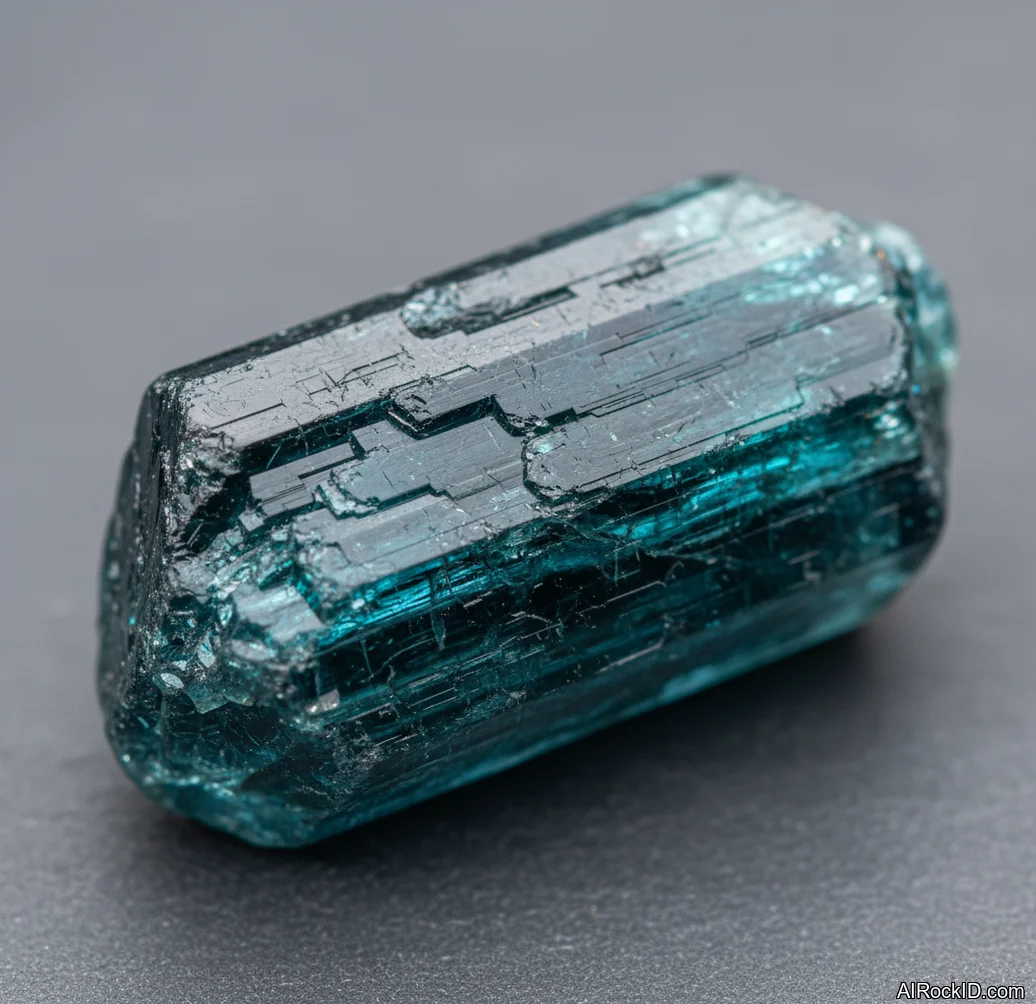
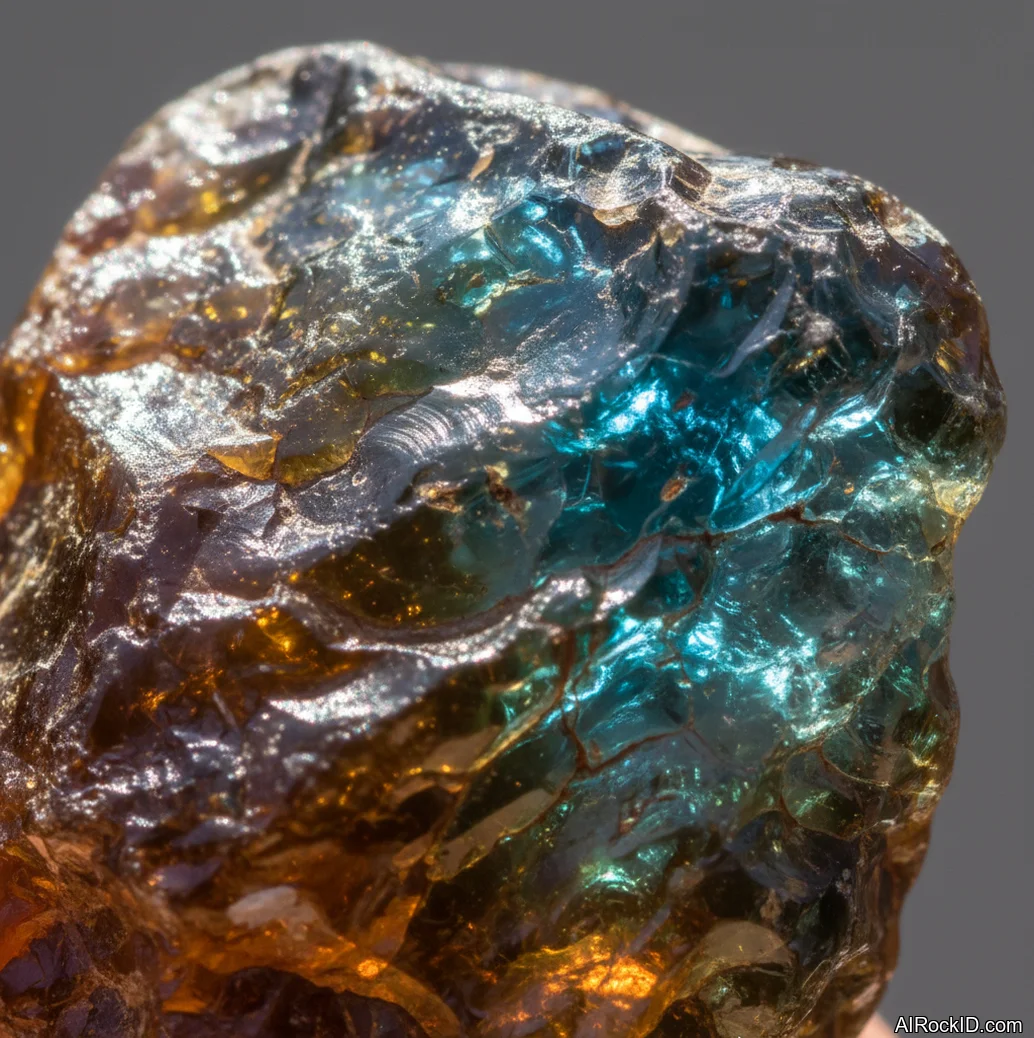
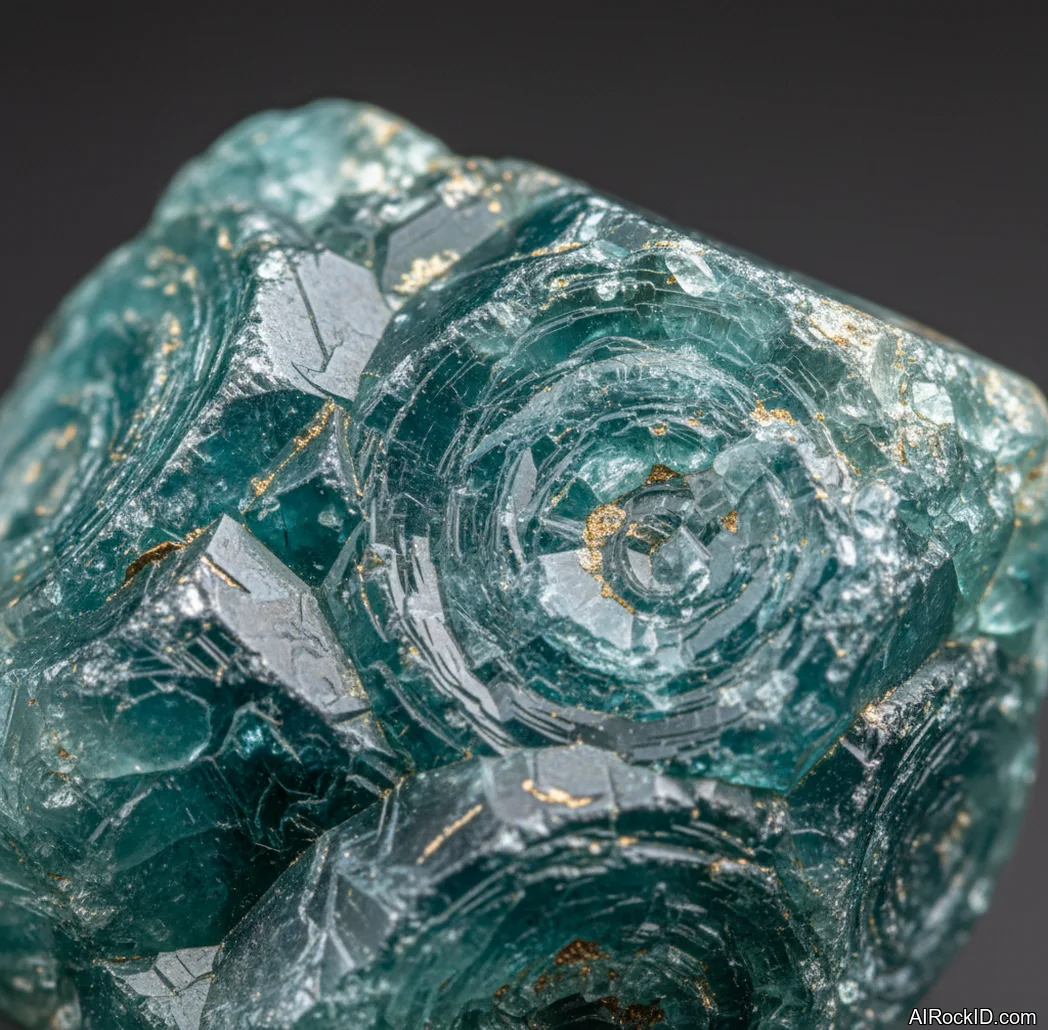
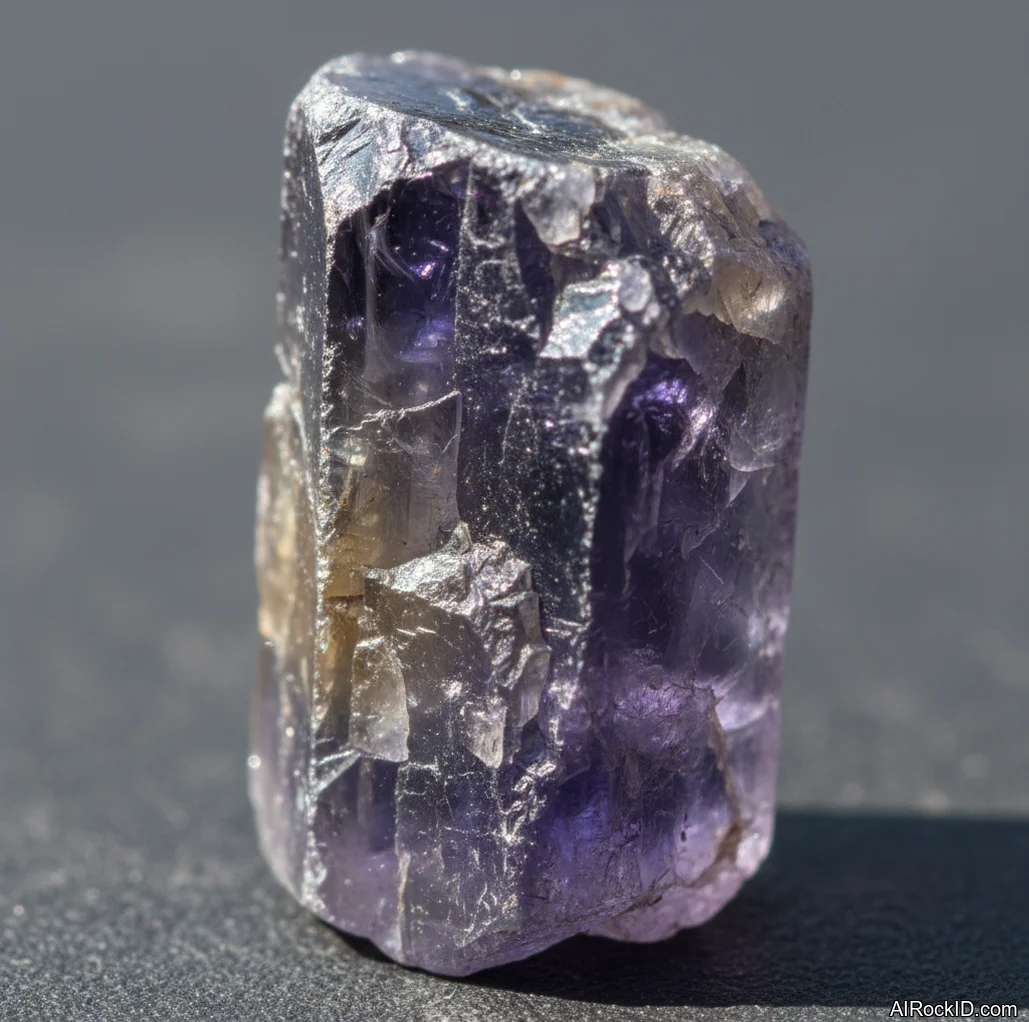
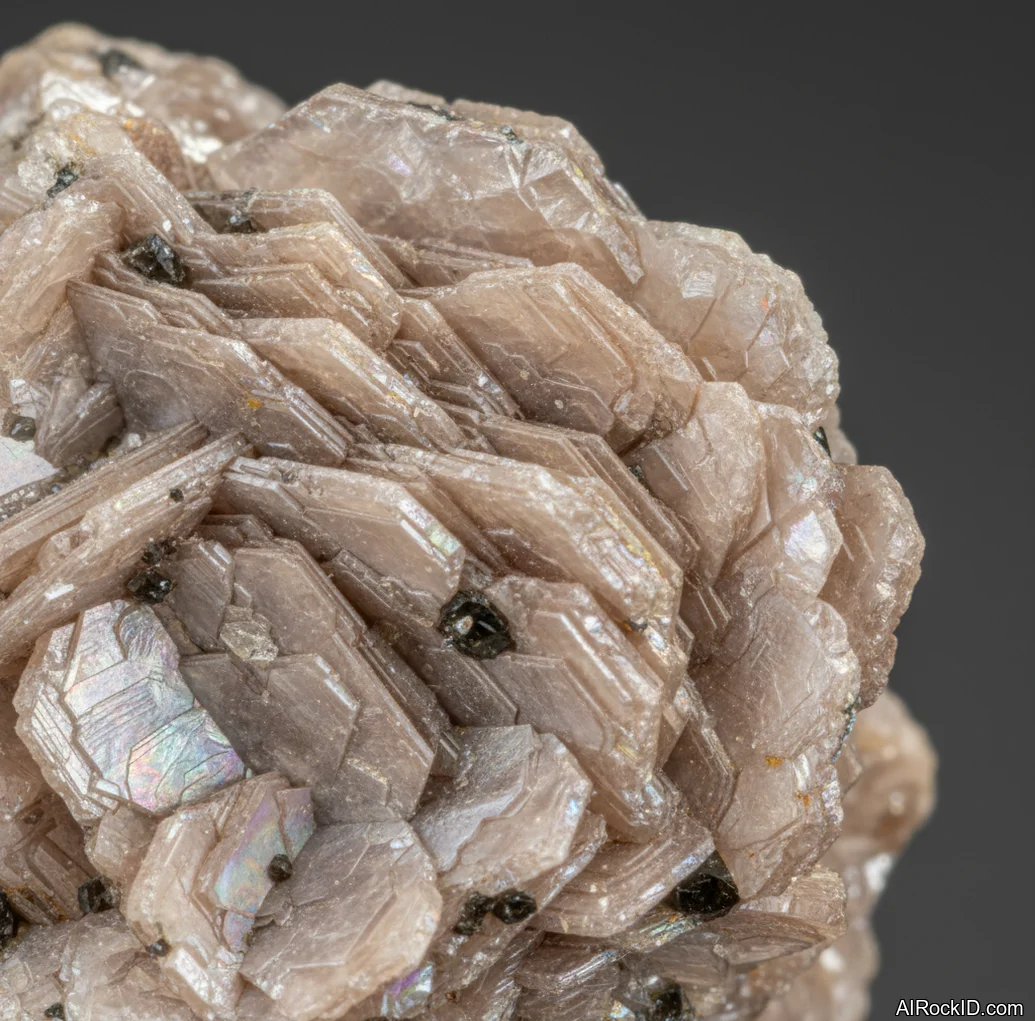
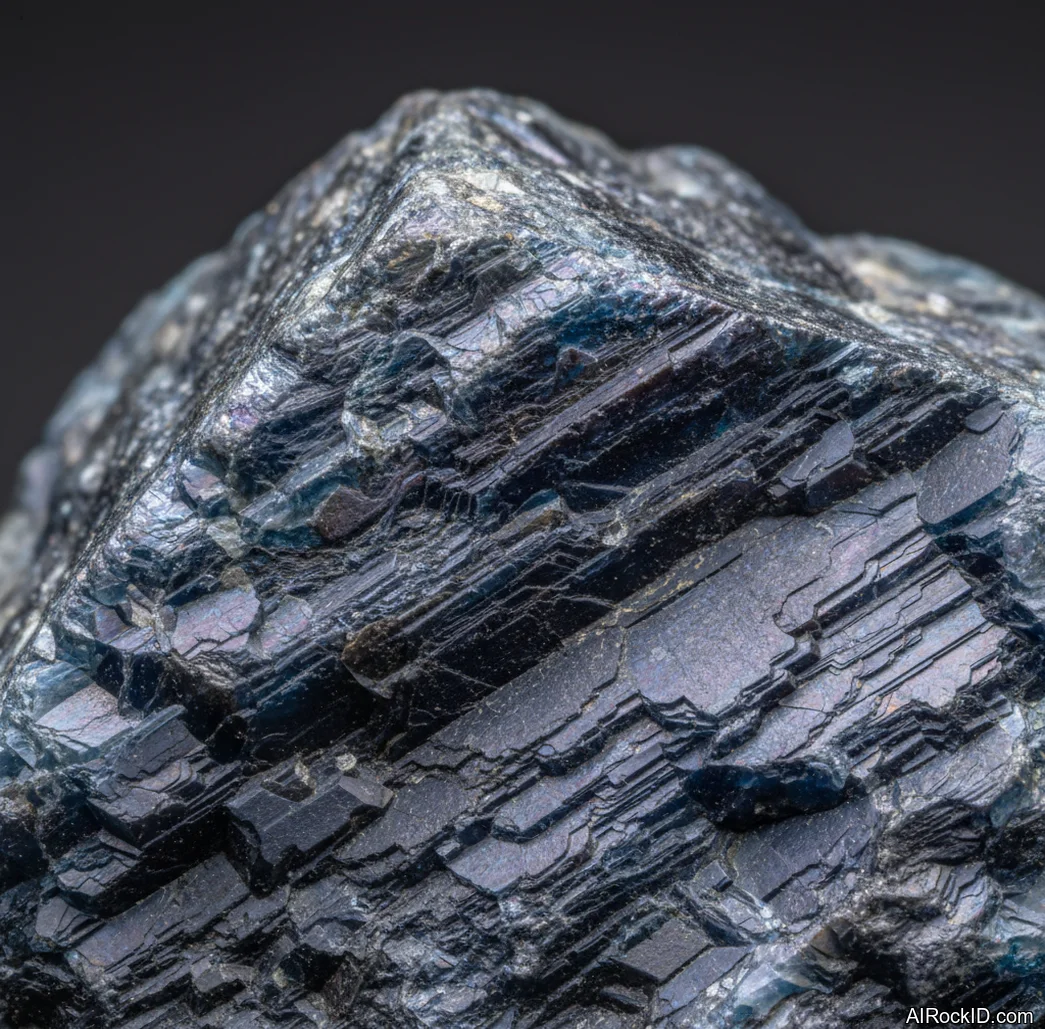
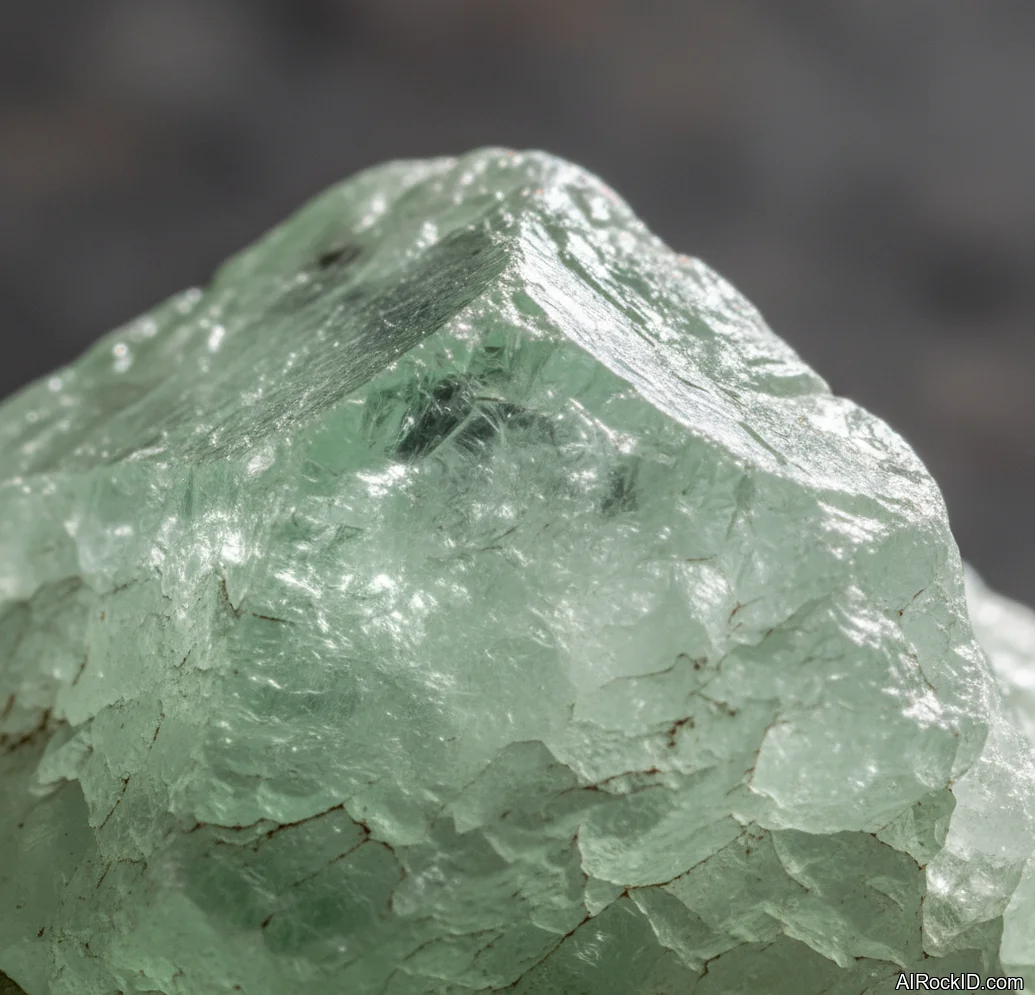
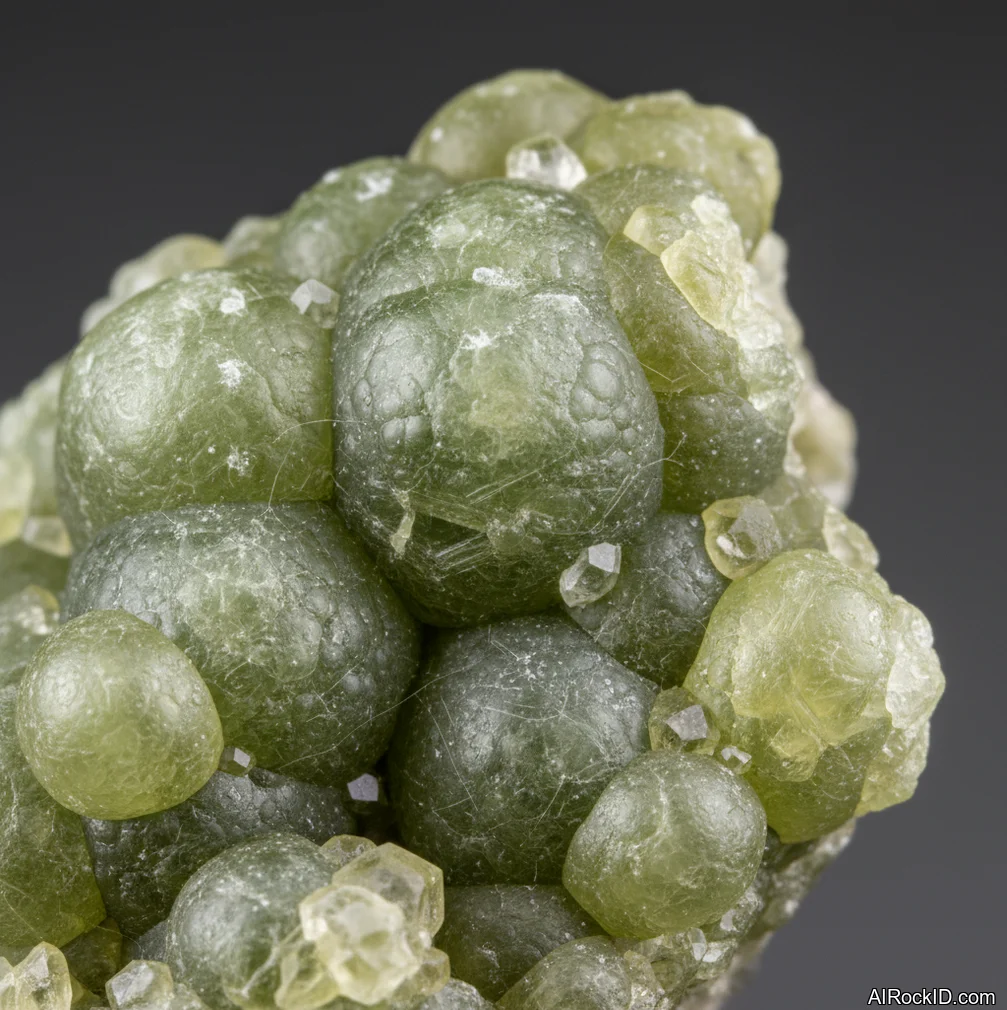
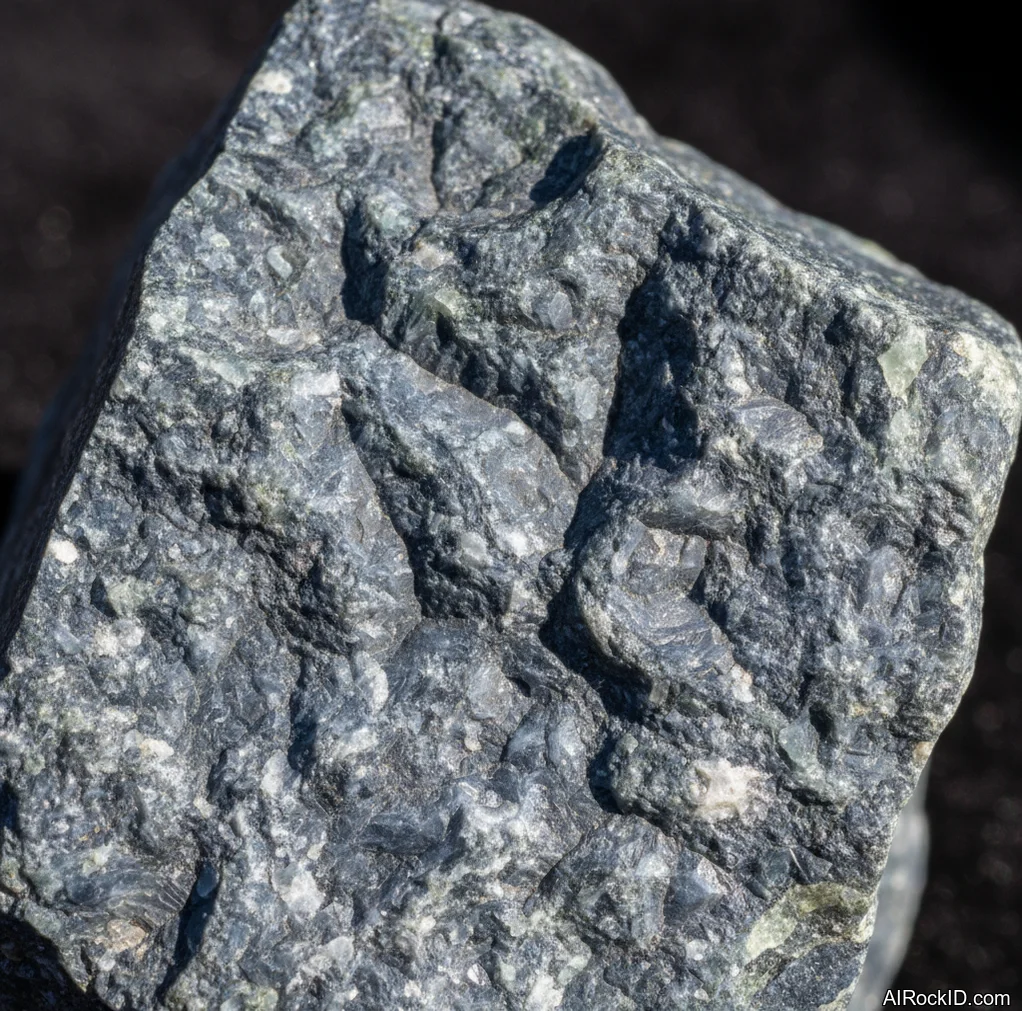
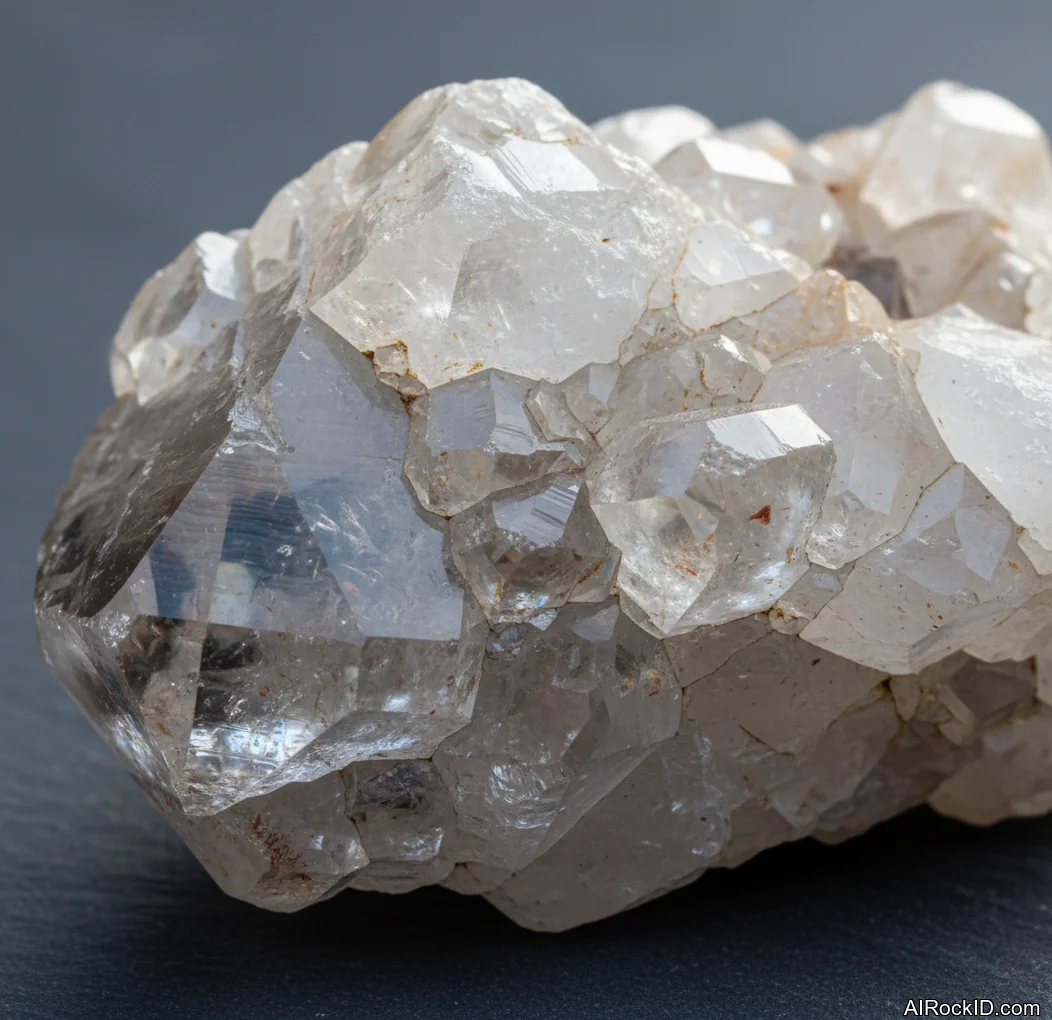
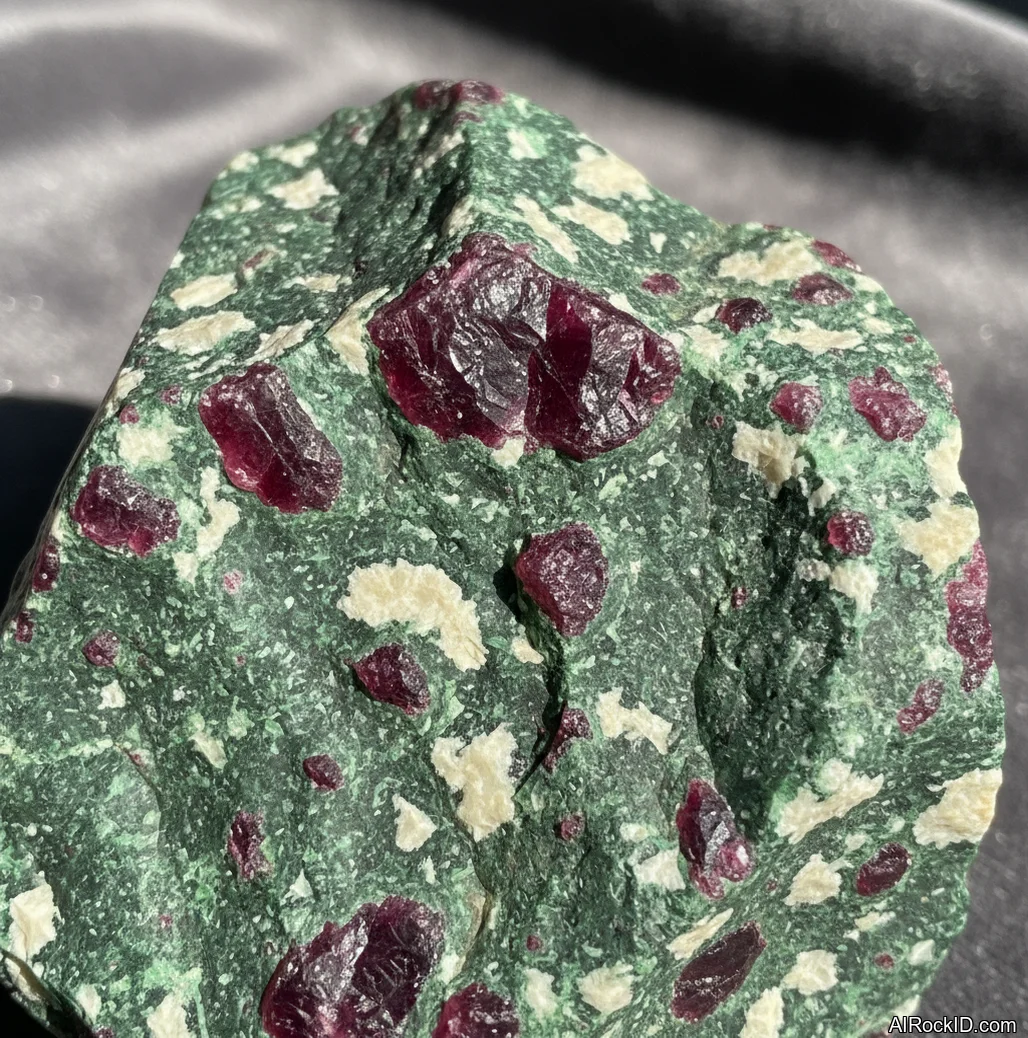
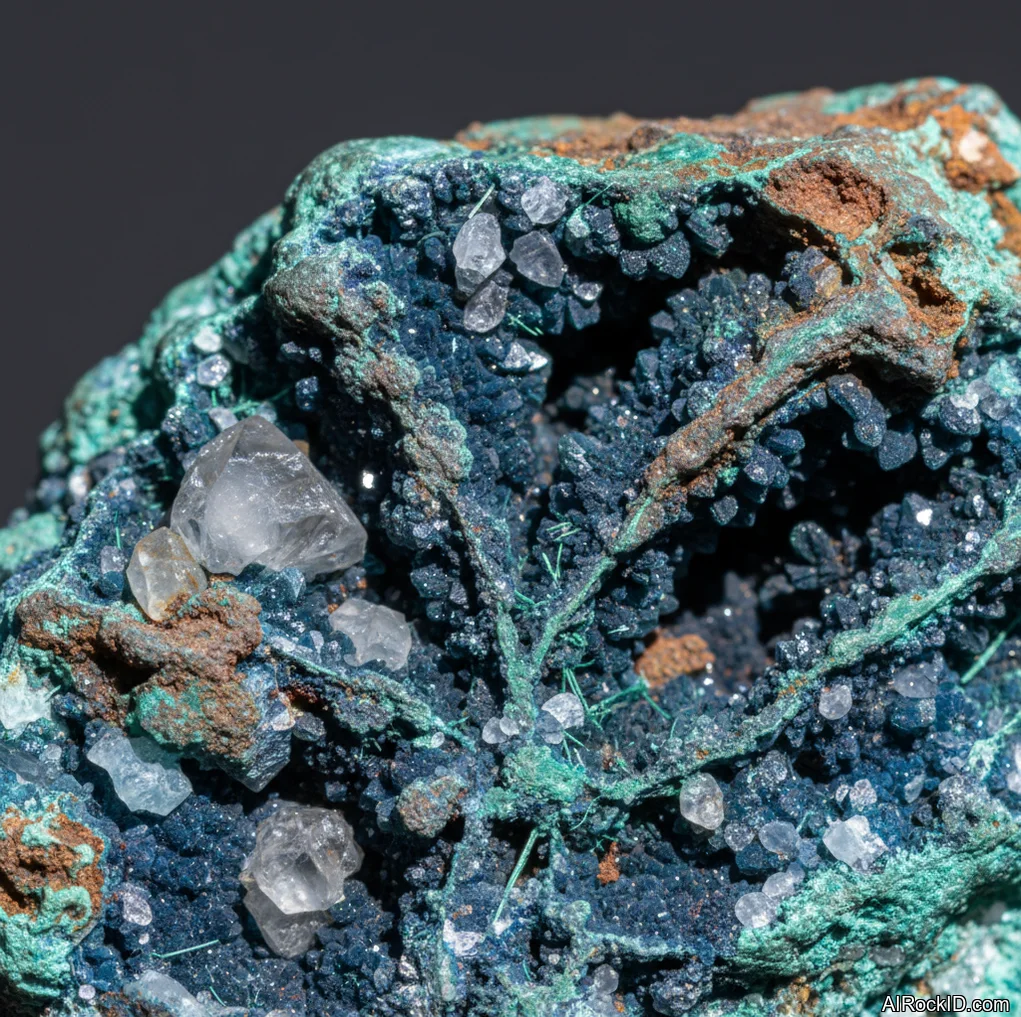
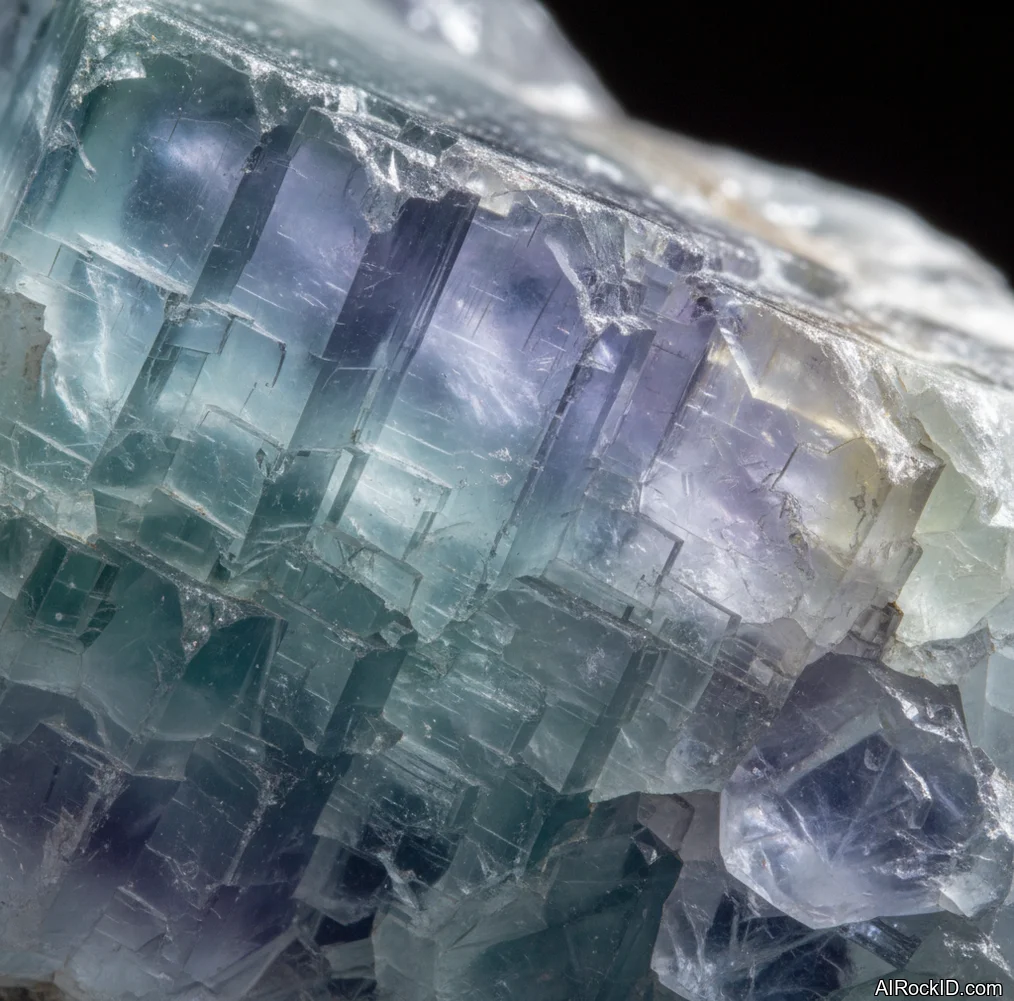
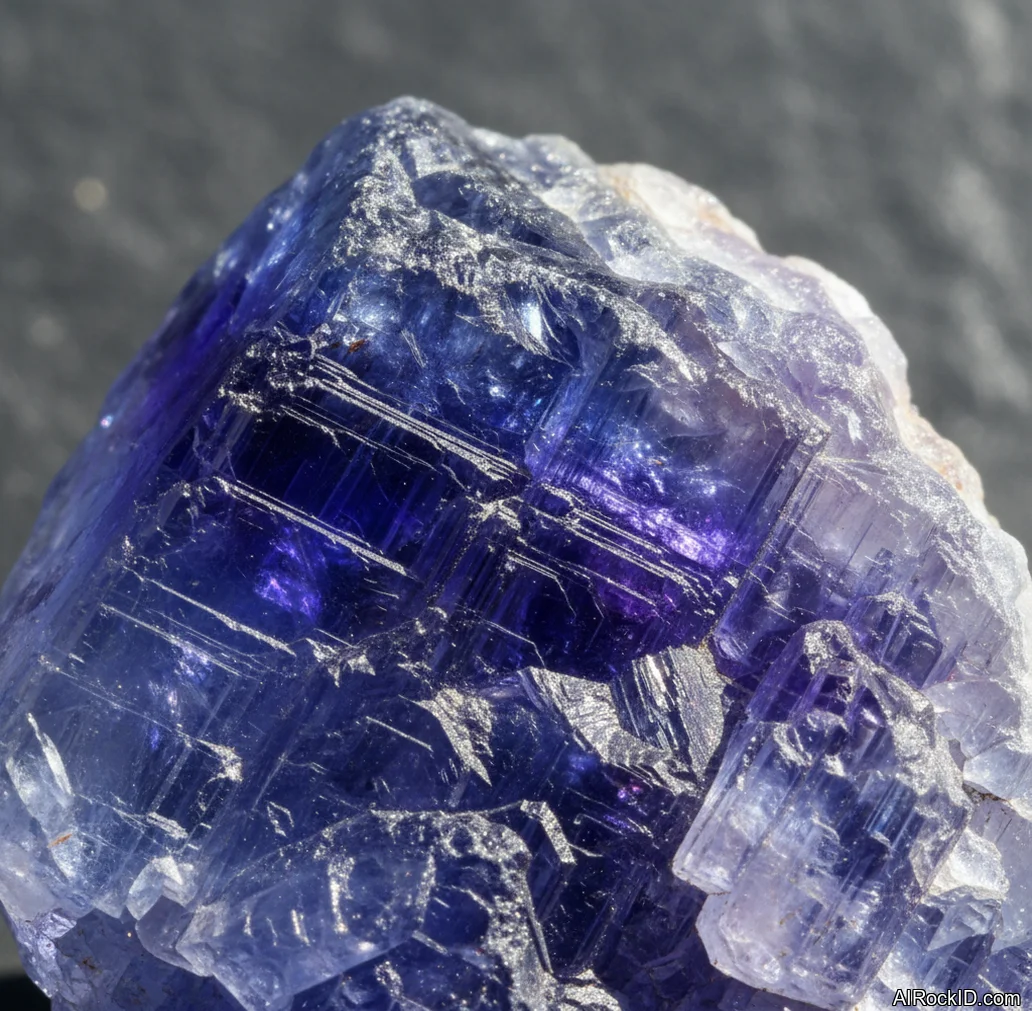
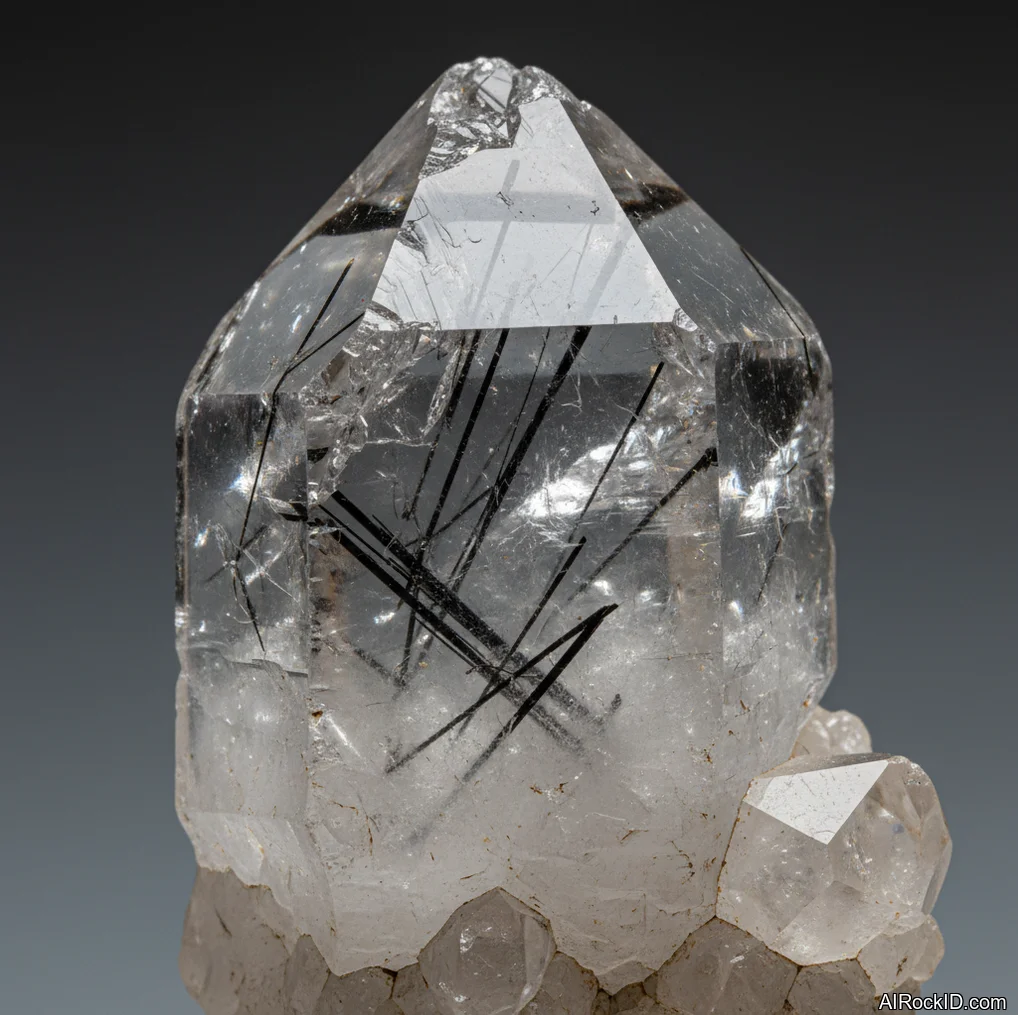
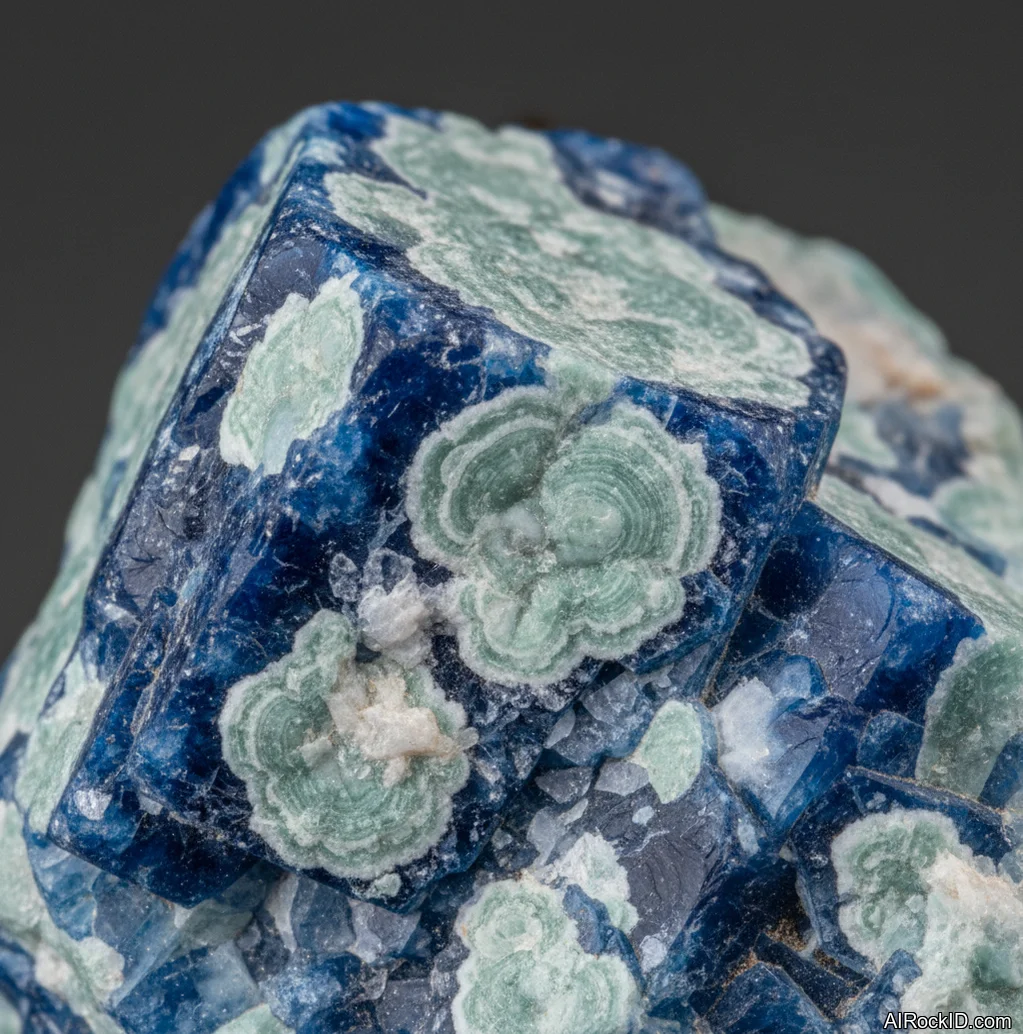
Third Eye Chakra crystals are stones linked to mental clarity, intuition, and focus, often used for practices aimed at insight and pattern recognition. Common examples include lapis lazuli, amethyst, labradorite, sodalite, iolite, fluorite, and azurite, most tending toward indigo, blue, violet, or smoky-gray hues. These associations come from metaphysical traditions and are not medical claims or substitutes for professional advice.
Third Eye Chakra crystals can't give you psychic abilities or replace mental health treatment. They're used for spiritual focus, not as a replacement for clinical care.
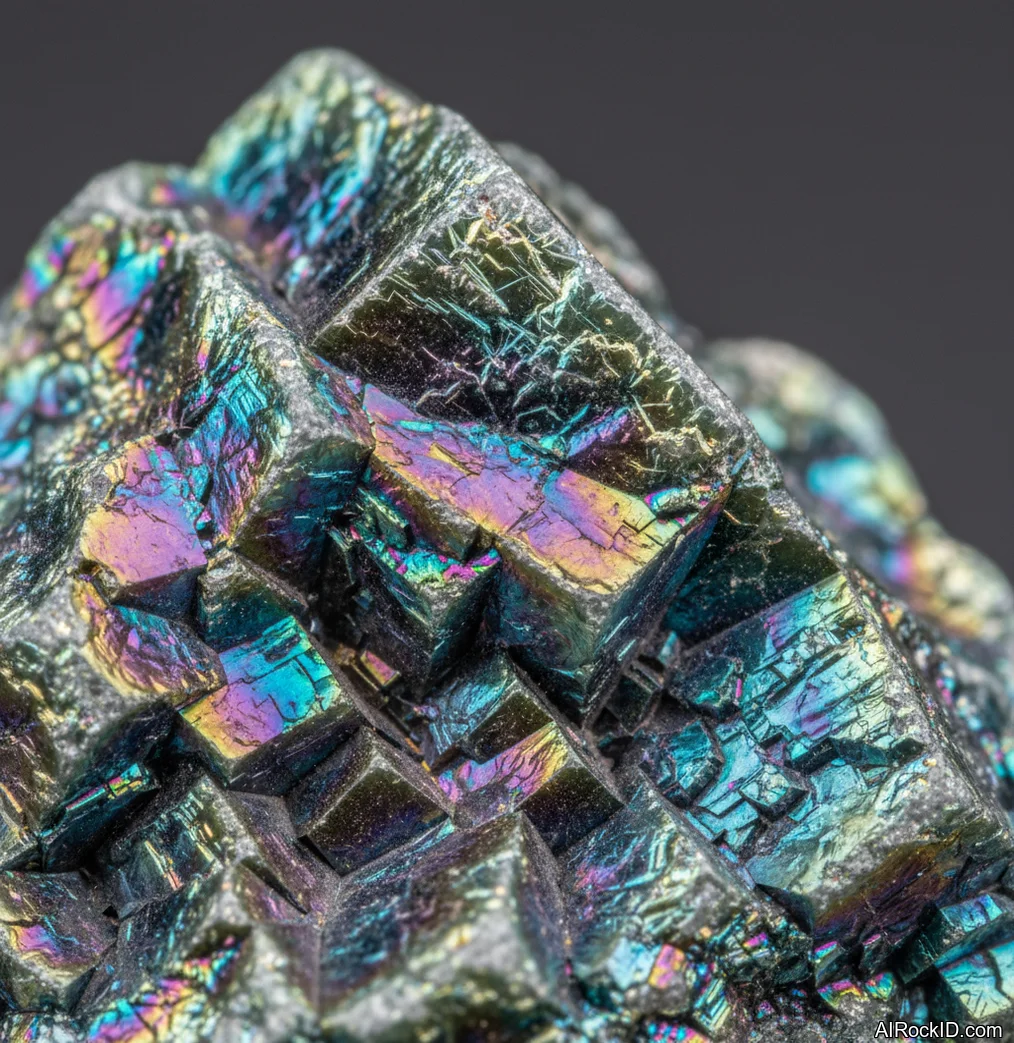
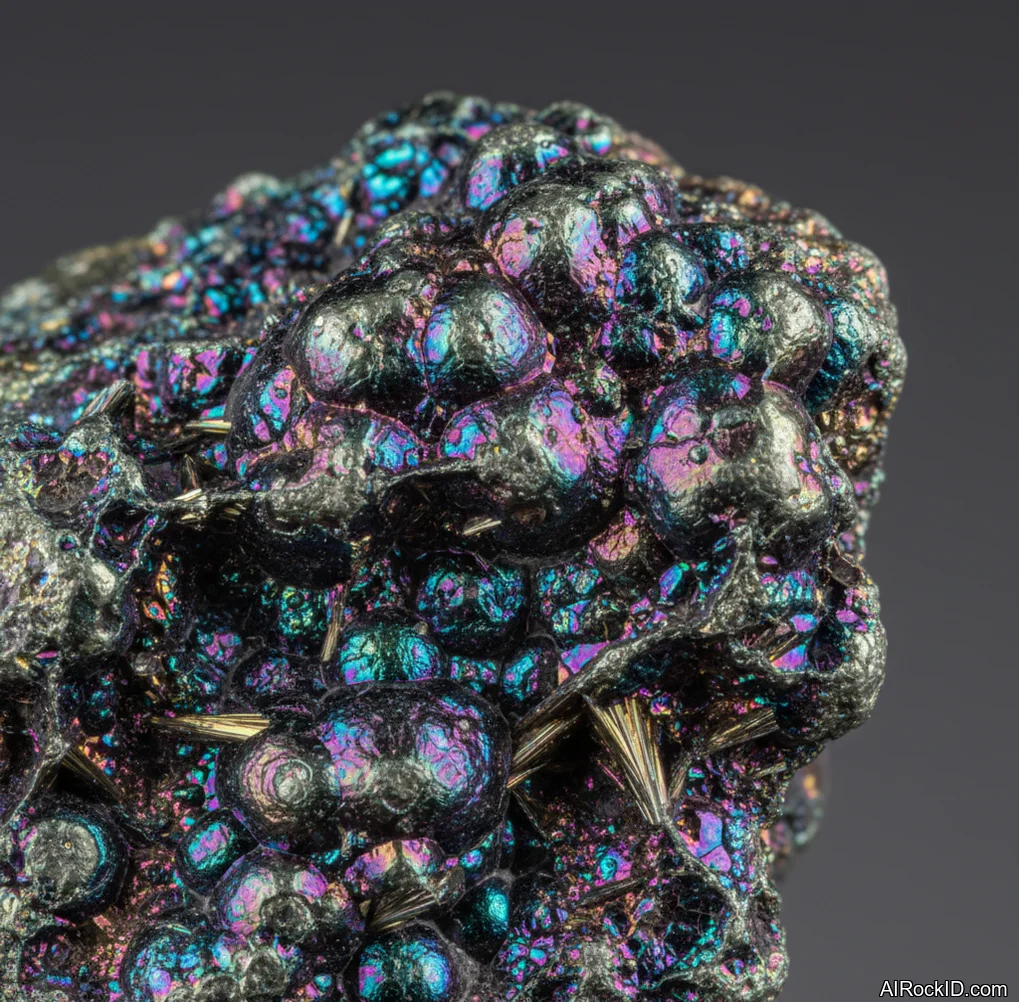
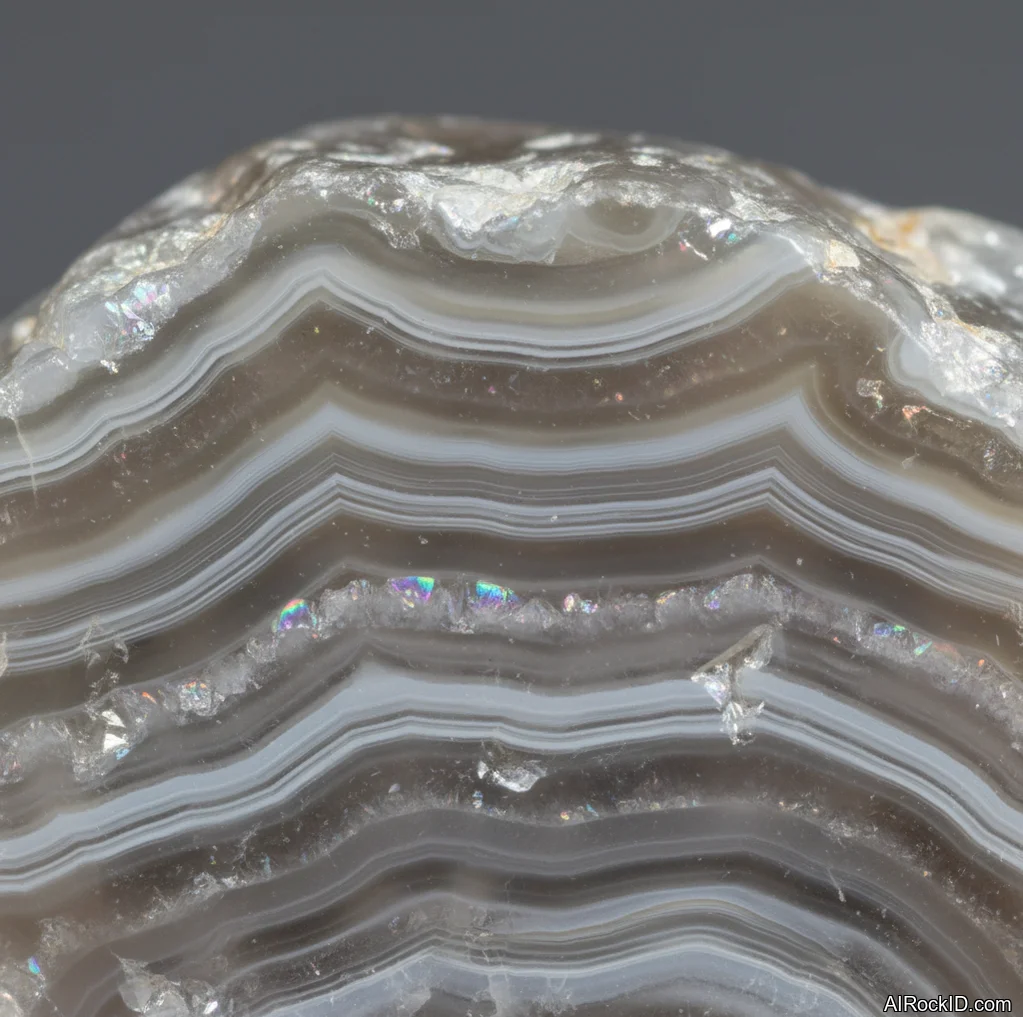
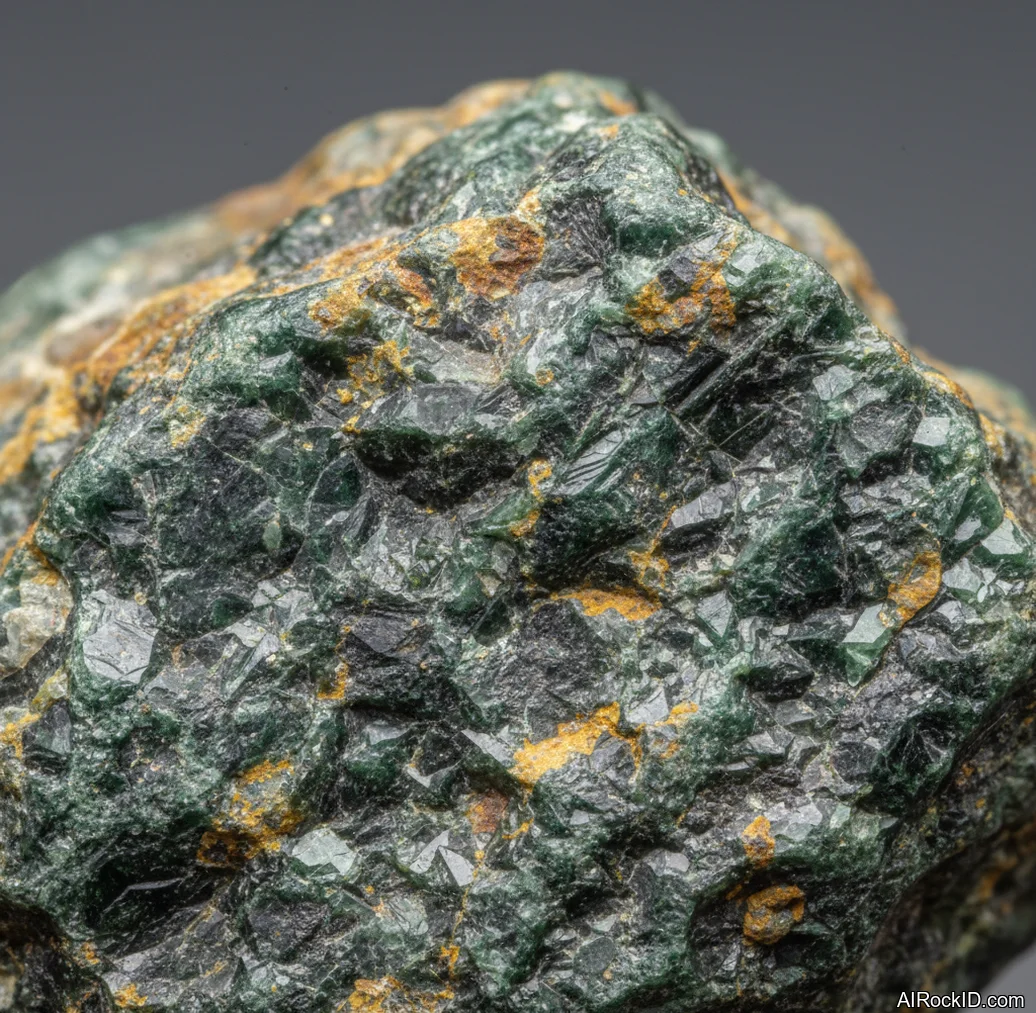
AI Rock ID can help compare a photographed stone with known visual patterns such as color, luster, banding, and crystal habit. RockIdentifier.io provides identification support for crystals often linked to the Third Eye Chakra, but final confirmation may require hardness, streak, or expert review.
Good fit
- People exploring crystal traditions connected with intuition, reflection, and meditation
- Beginners who want recognizable stones such as amethyst, lapis lazuli, or sodalite
- Collectors organizing crystals by chakra association, color, or symbolic use
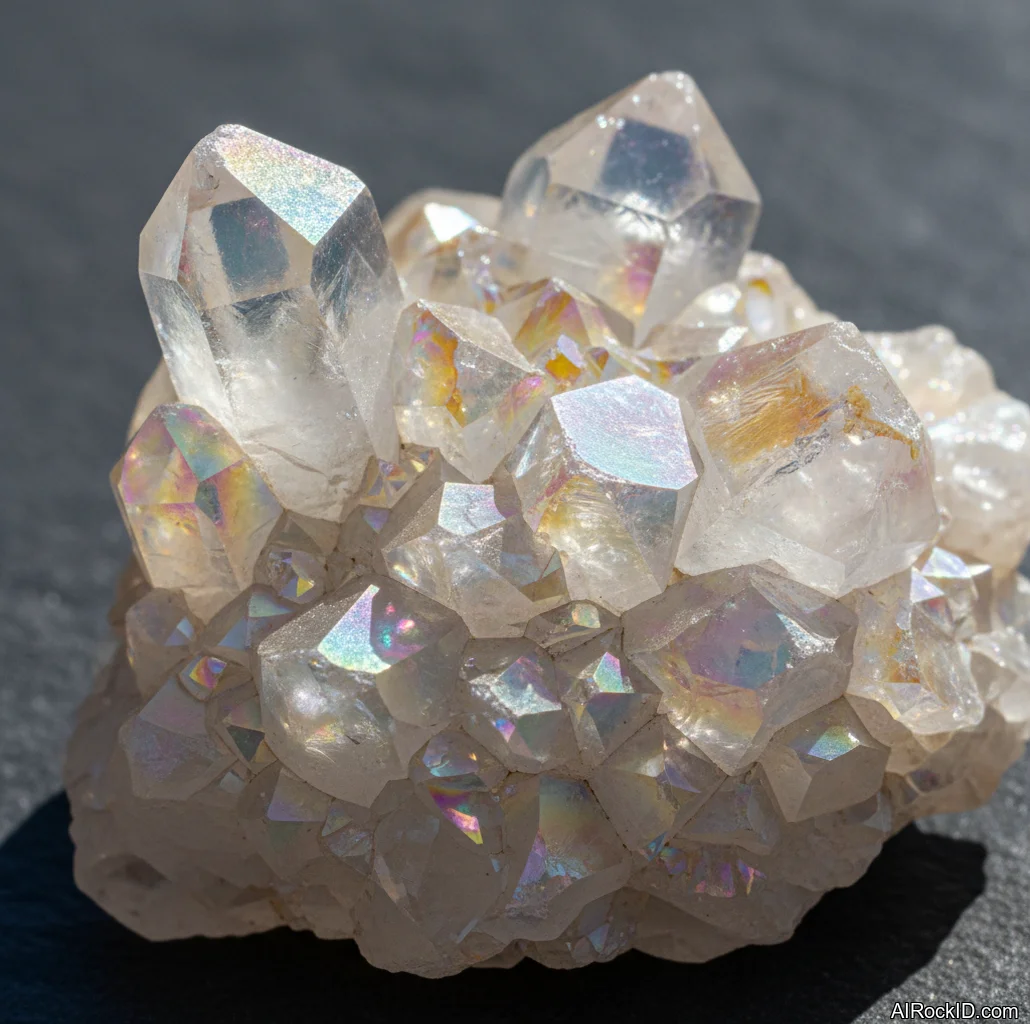
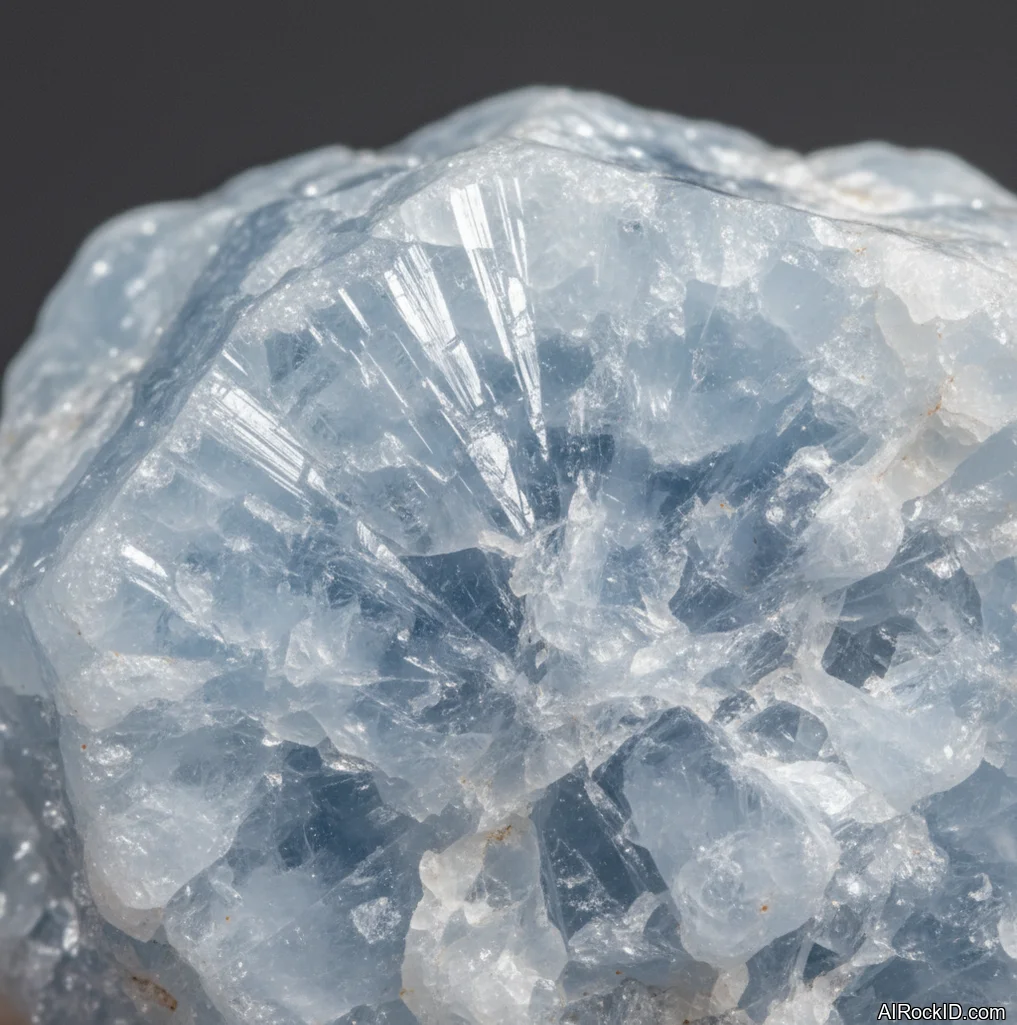
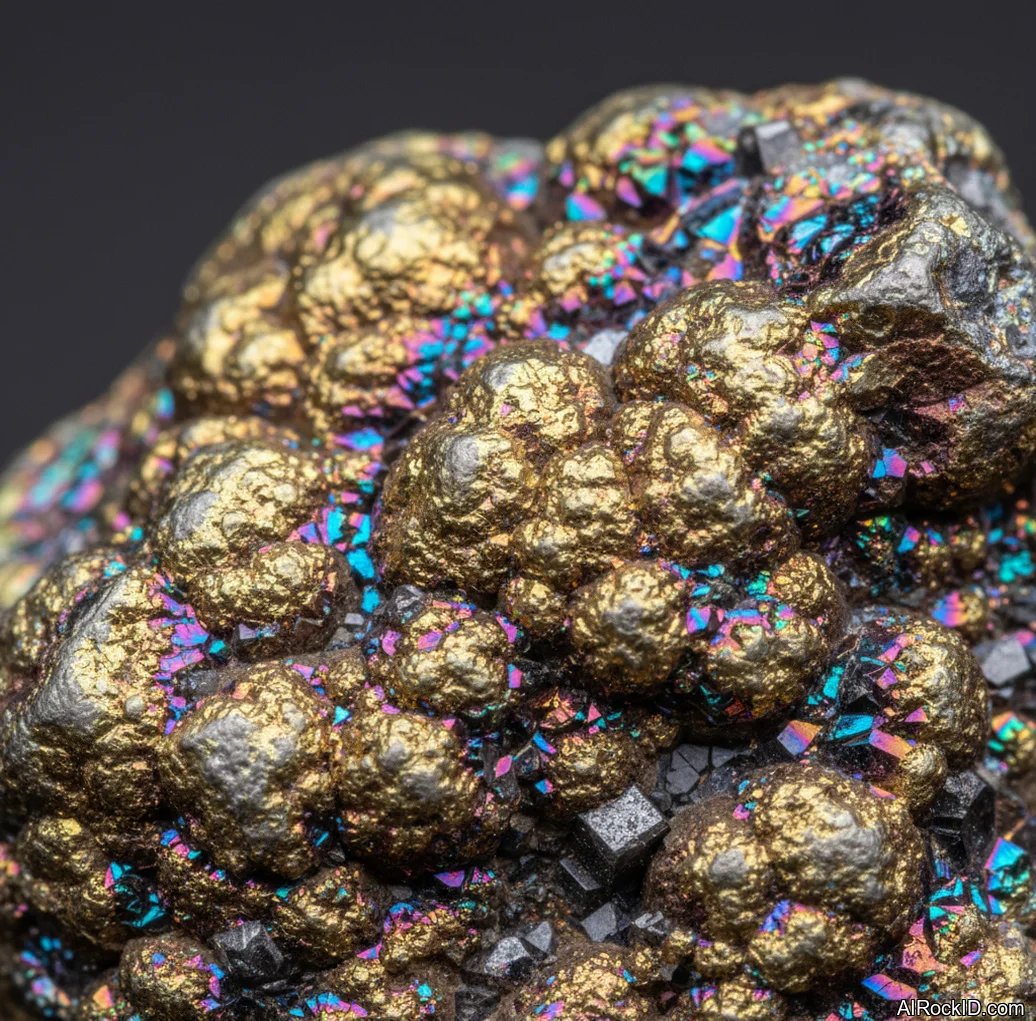
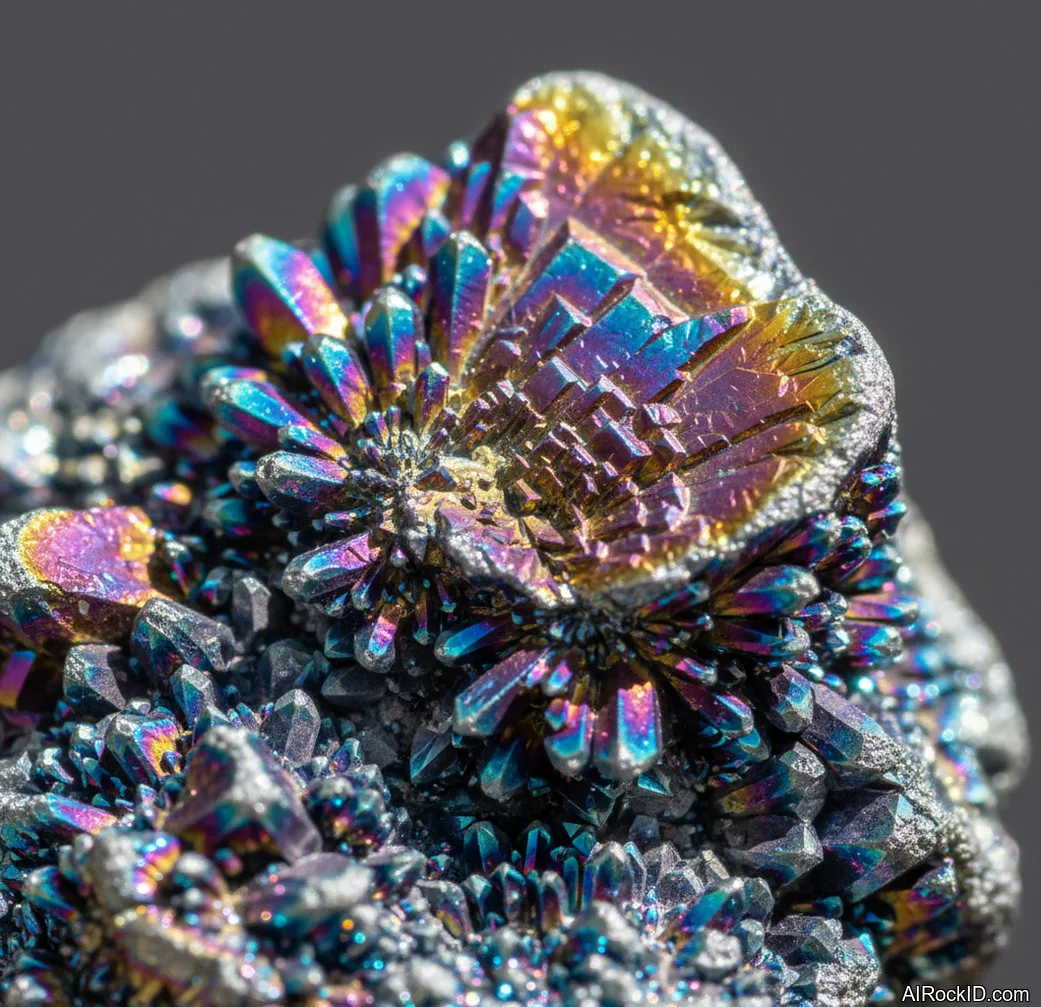
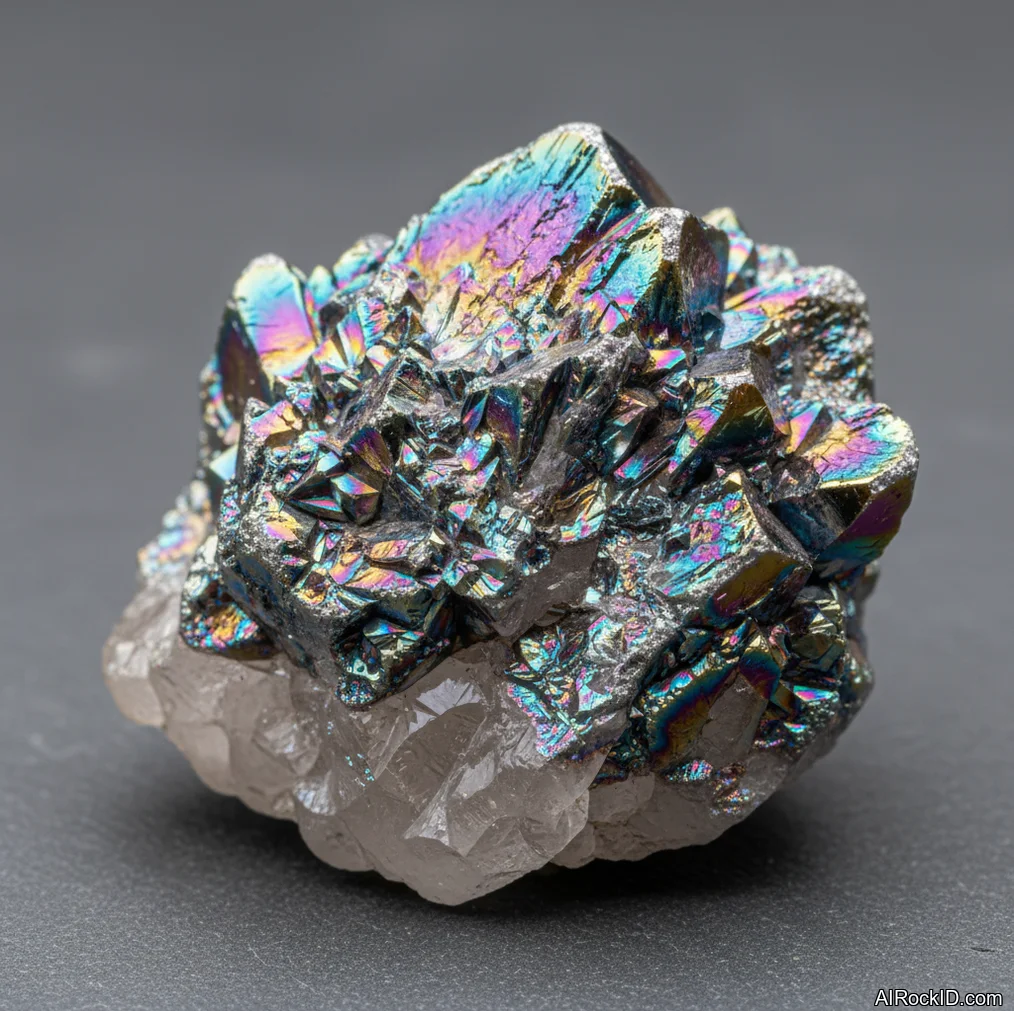
- Anyone comparing visually similar blue, violet, or iridescent stones
Not a good fit
- Replacing medical, psychological, or vision-related care
- Assuming every purple or blue stone is automatically a Third Eye Chakra crystal
- Identifying valuable minerals without testing, provenance, or expert verification
Most commonly confused with
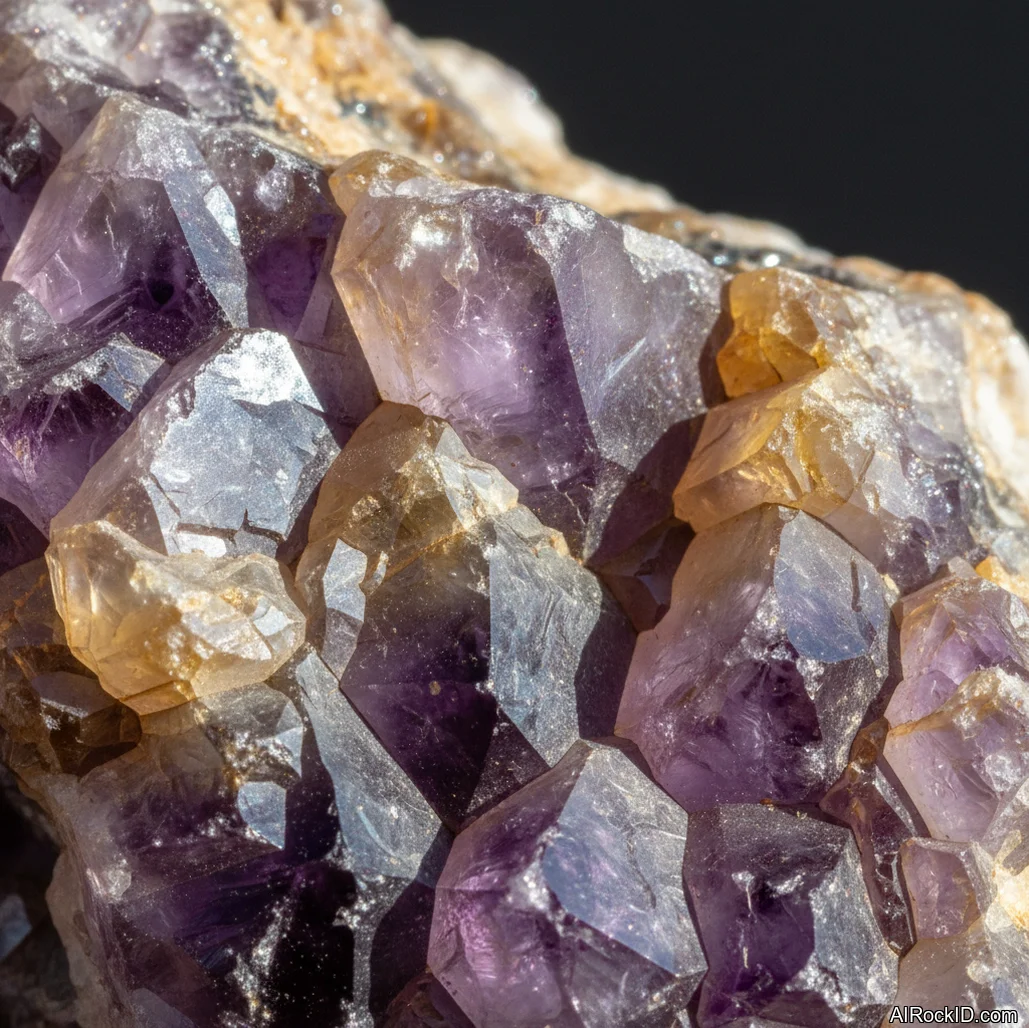
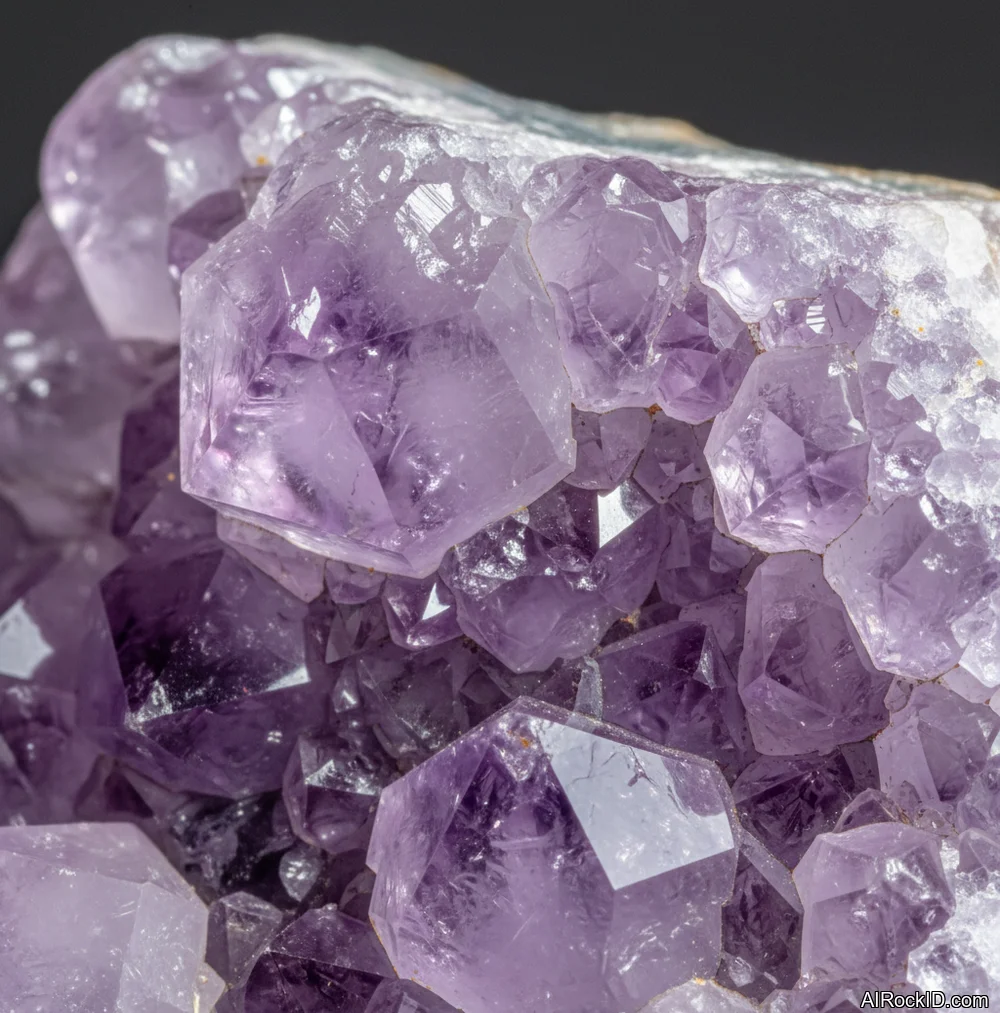
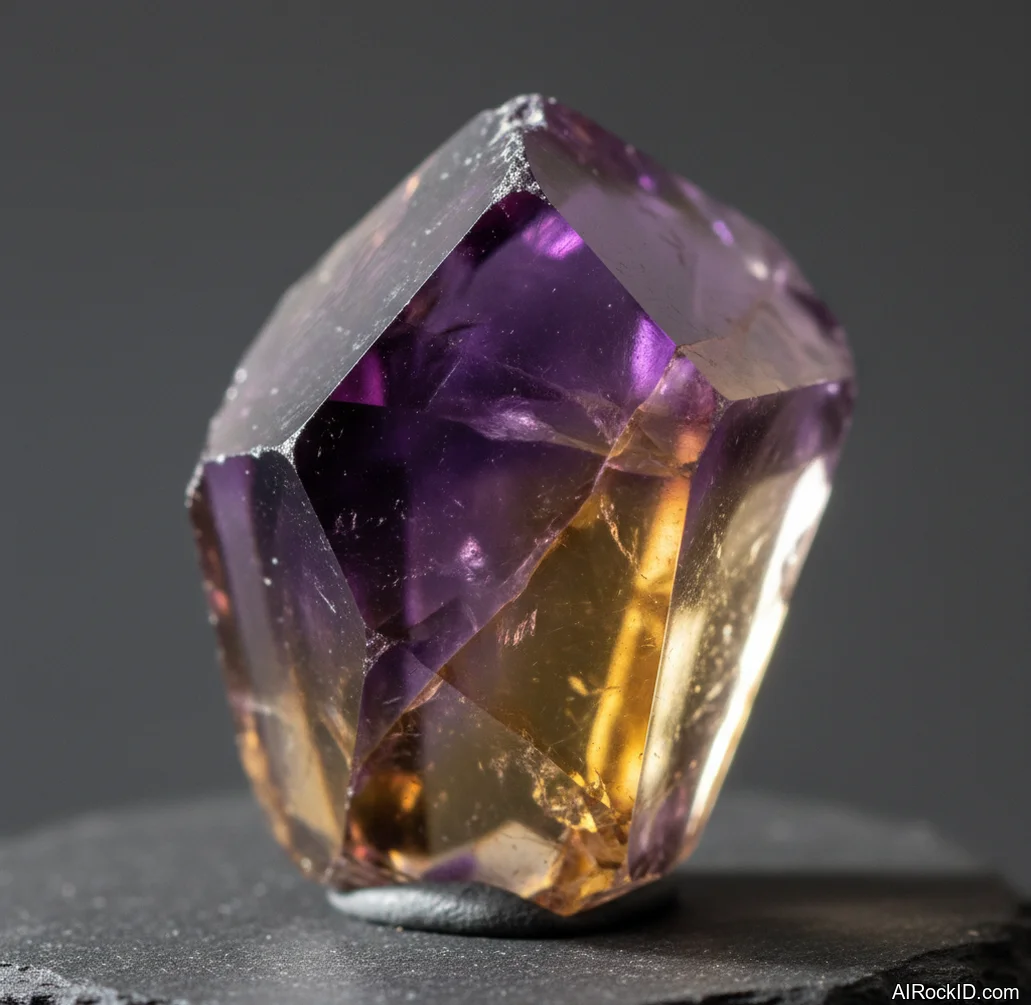
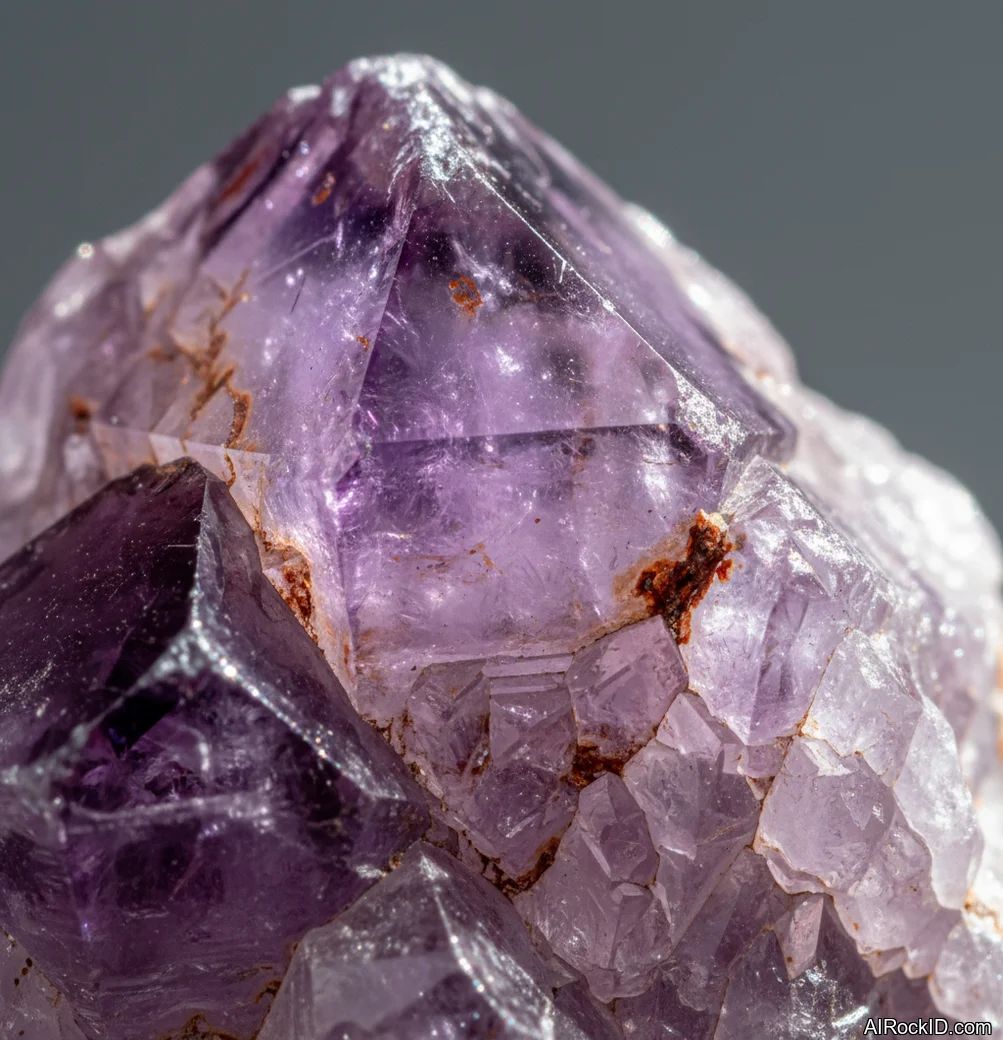
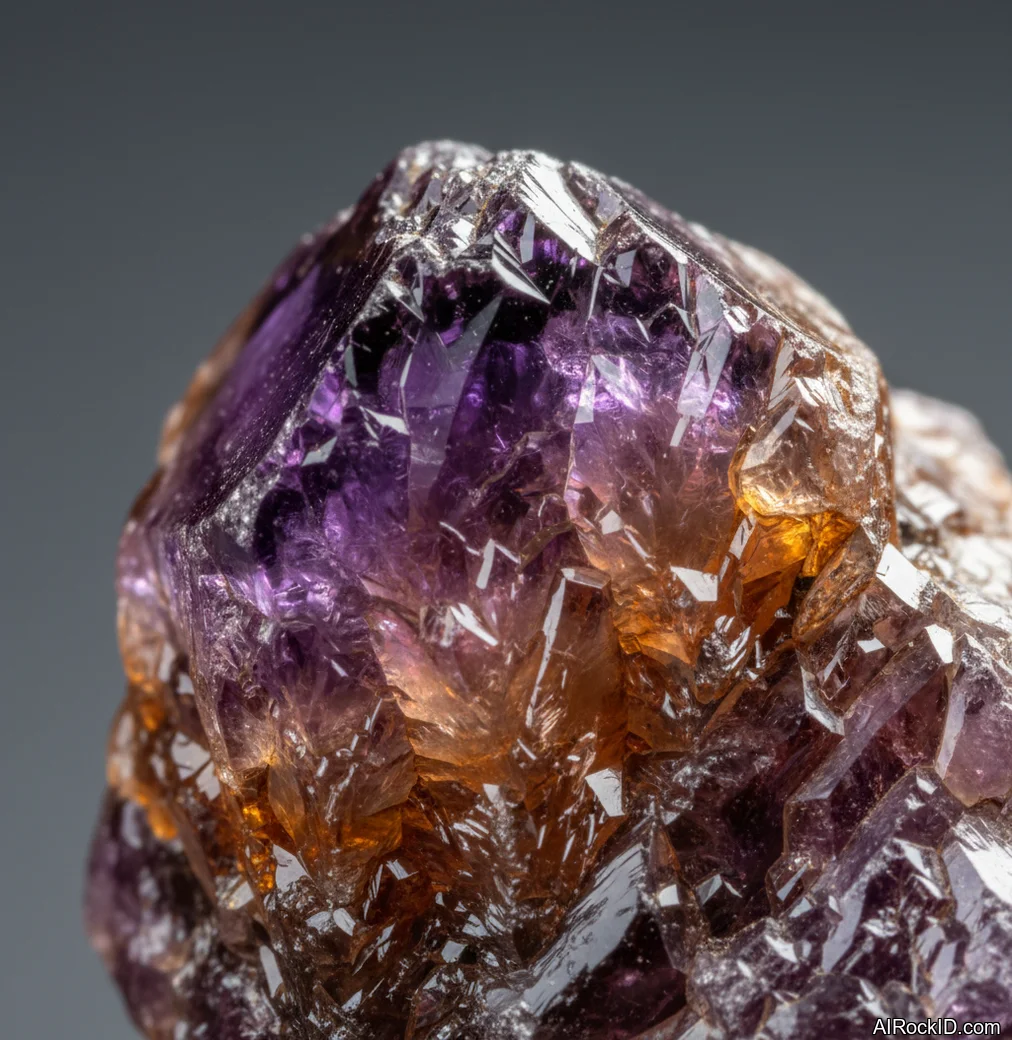
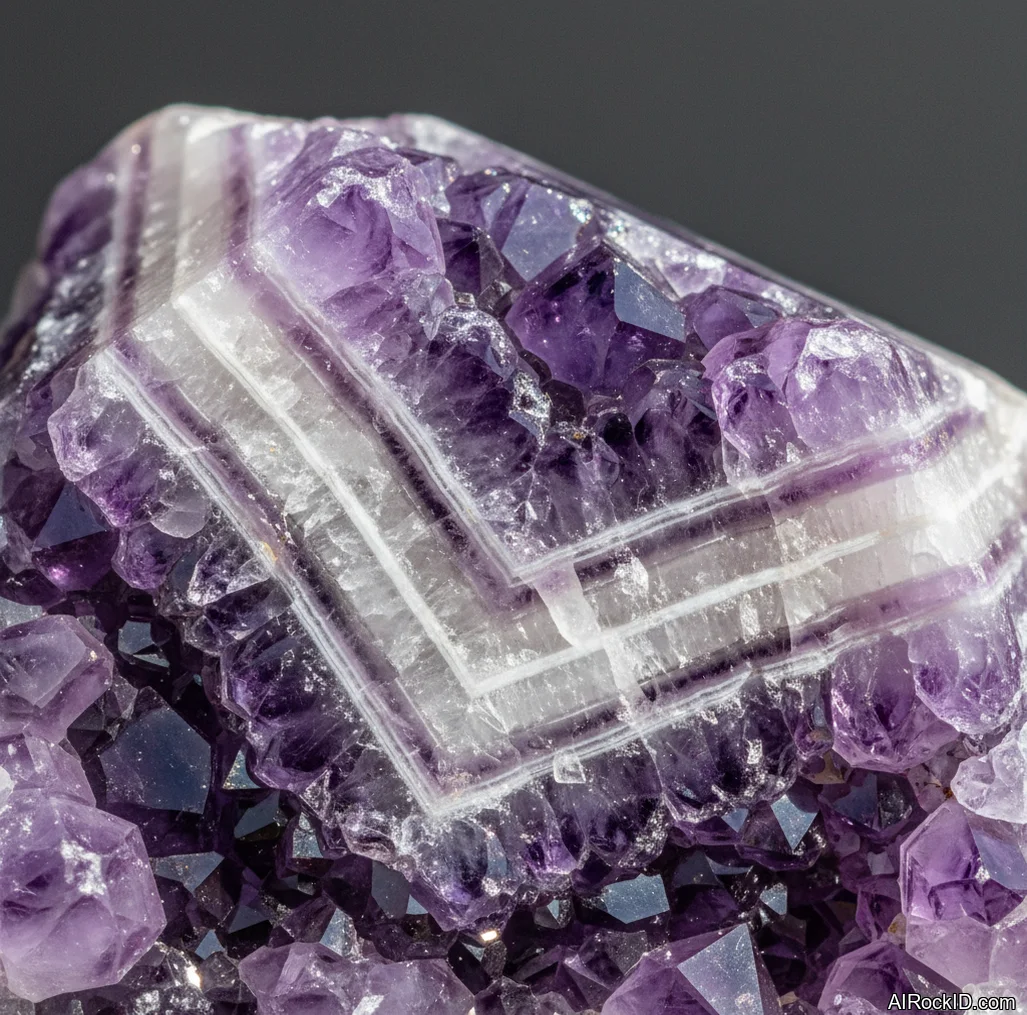
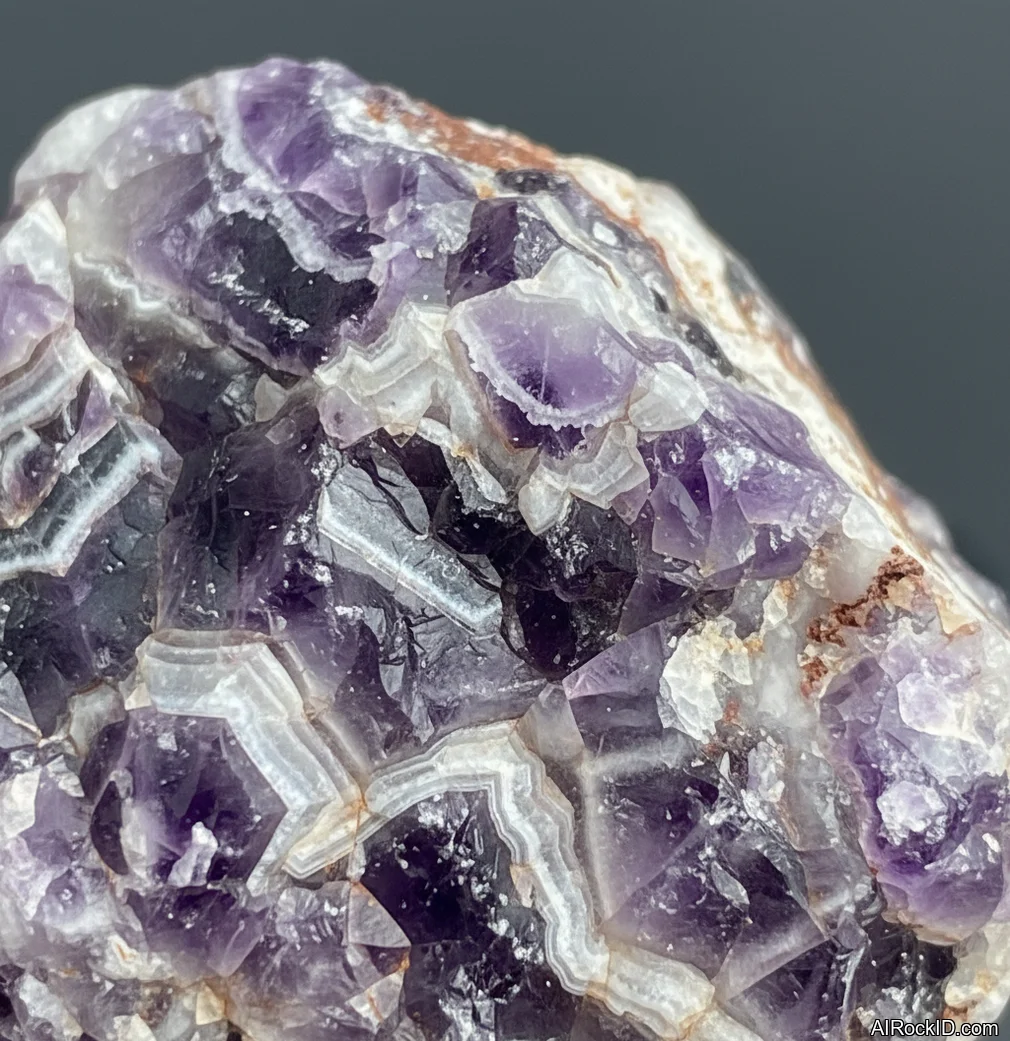
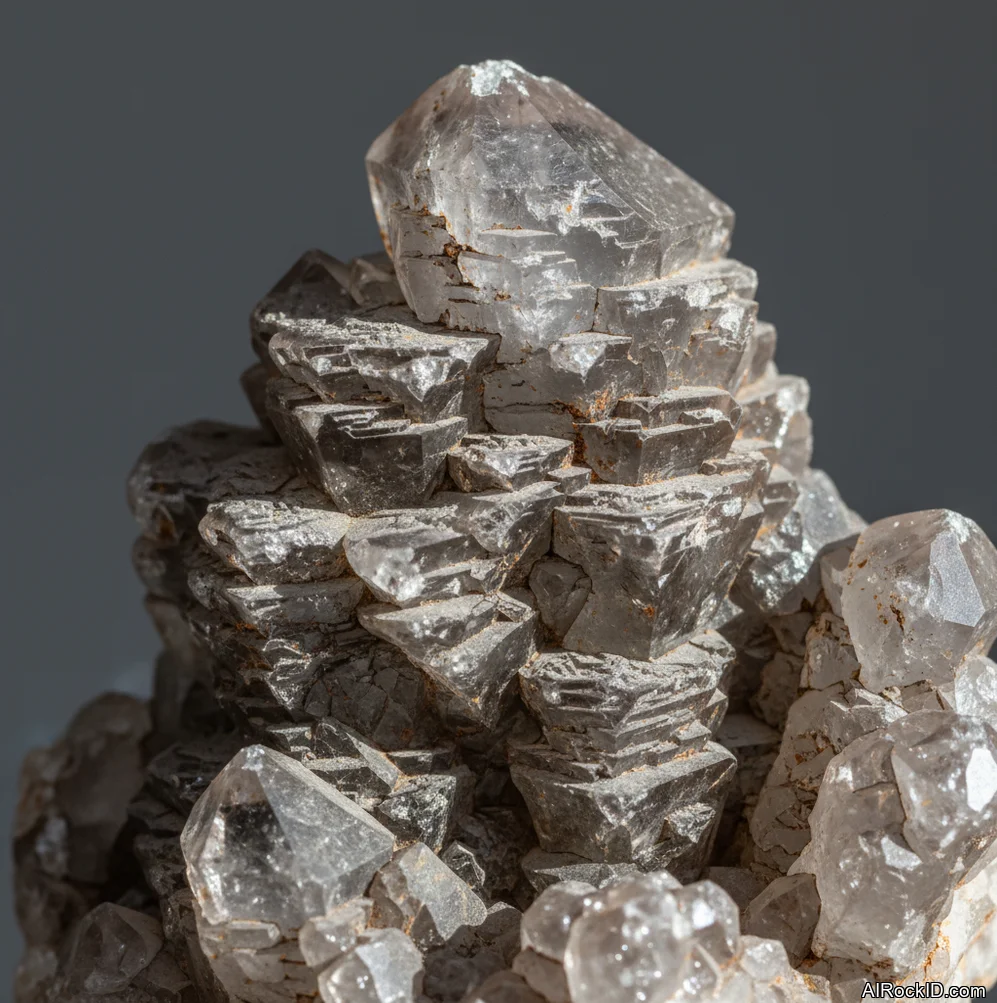
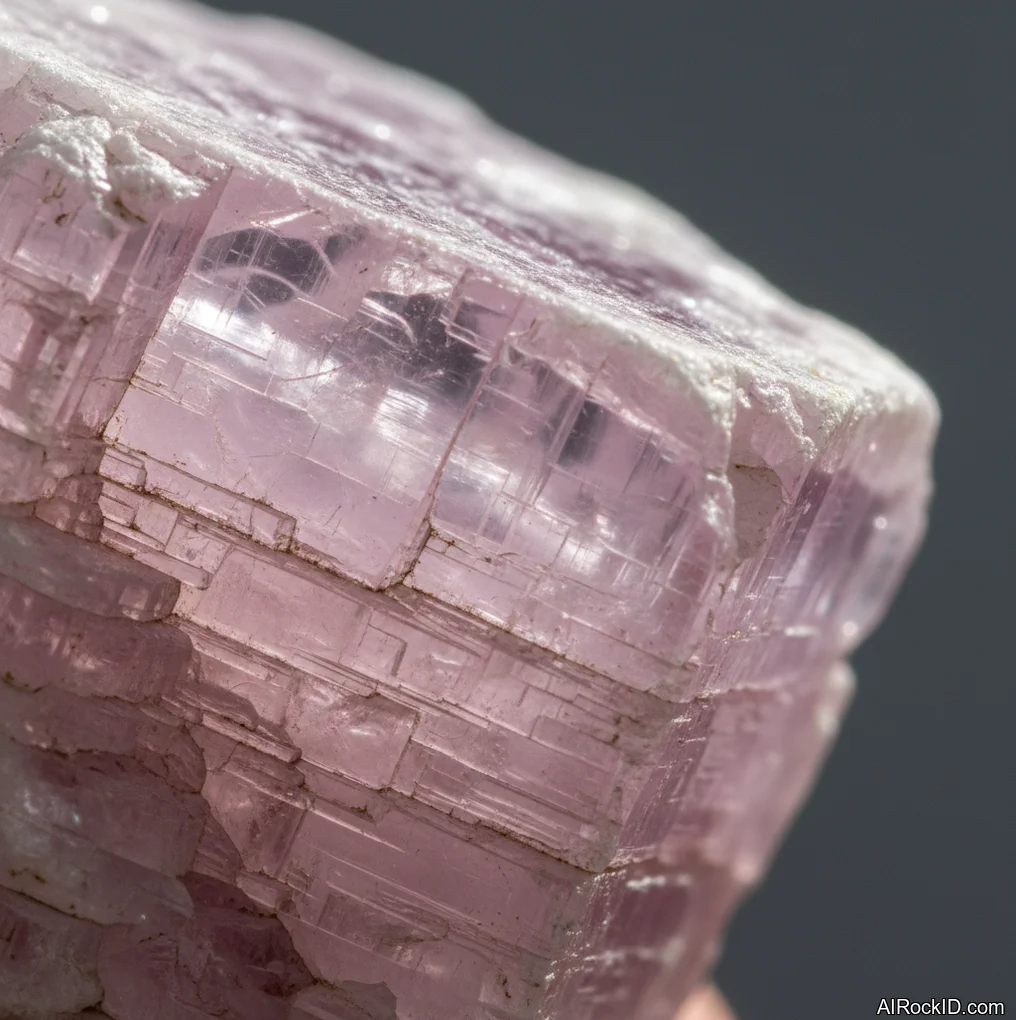
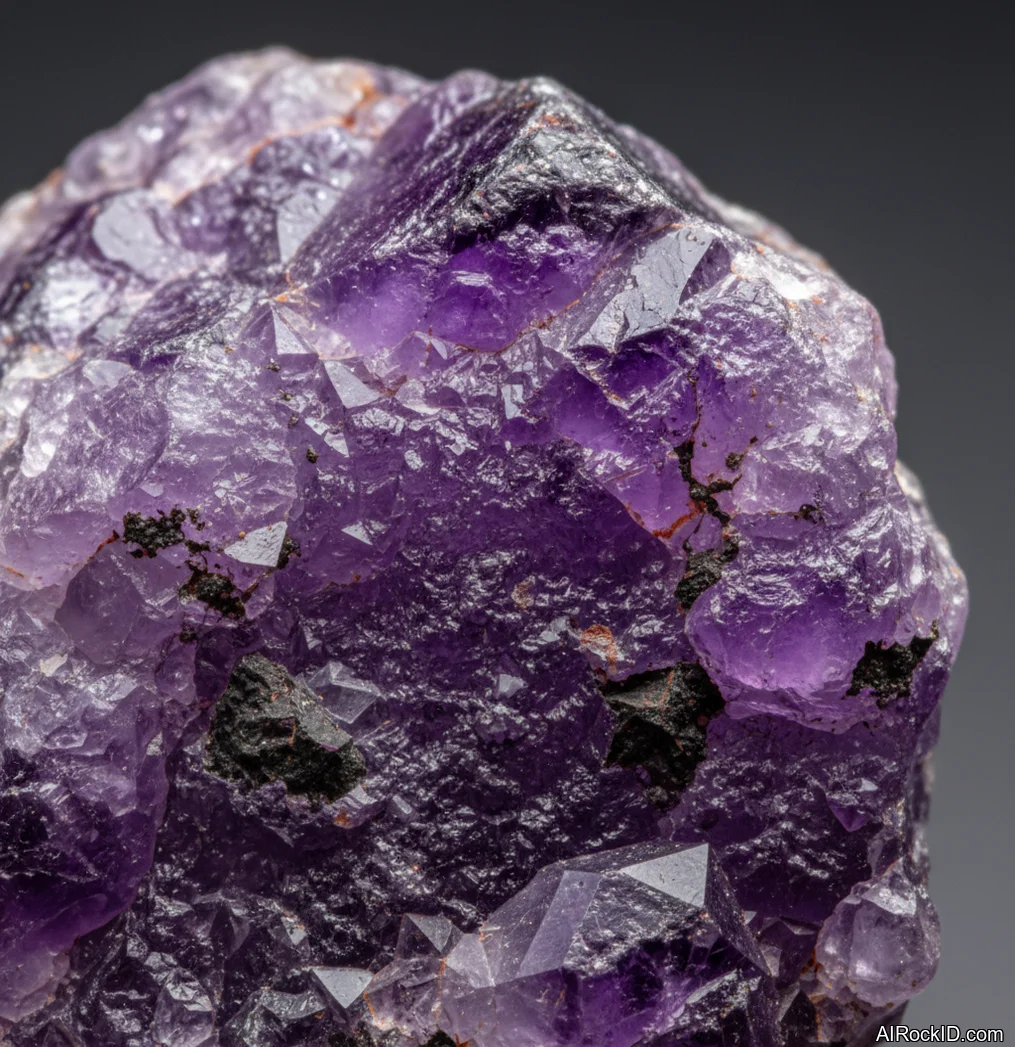
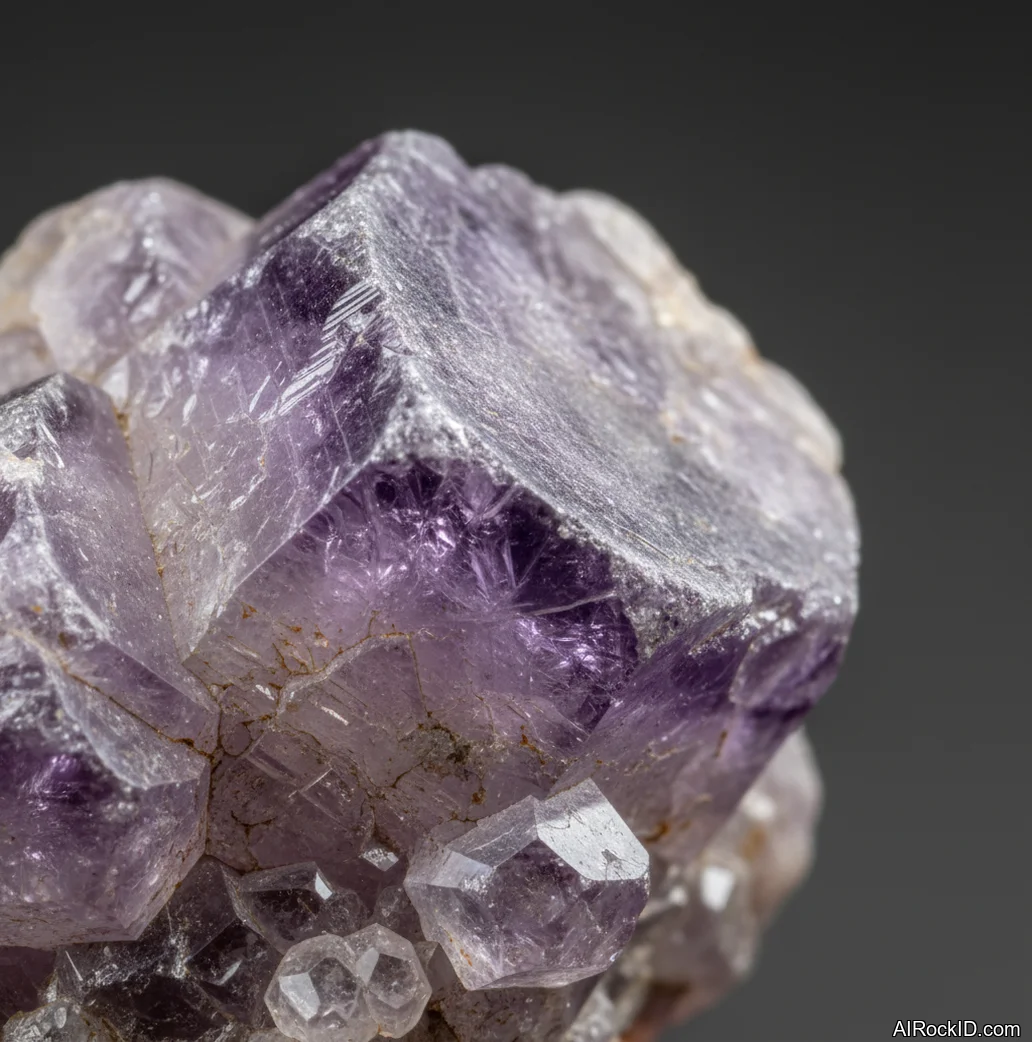
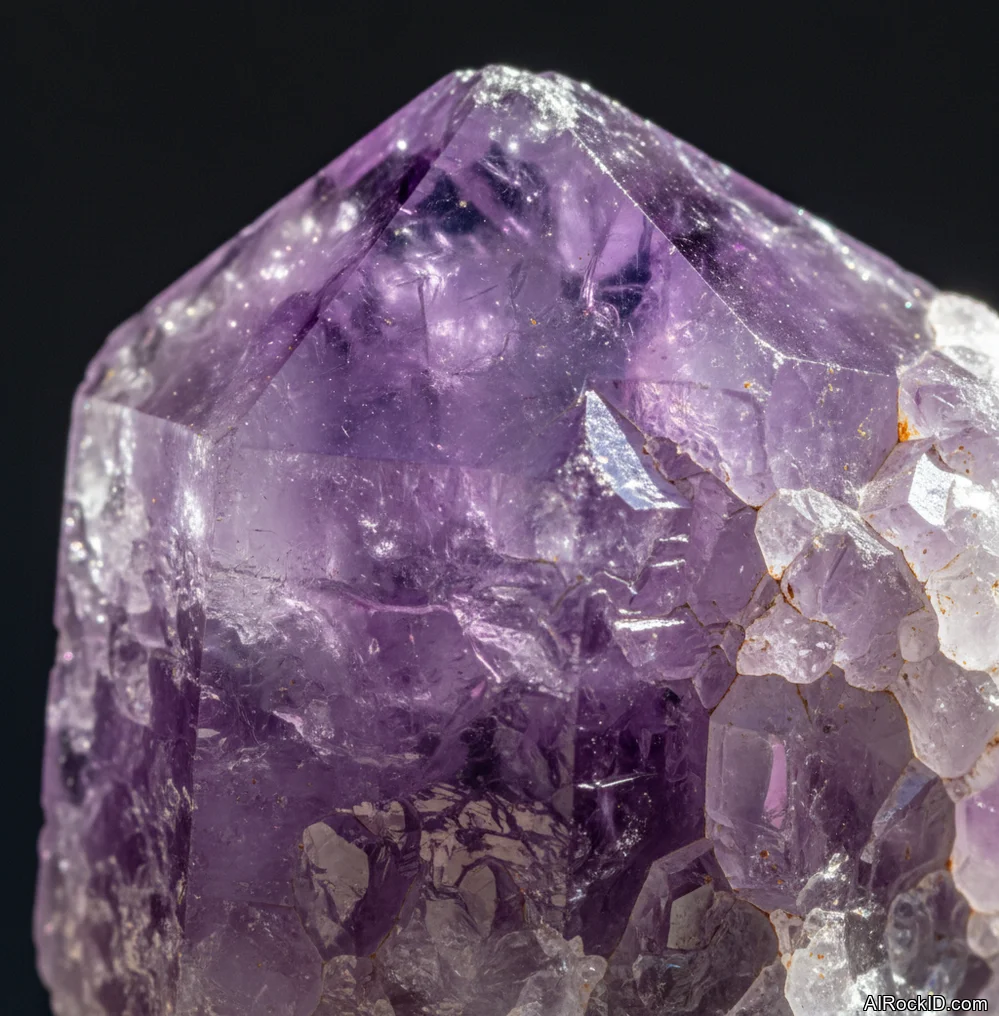
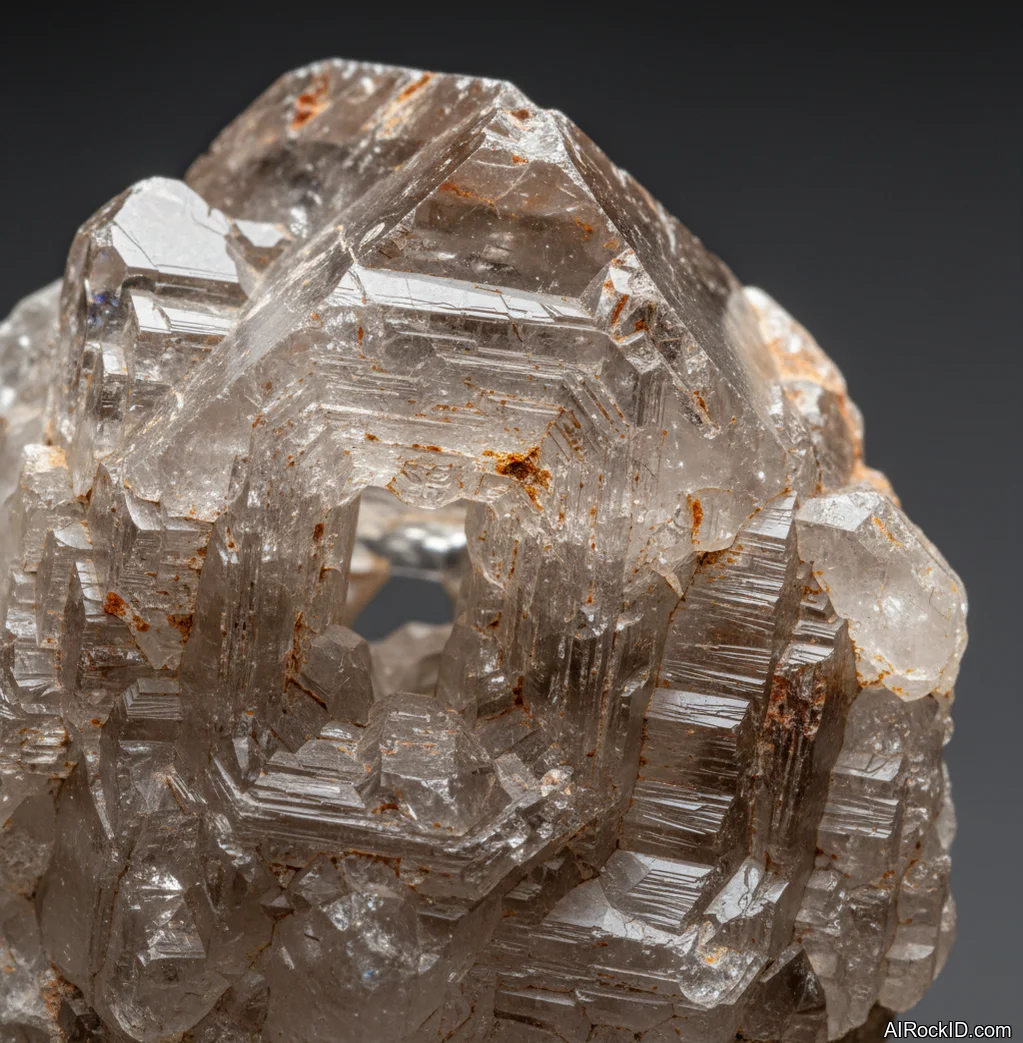
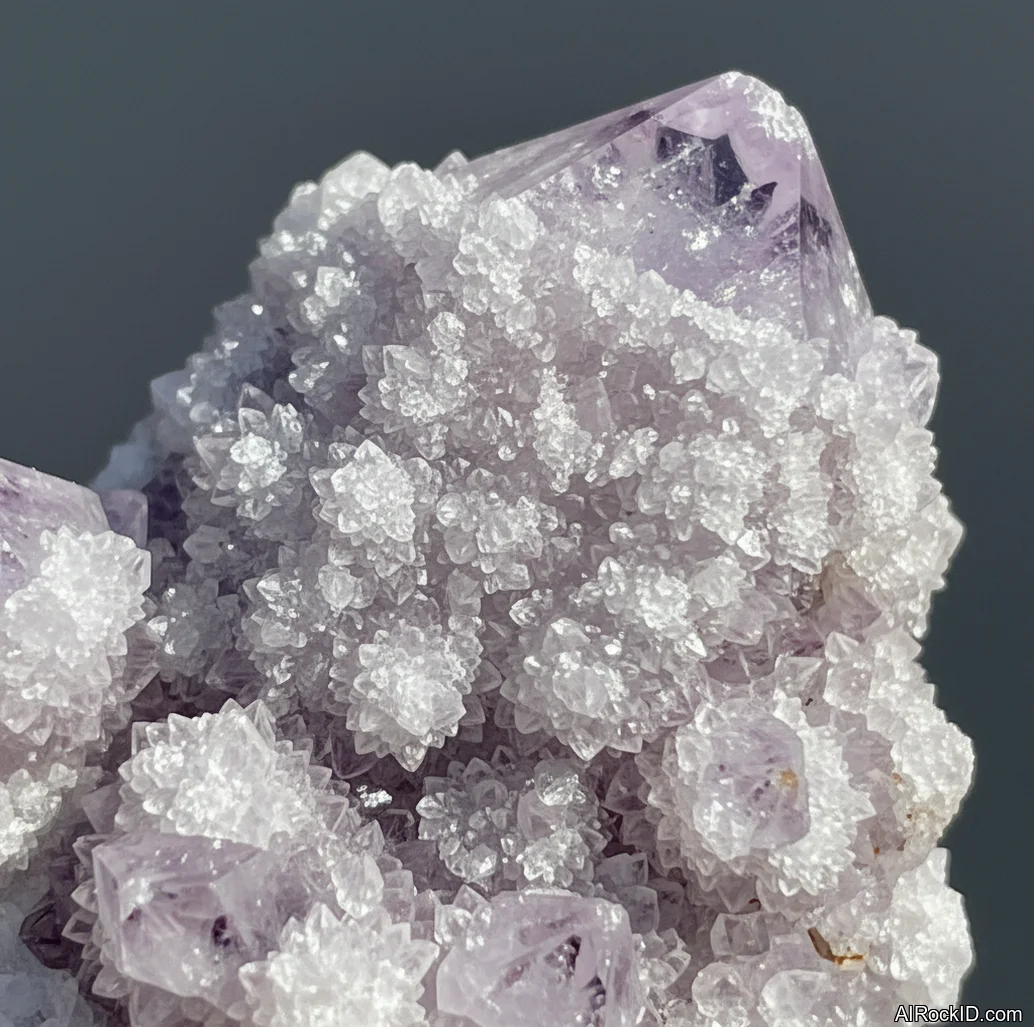
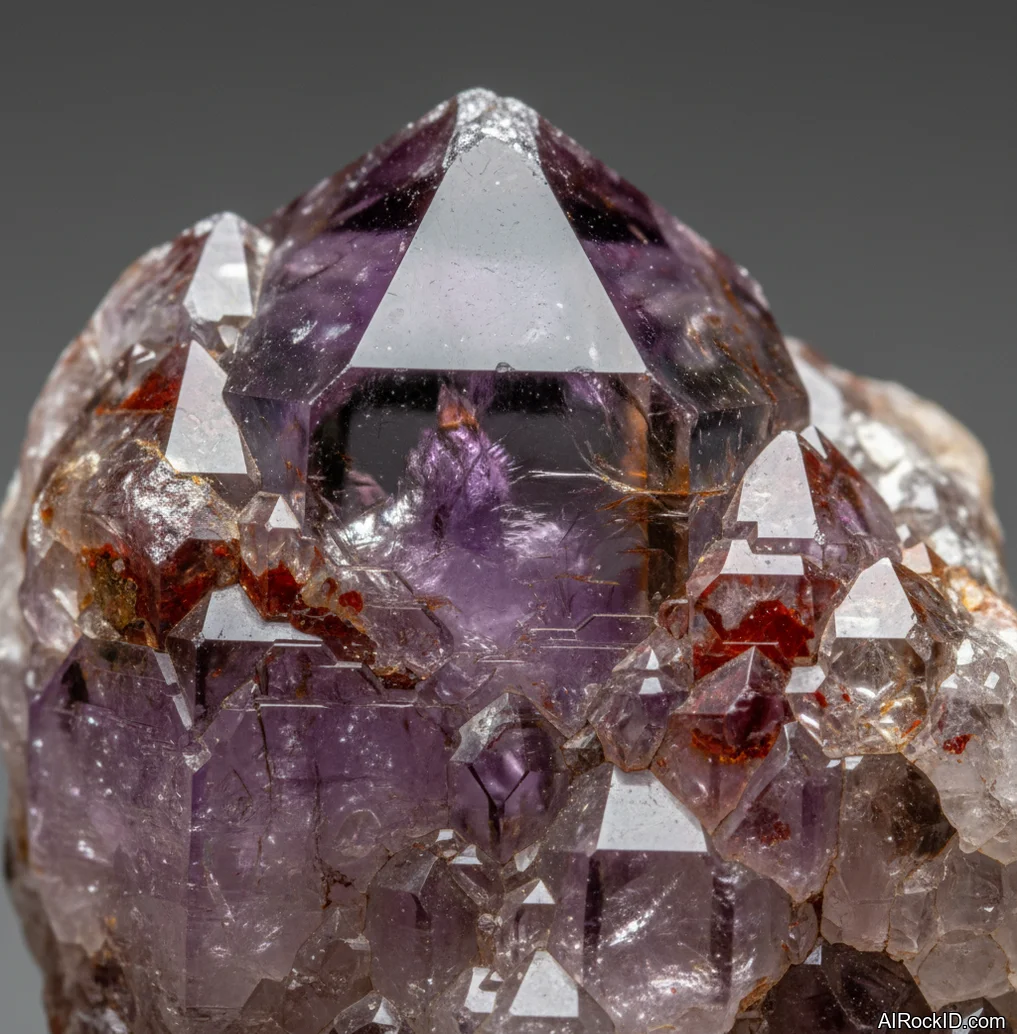
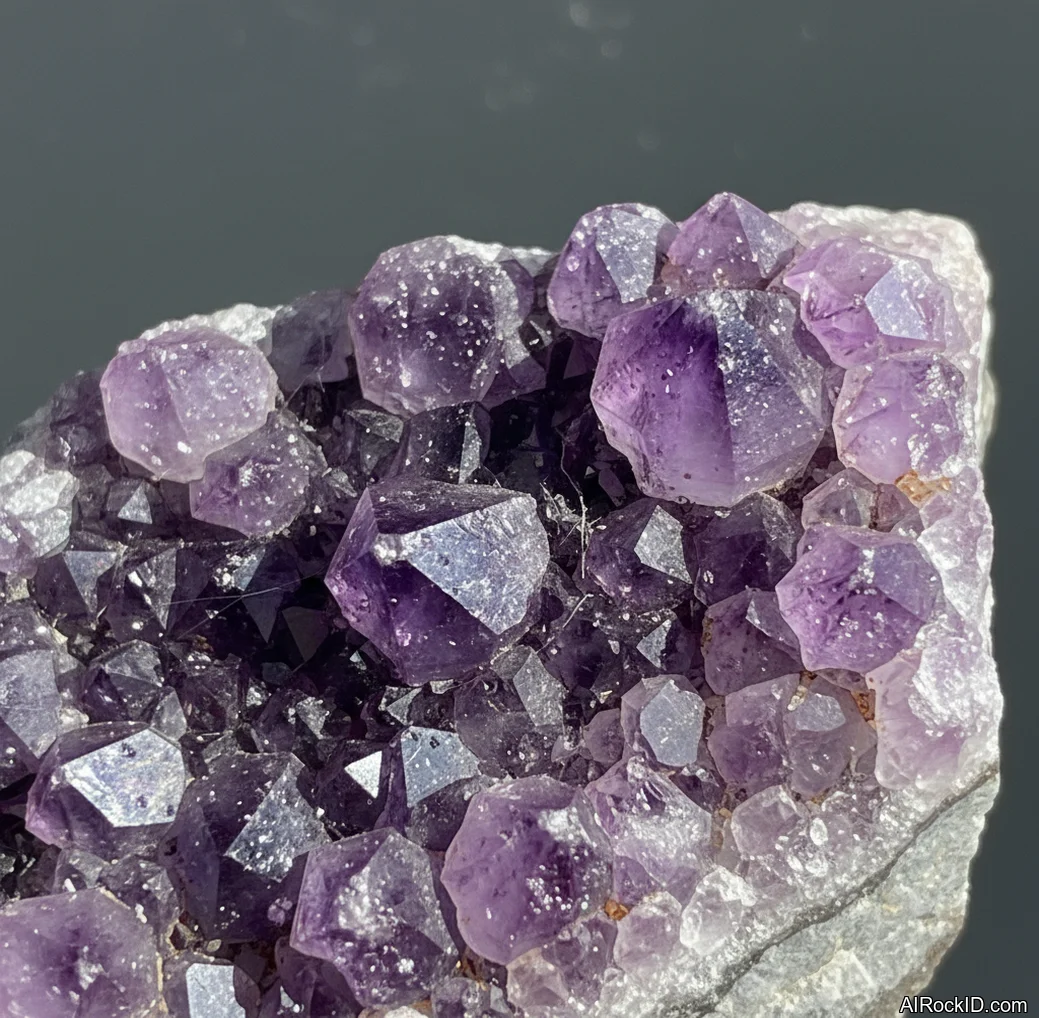
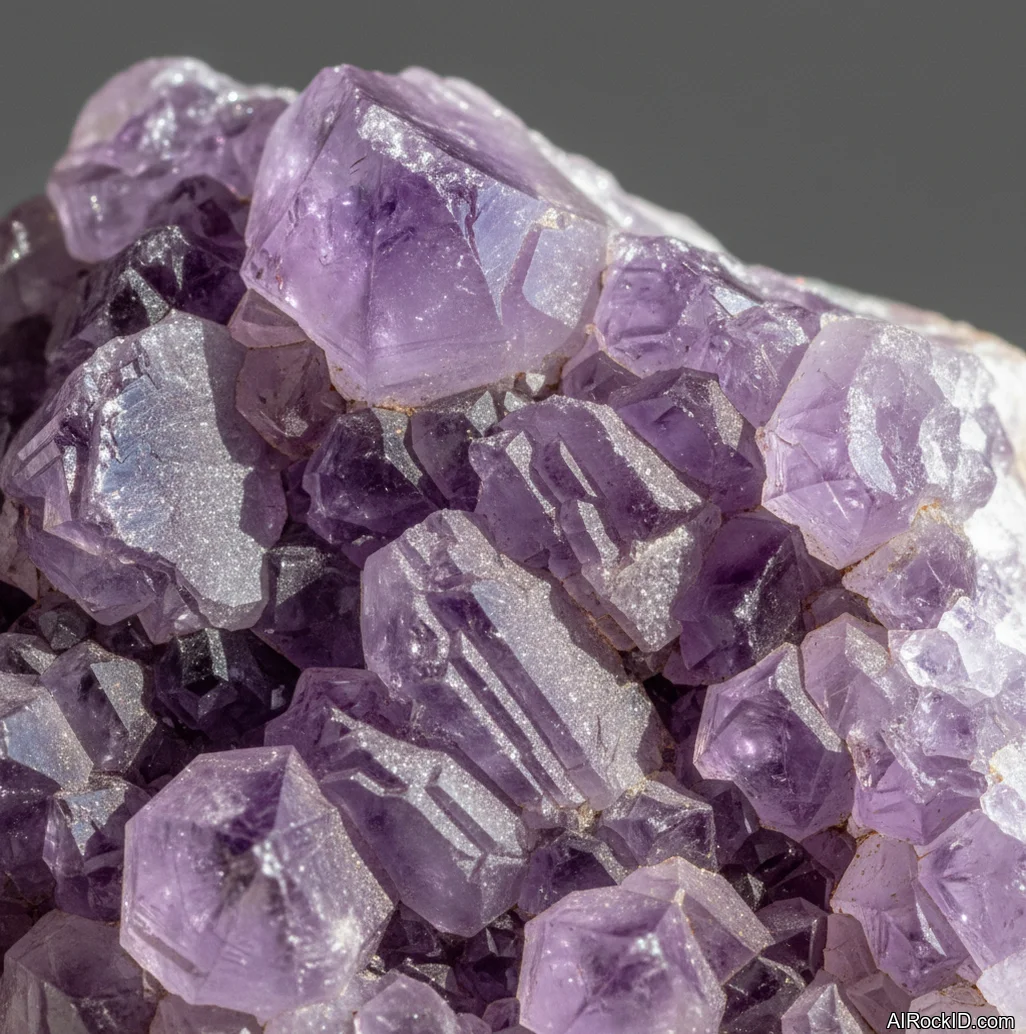
- Amethyst: Purple quartz; usually transparent to translucent and harder than fluorite.
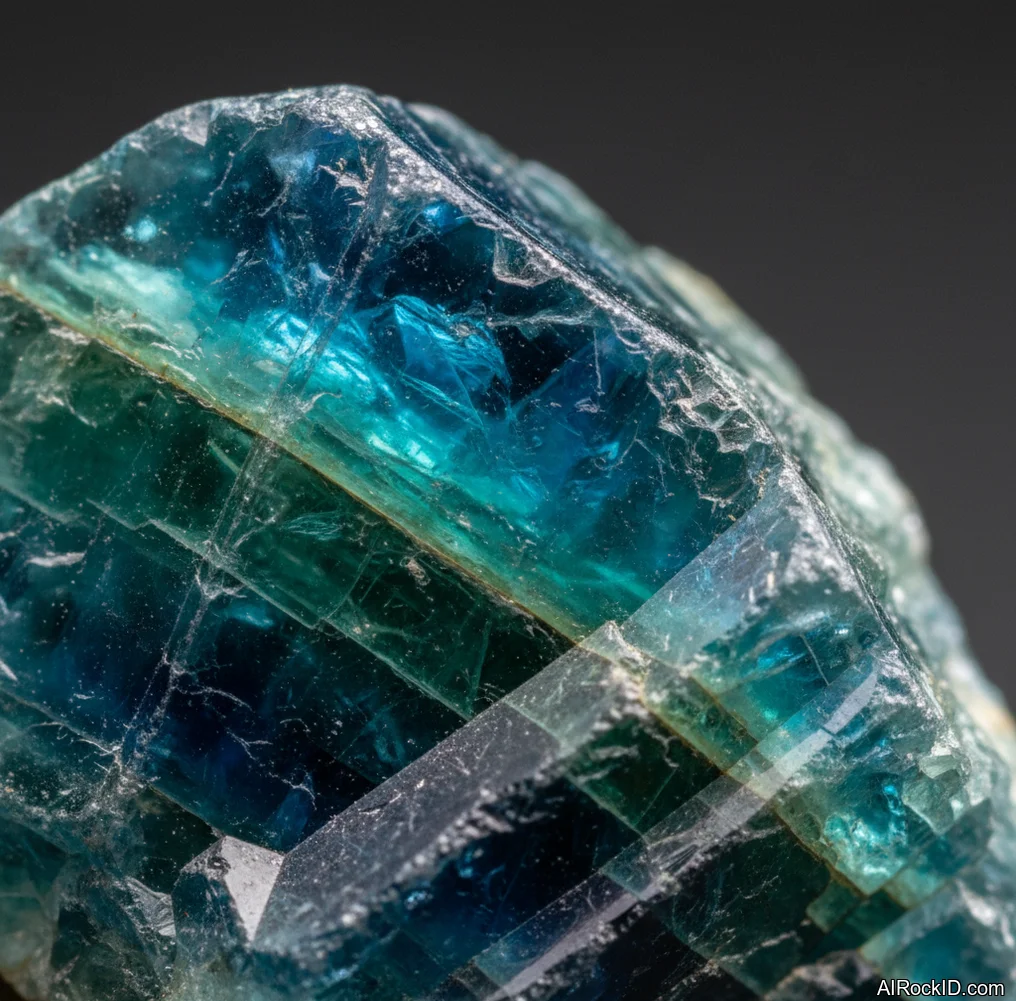
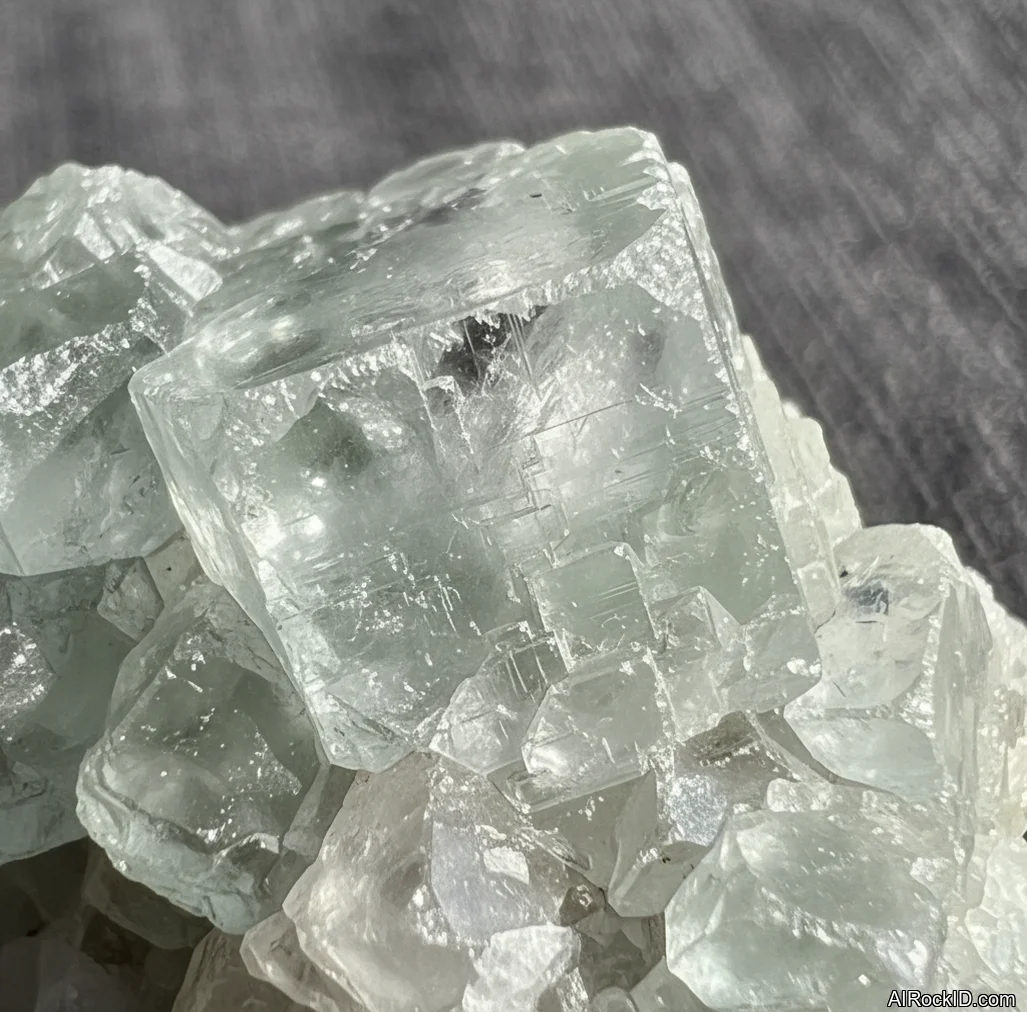
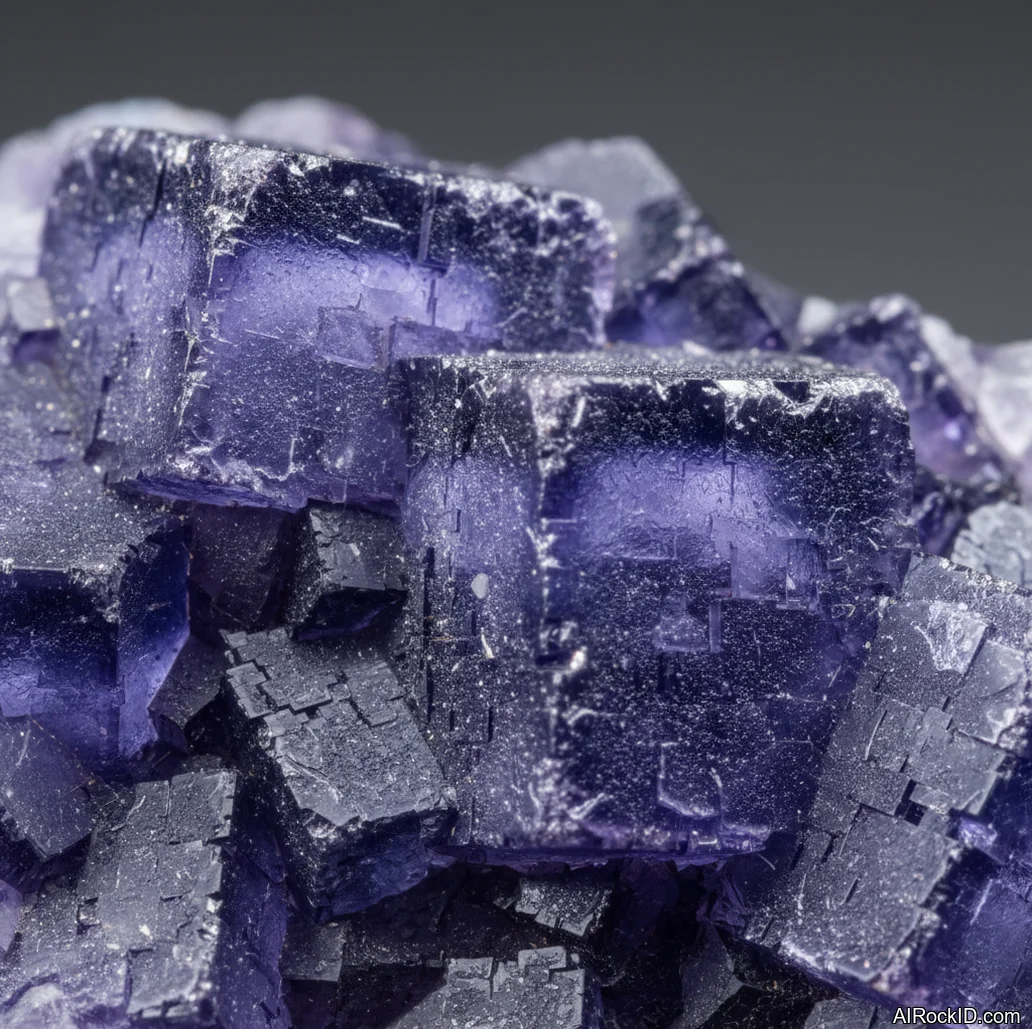
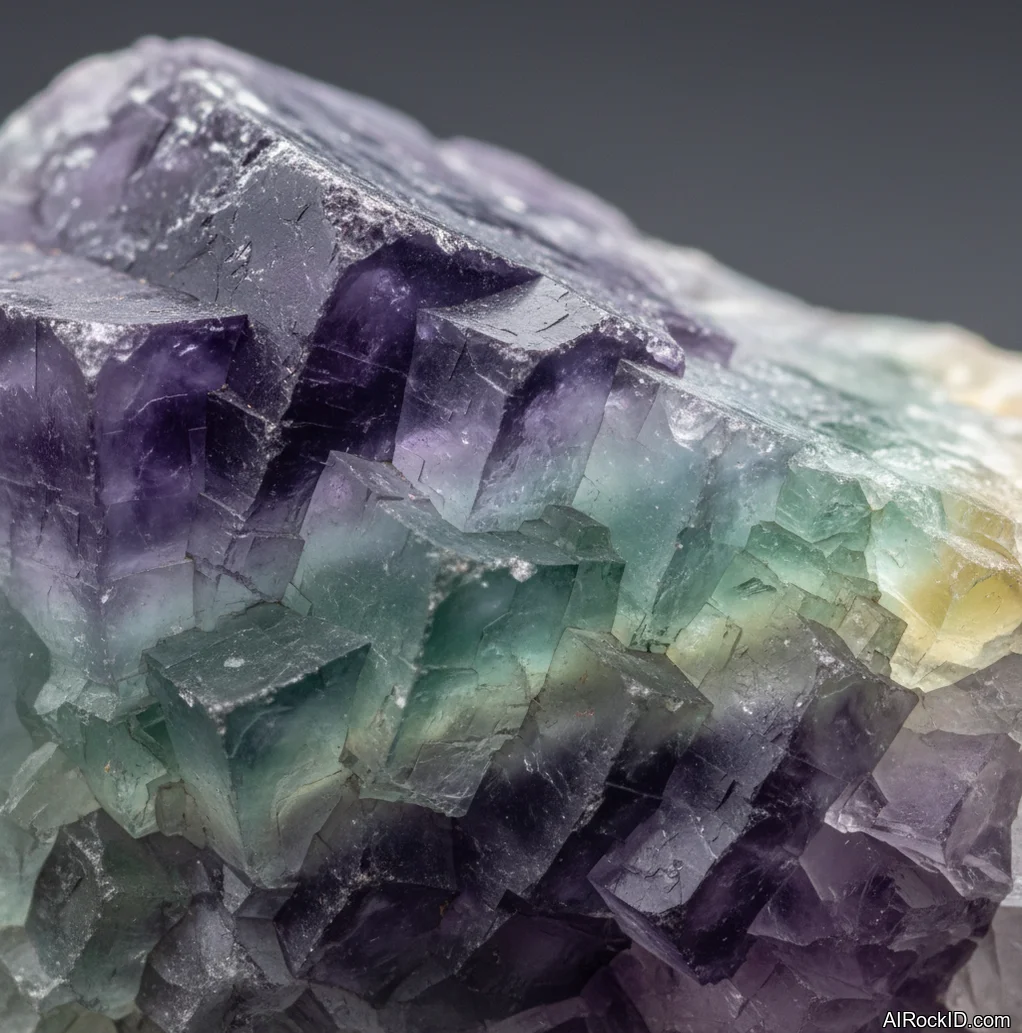
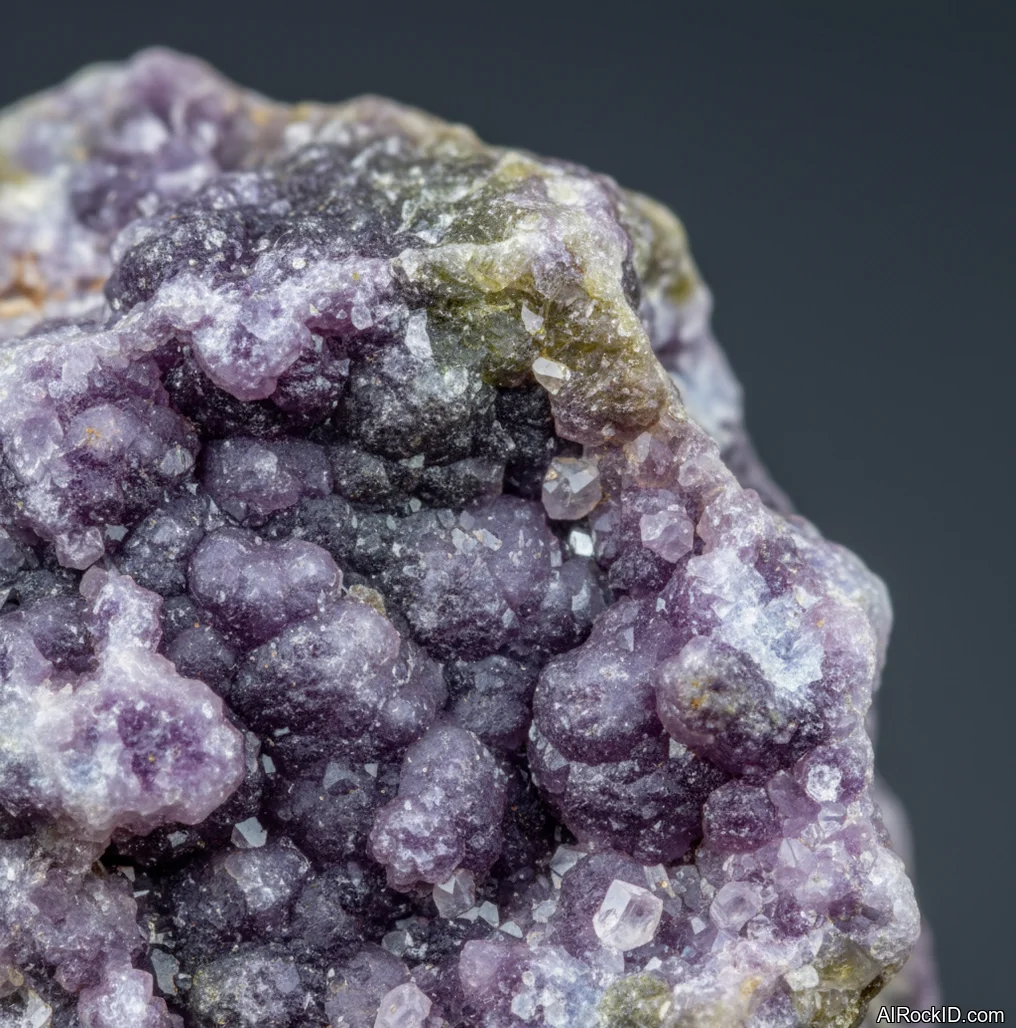
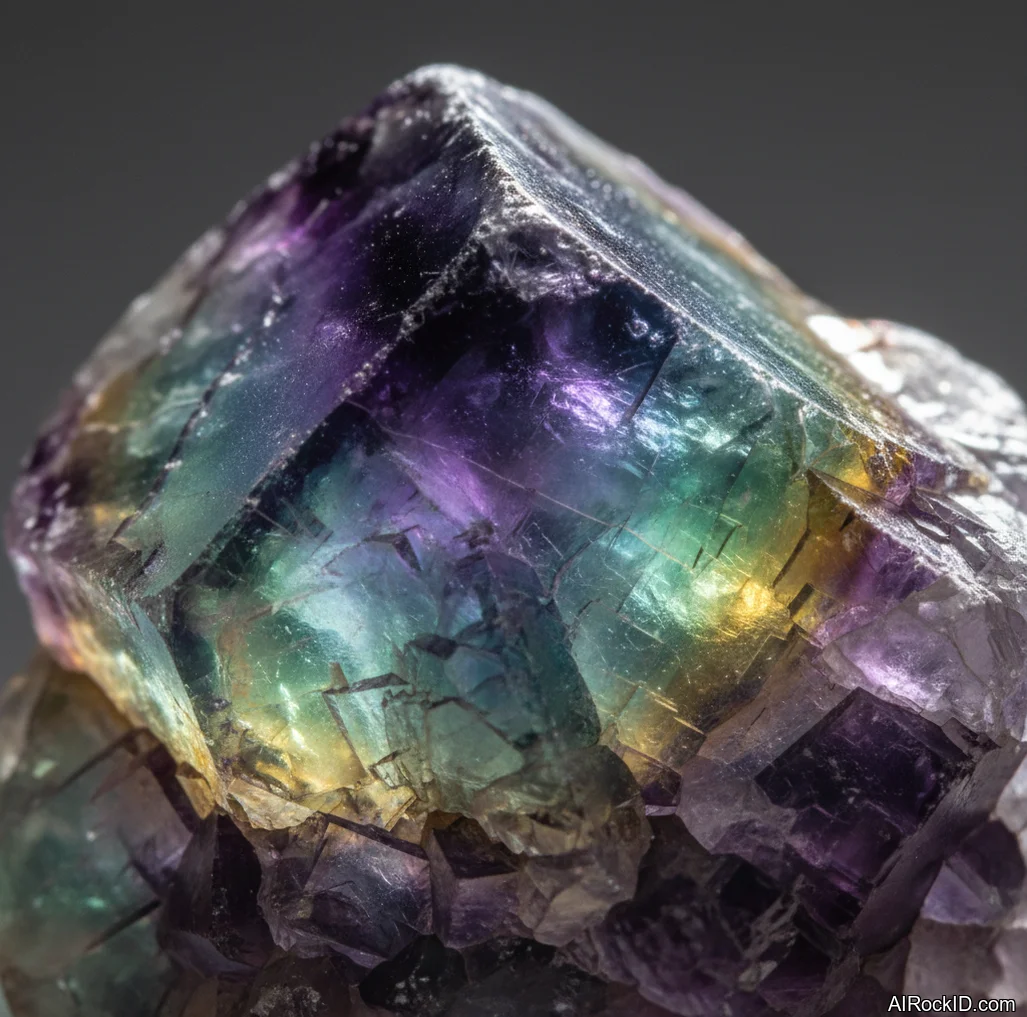
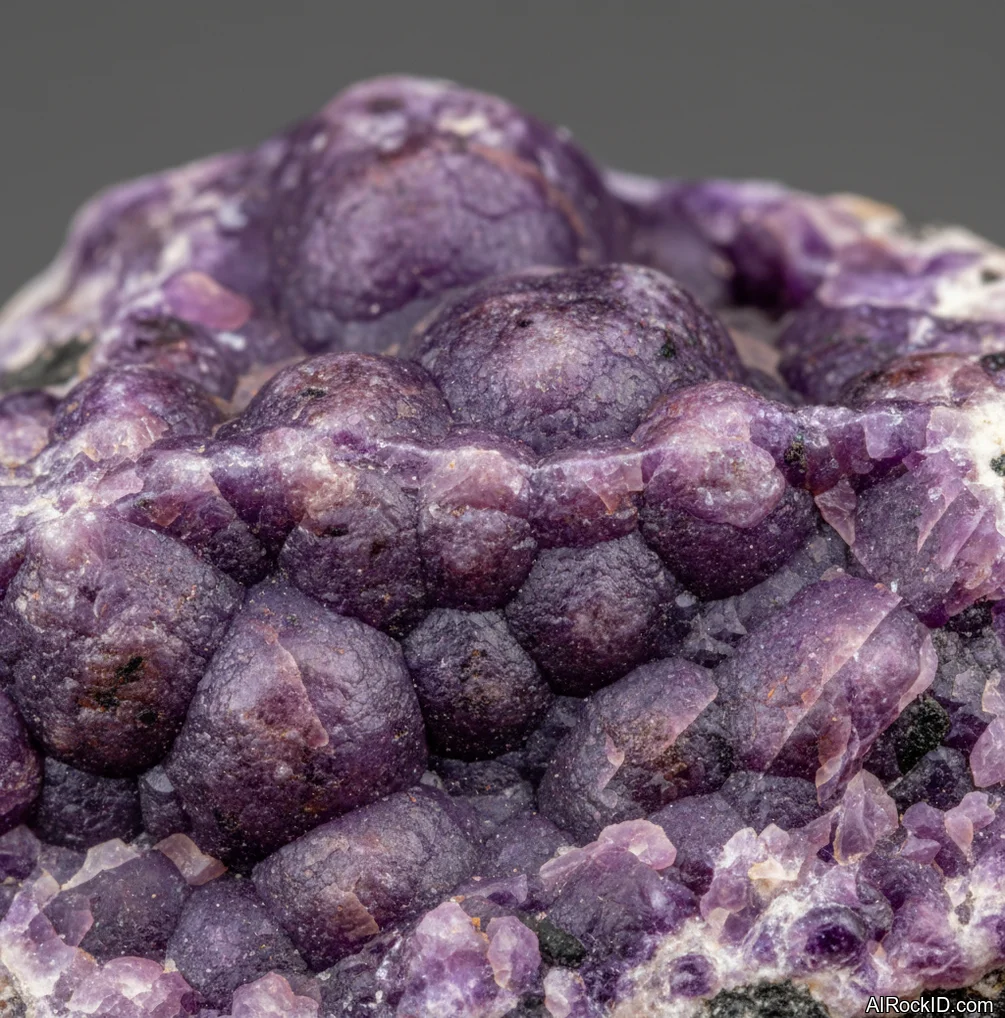
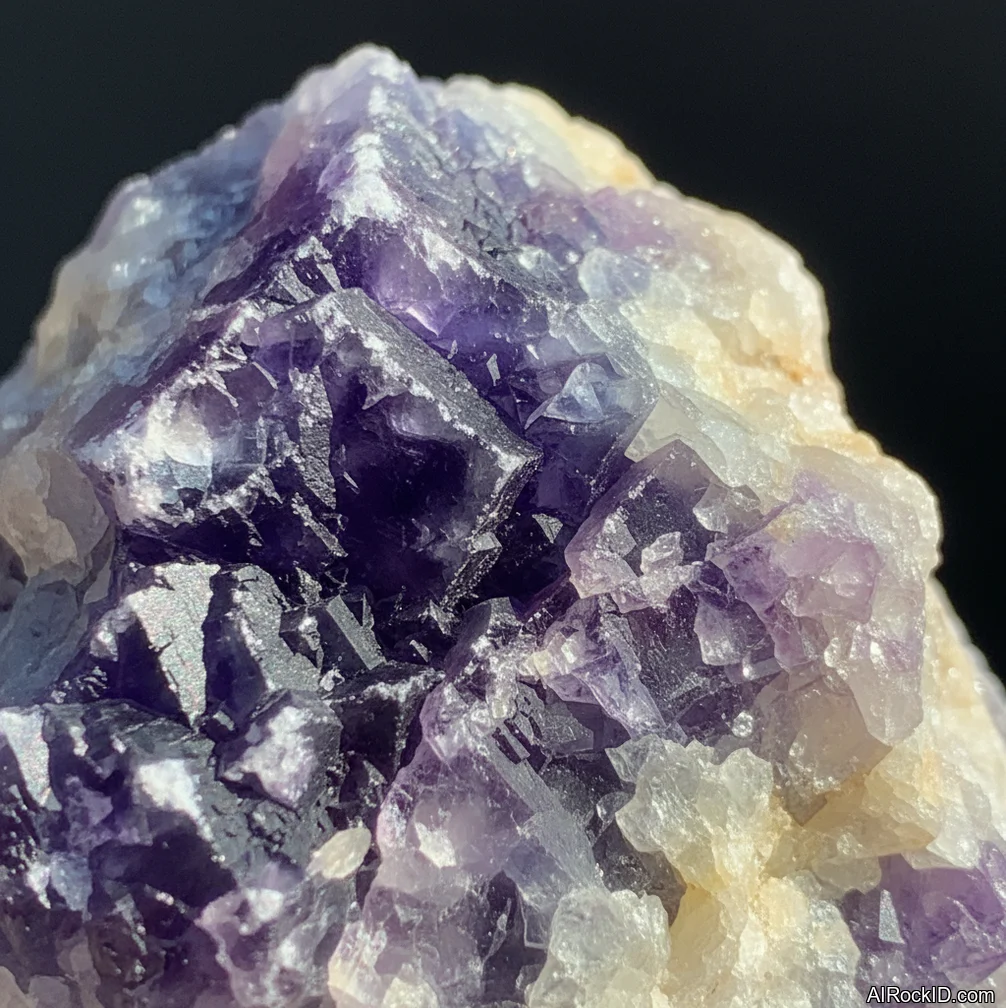
- Fluorite: Can be purple like amethyst but is softer and often shows cubic cleavage.
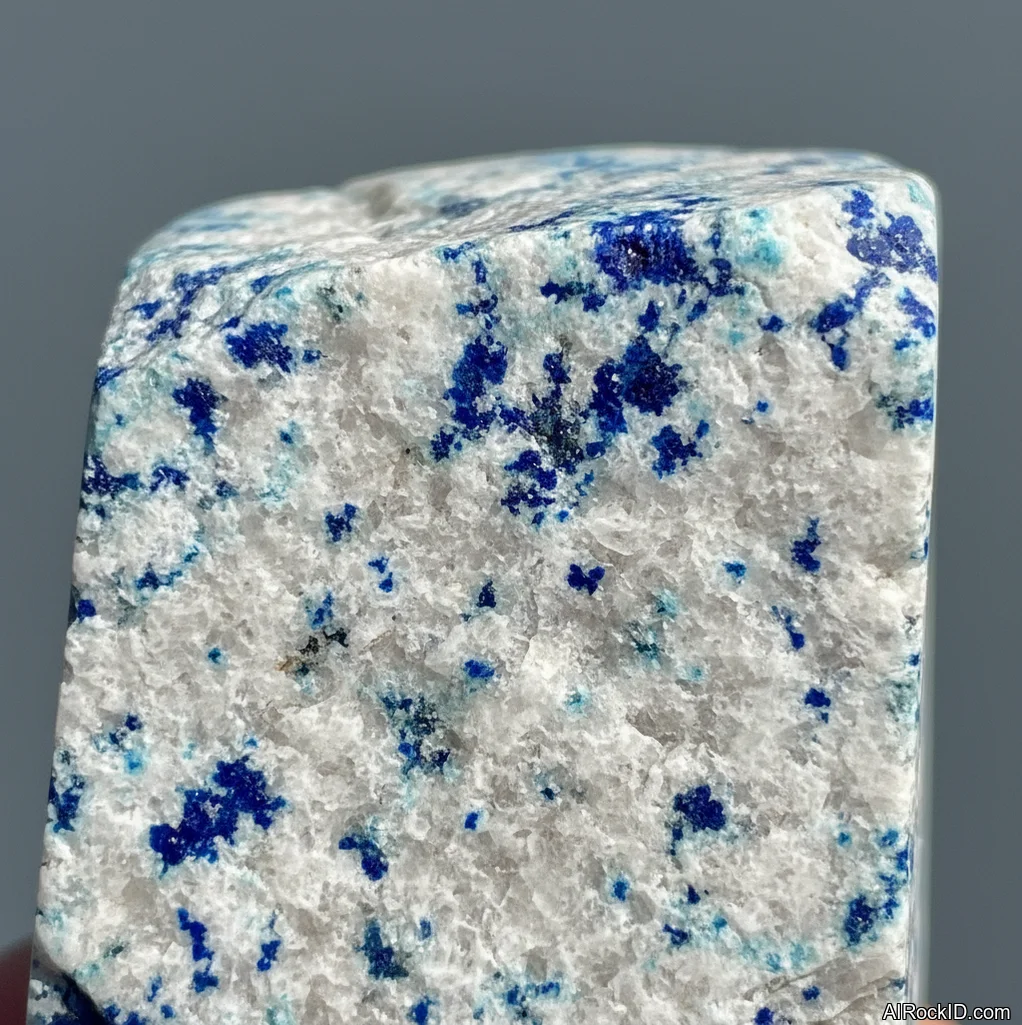
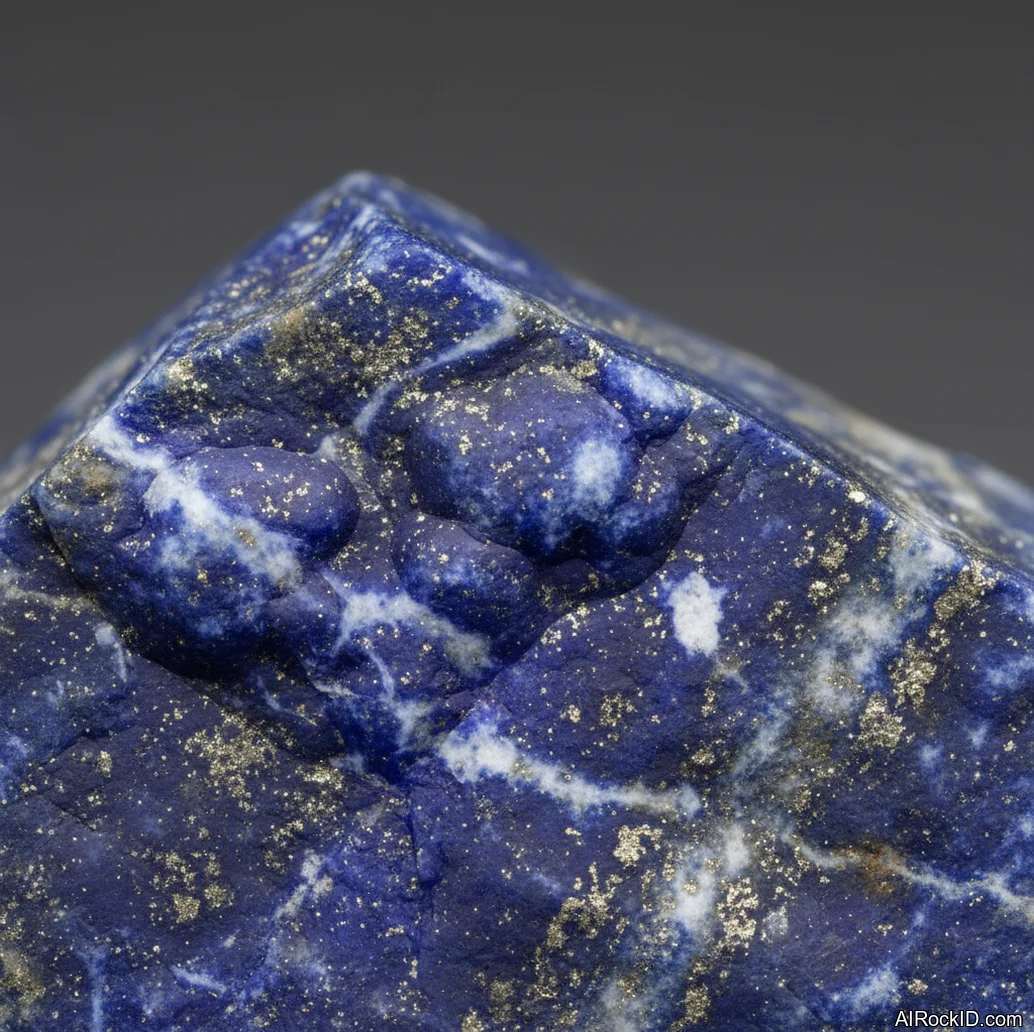
- Lapis Lazuli: Opaque deep blue rock often with pyrite flecks, unlike transparent blue gemstones.
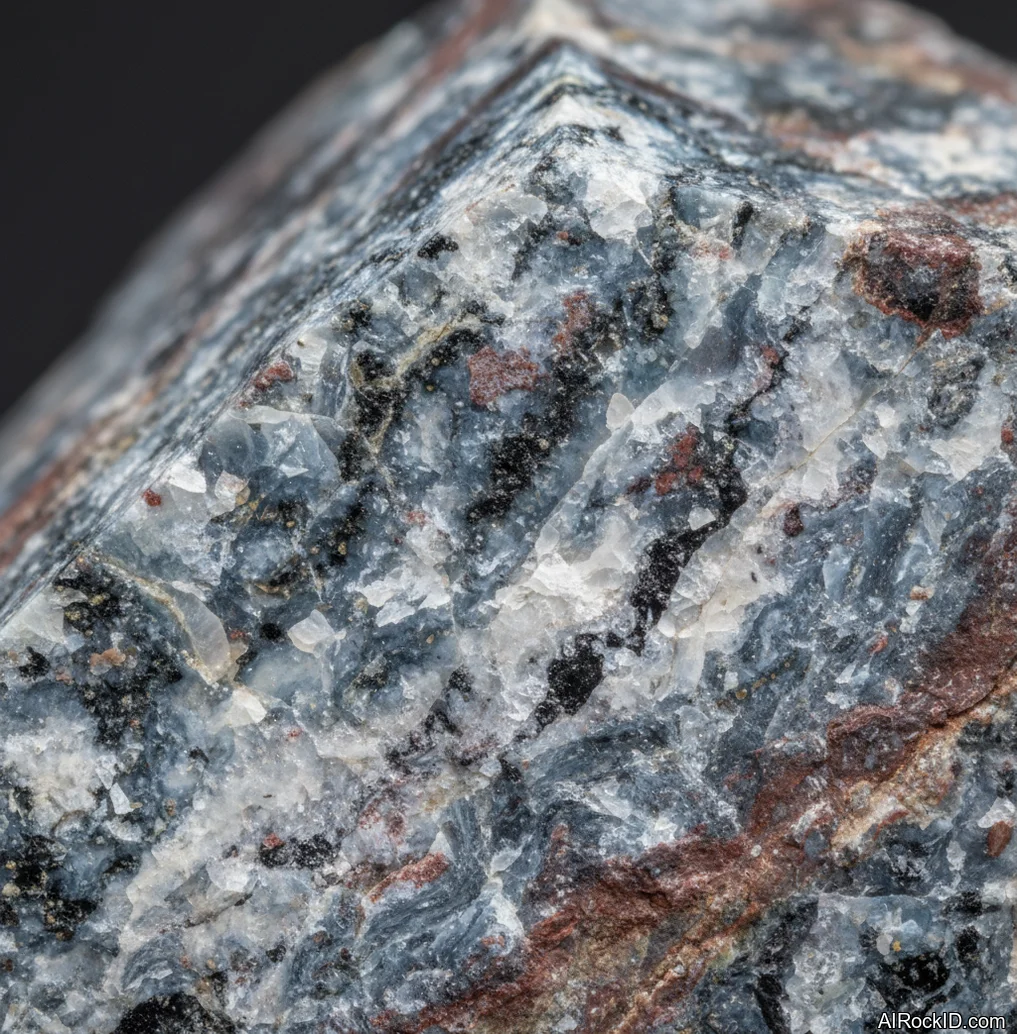
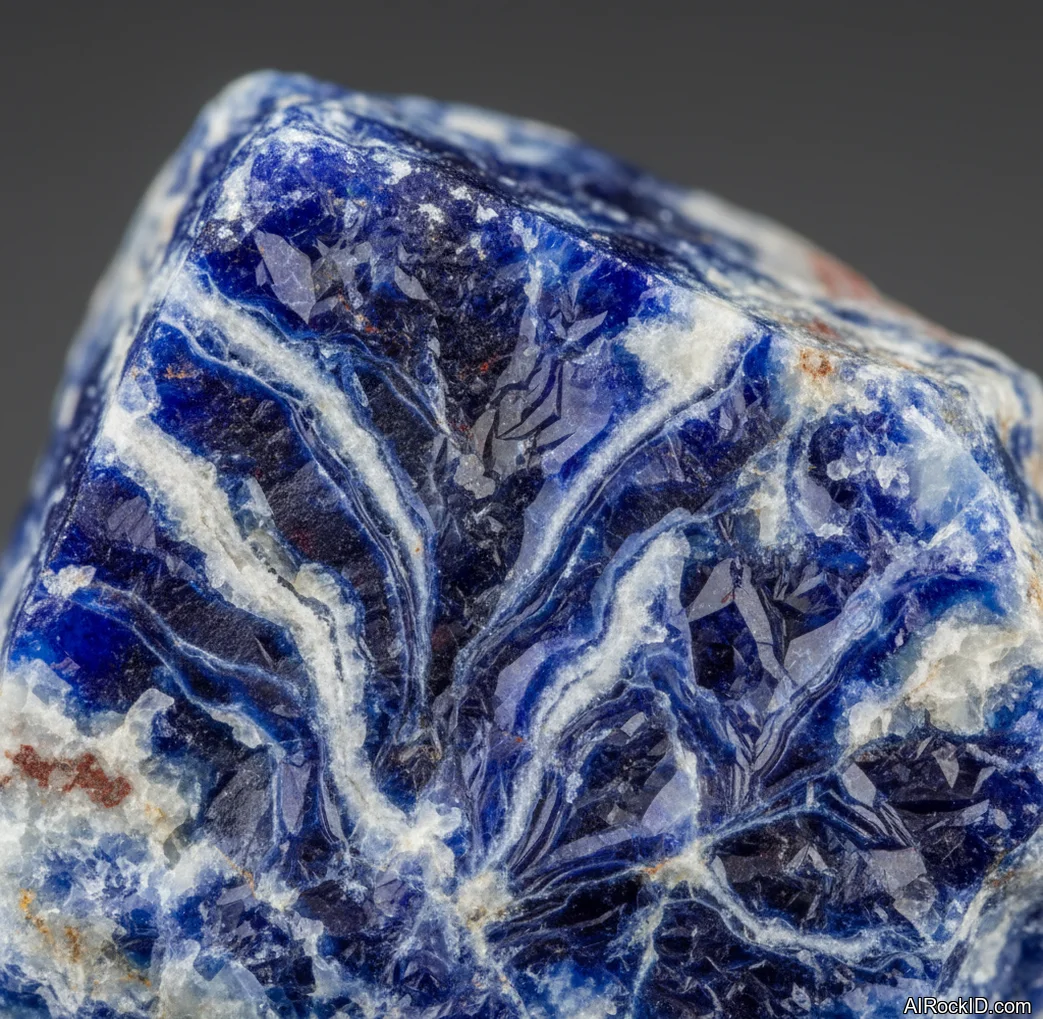
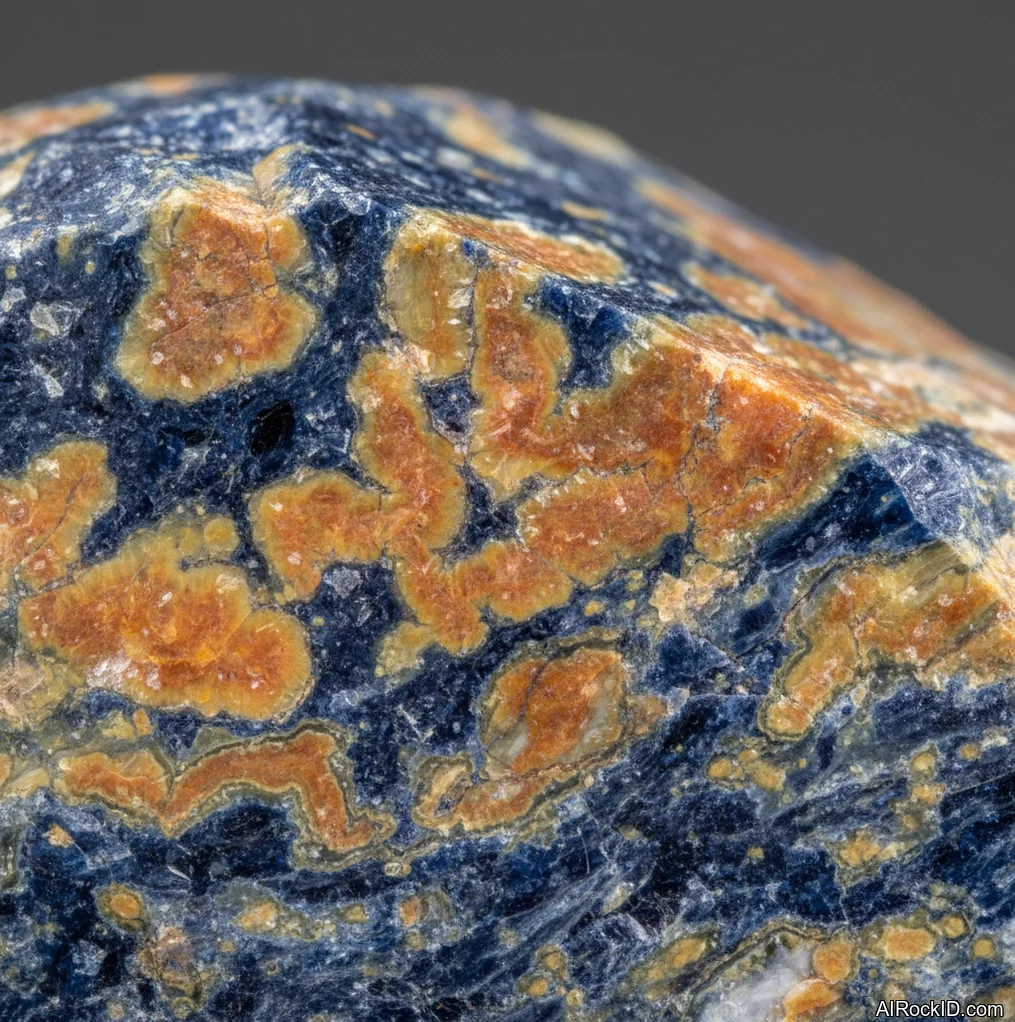
- Sodalite: Opaque blue stone with white veining; usually lacks the gold pyrite specks common in lapis lazuli.
AI identification confidence
AI identification is often more reliable for distinctive stones such as amethyst clusters, lapis lazuli with pyrite, or labradorite with visible flash. Confidence may be lower for polished tumbled stones because shape, surface finish, and lighting can hide diagnostic traits.
When AI gets it wrong
- A dyed stone has an unnaturally even blue or purple color.
- A polished tumble lacks crystal faces, cleavage, or matrix details.
- Low light or strong reflections distort the stone’s true color.
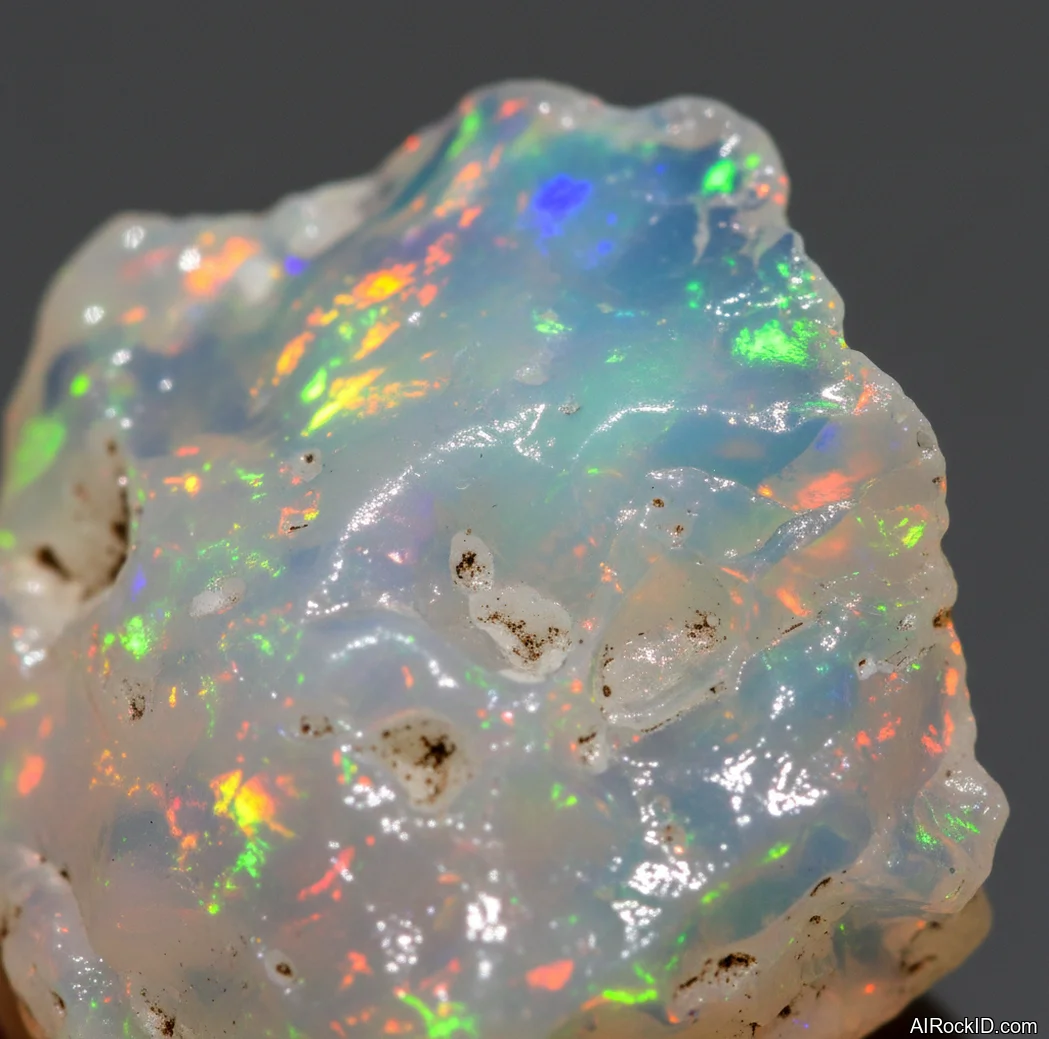
- Several minerals share the same color family, such as sodalite, lapis lazuli, and dyed howlite.
What this category represents
The Third Eye Chakra tag groups crystals traditionally associated with the brow chakra, which many chakra systems link with intuition, perception, and inner guidance. On a crystal wiki, this tag helps readers browse stones by symbolic chakra use rather than by mineral family alone.
Beginner recommendations
Advanced recommendations
Color Symbolism in Third Eye Chakra Stones
Third Eye Chakra crystals are often blue, indigo, violet, or dark purple because those colors are traditionally connected with the brow chakra in many modern chakra systems. Color association is symbolic and does not prove mineral identity, so visual identification should still consider hardness, transparency, cleavage, and inclusions.
Natural, Treated, and Dyed Third Eye Chakra Crystals
Some stones sold for Third Eye Chakra use may be dyed, heat treated, or reconstructed, especially bright blue or unusually uniform pieces. Treatments do not necessarily prevent symbolic use, but collectors should know whether a stone is natural, enhanced, or imitation before comparing value or rarity.
Pairing Third Eye Chakra Crystals with Other Stones
In crystal traditions, Third Eye Chakra stones are often paired with Crown Chakra stones for contemplation or with Throat Chakra stones for communication themes. Pairing choices are symbolic and personal, and they should not be treated as substitutes for professional health or mental health care.
What Does Third Eye Chakra Mean in Crystal Work?
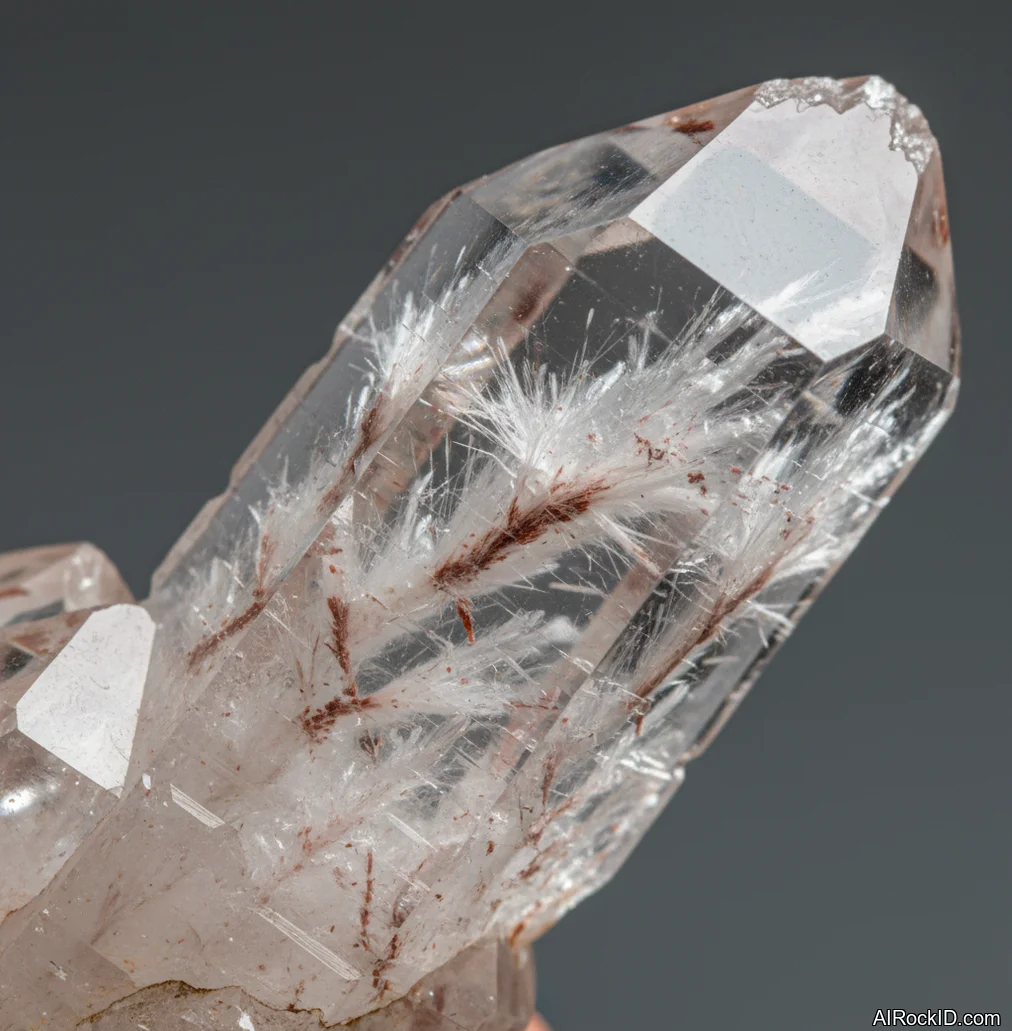
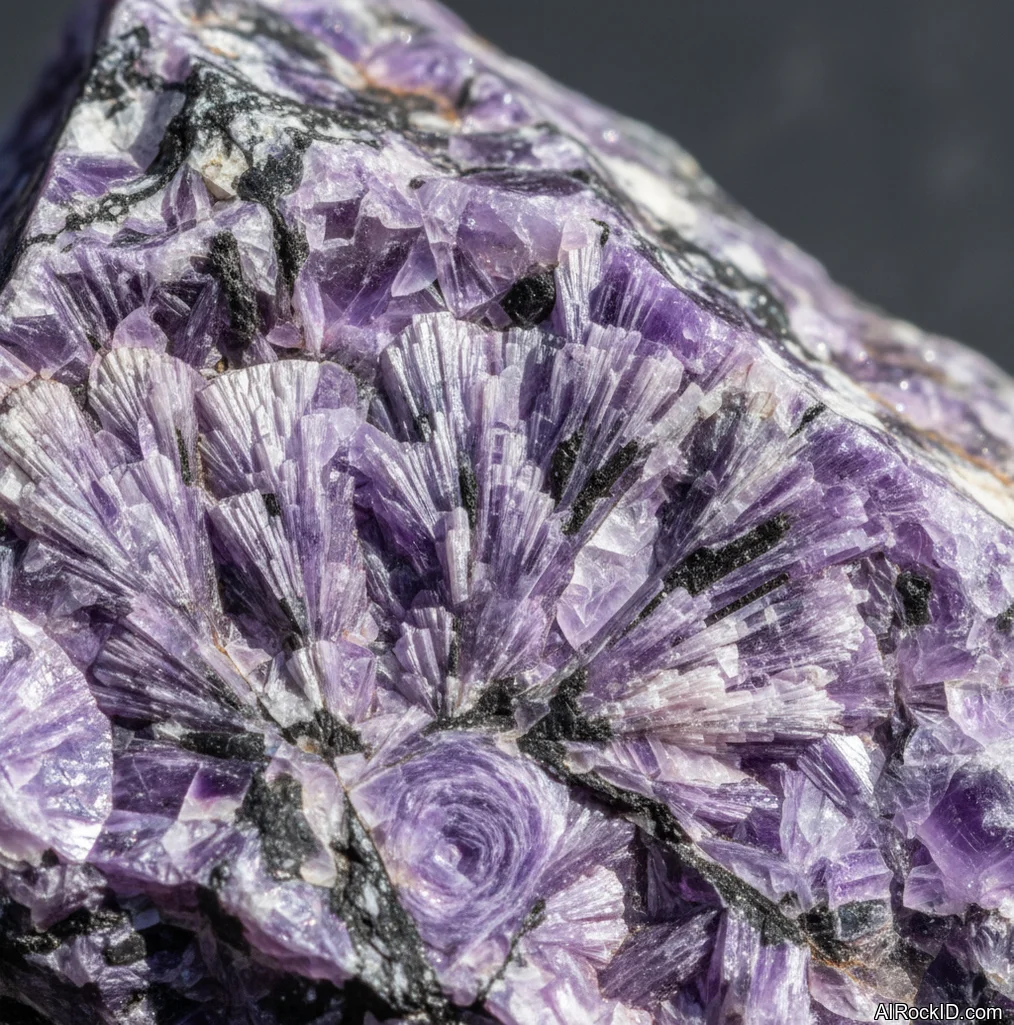
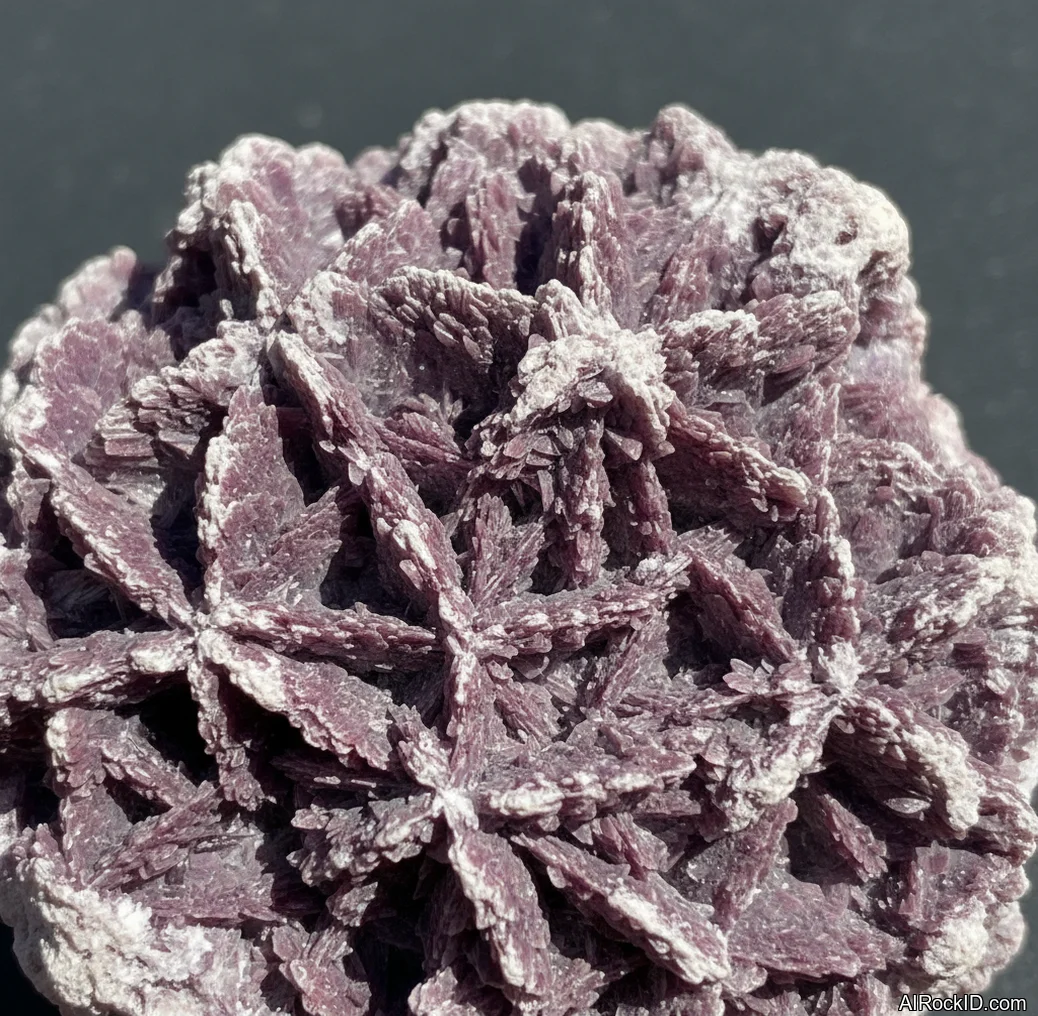
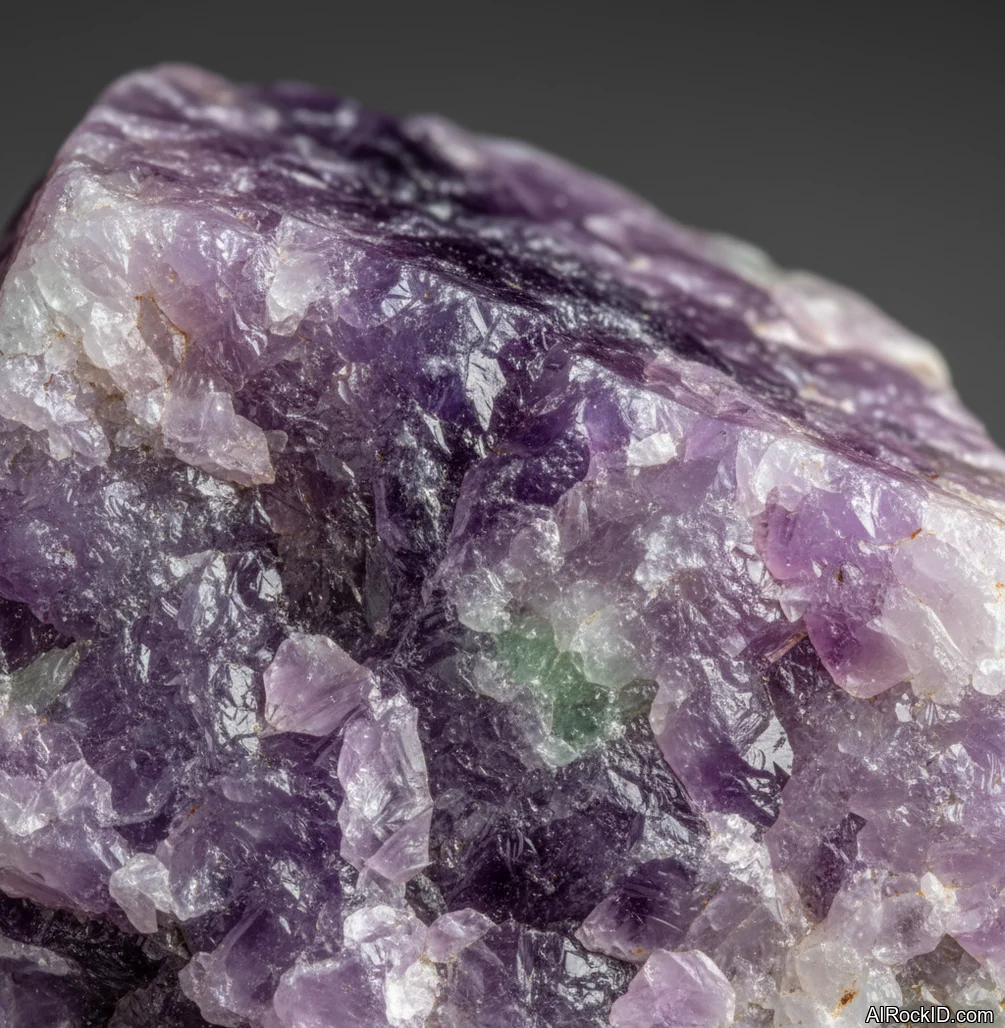
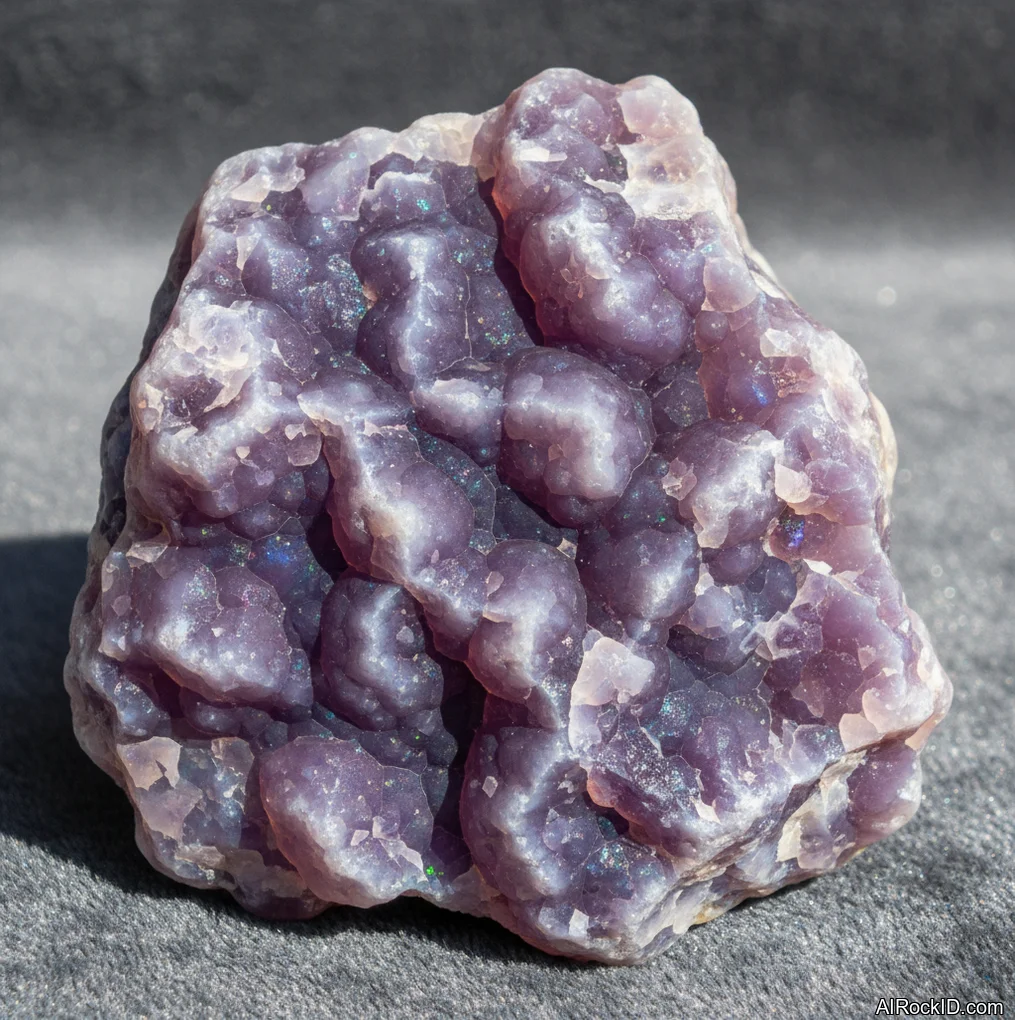
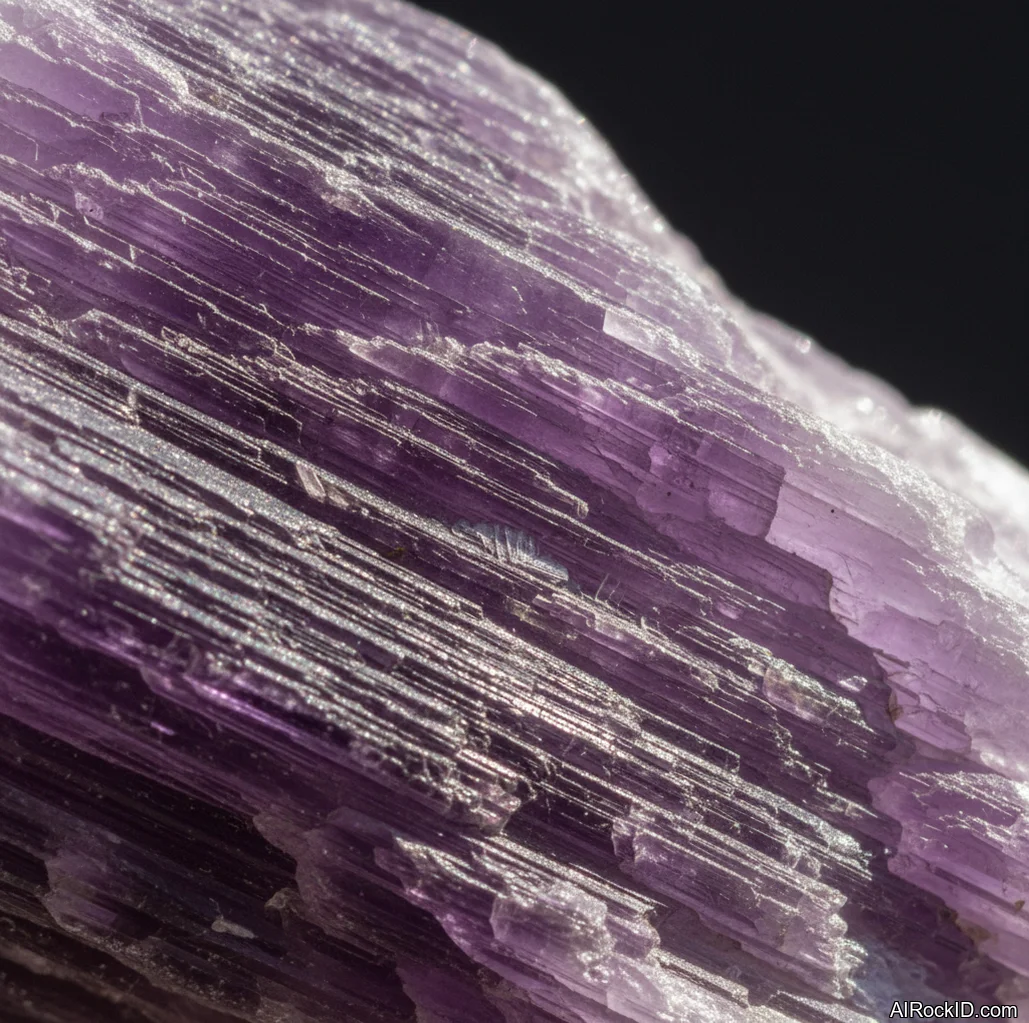
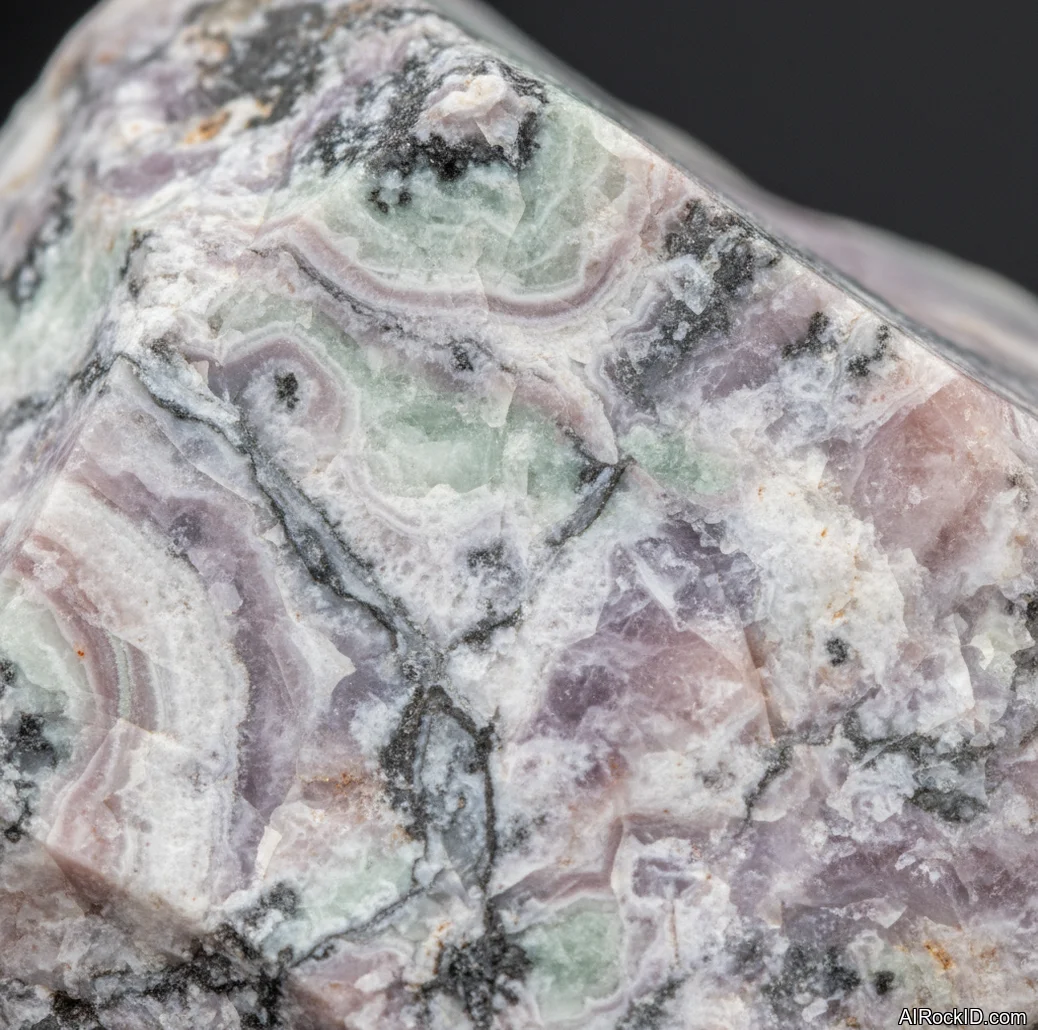
When it comes to crystals and the Third Eye Chakra, most people are after two things: mental clarity and the ability to spot patterns in their own thinking. It isn't about movie-style psychic powers. It's more about getting quiet, tuning out the background noise, and actually trusting your own gut. Crystals associated with this chakra usually fall in the indigo, blue, violet, and sometimes smoky-gray color range. Some names just keep coming up: amethyst, labradorite, lapis lazuli, sodalite, iolite, fluorite, azurite, lepidolite, and clear quartz. If you start handling these, you notice physical differences right away. Lapis lazuli, for example, feels heavier than it looks and those gold pyrite flecks catch the light in a way that photos never do justice. Most pieces you'll see for Third Eye work are either raw chunks or tumbled stones, but shape rarely matters as much as color and feel. A lot of new collectors expect something "magical," but what you get is usually scrapings of clarity—little insights when you aren't distracted.
Physical Qualities of Third Eye Chakra Crystals
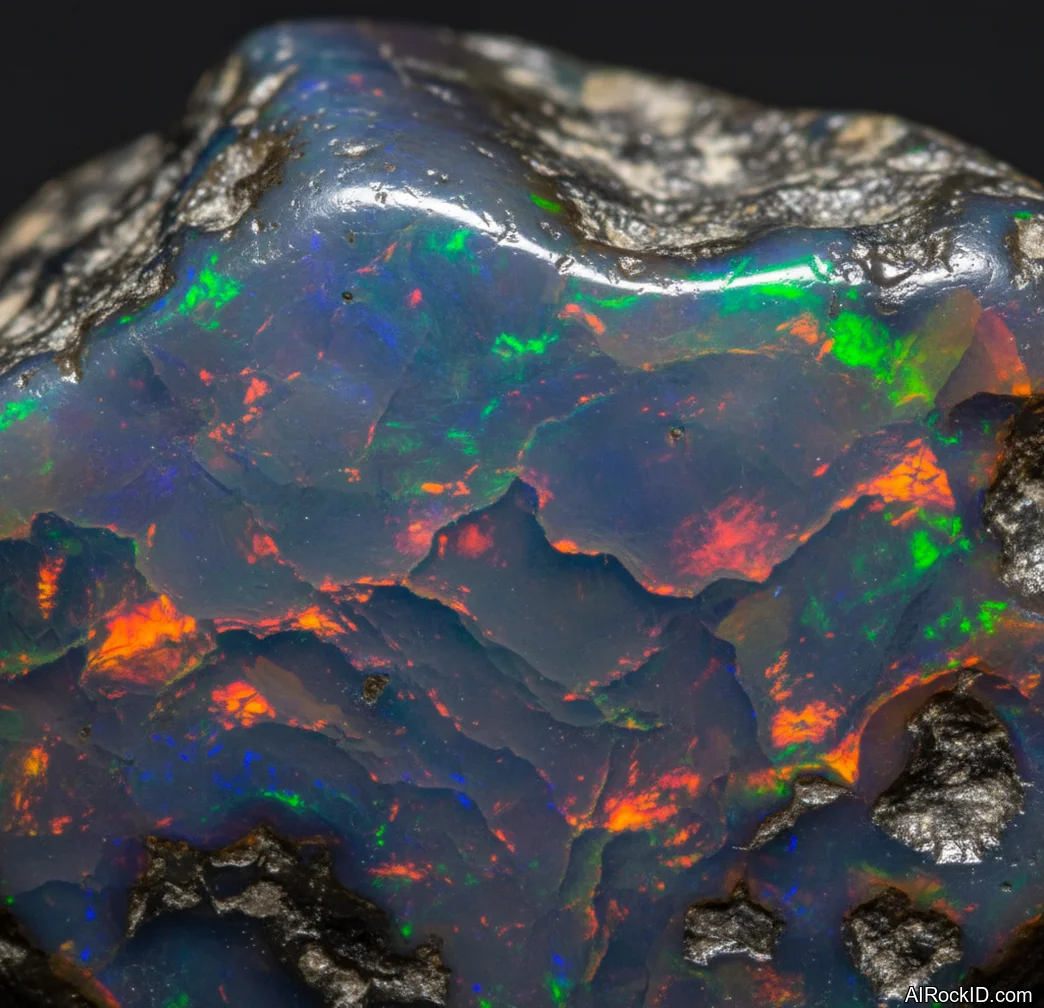
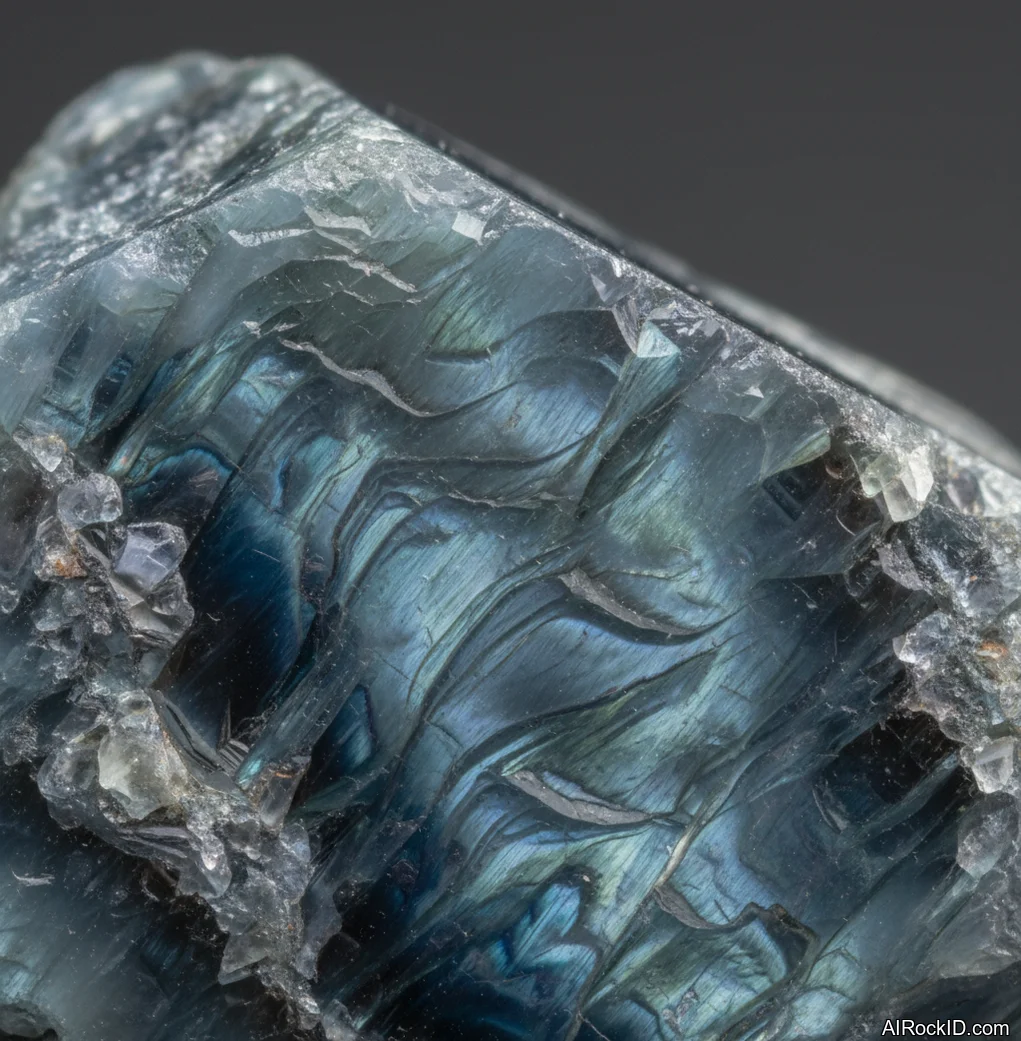
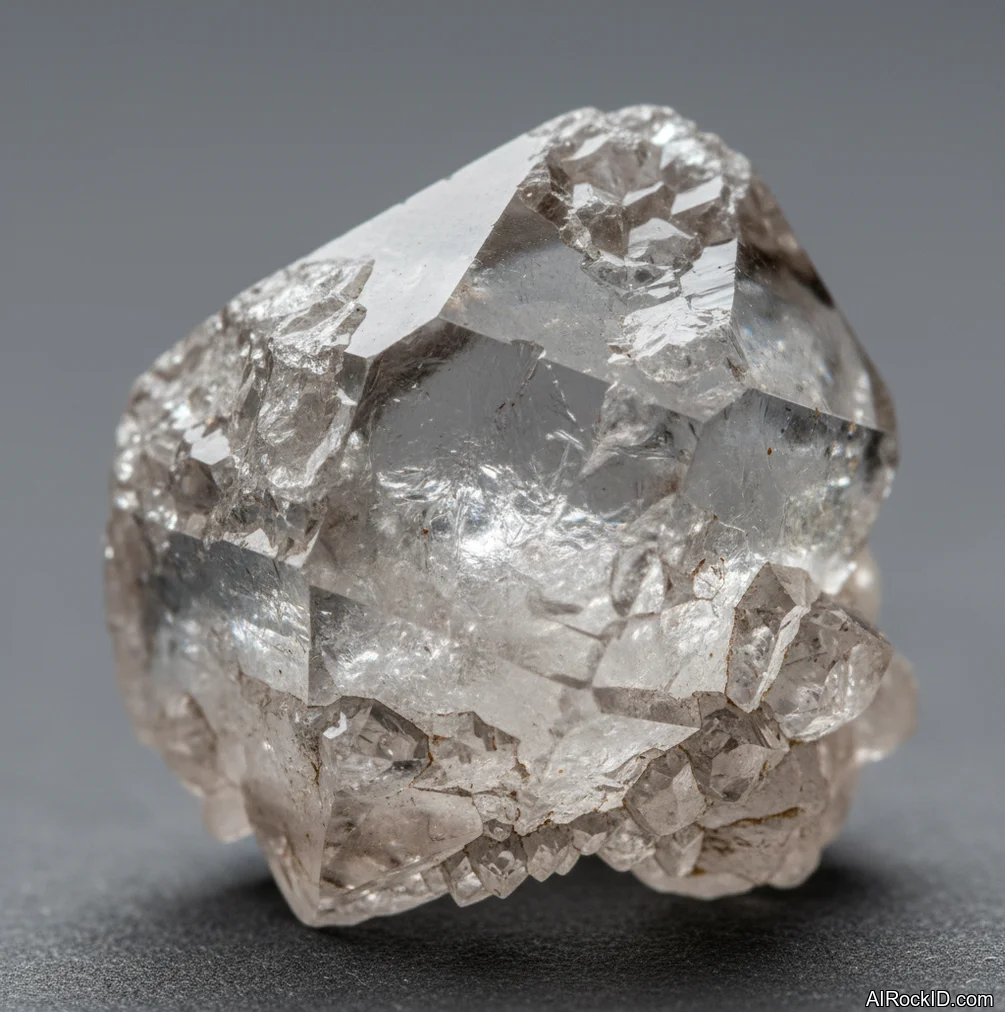
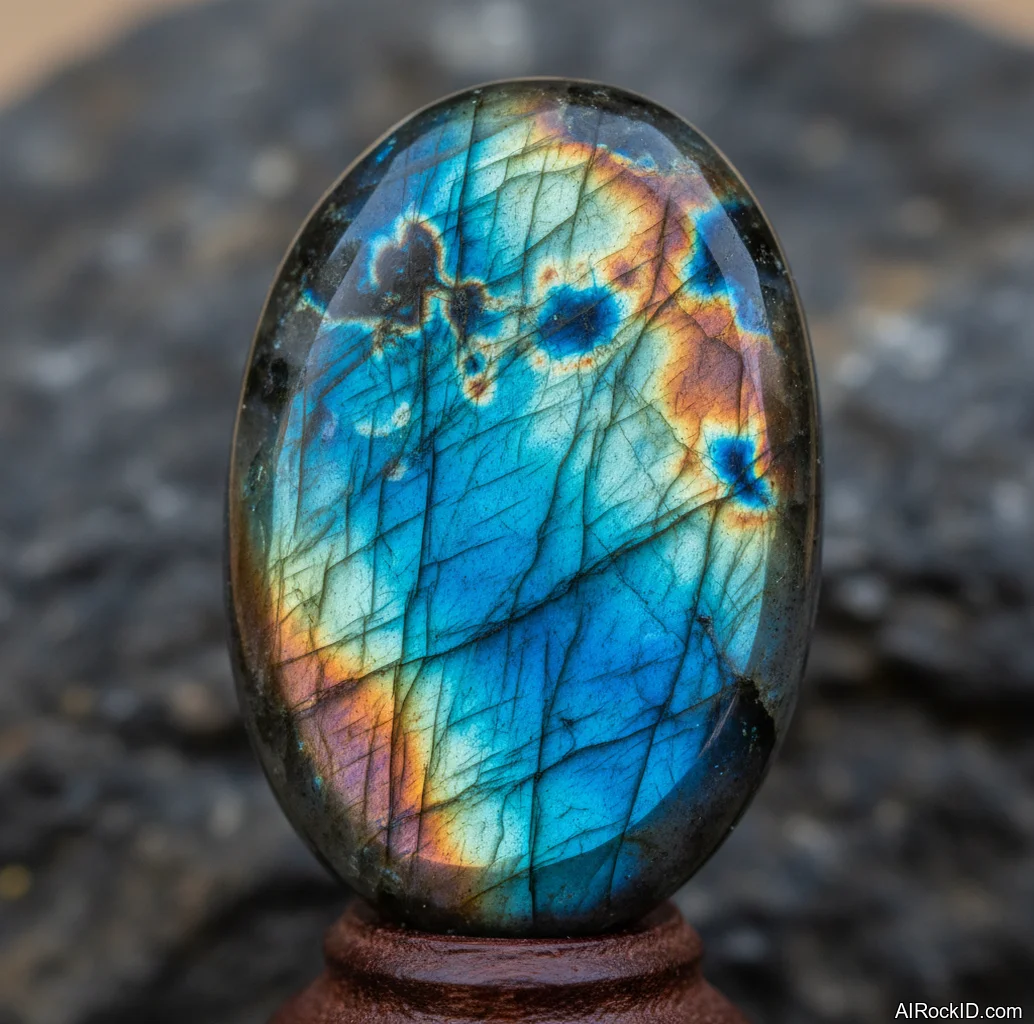
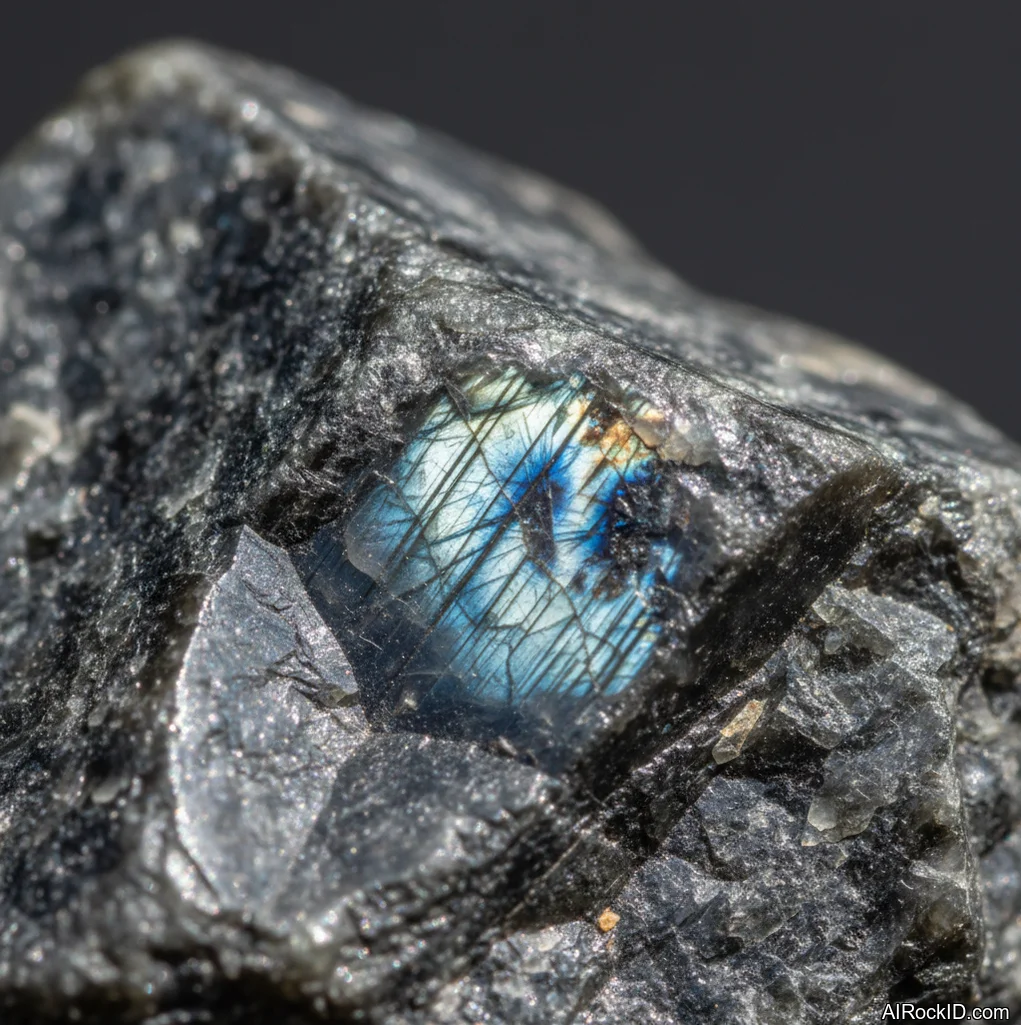
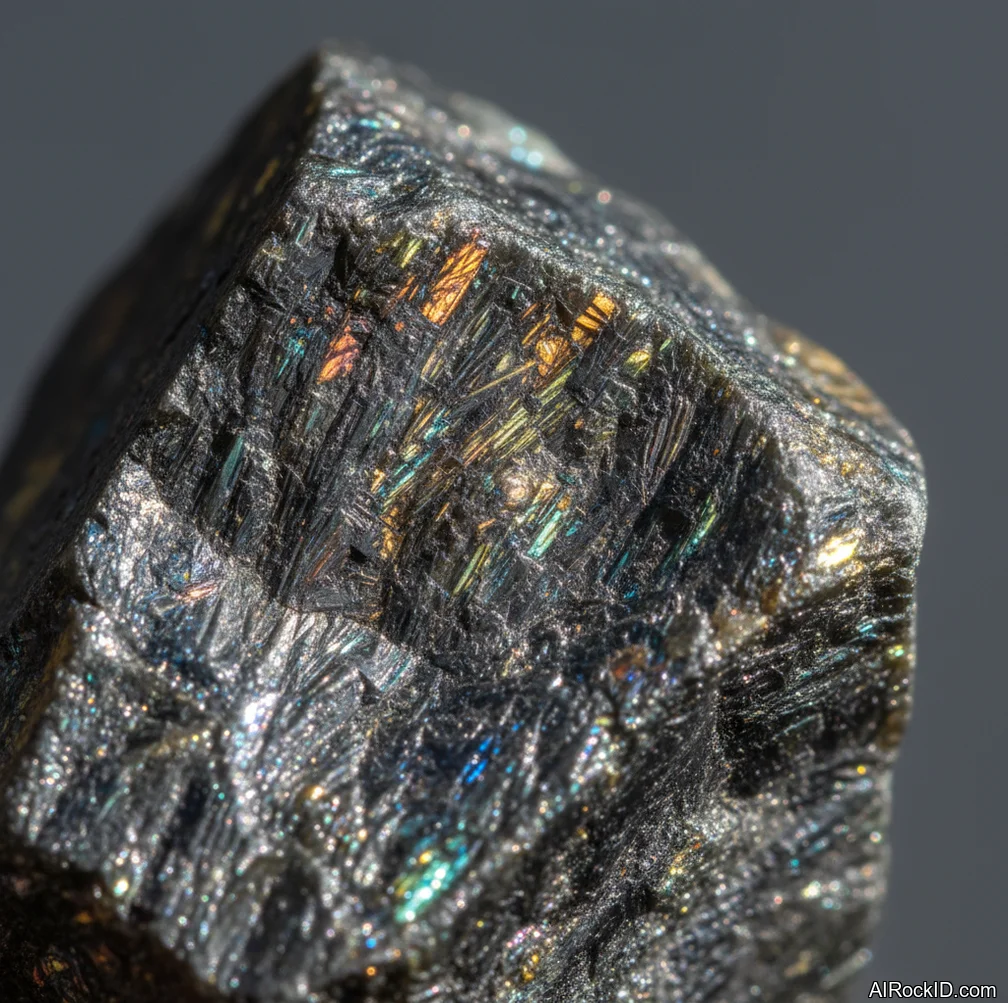
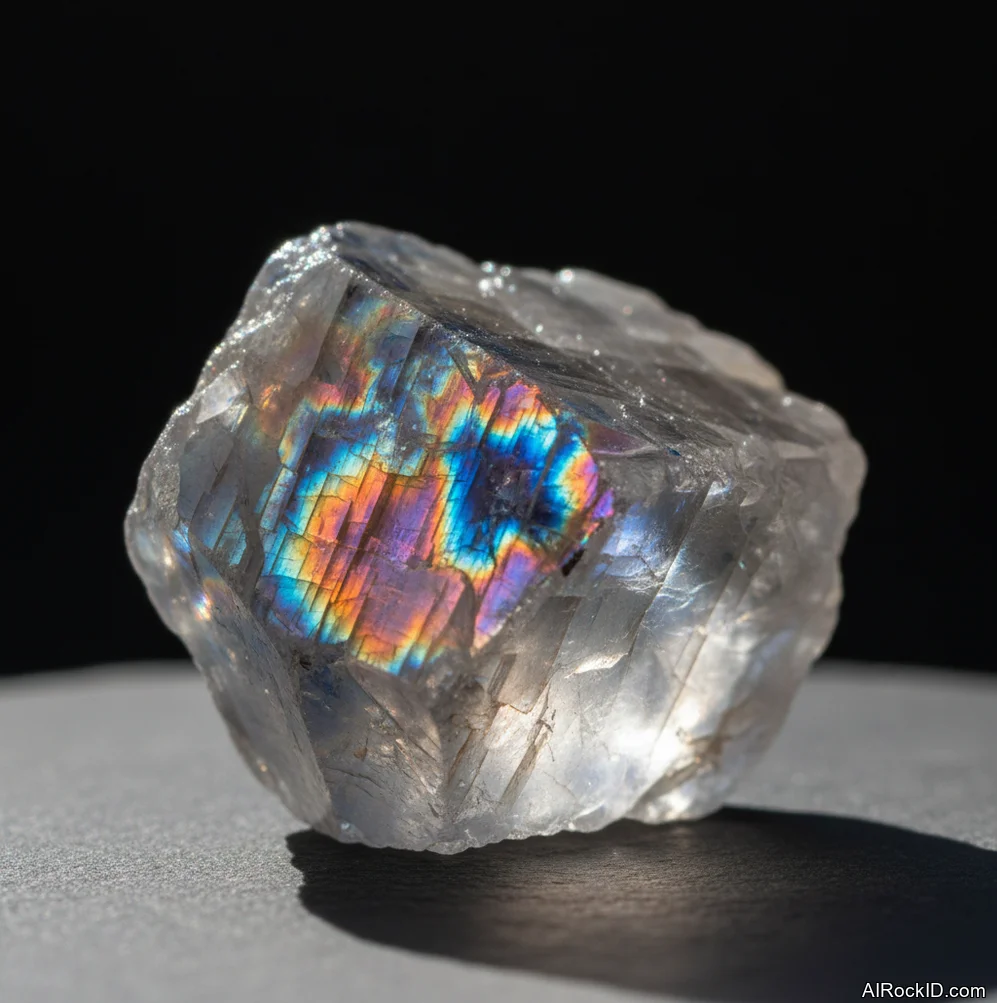
Pick up a piece of lapis lazuli and the first thing you might notice is its weight and that almost waxy surface when polished. Good lapis from Afghanistan or Chile shows a deep, night-sky blue with sharp pyrite bits—almost like looking at a dark ceiling dotted with brass dust. If you get a softer, pale blue piece with none of that contrast, it's probably lower grade or heavily dyed. Labradorite, on the other hand, doesn't grab you until you move it. Hold it flat and it can look plain gray, but tilt it and you get flashes of blue, green, or even gold. That labradorescence is why people keep reaching for it in intuition work—it's all about catching something just out of the corner of your eye. Amethyst feels cool to the touch even after you hold it for a minute, and real quartz-based specimens often show internal fractures or rainbows, especially when tumbled. If you see a chunk with flawless, grape-candy purple, be skeptical—most likely it's glass. Third Eye stones often get picked for how they look and how they handle, not just for color.
How to Choose and Use Third Eye Chakra Stones
Choosing a Third Eye Chakra crystal isn't about finding the 'perfect' stone, but about what feels right to you. Some folks swear by raw points, others want smooth tumbled stones for pocket carry. Lapis lazuli stands out when you need to cut through mental clutter, especially since its color and pyrite spark contrast really pop in low light. Amethyst, especially in cluster form, seems to absorb background noise—leave a piece on your desk and you'll notice it stays cool even after hours. Labradorite works almost like a physical reminder to shift your perspective, since you have to tilt it to catch the flash. Sodalite feels lighter and can mix easily with other stones—it's good for students, since it doesn't scratch as easily as some softer stones. Some collectors get picky about origin, arguing that pieces from Russia or Madagascar 'work' better, but that's usually about color and flash, not mystical properties. The problem with most Third Eye sets on the market is they include cheap dyed stones or glass fakes, so always check for real mineral structure and weight.
Common Misconceptions and Care Tips for Third Eye Chakra Crystals
A lot of people think any blue or purple stone counts as a Third Eye crystal, but that's not the case. For example, some sellers try to pass off dyed howlite as lapis lazuli—real lapis has those gold pyrite flecks and feels colder and heavier in the hand. Amethyst is often heat-treated or even synthetic; glass fakes feel warm and the color looks too perfect. With labradorite, the main issue is the polish: poorly cut stones won't show much flash, and raw chunks can chip if you drop them. Sodalite is softer than it looks—I've had tumbled pieces crack just from being in a pocket with keys. Always store these stones out of direct sunlight, especially amethyst and fluorite, since the color can fade. If you're cleaning them, skip saltwater and stick to a soft cloth and plain water. It's easy to get caught up in the metaphysical hype, but the real enjoyment comes from handling the stones and paying attention to the details—the weight, the chill, the little imperfections. That's where the real connection happens.
Best Third Eye Chakra Crystals to Start With
| Level | Crystal | Note |
| Gentle / Beginner | Sodalite | Sodalite is affordable, easy to identify, and usually comes as smooth tumbled stones that aren't too delicate. Good for beginners who want to carry something in a pocket or bag. |
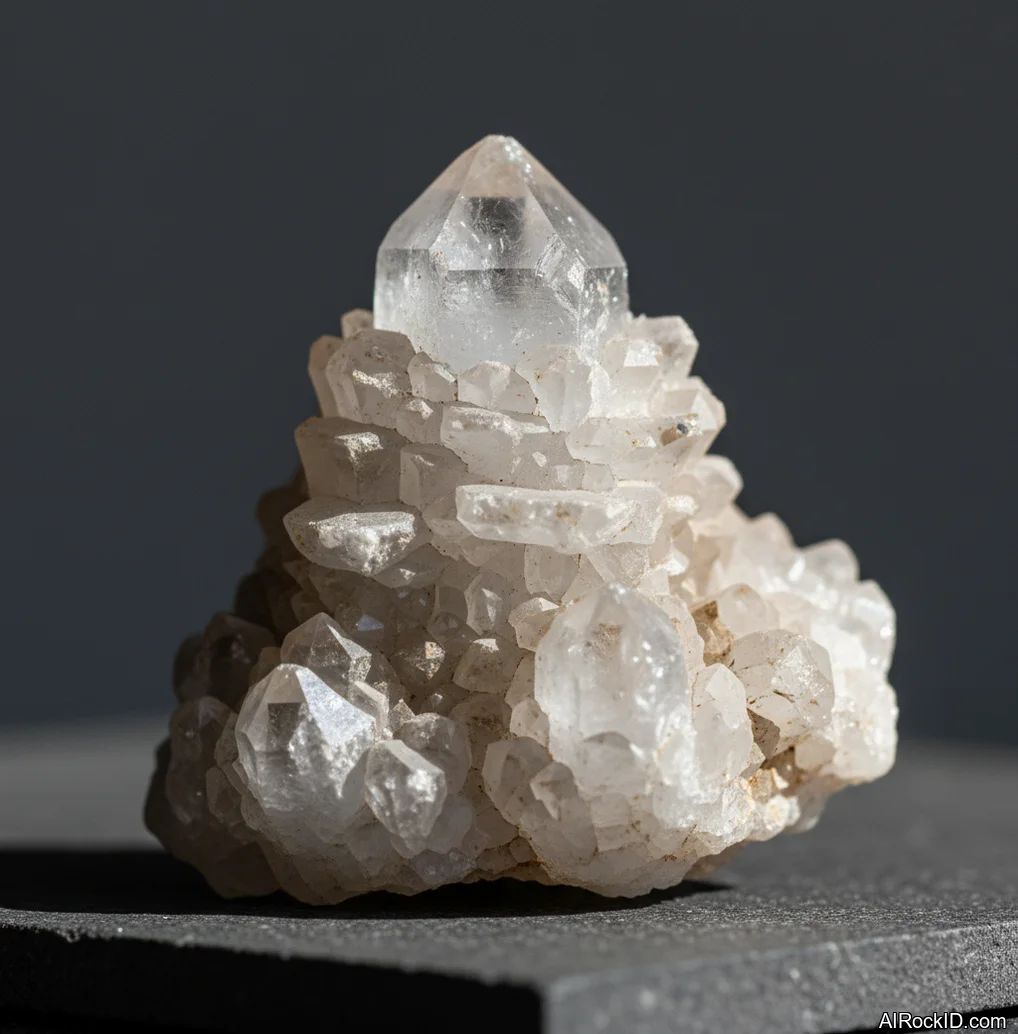
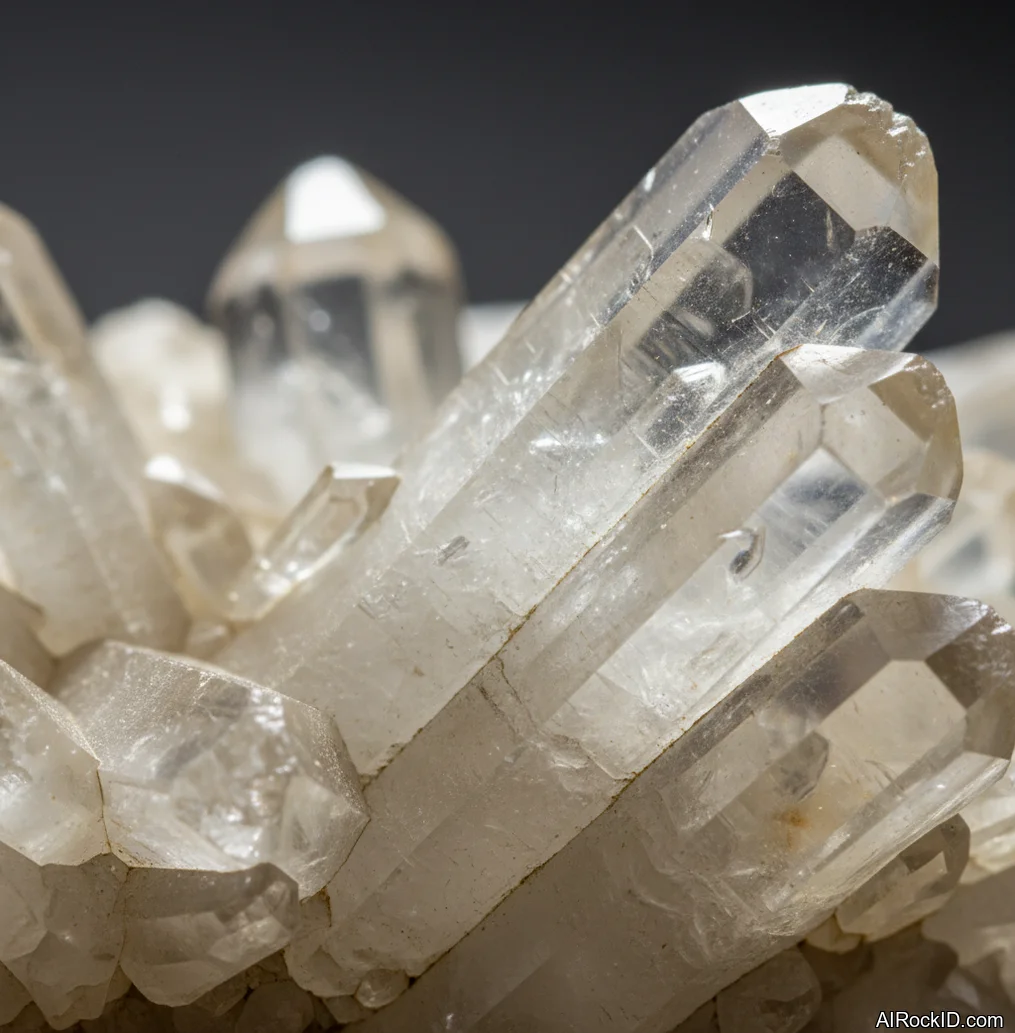
| Balanced / Everyday | Amethyst | Amethyst clusters or tumbled stones hold up well to regular use, and the color range lets you pick what feels right. Real quartz-based amethyst often stays cool and shows natural fractures inside. |
| Intense / Advanced | Lapis Lazuli | Lapis lazuli can be pricey and heavy, with pyrite flecks that really stand out. The deep blue is visually striking, but good quality pieces aren’t cheap or easy to find. |
| Best for Carrying | Iolite | Iolite stones are tough, compact, and less likely to chip in a pocket. Their pleochroism gives you different colors in different lights, which adds interest during daily use. |
| Best for Display | Labradorite | A polished slab or large chunk of labradorite catches attention on a shelf. The shifting flashes are eye-catching from across the room, especially in natural or low light. |
Third Eye Chakra Crystal Comparison
| Crystal | Common Use | Feel / Use Style | Care Caution |
| Lapis Lazuli | Mental focus, clarity, cutting through confusion | Heavy, cool, with gold pyrite flecks; surface feels almost waxy when polished | Can scratch easily if tumbled with harder stones; avoid soaking to protect limestone content |
| Amethyst | Calming, quieting mental noise, meditation | Cool to the touch, shows internal fractures or rainbows, clusters can be sharp | Color can fade in sun; clusters chip if dropped |
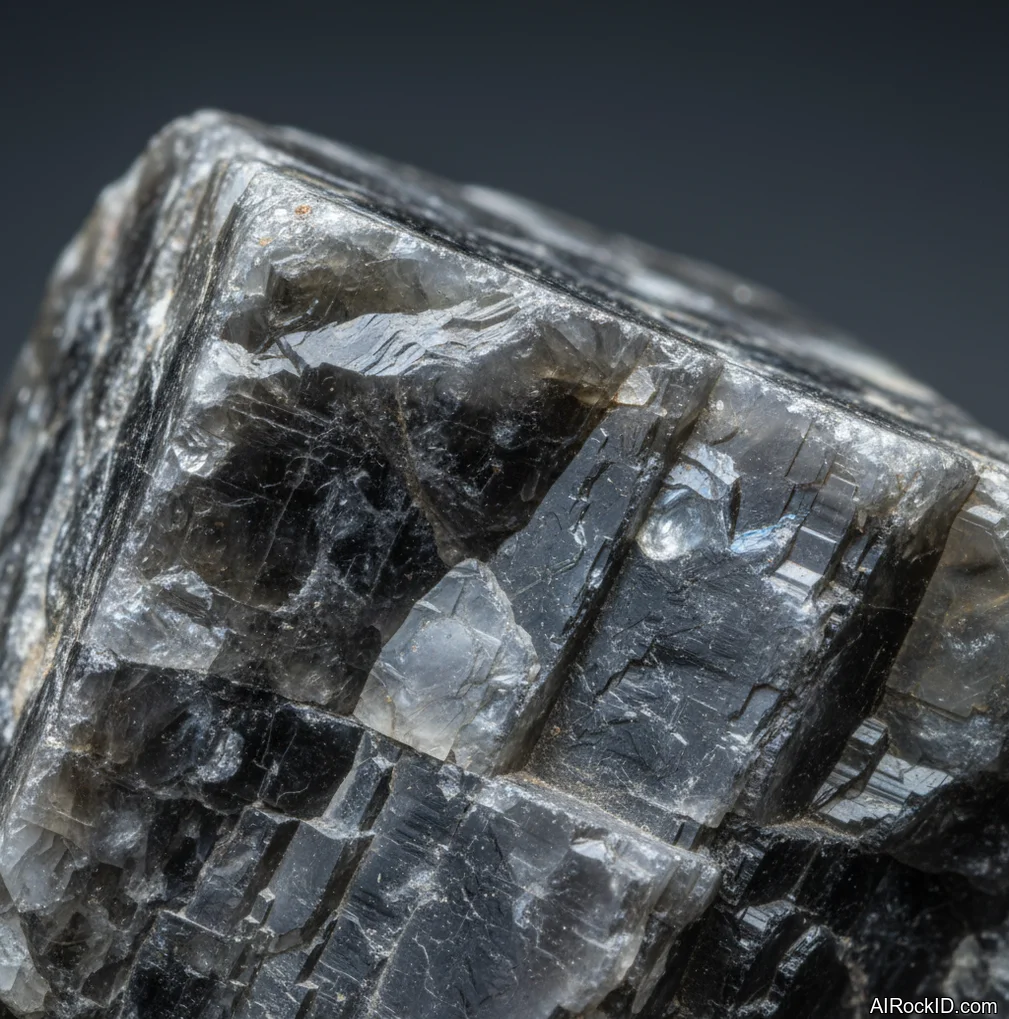
| Labradorite | Intuition, shifting perspective, creativity | Looks plain gray until tilted; flashes blue, green, or gold; smooth when polished | Chips at the edges; polish can scratch |
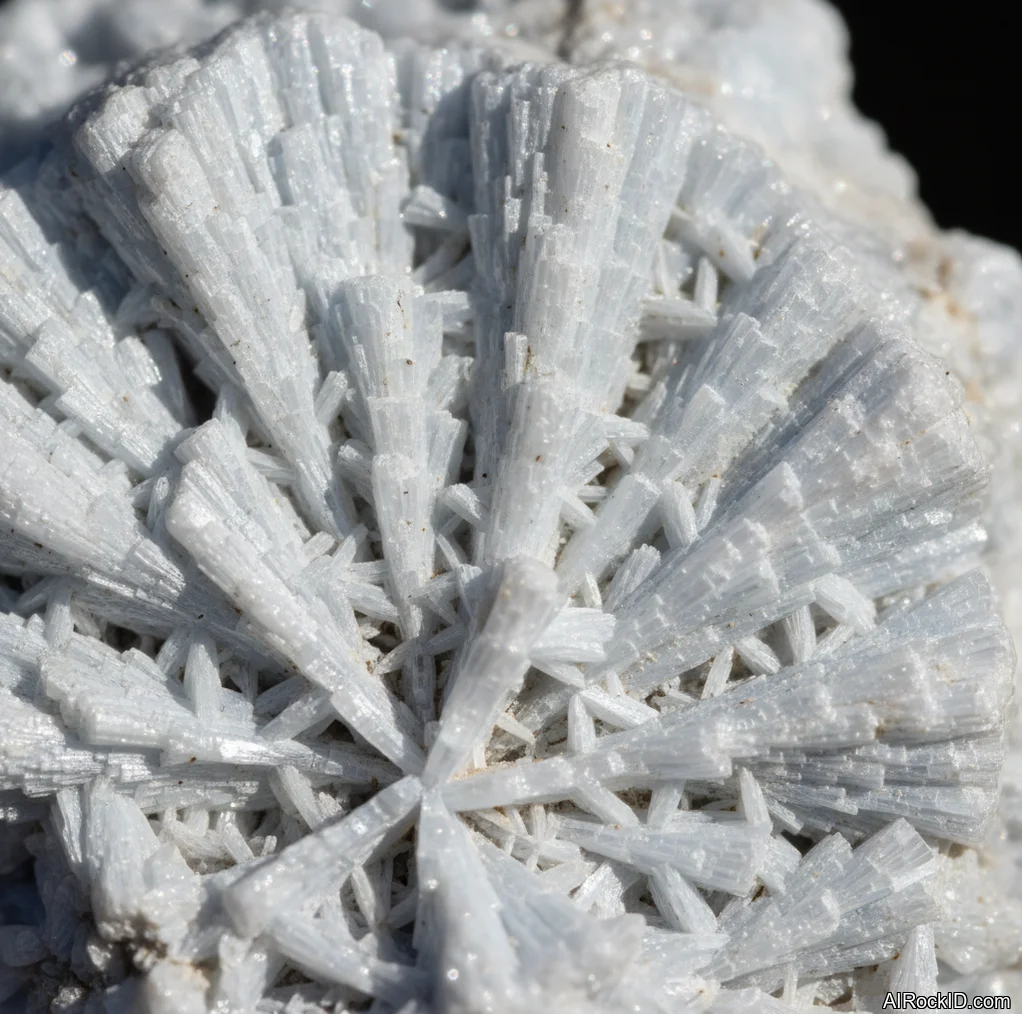
| Sodalite | Mental organization, study, balance | Lightweight, usually smooth and cool, veined blue and white patterns | Soft; can crack or break if kept with coins or keys |
How to Identify Third Eye Chakra Crystals with AI Rock ID
To ID a Third Eye Chakra crystal with an AI Rock ID app, start by taking a clear photo in natural light—avoid flash and overexposed spots. Upload both a full-stone view and a close-up of any key features, like pyrite flecks in lapis or the blue flash in labradorite. Check the results against the app’s mineral database, paying attention to hardness, luster, and streak if you can test them. Comparing your piece to verified reference photos helps weed out dyed or glass fakes that the AI sometimes misses.
All Third Eye Chakra Crystals (213)