Best Crystals for Dreams
Quick answer: Many people choose calming stones such as amethyst, moonstone, lepidolite, and howlite for dream-focused bedtime routines. In crystal traditions, these stones are used as reminders to slow down, set an intention, and keep a consistent sleep and dream-journaling habit.


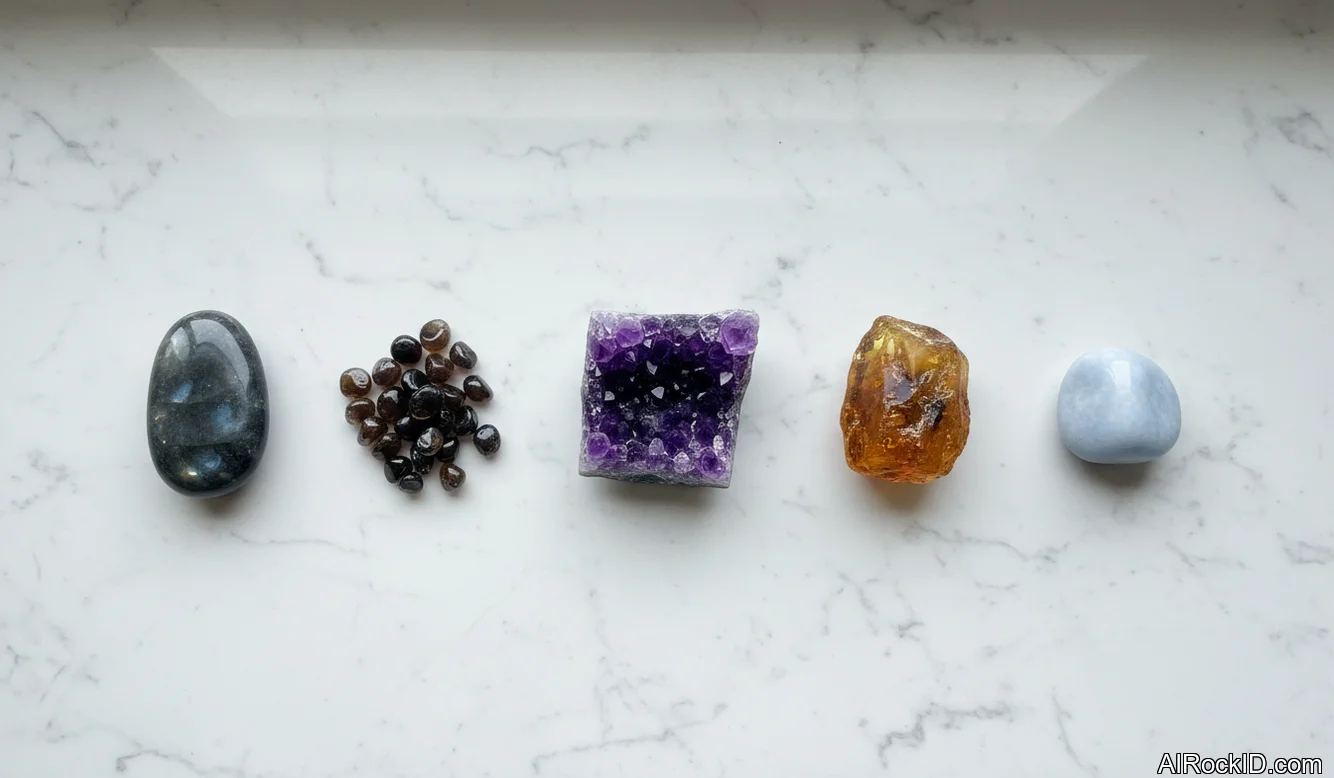
AI Rock ID can help identify an unknown stone before it is placed near a bed or used in a dream practice. RockIdentifier.io provides crystal references that can help users compare appearance, names, and traditional uses.
Good fit
- People who want a simple object to anchor a bedtime intention
- Beginners building a dream journal habit
- Sleep routines focused on calm, low-stimulation practices
- Users who prefer gentle stones traditionally associated with rest and reflection
Not a good fit
- Anyone expecting crystals to diagnose or treat sleep disorders
- People who become distracted by objects near the bed
- Users who find stimulating or visually intense stones disruptive at night
Most commonly confused with
- Amethyst: Often chosen for calm and intuition traditions; deep purple glass can be mistaken for it.
- Lepidolite: A lithium-bearing mica with a soft purple or lilac tone; it is lighter and more flaky-looking than many quartz varieties.
- Moonstone: Known for a floating sheen called adularescence; opalite glass is a common lookalike.
- Howlite: Usually white with gray veining and often used for calm routines; it is frequently dyed to imitate turquoise.
AI identification confidence
AI identification is most useful when the stone has clear color, texture, luster, and close-up details in good light. Confidence is lower for tumbled stones, dyed material, and glass imitations because polishing can remove many natural clues.
When AI gets it wrong
- The stone is a dyed or heat-treated version of another mineral
- The photo is too dark, blurry, or taken under colored lighting
- The sample is tumbled, carved, or set in jewelry with limited visible surface
- Several minerals share the same color and general appearance
Best choice summary
For most beginners, amethyst or howlite is the easiest place to start because both are widely available and traditionally linked with calm nighttime routines. If the goal is dream recall rather than stronger dream intensity, pairing one gentle stone with a notebook is usually more useful than collecting many crystals.
Final recommendation
Choose one calming crystal, keep the routine simple, and track how sleep and dream recall feel over several nights. If a stone feels distracting, stimulating, or uncomfortable, move it away from the bed and rely on journaling, relaxation, and consistent sleep timing instead.
Beginner recommendations
Advanced recommendations
Safety Notes for Bedside Crystals
Use stable, smooth stones near the bed to reduce the chance of chips, sharp edges, or small pieces falling into bedding. Keep fragile, flaky, or water-soluble minerals away from pillows, humidifiers, and children or pets who may handle or mouth them.
Cleansing and Storage for Nighttime Stones
Many crystal traditions include cleansing by sound, smoke, moonlight, or simple intention rather than water. Water is not suitable for every mineral, and soft or layered stones such as selenite, celestite, and some mica-rich specimens should be kept dry.
A Simple Dream Journal Prompt
Place the journal where it can be reached before checking a phone, and write any image, feeling, color, phrase, or setting that remains on waking. Even a single word can train recall over time when it is recorded consistently.
This guide covers crystals people reach for when they want deeper sleep, more dream recall, or a cleaner “wake up and remember” feeling, using amethyst, black moonstone, apache tears, amber, angelite, and apophyllite. Pick up a real amethyst chunk and you’ll feel it stay cool in your hand longer than glass, which is exactly the kind of small sensory cue that can help a bedtime routine stick. But none of these stones can guarantee lucid dreams or replace the basics like consistent sleep and a notebook by the bed.
For dreams, the crystals that usually help the most are the ones that calm your nervous system enough to stay asleep, and the ones that make it easier to remember your dreams in the morning.
Look, I’m not going to pretend a rock will magically hand you lucid dreams on demand. But I’ve seen this a bunch: certain stones make a bedtime routine feel more sticky, like your brain finally gets the hint that it’s time to drop into sleep instead of scrolling, thinking, replaying the day. Pick up a decent chunk of amethyst and you notice the temperature first. It stays cool in your palm longer than glass, and that tiny sensory thing can be weirdly grounding when you’re trying to drift off (especially if your hands run warm).
Dream work is half sleep hygiene, half memory. If you wake up, roll over, and grab your phone, you’ll lose the thread fast. But if you wake up and touch the stone you left next to your journal, your brain gets a repeatable prompt: remember. Simple, right?
Some people do great with one stone. Others do better with a pair. Usually it’s something soothing, plus something that feels “clear” and clean. So I’ll keep this practical. What I look for in the real material, how I place it, and where people waste money.
Quick Comparison
| situation | crystal | why | format |
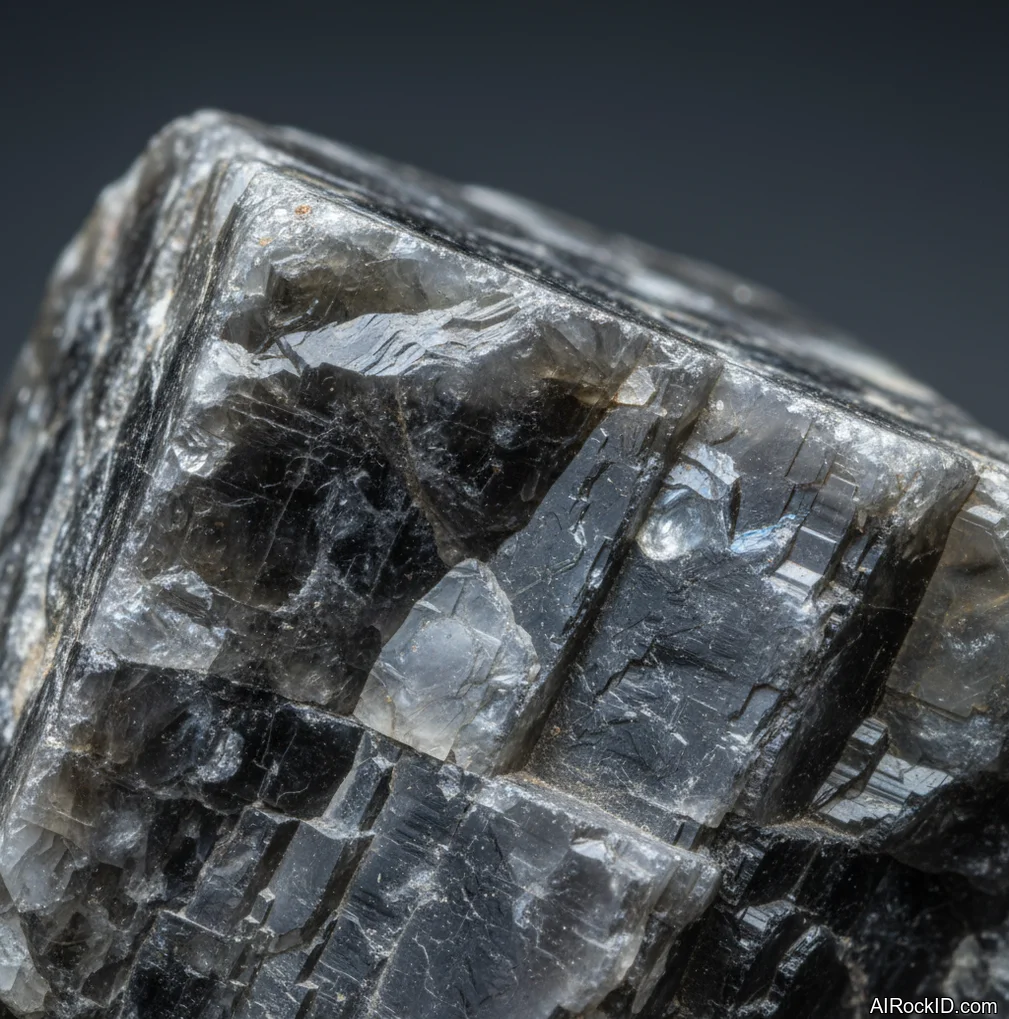
| I fall asleep fine but I forget my dreams the second I sit up | Black Moonstone | People use it as a bedside cue for dream recall and for catching that hazy half-awake window before it evaporates; look for a piece with a soft gray flash when you tilt it under a lamp. | palm stone on the nightstand (not under the pillow if you toss and turn) |
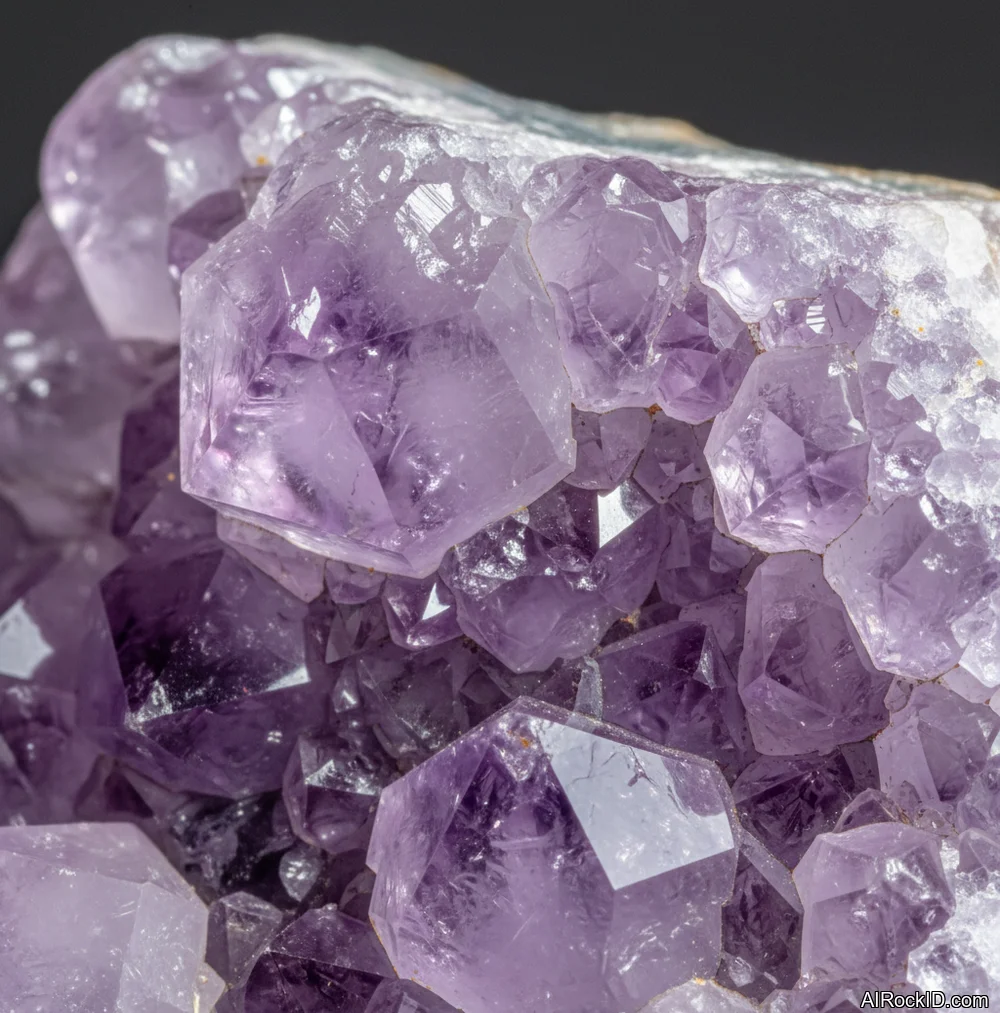
| My brain won’t shut up at night and I keep waking up after 2–3 hours | Amethyst | It’s a go-to for settling down because the cool, dense feel in the hand makes a good “lights out” signal, and darker Uruguayan material tends to feel heavier and more glassy than pale lavender tumbles. | chunk or cluster by the bed, or a smooth worry stone for 2 minutes of holding before sleep |
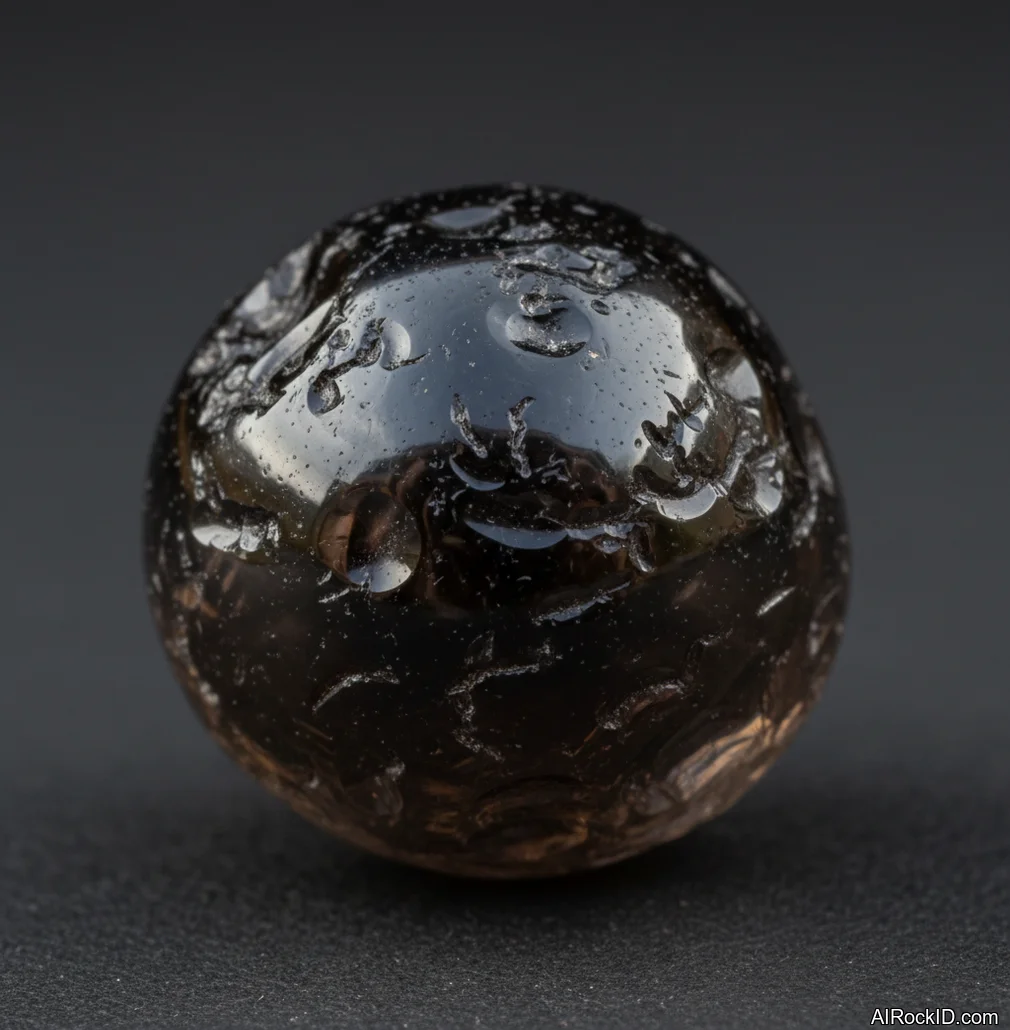
| I’m dealing with nightmares and I want something comforting that doesn’t feel too intense | Apache Tears | They’re small obsidian nodules that feel satin-smooth when tumbled, and folks pick them for a steady, contained vibe when sleep gets rough; just know obsidian can chip if it hits tile. | small tumbled stone in a pouch on the nightstand (not loose in the sheets) |
| I want gentler sleep and less middle-of-the-night restlessness, but I can’t stand hard stones in bed | Amber | Real amber warms up fast in your fingers and is feather-light, so it’s less “cold rock” and more soothing touch; cheap fakes feel too uniform and plasticky, and they don’t get that soft resin smell when warmed. | beads or a small piece in a fabric pouch near the pillow |
Recommended Crystals
Amethyst
Black Moonstone
Apache Tears
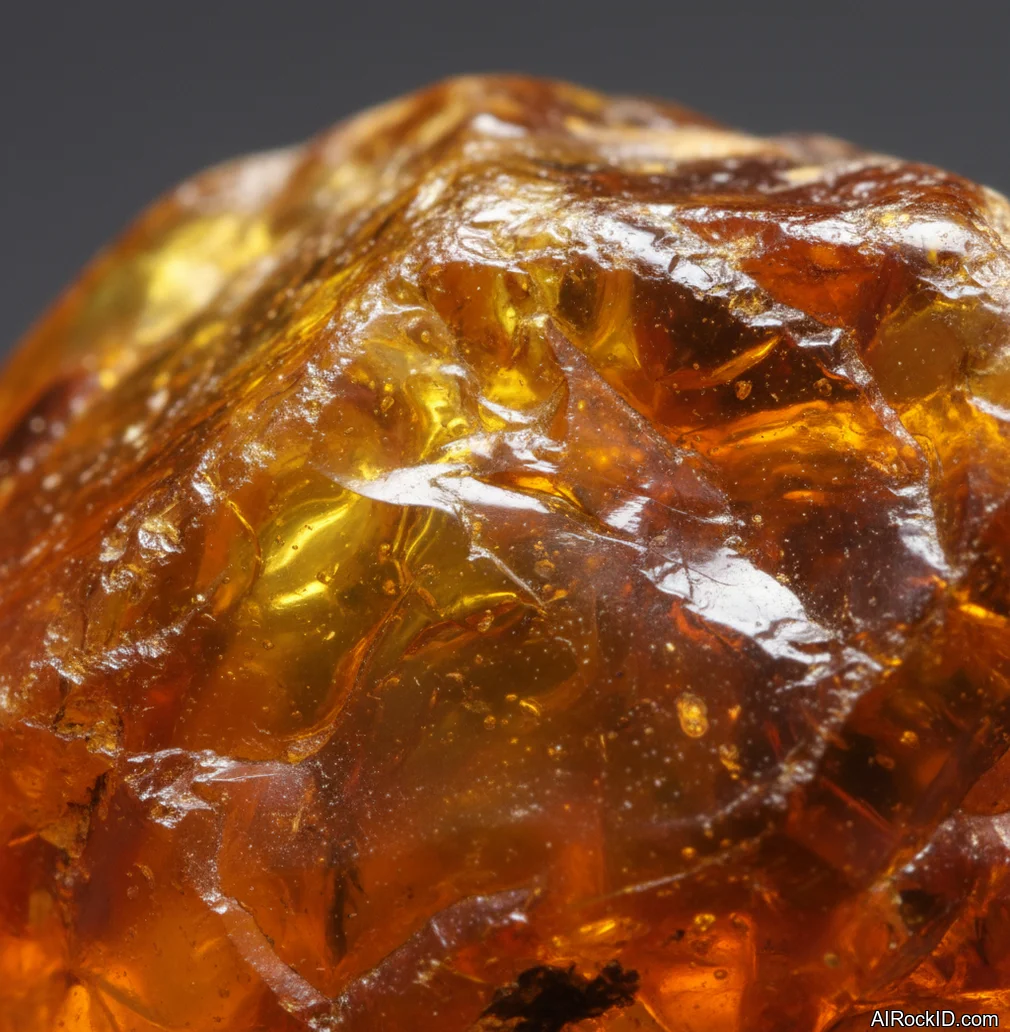
Amber
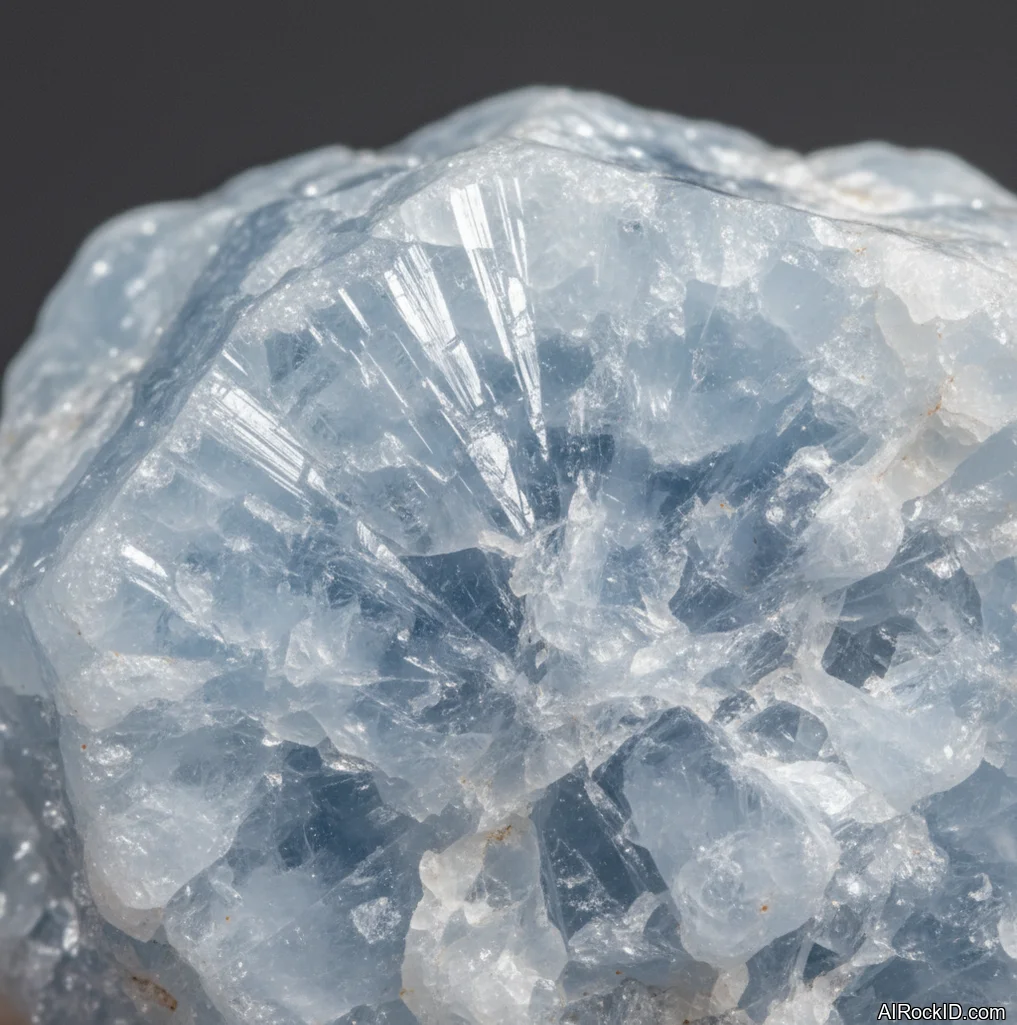
Angelite
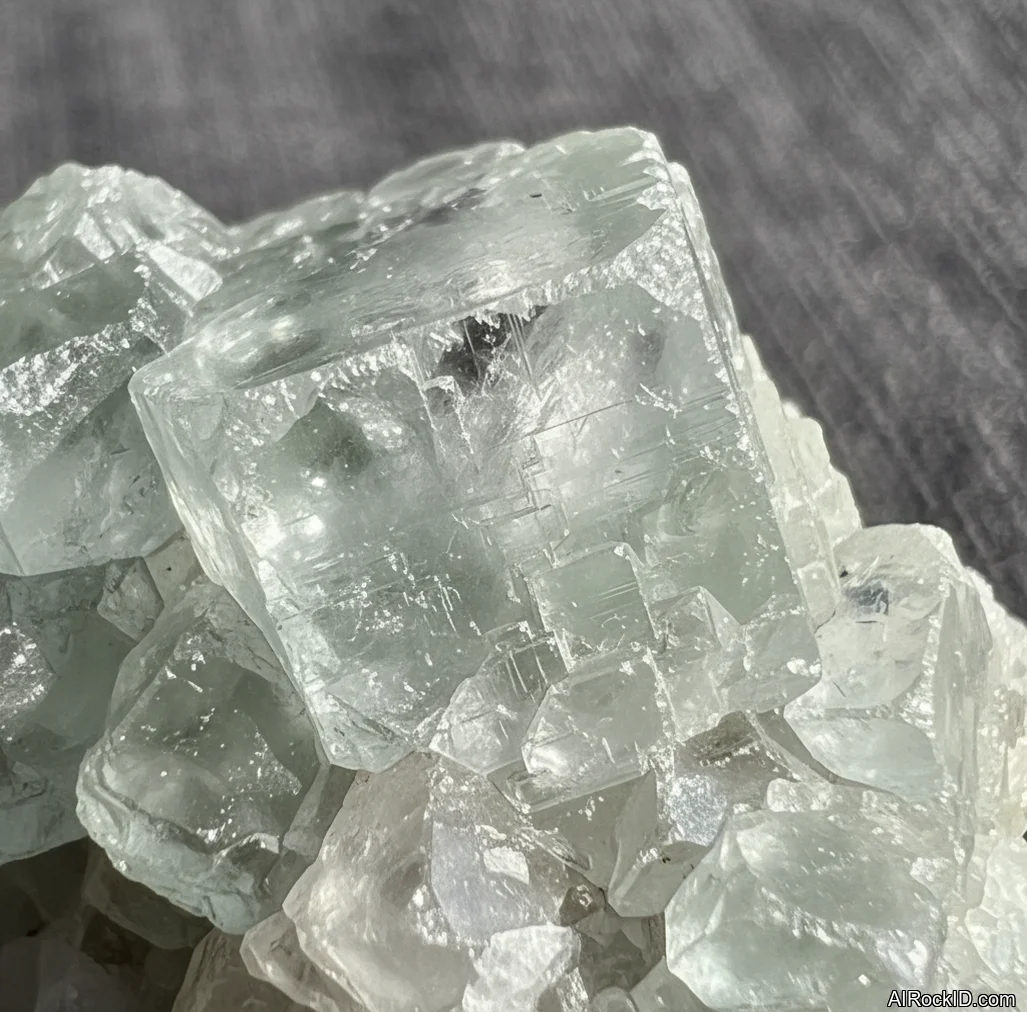
Apophyllite
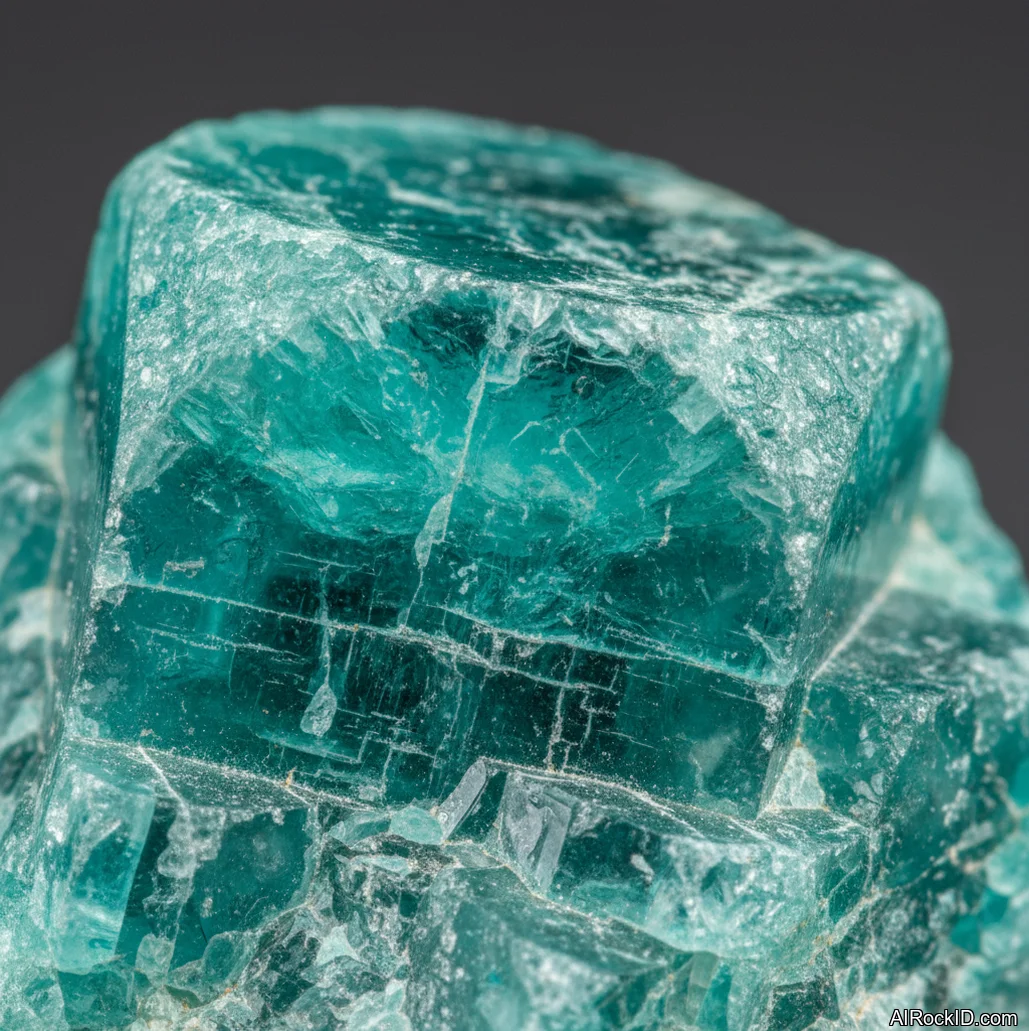
Amazonite
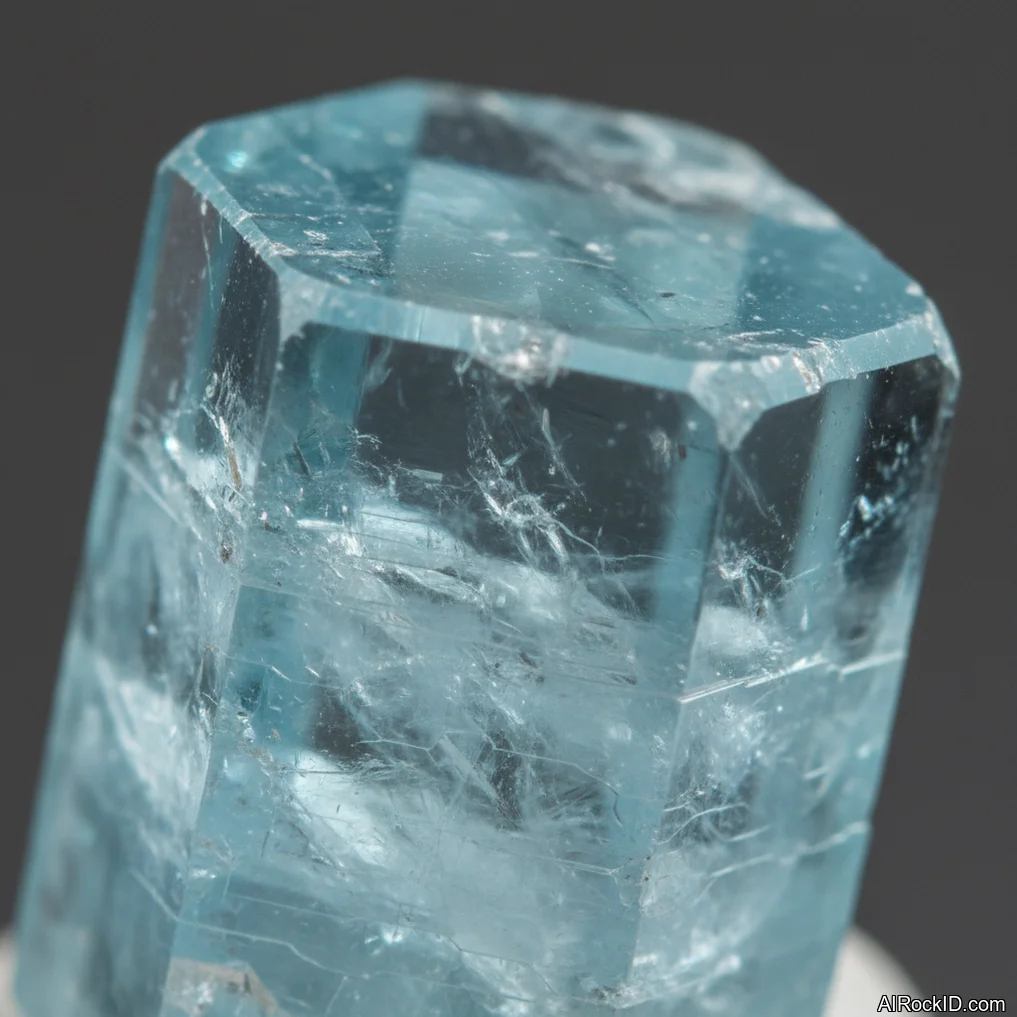
Aquamarine
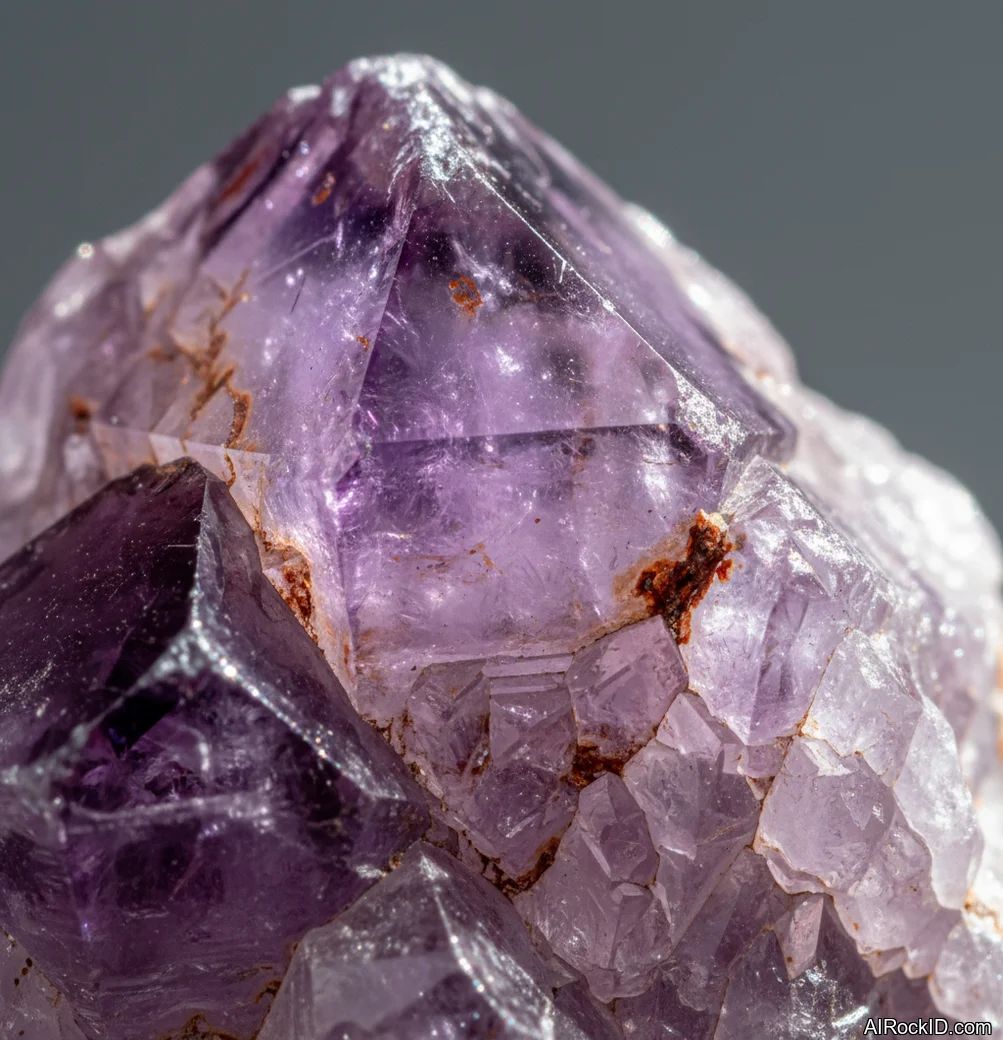
Auralite-23
How to pick a dream stone that won’t keep you awake
Pick up the stone and pay attention to what your body does, not what your brain thinks it’s supposed to do. If your shoulders creep up toward your ears and your mind starts mapping out tomorrow, that’s a daytime stone for you, even if the internet insists it’s “for sleep.” I’ve seen this happen in shops a bunch of times: someone grabs a flashy piece, their eyes go wide, and then later they’re confused about why they can’t settle down at night.
Dream work, compared to daytime work, tends to like soft edges. Like, actually soft. Tumbled stones or little palm stones usually behave better in bed than sharp clusters. But there’s one exception I keep coming back to: amethyst on the nightstand. The points can work like a visual “off switch” because you see it and you remember your routine.
Thing is, most dealers won’t say it out loud, but texture matters. A matte stone like angelite reads as gentler to the nervous system for a lot of people because it doesn’t throw light back at you. A mirror-faced apophyllite can feel clean and awake, almost like it’s pinging your attention. So if you’re trying to sleep, keep the bright, reflective pieces farther away, and let the softer ones sit closer. Why fight your own senses?
Dream recall is mostly morning mechanics
The real test isn’t what happens at 2 a.m. It’s what you do in the first 20 seconds after you wake up. If you bolt upright, grab your phone, or start running tomorrow’s to do list in your head, the dream evaporates like fog.
So here’s the collector-style trick that actually works. Put one stone you only use for dream recall right next to your pen. When you wake, touch the stone first. That tiny, physical move tells your brain “remember,” and it also keeps your hand from drifting to your phone (because it will, right?). I’ve used black moonstone for this for years, mostly because when it catches the light it does that quick little flash, like you’re flipping through frames.
And don’t make the notes pretty. Don’t even try. Three words is plenty. “Green hallway, dog, late train.” Later on, you can fill it out if you feel like it, but that first grab is the whole point. Do this for a week and recall usually gets better, even if you don’t change anything else.
Nightmares, stress dreams, and when to go gentle
If nightmares are messing with your sleep, don’t go hunting for the most intense stone you can find. People hear “dream crystals,” grab whatever feels the strongest in their hand, and then act surprised when their nights get even stranger. Go for comfort first. Stability, too.
Apache tears are my go-to here. They’re small and dark, sure, but they feel grounding without coming in hot. If you hold one up to a lamp or a phone flashlight, you can catch that smoky translucence around the edges, and I like that little reminder that “dark” doesn’t automatically mean heavy or scary. Amber can do a similar job, just in a totally different vibe. It’s light, warm-feeling, and it reads as safe in a way your body seems to understand right away.
And don’t skip the basic stuff. If nightmares are frequent or tied to trauma, crystals are a support tool, not the whole plan. Pair the stone with one real, practical move: set a wind-down timer, keep the bedroom cooler, or talk to a professional if the dreams are messing with your life. (Seriously, why try to brute-force it alone?)
Pairing crystals for dreams without overcomplicating it
Two stones is usually the sweet spot. One to help you settle, one to keep your head clear. Past that, you’re basically building a little bedtime altar, and then you spend half your brainpower just managing the thing.
A simple combo I’ve seen work a lot is amethyst plus black moonstone. Amethyst is for the “okay, drop in” feeling, and moonstone is for the “don’t forget what you just dreamed” part. If stress dreams are the issue, swap the moonstone out for apache tears. If it’s more like your recall is just fuzzy, keep apophyllite across the room as a clean, bright reference point (not right next to your pillow).
Thing is, complicated pairings get messy fast because you can’t tell what did what. Treat it like a tiny experiment. Change one variable per week. Keep notes. And if you wake up groggy or weirdly wired, that’s data, not a failure. It usually just means the setup is too stimulating, or it’s sitting too close to your head.
How to Use These Crystals for Dreams
Placement comes first, before you get fancy with any little rituals. If you’re new to dream stones, keep one calming piece close and one clarity piece farther away. “Close” can be under the pillowcase corner (you can feel that little cool edge when you roll over) or on the nightstand where you can reach it without sitting up. “Farther away” can be a dresser across the room, where it’s still in the space but not right in your sleep zone.
I stick to a routine that’s simple enough to repeat, even when I’m half-asleep. Step one: dim the lights, hold the stone for 20 to 30 seconds, and let your breathing slow down. Step two: set an intention that’s specific, like “I remember one scene” or “I wake up calm,” not some huge, foggy request. Step three: in the morning, touch the same stone before you move much (before you grab your phone, before you sit up), then write three keywords.
And if you want to play with lucid dreaming, keep it gentle. Use your clarity stone as a daytime anchor too, like apophyllite on your desk, and do reality checks during the day. At night, keep the whole setup quiet. Thing is, when people go hard with intense stones right next to their head, sleep quality often drops. Then what’s the point of dream work if you’re just tired?
Common Mistakes to Avoid
Biggest mistake? People literally sleep on sharp or fragile pieces. I’ve watched apophyllite come out of a pillowcase with a corner chipped clean off, and obsidian gets those faint gray scuffs when it’s been rubbing around loose all night. Put things in pouches, leave clusters on furniture, and please don’t turn your pillow into a rock pile.
Another common one is buying the wrong quality, especially with amber and anything hiding under a trade name. Cheap “amber” is often plastic or pressed material, and once you’ve held real amber you can feel the difference right away, like it’s warmer and not that dead, slick fake feel. And Auralite-23 gets slapped on random amethyst all the time. If a seller can’t tell you what it actually is or where it’s from, call it “pretty quartz” and pay like it’s pretty quartz.
And then there’s the expectation that the stone will do the work while your habits stay a mess. If you’re pounding caffeine late, falling asleep with the TV on, and then grabbing your phone at 3 a.m. (why do we do this), the crystal’s basically just decor. Use stones as cues and support, not as a substitute for the boring sleep basics.
What Crystals Can and Cannot Do
Identify crystals related to Best Crystals for Dreams
Snap a photo to check crystals mentioned in this guide and compare likely matches.