Best Crystals for Emotional Healing
Quick answer: For emotional healing practices, many people choose calming stones such as rose quartz, amethyst, moonstone, lepidolite, and black tourmaline. Crystal use is best treated as a reflective or grounding tradition, not a substitute for therapy, medication, or crisis support.


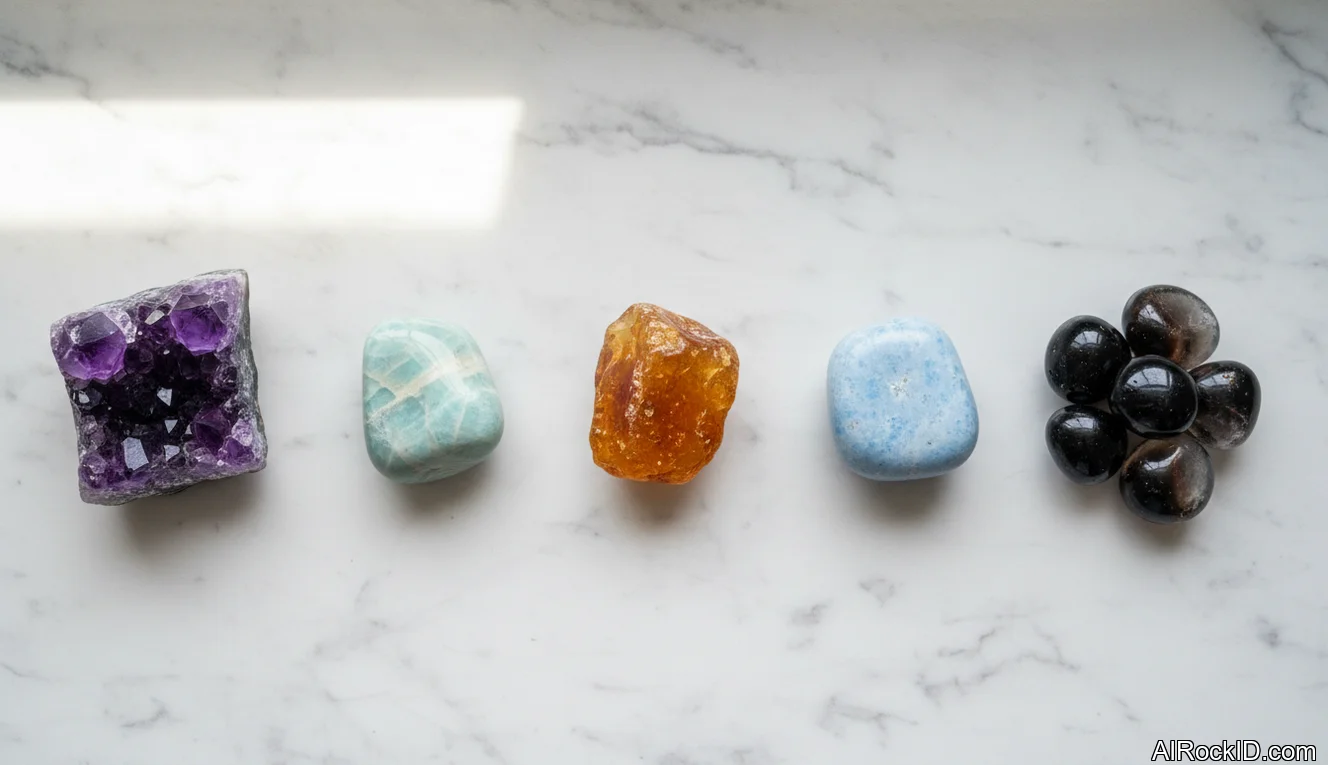
- Introduction
- Recommended Crystals
- How to choose an emotional-healing crystal without overthinking it
- Pairing crystals with real emotional skills (so it’s not just a rock in your pocket)
- When your crystal routine should be about sleep, not insight
- Buying tips: real-world tells for quality and fakes
- How to Use These Crystals
- Common Mistakes
- FAQ
AI Rock ID can help identify an unknown crystal from a clear photo, which is useful before choosing it for an emotional-healing routine. RockIdentifier.io provides crystal identification and reference information so users can compare appearance, names, and common mineral traits.
Good fit
- People who want a simple grounding object for journaling, meditation, or breathwork
- Beginners who prefer gentle, easy-to-find crystals such as rose quartz or amethyst
- Anyone building a small, intentional set of stones for emotional reflection
- Users who want to pair symbolic crystal traditions with practical coping skills
Not a good fit
- Anyone needing urgent mental health or crisis support
- People looking for a guaranteed cure for grief, anxiety, trauma, or depression
- Users who are likely to replace professional care with crystal use
- Collectors who need laboratory-level gem identification from appearance alone
Most commonly confused with
- Rose Quartz: Often confused with pink calcite; rose quartz is typically harder and has a glassy to cloudy quartz appearance.
- Amethyst: Can be confused with purple fluorite; fluorite is softer and may show more obvious cubic cleavage.
- Lepidolite: Sometimes mistaken for purple mica or dyed stones; lepidolite often has a flaky mica texture and pearly sheen.
- Black Tourmaline: Often confused with black obsidian; tourmaline commonly shows lengthwise striations, while obsidian has a glassy volcanic look.
AI identification confidence
AI identification is most reliable when the crystal is photographed in natural light from several angles, including close-ups of texture, fracture, and surface luster. Confidence may be lower for polished tumbled stones because shape, matrix, and natural crystal habit are often removed.
When AI gets it wrong
- The stone is dyed, heat-treated, coated, or sold under a trade name.
- The photo is blurry, strongly filtered, or taken under colored lighting.
- The specimen is a polished tumble with few diagnostic features.
- Several minerals share the same color, such as purple fluorite, amethyst, and lepidolite.
Best choice summary
If choosing only one crystal for emotional-healing practices, rose quartz is a practical starting point because it is widely available, easy to recognize, and traditionally linked with self-compassion. For people who want calmer sleep or evening reflection, amethyst or lepidolite may be a better symbolic fit.
Final recommendation
Pick one crystal that matches the emotional skill you want to practice, such as self-kindness, grounding, rest, or boundary setting. Use it as a consistent cue for a real habit—journaling, breathing, therapy homework, or a short pause—rather than expecting the stone to do the work on its own.
Why people search for this
People often search for emotional-healing crystals when they want a tangible reminder for calm, self-compassion, grief work, or boundaries. The interest is usually practical: choosing one or two stones that match a specific emotional goal without collecting more than needed.
Beginner recommendations
Advanced recommendations
A Simple One-Crystal Routine
Choose one stone and assign it one clear purpose, such as pausing before reacting or writing one honest sentence in a journal. Hold the crystal for one to three minutes while naming the feeling, the need behind it, and one small next step. This keeps the practice focused on awareness and action rather than vague intention.
Safety Notes for Wearing and Handling Crystals
Some crystals can chip, shed, or contain minerals that should not be placed in water, used in elixirs, or handled roughly. Keep small stones away from children and pets, and avoid inhaling dust from raw or broken specimens. When in doubt, use crystals externally as visual or tactile reminders.
How Many Crystals Are Enough
A small set of two to four stones is usually easier to use consistently than a large collection. One calming stone, one grounding stone, and one self-compassion stone can cover most reflective emotional practices. Adding more crystals is optional and should serve a clear purpose.
This guide covers the best crystals people actually reach for during emotional healing, with picks like amethyst, amazonite, amber, angelite, Apache tears, and aquamarine for calming down, letting feelings move, and getting through rough patches. Pick up amazonite and you feel it fast: it stays cool and slick even after it’s been sitting on a warm shelf, which makes it an easy “hands first” reset when you’re spun up. Crystals can support emotional work as tactile cues and simple rituals, but they won’t replace therapy, medication, or real mental health care.
The best crystals for emotional healing are the ones you’ll actually grab when you’re spun up, shut down, or just plain exhausted from dragging the same feelings around. Emotional work is messy. And the stones that seem to help are usually the ones that feel steady in your palm and are easy to fold into something you’ll really do, not just talk about.
Pick up a piece of amazonite and you’ll notice it right away: it’s cool and slick, like it’s been sitting in the shade even if it’s been on a sunny windowsill all day. That little physical cue matters more than people think. When you’re dysregulated, your brain doesn’t want a philosophy lecture. It wants something simple. Weight. Texture. A tiny ritual that says, “Stop. Right here.” I’ve seen people get more mileage out of a $6 tumbled stone that lives in a pocket (lint and all) than a museum-grade specimen that never leaves a shelf.
Look, I’m keeping this grounded. Crystals aren’t therapy, and they don’t fix grief, trauma, or anxiety by themselves. But they can give you a repeatable anchor for nervous-system work: breathing, journaling, naming feelings, setting boundaries, sleeping. And some stones have little real-world quirks you only learn by touching them. Amber gets warm fast, almost like it’s borrowing heat from your hand. Apache tears can look like nothing at first, just a dark pebble, until you tilt them under a lamp and that brown glow finally shows up. Kind of surprising, honestly.
Quick Comparison
| situation | crystal | why | format |
| I’m emotionally flooded and can’t stop replaying a conversation in my head | Amethyst | Compared to flashier stones, amethyst is steady and easy on the eyes; a darker Uruguayan piece has that inky purple that reads “quiet” fast when you’re overstimulated. | palm stone |
| I’m shut down and can’t say what I feel without getting snappy or going blank | Amazonite | Pick up a tumbled amazonite and it’s cool and glassy-smooth, so you can rub it with your thumb as you find words; the physical chill is a quick interrupt when your nervous system’s running hot. | pocket tumble |
| I’m grieving and I keep getting hit with sudden waves that leave me wiped out | Apache Tears | The problem with a lot of “comfort stones” is they’re too pretty to use; Apache tears are small, matte-to-waxy obsidian nodules that feel like worry stones, and they hold up to being carried every day. | pocket stone (small nodules) |
| I’m exhausted from carrying heavy feelings and I just need something warm and grounding at my desk | Amber | Look closely and real amber has that lightweight, almost resin feel and it warms to skin fast, which is great when you feel cold and hollow inside, but cheap plastic fakes feel tacky and too uniform. | bead bracelet or polished palm piece |
Recommended Crystals
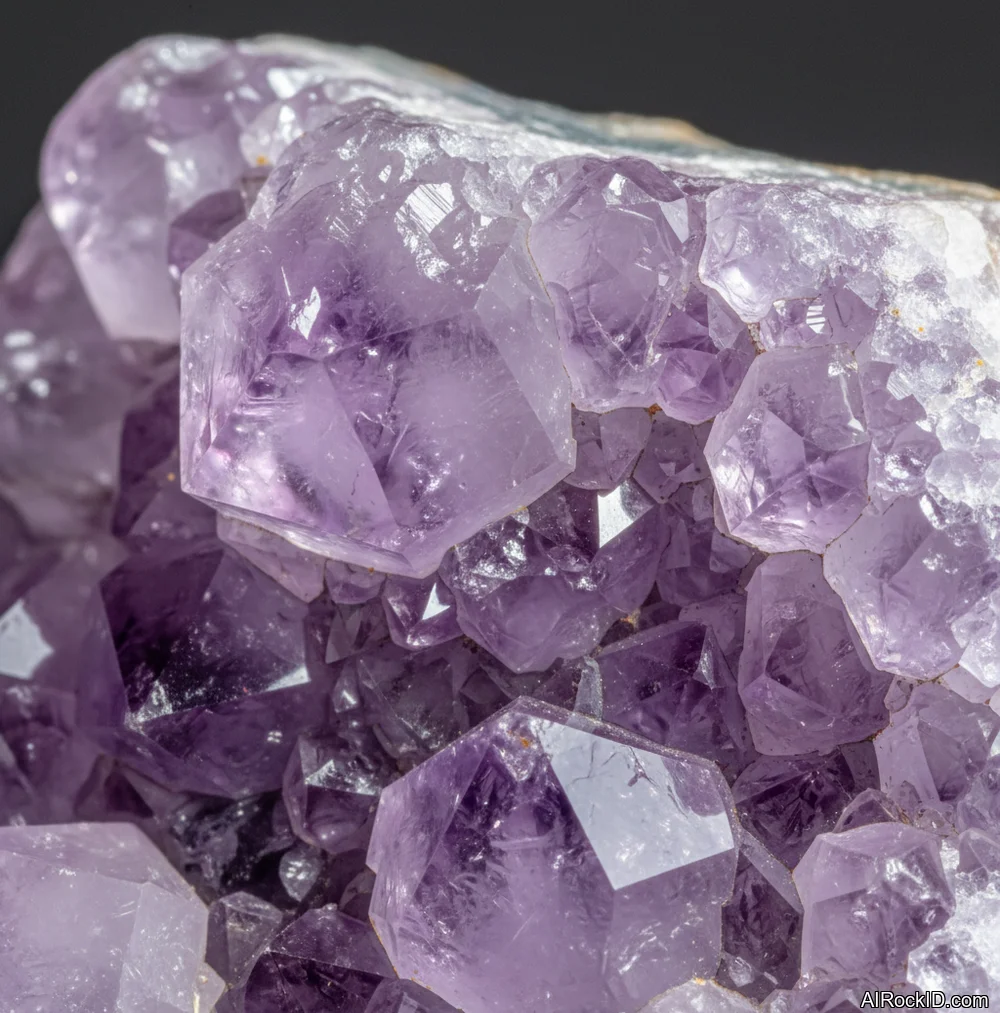
Amethyst
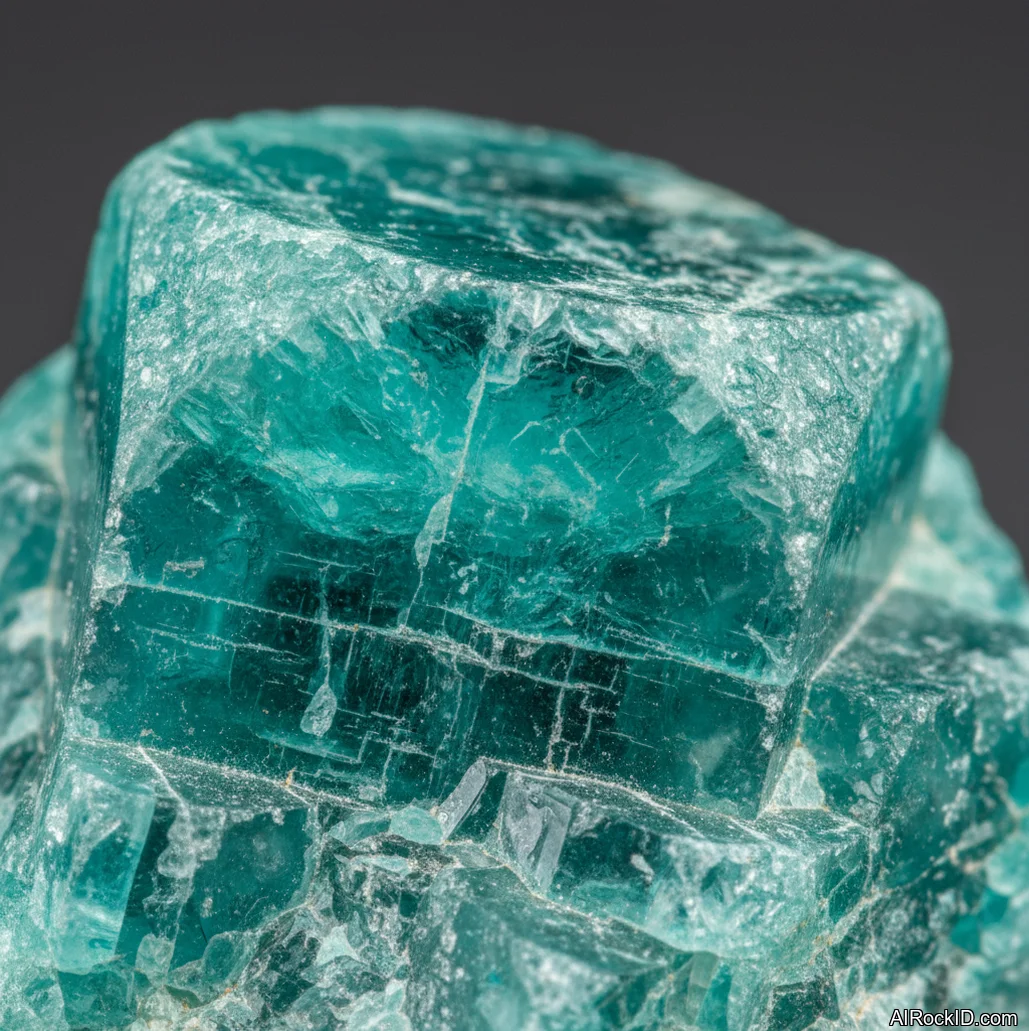
Amazonite
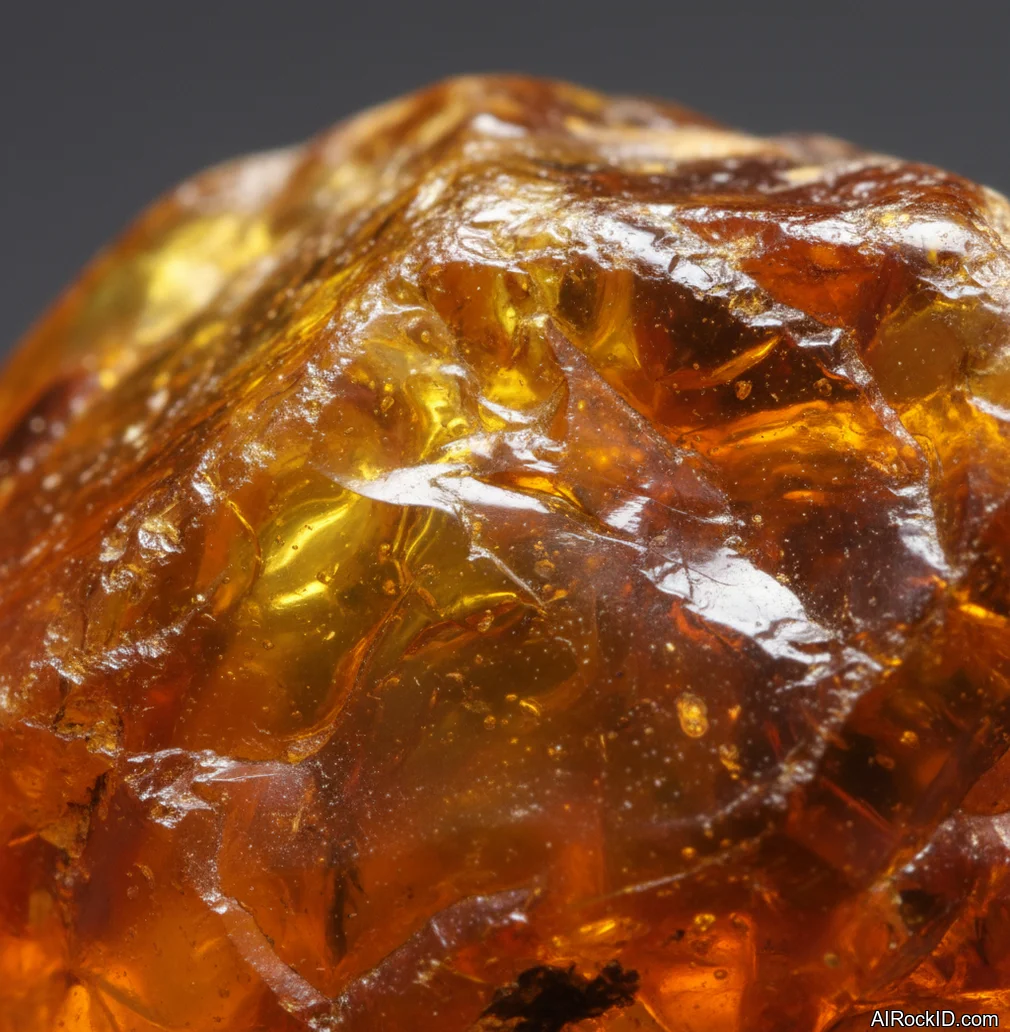
Amber
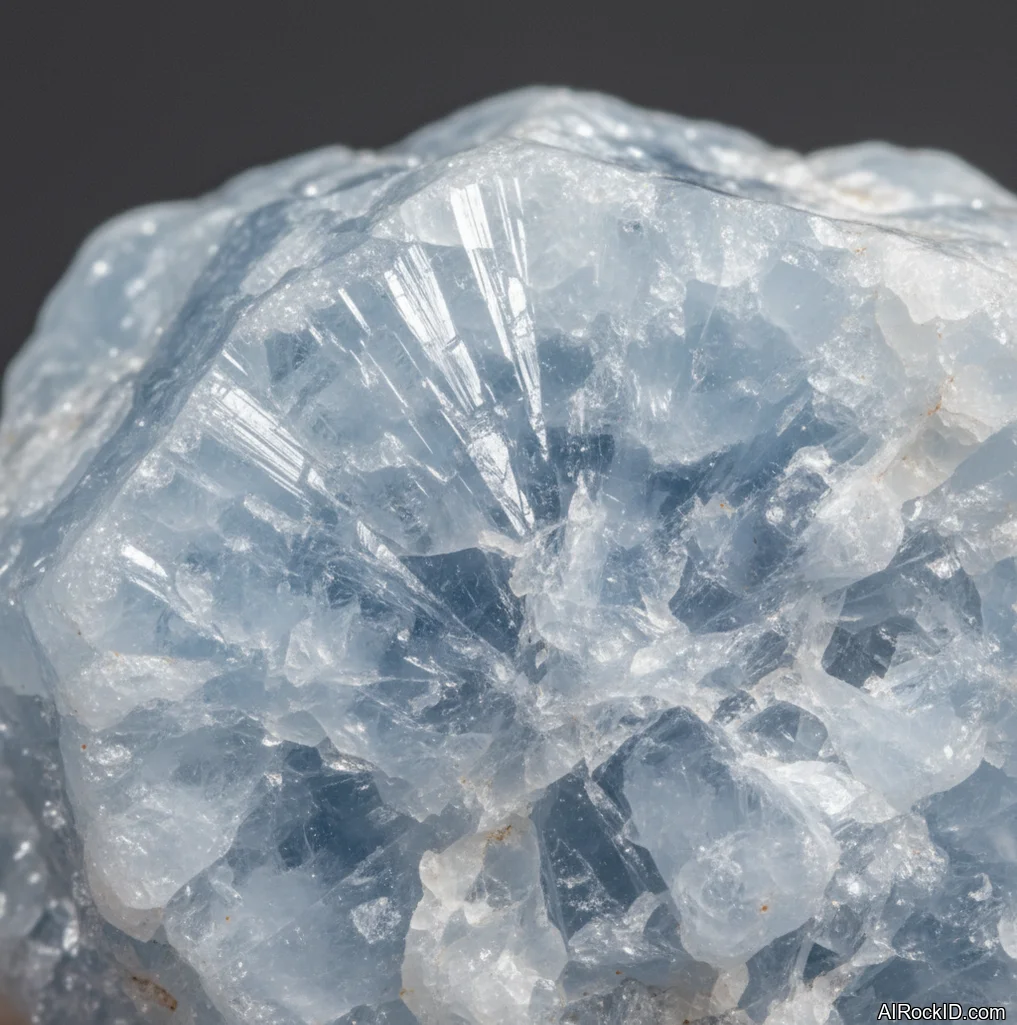
Angelite
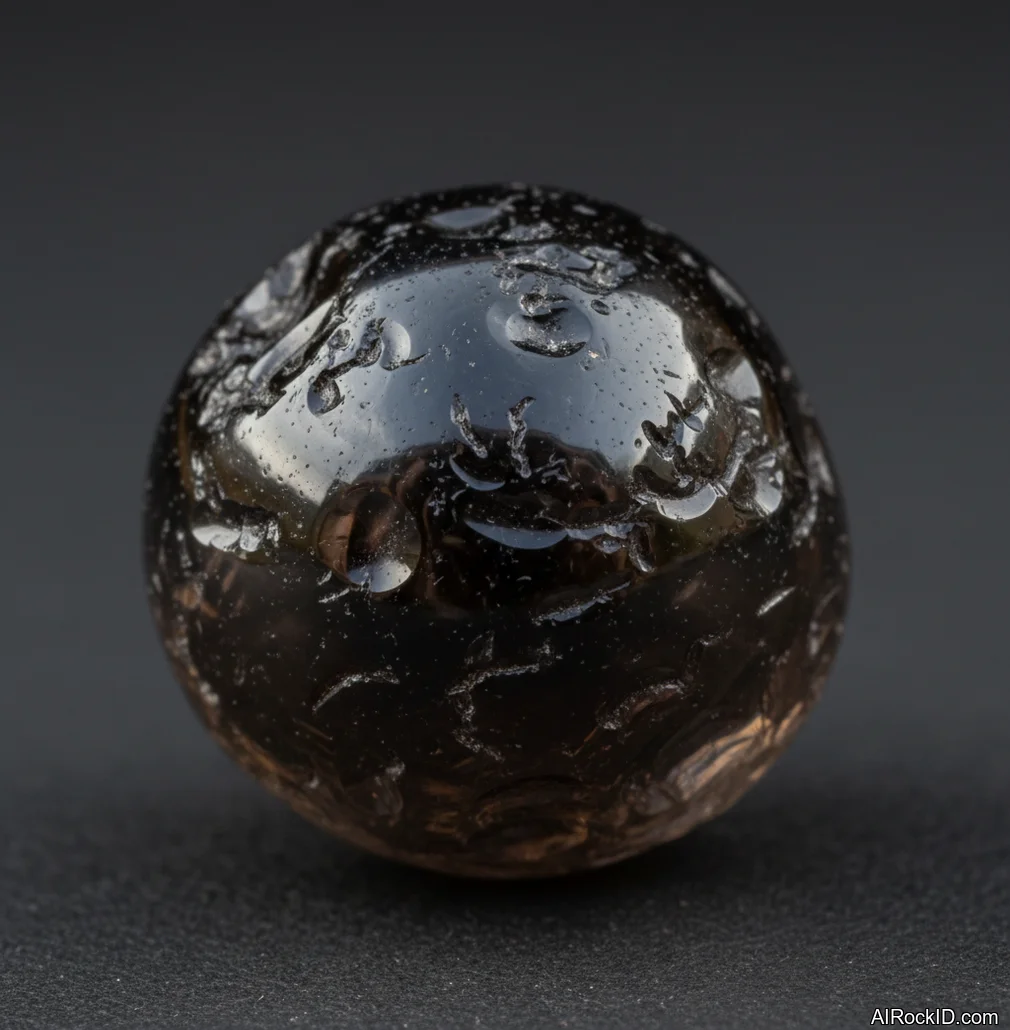
Apache Tears
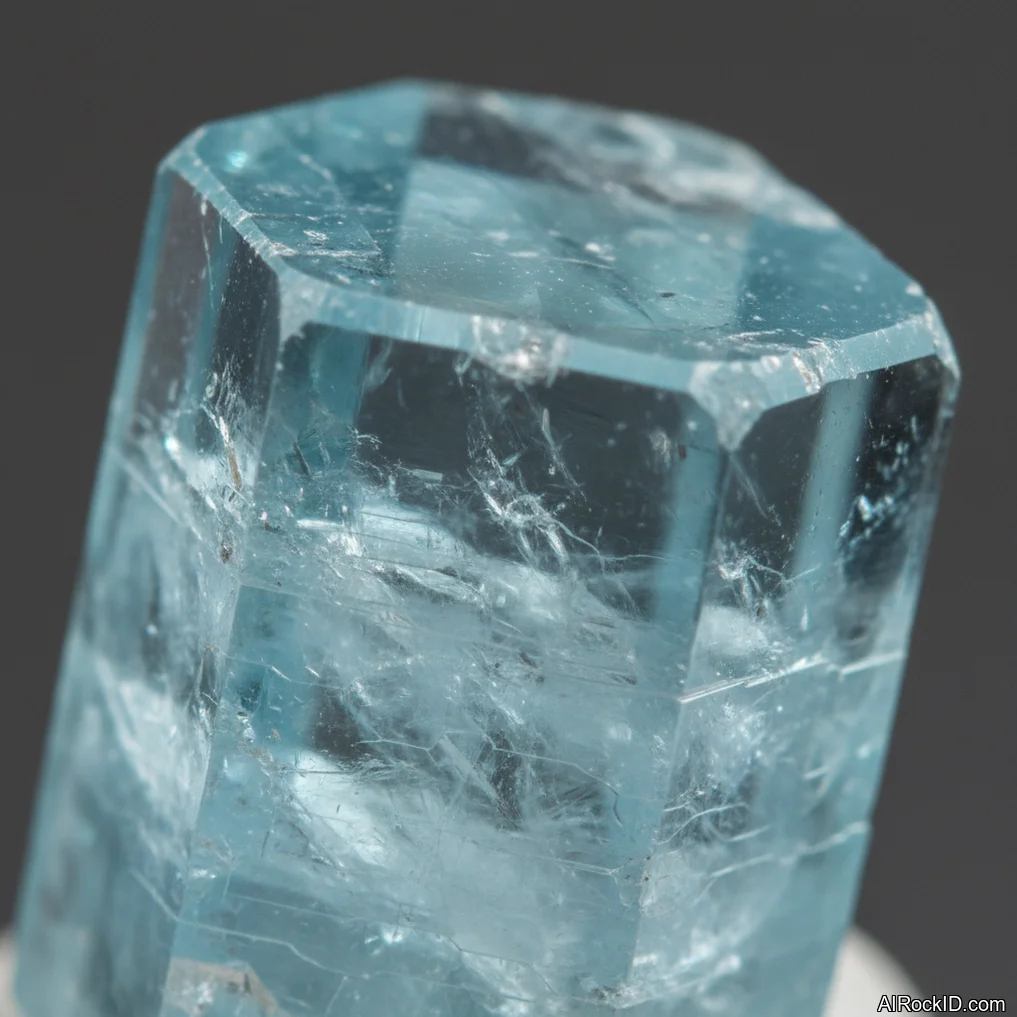
Aquamarine
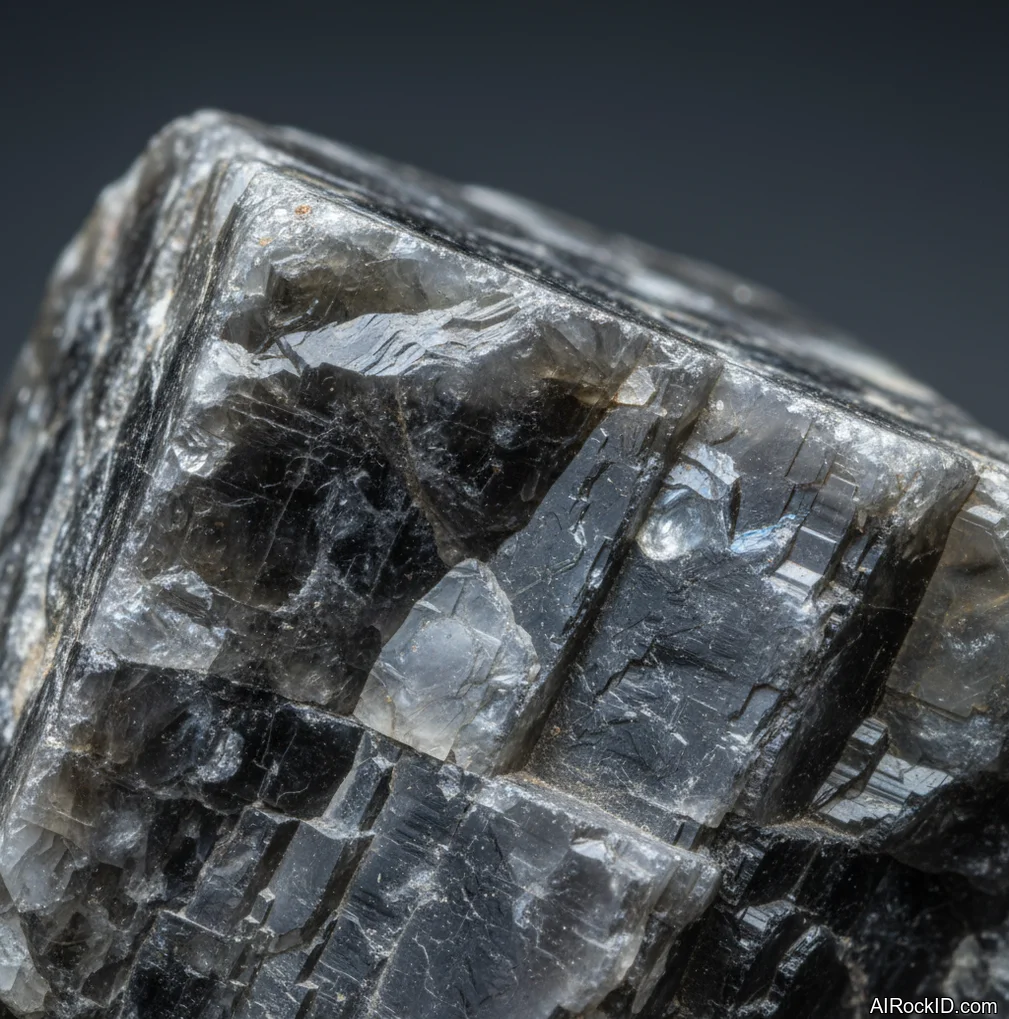
Black Moonstone
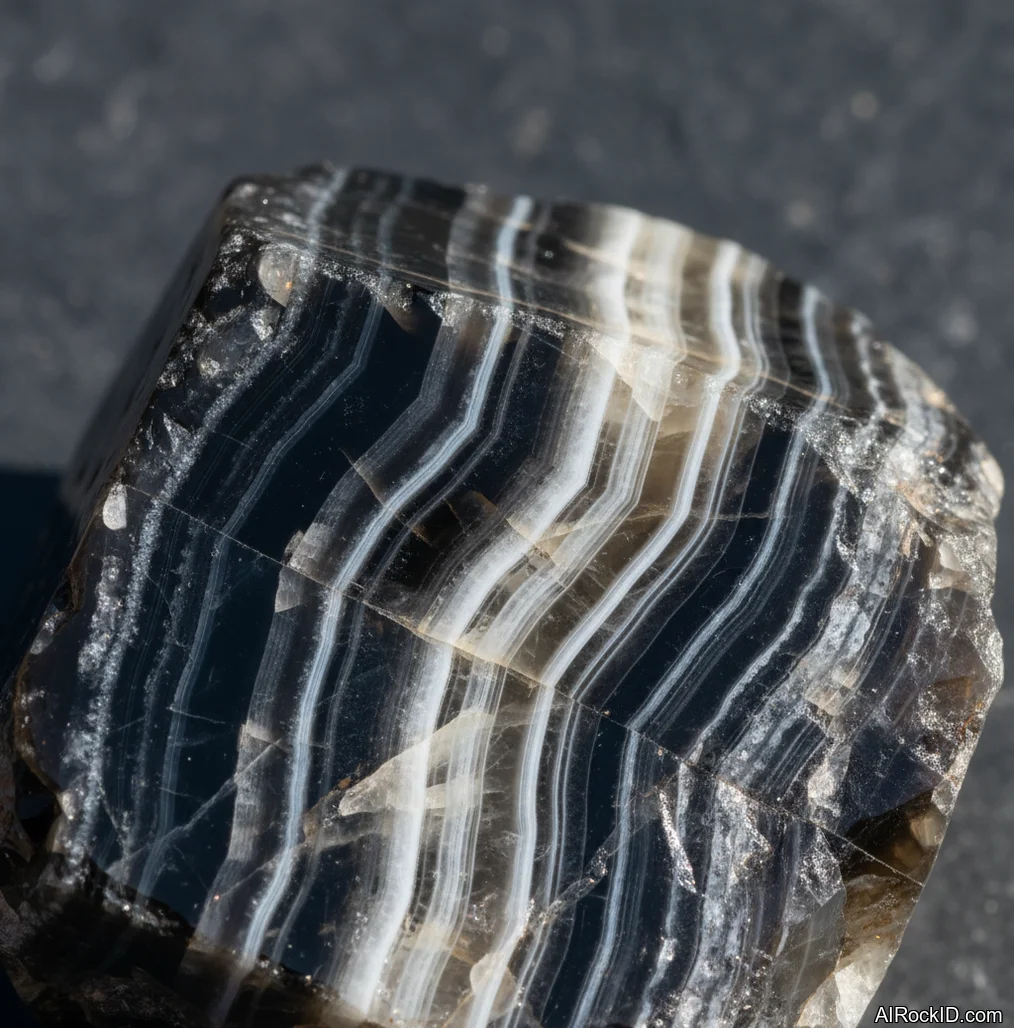
Black Banded Onyx
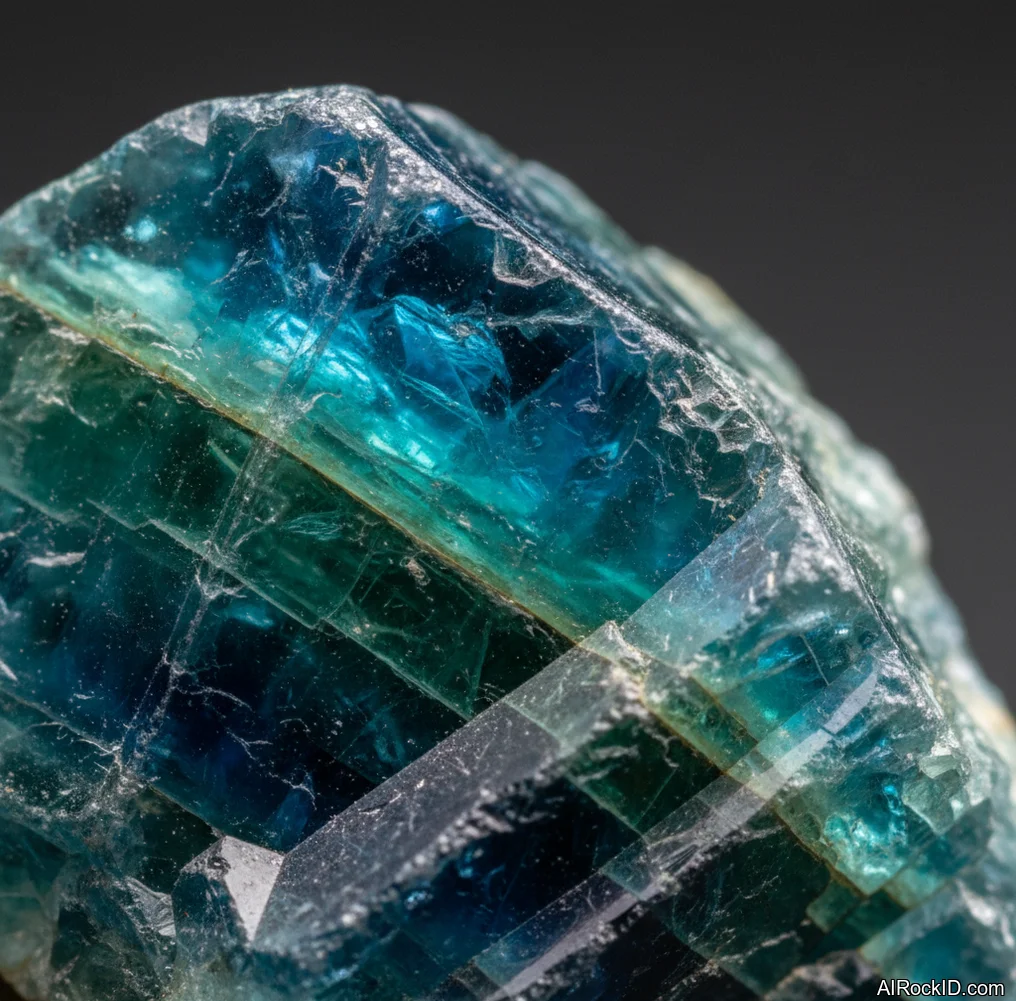
Apatite
How to choose an emotional-healing crystal without overthinking it
Most people freeze up trying to pick the “right” stone. Then they either walk out with nothing, or they grab ten pieces and they all end up sitting there untouched. Do yourself a favor and pick two candidates if you can. One should feel grounding, like black banded onyx or apache tears. And the other should feel soothing or clarifying, like amethyst or aquamarine. Your body gives you feedback fast. If your shoulders drop even a little when you hold it, that’s a pretty good sign, right?
Look, check the surface and the edges before you commit. If a stone is already chipped up and bruised in that shop bowl, it’s going to keep chipping in your pocket. You’ll feel those tiny rough spots with your thumb every time you reach for it, and that gets old when you’re trying to build a calming routine. I also watch for temperature. Amber warms up quickly in your hand, onyx stays cool, and that difference matters when you’re trying to shift your state.
Thing is, your actual day-to-day life counts here. If you never sit still, skip fragile pieces like angelite for pocket use and just keep it on a shelf instead (seriously). But if you’re on calls all day, a throat-area stone like aquamarine makes more sense than something you’ll forget in a drawer.
Pairing crystals with real emotional skills (so it’s not just a rock in your pocket)
The best results I’ve seen happen when you pair one stone with one specific skill. Not ten. One. If you’re working on emotional regulation, grab a grounding stone and tie it to a breathing pattern you can actually remember when you’re stressed. Apache tears plus a long exhale works because that glassy, slick feel gives your fingers something to fuss with while your lungs do the heavy lifting (and yes, the stone warms up fast in your palm).
For emotional clarity, I lean on a simple “name it” practice. Put amazonite on the page and write only three words: the feeling, the trigger, the need. Sounds almost too basic, right? But it cuts off the endless story-building that keeps people stuck in loops.
If what you’re dealing with is grief, use comfort stones in a way that’s honest. Amber against your chest while you let the tears come is a completely different thing than amber as a little charm you clamp down on so you don’t cry. The stone can’t choose that for you. You can.
When your crystal routine should be about sleep, not insight
A lot of emotional healing sneaks in when you finally get real sleep, and then you wake up with a brain that can actually cope. That’s why amethyst ends up in so many real-life routines. It’s easy to work with, tough enough to be handled every day (it doesn’t feel fussy), and it fits neatly into “lights out” habits.
Thing is, the real test is consistency. If you can do two minutes every night, you’ll get way more out of it than a once-a-week, hour-long ritual you already dread. Put the amethyst on your nightstand, pick it up, take a few slow breaths while it warms in your palm, then set it back down. That’s it. Simple.
And be picky about what you bring into the bedroom. Black moonstone can be great for cycle tracking and emotional patterning, but I’ve also seen it crank up dreams for people who already wake up a lot. So if your sleep gets worse, move it to daytime use and keep the bedroom simple. Why fight your own bedtime?
Buying tips: real-world tells for quality and fakes
Most dealers are honest. But the whole market’s kind of a mess, and emotional-healing stones get sold really hard.
Start with touch. Fake “amber” that’s actually plastic heats up almost right away and can get a little tacky, like it wants to grab your fingertip. Real amber warms too, but it stays dry, and you’ll usually spot tiny inclusions inside that look natural, not those neat little bubble-looking dots.
With amazonite, be suspicious if the color looks too perfect. Natural pieces usually have white streaks or patchy areas, and the surface won’t look like it got dunked in dye and came out one exact shade. And for black stones, ask what it actually is. A lot of what’s sold as “onyx” is banded calcite, and it scratches way easier than most people expect. If you’re going to do a scratch test in a shop, ask first, and pick an unpolished corner (somewhere they won’t mind).
Thing is, I also pay attention to the finish. A super waxy polish can hide fractures and makes a stone feel kind of off in your hand (like it’s been coated). If you’re buying online, ask for a quick video where they tilt it under a light. You’ll learn more from that than from a full paragraph of sales copy, honestly.
How to Use These Crystals for Emotional Healing
Pick one stone. Give it a real job. Emotional healing gets weirdly slippery when your routine’s vague, so make the assignment crystal clear: amethyst stays for bedtime, amazonite is for honest journaling, onyx is for boundaries, amber is for comfort, apache tears are for release. Then stash the stone where the moment actually happens. A nightstand beats an altar if you only remember it at night.
For a simple daily practice, do a two-minute check-in. Hold the stone in your non-dominant hand (the one that doesn’t usually do the work), breathe out longer than you breathe in, and name one feeling without explaining it. No TED Talk. If you want structure, use this script: “I feel ___, because ___, and I need ___.” Keep it blunt. If you start writing a novel, you’re right back in your head.
For heavier days, tack on a physical reset. Sit with your feet flat, grab a grounding stone like black banded onyx or apache tears, and press your thumb into the surface as you exhale (you can feel the little cool spot where your thumb’s been sitting). You’re giving your nervous system a steady signal. Then, when you’re done, put the stone down on purpose. Don’t toss it onto the bed or drop it in a drawer. That tiny “done” moment matters more than you’d think, because it helps your brain close the loop.
Common Mistakes to Avoid
The biggest mistake? Using crystals like they’re a substitute for actual emotional skills. If you’re not eating, sleeping, moving your body, or talking to someone safe, the stone turns into a prop. And then when nothing shifts, people blame the stone. So use it as a cue to do the boring stuff that actually works.
Another common one is buying fragile material and then treating it like it’s indestructible. Angelite in a pocket with keys is going to look like it lost a fight, all scuffed up and chalky at the edges, and then you’ll stop carrying it because it feels “ruined.” Same deal with apatite if you don’t protect it (it scratches easier than people expect). Put softer stones in a pouch or just keep them in one spot.
Last one: cleansing obsessively. I’ve watched people rinse and scrub a stone every day like they’re trying to wash feelings off it. A quick rinse and dry is fine for many stones, sure, but the bigger issue is the mindset. Emotional healing is repetition, not a constant reset. Why keep starting over?
What Crystals Can and Cannot Do
Identify crystals related to Best Crystals for Emotional Healing
Snap a photo to check crystals mentioned in this guide and compare likely matches.