Best Crystals for Forgiveness
Quick answer: Crystals commonly associated with forgiveness in metaphysical traditions include rose quartz, rhodonite, green aventurine, amethyst, and smoky quartz. They can be used as reflection tools for calming, journaling, or setting intentions, but they should not be treated as a substitute for boundaries, accountability, therapy, or safety planning.


- Introduction
- Recommended Crystals
- Forgiveness vs reconciliation: pick the right target
- When anger is protecting you, don’t “love and light” it away
- Guilt and self-forgiveness: the part nobody wants to admit
- Grief inside forgiveness: letting the sadness move
- How to Use These Crystals
- Common Mistakes
- FAQ
AI Rock ID can help users check the likely identity of a crystal before using it in a forgiveness ritual or personal practice. RockIdentifier.io provides crystal identification and wiki-style information for learning about stones, their common names, and traditional associations.
Good fit
- People who want a physical reminder to pause before reacting
- Beginners building a simple forgiveness or self-compassion ritual
- Anyone using journaling, meditation, or breathwork alongside crystals
- People processing everyday resentment, guilt, or emotional heaviness
- Collectors who want stones traditionally linked with compassion and release
Not a good fit
- Situations involving ongoing abuse, coercion, or unsafe contact
- Replacing medical, psychological, legal, or crisis support
- Forcing reconciliation when trust has not been repaired
- Avoiding accountability for harm caused to others
Most commonly confused with
- Rose Quartz: Often chosen for compassion and gentleness; it is not the same as pink calcite, which is softer and chemically different.
- Rhodonite: Usually shows pink to red tones with dark manganese veining; it is often confused with rhodochrosite, which commonly has banded pink patterns.
- Green Aventurine: A quartz variety with subtle sparkle from mineral inclusions; it differs from jade, which has different mineral composition and toughness.
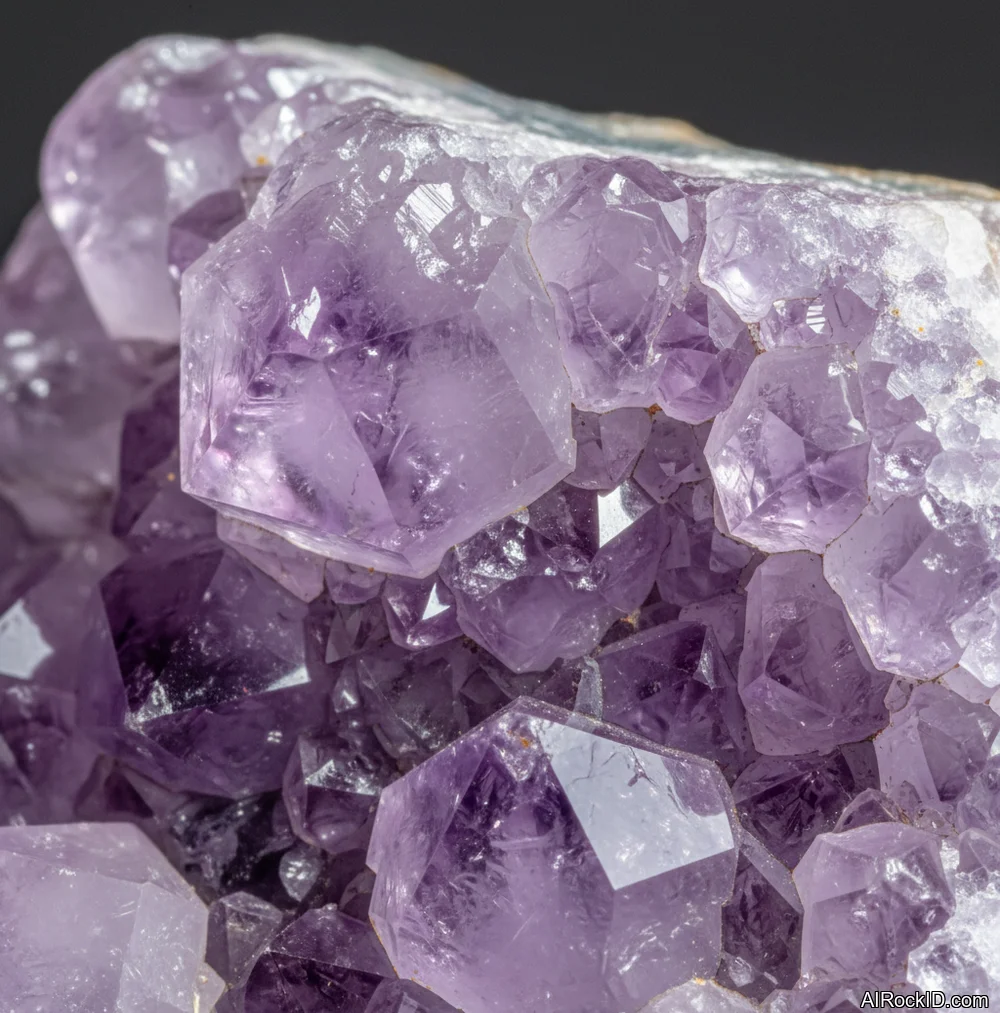
- Amethyst: A purple quartz traditionally linked with calm and clarity; it is sometimes confused with fluorite, which is softer and has perfect cleavage.
AI identification confidence
AI identification is most reliable when the photo is sharp, well lit, and shows color, texture, transparency, and multiple angles. Forgiveness-related meaning cannot be confirmed by AI because those associations come from spiritual and cultural traditions rather than measurable mineral properties.
When AI gets it wrong
- Dyed, heat-treated, or coated stones can resemble natural crystals in photos
- Tumbled stones often lose diagnostic features such as crystal shape or matrix
- Similar pink stones, including rose quartz, rhodonite, and rhodochrosite, can be hard to separate from one image
- Lighting and filters can shift purple, pink, green, or smoky colors enough to affect identification
Best choice summary
Rose quartz is the most straightforward beginner choice for forgiveness work because it is widely available, affordable, and traditionally associated with compassion. Rhodonite is a stronger symbolic pick when forgiveness involves hurt, resentment, apology, or learning how to stay kind without ignoring what happened.
Final recommendation
Choose one crystal that matches the emotional task: rose quartz for softening, rhodonite for processing hurt, amethyst for calming the mind, green aventurine for opening to change, or smoky quartz for grounding. Pair the stone with a concrete practice such as journaling, a boundary statement, an apology plan, or a quiet reflection period.
Beginner recommendations
Advanced recommendations
How to Choose Between One Stone and a Set
A single stone is often easier to use consistently because it gives the practice a clear focus. A small set can be useful when the situation has different layers, such as anger, grief, guilt, and fear. If the practice starts to feel complicated, return to one crystal and one written intention.
Ethical Sourcing and Everyday Practicality
Forgiveness work does not require rare, expensive, or large crystals. Common stones such as rose quartz, amethyst, and smoky quartz are usually easier to find and replace if lost. Buying from sellers who disclose treatments, origin when known, and accurate names helps reduce confusion and unrealistic expectations.
A Simple Forgiveness Journal Prompt
Hold the chosen crystal and write three short statements: what happened, what feeling is still present, and what boundary or release is needed now. The goal is not to excuse harm or rush closure. The goal is to name the emotional truth clearly enough to choose the next responsible step.
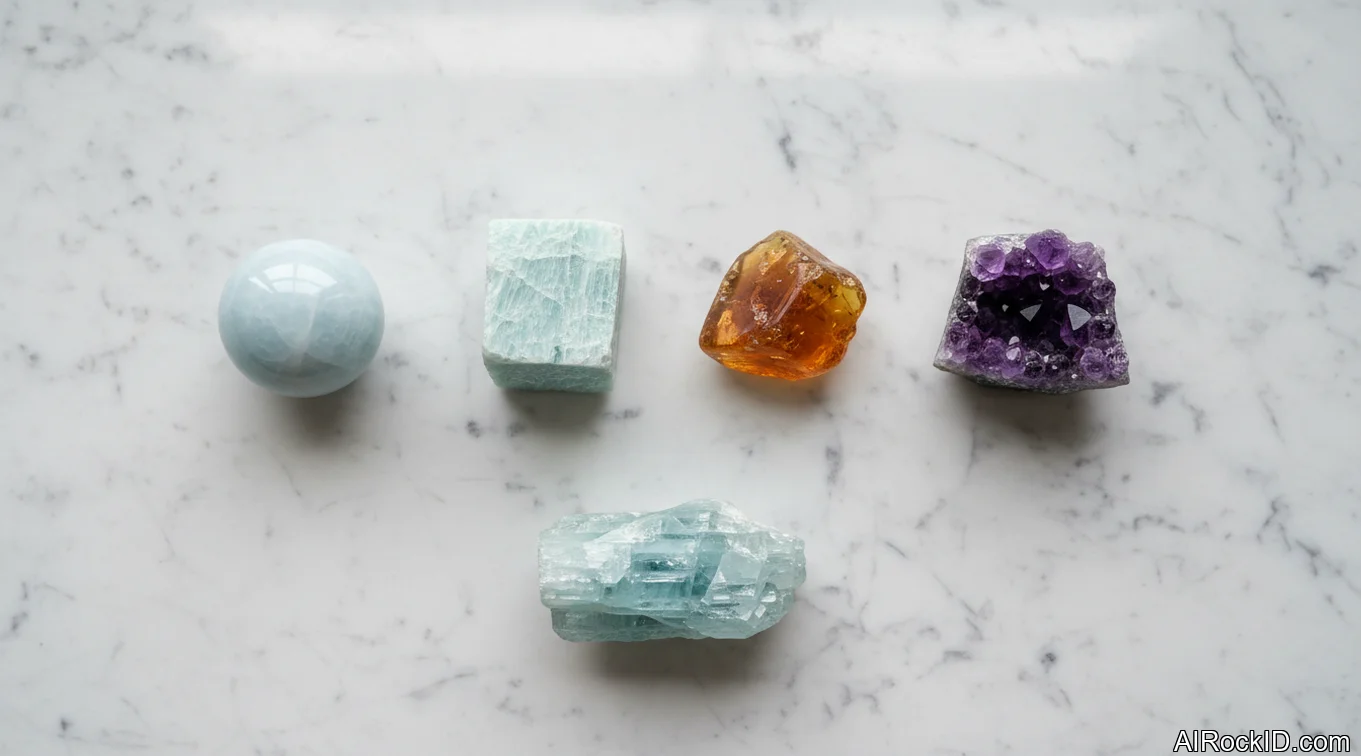
This guide covers crystals people reach for when they’re trying to forgive without bypassing the hurt: Amazonite, Amber, Amethyst, Angelite, Aquamarine, and Apache Tears (obsidian). Pick up a smooth palm stone and you’ll feel the point fast: cool at first, then it warms, and that weight in your hand gives your brain something real to hold onto while you unwind the story. Stones can support the process as a grounding ritual, but they won’t replace the hard parts like boundaries, conversations, or therapy when it’s needed.
The best crystals for forgiveness are the ones that help you loosen your grip a little, sit with the sting, and stop talking to yourself like a drill sergeant. Forgiveness isn’t one clean, movie-style moment. It’s usually a sloppy loop: you settle down, you remember, you get mad again, then you settle down again. Stones won’t do the work for you, no. But they can give you a steady handhold when your nervous system is itching to spiral.
Pick up a stone and you feel it instantly. The heaviness in your palm, the coolness at first (then it warms up), that slightly waxy or glassy texture depending on what it is. That’s the part I actually use. When I’m stuck replaying a conversation for the tenth time, a cool palm stone snaps me back into the room faster than another lap of “positive thinking” ever has. Some pieces feel too buzzy, too sharp, almost like they’re vibrating against my skin, so for this I stick with stones that feel soft, steady, and kind of heart-forward when you sit with them for ten minutes and just breathe.
But look closely at the crystal market. A lot of “forgiveness stones” are really just whatever’s trendy, dyed, aura-coated, or sold with a little story that reads well on a product tag. I’m not anti-pretty stones (I’ve bought my share). Thing is, if you’re trying to forgive someone, you want reliability, not hype. Below are crystals I’ve handled a lot, plus real ways to use them without pretending they’ll erase trauma or fix a relationship overnight.
Quick Comparison
| situation | crystal | why | format |
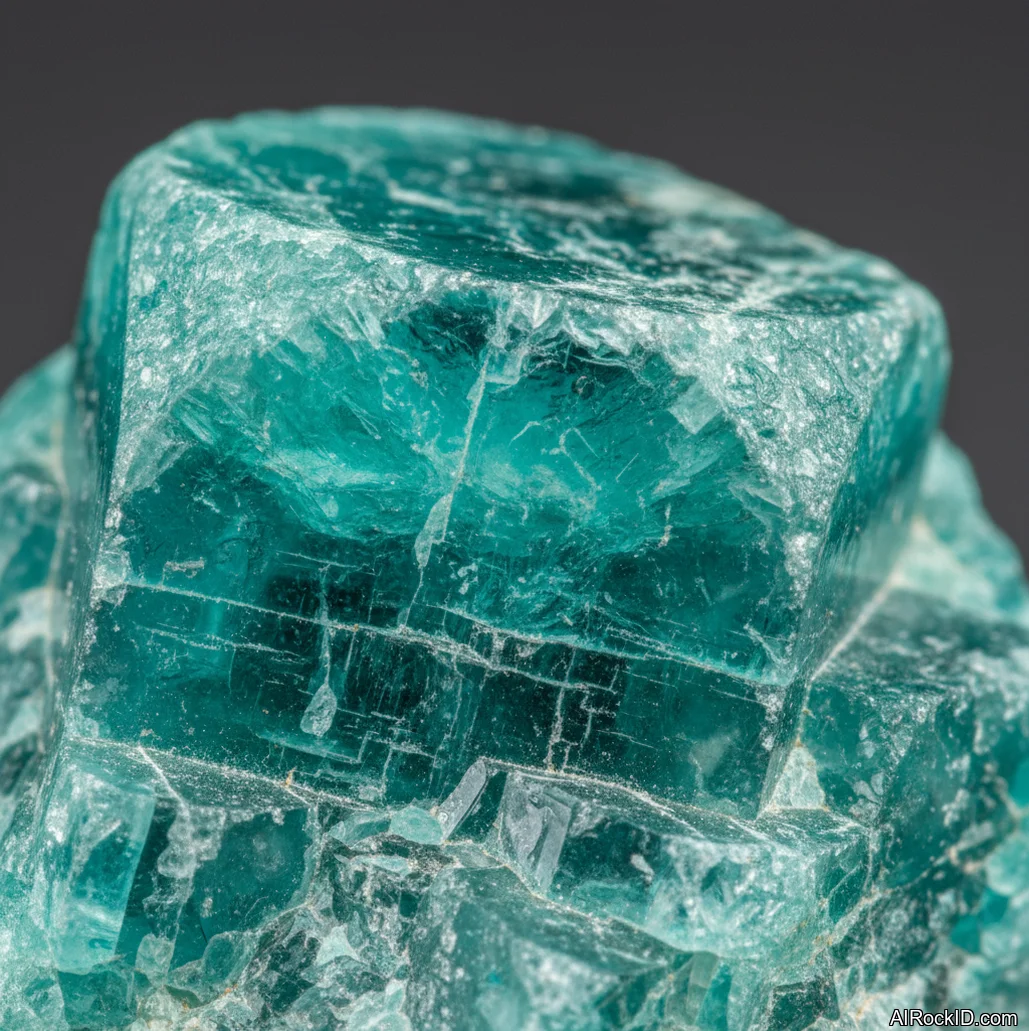
| I keep replaying what they said and I can’t stop drafting imaginary comebacks | Amazonite | People grab it when they want calmer self-talk and a cleaner, less reactive way to express what’s true without spiraling into a full argument in their head | palm stone (flat worry stone you can rub with your thumb) |
| Forgiveness feels stuck because the grief hits in waves, especially at night | Apache Tears | It’s a type of obsidian that’s usually matte and grounding, and folks use it when they need to let the sadness move through without getting swallowed by it | pocket stone (small tumbled piece you can keep in jeans or a hoodie) |
| I want to forgive, but I’m still angry and I need to cool down before I text them | Aquamarine | It’s chosen for that "cool water" vibe, and the physical chill of a polished piece can pair well with slow breathing when you’re trying to respond instead of react | smooth tumble or small palm stone (kept by the phone or on a desk) |
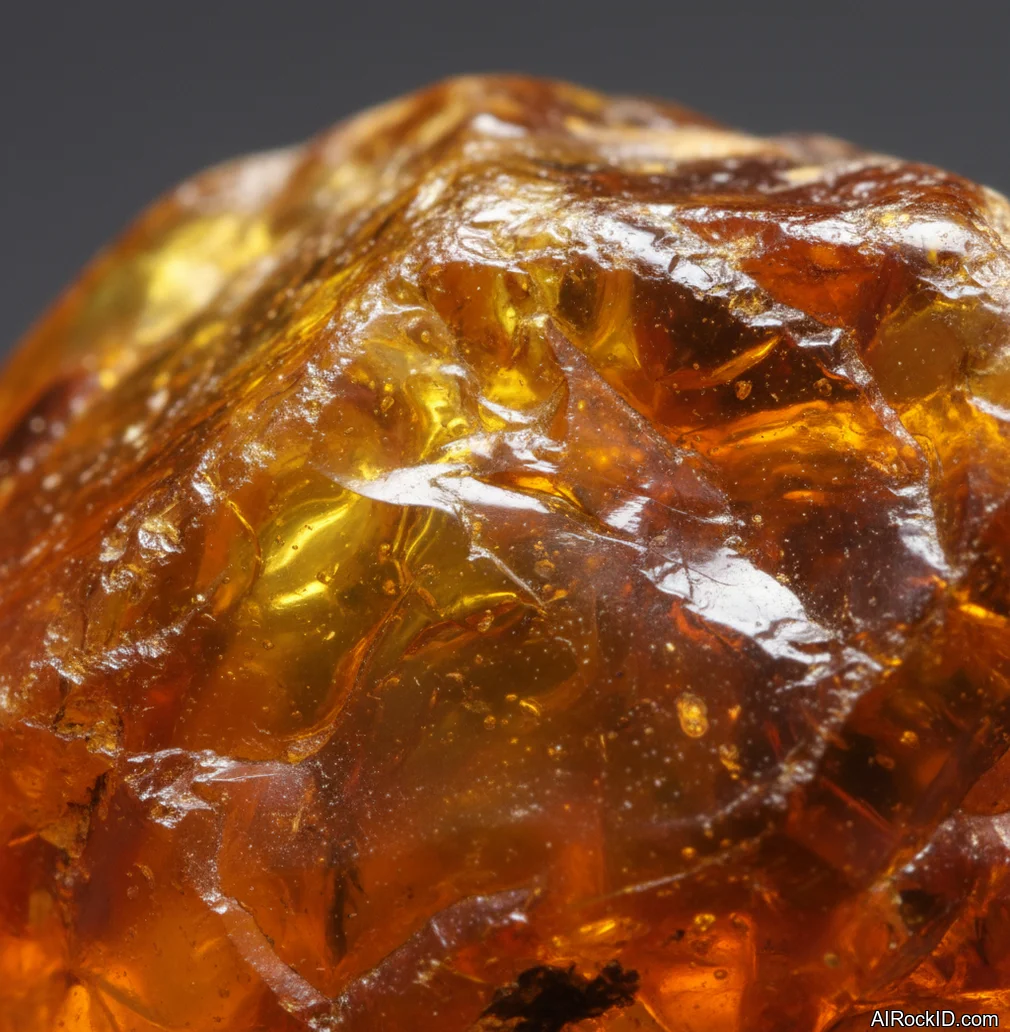
| I’m ready to release it, but I keep clenching my jaw and carrying it in my body | Amber | Amber is light in the hand and warms quickly, so people use it as a gentle, comforting touchstone when they’re trying to soften and unclench instead of staying braced | bead bracelet or pendant (something you can warm against skin) |
Recommended Crystals
Amazonite
Amber
Amethyst
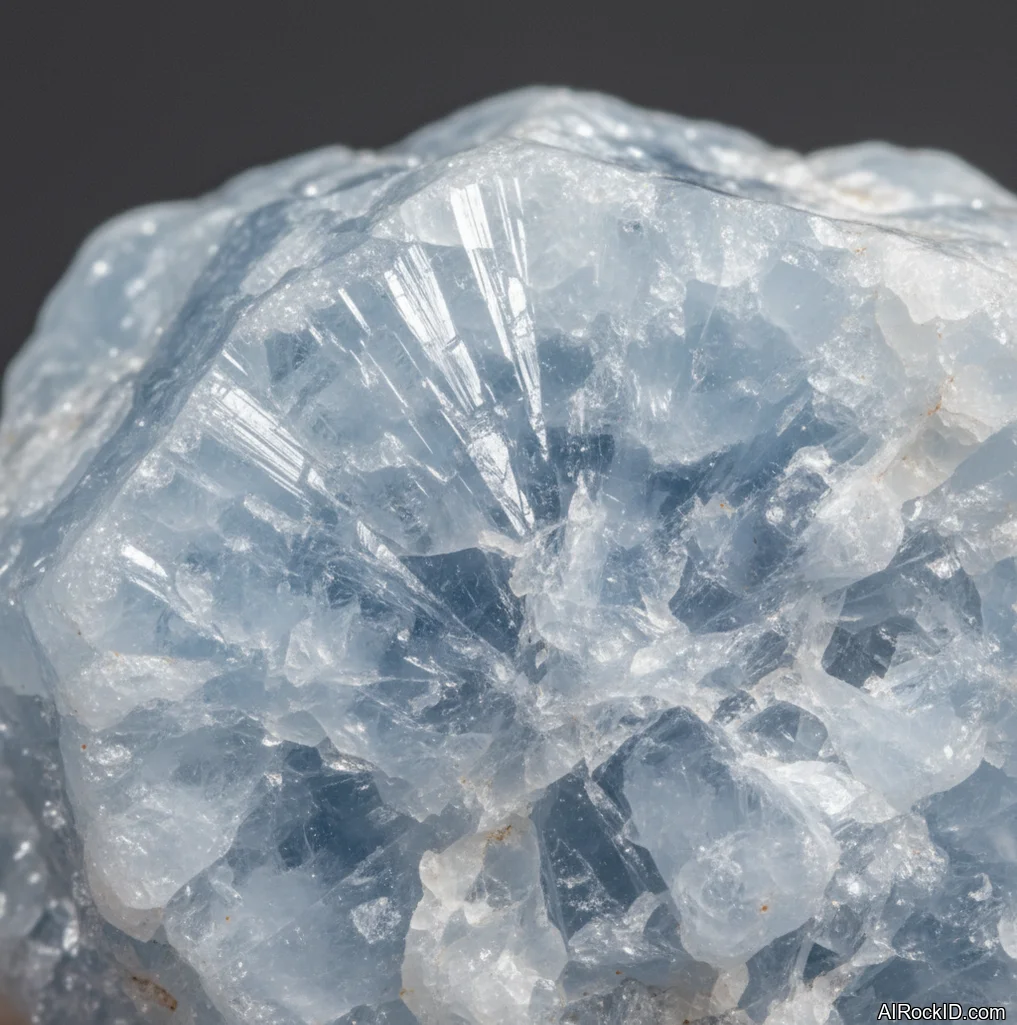
Angelite
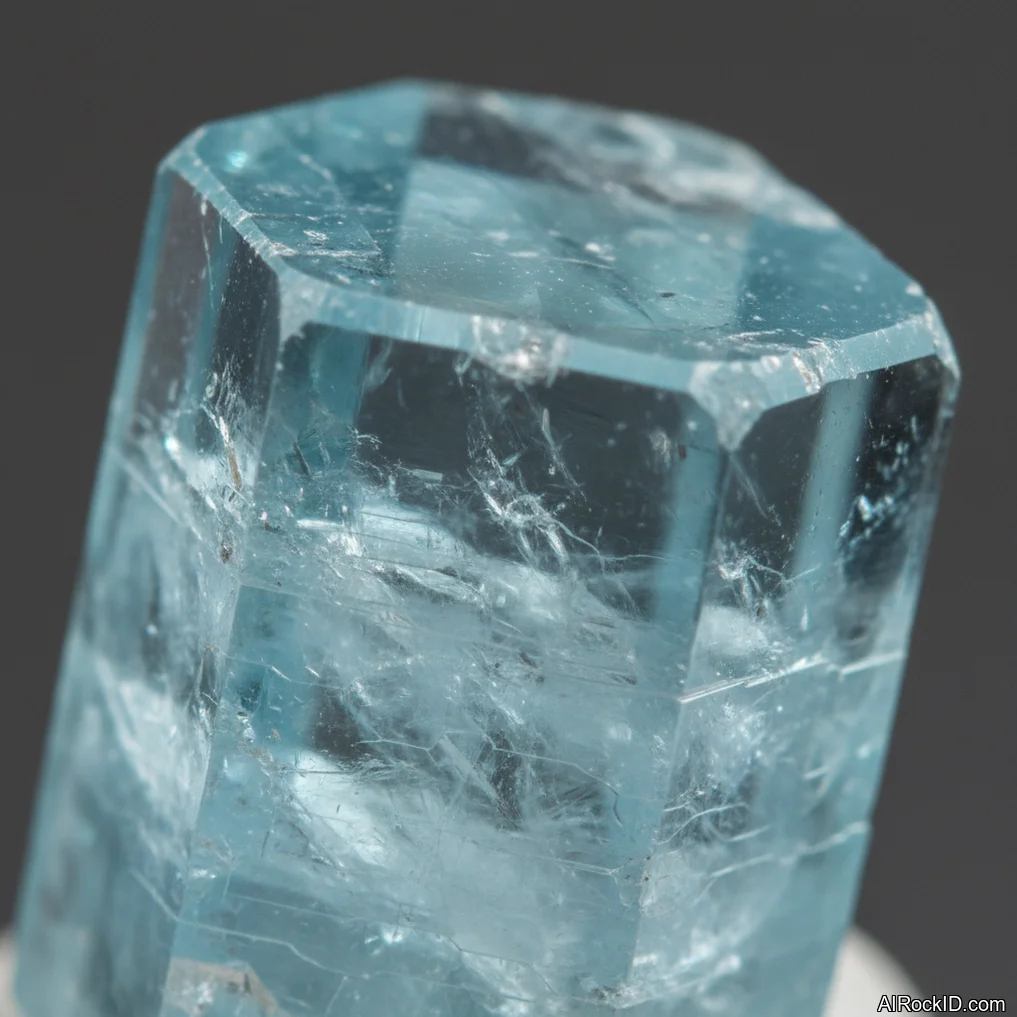
Aquamarine
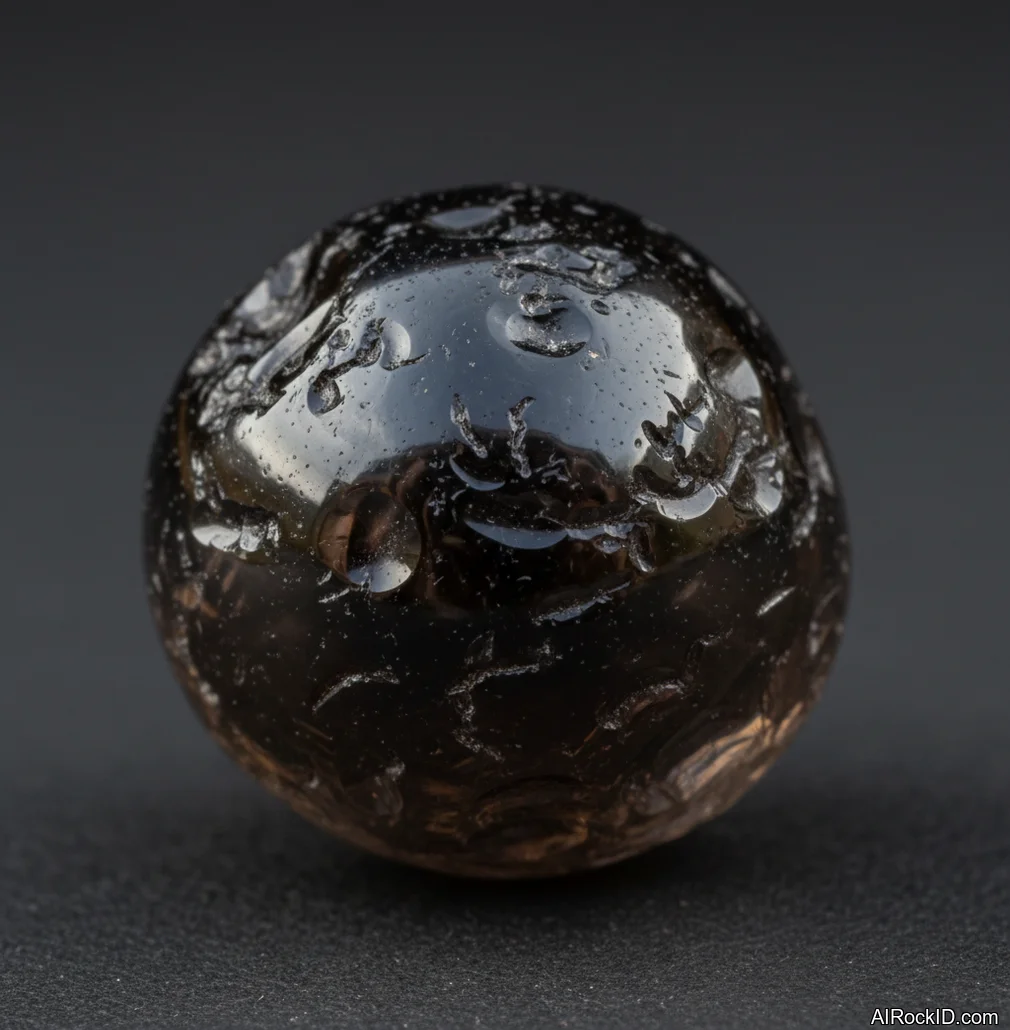
Apache Tears
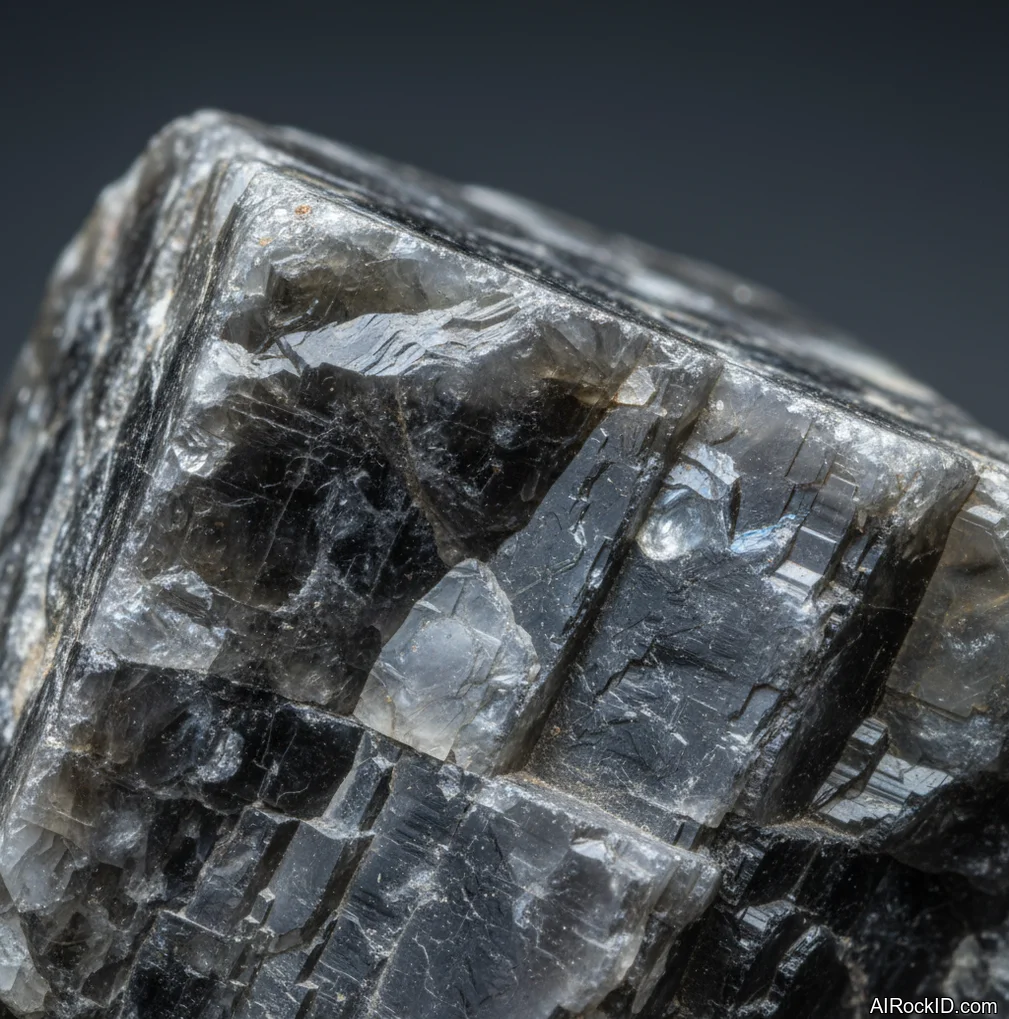
Black Moonstone
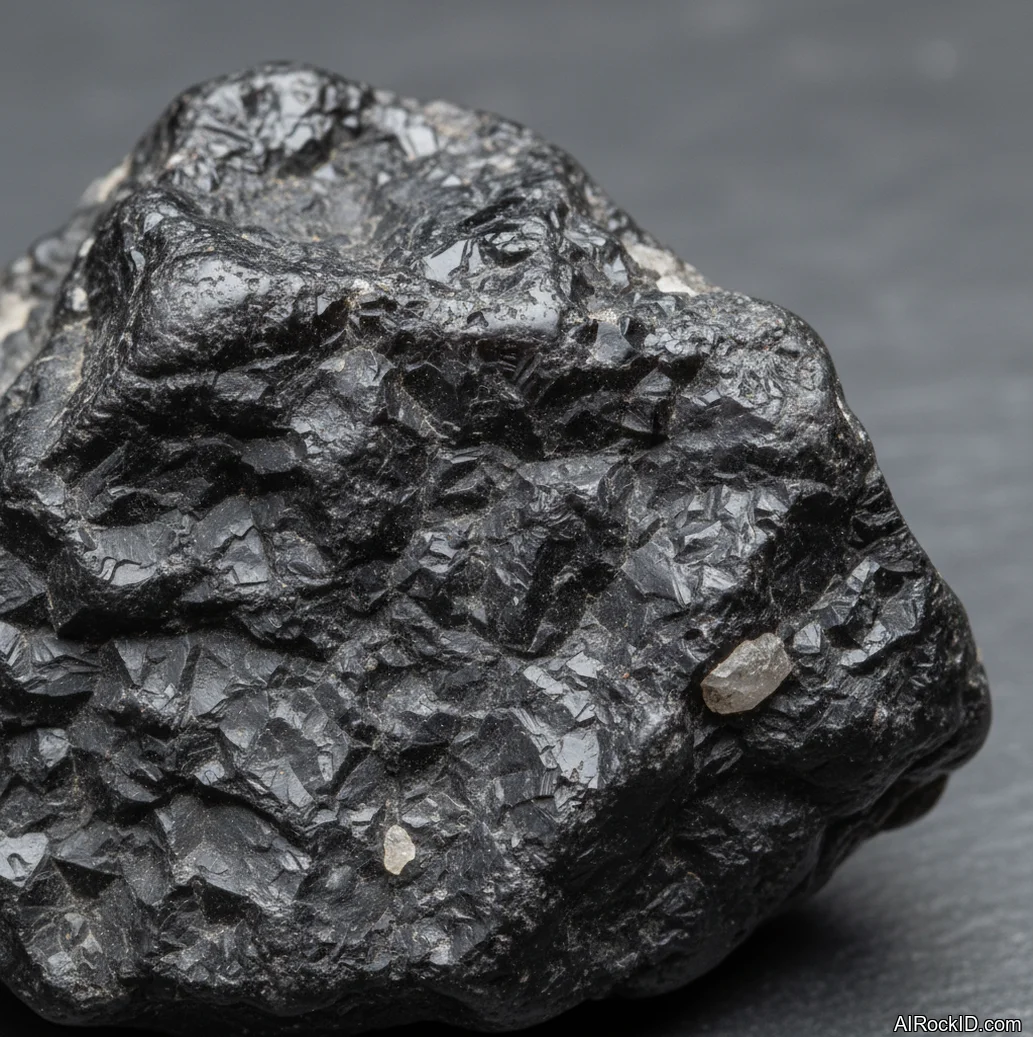
Black Jade
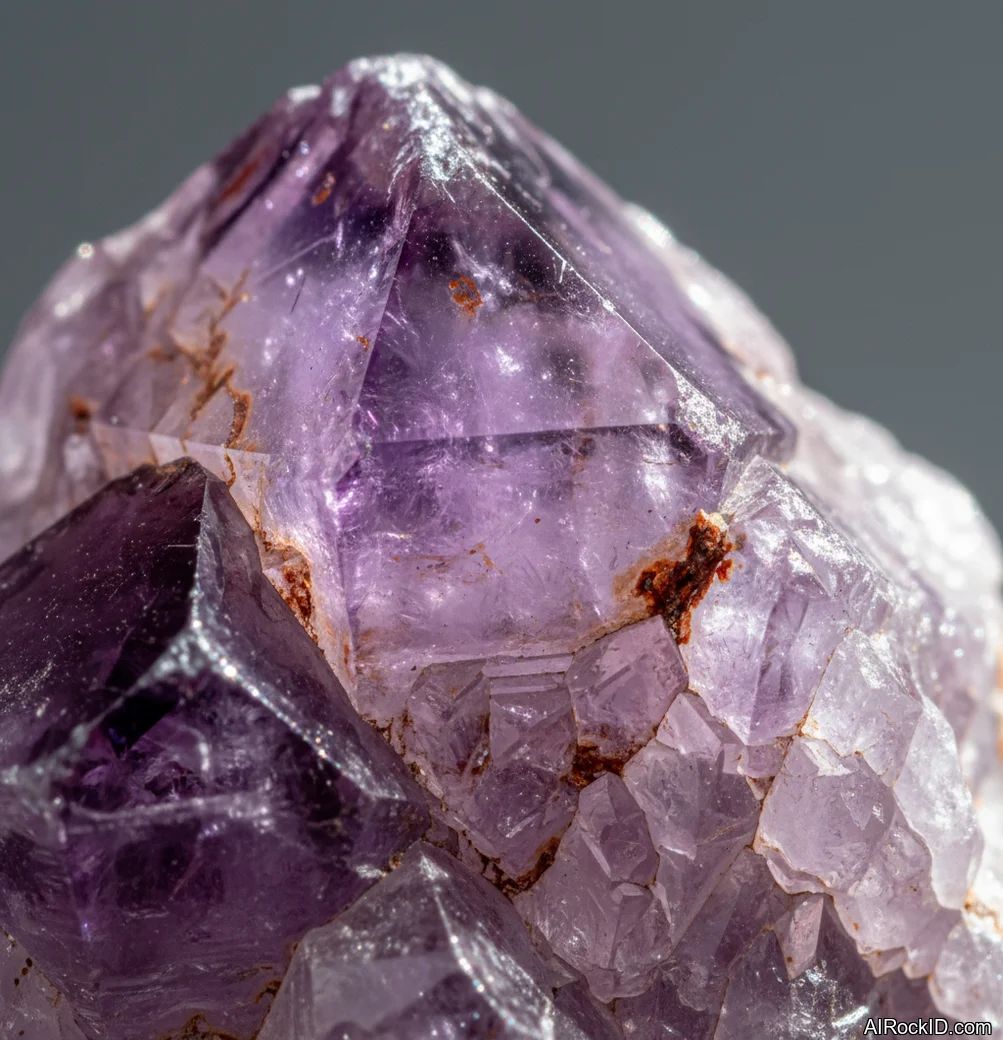
Auralite-23
Forgiveness vs reconciliation: pick the right target
Lots of folks reach for a “forgiveness stone” when what they’re actually craving is reconciliation. Different jobs. Forgiveness is inside your own chest. Reconciliation takes two people showing up differently, on purpose, again and again, for a while.
So I like amazonite or aquamarine for this, because they don’t let you squirm out of the truth. I’ll literally grab a sheet of paper and make two columns: “What I’m releasing” and “What I require for contact.” Then I set one stone on the left side and the other on the right. And yes, I mean actually place them there, with that little clink when they hit the table. The space between them matters more than you’d think, because when you’re upset your brain smears everything together like a wet thumb on ink.
Here’s the real-world check: if that person never apologized, never changed, never understood, could you still loosen your grip on the resentment for your own health? If you can, you’re doing forgiveness work. If you can’t, you might be trying to bargain your way into feeling safe, and that’s not a crystal issue. That’s boundaries and a support system. Period.
When anger is protecting you, don’t “love and light” it away
Anger gets dragged a lot in spiritual spaces. But honestly, half the time it’s just your nervous system trying to keep you from getting hurt again. If you jump straight into heart-softening work, you can end up gaslighting yourself. I’ve watched people do it. They get calm for a day. Then they crash.
Compared to those sugary pink stones, black jade and apache tears give you a steadier base. They feel heavier in your hand, like that cool, dense lump you actually notice when your palm’s sweaty, and that weight helps when you’re shaking or clenched. I’ll sit with one jammed in my fist and let myself name the anger out loud in plain language, not poetry. And then I can decide what the anger is asking for: distance, a conversation, an apology, or just time.
Once the protective message is heard, forgiveness work actually sticks. You’re not skipping steps. So you’re finishing them.
Guilt and self-forgiveness: the part nobody wants to admit
Forgiving other people is hard. Forgiving yourself can be even worse, because you know exactly what you were thinking at the time and none of your excuses land when you say them out loud. And if you’ve ever actually held a piece of angelite, you know the feel I mean, that soft, almost chalky, powdery calm (like a smooth river stone that somehow got dusted with flour). It makes it a little easier to talk to yourself without turning the whole thing into a courtroom.
I do a simple drill with amethyst. One hand on the stone, one hand on my chest, and I say the sentence I’d really rather not say: “I messed up.” Then I follow it with the second sentence that makes it worth doing: “Here’s what I’m doing differently.” That second part is the switch. It turns self-forgiveness into something real, not just a passing mood.
But if your guilt is tied to harm you caused, crystals don’t replace accountability. They can help you stay present while you make repair, which is a very different thing.
Grief inside forgiveness: letting the sadness move
Sometimes you’re not even trying to forgive a person. You’re trying to forgive what happened. The breakup happened. The friend changed. The parent never became safe. That’s grief. And it doesn’t feel like anger. It’s got a different texture, like a heavy knit sweater you can’t take off, pressing on your chest and making your throat feel tight.
Amber and apache tears are the two I reach for when grief is sitting in my throat and down in my stomach like a stone. Amber warms up fast against your skin (way quicker than you’d expect) and it gives off this weirdly comforting small sun feeling, like holding a tiny bit of heat in your palm. Apache tears, though, have that quiet, grounded weight, almost like they’re keeping you from floating away when your mind starts spinning. I’ll slip one into a pocket and go for a walk with no music. No podcast. Just footsteps, the scratch of fabric when you move, and your own breath.
The point isn’t to feel better in five minutes. So don’t rush it. It’s to let the sadness move through you without turning it into a life sentence. Grief that moves turns into memory. Grief that gets blocked turns into bitterness. Simple as that, really. Why make it harder than it already is?
How to Use These Crystals for Forgiveness
Start easy. Pick one stone that helps you calm down and one that helps you see straight. For me, that’s usually amethyst when my brain won’t quit circling the same thought, and aquamarine when I need the “okay, but what actually happened?” version. The real test is if you’ll reach for them day after day, so don’t go buying a pile of stuff, and don’t build some crystal grid you’ll ditch in 48 hours.
So try this forgiveness sit-down. Twelve minutes, done.
Minutes 1 to 4: grab something grounding, like black jade or apache tears. Hold it in your hand and just name what you feel. No story. No explanations. Just “angry,” “sad,” “tight in my chest,” whatever it is.
Minutes 5 to 8: switch to aquamarine or amazonite and write three factual sentences about what happened. Keep it plain. No adjectives. It should read almost boring on purpose.
Minutes 9 to 12: hold amber or angelite and pick one small release for today. Something like, “I’m not rereading the texts tonight.” Then actually do it (that’s the part that counts).
For relationship repair, treat the stone like a behavior cue, not a magic fix. I’ll set amazonite by my mug so I remember to slow down when I talk, or park amethyst near my laptop so I don’t fire off the third follow-up message. Want to cleanse them? Keep it practical. Wipe them down with a cloth, do a quick bit of smoke, or use sound. Don’t soak softer materials like angelite. And keep amber away from heat. It doesn’t like it.
Common Mistakes to Avoid
The biggest trap? Using “forgiveness” as a way to dodge boundaries. If someone’s still unsafe, a crystal isn’t going to magically make that relationship workable, and “I’m forgiving them” can turn into a little permission slip to walk right back into the same mess. Black jade can help because it sits nicely alongside self-respect, but you still have to pick distance when distance is what’s needed. No way around that.
Another one I see a lot is people buying a dozen stones and then… nothing. They end up in a bowl on a dresser, collecting lint and dust (you know the kind that sticks in the tiny pits and never fully wipes off). Thing is, forgiveness work is repetitive. You’re better off with one pocket stone you actually touch every day than a shelf full of pricey specimens you only look at once in a while.
And last, keep an eye out for market junk. Aura-coated quartz and dyed material get sold like they’re emotional cure-alls, and in your hand they often feel strangely warm or kind of plasticky. If the color looks too perfectly uniform and the price is weirdly low, assume it’s been treated until proven otherwise. Why gamble on it?
What Crystals Can and Cannot Do
Identify crystals related to Best Crystals for Forgiveness
Snap a photo to check crystals mentioned in this guide and compare likely matches.