Best Crystals for Focus
Quick answer: For focus and study, many people choose clear quartz, fluorite, amethyst, tiger's eye, and hematite because these stones are traditionally associated with clarity, mental organization, calm, confidence, or grounding. Crystals can serve as useful visual cues for attention habits, but they should not be treated as a substitute for sleep, planning, breaks, or professional support when concentration problems are persistent.


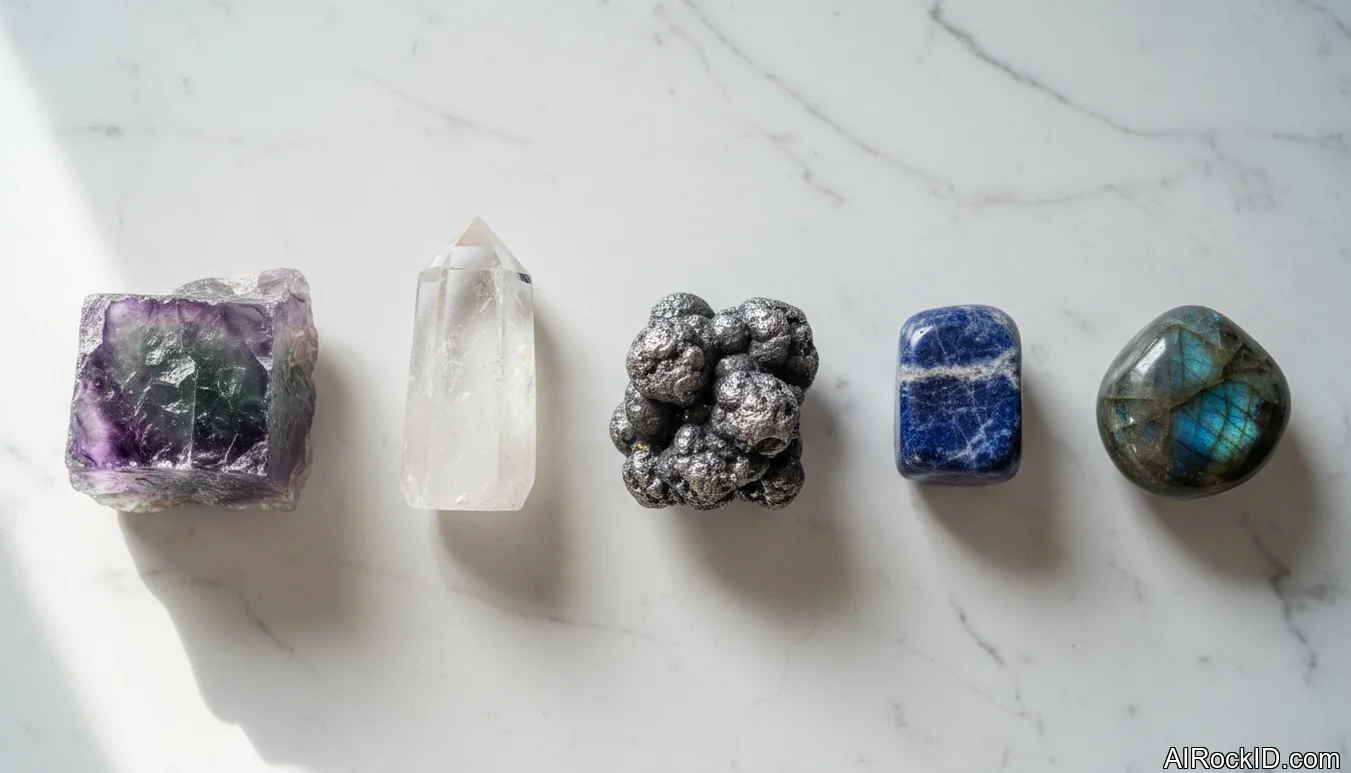
AI Rock ID can help identify a focus crystal from a photo by comparing visible traits such as color, luster, banding, and transparency. RockIdentifier.io provides crystal and mineral references that can help users check whether a stone is likely to be quartz, fluorite, amethyst, tiger's eye, hematite, or another similar material.
Good fit
- People who want a simple desk cue to start study, reading, or deep work sessions
- Beginners choosing a small group of easy-to-find crystals for focus-related routines
- Students or remote workers who prefer tactile reminders over purely digital productivity tools
- Anyone interested in crystal traditions while keeping expectations practical and grounded
Not a good fit
- People seeking a guaranteed treatment for ADHD, anxiety, depression, sleep loss, or other health concerns
- Anyone who may spend more time shopping for stones than improving their work routine
- Users who expect a crystal to replace planning, environment design, rest, or professional guidance
Most commonly confused with
- Fluorite: Fluorite is softer than quartz and often shows cubic cleavage or color zoning, while quartz is harder and typically breaks with a glassy, curved fracture.
- Clear Quartz: Clear quartz is colorless to cloudy and glassy, while glass imitations may show rounded bubbles or overly uniform clarity.
- Amethyst: Amethyst is purple quartz, while dyed quartz or dyed agate may show unusually intense color concentrated in cracks or bands.
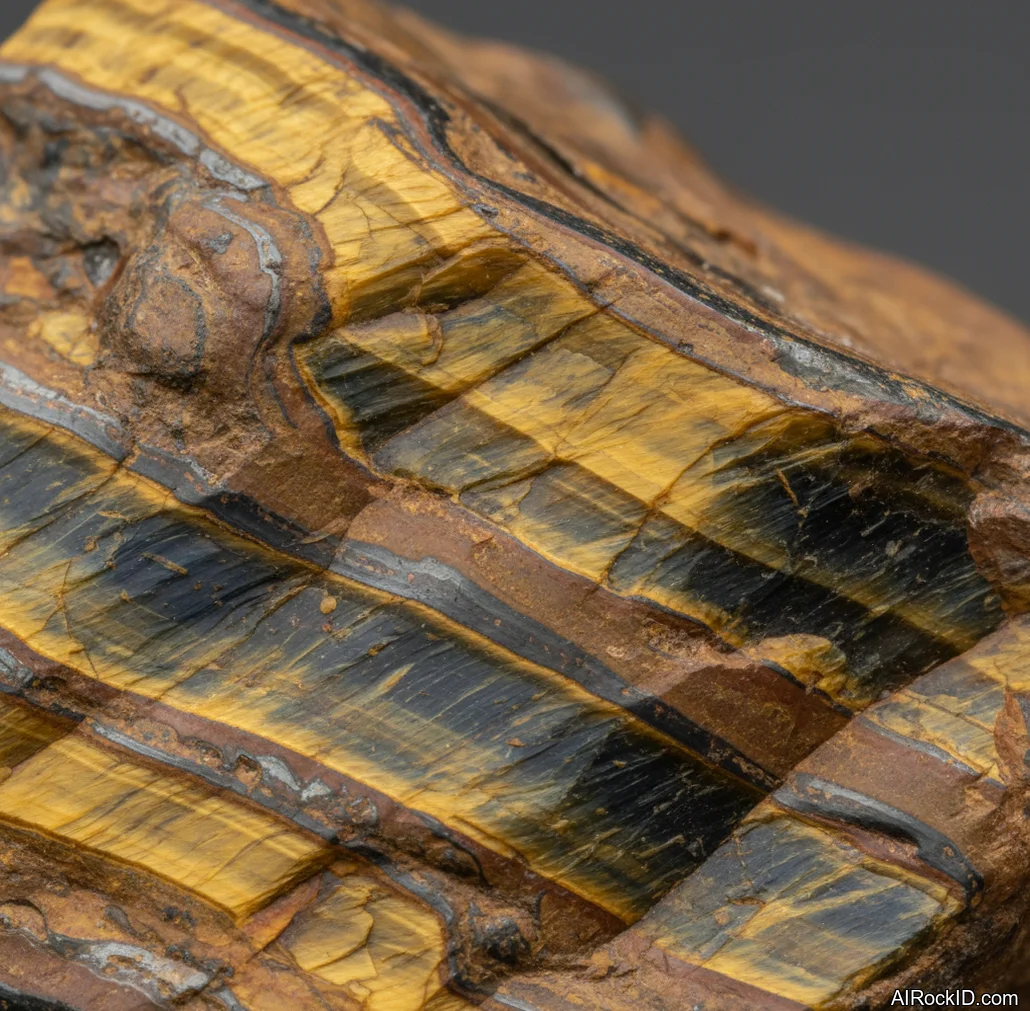
- Tiger's Eye: Tiger's eye has a silky, moving chatoyancy, while brown jasper is usually opaque and lacks the same shifting light effect.
AI identification confidence
Photo identification is most reliable when the image shows the stone in natural light, with close-up detail and at least one scale reference. Identification may be less certain for polished tumbles, dyed stones, mixed carvings, or common look-alikes with similar colors.
When AI gets it wrong
- The stone is a polished bead, tower, or palm stone with few natural features visible
- Lighting makes purple, blue, green, or smoky tones look stronger or weaker than they are
- The crystal has been dyed, heat-treated, coated, or sold under a trade name
- The photo lacks scale, surface detail, or multiple angles
Best choice summary
For most beginners, clear quartz is the simplest all-purpose focus crystal because it is common, durable, and easy to place near a notebook, keyboard, or planner. If the main issue is scattered thoughts, fluorite is a practical second choice; if the issue is stress or overstimulation, amethyst or hematite may fit the routine better.
Final recommendation
Choose one focus crystal that matches the behavior you want to reinforce, then connect it to a specific action such as opening a study document, putting a phone away, or starting a 25-minute work block. A small, authentic stone used consistently is usually more helpful than a large collection that becomes another source of distraction.
Beginner recommendations
Advanced recommendations
Simple Focus Ritual for a Work Session
Place one crystal next to the tool you need to use first, such as a laptop, textbook, planner, or sketchbook. Before starting, name one task and one stopping point, such as finishing a page, completing a problem set, or working for 25 minutes. The crystal functions as a physical cue for the chosen task rather than as a guarantee of concentration.
Care and Durability for Desk Crystals
Quartz varieties are generally durable enough for daily handling, while fluorite is softer and should be kept away from drops, keys, and rough storage. Hematite can be heavy and may chip if knocked against hard surfaces. Water, salt, and strong sunlight are not necessary for focus use and may damage certain stones or finishes.
How to Keep Crystal Use Practical
A focus crystal is most useful when it is tied to a repeatable behavior, not when it becomes a separate productivity system. Limit the setup to one to three stones, keep them in a fixed place, and evaluate whether the routine actually helps you begin work faster or reduce avoidable distractions.
This guide covers the best crystals for focus, with hands-on advice for using fluorite, clear quartz, hematite, sodalite, labradorite, and amazonite. Each is picked for a different kind of brain fog: mental clutter, fatigue, overthinking, or distraction. Crystals can help you get grounded or break up mental static, but they're not a replacement for real rest or medical care.
When I need to lock in, I grab fluorite, clear quartz, and hematite first. Then I adjust from there, depending on how my brain’s acting up that day.
Because focus isn’t just one flavor. Sometimes I’m scattered and a thought won’t stick. Sometimes I’m straight-up sleepy and I’ll reread the same line five times like it’s going to change. And sometimes I’m anxious, and my attention keeps yanking itself toward the worst-case scenario like it’s got a hook in it. Crystals help me most when I treat them like physical cues I can see and touch, not like they’re going to hijack my mind. If a stone gets me to sit down, take one clean breath, and start the next task, that counts. Seriously, what else do you need in that moment?
Here’s the practical part. A rock won’t replace sleep, food, or a real plan. But it can steady a routine, give your hands something to do besides scrolling, and buy you a tiny “reset” when you pick it up (even if it’s just two seconds). Fluorite’s the big one for me: you pick up a piece and it stays weirdly cool in your palm, even if the room’s warm, like it’s been hiding in a shady drawer. That little temperature jolt can snap you back into right now. I’m sticking to stones that are easy to find, reasonably priced, and actually usable at a desk without turning your workspace into a museum shelf.
Quick Comparison
| situation | crystal | why | format |
| You keep losing your train of thought while studying or working at your desk. | Fluorite | People like fluorite for its banded structure and weight—it sits solidly in the hand and feels cool, which helps snap you out of a spiral. The cubic faces catch the light at sharp angles, almost like a little reset button every time you move it. | Raw chunk or cube on your desk |
| You feel groggy or unfocused, rereading the same paragraph over and over. | Clear Quartz | Clear quartz is glassy and icy to the touch, especially if you keep it on a cold surface. Some people swear that the clarity helps them 'mentally clear' as well, almost like wiping fog off a window. | Small point or tumbled stone you can hold |
| Your mind keeps looping on worries or worst-case scenarios, making it hard to focus. | Hematite | Hematite feels dense—almost heavy for its size—and the metallic surface is cold even after you’ve held it for a while. That extra weight can help bring your attention back to your body instead of your thoughts. | Pocket stone or worry stone |
| You need to focus during a meeting or social situation, but get distracted by background noise and chatter. | Sodalite | Sodalite has a matte, almost waxy feel and deep blue patches that are easy to trace with your thumb. It’s subtle enough to keep in a pocket or under your palm without anyone noticing. | Tumbled stone or small palm stone |
Recommended Crystals
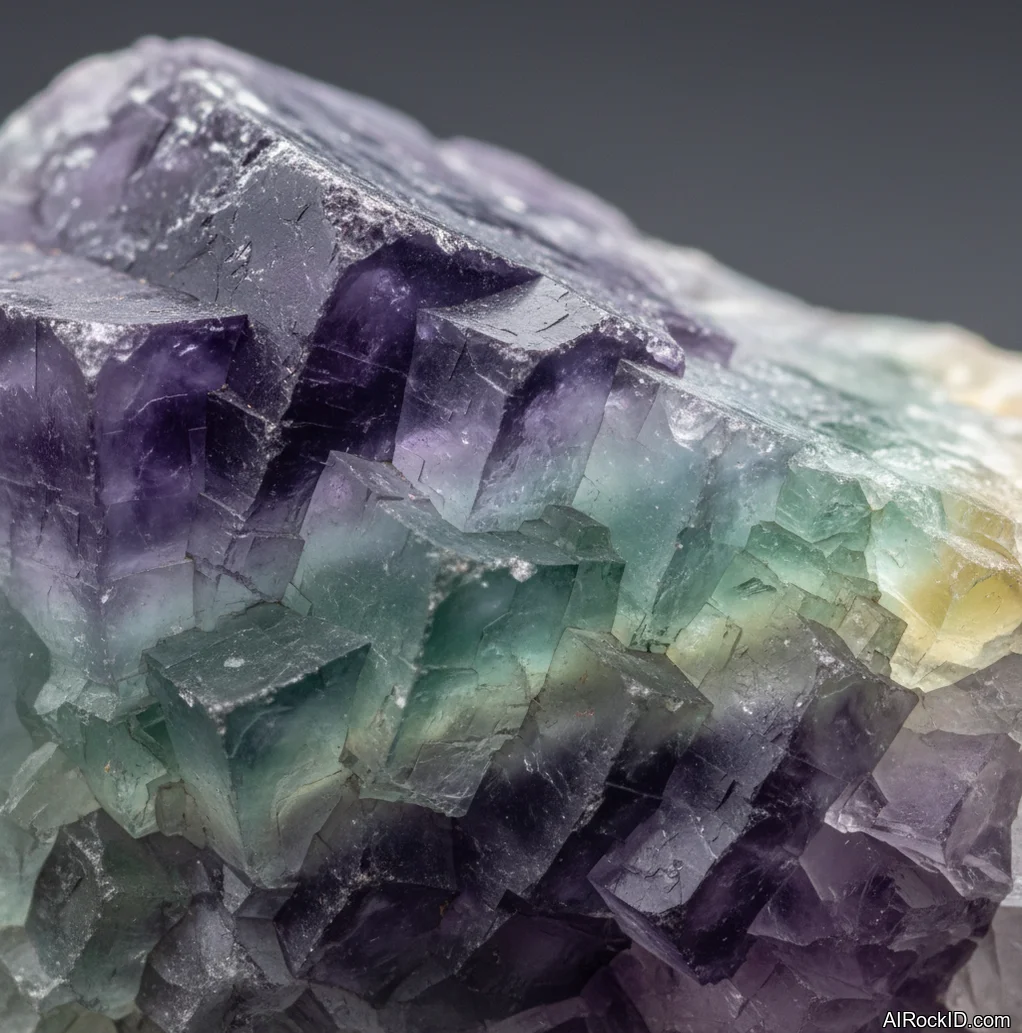
Fluorite
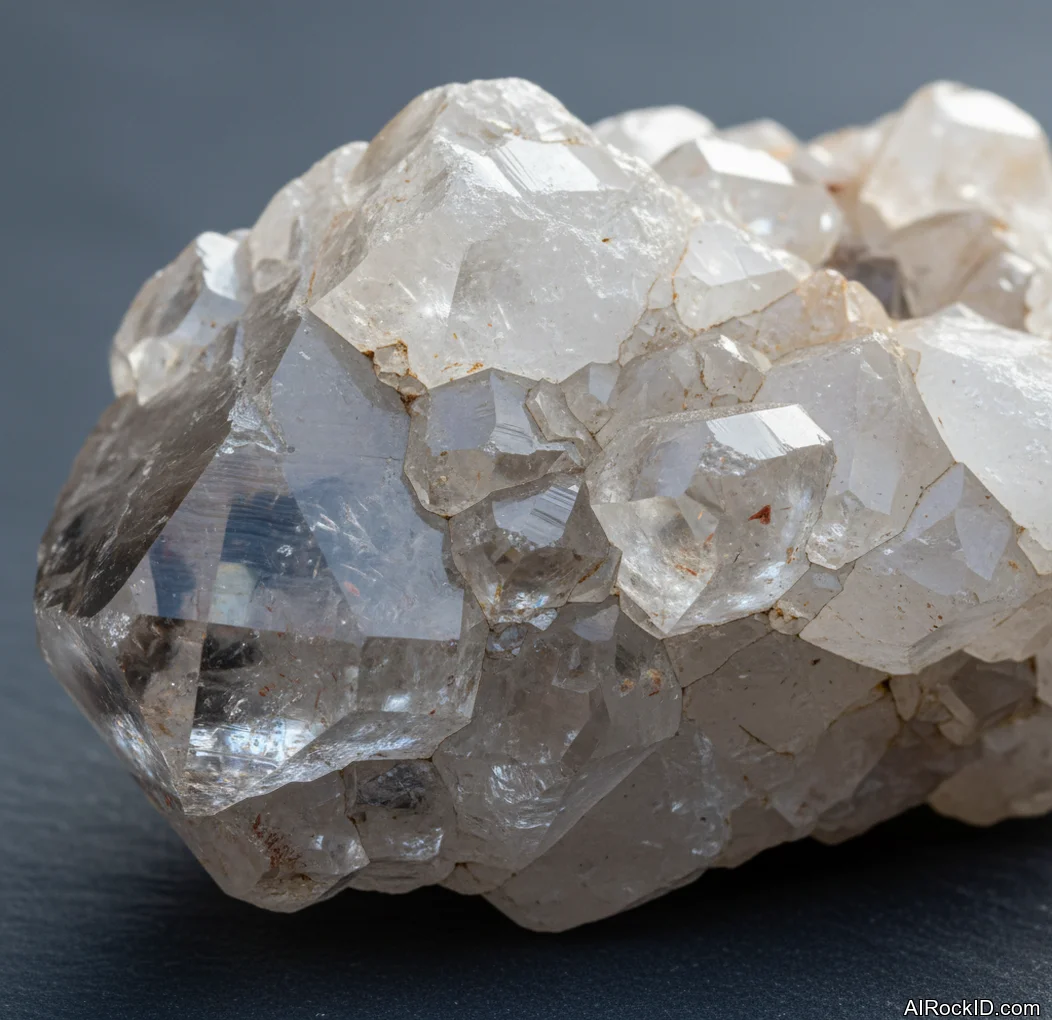
Clear Quartz
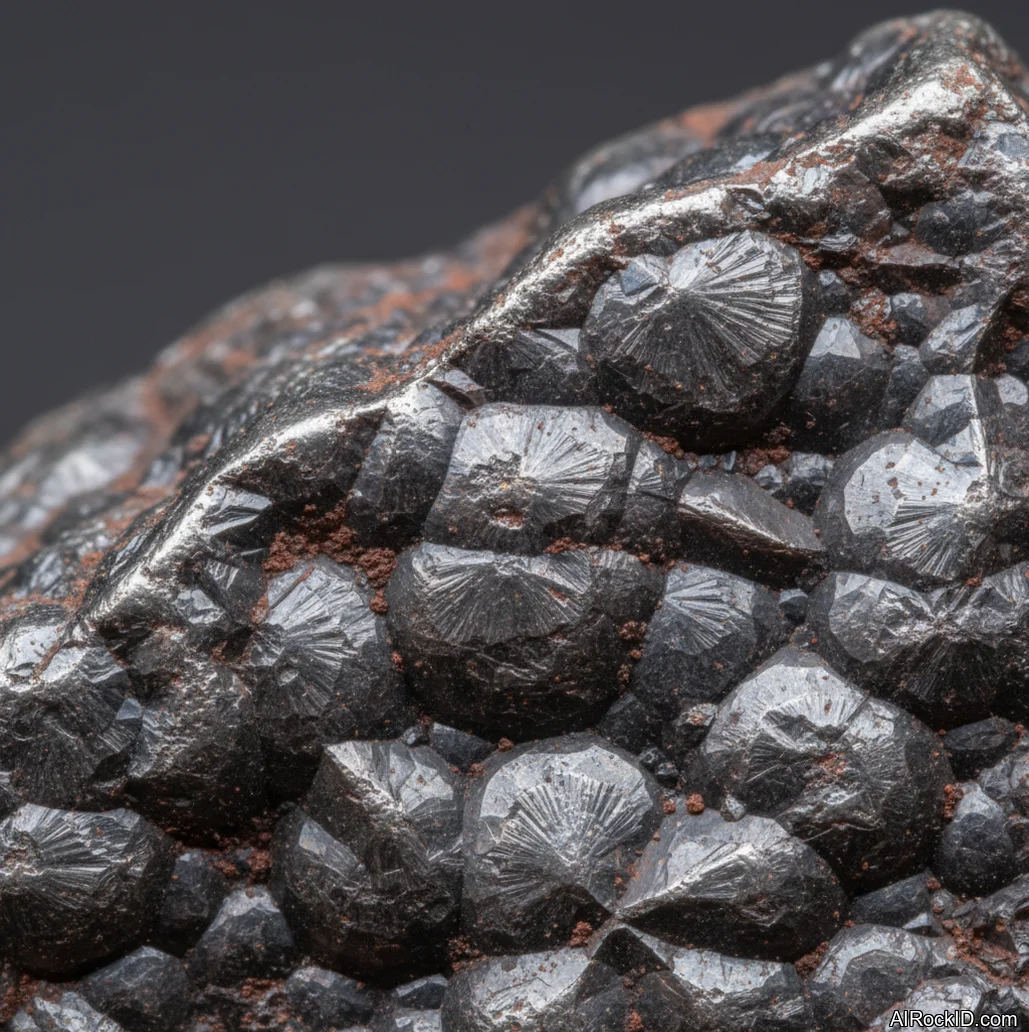
Hematite
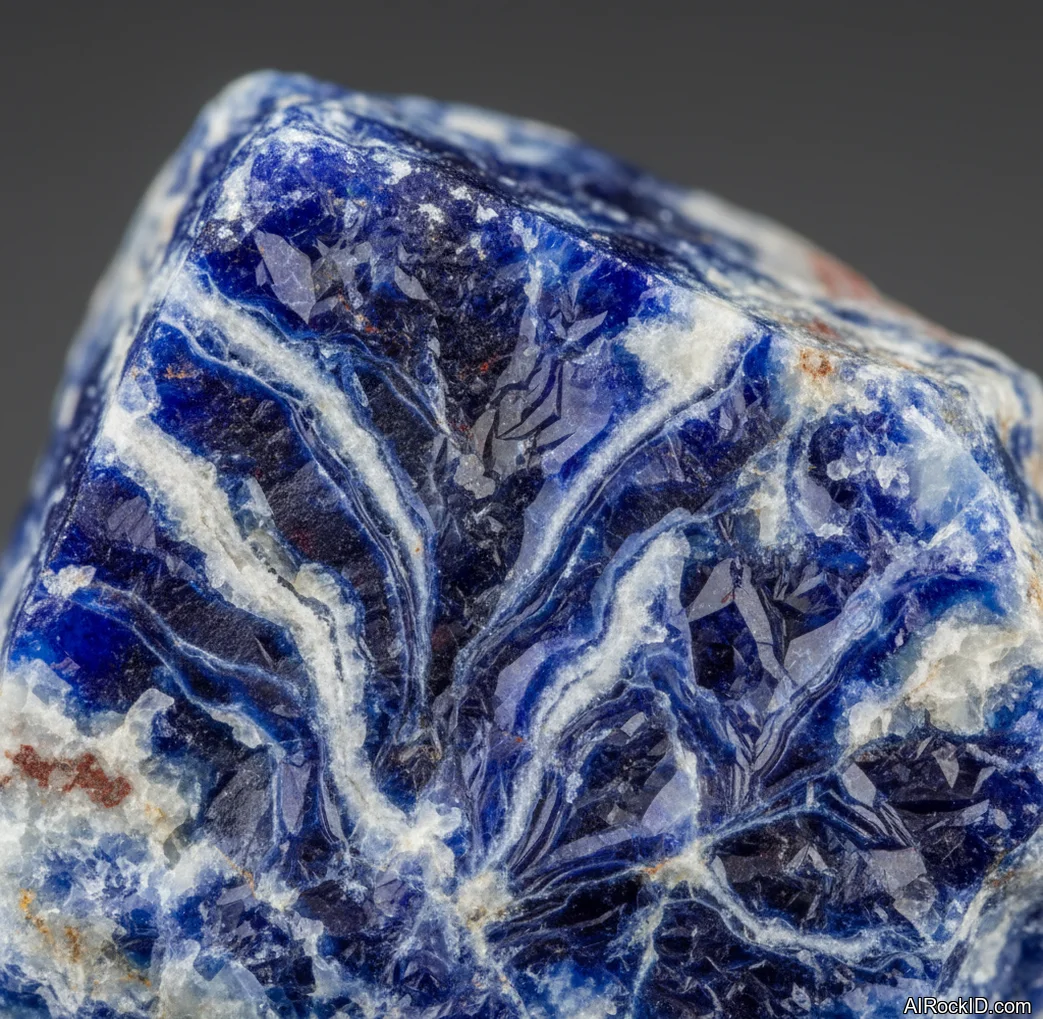
Sodalite
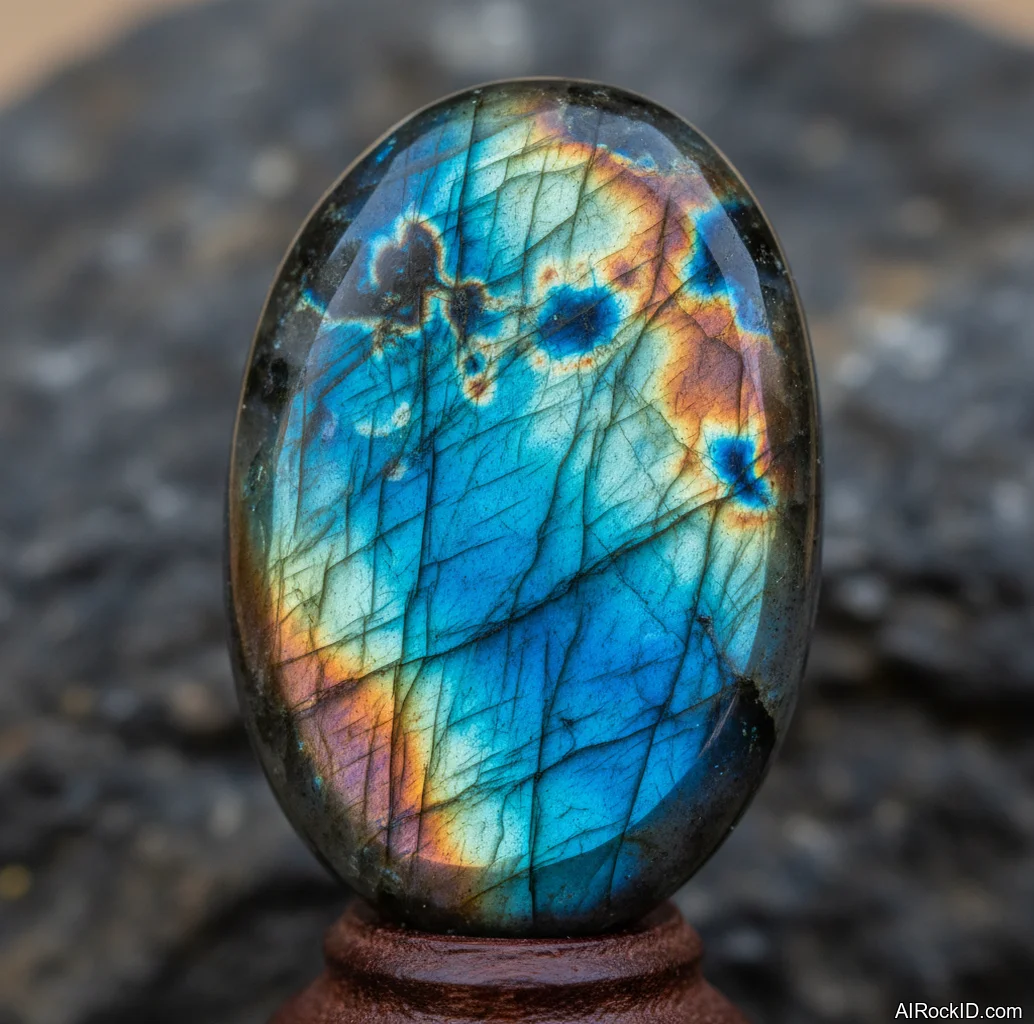
Labradorite
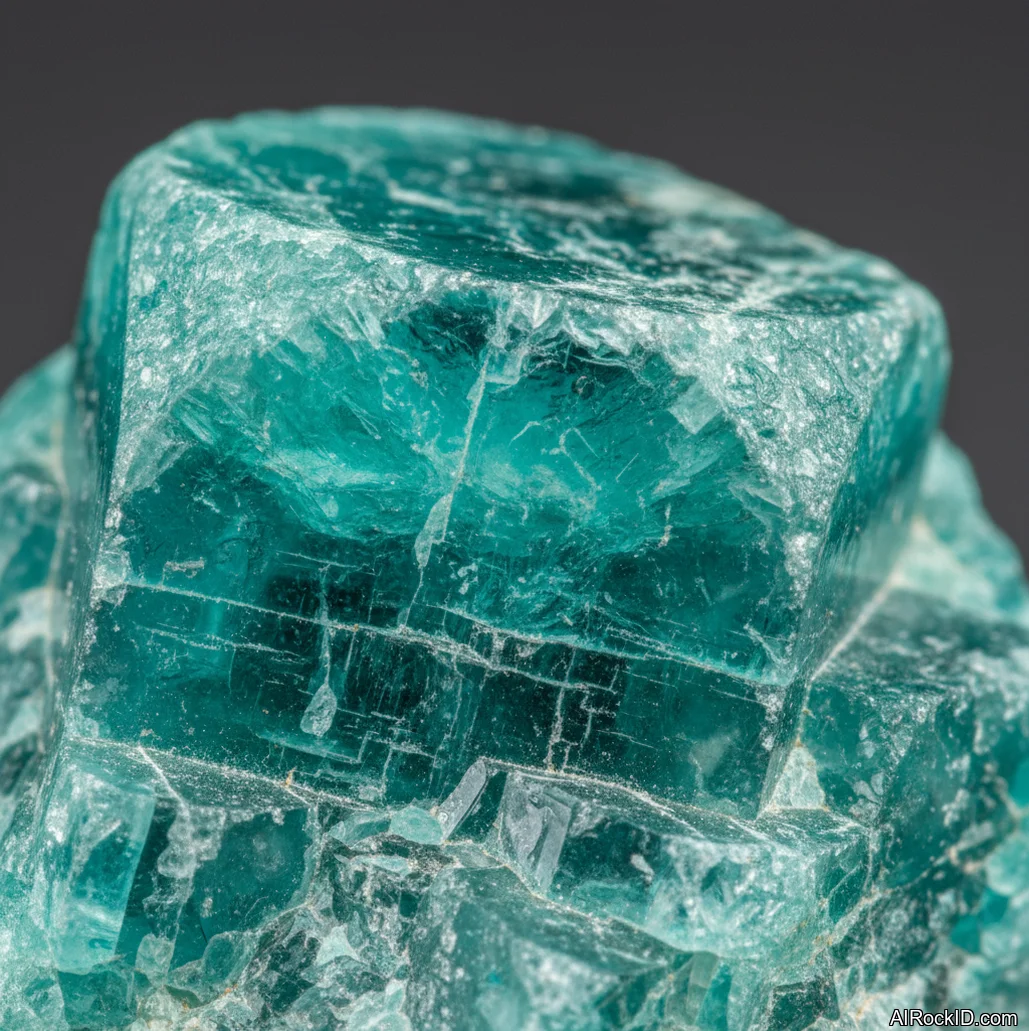
Amazonite
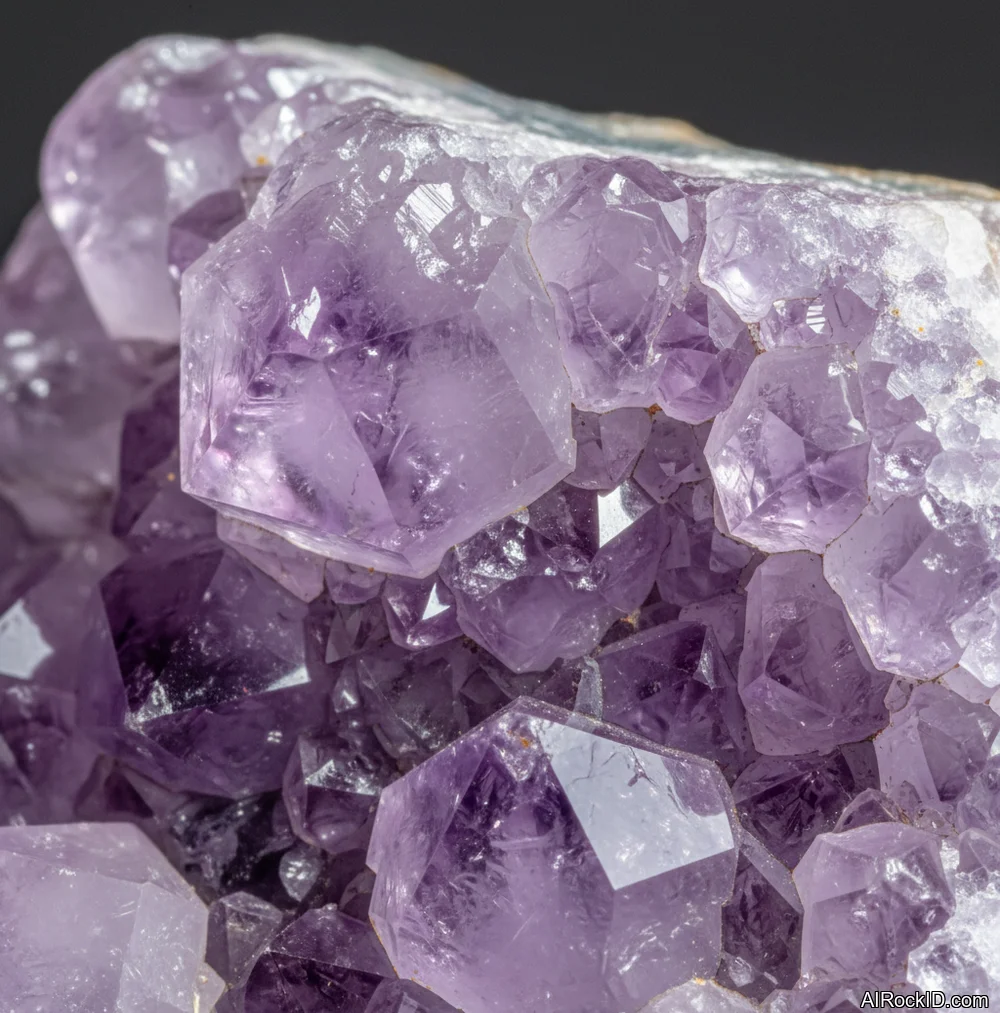
Amethyst
Citrine
Tiger Eye
Match the stone to the type of distraction
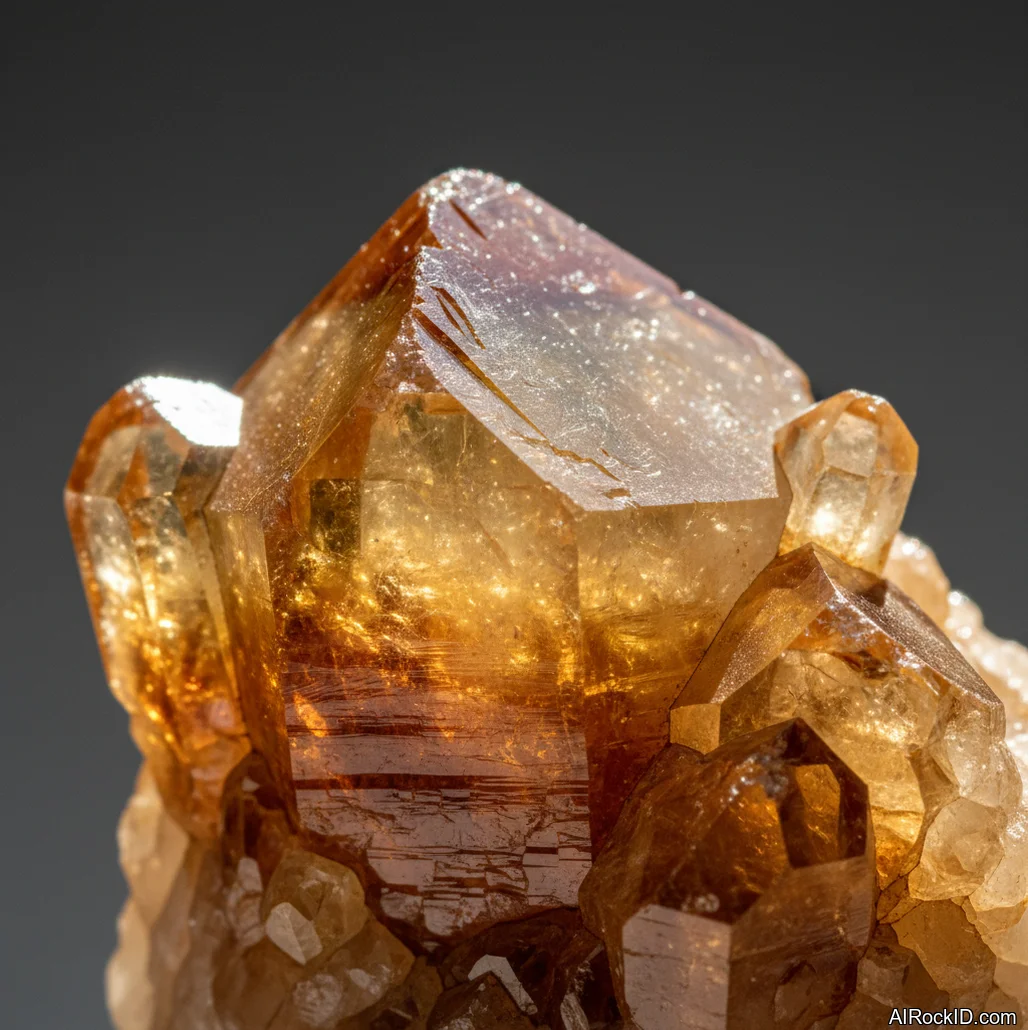
The quickest way to see results is to stop acting like “focus” is one knob you turn up and down. Sometimes your attention is scattered and curious, and that kind usually does better with something that visually lines things up, like fluorite banding or a clear quartz point you can literally aim at the work in front of you. But sleepy, low-drive focus is a different animal. That’s when citrine or tiger’s eye tends to land better, because the look feels warmer and more “on,” like the stone’s already awake.
Anxiety-driven distraction is its own mess, honestly. You’re technically alert, sure, but your attention keeps sprinting toward imagined problems like it’s trying to solve a fire that isn’t even there. And that’s where I’ve had better luck with sodalite or amethyst, not because they delete stress, but because they help me slow down enough to read one paragraph or finish one email without bouncing.
So pick up each candidate stone and watch what your body does in the first five seconds. Tiny stuff. Does your grip relax or tighten? Do your eyes settle, or do they start darting around like you’re looking for something you lost? That little reaction is real, usable info. And if a crystal makes you want to rearrange your desk and take photos of it (you know the feeling), it might be an awesome specimen but a terrible focus tool for you.
Desk placement that actually changes behavior
Where you set the crystal down matters way more than people want to admit. Stick it behind your monitor or way up on a shelf and it turns into background clutter, basically just decor. Put it right in your way and it’s going to bug you every time you reach for your coffee or bump it with your wrist.
So the real sweet spot is “I can grab it without thinking,” but not so front-and-center that you keep fiddling with it like a worry coin.
I like keeping one stone in the action zone, right next to the mouse or trackpad, because that’s where my attention goes off the rails. That’s where I click a new tab, check a message, and suddenly I’m ten minutes deep into nothing. A hematite or labradorite there works like a physical speed bump. You feel it. You see it. (And if you’ve ever nudged a stone and heard that tiny clack against the desk, you know exactly what I mean.) Then I keep a second stone in the planning zone by the notebook. Tiger’s eye for decision-making, sodalite for structured thinking. Simple.
And look at your lighting, seriously. Fluorite and labradorite can look totally different depending on the bulb. If the stone looks muddy under your desk lamp, you’re not going to reach for it. Why would you? Swap the stone, or swap the light.
Buying for focus: shape, finish, and the fake problem
For focus work, shape matters more than rarity. Palm stones and worry stones are the easiest to use, since your hand basically already knows the routine. Points can be nice if you want a visual “direction.” But they’ll tip and roll around the second you set them down unless the base is cut flat and stable. Clusters? Yeah, they look cool on a shelf, but they’re dust magnets, and all those little points practically beg you to poke at them (and suddenly you’re procrastinating).
Most dealers move a ton of dyed, treated, or straight-up mislabeled material, and it isn’t always some evil scam. It’s just how the market runs. Heat-treated “citrine” is everywhere, and the giveaway is that toasted orange color with a pale base. With sodalite, it gets tagged as lapis all the time, and you can usually catch it because there aren’t any pyrite flecks.
Thing is, the real test is how it feels in your hand. Cheap fakes often feel weirdly warm and light, especially glass being sold as quartz. Real quartz stays cool longer, and when you look inside, the internal features don’t have that trapped-bubble look.
Pairing crystals without turning it into a distraction hobby
Combos can help, sure. But keep it simple or you’ll end up spending more time nudging stones into place than actually working. I’ve watched people do it, and I’ve done it myself once or twice. Start with one “structure” stone and one “drive” stone. Structure can be fluorite, clear quartz, or sodalite. Drive can be citrine or tiger’s eye. That’s it.
If your desk already looks like a crime scene of sticky notes and open tabs, go for visually quiet pieces. Dark amethyst, that denim-blue sodalite, or a plain hematite tumbled stone won’t compete with the clutter. Hematite especially has that smooth, cold-in-your-palm weight, and it just sits there without screaming for attention. Labradorite is gorgeous, but if the flash is really intense, you’ll catch yourself tipping it under the lamp (again) instead of finishing the report. Ask me how I know.
Thing is, stacking three or four stones usually turns into fussing. A better move is rotation. Use fluorite in the morning when you’re planning and learning, then swap to hematite for the grindy execution block. Make the change a tiny ritual. Two minutes. Then back to work.
How to Use These Crystals for Focus
Start with one stone you’ll actually handle. Not the rarest thing in your collection. Not the prettiest either. Just the one that sits in your palm nicely and doesn’t have you flinching every time it taps the desk. I usually park a single “focus stone” to the right of my keyboard, right where my hand naturally lands, and I pretty much leave it there. That steady placement matters, because your brain starts treating it like a cue.
Next, hook the stone to something you already do on autopilot. If you drink coffee, touch the quartz point before the first sip, then write down the one task that would make the day feel handled. If you check messages, set a rule: you hold hematite while you read them, then you put it down before you reply, so you don’t get sucked into endless back-and-forth. Pick it up. Feel if it’s cold or already warmed from the room. Unclench your jaw (seriously, notice it). Then do the next tiny action.
Cleansing and charging doesn’t need to be a whole production. Rinse hard stones like quartz or tiger’s eye under running water, then dry them well, but skip water for anything you know is soft or has cleavage that chips easily. I go with a quick wipe using a damp cloth for fluorite and amazonite (they just feel better treated gently). And if you want a “reset,” put the stone away overnight in a drawer so it’s not sitting in your visual field all the time, then bring it back in the morning like you’re clocking in. Simple. Effective. Why make it harder than that?
Common Mistakes to Avoid
The biggest mistake? Buying a crystal you’re basically scared to use. If it’s so expensive or so spiky that you won’t even pick it up without flinching, it’s not going to do much for your focus. A small, durable tumbled stone you actually handle every day (the kind that feels smooth and warm in your palm) beats a museum-grade specimen you only admire from across the room.
Another one is treating a crystal like it’s a replacement for an actual system. If you don’t know what you’re working on, no stone is going to magically fix that. So use the crystal as a cue for one concrete move: start a timer, write the next action, close two tabs, open the document. Simple. Repeatable.
Thing is, people also go way too hard on combinations. Five stones on your desk starts to look like a little display, and then your attention slides over to rearranging them, “cleansing” them, or going down a rabbit hole reading about them. Keep it boring. One or two stones. Same spot every time. Tied to the same habits. Why make it harder than it needs to be?
What Crystals Can and Cannot Do
Identify crystals related to Best Crystals for Focus
Snap a photo to check crystals mentioned in this guide and compare likely matches.