How to Meditate With Crystals
Quick answer: Crystal meditation is a mindfulness practice that uses a stone as a tactile, visual, or symbolic focus. Choose one crystal, set a simple intention, place it safely in your hand or nearby, and return attention to your breath whenever the mind wanders.


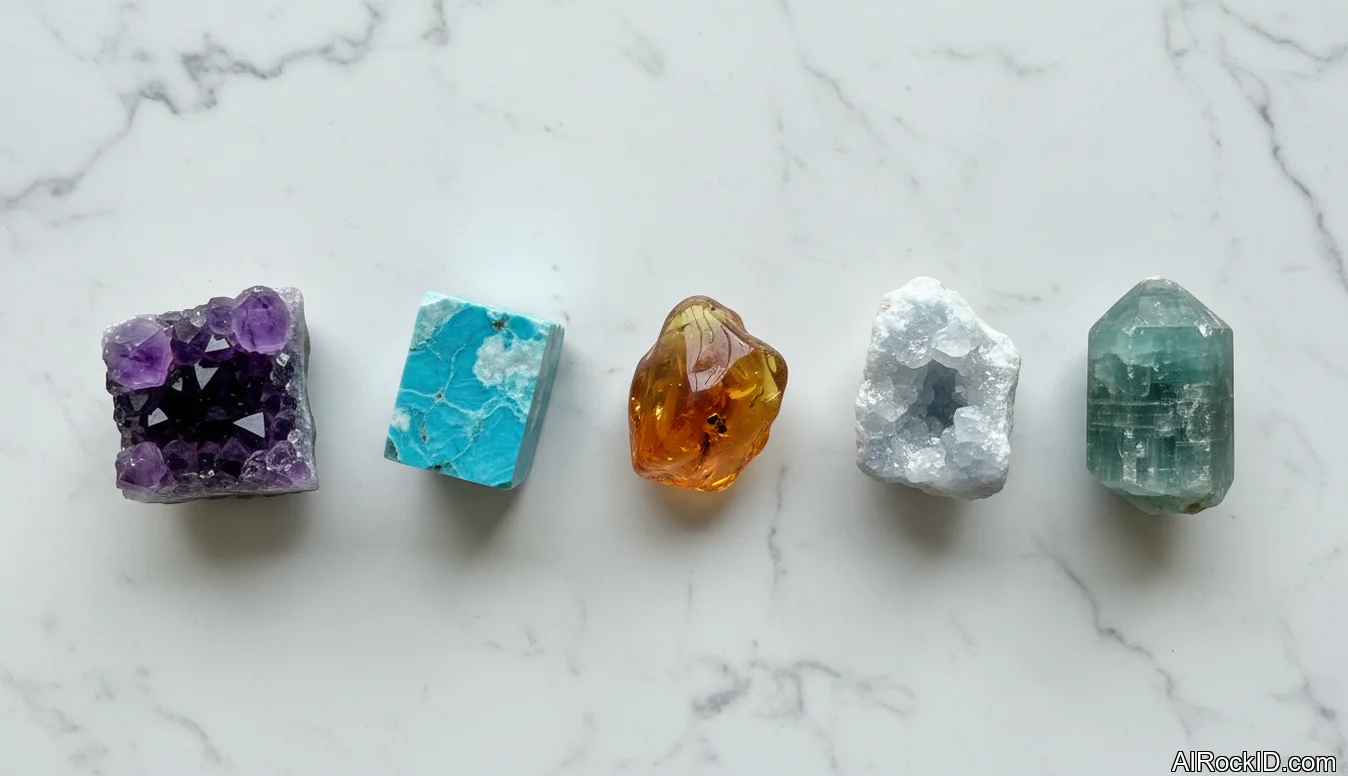
- Introduction
- Recommended Crystals
- Pick a meditation crystal the way you’d pick a tool
- Where to place the crystal during meditation (and why it matters)
- A simple 12-minute crystal meditation you can repeat
- Combining crystals with breathwork, mantra, or journaling
- How to Use These Crystals
- Common Mistakes
- FAQ
AI Rock ID can help identify an unknown stone from a photo before it is used in a meditation setup. RockIdentifier.io also provides crystal reference pages for checking names, appearance, and general care notes.
Good fit
- Beginners who want a simple object to anchor attention
- People who enjoy tactile meditation tools such as beads, stones, or palm stones
- Practitioners interested in crystal traditions without replacing medical or mental health care
- Anyone building a short, repeatable mindfulness routine
Not a good fit
- Situations where a crystal is expected to treat anxiety, depression, pain, or illness
- Meditation setups that place heavy, sharp, or unstable stones on the body
- People who become distracted by choosing too many stones at once
- Use with toxic, friable, or water-soluble minerals in direct skin contact without checking safety
Most commonly confused with
- Clear Quartz: Often used as a general focus stone; it is colorless to milky and harder than many look-alike minerals.
- Selenite: Common in meditation spaces, but it is soft, scratches easily, and should be kept away from water.
- Howlite: Frequently dyed to imitate turquoise; natural howlite is usually white or gray with web-like veining.
- Amethyst: A purple quartz variety often chosen for calming symbolism in crystal traditions.
AI identification confidence
AI photo identification is most useful when the crystal has clear color, texture, crystal habit, and enough lighting for comparison. Confidence may be lower for tumbled stones, dyed stones, similar quartz varieties, or specimens with coatings.
When AI gets it wrong
- The stone is tumbled, polished, or carved so natural crystal features are missing
- The color has been enhanced, dyed, heated, or coated
- The photo is blurry, shadowed, overexposed, or taken against a distracting background
- Several minerals in the same specimen are visible but only one area is photographed
Best choice summary
For most beginners, a single smooth crystal such as clear quartz, amethyst, rose quartz, or smoky quartz is easier to use than a large collection. The best choice is the stone that feels safe, comfortable to hold, easy to identify, and simple enough that it does not distract from the meditation itself.
Final recommendation
Start with one crystal, one intention, and a short session length, then adjust only after the routine feels natural. Treat crystal meanings as symbolic or traditional associations, and use the practice as a mindfulness support rather than a substitute for professional care.
Beginner recommendations
Advanced recommendations
Crystal Safety Checks Before Meditation
Inspect a crystal for sharp edges, loose flakes, powdery surfaces, or unstable points before placing it near the body. Avoid putting crystals in the mouth, on broken skin, or in drinking water unless the material has been verified as safe for that use.
How to Cleanse or Reset a Crystal Symbolically
Many crystal traditions use symbolic cleansing methods such as sound, breath, moonlight, smoke, or placing the stone on a cloth with a clear intention. Physical cleaning is different: use a dry or slightly damp soft cloth unless the mineral is known to tolerate water.
How Often to Meditate With Crystals
A short daily or several-times-a-week practice is usually easier to maintain than long occasional sessions. Consistency matters more than the number of crystals used, and stopping is appropriate if the practice feels stressful or distracting.
This guide shows you how to meditate with crystals by using a stone as a physical anchor: something you can feel, hold, and return your attention to when your mind wanders. It covers hands-on ways to work with Amethyst, Amazonite, Amber, Angelite, Apatite, and Apophyllite, including which shapes actually feel good in the hand during a sit. Crystals can support the ritual and the focus, but they don’t replace the basic skill of meditation.
Meditating with crystals is still just meditation. The crystal is a physical anchor, something your hands can hold onto so your attention has a solid place to come back to.
Grab a stone and you feel it right away. The heft. That coolness that turns lukewarm after a minute. The texture. A polished palm stone starts out slick, then gets a tiny bit tacky once your skin warms it up, like it’s “sticking” just enough to notice. But a raw chunk is a different deal. It’s got little edges and awkward corners, so you keep shifting your grip without even meaning to, and that keeps you here in the moment. That’s the whole point, honestly. I’ve seen a lot of people “fail” at meditation because they try to do it only in their head, like it’s a pure thought exercise. A crystal gives you a job. Hold it. Feel it. And when you realize you’ve stopped paying attention, you just… start noticing again.
Don’t get weird about buying one. The best stone for meditation is usually the one you’ll actually use. That’s often the one that sits nicely in your palm and doesn’t make you tense because you’re afraid you’ll drop it. Some pieces are too spiky, too fragile, or too expensive to relax with, and then what’s the point? Start simple. Keep the session short. Treat crystals like a tool, not a promise (because, yeah). Do that and you get the real payoff: more consistency, less mental wandering, and a practice you can repeat on a random Tuesday without needing perfect conditions.
Quick Comparison
| situation | crystal | why | format |
| My mind won’t stop racing, and I keep losing the breath count during meditation | Amethyst | It’s easy to track by feel: a polished amethyst palm stone starts slick, then gets slightly tacky as your hand warms it, so you’ve got a steady sensory cue to return to | palm stone |
| I want to meditate at my desk without anyone noticing, just something to hold between calls | Amazonite | A small tumbled amazonite has that smooth, almost waxy feel and gentle weight, so you can roll it between thumb and finger as a quiet anchor without changing posture | pocket tumble |
| I’m doing a short body-scan, and I want something warm and comforting in my hands instead of a cold stone | Amber | Compared to quartz, amber doesn’t stay cold; it warms fast and feels light for its size, which makes it nice for grounding without that heavy “rock in the hand” sensation | bead bracelet or worry stone |
| I’m trying to do a candle-gazing or open-eye meditation and want a visual point that keeps pulling me back | Apophyllite | Look closely and the real draw is the glassy faces: apophyllite flashes hard under a lamp when you tilt it, so the sparkle becomes a simple visual reset, but the clean terminated pieces chip if you fidget | small cluster on the table |
Recommended Crystals
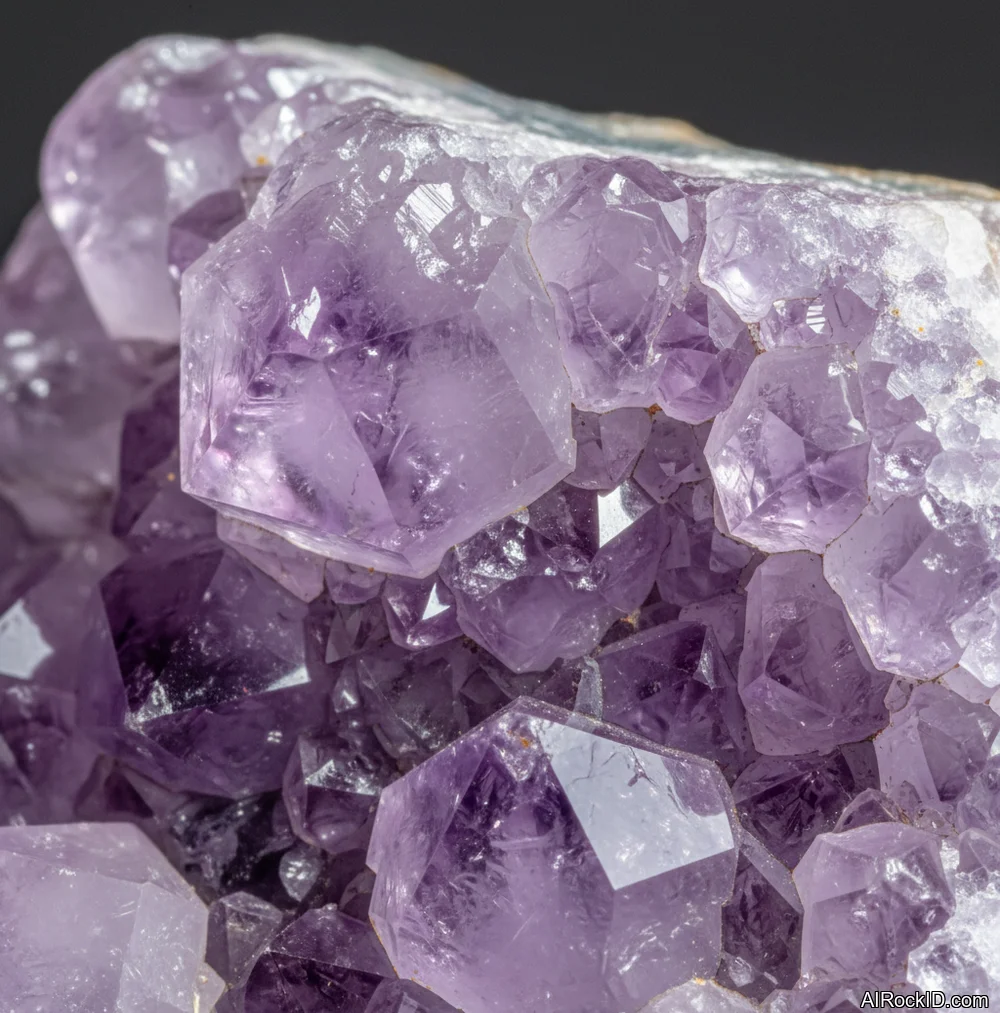
Amethyst
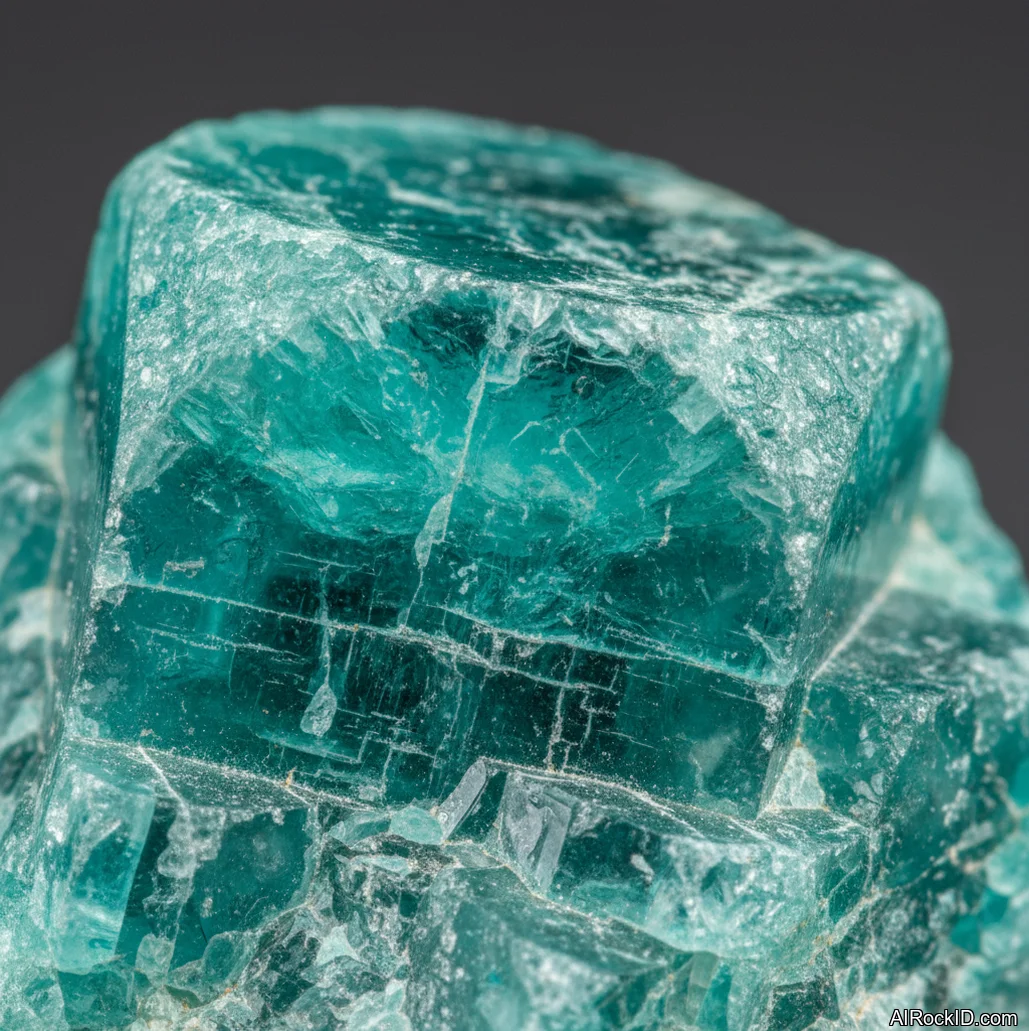
Amazonite
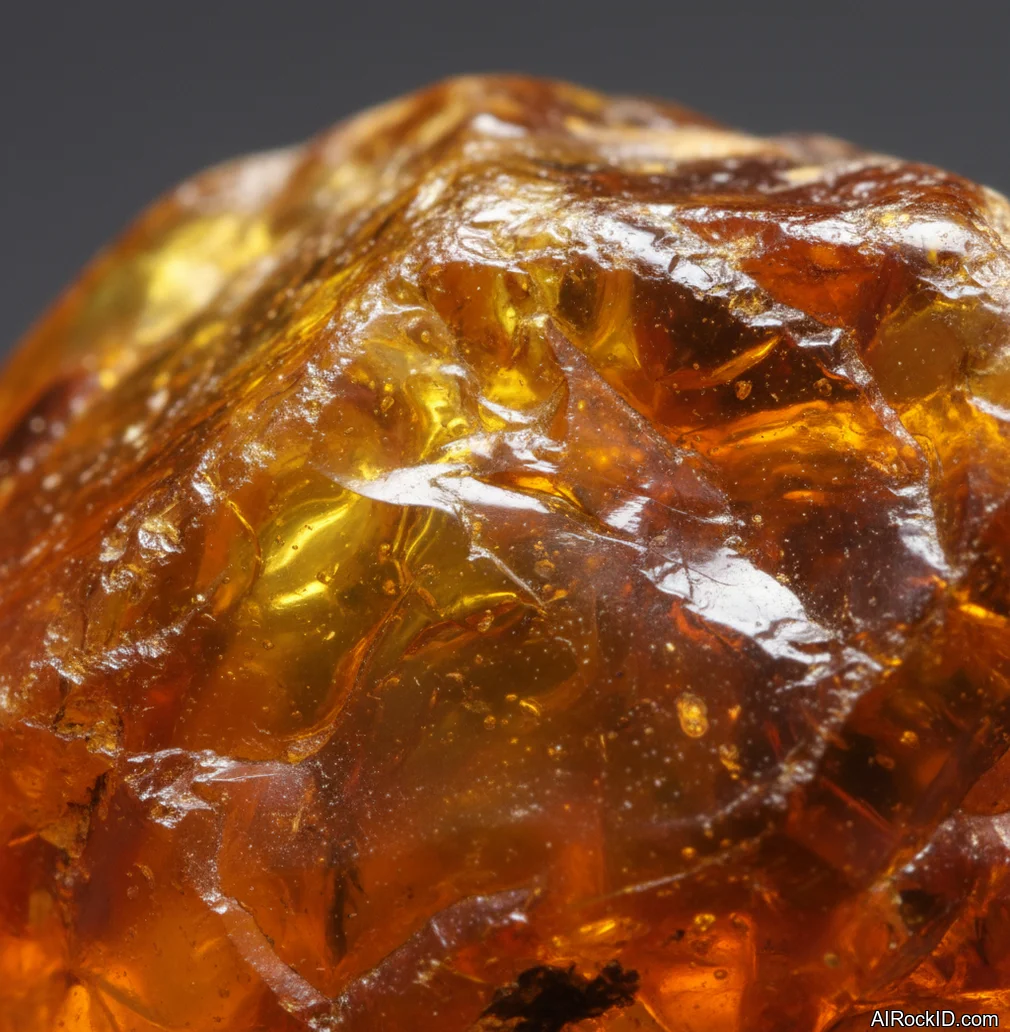
Amber
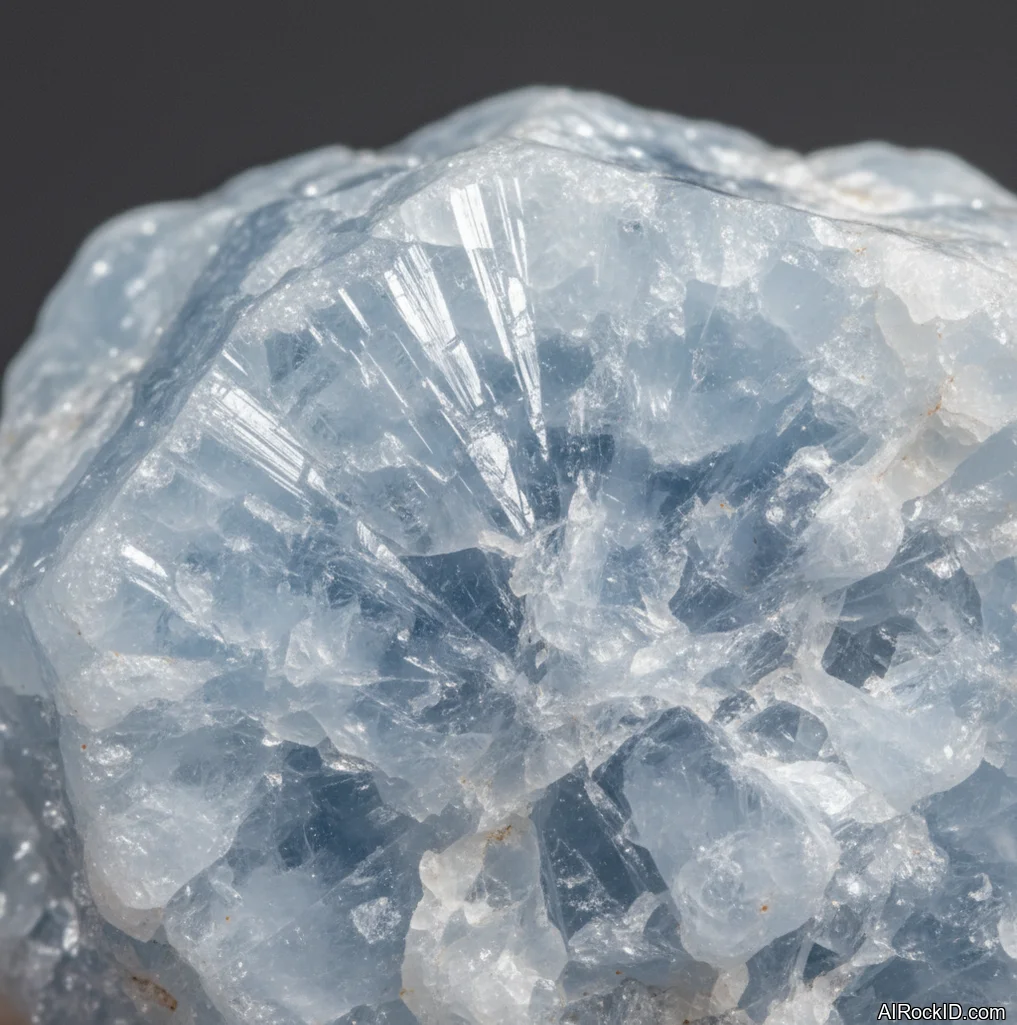
Angelite
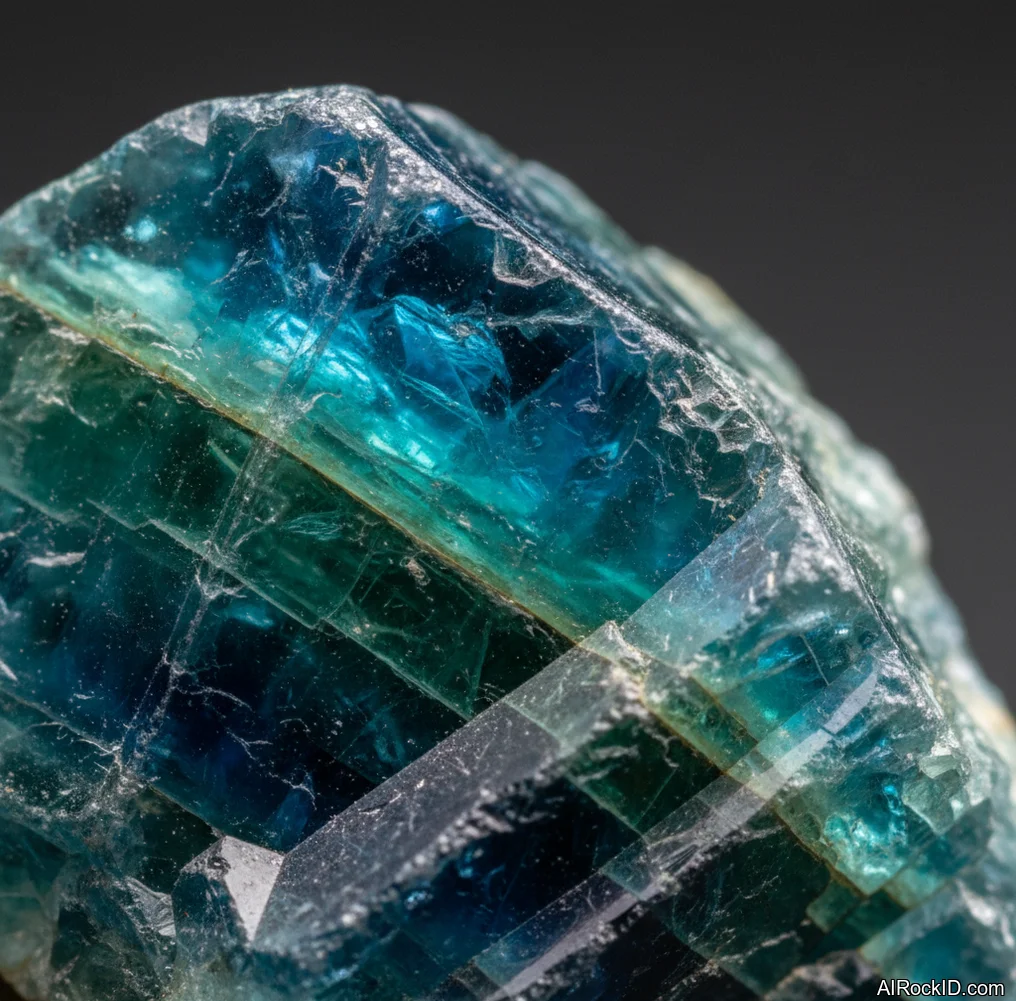
Apatite
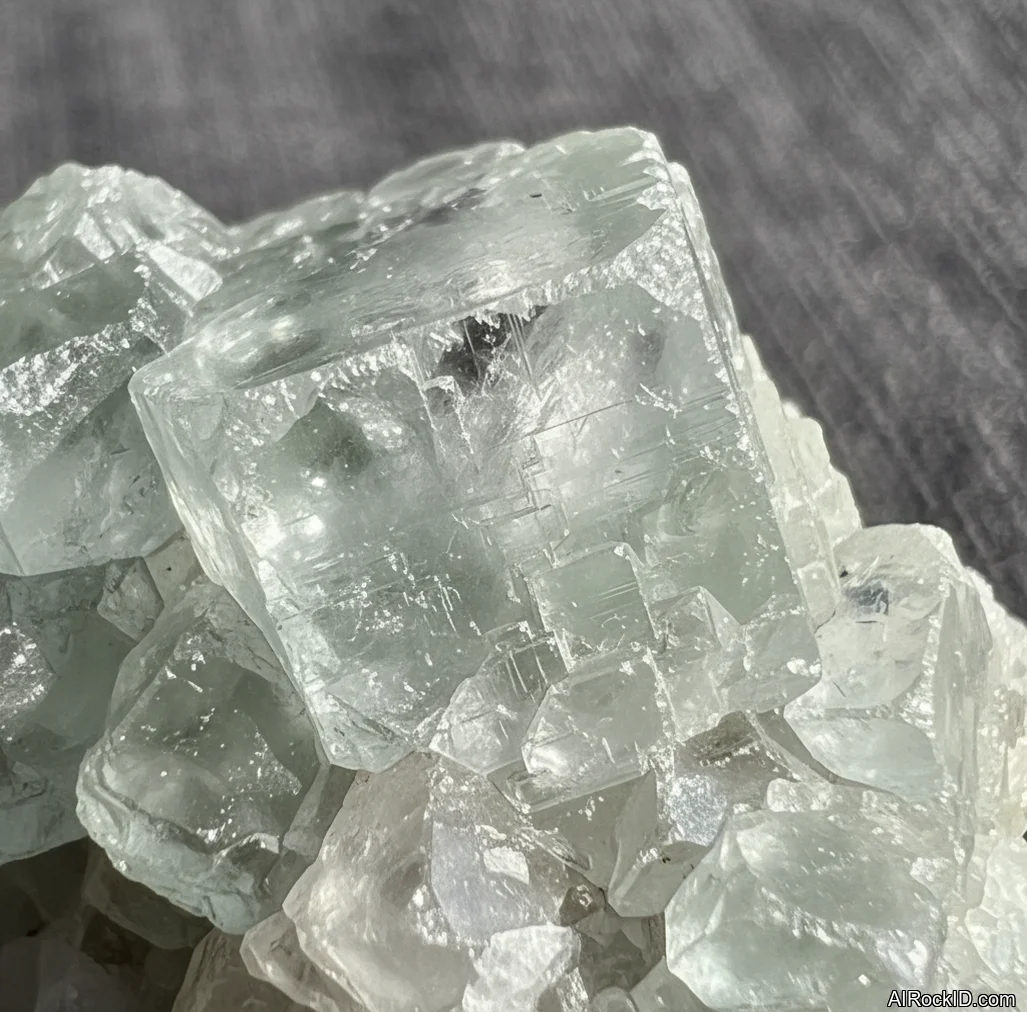
Apophyllite
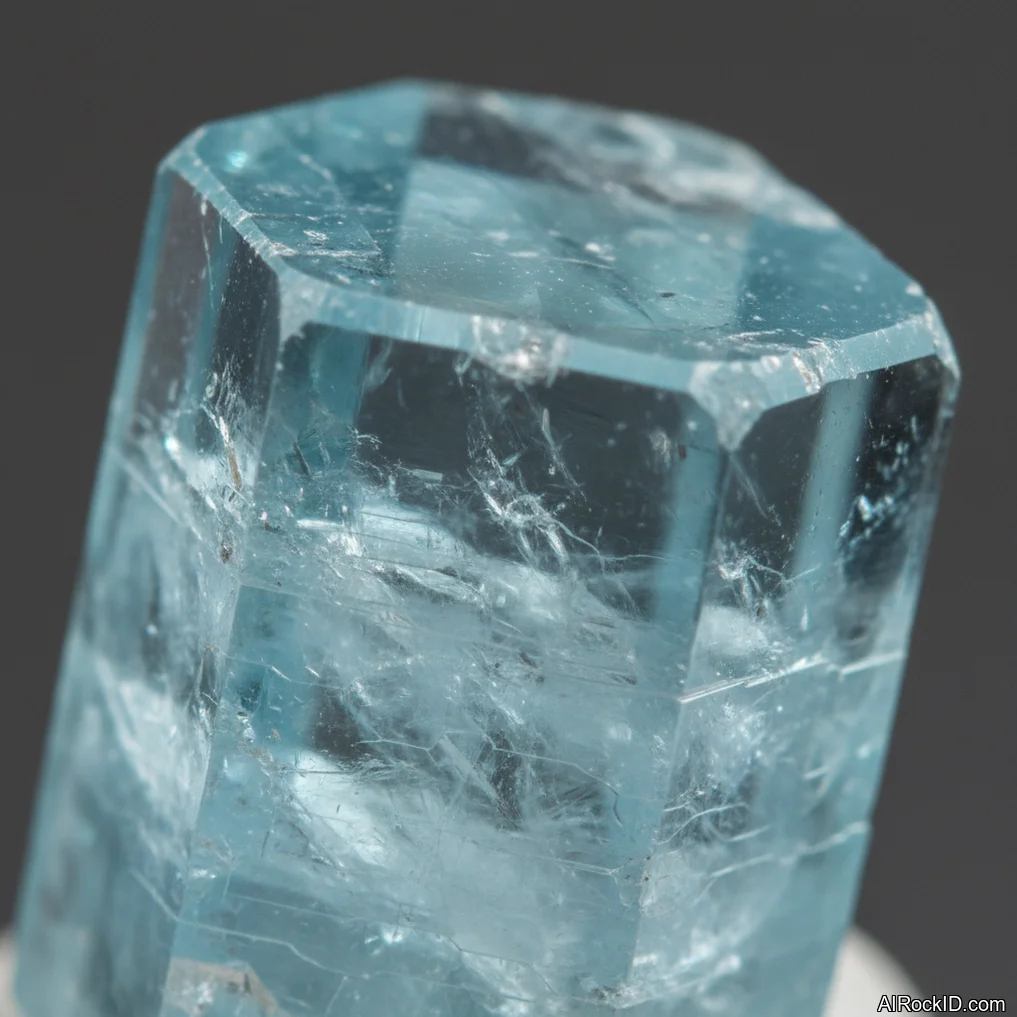
Aquamarine
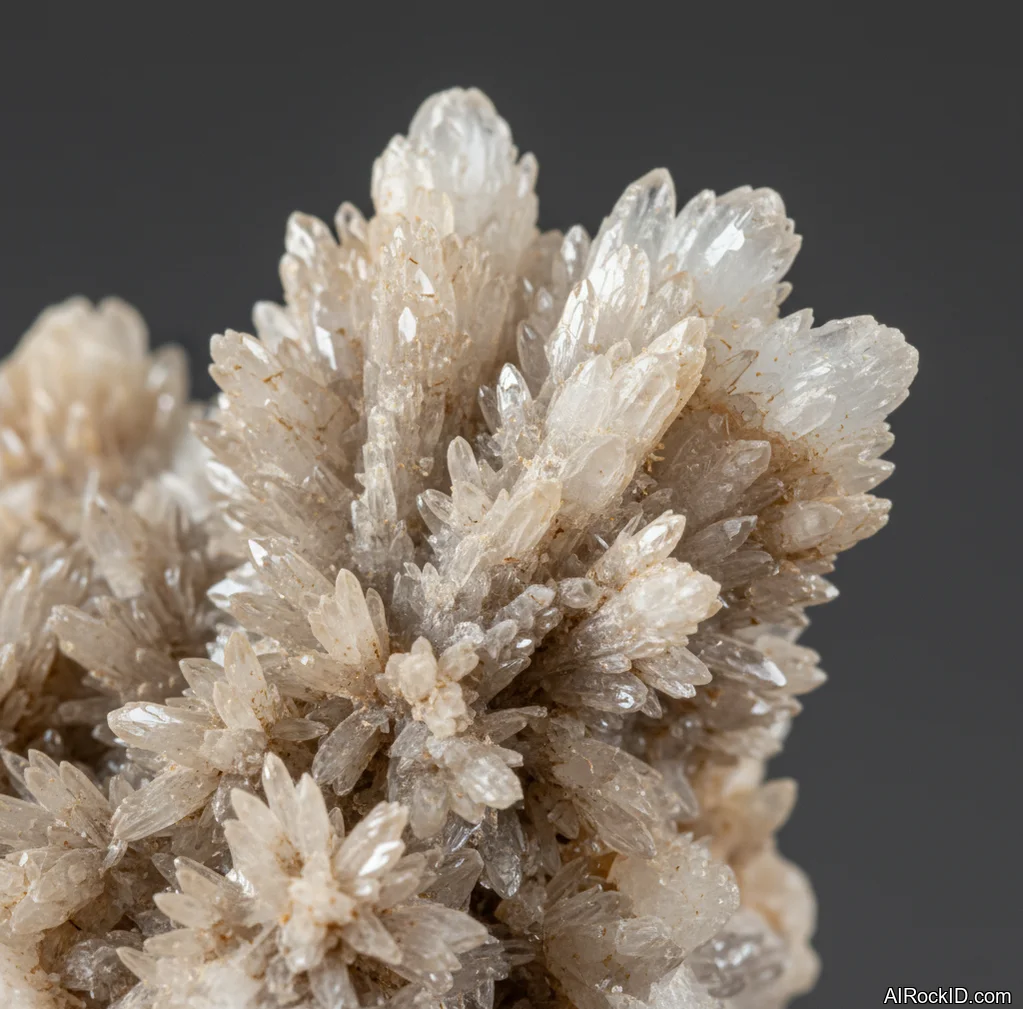
Aragonite
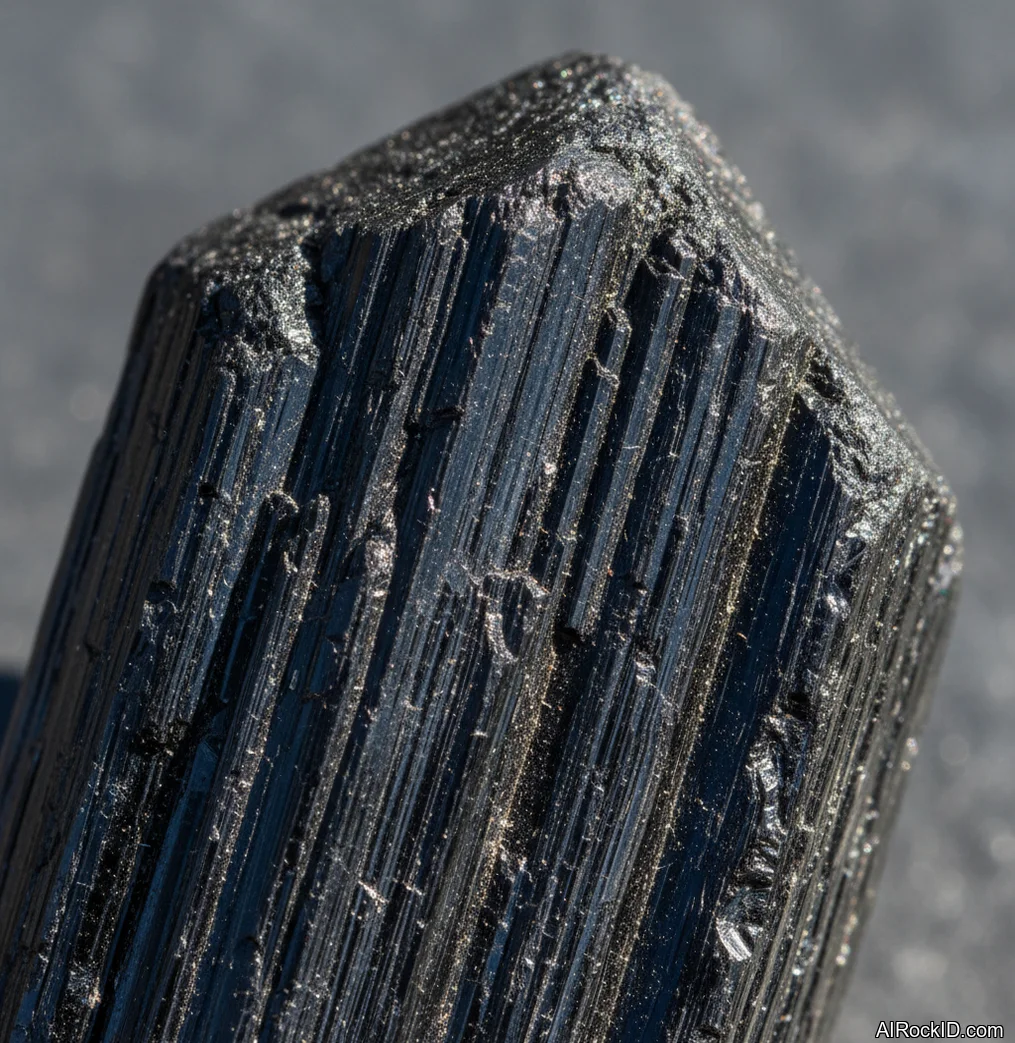
Black tourmaline
Pick a meditation crystal the way you’d pick a tool
Skip the long lists. Start with how it feels in your hand.
A meditation stone has to handle real life: sweaty palms, that little thunk when it slips and hits a wood floor, getting shoved into a drawer with spare keys, being ignored for two weeks, then suddenly you’re back to using it like nothing happened. Polished palm stones usually win because they don’t bite into your skin. Raw pieces can be great too, but if you keep shifting your grip to avoid a sharp edge, you’re not meditating. You’re just managing a rock.
Size and weight matter more than people admit. A heavy chunk sounds comforting until your wrist starts aching around minute seven, and then your whole session turns into “do I switch hands now?” A small tumble can feel kind of boring, sure, but boring is sometimes the whole point. If you’re buying in person, I do a quick test: close your eyes, hold it for ten seconds, and notice what happens. Do your shoulders soften, or do they creep up? Your body answers before your brain can argue with it.
And one more practical thing: durability. Angelite and apatite can scratch and scuff easily, while quartz-like materials take more abuse. So if you’re the type who wants to toss the stone in your pocket and meditate on breaks, pick something that won’t turn into a chipped worry-stone after a week (because that gets old fast).
Where to place the crystal during meditation (and why it matters)
Placement isn’t mystical. It’s ergonomics plus attention.
When a stone’s in your hand, it turns into this little tactile metronome. You start catching the tiny stuff: the way it feels cooler at first and then warms up, how your grip tightens when your mind runs off, those little micro-adjustments you didn’t even know you were making. Put it in front of you and the whole job changes. Now it’s a visual anchor, something your eyes can land on so they don’t keep skittering around the room.
If you’re sitting, the simplest setup is the stone in your non-dominant hand, palm open, resting on your thigh. That one detail keeps your shoulder from slowly hiking up without you noticing. And yeah, putting a stone on your forehead sounds dramatic. But most of the time it just turns into neck tension, and tension wrecks concentration fast.
Lying down is different. A smooth stone on your chest can cue slower breathing, but only if it isn’t heavy enough to make you feel pinned there (you know that stuck, can’t-quite-expand feeling?).
Pick one placement and stick with it for a full week before you change anything. People bounce between stones and positions every session, then they wonder why nothing ever feels stable. Stability is the practice. Even something small, like the click of a crystal tapping against a ring when you shift your hand, can become part of the routine. But only if you stop changing the variables every five minutes.
A simple 12-minute crystal meditation you can repeat
Set a timer for 12 minutes. It’s short enough you’ll actually stick with it, but long enough to feel something shift.
Sit down. Grab the stone. For the first minute, keep it brutally physical: is it cool or warm, smooth or rough, heavy or light? And if it’s a ridged tourmaline, run your fingertip along one ridge slowly. You can feel the little “steps” where it changes (especially if your skin’s a bit dry).
Minutes 2 through 10 are just breath practice. Breathe in like you normally do. Then let the exhale go a little longer than the inhale, and use the stone as the thing that pulls you back. Each time you notice you’ve wandered off, give the stone one light squeeze or a single tap with your thumb, then return to the very next exhale. No drama. That tiny squeeze becomes a kind of bookmark, and after a few sessions you’ll catch yourself drifting sooner. Funny how that happens, right?
Last two minutes: stop trying to control anything. Keep holding the crystal, but let your breathing do whatever it does. When the timer ends, don’t pop up. Put the stone down on purpose, like you’re racking a weight at the gym, and notice if your thoughts speed up the second your hand’s empty.
Combining crystals with breathwork, mantra, or journaling
Crystals tend to click in meditation when you pair them with one other simple thing. Breathwork is the cleanest match. If you’re holding a cool stone like aquamarine, it’s weirdly easy to catch tension because your palm heats it up, and that little shift in temperature turns into feedback you can actually follow.
Mantra works too. But keep it down to earth. Use a short phrase that fits what you’re doing, like “soft belly” or “one breath.” Don’t get poetic with it. The real test is simple: can you repeat it without paying attention to the words? If the phrase starts spinning into a story, drop it and go back to touch.
Journaling afterward is where a lot of people finally notice something real. Hold amazonite or amethyst during the sit, then write three blunt sentences: what you felt in your body, what distracted you, and what you want to practice next time. I’ve had sits that felt like absolutely nothing, then I cracked open the notebook and saw a pattern I couldn’t unsee, like always clenching my jaw the second work popped into my head.
How to Use These Crystals for How to Meditate With Crystals
Keep the whole setup stupid simple, like you could do it while your eyes are still half closed. Pick one crystal for the week, choose one spot in your house, and stick with one timer length. I usually do 10 to 15 minutes since it’s enough time to settle in, but not so long you start bargaining with yourself halfway through. Put the stone somewhere you’ll actually see it, not tucked in a cute little box you’ll forget exists.
Before you sit down, give the crystal a quick once-over for anything that’s going to yank you out of the moment. A sharp edge. A bit of loose grit that scratches your thumb. One of those delicate apophyllite points that makes you tense up because you’re sure you’ll snap it. If it’s dusty, just wipe it with a dry cloth (an old T-shirt works fine). I’m not big on elaborate cleansing rituals for meditation stones. What matters is it feels clean in your hand, and you’re not sitting there thinking about skin oils, pocket lint, or whatever fuzz was stuck to it.
While you’re sitting, use the crystal like a return button. Your mind wanders, you catch it, you touch the stone, and you come back to the next exhale. Simple. After the timer goes off, put the stone back in the exact same place every time. That tiny routine trains your brain faster than constantly swapping crystals, and it keeps the whole thing anchored in repetition, not vibes.
Common Mistakes to Avoid
Buying a stone you’re scared to actually use is the big one. I’ve watched people bring home a pricey aquamarine, still in that little foam-lined box, then spend the whole meditation tensing up about dropping it on the floor. If you can’t loosen your shoulders and breathe, it’s the wrong tool. Put the fancy piece on a shelf and meditate with something you won’t baby.
Another common slip: going too pointy, too fast. Raw tourmaline, aragonite sprays, sharp quartz points. They look awesome in your palm, sure, but the second you feel that little jab near your thumb crease and your grip keeps changing, your mind starts bouncing. And now you’re basically practicing restlessness. Start with something smooth. Then, once the habit’s there, bring in texture.
Last one. Treating the crystal like it’s doing the meditation for you. If you’re scrolling your phone, sleeping five hours a night, and never practicing, the stone won’t fix that. It’s an anchor, not a substitute for the basic skill of returning your attention to the present moment. Simple as that.
What Crystals Can and Cannot Do
Identify crystals related to How to Meditate With Crystals
Snap a photo to check crystals mentioned in this guide and compare likely matches.