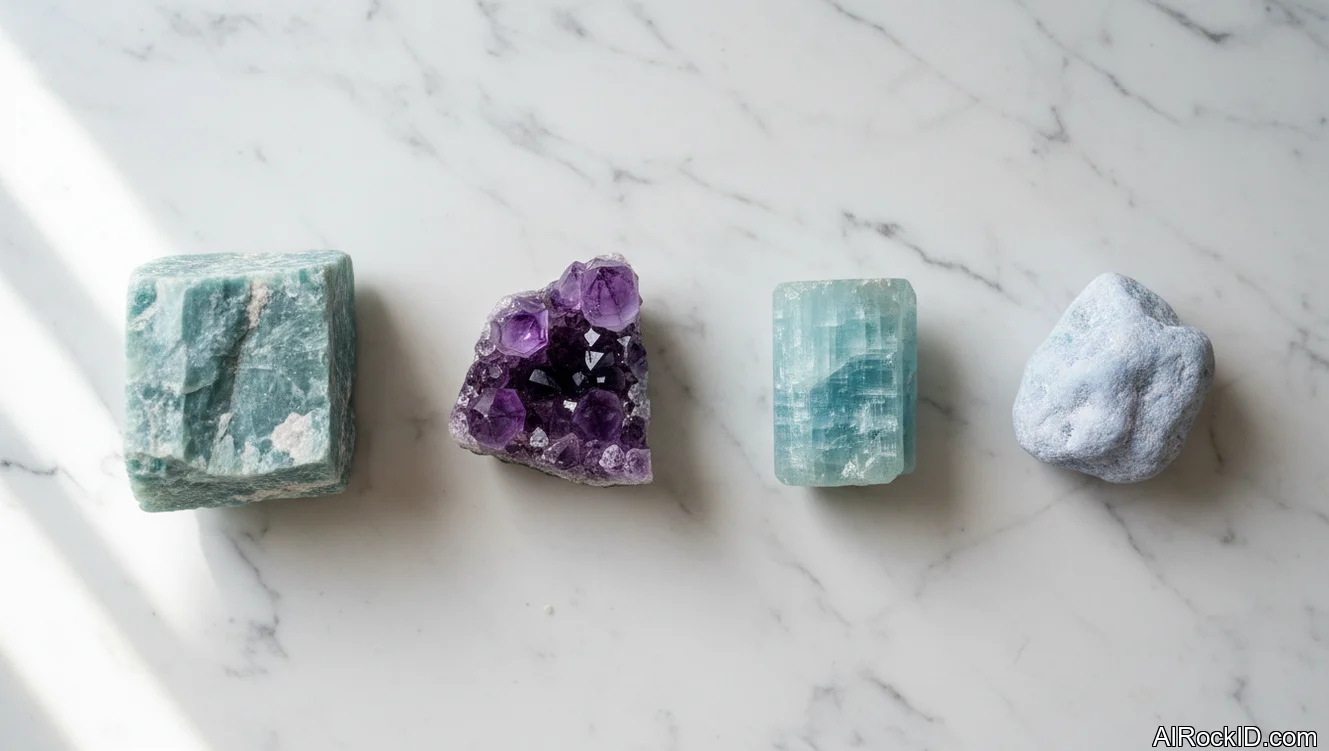
This guide covers the best crystals for Aquarius—specifically amazonite, amethyst, aquamarine, apatite, angelite, and black kyanite. These stones help calm racing thoughts, ground big ideas, and encourage follow-through without smothering creativity. Not every Aquarian will vibe with all six; personal preference and the stone's physical feel matter more than zodiac charts alone.
The best crystals for Aquarius are the ones that calm your nervous system down, help you think clearly, and keep those huge ideas tethered to something real. Aquarius energy can be lightning-fast and genuinely brilliant. But it can also get kind of crispy or jittery, like you’ve got eight browser tabs open, the fan on your laptop is whining, and none of the pages are actually loading.
I’ve seen a lot of Aquarians light up around stones that feel “clean” and bright in the hand, then end up sticking with the ones that quietly help them follow through when the excitement wears off.
Grab a solid piece of amazonite and you’ll notice the temperature first. It’s cool. Then there’s that slightly waxy, almost soap-smooth feel on the surface (especially along the polished edges), and that blue-green color that reads calm even under harsh shop lights. That physical calm matters more than people think. If a stone feels soothing in your palm, you’ll actually keep reaching for it, and the one you actually use is the one that ends up making a difference in your day-to-day.
Look, I’m keeping this grounded. Crystals won’t fix a messy schedule, cure anxiety, or replace therapy, sleep, meds, or a hard conversation. What they can do is work like tactile cues. You touch one, you remember what you meant to do, you slow down, you pick a next step. And for Aquarius, that next step is often the whole game. Turning vision into action without burning out or checking out. Simple. Not easy.
Quick Comparison
situation
crystal
why
format
Brain feels like it's running a mile a minute and you can't focus on one idea
Amazonite
People say the cool, waxy feel of amazonite helps calm their nerves and makes it easier to focus on one thing at a time
palm stone
Want to dial down stress before a big presentation or social event
Amethyst
Deep purple amethyst from Uruguay sits heavy in the hand and feels almost grounding, especially for Aquarians who get stage jitters
raw point or cluster
Tendency to overthink or get stuck in loops when trying to make decisions
Aquamarine
Aquamarine chips feel icy and slick, and some Aquarians keep them in a pocket to remind themselves to pause and breathe before reacting
tumbled stones
Need to get out of your head and actually finish a project you've started
Black kyanite
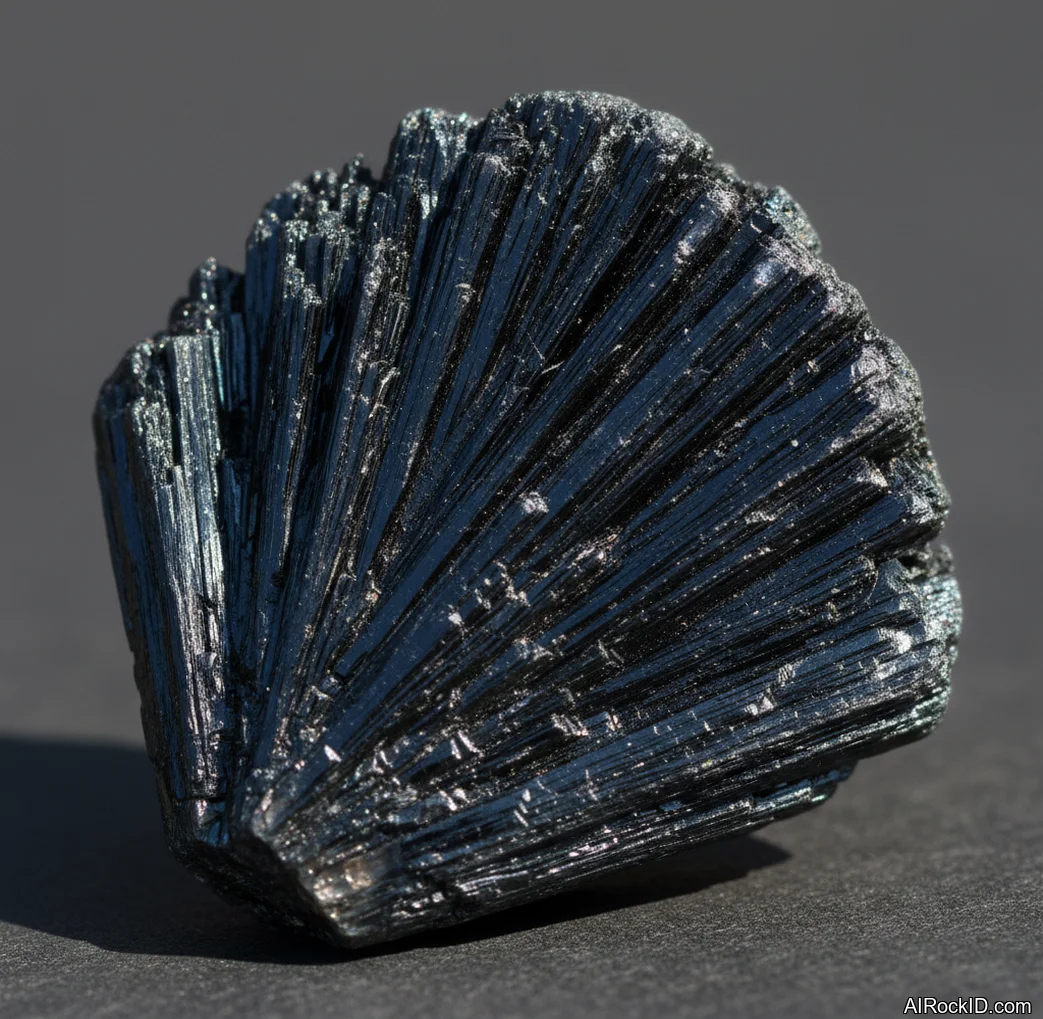
The fan-shaped blades of black kyanite have rough edges that catch on skin and fabric, making it hard to forget you're holding it; people use it to anchor themselves when focus slips
Aquarius is famous for living up in their head. Amazonite’s one of the few “get back in your body” stones that doesn’t leave you feeling weighed down or kind of blah. The really good pieces have this soft, satiny sheen, and if you roll the stone in your fingers and tip it toward a lamp, you’ll spot those white streaks or little grid-like lines from the feldspar structure. That’s part of why it comes across as orderly and calming.
And I’ve found it’s weirdly helpful when you need to say something complicated in plain language, like laying down boundaries without turning it into a whole argument. But yeah, be picky. The super bright, neon-looking stuff can feel wrong, and some dyed pieces give themselves away with color that’s pooled in tiny cracks (once you see it, you can’t unsee it).
How to use: Keep a palm stone at your desk and pick it up right before you hit send on an email you know will spiral. If you wear it, a flat pendant works better than a chunky tumble because it stays put and you’ll actually touch it. Wipe it down occasionally since oils dull the surface fast.
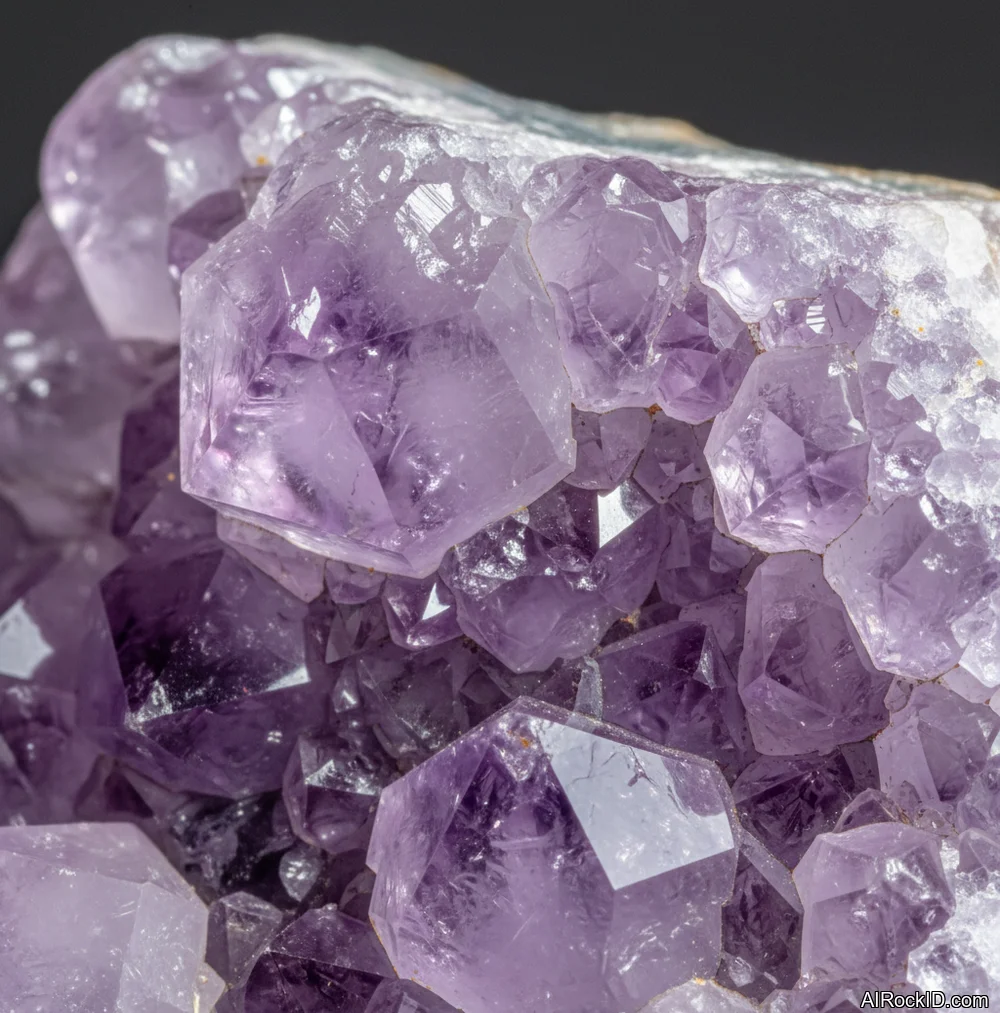
When Aquarius gets overstimulated, amethyst is my go-to “turn it down a notch” stone. It quiets the noise without fogging your head. Uruguayan amethyst usually shows up as that dense, inky purple that can read almost black when you’re standing in a dim room, but a lot of Brazilian pieces lean more lavender and the whole vibe feels lighter. I reach for it when I’m stuck in those late-night thinking loops, when it’s 1:30 a.m. and I’m “fixing” the same problem again and calling it productivity. And yeah, heat-treated pieces are everywhere, so if the color looks strangely warm or you’re seeing patchy orange (that weird little rust tint?), you’re not looking at plain amethyst anymore.
How to use: Put a chunk on the nightstand, not under the pillow, because sharp points and sleep don’t mix well. For work, try a small point aimed away from you on the desk as a visual reminder to stop doom-scrolling. If you cleanse with water, keep it quick and dry it well so you don’t end up with grime in tiny fractures.
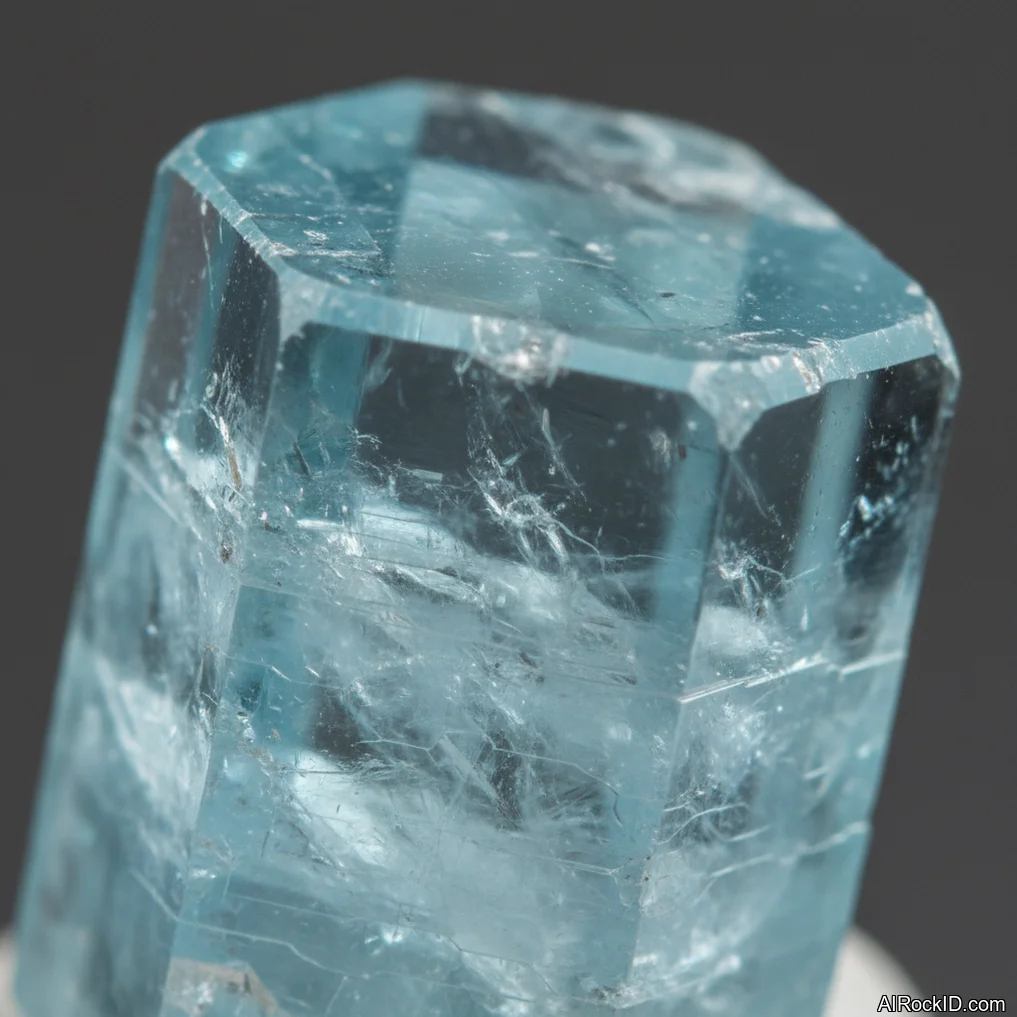
Aquamarine feels clean and watery, which somehow clicks with Aquarius’s airy vibe, especially when you’re trying to say what you mean without coming off icy. In your hand, a good piece has that glassy, crisp feel, and the pale blue shifts with the light, sometimes almost washing out in bright daylight. And I’ve noticed it’s handy for those “human” tasks that don’t come naturally, like apologizing, negotiating, or explaining your feelings without turning it into a thesis. But here’s the catch: the real, clear blue stones get expensive fast, and the cloudy, pale stuff just doesn’t hit the same.
How to use: Wear it near the throat if you’re using it for communication, even a small bead necklace works. If jewelry isn’t your thing, keep a tumbled stone in a pocket and touch it before phone calls. Don’t store it loose with harder stones, because it scratches more easily than people expect.
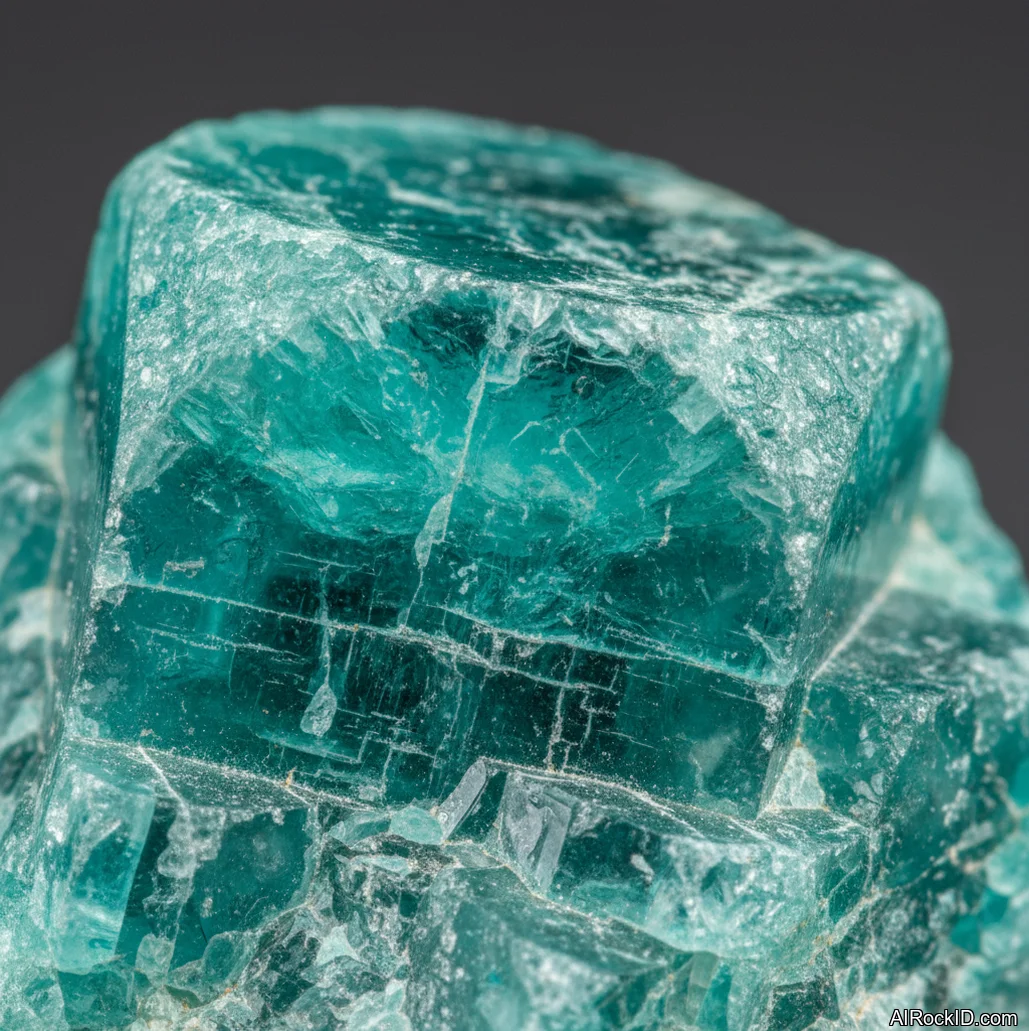
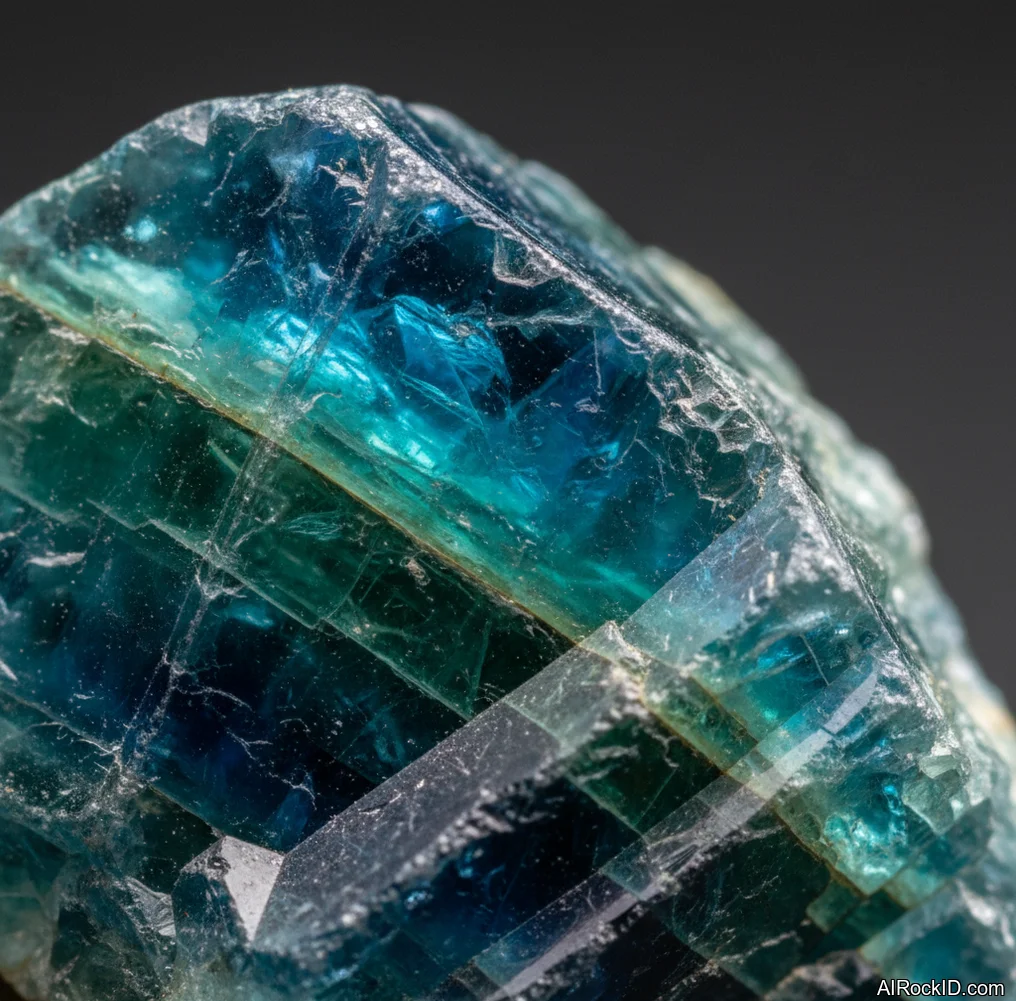
Apatite is the one I end up putting in an Aquarian’s palm when they’ve got ideas stacked to the ceiling but can’t pick a lane. Under harsh shop LEDs, that blue can go almost neon, and when you roll it between your fingers it throws off this slick, glassy shine that feels kind of “awake.” Not heavy. Not sleepy. Just… on.
So yeah, in real-life terms, I like it for focus that stays flexible. You’re still curious, still connecting dots, but you can actually finish the thing in front of you. But look, it’s soft and it’s brittle. I’ve seen more chipped apatite tumbles than just about any other blue stone, and it doesn’t take much, either (one clumsy drop on a countertop will do it).
How to use: Use apatite as a “working stone” that lives on your desk, not in your pocket with keys and coins. If you meditate with it, hold it gently and don’t clack it against other stones. Choose a larger piece than you think you need, because tiny apatite disappears and then you stop using it.
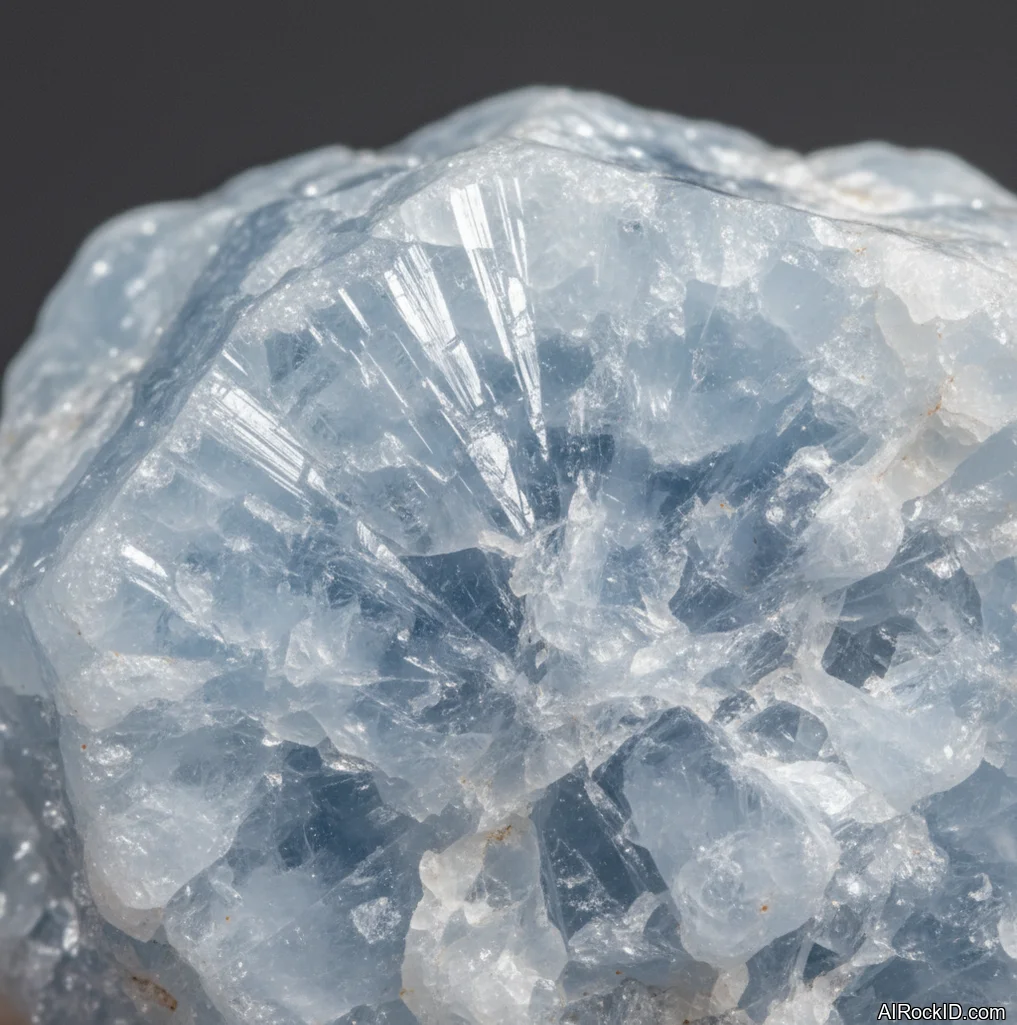
Angelite sits in that gypsum/anhydrite lane, so the first thing you notice is the chalky, matte surface. Pick up a piece and it almost drags against your fingertips like sidewalk chalk, and yeah, it’s weirdly calming.
For Aquarius, I reach for it when the brain’s gone too far into the abstract stuff and you need a little softness. More patience. Less that tight internal push to be “right,” you know?
That pale blue looks almost dusted on, like someone brushed powder over it. And cheap pieces can feel kind of warm in your hand compared to denser stones, which is a quick reality check that you’re holding something gentle (not some heavy, glassy chunk).
But it’s not tough. It dents fast, and water will mess it up over time.
How to use: Keep it by the bed or on an altar shelf where it won’t get knocked around. If you carry it, wrap it in a cloth pouch so it doesn’t scrape or chip. Clean it with a dry cloth only, no rinsing.
Black kyanite honestly looks like a scruffy little broom, and that’s kind of the whole point for Aquarius when you’re feeling energetically static-y. If you run your thumb along the blades, the ridges grab back like a tiny comb, so it feels like an actual tool in your hand, not some pretty rock you leave on a shelf and forget.
I’ve used it after coming home from crowded places when my brain just won’t settle. And it usually slices right through that fuzzy, buzzy feeling fast. But look, it’s fragile. Those thin blades will snap if you chuck it in a bag next to anything heavy.
How to use: Gently sweep it a few inches above your shoulders, chest, and the back of your neck, then set it down and wash your hands. Store it alone in a small box so the blades don’t crumble. If you want one for travel, pick a thicker, denser cluster, not the airy, feathery ones.
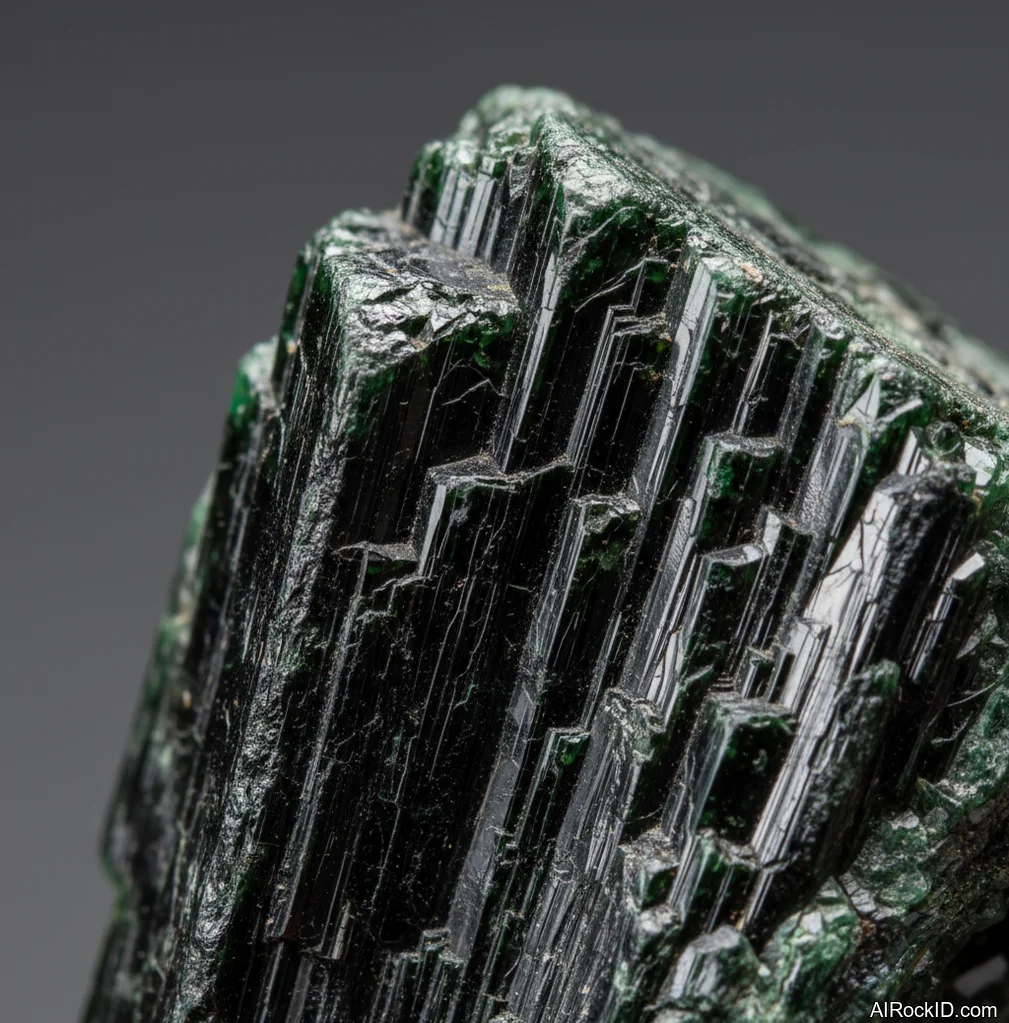
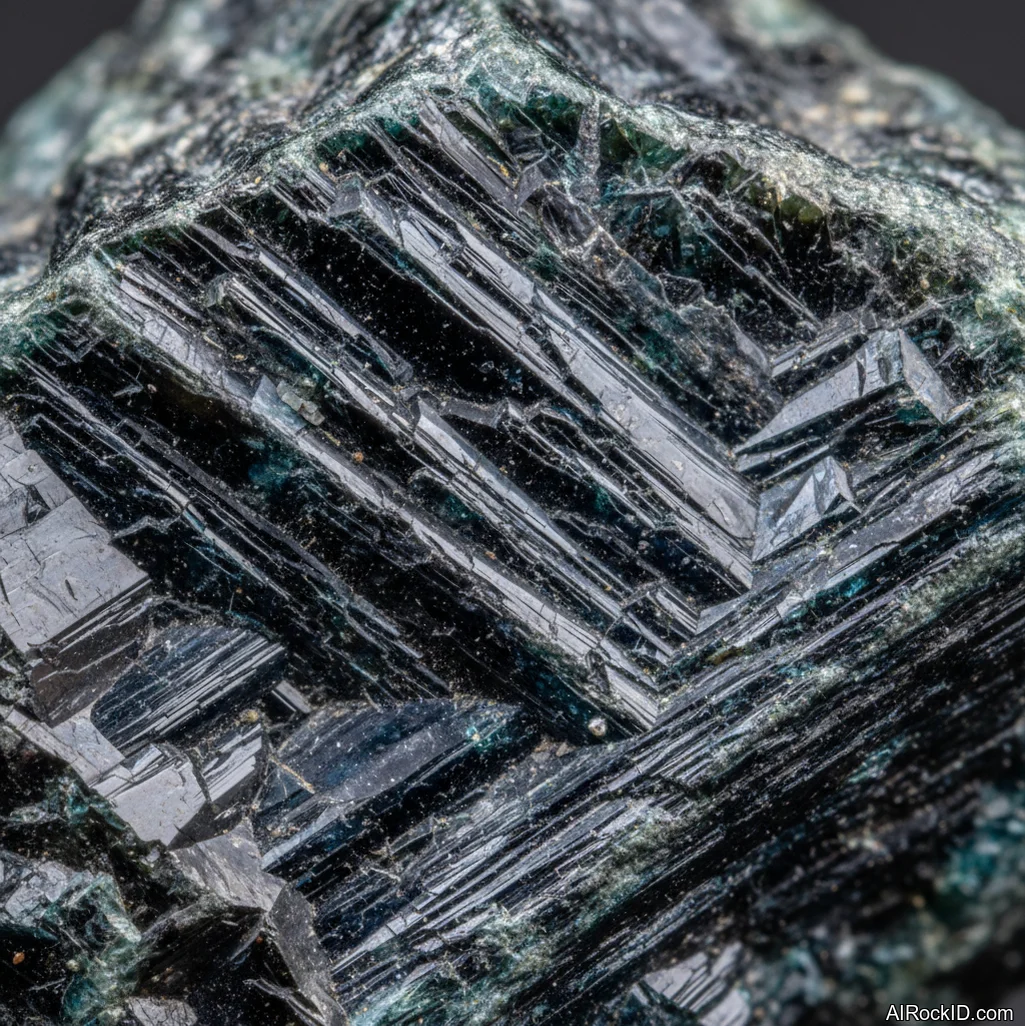
Aegirine is basically a “feet on the floor, eyes open” mineral, which Aquarius can use when the idea is genius but the logistics are a mess. A good piece has that dark, almost oily sheen, and the prismatic faces throw these thin, knife-slice flashes of light when you turn it in your fingers. I reach for it when I need discernment, especially around groups, causes, and loud opinions, because it helps me sort what’s actually mine from what I’ve soaked up from everyone else. Thing is, the stuff with really sharp points can be expensive and it’s brittle, too, so don’t grab a spiky display specimen if you’re planning to handle it every day (it’ll chip, and you’ll feel it).
How to use: Use a sturdier piece for hands-on work, and keep the fragile needles for display. Hold it during journaling when you’re making decisions, then write one concrete action step before you put it down. Keep it away from kids and pets since broken shards are a pain.
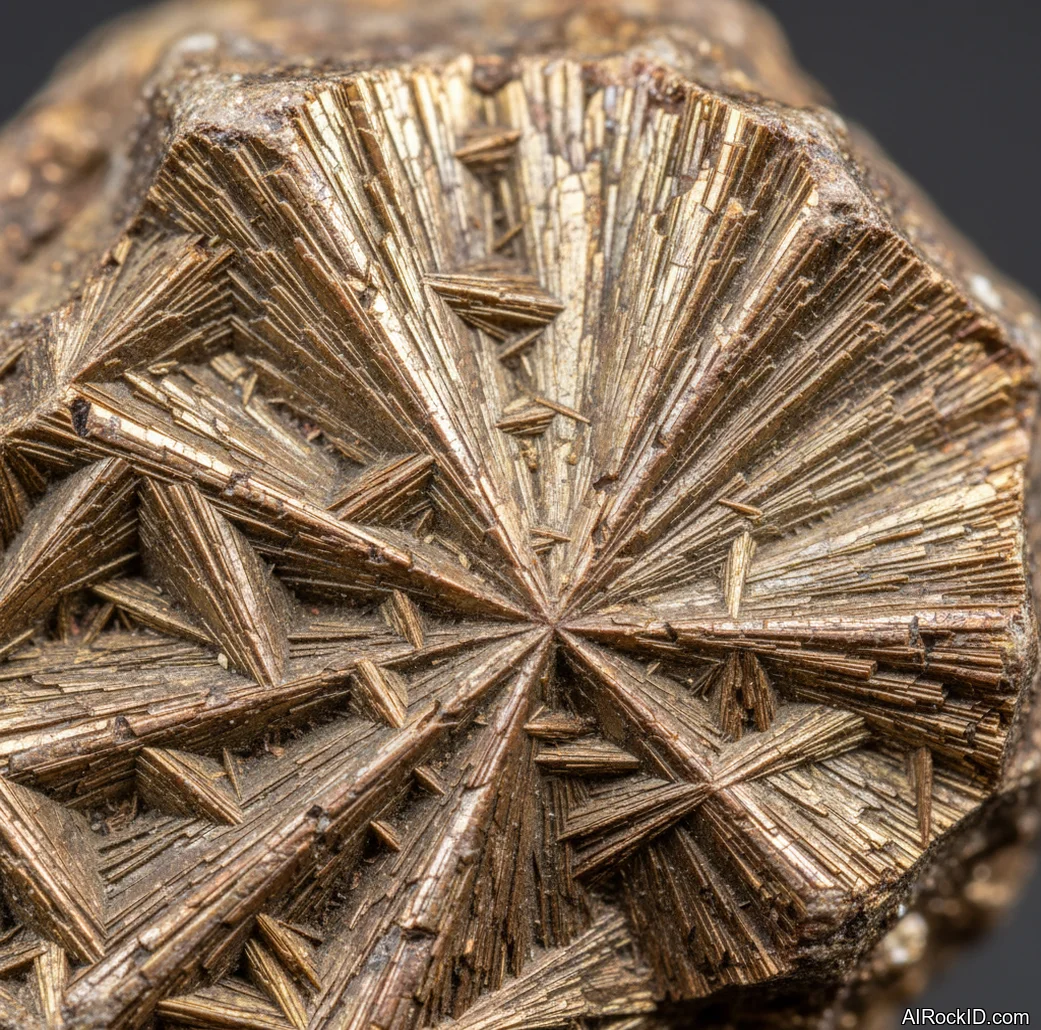
Astrophyllite really does have that starburst thing going on, with bronze-gold blades shooting out through a dark matrix, and it fits the Aquarius “cosmic brain” vibe without drifting into make-believe. And if you’ve ever held a polished slice under a lamp and tipped it a few degrees, you know the flashes don’t just “shine” evenly. They pop in thin streaks, then disappear like someone flipped a switch, which is weirdly useful for catching exactly where your attention keeps sliding.
I’ve watched it click for people who lean a little too hard into the outsider identity (you know the type) and are trying to get back to plain self-worth without puffing up into ego. But, fair warning, it’s usually sold as polished slabs, and some pieces are stabilized, so don’t treat it like a tough pocket stone. Think of it more like a delicate tool (one you handle gently) than something you toss in a bag and forget about.
How to use: Set it where light hits it, like a shelf near a lamp, and use it as a quick visual reset during the day. For meditation, rest it on the sternum for a few minutes while you breathe slowly, then put it away. Don’t soak it or leave it in humid places, because the matrix can degrade.
Arfvedsonite’s funny like that. Sitting still, it can look almost plain, just a dark chunk. But tilt it under a lamp or by a window and bam, that blue-black sheen shows up, like cat’s-eye streaks hiding just under the surface.
That kind of “hidden flash” vibe fits Aquarius really well, especially when you’re working on a long-range plan and you need patience, not instant results. In my own pile, it’s the stone I grab when I’m brainstorming, but I’m also trying to stay honest about real limits like time, money, and energy (because those are always the ones that bite).
One heads-up: it gets mixed up with other flashy black stones all the time. So don’t just buy the first shiny one you see. Get it from a dealer who can tell you where it came from and what it actually is.
How to use: Carry a small tumbled piece on days you’re making decisions, then touch it before you say yes to anything. If you use it for planning, place it on top of your notebook and don’t move it until you’ve written your top three priorities. Clean it with a quick wipe, because it shows fingerprints easily when polished.
What Aquarius energy actually needs from a stone
Air signs get pegged as “in the head,” but Aquarius isn’t just floating around up there. It’s systems-thinking and future-thinking, it’s that itch to spot patterns before anyone else even sees the problem. You notice what’s busted in the world and you want to redesign it, which is great… right up until you’re staring at the ceiling at 2 a.m. because your brain is trying to fix everything all at once.
So when I’m picking Aquarius stones, I’m watching for three things: something that calms the nervous system, communication that stays warm (not icy or overly clinical), and plain old follow-through. Grab apatite and you’ll feel that quick mental spark, like your thoughts just snap into focus. But thing is, it can also wind you up. That’s when amazonite or angelite helps, because your shoulders don’t creep up toward your ears while you’re trying to get work done. That combo matters.
And then there’s the social piece. Aquarius can be seriously people-oriented, but group energy can drain you fast when you’re soaking up everyone’s takes and moods. That’s where black kyanite or aegirine earns its keep. They’re not soft “love and light” stones. They’re practical boundary tools, the kind you can feel in your hand, like a heavier, steadier presence that tells your system, “nope, not taking that on.”
Choosing quality: what to look for in the shop
Most folks grab a stone because the color catches their eye first. Fair. But you’ll save yourself some cash (and a lot of annoyance) if you also pay attention to texture and how tough it is. Angelite, for example, should feel chalky and soft in your hand, kind of like a dried river stone that’s been sitting out in the sun too long. If it’s glossy and bright, pause and ask a couple questions.
Take a hard look at blue stones in general. Apatite chips easily, so run your thumb along the edges and check for fresh white dings, especially on tumbles where the bumps show up fast. Aquamarine should read as clear to slightly misty, not like someone painted the color on. And if the blue is oddly uniform and super intense on a cheap piece, yeah, it could be dyed glass or treated material.
A lot of dealers will let you hold the stone under a lamp. Do it. Arfvedsonite’s flash shows up best under a single point light, and astrophyllite’s bronze blades will flare at certain angles, then vanish when you tilt it a hair. That’s not some mystical sign. It’s just the structure catching and bouncing light, and it’s a quick way to confirm the stone in your fingers matches the label.
Air plus water: balancing the Aquarian mind without dulling it
Compared to the earthier signs, Aquarius usually doesn’t need a pep talk to “get motivated.” That’s not the problem. The problem is your motivation goes everywhere at once, like a bunch of browser tabs you forgot you opened, and then none of it actually lands.
So I like pairing an airy, heady stone with something that feels cooling or soothing in your hand. Aquamarine and amazonite hit that sweet spot. They don’t shut your brain off. They just take the sharp edge down a notch so you can say what you mean and not spin out into ten hypothetical outcomes.
And amethyst? That’s the off switch at the end of the day. Put it near your bed and you’ll probably notice you reach for your phone less. Not because the crystal “made” you do anything, but because the little ritual changes what you do next (and your hand kind of learns the habit).
But if you want a sharper boundary, bring in black kyanite or aegirine. They can feel like too much if you’re already wiped, so start small. The real test is simple: do you feel more present after you use them? If you feel numb or irritable, swap it out.
Aquarius season vs Aquarius sun: timing your crystal work
Aquarius season tends to turn up the Aquarius stuff for everybody: community, reform, big-picture thinking, plus that slightly emotionally detached vibe. If you’re an Aquarius sun, it can feel like someone cranked your personal volume knob. Awesome. Until it isn’t.
When Aquarius season rolls in, I reach for amazonite and amethyst first. They help keep the pace sustainable. Apatite’s great for planning and learning, but it can shove you into that “one more idea” spiral if you’re already running hot. So I’ll use it earlier in the day, then swap to something calmer at night.
Outside Aquarius season, if you’re an Aquarius sun, I treat these stones like you’d treat tools. Aquamarine for a week where you’ve got a tough conversation coming up. Arfvedsonite when you’re mapping out a career move and you need patience (the unsexy kind). And if you’re doing a lot of group work, keep black kyanite around the way you keep hand soap by the sink. Not glamorous. Just smart.
How to Use These Crystals for Aquarius
Keep it simple, or it won’t stick. For Aquarius, I like a two-stone setup. One is for clarity and output (apatite, aquamarine, or arfvedsonite). The other is for settling (amazonite, amethyst, or angelite). Grab the “output” stone when you sit down to work, set a timer for 25 minutes, and don’t switch tasks until it dings. Then, before you decide what’s next, touch the “settling” stone and take five slow breaths. That’s it.
If you’re using crystals for communication, where you put them matters more than people think. A small aquamarine pendant near your throat gets bumped and fiddled with in conversation (you know, that little thumb rub on the smooth edge), and that turns it into a physical reminder to slow down and pick your words. For boundaries after social time, black kyanite is my go-to because it’s quick and consistent: a few gentle sweeps around the shoulders, then wash your hands and get on with your evening.
One more thing. Don’t set a bowl of stones somewhere and call it a practice. Rotate them. I’ll keep one stone on my desk for a week, then swap it out. You notice the differences more, and you stop treating them like decoration. Why bother if it’s just decor?
Common Mistakes to Avoid
The issue with most Aquarius crystal lists online is they’re basically color-matching with a bunch of “vibe” words stapled on. So you wind up with ten blue stones and zero idea what to grab on a rough day versus a focused-work day. If you’re buying, start simple: pick one clarity stone, then one calming stone. Sit with them for two weeks before you pile on more. Seriously. Two weeks tells you a lot.
Most of the disappointment comes from cheap versions. Dyed blue stuff is everywhere, and once you’ve seen it, you can’t unsee it. Look for color pooling in cracks, that weirdly uniform tone that looks printed on, or a shiny coating that feels just a little tacky when it warms up in your hand (or after it’s been in your pocket for an hour).
Another common mistake: people beat up soft stones. Angelite and apatite get absolutely wrecked in pockets, bouncing off keys and coins, taking little edge chips you don’t notice until the surface starts looking scuffed. Then folks say they “stopped working,” when really the stone just got damaged and forgotten.
And the last one is over-cleansing. Scrubbing. Soaking. Salt bowls. Leaving them in harsh sun. You’ll fade amethyst over time, and you’ll ruin angelite fast. Gentle handling wins over complicated rituals. Why make it harder than it has to be?
What Crystals Can and Cannot Do
Crystals can anchor a daily ritual or give your hands something cool and real to hold when your mind's spinning. They work best as tactile reminders to pause or refocus, not as magic solutions. You shouldn't skip therapy, medication, or medical care if you're struggling with attention, anxiety, or follow-through.
Important: Crystals can’t diagnose, treat, or cure medical or mental health conditions. They don’t replace medication, therapy, or emergency care, either. And no, they won’t magically solve chronic disorganization or burnout on their own, even if having one in your hand helps you clock the problem faster.
So treat them like attention tools and little habit cues. If what you actually need is structure, the unglamorous stuff does the heavy lifting: calendars, boundaries, sleep, food, plus support from real humans. (Texting a friend counts.)
Identify Any Crystal Instantly
Snap a photo and get properties, value, care instructions, and healing meanings in seconds.
Common Aquarius-aligned crystals include amazonite, amethyst, aquamarine, apatite, angelite, black-kyanite, aegirine, astrophyllite, and arfvedsonite.
What crystal matches Aquarius for communication?
Aquamarine is associated with calm, clear communication and is commonly worn near the throat as jewelry.
What crystal is used for calming an overactive Aquarius mind?
Amethyst is associated with relaxation and mental quiet, especially as a bedside or evening-use stone.
Which Aquarius crystal is best for focus and follow-through?
Apatite is associated with motivation and focused learning, but it is physically soft and chips easily.
What is a good Aquarius crystal for boundaries after social situations?
Black-kyanite is associated with energetic clearing and is commonly used as a sweep-around-the-body tool.
Is angelite safe to put in water?
Angelite is not water-safe and can degrade or soften with prolonged moisture exposure.
Does amethyst fade in sunlight?
Amethyst can fade with long-term direct sunlight exposure, especially on windowsills.
How can I tell if a blue stone might be dyed?
Dyed stones often show concentrated color in fractures, uneven staining around pores, or an overly uniform bright tone.
Is apatite a durable everyday pocket stone?
Apatite is relatively soft and brittle, so it is not ideal for pockets with keys, coins, or other hard items.
Do I need multiple crystals for Aquarius?
One clarity-focused stone and one calming stone is enough for most routines, and additional stones are optional.
The information provided is for educational and spiritual exploration purposes. Crystals are not a substitute for professional medical, psychological, or financial advice.