Best Crystals for Heart Healing
Quick answer: For emotional heart healing, many crystal traditions start with rose quartz for gentleness, green aventurine for steadier renewal, and rhodonite for compassion with boundaries. These stones are best used as reflective tools for calm, grief support, and intention-setting, not as substitutes for medical or mental health care.


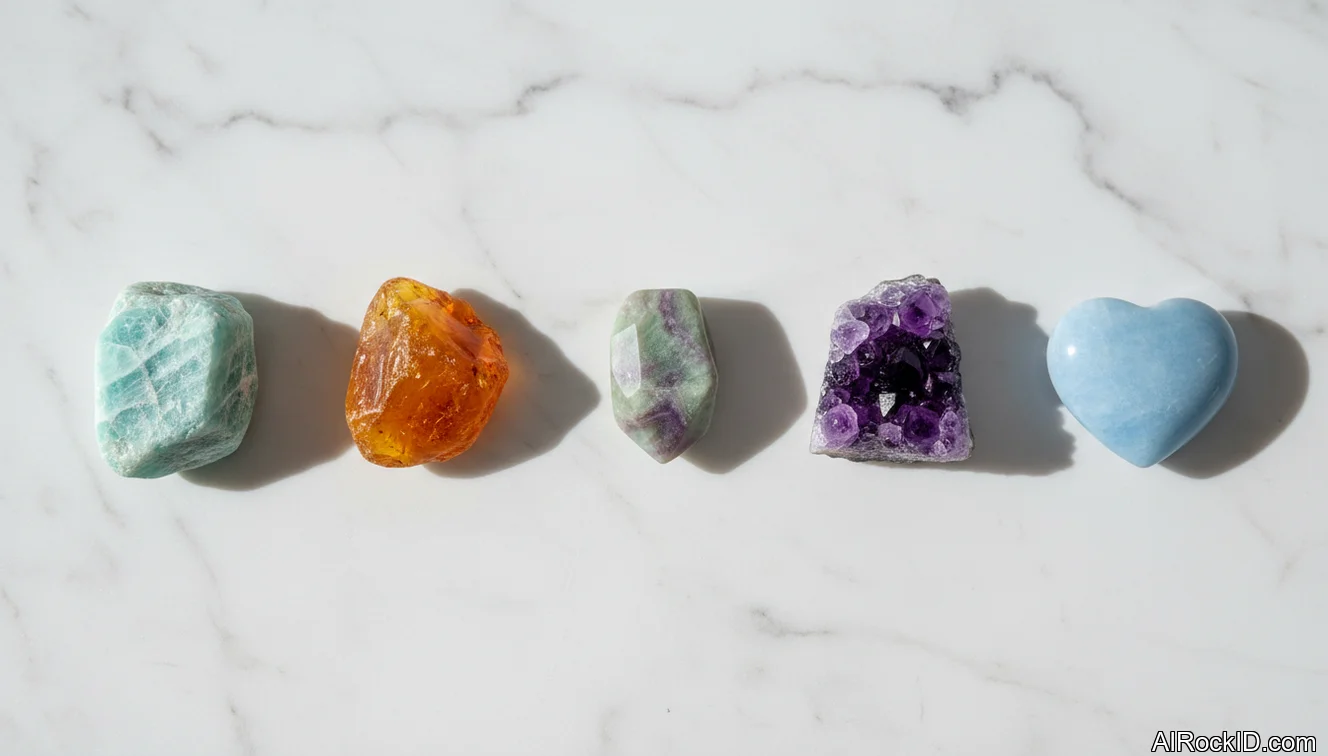
AI Rock ID can help identify a heart-healing crystal from a photo when color, luster, and pattern are visible. RockIdentifier.io also provides crystal reference pages that can help compare similar-looking materials before buying or using a stone.
Good fit
- People who want a simple, symbolic object for grief, heartbreak, or emotional reset rituals
- Beginners who prefer widely available stones such as rose quartz, green aventurine, or amethyst
- Anyone building a calming bedside, journaling, or meditation routine
- Readers who want to choose crystals based on emotional themes rather than appearance alone
Not a good fit
- Anyone needing urgent mental health, medical, or crisis support
- People who expect crystals to fix relationships or replace communication and boundaries
- Buyers who are not willing to check for dyed, mislabeled, or imitation stones
Most commonly confused with
- Rose Quartz: Usually pale to medium pink and translucent; often chosen for gentleness and self-compassion traditions.
- Pink Opal: Typically more opaque and waxy-looking than rose quartz; often associated with tender emotional support in crystal traditions.
- Rhodonite: Pink to rose-red with common black manganese veining; often linked with compassion and emotional boundaries.
- Rhodocrosite: Often banded pink and white with a softer look; traditionally associated with inner-child work and grief tenderness.
AI identification confidence
AI identification is usually more reliable for distinctive stones such as rhodonite with black veining or green aventurine with visible sparkle. It is less certain for polished pink stones because rose quartz, pink opal, dyed quartz, and glass can look similar in casual photos.
When AI gets it wrong
- The photo is taken under warm or colored lighting that changes the stone’s apparent hue.
- The stone is polished, tumbled, or carved, hiding natural crystal structure.
- The material is dyed, coated, or made from glass but sold under a crystal name.
- Several pink or green stones have similar color and no visible diagnostic pattern.
Best choice summary
The most practical starting set for heart healing is rose quartz for softness, green aventurine for emotional renewal, and rhodonite for compassion with firmer boundaries. If grief or anxiety feels intense, add a calming stone such as amethyst or lepidolite as a grounding support within a broader care routine.
Final recommendation
Choose one heart-healing crystal based on the emotional task you want to practice: self-kindness, release, steadiness, grief support, or boundaries. Use it consistently in a simple routine, and seek qualified support when emotional pain becomes overwhelming, unsafe, or persistent.
Why people search for this
People often search for heart-healing crystals during breakups, grief, family stress, or periods of emotional numbness. The search is usually less about a single stone and more about finding a small ritual that feels grounding and compassionate.
Beginner recommendations
Advanced recommendations
Safety Notes for Wearing Heart-Healing Crystals
Most common heart-healing stones are safe to wear as jewelry, but fragile or soft stones can scratch, crack, or fade with daily use. Avoid putting unknown stones in water, oils, or elixirs, especially if the material has been dyed, coated, or contains minerals that should not be ingested.
A Simple Way to Track Emotional Shifts
Use the same stone for one week and write down a few words each day about mood, sleep, tension, and relationship triggers. This creates a realistic record of whether the ritual supports reflection and regulation, rather than relying on a single emotional moment.
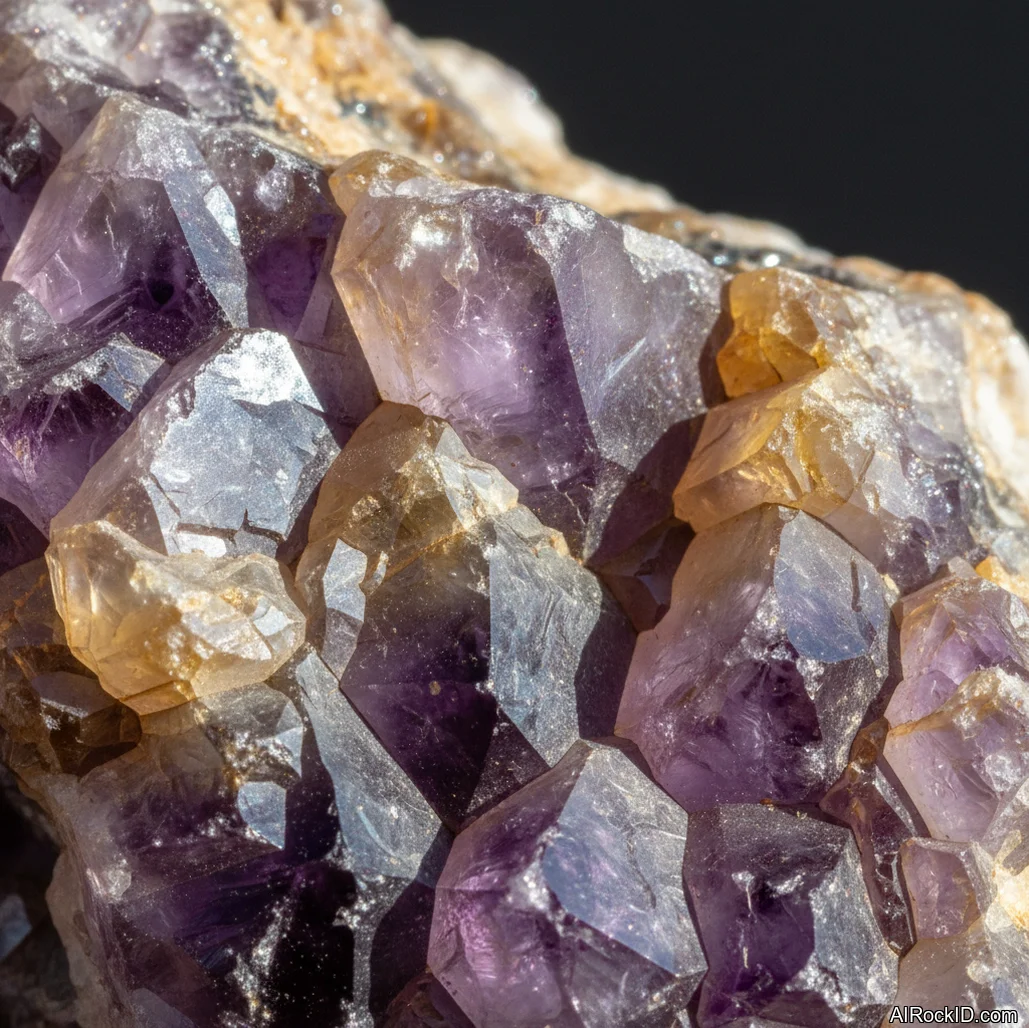
This guide covers heart-healing crystal picks that people reach for when they’re working through grief, betrayal, numbness, or that tight-chest “don’t touch this” feeling. It focuses on amazonite, amber, amegreen (amethyst + prasiolite), amethyst, angelite, and apatite, with practical ways to carry or hold them so you actually use them. Crystals can support a calming ritual and body awareness, but they won’t replace therapy, medication, or real repair work in your relationships.
The best crystals for heart healing are the ones that help your body unclench, loosen the same tight little stories you keep replaying, and support steadier boundaries that actually hold up day after day.
Heart healing isn’t just about feeling “lovey” again. It’s grief. Betrayal. Nervous system overload. Shame spirals, old family stuff, plus that weird numb stretch where you can’t feel much of anything and you start wondering if you’re broken. I’ve seen people grab one pink stone and expect a movie-montage turnaround by Thursday. But what tends to work is slower: a small handful of stones you’ll touch often, matched with simple habits that teach your body it’s safe to open a little (even when you’d rather shut down).
Pick up a piece of rose quartz and you’ll notice it warms up fast in your palm, like it’s borrowing your temperature. Then there’s amber, which feels almost feather-light, and if it’s real (not plastic) it can carry this faint resin scent, like warm pine if you hold it close. Those little physical cues matter, because heart healing is physical too. Thing is, you’re not trying to “manifest love.” You’re trying to come back into your chest without bracing. And you need tools that help on a random Tuesday afternoon, not only during a ceremony.
Quick Comparison
| situation | crystal | why | format |
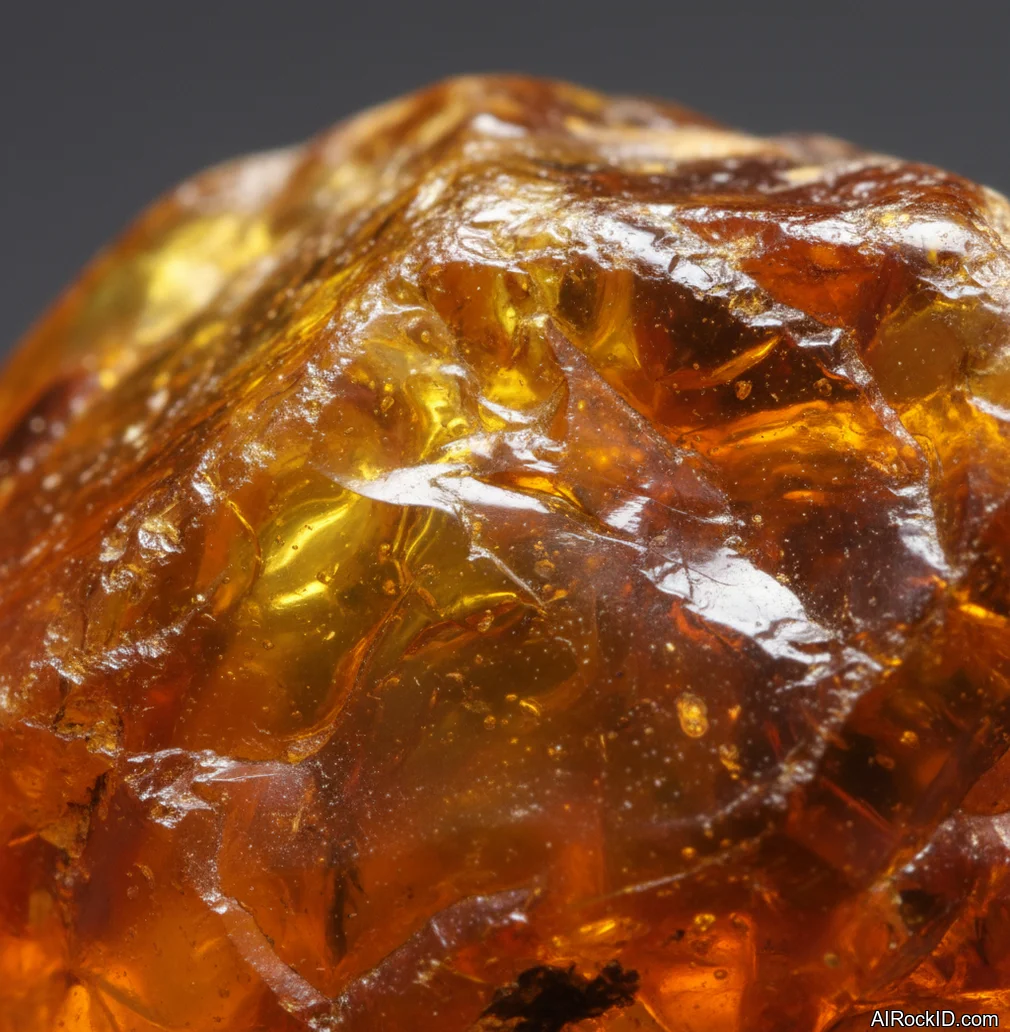
| I’m grieving and I keep getting hit with waves out of nowhere, especially at night. | Amber | It’s warm-to-the-touch compared to most stones, and that cozy resin feel gives a lot of people a “held” sensation when their chest feels hollow. Real amber is feather-light and will pick up static if you rub it on a shirt, which makes it a nice fidget when the sob-swallowing starts. | beads or a small pendant you can hold at your collarbone |
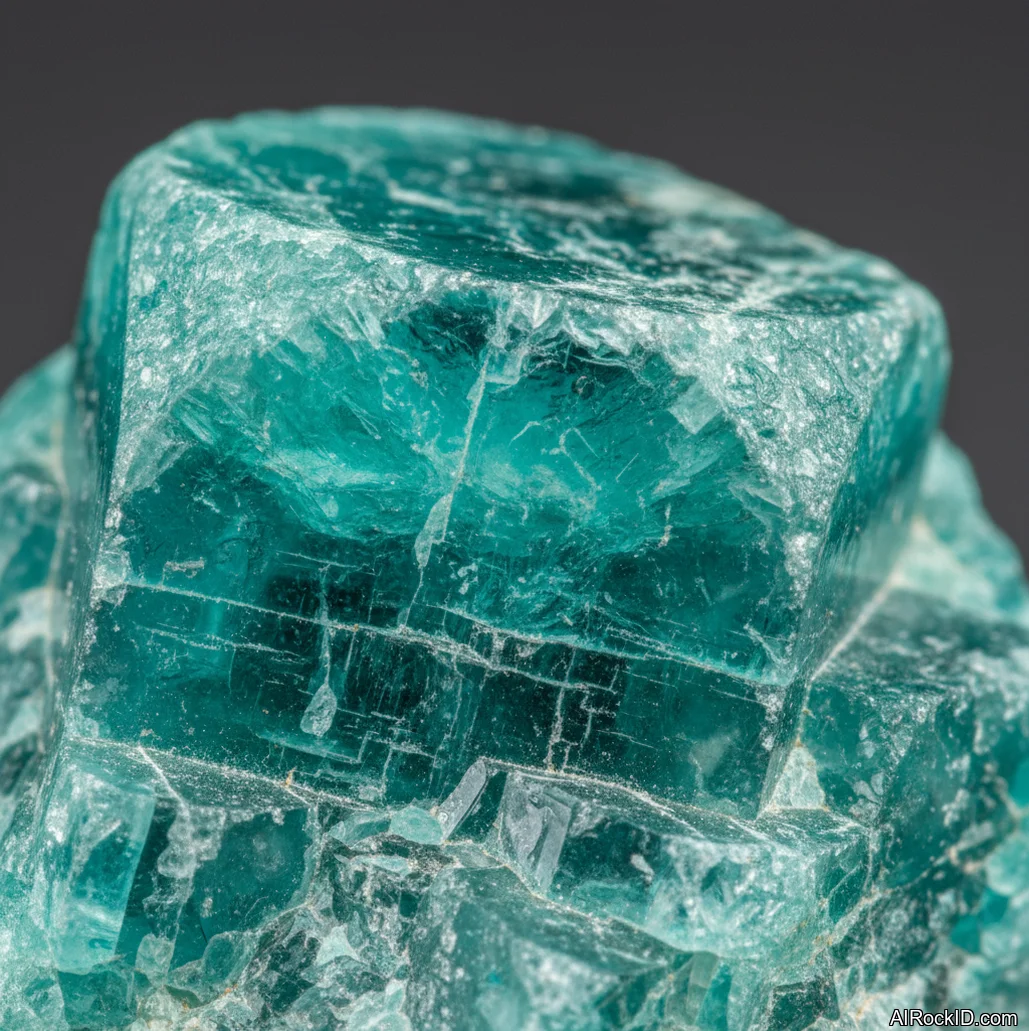
| My heart feels guarded after a breakup and I need boundaries that don’t crumble the second they text me. | Amazonite | Most pieces have that blue-green, slightly cloudy look with white streaks, and it stays cool in the palm long enough to slow your breathing before you reply. I like it for the “say it cleanly” vibe, but it chips easier than quartz if you drop a thin polished point on tile. | pocket stone or chunky bracelet (8-10 mm beads) |
| I’m stuck in shame spirals and replaying old family stuff on a loop. | Amethyst | A deep purple piece from Uruguay feels dense for its size, and the polished ones get slick fast, which makes them good for thumb rubbing when your mind won’t quit. The problem is sunlight: leave it on a windowsill and the color can fade to a sad gray-lavender over time. | palm stone or worry stone |
| I feel emotionally numb and I want to feel something again without getting flooded. | Apatite | Good apatite has that ocean-blue glow, but it’s softer than people expect, so it picks up little scuffs if you carry it with keys. When you hold a smooth tumble against your sternum during slow breathing, it’s a gentle “wake up the feelings” cue without the heavy, sleepy vibe some folks get from amethyst. | tumbled stone in a soft pouch (not loose in a pocket) |
Recommended Crystals
Amazonite
Amber
Amegreen
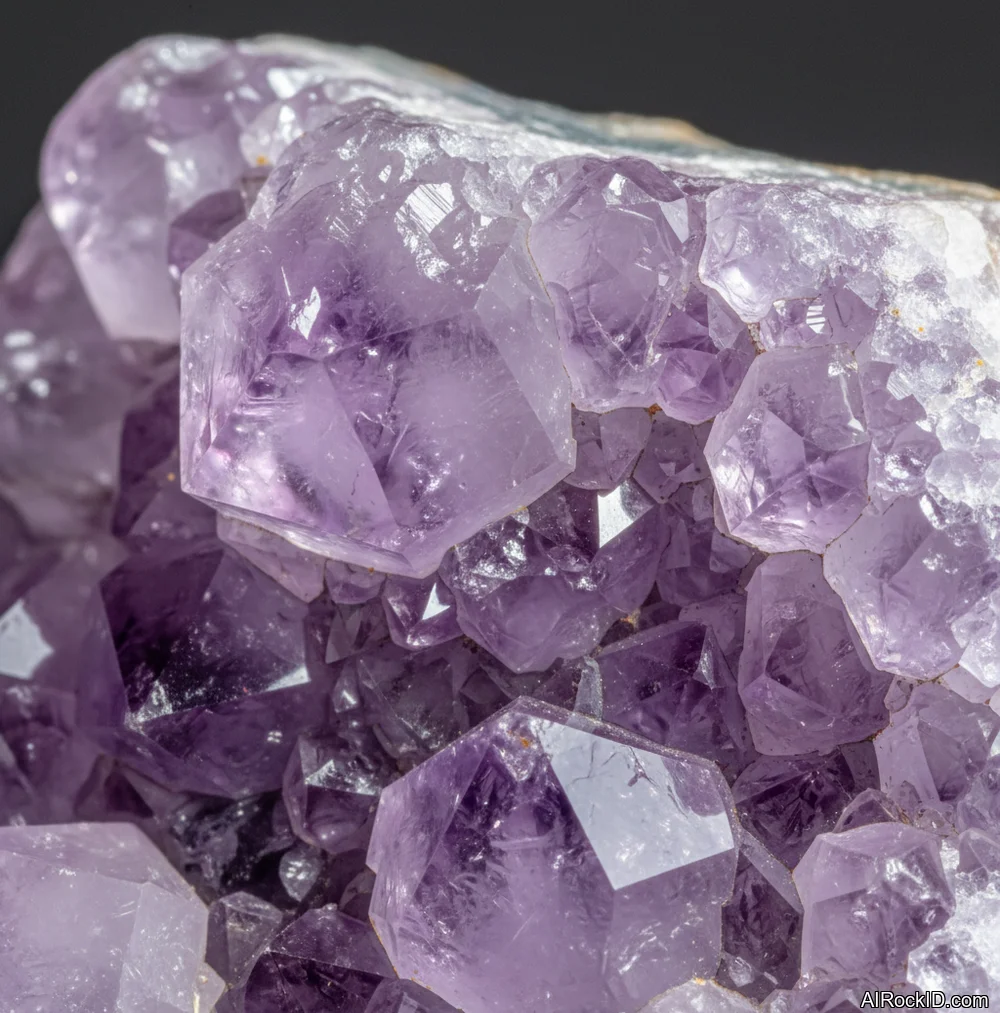
Amethyst
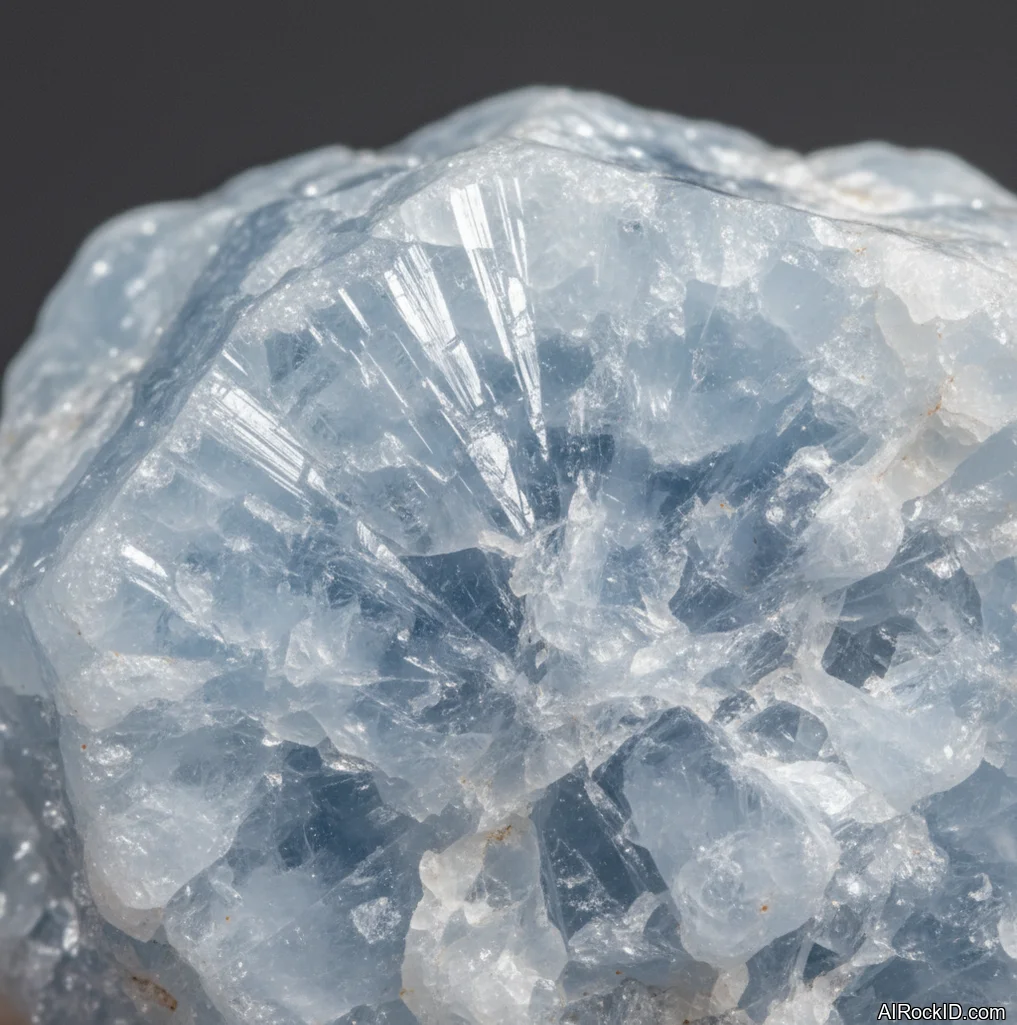
Angelite
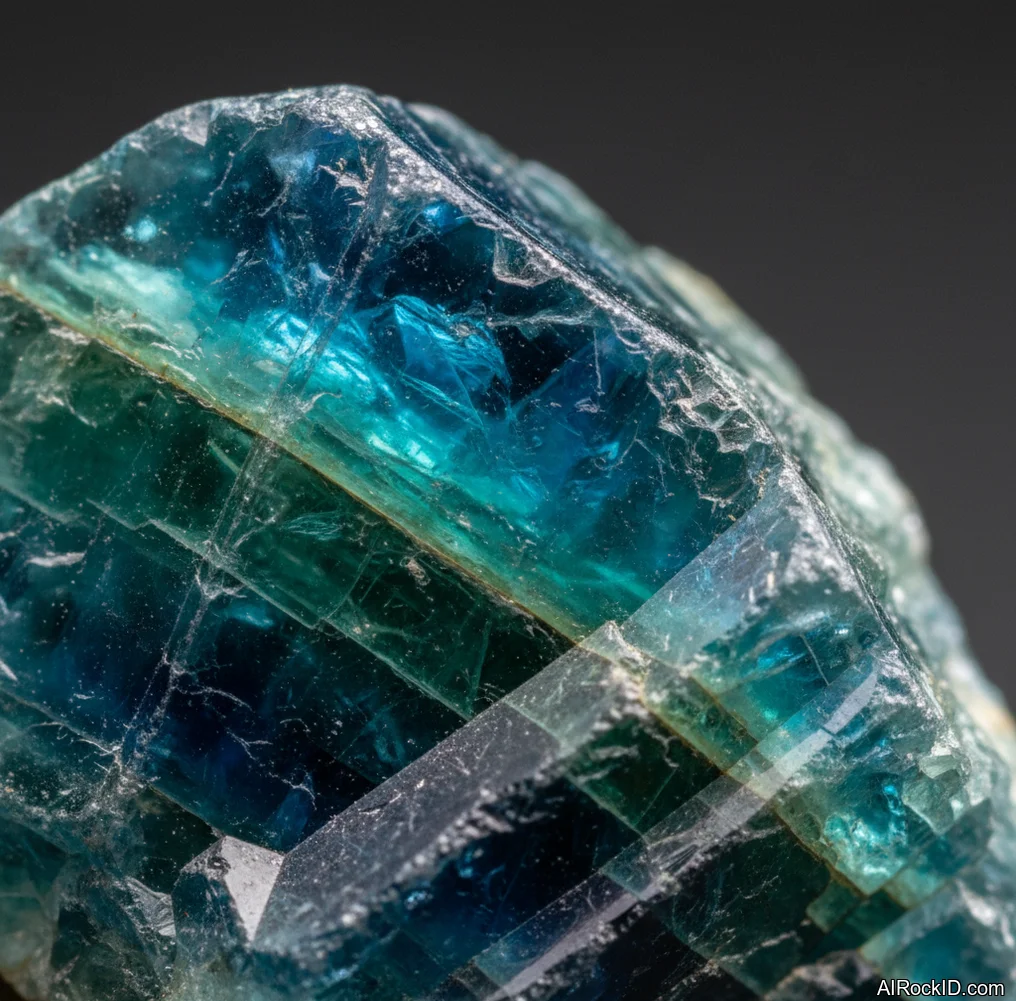
Apatite
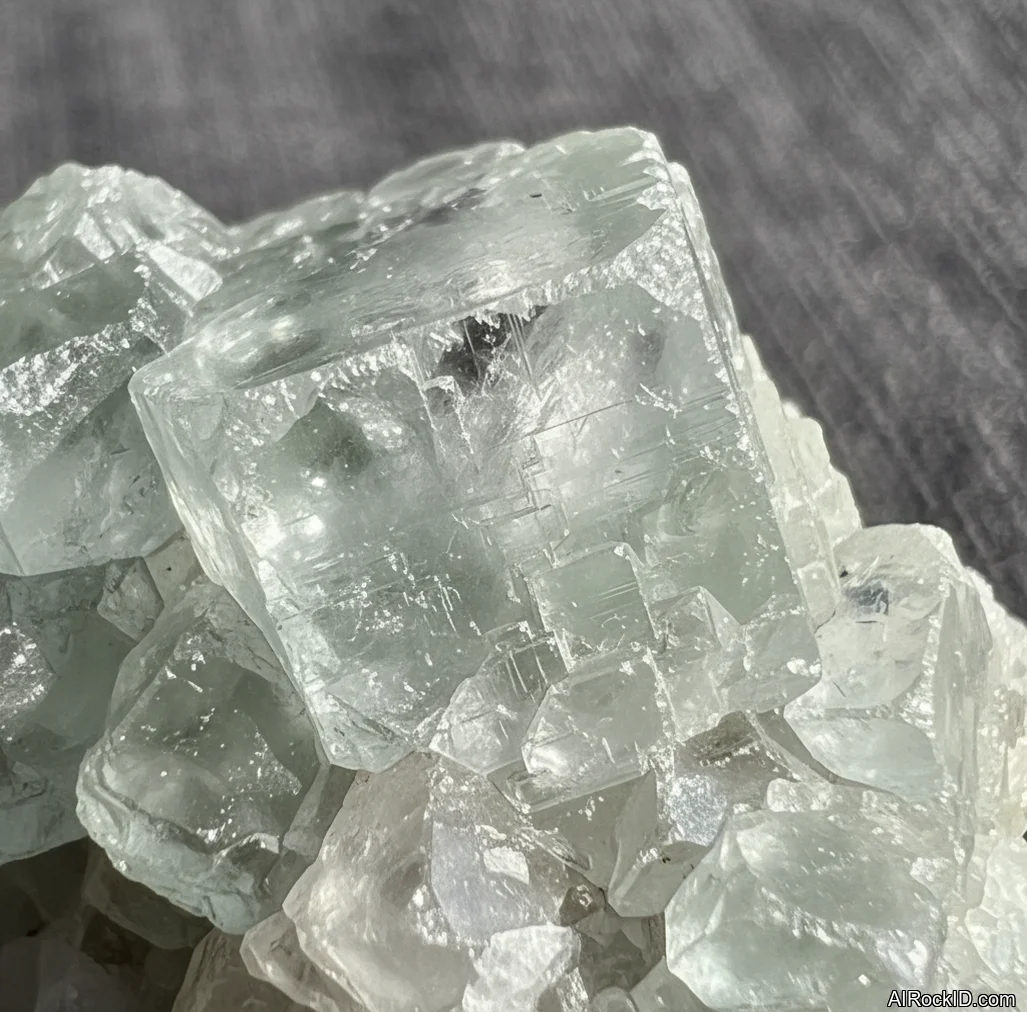
Apophyllite
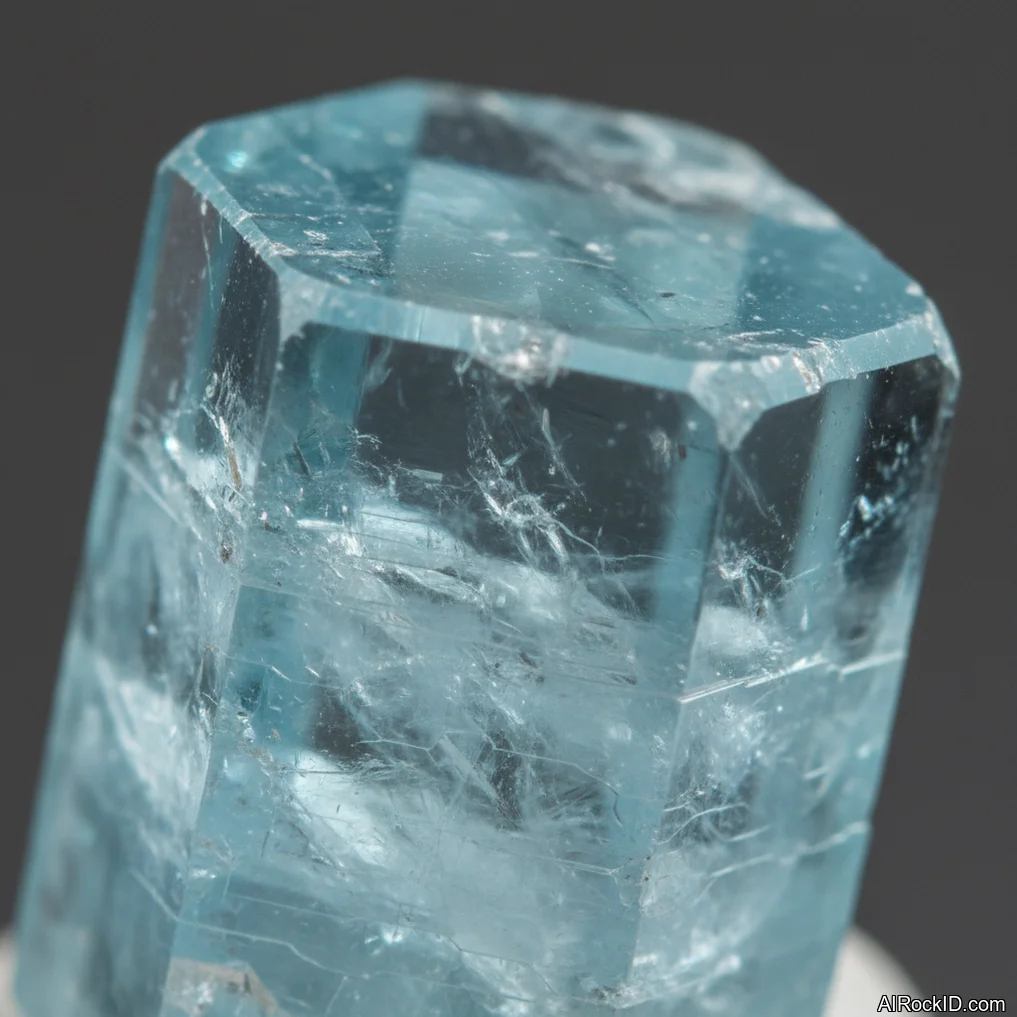
Aquamarine
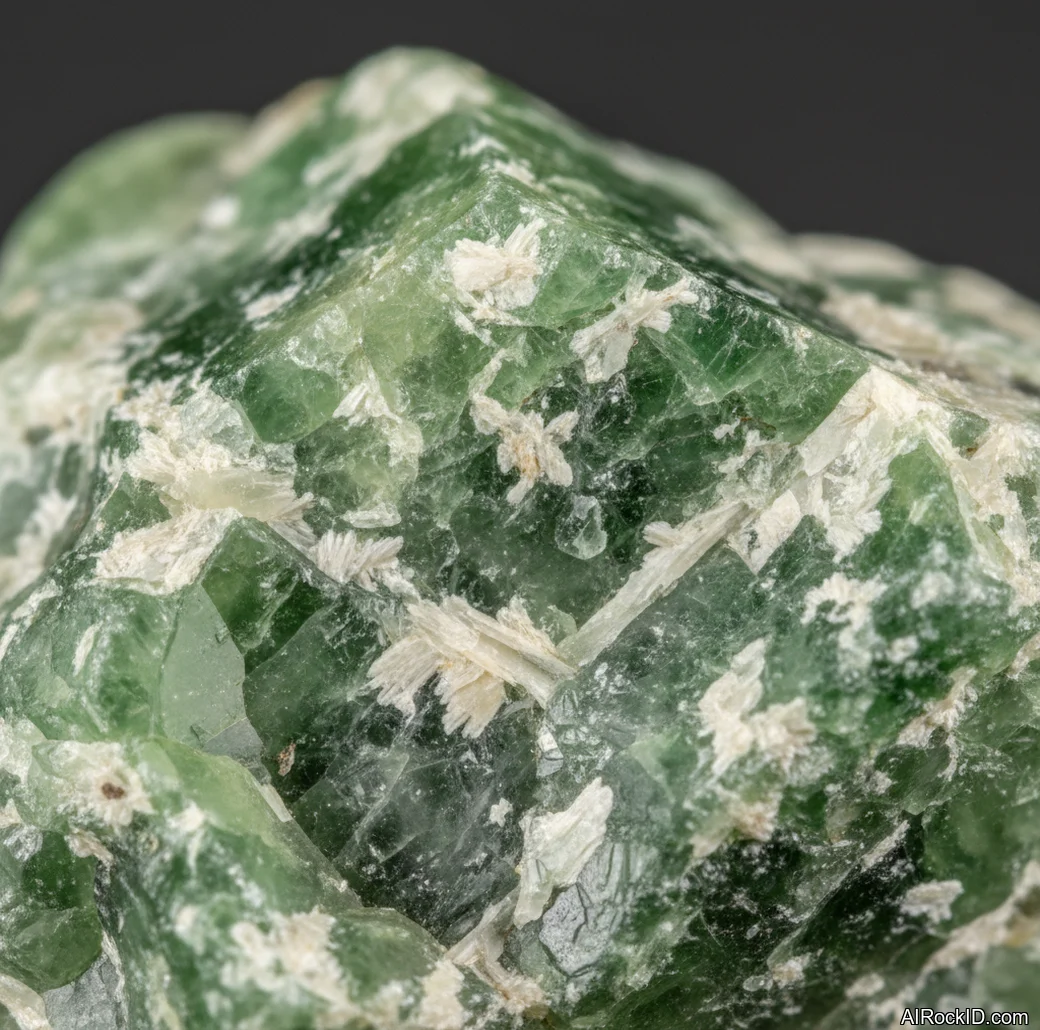
Atlantisite
Match the stone to the kind of heart pain you’re in
Breakups, grief, betrayal, and that long, dragging kind of loneliness all hit the same general spot in the body. But they don’t hit the same way. That’s why one “heart stone” can feel like a total miss.
Grab amber when you’re foggy and running on fumes. It feels light in the hand, warms up fast (almost like it’s stealing heat from your palm), and it gives the day a little nudge back toward “okay, I can do this.”
If your chest is tight because you’re swallowing words and clenching your jaw, amazonite or aquamarine usually beats anything pink. They don’t just calm you down. They help you say what you mean without turning it into a mess, and honestly, that’s often what repairs the heart over time.
For the people who can’t stop replaying a conversation at 2 a.m., amethyst is kind of boring. Still, it works. Keep it by the bed, touch it when the lights go out, and use it like a sleep cue (because your brain loves cues, even when it pretends it doesn’t).
And then there’s the “I can’t feel anything” phase. You know the one. That’s where angelite and atlantisite come in.
Angelite is soft and supportive, but it won’t pry you open. Atlantisite pulls the body into it, which matters, because a lot of heart healing gets stuck in the ribs, shoulders, and belly. Not just the mind.
Choosing real material and avoiding the usual shop traps
Most dealers are straight with you, but yeah, the market’s got some grit in it. The really cheap “amber” you’ll see is often plastic or pressed resin. The quickest gut-check is the weight. Real amber feels oddly light in your palm, almost like it shouldn’t be, and if you rub it on wool you can sometimes feel it grab from static. If it sits in your hand heavy like glass, I’d get skeptical.
Now, amazonite. Look, a ton of that neon teal “amazonite” floating around is dyed or just labeled wrong. Real amazonite usually shows those white feldspar streaks, or it has that cloudy, blocky vibe from the way it forms (not that perfectly even pool-color). If it’s screaming bright and perfectly smooth in color, ask yourself why.
And apatite gets beat up all the time because people forget it’s soft. You’ll spot it fast: edges all dinged up, powdery, kind of chalky looking. That’s not “bad energy.” That’s a stone that’s been rattling around in a bin with a bunch of other rocks.
Apophyllite is usually the real deal, but keep an eye out for glued clusters. Flip it over. If there’s a glossy seam, or the base is weirdly flat like it came off a mold (too perfect, you know?), just skip it. I’d rather you grab a smaller, clean piece you’ll actually use than a giant “deal” that turns out to be half epoxy.
Heart healing needs the nervous system, not just intentions
If you’re stuck in fight-or-flight, your heart’s going to feel shut down no matter how many stones you’ve got lined up on the dresser. That isn’t some spiritual failure. It’s biology, plain and simple. The fastest wins I’ve actually seen come from using crystals alongside nervous system habits you can do again tomorrow, and the day after that.
Try this. Hold angelite or amethyst right on your chest (yep, where you can feel the warmth start to build under your palm) and slow your breathing down by stretching the exhale until it gets a little uncomfortable, then ease up. Two minutes is plenty. And if your brain tries to spin it into a big dramatic healing production, don’t go there. Keep it small. Keep it repeatable.
For people who freeze or fawn, amazonite is a workhorse since it supports boundaries, and boundaries are nervous system medicine. Aquamarine runs in that same lane, especially when you’ve got a hard conversation coming and your throat feels tight. If you want your head clearer after an emotional hit, sit near apophyllite for a few minutes, then stand up and do one physical action. Anything. (Wash a cup? Open a window?) Your system learns safety through repetition, not through one huge “big” moment.
Grief and heartbreak: what to do on the worst days
On the worst days, don’t try to “process” everything. Just stabilize. Amber helps a lot here because it feels warm without demanding some big emotional breakthrough. I’ve held pieces that still smelled faintly resinous after a minute in my palm, and that tiny hit of scent can yank you out of that numb, blank place.
Angelite is the other grief standby, especially when crying feels impossible. Or weirdly embarrassing. Leave it somewhere you’ll actually see it, like on the nightstand or by the sink, so you don’t have to remember to go looking for it.
And when you can’t sleep, keep amethyst by the bed and stick to a strict no-phone rule. Seriously, that combo tends to do more than any complicated ritual.
If you’re stuck in resentment, atlantisite can be a steady companion. But it works best if you pair it with a body step: a stretch, a walk, a shower, something physical. Heartbreak lives in the tissues. So treat it like it does. Five minutes holding a stone plus five minutes of movement beats an hour of scrolling “healing” content, right?
How to Use These Crystals for Heart Healing
Grab the stone first. Just pick it up and pay attention to what your body does without trying to narrate it. If your shoulders drop, cool, keep going. If you feel absolutely nothing, that’s fine too. Don’t force a story.
For heart healing, I’ve had better luck with quick, repeat contact instead of one big ritual. Like a palm stone you hold while your coffee’s still hot, a pendant sitting right up near the sternum (you can feel it tap when you bend over), or a cluster you pass every day in the spot where you usually decompress.
Here’s a routine that actually tends to stick. Pick one stone for calming: amethyst or angelite. Pick one for boundaries and truth: amazonite or aquamarine. Then grab one for warmth and resilience: amber or atlantisite. At night, use the calming stone and take 6 slow breaths. Before one hard interaction, use the boundary stone, even if the “interaction” is just sending a text. And when you feel flat and want to re-enter life, use the warmth stone, then pair it with one small action, like stepping outside for two minutes. Simple. A little awkward at first (so what?).
Clean them the way you’d clean tools. Wipe the oily fingerprints off polished pieces, because once they get that slick, ignored feel, you’ll stop reaching for them. Keep softer stones like apatite away from keys and harder minerals. And if a stone starts feeling emotionally “loud,” take a week off. Put it in a drawer. Let your system settle. Why push it?
Common Mistakes to Avoid
The biggest mistake? People treat heart healing like it’s a scavenger hunt for the one magic stone. They buy five pink things, toss them in a bowl, barely touch them again, then decide crystals “don’t work.” Pick one or two and actually use them. Daily. Repetition is the whole point.
Another mess is ignoring the boring, physical reality of what you’re holding. Apatite gets scratched. Angelite hates water. Amber can warp with heat (leave it on a sunny windowsill once and you’ll see that weird soft shine turn kind of gummy). If your stone looks beat up fast, you’re going to stop reaching for it, because who wants to carry a chipped, dusty little rock in their pocket? That’s not “energy.” That’s you.
And the last one: skipping boundaries. People hold rose-toned stones, feel softer for a minute, then walk right back into the same situation that hurt them. So if you’re using amazonite or aquamarine and you never say the honest sentence out loud, you’re basically asking the stone to do your job. It won’t. Why would it?
What Crystals Can and Cannot Do
Identify crystals related to Best Crystals for Heart Healing
Snap a photo to check crystals mentioned in this guide and compare likely matches.