Best Crystals for Motivation
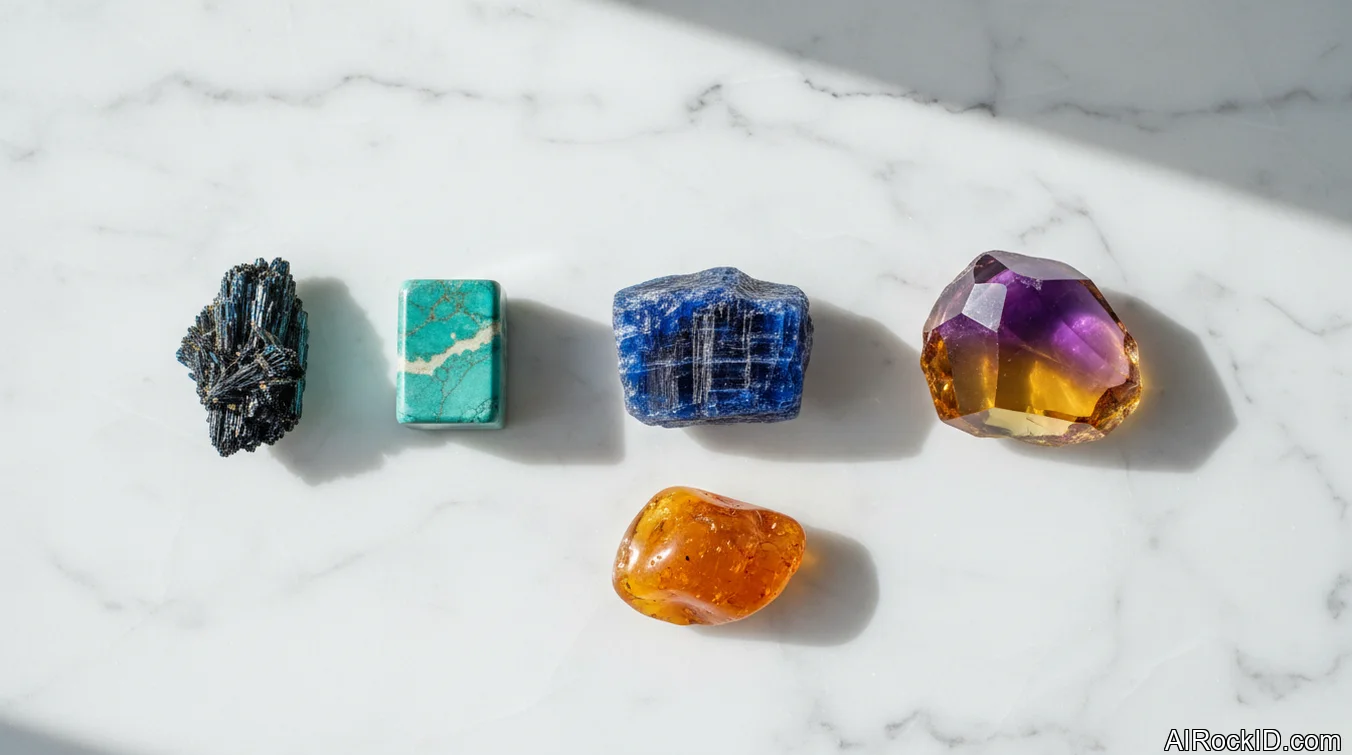
Quick answer: Crystals used for motivation are best treated as tactile reminders for focus, planning, and follow-through. Common choices include carnelian for starting tasks, tiger's eye for steady confidence, citrine for goal clarity, and hematite for grounding scattered attention.


- Introduction
- Recommended Crystals
- Pick a motivation crystal based on the kind of stuck you’re in
- Desk stones beat pocket stones for follow-through
- How to spot fakes and junk material that won’t hold up
- Pair stones with a simple system so it’s not just a vibe
- How to Use These Crystals
- Common Mistakes
- FAQ
AI Rock ID can help users compare a motivation crystal’s visible traits, such as color, luster, banding, and translucency, against common mineral possibilities. RockIdentifier.io offers crystal and mineral references that can support identification, care decisions, and realistic expectations.
Good fit
- People who like physical reminders tied to a daily task or habit
- Workspaces where a visible object can cue focus and task initiation
- Beginners who want easy-care stones such as carnelian, tiger's eye, hematite, or clear quartz
- Goal-setting routines that already include lists, calendars, timers, or accountability
- Anyone who prefers symbolic support rather than medical or guaranteed performance claims
Not a good fit
- Replacing treatment for fatigue, depression, ADHD, burnout, or other health concerns
- Expecting a stone to create motivation without sleep, planning, and follow-through
- Situations where fragile, dyed, or water-sensitive material will be handled roughly
- Buying expensive specimens without confirming the material and seller claims
Most commonly confused with
- Carnelian: Often confused with dyed agate; natural carnelian usually has warm orange to reddish tones with subtle translucency.
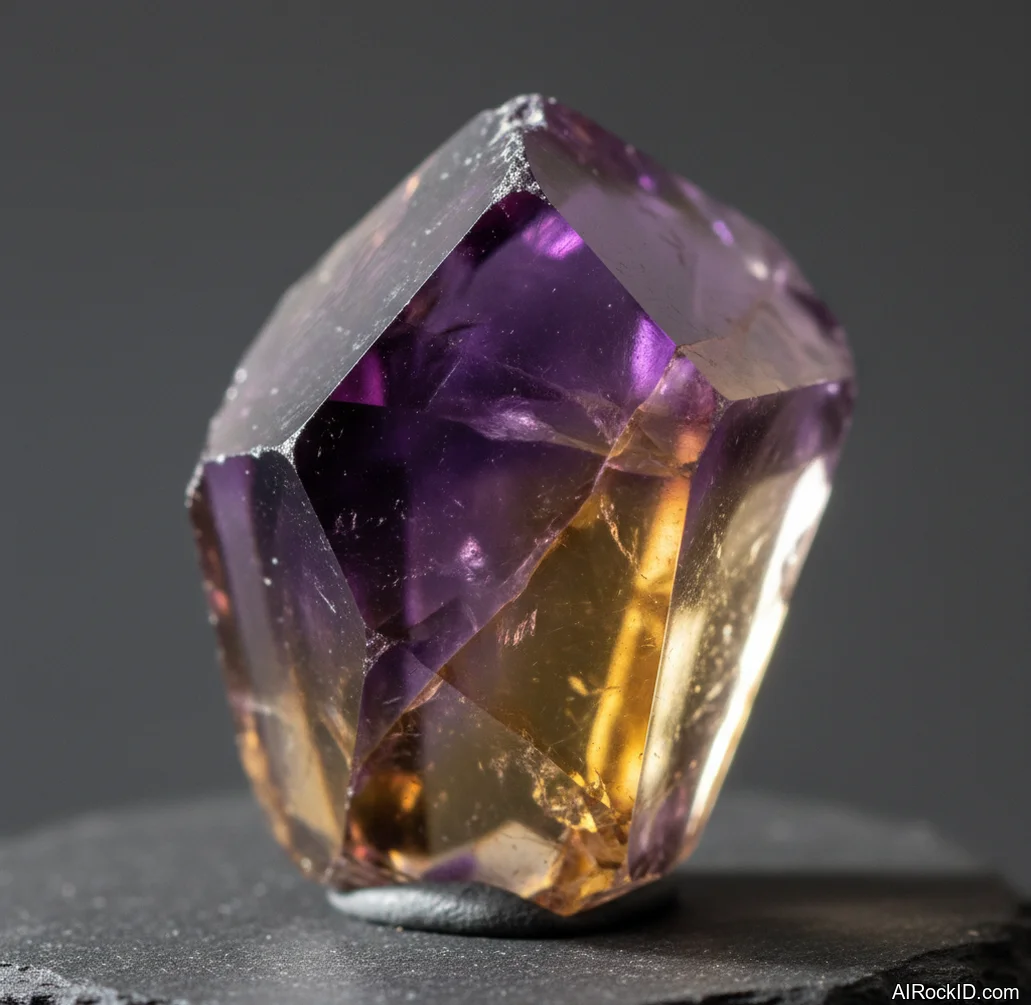
- Citrine: Frequently confused with heat-treated amethyst, which is commonly deeper orange and may show strong color zoning.
- Tiger's Eye: Can be confused with dyed or imitation chatoyant material; real tiger's eye shows a silky moving band of light.
- Hematite: Often confused with magnetic hematite, which is usually a man-made material rather than natural hematite.
AI identification confidence
Photo-based identification works best when the stone is clean, well lit, and shown from several angles. Confidence is usually higher for distinctive materials such as tiger's eye or hematite and lower for dyed quartz, agate, or treated citrine.
When AI gets it wrong
- A stone has been dyed, coated, heated, or resin-treated
- The photo is taken under colored lighting or heavy shadow
- Several lookalike quartz or chalcedony varieties share the same color range
- The specimen is tumbled, making crystal habit and surface clues harder to see
Best choice summary
For most people, carnelian is the easiest starting point because it is durable, affordable, and traditionally associated with action and momentum. Tiger's eye is a strong second choice when the goal is steadier focus, confidence, and persistence rather than a quick push to begin.
Final recommendation
Choose one motivation crystal that matches a specific behavior, such as starting work, staying focused, or finishing a task. Keep the stone visible near the action you want to repeat, and pair it with a simple routine such as a written next step, timer, or daily check-in.
Why people search for this
People often search for motivation crystals when they want a simple object to connect with energy, confidence, discipline, or momentum. In crystal traditions, these stones are used symbolically rather than as a guaranteed way to change behavior.
Care and durability notes for motivation stones
Durable quartz-family stones such as carnelian, tiger's eye, and clear quartz generally tolerate normal handling well. Pyrite should be kept dry because moisture can damage some specimens, and hematite can rust or dull if stored in damp conditions. Avoid soaking unknown stones, dyed material, or metal-rich specimens in water.
A simple way to rotate crystals without overthinking it
Use one stone for one goal over a short period, such as one week or one project phase. Switching stones too often can make the practice feel unfocused, especially if the crystal is meant to act as a cue for a specific behavior. A brief note about what worked is more useful than collecting many stones without a routine.
Ethical and practical buying notes
For everyday motivation use, a small tumbled stone or modest raw piece is usually enough. Ask sellers whether citrine is natural or heat-treated, whether agate has been dyed, and whether hematite is natural or magnetic synthetic material. Clear labeling matters more than rarity if the stone is being used as a personal focus tool.
This guide covers the best crystals for motivation, focusing on stones like apatite, arfvedsonite, amazonite, amber, ametrine, and aegirine. They're used as physical reminders to help you break out of procrastination and to add some momentum when you're dragging. They won't force productivity on their own, but they can give you a tangible nudge when you're stuck.
The best crystals for motivation are the ones that help you stay clear-headed, feel a touch braver, and stop talking yourself out of starting in the first place. I don’t treat them like magic batteries. I treat them like physical cues: something you can grab when you’re stalling, something with a bit of weight that keeps your intention from going blurry by noon.
Pick up a stone and your brain instantly starts narrating. Seriously, it’s almost automatic. And that’s useful. A heavier piece that sits cold in your palm, the kind that leaves a faint chalky dust on your fingers if it’s unpolished, can snap you out of doomscrolling. A bright, glassy tumbled stone that’s been rounded smooth, with that little slick feel like it’s almost waxed, can feel like hitting reset.
I’ve watched people in the shop do this same thing again and again when they’re stuck in “I’ll do it later” mode. They hover, they pick up five pieces, they put four back, and they keep coming back to the same few types. It’s rarely the priciest one. It’s the one that lands in the hand like a clean yes.
Thing is, motivation’s messy. Some days you need energy. Other days you need boundaries. And sometimes you just need to stop negotiating with yourself, full stop. The crystals below are the ones I reach for when I want momentum without getting jittery or scattered. Use them like anchors for habits you’re already building, and you’ll get the best results.
Quick Comparison
| situation | crystal | why | format |
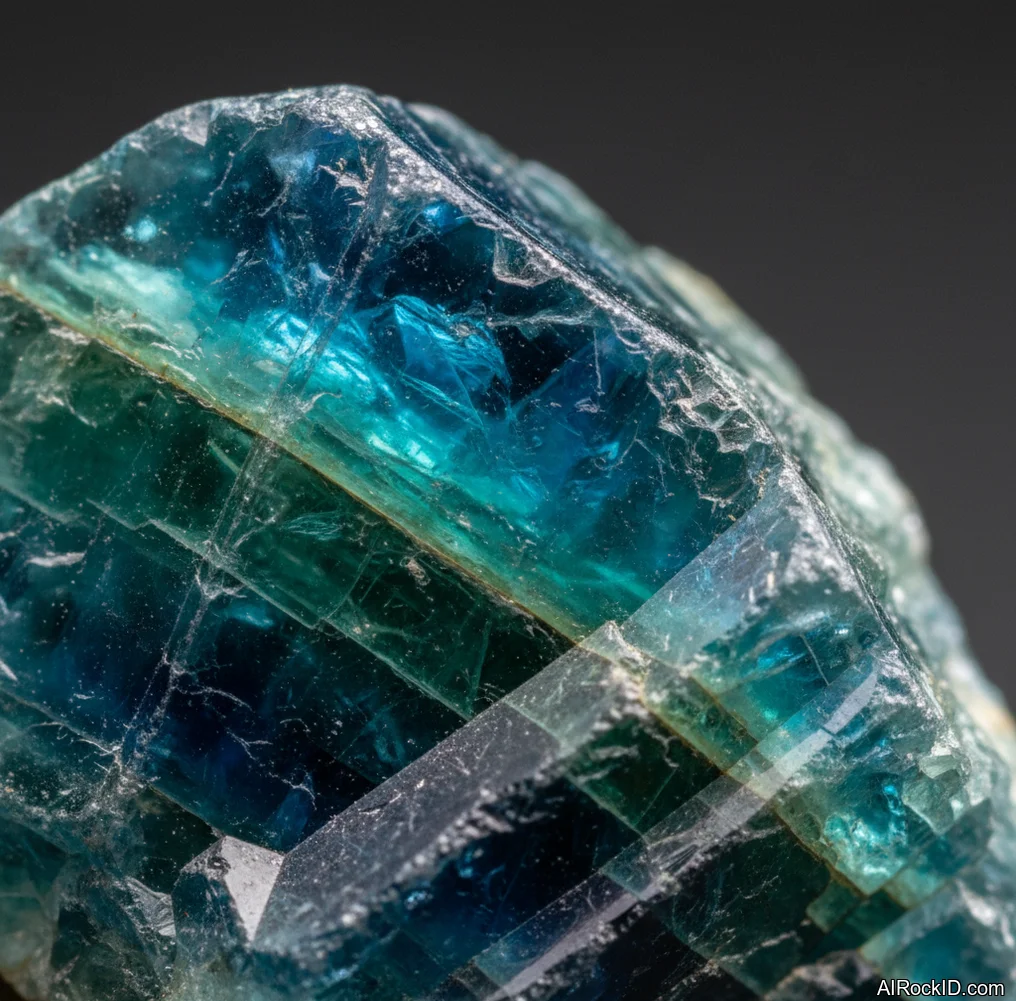
| Need to stop doomscrolling and get started on work | Apatite | The gritty texture of raw apatite grabs your attention and the weight feels grounding when you need to break a phone habit. | raw chunk or palm stone |
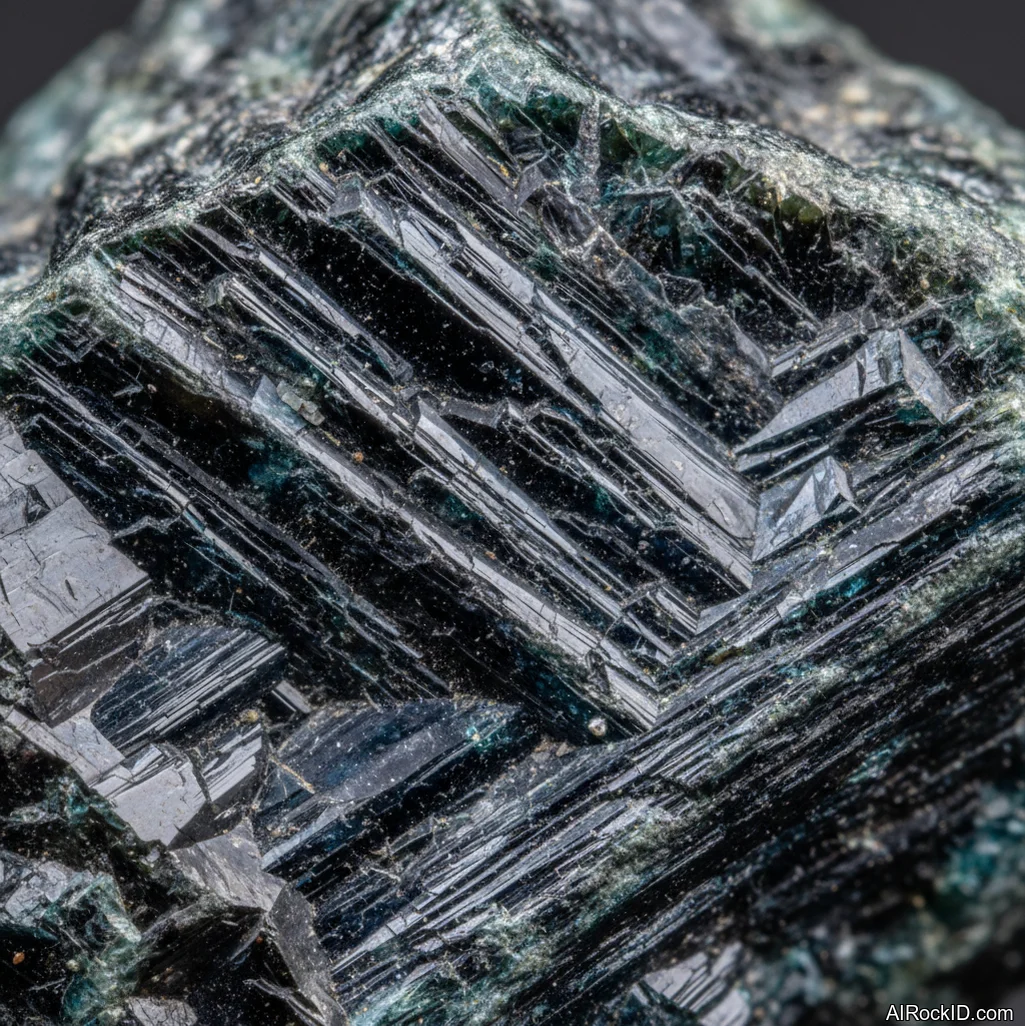
| Struggling with stage fright before a presentation | Arfvedsonite | People grab arfvedsonite for its sharp needle-like inclusions—turning it in your hand can be distracting enough to cut through nerves. | pocket stone or small slab |
| Can't decide on a project direction and keep second-guessing | Ametrine | Ametrine combines amethyst and citrine, and the color split catches the light—it's a visual cue to pick a lane and keep moving. | tumbled stone |
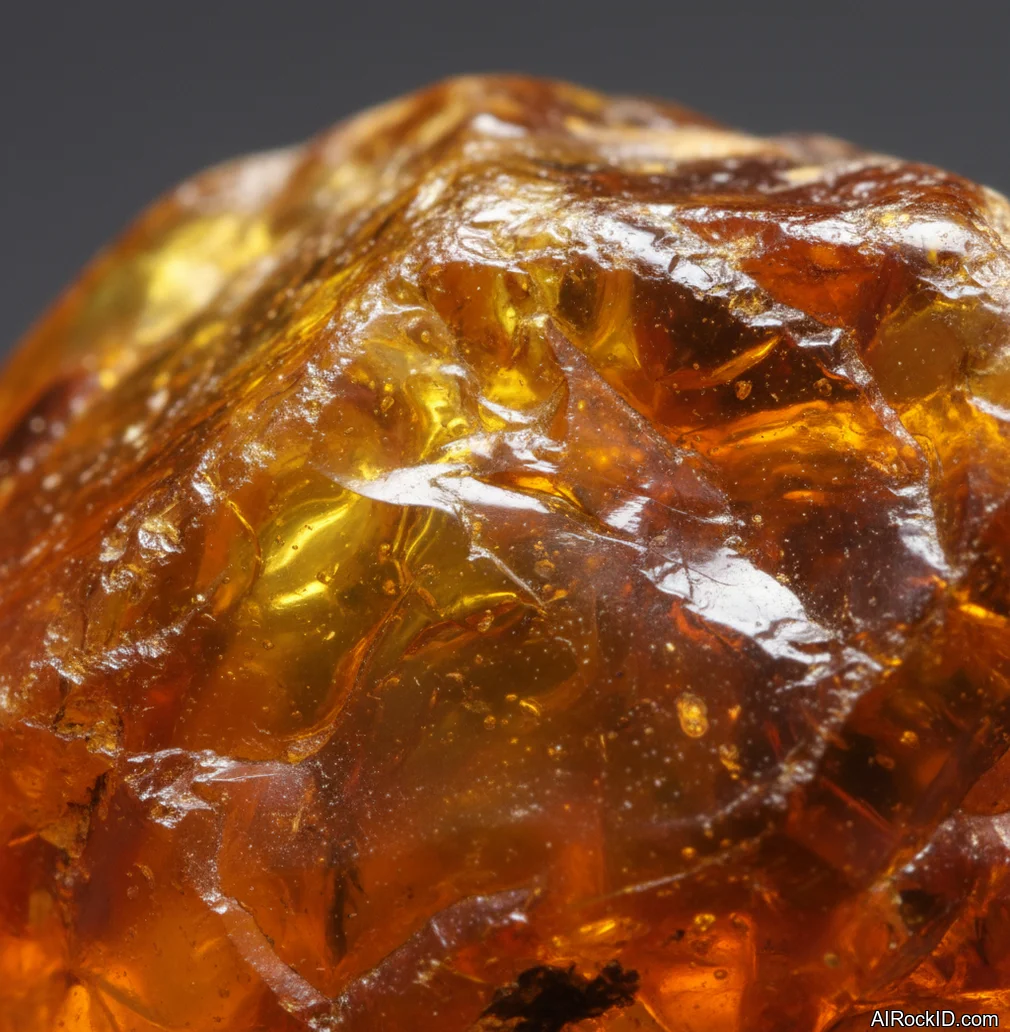
| Afternoon energy crash and losing all momentum | Amber | Amber feels warm fast in your hand and has a faint pine scent if you rub it, which can wake up your senses just enough to break a slump. | bead bracelet or pocket piece |
Recommended Crystals
Apatite
Arfvedsonite
Amazonite
Amber
Ametrine
Aegirine
Azurite
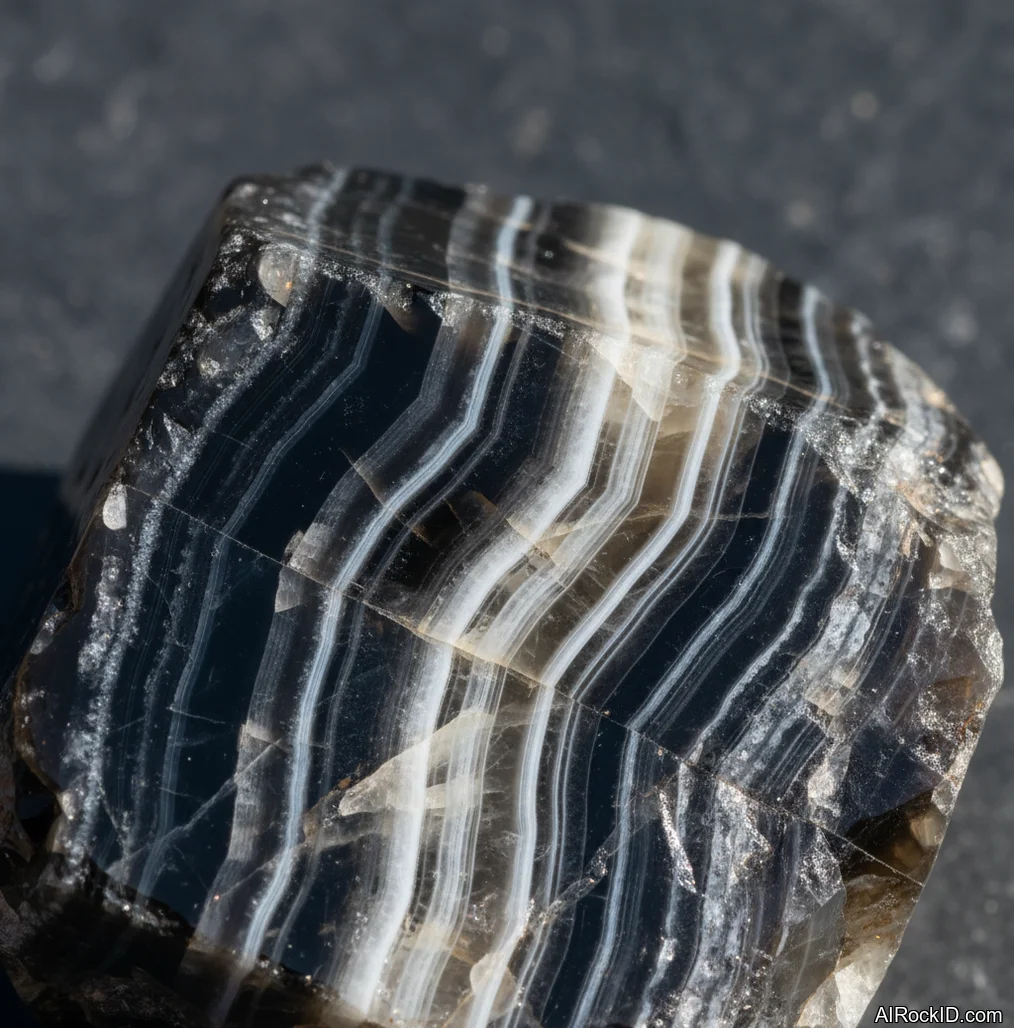
Black-banded-onyx
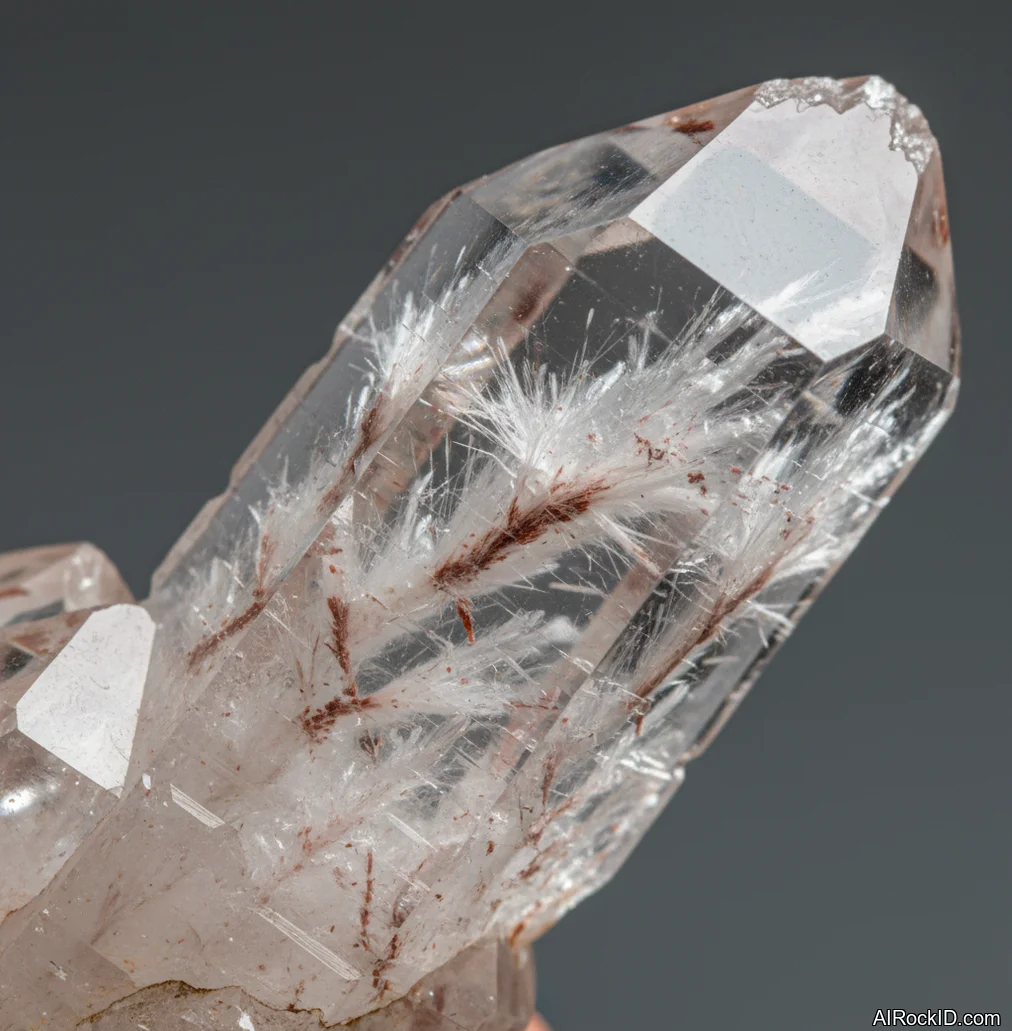
Amphibole Quartz
Pick a motivation crystal based on the kind of stuck you’re in
Motivation isn’t just one single switch you flip. Some days you’re wiped out. Other days you’re nervous. And sometimes you’re totally fine, except you keep bouncing between tabs because your brain’s itching for something new.
Compared to the “energy” stones people talk about, motivation stones have a narrower job: they’re supposed to cut down the friction. If you’re stuck because you can’t choose, apatite and azurite usually help with clarity and figuring out the next clean step. But if you’re stuck because you’re running every possible outcome in your head until you’re dizzy, arfvedsonite is the one I grab, because it kind of nudges you to notice options without going down the spiral.
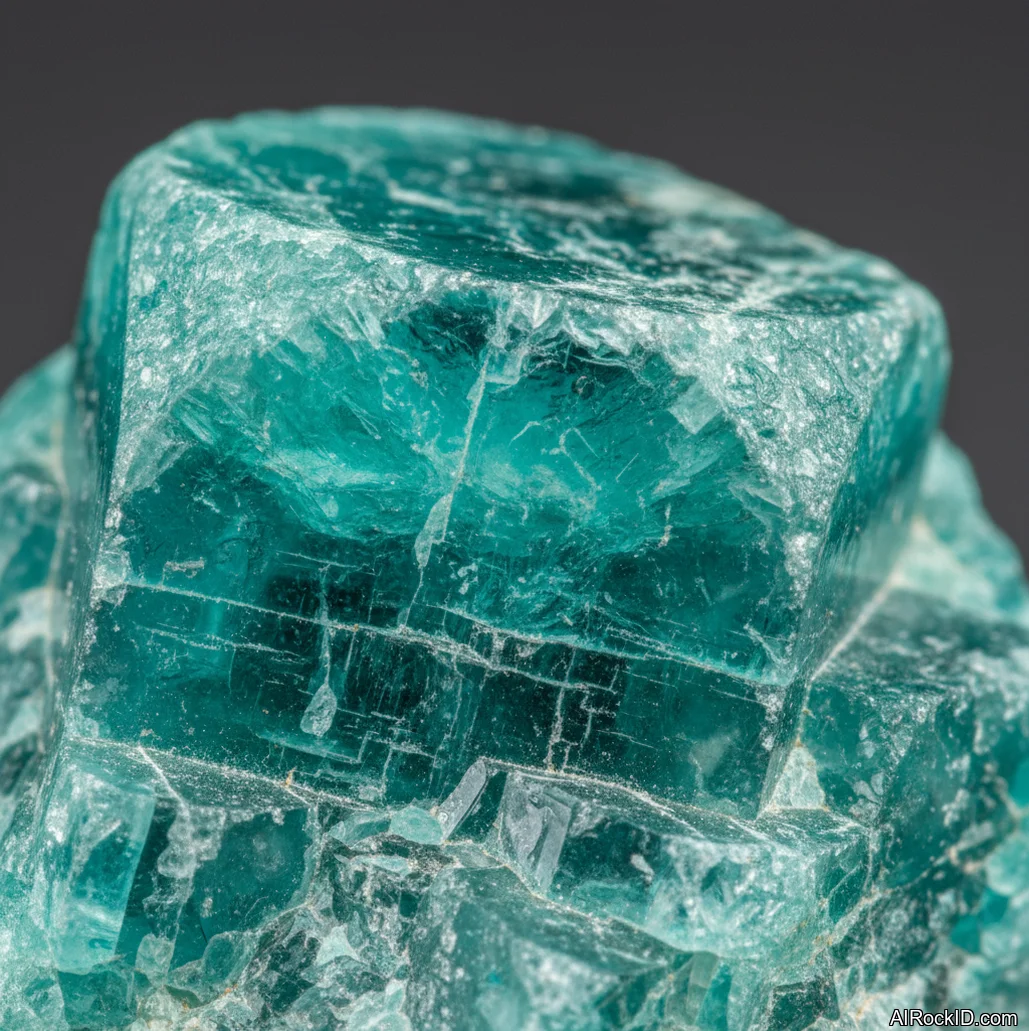
The real test is what you do after you’ve actually held the thing for a minute (cold at first, then it warms up in your palm). If you pick up amazonite and, out of nowhere, you’re drafting the message you’ve been avoiding, that’s your match. If you pick up amber and you start moving without getting edgy, also a match. But if you pick something up and the only thing that happens is you start thinking about crystals… then it’s not a motivation tool for you. It’s just a pretty rock. And honestly, that’s fine.
Desk stones beat pocket stones for follow-through
People say they want a pocket stone. But most motivation issues aren’t happening in your pocket, they’re happening at your desk. That’s where you freeze up, where the tabs start breeding, where you start negotiating with yourself like “I’ll just answer one email first.” A stone that lives in one exact spot becomes a visual cue. And it usually beats a crystal that’s been rolling around in your jeans, warm from your leg and packed with lint in the little grooves.
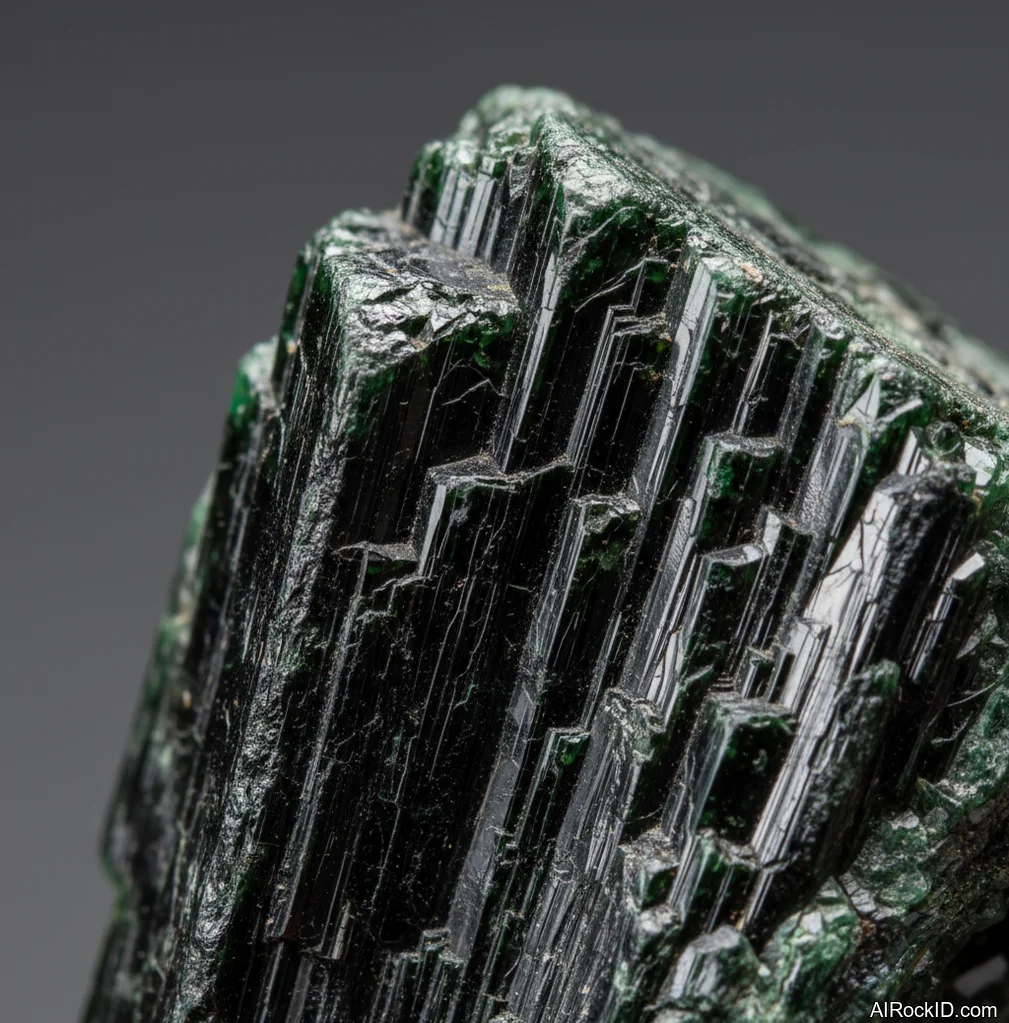
Grab a black-banded onyx and park it right next to your notebook. When you notice you’re drifting, touch it once, then put your eyes back on the same line you were on. Simple. That little physical loop matters more than people think. Aegirine does the same thing too, especially when the distractions are other people interrupting you or the nonstop pinging from your phone.
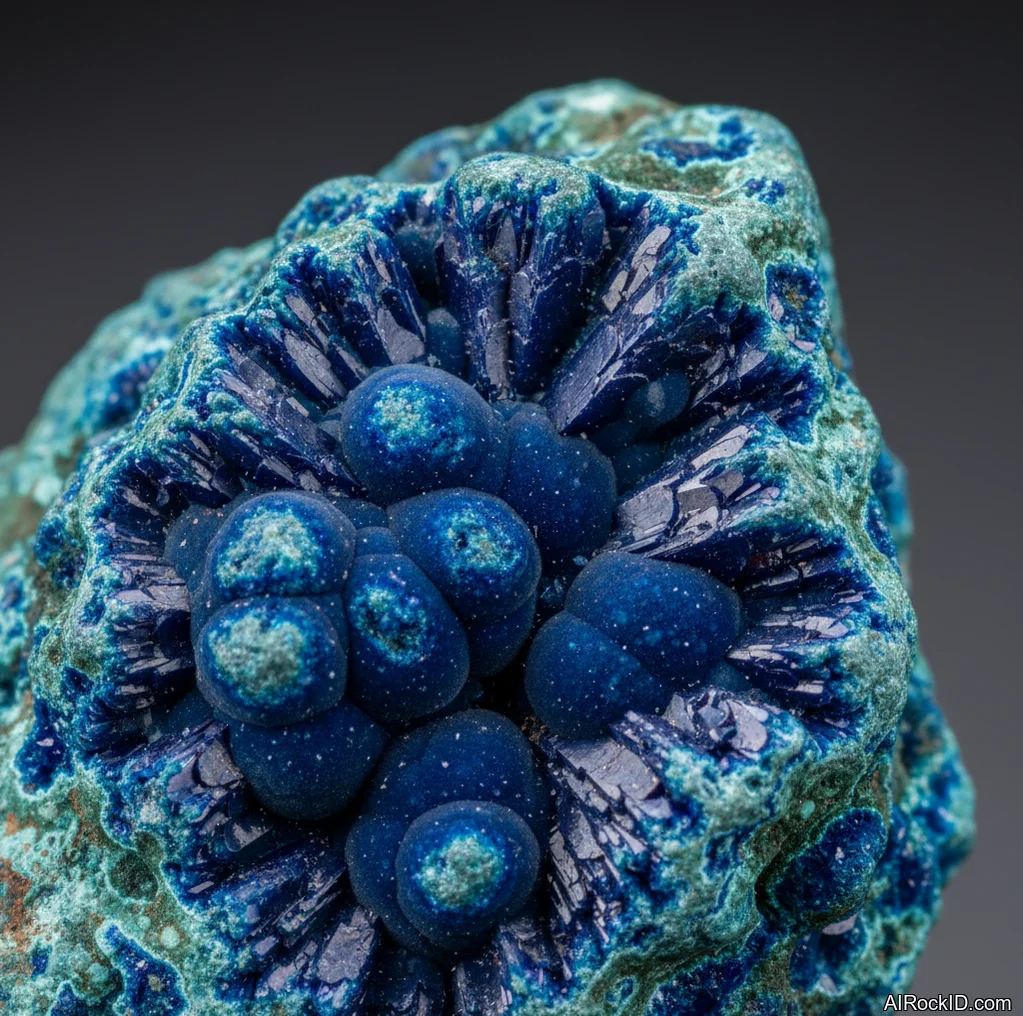
So if you really do want a carry stone, pick one that can take a beating. Amber will scratch. Apatite will get dull. Azurite can shed dust (and yeah, that dust ends up everywhere). I’ve replaced more “lost motivation stones” than I can count because someone brought a fragile cluster to a job site and it didn’t survive. Keep the delicate pieces at home. Let them work where you actually work.
How to spot fakes and junk material that won’t hold up
The issue with motivation crystals? People touch them constantly. They get shoved in pockets, tapped on desks, dropped on tile. So yeah, durability matters. And buying the real thing matters too, because nobody wants to baby a dyed rock that starts bleeding color onto your fingers or chips the first time it kisses a countertop.
Cheap amazonite is usually the giveaway. It can look like bright teal sidewalk chalk, like that dusty, too-even color you’d see on a toy block. Real amazonite usually isn’t so perfect. It tends to have uneven color, white streaks, and a softer, more natural look that doesn’t scream “painted.”
And “onyx” is another mess. In the trade, black-banded onyx is often banded calcite being sold as onyx, and then it gets dyed. If those bands look airbrushed and identical, assume dye. Seriously, if it looks like somebody printed stripes on it, that’s your answer.
Amber’s its own trap, too. Real amber warms up fast in your hand and feels almost weightless, but plastic does that as well, so that test alone won’t save you. The difference is in the little stuff: amber often has tiny internal specks or swirls, and it doesn’t feel rubbery. So, buy from a seller who’ll tell you the origin and any treatment, and don’t pay top dollar for mystery material. Why gamble?
Pair stones with a simple system so it’s not just a vibe
Crystals don’t replace a system. They hook into one. If there’s no structure underneath, you’ll just keep grabbing the stone, getting a tiny mood bump, then sliding right back into the same avoidance loop.
What actually works, day to day, is simple: one stone, one behavior. Azurite means planning time. Onyx means one-task mode. Amber means get moving. When I’m trying to train a new habit into my brain, I’ll set the stone right on top of my notebook so I physically have to pick it up before I can write. Cold in your fingers for a second. Little clink when it hits the desk. That movement becomes the start signal.
Keep it boring. Repetition builds motivation, not collecting ten stones and swapping them out every hour. Find one that clicks and use it the same way for two weeks. Still not starting? Then it’s probably not a stone issue. It’s a task design issue.
How to Use These Crystals for Motivation
Grab one crystal and give it one job. Sounds goofy. Then you do it, and it clicks.
If you’ve got five stones sitting on your desk with zero rules, they just become decor. They look nice, sure, but your brain stops noticing them. But when one specific stone means “start the timer,” your hand learns that cue fast, almost like muscle memory.
For motivation, I use a setup with a few steps. First, park the stone where your hand goes when you’re about to stall, like right by your mouse, or literally on top of your phone (that little cold bump when you pick it up is hard to ignore). Second, tie it to a micro-action, not some huge vow you won’t keep. Touch apatite, write the next step in eight words, then do two minutes of it. Touch black-banded onyx, close every tab except the one you need, then start a 25-minute block. Simple. Kind of bossy, in a good way.
And don’t skip maintenance. Wash stones you handle a lot, especially azurite. Keep softer pieces like amber and apatite away from harder quartz, because quartz will scratch them. If you’re working with ametrine, store it out of a sunny window since prolonged light can fade color. Thing is, the whole point is a tool you’ll actually use, not some precious object you’re scared to touch (what’s the point of that?).
Common Mistakes to Avoid
Most dealers will try to sell you a “motivation set” with ten stones and a little cheat sheet of meanings. And that’s the quickest way to get nothing done. Too many choices turns motivation into one more decision loop, so you end up shuffling crystals around on your desk instead of actually working.
But don’t pick by color and vibes alone and forget about durability. Apatite is great, sure, but it’s not a construction-site pocket stone. Amber scratches if you breathe on it (seriously, it’ll pick up scuffs just from living in a jeans pocket with keys). Aegirine clusters can snap if they rattle around in a bag. I’ve watched people get genuinely discouraged when their stone gets chipped or broken, and then the whole practice just… stops. Like, why set yourself up for that?
Thing is, another trap is expecting an instant personality transplant. If you hate the task, a crystal won’t magically make you love it. What it can do is help you start, keep your head clear, and stick with the next small step long enough to build momentum.
What Crystals Can and Cannot Do
Identify crystals related to Best Crystals for Motivation
Snap a photo to check crystals mentioned in this guide and compare likely matches.