Best Crystals for Self Love
Quick answer: For self-love routines, rose quartz is the most common starting point because it is widely available, affordable, and traditionally associated with compassion. Rhodonite, pink opal, green aventurine, and lepidolite are also practical choices when paired with consistent habits such as journaling, boundary-setting, or calming rituals.


- Introduction
- Recommended Crystals
- Self love isn’t a mood, it’s a habit loop
- Picking real stones (and avoiding the junk that derails you)
- Where to place them: the three spots that actually matter
- Pairing crystals with self love practices that aren’t fluffy
- How to Use These Crystals
- Common Mistakes
- FAQ
AI Rock ID can help compare visible features such as color, luster, banding, and transparency when a pink or green stone is hard to identify. RockIdentifier.io provides crystal identification support and educational references, but final identification may still require checking hardness, origin, or a qualified gemologist for valuable specimens.
Good fit
- Beginners who want a simple crystal routine tied to journaling, meditation, or daily reflection
- People choosing affordable, easy-to-find stones rather than rare collector minerals
- Anyone building a calming desk, bedside, or pocket-stone habit
- Readers who prefer grounded metaphysical traditions without medical claims
Not a good fit
- Replacing therapy, medical care, or crisis support with crystals
- Expecting a stone to fix self-esteem without repeated behavioral practice
- Buying expensive or rare crystals without verifying authenticity
- Using fragile, dyed, or water-sensitive stones in baths or cleansing bowls
Most commonly confused with
- Rose Quartz: Usually pale to medium pink and translucent; it is often confused with dyed quartz or pink glass.
- Rhodonite: Typically pink to red with black manganese veining, while rhodochrosite usually shows softer pink bands.
- Rhodochrosite: Often banded pink and white and generally softer than rhodonite, making it less suitable for rough daily carry.
- Pink Opal: Usually opaque to slightly translucent with a waxy look, unlike rose quartz, which has a glassier appearance.
AI identification confidence
Photo-based identification is most reliable when the stone has clear color zoning, veining, crystal shape, or inclusions visible under natural light. Confidence drops for tumbled pink stones because rose quartz, pink opal, dyed quartz, and glass can look similar in small polished pieces.
When AI gets it wrong
- The stone is photographed under colored, warm, or dim lighting
- The specimen is tumbled, dyed, coated, or too small to show diagnostic features
- Only one angle is provided and the surface texture is not visible
- The crystal belongs to a group with many look-alikes, such as pink quartz-like stones
Best choice summary
Rose quartz is the best first pick for most self-love routines because it is inexpensive, durable enough for daily use, and strongly tied in modern crystal traditions to compassion and emotional softness. Rhodonite is a good second choice for people focusing on boundaries, repair, and self-respect rather than only comfort.
Final recommendation
Choose one crystal that matches a specific habit, such as rose quartz for a nightly reflection practice or rhodonite for a boundary-setting prompt. A small, genuine stone used consistently is more useful than a large collection with no clear routine.
Beginner recommendations
Advanced recommendations
Care Notes for Pink and Green Self-Love Stones
Quartz varieties such as rose quartz are generally easy to wipe clean with a soft cloth and store in a pouch or bowl. Softer stones such as rhodochrosite, pink opal, and lepidolite should be kept away from prolonged water exposure, salt, harsh cleaners, and rough pocket carry. Direct sunlight may fade some pink stones over time, so shaded storage is safer for display pieces.
How to Set a Clear Intention Without Overcomplicating It
A useful intention is short, behavioral, and realistic, such as “I will speak to myself without insults today” or “I will pause before saying yes.” In crystal traditions, the stone acts as a reminder object rather than a force that guarantees a result. Pairing the intention with a repeated cue, such as placing the stone beside a journal, makes the practice easier to maintain.
Ethical Buying Considerations
Self-love crystals are often inexpensive, so there is usually no need to buy rare or oversized specimens. Ask sellers whether a stone is dyed, heated, coated, or stabilized, especially for unusually bright pink pieces. Buying fewer, clearly labeled stones reduces waste and makes it easier to build a meaningful routine.
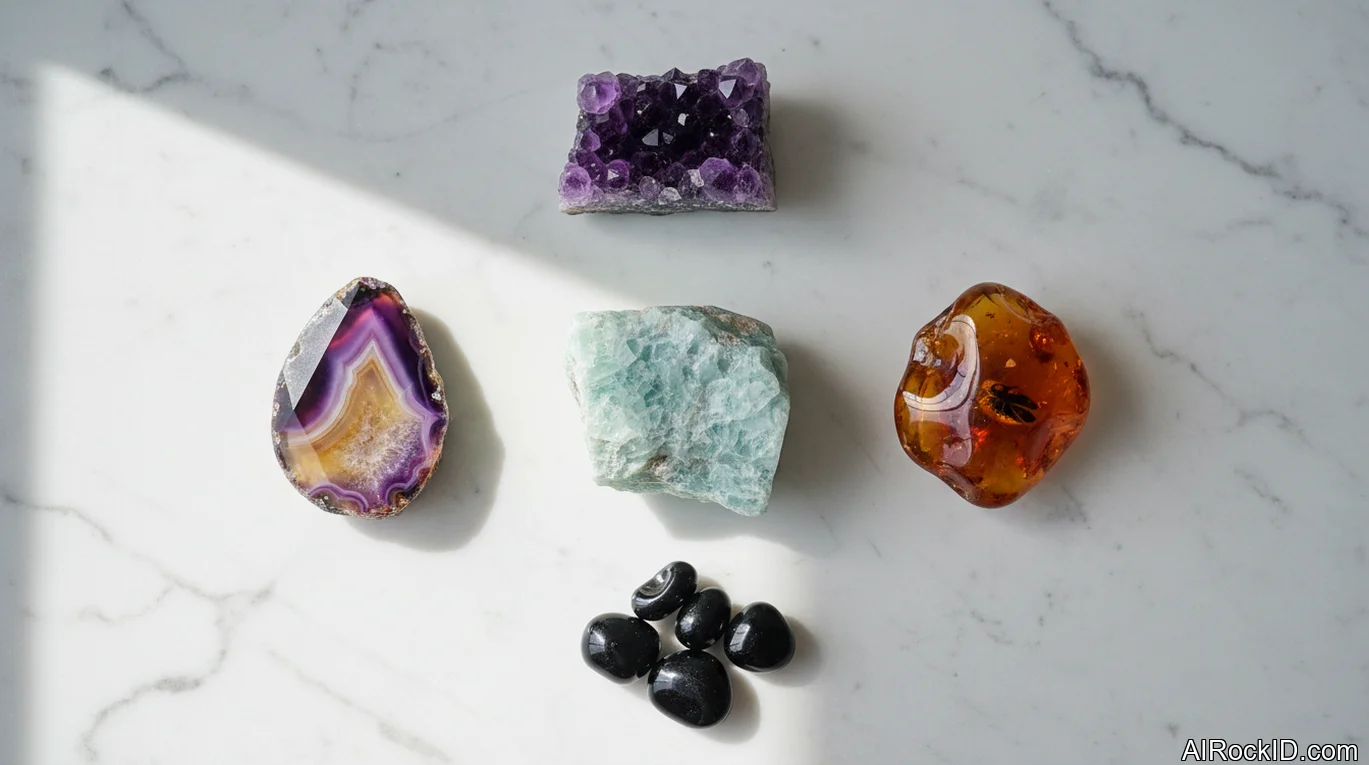
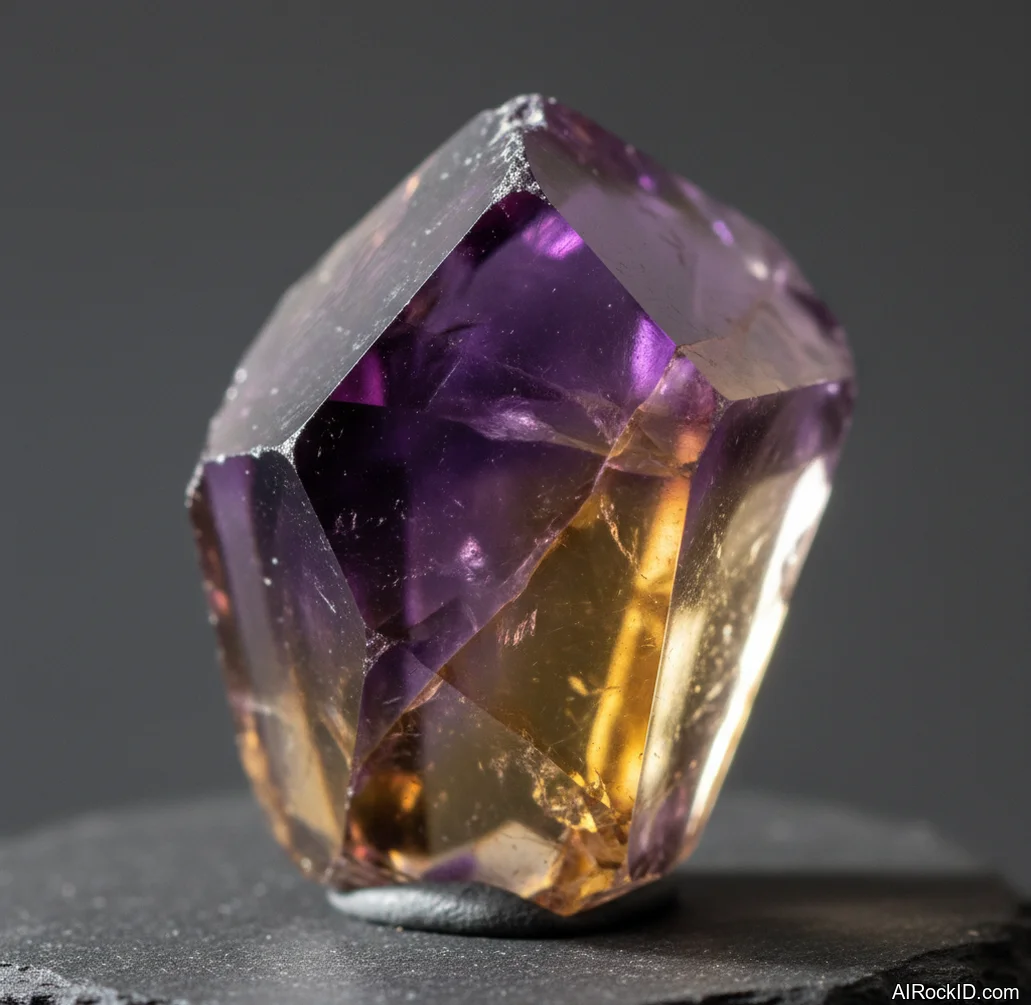
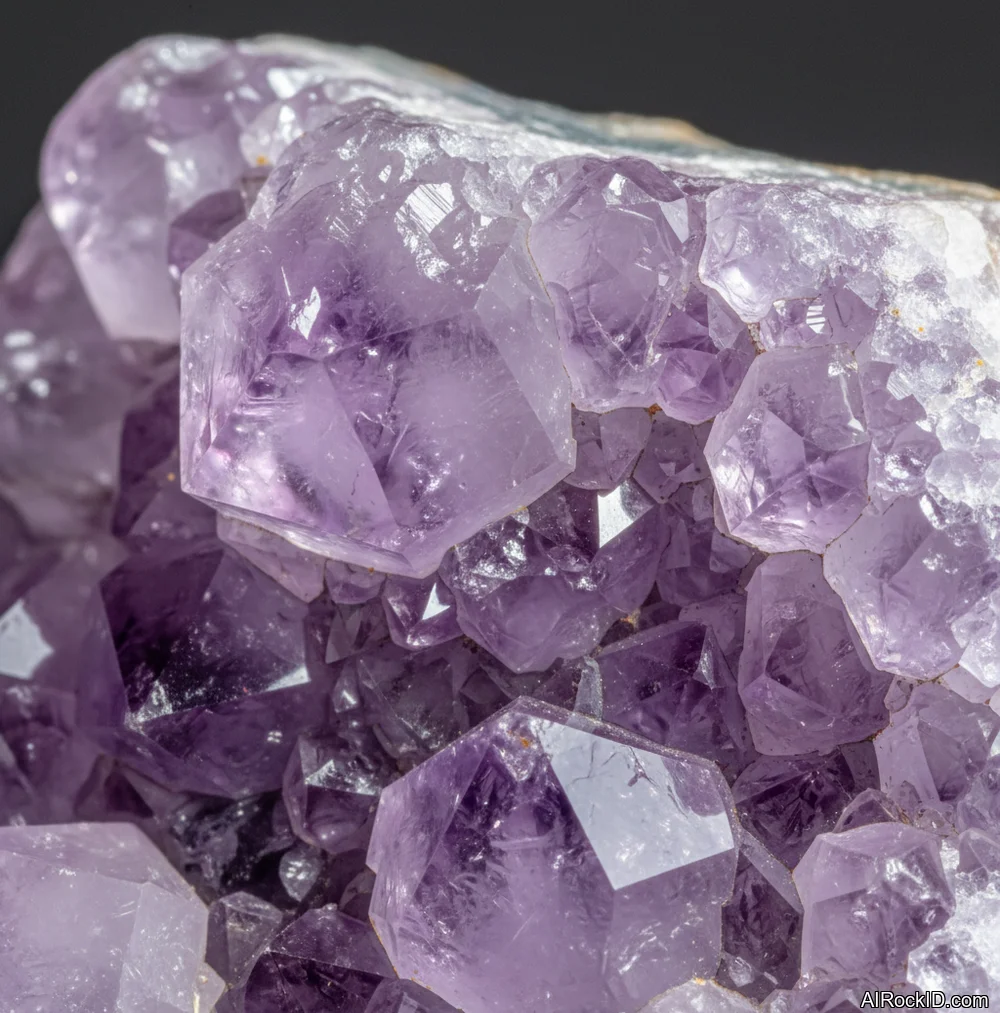
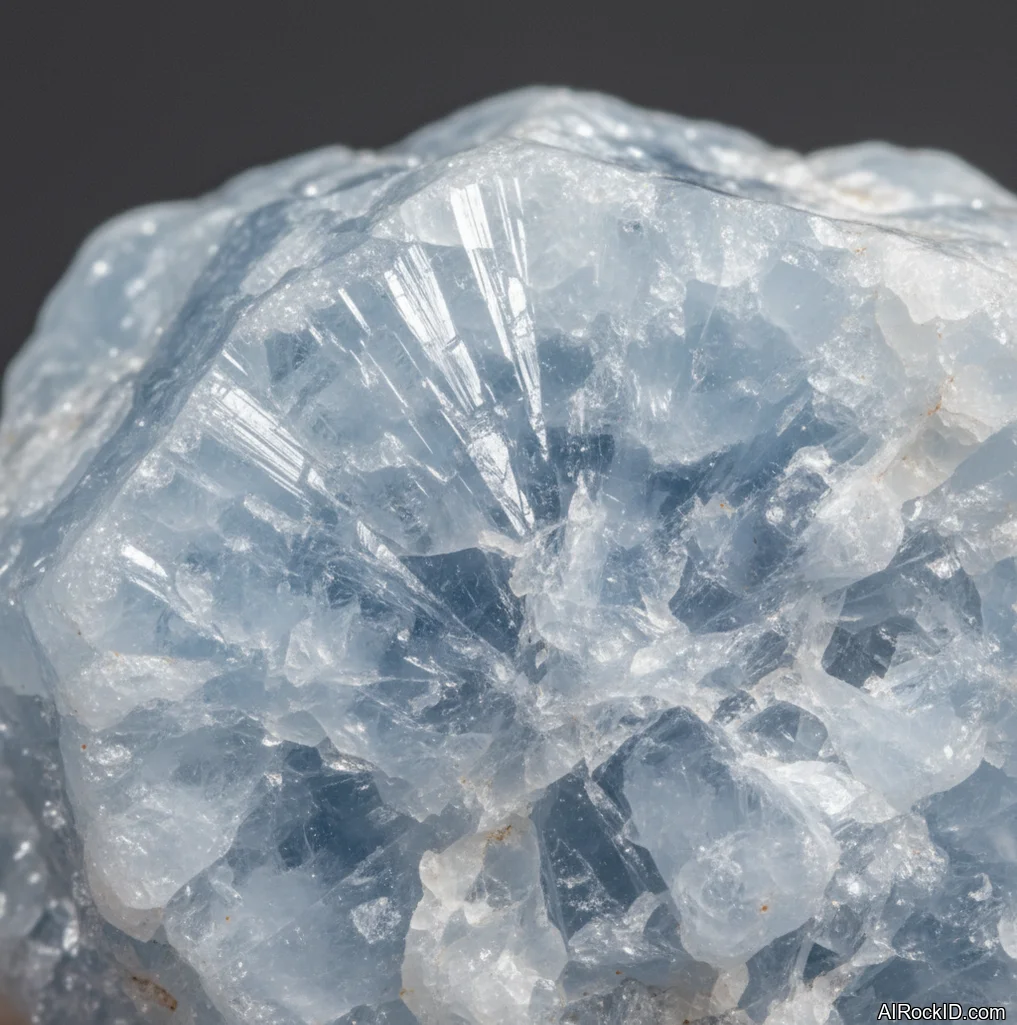
This guide is about using specific crystals as hands-on self love tools, the kind you can hold or wear to build small pauses and kinder self-talk through the day. It focuses on Amazonite, Amber, Apache Tears (obsidian), Ametrine, Amethyst, and Angelite, with real-world notes on feel, weight, and how people actually use them. They can support a calming ritual, but they won’t fix trauma, depression, or anxiety on their own.
The best crystals for self love are the ones that help you feel a little safer in your own skin and treat yourself with more kindness, day after day. I’m not talking about some magic switch you flip. I mean small, repeatable cues that nudge your nervous system and your habits in a better direction.
Pick up a stone like rose quartz and you notice the temperature first. Real material stays cool for a bit, then it warms up slowly in your palm, and that gradual shift is exactly why it works for me as a “pause” object. Self love, in practice, is mostly pauses. Tiny ones. It’s the moment you don’t send the mean text to yourself, or you don’t spiral because you missed one workout, or you drink water before you crash.
I’ve handled enough crystals over the years to know the market is kind of a mess. Most pieces sold as “high grade” are just well-lit photos, and some stones fade if you leave them on a windowsill (learned that the annoying way). And not everyone responds to the same vibe, right? So below you’ll get a short list that’s easy to source, hard to mess up, and practical to use with real routines like journaling, mirror work, therapy homework, and sleep. Use the stones like training wheels. They don’t do the riding. But they can keep you steadier while you learn.
Quick Comparison
| situation | crystal | why | format |
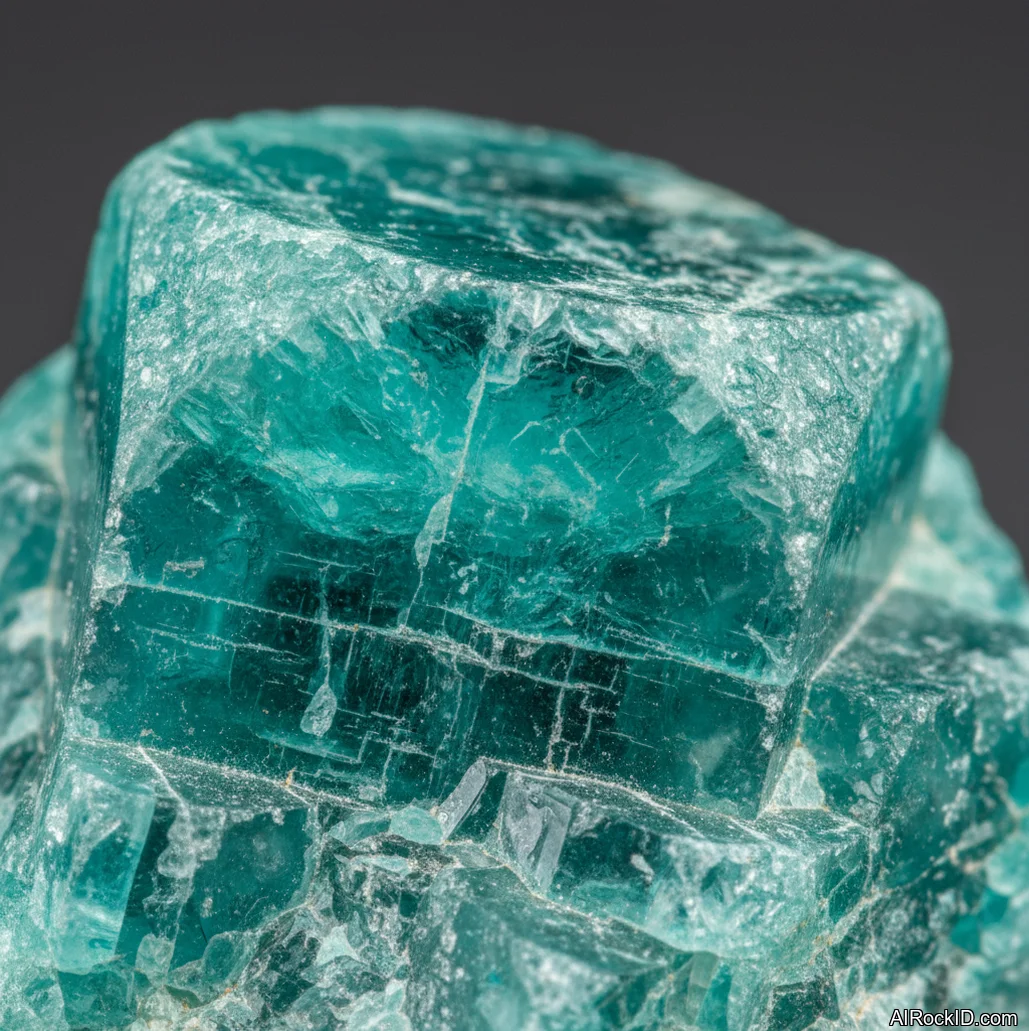
| I’m spiraling after a mistake and I need to stop the self-talk from getting cruel. | Amazonite | It’s the “hold your tongue with yourself” stone for a lot of people, and the real stuff feels slightly waxy-smooth with those white streaks that catch light when you tilt it, which makes it easy to use as a grounding focus. | palm stone |
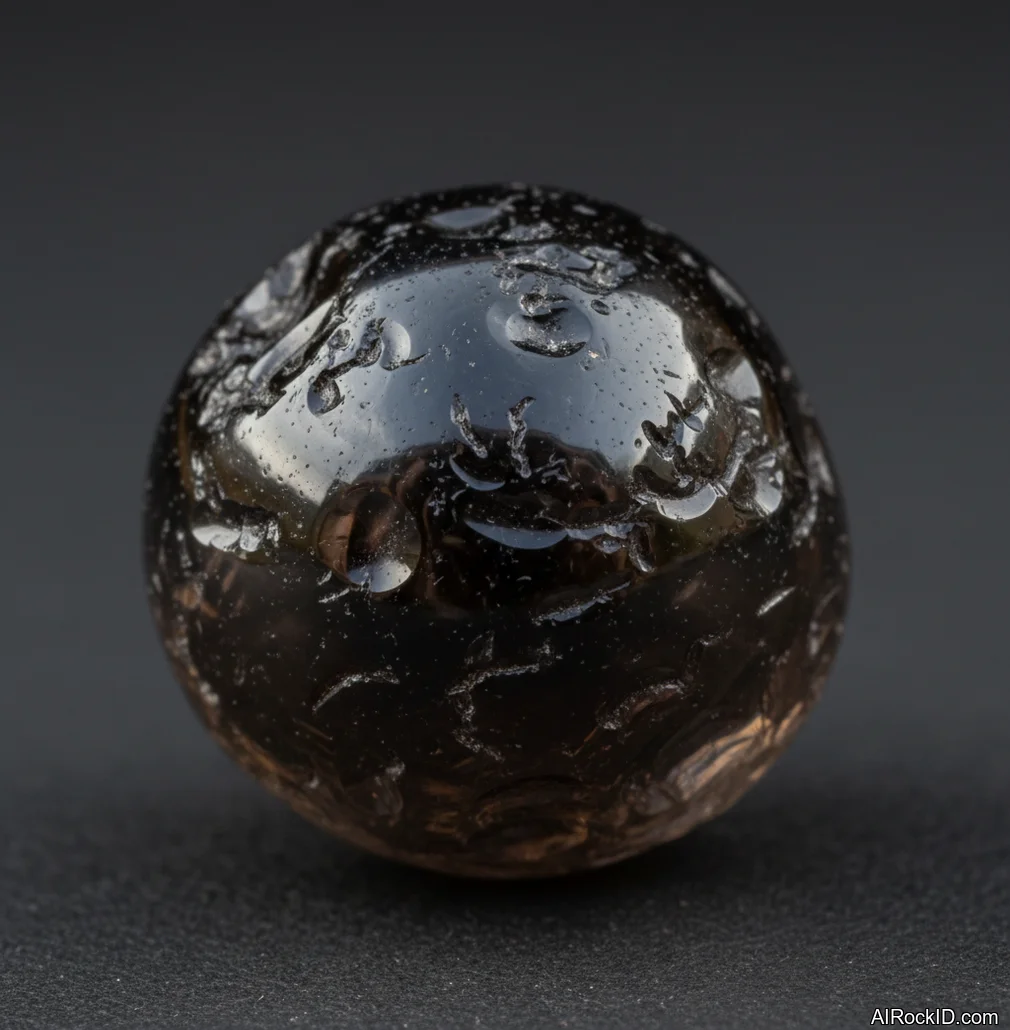
| I feel emotionally raw and I want something gentle for grief or tender days without getting knocked over by it. | Apache Tears | They’re small, rounded obsidian nodules that look like plain black pebbles until you hold one up to a bright phone light and see the smoky brown translucence, and that quiet, pocketable vibe pairs well with “be softer with yourself” work. | pocket stone |
| My self love practice falls apart at night, and I want a bedtime anchor that calms my body down. | Amethyst | A cool amethyst chunk on the nightstand gives you that slow warm-up in your hand, and darker Uruguayan pieces tend to feel more dense and glassy than the paler Brazilian tumbles people buy on impulse. | small cluster by the bed |
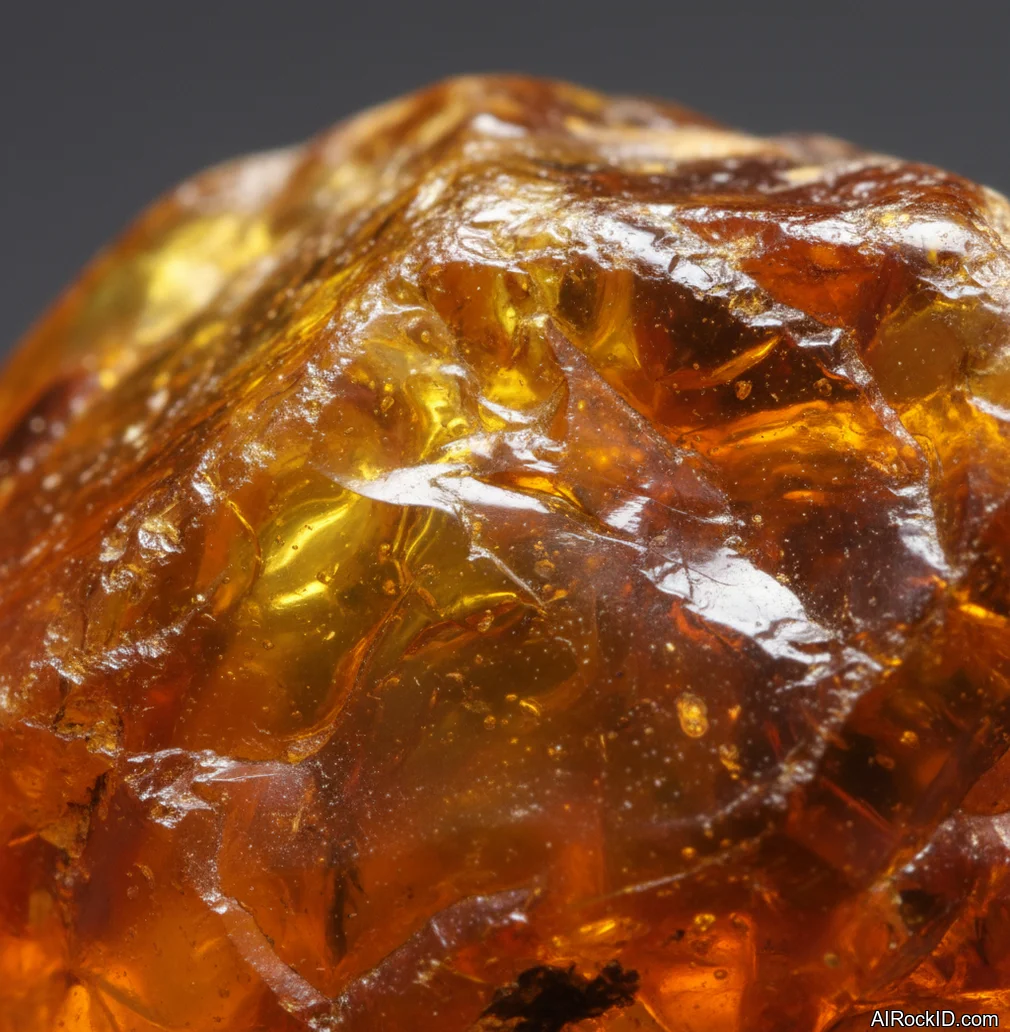
| I’m trying to rebuild confidence after burnout, and I want a daily-wear piece that feels warm and comforting. | Amber | Real amber is shockingly light for its size and warms fast against skin, which makes it a natural “comfort object” for self love routines, but cheap plastic fakes often feel warm right away and look too uniform. | bracelet |
Recommended Crystals
Amazonite
Amber
Apache Tears
Ametrine
Amethyst
Angelite
Aquamarine
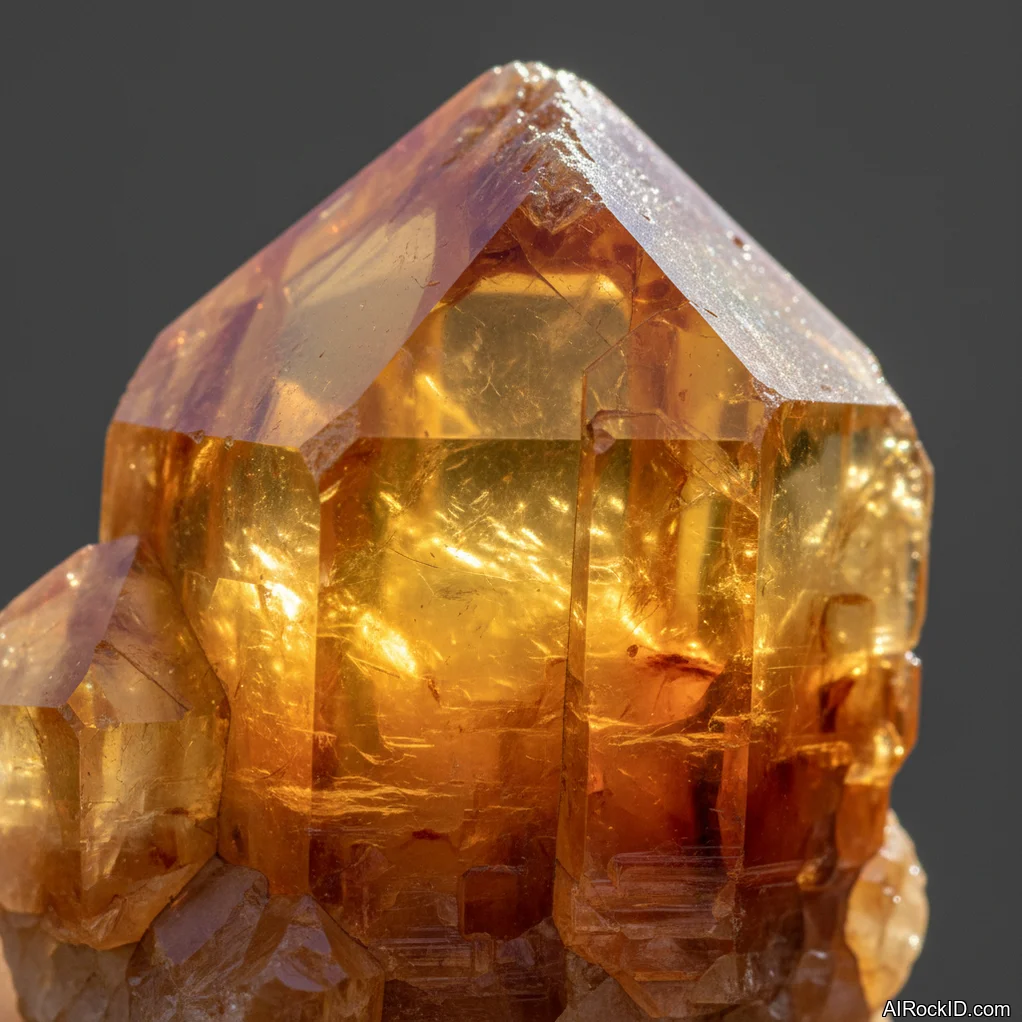
Amber Calcite
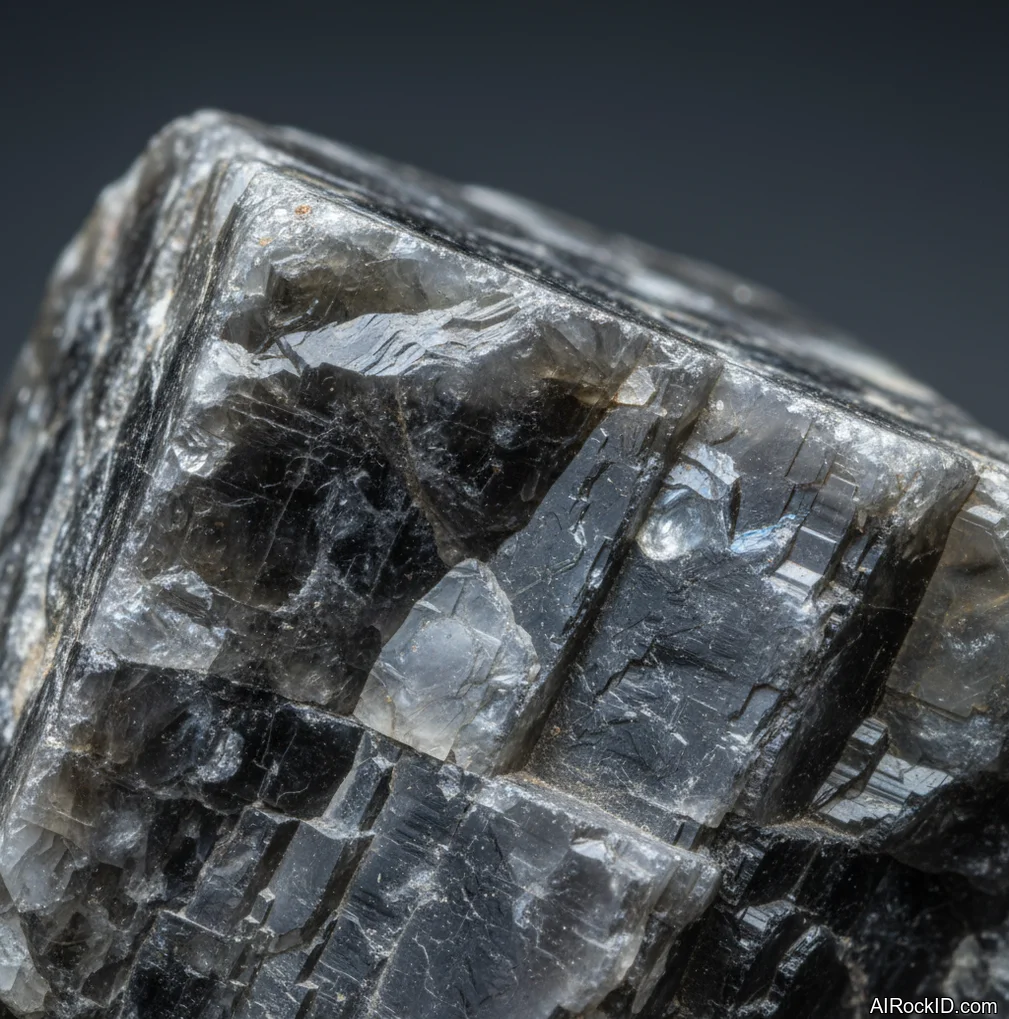
Black Moonstone
Self love isn’t a mood, it’s a habit loop
Most folks hunting for “self love crystals” aren’t really chasing some magical self-esteem boost. They want a break from the constant self-attack. And that’s usually a habit loop: something sets you off, a nasty thought snaps in, your body tightens, you do whatever you do to cope, and then you feel ashamed afterward. A stone won’t delete that loop, but it can interrupt it. That interruption is the whole point, because it’s where you get a choice.
So when the trigger hits, grab a palm stone and notice your body first. The cool surface against your skin. The little bit of weight in your hand. The edges, even if they’re smooth, still have a shape your fingers can trace (you can feel the polish on some stones, that slick, almost glassy finish). I’ve literally watched customers drop their shoulders just because they had something solid to hold while they tried to say what they actually felt. Then do one tiny thing that counts as self love: drink water, step outside for two minutes, or write one sentence that’s true and not cruel.
Thing is, it only works if you repeat it. If the crystal lives in a drawer, it’s just decor. But if it lives where the loop happens, on your nightstand, on your desk, in your car cupholder, it turns into a cue. That’s when it starts to earn its keep.
Picking real stones (and avoiding the junk that derails you)
Most dealers are fine. But online shopping gets weird fast because the lighting’s all over the place and the labels can be sloppy. “High grade” can mean absolutely nothing. For self love work, you don’t need museum material, but you do want something you genuinely like holding, because if it feels good in your hand, you’ll actually use it.
Look, pay attention to temperature and feel. Resin fakes tend to feel warm almost immediately, like they’ve been sitting in your pocket already. Real quartz like amethyst stays cool longer, and it has that glassy hardness when you tap it lightly with a fingernail (it’s a sharper little click, not a dull thud). Feldspars like amazonite and moonstone feel a bit softer, and you’ll often spot tiny surface dings, the kind you get when pieces have been rattling around in bins.
And I always tell people: buy one stone at a time. If you order ten at once and half of them disappoint you, you’ll blame yourself. Why do that to yourself? That’s the opposite of self love. Start small, figure out what your hands like, then build a set slowly.
Where to place them: the three spots that actually matter
You can sprinkle crystals around the whole house if you want, but honestly? Three places carry most of the weight: where you sleep, where you catch yourself talking in your own head, and where you make calls and commitments.
Sleep is the easy one. Put a chunky piece of amethyst on your nightstand, right next to where your phone usually lands, and it turns into that quiet “okay, put it down” signal. Boring? Yep. Real? Also yep. That’s self love, in the plainest form.
The self-talk spot is usually a bathroom mirror, your desk, or the car (mine ends up in the cup holder half the time). I like angelite or amazonite there because you’re working on tone, not volume. Keep the stone where your hand goes without thinking, like beside your keys or right where you rest your wrist. Don’t turn it into a whole ritual you’ll bail on.
Then there are the decision spots. That’s wherever you spend money, answer texts, or plan your week. Ametrine is great here because it holds that “soft and strong” idea in one thing you can literally pick up. If you catch yourself spiraling at the calendar, touch the stone, choose one priority, and let the rest stay a little messy. Who says it has to be perfect?
Pairing crystals with self love practices that aren’t fluffy
Crystals hit different when you pair them with something real you can actually do. Journaling. Therapy prompts. Breathwork. A walk where you can hear your shoes on the sidewalk. Strength training. And yes, actual meals you chew, not just coffee. The stone’s the anchor. It’s not the whole boat.
Try this for two minutes. Grab amber calcite (the kind that feels a little waxy and warm in your palm) and write: “Today I’m allowed to…” Then finish it with something tiny and specific. Like, “Today I’m allowed to take a shower even if I’m not ‘productive’ after.” Another option: after a hard conversation, use apache tears. Sit down, plant both feet on the floor, and name three sensations in your body without trying to fix them. Tight jaw. Hot face. Heavy chest. Whatever’s there. Just name it.
And if you’re doing mirror work and it feels cringe? Good. That’s normal. Keep it short. Angelite at the throat, one sentence, then stop. The win is showing up without bullying yourself about how it feels (because yeah, it can feel weird).
How to Use These Crystals for Self Love
Start with one stone and one habit. That’s it.
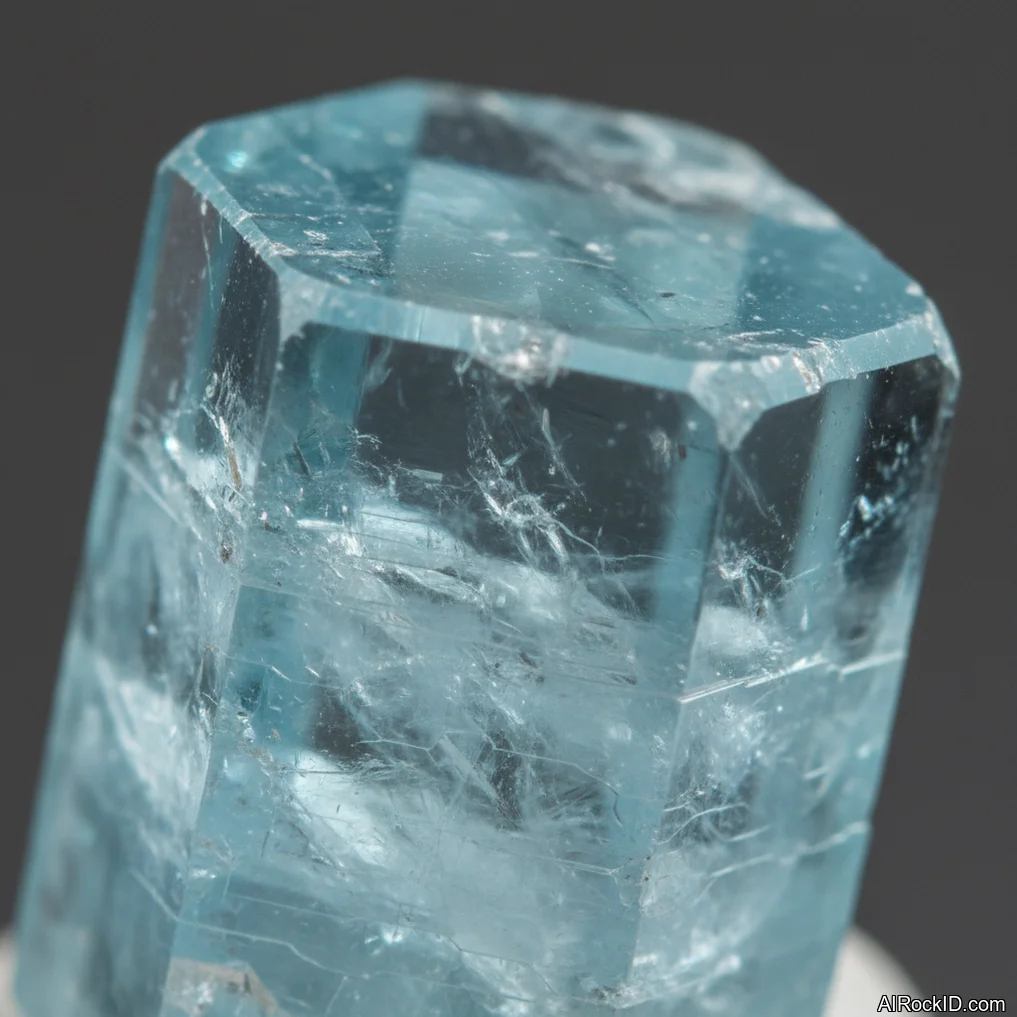
If you’re trying to get nicer with your own self-talk, park amazonite or aquamarine right where you bang out emails or texts. Like, next to your keyboard where your wrist keeps nudging it, or on the corner of your desk by the mouse pad. Before you hit send, tap the stone and ask one simple question: “Would I say this to someone I care about?” If the answer’s no, rewrite it once. Not ten times. Once.
For nervous-system self love, bedtime is the easiest place to see a change because the cue shows up every single night. Put amethyst on your nightstand where your hand can find it in the dark (you know that half-awake reach). Make it a closed loop: phone down, touch the stone, three slow breaths, lights out. Some nights you’ll still feel anxious. But you’ll be anxious without feeding it for an hour.
When you’re working through heavier stuff, use apache tears or black moonstone like a container. Hold it, set a five-minute timer, and let yourself feel whatever’s there. Then stop on purpose. Get up. Rinse your hands (cold water helps), drink water. That last step matters. It tells your brain you’re done, and you can go back to living.
Common Mistakes to Avoid
Thinking you can buy a crystal and magically get better self-esteem without changing anything else is the big one. If the stone never even touches your hand, it can’t turn into a cue, and you end up staring at a shelf full of “shoulds.” Been there. Pretty rocks, zero follow-through.
Another common screw-up is choosing fragile stuff for pocket carry. Angelite and calcite get absolutely wrecked by keys and coins (you can hear that gritty clack in your pocket, right?), and then you feel guilty for “ruining” it, which is basically a perfect little self-criticism trap. Keep delicate stones on a tray, carry tougher ones, use a pouch.
And then there’s cleansing and charging. People get intense about it and accidentally damage the stone. Water and soft minerals don’t mix. Sunlight fades some colors. If you’re not sure, go with smoke, sound, or just a dry cloth and intention. Simple beats dramatic.
What Crystals Can and Cannot Do
Identify crystals related to Best Crystals for Self Love
Snap a photo to check crystals mentioned in this guide and compare likely matches.