Crystals for Air Signs
Quick answer: Air signs are often paired in crystal traditions with stones linked to clarity, communication, emotional balance, and steady focus. Practical choices for Gemini, Libra, and Aquarius include clear quartz, blue lace agate, fluorite, amethyst, and lapis lazuli, used as visual reminders rather than substitutes for professional care.


- Introduction
- Recommended Crystals
- Air sign patterns these stones actually help with
- Gemini, Libra, Aquarius: quick matching without stereotypes
- Buying tips: what to look for so you don’t get junk
- Air-friendly rituals that don’t turn into a full-time hobby
- How to Use These Crystals
- Common Mistakes
- FAQ
AI Rock ID can help identify a stone from a photo when color, texture, and lighting are clear enough for comparison. RockIdentifier.io also provides crystal wiki pages that explain common names, properties, and look-alike stones for everyday collectors.
Good fit
- People who want a simple crystal set for focus, calm, or communication rituals
- Gemini, Libra, or Aquarius readers who prefer practical use ideas over strict zodiac rules
- Beginners choosing a few versatile stones instead of a large collection
- Anyone who wants to pair crystals with journaling, desk work, meditation, or conversation habits
Not a good fit
- Anyone looking for medical, legal, or mental health treatment from crystals
- Readers who want fixed astrological rules with no personal interpretation
- People who need laboratory-level mineral identification from appearance alone
Most commonly confused with
- Blue Lace Agate: Usually has soft blue banding, while dyed agate may show unnaturally intense color in cracks or edges.
- Fluorite: Often forms cubic cleavage and can be scratched more easily than quartz.
- Lapis Lazuli: Typically has deep blue color with possible gold pyrite flecks, unlike sodalite, which is often more patchy and may include white veining.
- Amethyst: A purple variety of quartz; very dark or uniformly vivid stones may be heat-treated, dyed, or misrepresented.
AI identification confidence
AI photo identification is most useful for narrowing down common polished stones, rough specimens with visible texture, and crystals with distinctive color patterns. Confidence is lower for dyed stones, tumbled stones, glass imitations, and minerals that require hardness, streak, or density testing.
When AI gets it wrong
- The photo is taken under colored light or heavy shadow.
- The stone is tumbled, carved, or coated, hiding natural crystal structure.
- Several minerals share the same color, such as sodalite, lapis lazuli, and dyed howlite.
- The specimen is synthetic, dyed, or sold under a trade name rather than a mineral name.
Best choice summary
For most air-sign crystal sets, start with one calming communication stone and one focus stone, such as blue lace agate with fluorite or clear quartz. Add amethyst or lapis lazuli only if the intended use is more reflective, creative, or symbolic.
Final recommendation
Choose crystals by the habit you want to support rather than by zodiac sign alone: focus, calm speech, balanced decisions, or creative planning. A small, well-identified set used consistently is more useful than a large collection chosen only by appearance.
Beginner recommendations
Advanced recommendations
Simple Storage for an Air-Sign Crystal Set
Keep softer stones such as fluorite and celestite separate from harder quartz pieces to reduce scratches. A small pouch, divided tray, or labeled box helps prevent mix-ups between similar blue stones such as sodalite, lapis lazuli, and dyed howlite.
When to Use One Stone Instead of Several
Using one crystal at a time makes it easier to connect the stone with a specific habit, such as pausing before speaking or focusing during a work session. A larger set can be useful for display or symbolic practice, but it may become distracting if the goal is simplicity.
A Note on Zodiac Associations
Crystal and zodiac pairings come from modern metaphysical traditions, not from mineral science. The same stone can be meaningful for different signs, so personal preference, durability, and intended use should matter as much as astrological association.
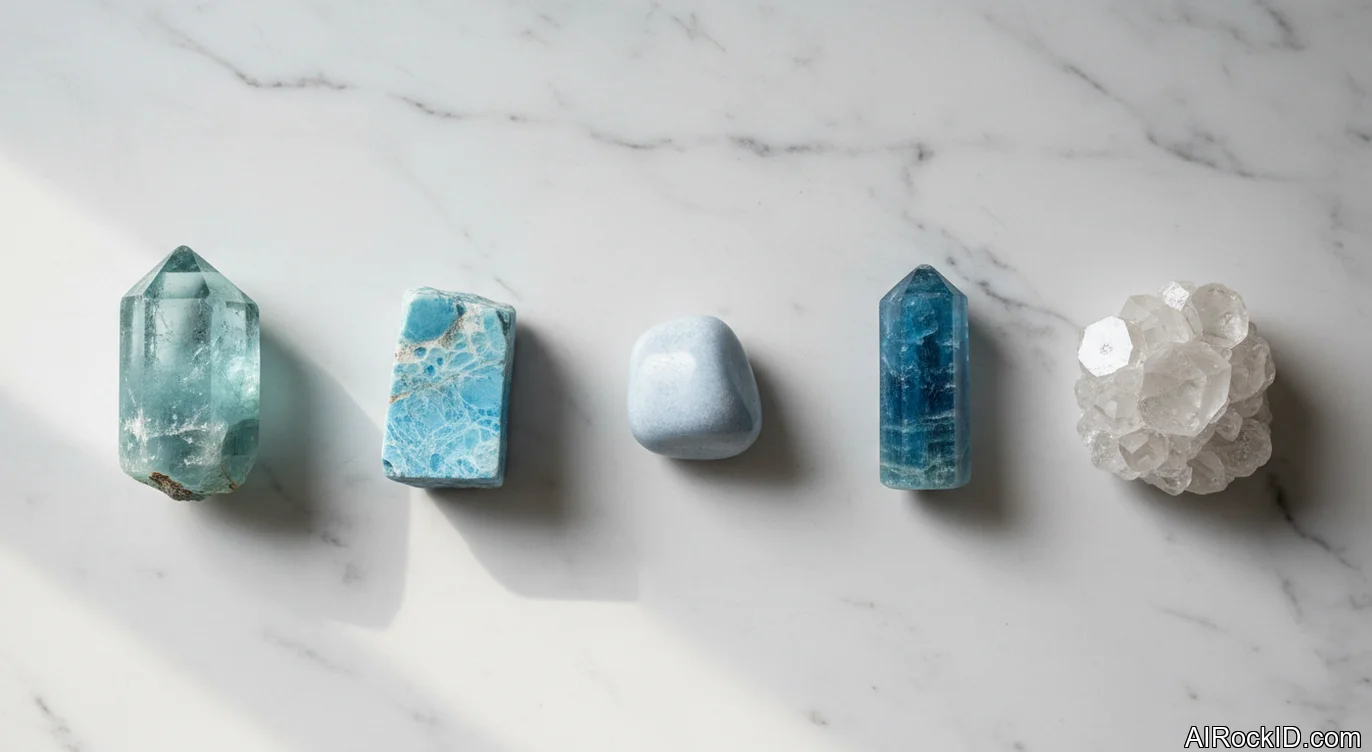
This guide covers six specific crystals that real collectors use with air signs: aquamarine, amazonite, angelite, apatite, apophyllite, and aegirine. Each one works best as a hands-on tool to anchor scattered thoughts, especially for Gemini, Libra, and Aquarius. The effect is subtle—it acts as a tactile cue, not a magic solution.
Yeah, some crystals can actually help air signs, but only if you treat them like a physical reminder for your habits, not some magic fix. Air energy moves fast. Thoughts, words, plans, fifteen tabs open in your head at 2 a.m. The right stone can slow you down just enough to pick a thought instead of getting yanked around by it. I’ve seen this land best for Gemini, Libra, and Aquarius when the crystal is tied to something you do on purpose and often, like journaling, breathwork, or that little pre-meeting routine you do before you walk into a room.
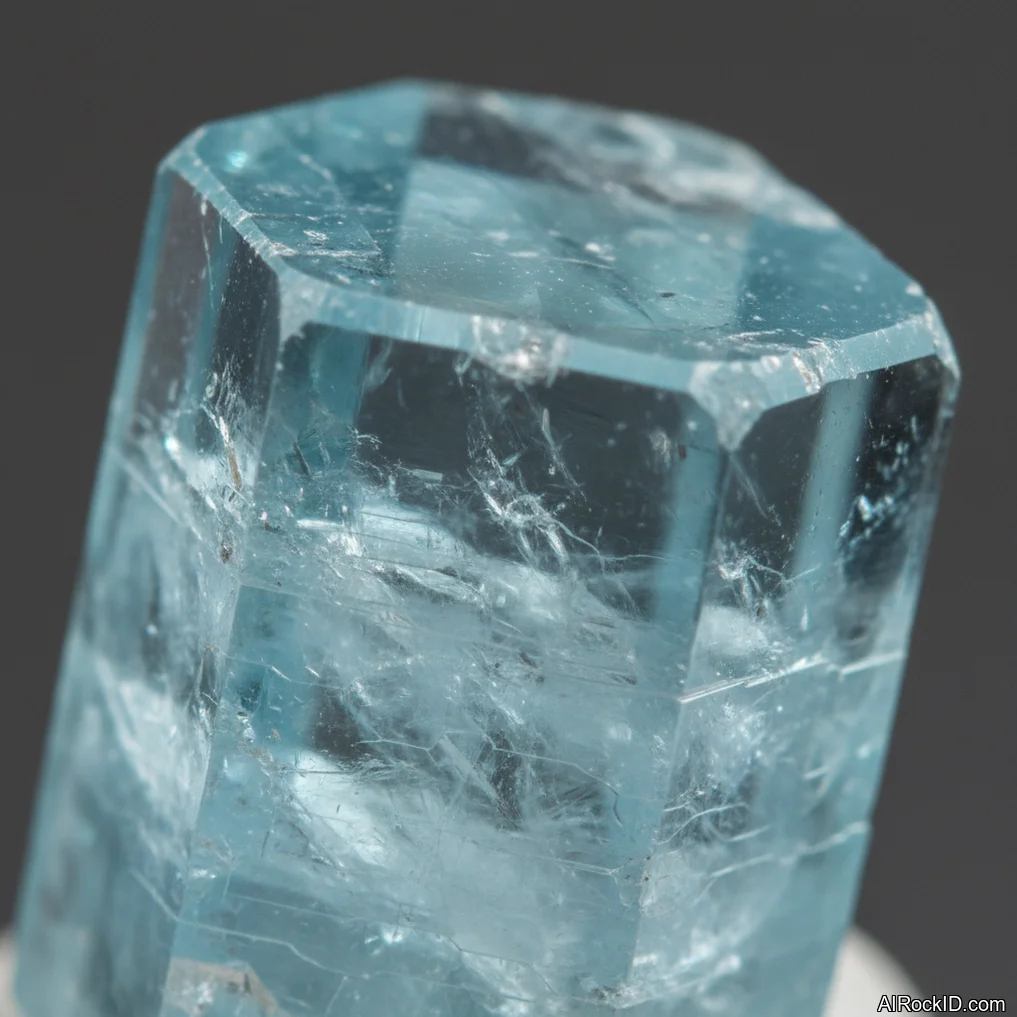
Grab a decent piece of aquamarine and you’ll notice it right away. It’s cool in your hand, kind of slick like it’s been polished forever, and it makes you hesitate for half a beat before you speak. That half beat? That’s basically the whole point for air signs. You don’t need a museum-grade chunk, but you do need one you actually want to touch (if it feels chalky or weird, you’ll stop using it in two days). Most of what people call “results” is just consistency: same stone, same pocket, day after day, tugging your attention back to center.
Thing is, air signs collect ideas the way some people collect rocks. Too many. Nowhere to put them. So I usually reach for crystals that either settle the nervous system (angelite, amber) or help with mental organization (aegirine, amphibole quartz). And look, I’ll be blunt: if you’re stressed because you’re running on sleep debt, mainlining caffeine, or stuck in a toxic job, no crystal fixes that. What it can do is give you a steady, tactile cue to make the better choice when it actually matters.
Quick Comparison
| situation | crystal | why | format |
| Need to pause before speaking in a tough conversation | Aquamarine | Collectors say the cool, slick feel of aquamarine in the palm makes you hesitate just long enough to weigh your words | tumbled pocket stone |
| Trying to focus during breathwork or meditation | Apophyllite | Raw apophyllite points have a glassy, almost wet sheen and are light enough to hold during slow breathing exercises | raw terminated point |
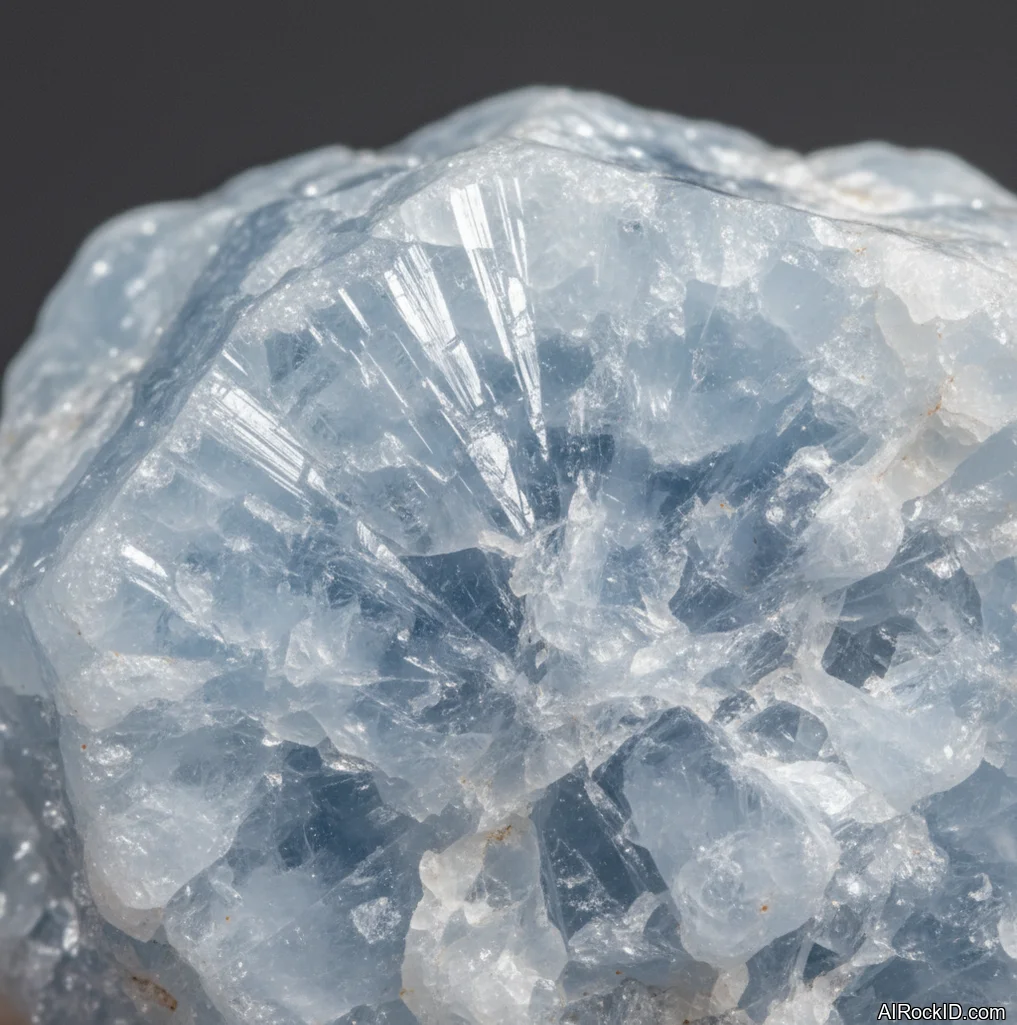
| Overthinking and can't sleep from racing thoughts | Angelite | Angelite feels powdery and cool, and keeping a piece by the bed is a simple tactile anchor for air signs at night | small bedside chunk |
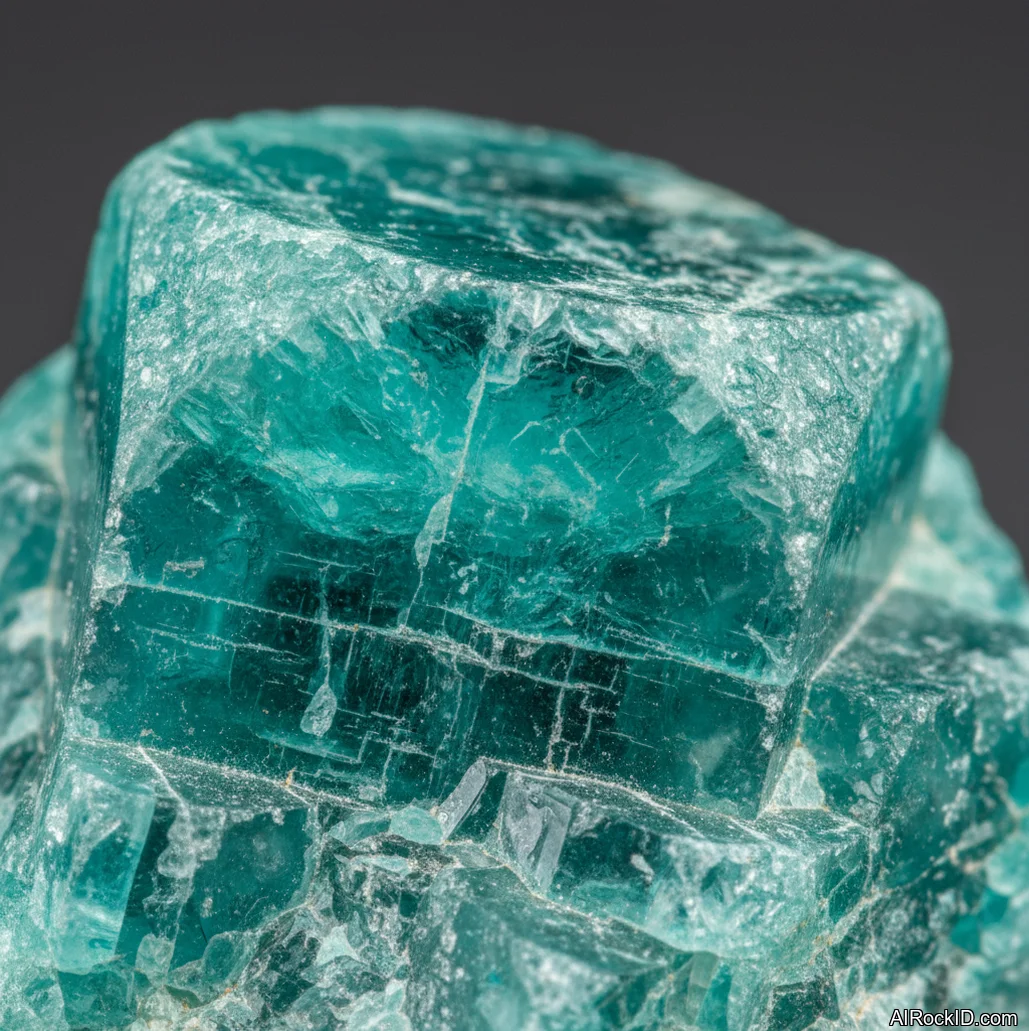
| Getting overwhelmed in a busy social setting | Amazonite | A smooth amazonite bracelet is easy to fidget with discreetly, and the color stands out without looking flashy | beaded bracelet |
Recommended Crystals
Aquamarine
Amazonite
Angelite
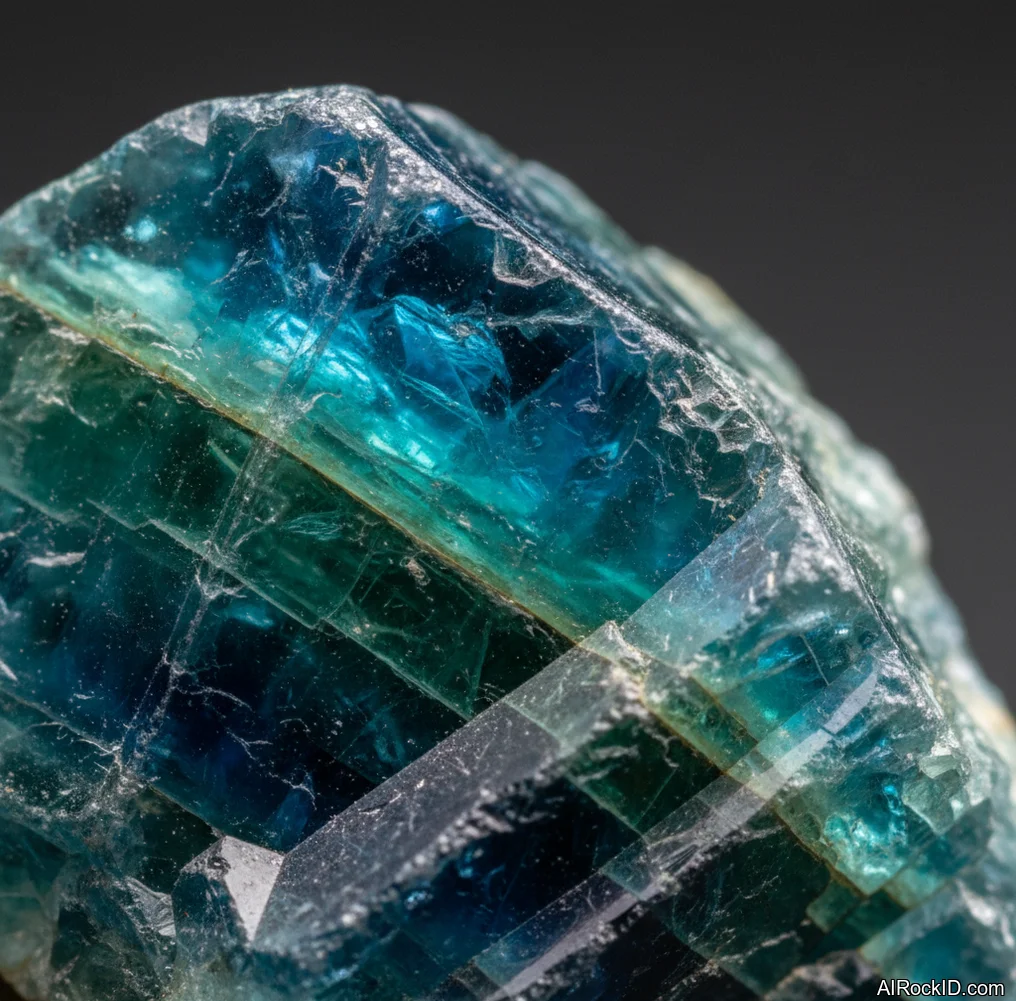
Apatite
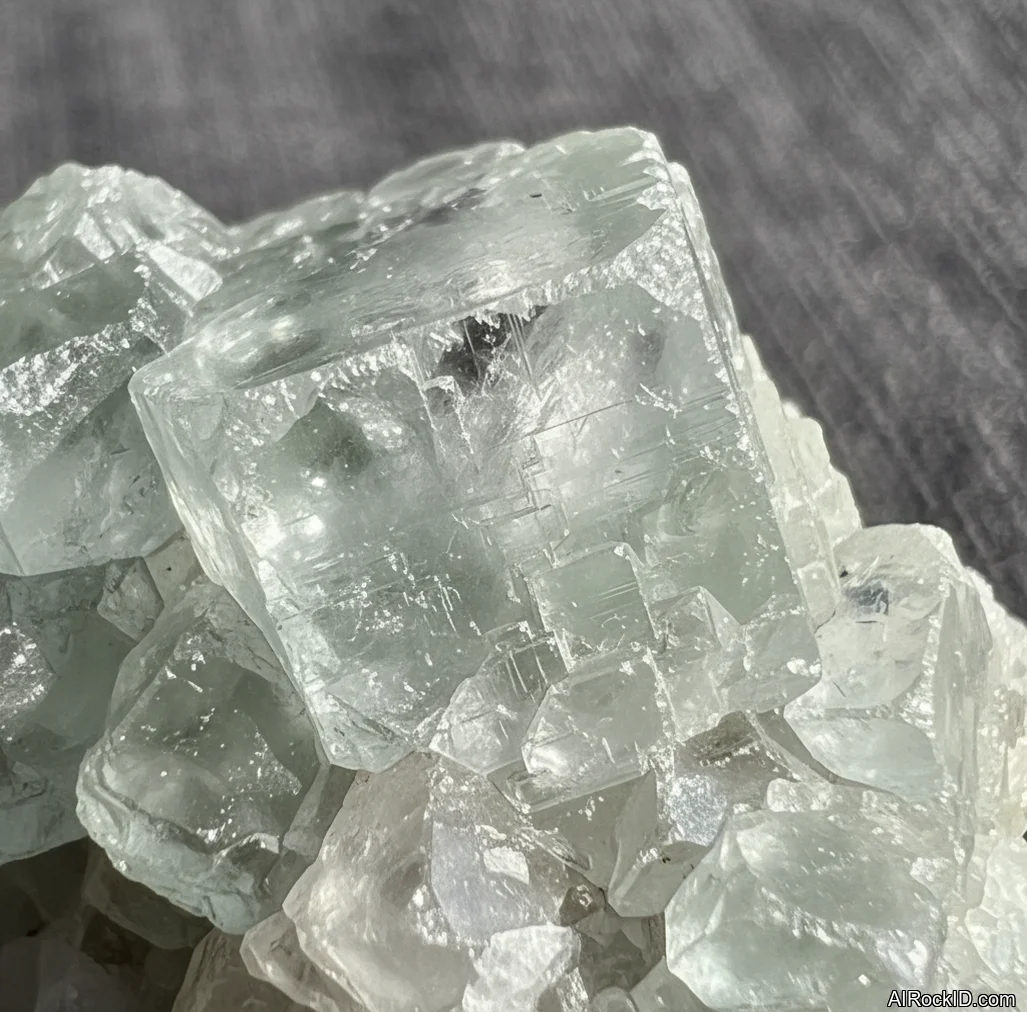
Apophyllite
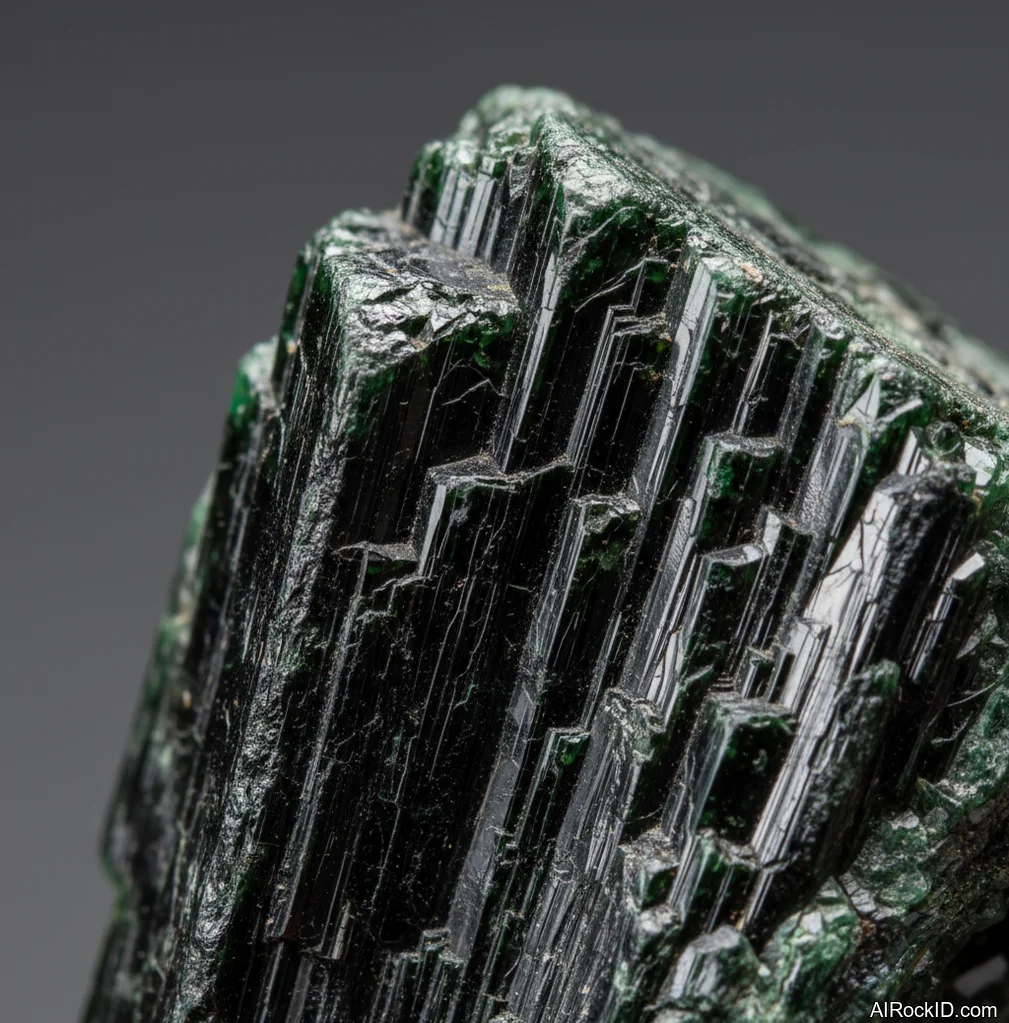
Aegirine
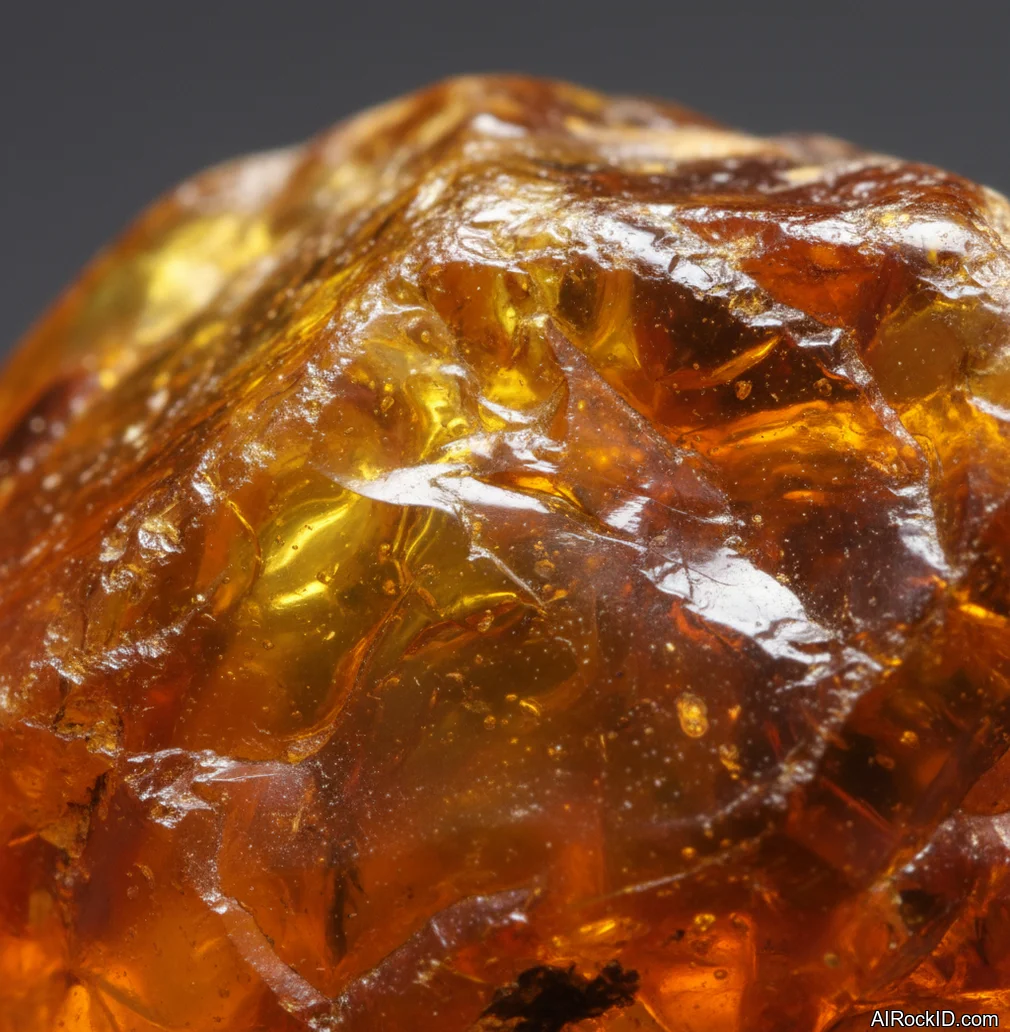
Amber
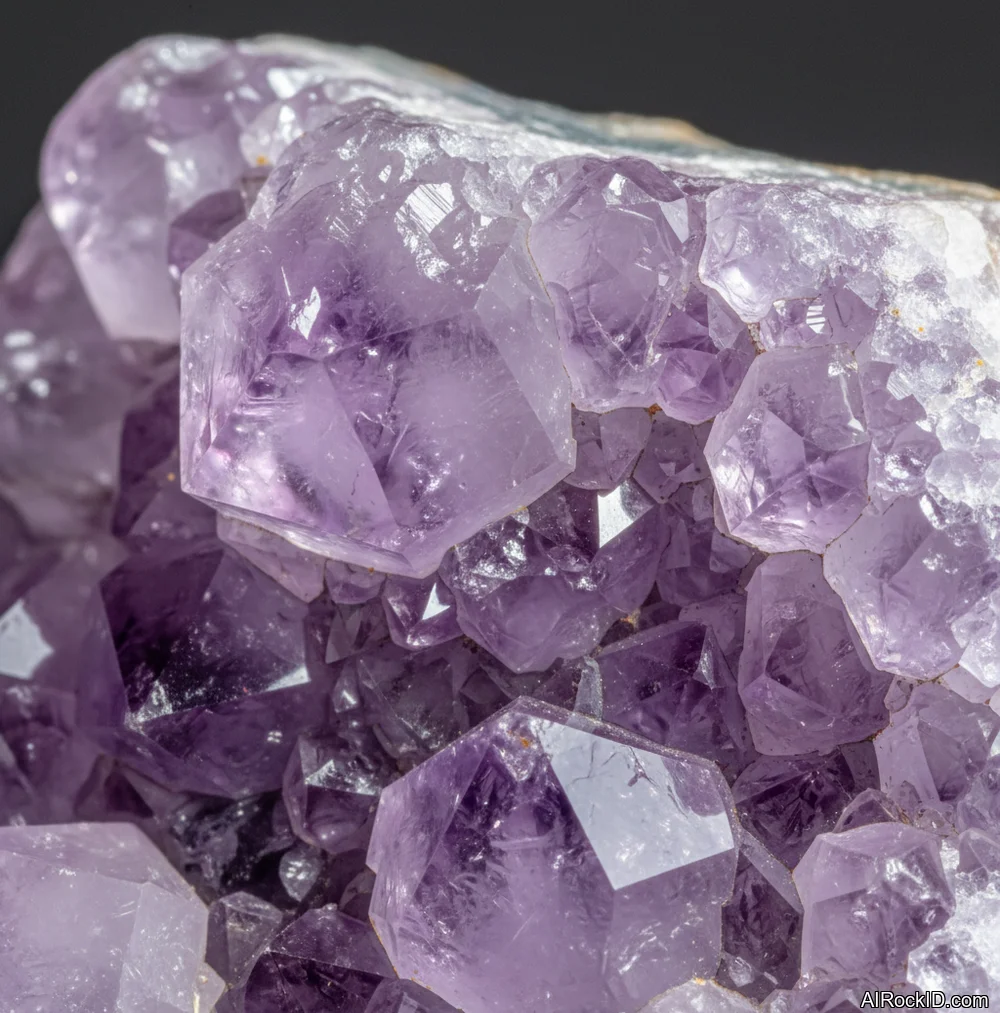
Amethyst
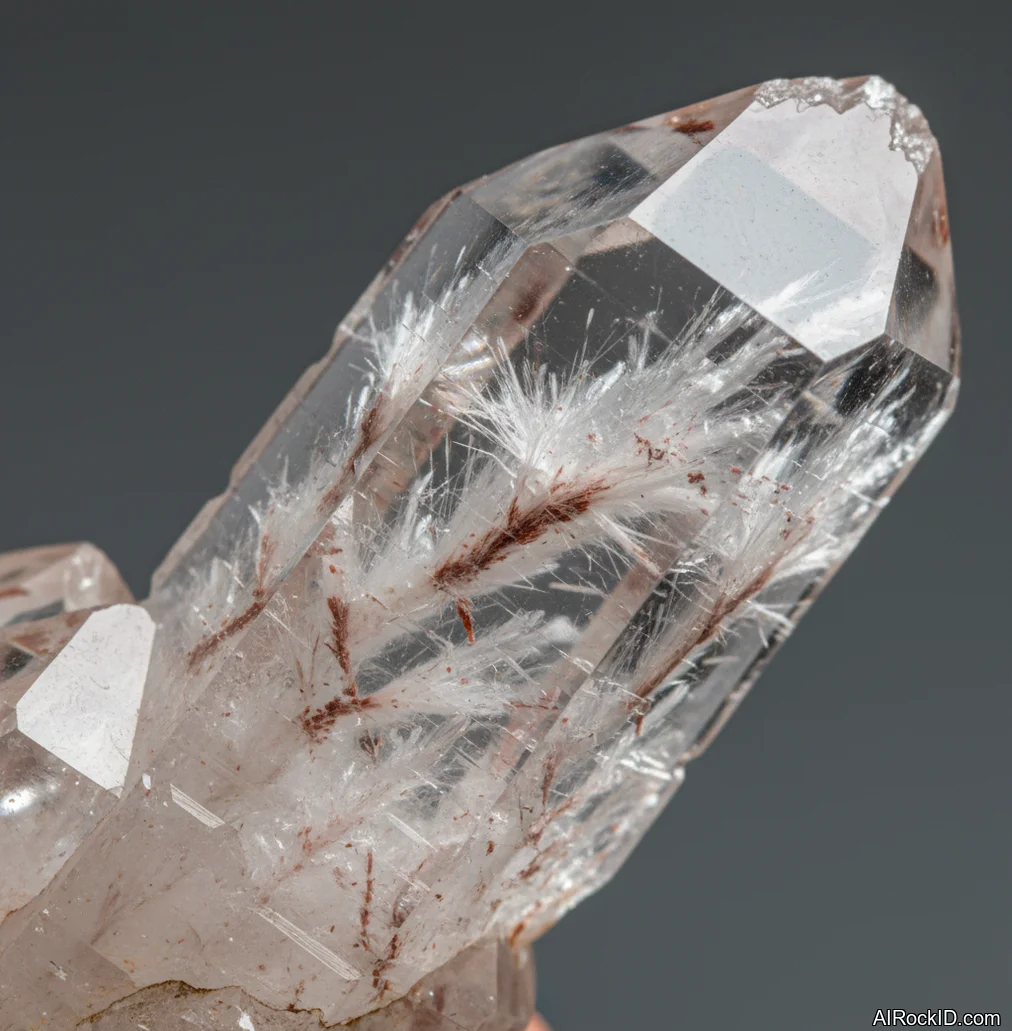
Amphibole Quartz
Air sign patterns these stones actually help with
Gemini, Libra, and Aquarius don’t really need more “power.” They need a speed governor. What I see over and over is mental ping-pong: you draft the reply, then the backup reply, then the reply to the imaginary argument you haven’t even had yet. Exhausting, right?
Grab a stone that actually feels cool to the touch or just plain heavy in your palm, and it snaps that whole chain. Aquamarine and angelite are great for that cool-and-quiet vibe. Aegirine is more of a weight-and-boundaries stone, especially when you’re stuck circling the same decision loop like a scratched record.
And then there’s the other air-sign issue: social static. Too many conversations, too many opinions, and suddenly you can’t hear your own signal anymore. Amazonite helps when you want to say what you mean without turning it into a performance. Amber’s the sleeper pick, though, because it warms up fast against your skin and pulls you back into your body when you’ve basically been living from the neck up all day (you know the feeling).
Gemini, Libra, Aquarius: quick matching without stereotypes
Gemini usually does best with stones that help you lock in and actually finish the thing, but without that heavy, stuck feeling. Apatite nails that “one task, right now” push. And amphibole quartz is handy when your brain needs something genuinely interesting to stare at, so it quits sniffing around for novelty somewhere else.
Libra, on the other hand, tends to relax with calmer energy that feels soft instead of strict. Angelite on a nightstand is about as straightforward as it gets, and it works. Aquamarine helps too, especially when you’re trying to keep a conversation fair rather than sliding into reactive mode. It’s less “keep talking” and more “say it clean, then stop.” (Harder than it sounds, right?)
Aquarius usually wants grounding that doesn’t feel like a weighted blanket sitting on your chest. Aegirine is my go-to for mental boundaries, and for saying no without writing a whole essay to justify it. Apophyllite fits Aquarius well too because it’s clarity with sparkle, but you’ve got to handle it gently, or you’ll snap points off (those little crystal tips chip fast) and then you’ll feel annoyed every time you see it.
Buying tips: what to look for so you don’t get junk
At first glance, a lot of these seem like easy buys. Then the fakes show up. Amazonite gets dyed. Amber gets swapped for plastic. And yeah, even aquamarine gets mislabeled when it’s really just pale glass or some vague “blue stone” tossed into a generic listing.
Look, the fastest giveaway is often temperature and texture. Real amber warms up in your hand in seconds, like it’s almost grabbing your skin back; glass stays cool longer and just feels harder (slick, in that dead way). With amazonite, keep an eye out for color that’s way too uniform and electric, plus that glossy coating that honestly looks like someone brushed on nail polish. Apophyllite should throw crisp reflections and keep sharp edges. If it looks cloudy and rounded off, that’s usually heavy re-polishing.
Most dealers aren’t out to scam you, but they will lean on broad names. So ask for origin if they’re claiming one, and ask if the color is natural. If a seller can’t answer basic handling stuff like hardness, or whether it’s water-safe, what else do you need to know? Move on.
Air-friendly rituals that don’t turn into a full-time hobby
Air signs fall in love with systems, and then they get bored. Fast. So keep the routine tiny, like under two minutes tiny. The crystal isn’t the magic switch, it’s just the physical cue that tells your hands and brain, “Okay, we’re doing the thing now.”
Try a “touch then choose” rule. Touch apatite, pick the next task, then start for five minutes. Touch aquamarine, decide on one sentence you want to communicate, say it, then stop. Touch amethyst, choose sleep, then put the phone facedown (screen down, that little thud on the nightstand helps).
Thing is, the real test is whether you can repeat it on an ordinary Tuesday. If you only reach for stones when you’re already doing a full moon bath and a 40-minute meditation, you’re going to quit. So make it stupid-easy. Keep one stone where you’ll trip over it, literally. Desk. Keys bowl (the one that clacks when you drop your keys in). Nightstand. Done.
How to Use These Crystals for Crystals for Air Signs
Start with placement before you think about anything mystical. Air signs do better when the stone actually sits where the habit happens. Put apatite right next to your planner, aquamarine by the laptop where you crank through emails, and amethyst on the nightstand by the bed. If it’s out of sight, it’s out of mind. That’s not a moral failing, it’s just how air energy works.
Pick up the stone, then do one repeatable action. For communication, I like a three-breath pause with aquamarine or amazonite: inhale, exhale, feel the stone in your palm (cool at first, then it warms up), then speak. For focus, amphibole quartz or apatite pairs well with a timer. Set 25 minutes on, 5 minutes off, and touch the stone at the start of each block so your brain learns the cue. Simple. Kinda boring. And that’s the point.
Keep your rotation small. One “day stone” and one “night stone” is plenty. If you want a third (do you really need it?), make it a decision stone like aegirine or apophyllite that just lives on the desk and doesn’t travel. Clean them in ways that match the material: wipe with a dry cloth for angelite and apophyllite, avoid soaking anything soft or porous, and don’t leave colored stones baking on a windowsill for weeks unless you like surprises.
Common Mistakes to Avoid
Buying ten stones and using exactly zero of them is the most air sign move imaginable. The fix is kind of dull: grab two and actually live with them for a month. You’ll get way more from an amazonite that’s gotten a little scuffed up (you can feel that satin-worn edge with your thumb) than from a flawless piece that just sits there looking pretty.
And yeah, another common mess-up is treating delicate material like it’s pocket gravel. Angelite gets scratched. Apophyllite points snap (those tips are sharp, and they don’t bend, they just go). Apatite chips. I’ve watched people get genuinely annoyed at the stone when the real issue was storage, so toss them in a pouch, or just keep the fragile ones in one spot and leave them there.
But the last big one is expecting crystals to bulldoze your own inputs. If you’re sleeping five hours, living on caffeine, and scrolling until your eyes ache, amethyst isn’t going to magically knock you out. Use the stone as a cue to change what you’re doing, not as a replacement for changing it. Why would it work like a substitute, anyway?
What Crystals Can and Cannot Do
Identify crystals related to Crystals for Air Signs
Snap a photo to check crystals mentioned in this guide and compare likely matches.