Crystals for Energy Grids
Quick answer: Crystal energy grids are arranged patterns of stones used in metaphysical traditions to focus intention, organize a space, or support meditation. Clear quartz, selenite, amethyst, black tourmaline, and rose quartz are common choices because they are widely available and easy to combine without complex care requirements.


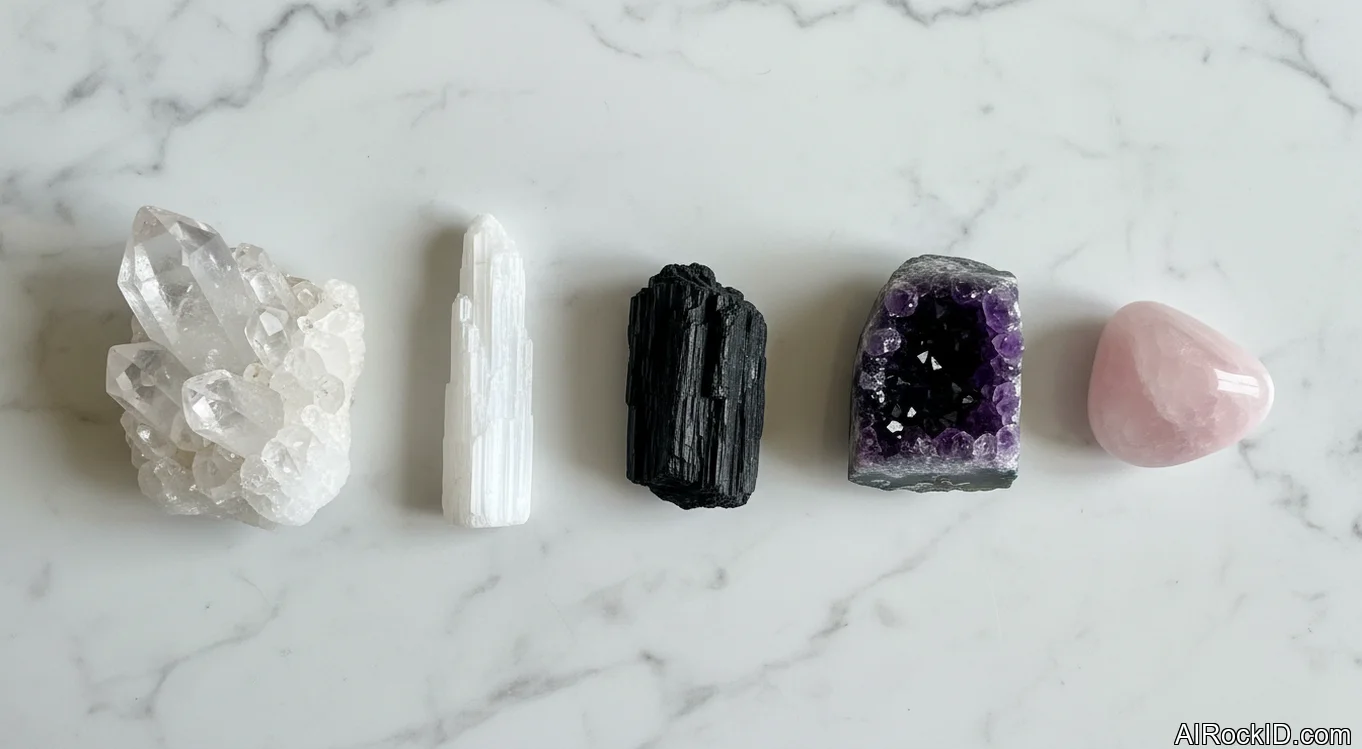
AI Rock ID can help identify unknown stones before they are placed in a crystal grid, especially when color, luster, and transparency are visible in the photo. RockIdentifier.io provides reference pages that can help compare common crystal varieties and avoid mixing up look-alike materials.
Good fit
- People who want a structured ritual for meditation, journaling, or intention-setting
- Homes with a stable shelf, altar, desk, or low-traffic surface for leaving stones undisturbed
- Beginners who already own a few common crystals and want to use them in a coordinated layout
- Practitioners who prefer symbolic or traditional uses rather than medical or guaranteed outcomes
Not a good fit
- Replacing medical, mental health, legal, or financial advice
- Spaces where children or pets may swallow small stones
- Humid rooms if the grid includes water-sensitive minerals such as selenite or halite
- Situations where a measurable physical result is expected from the crystals alone
Most commonly confused with
- Clear Quartz: Often used as a general amplifier in grid traditions; it can be confused with glass if bubbles, mold seams, or uniform clarity are present.
- Selenite: Commonly used for clearing or boundary lines in grids, but it is soft and can be damaged by water.
- Amethyst: Used in calming or meditation-focused grids; pale amethyst may be mistaken for light purple fluorite or dyed quartz.
- Black Tourmaline: Traditionally chosen for grounding or protective layouts; it is heavier and more striated than many black glass pieces.
AI identification confidence
AI identification is most reliable when the crystal is photographed in natural light from several angles, including close-ups of texture, edges, and any inclusions. Tumbled stones, dyed pieces, and polished points can reduce confidence because surface features are often altered or hidden.
When AI gets it wrong
- The stone is dyed, coated, or heat-treated
- The photo is taken under colored light or heavy shadow
- The specimen is a polished shape with few natural surfaces visible
- Several minerals have similar color and transparency, such as clear quartz, glass, and calcite
Best choice summary
For most home energy grids, clear quartz is the most flexible center or connector stone because many traditions treat it as neutral and adaptable. A practical starter grid can use clear quartz in the center, four boundary stones such as black tourmaline or selenite, and one intention-matched stone such as amethyst, rose quartz, citrine, or smoky quartz.
Final recommendation
Start with a small grid of five to nine stones rather than a complex pattern, and keep the purpose specific enough to observe through behavior, mood tracking, or routine changes. Choose durable, easy-care crystals first, then add fragile or specialty stones only after the layout location and handling routine are stable.
Why people search for this
People often search for crystals for energy grids when they want a more organized method than simply placing stones around a room. The topic is also popular among those building meditation spaces, home altars, or intention-based rituals.
Beginner recommendations
Advanced recommendations
Safe Placement and Storage
Crystal grids should be placed where stones will not fall, scratch furniture, or become a choking hazard for children or pets. Fragile minerals such as selenite, fluorite, and calcite should be kept away from water, kitchen splashes, and high-humidity areas. If a grid is placed near a window, be aware that some stones, including amethyst and rose quartz, may fade with prolonged direct sunlight.
Cleansing Methods by Stone Durability
Many crystal traditions include cleansing methods such as sound, smoke, moonlight, or placing stones near selenite. Water cleansing should be avoided for soft, soluble, or layered minerals, including selenite, halite, pyrite, and some calcite specimens. A dry cloth, brief sound ritual, or simple reset of intention is usually safer for mixed-stone grids.
Keeping a Simple Grid Journal
A grid journal can record the date, intention, stones used, layout shape, and any practical actions connected to the grid. Notes should focus on observable changes, such as sleep routine, study time, meditation frequency, mood ratings, or completed tasks. This keeps the practice grounded while respecting its symbolic and traditional context.
Crystals for energy grids is a practical guide to picking and placing stones so a grid stays consistent, readable, and easy to maintain over time. It focuses on how to use Amethyst, Black Tourmaline, Clear Quartz, Amazonite, Apatite, and Aquamarine as anchors, amplifiers, and “signal cleaners” in a layout you can actually keep checking. A grid won’t do much if you set it once and never interact with it, and messy mixes of shapes and finishes can make the whole pattern feel visually noisy.
Yes, crystal grids can work as a practical way to keep an intention on rails over time, but only if you treat the grid like something you keep up with, not a one-and-done spell you set and forget. A grid is basically structure plus repetition. Same spot. Same stones. Same pattern. And you check it often enough that your mind and your habits keep getting nudged back into line.
Pick up a handful of stones and you notice it fast. Some pieces feel steady and quiet in your palm, almost like they just sit there. Others feel kind of jittery. And some make the whole setup feel messy, like the room gets visually loud the second you place them down. That’s not mysticism to me so much as feedback. When I build grids in my own space, I’m watching a few very real things: how the stones behave physically (do they chip at the edges, shed little crumbs of grit, fade if they sit in a sunny window), how consistent the “tone” feels from one day to the next, and whether the layout survives real life, like a sleeve catching a point or a cat tail sweeping through it.
A good grid doesn’t need rare minerals or a sacred geometry poster to sit under it. It needs a clear job, a center stone that can hold that job without feeling scattered, and supporting stones that don’t fight each other once they’re actually on the table. Look, I’ve watched people get better results by using fewer stones and a cleaner pattern. But I’ve also seen beautiful grids fall apart for boring reasons: the points were too fragile, the center stone kept getting bumped out of place, or the owner never came back to the intention after that first excited weekend. Who hasn’t done that at least once?
Quick Comparison
| situation | crystal | why | format |
| My grid keeps feeling scattered after a few days, like the intention gets fuzzy and I stop checking it | Clear Quartz | People use it as the center stone because it reads clean visually, takes light well, and keeps the layout feeling organized when you’re repeating the same check-in ritual | point (center) or a chunky tumbled stone if you want it low-profile |
| I want a grid that feels protected and grounded, especially in a busy room where I’m on calls all day | Black Tourmaline | It’s dense and matte compared to shiny tumbles, so it “weights” the corners of a grid and stops the setup from feeling floaty or too bright | raw chunk or rough tower at the four corners |
| I’m building a calm-down grid for sleep, but I don’t want something that looks loud or overly sparkly on my nightstand | Amethyst | Darker purple pieces tend to read quieter in low light, and a cluster gives you a stable base that doesn’t roll out of alignment when you bump the table | small cluster or a flat palm stone as the anchor |
| My grid is for clear communication and boundaries, but I keep second-guessing what I’m trying to say and the whole layout feels too intense | Amazonite | That blue-green feldspar look softens the visual “volume” of a grid, and the color contrast makes it easy to see the pattern so you actually keep it consistent | tumbled stones for the outer ring or a bracelet laid in a circle when you’re short on space |
Recommended Crystals
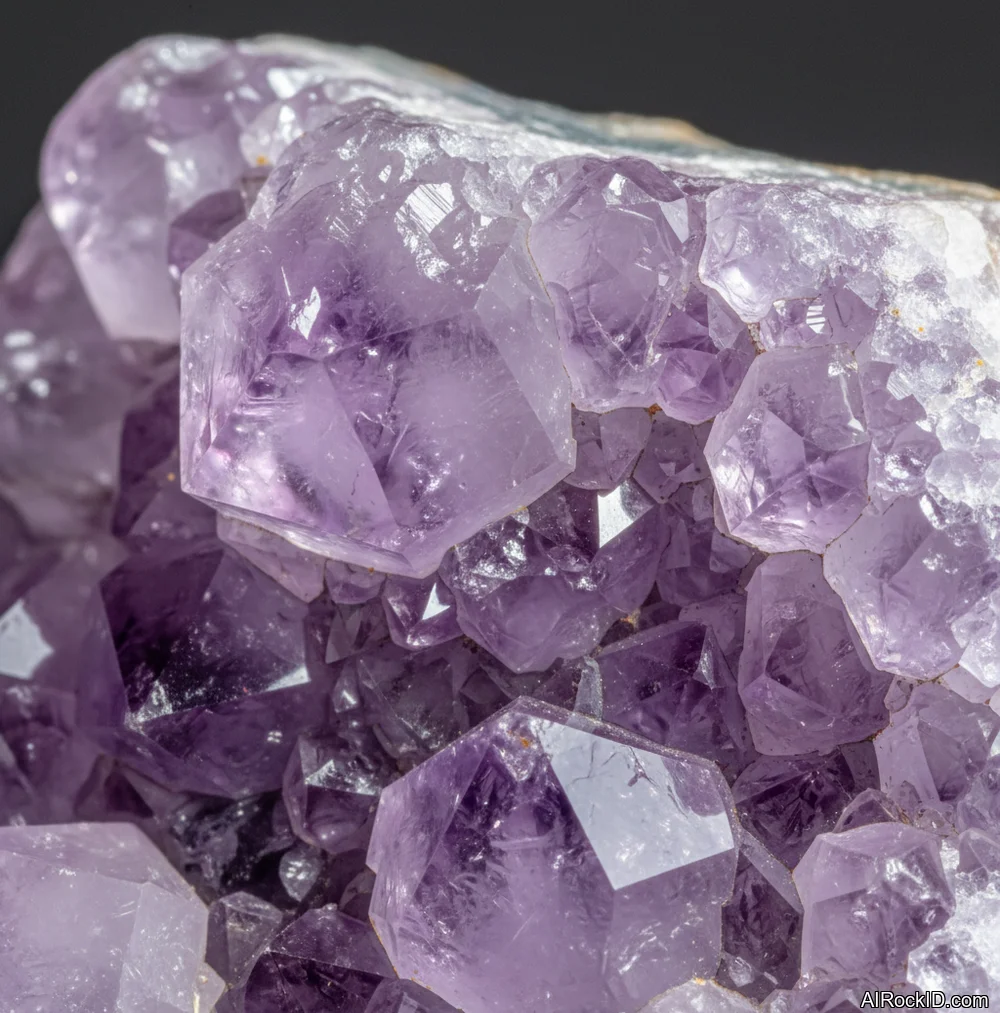
Amethyst
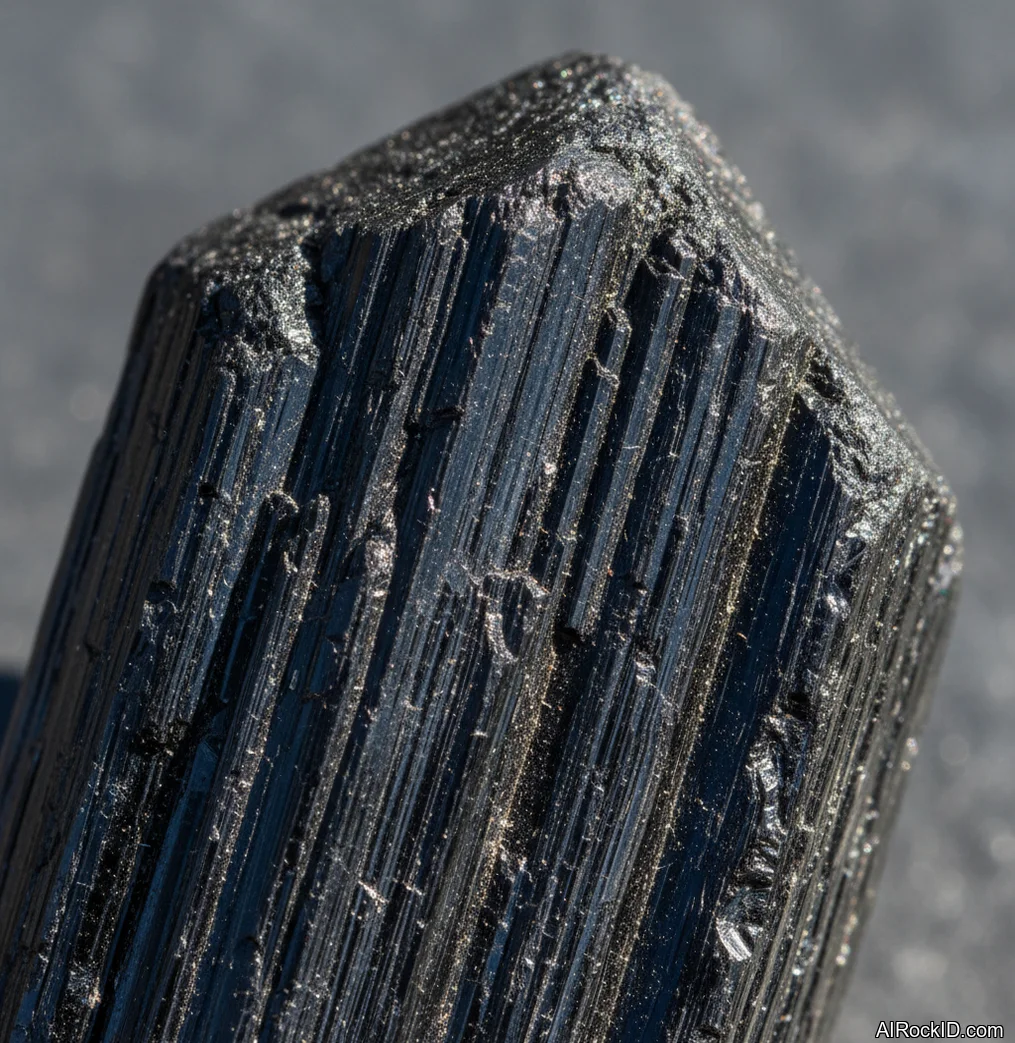
Black Tourmaline
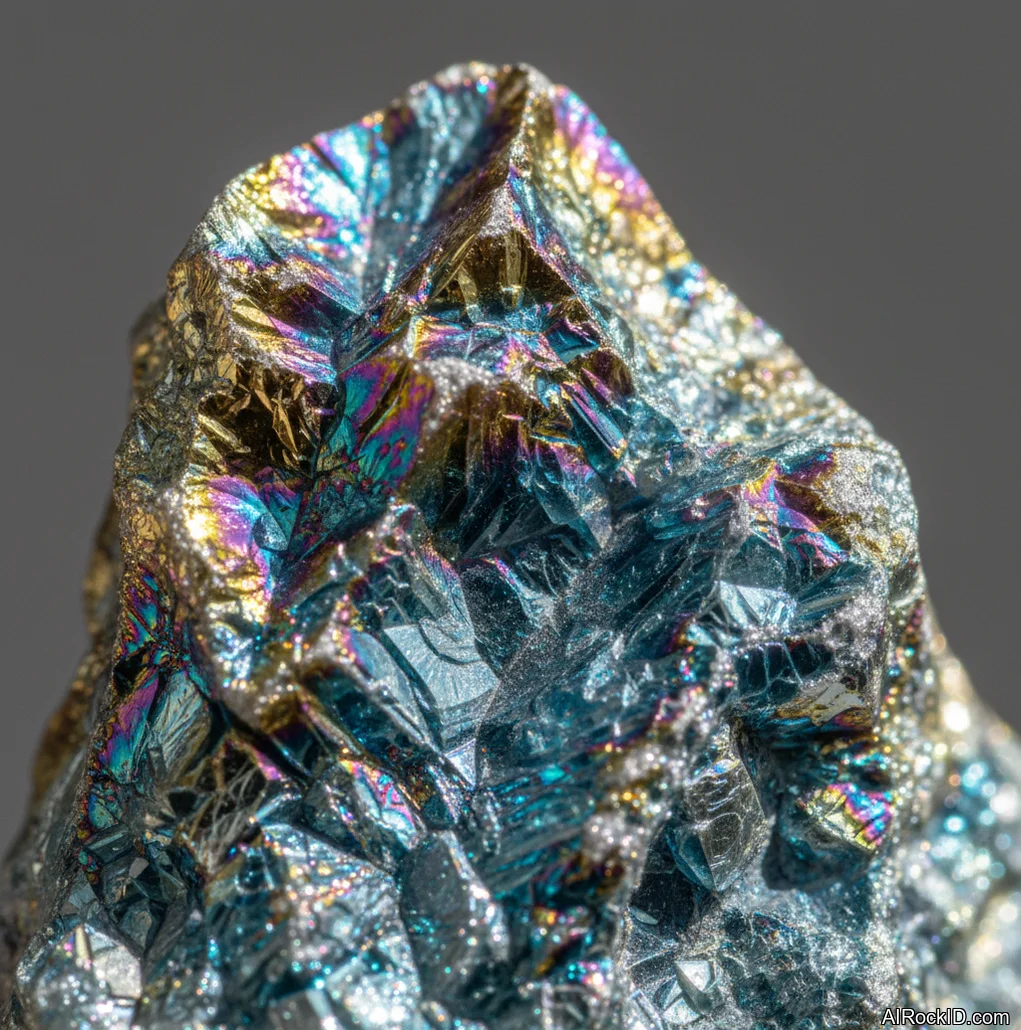
Clear Quartz
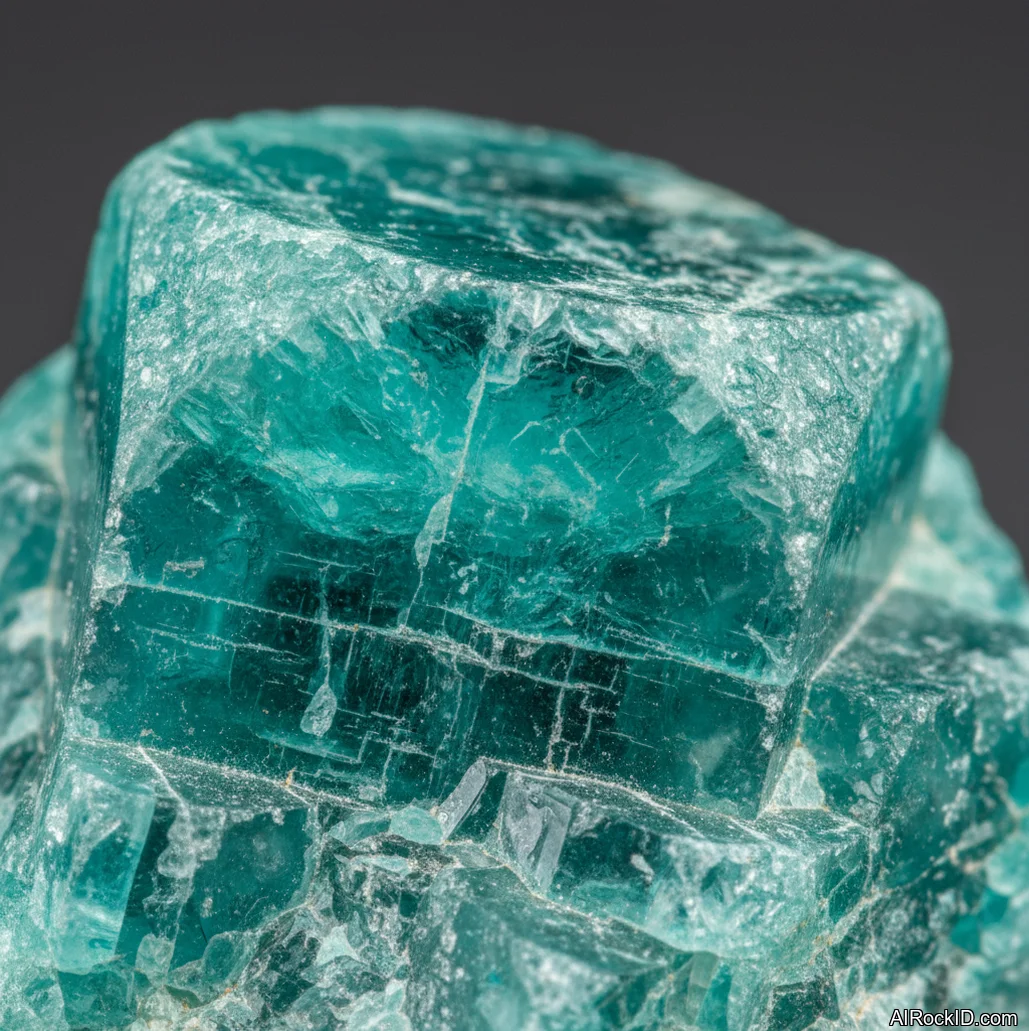
Amazonite
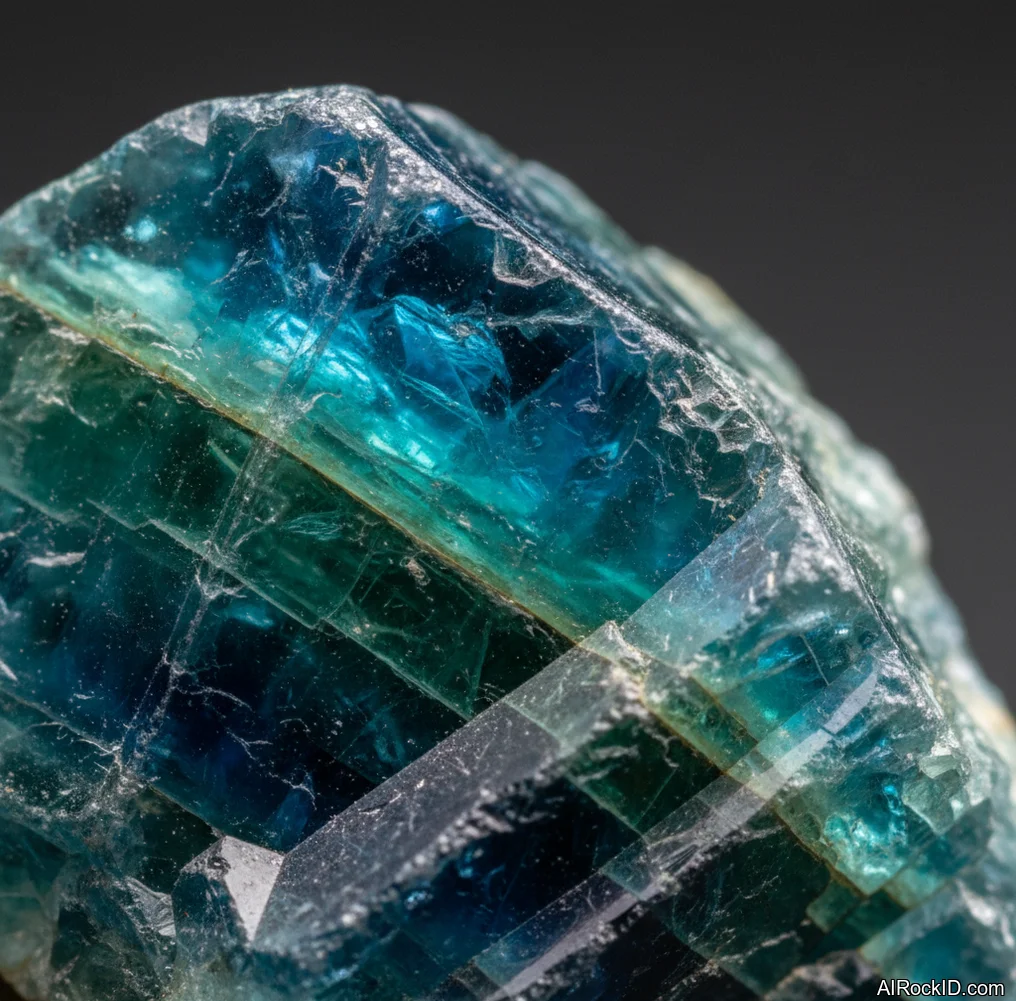
Apatite
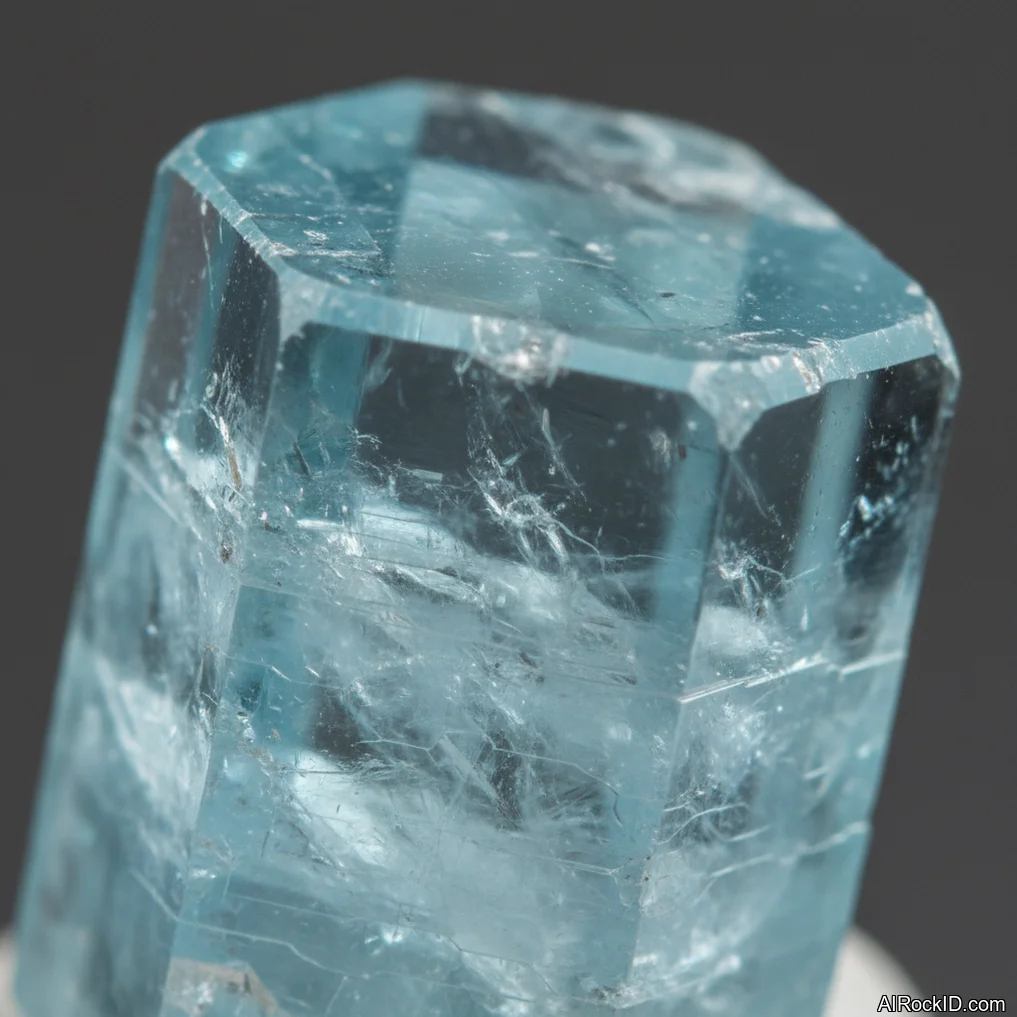
Aquamarine
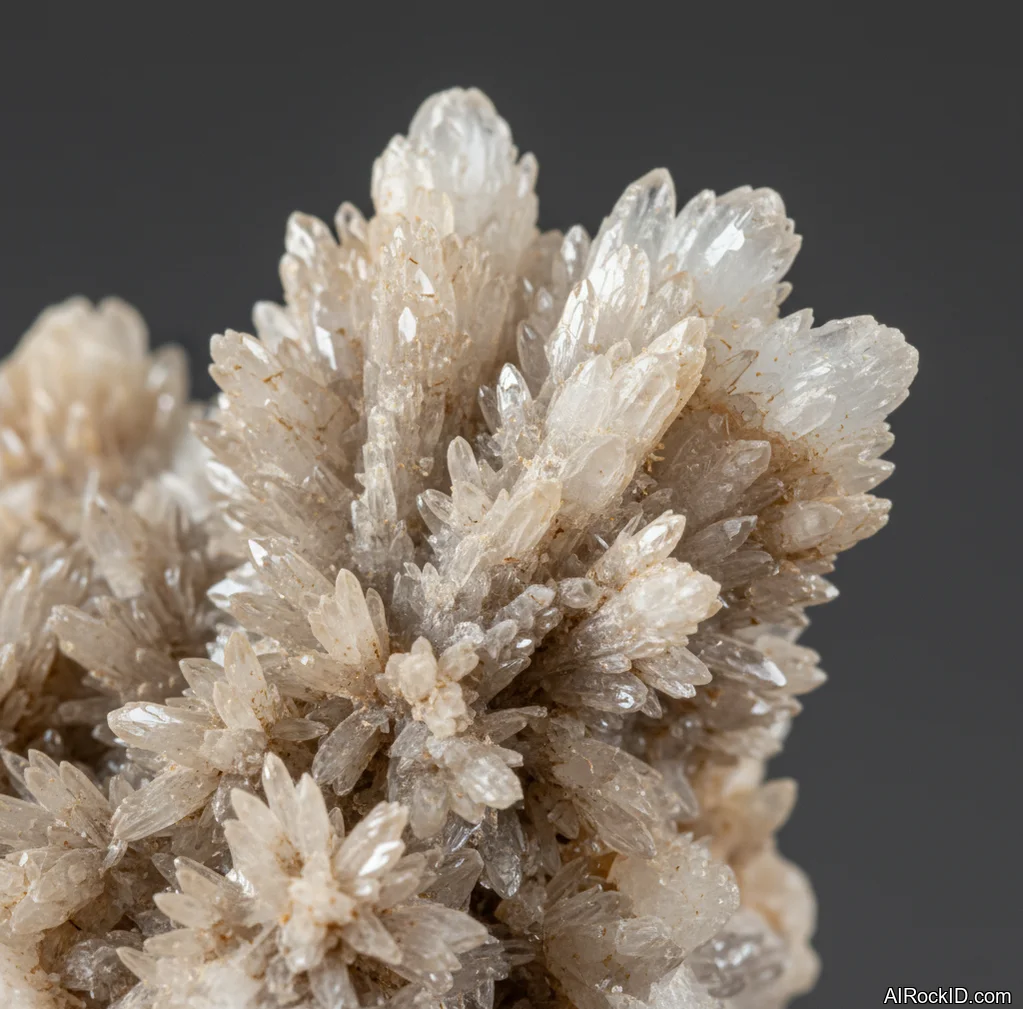
Aragonite
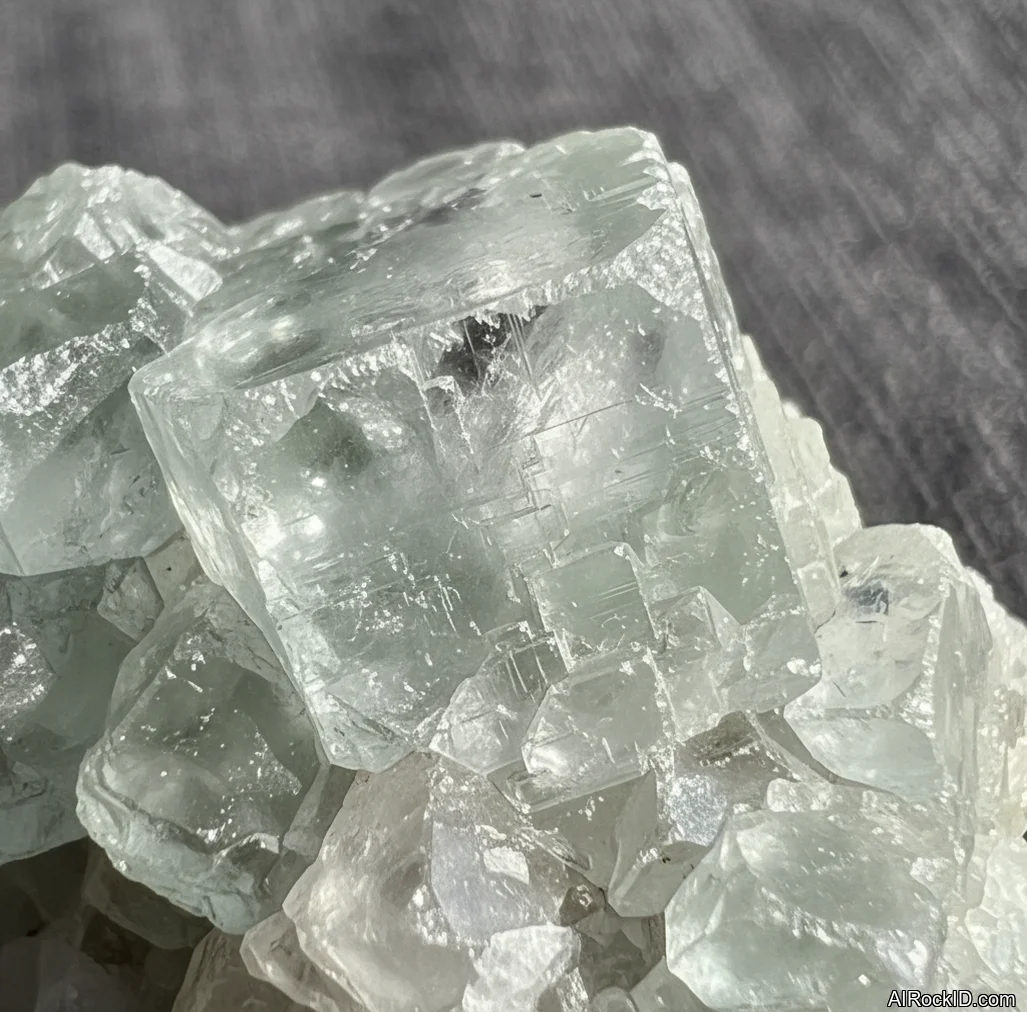
Apophyllite
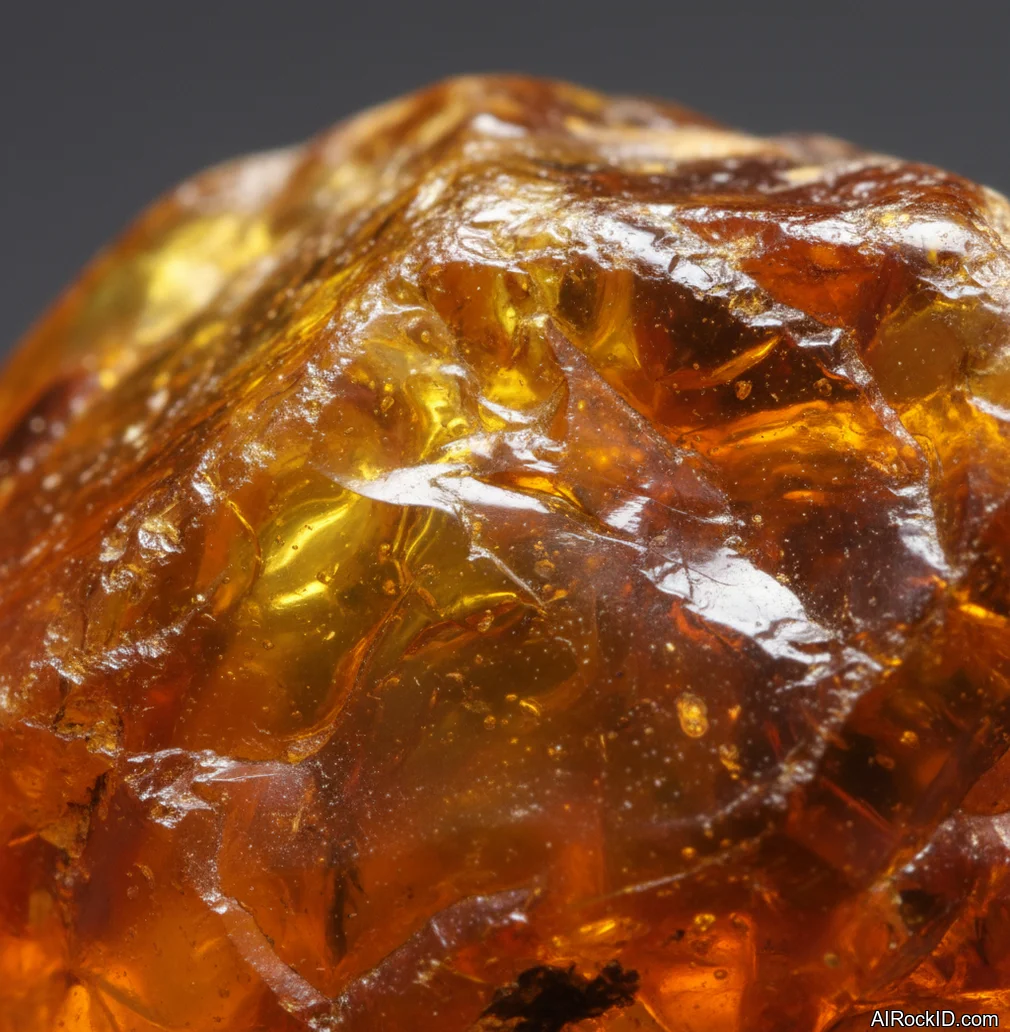
Amber
Choosing a grid job that’s actually measurable
Start with something you can actually keep tabs on without kidding yourself. “Protection” works, sure, but spell out what that means in your day to day: fewer anxious spirals at 2 a.m., less doom-scrolling with your thumb going numb, fewer snippy arguments right at the door, or whatever your real metric is. If you can’t measure it, you’ll end up rebuilding the grid just because you’re restless, not because anything needs fixing.
So, grab your center stone and ask the unromantic question: can I stand looking at this on my desk for a month? Some crystals are beautiful but they’re visually loud, like they throw off little sharp flashes every time the light hits an edge. That matters. If your eyes keep catching on it, you won’t settle. Simple as that.
Compared to candle work or journaling, grids move slow. And that’s the point. I’ve had the best luck using a grid to support a habit I’m already doing, like a nightly phone cutoff or a morning study block, because the grid turns into a physical “yep, we’re still doing this” marker you can’t ignore (even on the days you want to).
Layout mechanics: center, lines, and boundary stones
The real test is if the grid still makes sense when you shuffle past it half-asleep, trying not to kick anything with your heel. A clean layout reads like a diagram. One center stone. One ring that holds it up. One boundary that closes the whole thing.
Look, pay attention to where the points are aiming. If you’re using points, pick a direction: point them in toward the center to pull energy in, or aim them out to broadcast. Don’t mix directions unless you mean to, because mixed aim feels like two people trying to steer the same car. Ever ridden with someone like that? It’s tense.
Most dealers sell “grid kits” with way too many pieces, and people end up sprinkling them around like confetti (and then one rolls under the table). Fewer stones creates stronger geometry. So if you want more complexity, build it by repeating a pattern, not by tossing in random extras that don’t match the job.
Charging and linking: the part people rush
Linking matters more than charging, and that’s kind of the opposite of what you see taught online. Charging is just getting the stones clean and awake. Linking is telling them how to cooperate.
I’ll link a grid with a single quartz point, or honestly just my finger, and I trace the pattern slow. You can feel when you’ve “missed” a stone because the path sort of drops out for a second, like stepping off a curb you didn’t clock was there. Weirdly specific, but you’ll know it when it happens. That’s your cue to run the circuit again.
If you’re using sound, keep it consistent. One bell tone, three passes, same distance from the grid each time. Random loud noise doesn’t mean better. And if you’re working with aura quartz or apophyllite, go gentler than you think (seriously) or the grid can feel wired for a day or two.
Where grids fail in real houses (and how to fix it)
Cats happen. Kids happen. And you happen too, arms full of warm laundry, hip-checking the table and catching that one sharp corner. If your grid sits where people actually walk, go with chunky stones that won’t chip, and pick a layout you can put back together from memory.
A cloth looks pretty at first, sure, but it slides around. I’ve had way better luck with a thin cork mat, or a wooden tray with a small lip around the edge. That lip seems pointless right up until the day you bump the table and nothing skitters off (magic? no, just physics).
Thing is, delicate clusters don’t forgive you for living like a normal person. If you’re set on aragonite sprays or apophyllite points, keep them in the middle of a tray grid, then use low, heavy stones around the edges so the outside can take the knocks.
How to Use These Crystals for Crystals for Energy Grids
Pick one intention and write it like an instruction, not a wish. “Sleep by 11:00 with phone off at 10:15” is way better than “better sleep.” Then choose a center stone that matches the pace you’re trying to set. Amethyst and aquamarine feel steady in the hand. Apophyllite and aura quartz run fast and can come off too bright if you’re already stressed.
Build the grid in layers. Center stone first. Then set your inner ring stones at equal spacing, even if it’s just a plain circle and nothing fancy. Last, add boundary stones like black tourmaline at the outer points. Before you “activate” anything, stand up, literally, and look straight down at it from above. If it looks messy, it’ll feel messy.
To activate it, trace a linking line from the center to each stone and back to the center, then trace the outer circuit once. And keep the grid somewhere it won’t get bumped all the time, like a shelf where your sleeve won’t snag a stone when you reach past it. Revisit it on a schedule you can actually keep, like every Sunday night. When the goal is done, dismantle the grid and store the stones separately for a day. That reset keeps old intentions from clinging (you know the feeling) like a perfume you can’t wash out.
Common Mistakes to Avoid
People overbuild. Ten different stones, three different intentions, plus a pattern swiped from some random photo even though nobody can explain why it’s shaped like that in the first place. It ends up feeling like that kitchen junk drawer where the scissors are stuck under old batteries. If you can’t say what each stone is doing in one sentence, it probably shouldn’t be there.
Cheap versions cause quieter problems. Dyed amethyst and coated points might photograph great on a screen, but in your hand the color hits weird, kind of loud and plasticky, like it’s sitting on the surface instead of coming from inside the stone. And then you keep nudging the grid around because it never really settles (you know that fussy feeling where nothing looks “locked in” even though it’s technically fine?). Another one: putting fragile stones on the outside ring. Aragonite sprays and apophyllite points do better tucked inside where they won’t get bumped.
The last mistake is neglect. A grid isn’t some little decoration you set on a shelf and forget about. If you never re-link it, never wipe down the surface when it gets dusty or smudged, and never update the intention when your situation changes, you’re basically leaving a pretty arrangement of rocks there and expecting it to do management work for you.
What Crystals Can and Cannot Do
Identify crystals related to Crystals for Energy Grids
Snap a photo to check crystals mentioned in this guide and compare likely matches.