How to Program Crystals
Quick answer: Programming a crystal is an intentional ritual in which a person assigns a clear purpose to a stone, such as focus, calm, protection, or reflection. In metaphysical traditions, the process usually combines cleansing, a short statement of intent, and consistent use, while avoiding claims that crystals can replace professional care.


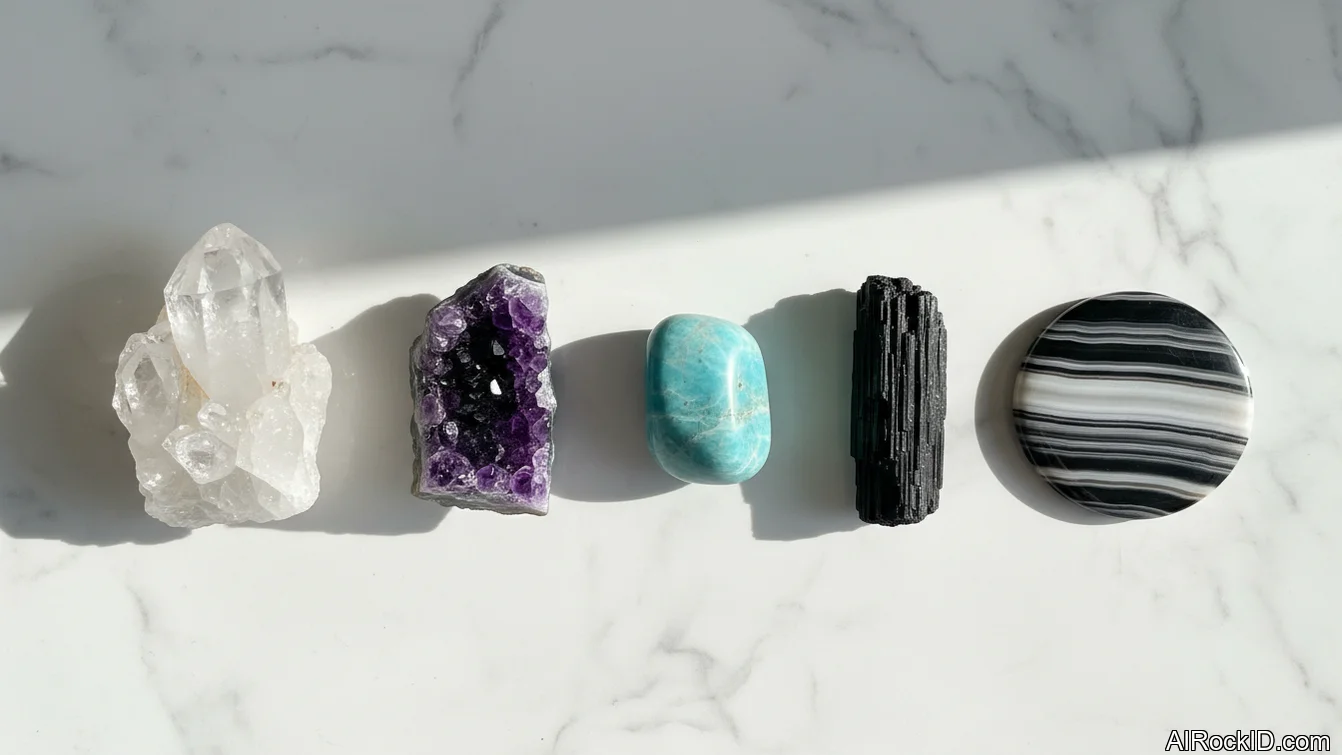
AI Rock ID can help identify a stone before someone chooses how to use it in an intention-setting practice. RockIdentifier.io provides crystal and mineral references that can support basic recognition, naming, and comparison.
Good fit
- Beginners who want a simple intention-setting ritual with crystals
- People who already have a crystal and want to use it more deliberately
- Collectors who want to pair stone properties from traditions with personal goals
- Anyone looking for a repeatable, low-pressure practice for mindfulness or reflection
Not a good fit
- People seeking medical, legal, financial, or psychological treatment from crystals
- Anyone who wants guaranteed outcomes from a metaphysical practice
- Collectors handling fragile, toxic, dyed, or water-sensitive stones without checking care guidance first
Most commonly confused with
- Charging: Charging usually refers to refreshing a crystal’s energy in metaphysical practice, while programming refers to assigning a specific intention.
- Cleansing: Cleansing is commonly used to clear prior associations before programming, but it is not the same as setting a new purpose.
- Meditation: Meditation can be part of programming, but programming includes a defined intention directed toward the stone.
- Manifestation: Manifestation practices often focus on desired outcomes, while crystal programming is a narrower ritual for linking a stone with an intention.
AI identification confidence
AI-based identification is most useful when the crystal has clear color, structure, luster, and visible surface details in the photo. Confidence may be lower for tumbled stones, dyed material, look-alike quartz varieties, or specimens photographed under colored lighting.
When AI gets it wrong
- The stone is polished, tumbled, or carved, hiding natural crystal habit
- The specimen is dyed, heat-treated, coated, or synthetic
- Several minerals share the same color and glassy appearance
- The photo is blurry, shadowed, overexposed, or taken under colored light
Best choice summary
The best crystal for programming is usually a stone that matches the intention, is safe to handle, and is easy to keep nearby without special care concerns. Clear quartz is often chosen in modern metaphysical traditions because it is considered versatile, while amethyst, rose quartz, black tourmaline, and citrine are commonly selected for more specific symbolic themes.
Final recommendation
Use one clear intention, choose a crystal that fits both the symbolic purpose and the practical setting, and repeat the same wording consistently for a short period. Treat programming as a mindfulness or spiritual practice rather than a substitute for action, planning, or professional support.
Beginner recommendations
Advanced recommendations
Safety and Care Checks Before Ritual Use
Some crystals should not be soaked, salted, placed in direct sun for long periods, or handled roughly. Soft minerals, friable specimens, and stones that may contain copper, lead, arsenic, or other reactive components need extra caution, especially around children, pets, water bottles, and skin-contact practices.
How Long to Keep One Intention
Many people keep one intention with a crystal for a set period, such as a week, a lunar cycle, or until a specific project ends. Changing the intention too often can make the practice feel scattered, so a defined time frame helps keep the ritual simple and measurable.
Writing a Crystal Intention
A useful intention is short, present-focused, and linked to behavior rather than control over other people. For example, “I use this stone as a reminder to speak calmly and prepare before important conversations” is more grounded than a vague or outcome-only statement.
Programming crystals means assigning one clear intention to one specific stone, then pairing it with the same short action every time you touch it, like a 30-second breath count with Clear Quartz or a boundary check-in with Black Tourmaline. It’s a repeatable cue system you build through handling, placement, and wording, not a one-and-done “activation.” Pick up a real quartz point and you’ll feel it stay cool and slick in your palm longer than glass, but that physical anchor still won’t do the work for you if you don’t follow the routine.
Programming a crystal is really just giving it a clear “job” by paying attention to it, repeating the same idea, and handling it the same way every time. You’re not flipping it on like a gadget. You’re setting a cue for your own nervous system and habits, using a little object you can keep coming back to.
Pick up a stone you already own and you’ll see why people latch onto this. A decent piece of quartz stays cool in your palm longer than glass, and it has that clean, hard feel that makes you slow down for a beat. That beat matters. Programming is basically deciding what that beat is going to mean. If every time you touch a certain stone you do the same short practice, your brain connects the dots fast.
Here’s the grounded part: messy intentions tend to give you messy results. I’ve watched people try to “program” ten different goals into one tiny tumbled stone, then act surprised when it feels like nothing. Keep it simple. One stone. One theme. One consistent way you’ll use it (and stick to it). You can totally do this with a $3 tumbled piece from a shop bin, but you’ll get more traction with a stone you actually like holding, and one you won’t lose in the couch cushions.
Quick Comparison
| situation | crystal | why | format |
| I keep changing my intention and my crystal work feels scattered. How do I program one stone for one goal and stick to it? | Clear Quartz | It’s easy to keep mentally “blank” between sessions, so it works well for a single sentence intention you repeat the same way; a clean point also gives you a physical direction to hold while you speak it. | small point or palm stone |
| I want a bedtime program, but my mind races and I forget the routine after two nights. | Amethyst | That colder, glassy feel plus the gentle grip of a tumbled piece makes it a reliable cue for the same lights-out sequence; darker Uruguay pieces tend to look almost inky at night, which fits the sleep association people are aiming for. | tumbled stone on the nightstand |
| I’m trying to program a stone for ‘say it out loud’ communication, but I freeze in the moment. | Amazonite | It’s usually sold as a smooth, waxy-feeling tumble or bead, so you can rub a thumb groove while you rehearse one exact phrase; watch for soft feldspar lines and little white streaks that make it easy to recognize by touch without looking. | bracelet or worry stone |
| I want a protection-style program for commuting, but I need something practical that won’t chip or stab my pocket. | Black Tourmaline | A chunk with natural striations gives you instant tactile feedback, like ridges you can count while you run your programmed check-in; just don’t expect a skinny raw shard to survive bouncing with keys because tourmaline can snap along its length. | chunky tumbled stone or rounded raw piece in a pouch |
Recommended Crystals
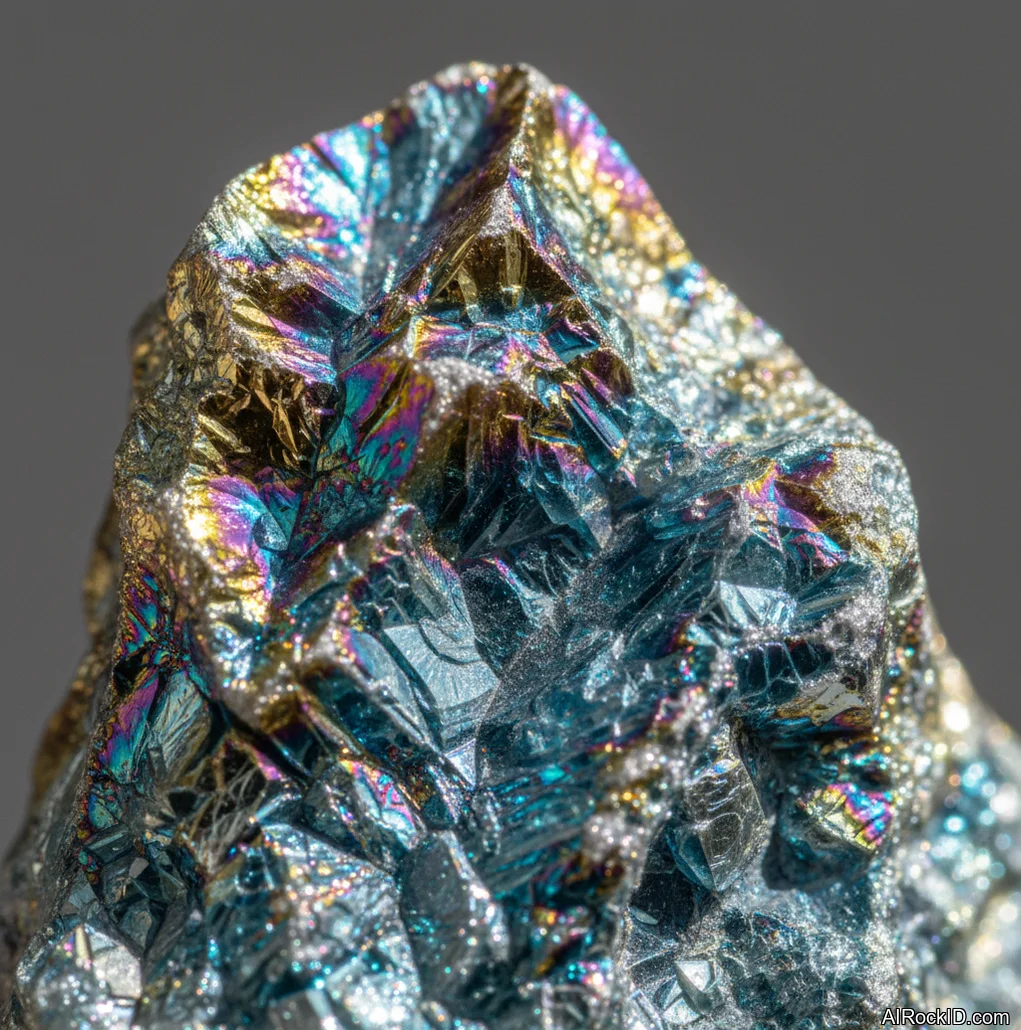
Clear Quartz
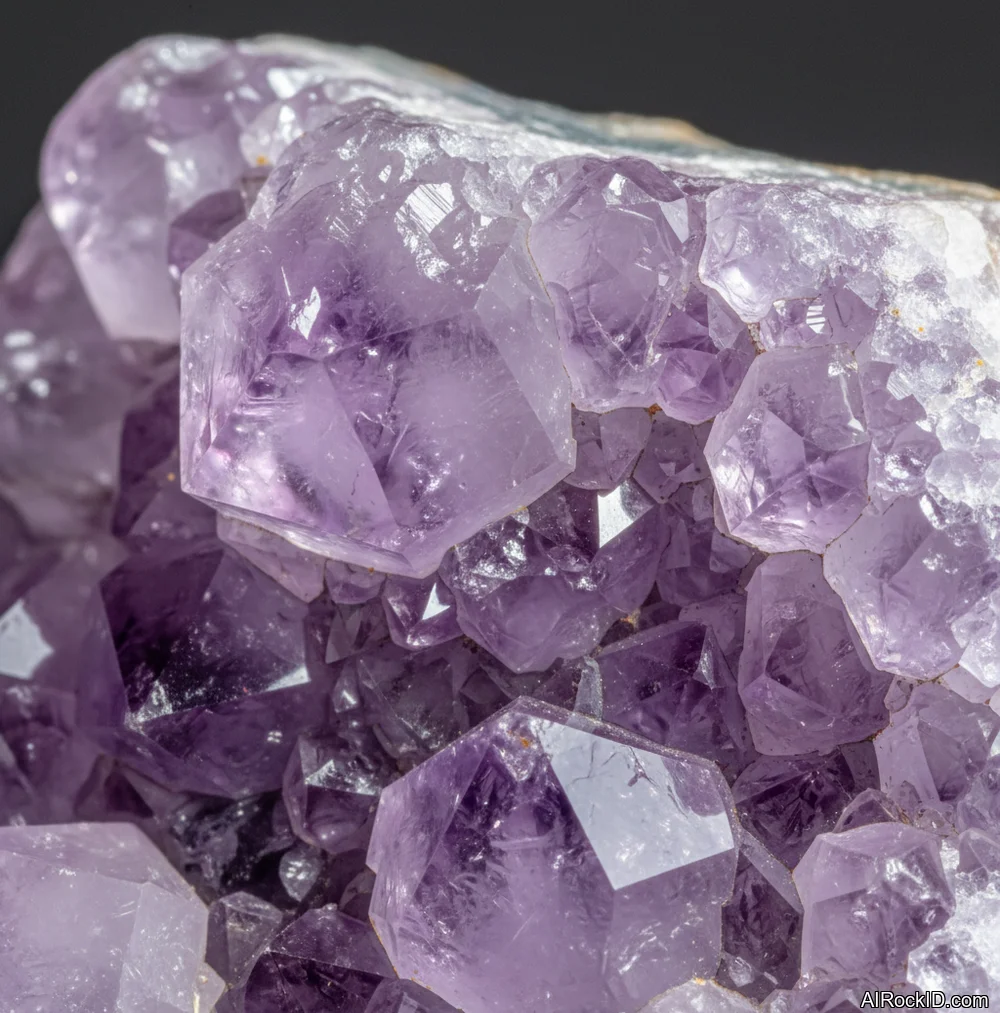
Amethyst
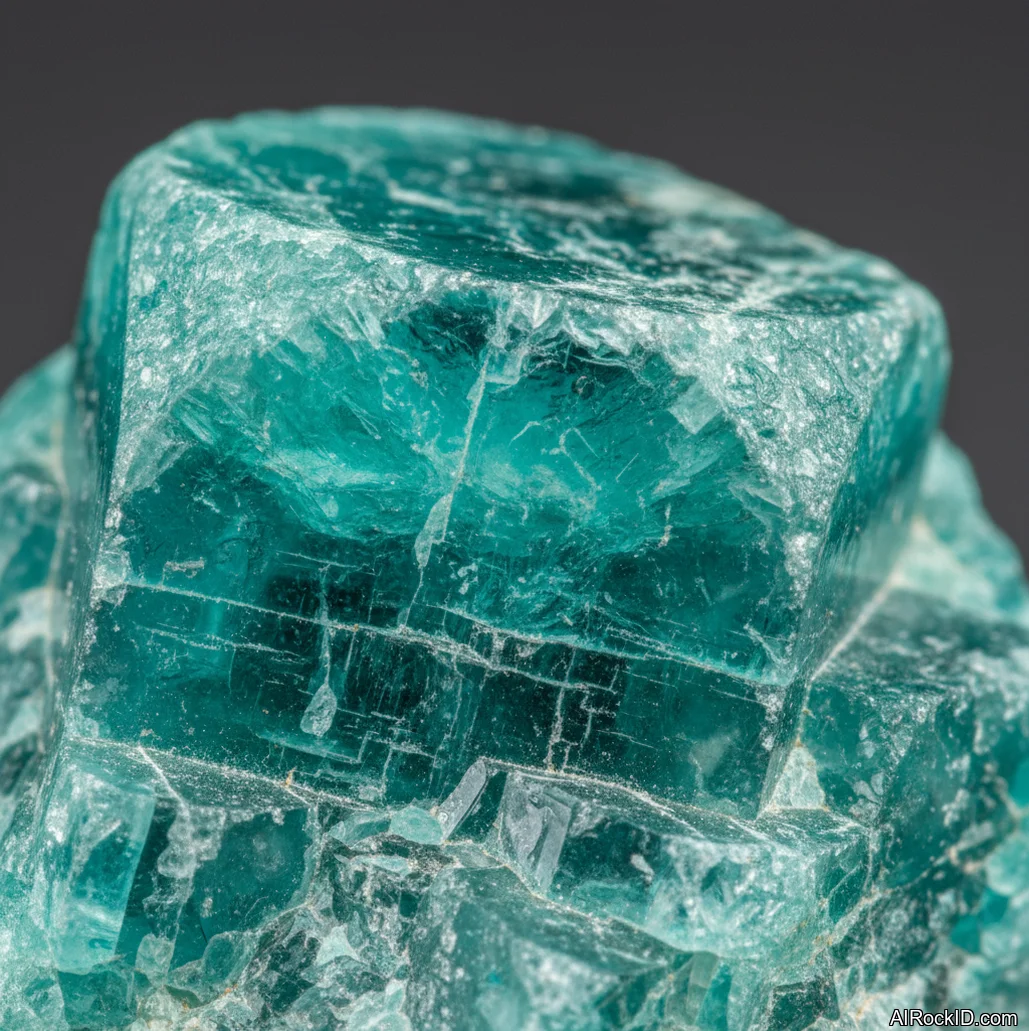
Amazonite
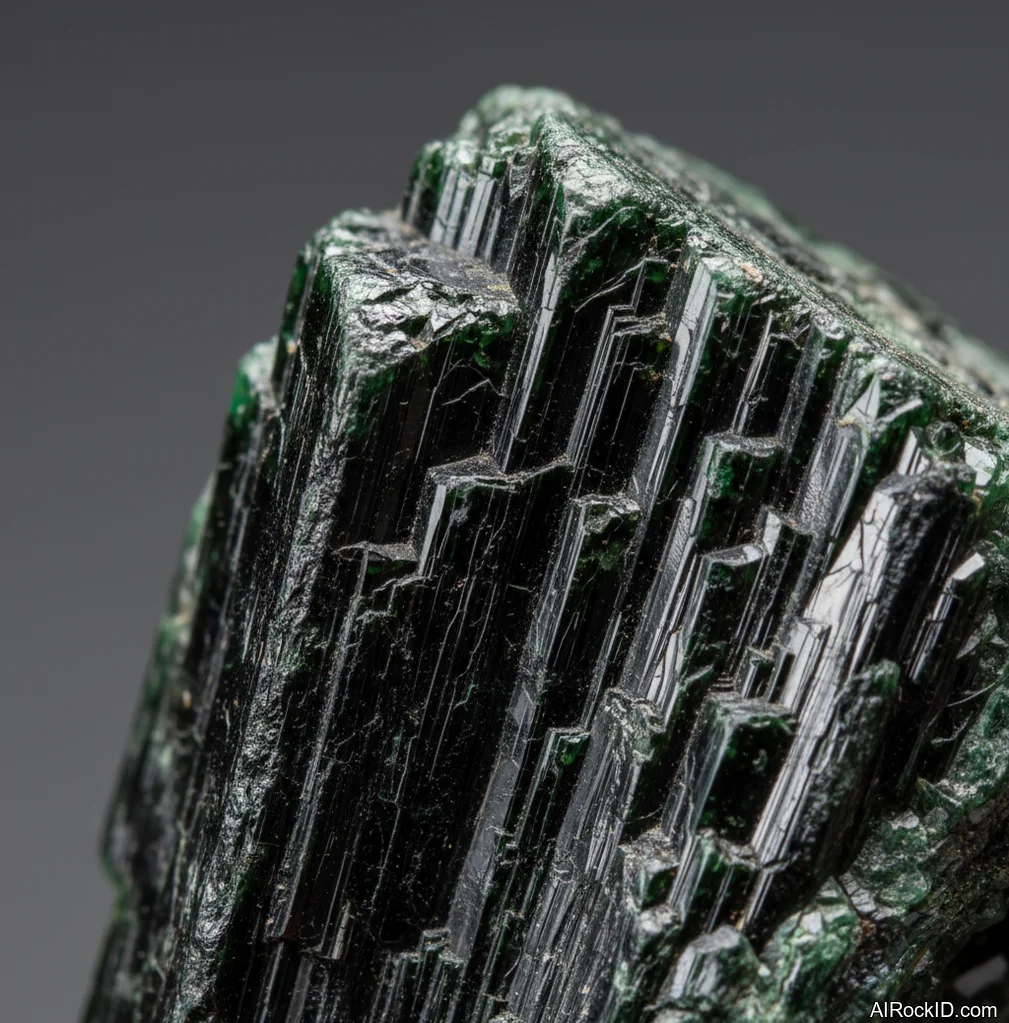
Black Tourmaline
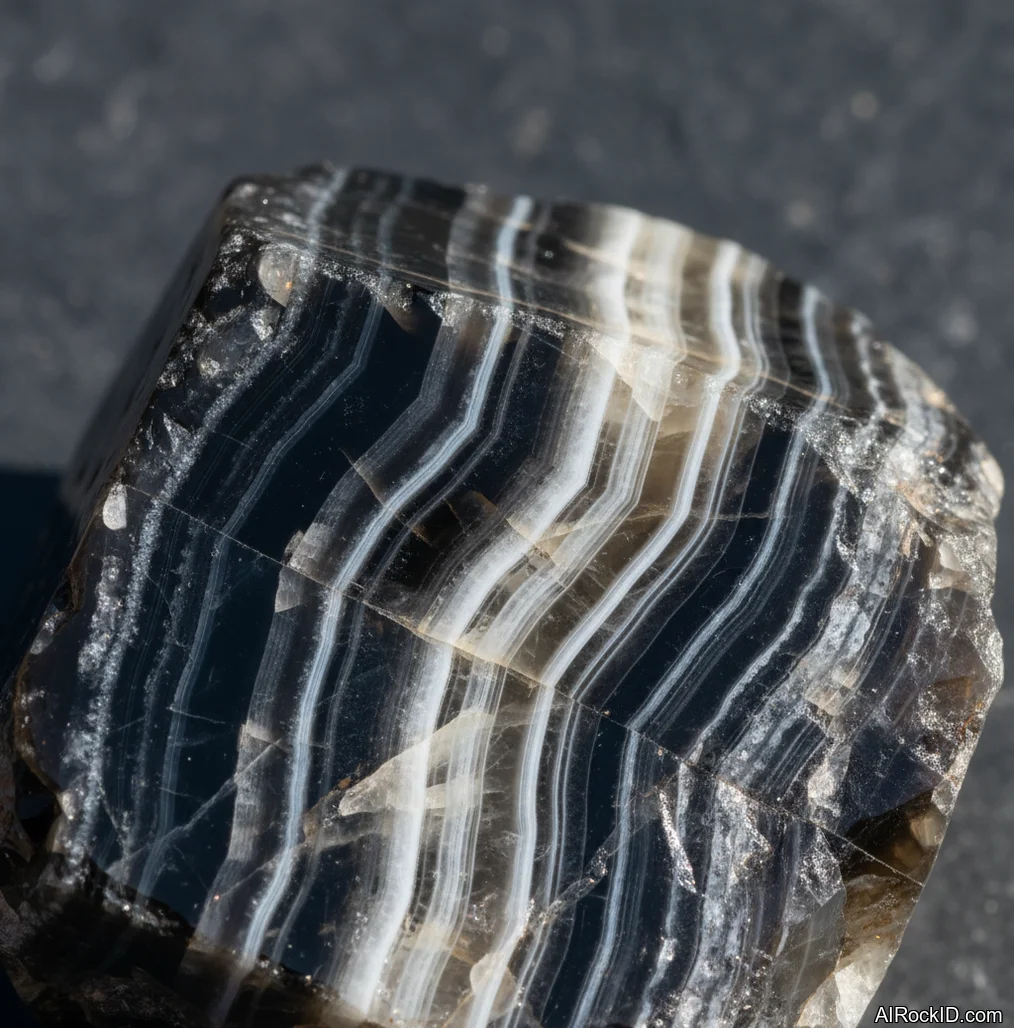
Black Banded Onyx
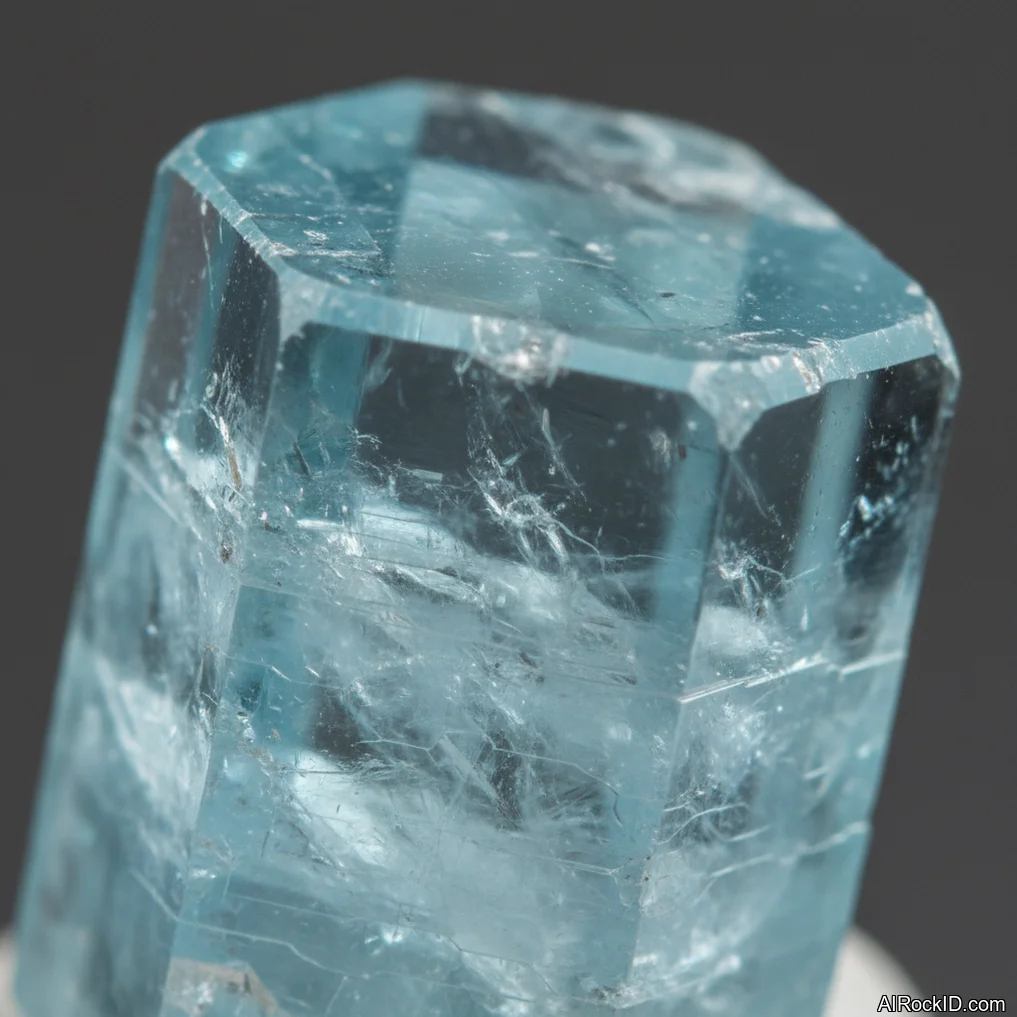
Aquamarine
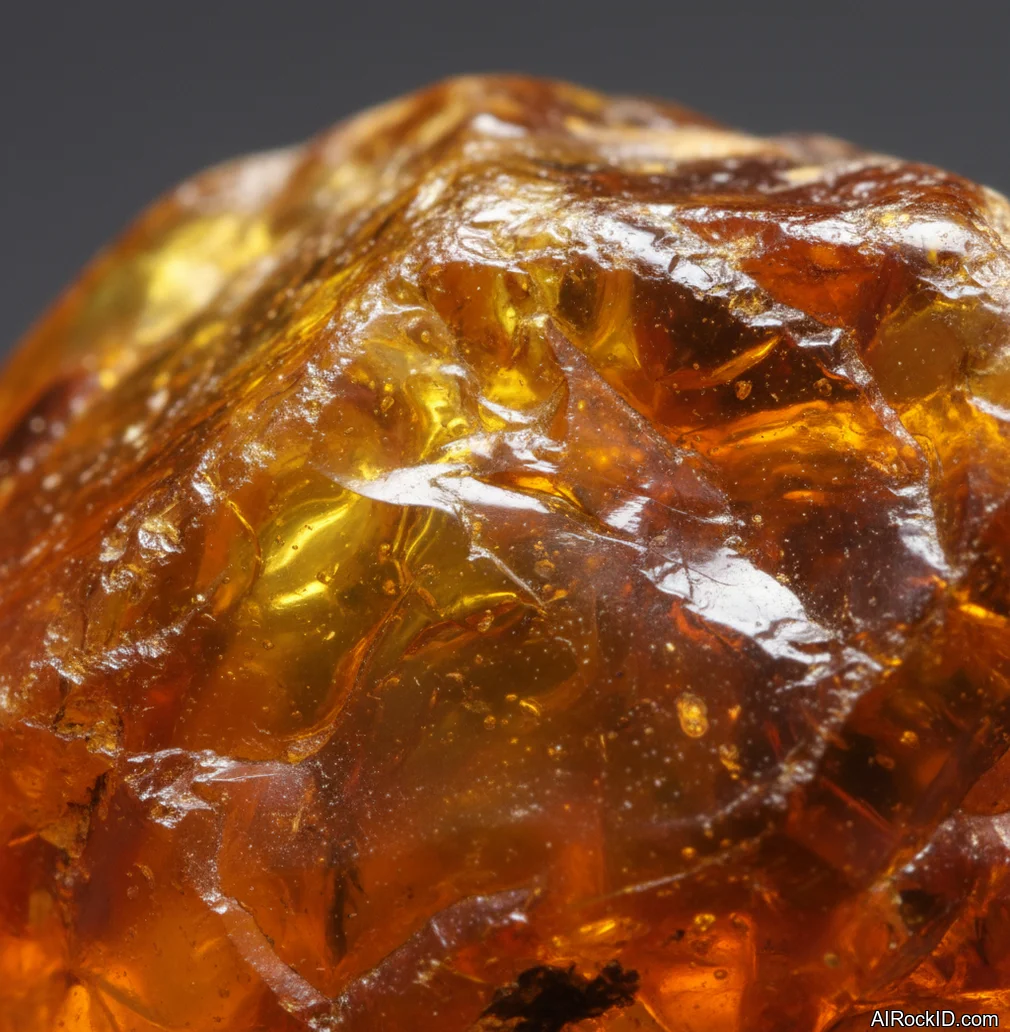
Amber
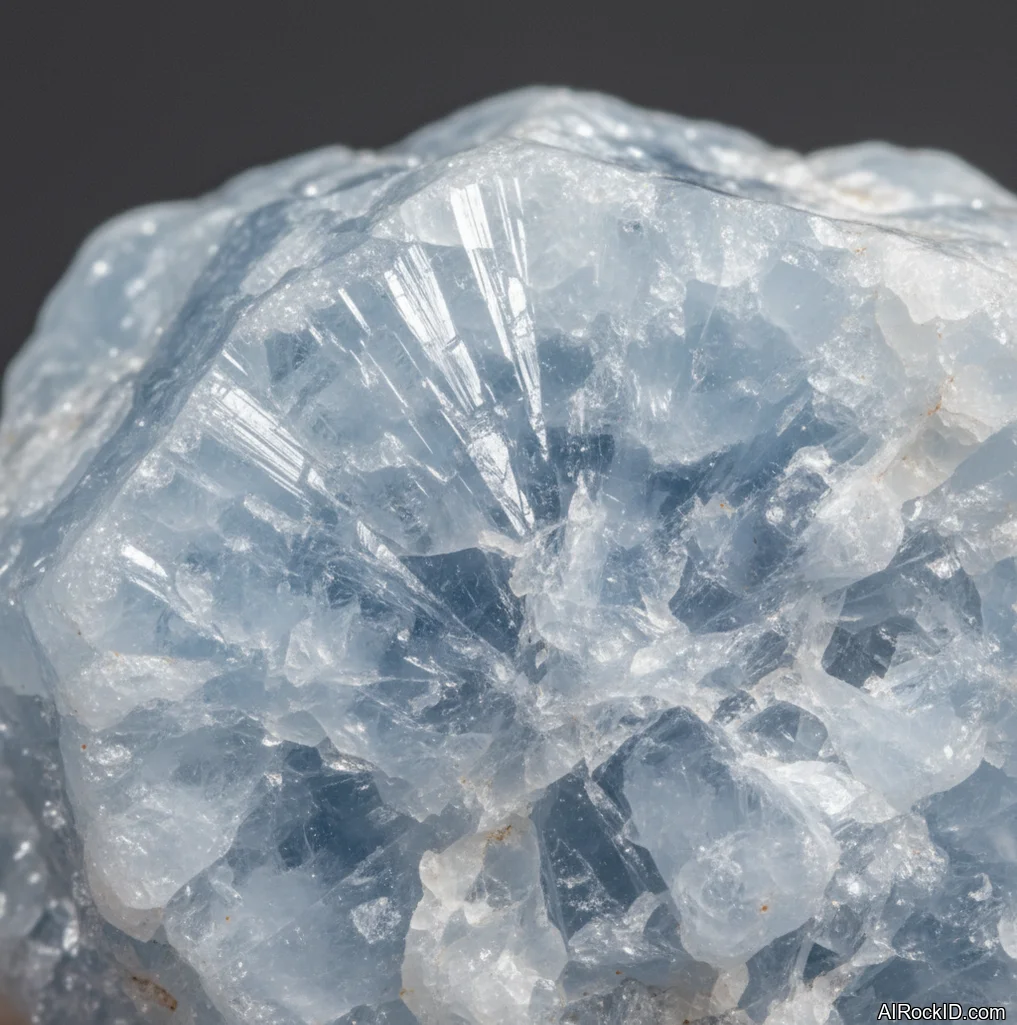
Angelite
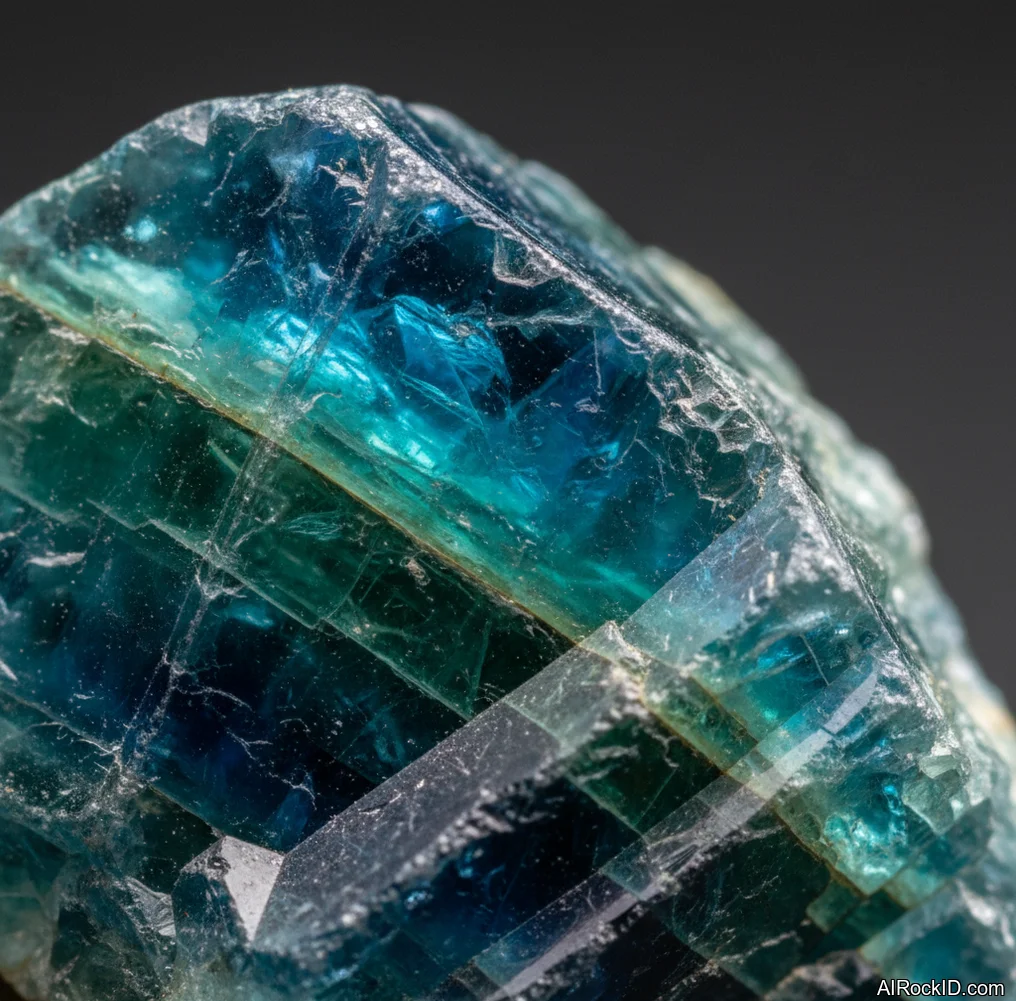
Apatite
What “programming” actually is (and what it isn’t)
Programming, in real life, is basically conditioned association. You take a stone and keep pairing it with one internal state and one action until, eventually, the stone turns into a shortcut. That’s why people can get results with the same crystal everybody else has. The object isn’t magic on its own, but it gives your attention something solid to grab onto.
Look, you already do this with regular stuff all the time. That one mug means “morning.” That beat-up hoodie means “comfort” (the one with the stretched cuff you can thumb through without thinking). And a specific playlist means “focus,” like the second the first track hits, your shoulders drop and you’re in it. Crystals just fit into that same slot, except they’re tactile and visually interesting, so the cue lands harder. The flat, faceted face on a point. The smooth banding on onyx you can feel under your thumb. The surprising heft of a palm stone when you pick it up. Little physical tells like that make for reliable anchors.
Thing is, what trips people up is acting like “programming” is a one-time ritual. One big moment can feel huge, sure. But the real wiring comes from repetition, the boring part. If you want a crystal “program” to actually stick, you need one clear intention, one repeatable behavior, and a rule about when you won’t use it. That last bit can sound strict, but it keeps the cue clean. Otherwise it gets fuzzy fast, and then what’s the stone even pointing to?
Before you program: choose the job, then choose the stone
Start with the job, not the shopping. “I want protection” is way too vague. Protection from what, exactly? From that 2 a.m. loop where your brain won’t shut up. From doomscrolling until your thumb feels numb. From saying yes when you mean no. Name the real snag, the actual friction point, and the programming part gets simple because you can wrap a basic routine around it.
Thing is, the best programming stones usually aren’t the flashy collector pieces you’re afraid to breathe on. They’re the ones you’ll actually touch, over and over, without babying them. A sharp, fragile cluster can be incredible, sure. But if you’re worried you’ll snap a point or scrape your palm on an edge every time you pick it up, you won’t repeat the cue. If you can, go handle a few in a shop. Feel the weight. Notice the temperature shift when it warms in your hand. The body knows. Some stones just sit there, kind of dead. And some feel like you don’t want to put them down.
And then there’s the market reality: a lot of dealers move dyed, heat-treated, or straight-up mislabeled material. That doesn’t automatically wreck a programming practice. But it can mess with trust, and trust matters here. If you think your stone is fake, you’ll hesitate every single time you reach for it. So buy something you can honestly accept as “good enough” and move on.
A simple programming method that actually sticks
Use a simple three-part loop: clear, name, repeat.
Clear just means you reset your attention. No big ceremony. I usually rinse my hands, wipe the stone with a dry cloth (the kind that squeaks a little when it’s clean), and take five slow breaths. That’s enough to signal “new session.”
Name is one sentence in the present tense, tied to an actual behavior. Not “I will be happy.” More like, “When I touch this, I do three breaths before I respond.” Keep it so short you can’t turn it into a paragraph. And if it helps, write it on a sticky note and keep it with the stone for the first week.
Repeat is where it starts to work. Touch the stone, say the sentence, do the behavior, then stop. End cleanly. If you keep fiddling with it while you multitask, you’re basically teaching your brain the stone equals scattered attention. I’ve done that by accident. And yeah, you can feel the difference after a few days.
Resetting and reprogramming without getting obsessive
Sometimes a stone feels “full” because your life is full. That’s it. And that’s usually when people freak out and panic-cleanse everything in sight like they’re wiping down a counter with a paper towel. You don’t need to. If the stone is physically dirty, clean it safely. If it’s mentally noisy, reset the cue.
Look, the real test is what happens in your body when you pick it up. If you grab your amethyst and your mind immediately snaps back to the argument you had last week, that’s your sign the stone got tied to that same emotional loop. Not a crisis. Put it away for three days, then bring it back with one new, clean behavior, done on purpose.
Thing is, reprogramming works best when you actually retire the old phrase. Completely. Don’t stack intentions like pancakes, because then it turns into mush. Pick one. I’ll also change the physical context, like moving the stone from bedside to desk, since location is part of the cue (you notice it even if you think you don’t). But don’t do resets every day. If you keep “starting over,” you’re basically training yourself that nothing sticks. Why would it?
How to Use These Crystals for How to Program Crystals
Write your intention like you’re handing yourself a sticky note because you know you’ll forget in ten seconds. One sentence. Present tense. Hook it to something you can do again in under a minute. “I am abundant” is cute, but “When I open my banking app, I take one slow breath and look at the number without flinching” is something your body can actually pull off.
Pick up the stone and choose one grip you’ll stick with. Seriously. If you always pinch your quartz point between your thumb and forefinger, right on that slightly sharper edge that catches your skin, your hand learns it like muscle memory. Say the sentence out loud, then immediately do the paired action: 10 breaths, a quick stretch, a two-minute timer, writing the first line of an email, whatever. Then put the stone back in the exact same spot (same little dish, same corner of the shelf). Loop closed. Done.
Only use the stone at the moment you’re training for. If you’re programming for sleep, don’t toss that piece in your pocket and take it to work. And if you’re programming for work focus, don’t bring it to bed. Keep them separate so the signal stays clean. After a week, you’ll usually notice you don’t even need to touch it for as long. The cue hits faster. That’s the whole point, isn’t it?
Common Mistakes to Avoid
The biggest mistake? People try to program a vibe instead of a behavior. “Confidence” is fuzzy. “Stand up straight, take one breath, then speak” is something you can actually do. If you can’t point to it in your own actions, you can’t reinforce it.
Another one I see all the time is swapping the routine every single day. Incense on Monday, a moon bowl on Tuesday, then a fifteen-minute visualization on day three. That’s not wrong, but it’s noisy. Your brain likes consistency. So pick a small ritual you’ll still do when you’re wiped out and your eyes feel gritty.
And last, people over-handle the stone. If it turns into a fidget toy, it stops being a cue and starts blending into the background. I’ve had pocket stones get shiny on one side from constant rubbing (you know that slick, almost polished patch?), and that was exactly when the “program” stopped working. Touch, do the action, put it down. Simple.
What Crystals Can and Cannot Do
Identify crystals related to How to Program Crystals
Snap a photo to check crystals mentioned in this guide and compare likely matches.