Where to Place Crystals in Your Home
- Introduction
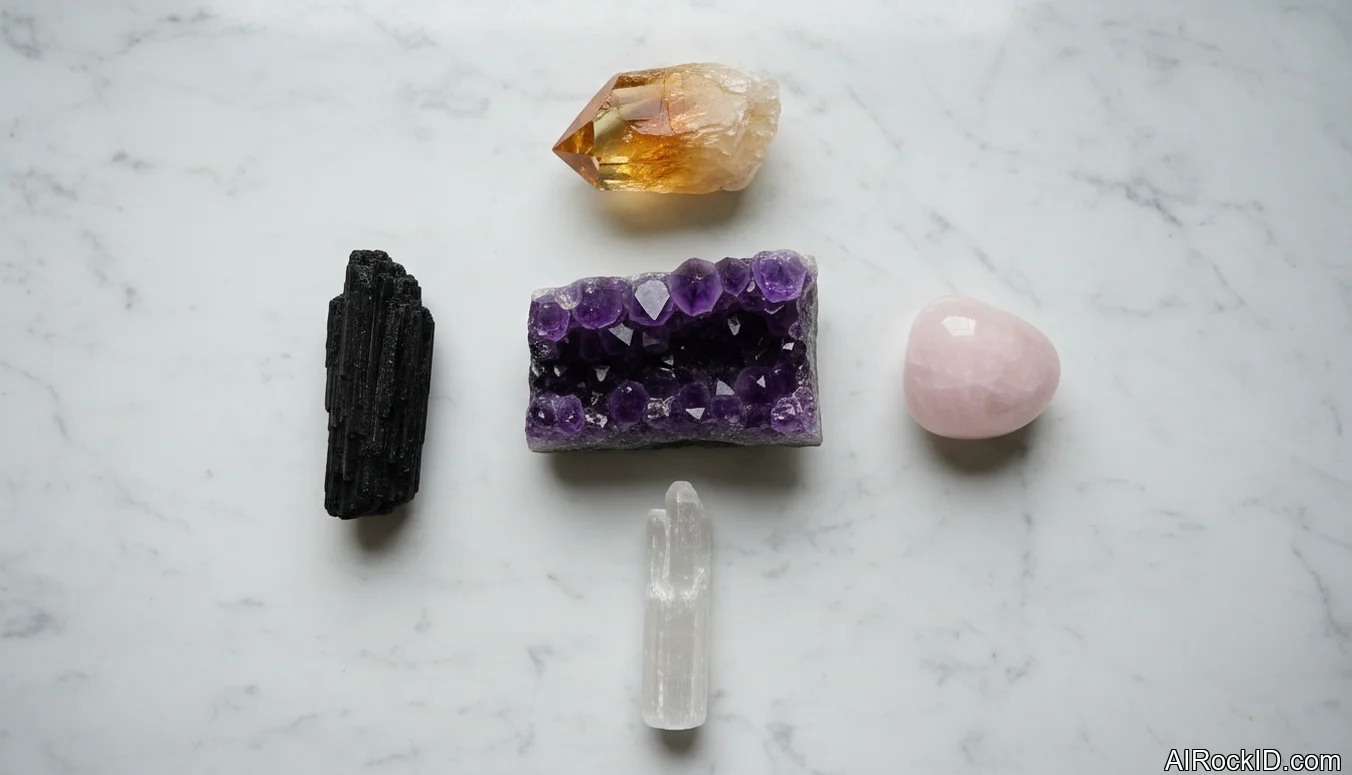
- Recommended Crystals
- Entryway placement: setting a boundary without turning it into clutter
- Bedroom placement: sleep first, aesthetics second
- Desk and home office placement: focus tools you’ll actually touch
- Living room placement: shared space, shared tone
- How to Use These Crystals
- Common Mistakes
- FAQ
Put crystals where you’ll actually see them and put your hands on them. Then just match the stone to what that room already does. A bedroom is for sleep. A desk is for focus. An entryway is for transition. The living room is for shared energy. So yeah, you’re basically using placement like a reminder system you can touch.
I’ve tried the whole “one stone fixes everything” thing, and it never sticks. What does stick is simple: one or two pieces per area, left where your hands naturally go. A palm stone by the kettle actually gets picked up (especially when the counter’s still a little warm and you’re half awake). A tower tucked behind a plant just becomes décor you stop noticing. And some minerals just do better in certain spots, plain and simple. Softer pieces get scratched on a windowsill if you keep sliding them around to open it. Sun-faders get washed out fast when they sit in direct light all day. And if you’ve ever knocked a pointy quartz off a shelf at 2 a.m. and had to feel around on the floor for it? You start thinking like a practical person real quick.
Placement isn’t magic. It’s environment design. You’re setting cues for your nervous system and your habits, and the crystal is just a physical anchor for that cue. Pick up an amethyst and you notice the cool weight first. Set it on a nightstand and it turns into a nightly touchpoint. Same stone in a junk drawer? Gone. Keep it simple, keep it visible (no hiding it behind stuff), and don’t fight your own routines.
Recommended Crystals
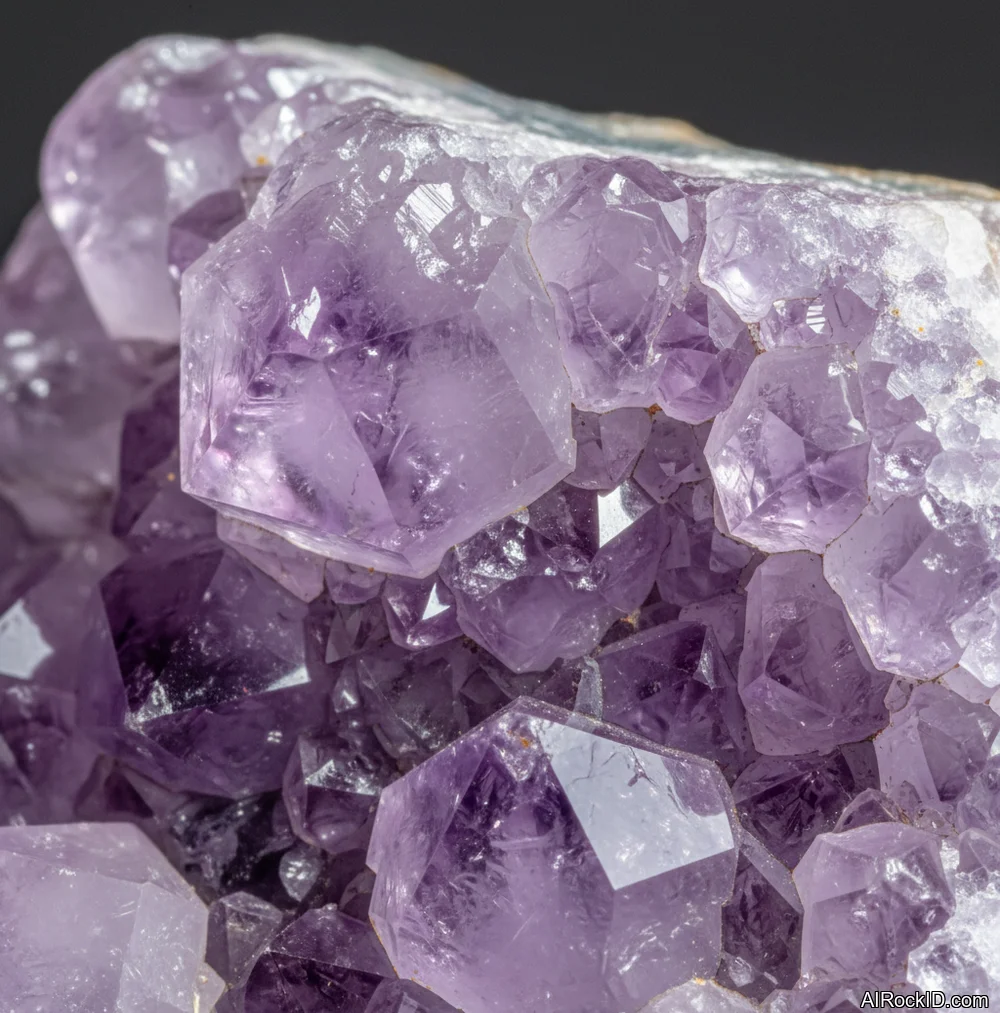
Amethyst

Black Tourmaline
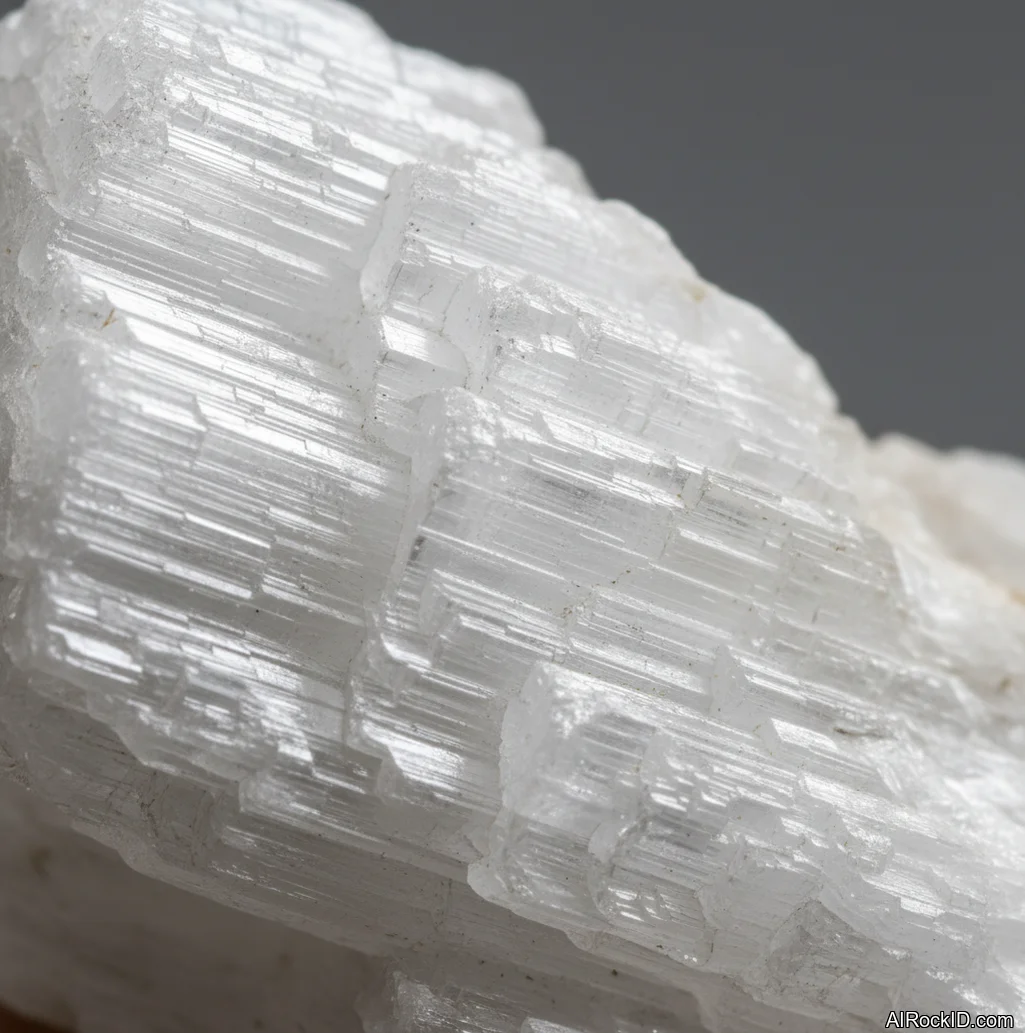
Selenite
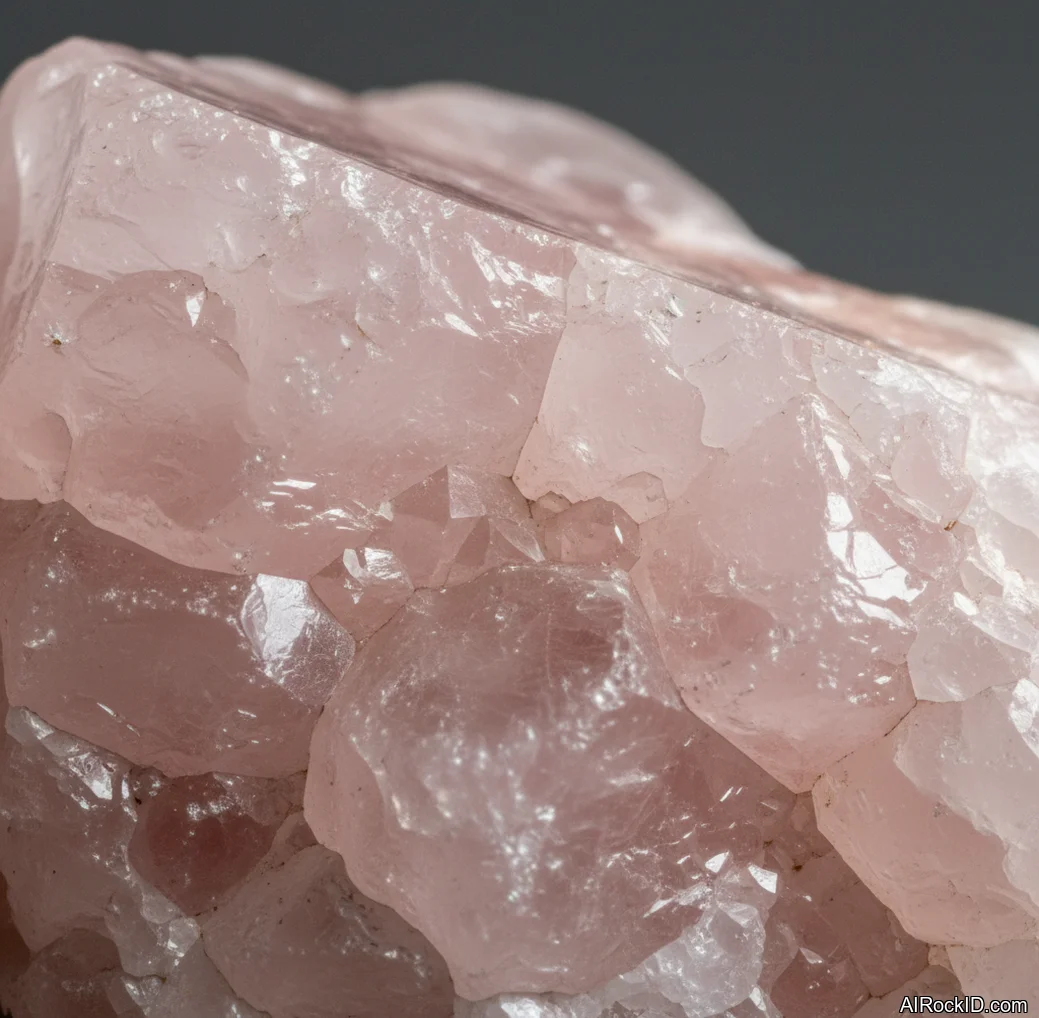
Rose Quartz
Citrine
Smoky Quartz
Fluorite
Amazonite
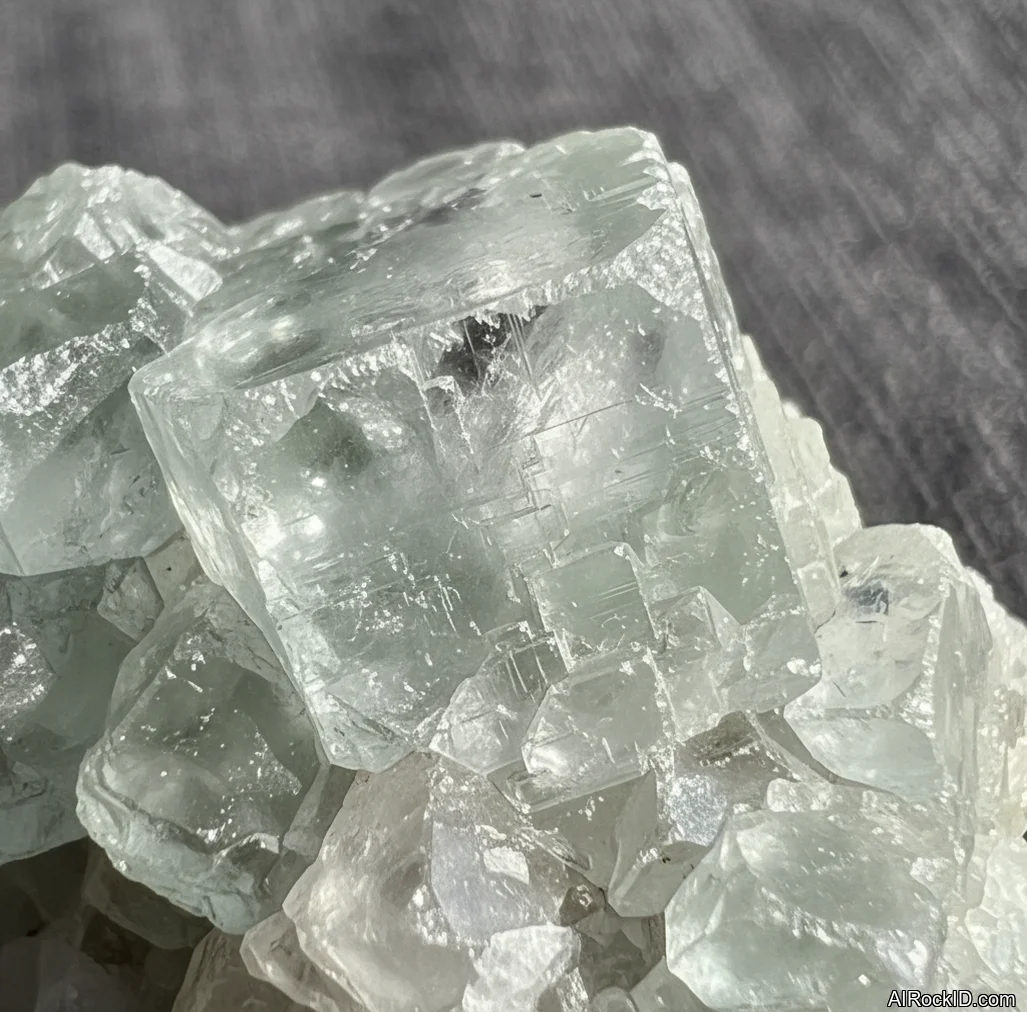
Apophyllite
Entryway placement: setting a boundary without turning it into clutter
Front doors end up holding onto everything. Shoes. Keys. Mail. Other people’s moods. Your own crappy day. If you’re only going to put one crystal anywhere in the house, the entryway is the place that actually makes sense, because it’s the threshold you walk through every single time.
Grab a rough chunk of black tourmaline and it’s pretty obvious why it works there. It’s heavy in your hand, kind of dense and blunt, not some fragile little sparkle that looks like it belongs behind glass. And it won’t get wrecked living next to loose change and a jangly metal keyring. I keep mine in a small ceramic bowl, not because bowls are magic, but because they keep stones from wandering off (seriously, how do they always migrate?). Selenite can work by the door too, but only if it’s up high and stays dry, because wet umbrellas and dripping jackets will chew it up.
Thing is, don’t overdo it. One bowl. One or two pieces. If the space starts looking like a mineral shop countertop, your eyes glaze right over it and then the placement isn’t doing anything anyway.
Bedroom placement: sleep first, aesthetics second
A bedroom crystal setup should be boring, and I mean that as a compliment. You’re not trying to hype the space up. You’re basically telling your brain, “Yep, we’re done for the day. Power down.”
Amethyst is the obvious grab because it feels quiet, but the look really changes the mood. A dark, tight Uruguayan cluster under a warm lamp gives off a totally different vibe than a pale lavender Brazilian piece that nearly vanishes in daylight. And I learned this the annoying way: spiky clusters don’t belong anywhere near a bed. Seriously. If you’ve ever raked your knuckles on a point while half asleep and reaching for a glass of water, you know exactly why a palm stone or a low cluster is the smarter move (ow).
So, keep rose quartz out of direct sunrise if you can. I’ve watched pieces fade from baby pink to almost clear when someone left them on a bright windowsill for a summer. A nightstand, a dresser, or a shelf across the room is safer.
Desk and home office placement: focus tools you’ll actually touch
Desk crystals only really do anything if they’re baked into how you work. If they’re just sitting there looking cute, your eyes stop seeing them after a day or two, and next thing you know you’re scrolling again.
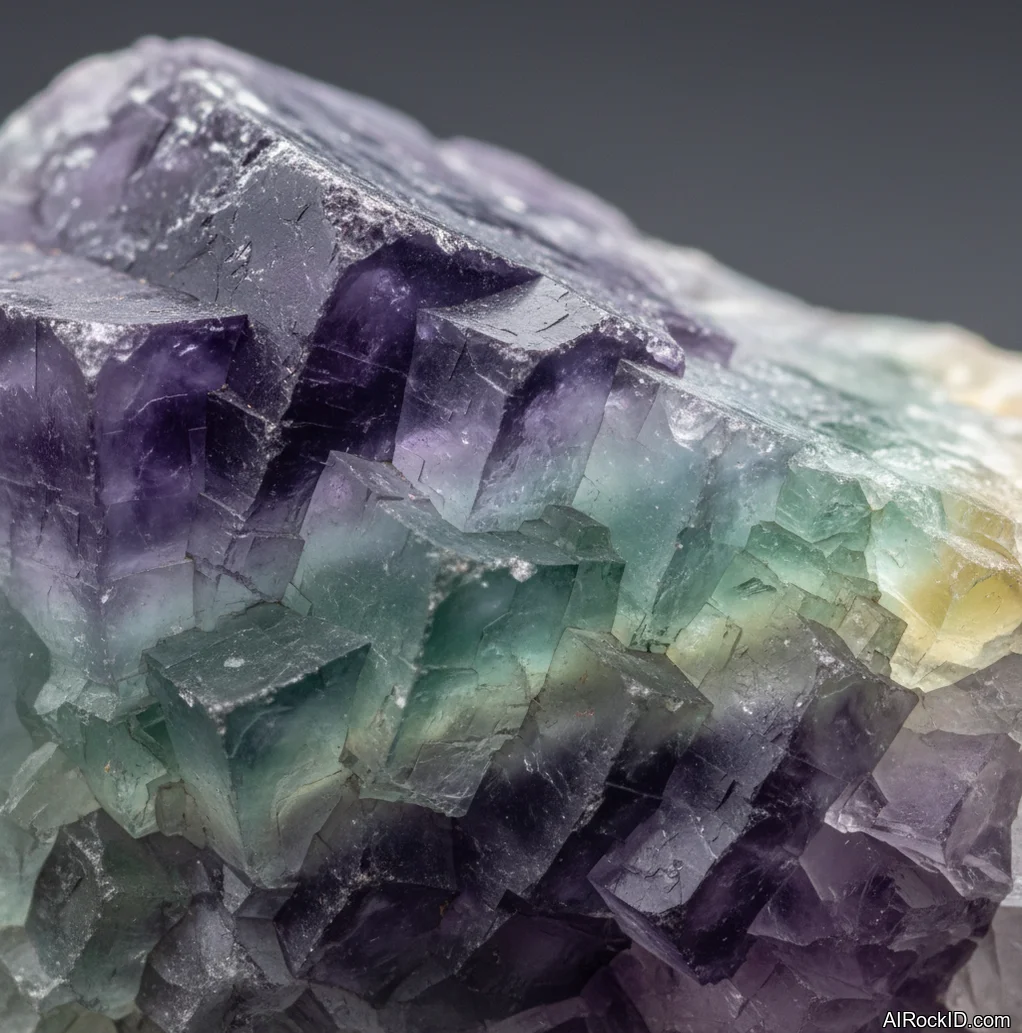
Fluorite works well for that because it looks “organized” all by itself. Those cubes and octahedrons read like order on a messy desk. But don’t park it right on the edge where your chair arm can smack it when you scoot in. It’ll chip.
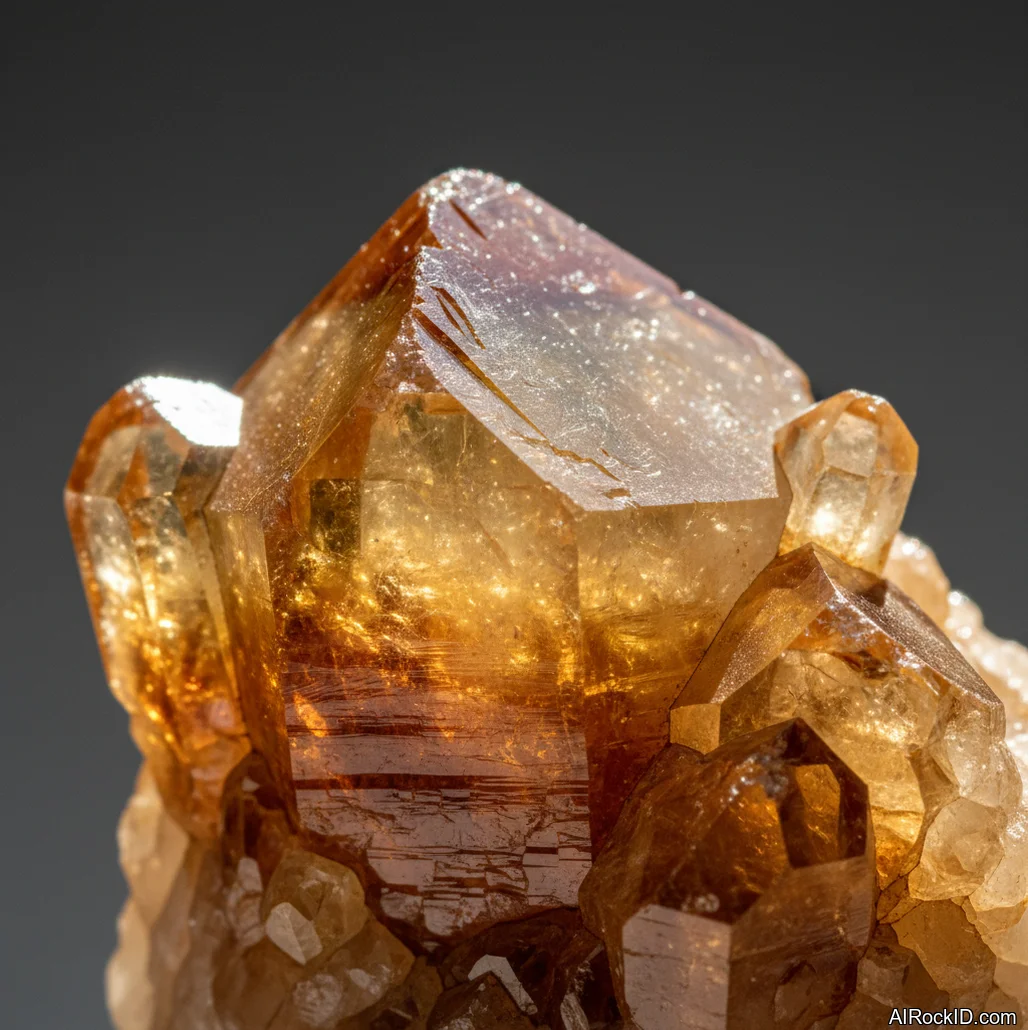
Citrine shows up on desks a lot too, but you have to watch what you’re buying because the market’s packed with cooked amethyst being sold as citrine. Natural citrine is usually lighter and calmer, and honestly that’s what you want sitting near a screen.
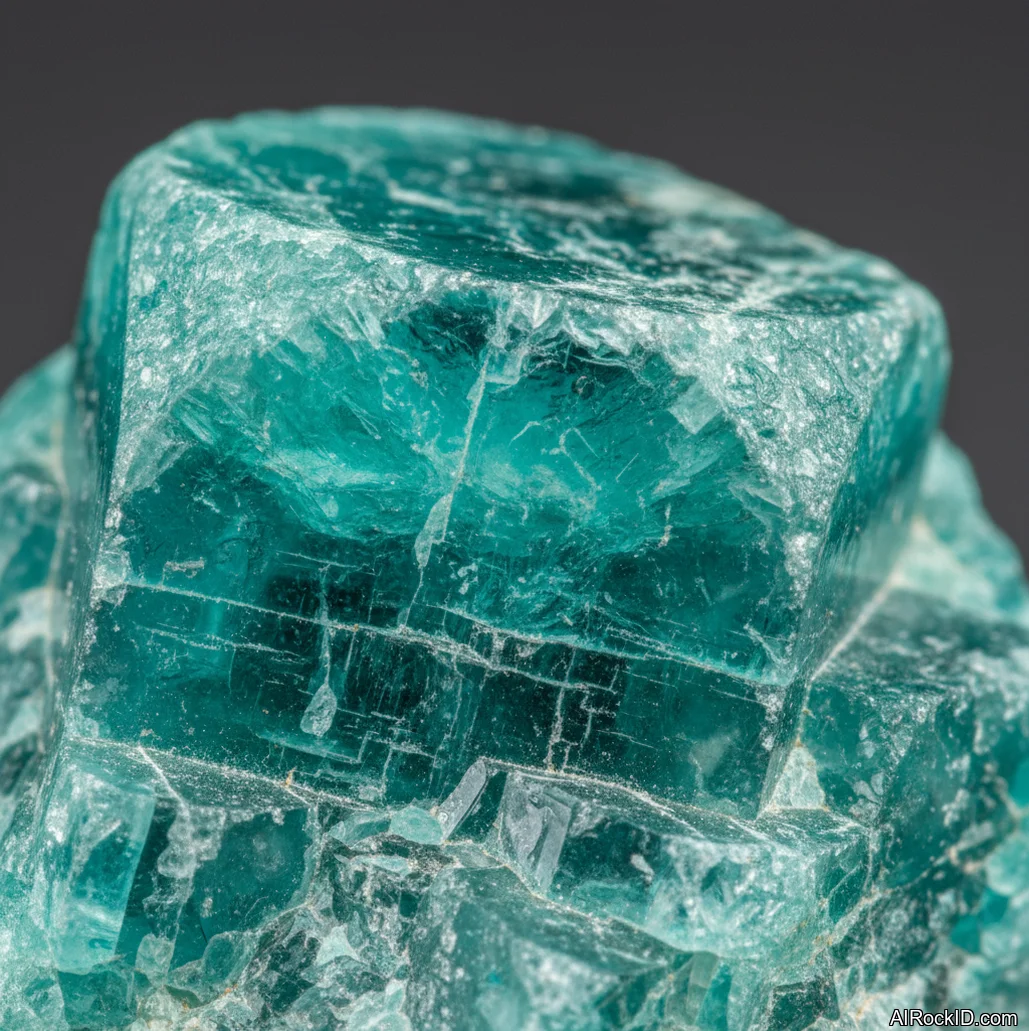
Amazonite is the one I keep by the phone charger. That’s the spot I end up hovering over when I’m about to send a spicy message. And having a cool, heavy stone right there makes you hesitate for half a second. That pause? That’s the entire point.
Living room placement: shared space, shared tone
The living room is the spot where everyone’s nervous system ends up piled together. You don’t need ten stones. You need one or two pieces that make the room feel a little easier to sit in.
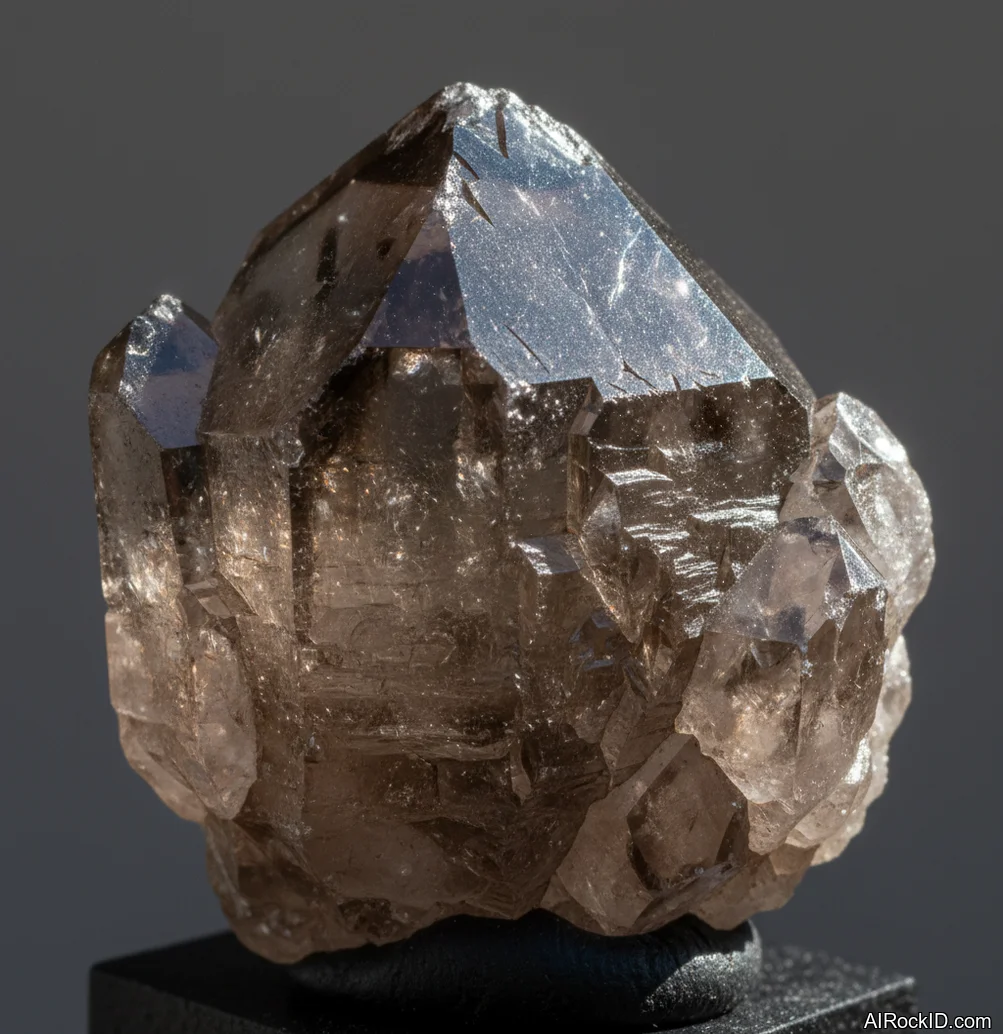
Rose quartz is an easy win on a coffee table or a shelf because it reads as soft and friendly, even to the folks who roll their eyes at crystals. Smoky quartz is the other steady one, especially if your living room doubles as a playroom or that dumping ground where the mail turns into a leaning stack. It hides dust, it won’t scratch up easily, and it still looks decent under mixed lighting. And if you stare at a smoky point for a second, you can sometimes see those inner veils flash when the TV’s on, which sounds oddly specific until you catch it yourself (then you can’t unsee it).
Keep fragile showpieces like apophyllite up higher. One lazy tail swipe from a cat and you’re on your hands and knees digging glassy little shards out of the rug. Seriously, who wants that?
How to Use These Crystals for Where to Place Crystals in Your Home
Start with the map of your day, not a shopping list. Walk through your place and notice where your hands land without you thinking: keys by the door, that water glass you reach for at 2 a.m., the notebook that always ends up open on the desk, the kettle handle you grab in the kitchen. Those are your placement anchors. And a crystal that lives in an “anchor spot” actually gets touched, and that handling is what flips it from “nice little decor” into a real habit cue.
Keep it to small stations. Like, a dish by the entryway for black-tourmaline. A coaster on the desk for fluorite, because the second it slides against something gritty you’ll hear that awful little scrape and then, yep, a chip. A back corner of the nightstand for amethyst where you can reach it in the dark without bumping the lamp base (and sending the shade wobbling).
But be picky about selenite. Keep it dry and up off wet counters, because bathrooms and kitchens will slowly wreck it. I’ve literally watched people turn a selenite wand into this fuzzy, chalky mess just by leaving it next to a sink where the countertop stays damp.
Rotate instead of stacking. If a spot starts to feel noisy, clear it completely and put one piece back. Thing is, light matters too. Some stones fade in direct sun, and some look kind of dead unless they catch a lamp at the right angle. So move them six inches. Seriously. It matters more than you’d think.
Common Mistakes to Avoid
Putting crystals in spots where they’re basically doomed is the biggest mistake. Selenite in a steamy bathroom. Fluorite baking on a sunny windowsill. Apophyllite on that low coffee table where the kids sprawl out and click Lego together, pieces digging into everything. Those placements don’t just wreck the stone, they kind of train you to stop caring because sooner or later it all turns into chipped little clutter you ignore.
Another one: cramming a room full of them. People stack ten towers across a mantel and then act surprised when the whole space feels twitchy. Your eyes don’t get a place to land. One solid piece, set down on purpose (and actually handled once in a while), does more than a lineup you never touch.
And the last mess-up is buying the wrong material for what you want. That heat-treated “citrine” that reads like orange glass in photos just doesn’t feel the same as a pale natural piece. Dyed amazonite and neon-pink “quartz” are all over the internet too. The real tell is how it feels in your hand: natural stone stays cool longer, and up close it usually has tiny imperfections that look honest. That’s the thing.
Identify Any Crystal Instantly
Snap a photo and get properties, value, care instructions, and healing meanings in seconds.