lifestyle

Best Crystals for Meditation
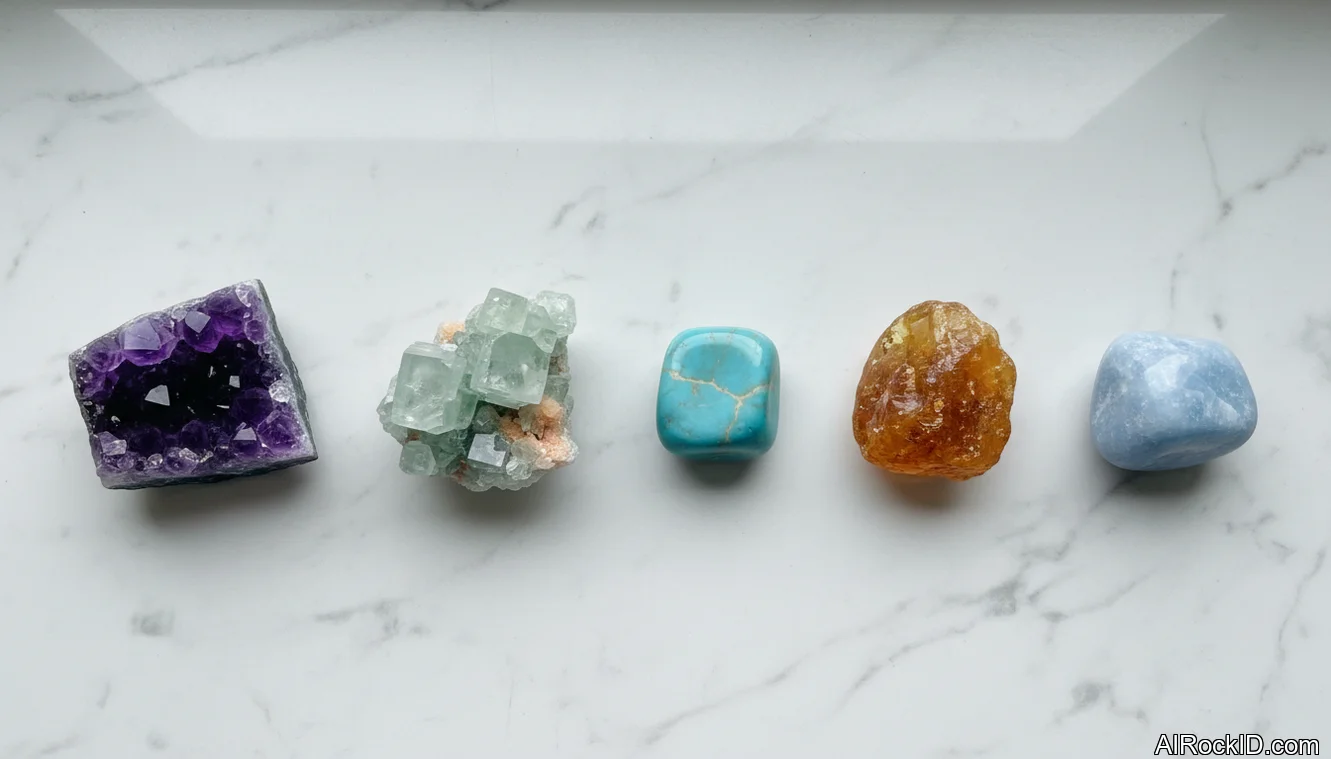
Hand holding a small set of meditation crystals including amethyst, apophyllite, amazonite, and amber on a wooden tray

The best crystals for meditation are the ones that help your attention land, your body unclench, and your mind quit sprinting after every little sound. I’m not selling miracles here. I mean the boring, repeatable stuff that actually sticks: a stone that feels right in your hand, a piece that nudges your brain into “okay, sit down and breathe,” and a few minerals that consistently match certain meditation styles.

Pick up a stone and you’ll notice a bunch right away. Weight. Temperature. Texture. A cold, glassy point like apophyllite pulls you toward stillness in a totally different way than a warm, resinous amber pebble that almost vanishes in your palm. And that feedback matters, because meditation is physical even when you’re not moving. If a crystal makes you fidget, or you keep peeking at it like it’s going to do a trick, it’s the wrong tool for that session. Simple as that.

Most dealers will push whatever’s moving off the shelf, but meditation tends to work better with a small rotation you actually use. I keep a handful by my cushion and I try not to get precious about it. One for grounding when I’m all over the place, one for clean “headspace” work, one for heart-and-breath practices, plus one that’s basically just a comfort object (because, honestly, sometimes you need that). You’ll see the same habit with a lot of long-time practitioners, even the skeptical ones. We’re not trying to summon anything. We’re just trying to sit, stay, and finish the timer.

Recommended Crystals
Amethyst
Amethyst

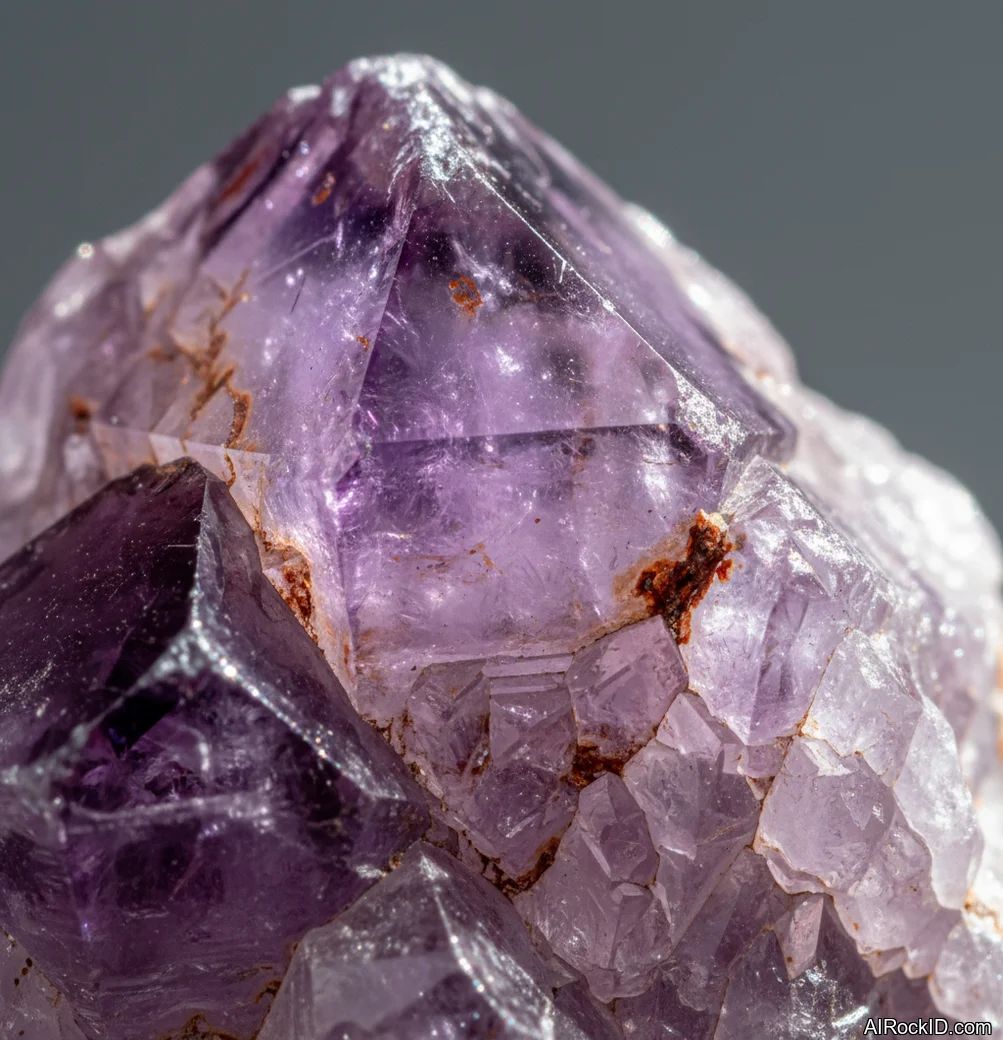
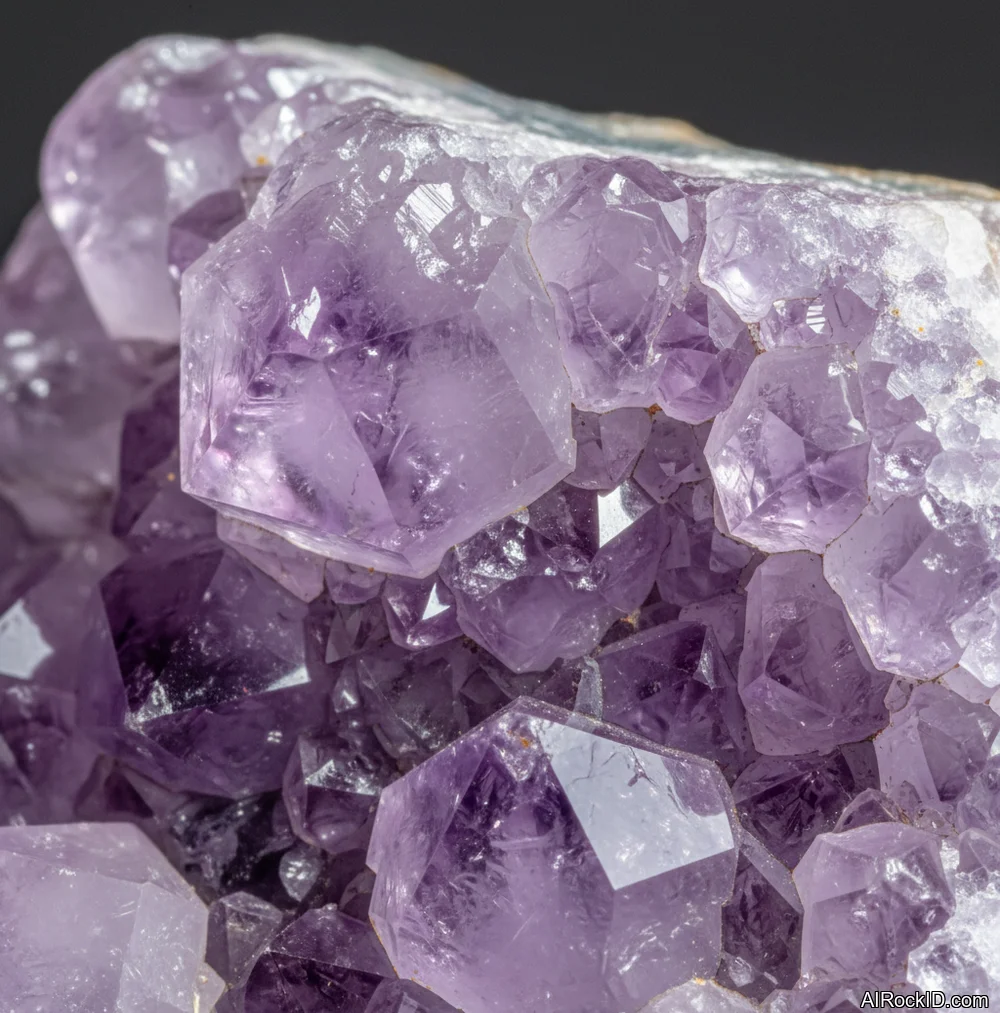
Uruguay amethyst has this dense purple that still looks calm even when the room’s kind of dim, and it’s not that glittery, sparkly distraction you get with a lot of shiny stones. When I’m doing breath-counting, I’ll prop a small amethyst point in front of me and let my eyes rest there, and it doesn’t yank me into daydreams the way flashier pieces do. And if you actually lean in and look, a lot of pieces have banding with little zones of smoky gray or milky quartz (you can catch it when you tilt it and the light slides across), which keeps the whole feel more grounded than the super-bright purple stuff. But here’s the catch: those big cathedral clusters are stunning, sure, but they can turn into straight-up decor you end up staring at instead of something you actually meditate with.
How to use: Use a palm stone or a small point, not a huge cluster. Set it just below eye level or hold it loosely in your non-dominant hand, then stop moving it once the timer starts.
Apophyllite

Apophyllite

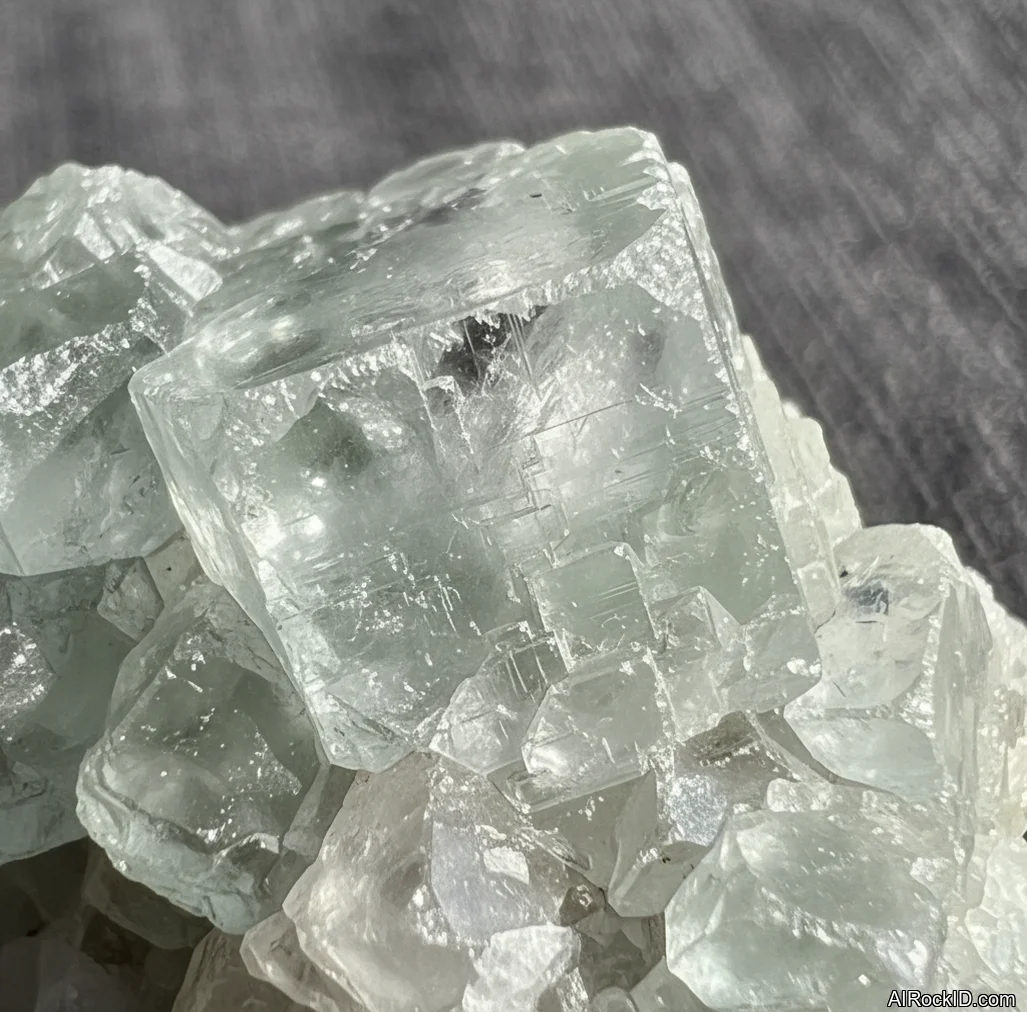
Apophyllite, for me, is basically a mental rinse cycle. I’m talking about the clear or pale green pieces from India, the ones that look like tiny glass pyramids sitting on a matrix. Pick one up and it stays cool in your palm longer than you’d expect, which is weirdly comforting when anxiety has you feeling overheated. The cleavage faces are so clean they grab the light in a hard, bright way, so I reach for it in short sessions when I want to feel alert, not floaty and half-asleep. But it’s delicate. It chips if you look at it wrong, and if there’s a fresh little sharp spot on an edge, you’ll feel it immediately. And yeah, that quick sting in your hand can snap you right out of your body fast.
How to use: Place it on a cloth in front of you rather than gripping it. If you do hold it, wrap it in a thin cotton pouch so the edges don’t become the main event.
Amazonite

Amazonite

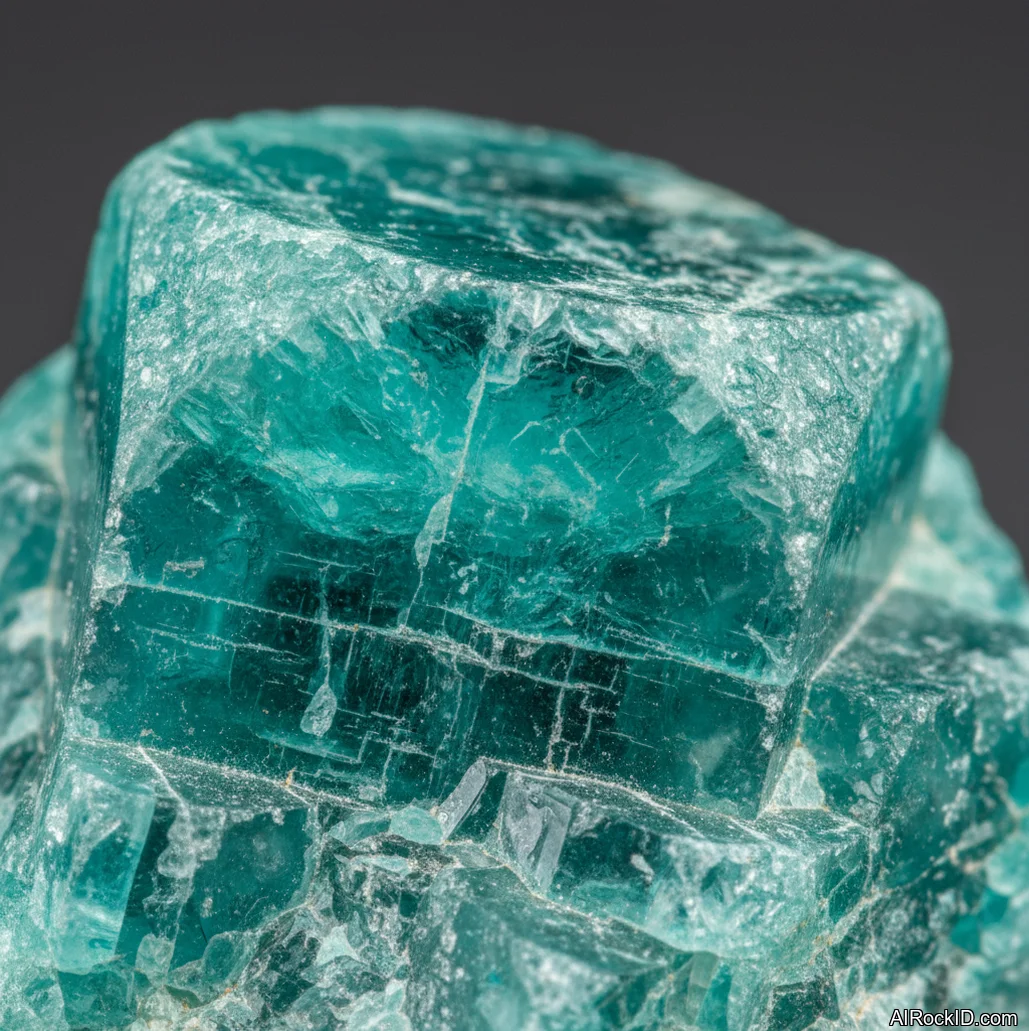
Amazonite is what I reach for when meditation starts turning into me debating myself in my own head. That blue-green feldspar color, usually cut through with white streaks, is easier on my eyes than something super high-contrast like banded onyx. Real amazonite has this slightly waxy feel and it starts out cool to the touch. And the good pieces? They’ve got that cloudy, watery depth, not that flat, painted-on look that screams fake from across the room. Thing is, a lot of what’s out there is dyed or stabilized. You can tell fast. After a minute in your palm those stones get weirdly warm, and the surface feels kind of plasticky (like it’s been sealed), which is not the vibe I’m after.
How to use: Use a tumbled stone for seated practice and keep it in the hand you tend to clench. If your mind is loud, pair it with slow exhale counting and don’t stare at the color the whole time.
Amber

Amber

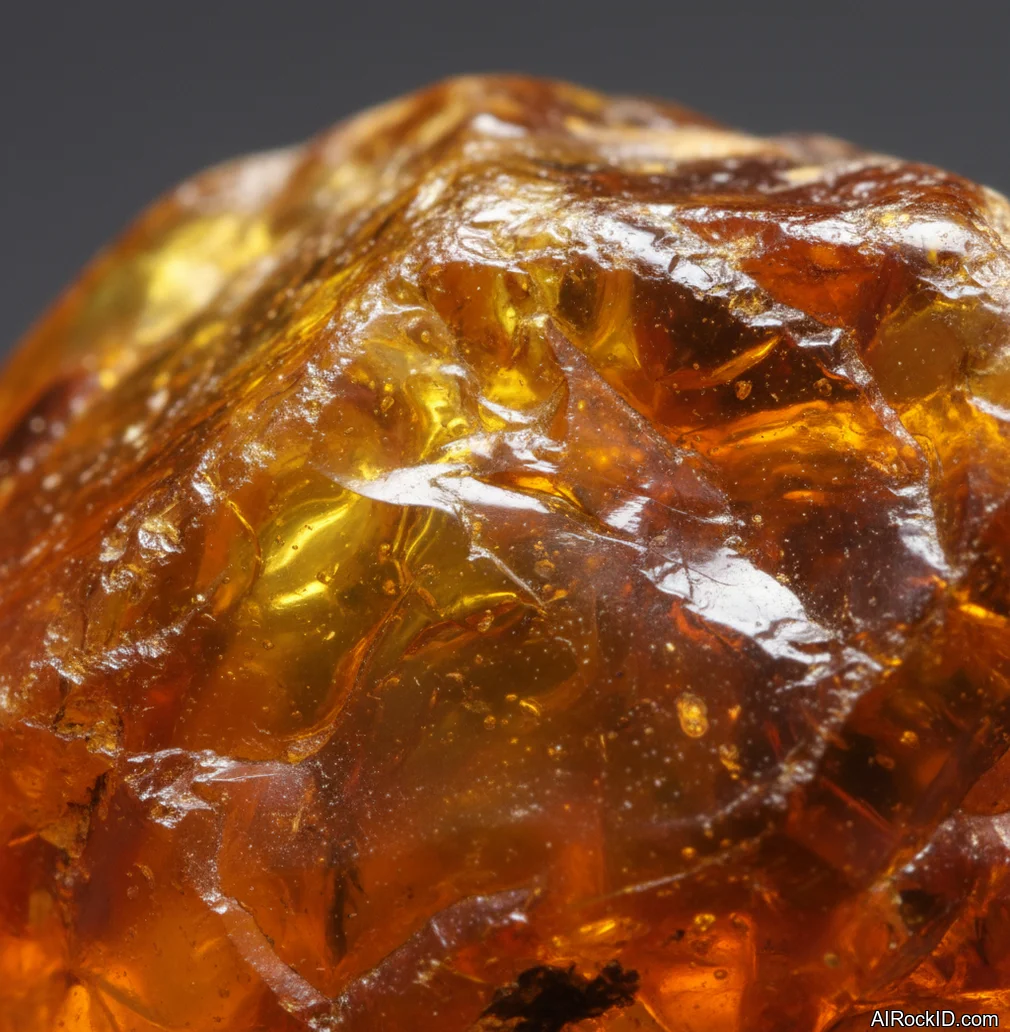
Amber’s basically fossilized tree resin, and it acts like it. Hold a piece for a minute and you’ll feel it warm up quickly against your skin, which is why people like it for body-based meditation when they’re trying to downshift. But the cheap stuff? A lot of it is copal or just plastic. You can usually tell because it feels warm right away and the surface looks almost weirdly flawless, like it came out of a mold yesterday. Real amber usually isn’t that “perfect.” Look for tiny specks inside or those faint flow lines that look like frozen streaks. And it’s shockingly light. The first time you shift it in your hand, you might honestly think you dropped it.
How to use: Hold a small piece during a body scan and let the warmth be your anchor. Keep it out of hot sun and don’t soak it in water or salt, since it scratches and clouds easily.
Angelite

Angelite

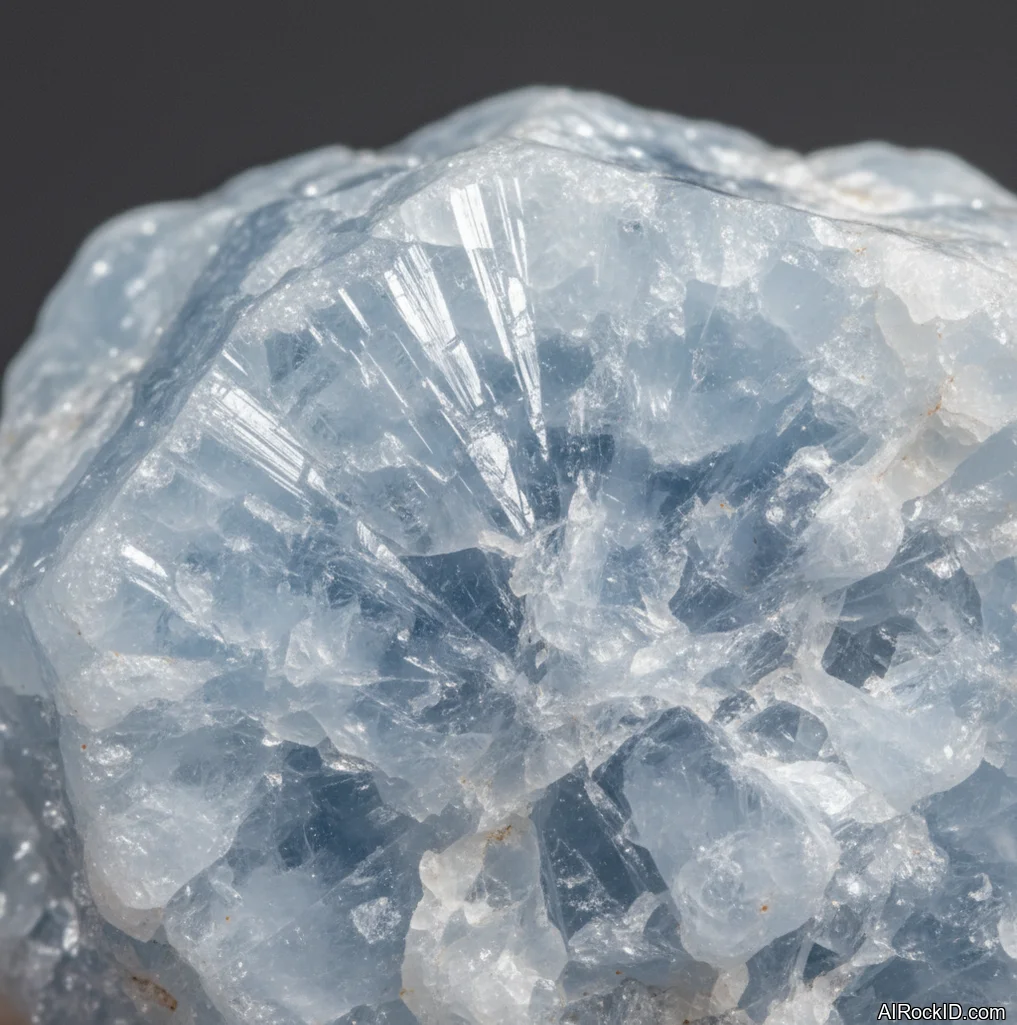
Angelite’s that soft, chalky blue stone that just feels right for quiet, devotional sitting when you’re after something gentle. The giveaway is in your fingers: it’s matte, not glassy, almost like a worn bit of sea clay, and it’ll grab skin oils fast, so after a while it starts to feel like it’s yours. And I’ve literally seen someone’s jaw unclench just from rolling a smooth angelite worry stone around in their palm. But don’t treat it like it’s tough. Toss it in a bag with harder stones and it’ll come back scuffed and sad, like it got sanded on the edges.
How to use: Use it as a “hand anchor” and keep it separate from harder minerals. If it looks dull, wipe it with a dry cloth instead of rinsing it and calling it a cleanse.
Black Kyanite

Black Kyanite

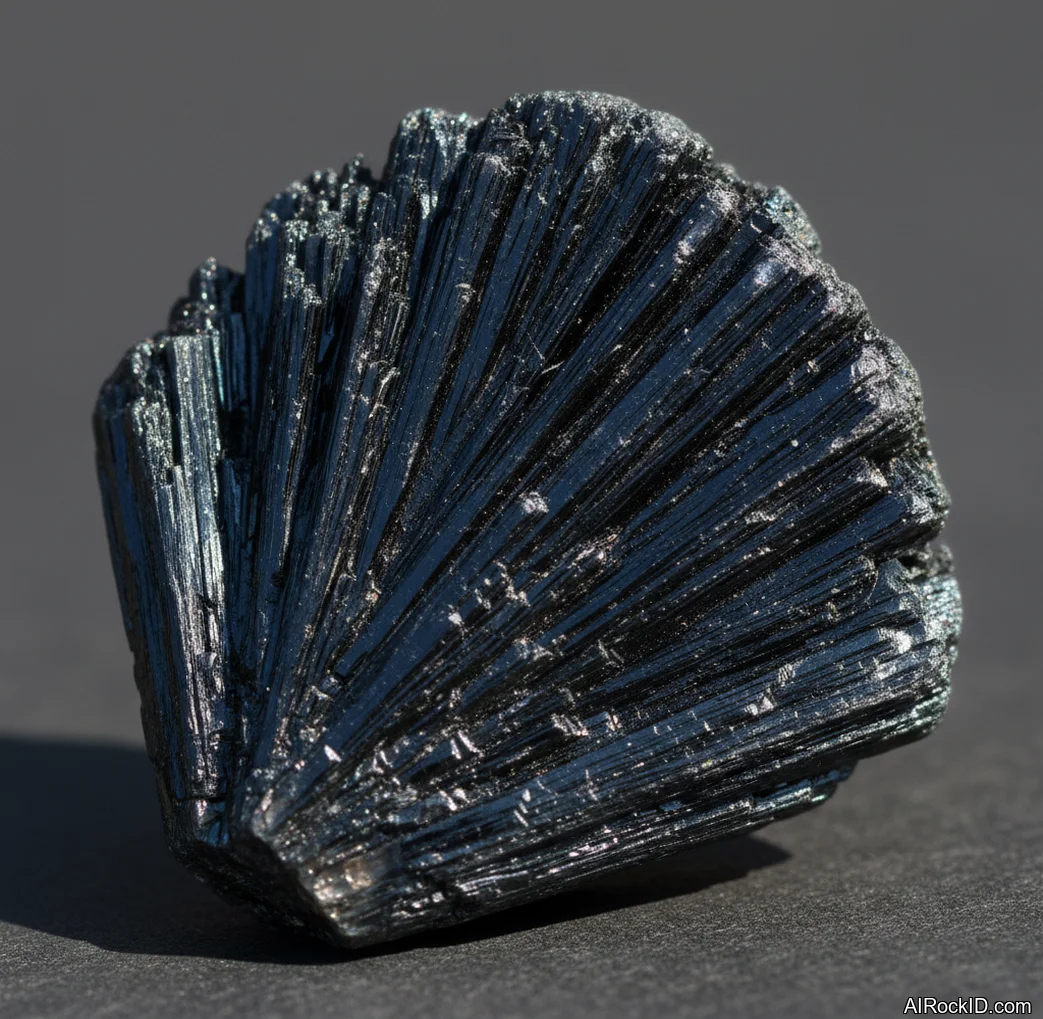
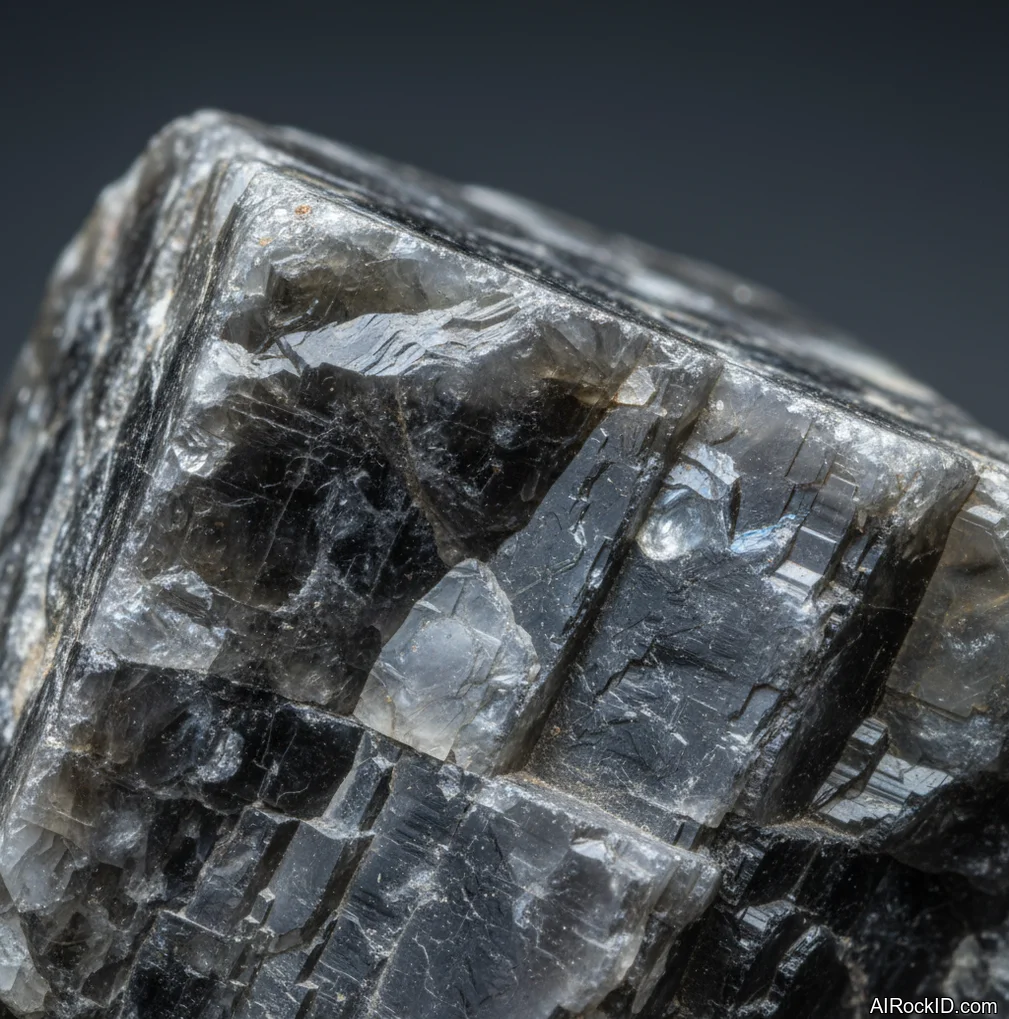
Black kyanite honestly looks like a tiny broom head or a feathered wing in your hand, and it’s the best “reset” stone I’ve found for shaking off other people’s noise after a long day. The raw chunks have those fibrous little blades that snag on a sweater sleeve if you’re not paying attention, and that scratchy texture kind of yanks you back into your body when your brain wants to drift. Compared to polished black stones, it doesn’t feel slick or dead in your palm; it feels alert, like it has a direction it wants to point. But yeah, the downside is right there: it can be pokey, and if you squeeze it like a stress ball, those blades can snap.
How to use: Set it beside you or behind you rather than holding it. If you want to use it in-hand, pick a smaller piece with shorter blades and keep your grip loose.
Black Moonstone

Black Moonstone

Black moonstone is the stone I reach for on those nights when my brain won’t quit replaying everything. You look at it head-on and it’s basically just a dark feldspar, kind of plain. But tilt it a little and that sheen drifts across the surface like a slow wave, the way light skates over a slightly oily puddle on pavement. Hard to not watch it. And that shifting flash gives your mind one simple thing to follow, which can nudge you into steadier focus. But not every piece has good adularescence. Some are just flat and dull, and honestly they don’t do much except sit there.
How to use: Use a palm stone and angle it once or twice at the start, then stop. It works well with open-awareness meditation where you notice sensations without chasing them.
Auralite-23

Auralite-23

Auralite-23 is basically amethyst with extra inclusions, and if the polish is any good you’ll usually spot rusty hematite flecks or those darker bands sitting down inside the stone. In my hands, it reads like “amethyst плюс grit.” Good for longer sits. Calm, but not that floaty, spaced-out vibe. And yeah, grab a thicker piece and you feel it right away. It’s got that satisfying heft in your palm, not the airy, hollow feel you get from cheap glass or resin (you know the kind that warms up too fast). But the market’s kind of a mess. Some sellers will slap “Auralite-23” on any purple quartz, so don’t just take the label at face value. I’d only buy from someone who can tell you what mine it came from.
How to use: Use it for longer timers and keep it at the front of your mat as a visual cue to begin. If you’re sensitive to busy patterns, choose a simpler piece with fewer obvious inclusions.
Black Banded Onyx

Black Banded Onyx

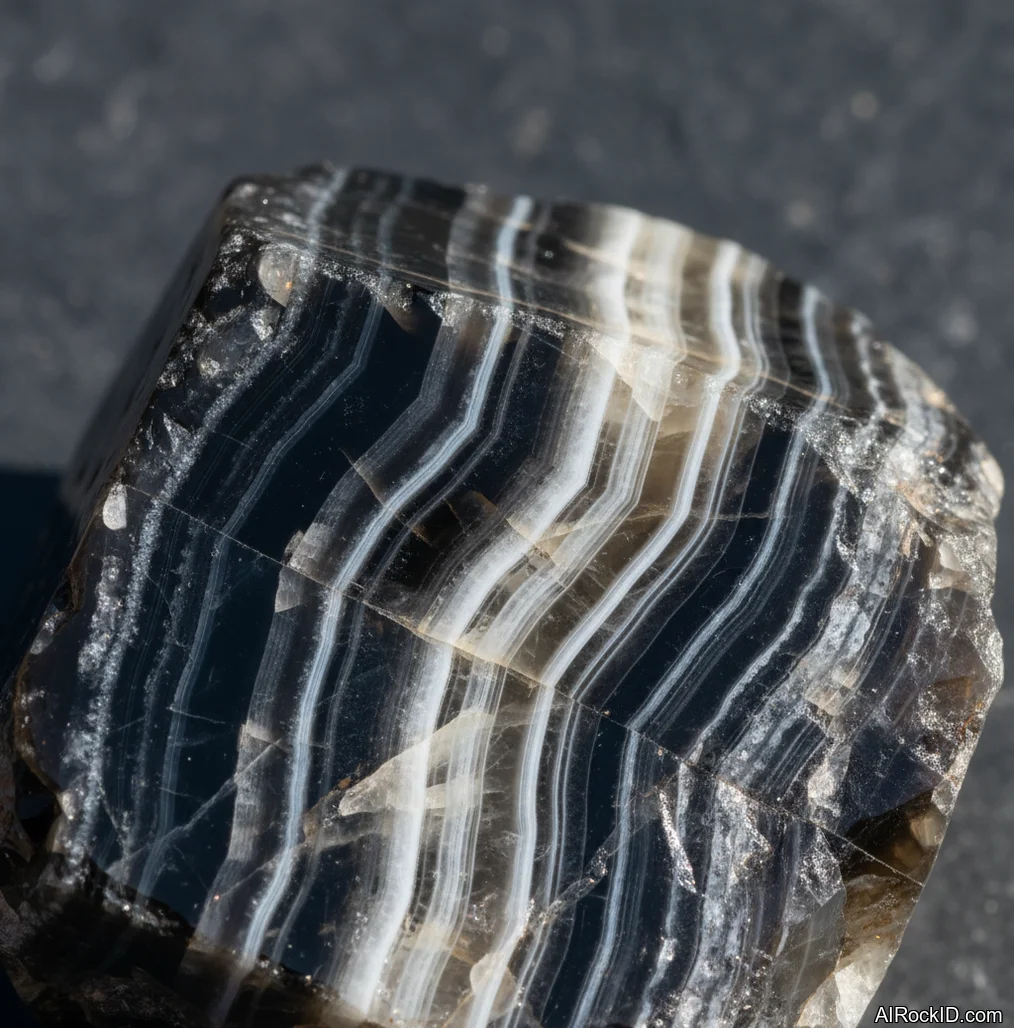
Black banded onyx is calm and straightforward, and honestly, that’s why it works. The bands give your eyes a little structure to land on, so you’re not constantly scanning for something “interesting,” and a well-polished piece has that cool, ceramic feel when you roll it between your fingers. When I’m doing mantra repetition, this is the stone that keeps my hands from drifting, because it’s smooth and predictable. But watch out for dyed material. If the black is too perfectly even and the bands look almost razor-sharp, there’s a good chance it’s been treated.
How to use: Hold it like a worry stone and sync your thumb movement with your breath or mantra. Keep it away from harsh cleaners so the polish doesn’t get sticky over time.

Pick crystals by meditation style, not by hype

Most folks do this in reverse. They grab a “meditation crystal” first, then twist their whole practice around whatever rock they bought. Don’t. Pick the kind of meditation you’re actually doing today, then grab a mineral that fits that one job.

So if you’re doing concentration work, like counting breaths, you want something visually quiet and steady in your palm. Amethyst, black banded onyx, and auralite-23 are solid for that. They sit there. No fireworks. But when your attention lands on them, it sticks.

But if you’re doing open-awareness or insight stuff, black moonstone can be handy. That slow little sheen gives the mind something gentle to touch down on without turning into a whole distraction you end up staring at.

For body-based work, amber doesn’t get enough credit. It heats up fast, almost like it’s borrowing warmth from your skin, and that little change becomes a plain physical reminder to come back to sensation. And when you’re trying to settle emotionally, amazonite and angelite usually pair well with slower breathing because they don’t feel sharp or intense in the hand.

Thing is, the test is simple. Are you calmer at minute twelve than you were at minute two? If not, switch tools. Why fight it?

Shape, finish, and texture matter more than people admit

Grab a raw piece of black kyanite and you’ll get it in about two seconds why I don’t put it in the hands of someone who’s trying to unwind. The blades catch on skin, snag on a sweater cuff, and they’ve got that sharp, splintery feel that makes you keep shifting your fingers. Great if your meditation issue is dissociation or drifting off into space. Not so great if you’re already wound tight.

For most sits, polished stones just behave better. A palm stone of amazonite or black banded onyx sits in your hand with steady, predictable pressure, so your nervous system isn’t constantly doing that little scan for what’s about to jab you. Points and clusters are visually loud, too. And apophyllite, in particular, kicks back these bright little flashes when the light hits it, which can keep you alert, but it can also hijack the whole session into “okay, let me stare at the sparkle again.”

I’ve got a simple rule. If a crystal makes me adjust my grip more than once after the timer starts, it’s the wrong format. So change the shape, not the whole practice. A tumbled stone can do more for meditation than a museum-grade specimen you’re half afraid to touch (because who wants to drop that?).

Setting placement: where the stone goes changes the session

People like the image of crystals neatly lined up on the body, but in real life you end up babysitting the whole setup instead of meditating. One stone inches off your sternum, you reach to fix it, and boom, you’re back in your head. So I pick placements based on how still I can honestly stay.

If you’re sitting on a cushion, the simplest move is a small stone in your non-dominant hand. You can let your fingers curl around it and forget about it (no chasing it across your lap). That’s where amber, angelite, amazonite, and onyx really work.

If you’re lying down, placing something on your chest can be fine, but you want it flat and not too heavy. Otherwise you feel it wobble every time you breathe, and it turns into a distraction. Black moonstone palm stones are a solid choice for that.

And for “altar style” placement, set the crystal slightly off-center in your line of sight. Apophyllite and amethyst are good because you can soften your gaze toward them without locking in and staring. But black kyanite is better behind you or off to the side, since that rough, ridged texture can grab your attention if it’s right in front of your face. Why make it harder than it needs to be?

Care and sourcing: keep your meditation stones boring and clean

Meditation stones aren’t supposed to be a chore, but yeah, some of them will punish you if you get lazy about care. Amber scratches if you breathe on it funny, and hot water can leave it looking cloudy. Angelite’s soft, so if you toss it in a pouch with harder stones, it’ll come out with scuffs. And apophyllite? The edges chip pretty easily, especially when it’s clacking around next to quartz points (you can almost hear that little ticking sound when they bump).

Thing is, I’m picky about sourcing too, because fakes mess with your head. If you’re side-eyeing your “amber” thinking it might just be plastic, good luck relaxing with it in your hand. If your amazonite is neon-bright and totally uniform, it could be dyed. Most dealers aren’t out to scam you, but a lot of them are just uninformed, and meditation buyers get singled out with fancy names slapped on ordinary stuff.

So keep it simple. Buy from a shop that’ll tell you treatment and origin when they know it, and store the softer pieces on their own. Wipe your stones down after you use them. Skin oils build up, especially on angelite and polished feldspars, and once they get that slightly grimy, slick feel, it becomes distracting fast.

How to Use These Crystals for Meditation

One stone per session. Two at the absolute most. Go past that and you’re basically building a tiny mineral museum and pretending it’s mindfulness.

I pick the stone, set a timer, and give it one clear job: settle my body, steady my attention, or take the sharp edge off whatever I’m feeling. Then I treat the crystal like an anchor, not a homework assignment.

If you’re sitting, the simplest thing is what I call the hand anchor. Drop a smooth stone into your non-dominant hand and let that hand rest on your thigh. Here’s the rule: once the timer starts, you don’t re-grip it. Not even a little. When your mind bolts (and it will), come back to the stone by noticing the basics again: temperature, weight, texture. Amber warms up. Onyx stays cool. Amazonite has that slightly waxy feel, like it’s been lightly polished and your skin kind of slides on it. Those tiny sensory facts are what pull you back.

Want a visual anchor instead? Put the stone on a cloth about an arm’s length away. Apophyllite and amethyst work great for that, but don’t get distracted chasing sparkle. Soften your gaze, let things blur a bit, and then return to the breath. Simple.

And if you like a closing ritual (I do), hold the stone for three slow breaths when the timer ends, then put it back in the exact same spot every time. Repetition trains your brain. Not the price tag.

Common Mistakes to Avoid

The biggest screw-up is acting like the crystals are the meditation. They’re not. They’re props you hold, like a timer or a cushion. If you spend ten minutes hovering over your tray of stones and three minutes actually sitting, you’re practicing indecision, not attention. So keep a small rotation and quit hunting for the “right” one every time you hit that itchy, stuck feeling.

Another thing that trips people up: they grab pieces that are way too stimulating. Flashy moonstone, glittery aura coatings, big points that throw little pinpricks of light all over the wall, even loud banding can turn into straight-up visual entertainment. And you’ll know it when it happens because you catch yourself staring like you’re watching a screensaver. If that’s you, swap to a plain tumbled stone (the kind that feels like a smooth river pebble in your palm) or just move the crystal out of your direct sightline. Out of sight helps. Seriously.

Care mistakes are real, too. People soak amber and then wonder why it looks dull, like it’s got a tired film on it. They toss angelite in with quartz and it comes back scratched (you can feel the roughness with a fingernail). And a lot of folks “cleanse” everything with salt, which is basically asking to damage softer minerals, then get annoyed during practice. Clean with a dry cloth first. Boring works.

Important: Crystals won’t treat anxiety disorders, depression, PTSD, or insomnia by themselves, and they’re not a replacement for therapy, medication, or medical care. But they *can* give you a steady sensory anchor, plus a little ritual nudge that helps you actually sit down and do the practice. Something you can feel in your palm. Cool at first, then it warms up. The smooth edge you keep rubbing with your thumb without even thinking about it. Thing is, if you’re using stones to dodge feelings, dodge decisions, or chase that constant “peak” state, meditation usually gets worse, not better. So no, the fix isn’t buying a new crystal. It’s tweaking the practice, shortening the timer, or getting support. Simple as that.

Identify Any Crystal Instantly

Snap a photo and get properties, value, care instructions, and healing meanings in seconds.

Frequently Asked Questions

What is the best crystal for meditation overall?
Amethyst is a common all-purpose choice because it pairs well with concentration and calming practices. A small tumbled stone or point is usually easier to use than a large cluster.
Which crystal is best for breath-focused meditation?
Black banded onyx is associated with steady focus and is physically easy to hold without distraction. Amethyst also works well as a low-stimulation visual or hand anchor.
What crystal helps the most with grounding during meditation?
Black banded onyx is associated with grounding and stability. Black kyanite is also used for reset-style grounding but is often better placed beside you than held.
Which crystal is best for calming a racing mind before meditating?
Amazonite is associated with soothing mental chatter and easing tension. Angelite is associated with gentle settling and is often used as a comfort-style hand stone.
What crystal is best for meditating at night?
Black moonstone is associated with reflective, quieter sessions and is commonly used in evening practice. Amber is also used at night because it warms quickly and supports body-based relaxation cues.
Can I meditate with more than one crystal at a time?
Yes, but using one to two crystals reduces distraction and keeps the practice simple. More stones increase setup time and attention drift for many people.
Where should I place a crystal during meditation?
A crystal can be held in the non-dominant hand, placed on a cloth in front of you, or set beside you. Placement should minimize movement and reduce the need to adjust it during the session.
How do I clean meditation crystals safely?
A dry microfiber cloth is a low-risk option for most stones. Water and salt can damage softer materials like amber and angelite, so those should usually be wiped rather than soaked.
How do I know if amber is real?
Real amber is very light for its size and warms gradually in the hand rather than feeling instantly warm. Many fakes are plastic or copal, which can feel warmer and look overly uniform.
Do crystals scientifically change brainwaves during meditation?
There is no strong scientific consensus that crystals directly change brainwaves beyond placebo and sensory anchoring effects. Crystals can still function as consistent tactile and visual cues that support meditation habits.
The information provided is for educational and spiritual exploration purposes. Crystals are not a substitute for professional medical, psychological, or financial advice.