Protection Crystals
Learn about Protection crystals, what the Protection property means, how to use protective stones, and tips for choosing authentic crystals.
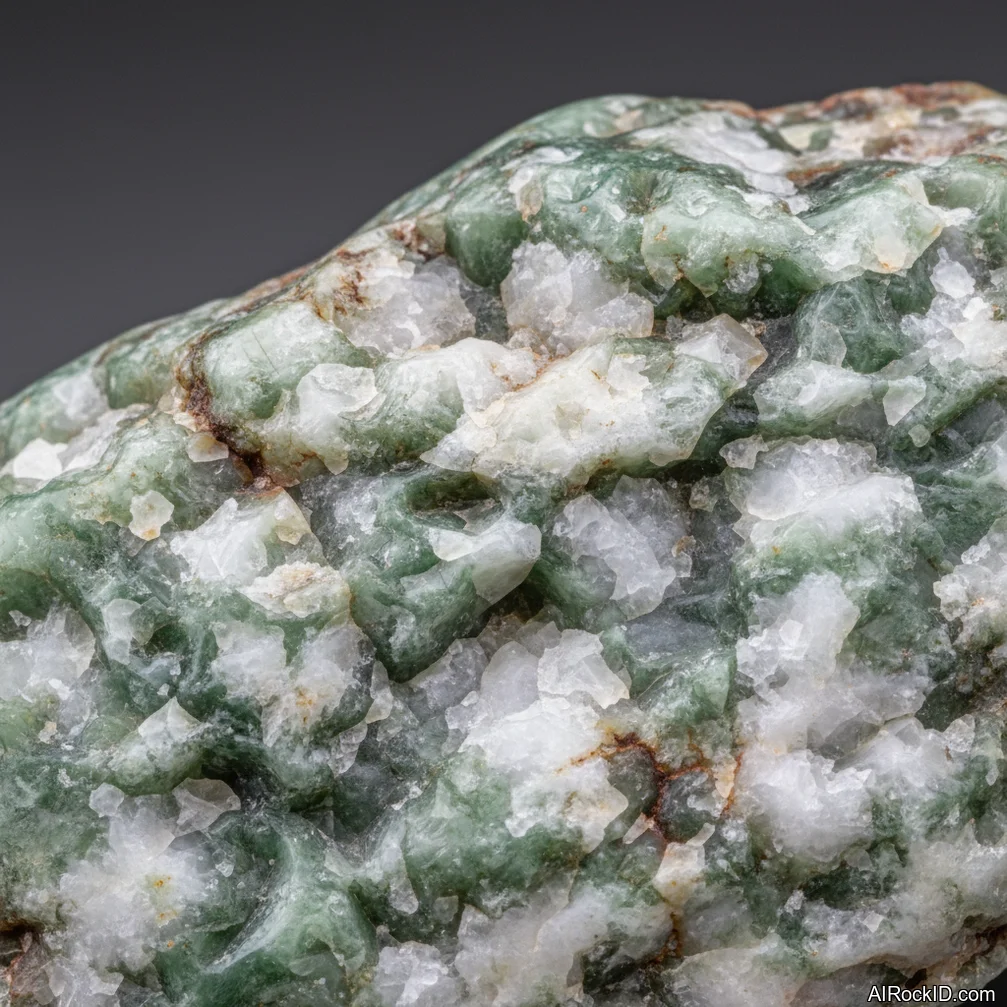
Protection, in crystal talk, usually boils down to three things: grounding your energy so you don’t feel scattered, setting a boundary so other people’s moods don’t stick to you, or clearing out that heavy “I walked into a bad room” feeling. It’s not about being invincible. It’s more like throwing on a decent jacket before you step into wind. People reach for protection stones when they’re stressed, working with the public, traveling, sleeping poorly, or doing any kind of spiritual work where they feel a little too open.
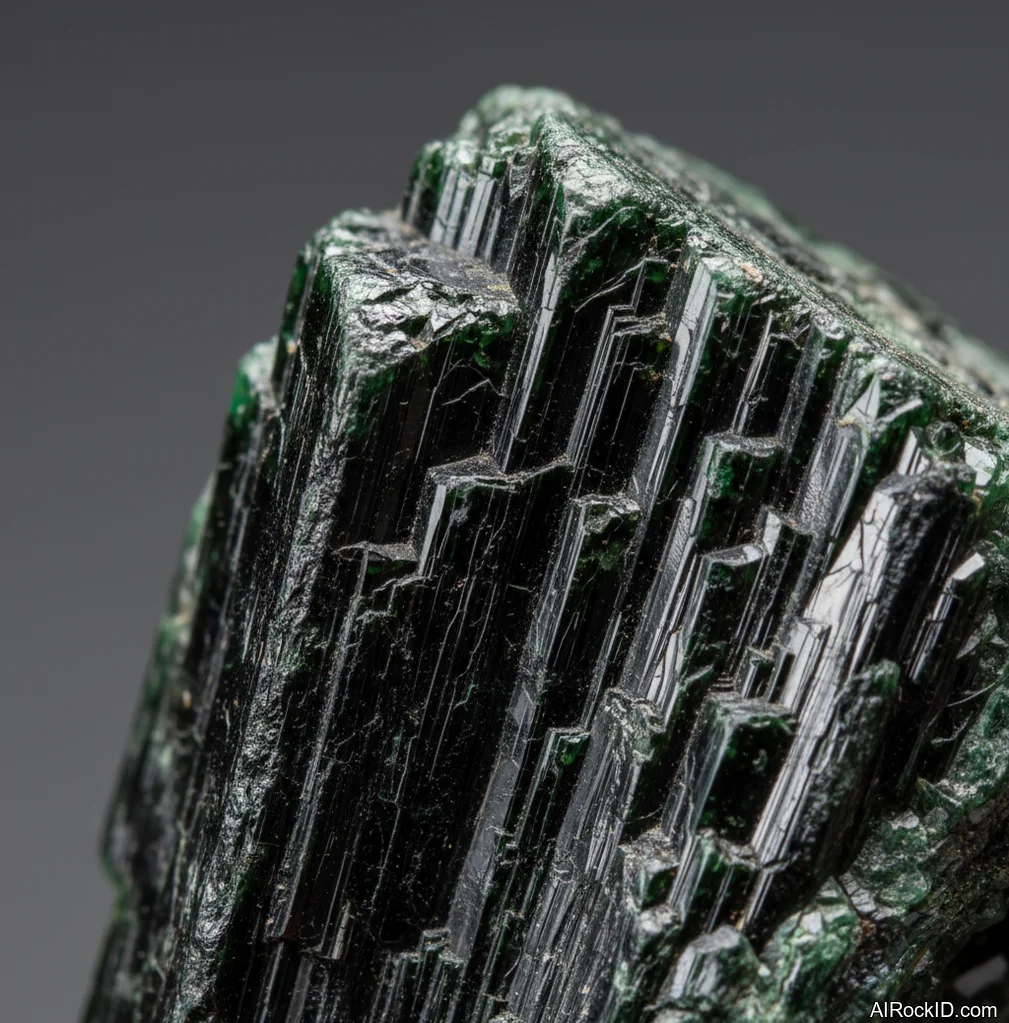
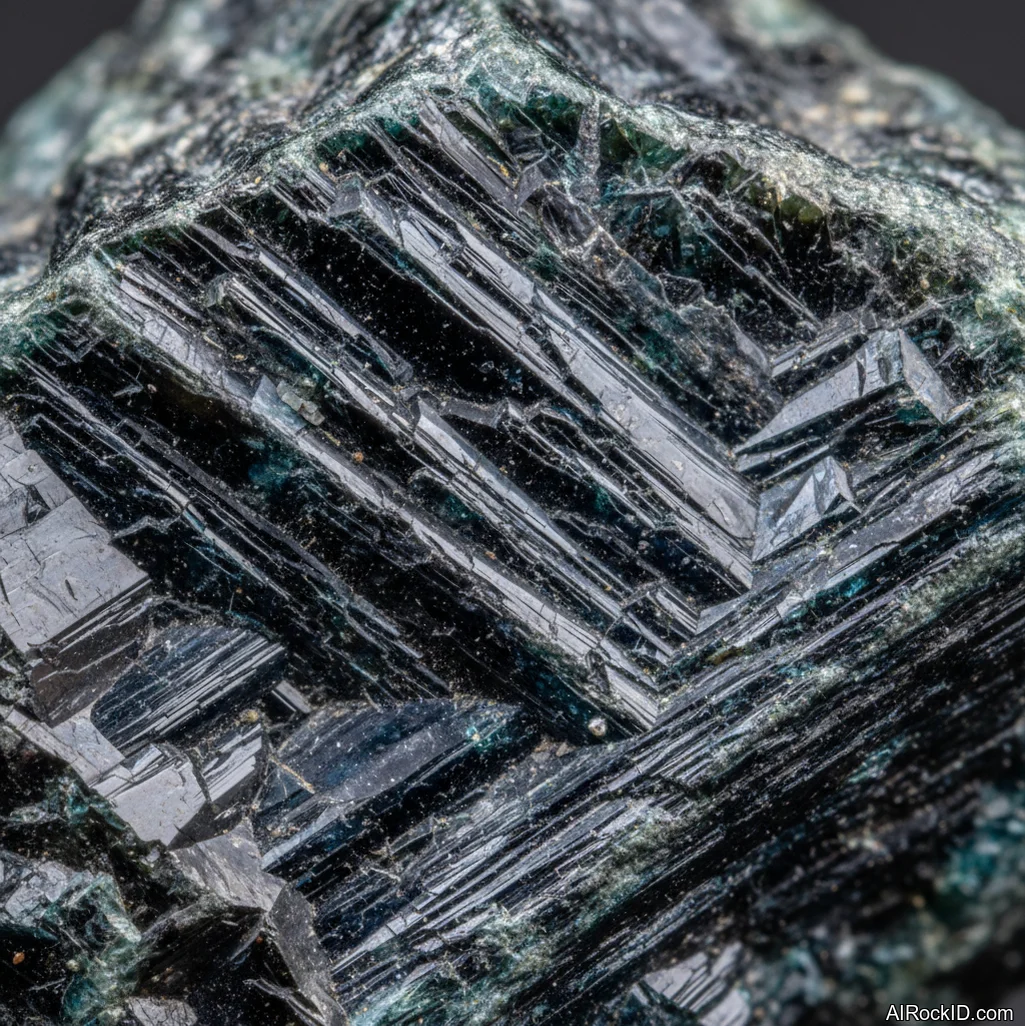
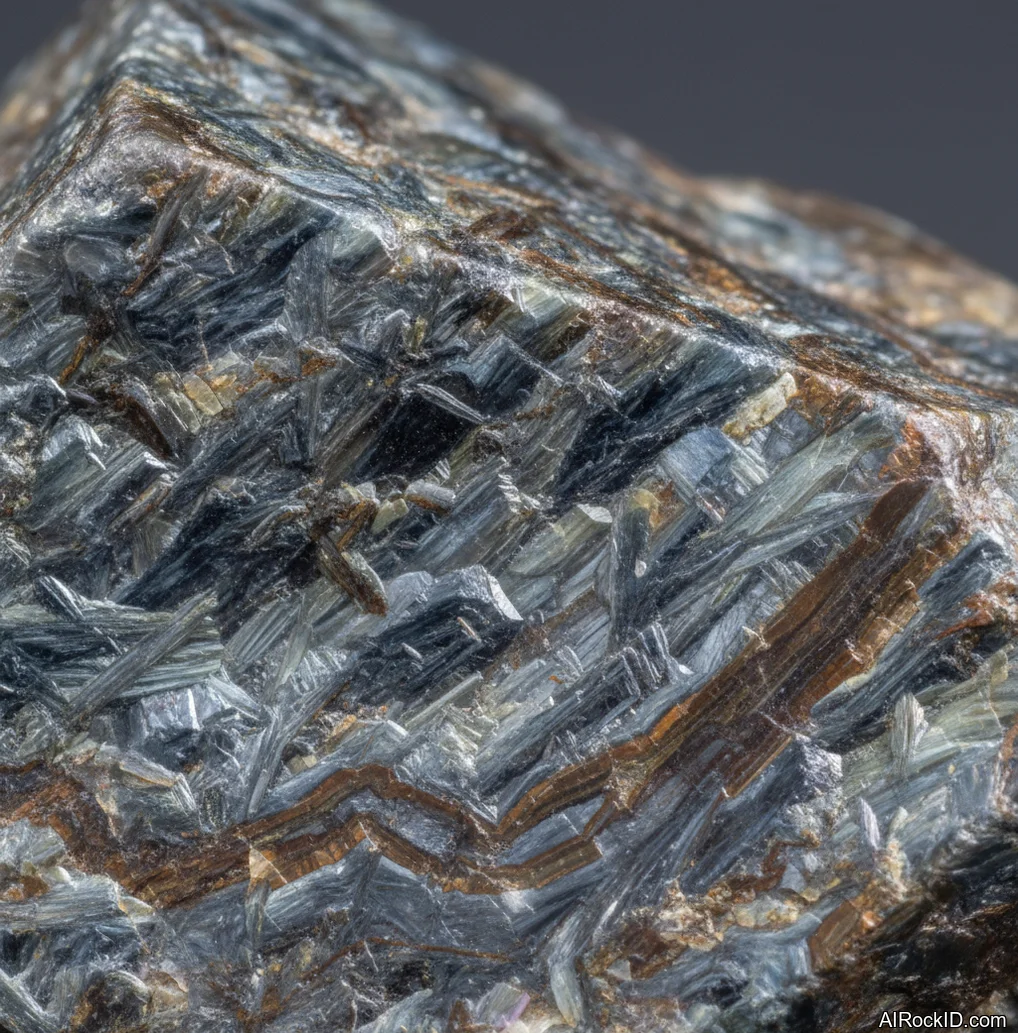
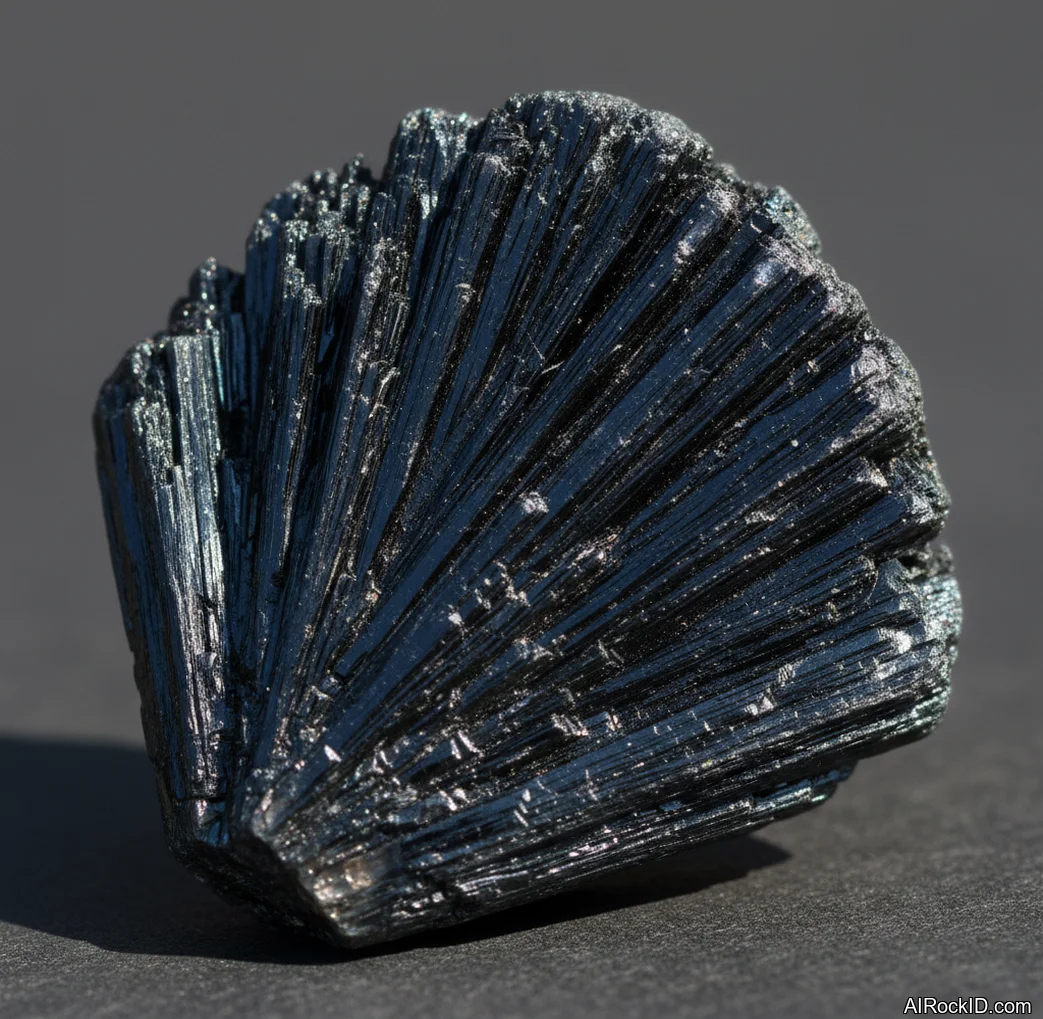
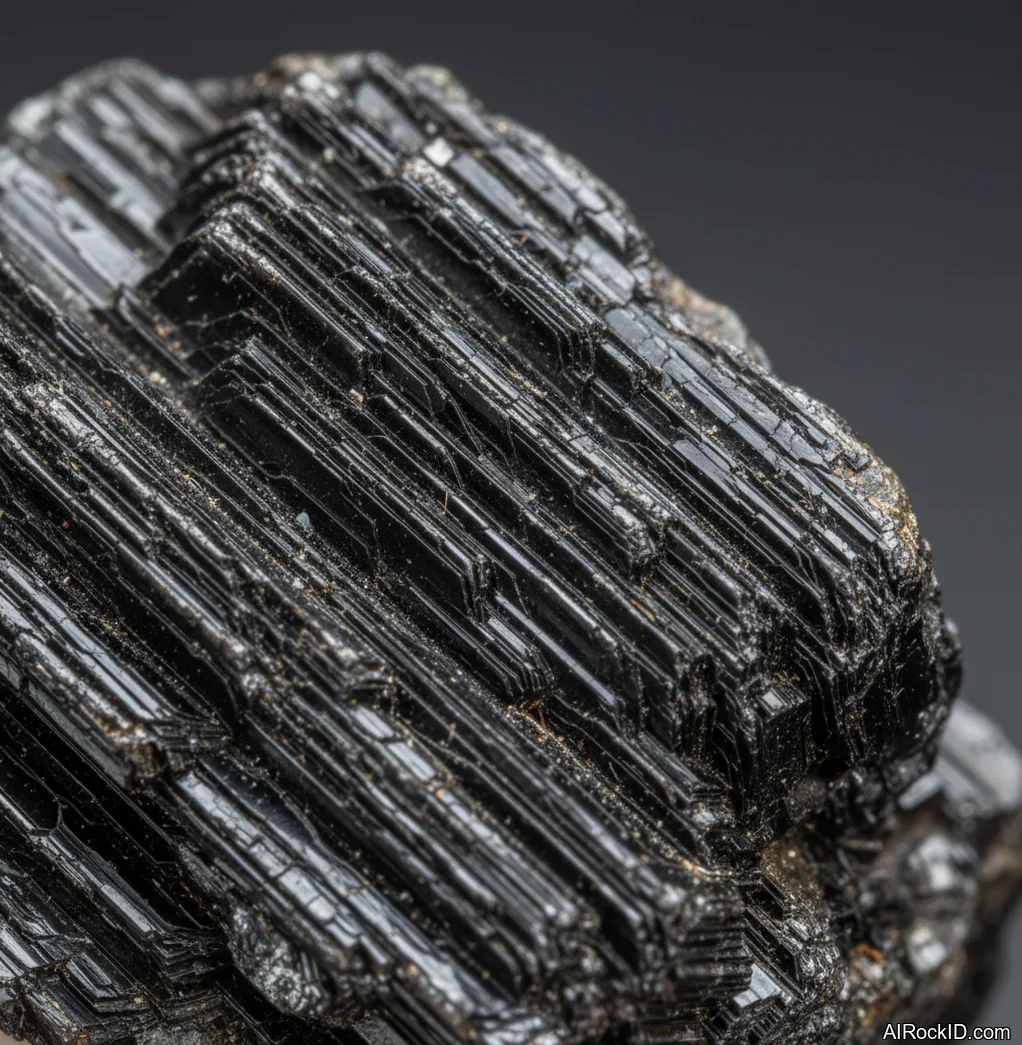
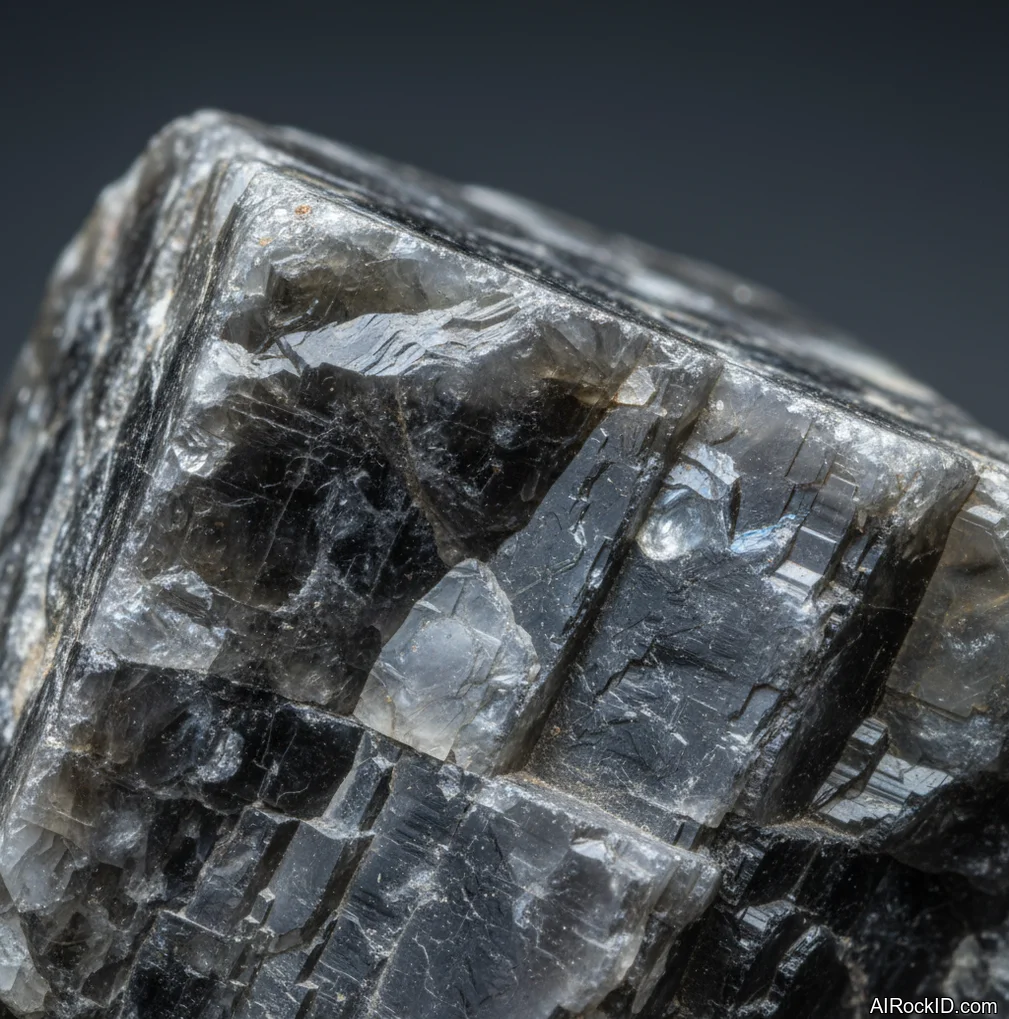
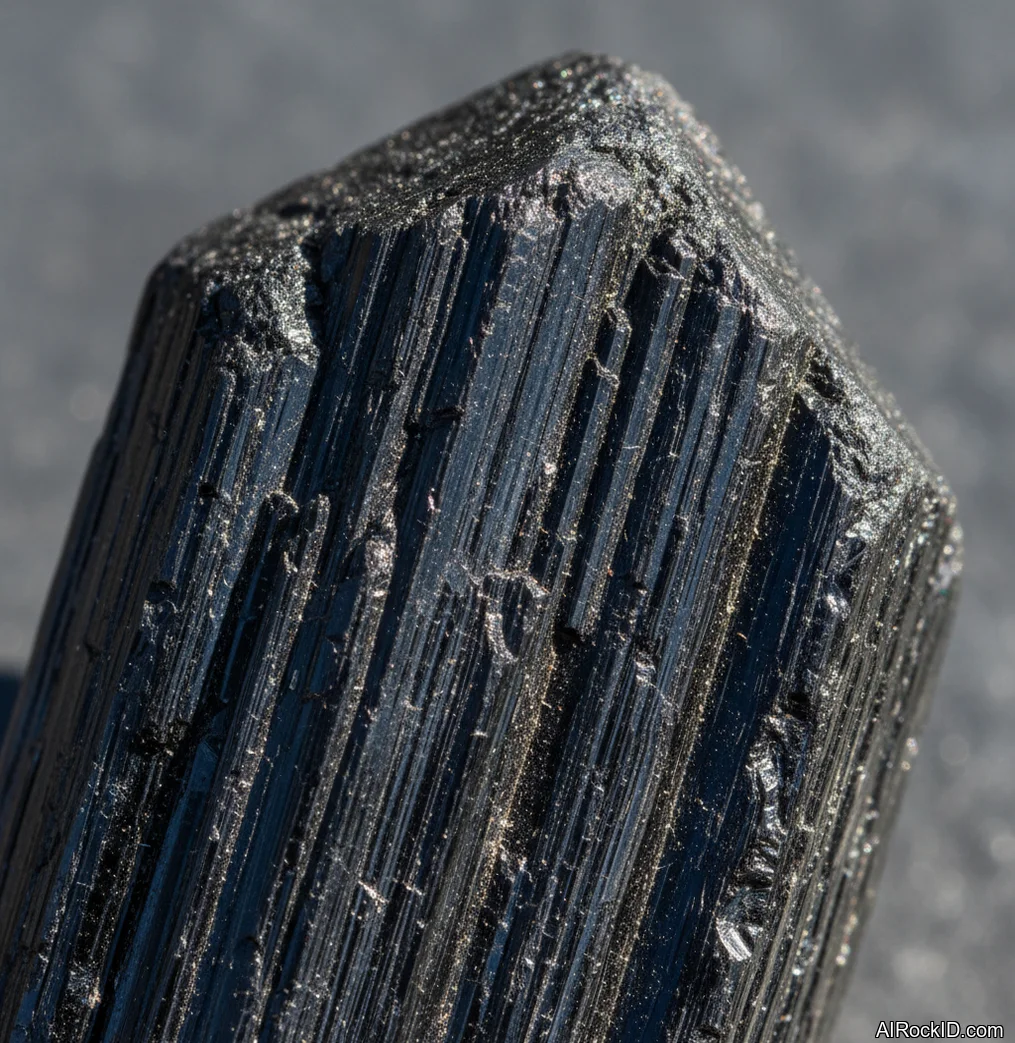
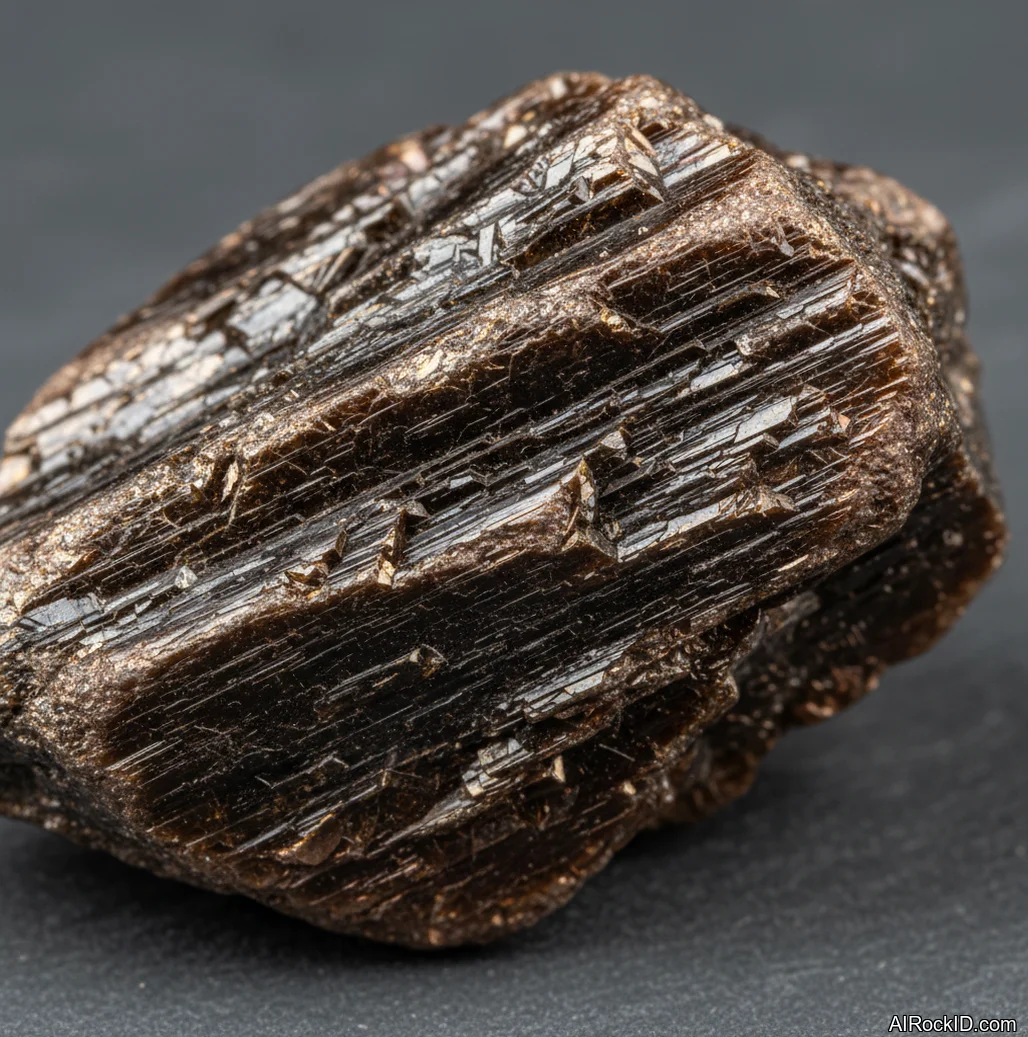
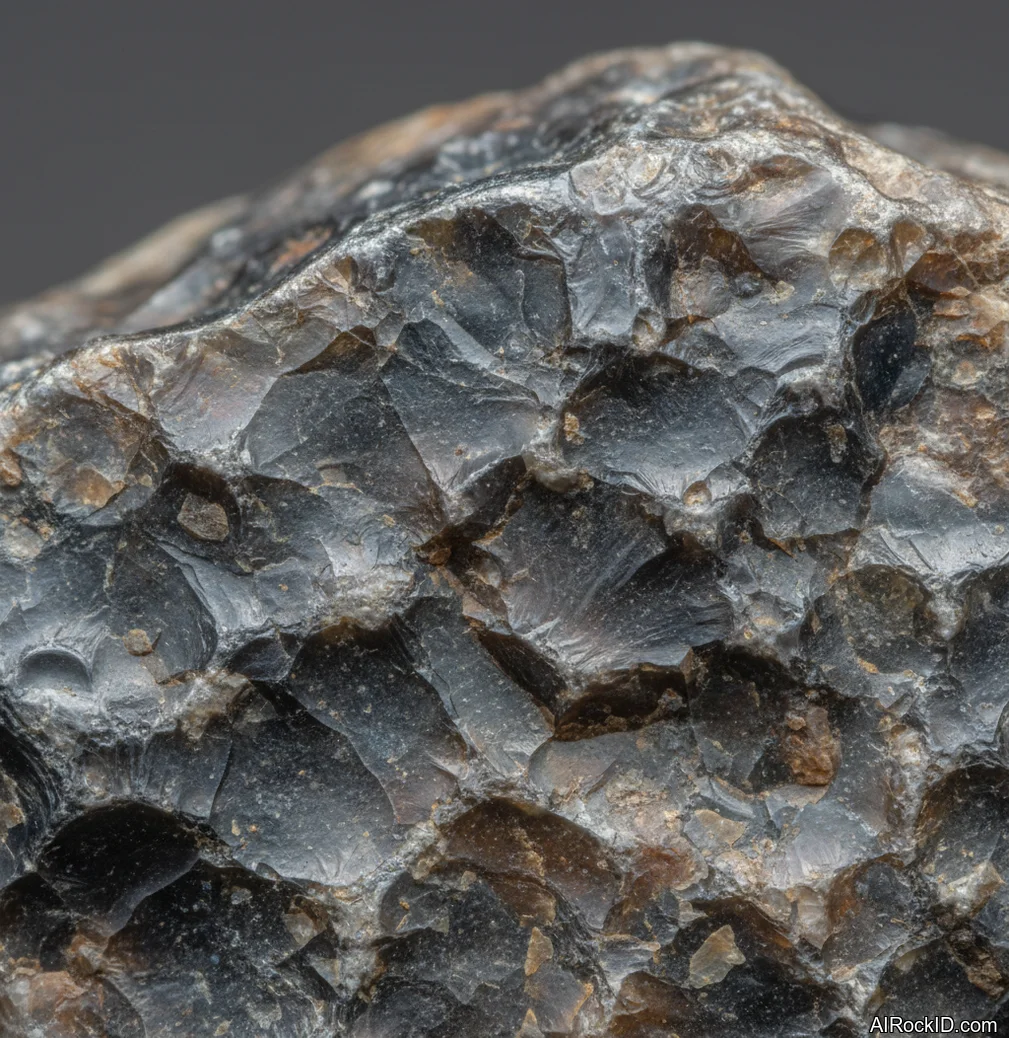
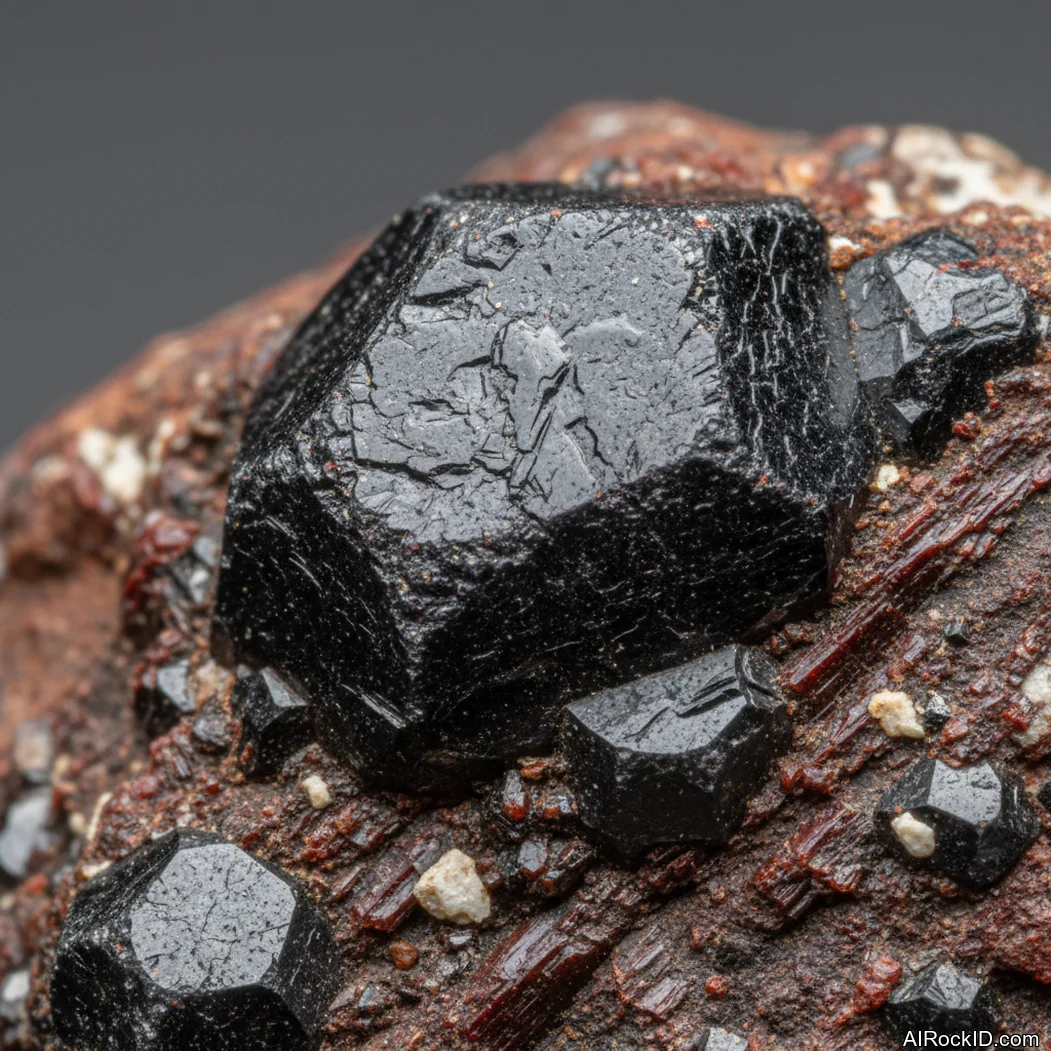
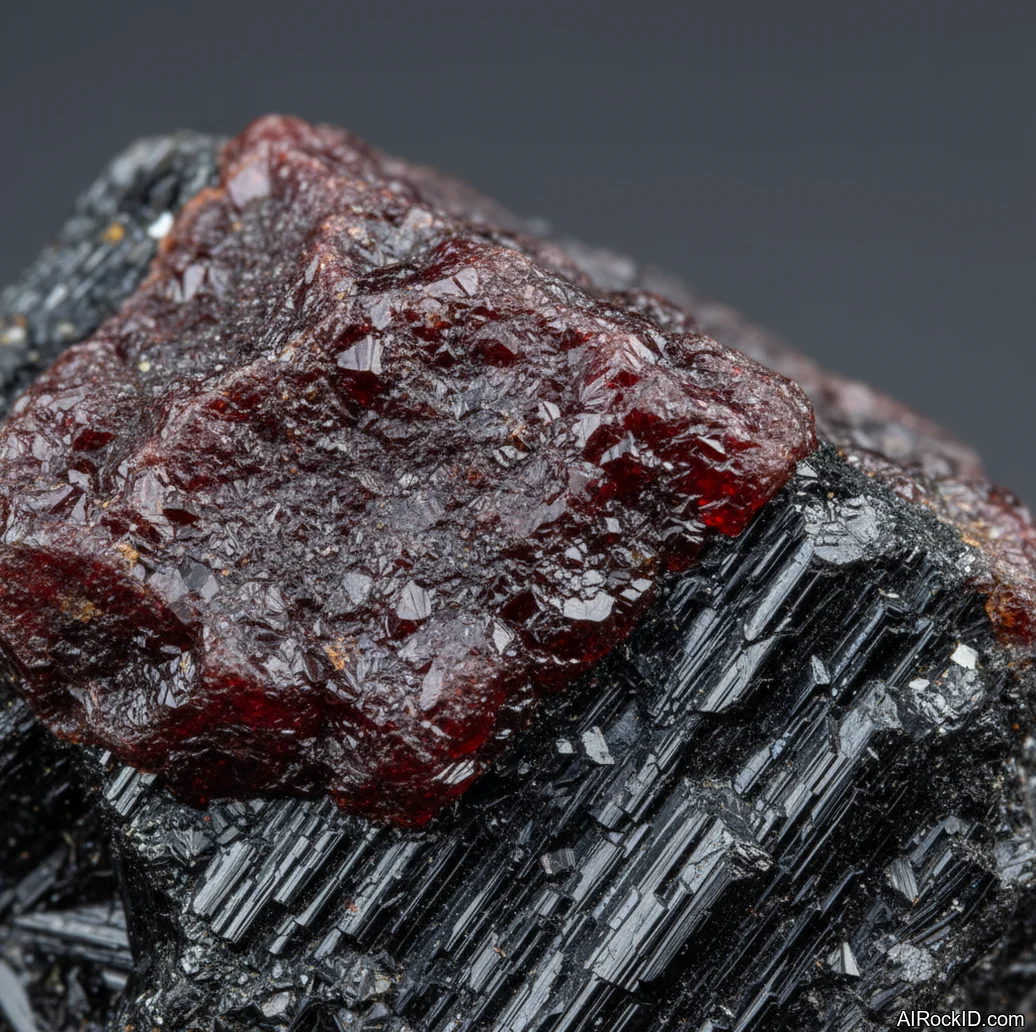
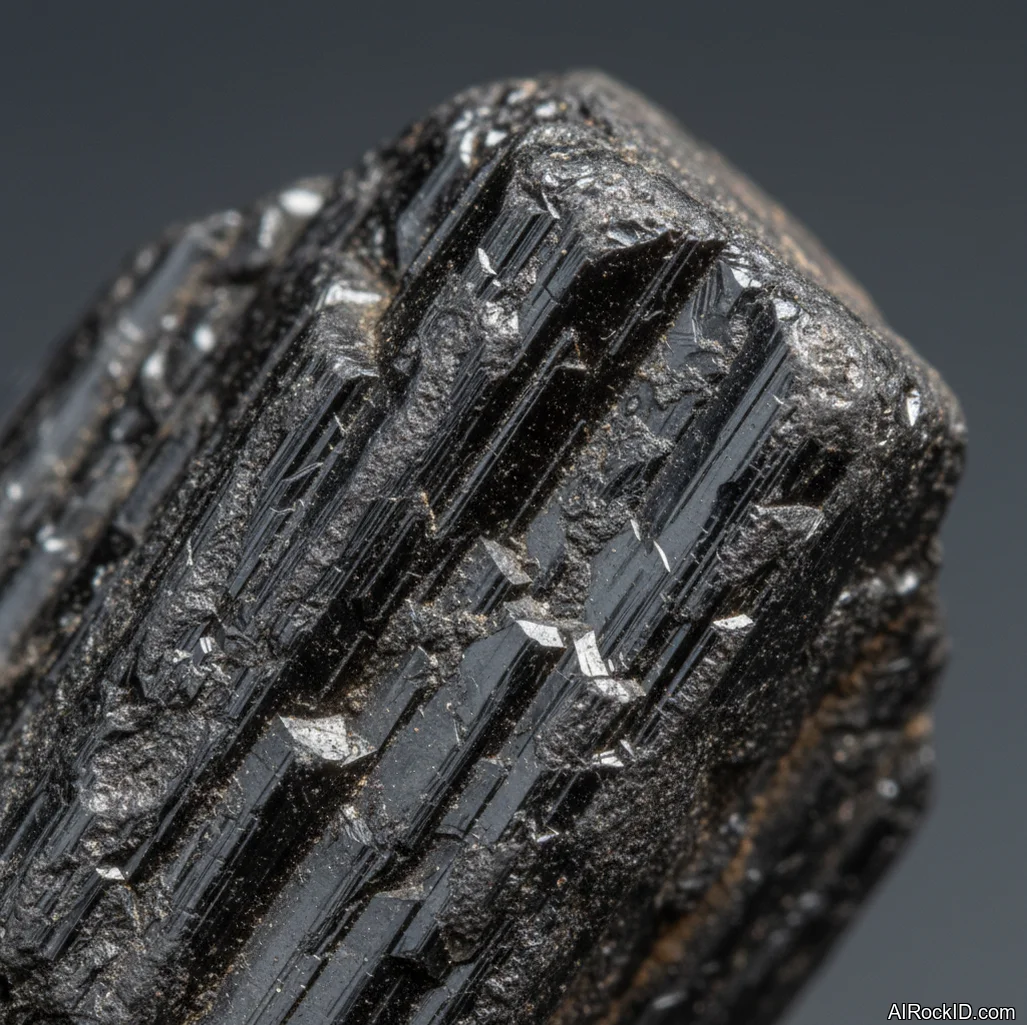
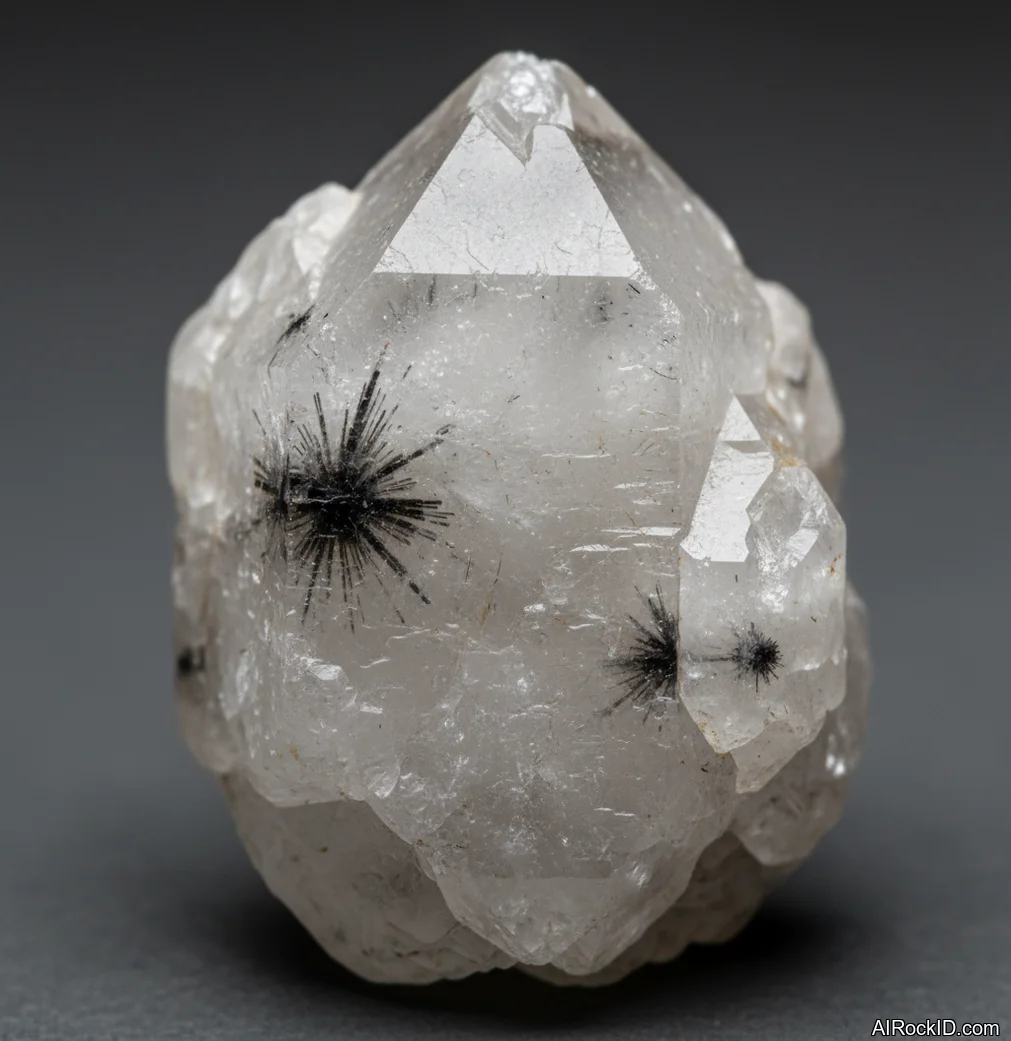
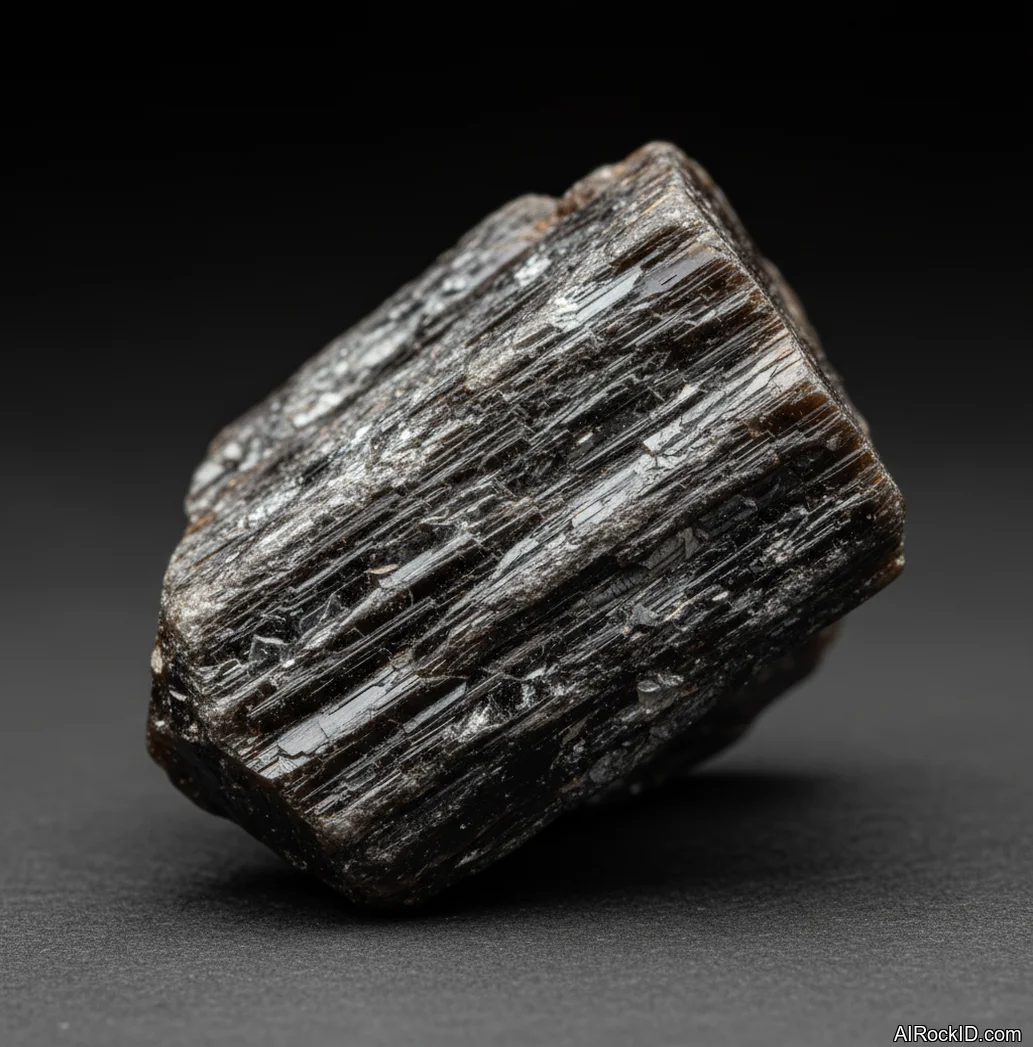
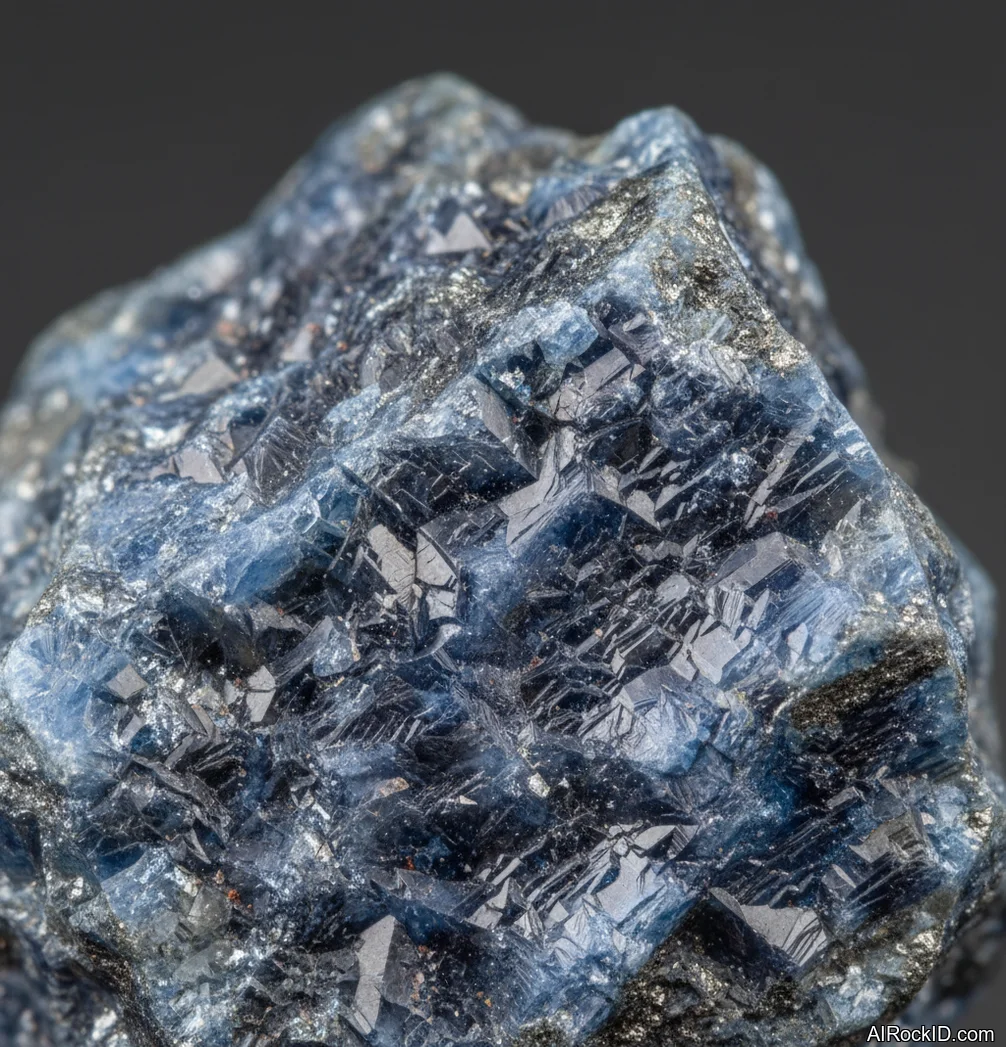
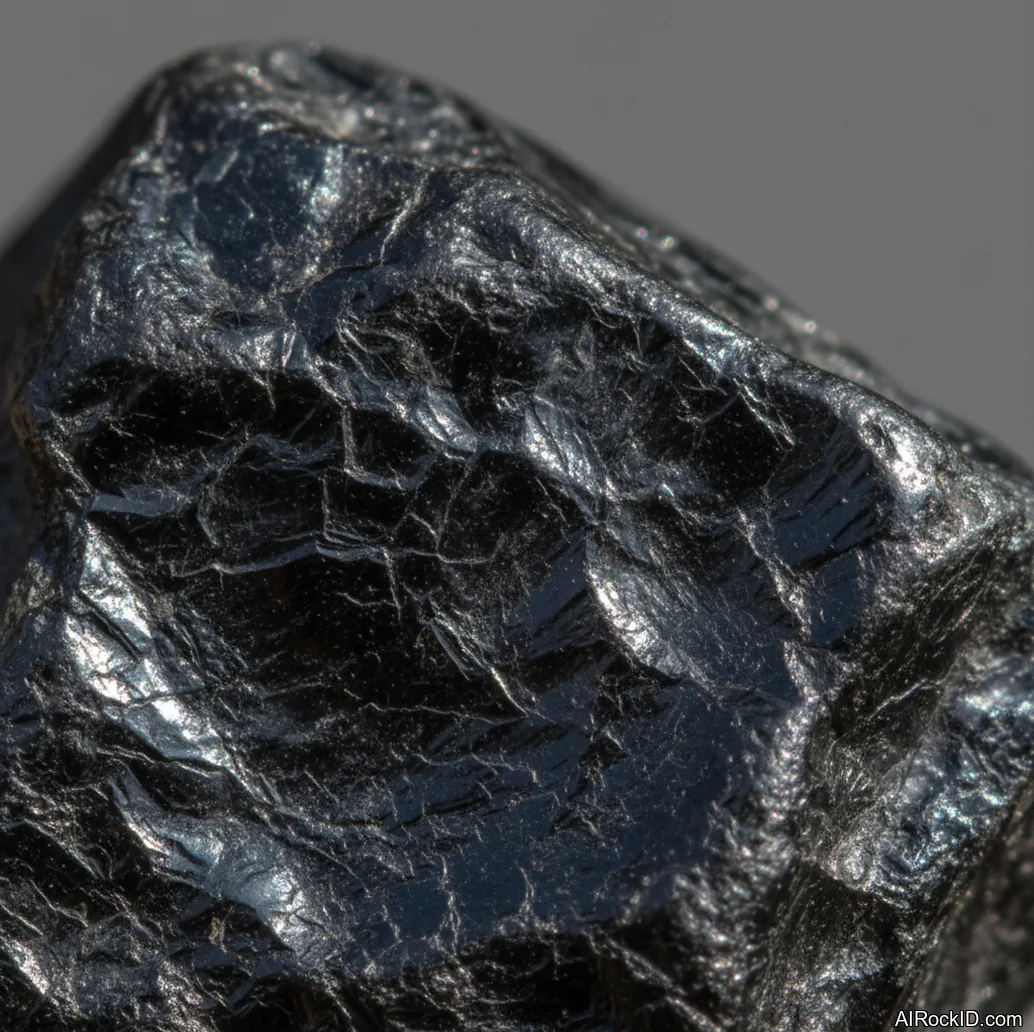
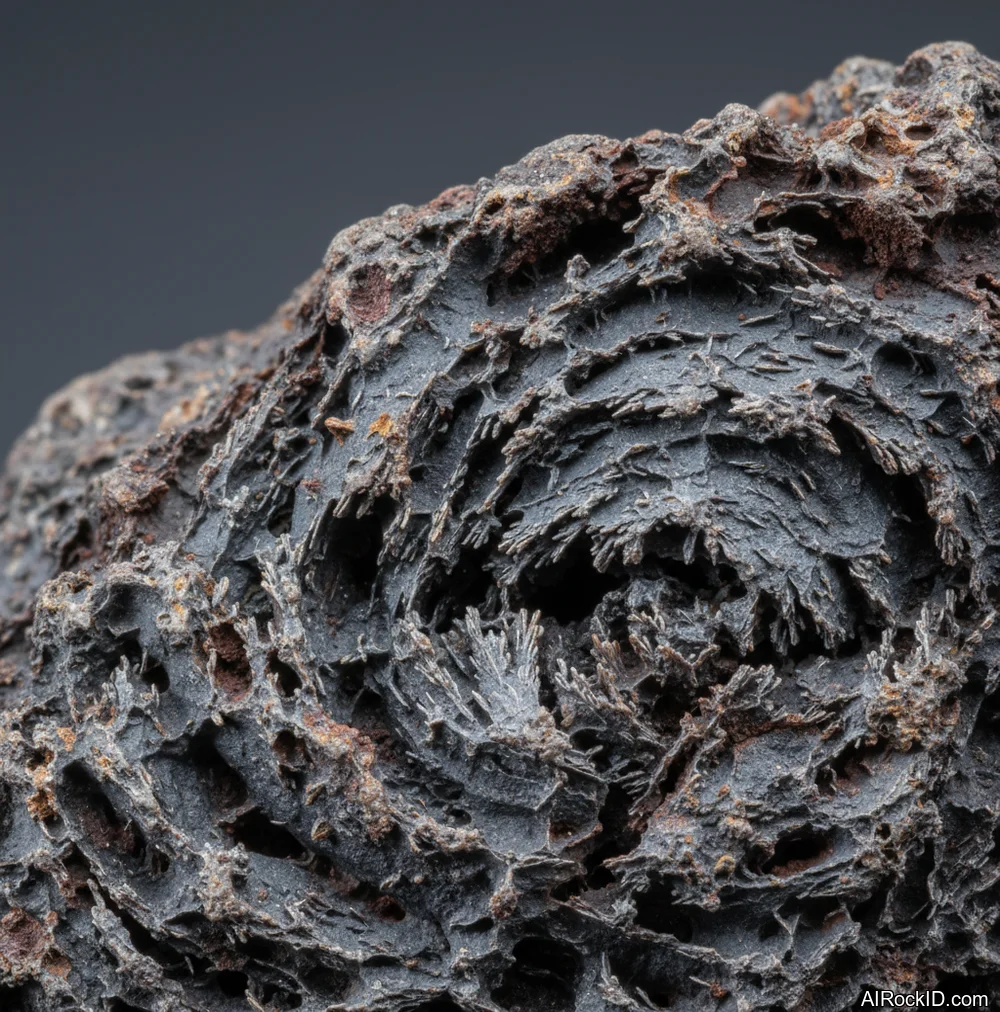
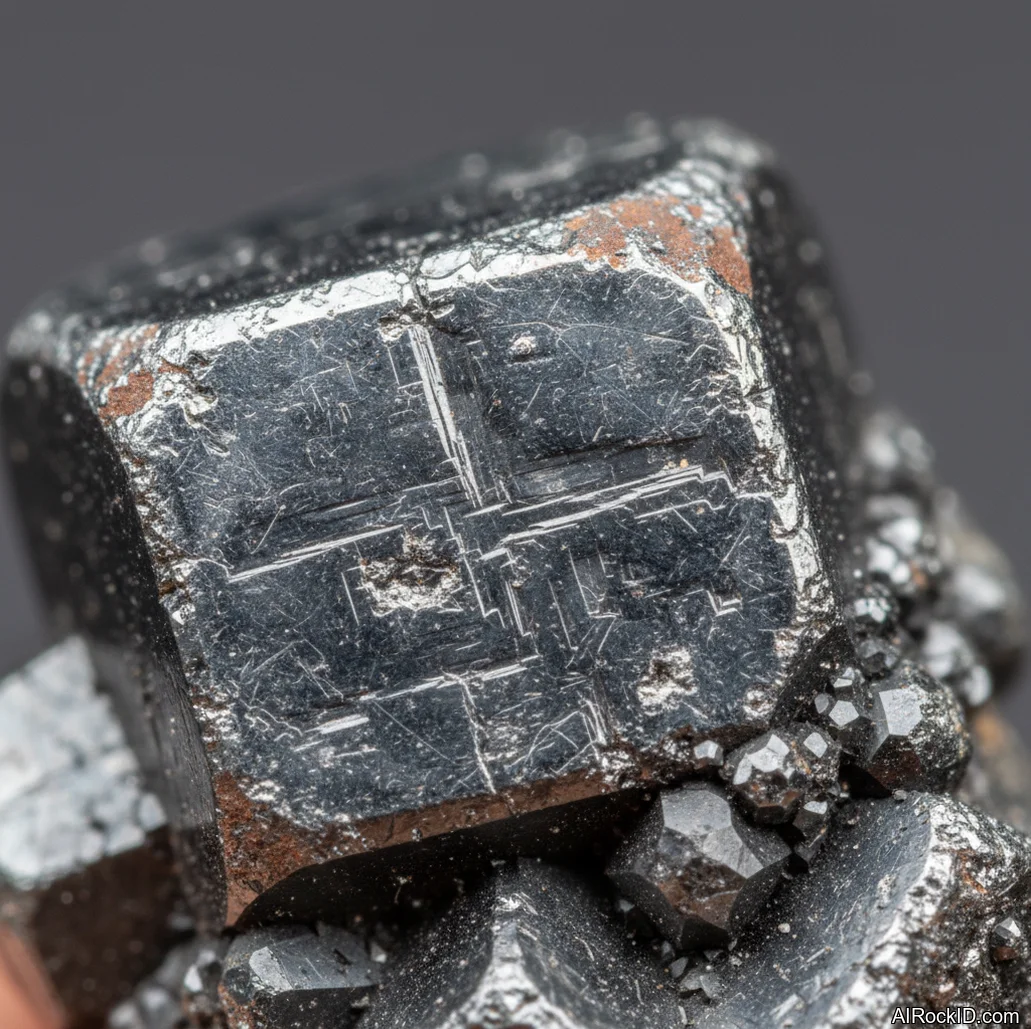
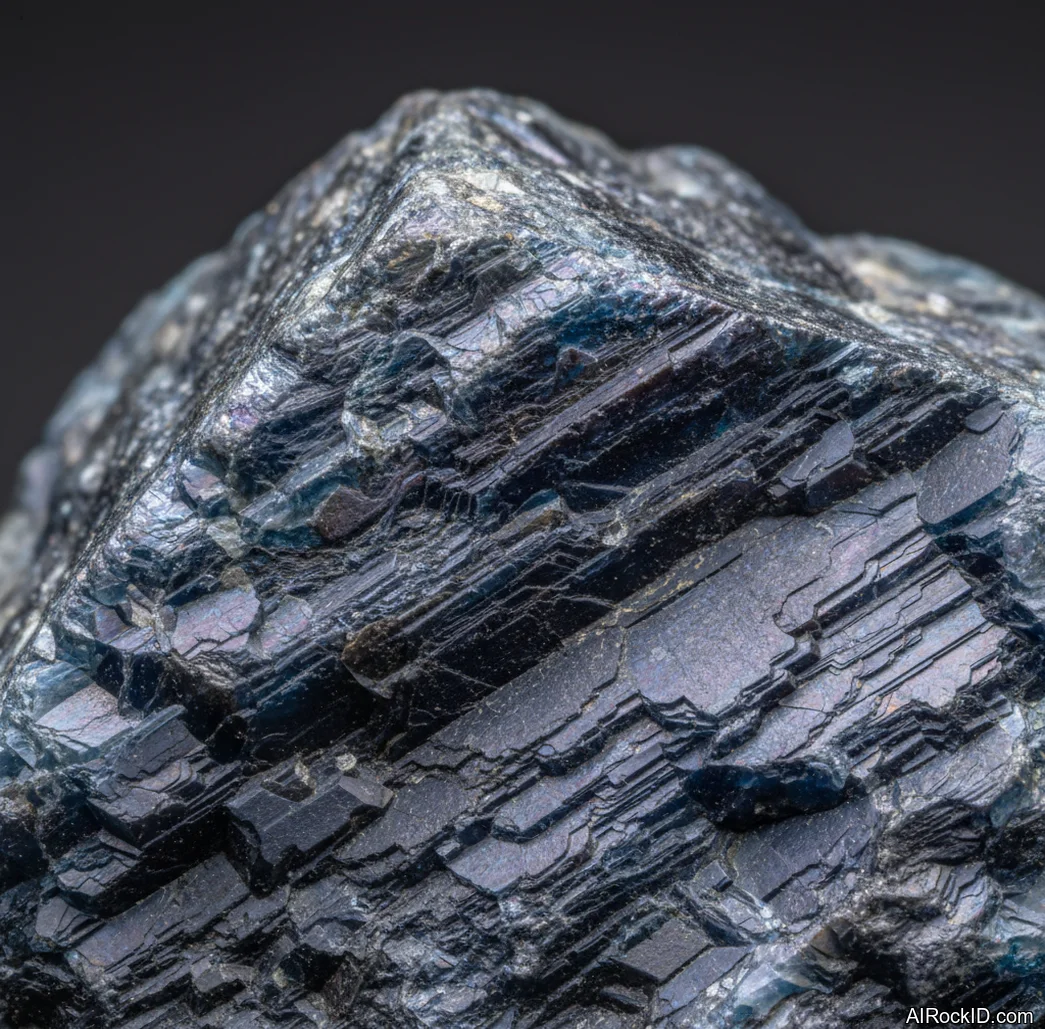
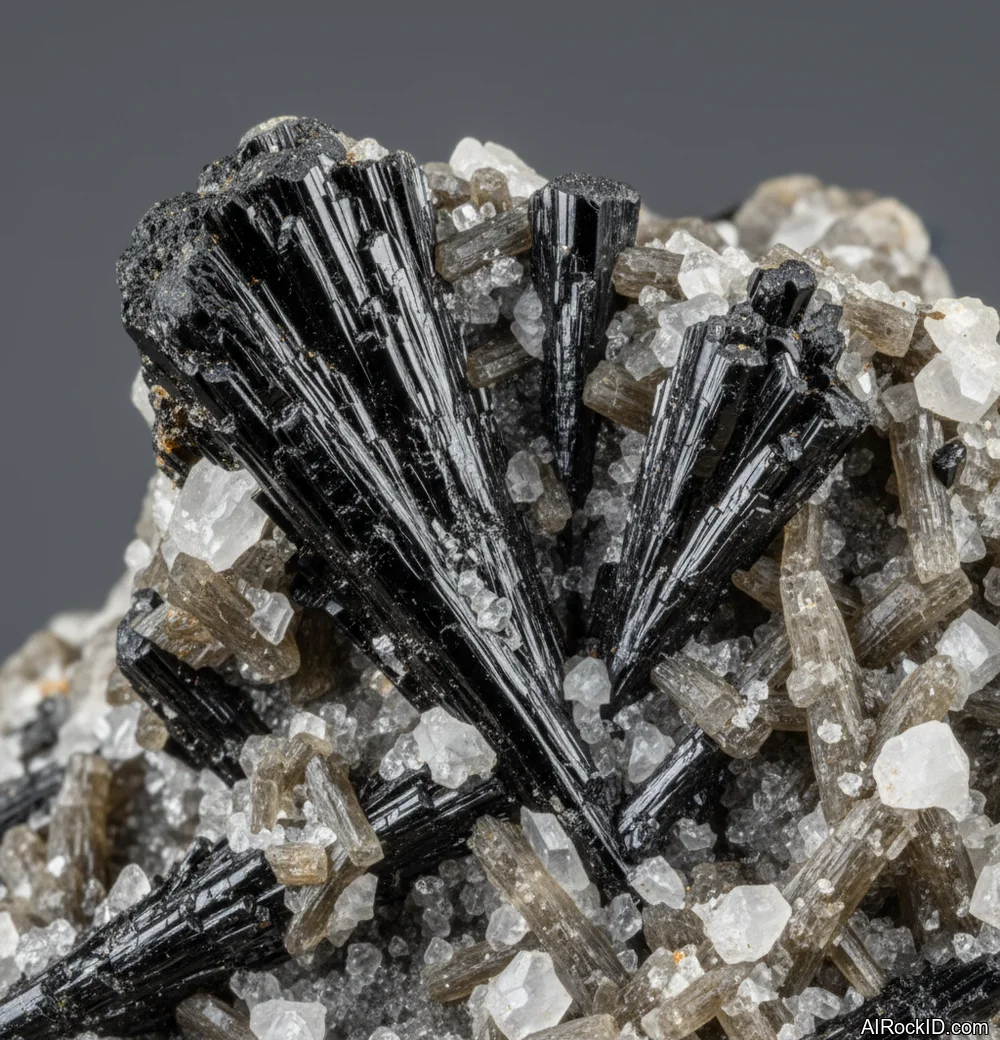
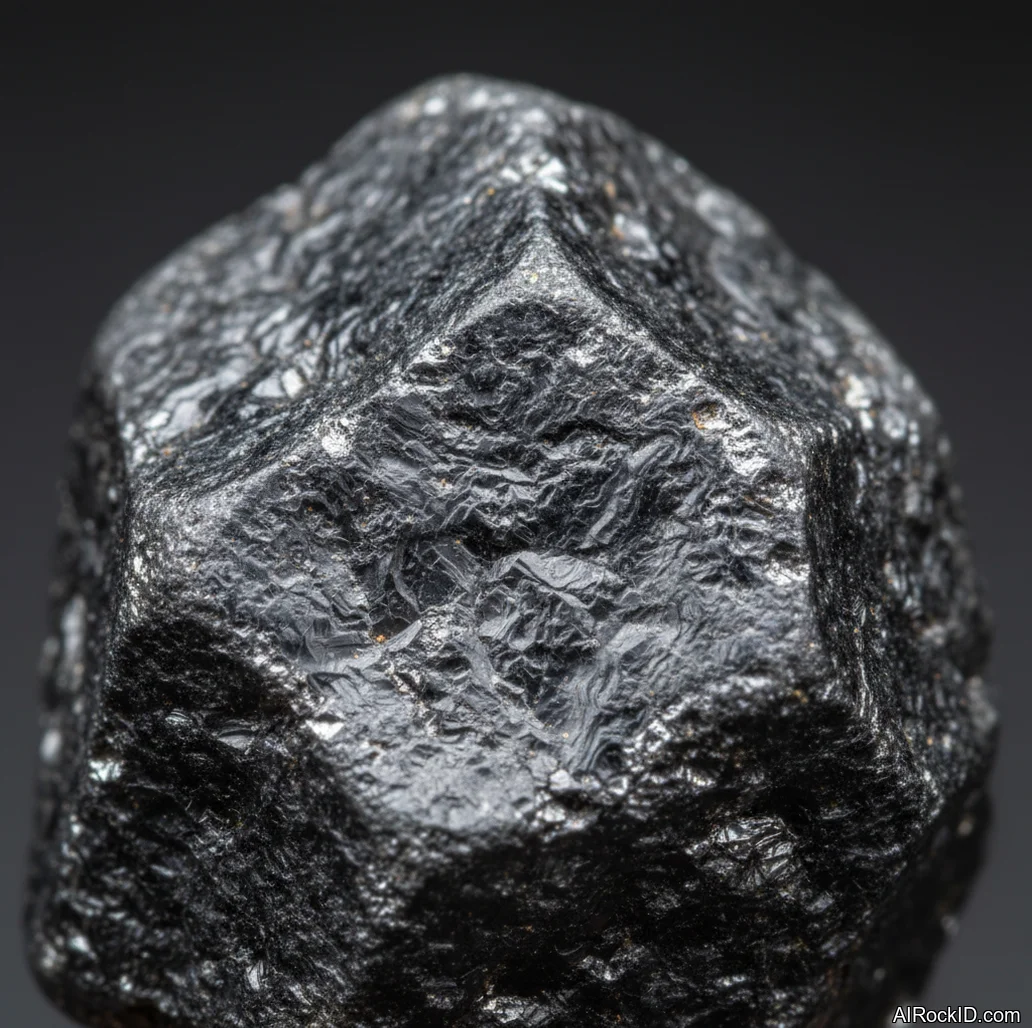
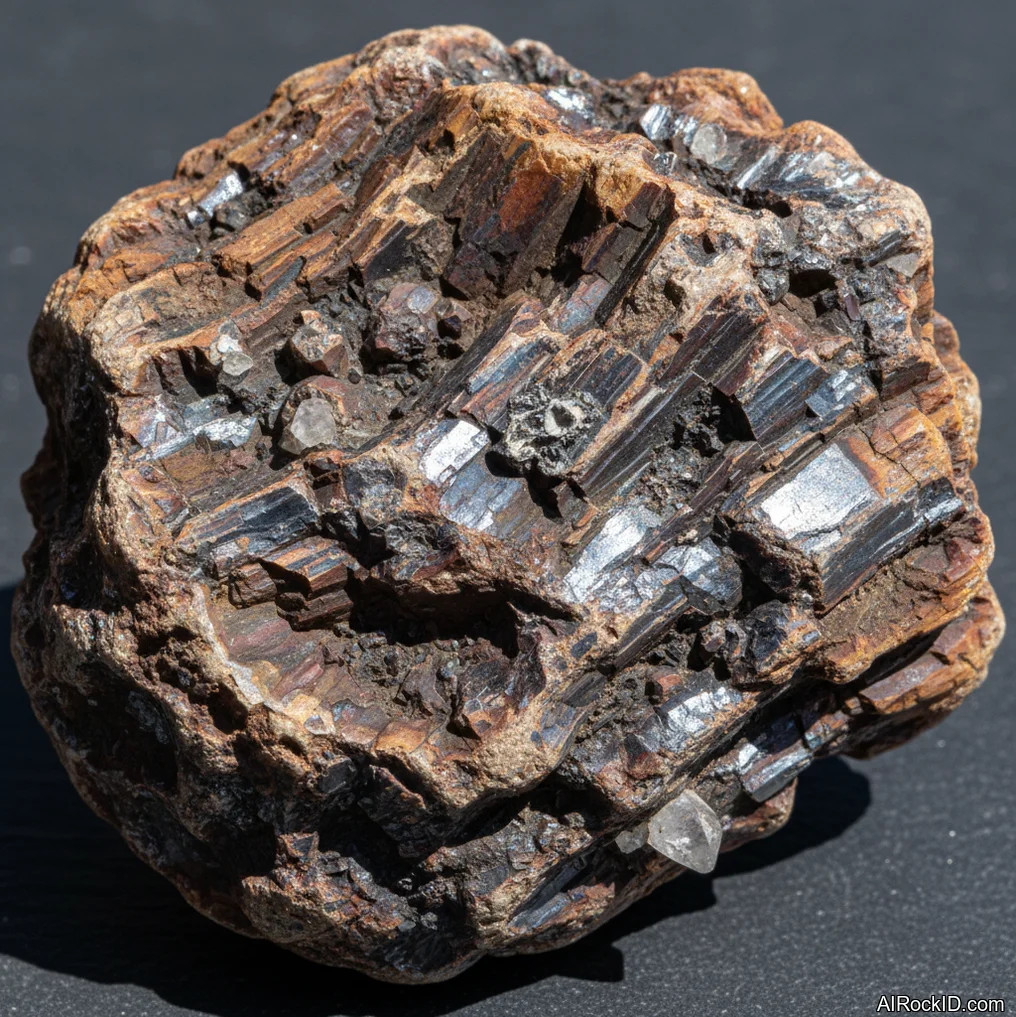
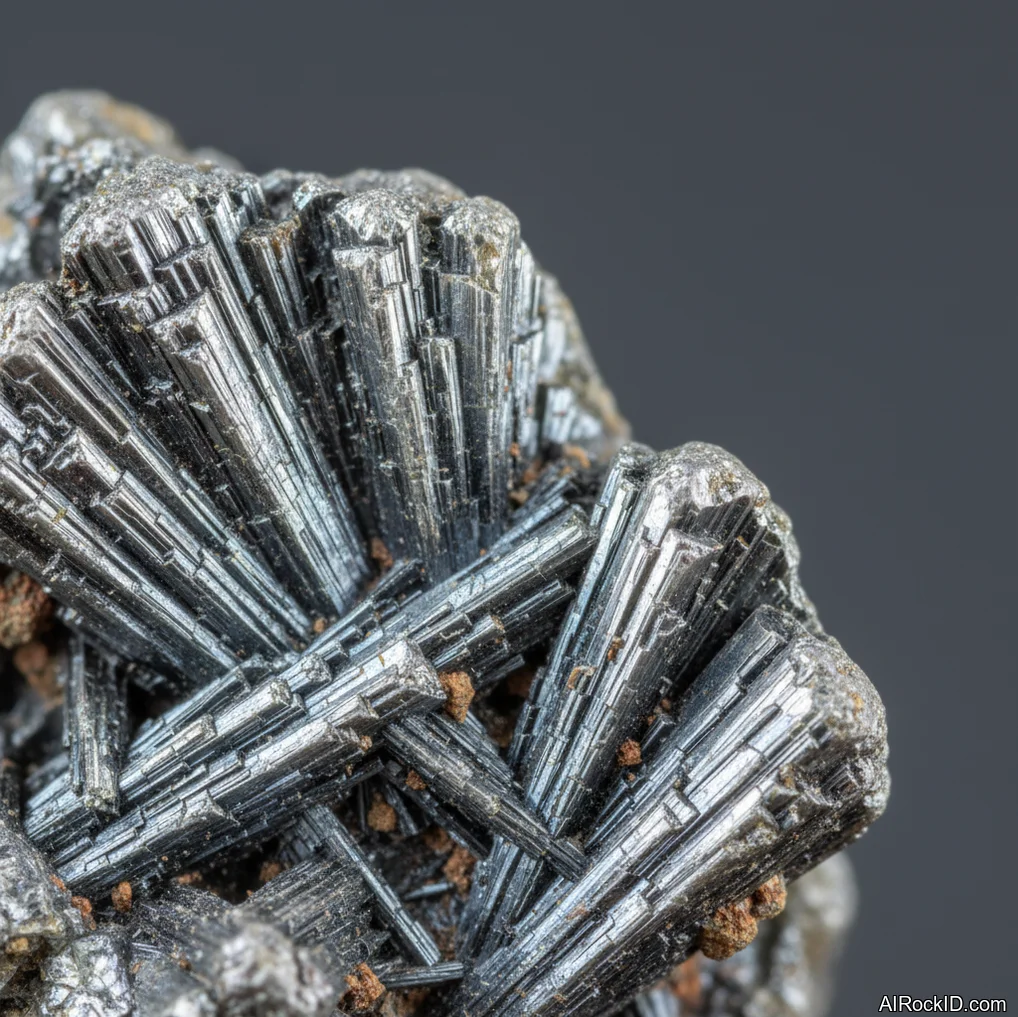
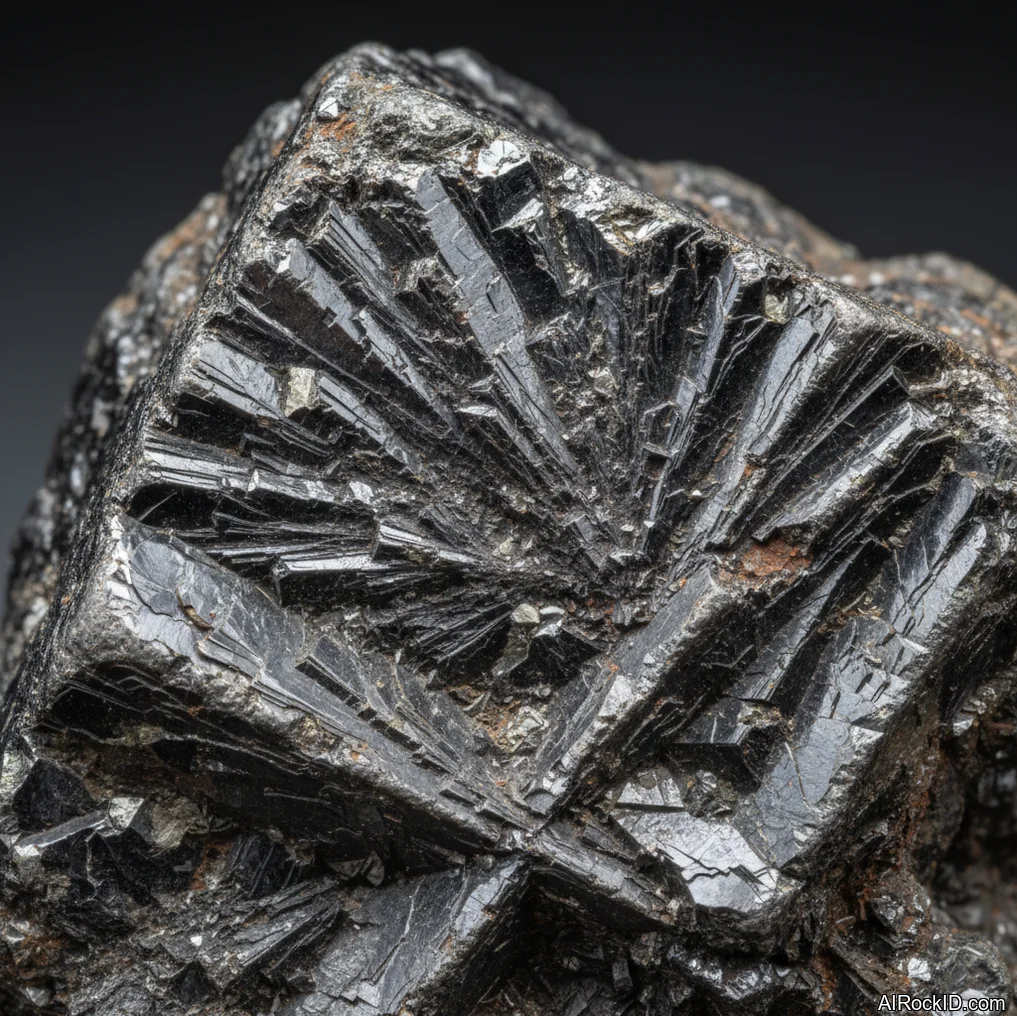
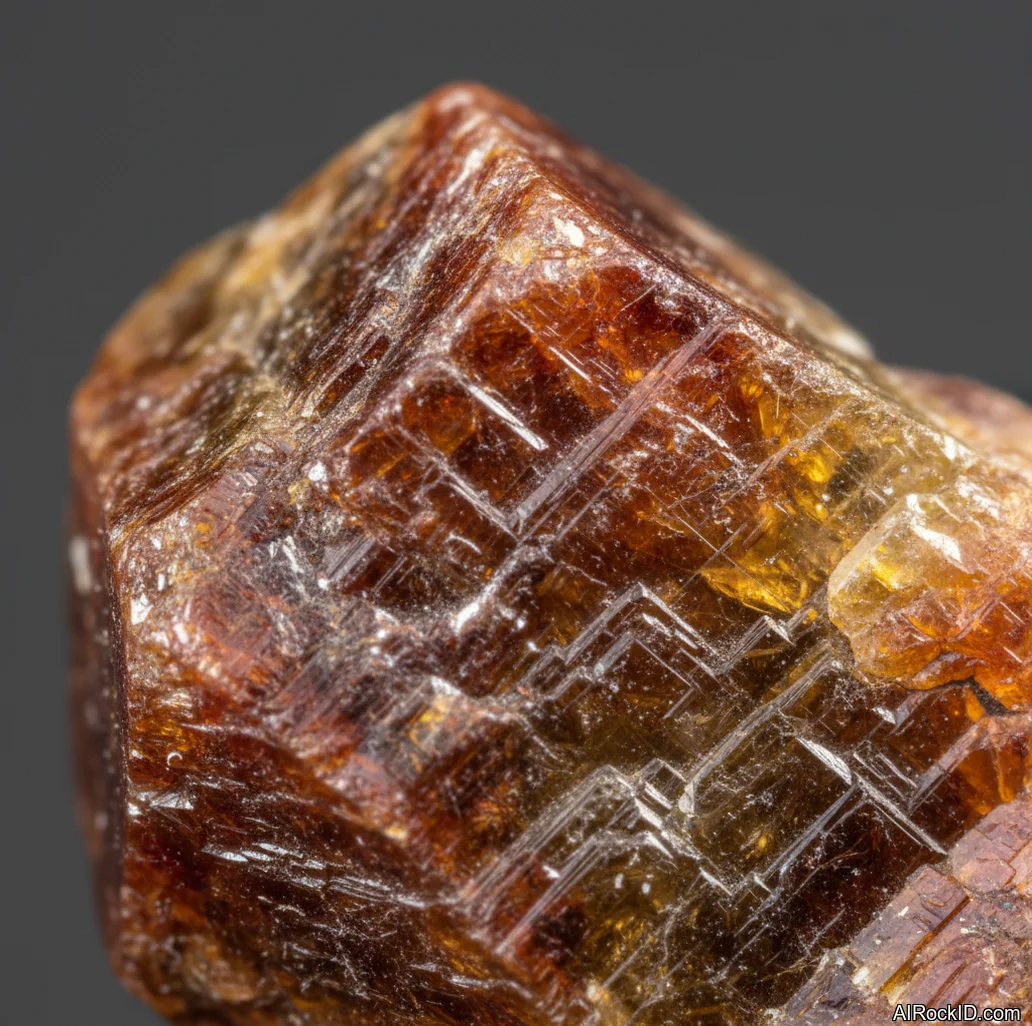
Pick up a chunk of black tourmaline and you instantly get why it’s on basically every protection list. It sits heavy in the palm. Raw pieces can feel like a broken fence post, all long ridges and sharp edges. I keep a rough bit by the front door because it takes abuse. Toss it in a bag. Knock it off a shelf. It’ll look the same. And that physical toughness is part of the vibe people want: steady, firm, not easily pushed around.
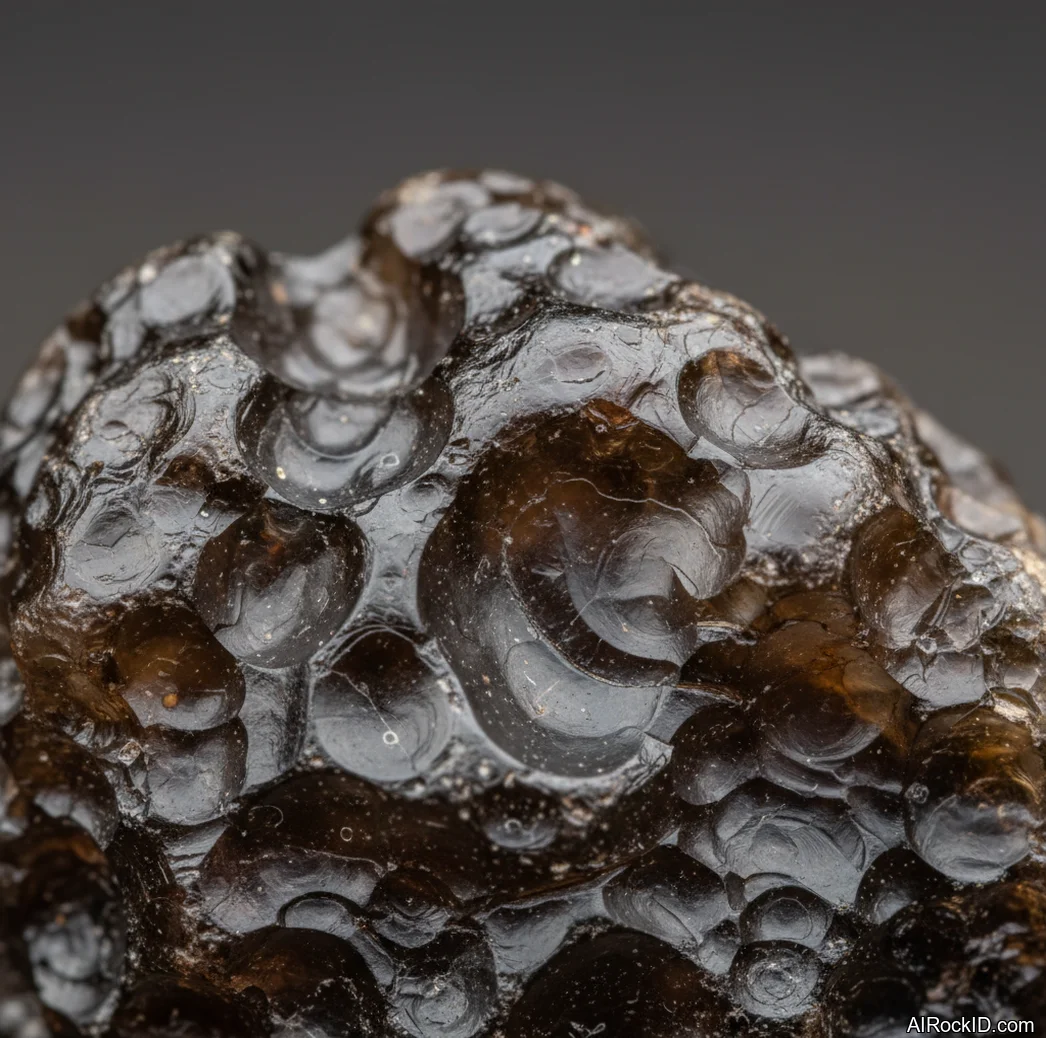
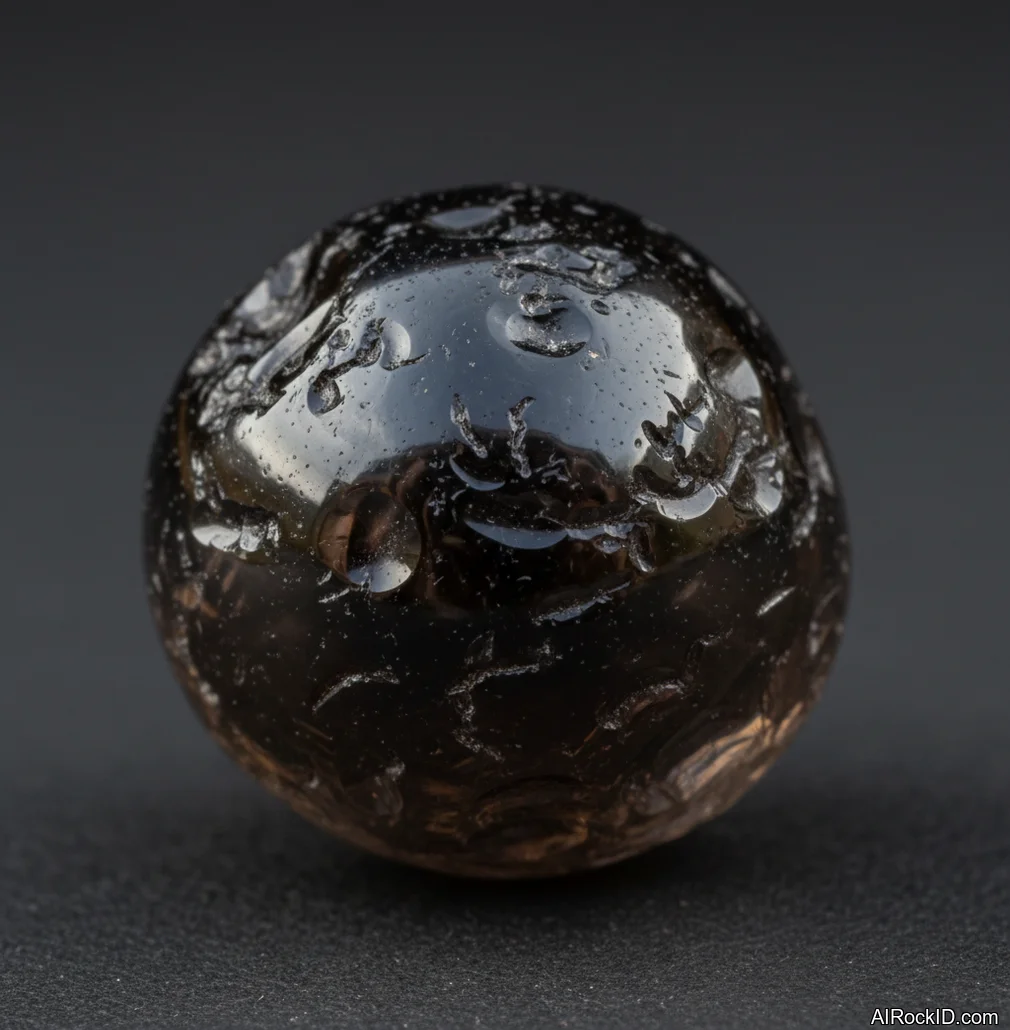
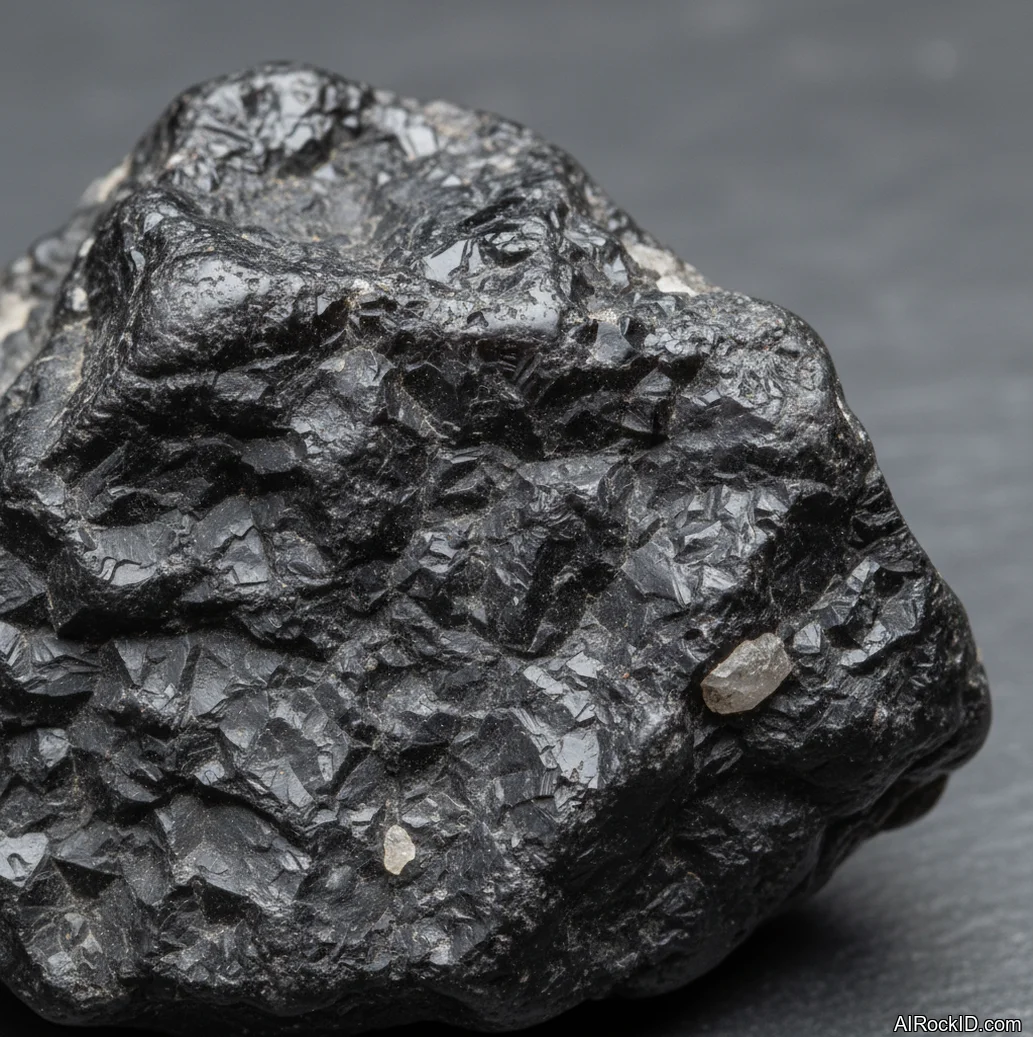
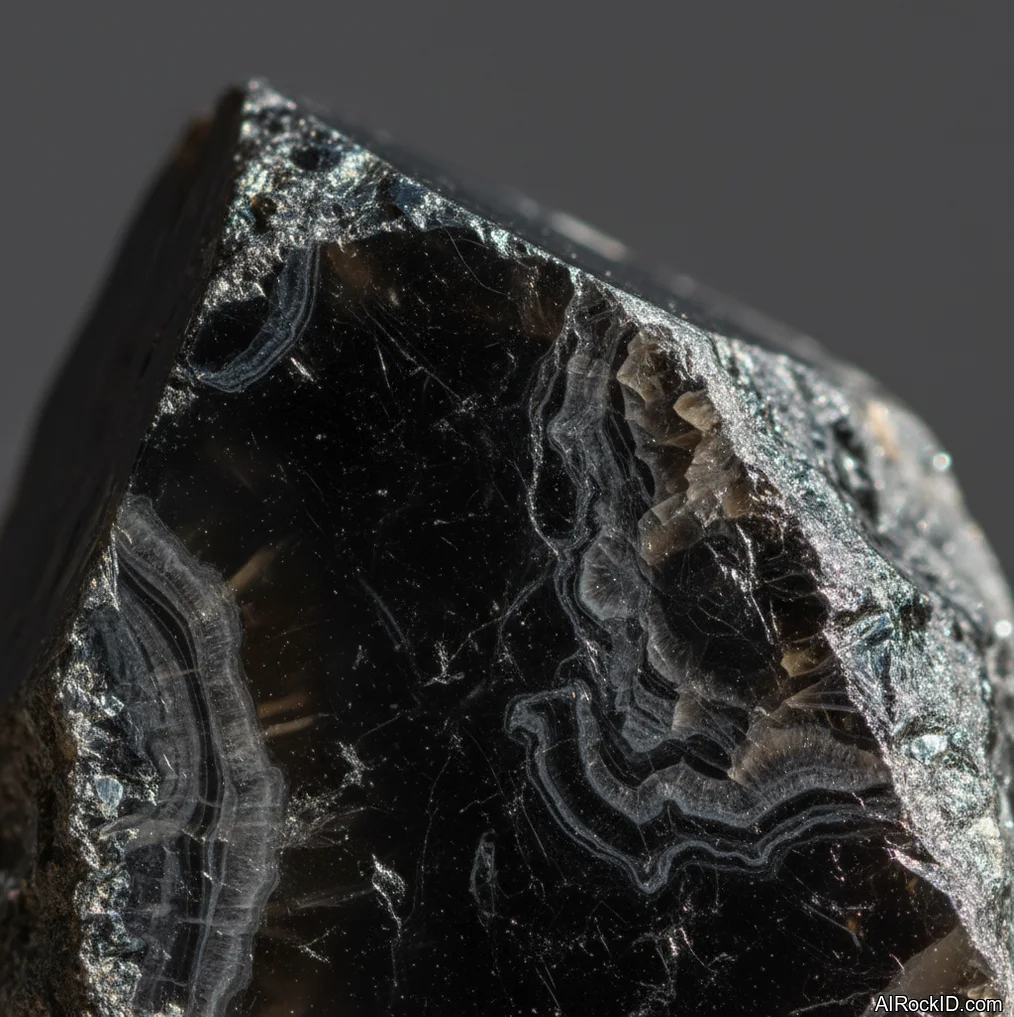
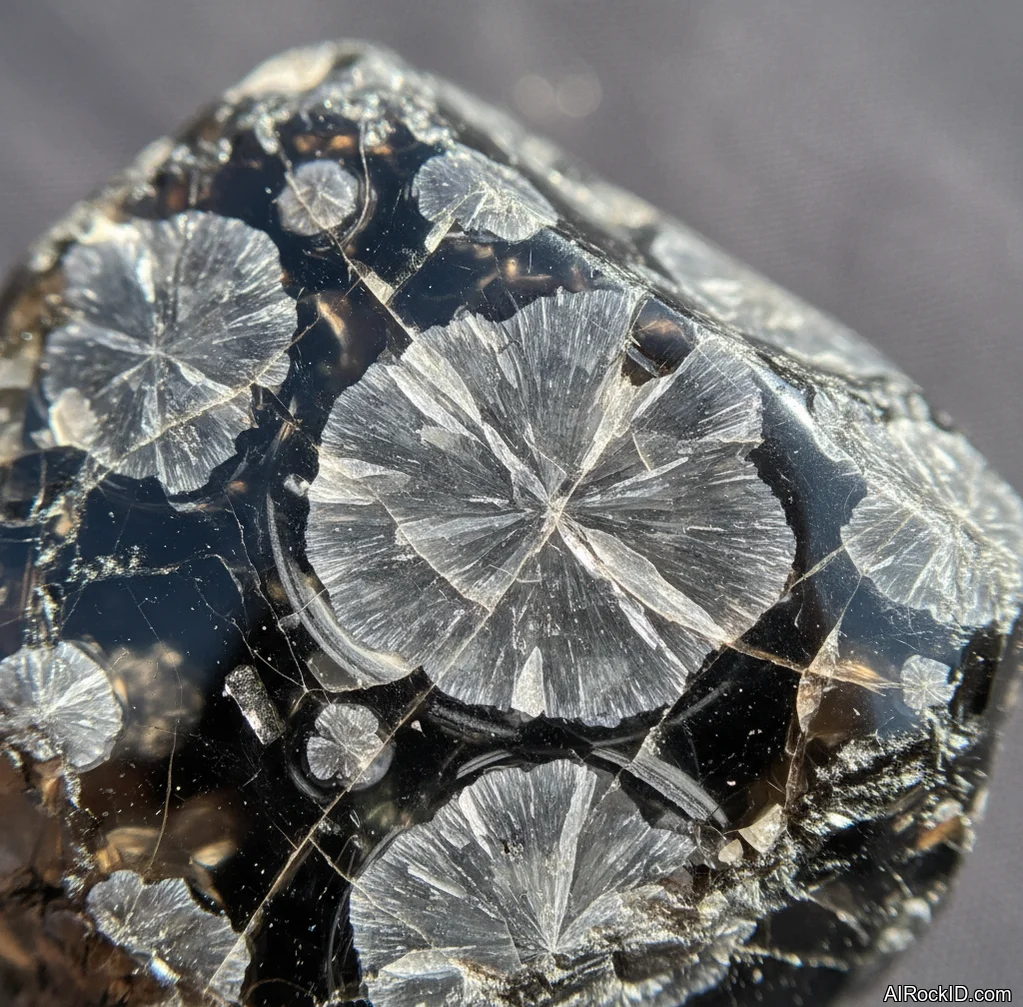
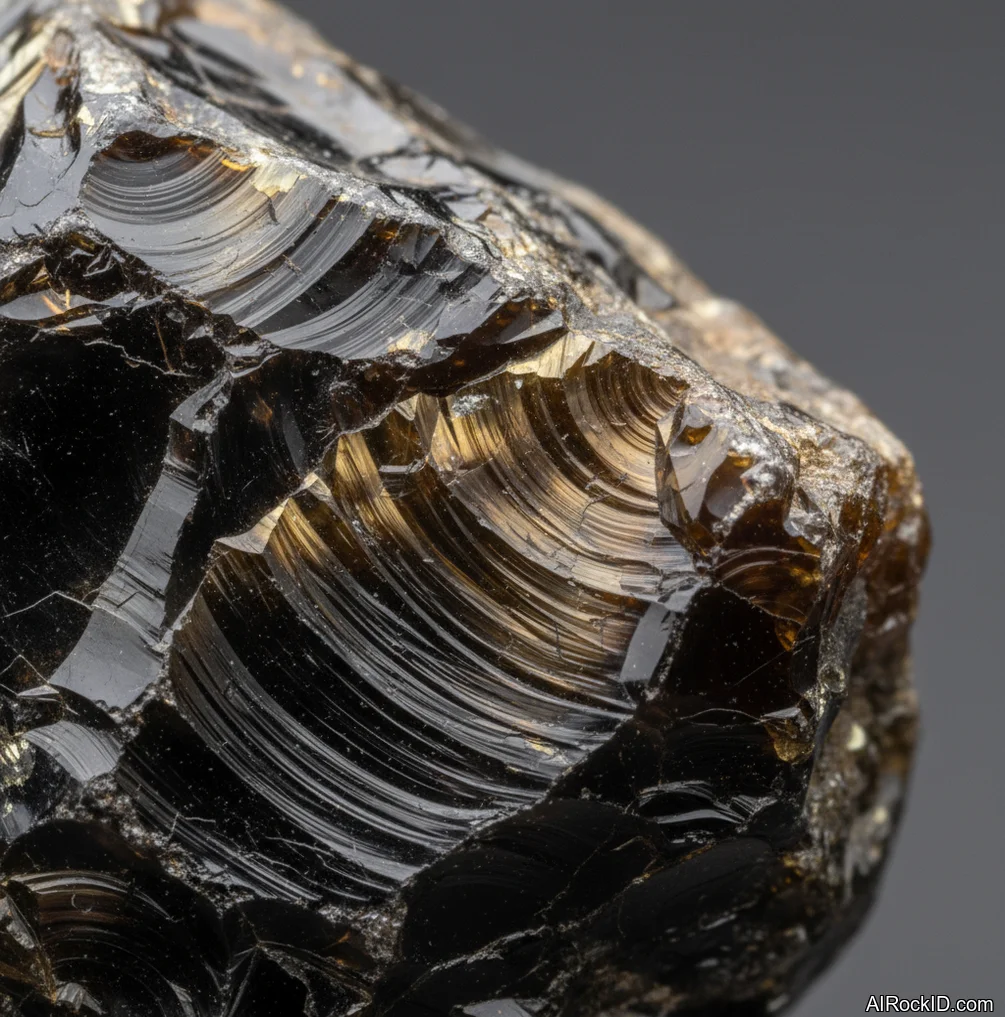
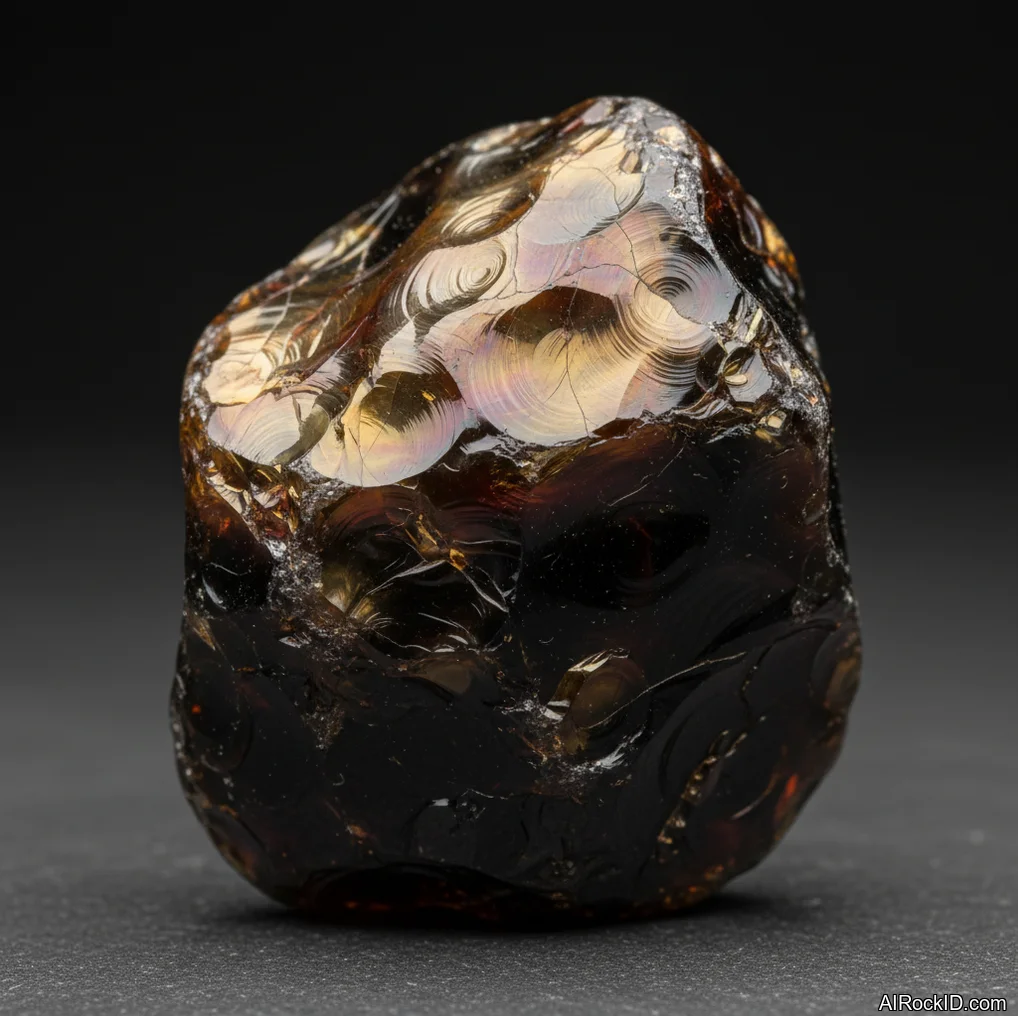
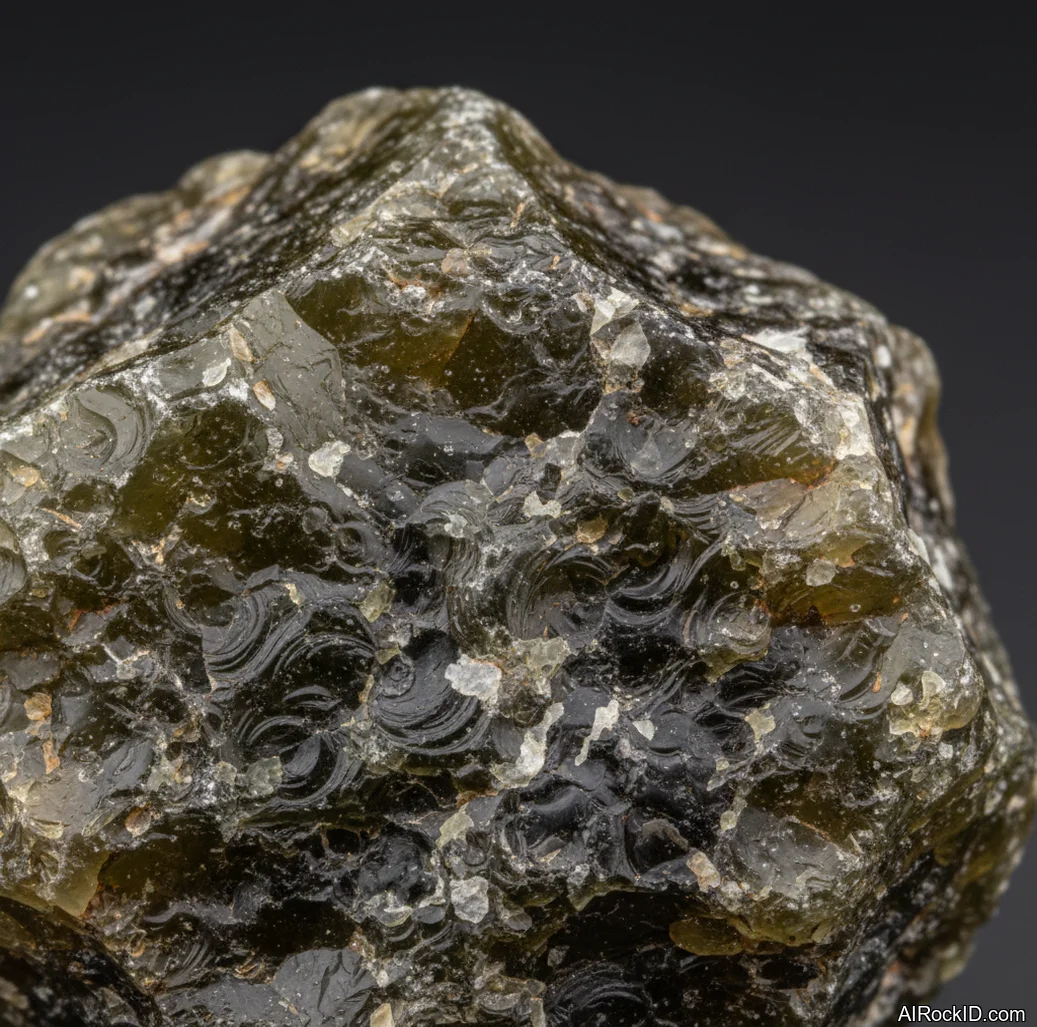
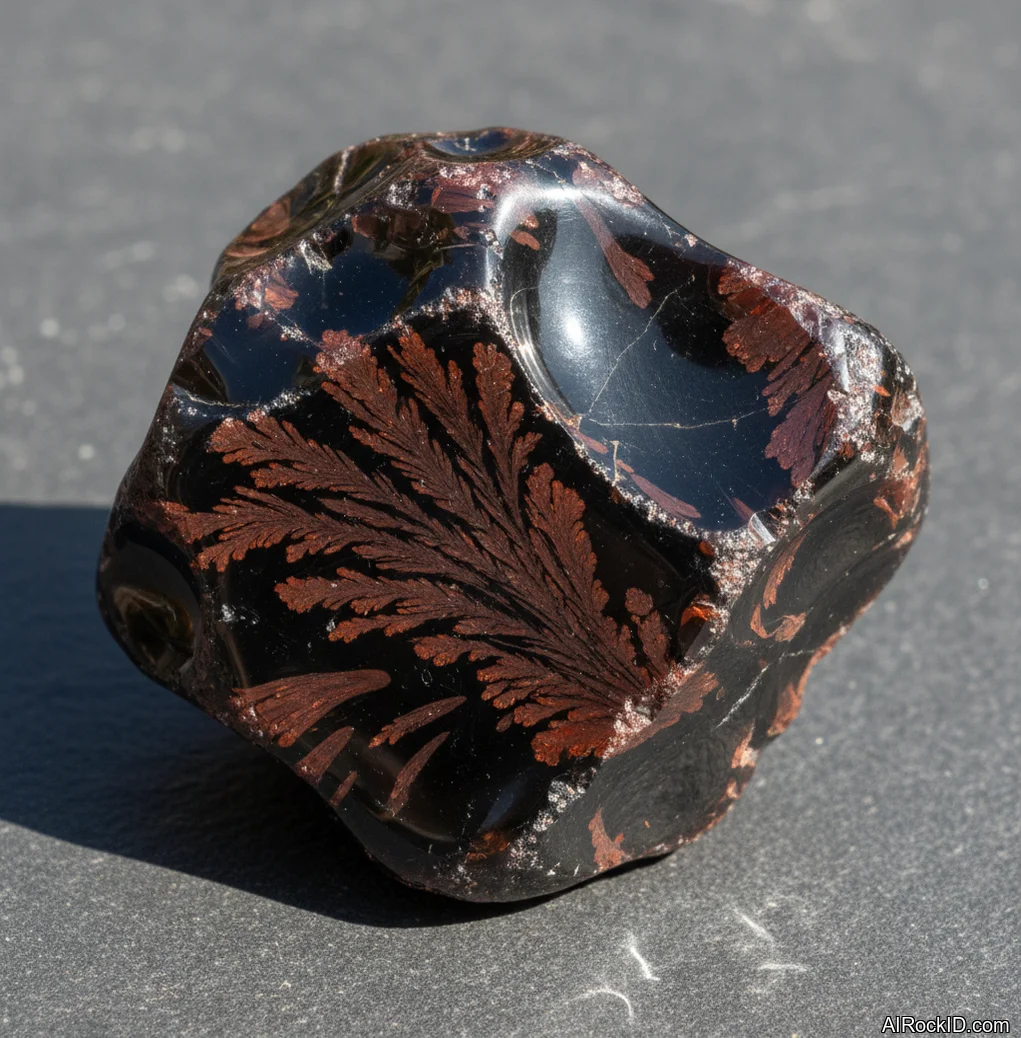
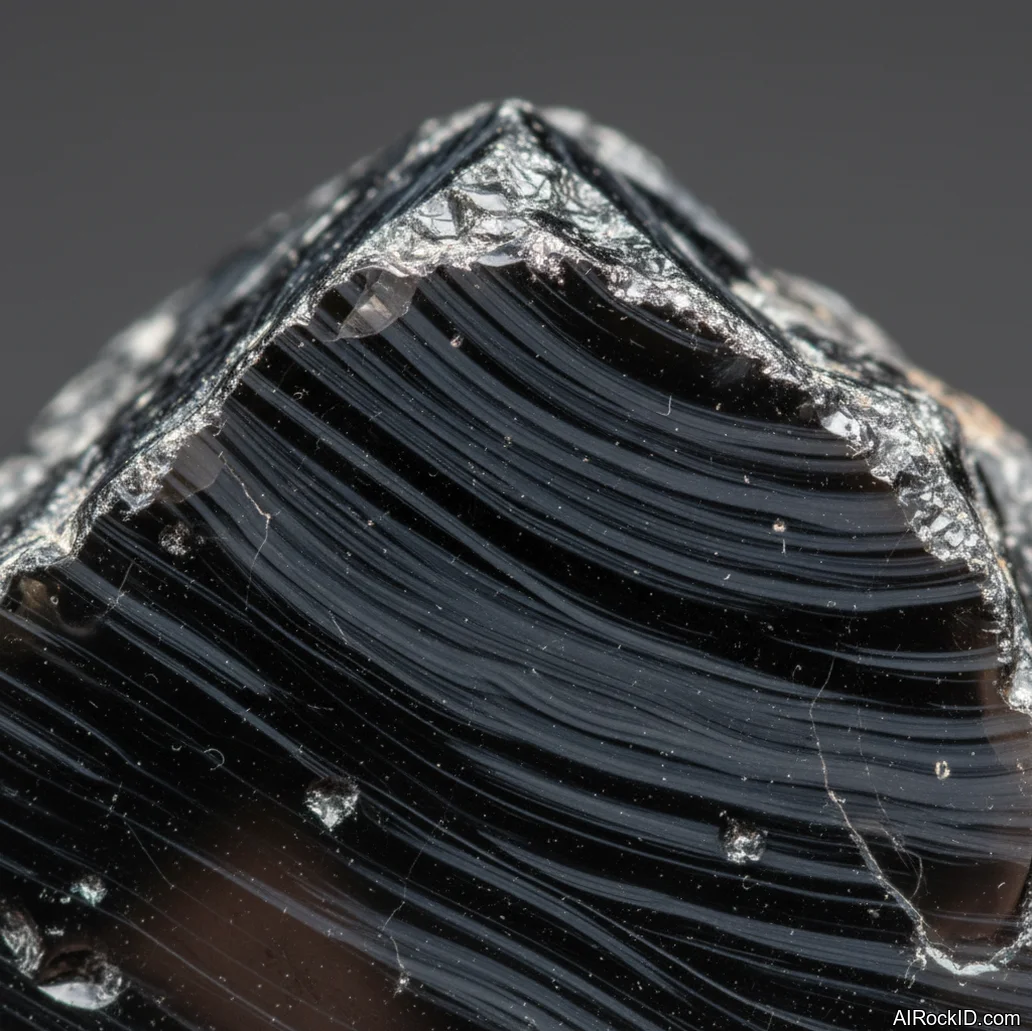
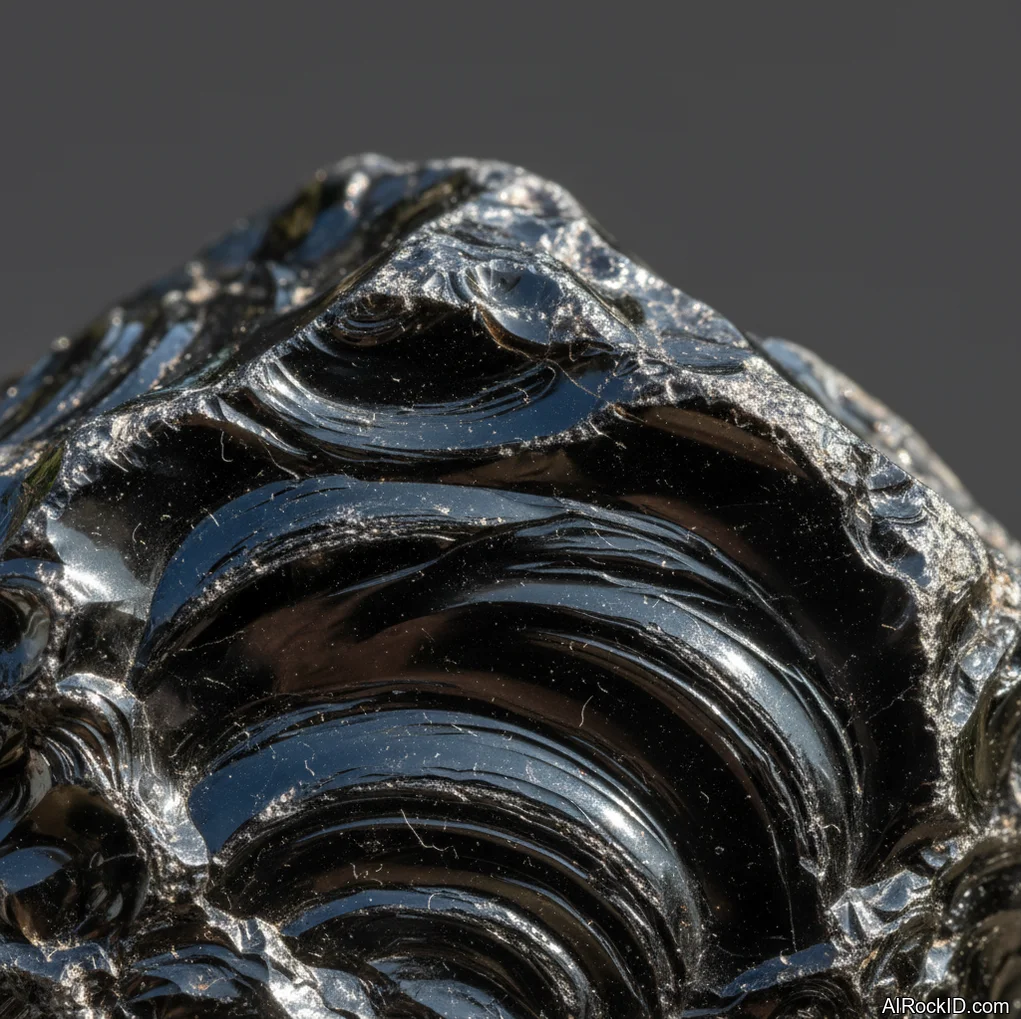
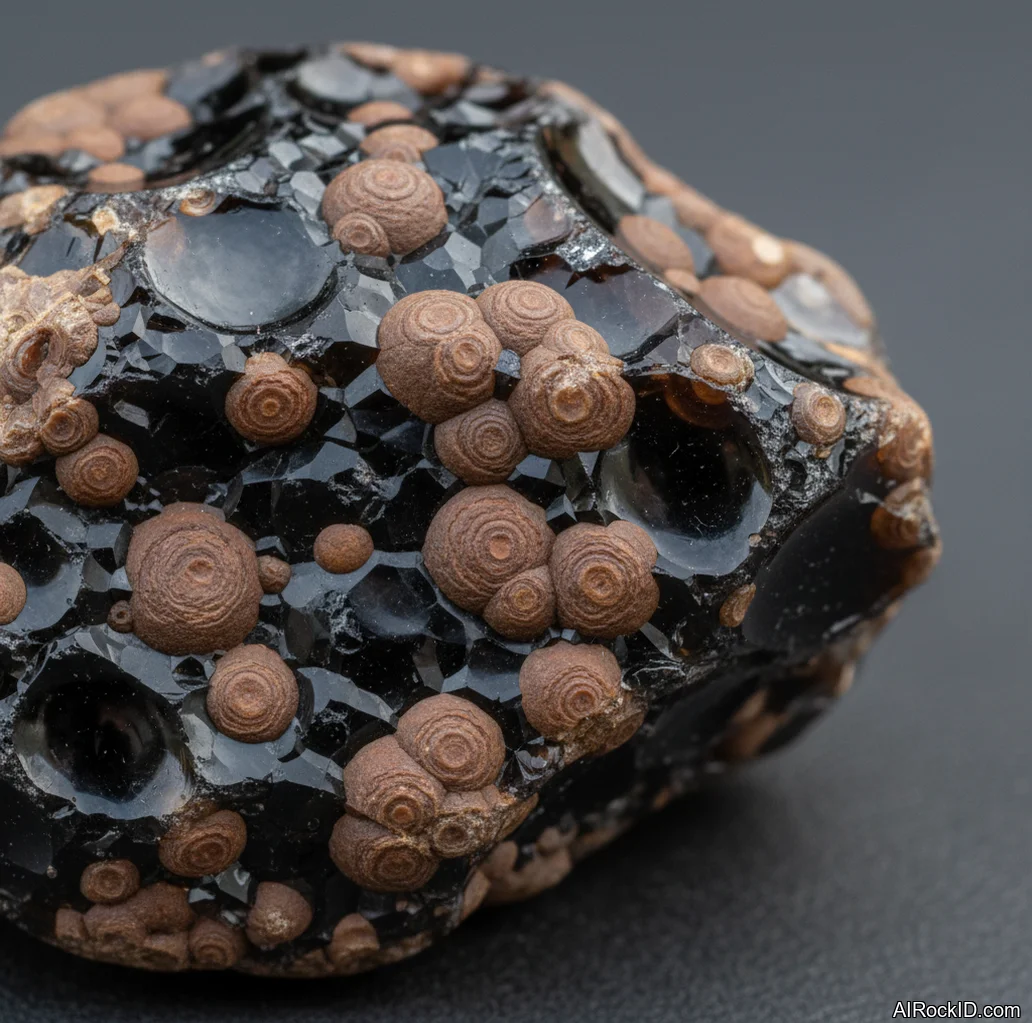
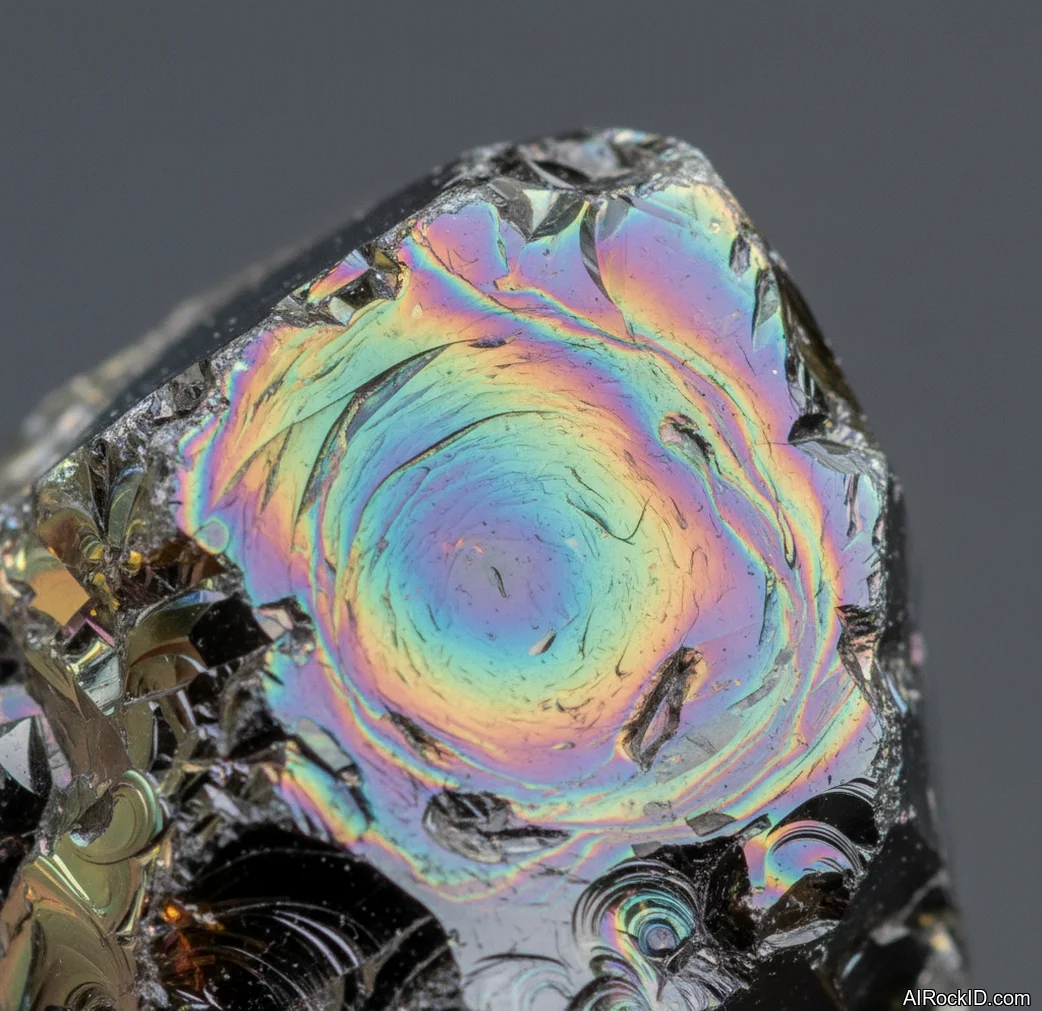
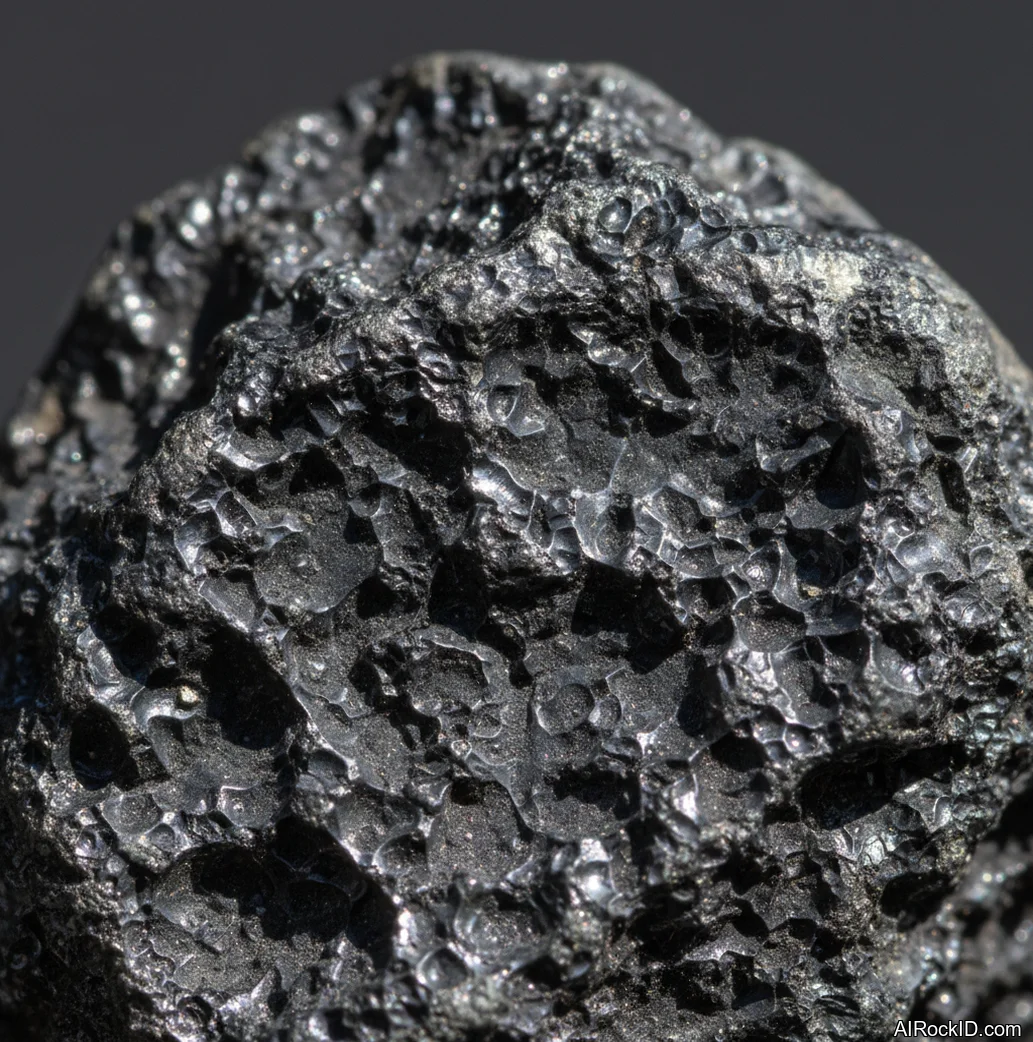
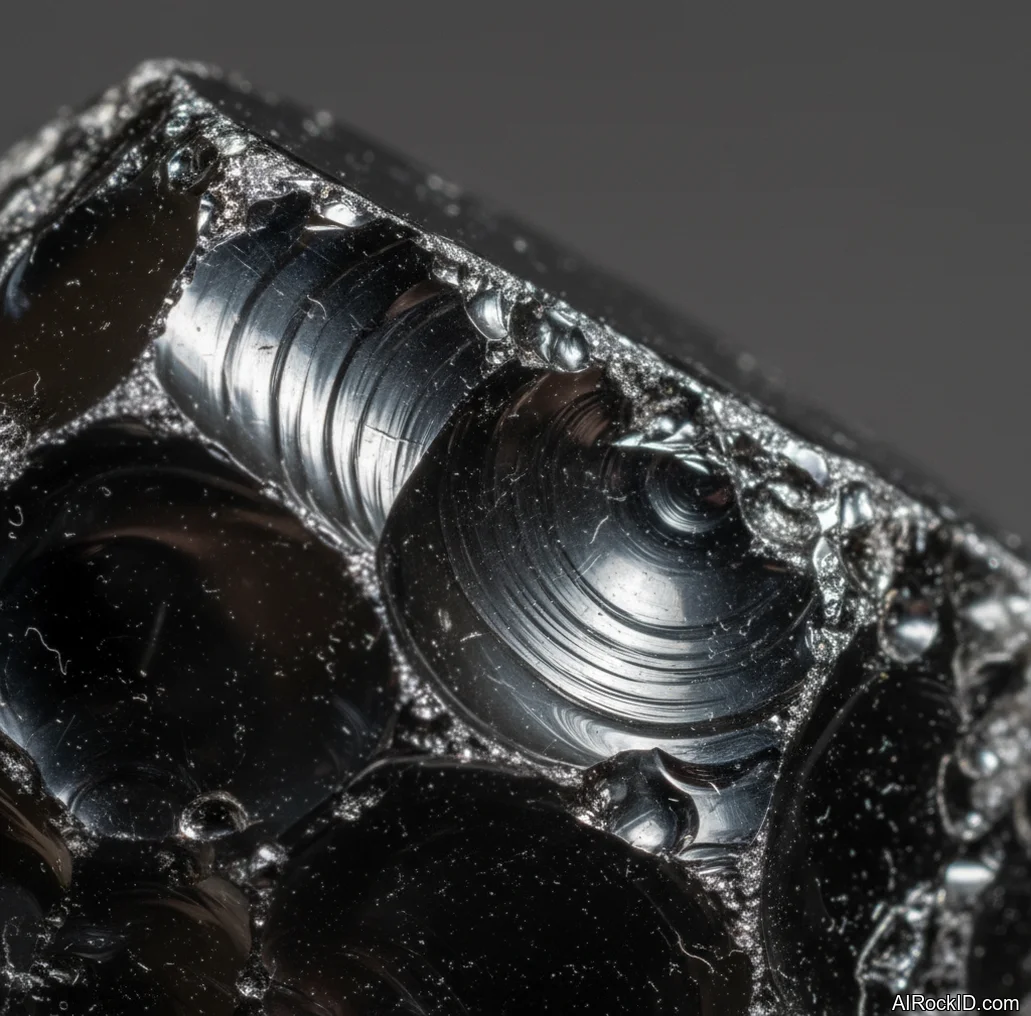
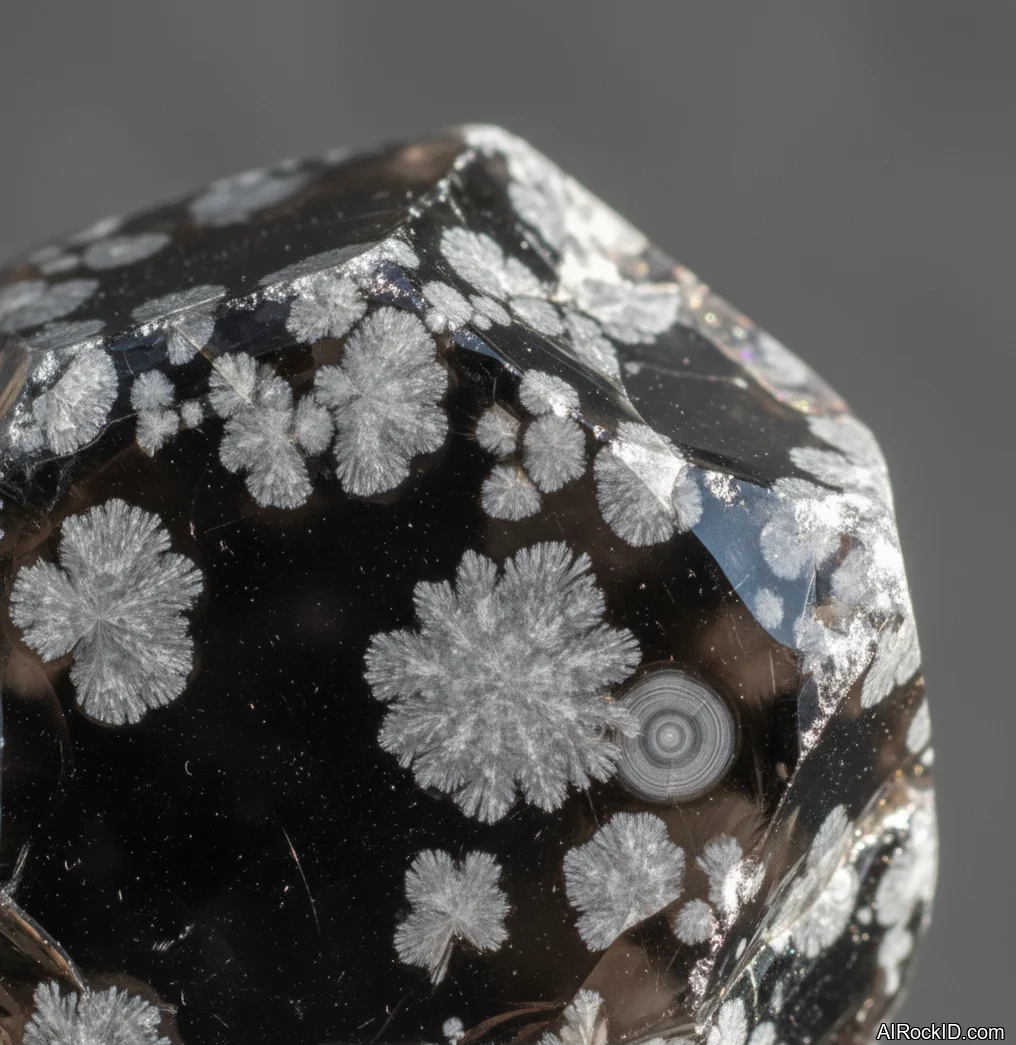
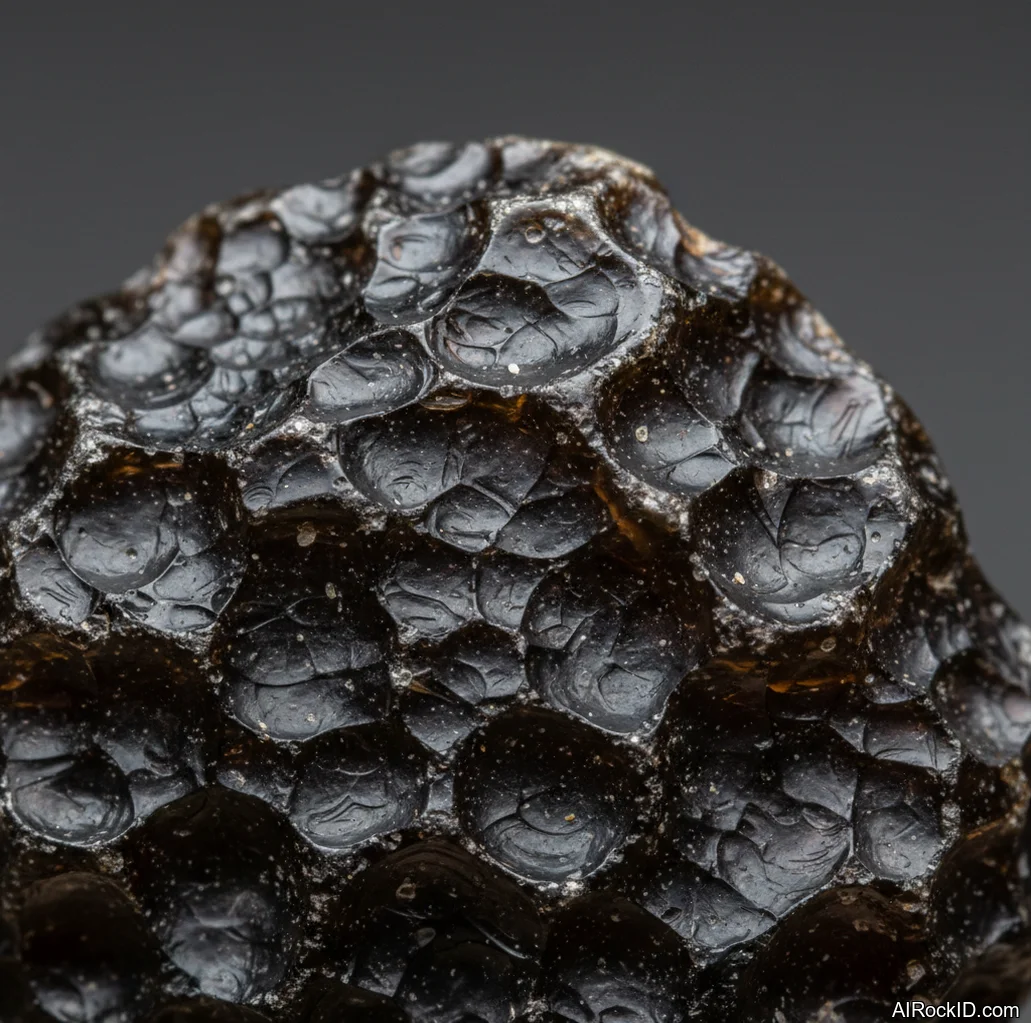
At first glance, obsidian looks similar. But it’s a different animal. Obsidian is volcanic glass, so it’s slick when polished and has that hard, cold feel right away. The real test is the edge: chipped obsidian can get scary sharp, like a naturally made razor. That “cuts through” feeling is why some folks use it for protection that’s more about clarity and truth, not just buffering. But it can also feel intense for sensitive people, especially if you sleep with it under your pillow. If you’re trying to calm down, smoky quartz or hematite can be a softer landing.
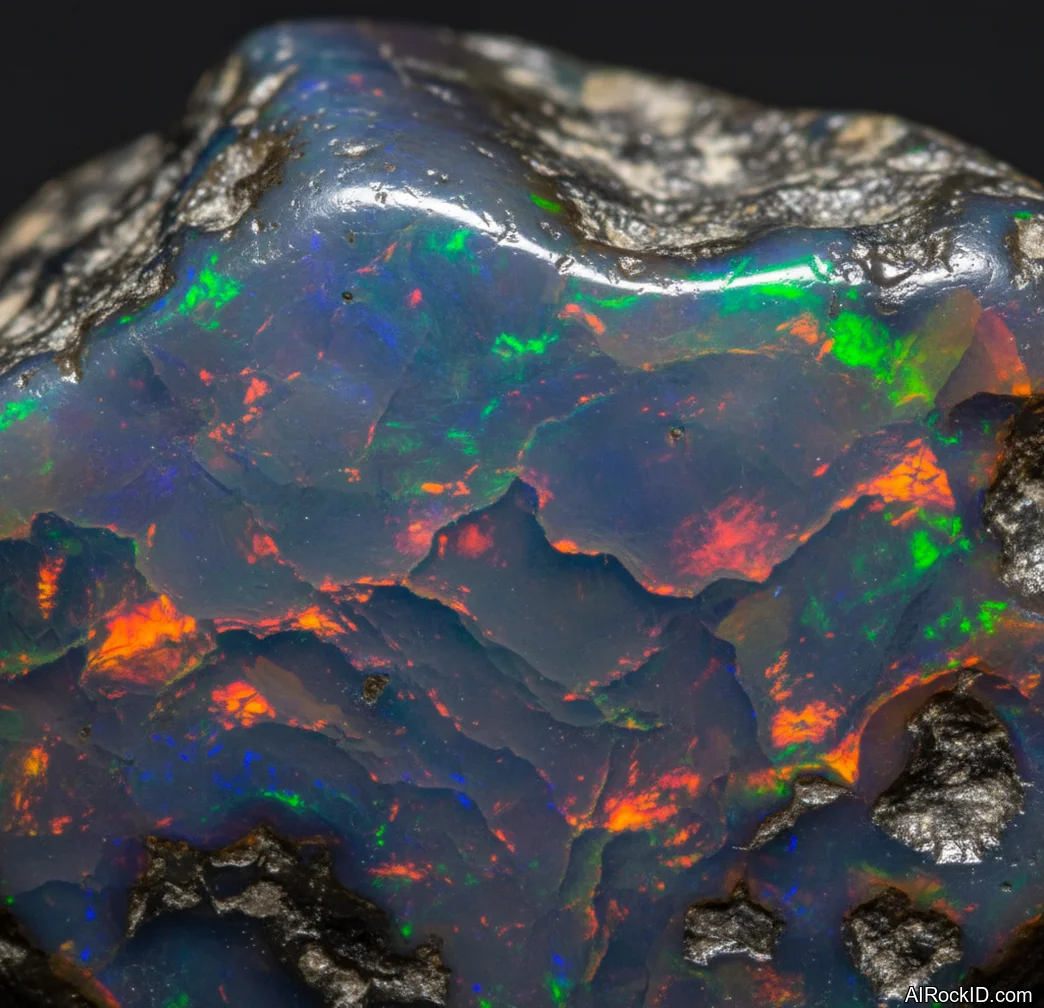
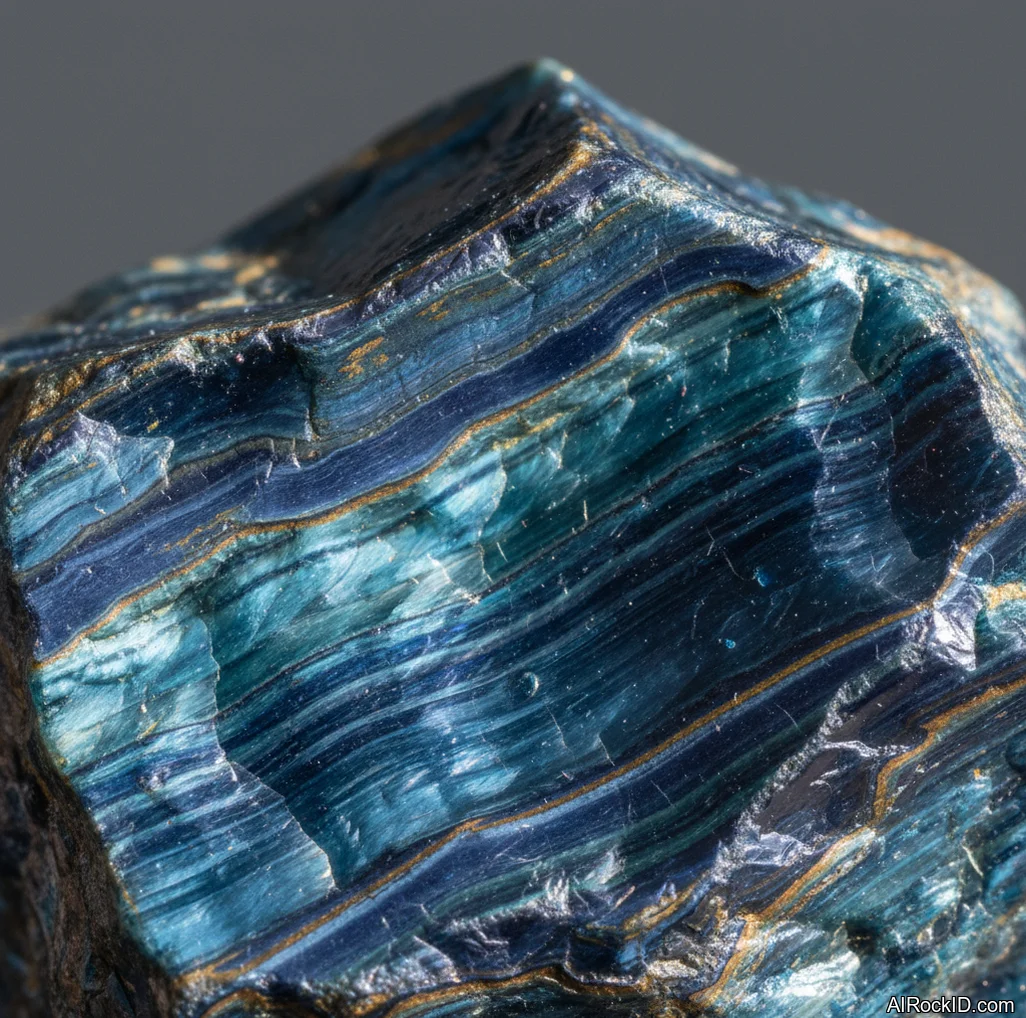
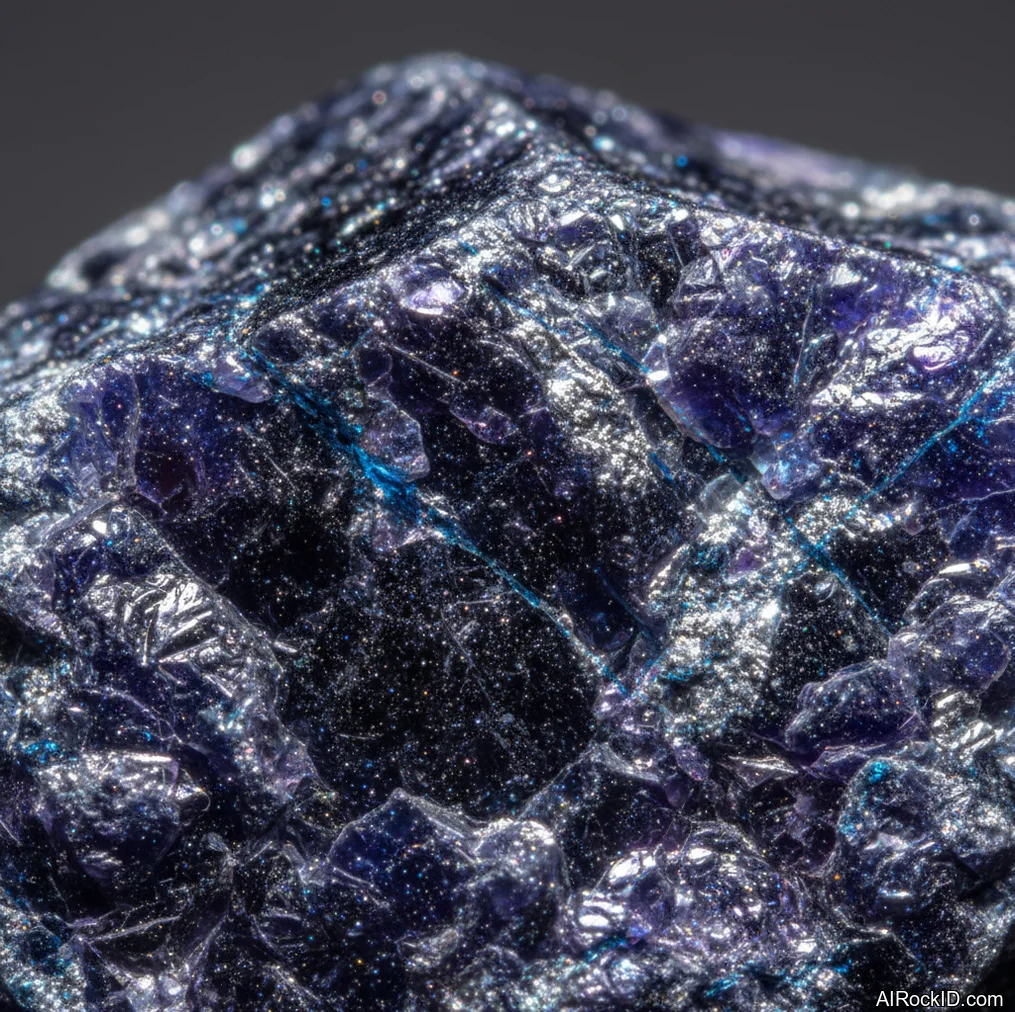
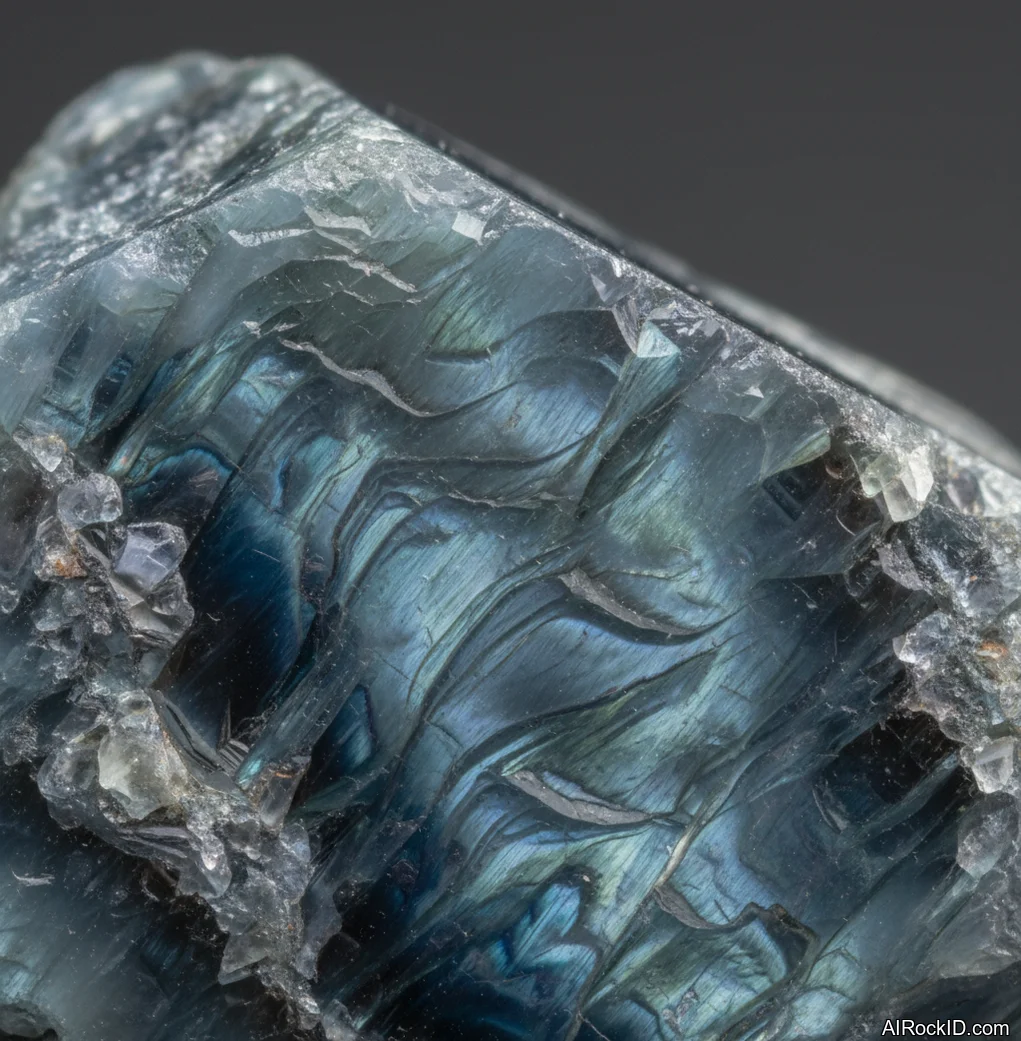
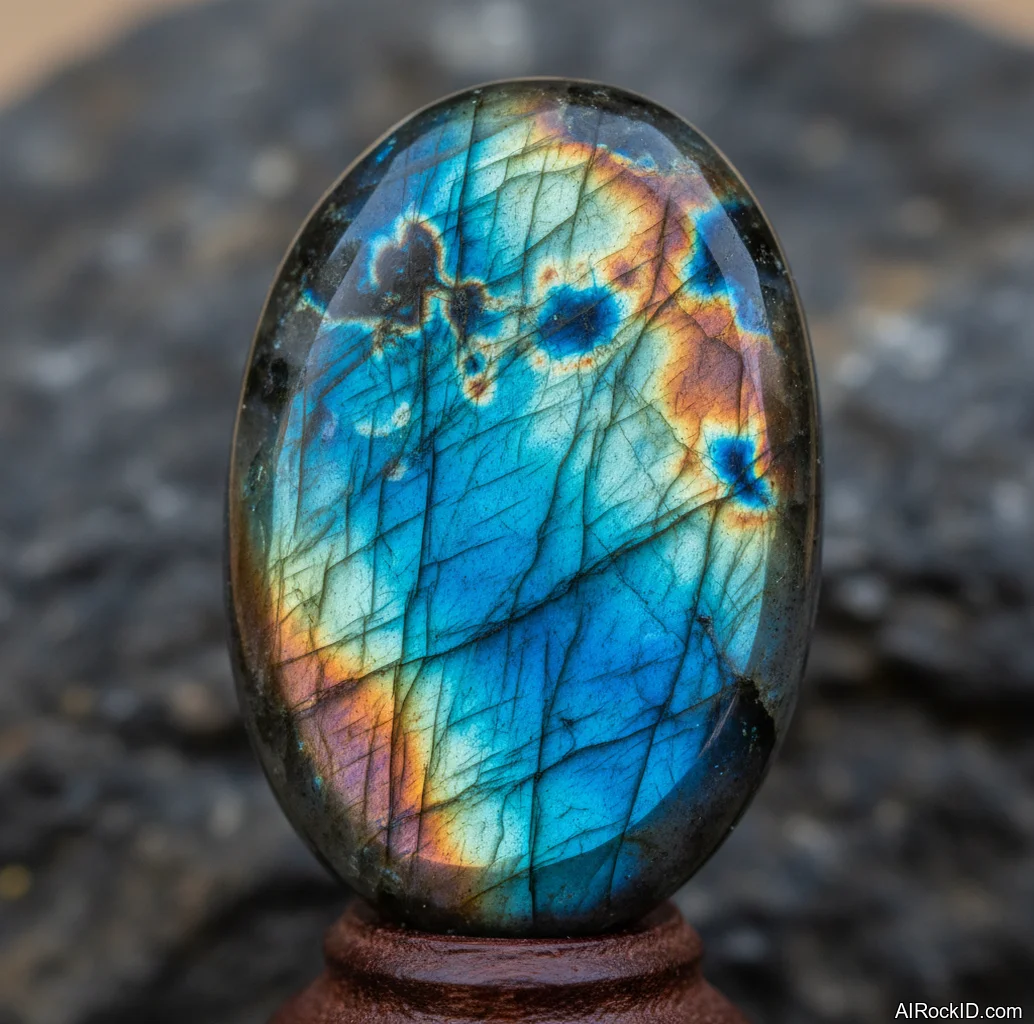
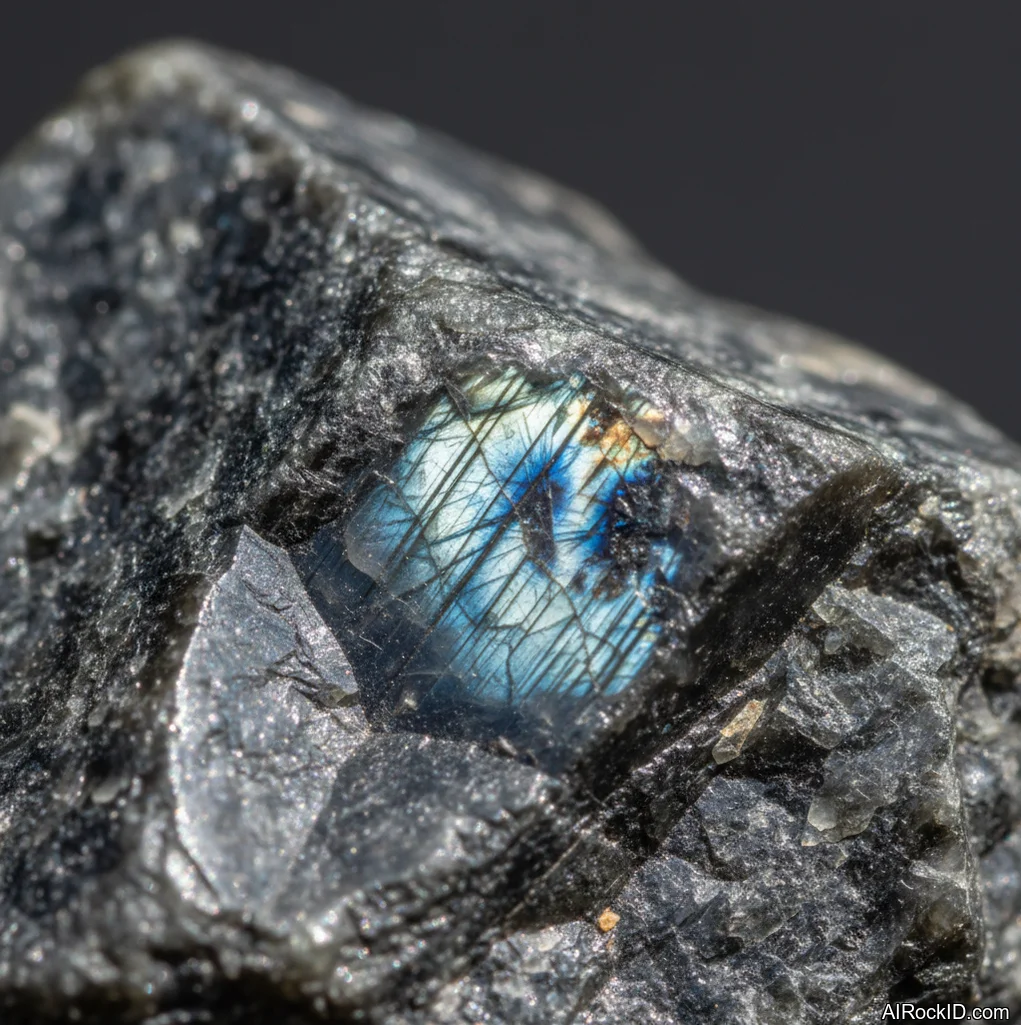
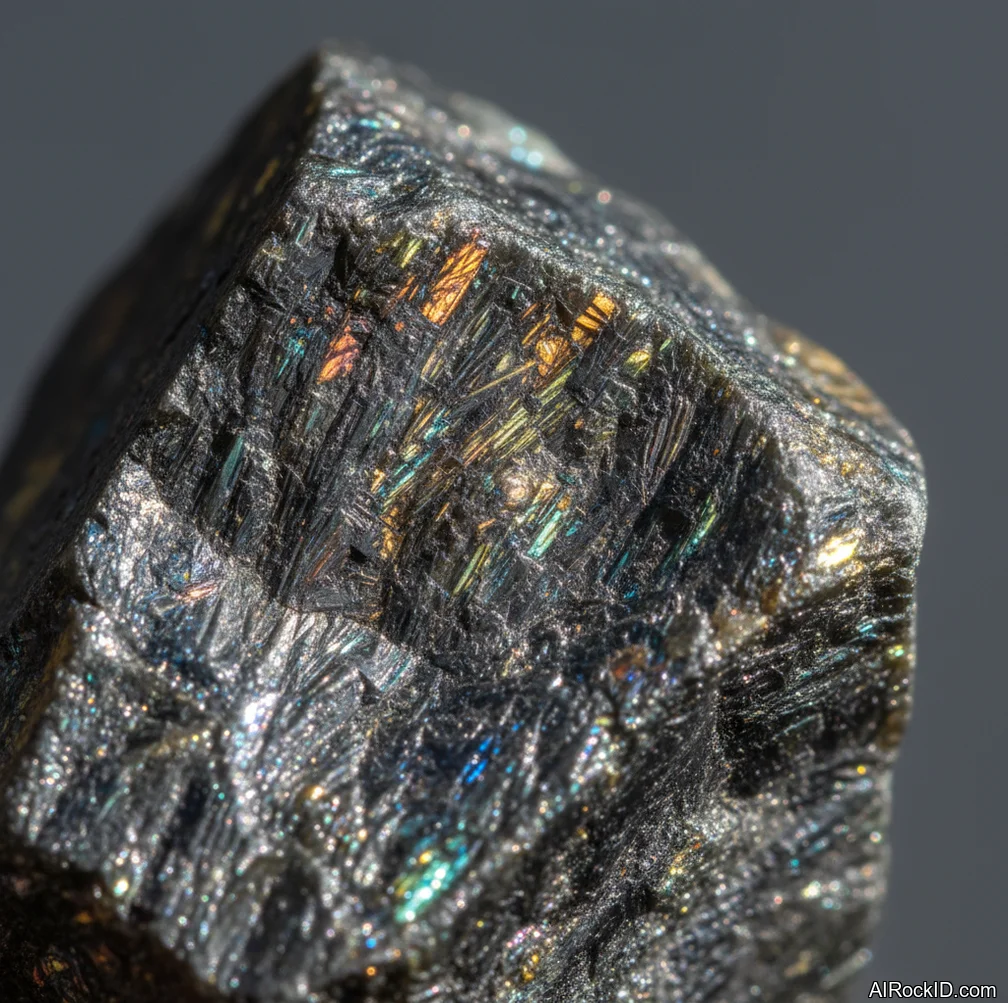
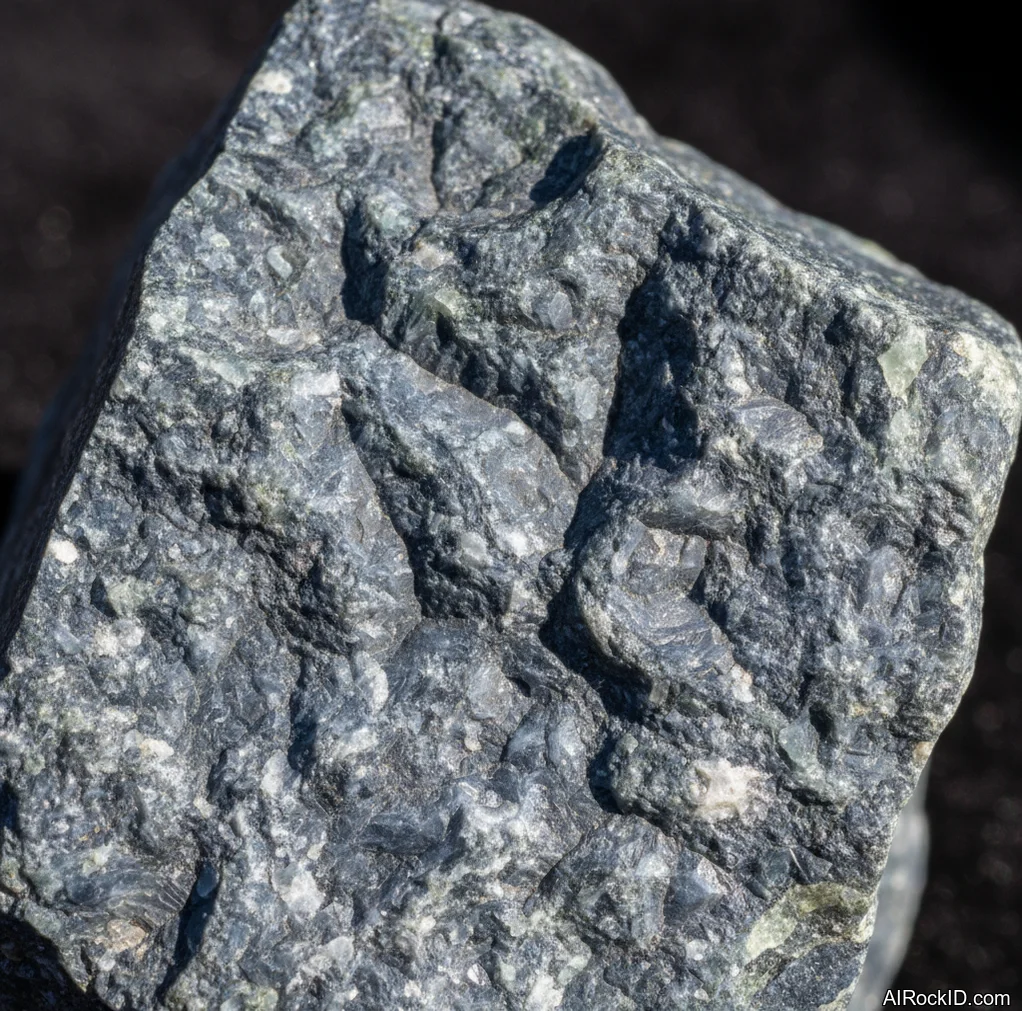
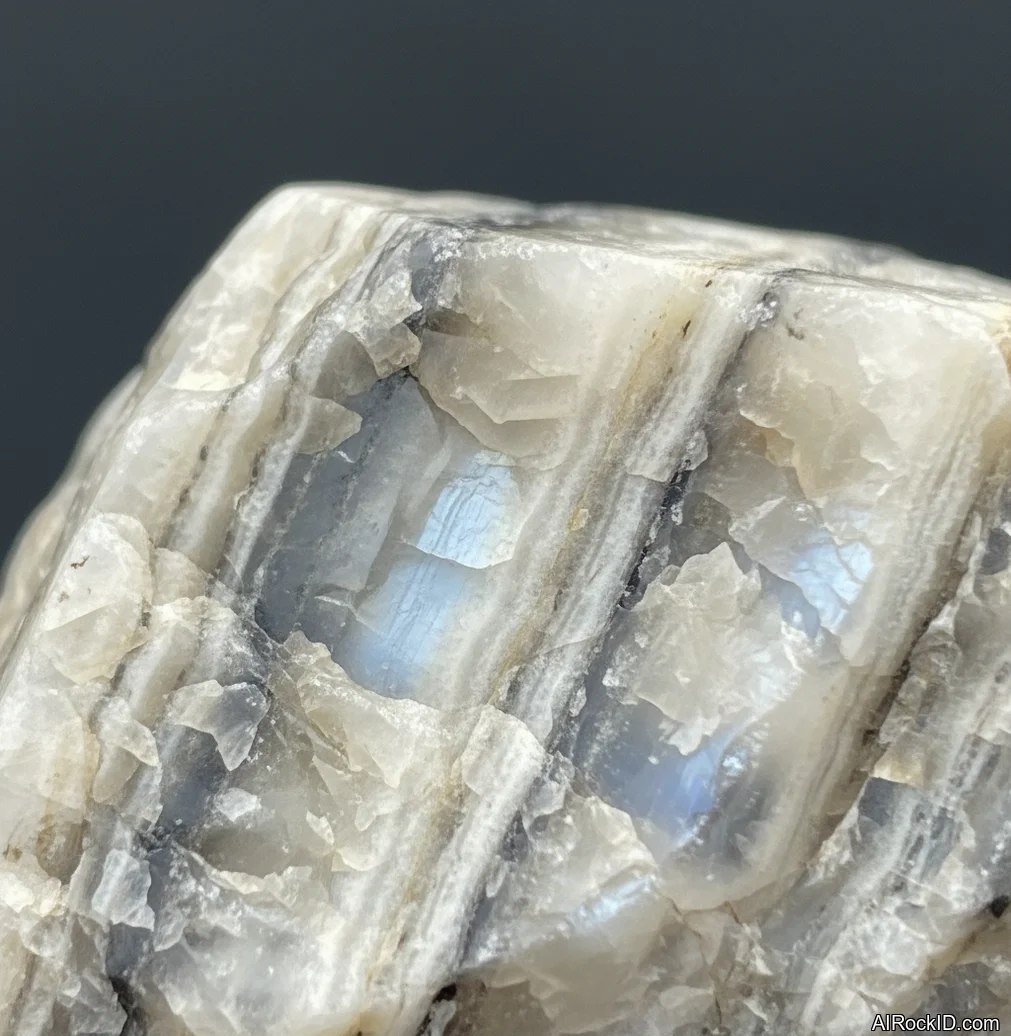
Compared to those, labradorite is the sneaky kind of protection. It’s not black. It’s gray-green most of the time, until you tilt it and the flash hits. Blue sheets. Sometimes gold or green. And it can vanish the second you change the angle (annoying when you’re trying to show someone, honestly). That flash comes from the way light bounces through thin layers inside the feldspar. When I’m picking pieces, I look for a clean “window” of color that shows under normal indoor light, not just under a phone flashlight. A lot of cheap slabs only light up in one tiny spot.
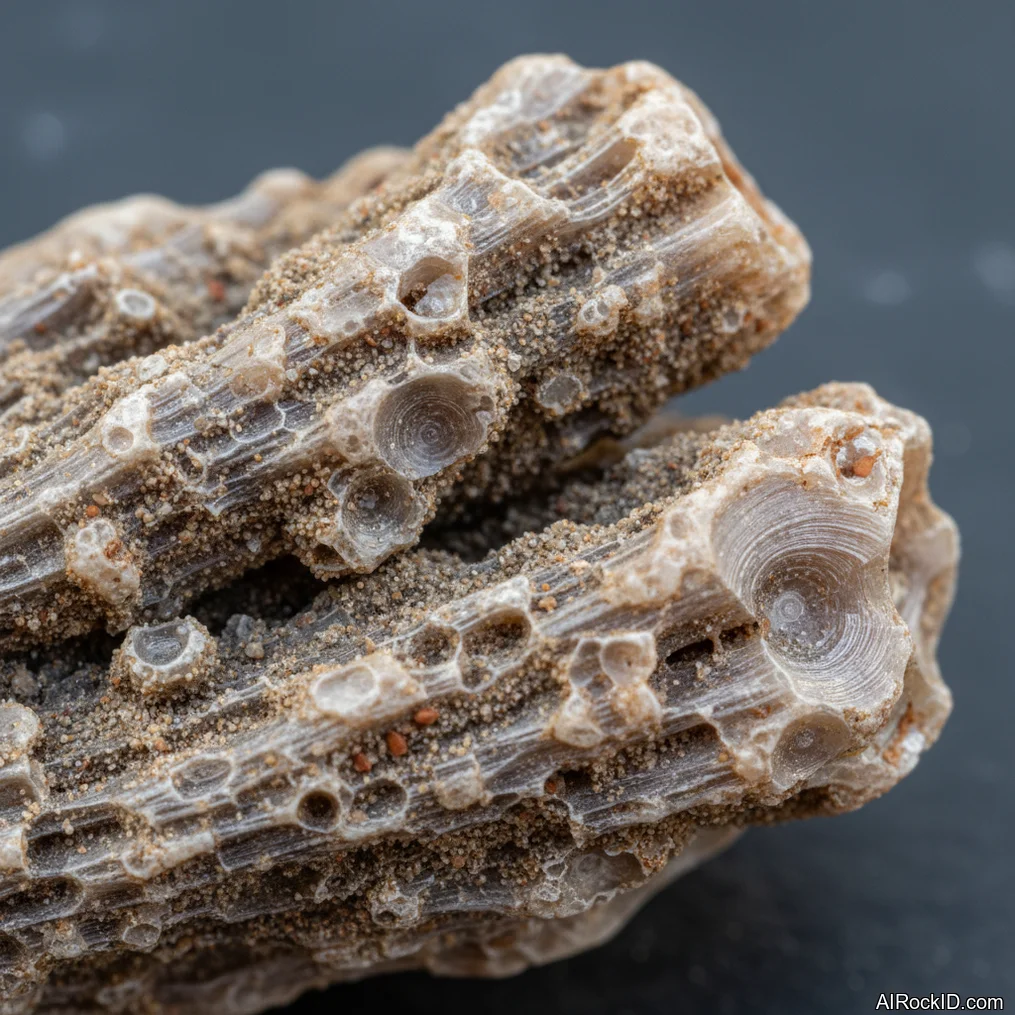
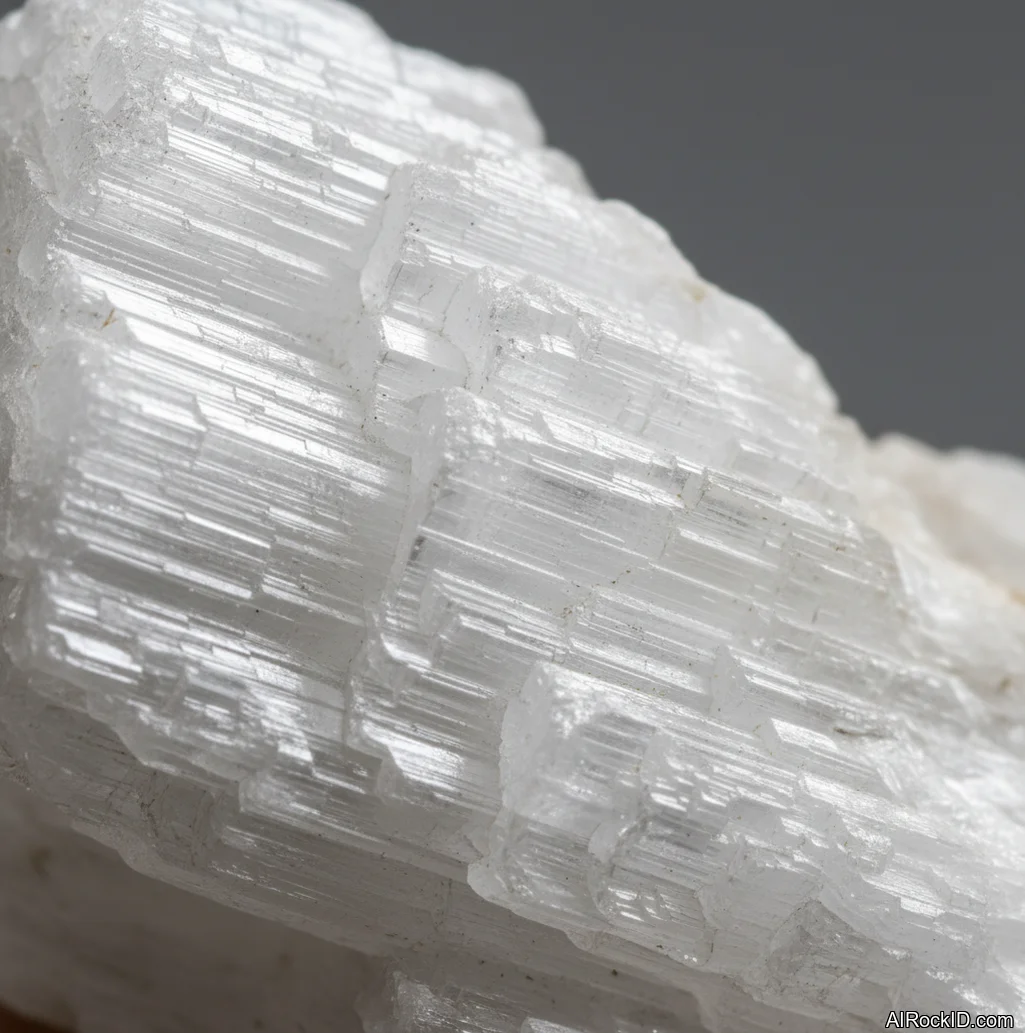
People also chase protection crystals for the home. Selenite gets used for that a lot, even though it’s not tough at all. Run a fingernail across a raw selenite wand and you can leave a mark, and if it gets wet it turns chalky fast. Keep it dry. Put it near a doorway or on a shelf where it won’t be handled, and it does fine. If you want something you can actually wipe down, go for black tourmaline, smoky quartz, or shungite.
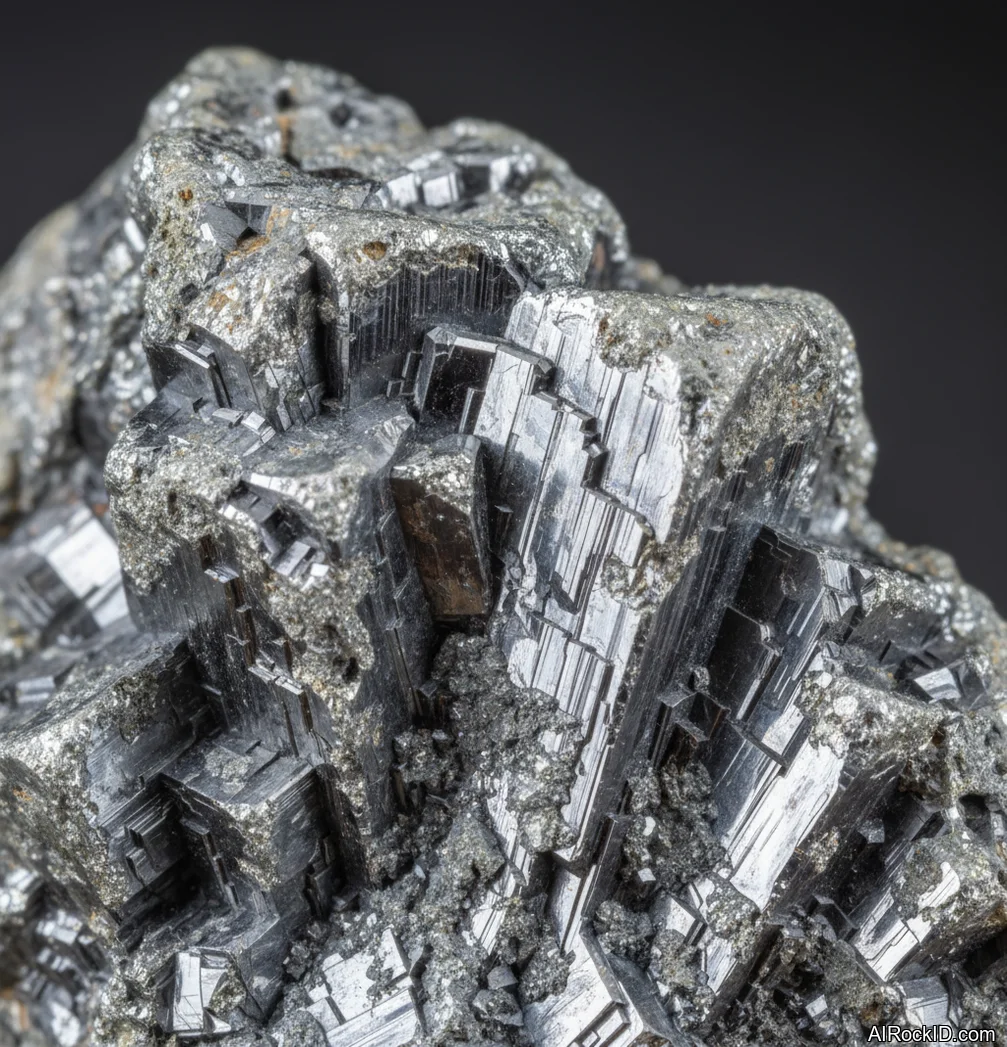
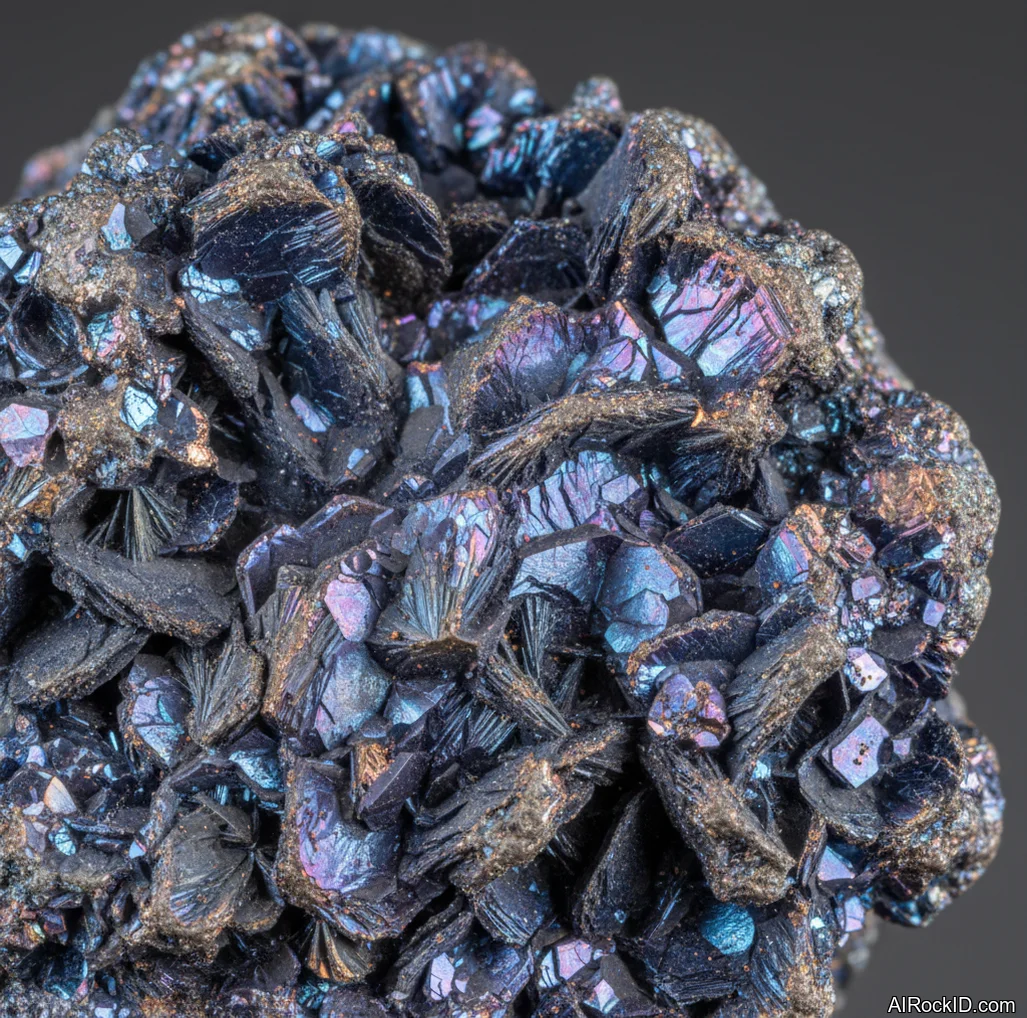
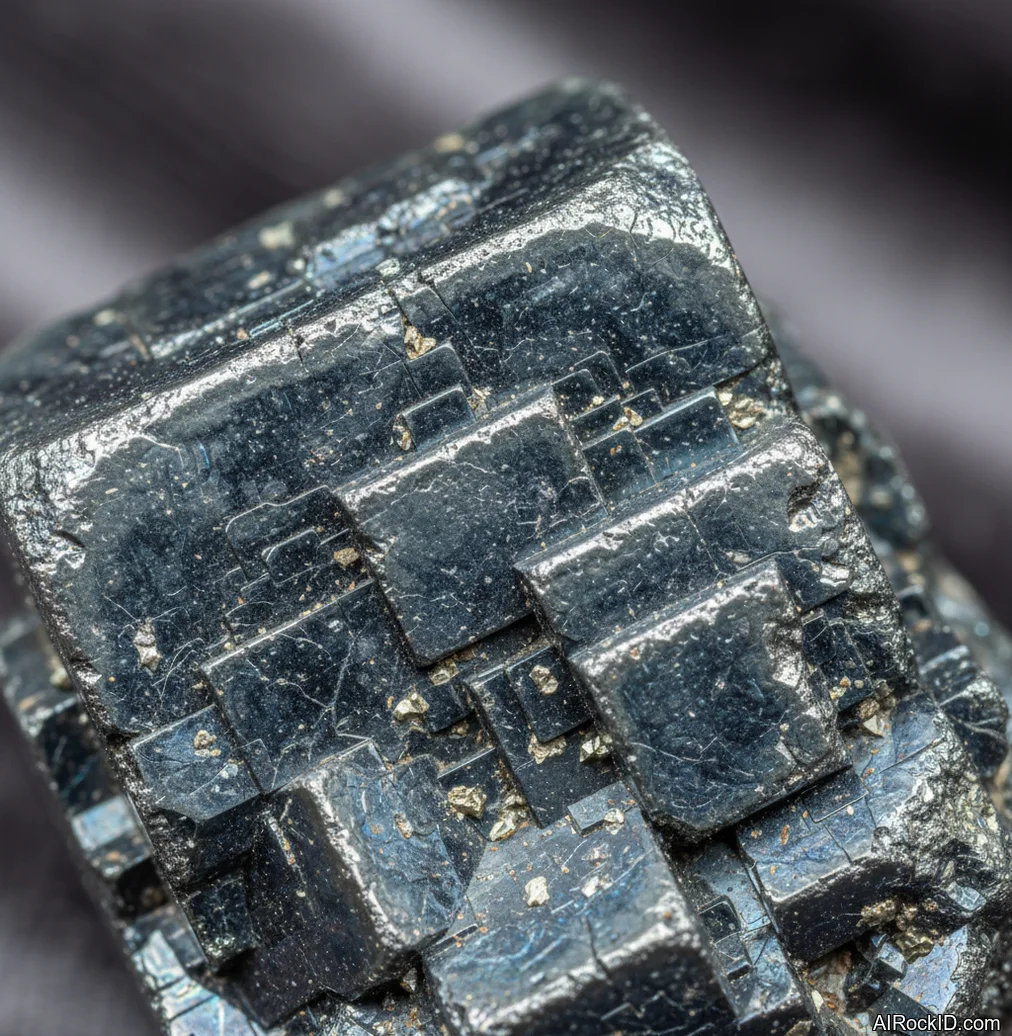
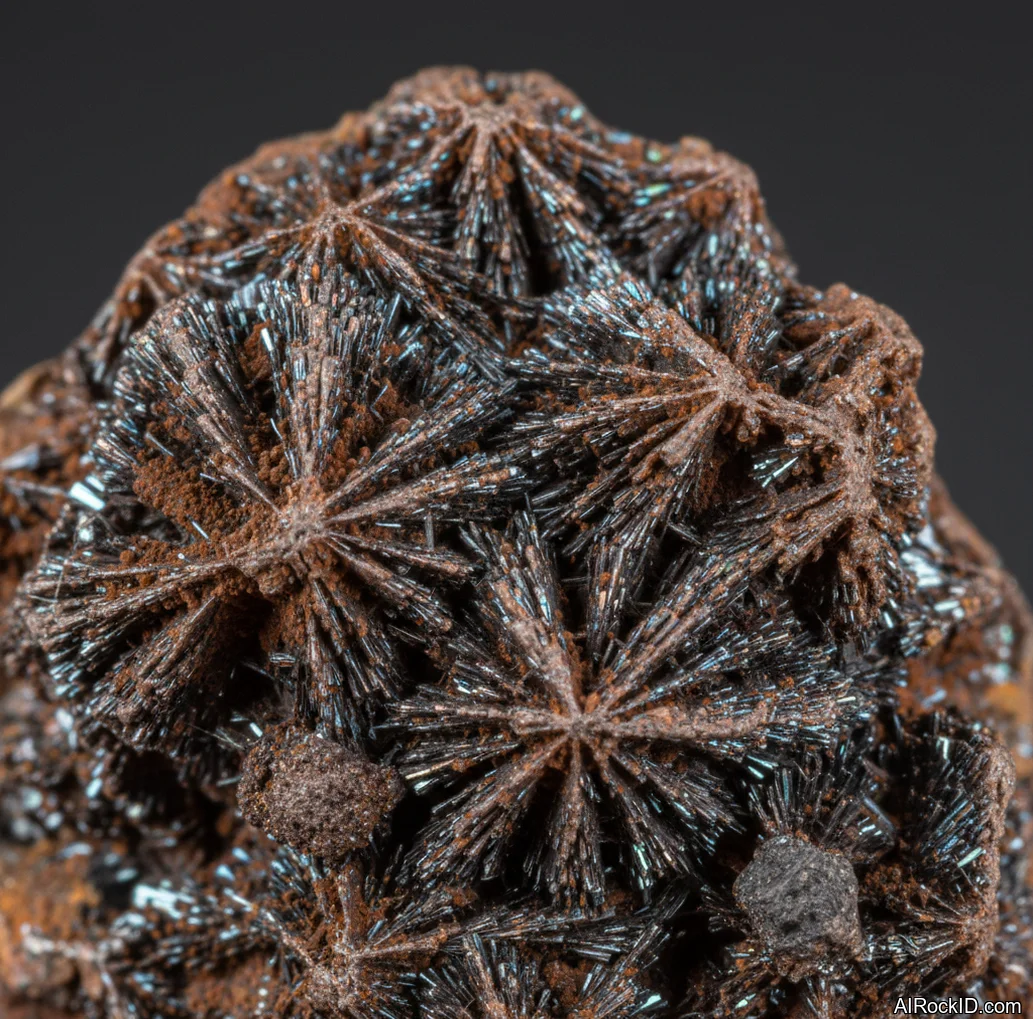
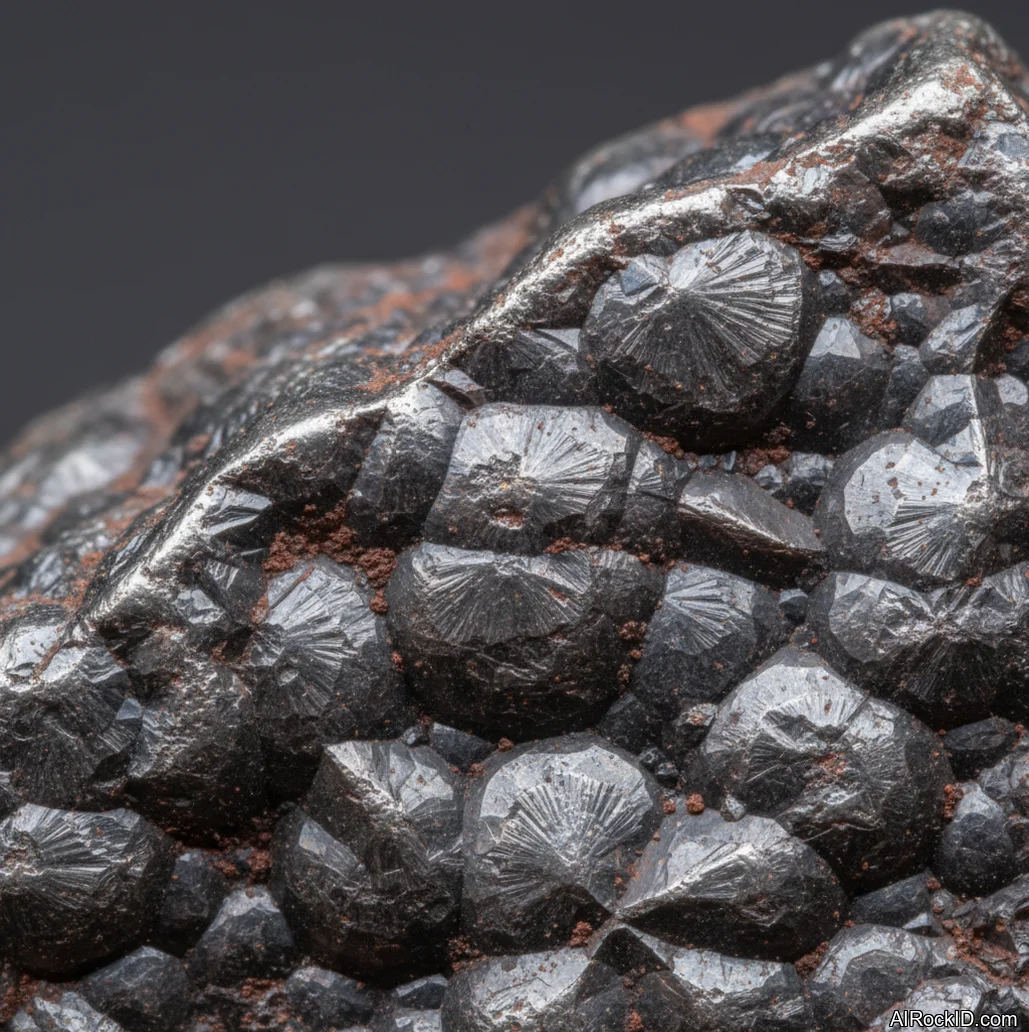
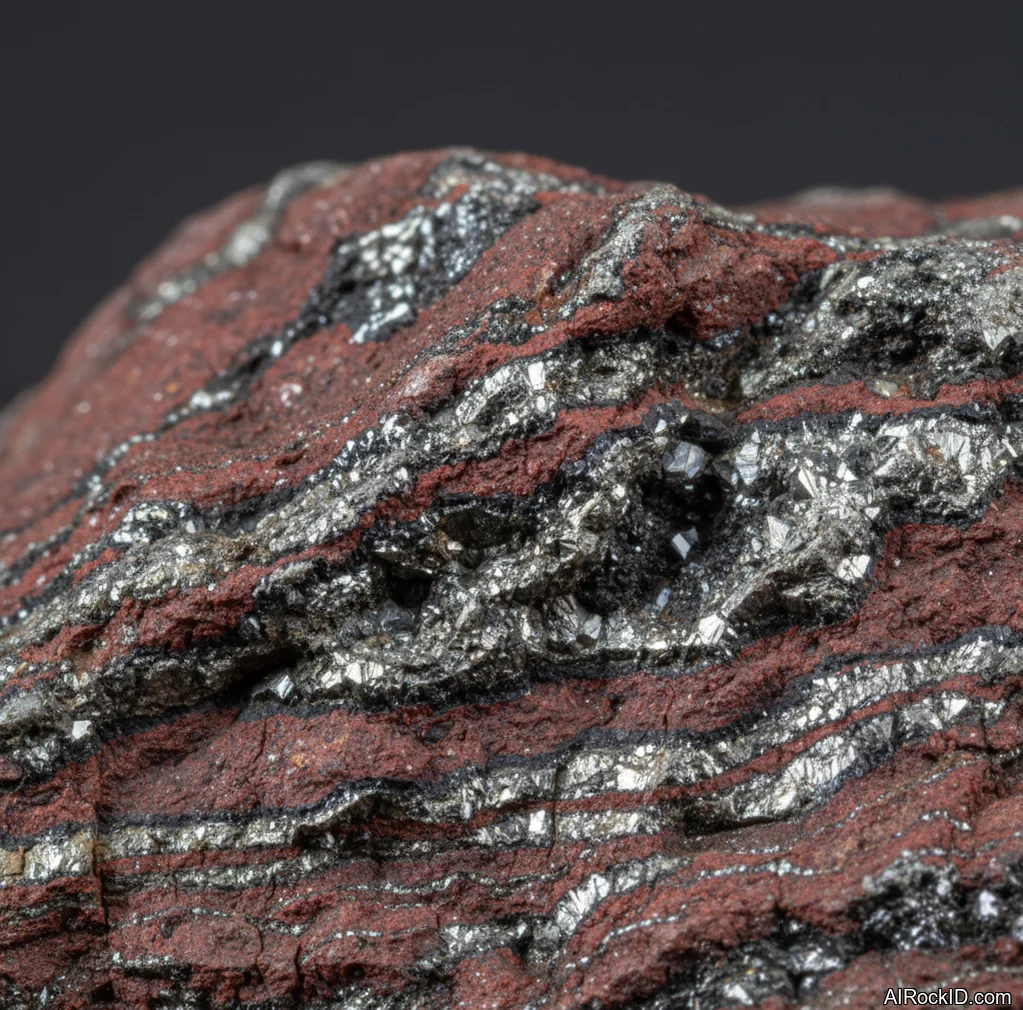
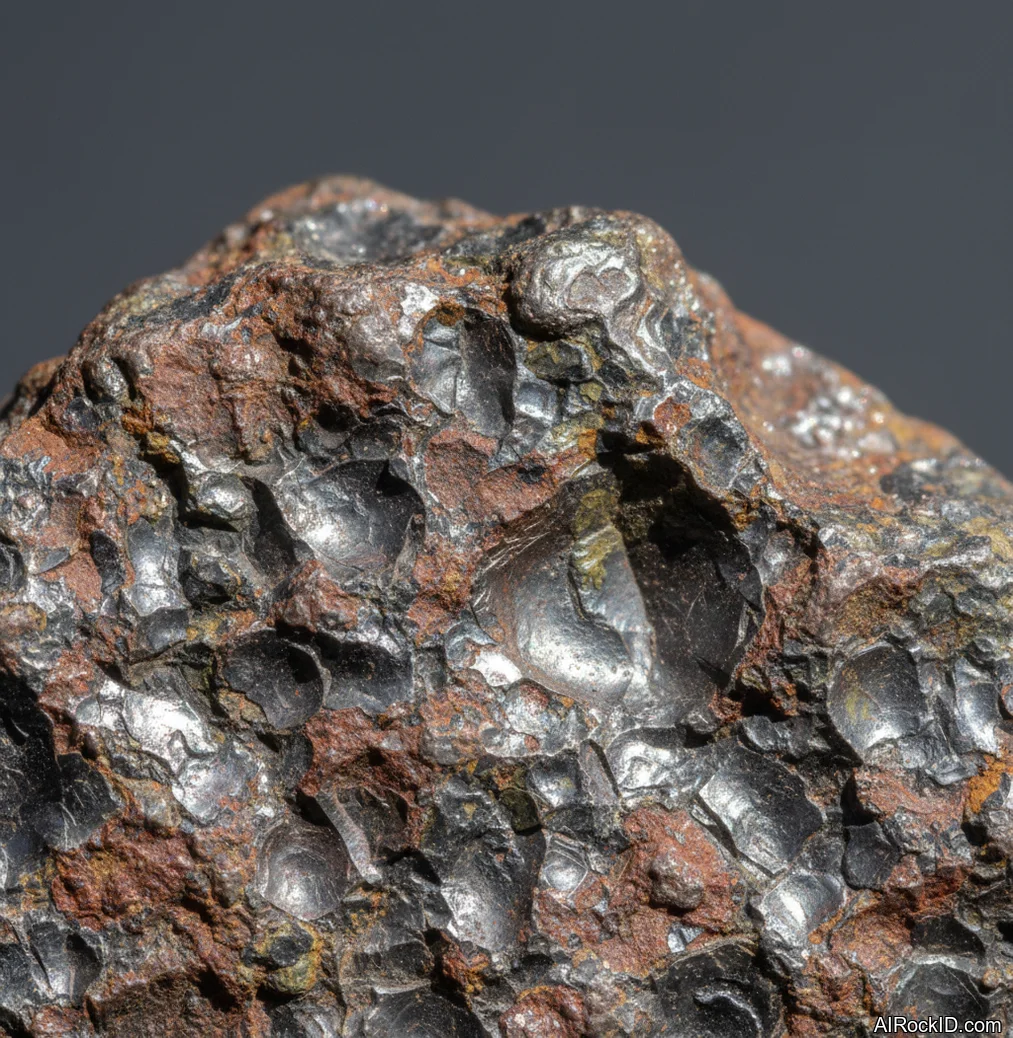
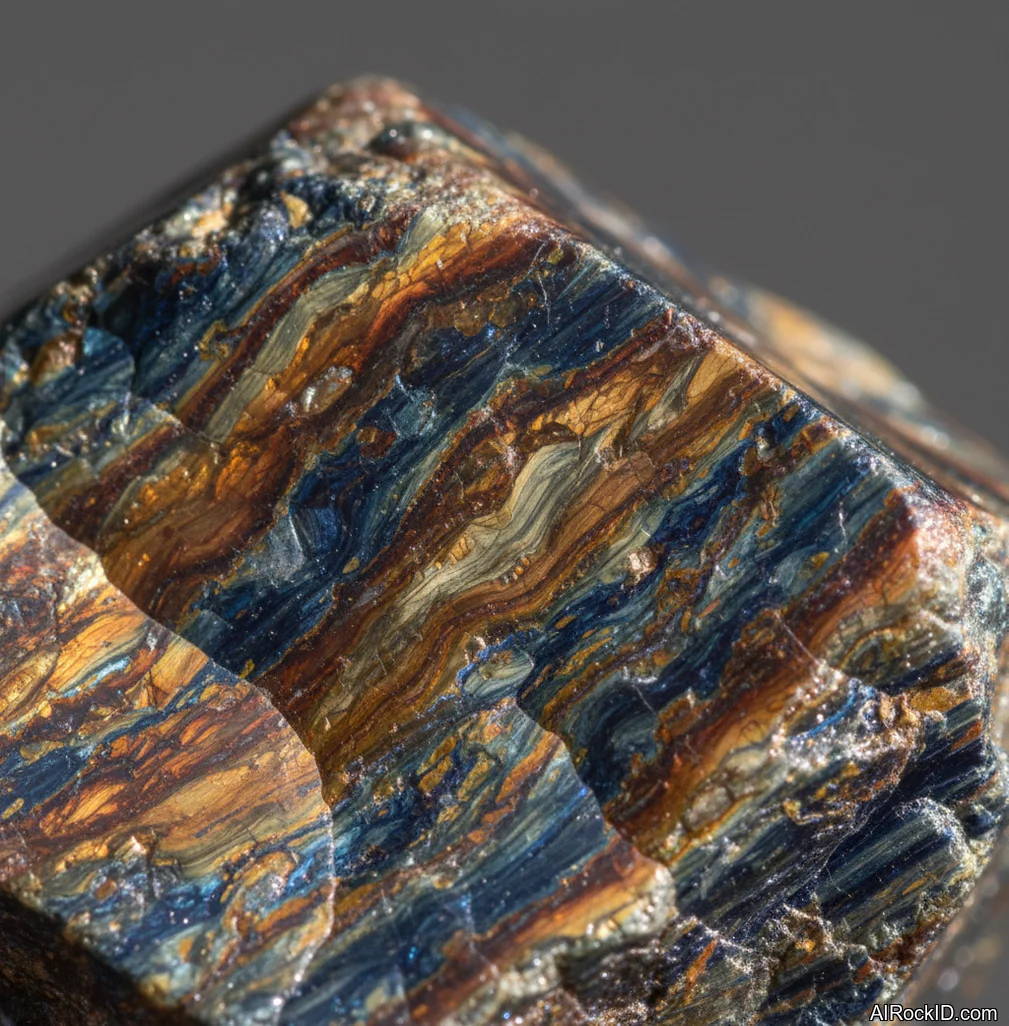
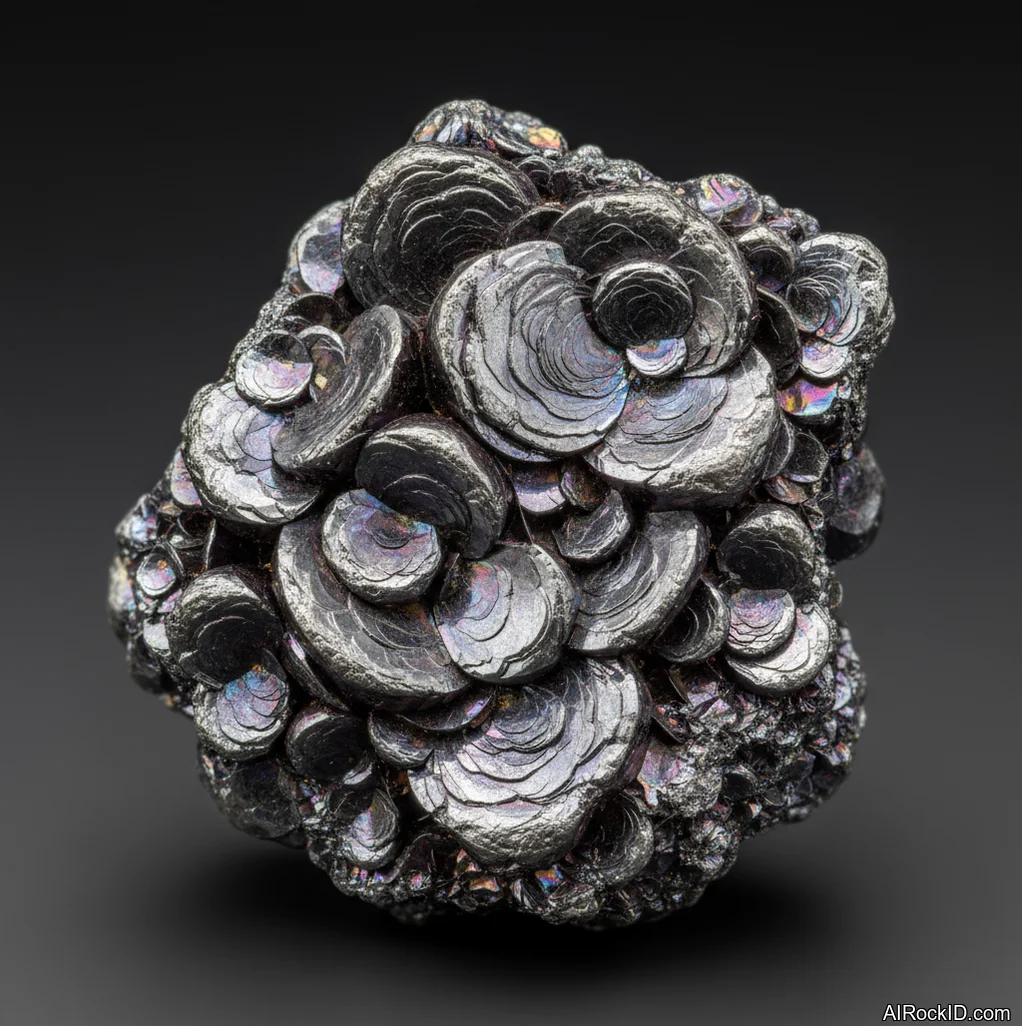
Working with protection crystals doesn’t have to be complicated. Carrying a tumbled stone in a pocket is the simplest. But pay attention to how it’s finished. A well-tumbled hematite feels like a little steel pebble and stays cool; dyed or plated stuff can feel oddly warm and leave dark marks on your fingers. For desk use, I like raw chunks because they don’t skitter around, and you don’t need a perfect polish to get the point across. If you wear jewelry, look at how the stone is set. Tourmaline chips in wire wraps can snag sweaters, and obsidian in a thin bezel can crack if you drop it on tile.
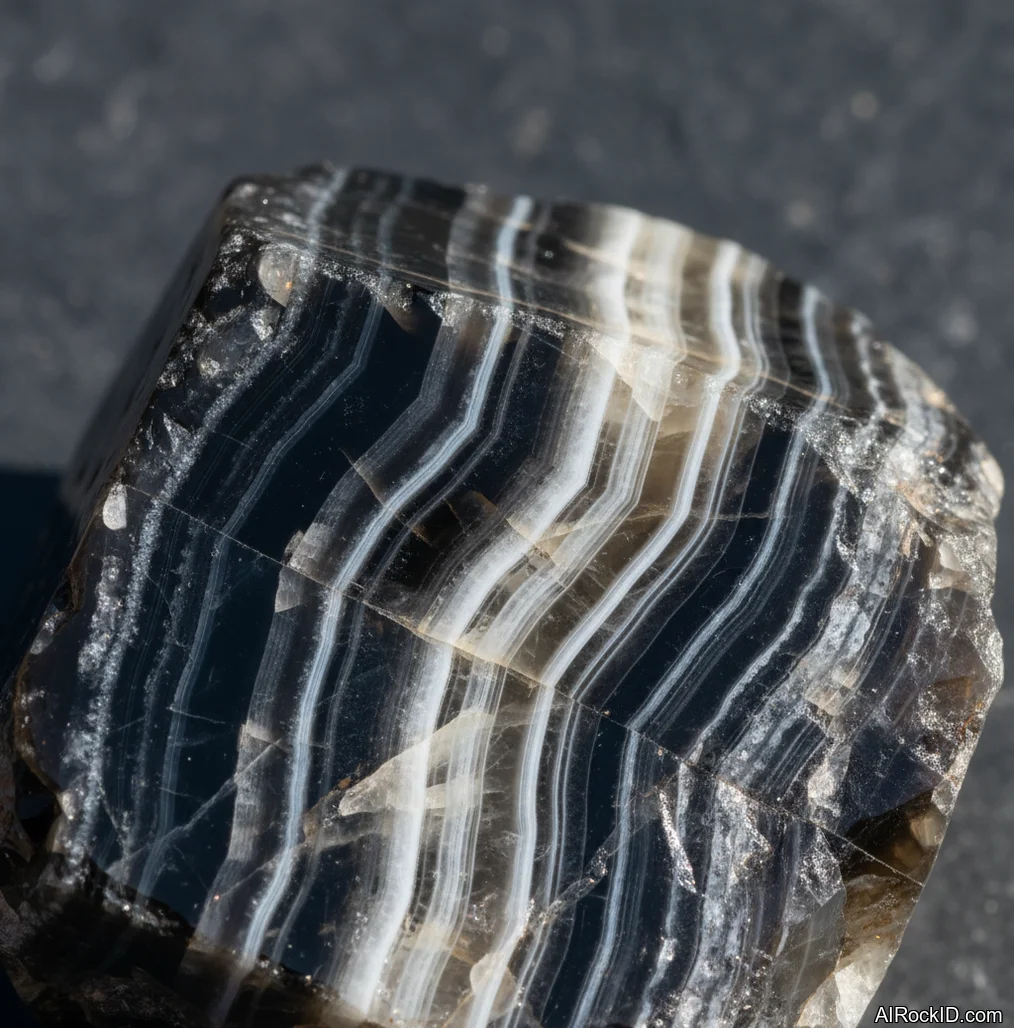
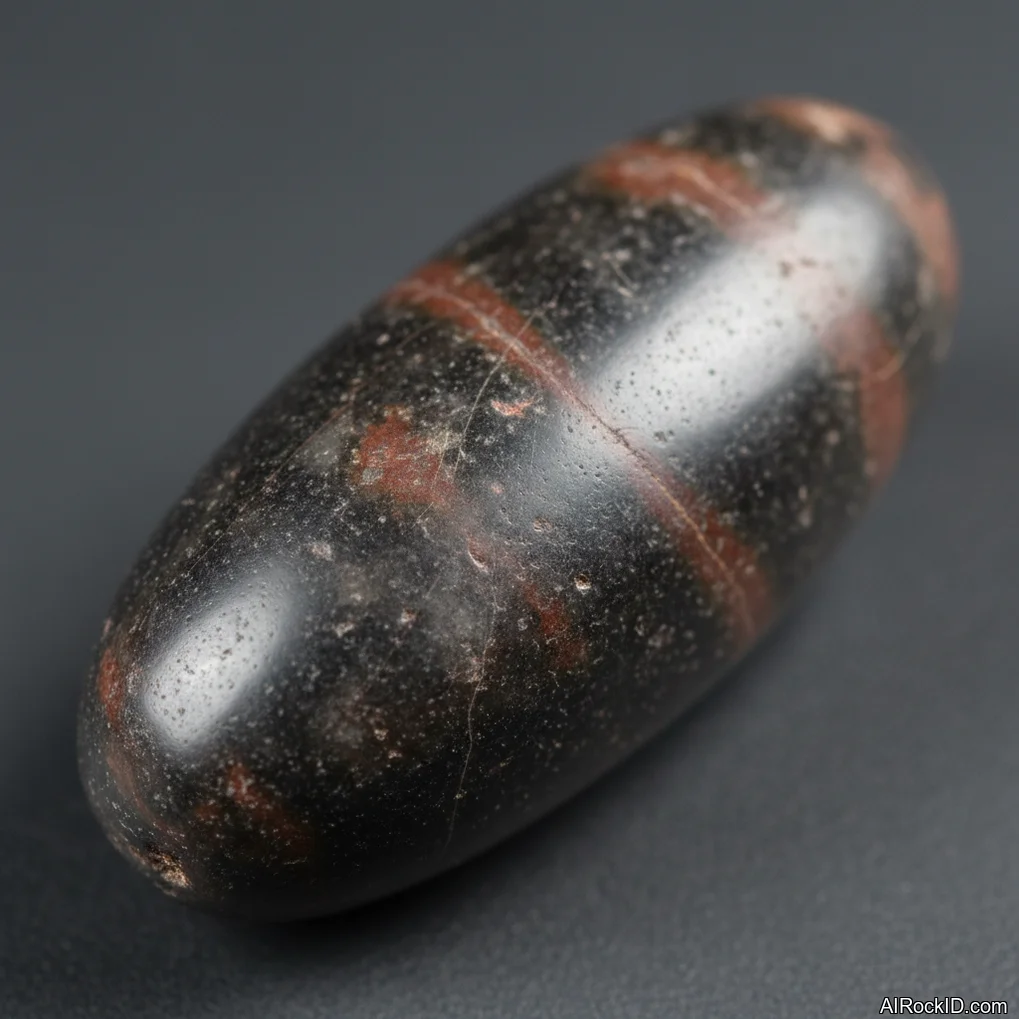
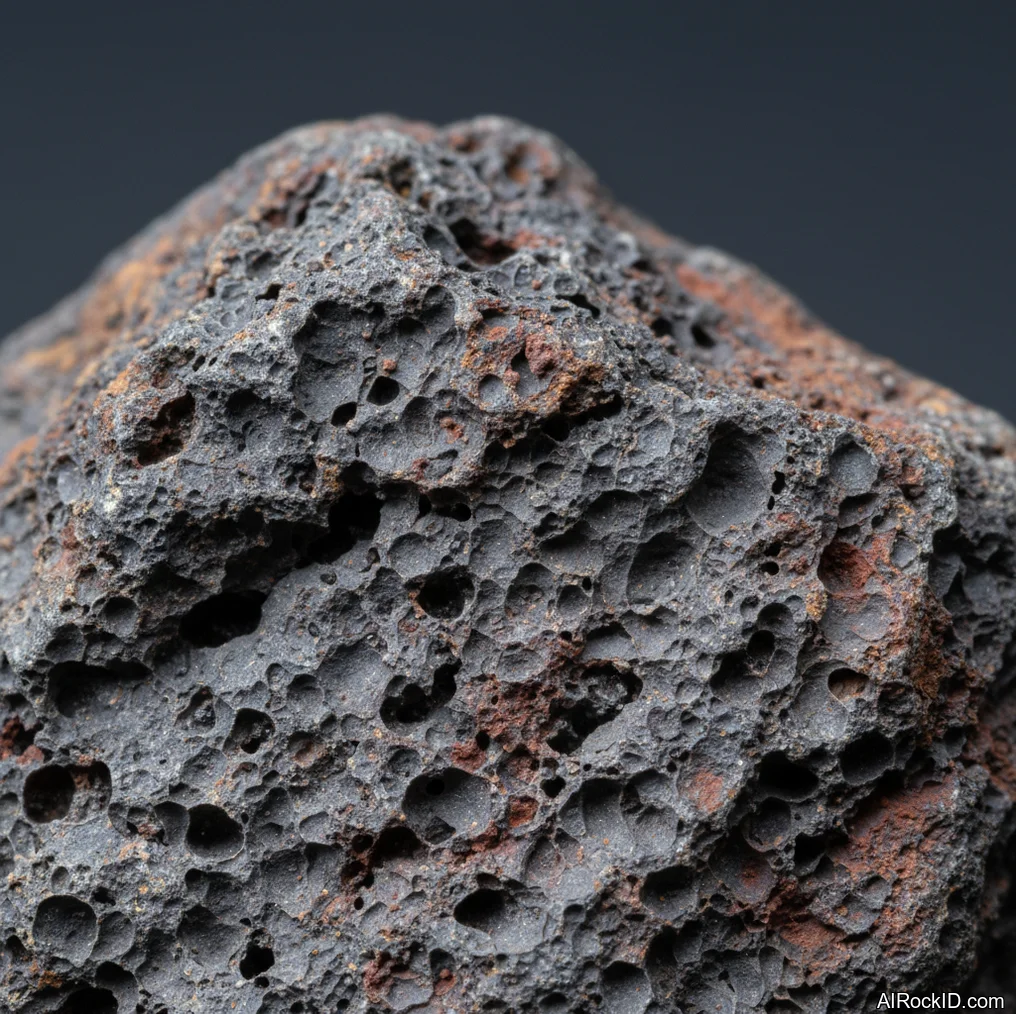
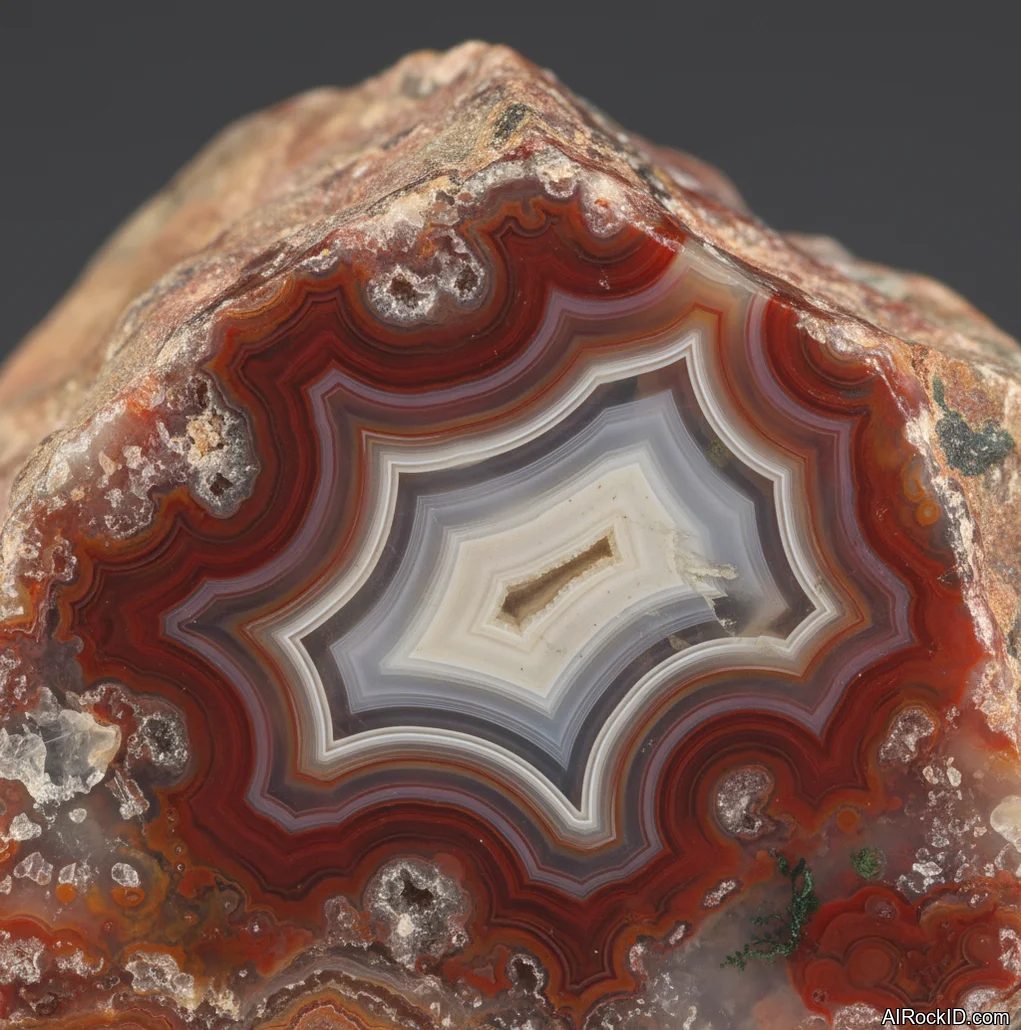
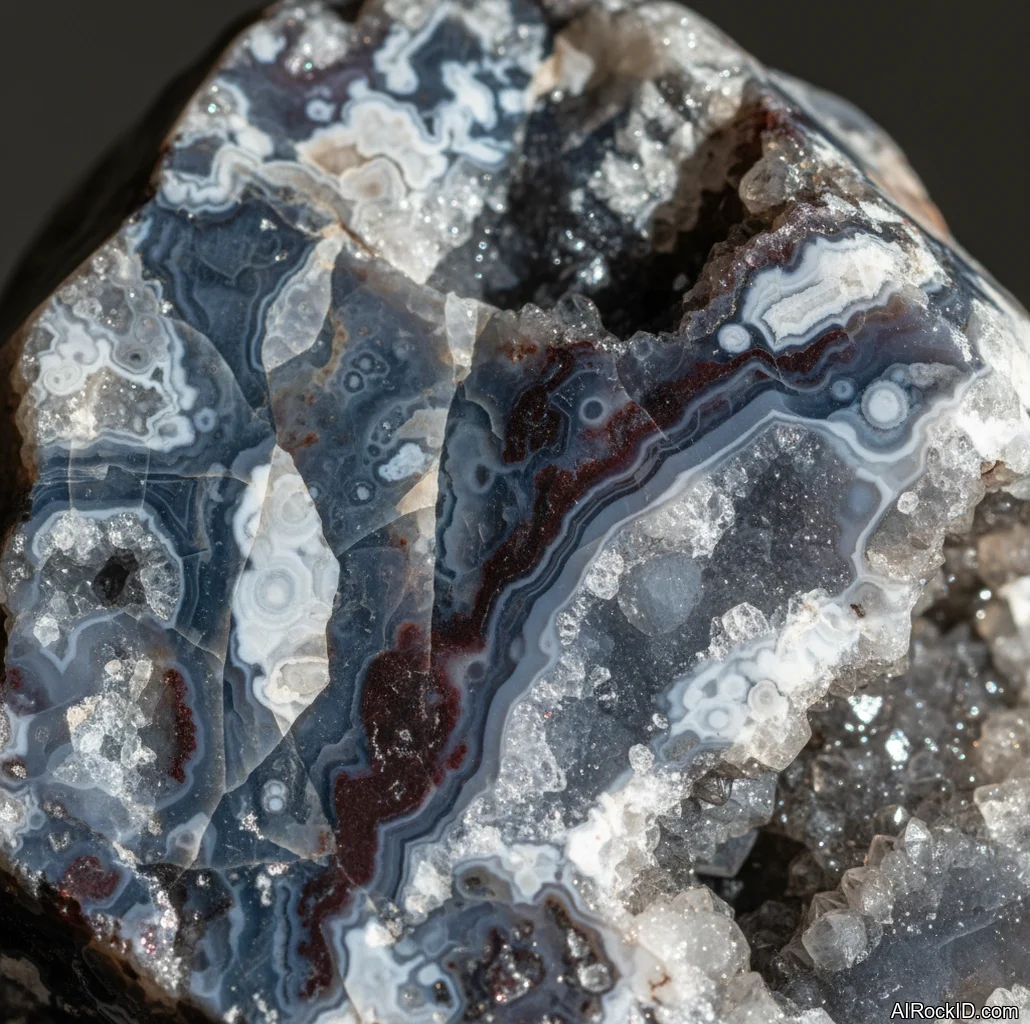
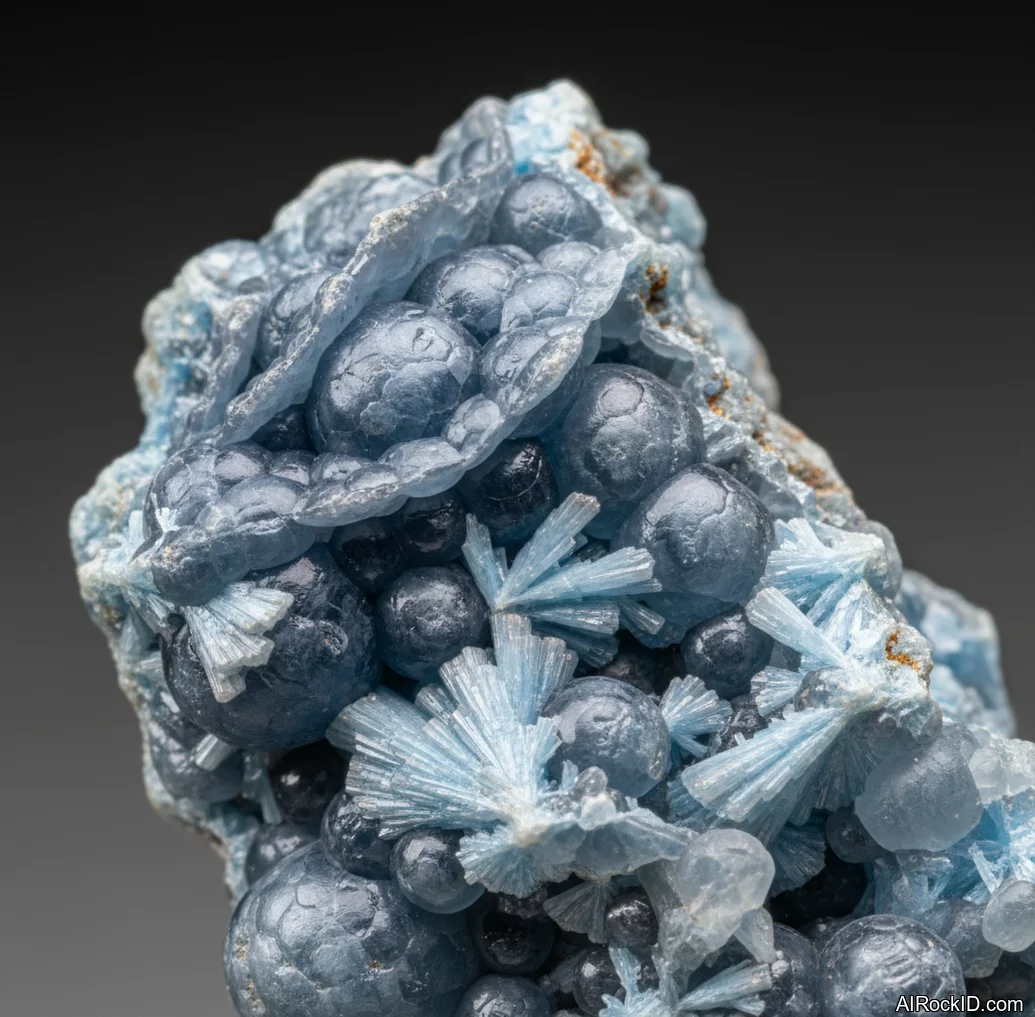
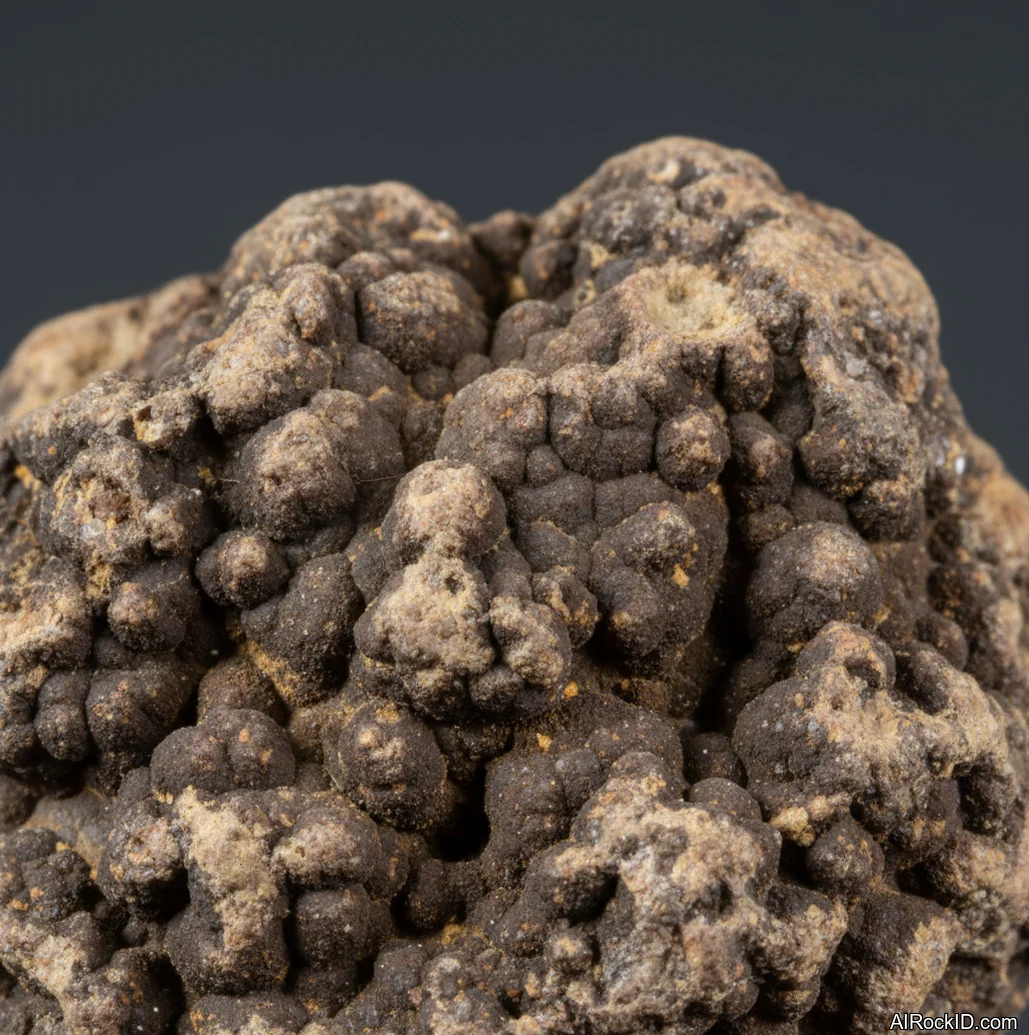
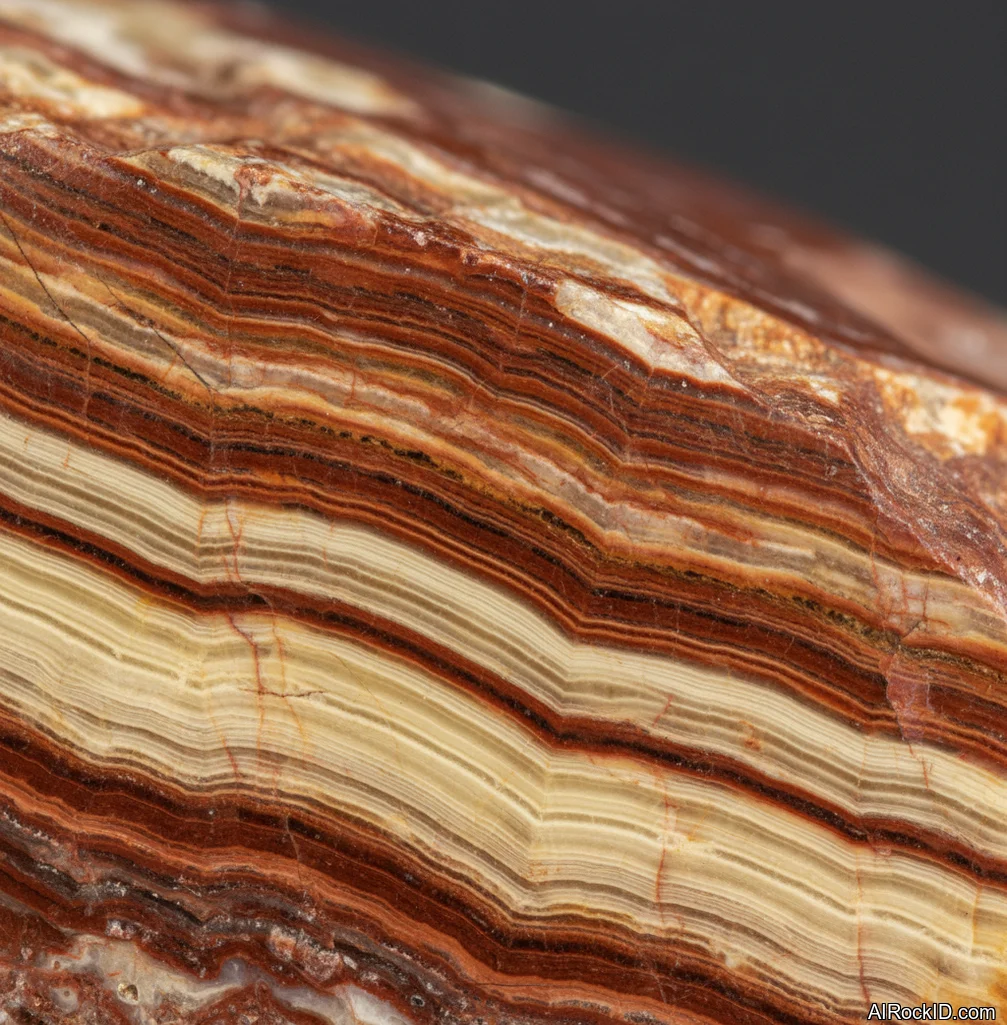
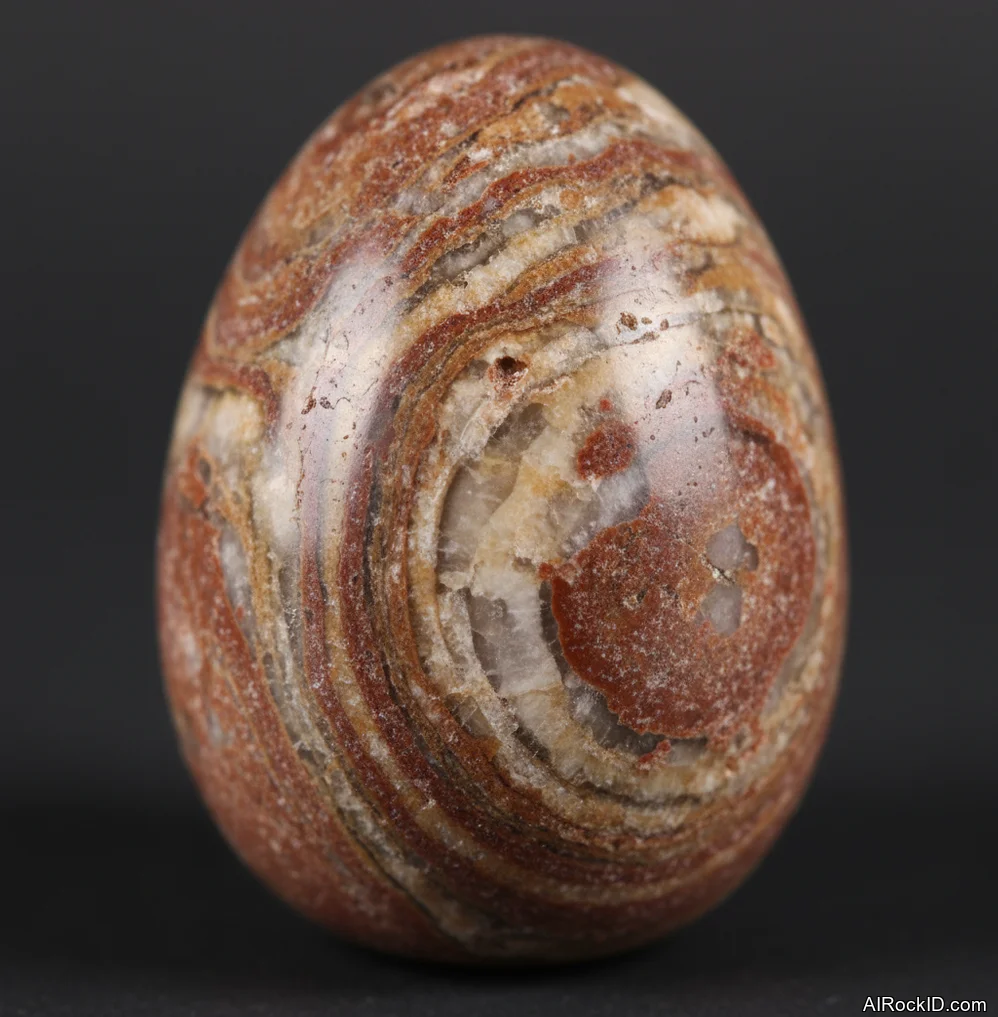
The problem with buying “protection” stones is the label gets slapped on everything black. Most dealers are honest. Still, there are common mix-ups. Black onyx is often just dyed agate. It’ll look too uniform, like printer ink, and the banding is either absent or only shows at the edges. Shungite is another one: real shungite can leave a faint gray streak like pencil on paper, and it has a matte, carbon-y look. If it’s shiny like plastic and weighs almost nothing, be skeptical. With labradorite, watch for resin-coated pieces that look wet-glossy and show a fake rainbow that doesn’t shift with angle.
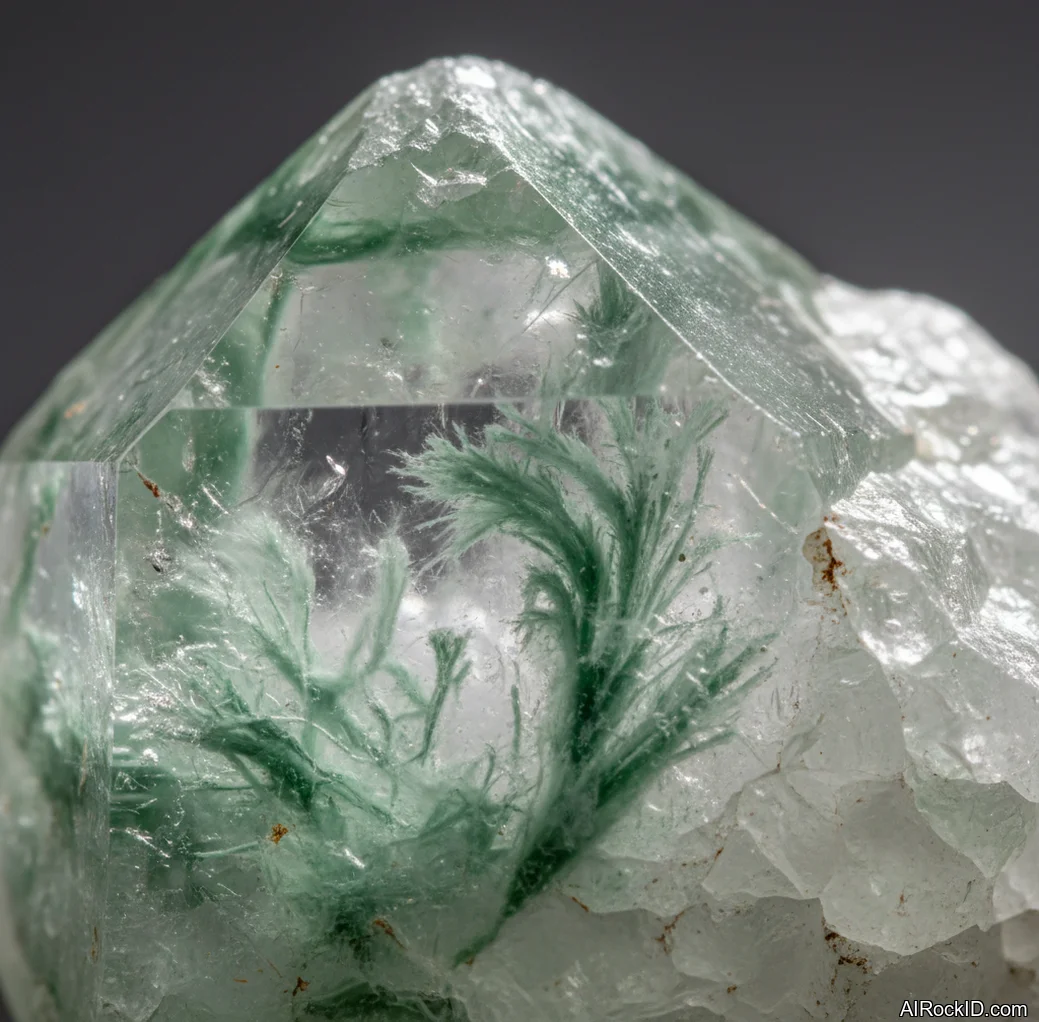
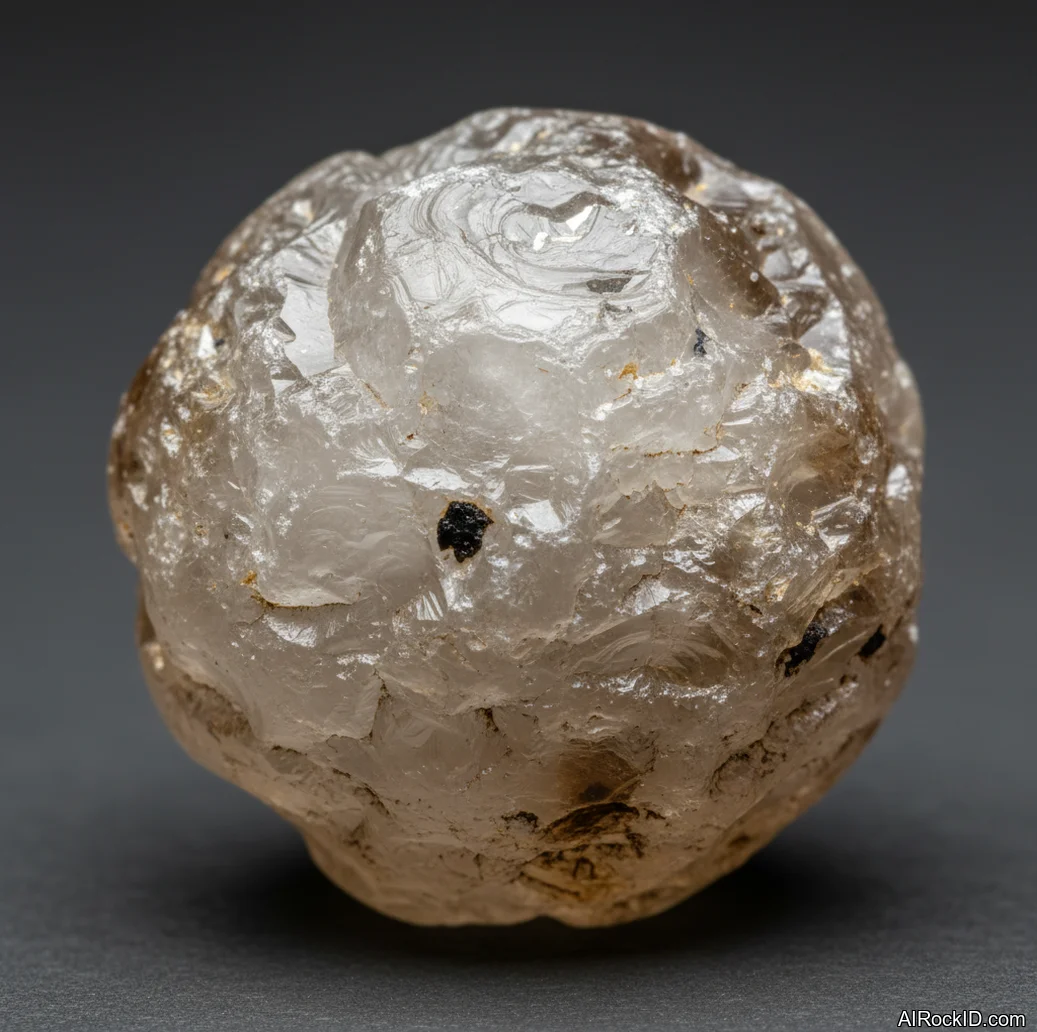
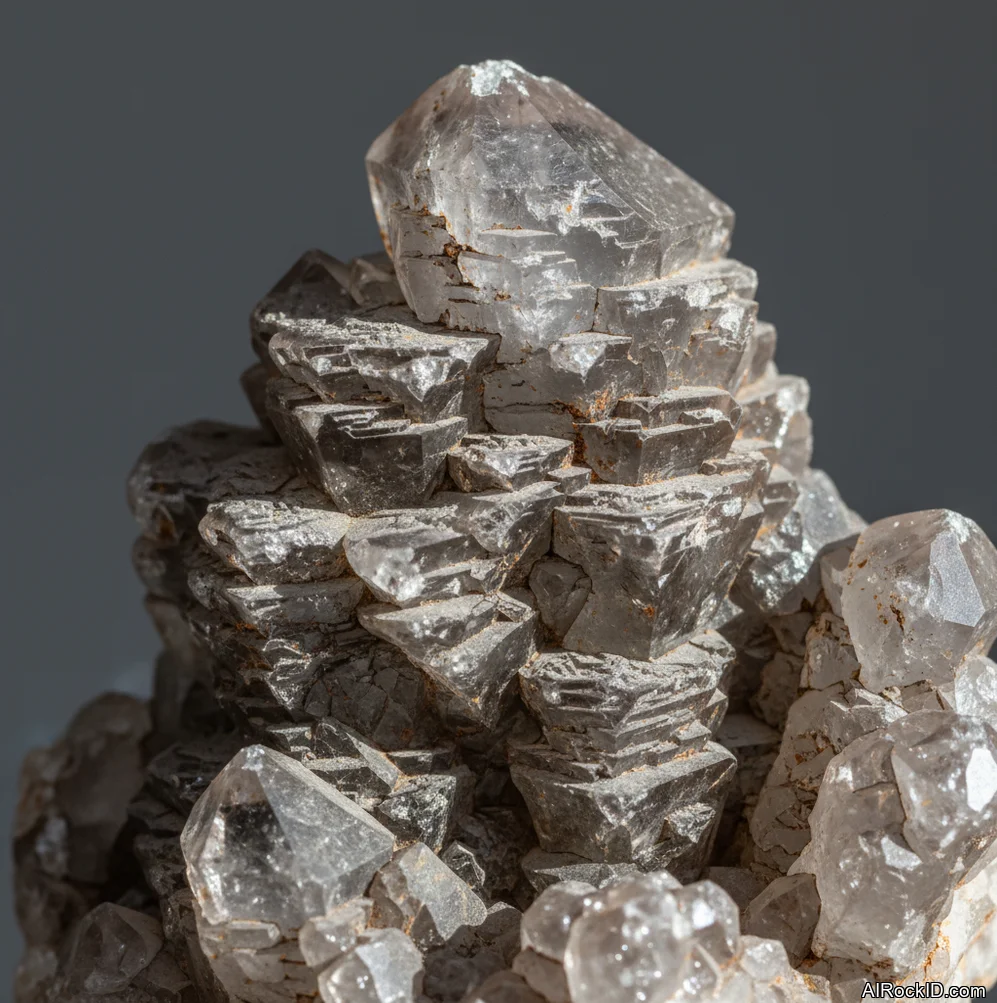
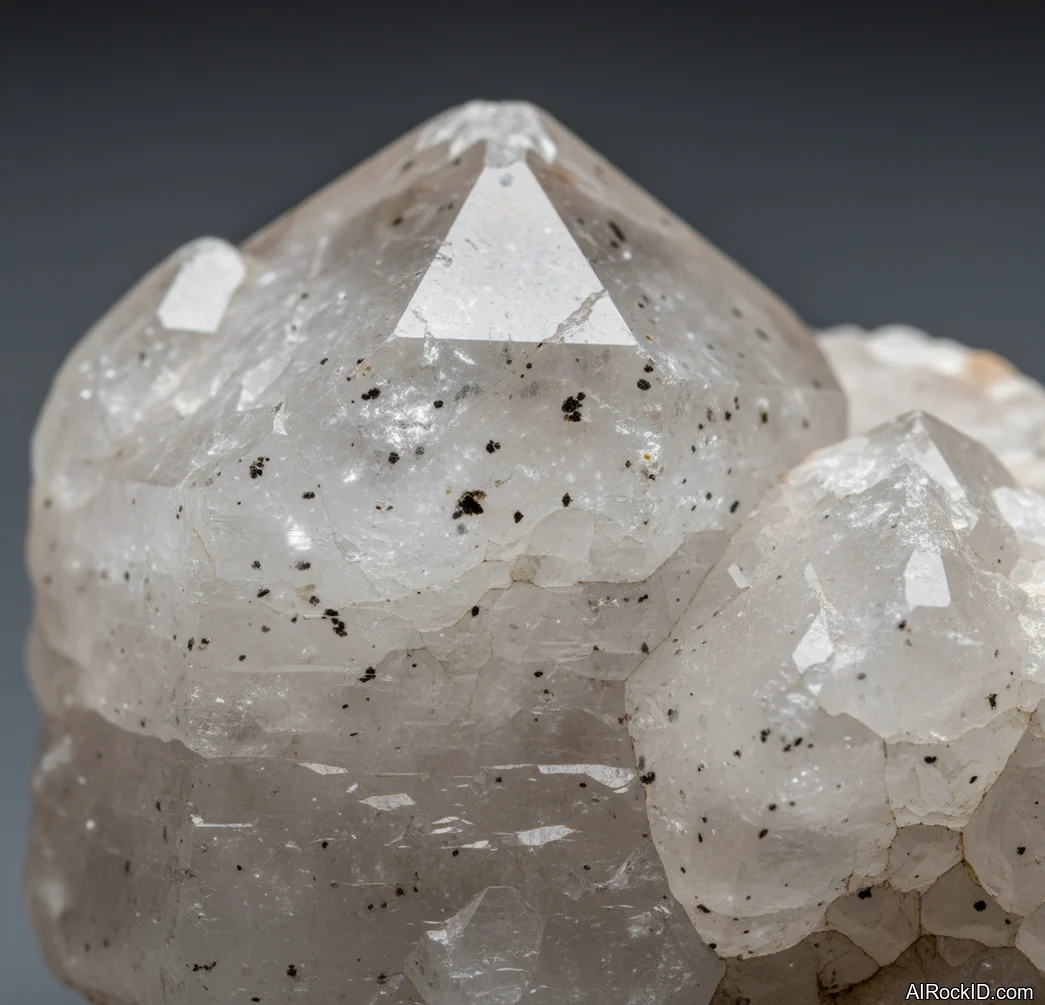
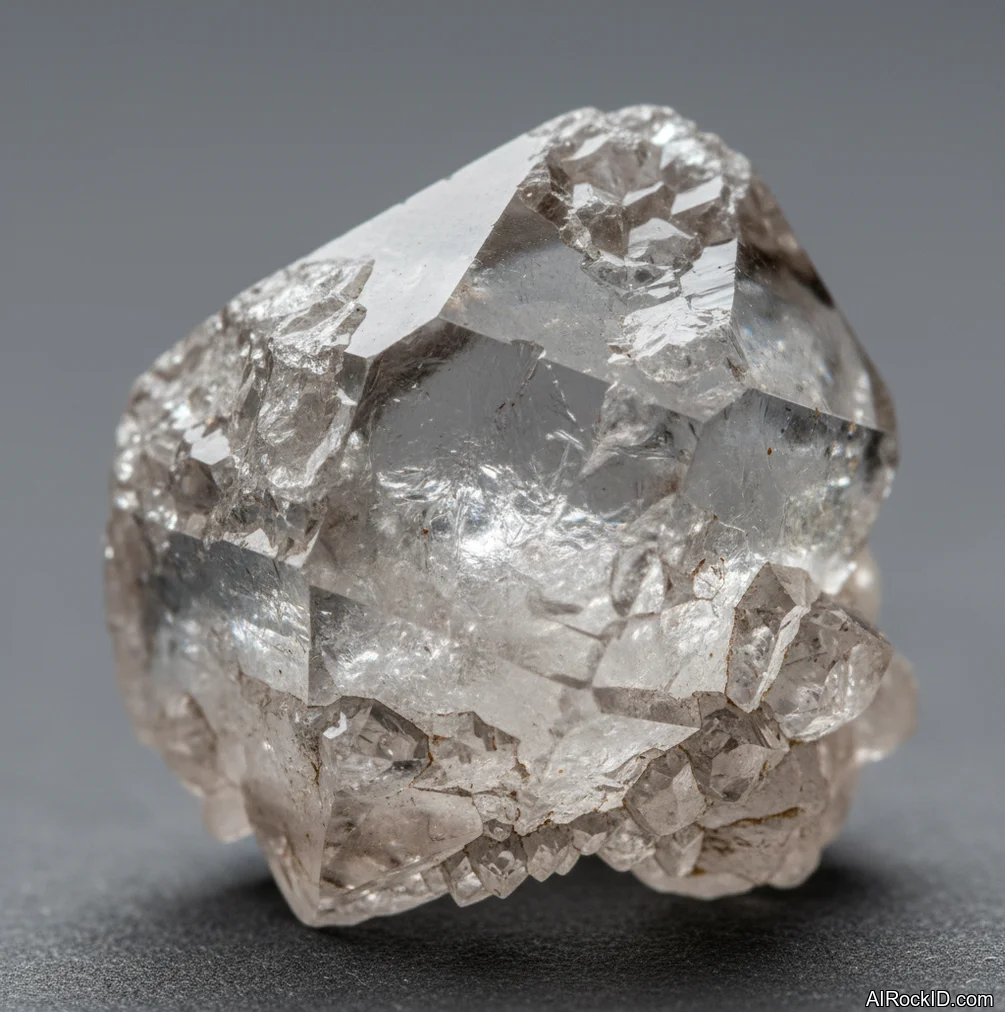
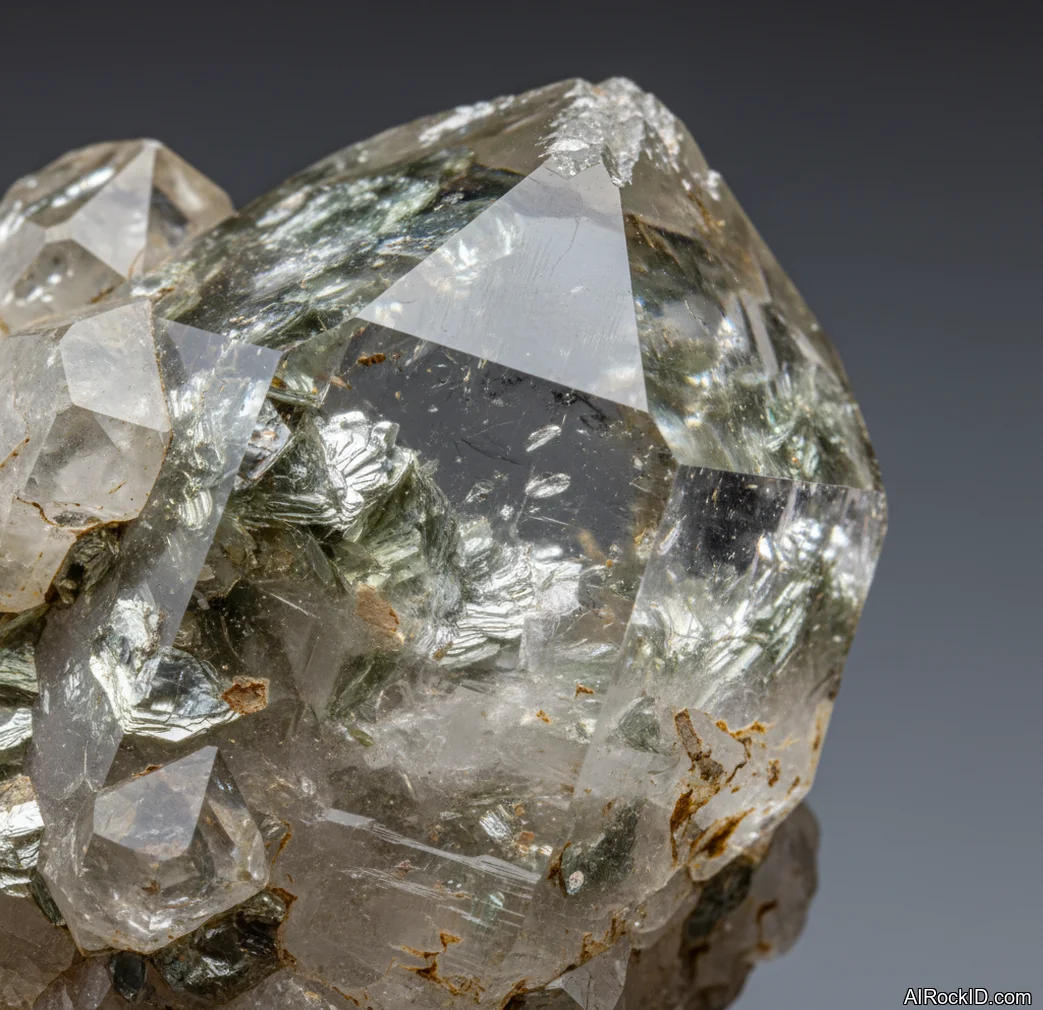
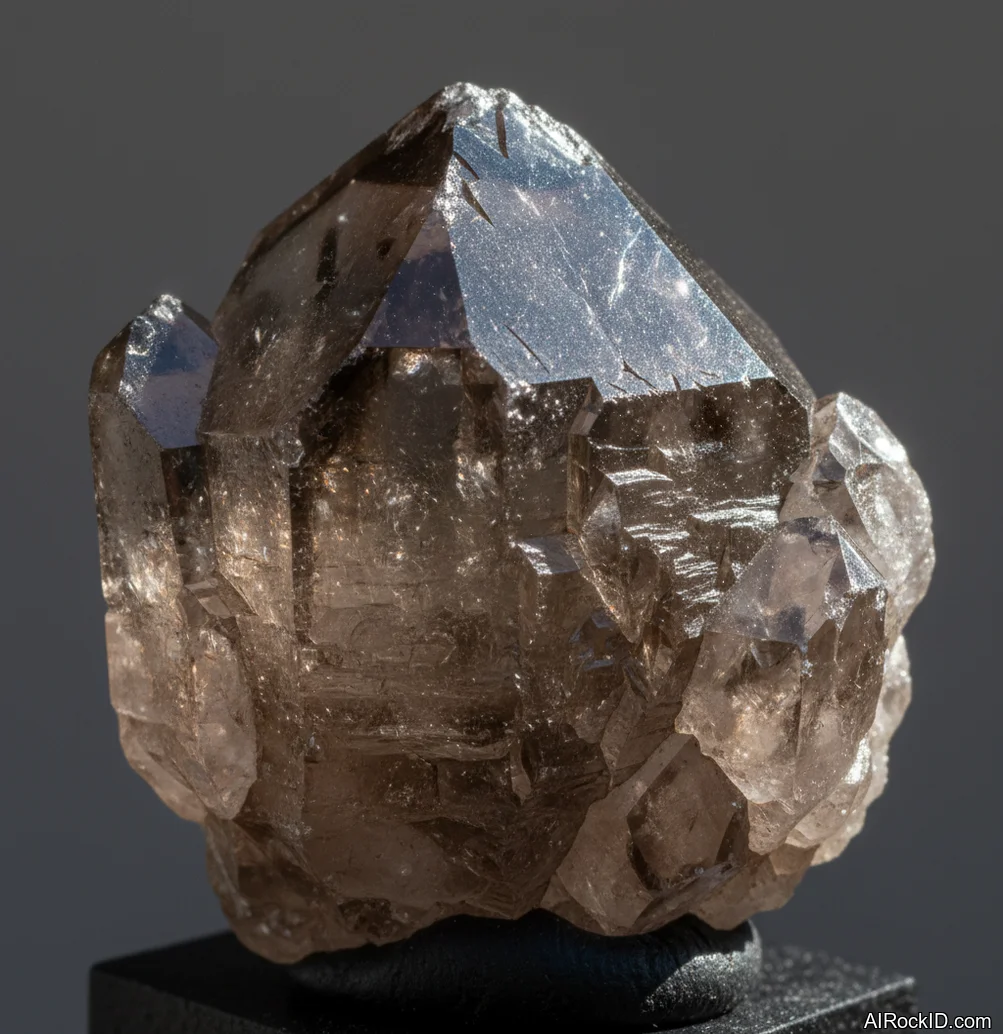
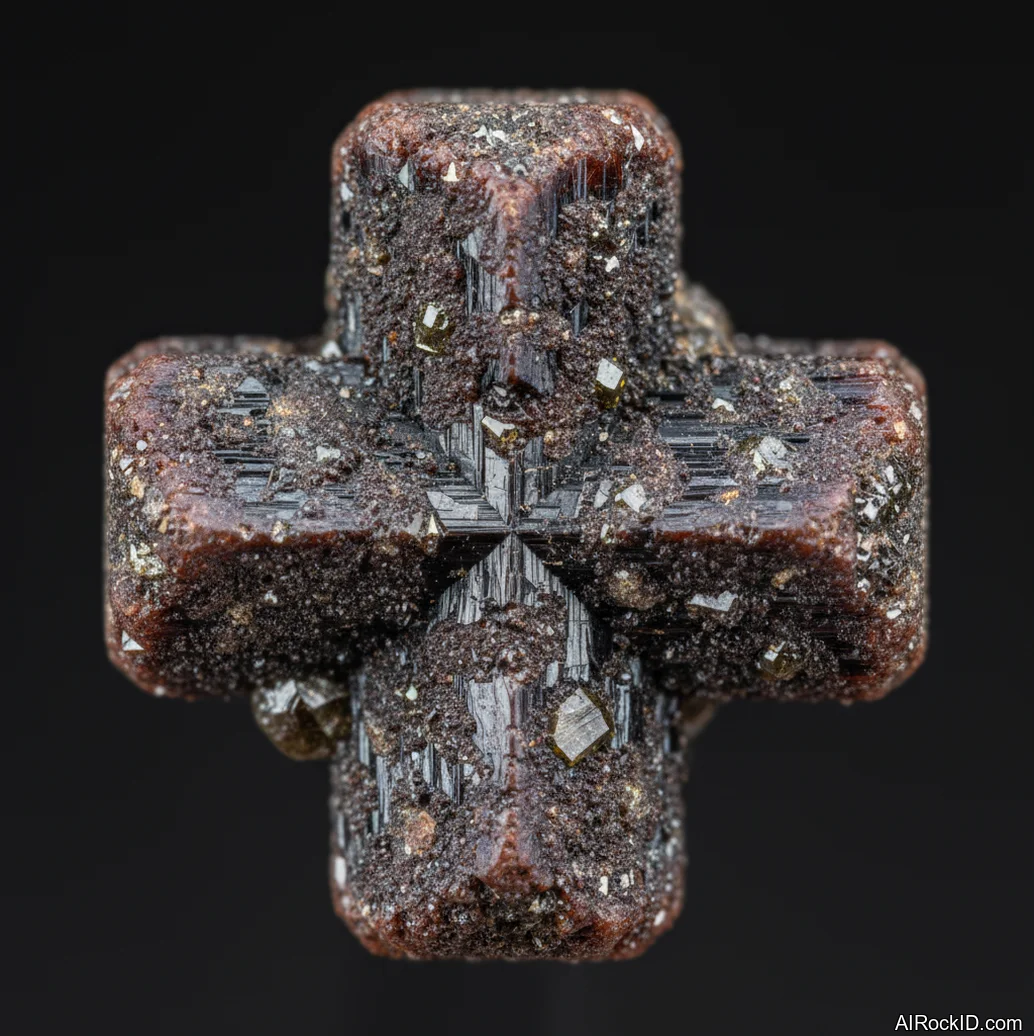
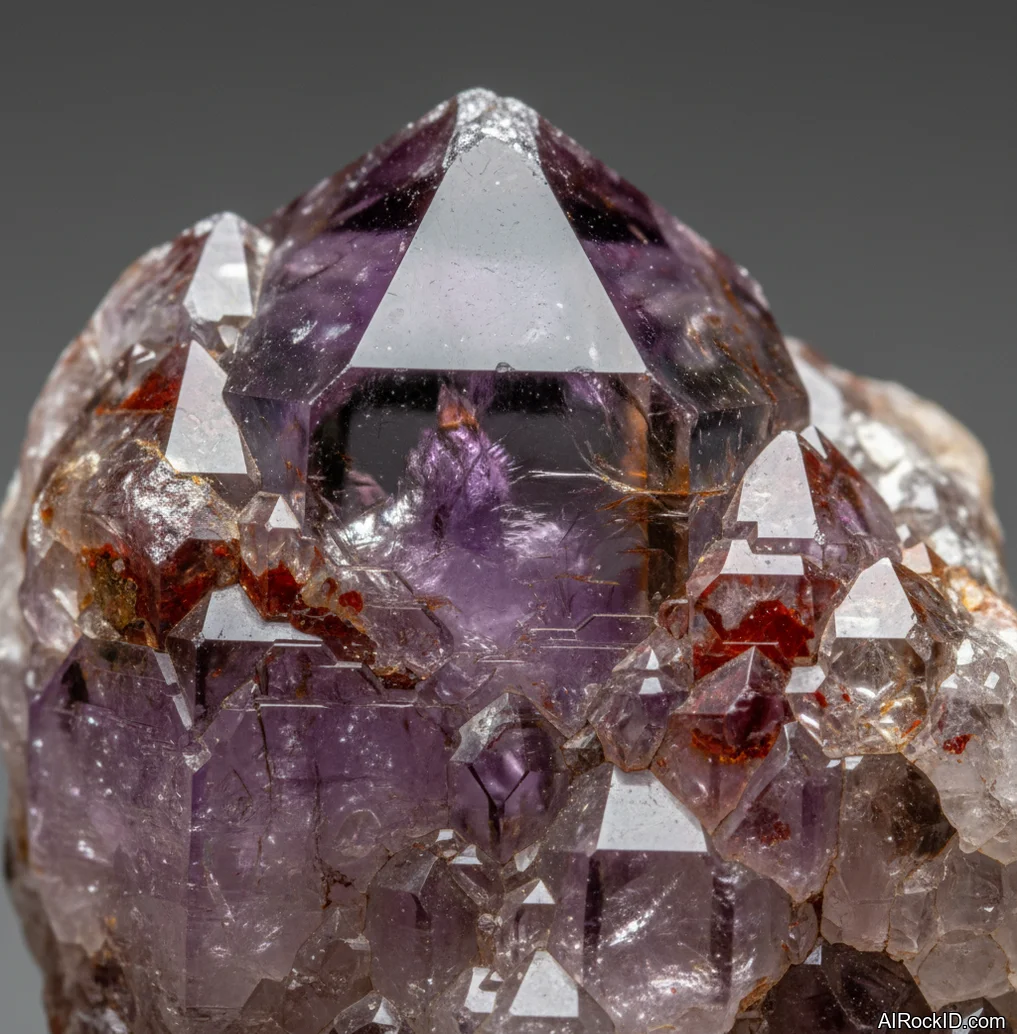
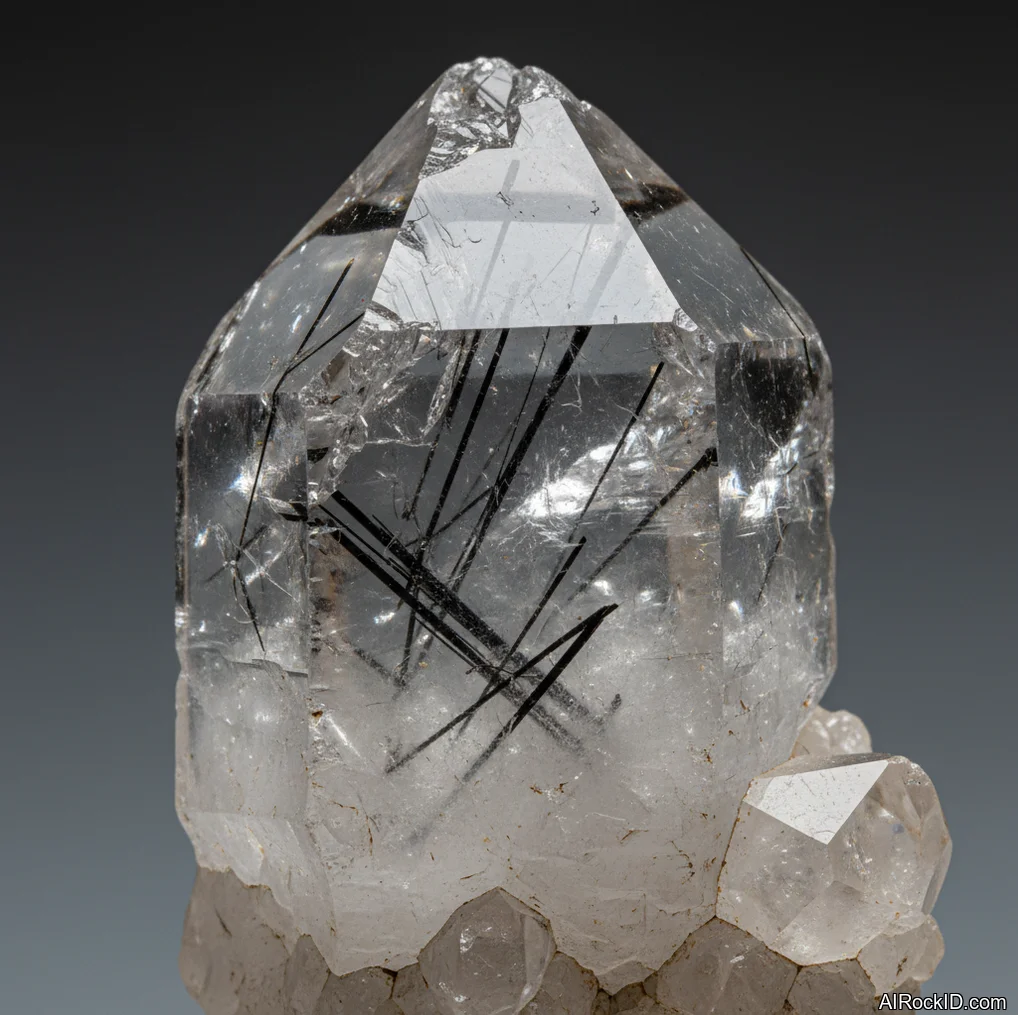
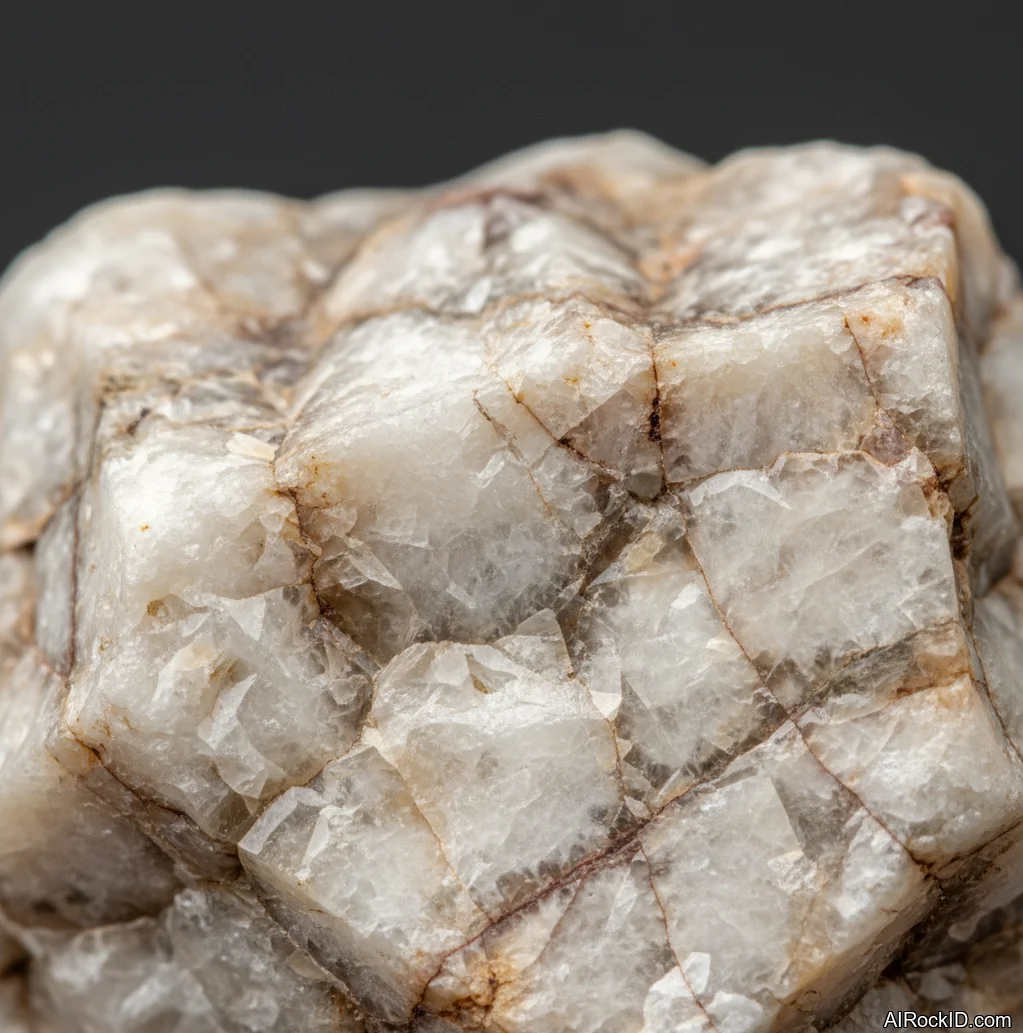
Look, check texture and weight before you fall for a pretty photo. Hematite is dense for its size. Tourmaline has those lengthwise grooves and tends to break with uneven faces. Smoky quartz often has internal veils or smoky zoning, and clear-to-smoky gradients are common in real material. If a smoky quartz tower looks like perfectly even gray glass, it may be irradiated or just not what it’s claimed to be.
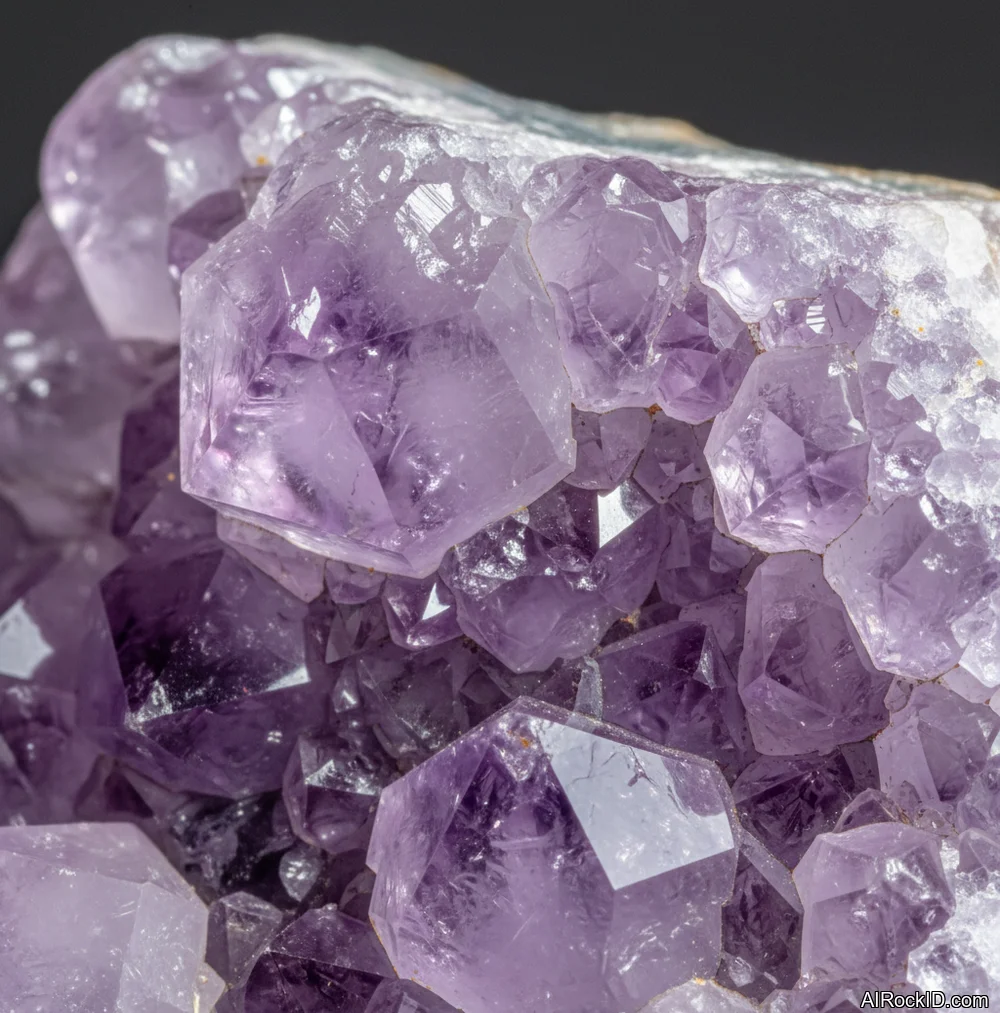
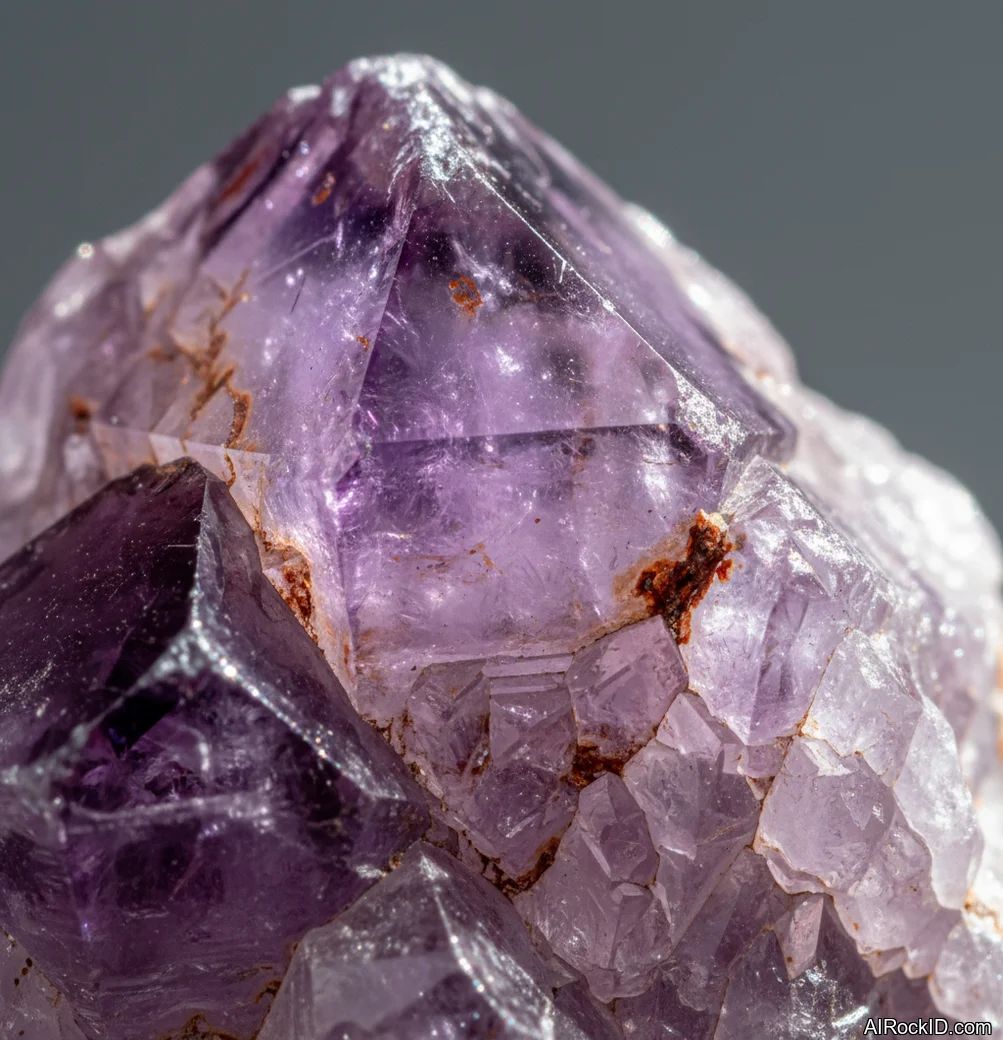
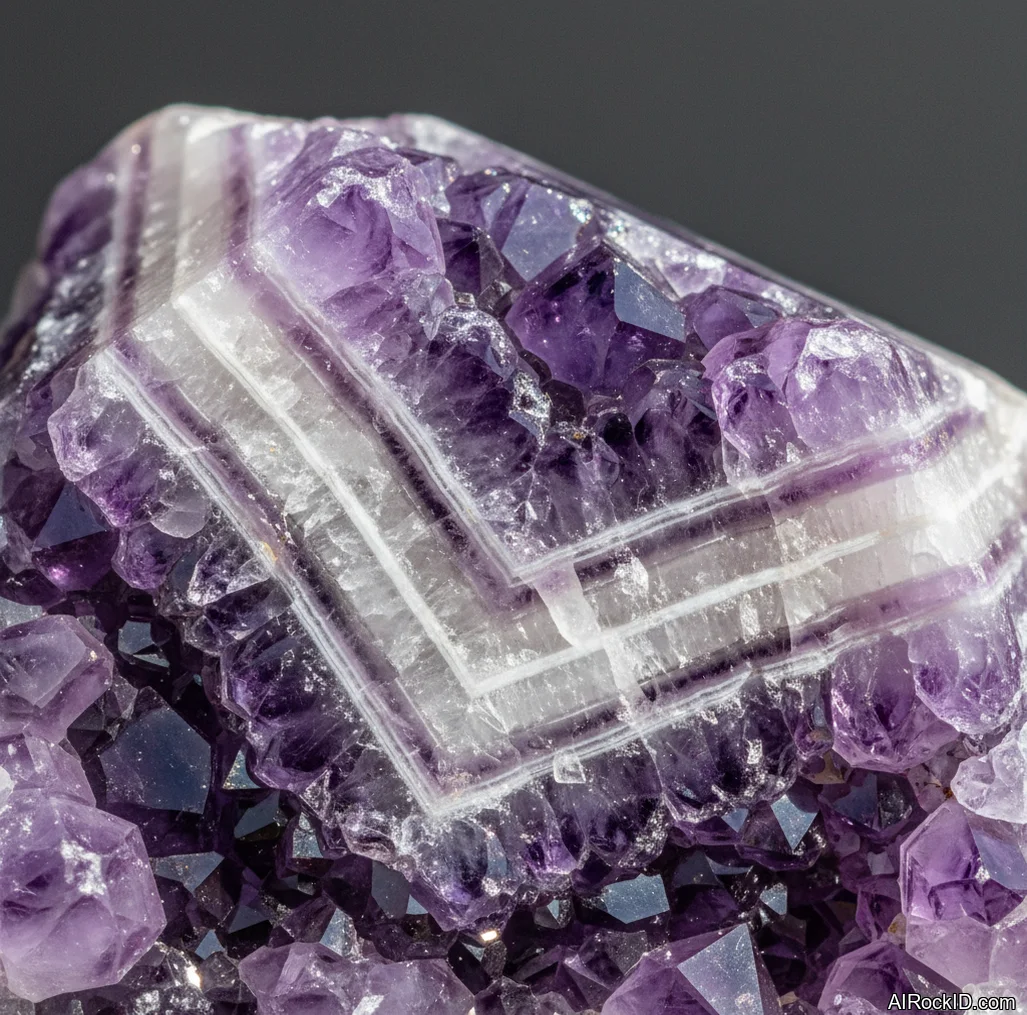
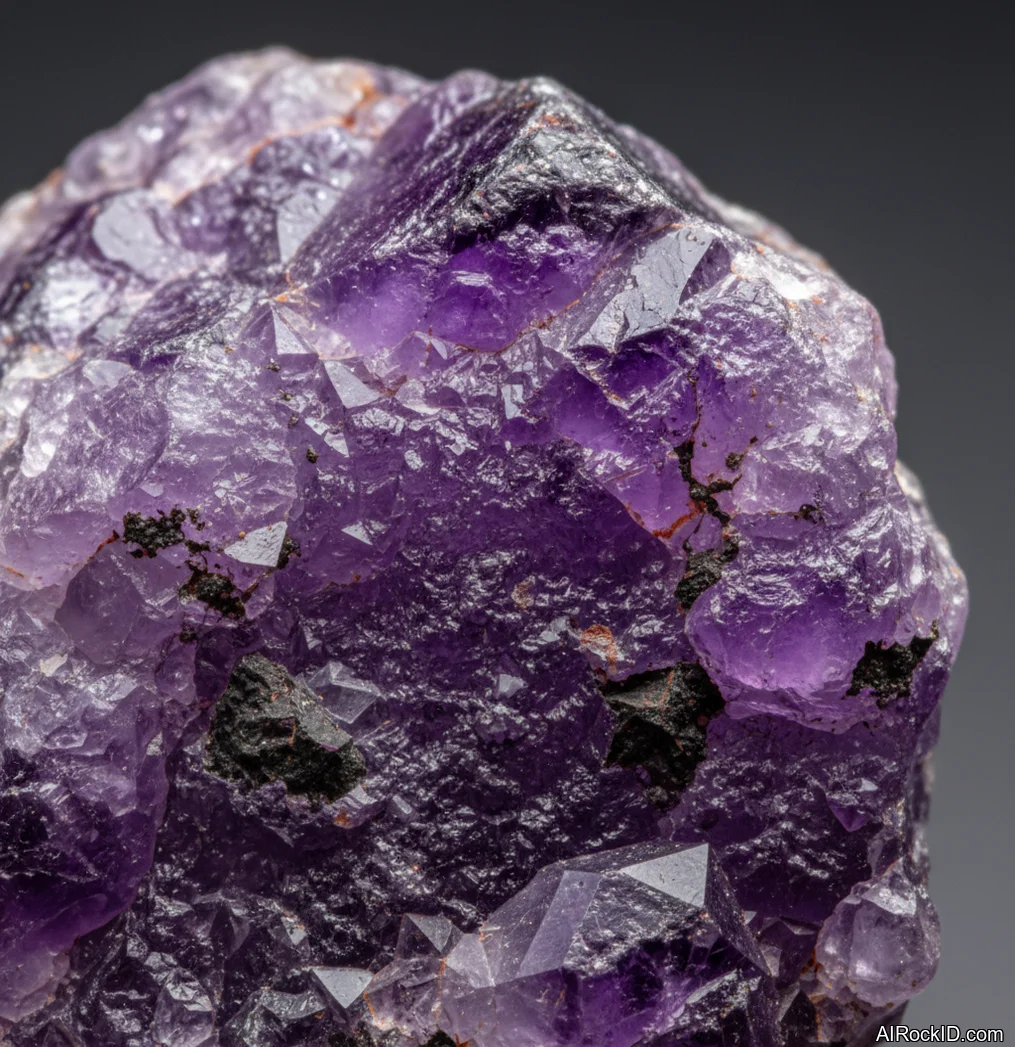
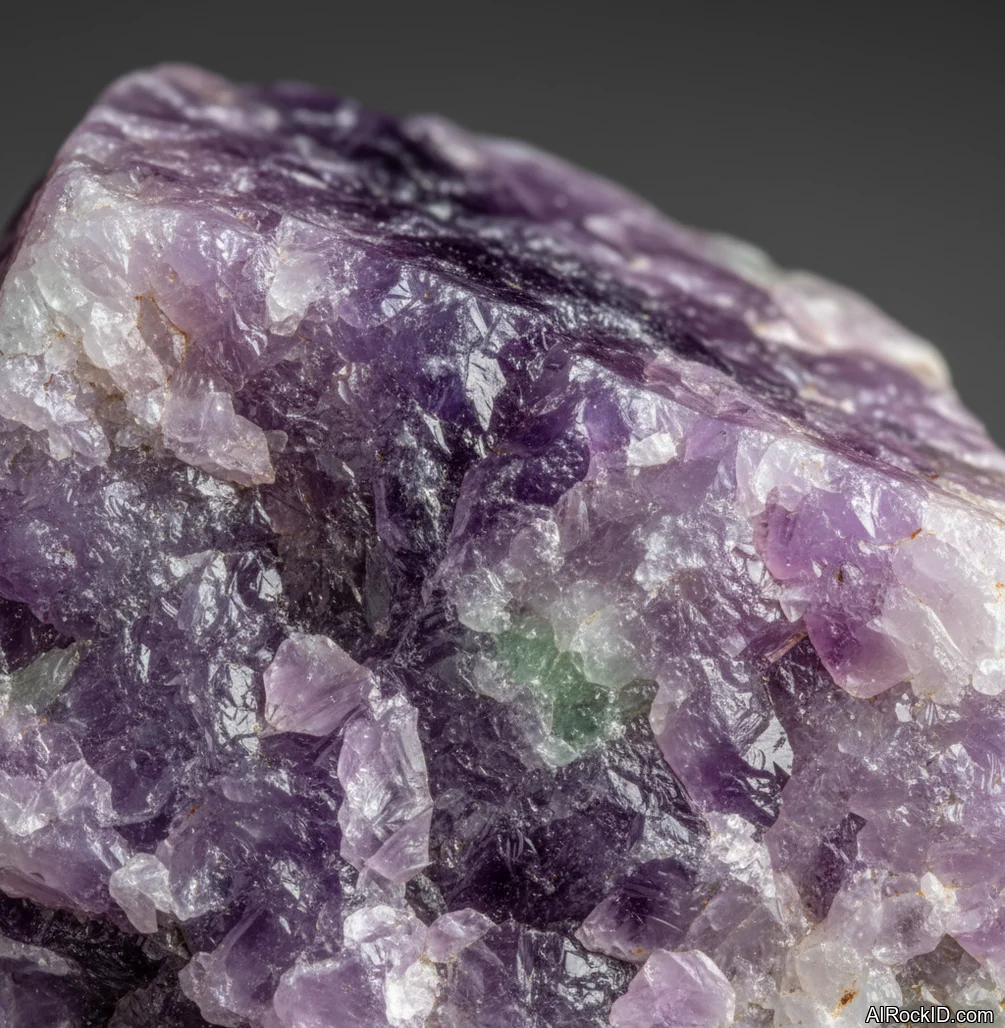
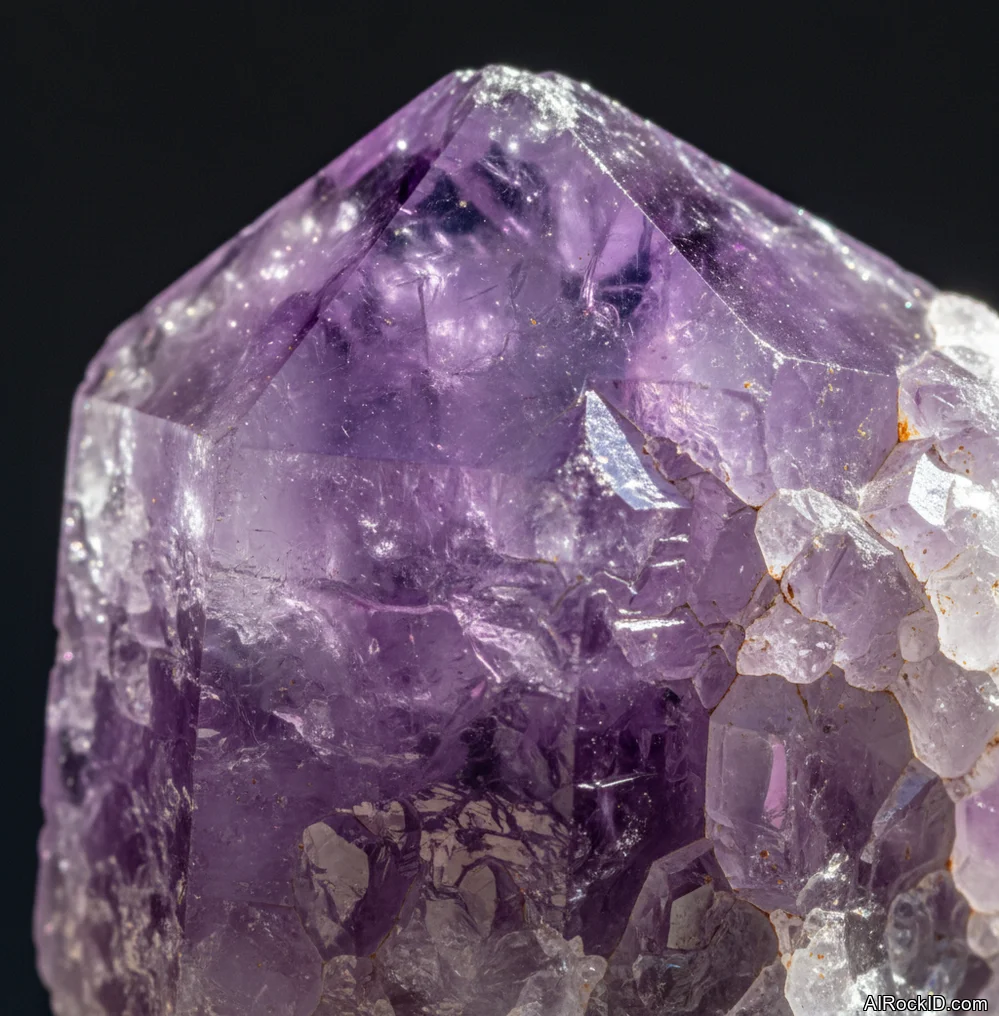
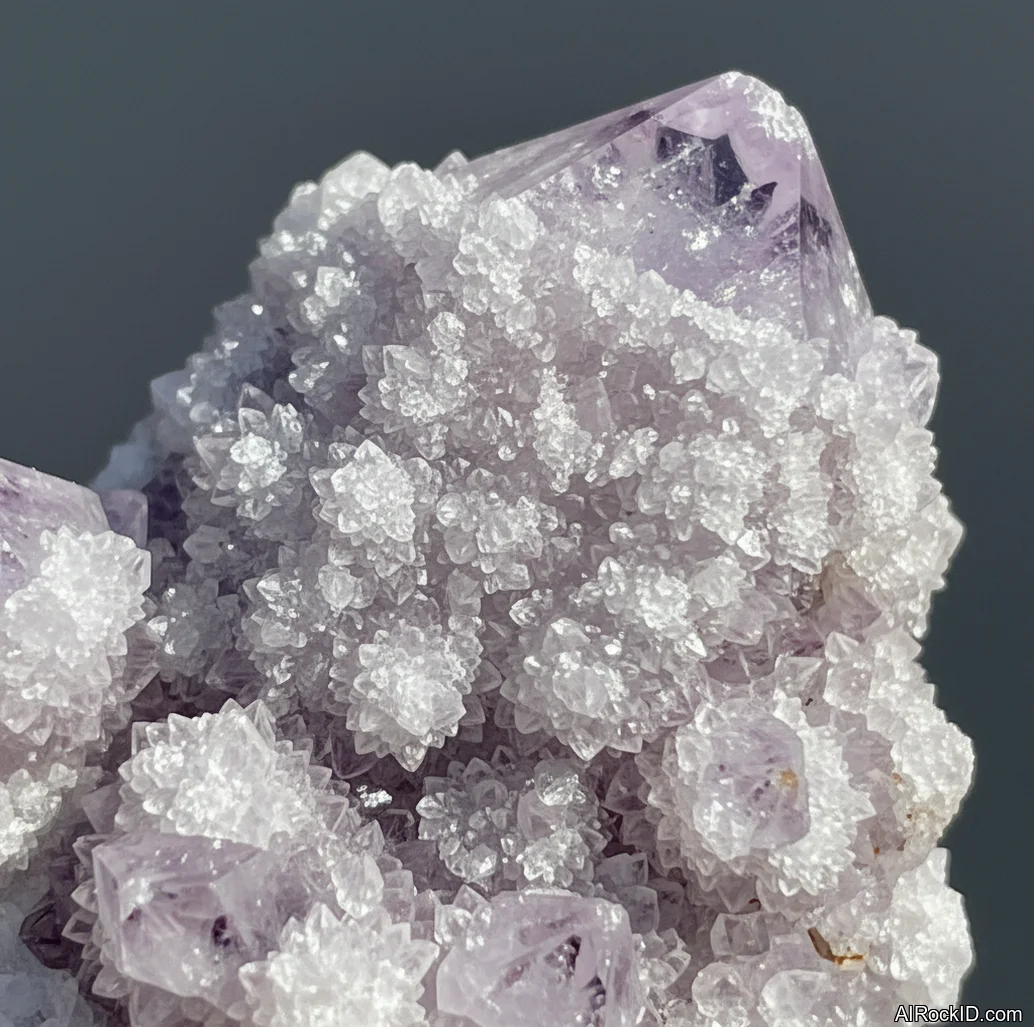
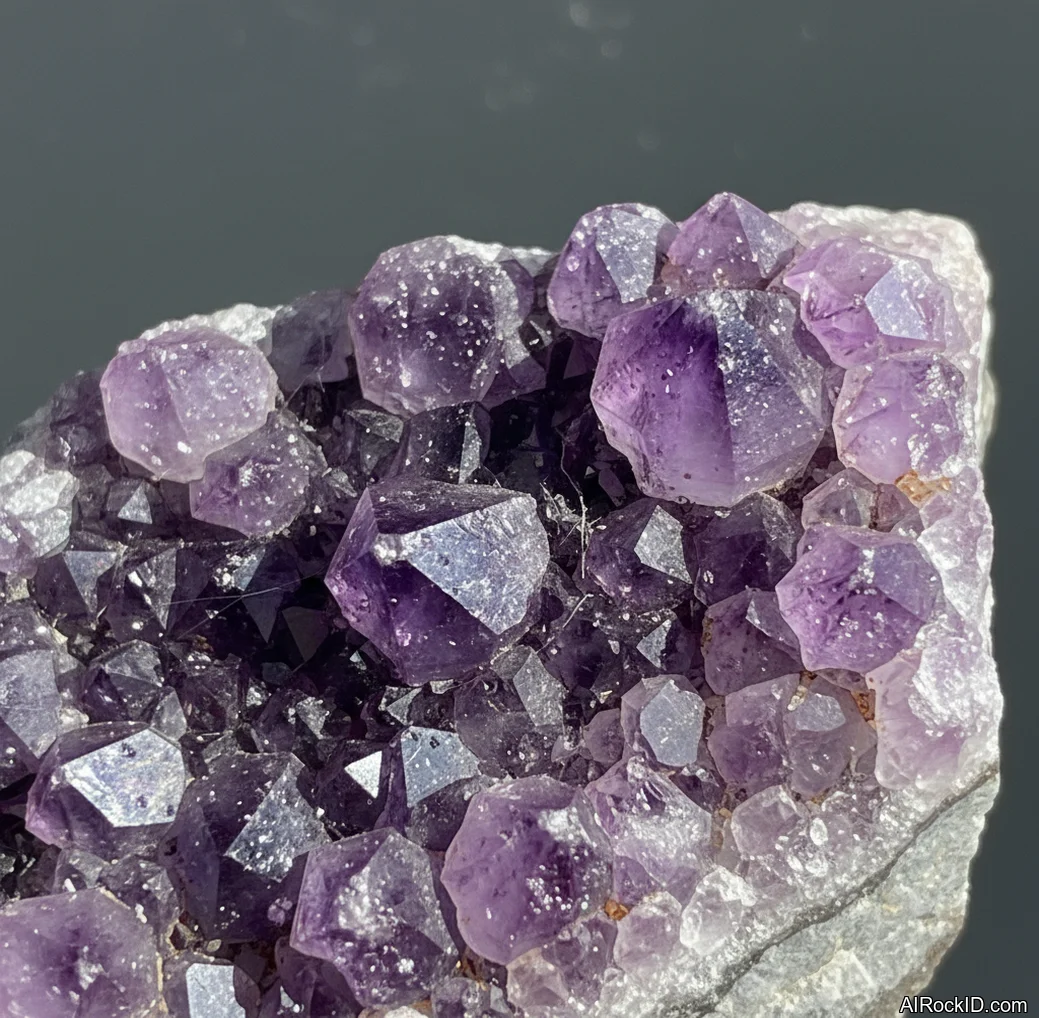
Practical tip: match the protection style to the situation. For crowded places and emotional bleed-through, black tourmaline, smoky quartz, and labradorite are the usual trio. For sleep, people often prefer something grounding but not edgy, like smoky quartz, hematite, or a gentle piece of amethyst paired with a heavier stone. For travel, I like a small tumbled tourmaline or a flat labradorite palm stone because they’re easy to hold during a stressful moment.
Care matters too. Tourmaline and quartz can be rinsed and dried without drama, but don’t soak selenite, and be careful with anything porous. Obsidian scratches more easily than people expect, so keep it away from keys. And if you’re doing any kind of “clearing” ritual, keep it practical: wipe the stone, reset your intention, put it back where it actually gets used. A protection crystal buried in a drawer doesn’t protect much of anything.
One last reality check. No stone replaces common sense boundaries, sleep, and getting out of a situation that feels wrong. Thing is, what protection crystals can do, for a lot of people, is give a physical anchor. Something you can touch, feel the cool surface, notice the weight, and remember to hold your line.
All Protection Crystals (179)