Love Crystals
Learn how Love crystals like rose quartz, rhodonite, and kunzite are used for heart healing, relationships, and self-love, with buying tips.
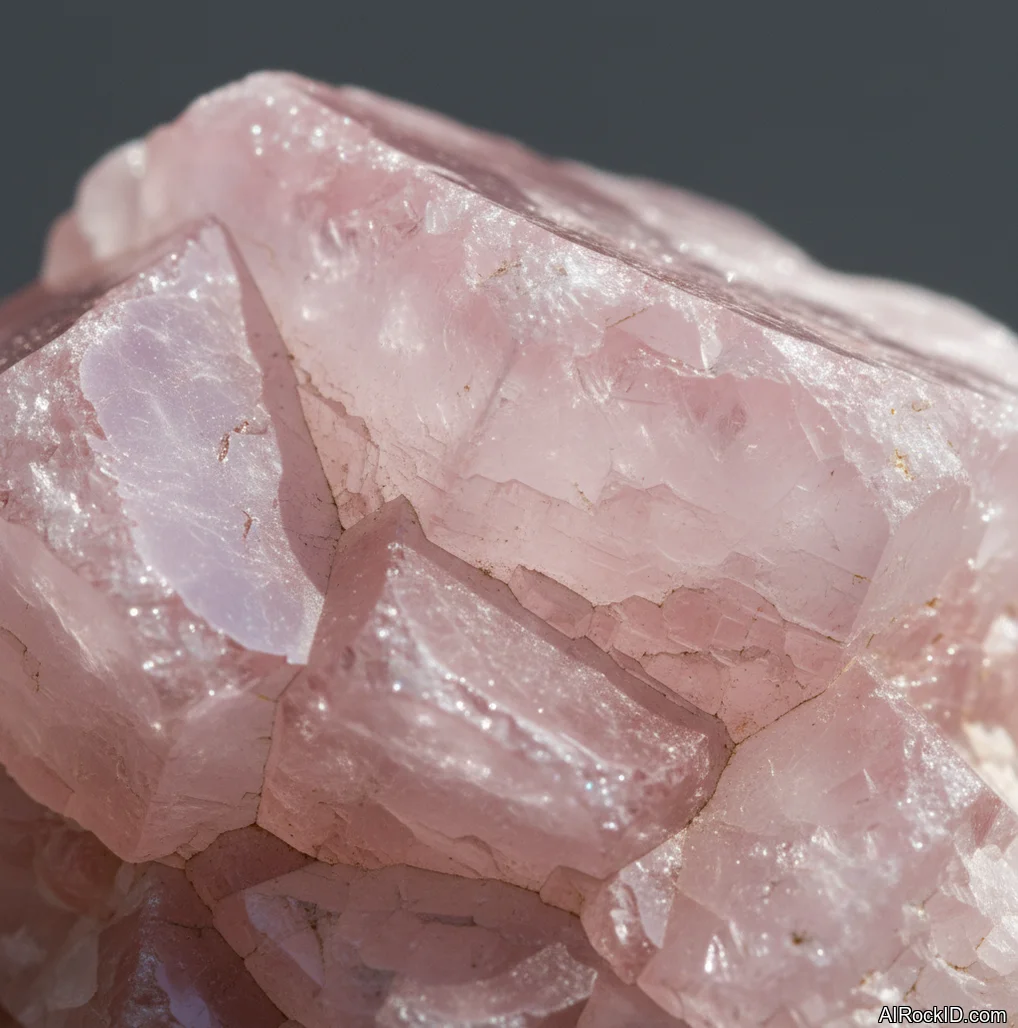
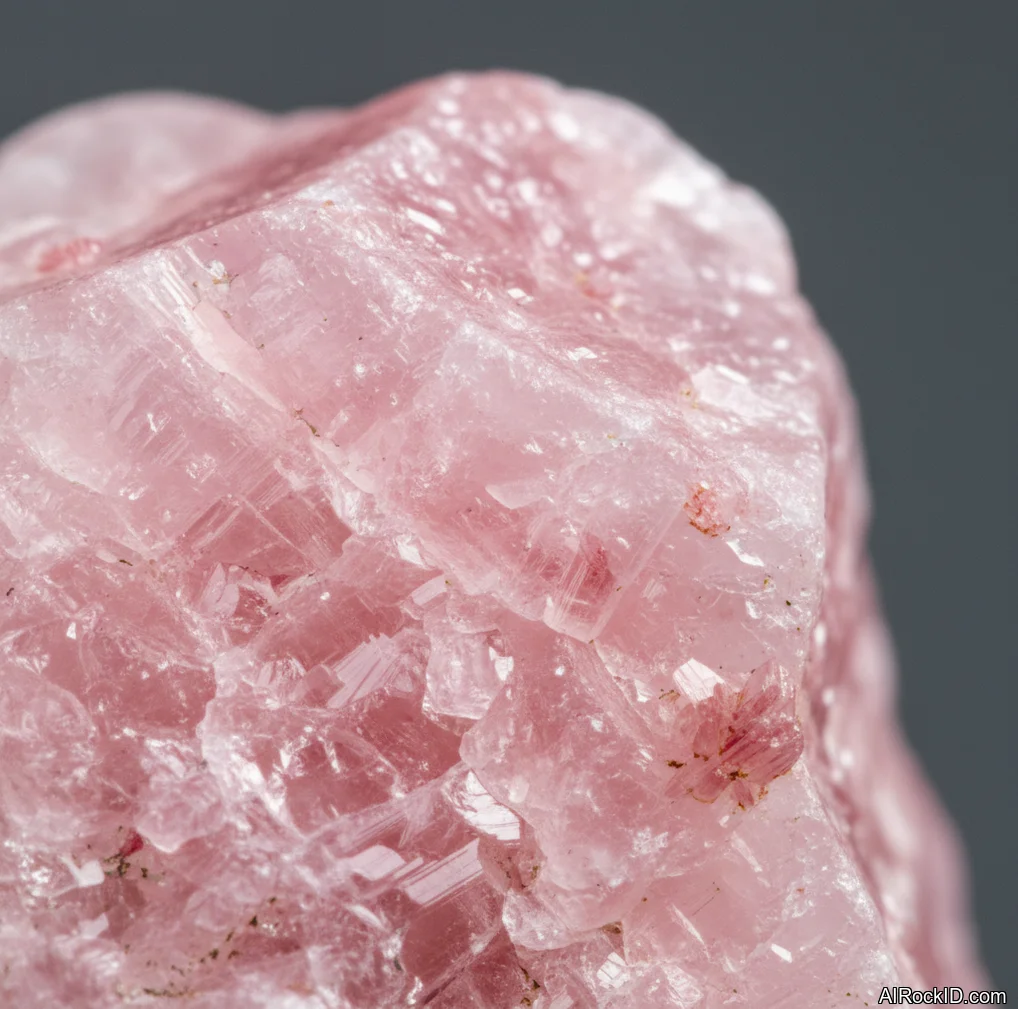
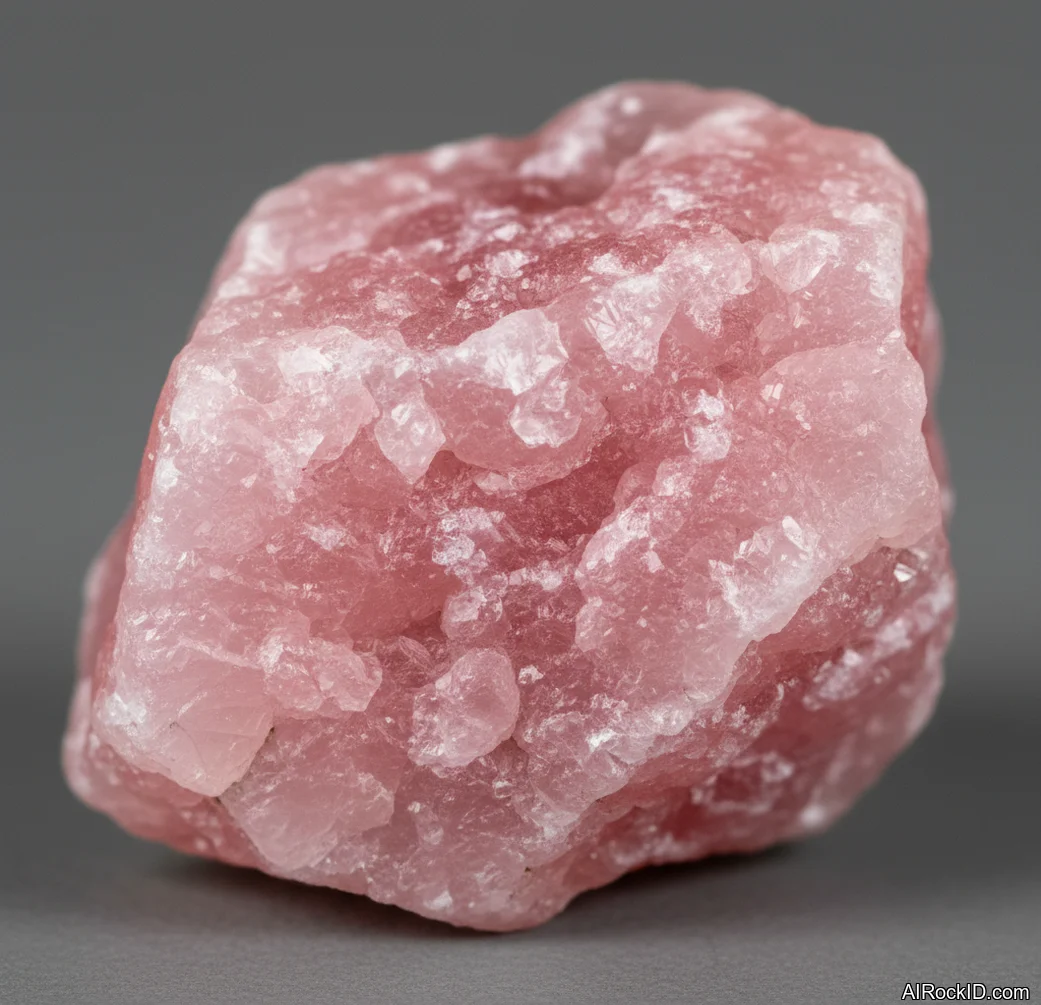
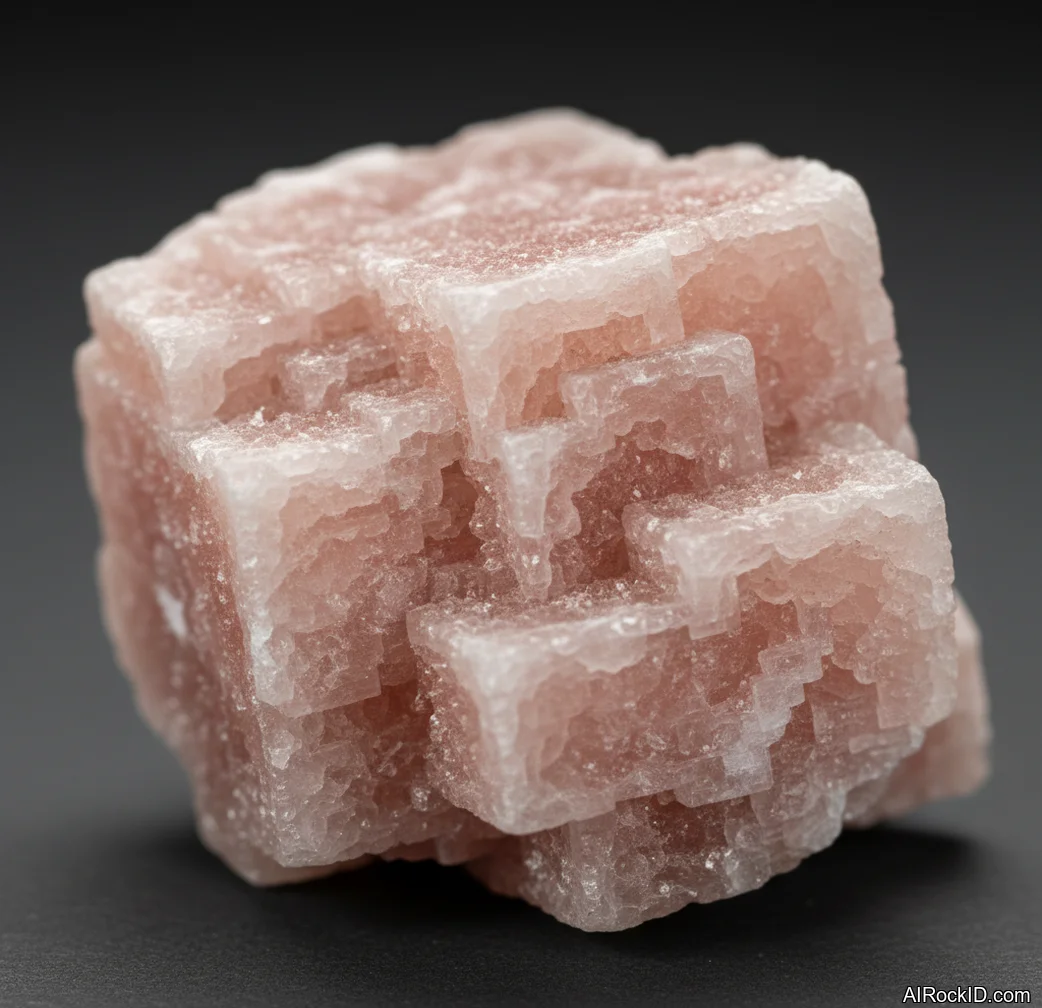
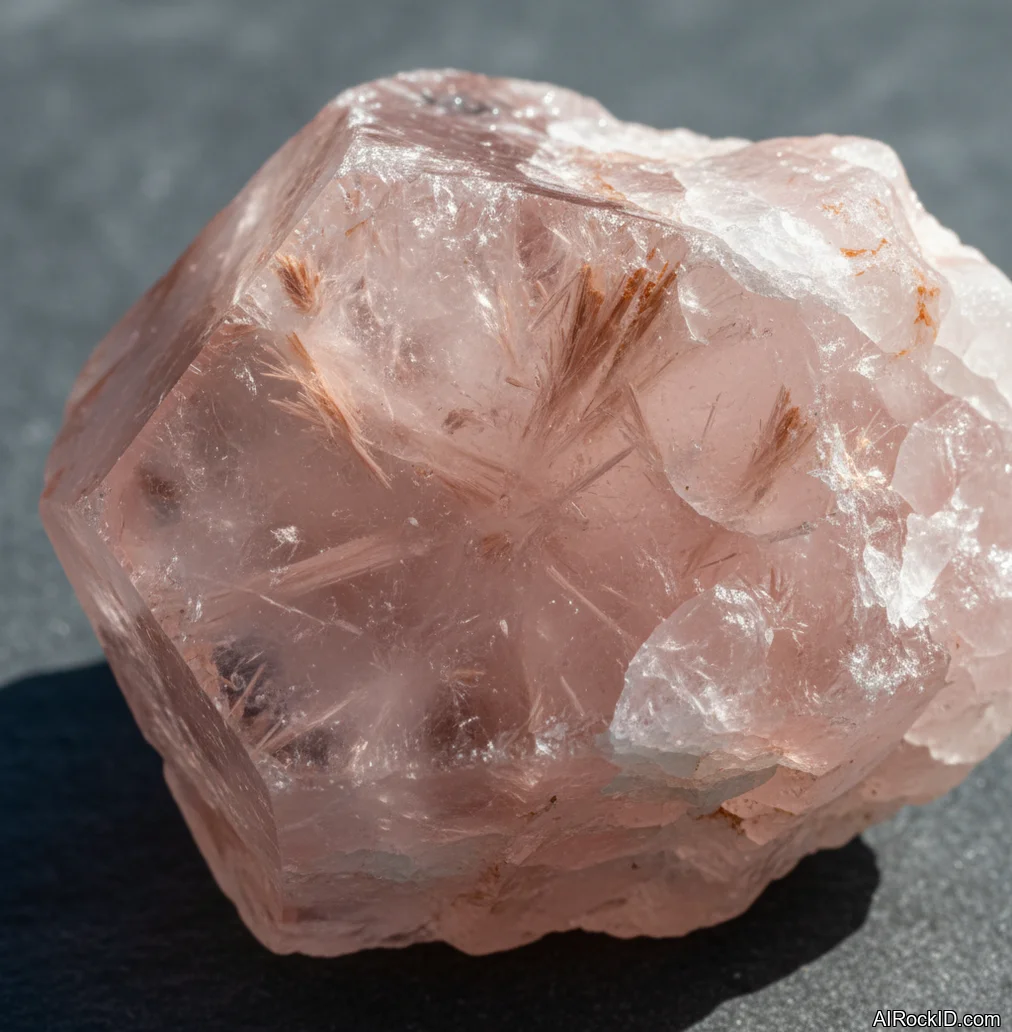
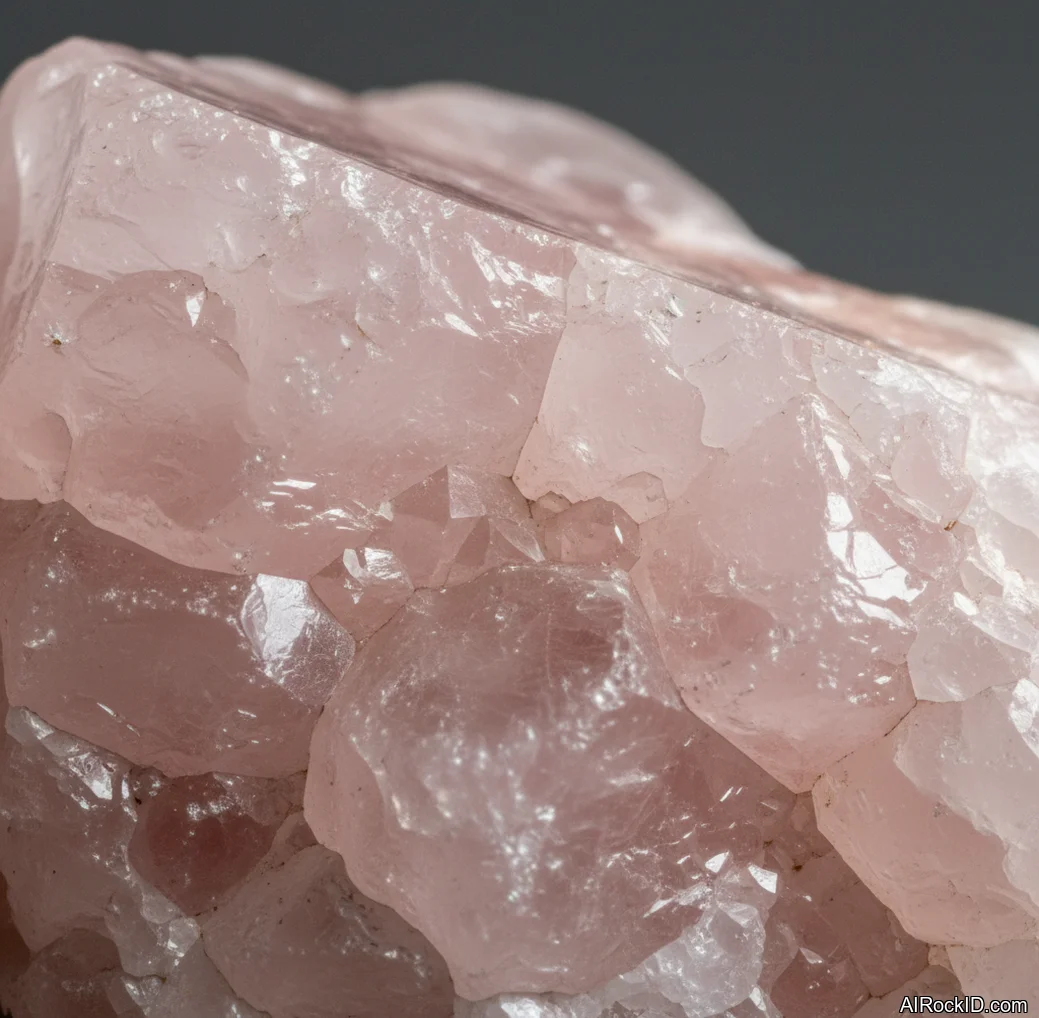
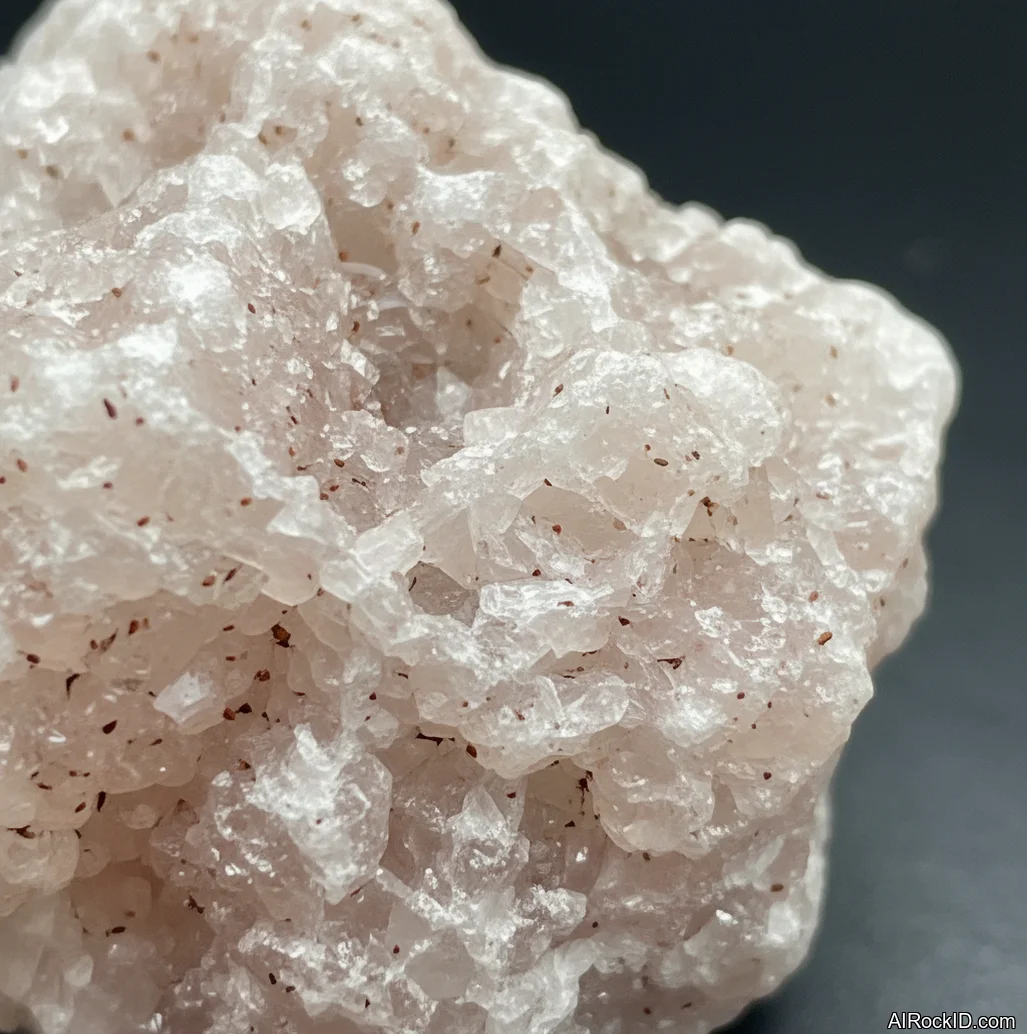
Pick up a piece of rose quartz and you feel it right away. Not the “energy” thing first, the physical thing. It stays cool in your palm longer than glass, it has that soft, cloudy look inside, and the edges on a raw chunk chip a little sugary instead of flaking like plastic.
In crystal language, Love isn’t just romance. It’s the whole heart-zone: self-respect, forgiveness, grief support, letting people in, and sometimes the boring but real stuff like boundaries and honest communication. People reach for Love crystals when they’re healing after a breakup, trying to stop repeating the same relationship patterns, or working on being gentler with themselves. Some folks want the “bring in a partner” vibe, sure. But most of the time, Love work is about untangling what you already carry.
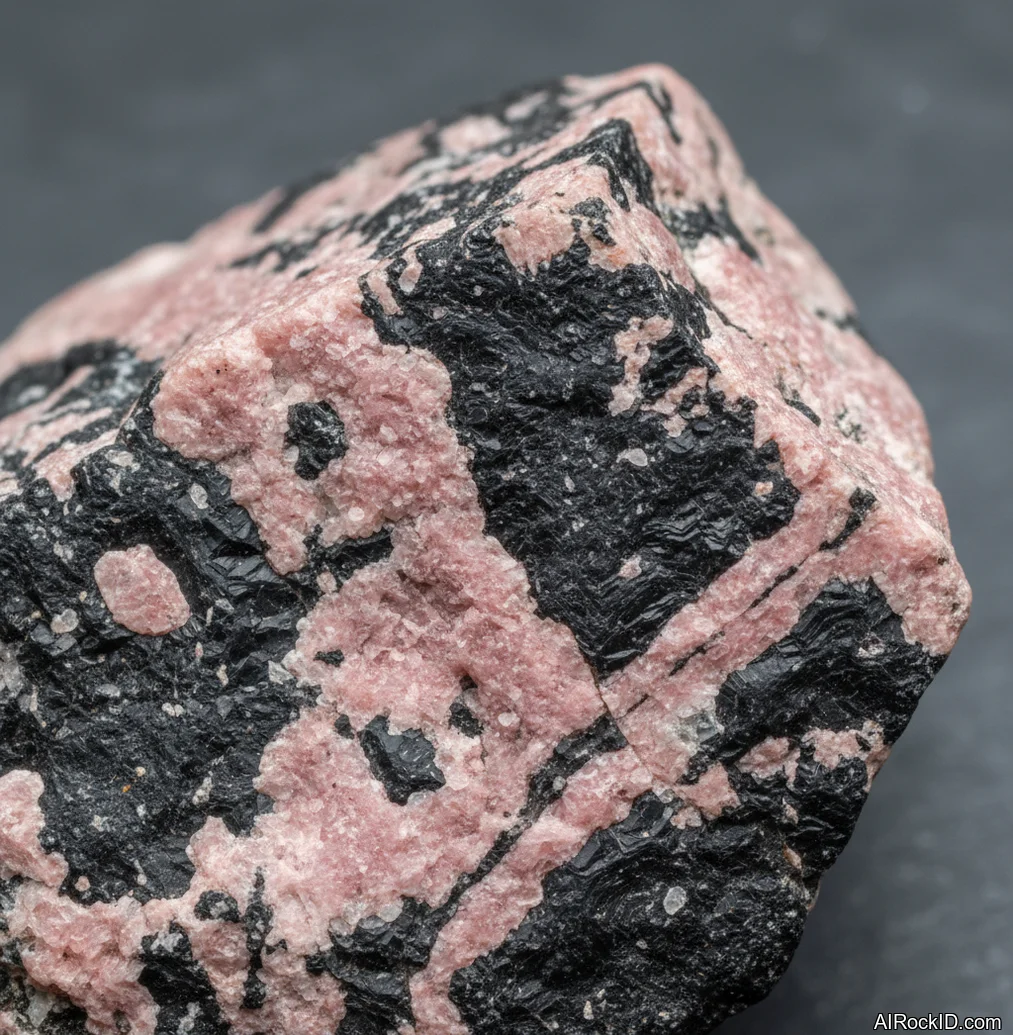
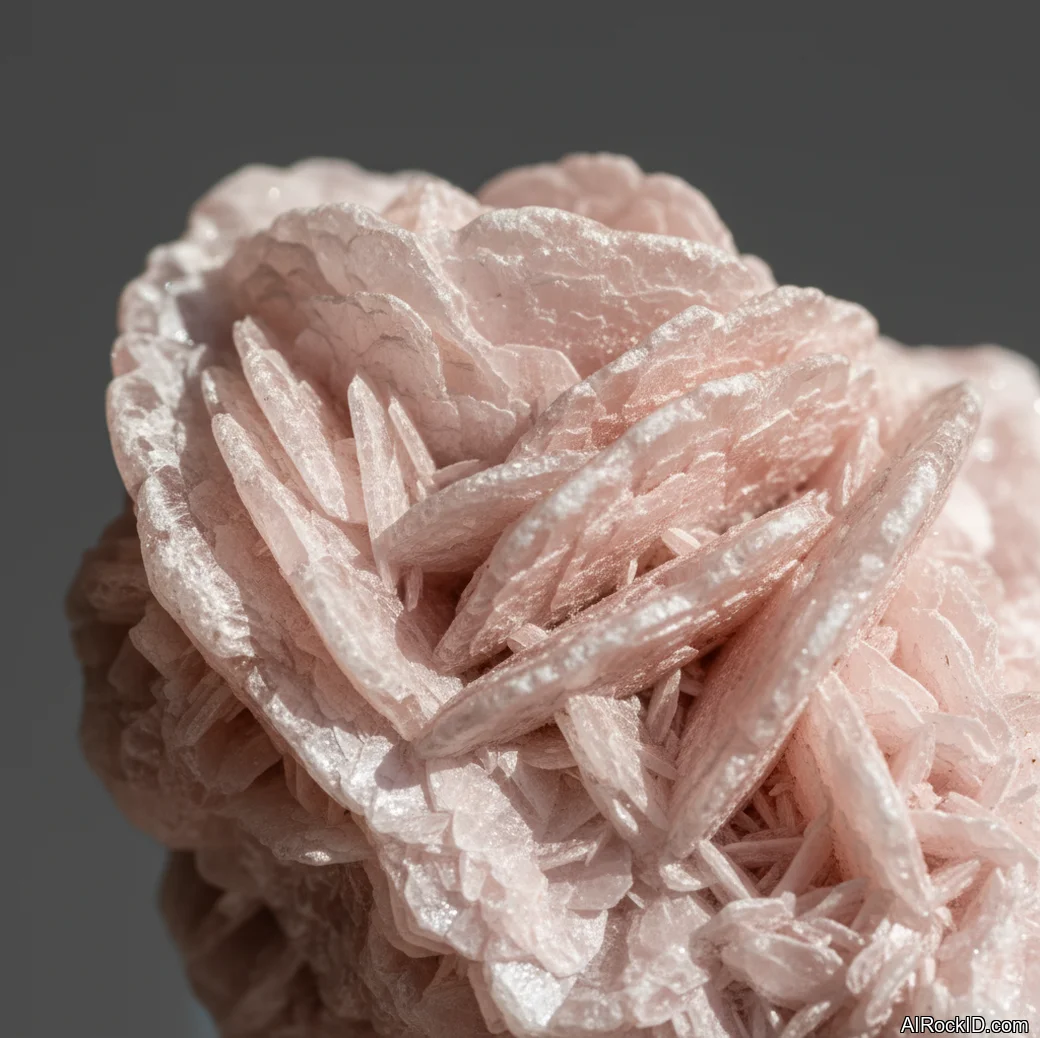
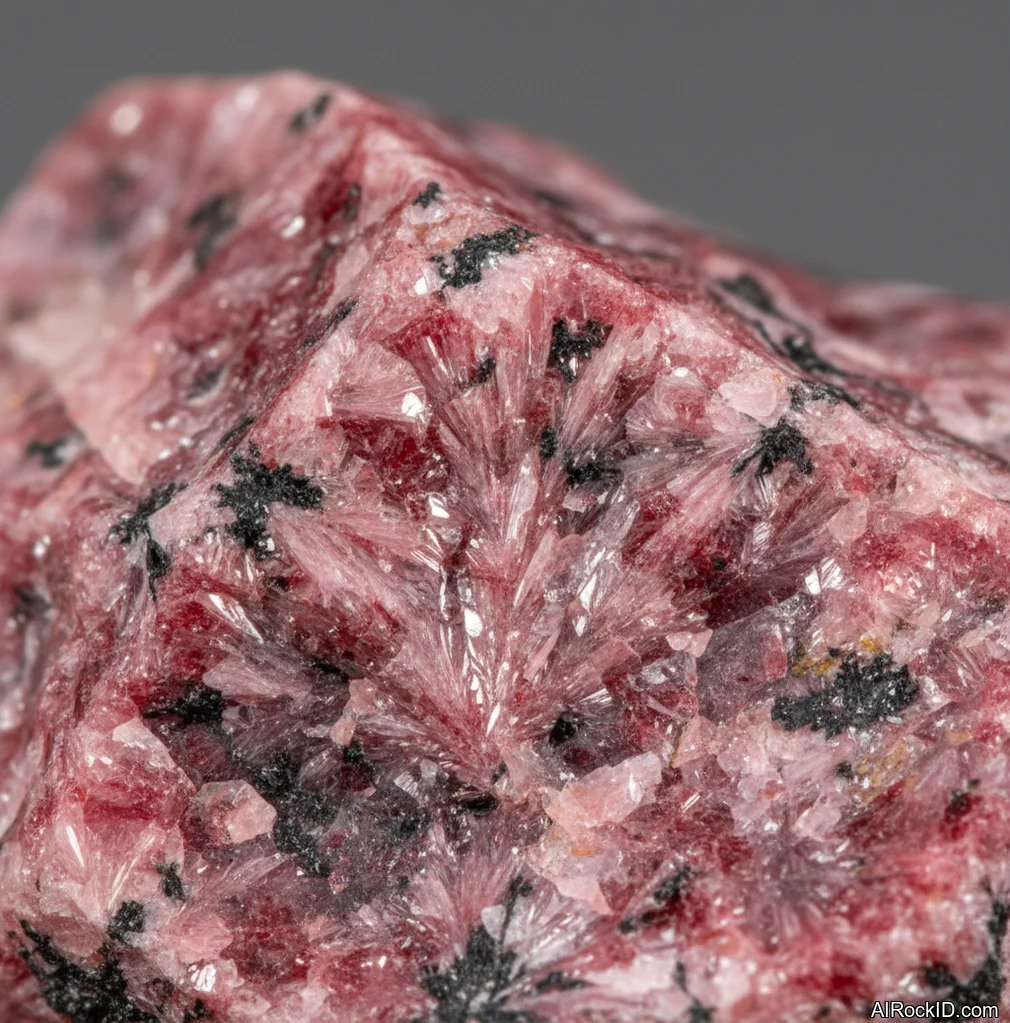
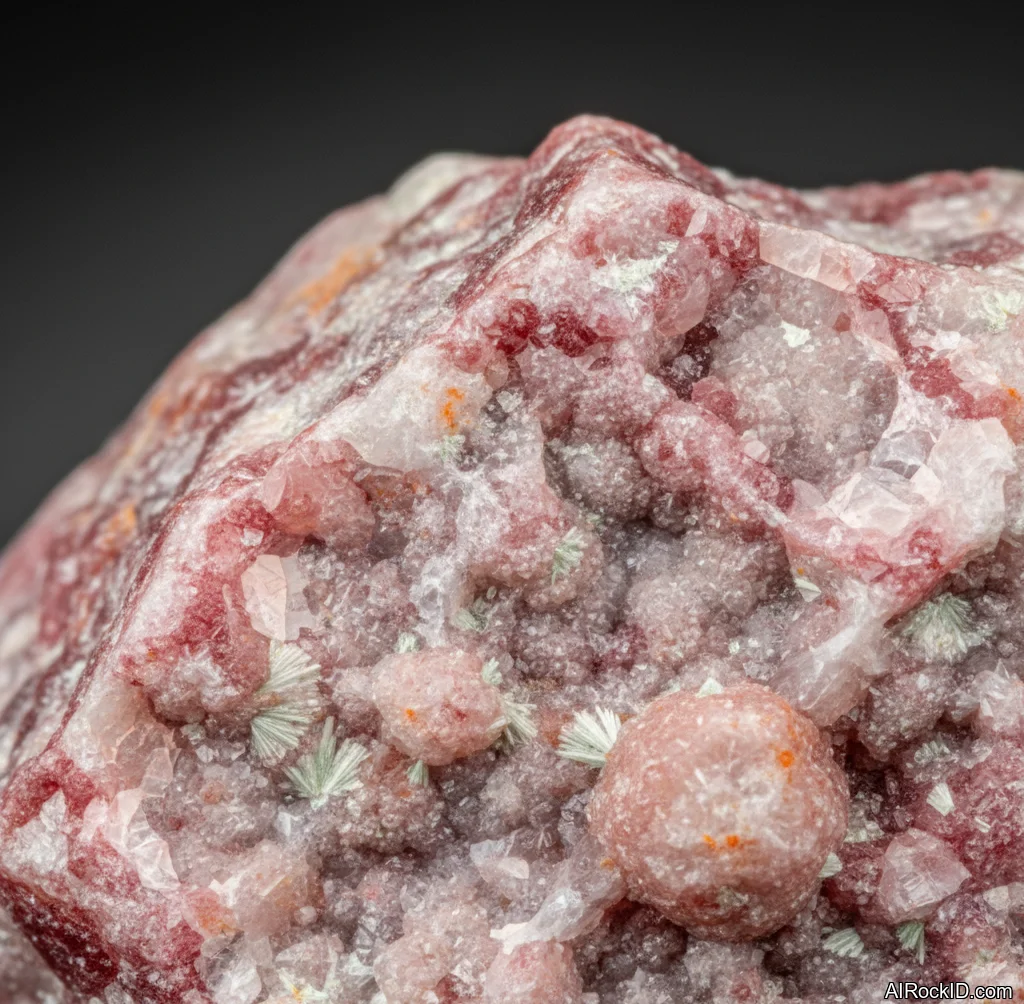
Rose quartz gets all the headlines, and it earns them. It’s common, affordable, and the best pieces have a milky glow that looks like it’s lit from inside, especially in thicker chunks. But Love isn’t a one-stone thing. Rhodonite feels different in the hand and in the story it tells. Good rhodonite has that heavy, solid manganese weight, and the black veining isn’t painted on, it runs through like ink in paper. I’ve handled slabs where the pink is warm and the black looks like cracked riverbeds. That’s the kind of material people pick for “repair” work: reconciliation, self-forgiveness, the stuff that’s messy.
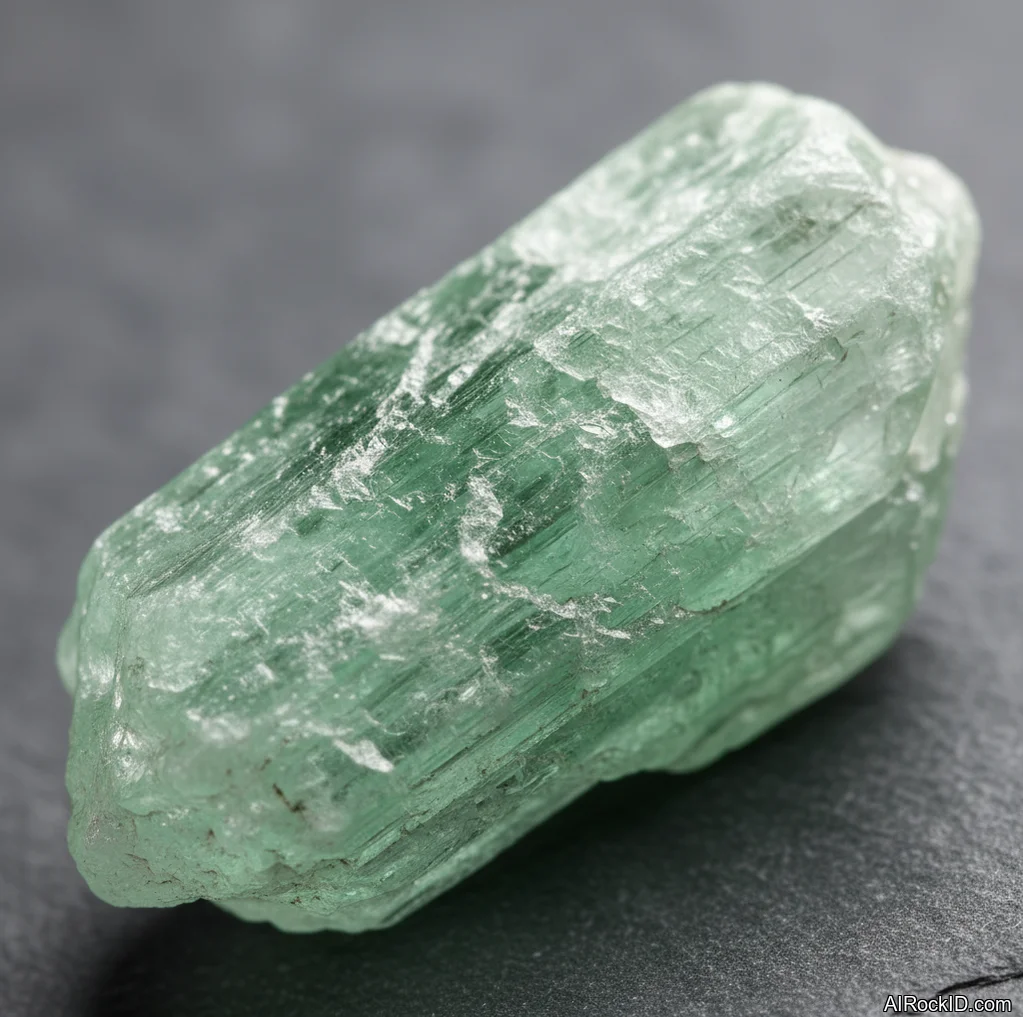
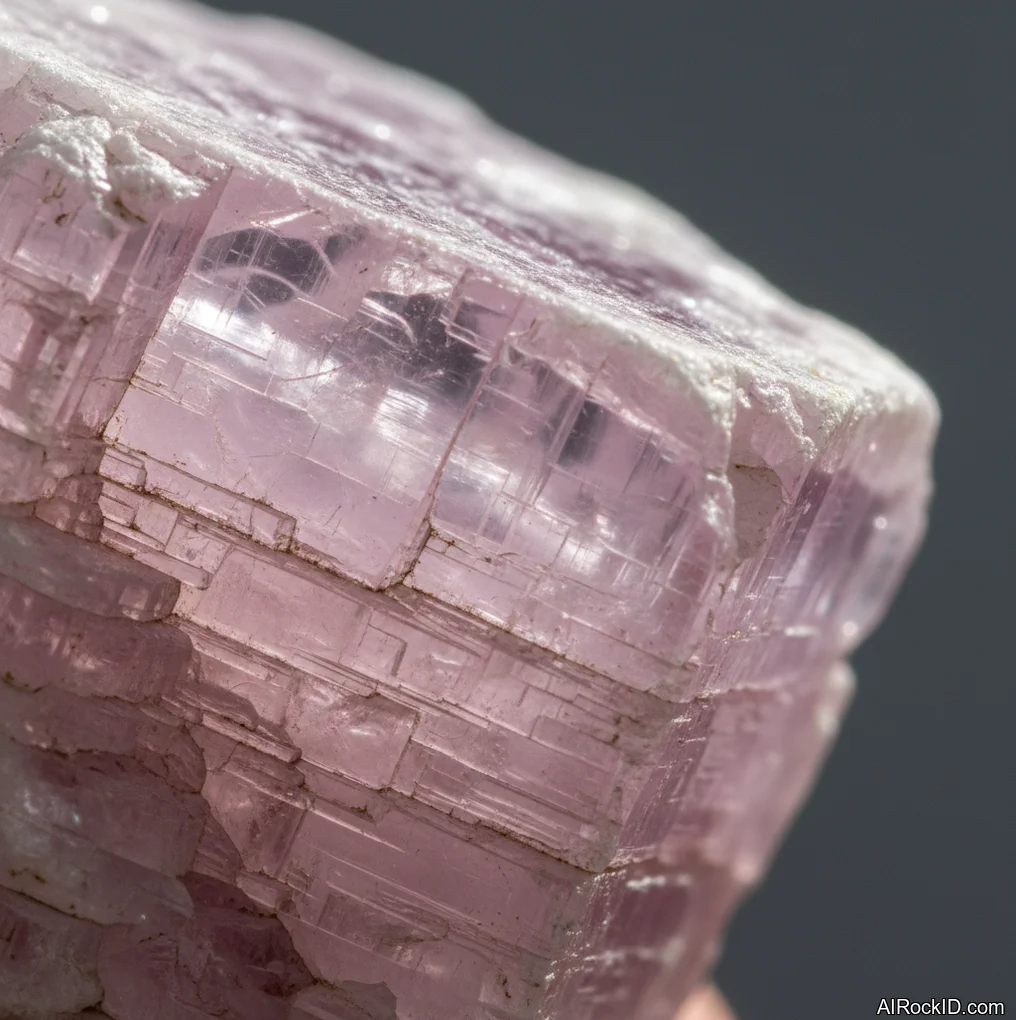
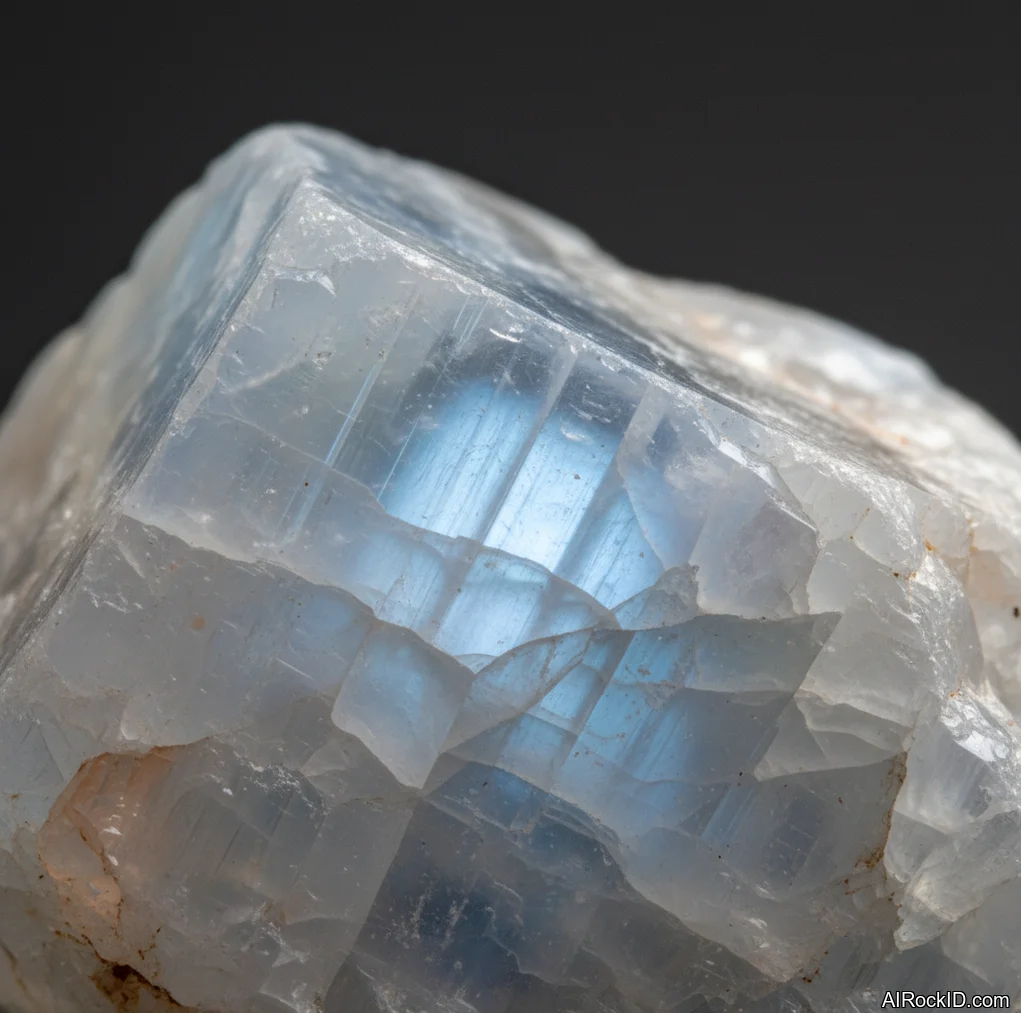
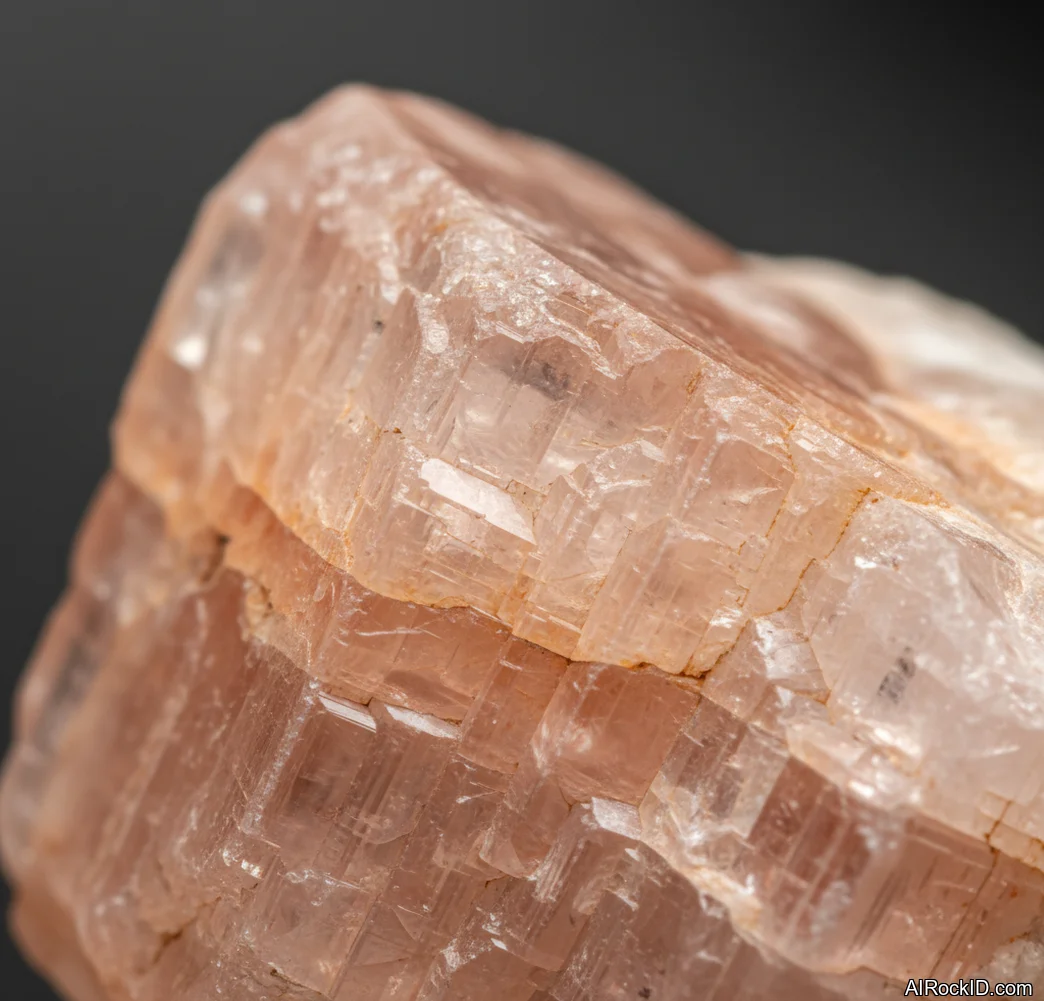
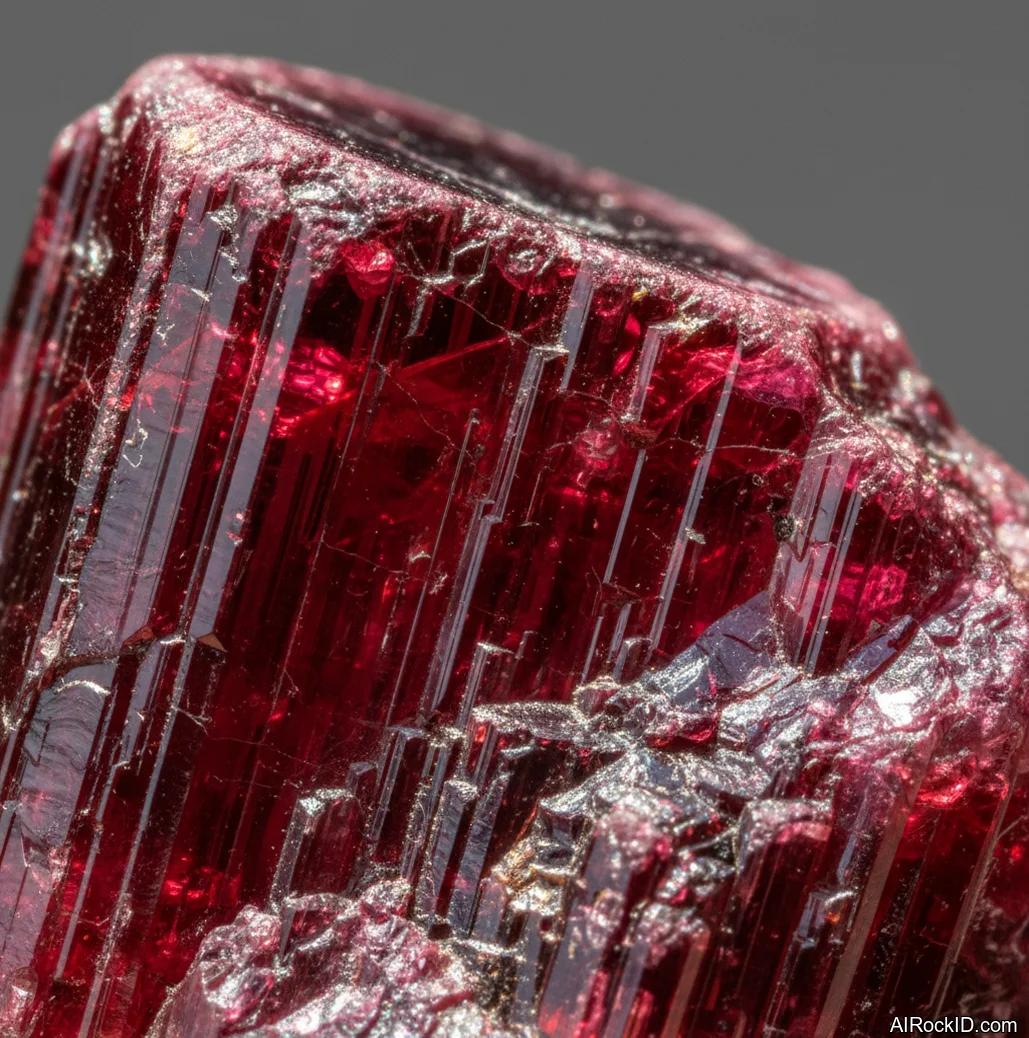
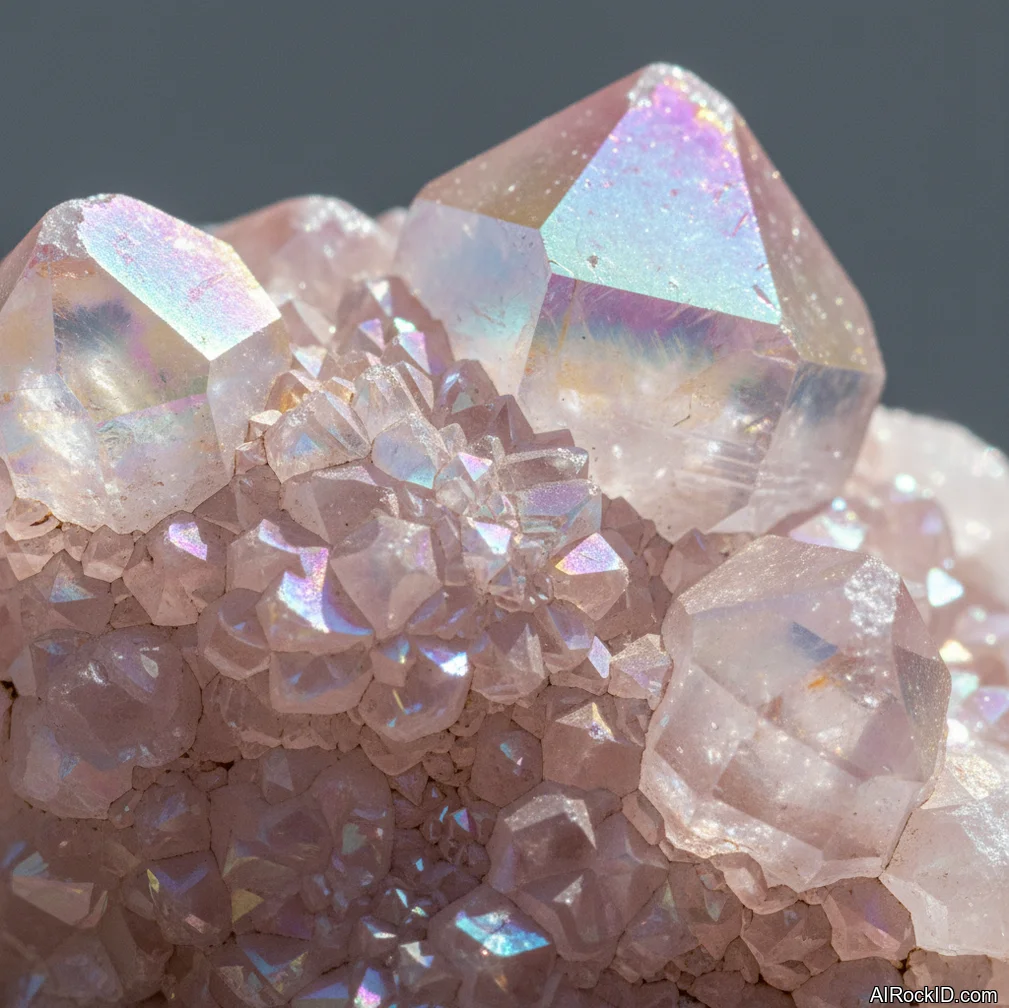
If you want something that reads more “tender” than “fix it,” kunzite is a classic. Real kunzite is usually a long, striated crystal with a soft lilac to pink tone, and the color can be uneven along the length. Here’s the catch: it fades. Leave it on a sunny windowsill for a month and it can wash out, especially the lighter pieces. So keep kunzite in a drawer or a shaded shelf if you care about color.
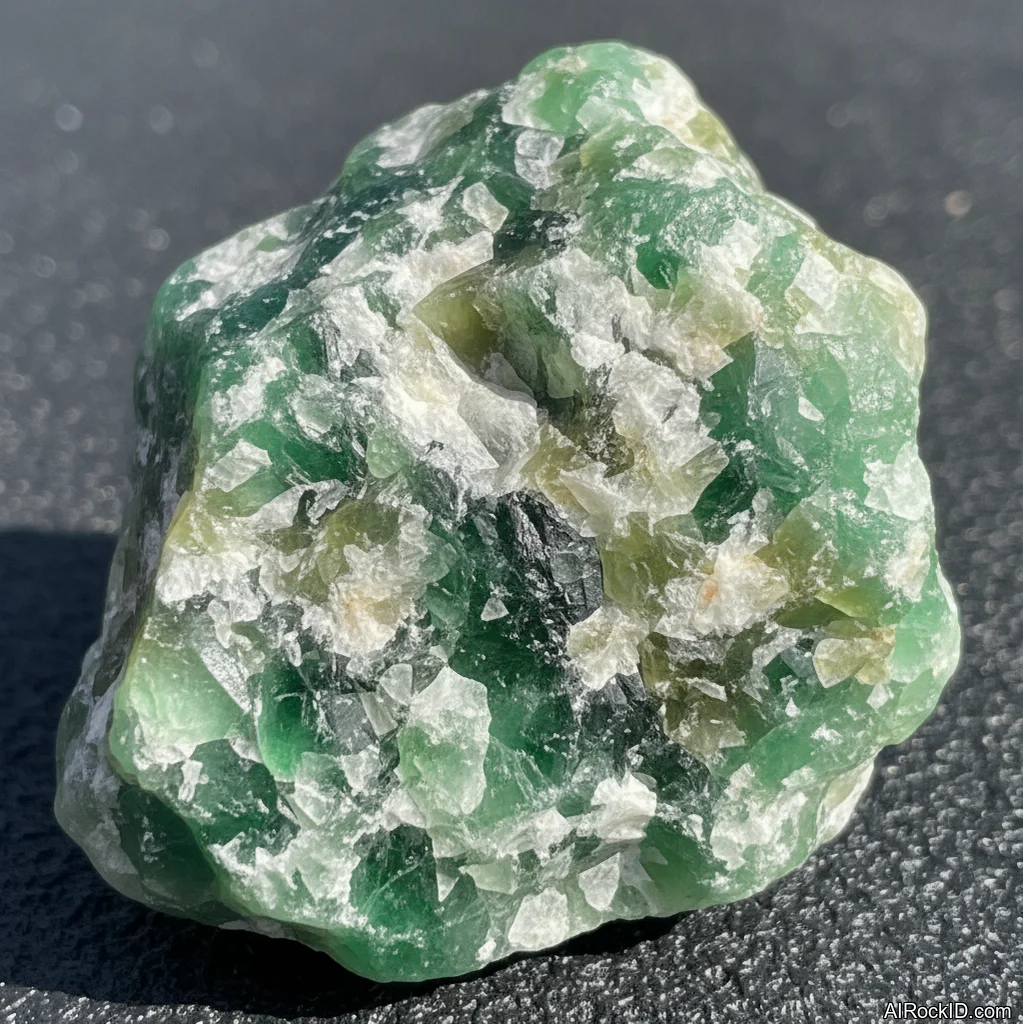
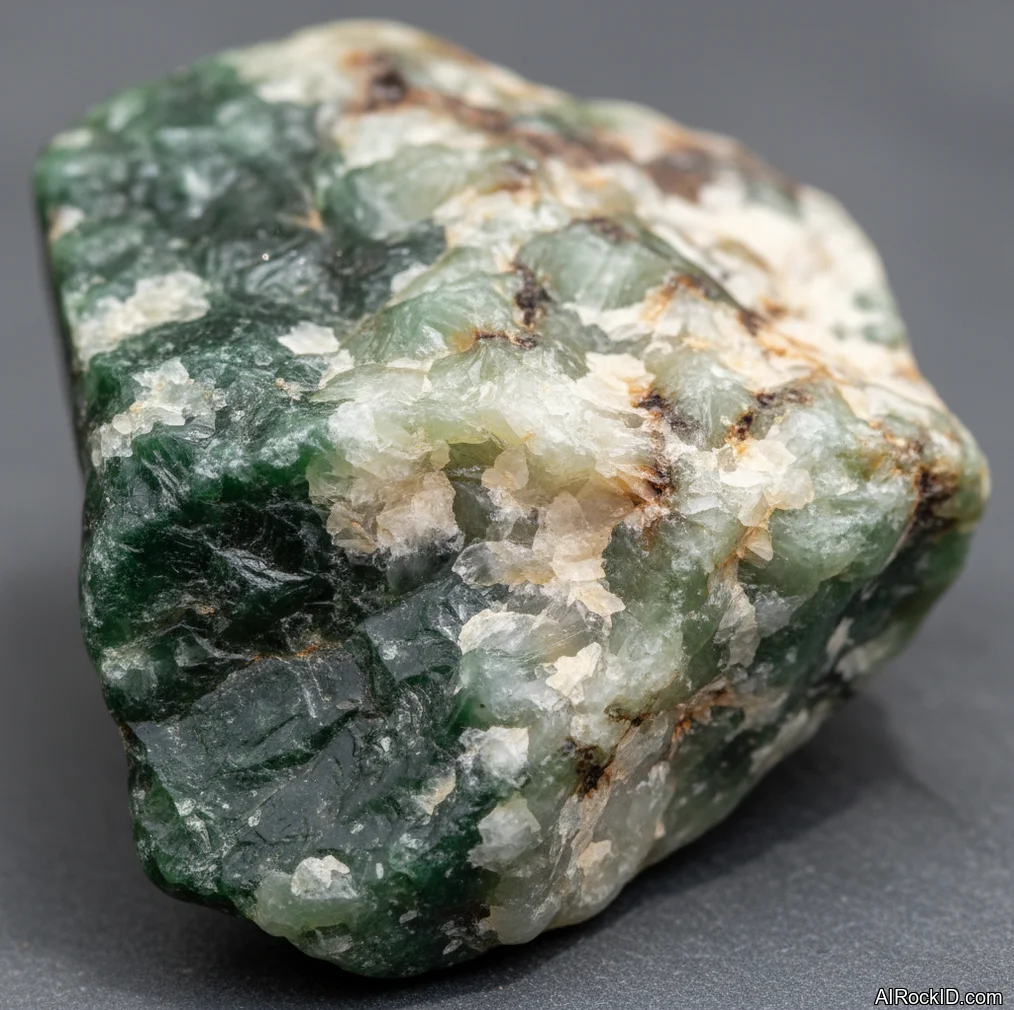
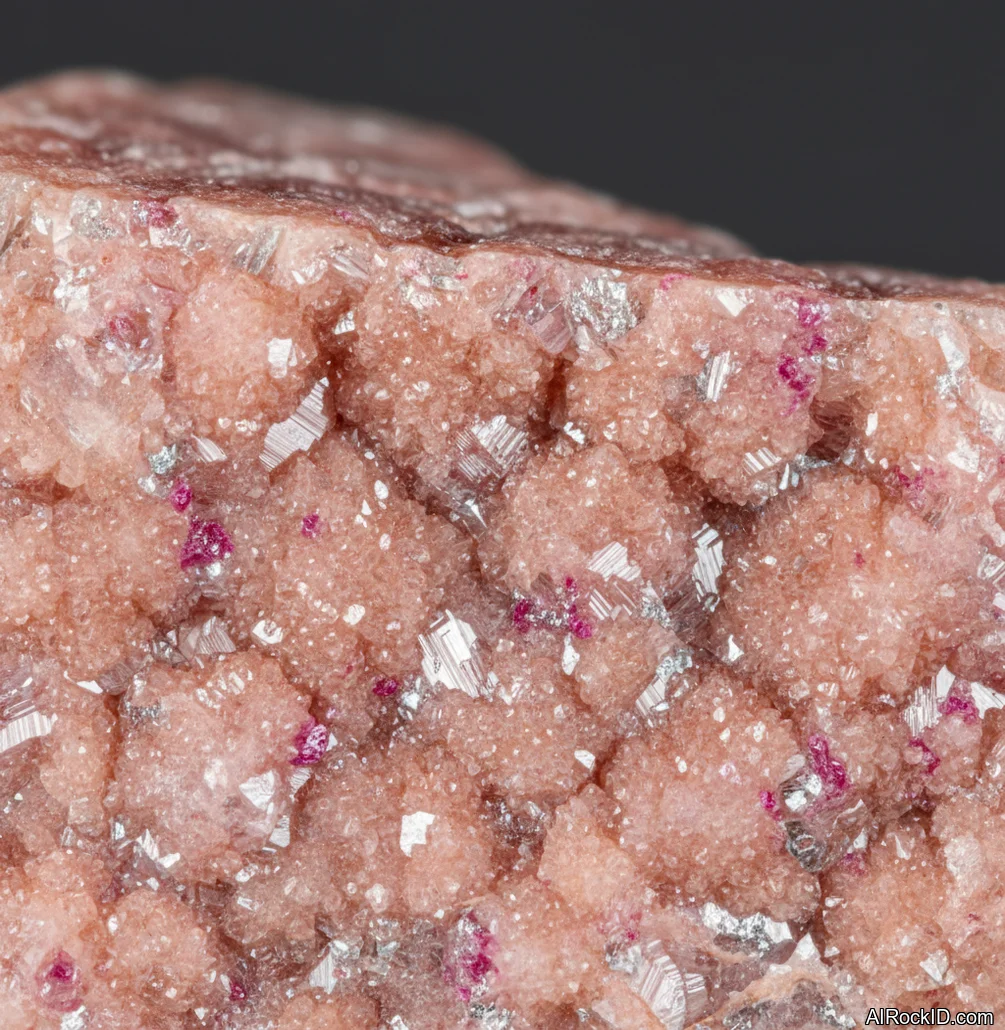
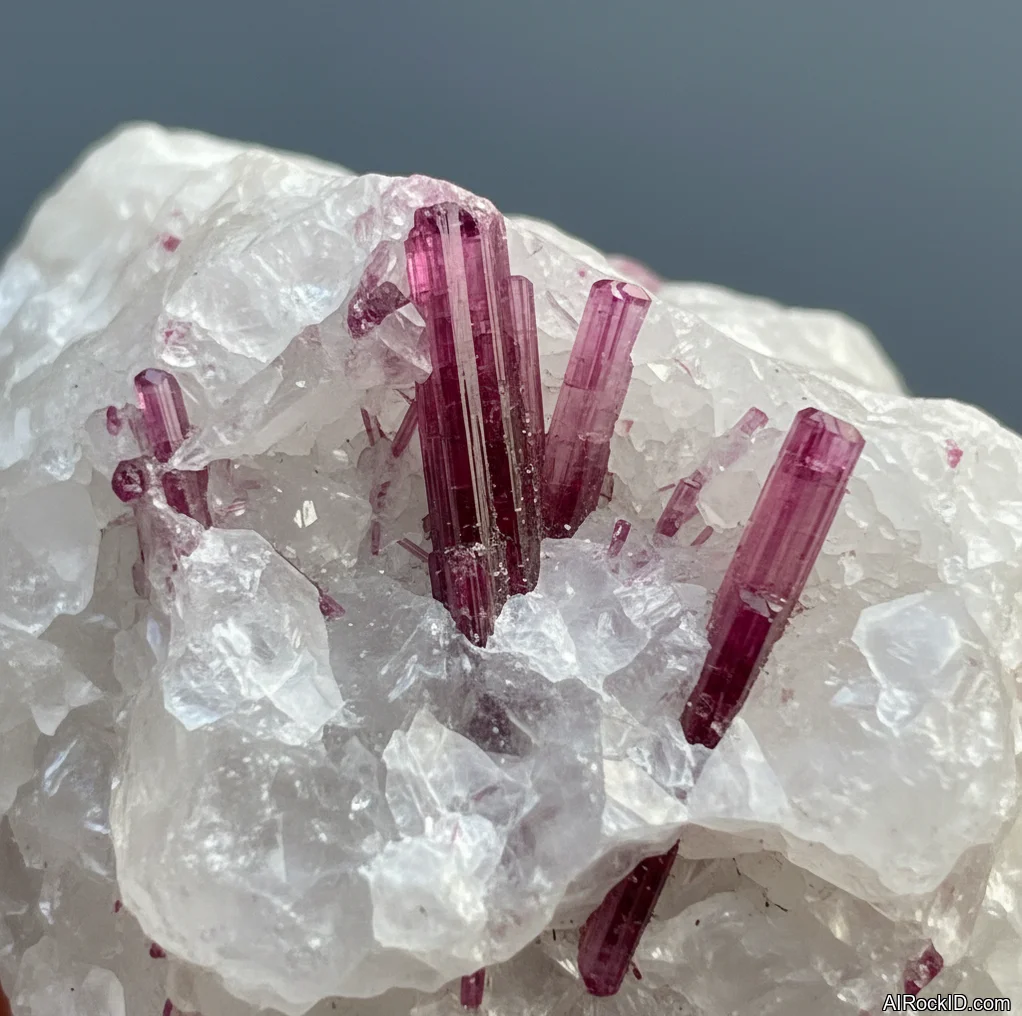
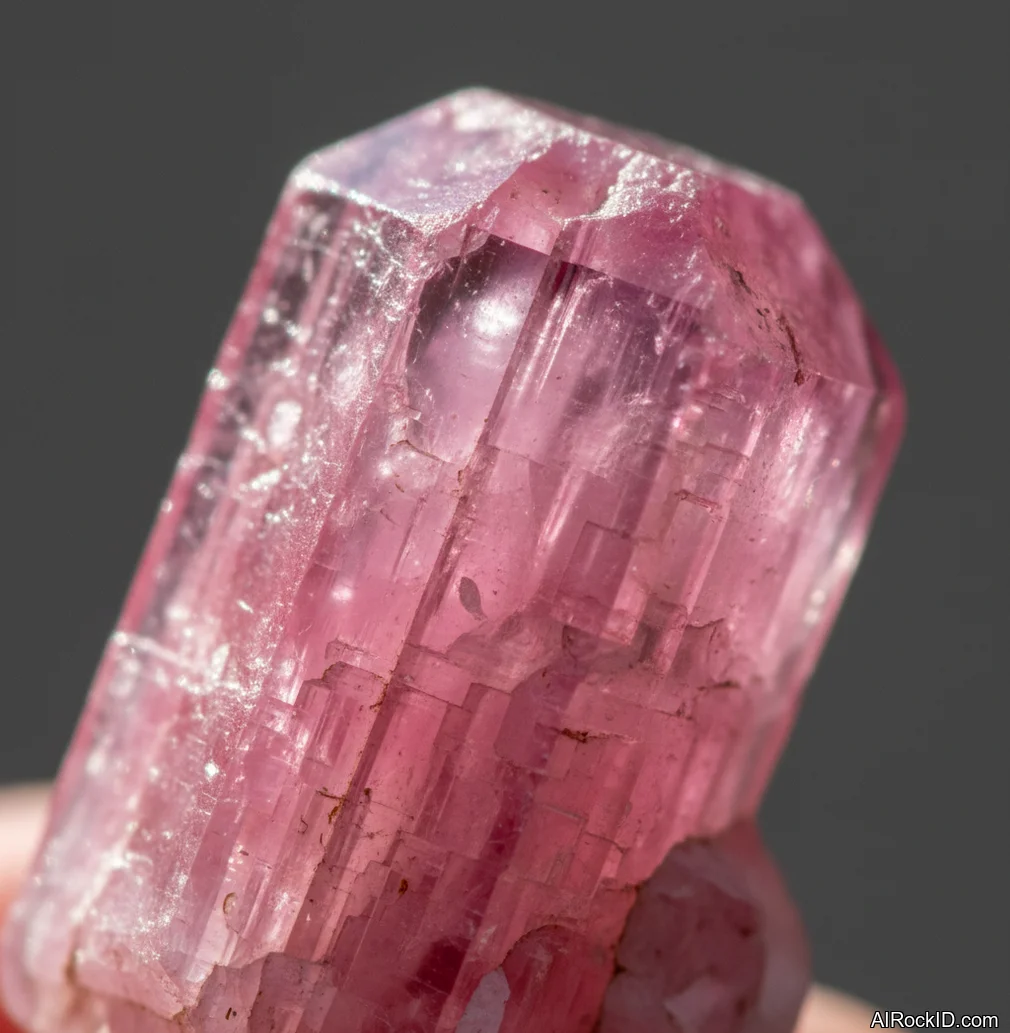
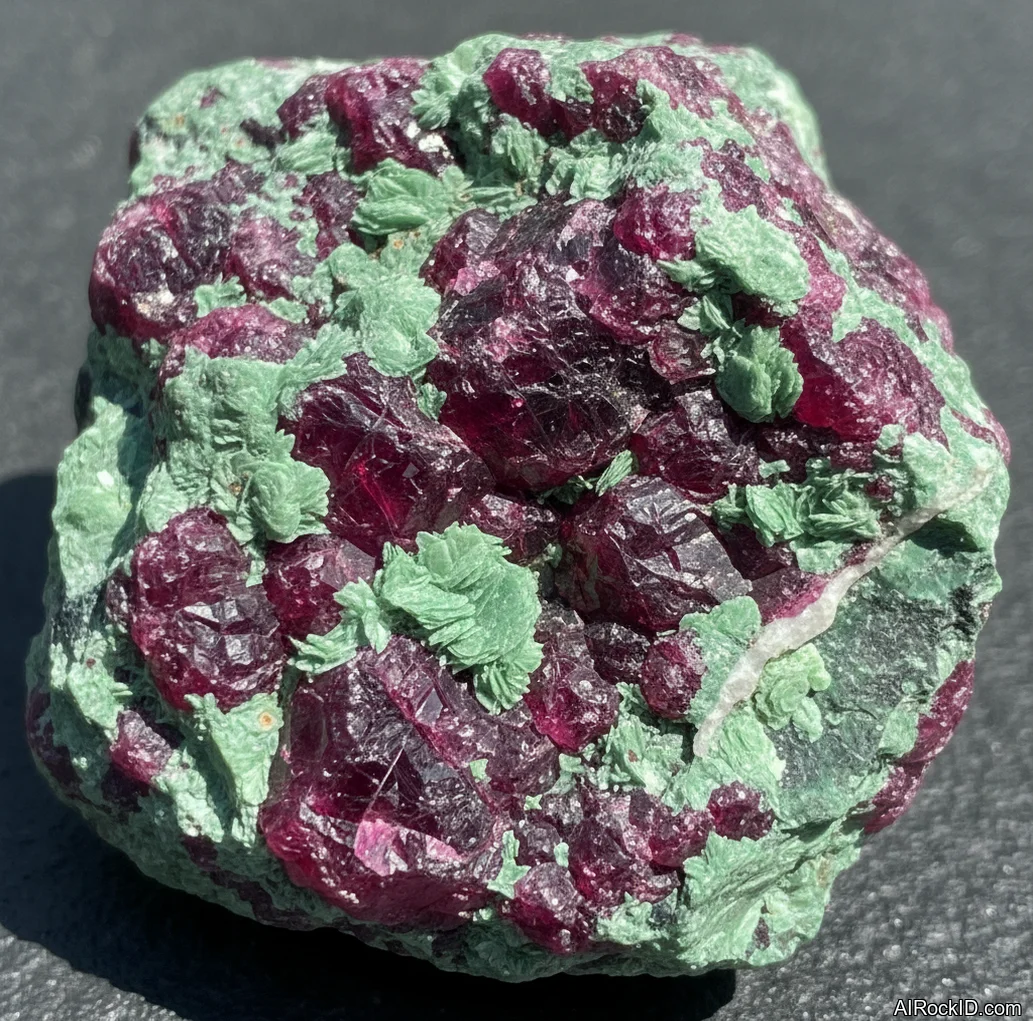
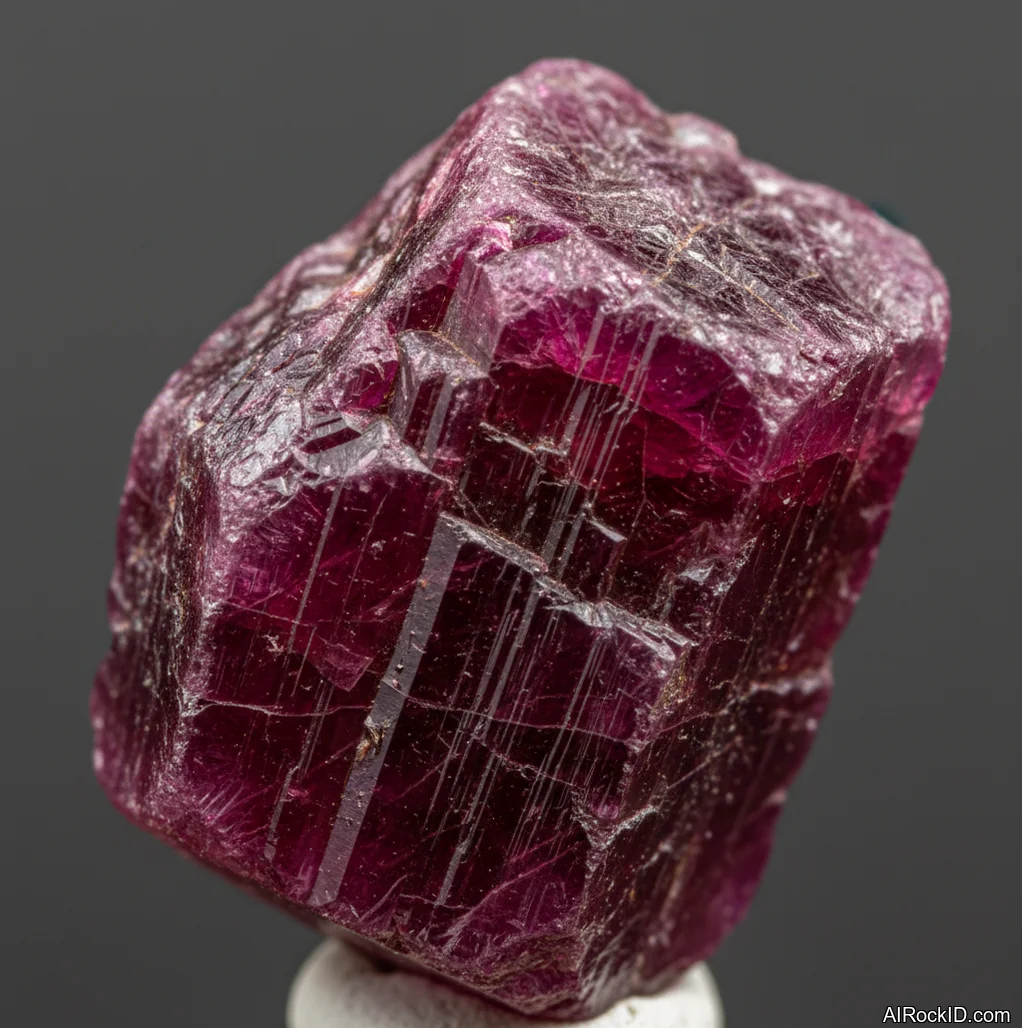
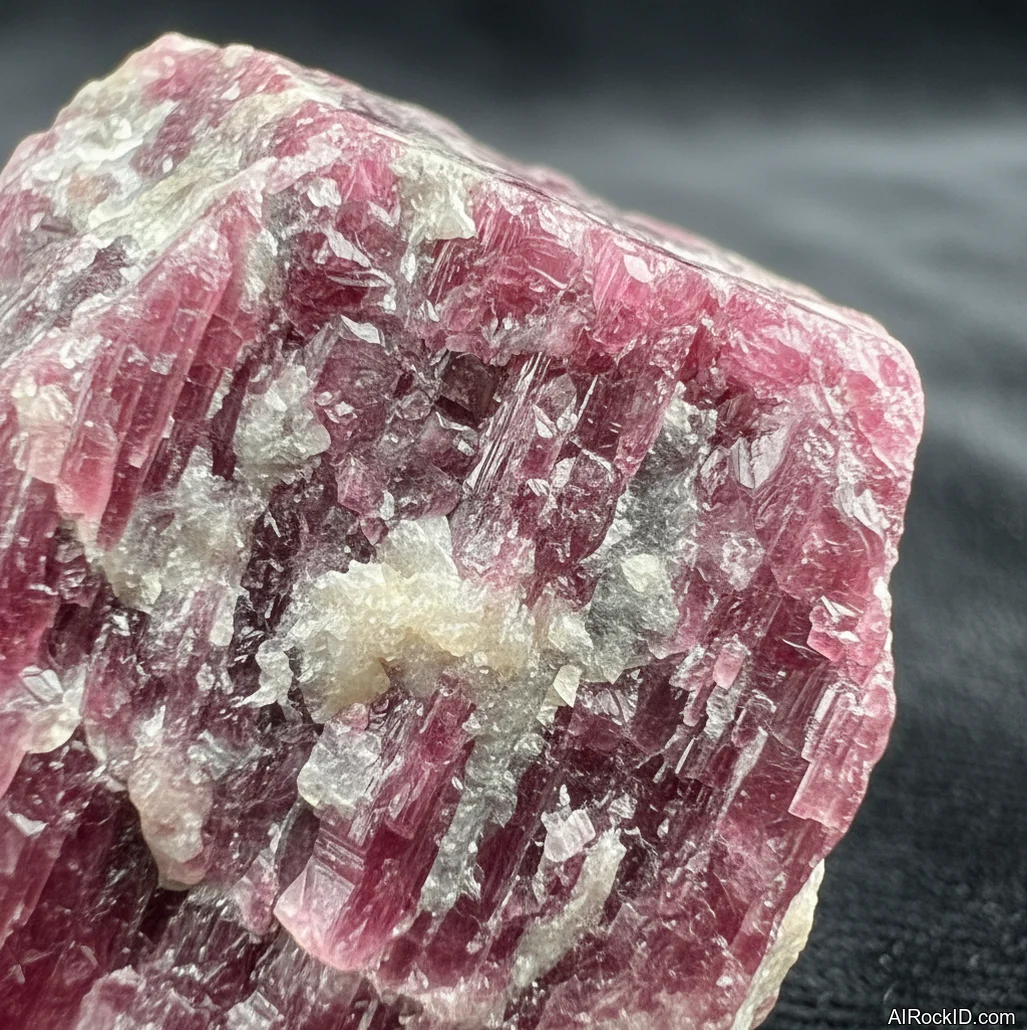
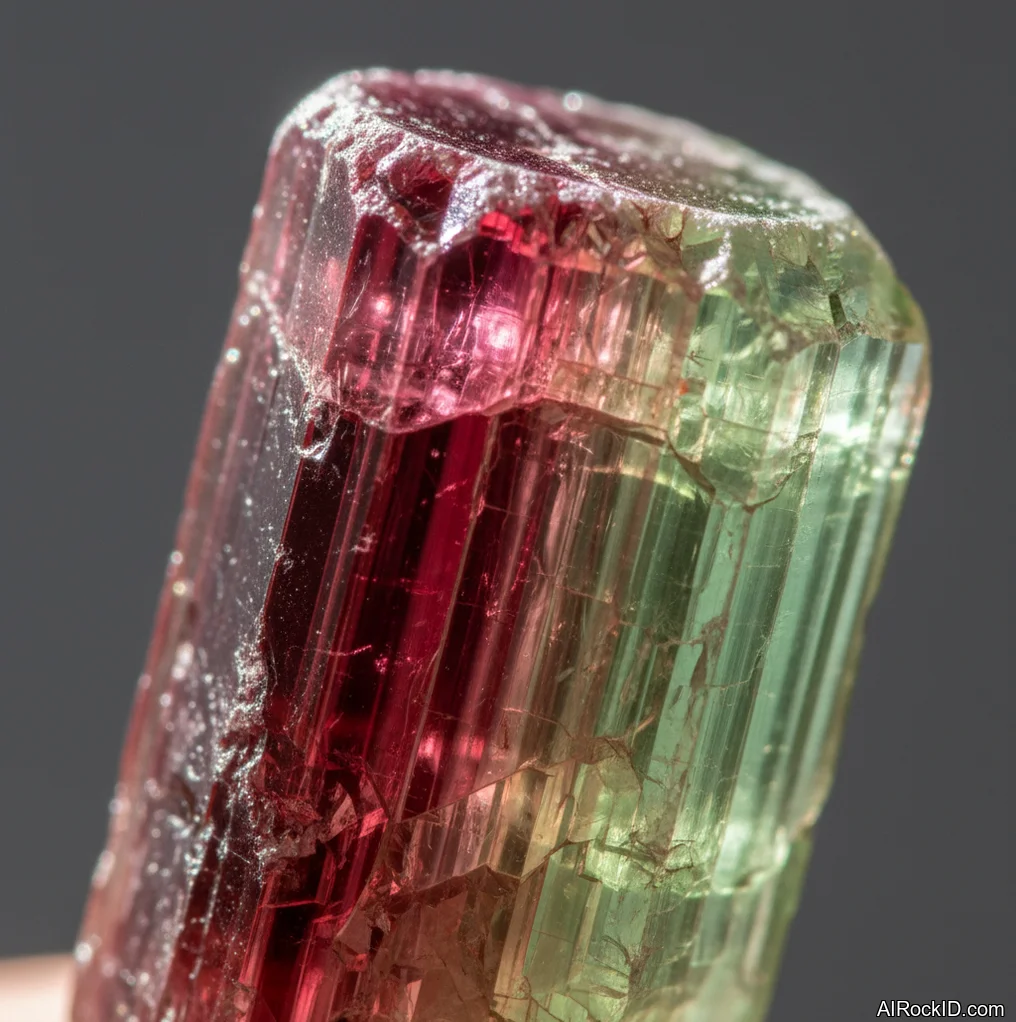
At first glance, a lot of Love stones live in the pink family, but there are other lanes. Morganite (pink beryl) has that clean, glassy beryl feel, and well-cut pieces look crisp rather than cloudy. Pink tourmaline can be electric, sometimes in slender striated sticks that feel like they’d snap if you squeeze too hard (and yeah, that’s part of the appeal). Then there’s ruby in zoisite, which is half “heart” and half “get your life together.” Under a flashlight, the ruby spots can pop like little red embers, while the green zoisite stays matte.
How people work with Love crystals is usually pretty practical. Wear them when you’re around the person or situation that triggers you. Keep one on a desk where you answer hard emails. Put a palm stone in a pocket and touch it when you notice your chest tightening. The real test is consistency, not a single ritual. If you do like rituals, try a simple layout: rose quartz over the heart, rhodonite near the solar plexus (where the knotty feelings sit), and a clear quartz point at the feet to keep you grounded. If clear quartz feels too “amped,” swap in smoky quartz.
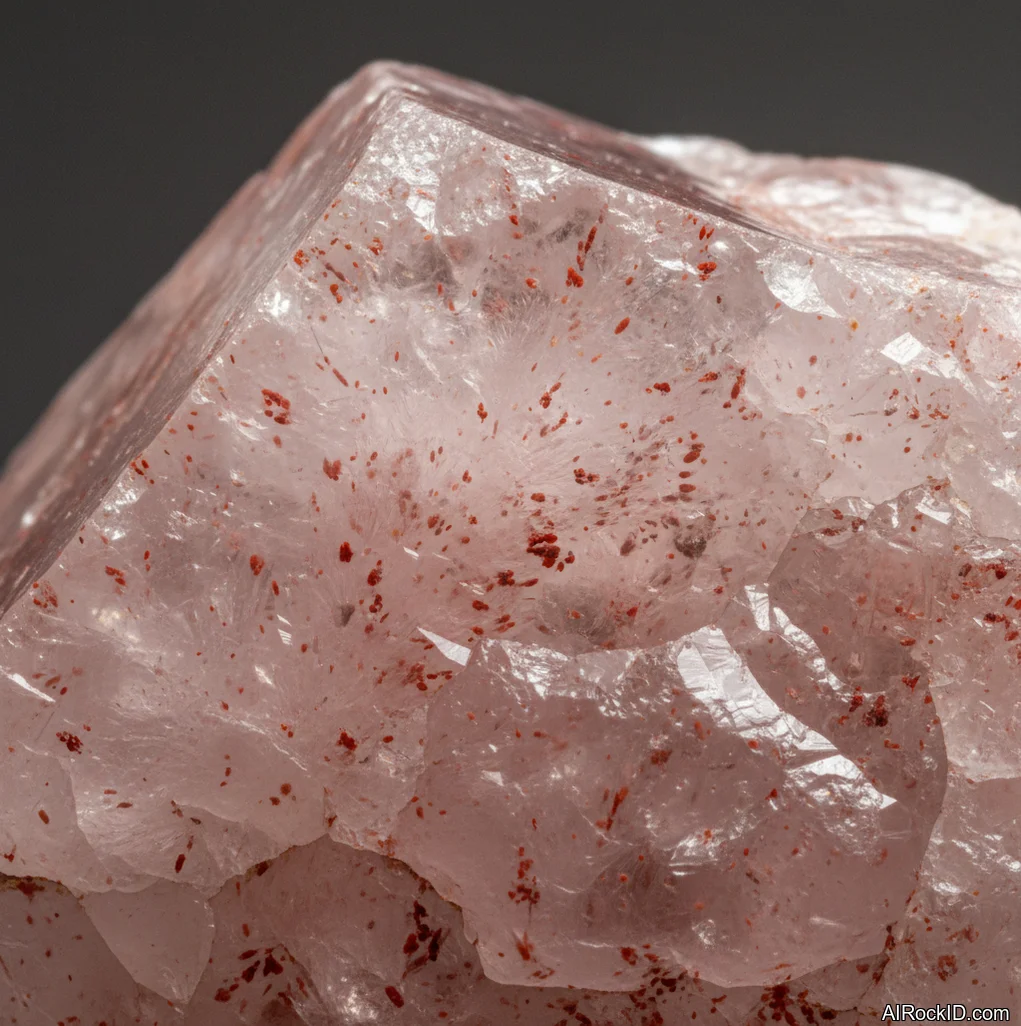
Look, check what you’re buying, because the Love category is full of stuff that gets mislabeled. “Cherry quartz” in a lot of shops is man-made glass with swirly inclusions. It’s pretty, but it’s not a natural quartz variety. Some “strawberry quartz” on the market is also questionable; real material should show scattered reddish inclusions, not uniform pink color like a candy melt. With rose quartz, watch for dyed pieces sold as “deep pink.” Natural rose quartz tends to be soft and milky, and when it’s very saturated it’s often either dyed, treated, or not rose quartz at all.
Compared to tumbled stones, raw pieces tell you more. You can see fractures, growth patterns, and whether the color is only skin-deep. But raw comes with trade-offs. Rose quartz in particular often has internal cracks that catch light like tiny ice lines, and that’s normal. If you want a clean, gemmy look, you’ll pay more for higher-grade material, or you’ll end up in the beryl and tourmaline aisle.
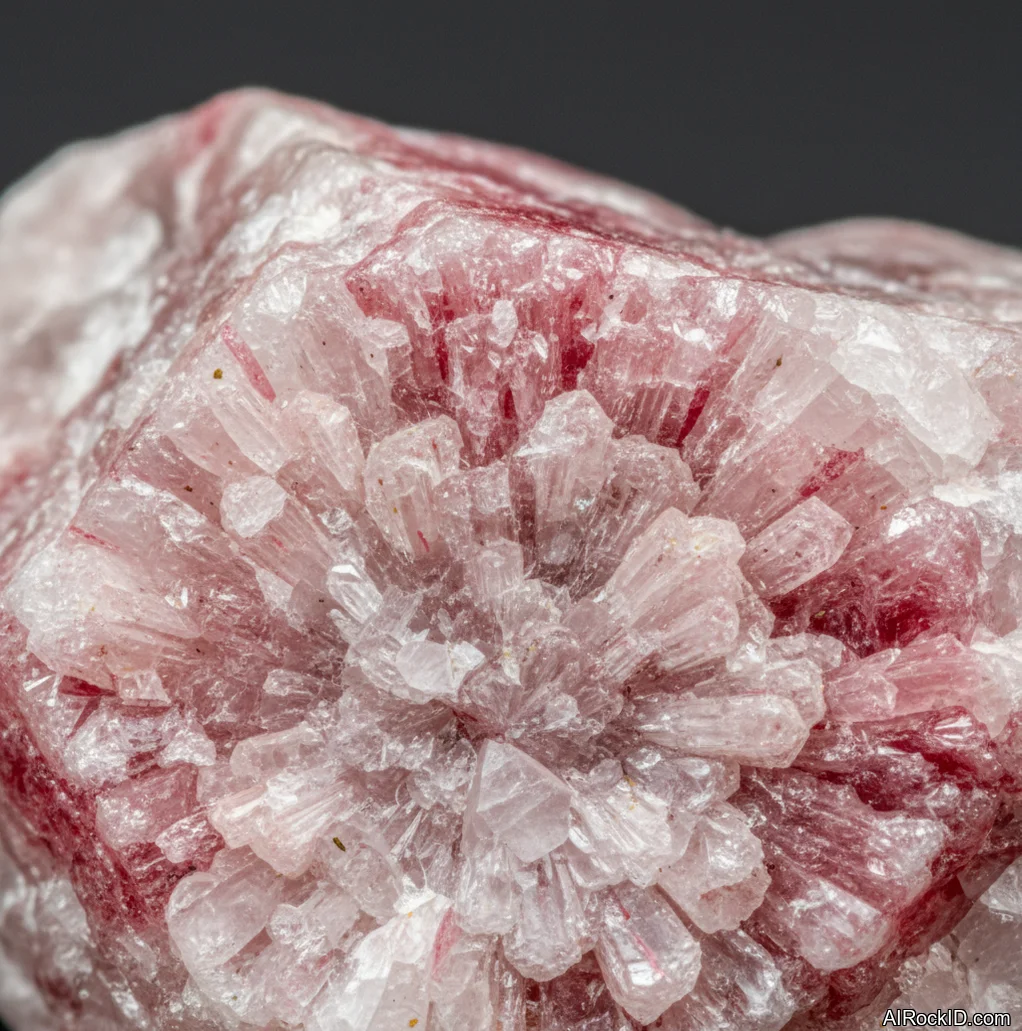
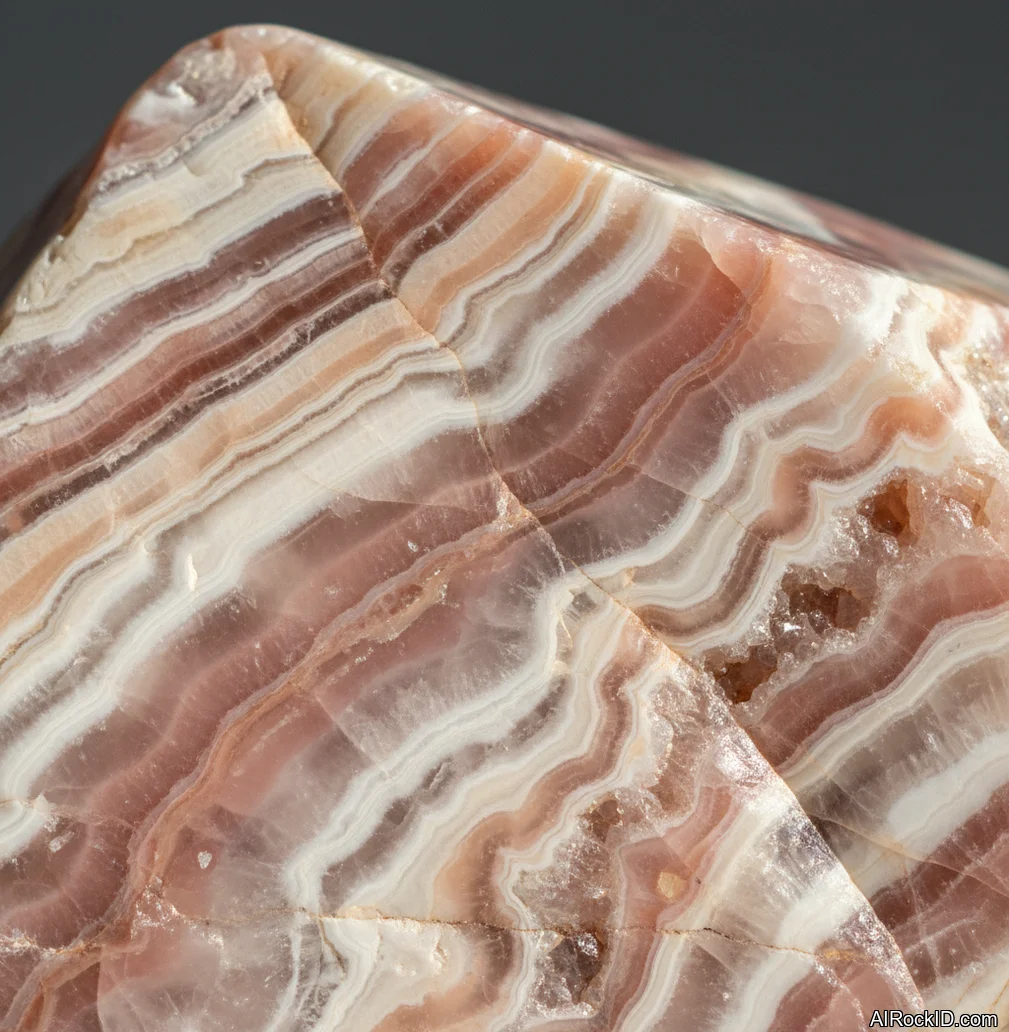
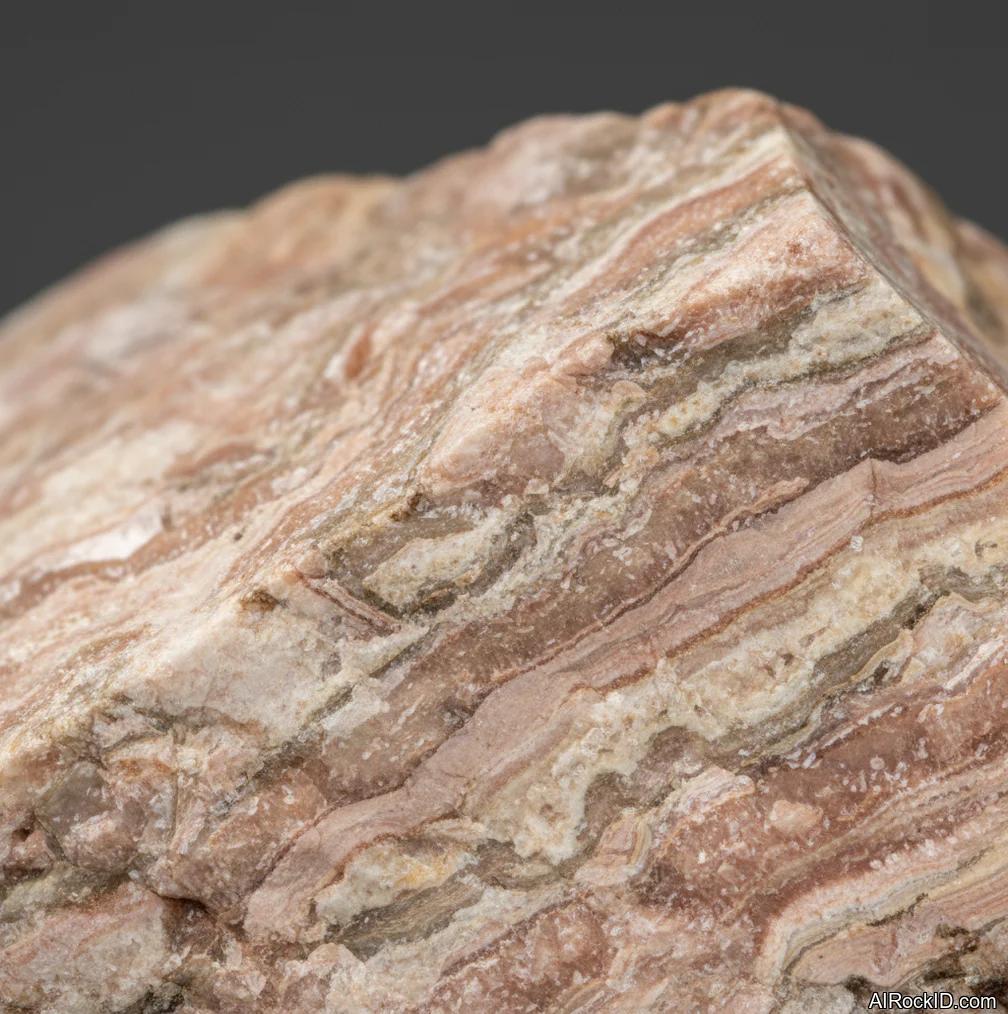
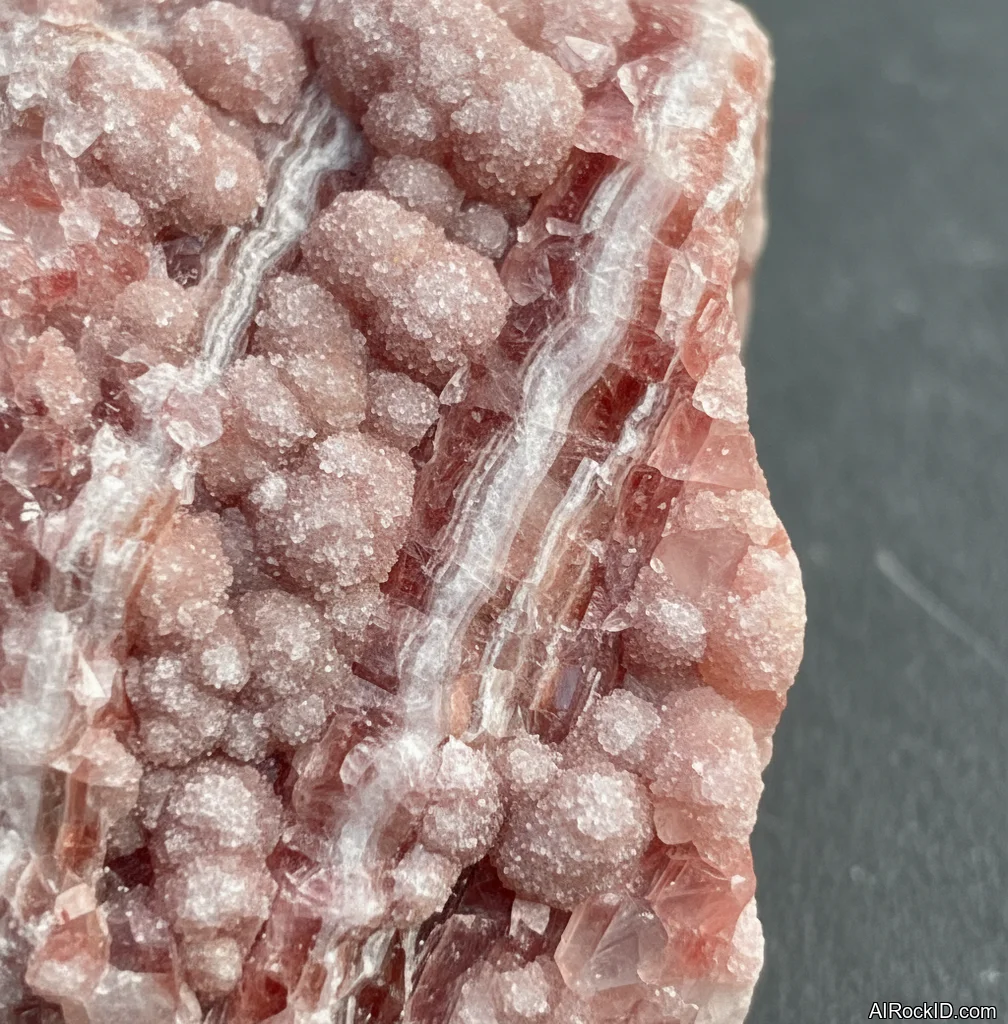
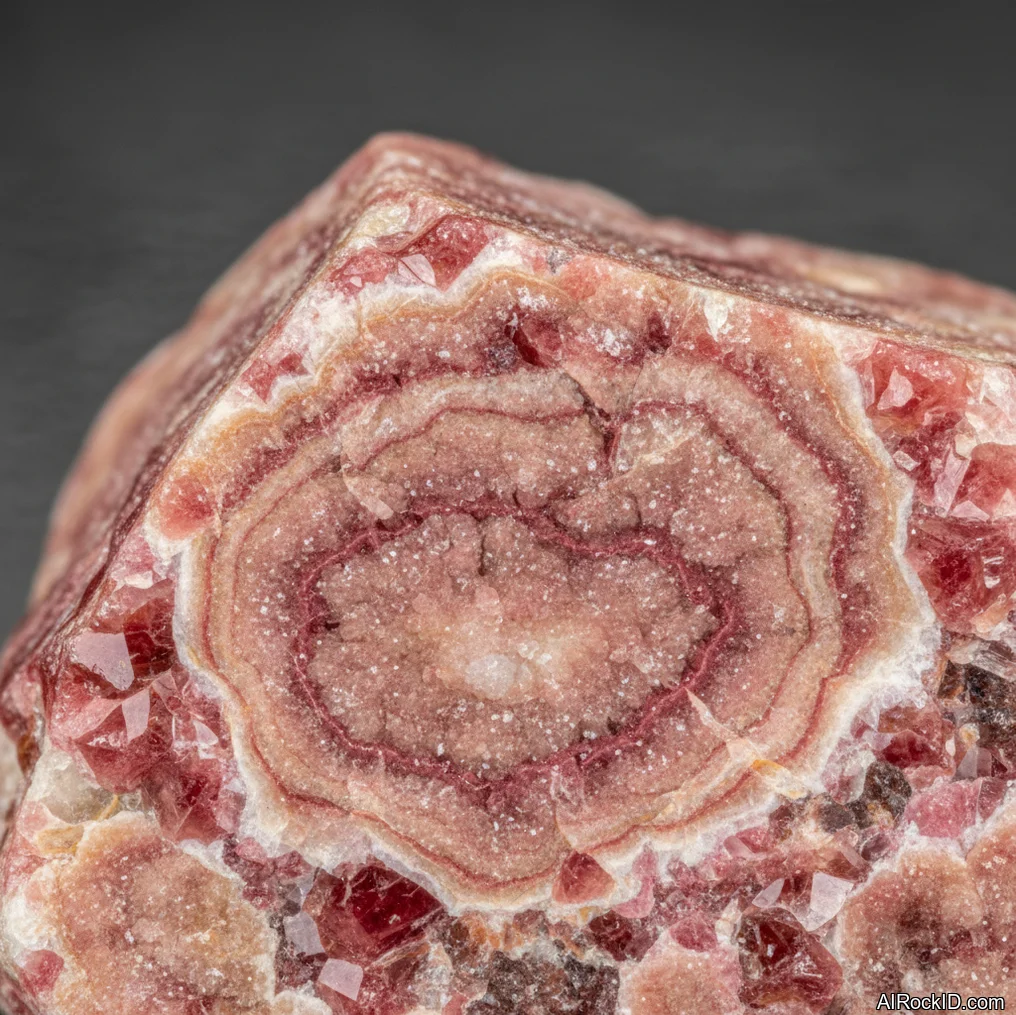
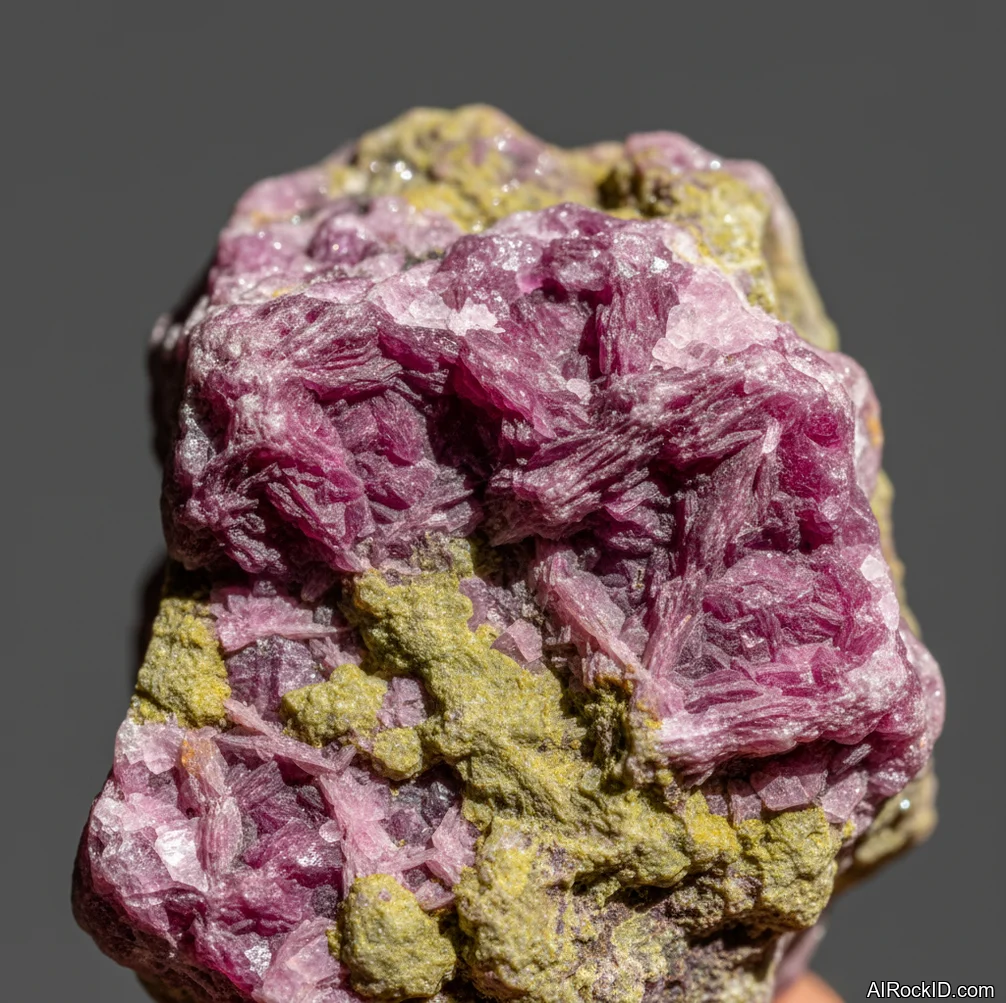
Most dealers will tell you Love stones are “gentle,” and that’s mostly true, but don’t confuse gentle with weak. Working with Love can bring up old stuff fast. If you start wearing rhodochrosite or kunzite every day and you suddenly feel raw, that’s not a failure. It’s a sign to slow down, rotate stones, and pair with something steady like hematite or smoky quartz. Simple as that.
Care matters too. Selenite scratches if you look at it wrong, so don’t toss it in a bag with quartz. Rhodonite can take a beating, but polished surfaces will dull if you grind it against keys all day. And thing is, if you’re cleansing with water, skip anything that’s soft or layered. Lepidolite can shed mica flakes, and calcite varieties can etch.
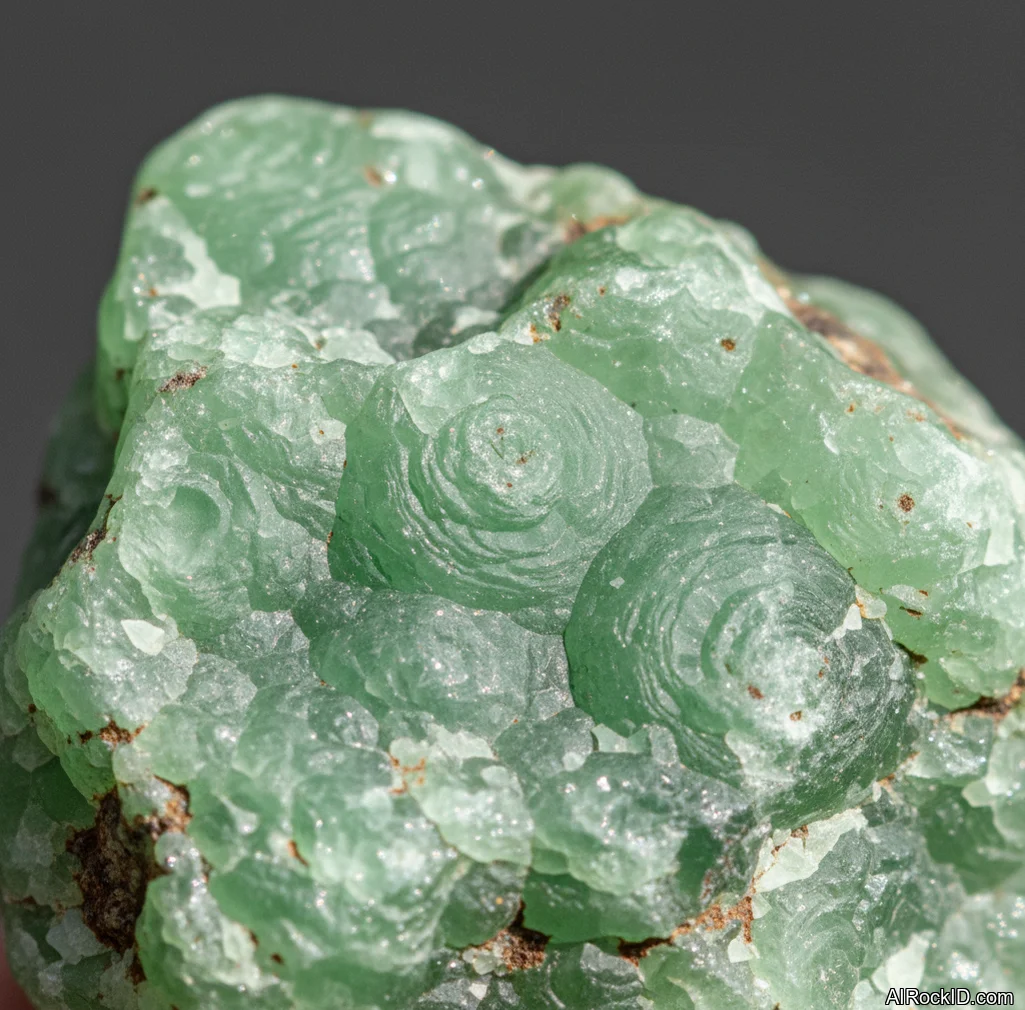
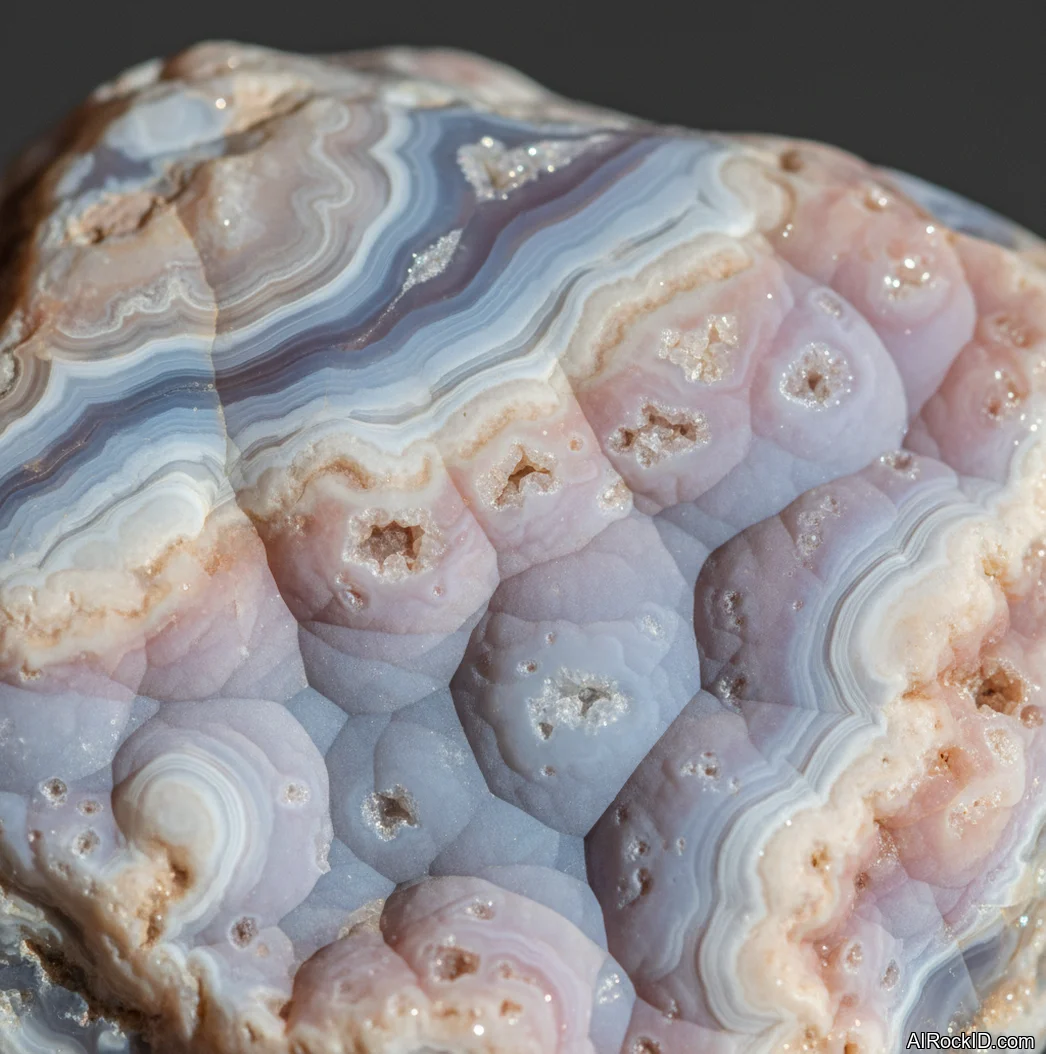
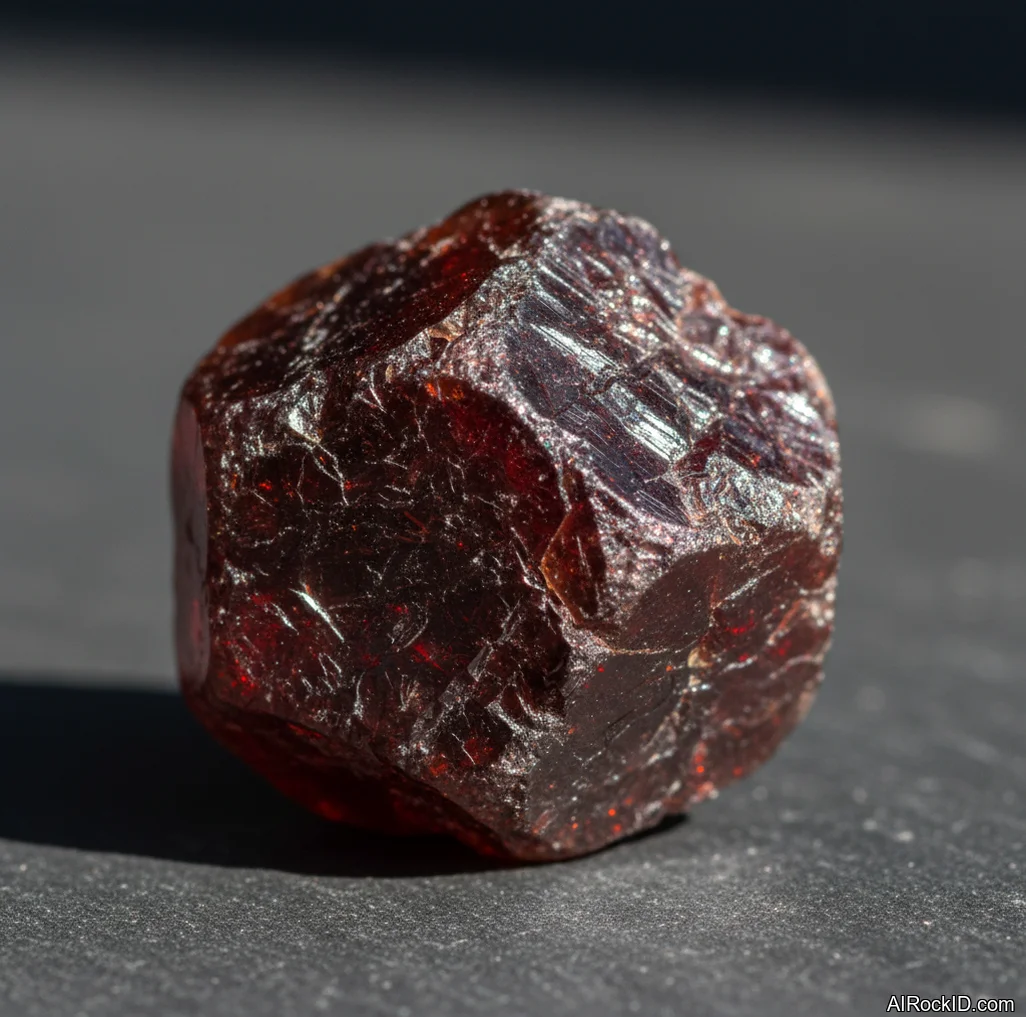
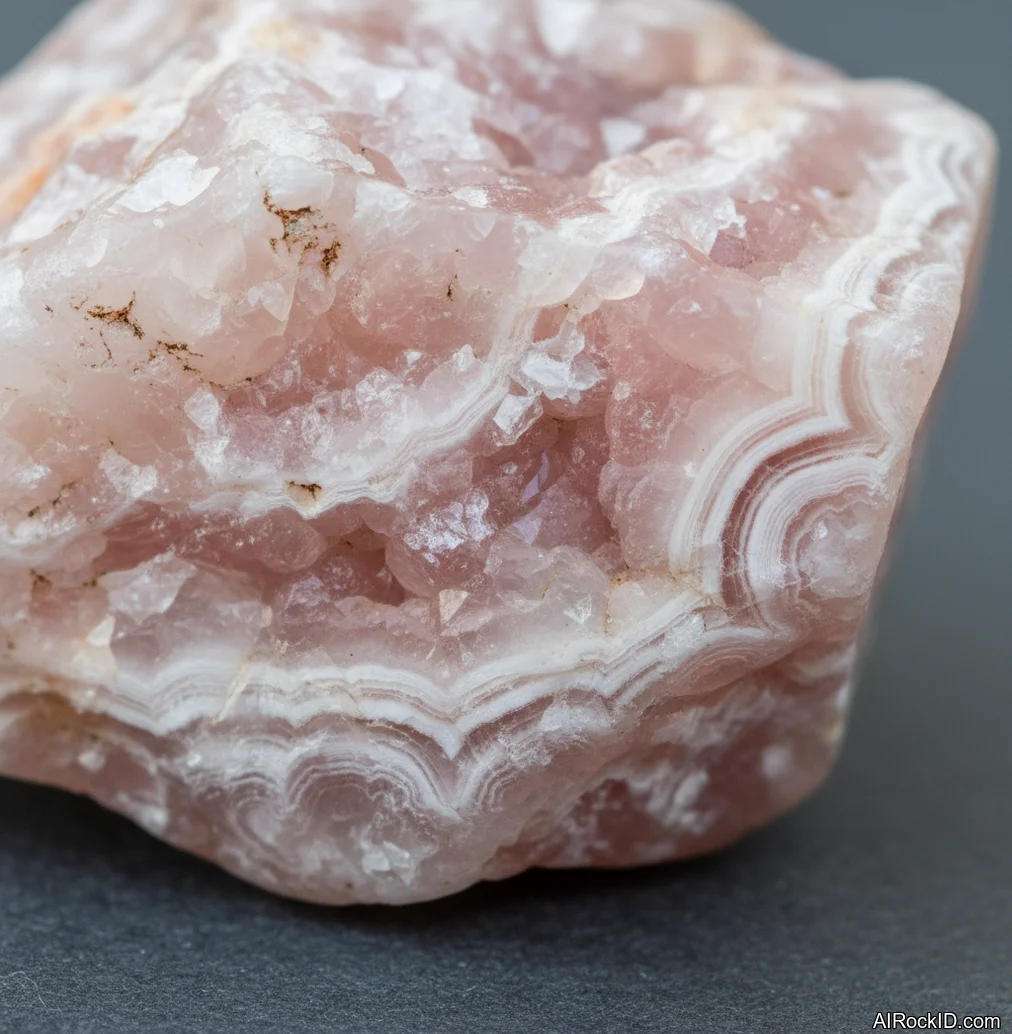
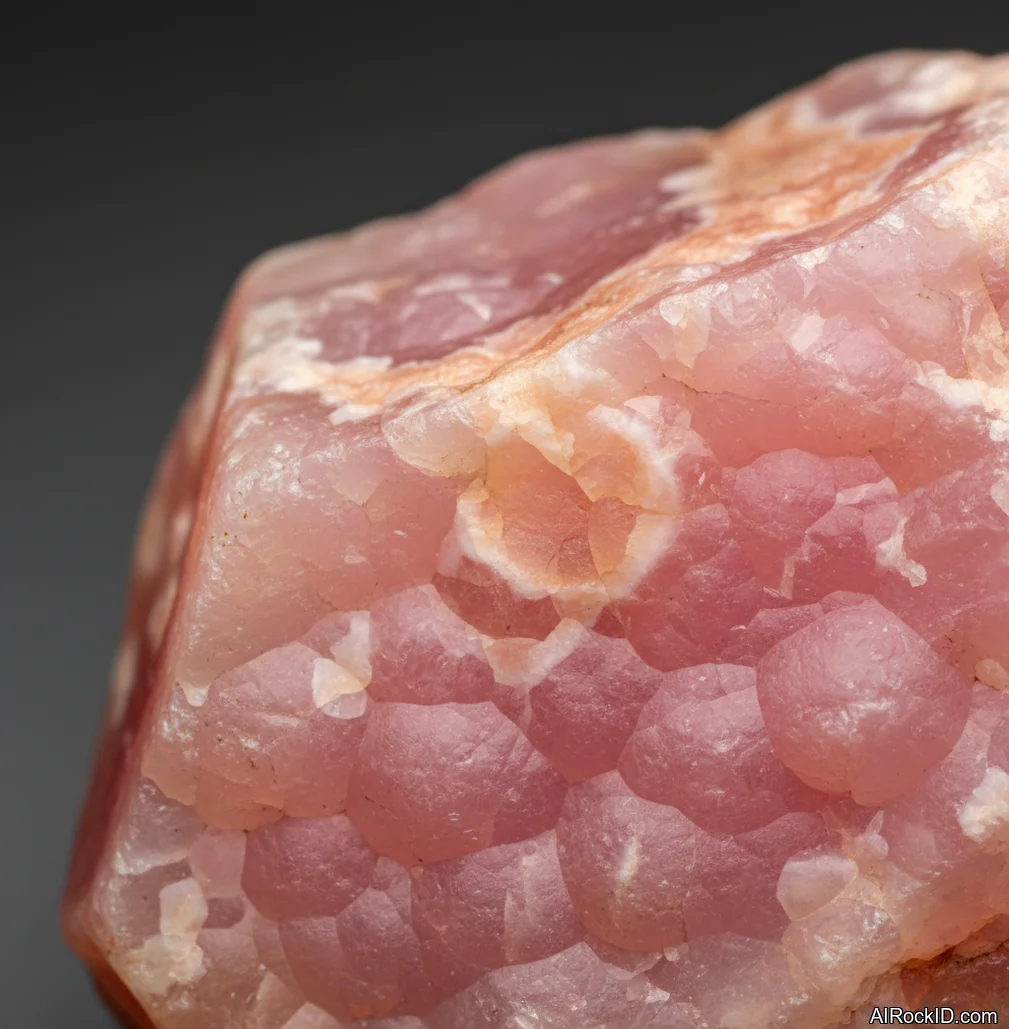
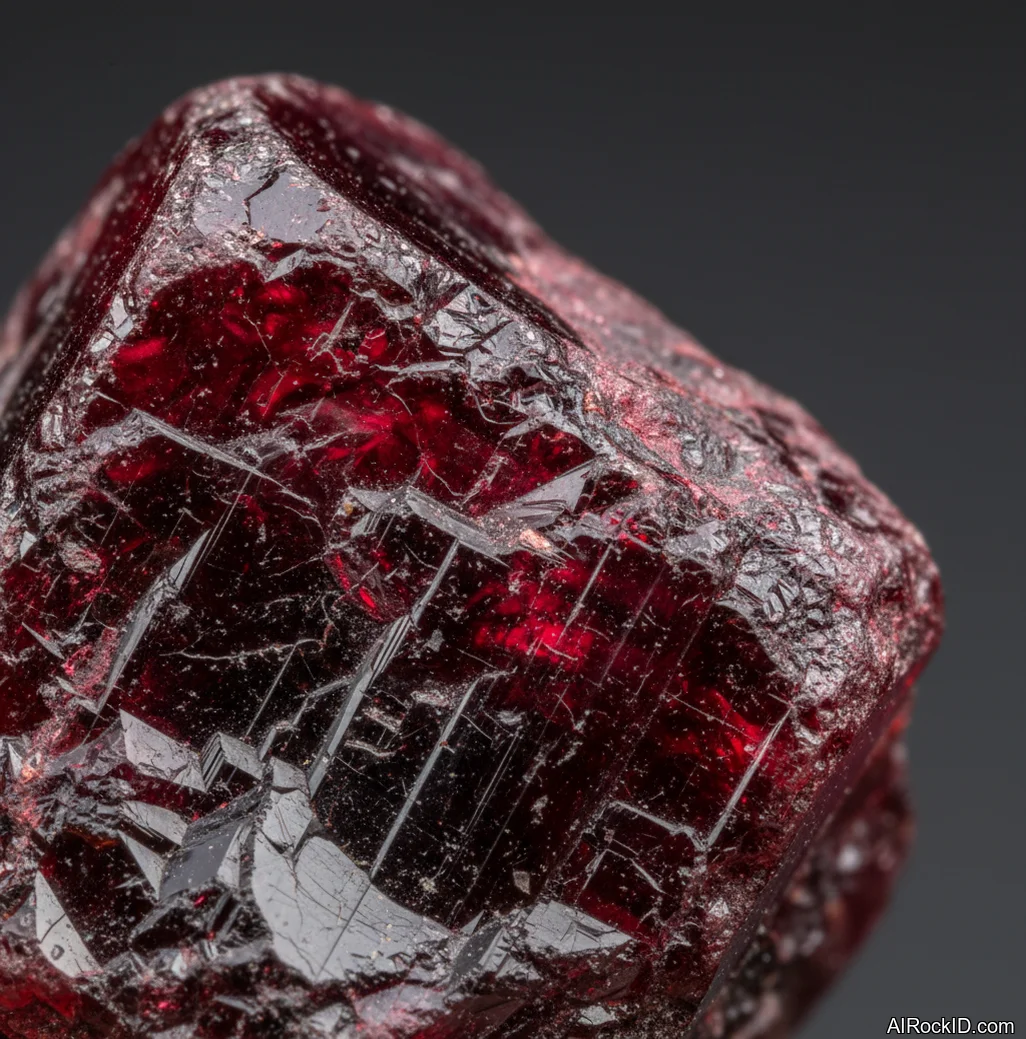
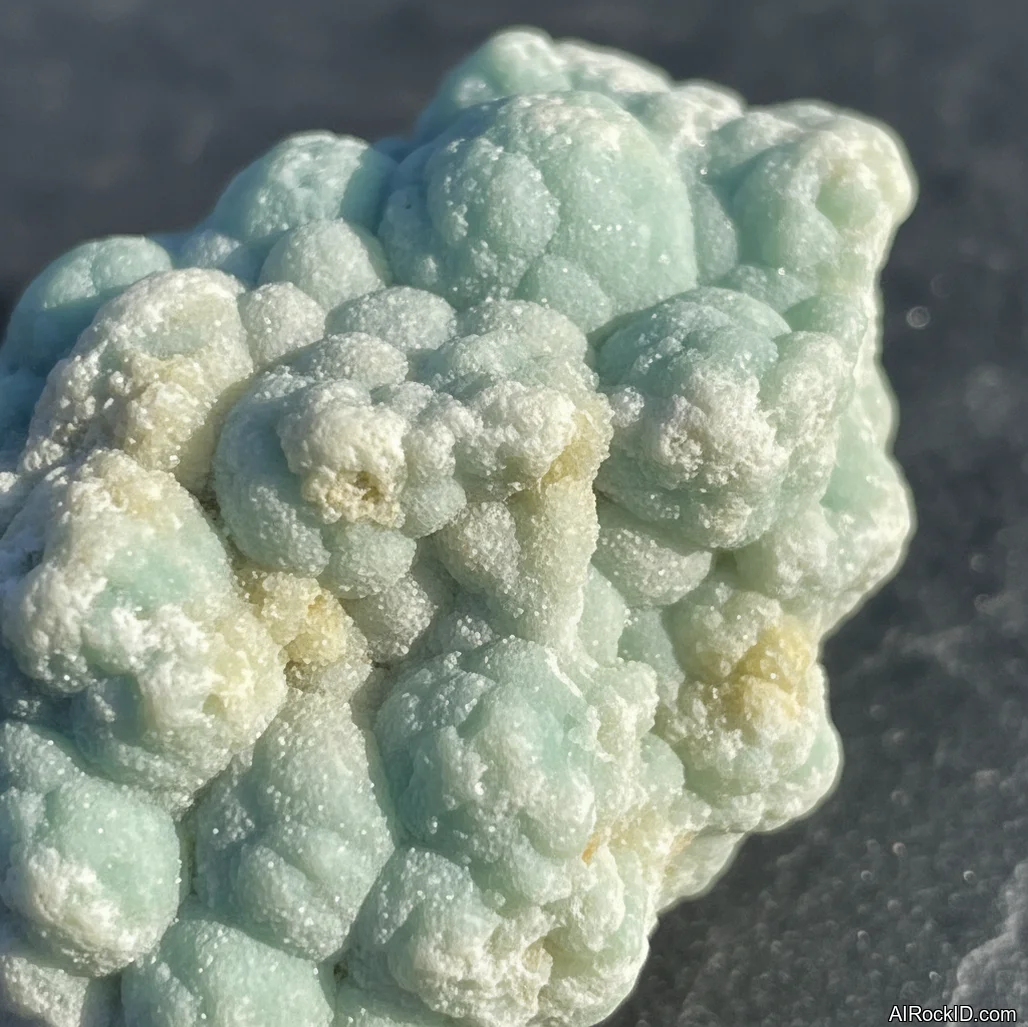
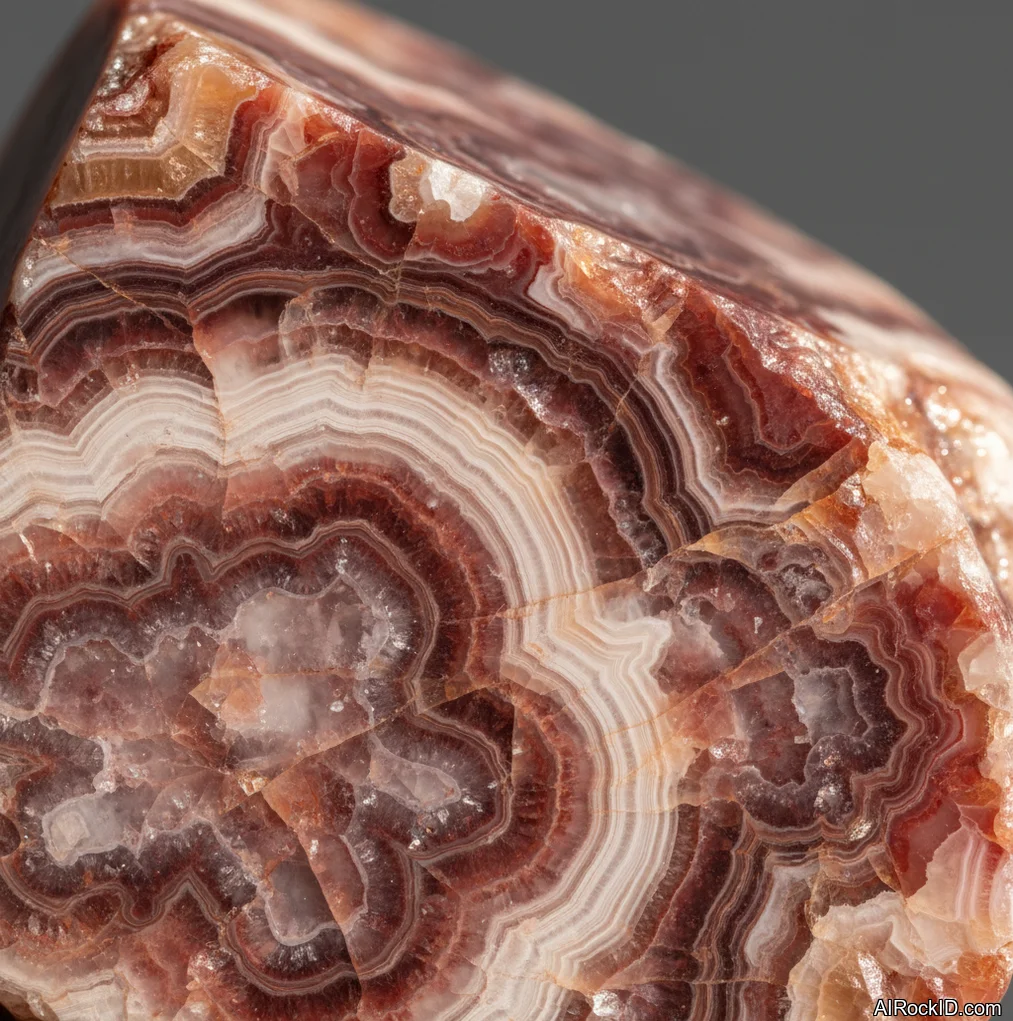
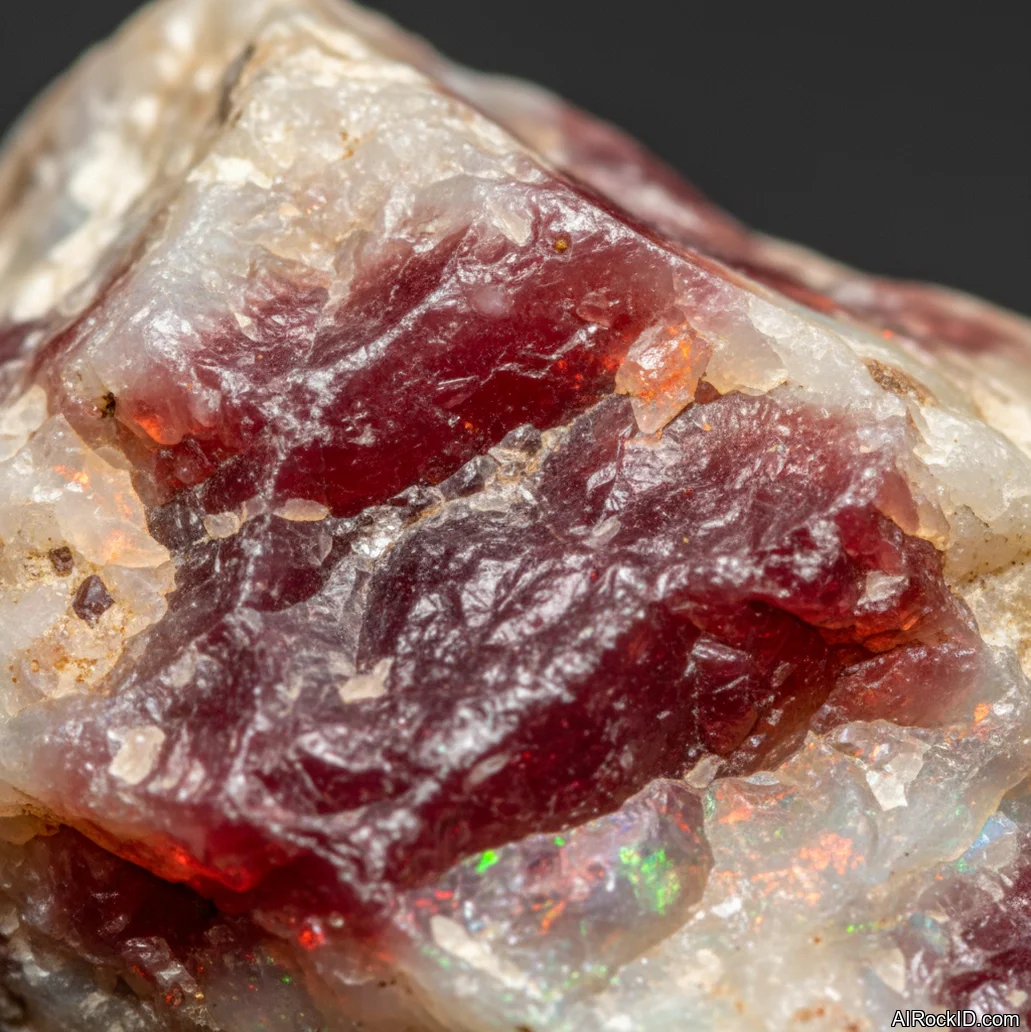
If you’re shopping specifically for Love, decide what kind you mean. For self-love and softness, rose quartz, morganite, and pink opal are the usual picks. For healing old wounds and learning to talk about them, rhodonite and rhodochrosite fit better. For heart plus courage, look at garnet with rose quartz, or ruby in zoisite when you need warmth and backbone in the same week.
All Love Crystals (58)