Third Eye Chakra Crystals
Learn about Third Eye Chakra crystals, meanings, and practical tips for choosing and using stones like amethyst, lapis lazuli, and labradorite.
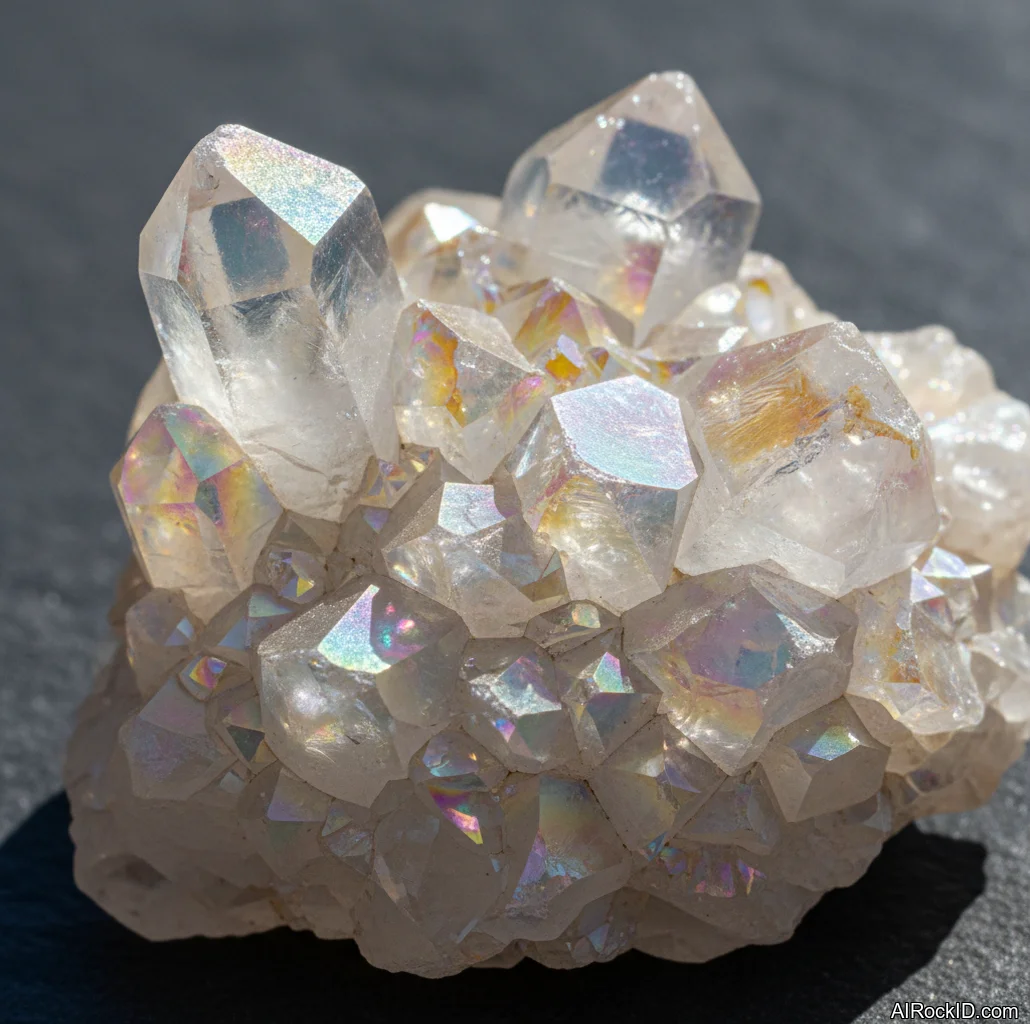
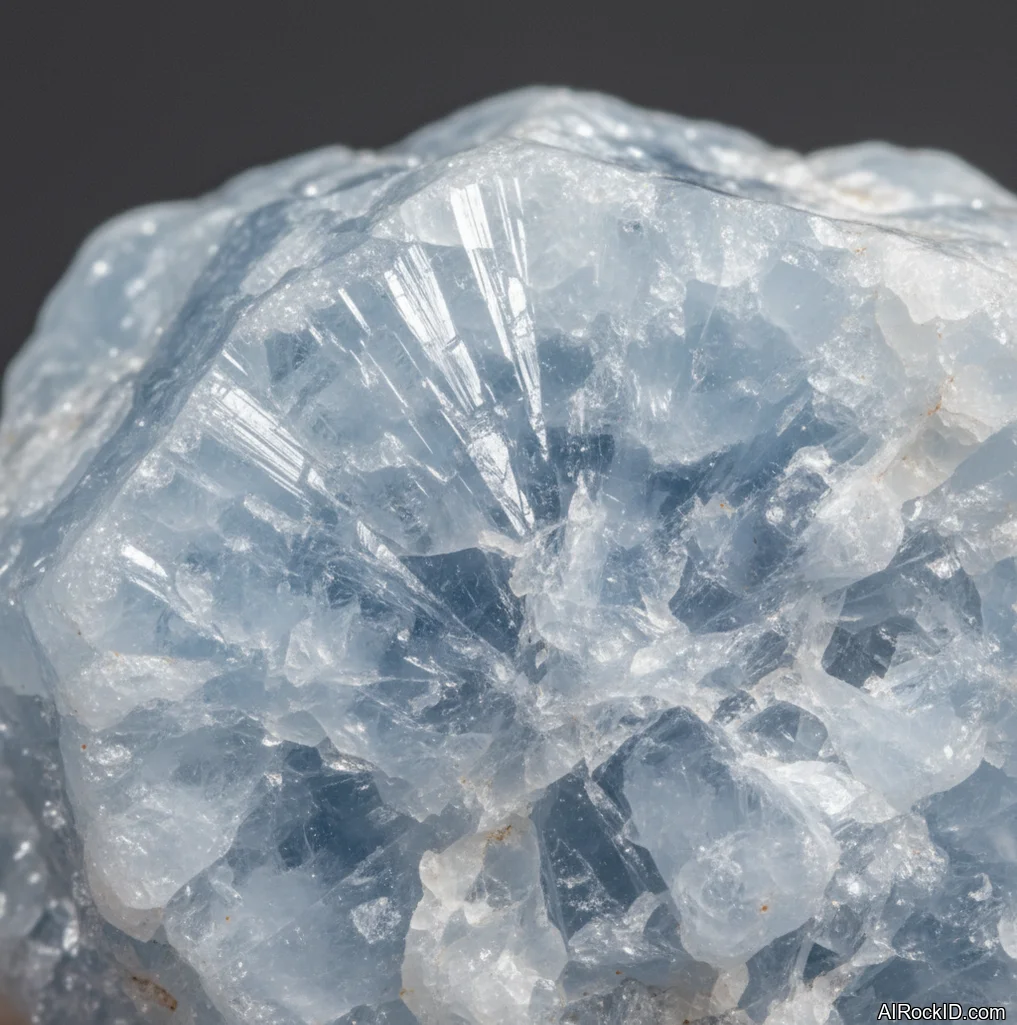
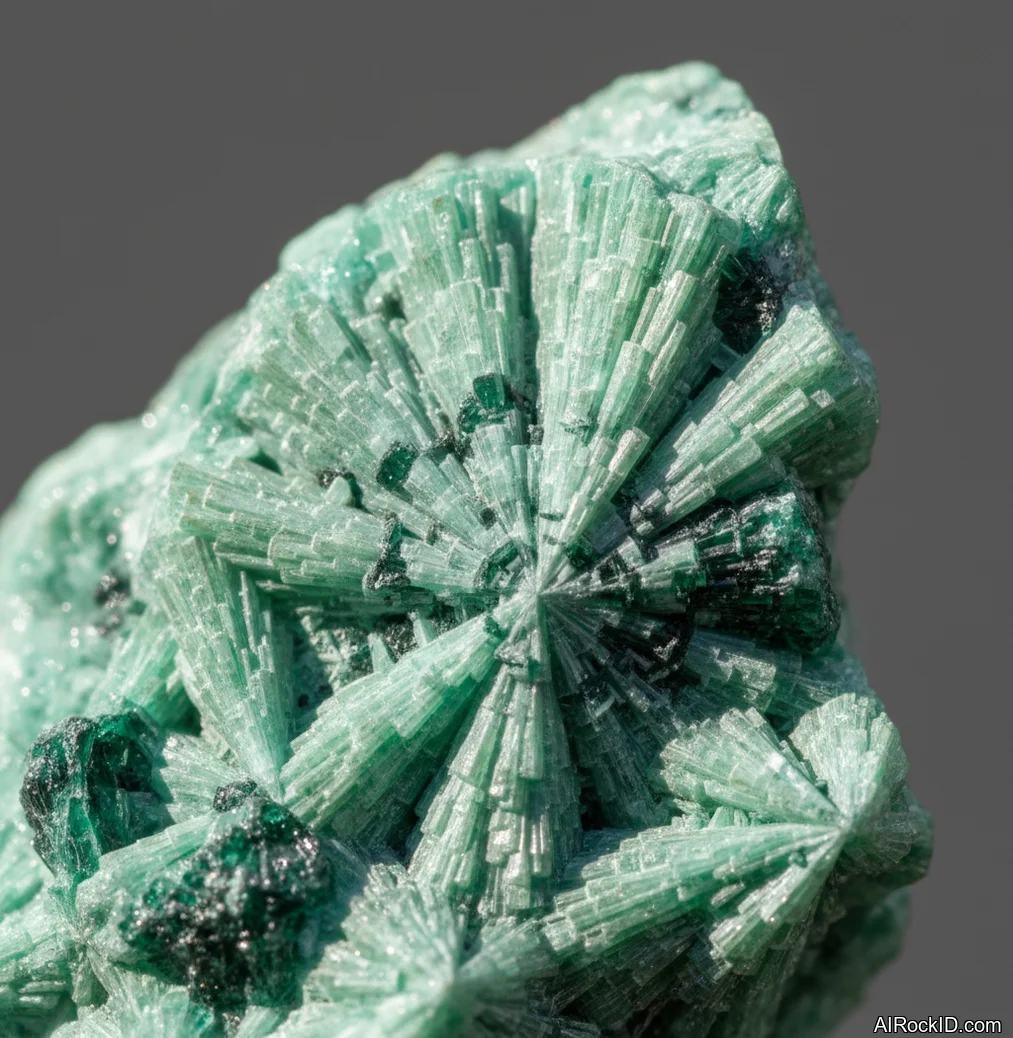
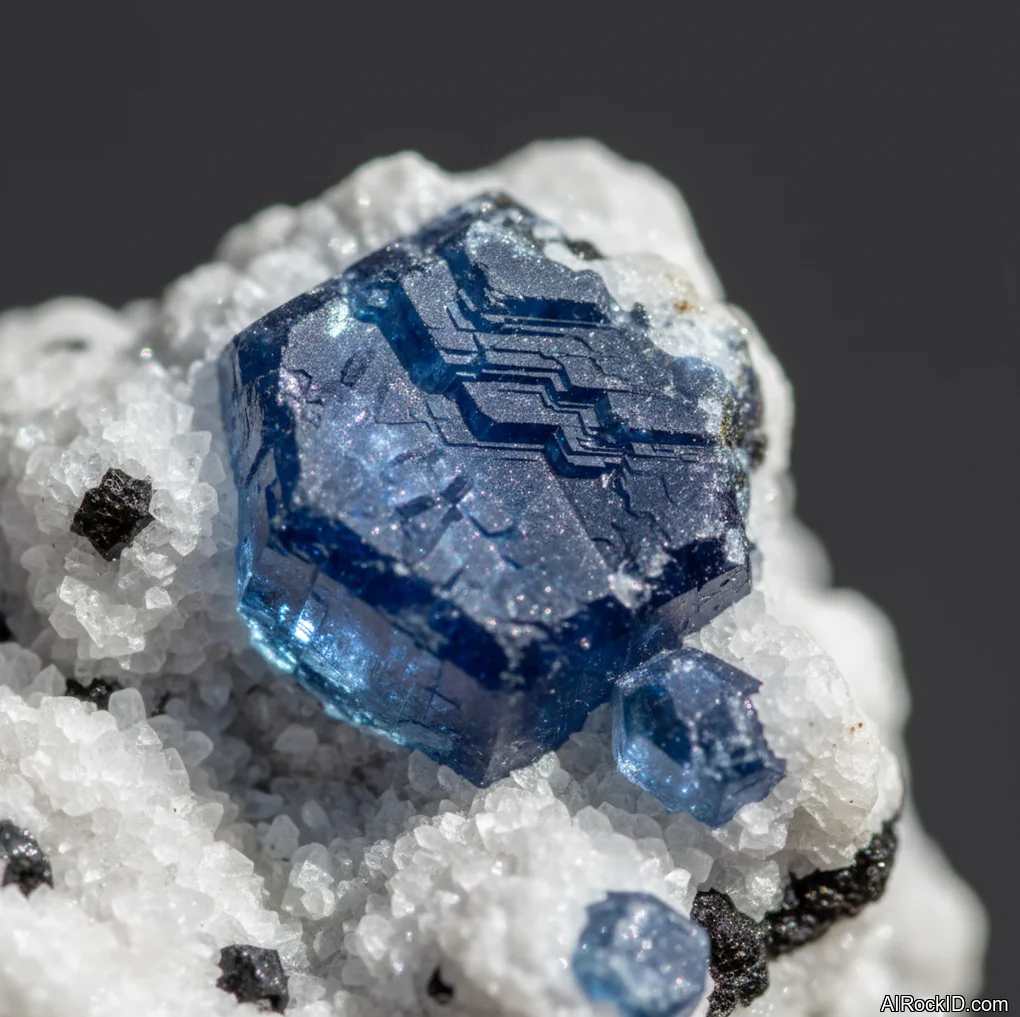
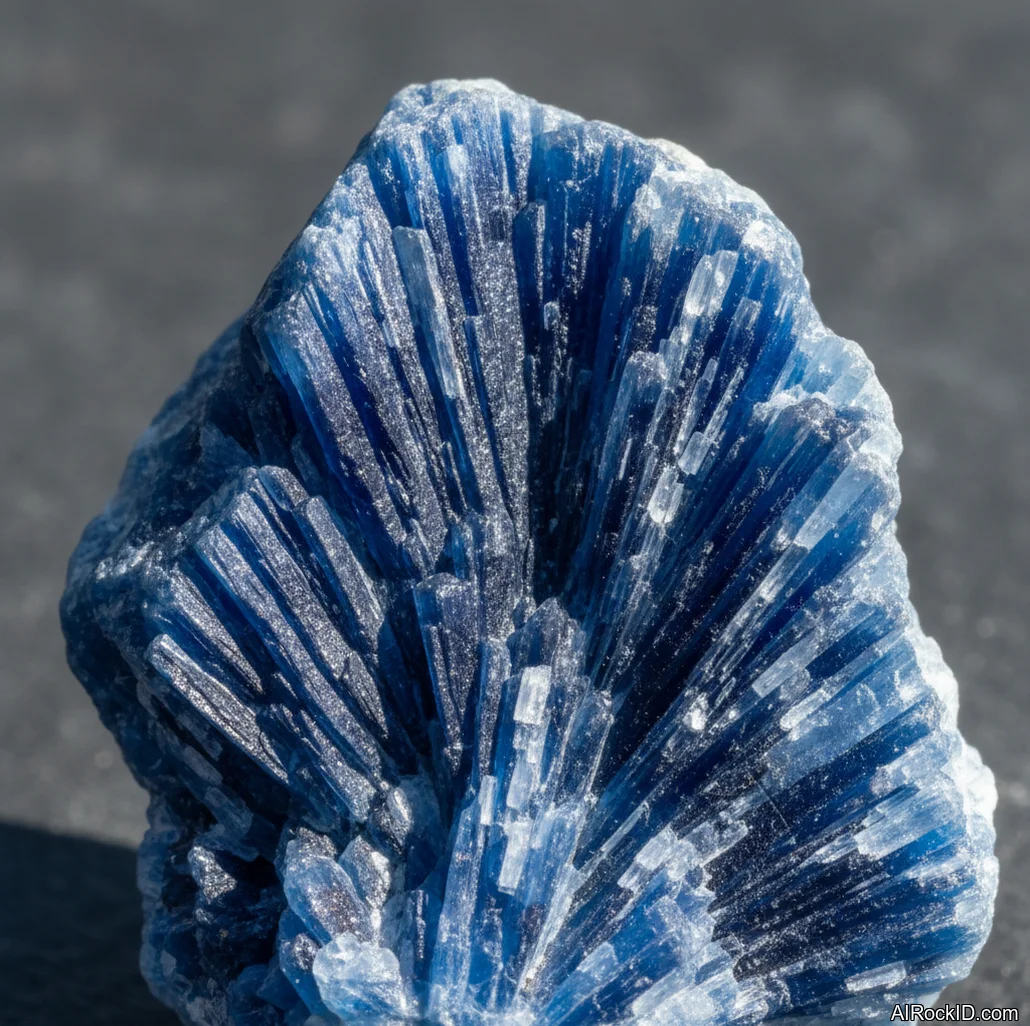
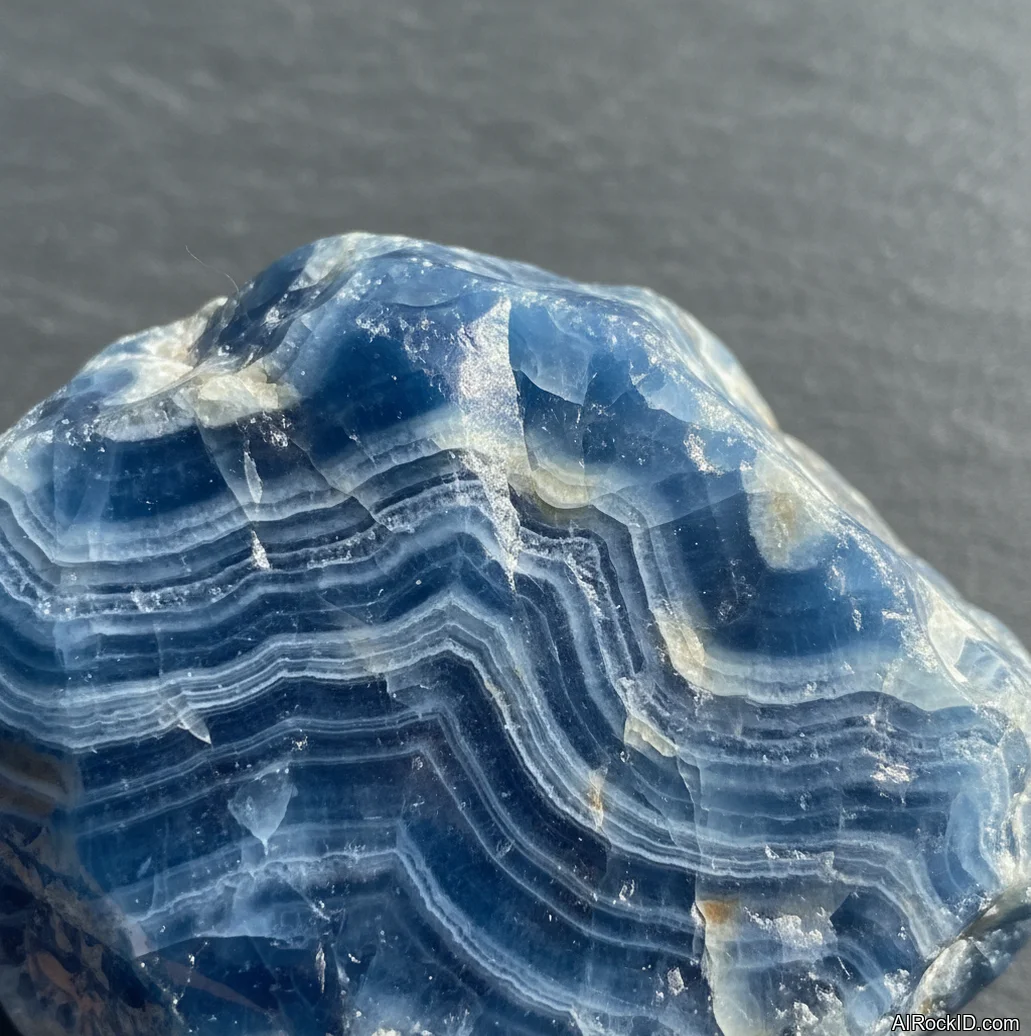
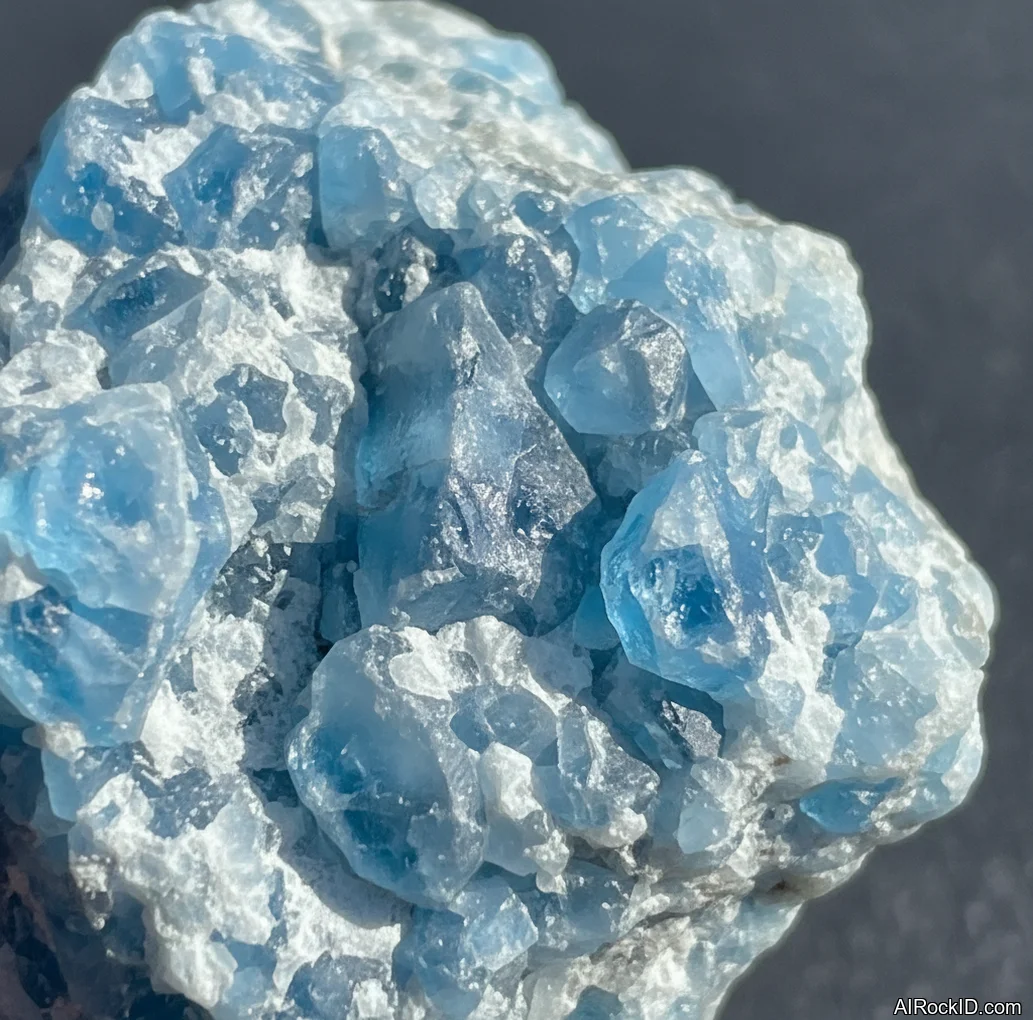
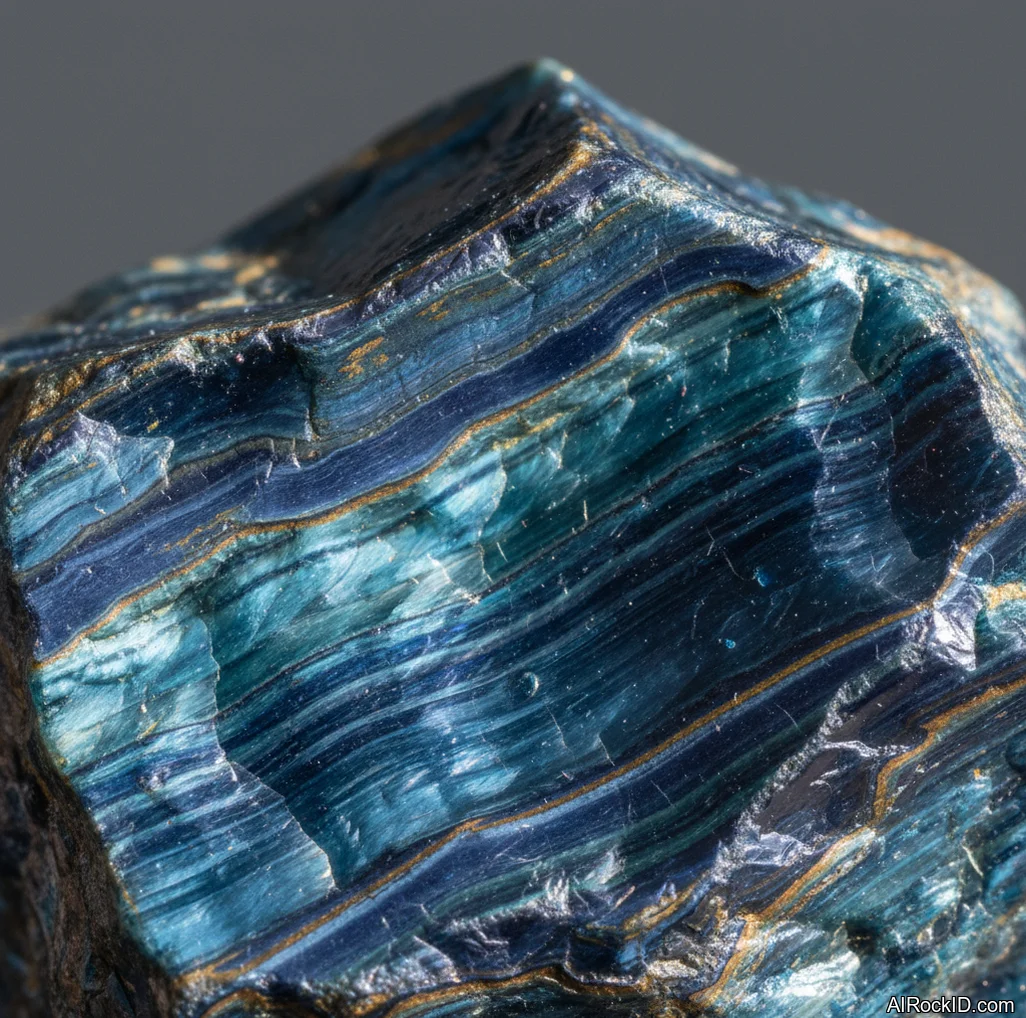
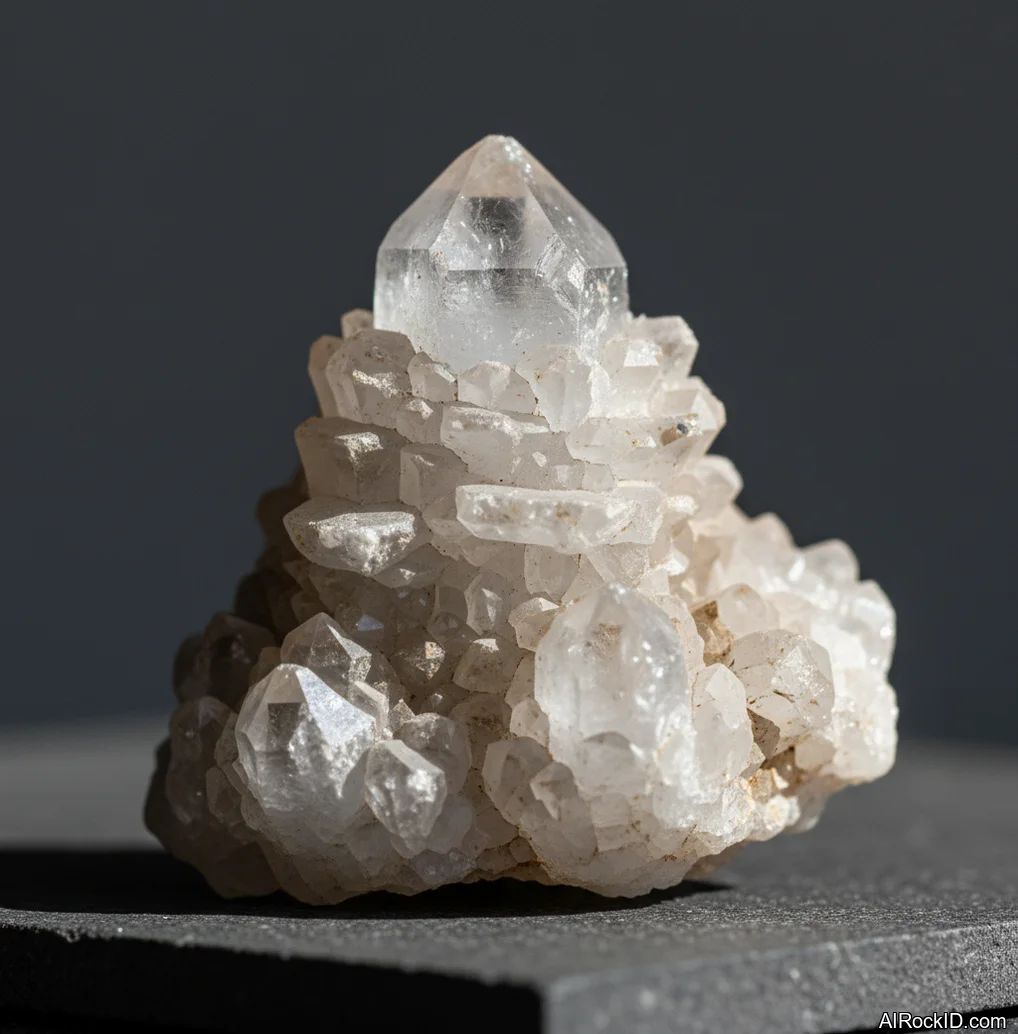
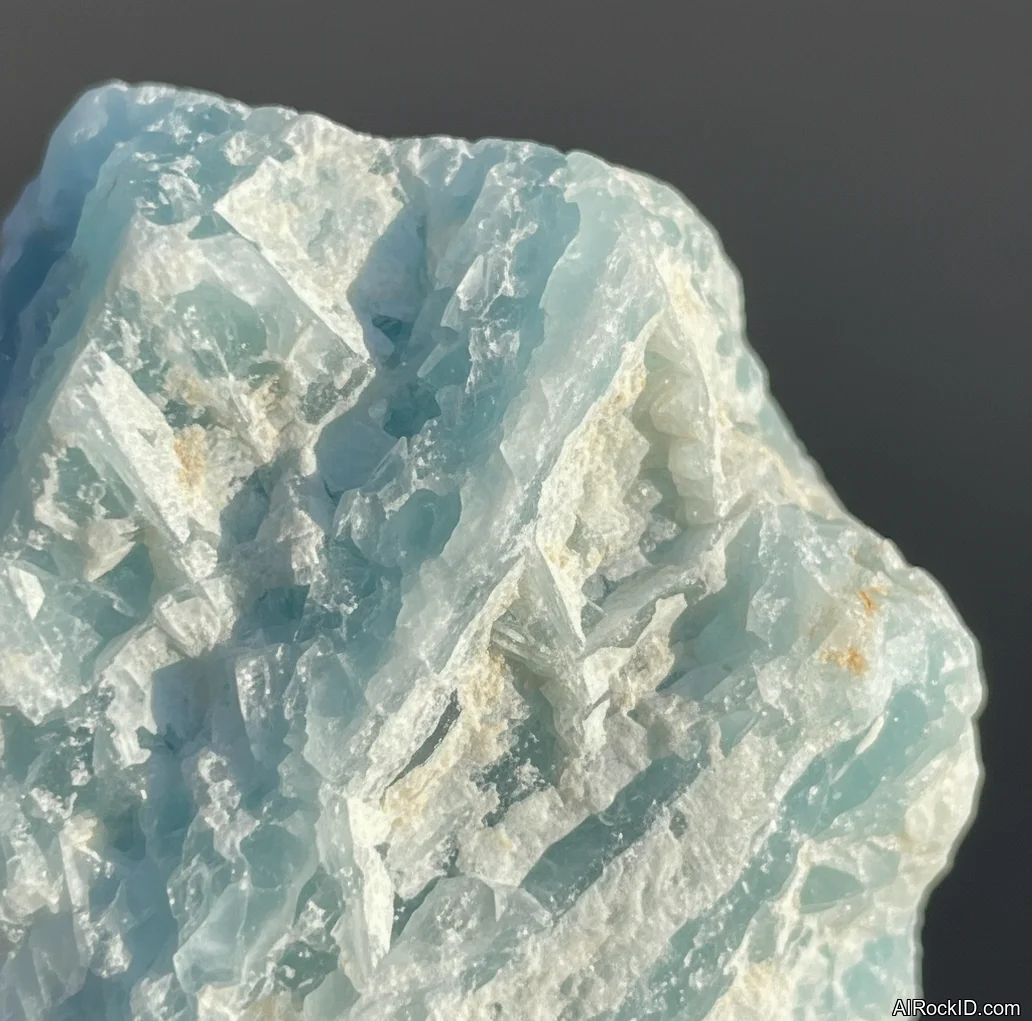
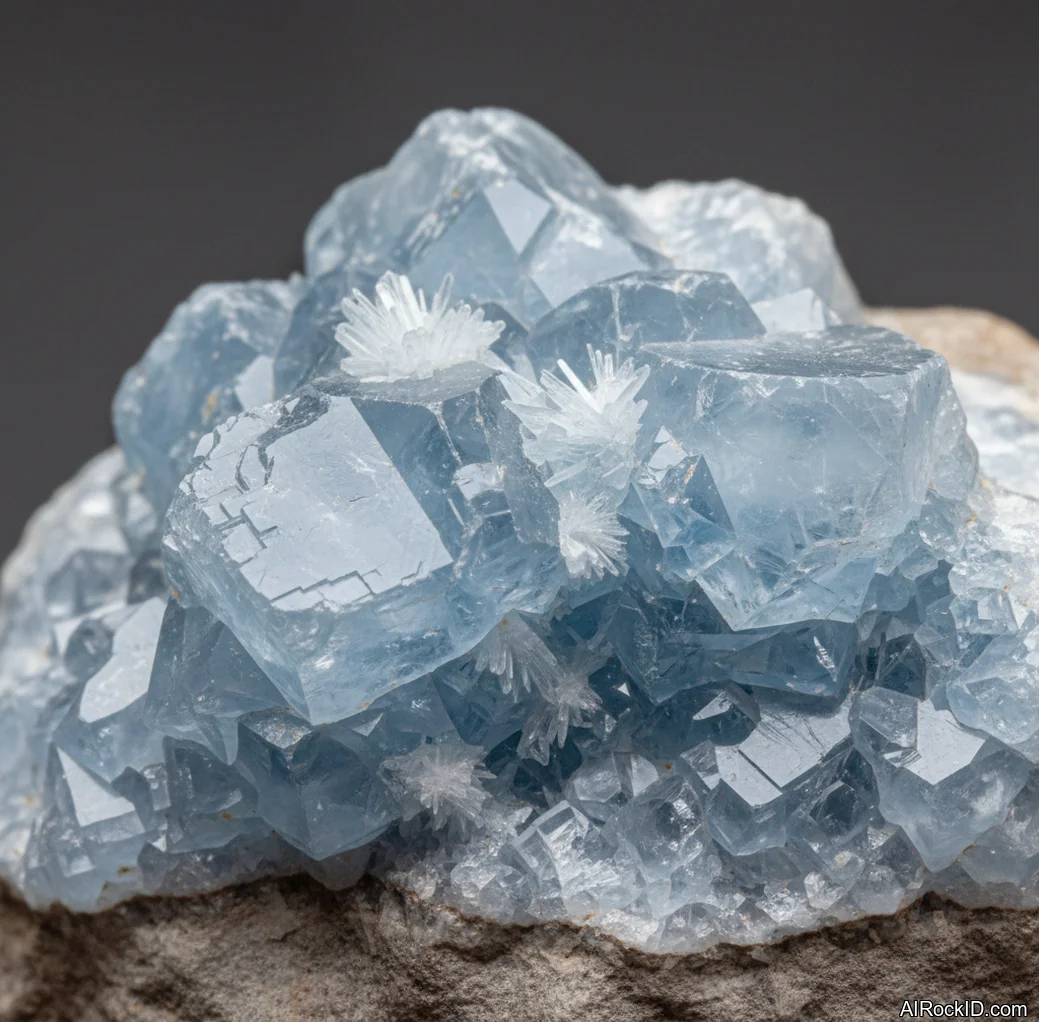
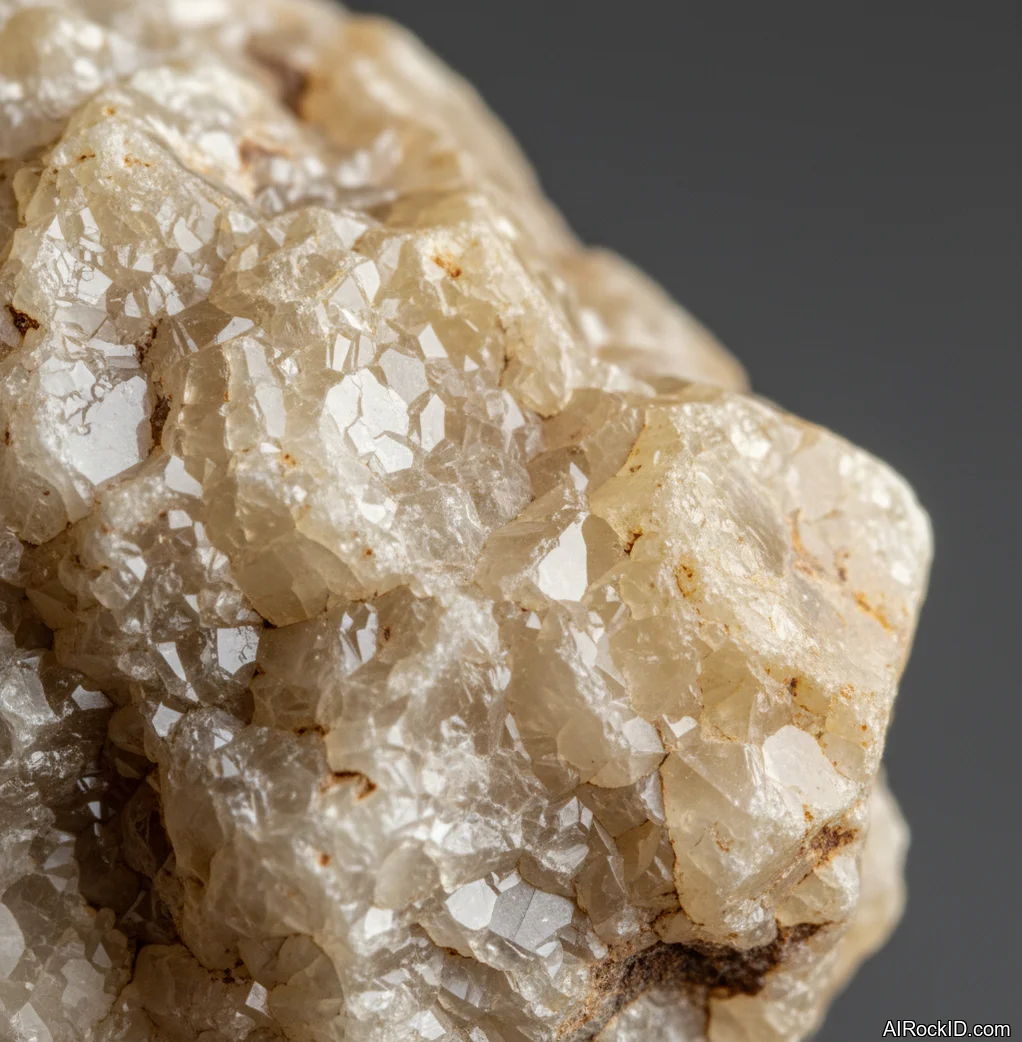
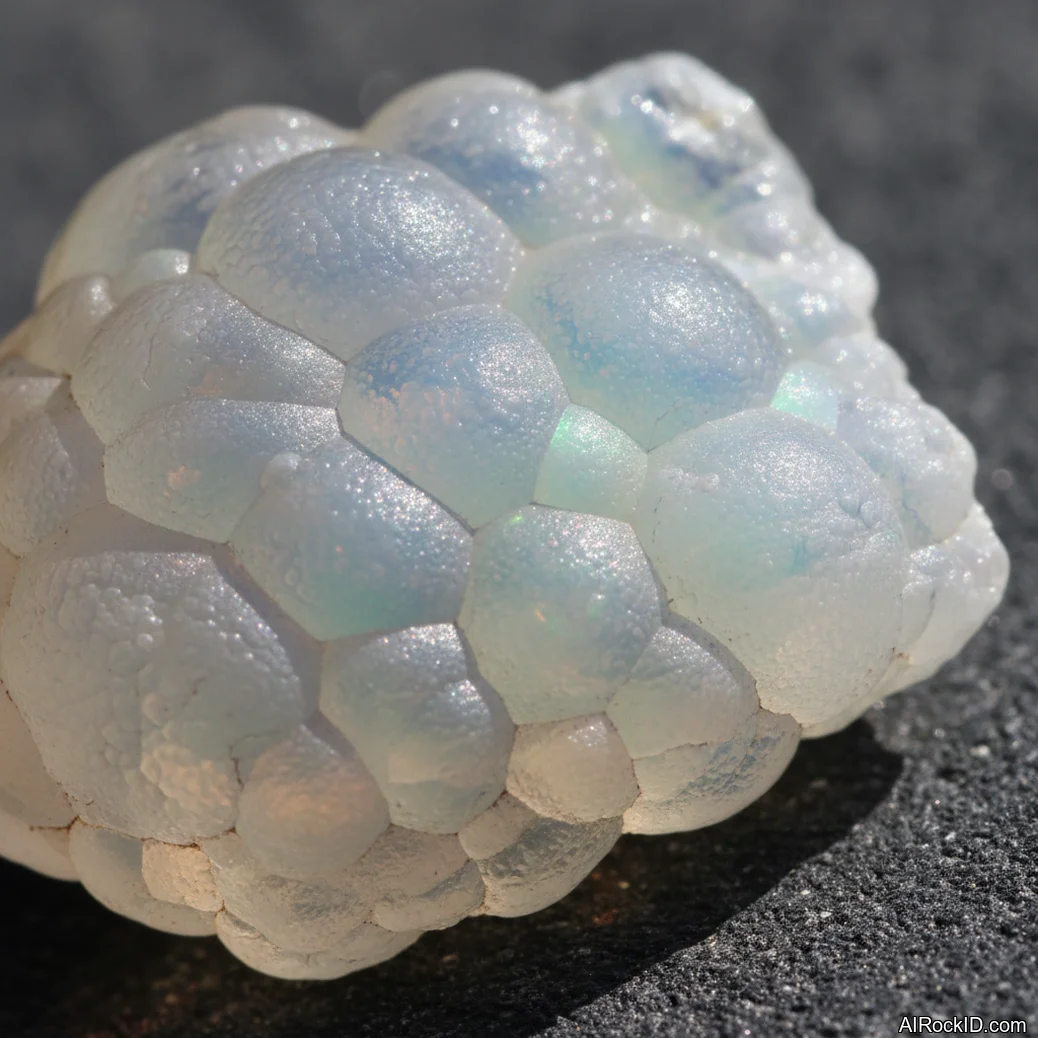
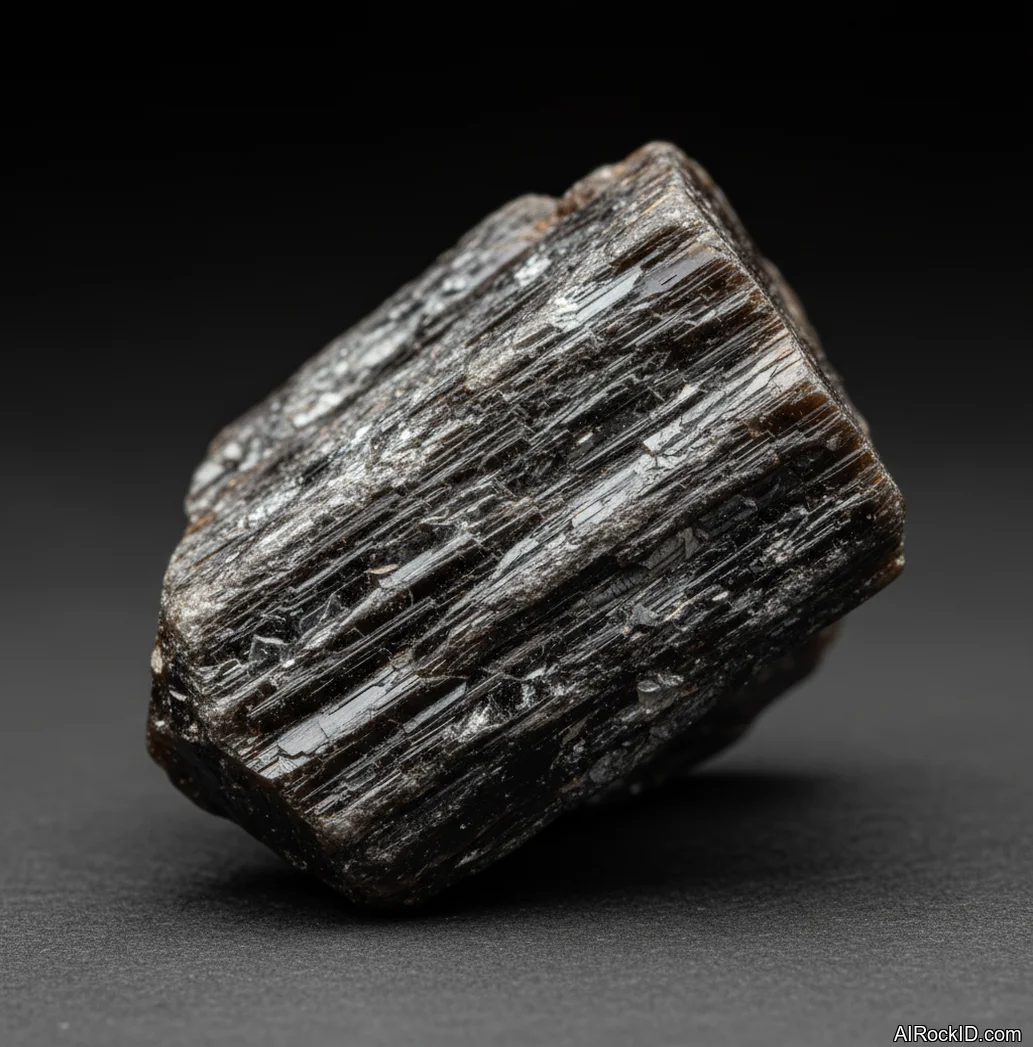
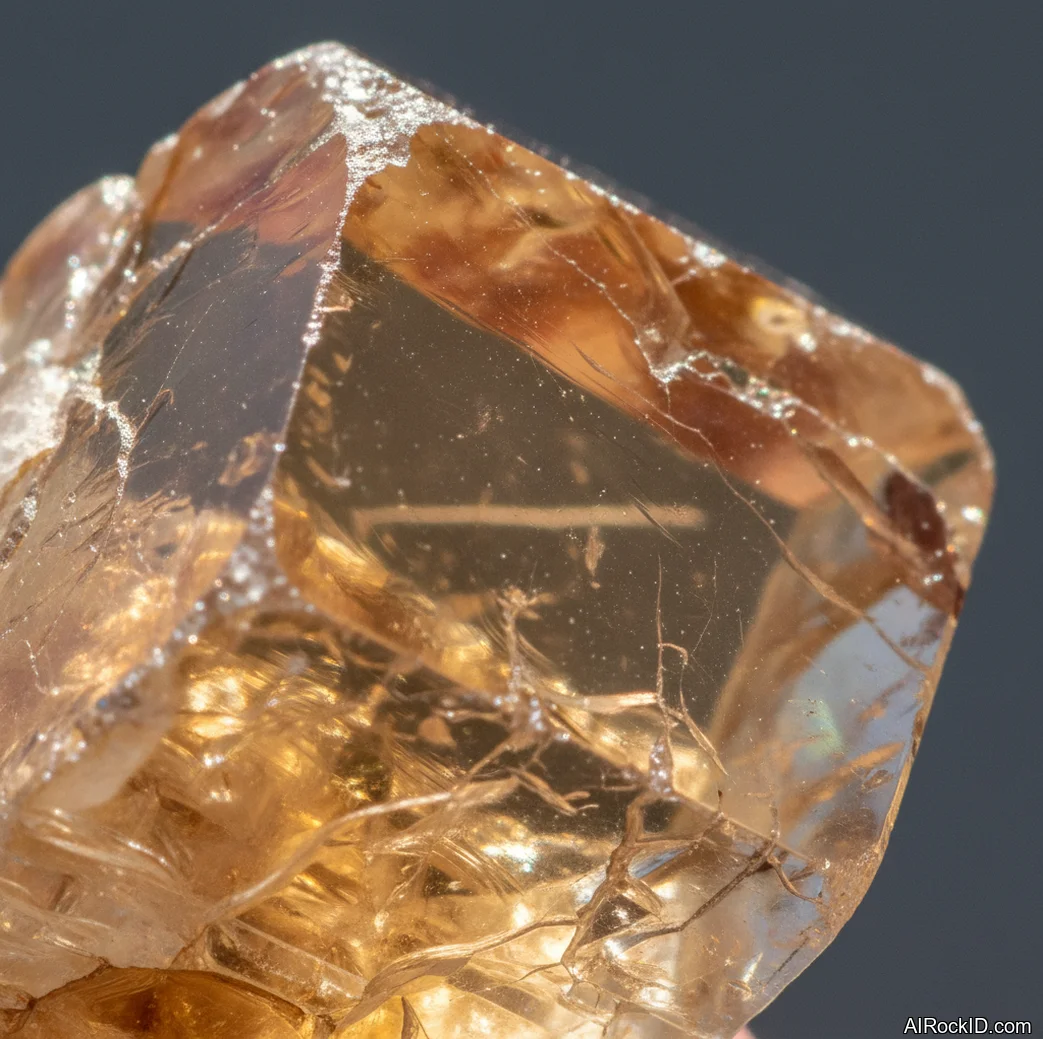
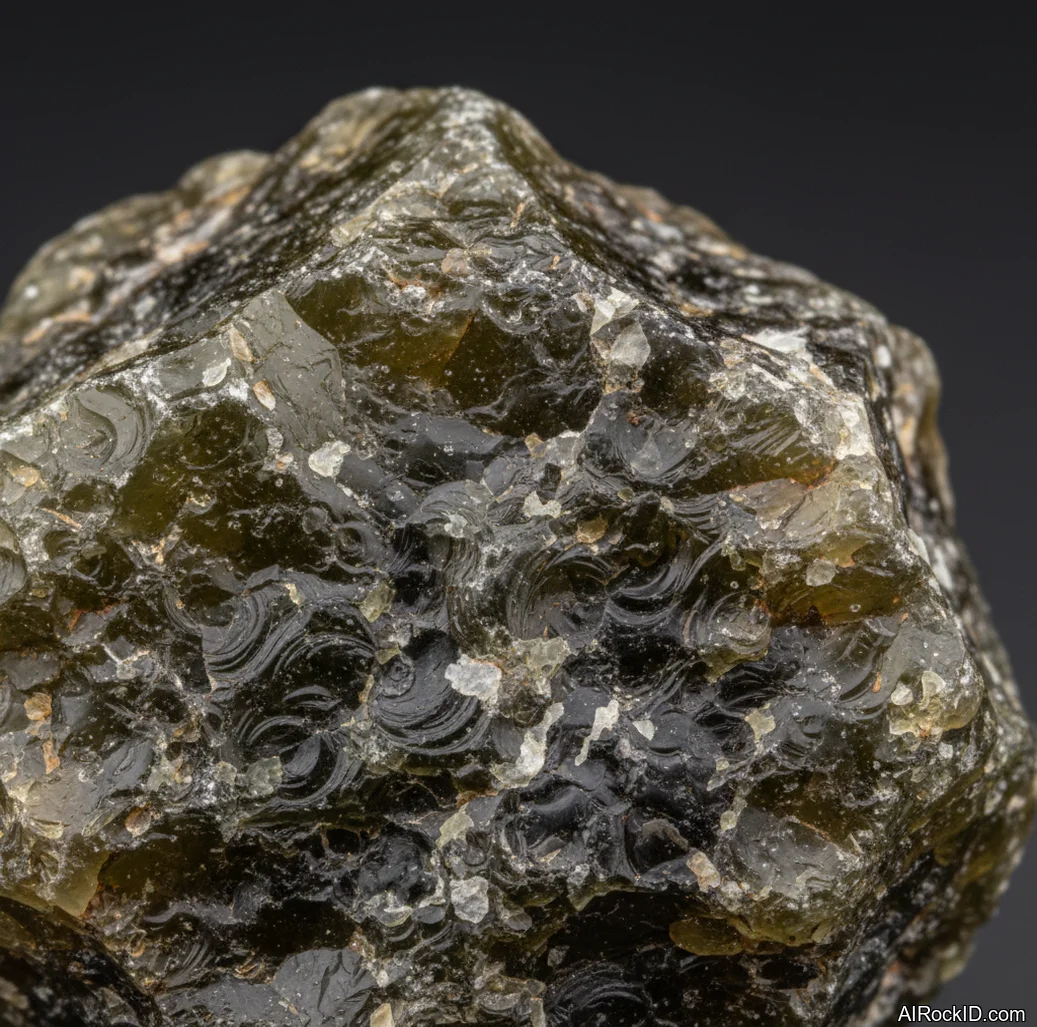
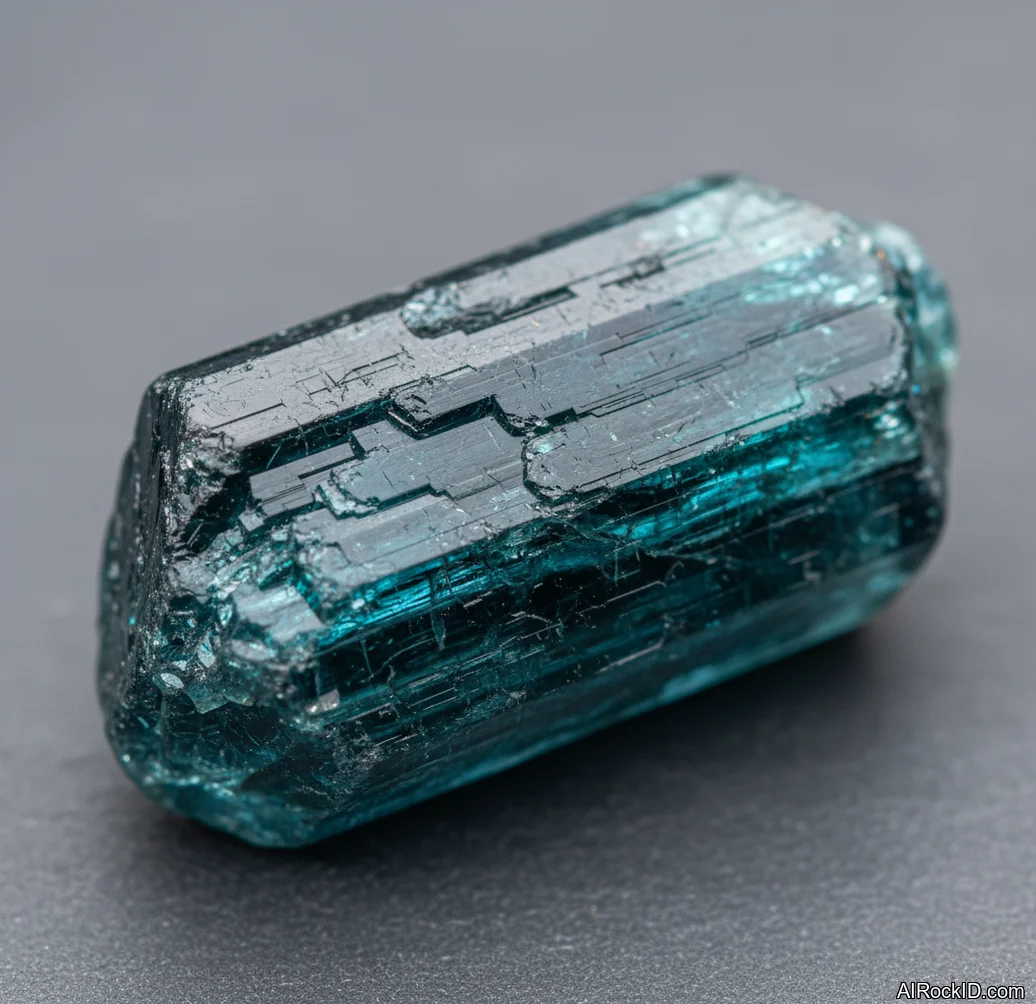
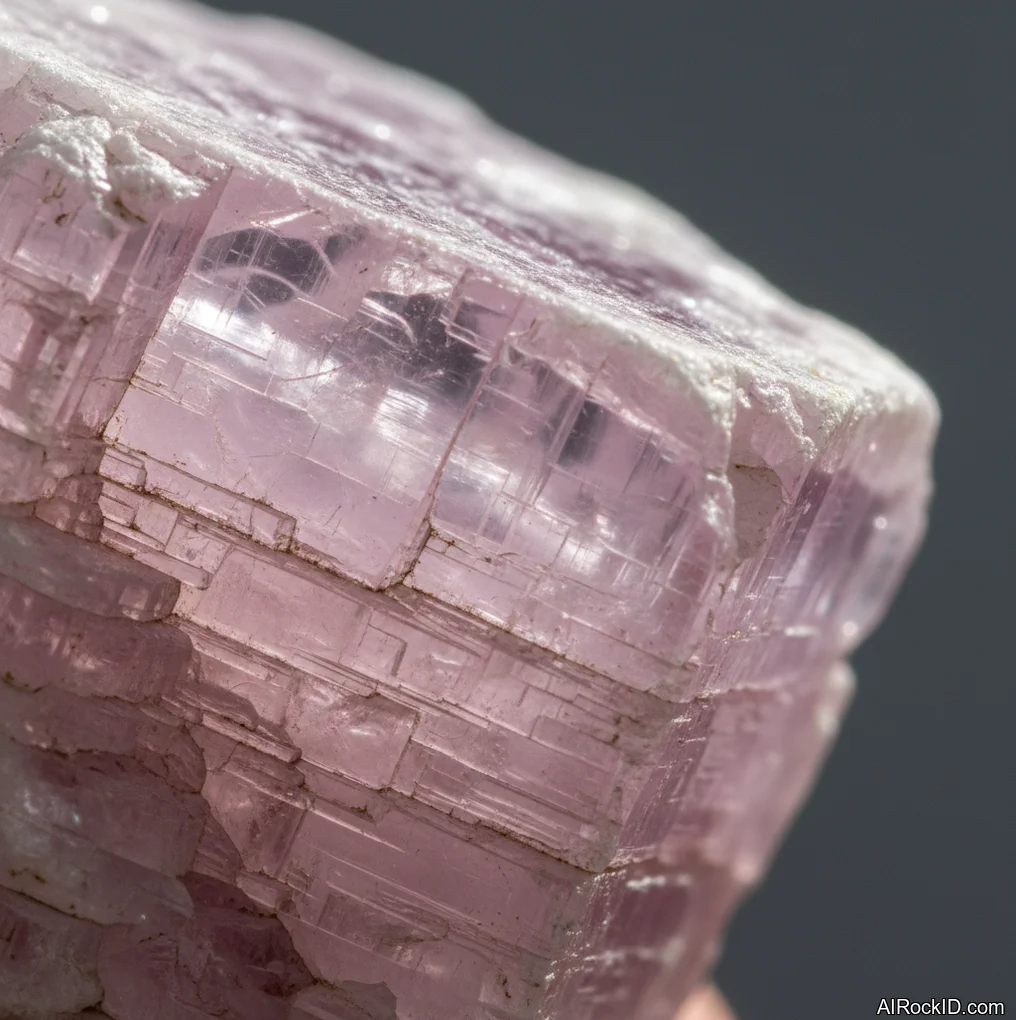
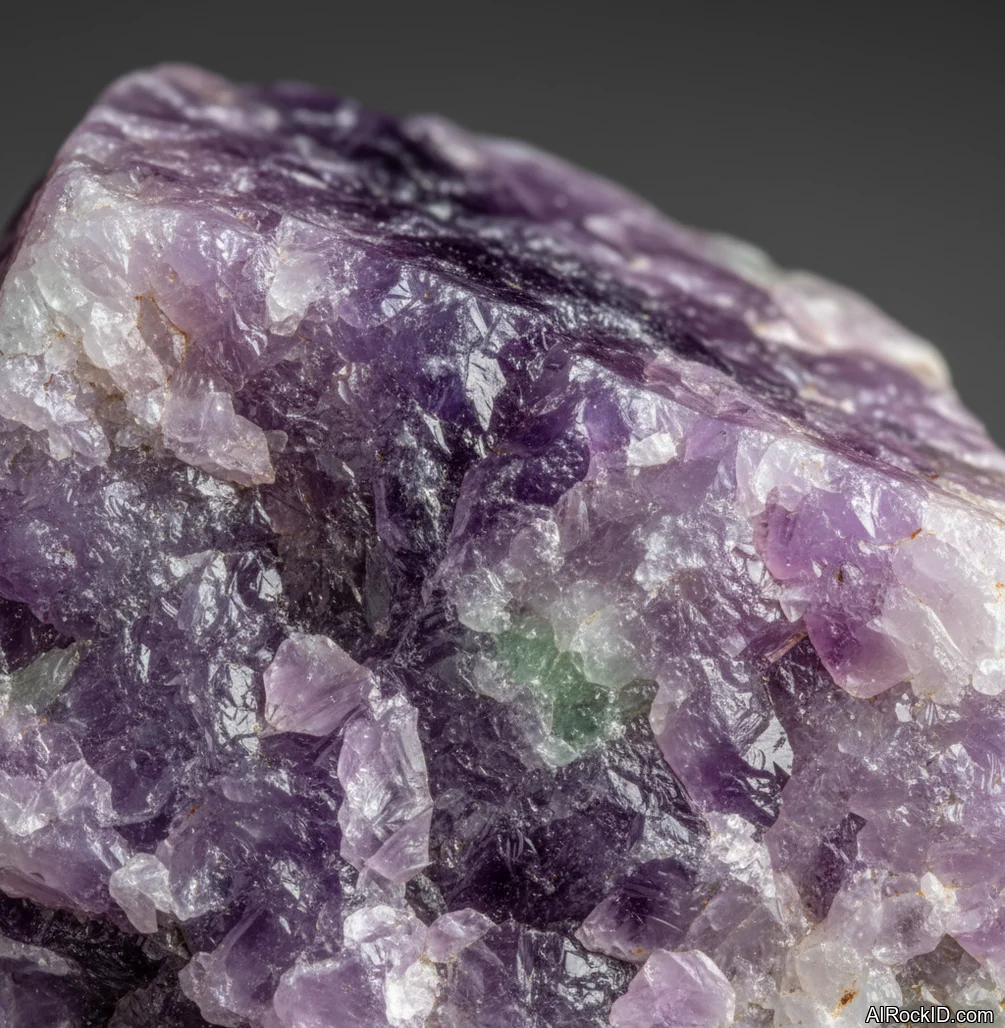
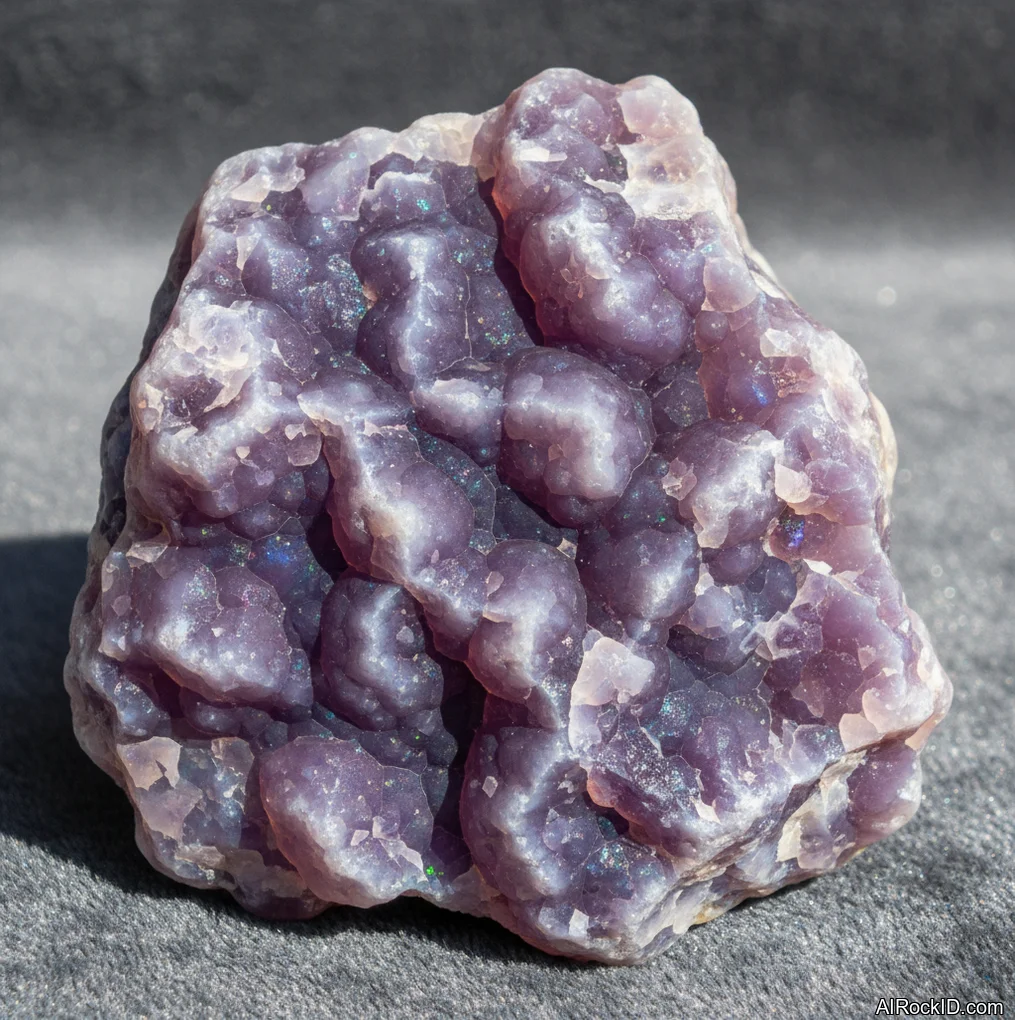
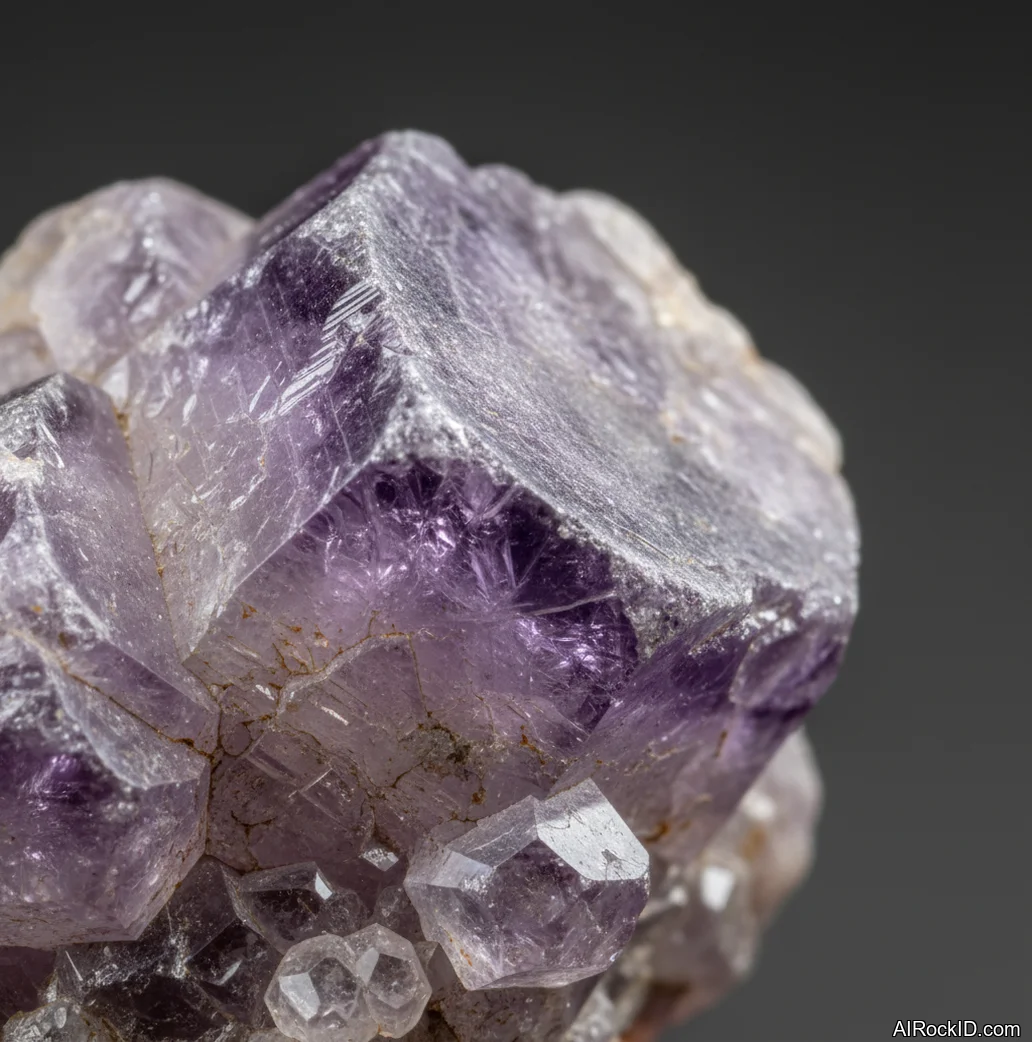
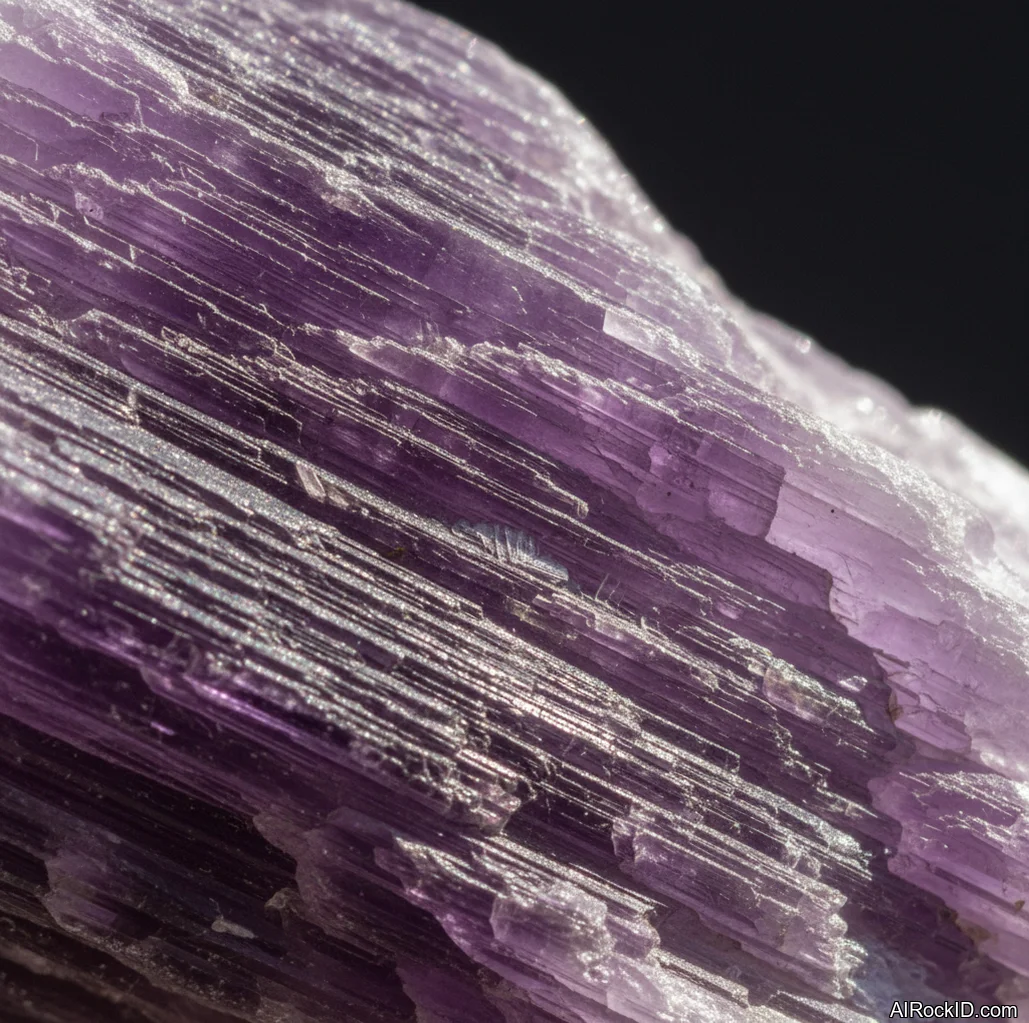
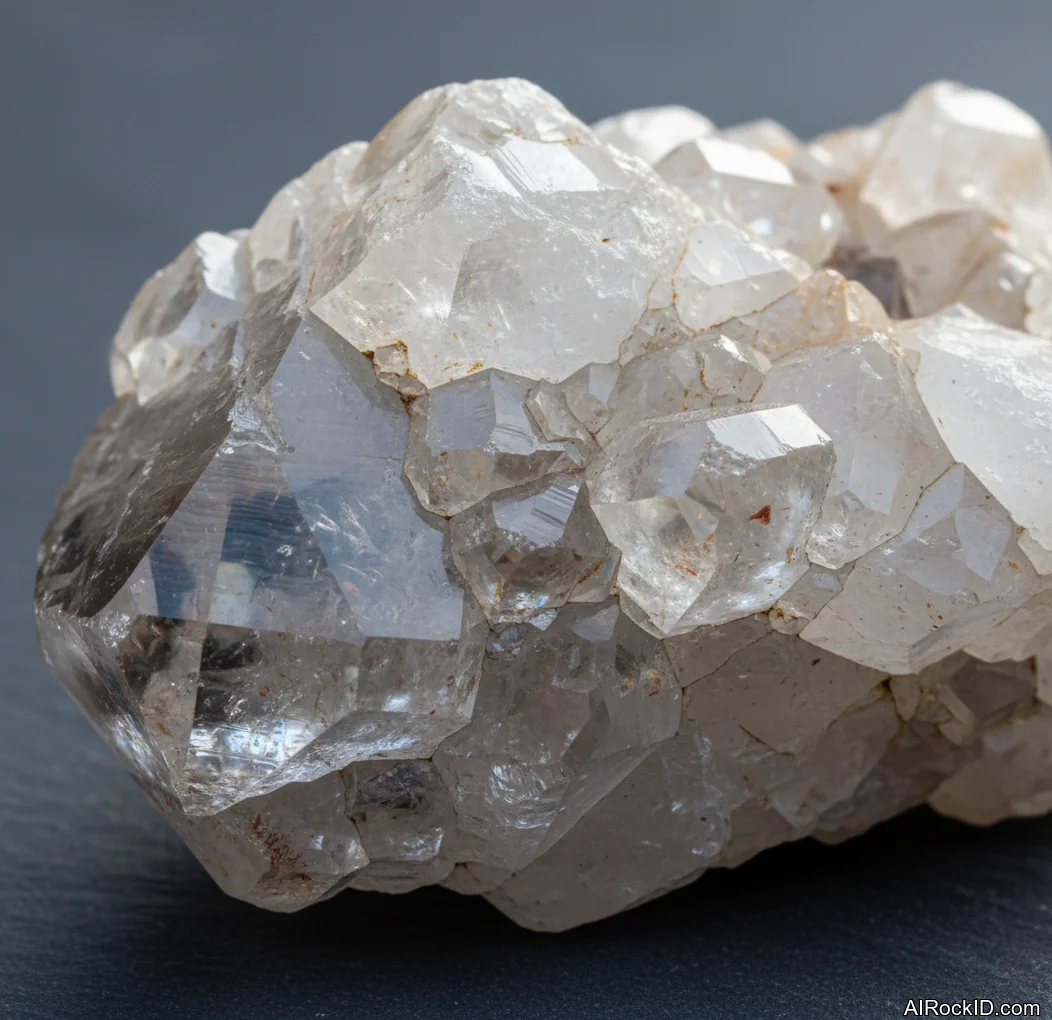
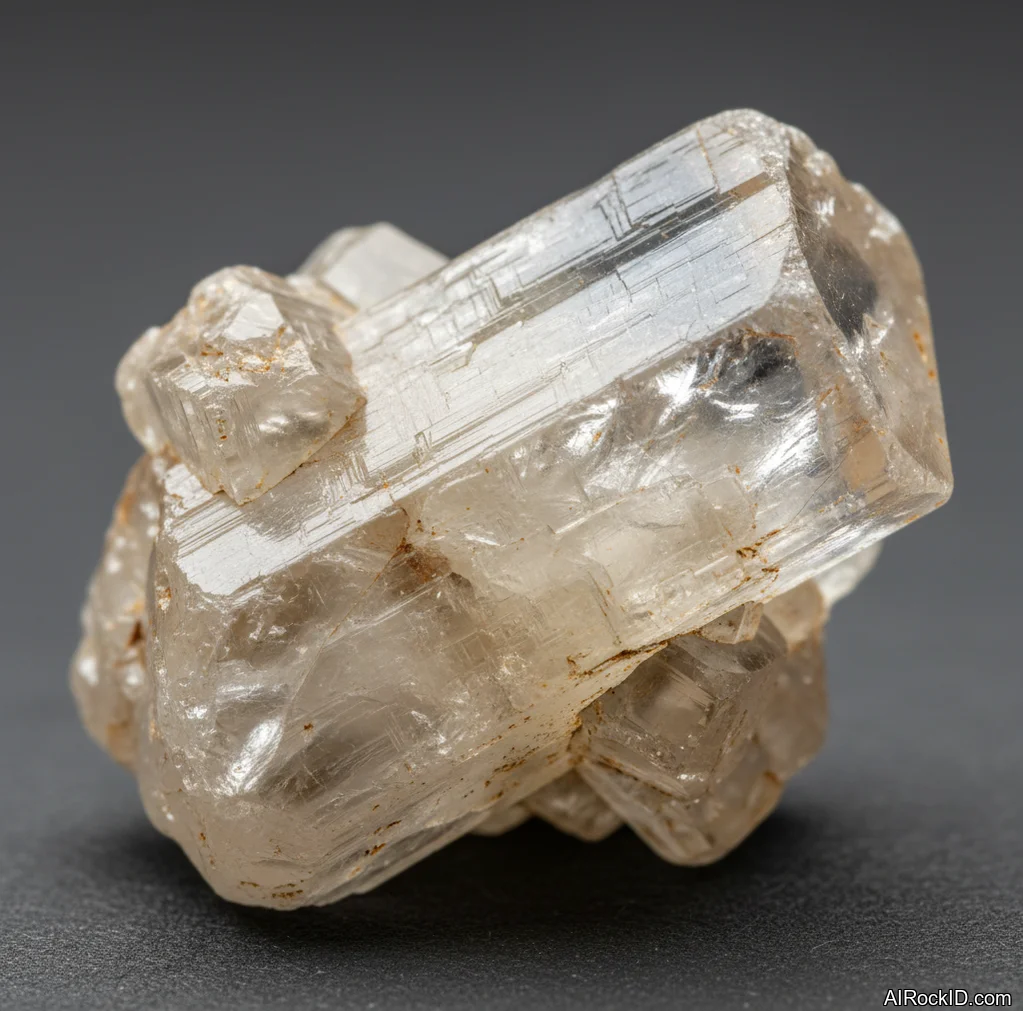
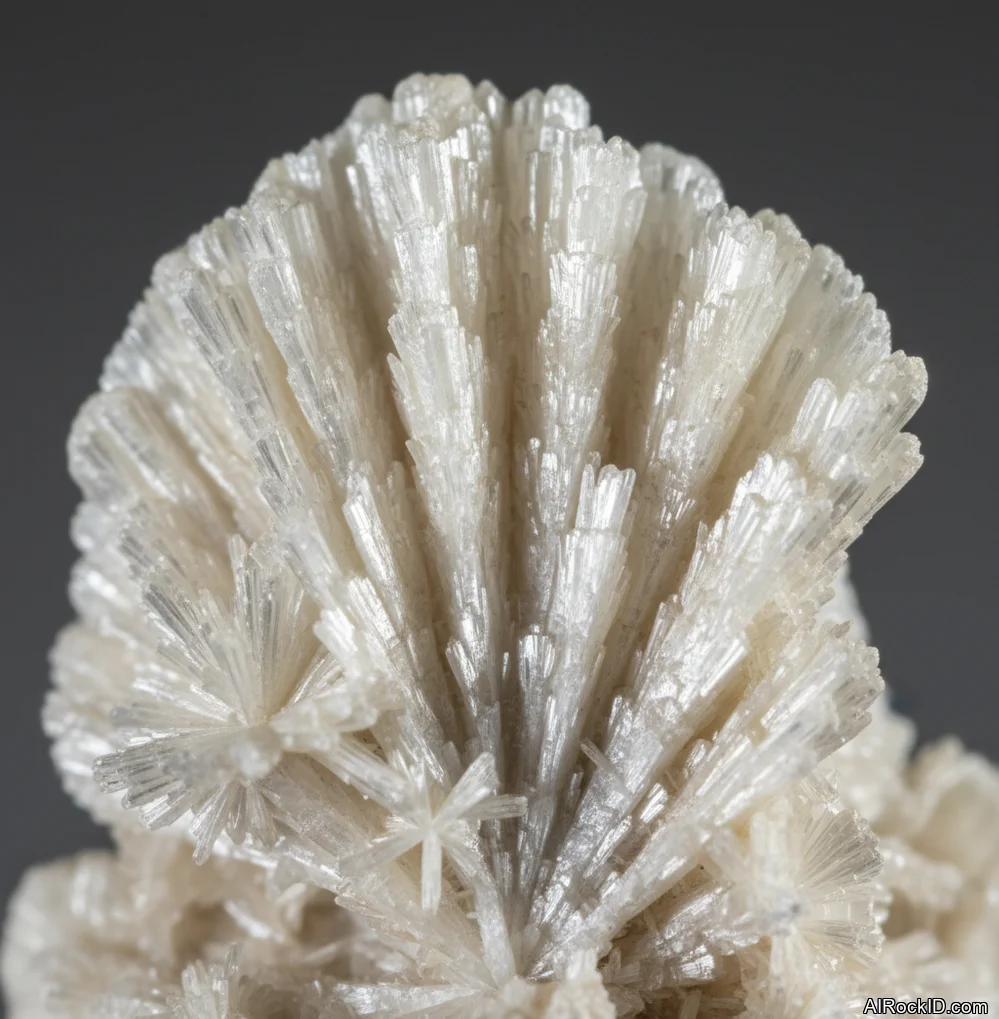
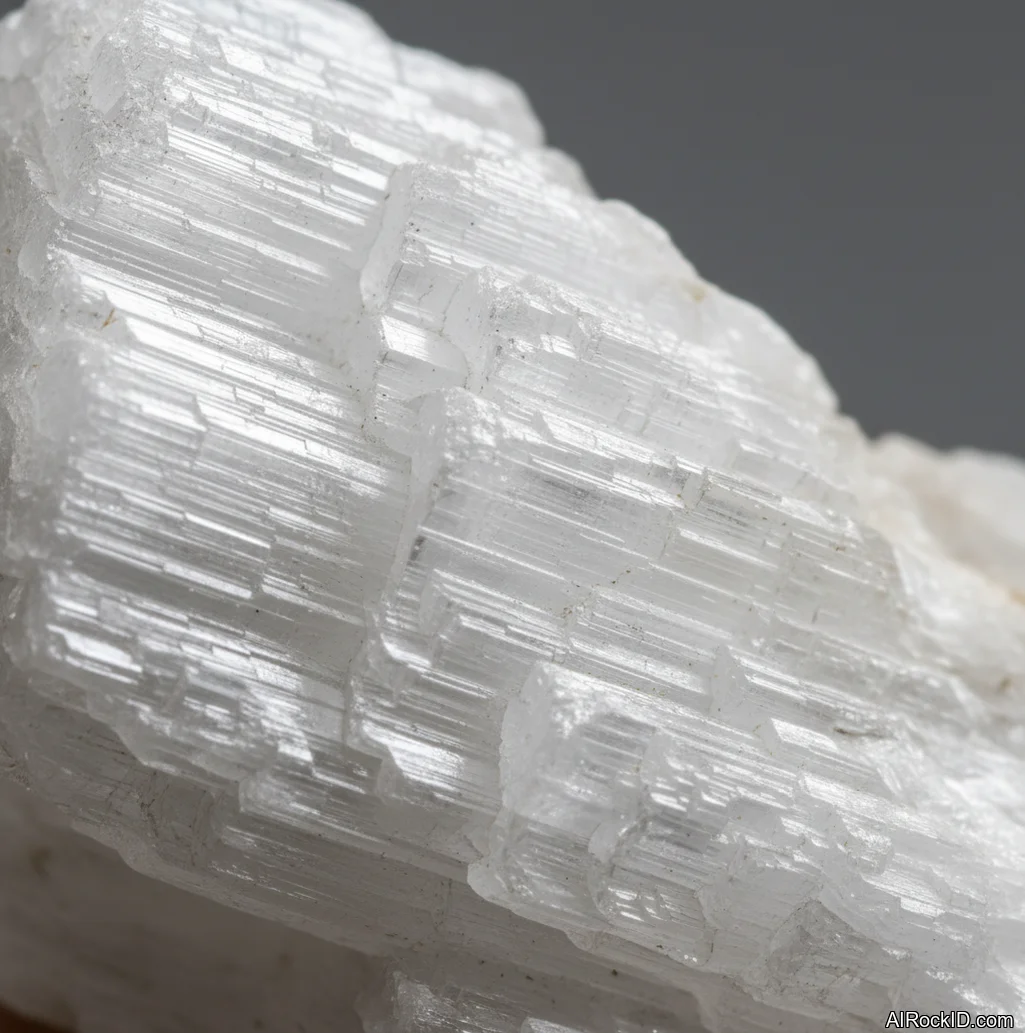
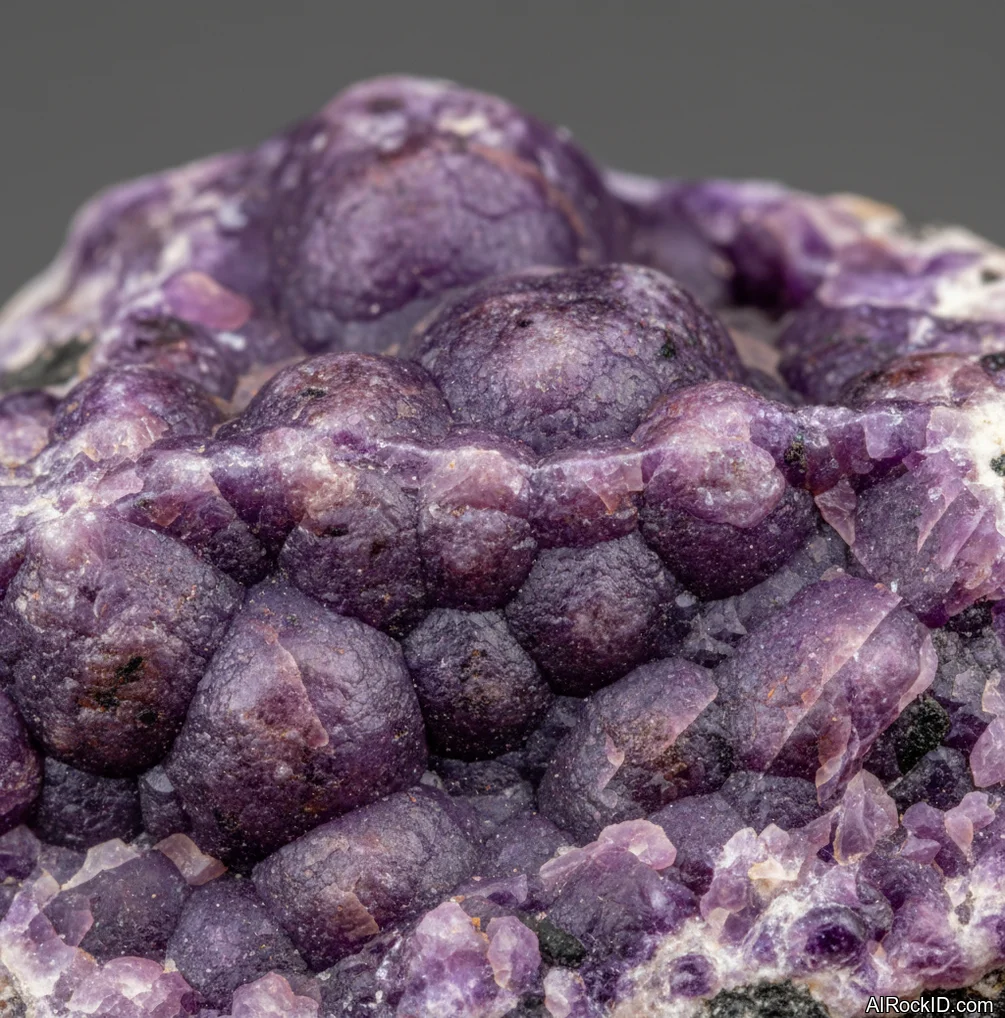
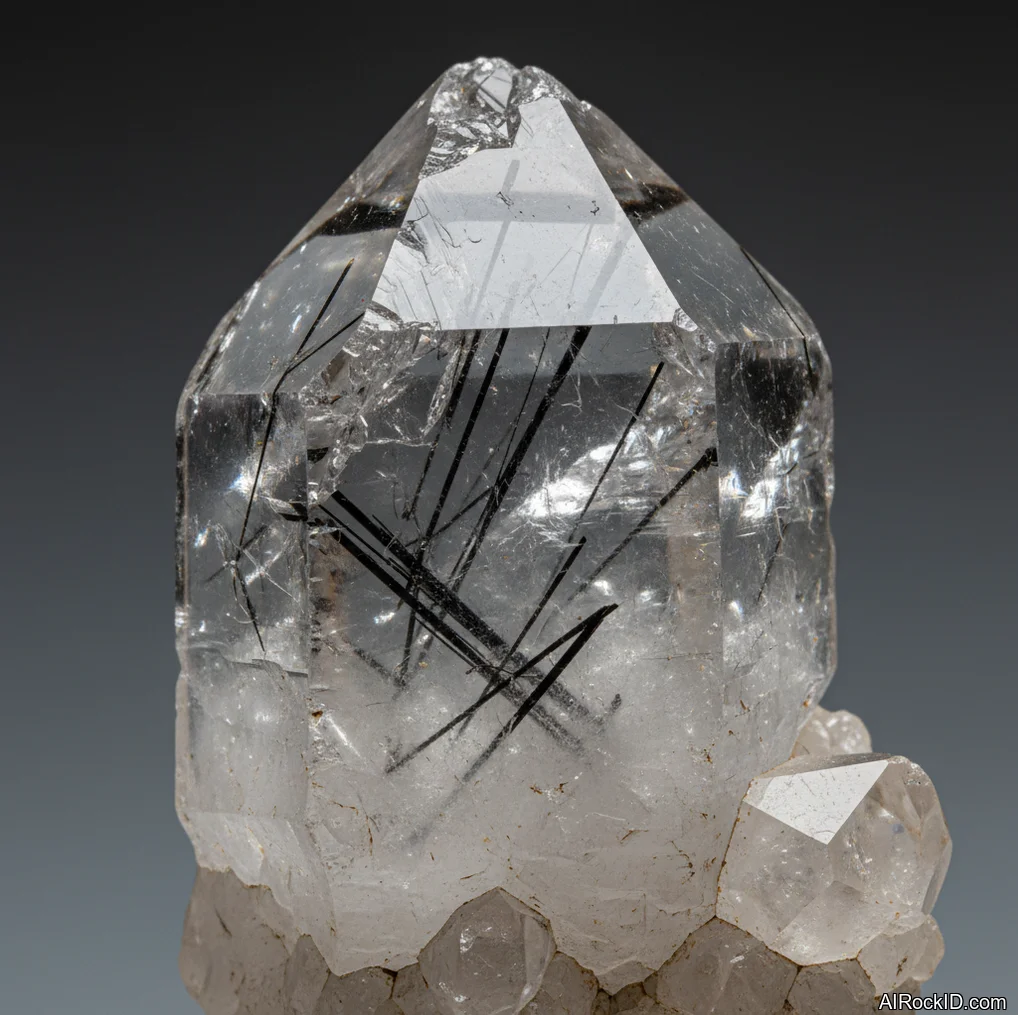
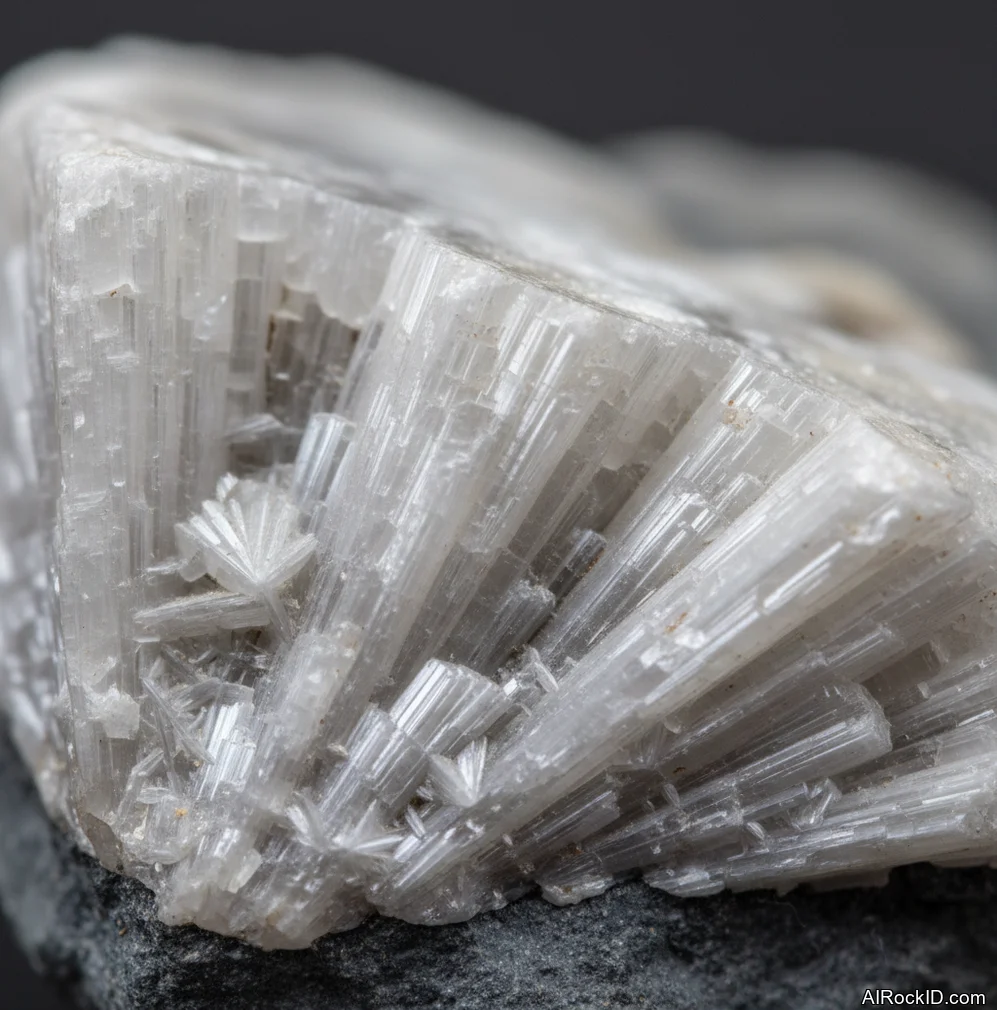
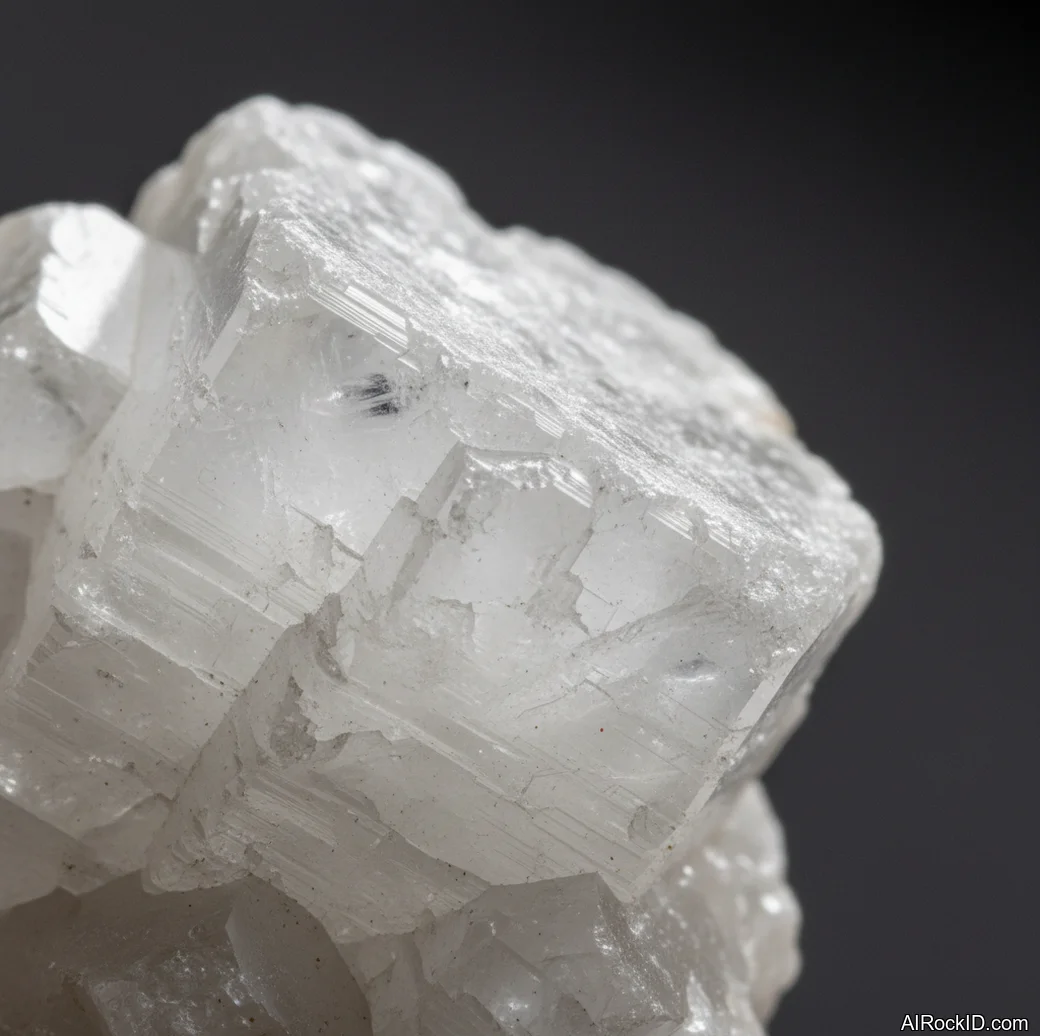
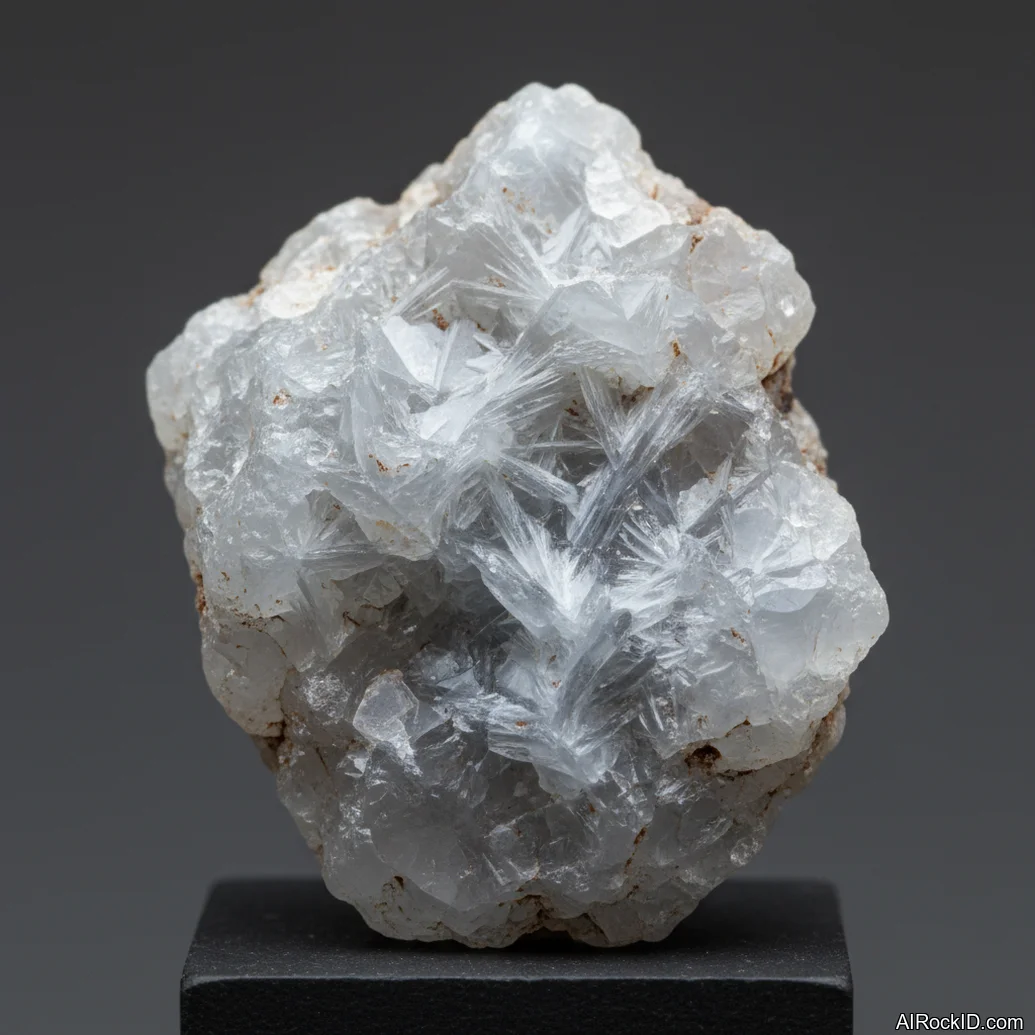
Third Eye Chakra work, in crystal terms, usually boils down to two things people are chasing: clarity and pattern recognition. Not “psychic powers” in a movie way. More like getting quiet enough to notice what you already know, then trusting it. And that’s why the stones linked to the Third Eye tend to hang out in the indigo, blue, violet, and smoky-gray zone, and why the same names keep popping up: amethyst, labradorite, lapis lazuli, sodalite, iolite, fluorite, azurite, lepidolite, and clear quartz.
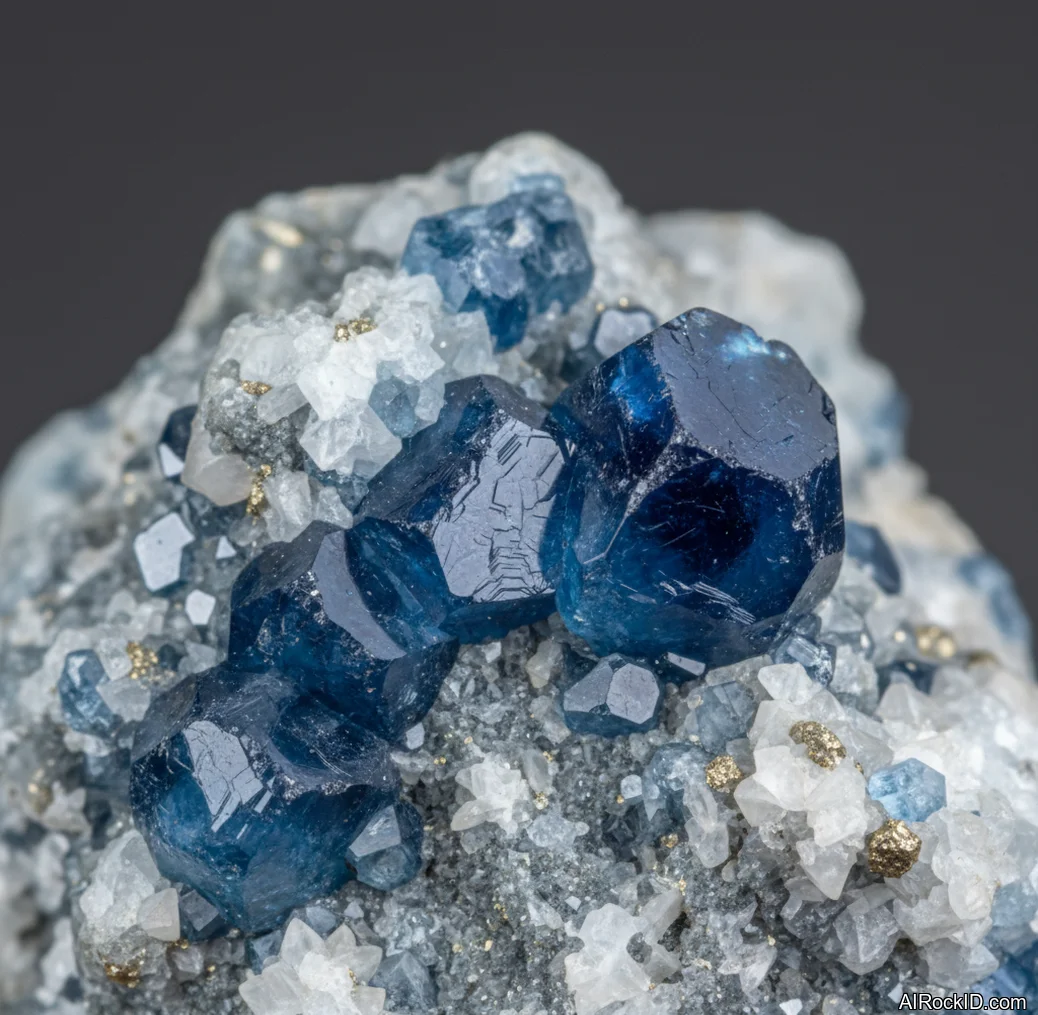
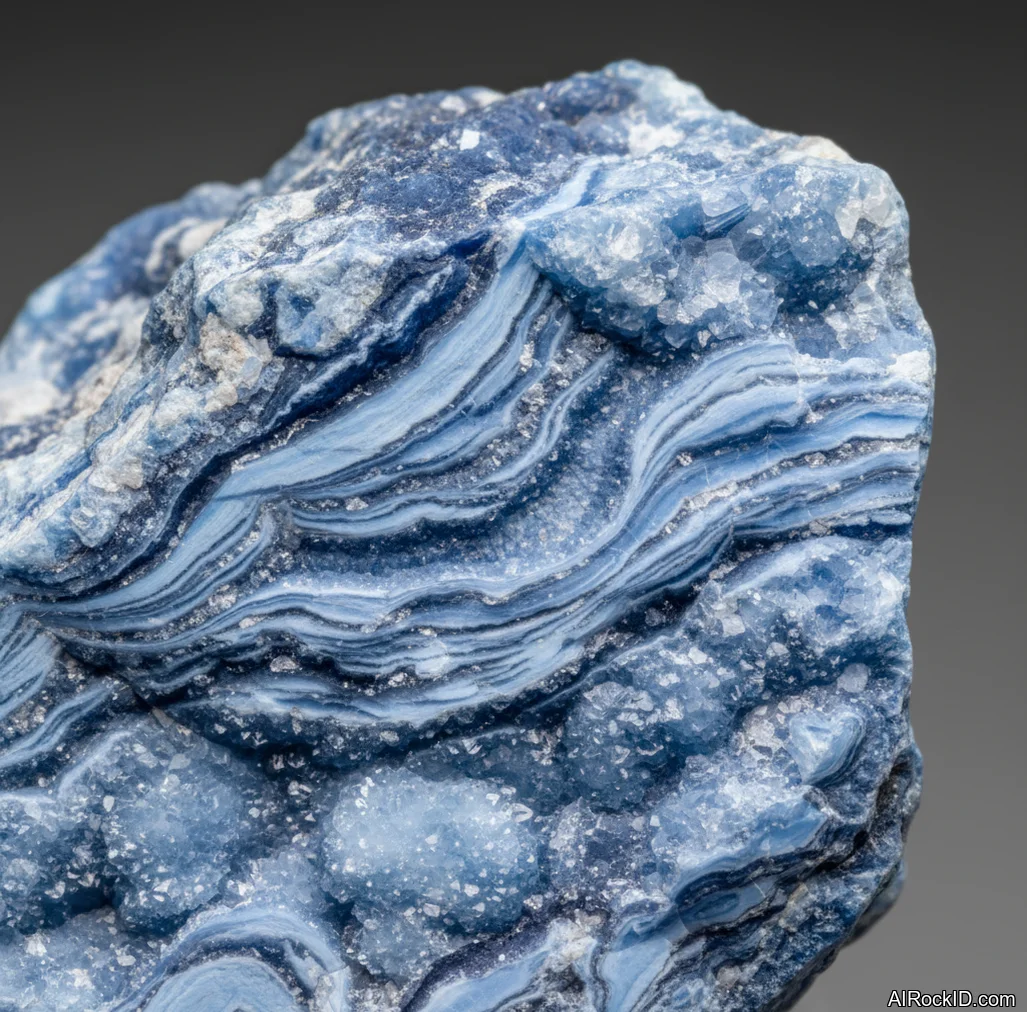
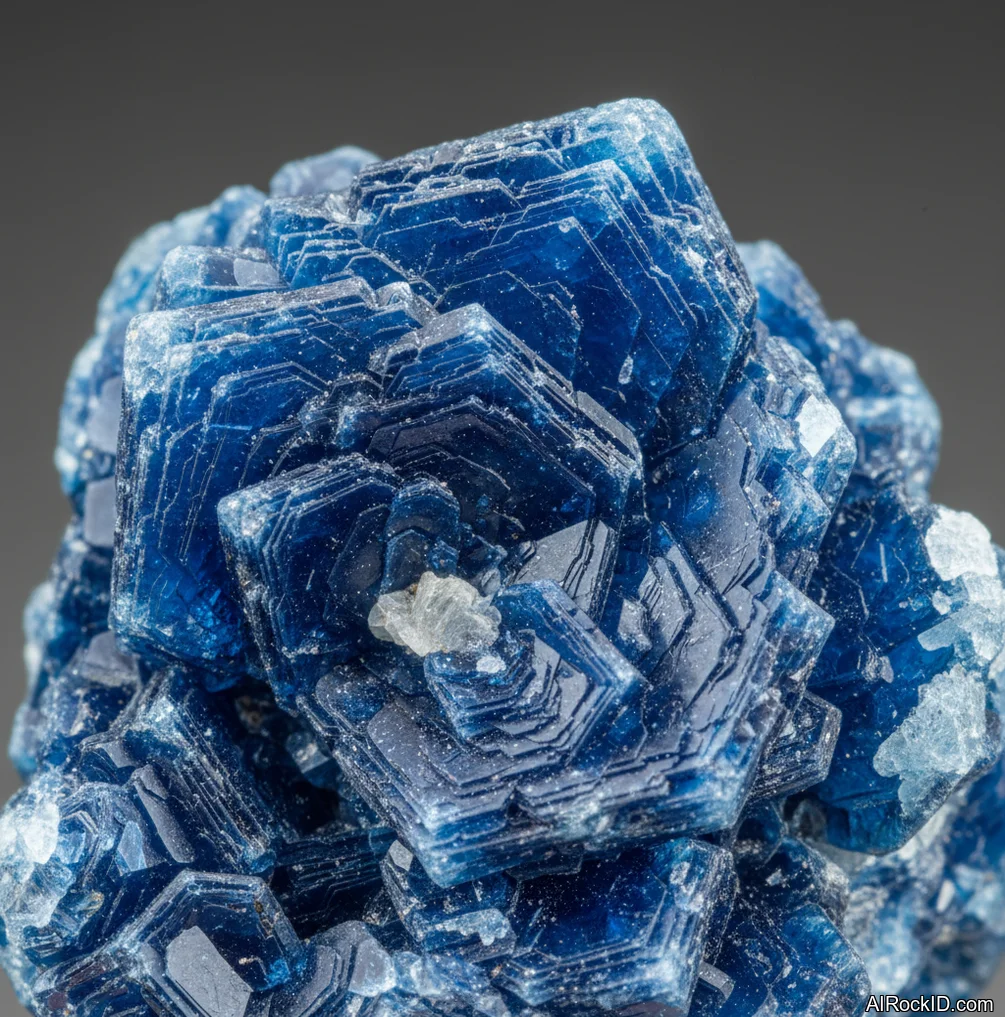
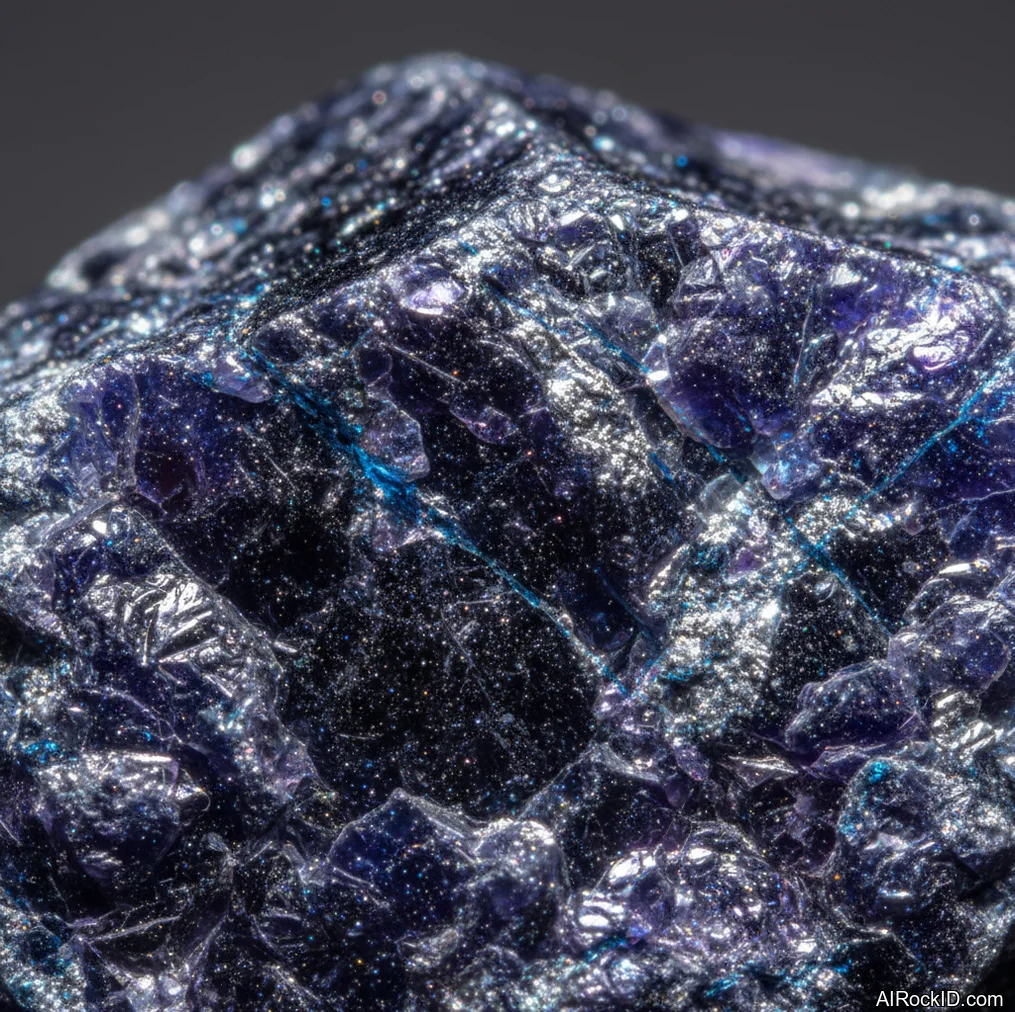
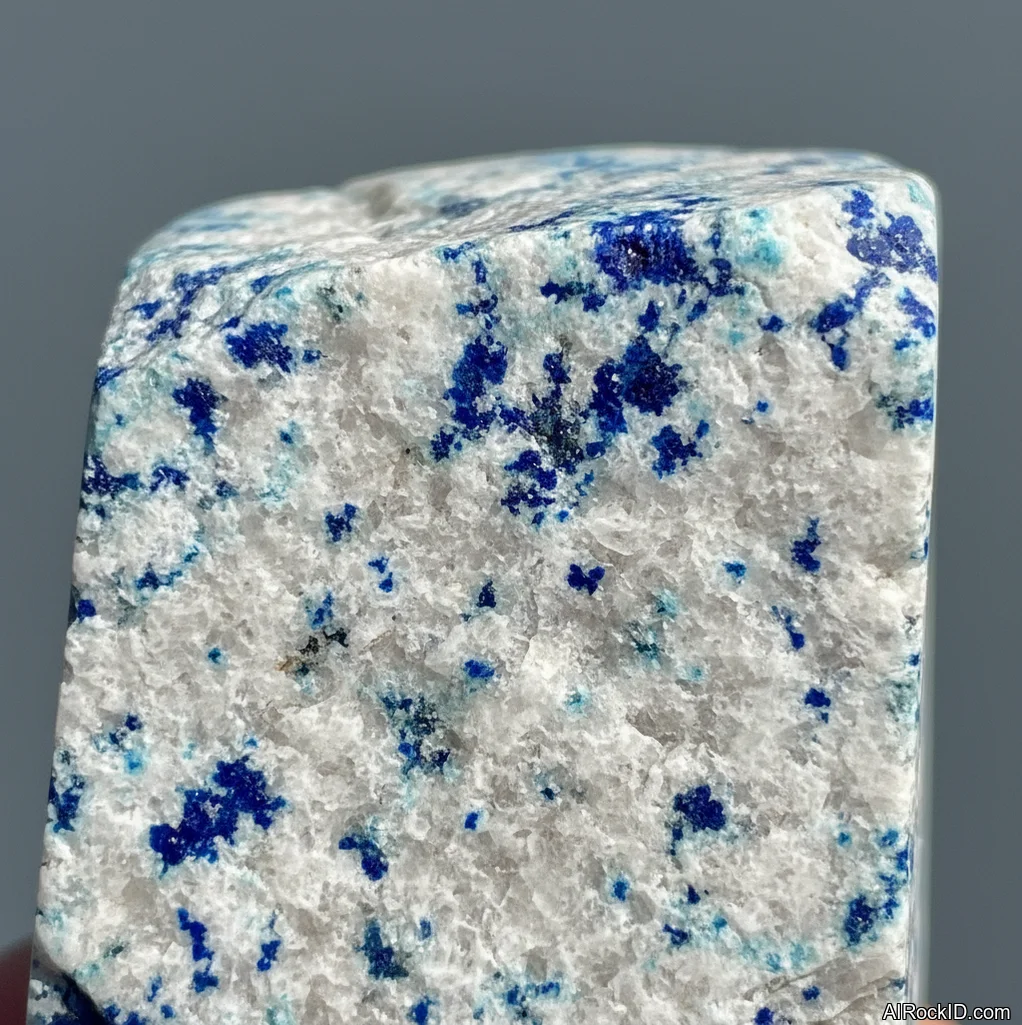
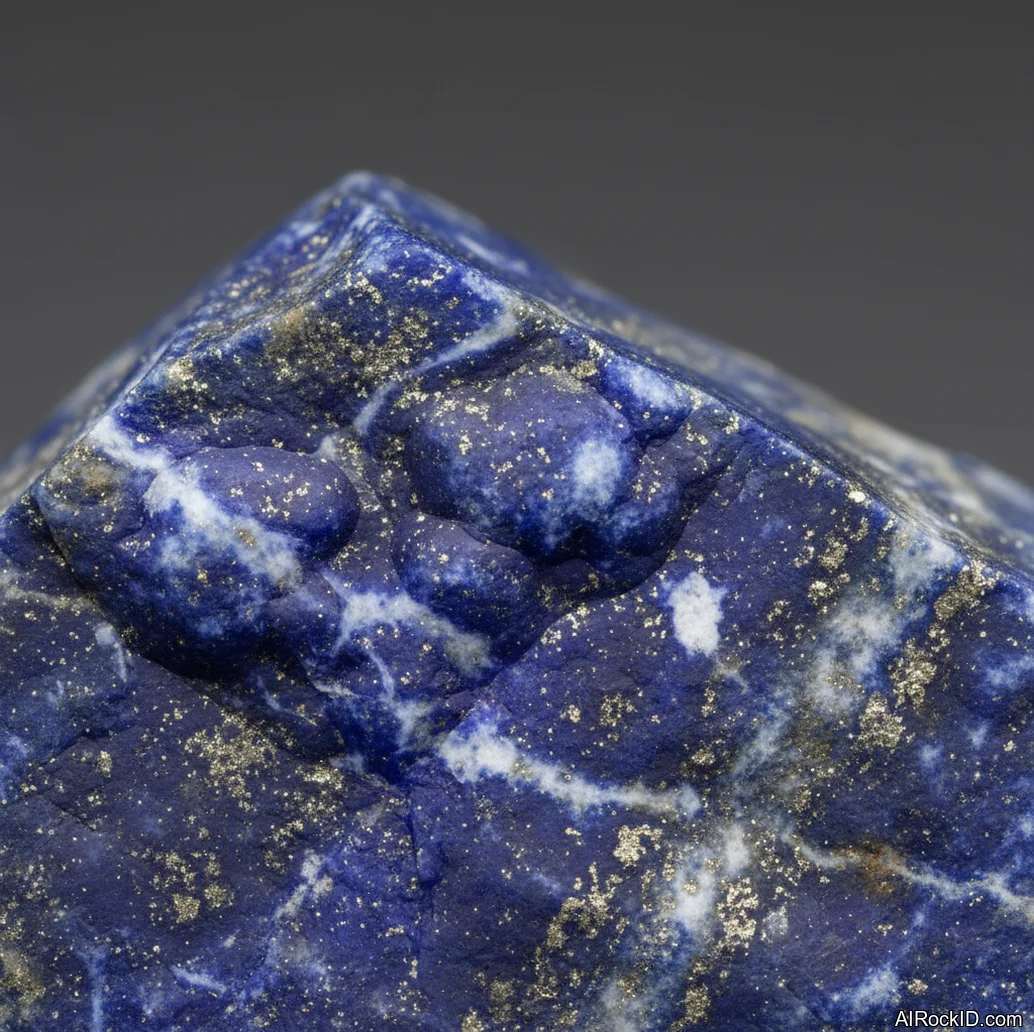
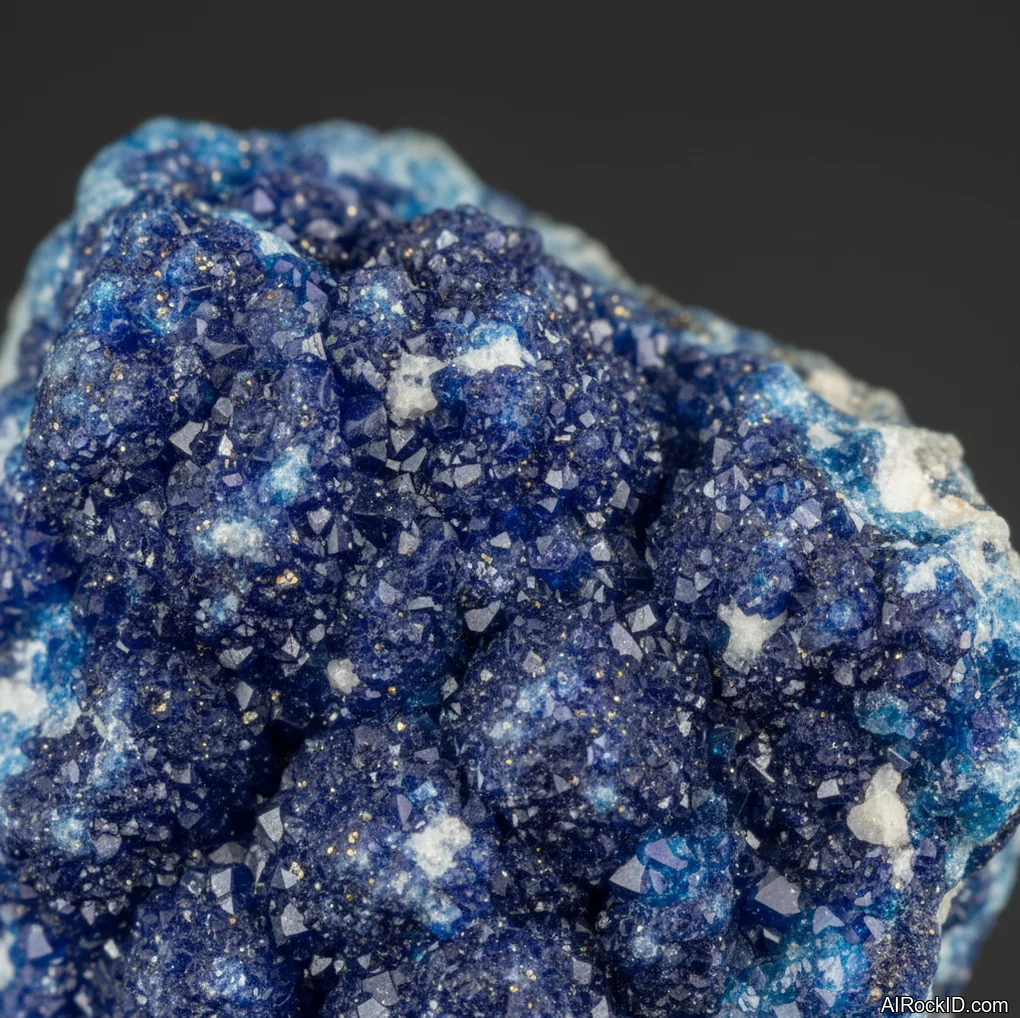
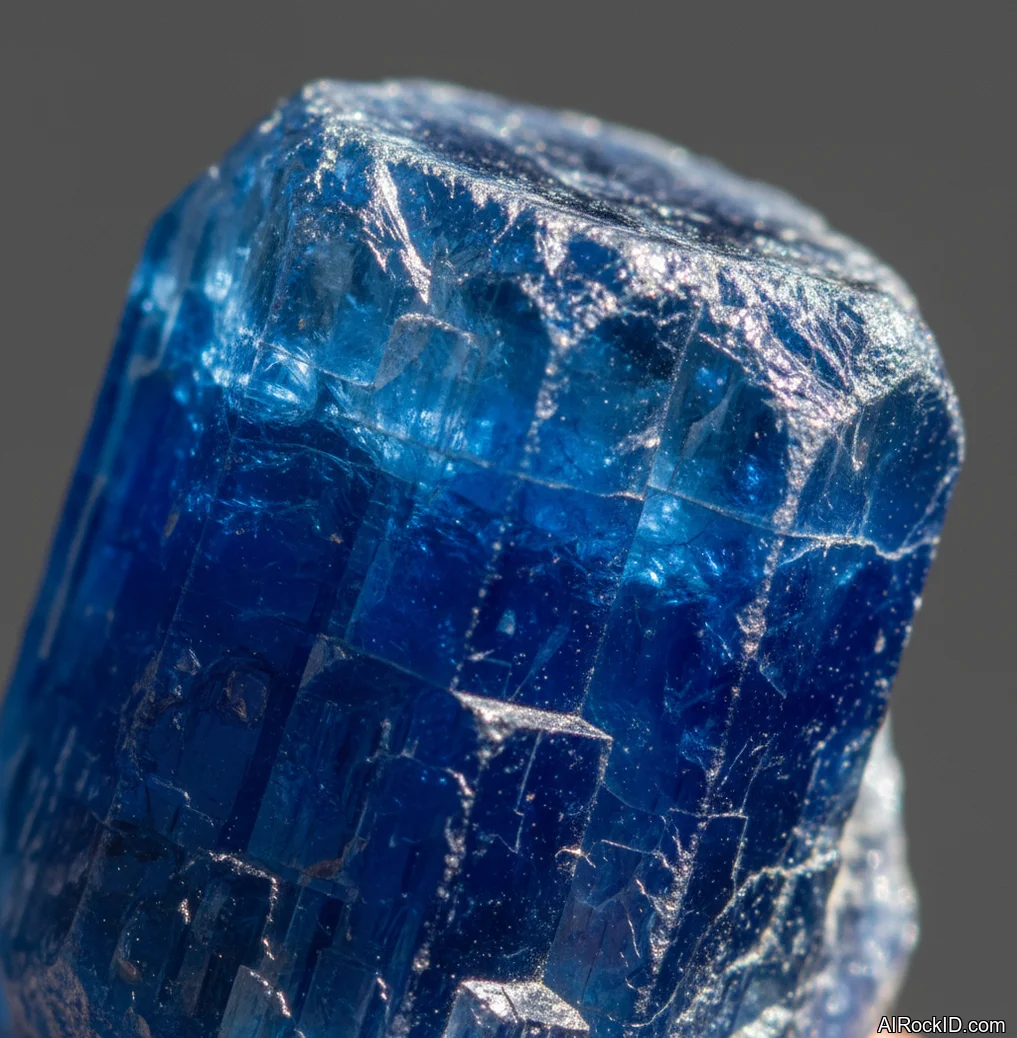
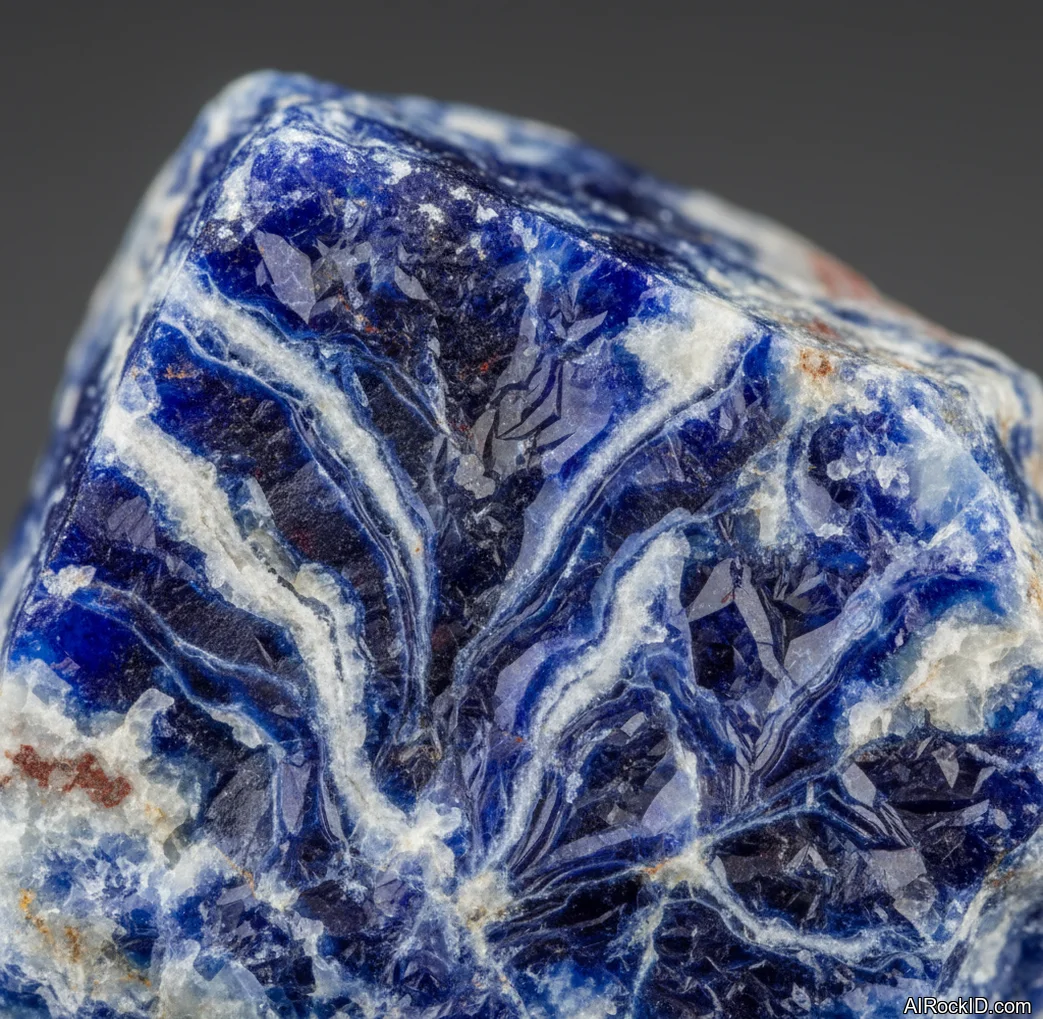
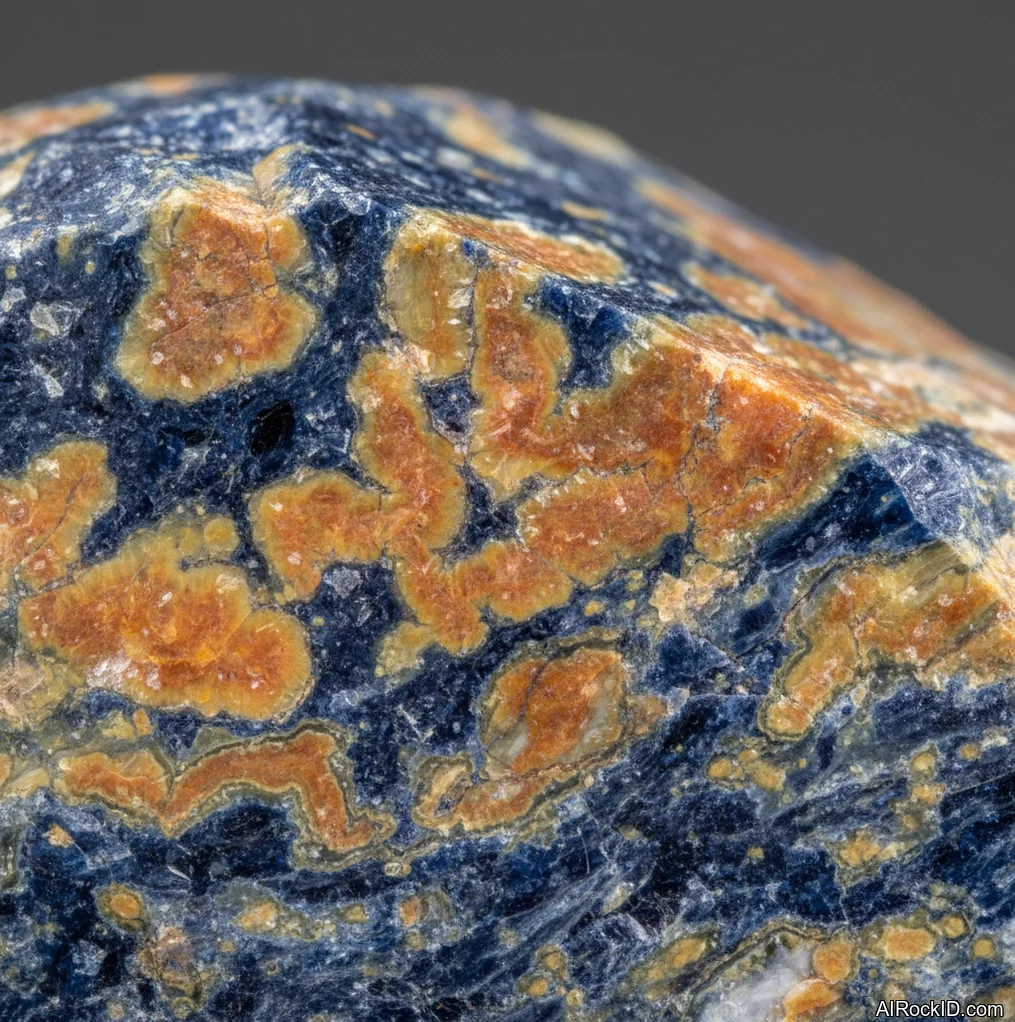
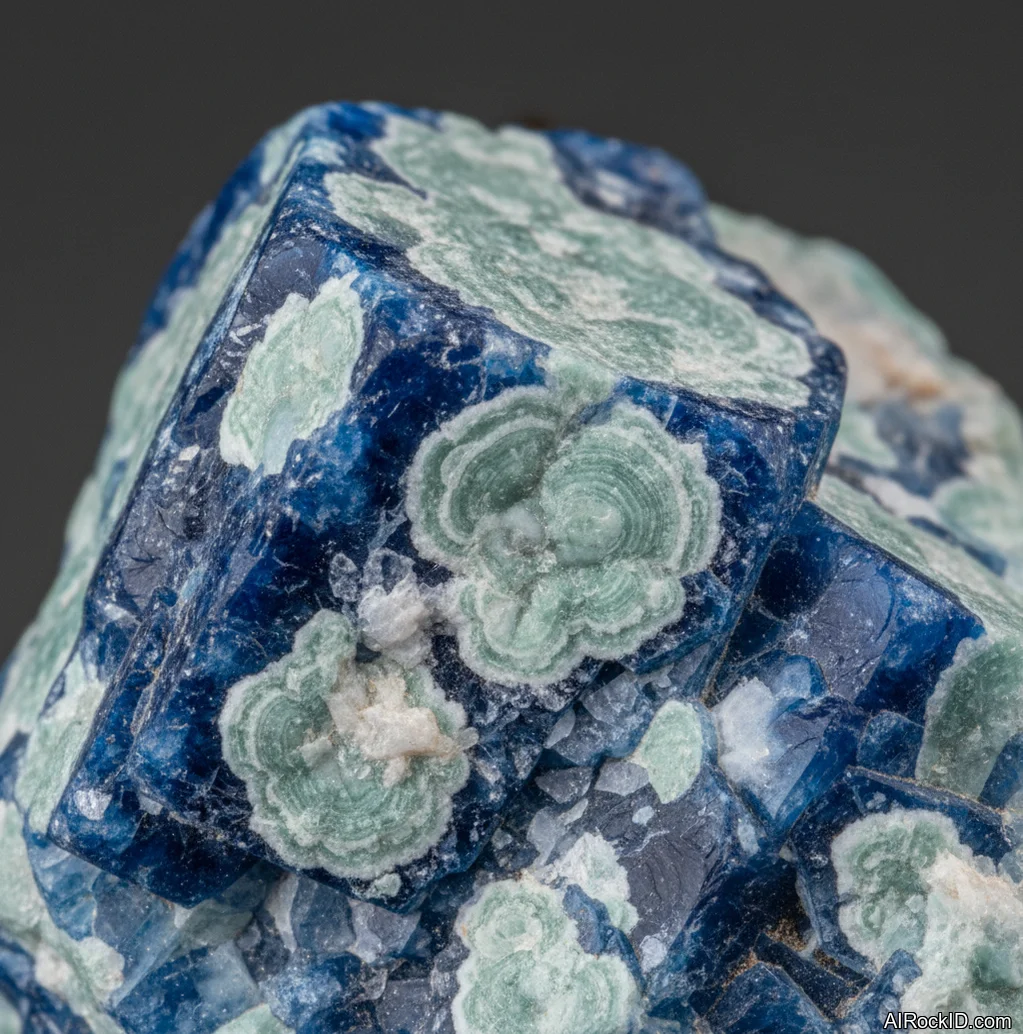
Pick up a decent chunk of lapis lazuli and you’ll notice it fast. It’s heavier than most people expect. The good stuff has that “night sky” blue, with pyrite dusting that looks like tiny brass flecks. The soft, chalky lapis that’s faded and uniform can still be pretty, sure, but it usually doesn’t have the crisp contrast collectors pay for. With Third Eye sets, I like lapis when I’m trying to cut through mental noise, because it’s visually loud. Hard to ignore a stone that looks like a midnight wall with little gold sparks.
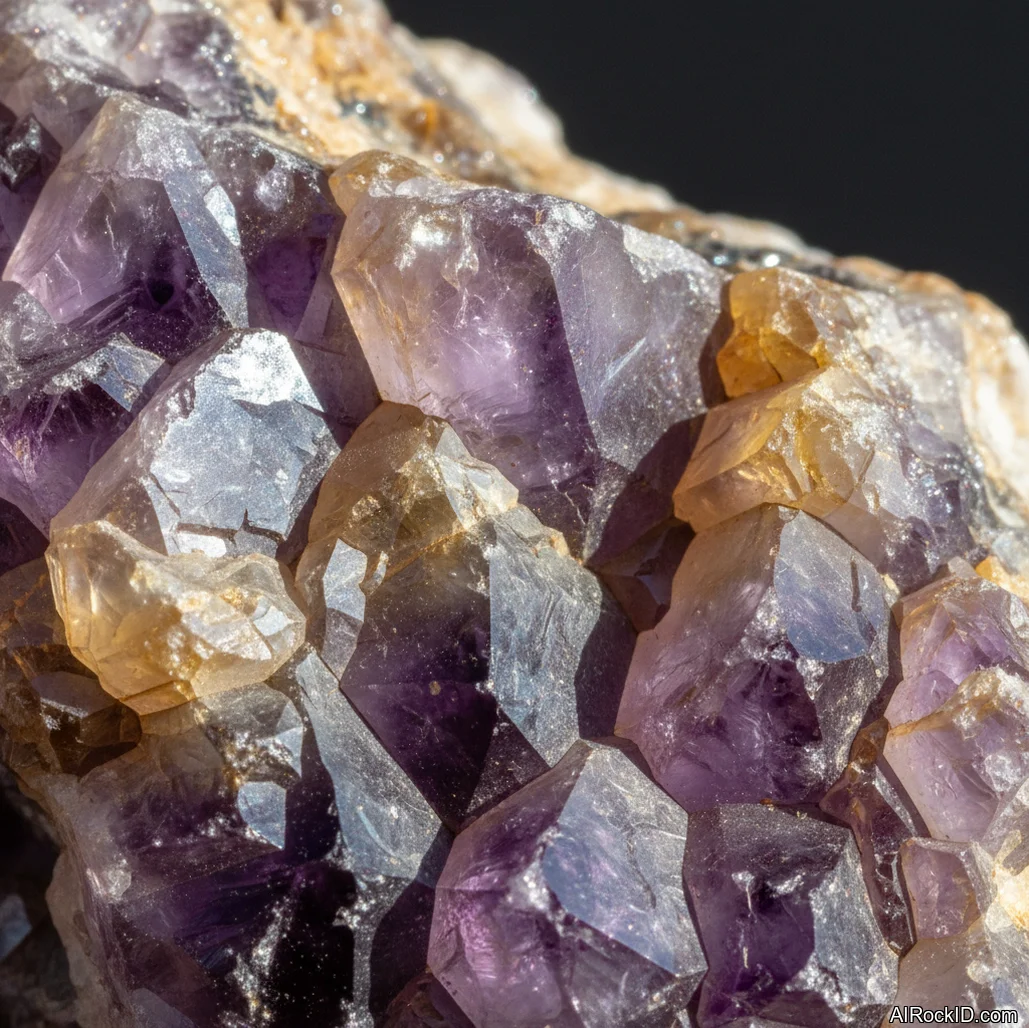
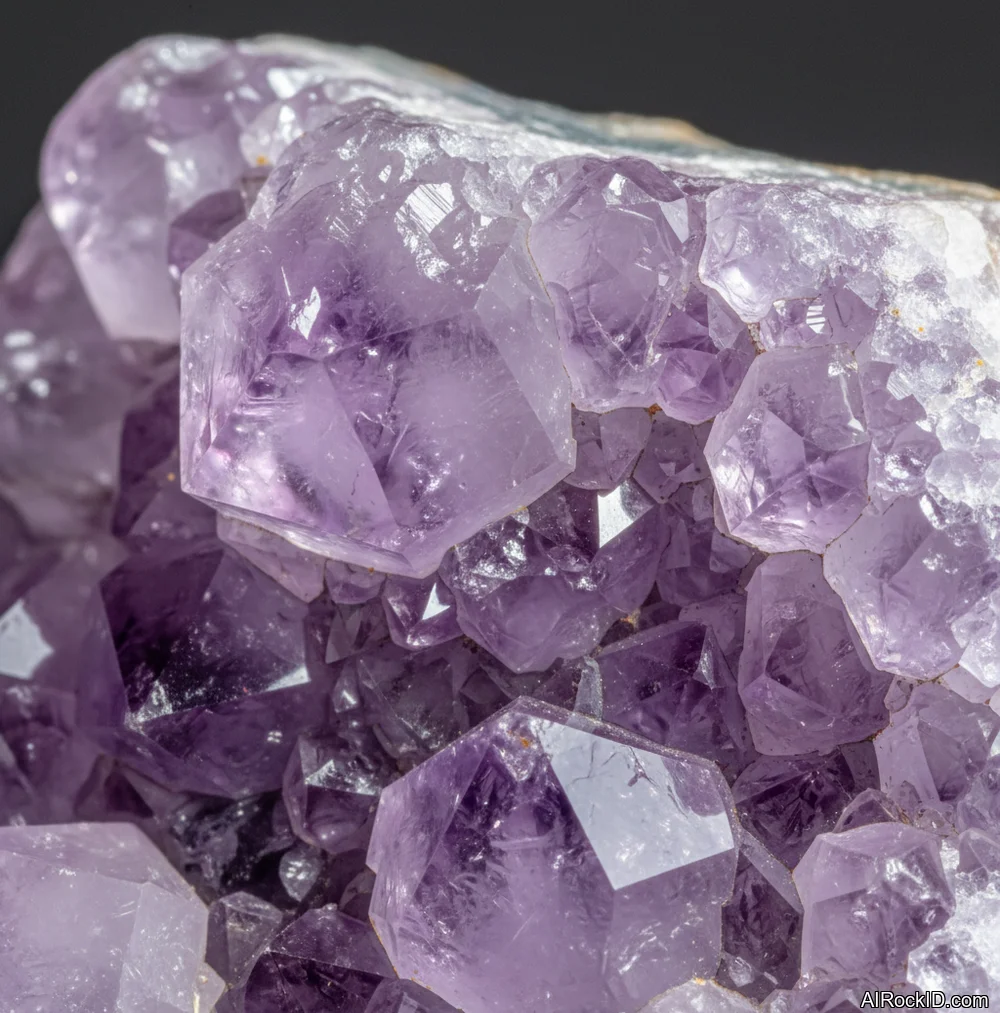
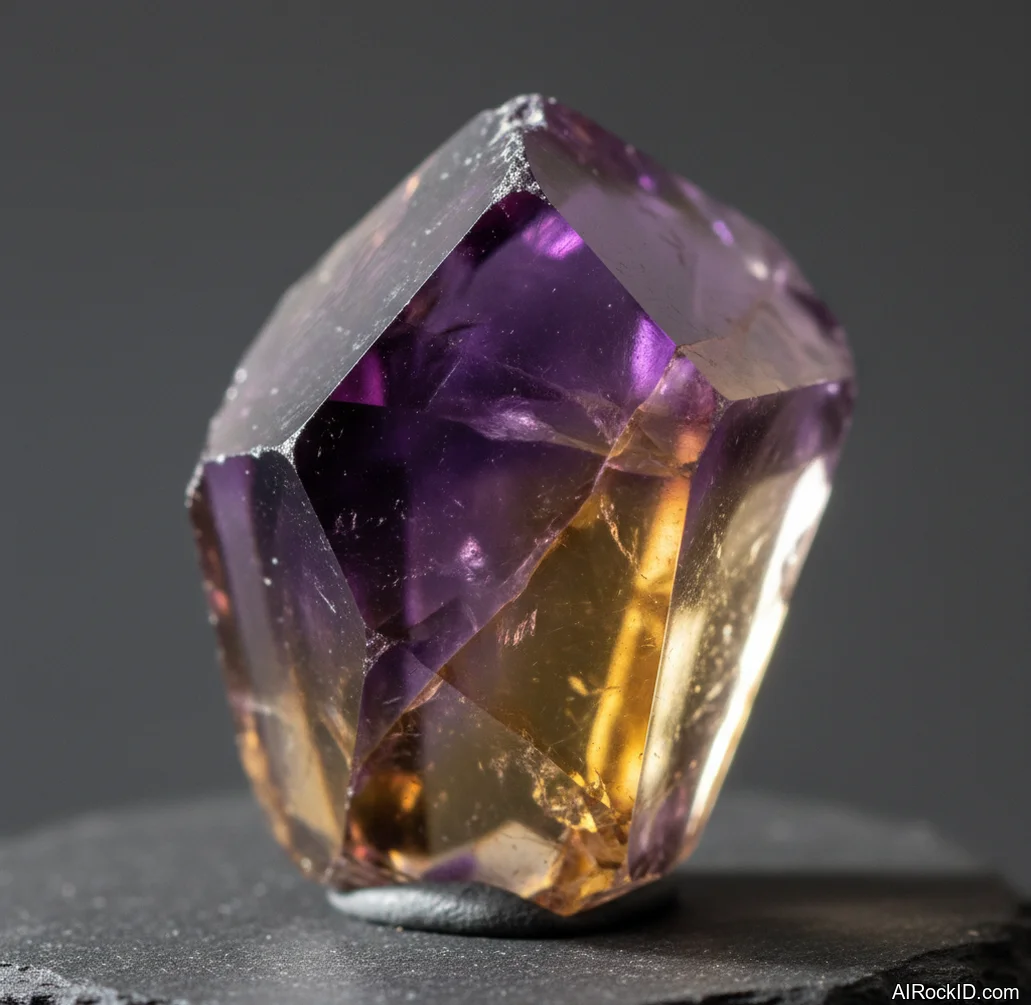
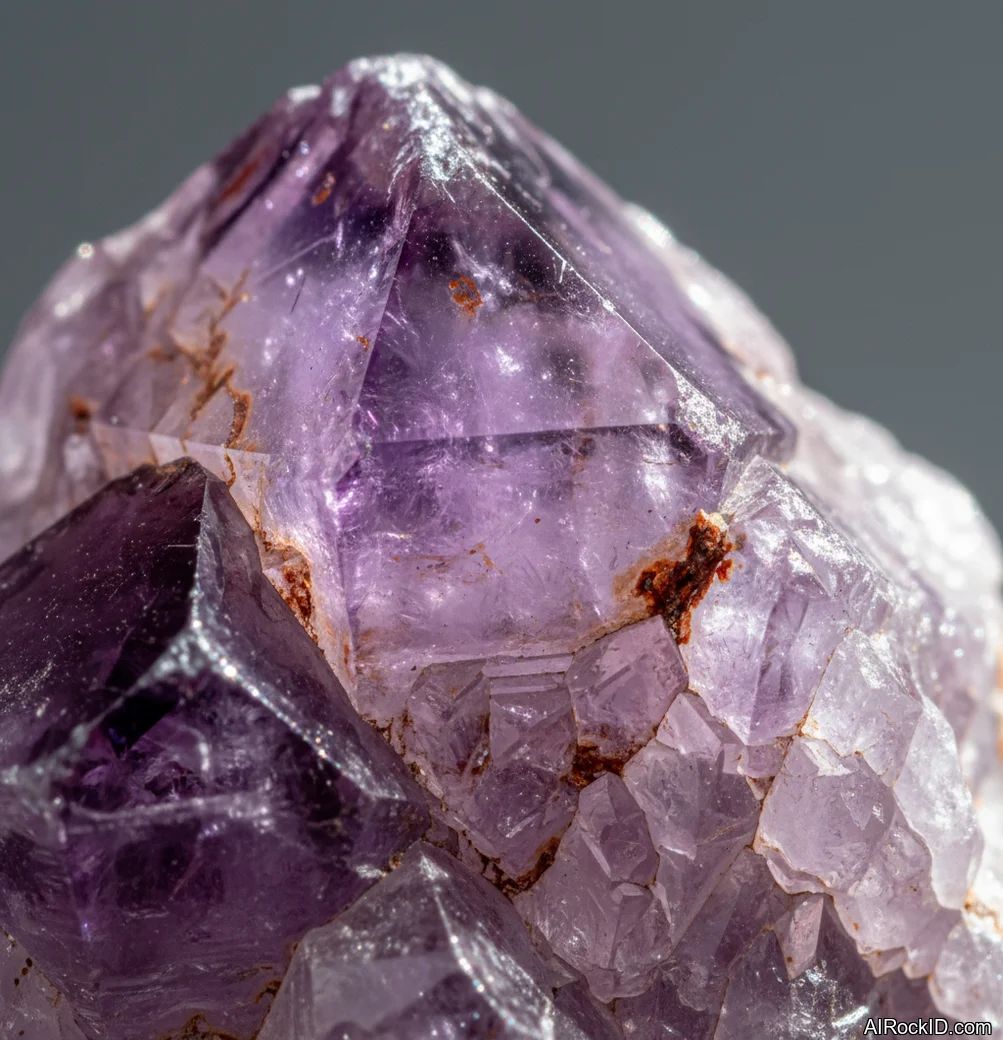
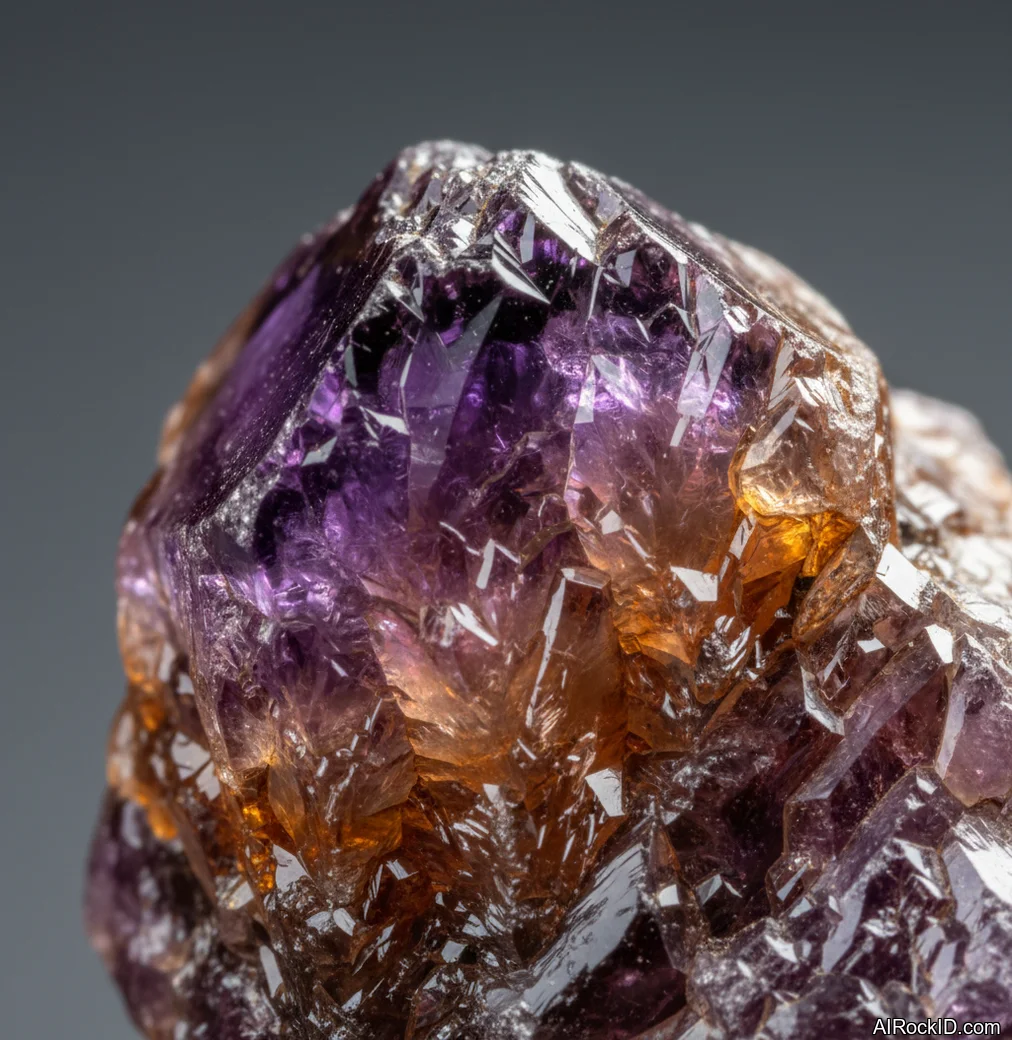
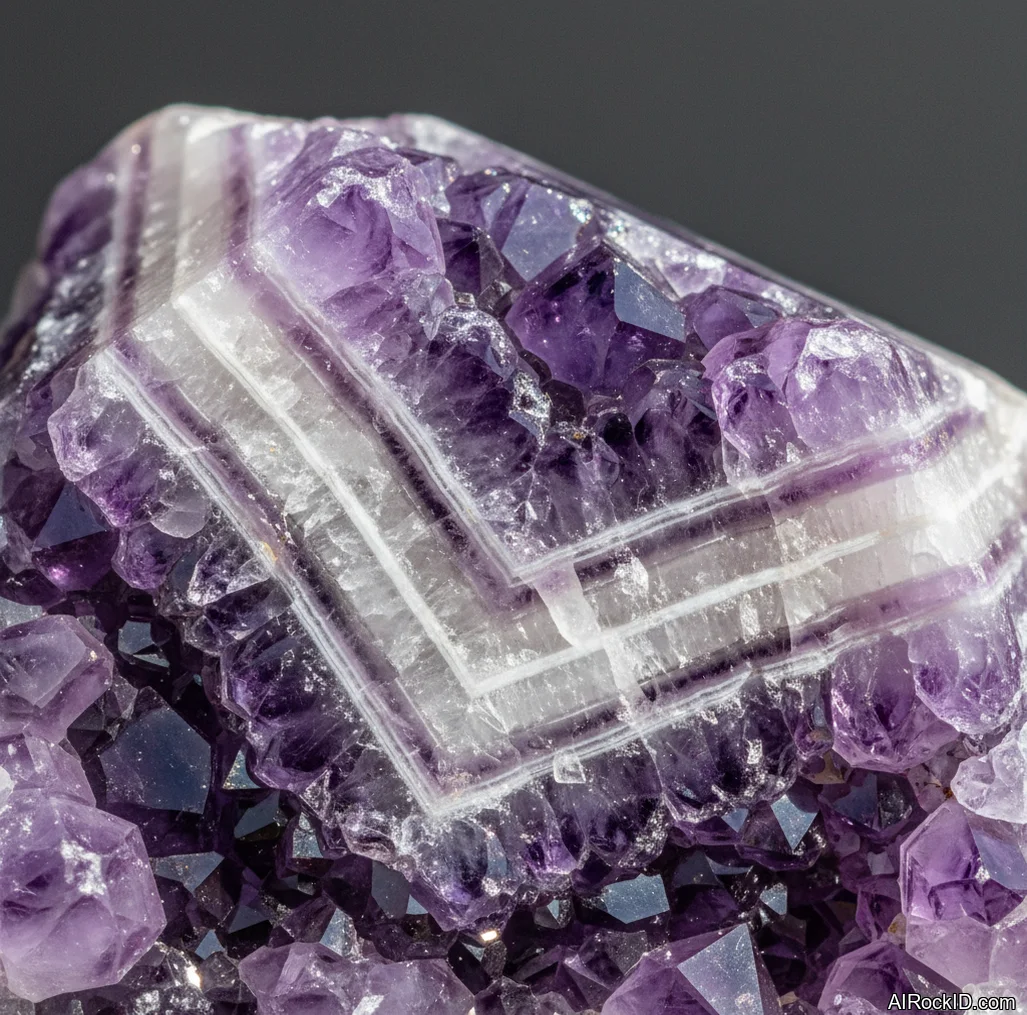
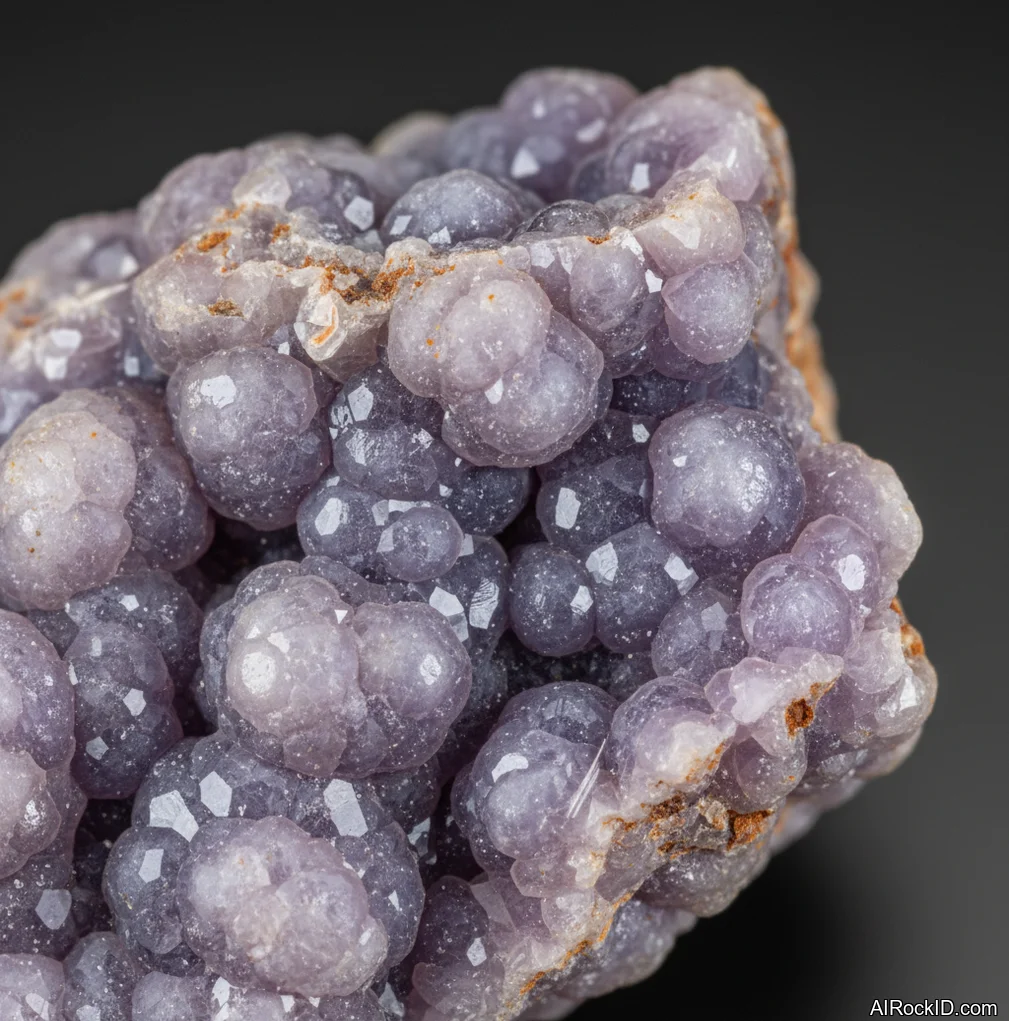
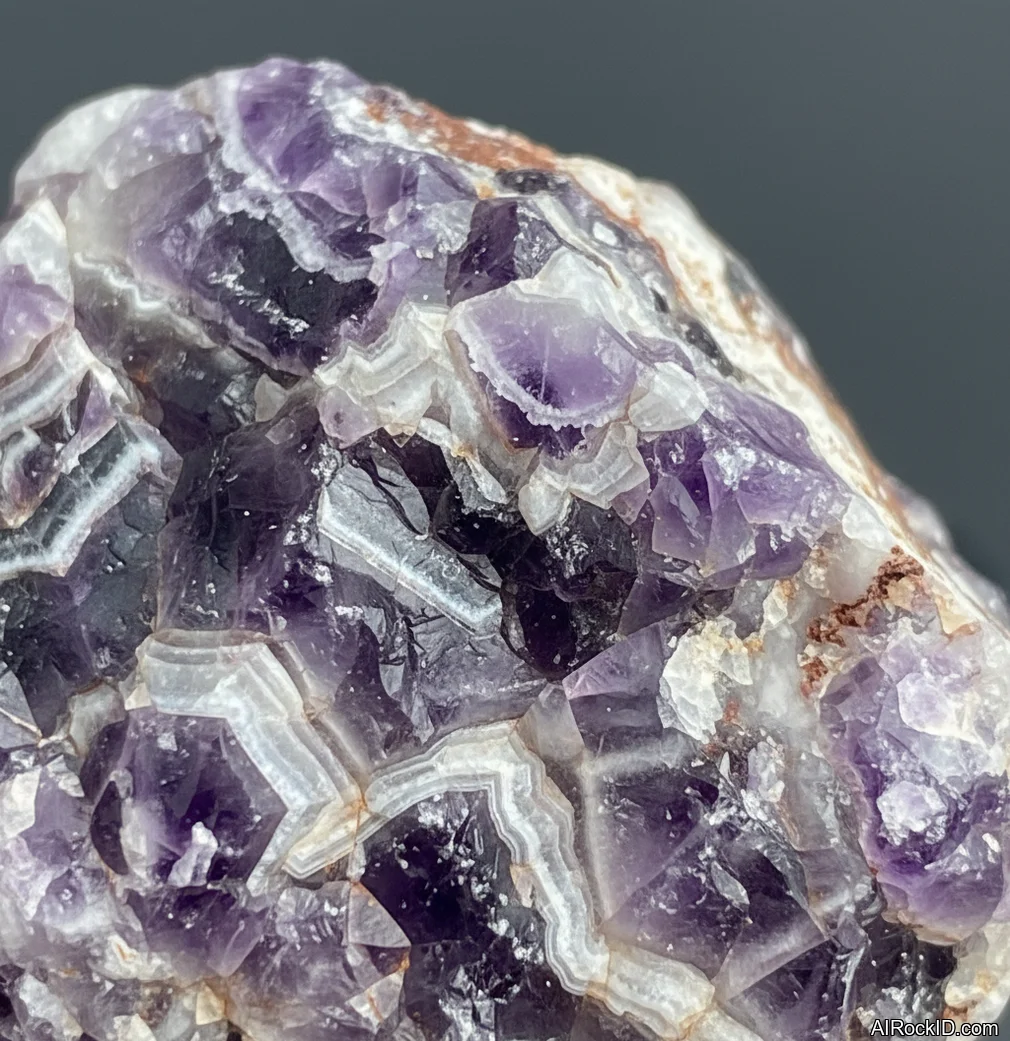
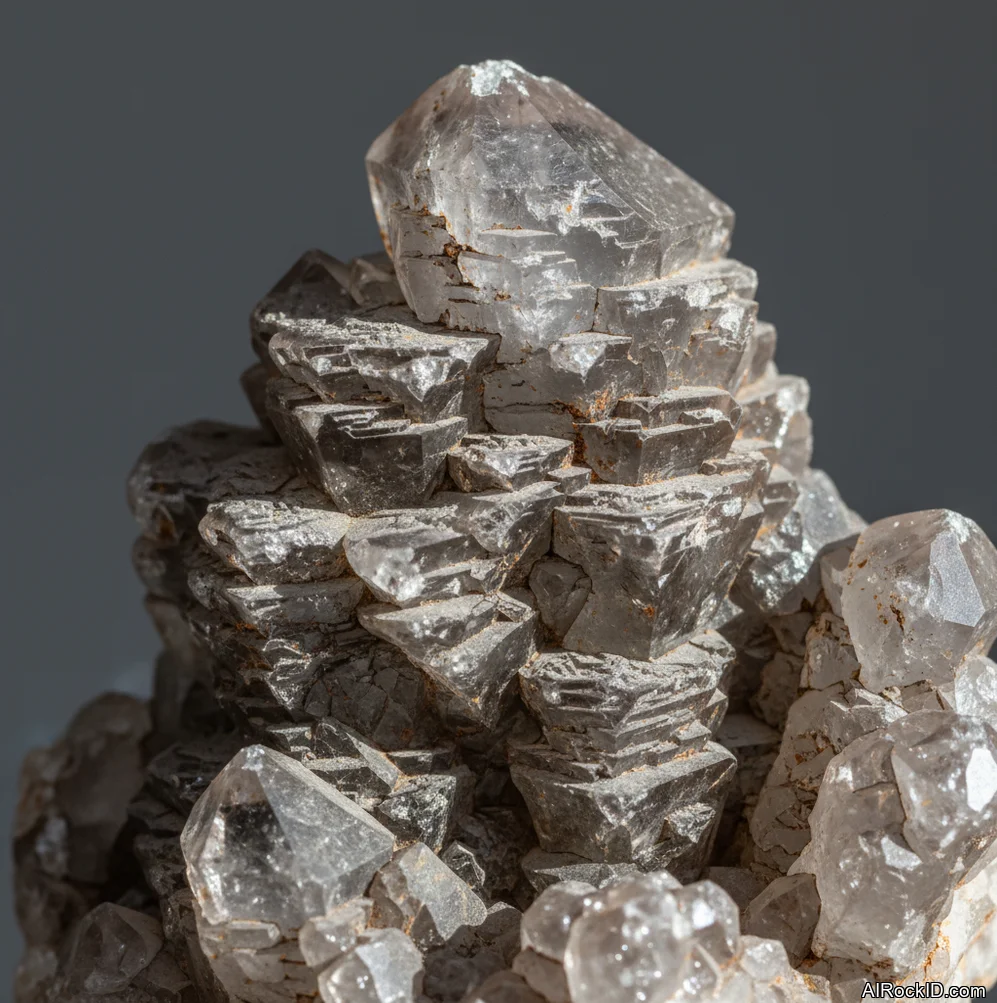
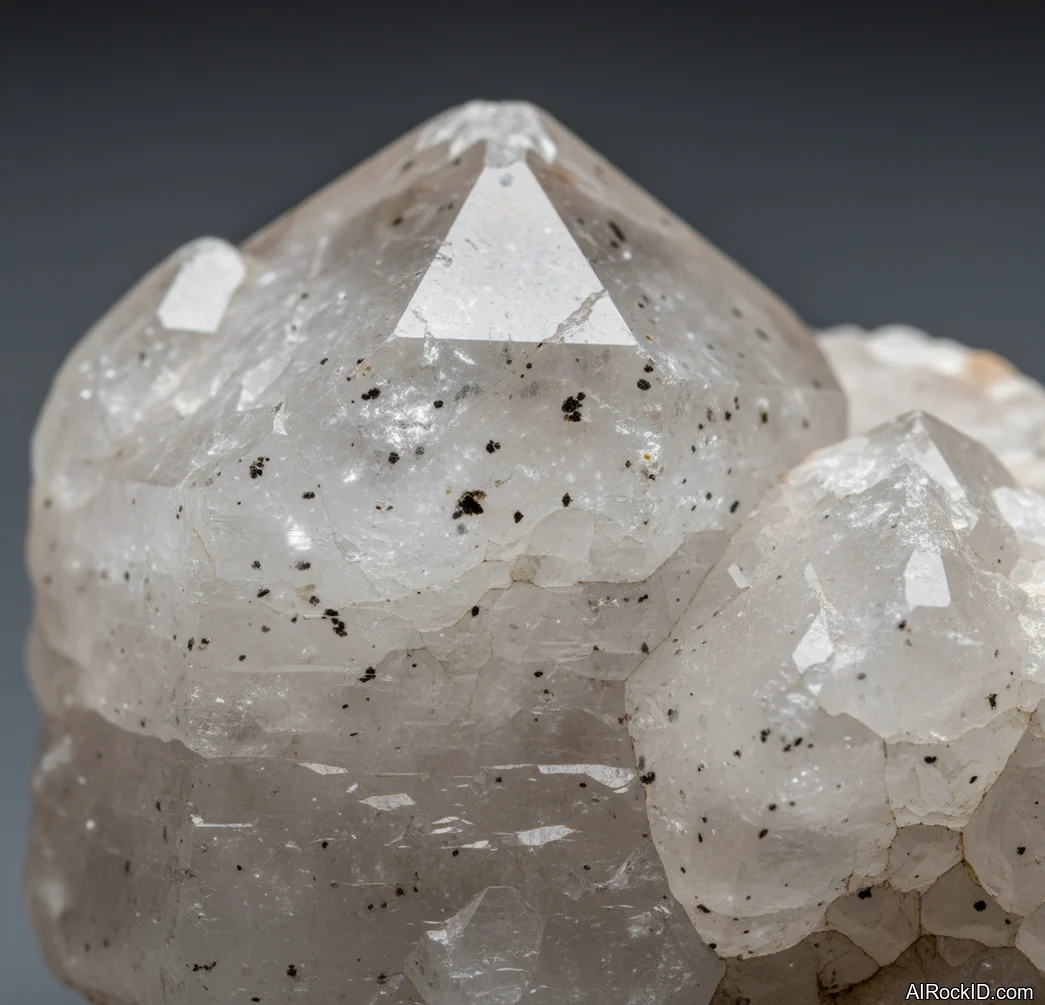
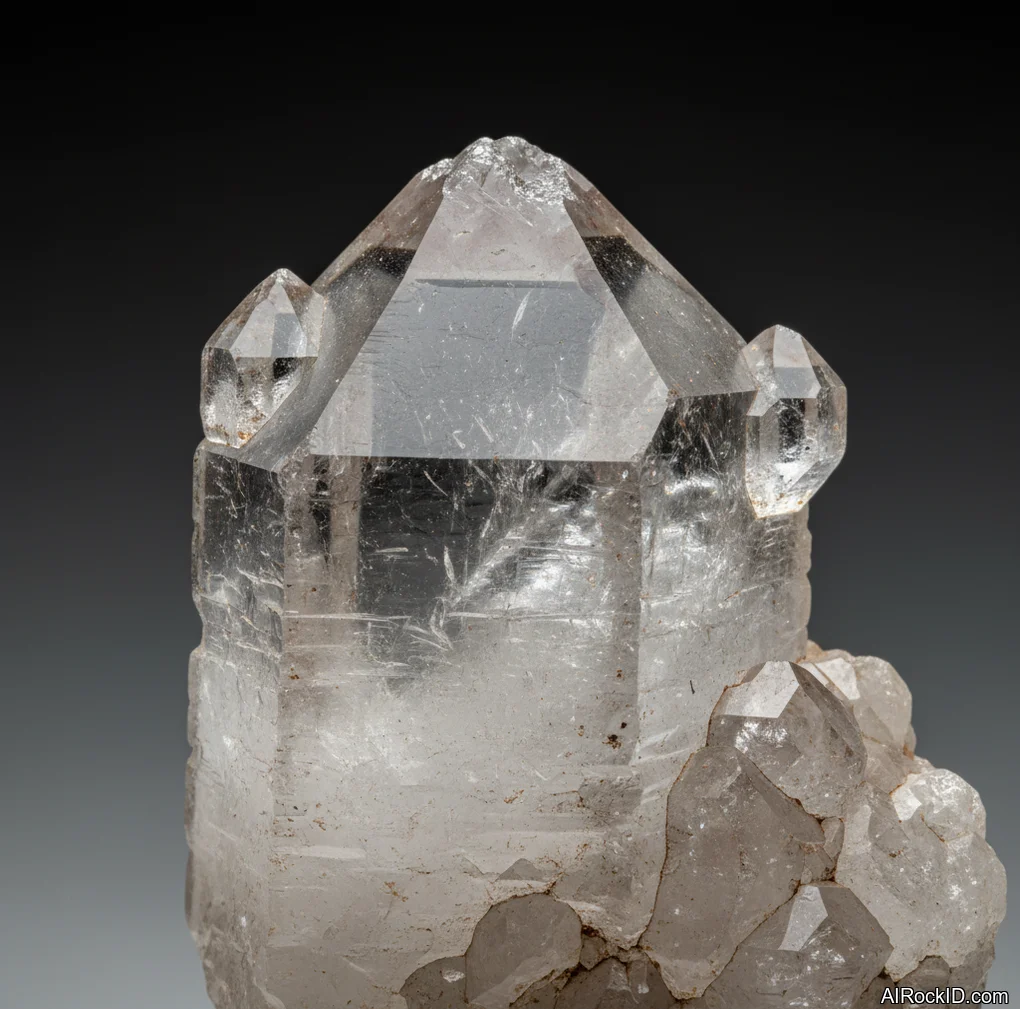
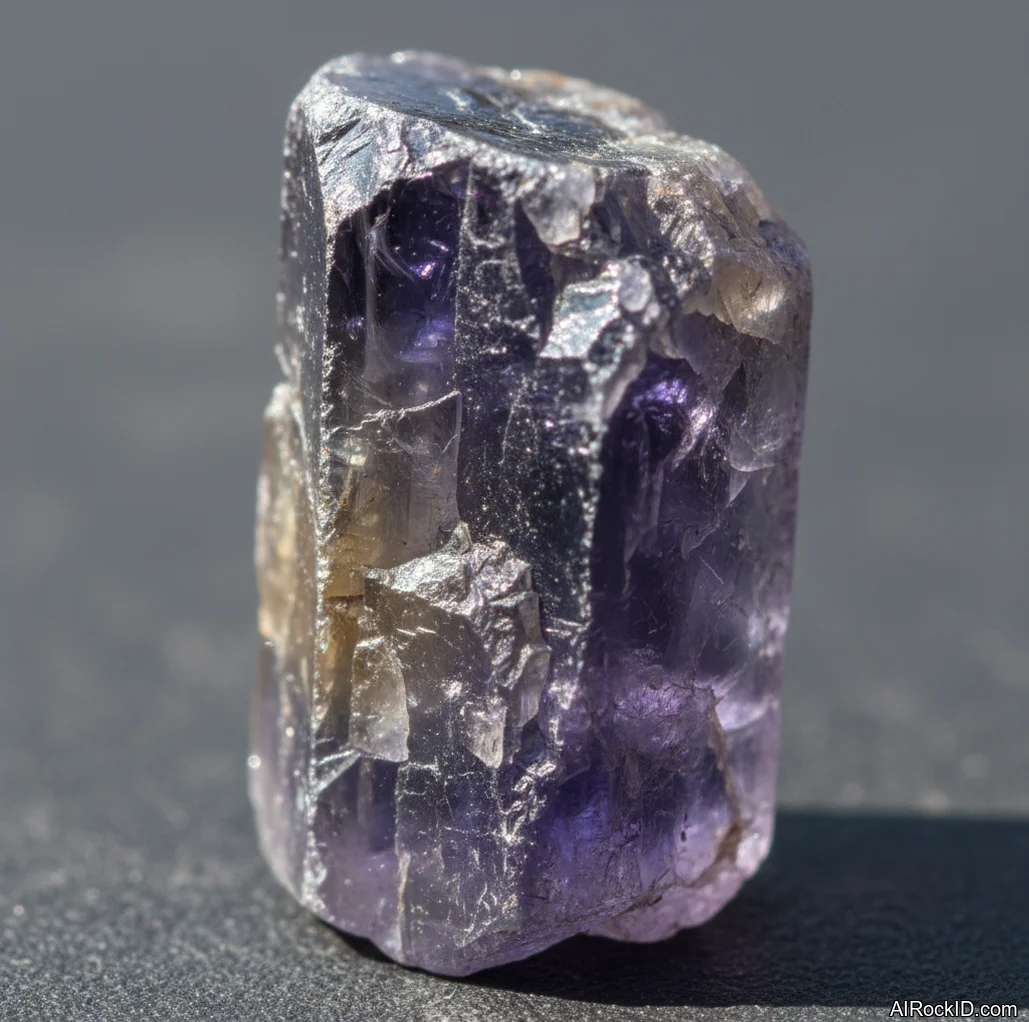
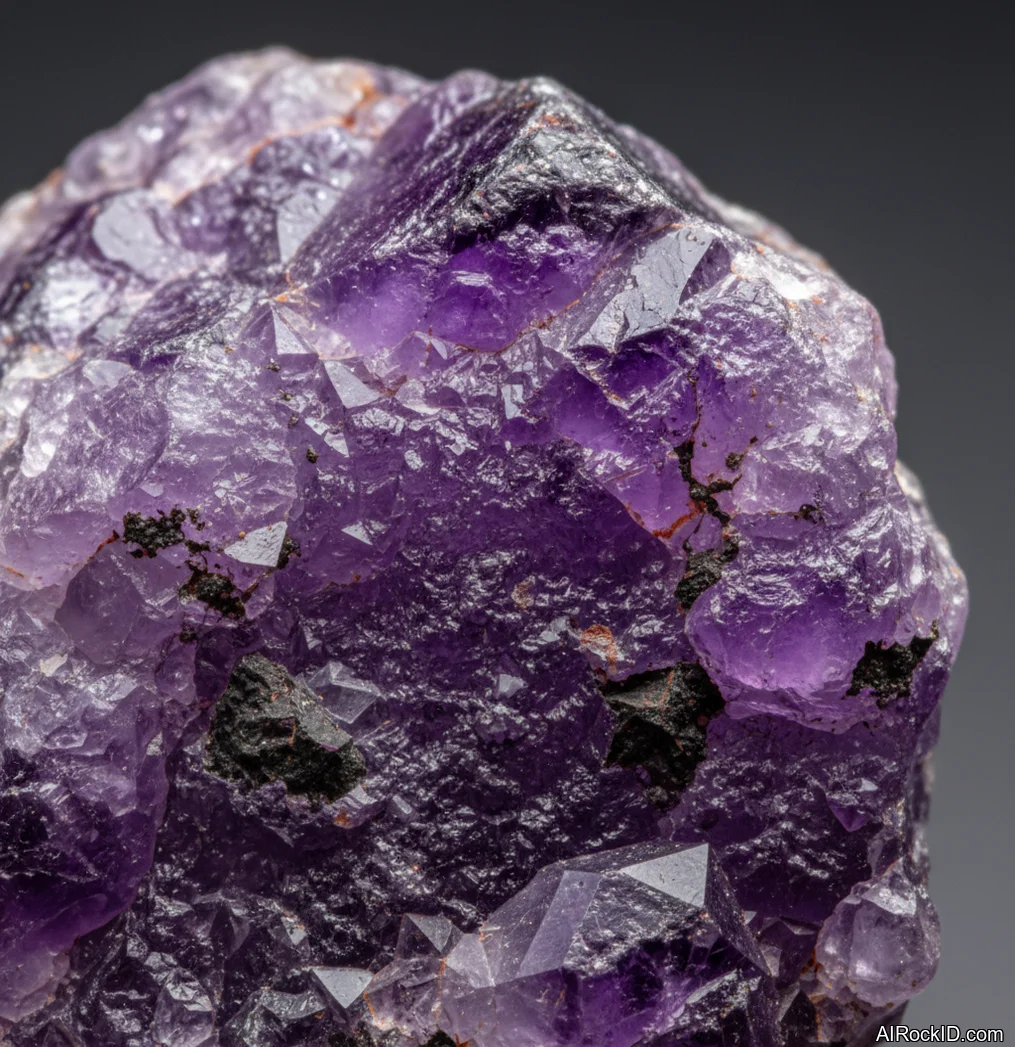
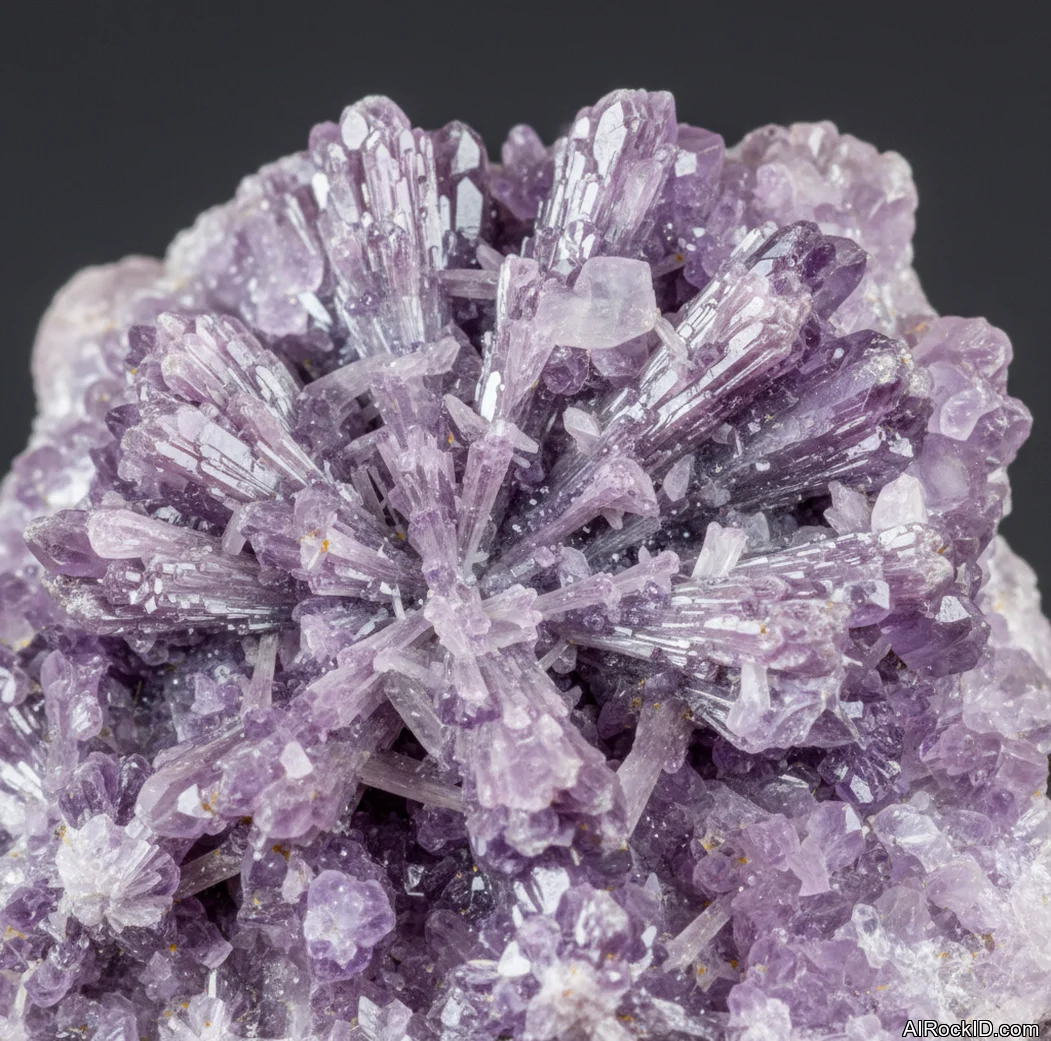
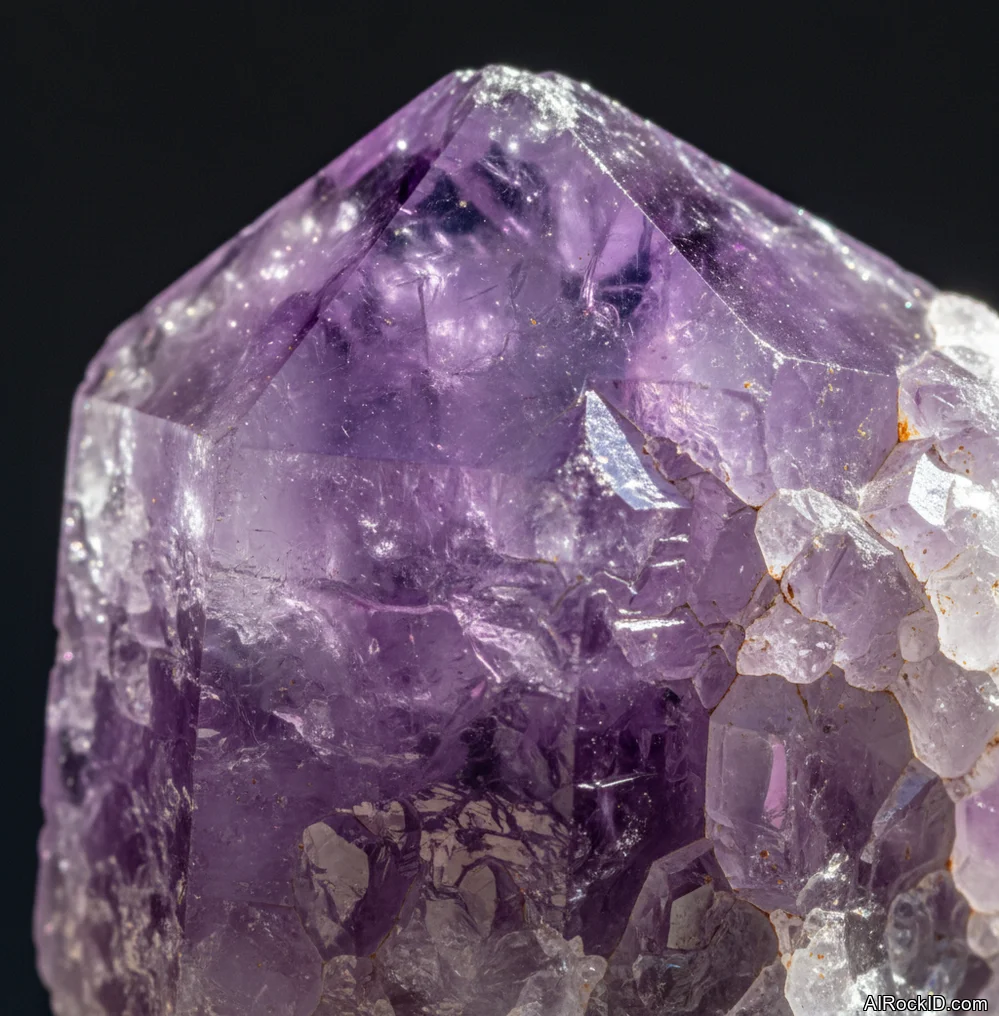
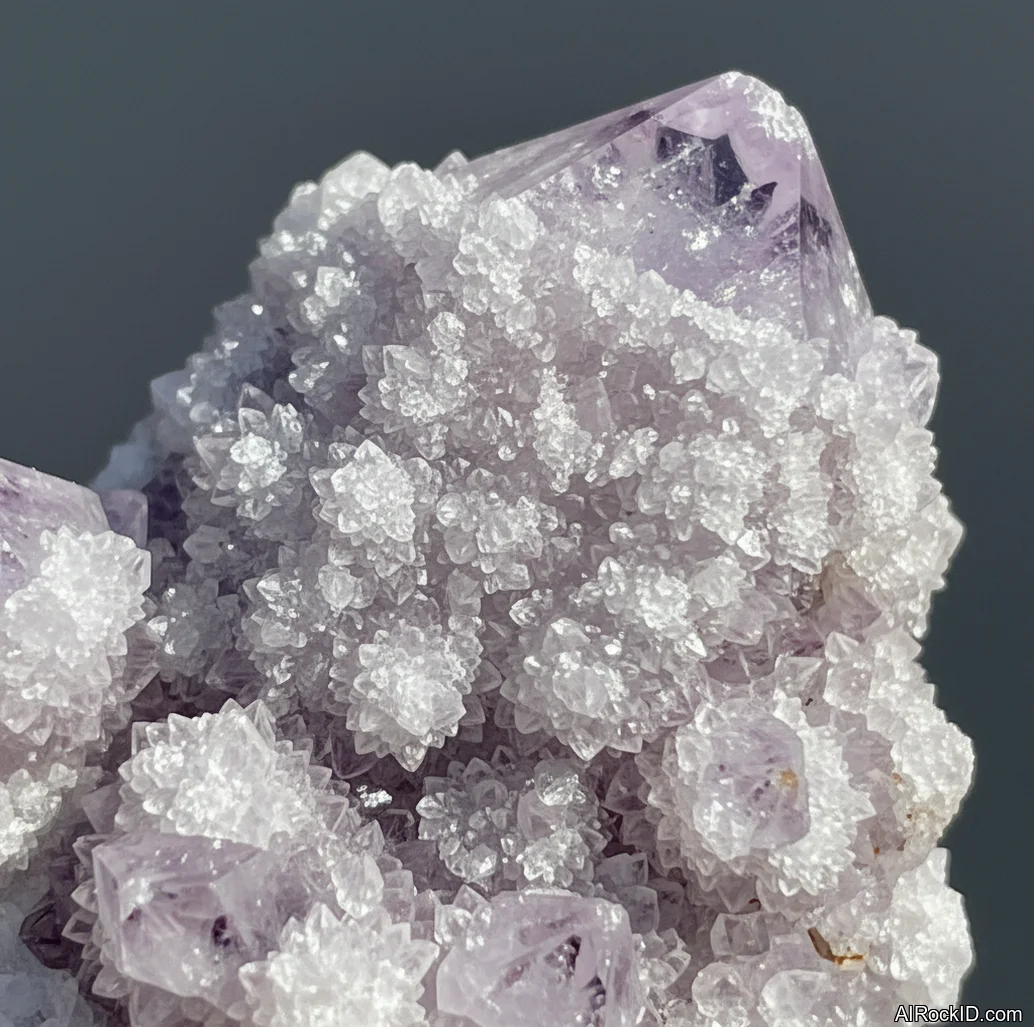
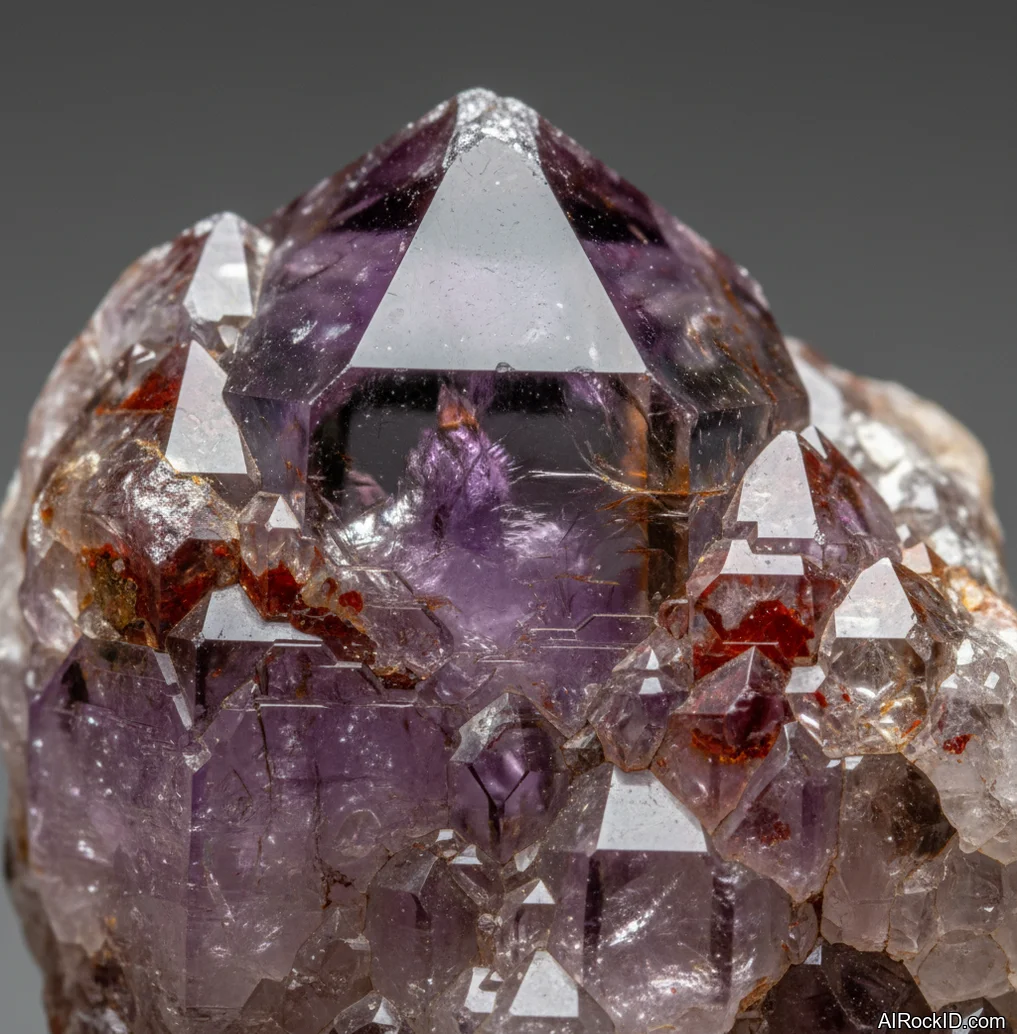
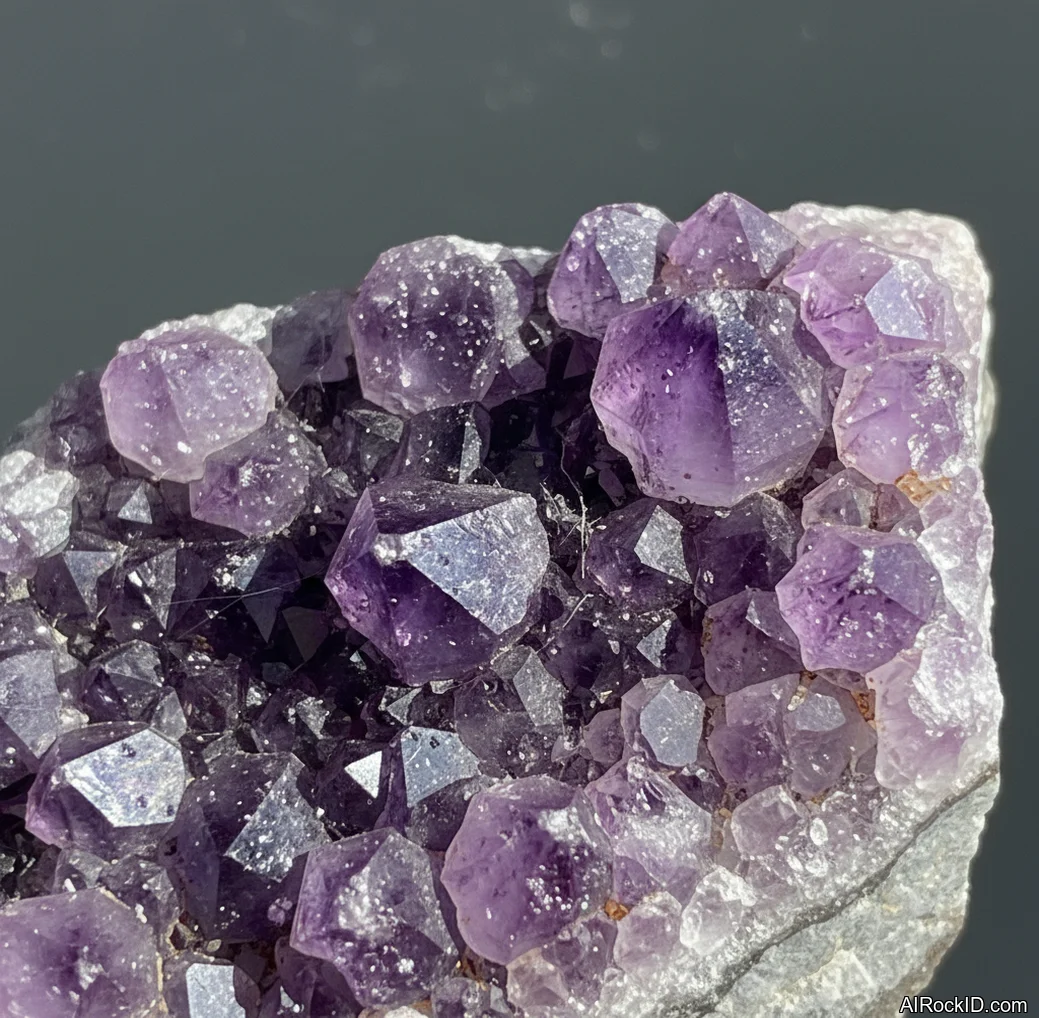
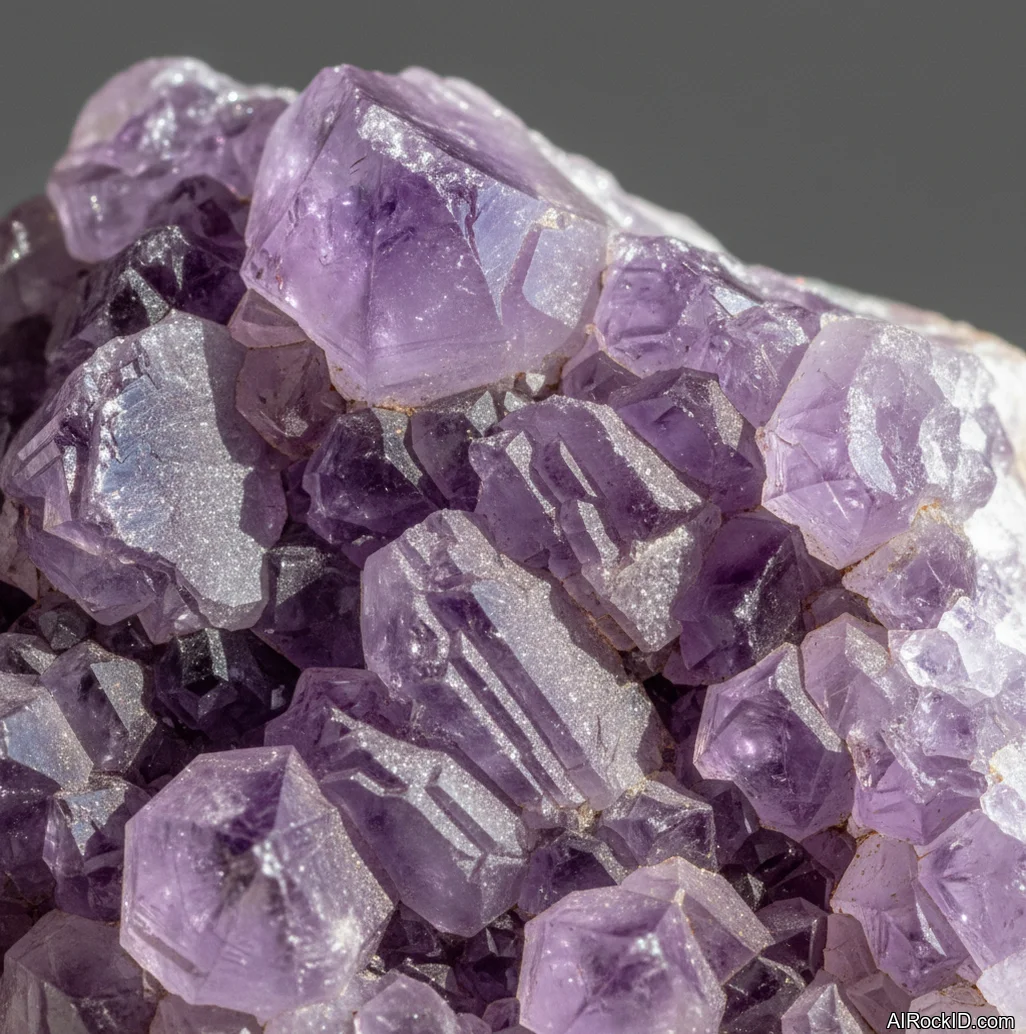
Amethyst is the other classic, and the market’s all over the map. Deep purple clusters from Uruguay tend to have tighter points and a darker tone, while a lot of Brazilian material leans lavender and can look almost pinkish under warm light. Hold a real quartz-based amethyst and it stays cool in your hand for a bit, even in a warm room. Cheap glass fakes warm up fast, and the color looks too even, like grape candy. If you’re buying tumbled amethyst for daily carry, check for tiny fractures and “rainbows” inside. Normal. But big open cracks chip quickly when it’s banging against keys.
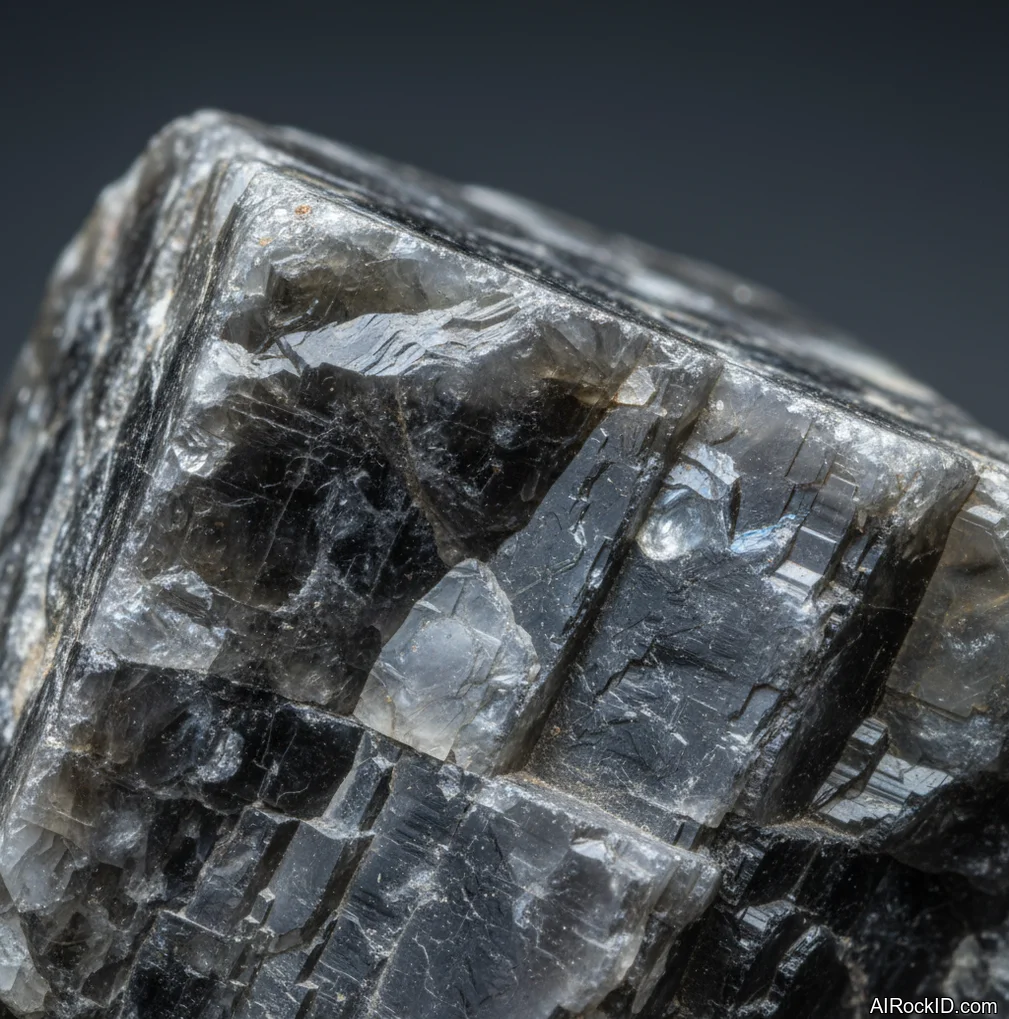
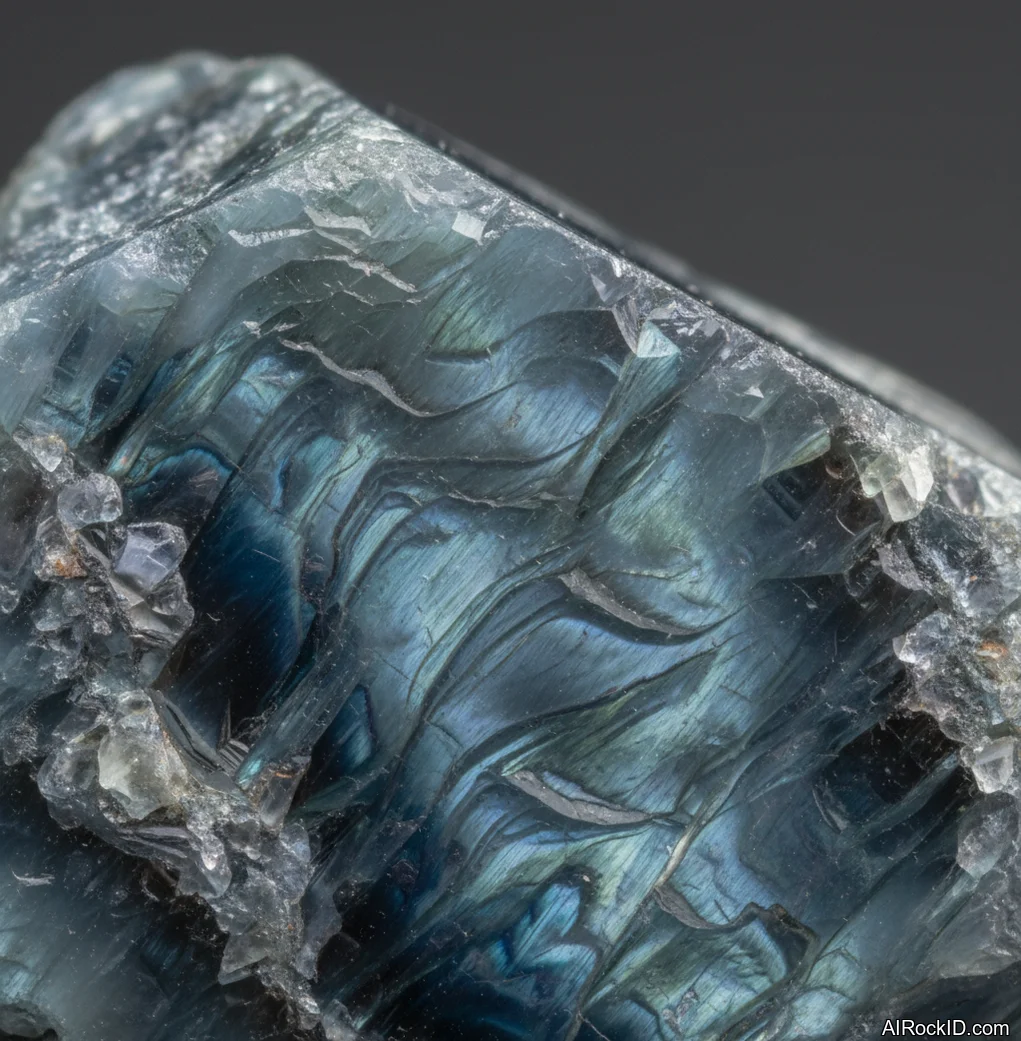
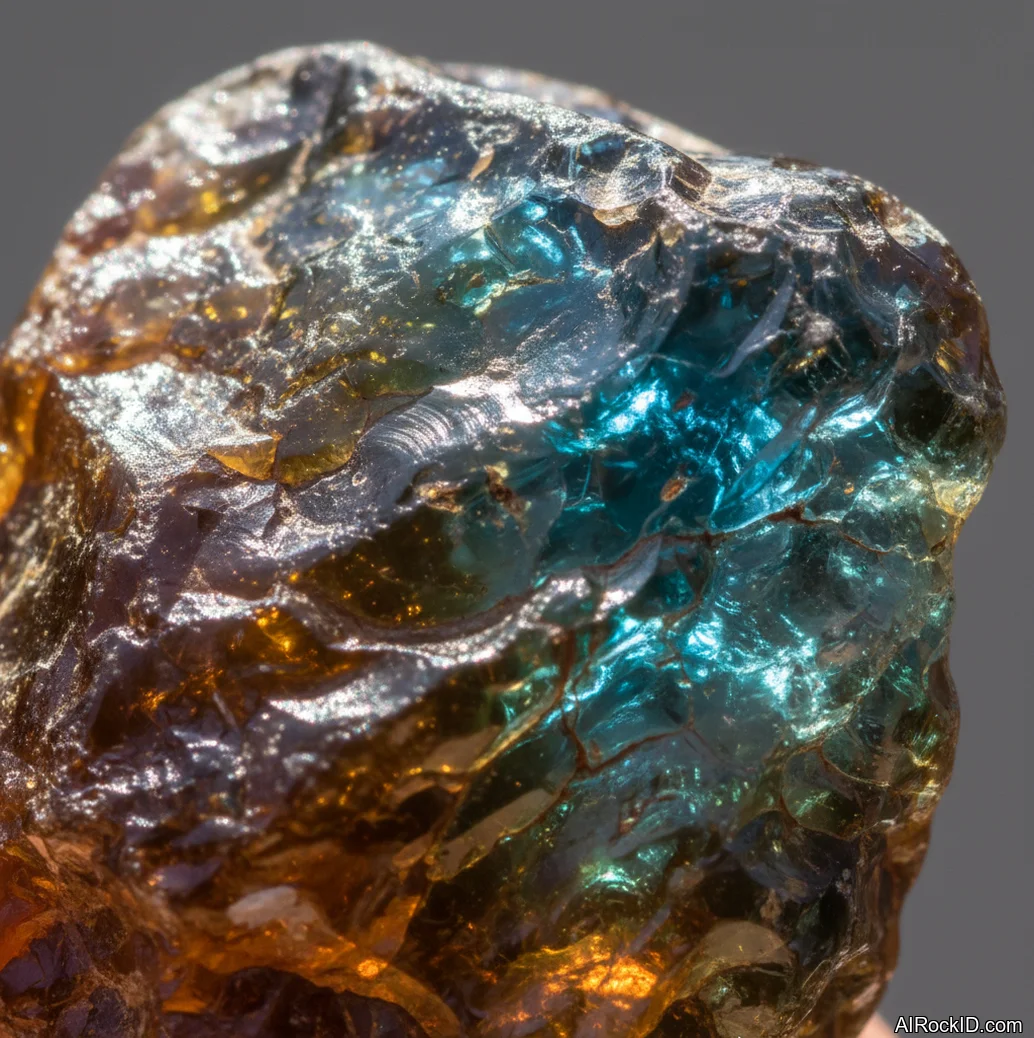
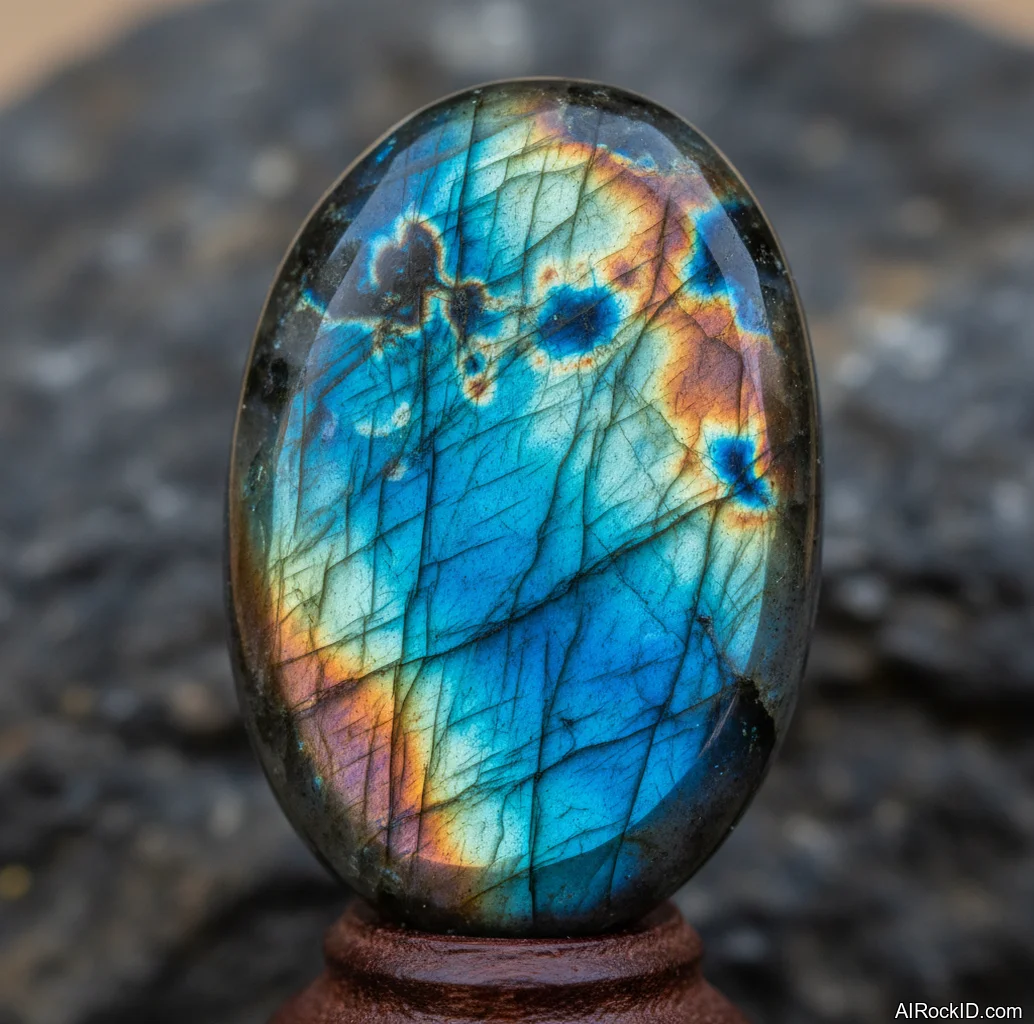
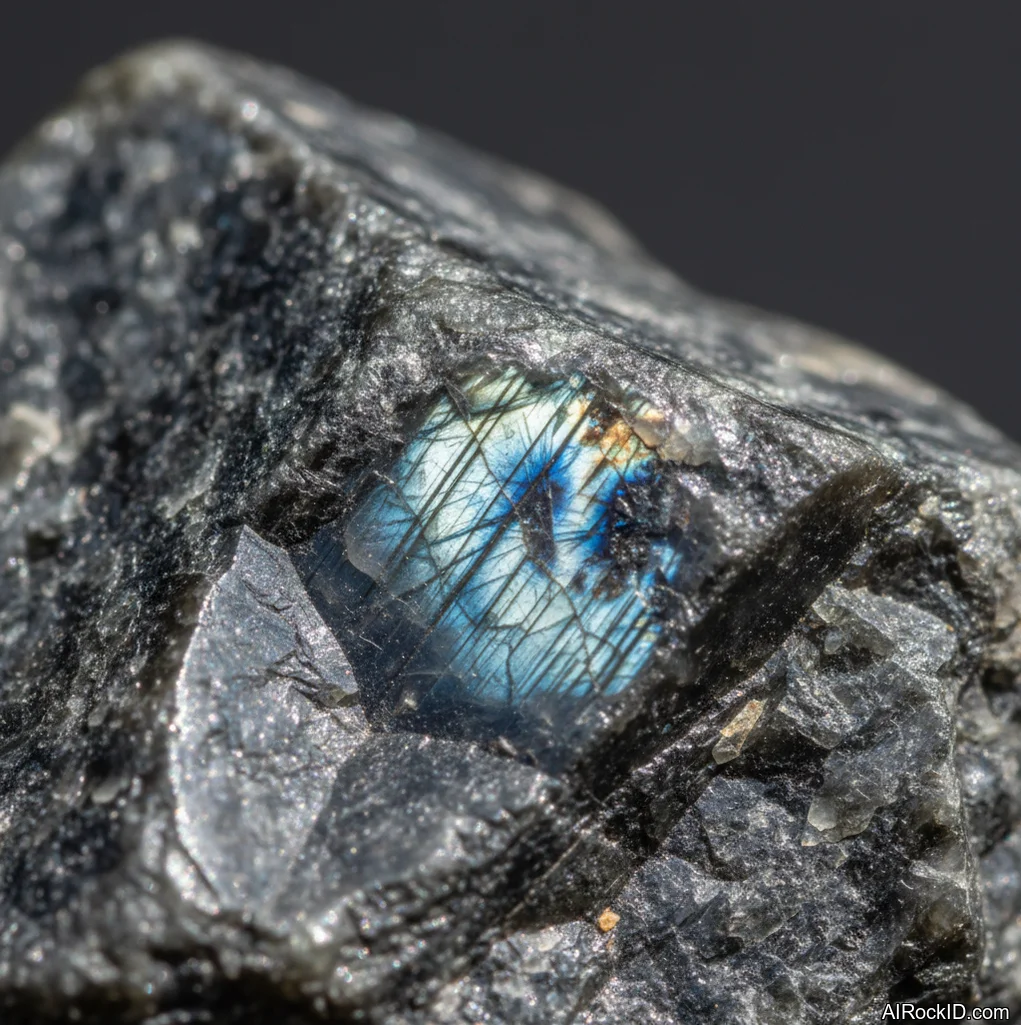
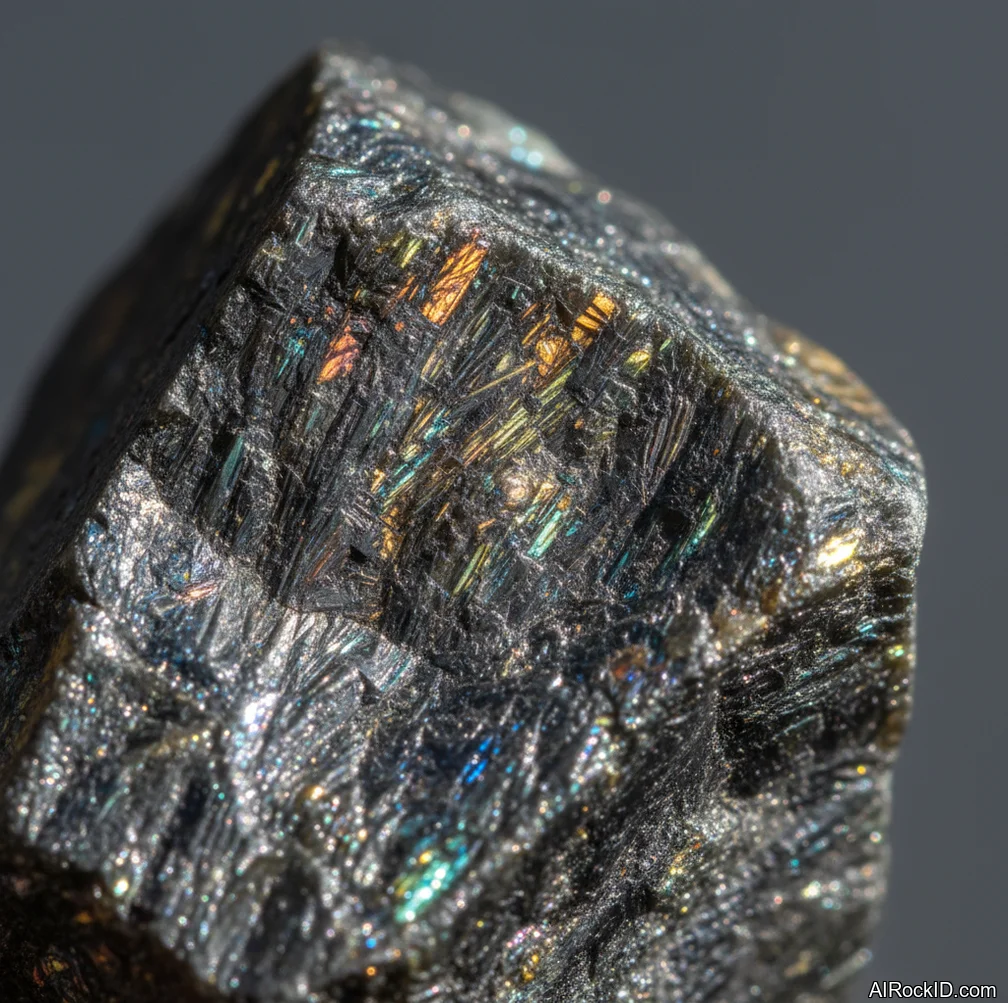
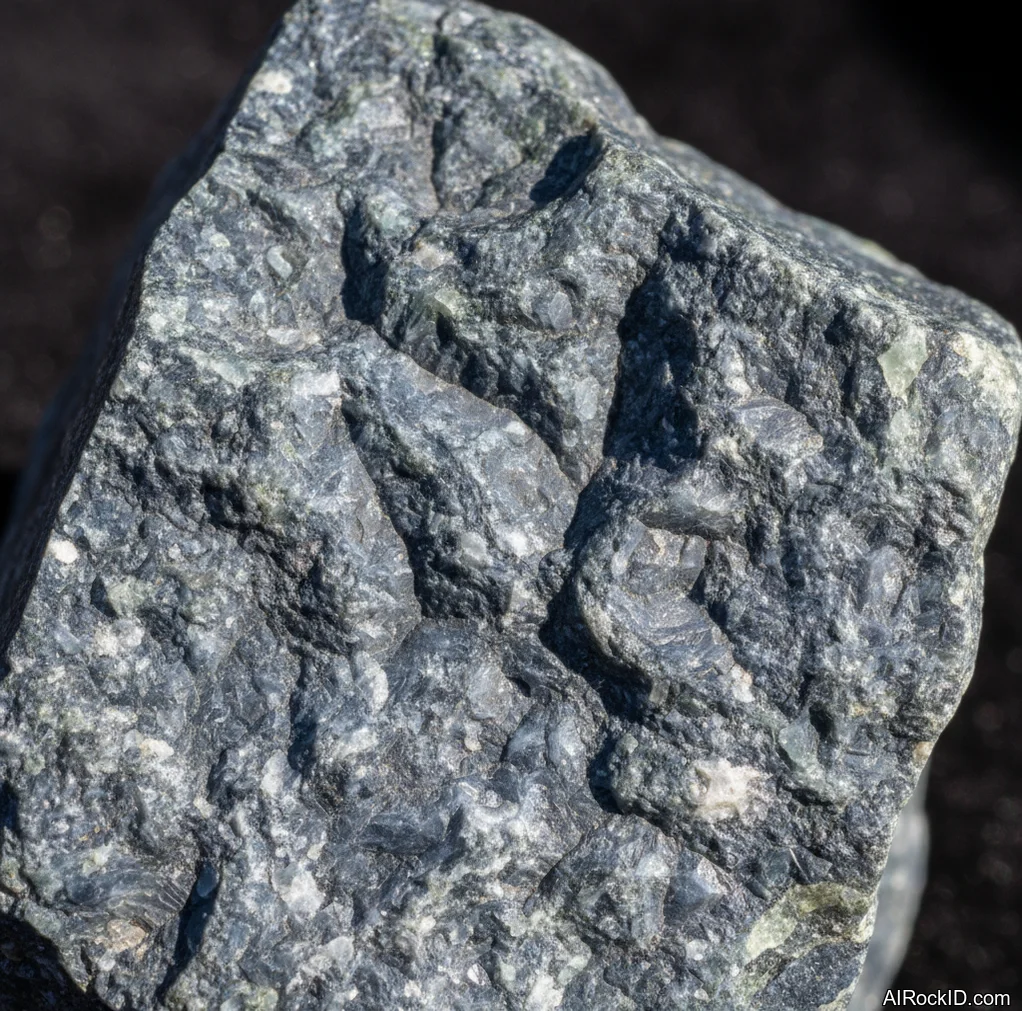
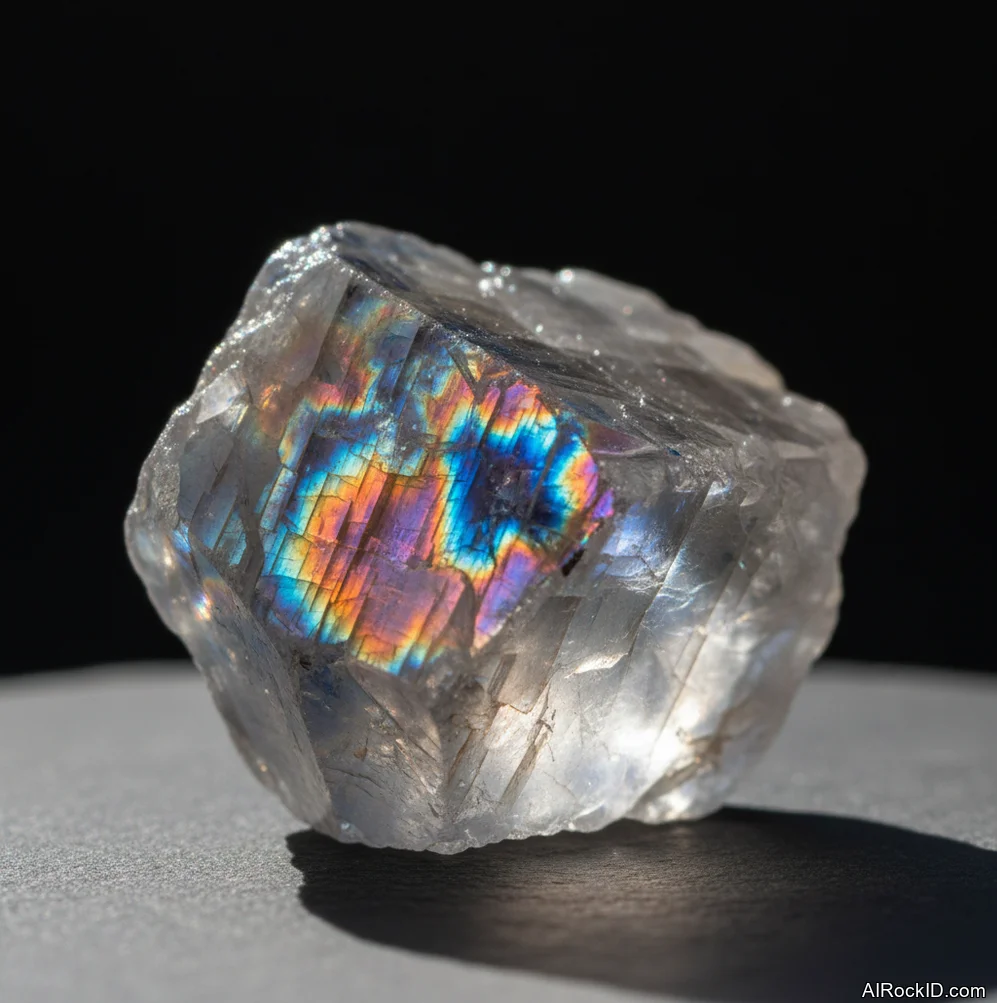
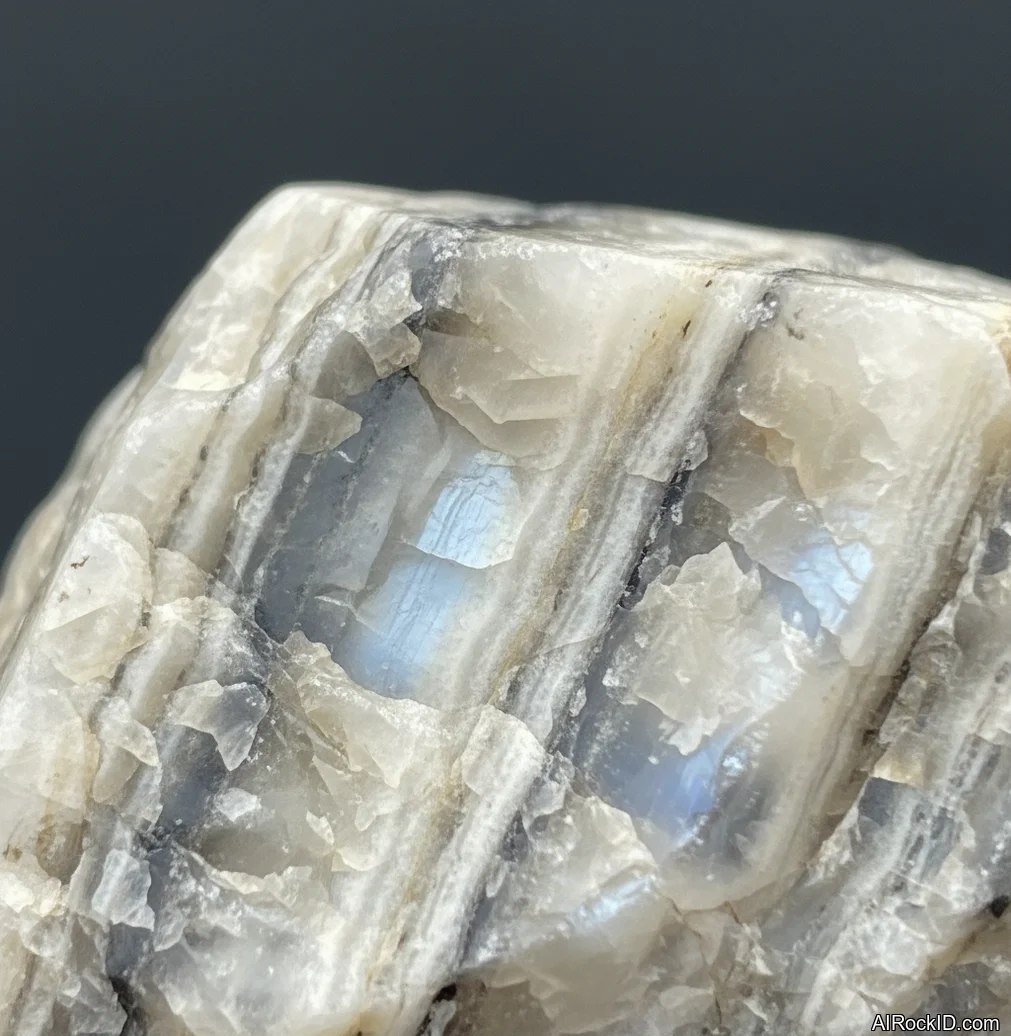
Labradorite is where the Third Eye talk gets weirdly literal, because it’s a stone you have to angle to actually see. At first glance it can look like a boring gray river rock. Then you tilt it and the flash hits, blue or green, sometimes a hot gold. That shifting sheen is why people pair it with intuition work. Thing is, the real test is movement. If the seller photo shows a perfect neon panel straight-on with no change in angle, it might be heavily oiled or shot under harsh light to fake a bigger flash.
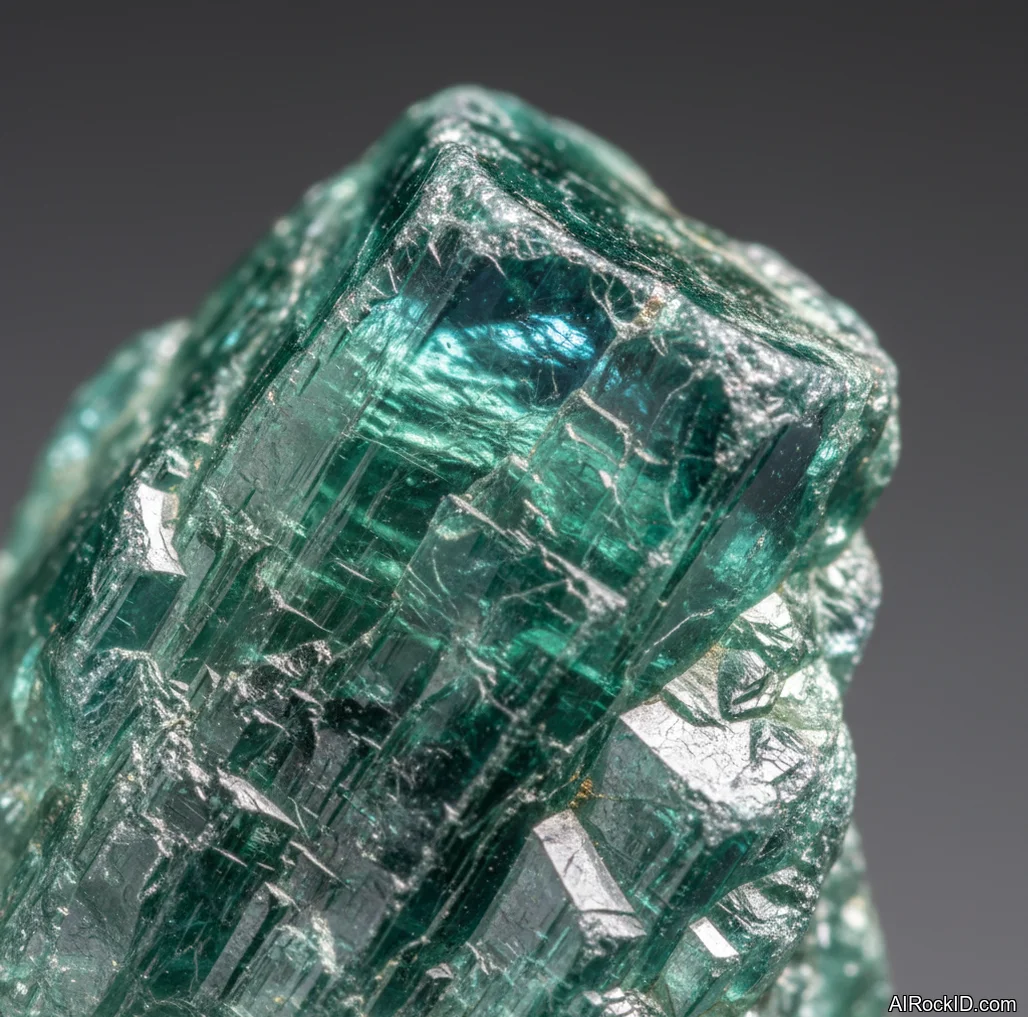
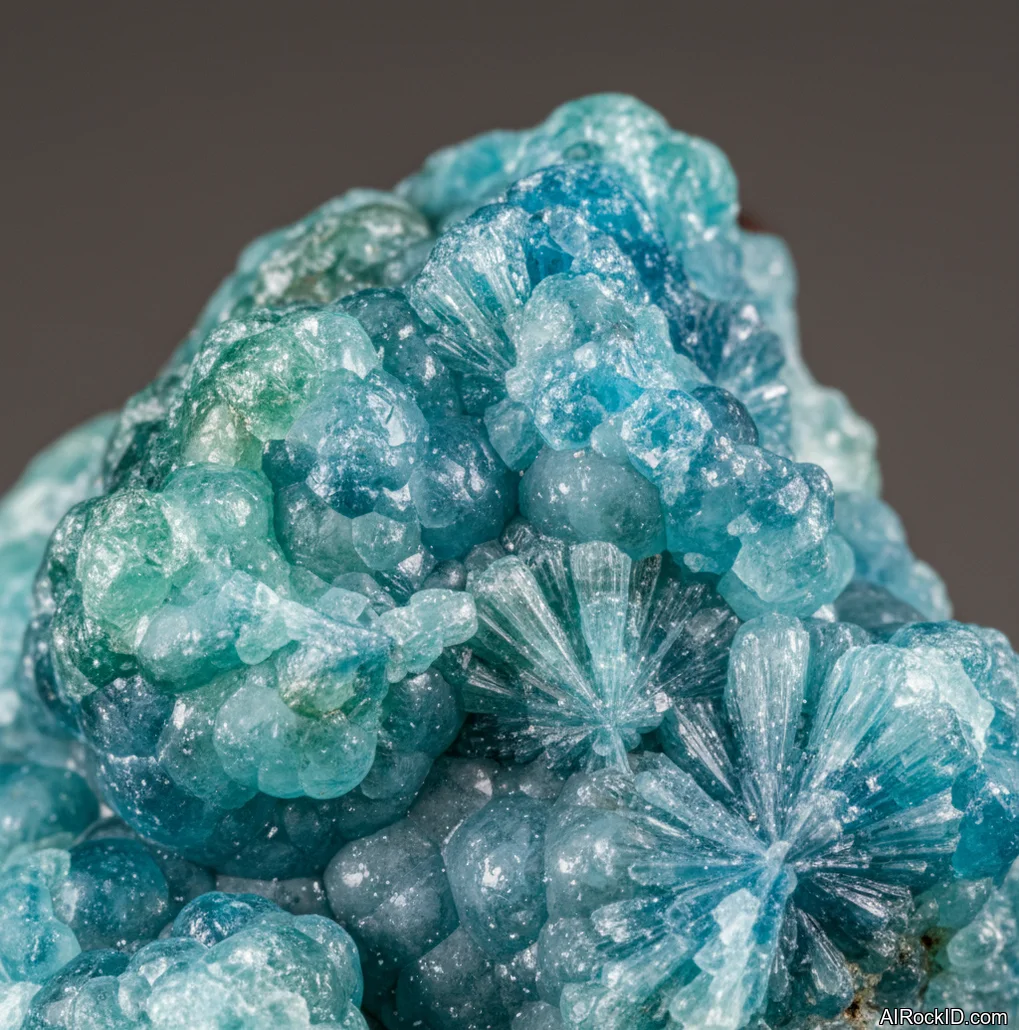
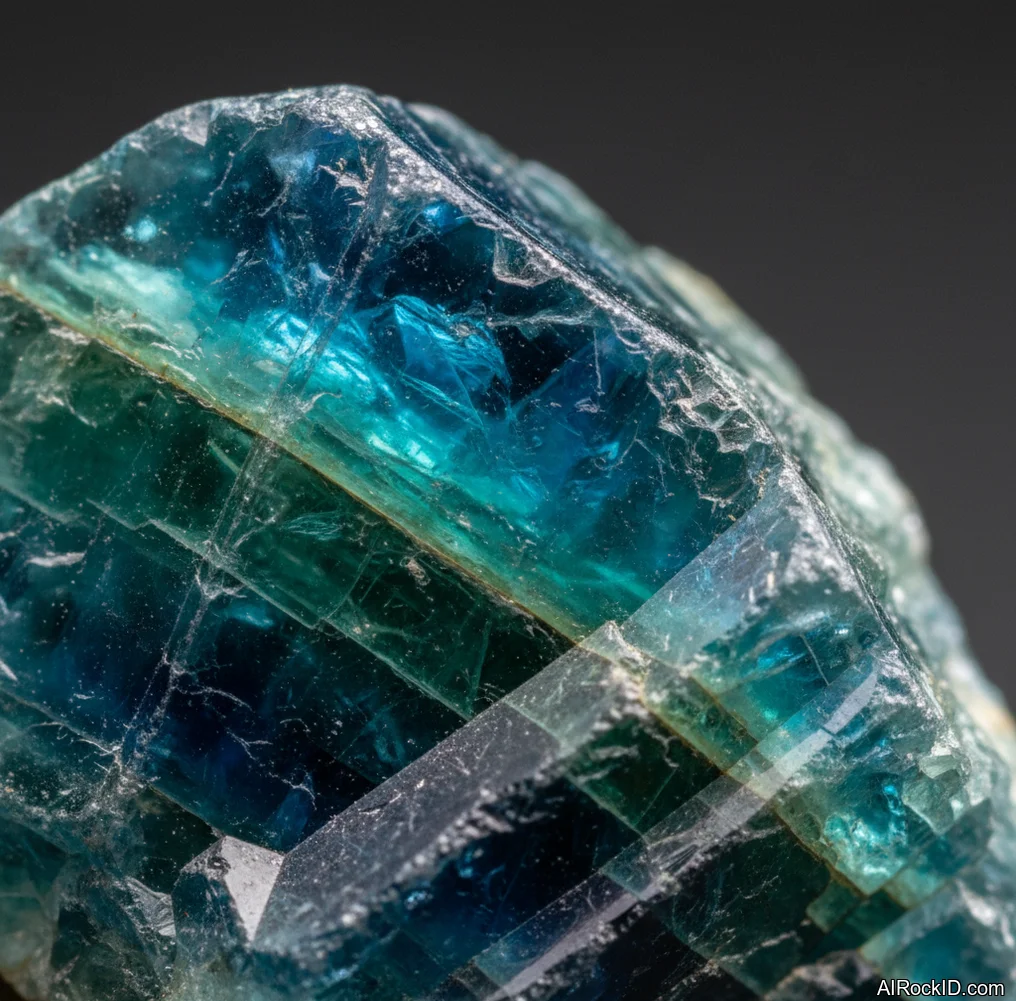
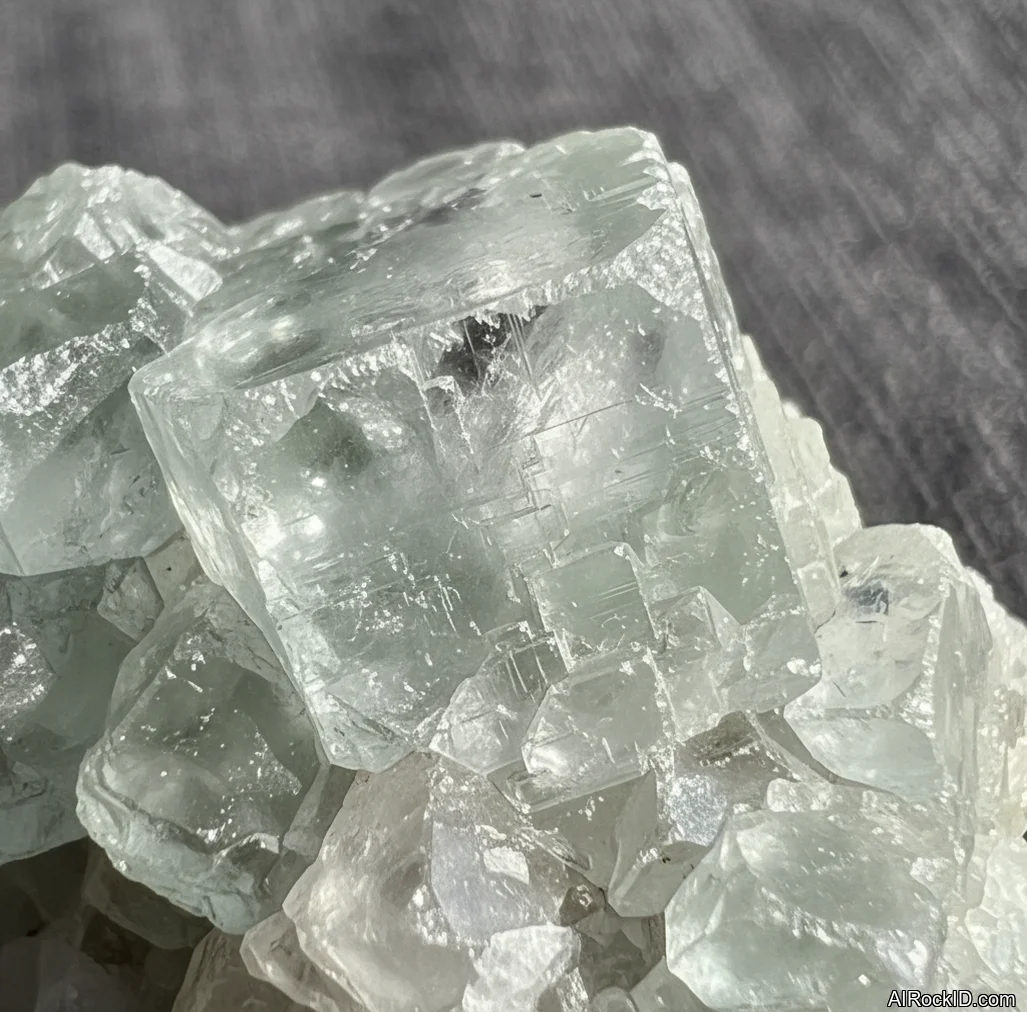
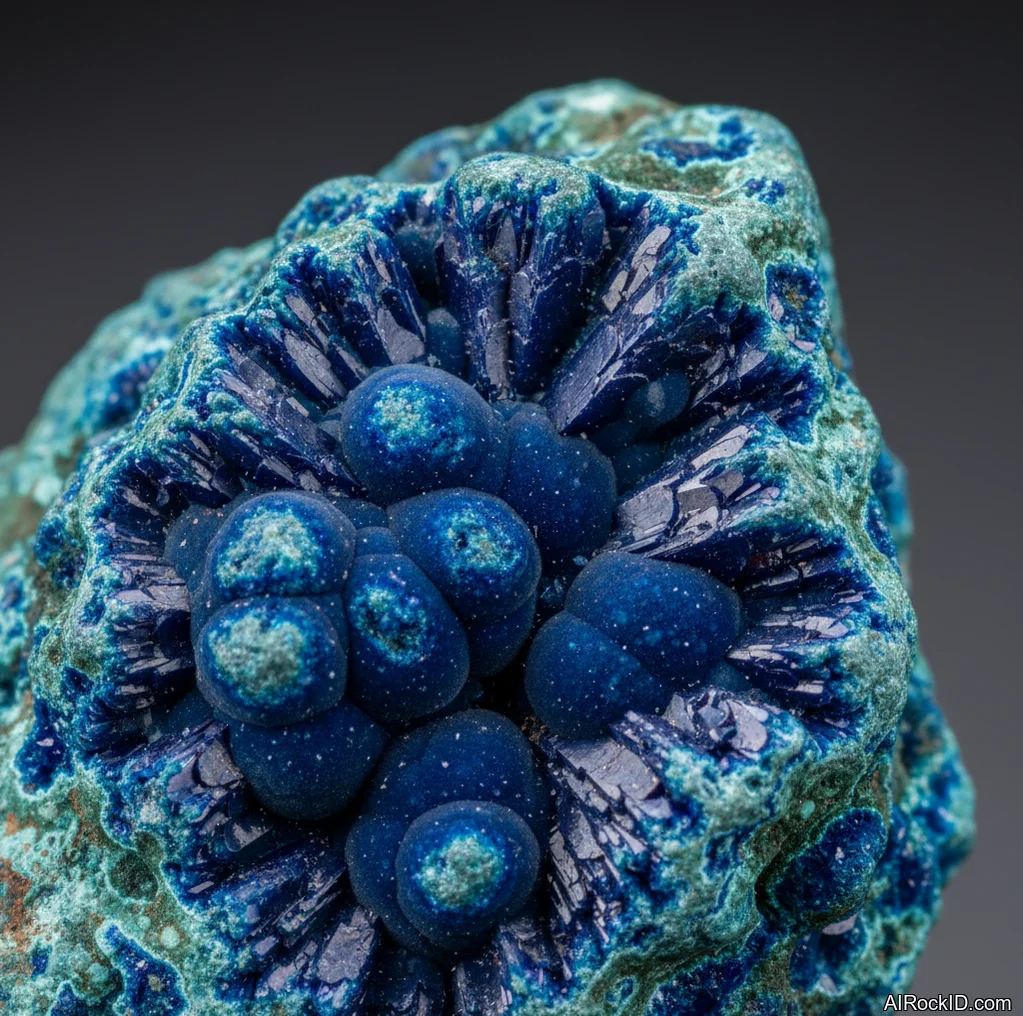
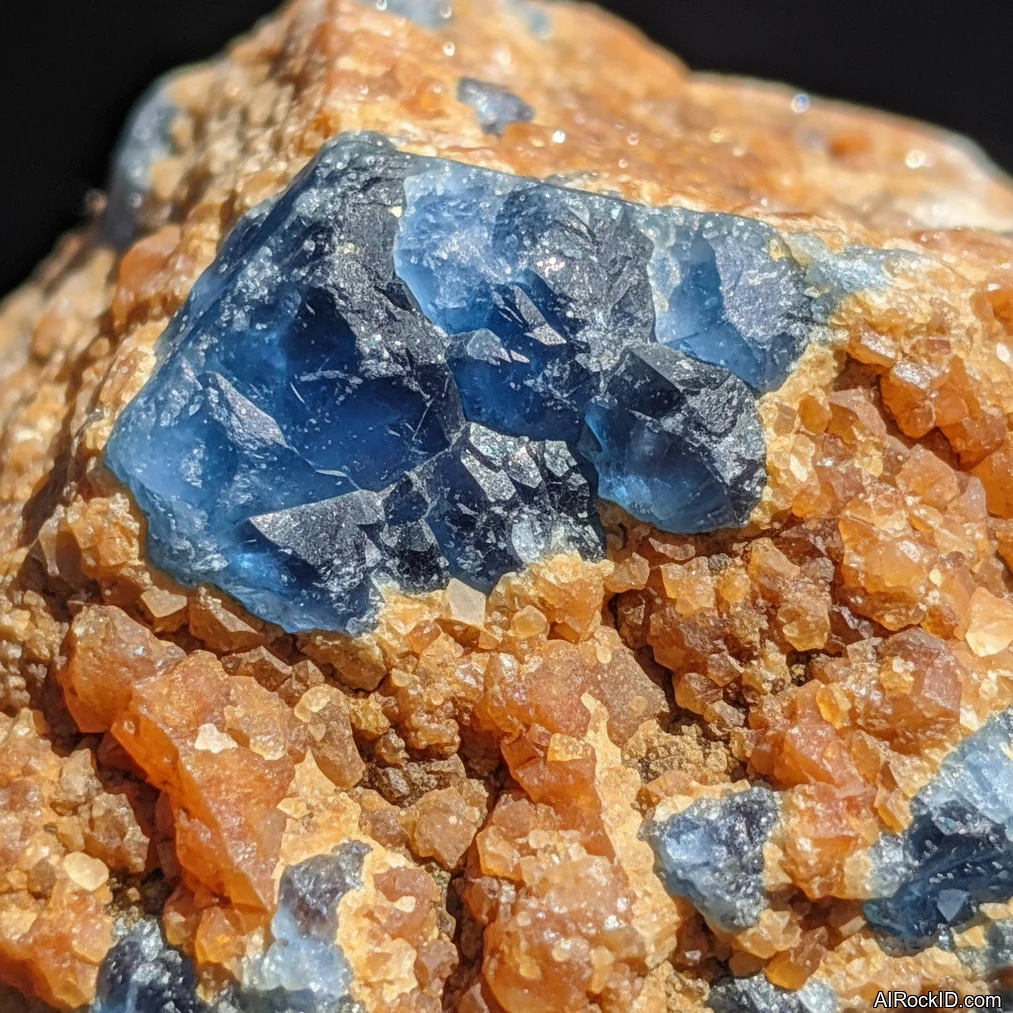
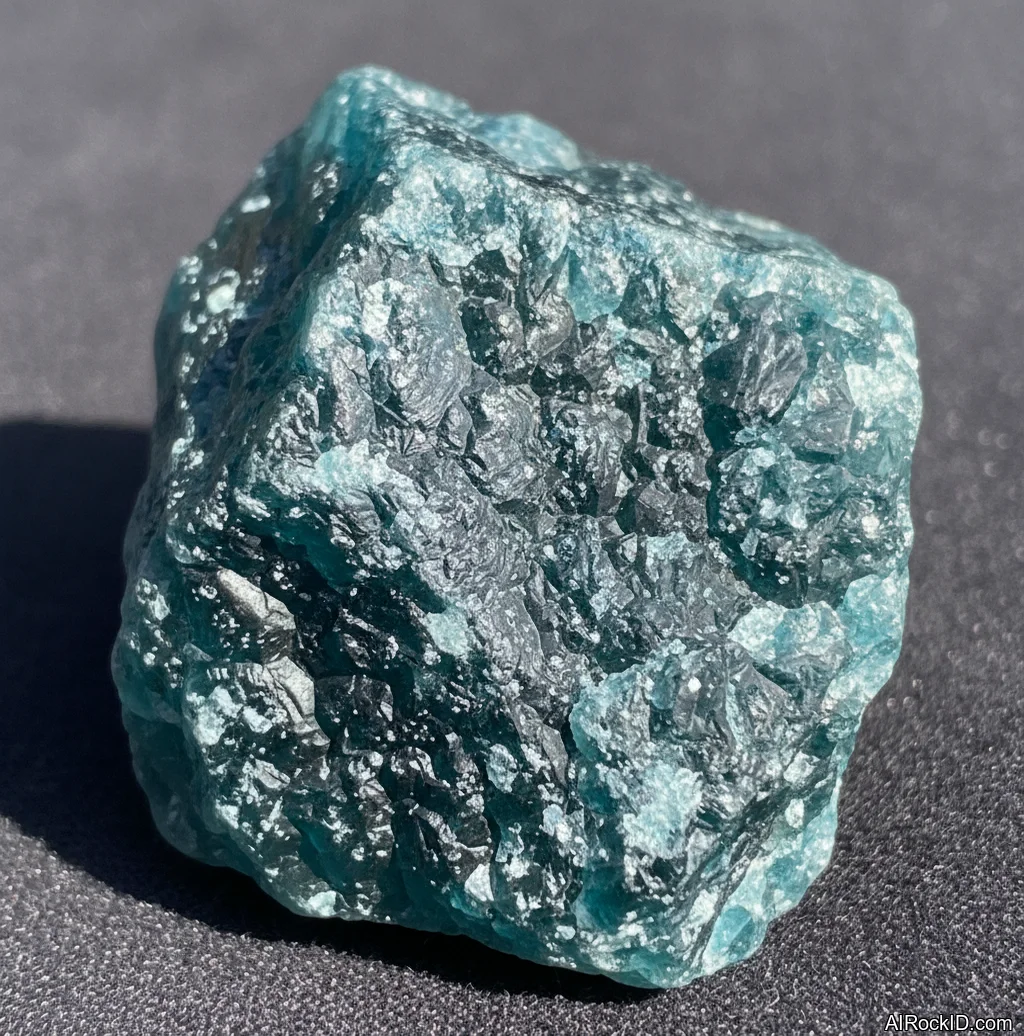
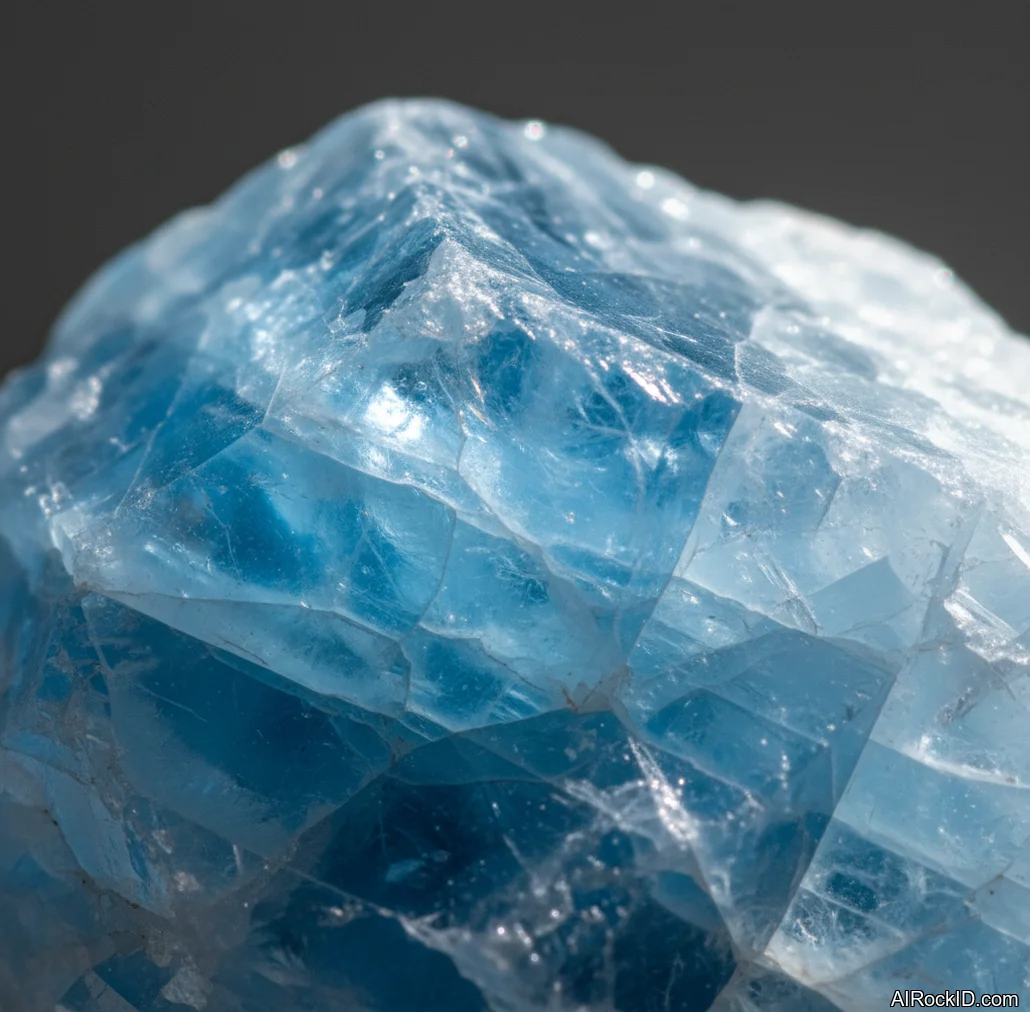
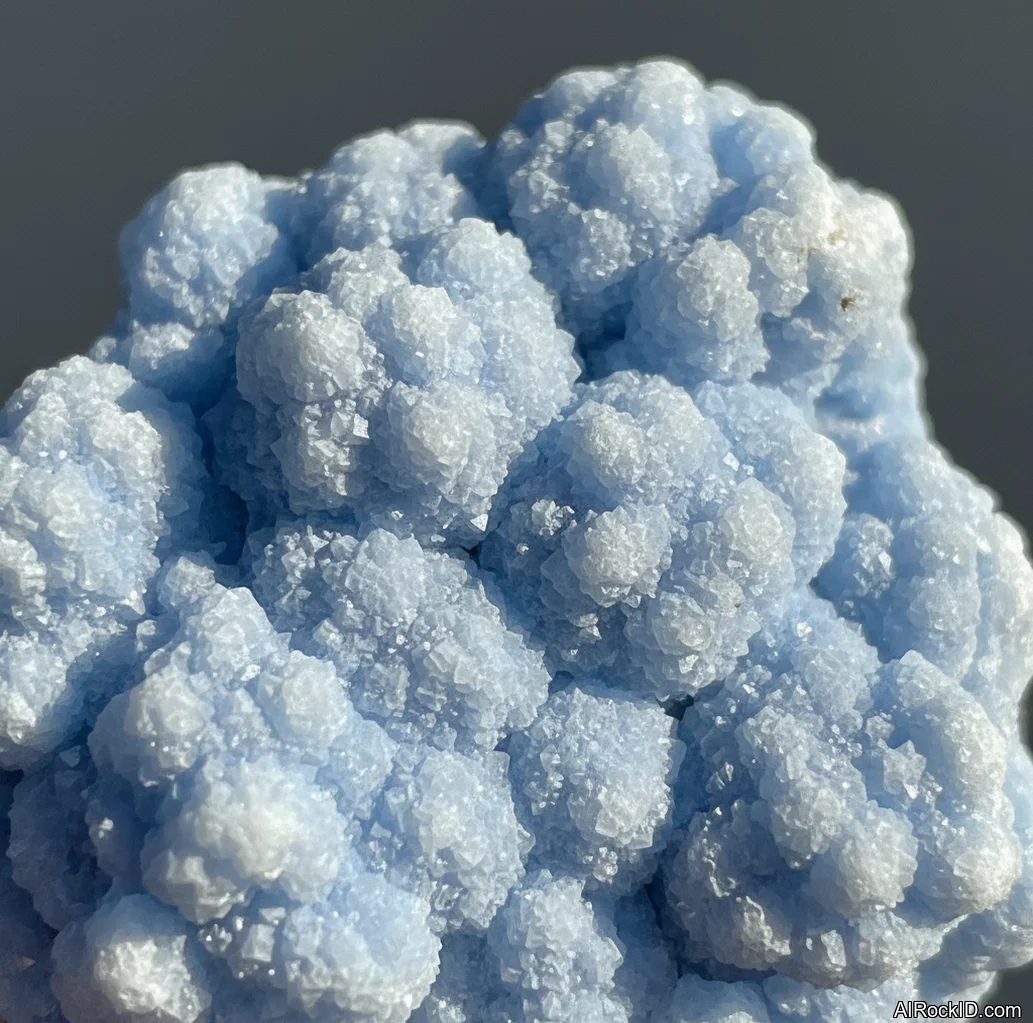
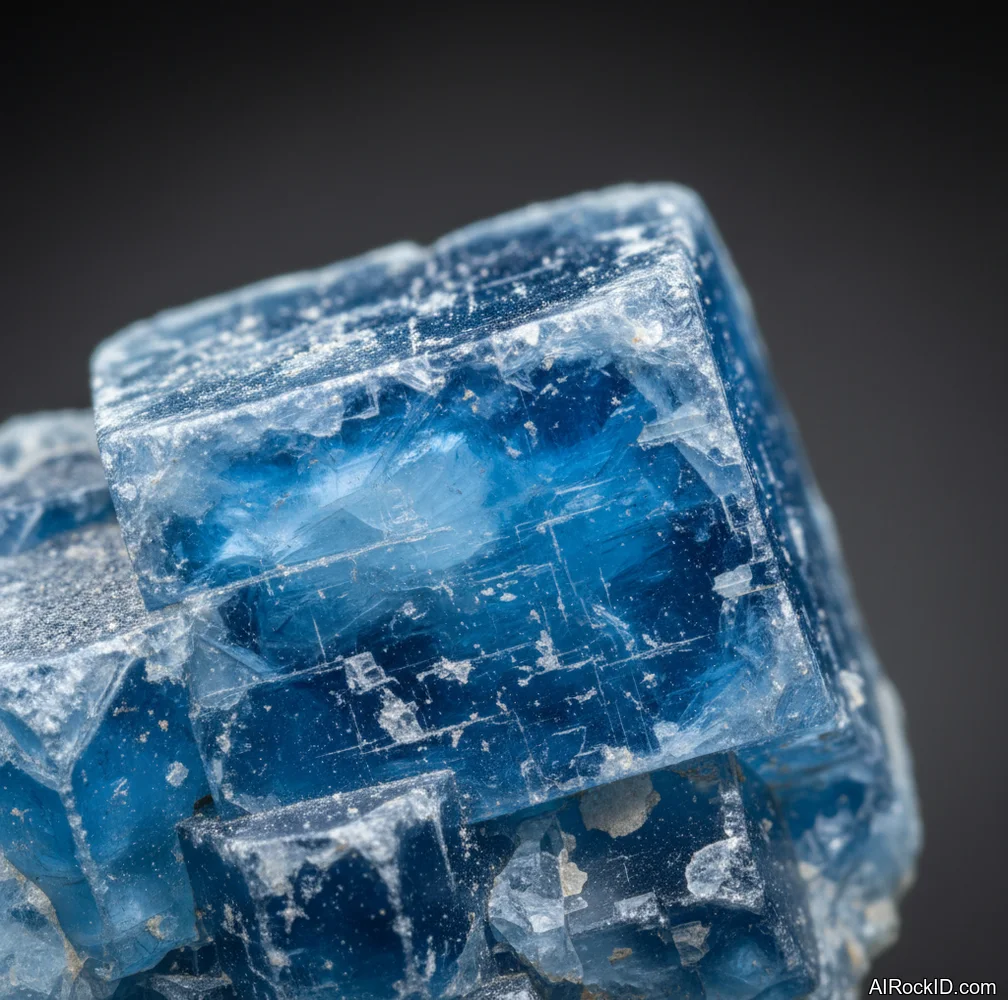
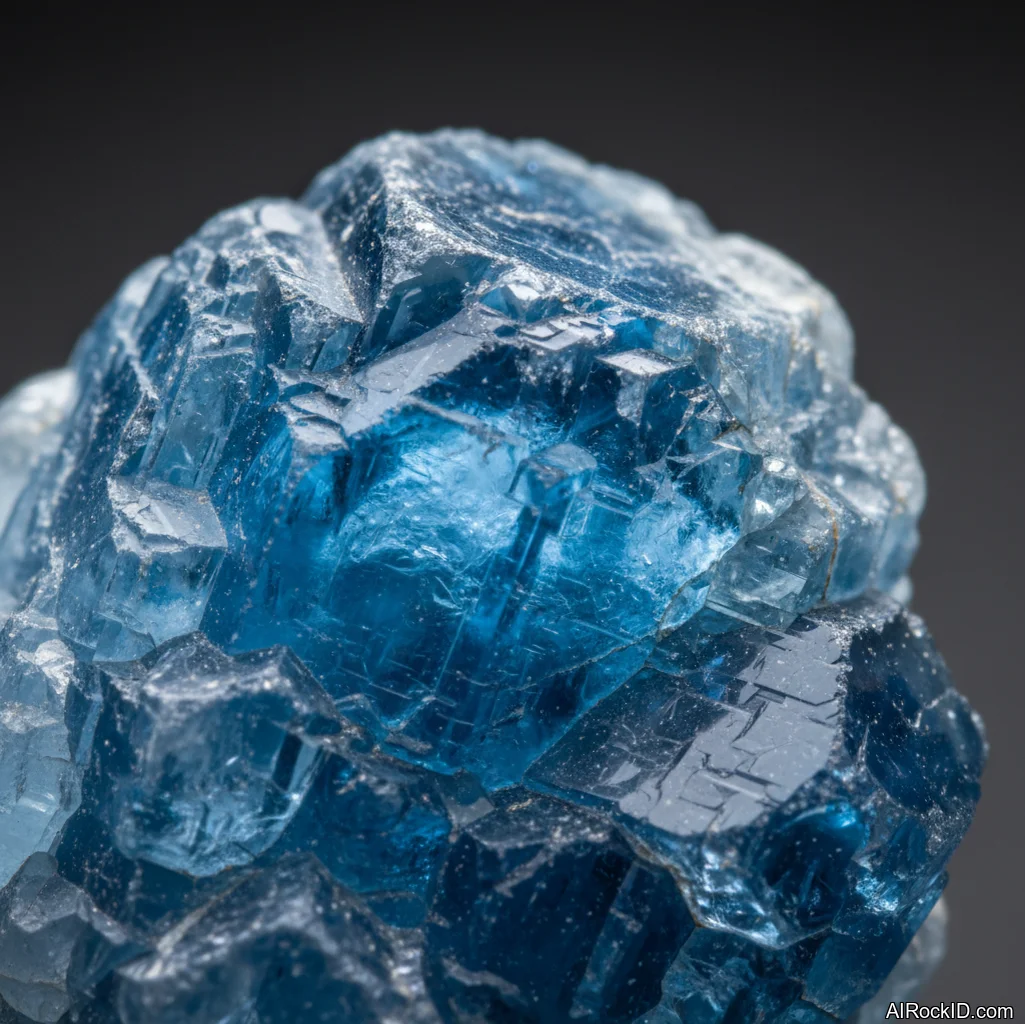
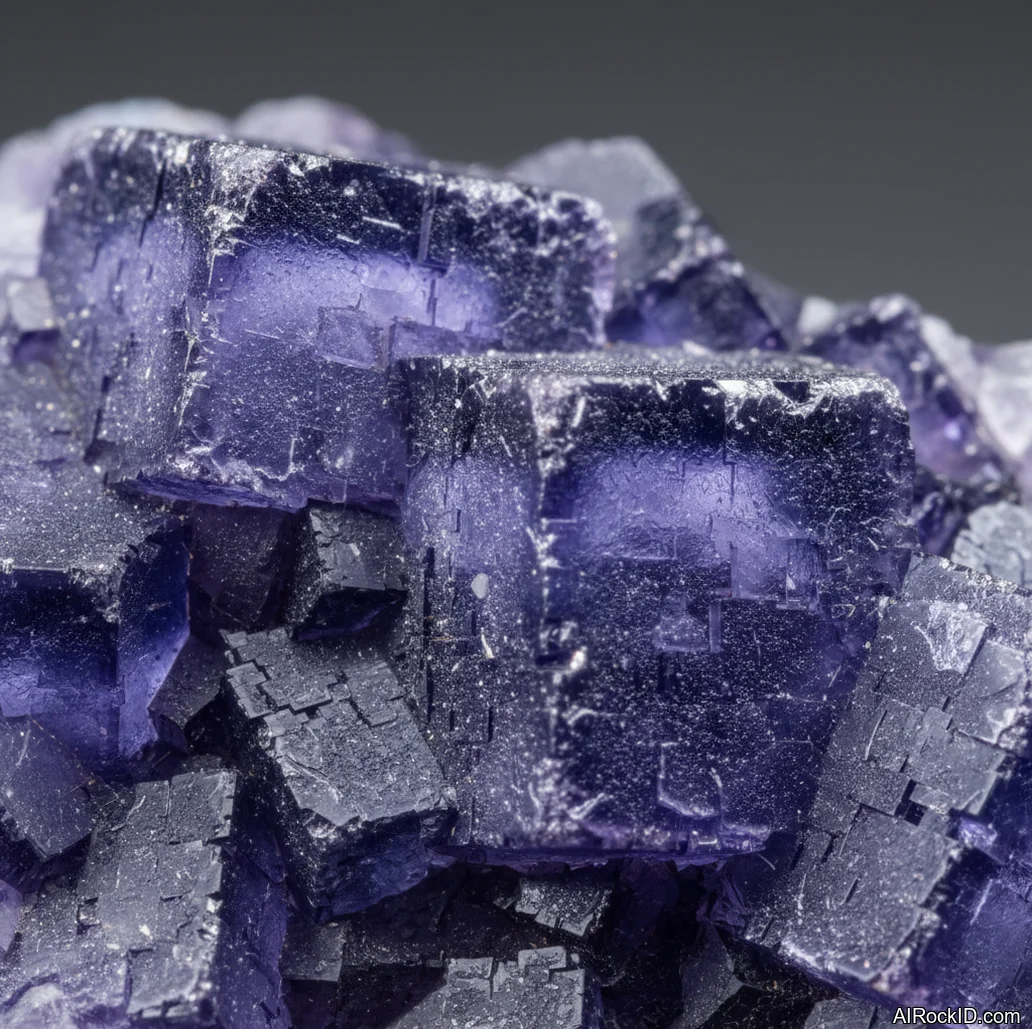
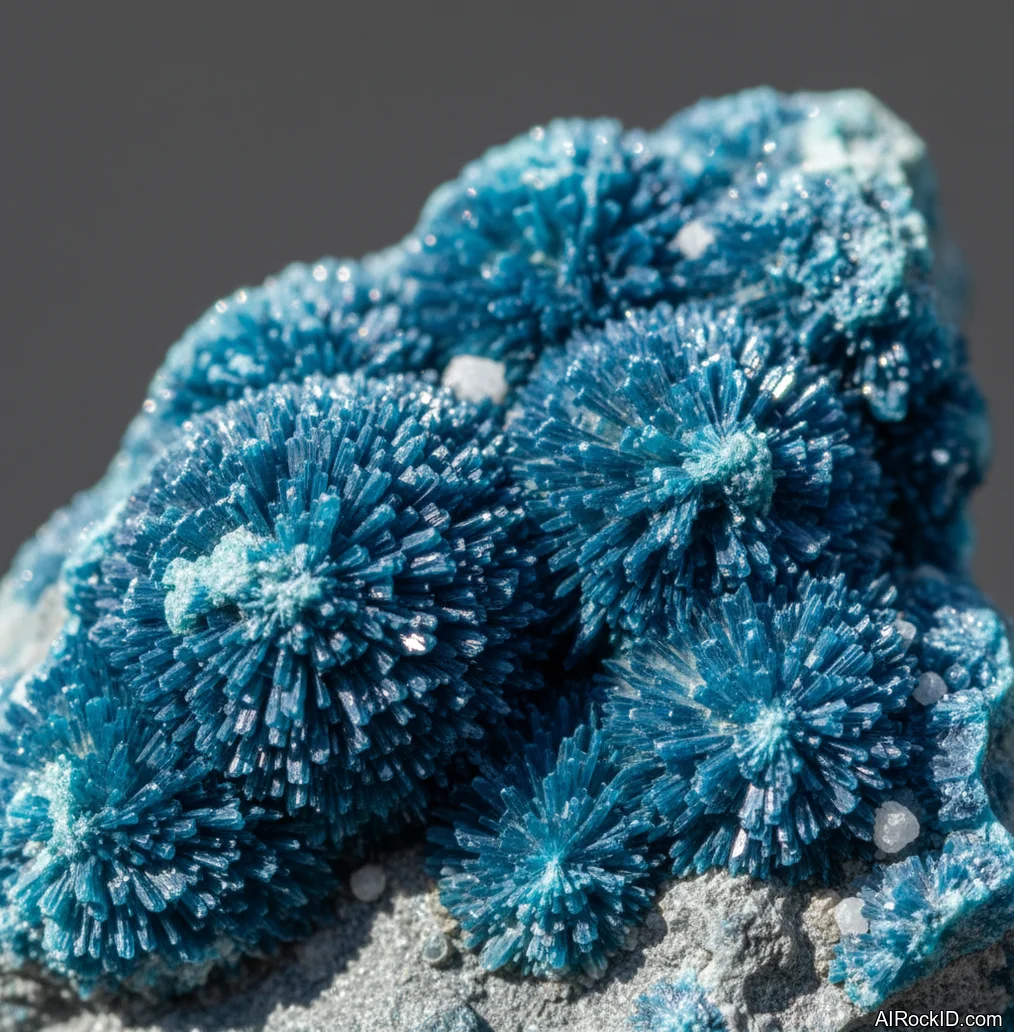
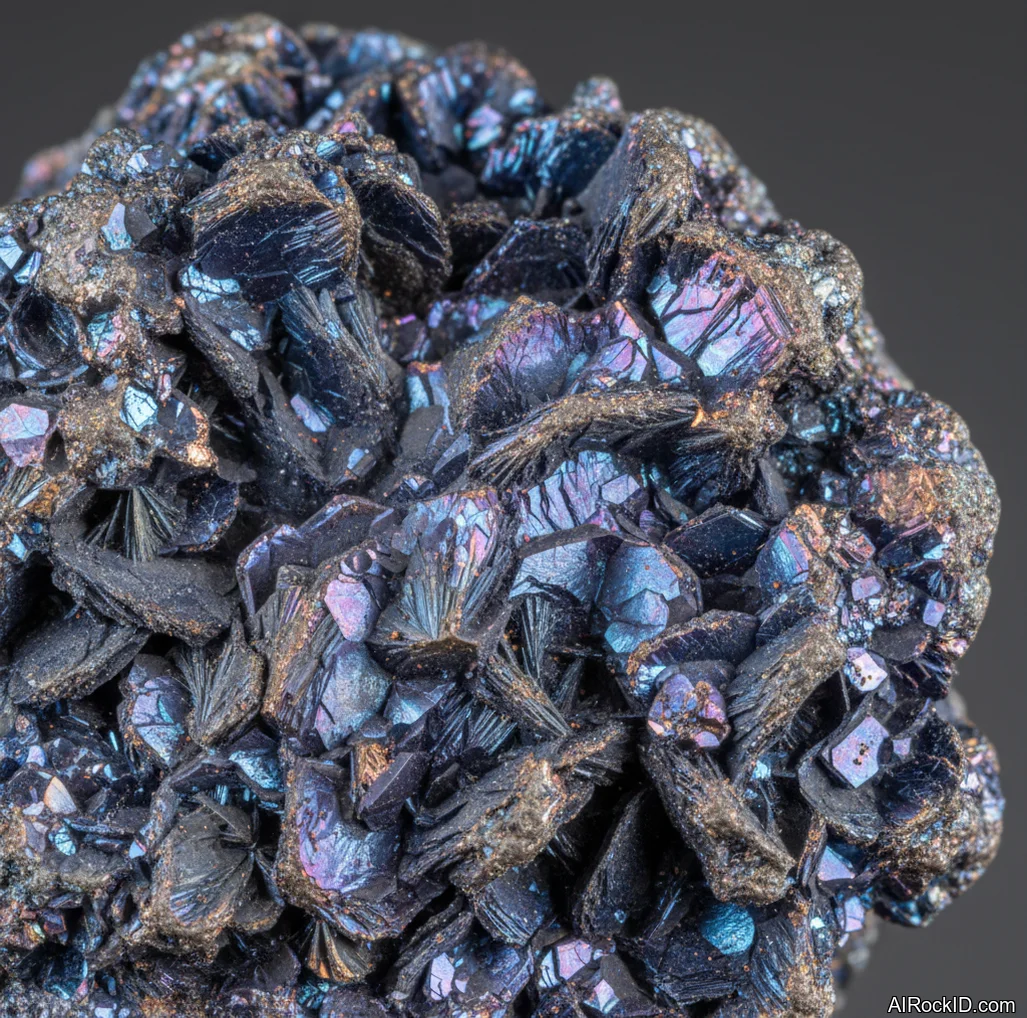
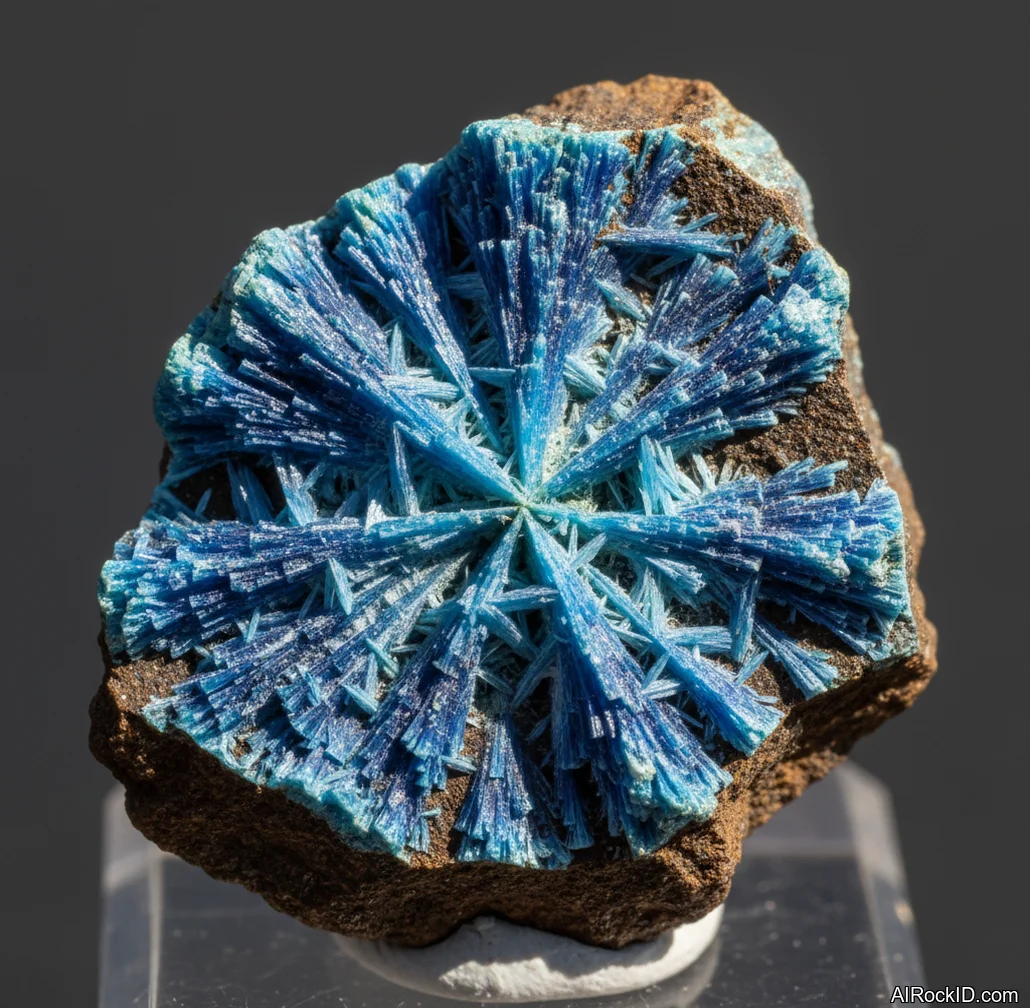
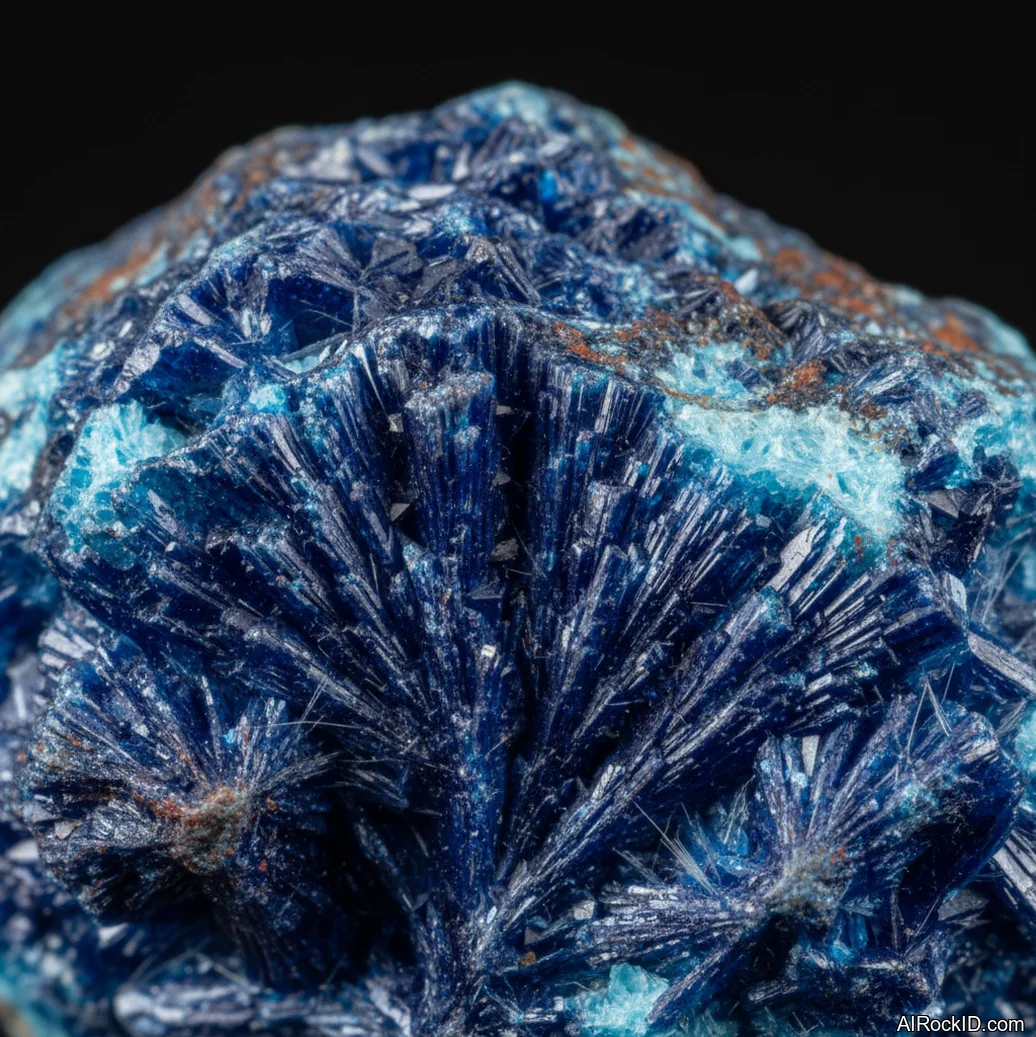
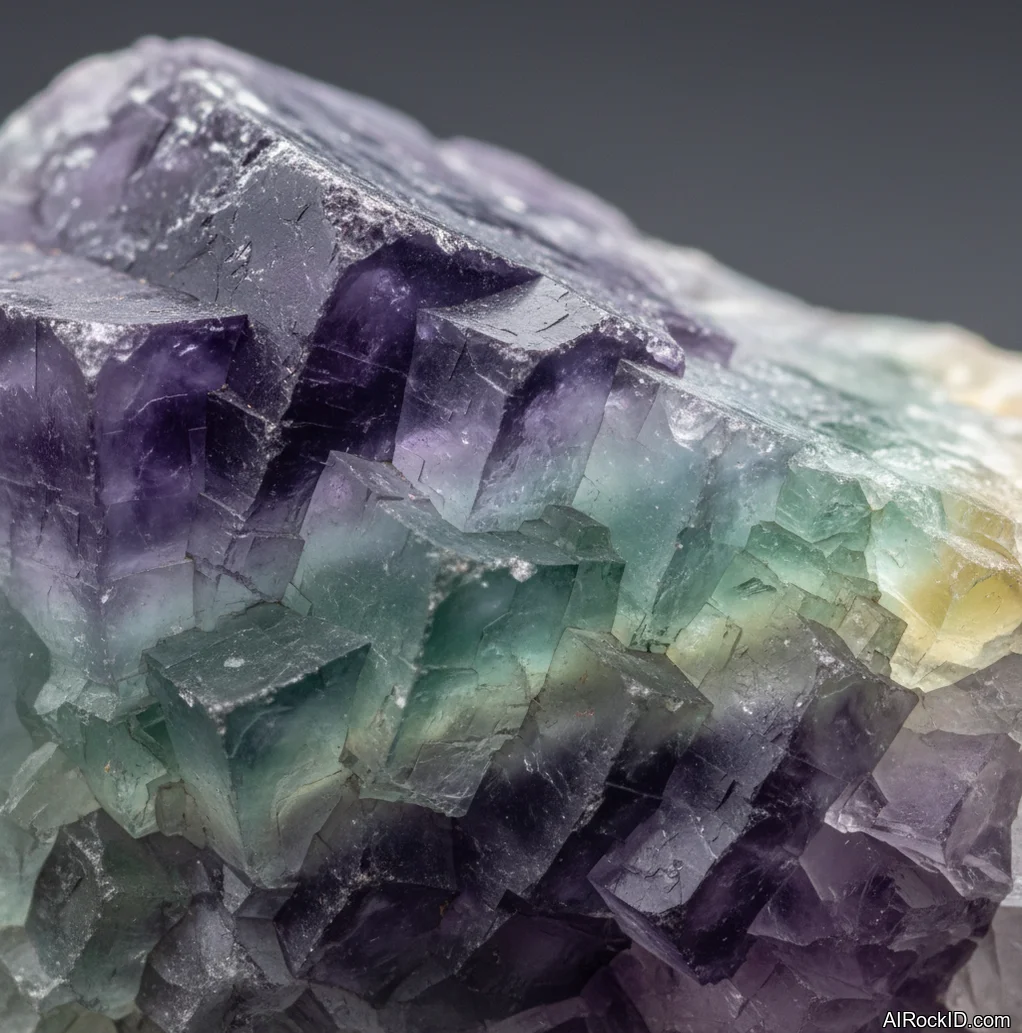
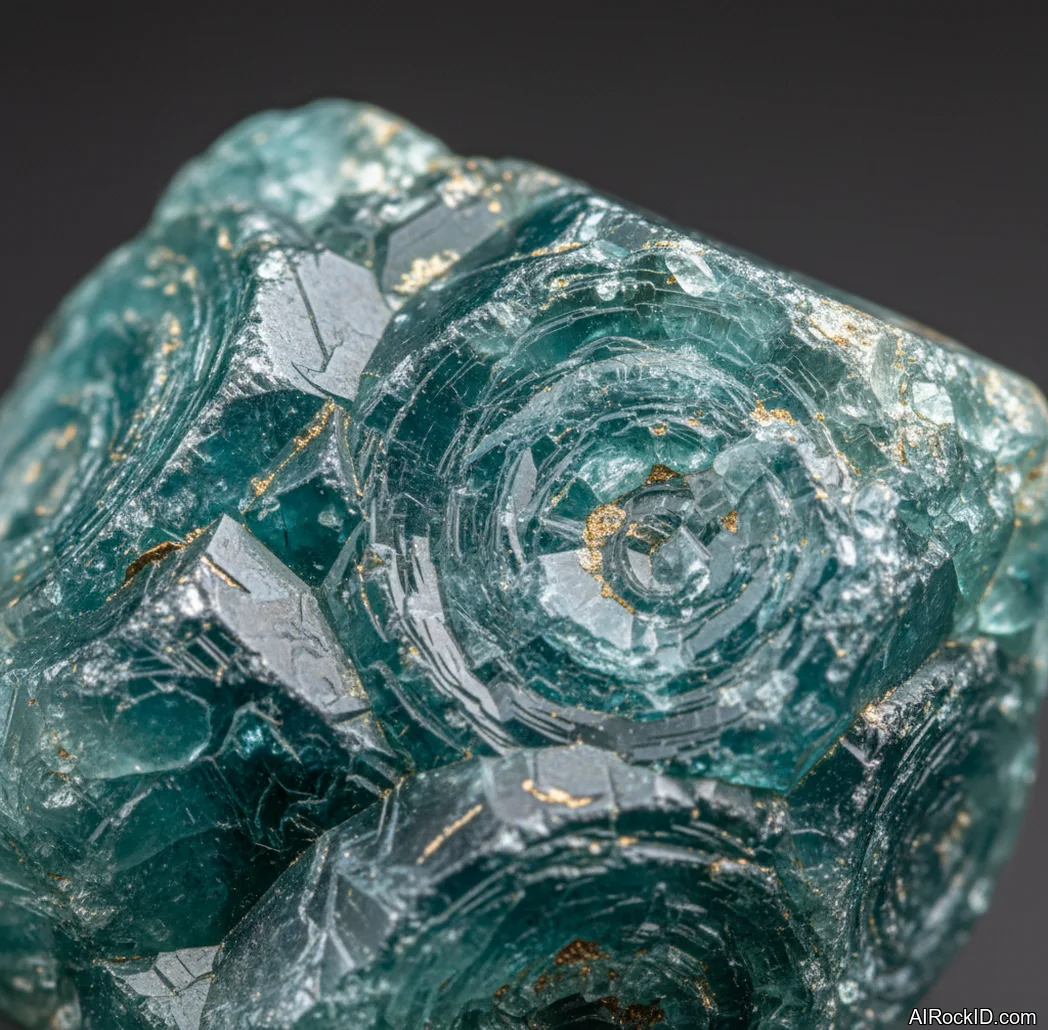
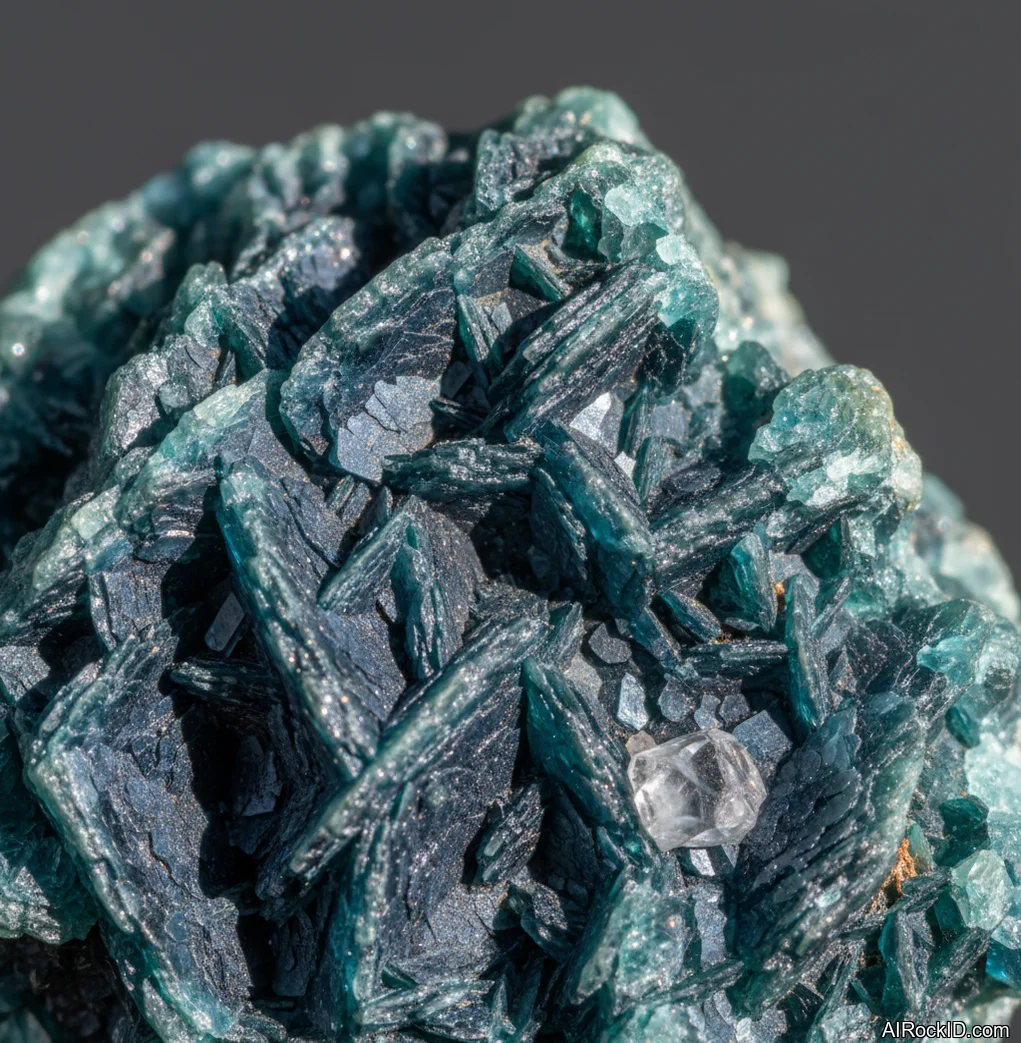
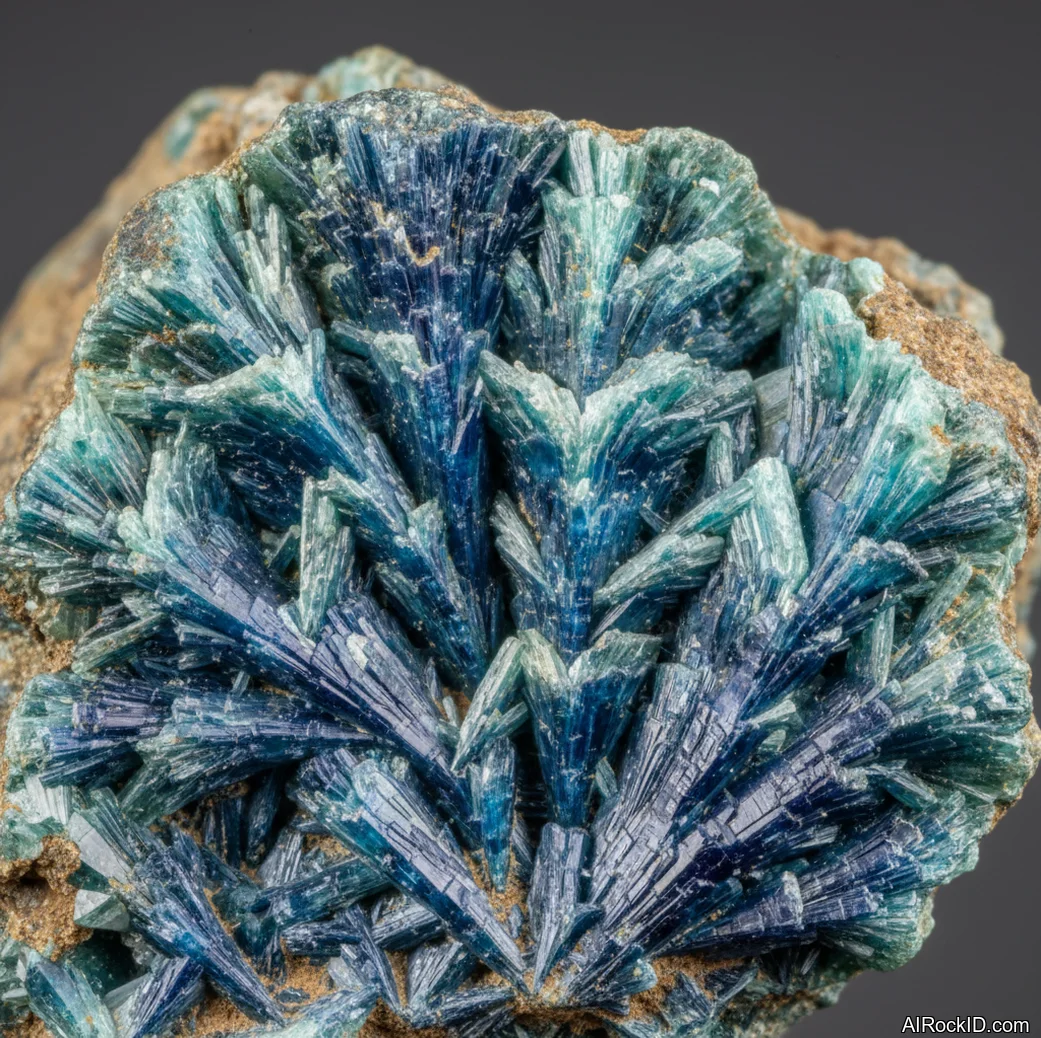
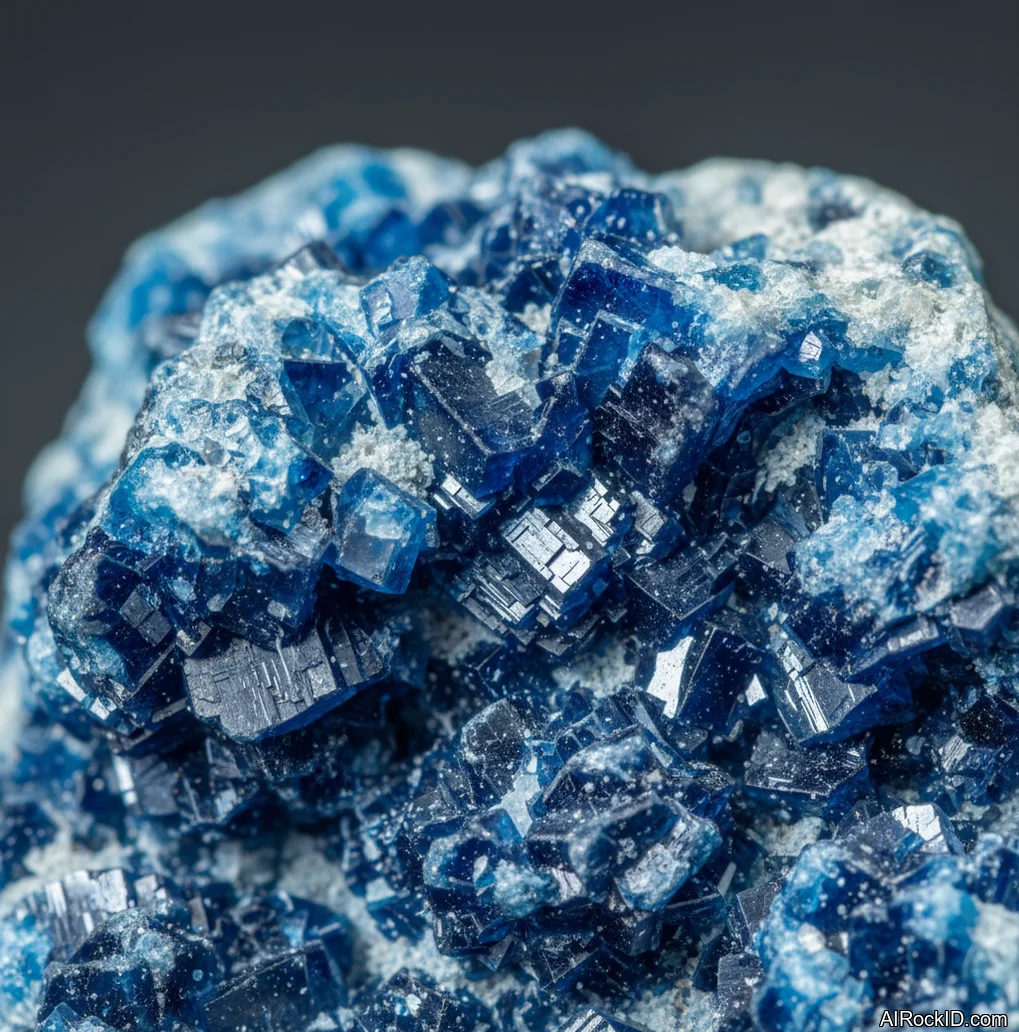
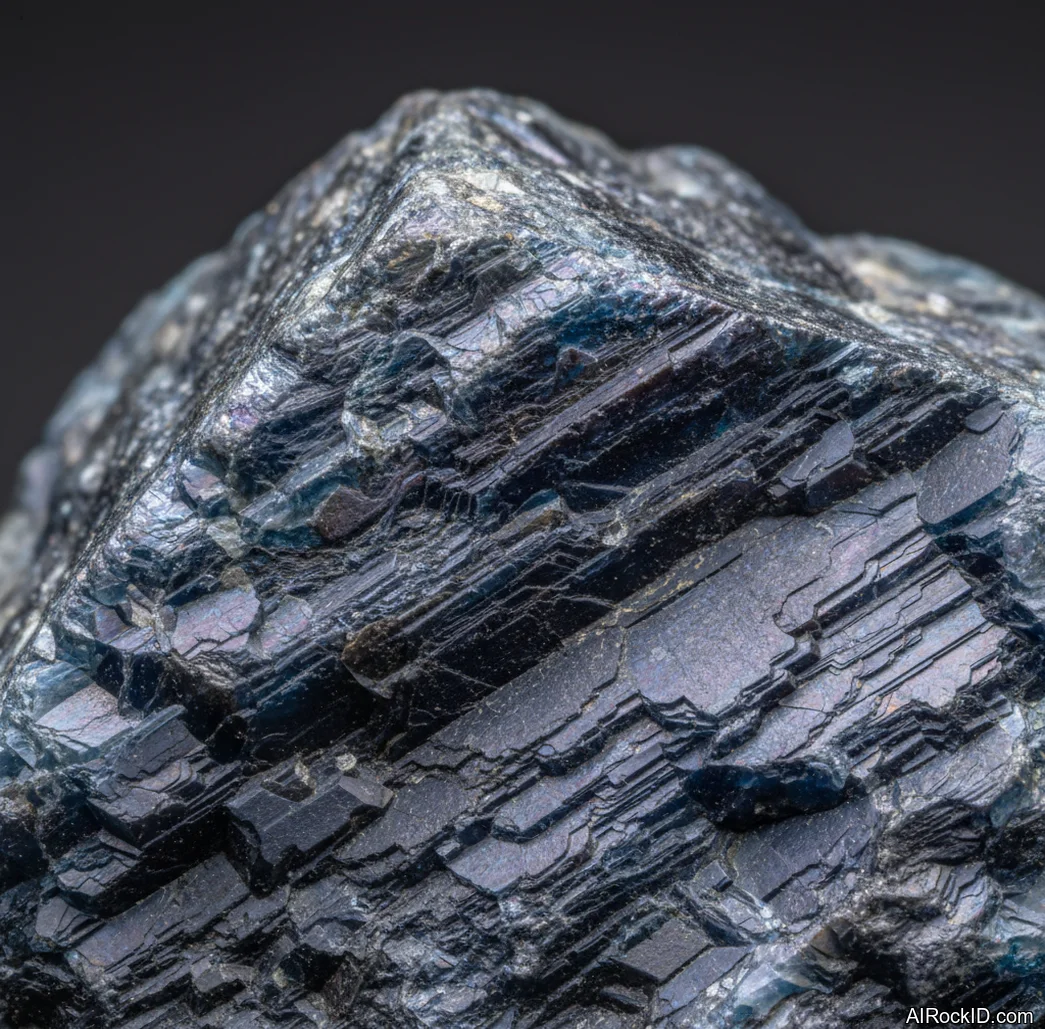
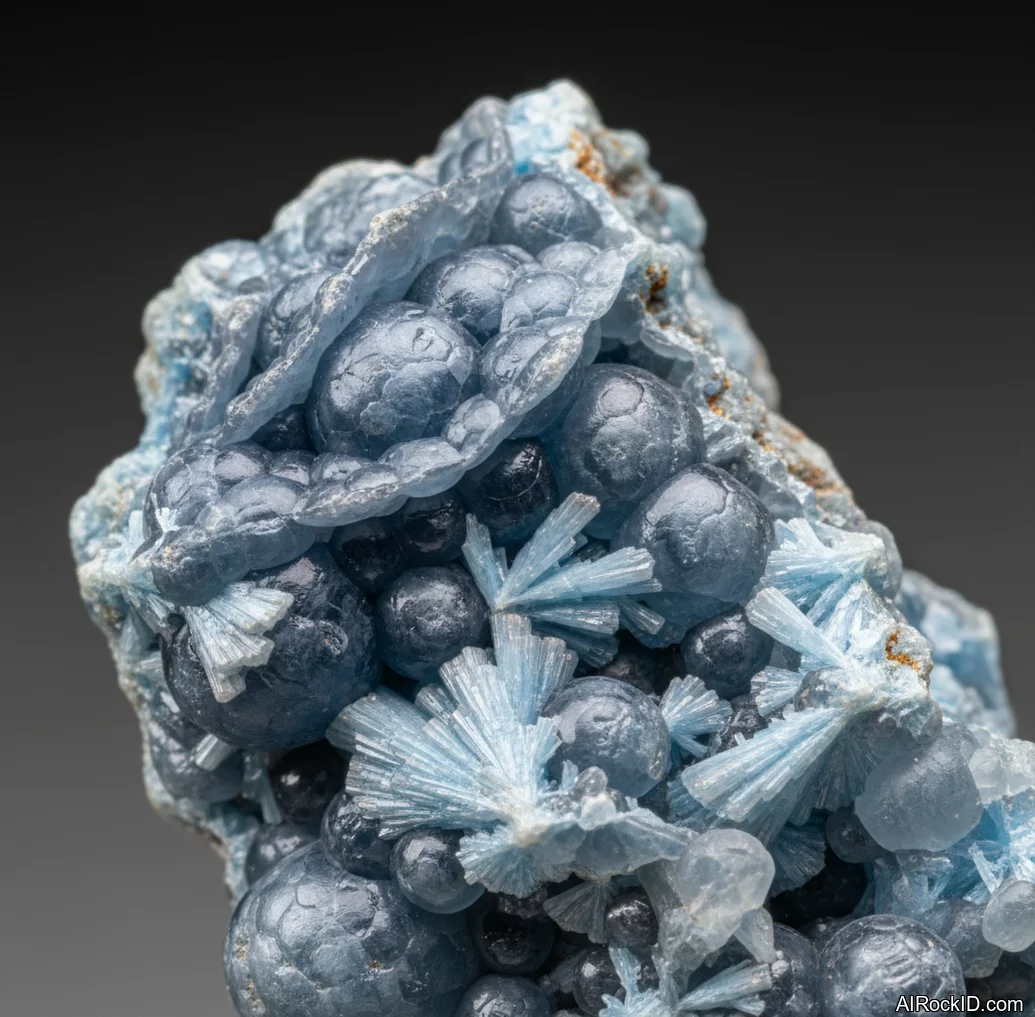
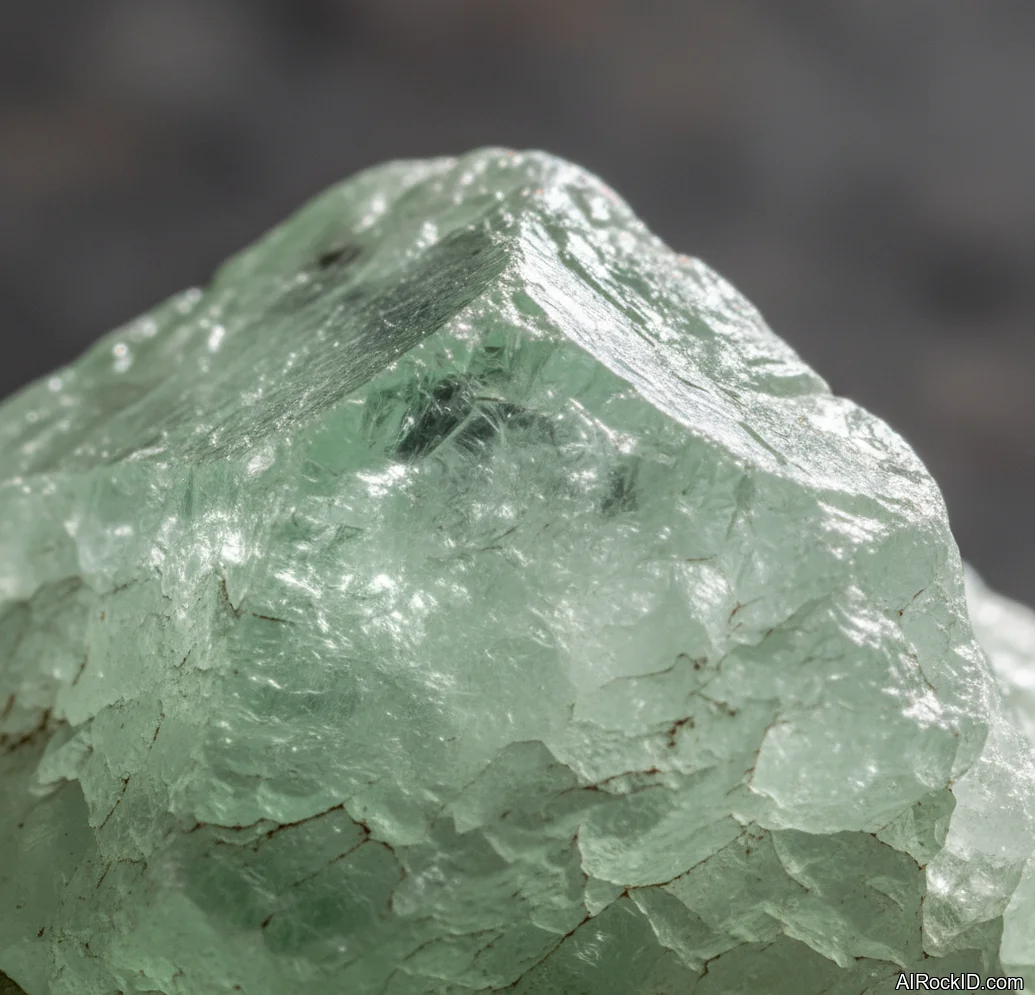
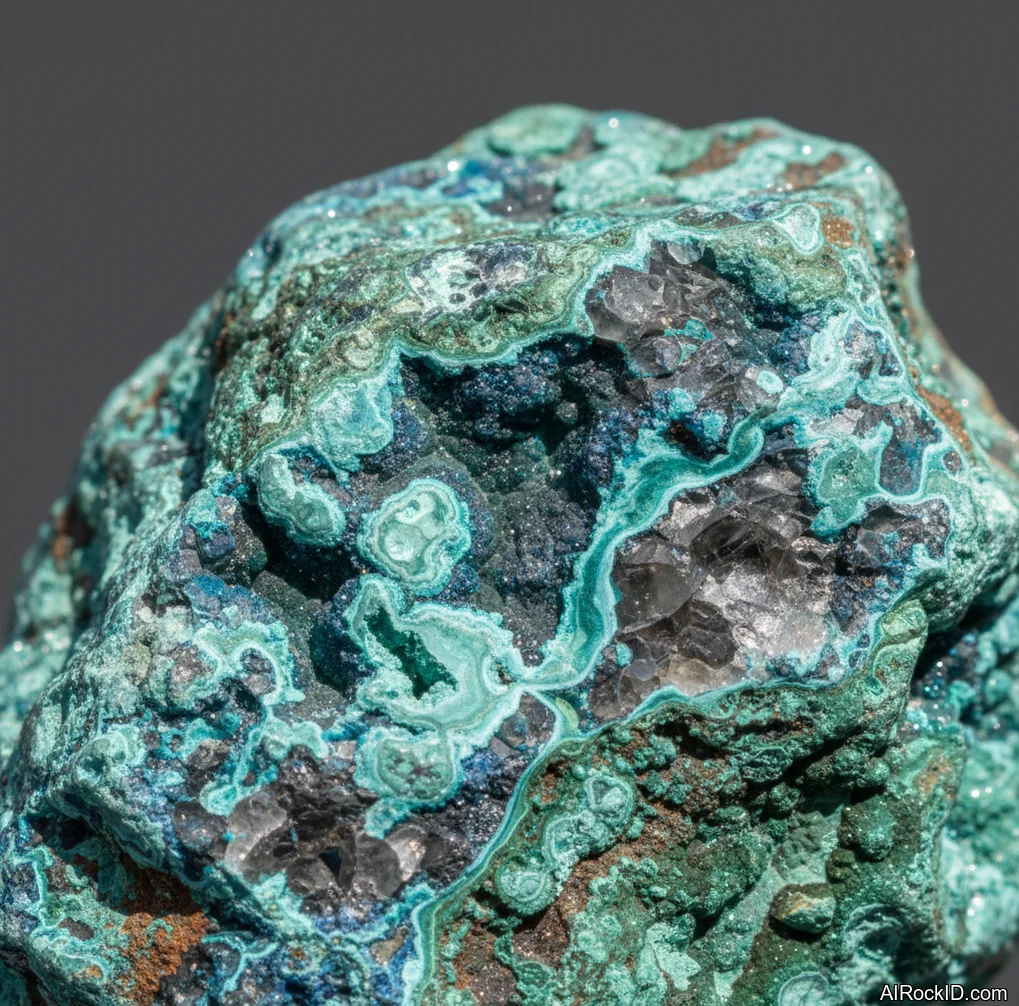
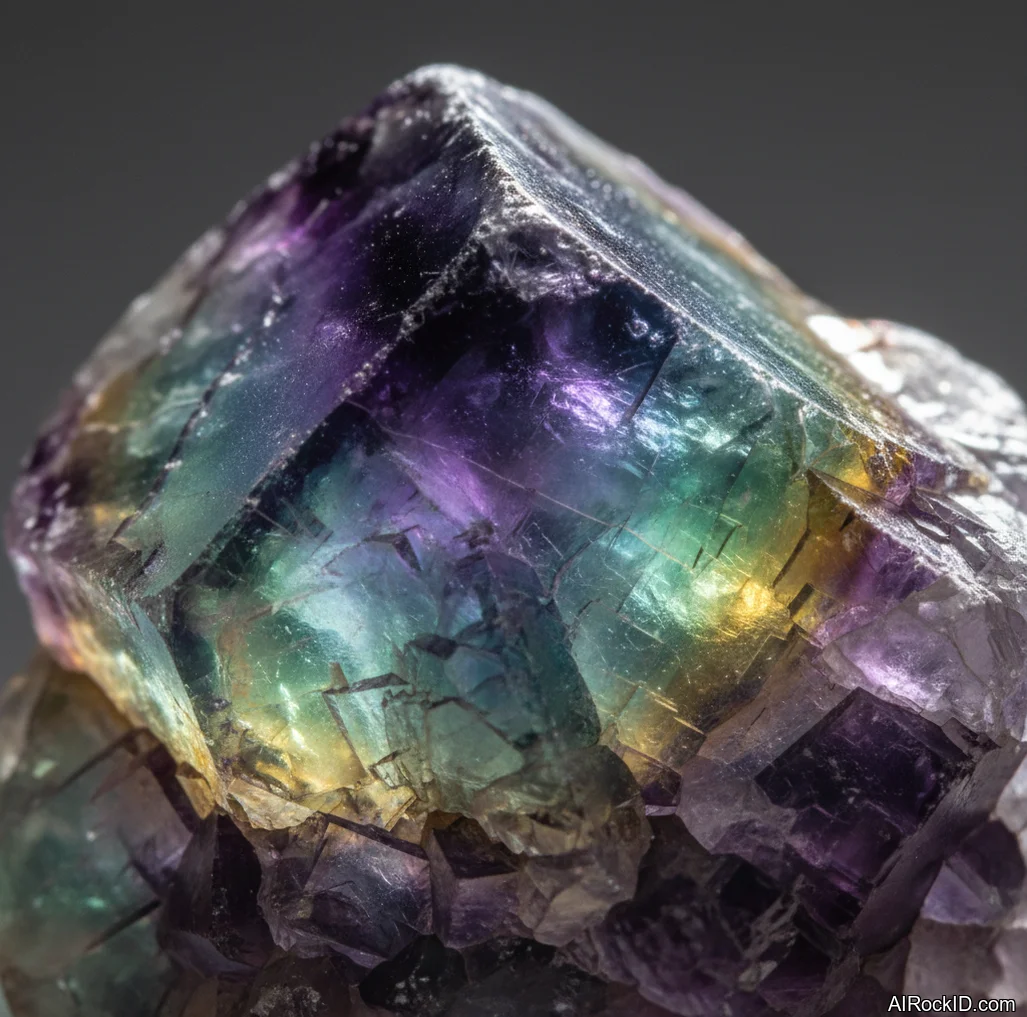
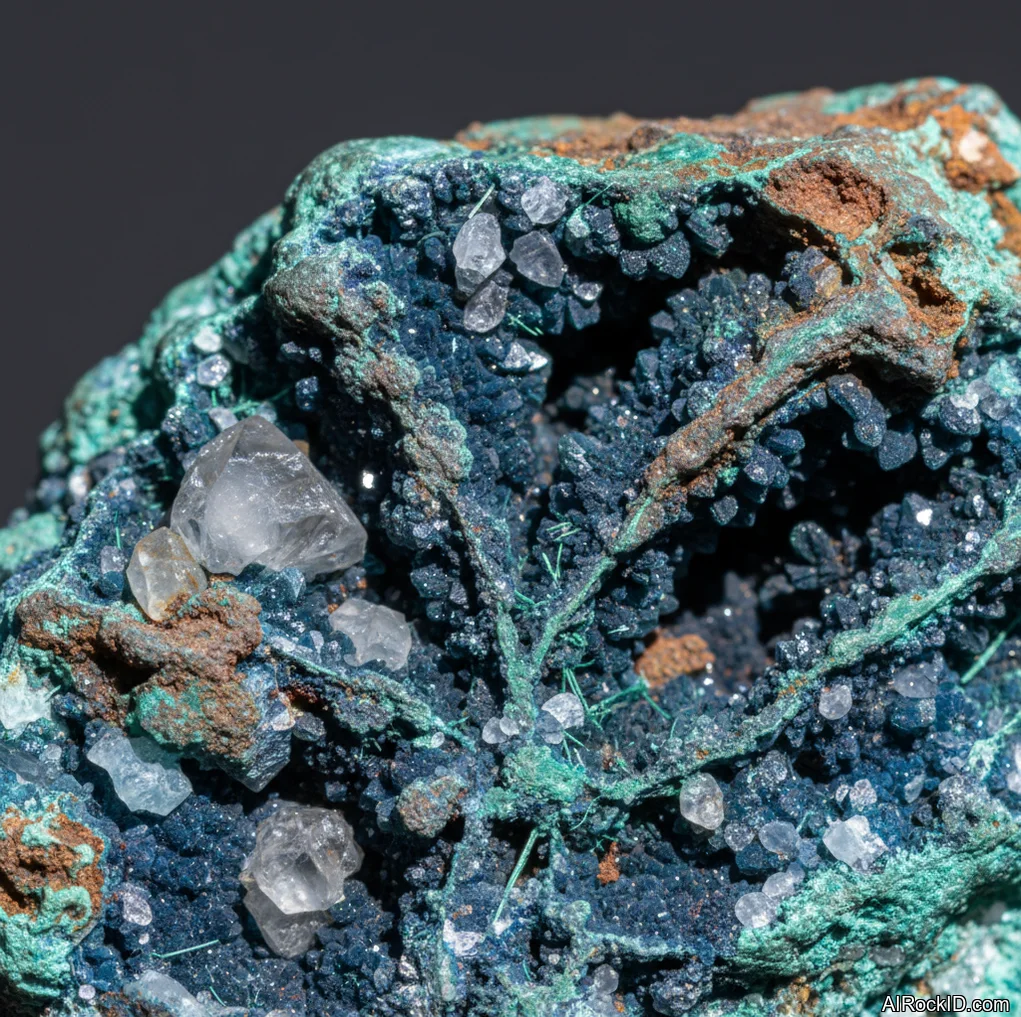
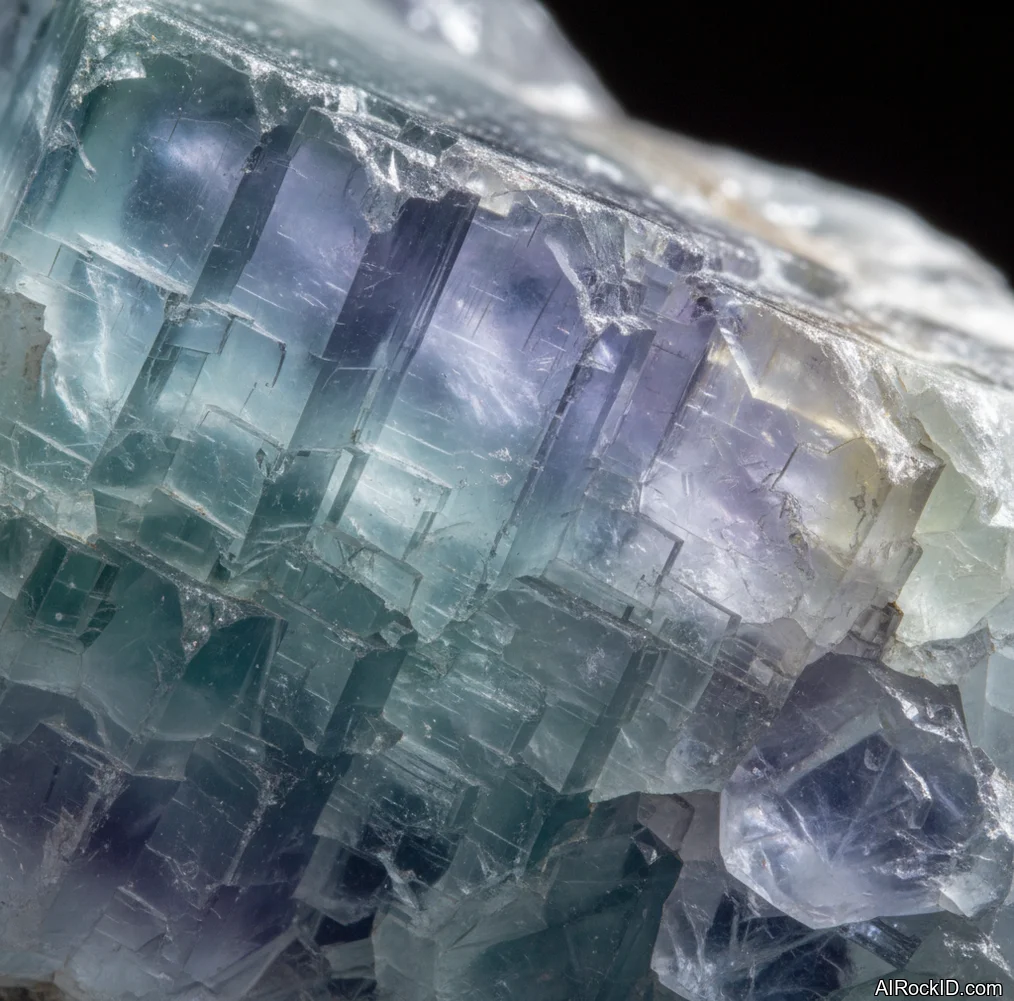
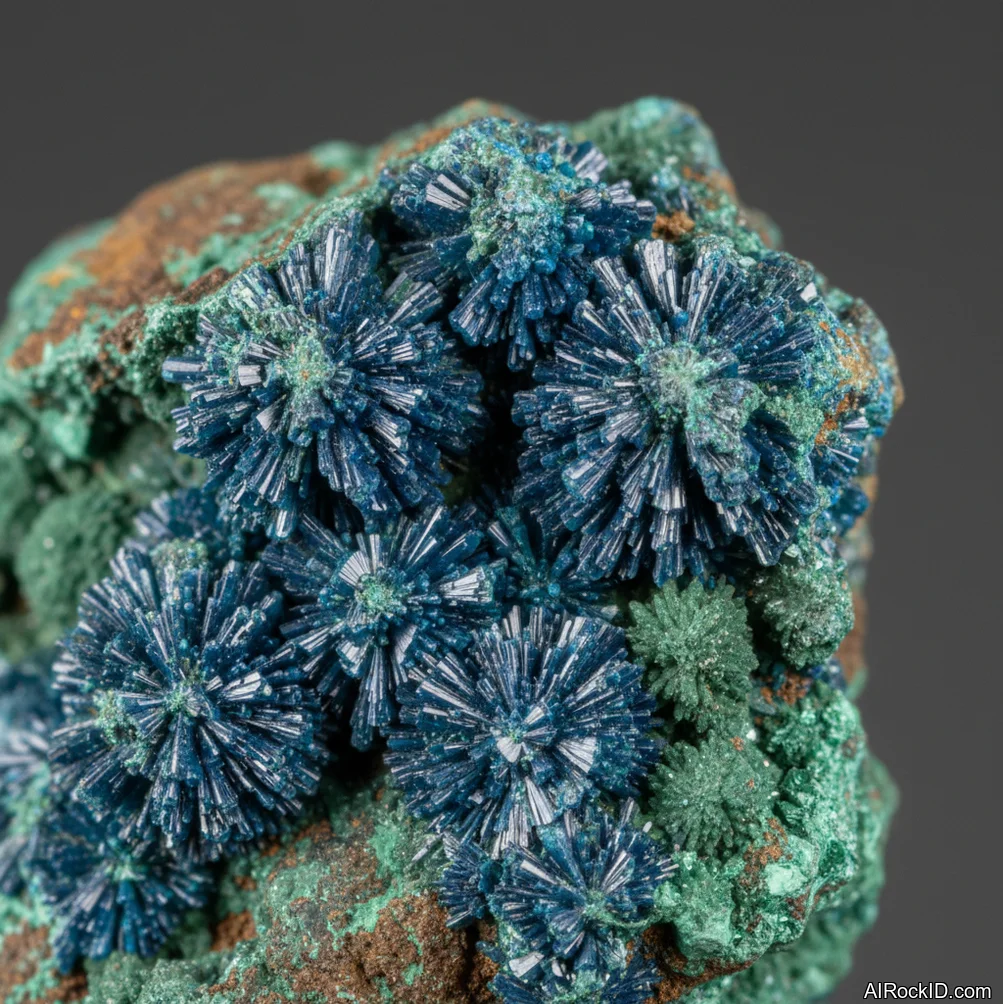
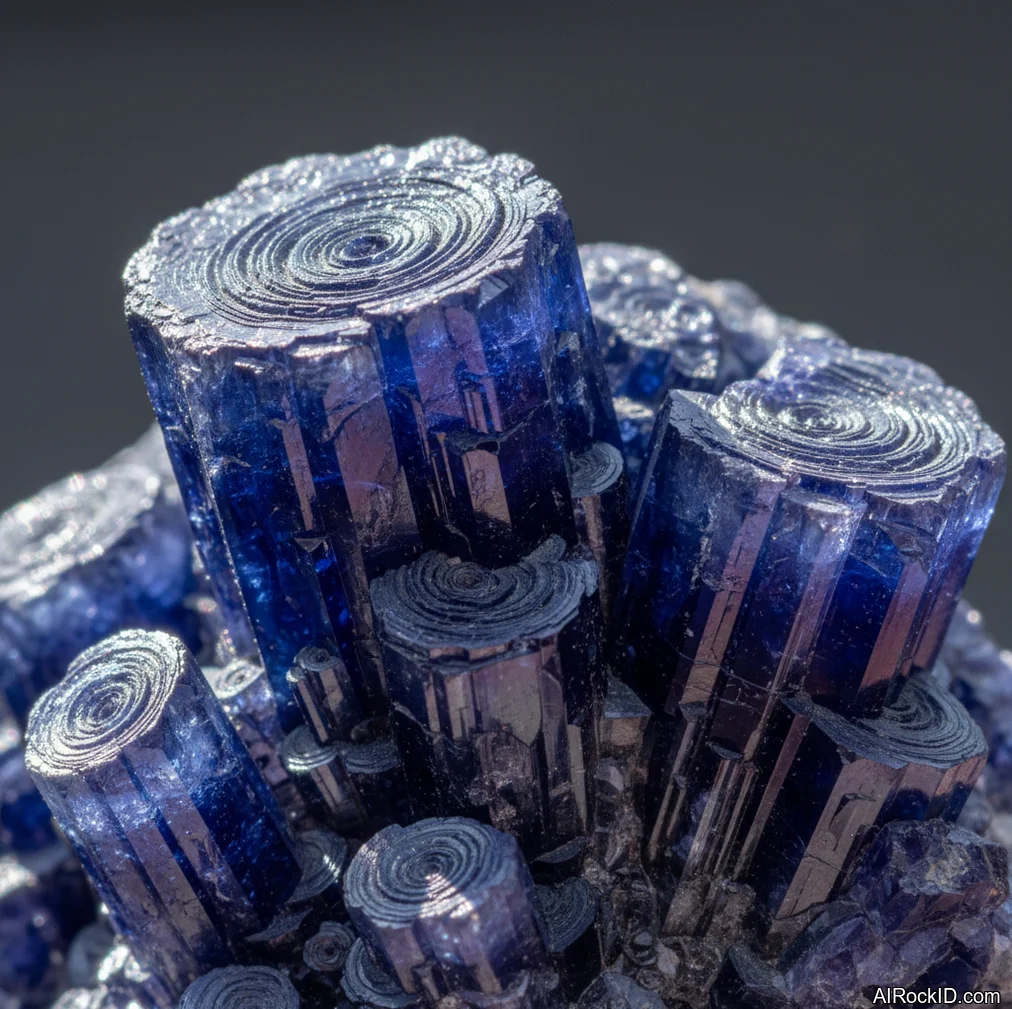
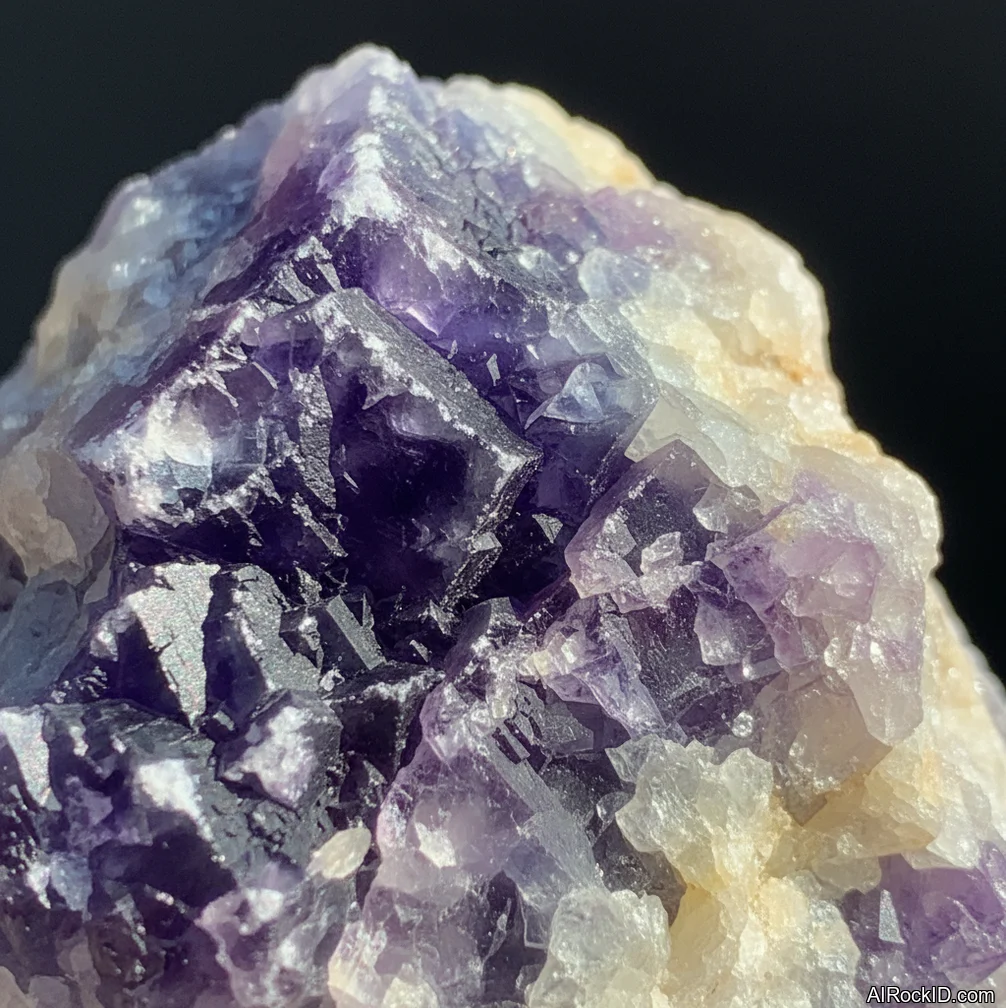
Fluorite and azurite bring a different feel. Fluorite can be glassy and clean. But it’s soft. A fluorite tower looks great on a desk until you bump it and, yep, it’s got a new bruise. I’ve watched corners crumble from a clumsy sleeve swipe (painful). Azurite, especially the velvety, dark blue stuff, is even fussier because it can be brittle and dusty, and it doesn’t love moisture. That said, a good azurite nodule with little sparkling druse pockets feels like staring into a deep cave. It’s a “sit and focus” stone, not a “toss in your pocket” stone.
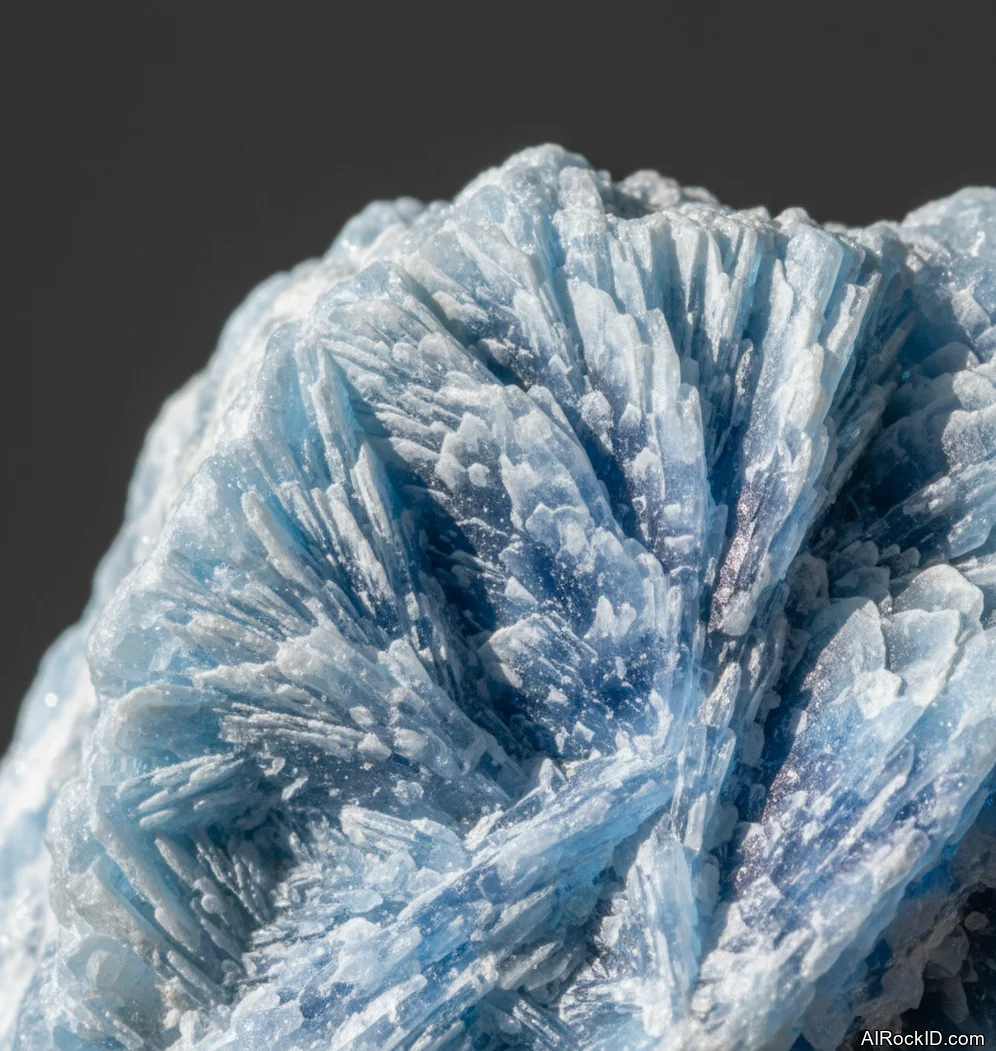
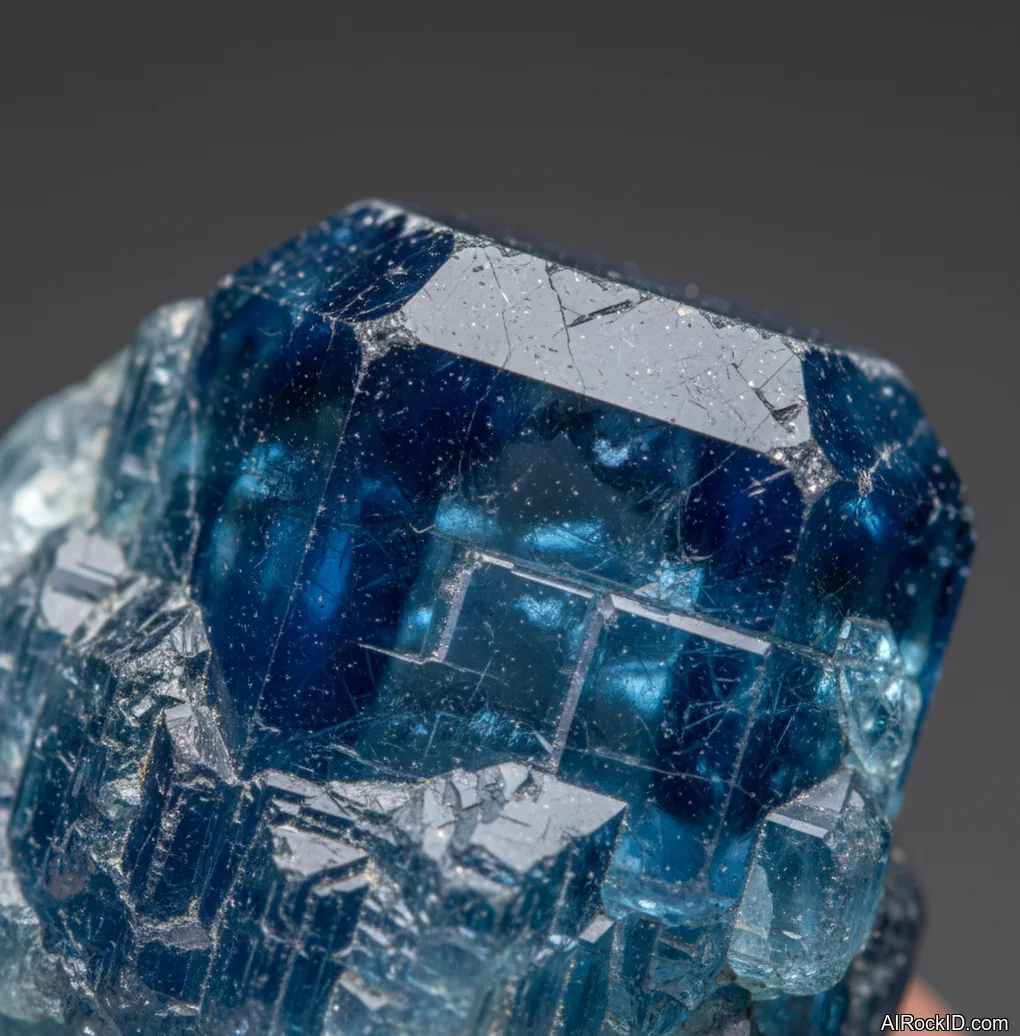
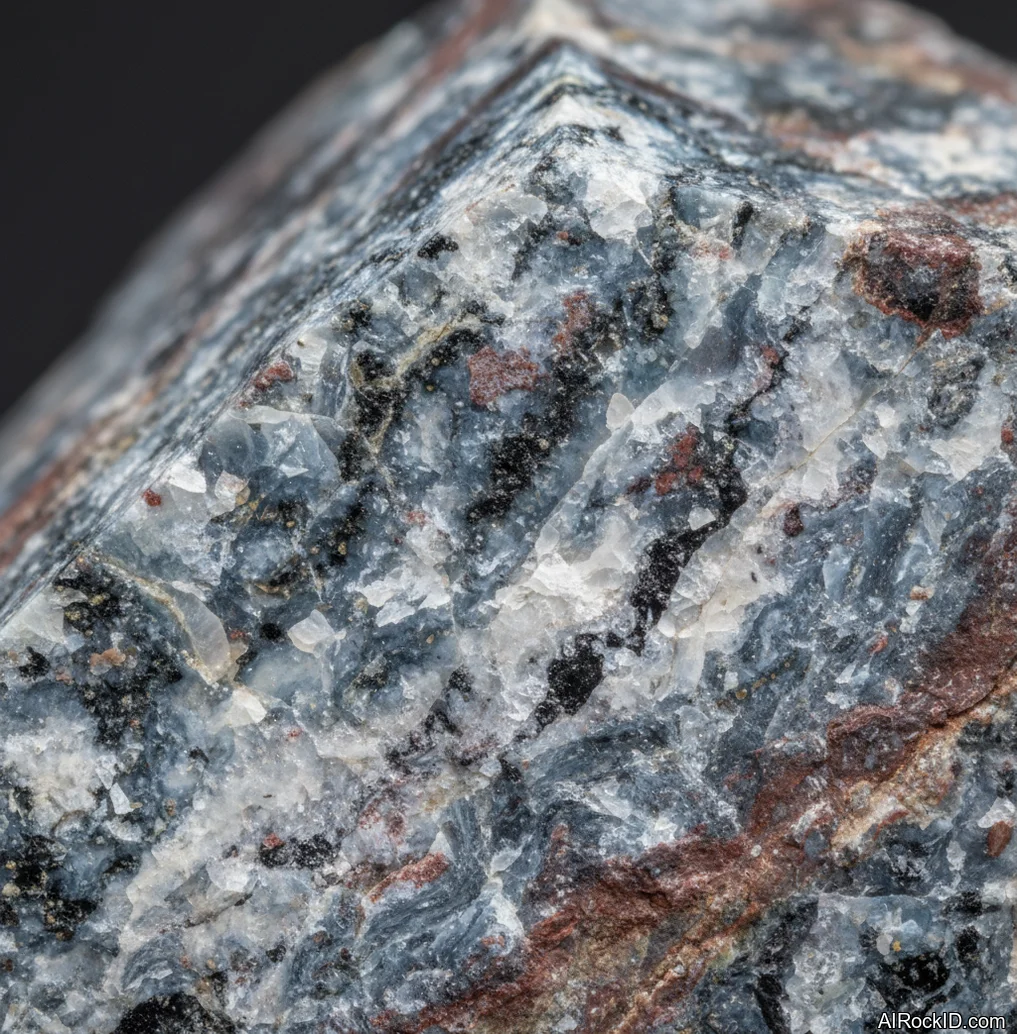
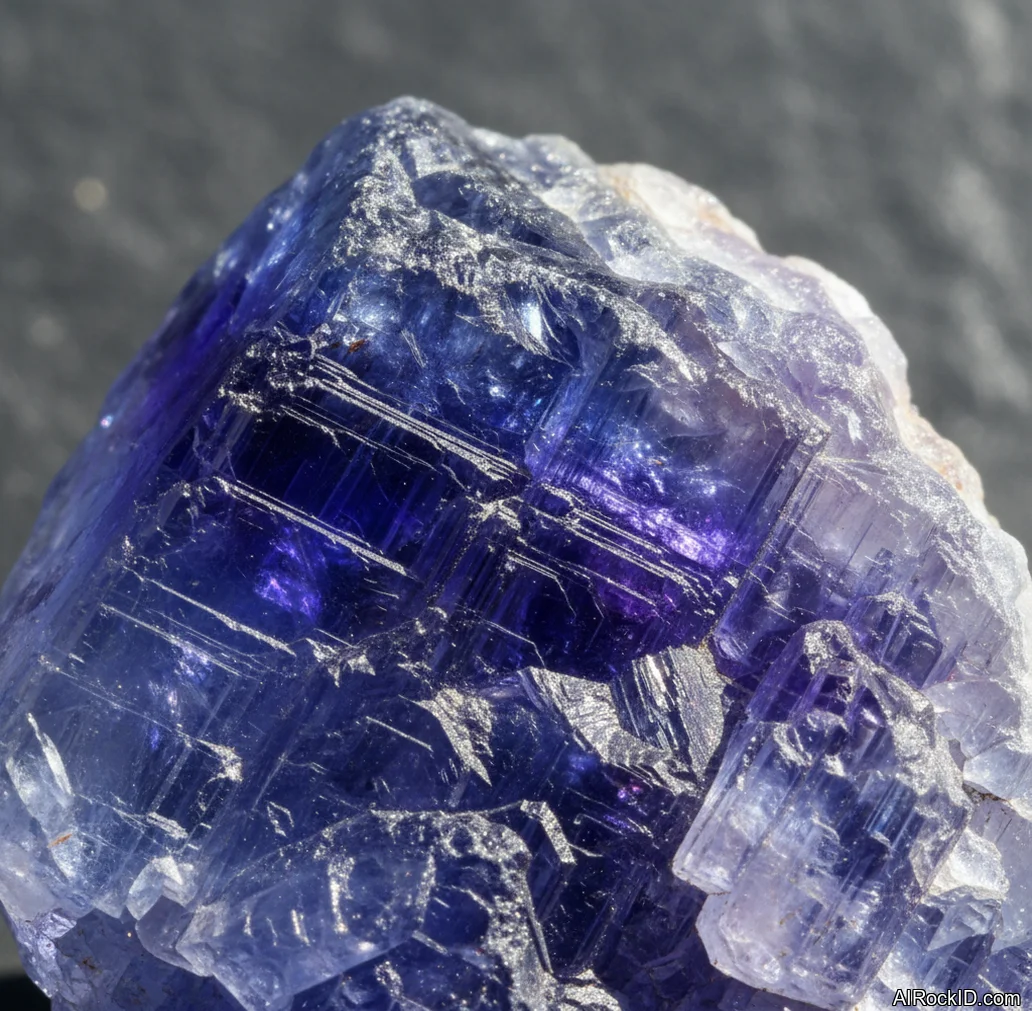
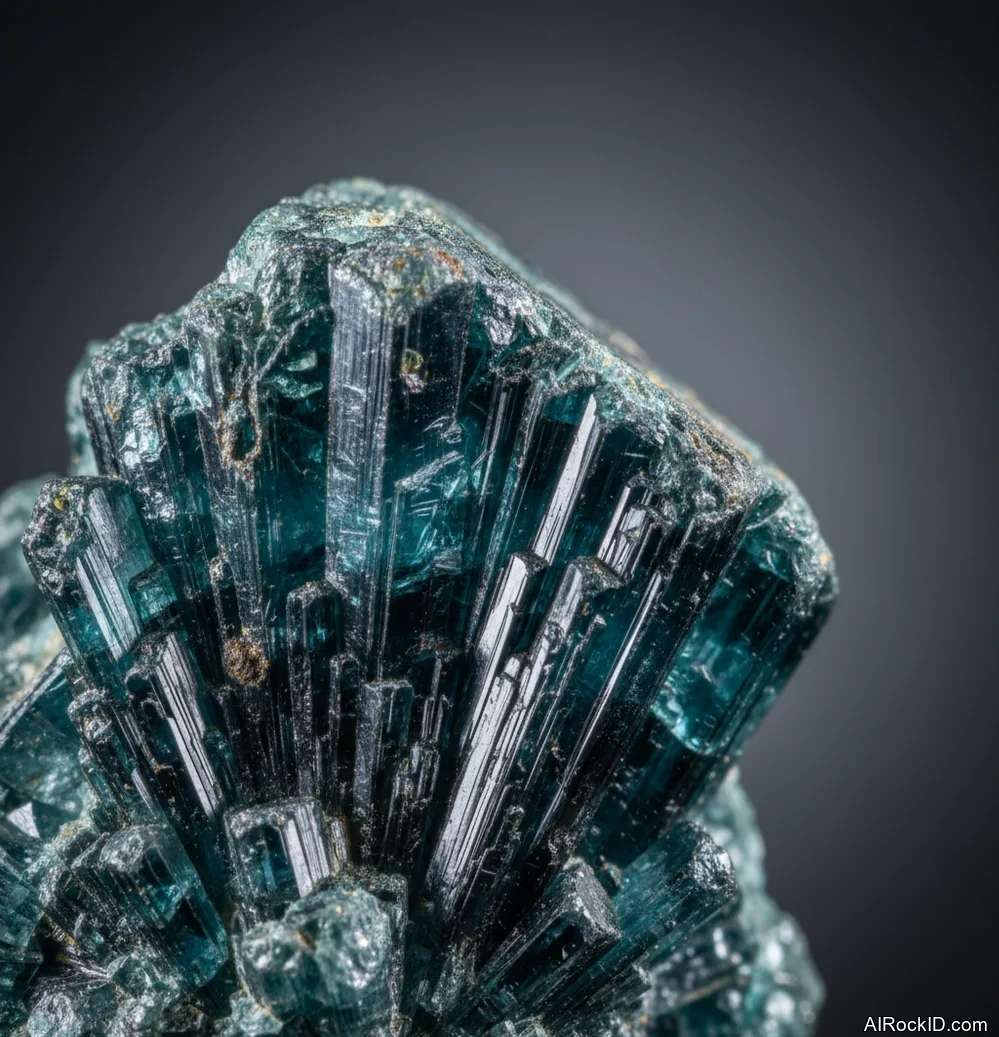
So why do people go after Third Eye Chakra crystals in the first place? Usually it’s for focus, better decision-making, dream recall, meditation depth, and breaking out of mental loops. Sodalite and iolite show up a lot for that “organized thoughts” vibe. Sodalite is easy to spot: denim blue with white veining, sometimes a little gray. Iolite can look like a dusty sapphire, but rotate it and it shifts tone, almost like it’s changing moods. That pleochroism is real, and it’s one of the reasons collectors love it.
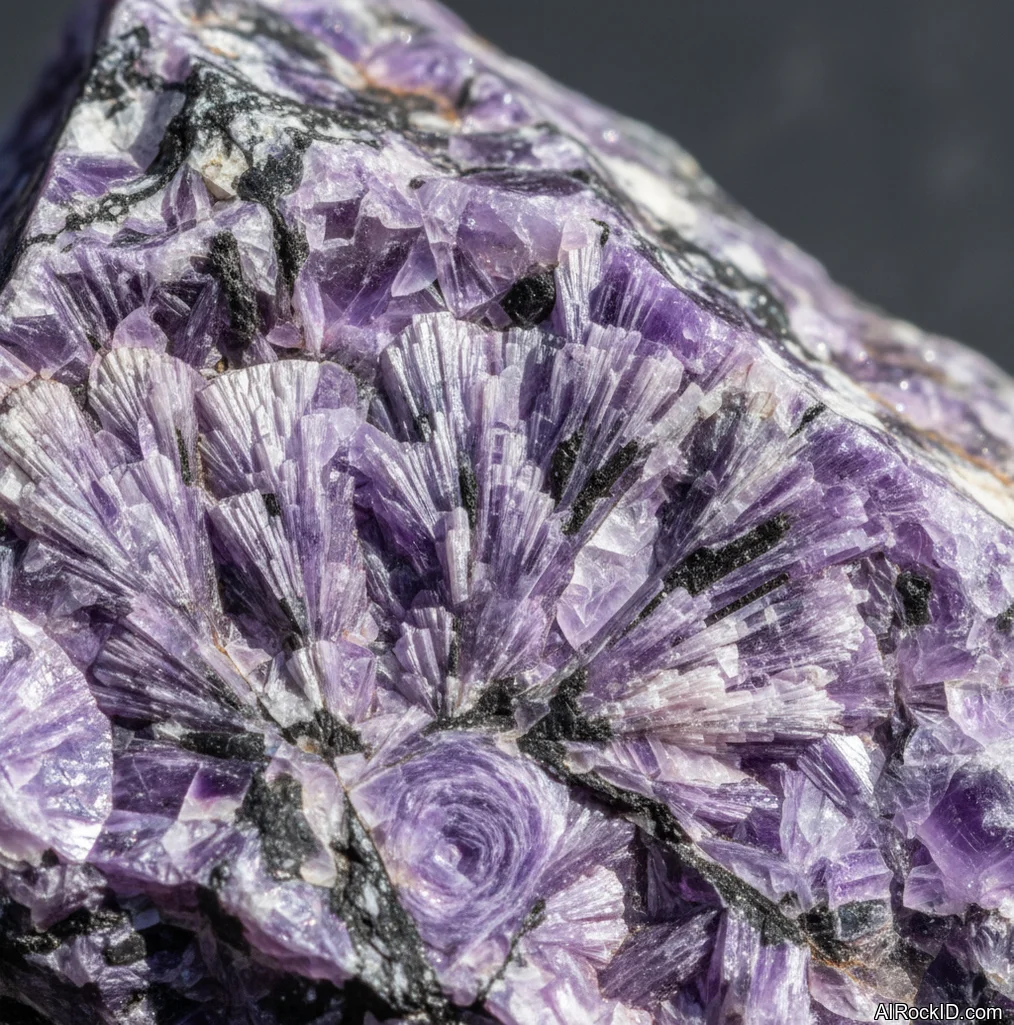
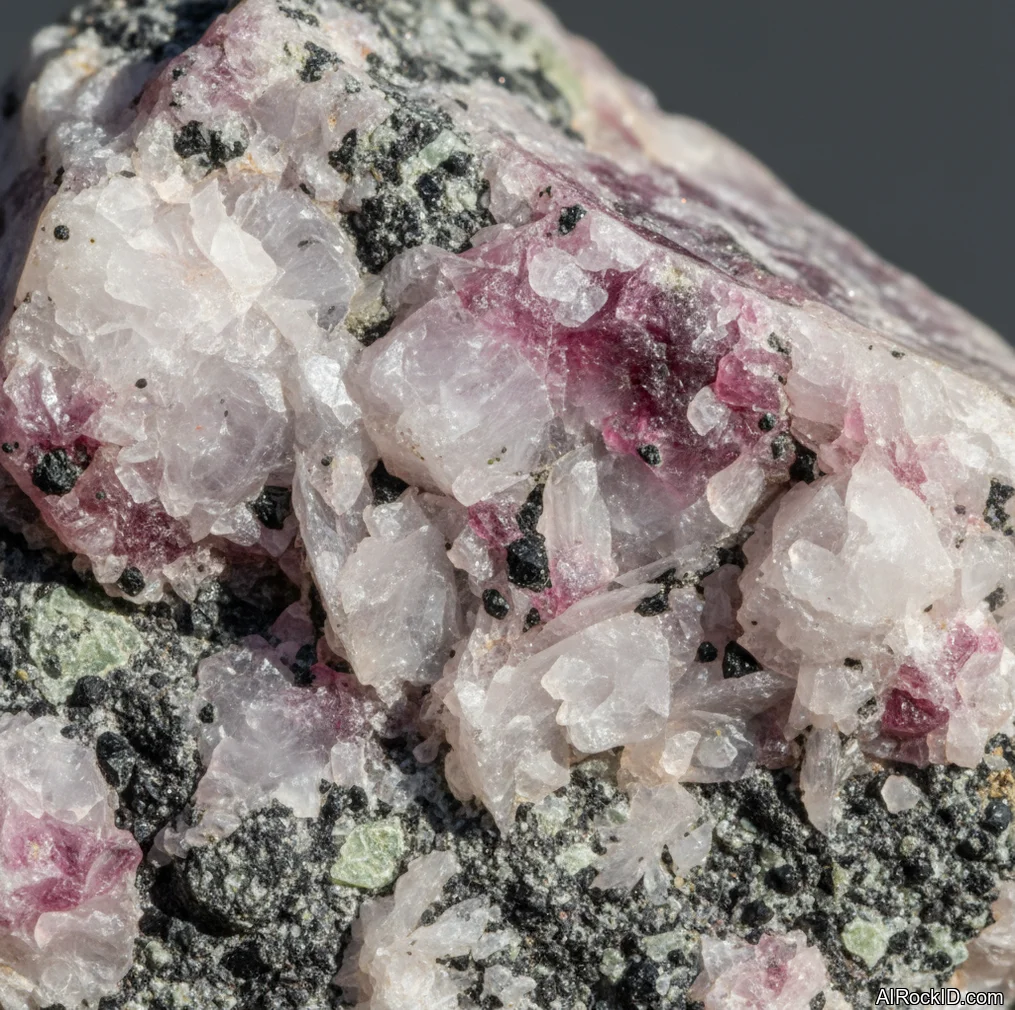
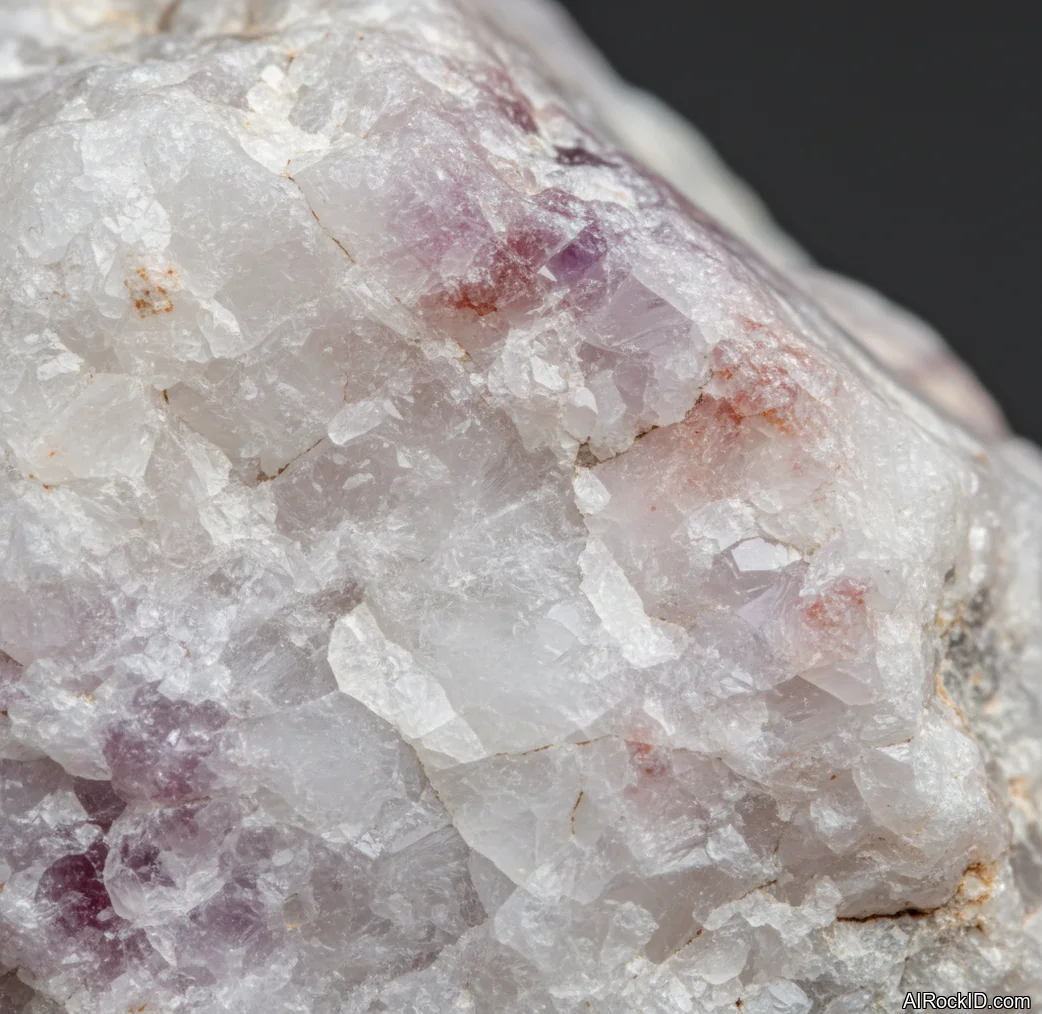
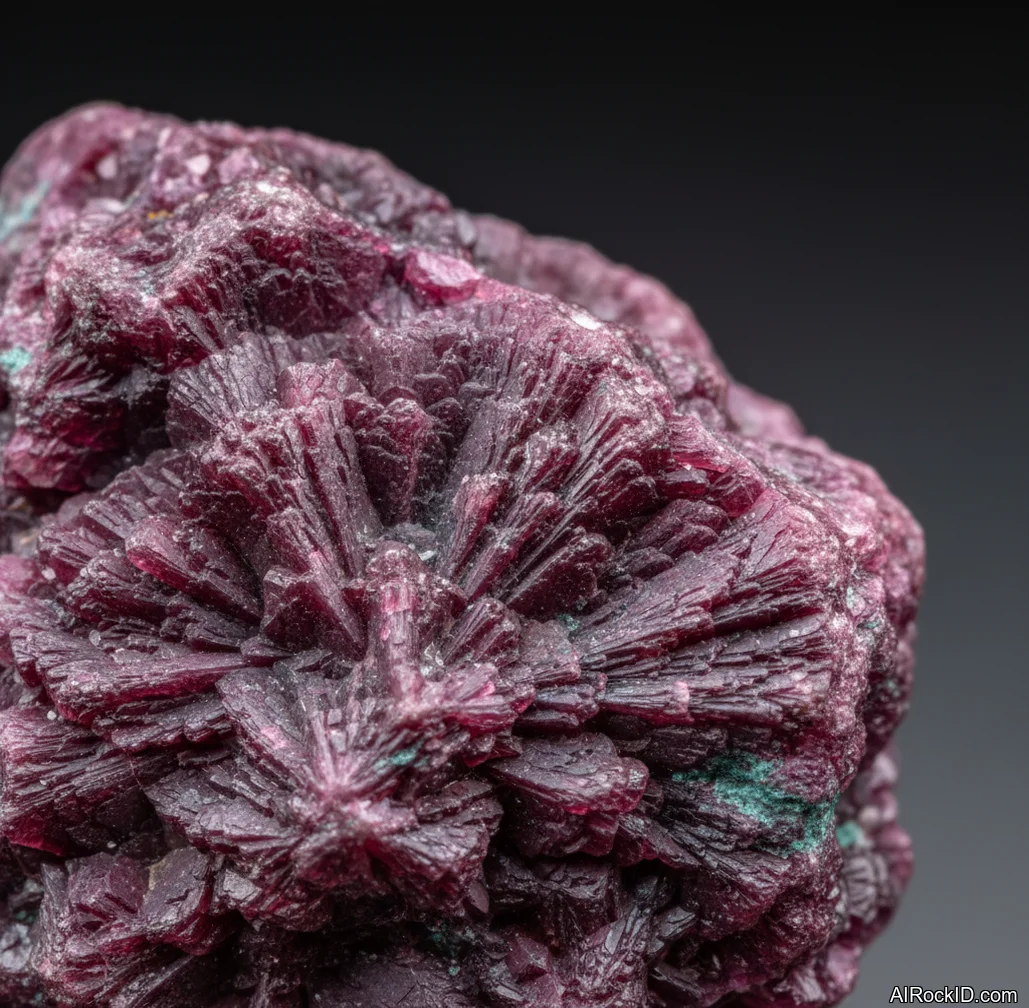
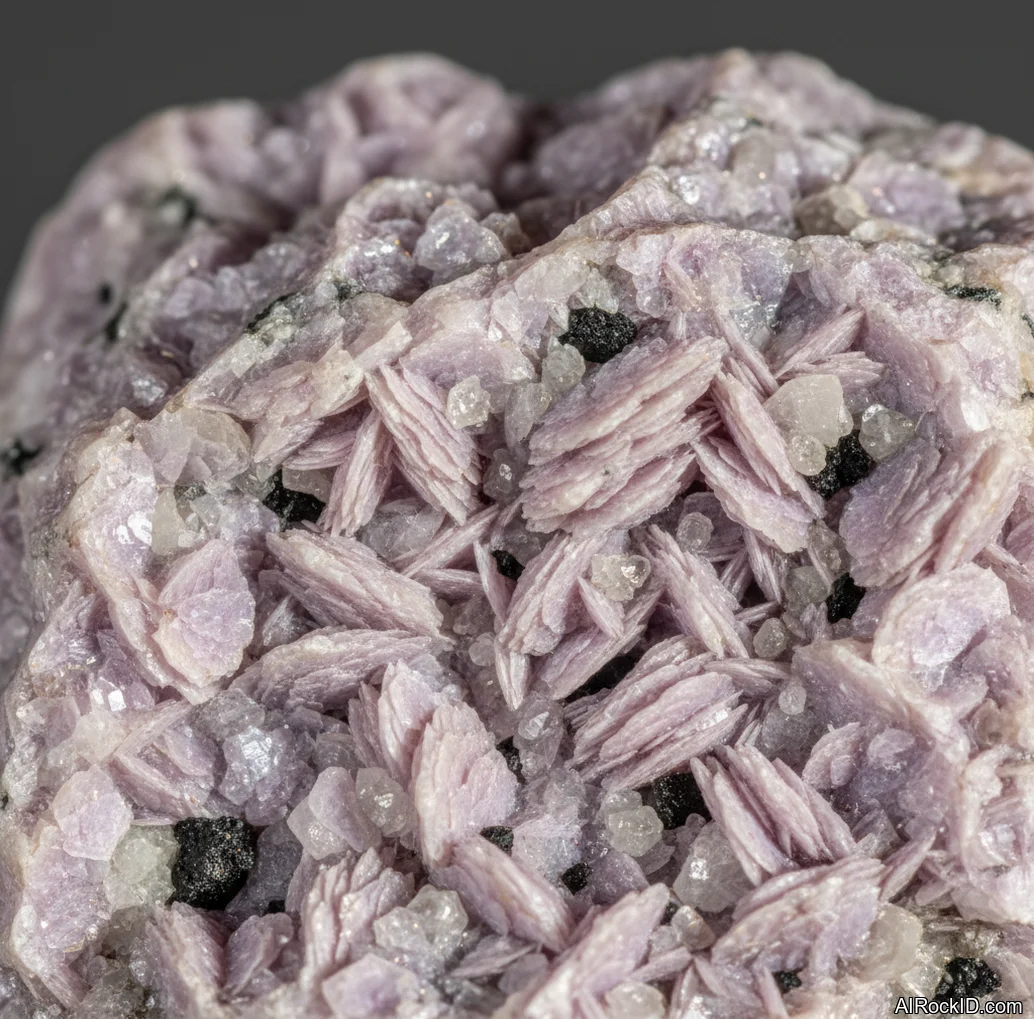
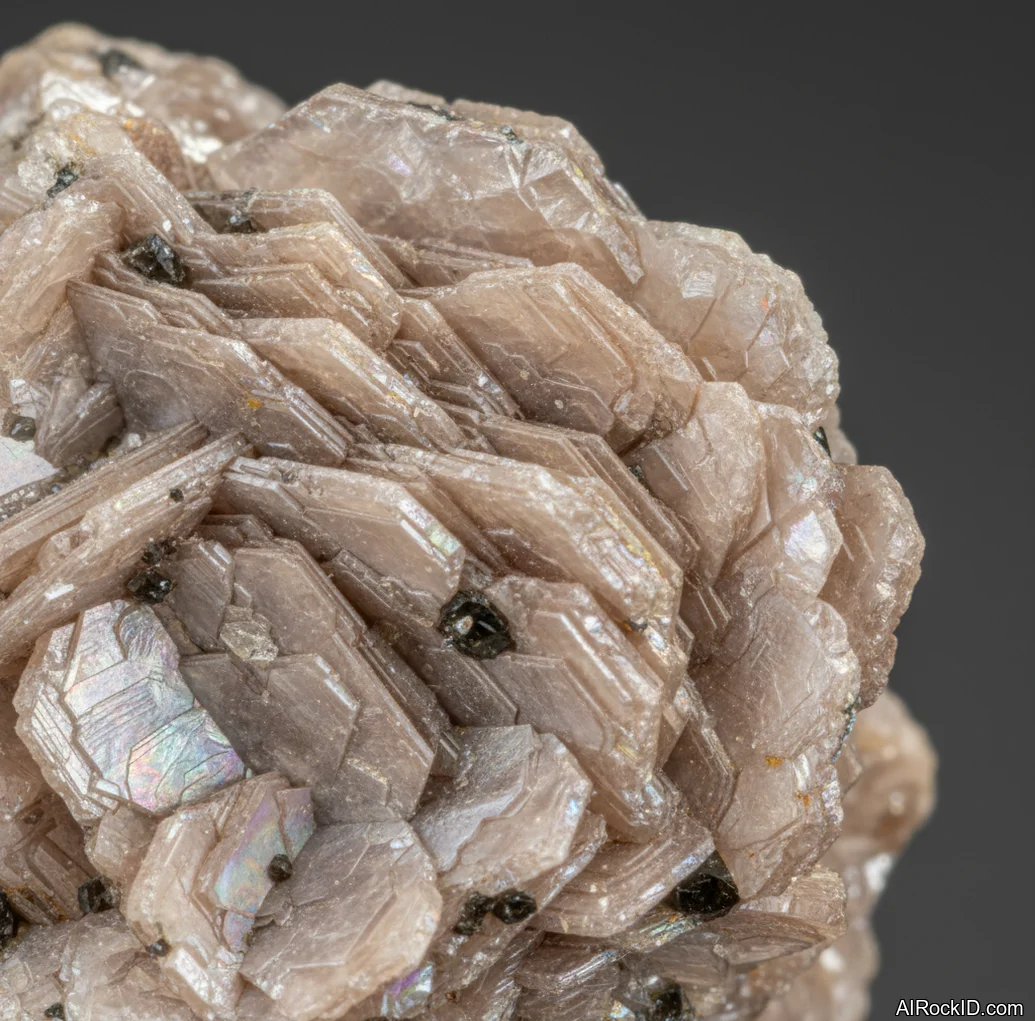
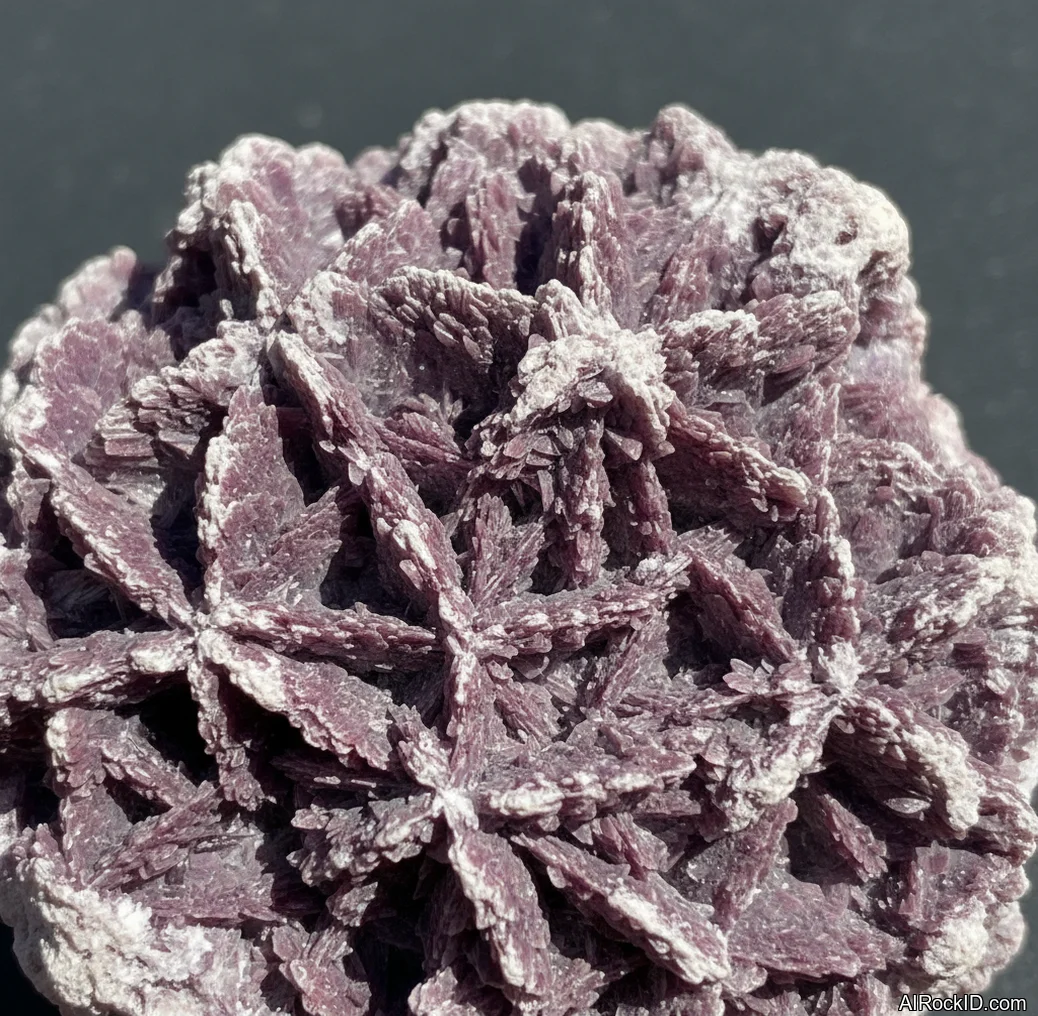
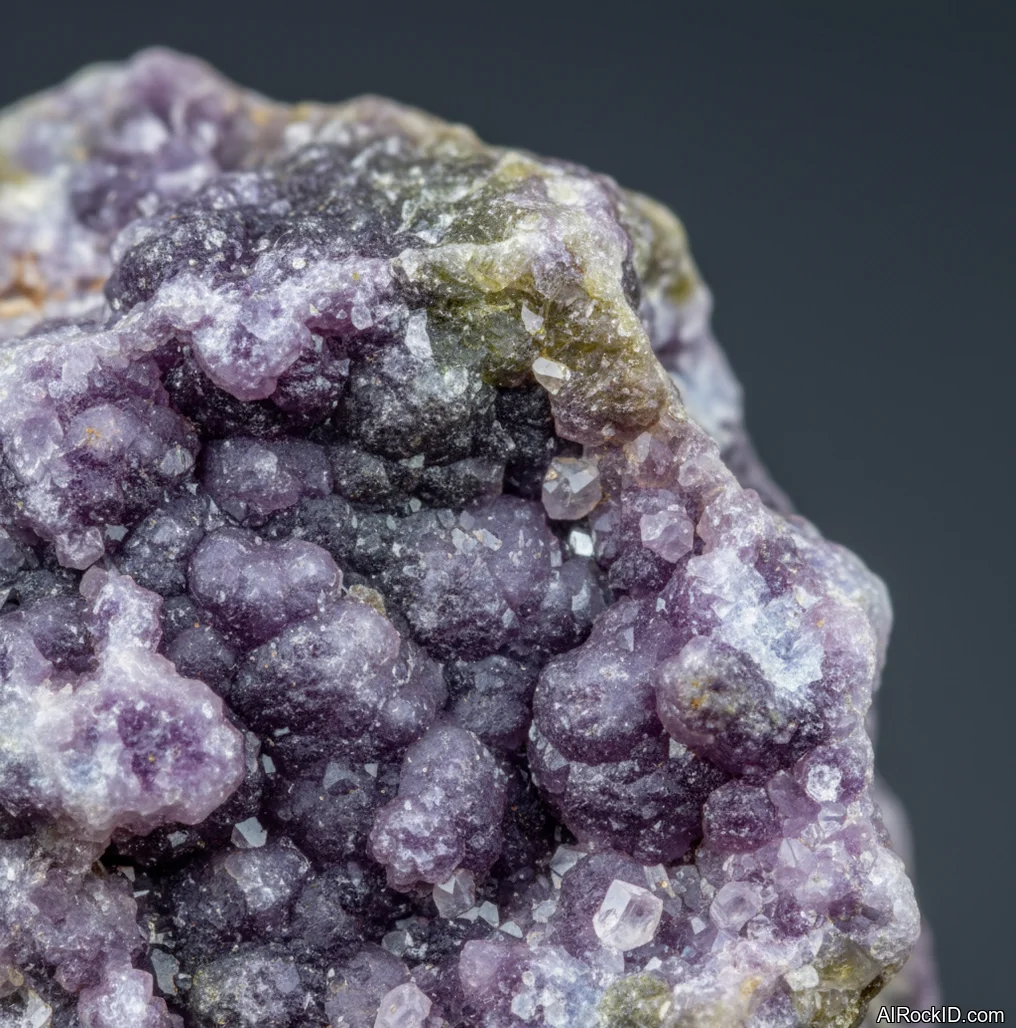
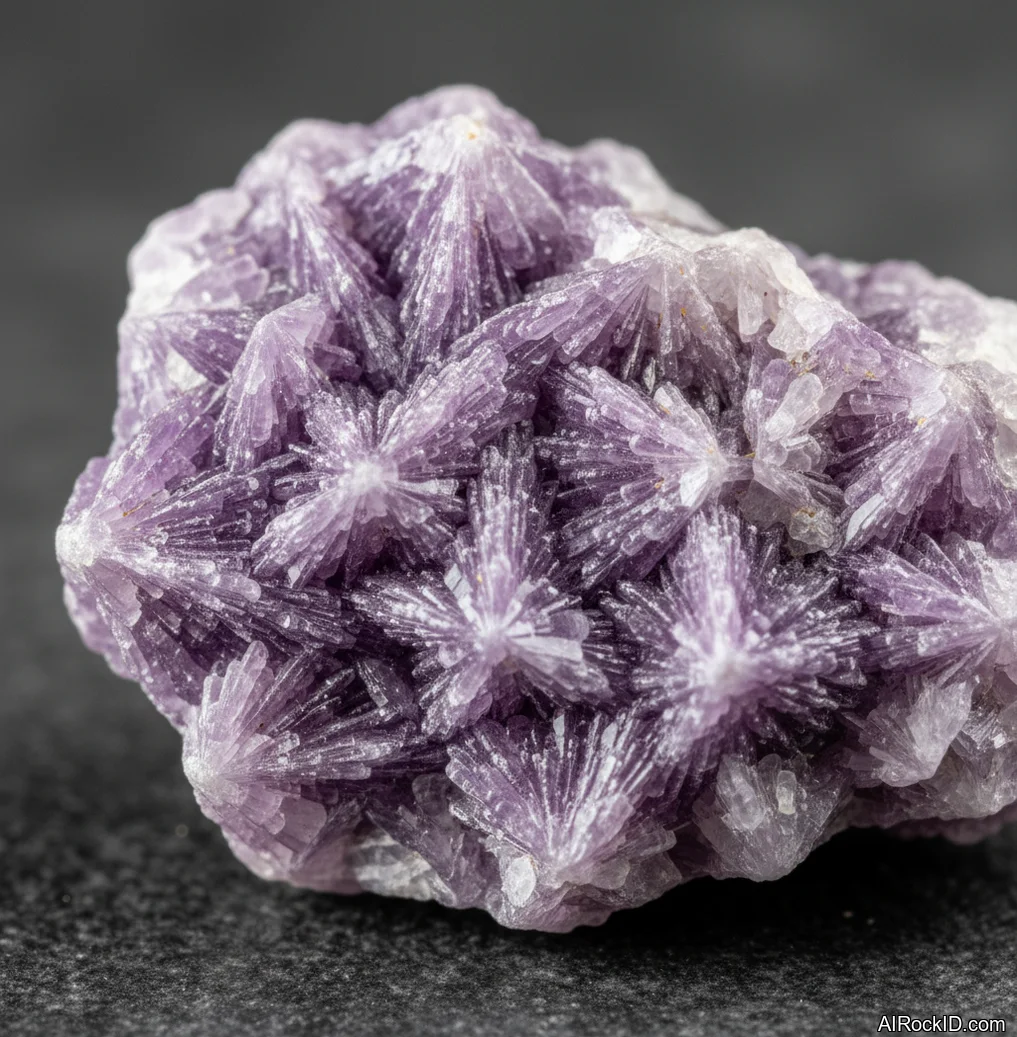
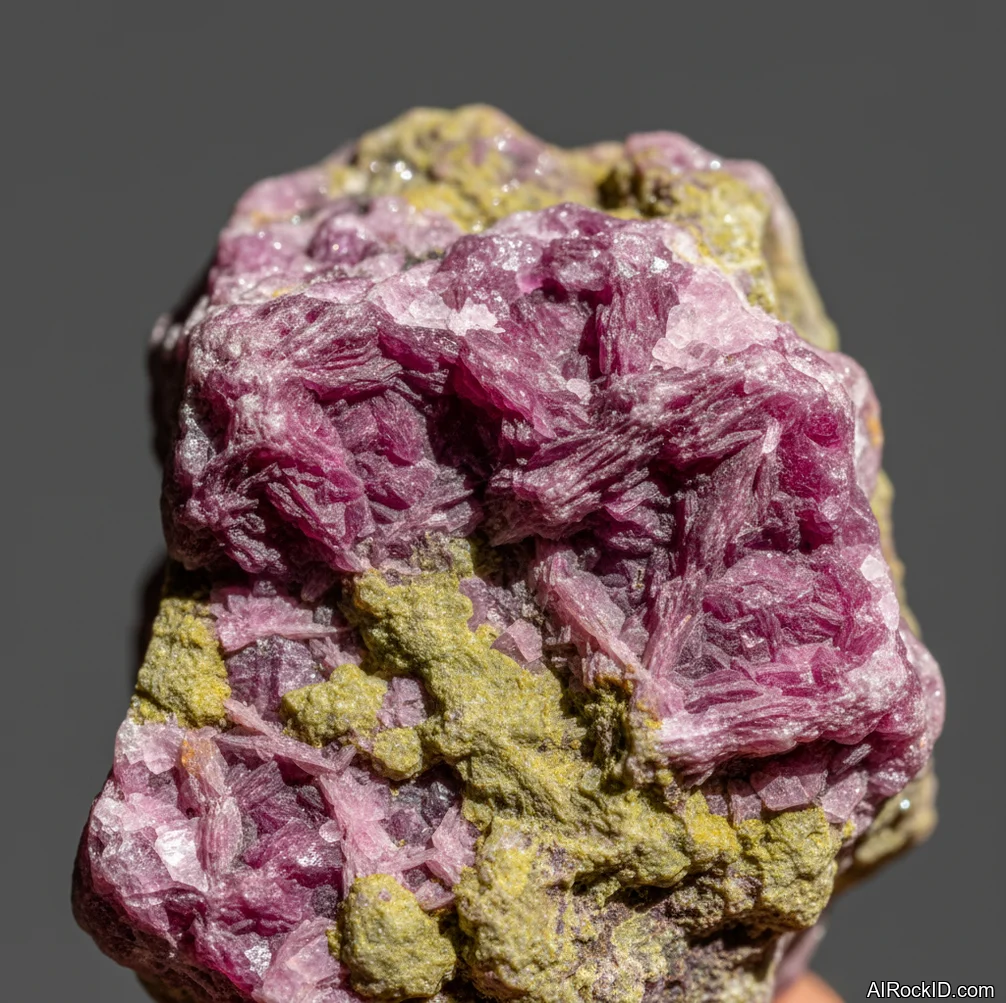
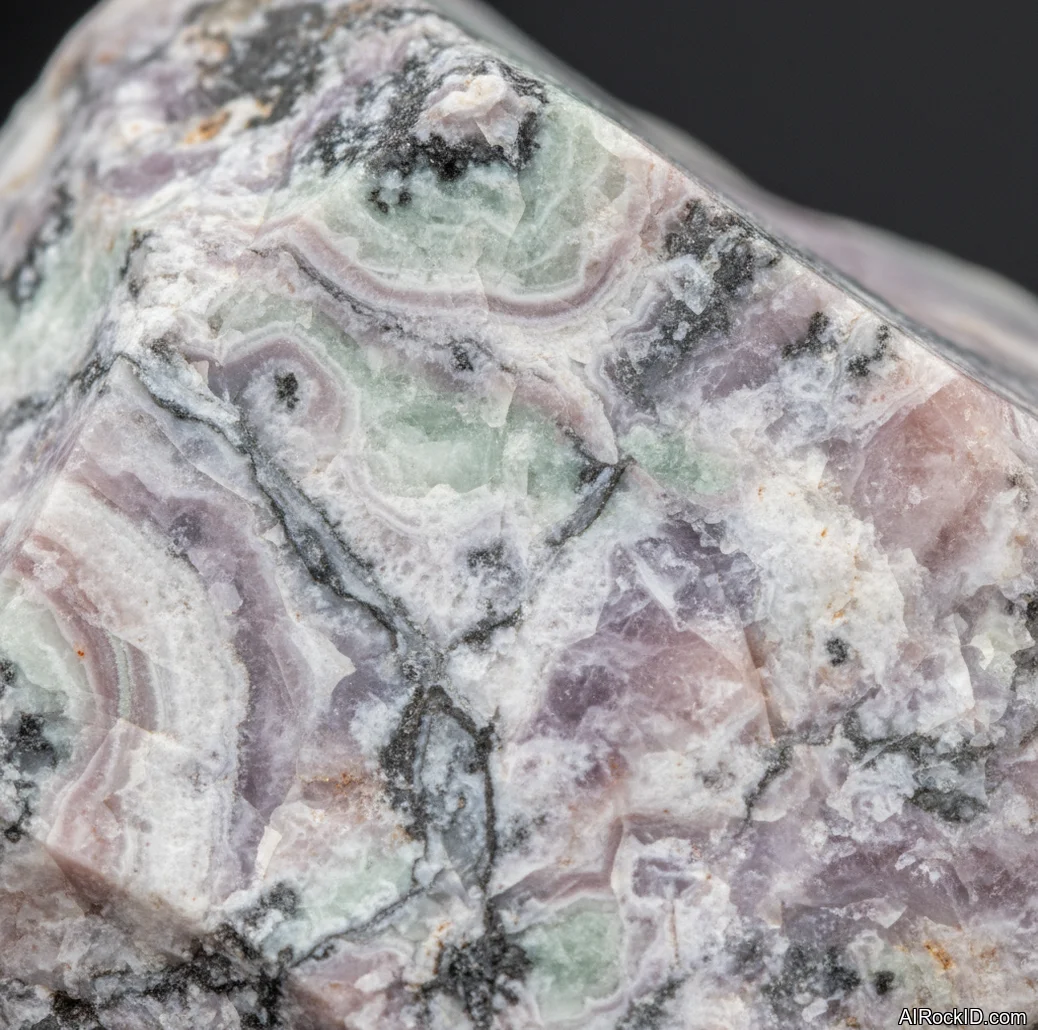
Working with these stones doesn’t have to be a whole production. Put one on your nightstand. Hold it for five minutes before you journal. Or set it where your eyes keep landing while you’re doing something that needs concentration. If you’re doing a forehead placement, keep it practical. Smooth cabochons or tumbled pieces feel fine; jagged clusters don’t. Lepidolite is great for winding down, but it can shed tiny mica flakes, so don’t be shocked if you notice a little sparkle on your fingers after handling a raw piece.
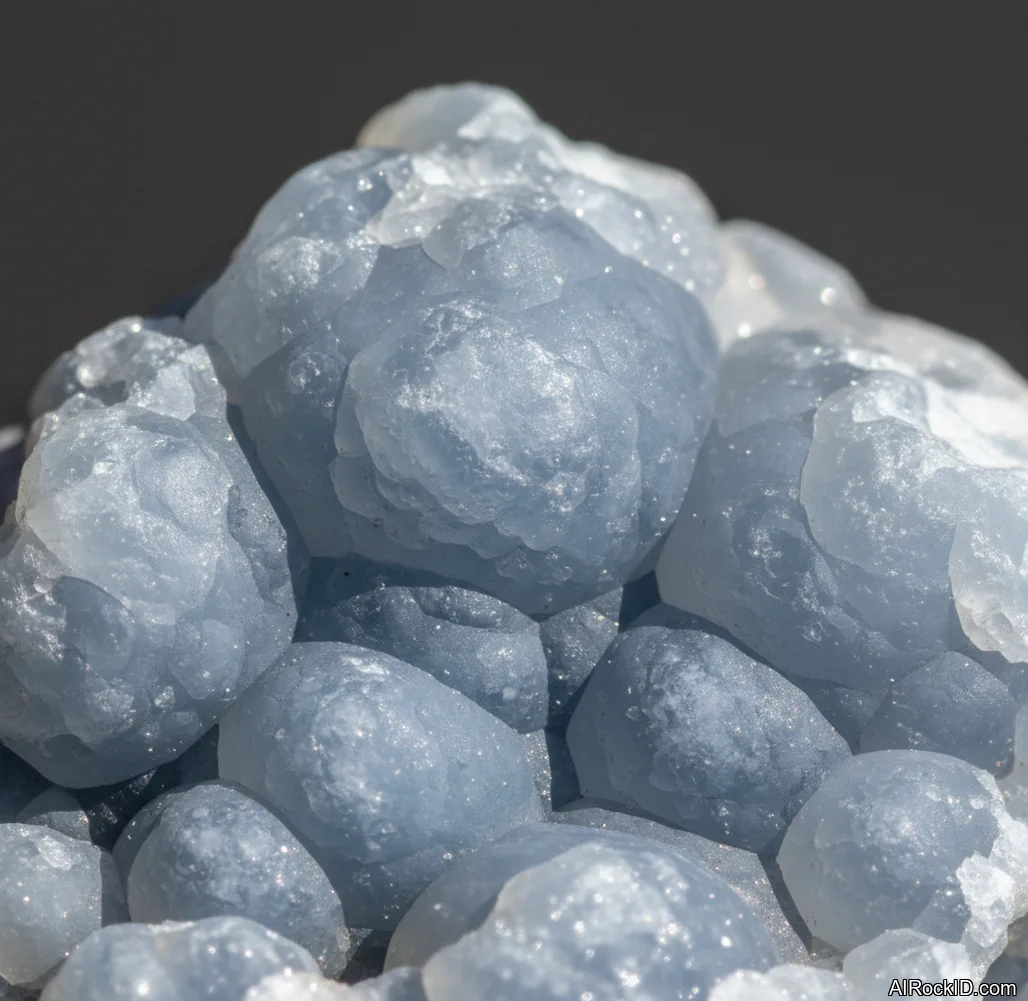
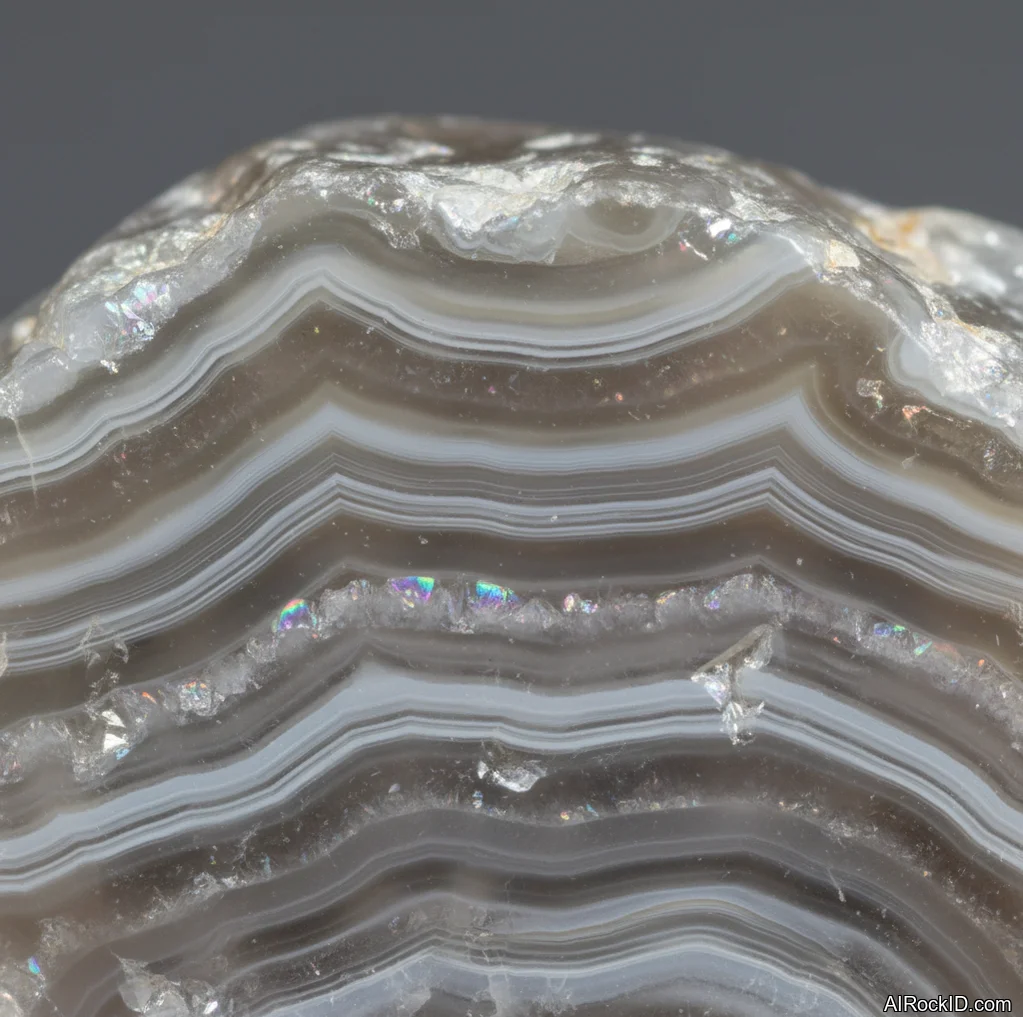
Most dealers push polished pieces because they sell fast, but raw material can be more honest. With lapis and sodalite, a rough face can show you if the color is natural through the body or just a surface look. And yes, dye is a real issue. If a “lapis” tumbler leaves blue on a paper towel when you wipe it with a damp cloth, walk away. Same deal with overly saturated “blue agate” sold as a Third Eye stone. It’s not that you can’t use it, but you should know what you’re paying for (right?).
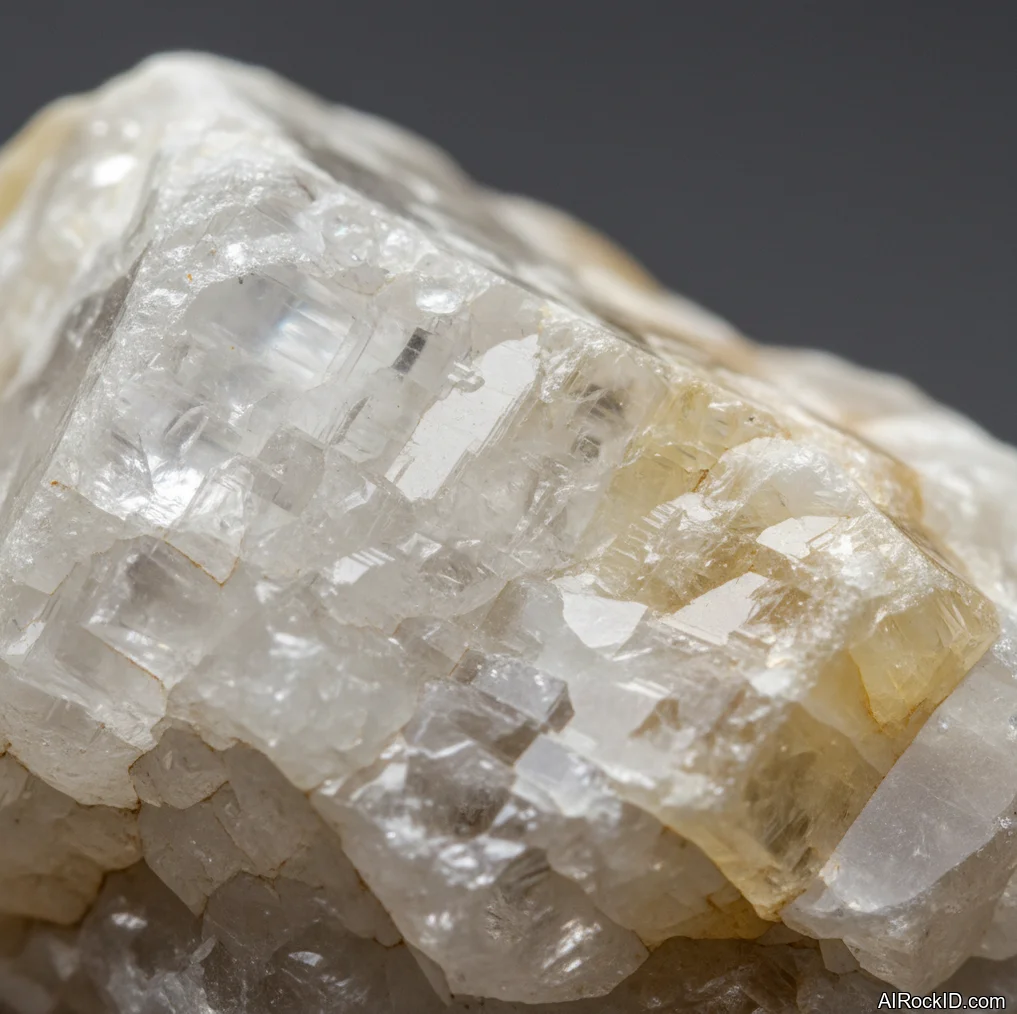
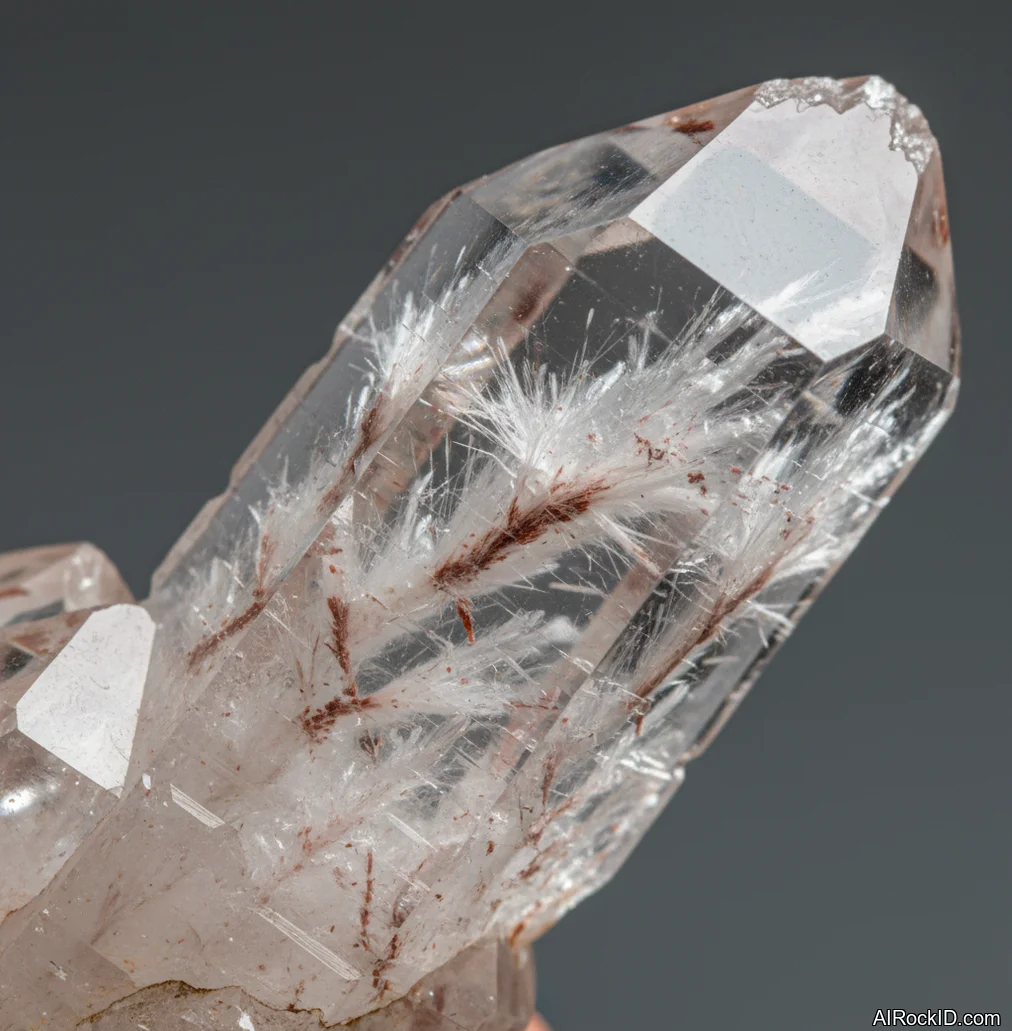
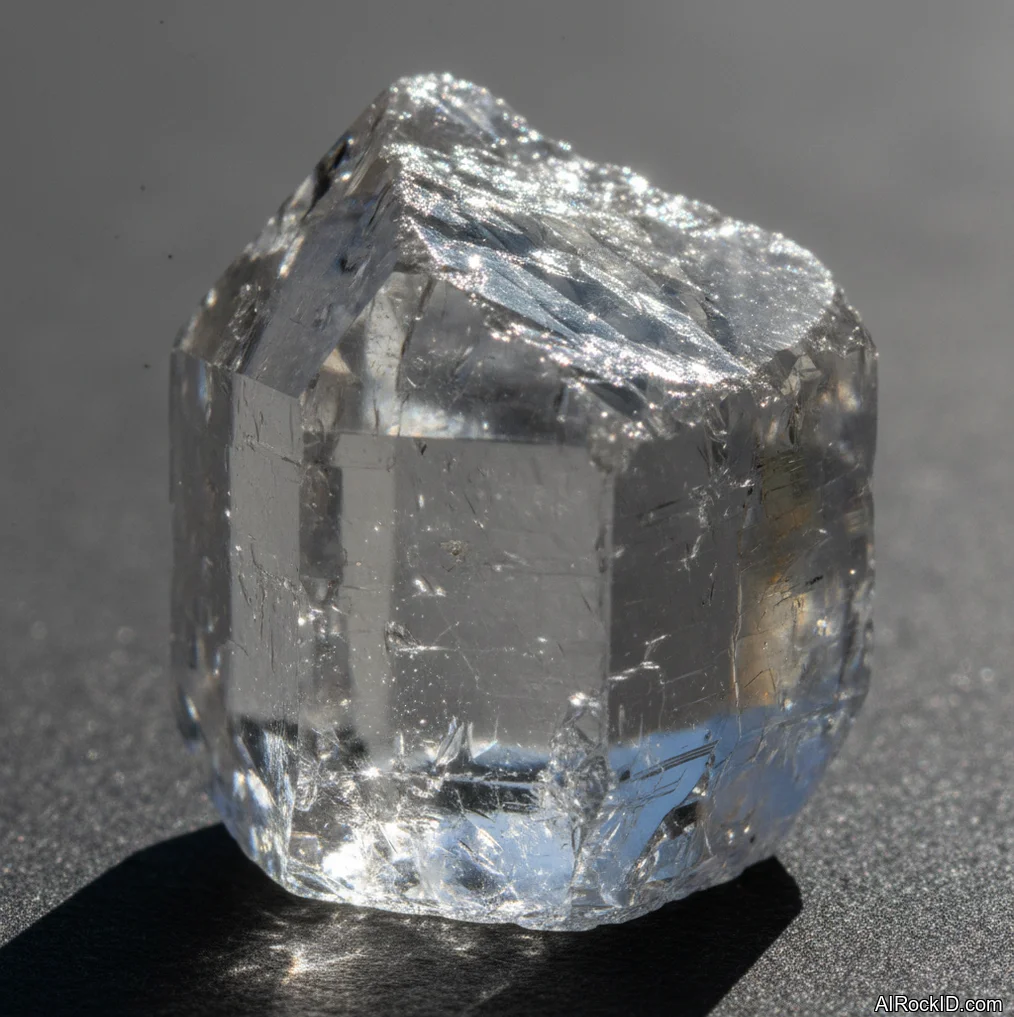
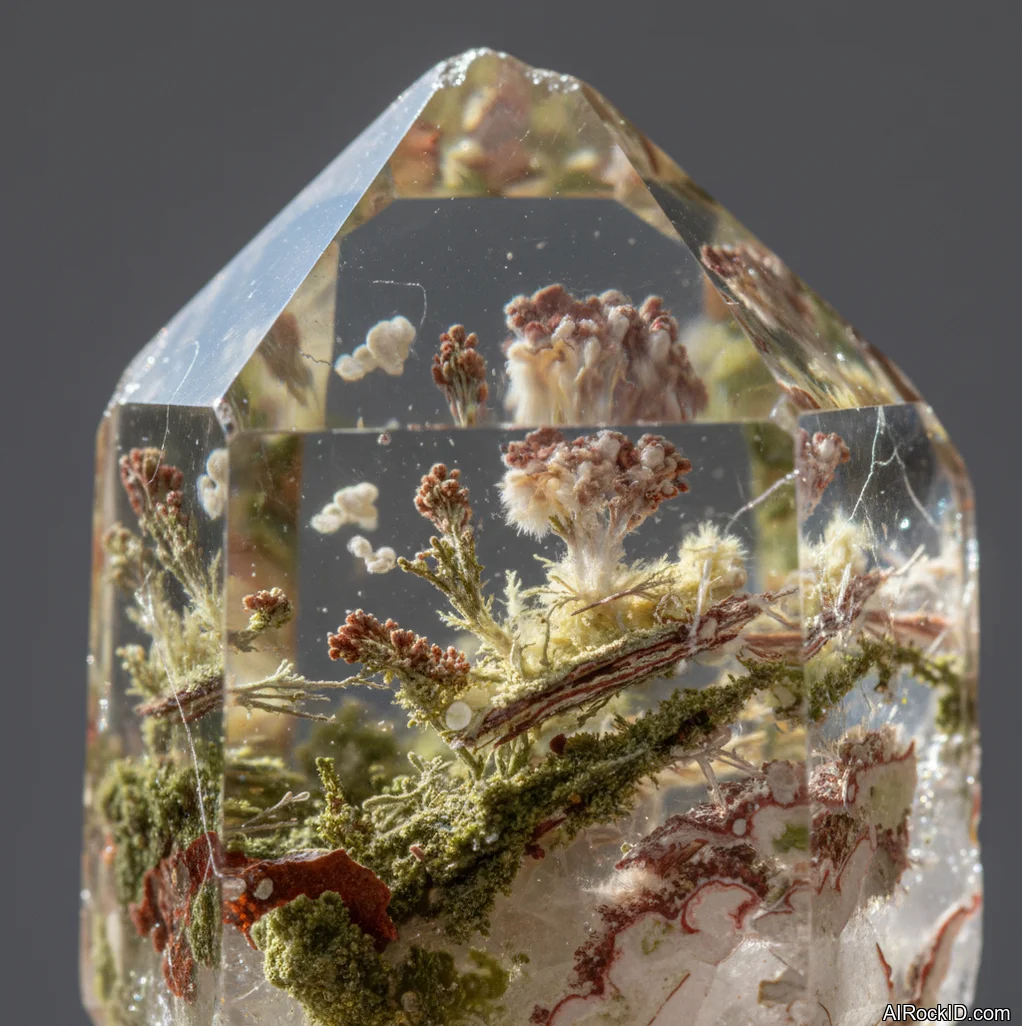
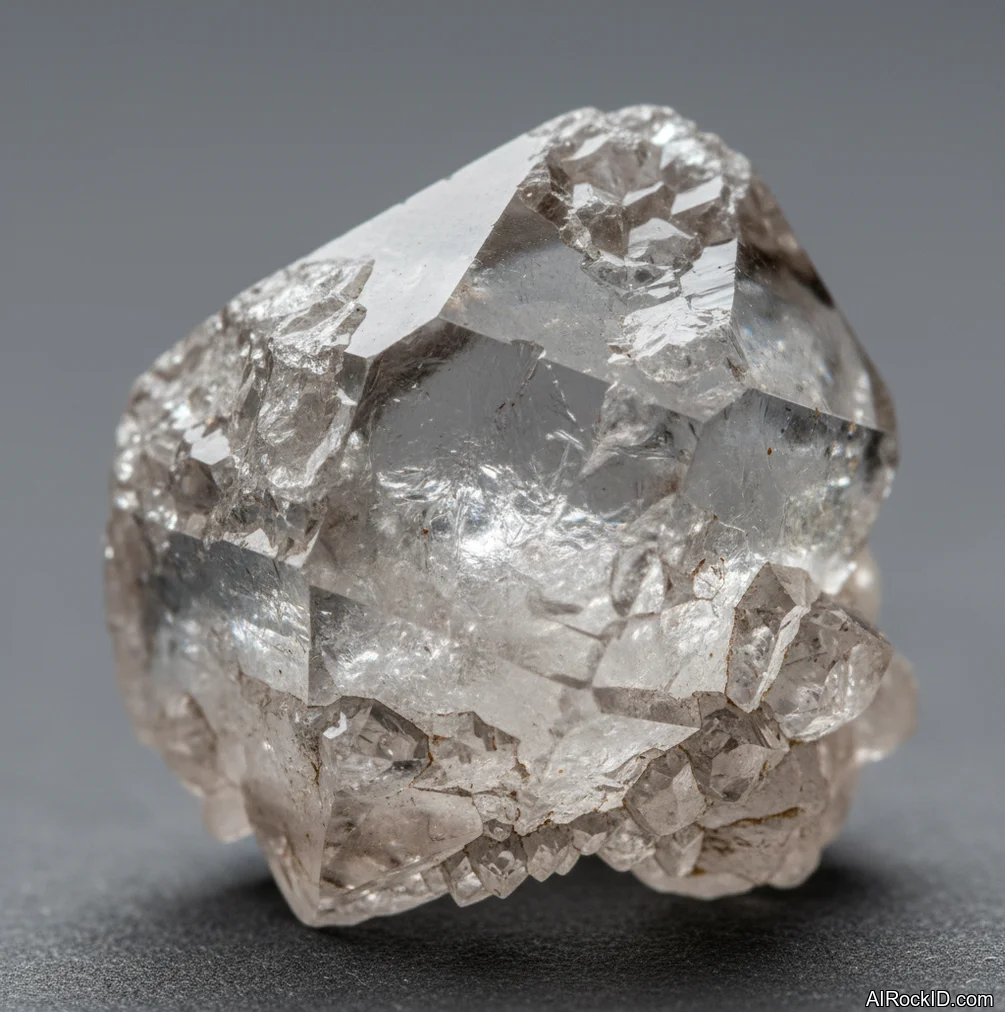
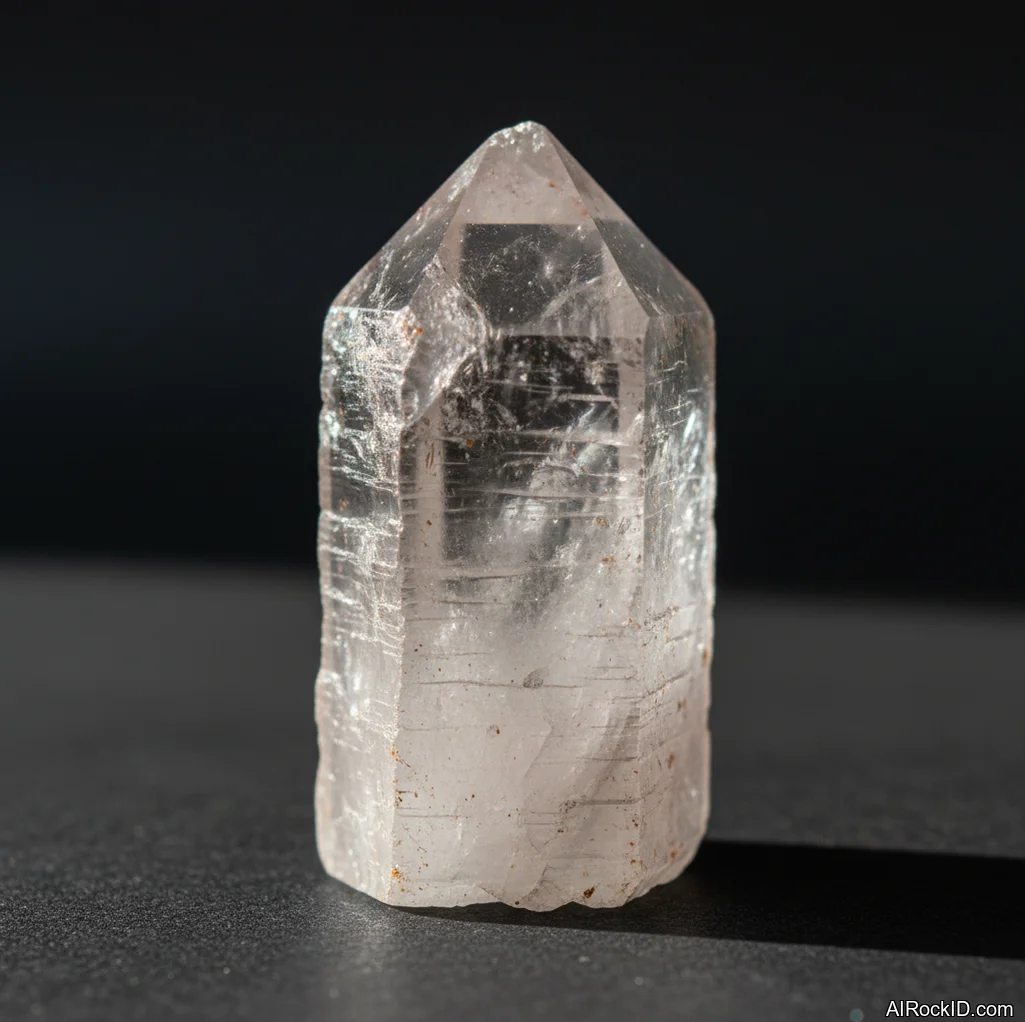
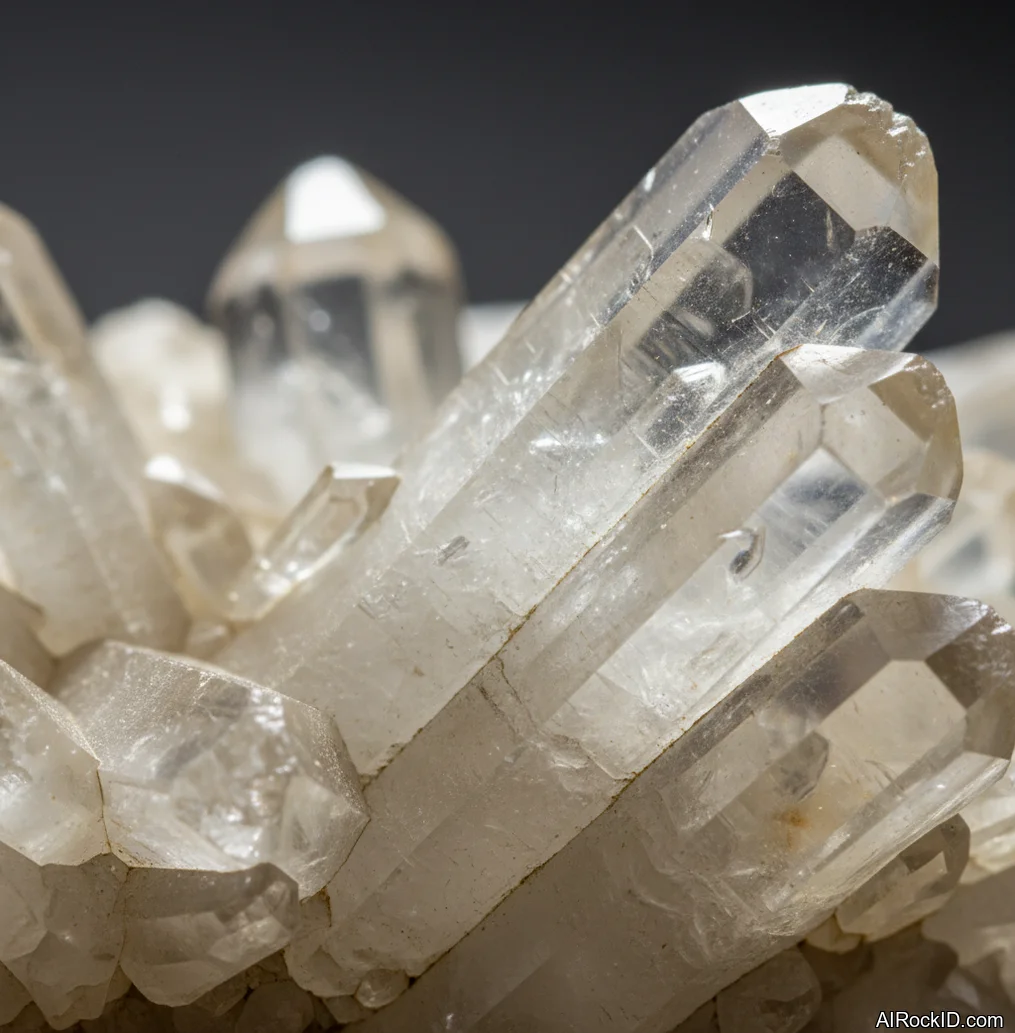
When you’re buying Third Eye Chakra crystals, check hardness and durability for the job you want them to do. Quartz types like amethyst and clear quartz handle daily use better than fluorite, azurite, or lepidolite. If you want a pocket stone, go for amethyst, sodalite, or labradorite with a decent polish and no big open pits. If you want a meditation anchor for a shelf, a fluorite slab or an azurite specimen can be perfect, as long as you don’t treat it like a worry stone.
A couple practical tips collectors learn the hard way: keep amethyst out of harsh sun if you care about color. I’ve seen purple fade to a washed-out lilac on windowsills. Store fluorite away from anywhere it can get knocked around, and don’t soak azurite or lapis in water “to cleanse it” unless you like surprises. So what’s a simple routine? Smoke, sound, or a quick dry wipe. Clear quartz is handy here too, because it pairs with almost anything and doesn’t mind being handled.
There are 213 crystals tagged for the Third Eye Chakra in this database, and you don’t need all of them. Start with one that feels good in the hand and holds up to how you actually live. A heavy lapis palm stone for desk work. A small amethyst point by the bed. A labradorite you keep turning over like a habit when you’re thinking something through. Keep it real. Your collection will tell you what earns a permanent spot.
All Third Eye Chakra Crystals (213)