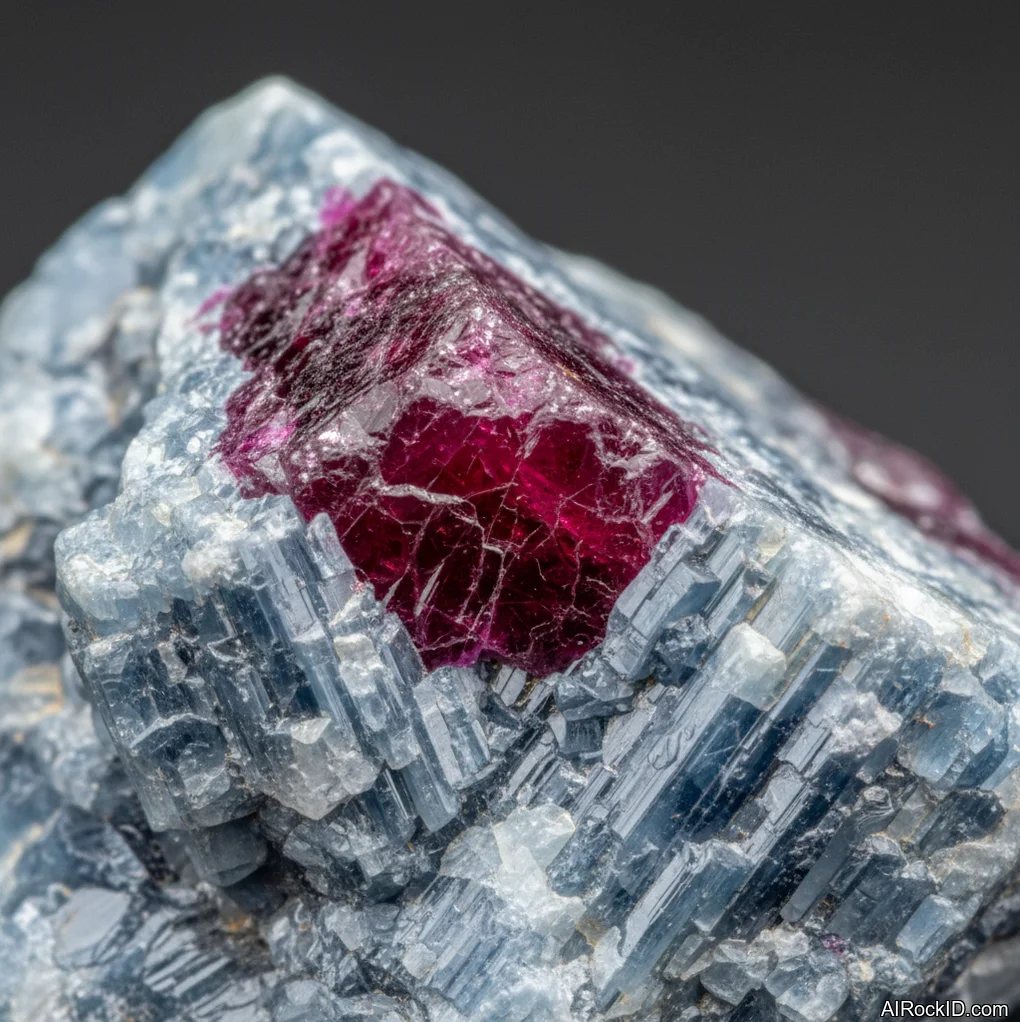
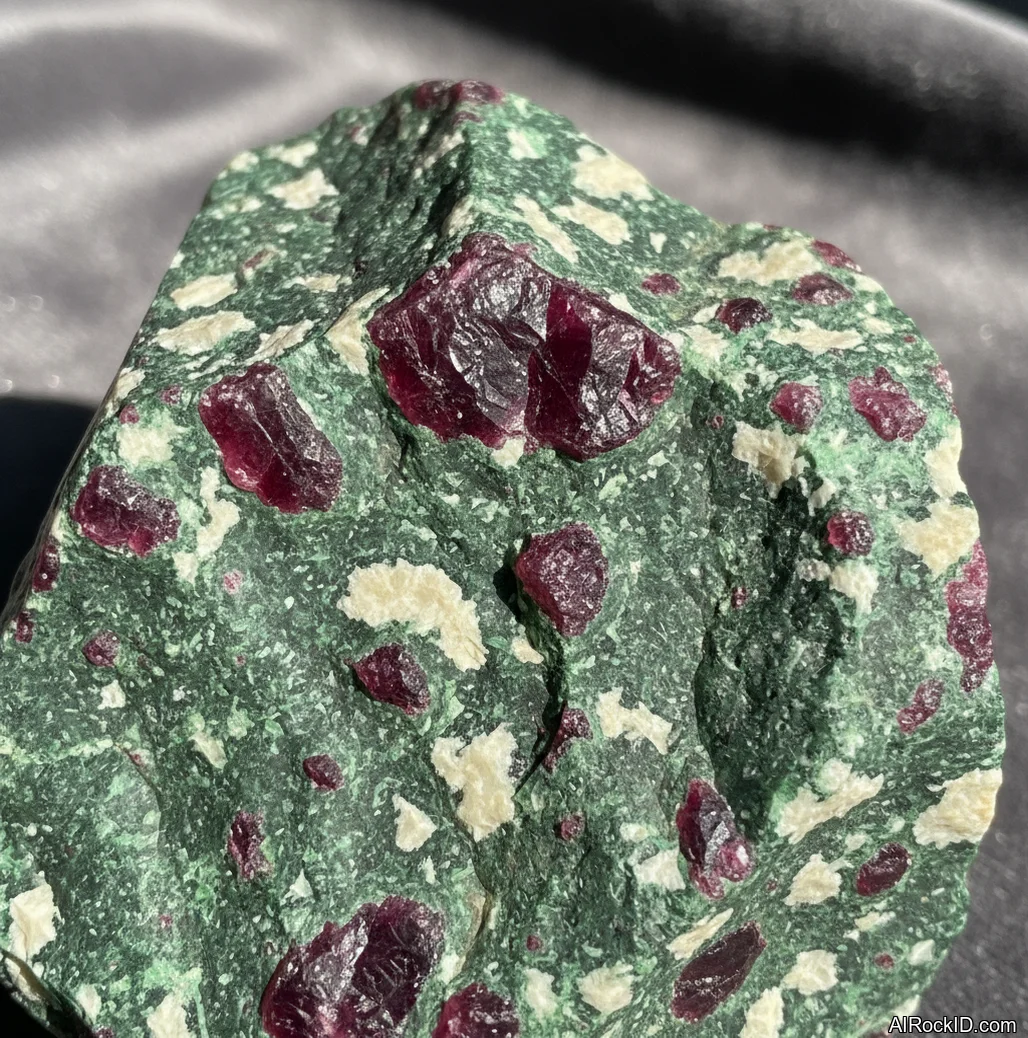
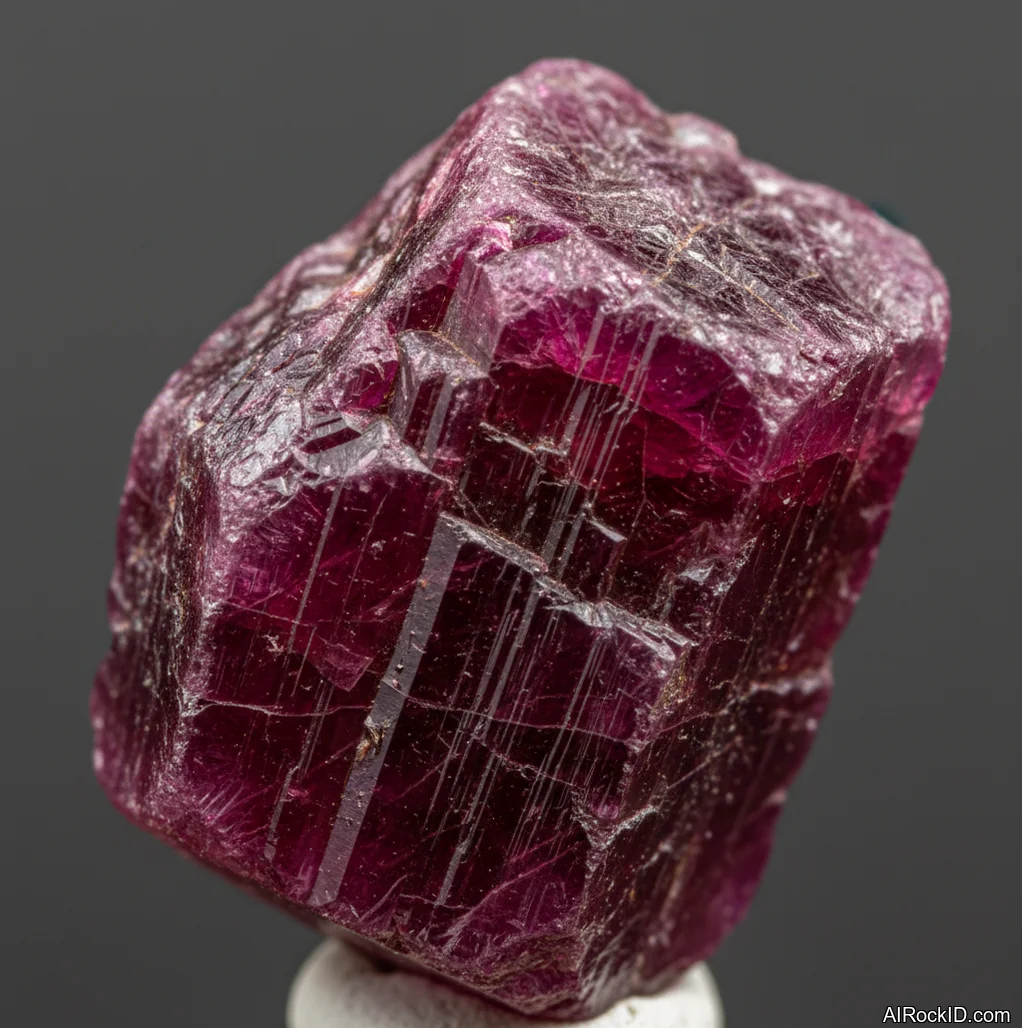
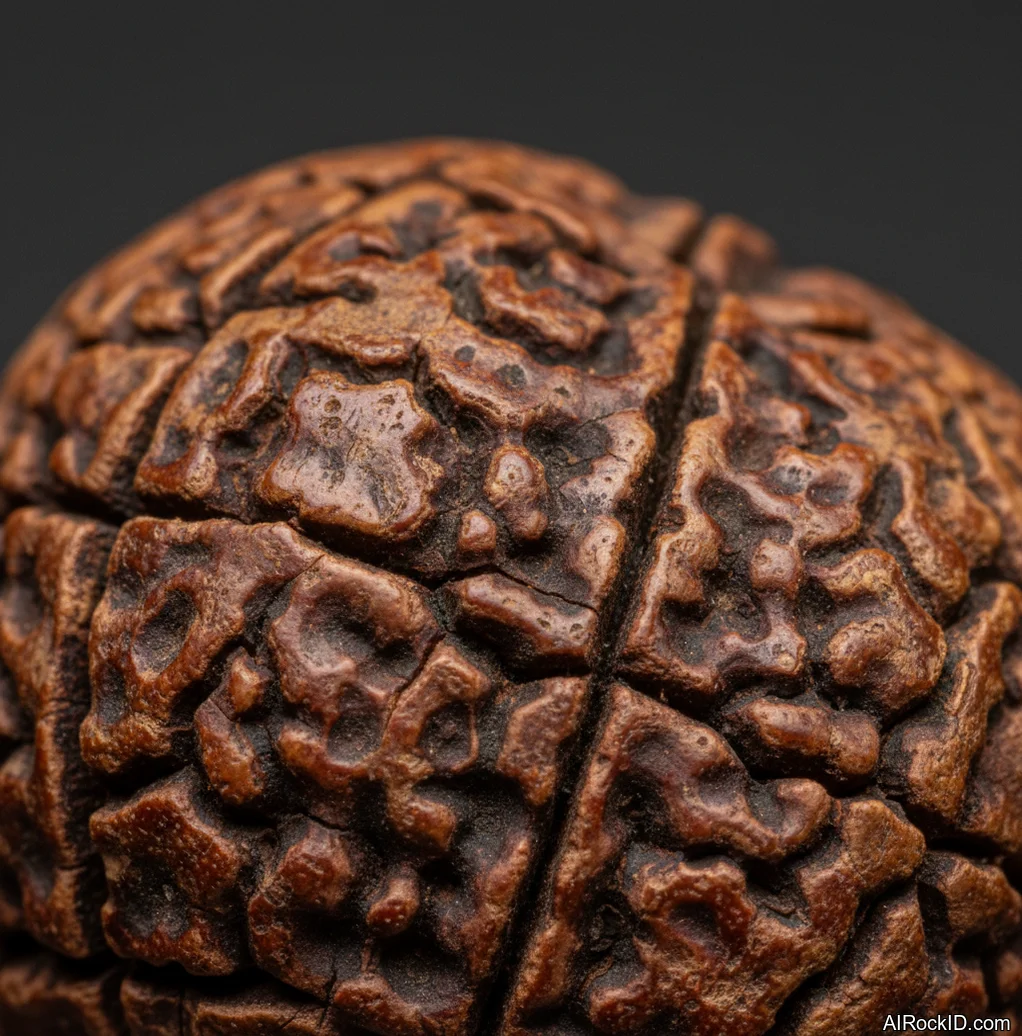
Heart Chakra Crystals
Explore Heart Chakra crystals, their meanings and properties, plus tips for choosing and using stones like rose quartz, jade, and malachite.
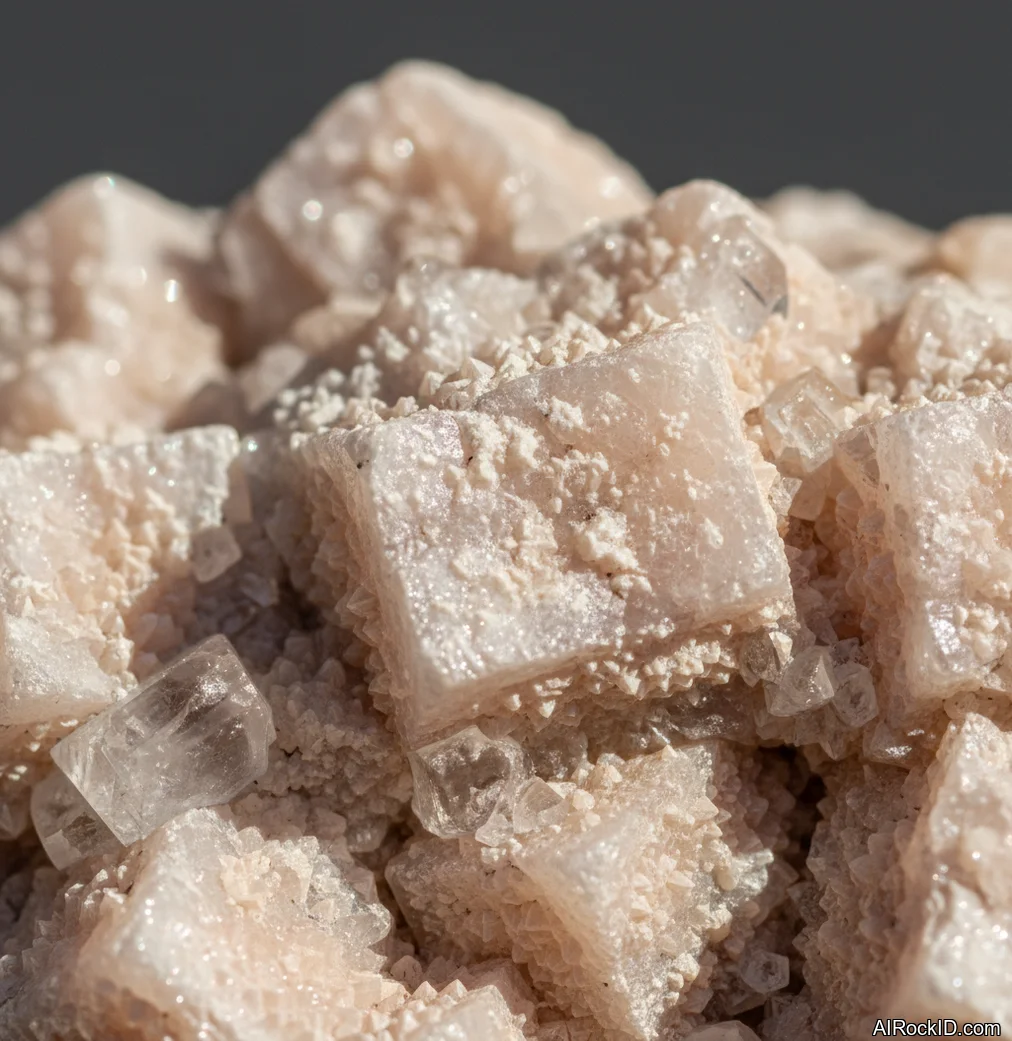
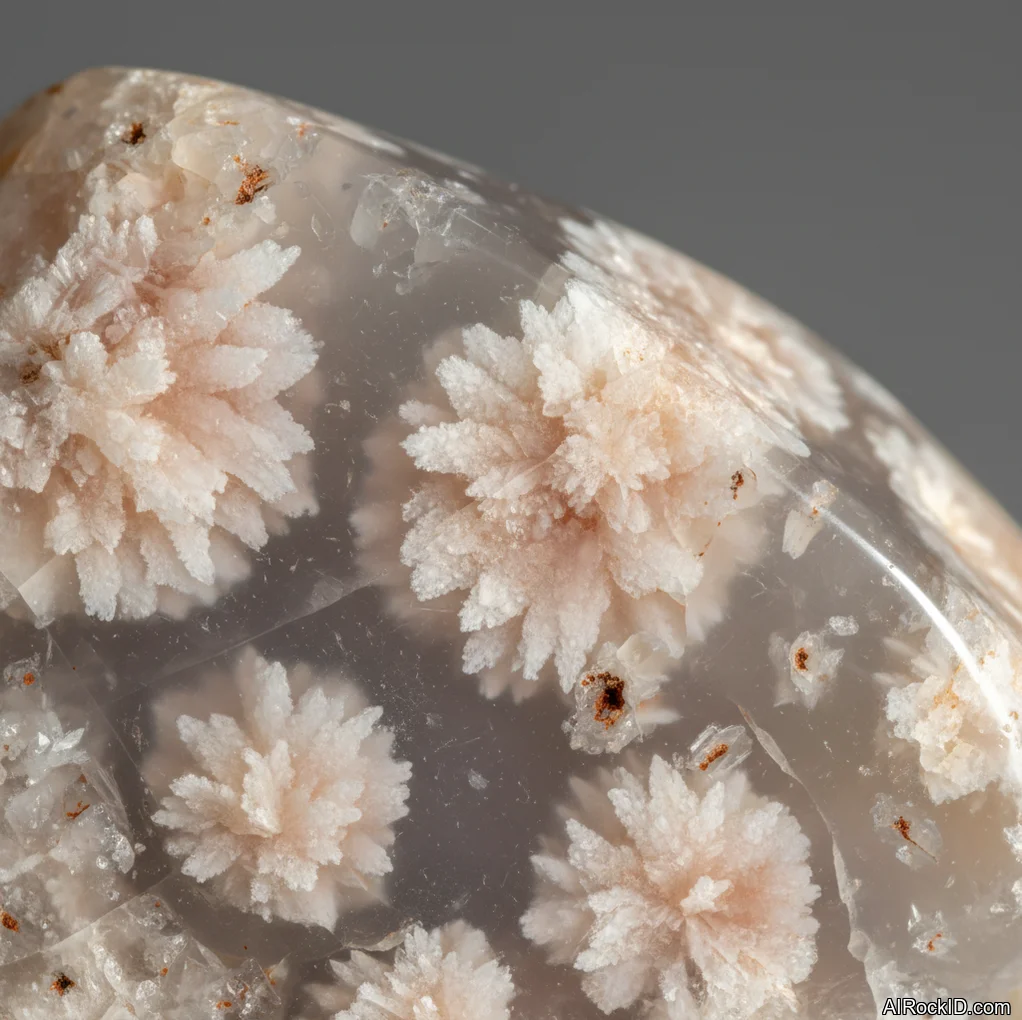
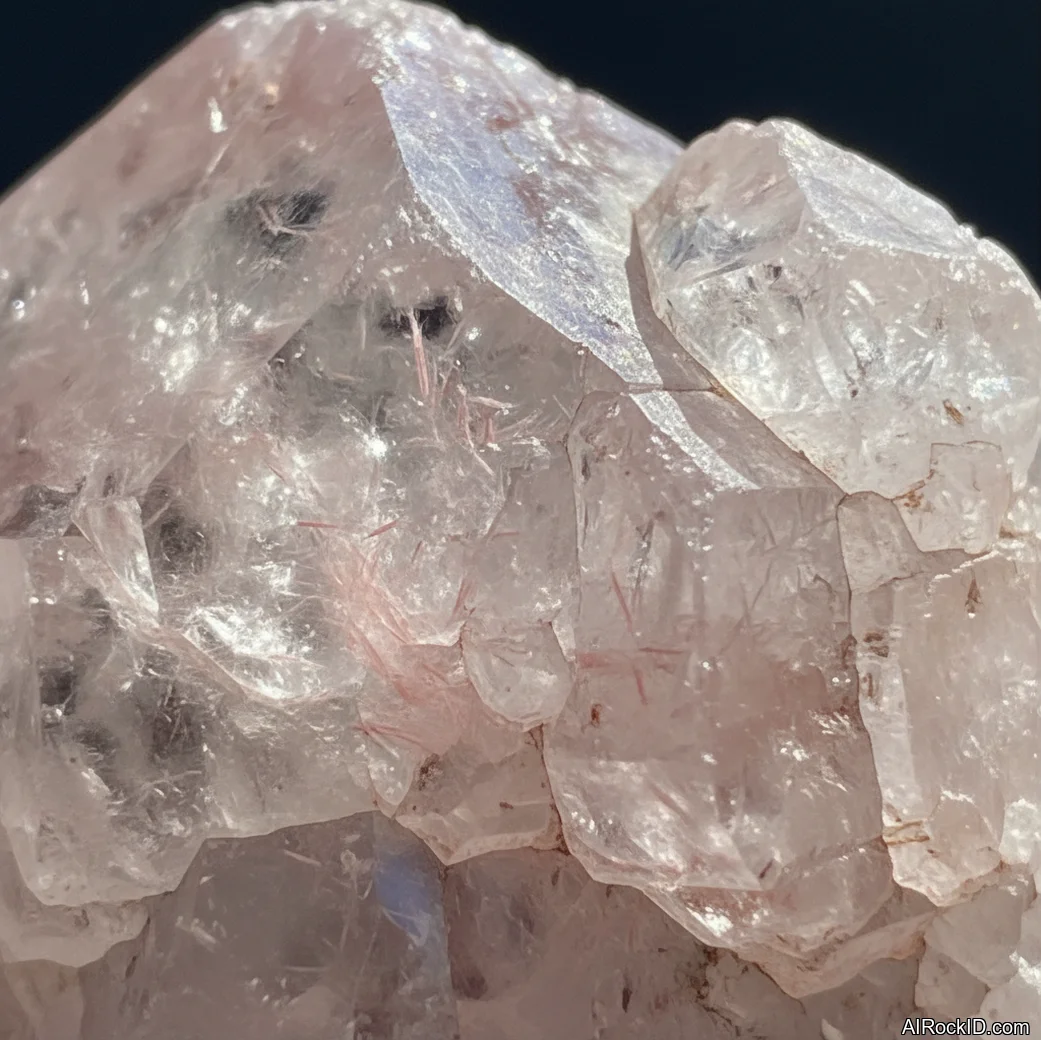
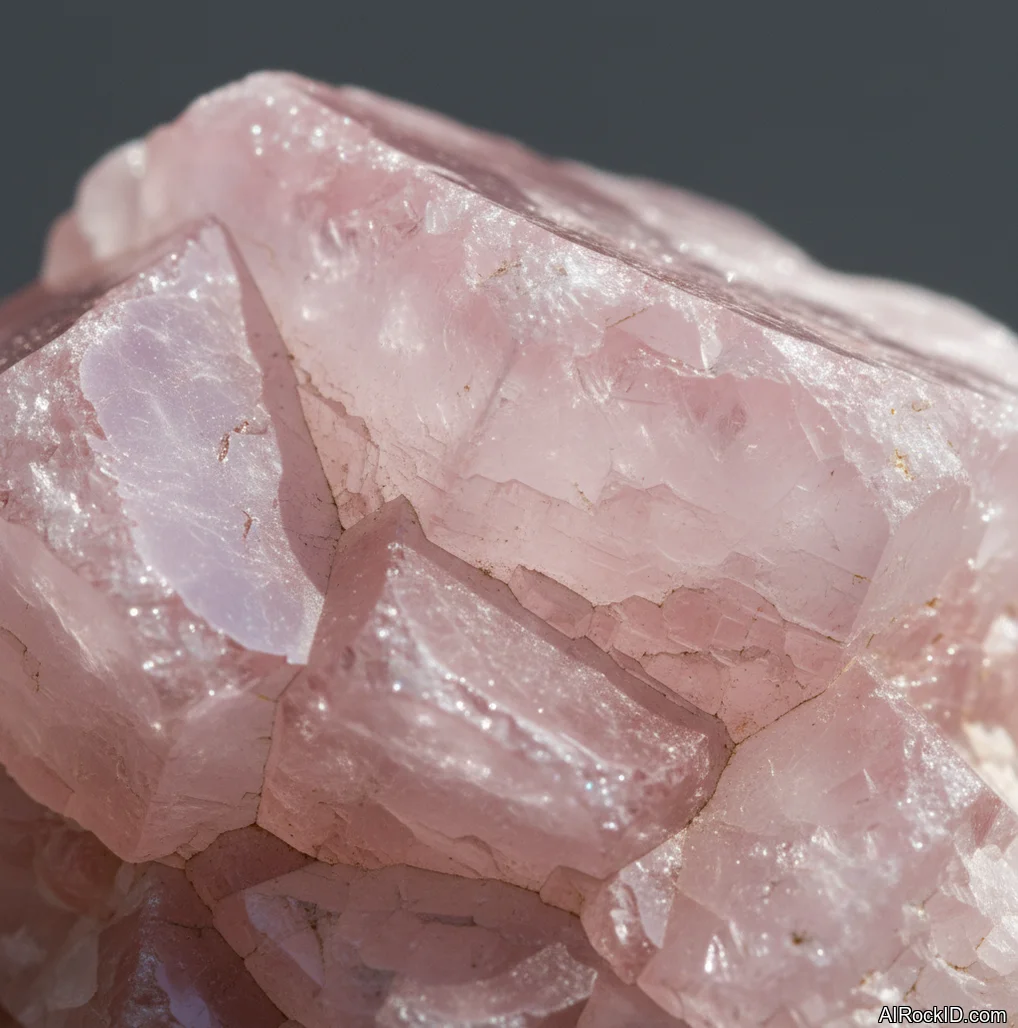
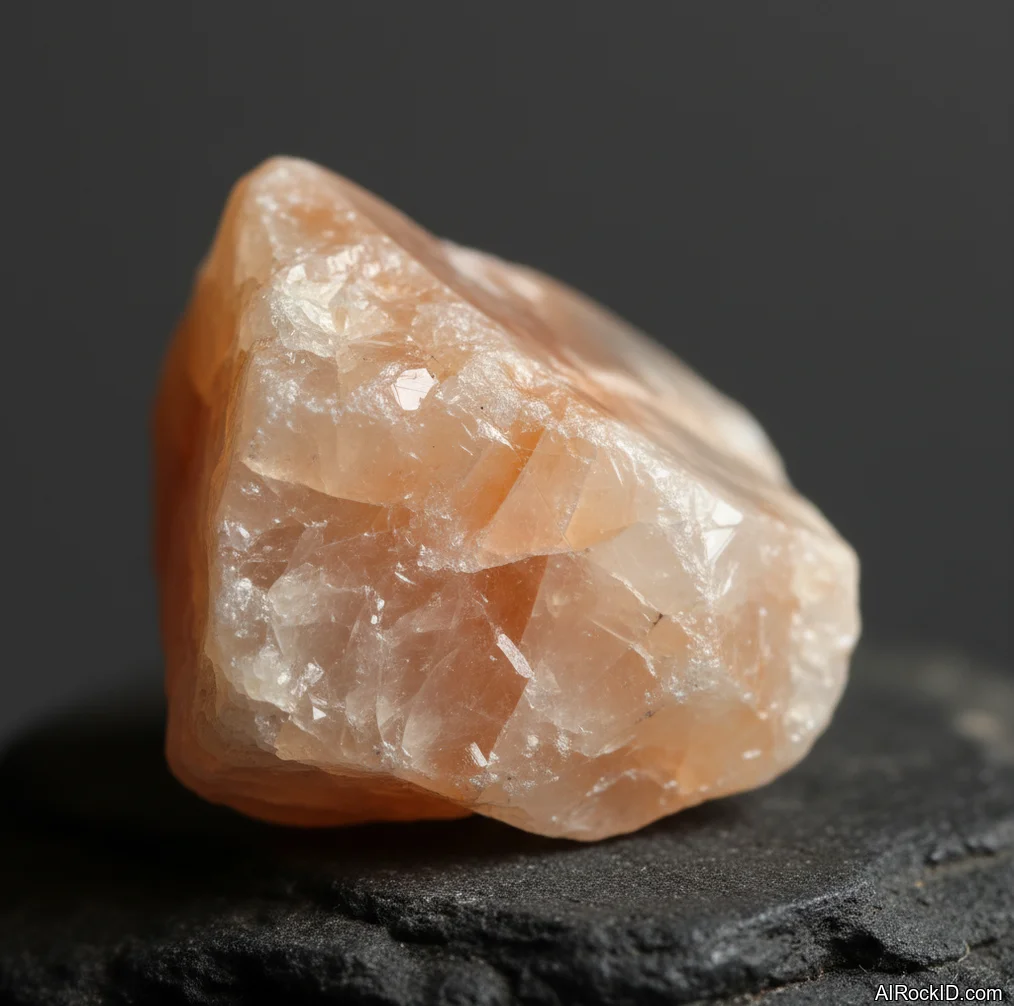
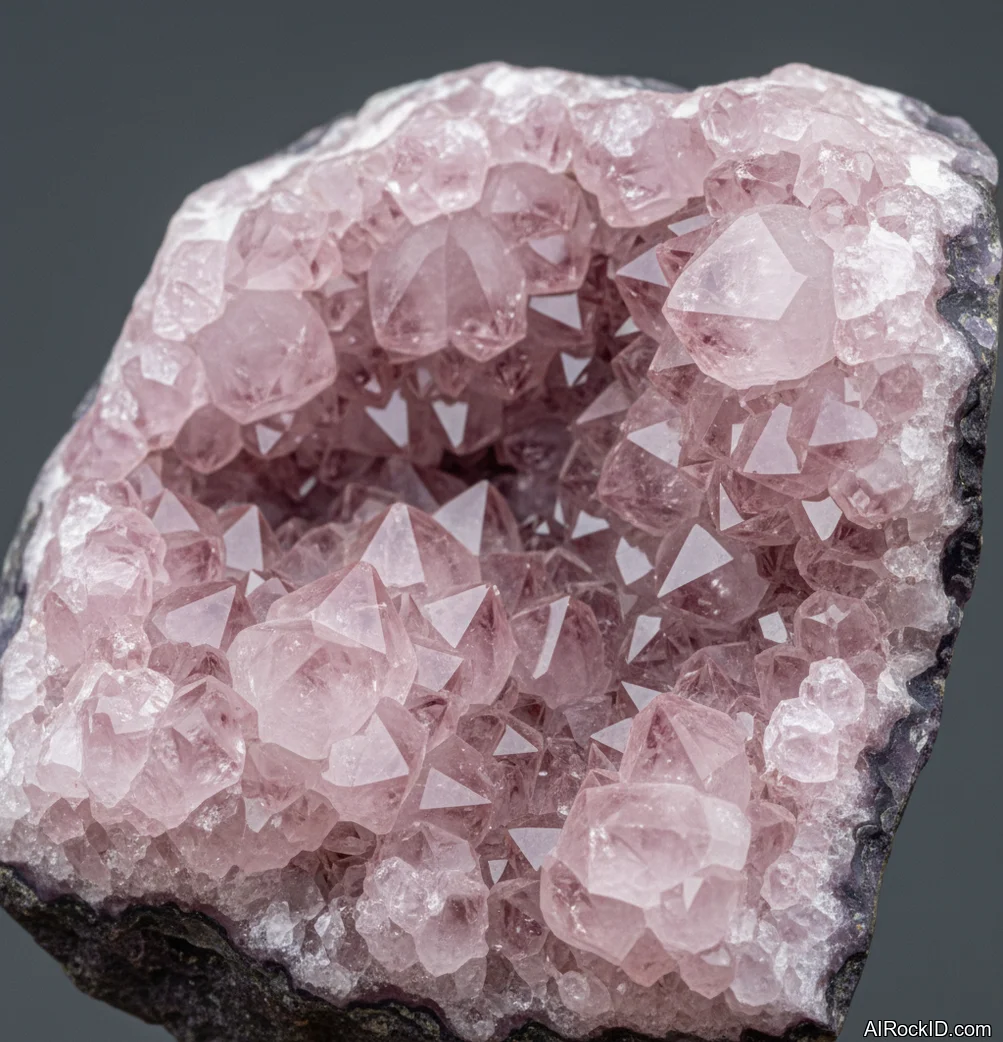
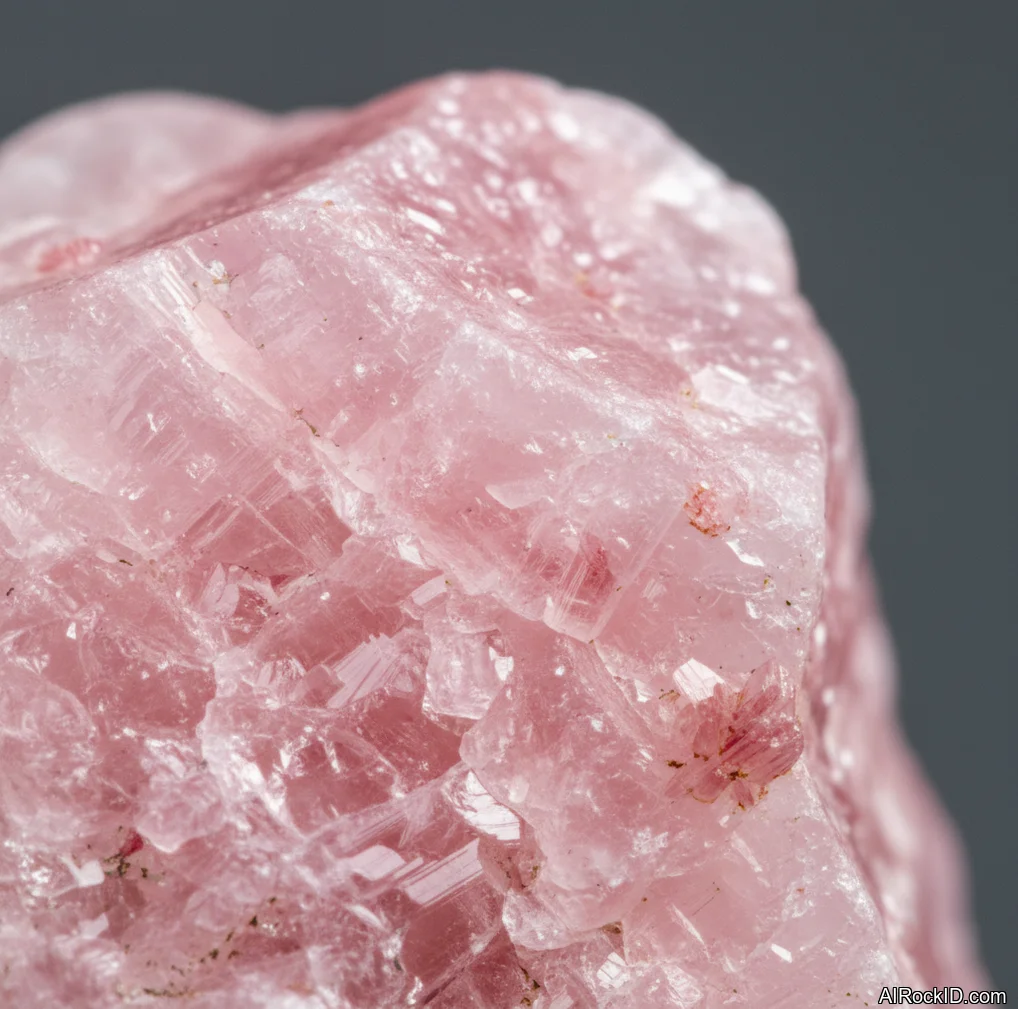
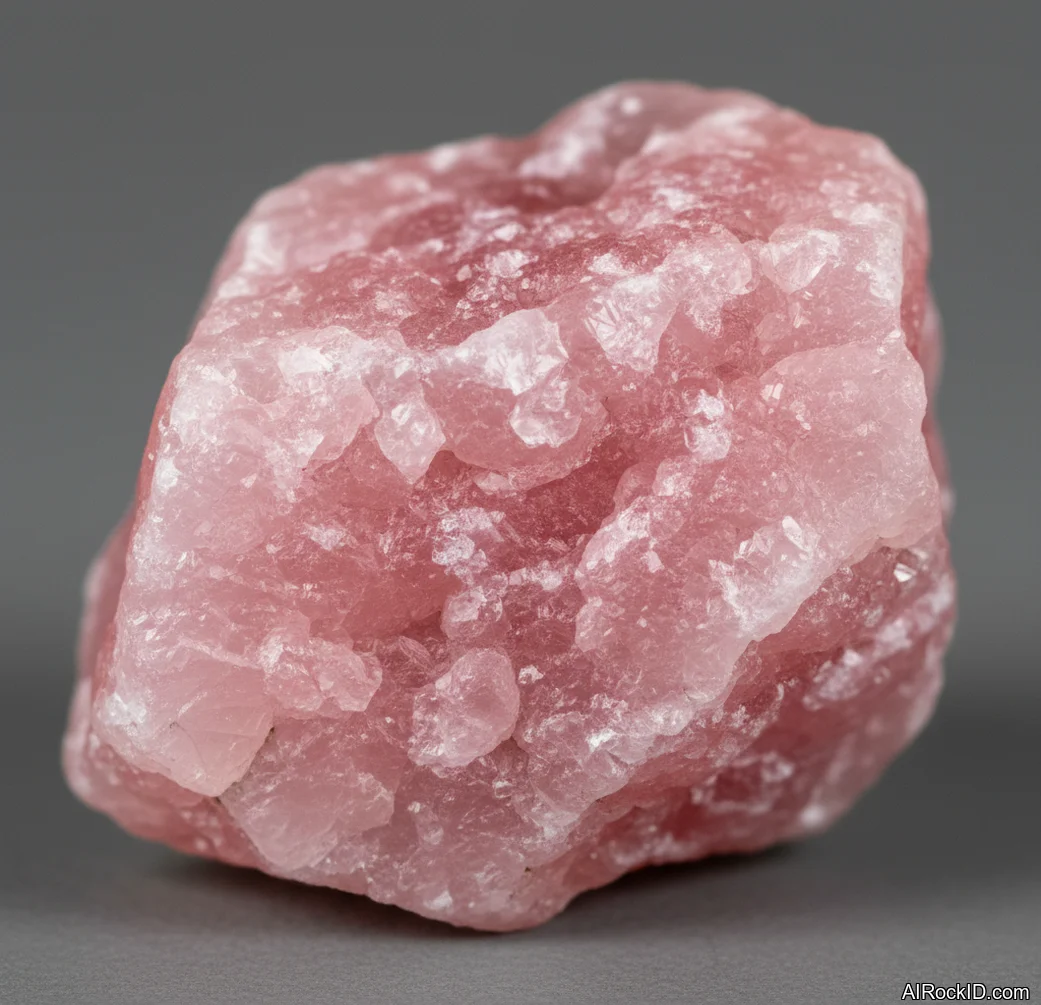
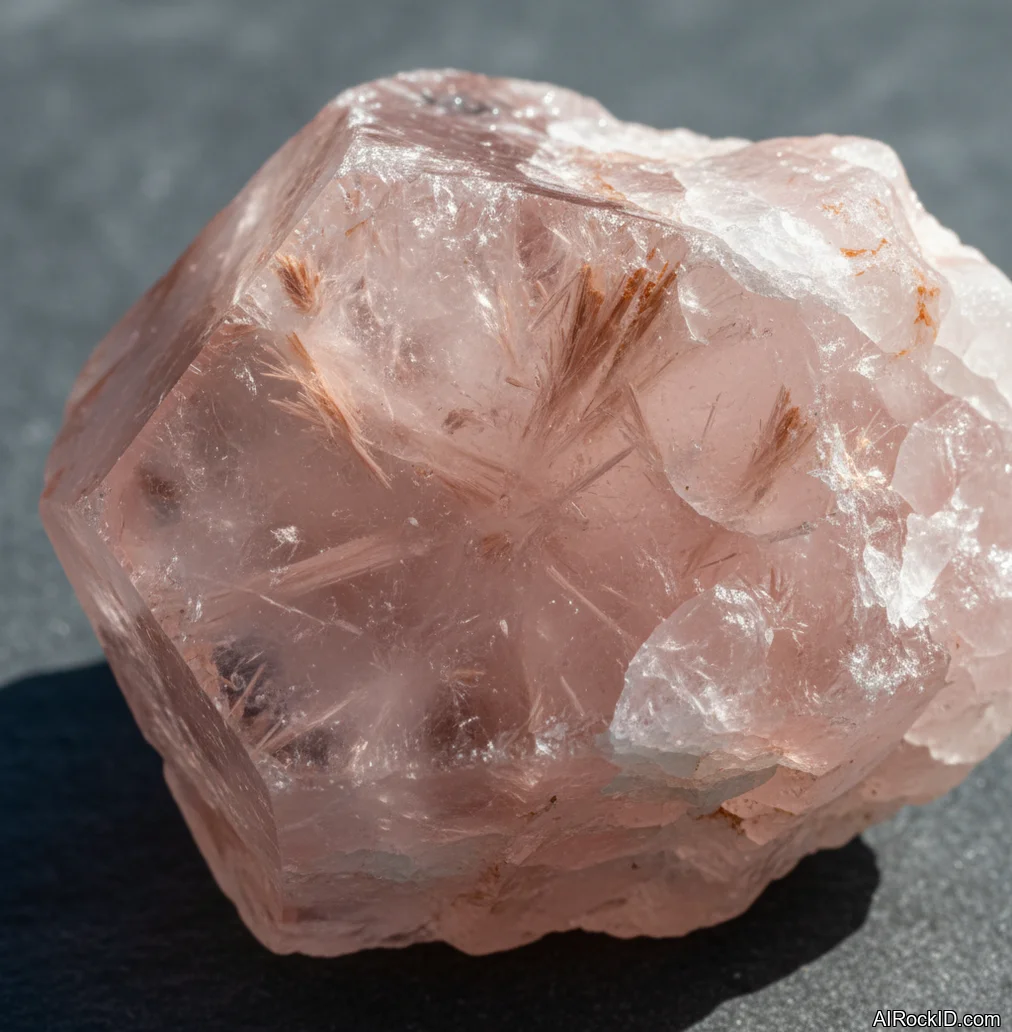
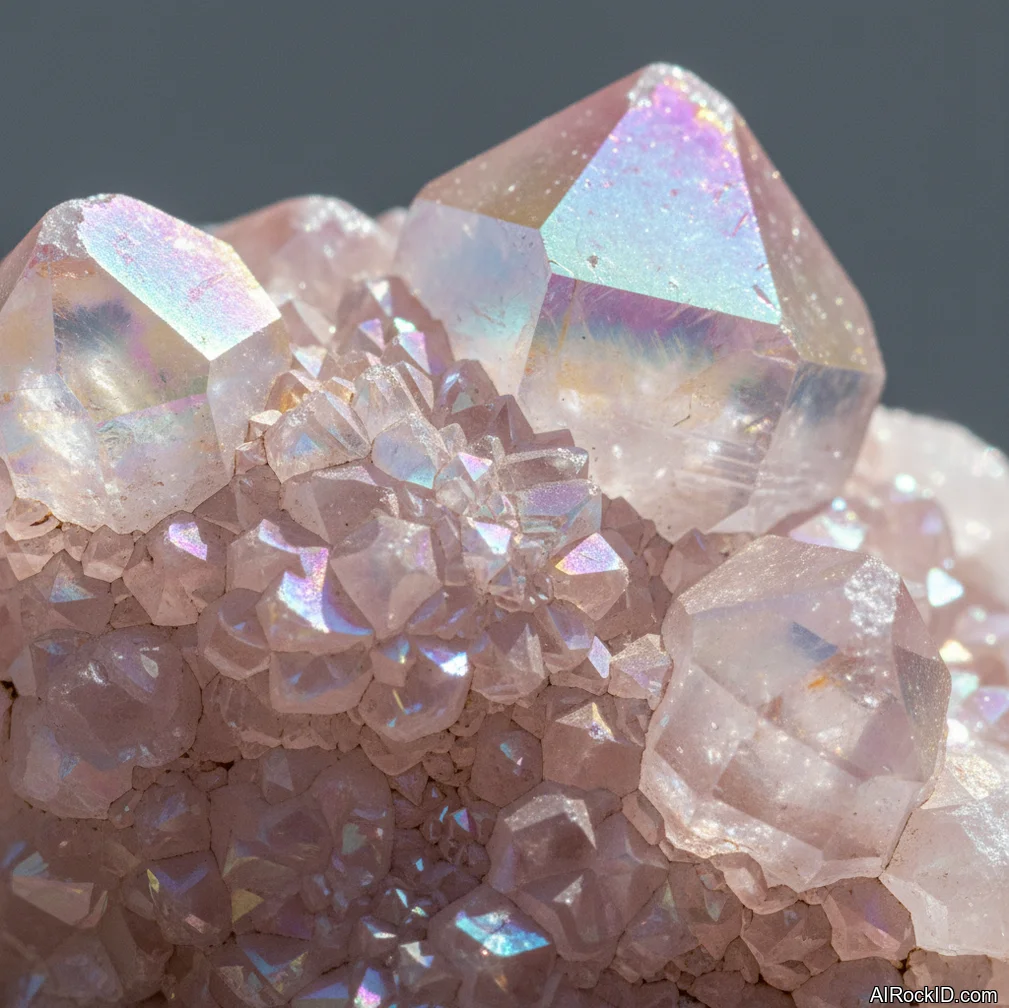
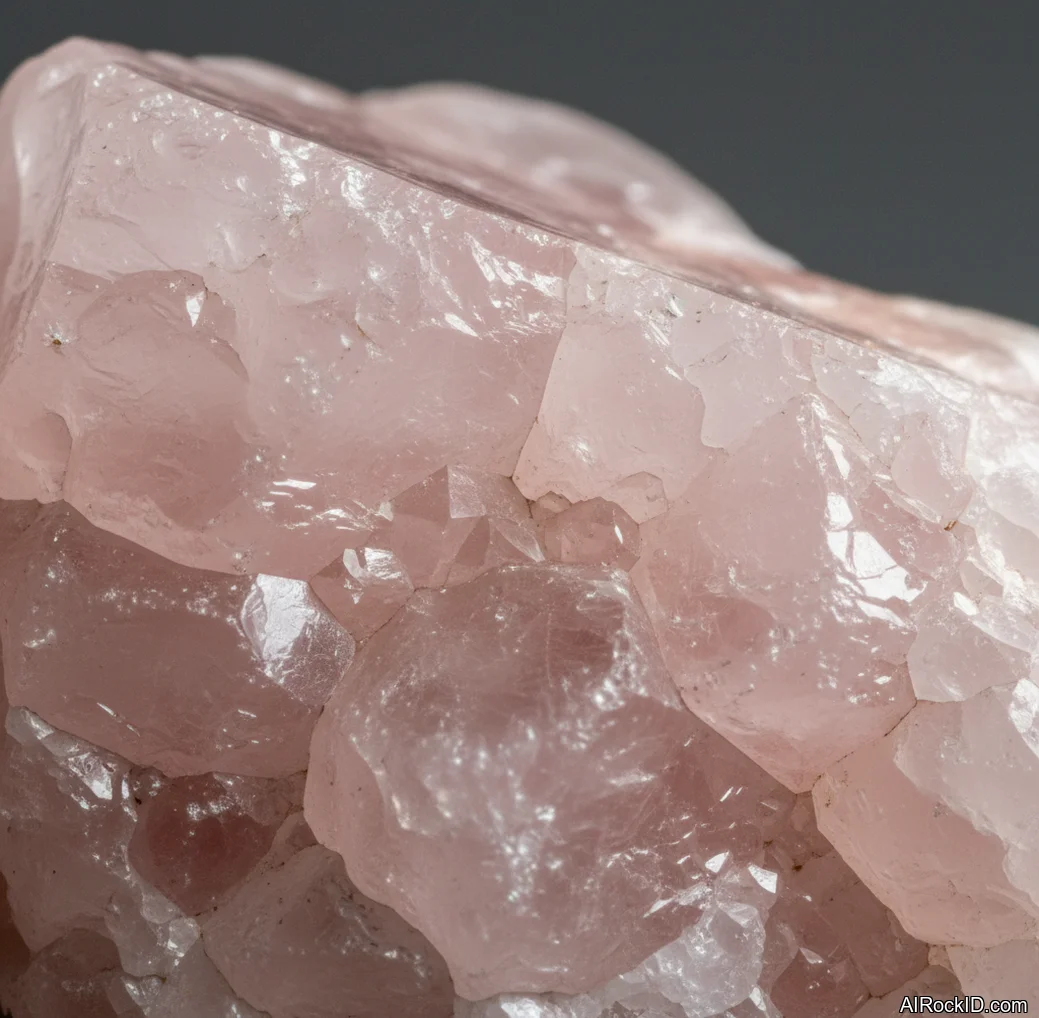
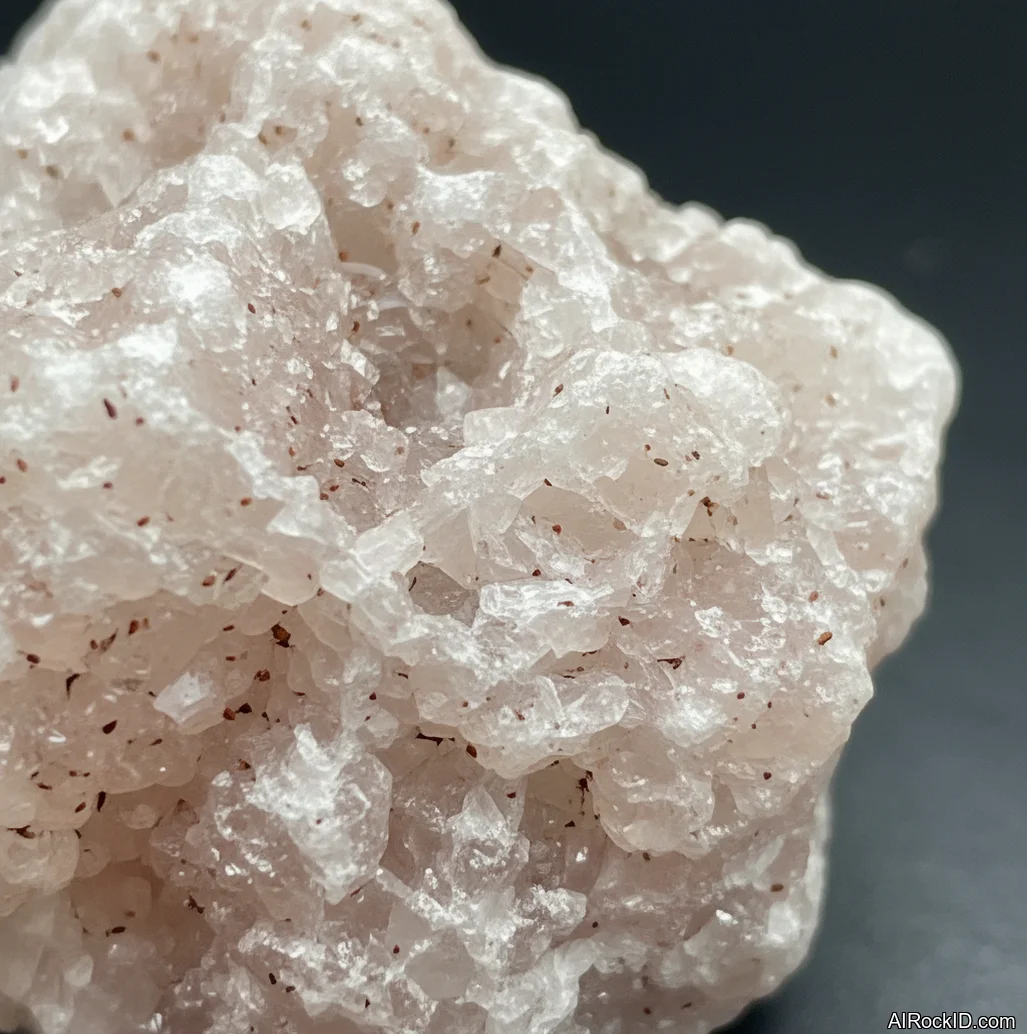
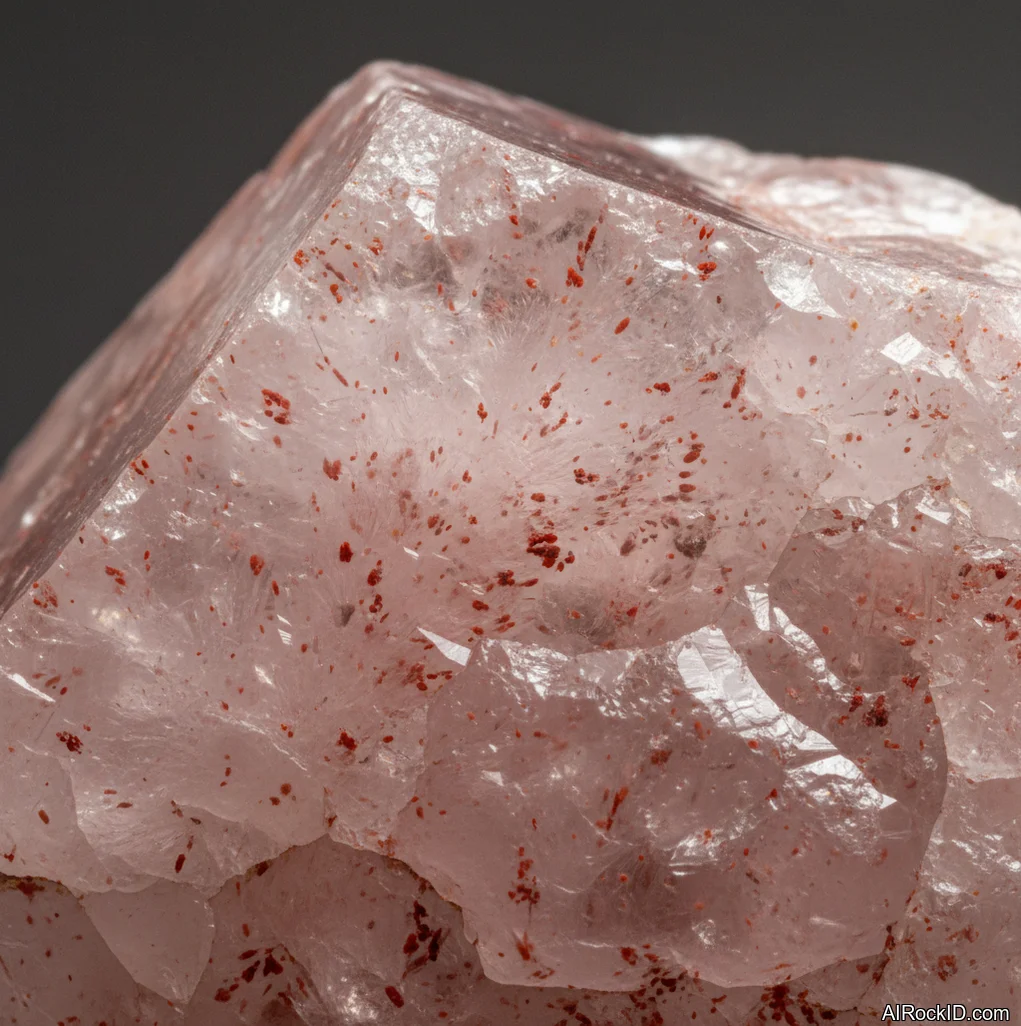
Put a palm-sized rose quartz in your hand and you’ll clock it fast. It stays cool longer than glass, even after you’ve been holding it. And the color isn’t really “pink” so much as a cloudy blush that shifts under warm bulbs.
That’s the kind of stone people grab when they start talking about the Heart Chakra in crystal work. In most crystal-healing traditions, the Heart Chakra sits in the center of the chest and gets tied to connection, grief, trust, boundaries, and that messy middle zone between giving and receiving.
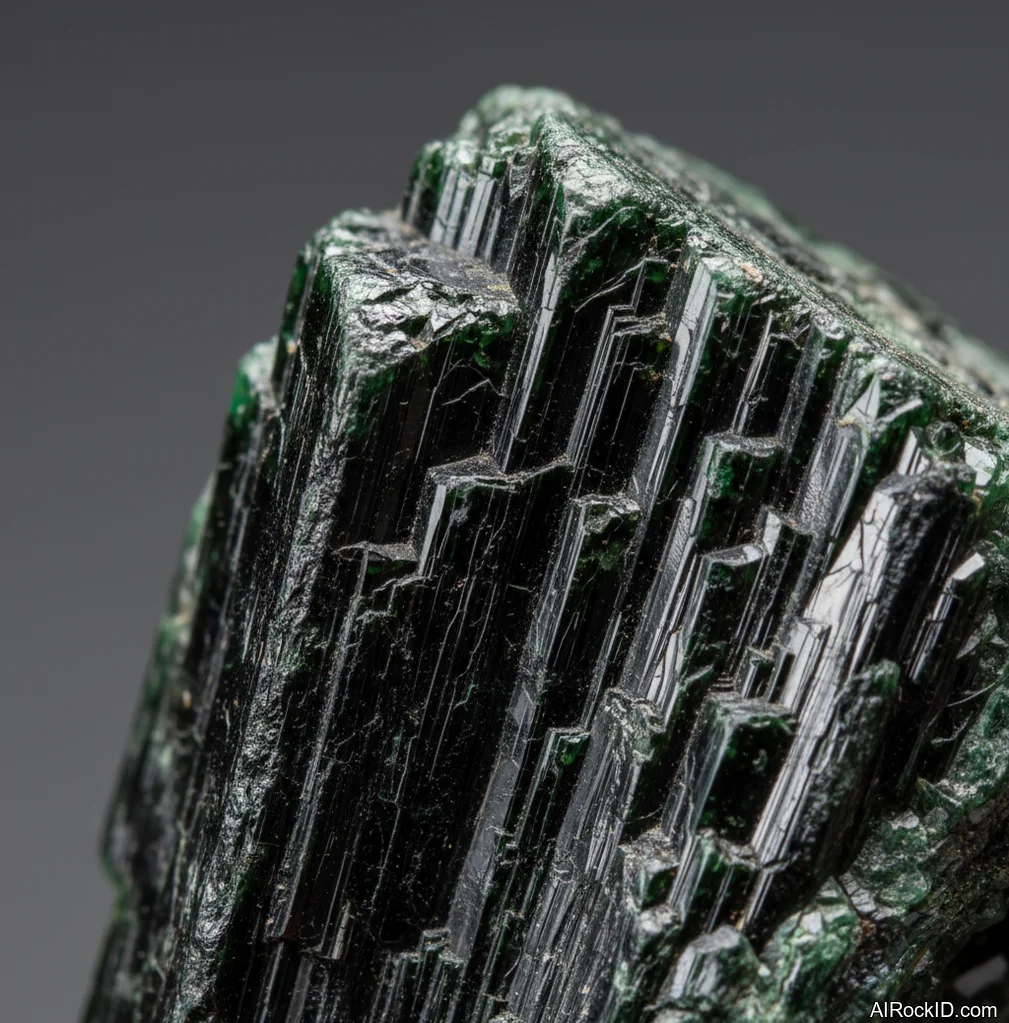
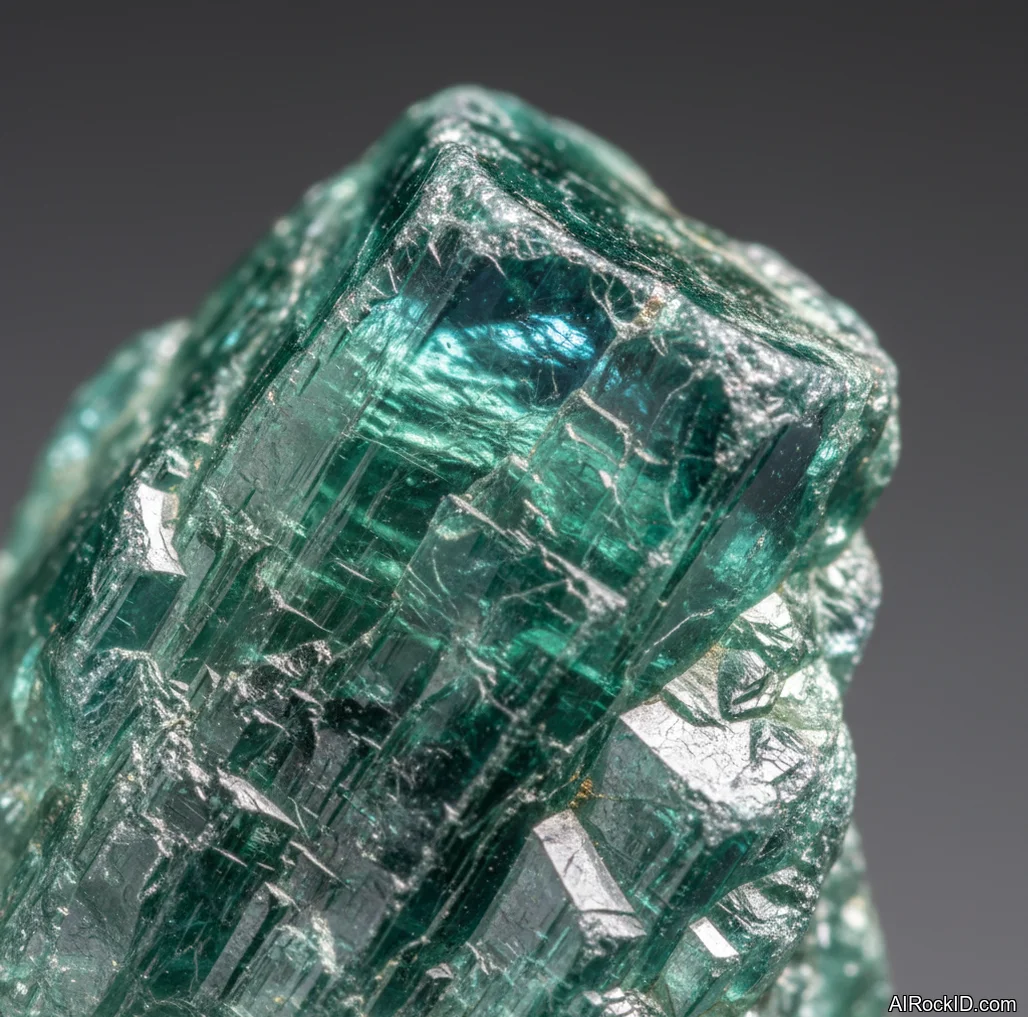
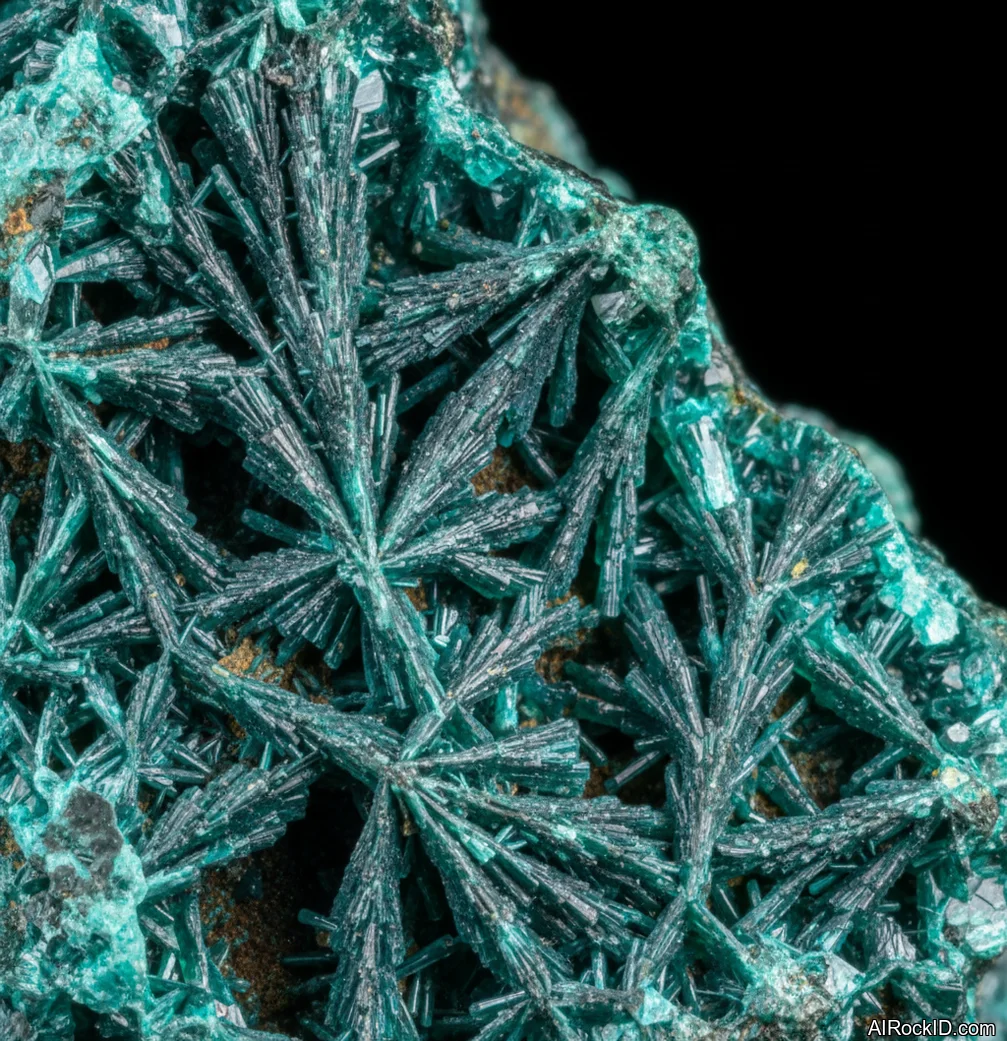
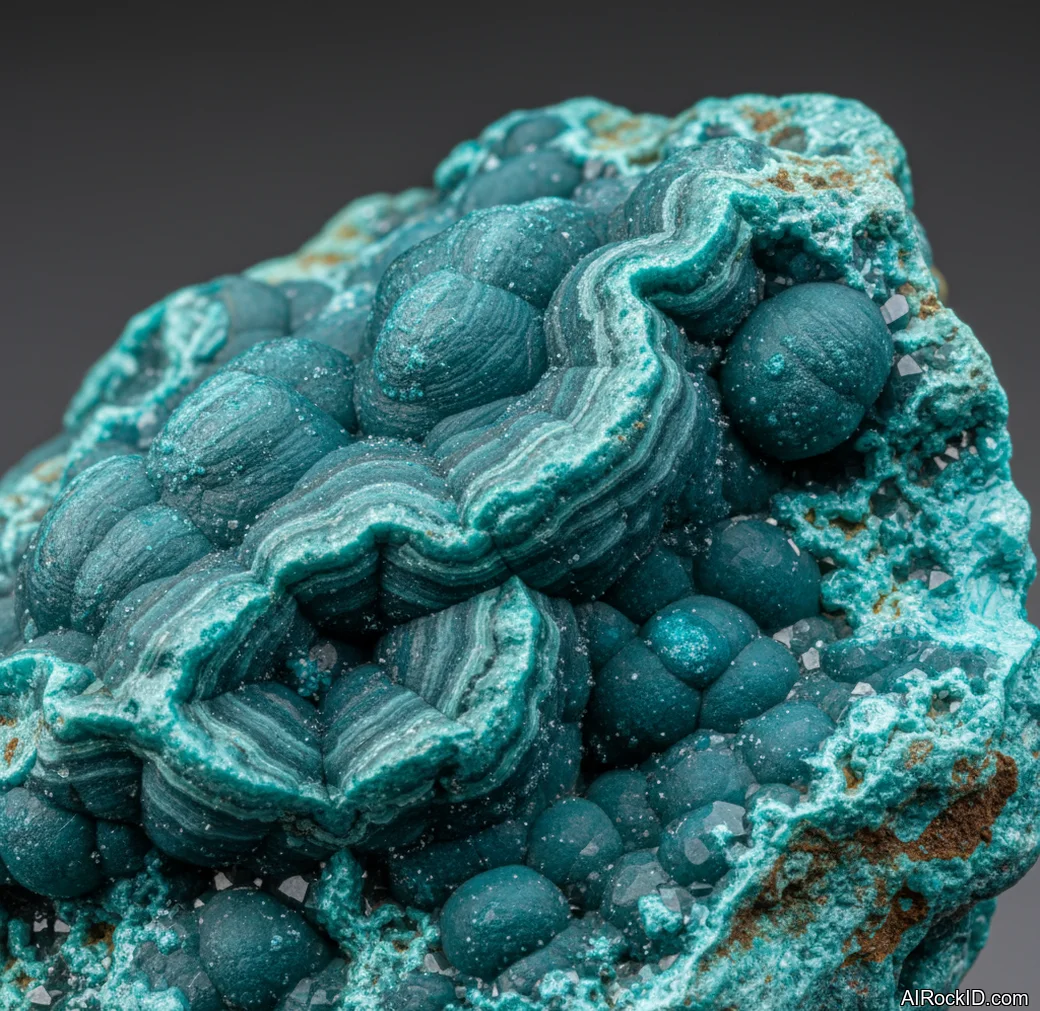
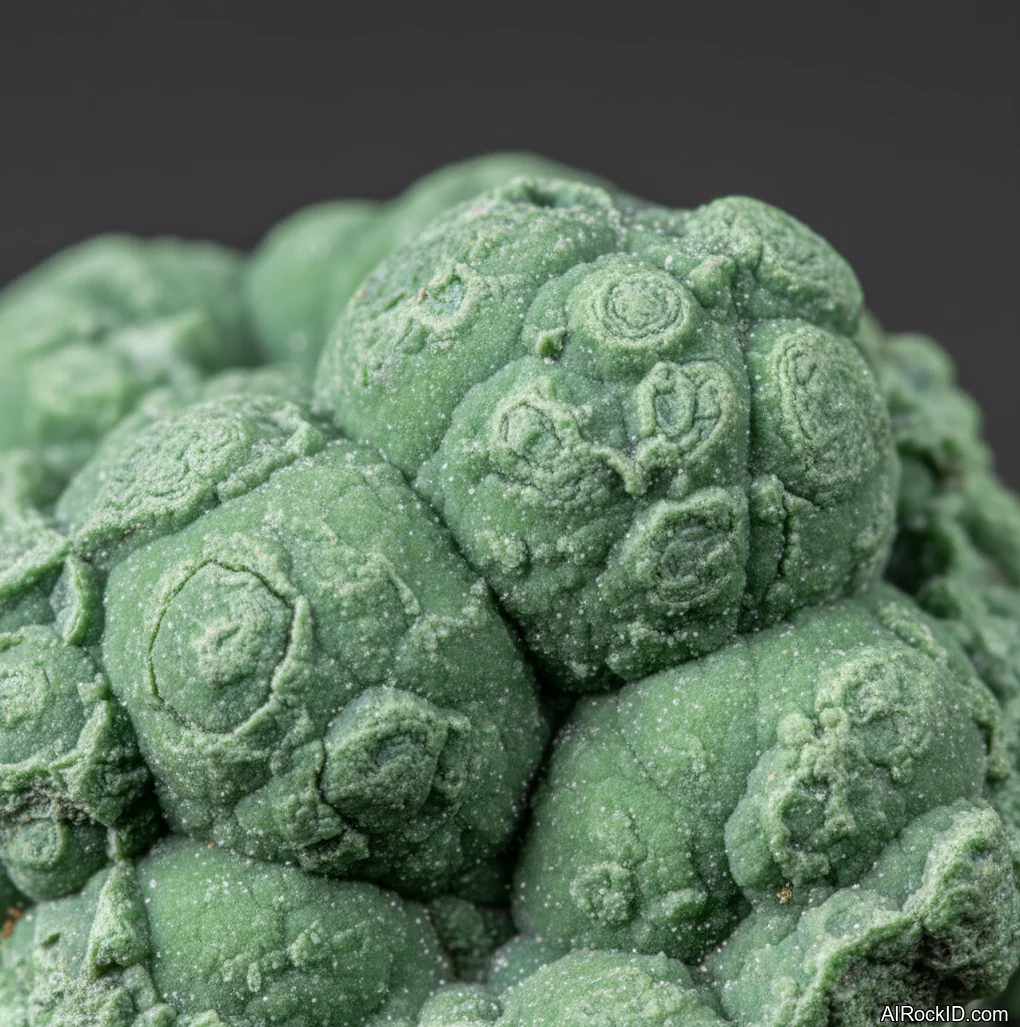
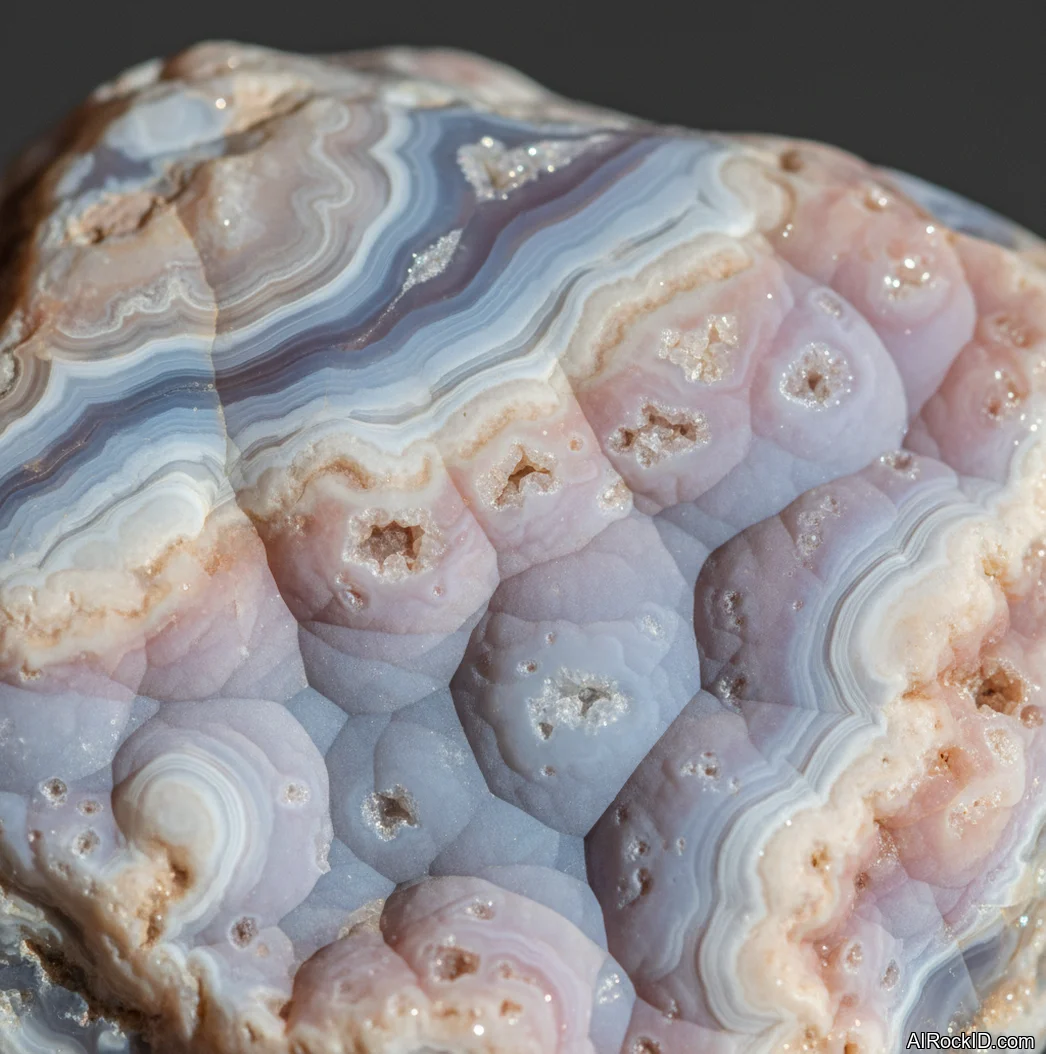
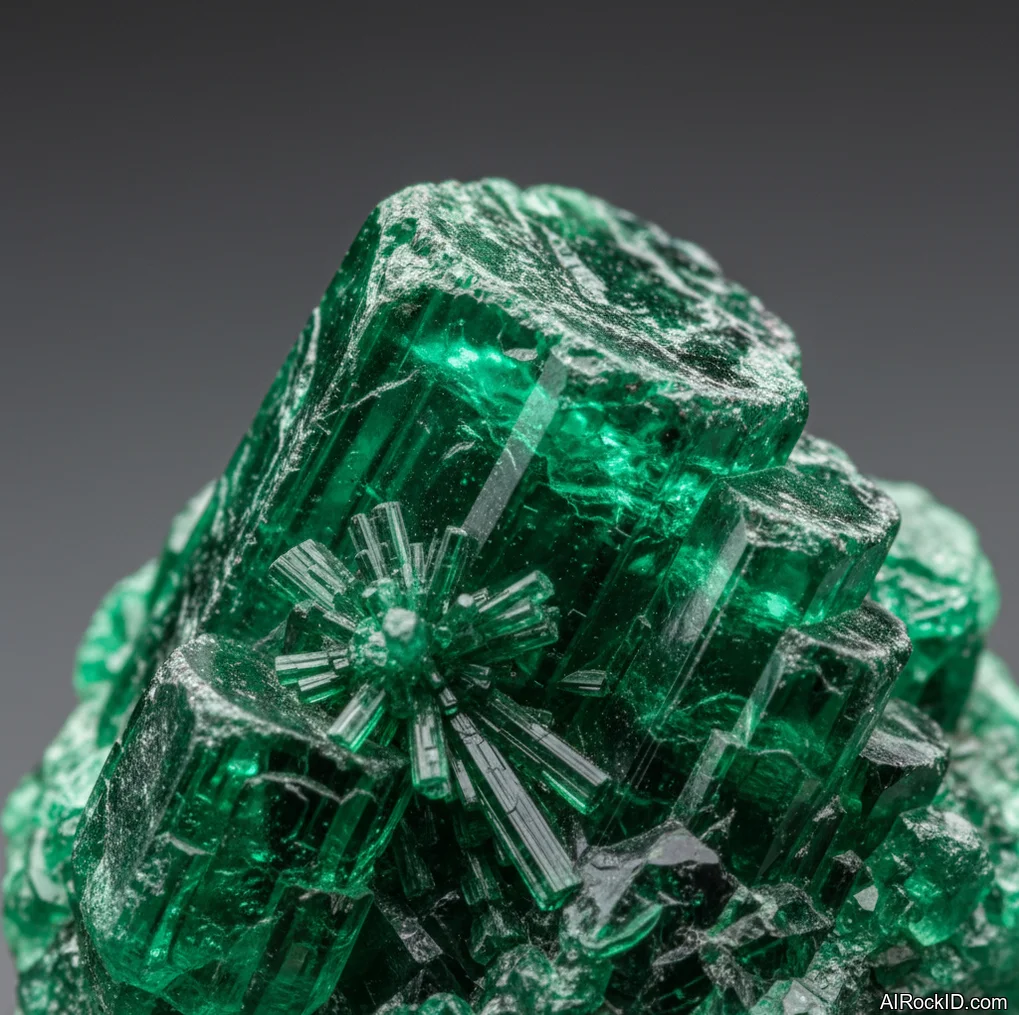
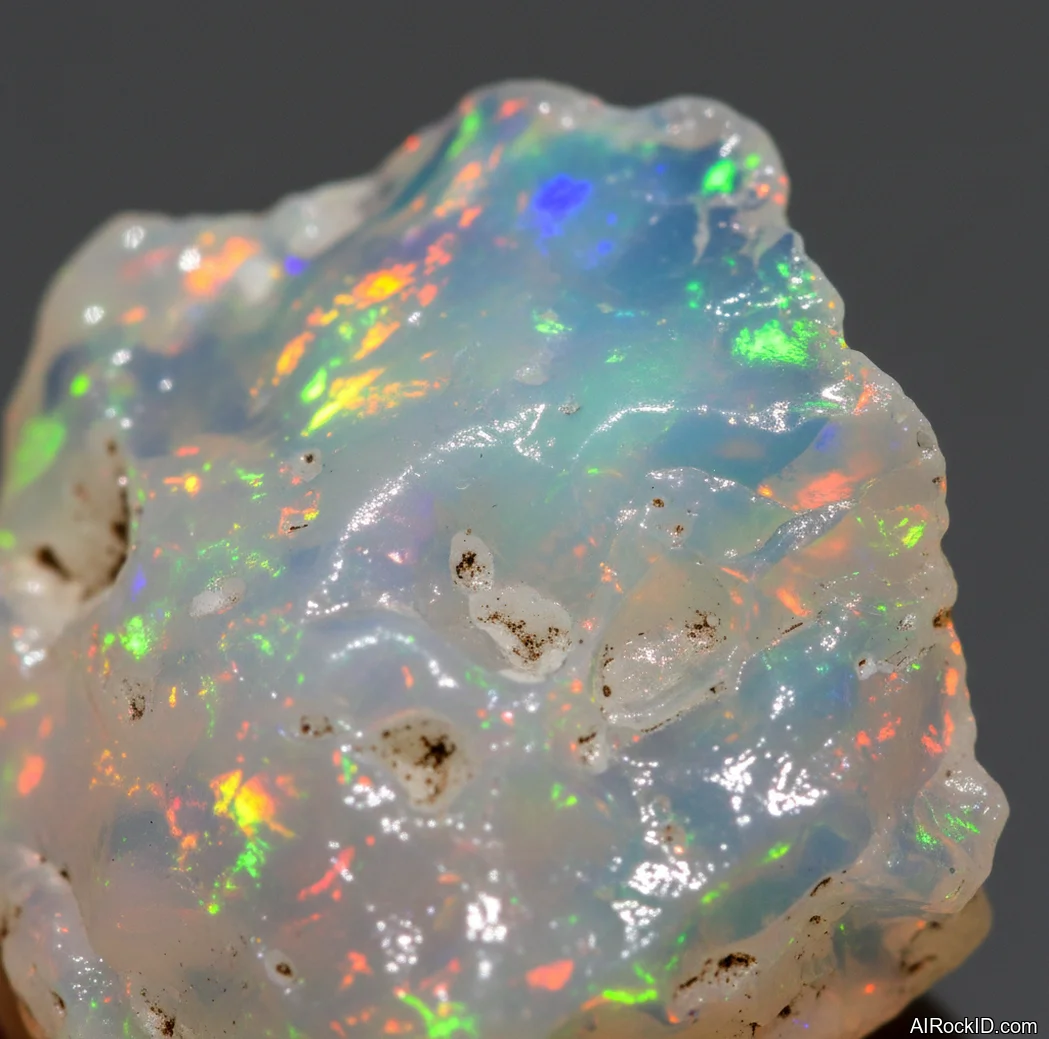
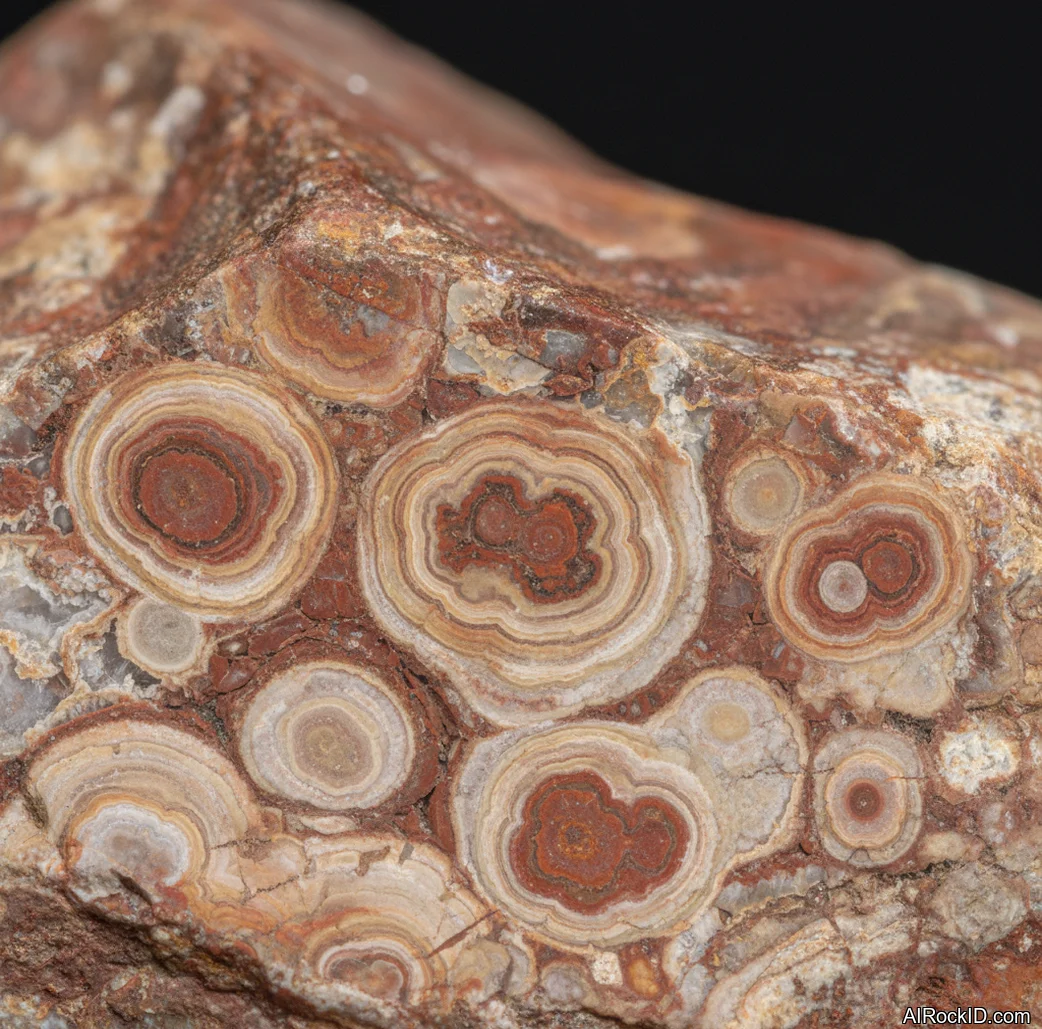
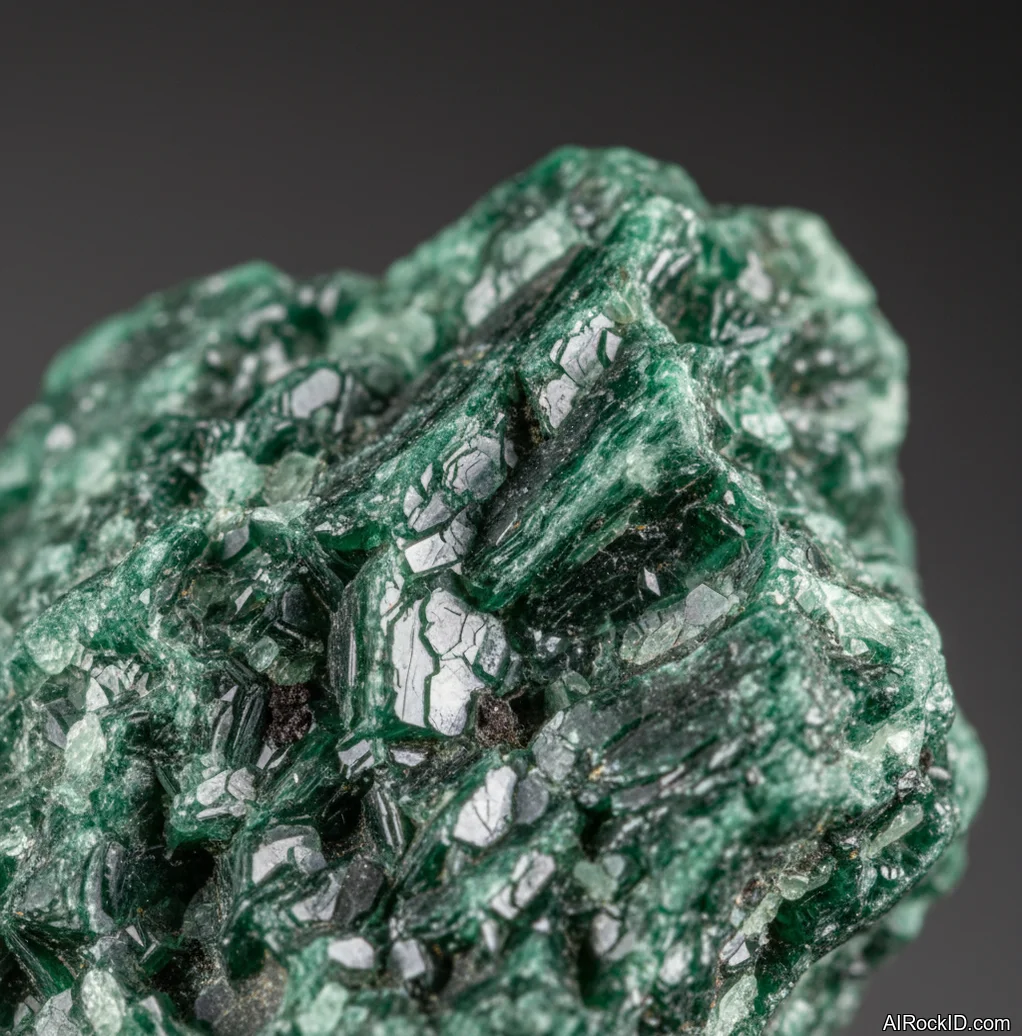
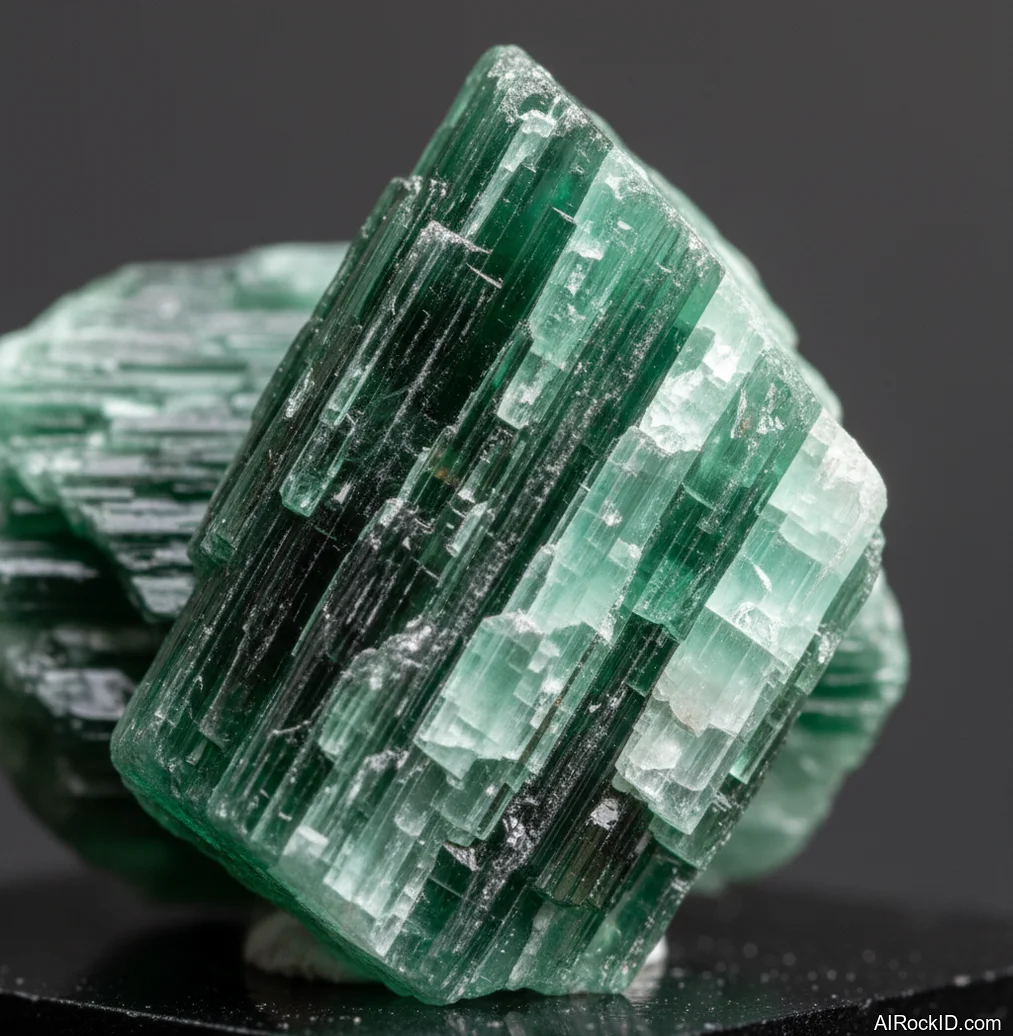
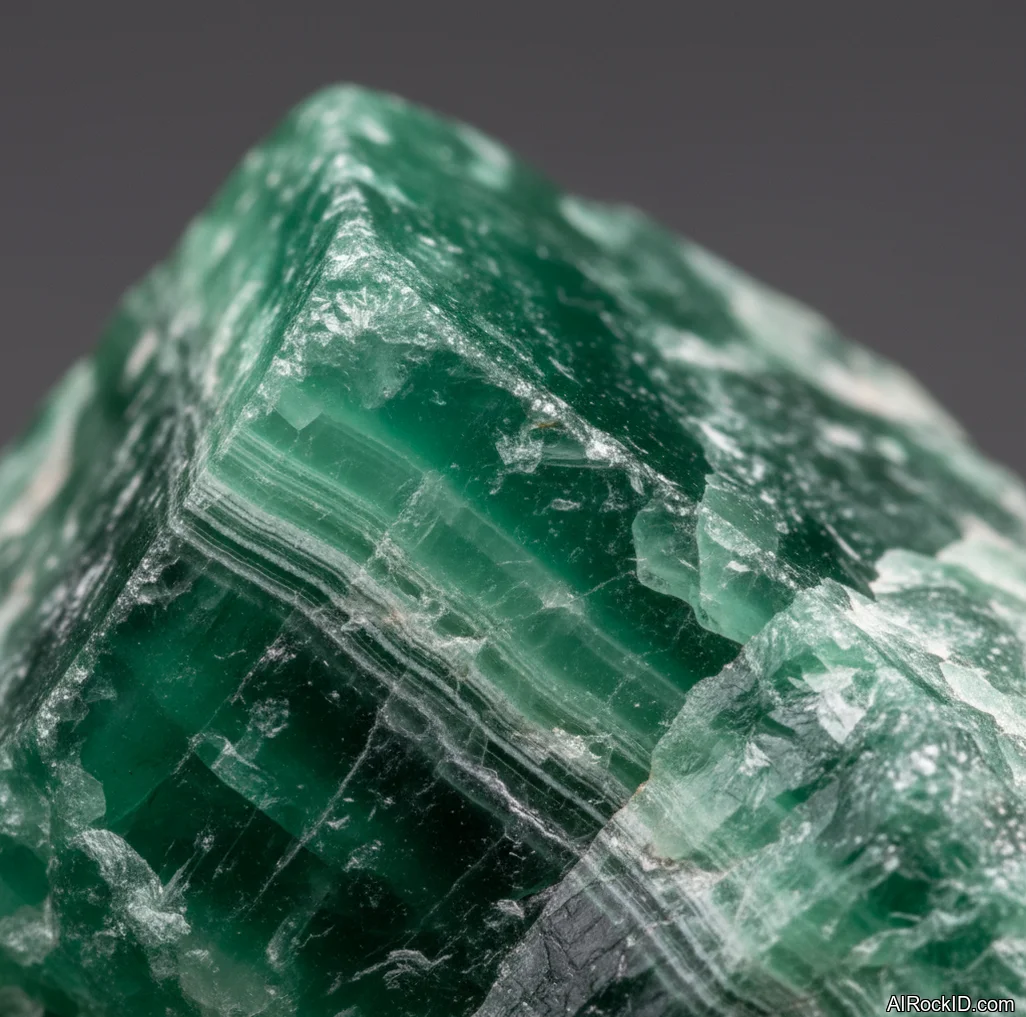
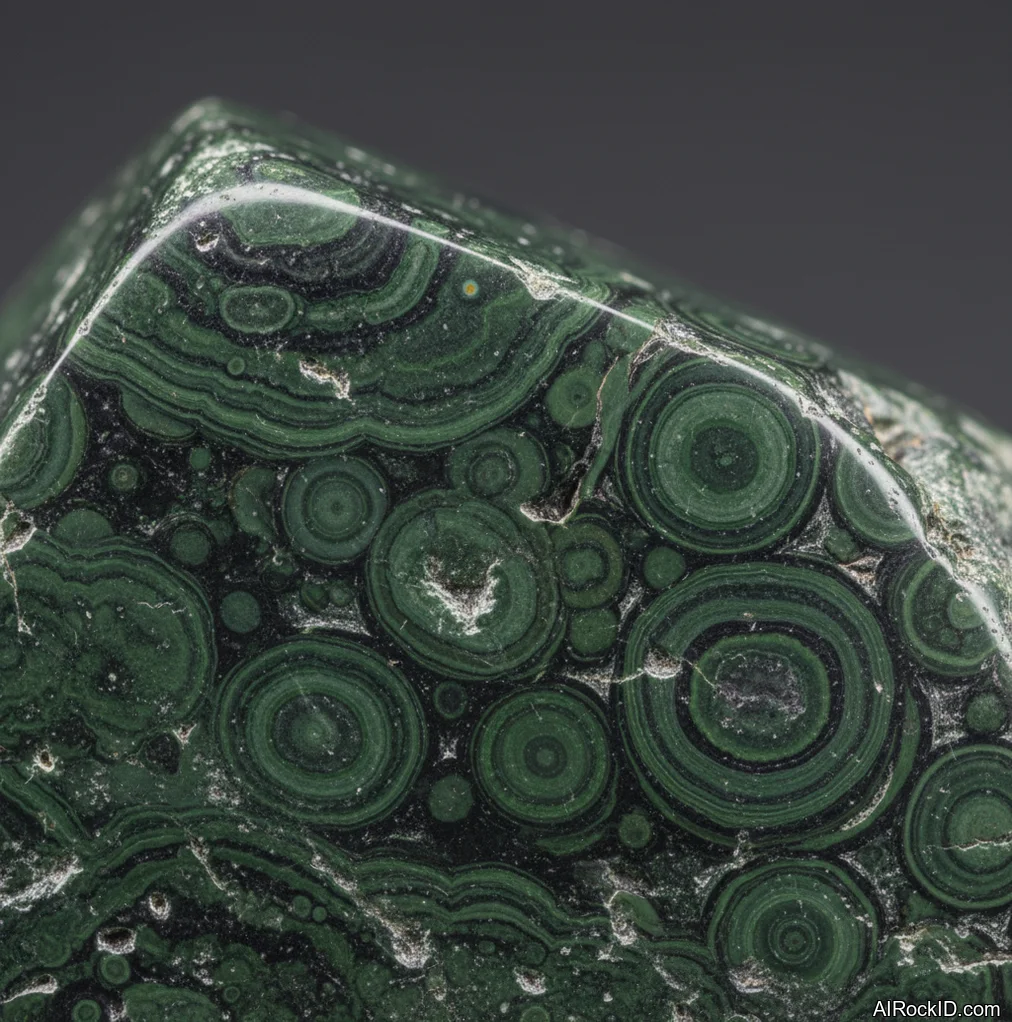
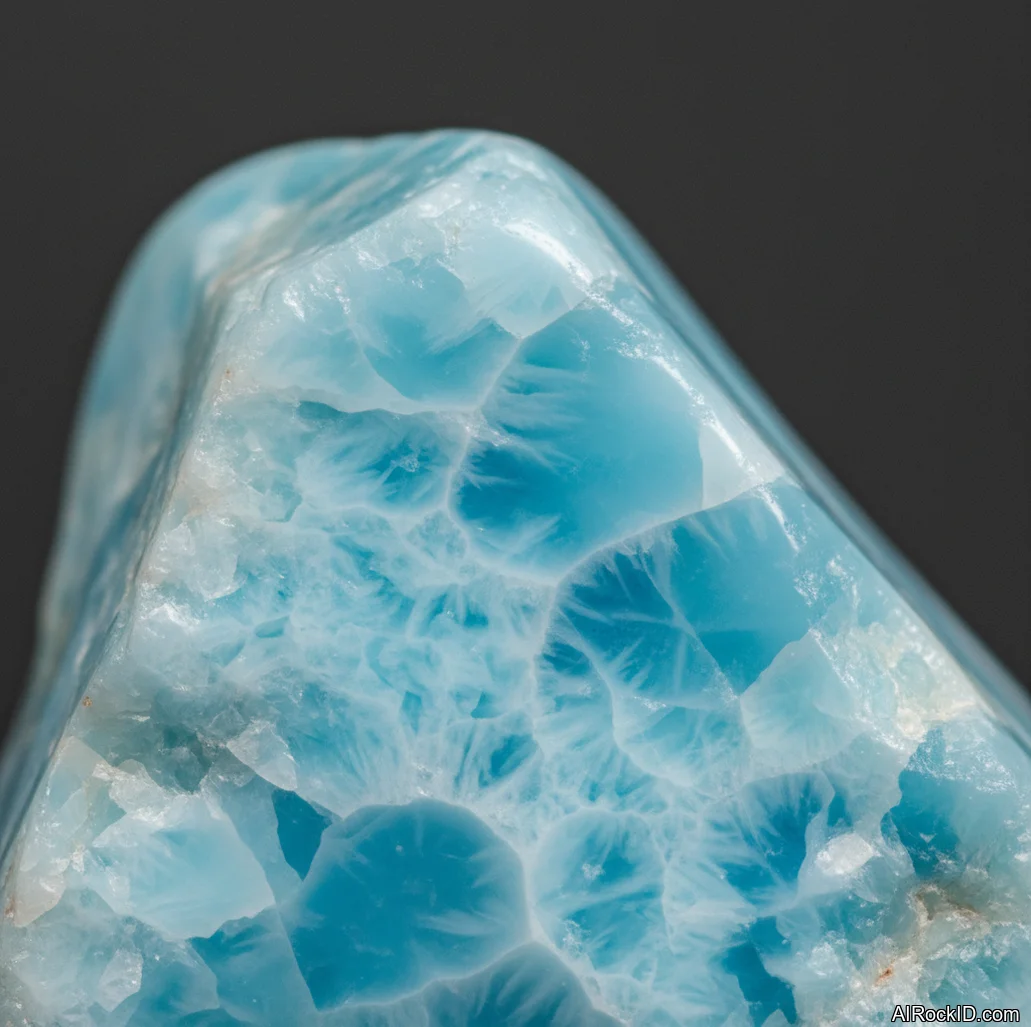
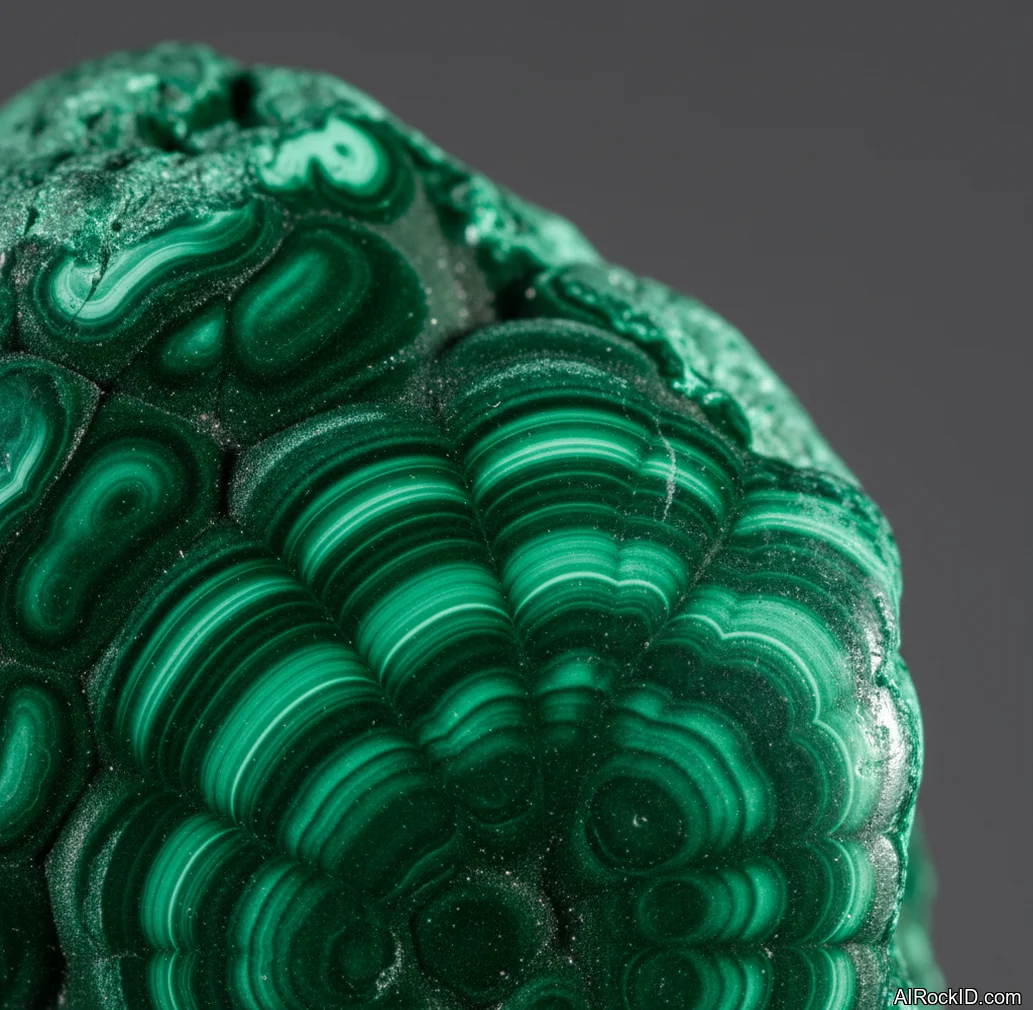
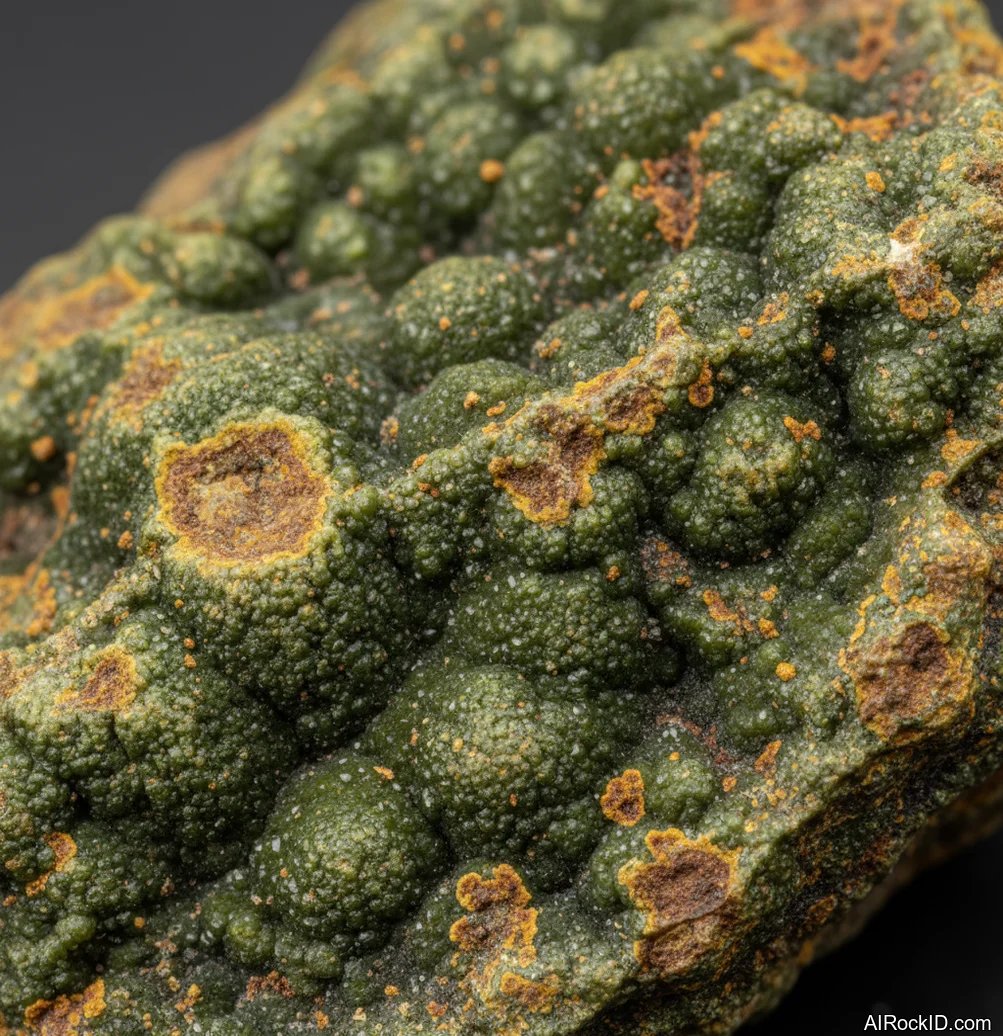
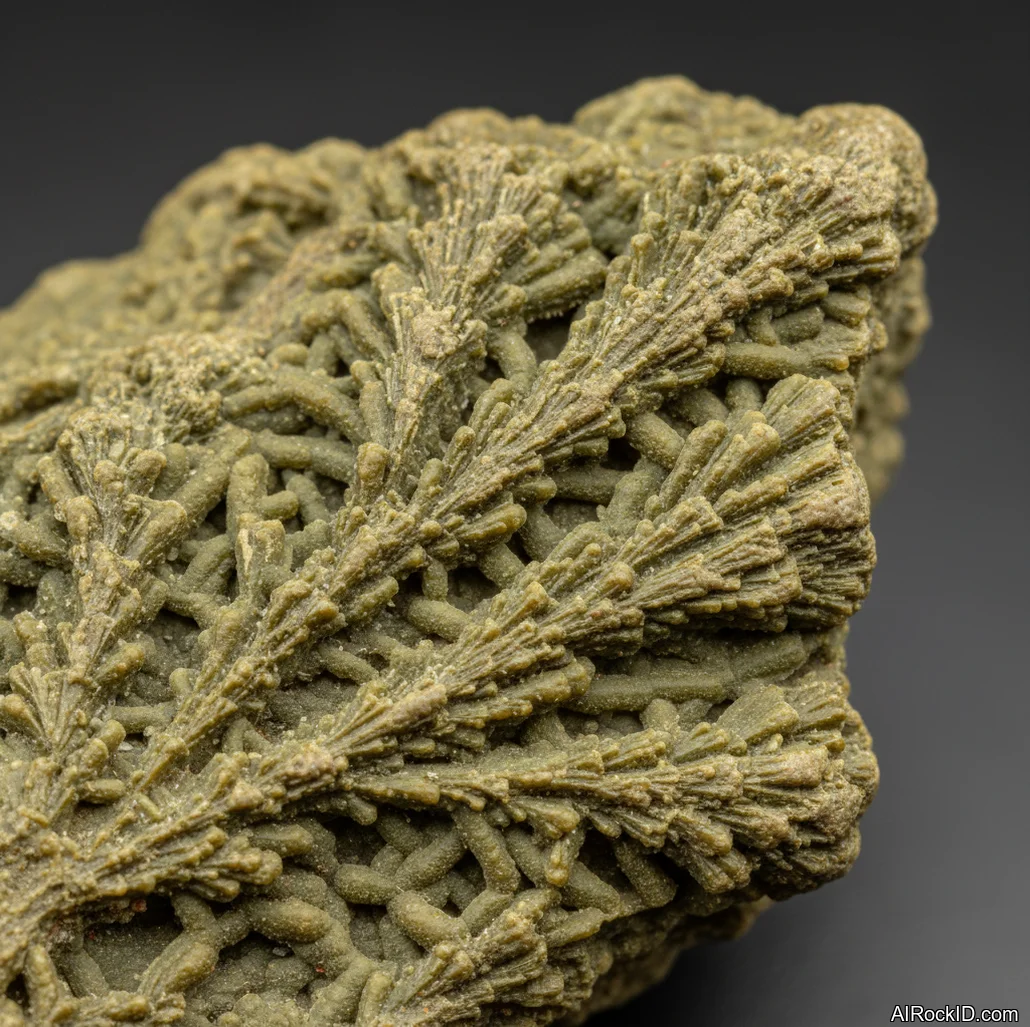
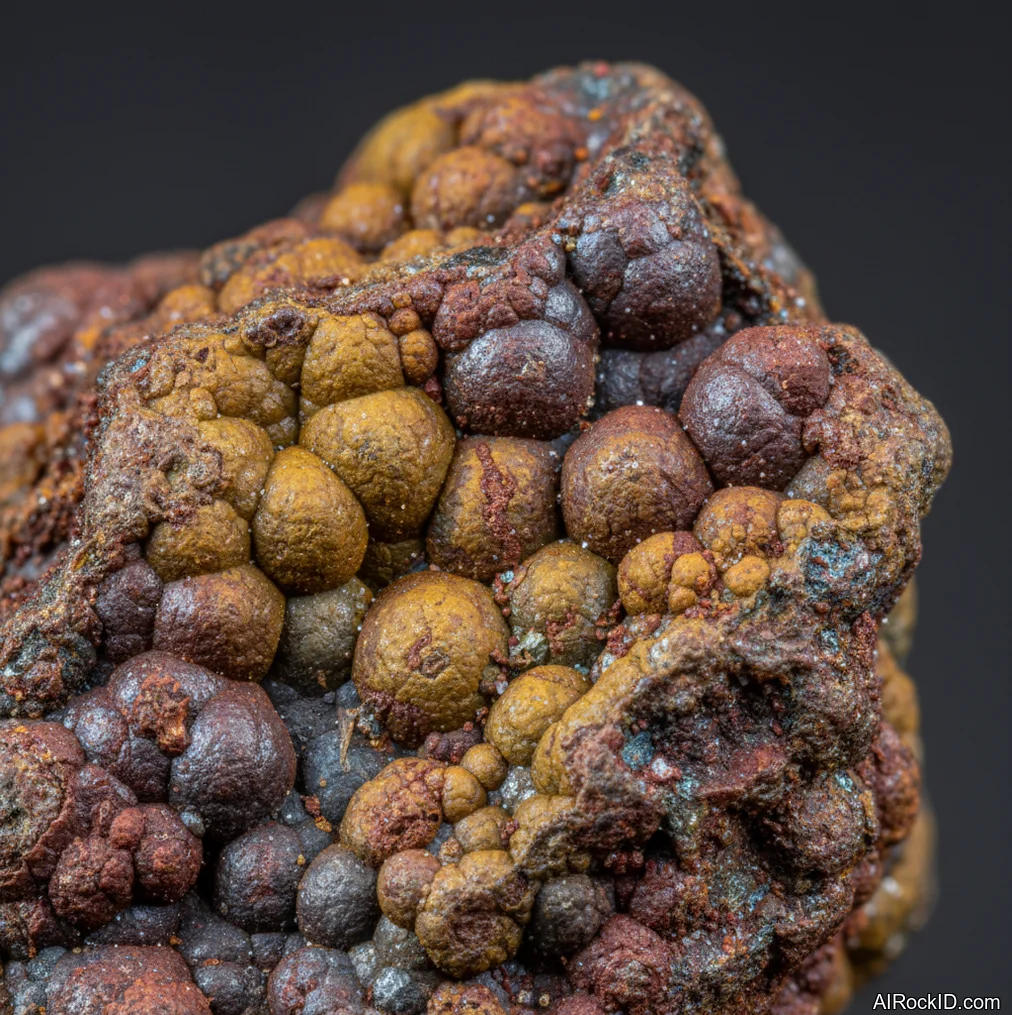
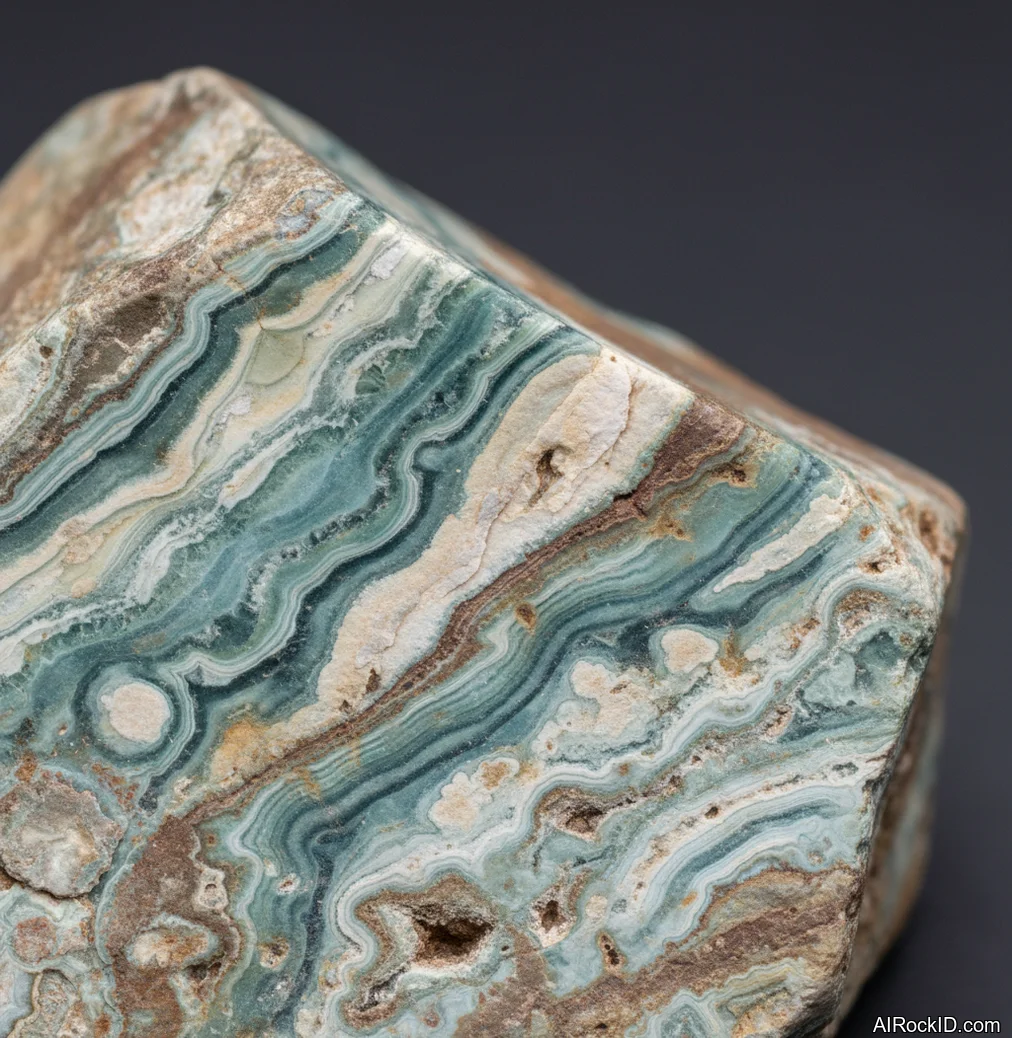
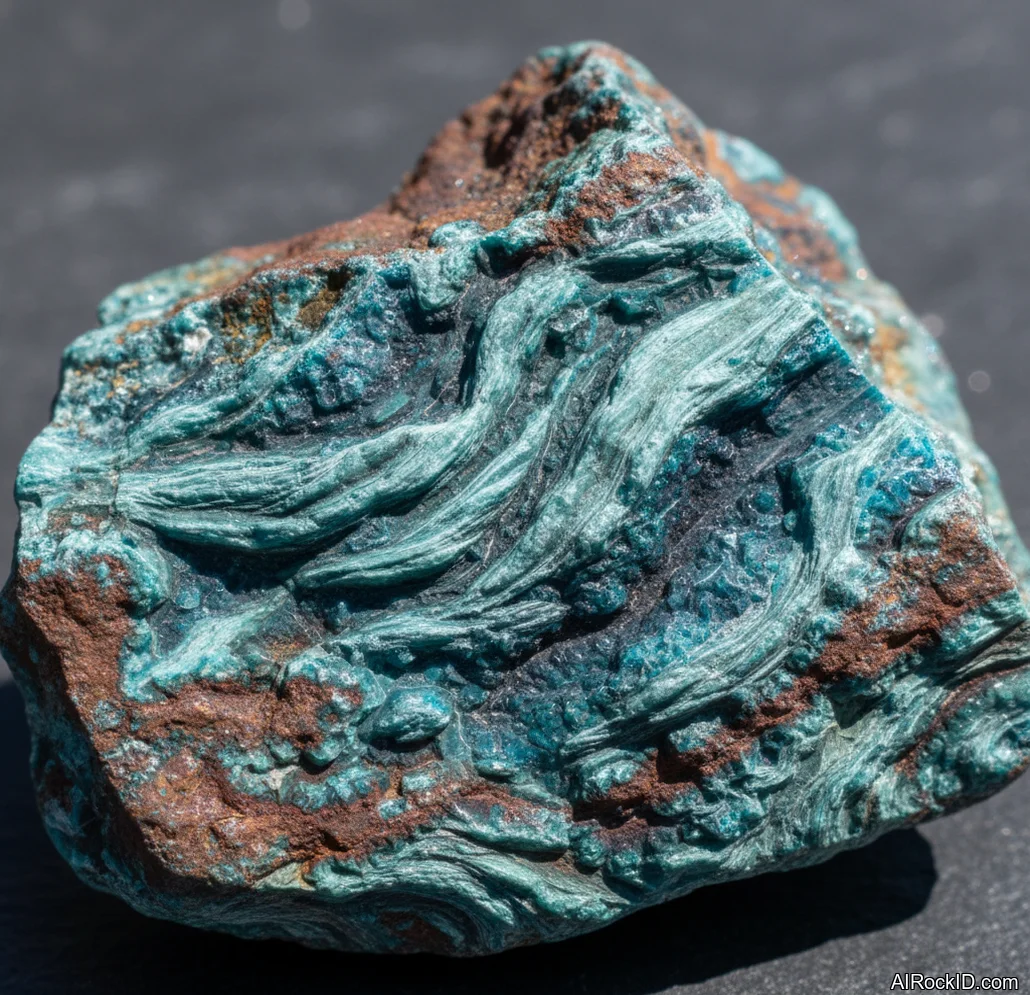
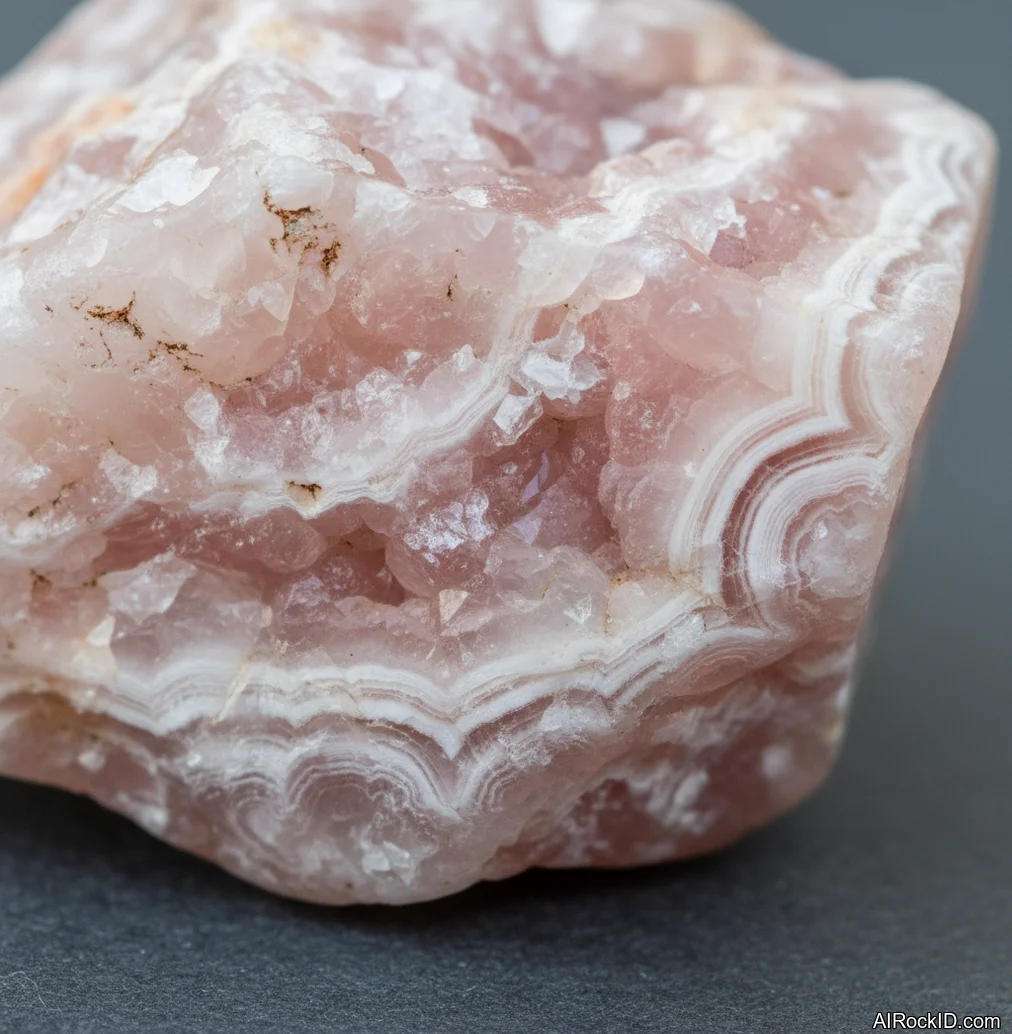
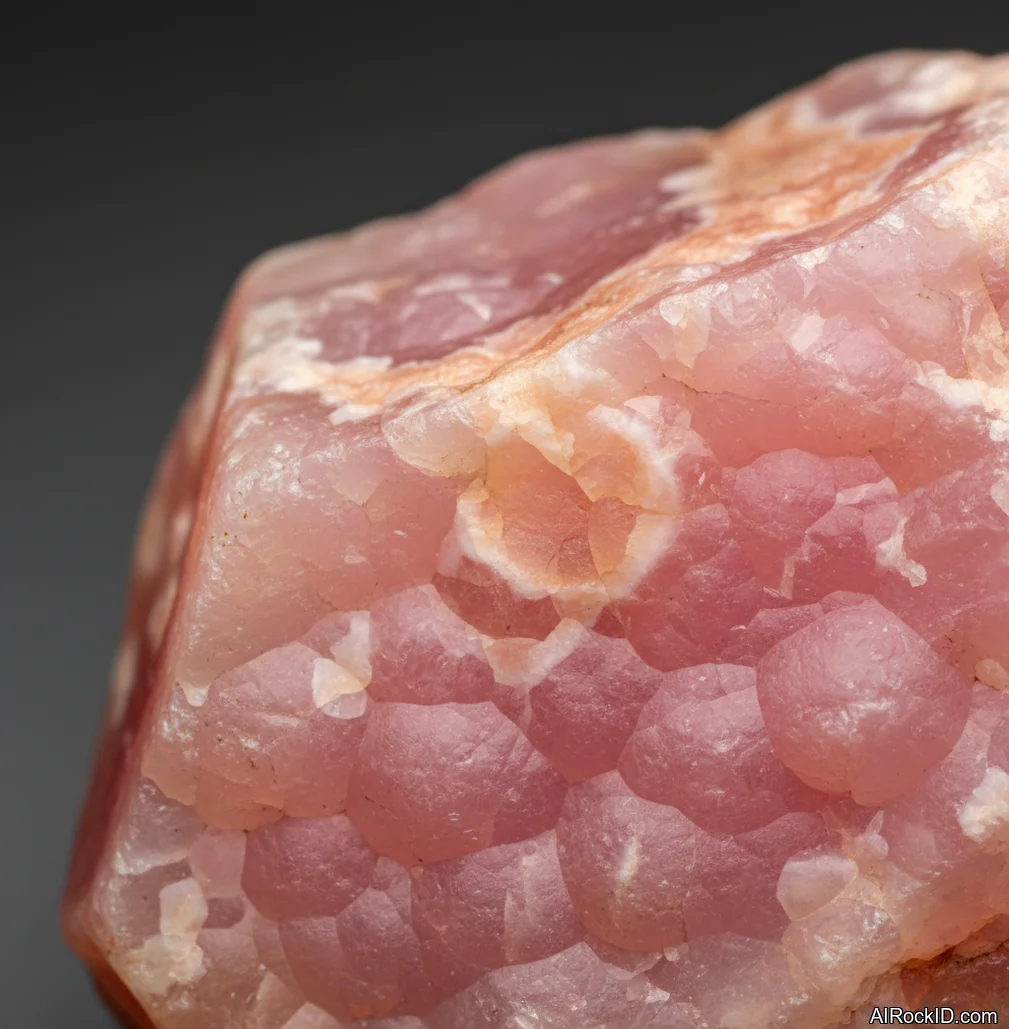
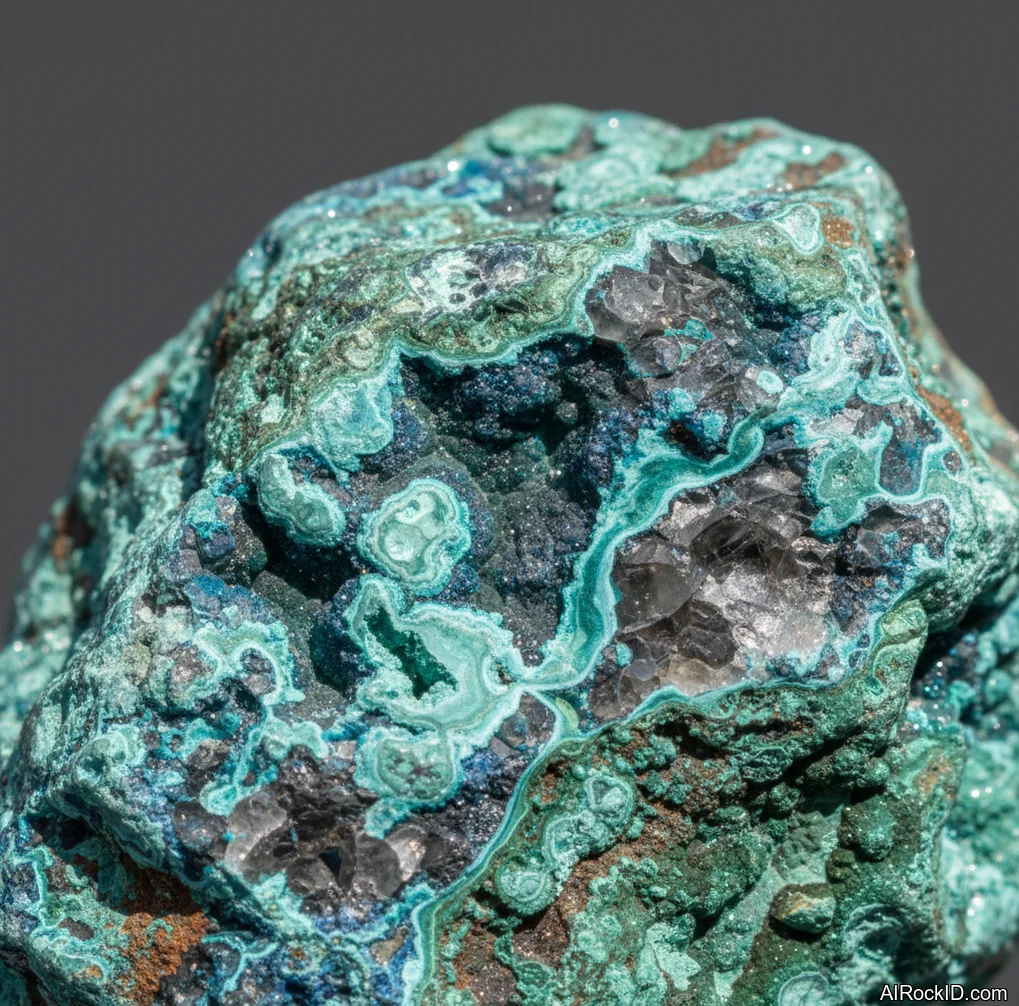
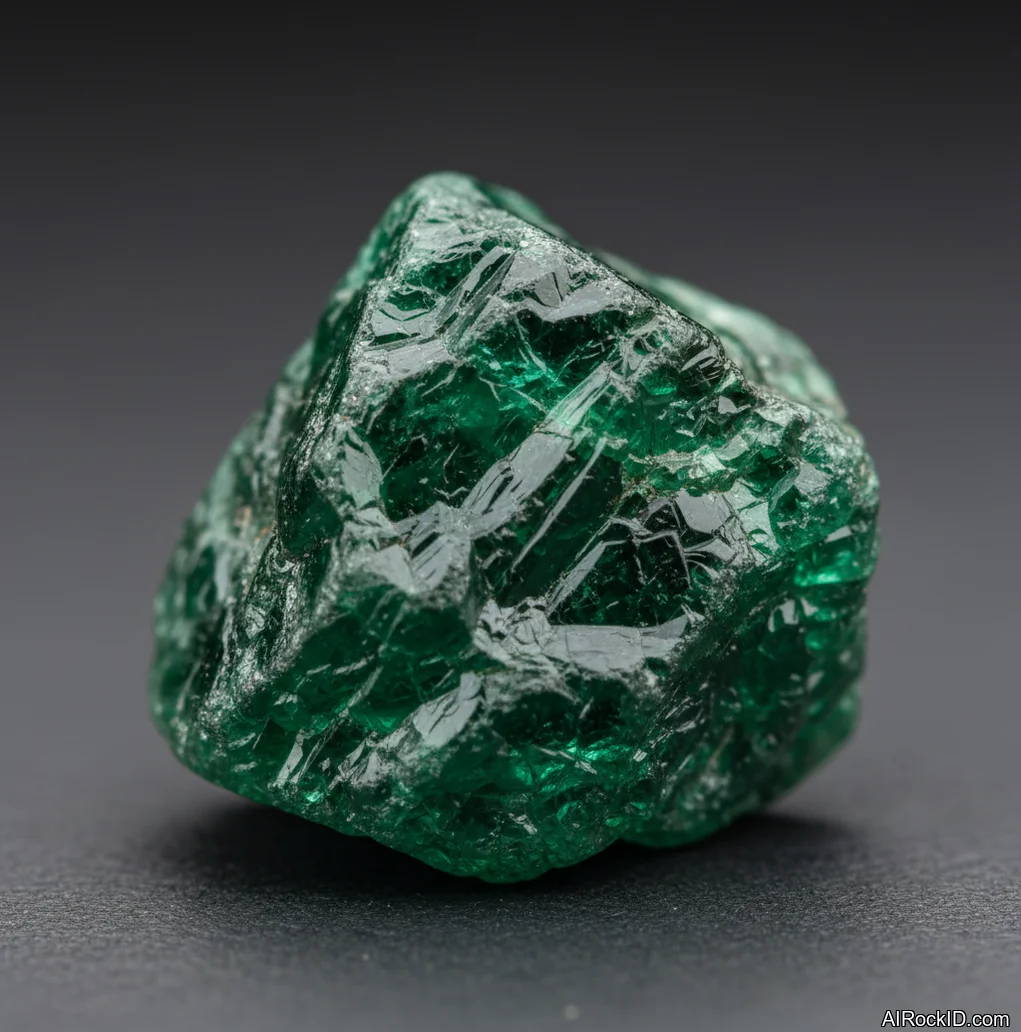
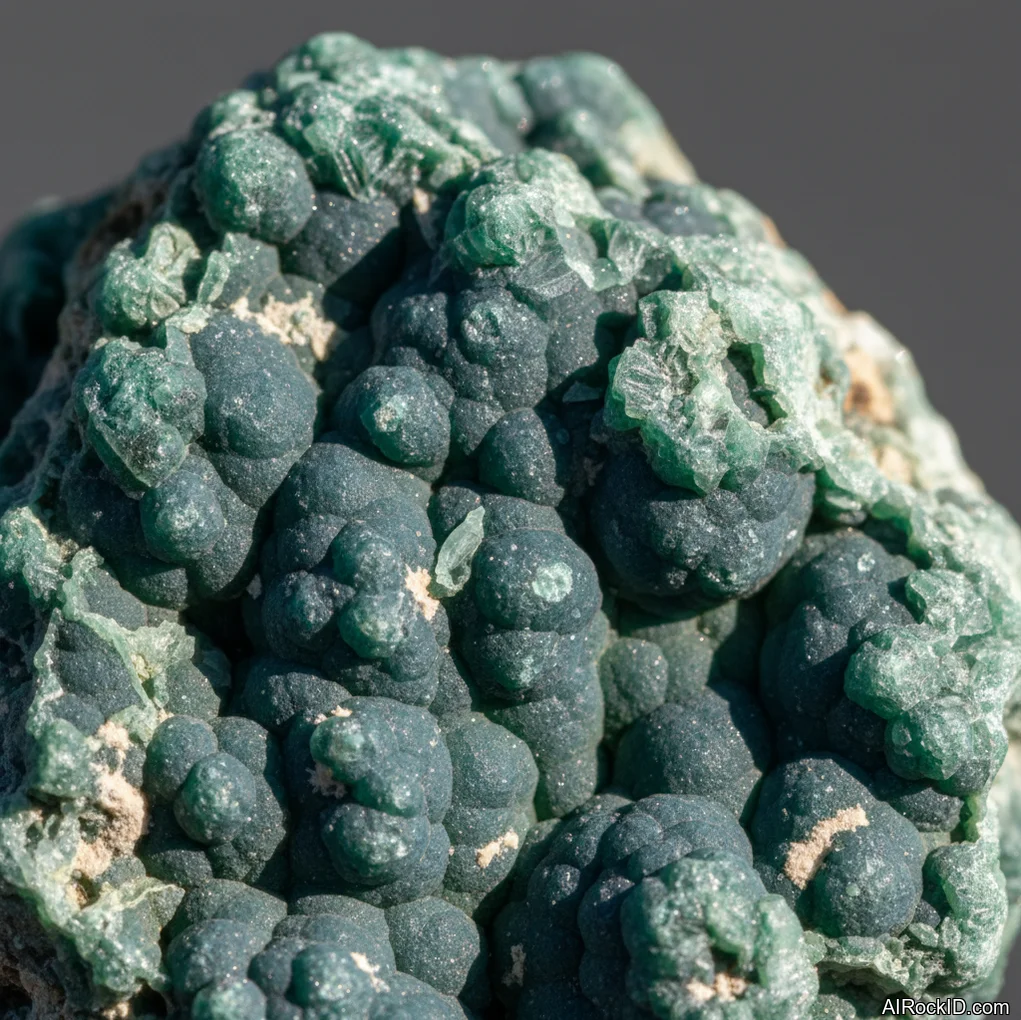
Green stones come up all the time. But it’s not only about color. Walk into any shop and the Heart Chakra shelf ends up being a mix of soft, soothing pieces and stones that feel like a straight-up wake-up call. Rose quartz and pink opal are on the gentle end. Malachite and emerald are on the “don’t lie to yourself” end. I’ve watched people pick up malachite, flip it once, catch those tight banded eyes, and put it back down like it was loud. That reaction? It’s part of why people go looking for Heart Chakra stones in the first place. They’re trying to settle the chest-clench stuff. Or they’re trying to crack open something that’s been stuck.
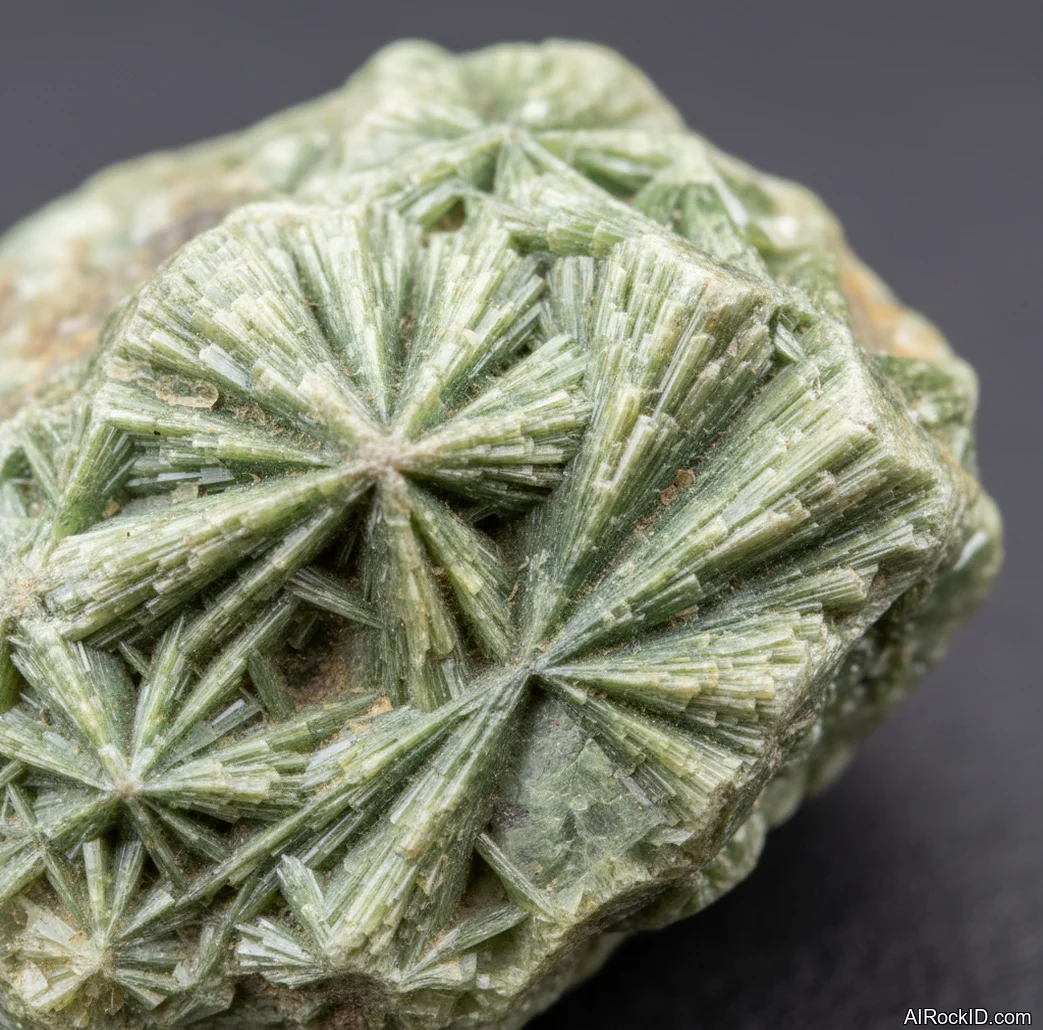
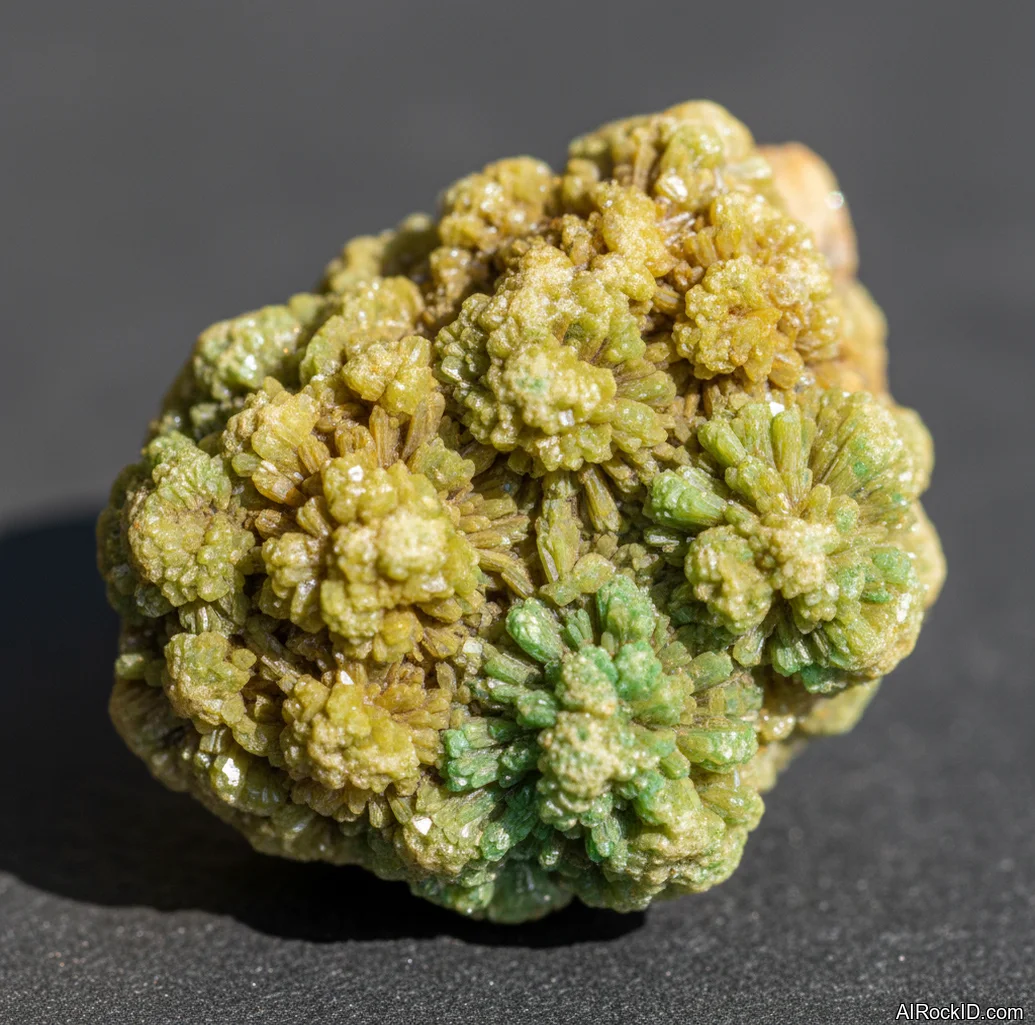
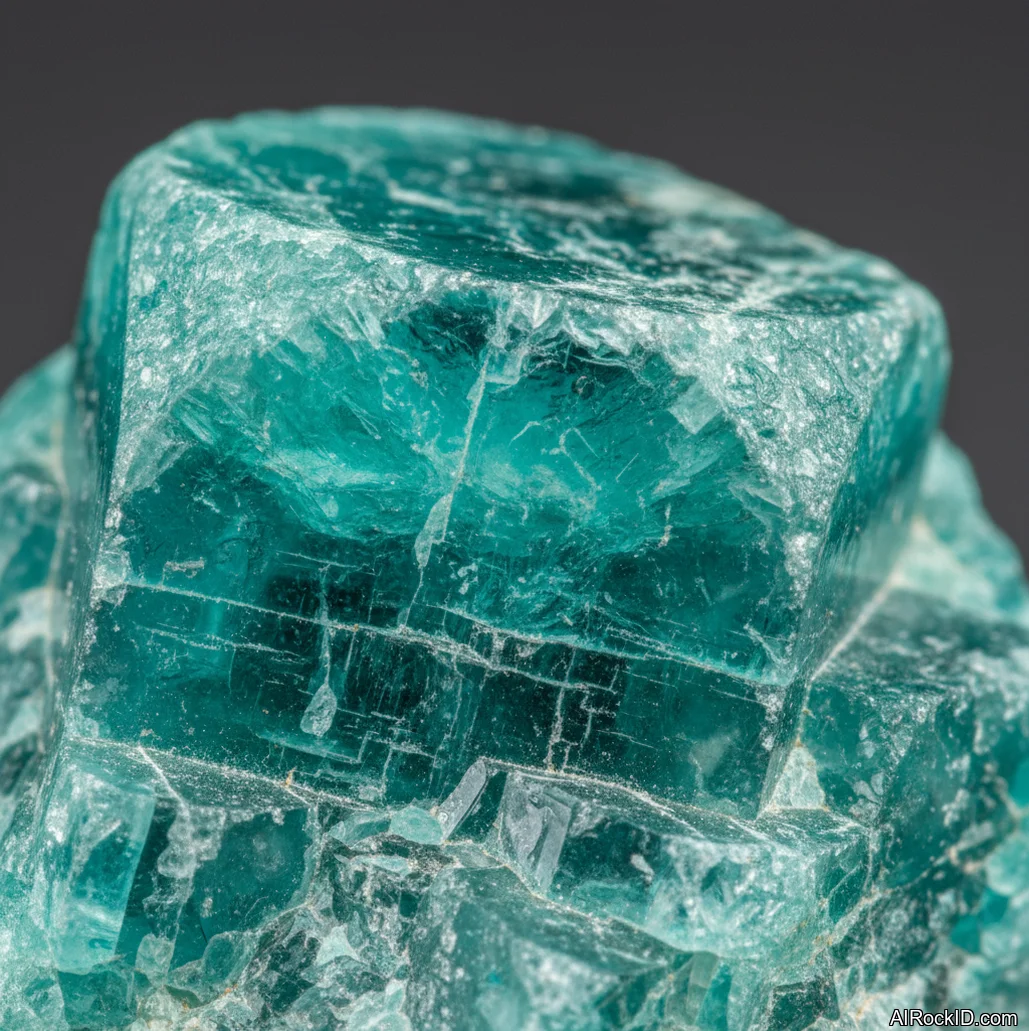
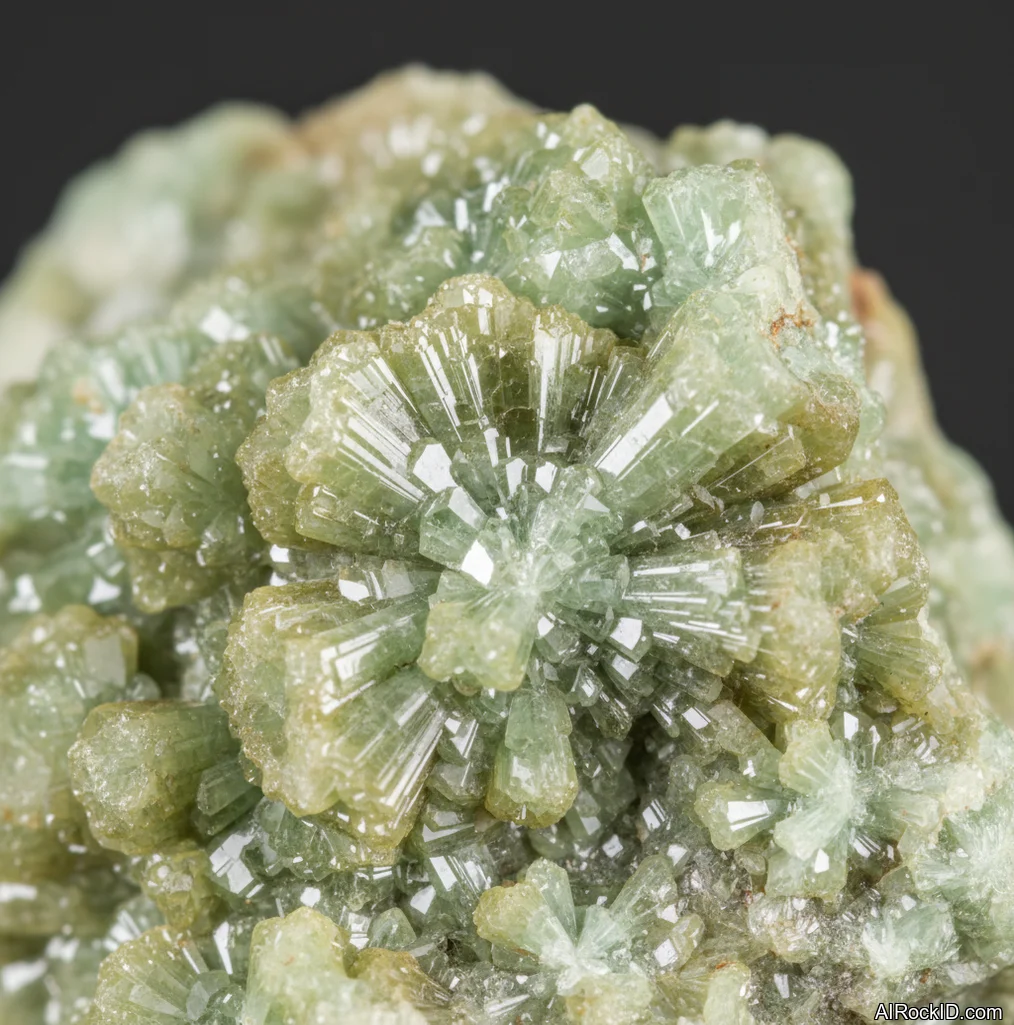
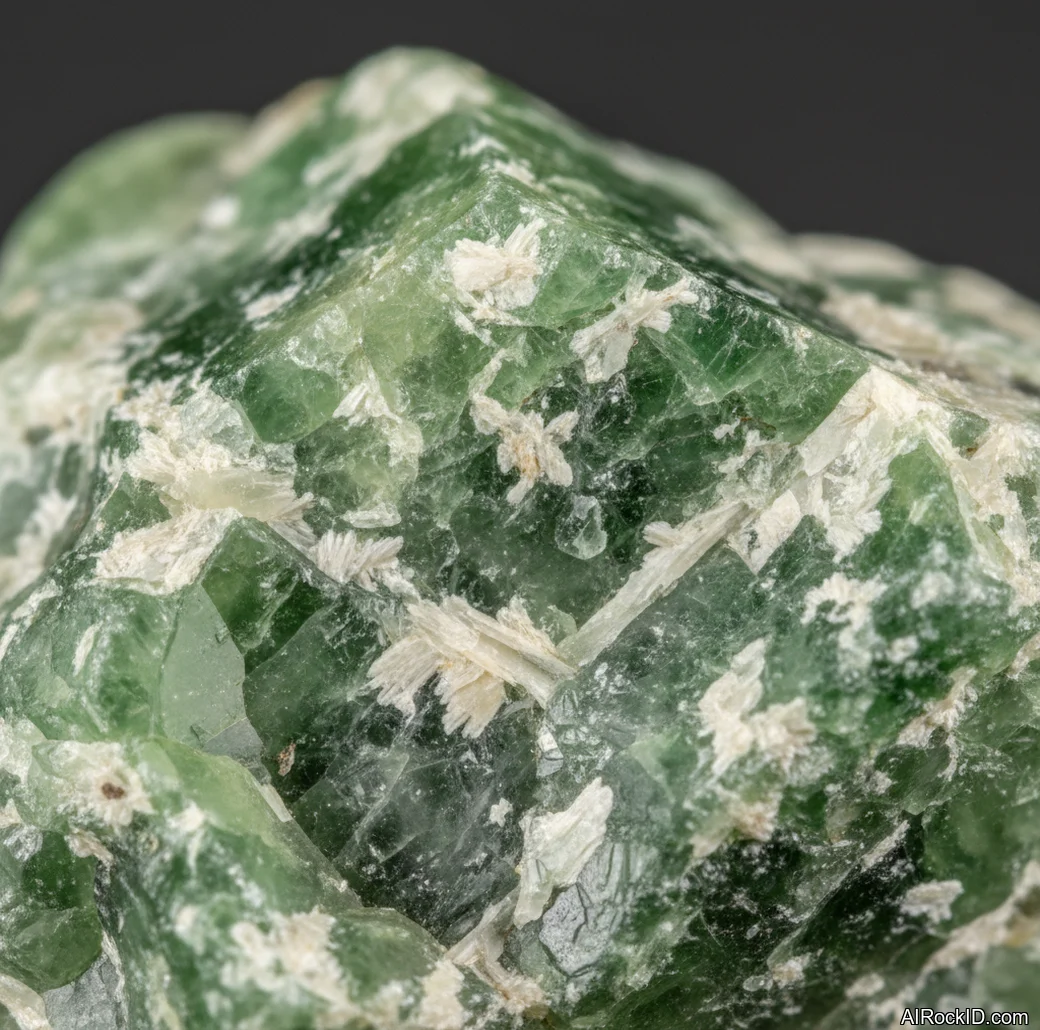
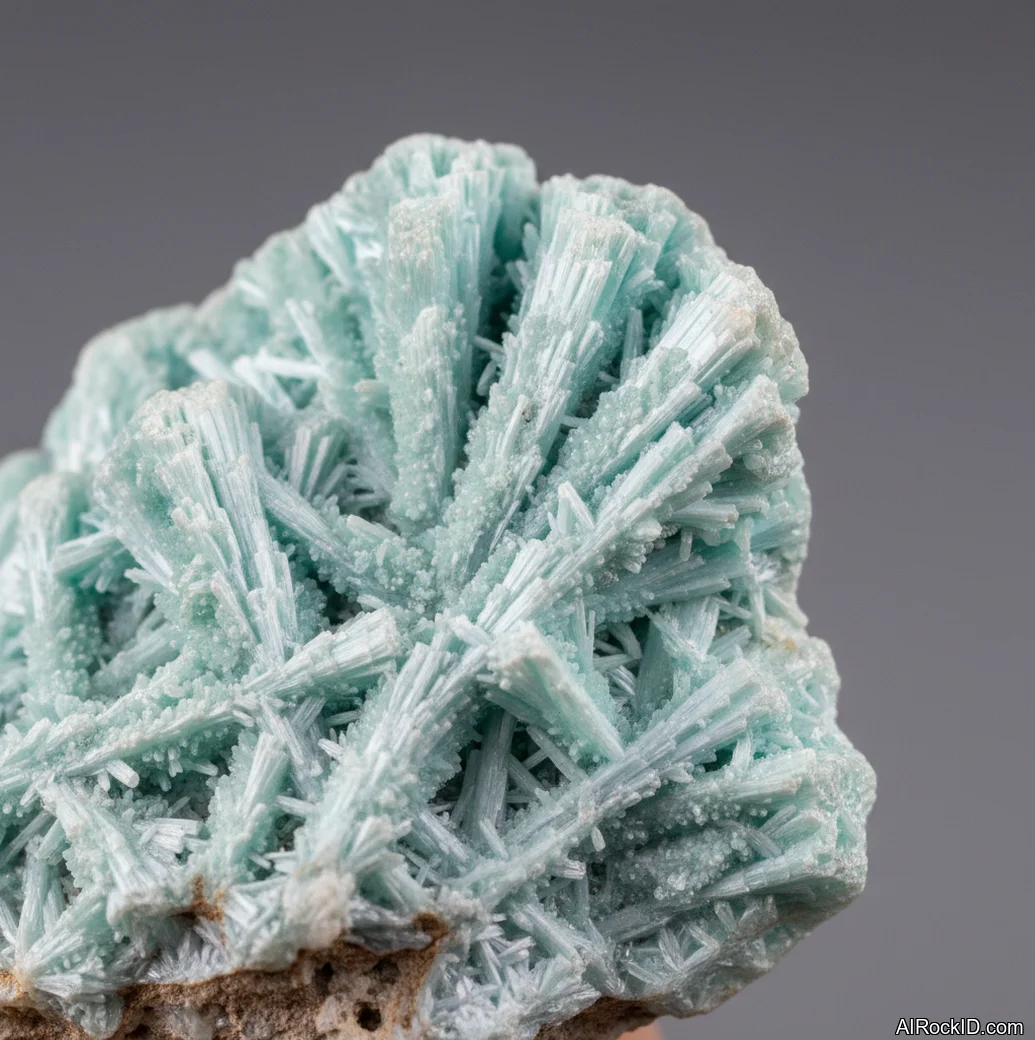
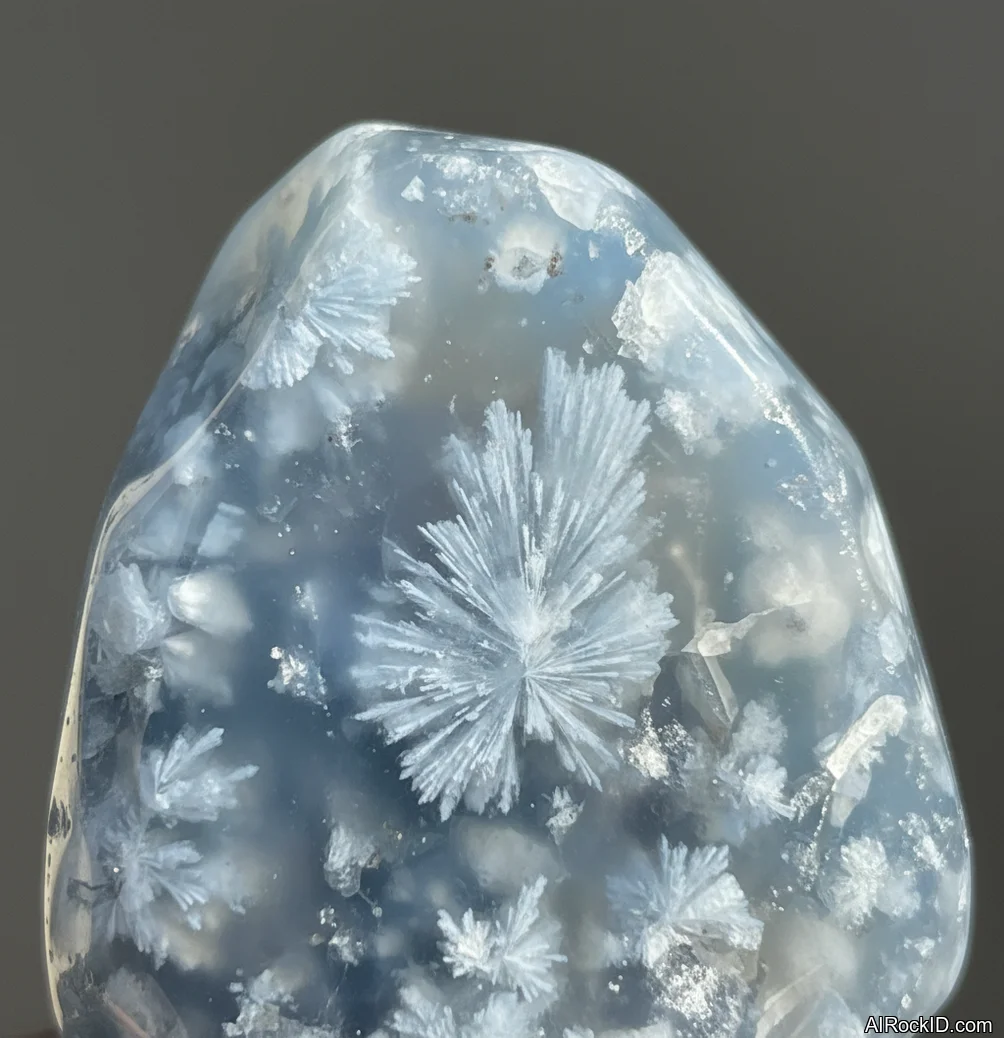
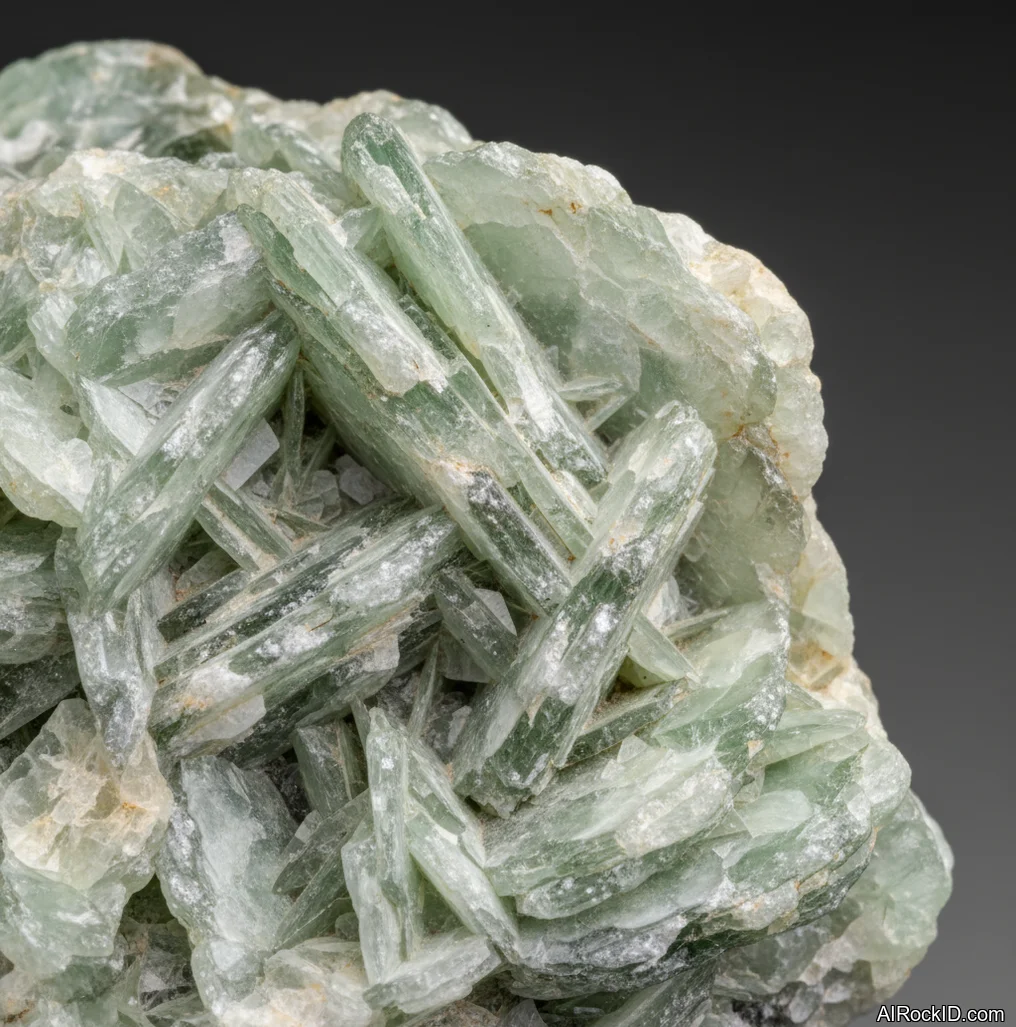
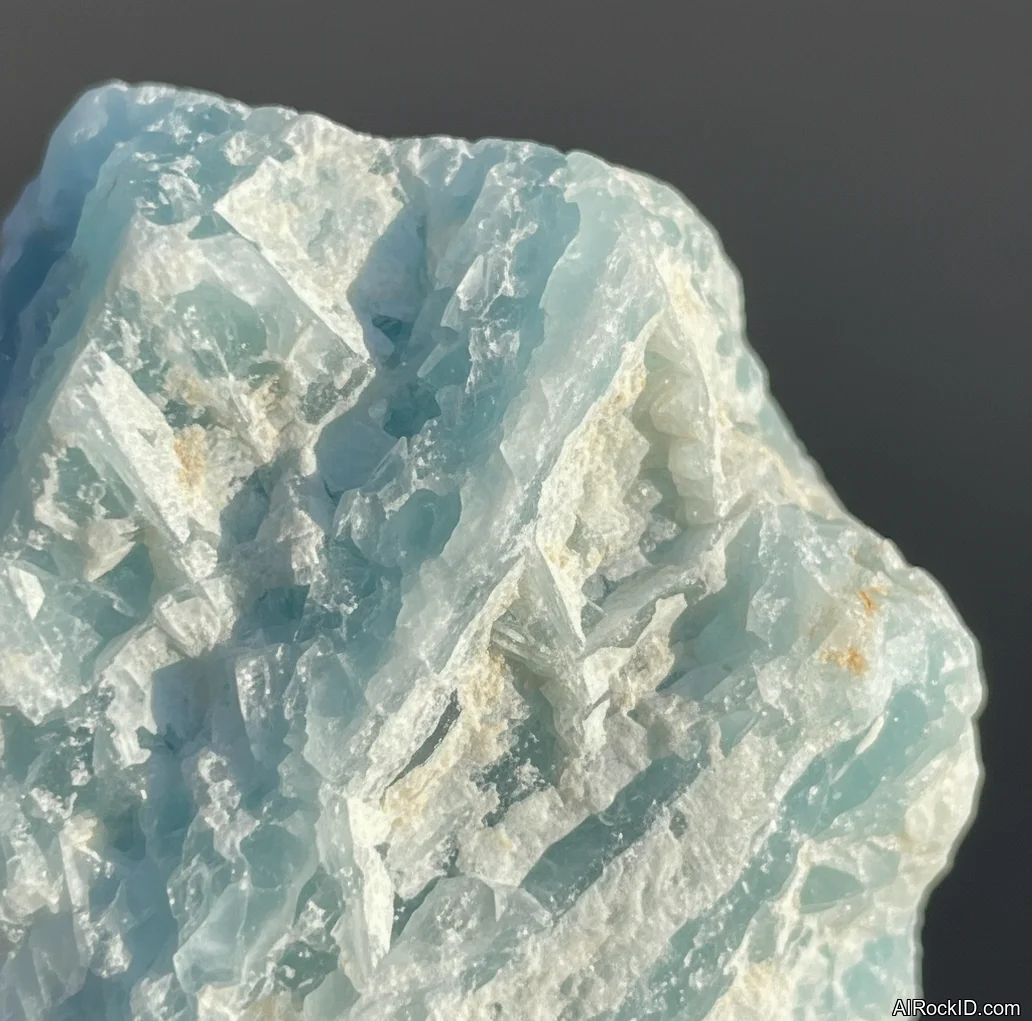
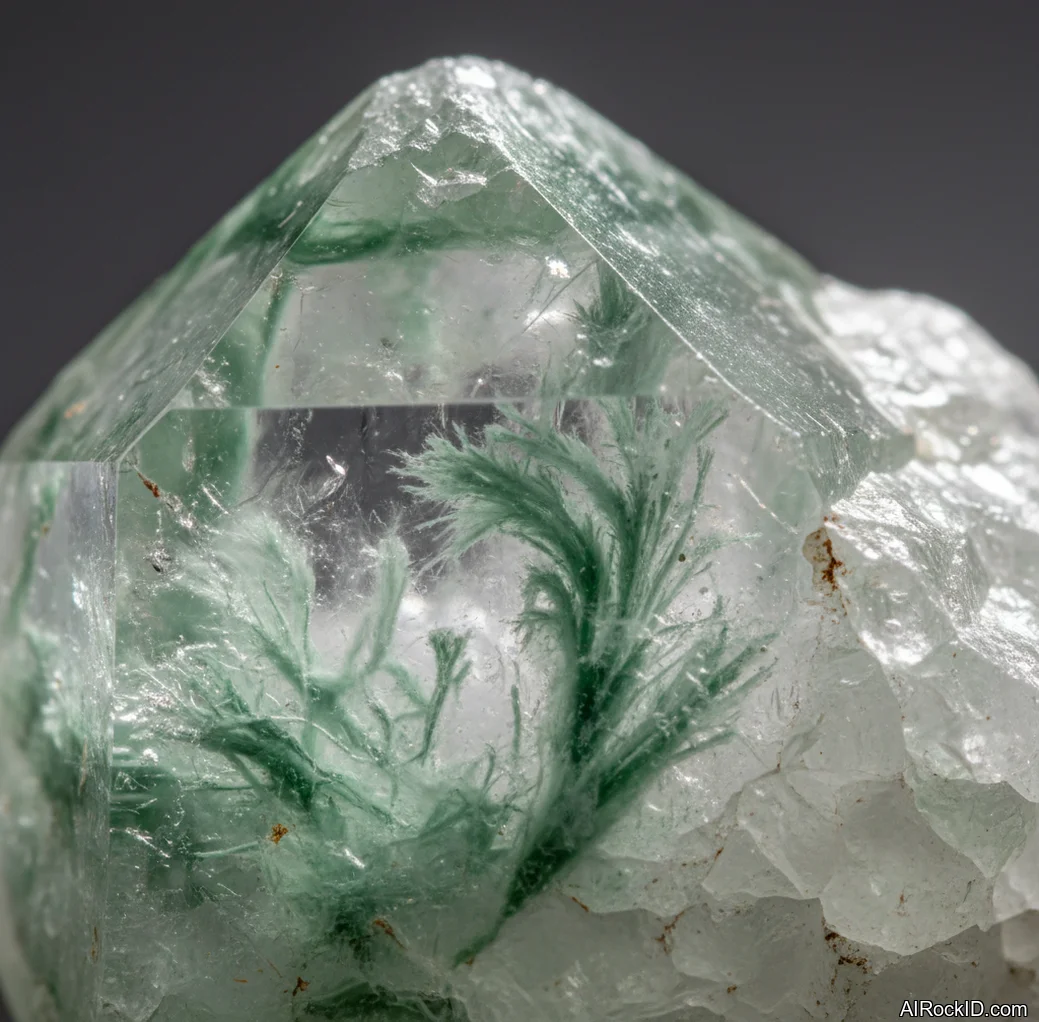
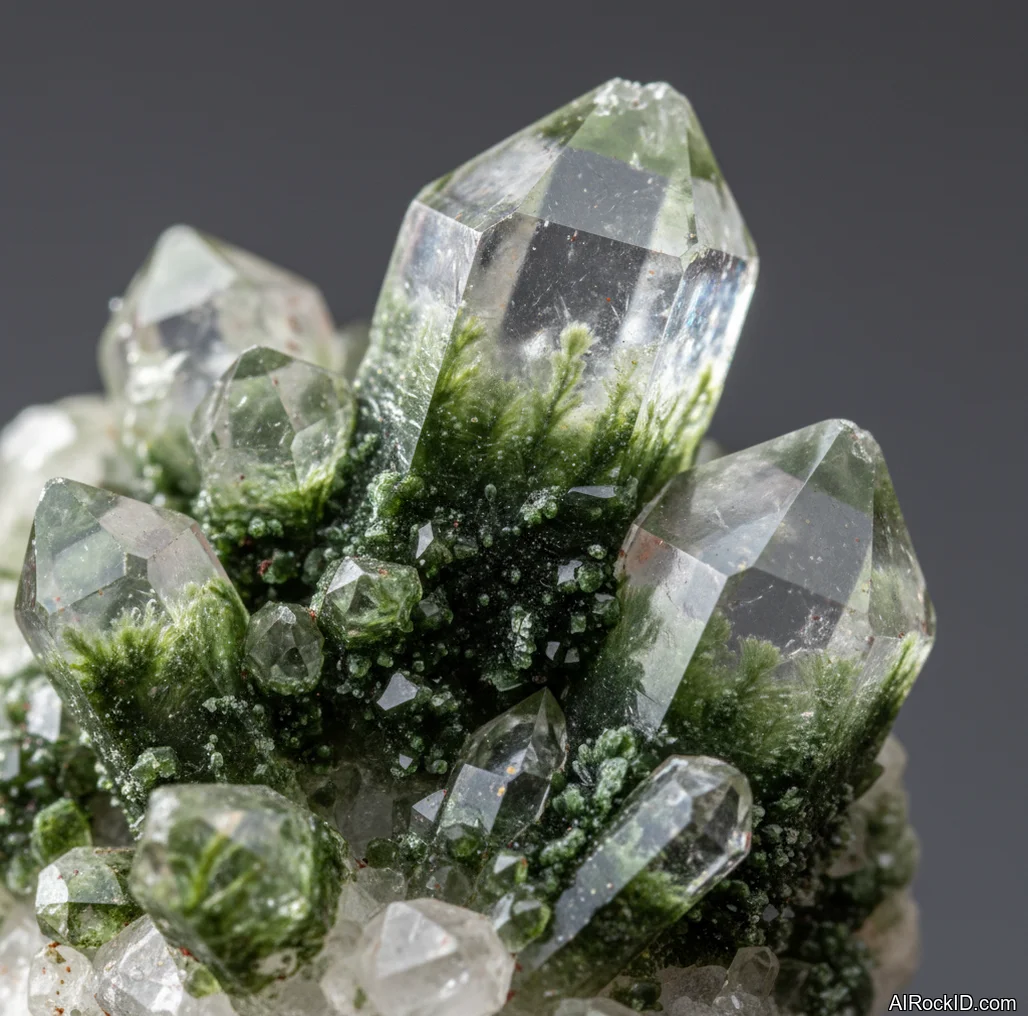
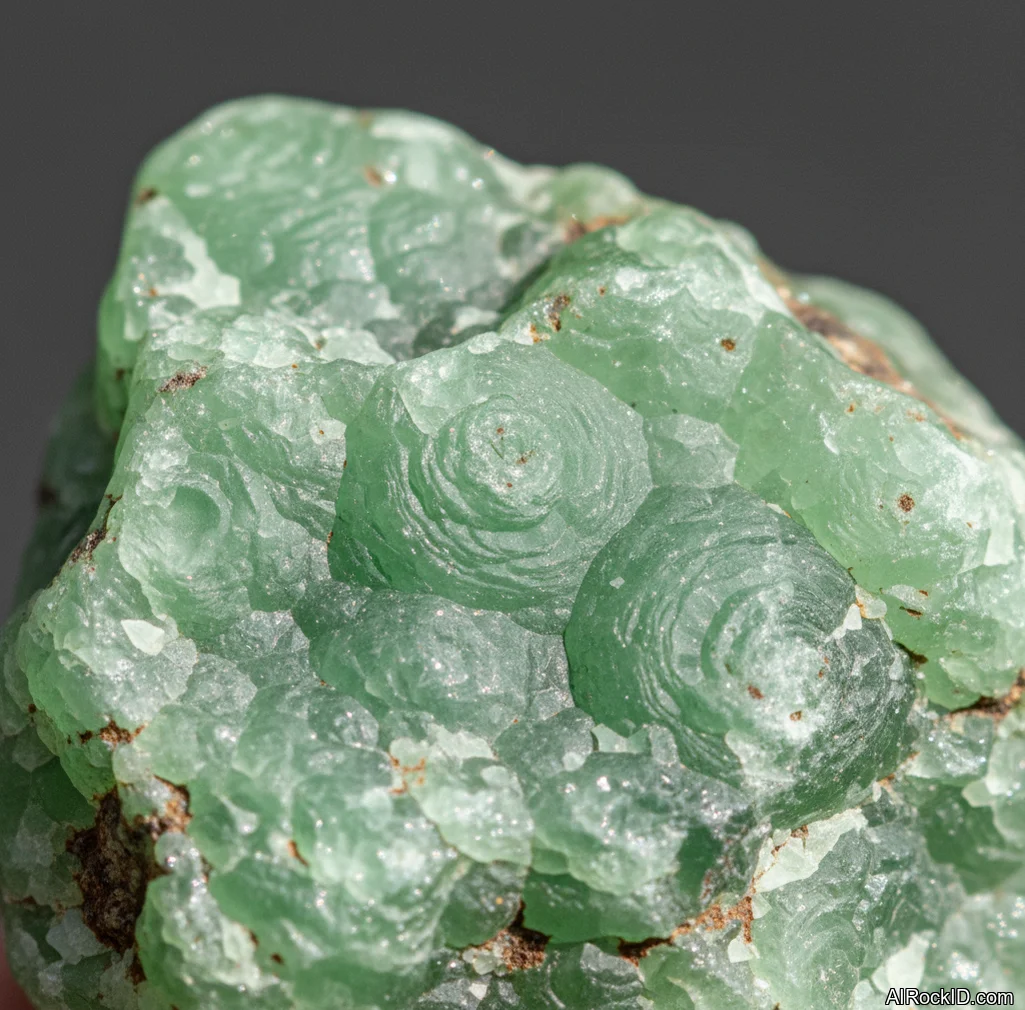
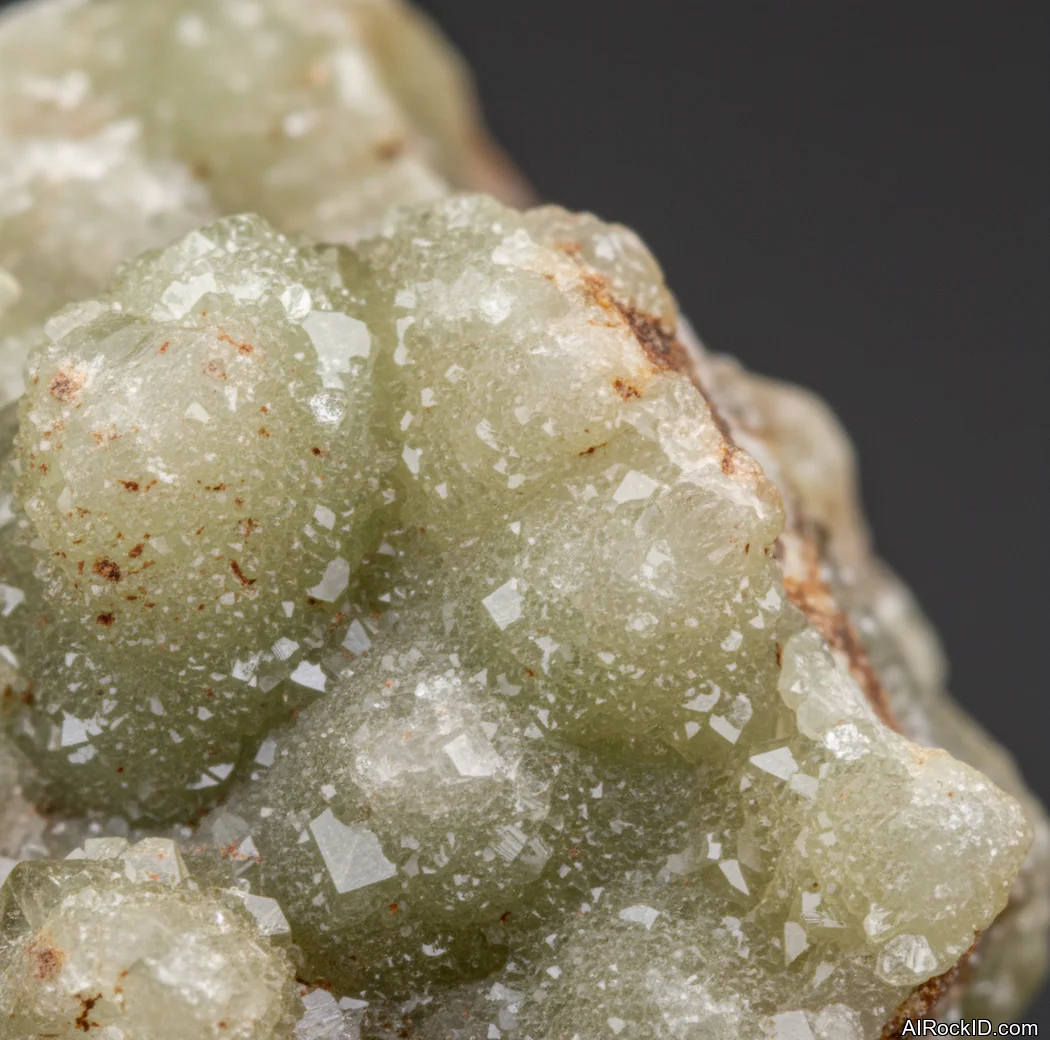
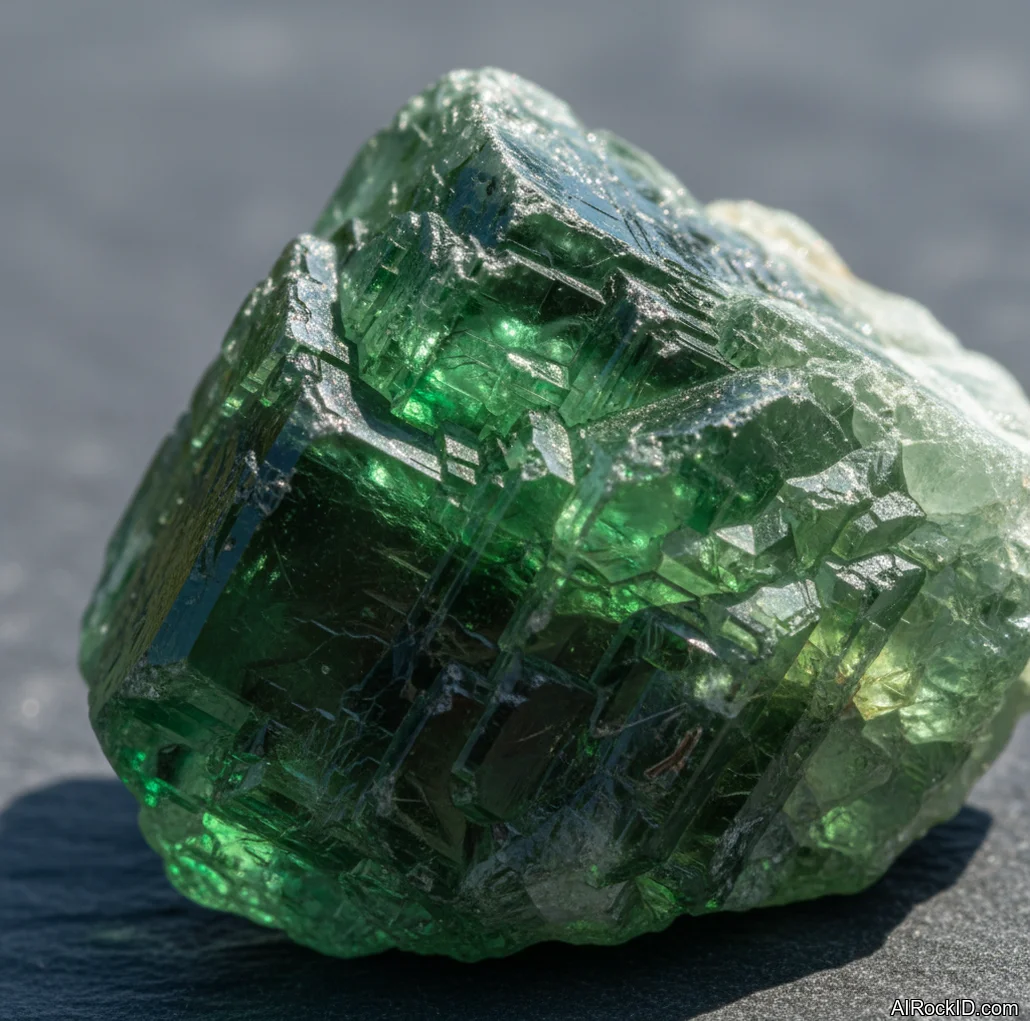
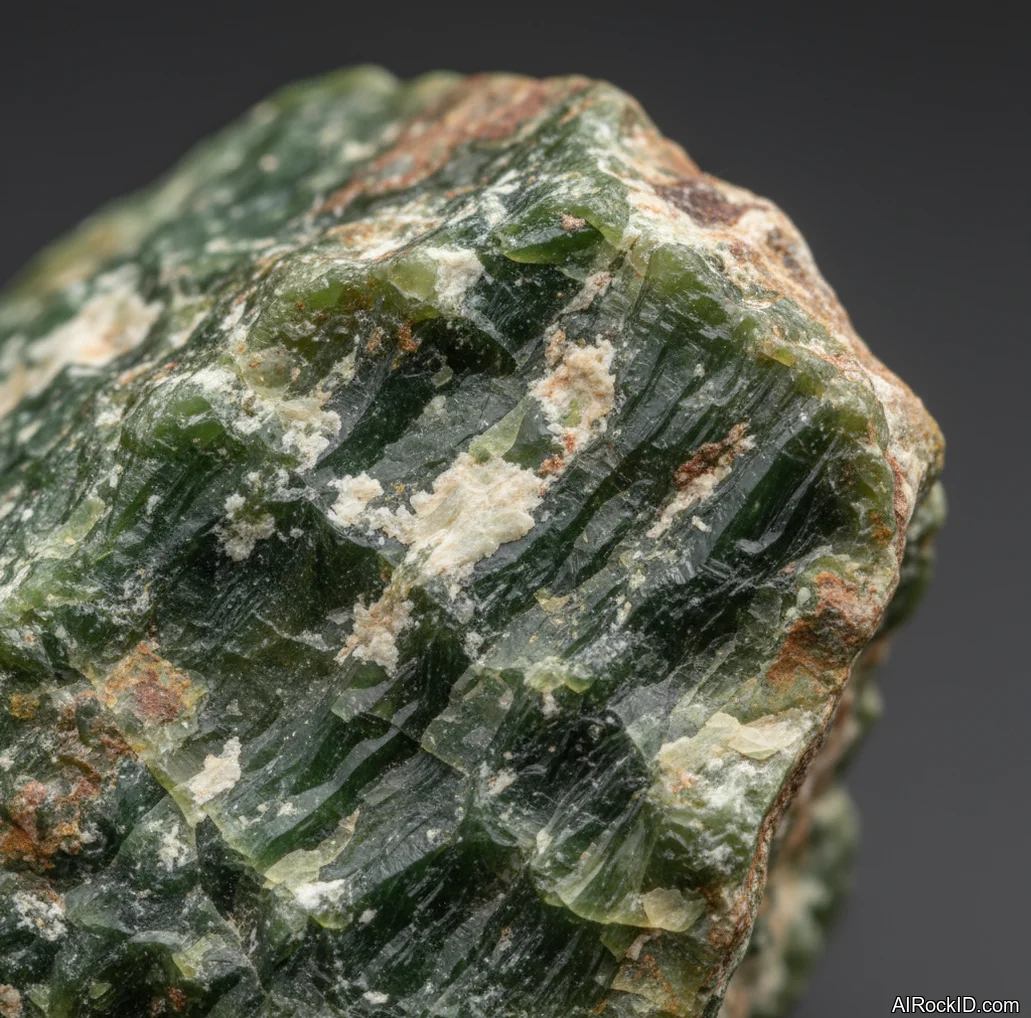
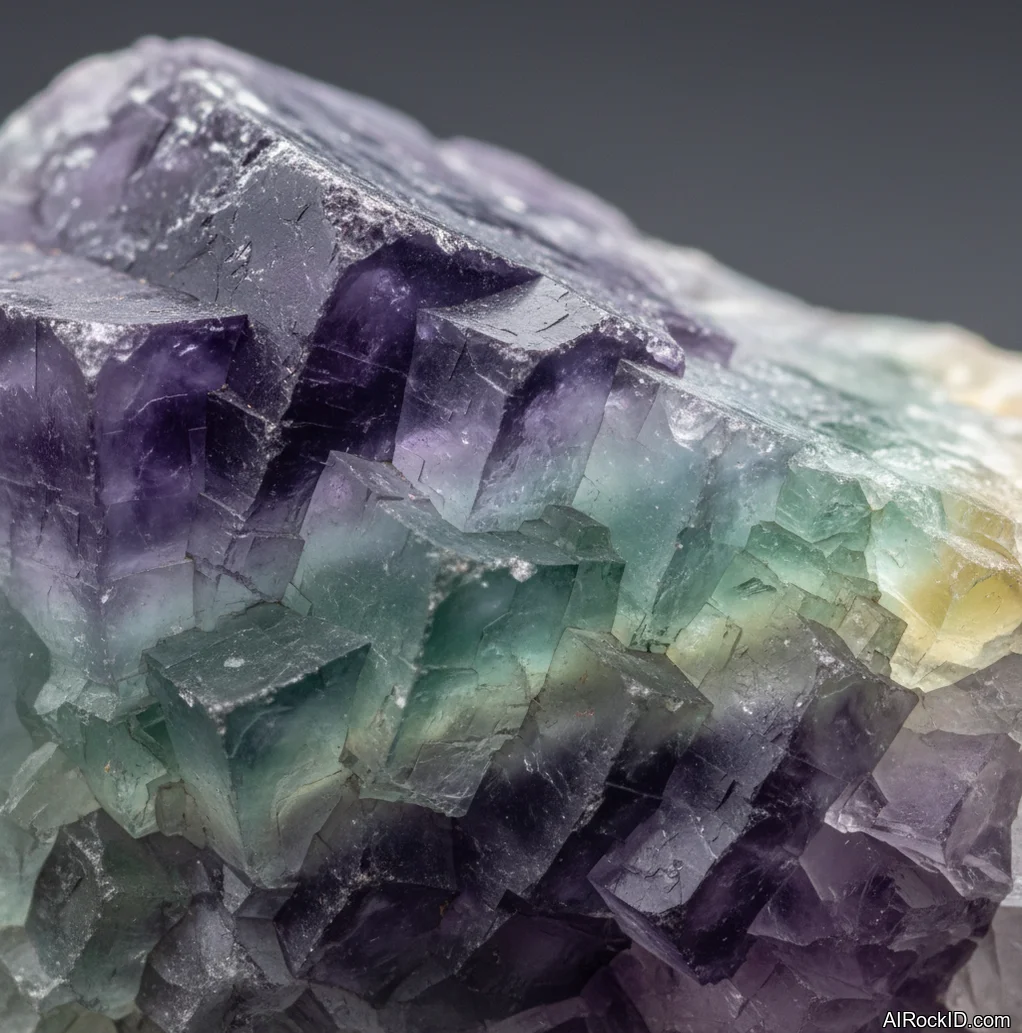
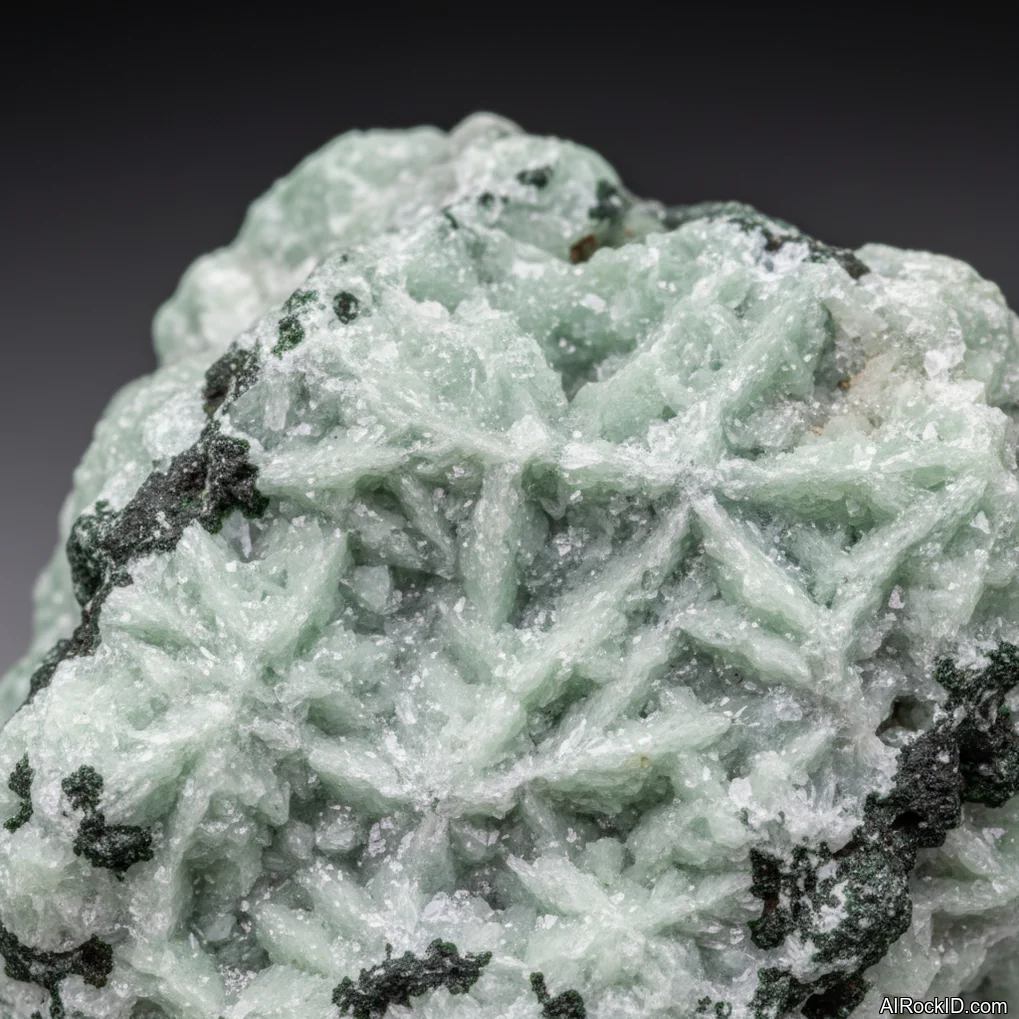
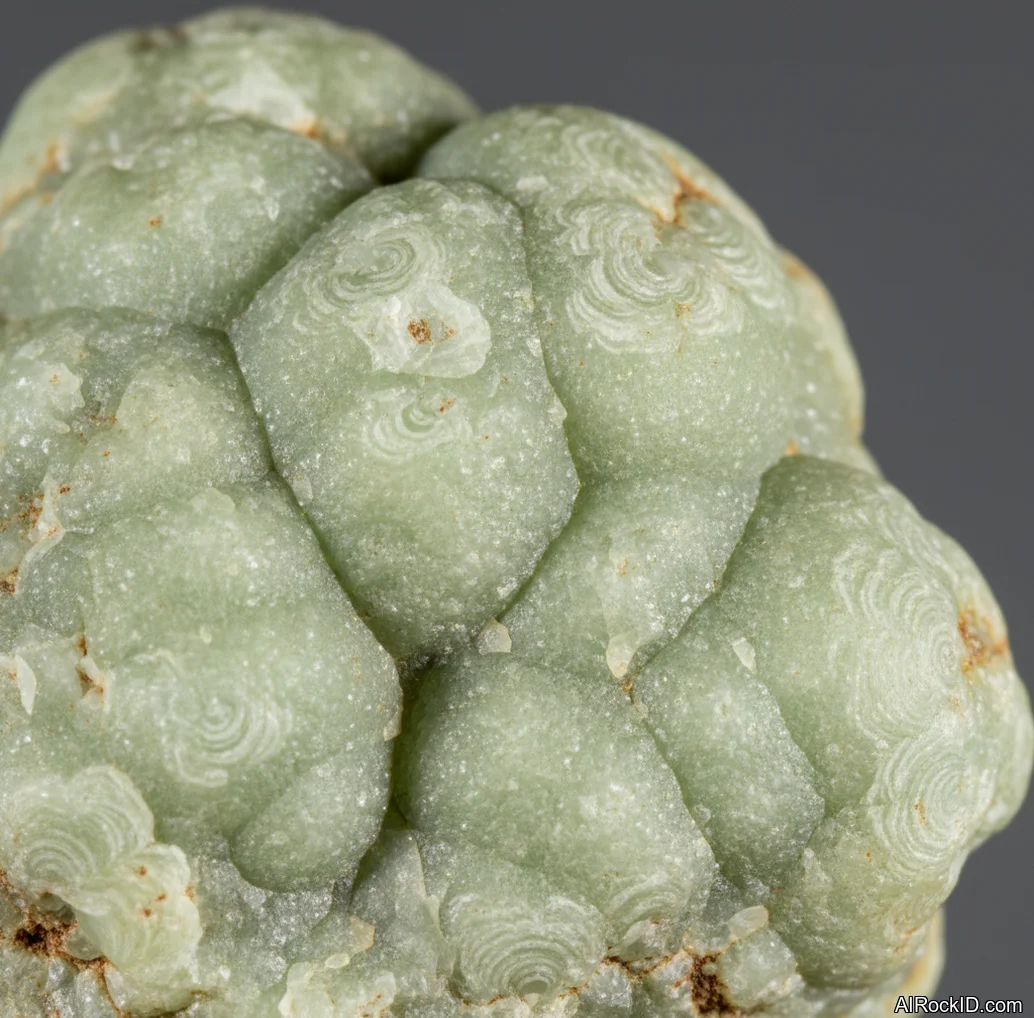
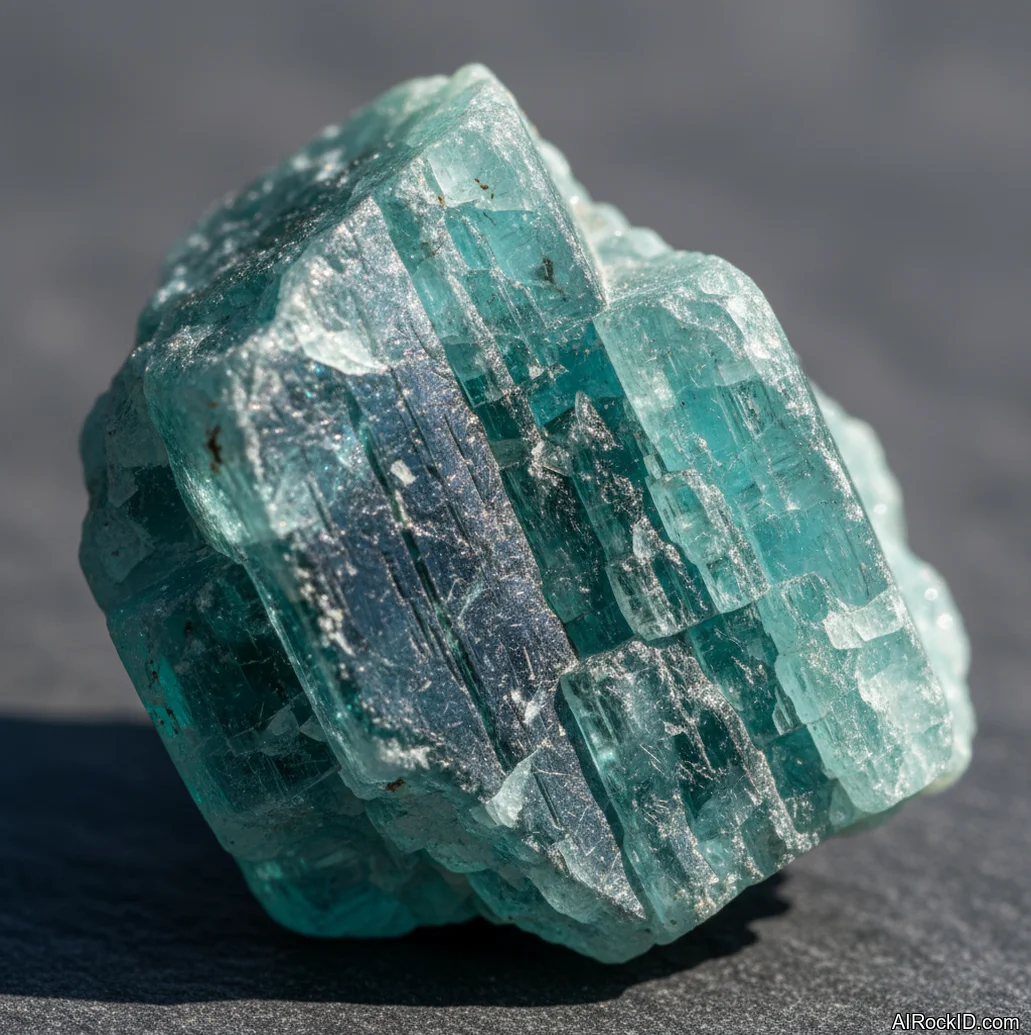
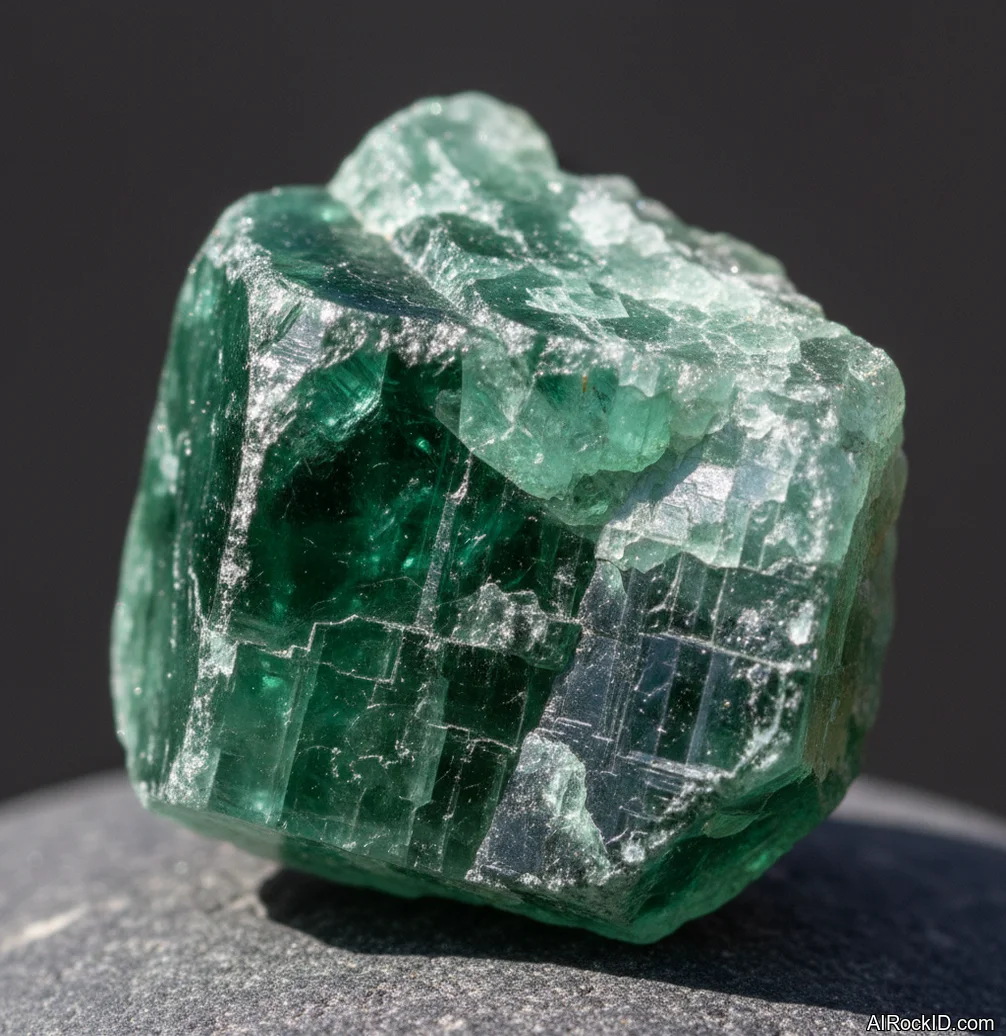
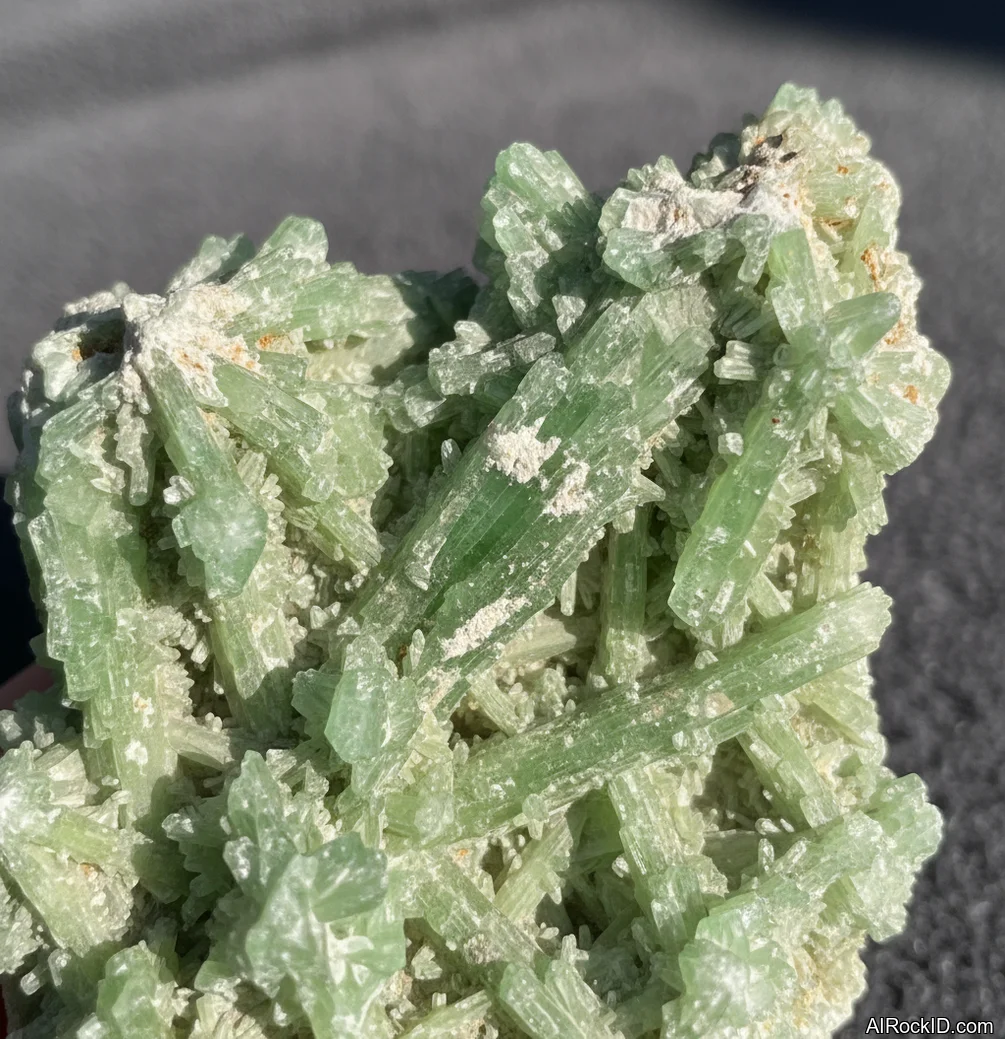
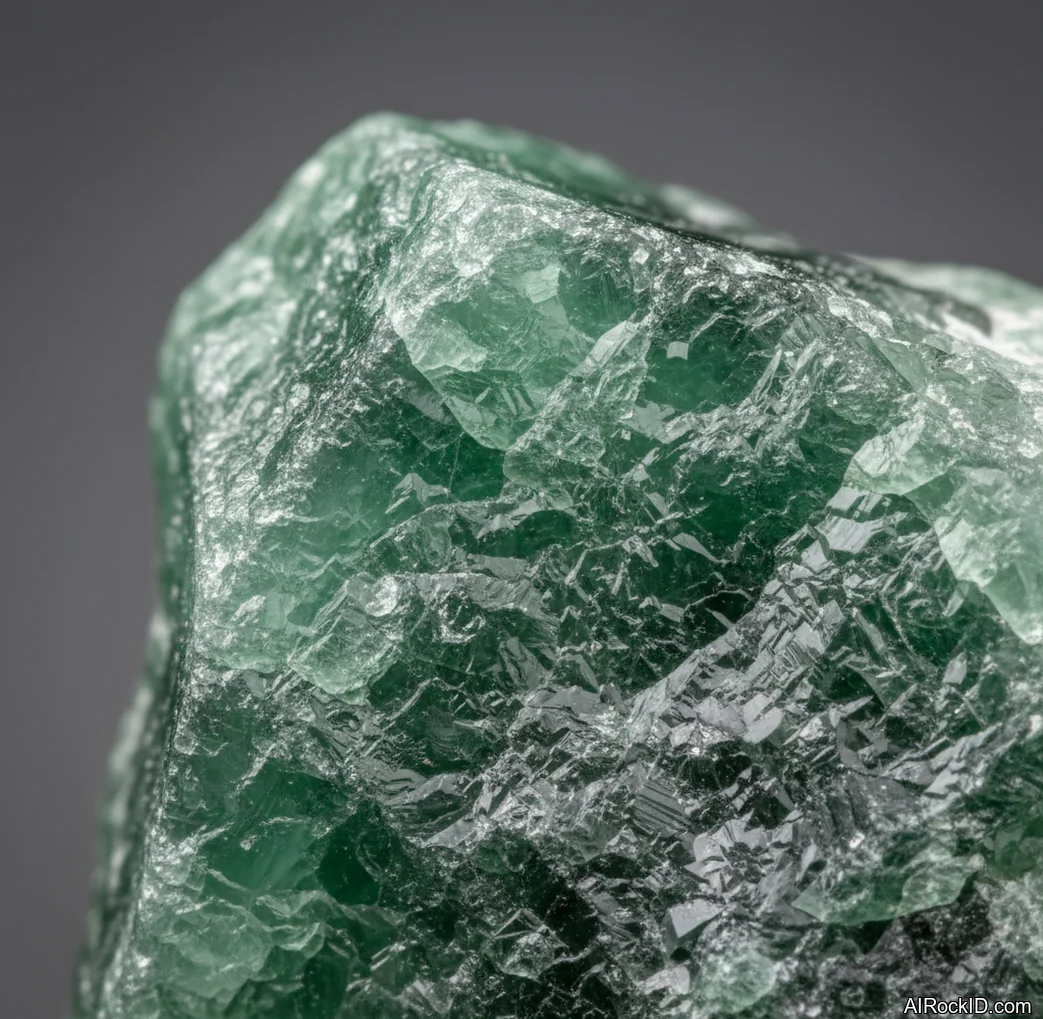
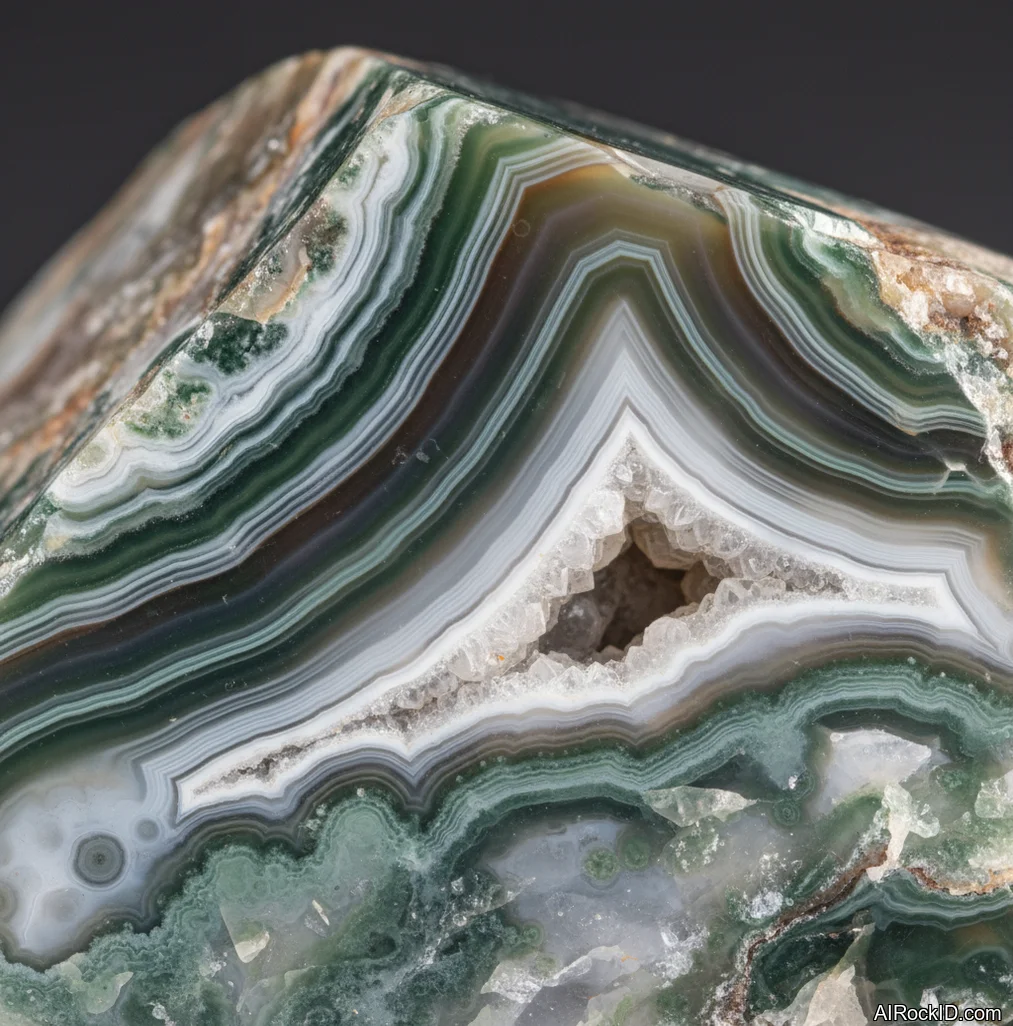
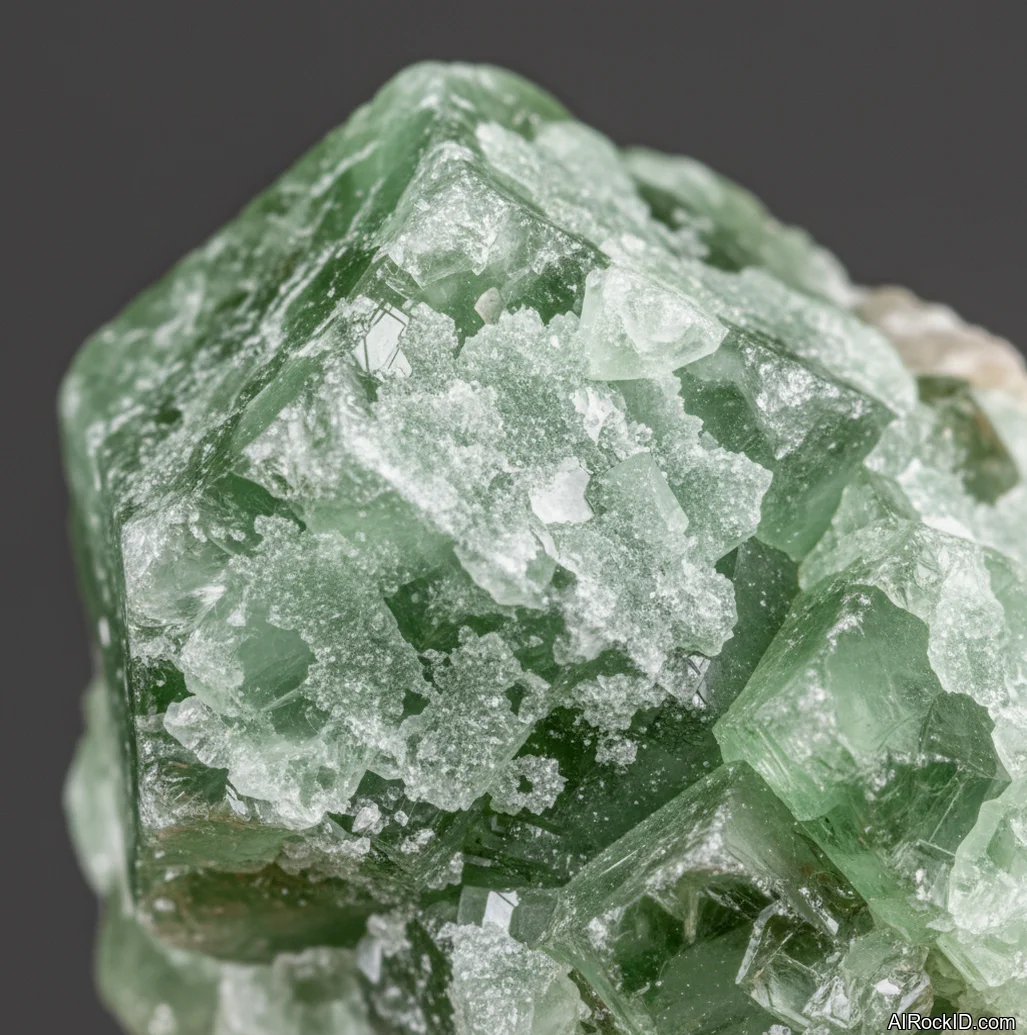
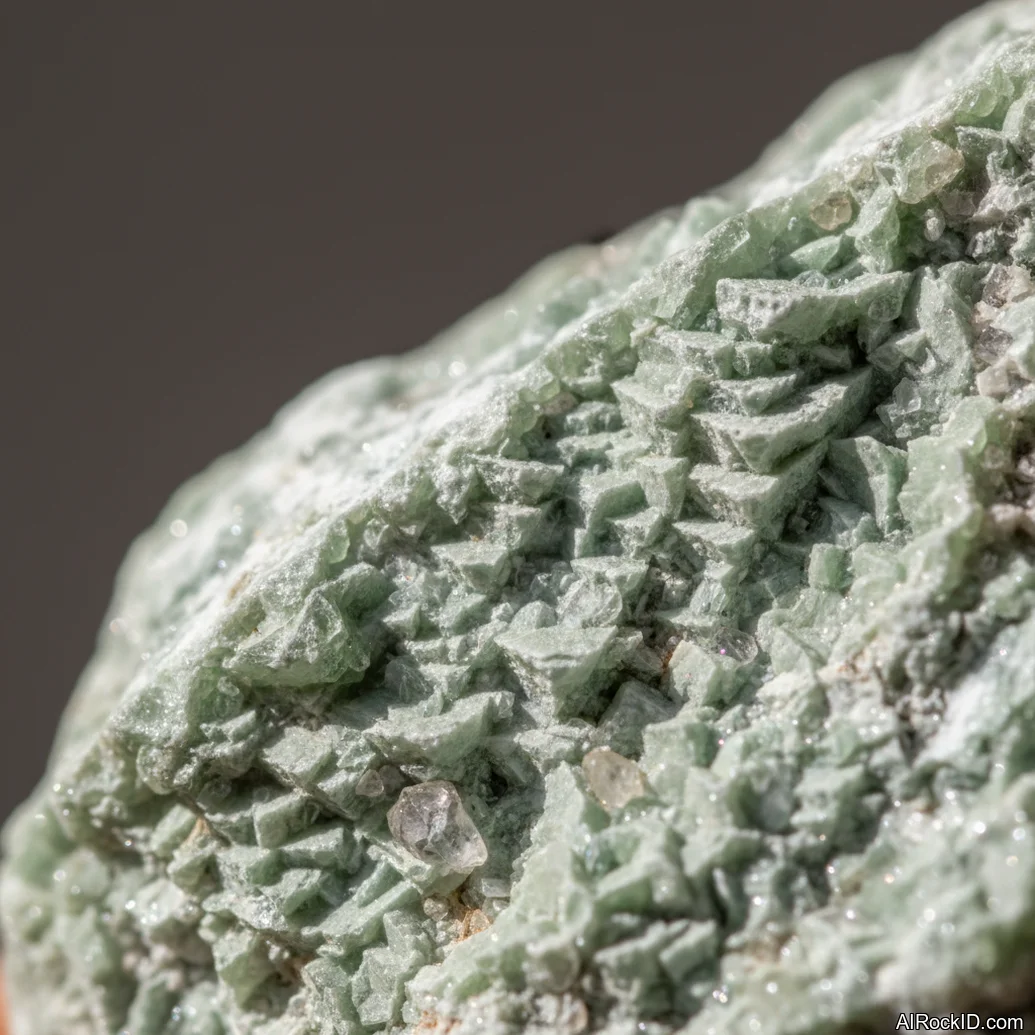
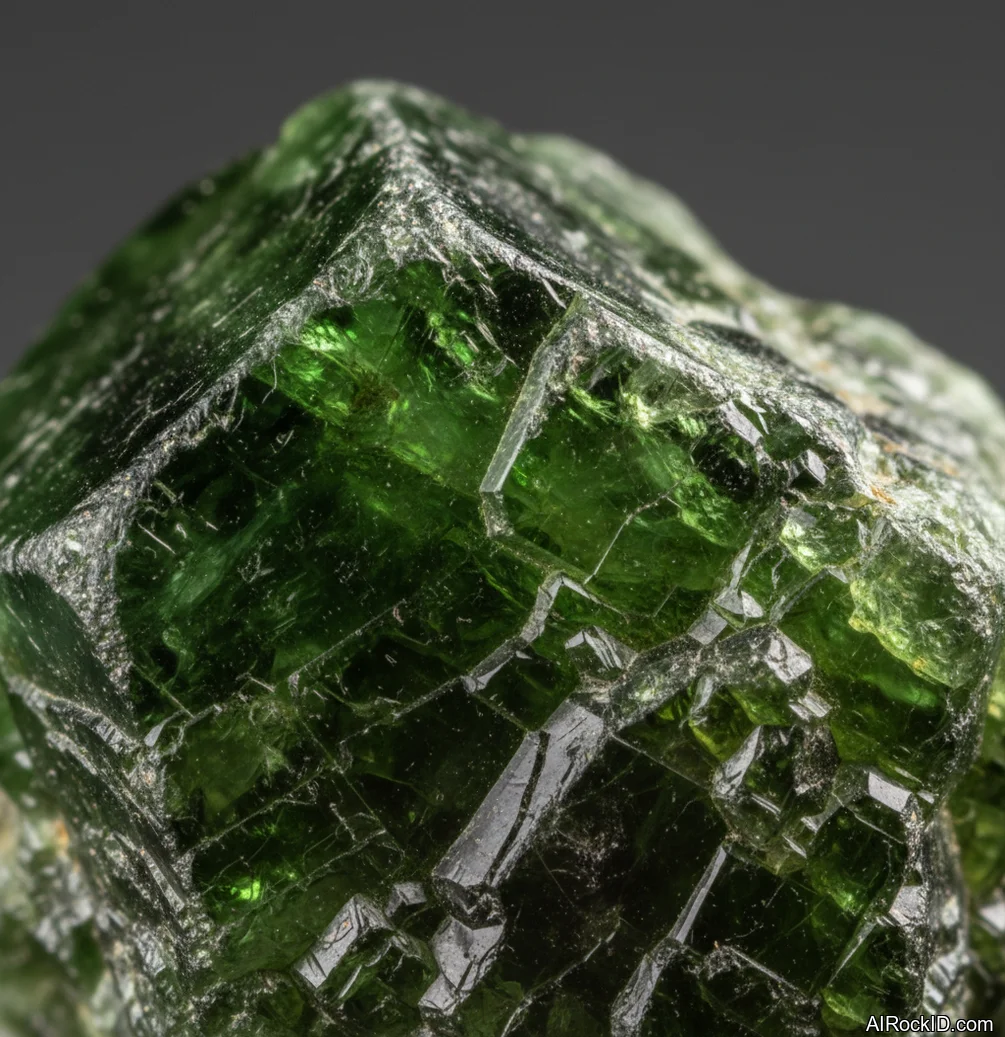
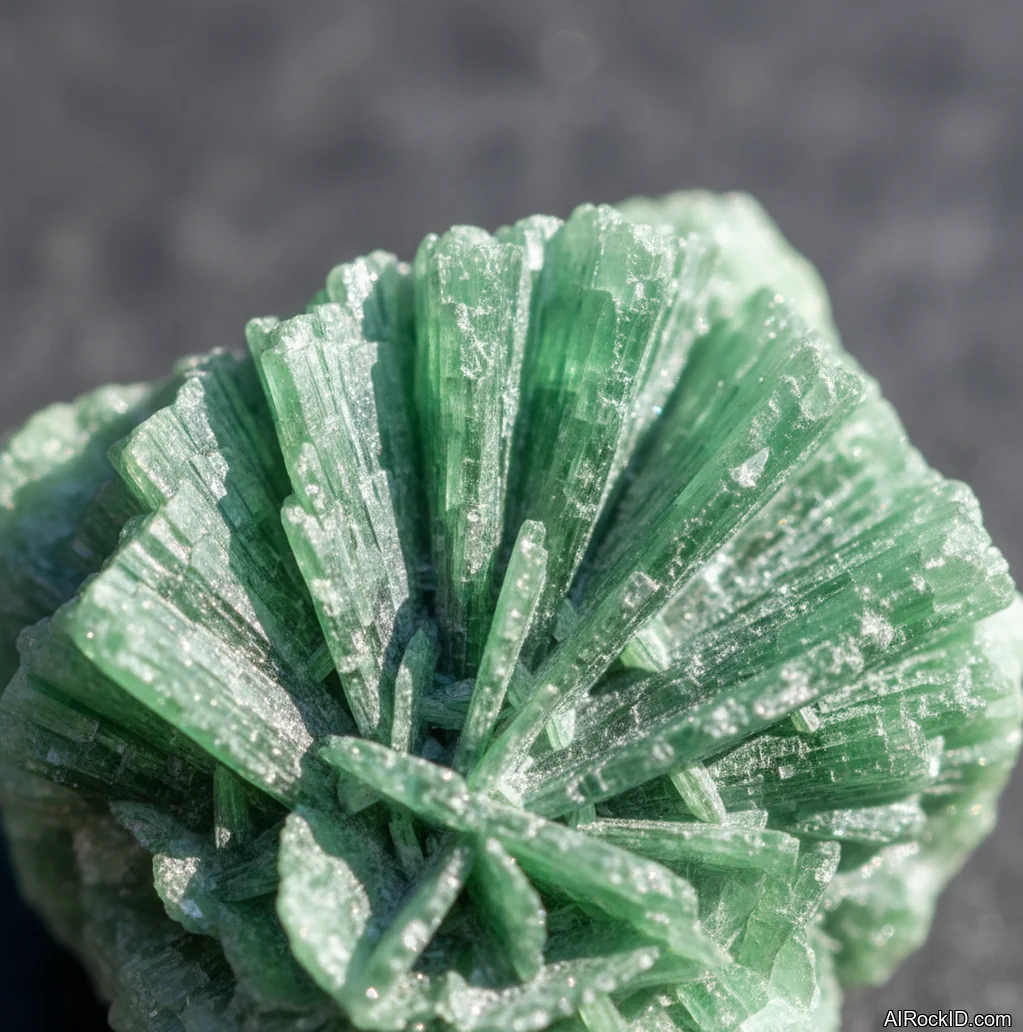
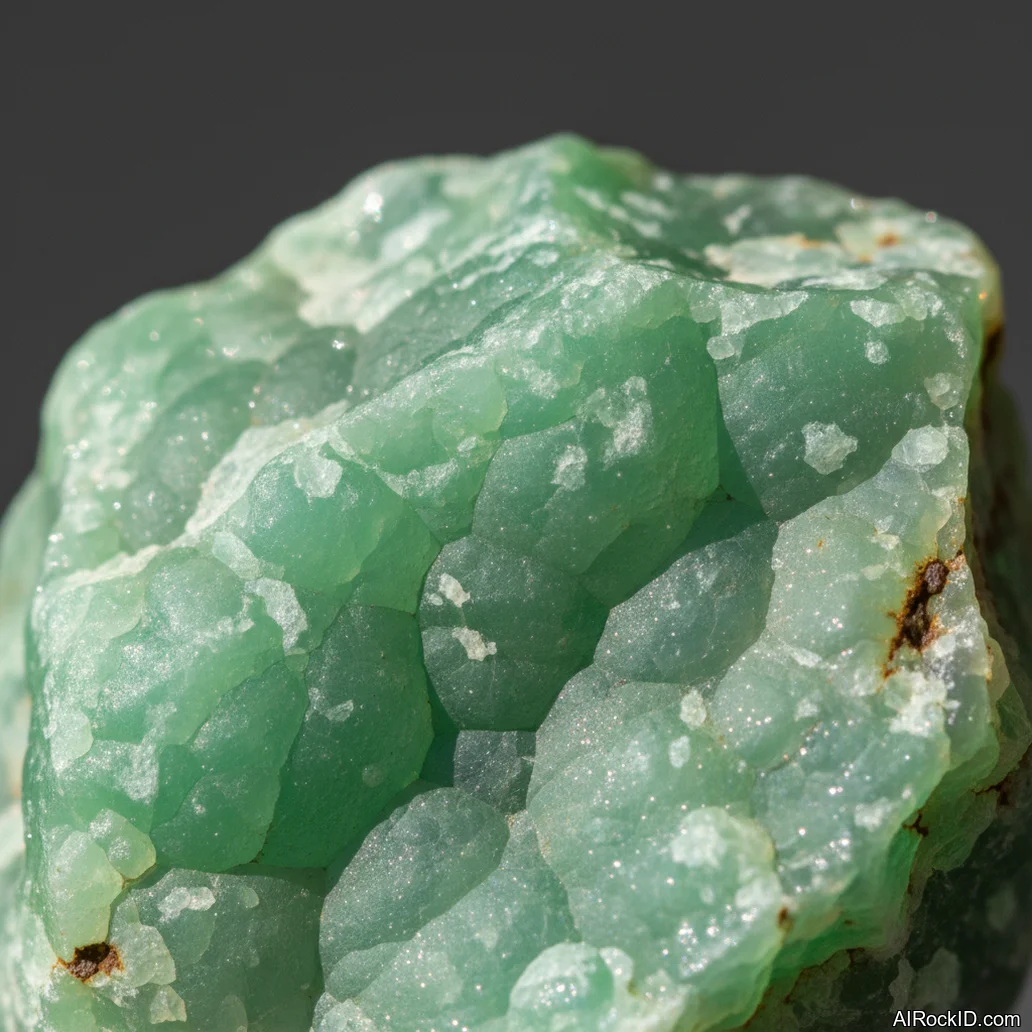
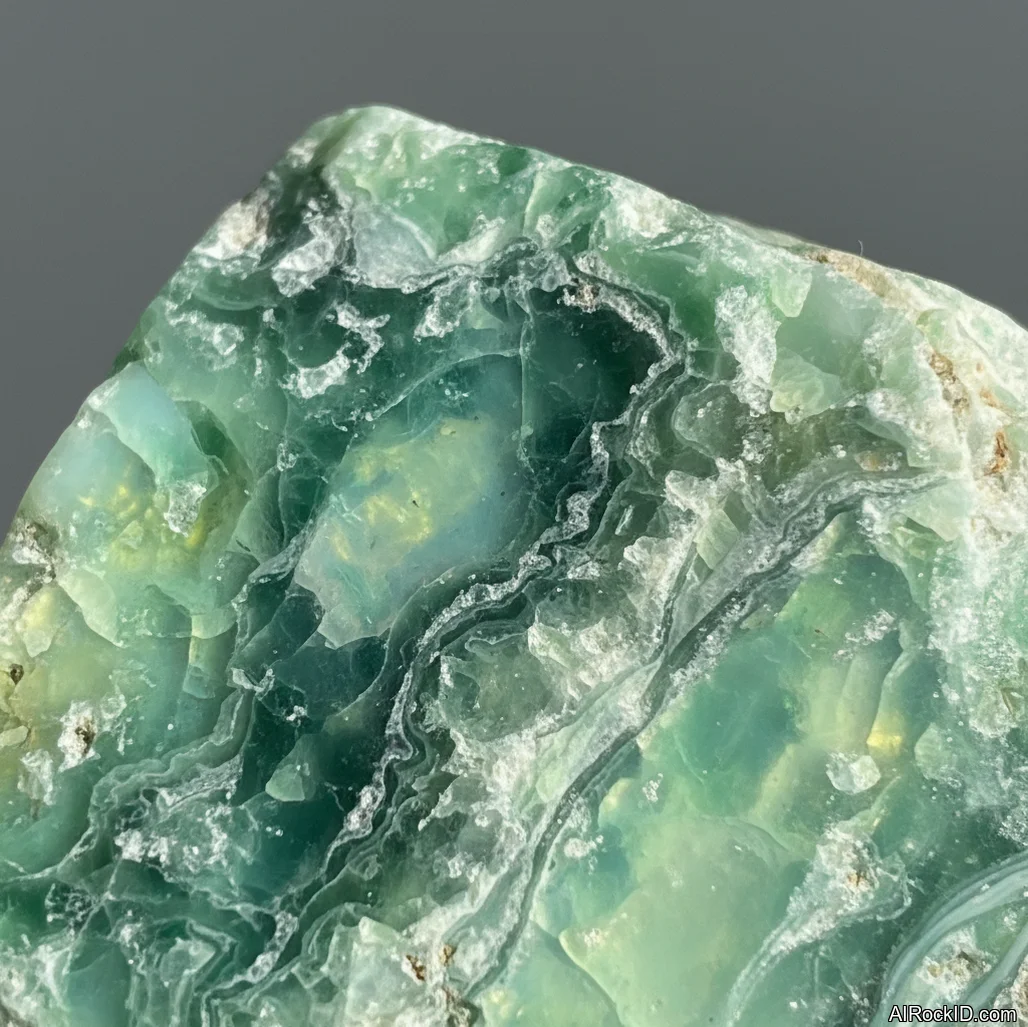
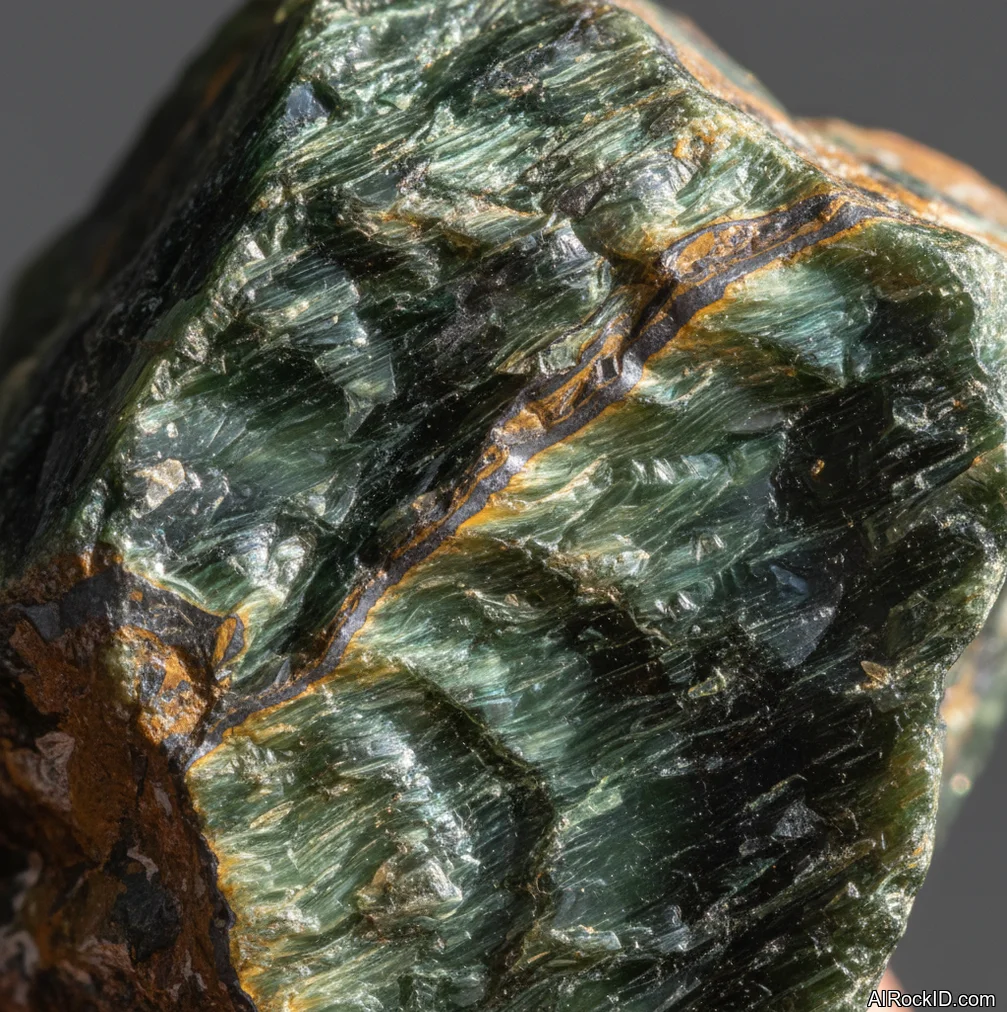
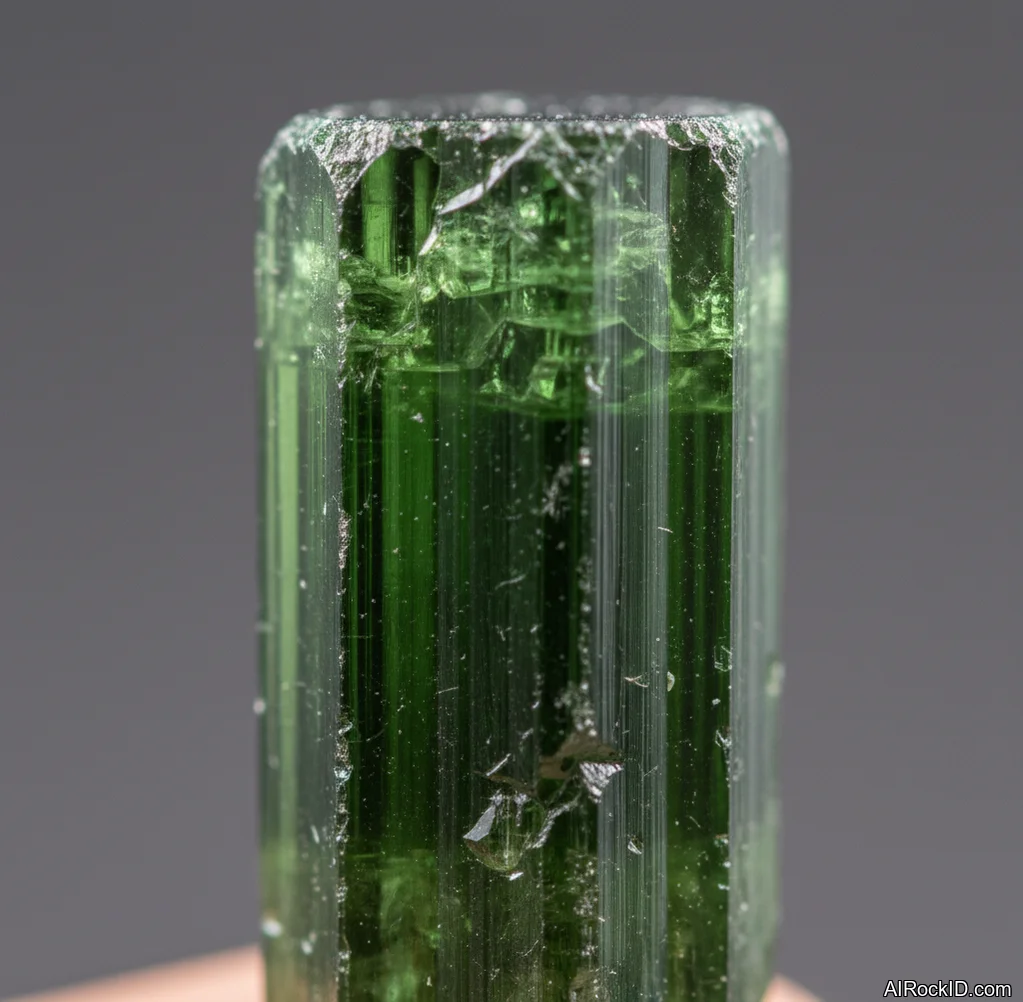
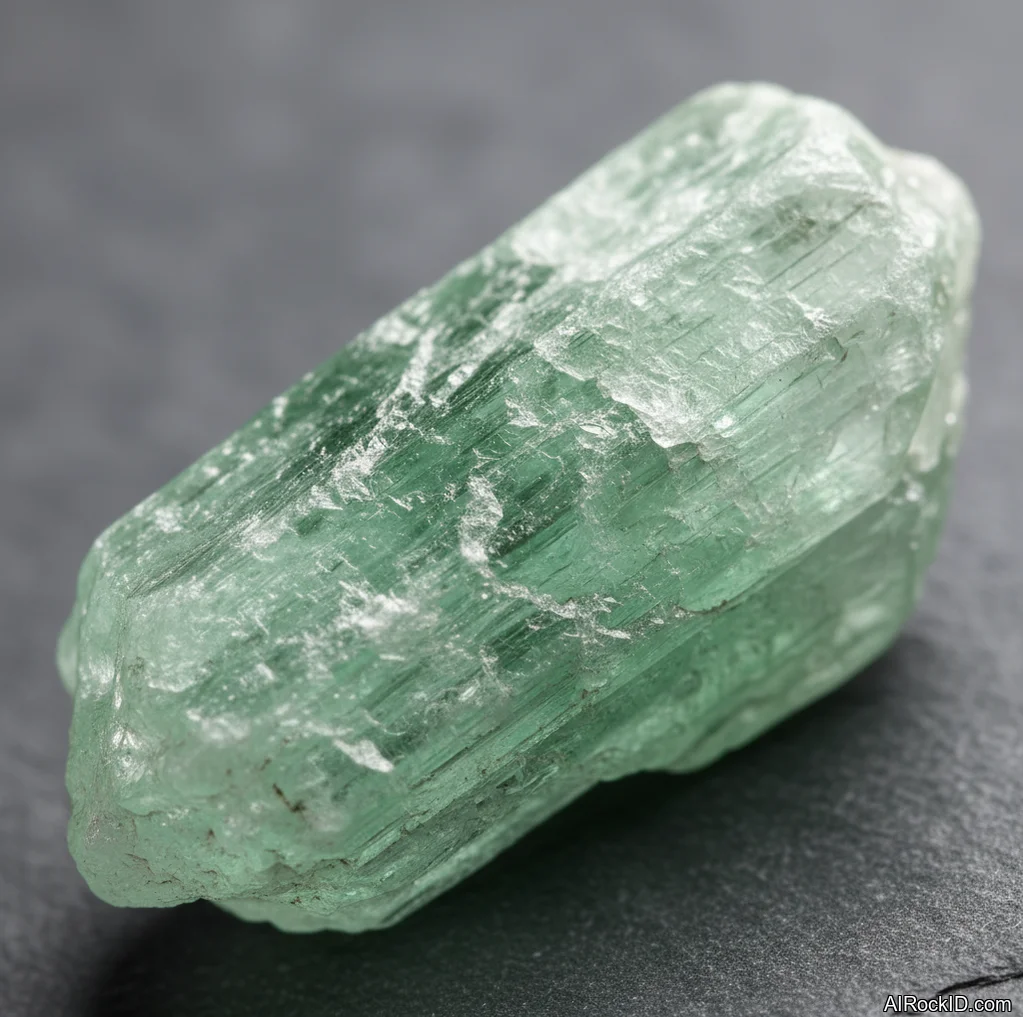
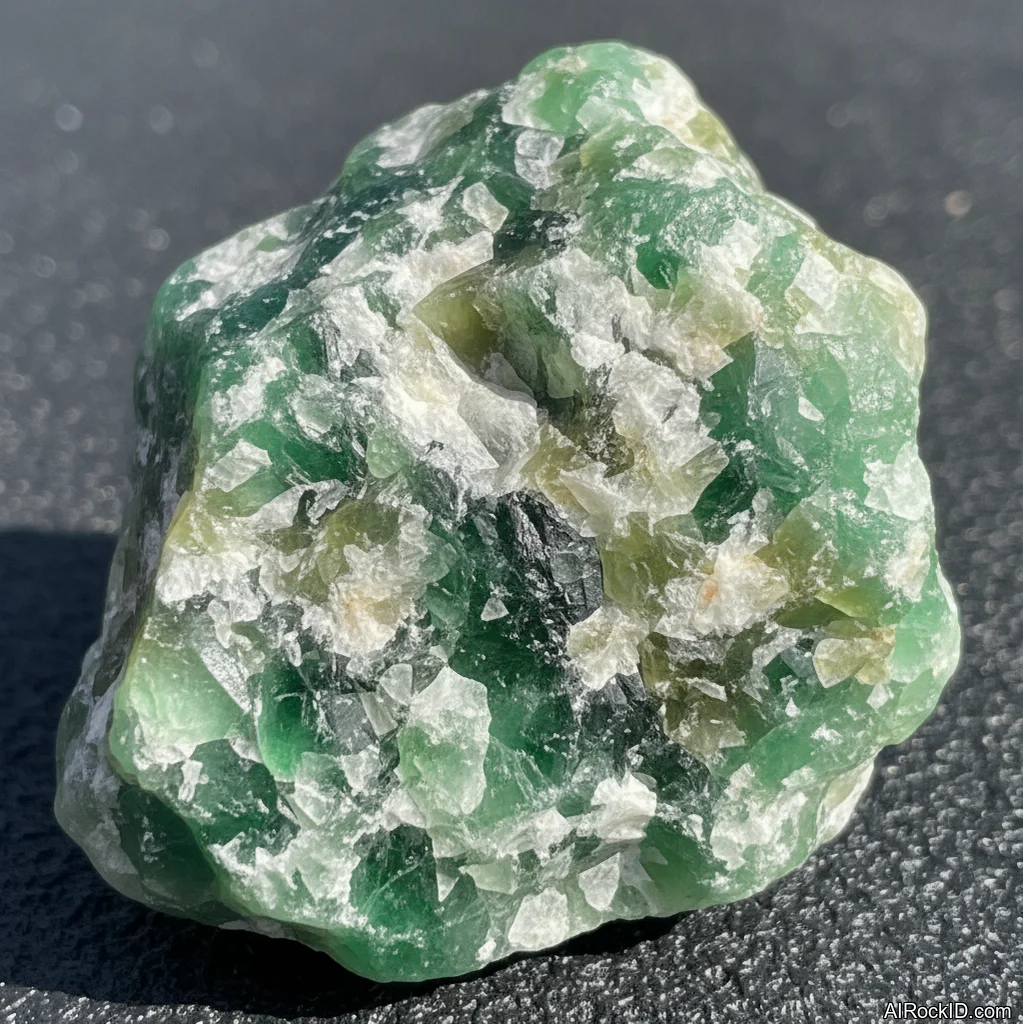
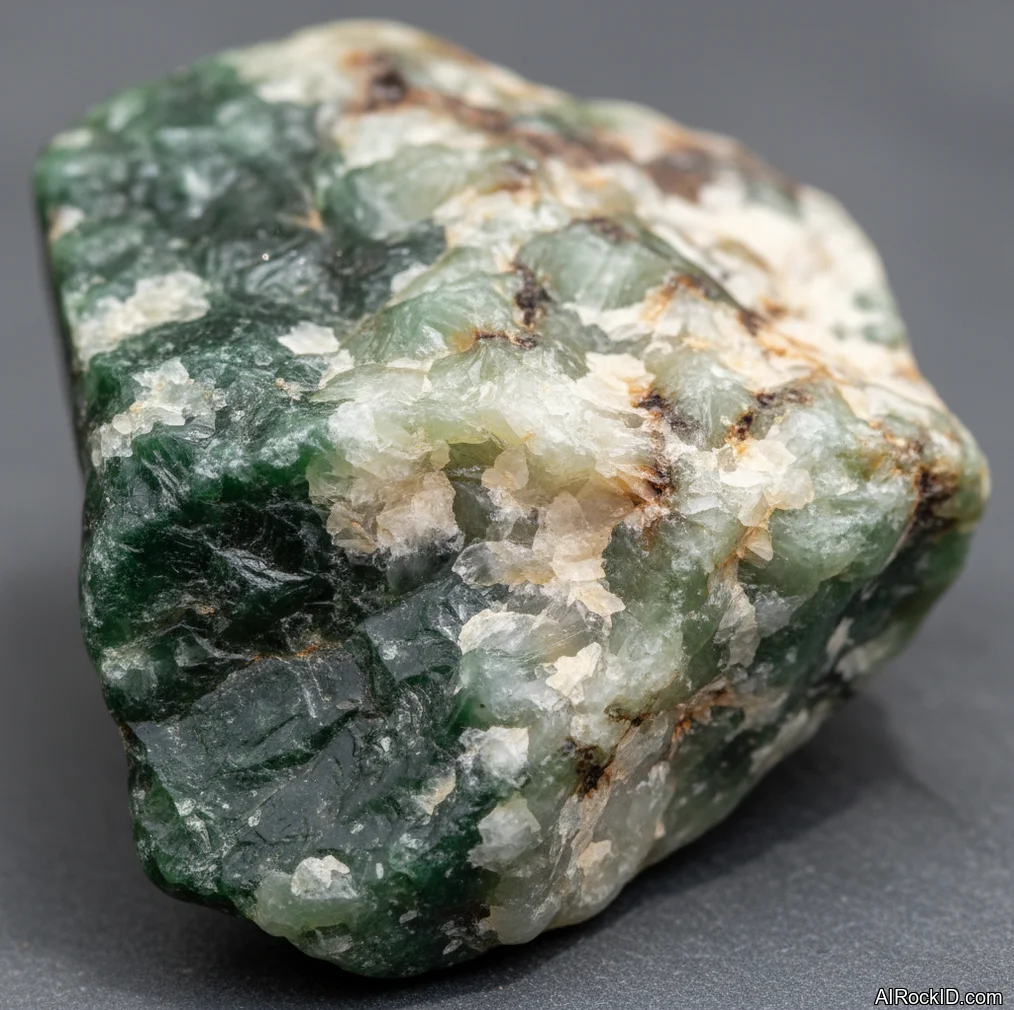
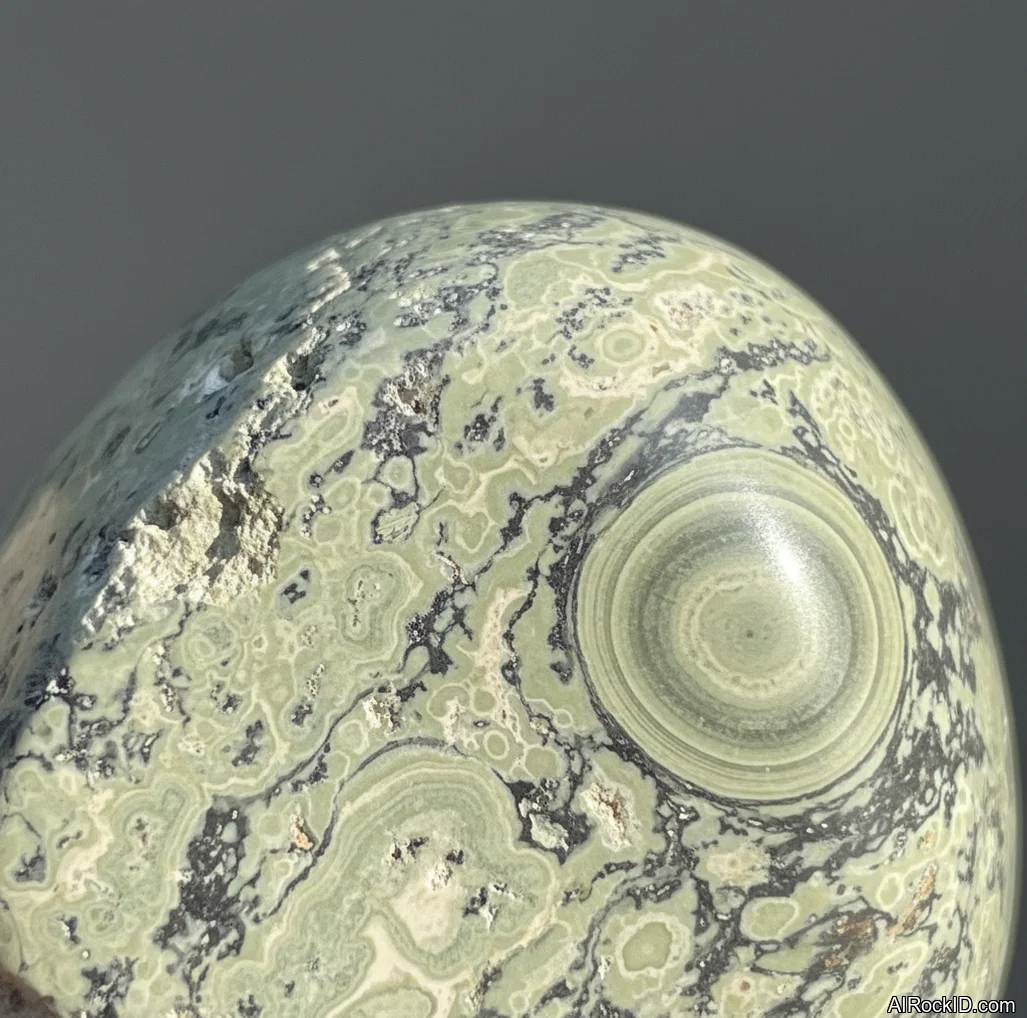
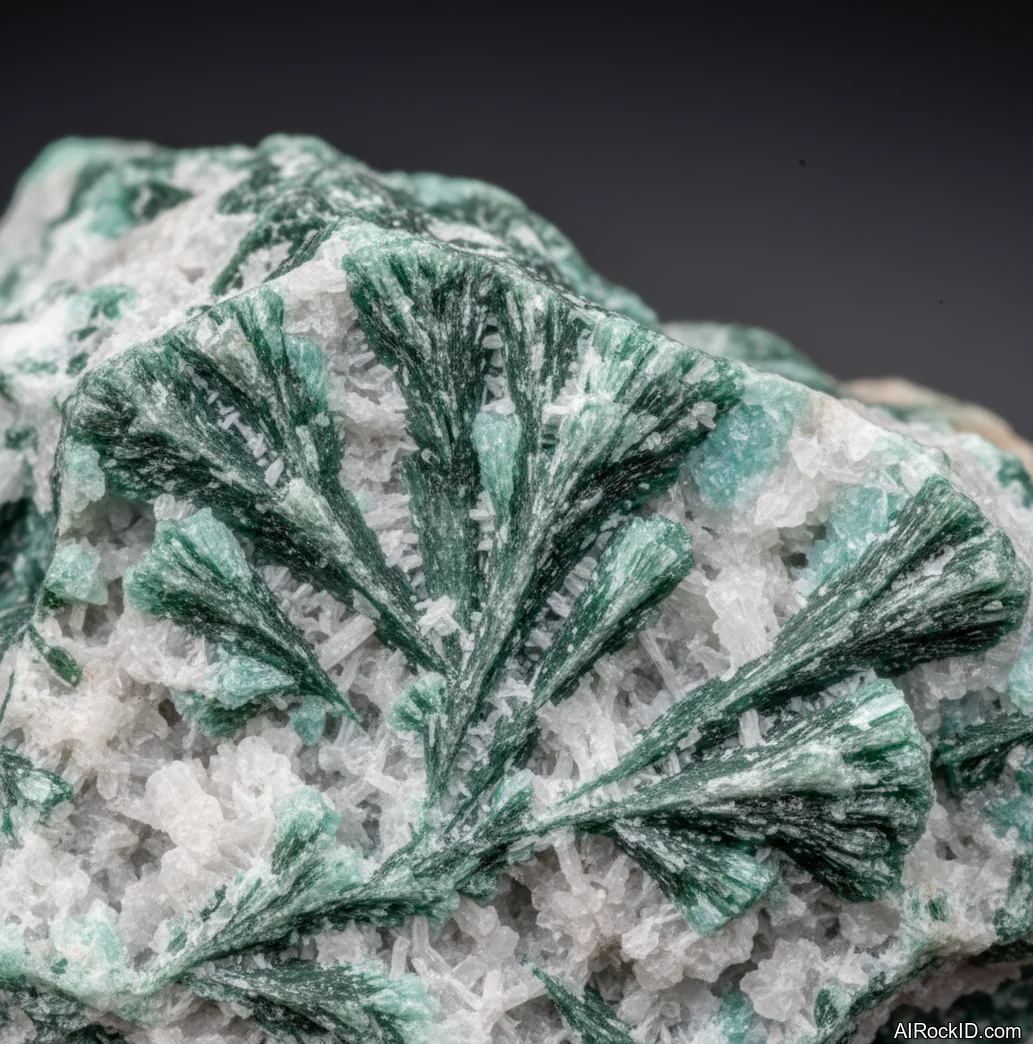
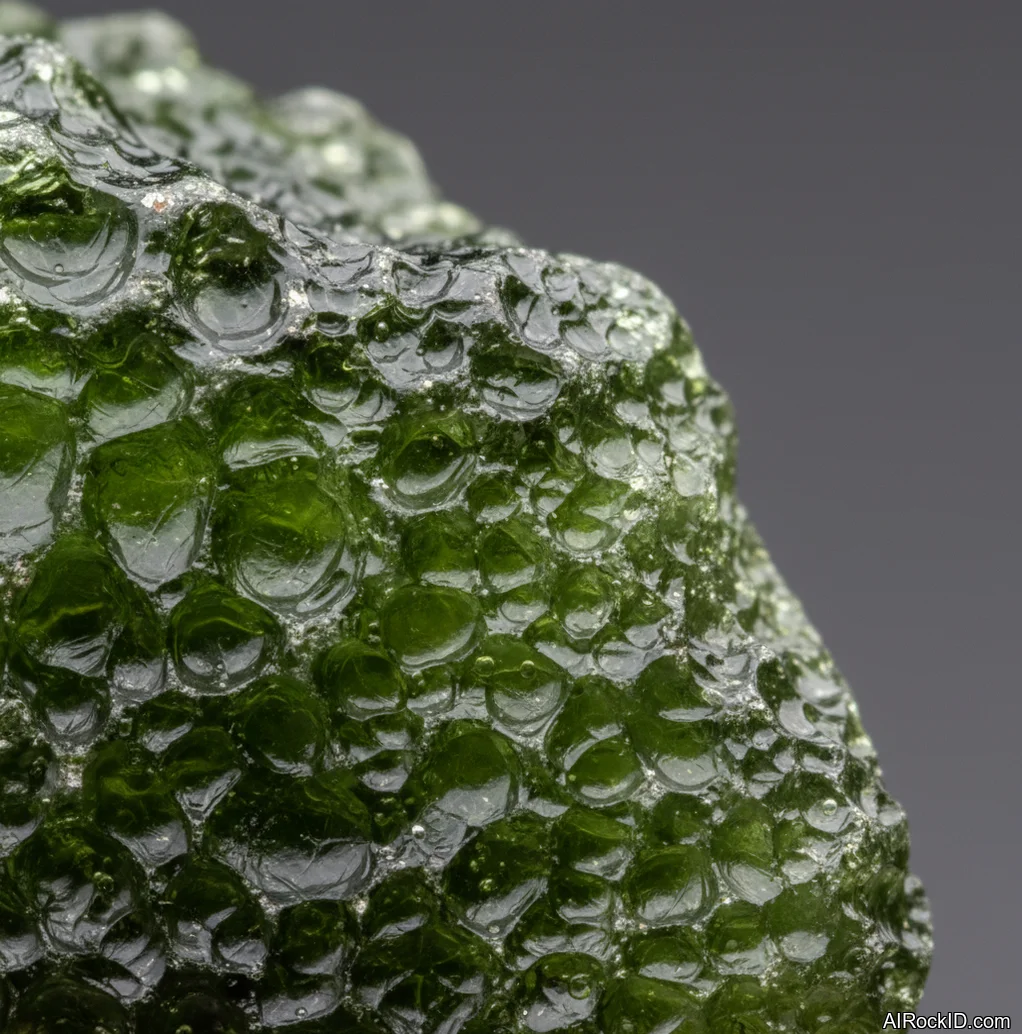
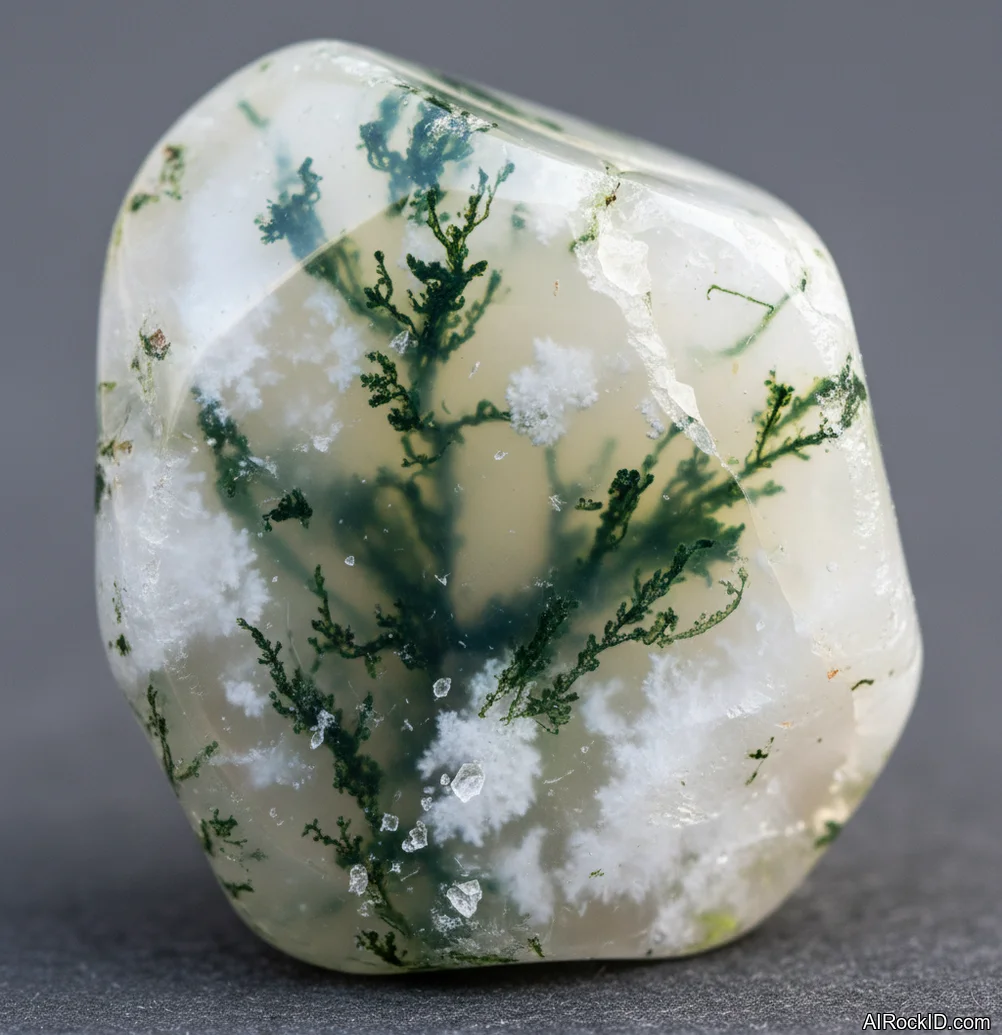
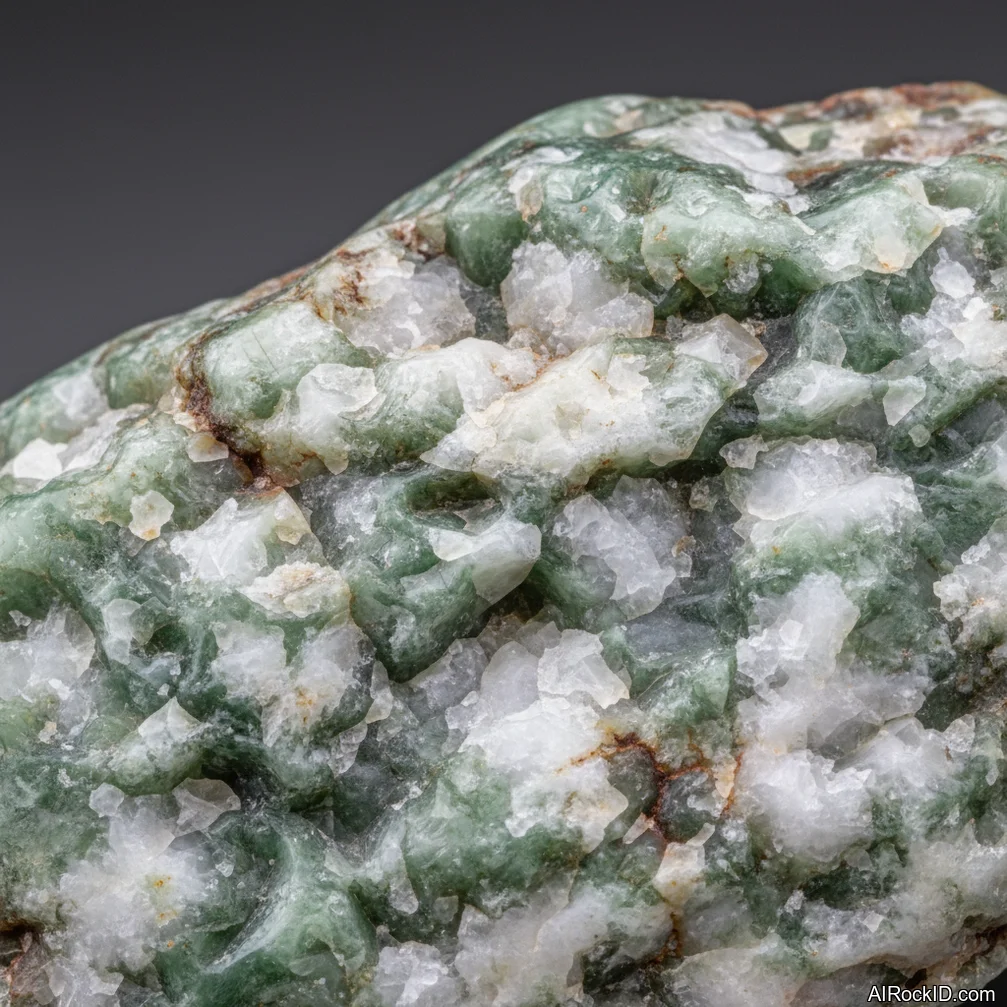
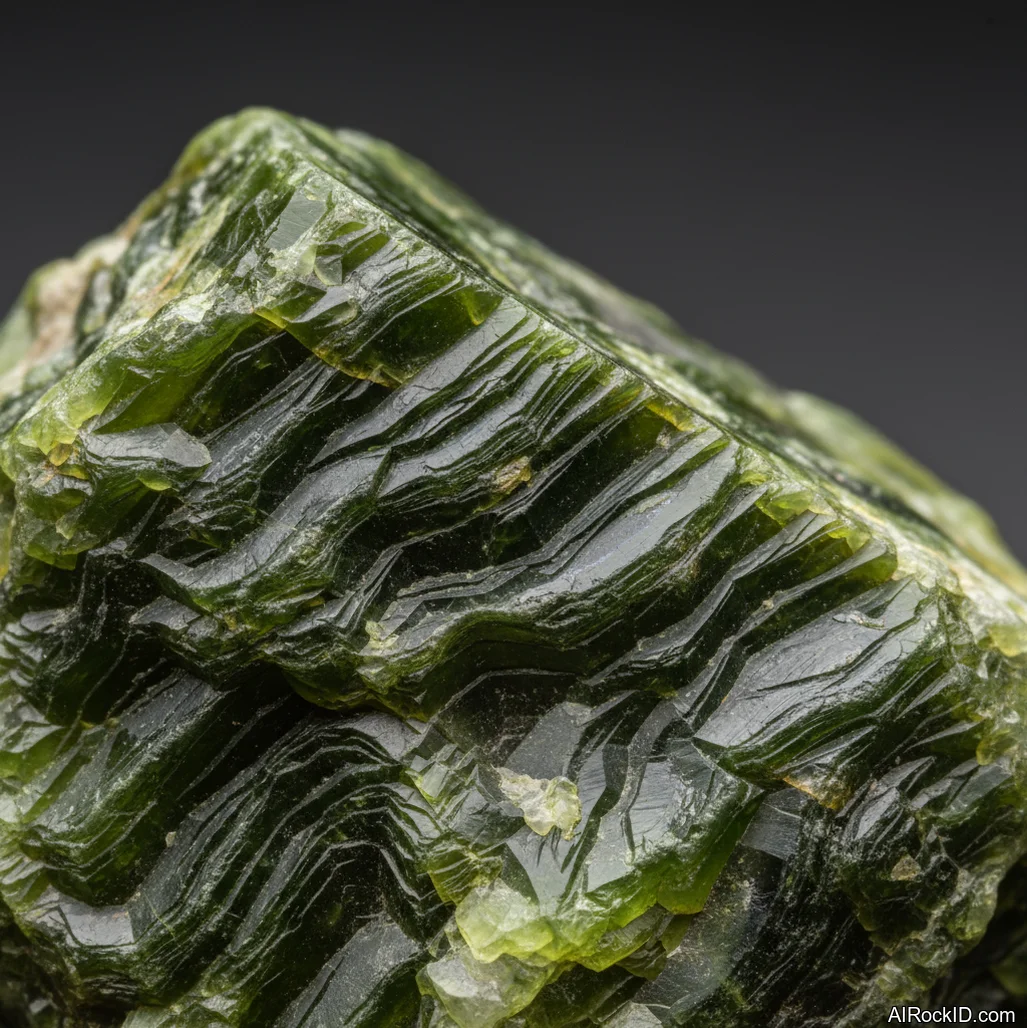
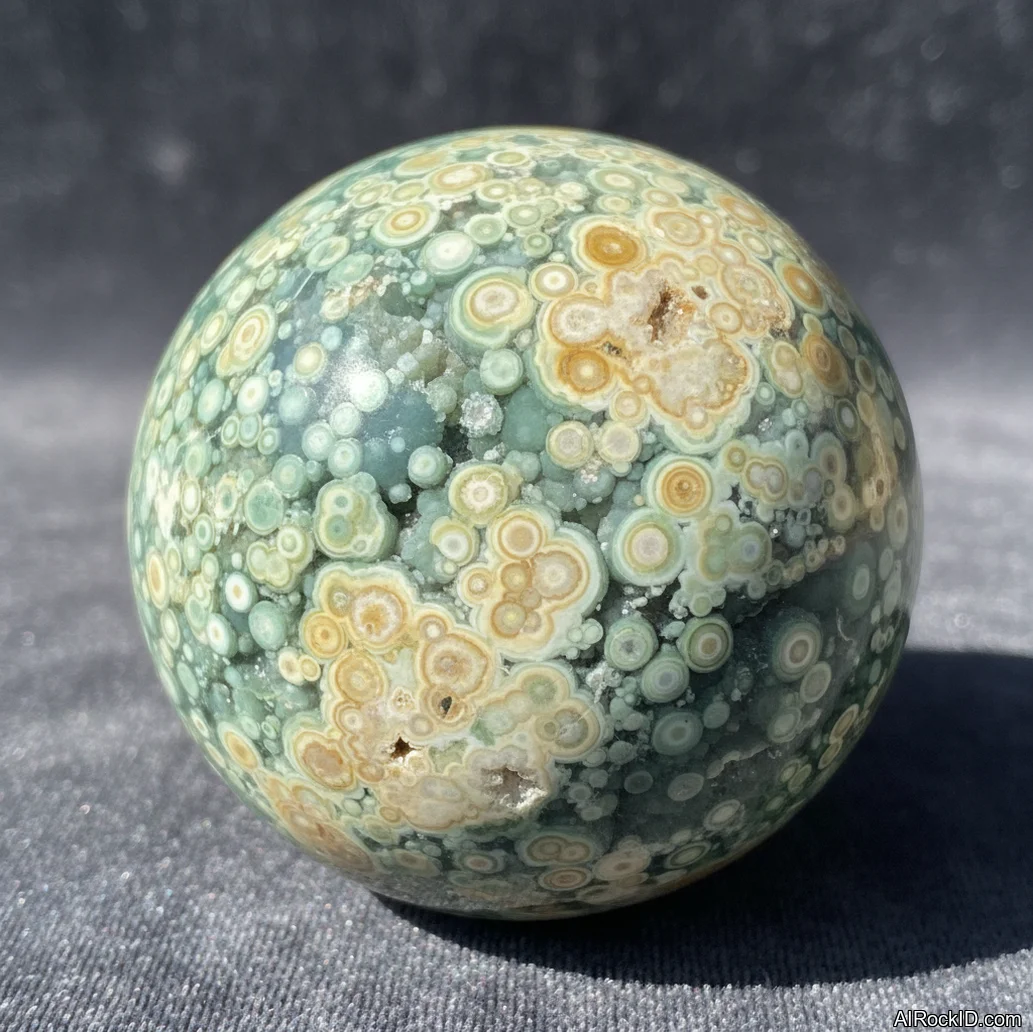
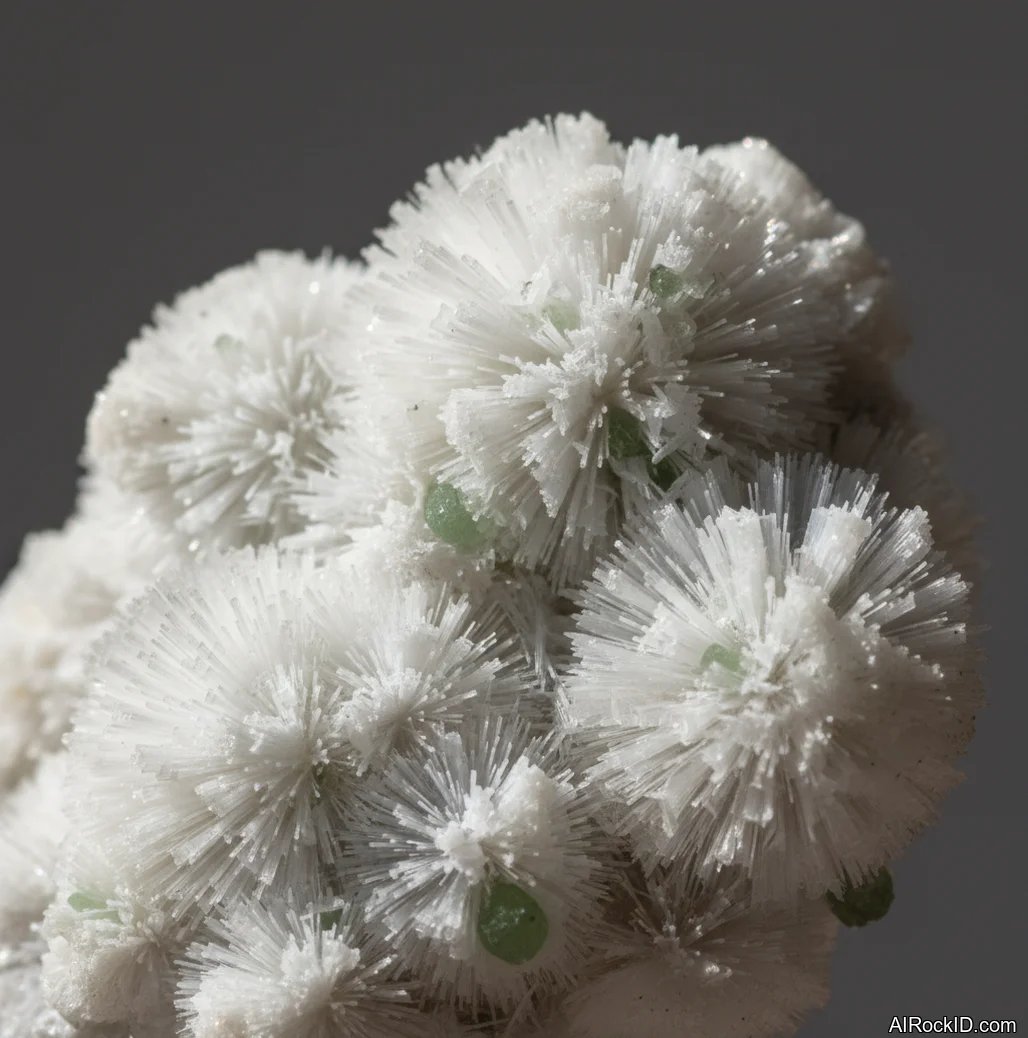
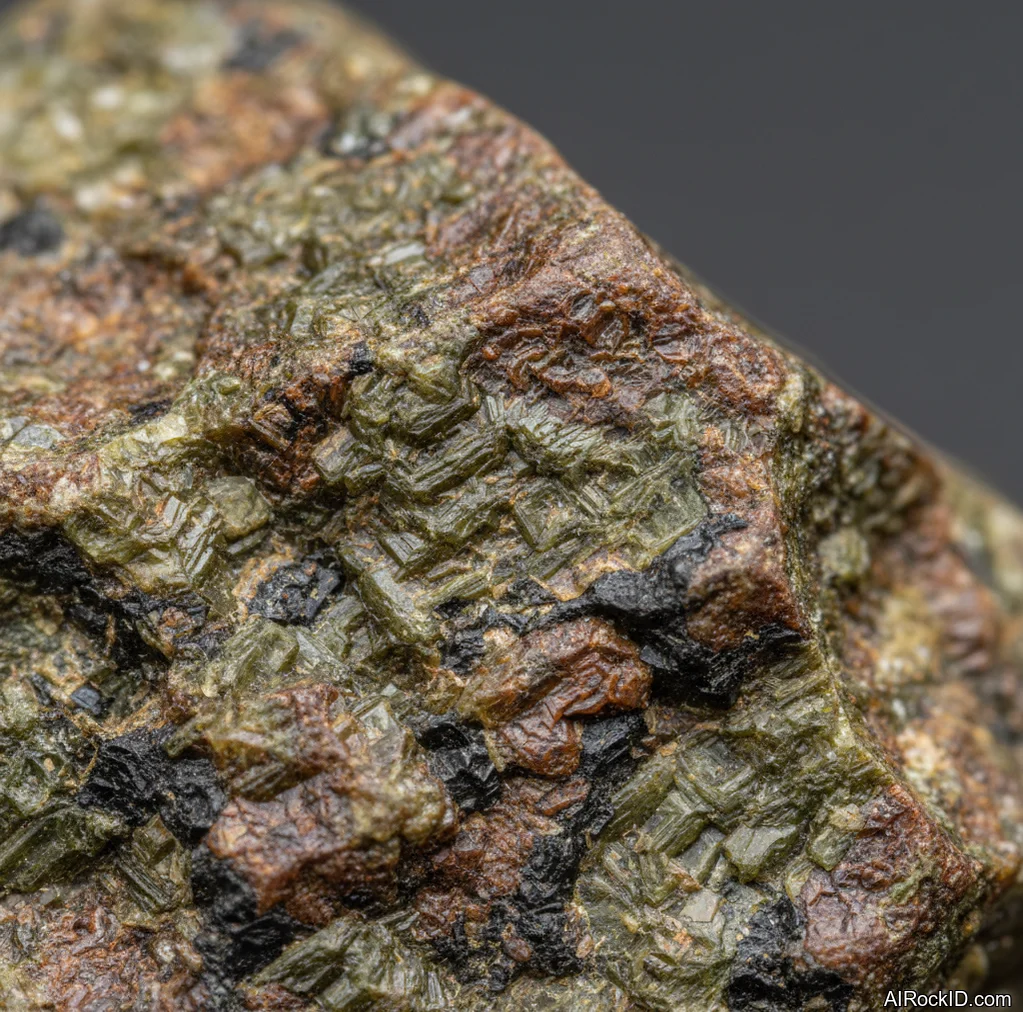
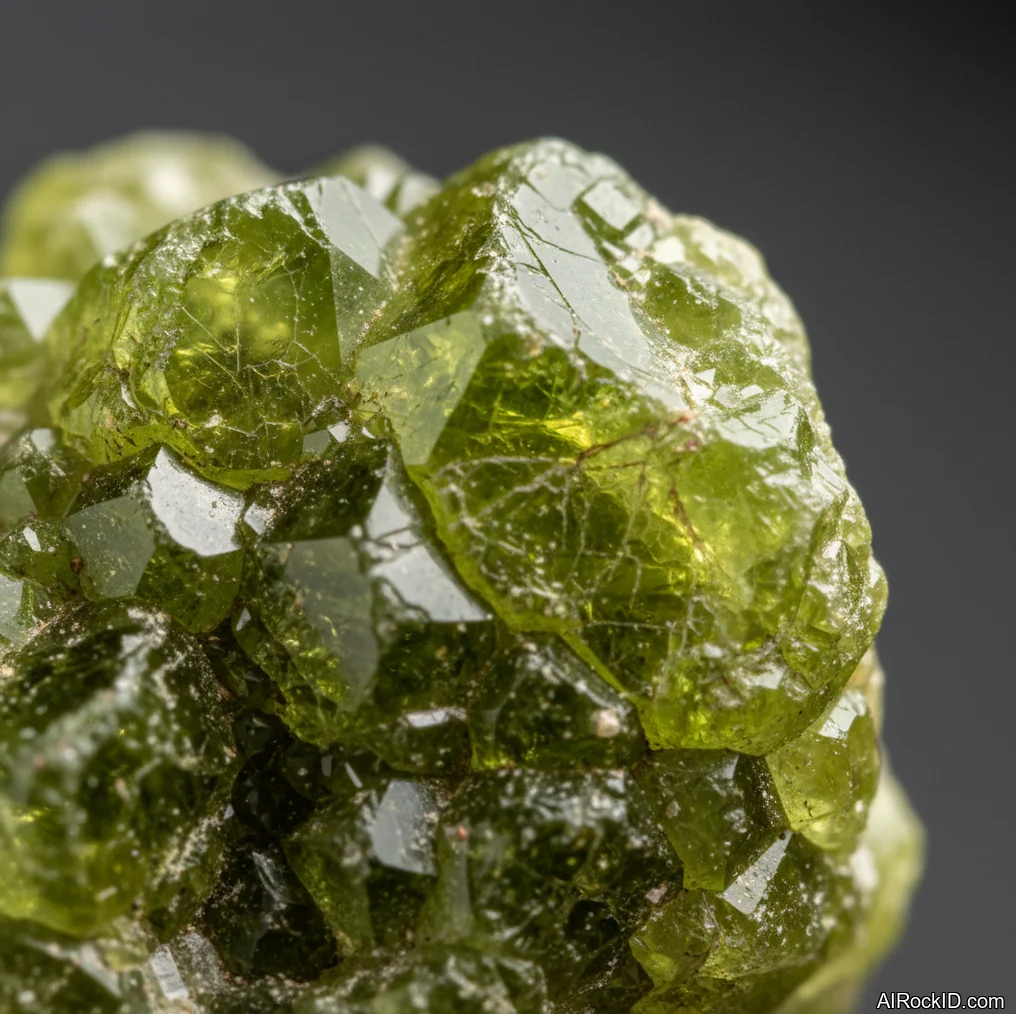
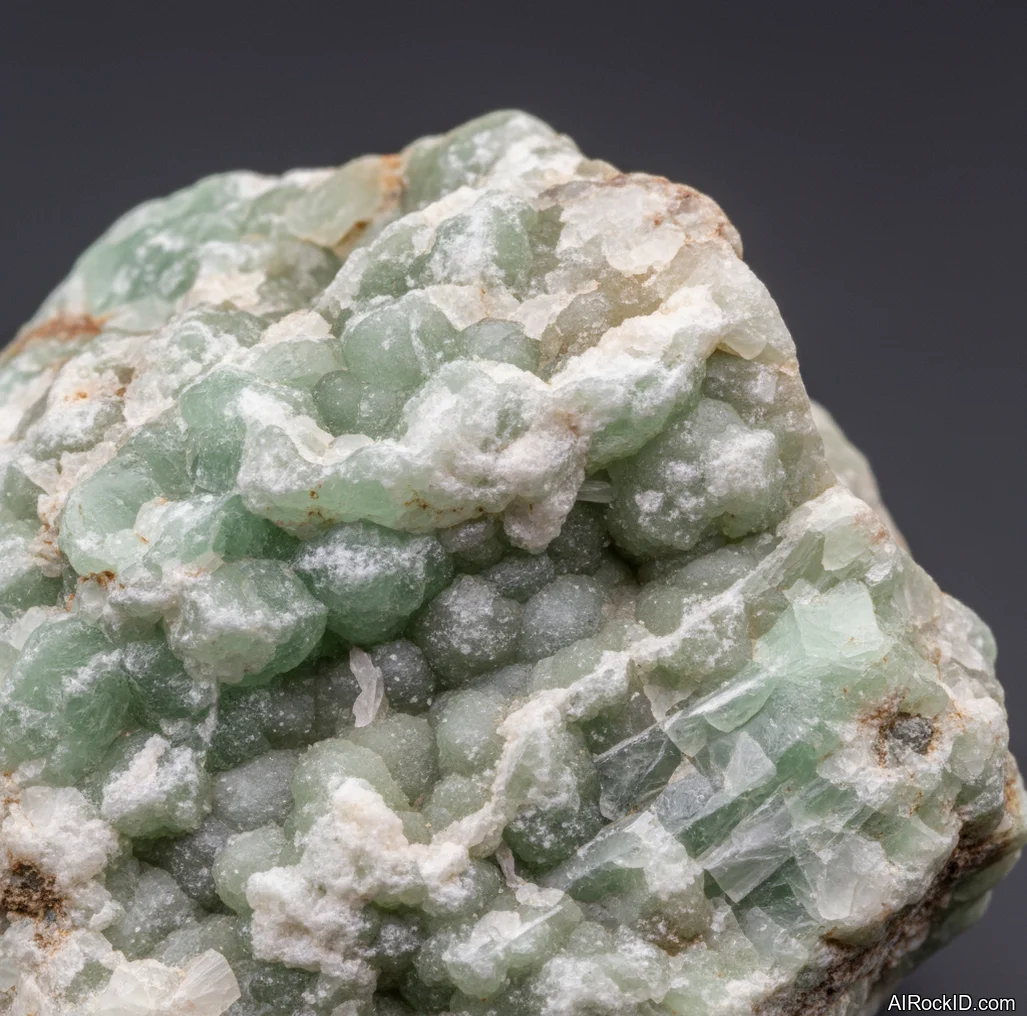
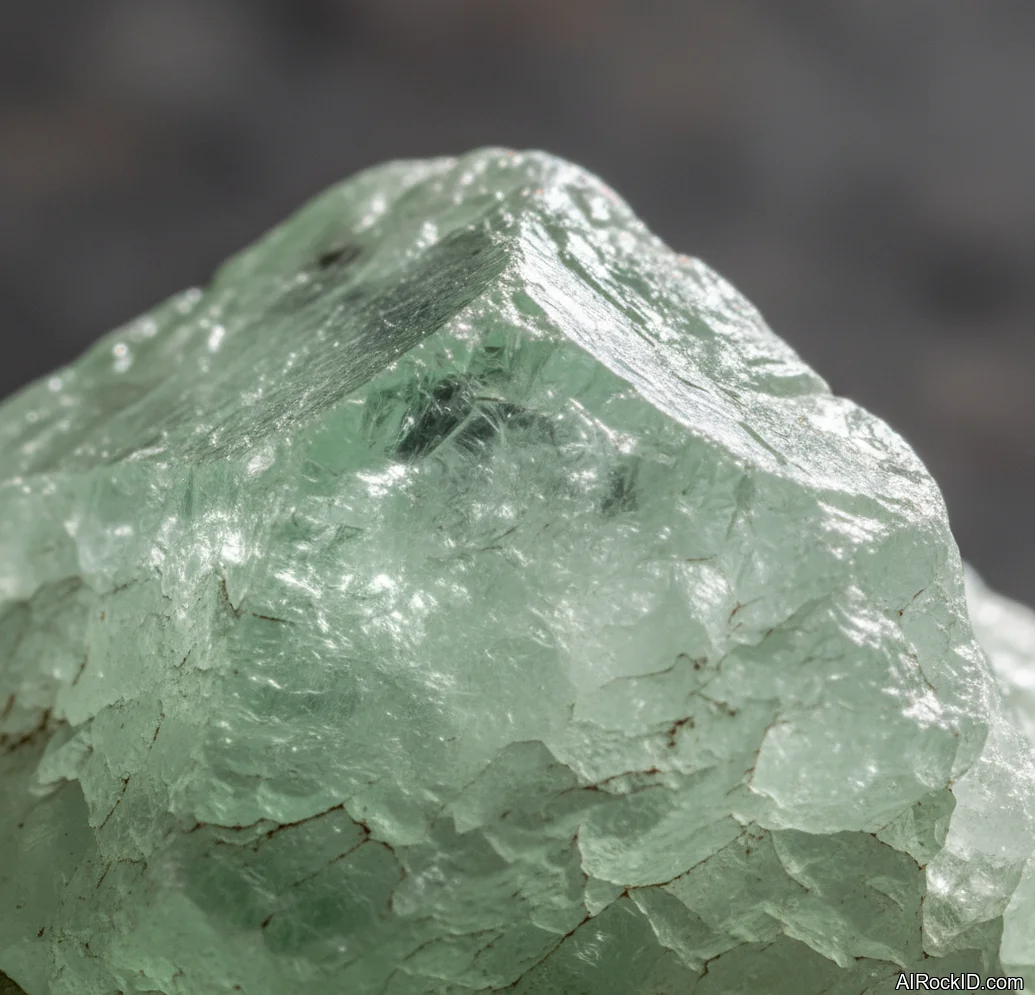
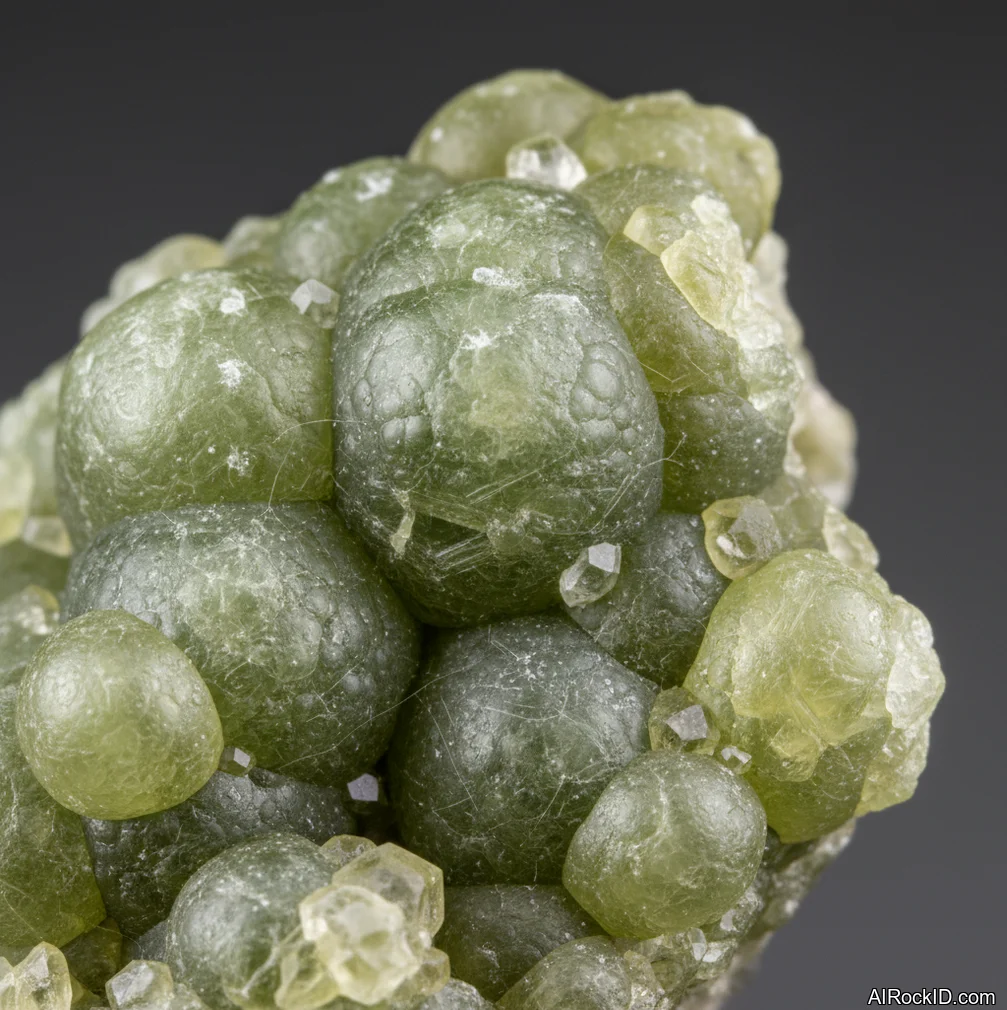
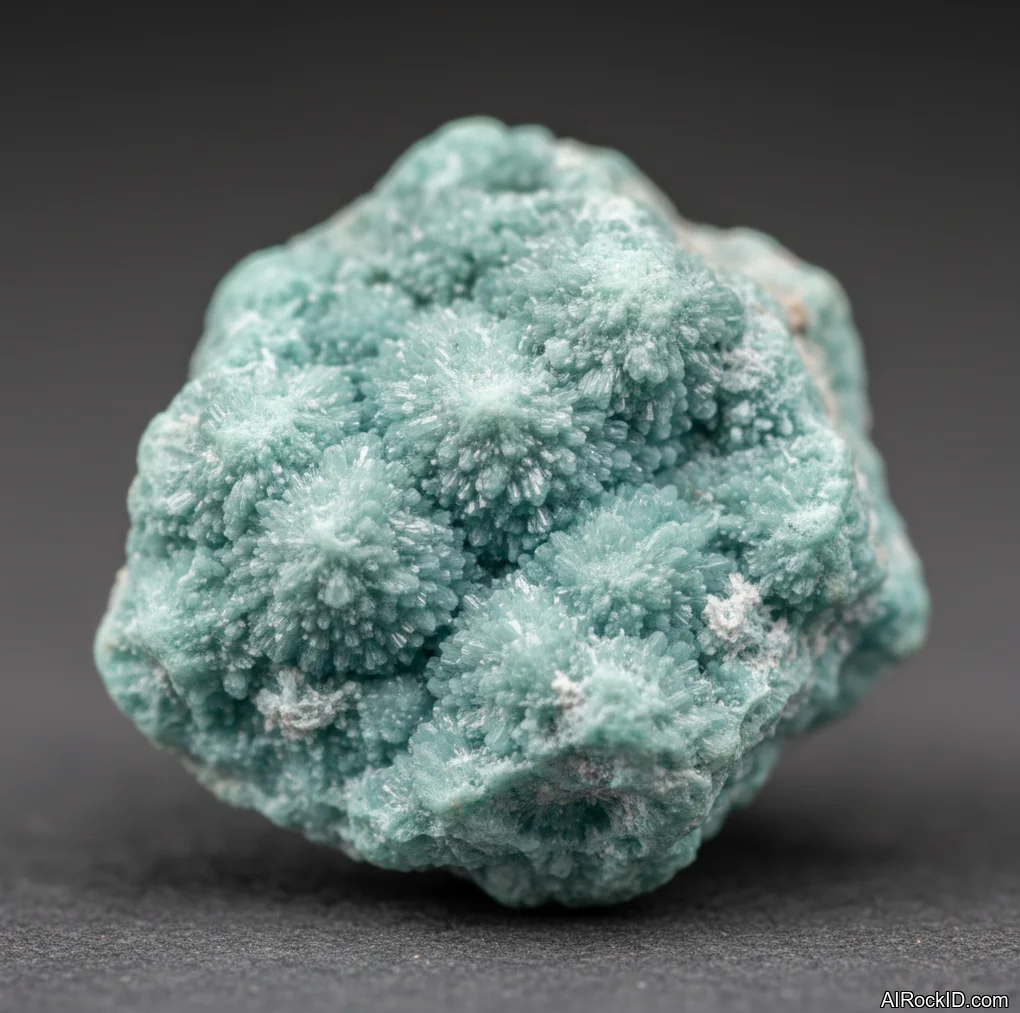
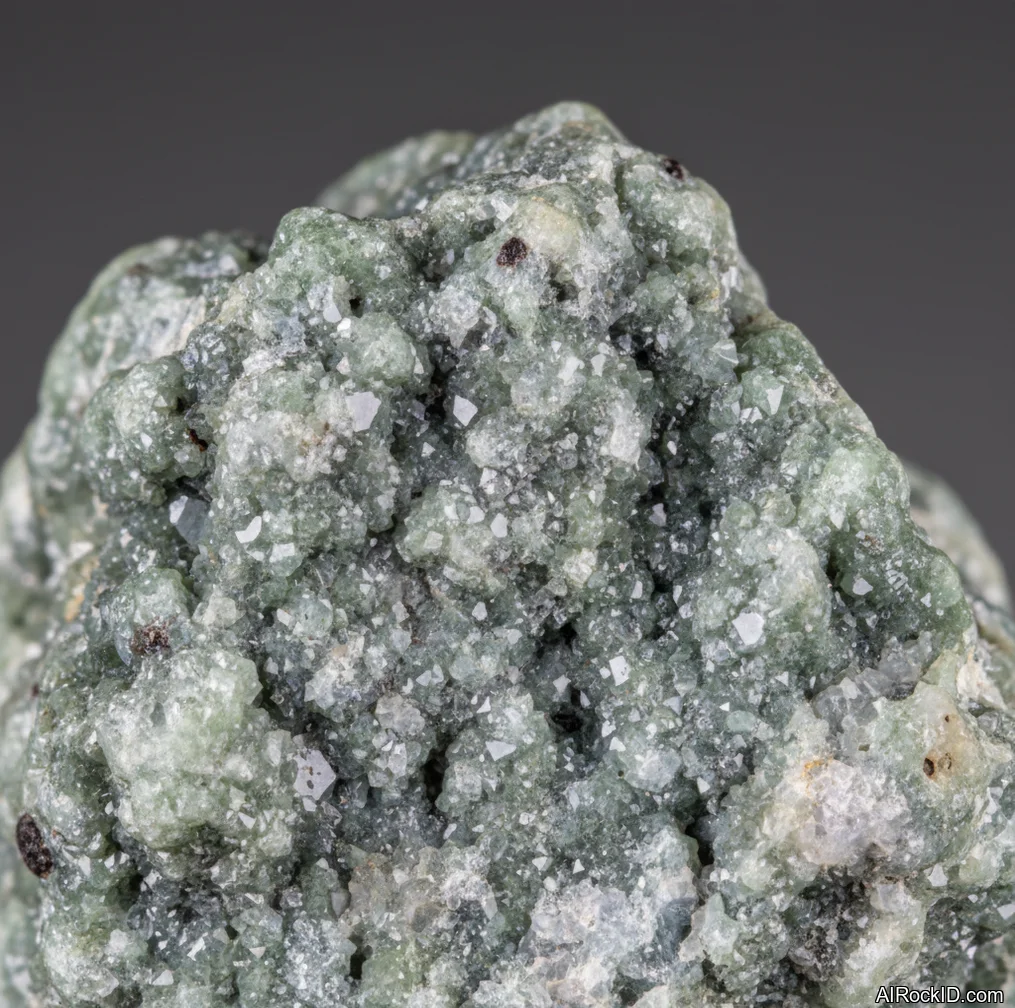
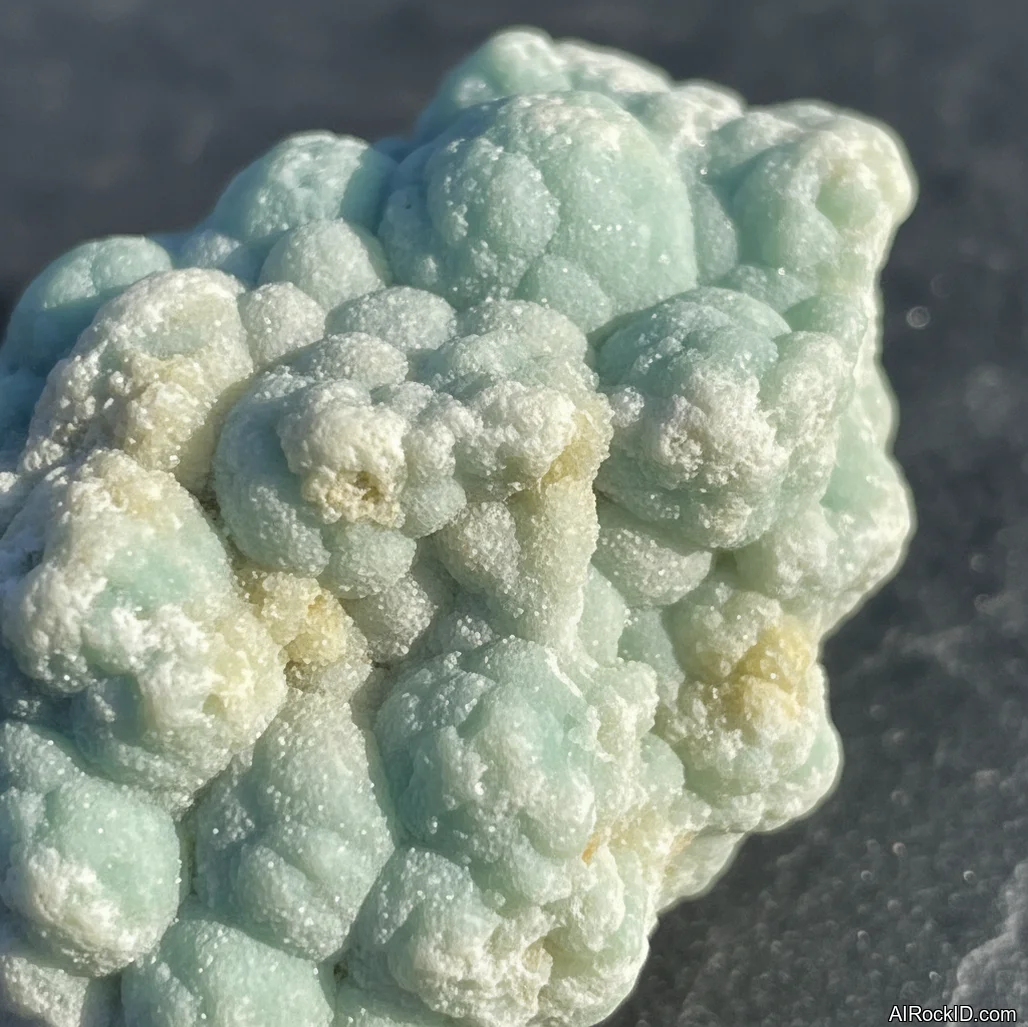
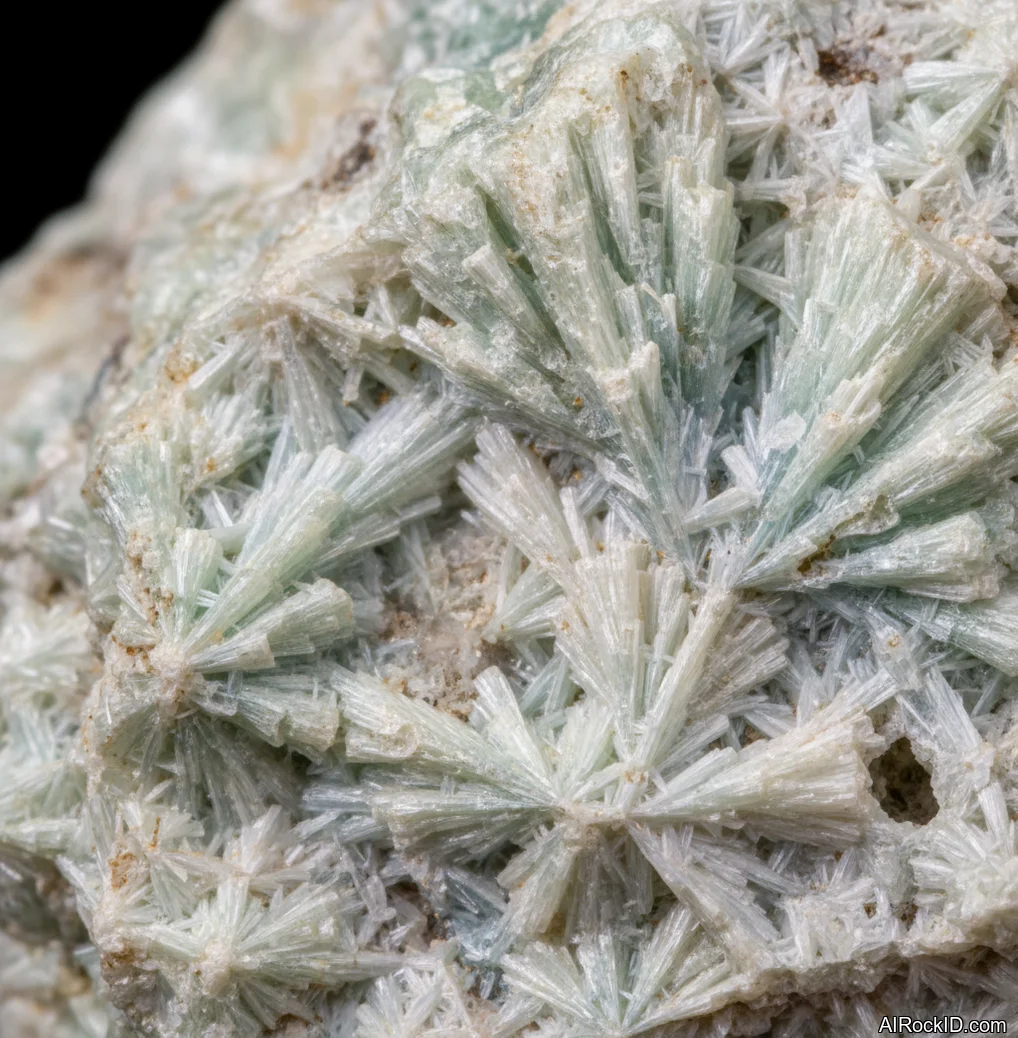
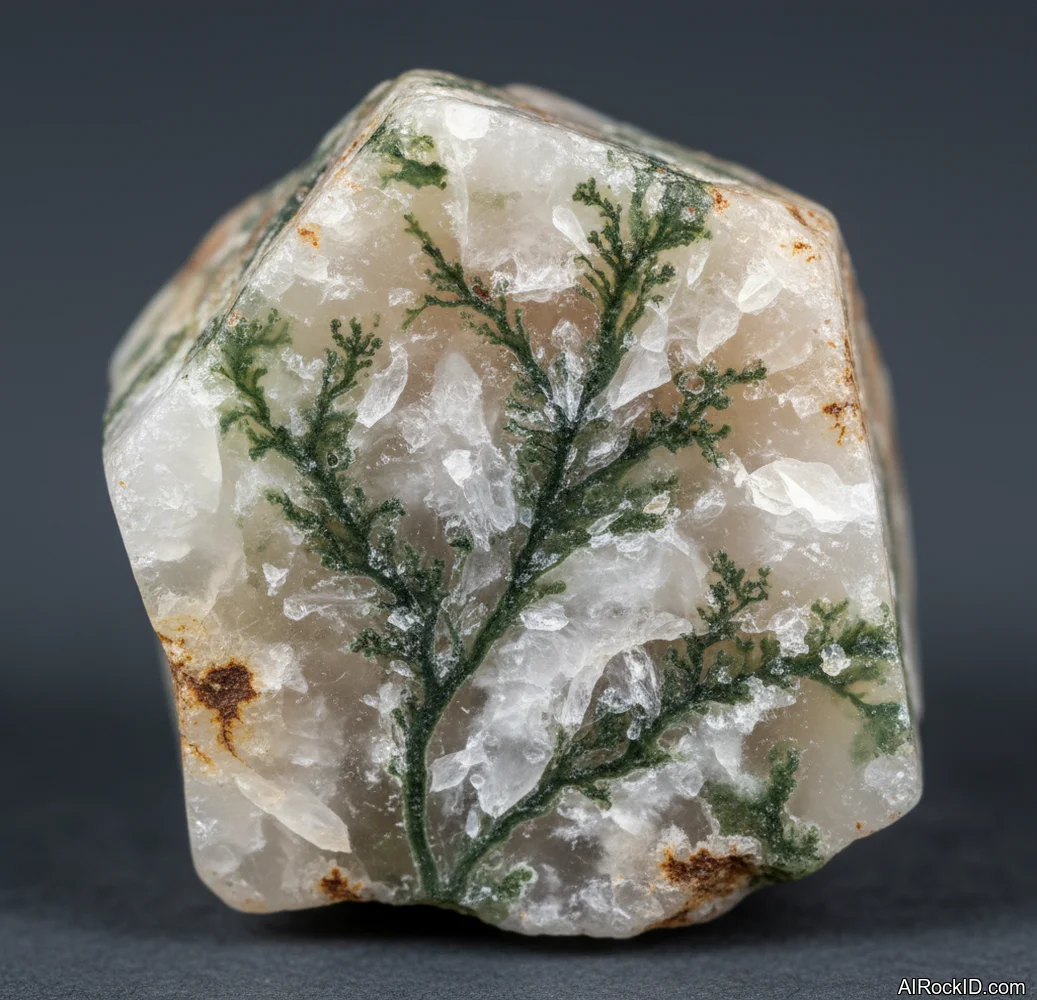
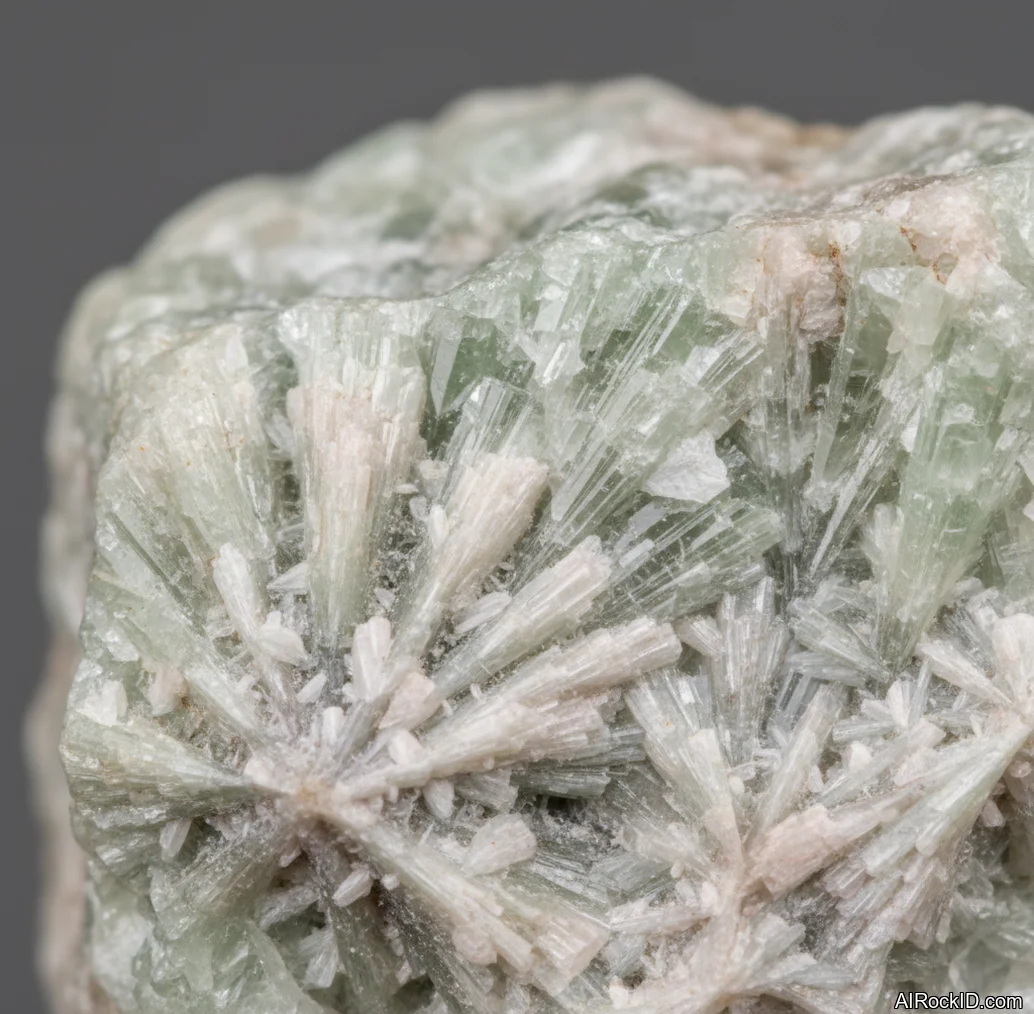
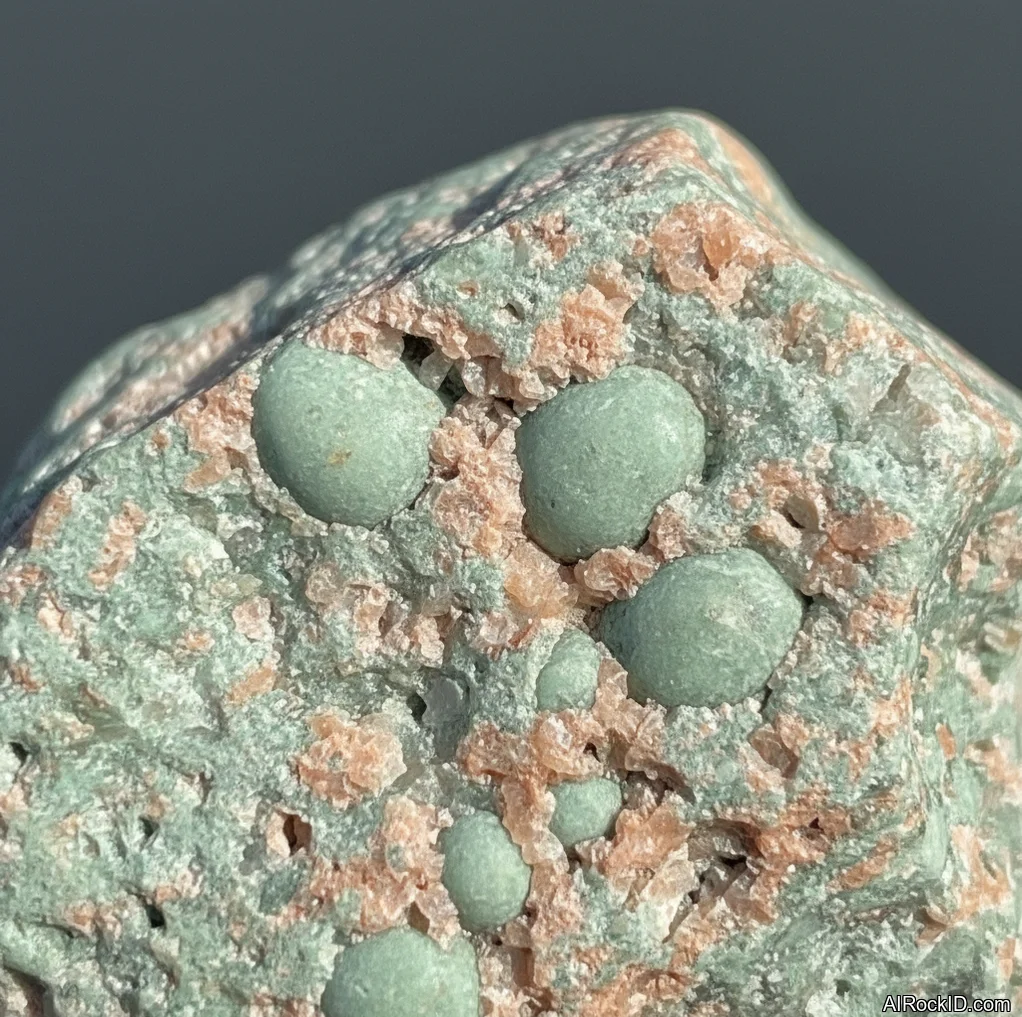
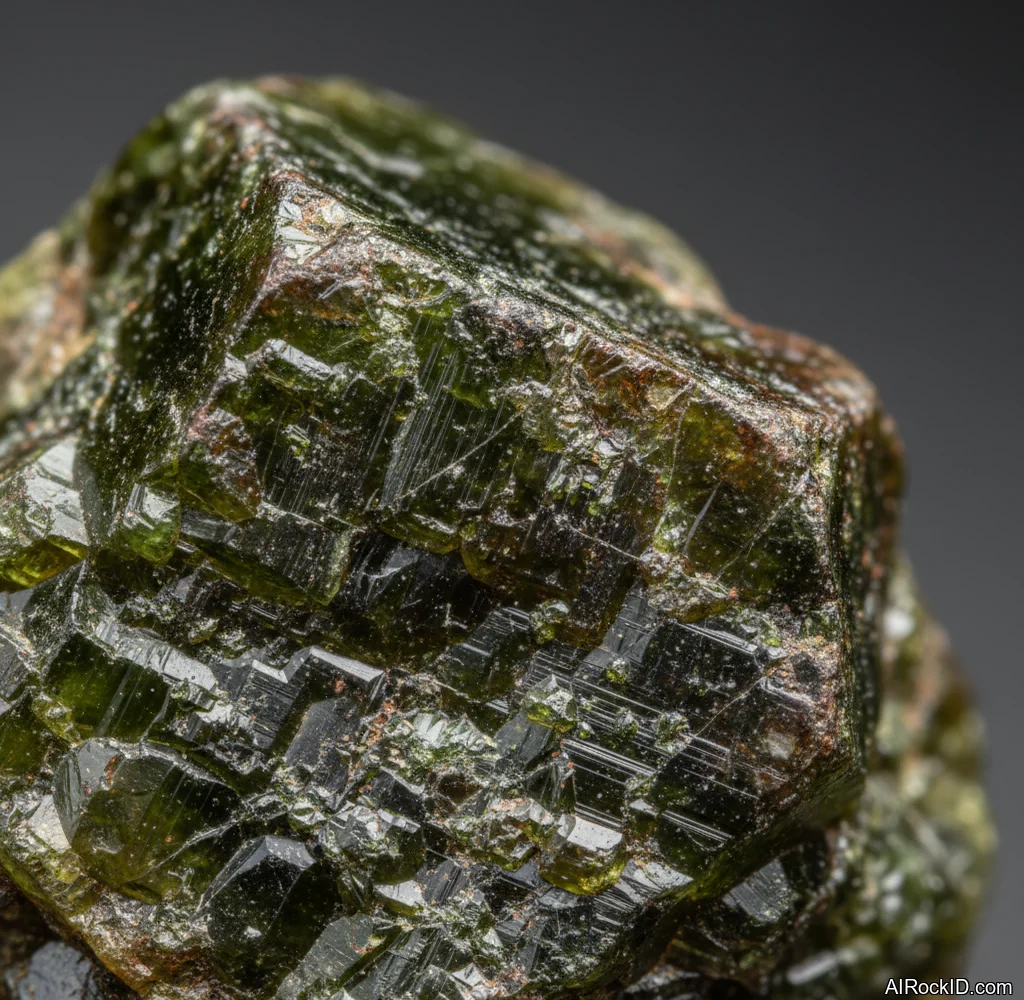
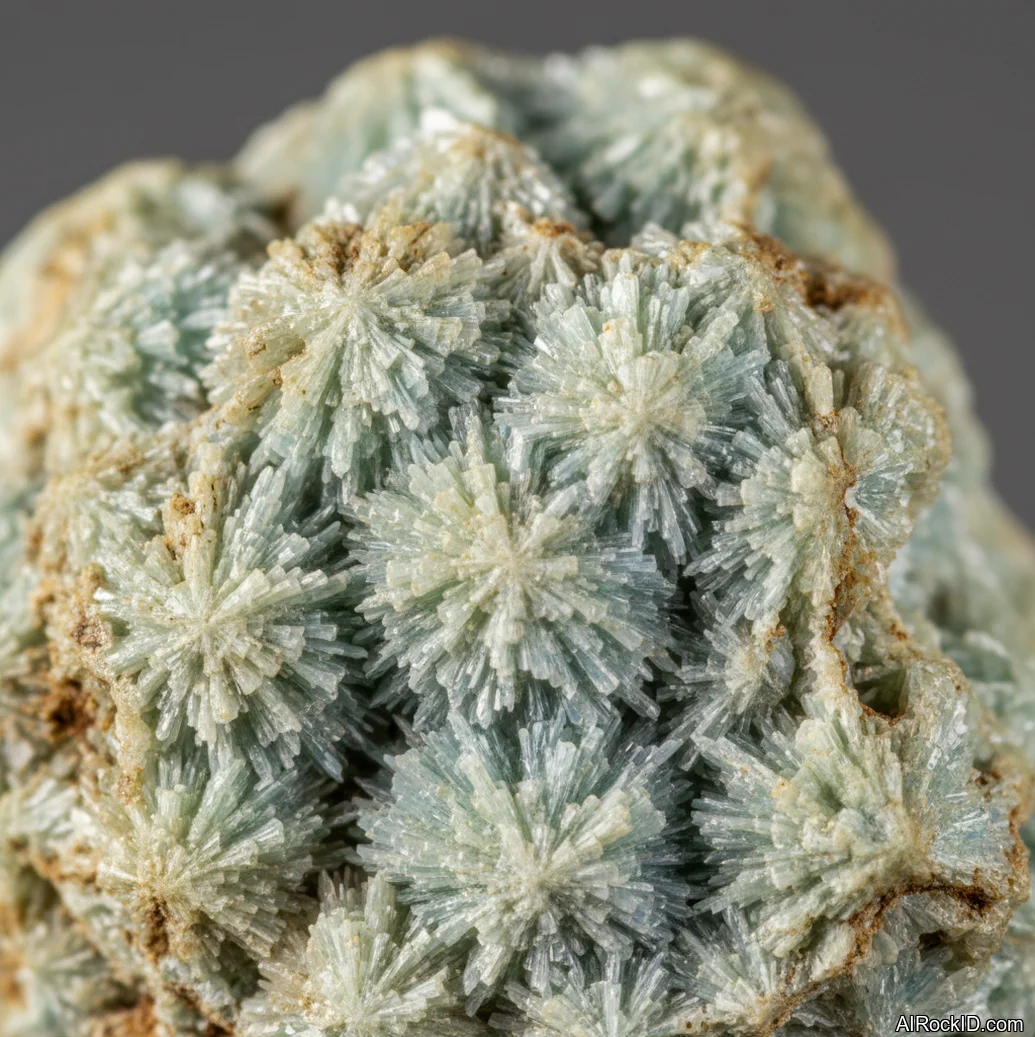
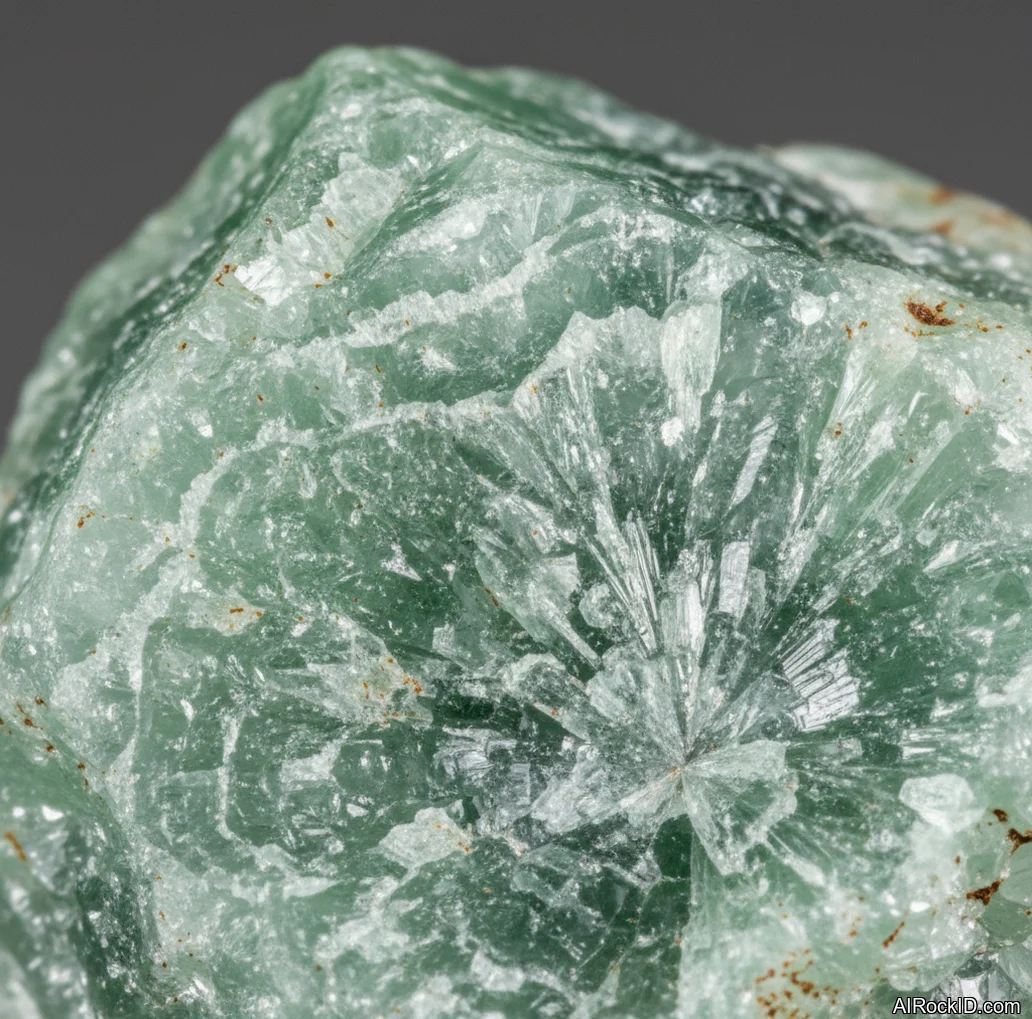
At first glance, shopping for Heart Chakra stones seems easy because green is everywhere: aventurine, jade, prehnite, chrysoprase, amazonite, green fluorite, moss agate. Thing is, the vibe people chase often comes from texture and “feel” as much as hue. Chrysoprase has that juicy apple-green translucence where light pools at the edges. Prehnite can look like pale grape flesh with little black epidote needles suspended inside. A good piece of serpentine feels almost waxy compared to the glassier shine of green fluorite, and you can feel that difference with your thumb even if both are polished. Kind of wild, right?
So why do people actually buy Heart Chakra crystals? Usually it’s one of three things.
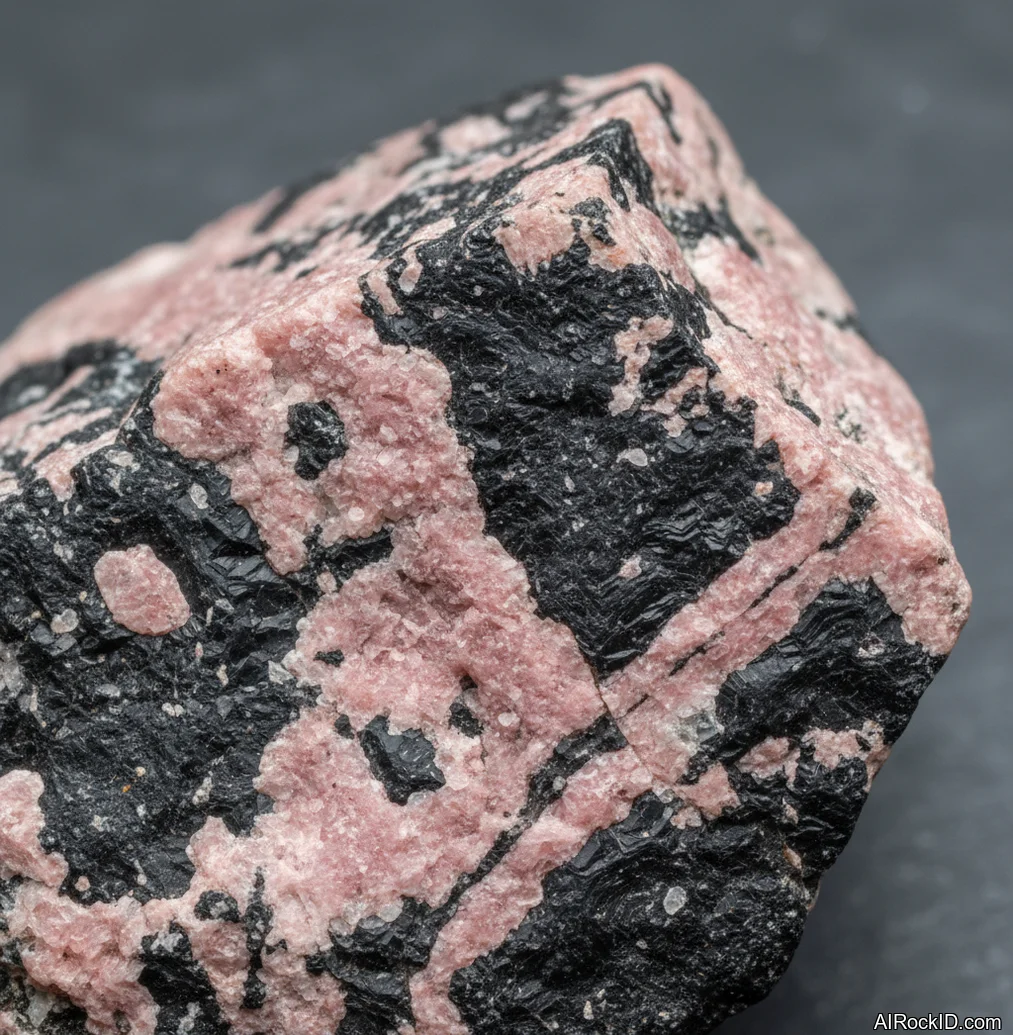
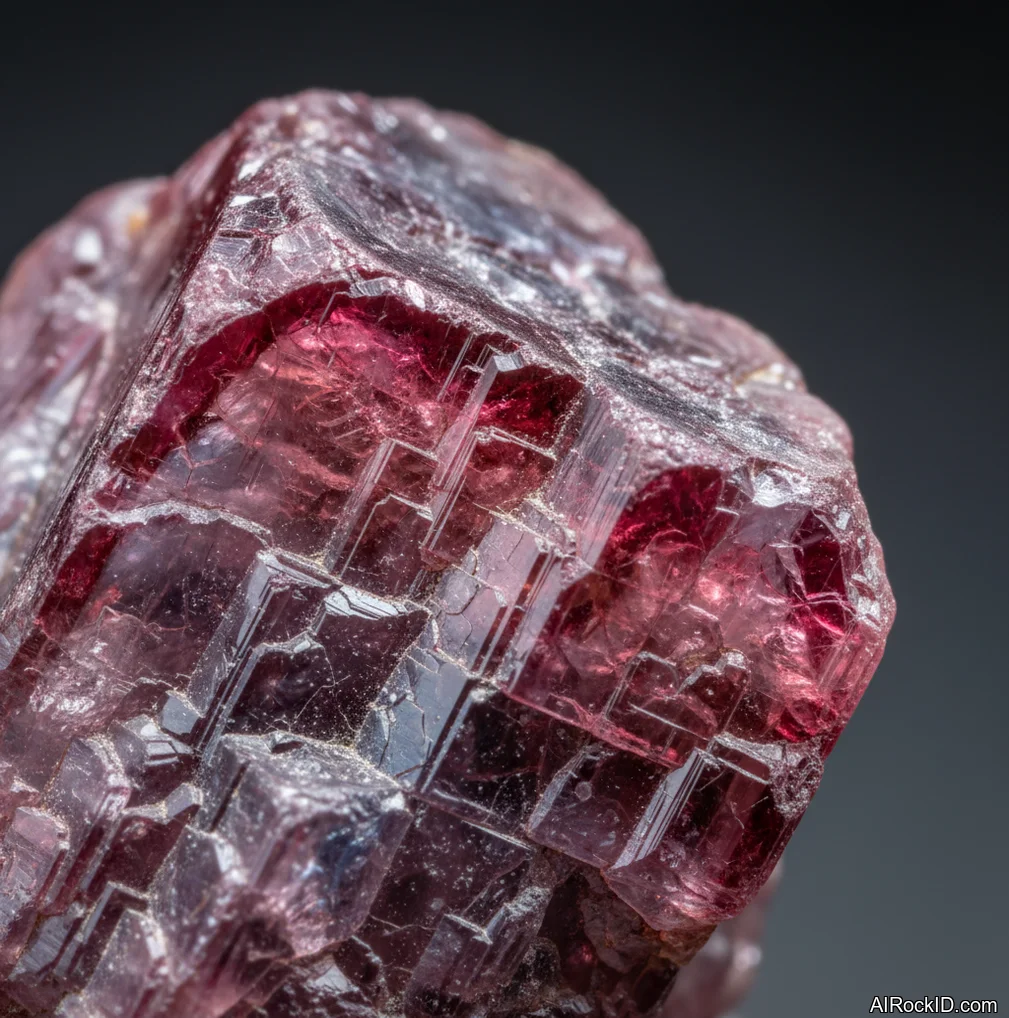
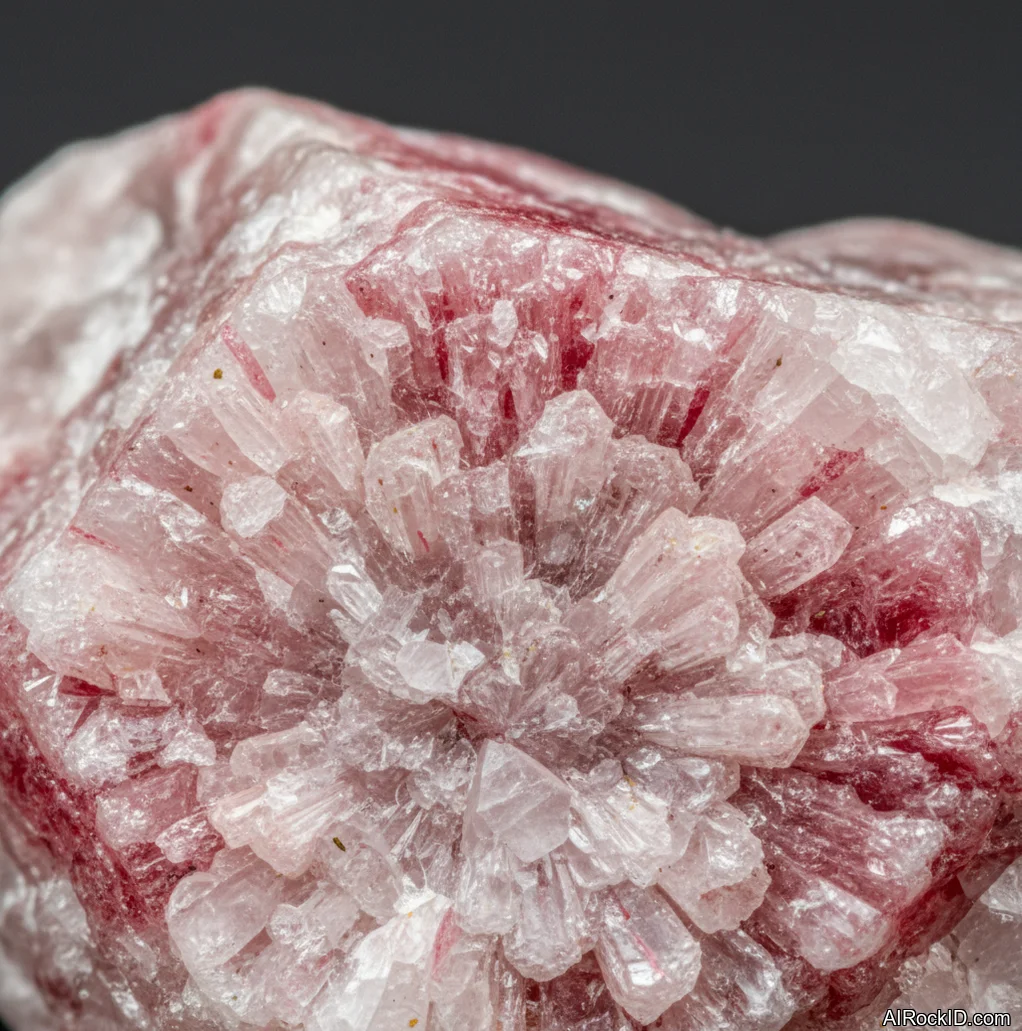
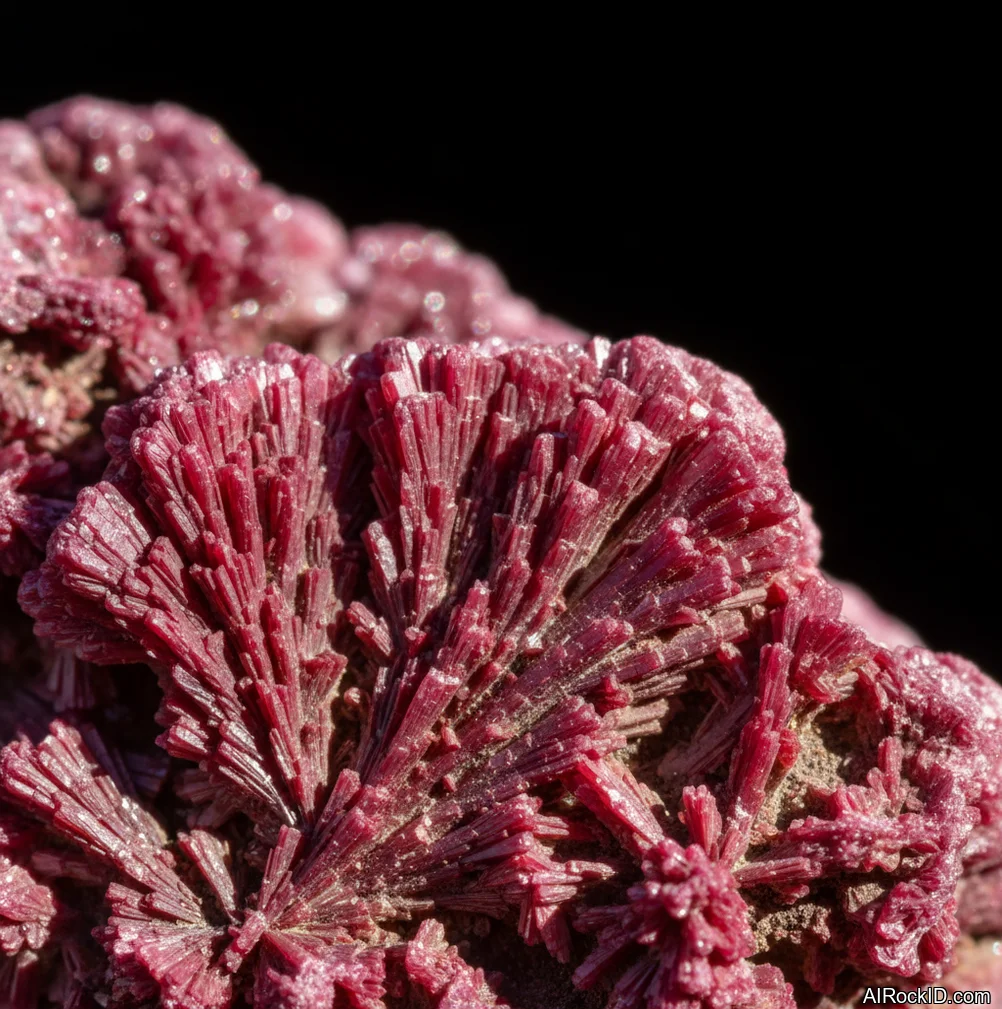
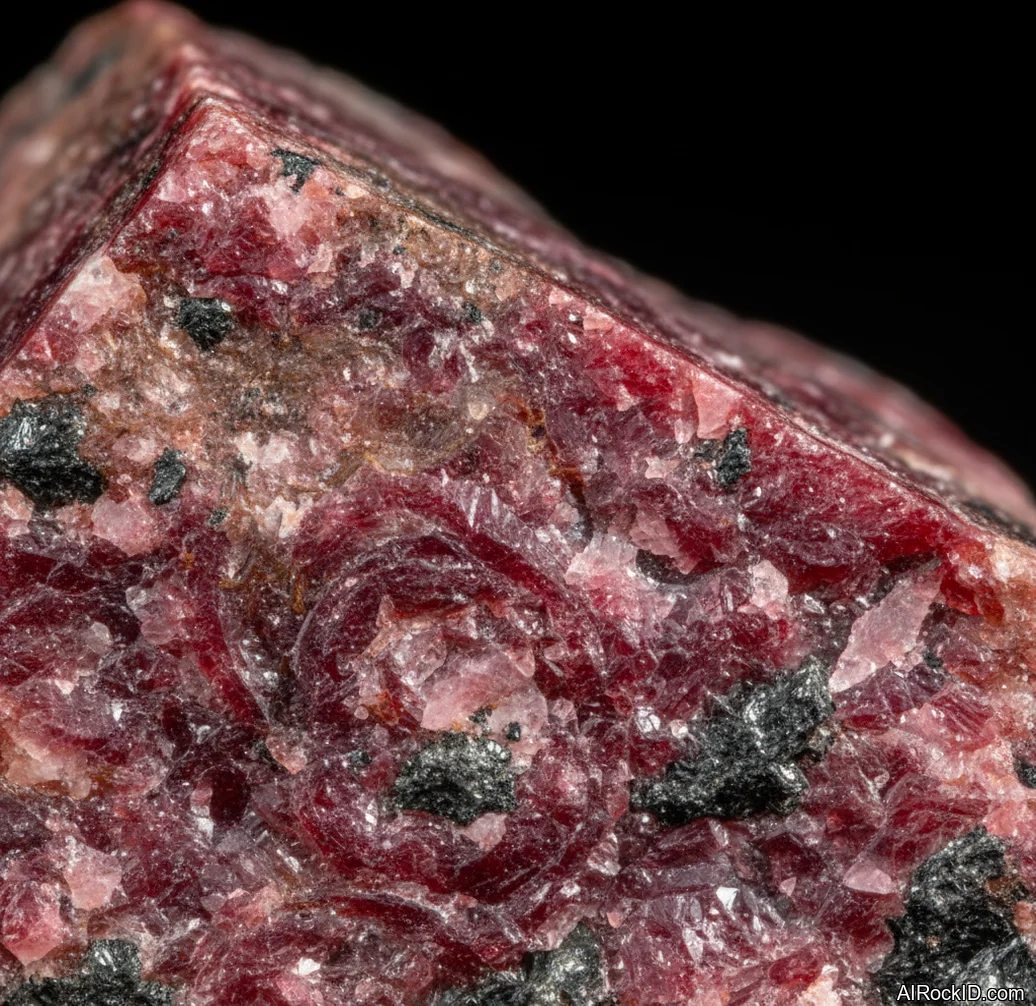
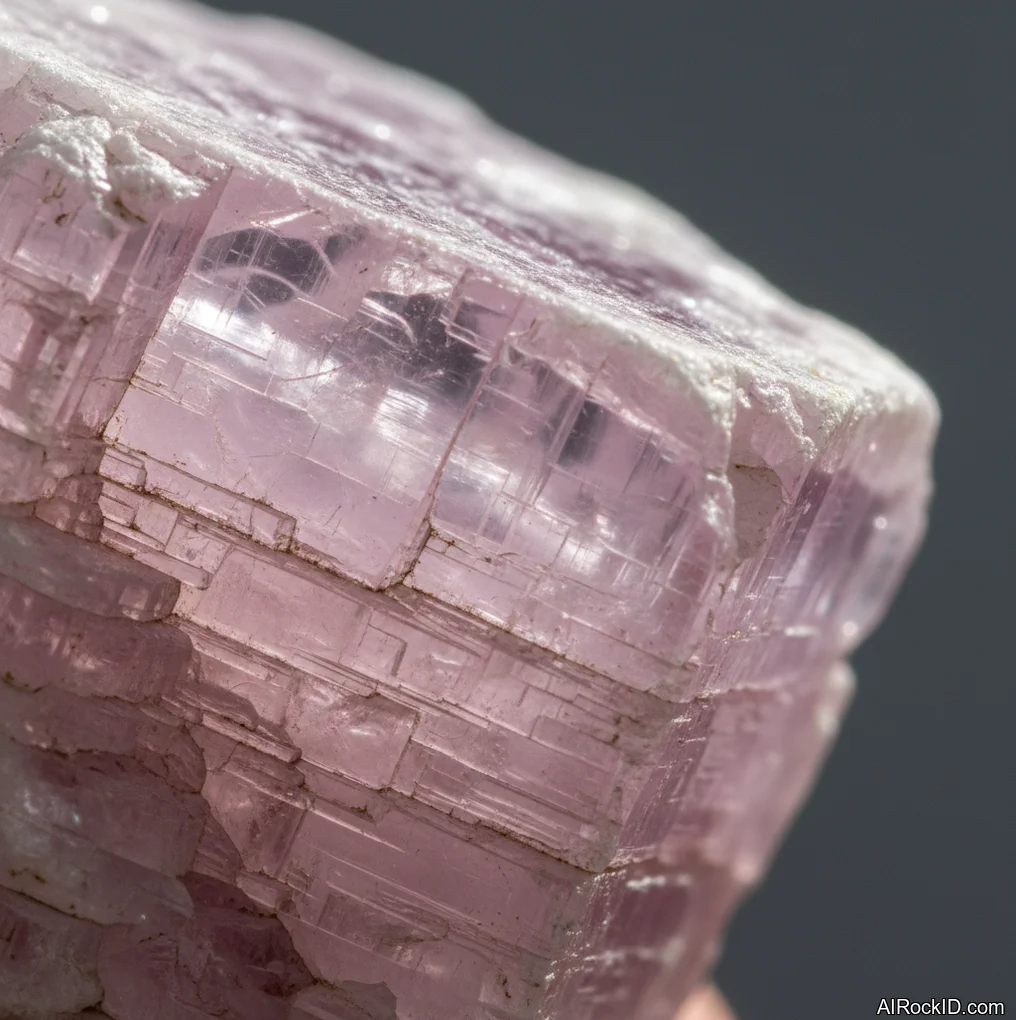
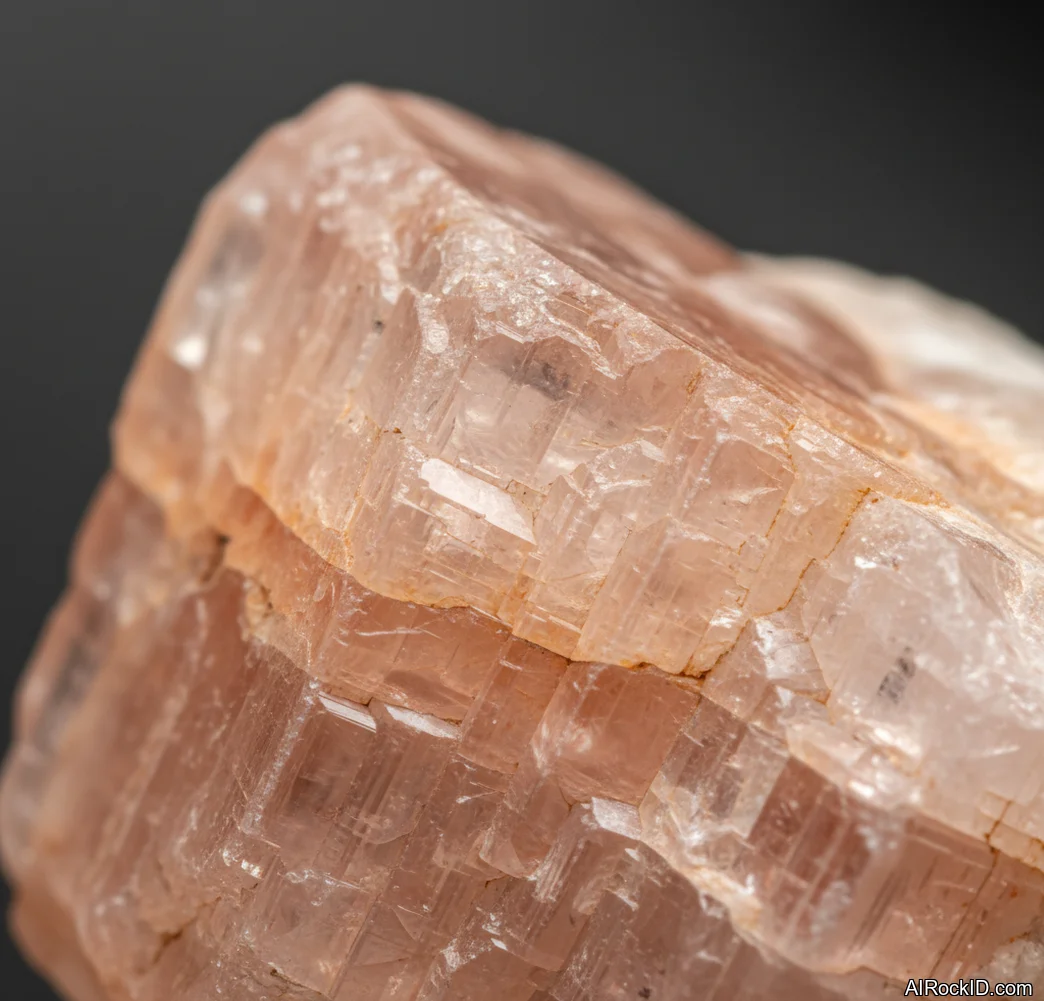
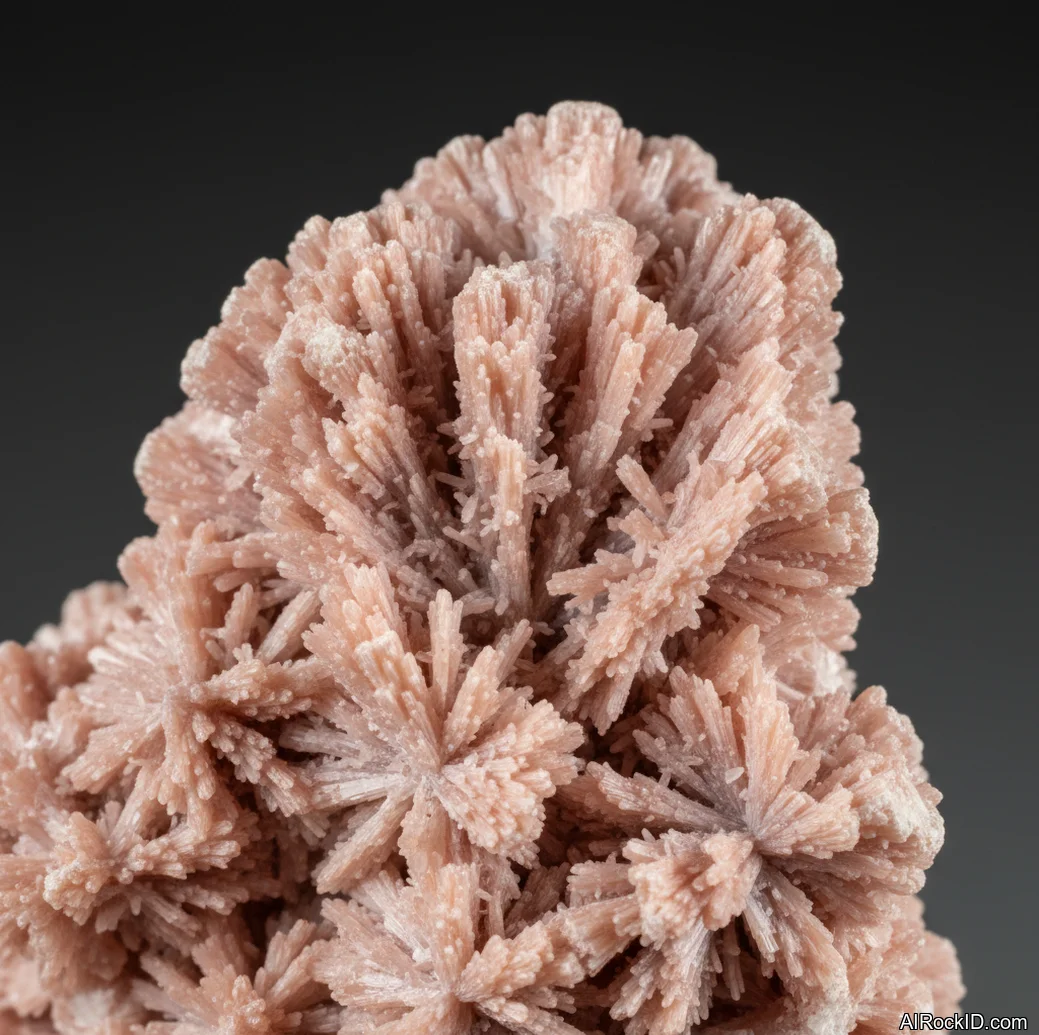
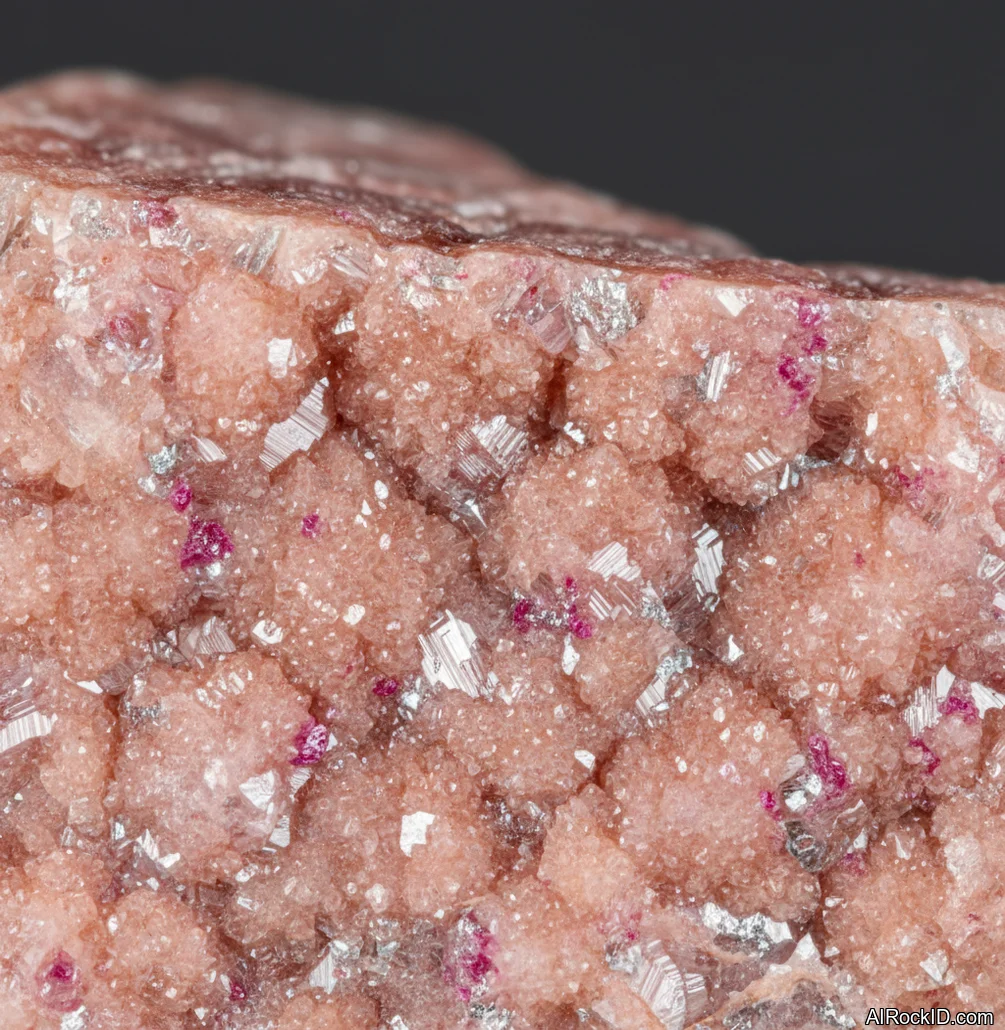
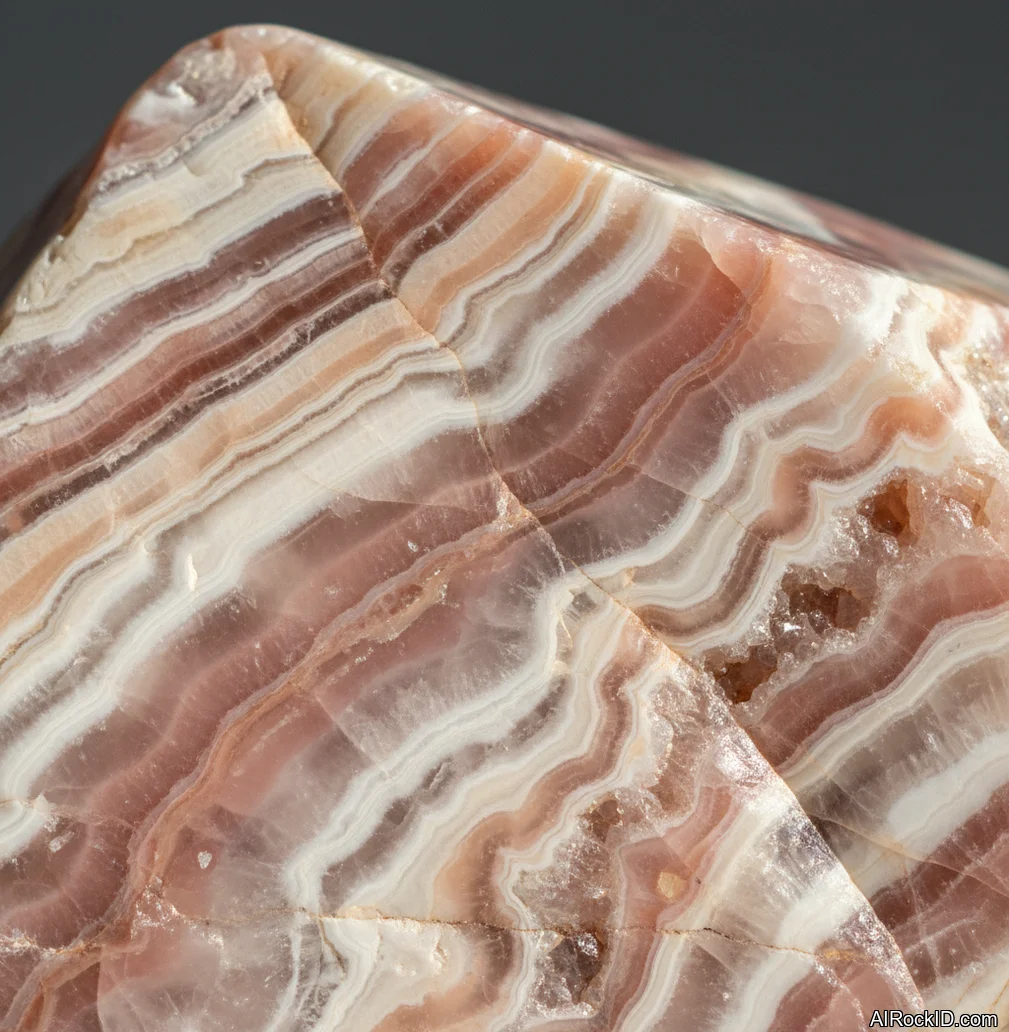
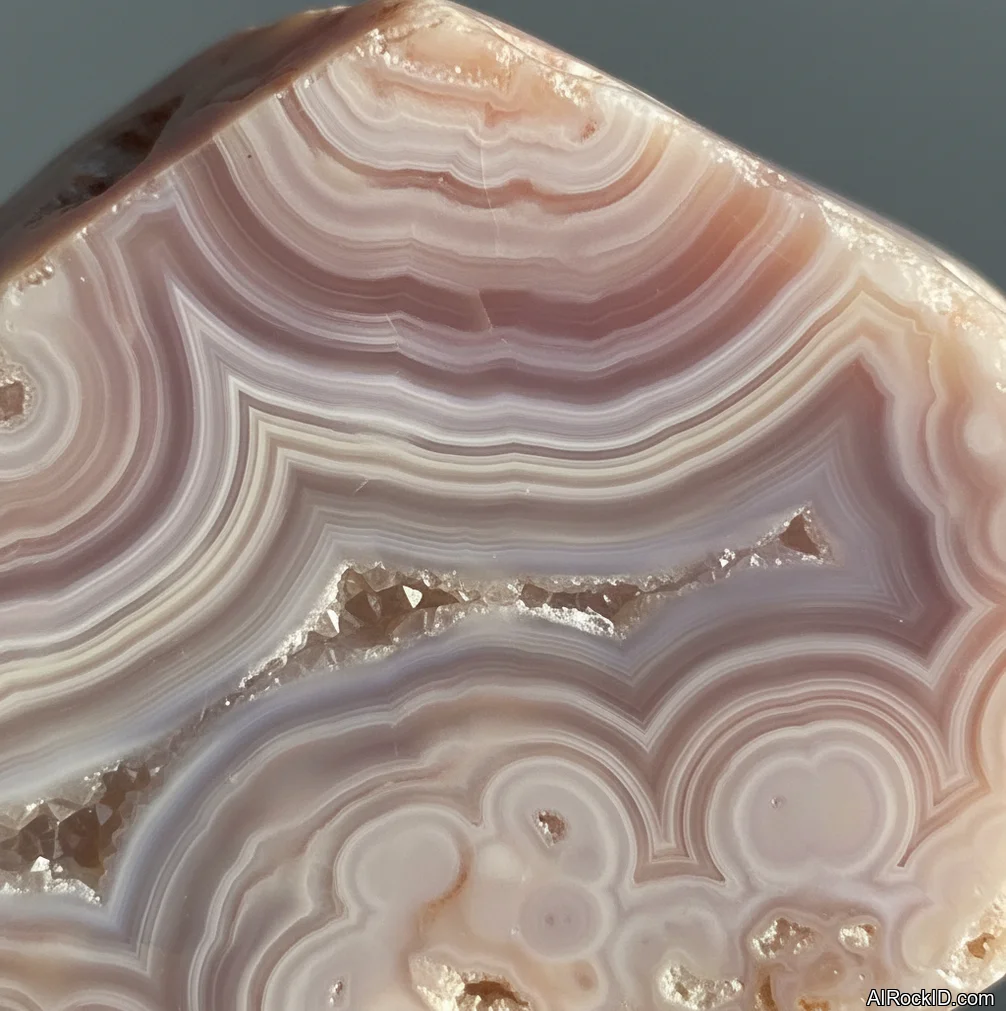
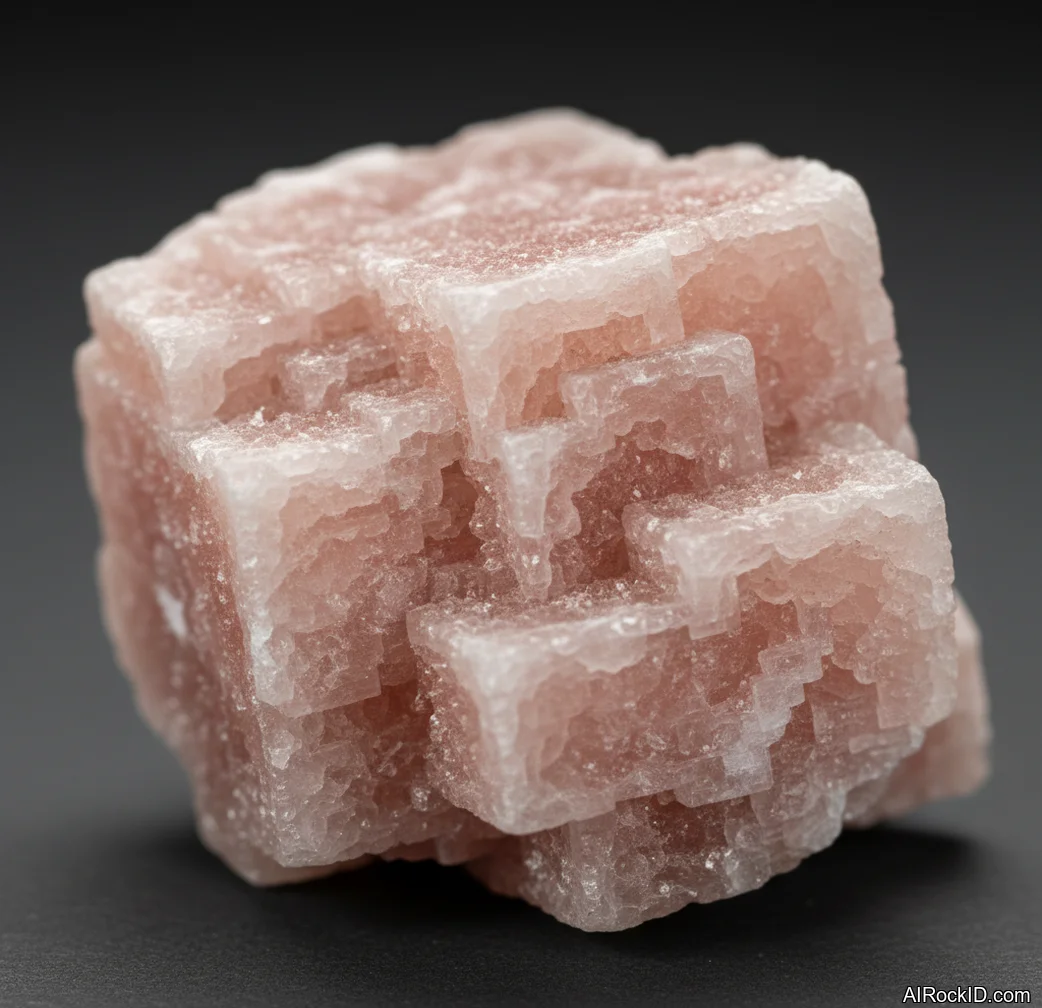
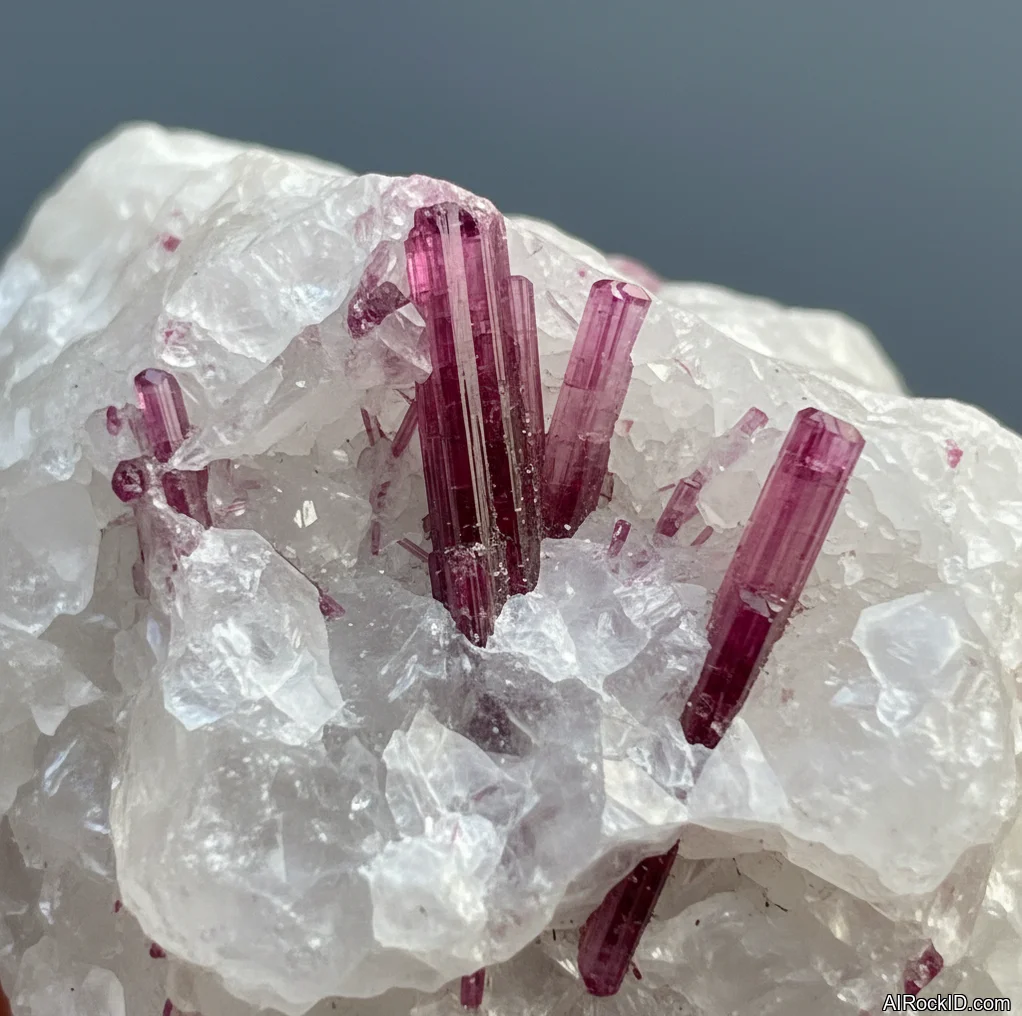
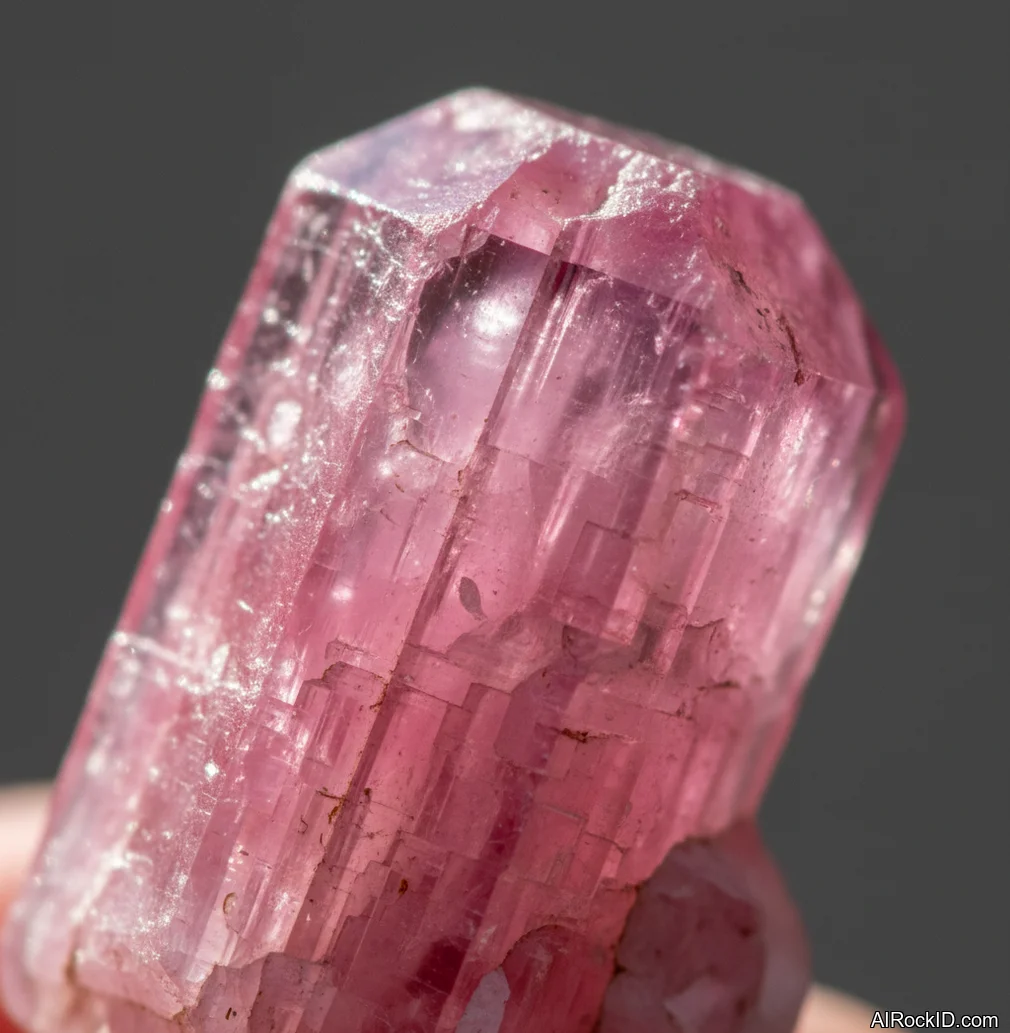
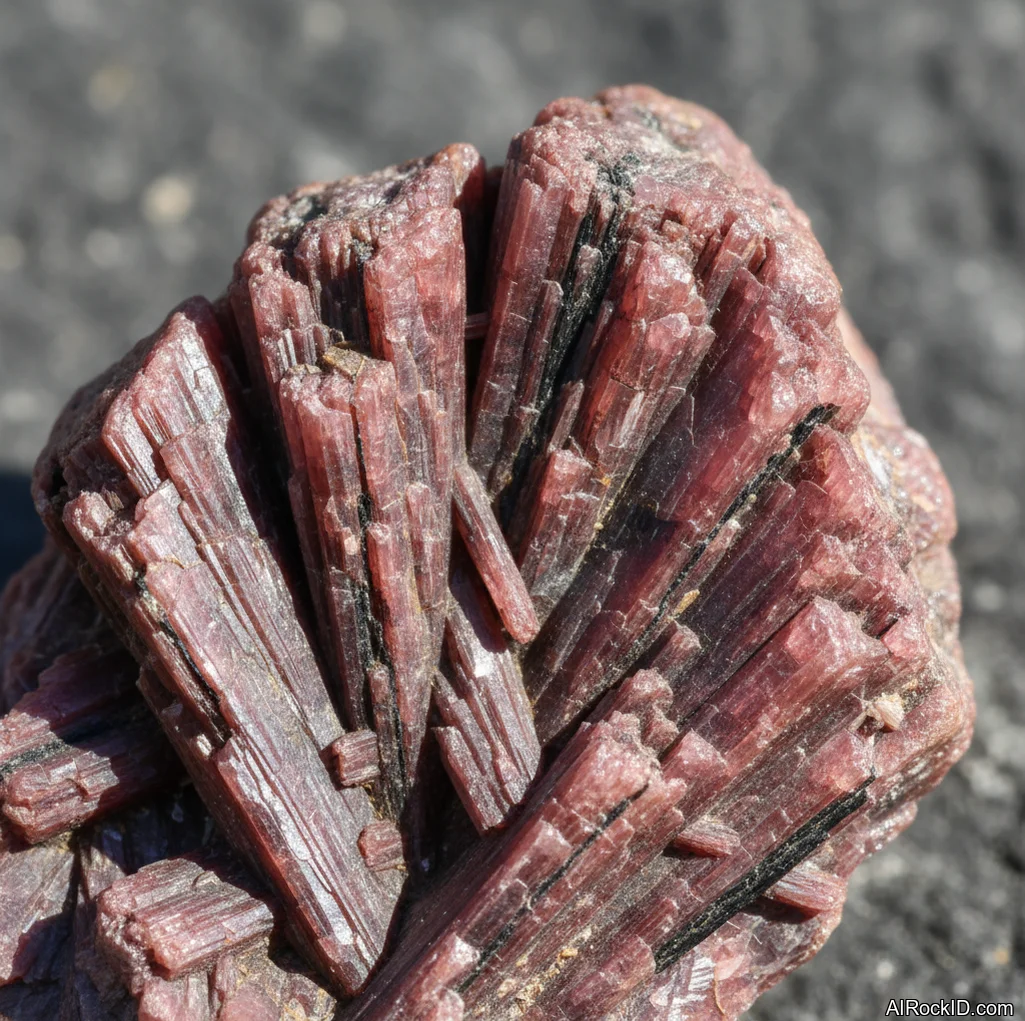
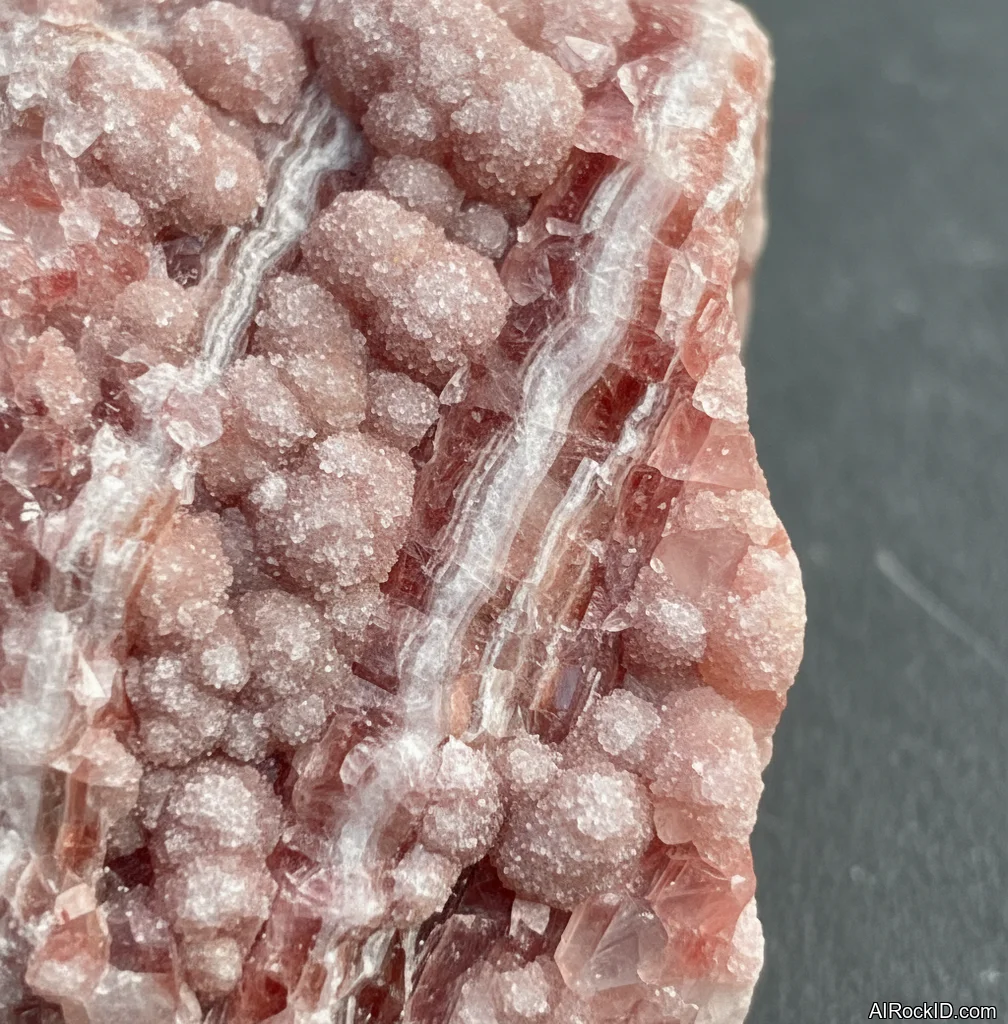
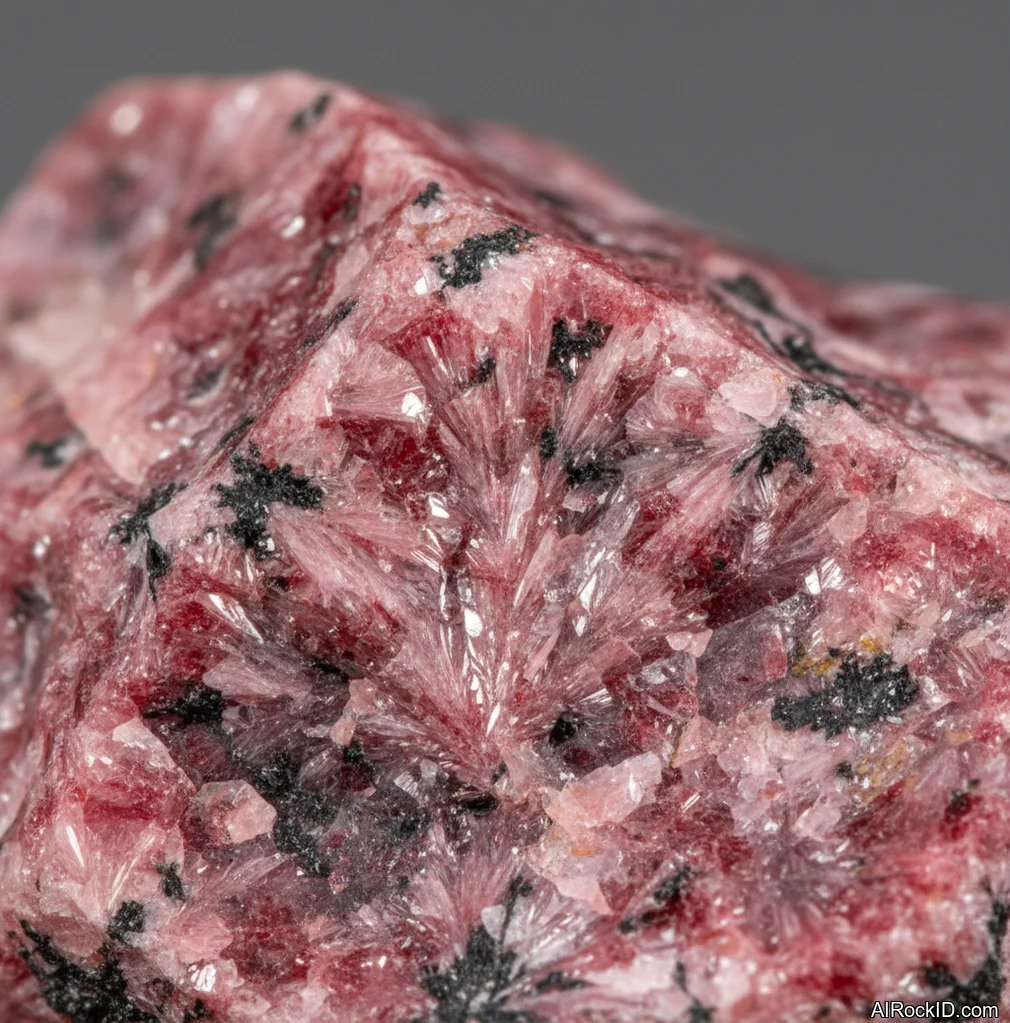
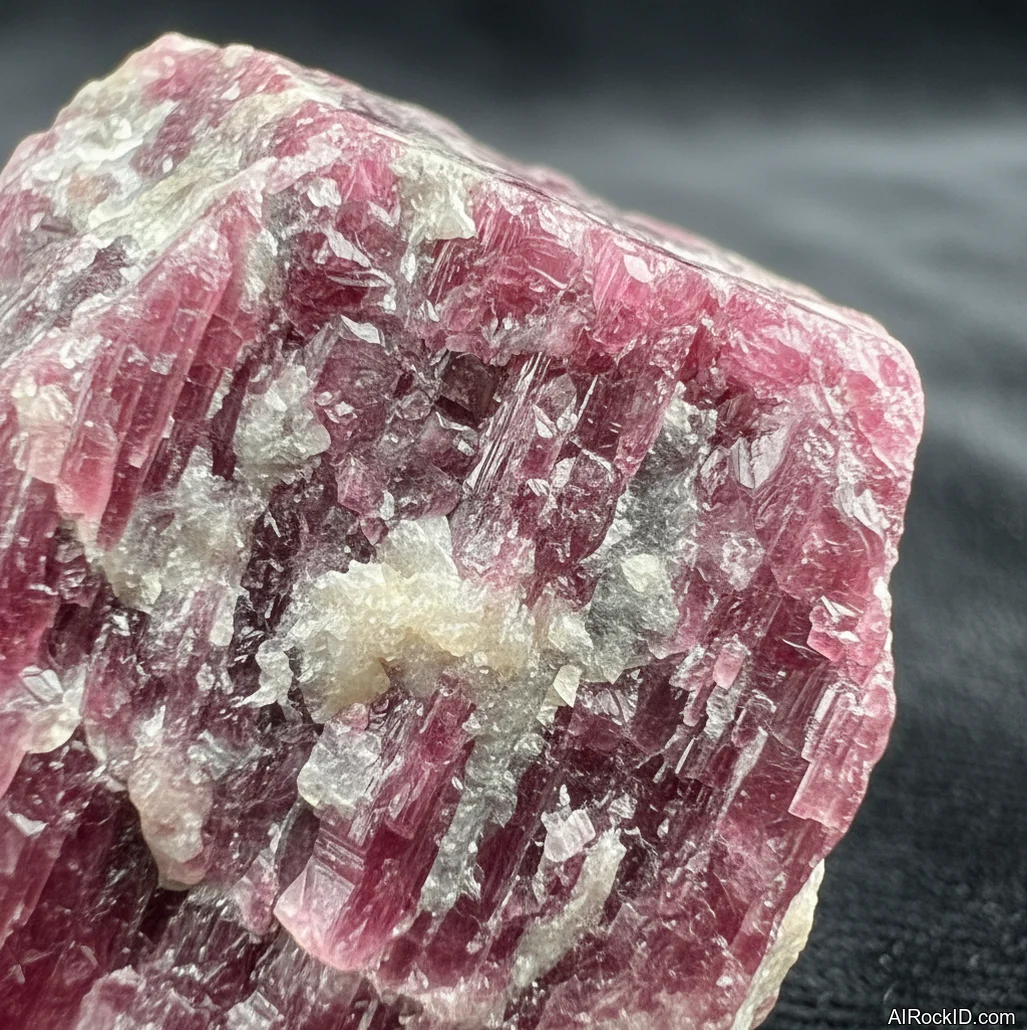
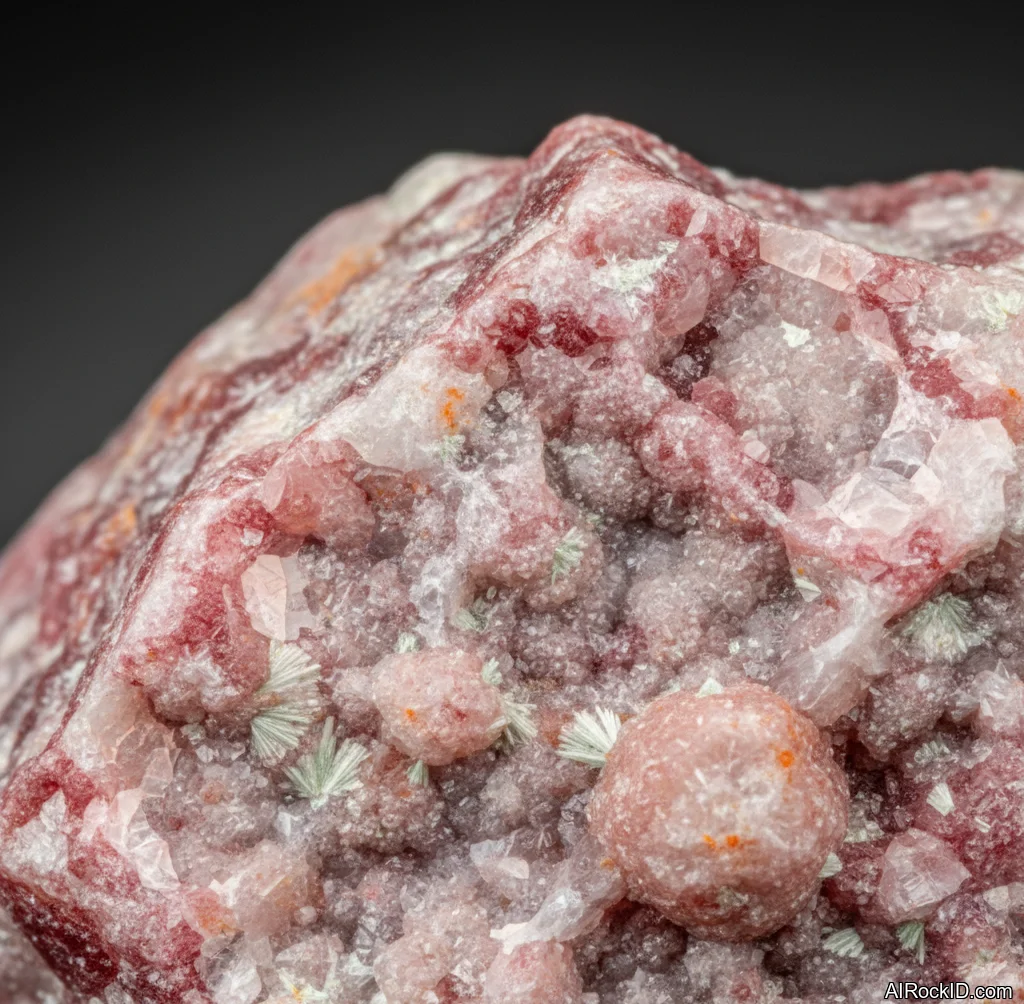
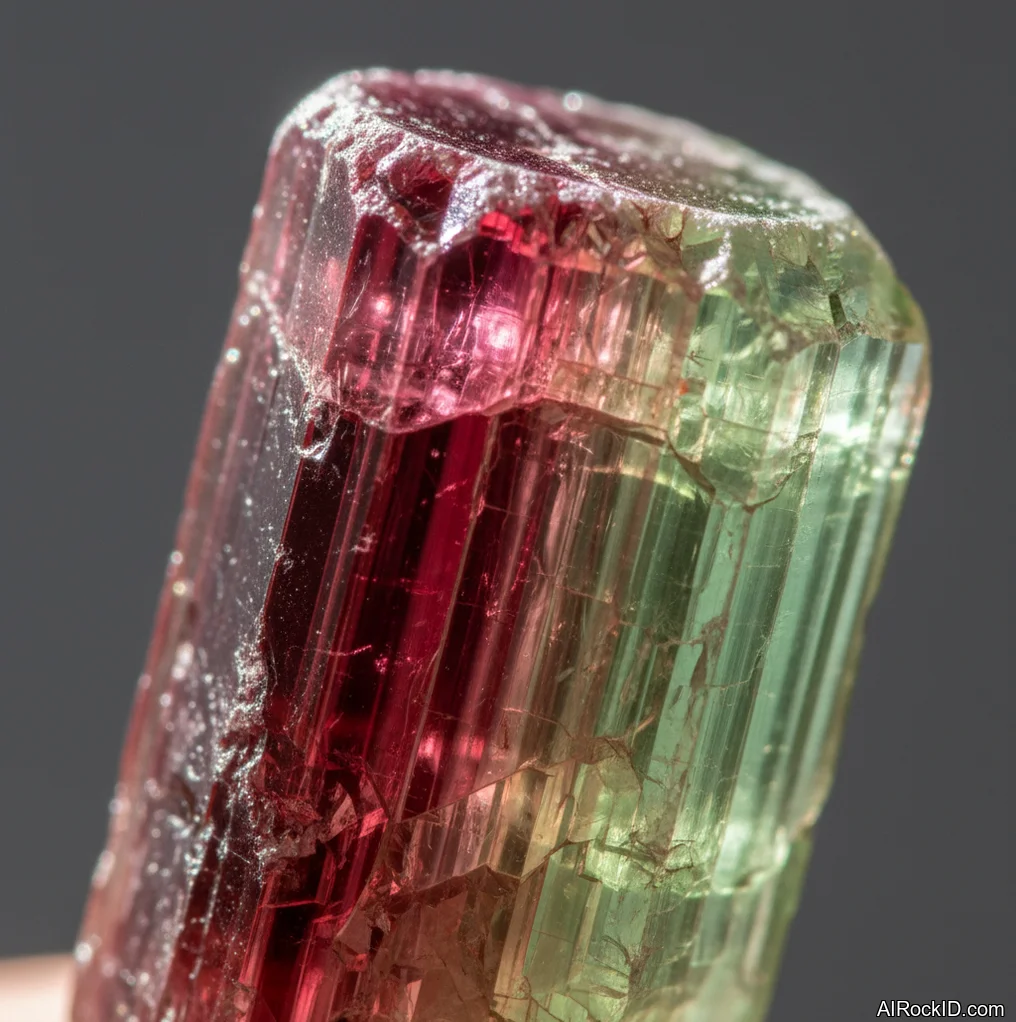
One: they’re trying to soften after a breakup or loss. Rose quartz, rhodonite, and pink tourmaline get picked up a lot for that.
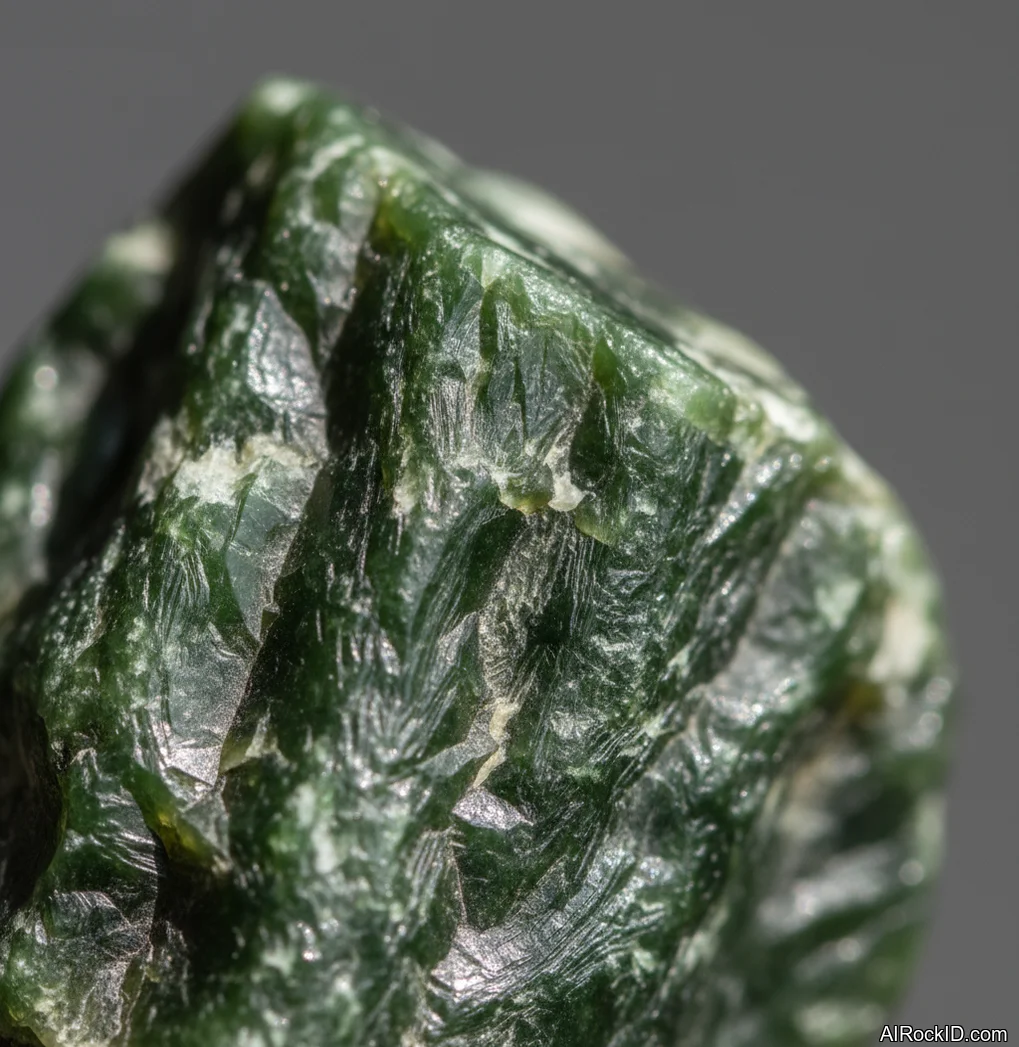
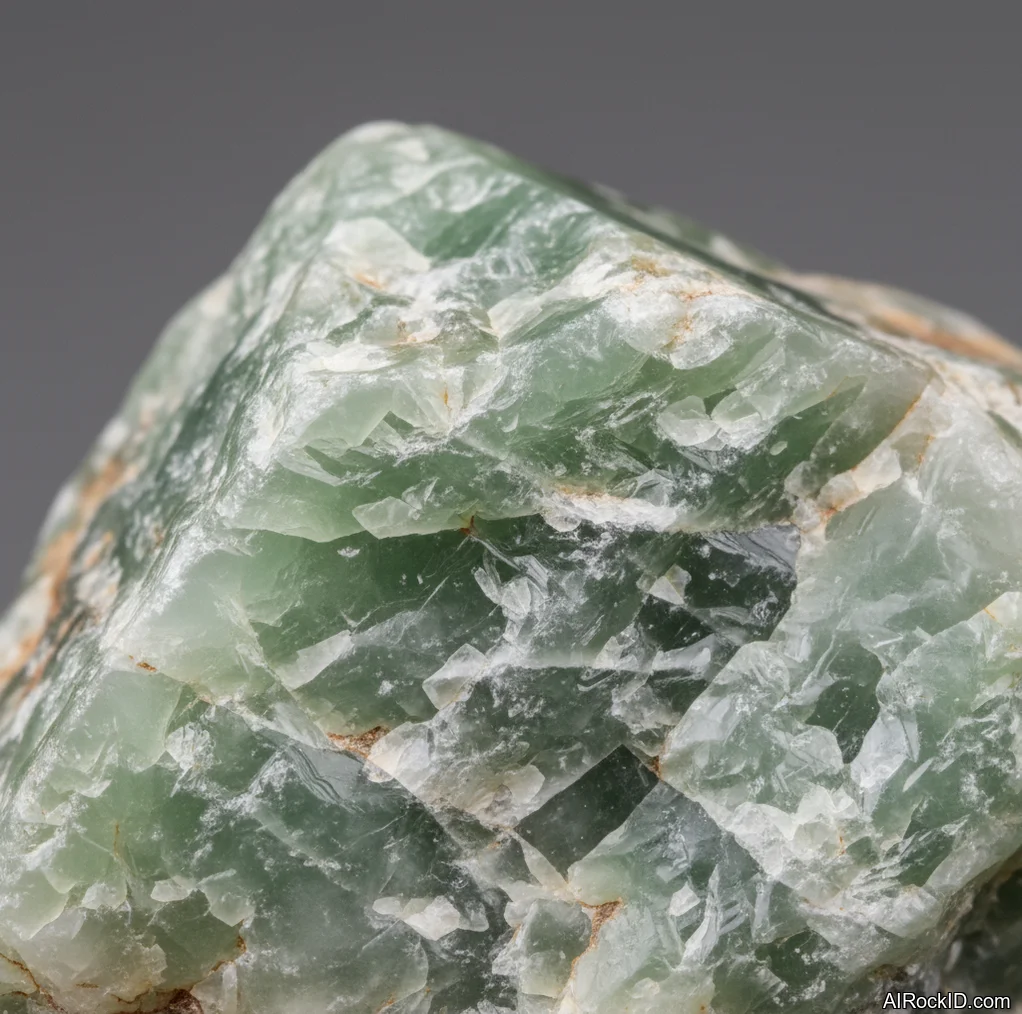
Two: they want steadier relationships and stronger boundaries. That’s where green aventurine, nephrite jade, and amazonite tend to come in.
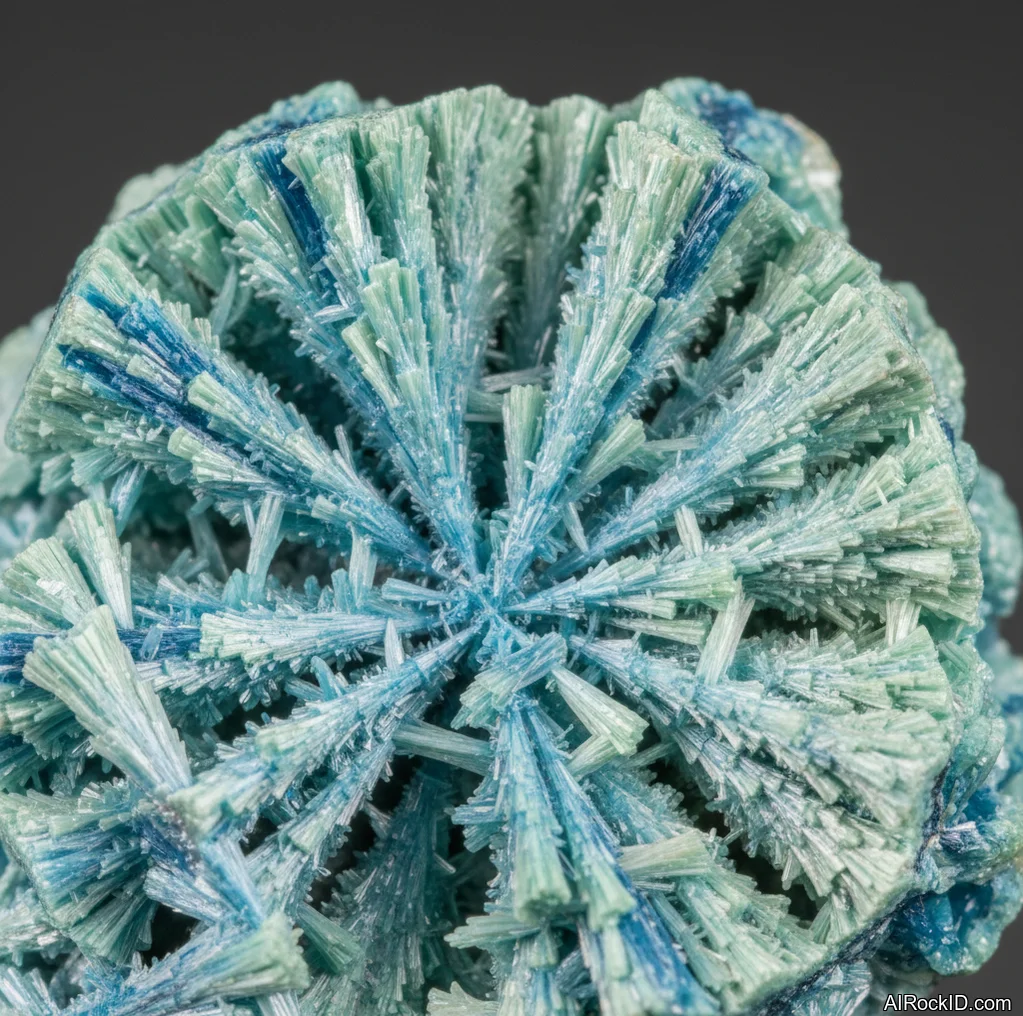
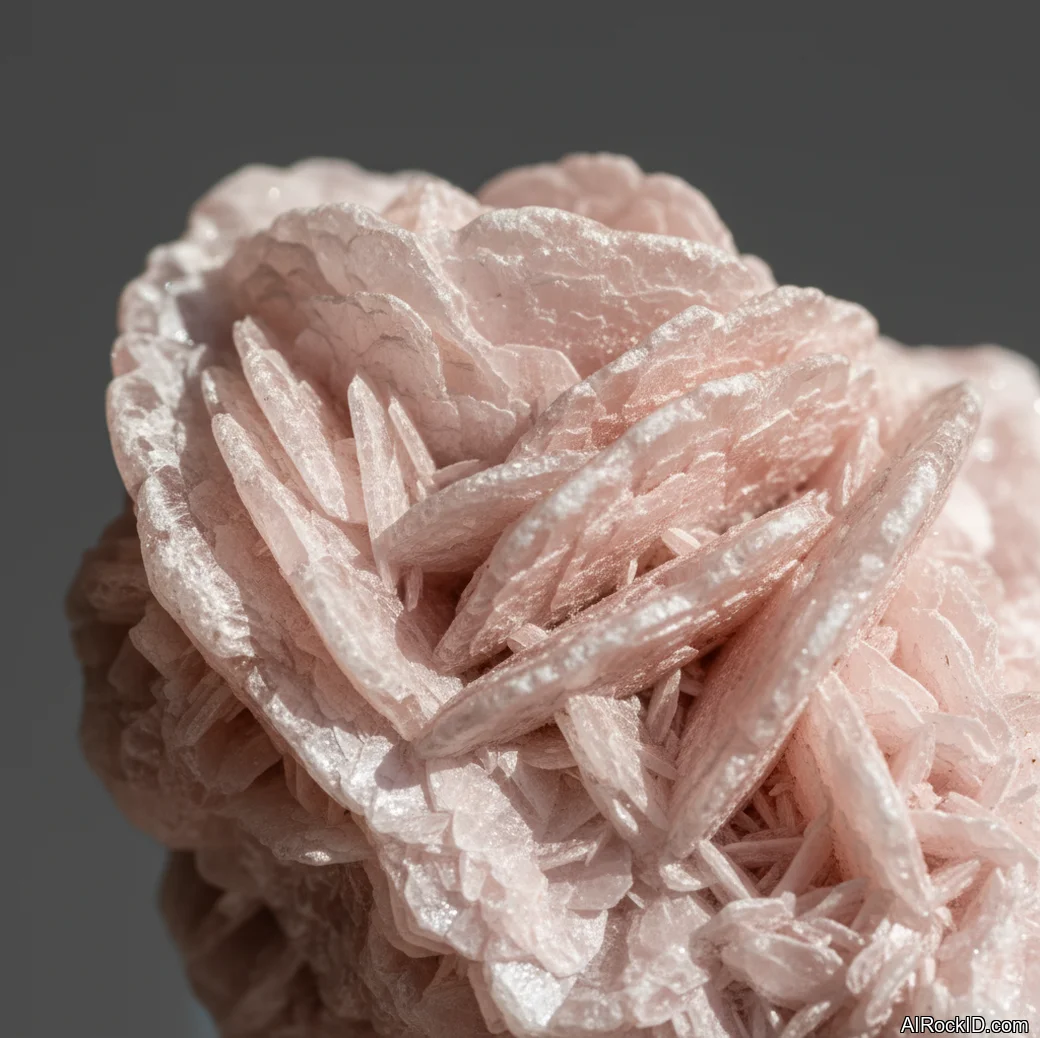
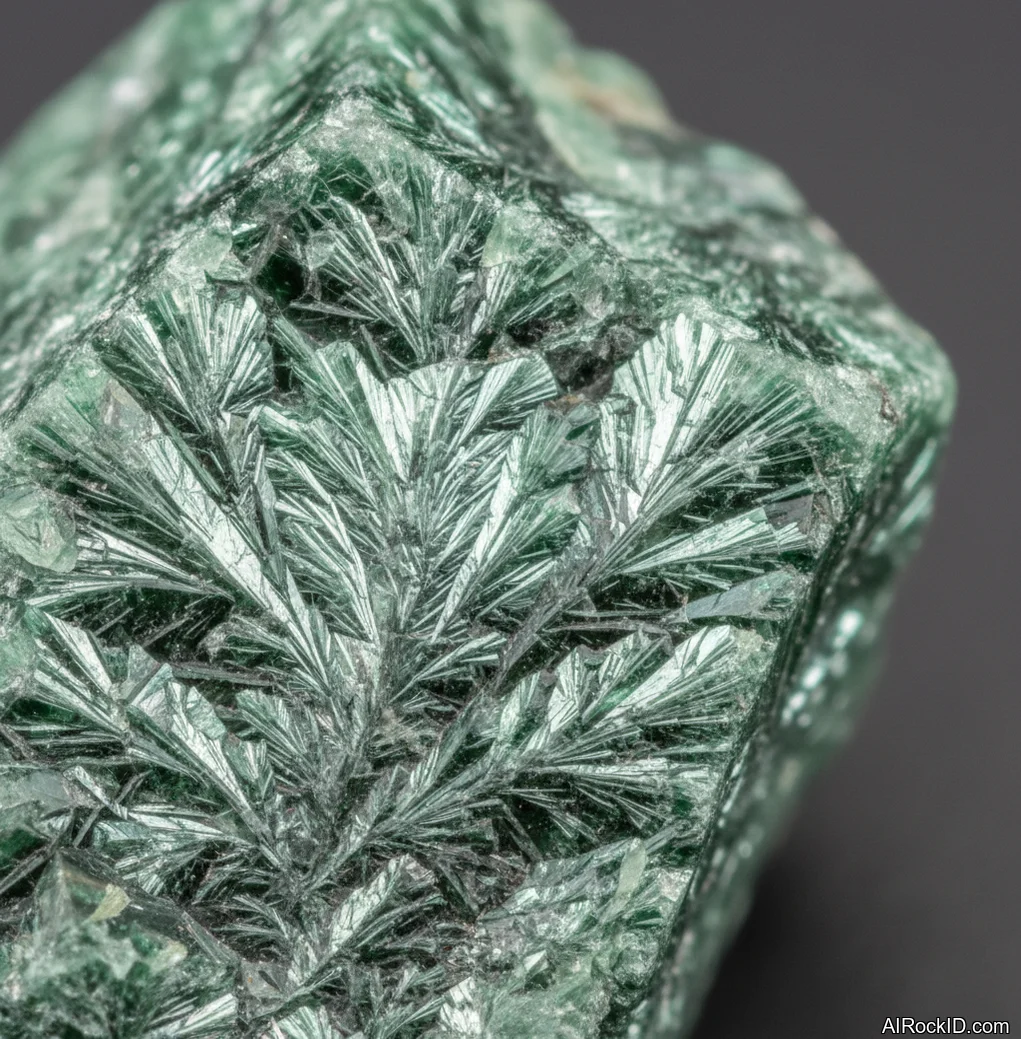
Three: they’re doing deeper emotional cleanup and they want a stone that won’t let them dodge. That’s how malachite, kunzite, and sometimes charoite end up in the mix even though they aren’t always “heart-green.”
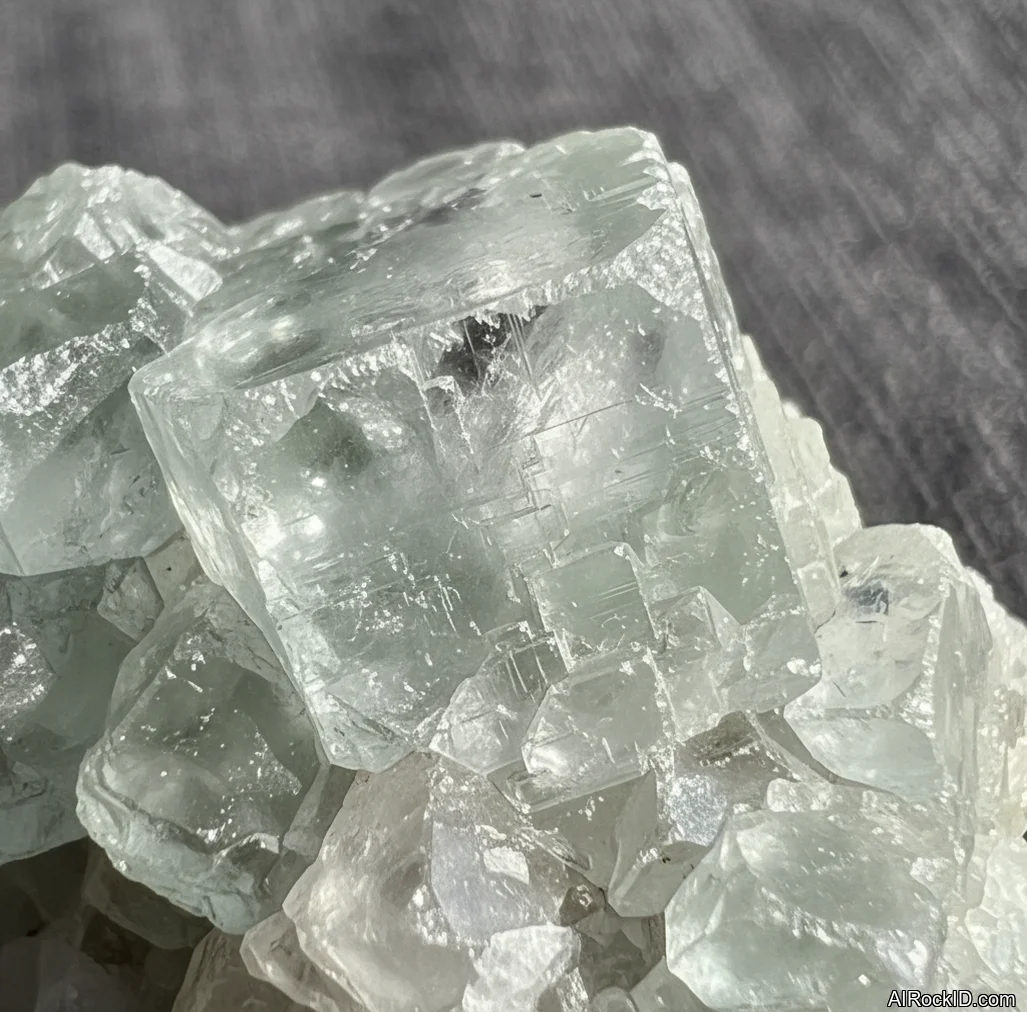
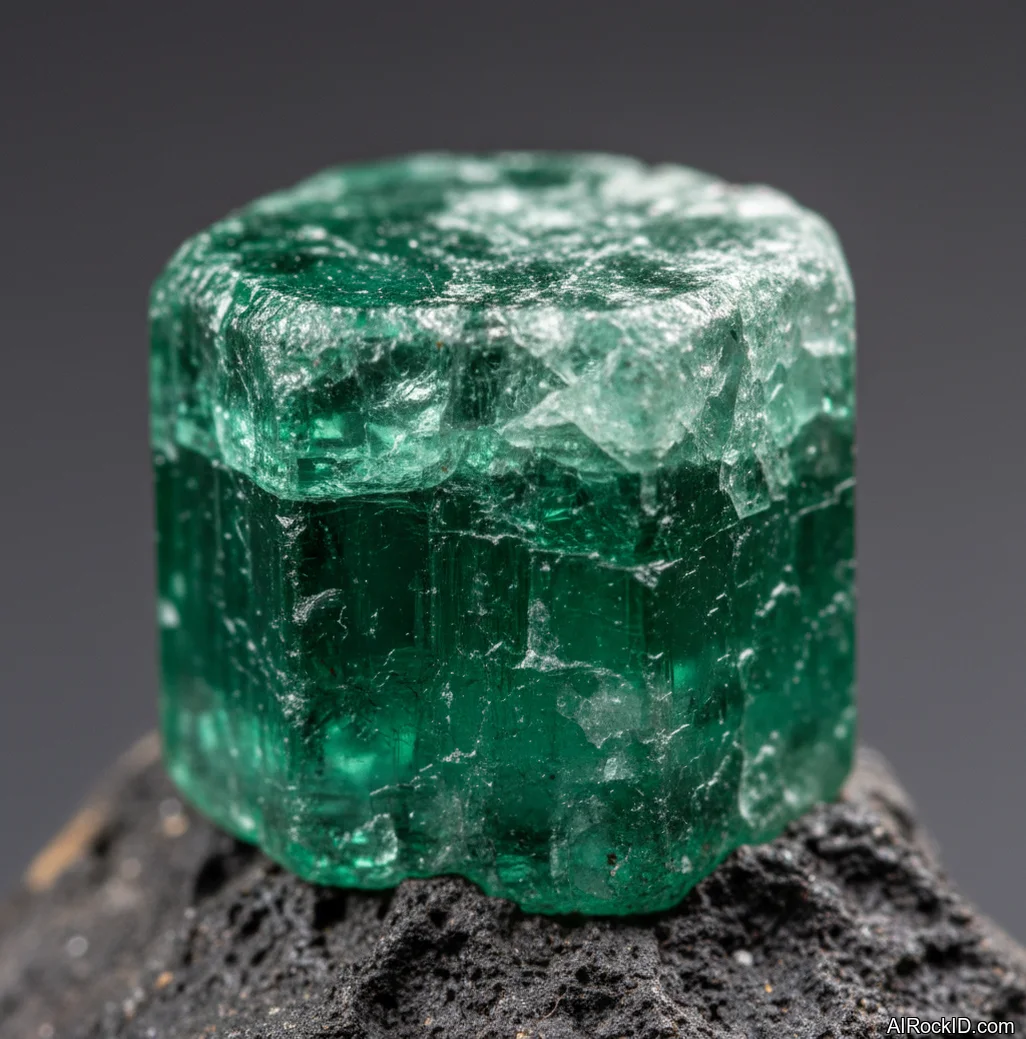
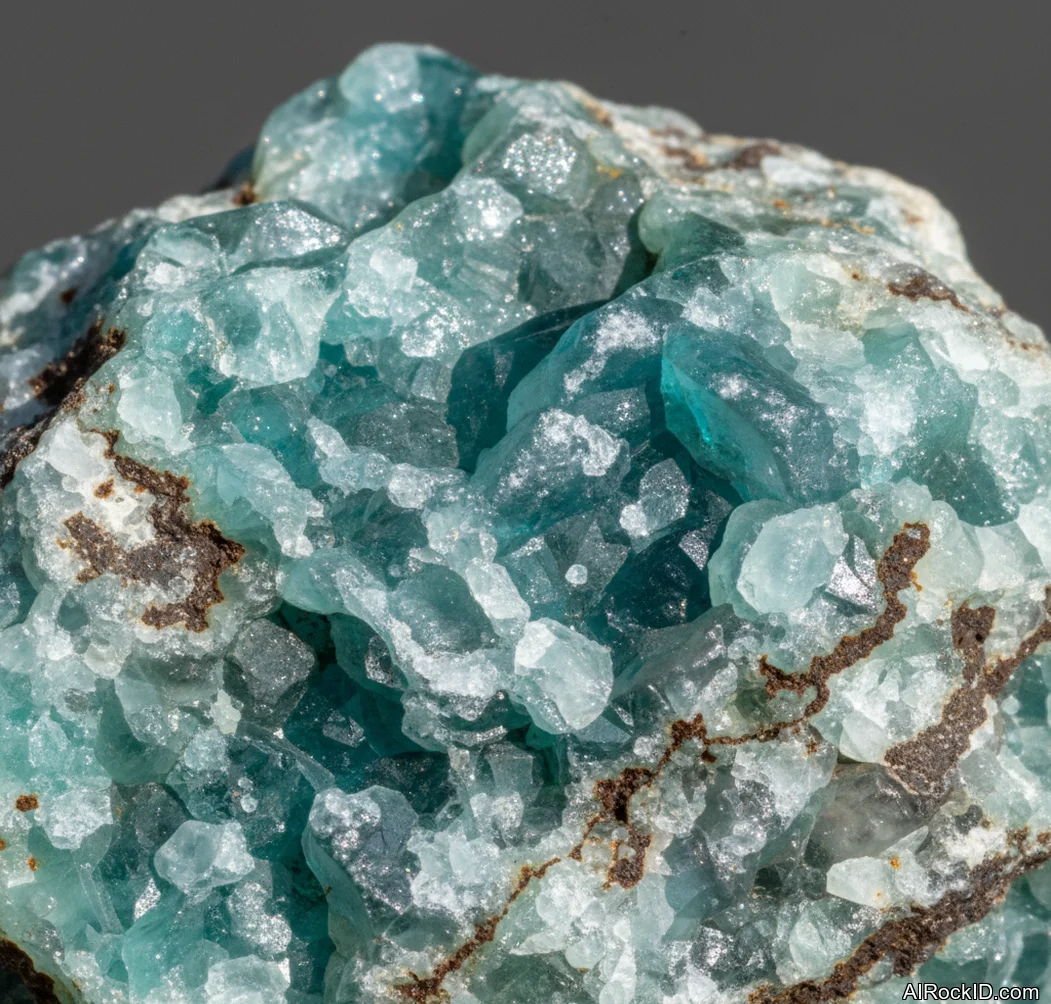
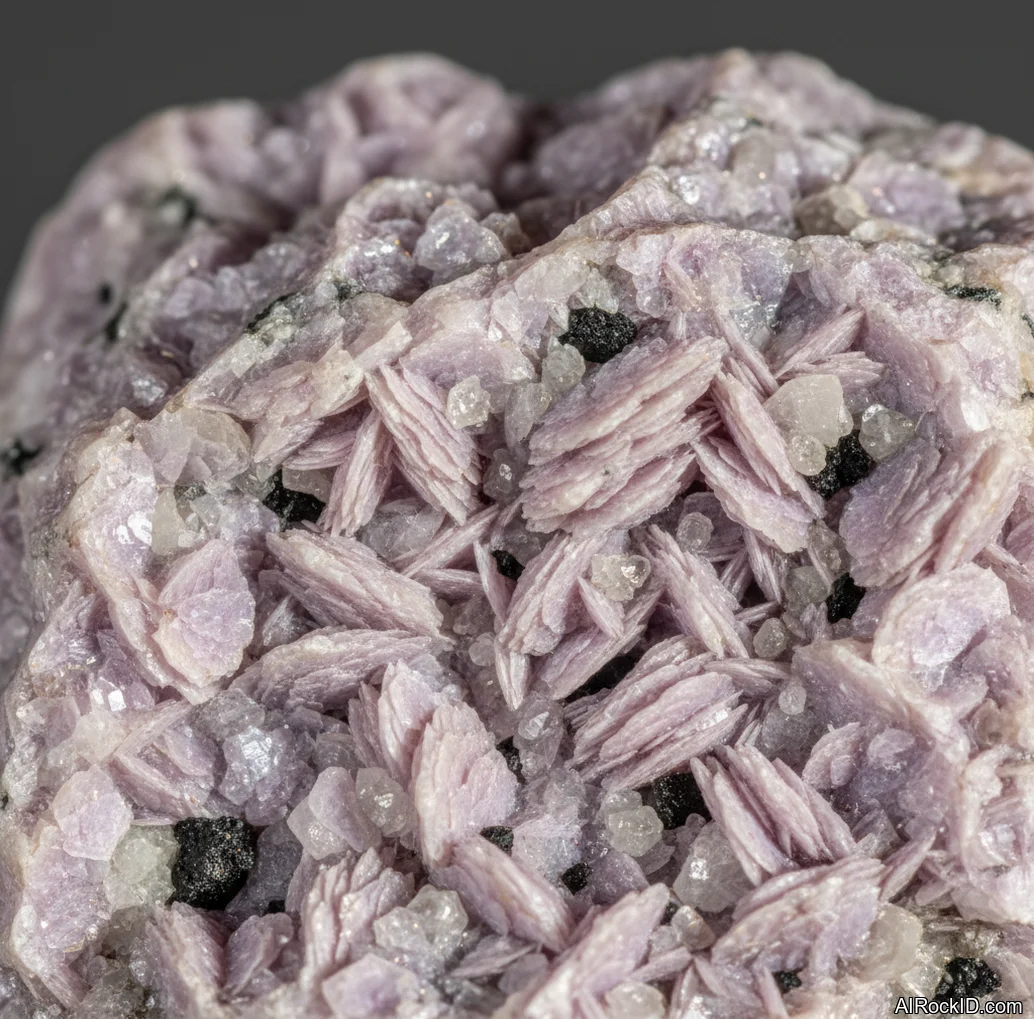
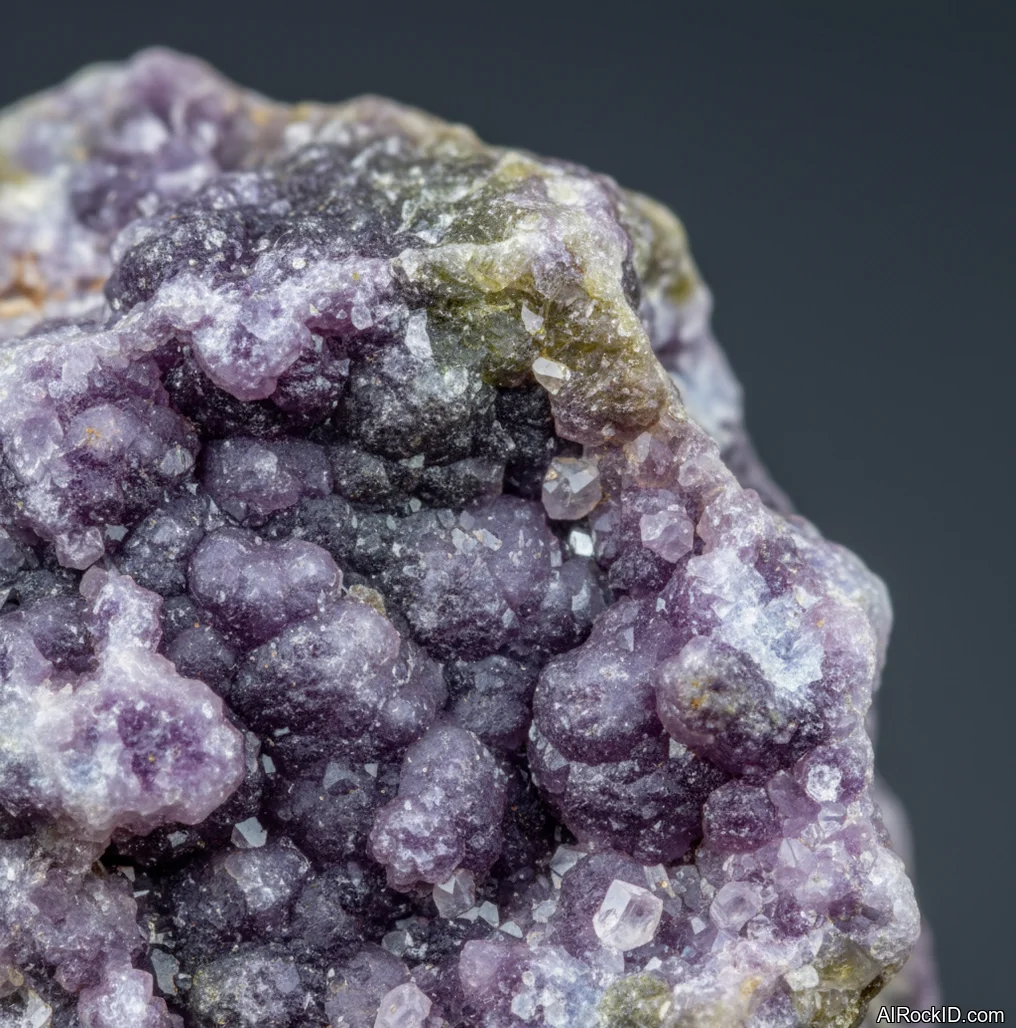
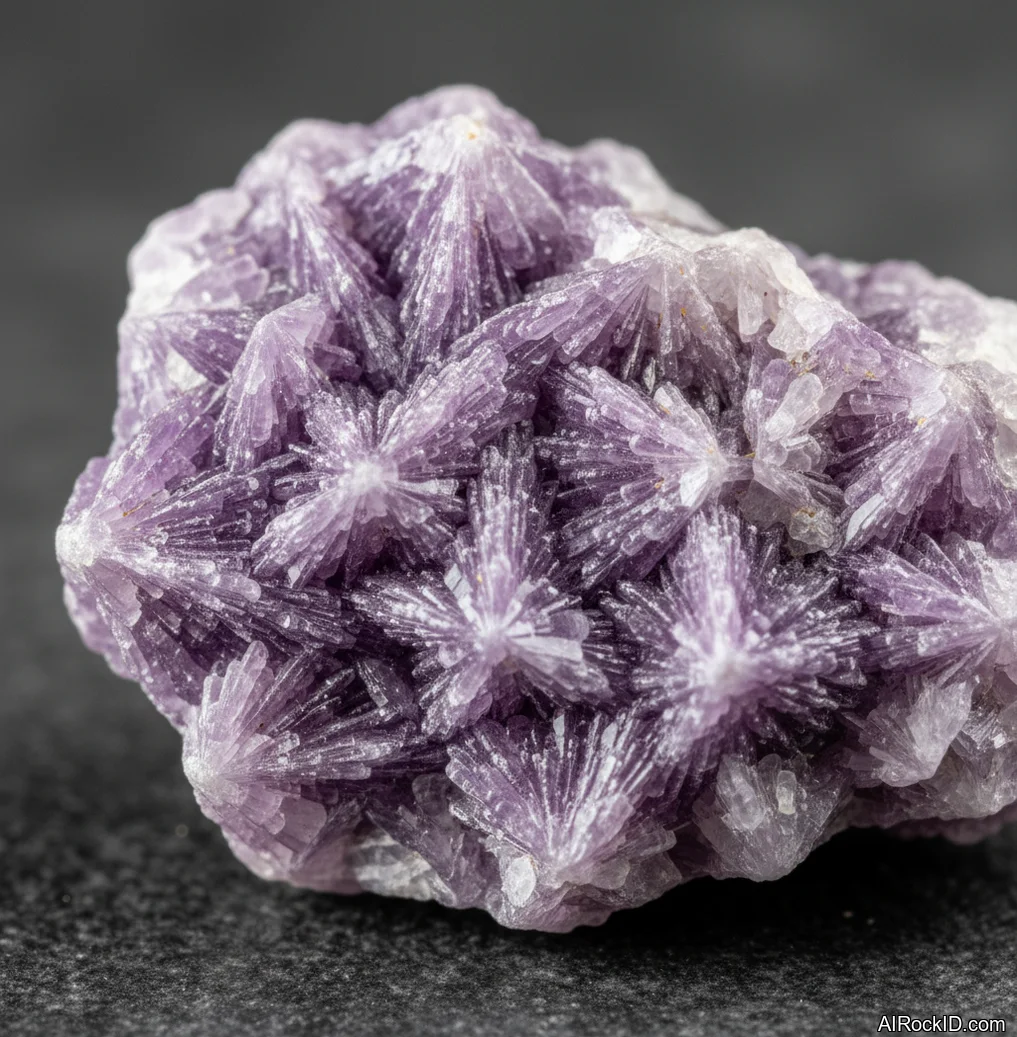
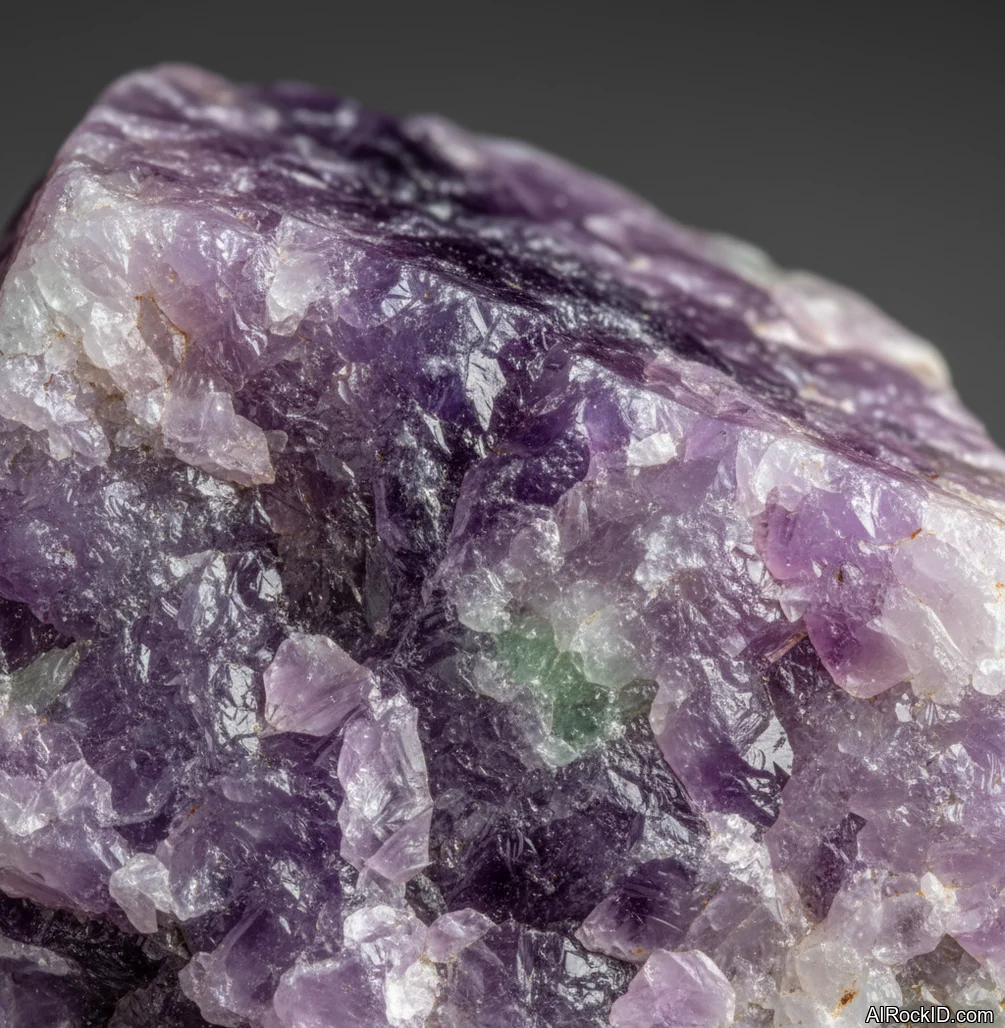
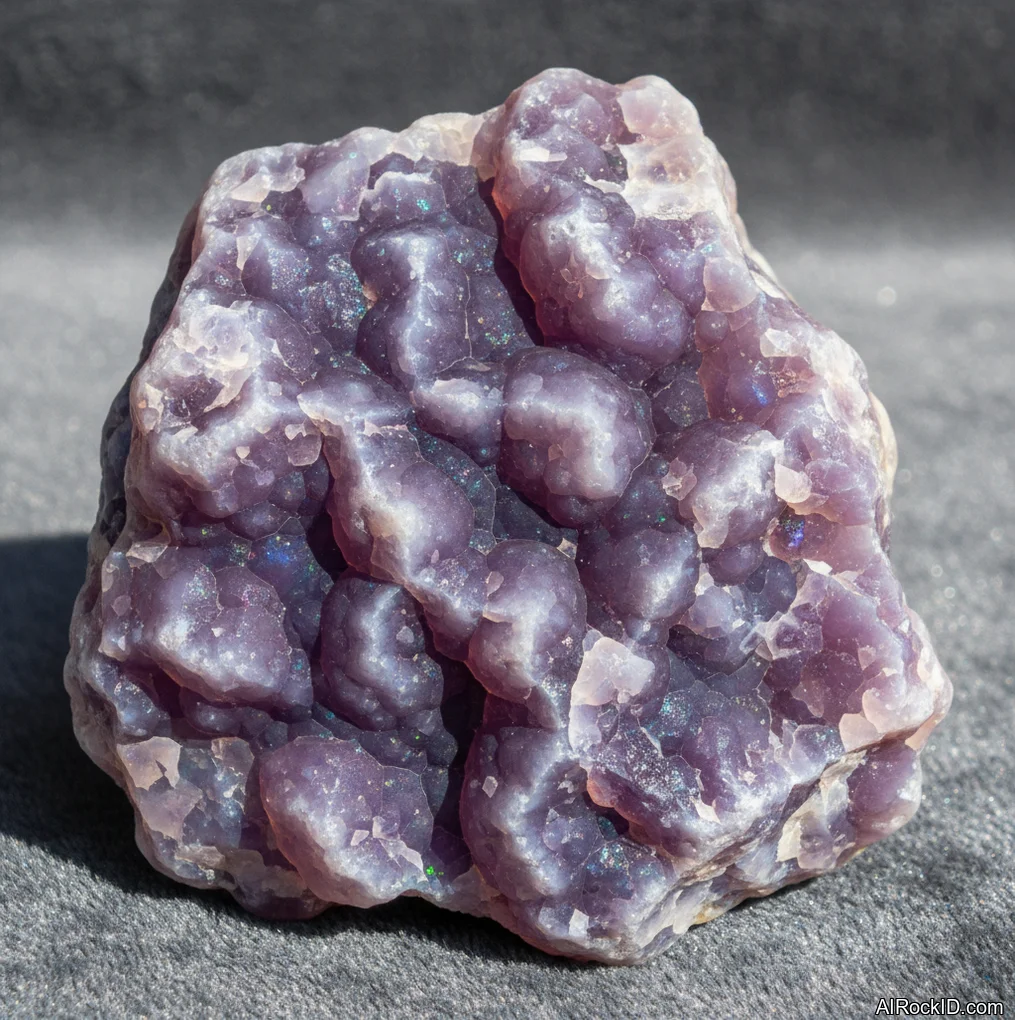
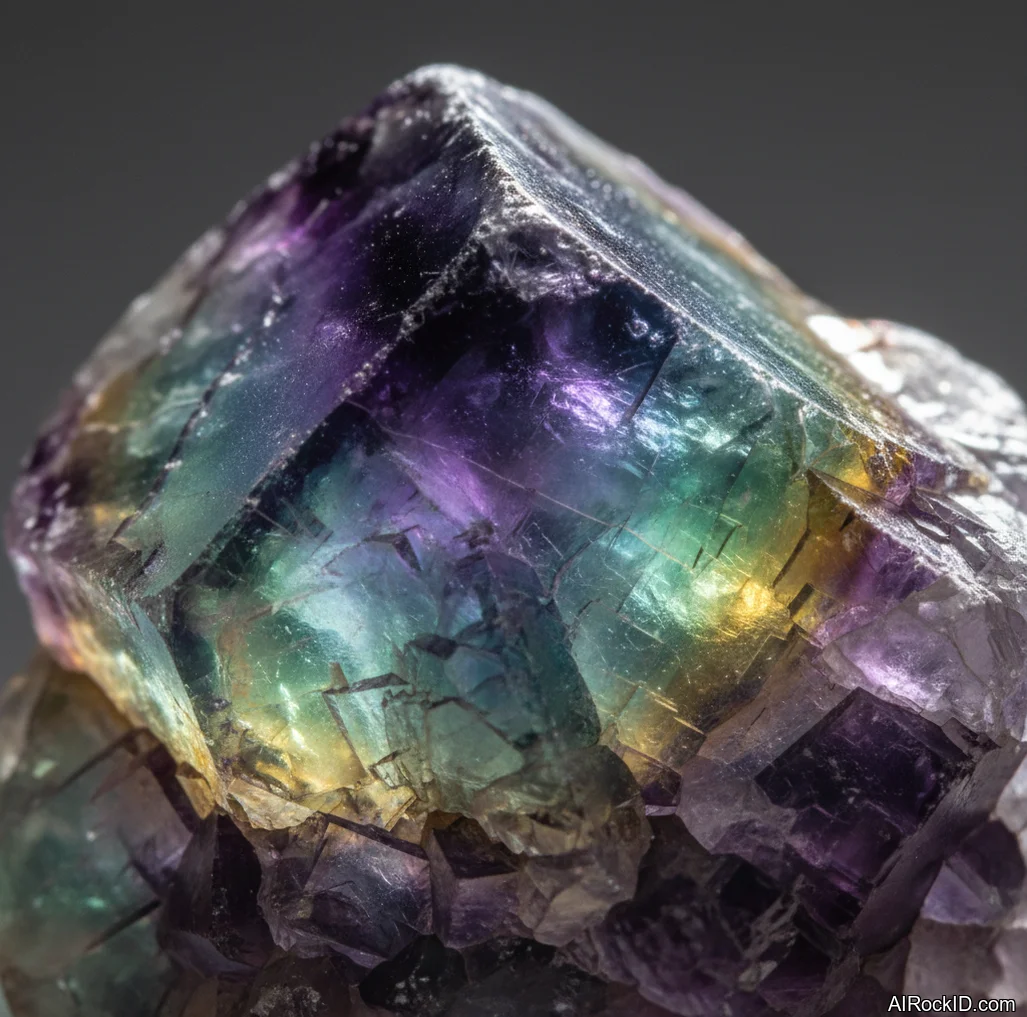
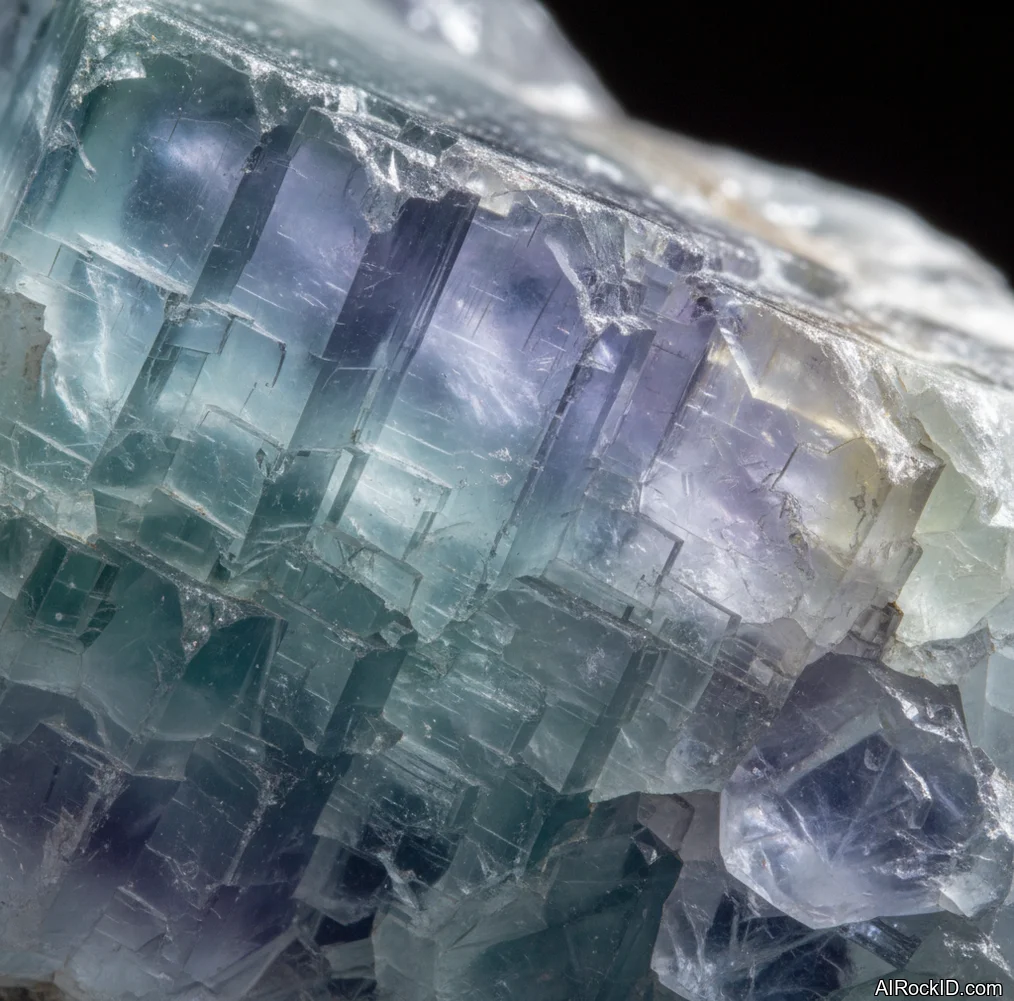
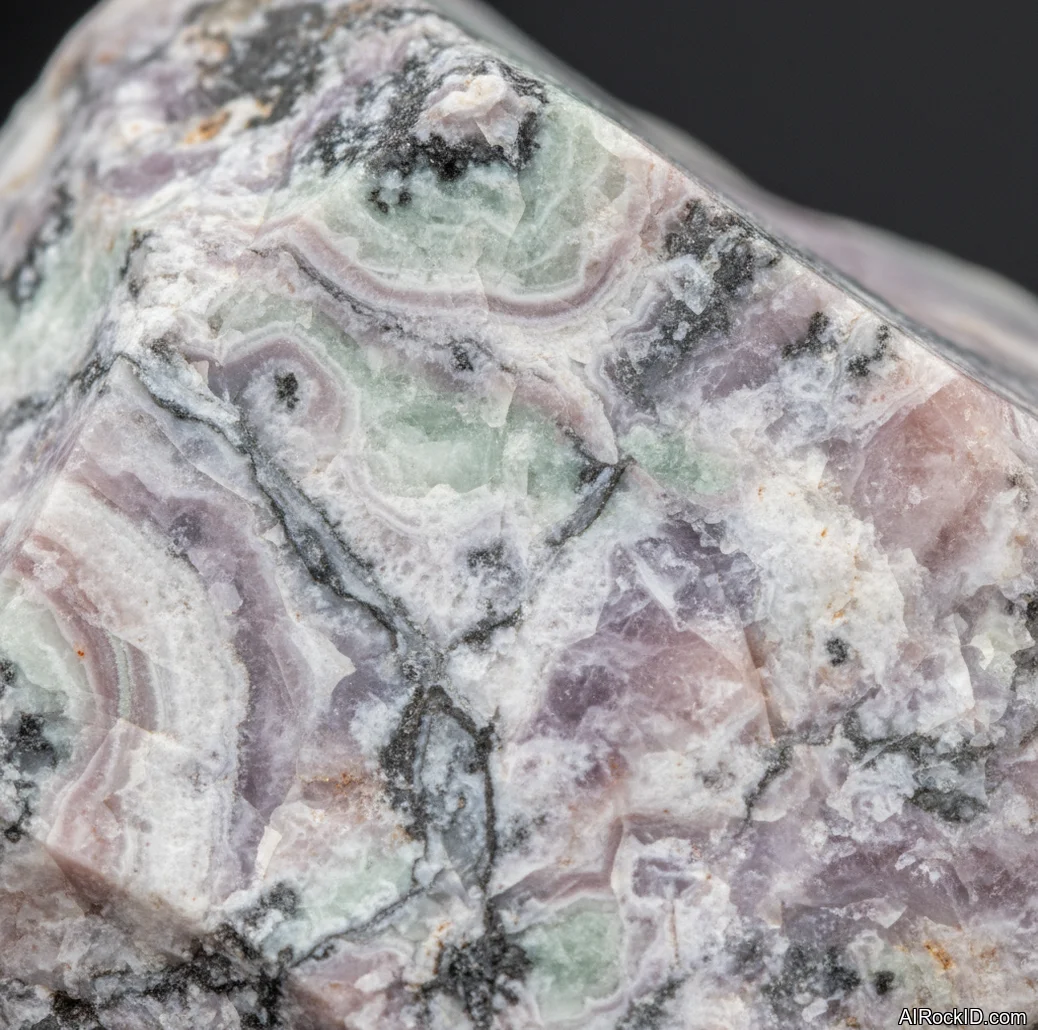
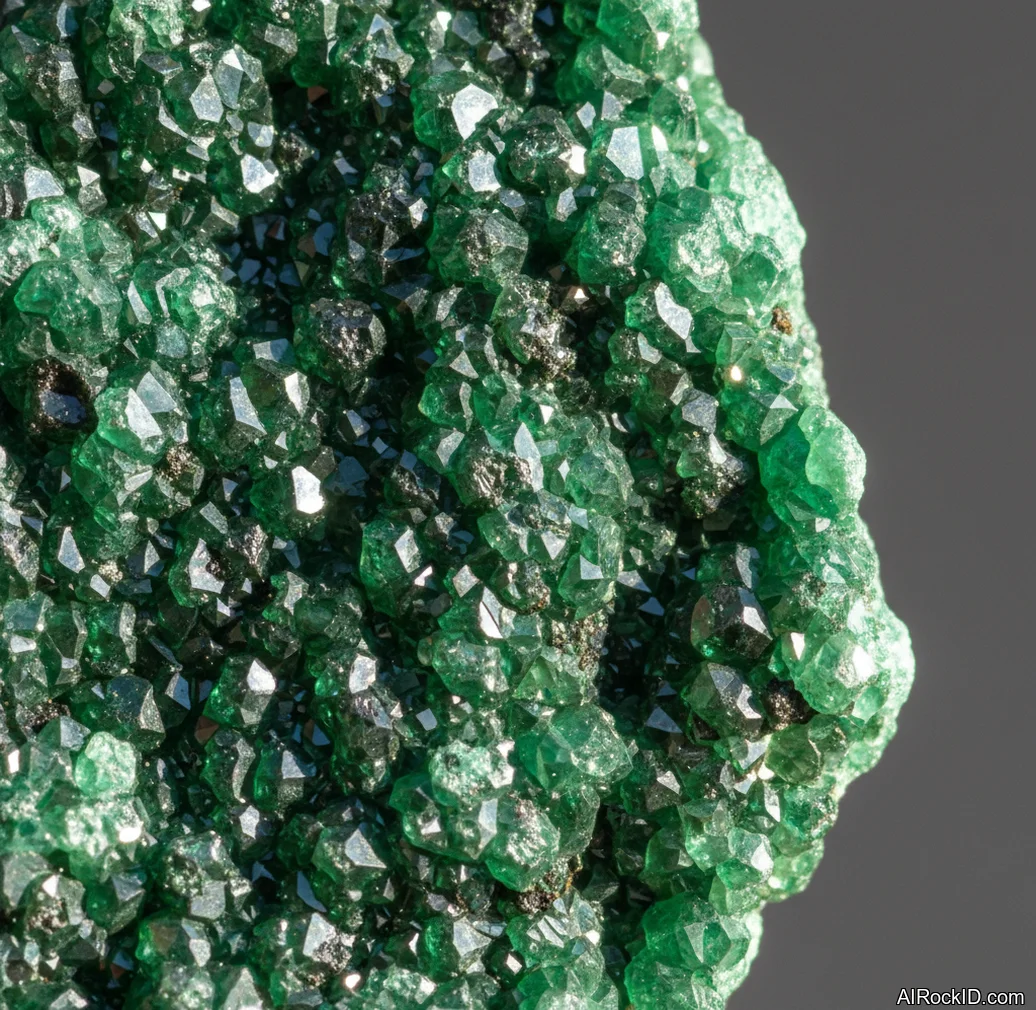
Working with Heart Chakra crystals doesn’t have to be a whole production. Pick one stone that feels calming and one that feels clarifying. For calming, rose quartz is the classic. But lepidolite can do a similar job if you like a lilac tone and a slightly micaceous, flaky look on raw edges (it’s got that shimmery, layered thing). For clarifying, I like malachite or emerald, but I’ll be honest: emerald gets expensive fast, and most of what people buy is tiny chips or included stones in matrix. A practical pairing that’s easy to find is rose quartz with green fluorite. Fluorite has that clean, glassy cleavage, and when it’s cut thick enough it can look like a green window.
Placement matters if you’re actually using these as tools. Flat stones or palm stones sit well over the sternum when you’re lying down. A chunky raw piece doesn’t. If you’re wearing something, notice the weight. A big jade pendant looks great, but after an hour your neck might disagree. Bracelets are easier day-to-day.
If you want a quick routine: set a stone on your chest for 5 to 10 minutes and breathe slow, then carry a smaller piece in a pocket where your fingers will find it without thinking. The real test is whether you’ll actually use it, not whether it matches a chart.
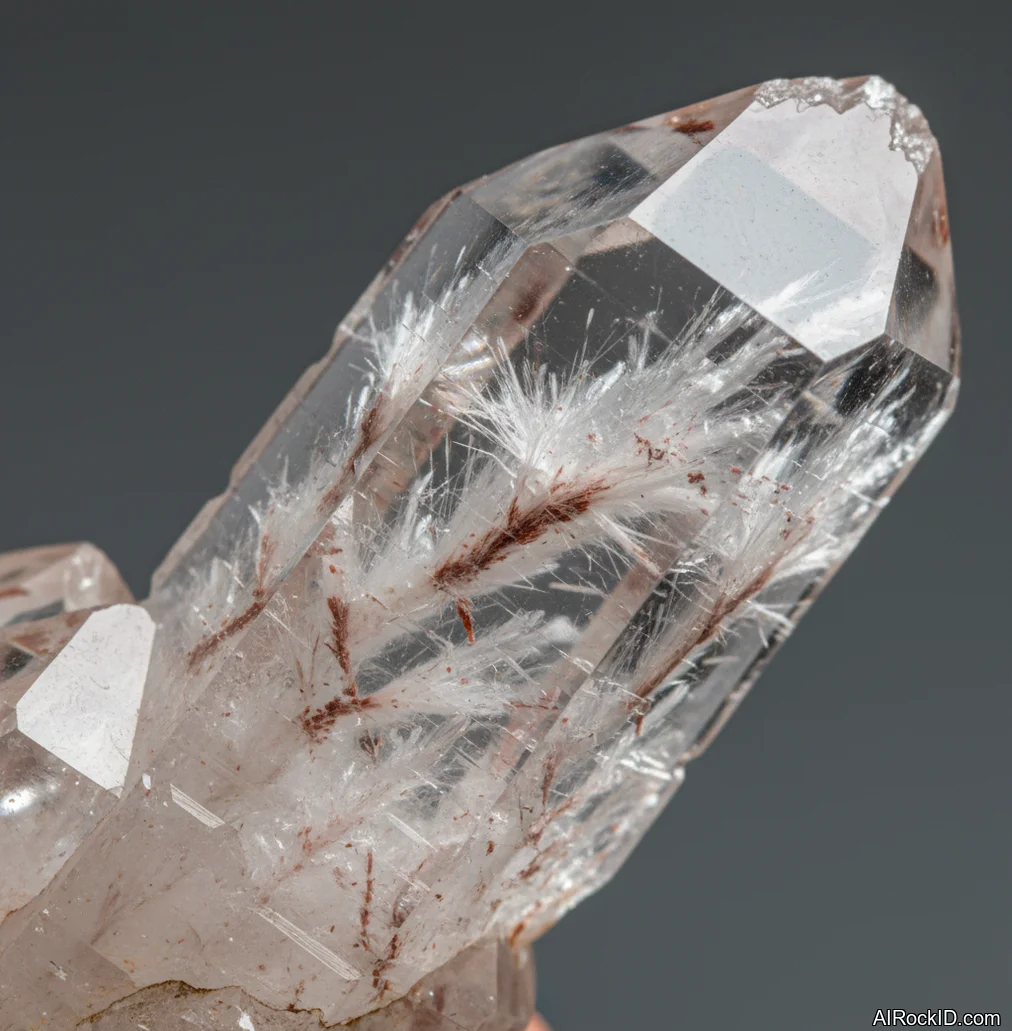
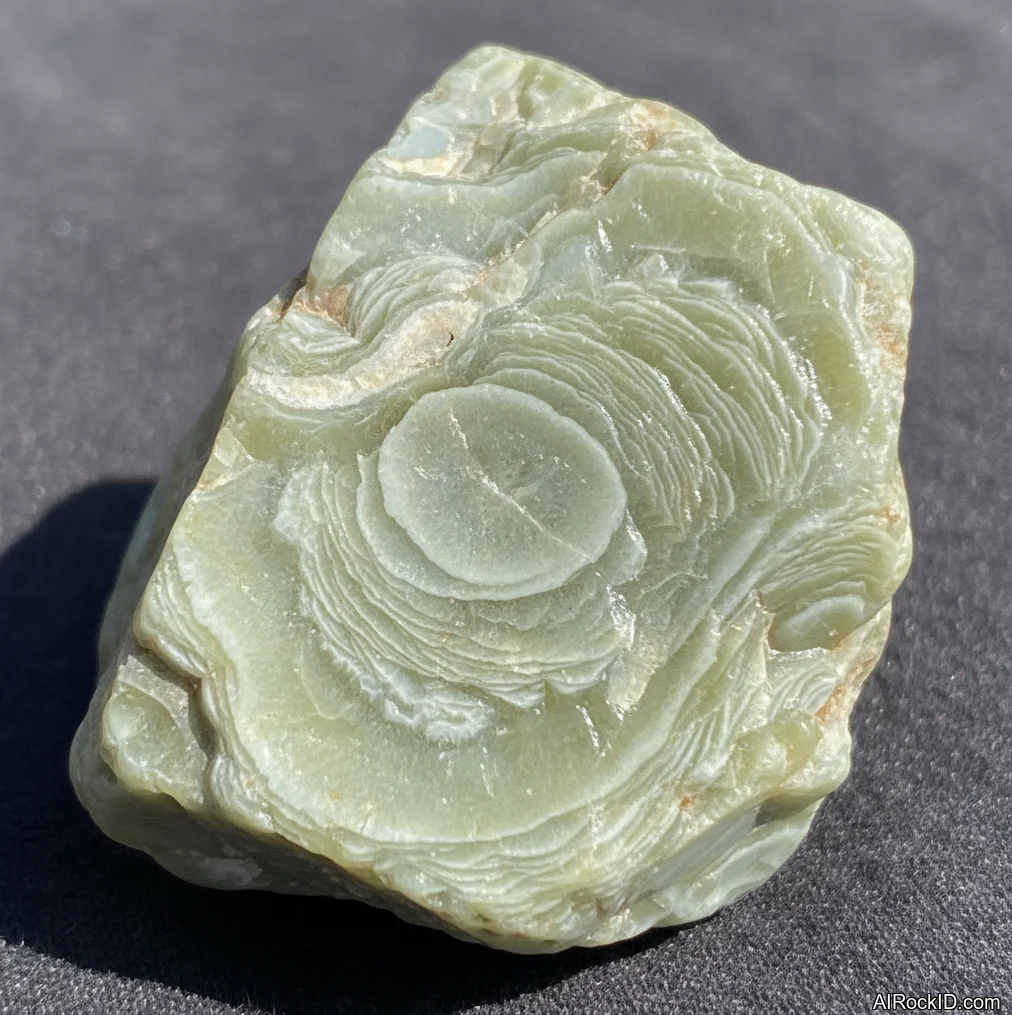
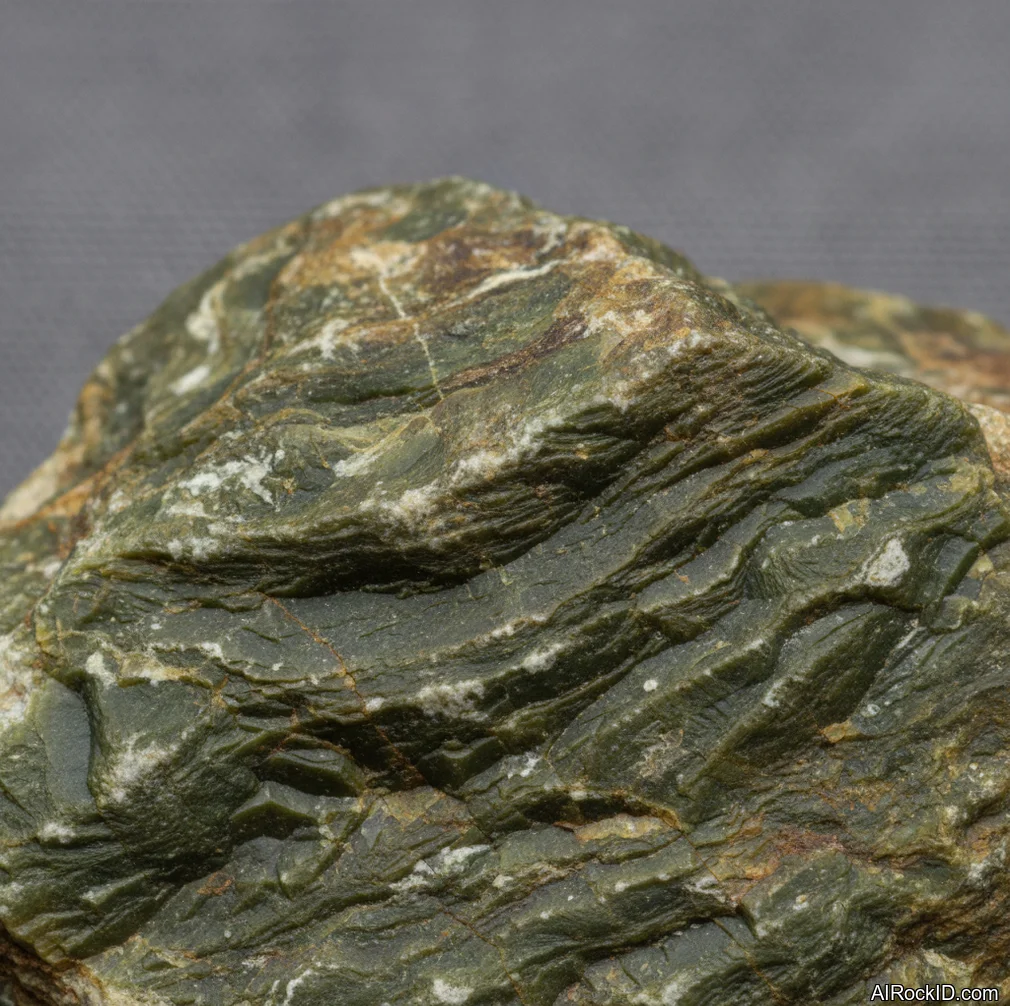
Buying tips are where Heart Chakra crystals get a little messy, because the market’s full of look-alikes. Jade is the big one. A lot of “jade” is serpentine or dyed quartzite, and the price is usually the tell. Nephrite jade feels dense for its size and takes a smooth, greasy polish that’s different from glass. If you can, compare two pieces in your palm. The heavier one is often closer to the real thing. With rose quartz, watch for pieces that are aggressively hot pink. Natural rose quartz is usually cloudy, sometimes with faint internal veils, and it can fade if you leave it on a sunny windowsill for weeks.
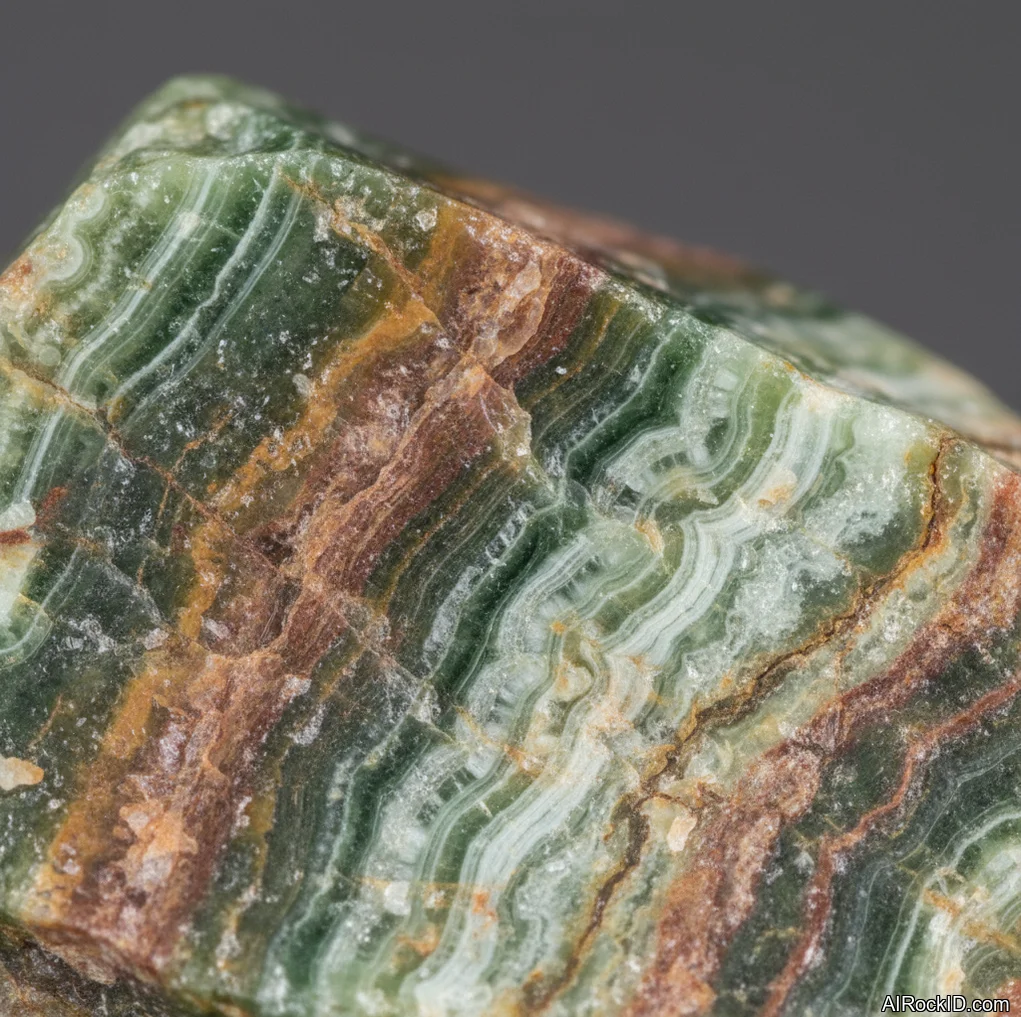
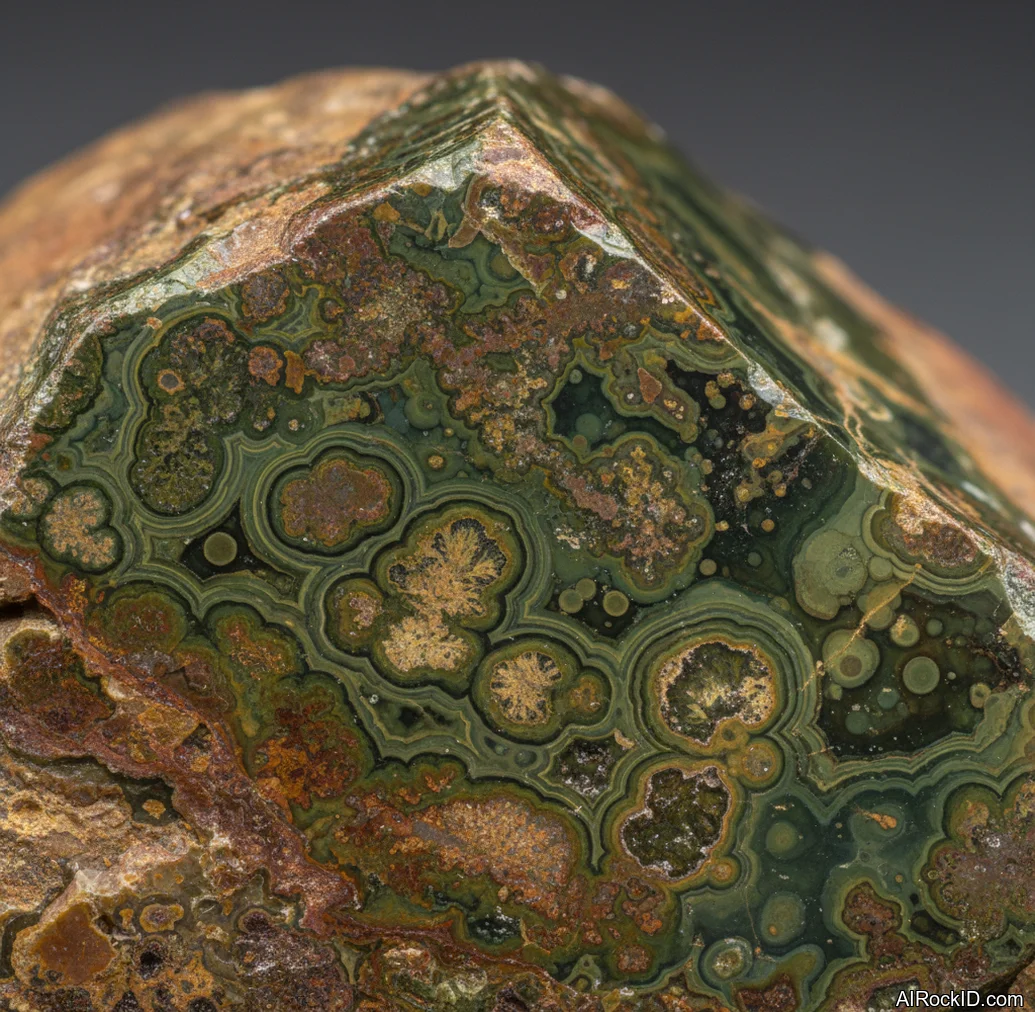
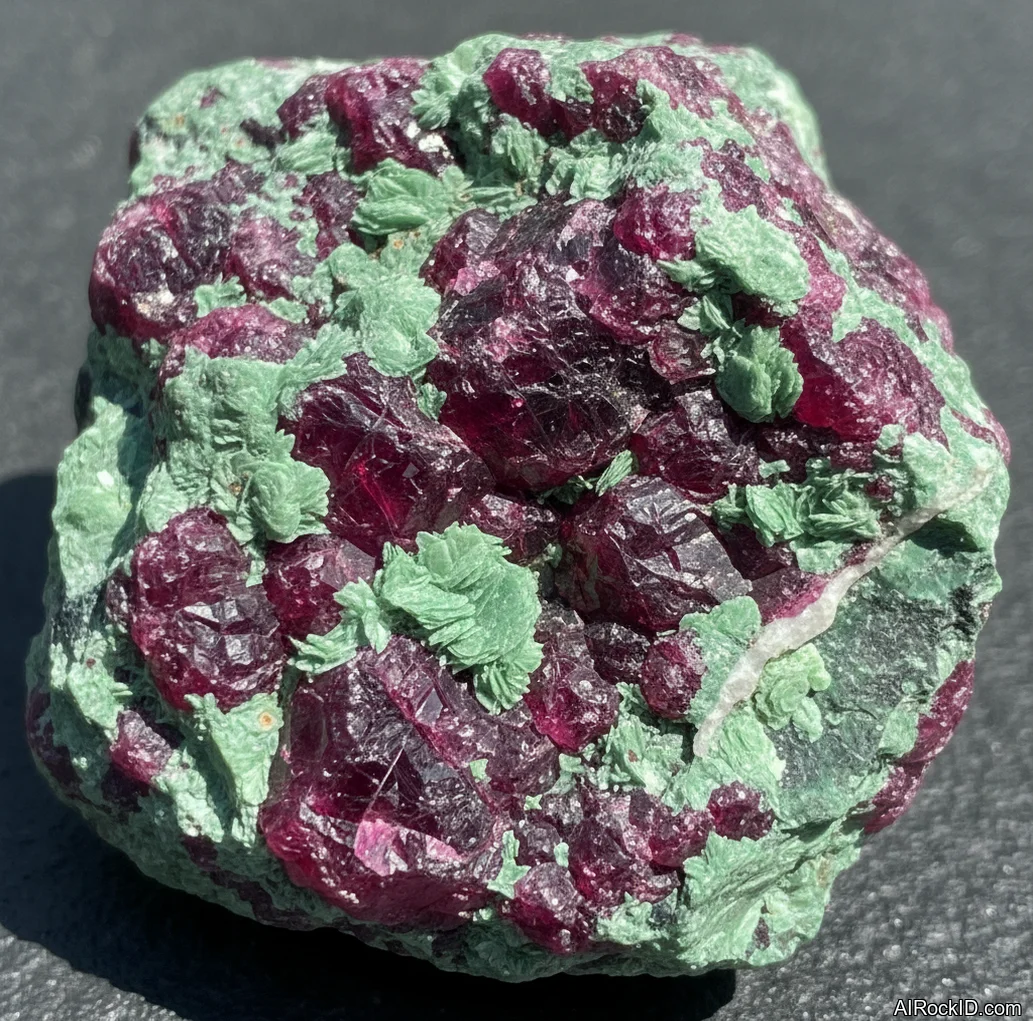
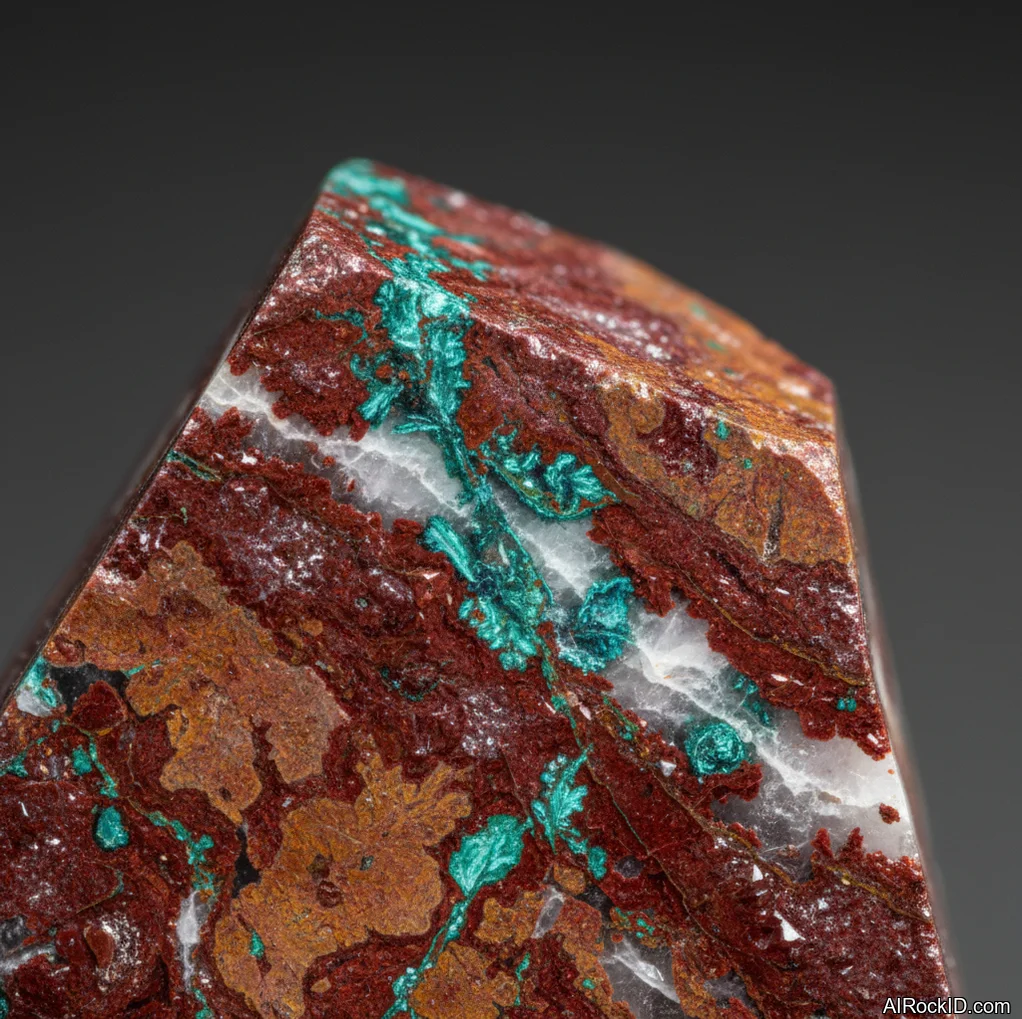
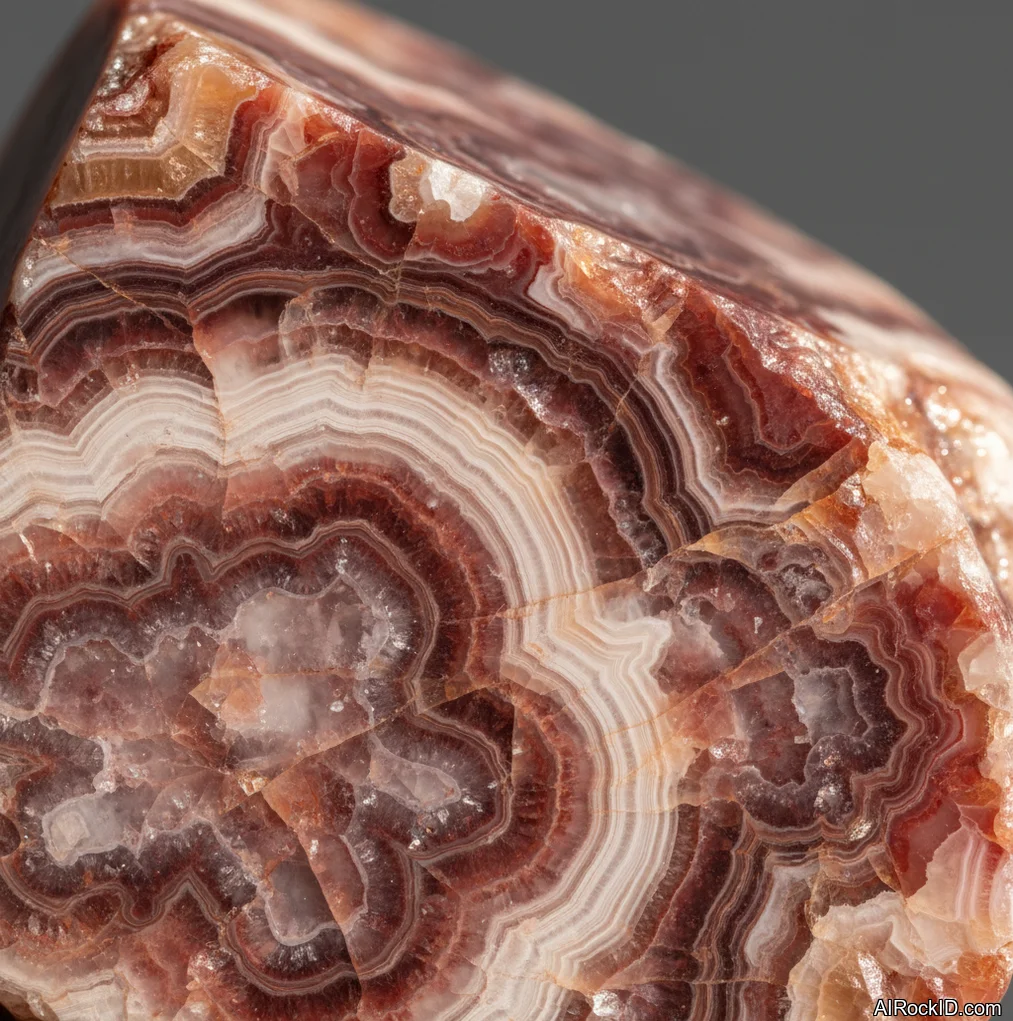
Malachite has its own issues. It’s soft. You can scratch it easier than you think, and it doesn’t love water or sweat over long periods, so wearing it daily against skin can dull the polish. Also, fake malachite exists, and it can look like perfect printed stripes. Real malachite banding isn’t that tidy up close, and if you tilt it under light you’ll see tiny uneven transitions in the greens instead of a flat, painted look.
Look closely at tumbled stones too. A lot of Heart Chakra material is sold tumbled because it’s inexpensive and easy to carry. That’s fine. But pay attention to cracks and pits, especially with amazonite and fluorite. Fluorite chips along cleavage planes, so a “perfect” glossy fluorite tumble can still have little step-like breaks on the corners. Amazonite often has white streaking from feldspar structure, and that’s normal. If the color looks unnaturally uniform teal with no variation, it might be dyed.
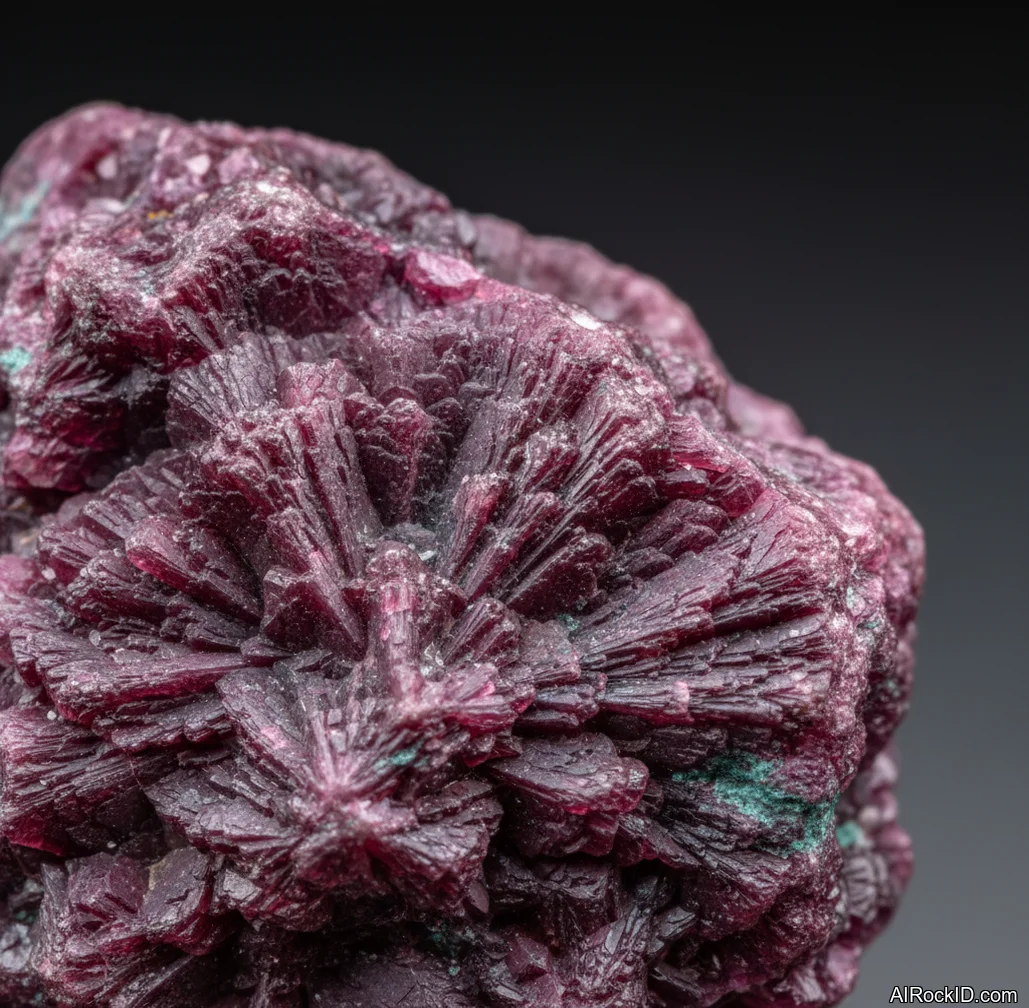
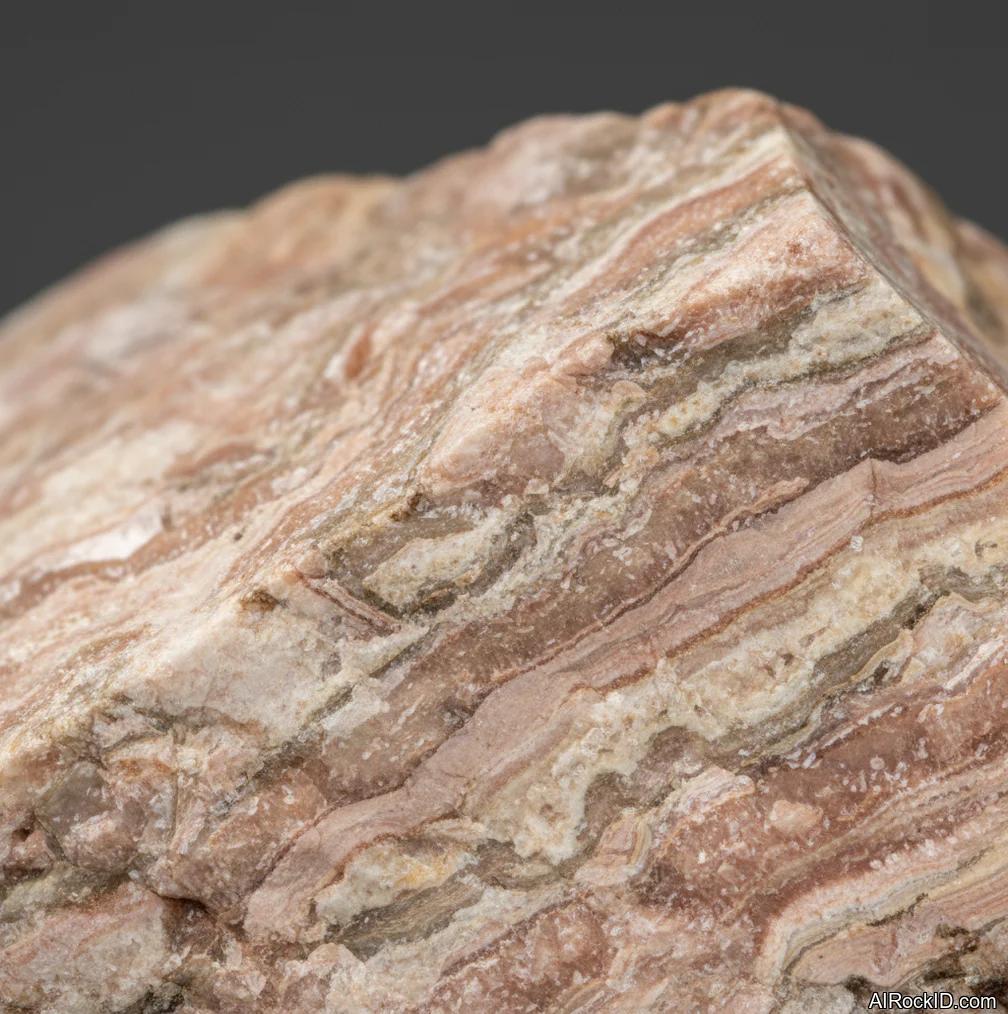
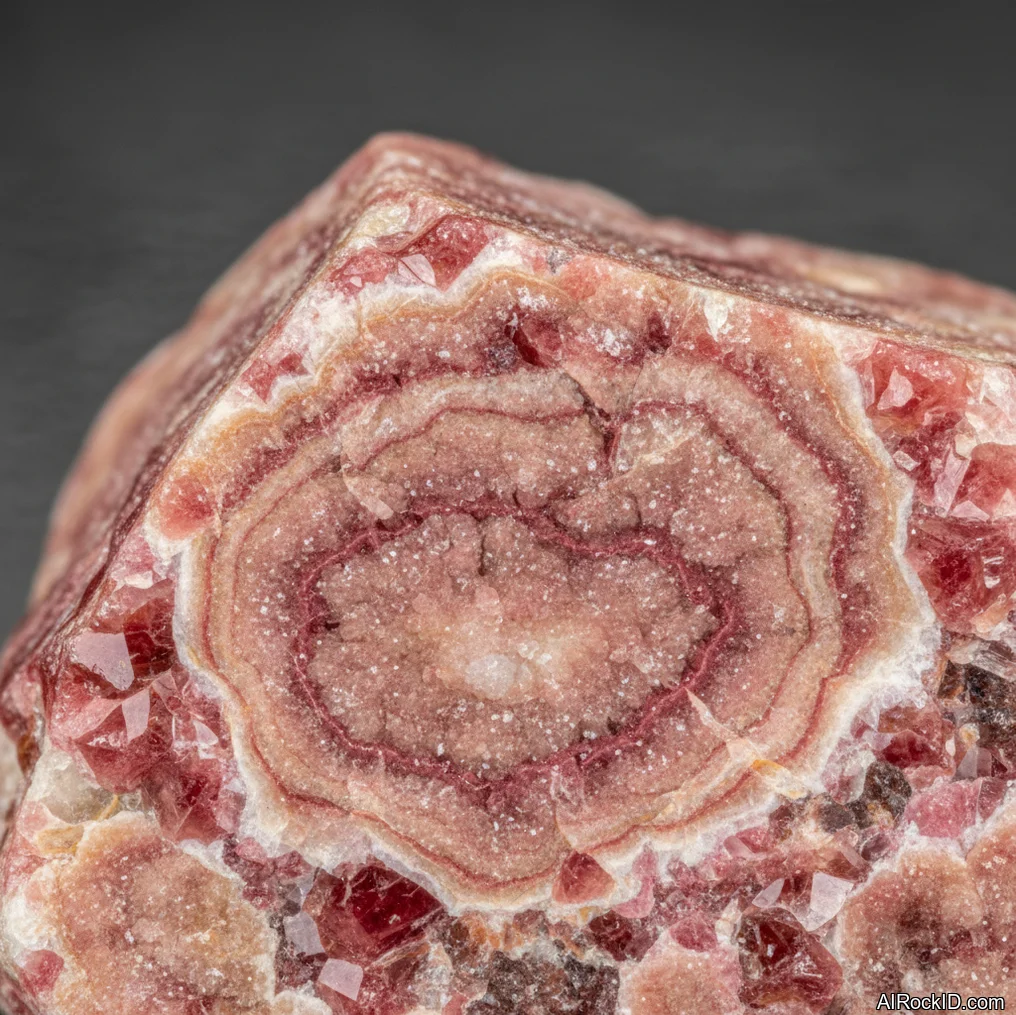
Practical care is simple (and worth doing right). Keep softer stones like malachite, rhodochrosite, and fluorite away from keys and loose change. Store bracelets separately so they don’t grind each other up. If you cleanse crystals with water, skip it for malachite and anything porous or full of fractures. A dry cloth and common sense go a long way.
And if you’re staring at a list of 189 Heart Chakra crystals and freezing, narrow it down by how you want the stone to behave in your hand. Do you want smooth and comforting, like rose quartz or pink opal? Do you want crisp and clearing, like green fluorite or prehnite? Or do you want something intense and direct, like malachite or emerald? Start with one. Use it for a week. Then decide what’s missing.
All Heart Chakra Crystals (189)