Selenite
What Is Selenite?
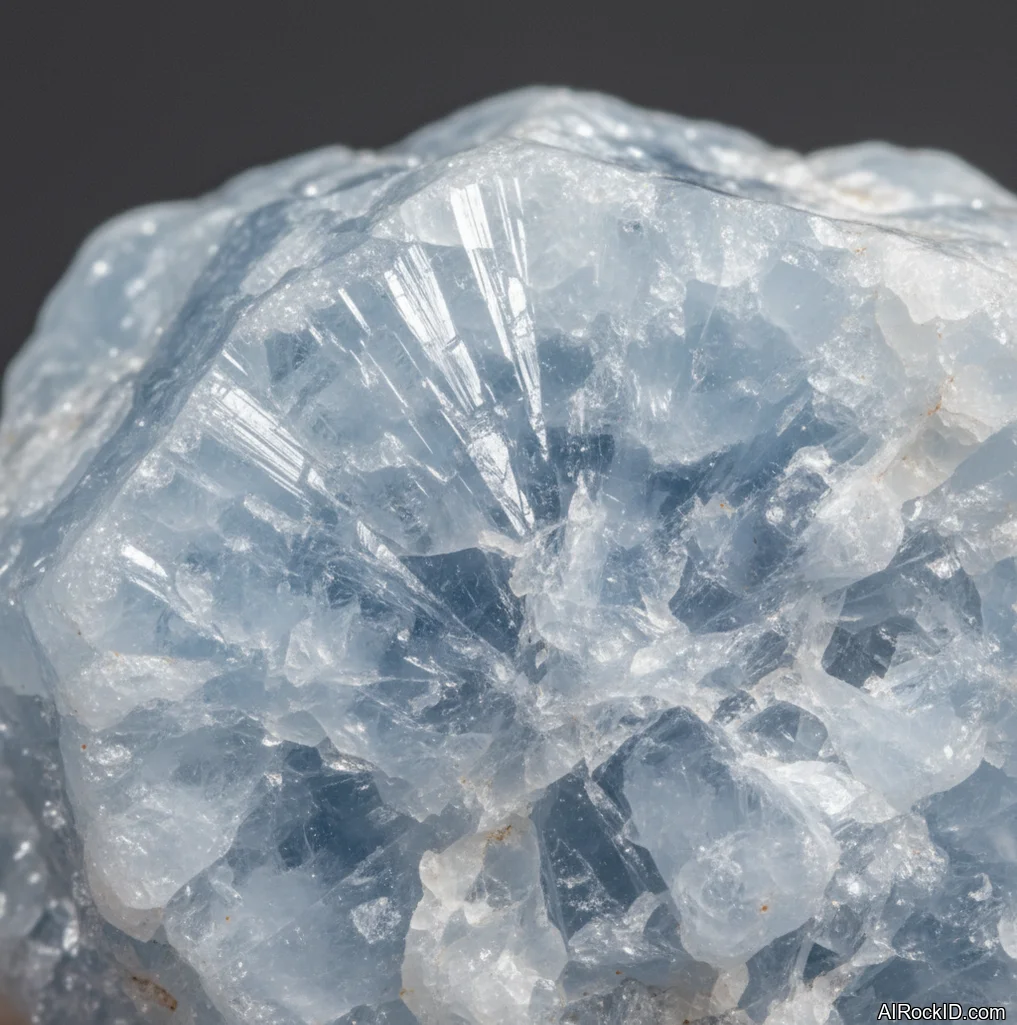
Selenite is a crystalline form of gypsum, calcium sulfate dihydrate (CaSO4·2H2O), and it runs from transparent to kind of cloudy-translucent. Grab a chunk and you notice it right away. It’s weirdly light for something that looks that solid, and it stays cool in your palm, like a tile that’s been sitting in the shade.
It can look like milky glass at a quick glance. But it’s not glass, not even close. Tilt it under a lamp and you’ll catch those growth lines and soft striations, plus that “moon glow” sheen that slides across the face as the angle changes. And yeah, it’s soft. Almost fingernail-soft, but not quite, and if you press with a copper coin or drag a steel key across it, you’ll leave a mark.
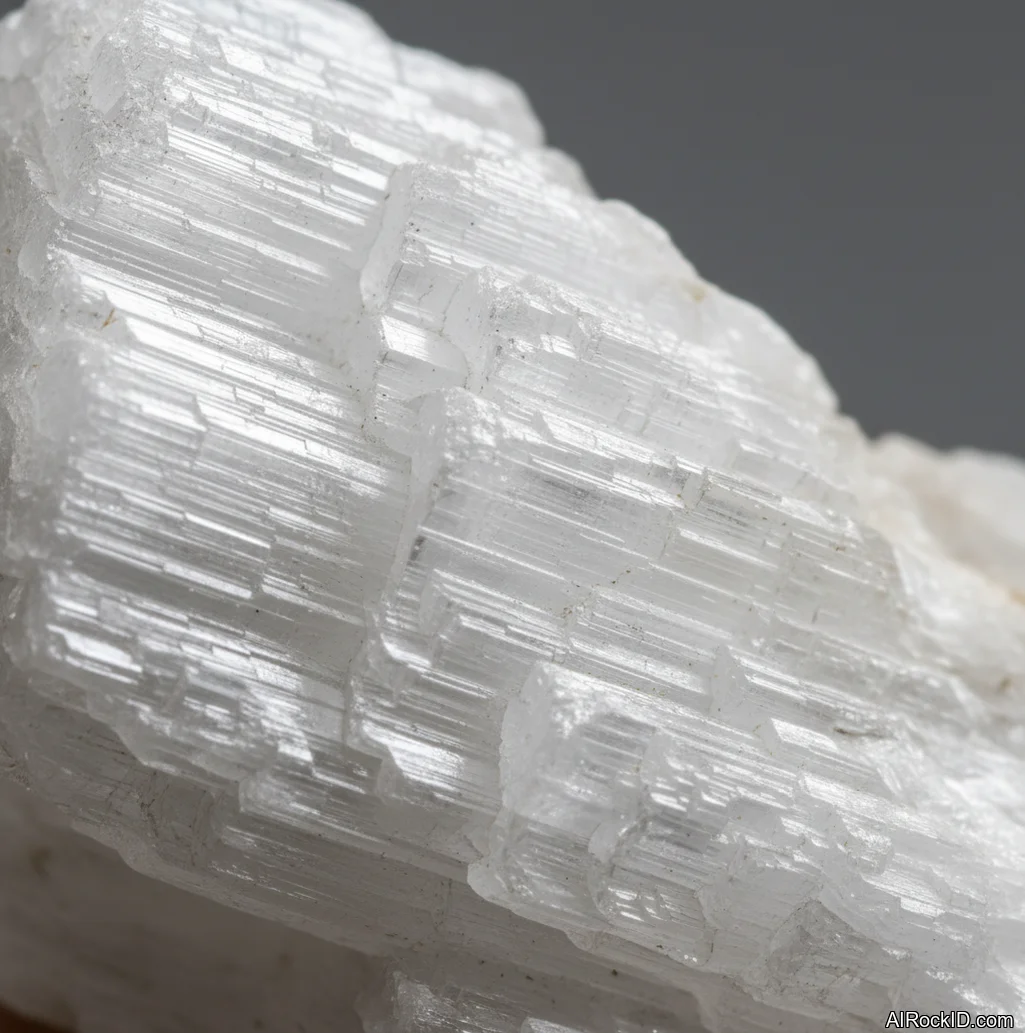
Most of what you’ll see in shops labeled “selenite” is actually satin spar, usually cut into wands. That’s just how the trade talks (and people stick with what sells), but it helps to know what you’re buying. True clear selenite can get surprisingly window-like, and if you’ve got a good cleavage plate you’ll see that classic double image through it. Satin spar, on the other hand, looks more fibrous and throws a strong cat’s-eye band, and if it gets knocked around in a box the edges can shed this little white fuzz.
Origin & History
Back in 1747, Swedish mineralogist Johan Gottschalk Wallerius started using the name “selenite,” pulling it from the Greek selēnē (moon). And honestly, you can see why: when the stuff is clean and you’ve just popped a fresh cleavage, it can look like it’s literally trapping moonlight inside. People ran with the name in the hobby, even though the correct species name is gypsum.
Gypsum has been around forever as plaster and a basic building material, but selenite is the version collectors tend to fall for. In some places, thin cleaved sheets even got used as window panes back before cheap glass was everywhere. Look, if you’ve ever actually held a cleavage plate, it makes total sense. It splits into flat, bright “pages” like a little mineral notebook, and the surface has that slick, satiny feel under your thumb (until you mess it up). But it’s soft. Really soft. One careless fingernail or a bump on the table edge and you’ve got a dent. Who hasn’t done that at least once?
Where Is Selenite Found?
Selenite and other gypsum forms occur worldwide in evaporite deposits, cave settings, and sedimentary basins. Big, showy crystals are famous from Naica, while satin spar and desert roses are common from Morocco and the southwestern USA.
Formation
Evaporating salty water is still the standard recipe. When shallow seas, lake basins, or those crusty coastal flats dry down, gypsum drops out of the brine and starts growing into blades, flat tabular crystals, or fibrous lumps, depending on how much room it has, what’s in the water, and how quickly the saltiness ramps up. And since gypsum can form basically right at the surface, it doesn’t need deep time or high heat to appear.
But in caves and fractures, gypsum can show up another way: sulfate-heavy water reacts with a calcium source, sometimes because nearby sulfides are oxidizing and feeding sulfate into the system. Different setting, different look. If things stay calm and steady for a long time, you can get clear selenite plates you can almost read through (and they’ll flake along smooth cleavage if you push them wrong). If growth is quicker or cramped, you end up with satin spar, those tight fibers that really do look like a bundle of drinking straws when you catch the cut end in the light. Thing is, “selenite” gets slapped on both in shops, even though they don’t feel the same in your hand and they snap and split in noticeably different ways.
How to Identify Selenite
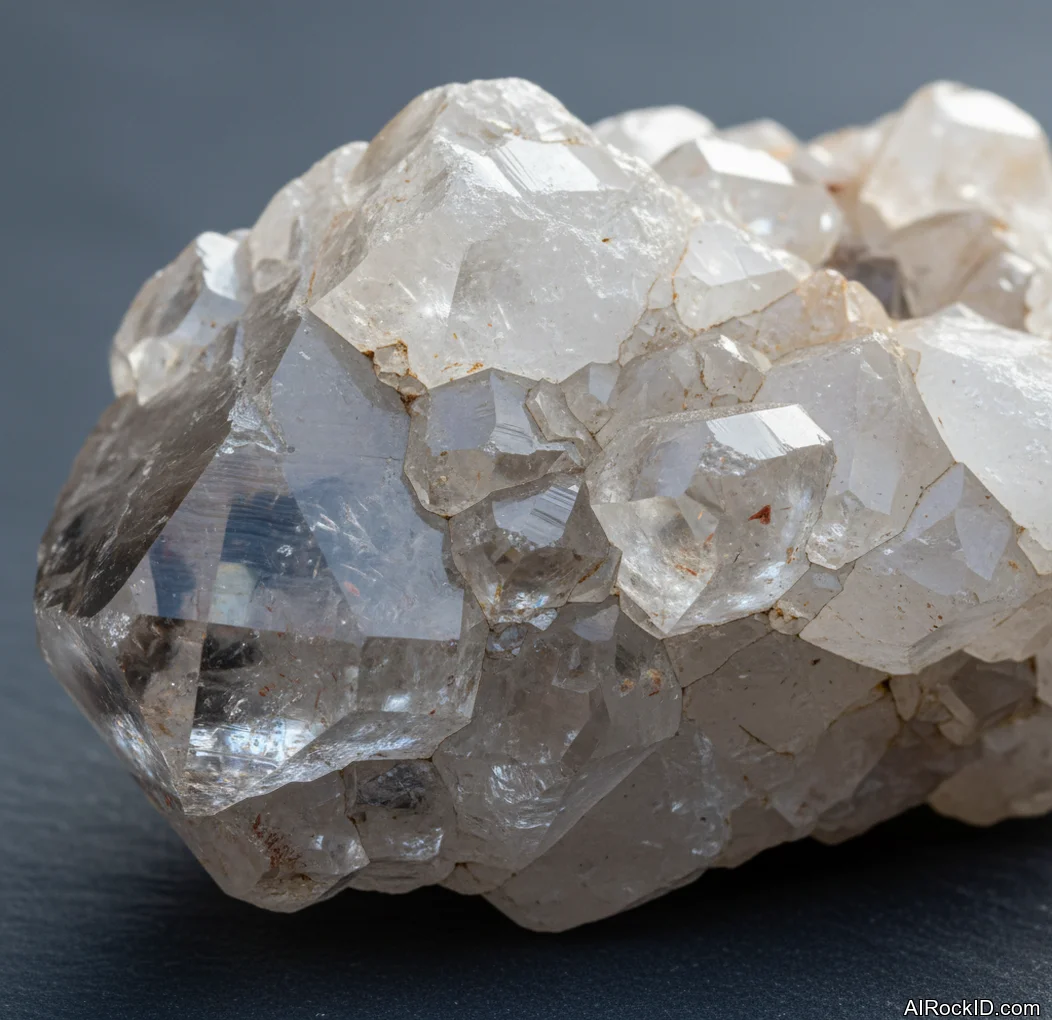
Color: Most selenite is colorless to white, often with cloudy zones or faint beige, gray, or honey tinting from impurities. Some pieces show subtle internal veils that look like frozen breath.
Luster: Pearly to vitreous on cleavage faces, and silky on fibrous satin spar material.
If you scratch it with a steel pin, it scratches easily and makes a soft powder. The real test is cleavage: it splits into smooth, flat planes, and a clear plate will show double refraction if you look at text through it. But don’t do the tongue test or anything like that, just handle it and notice how it dents and how the sheen slides in one direction on satin spar.
Properties of Selenite
Physical Properties
| Crystal System | Monoclinic |
| Hardness (Mohs) | 2 (Very Soft (1-2)) |
| Density | 2.30-2.33 g/cm3 |
| Luster | Pearly |
| Diaphaneity | Transparent to translucent |
| Fracture | Uneven |
| Streak | white |
| Magnetism | Non-magnetic |
| Colors | colorless, white, gray, beige, honey, brown |
Chemical Properties
| Classification | Sulfates |
| Formula | CaSO4·2H2O |
| Elements | Ca, S, O, H |
| Common Impurities | Fe, Mn, Cl, Na, K, Sr |
Optical Properties
| Refractive Index | 1.519-1.523 |
| Birefringence | 0.009 |
| Pleochroism | None |
| Optical Character | Biaxial |
Selenite Health & Safety
Handling it’s generally low risk. The real headache is the physical stuff: those sharp cleavage edges (they’ll nick you if you slide a finger the wrong way) and how easily it can snap if you squeeze or bump it. A quick splash of water is usually fine. But don’t soak it. Leave it sitting in water and you can end up with a damaged specimen.
Safety Tips
Don’t grind or sand it. That just kicks up dust. And when you stash the pieces away, wrap them so they won’t scrape against each other (you know that gritty rubbing sound you get in a bin?).
Selenite Value & Price
Price Range
Rough/Tumbled: $3 - $40 per piece (wands, chunks, small clusters); $80 - $500+ for large clear plates or premium display clusters
Clearer pieces, bigger slabs, and crisp, chip-free edges make the price jump quick, especially with truly transparent selenite plates you can read text through. Satin spar, sure, it’s cheaper and all over the place. But once you’re hunting for a large one that’s clean and undamaged, the cost creeps up anyway, because the stuff bruises so easily in shipping (you’ll see those cloudy scuffs and little corner dings the second you unbox it).
Durability
Fragile — Scratch resistance: Poor, Toughness: Poor
Selenite scratches and cleaves easily, and prolonged water exposure can etch or weaken the surface.
How to Care for Selenite
Use & Storage
Store it by itself or with soft padding, because it’ll pick up scratches from almost anything. I keep my nicer plates in a small box so they don’t get dinged when I’m rummaging through flats.
Cleaning
1) Dust with a soft, dry brush or microfiber cloth. 2) If needed, wipe quickly with a barely damp cloth and dry right away. 3) Skip soaking, saltwater, and harsh cleaners because they can dull the surface and open up tiny cleavage chips.
Cleanse & Charge
If you use it for spiritual work, dry methods are easiest: smoke, sound, or just setting it somewhere clean and calm. Avoid water cleansing if you care about keeping the sheen crisp.
Placement
Put it somewhere it won’t get bumped, like a shelf corner or a dish on a desk. Direct sun won’t ruin it like some minerals, but the real enemy is knocks and gritty dust.
Caution
Don’t soak it or leave it sitting in water for ages, because gypsum can get soft and the surface can etch. And keep it away from anything abrasive, like rough stones. Also, don’t just chuck it in your pocket with keys or coins. Scratches happen fast.
Works Well With
Selenite Meaning & Healing Properties
Pick up a selenite wand and you’ll get it right away. It’s smooth. Cool to the touch. And weirdly calming on a purely hands-on level, like polished soapstone, only lighter and with that milky glow that catches even a weak lamp.
When I’m sorting a fresh haul after a show, selenite is the first thing I put down on the table. Not because it’s magic, necessarily, but because everything around it looks a little cleaner under the light, like the glare bounces off and tidies the whole spread (sounds silly, but try it).
In metaphysical circles, people link selenite with mental clarity, energetic “clearing,” and that settled, airy mood. I’ll be blunt: that isn’t medical care, and it’s not a substitute for therapy or sleep hygiene. But as a simple object to anchor your attention, it works. Your eyes can follow the soft sheen without getting snagged, and since the stone feels kind of delicate, you naturally handle it slower. That pause helps.
But there’s a real-world catch folks gloss over. Selenite is fragile. If you’re the type who keeps stones in a pocket all day with keys and loose change, it’ll get chewed up fast, and the edges start going chalky. I’ve also watched people drop it into “crystal water” jars and then, a month later, ask why it’s gone rough and tired-looking. If you like the whole cleansing symbolism, keep it dry and treat it like the soft mineral it is.
Identify Any Crystal Instantly
Snap a photo and get properties, value, care instructions, and healing meanings in seconds.