emotional

Best Crystals for Anxiety
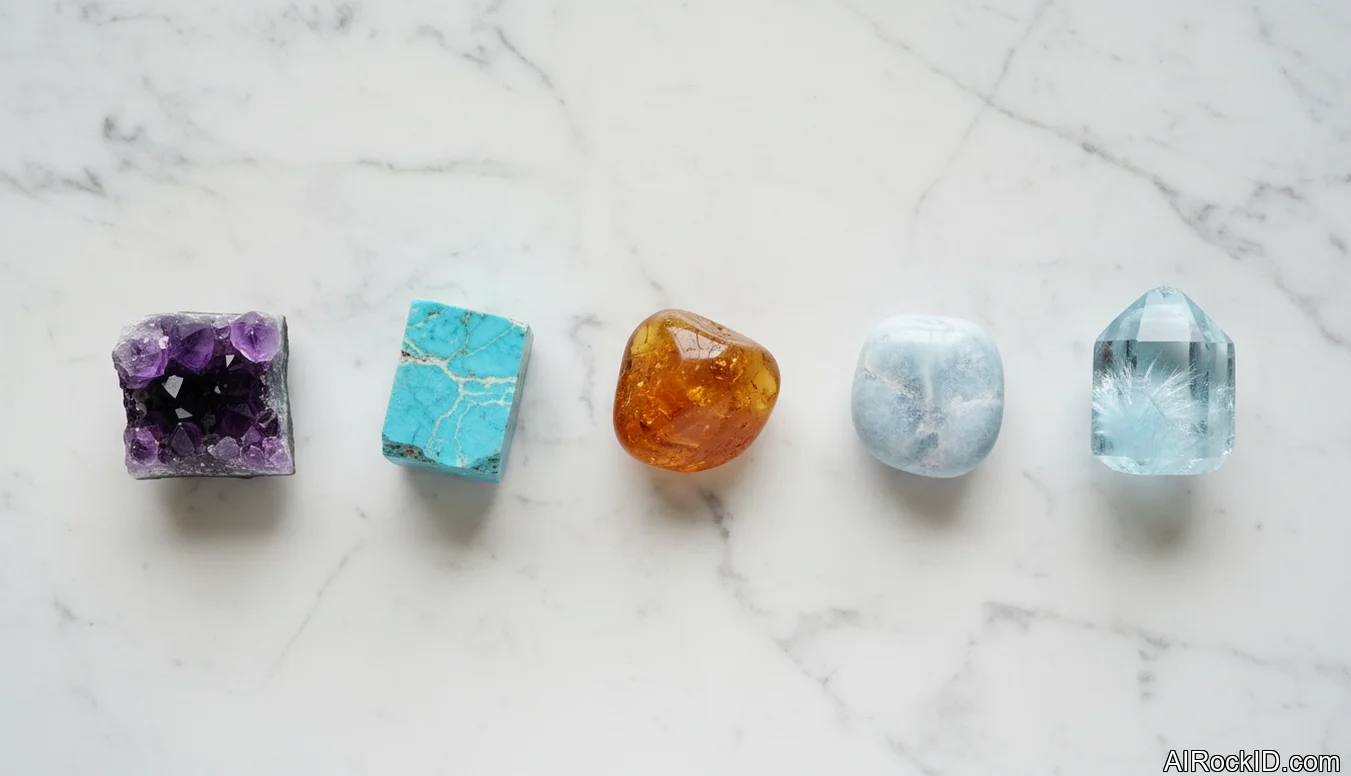
A small set of tumbled calming stones including amethyst, amazonite, amber, and black onyx arranged on a neutral cloth

The best crystals for anxiety are the ones that give your nervous system a simple, physical nudge to slow down, and that you’ll actually bother to carry. I mean stones that feel solid in your palm, have a texture your thumb naturally hunts for without thinking, and don’t ask you to do some whole ritual when you’re already spiraling.

Anxiety’s slippery like that. Some days it’s tight in the chest and kind of electric. Other days it hides behind “being productive” and then shows up like a jump scare at 2 a.m. Crystals don’t replace therapy, meds, sleep, food, or movement. But they can be a steady anchor. Grab a decent palm stone and you notice the temperature first. The real stuff stays cool for a second, then warms up slowly against your skin, and that tiny shift in sensation can be enough to cut a loop mid-spin.

I’ve tried a ton of stones over the years, and I keep ending up with the same short list for anxiety because they act the same way every time. Not “magic.” Just consistent. Some are better for social nerves, some for those panic-y spikes, and some for rumination that won’t quit (you know the kind). The trick is matching the stone to your particular flavor of anxiety, then using it the same way every time so your body starts to recognize the pattern. A stone that lives in your pocket and gets rubbed with your thumb during tense moments will do more for you than an expensive specimen that never leaves the shelf.

Recommended Crystals
Amethyst
Amethyst

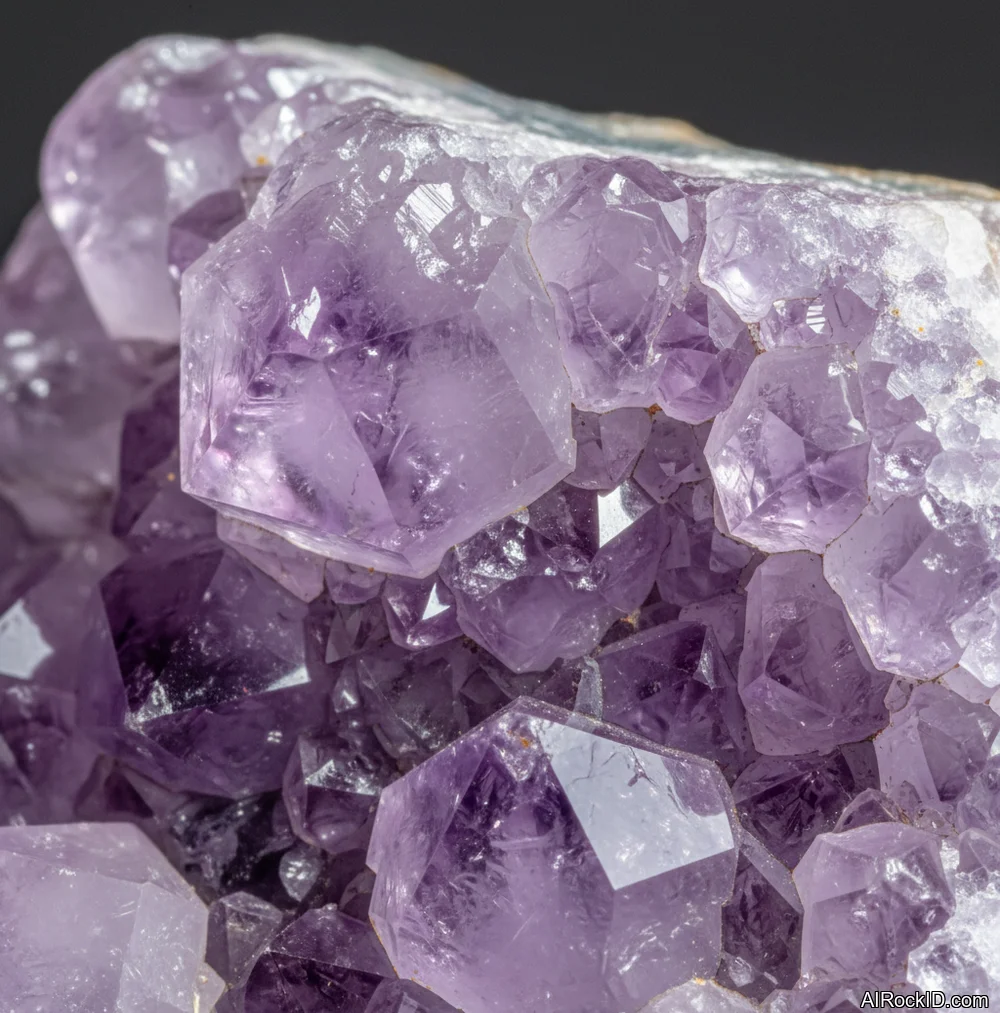
Uruguay amethyst usually comes in that deep, inky purple, and it feels surprisingly dense. That heft in your palm actually counts when you’re trying to drop back into your body. I grab it when my brain gets tacky and starts looping. You know that anxious spiral where you keep replaying the same conversation and arguing with it again? Yeah. That. If you hold a polished piece under a lamp and tilt it a little, you’ll catch the color zoning and those faint internal veils inside. Almost like a thin fog trapped in the stone (weirdly calming). It gives your eyes something solid to lock onto. And it’s one of the easiest stones to find in a size that truly fits your hand, not just a tiny thing that looks nice sitting on a desk.
How to use: Keep one palm stone by your bed and hold it with your non-dominant hand for five slow breaths before you check your phone. If you’re out in public, a small tumbled piece in a pocket works, but choose one with a slightly matte polish so it doesn’t feel slippery when your hands sweat.
Amazonite

Amazonite

Amazonite feels blunt in a good way when your brain’s spinning out with anxious self-talk, like when you’re terrified you’ll say the wrong thing. And next to a lot of other green stones, it reads cleaner and colder. The really nice pieces hit that blue-green color with thin white streaks that look like tiny rivers running through it. Pick up an actual chunk and you’ll notice it’s kind of blocky in your hand, thanks to the feldspar structure. Thing is, that shape makes it easy to hold onto, like your grip has something solid to lock in on. But watch out for the cheap dyed stuff. Those too-bright teal pieces can look almost painted, not naturally mottled at all. How can you tell? The color usually screams at you.
How to use: Use it for “before the conversation” anxiety: hold it while you write a two-sentence plan for what you actually need to say. Wear it as a pendant if you like, but keep it off hot windowsills because the color can look washed out over time.
Amber

Amber

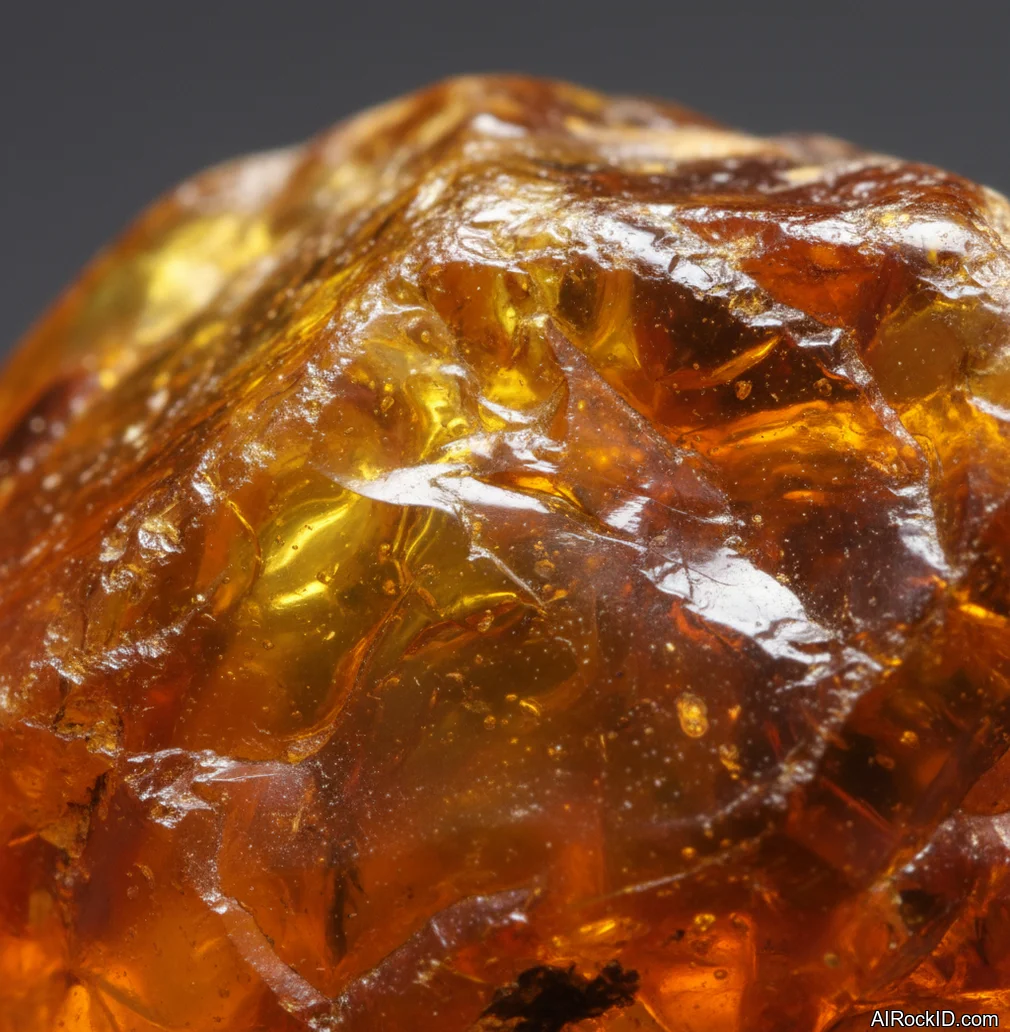
Amber isn’t a mineral, and that’s probably why it feels a little odd in your hand when you’re anxious. It heats up fast, like within seconds, and if you’ve ever picked up a bunch of stones you’ll clock the difference right away. For that jittery kind of anxiety, the quick warmth and the feather-light weight mean you can keep it on you all day and it won’t feel like you’re hauling a rock around in your pocket. And if you tilt it under a lamp or by a window, you can sometimes spot tiny bubbles or little bits of plant matter trapped inside (weirdly satisfying). Having something organic and imperfect to stare at can snap you out of mental overdrive, even if it’s just for a minute.
How to use: Carry a small piece in a fabric pouch so it doesn’t scratch or pick up pocket grit. If you want jewelry, go for solid amber over pressed chips, and keep it away from perfume and cleaners because it can cloud the surface.
Angelite

Angelite

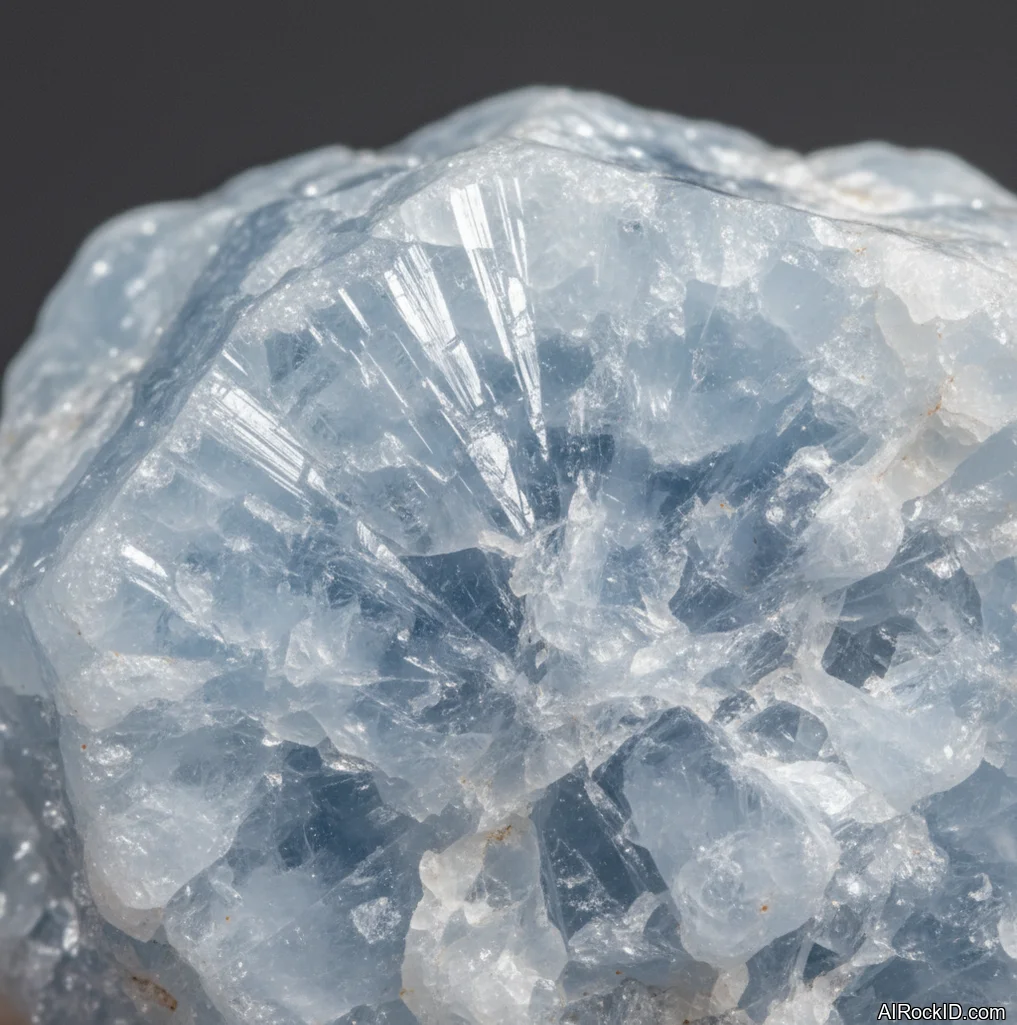
Angelite’s a lot softer and chalkier than most pocket stones, and you can feel that right away in your fingers. It doesn’t have that cold, glassy slickness. It’s more of a satin-smooth finish, the kind that almost drags a tiny bit on dry skin, which is exactly what I reach for when anxiety shows up as a tight throat or a voice that won’t stop wobbling. And I keep noticing the same thing: it’s the stone I end up handing to someone who’s swallowing in the middle of a sentence like their words keep catching. Most dealers sell angelite as tumbled stones. So if you tap two pieces together, the sound is a little dull, kind of a soft clack, not that sharp ping you get from harder material like quartz.
How to use: Don’t toss it loose in a pocket with keys since it scratches easily. Keep it on a desk for meetings and rub the flat face with your thumb while you slow your exhale, counting to six on the out-breath.
Aquamarine

Aquamarine

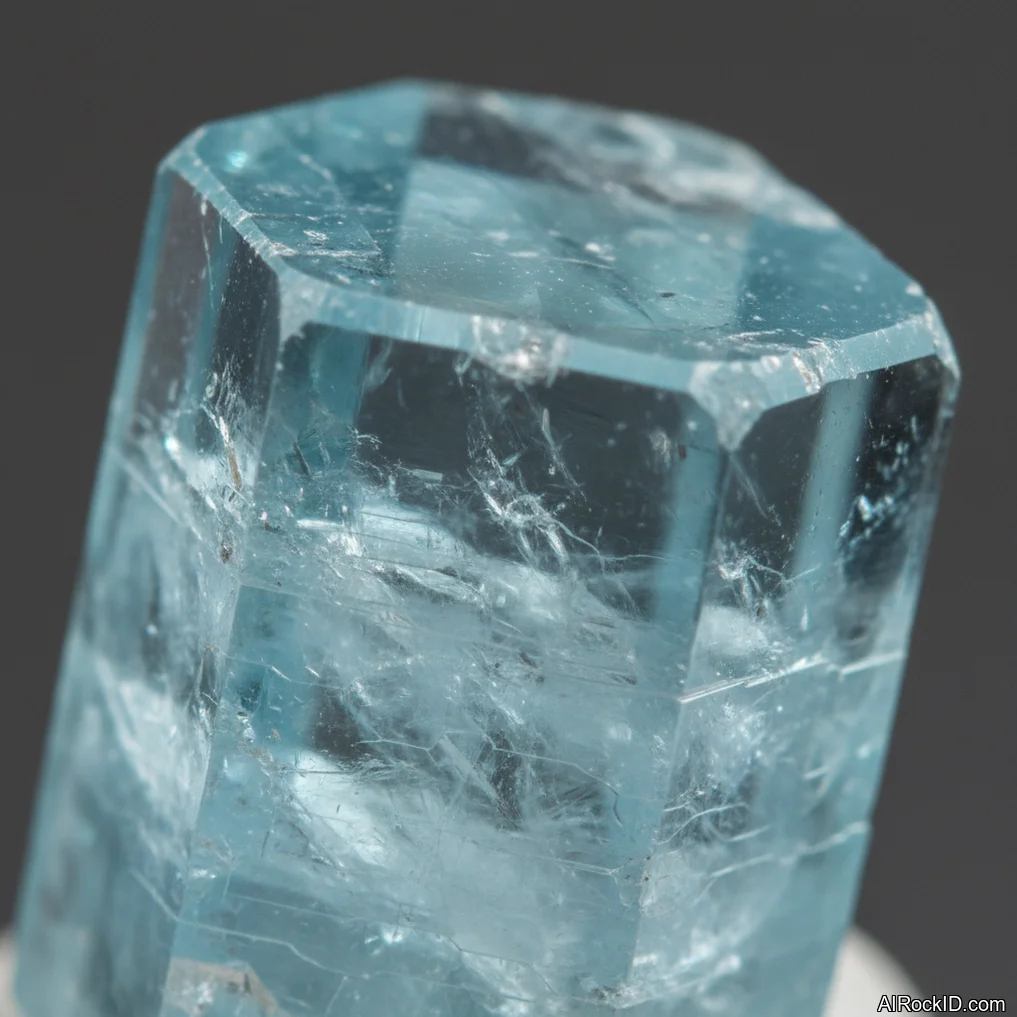
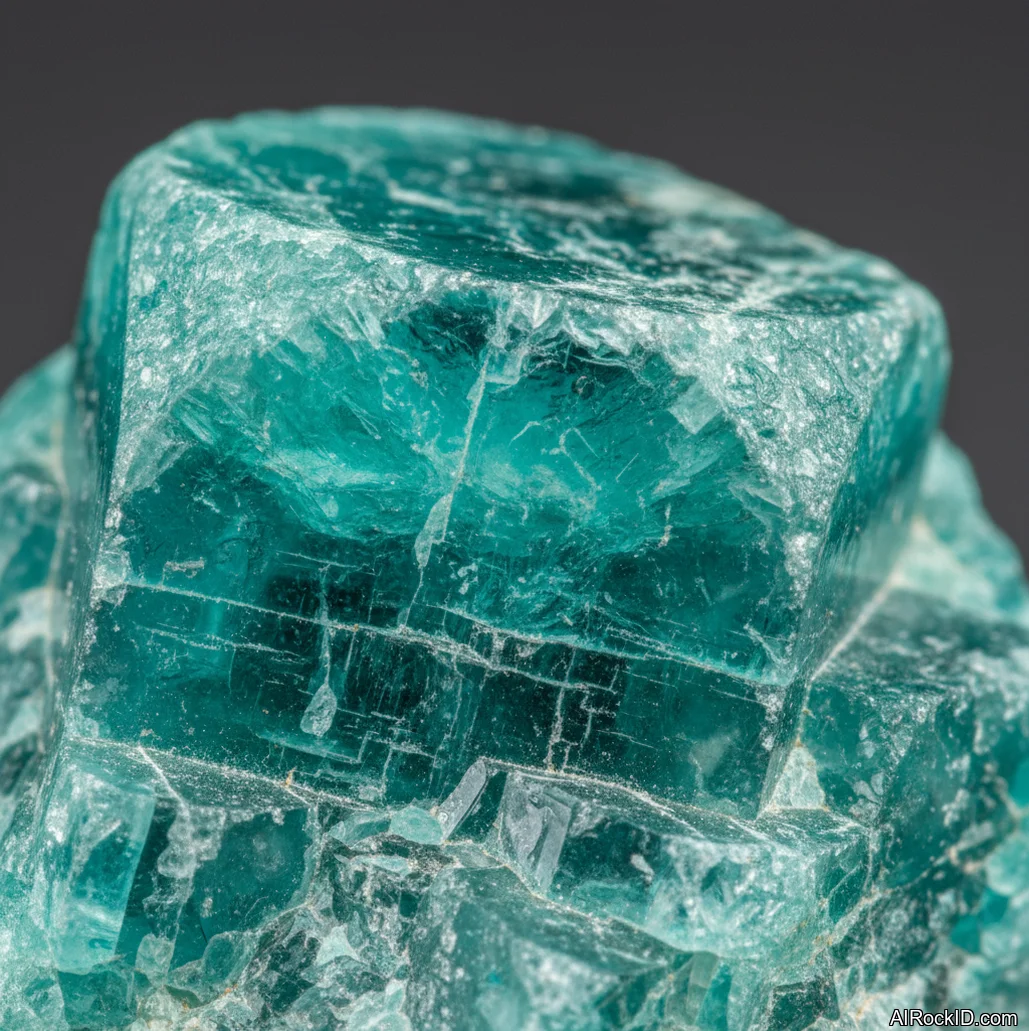
Aquamarine’s the one I reach for when my social anxiety shows up as that face-burning heat and a pulse that won’t slow down. Even the little tumbled bits keep this watery, see-through look, and if you hold one right up under a bright lamp, you can catch tiny internal fractures that look like frozen ripples. And thing is, it’s tougher than you’d guess if you’ve mostly handled softer blue stones, so it can live in a pocket every day without ending up a scratched-up mess. Raw pieces from Pakistan can come out really pale, while some Brazilian material pulls a bit greener. So pick a shade that actually settles your nerves, not one that just matches your outfit. Why not?
How to use: Use it as a “hold and look” stone: stare at it for 20 seconds, then name three things you can hear. If you wear it, keep it simple, a small pendant near the collarbone works well for that tight-chest feeling.
Amblygonite

Amblygonite

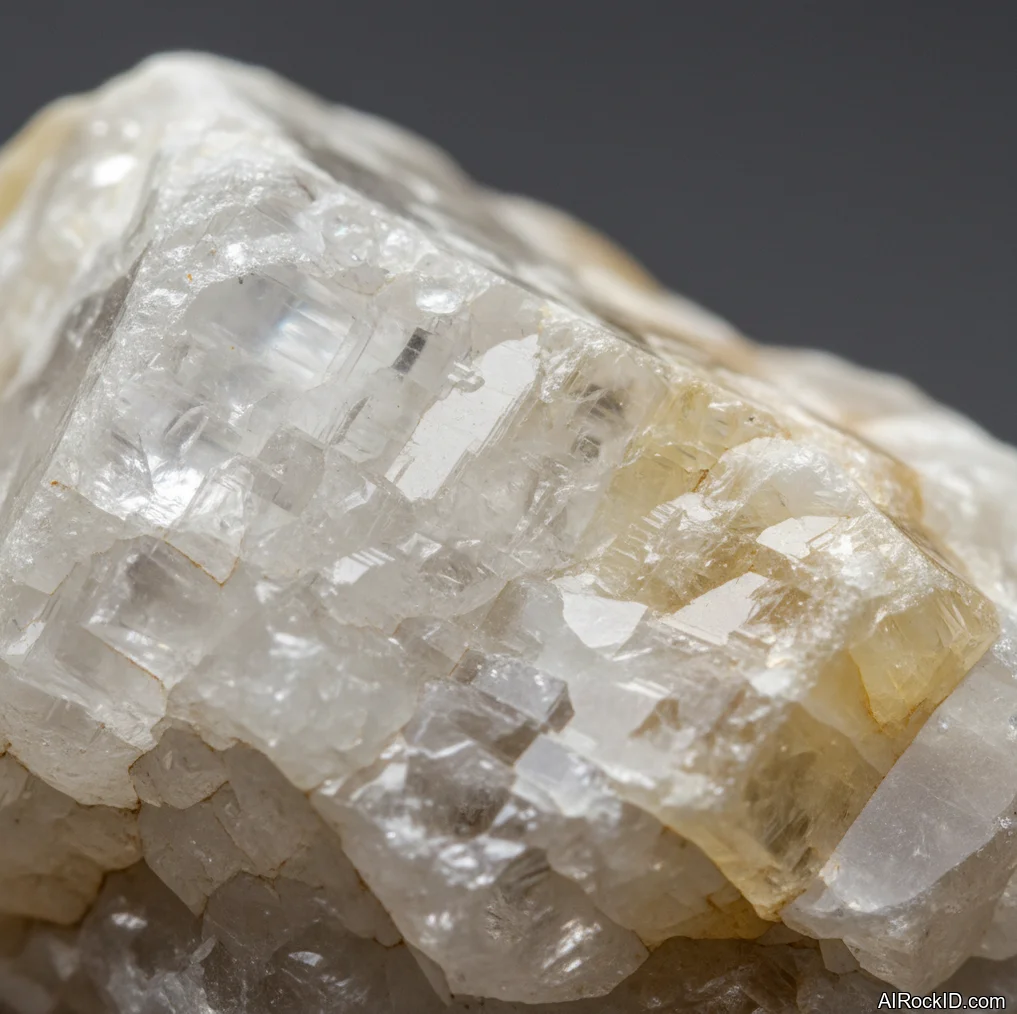
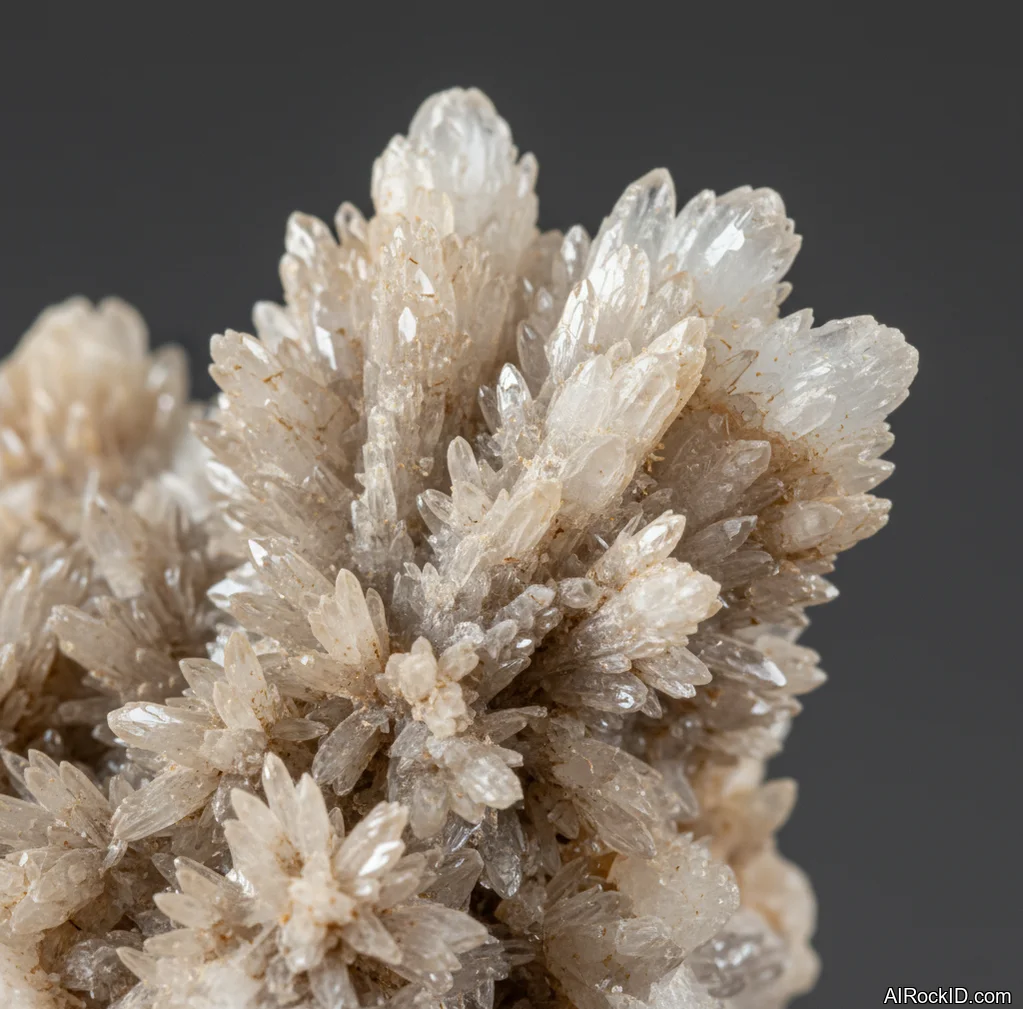
Amblygonite doesn’t get enough credit for anxiety, mostly because people don’t know what it is and it never got the usual marketing push. In your hand, it has this slightly waxy, almost soap-slick feel, and the color stays calm and muted. It doesn’t beg for attention. And honestly, that’s exactly what I’m after when I’m overstimulated. Thing is, the cleavage shows up pretty clearly in some pieces. You’ll see those flat planes grab the light for a second, then go dull the moment you tilt it. Most of what you find is pale yellow to cream, and that plain, neutral look means you can carry it in public without feeling like you’ve got some obvious “spiritual tool” on you. Who needs the extra eyes on them?
How to use: Pick a tumbled stone with rounded edges and keep it in the same pocket every day so your hand finds it automatically. When anxiety spikes, press it gently into the center of your palm and hold steady pressure for ten slow breaths.
Aragonite

Aragonite

Aragonite feels heavier than you expect the first time you pick it up, and that weight is honestly a big reason it helps when I’m stuck in that anxious, restless mode. It can look like caramel or plain sand at a glance. But if you’ve got a good piece, you’ll notice banding or that fibrous texture, and your eyes kind of latch onto it and follow the lines. I reach for it when anxiety turns into pacing and a bunch of half-started tasks, because it nudges me back toward slow, boring, practical steps. Not glamorous. Just doable. Most dealers have the brown varieties. And if you want something you can actually carry, keep an eye out for fragile clusters, because those aren’t really pocket-safe (they’ll chip if you knock them around).
How to use: Go for a palm stone rather than a spiky cluster if you’re carrying it daily. Use it during “reset moments” like after an email, after a phone call, or right before you walk into the house, and pair it with a long exhale every time.
Apache Tears

Apache Tears

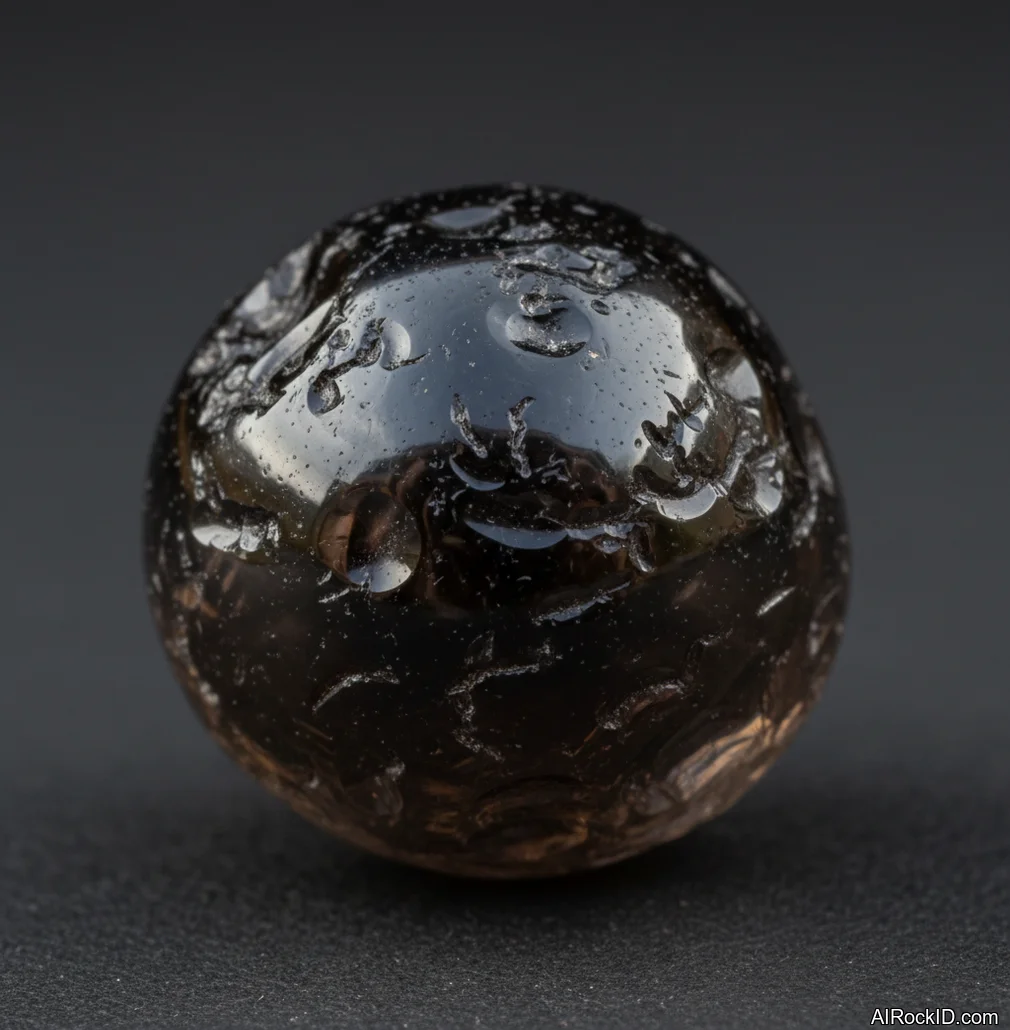
Apache tears are a type of obsidian. They’re small, dark little stones, and yeah, they can feel quietly comforting when your anxiety has that sharp grief edge to it. Pick one up and it feels like smooth glass, but it’s not as cold as quartz. And because they’re usually rounded, they work like a natural worry stone, the kind you end up rubbing with your thumb without even noticing. Shine a bright flashlight through one and the thin edges can turn smoky brown and kind of translucent. It’s a weirdly satisfying reminder it’s not just a dead black pebble, you know? But they’re easy to lose because they’re usually tiny. So you really do need a storage habit (a little dish, a pouch, somewhere consistent).
How to use: Keep two: one in your pocket, one at home in a dish so you’re not starting from zero when you misplace it. When you feel the urge to pick at your nails or skin, swap in the stone and rub the same spot on it instead.
Black Onyx

Black Onyx

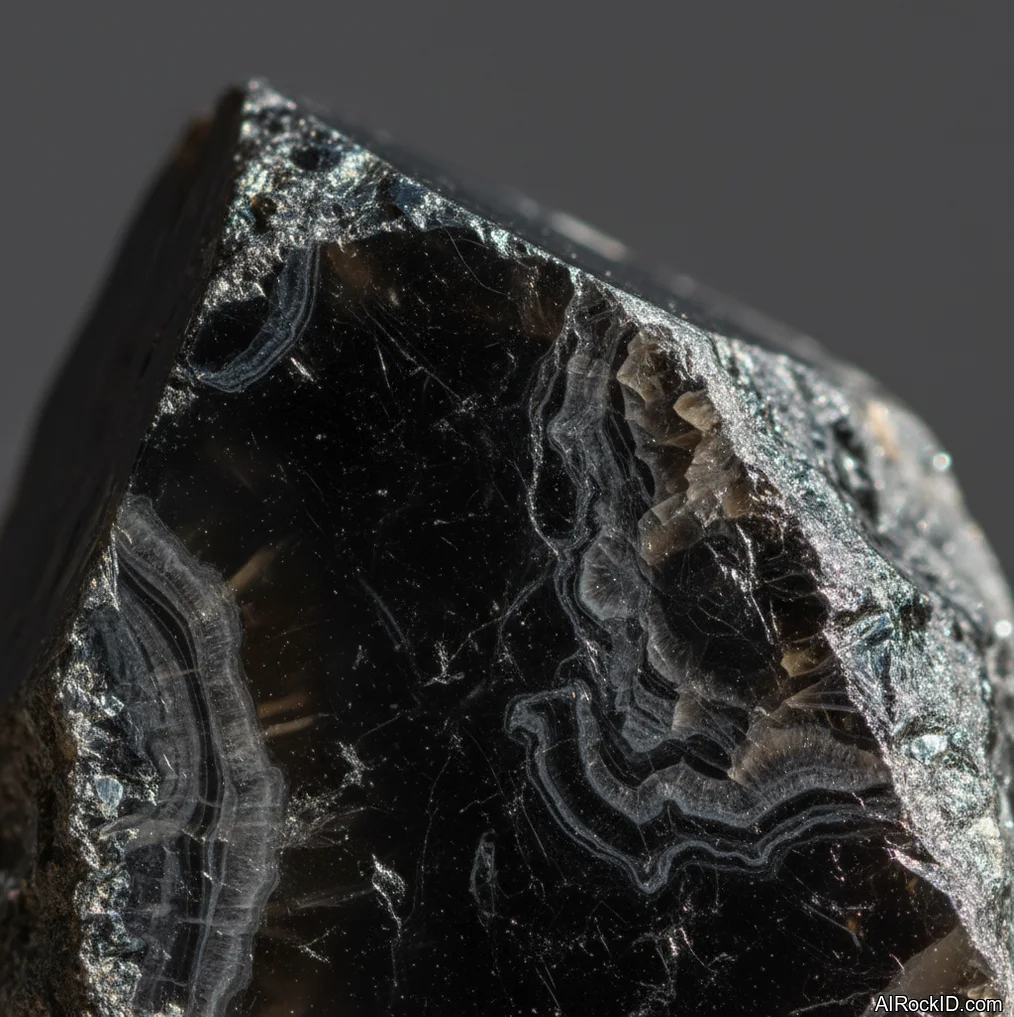
Black onyx is the kind of boundary stone you actually reach for when you’re soaking up everyone else’s moods and it’s sending your anxiety through the roof. Most pieces you’ll see are polished up to a high gloss, and yeah, that slick, mirror-like finish can work like a little built-in reminder in your hand: stop. Pause. Think. Then choose what you’re doing next. Compared to obsidian, onyx tends to feel steadier and not as emotionally sharp (at least for me and the people I’ve worked with). But here’s the real test. Is it dyed? If the black looks weirdly uniform and the stone has those almost too-bright white bands that jump out at you, it might be treated agate being sold as onyx.
How to use: Use it in the morning: hold it for 30 seconds and decide one boundary for the day in plain language. If you carry it, choose a flatter piece so it sits against the leg comfortably and doesn’t feel like a marble in your pocket.

Match the stone to your anxiety type

Panic-style anxiety isn’t the same thing as rumination, and you’ll clock the difference pretty fast if you actually pay attention. When it’s panic, your body turns the volume up. Heart, breath, hands, heat. Loud stuff. I tend to reach for stones that give a really obvious physical cue in your palm: aragonite for its weight, amber because it warms up quickly against your skin, onyx for that firm “stop” sensation.

Rumination is quieter, but it’s meaner. Same thought, different outfit every ten minutes. And that’s when I prefer amethyst or amazonite, not because they magically “fix” anything, but because they’re simple to focus on without winding you up. Grab an amethyst palm stone and watch those little internal color bands while you breathe out longer than you breathe in. It gives your brain something to do (because otherwise it’ll happily chew on the same problem forever, right?).

Social anxiety is its own bucket. You’re fine alone, then a text pops up and your stomach just drops. Aquamarine works for some people since it feels cooling and clean, and angelite can help when your throat starts to tighten. But look, none of this is guaranteed. The point is to have one stone per anxiety flavor so you’re not hovering over a bowl of crystals like you’re picking cereal.

What to look for when buying calming stones

Most calming stones get sold as tumbled pieces, and that’s totally fine. But don’t grab the slickest, shiniest one just because it looks good under the lights. When you’re anxious, sweaty hands happen, and a slightly matte polish or a stone with a bit of gentle texture actually stays put. I’ve dropped plenty of glassy tumbles on tile and watched them shoot off and skid under the couch like a hockey puck. Gone. Instantly.

Look, check for treatments before you buy. Dyed “amazonite” is absolutely a thing, and that super-black “onyx” you see can really be dyed agate. Amber’s another one. Pressed material is common, and it tends to feel a little too uniform, almost plastic-y in your fingers (you know that smooth, same-everywhere feel?). Real amber usually has tiny internal quirks, and if you rub it on fabric, it can build static pretty easily.

And size matters more than people want to admit. Too small and you’ll lose it. Too big and you’ll leave it at home, because it’s annoying in a pocket. For anxiety, I like palm stones around the size of a large grape up to a small egg, or a flat worry-stone shape that sits right under your thumb. Why fight the shape when you’re already stressed?

Using crystals as a nervous system cue (not a magic fix)

Crystals tend to help with anxiety mostly through conditioning. Same object. Same little routine. Same breath. After a while, your body starts treating that familiar weight and texture like a signal: we’re safe enough to slow down. It’s just association, and honestly it beats a random ritual you only try when you’re already panicking.

So grab the stone and pair it with something you can repeat without thinking. Do three long exhales. Or run a 5-4-3-2-1 sensory scan. Press the stone into your palm with steady pressure, then let your jaw unhook (you can feel it drop a millimeter, right?). I’ve handled a lot of stones, and the ones that work best are the ones you actually like touching, the ones your fingers want to keep coming back to. Waxy amblygonite. Satin angelite. Heavy aragonite. Glassy apache tears.

Don’t make it complicated. If you’re already spiraling, you’re not going to light a candle and recite anything. You’ll either reach for the stone or you won’t. Build the habit on calm days (boring days count), so it’s there when things get rough.

Placement that actually fits real life

A bedside stone doesn’t get enough credit. Night anxiety is its own animal. When you jolt awake at 3 a.m. and your brain’s doing wind sprints, you do not want to blast the lamp on and start digging around. So I keep amethyst or amber right where my hand naturally lands, no looking. Mine lives in a little dish because fabric pouches just vanish into the blankets (seriously, like they get swallowed).

Work anxiety? That one needs to be subtle. Flat black onyx or a small aquamarine is perfect for that. They pass as normal stones, and you can hold one under the desk during a meeting without anyone noticing. If you’re on calls all day, you also want something you can rub without making noise. Angelite works well here because it doesn’t click or clack the way harder stones do when they knock a desk or your ring.

And for days you’re out of the house, pick one pocket and commit to it. The whole “I’ll just carry it” plan falls apart the second you set it down at a café, then it’s gone. A small zip pocket, a pouch clipped inside your bag, a pendant you don’t take off, or even a specific coin pocket you always use is just more realistic.

How to Use These Crystals for Anxiety

Start with one stone. Not a whole lineup. Anxiety loves choices because choices keep you spinning. Pick the one you’ll actually reach for when you’re stressed, then stick with it for a week. Same pocket. Same spot at home. Same plain routine.

Here’s something you can really do: grab the stone, notice if it feels cool or already warmed up from your hand, and take five breaths where the exhale lasts longer than the inhale. Mind wanders? Of course it will. So bring your eyes back to one tiny detail you can see, like a band of color in amazonite or that smoky edge on an apache tear when you hit it with a phone flashlight. Then pick one next step that’s small and kind of boring. Drink water. Send one text. Stand up and stretch.

If you want to stack things, keep it practical. Use a heavier stone like aragonite at home, and carry a flatter one like onyx at work so it doesn’t jab you every time you sit down. For sleep, amethyst by the bed is easy. But don’t shove a fragile angelite chunk under your pillow unless you enjoy waking up to gritty dust (seriously, it gets everywhere). And if you’re a fidgeter, go for shapes that can take a beating. No sharp points. No delicate clusters. Nothing you’ll regret scratching up.

Common Mistakes to Avoid

Buying a stone you don’t even like having in your hand is the quickest way to make the whole thing pointless. People choose off glossy photos, then the package shows up and the stone’s slick like it’s been dipped in varnish, smaller than expected, or weirdly light, and it just sits in a drawer. The real test is simple: do you find your fingers reaching for it without thinking?

Another trap is hunting for the “right” crystal every single time anxiety hits. That turns into a buying loop, not something that actually supports you. One or two stones you use the same way, over and over, beats ten stones you grab at random. I’ve literally watched people swap crystals like a playlist, day after day, and then ask why nothing’s sticking.

And last, keep an eye on the market tricks. Dyed material, mislabeled stones, plastic “amber” (yep, it’s out there) are everywhere. If a seller can’t tell you what the stone is, where it likely came from, or if it’s been treated, assume you’re paying for a vibe, not an actual specimen. Why gamble?

Important: Crystals can’t diagnose anxiety, stop a panic attack on demand, or stand in for therapy, medication, or actual medical care. And they won’t magically sort out the real root stuff either, like burnout, trauma, substance use, unsafe relationships, or sleep problems that nobody’s treating. But they can help in a smaller, practical way. Think of them as a physical cue and a focus tool. I mean, having something you can actually hold, with that cool, smooth weight in your palm (and the edges you keep rubbing with your thumb without even noticing), can snap your attention back for a second. So if you use them consistently alongside real support, they can fit into a solid coping stack.

Identify Any Crystal Instantly

Snap a photo and get properties, value, care instructions, and healing meanings in seconds.

Frequently Asked Questions

What are the best crystals for anxiety overall?
Amethyst, amazonite, amber, angelite, aquamarine, aragonite, amblygonite, apache tears, and black onyx are commonly used for anxiety-focused calming routines.
Which crystal is best for panic attacks?
Aragonite and black onyx are often used as grounding stones because they provide strong tactile and weight-based sensory input.
Which crystal is best for racing thoughts at night?
Amethyst is commonly used for nighttime calming and sleep support due to its association with relaxation and mental quiet.
Which crystal is best for social anxiety?
Aquamarine and amazonite are associated with calm communication and steadying nervous energy in social situations.
How do I use a crystal for anxiety in the moment?
Hold the stone and pair it with slow breathing, usually extending the exhale longer than the inhale for 1 to 3 minutes.
How long does it take for crystals to work for anxiety?
Effects vary by person, but consistent use as a sensory cue can build a conditioned calming response over days to weeks.
Can I sleep with crystals for anxiety?
Yes, but only use smooth, durable stones and keep soft minerals or fragile pieces away from pillows to avoid damage or dust.
Do I need to cleanse crystals used for anxiety?
Cleansing is optional and is typically done by wiping the stone, using mild soap and water when safe, or placing it in a dry bowl away from direct sun.
Are there risks to using crystals for anxiety?
Risks include choking hazards for small stones, skin irritation from dirty surfaces, and financial loss from mislabeled or treated material.
Can crystals replace therapy or medication for anxiety?
No, crystals are not a medical treatment and do not replace therapy, medication, or professional mental health care.
The information provided is for educational and spiritual exploration purposes. Crystals are not a substitute for professional medical, psychological, or financial advice.