Venus Crystals
Explore Venus and crystals linked to love, beauty, and harmony, with buying tips and practical ways to work with Venus stones every day.
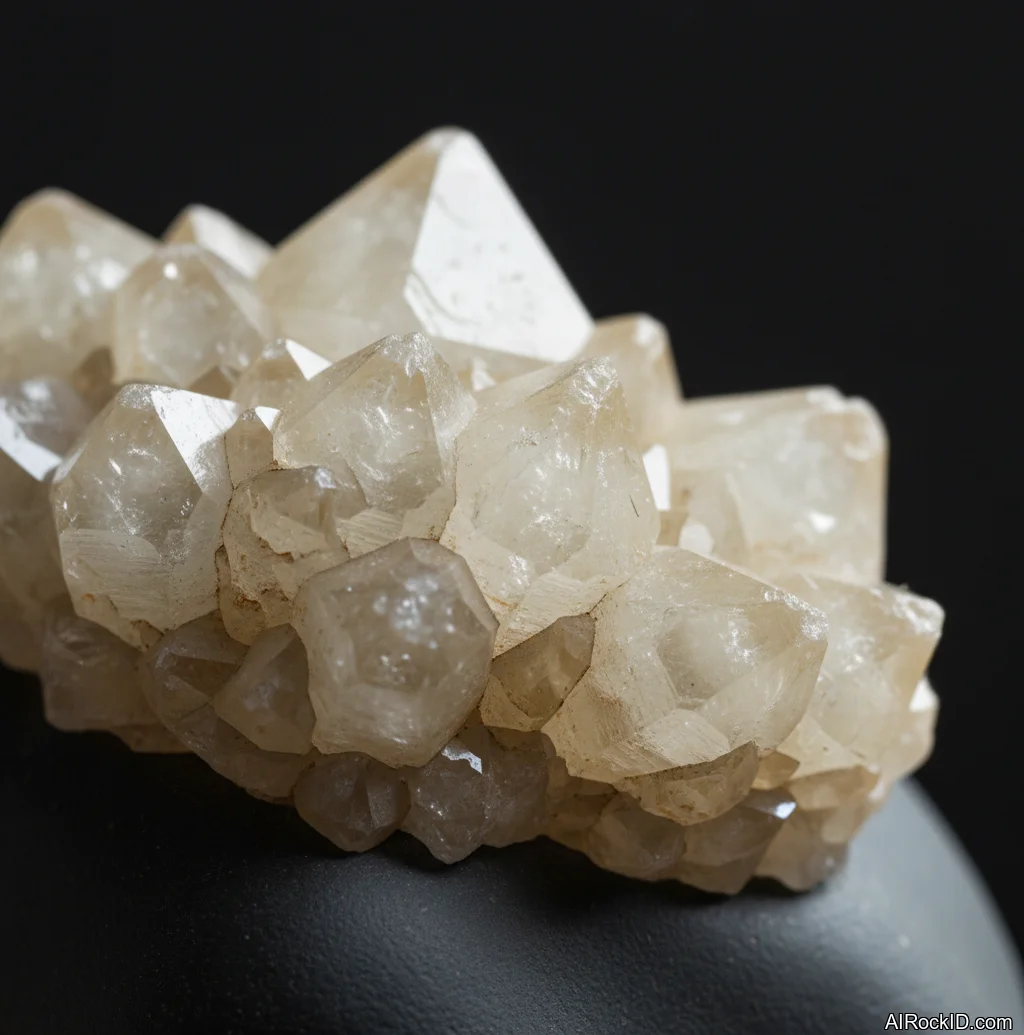
Venus, in crystal talk, is the “soft power” planet. It’s attraction. Pleasure. Taste. It’s the part of you that just knows what feels good and what looks right, even when you can’t explain why. When someone asks for a Venus stone at the shop, they usually aren’t asking for a rock that “does everything.” They’re looking for help with relationships, self-worth, peace at home, and that steady warm confidence that doesn’t need to prove anything.
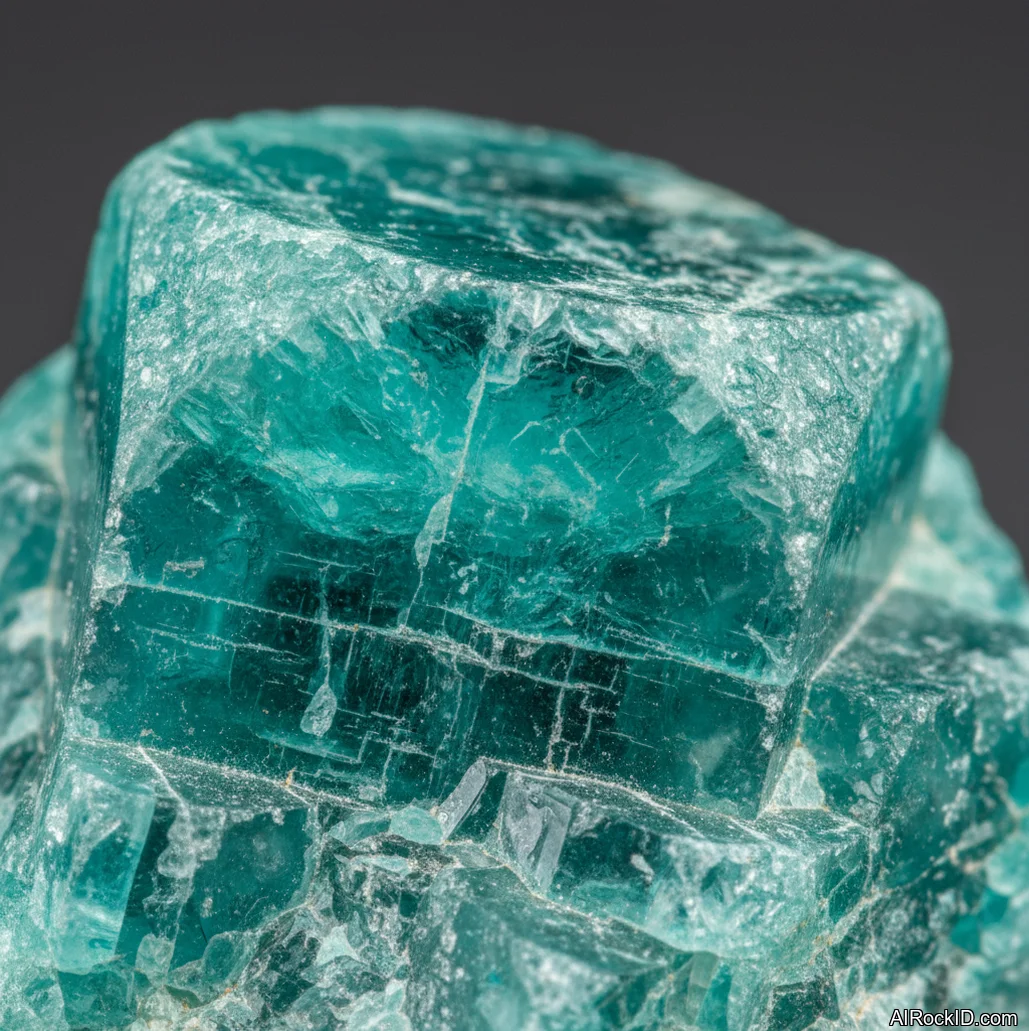
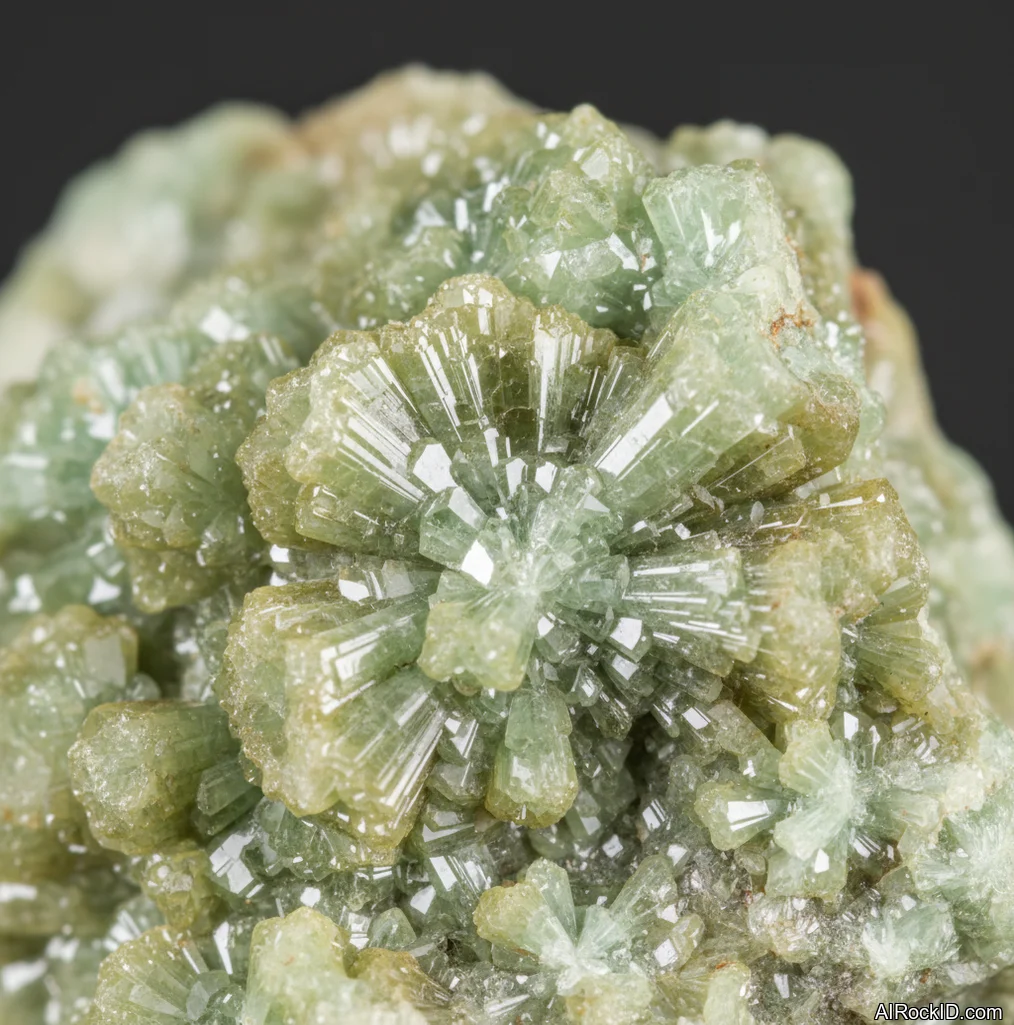
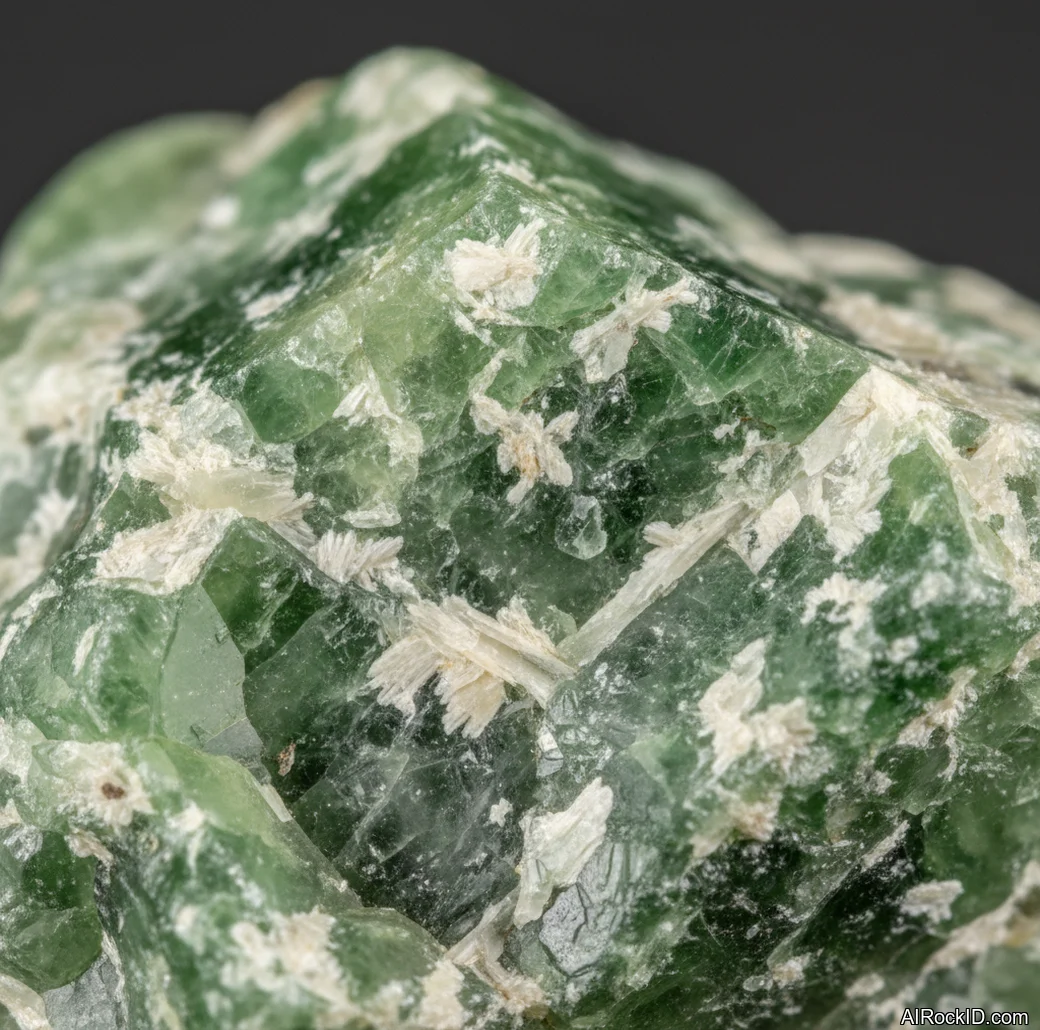
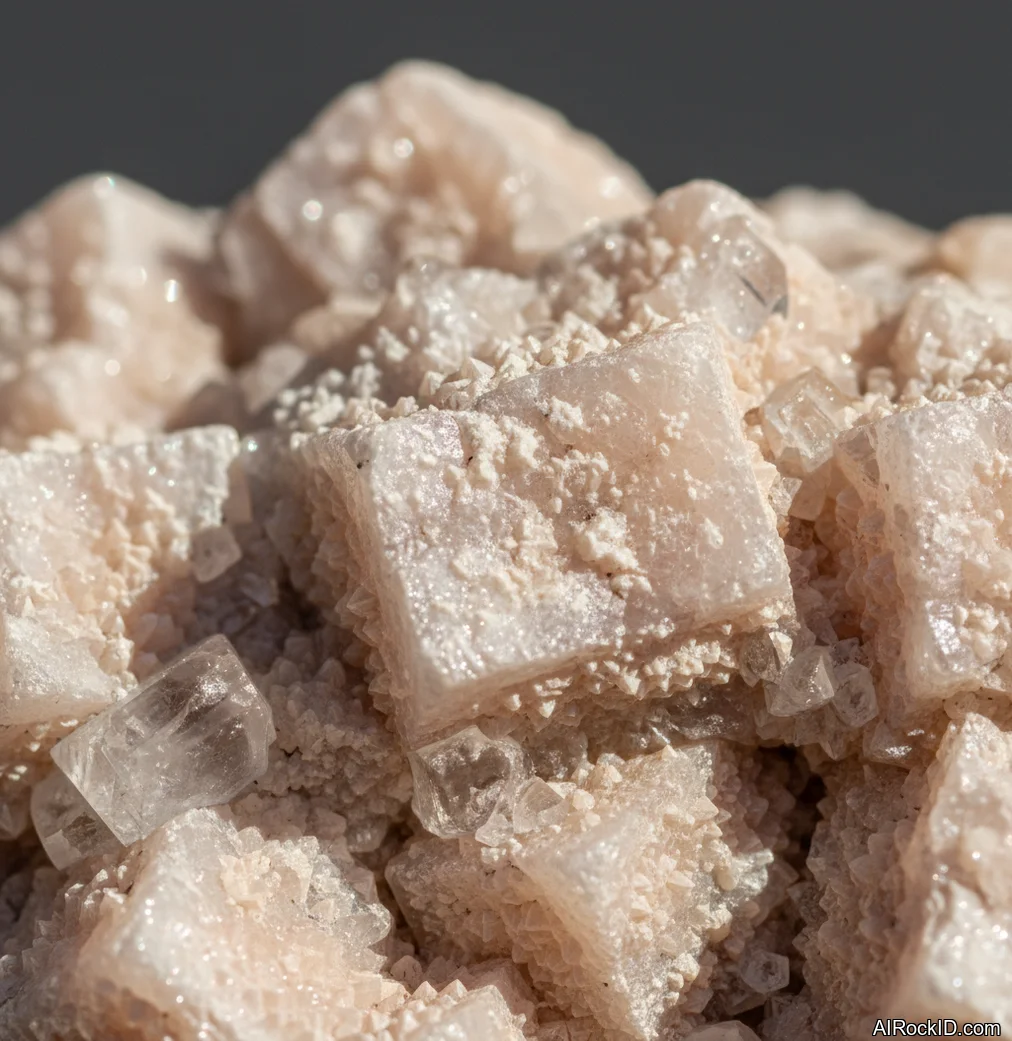
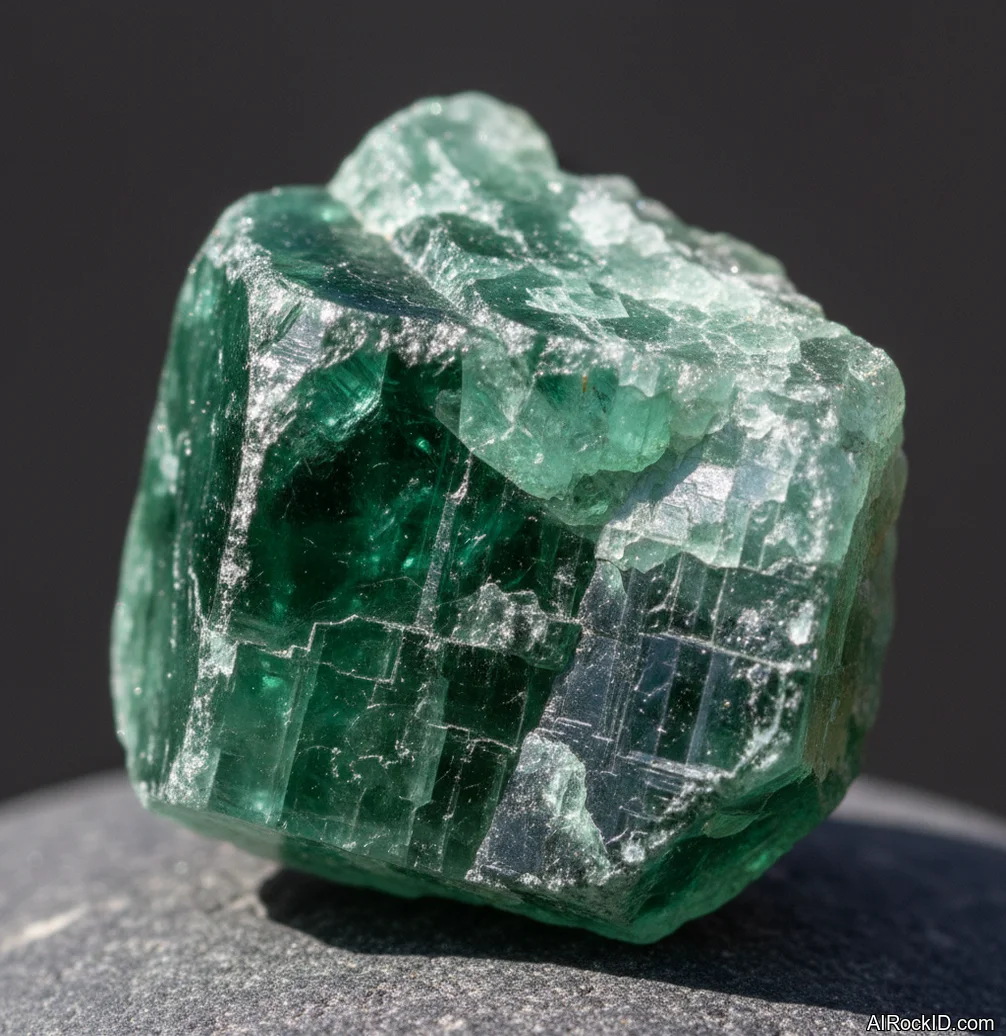
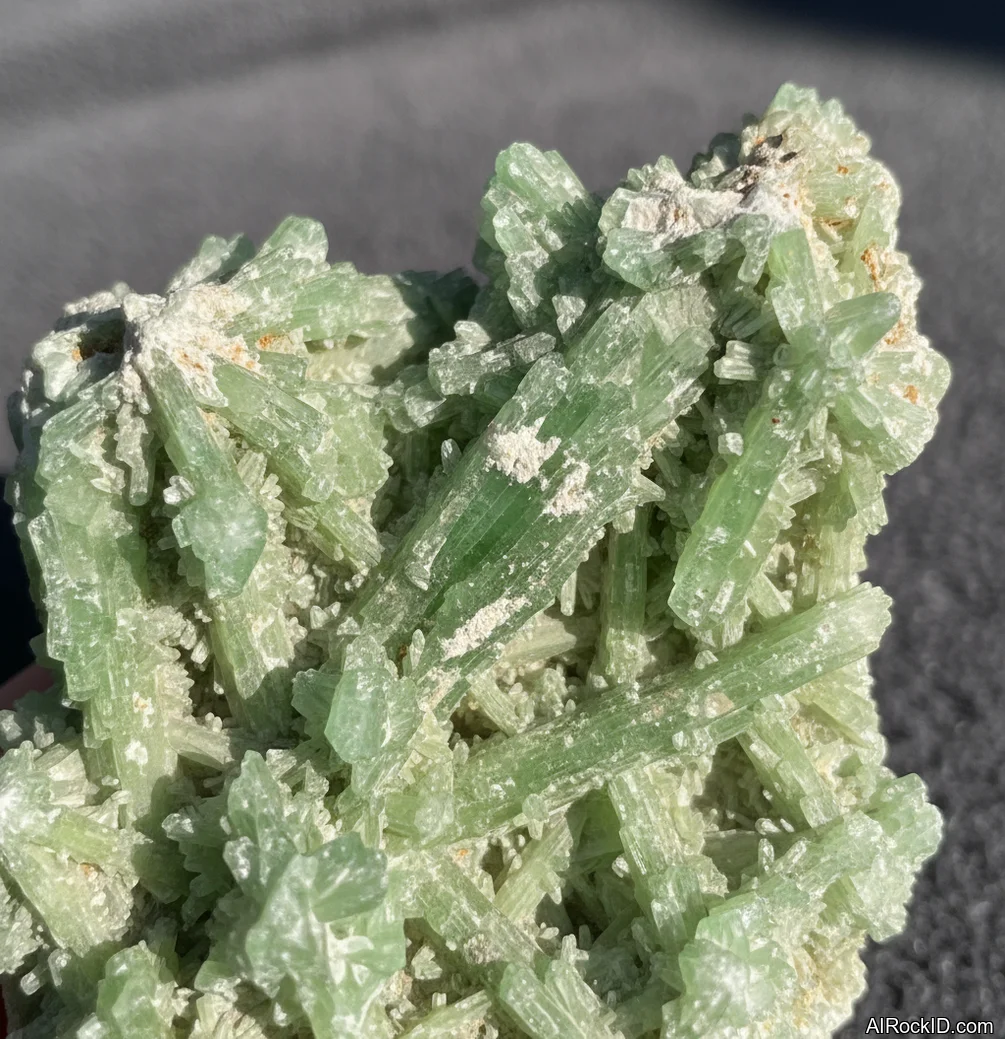
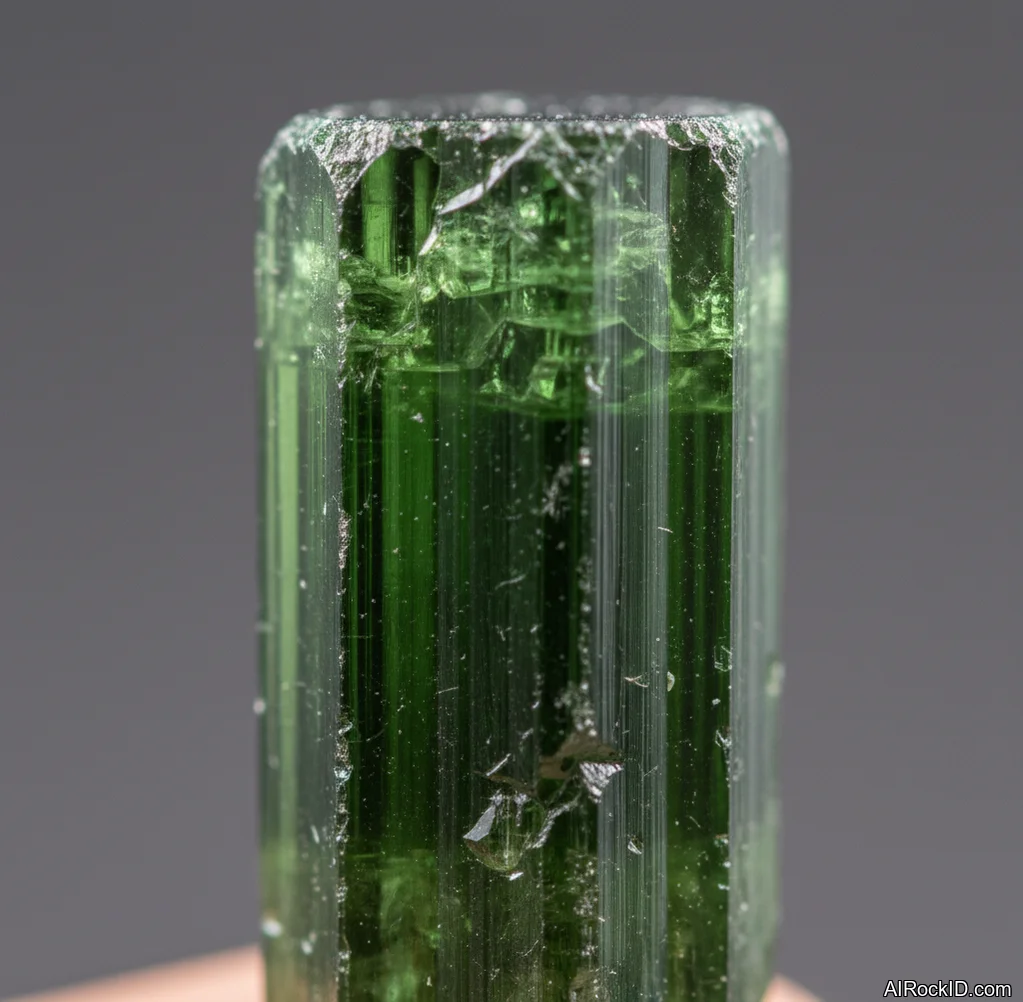
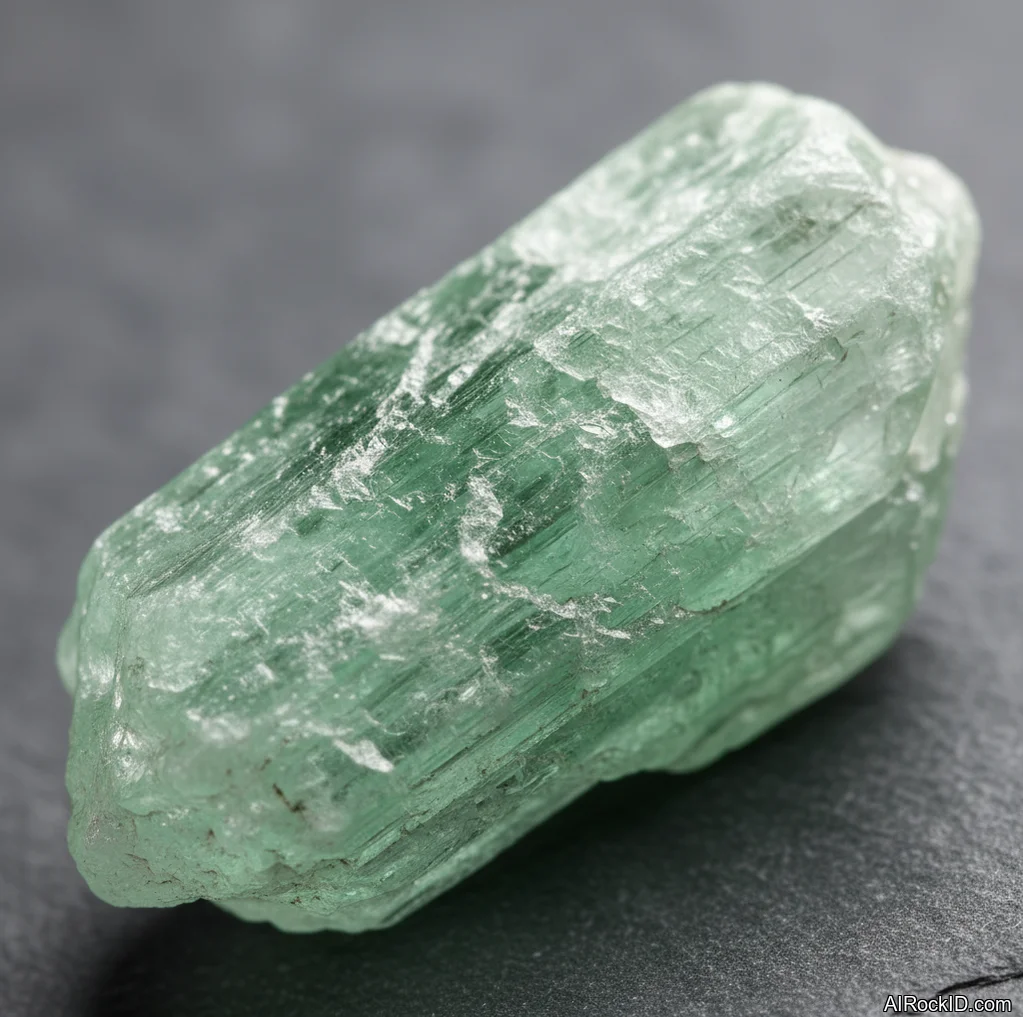
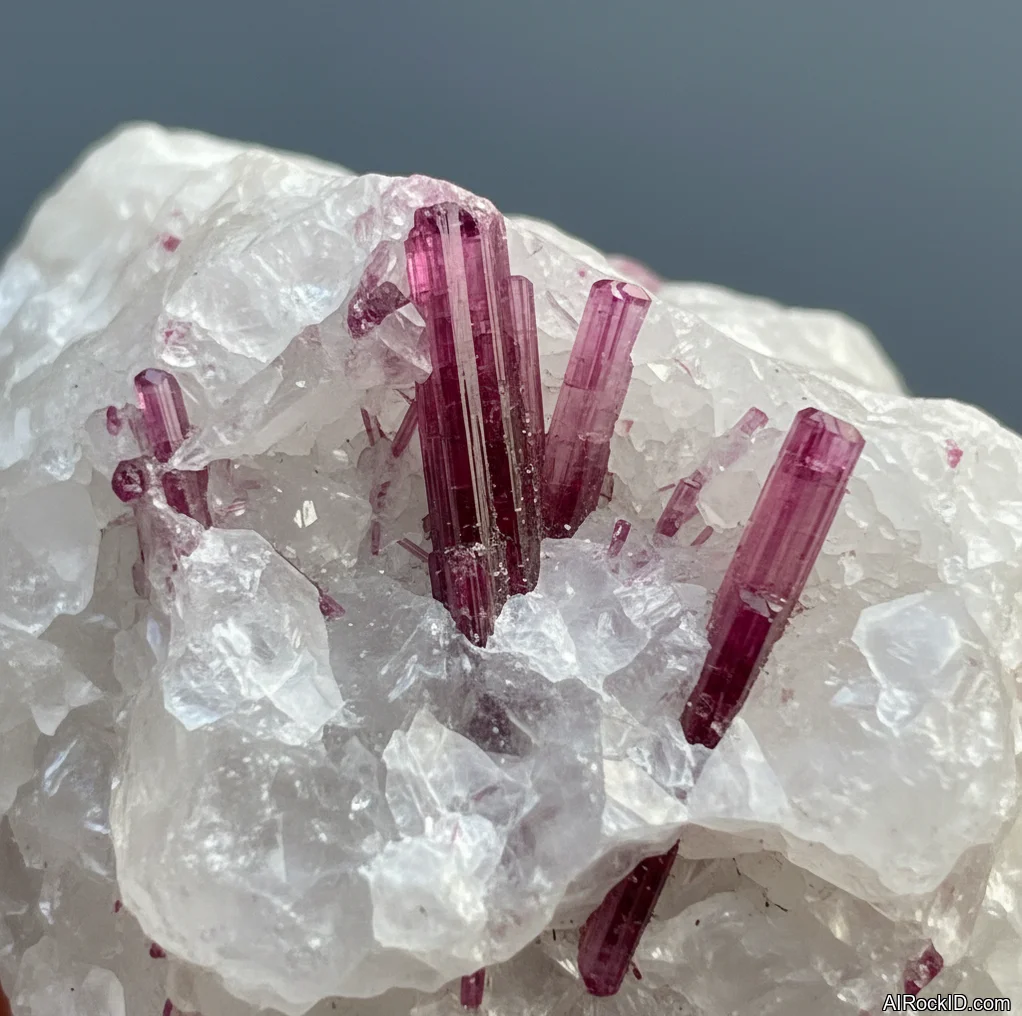
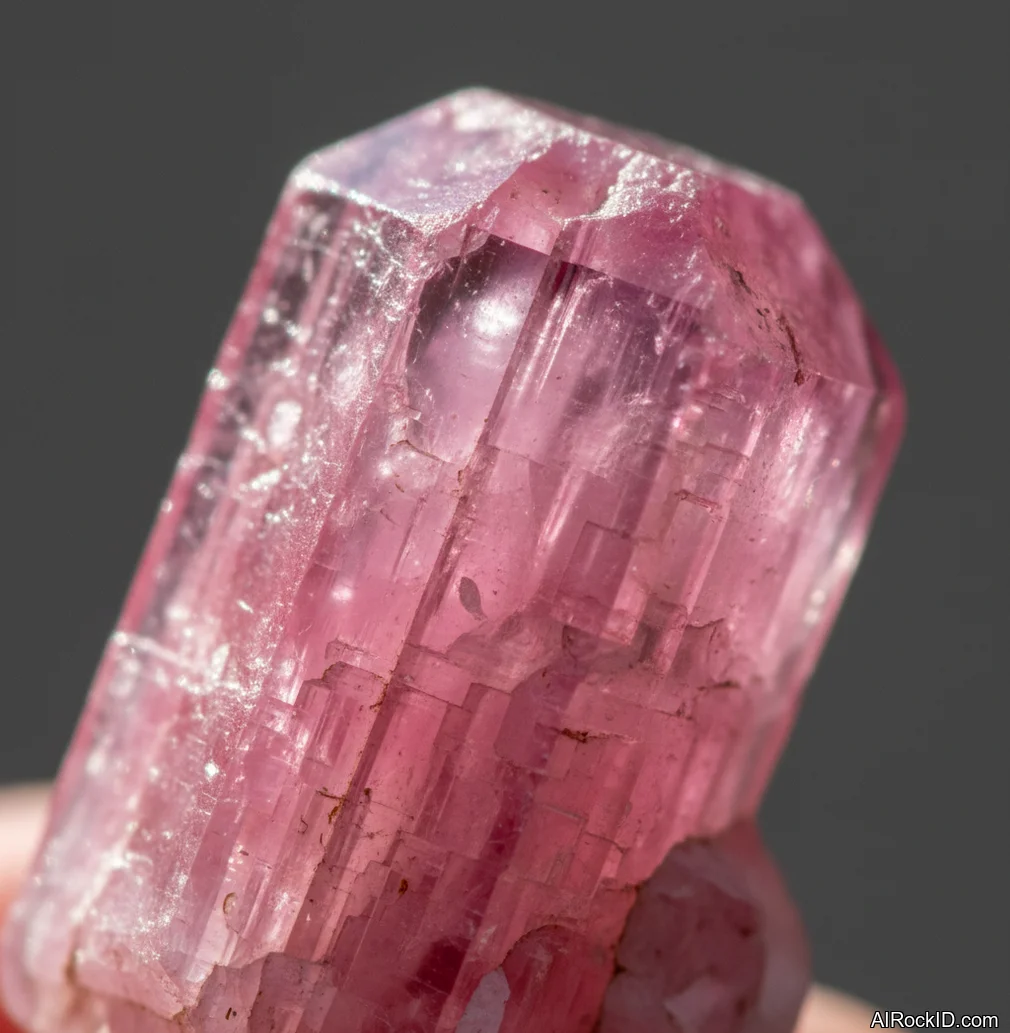
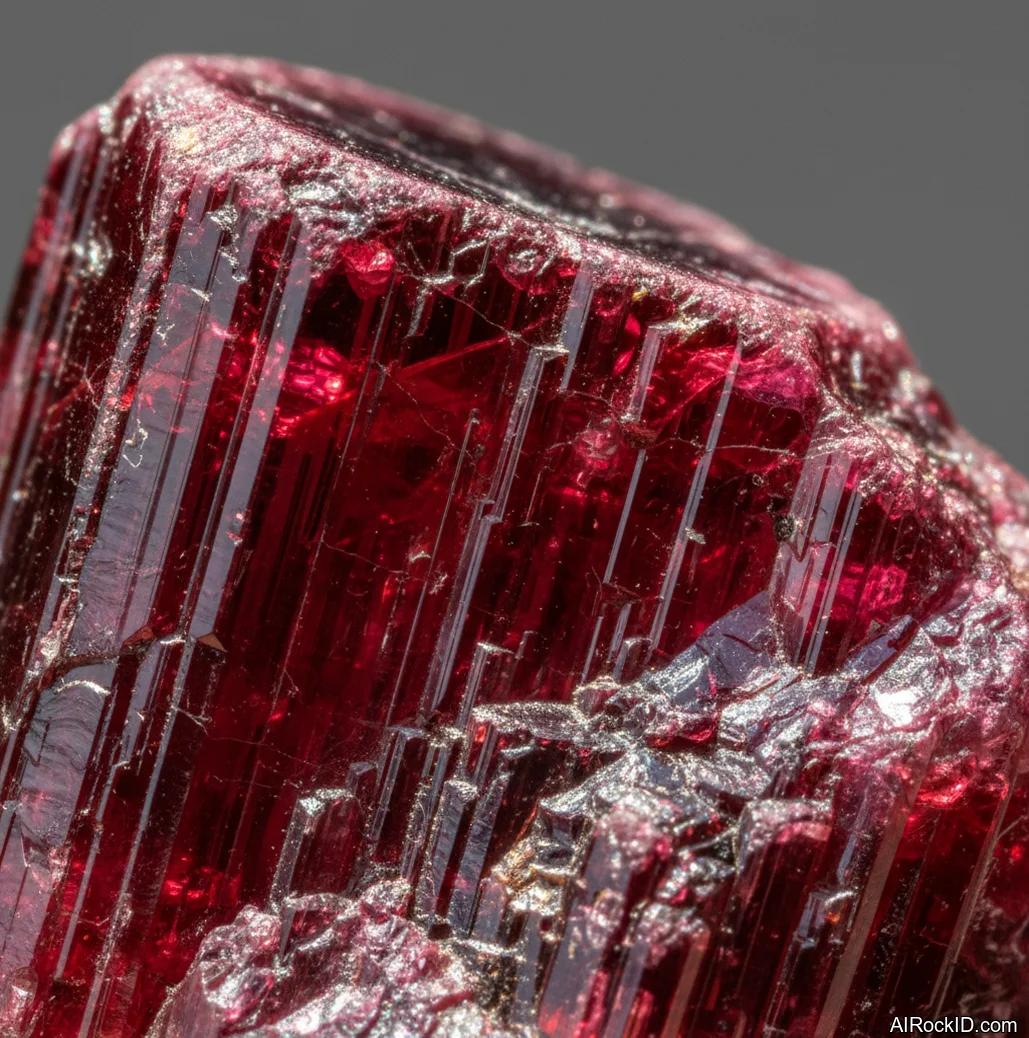
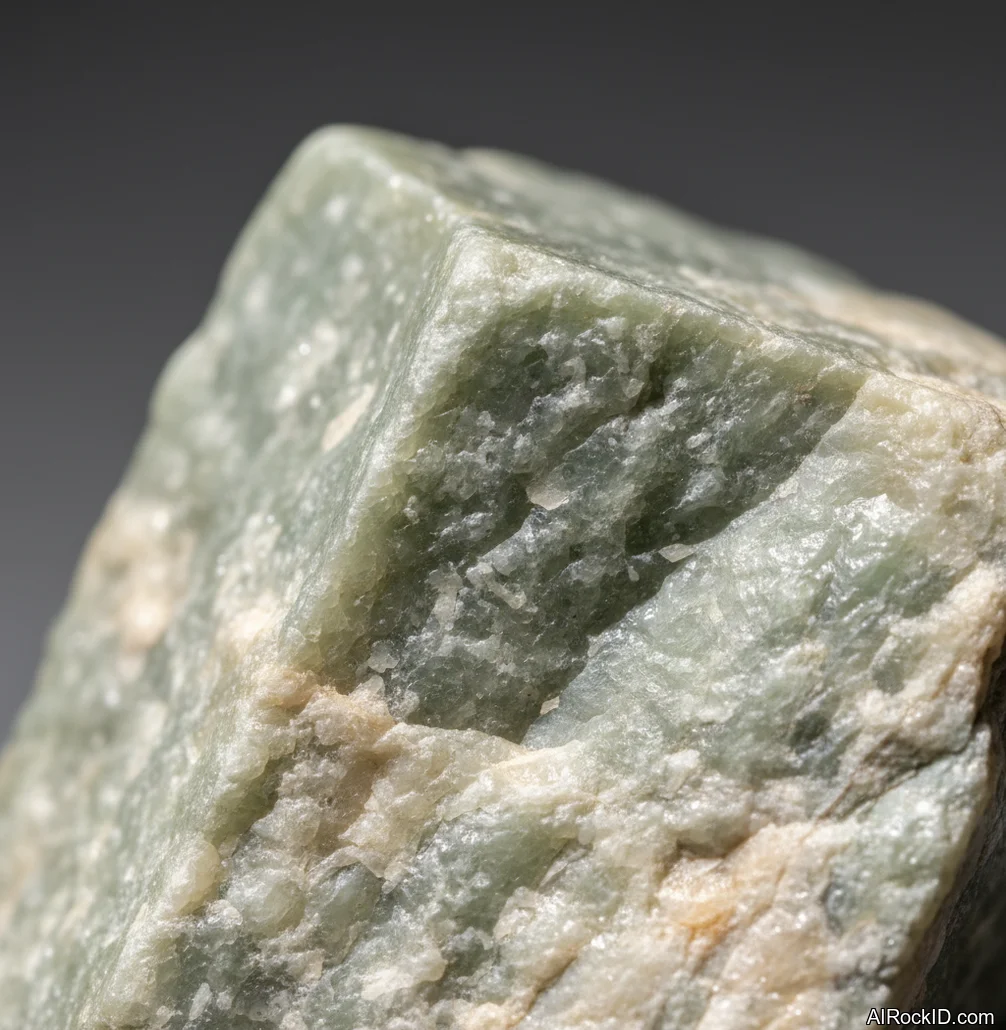
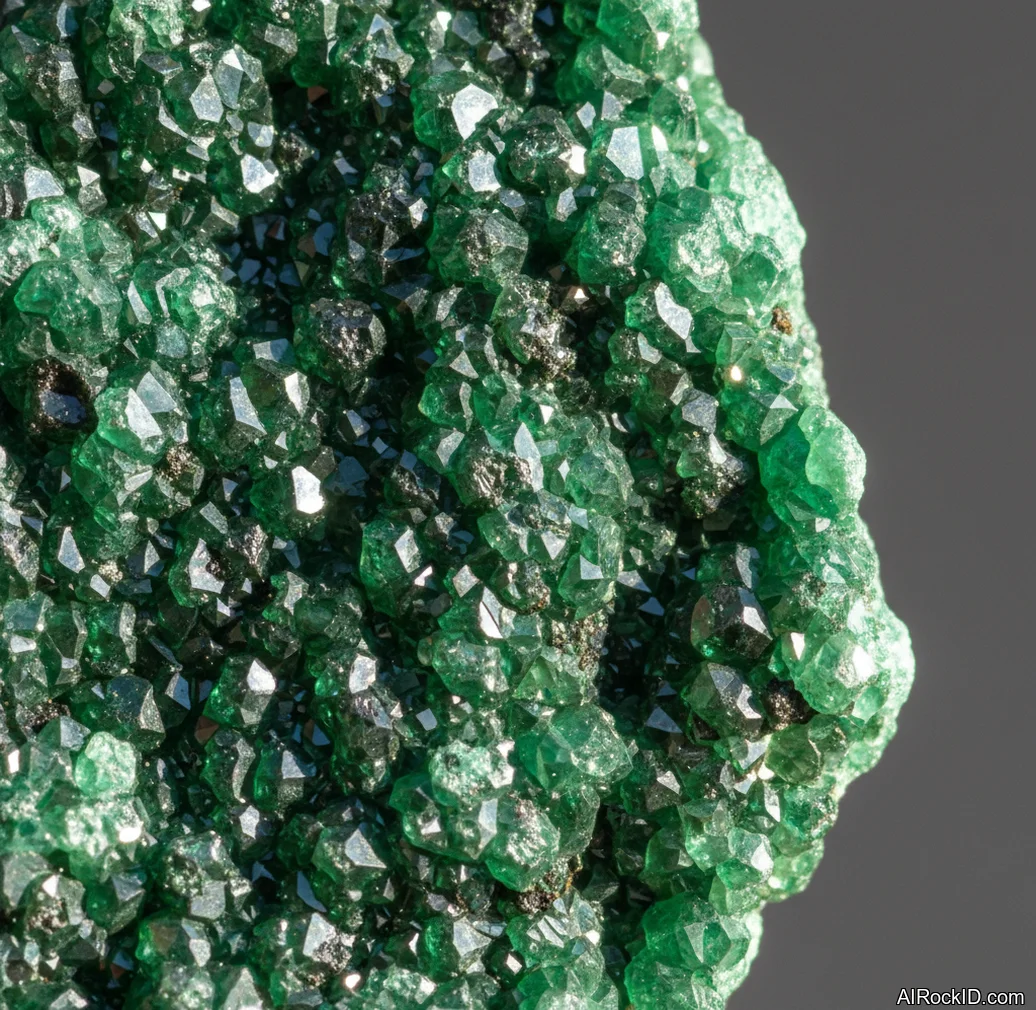
People reach for Venus crystals when life’s gotten sharp around the edges. A breakup. A dry spell. Too much work, not enough sweetness. Or they’re trying to call in something very specific: kinder communication, more ease in friendship, more comfort in their own skin. And that’s why you see the same families of stones show up again and again: pinks, greens, soft blues, plus anything with a gentle sheen. Rose Quartz is the headline name, sure, but it’s not the only one that fits Venus. Rhodonite gets picked when there’s real repair to do. Green Aventurine shows up when someone wants fresh starts without drama. Emerald and Jade get pulled in when the “Venus” request is really about devotion, loyalty, and long-term value.
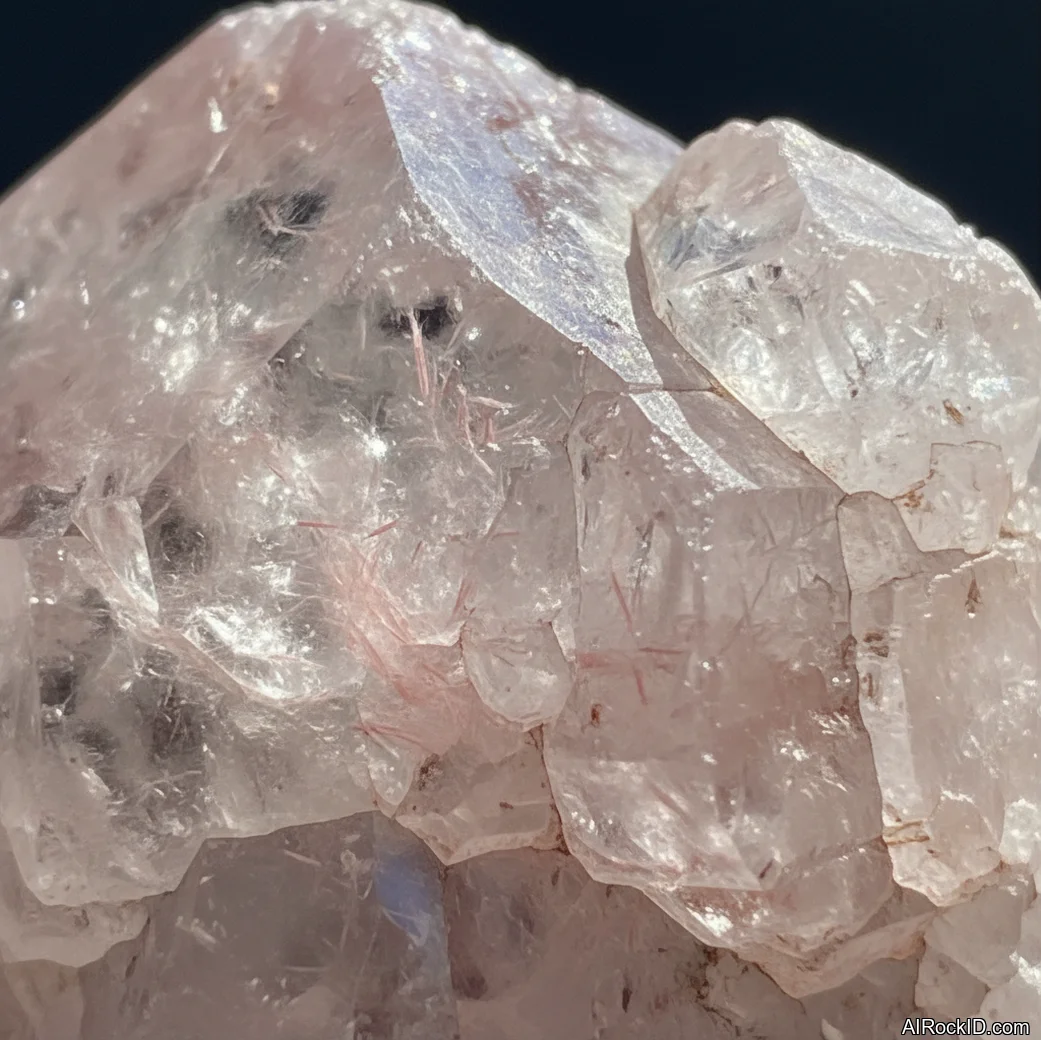
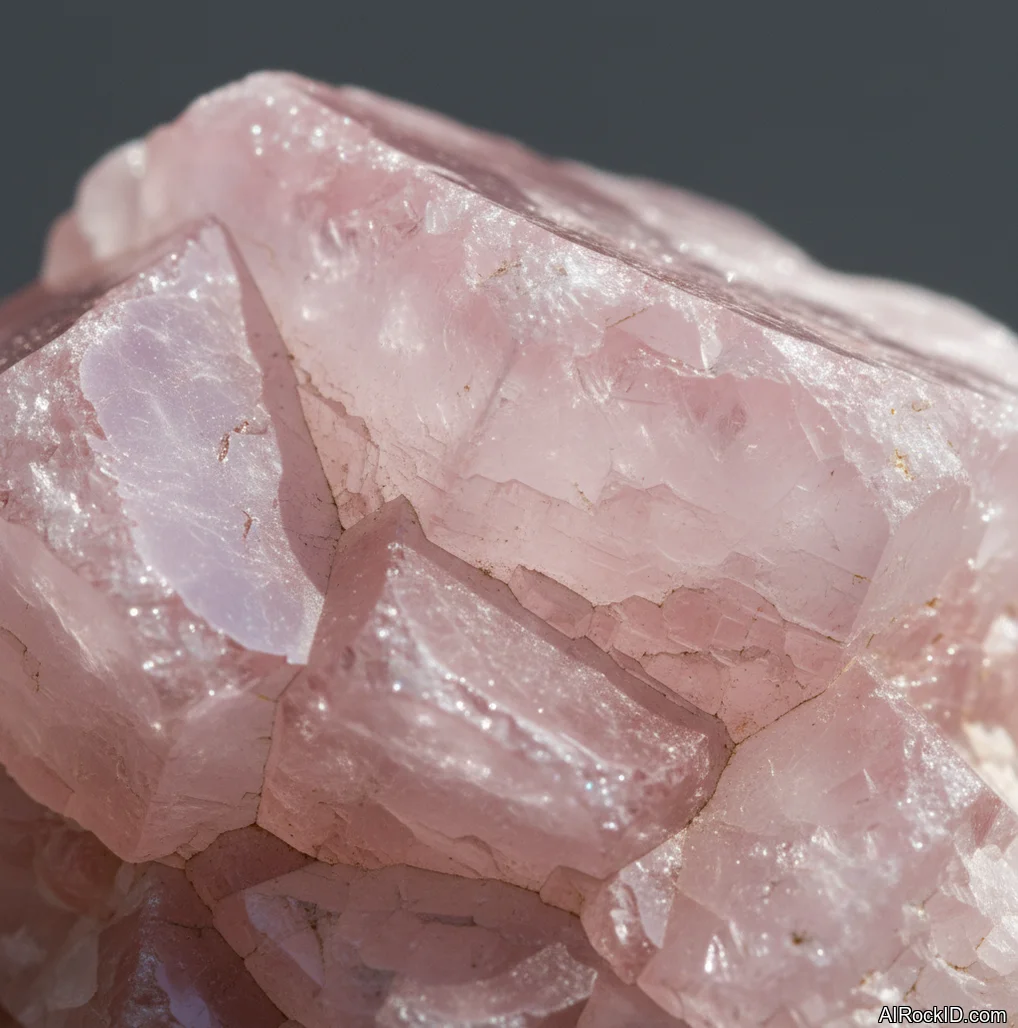
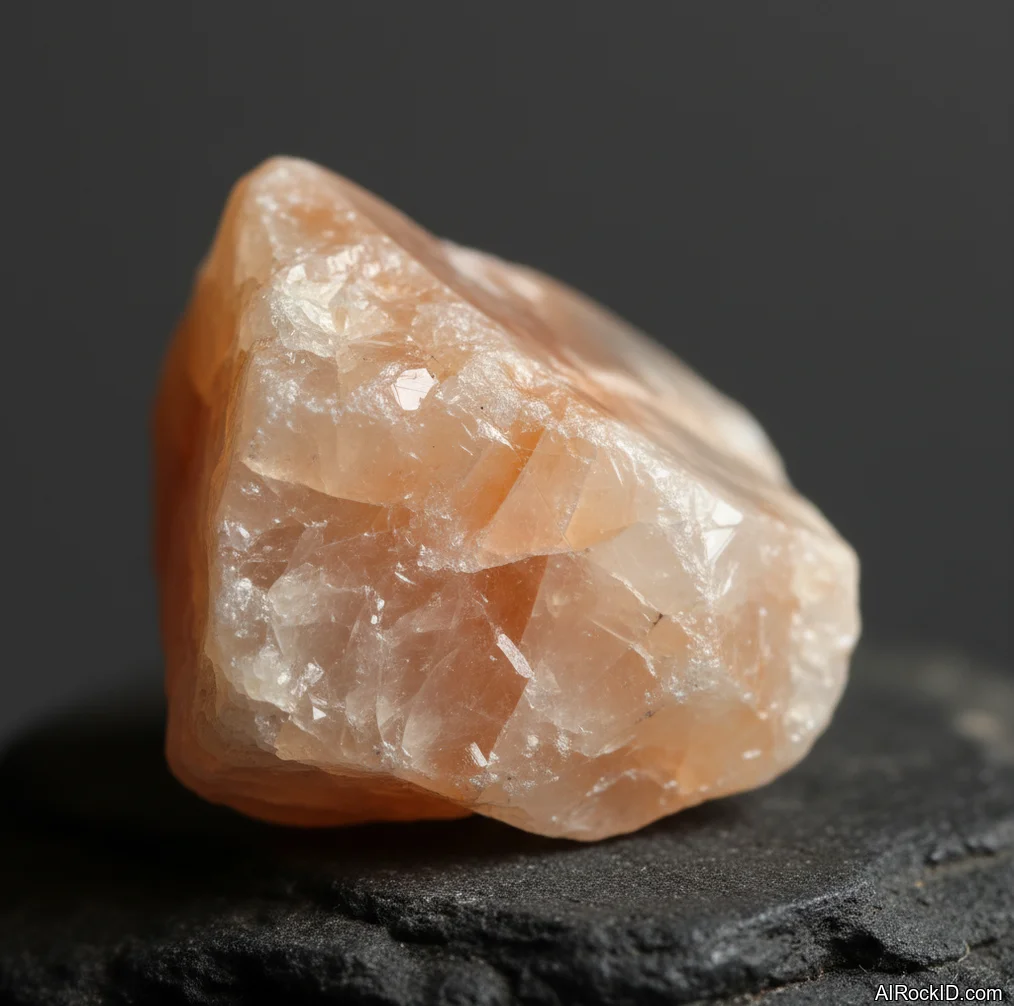
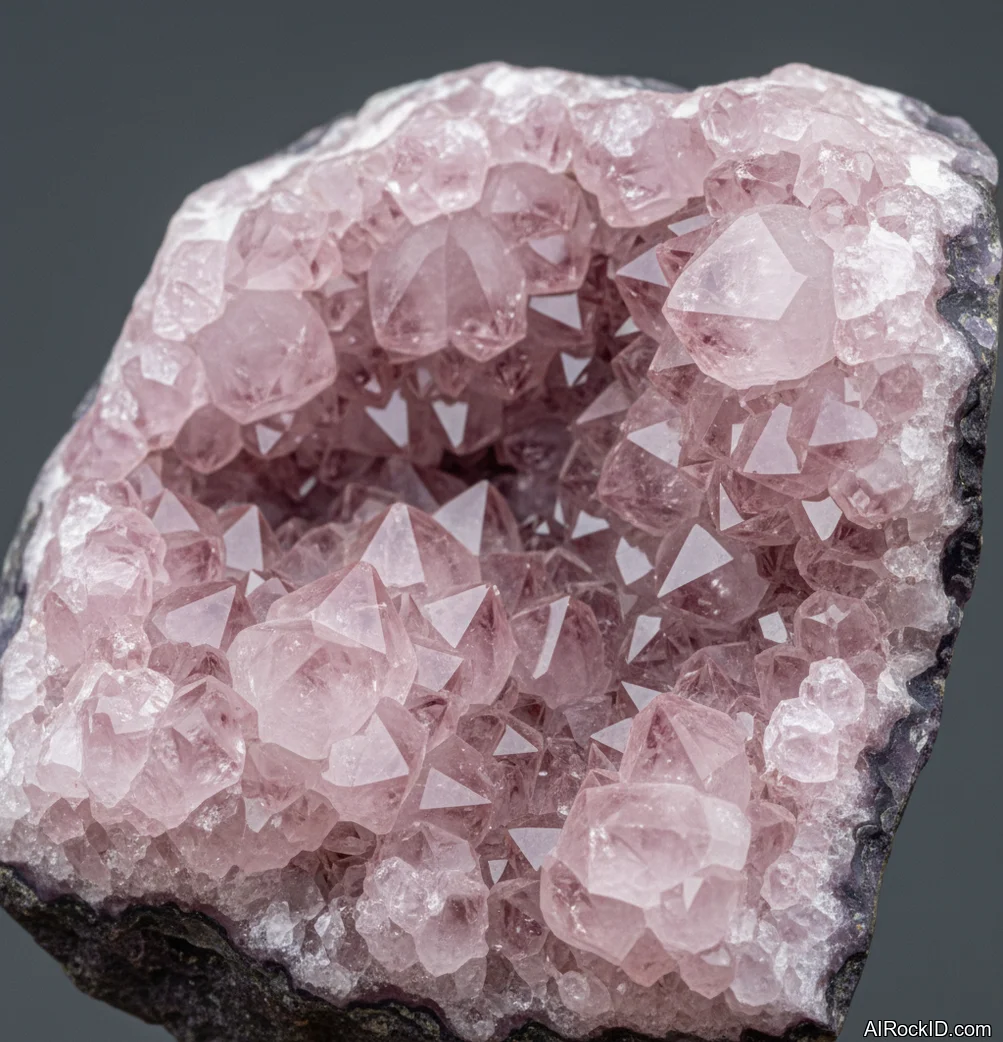
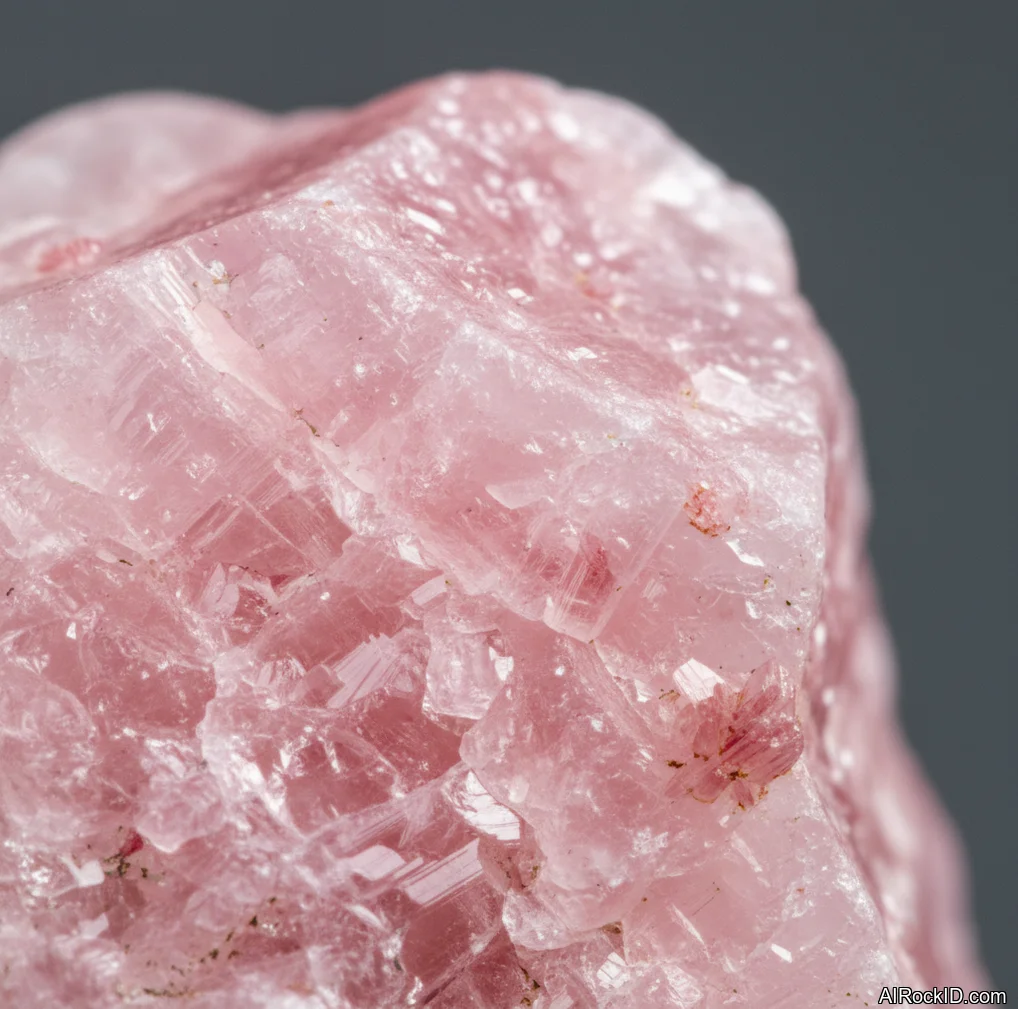
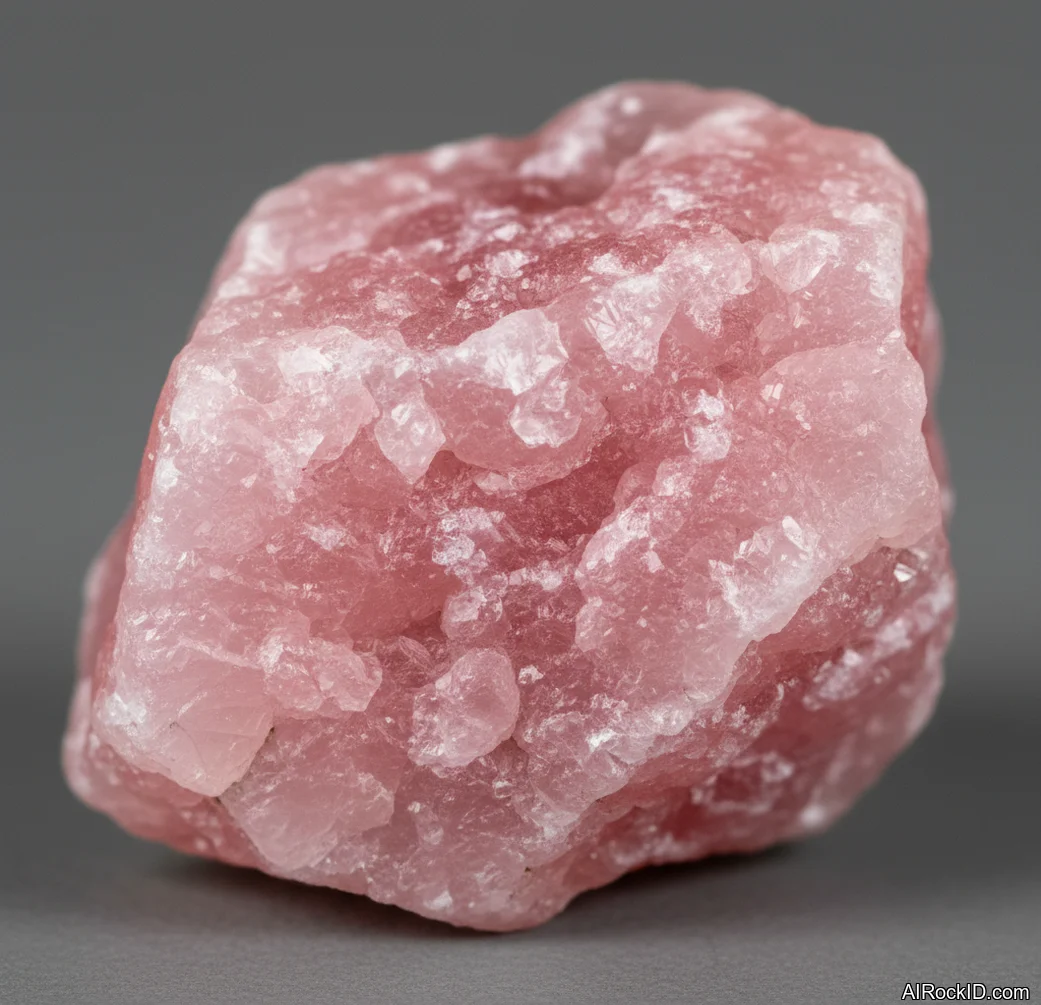
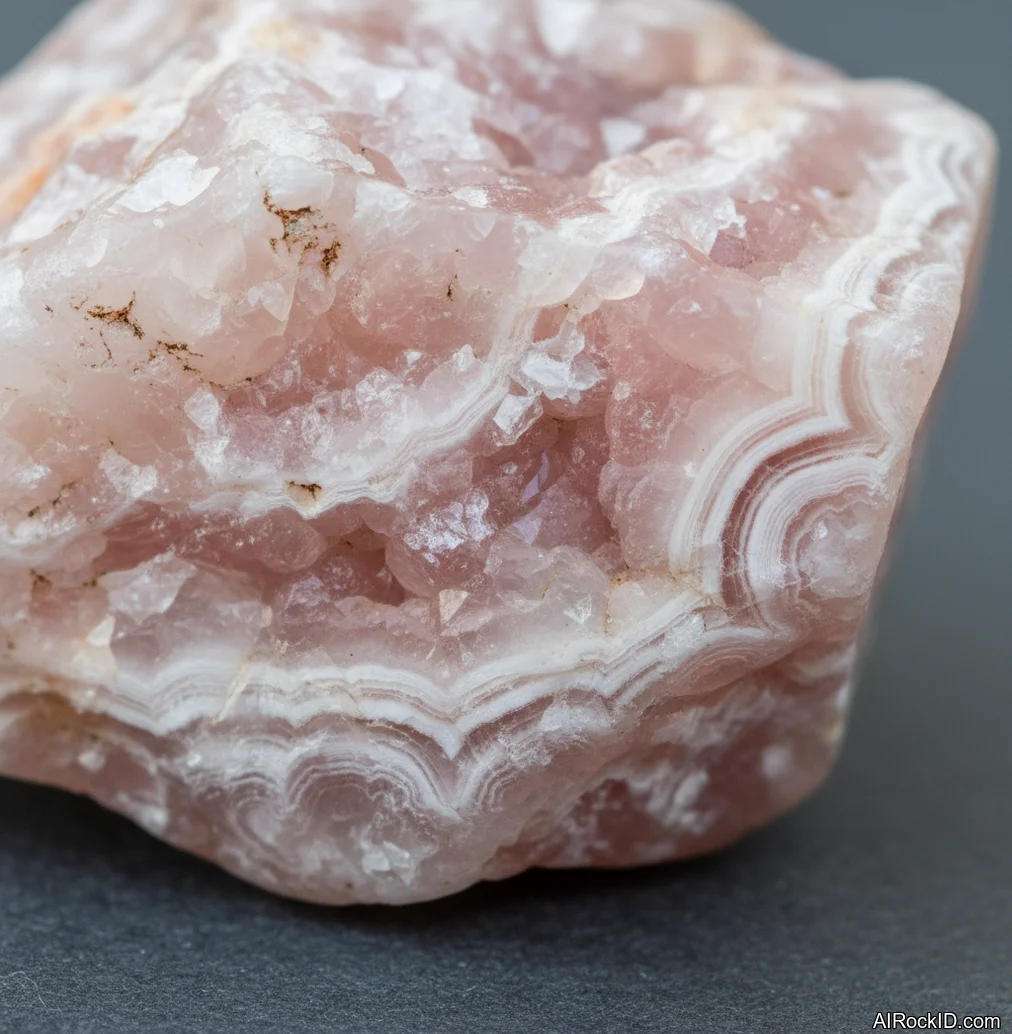
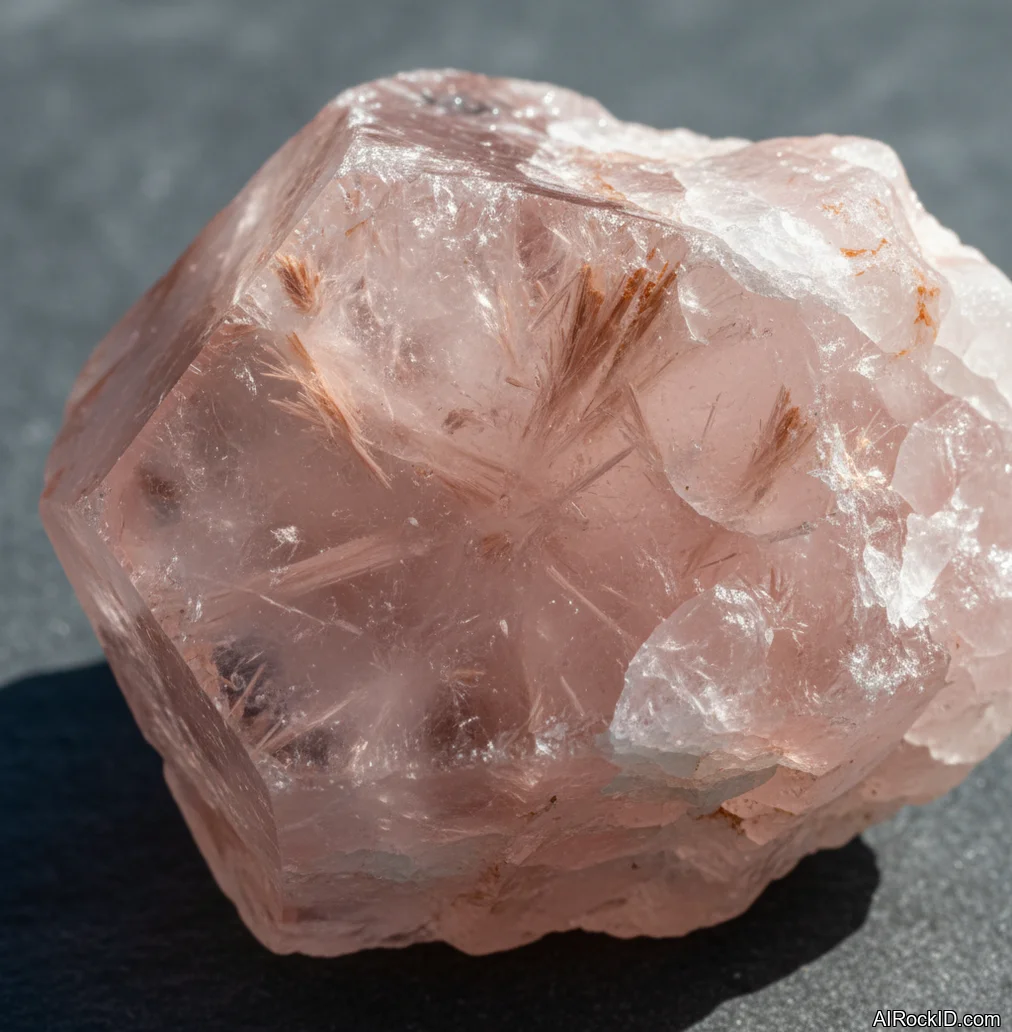
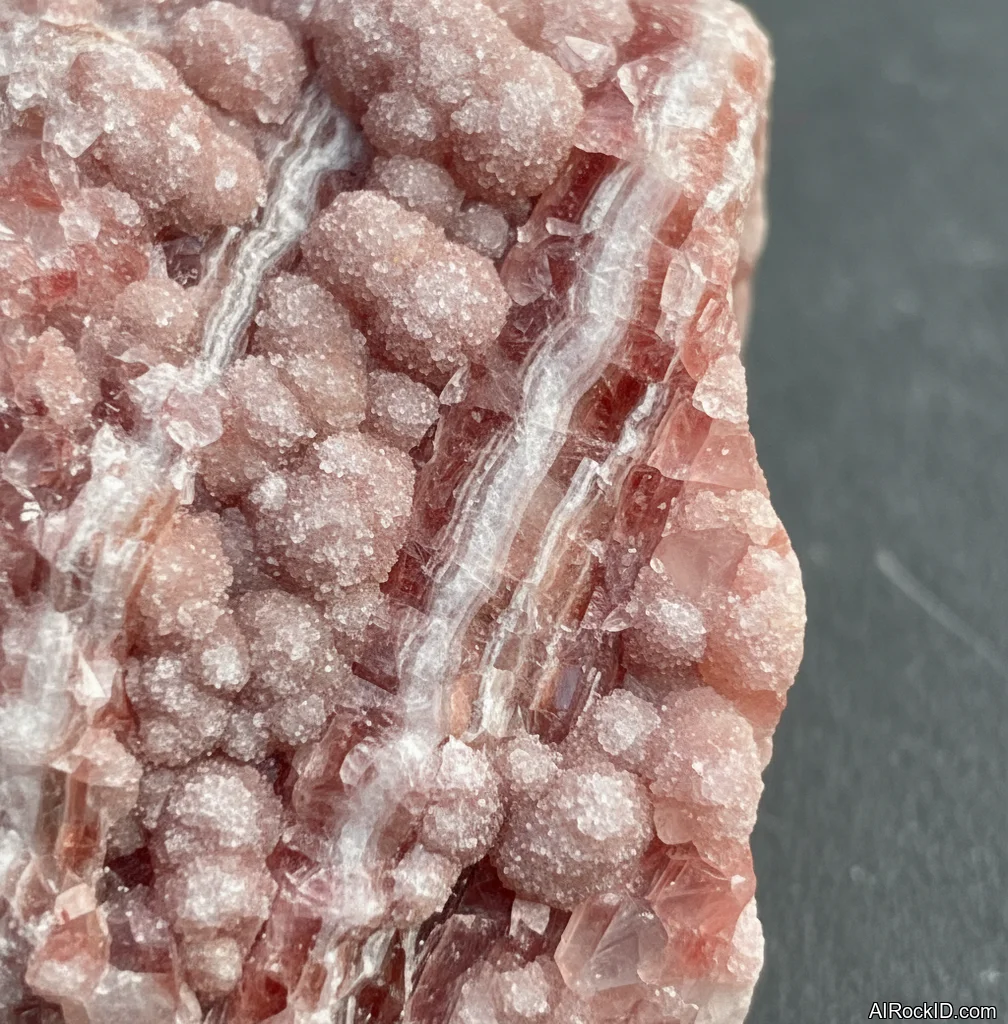
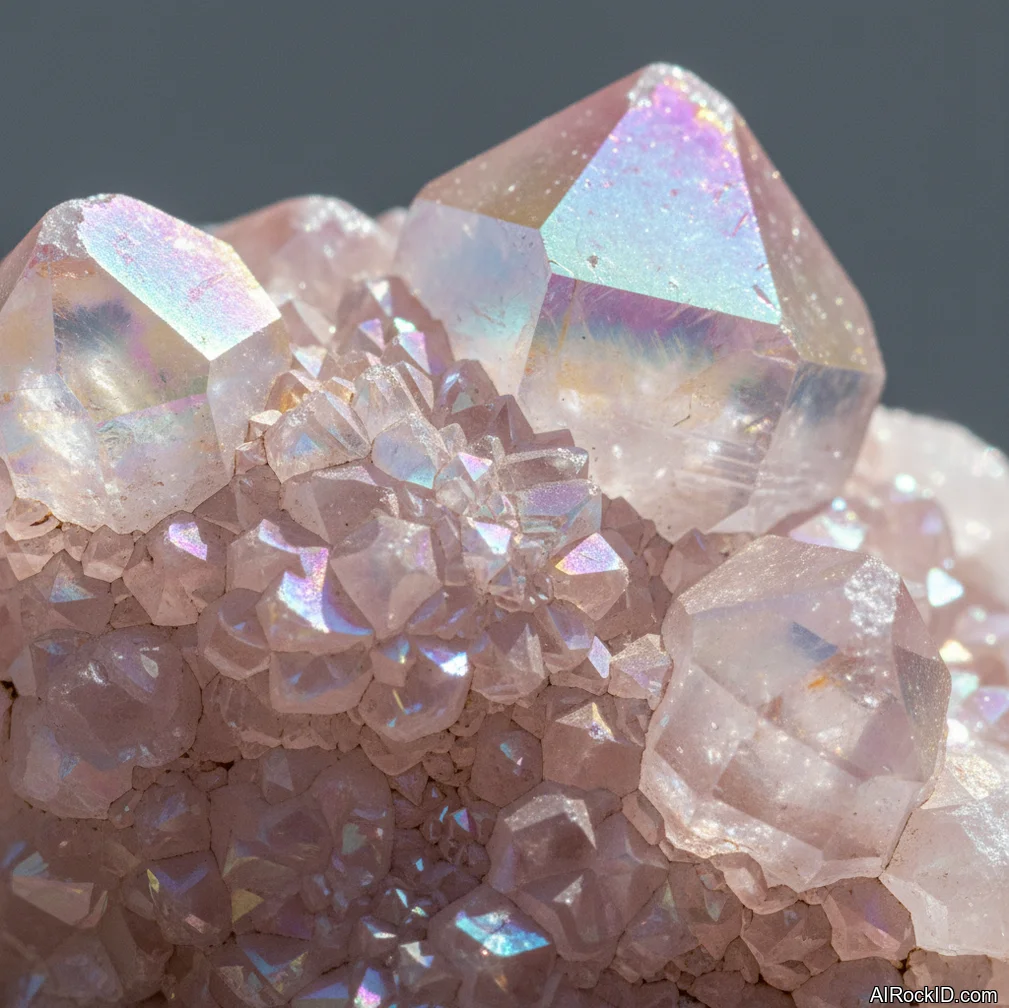
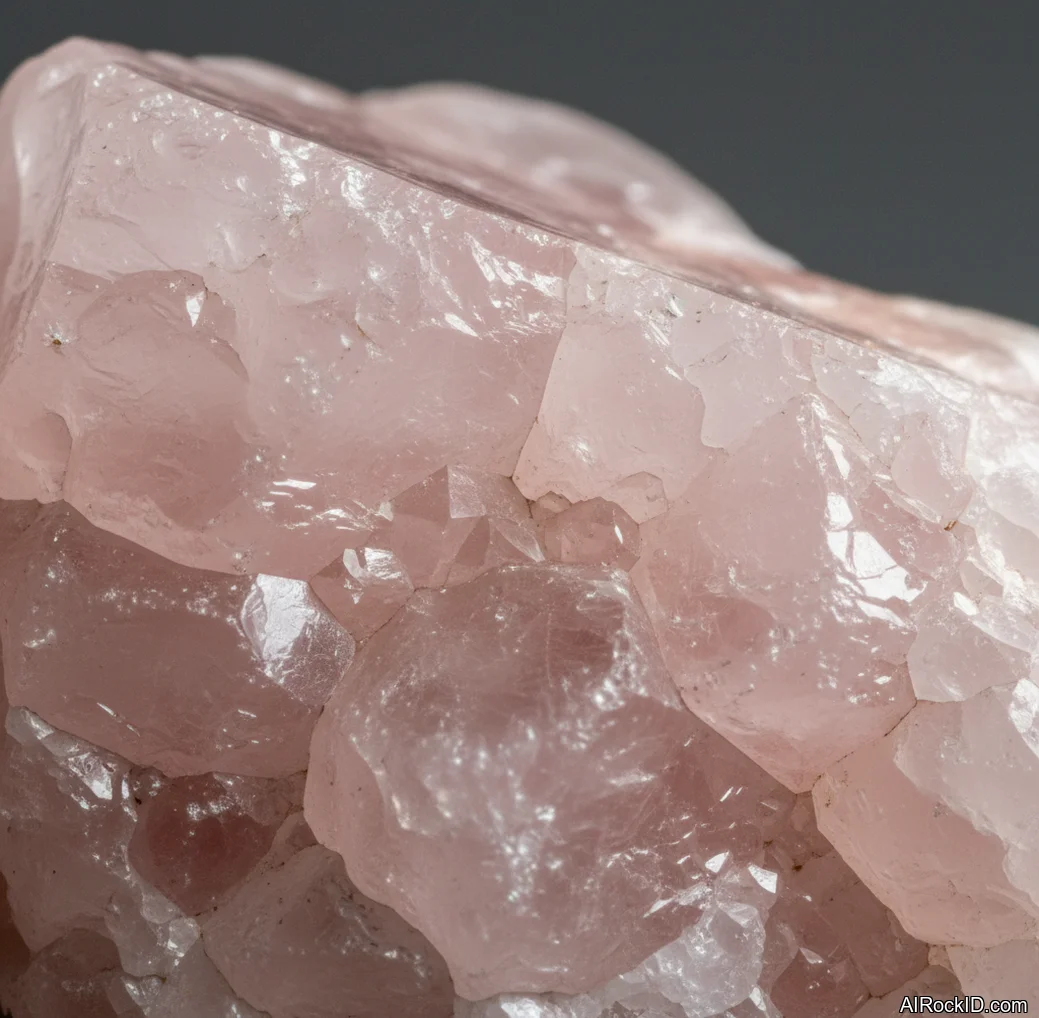
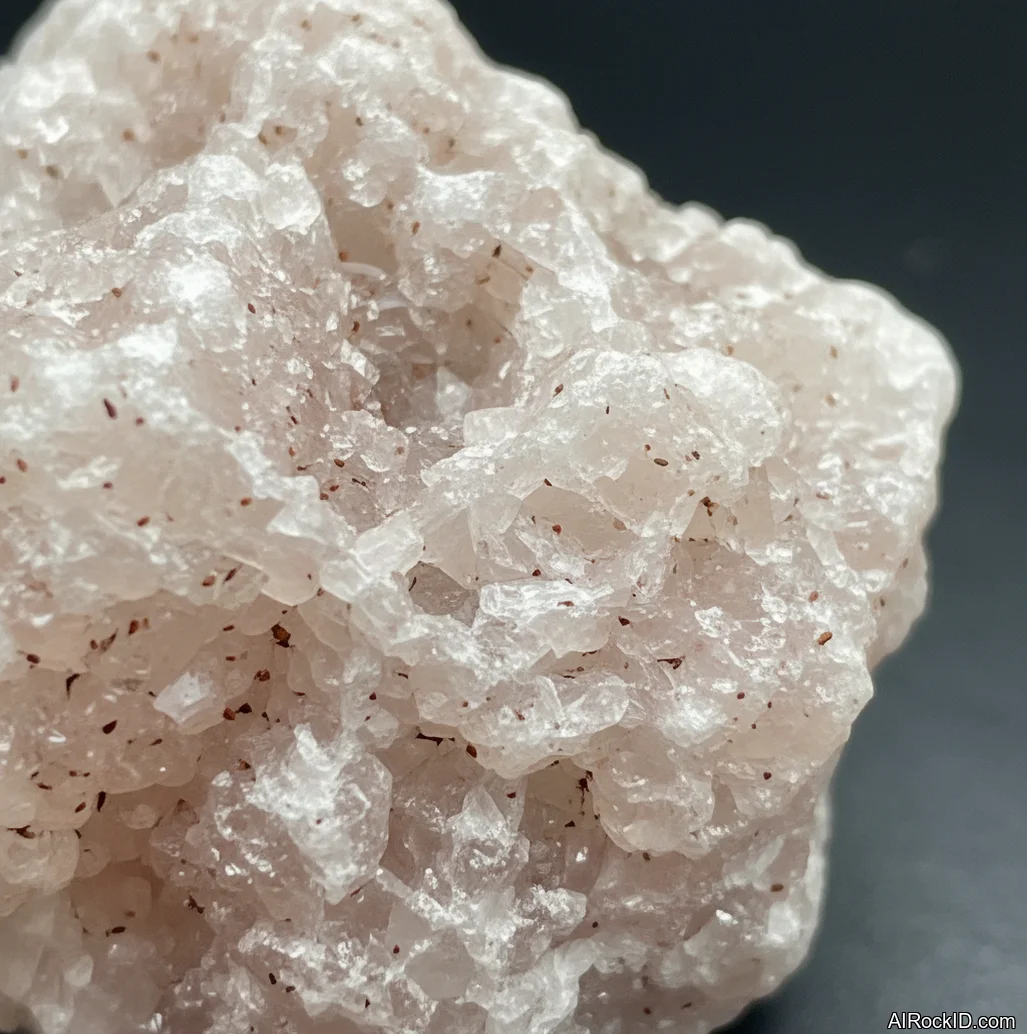
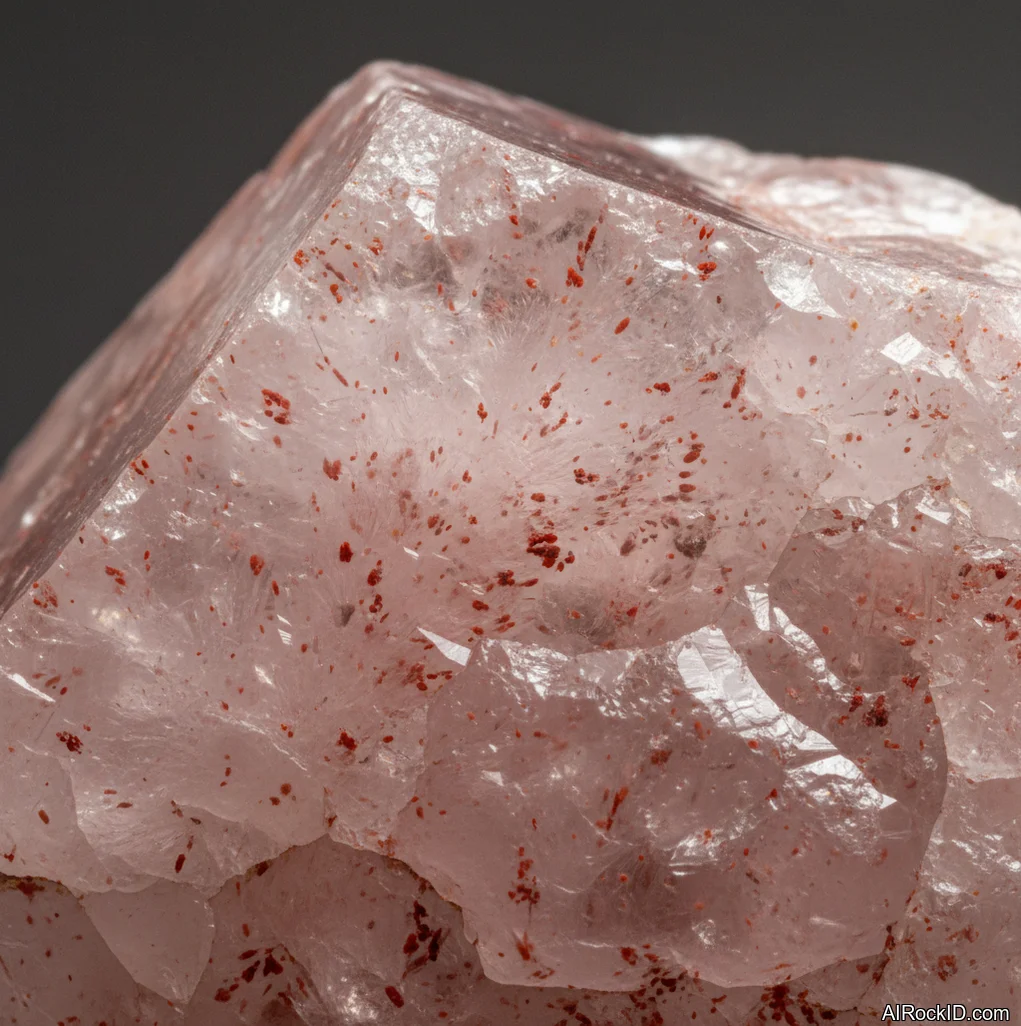
Pick up a good Rose Quartz and you’ll notice it stays cool longer than glass in the same room. The color shouldn’t look like bubblegum. I look for cloudy, milky zones and little internal veils that catch light when you rotate it (that’s the good stuff). Most of what’s on the market is Madagascar material, and it often has that soft, sugar-pink body color that reads calm instead of loud. Higher grade can get pricier fast, but you don’t need museum quality to work with it. But if you see a perfectly uniform neon pink tower, be skeptical. Dye is common, and the color tends to pool in tiny fractures.
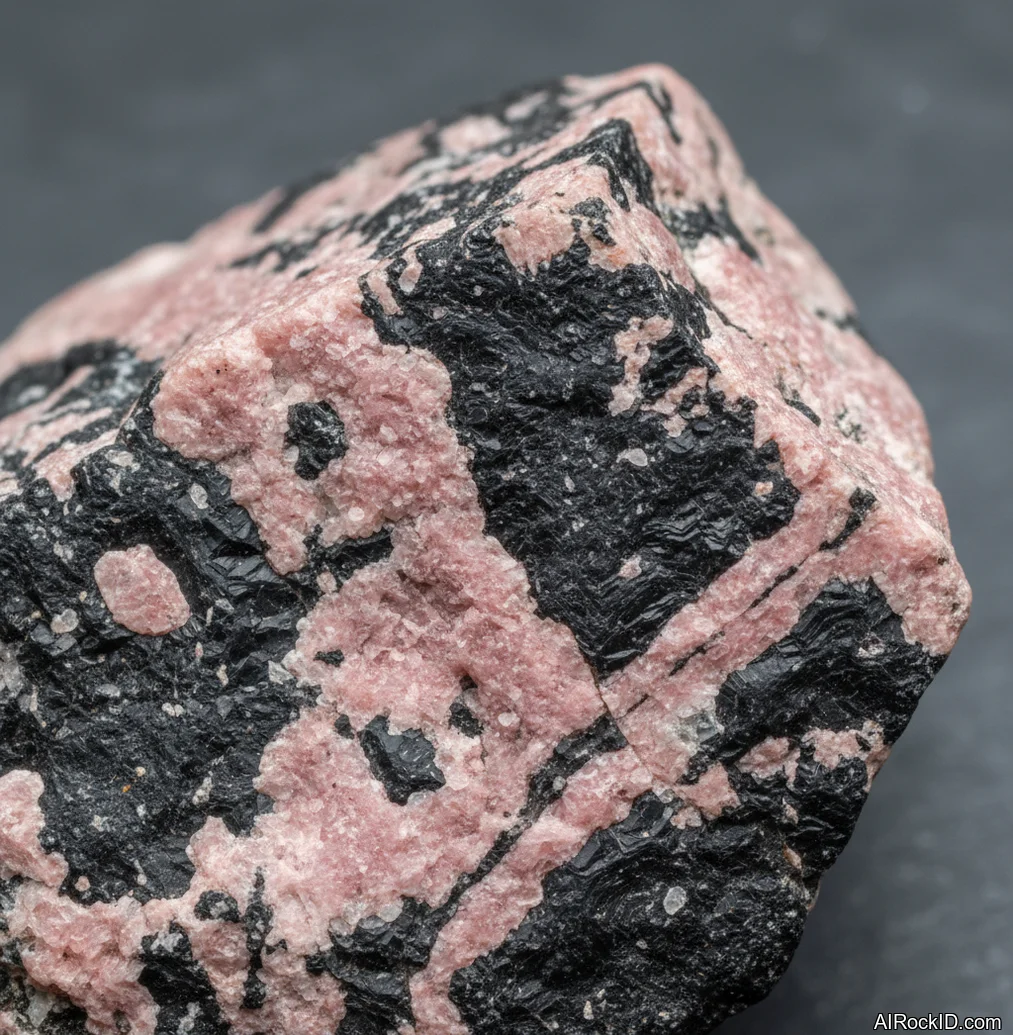
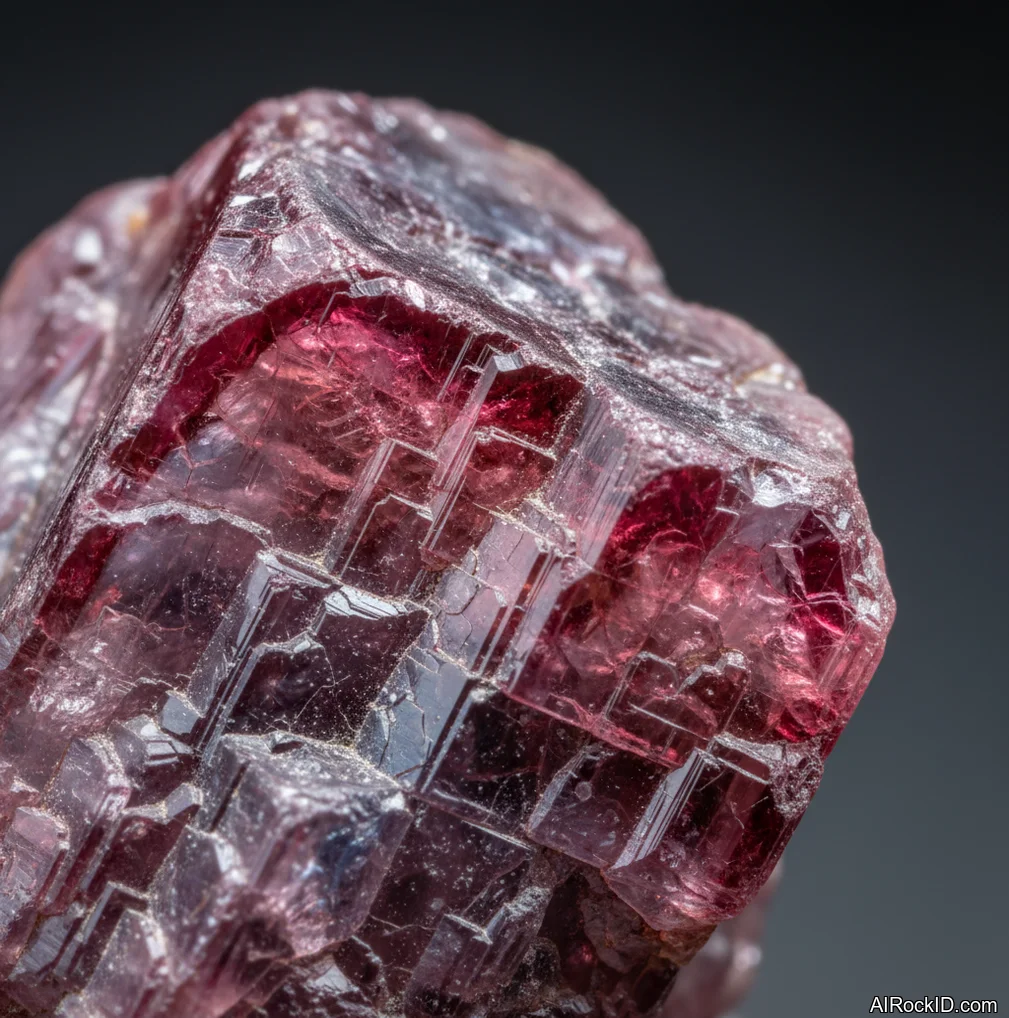
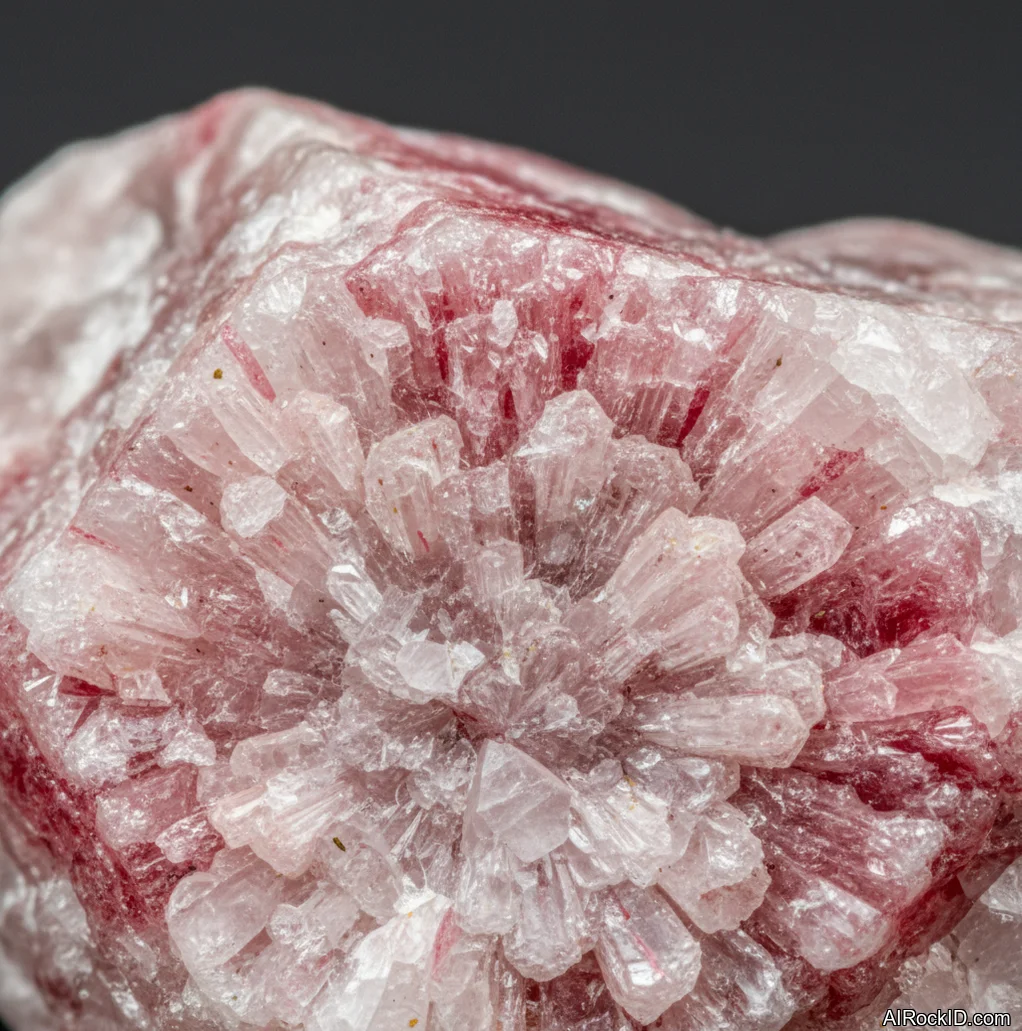
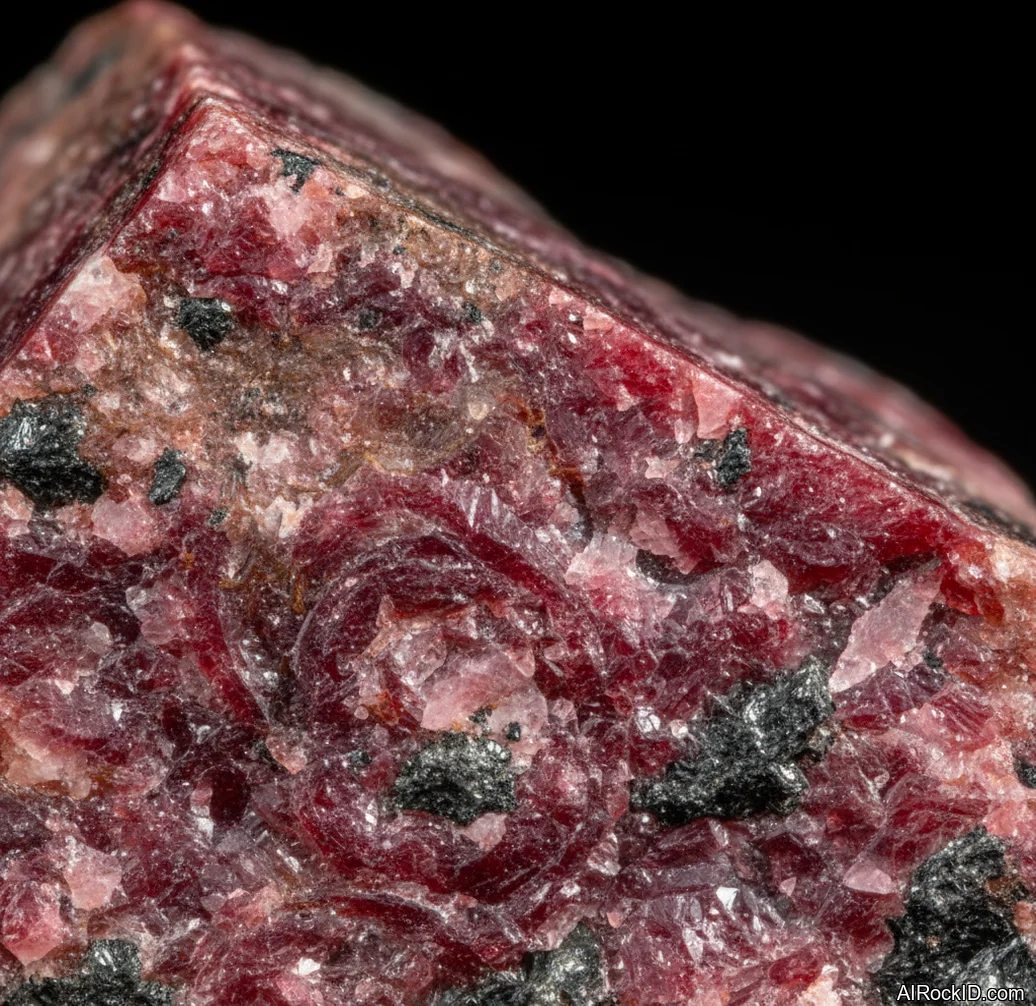
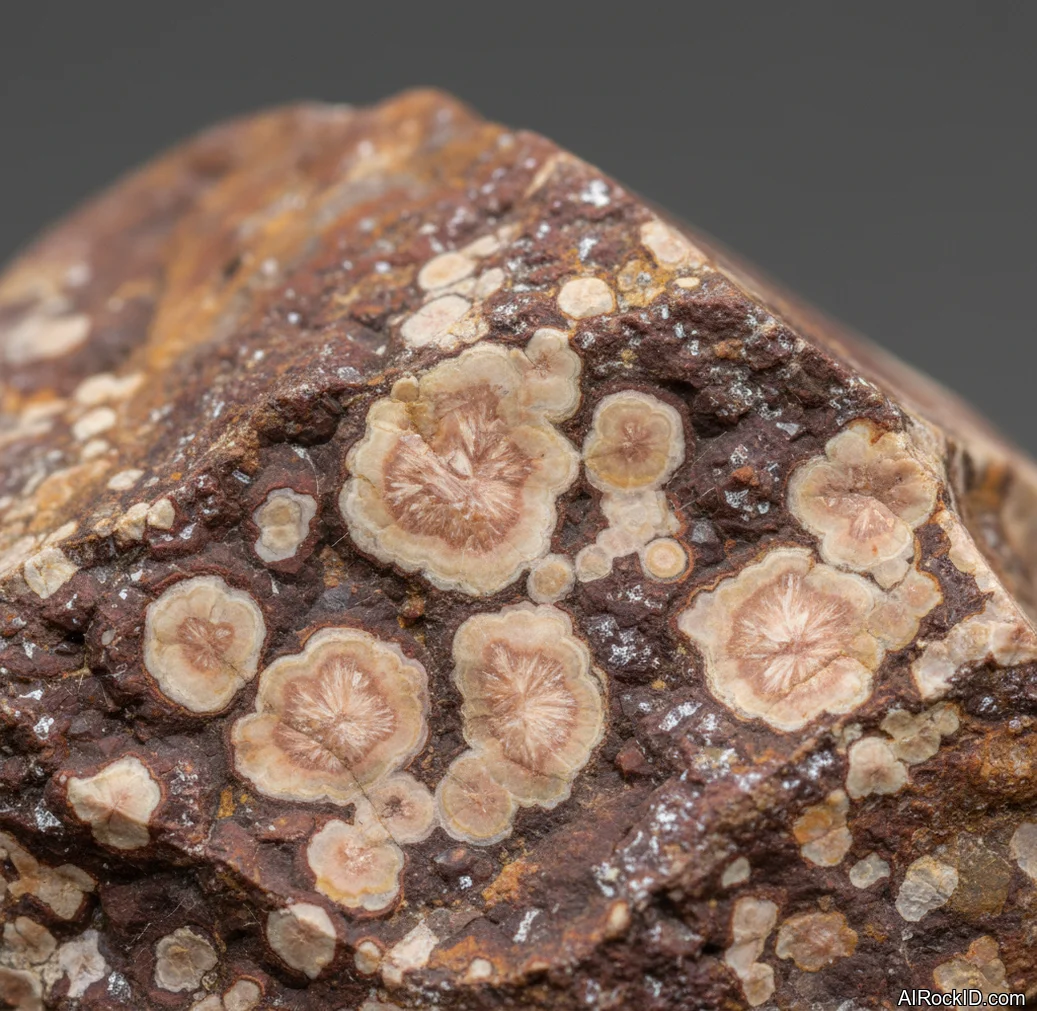
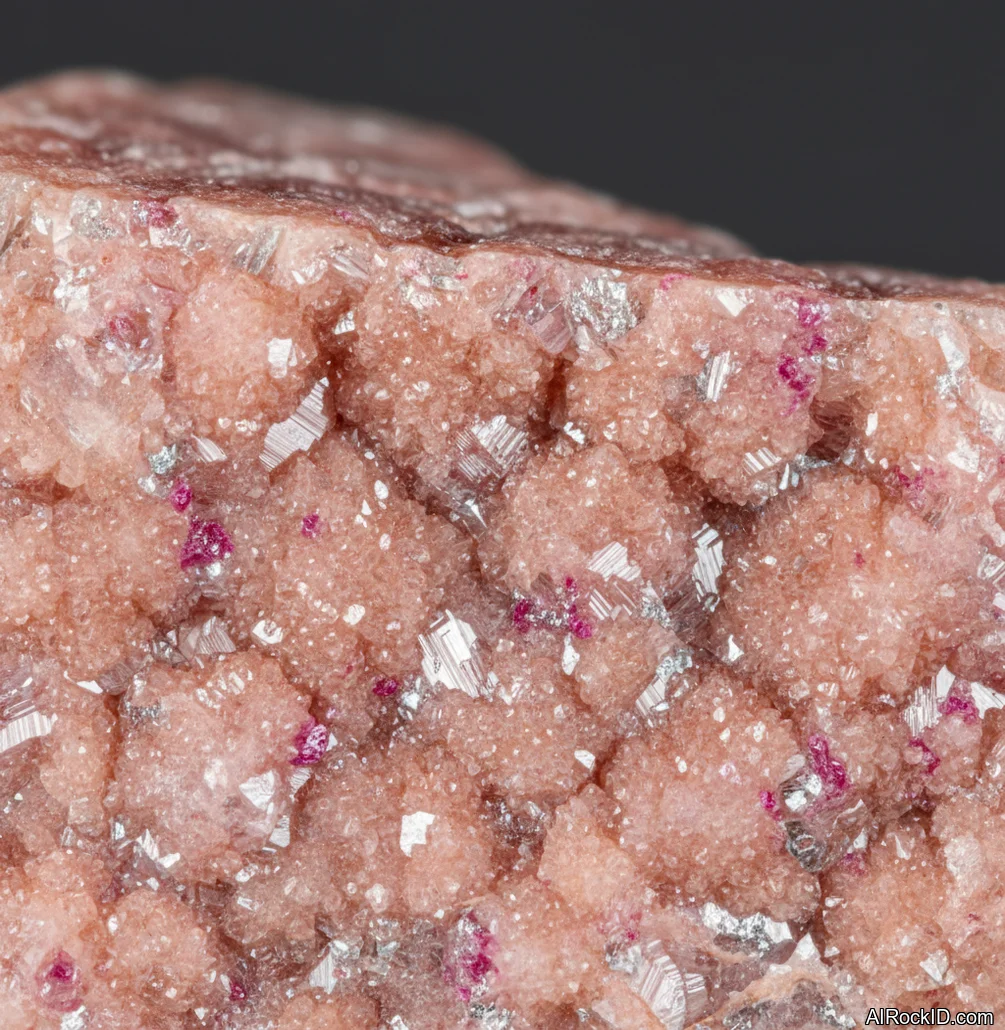
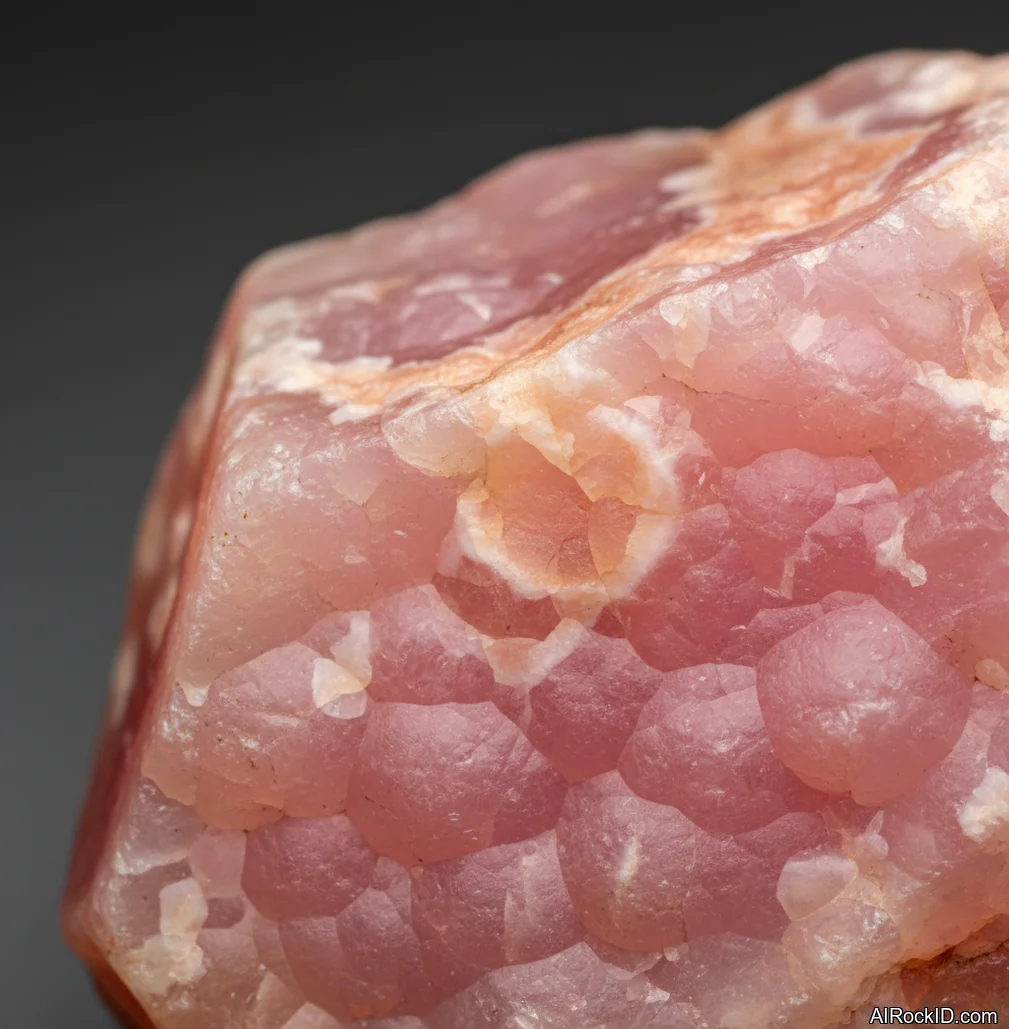
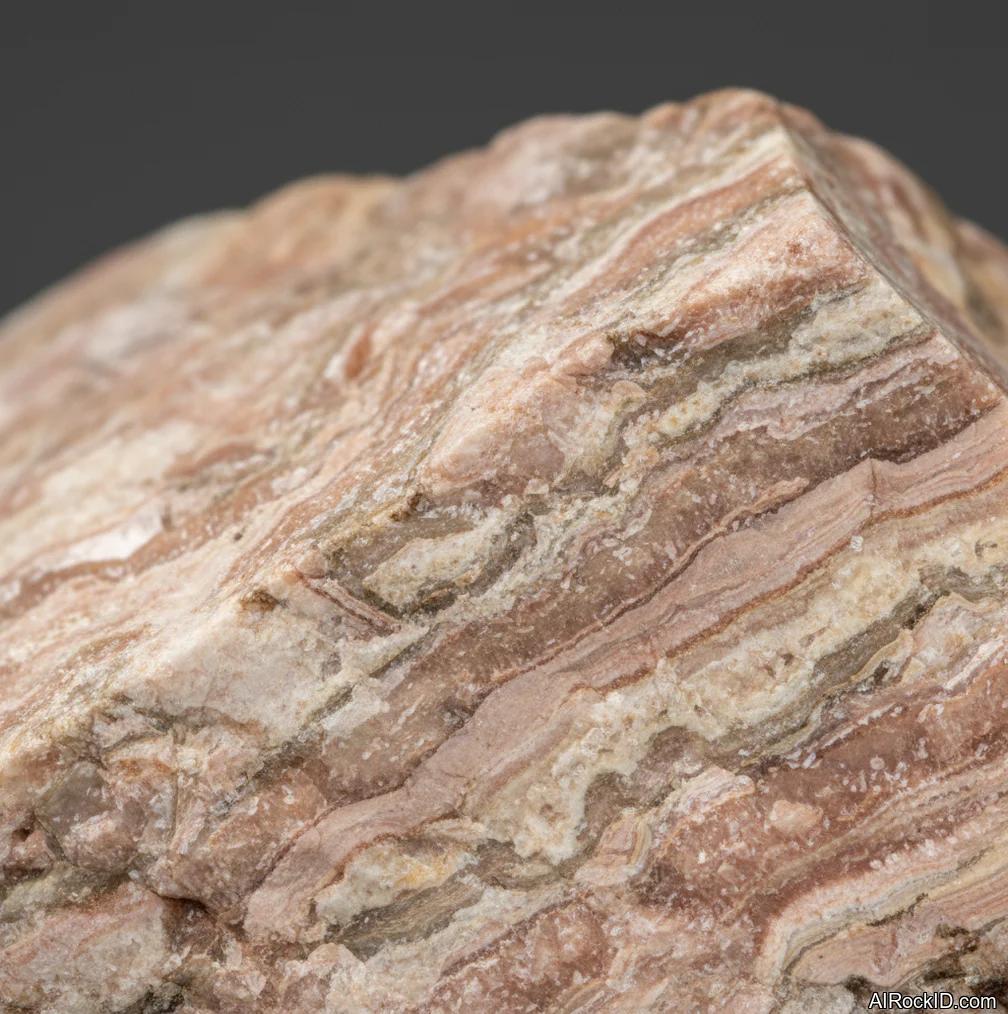
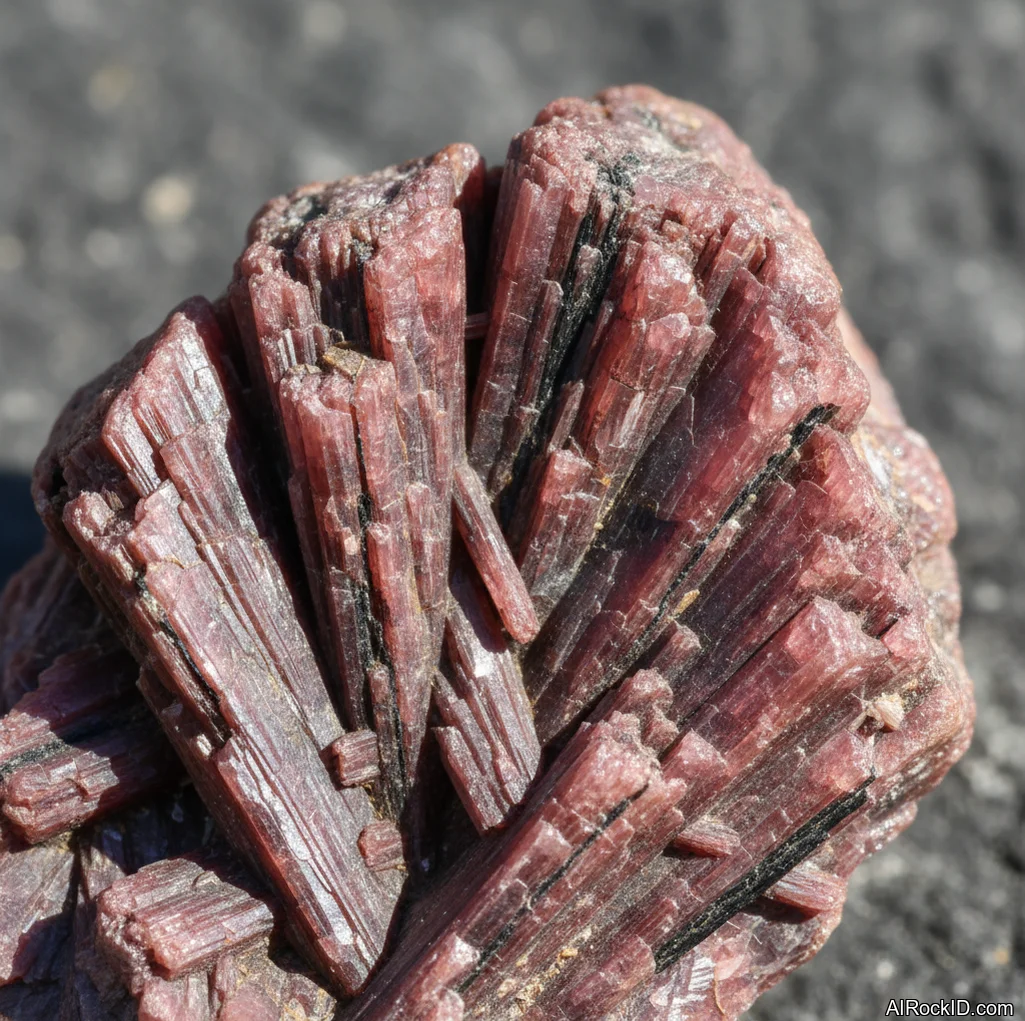
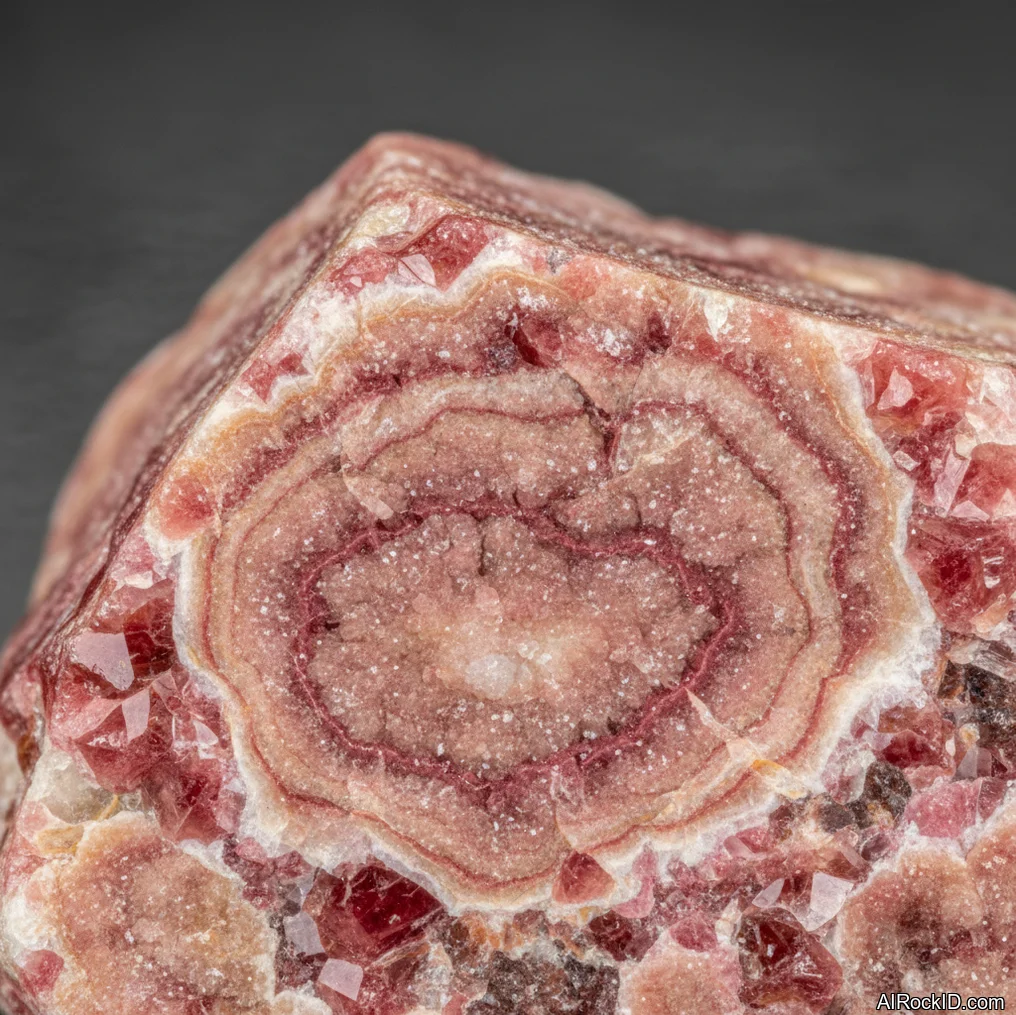
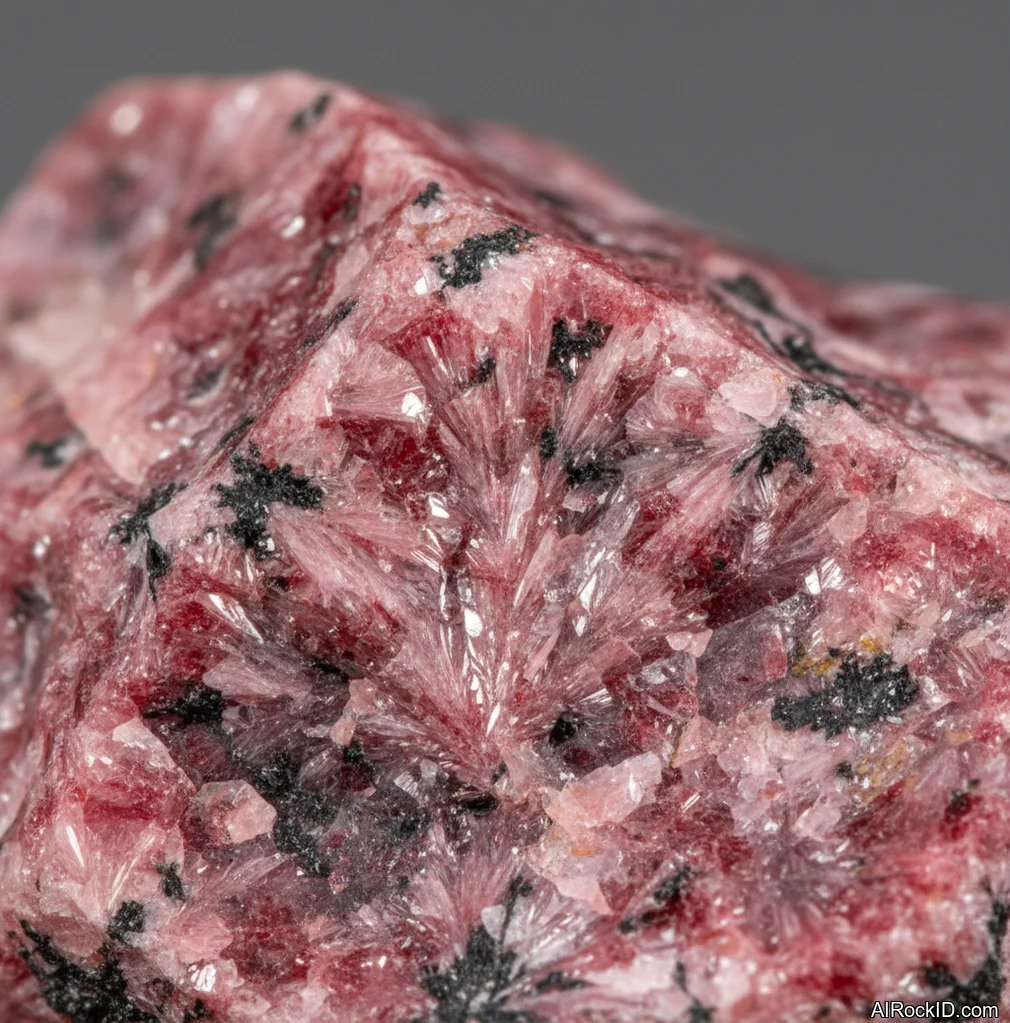
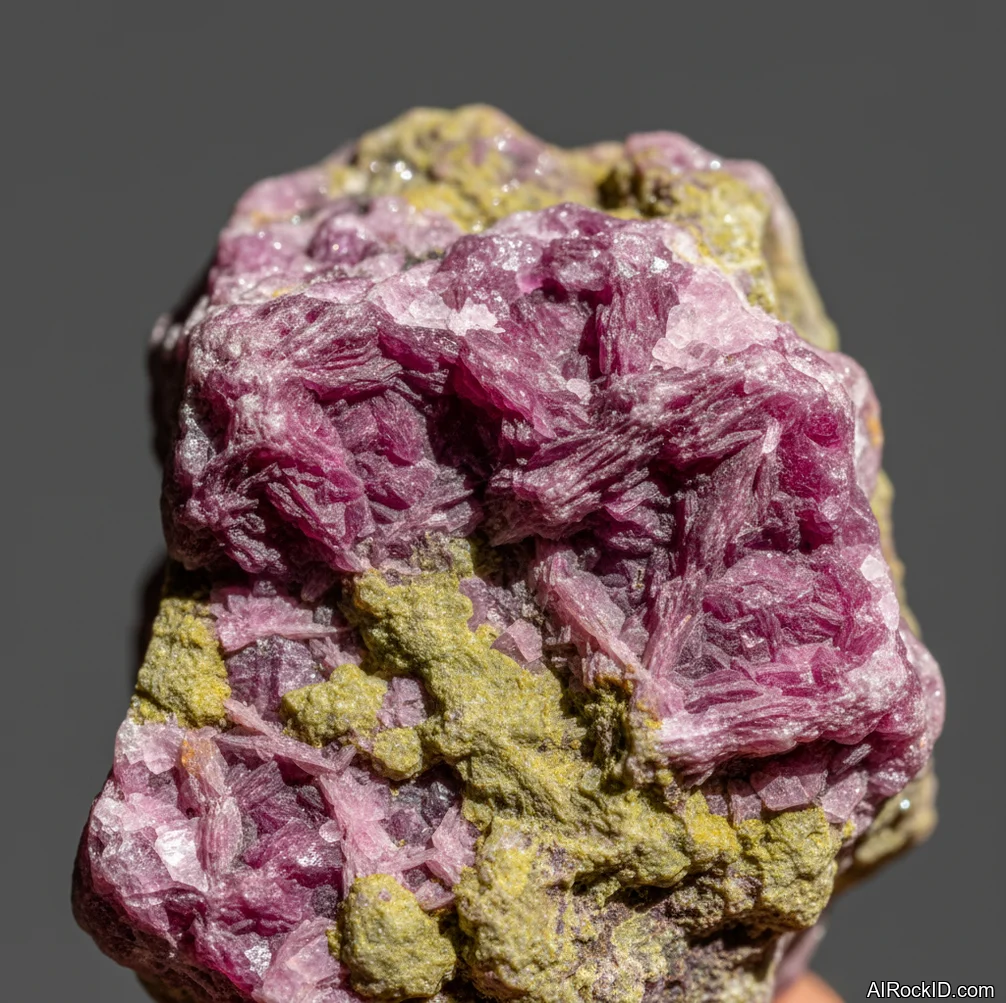
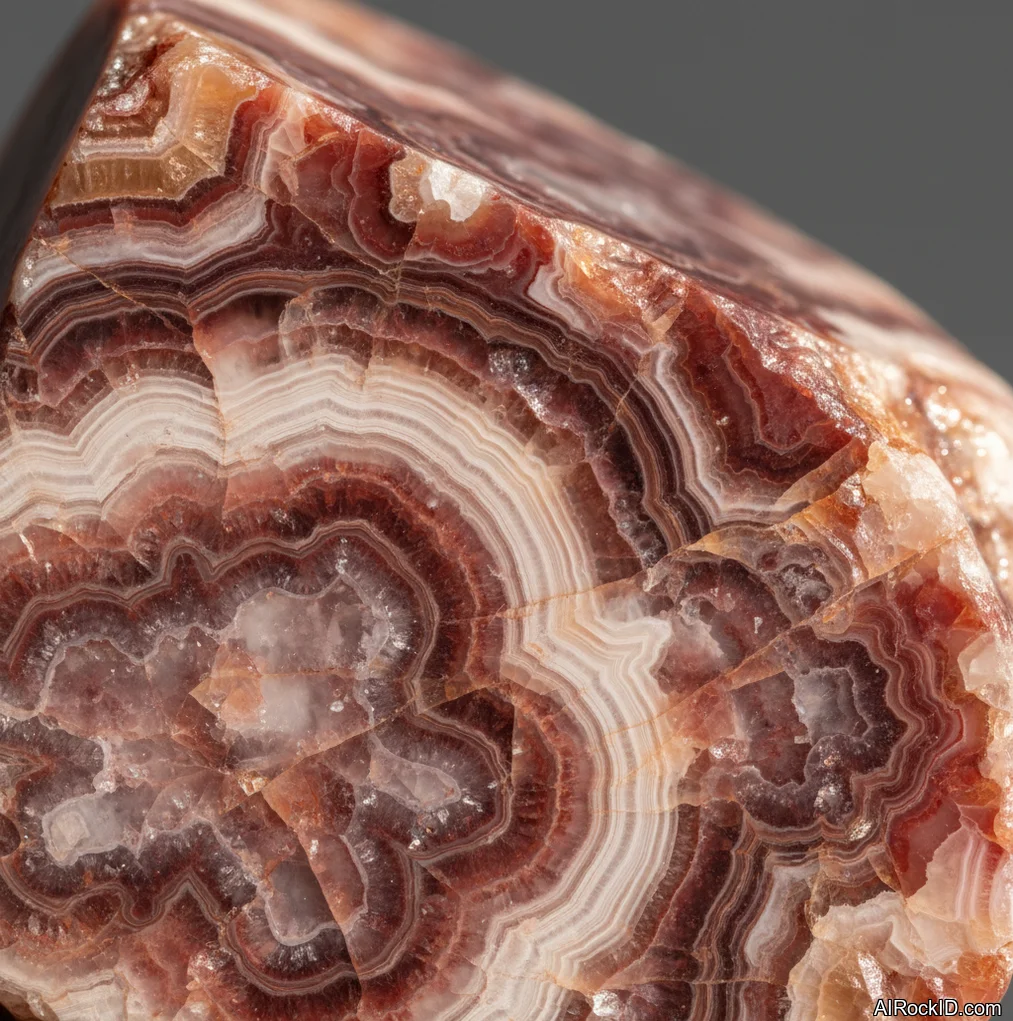
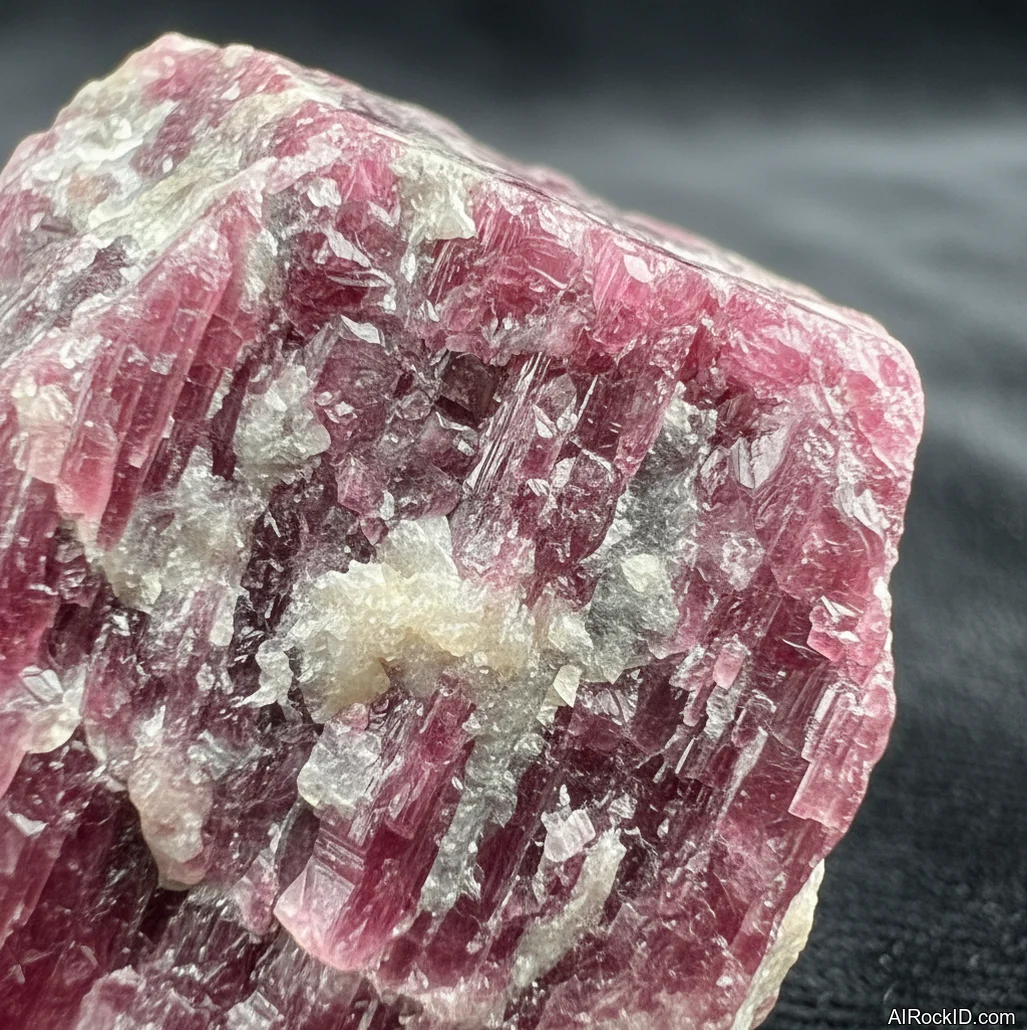
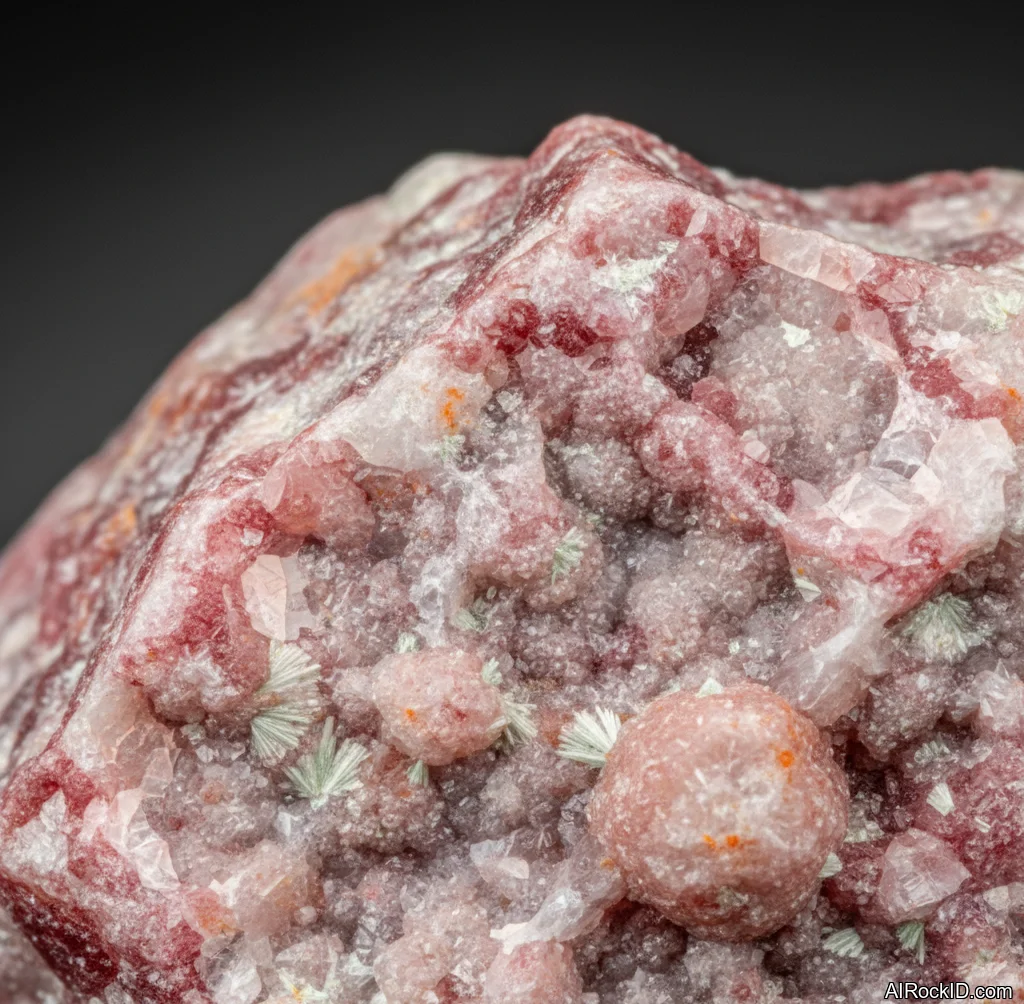
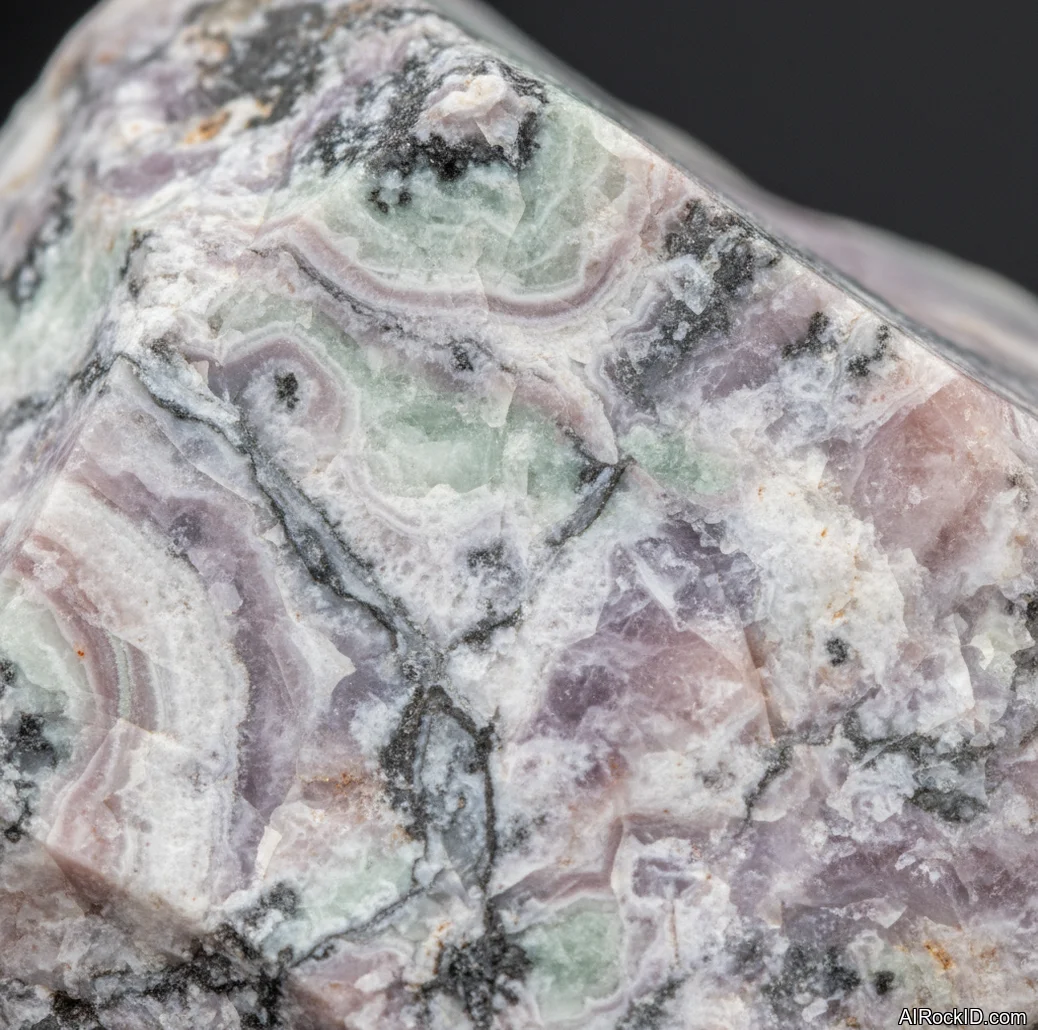
Rhodonite is a different vibe. It’s heavier in the hand than people expect, and the black manganese veins are part of the point. Those dark seams look like a map. I’ve handled pieces that take a mirror polish and others that stay slightly matte no matter what, and that tells you a lot about how fractured the rough was. So if you’re shopping for Rhodonite for Venus work, don’t avoid the black. A lot of sellers try to pass off “clean pink” as better, but the veining is often what makes it feel grounded.
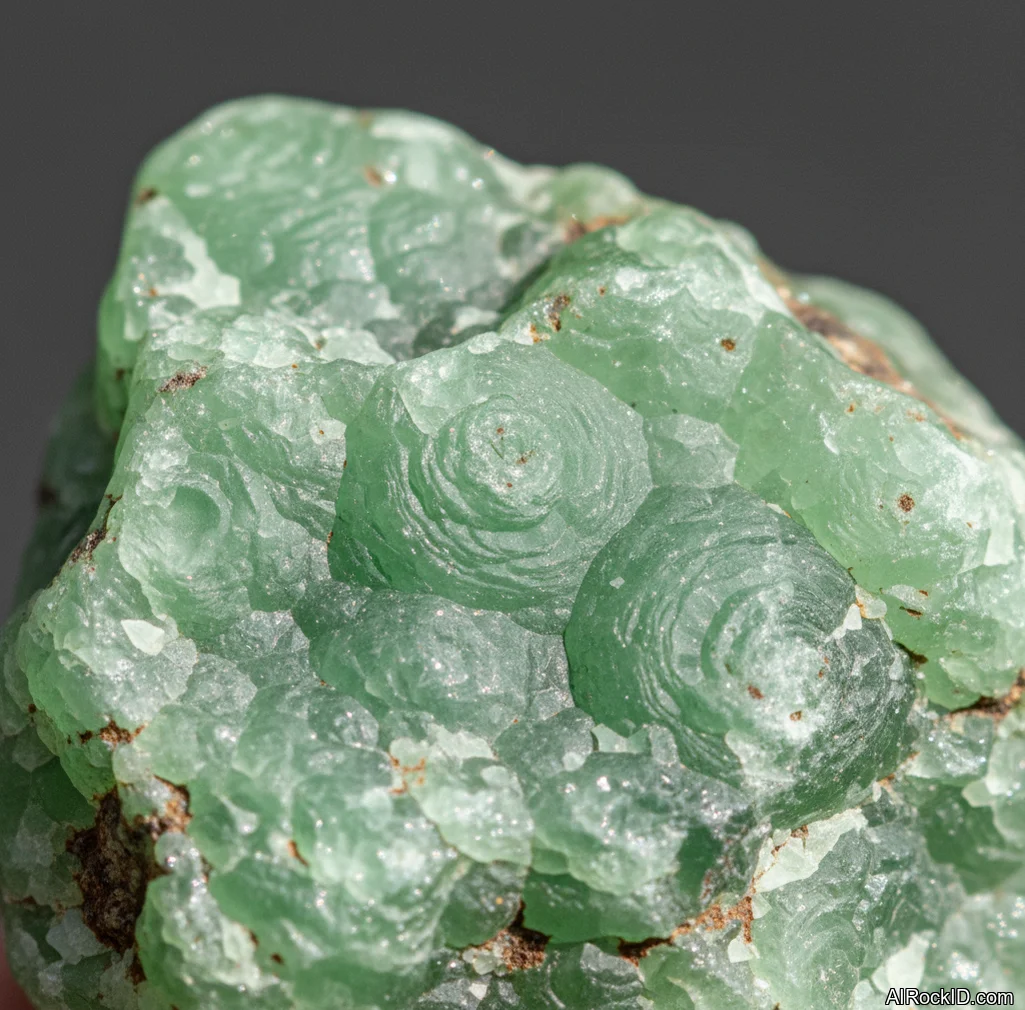
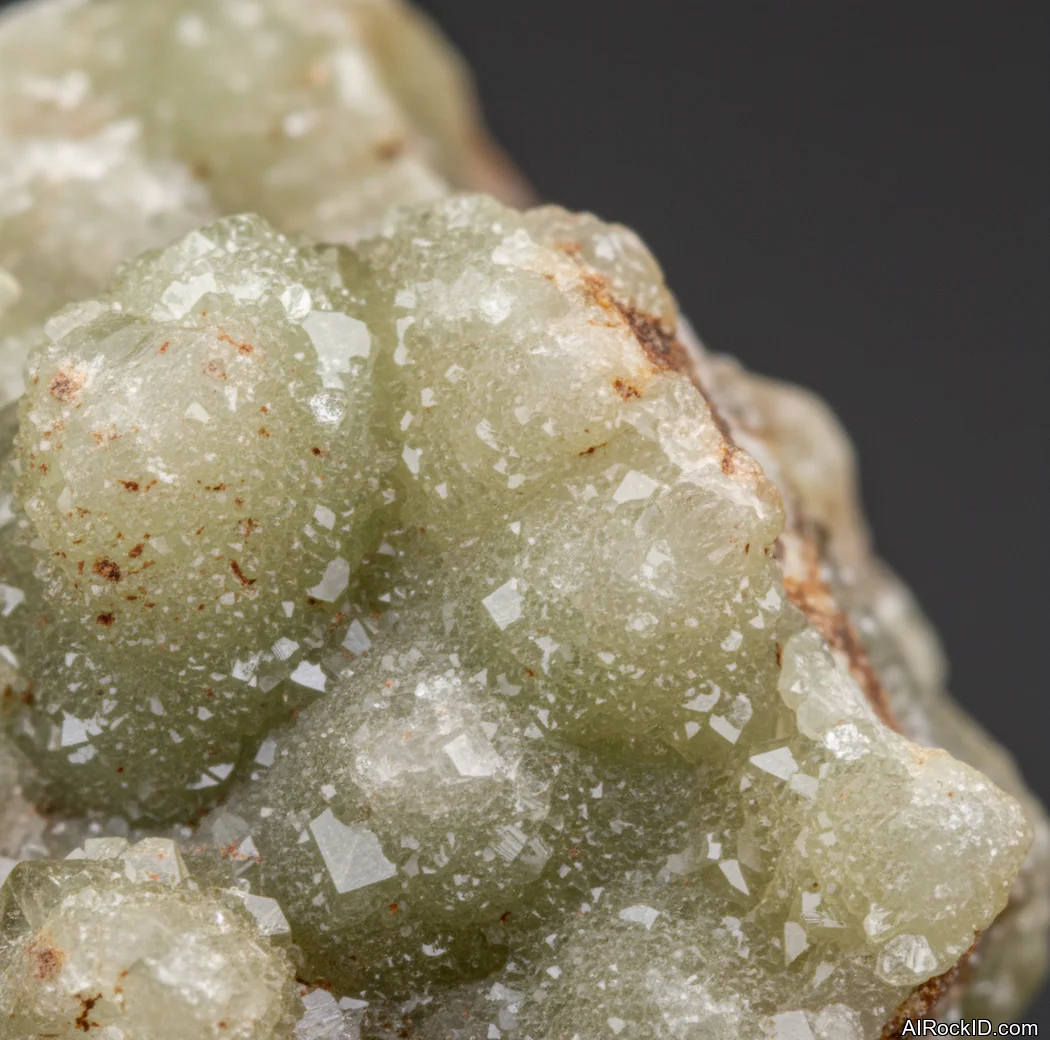
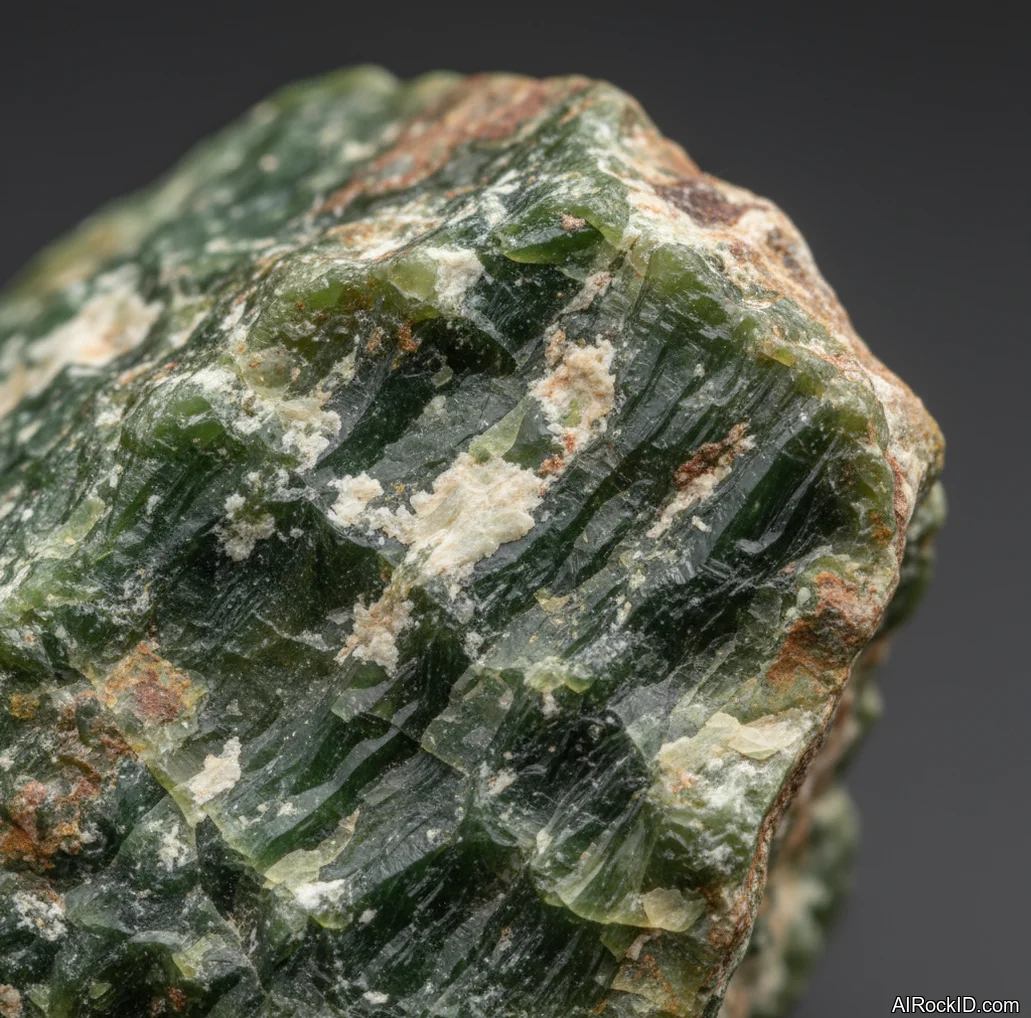
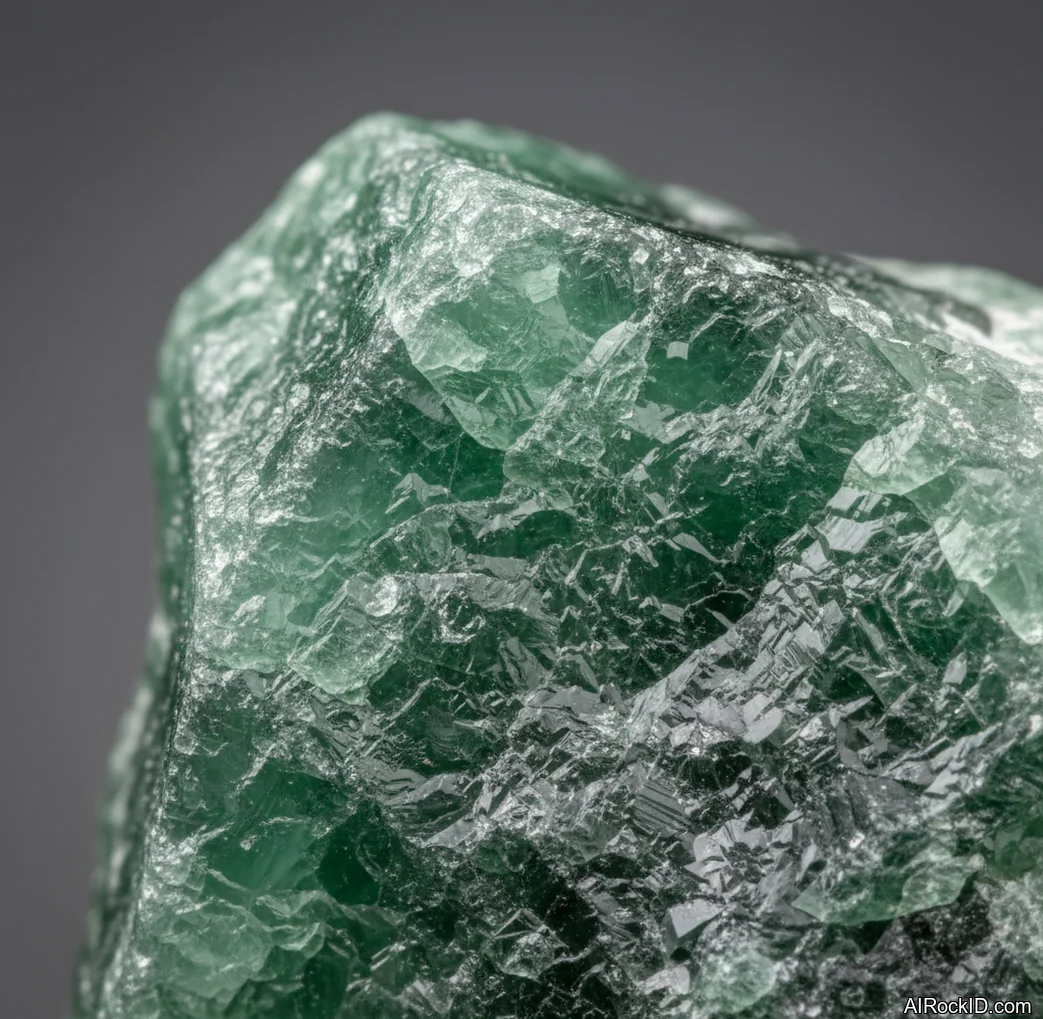
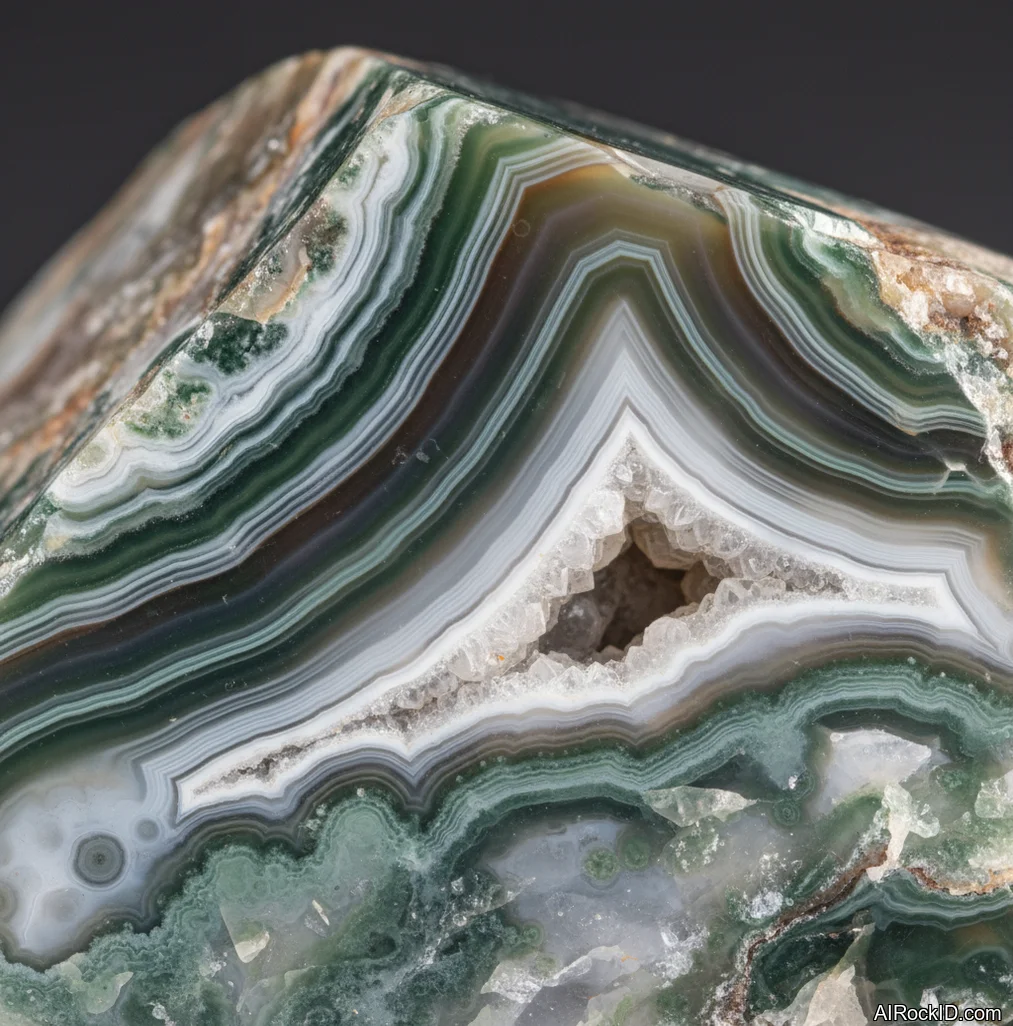
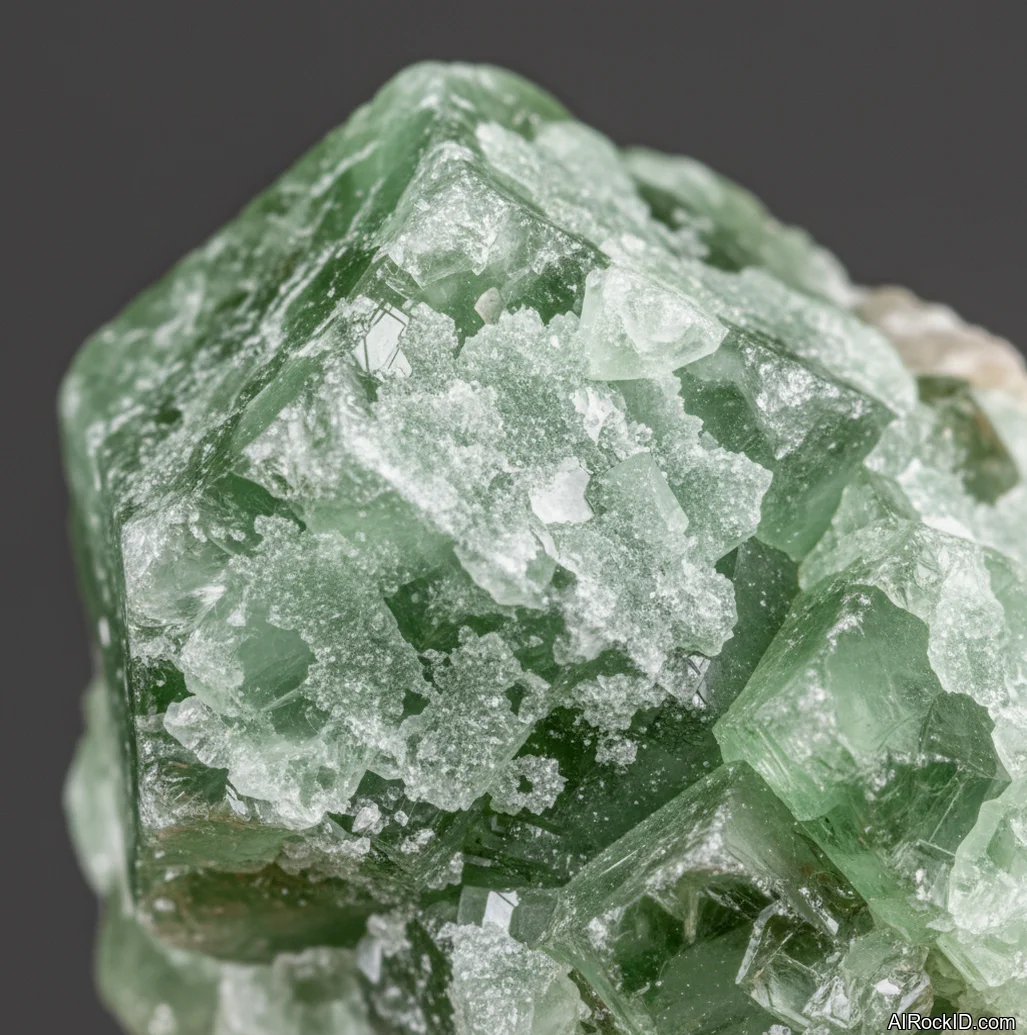
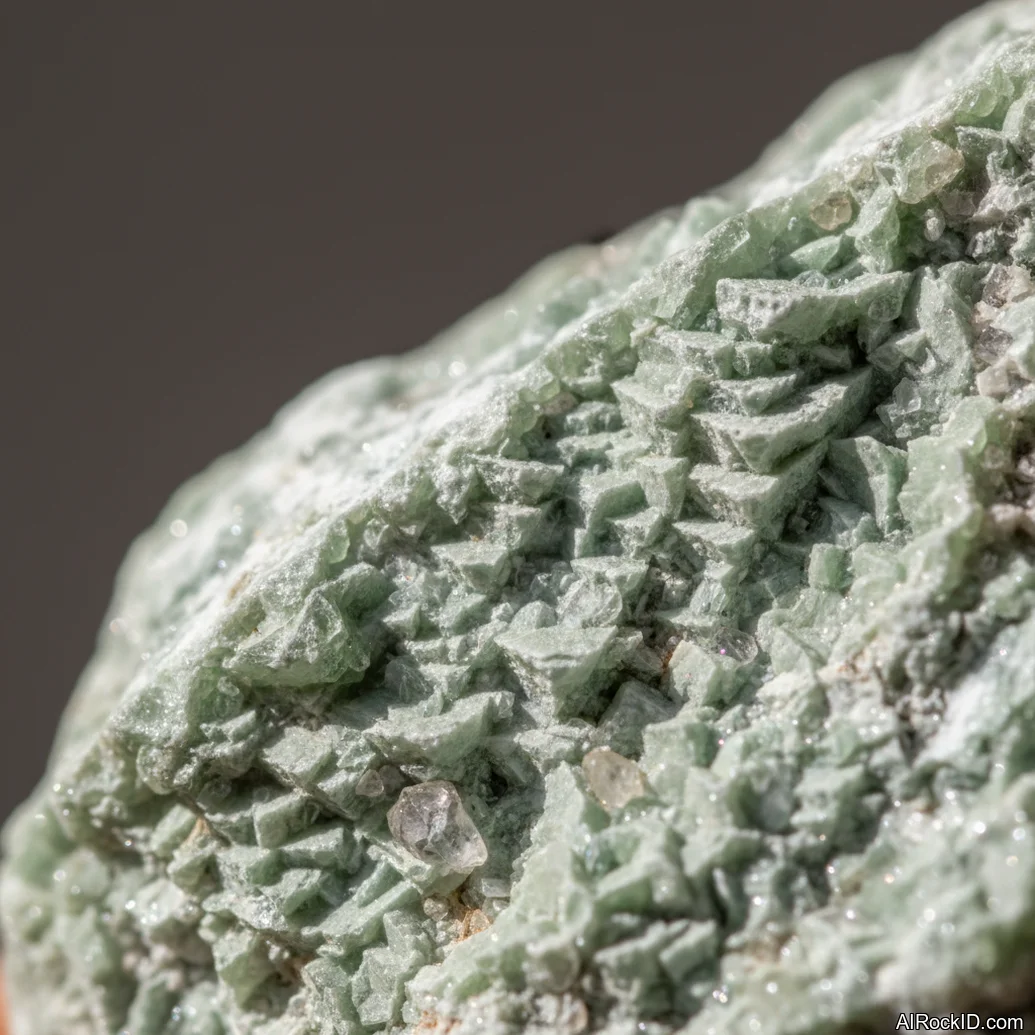
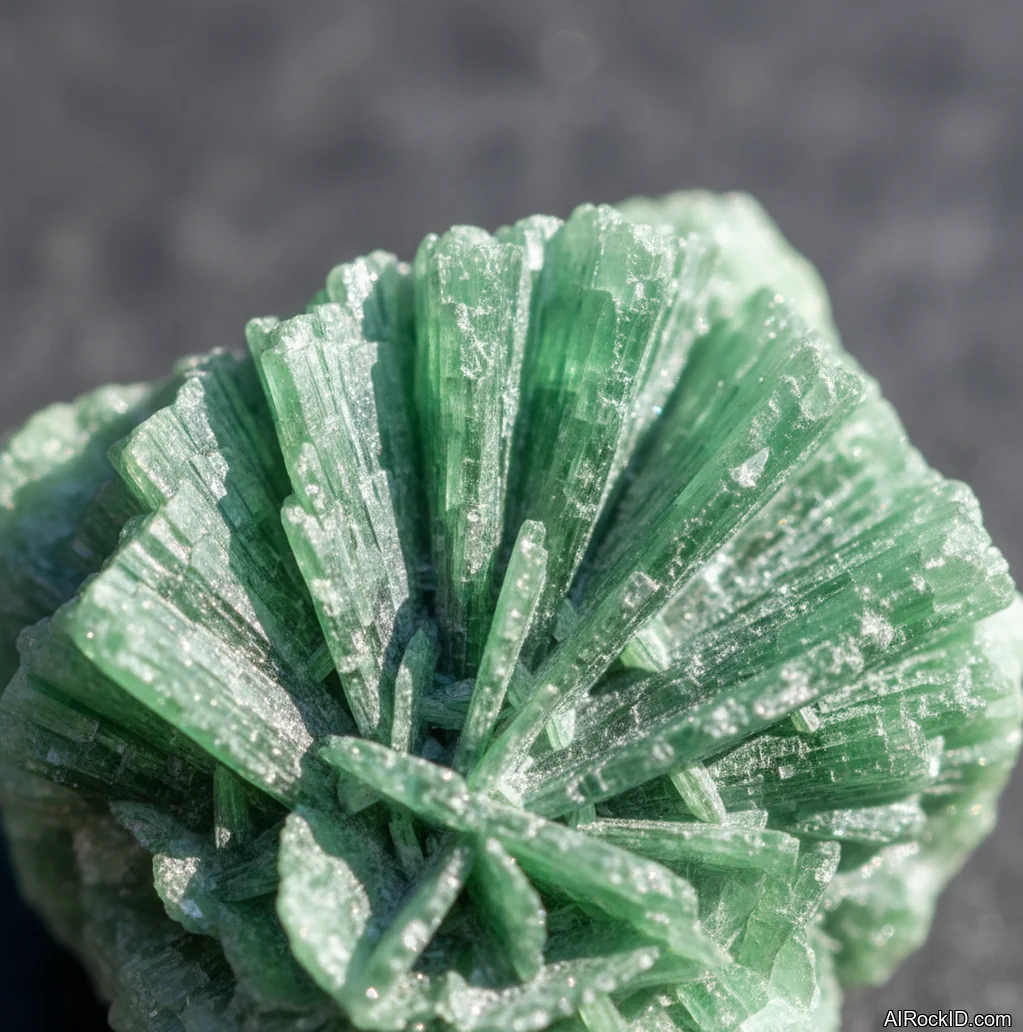
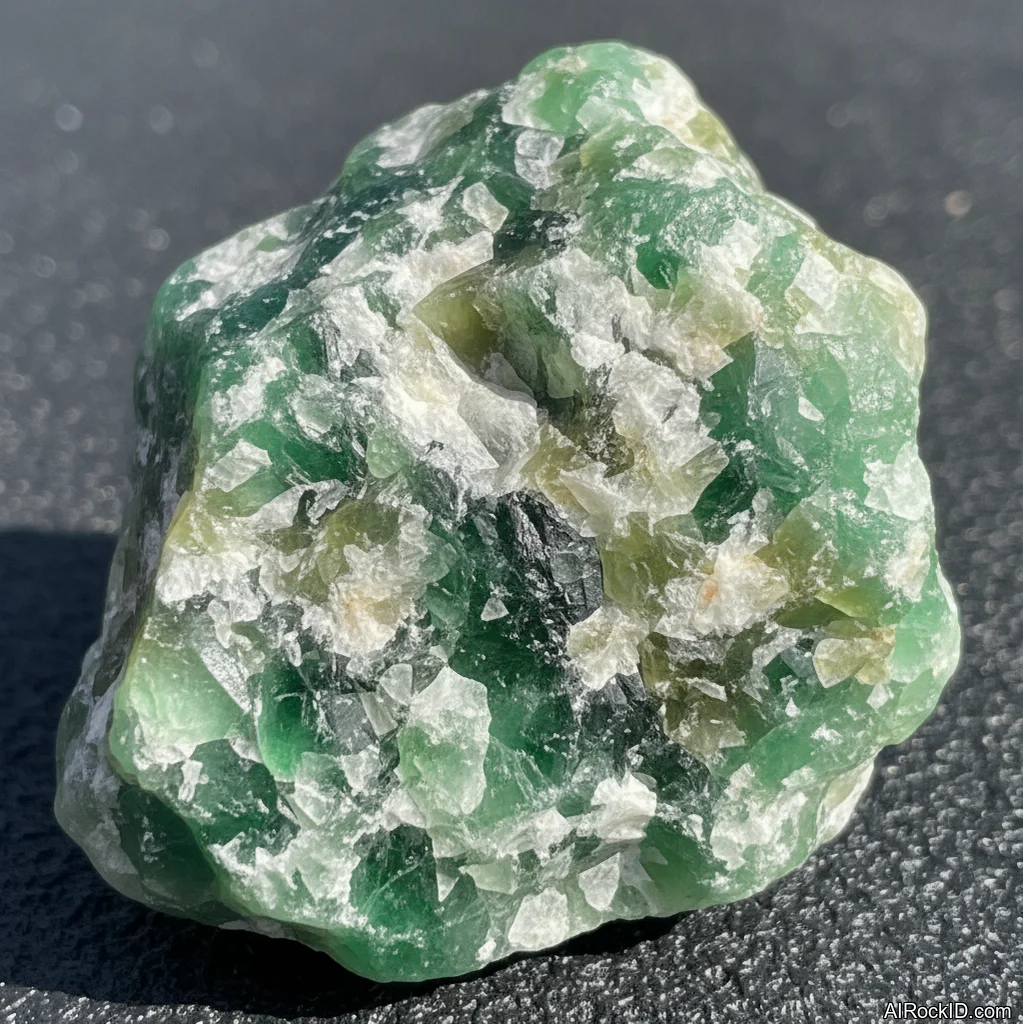
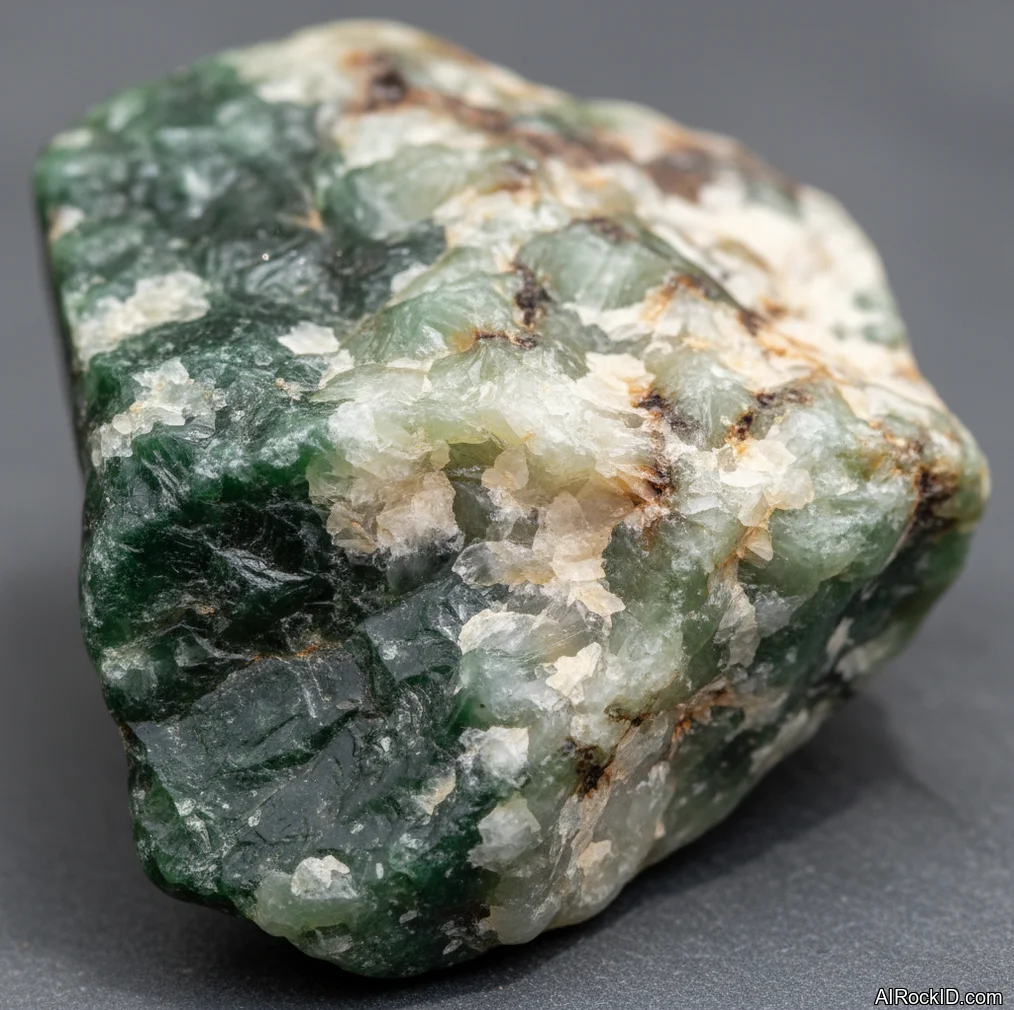
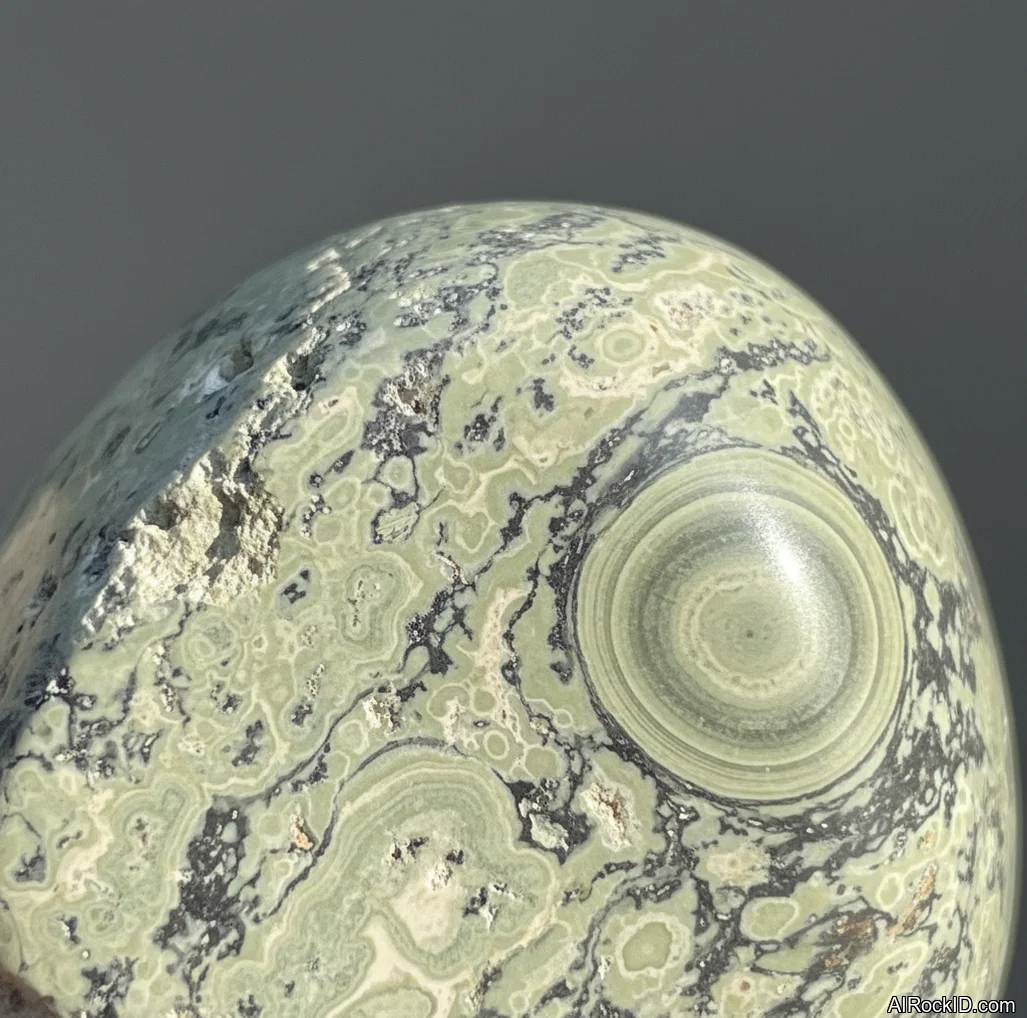
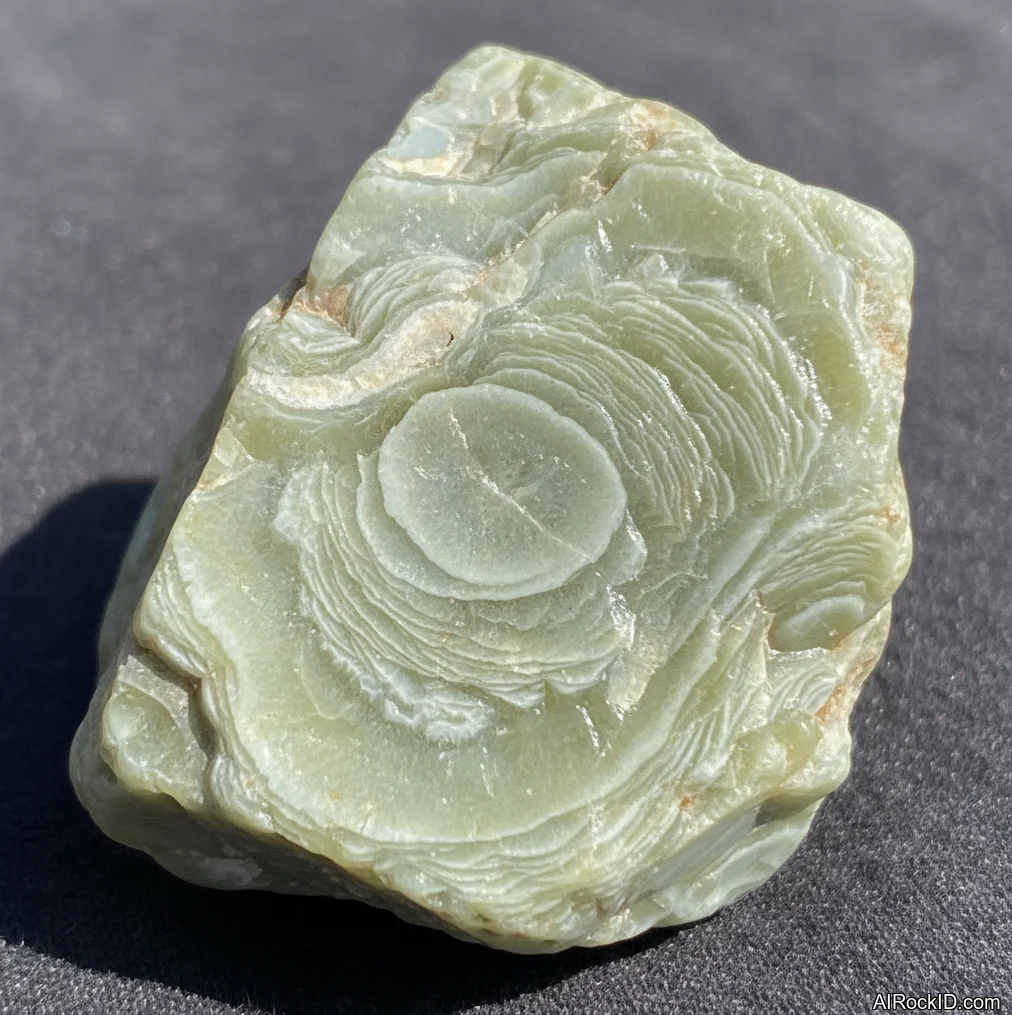
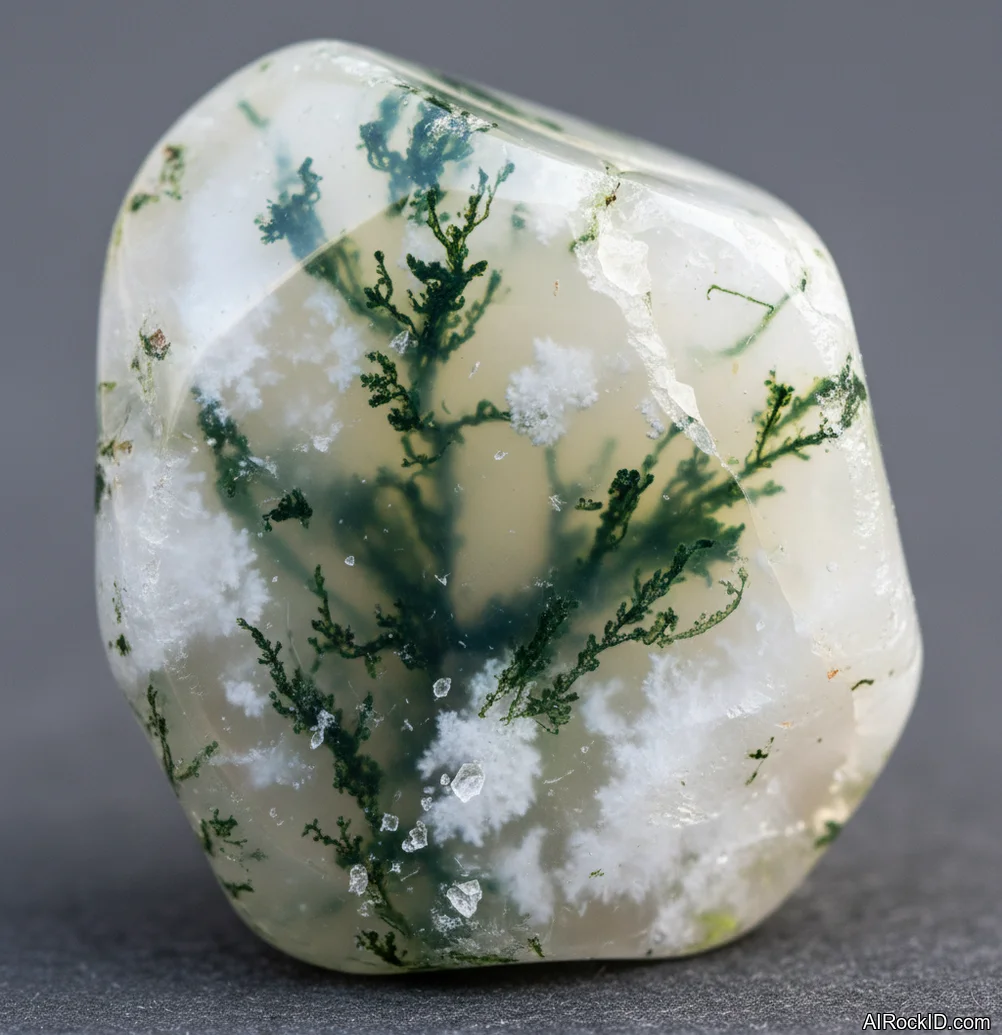
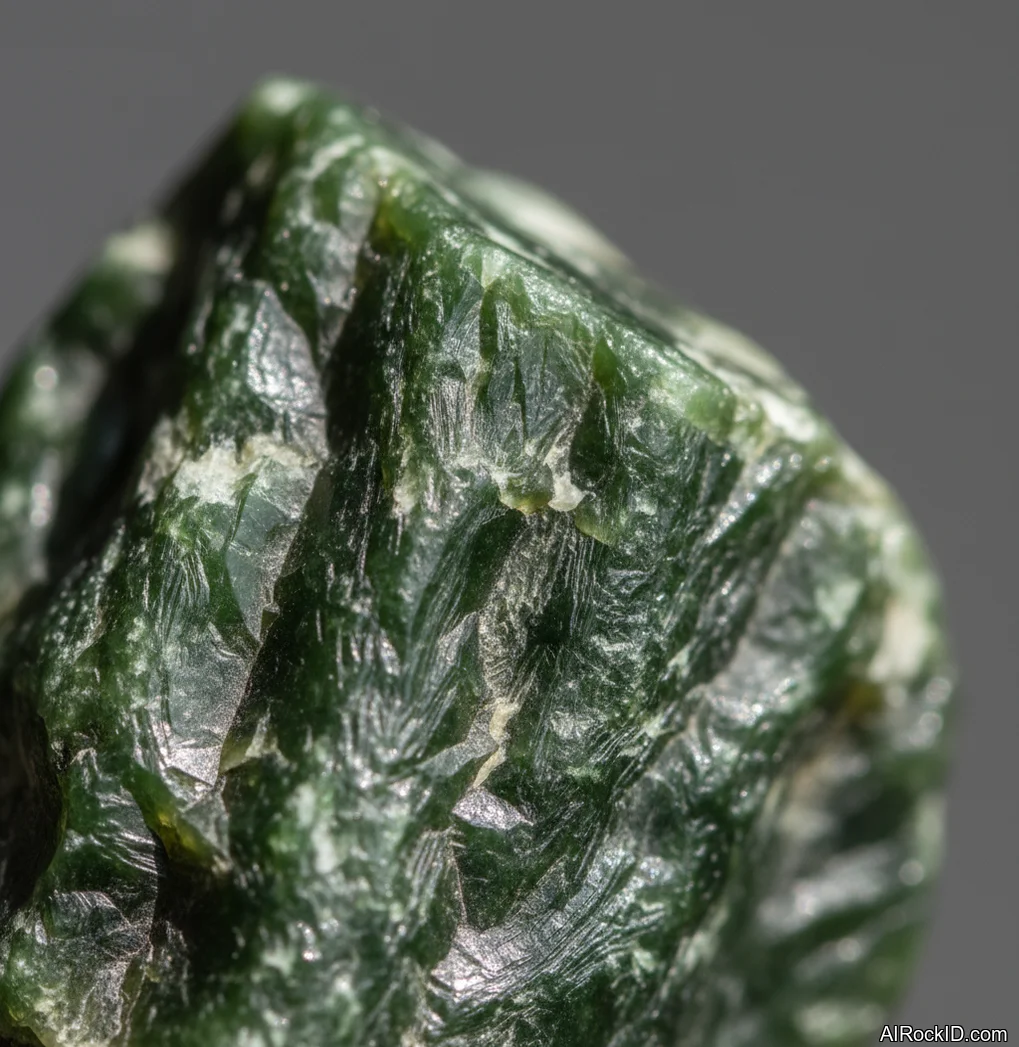
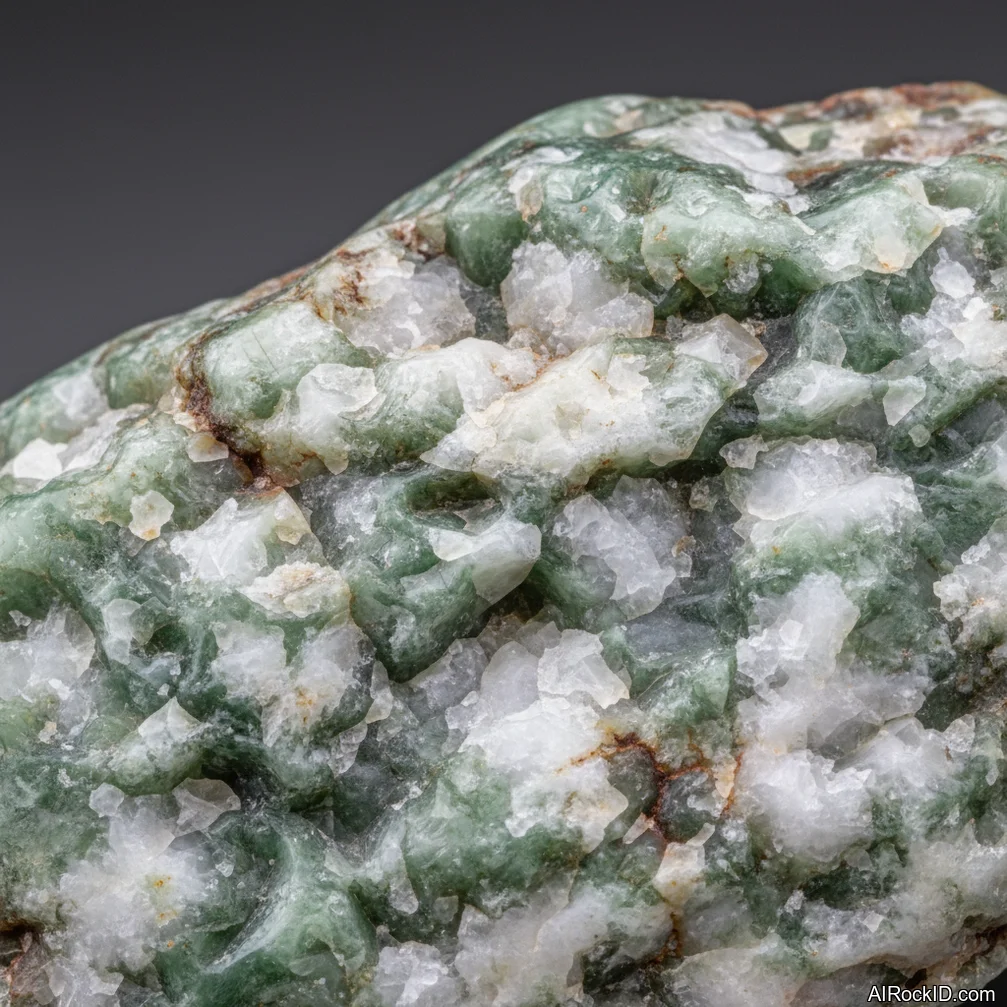
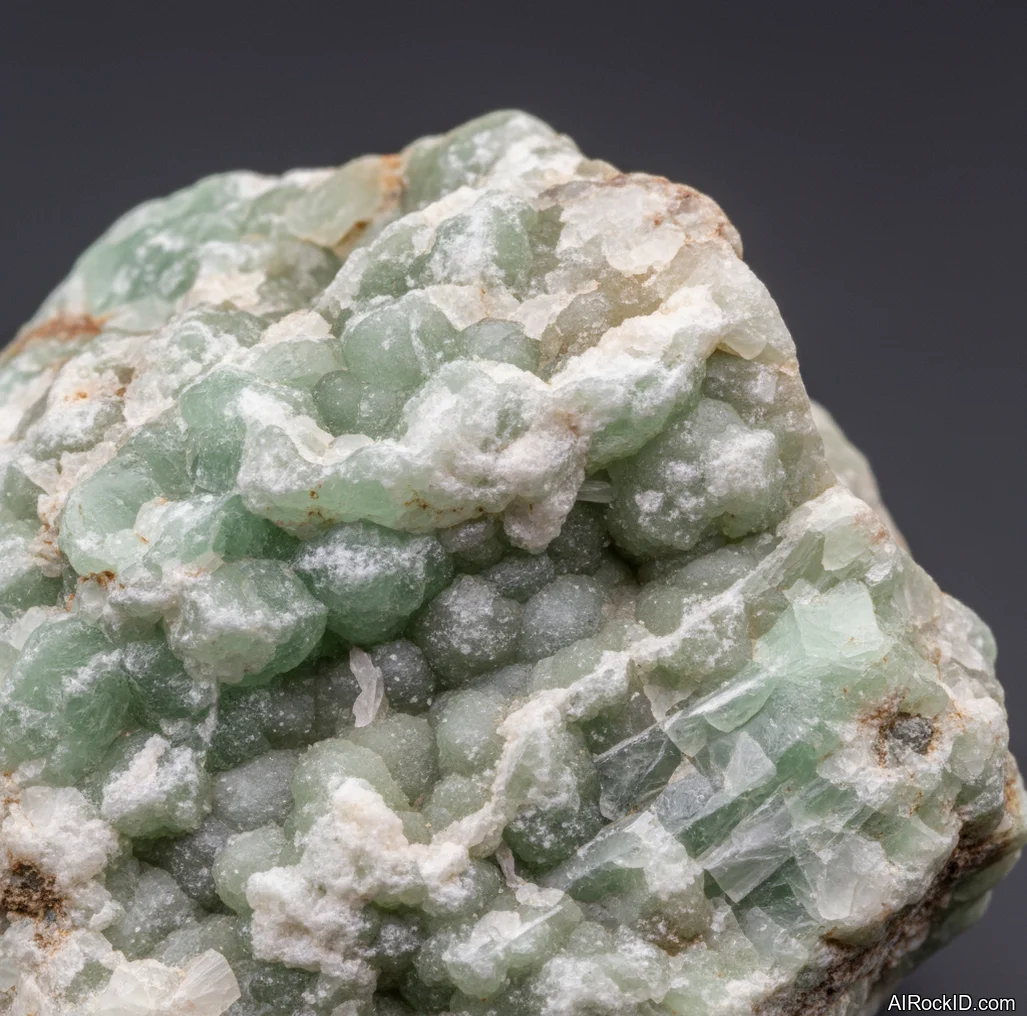
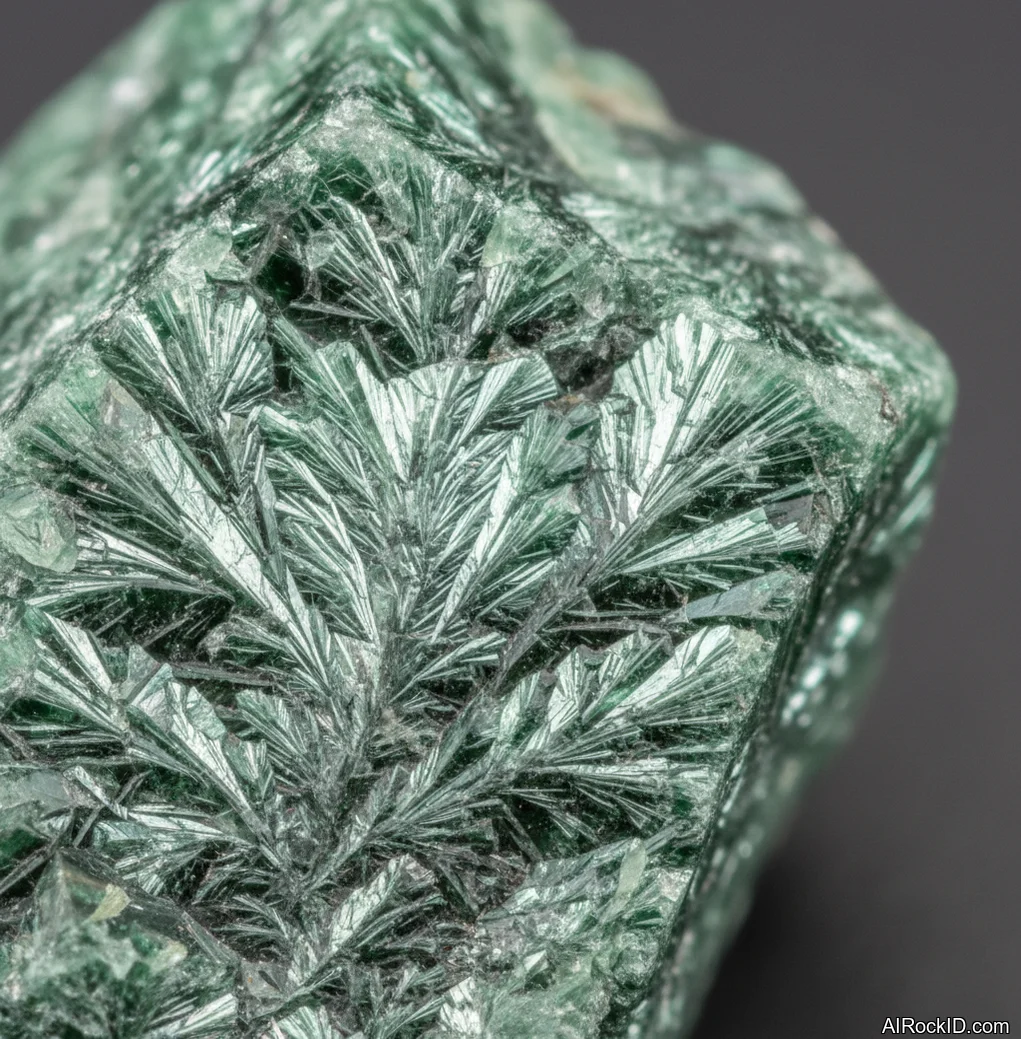
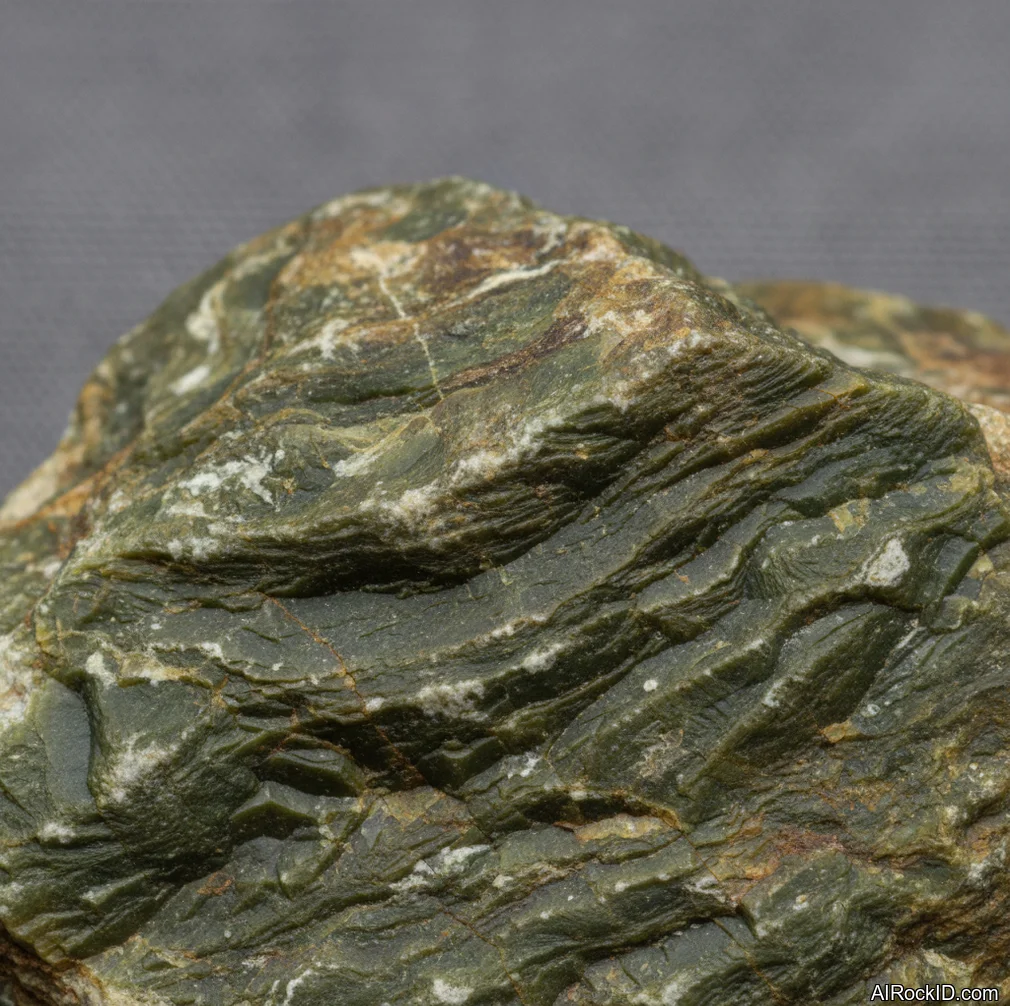
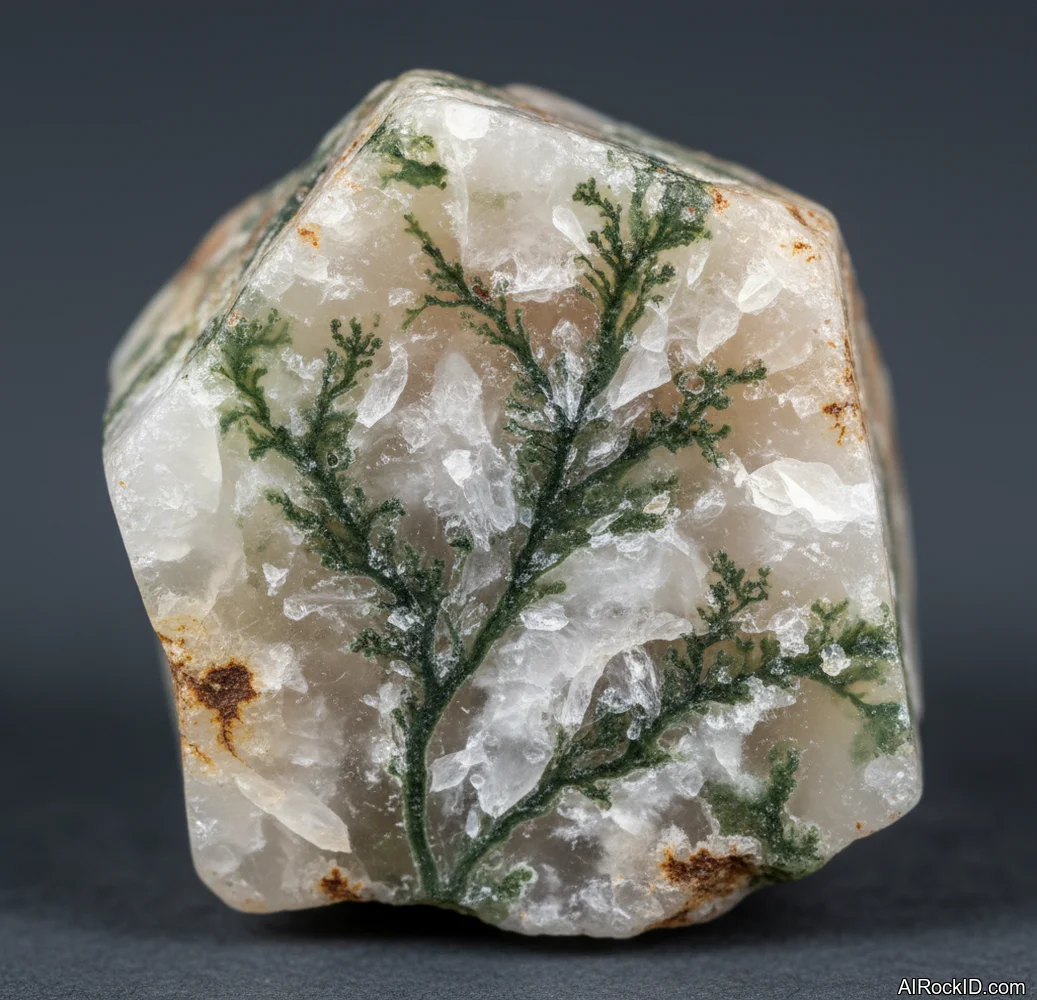
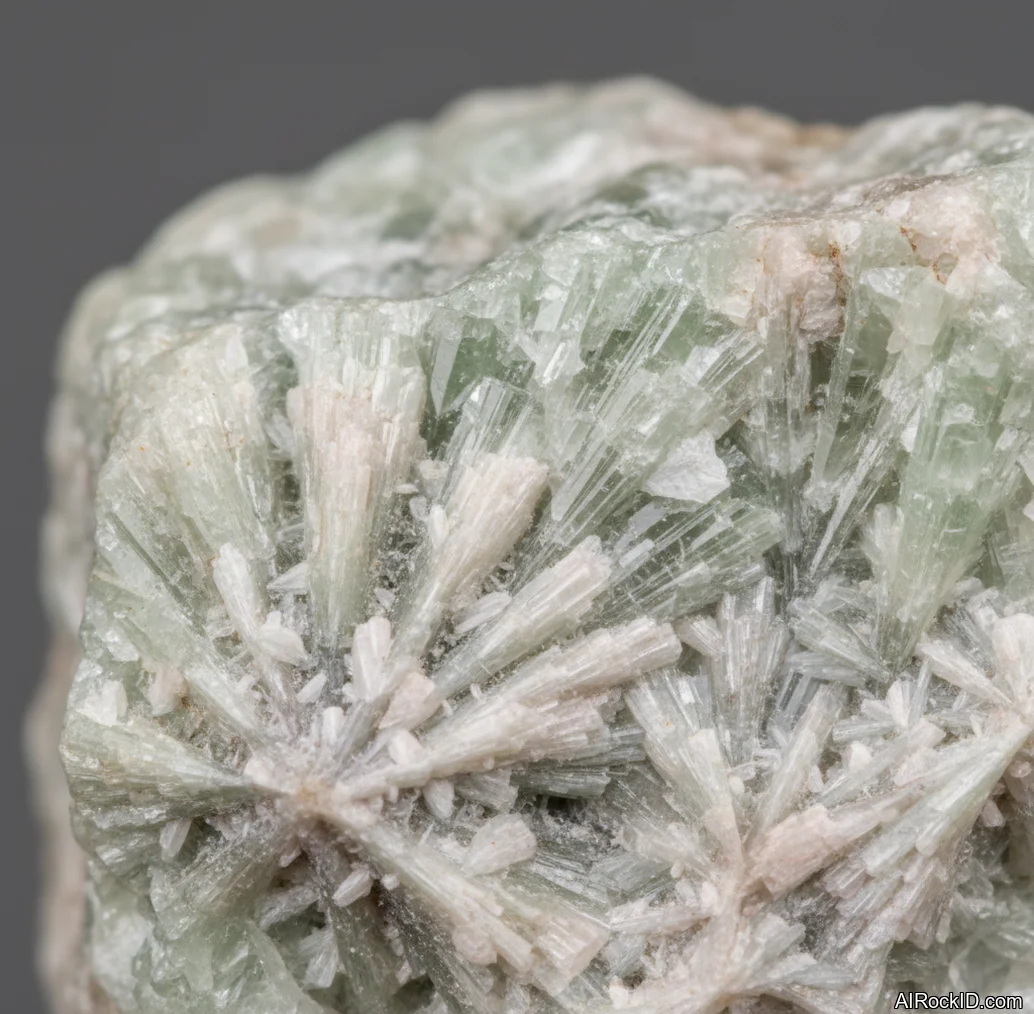
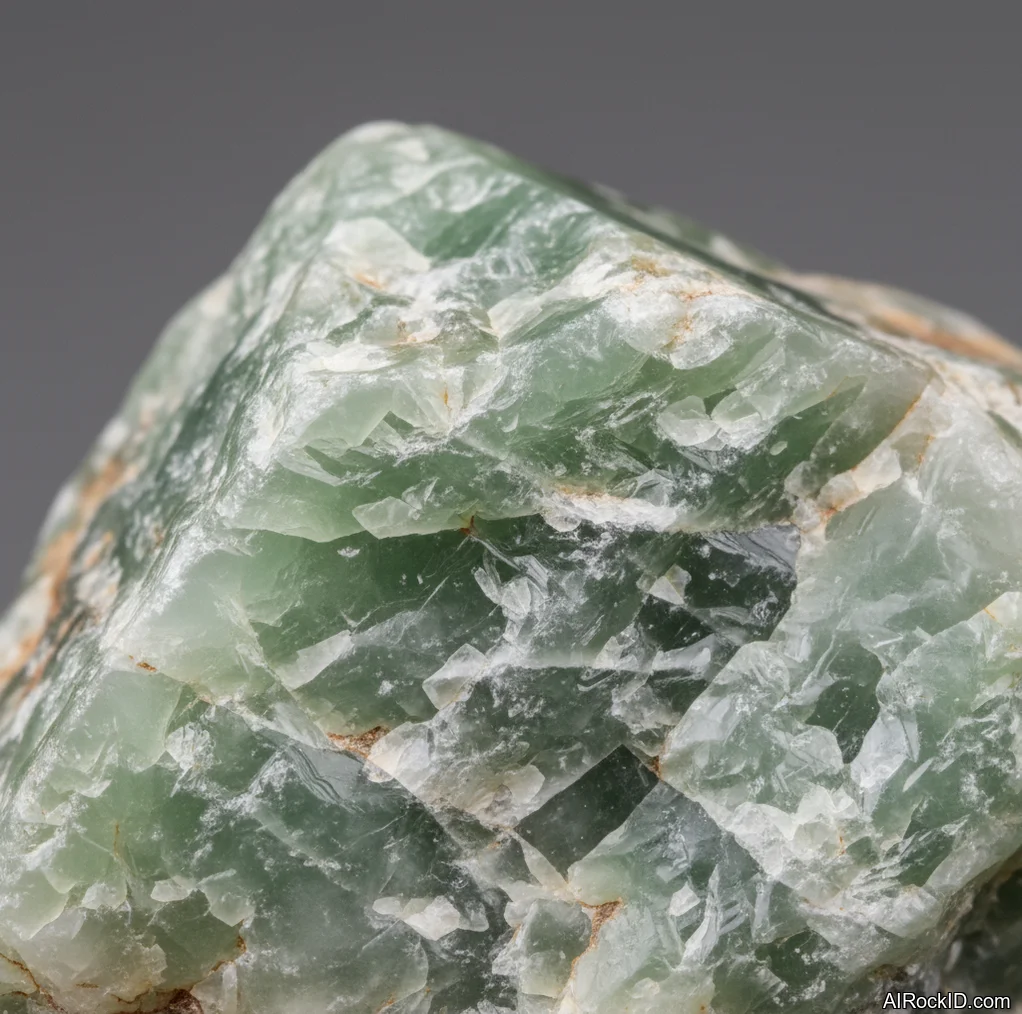
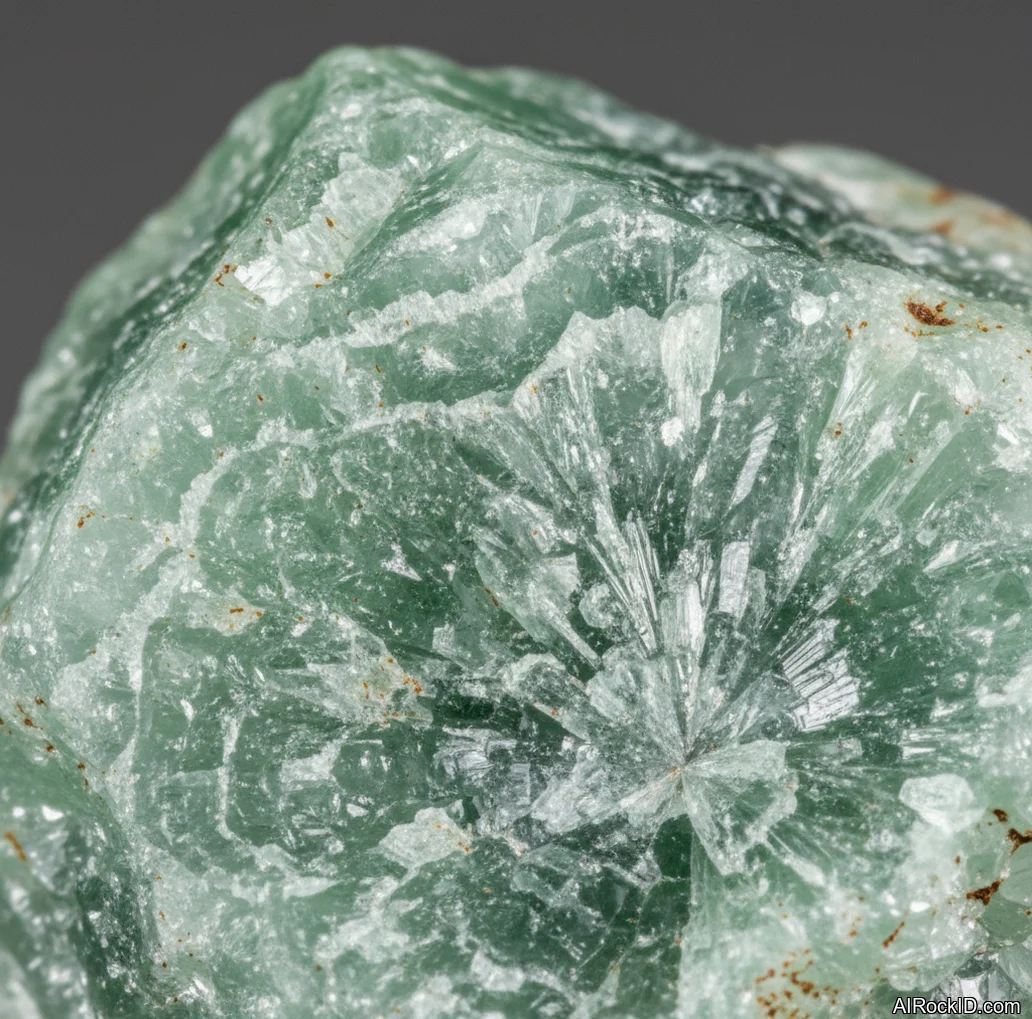
Green stones come up constantly with Venus because love isn’t only romance. It’s stability, home, the body, and what you’re willing to nurture. Jade (nephrite and jadeite) is the classic, but the market is messy. The real test is touch and sound. Polished jade has a waxy feel, not a plasticky slickness, and when you lightly tap two pieces together you get a clean, ringing clack instead of a dull thunk. Serpentine gets sold as “new jade” all the time, and it’s fine as a stone, but it’s not the same material. And if you want that bright, clean green that reads “Venus” from across the room without the jade price tag, Aventurine does that job. The tiny mica sparkle is a dead giveaway you’re looking at the real thing.
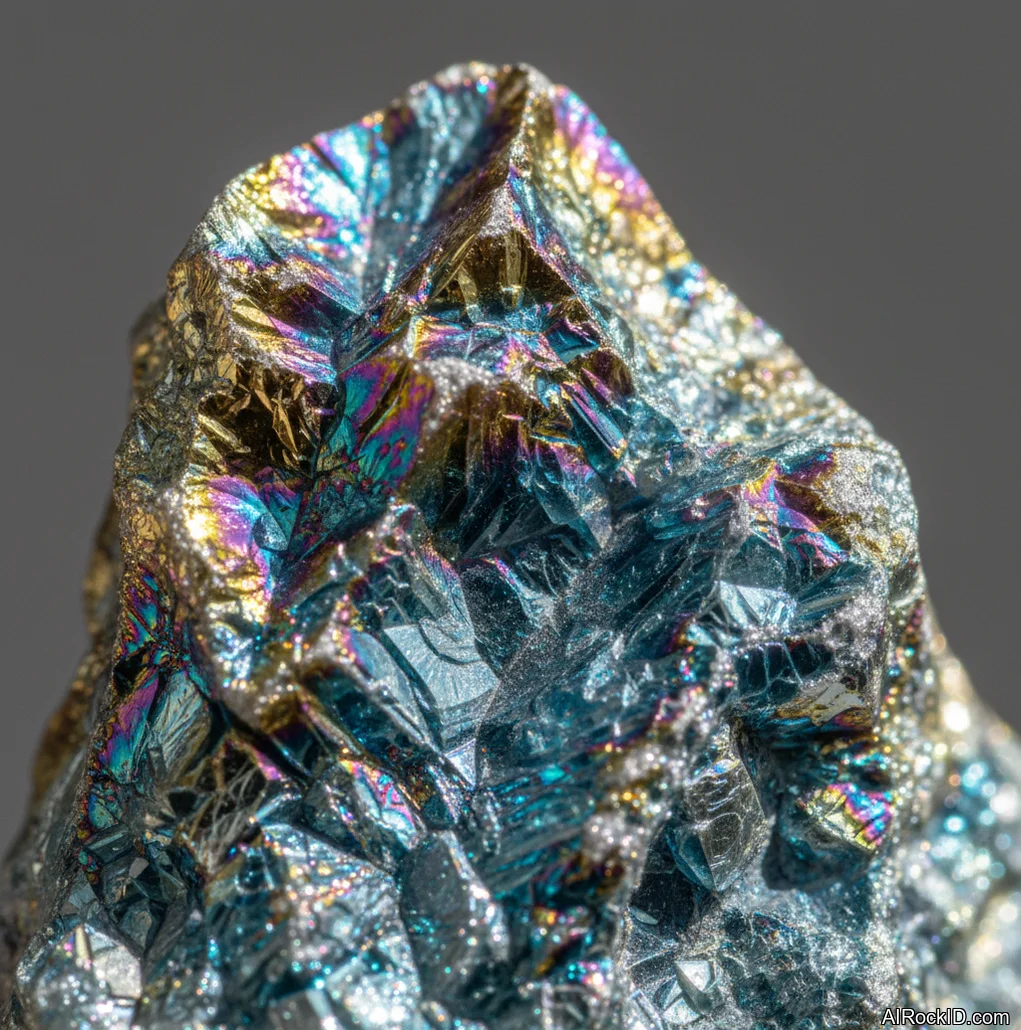
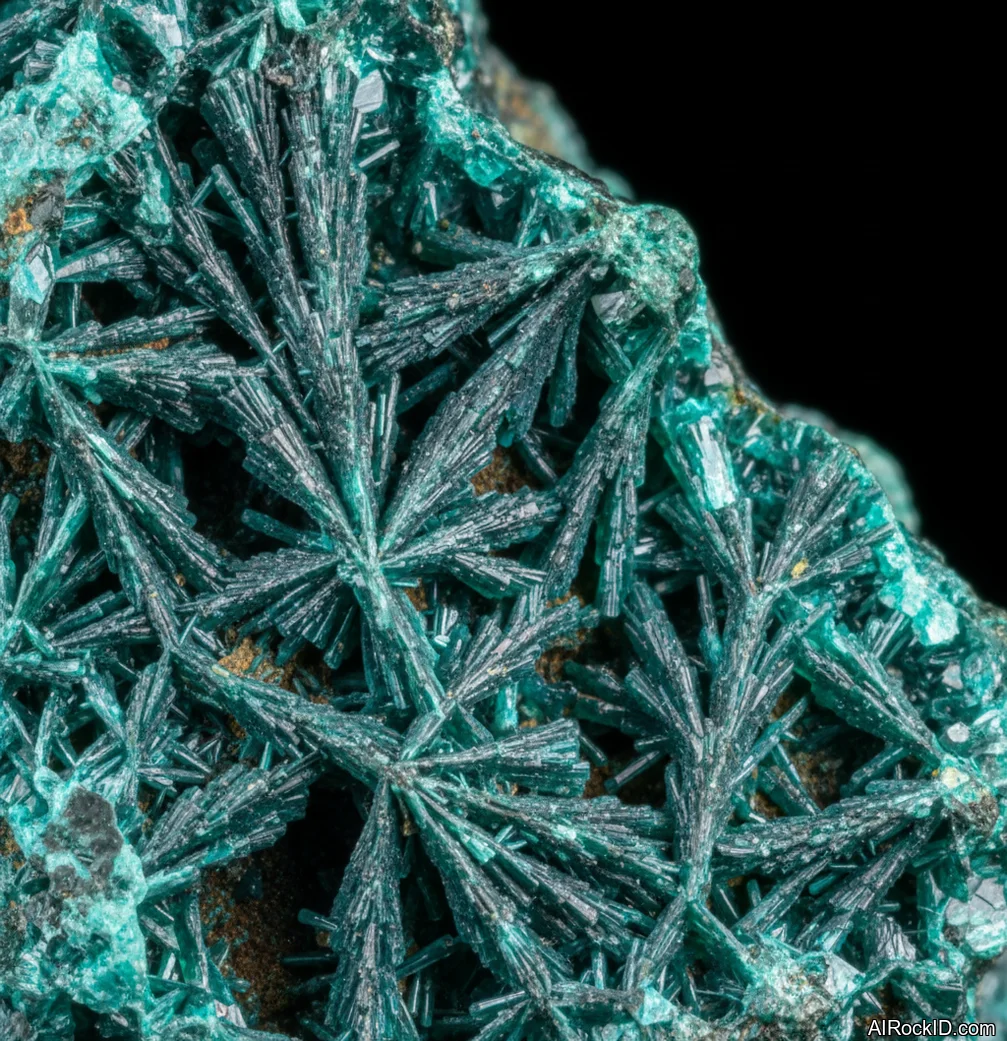
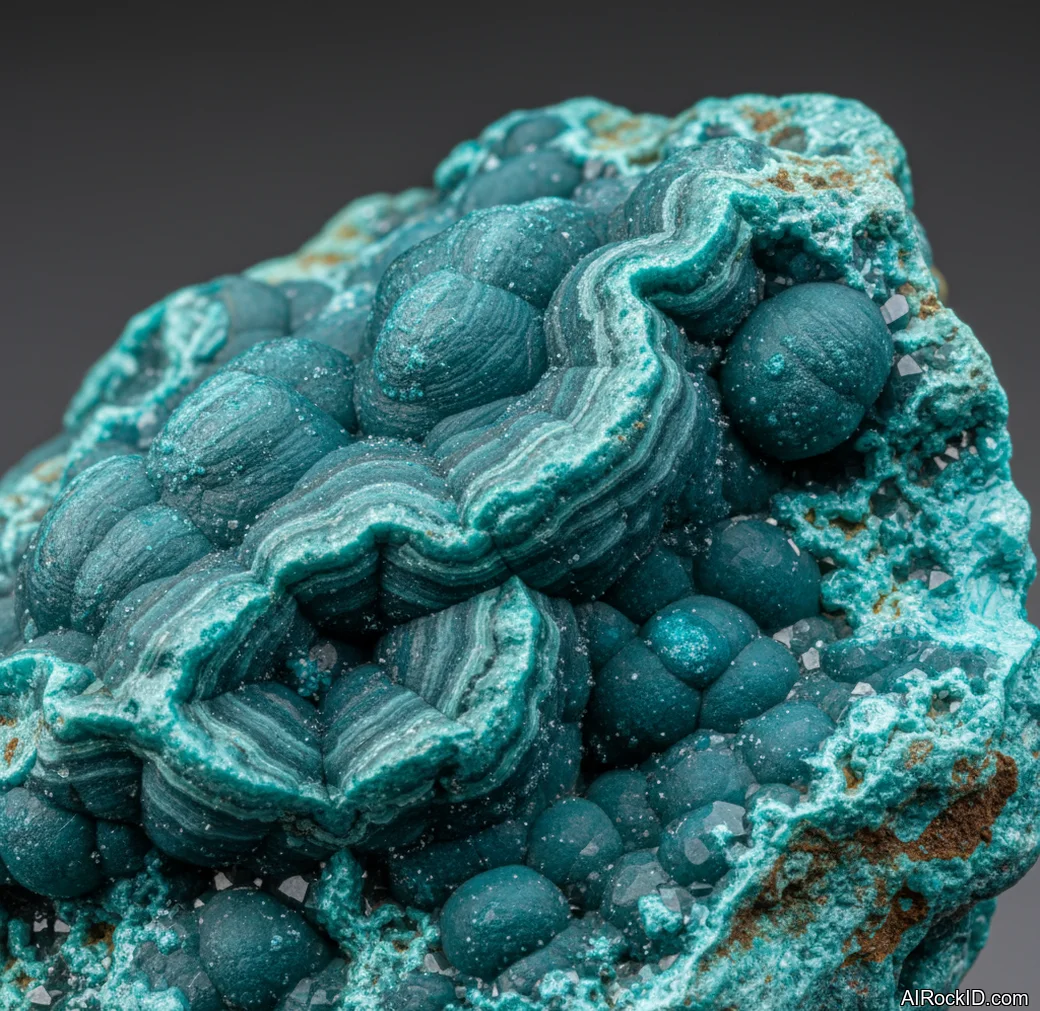
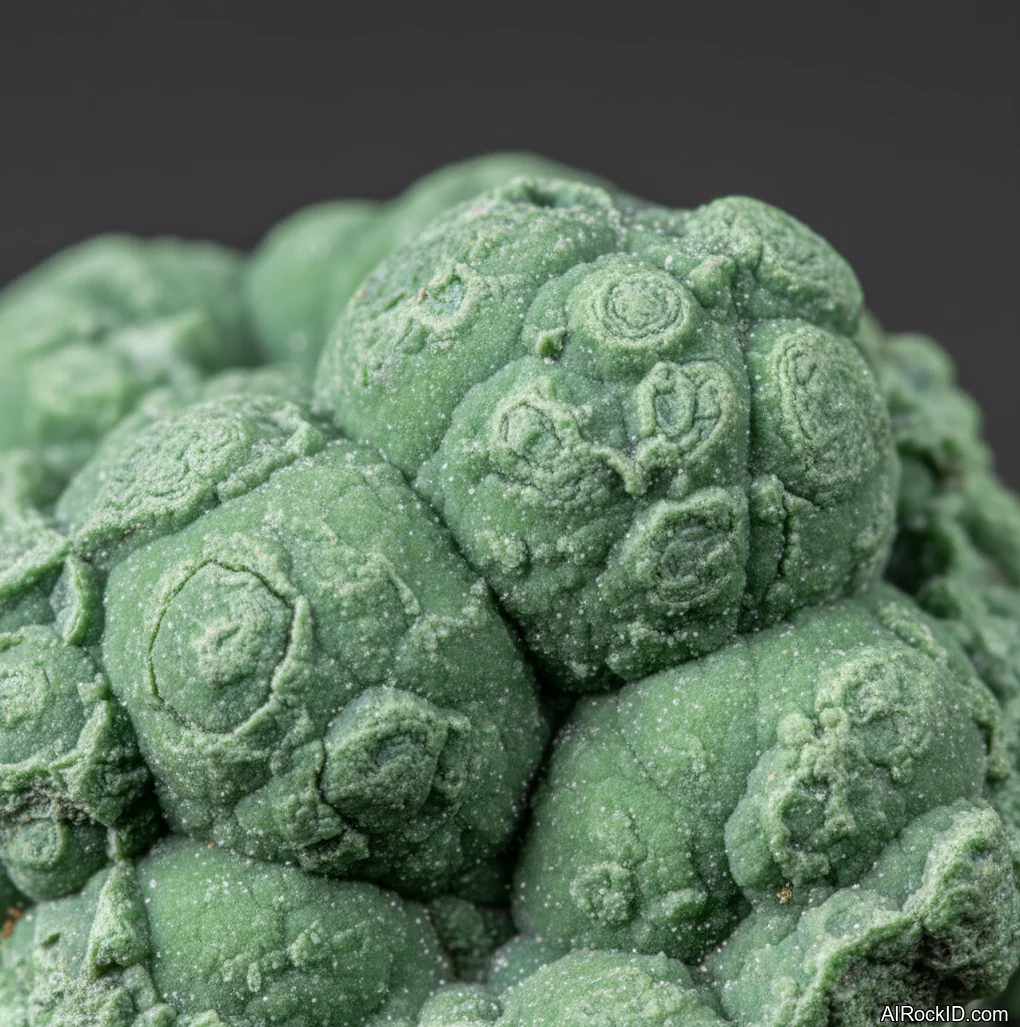
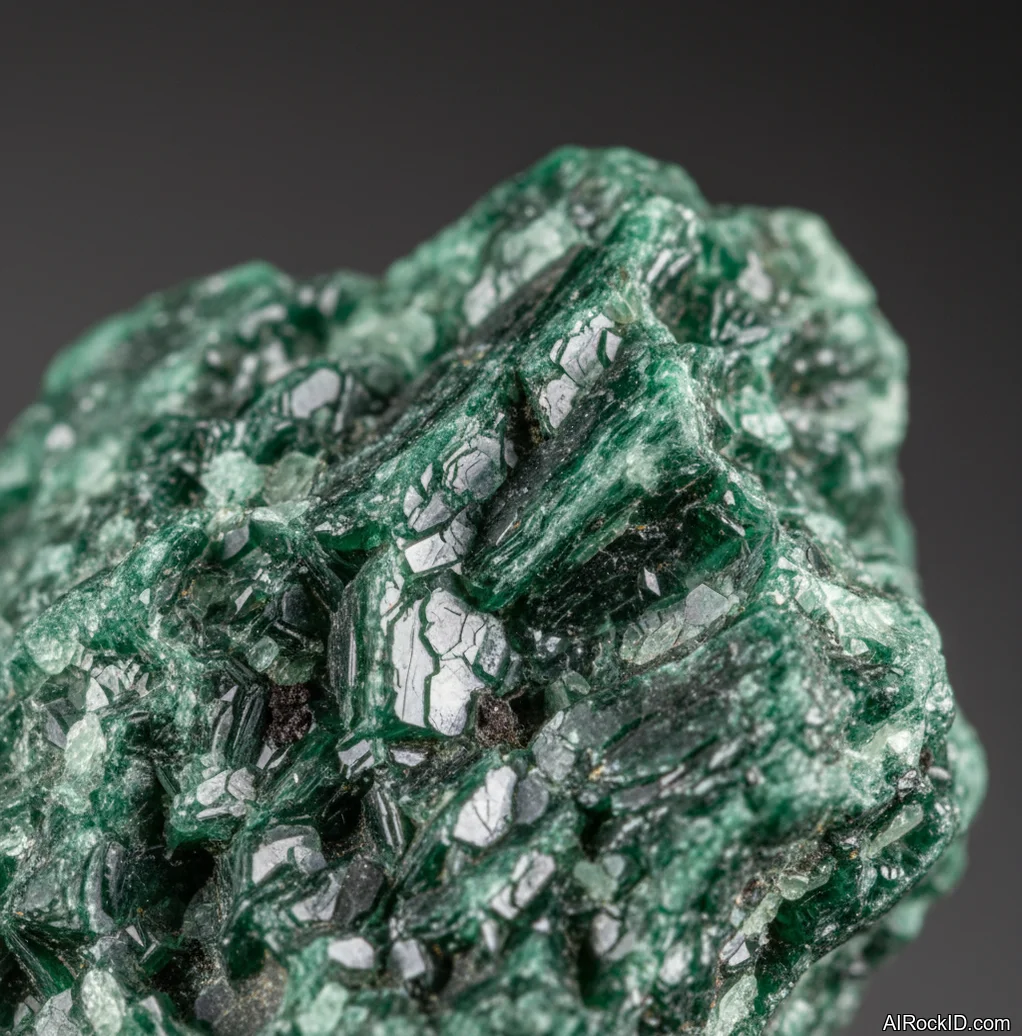
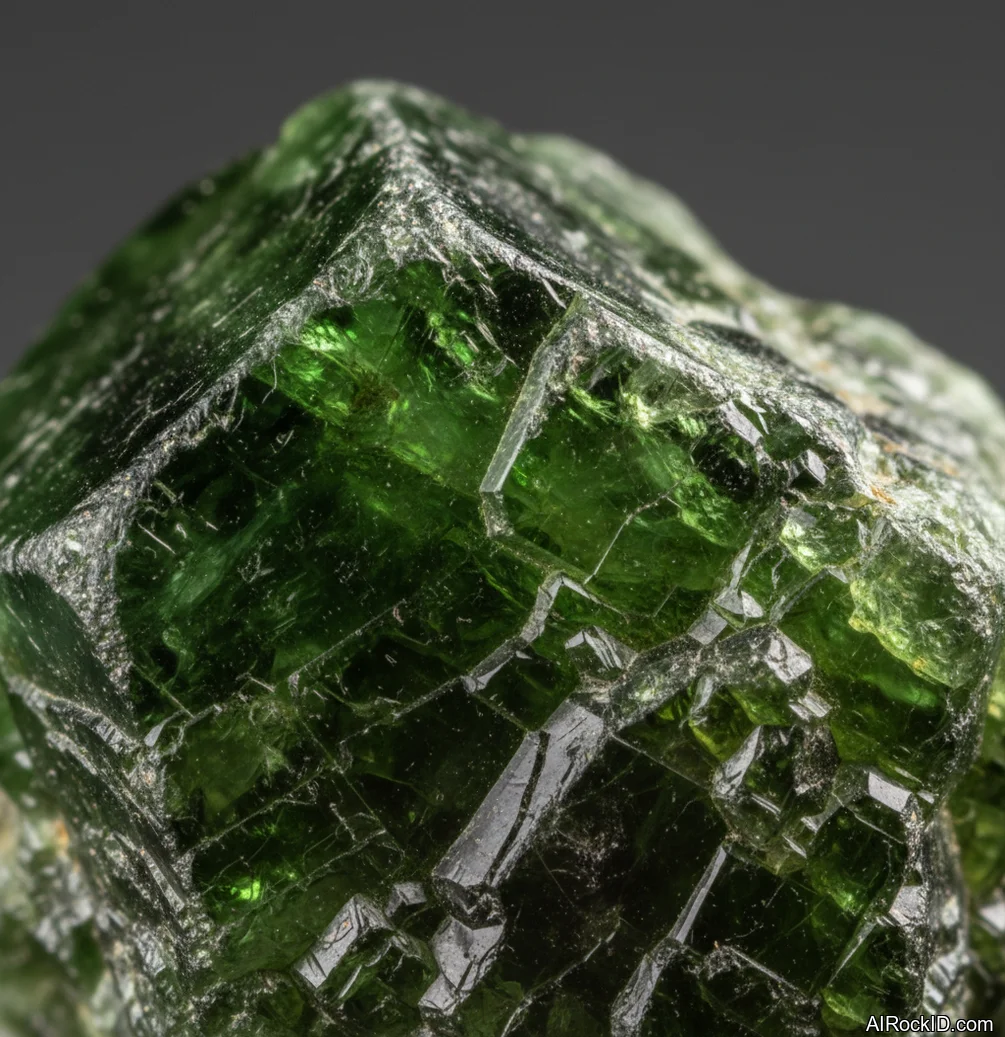
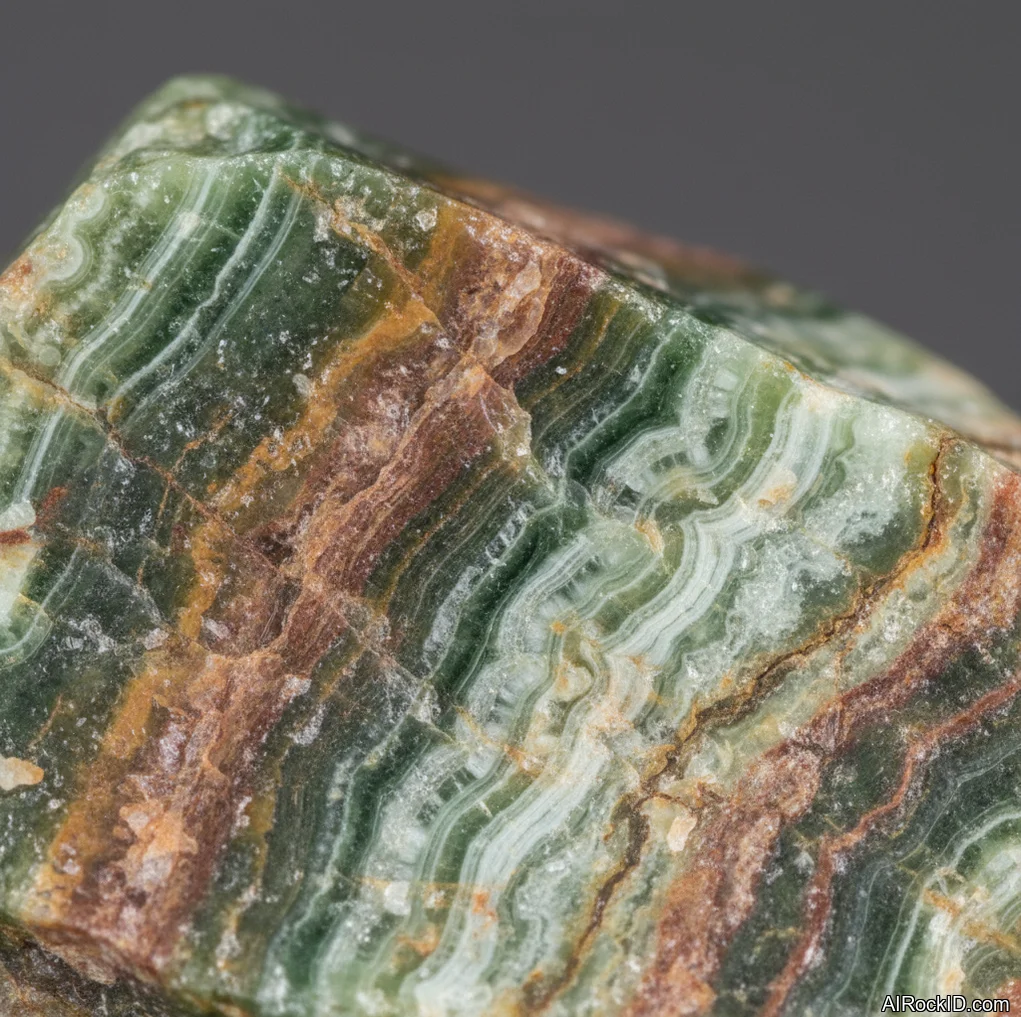
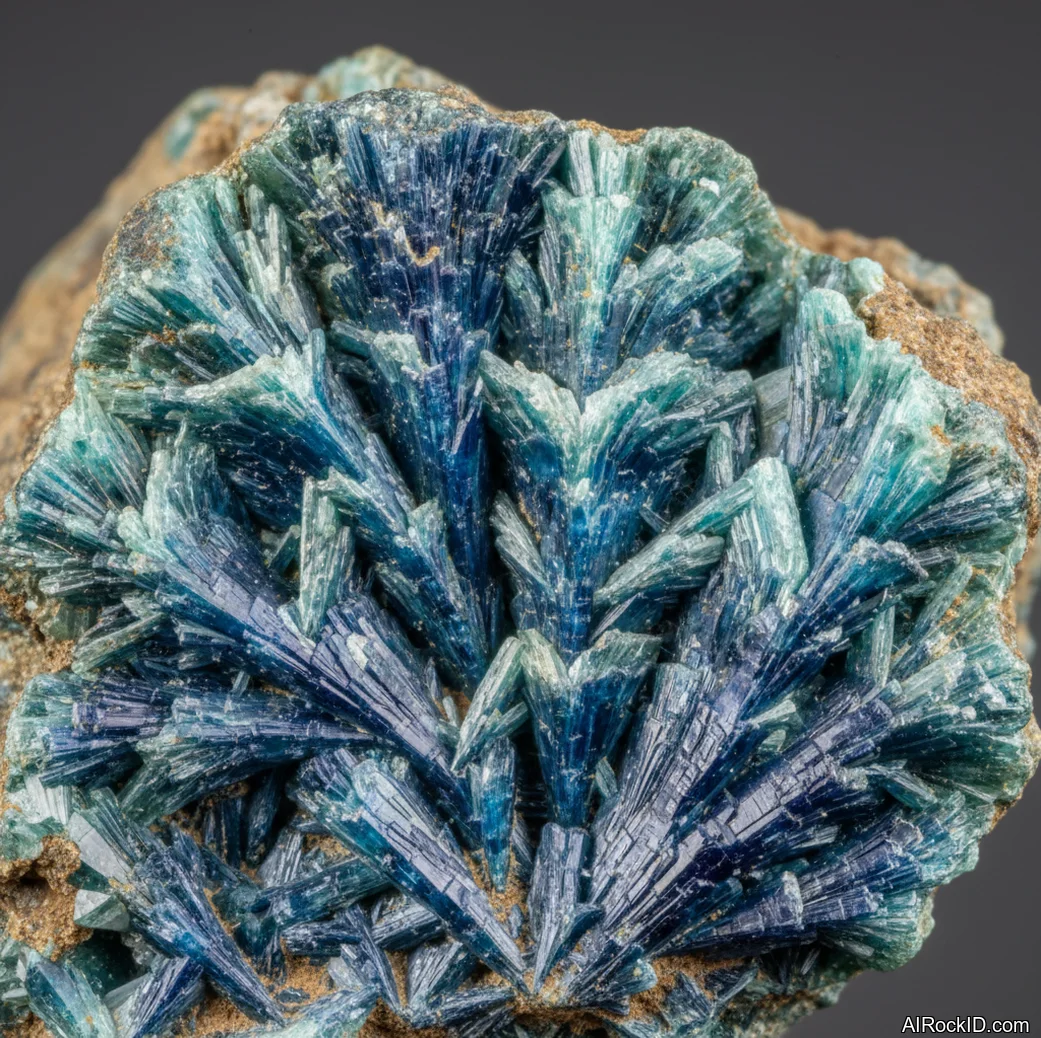
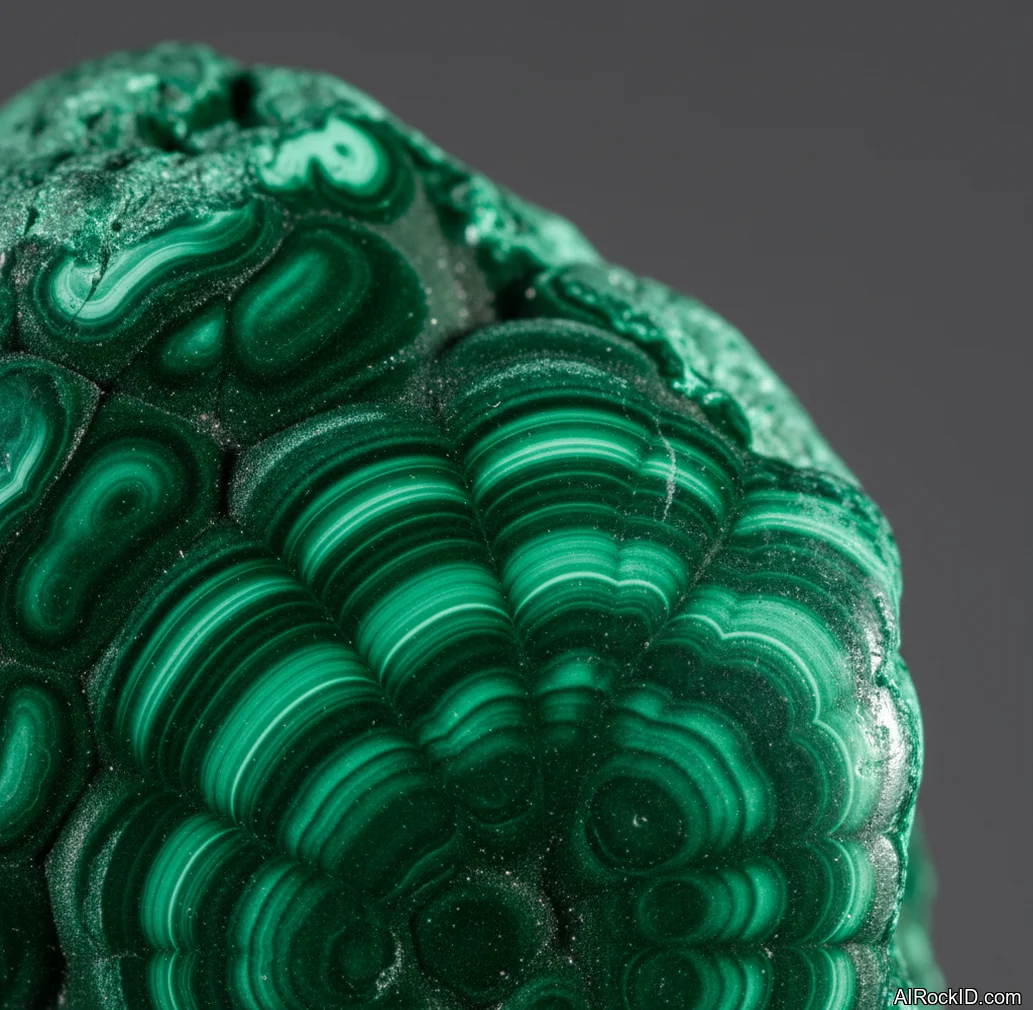
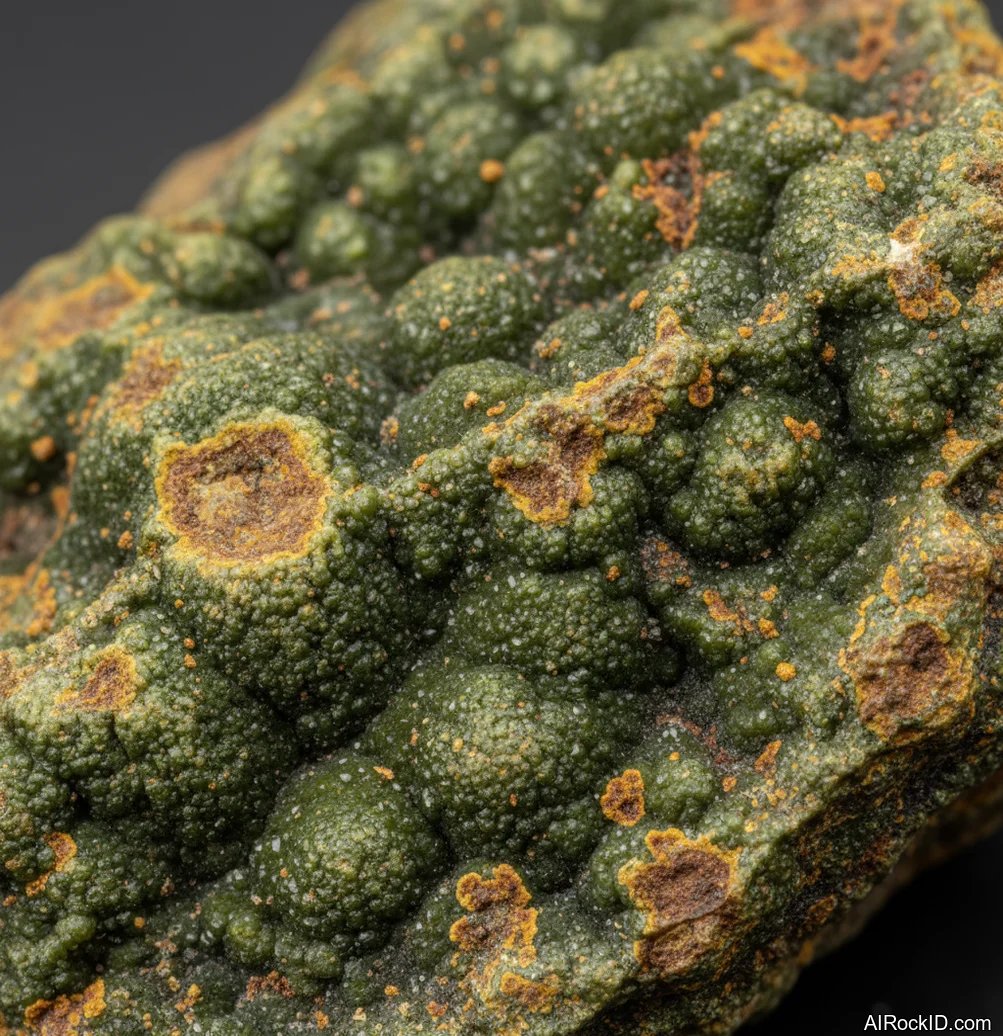
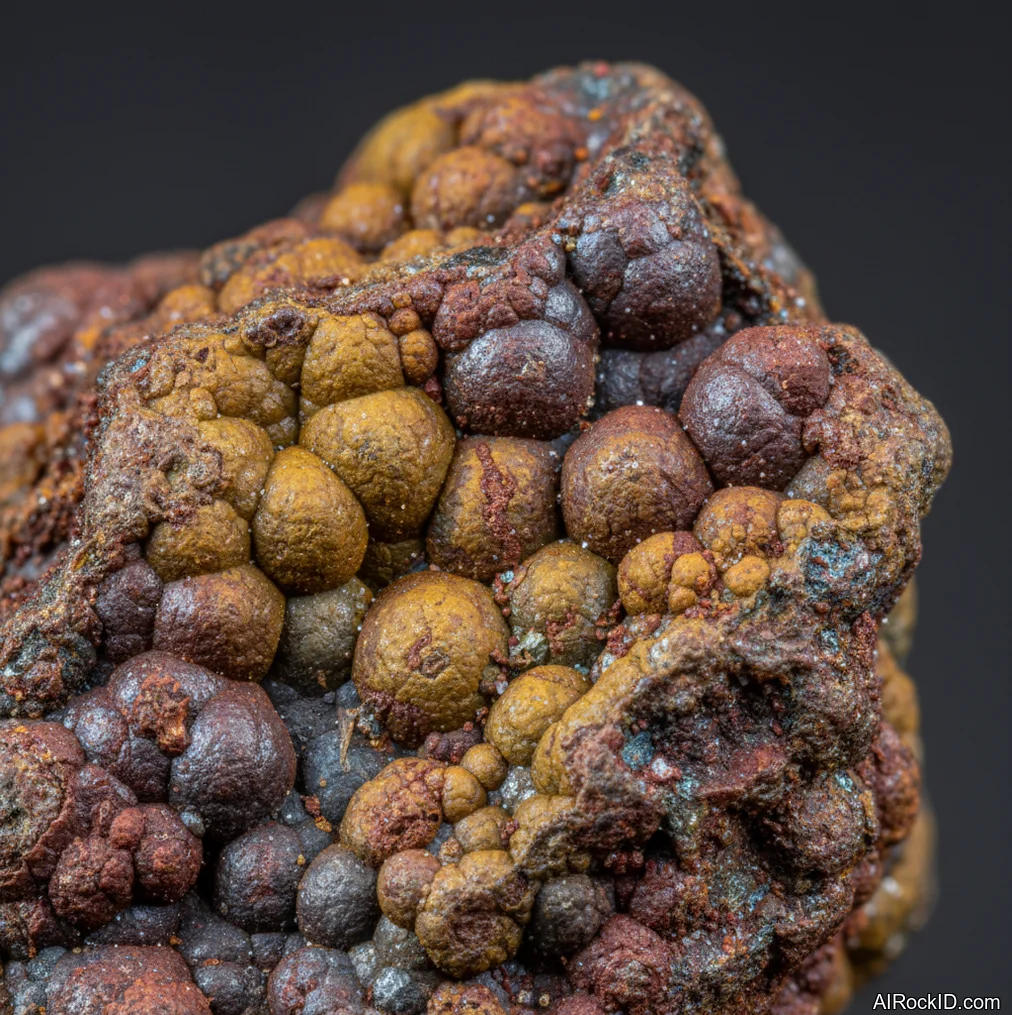
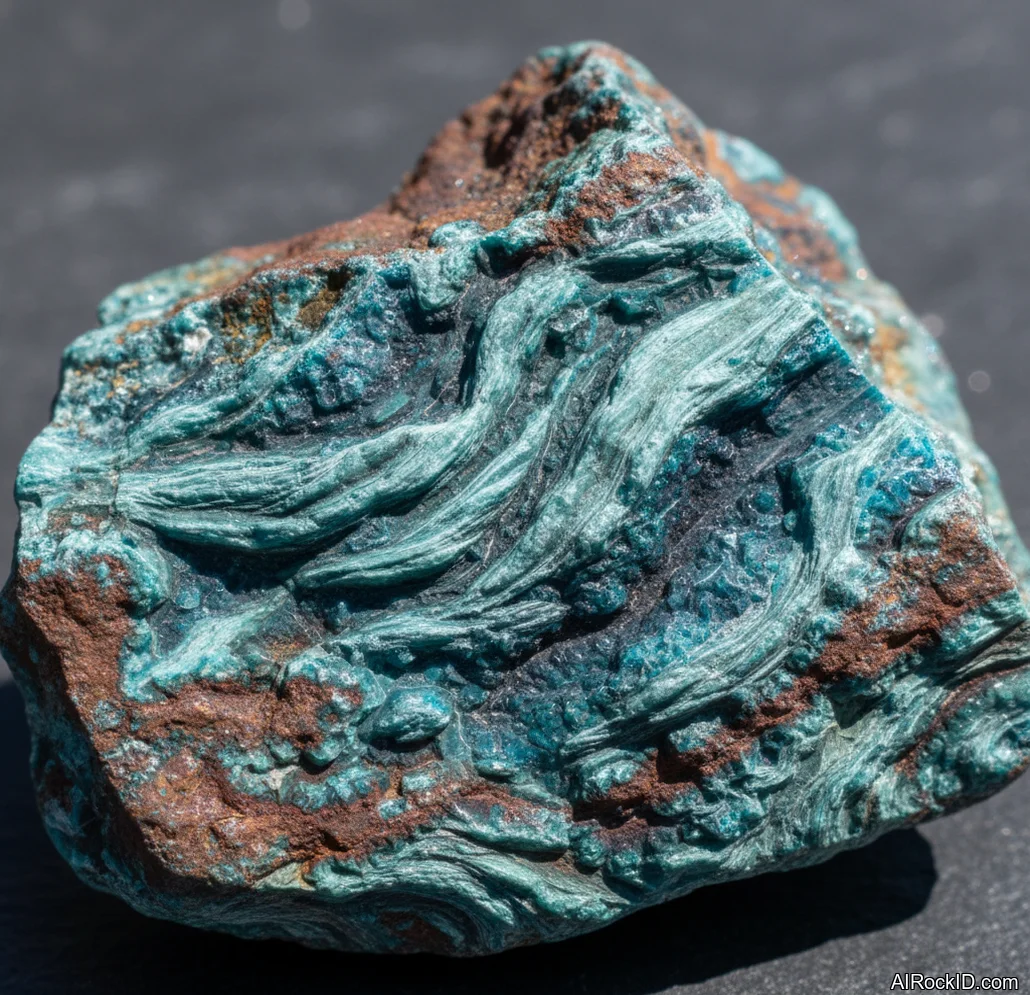
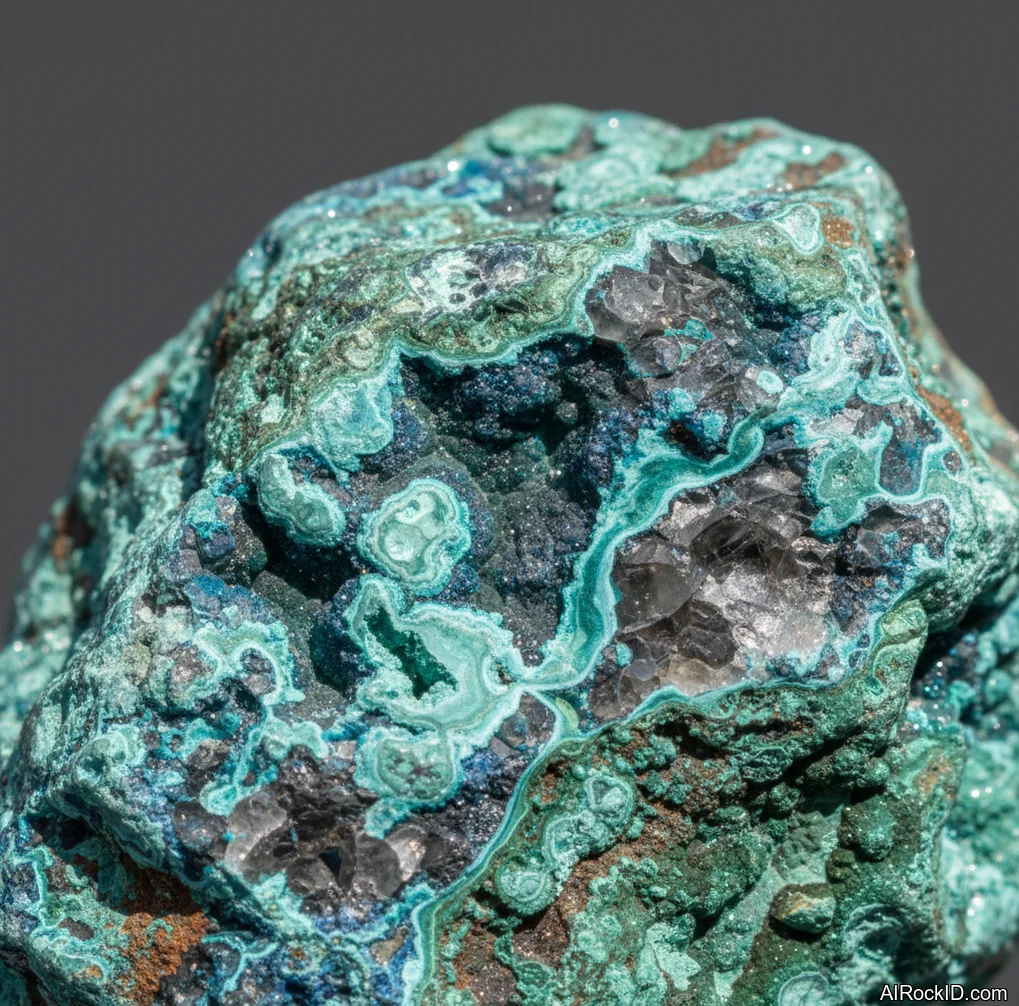
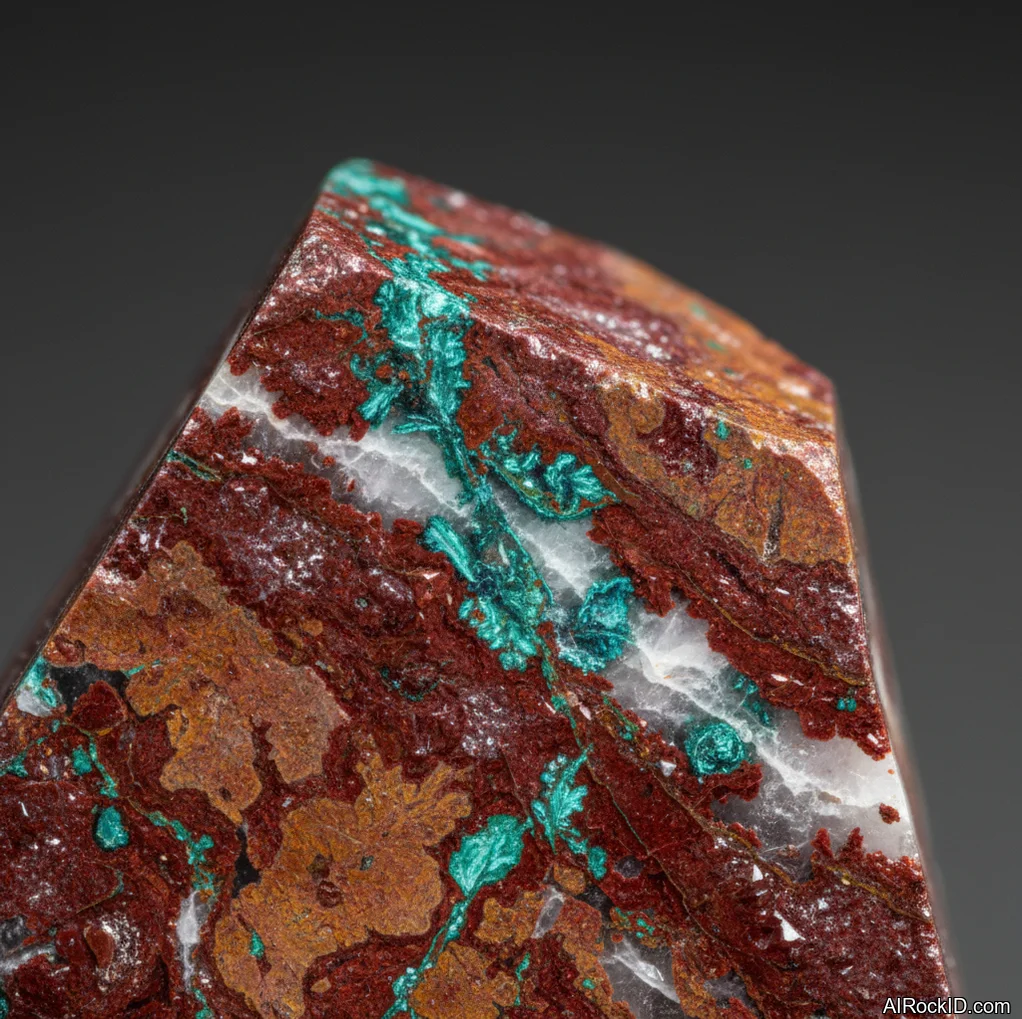
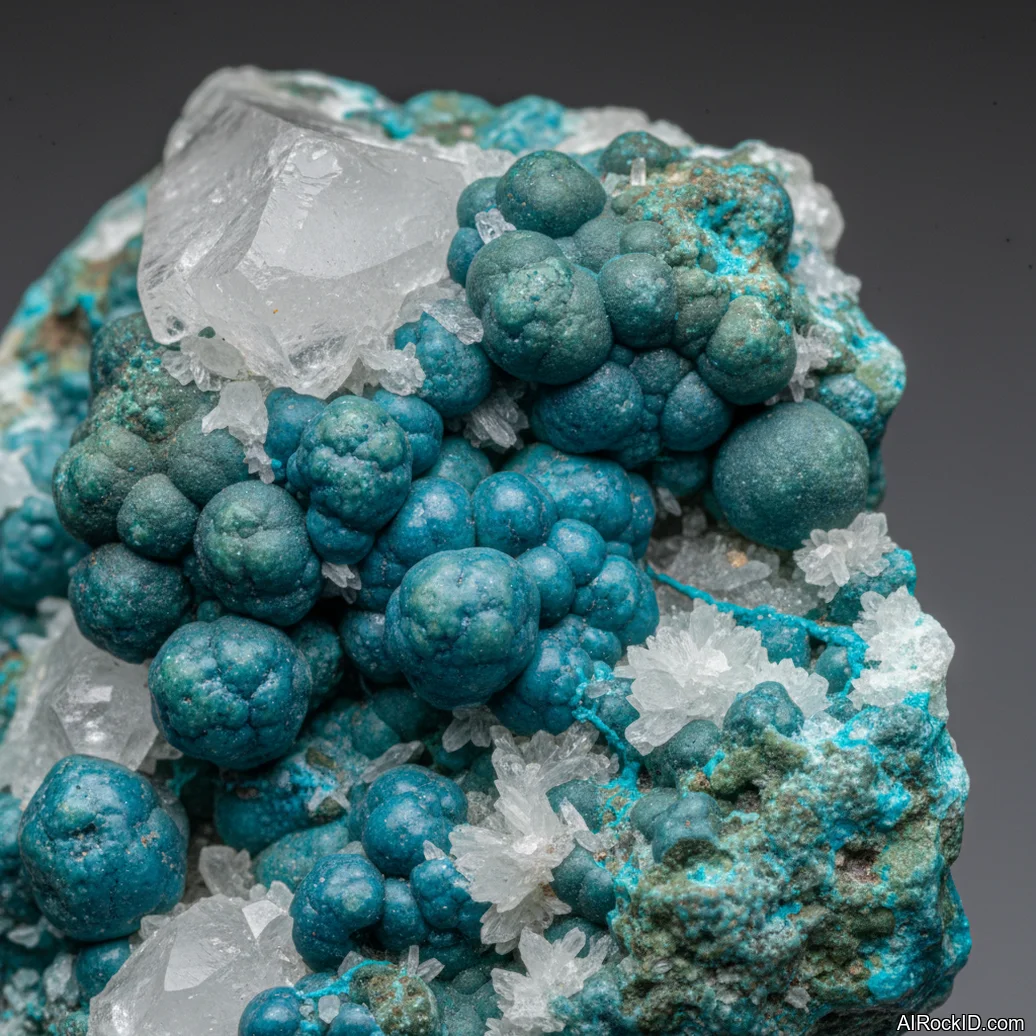
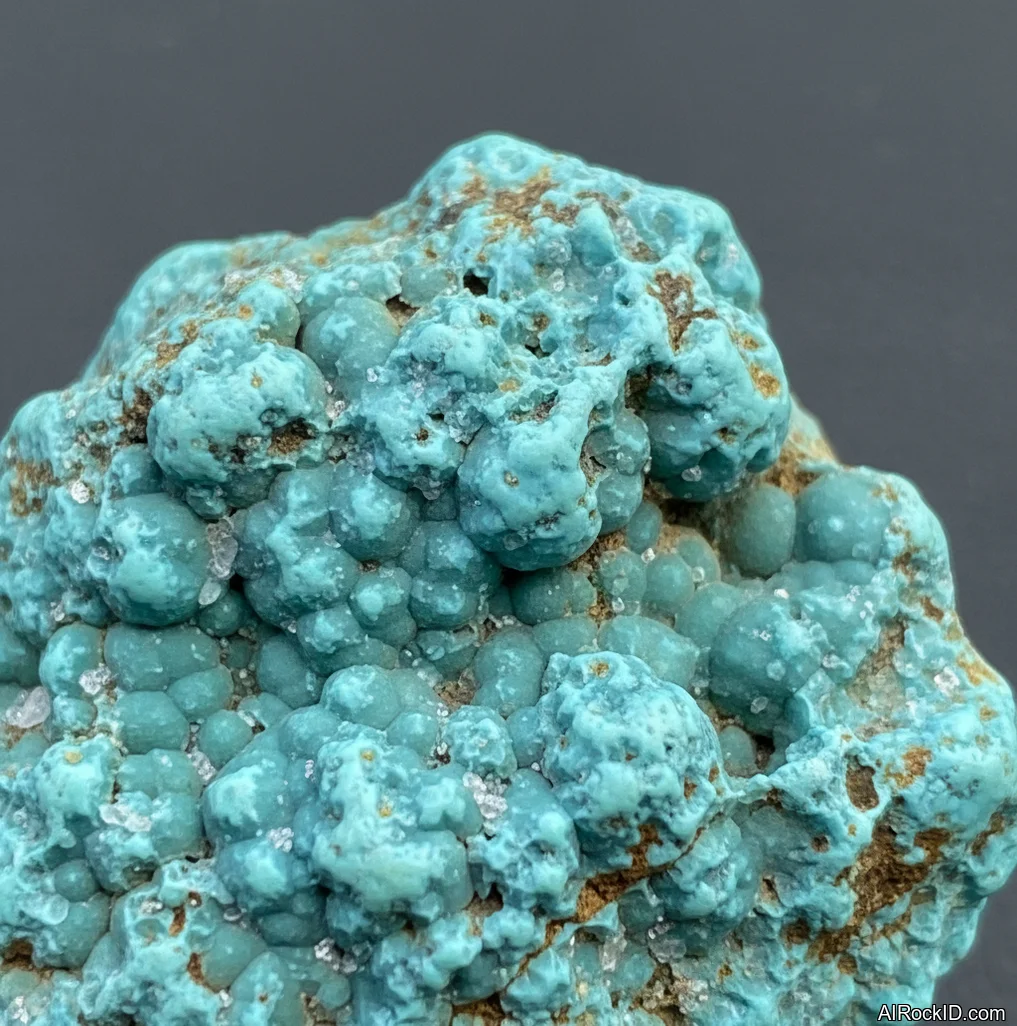
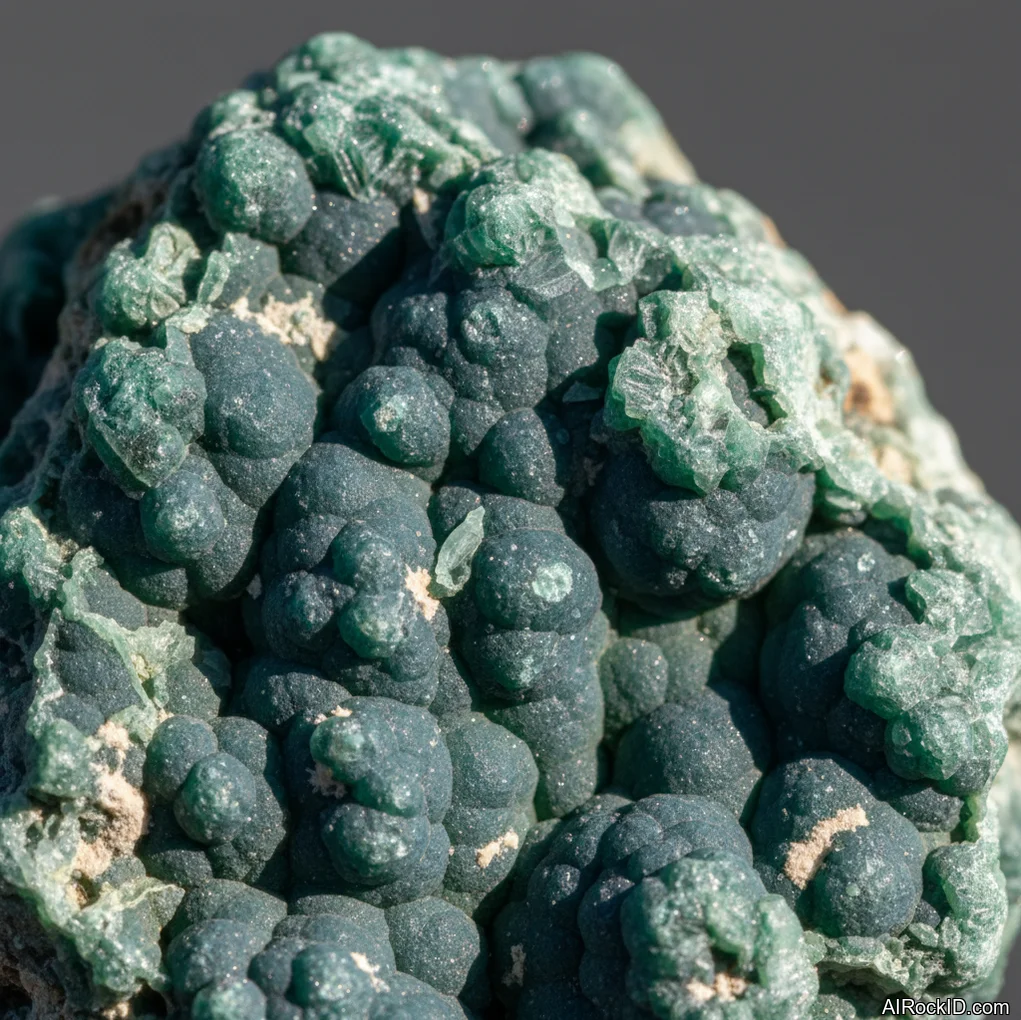
Then there’s the coppery side of Venus stones. Malachite is gorgeous, but it’s not a gentle beginner rock in the physical sense. Raw malachite can leave green dust on your fingers, and you don’t want to breathe that in. I keep my raw pieces in a box, and if I’m handling them a lot I wash my hands after. Polished malachite is easier to live with. Look closely at the banding: natural patterns have messy transitions and uneven lines, while fake malachite often shows cartoon stripes that repeat like wallpaper. (You’ll see it once and never unsee it.)
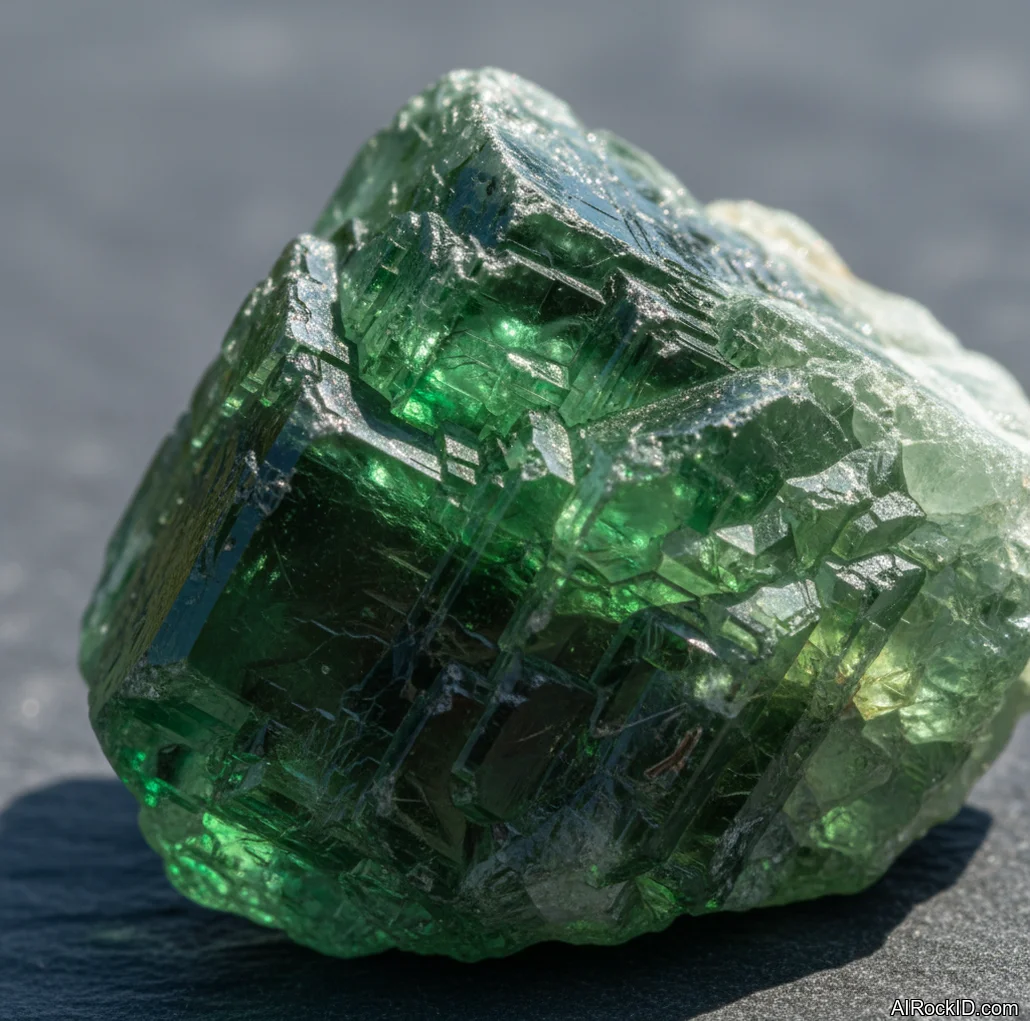
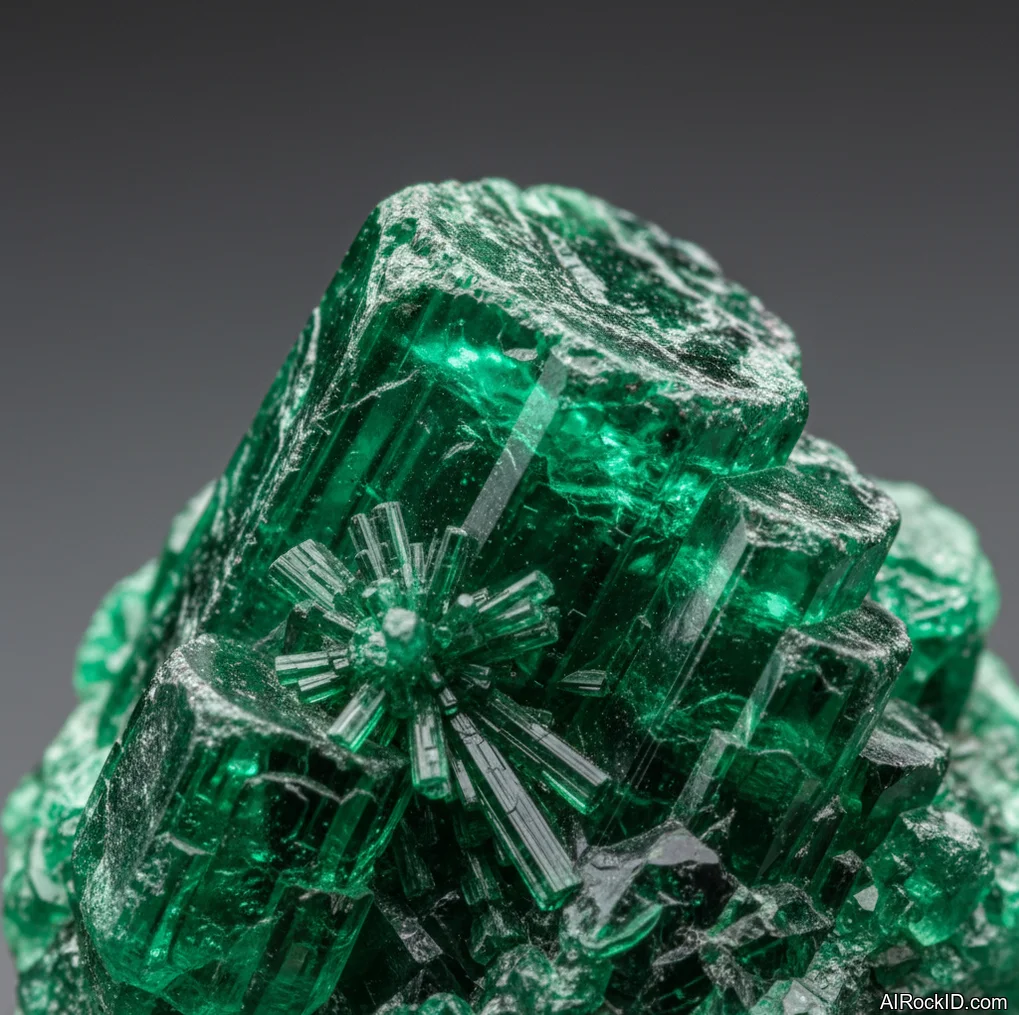
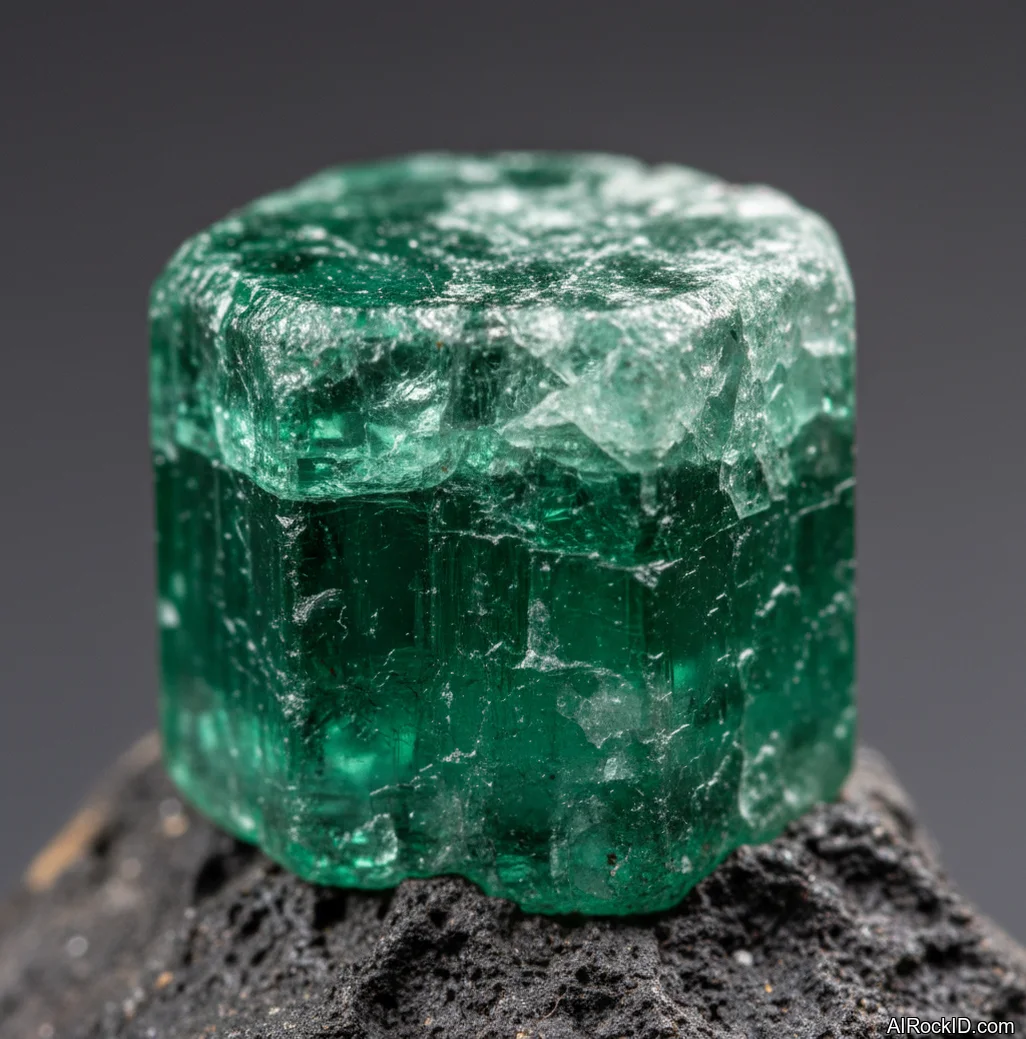
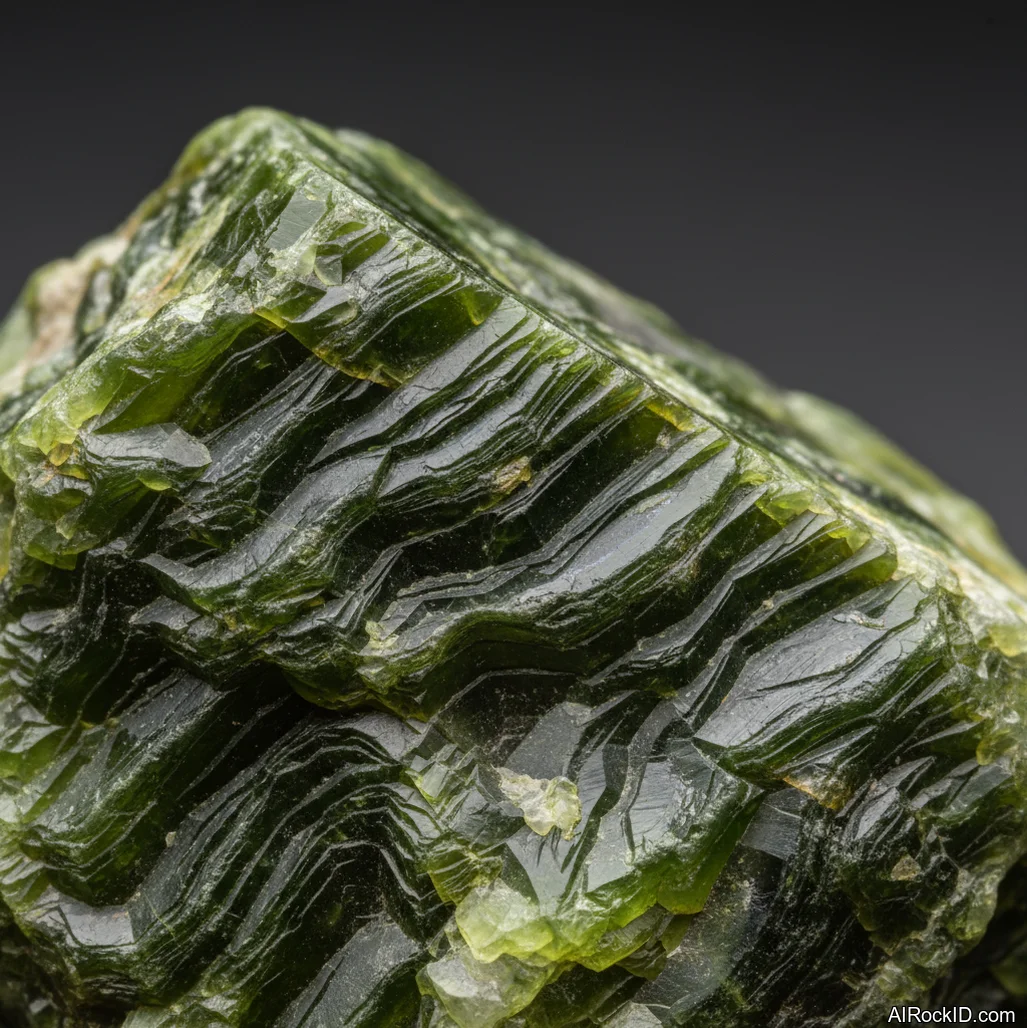
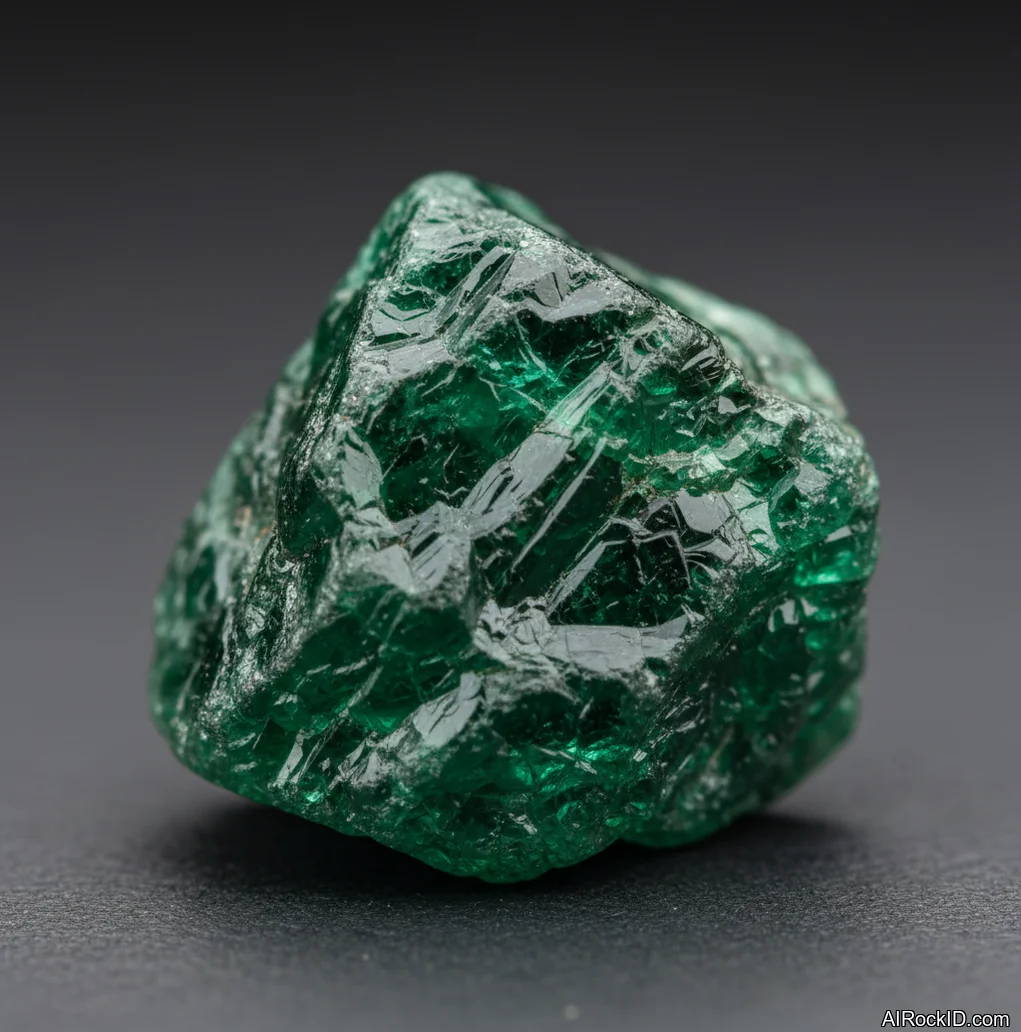
Working with Venus crystals doesn’t have to be mystical theater. Put a chunk of Rose Quartz where your hands actually land: beside the bed, next to the couch, on the vanity, by the kettle. Carry a small tumbled Rhodonite when you know you’re walking into a tense conversation. If you wear jewelry, Venus stones do well as skin-contact pieces. A Jade bangle warms slowly and sits there like a steady pulse. A small Emerald in a bezel setting is practical, because emeralds chip easier than people think. Those internal “jardin” inclusions aren’t flaws in the collector sense, but they do mean you shouldn’t toss emerald jewelry in a bag with your keys. Not worth it.
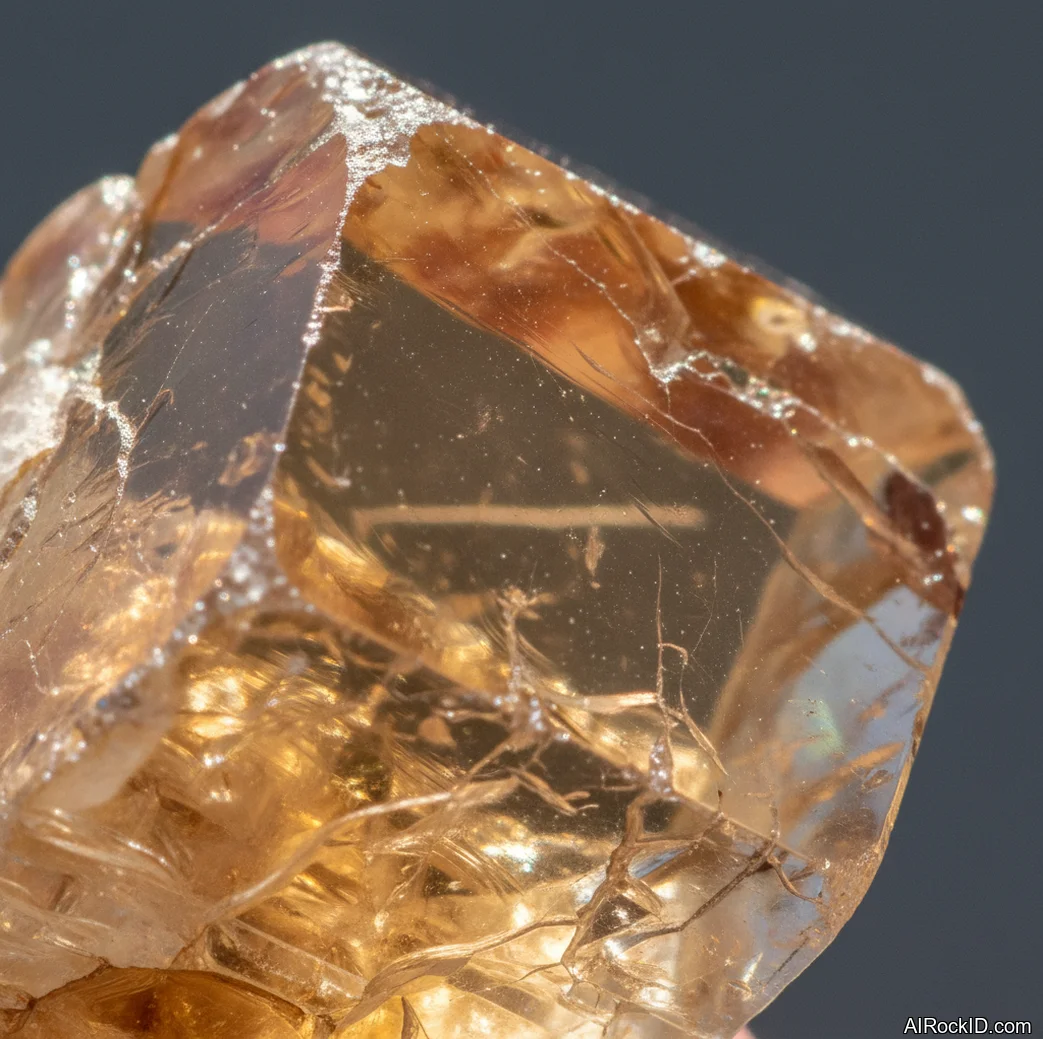
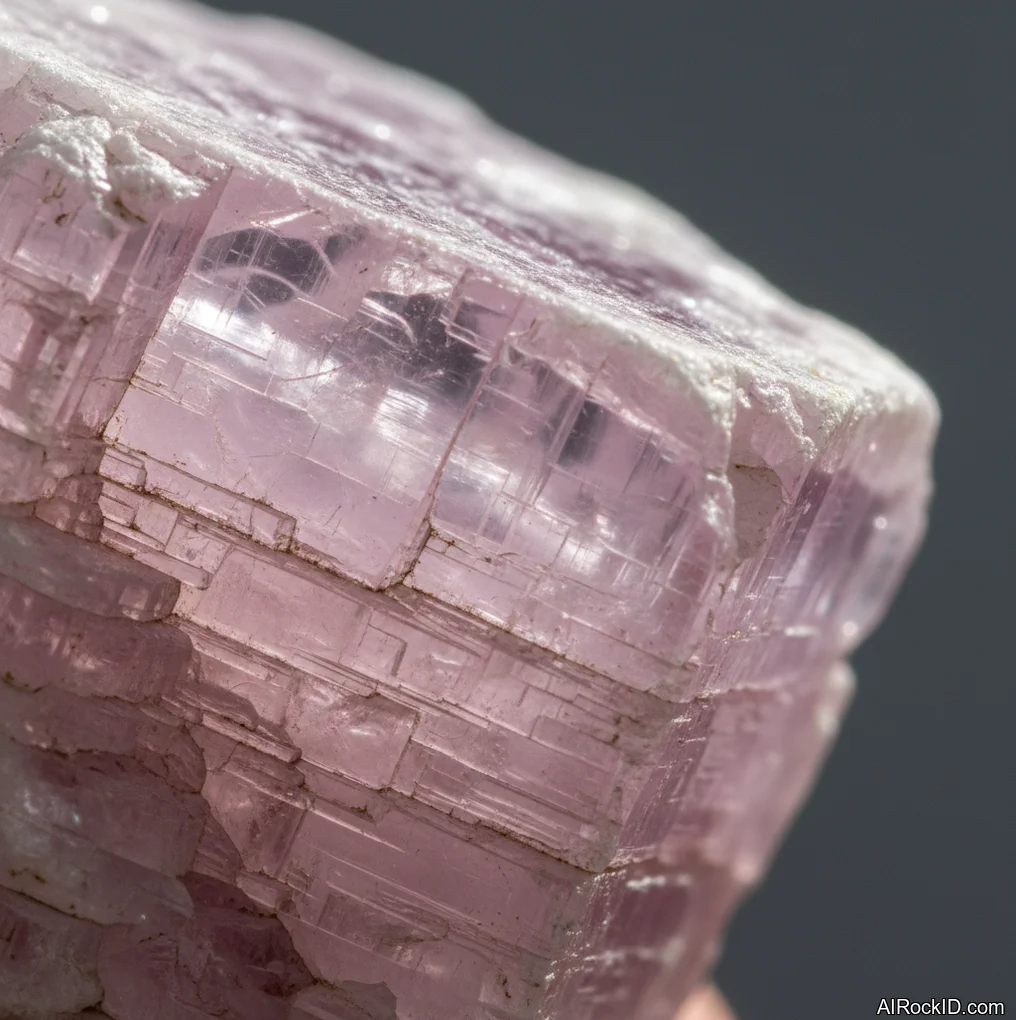
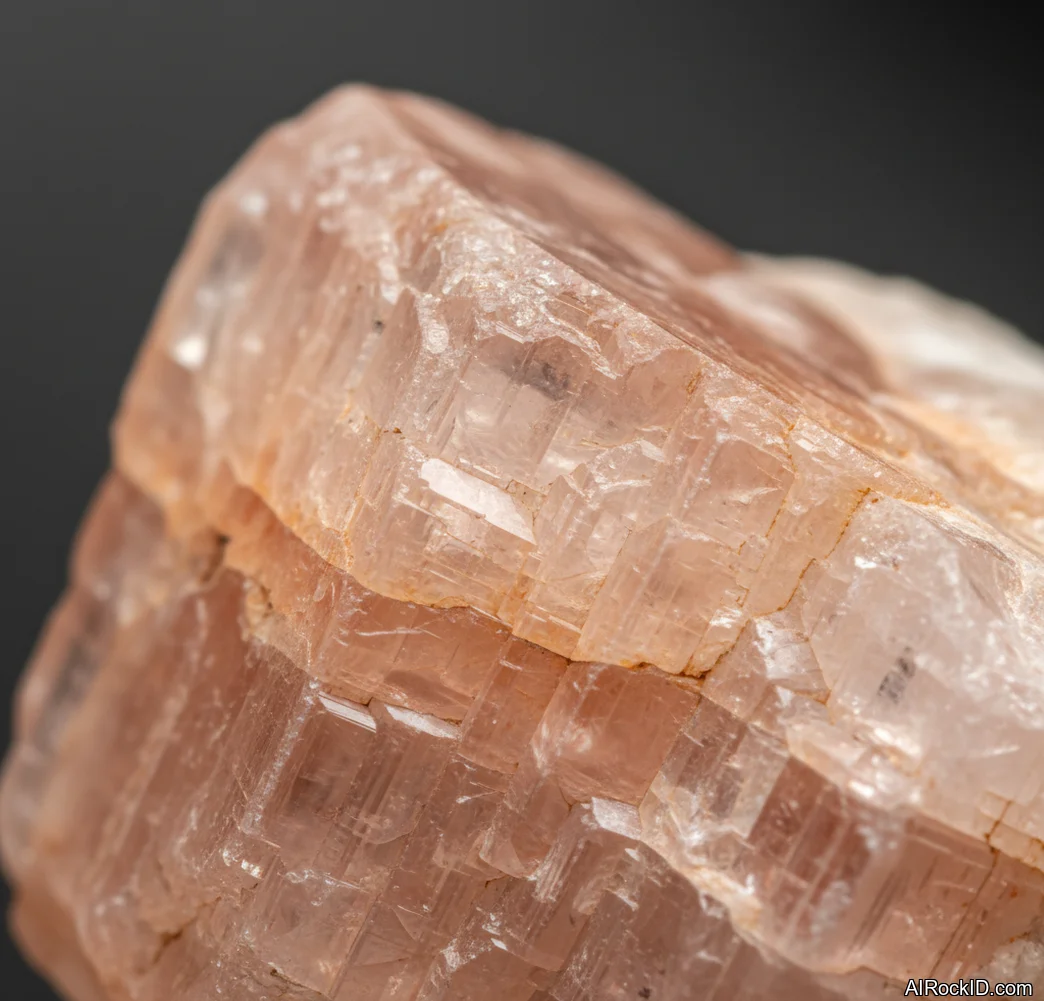
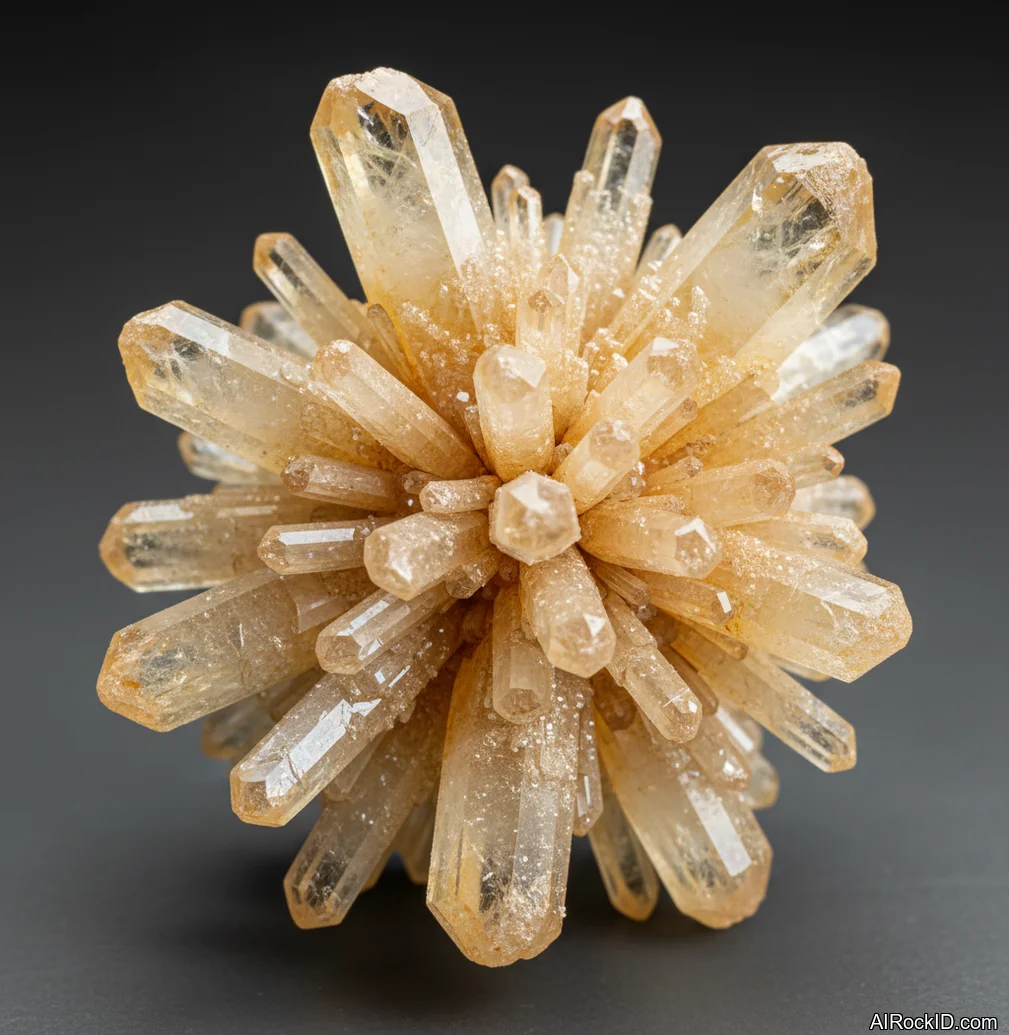
Buying tips matter because Venus stones are a magnet for treatments. Emeralds are commonly oiled to improve clarity. That’s normal in the trade, but it affects care: avoid heat and harsh cleaners. Pink Topaz and Morganite can be irradiated or heat-treated, and the color can be subtle enough that you’re paying for a name more than a look (happens all the time). For Rose Quartz, ask if it’s natural color or dyed. For Jade, ask which type it is and whether it’s treated. If the seller can’t tell you “nephrite” or “jadeite,” or they dodge treatment questions, move on. Seriously.
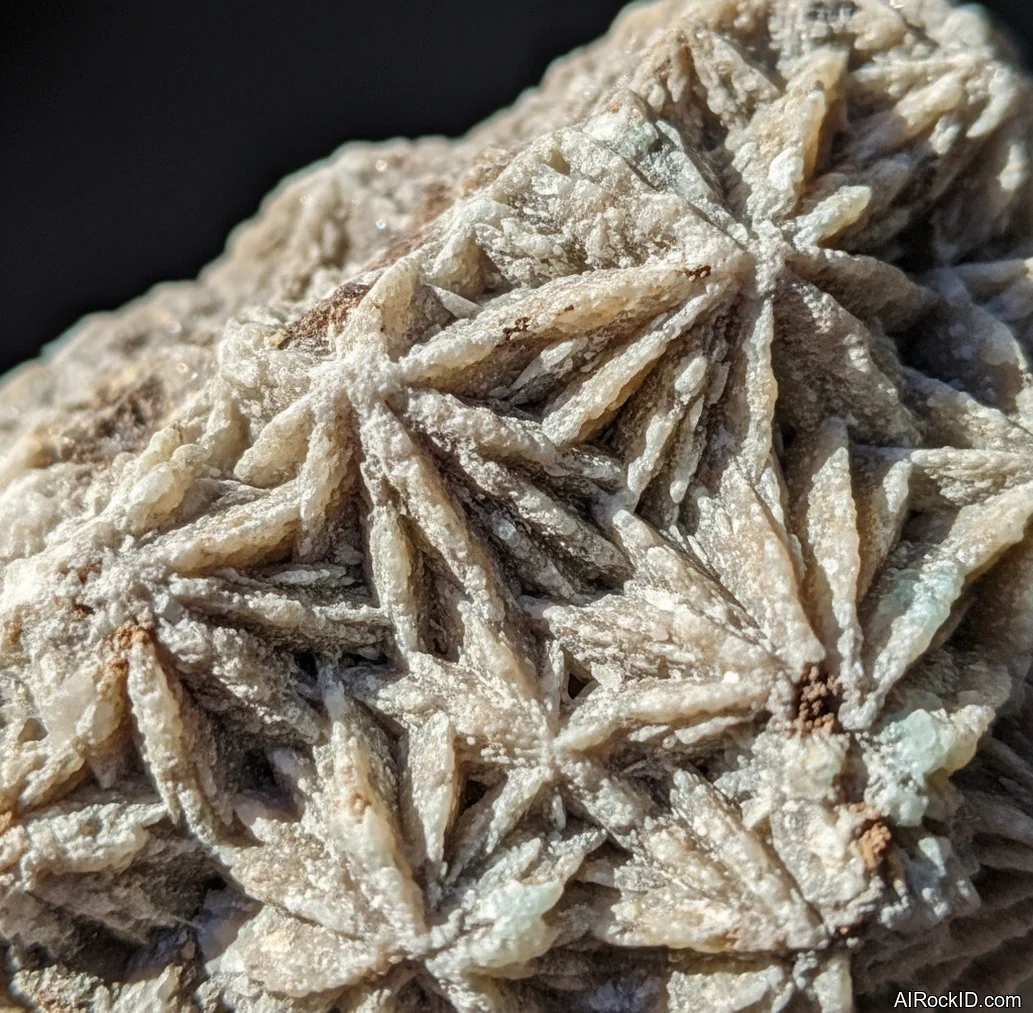
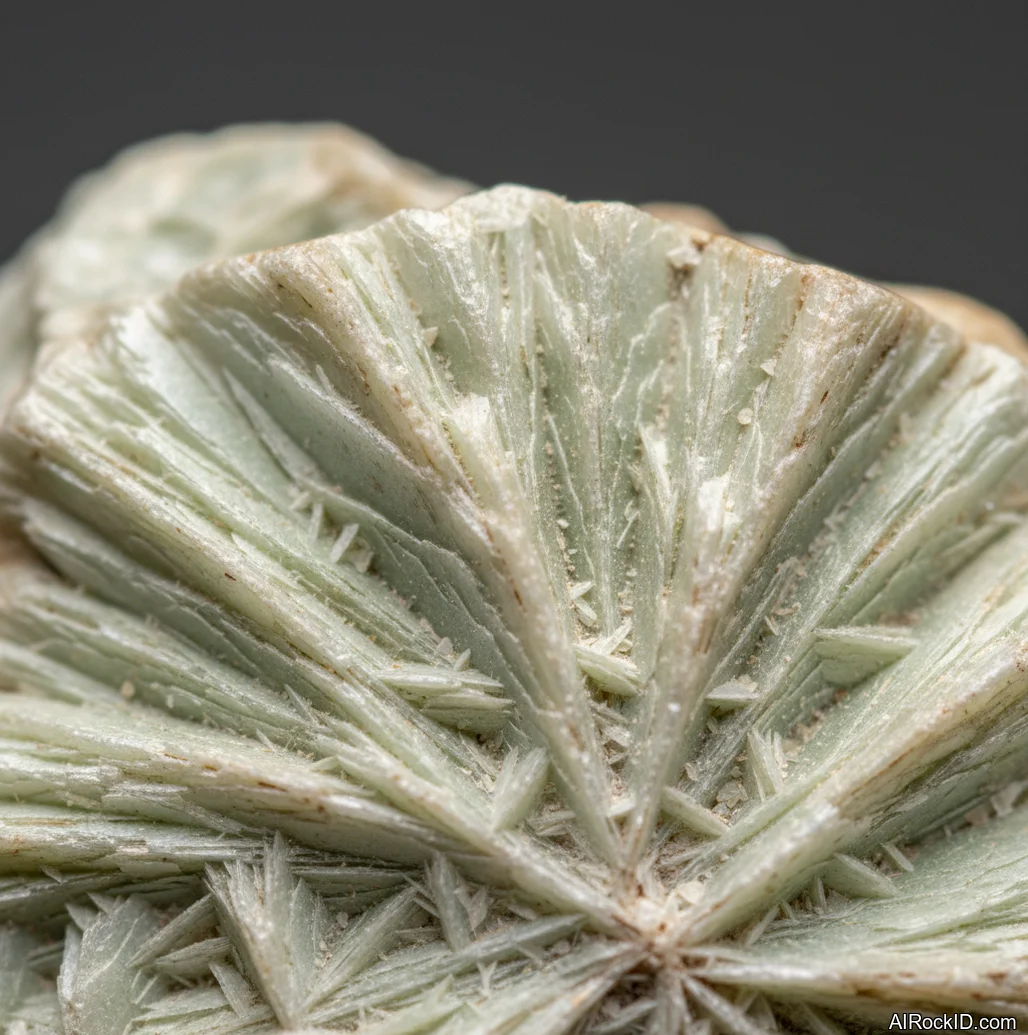
Care is simple, but do it right. Most Venus stones like Rose Quartz, Aventurine, and Rhodonite can handle a quick rinse and a soft cloth. Malachite doesn’t belong in salt water, and I wouldn’t soak it at all. Selenite and satin spar are often paired with Venus altars for that clean, white glow, but they’ll pit and fuzz if you get them wet. Thing is, the problem with crystal routines is people copy-paste them. Treat each stone like the actual mineral it is.
Venus work is about ease, but it’s not about pretending everything’s fine. If you’re drawn to gentle stones and you still feel irritated or shut down, that’s useful information. Mix it up. Pair Rose Quartz with Rhodonite for honest repair. Pair Green Aventurine with Jade for growth that sticks. Keep one piece you really like where you’ll see it every day, and let that be the practice. Small. Steady. Real.
All Venus Crystals (155)