Calming Crystals
Explore Calming crystals, what Calming means, and how to choose and use soothing stones like amethyst, lepidolite, and blue lace agate.
Calming, in crystal talk, usually means your body and brain stop acting like they’re on a hair trigger. Not numb. Not checked out. It’s more like the volume knob gets turned down so you can breathe, think, and sleep without that buzzing feeling in your chest. People go looking for calming stones for all kinds of reasons. Some want help winding down after work. Some are trying to quiet a racing mind at night. Others just want something steady in their pocket for crowded places, long drives, flights, or a tough conversation.
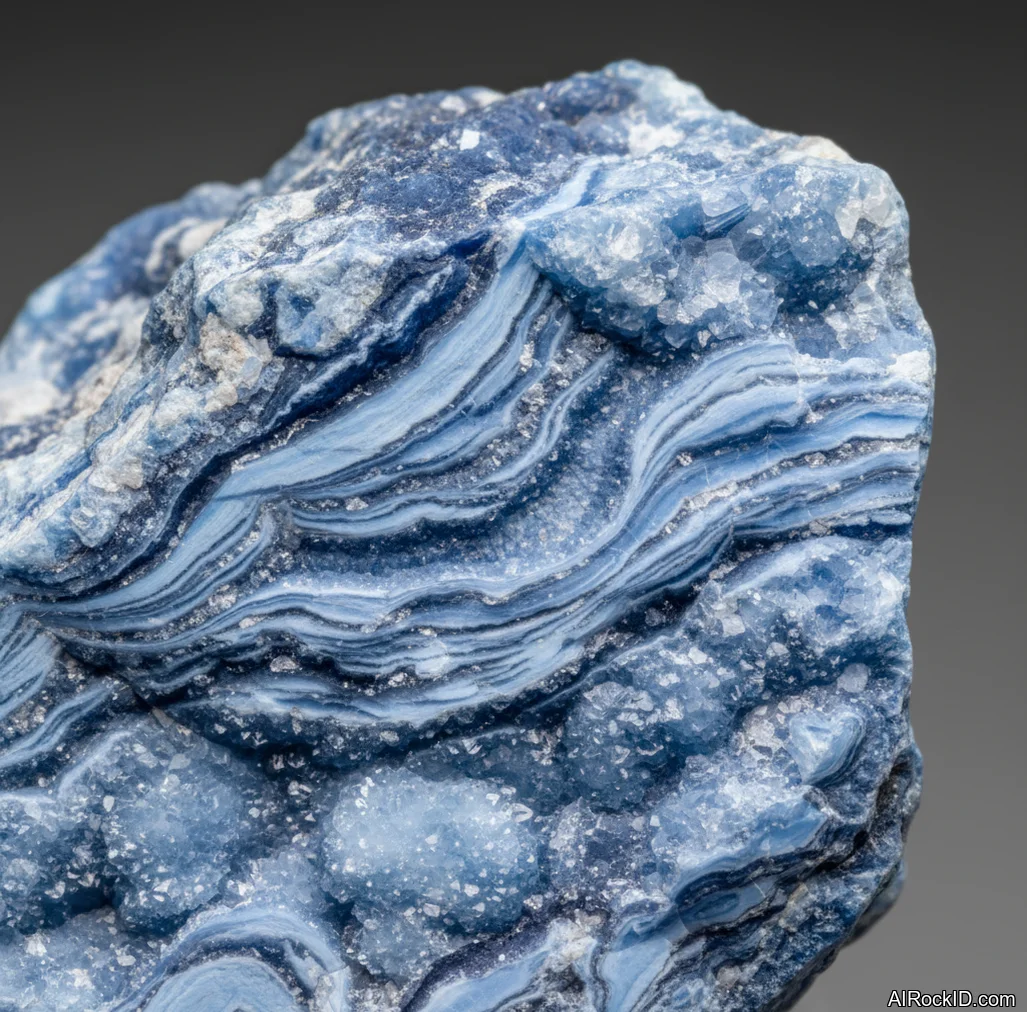
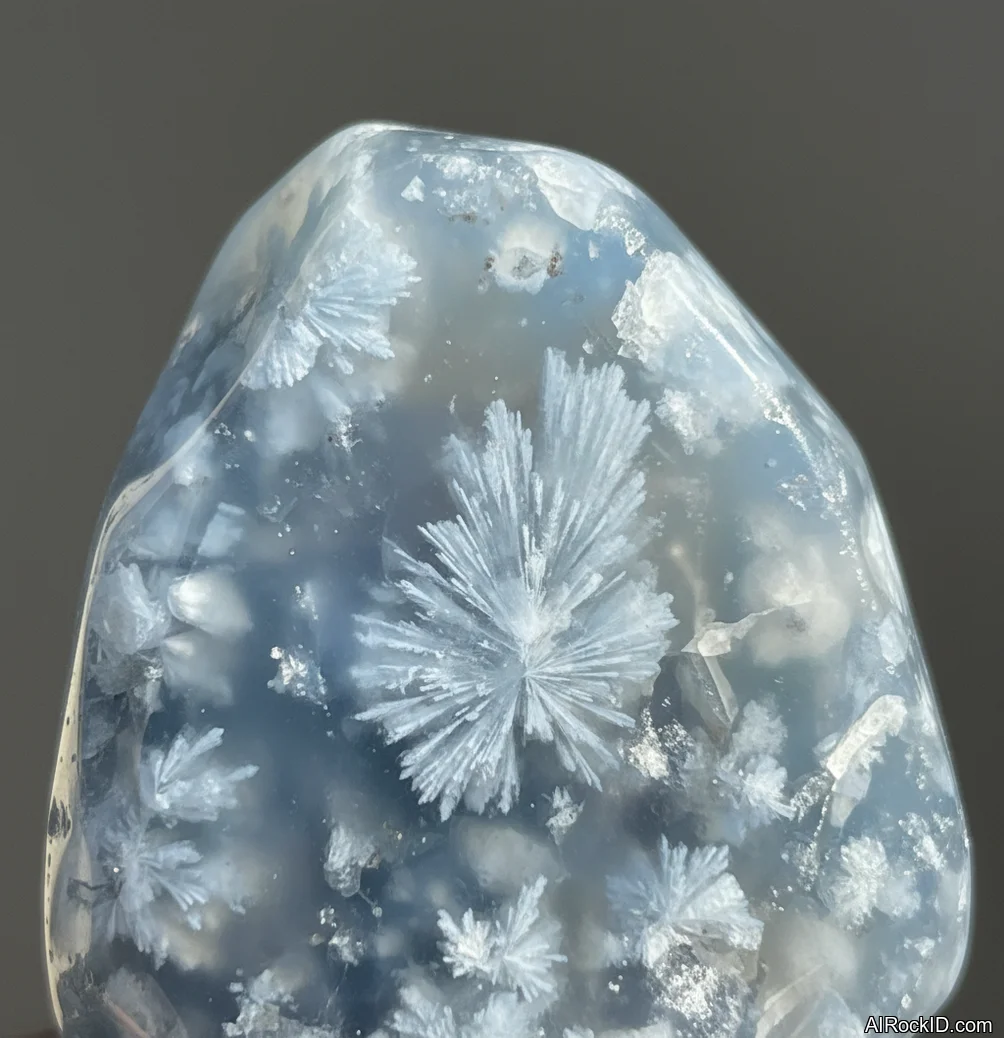
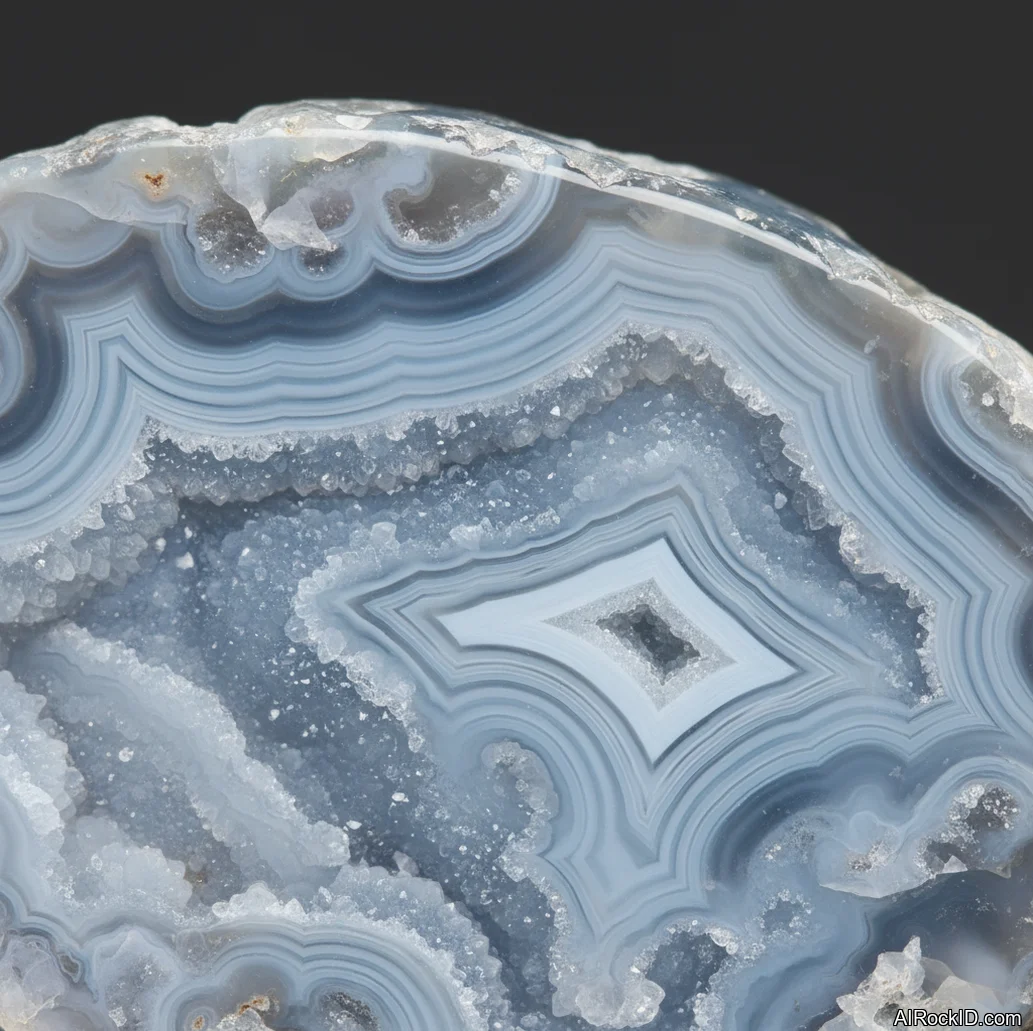
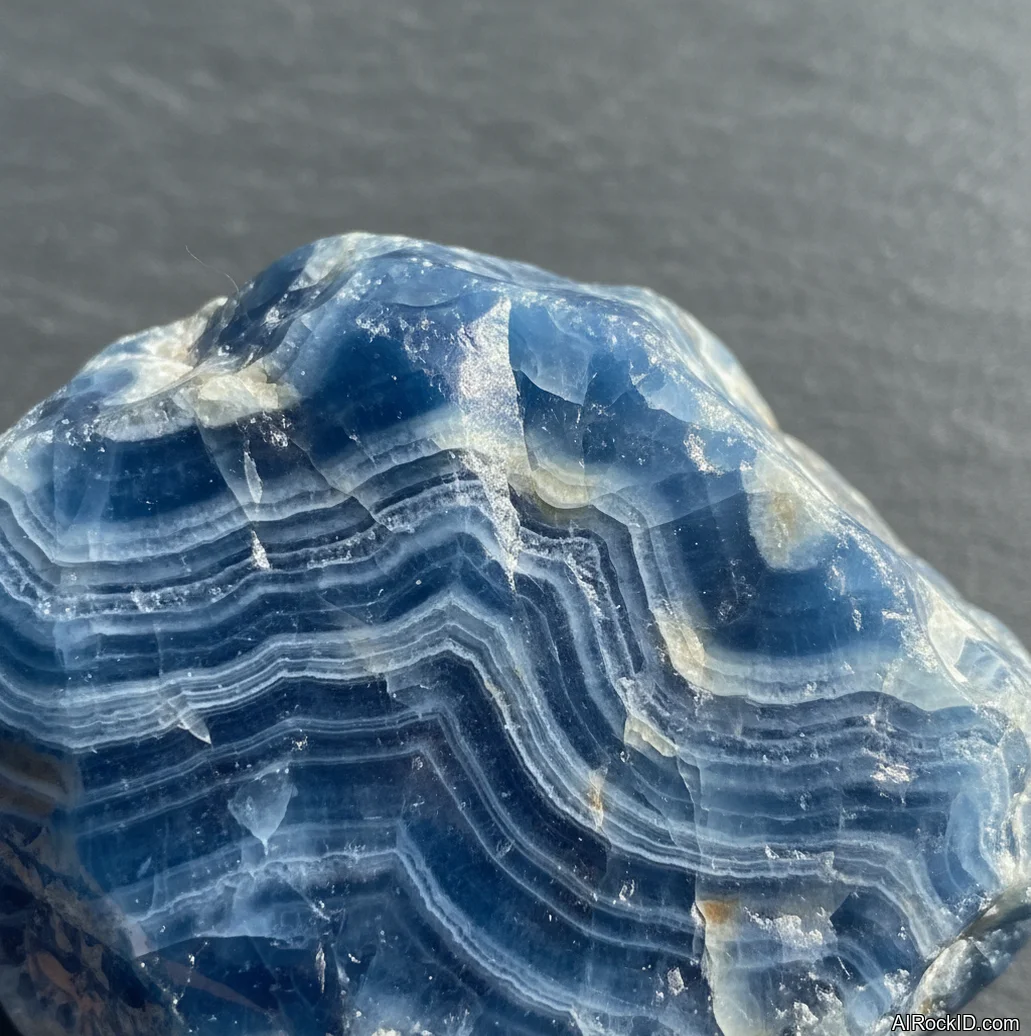
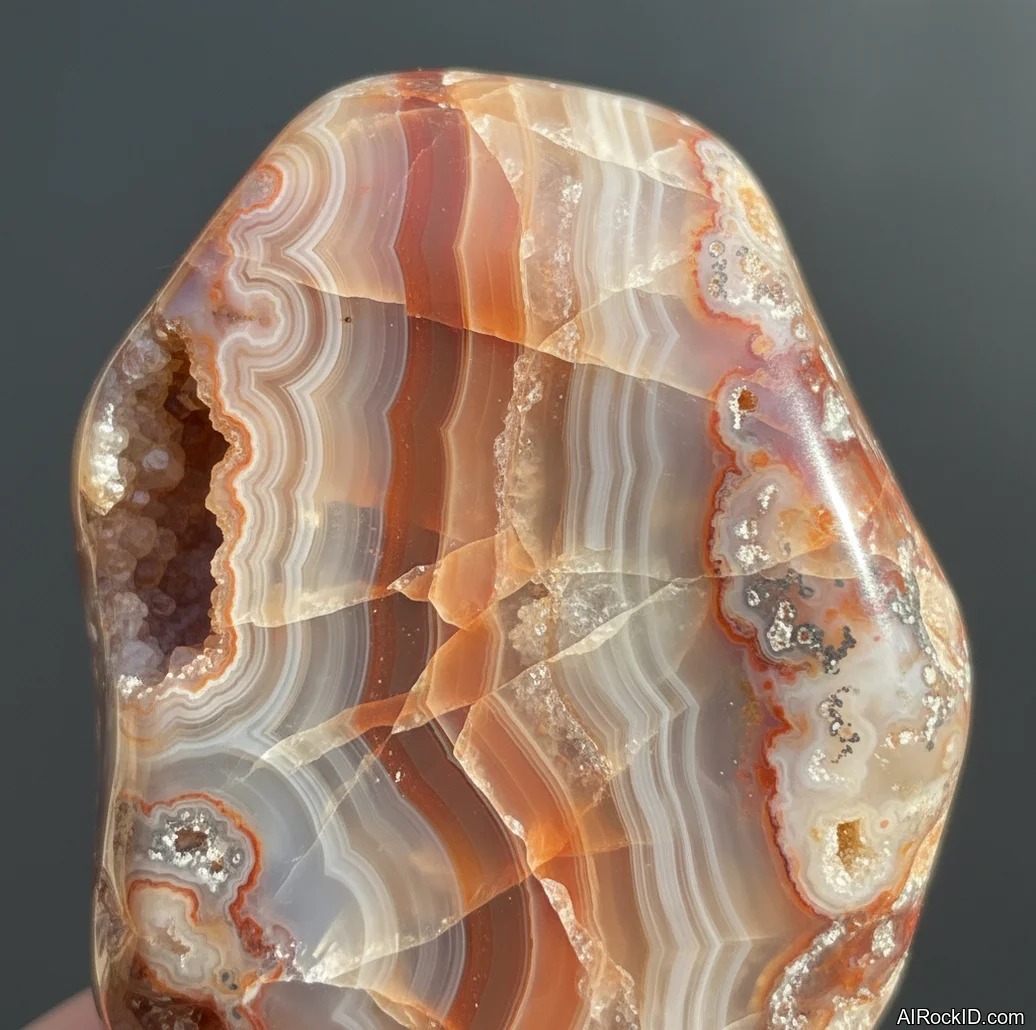
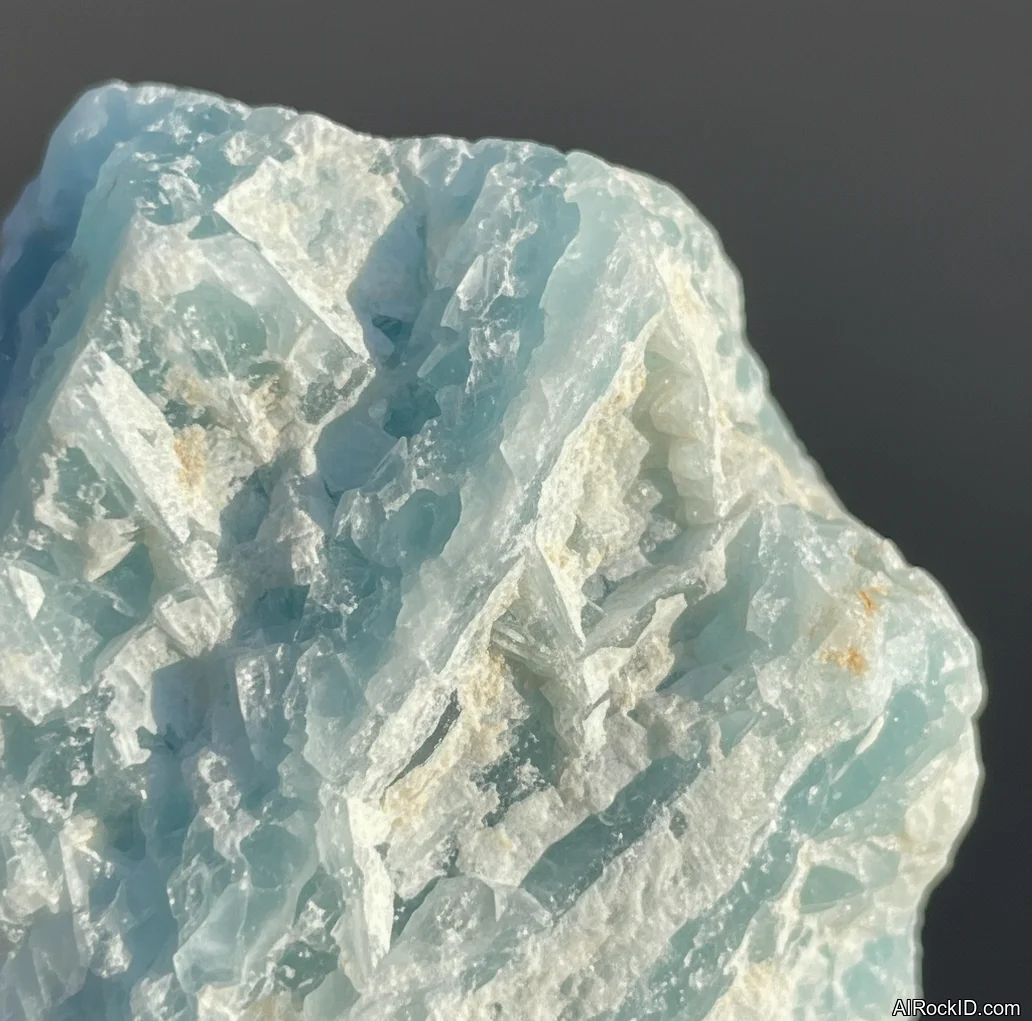
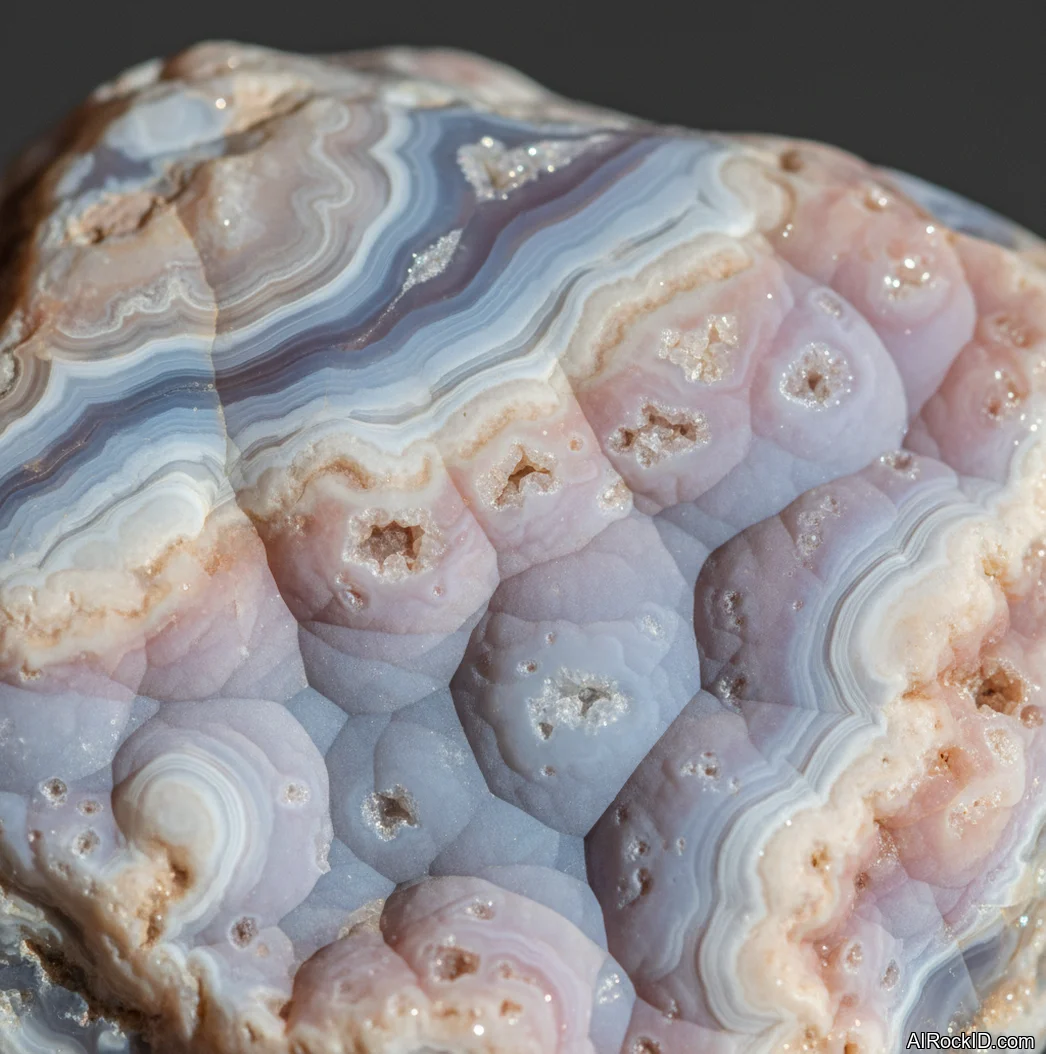
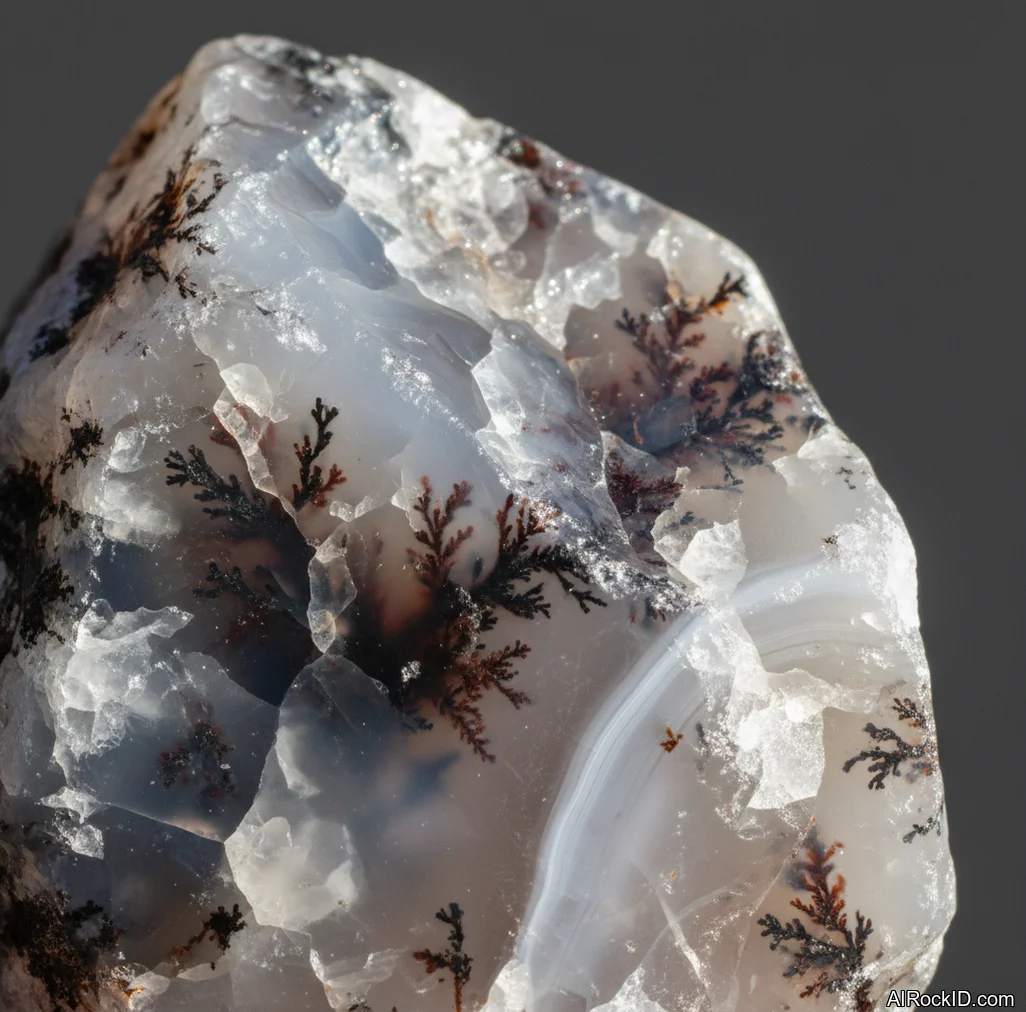
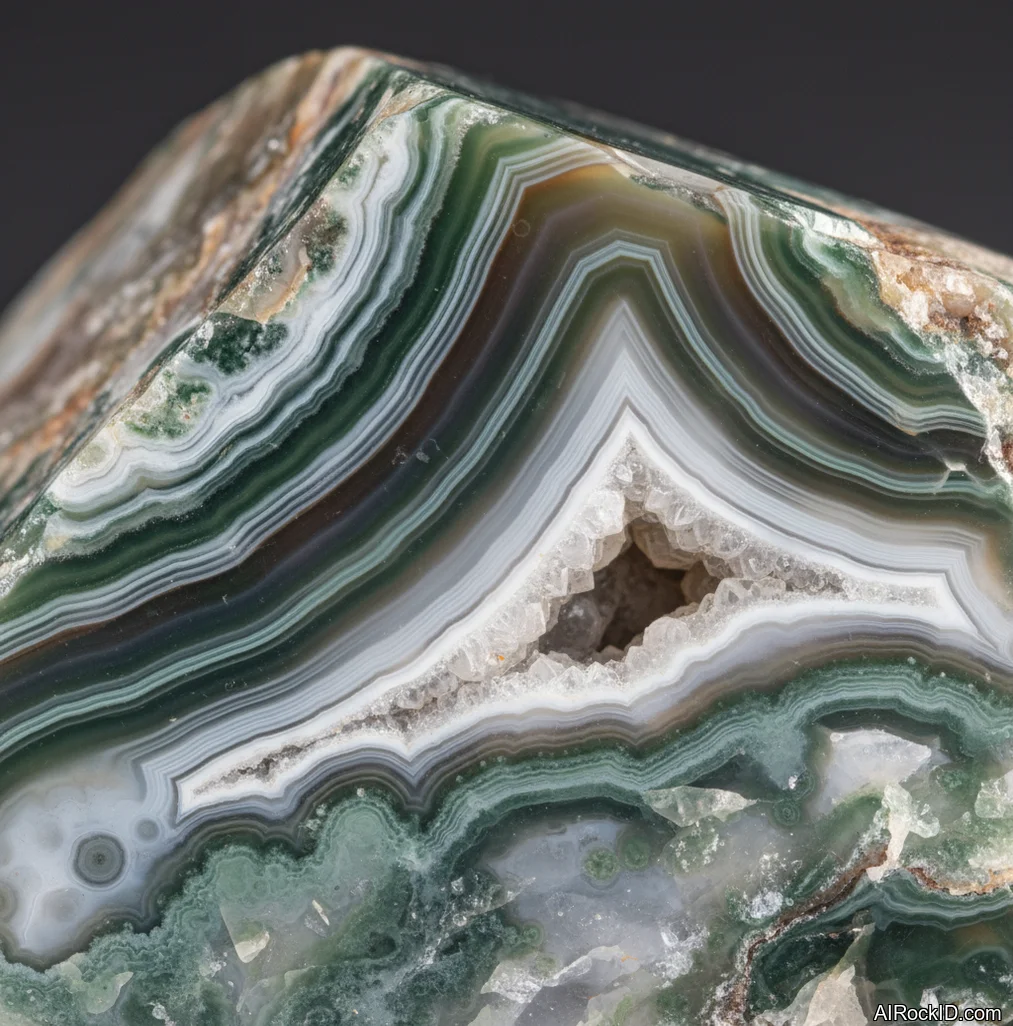
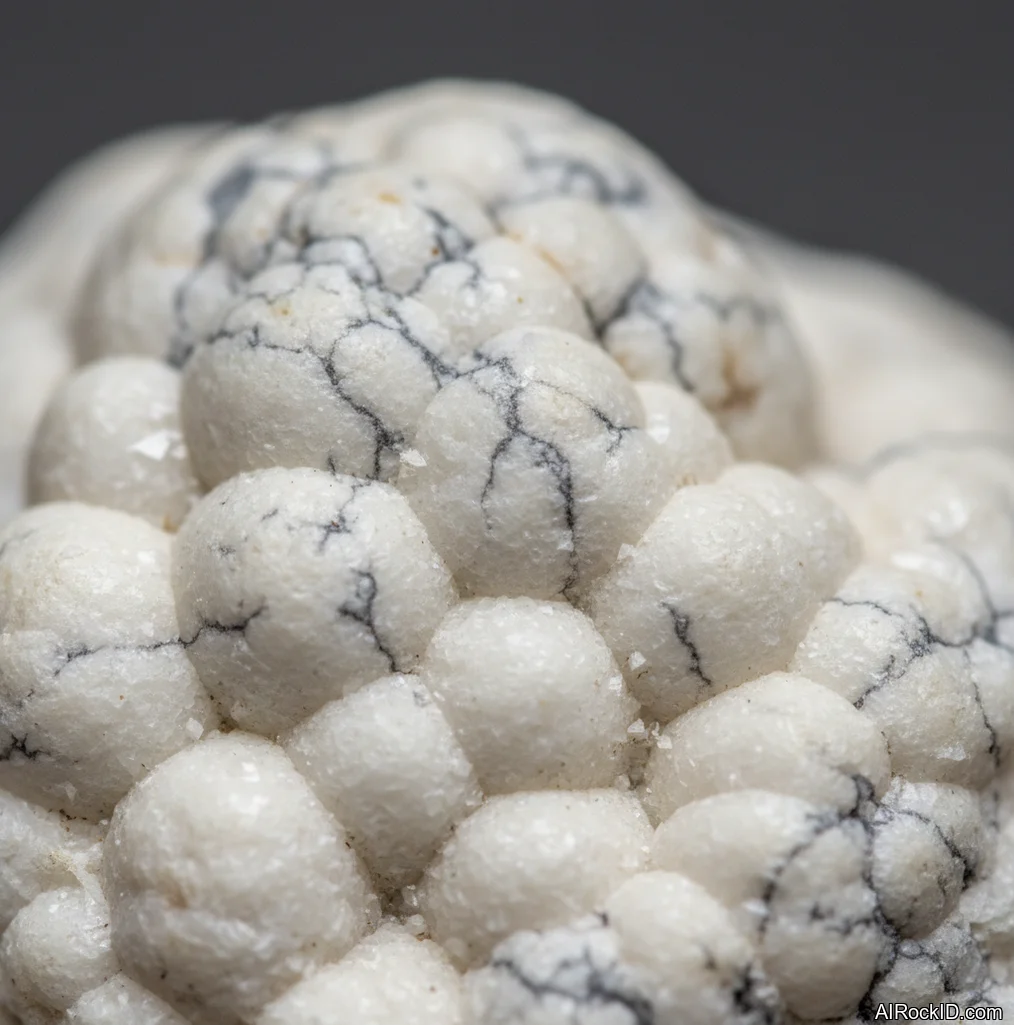
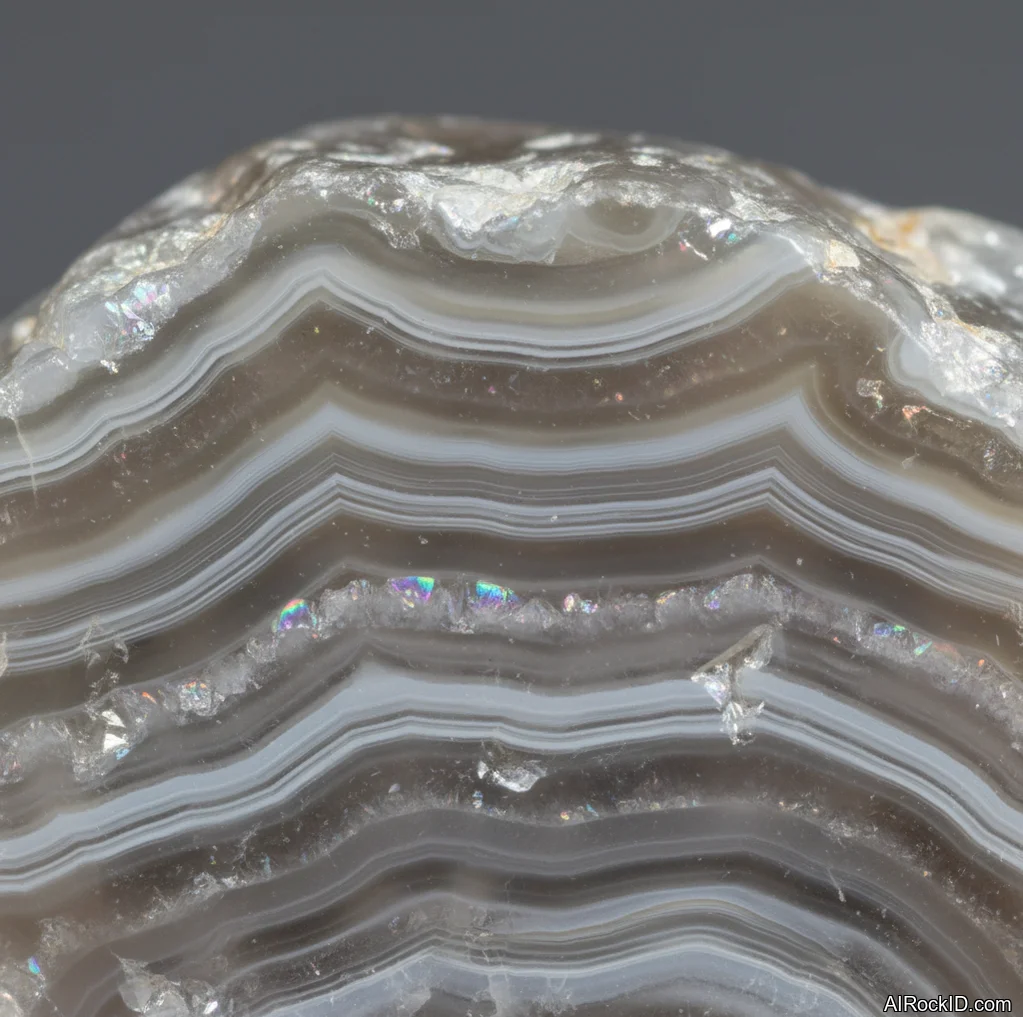
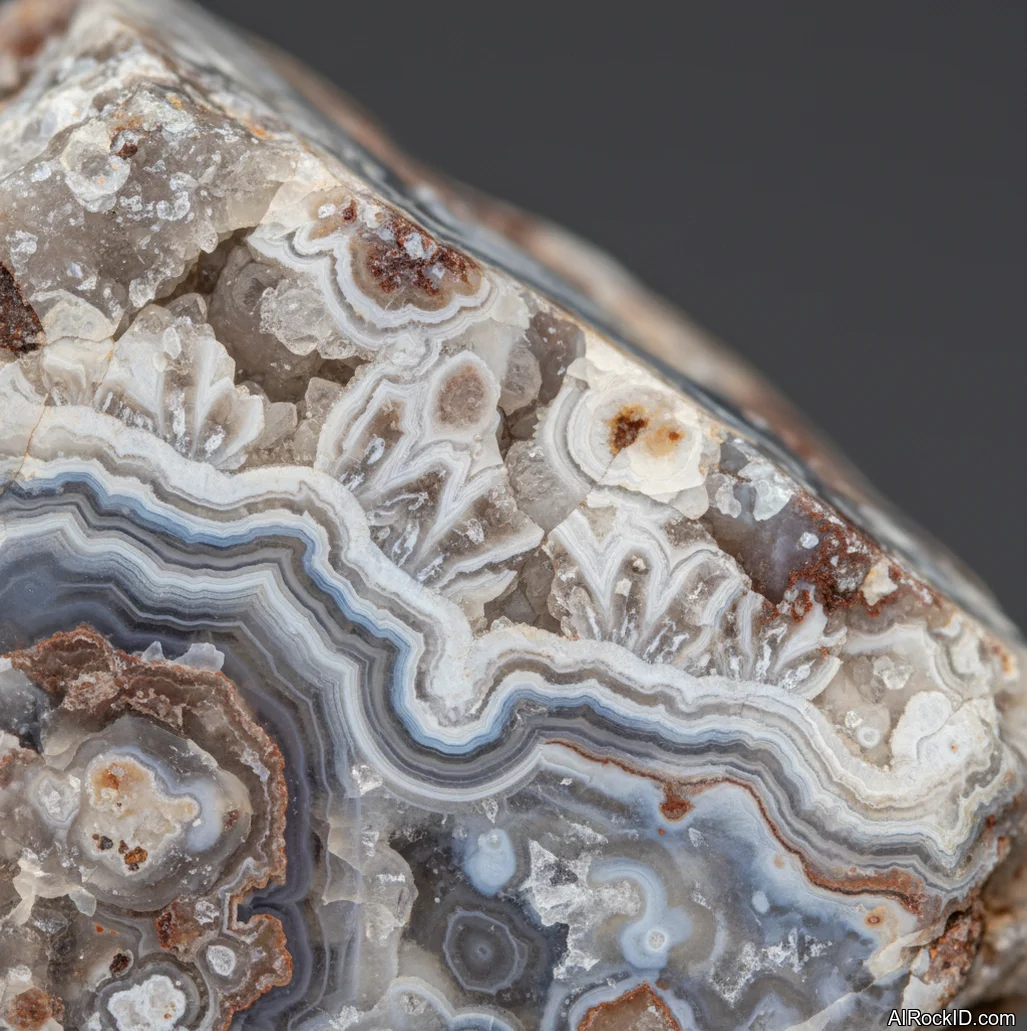
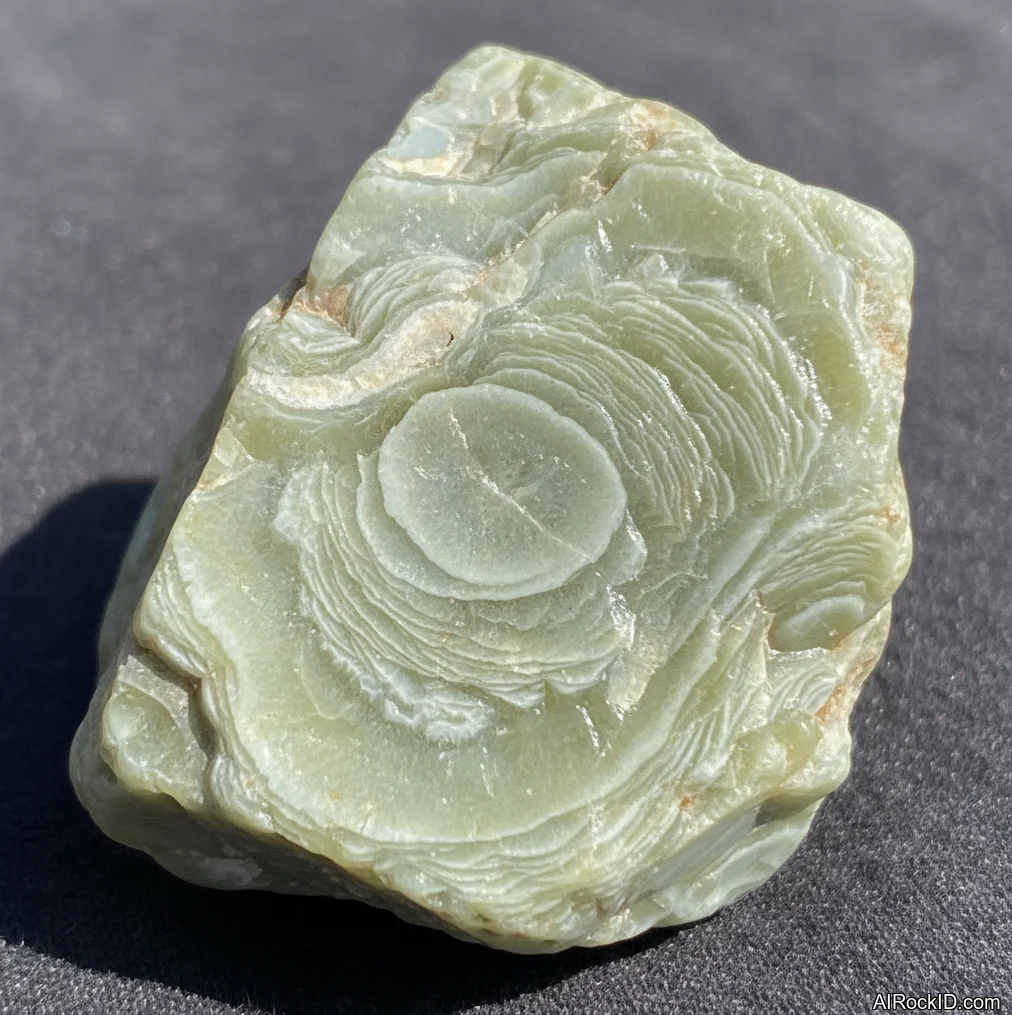
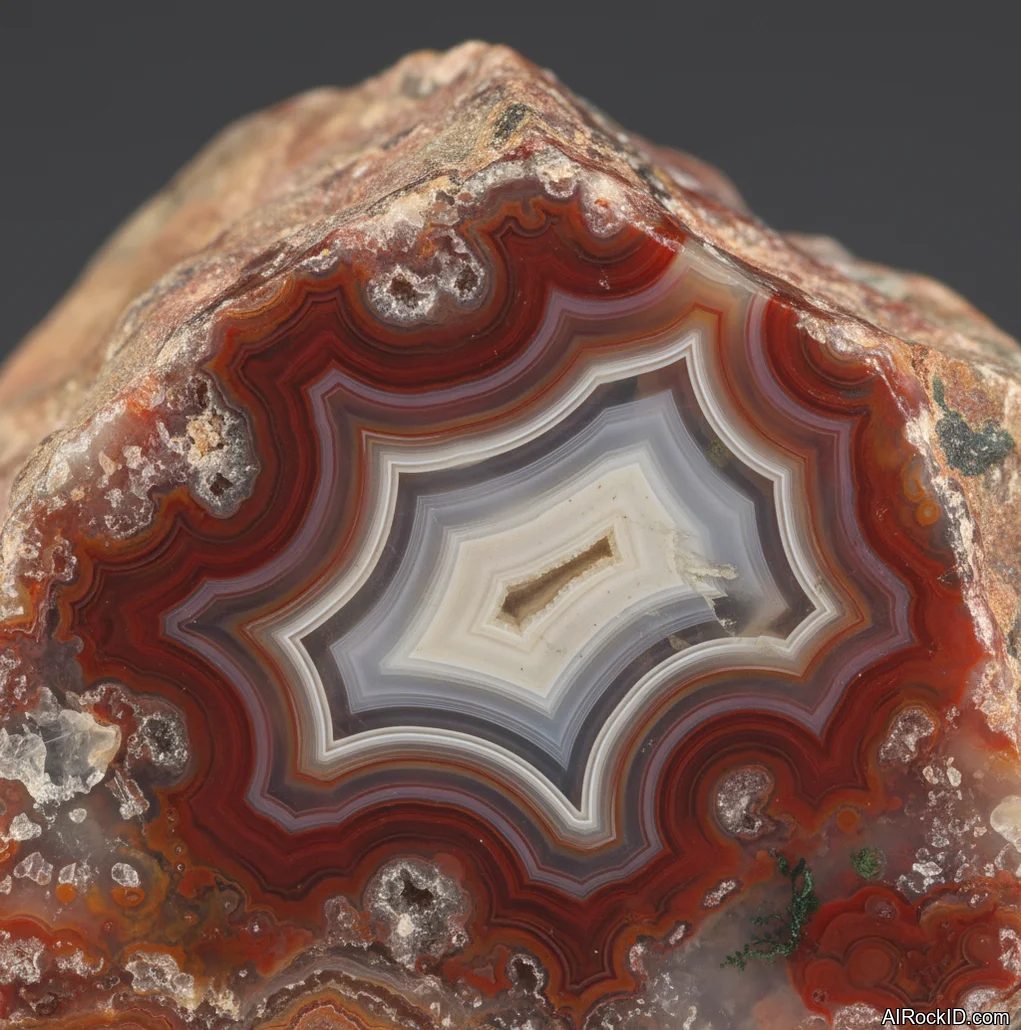
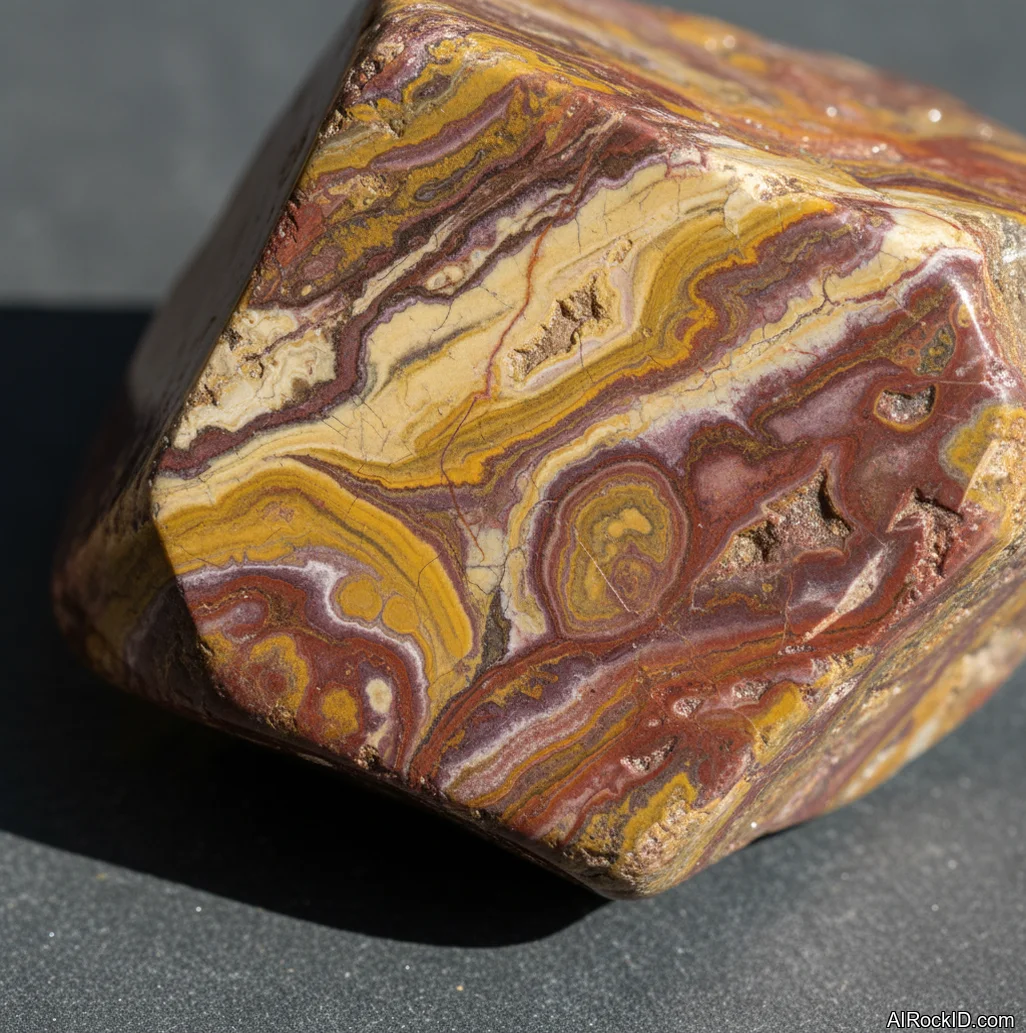
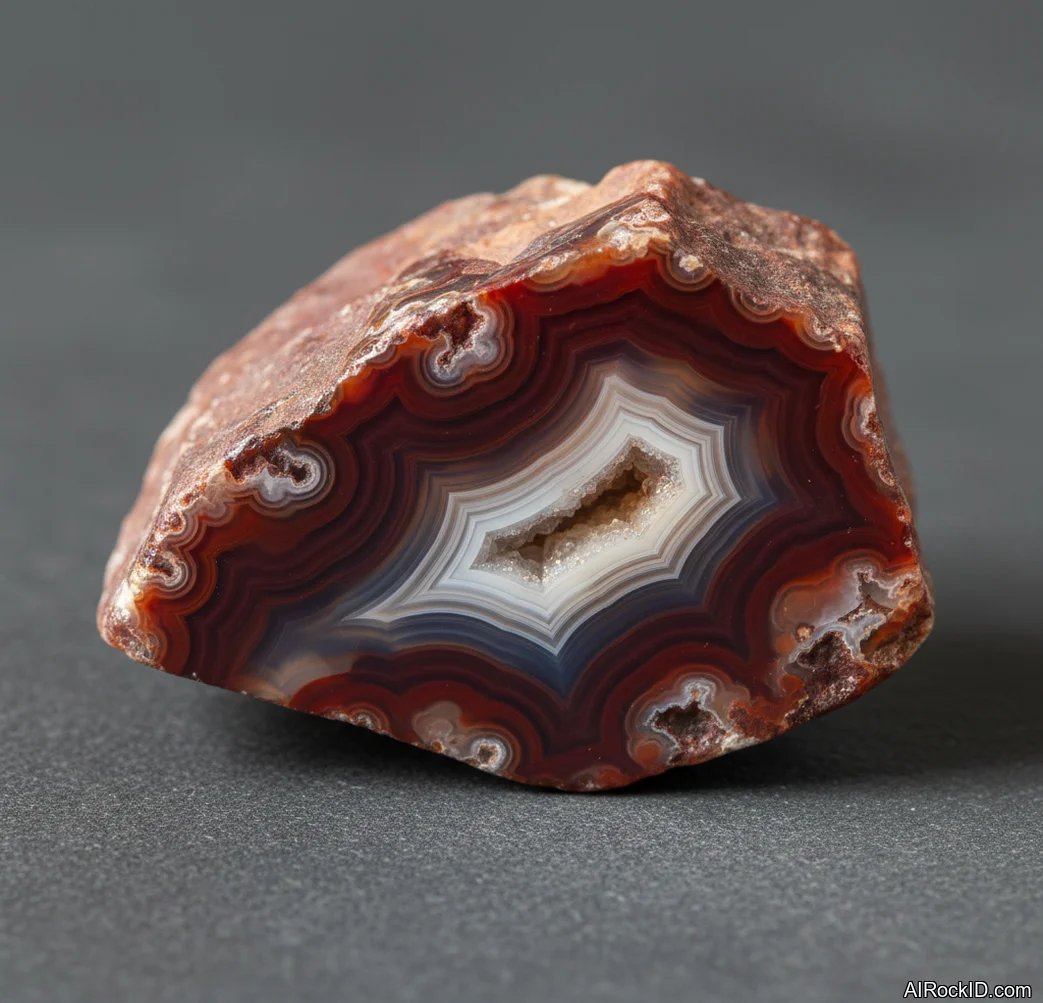
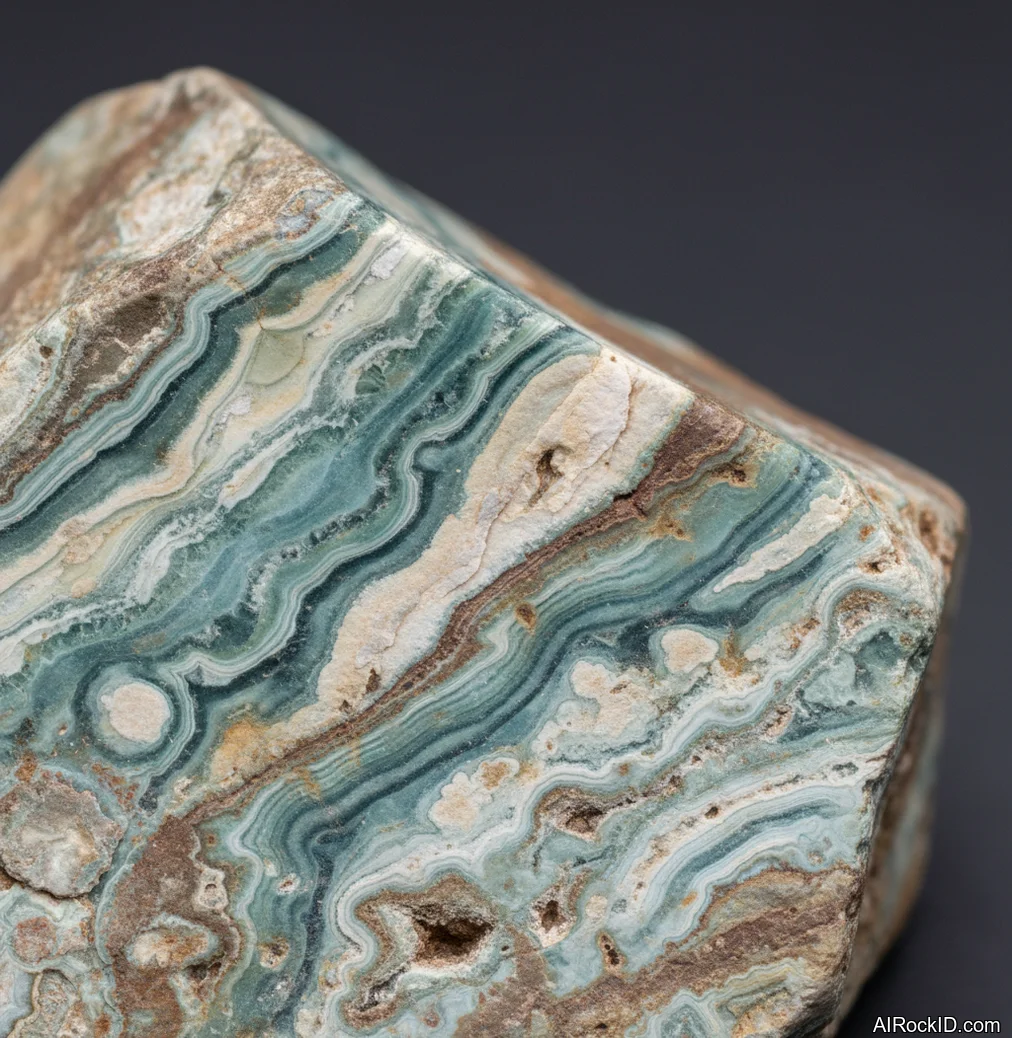
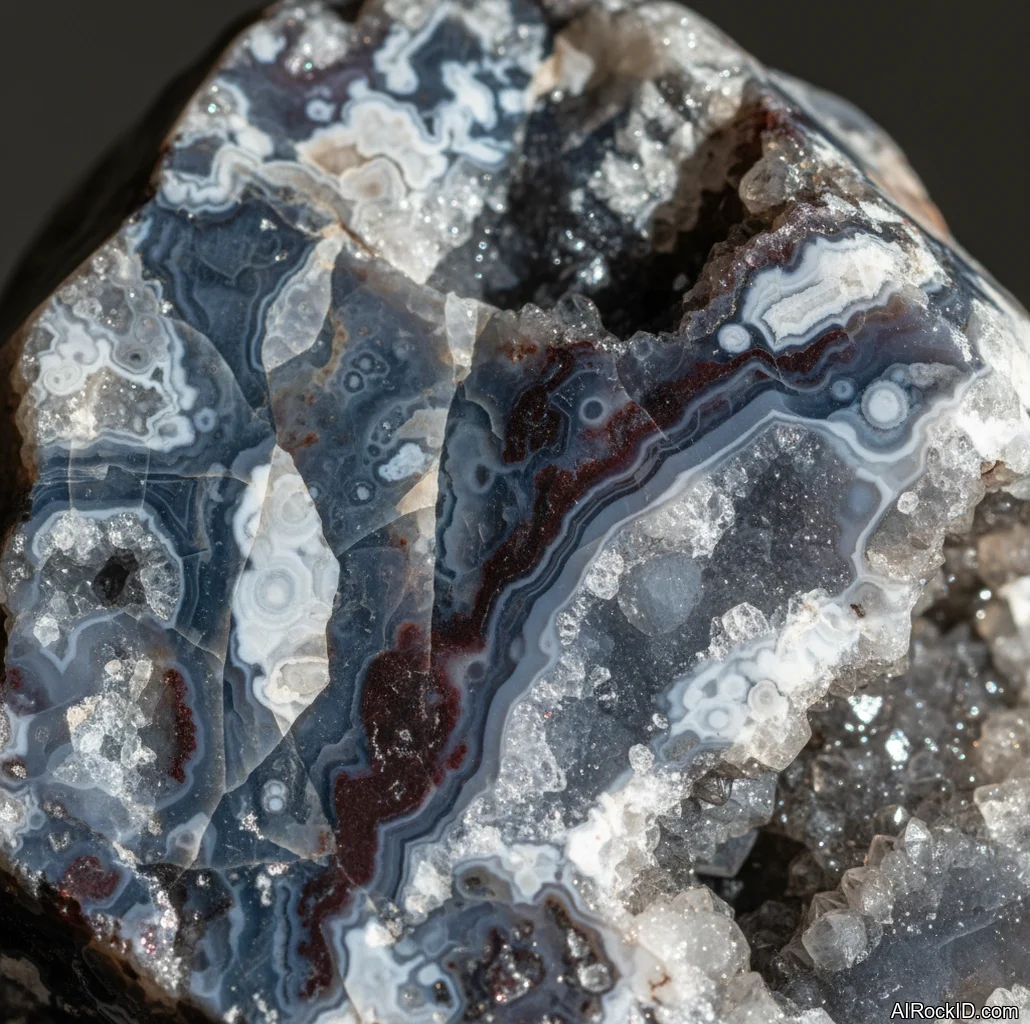
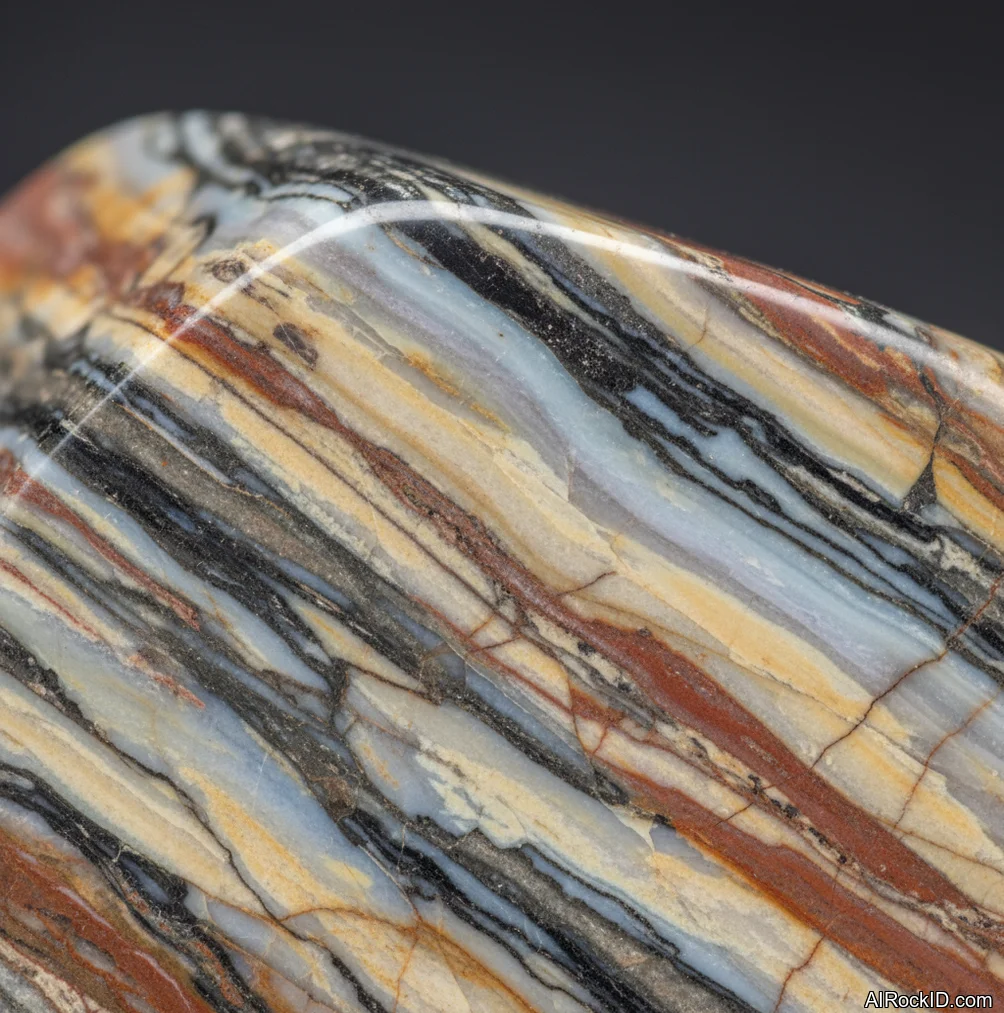
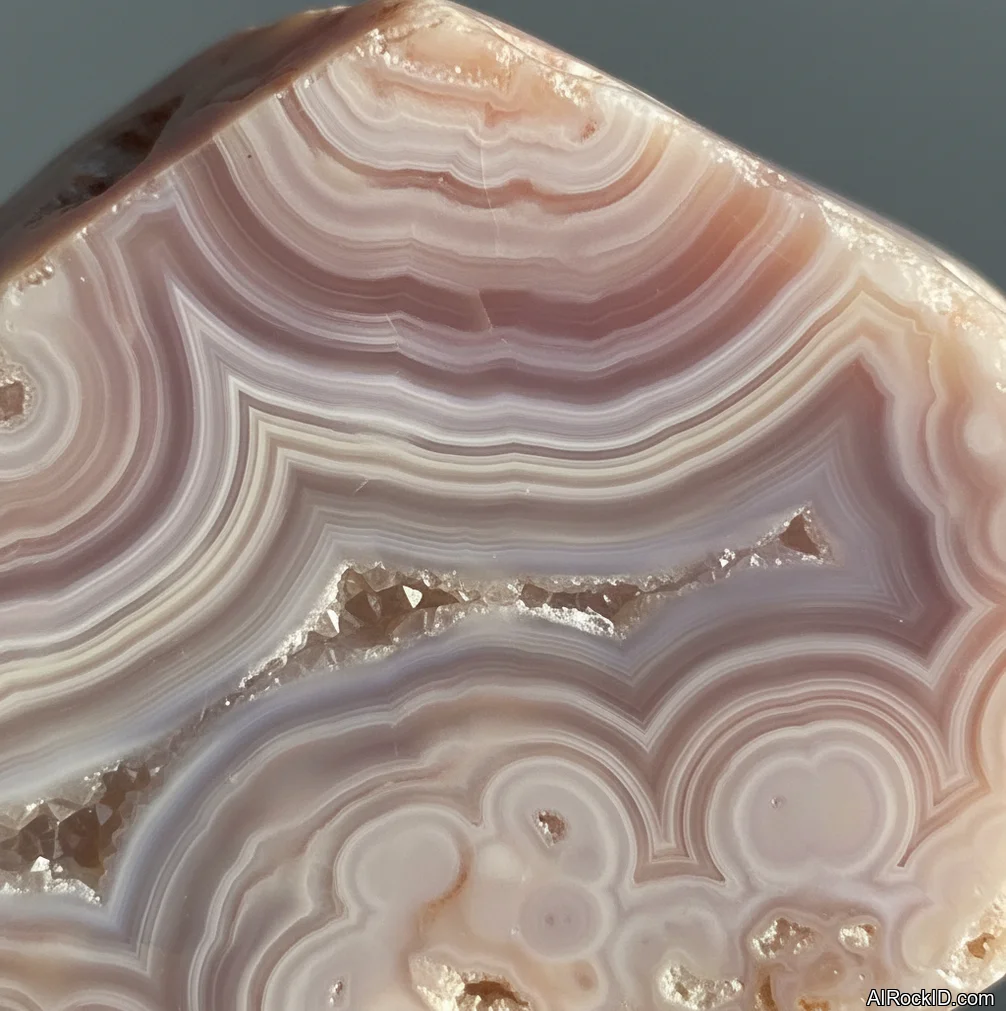
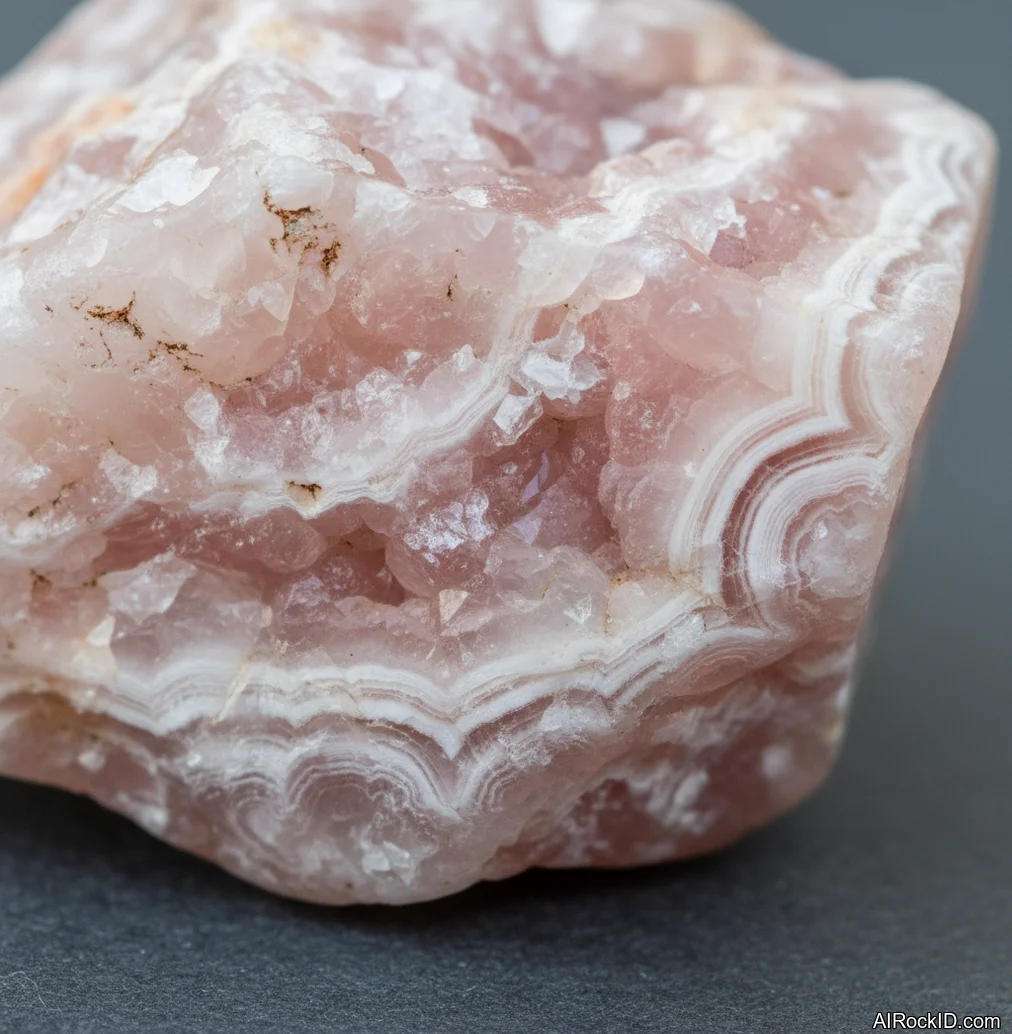
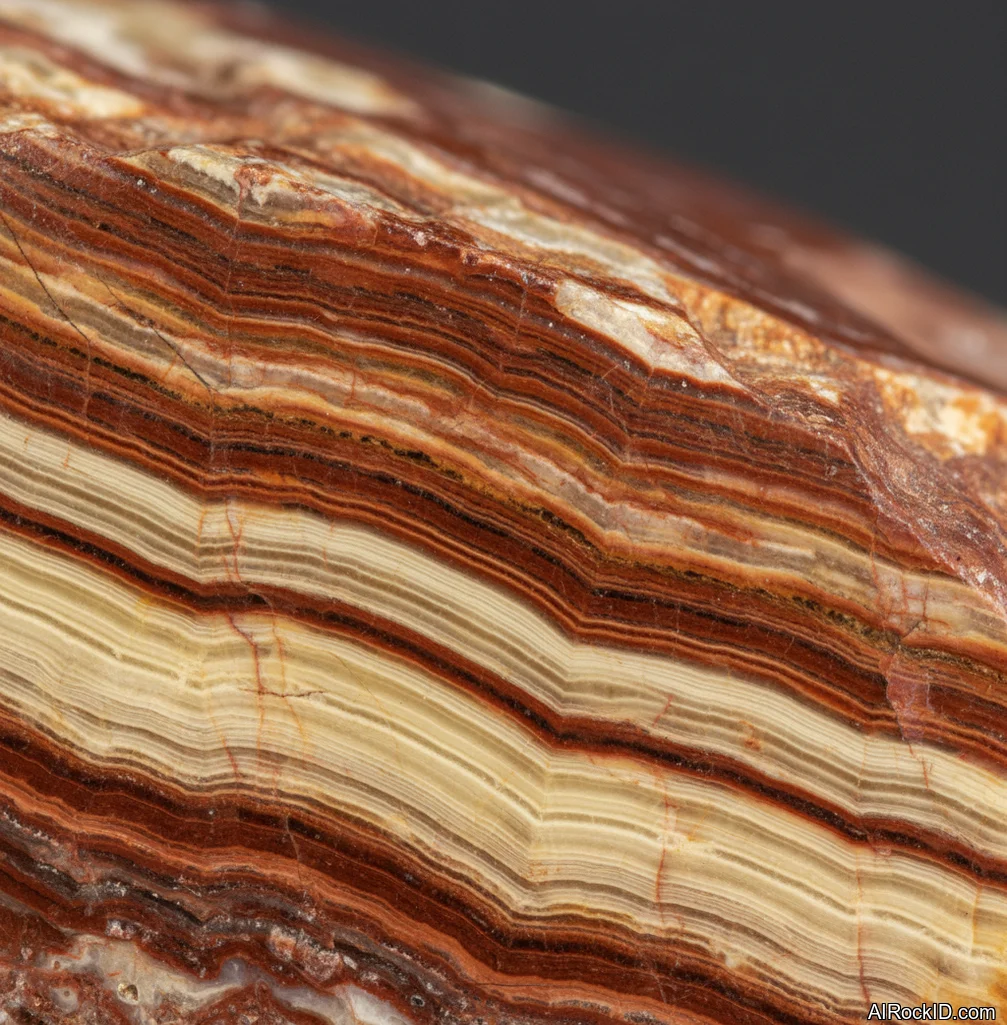
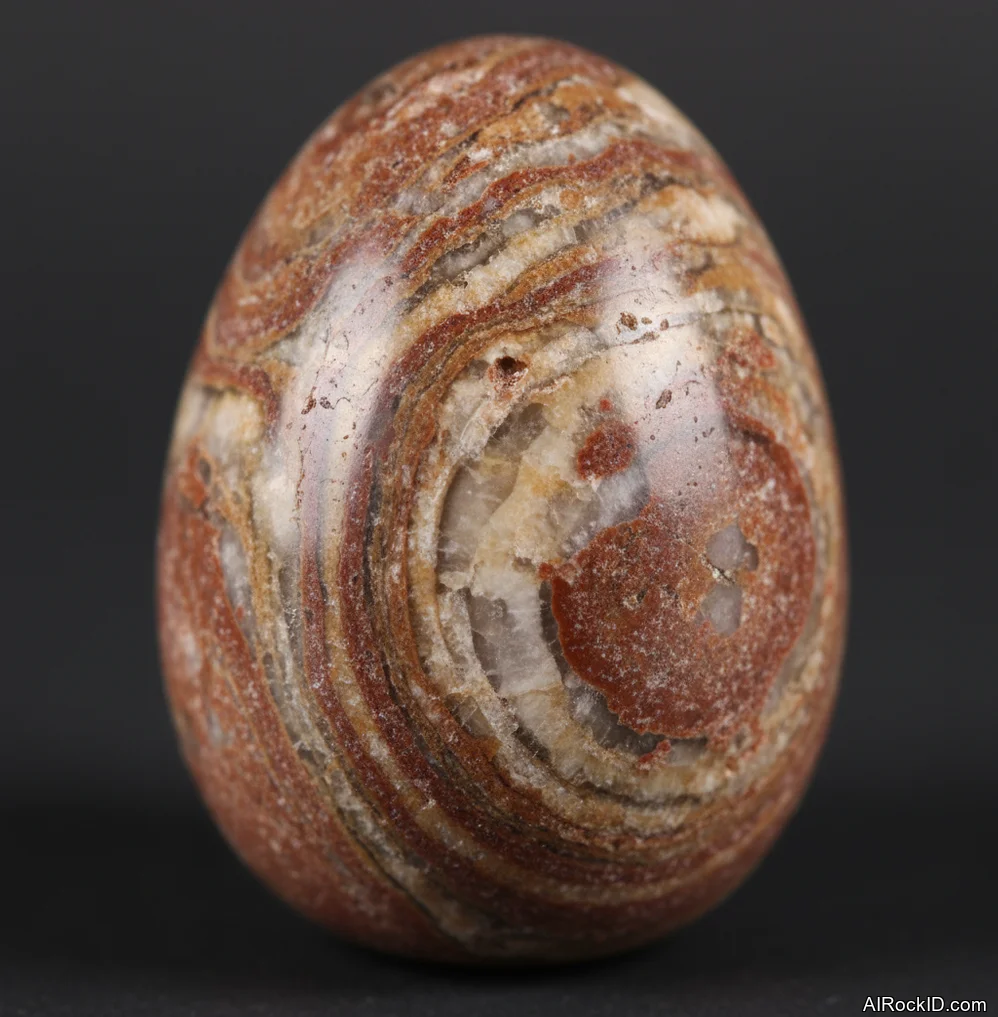
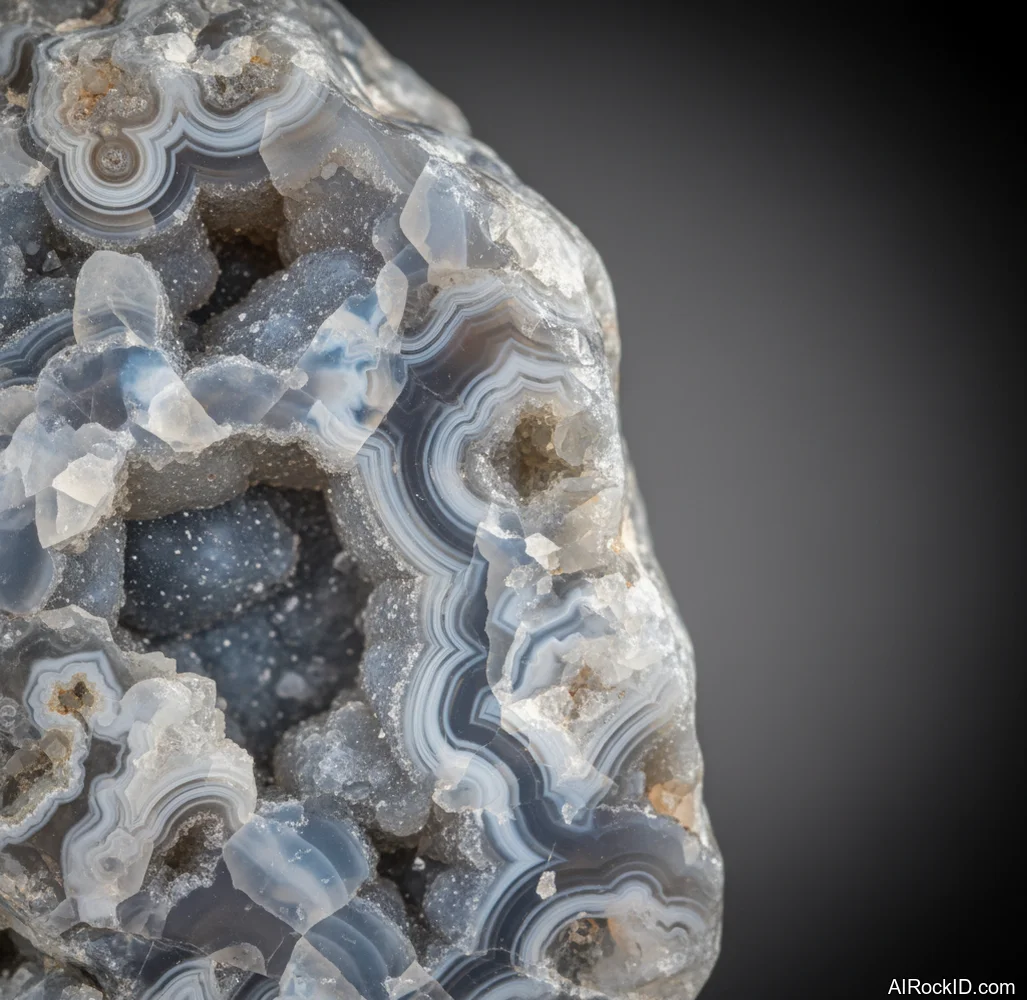
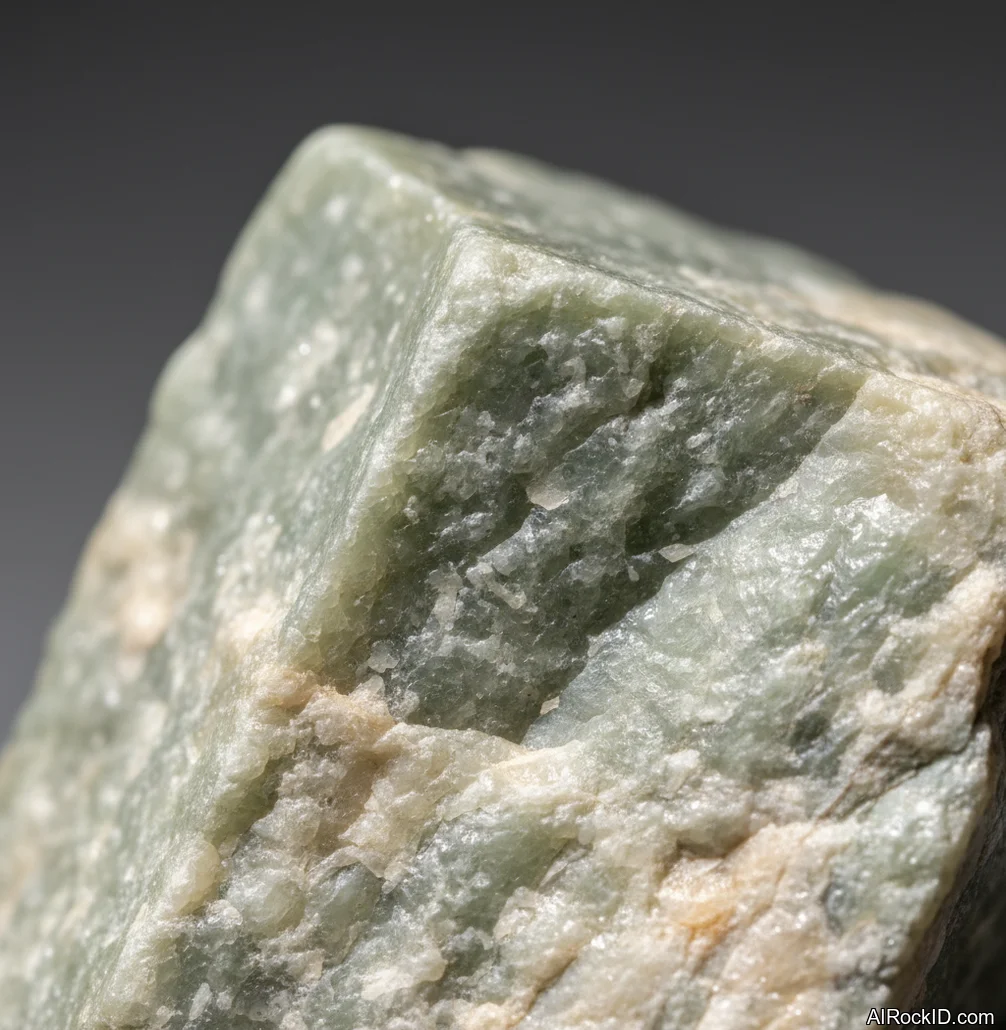
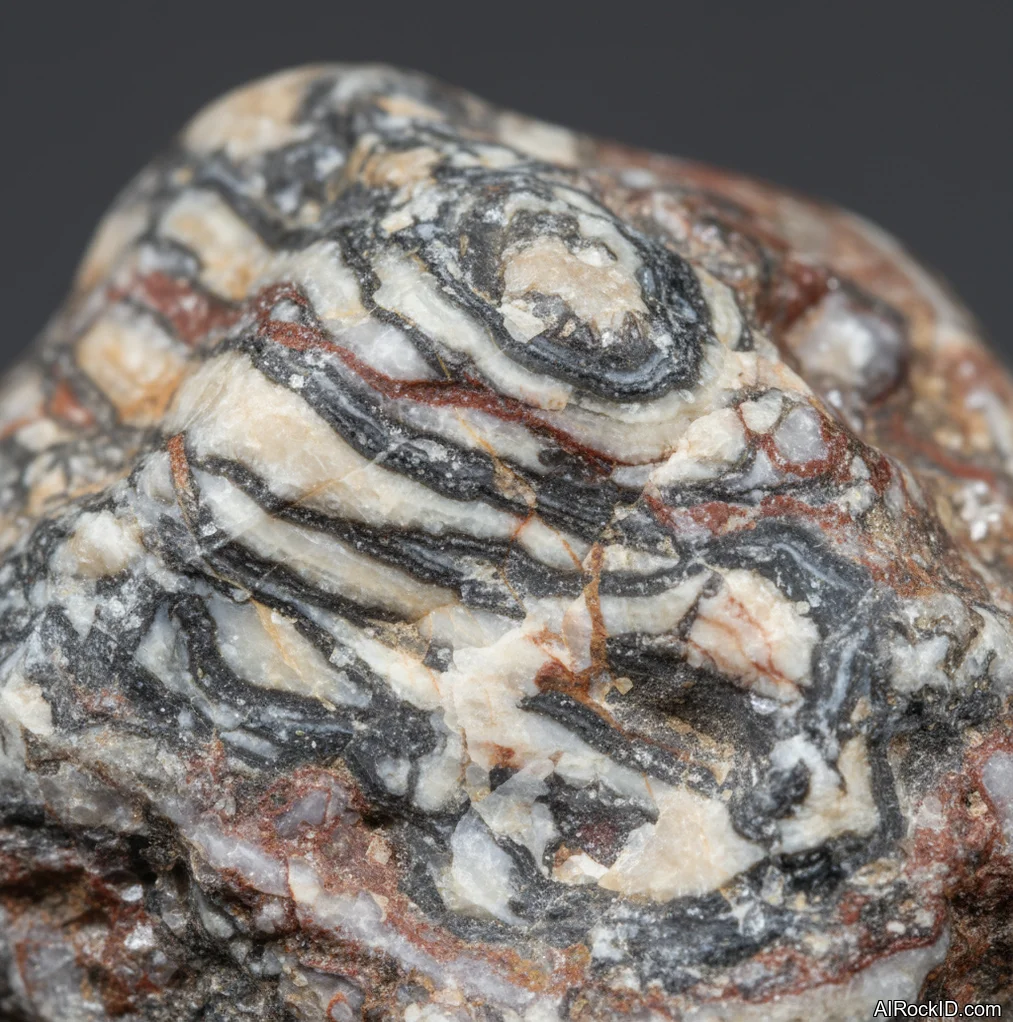
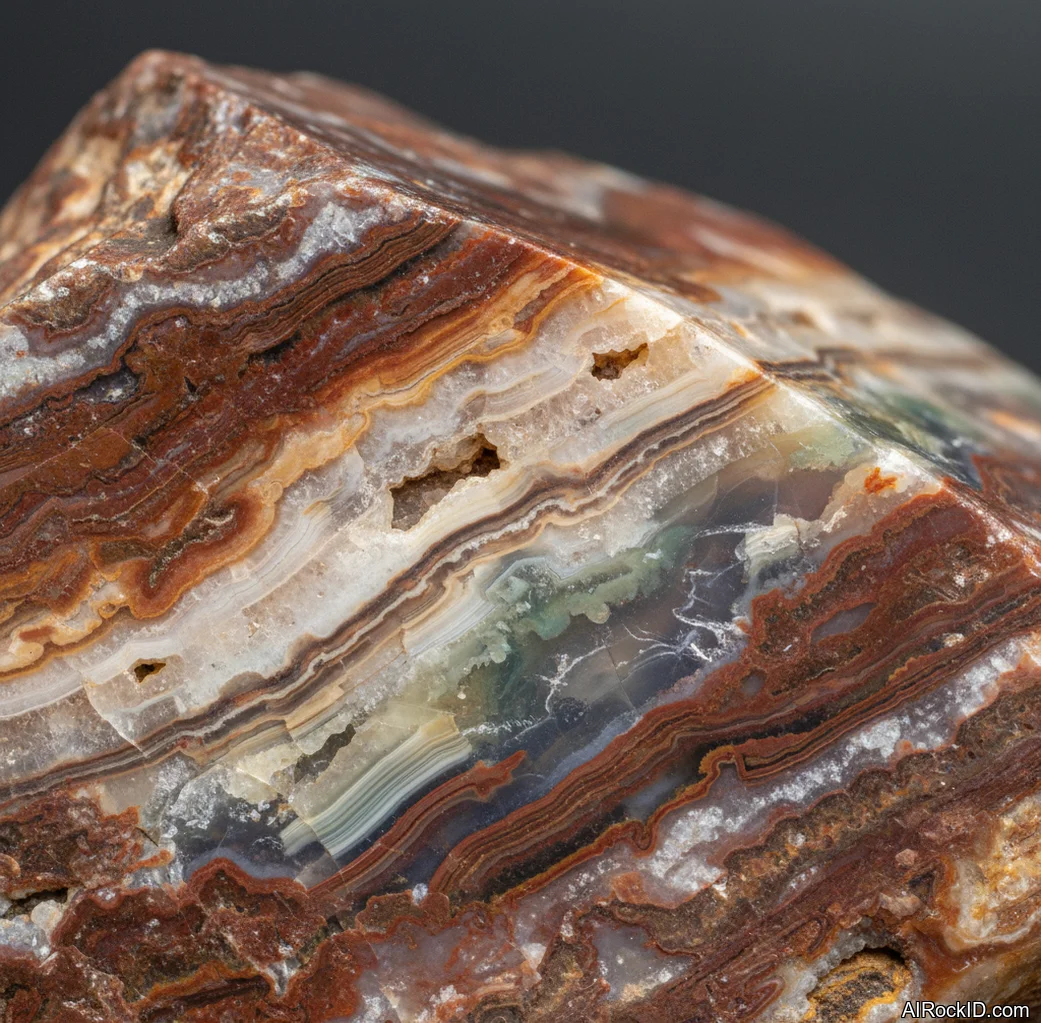
Pick up a good piece of blue lace agate and you’ll get why people tie it to calm. It’s waxy-smooth when polished, it’s cooler than your skin at first touch, and the banding looks like soft cloud layers instead of loud stripes. I keep a palm stone around because it doesn’t feel “sharp” visually. Same idea with howlite, especially the white material with gray veining. It’s common. It’s affordable. And it’s one of the few stones I’ve seen people actually carry daily without babying it.
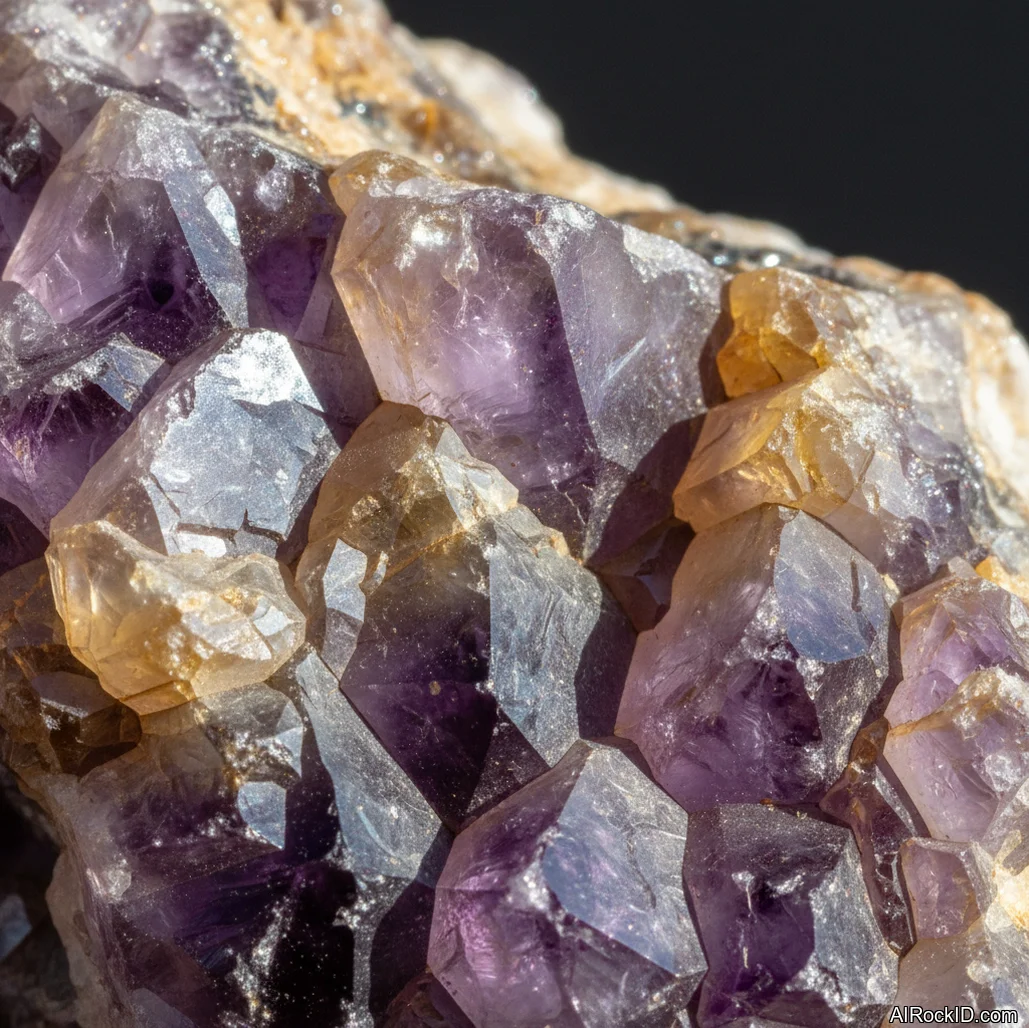
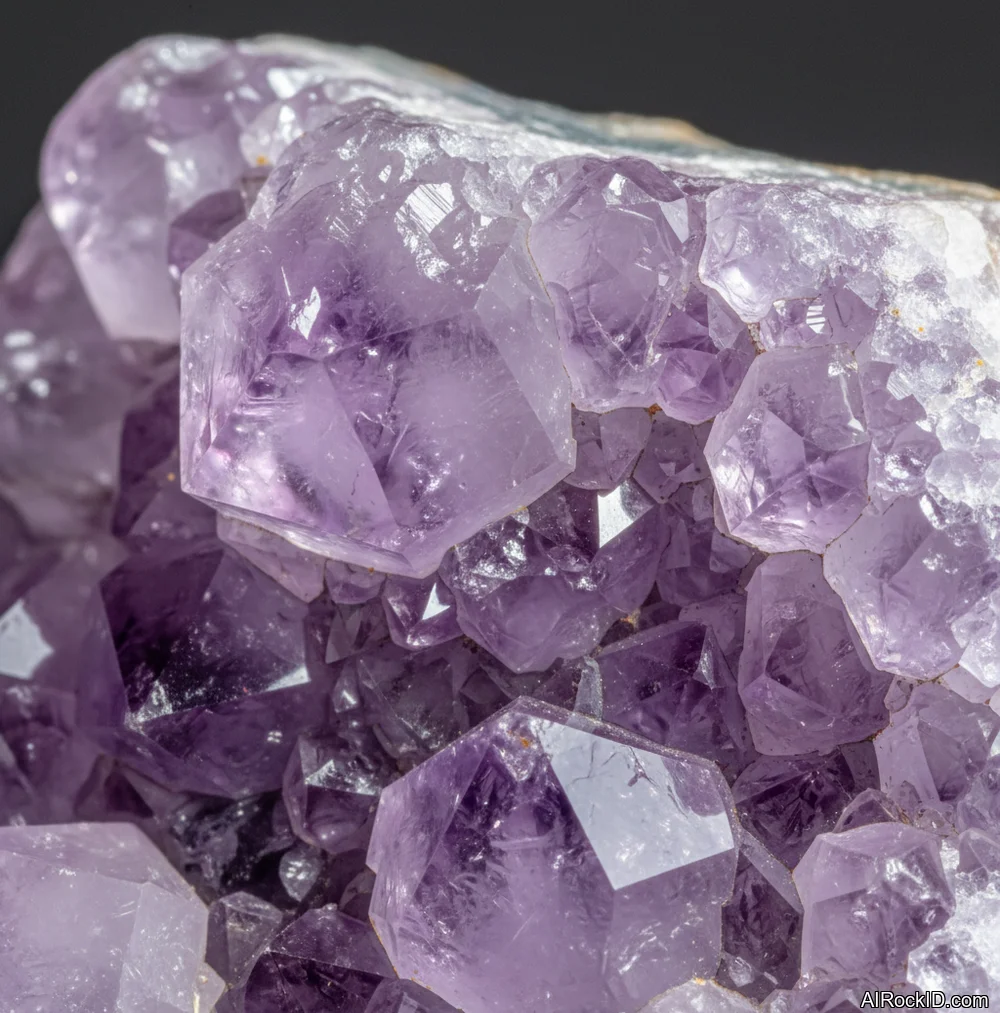
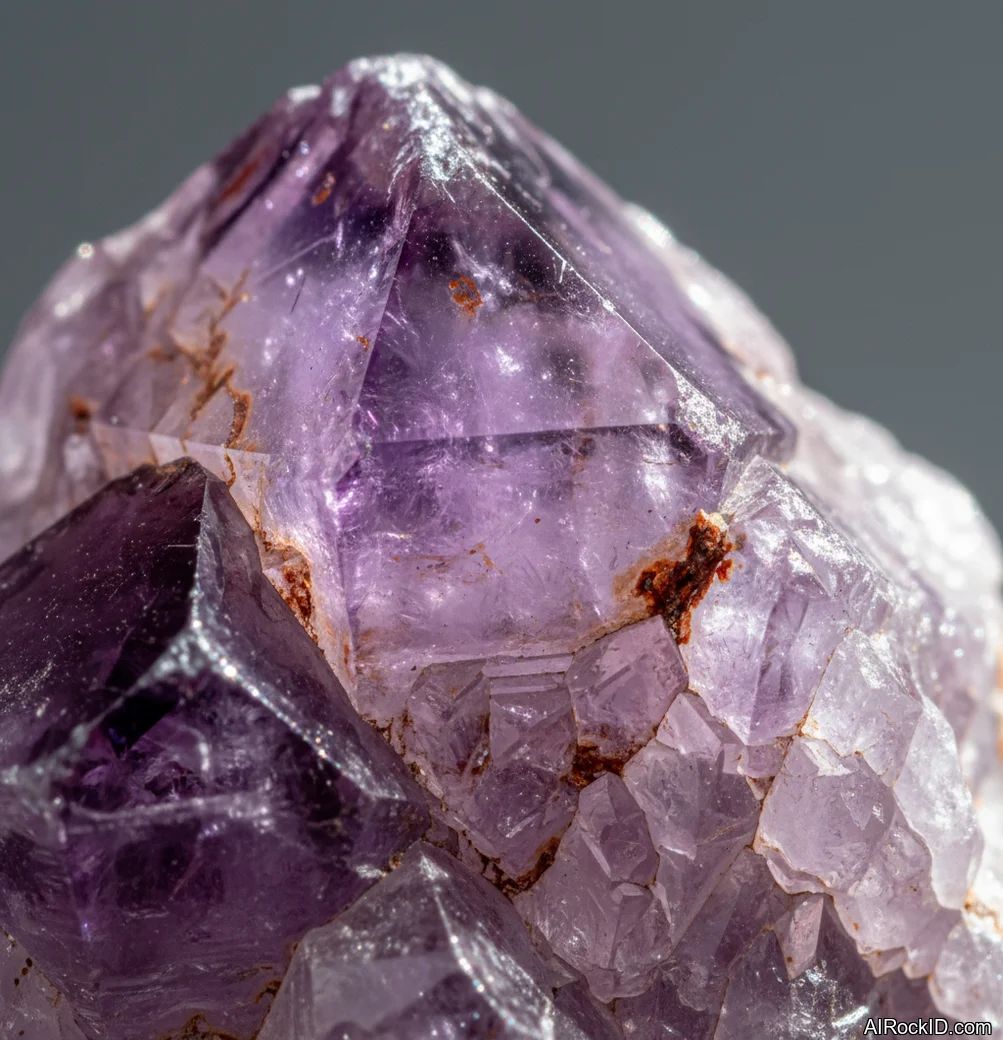
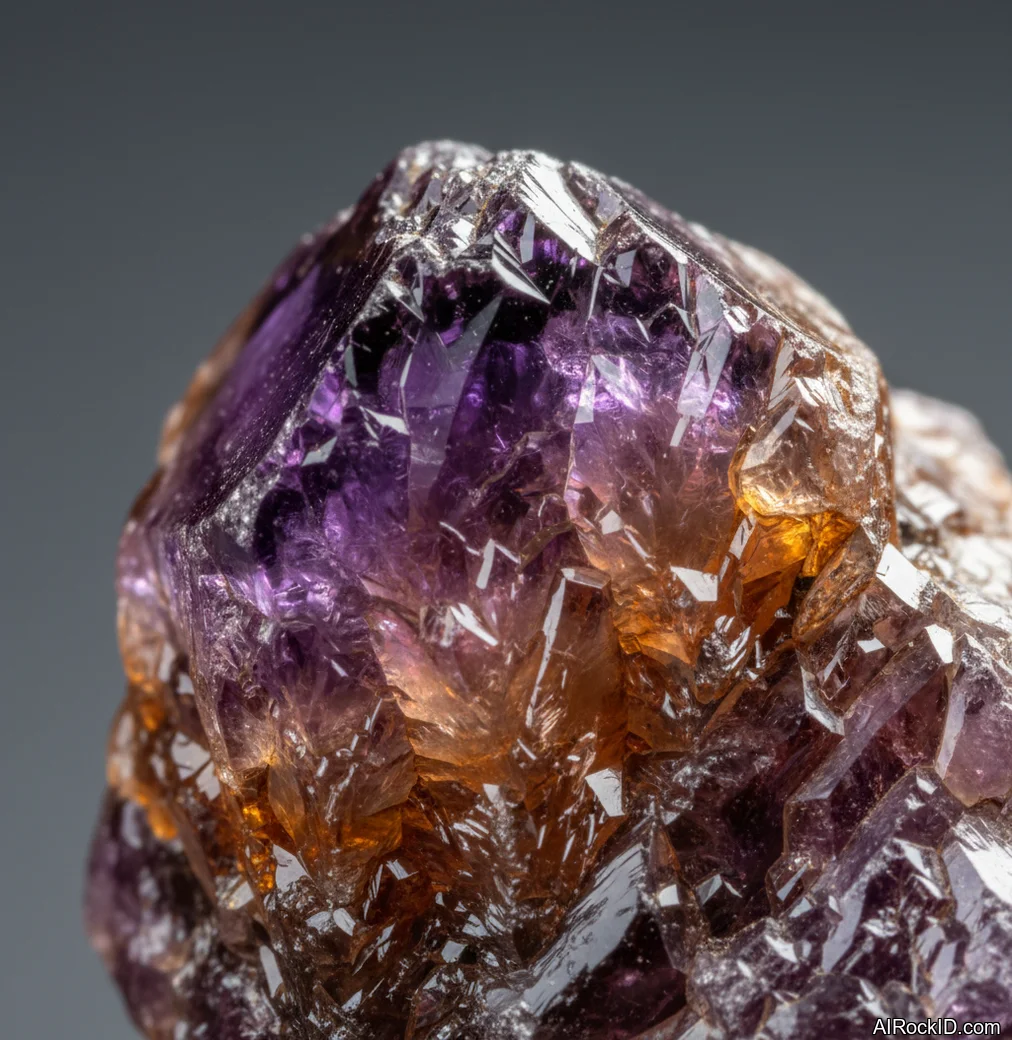
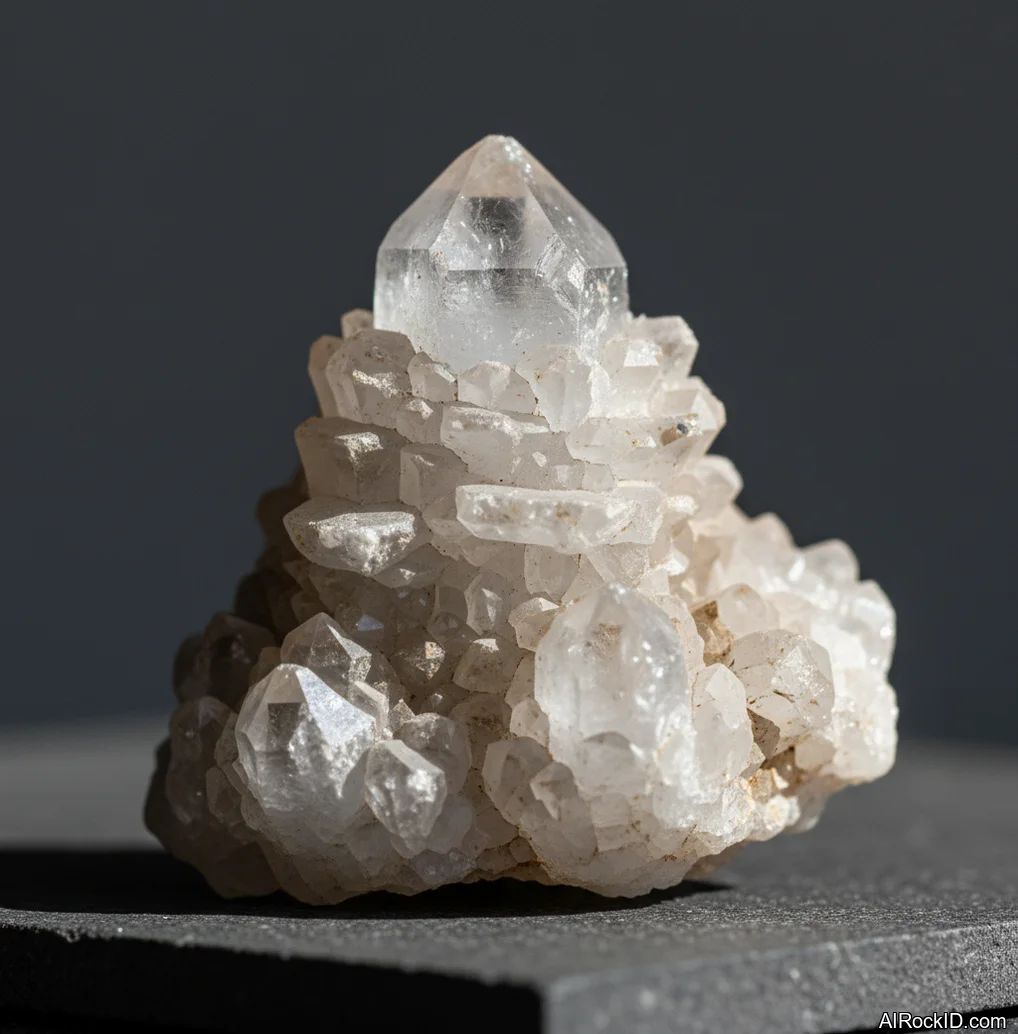
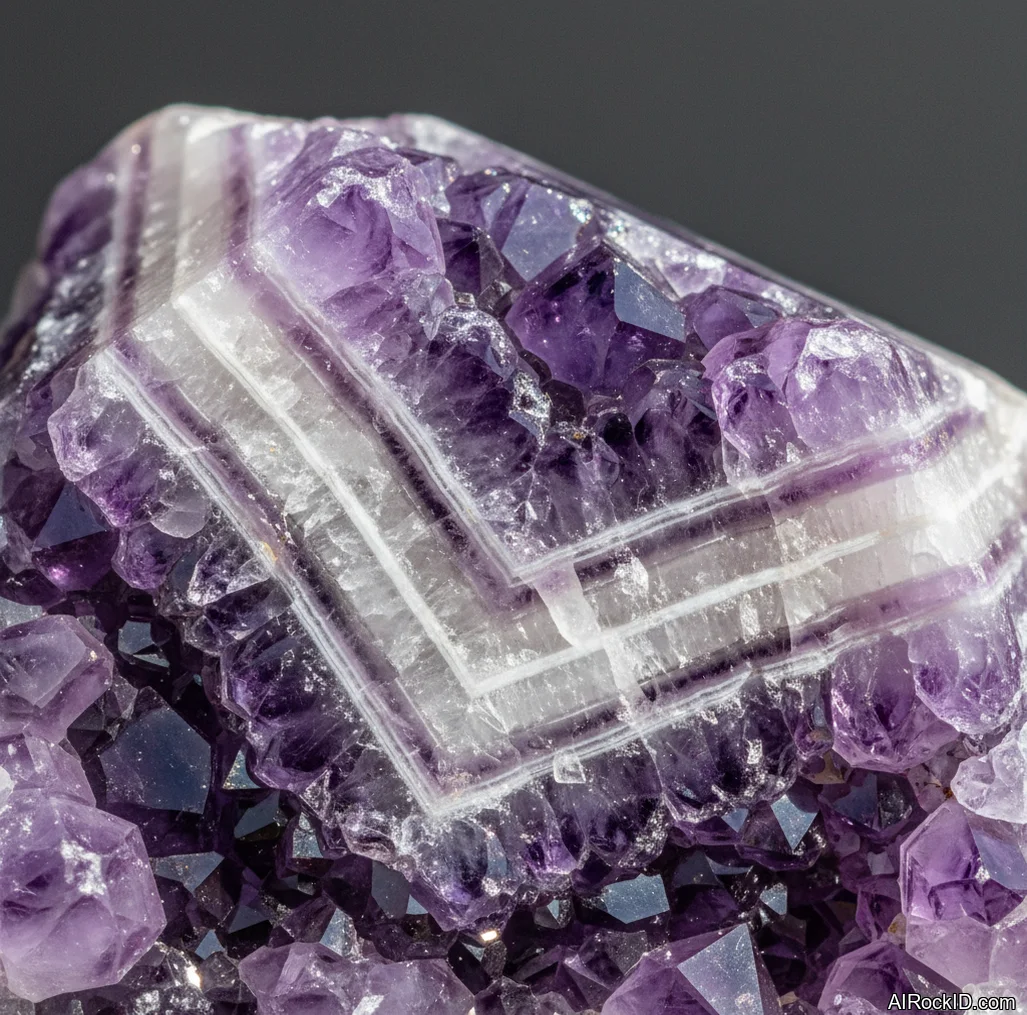
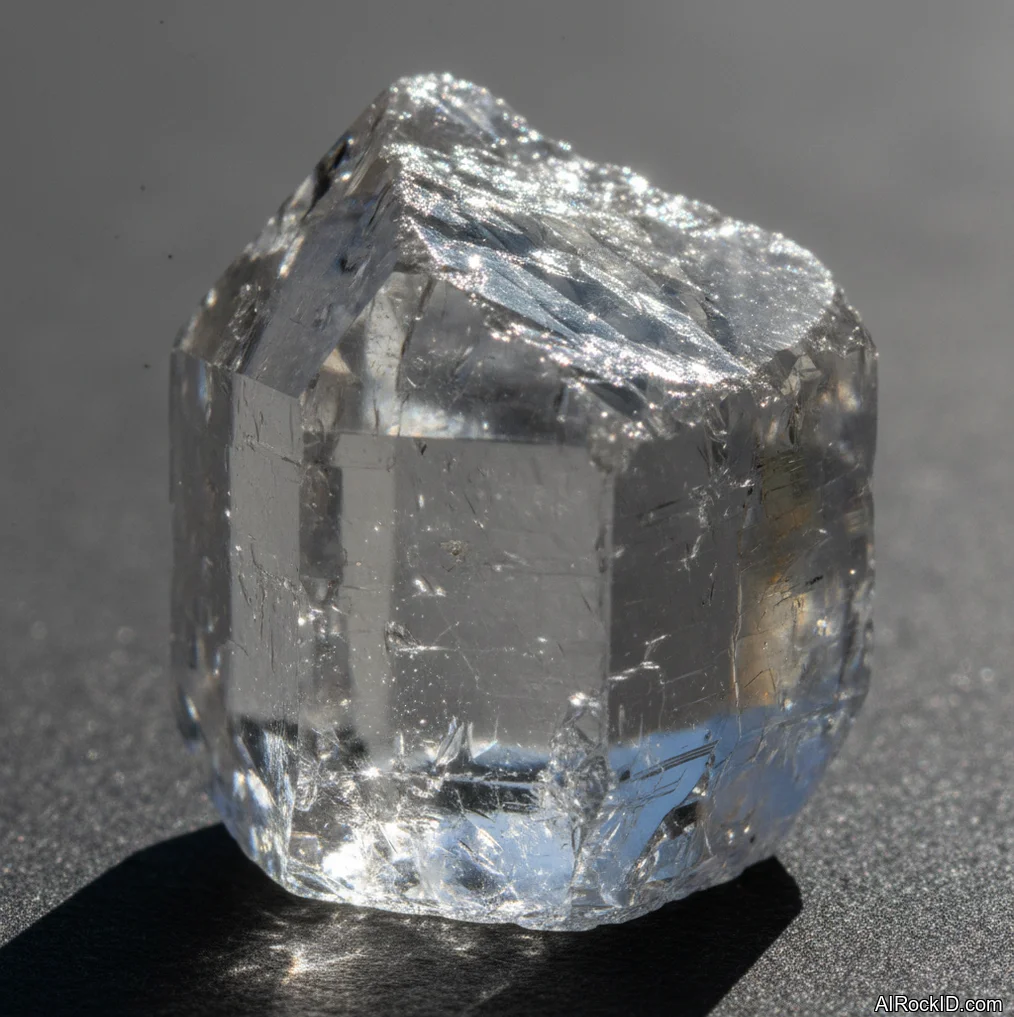
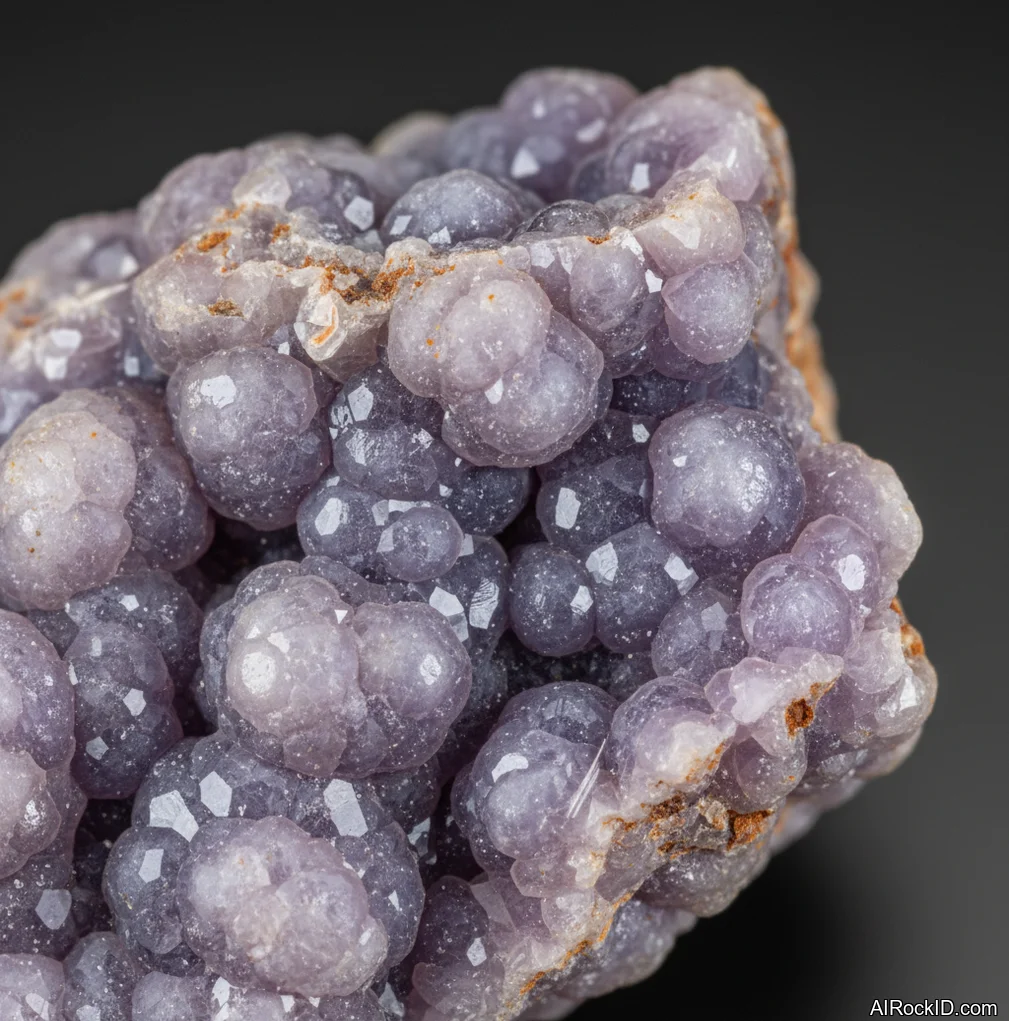
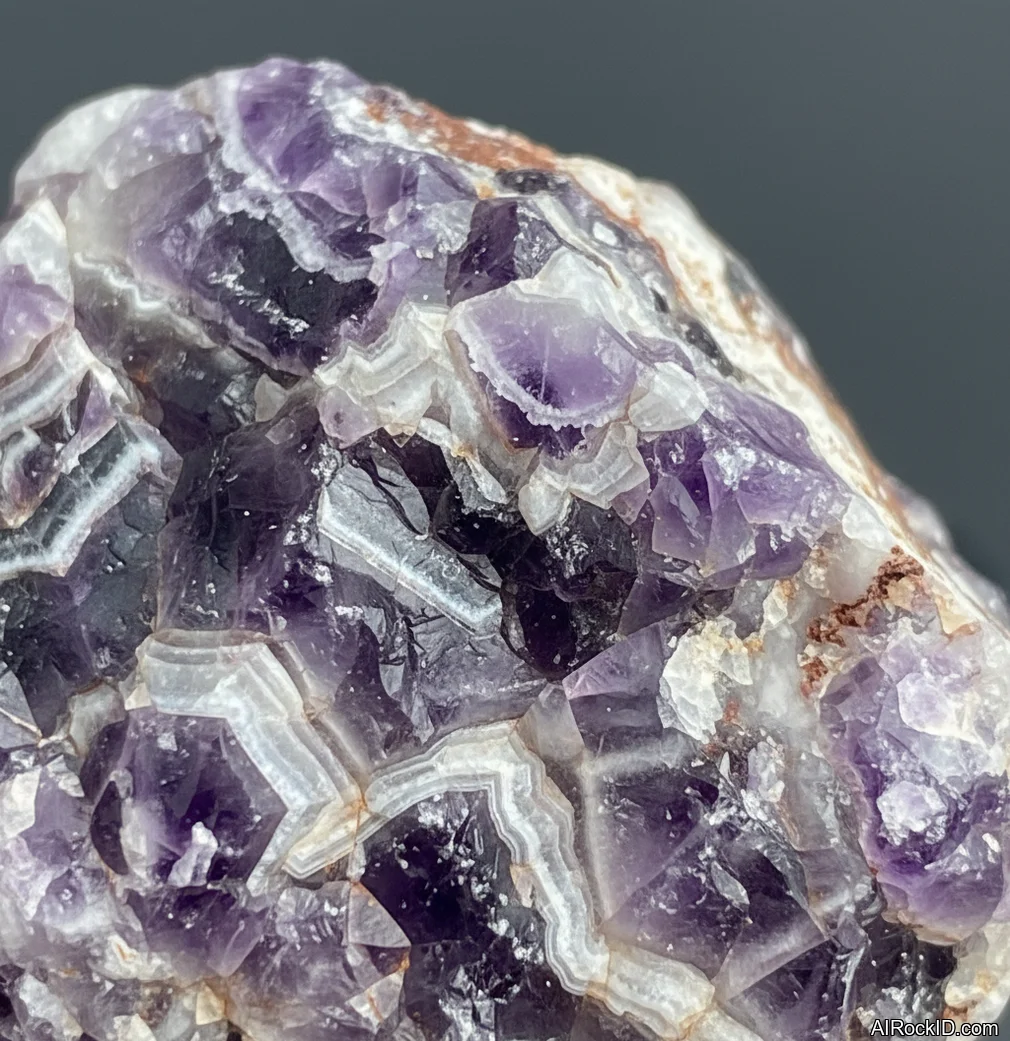
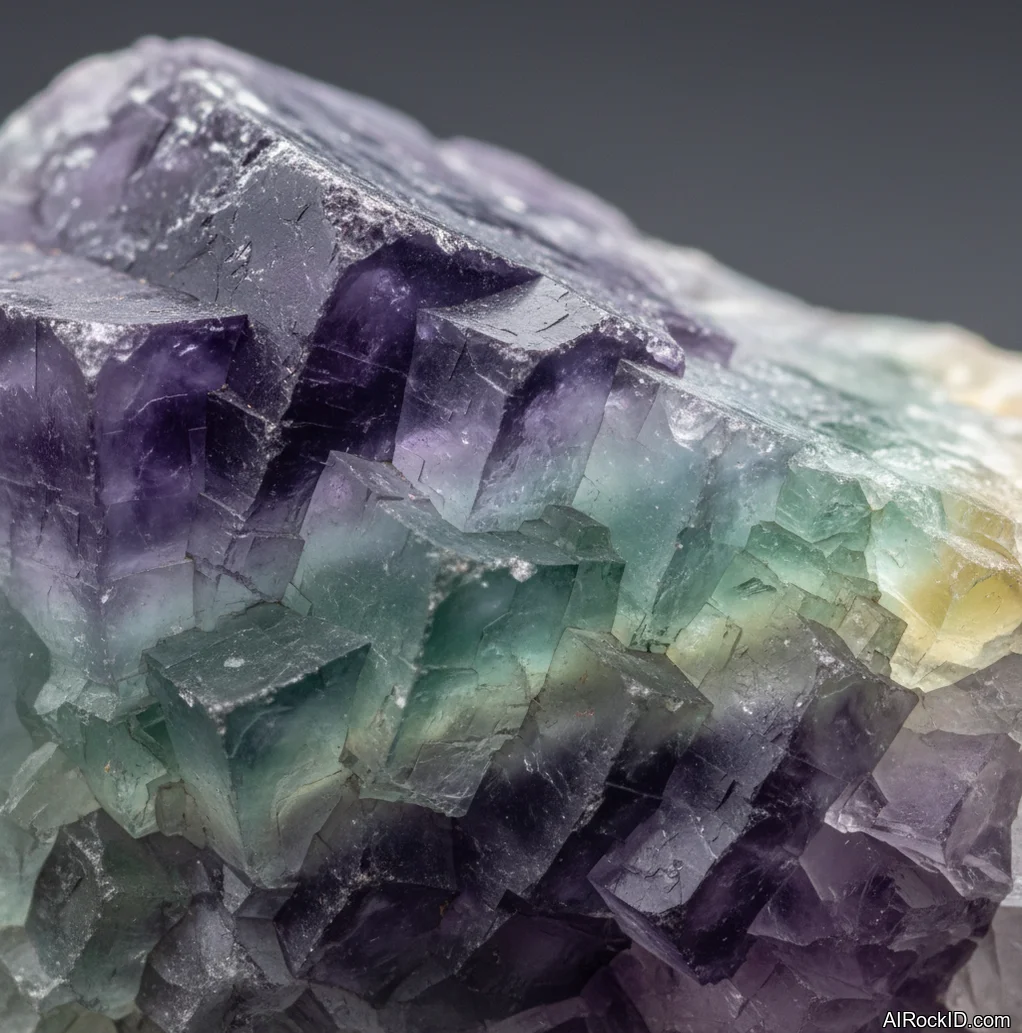
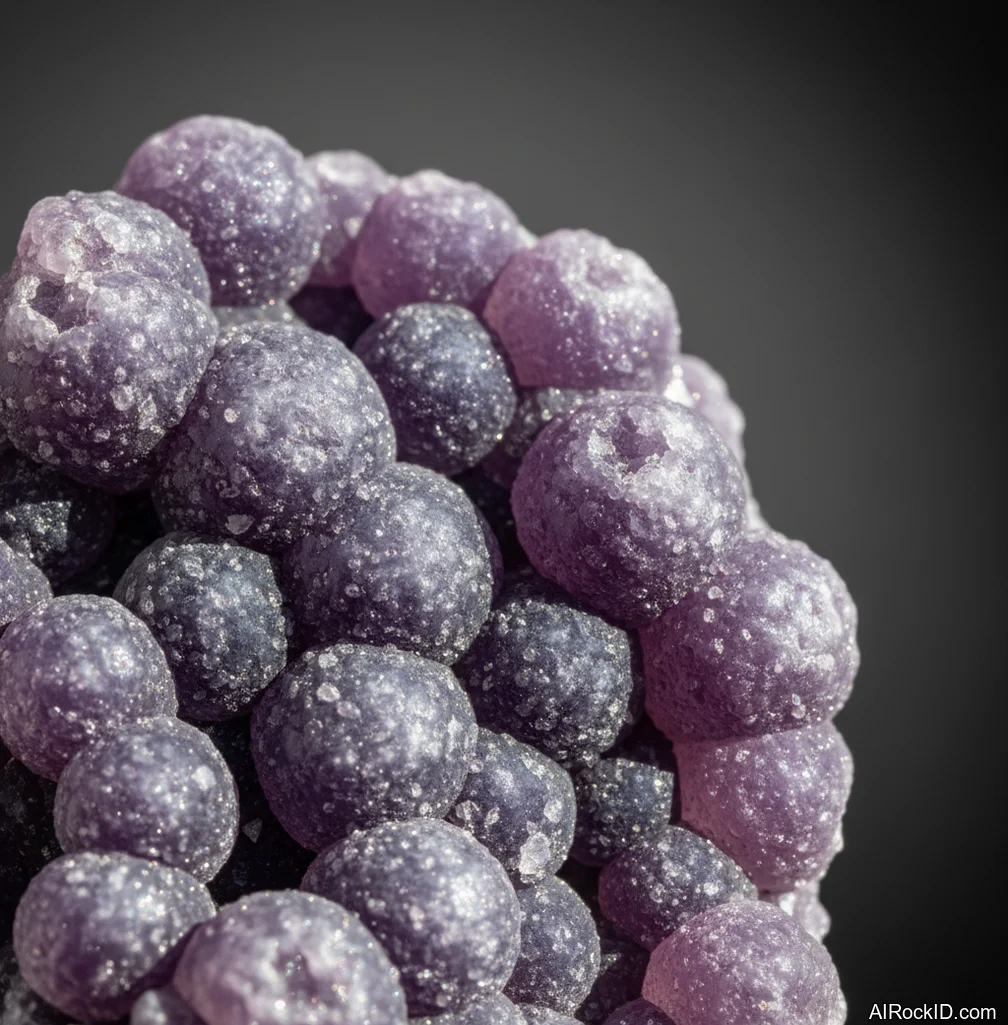
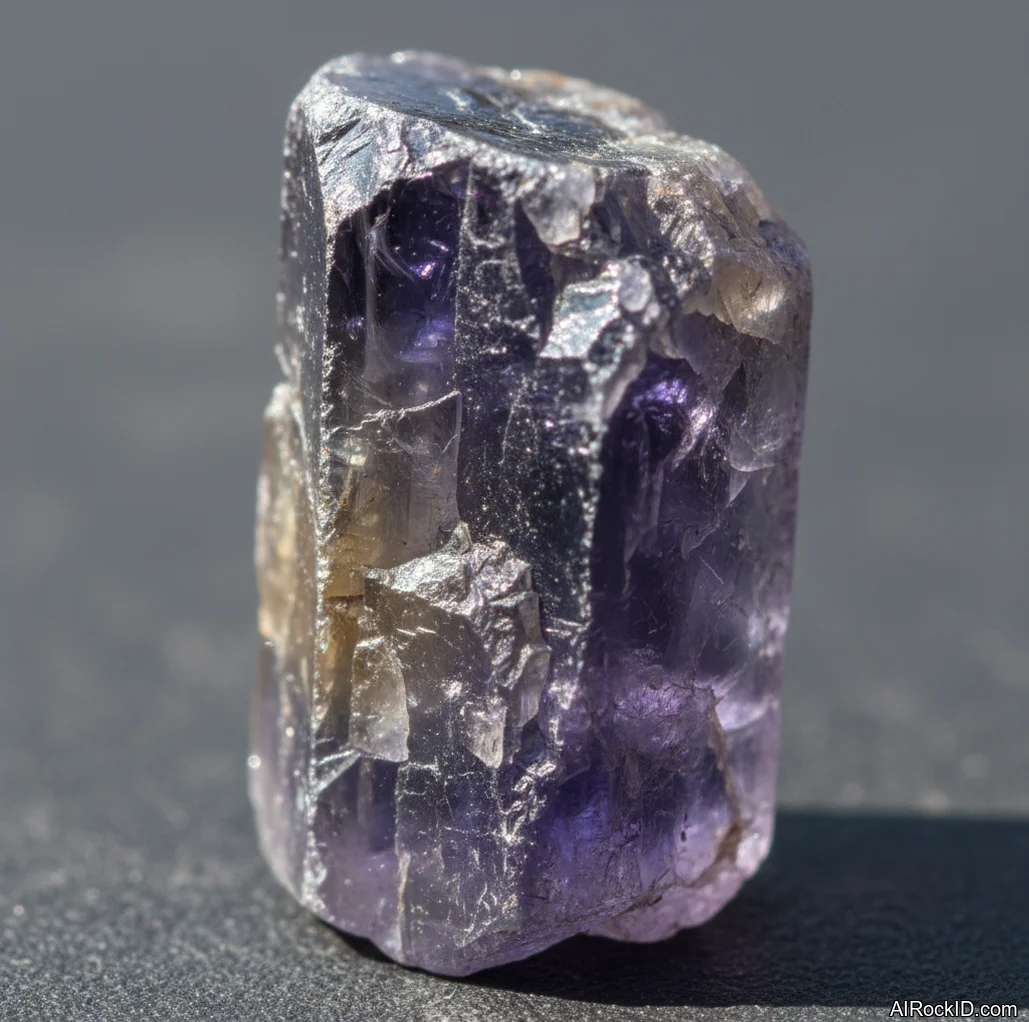
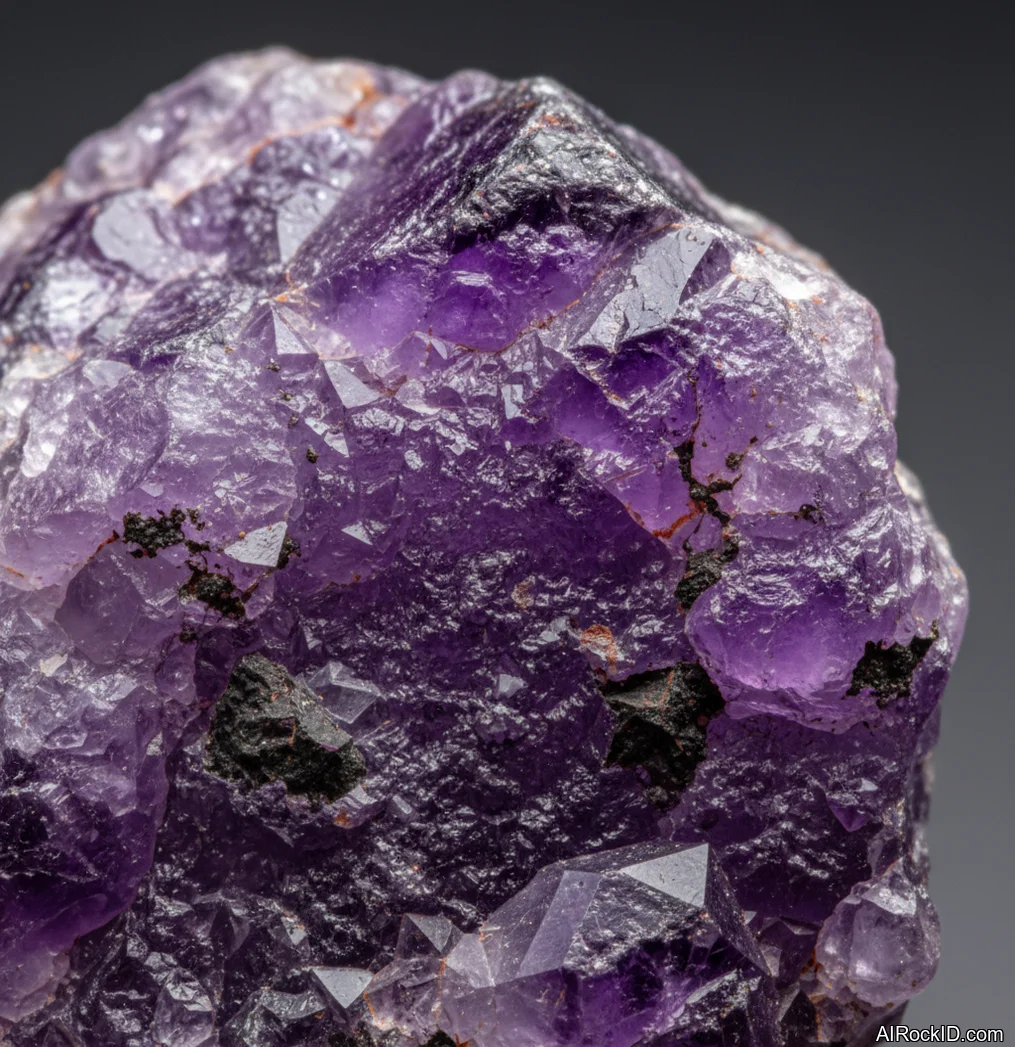
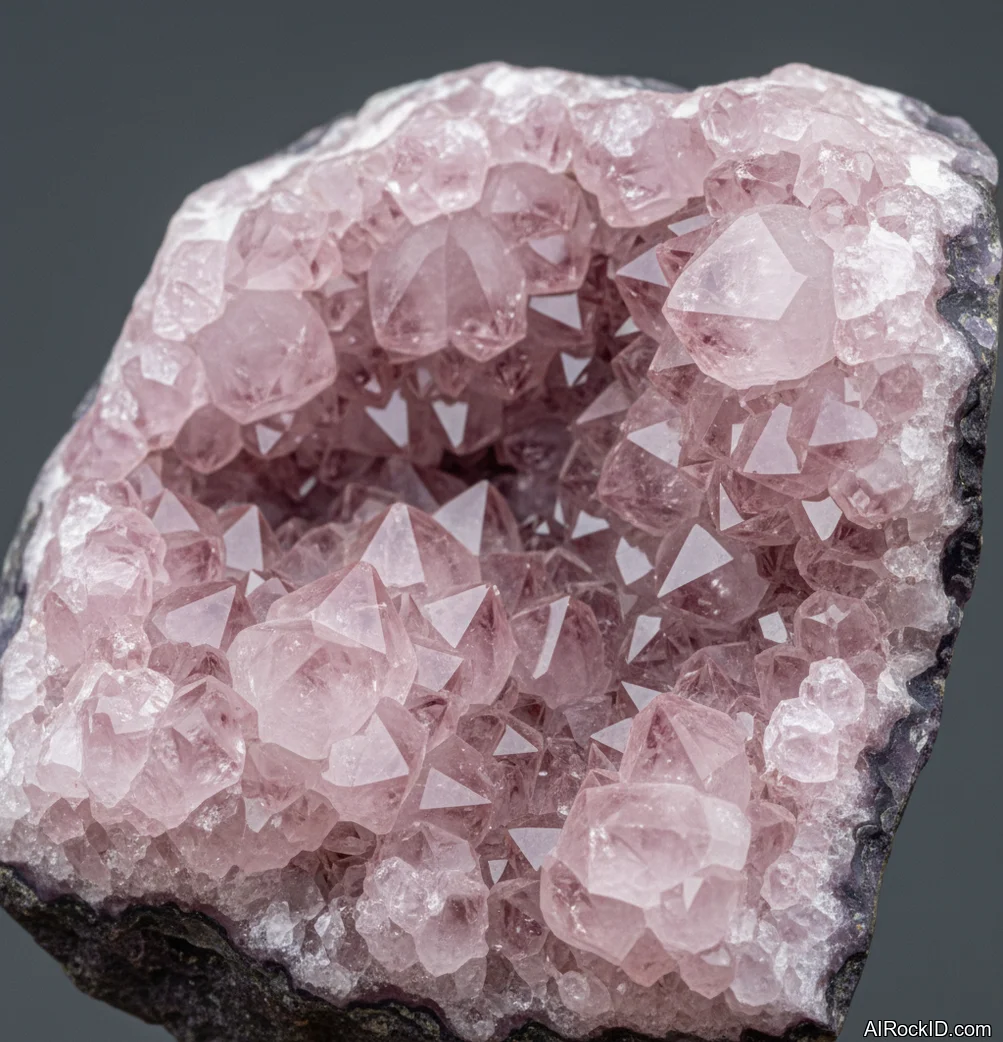
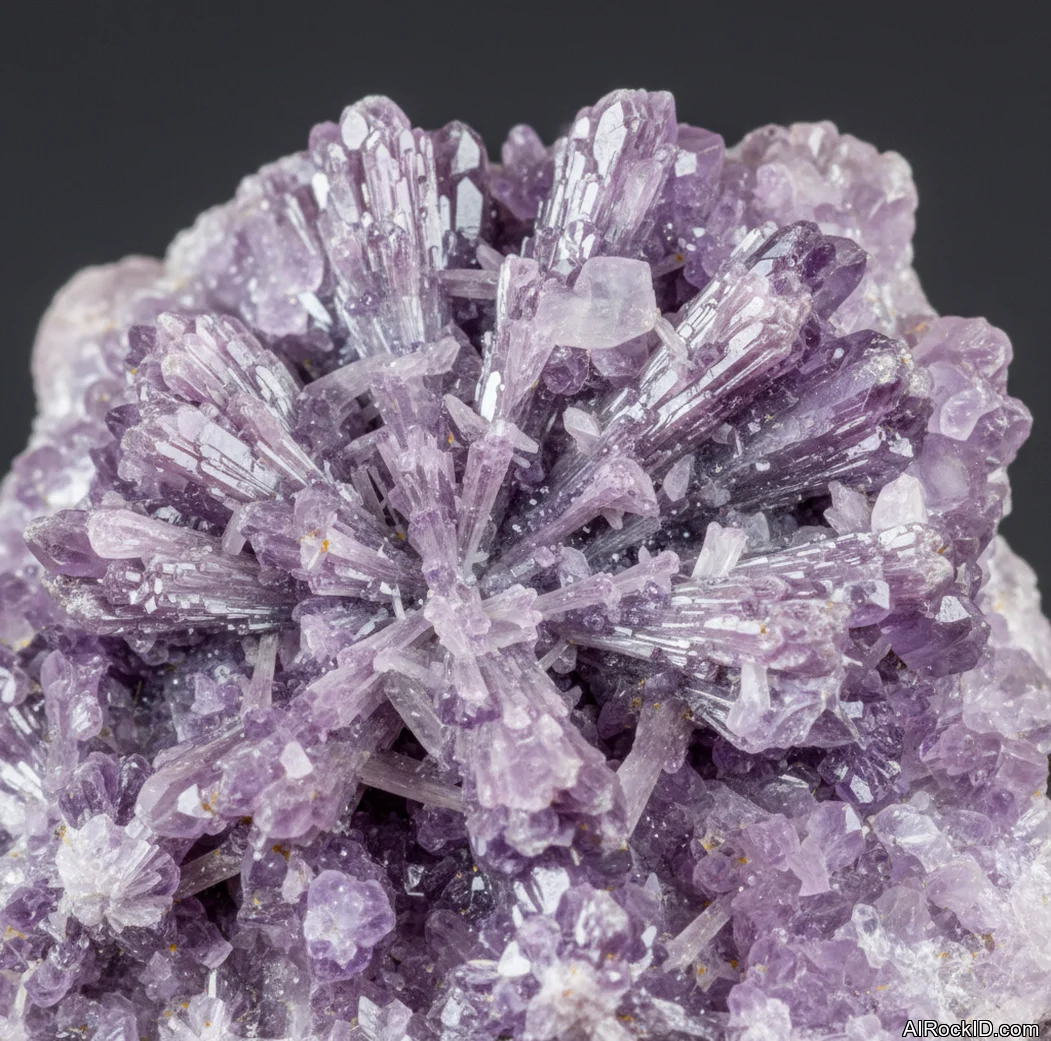
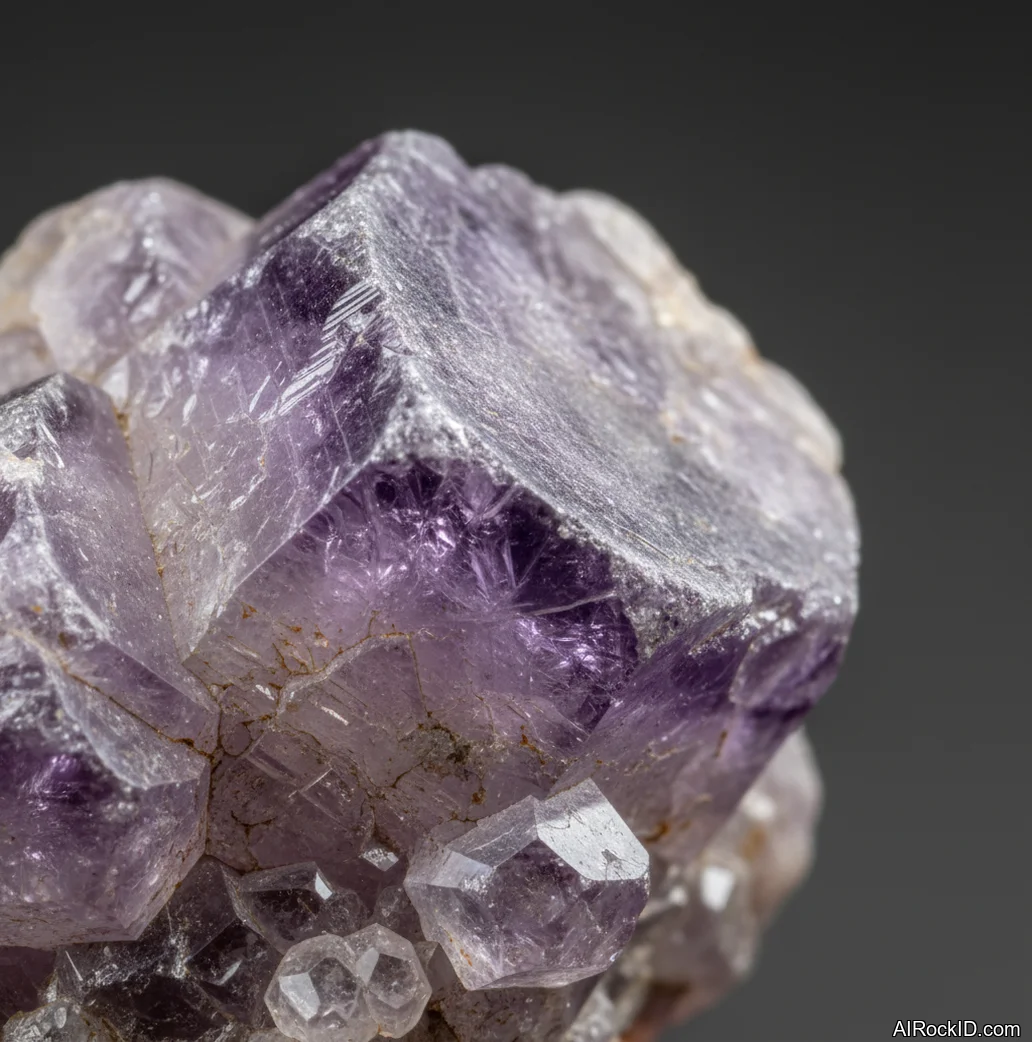
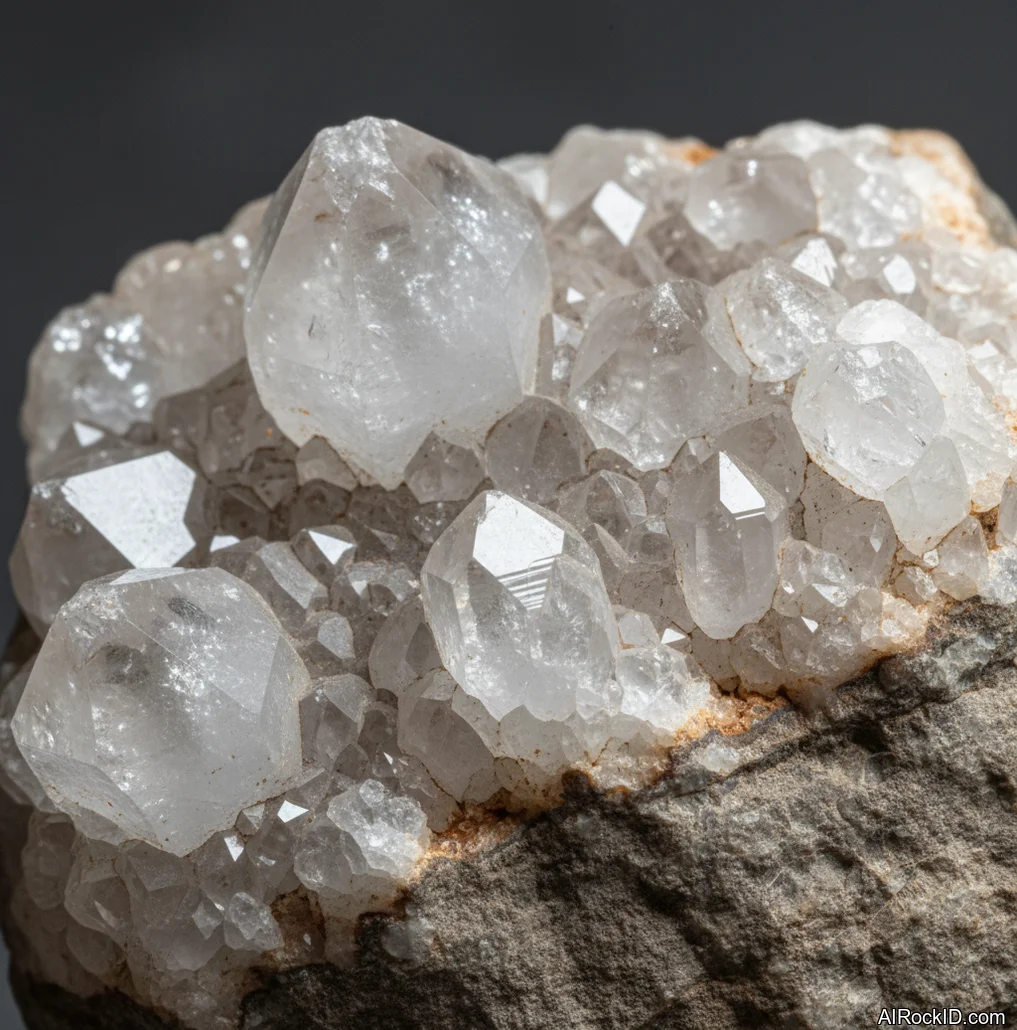
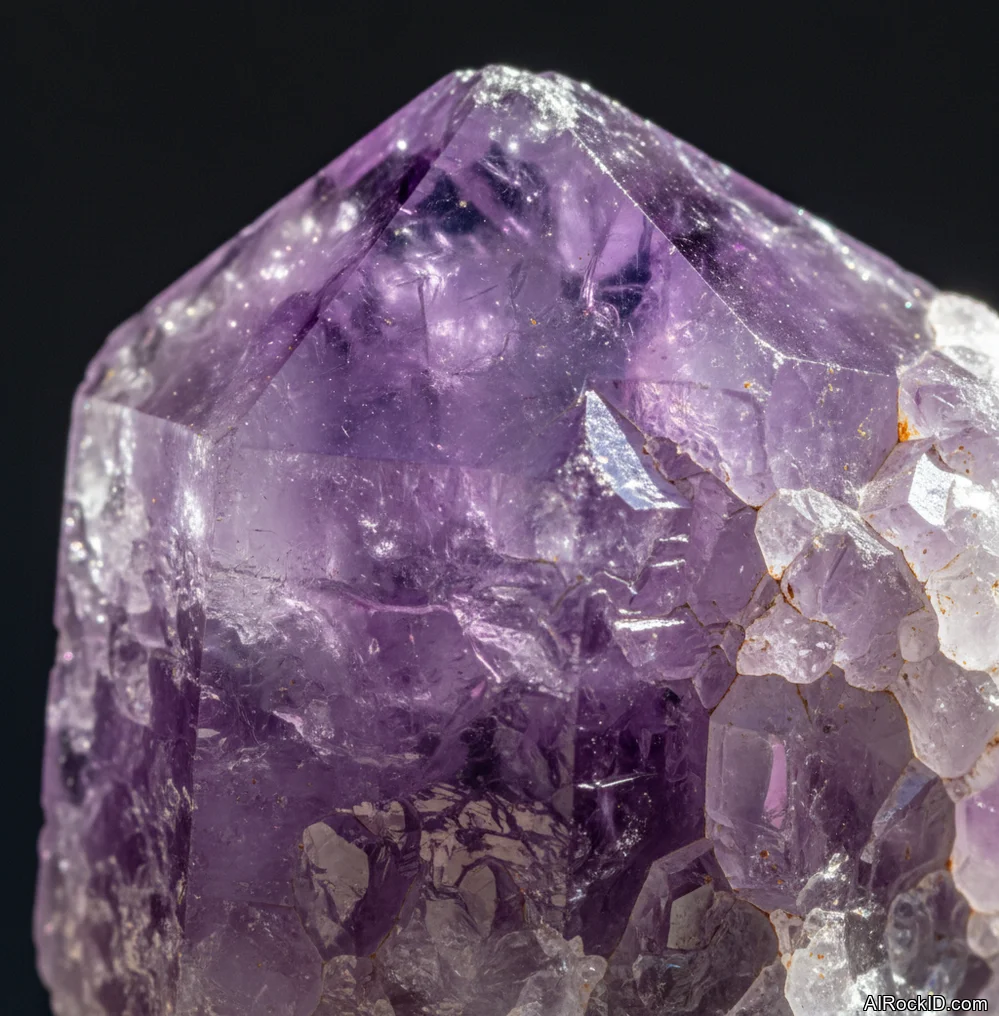
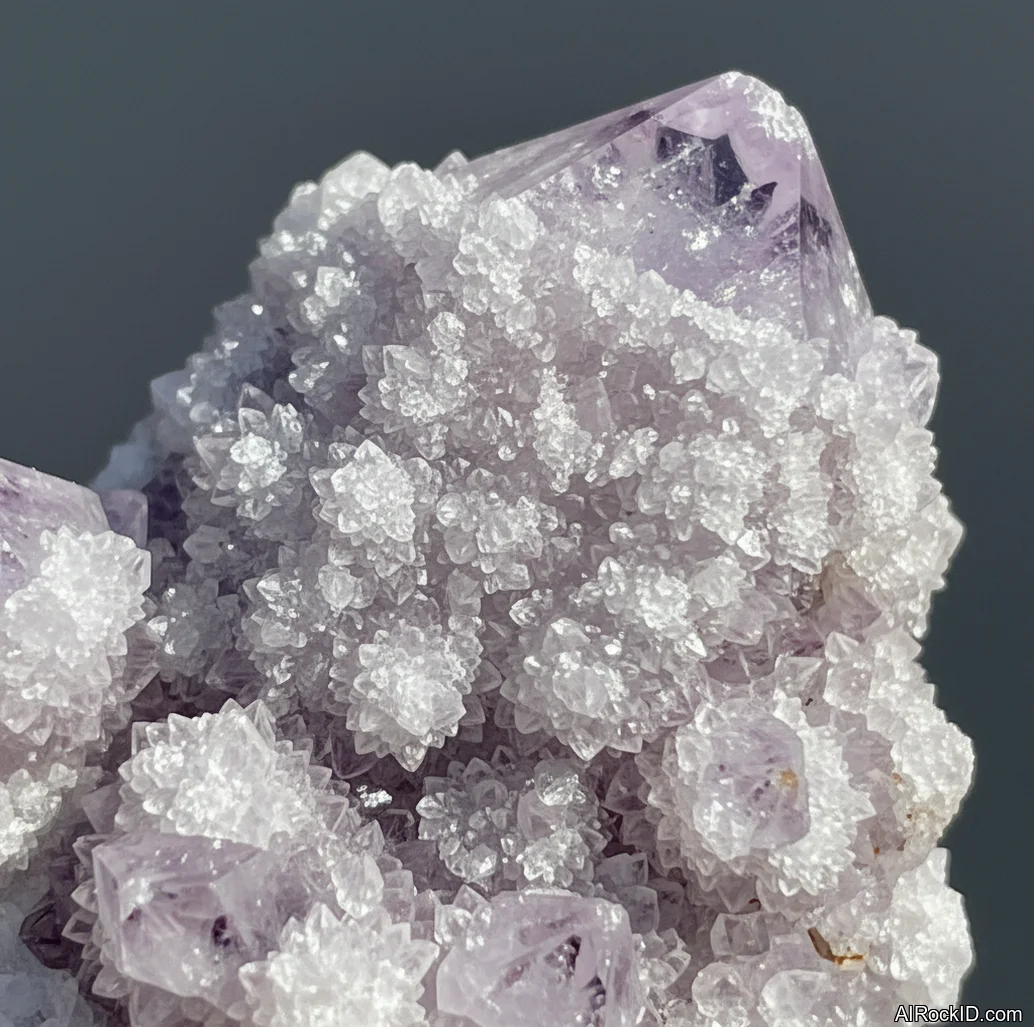
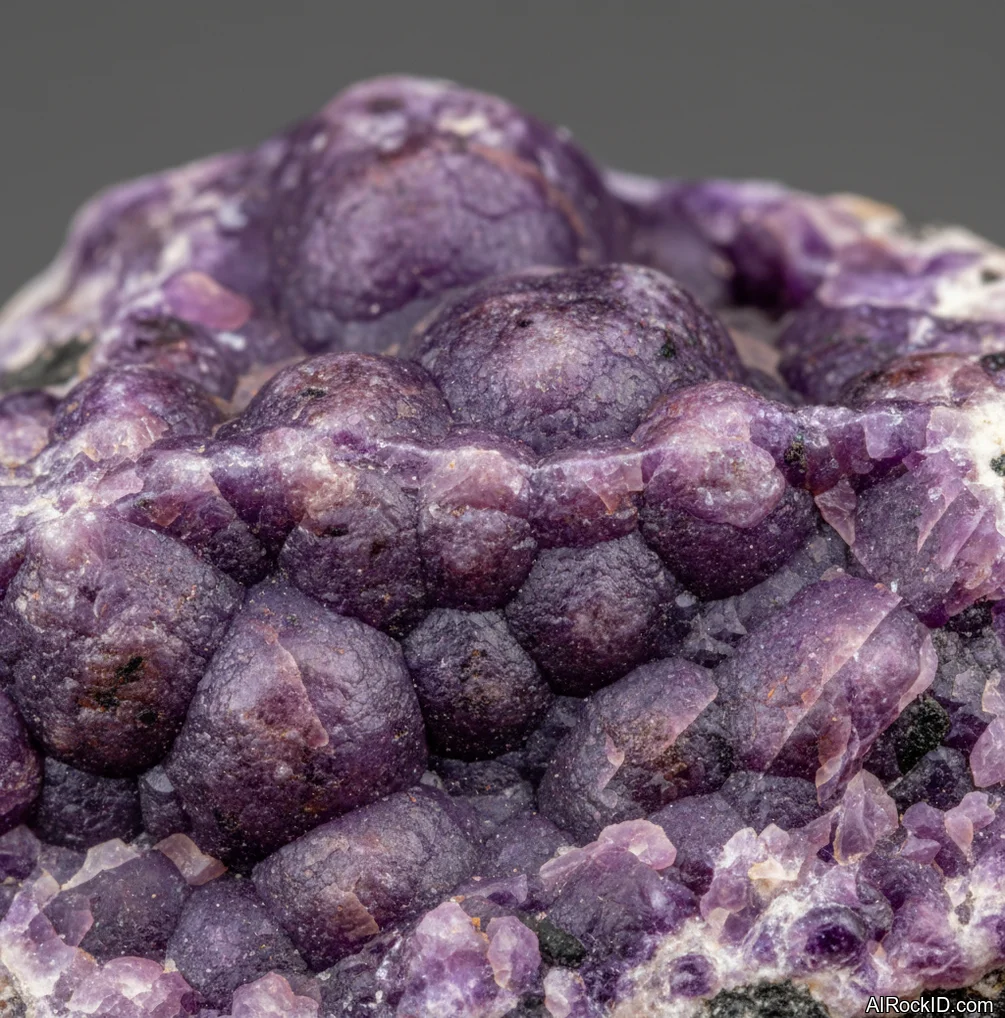
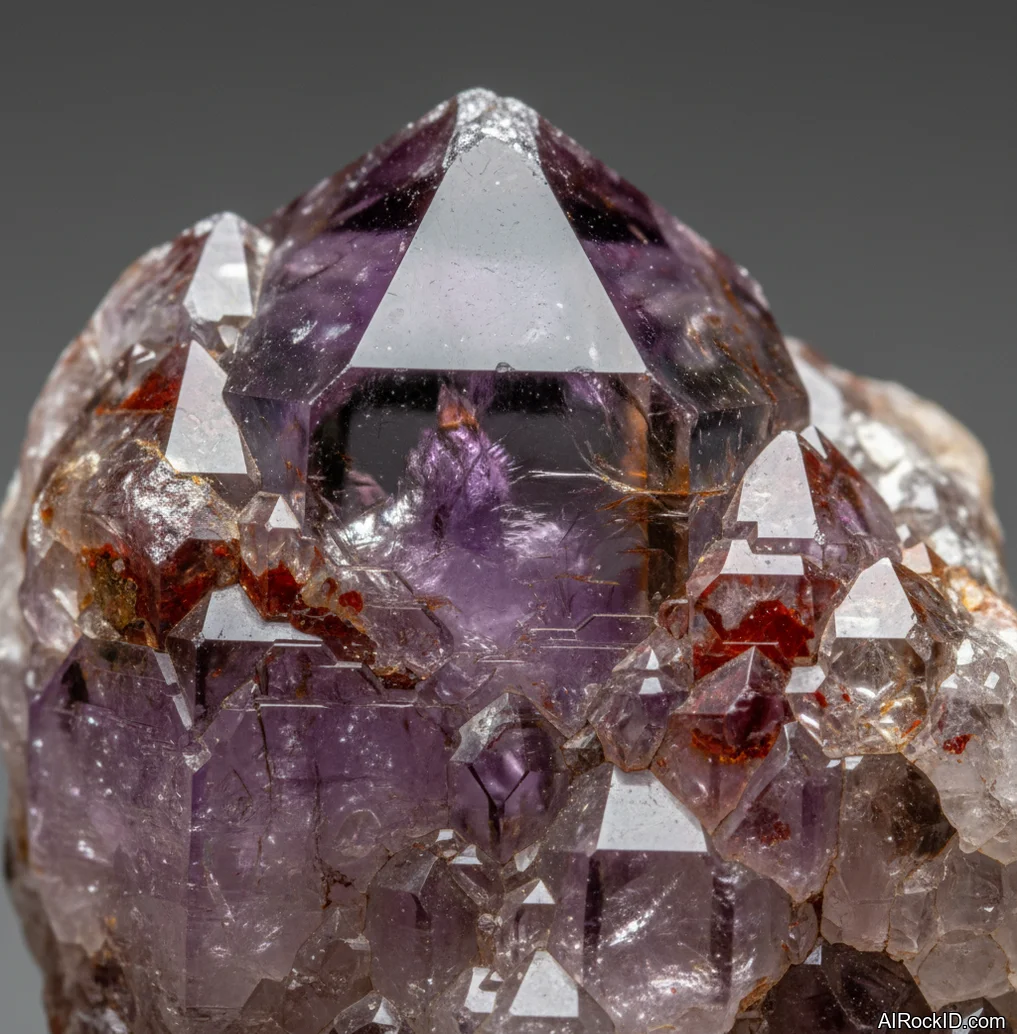
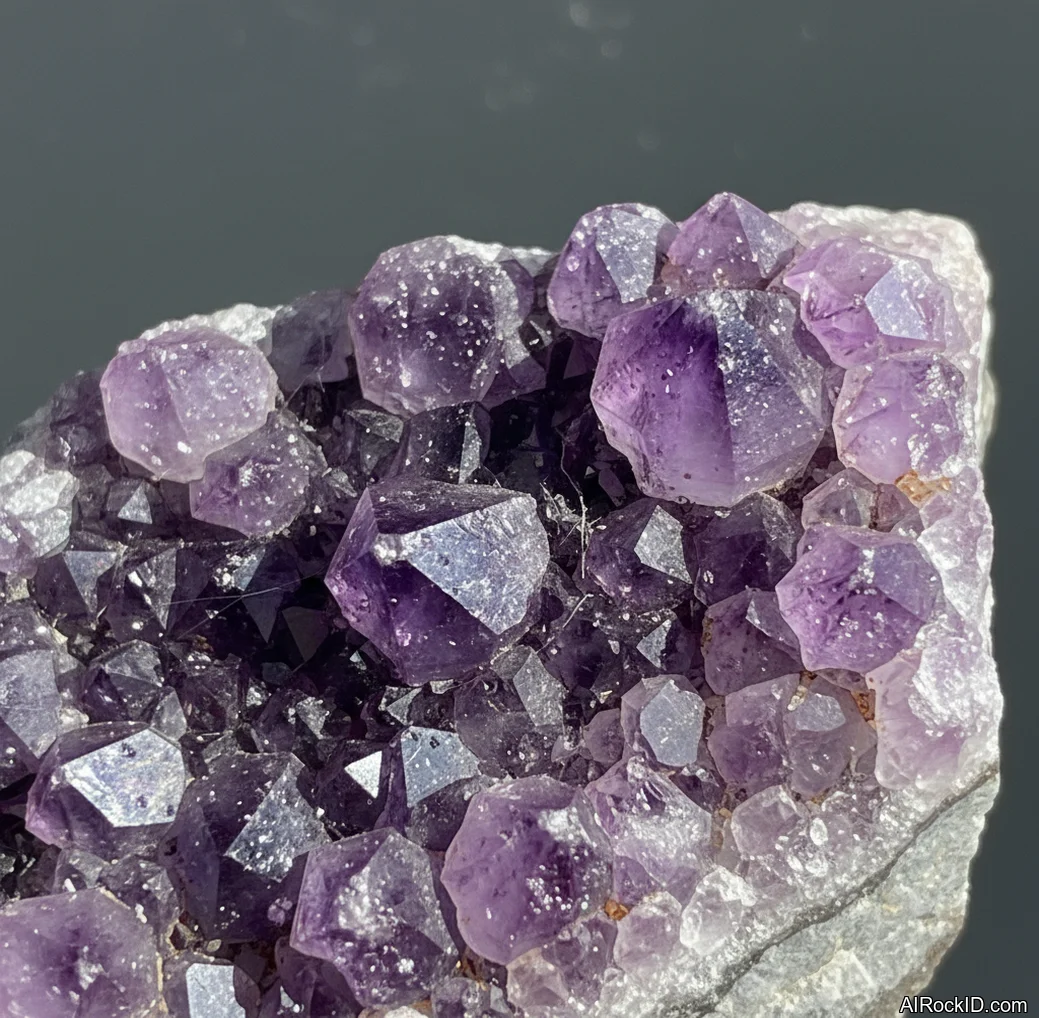
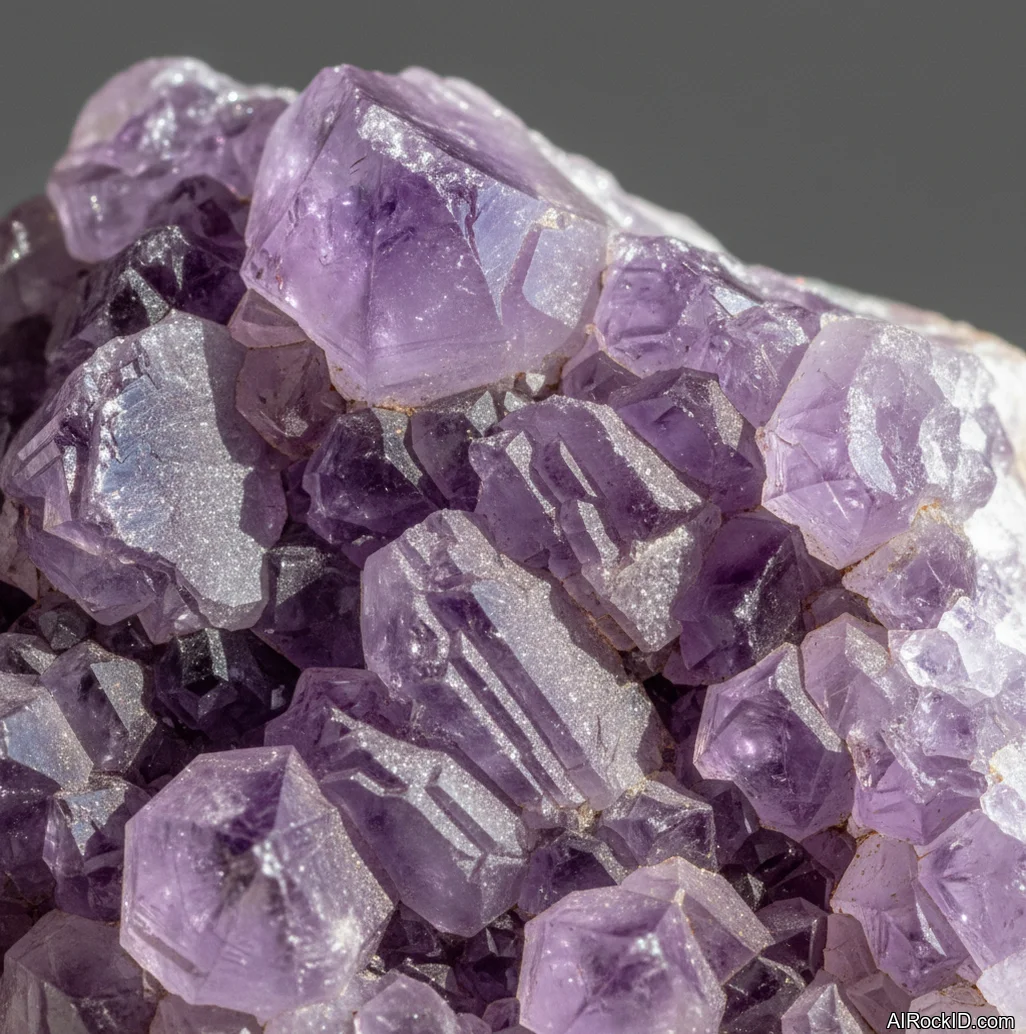
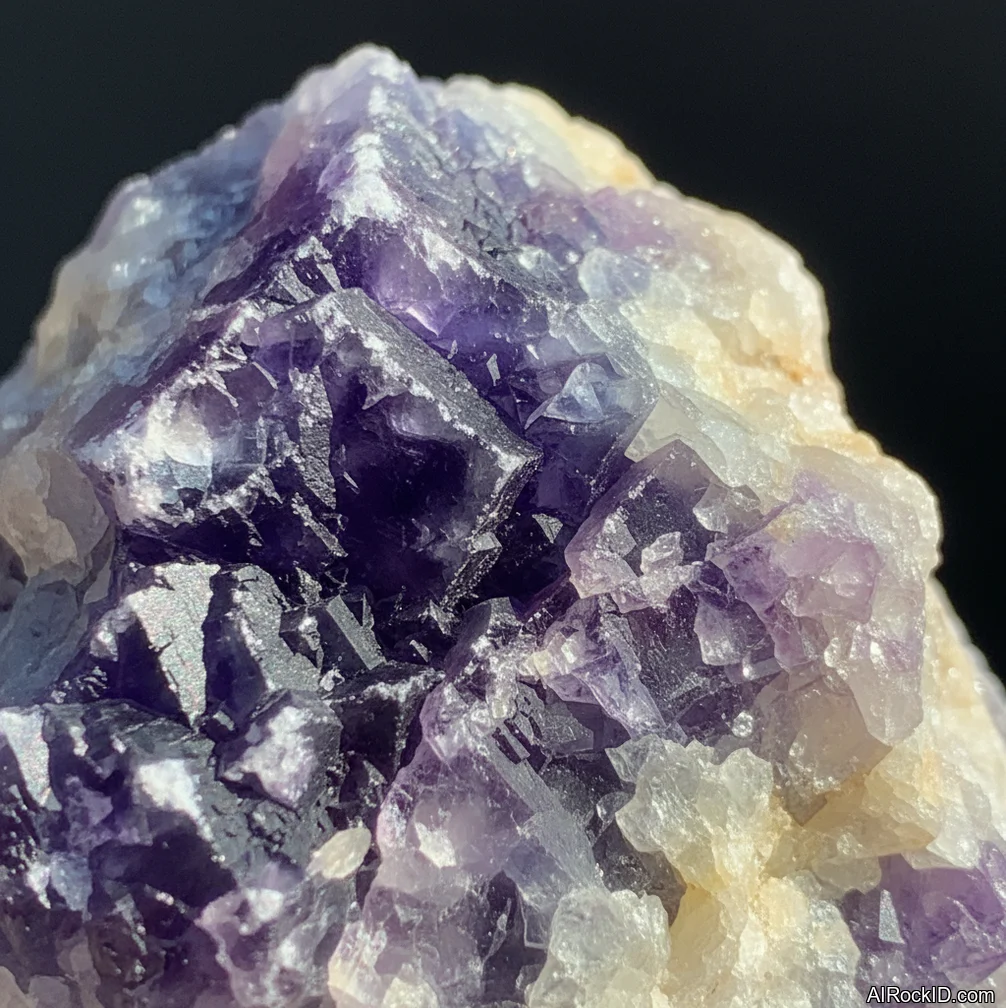
Compared to those, amethyst has a different vibe. The best stuff I’ve handled from Uruguay is deep grape purple and tends to come in tight, sparkly points that catch light like crushed sugar. Brazilian amethyst is often lighter, more lavender, and the crystals can be bigger but less saturated. For calming, people usually reach for amethyst when they want quiet plus a little mental-clearing feel, especially at bedtime. Set a cluster on a nightstand and it’s basically low-maintenance (and it looks good, too).
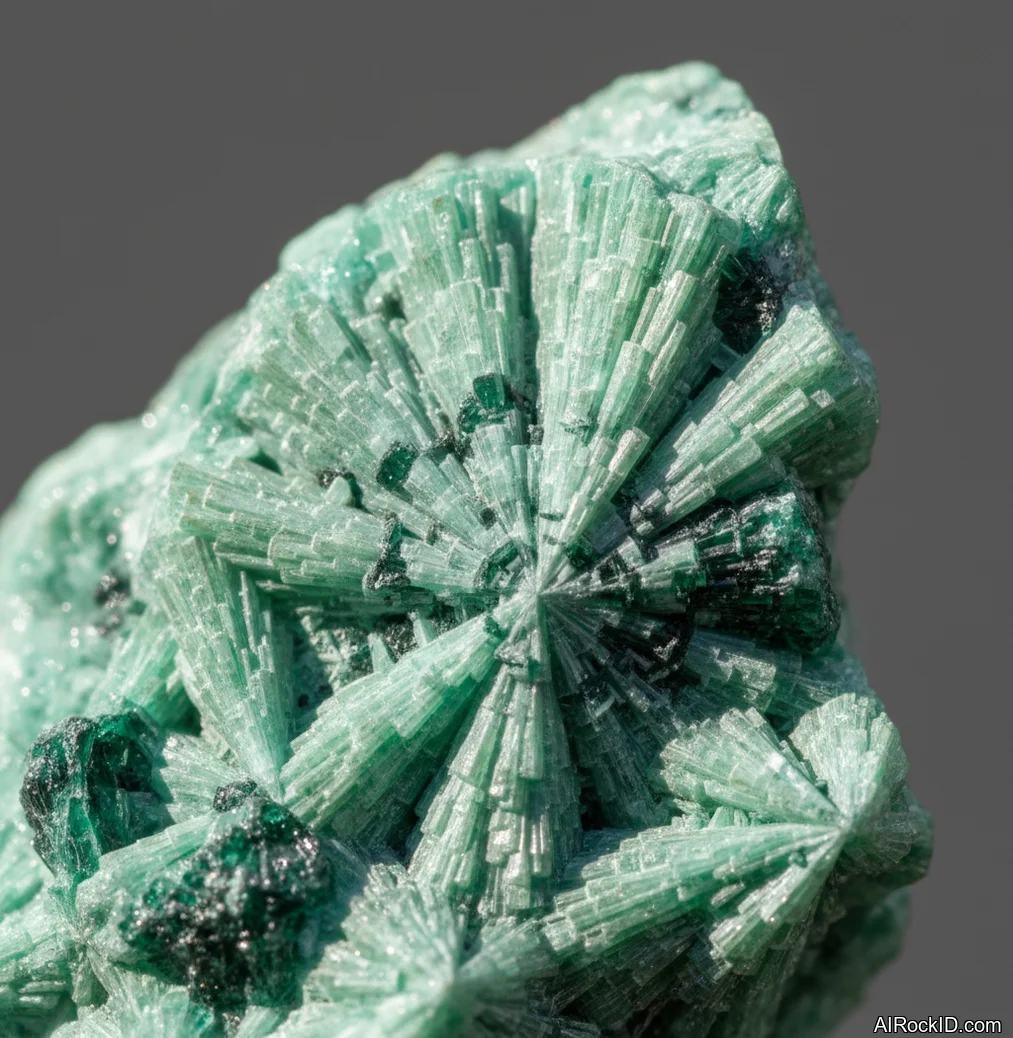
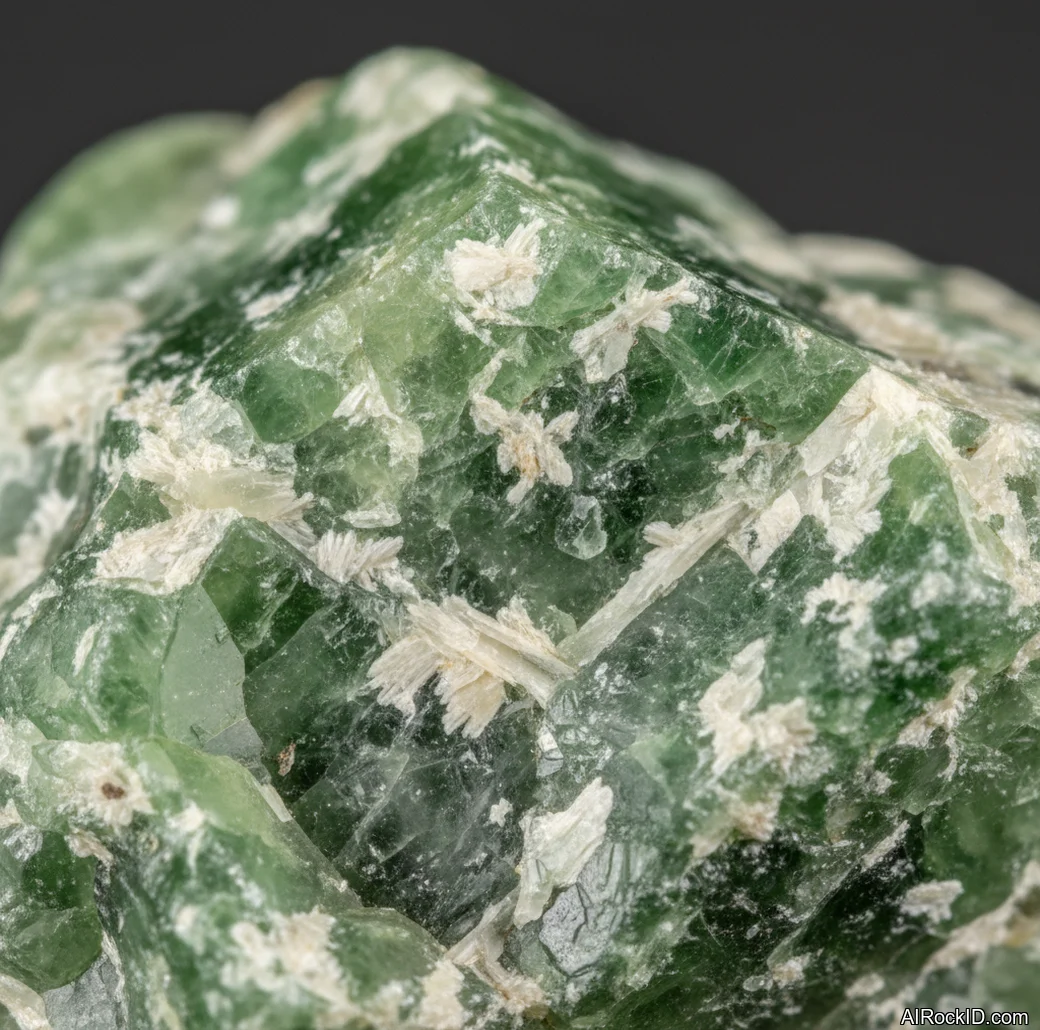
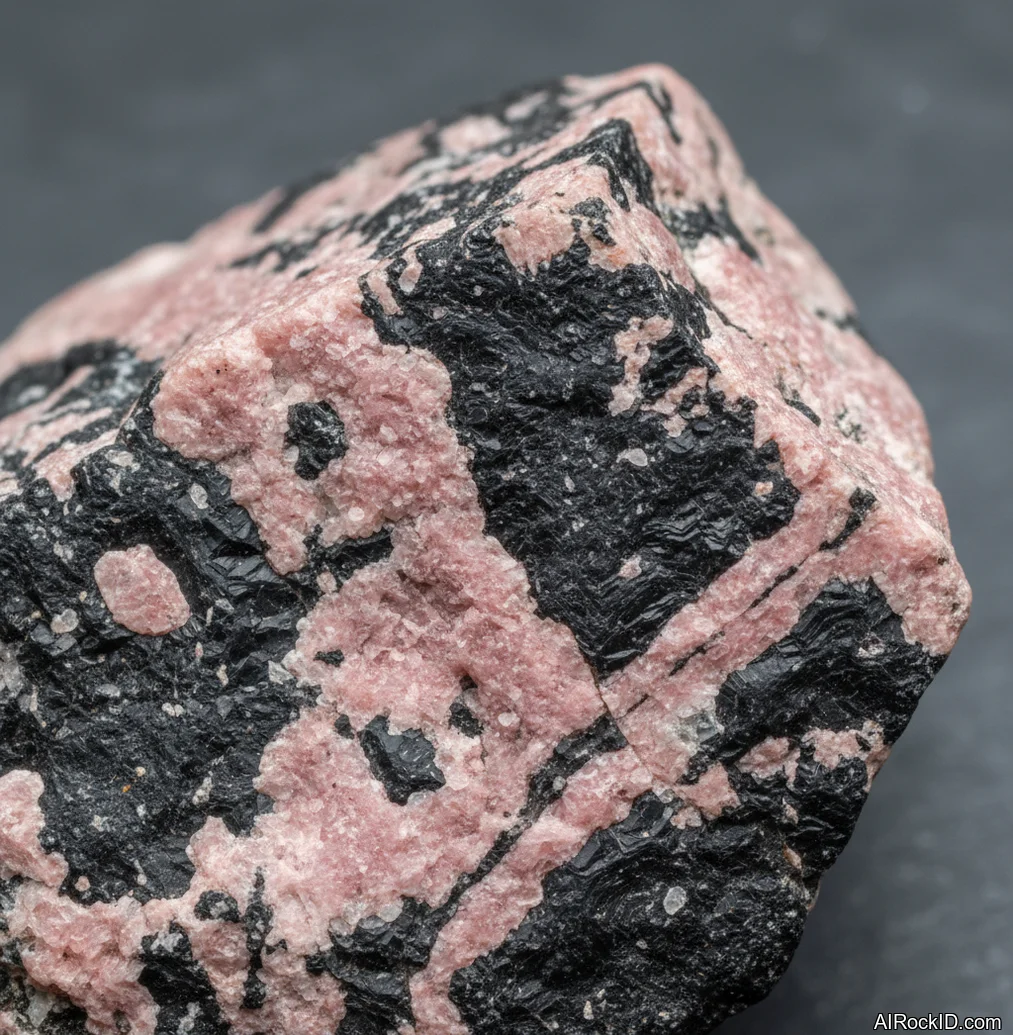
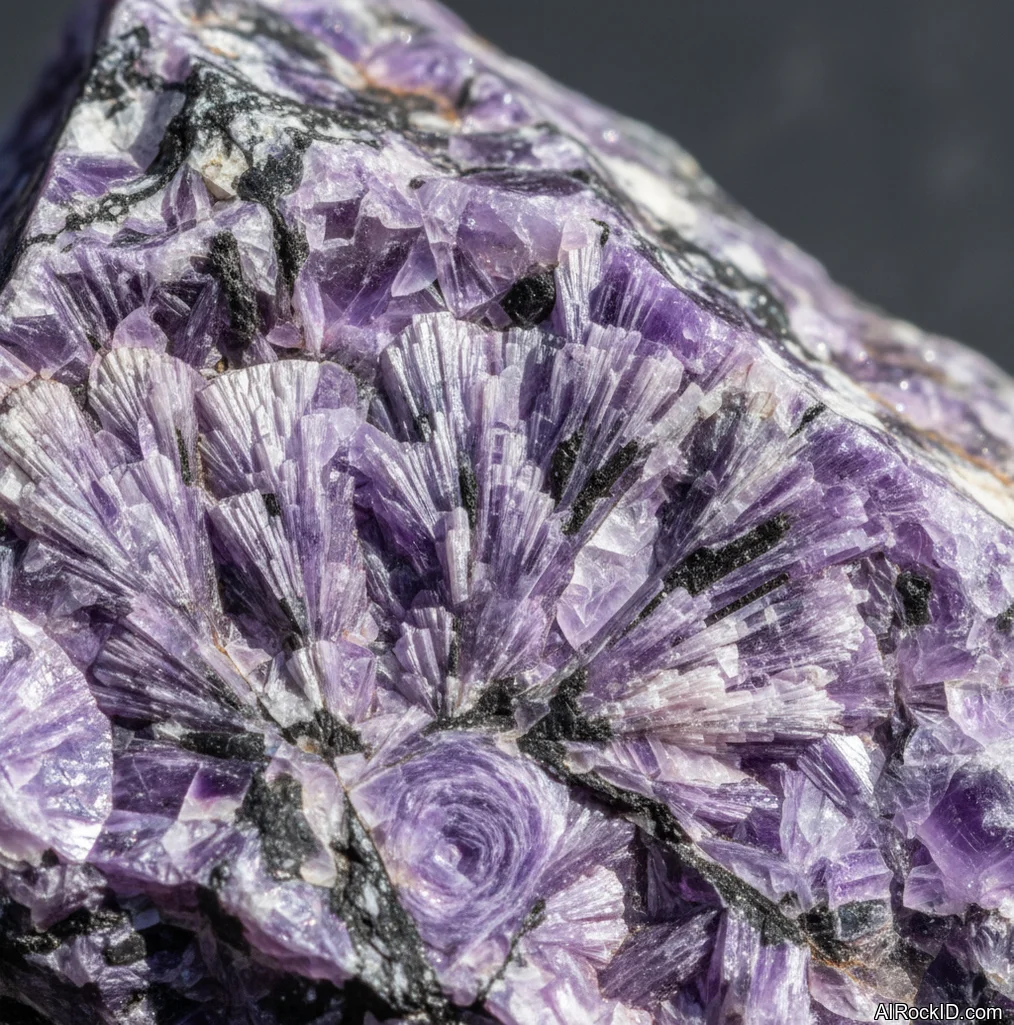
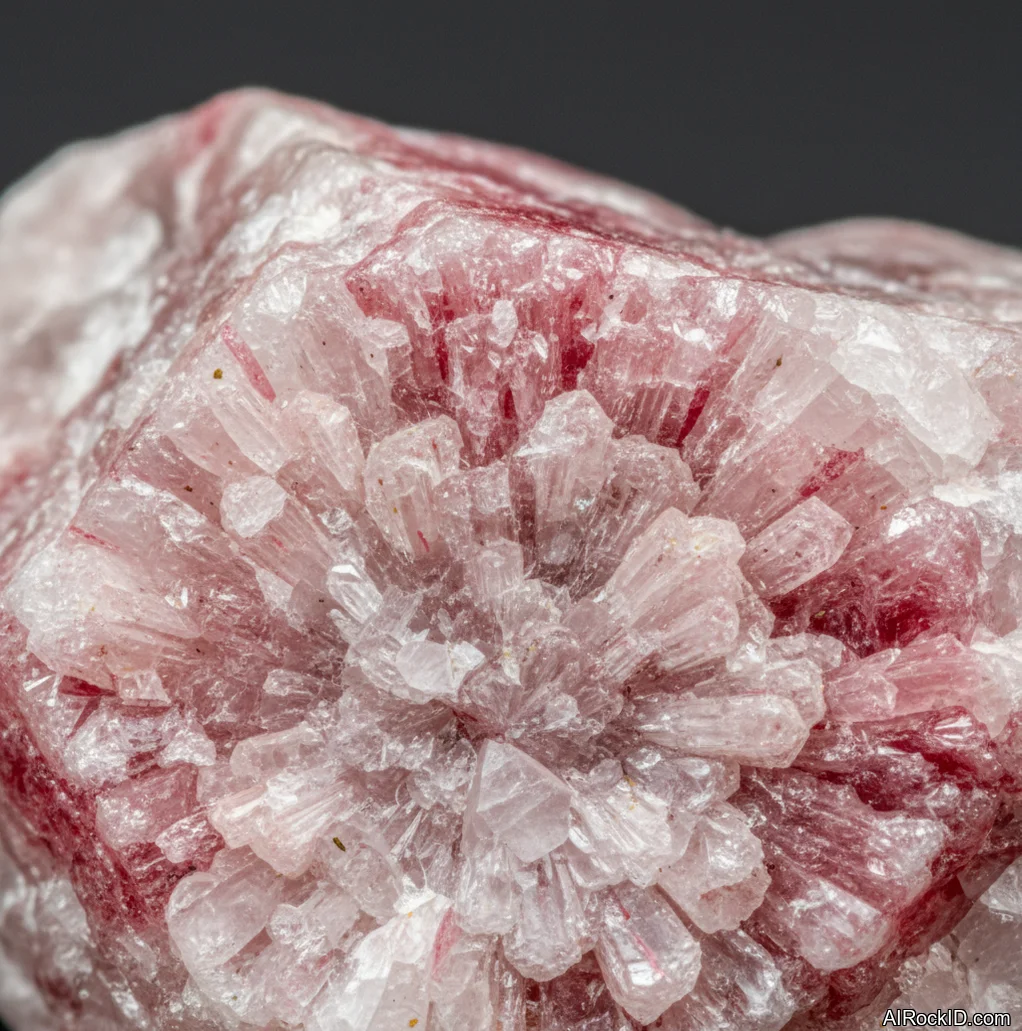
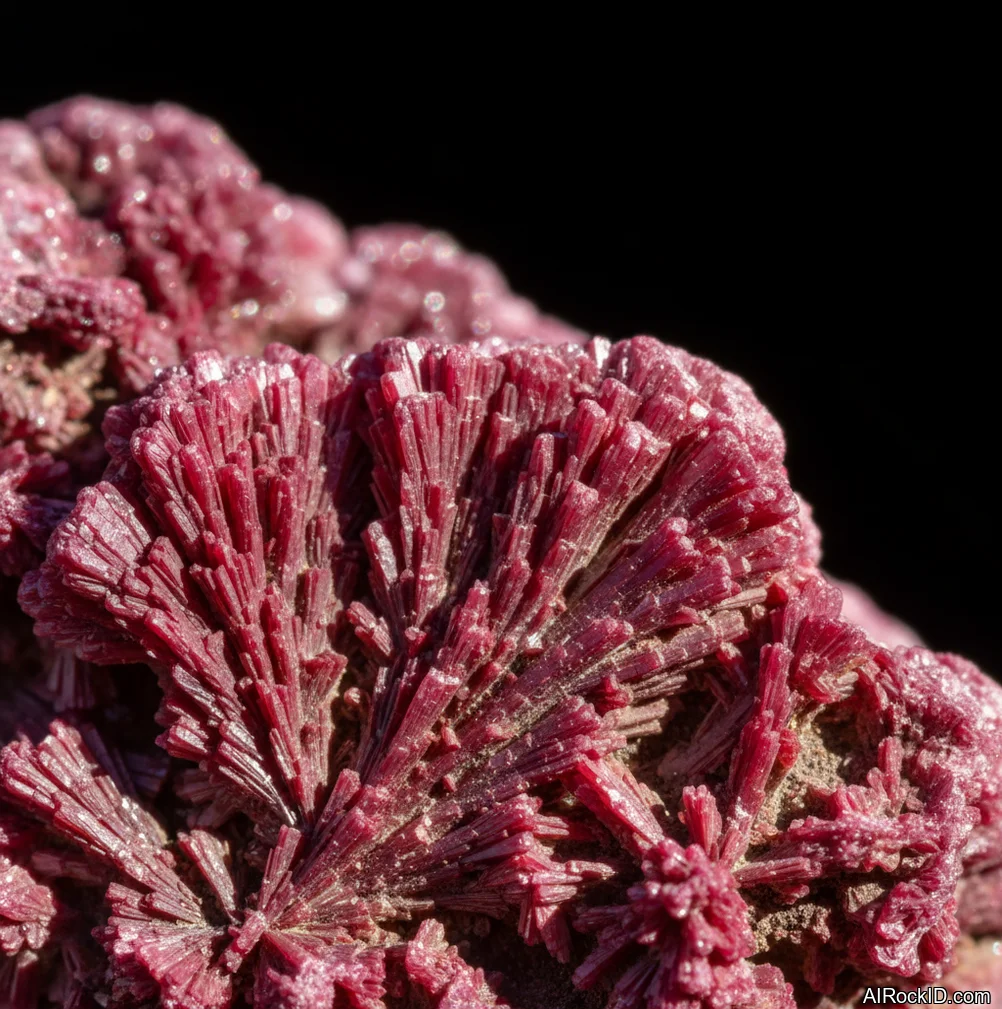
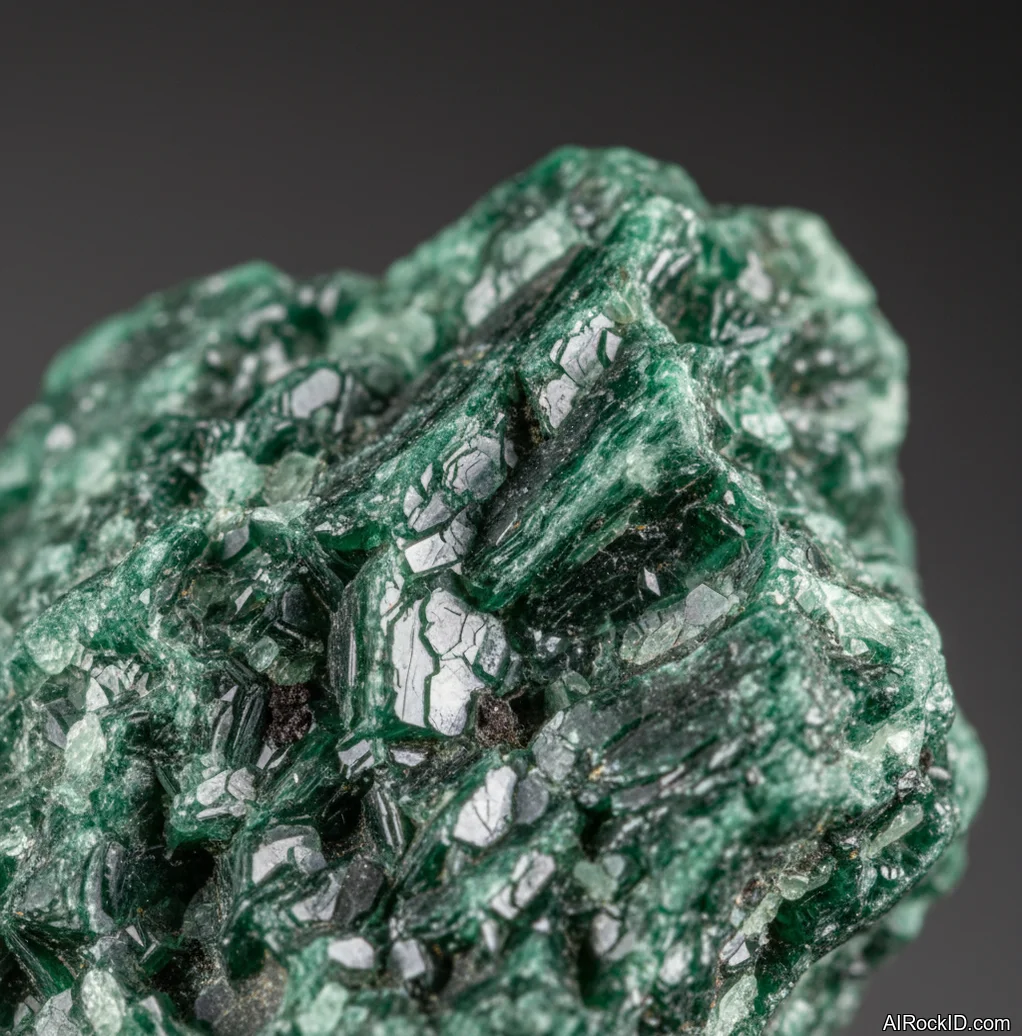
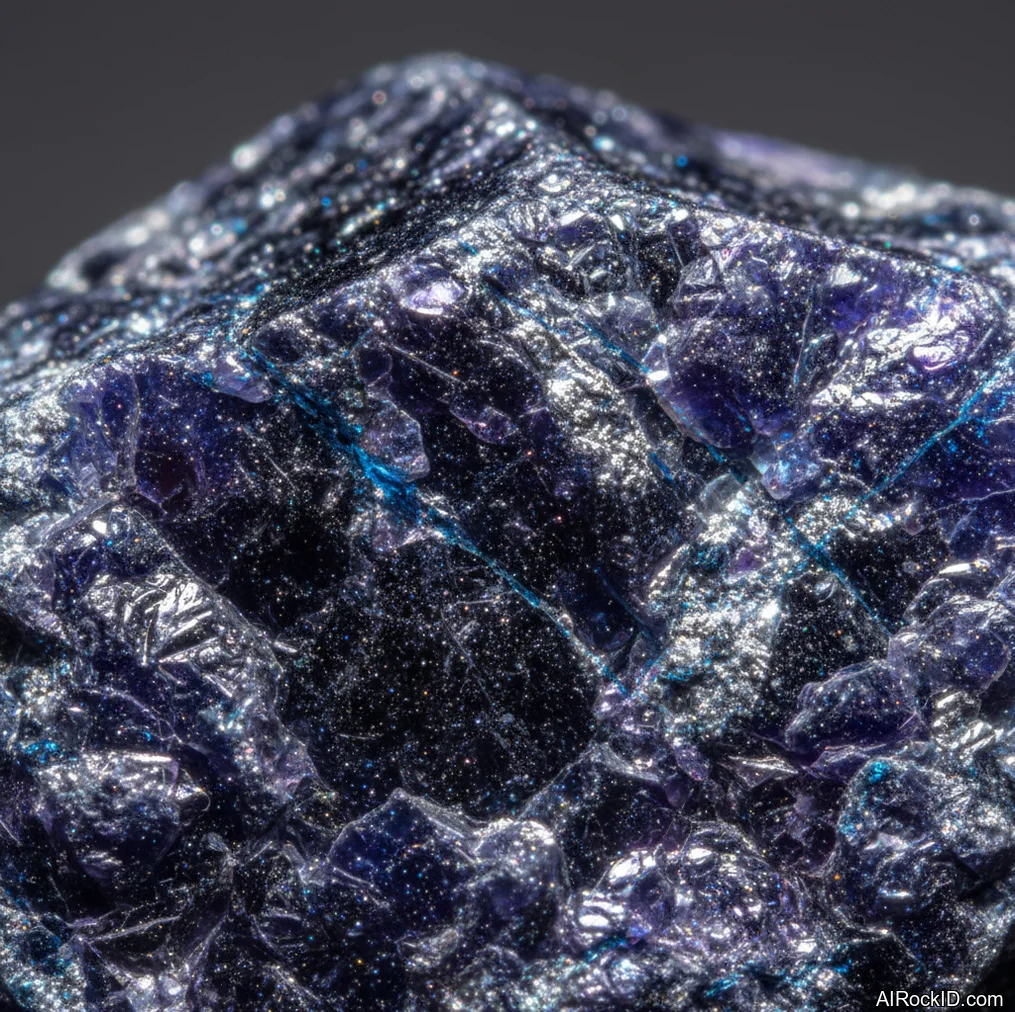
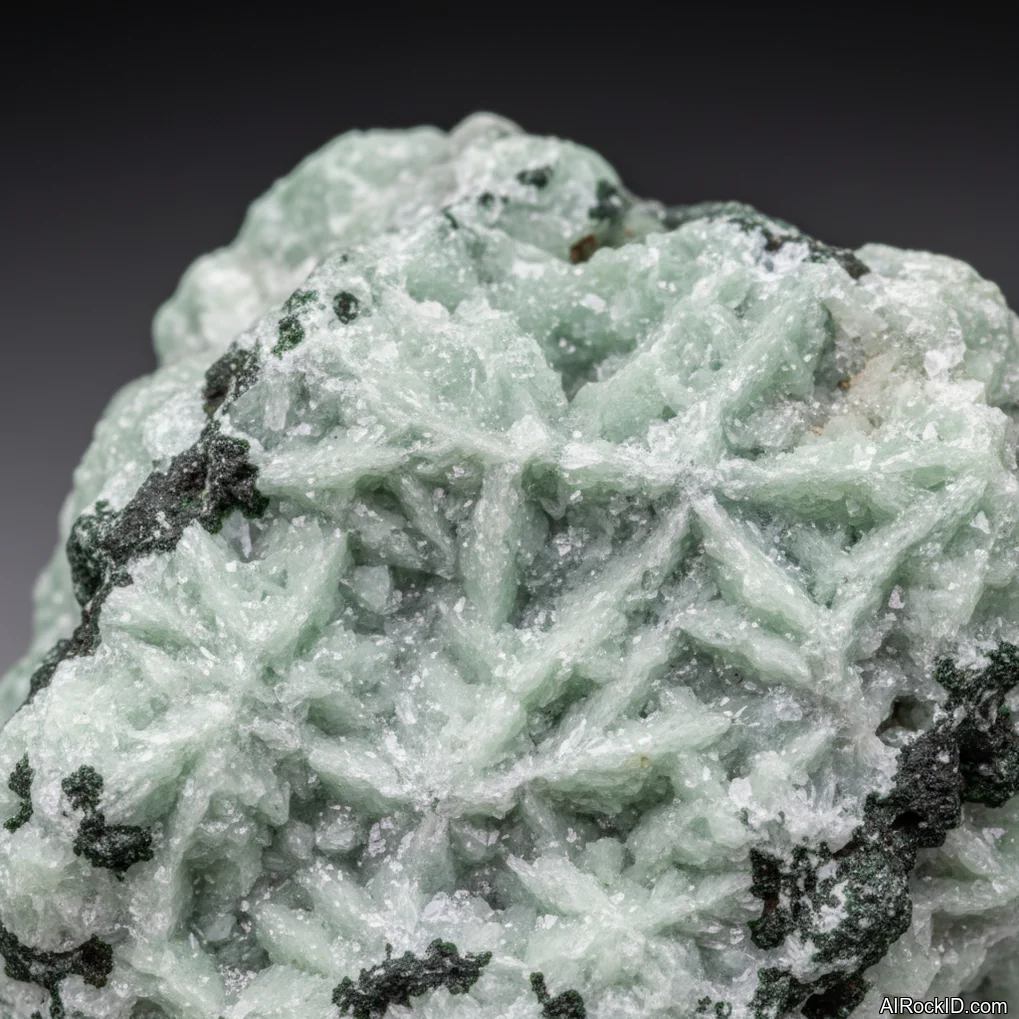
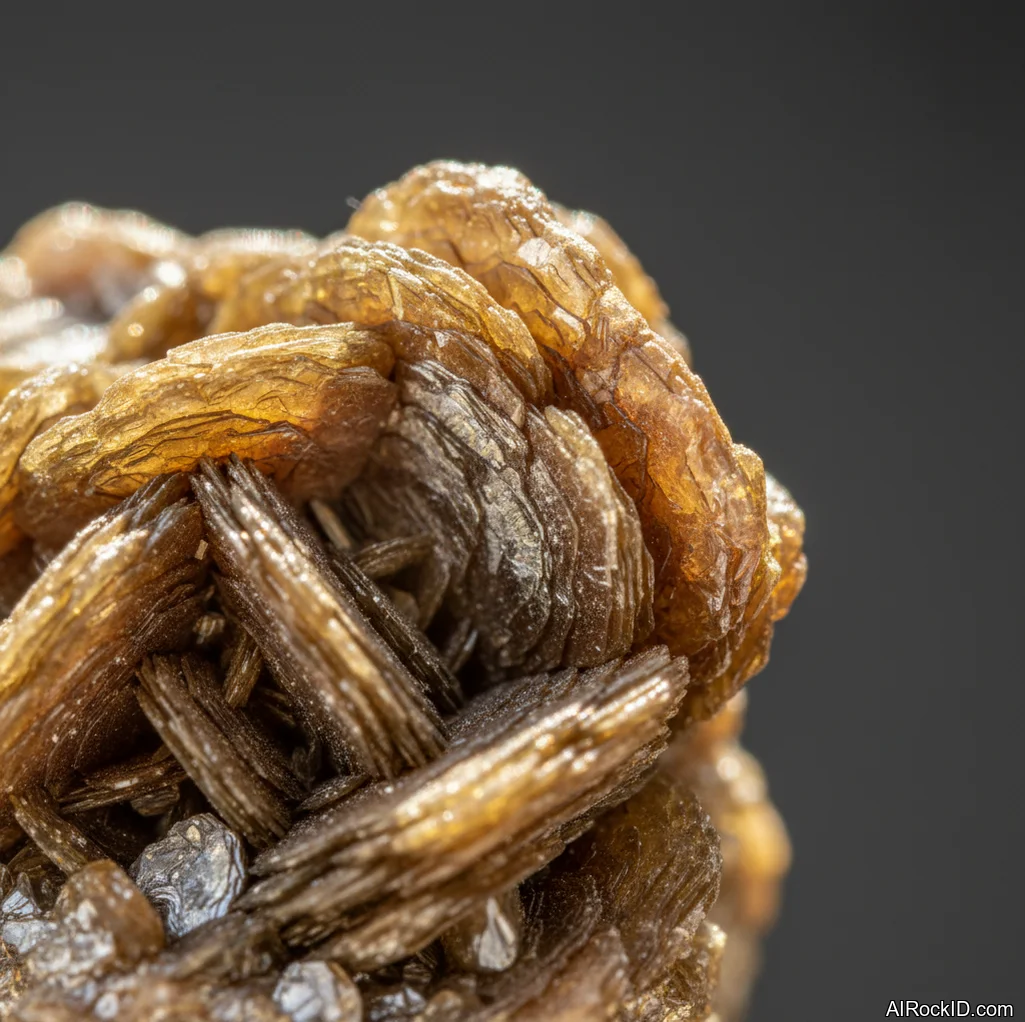
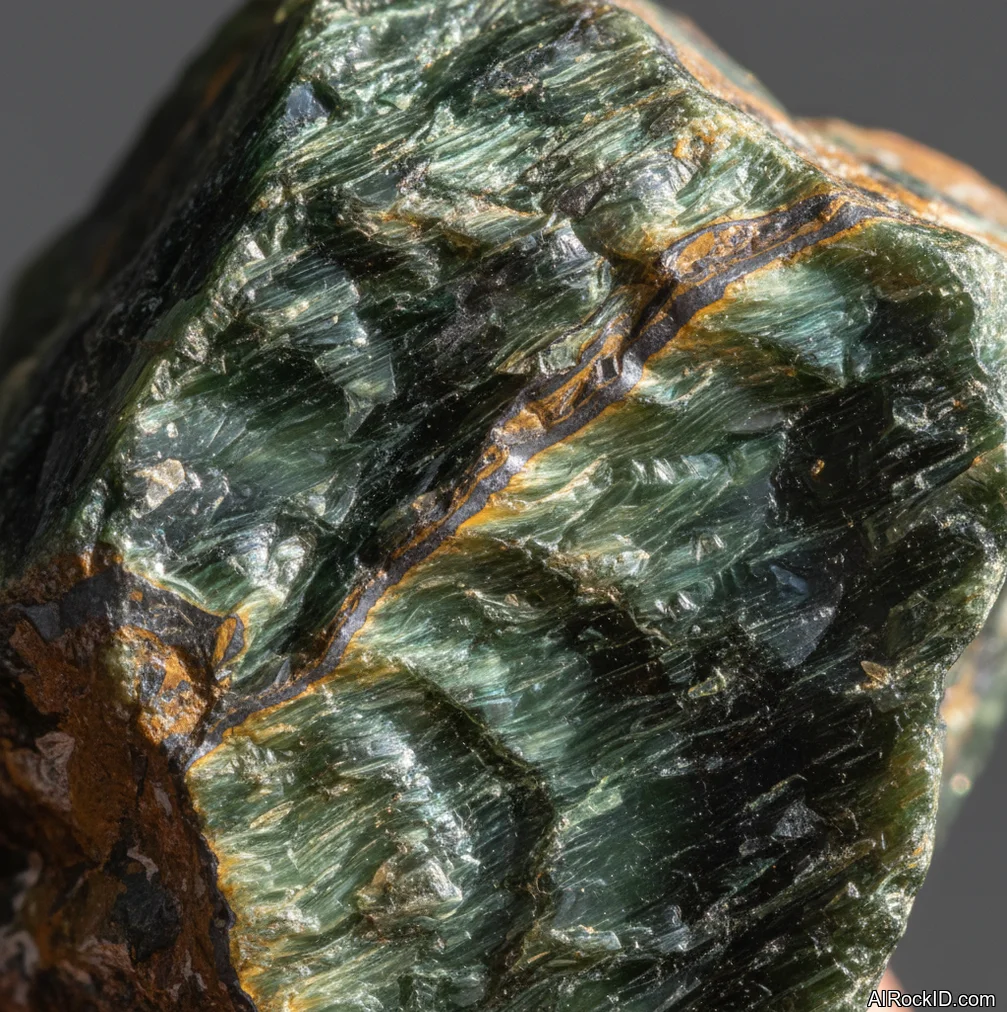
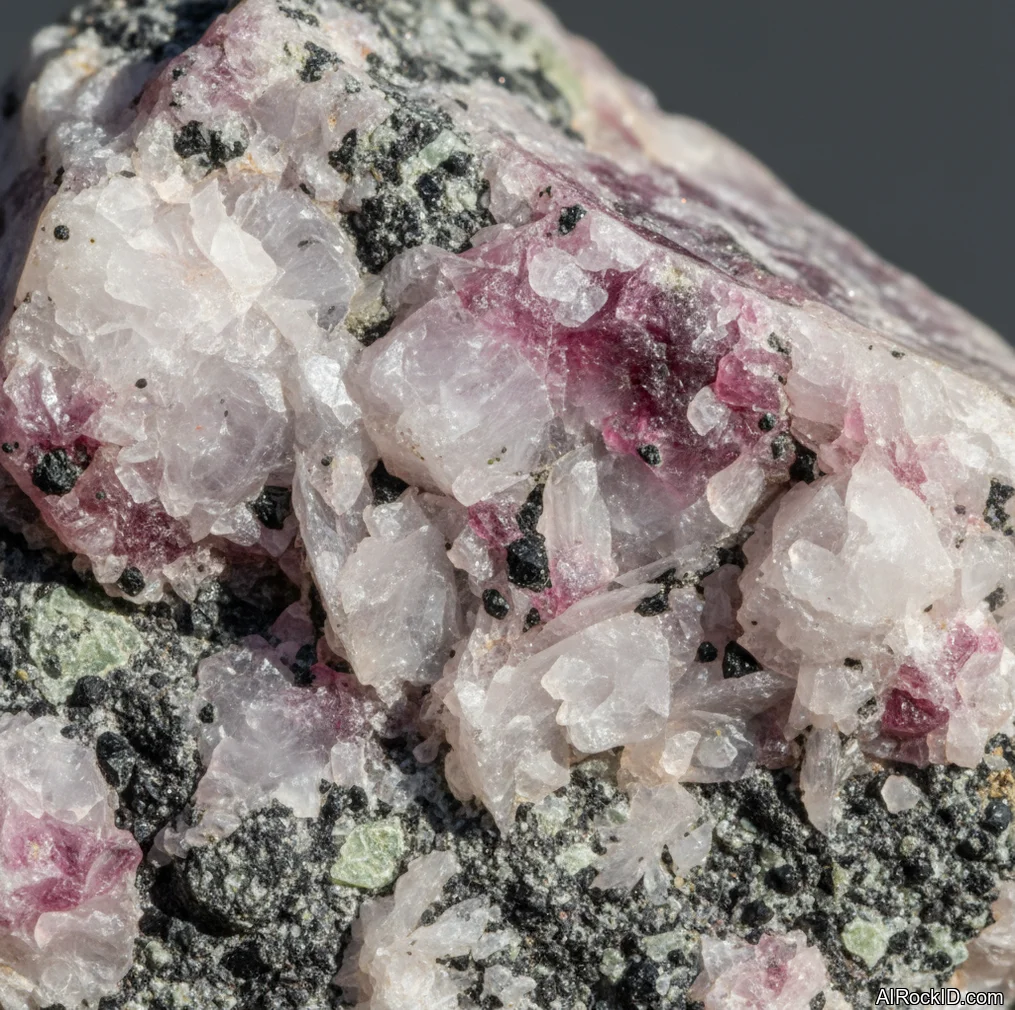
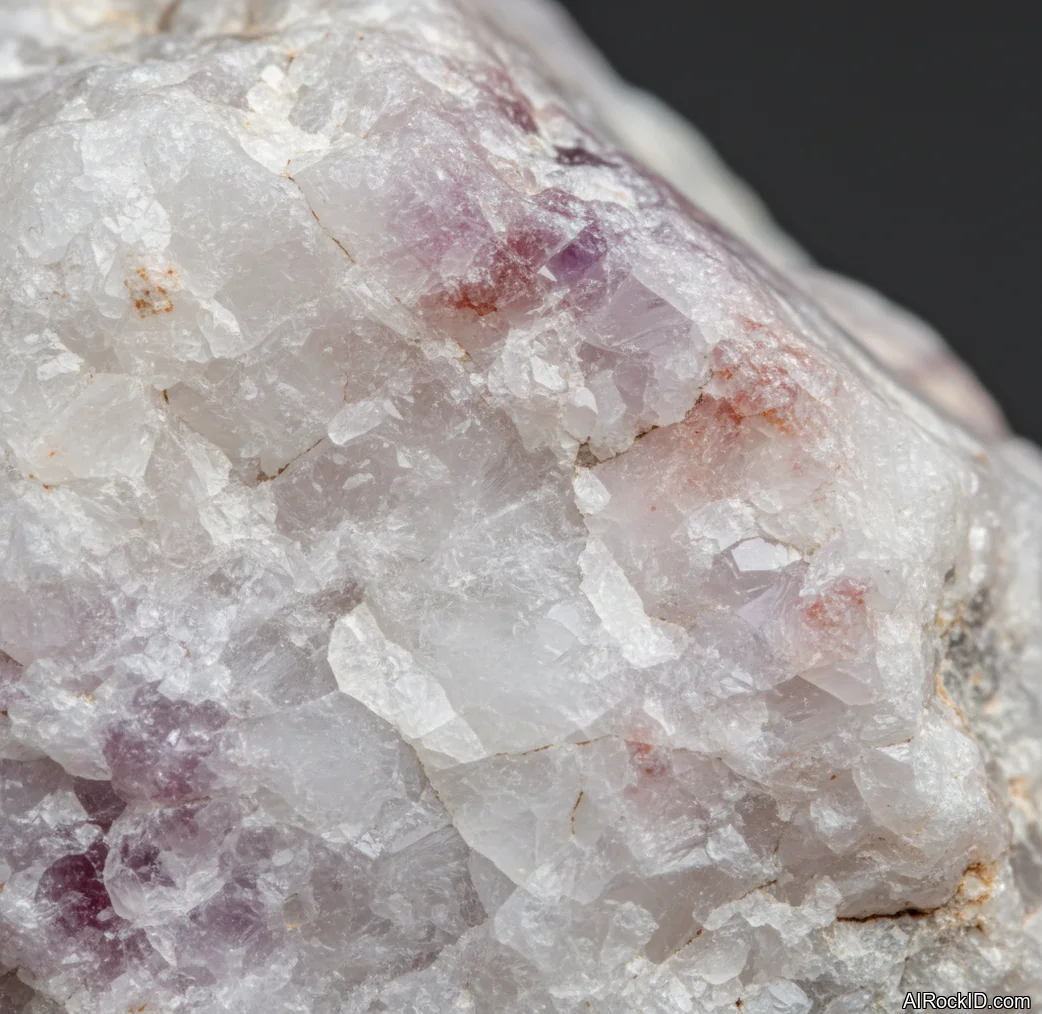
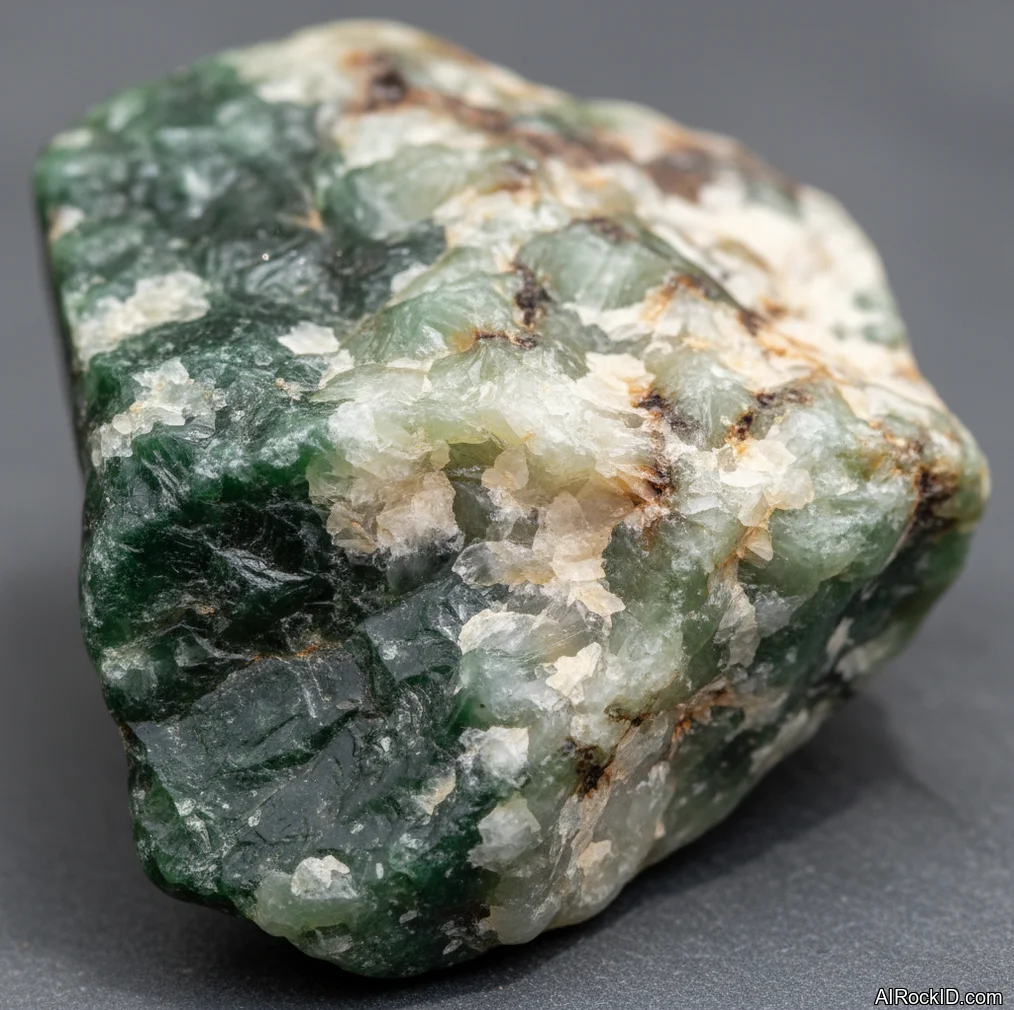
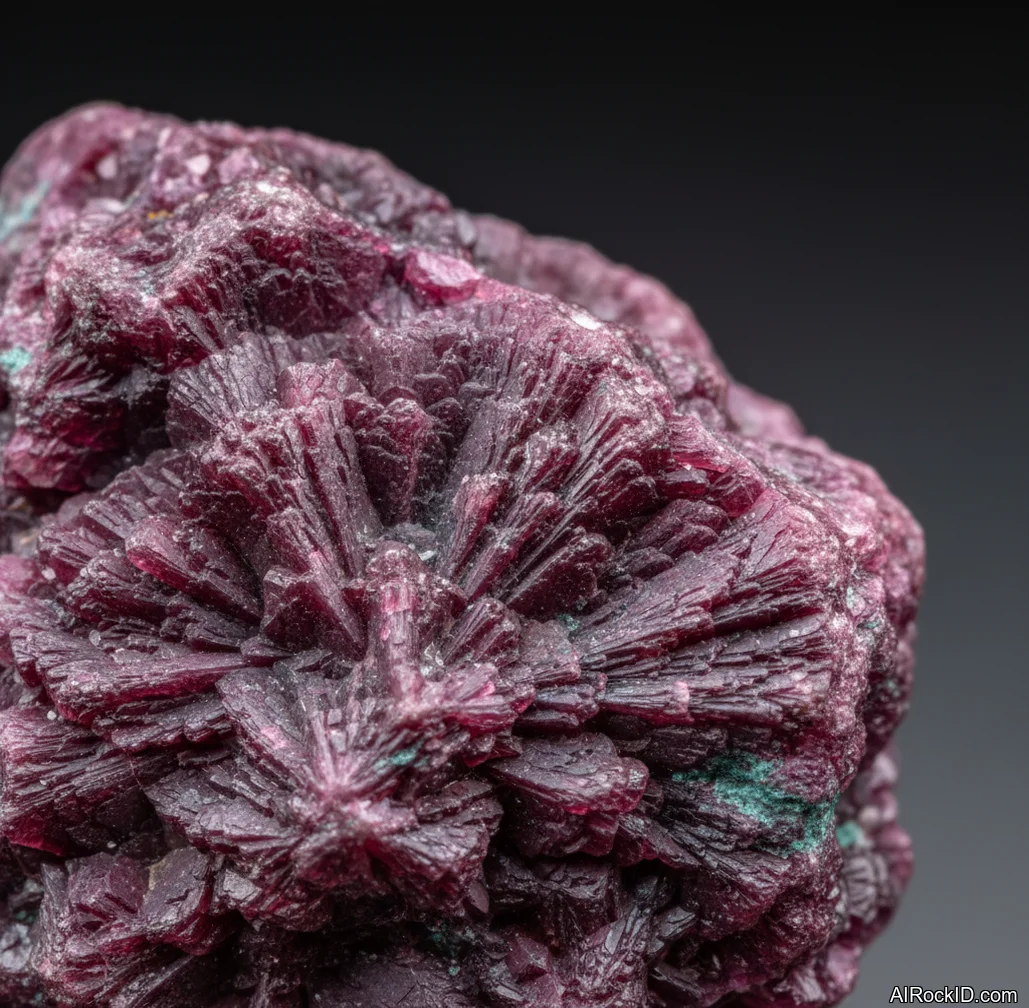
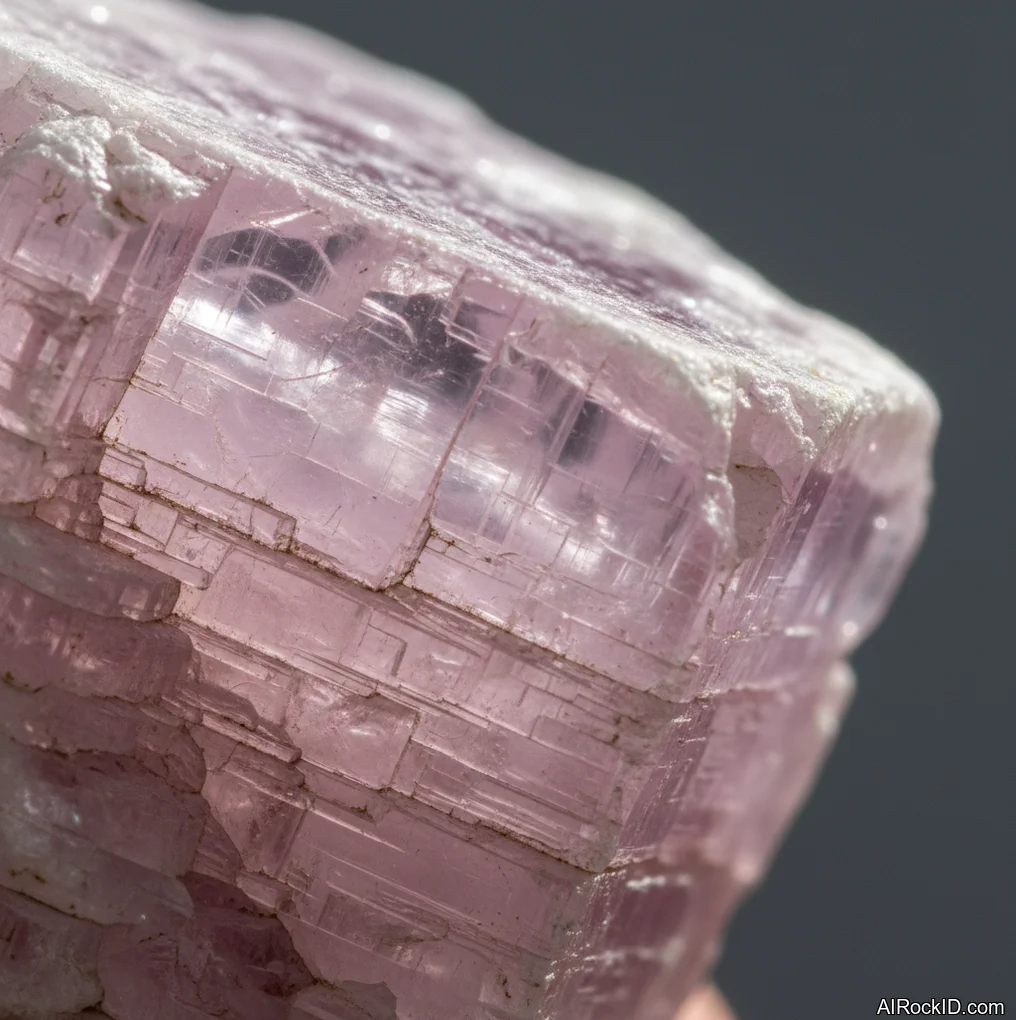
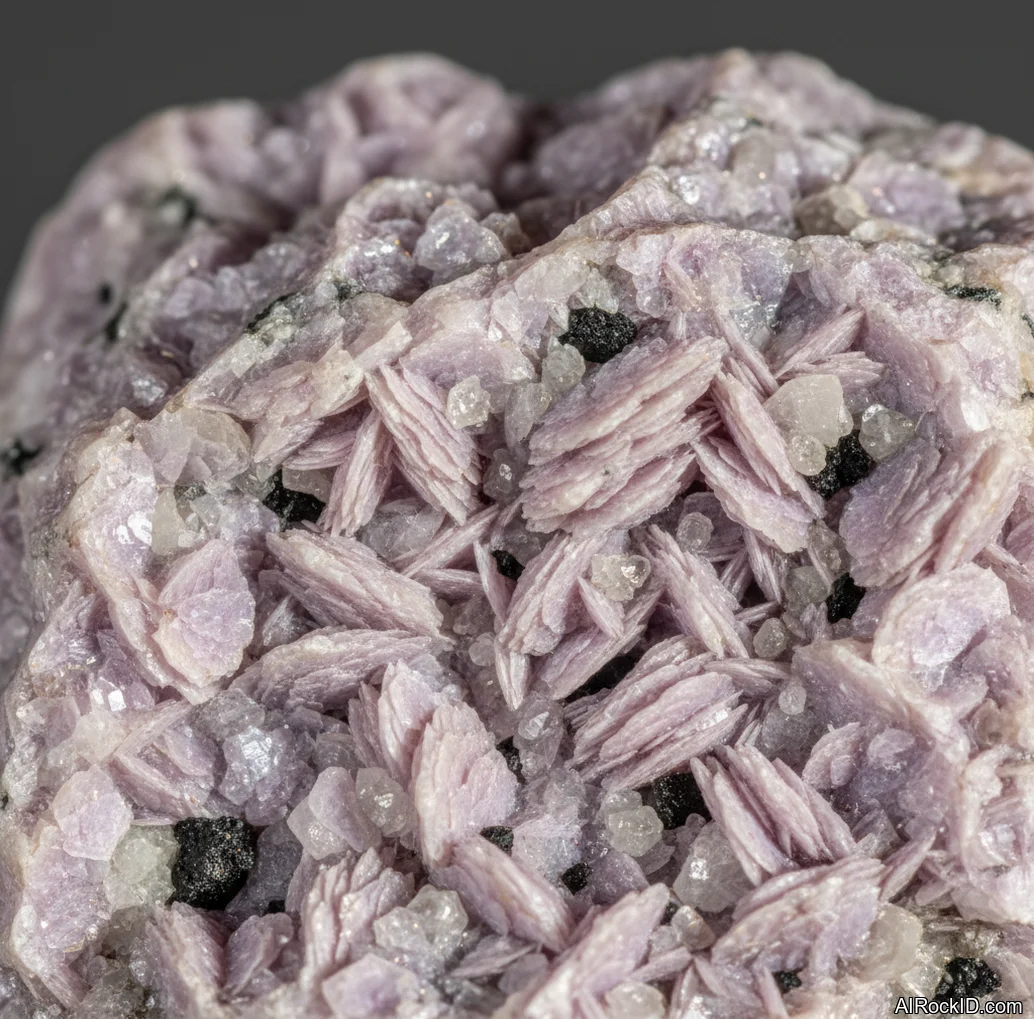
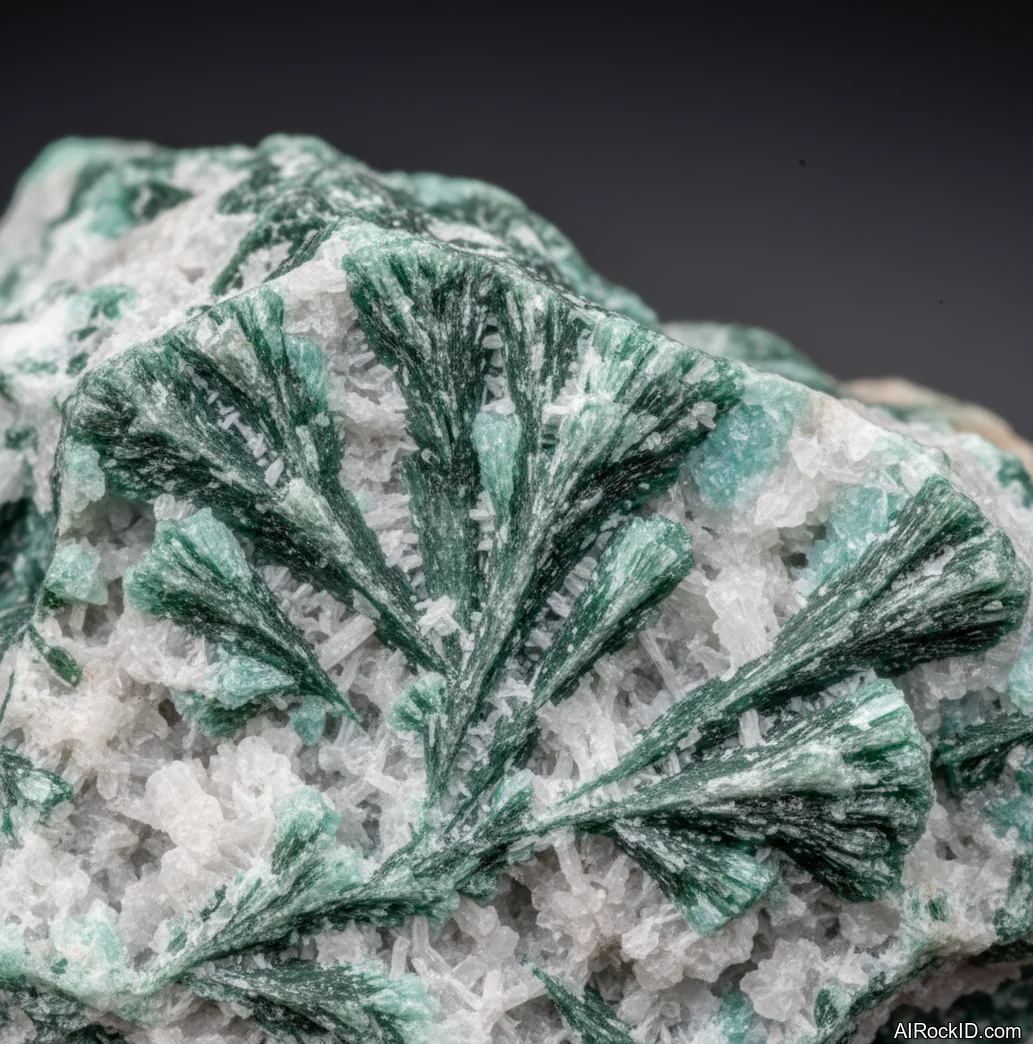
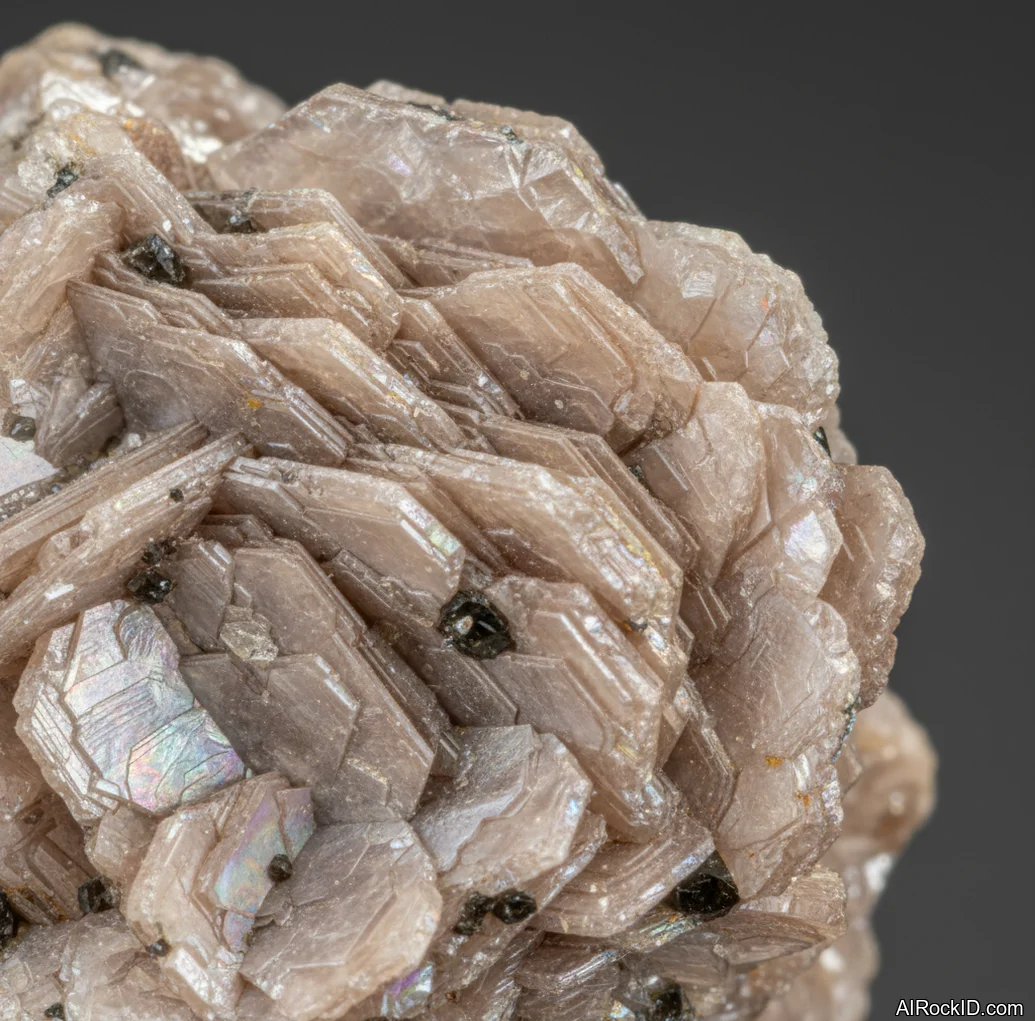
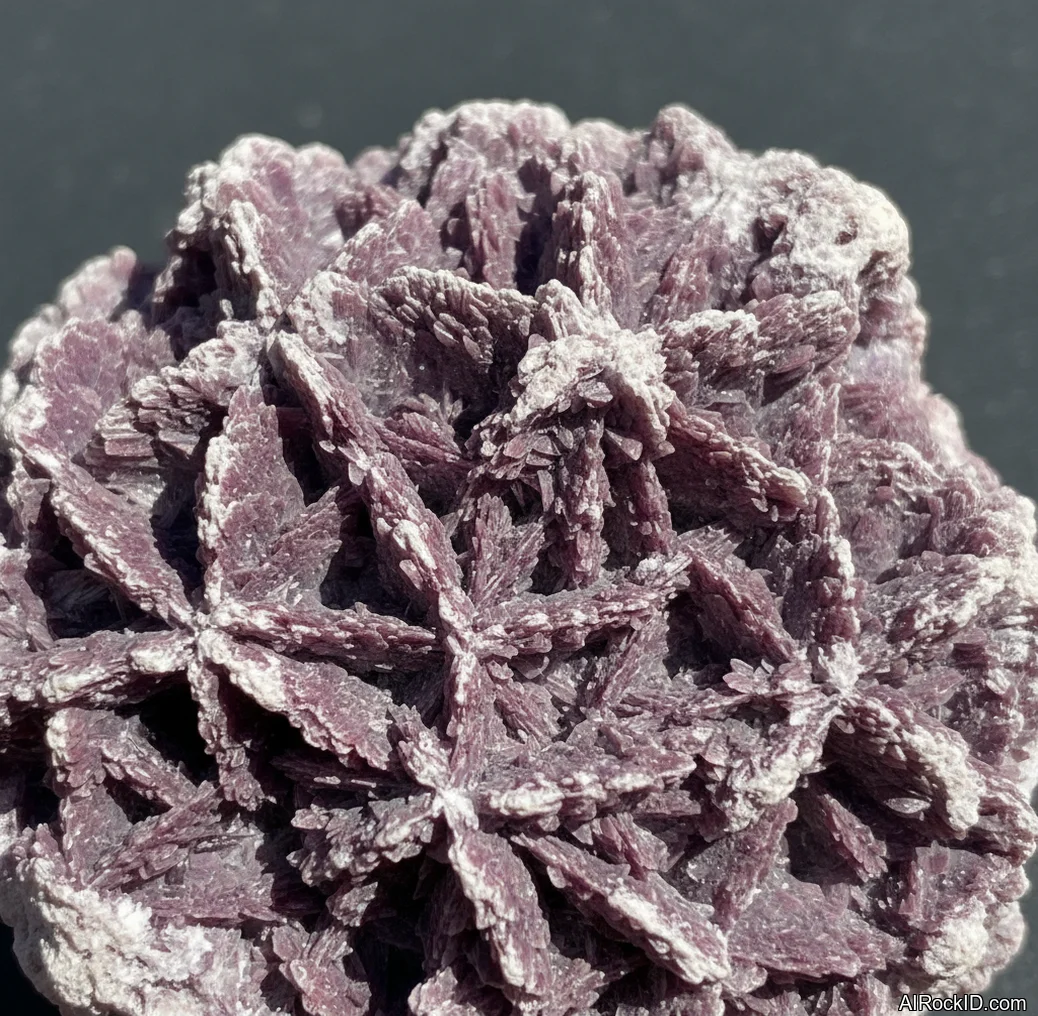
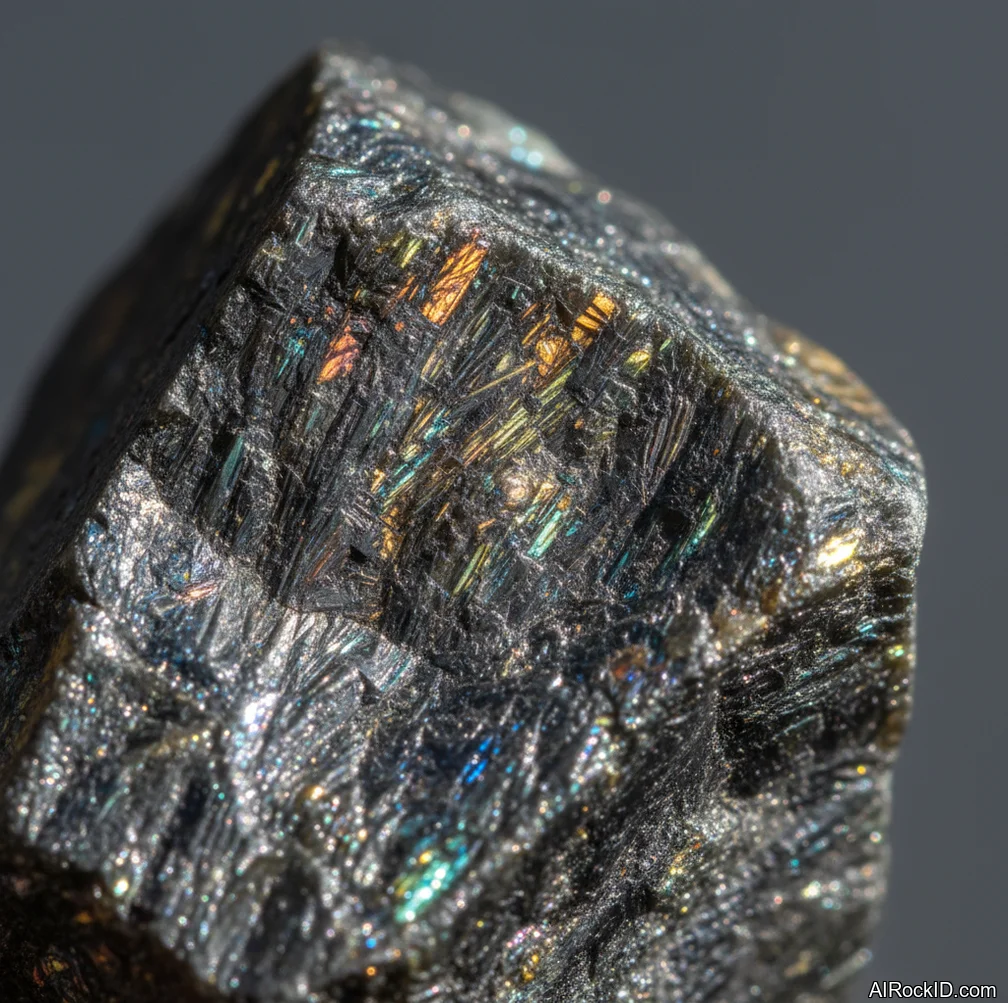
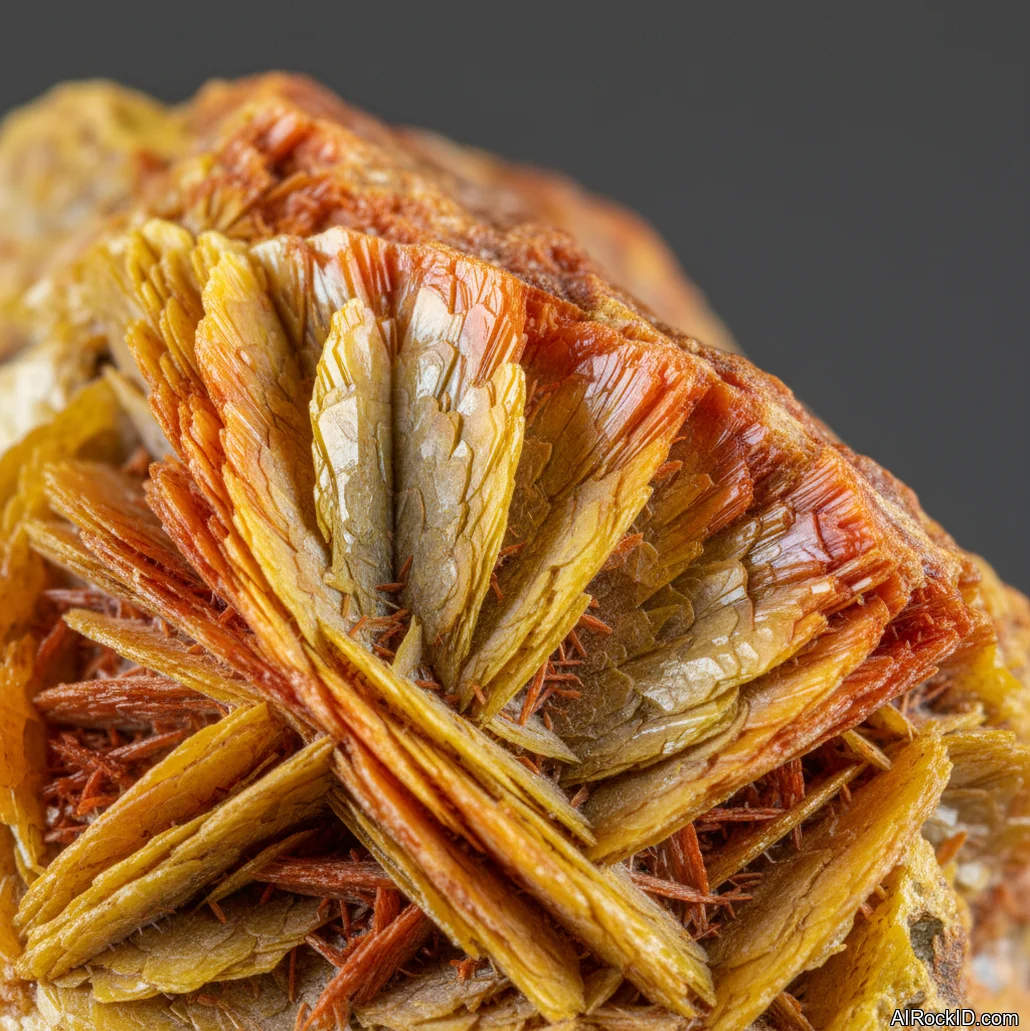
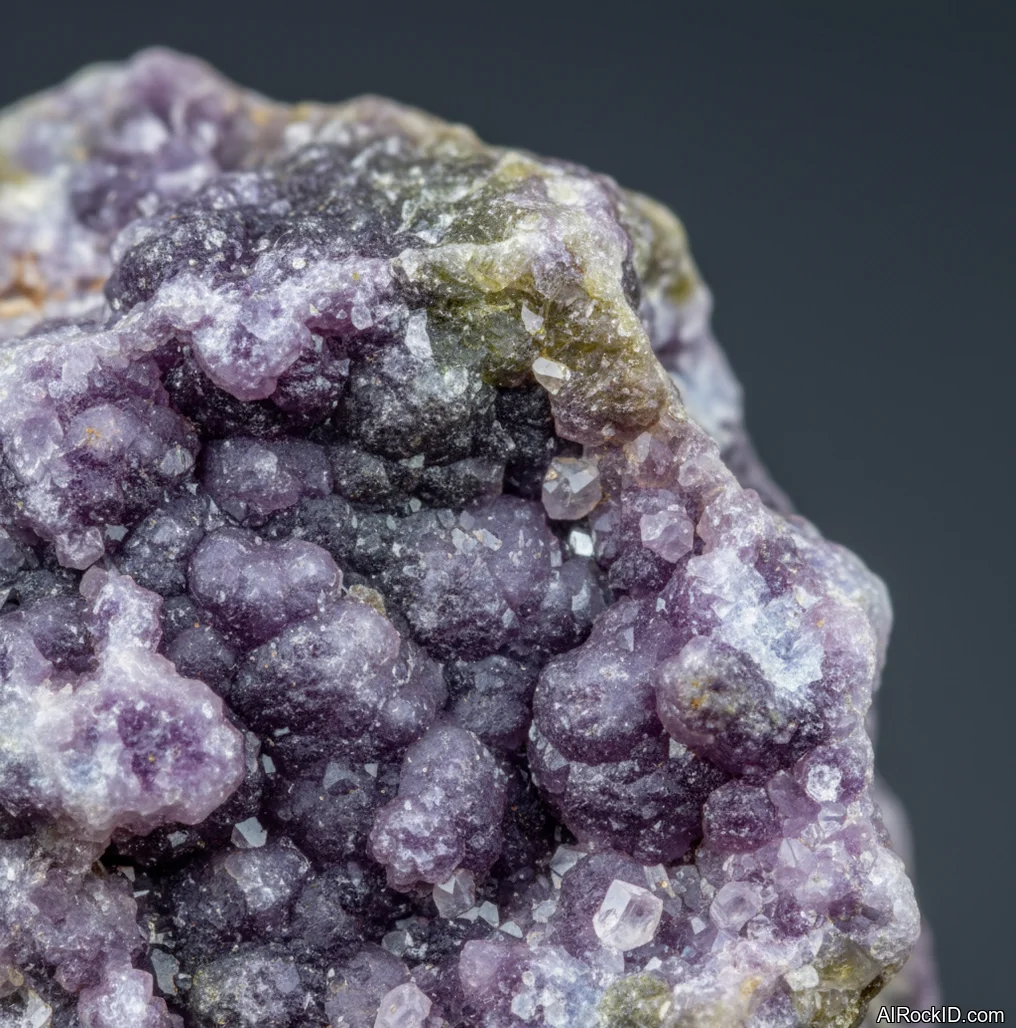
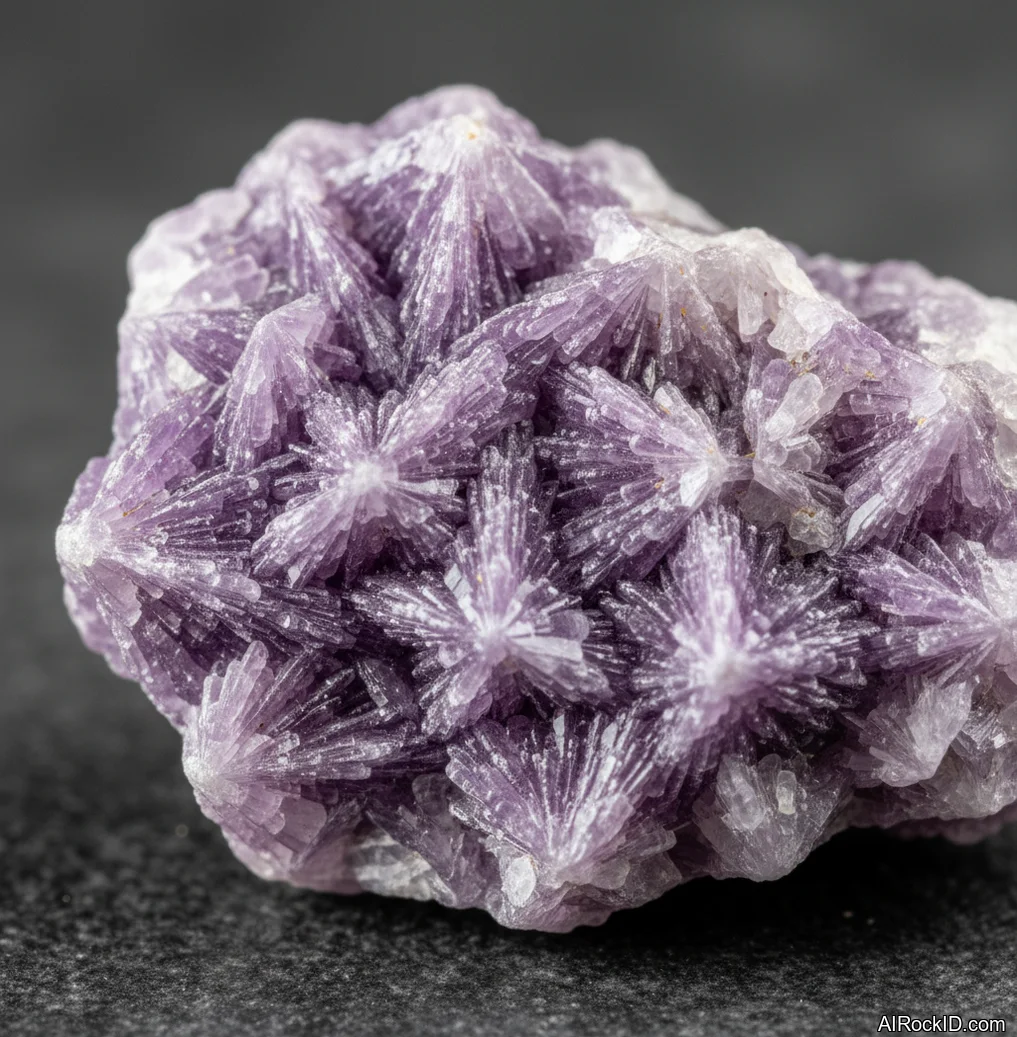
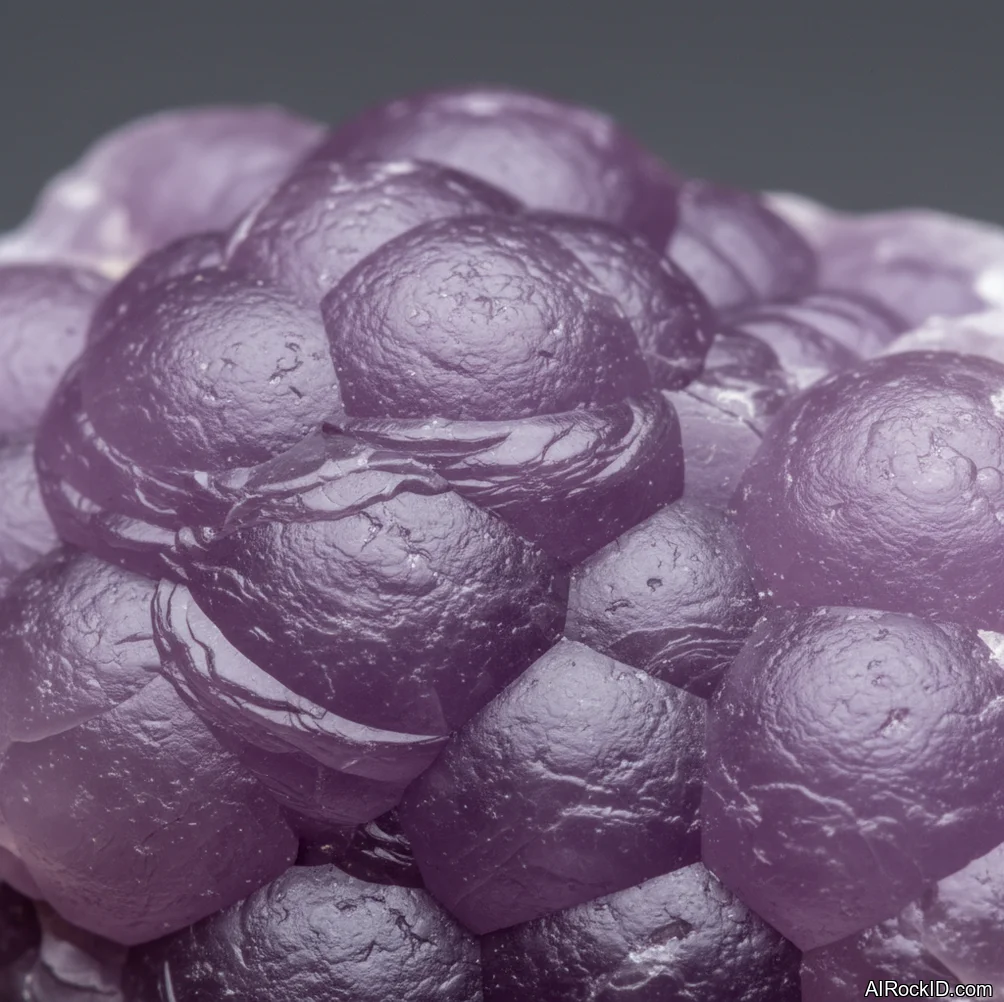
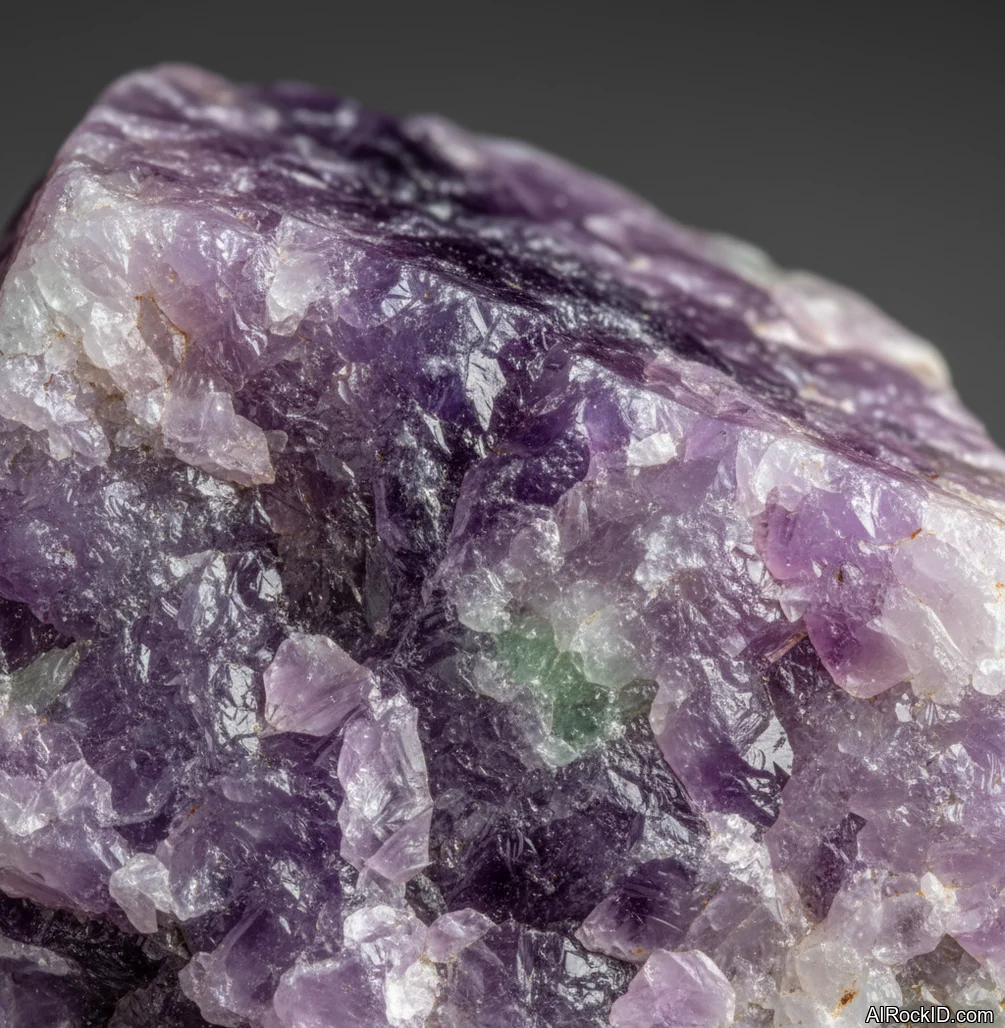
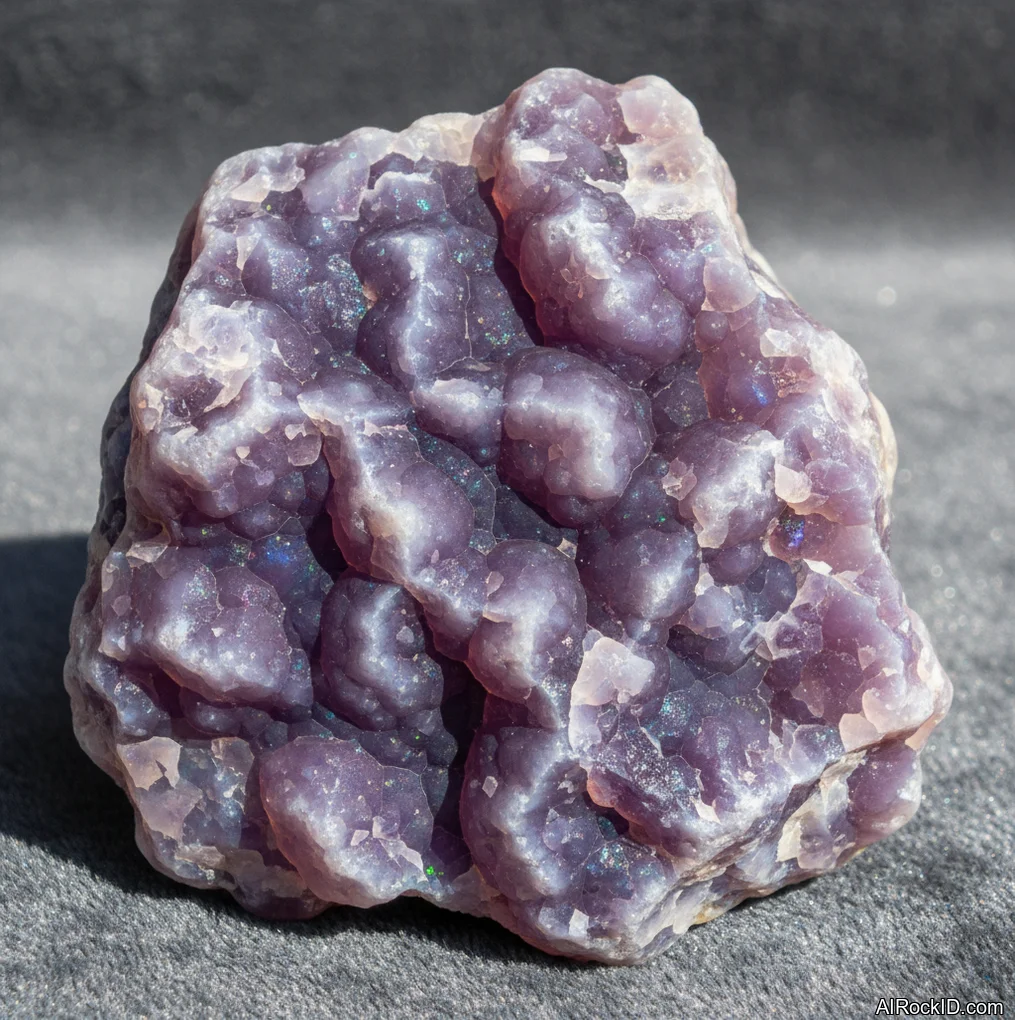
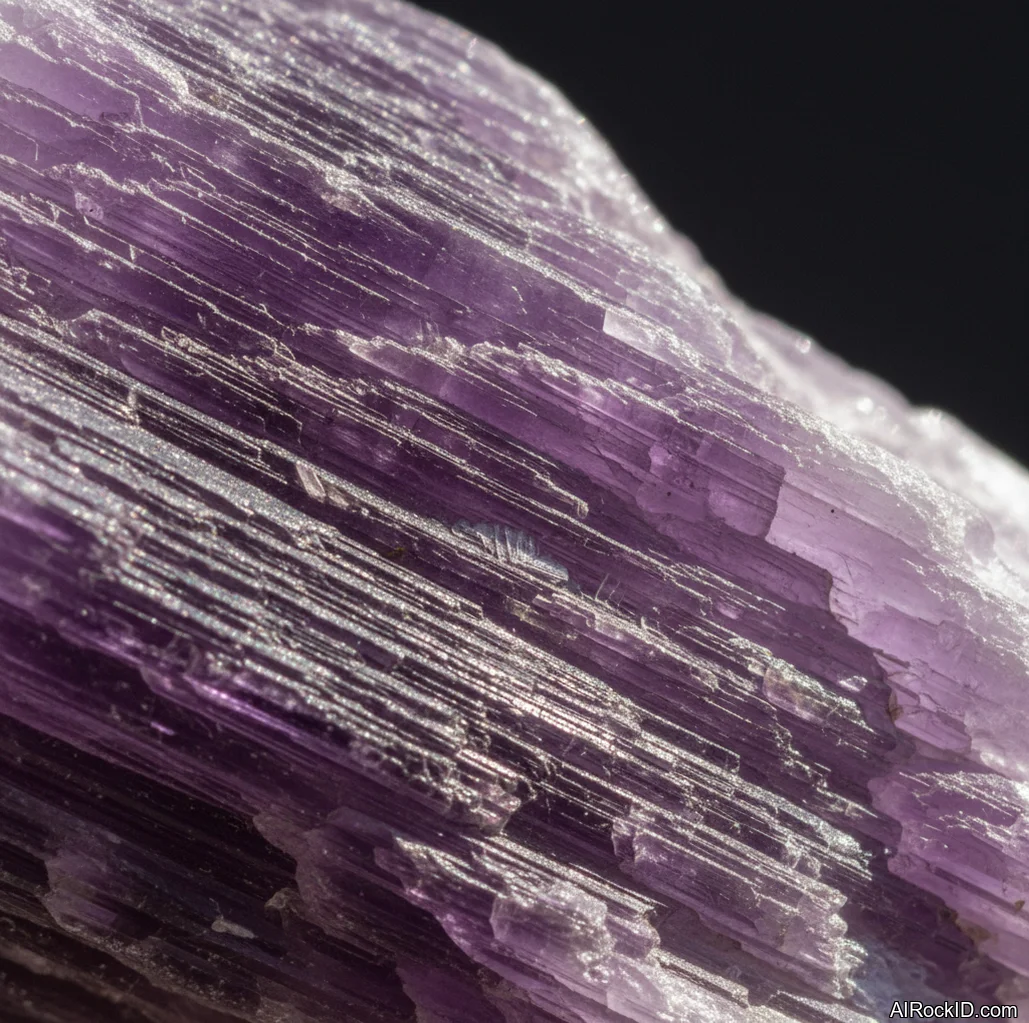
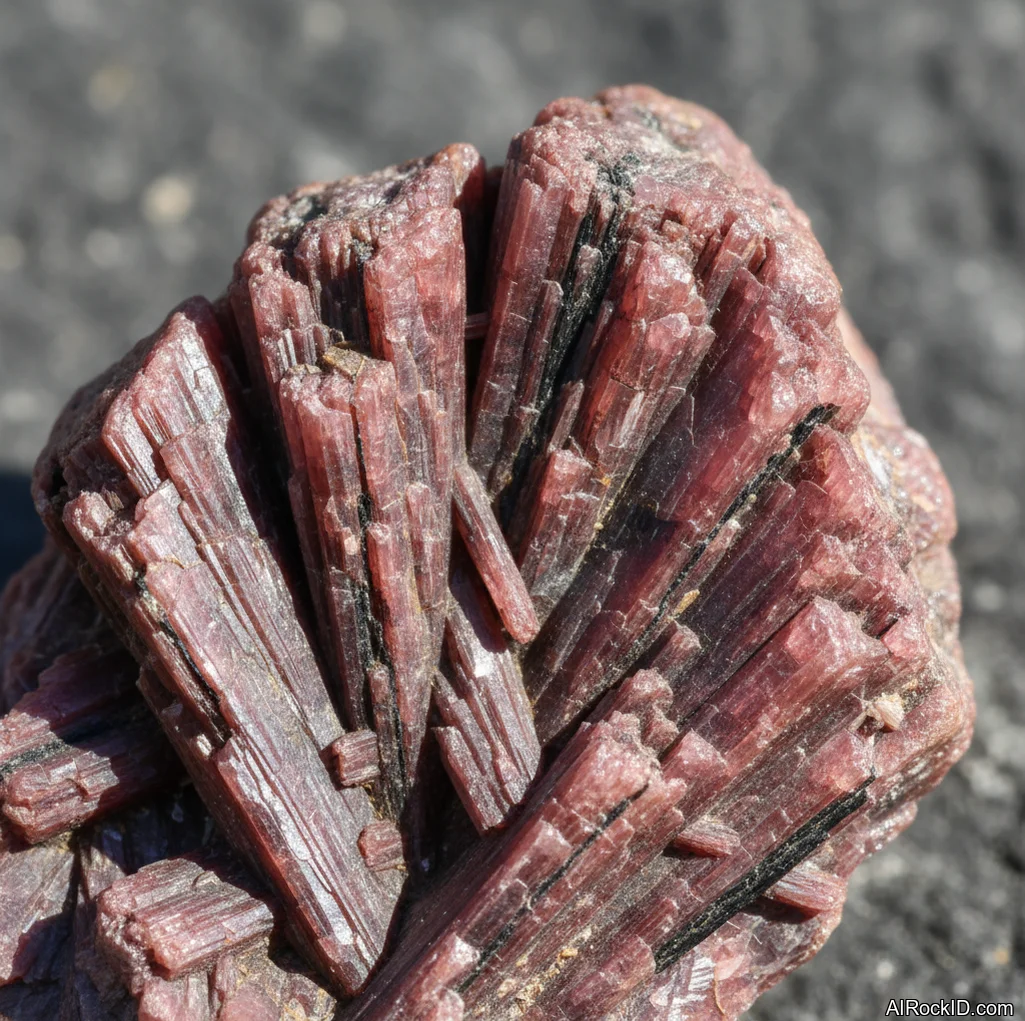
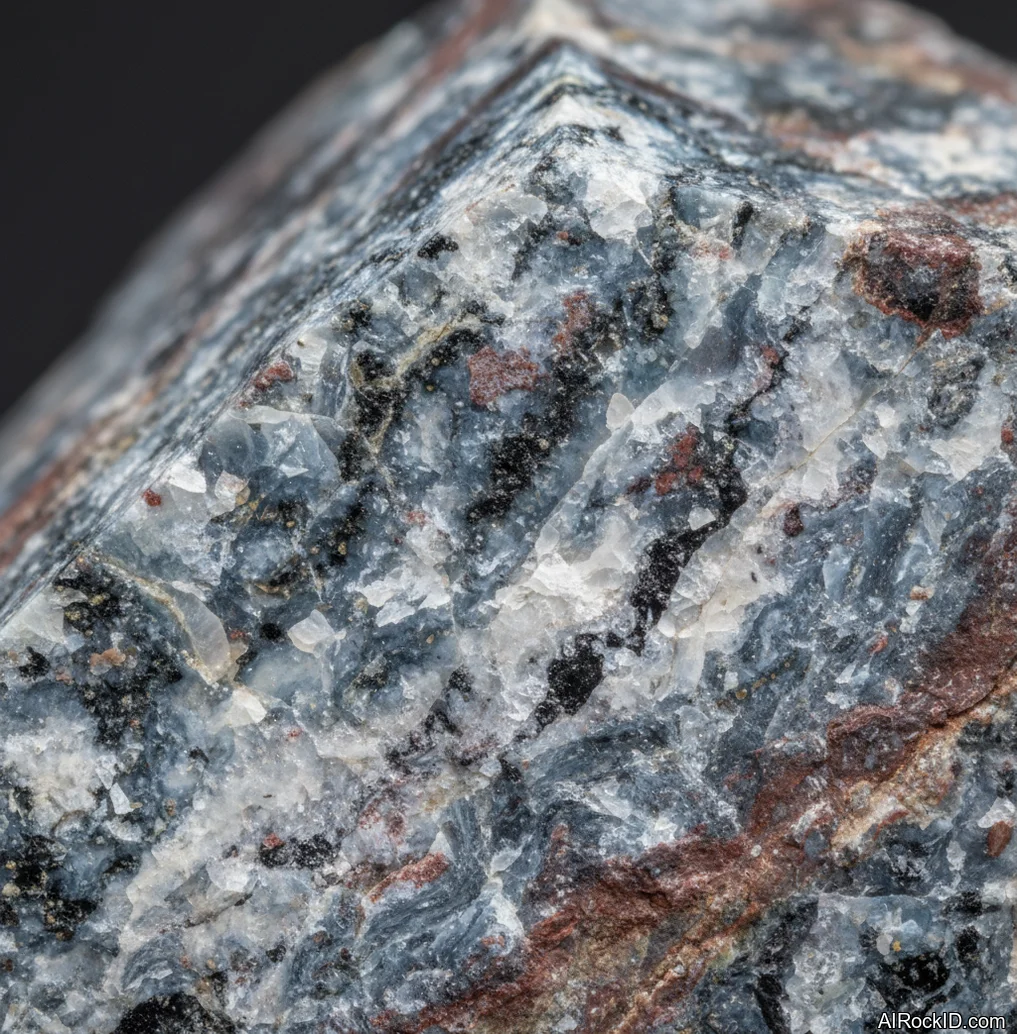
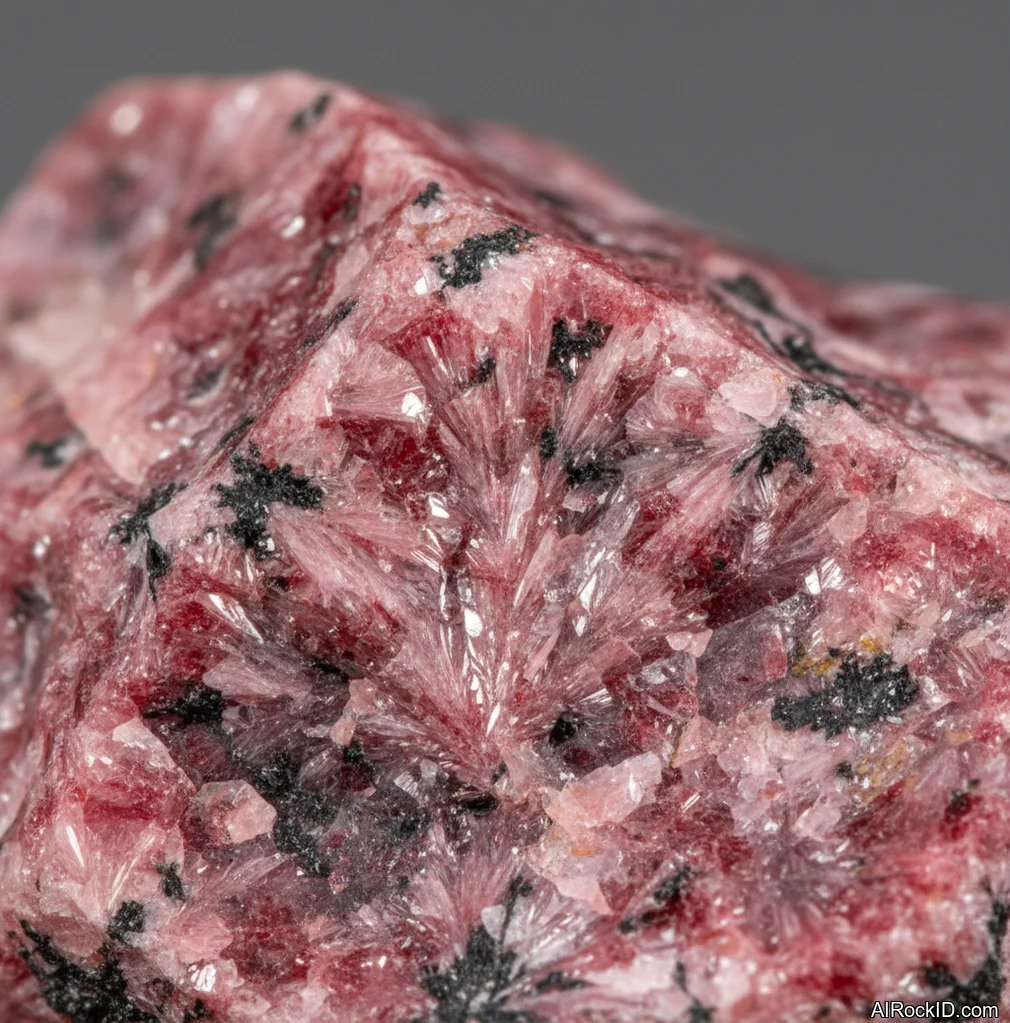
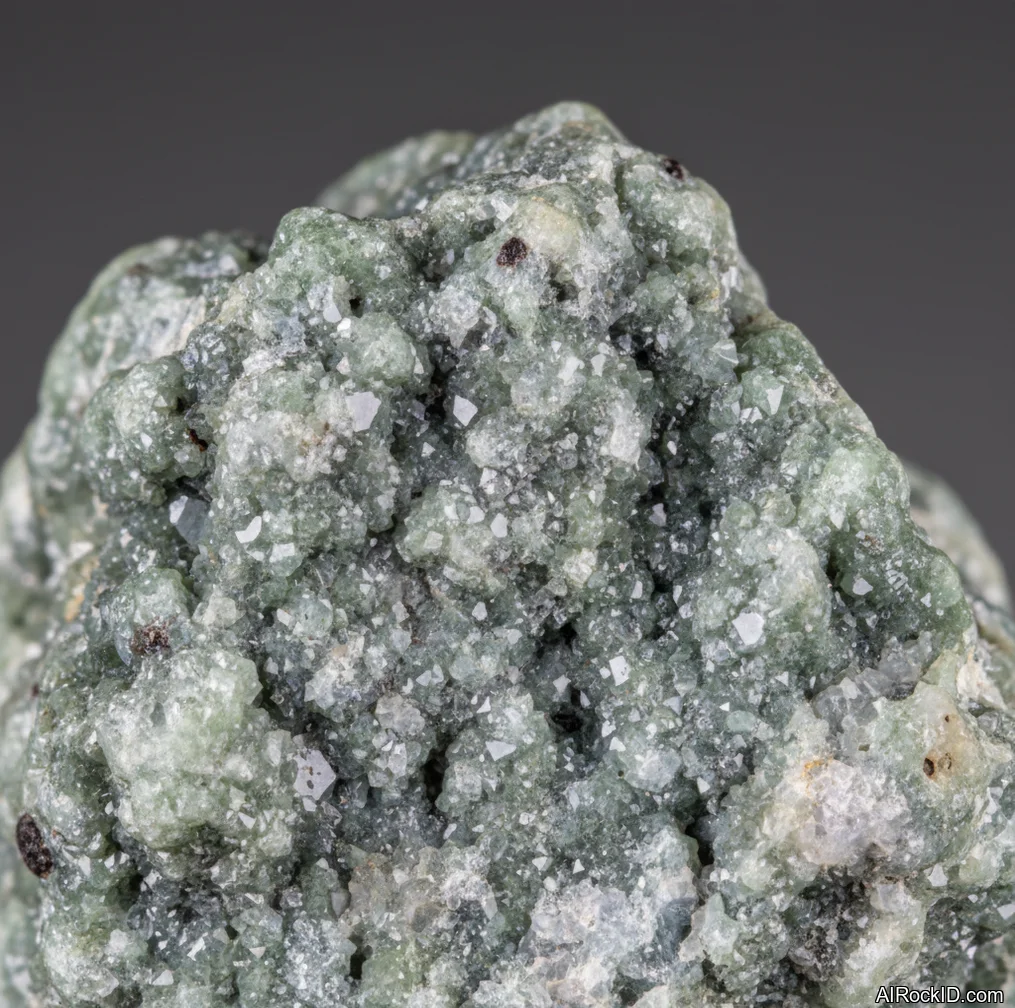
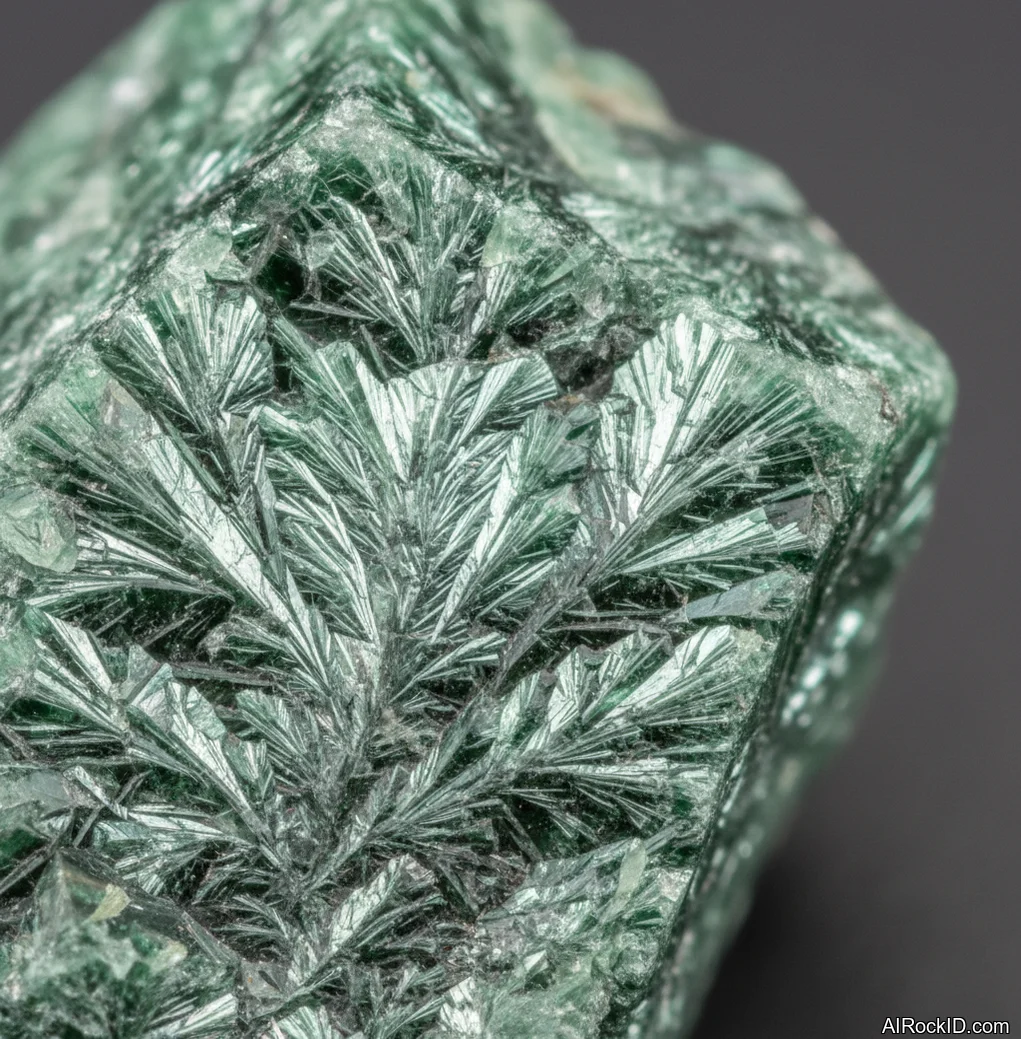
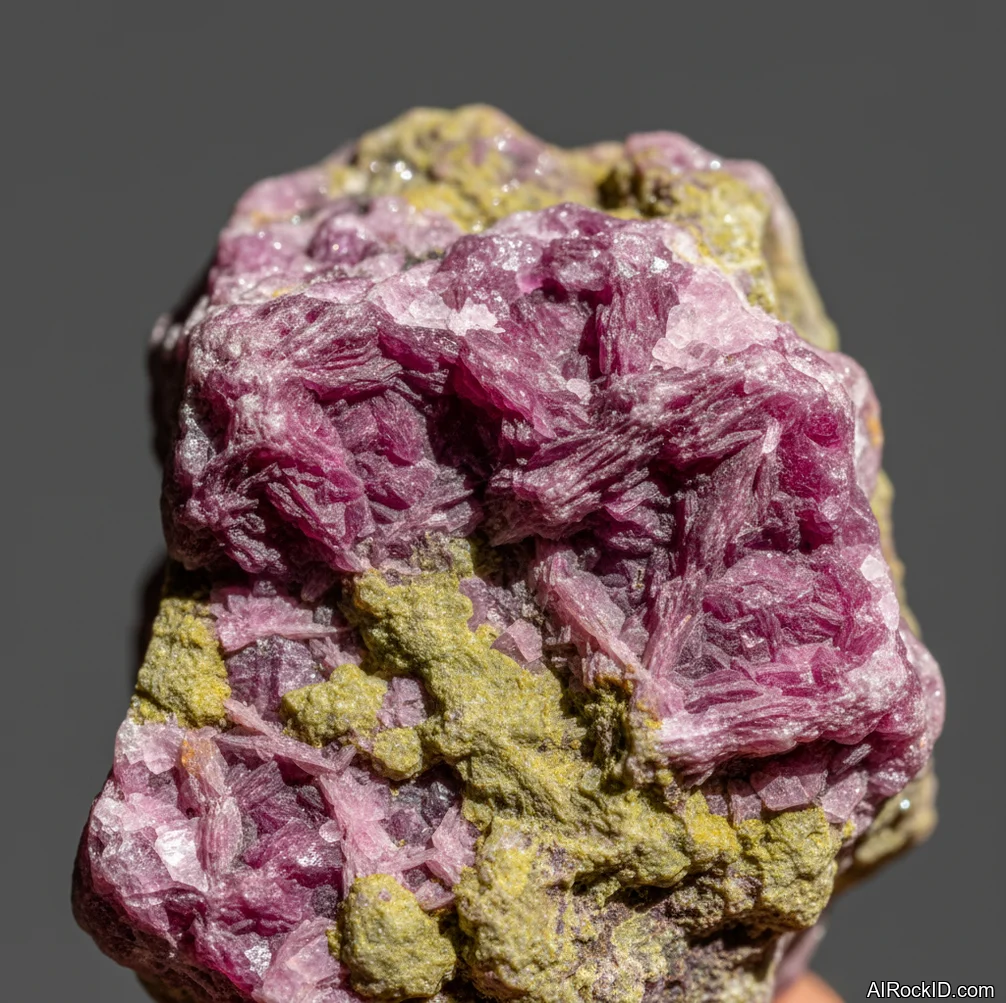
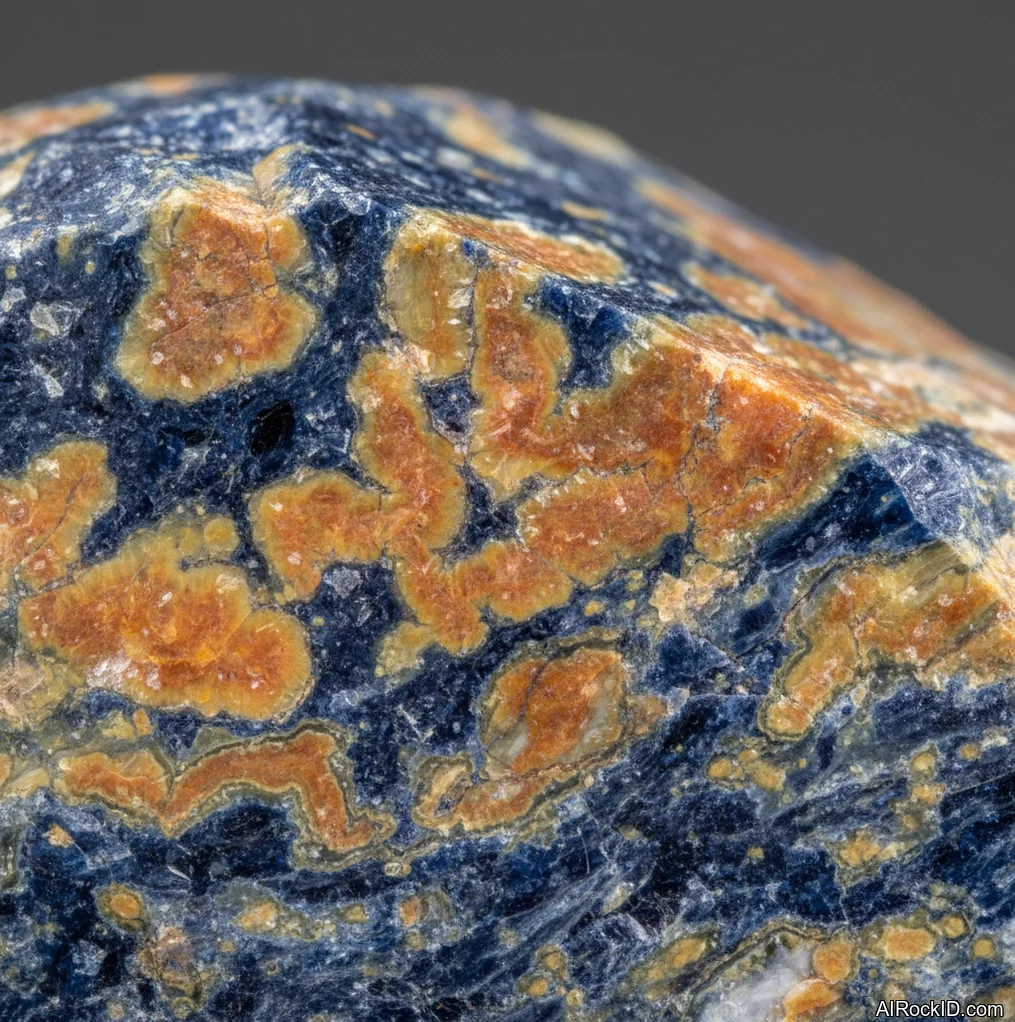
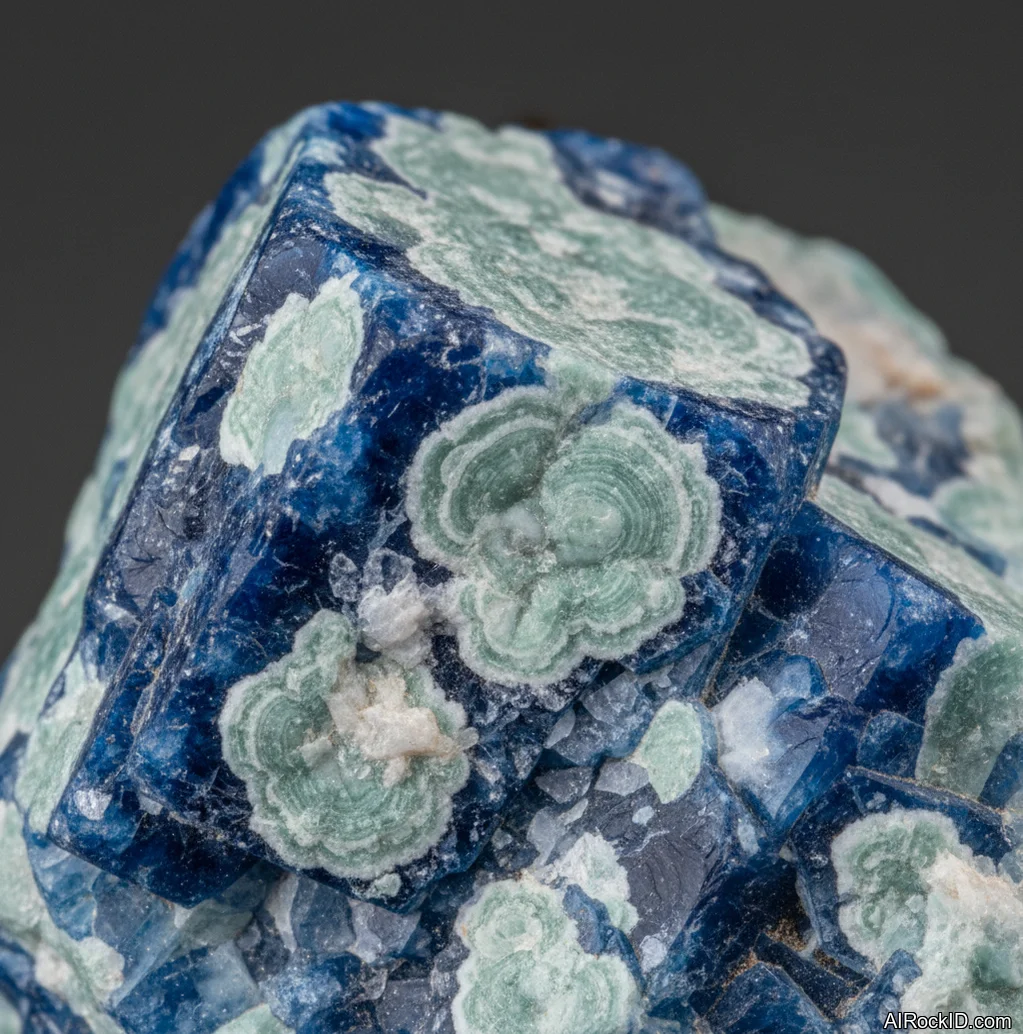
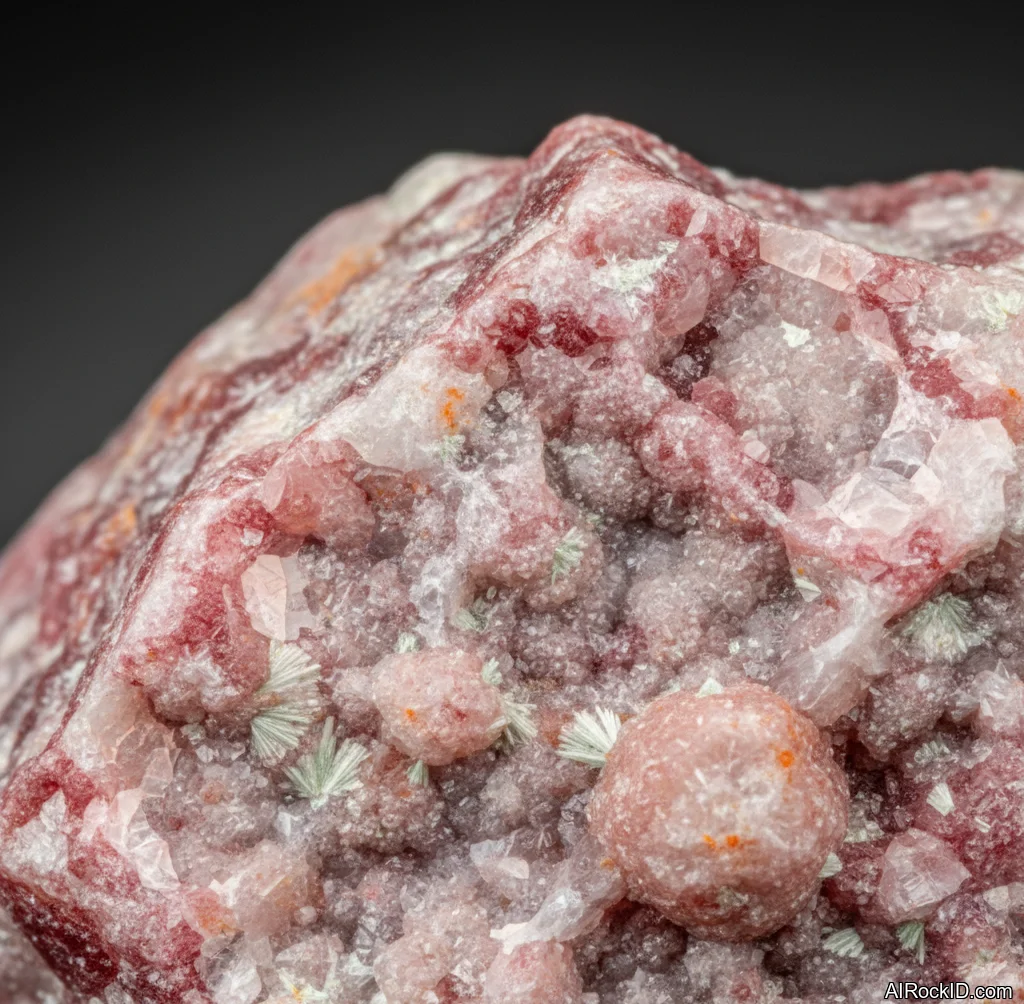
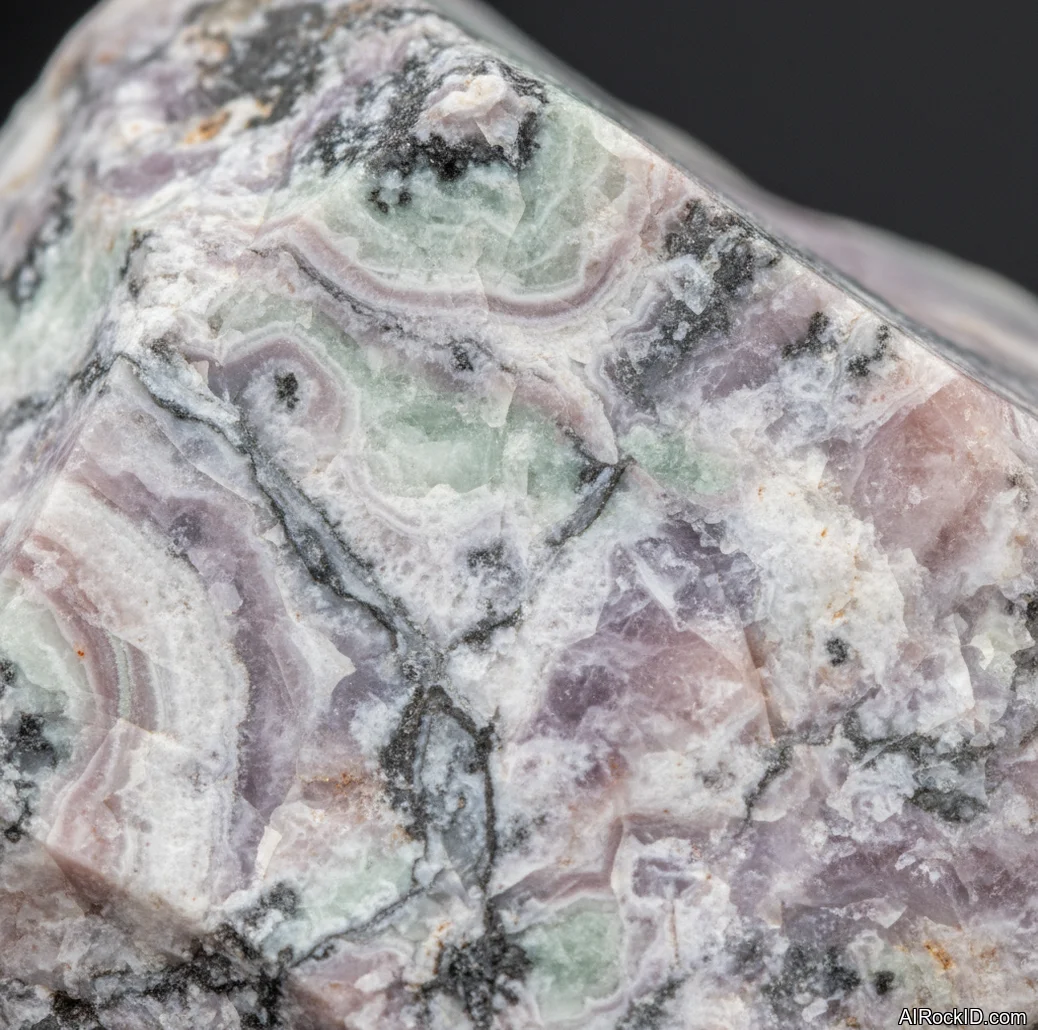
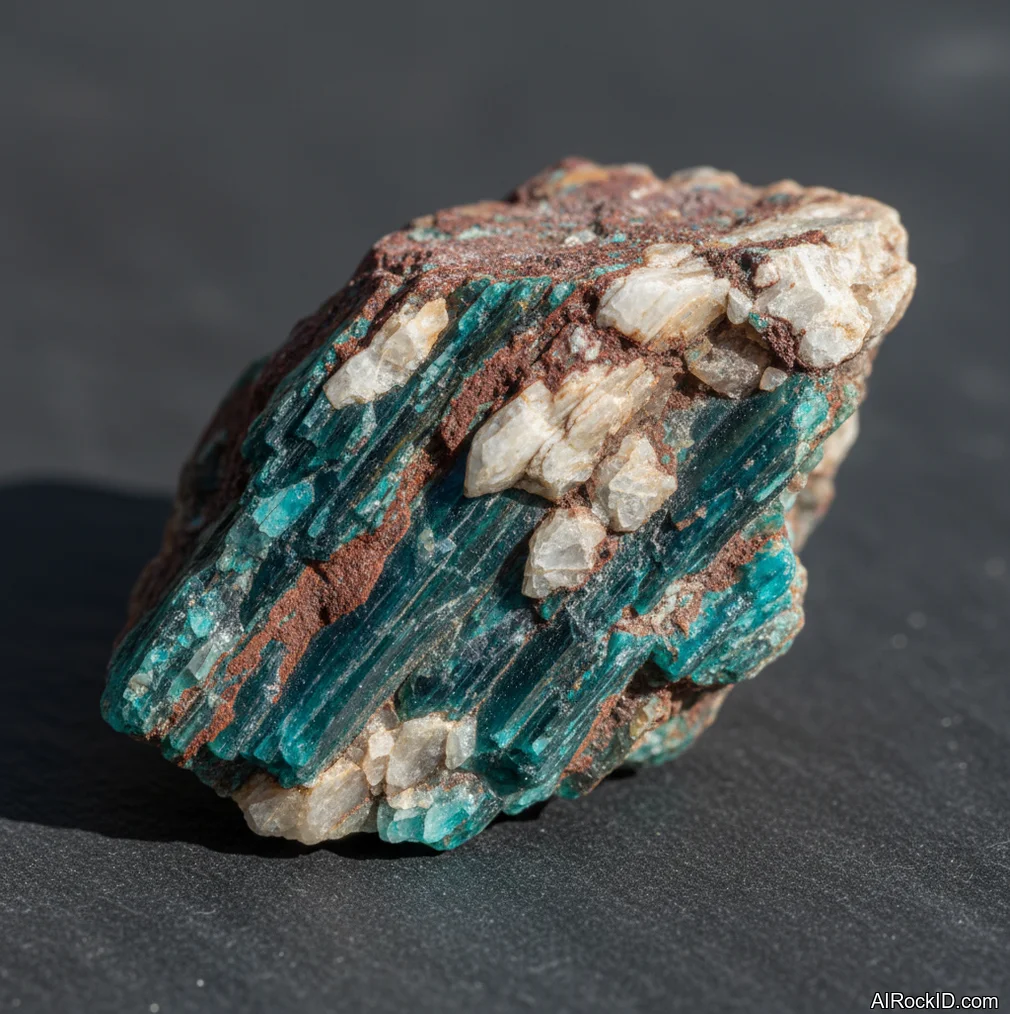
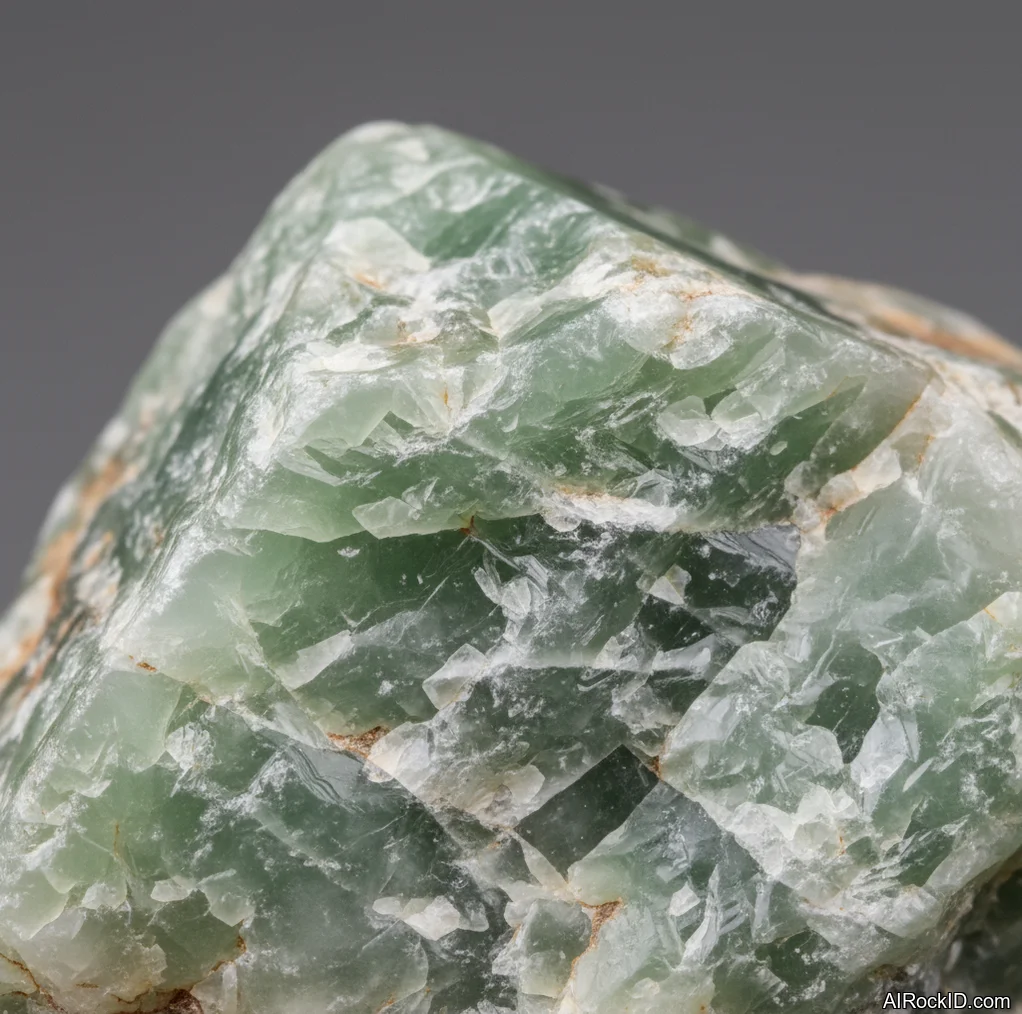
Look, if you want a stone that screams soft in a pretty literal way, check out lepidolite. It’s a lithium mica, and even polished it can have a slightly flaky look or tiny reflective plates that shimmer when you tilt it. The real test is touch: lepidolite often feels silky and a bit soapy, not glassy like quartz. But it isn’t the toughest stone out there. Drop it on tile and you might get chips or a bruise mark, especially on the edges. So if you’re buying lepidolite for calming, go for a thicker palm stone or a cabochon you can keep in a pouch instead of tossing it loose in a pocket with keys.
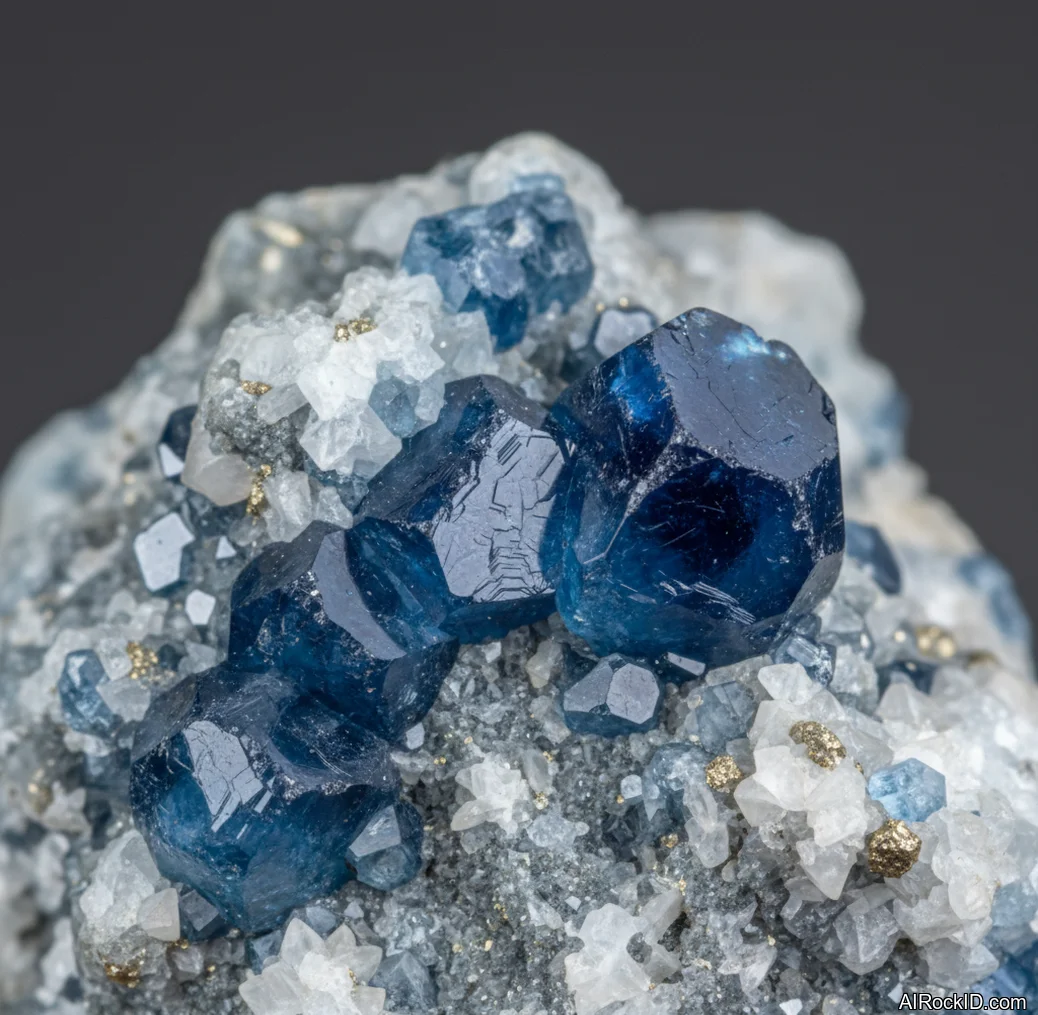
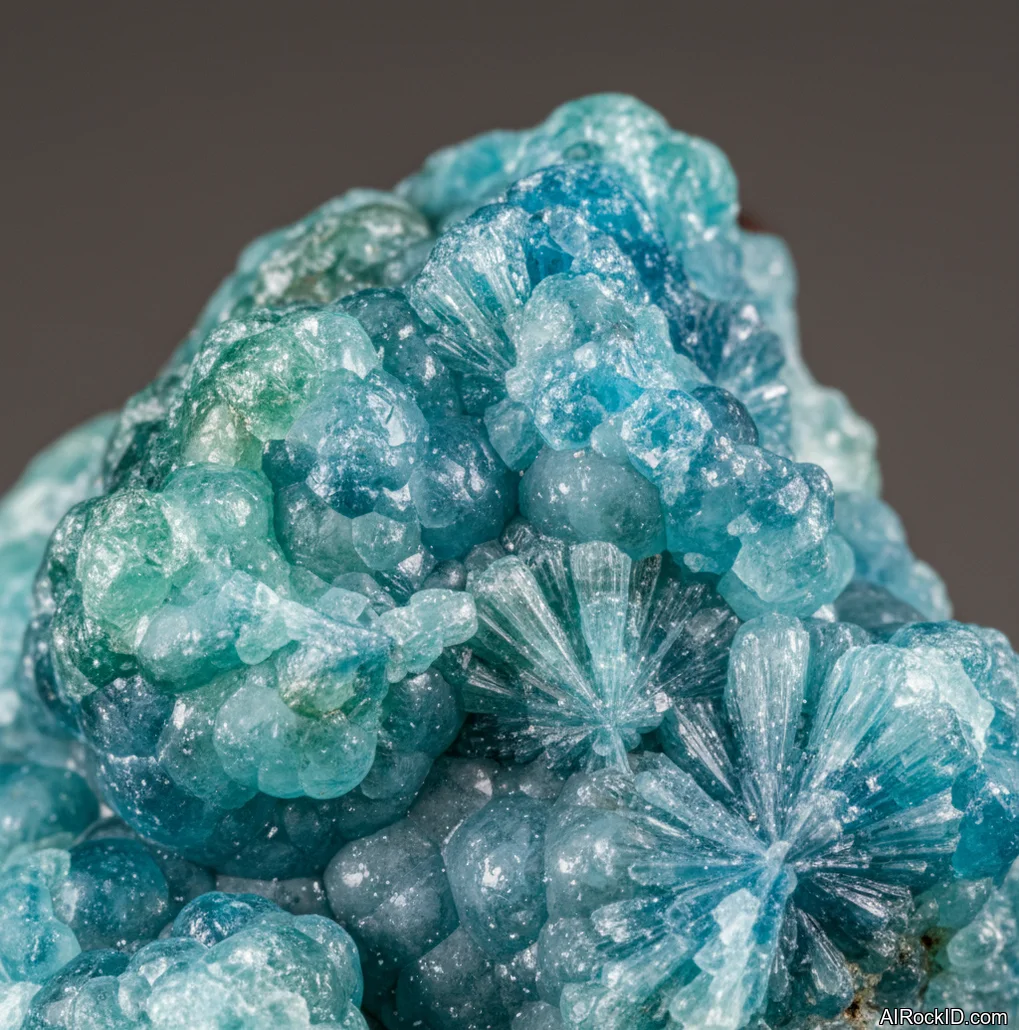
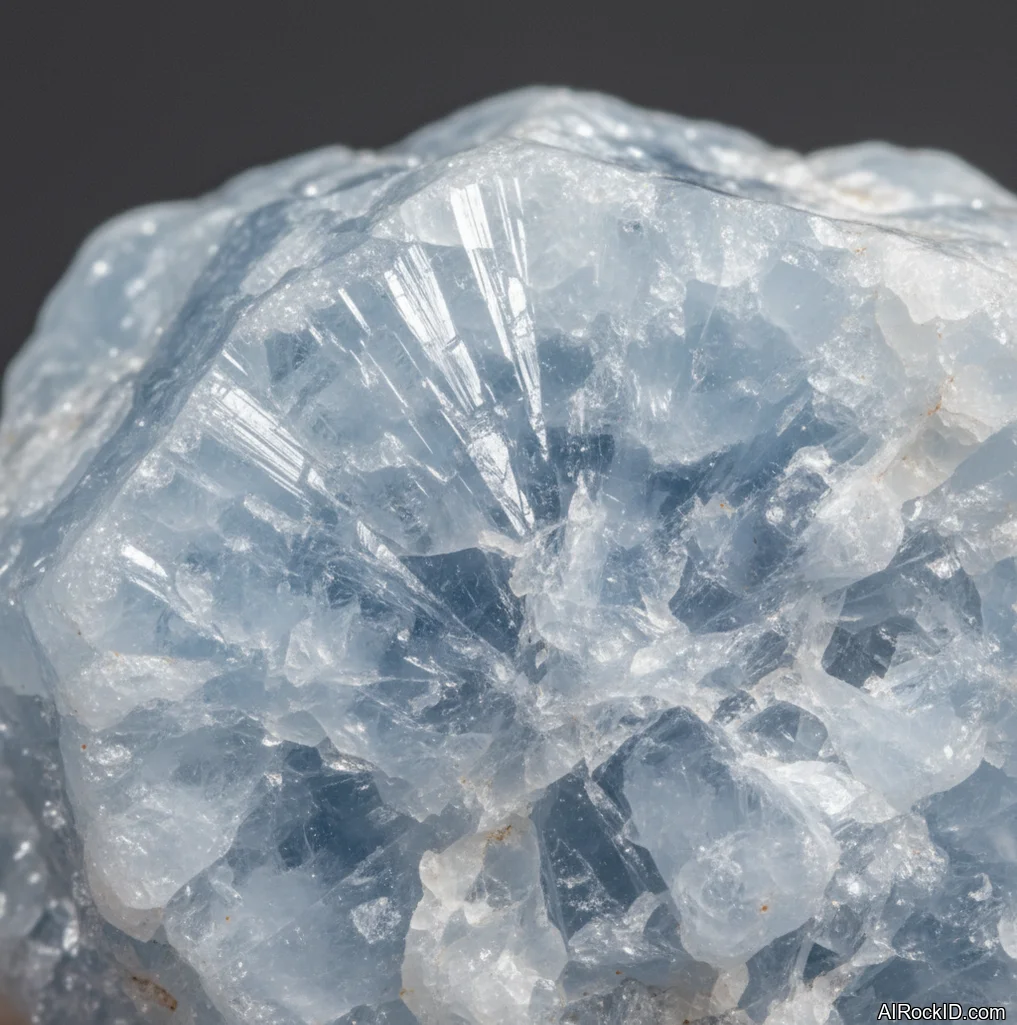
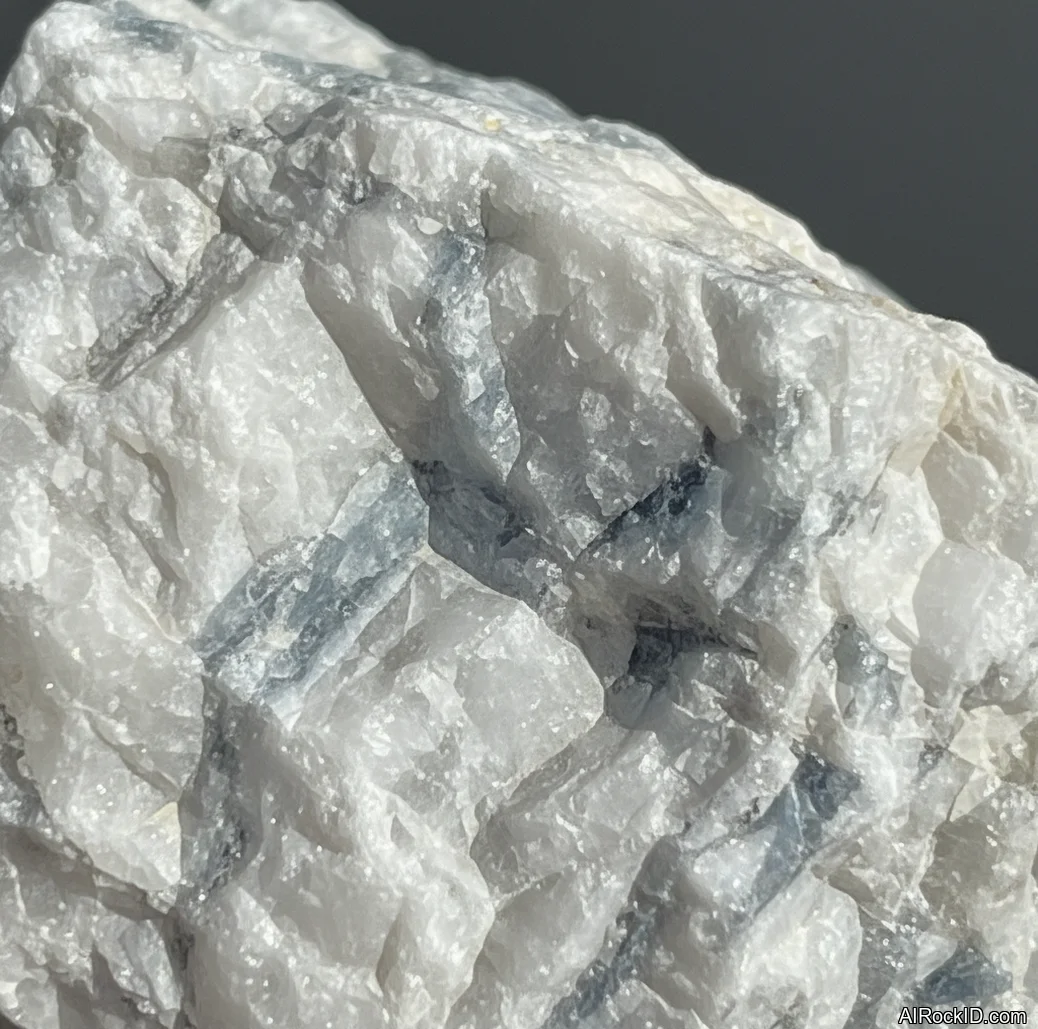
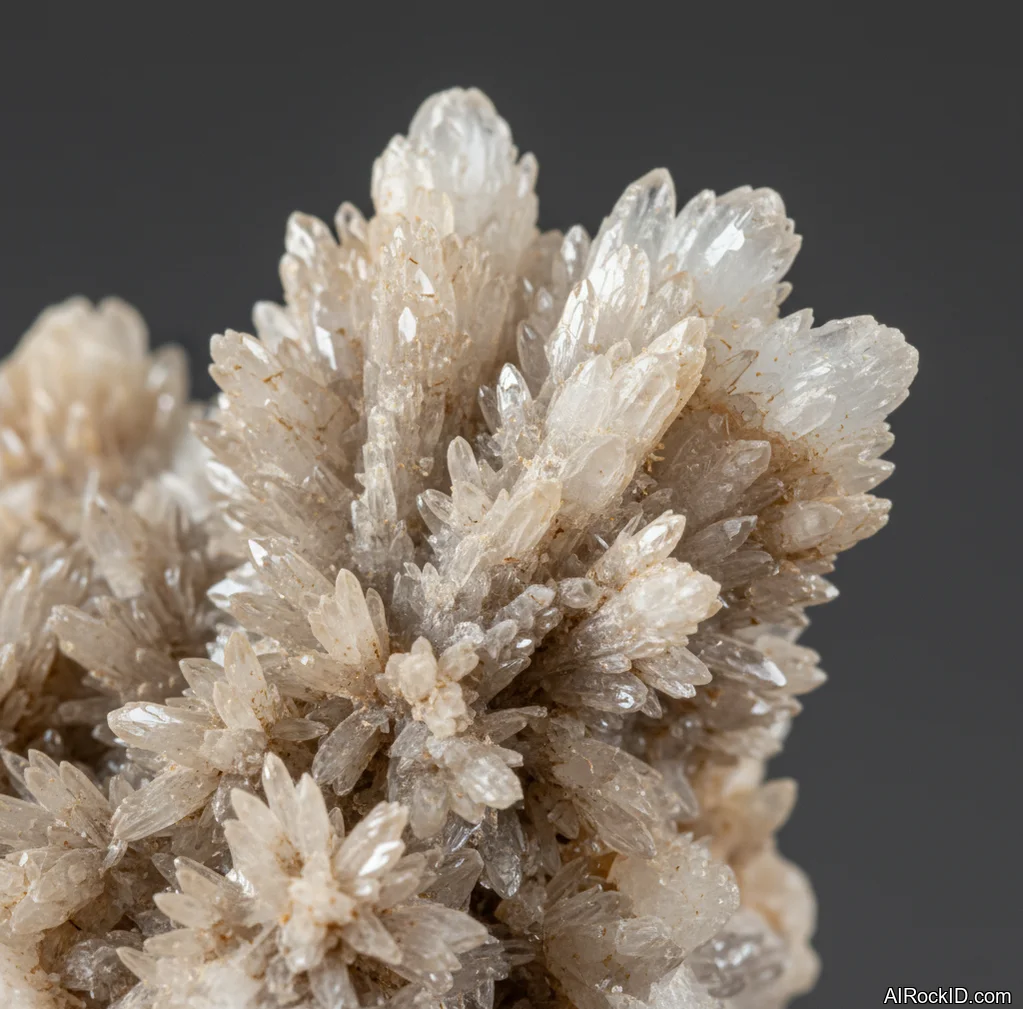
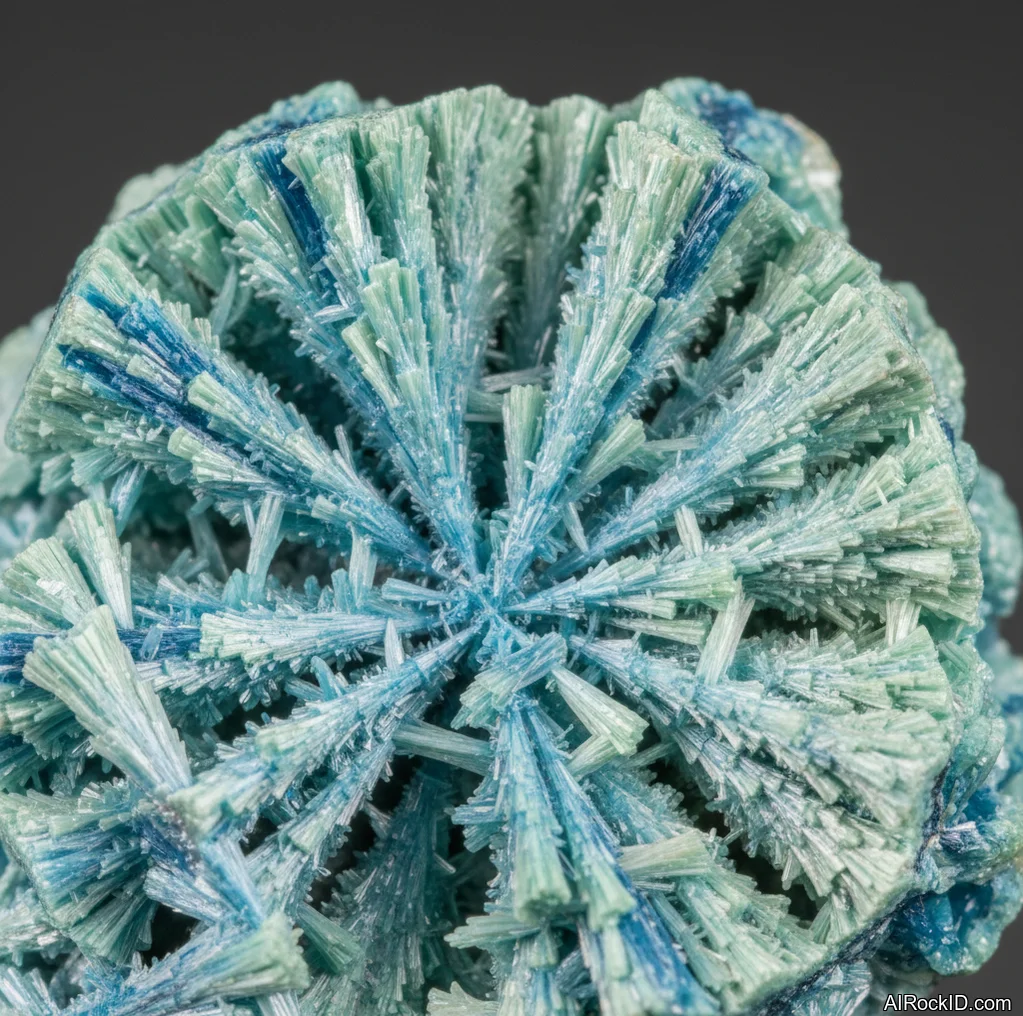
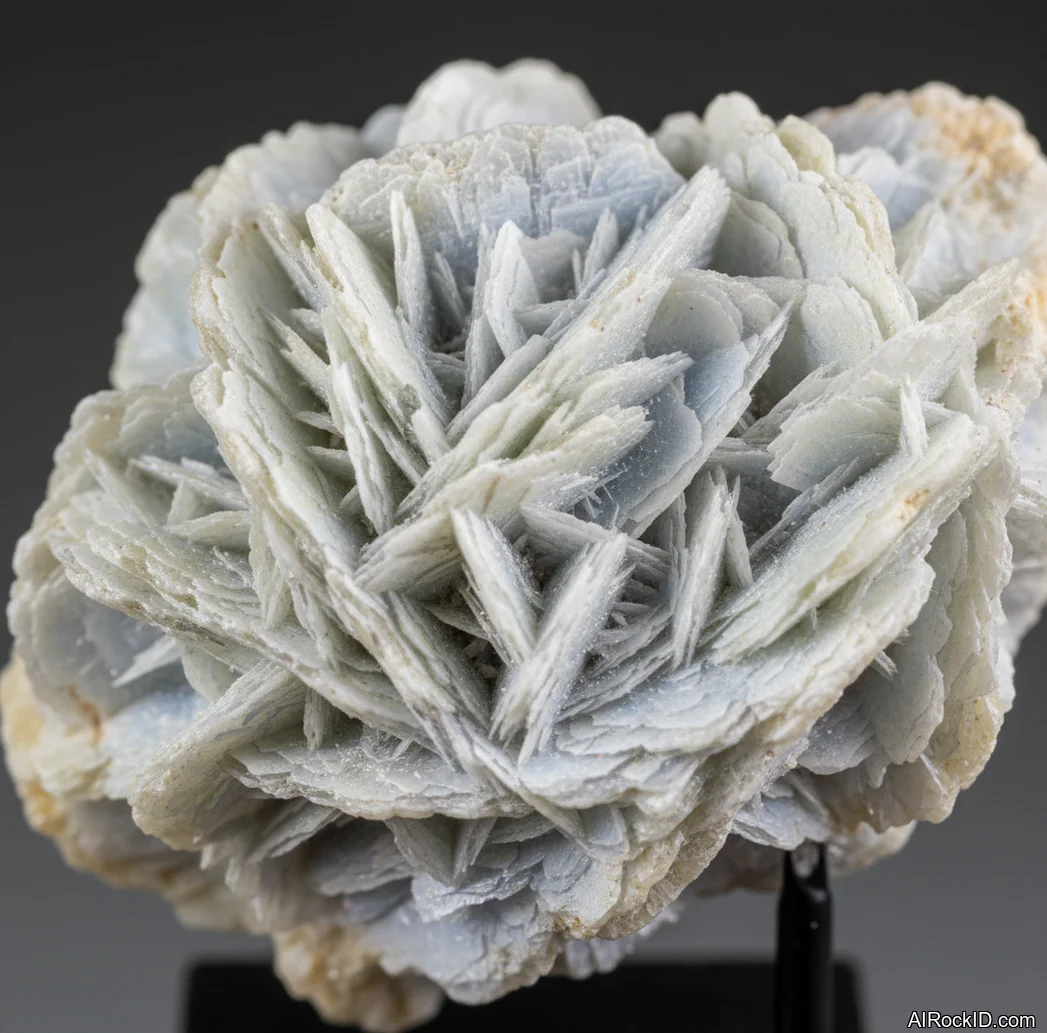
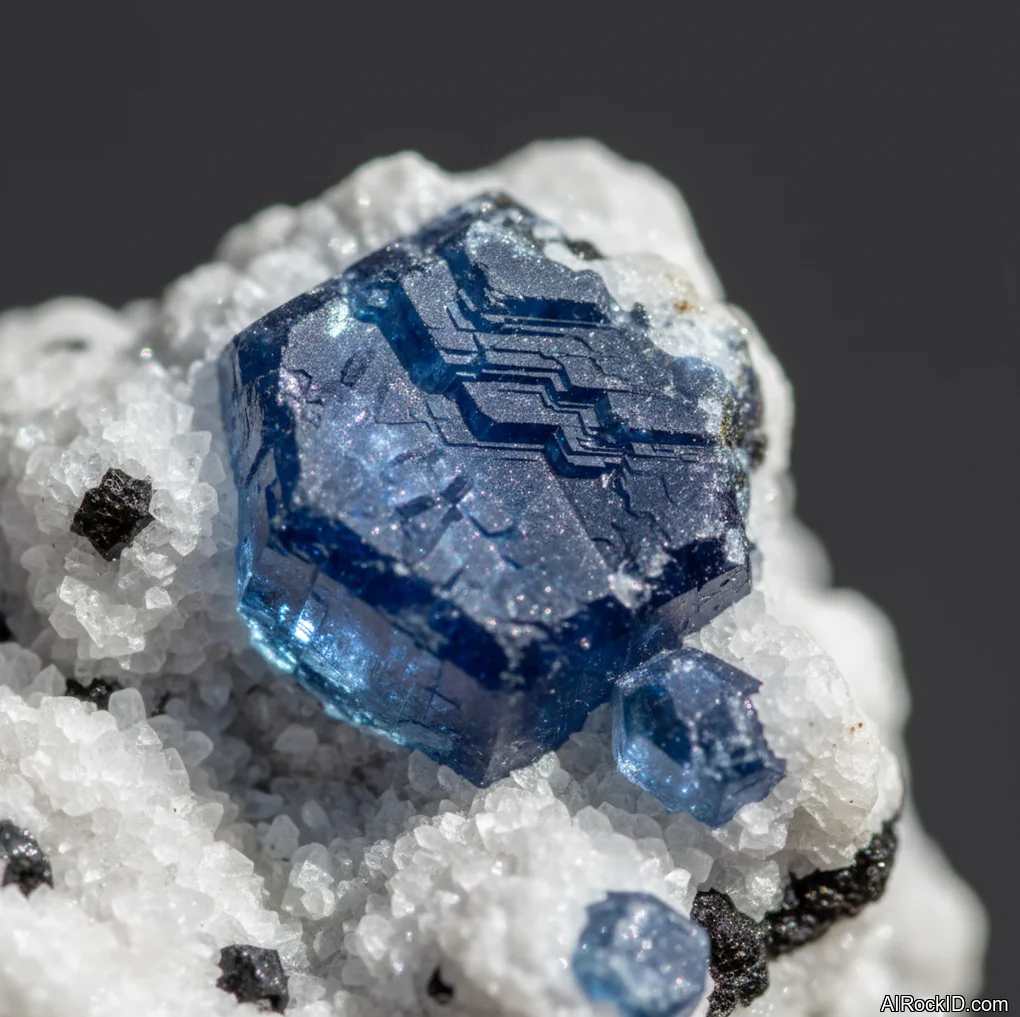
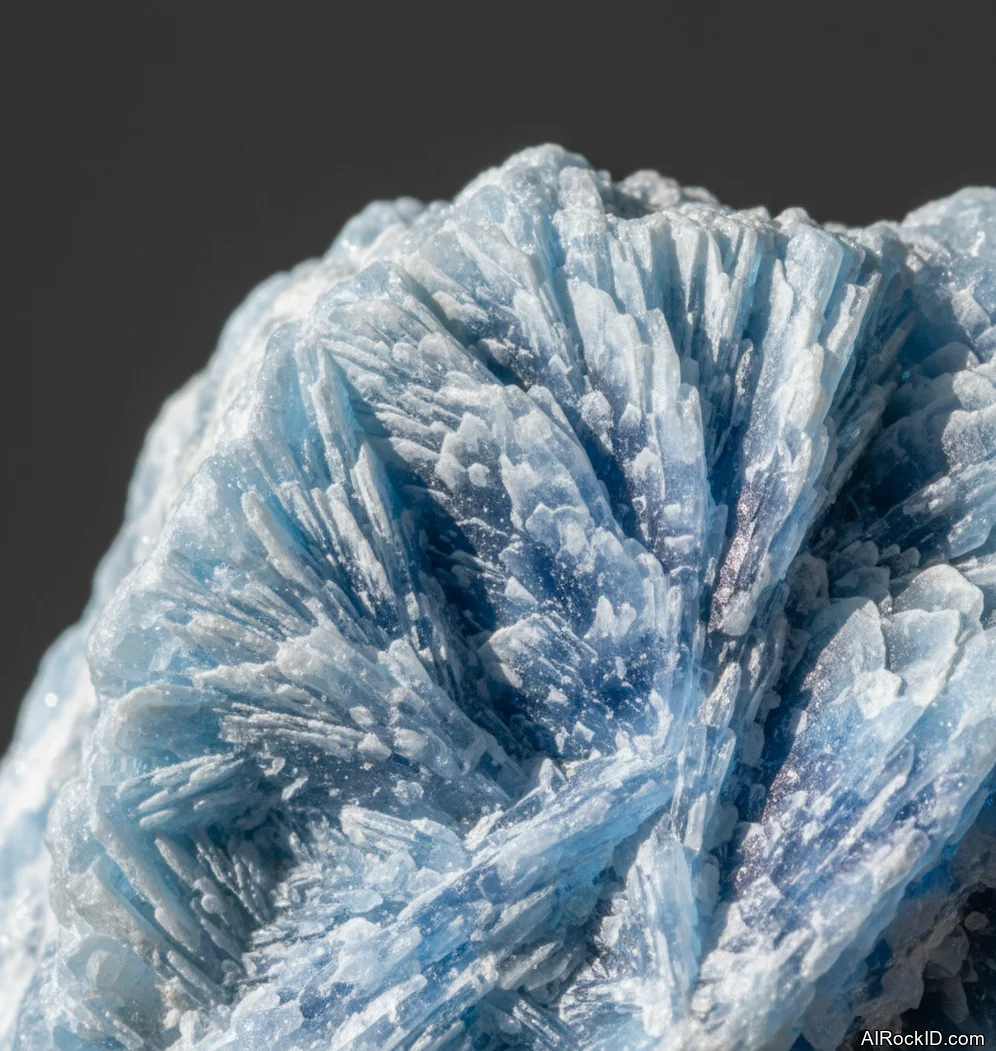
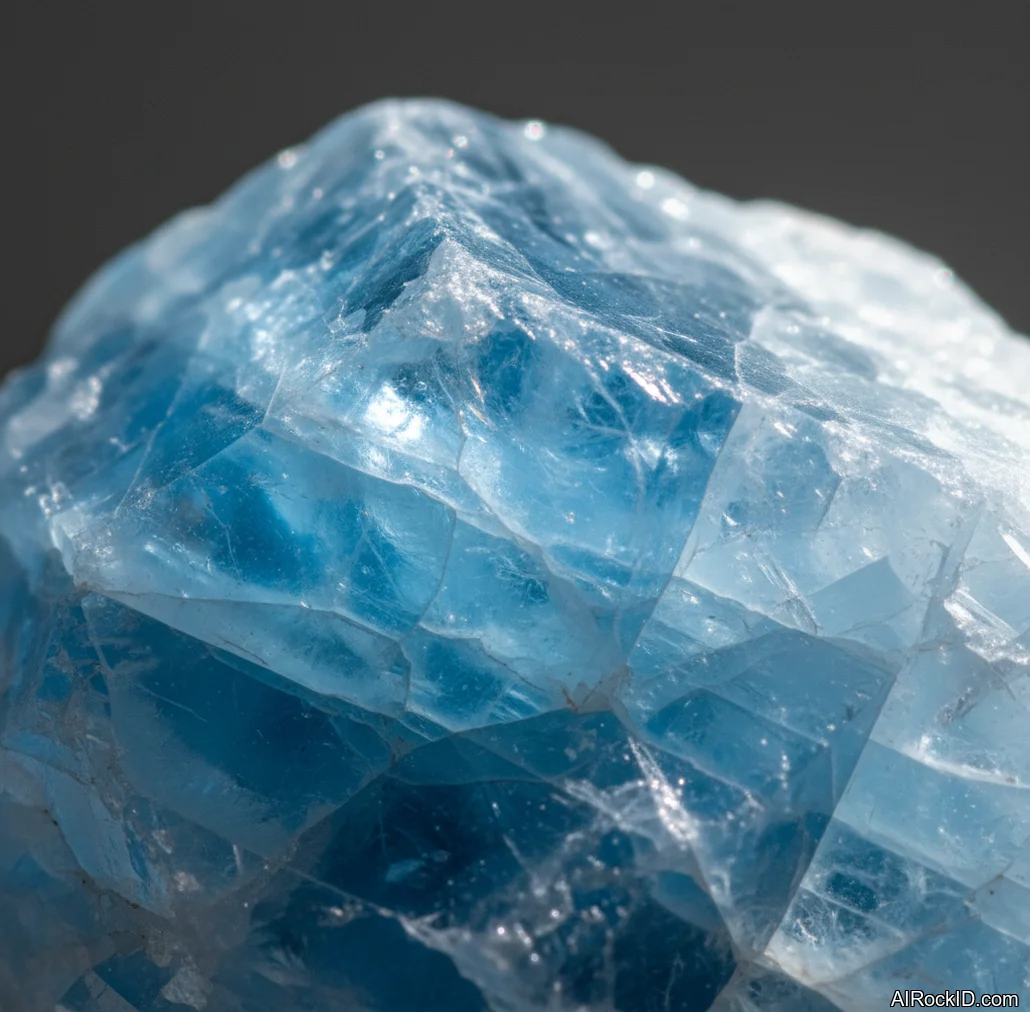
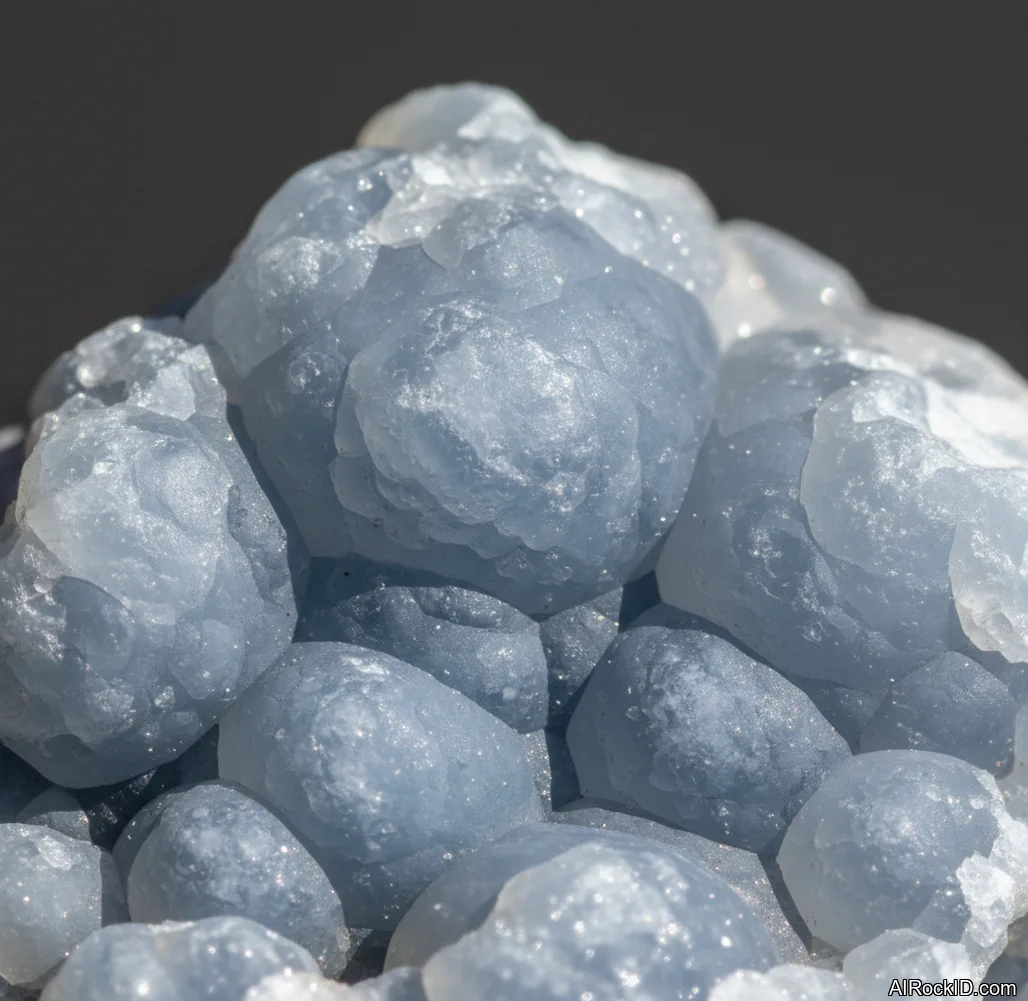
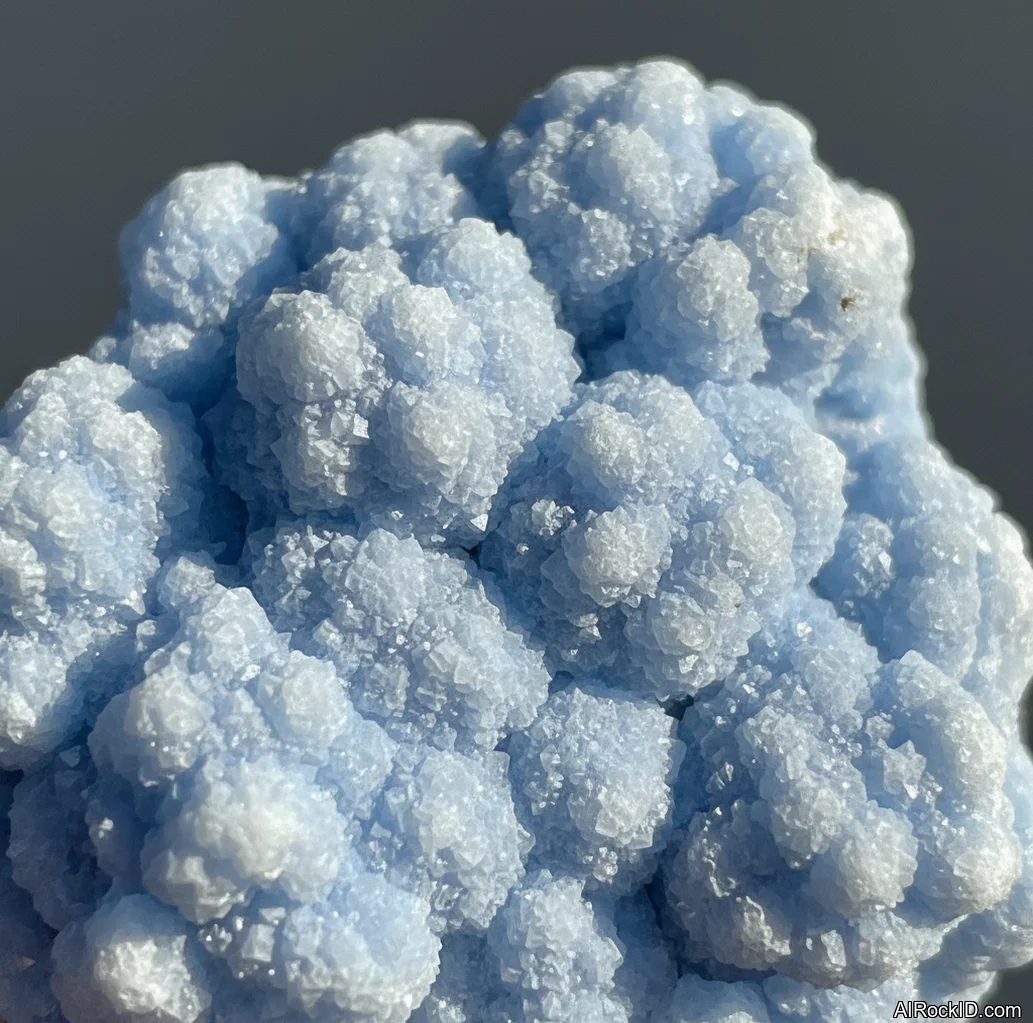
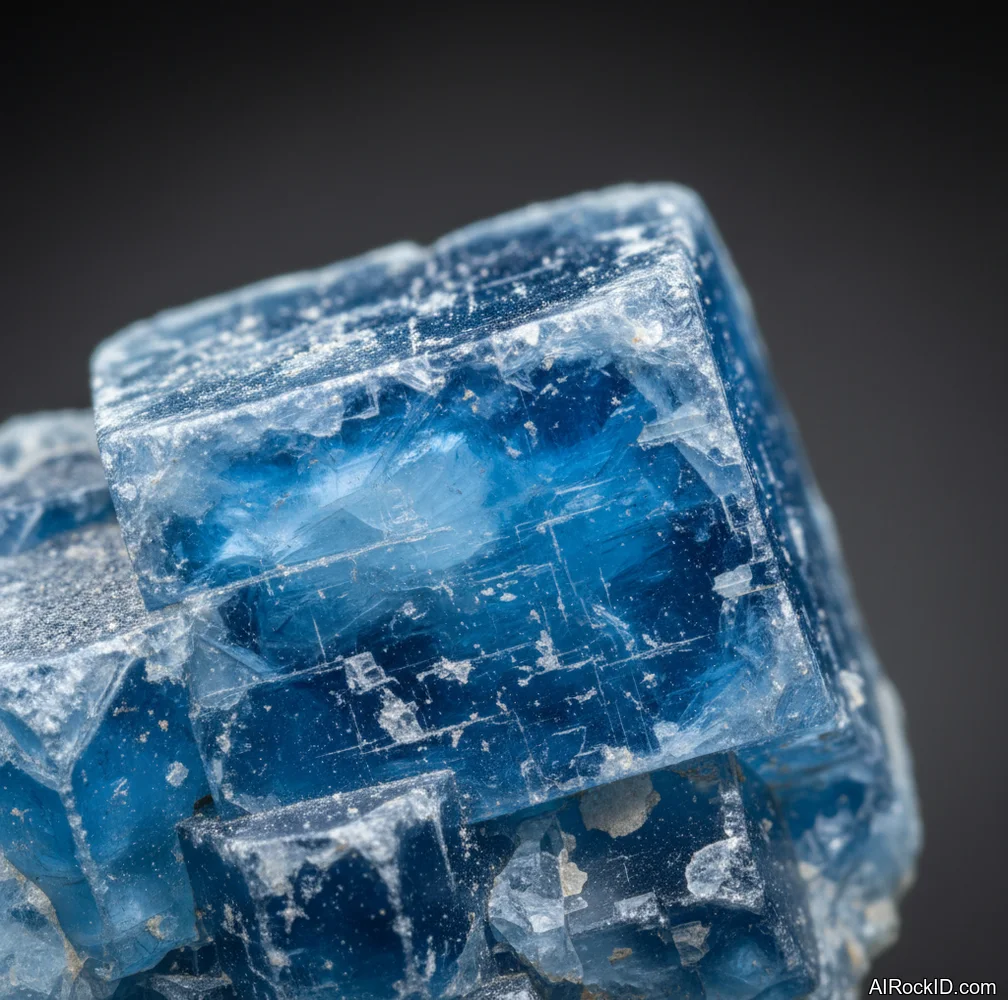
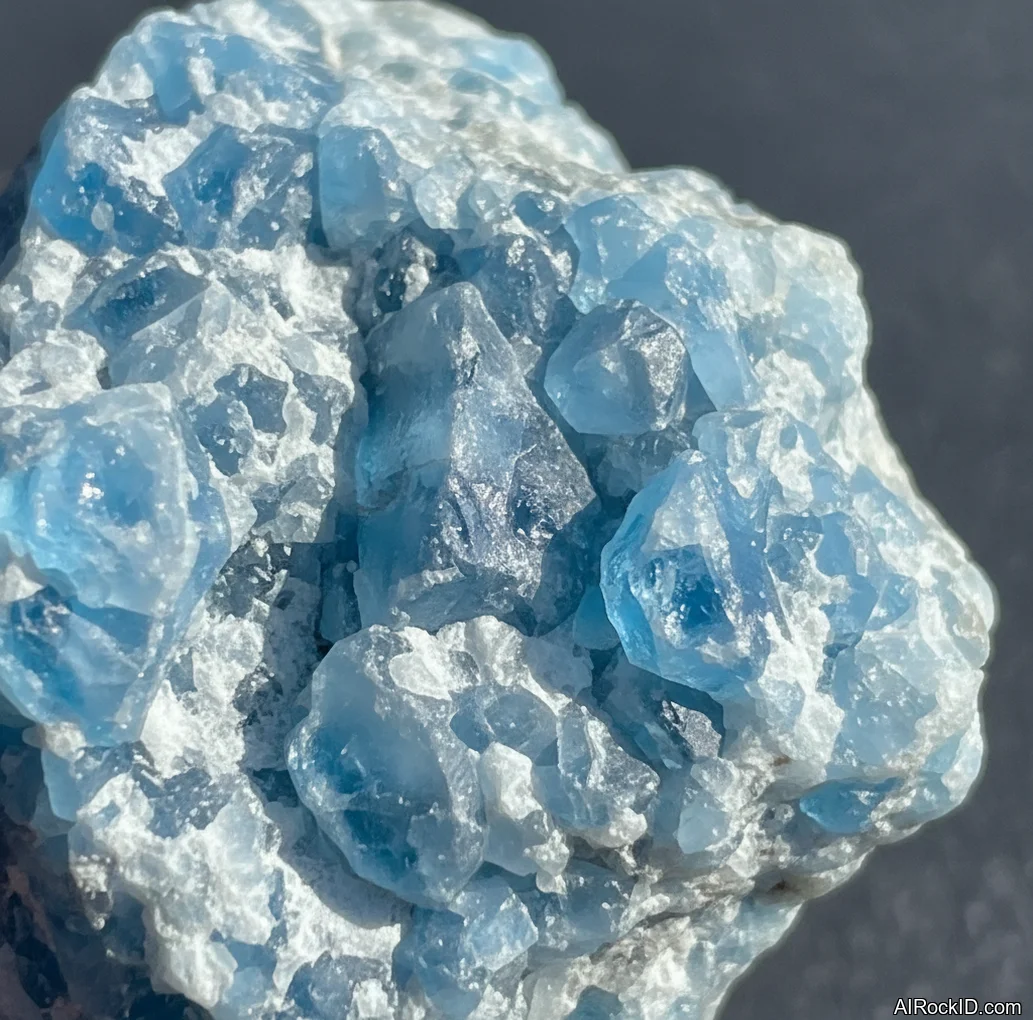
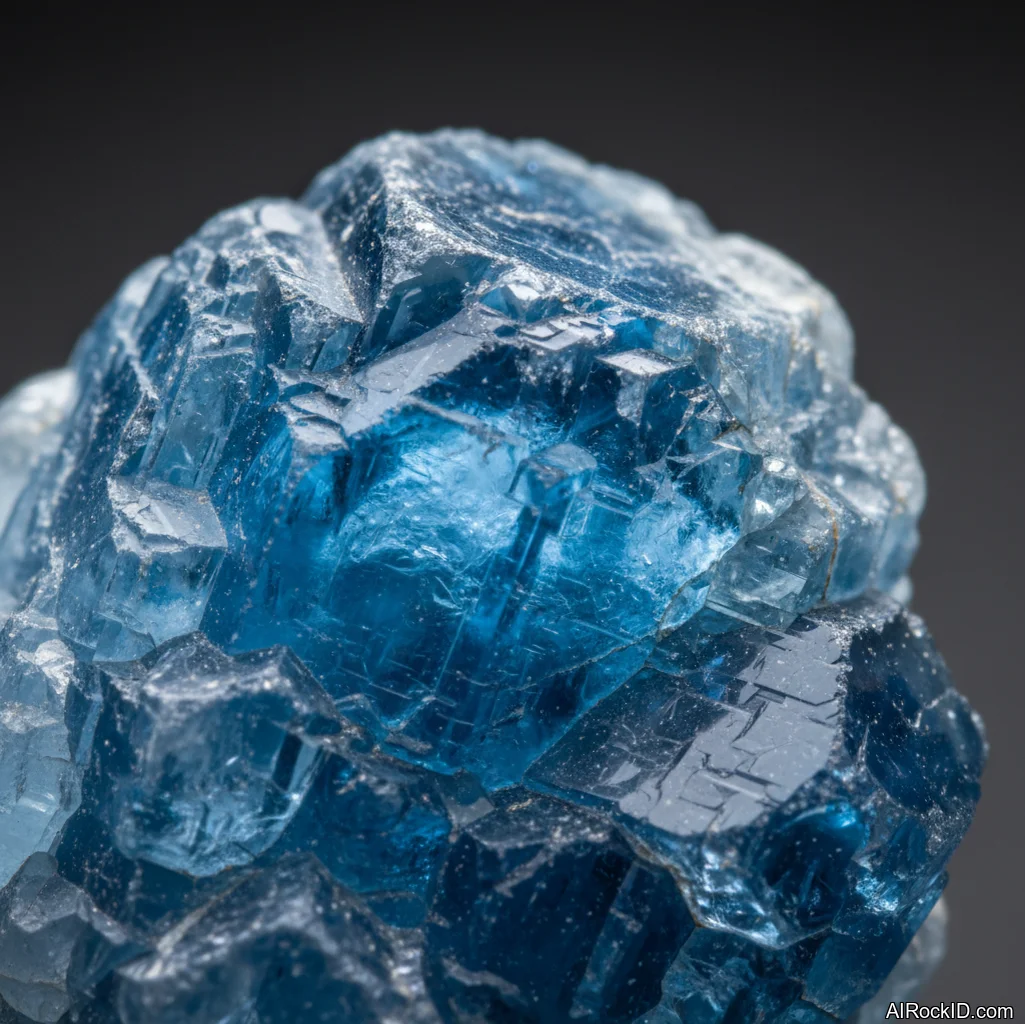
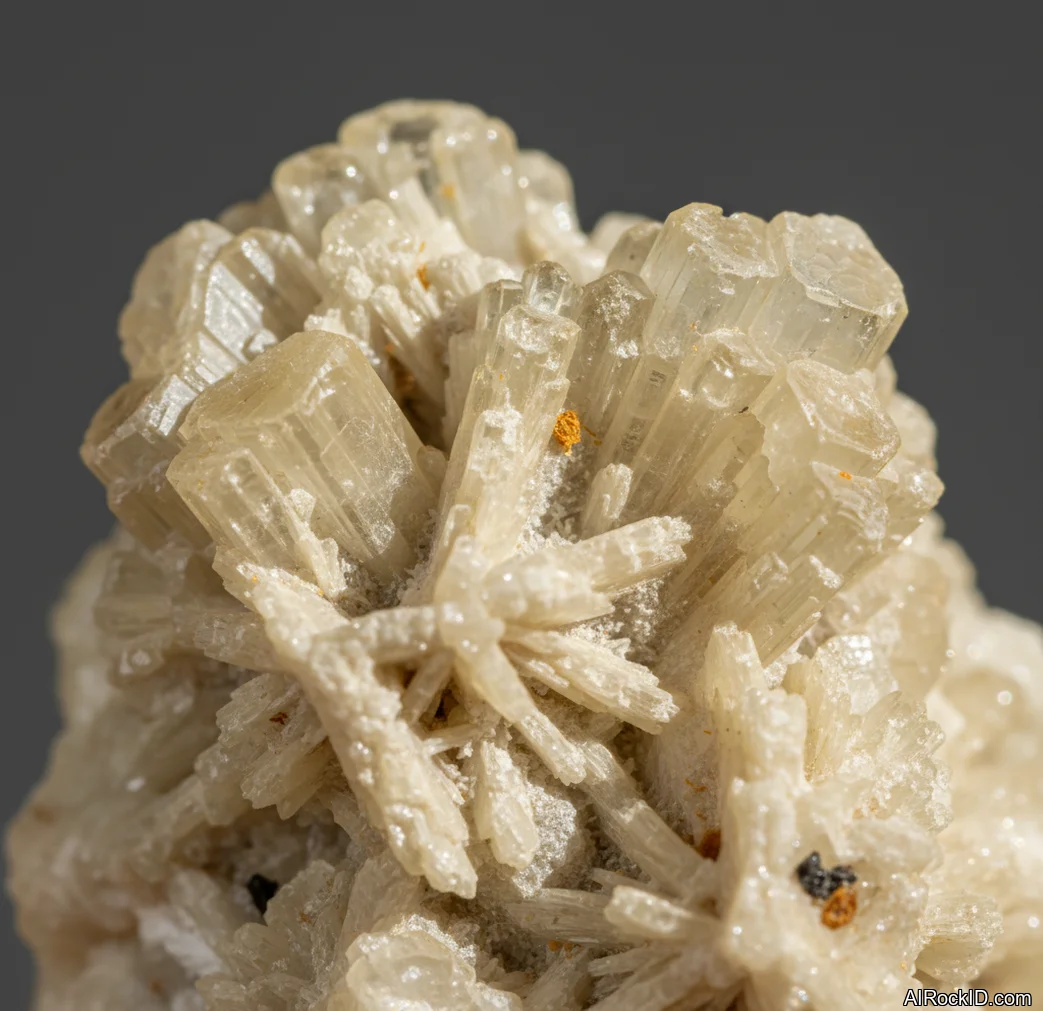
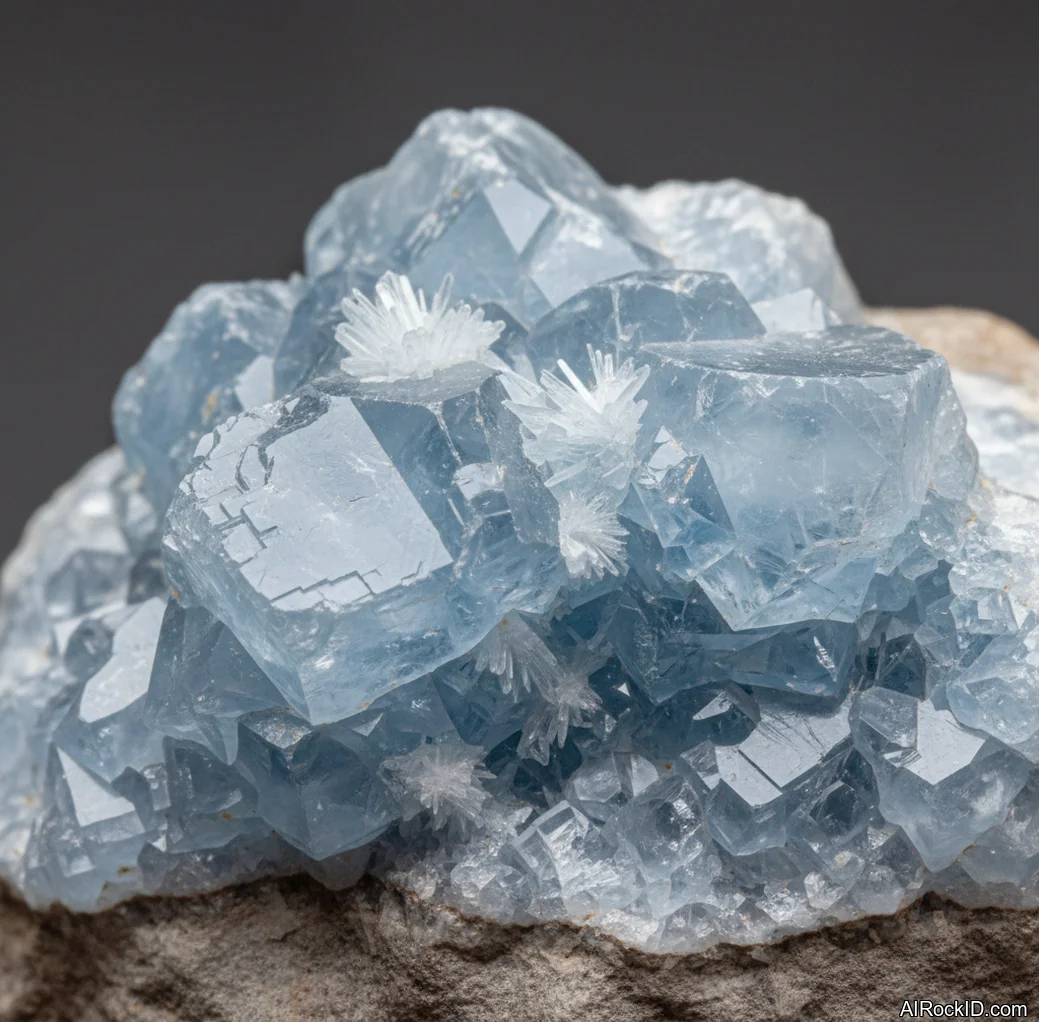
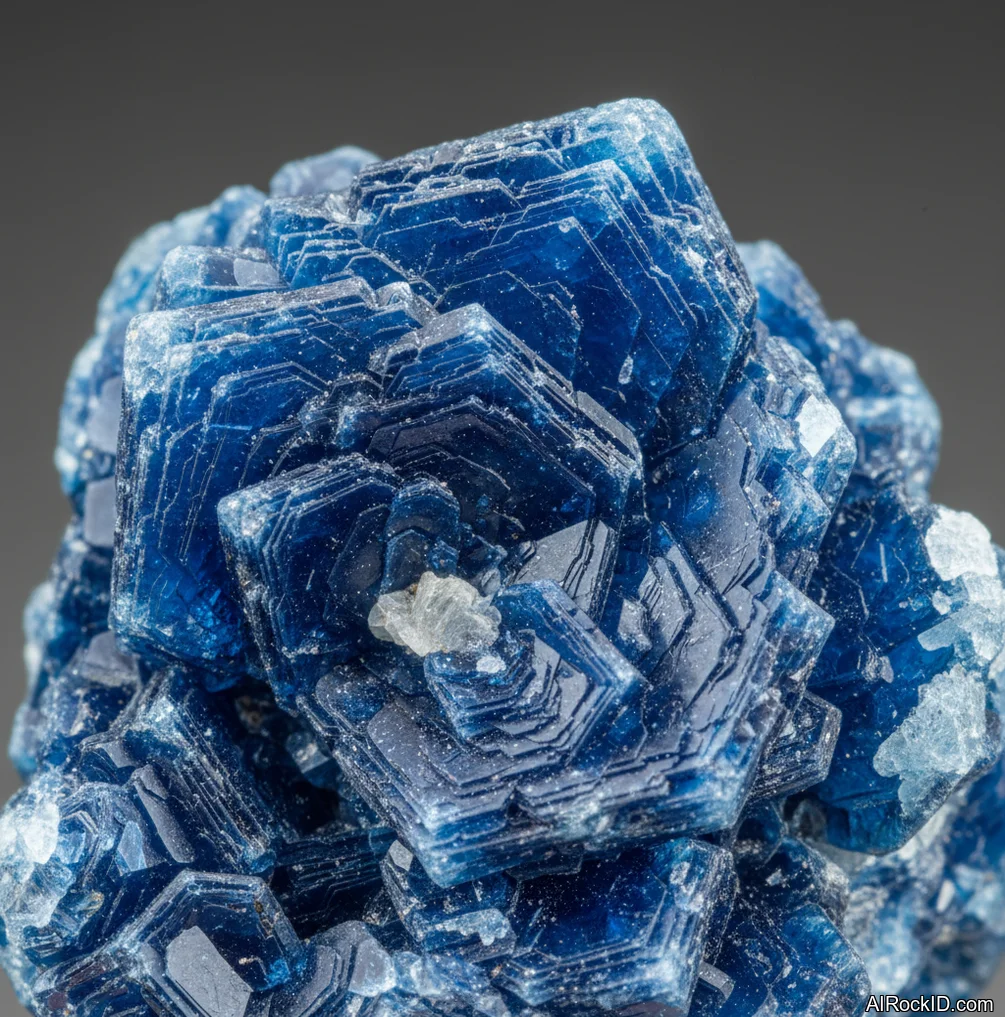
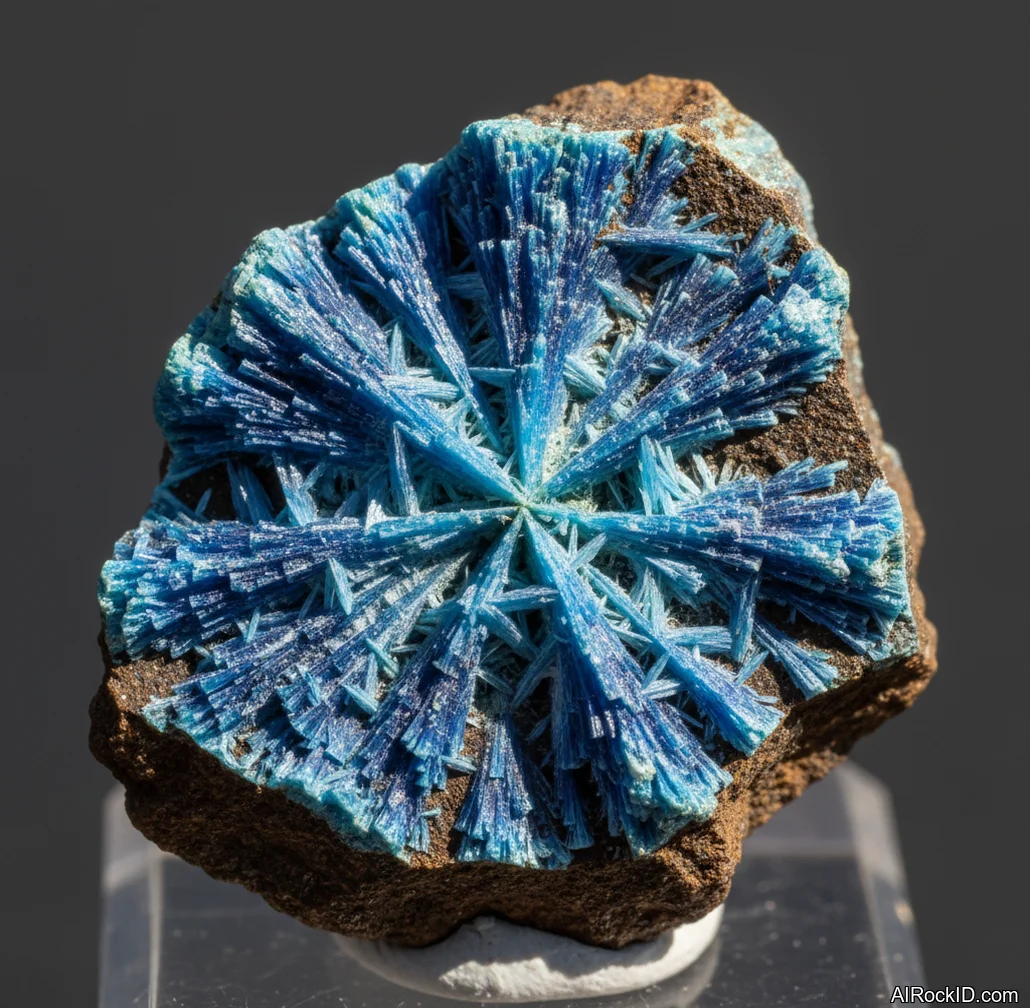
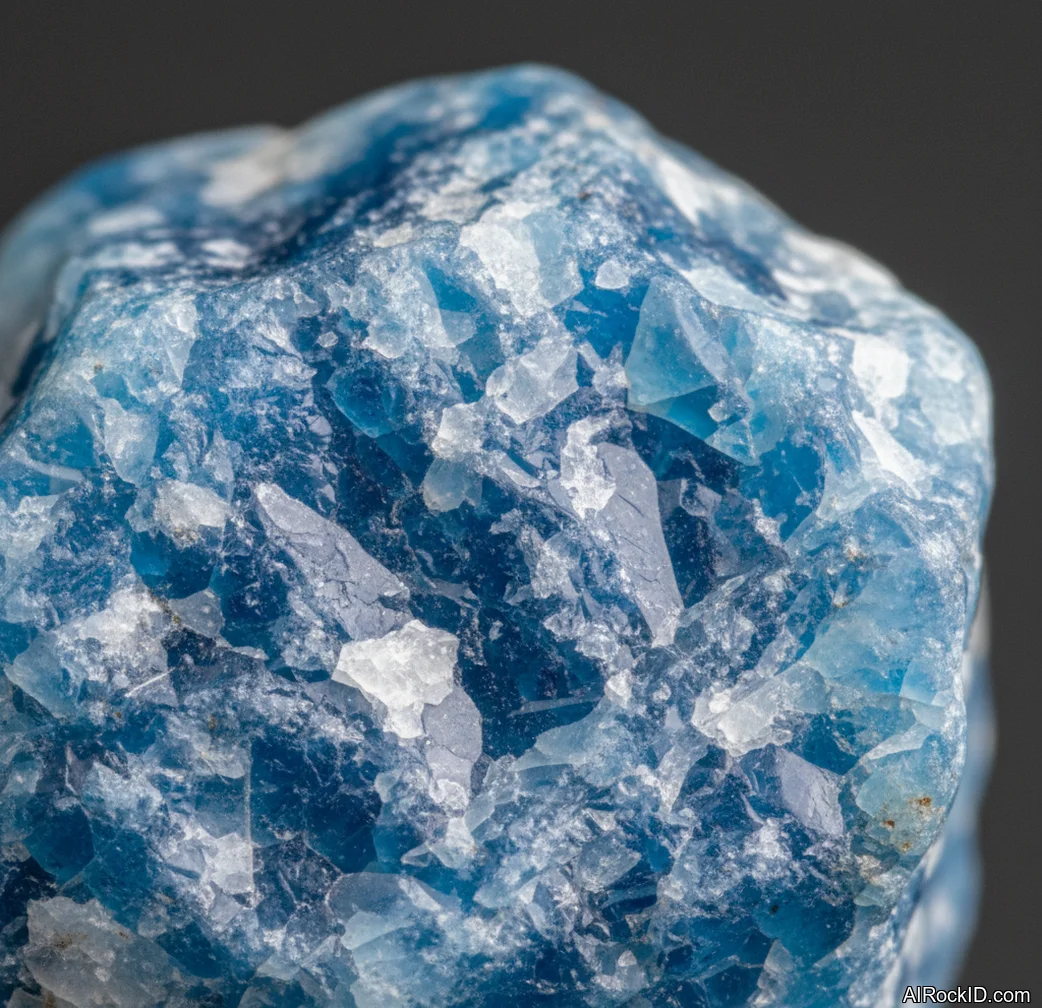
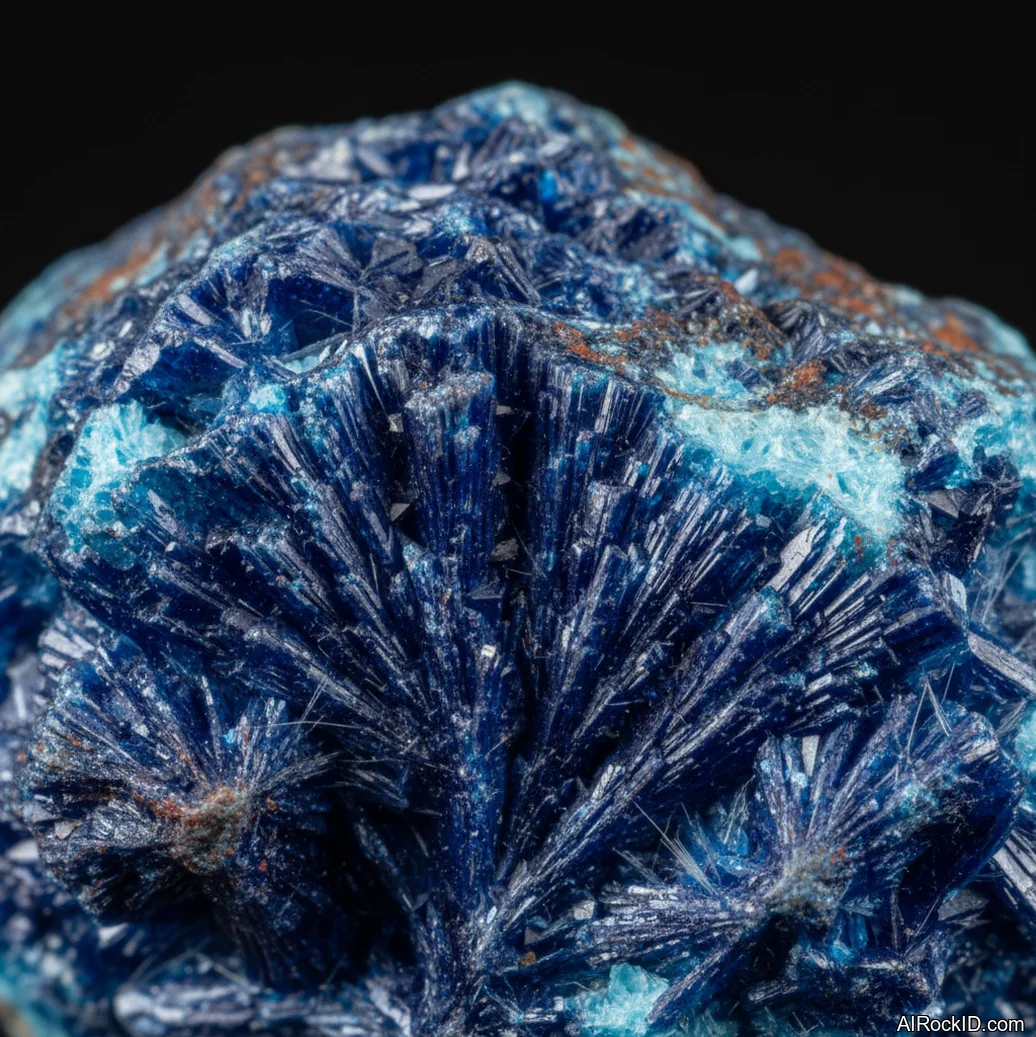
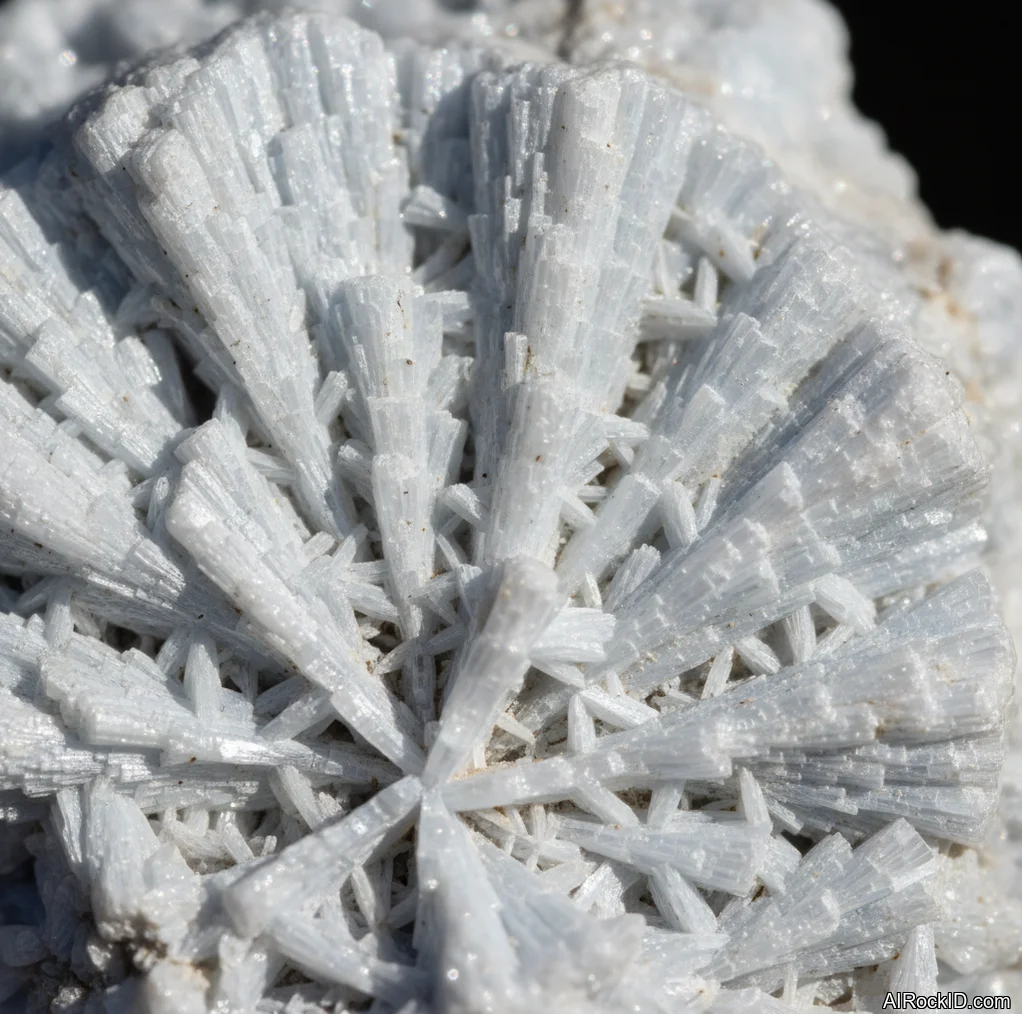
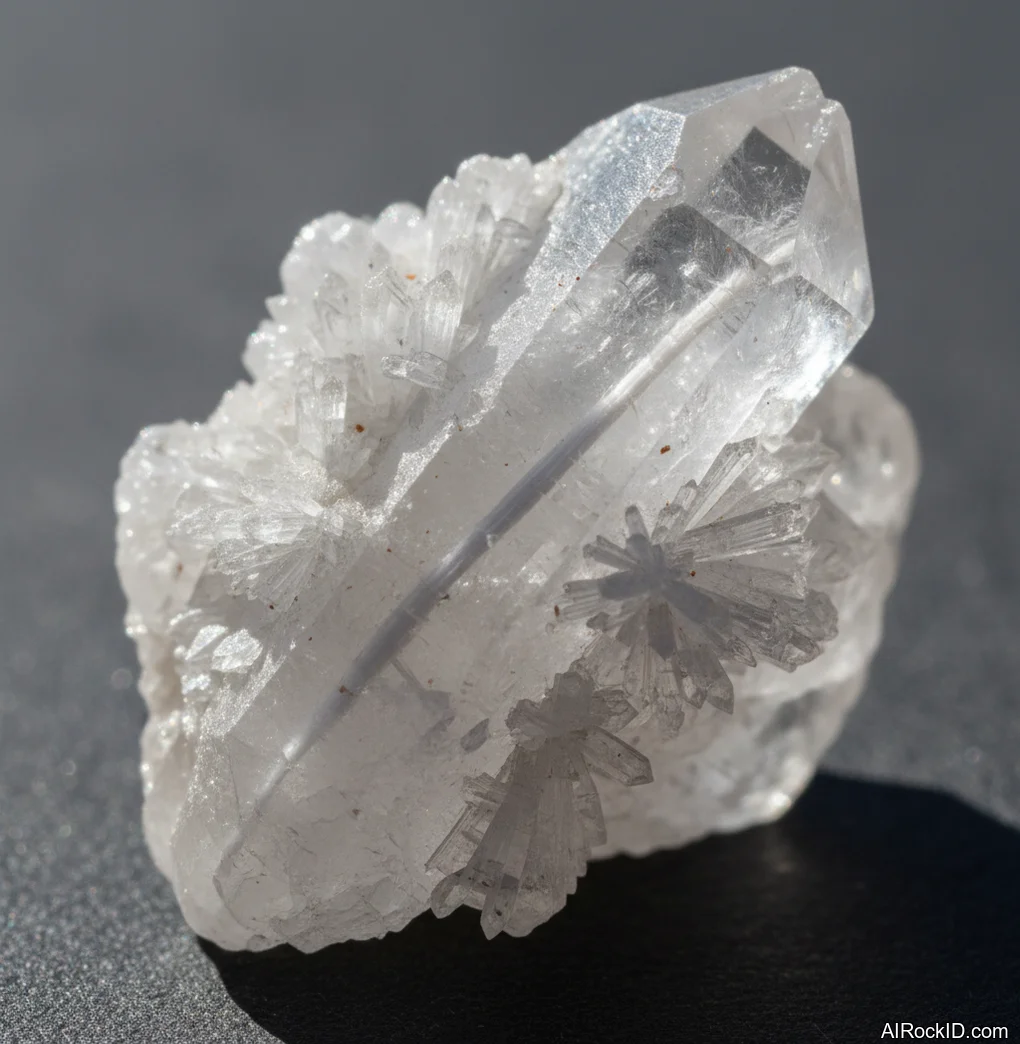
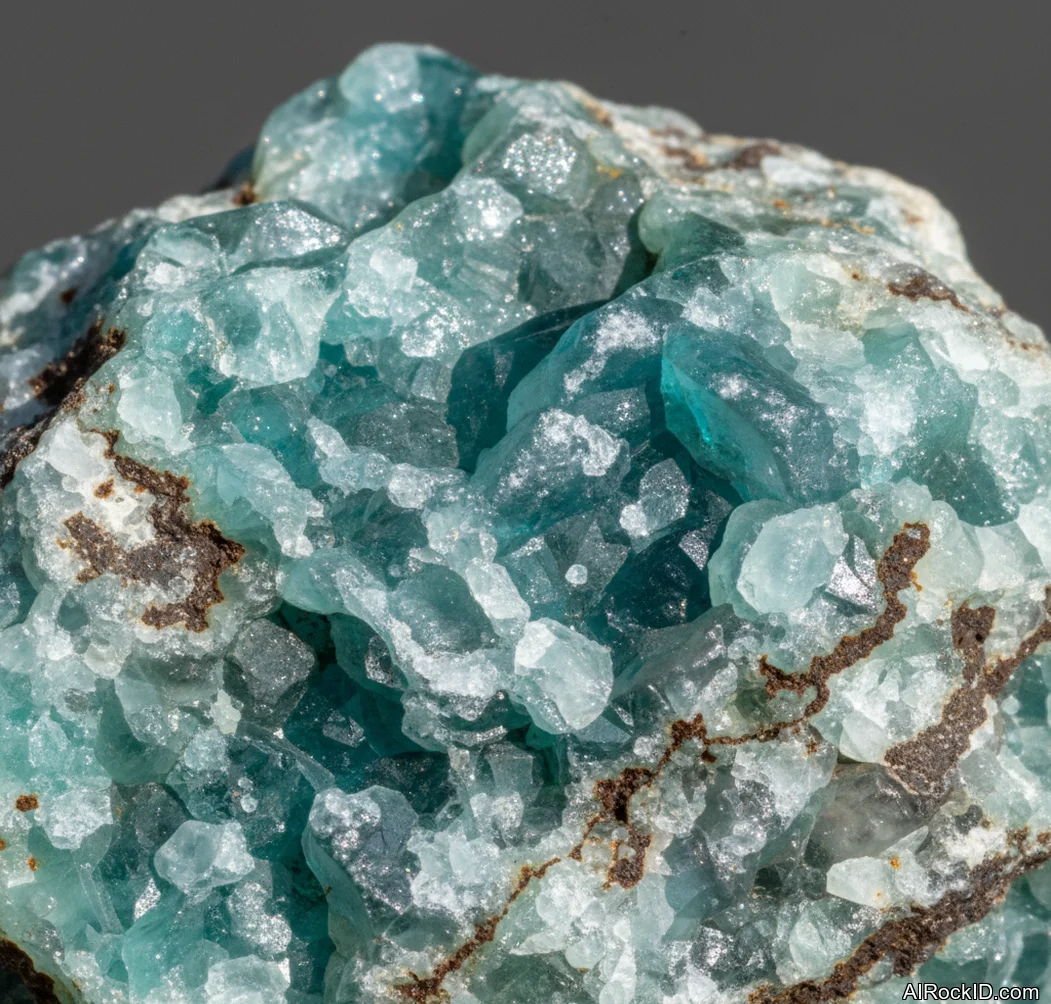
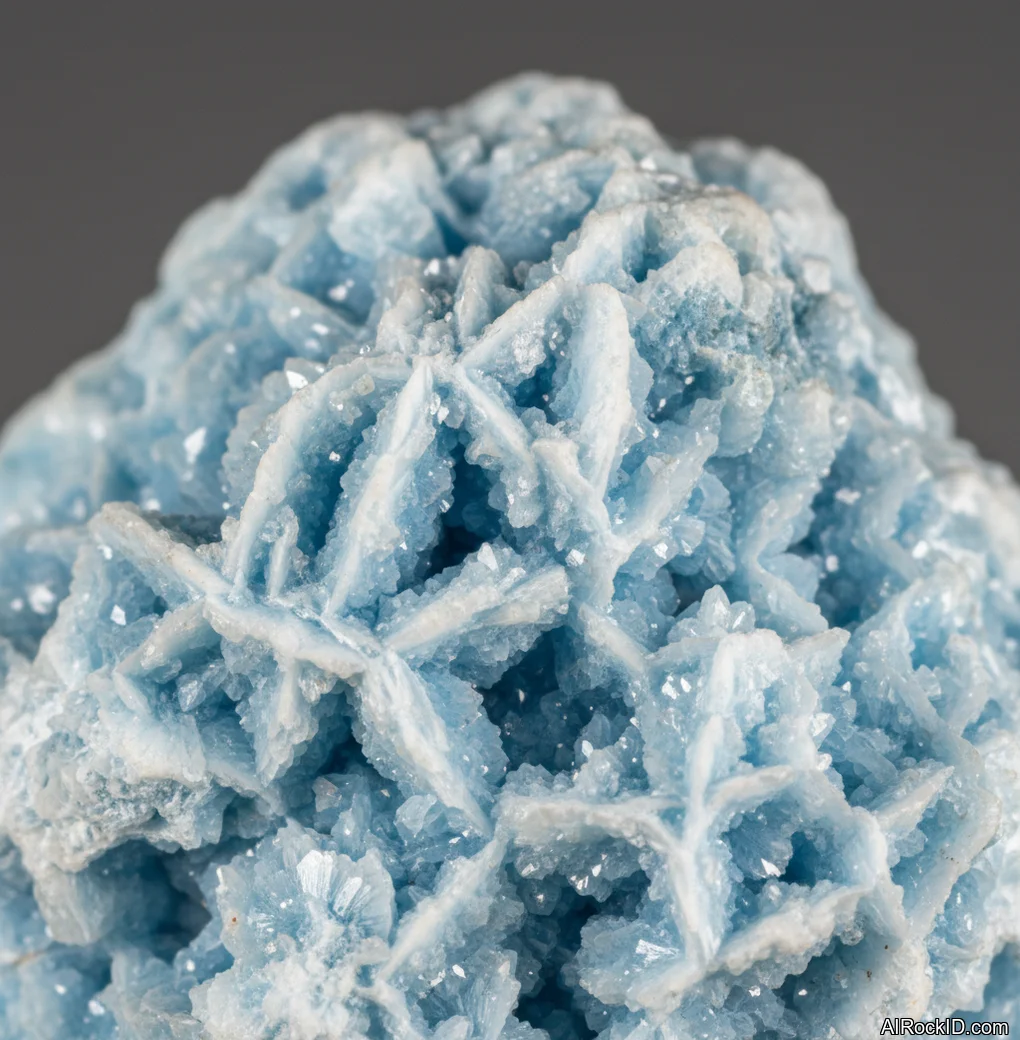
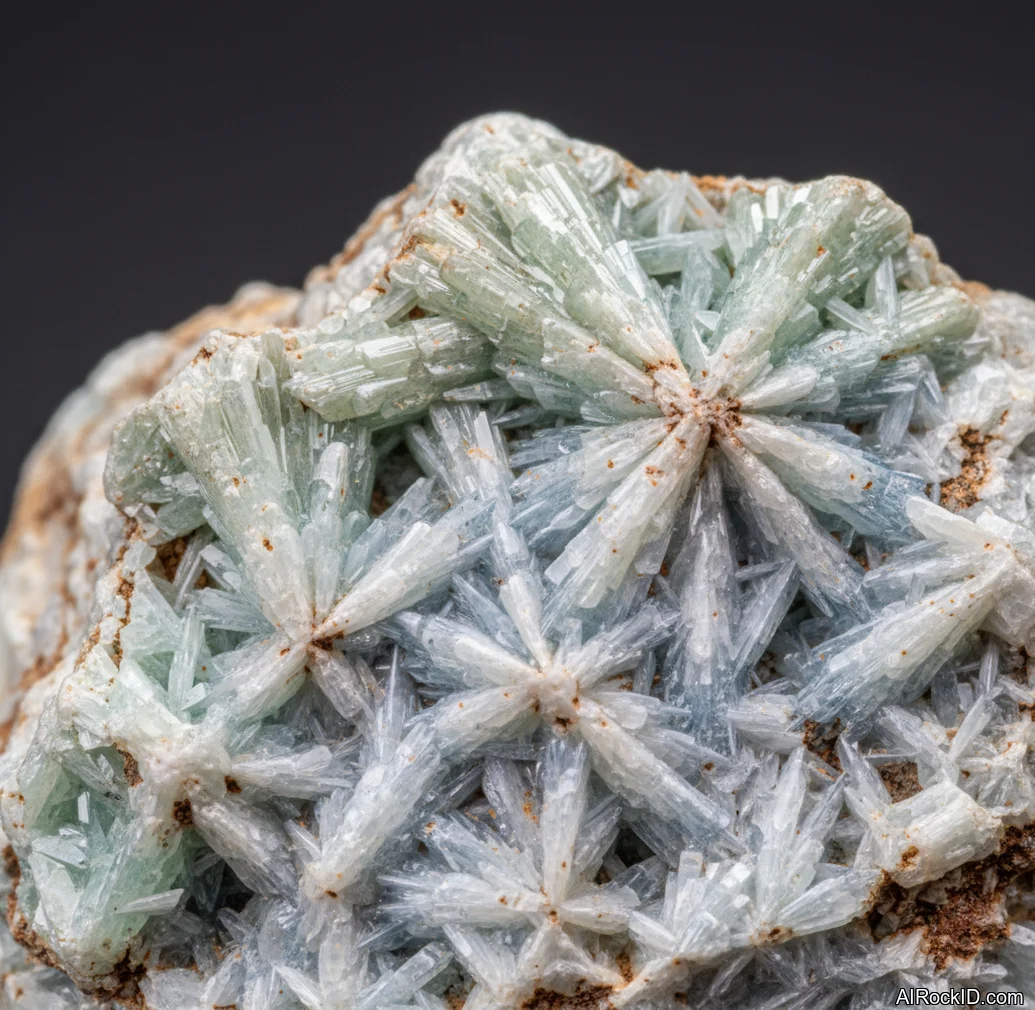
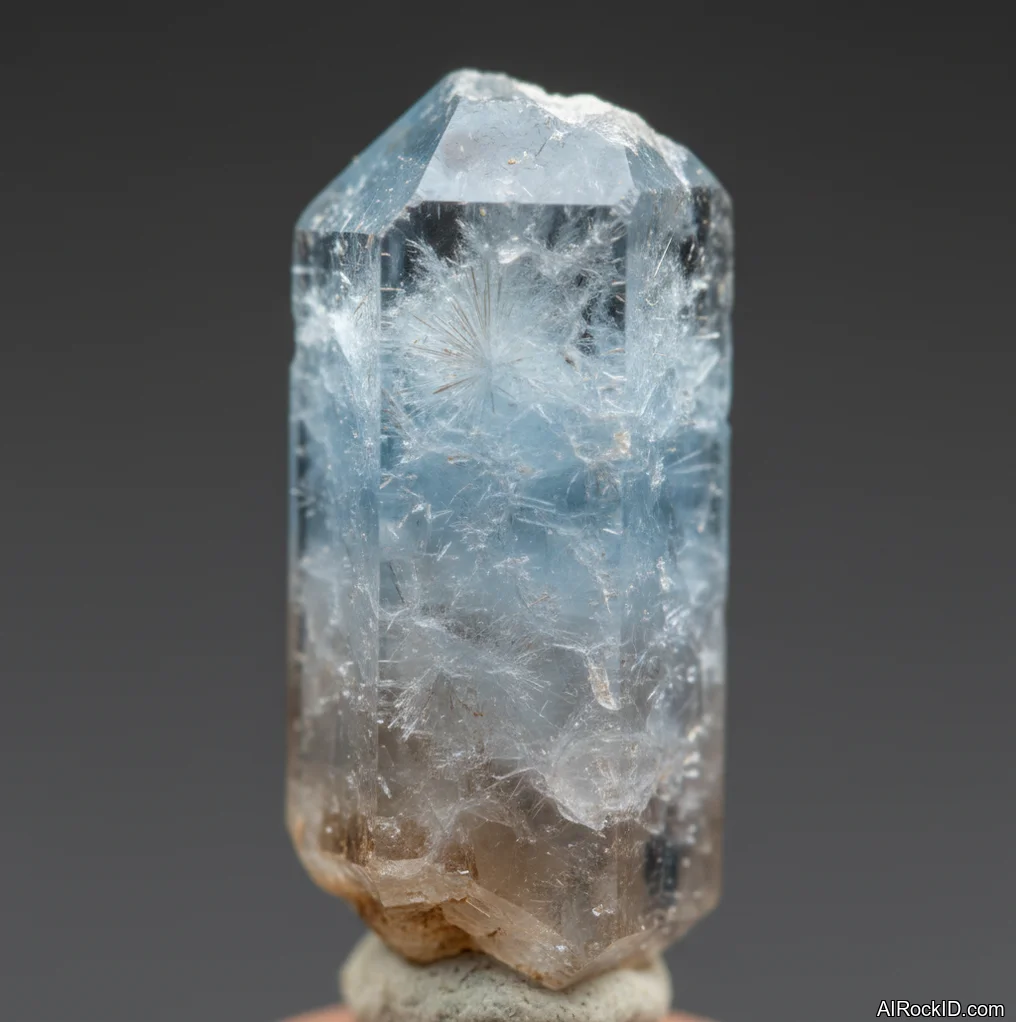
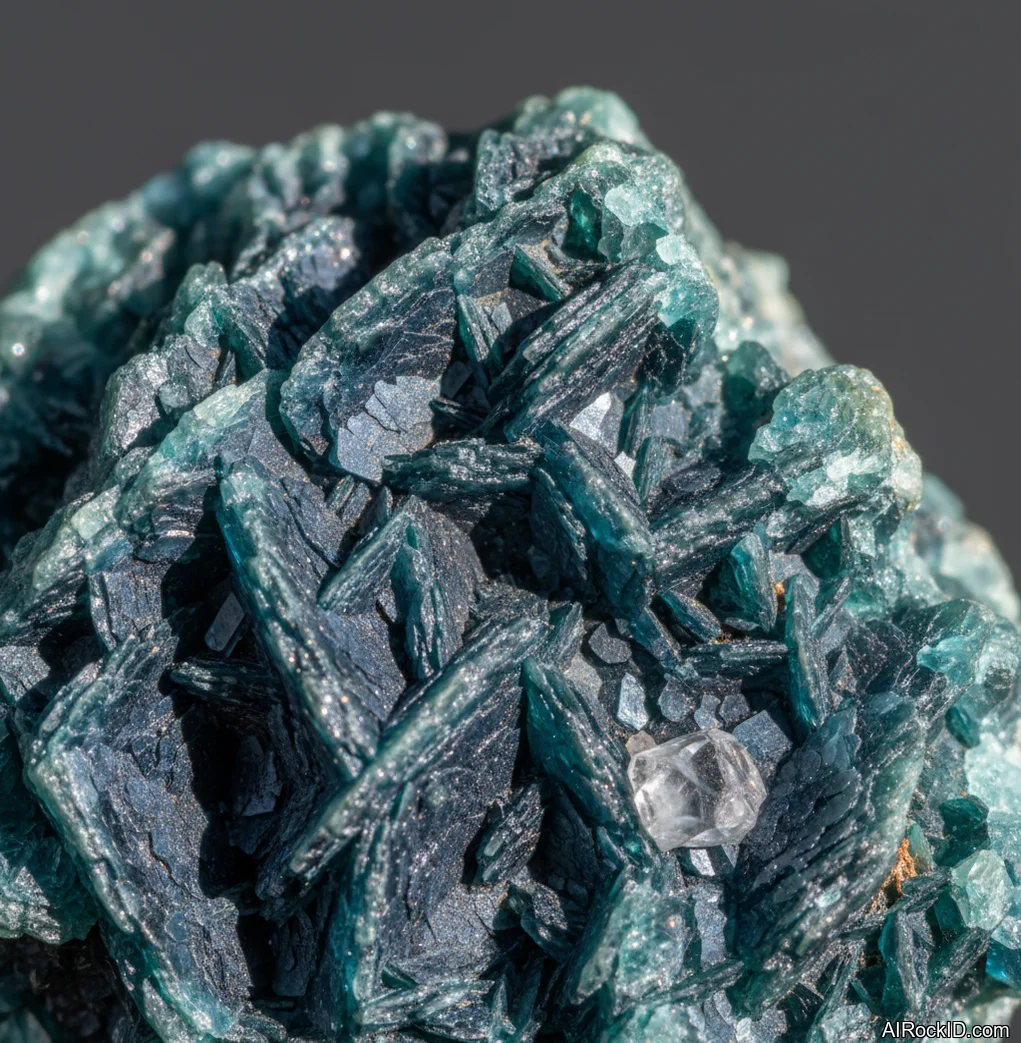
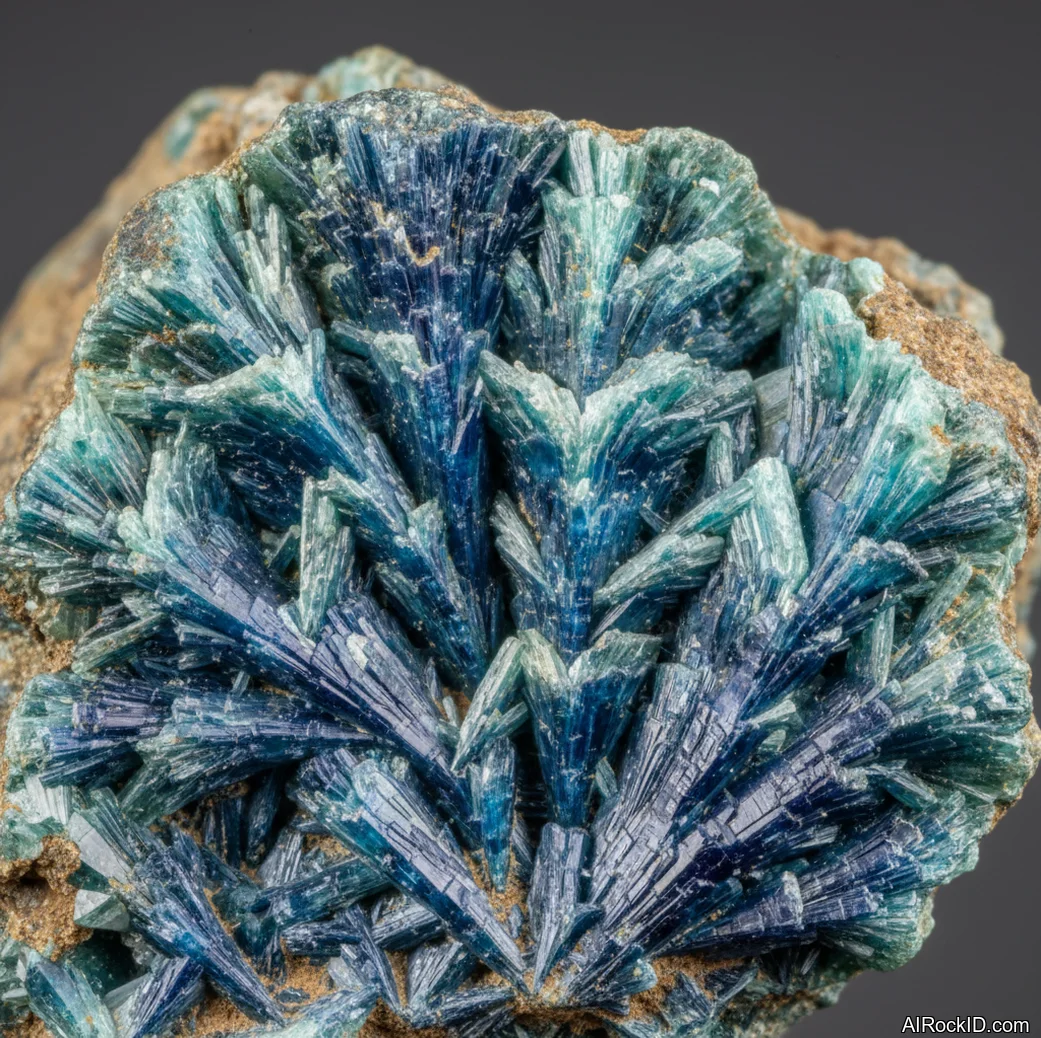
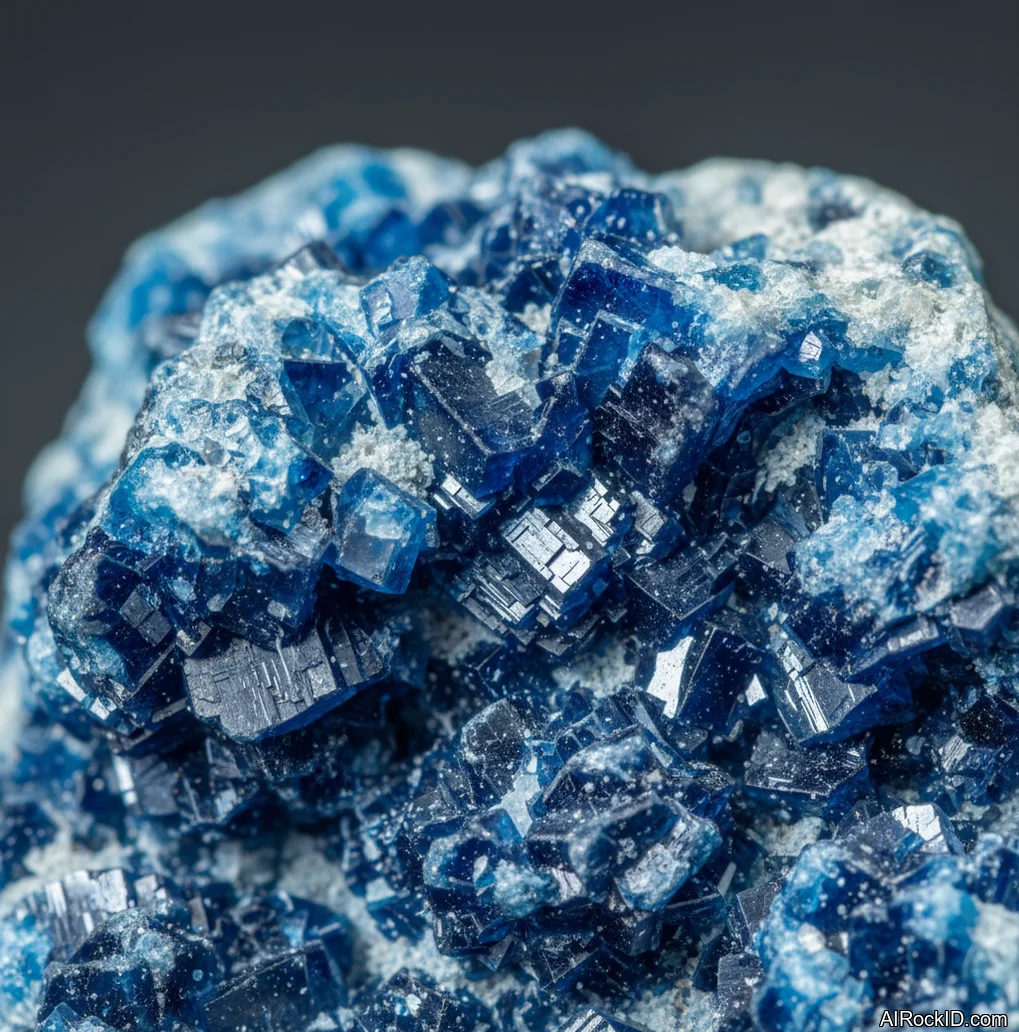
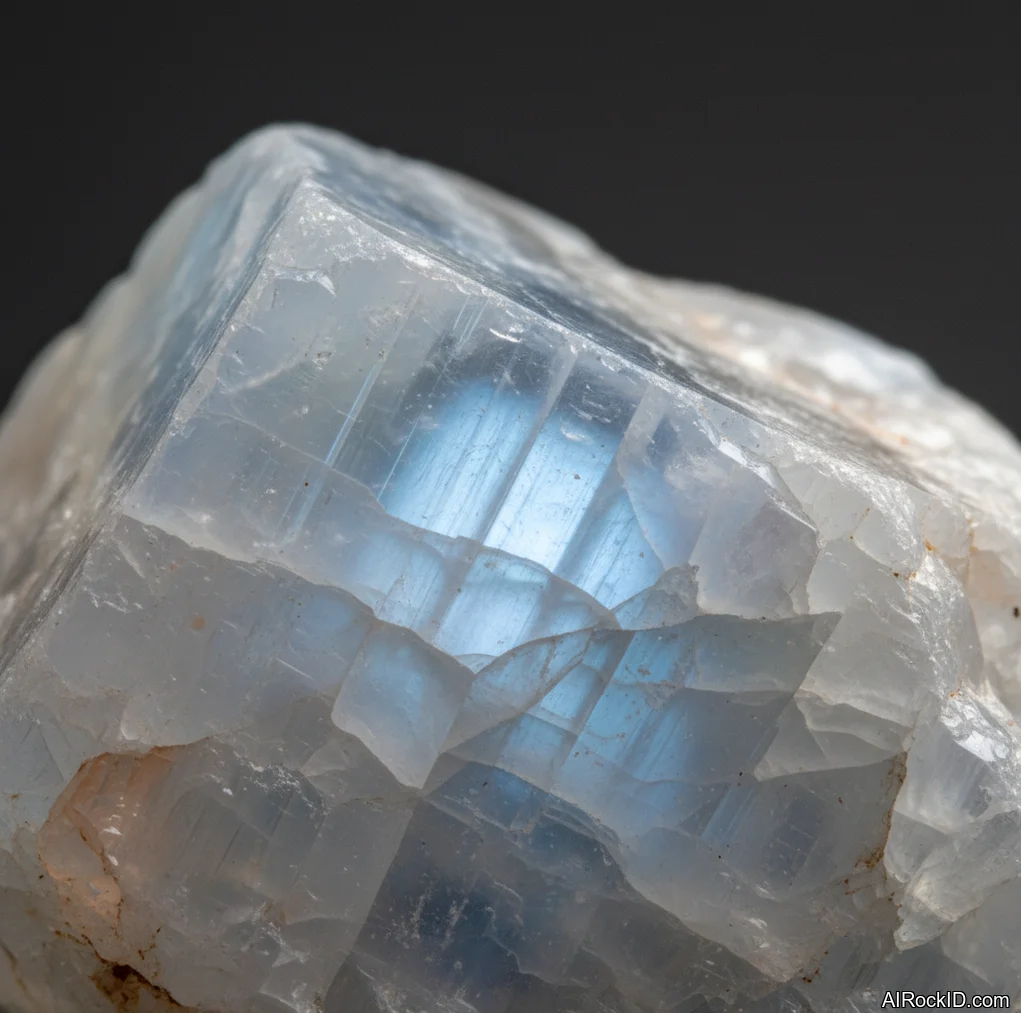
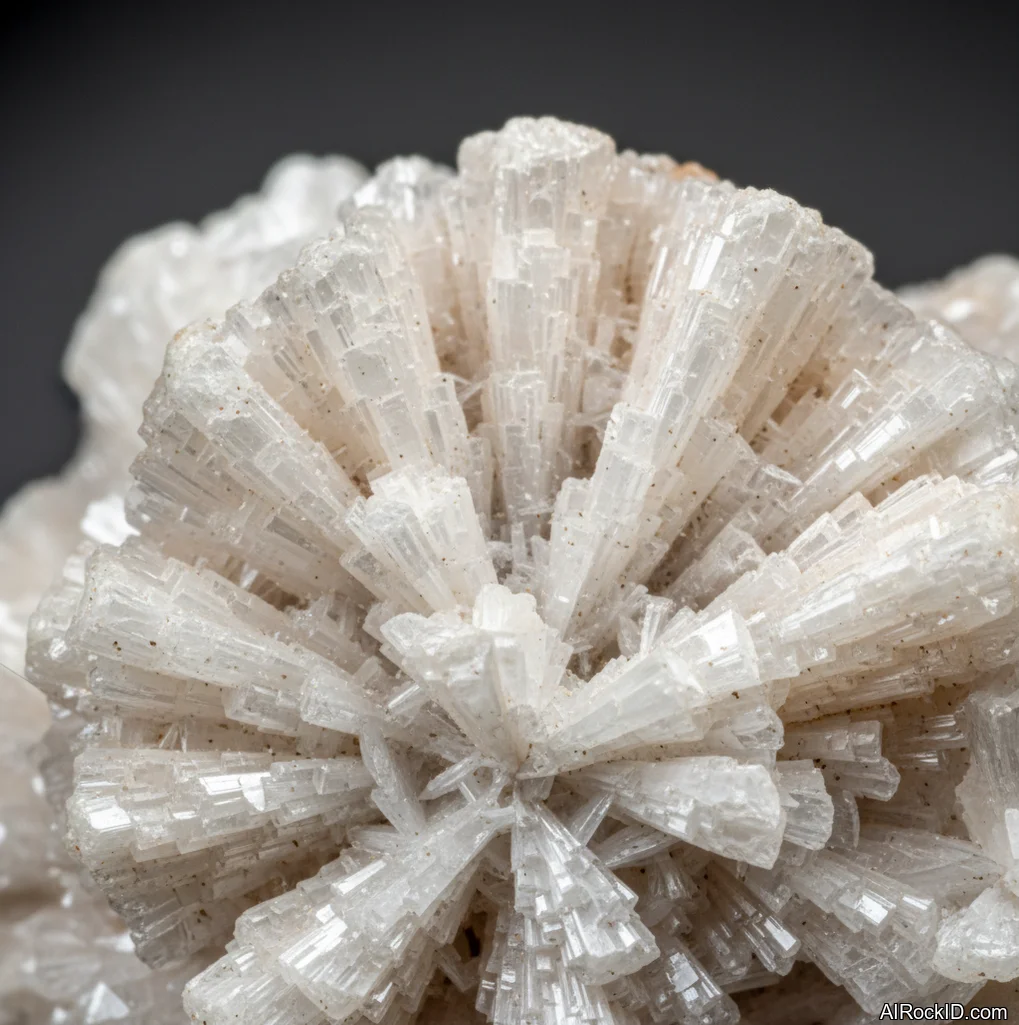
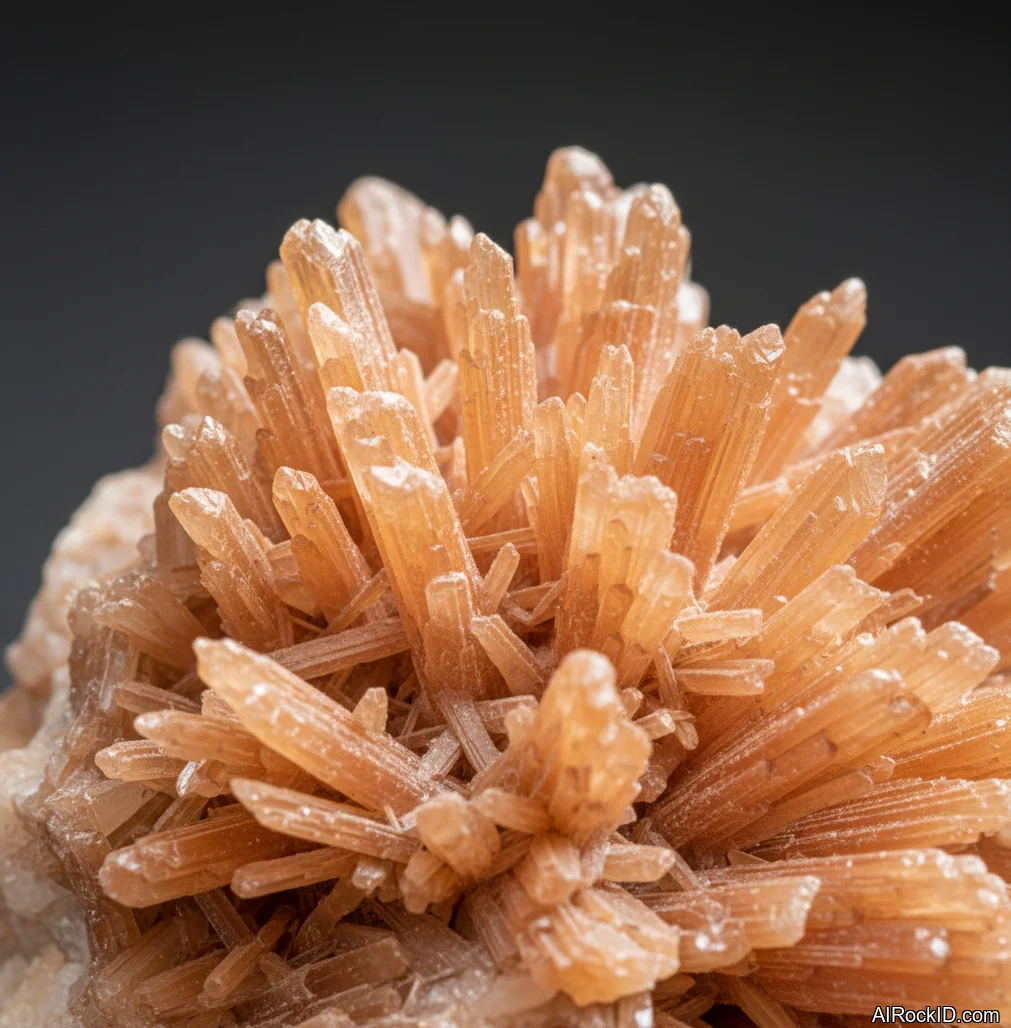
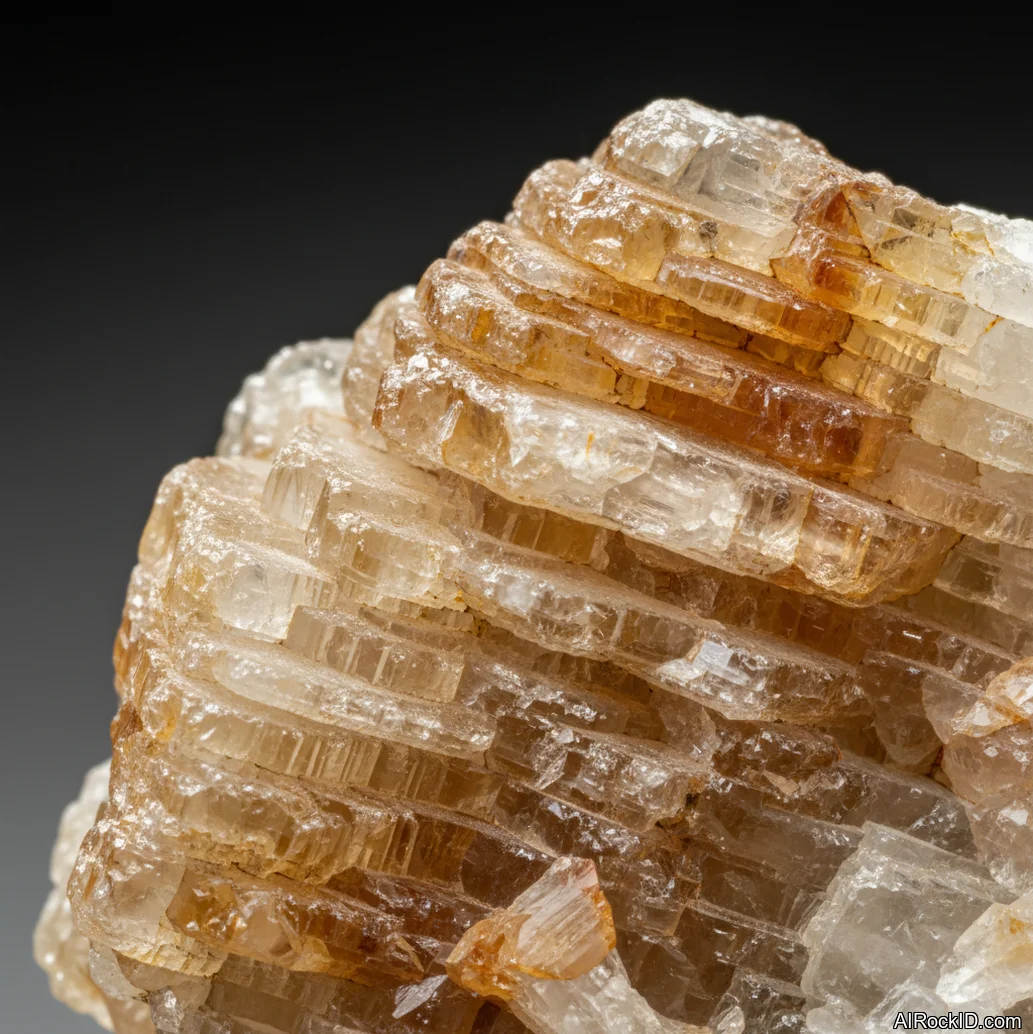
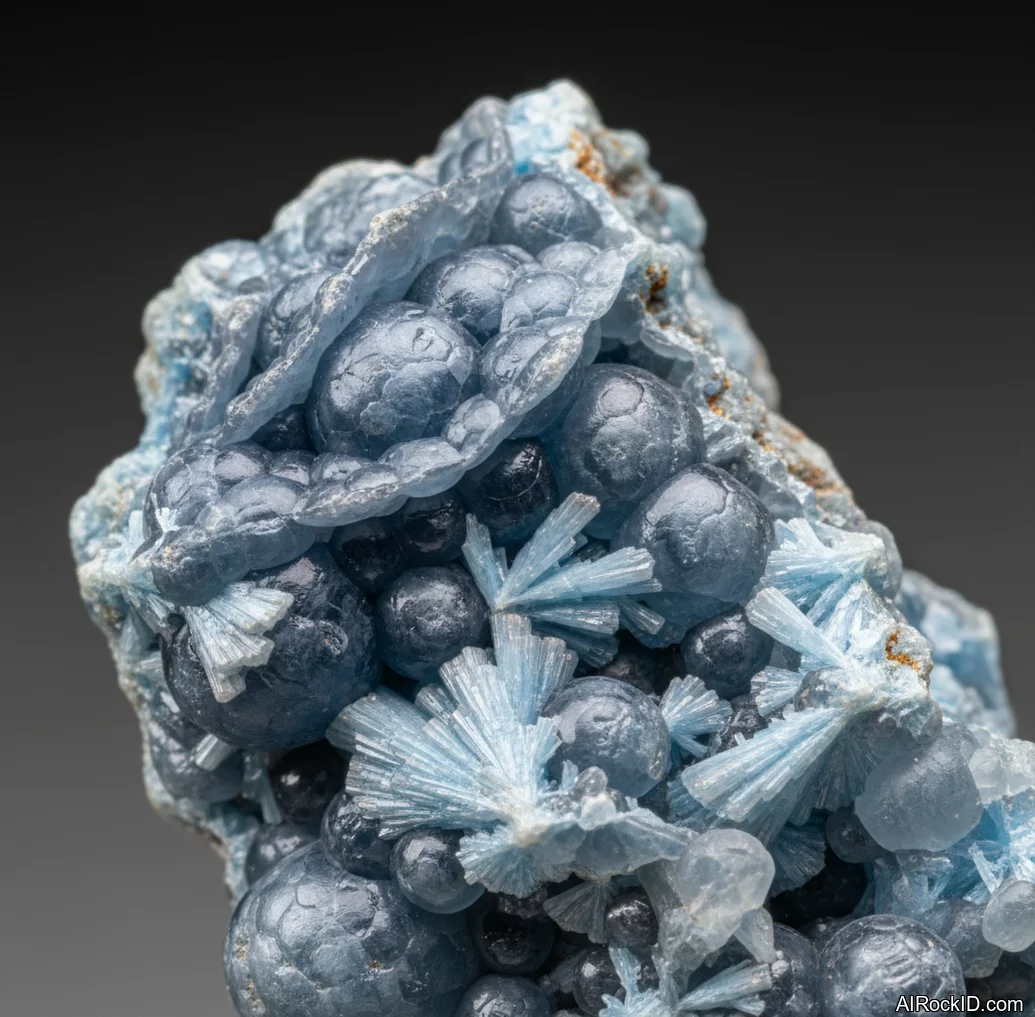
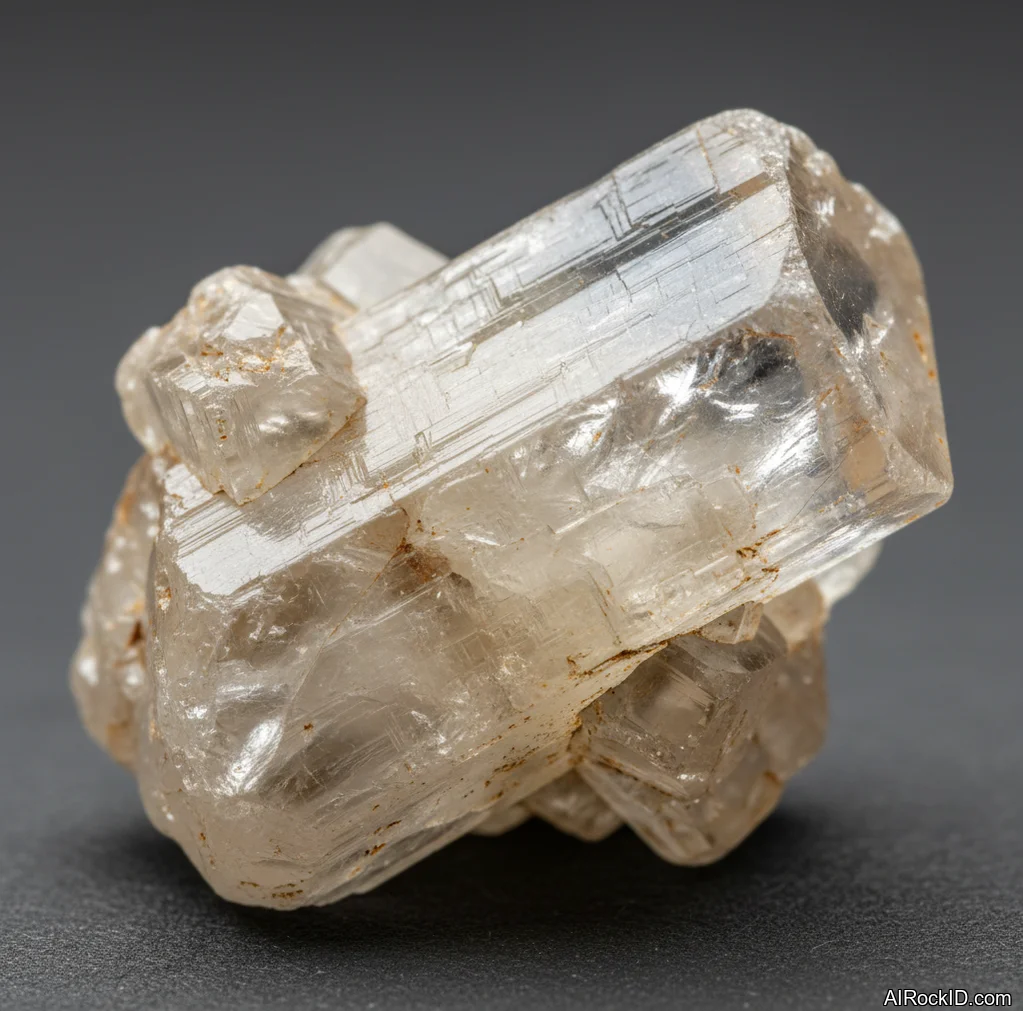
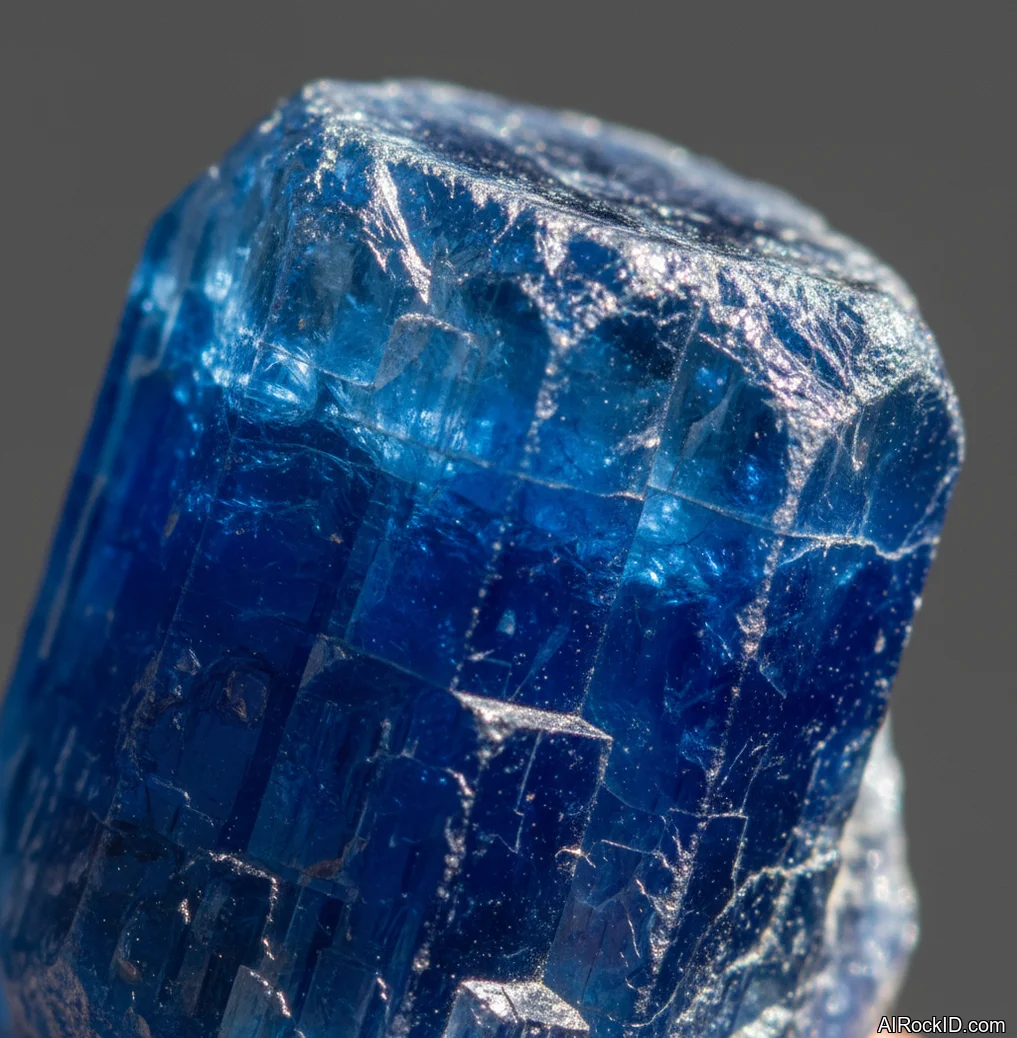
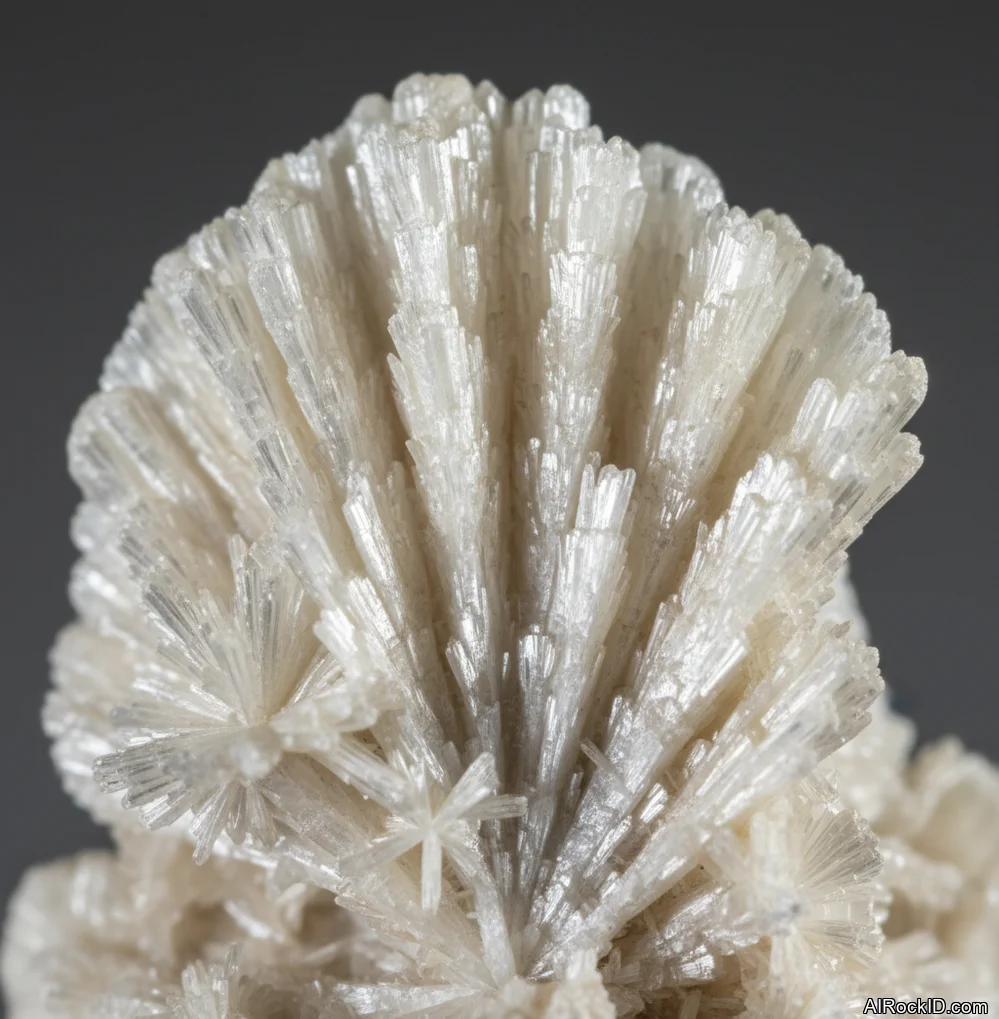
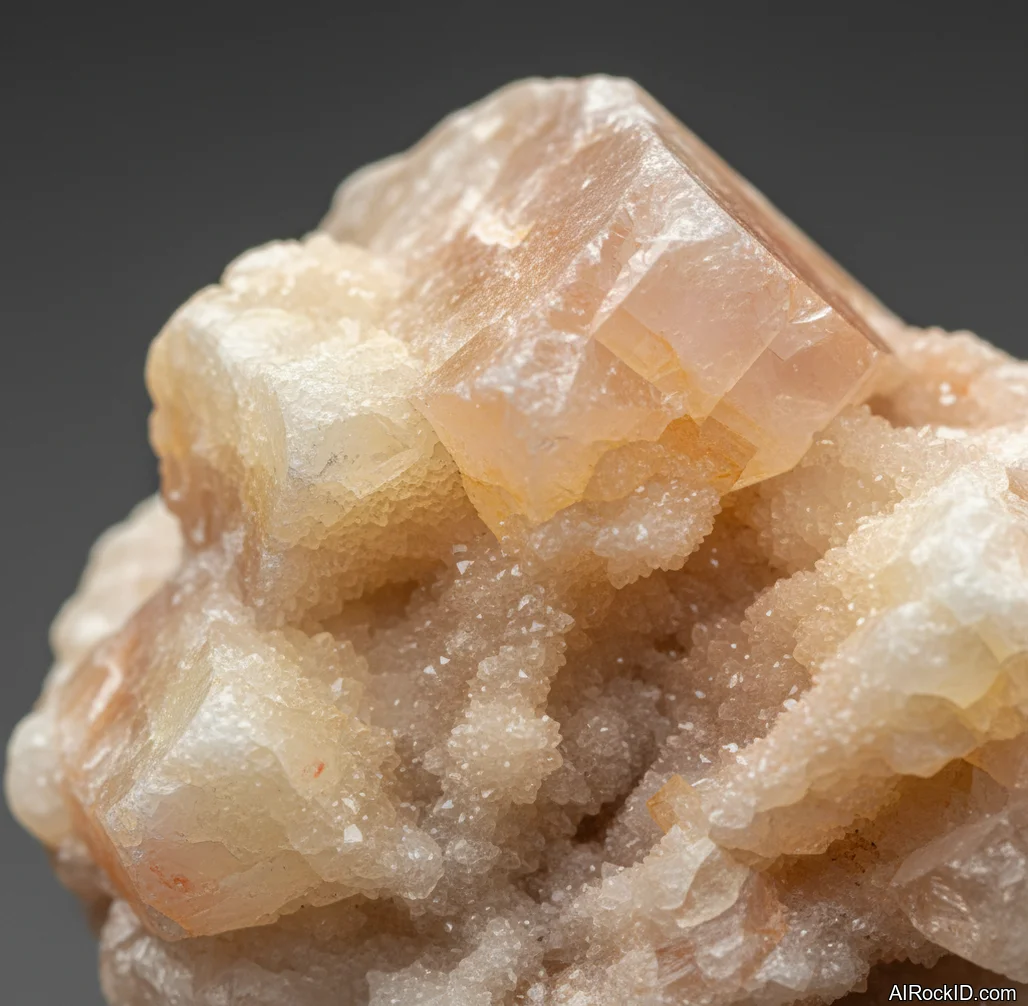
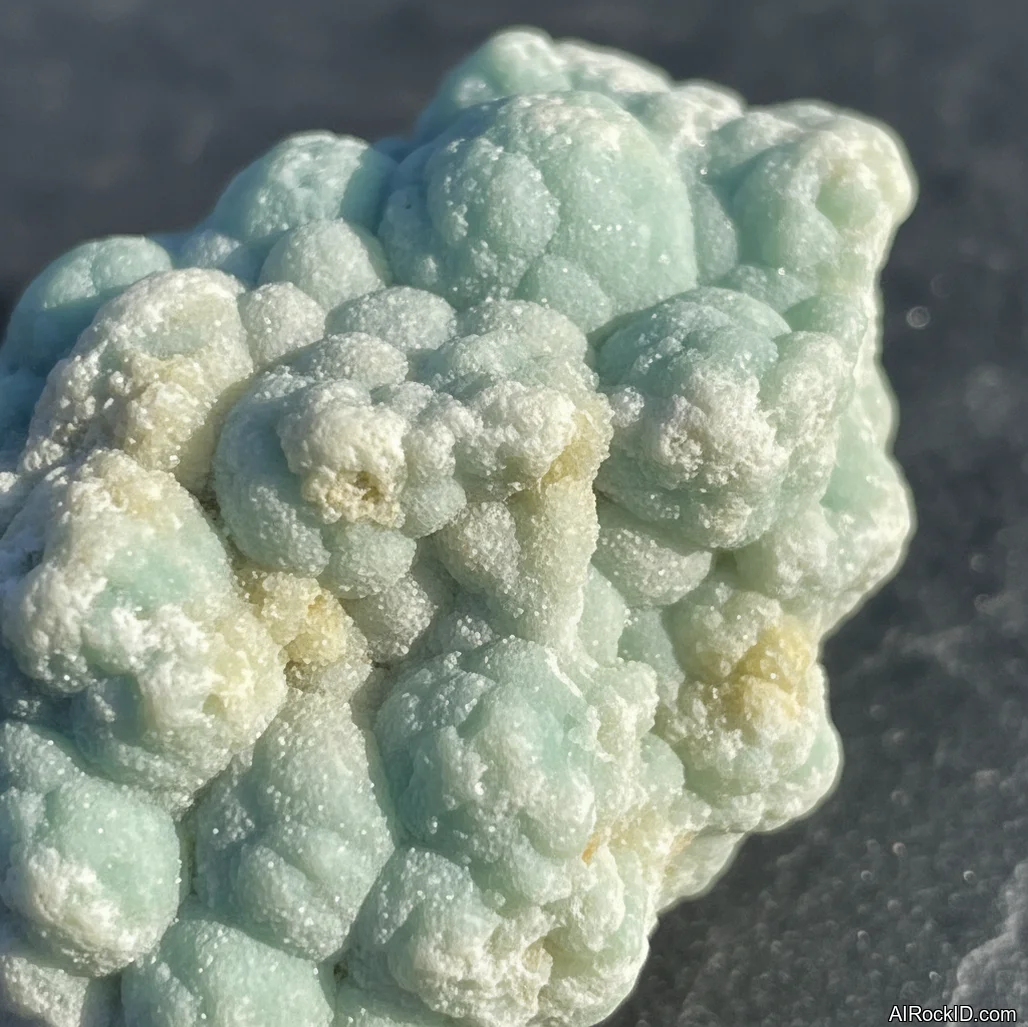
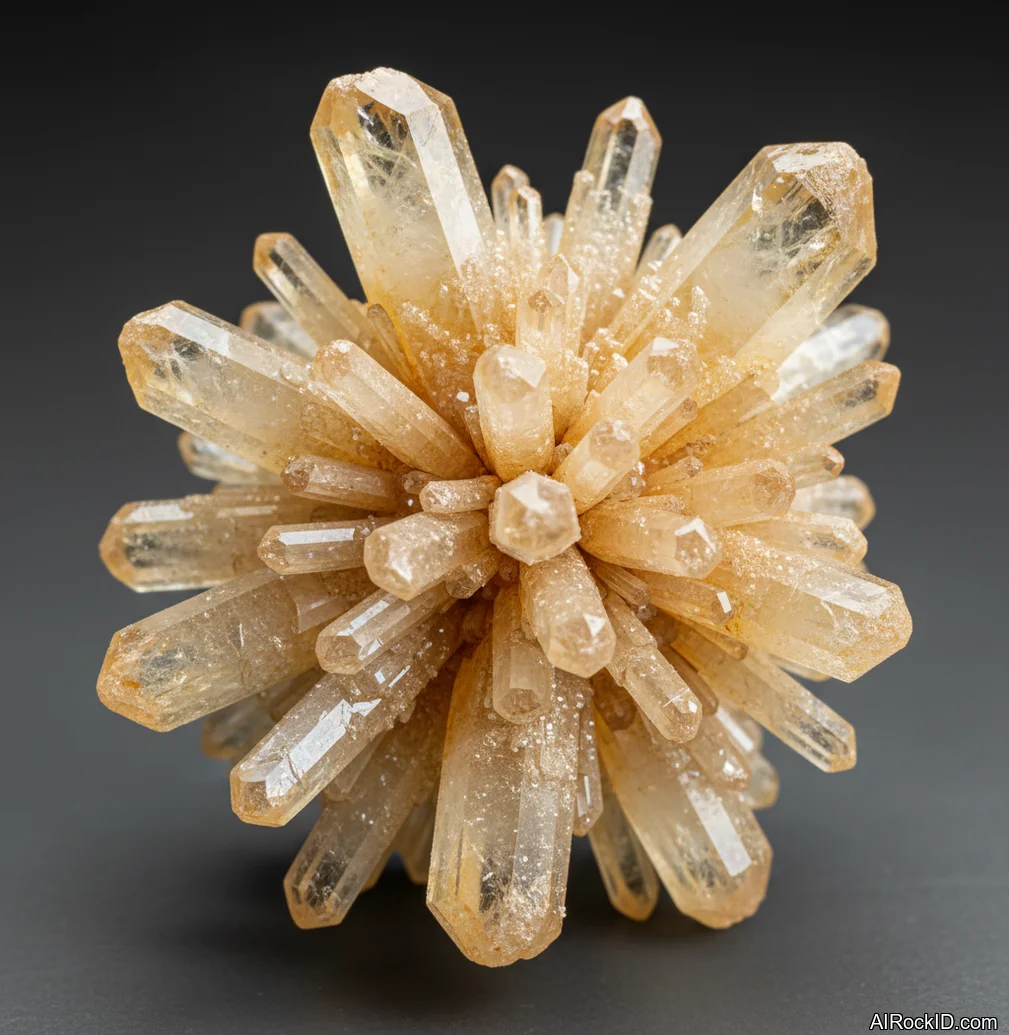
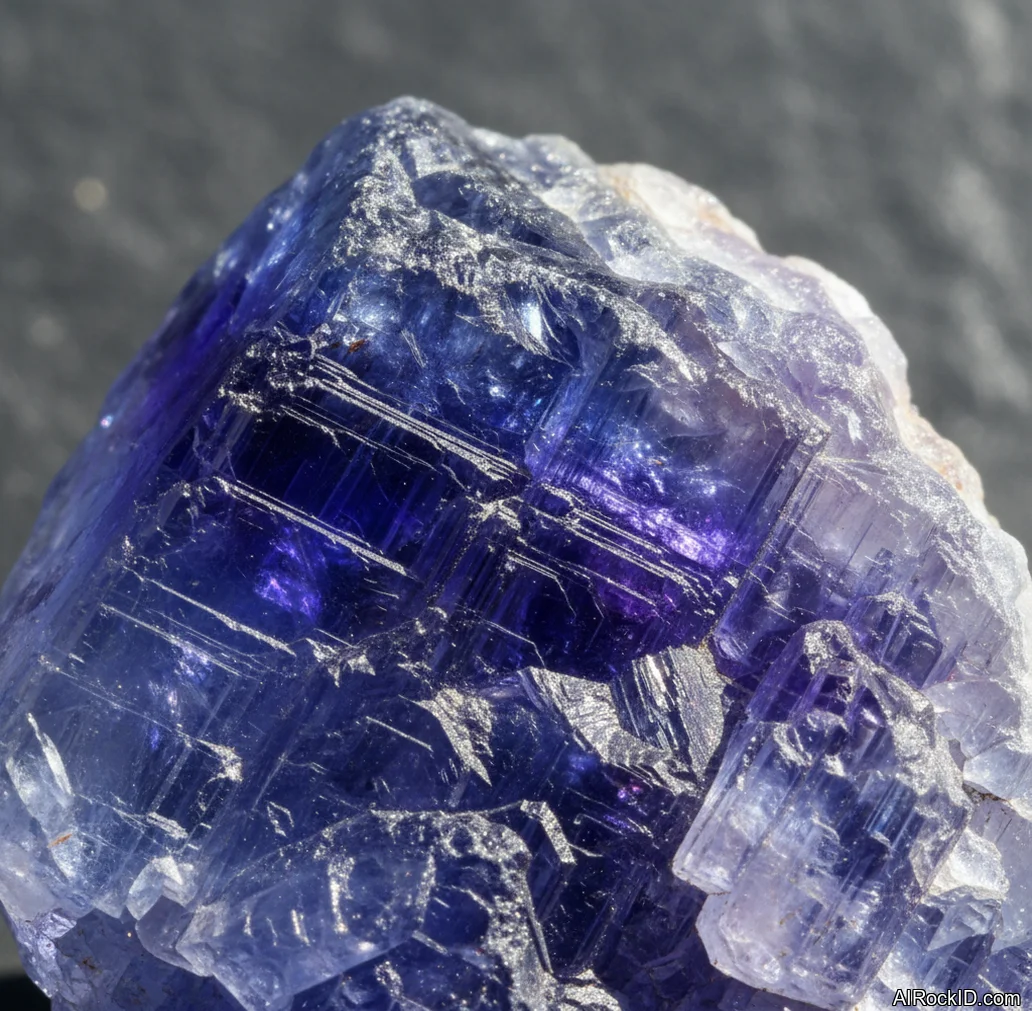
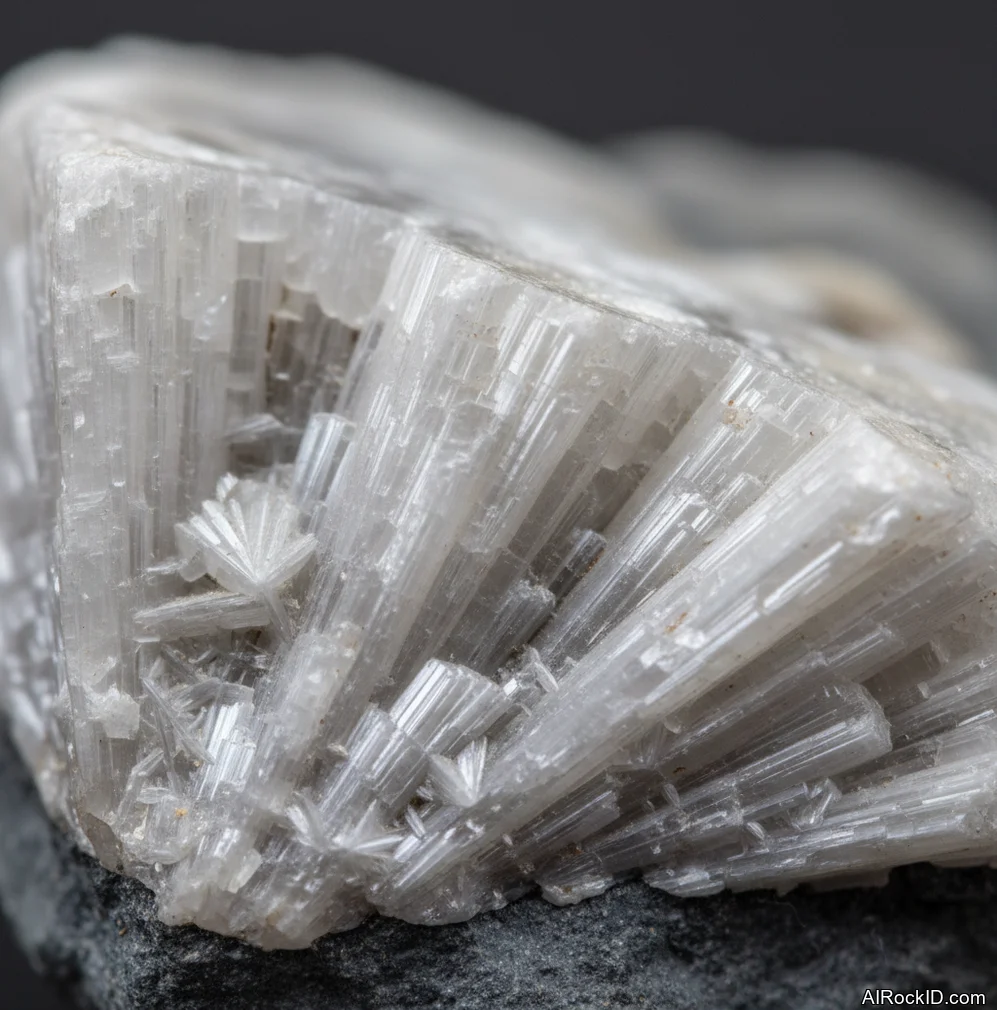
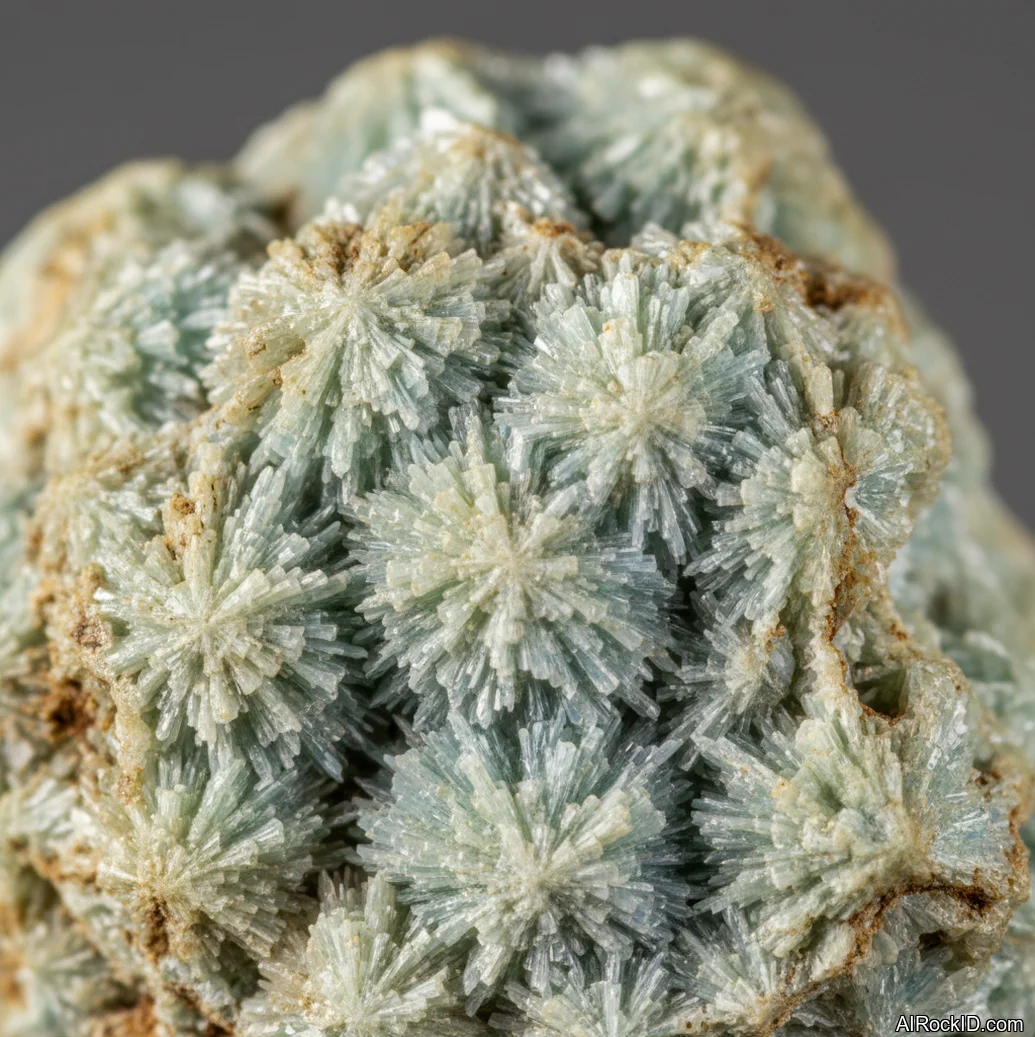
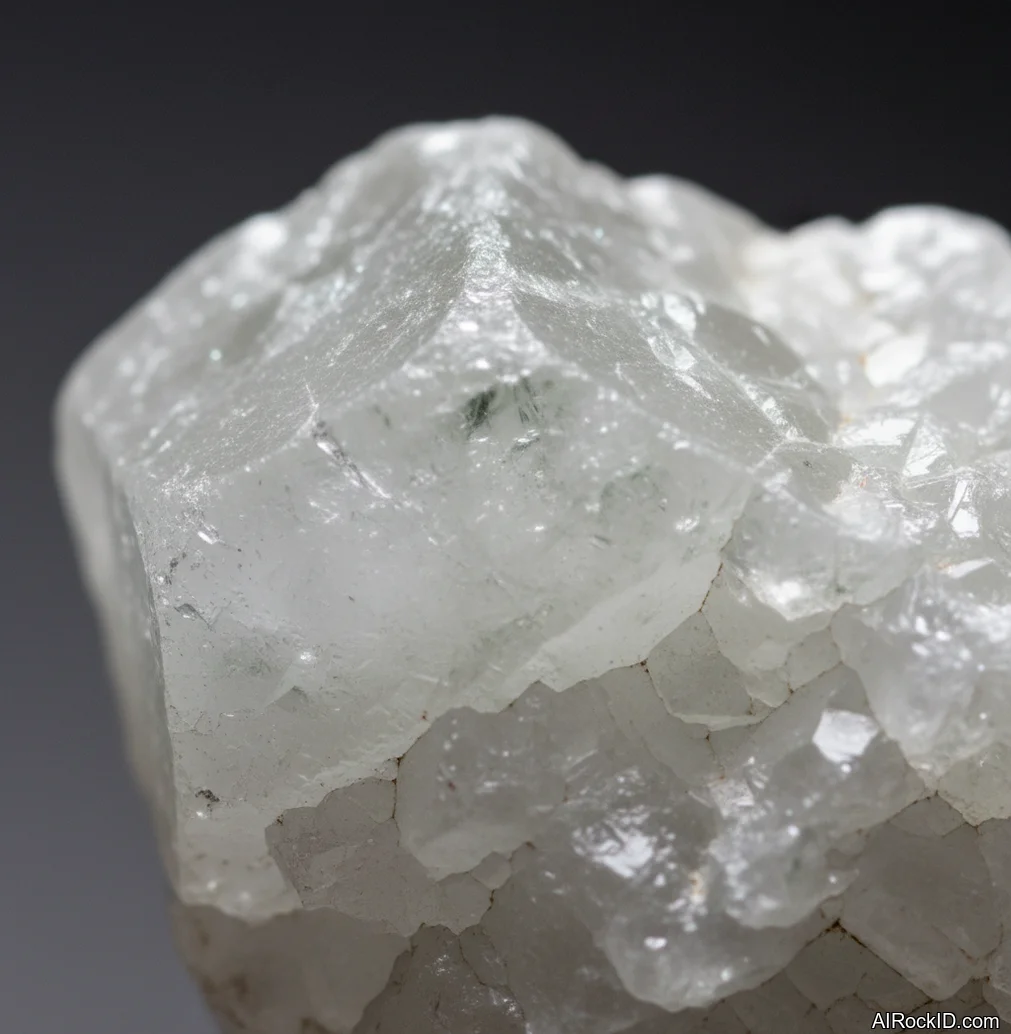
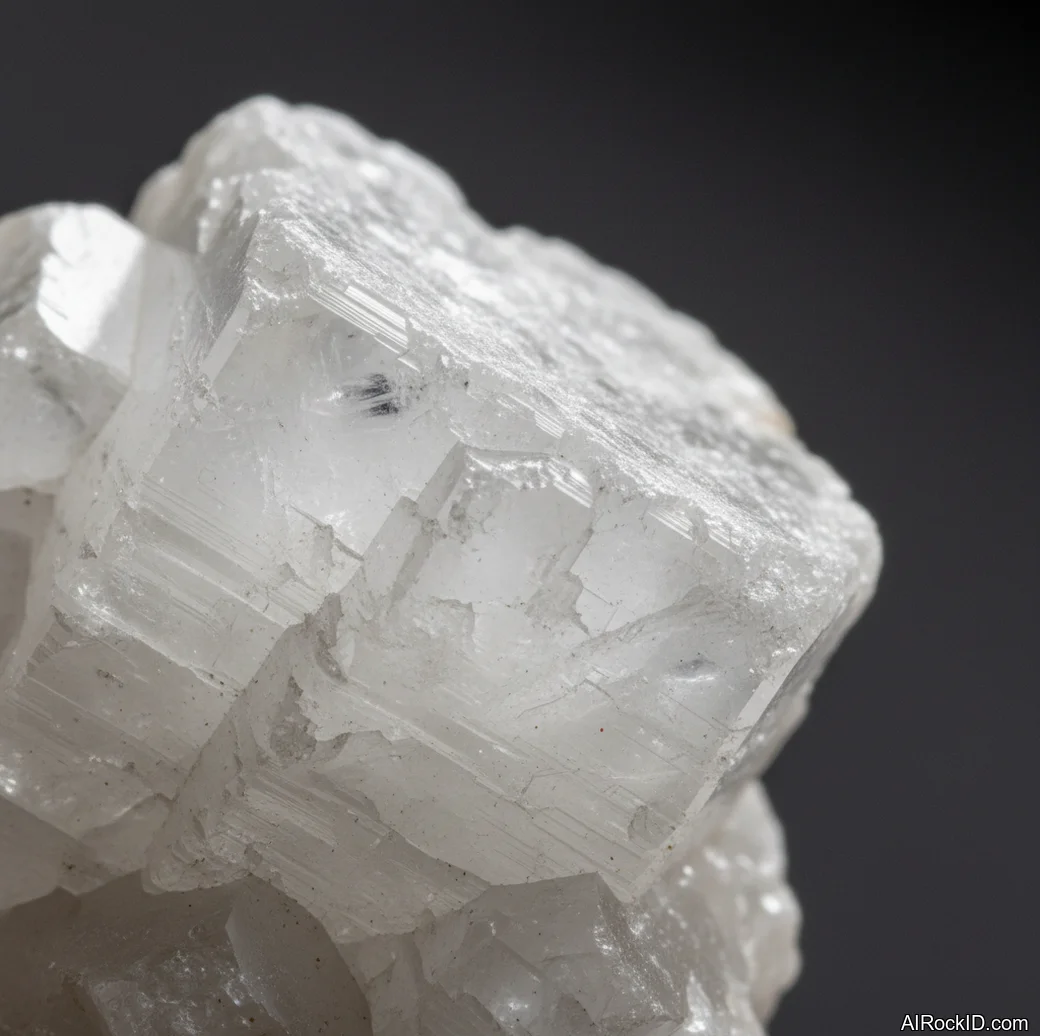
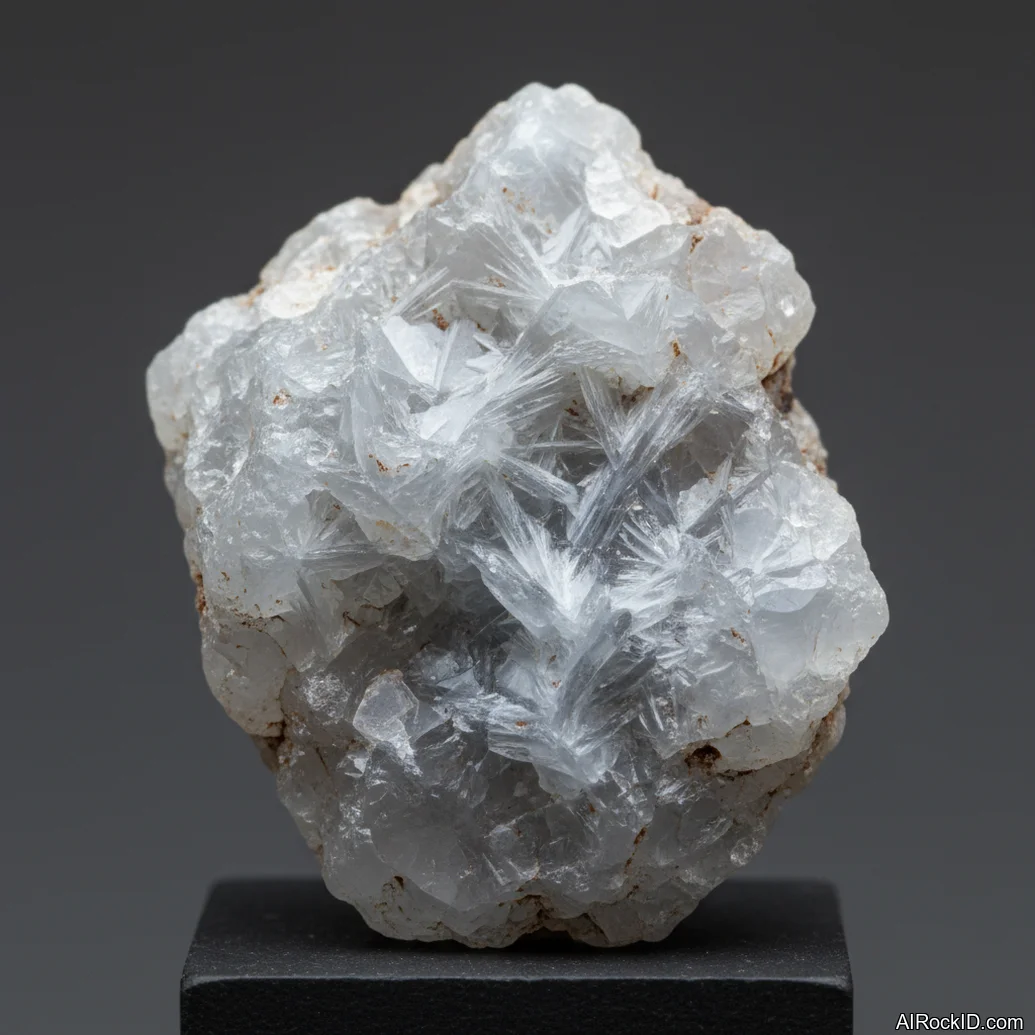
Celestite is another classic calm stone, but it comes with a warning label. Raw celestite clusters are gorgeous, pale blue, and the crystals can be blade-like or chunky, with faces that throw little flashes under overhead light. They’re also fragile. Those crystals cleave and crumble easier than people expect, and the dust is not something you want to breathe. I treat celestite like a shelf piece. Great for a desk or bedroom. Not a pocket stone.
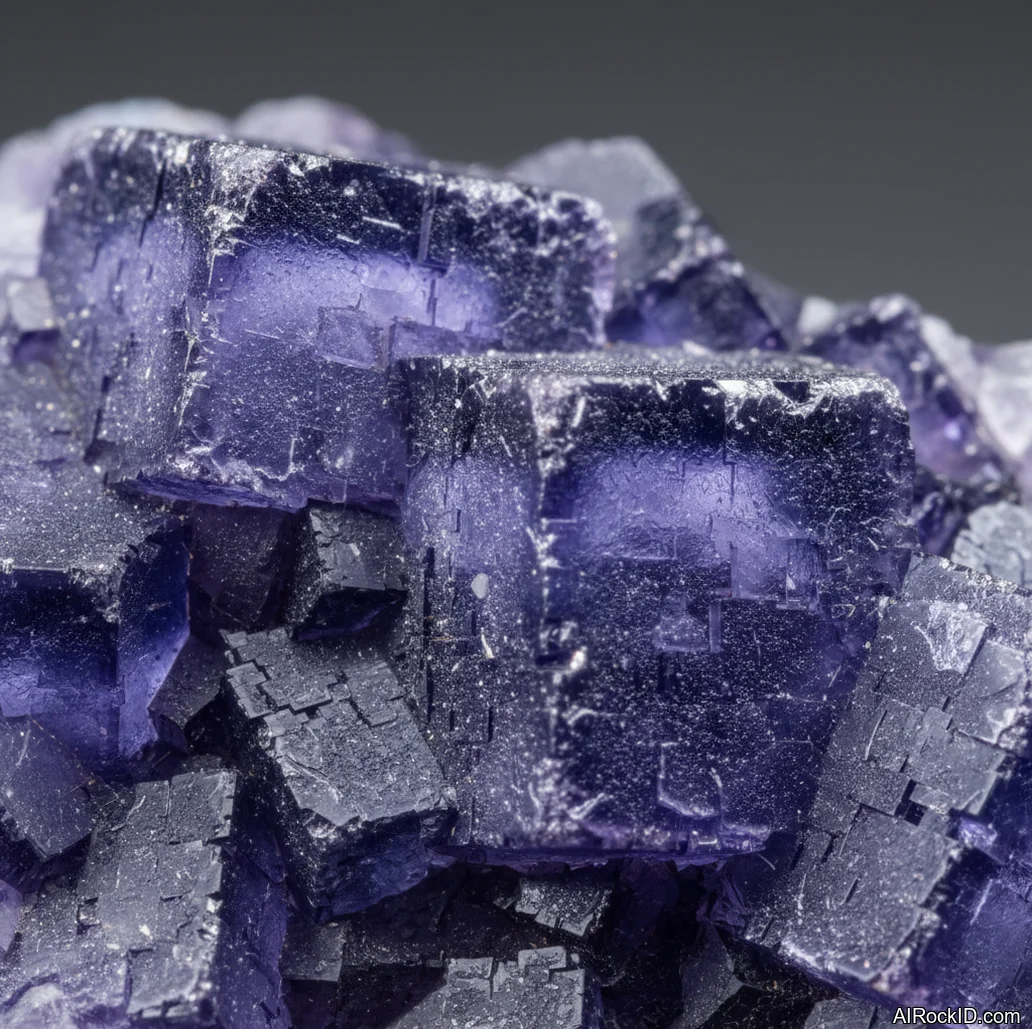
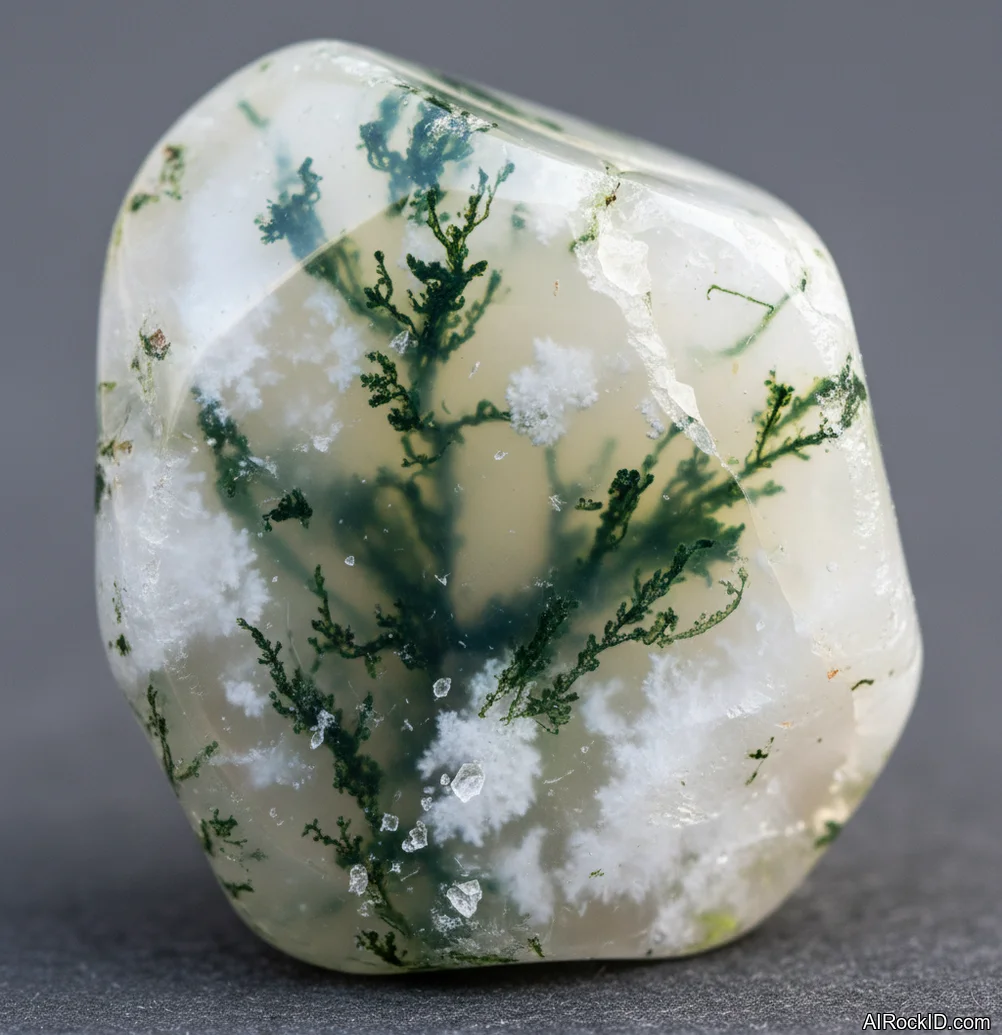
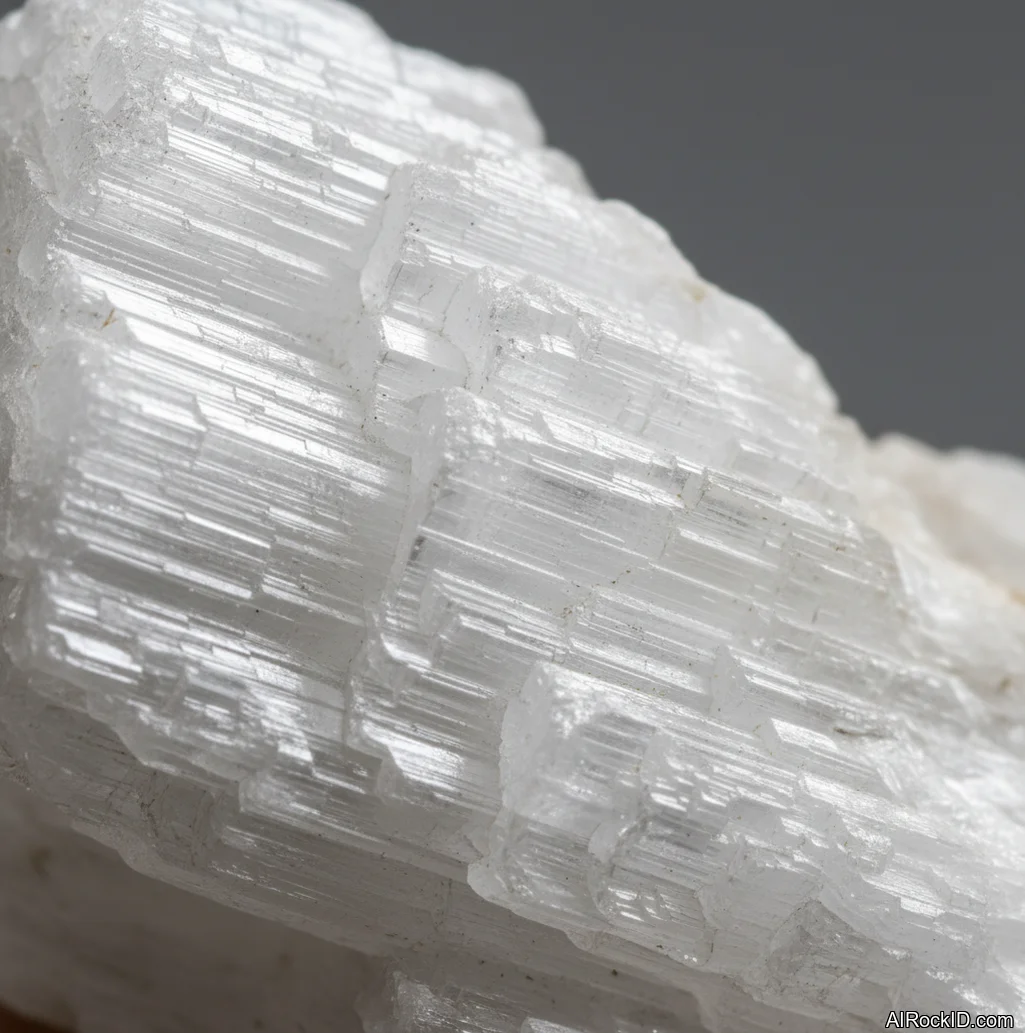
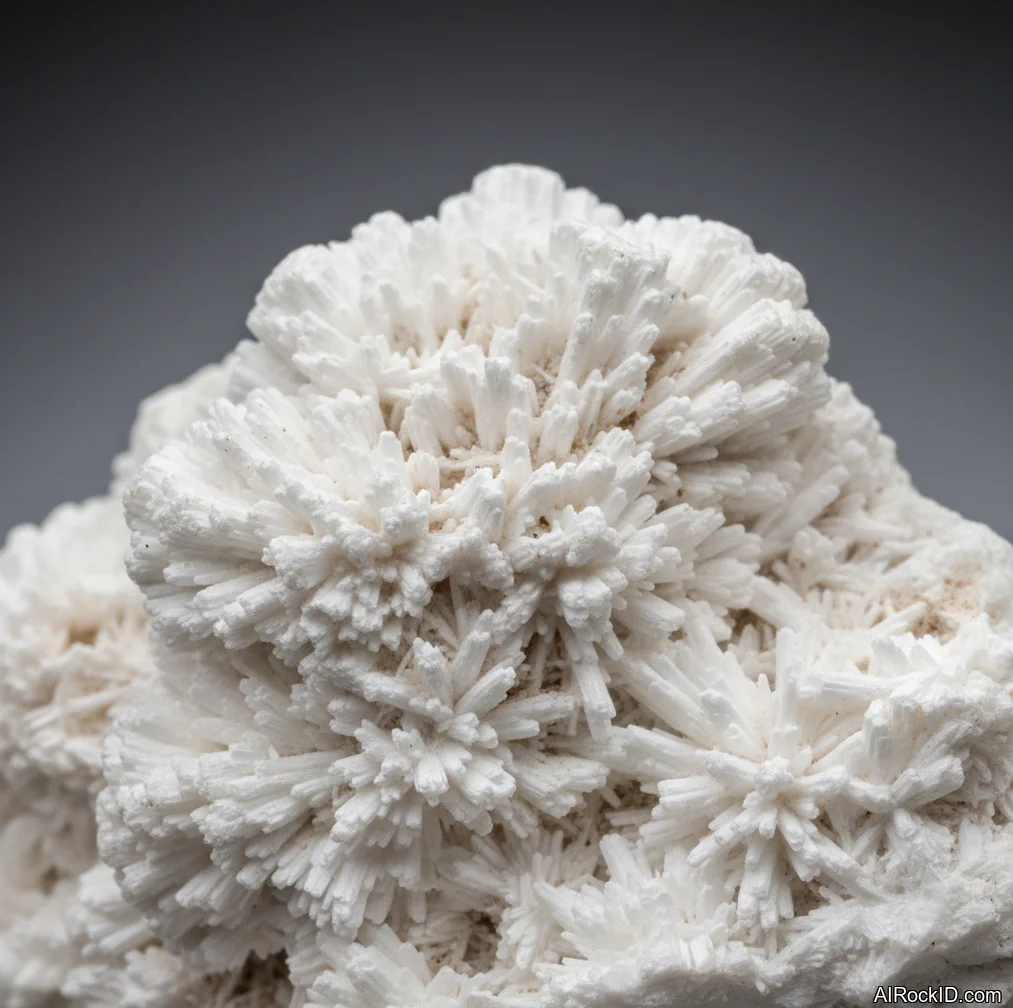
Thing is, “calming crystals” as a shopping category can be a mess because sellers lump totally different materials together. Some are tough and daily-wear friendly, like smoky quartz or amethyst. Some are soft, porous, or easily damaged, like selenite (gypsum) and angelite (anhydrite). Selenite wands feel almost chalky, and they’ll start looking tired if they get wet. Angelite can spot and dull from moisture too. So if your calming routine includes baths, sweaty yoga, or leaving stones in a humid bathroom, pick something that can handle it, like agate, quartz, or chalcedony.
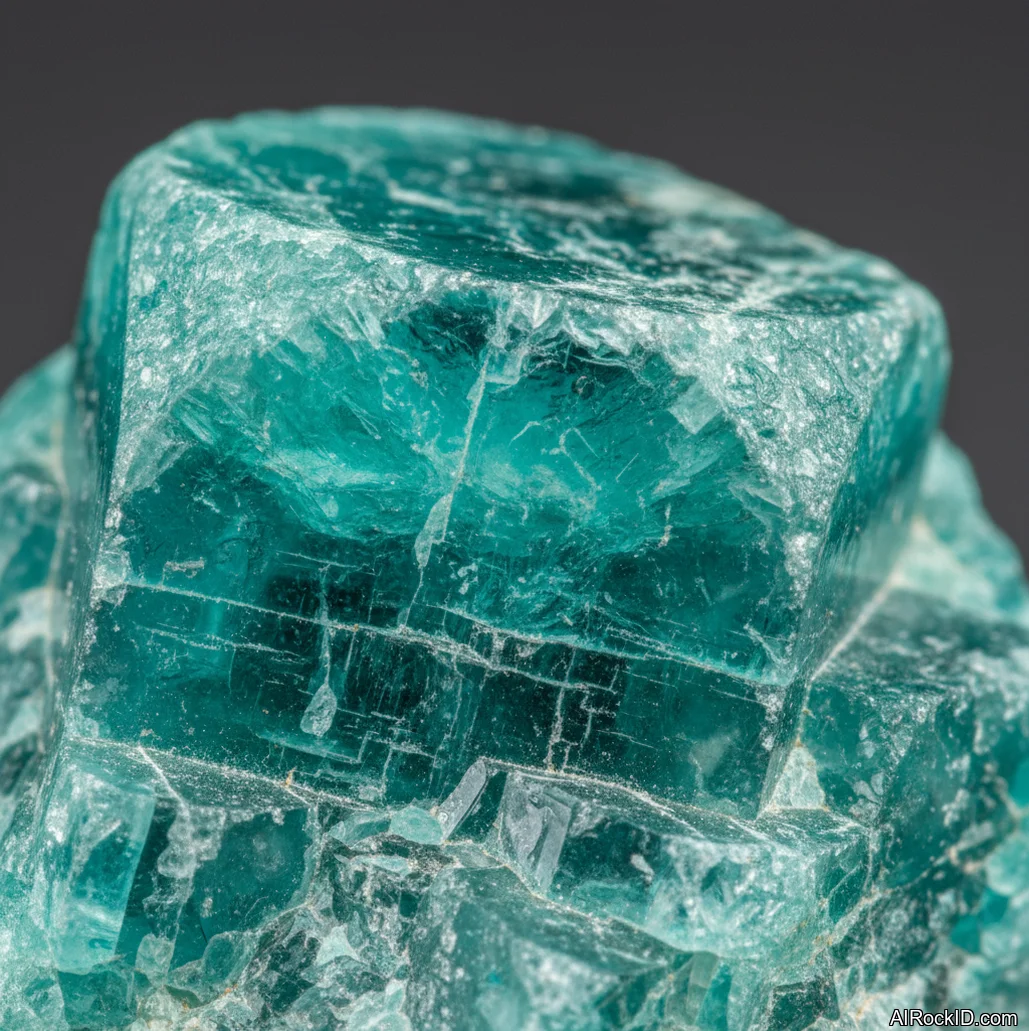
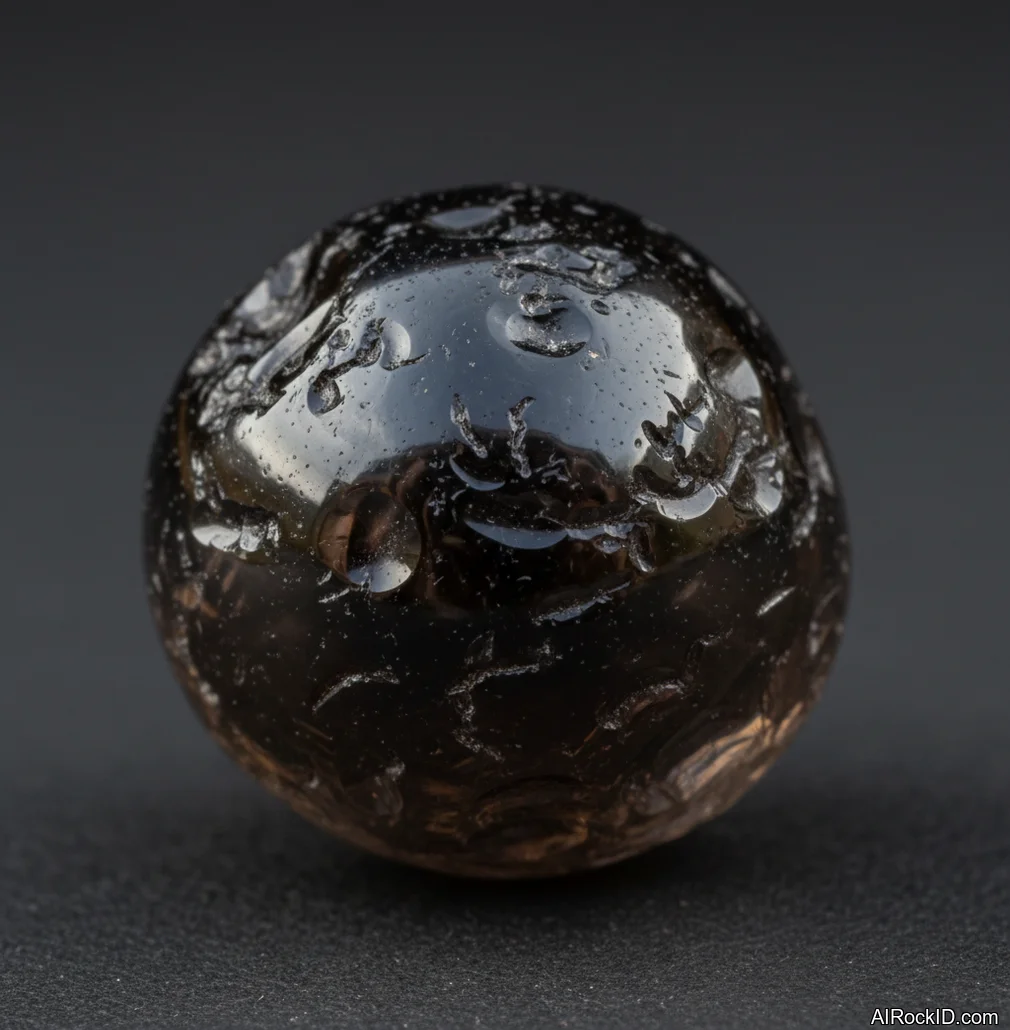
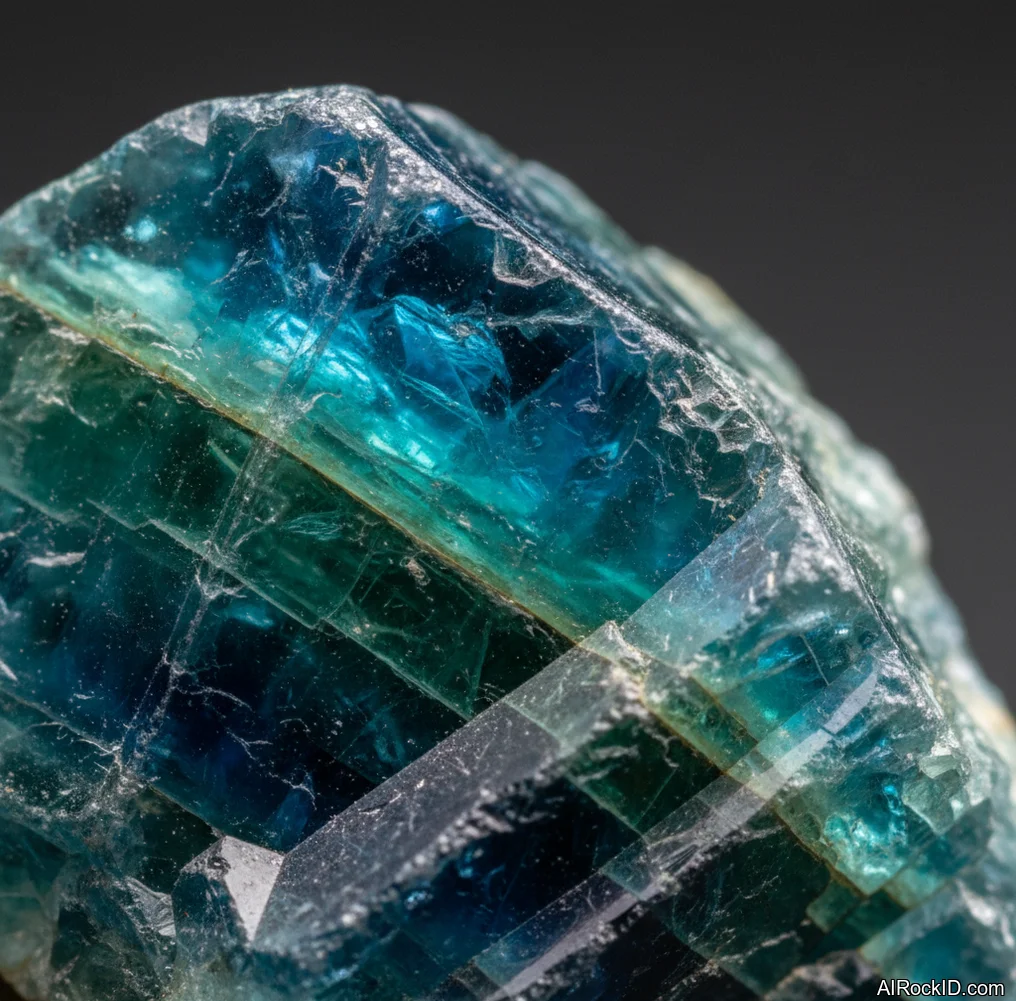
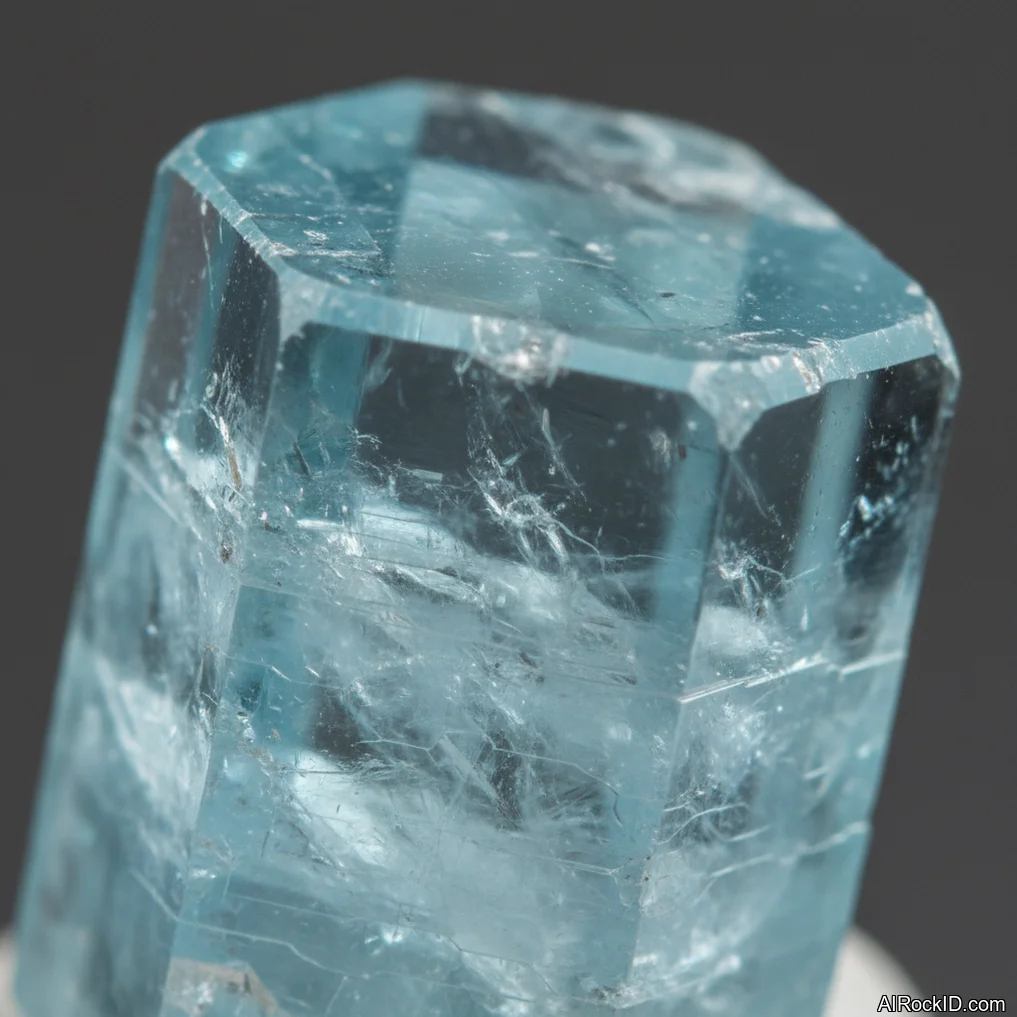
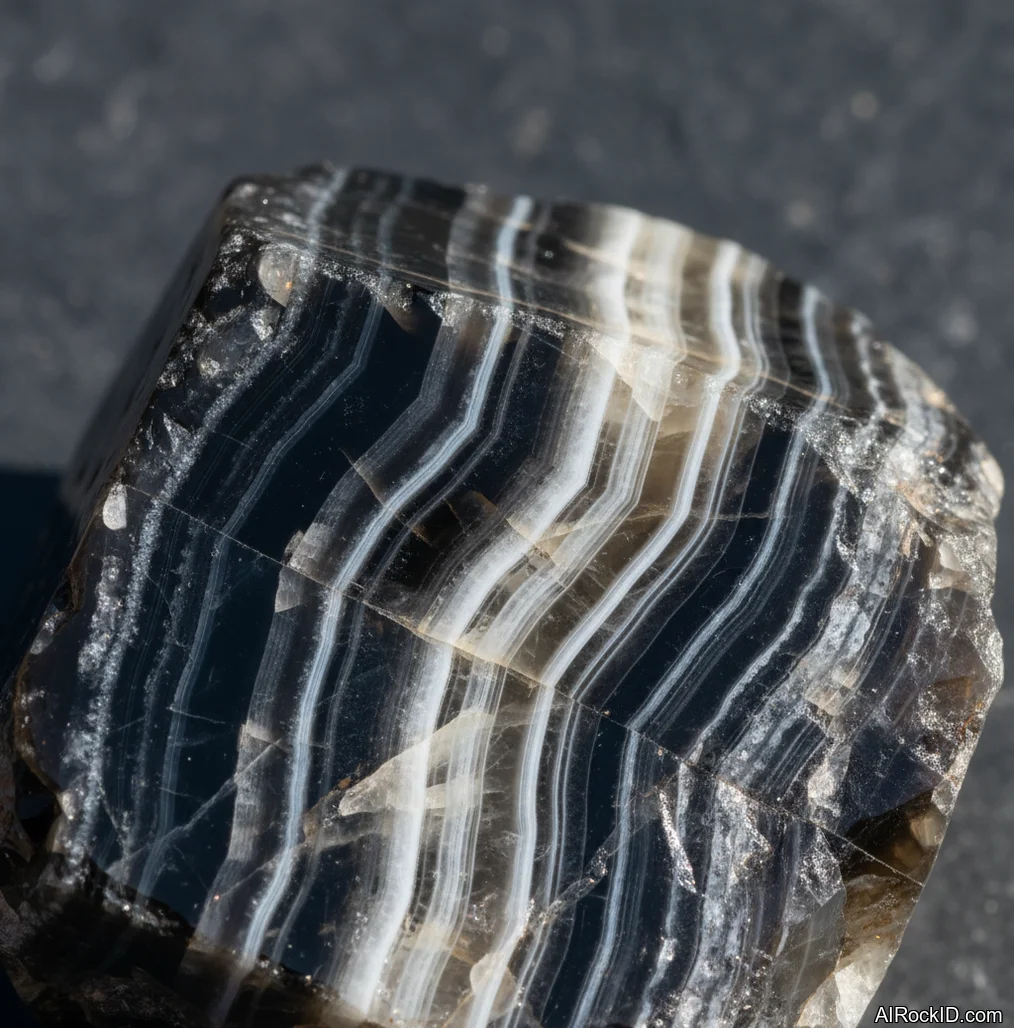
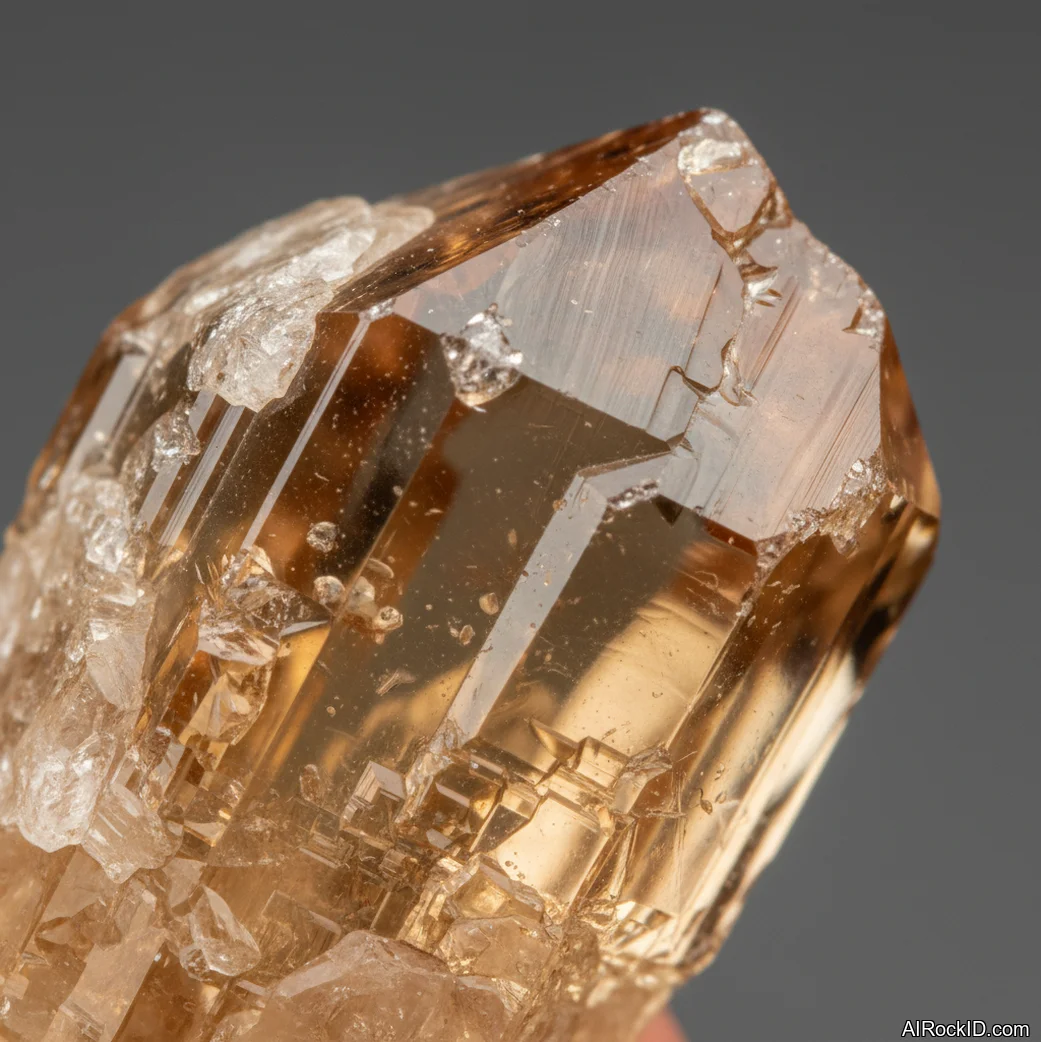
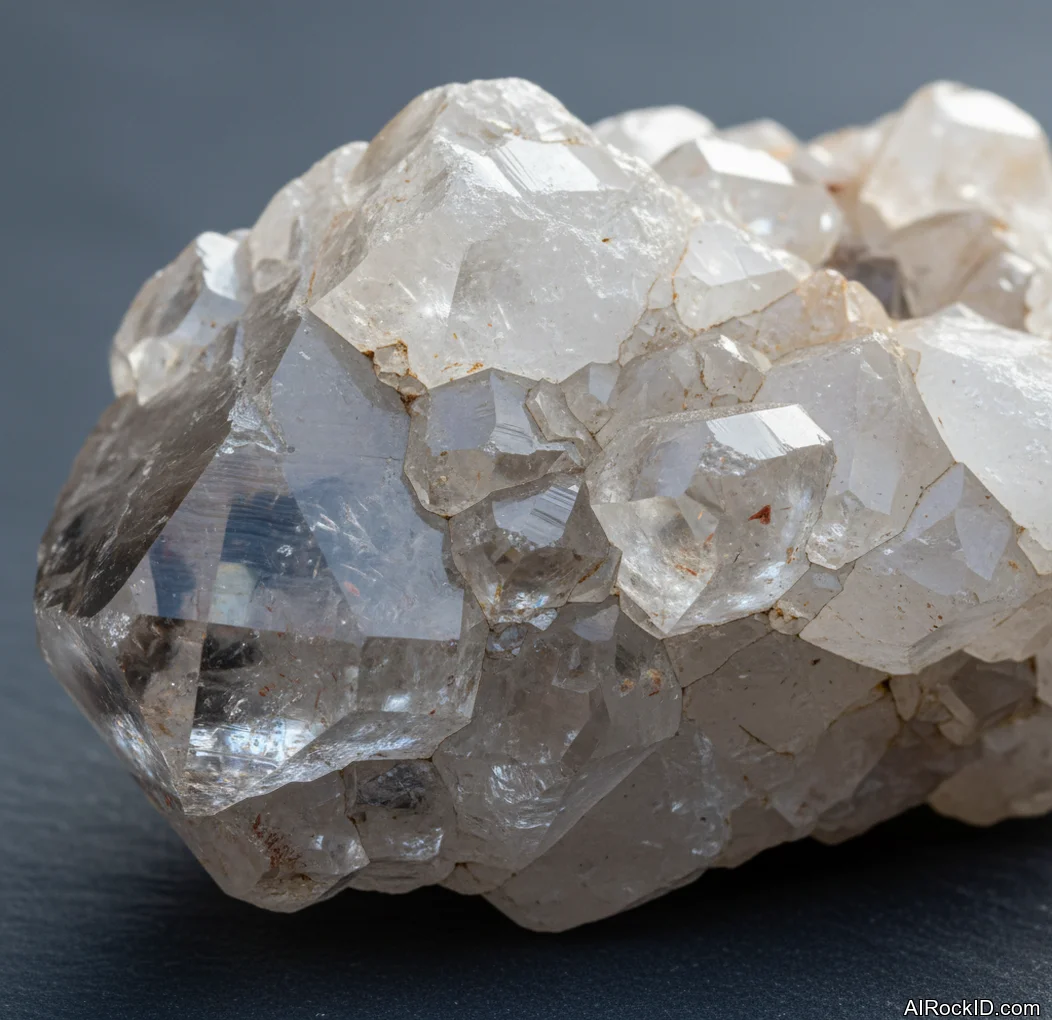
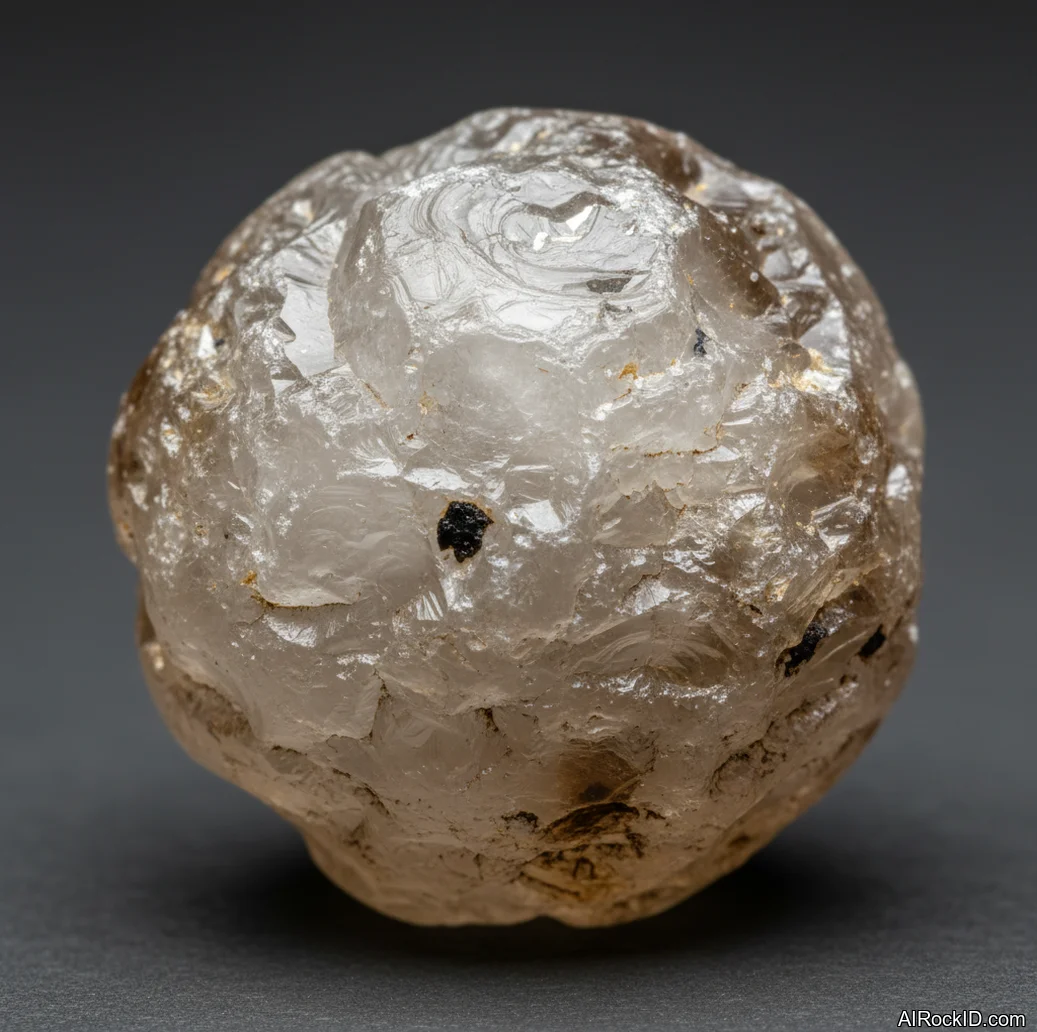
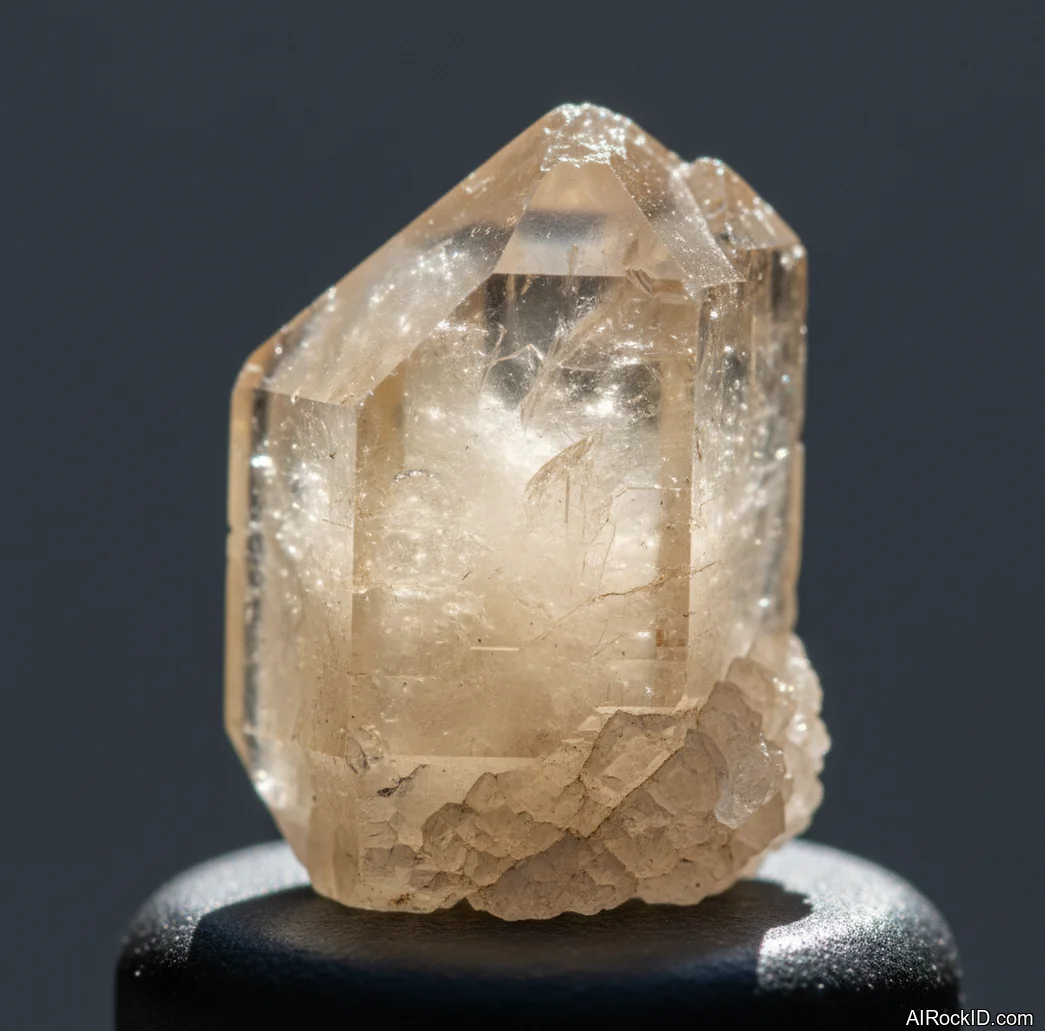
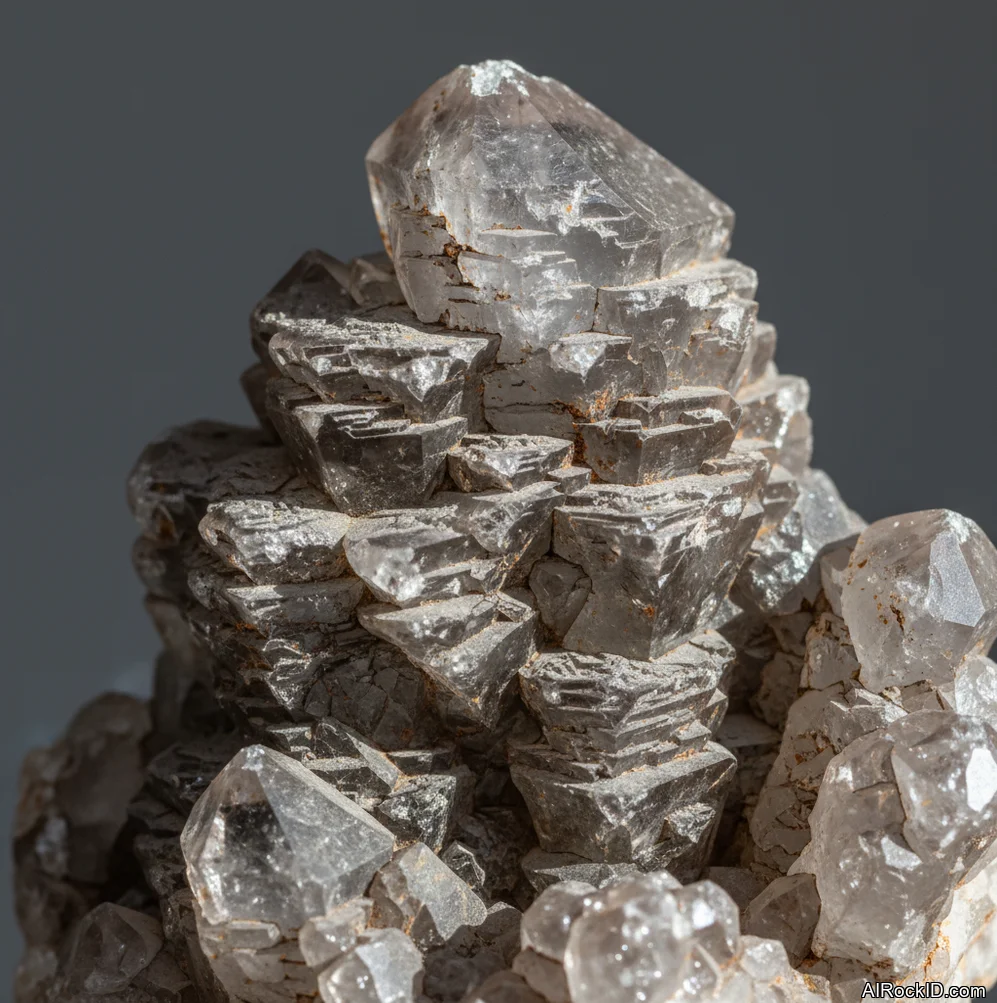
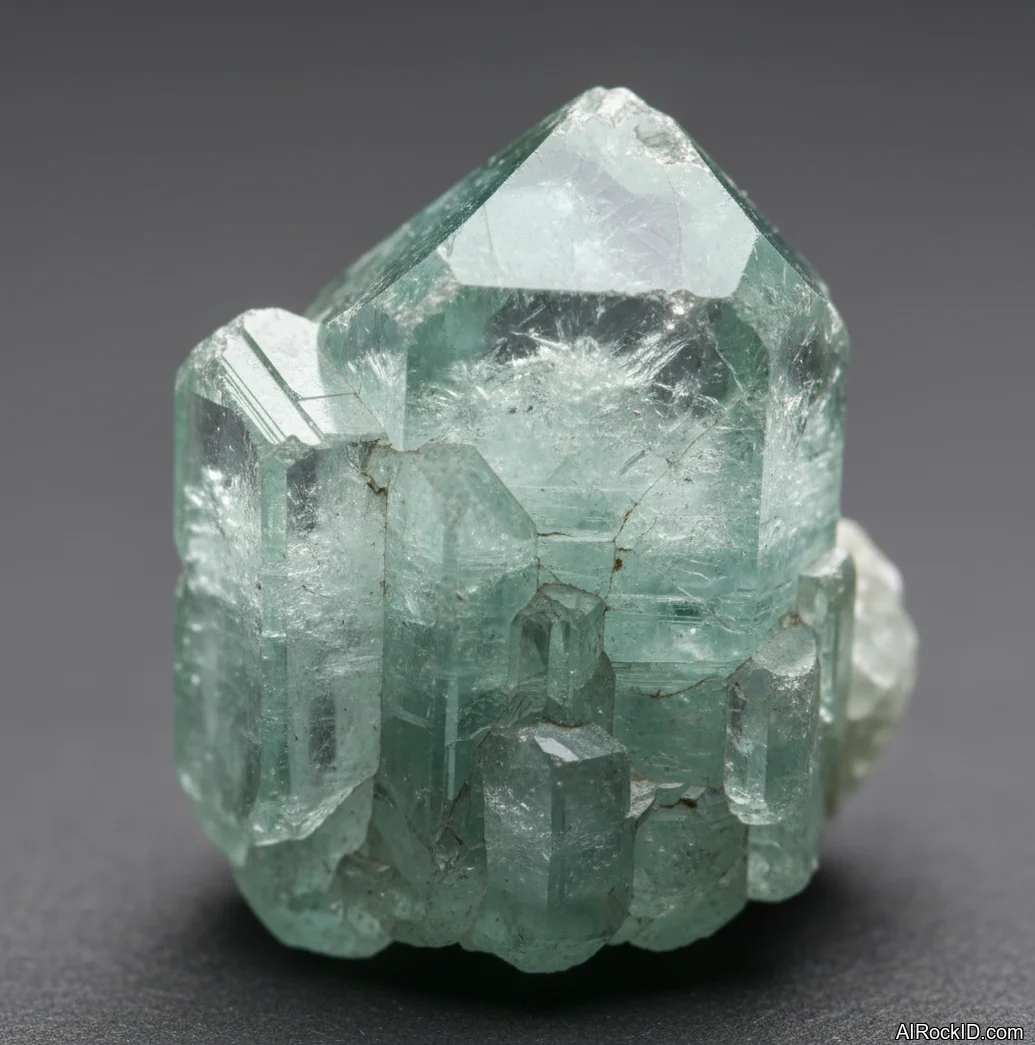
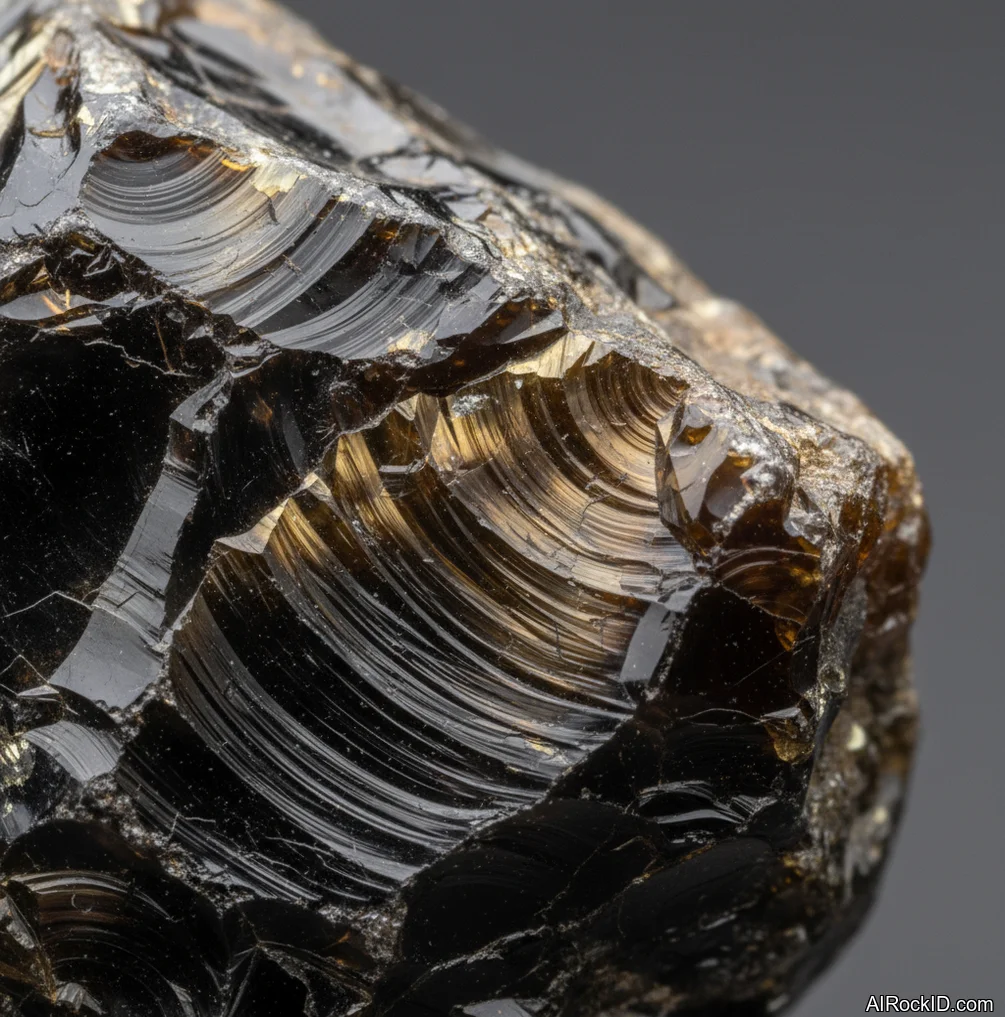
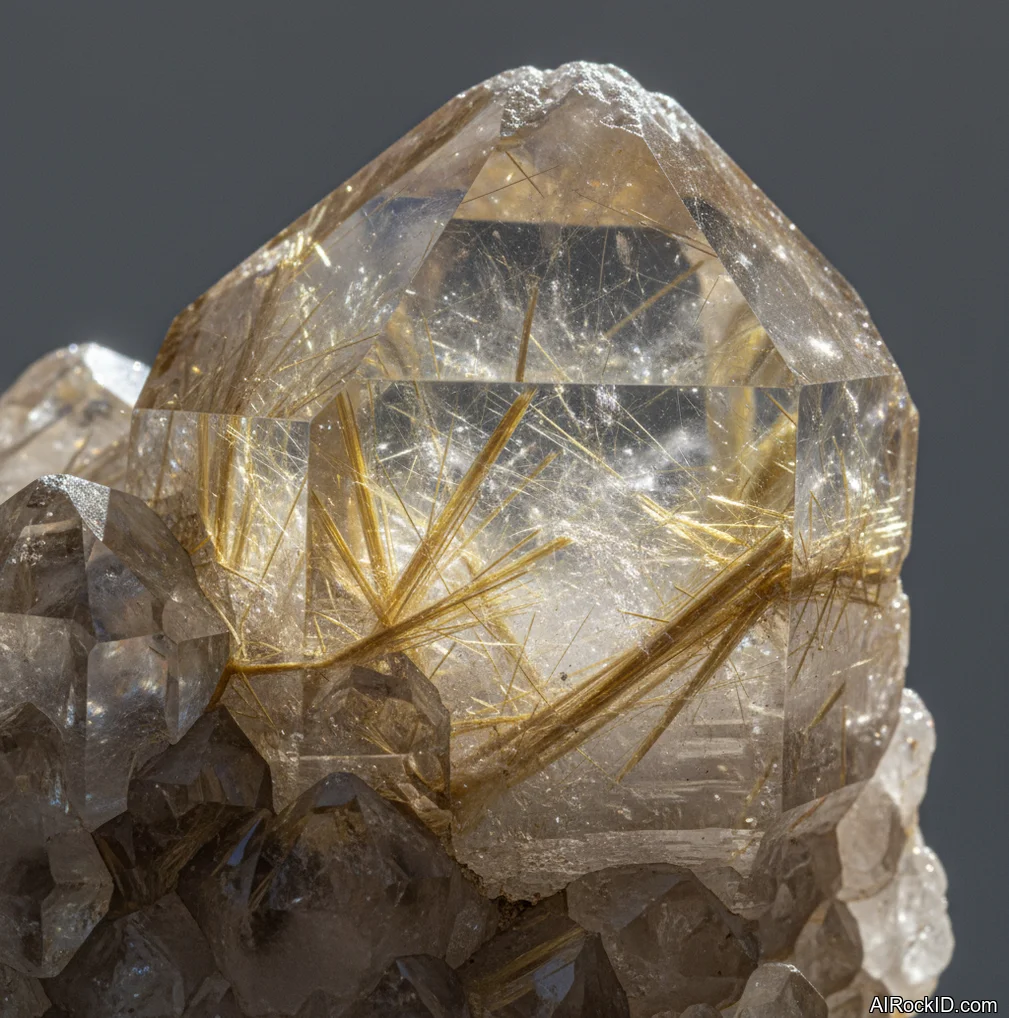
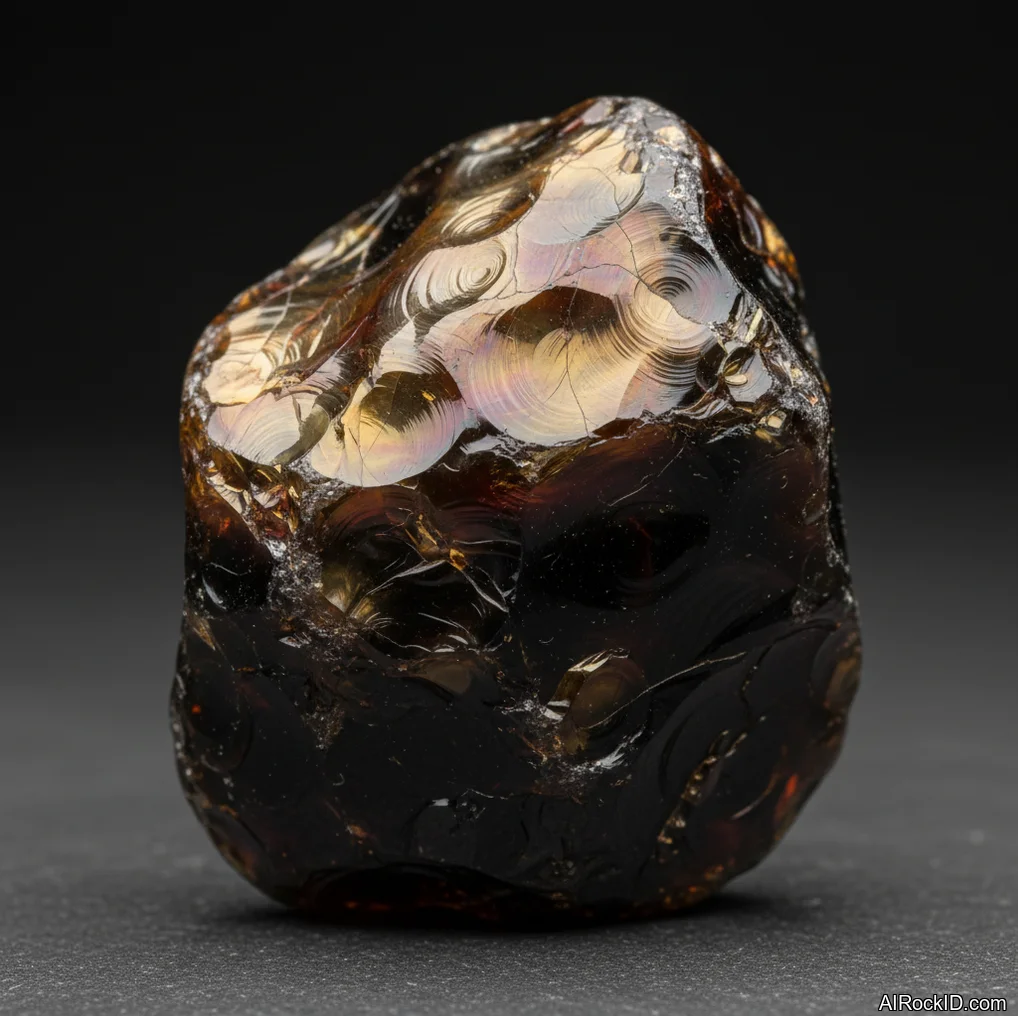
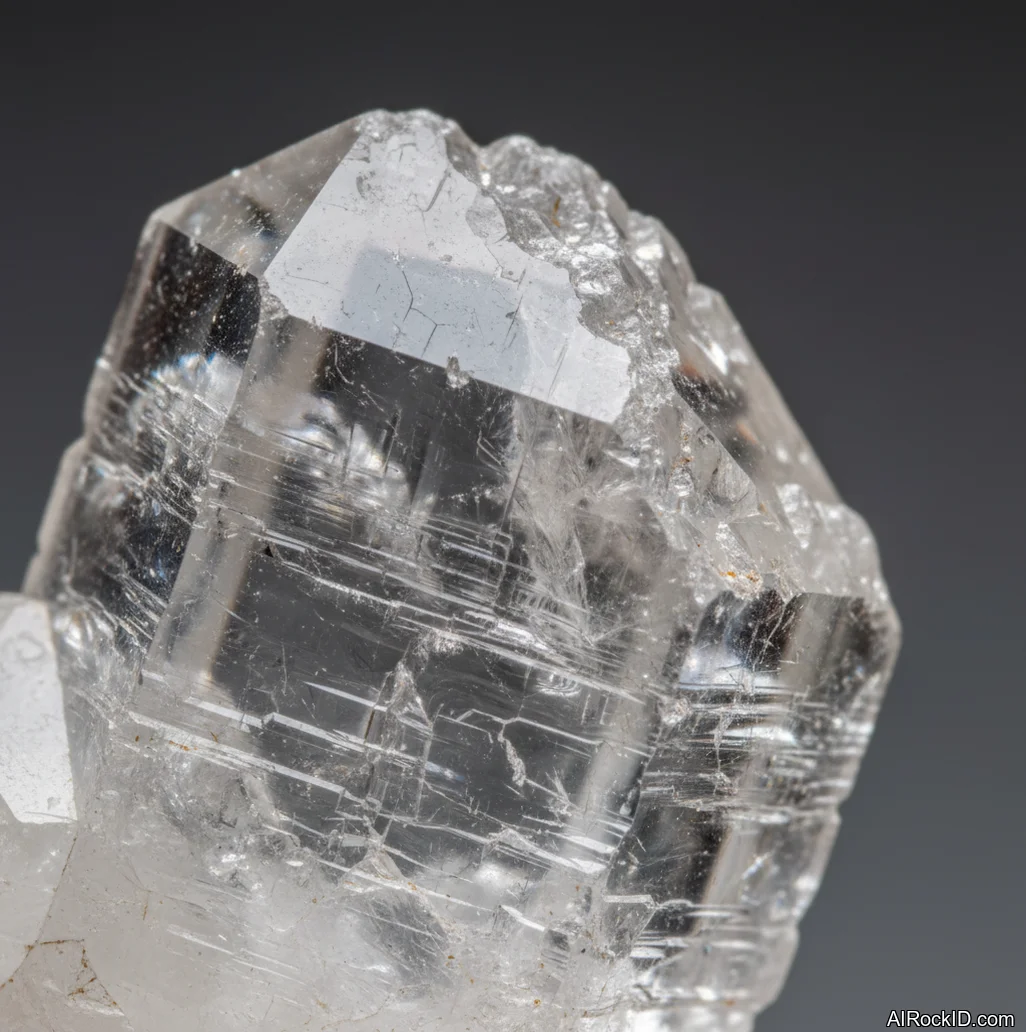
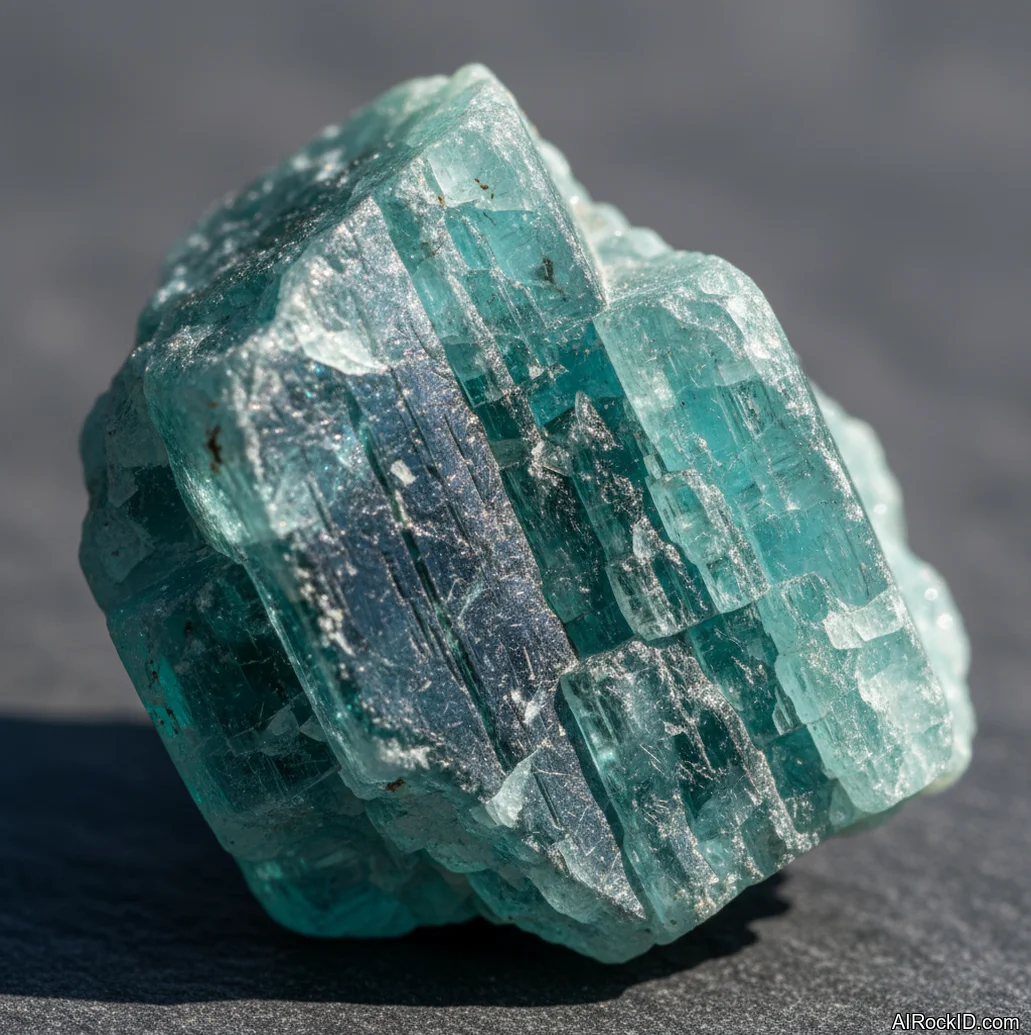
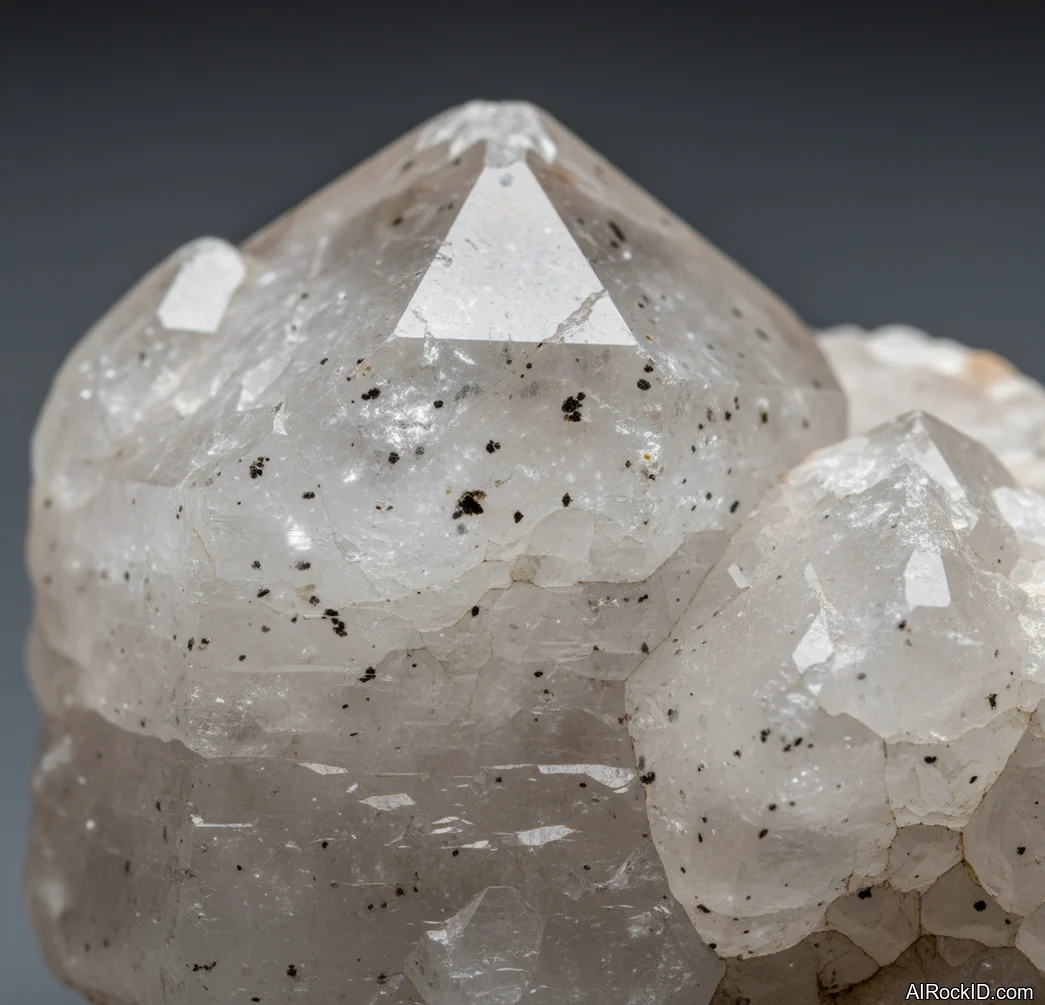
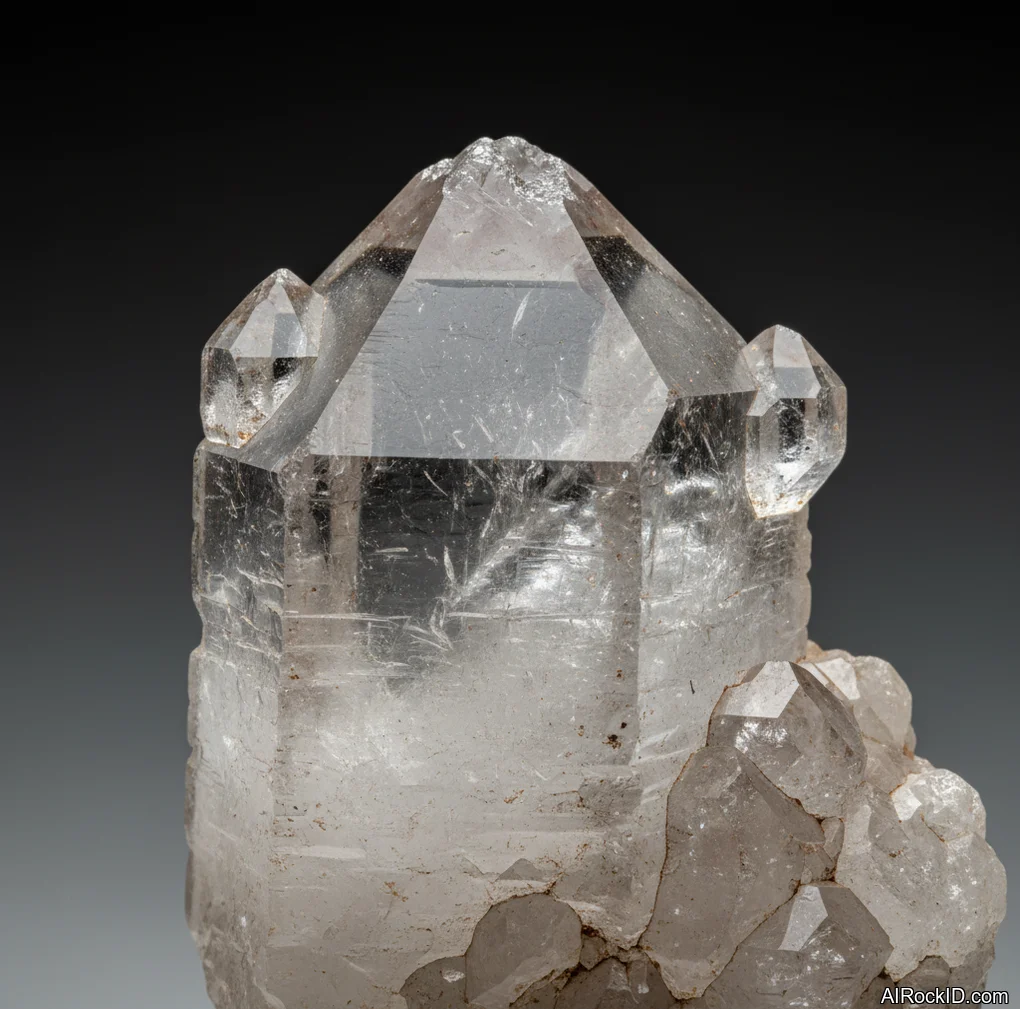
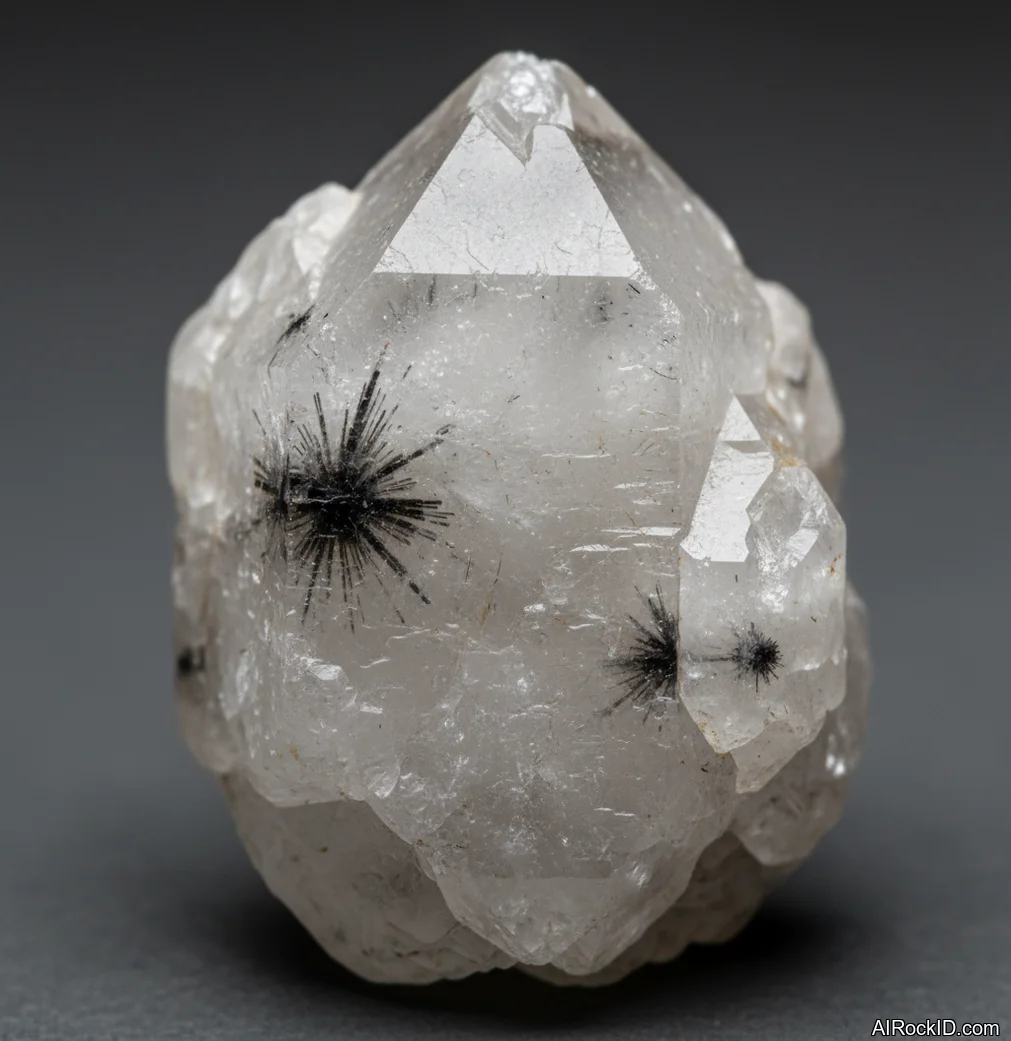
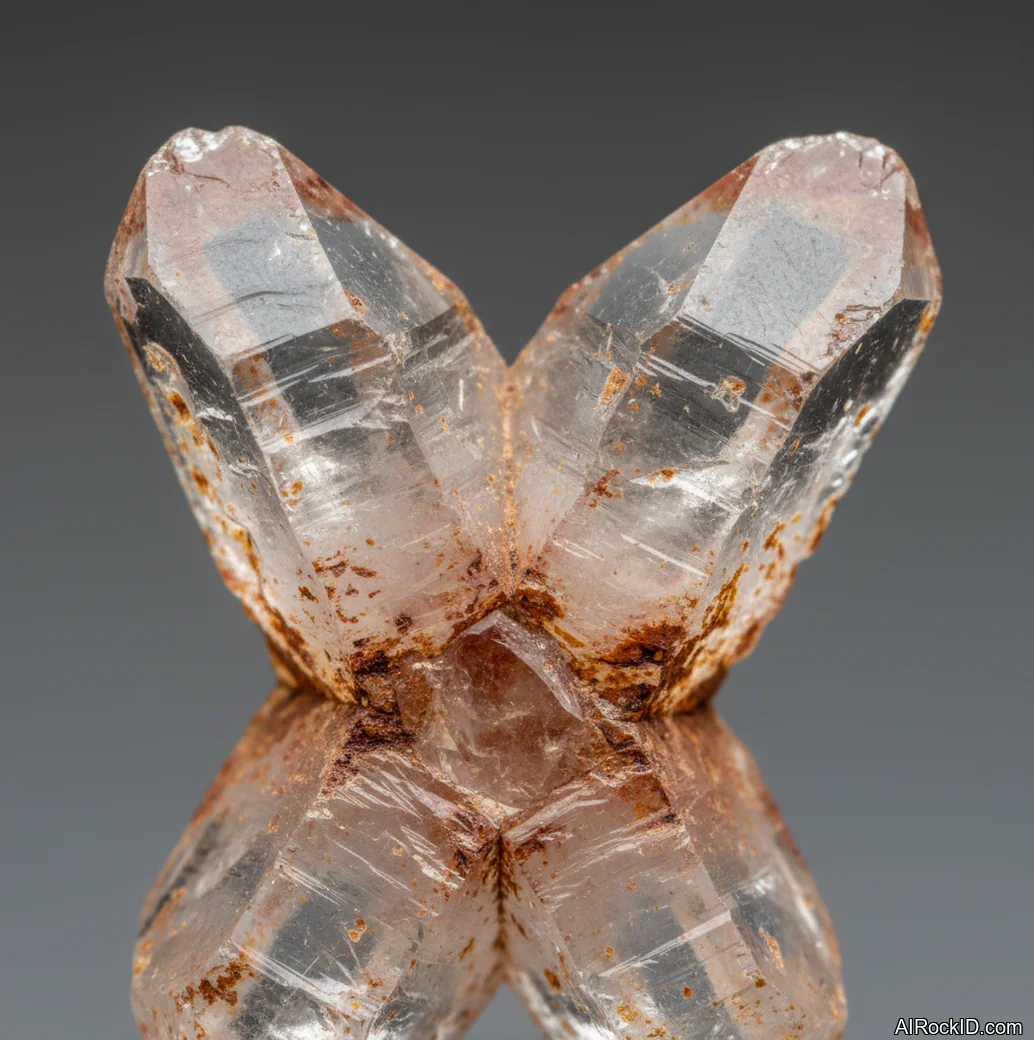
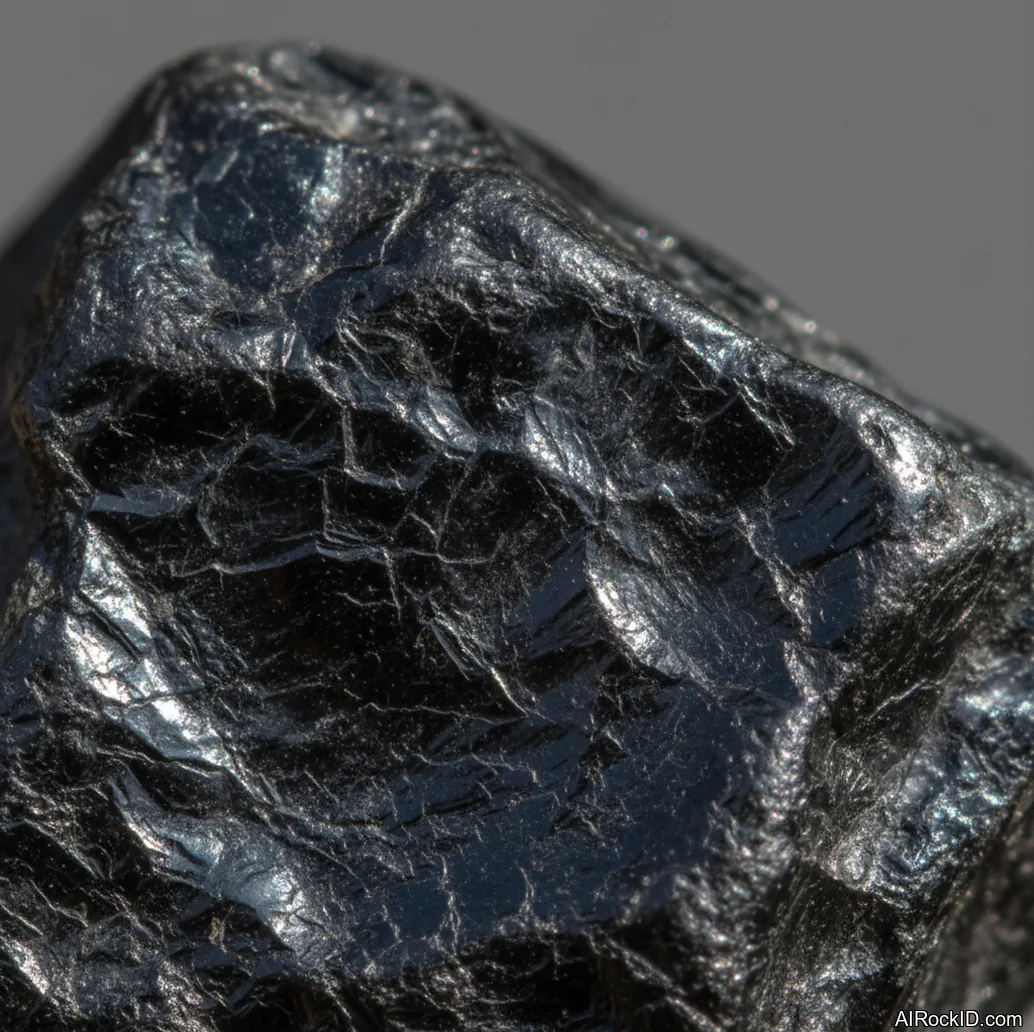
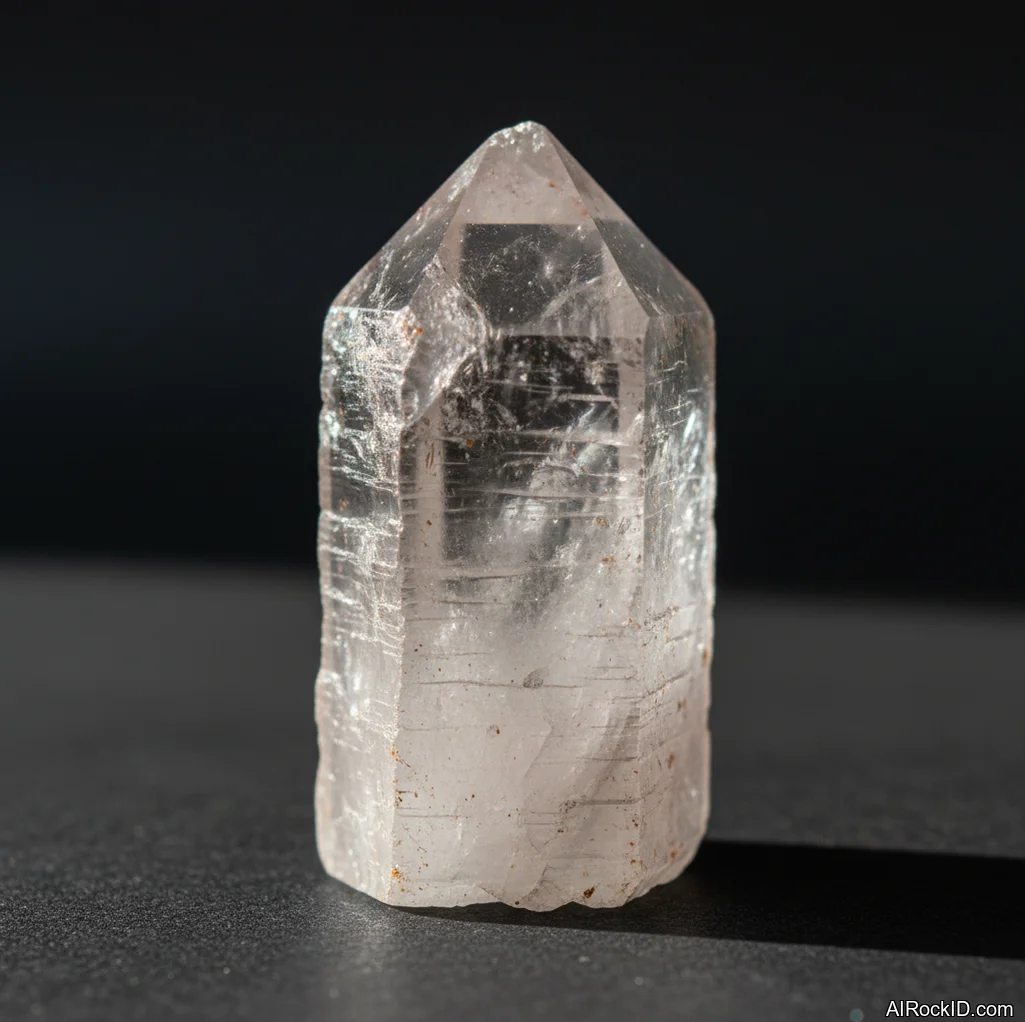
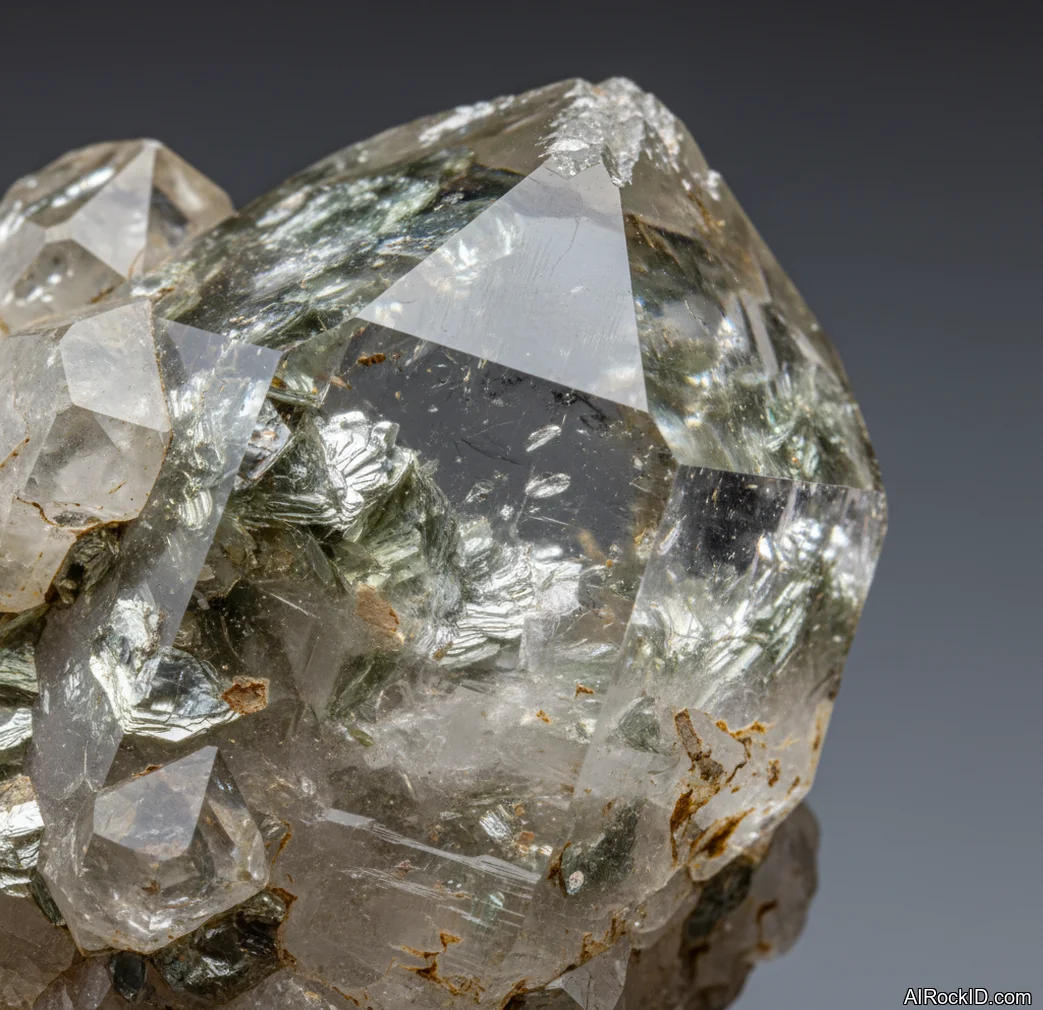
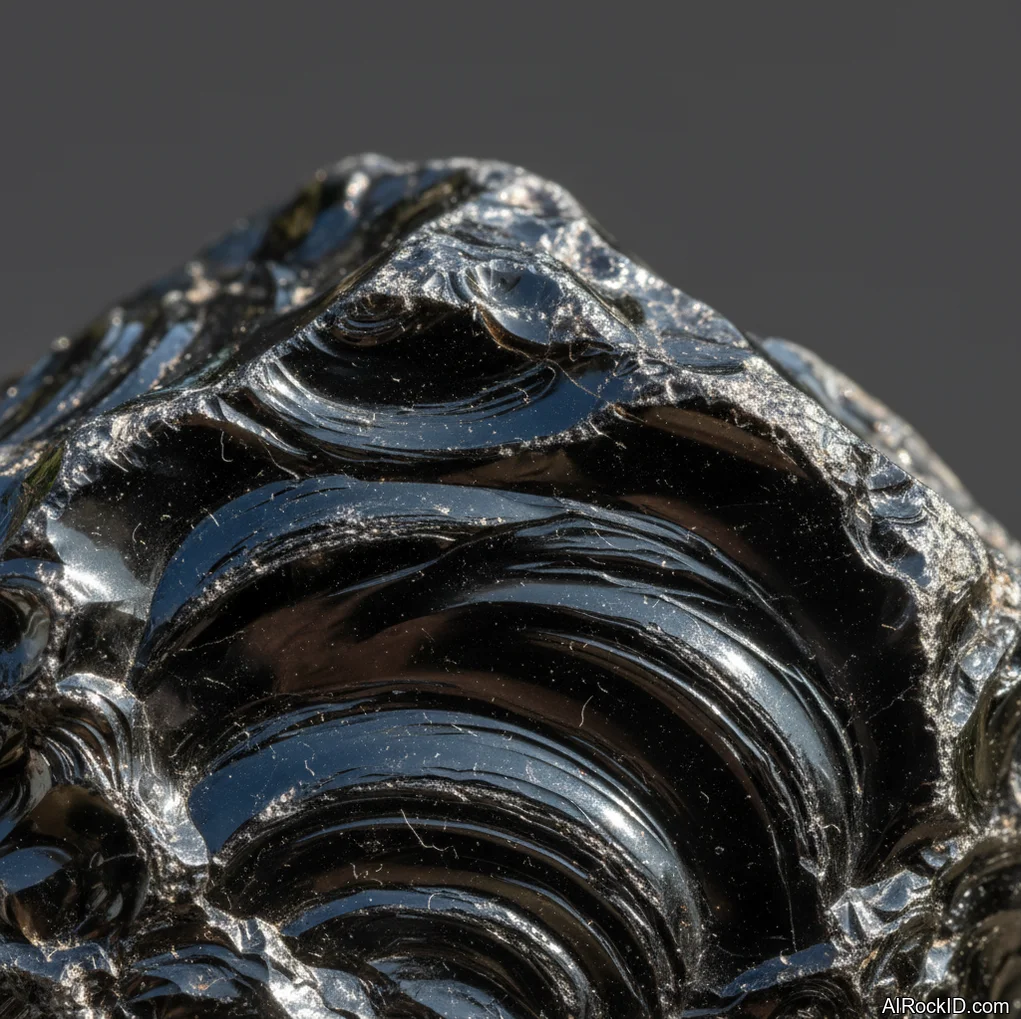
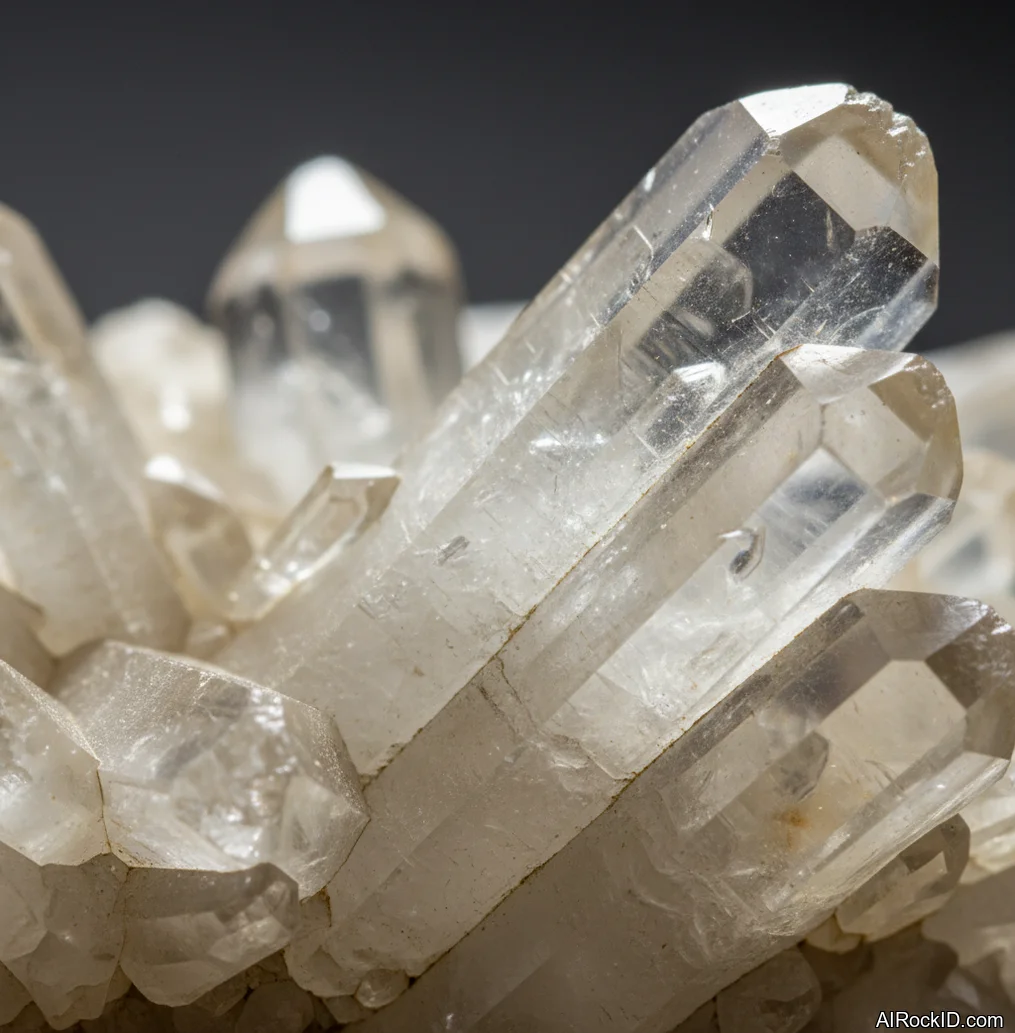
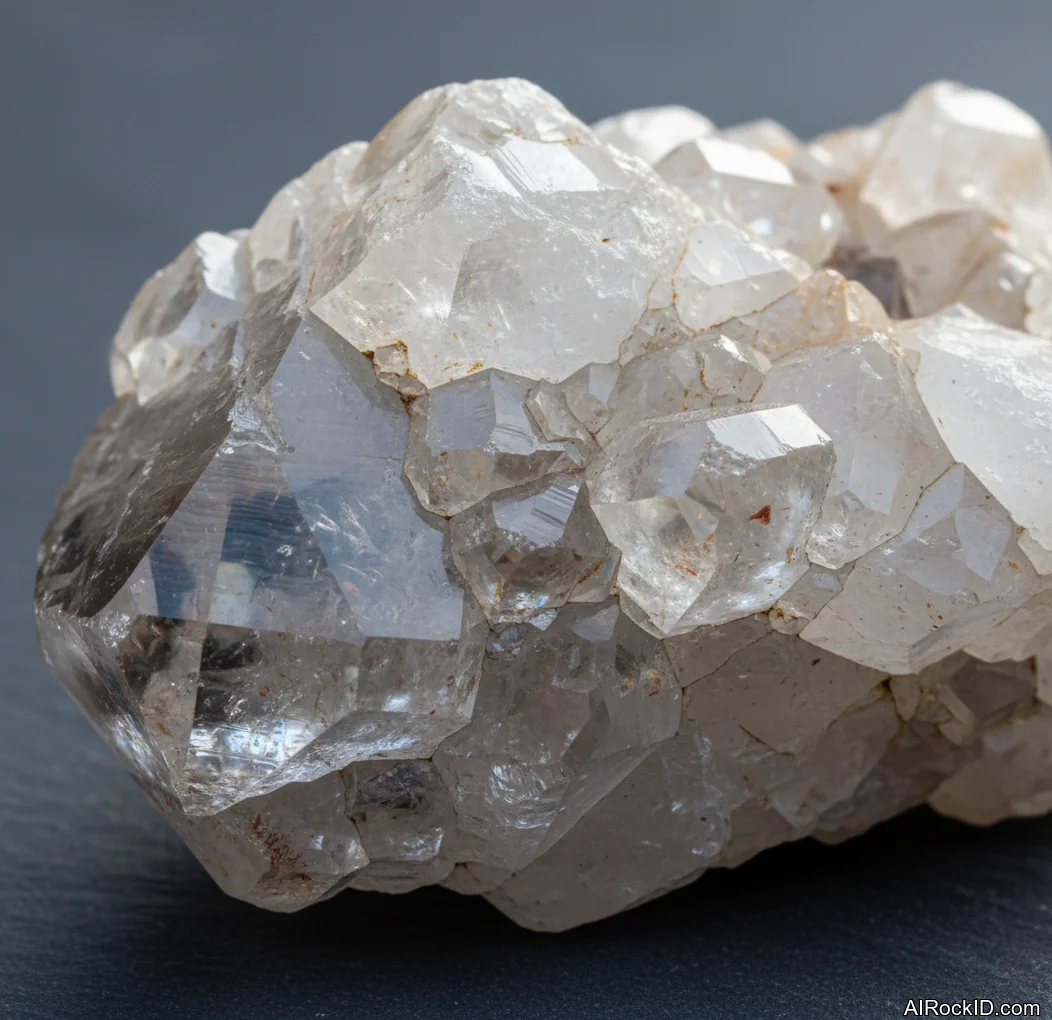
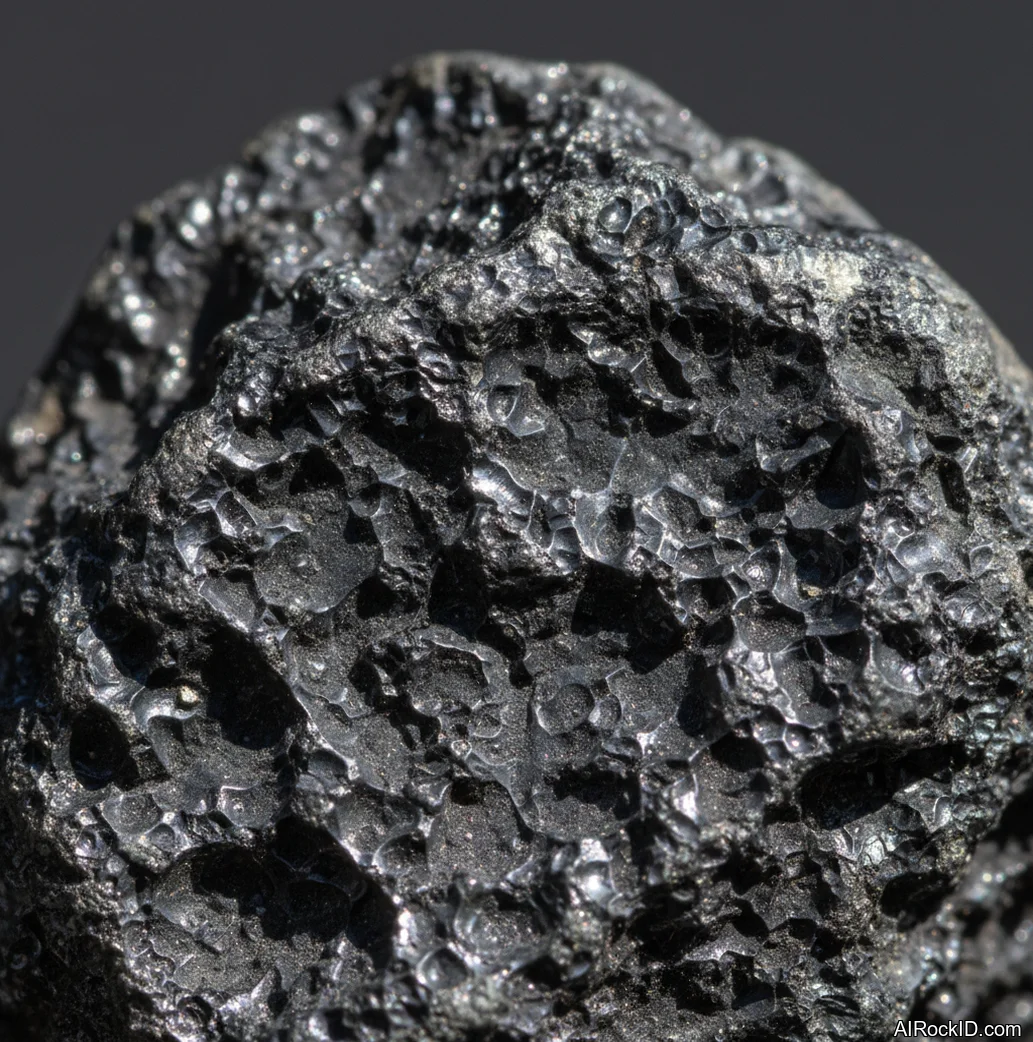
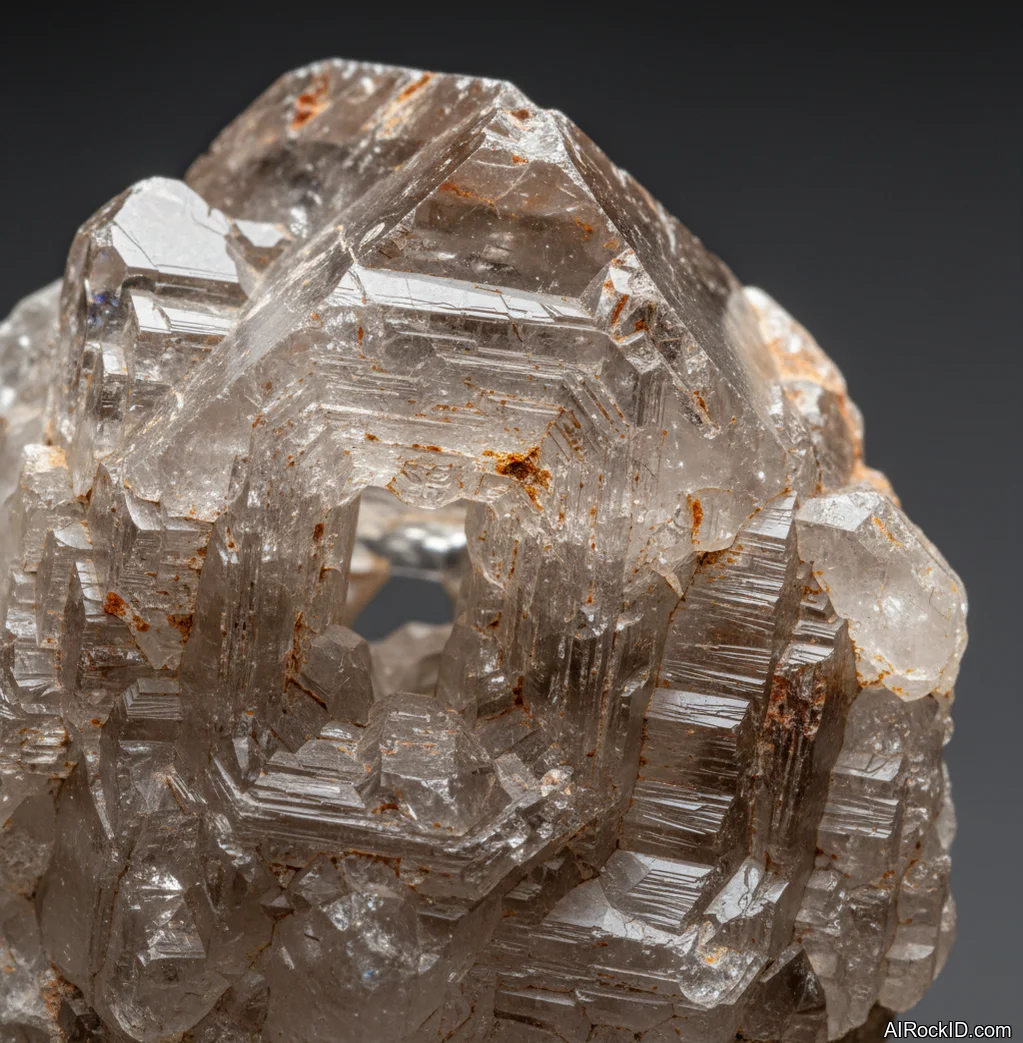
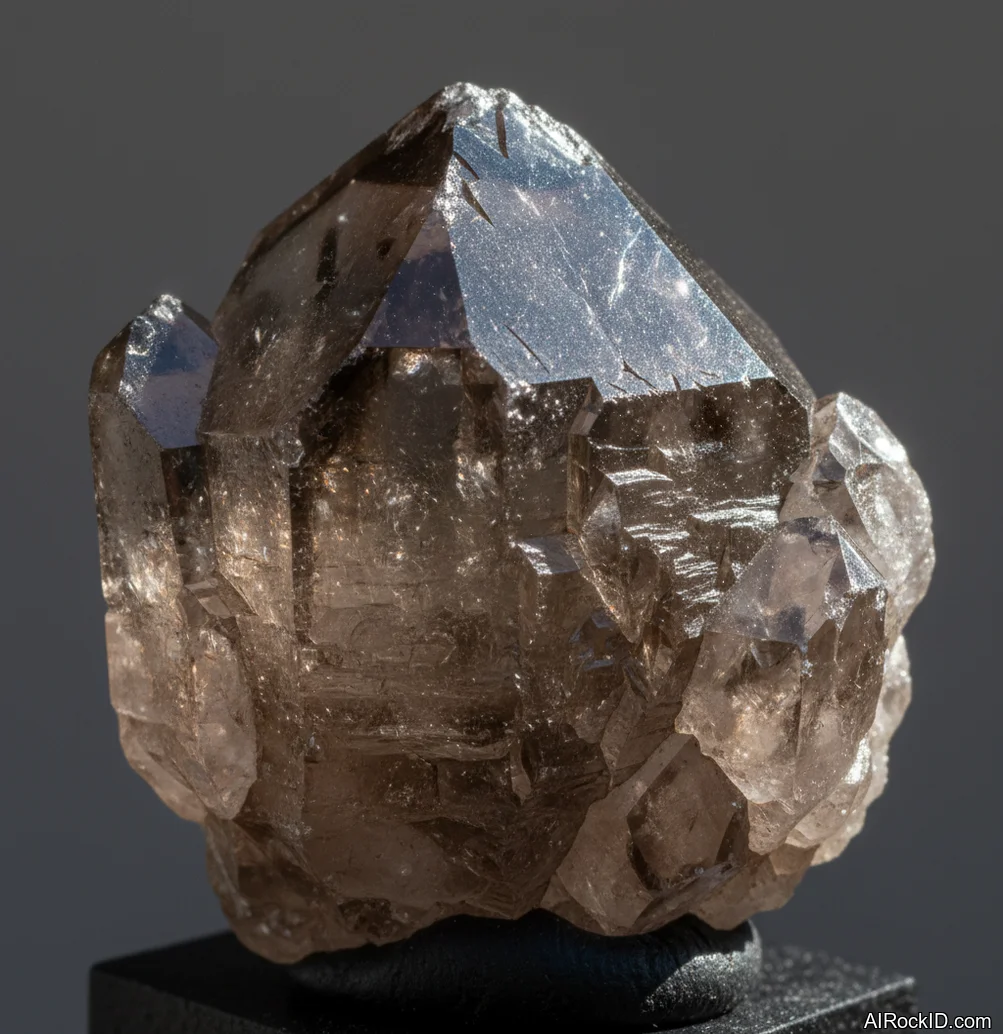
Most dealers try to steer you toward color families for calm. Blues and lavenders sell the idea fast: blue lace agate, aquamarine, celestite, lepidolite, amethyst. And that’s fine. But you can also get a really grounded calm from darker stones. Smoky quartz is a workhorse. Good smoky quartz feels heavy for its size, stays cool, and if it’s natural you’ll usually see color zoning or a gradient rather than a flat, smoky-brown filter. It’s a solid pick if your version of calm is “less static in my head” instead of “floaty and dreamy.”
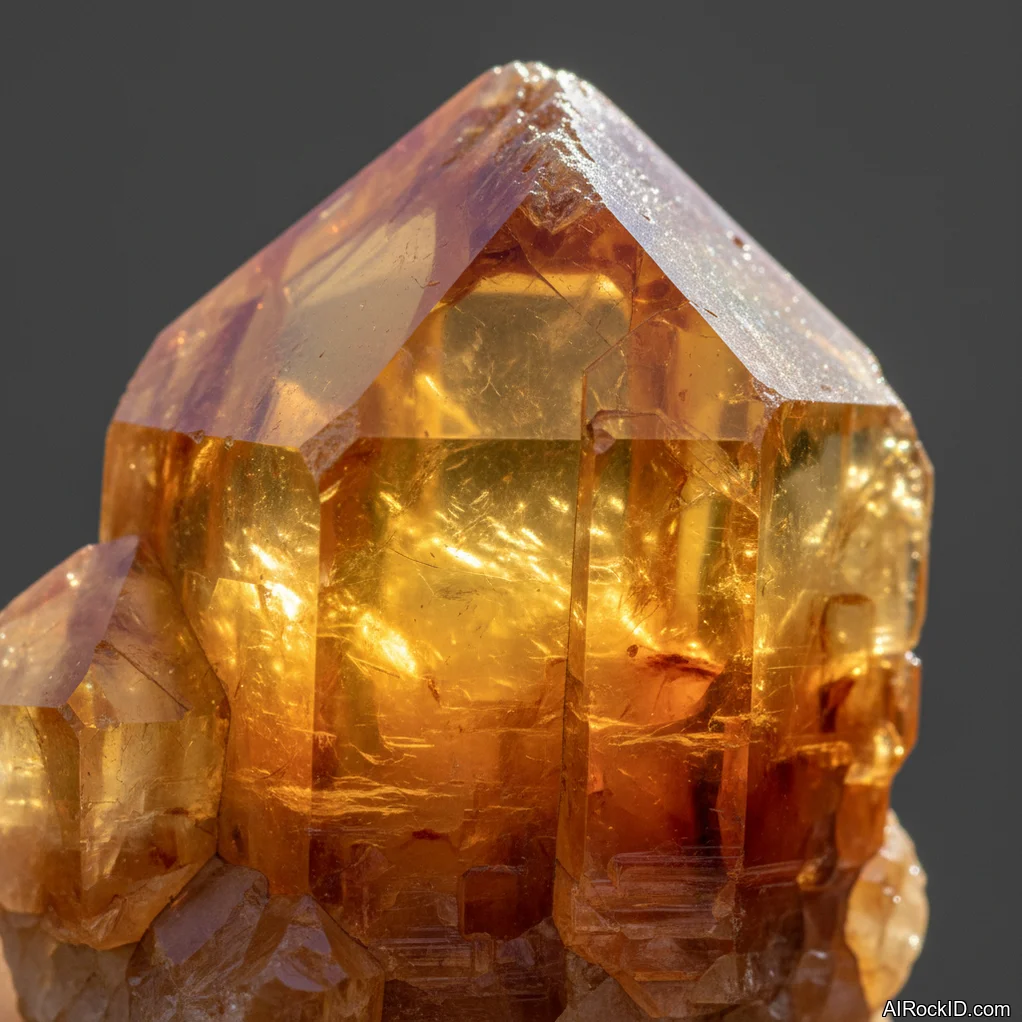
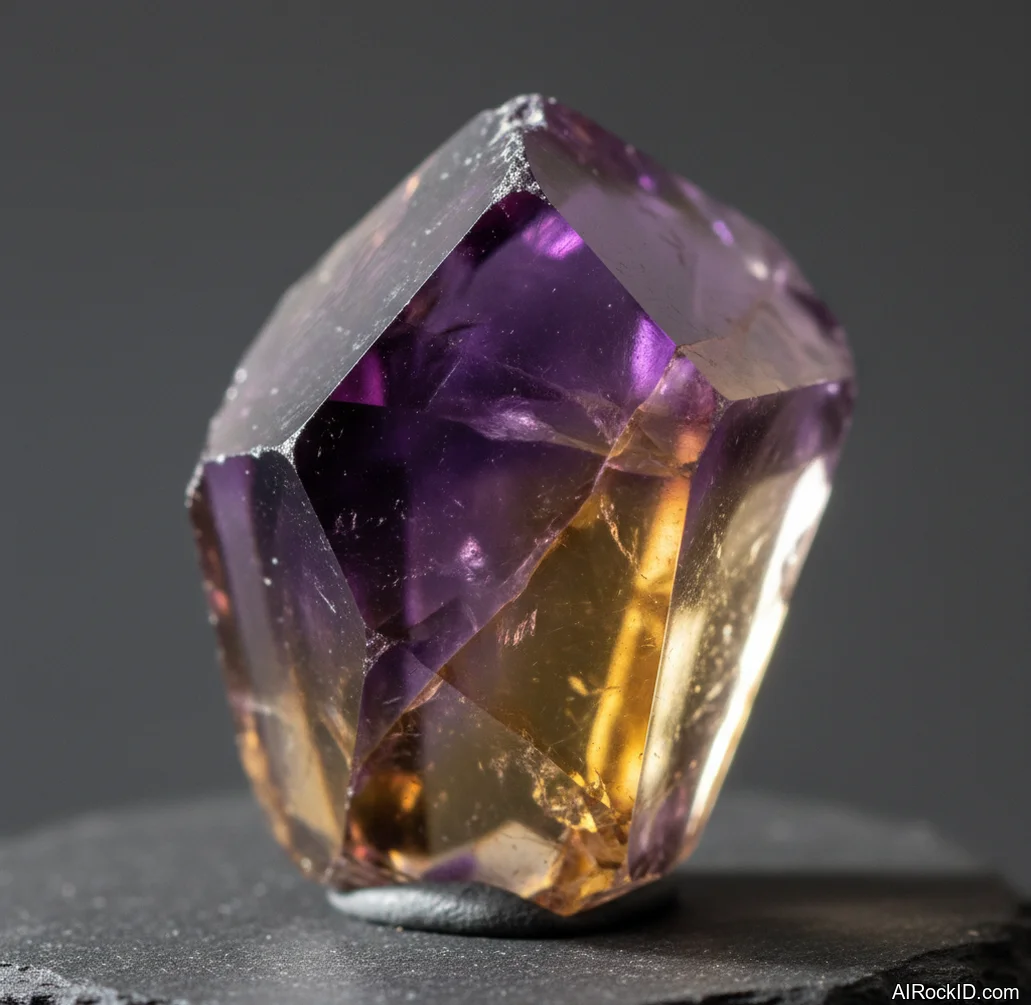
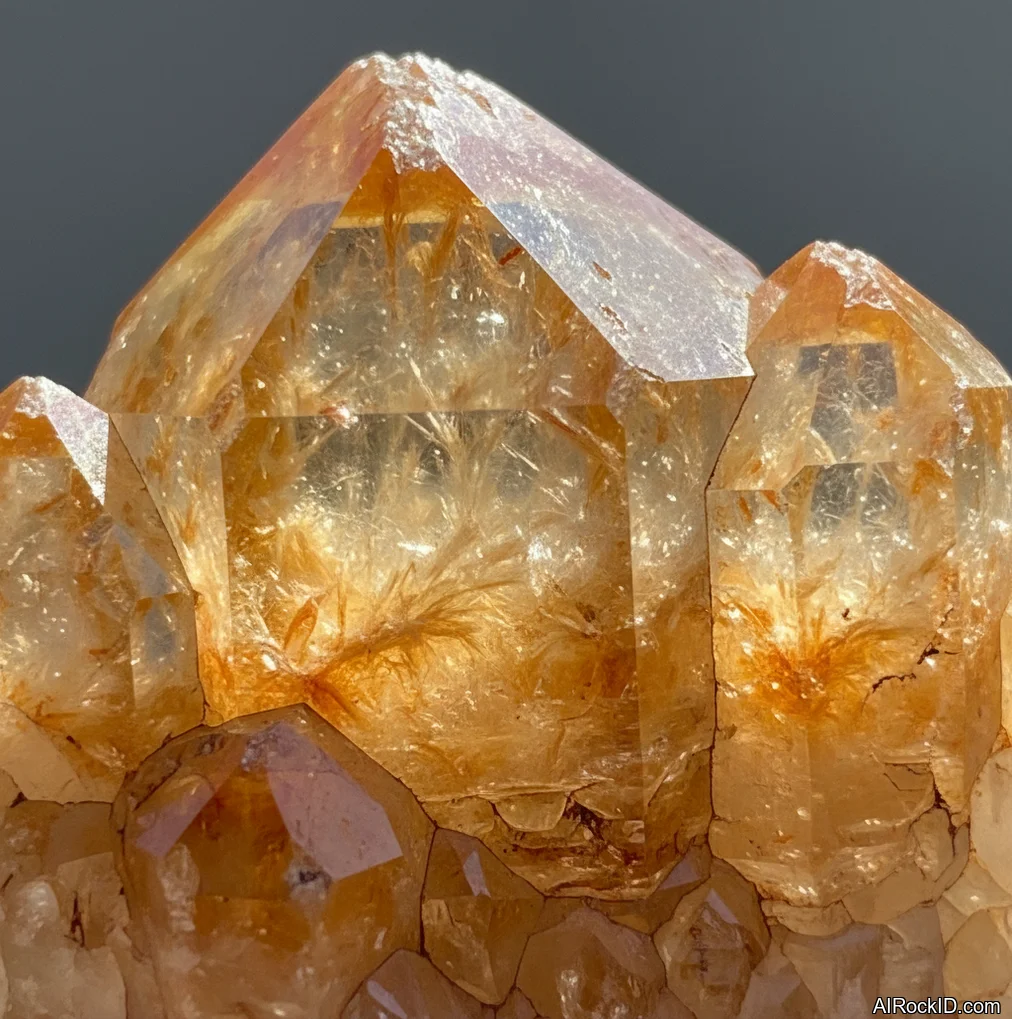
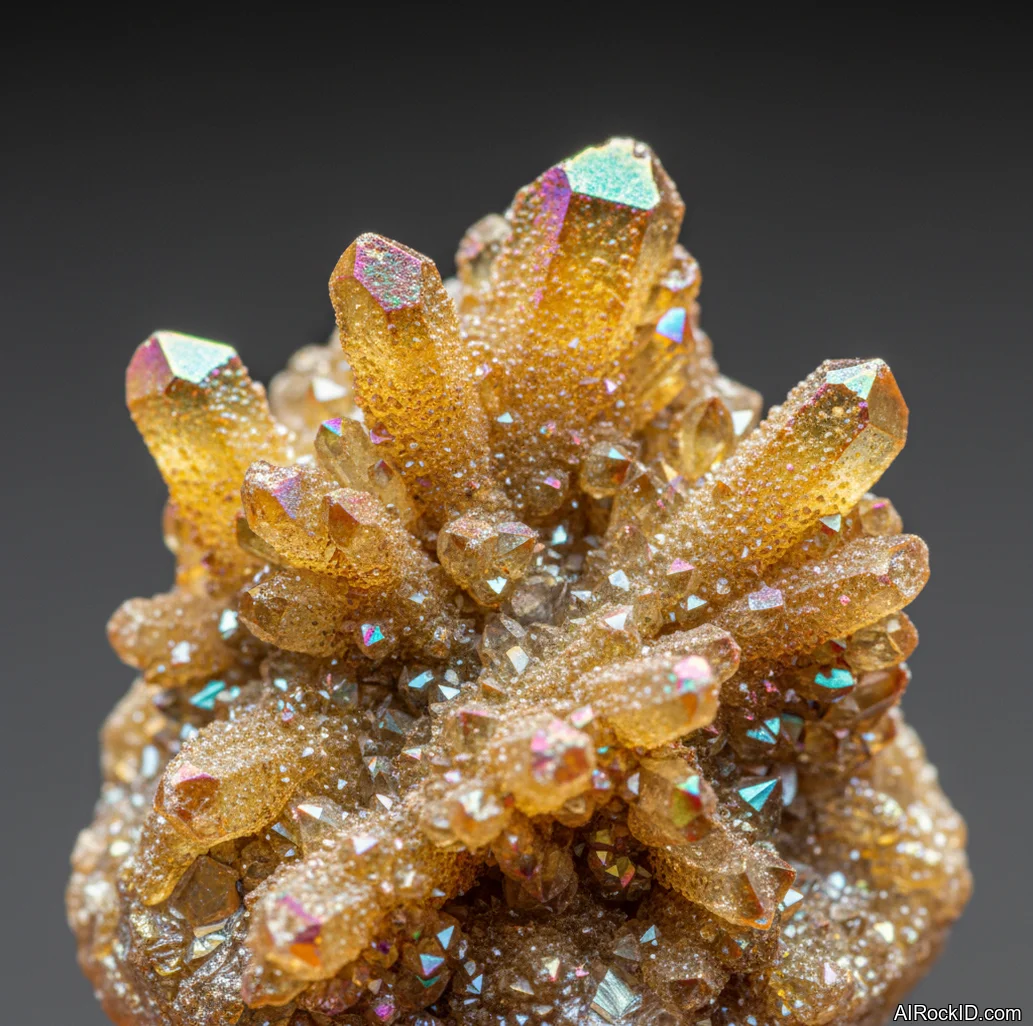
At first glance, buying calming stones seems simple. Then you run into treatments and fakes. Dyed blue agate is everywhere, and the color can look electric, pooling in cracks or around drilled holes. Real blue lace agate is softer and more cloudy, with gentle bands that don’t look painted on. Heat-treated amethyst sold as “citrine” is another common issue, and it matters because people shop by color mood. Heat-treated pieces often have a burnt orange tone, and the color can look concentrated at the tips. If you want calming amethyst, just buy amethyst. No need to chase a label.
Working with calming crystals doesn’t have to get mystical to be useful. Put a stone where your hands already go. A palm stone by the couch. A small tumbled piece in the car’s cup holder. A worry stone in a pocket you actually use. Pick it up and notice the temperature shift, the weight, the texture. That tiny pause? For a lot of people, that’s part of the calming effect. For sleep, I’ve had better results with a chunky amethyst cluster or a larger lepidolite palm stone than with tiny tumbles that disappear under a pillow.
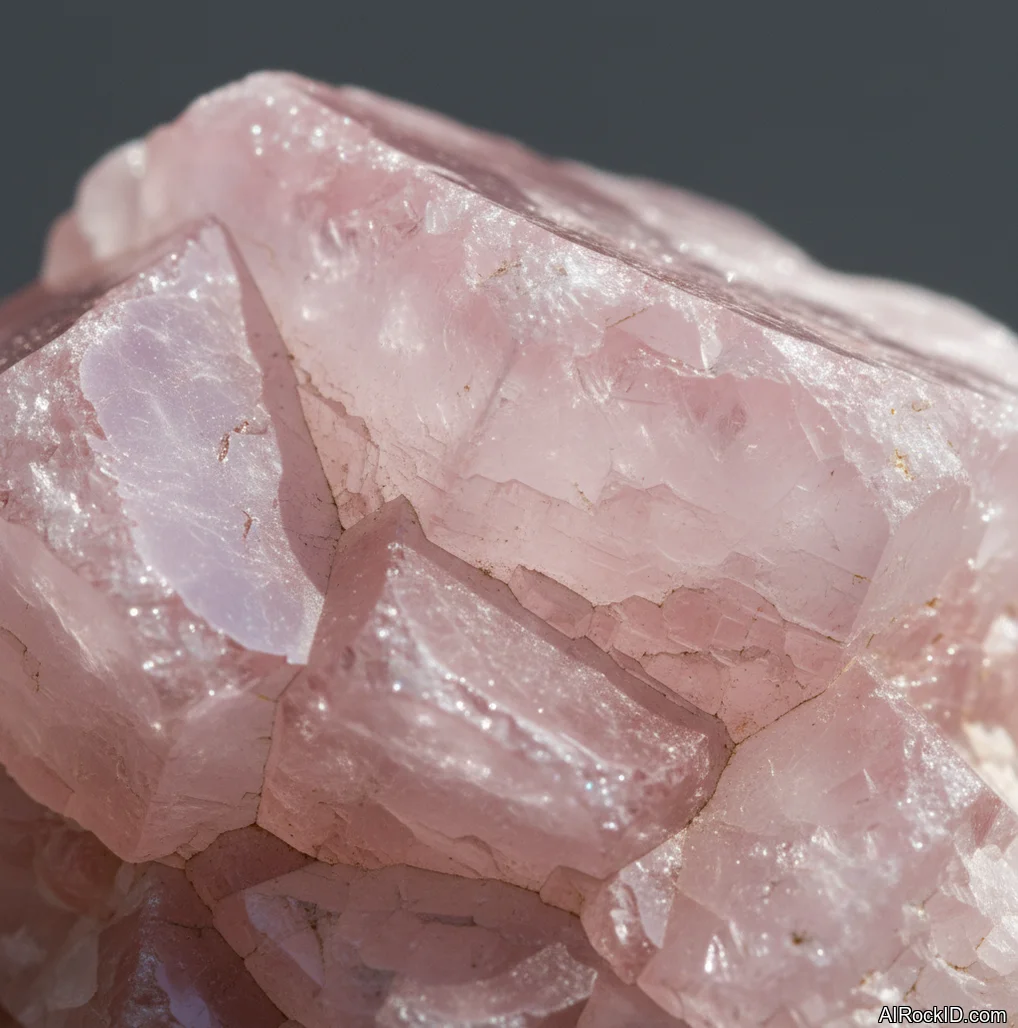
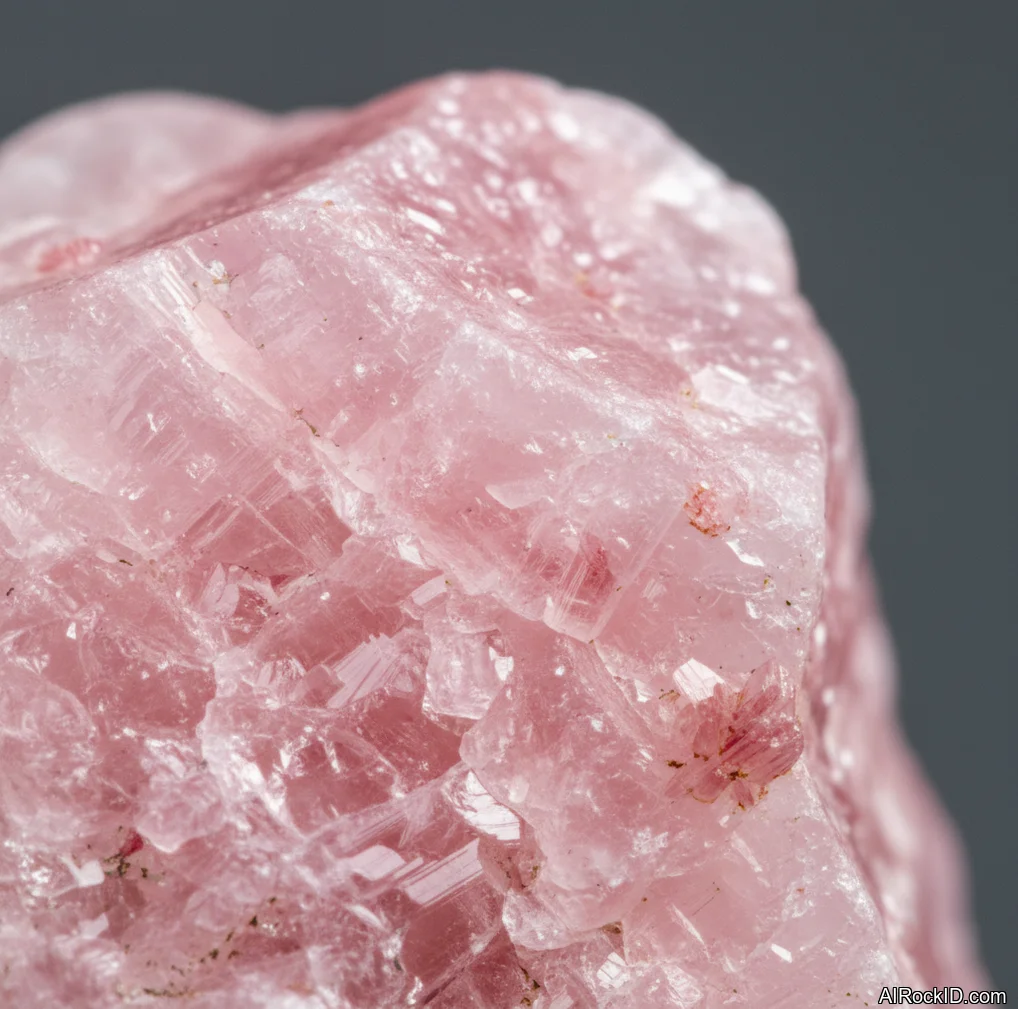
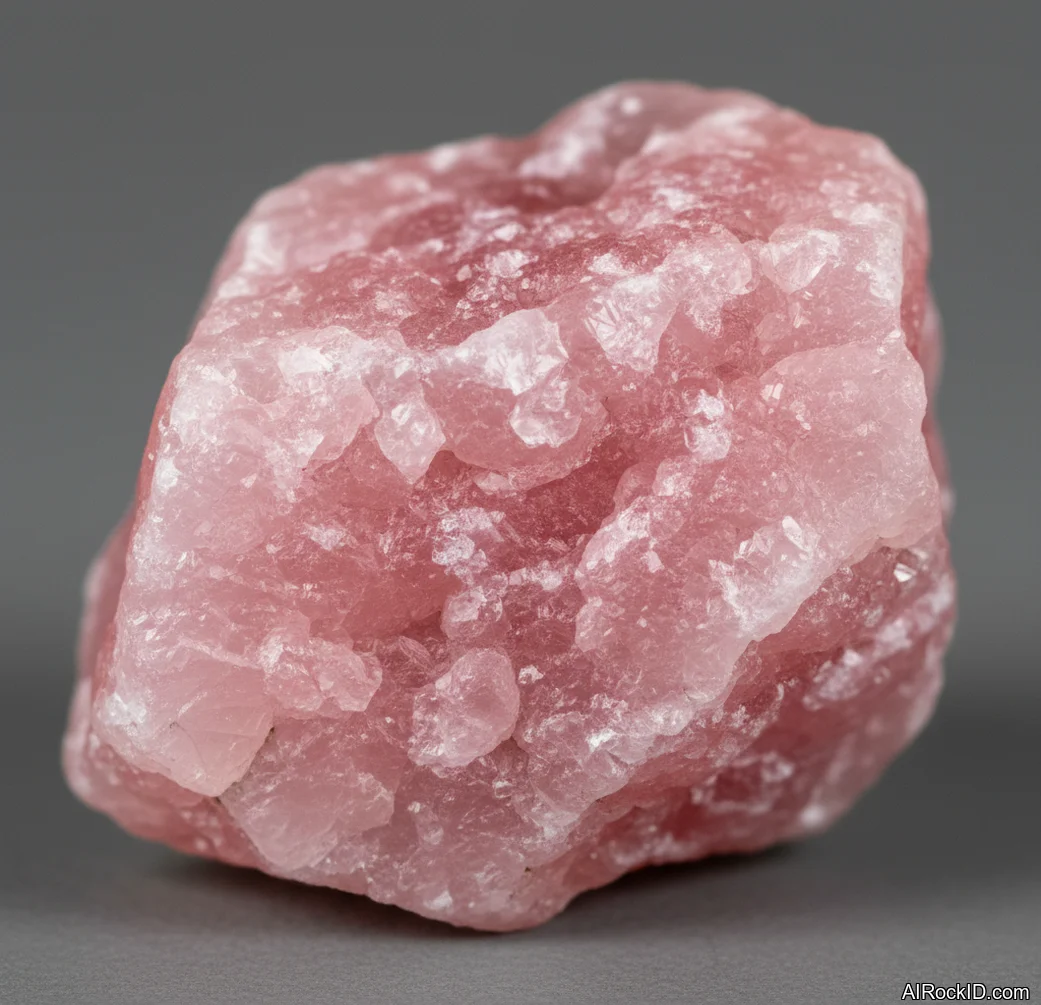
So if you’re building a calming set, think in roles. One tough daily carrier like smoky quartz or blue lace agate. One bedside piece like amethyst or celestite that can just sit there and look nice. One hands-on stone with a comforting texture, like howlite or rose quartz. Keep them clean in the practical sense, too. Finger oils dull polished surfaces over time, especially on softer stones, so a quick wipe with a soft cloth goes a long way. Water is fine for quartz and agate, but keep it away from selenite, angelite, and any crumbly celestite clusters.
Calming is a big umbrella, and your best stone is the one that fits your life without falling apart. If it’s going in a pocket, prioritize hardness and toughness. If it’s a desk piece, you can go delicate and sparkly. And if a stone looks calming but feels irritating in your hand, trust that. Your body picks up on texture, temperature, and weight faster than your brain does.
All Calming Crystals (516)