Virgo Crystals
Explore Virgo crystals with meanings, properties, and buying tips. Learn which stones pair with Virgo energy and how to use them daily.
Virgo gets talked about like it’s all lists and clean countertops, but in crystal terms it’s more practical than that. Virgo energy is the part of you that wants the small stuff to work. Routines that don’t collapse by Wednesday. A clear head when you’re sorting problems. Tools that actually do what they’re supposed to do. So it makes sense that Virgo crystal sets in shops lean hard toward stones people use for focus, steady nerves, and getting organized without turning into a stressed-out perfectionist.
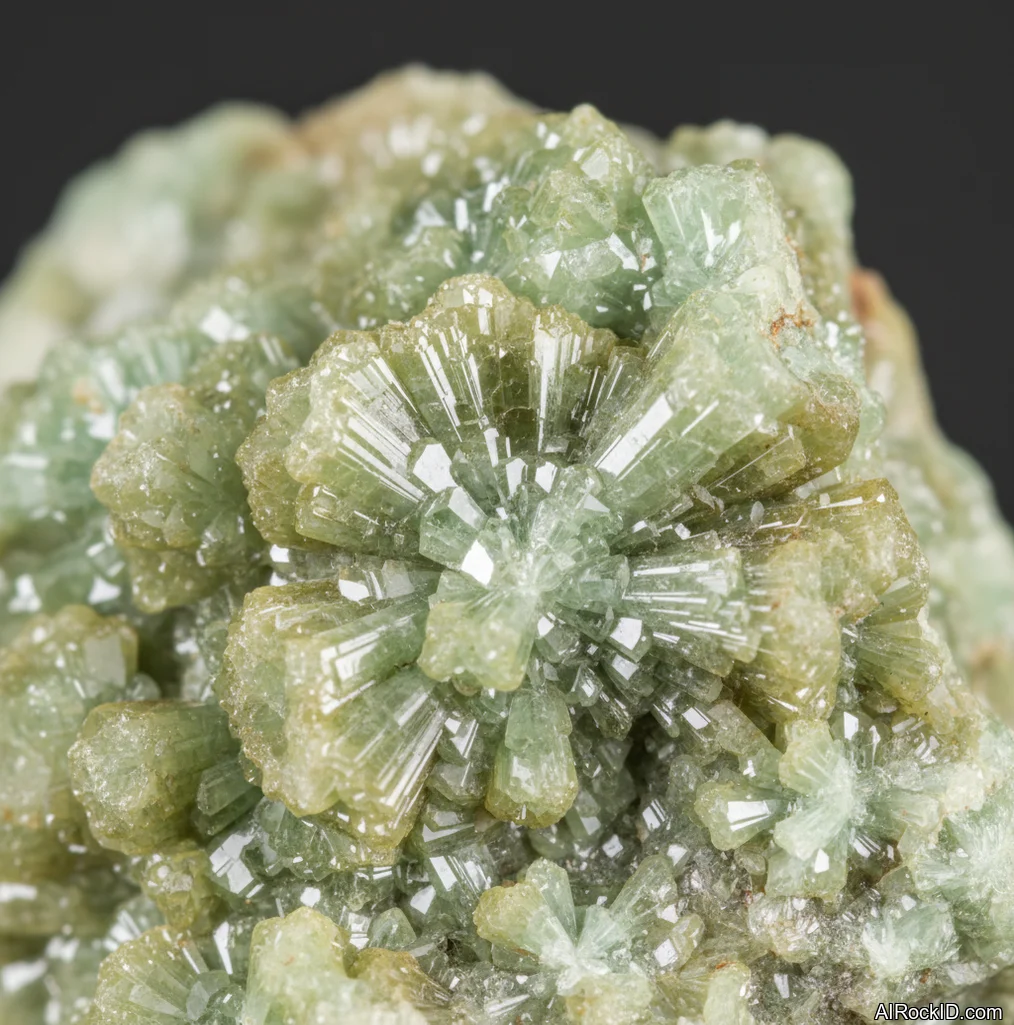
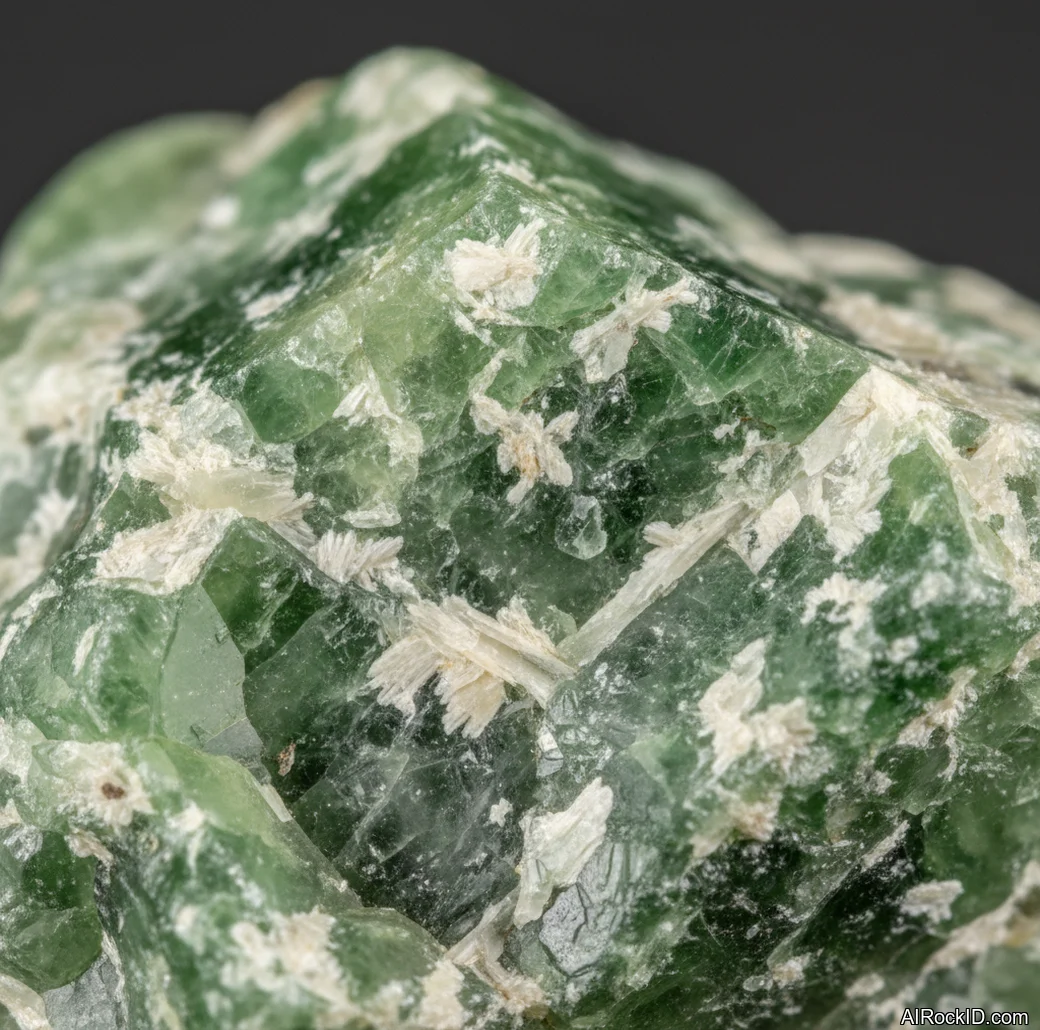
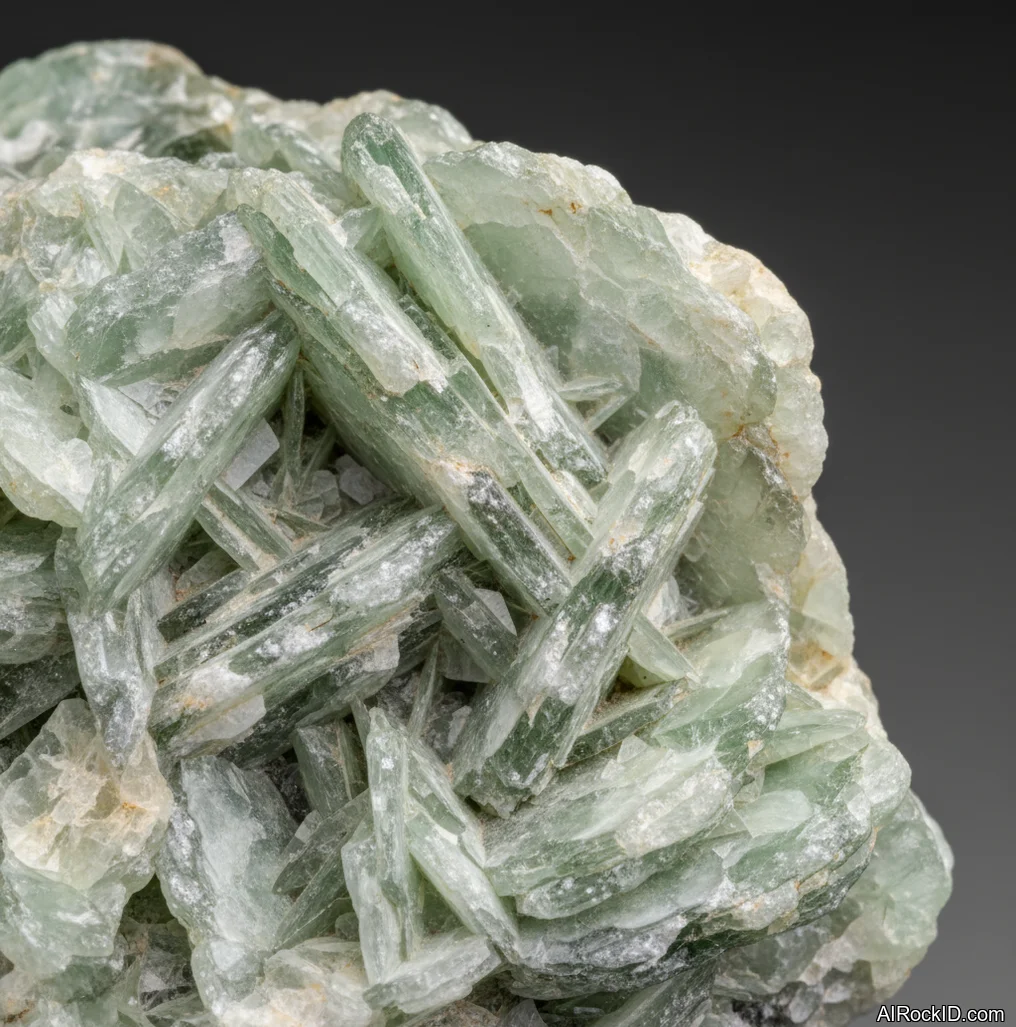
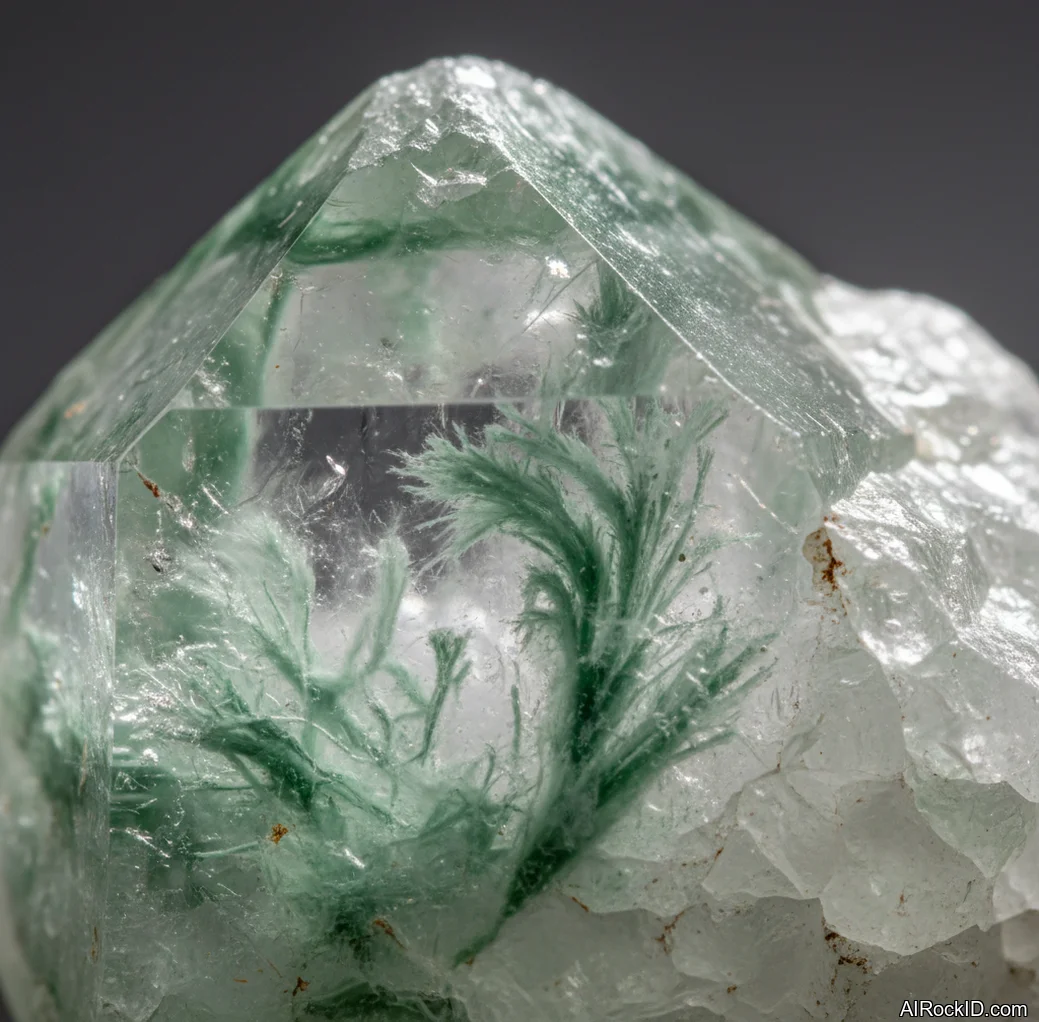
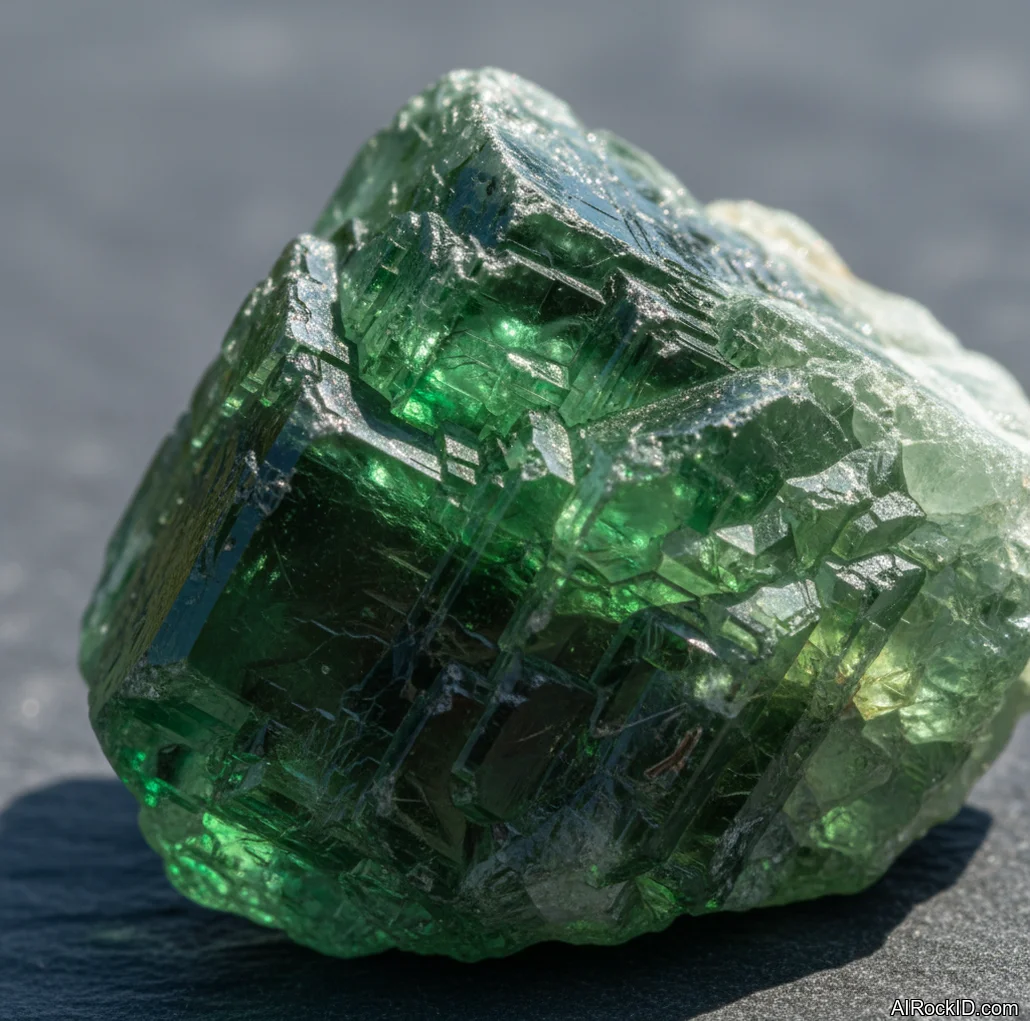
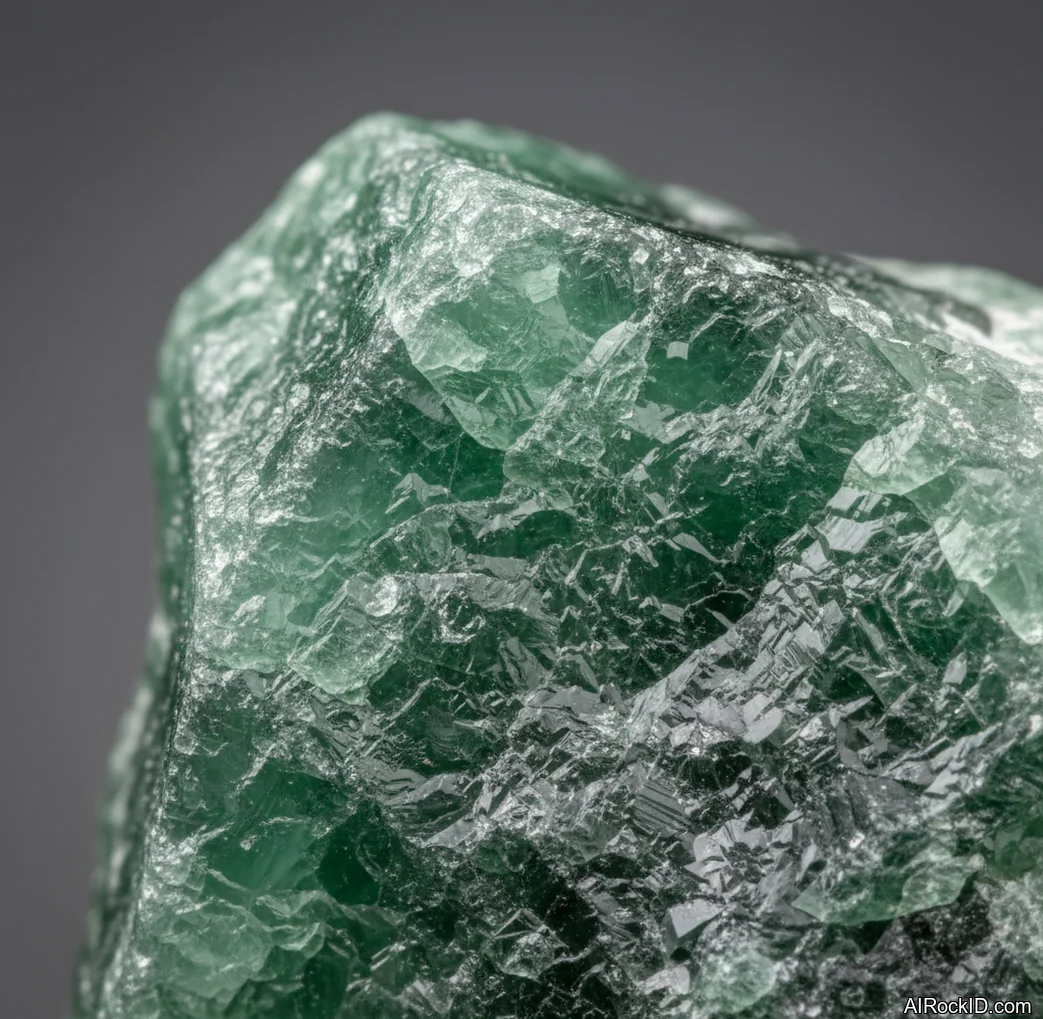
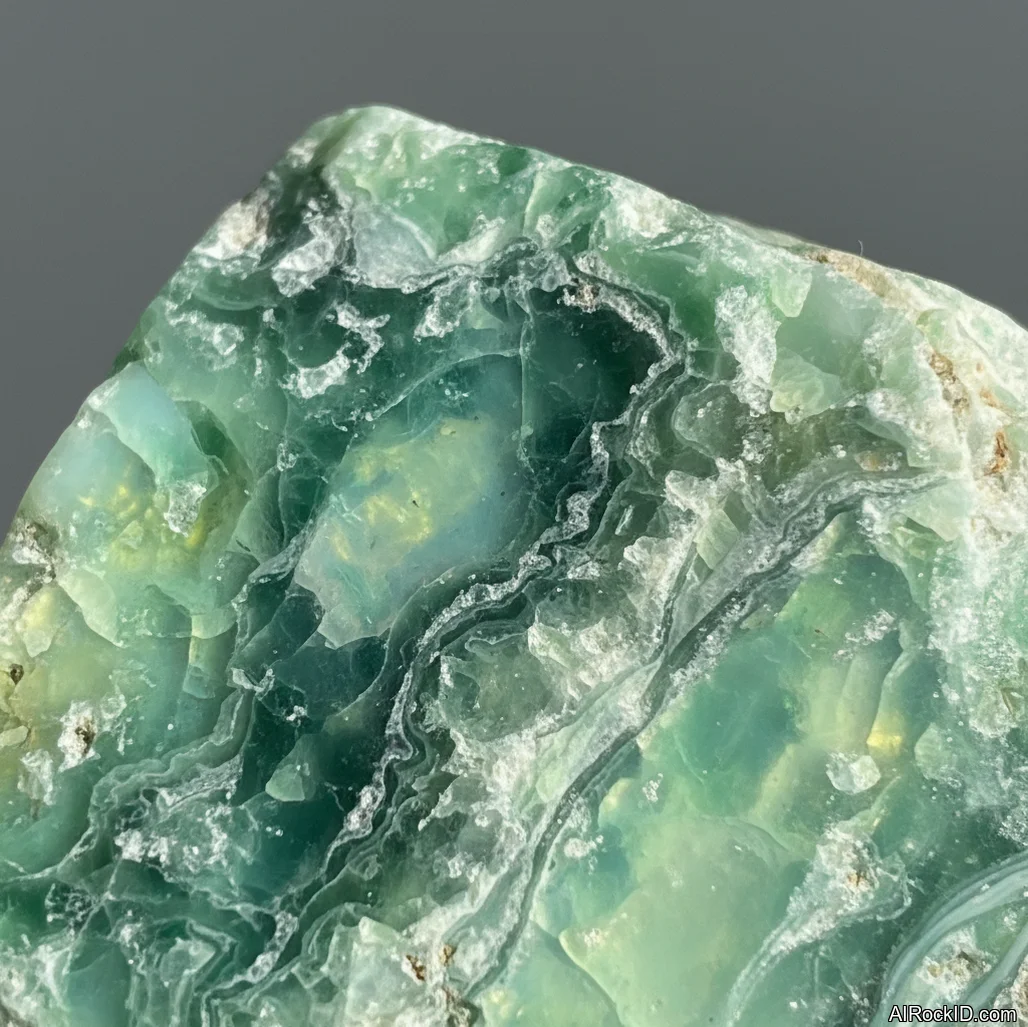
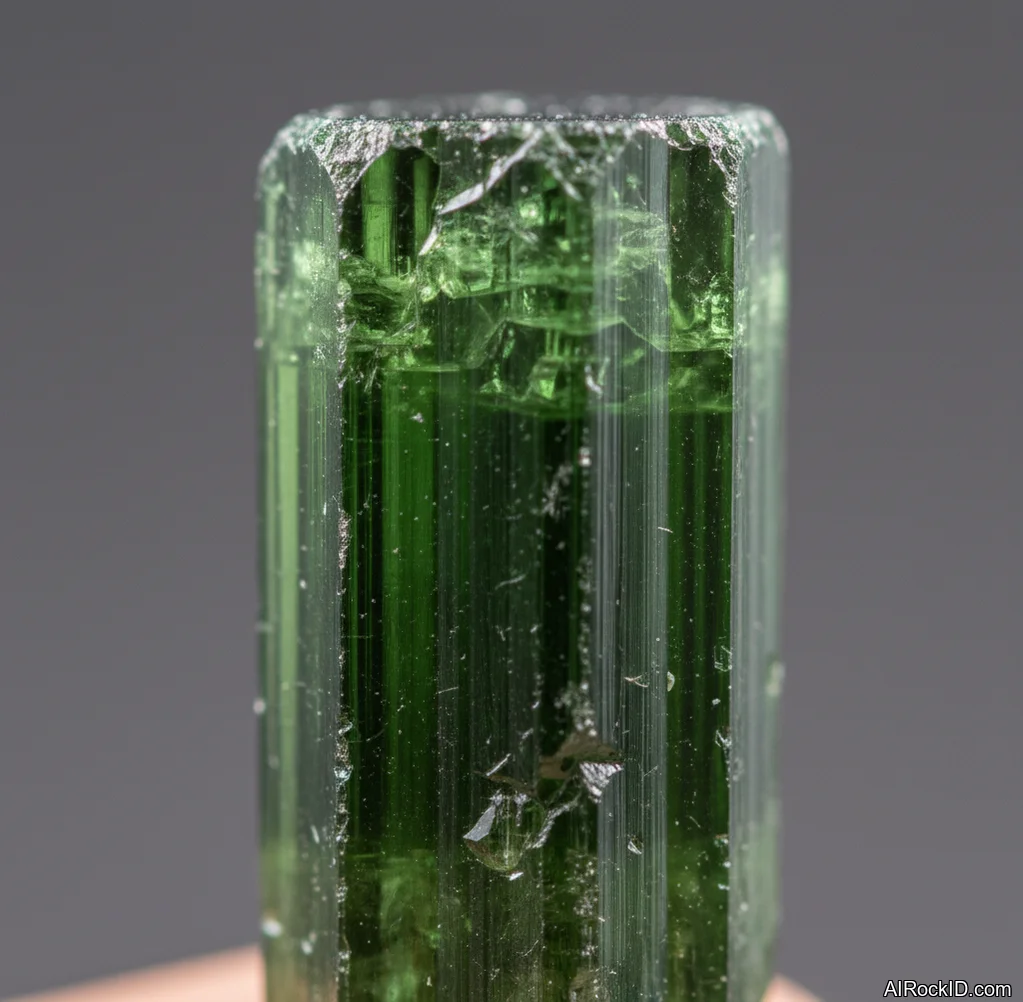
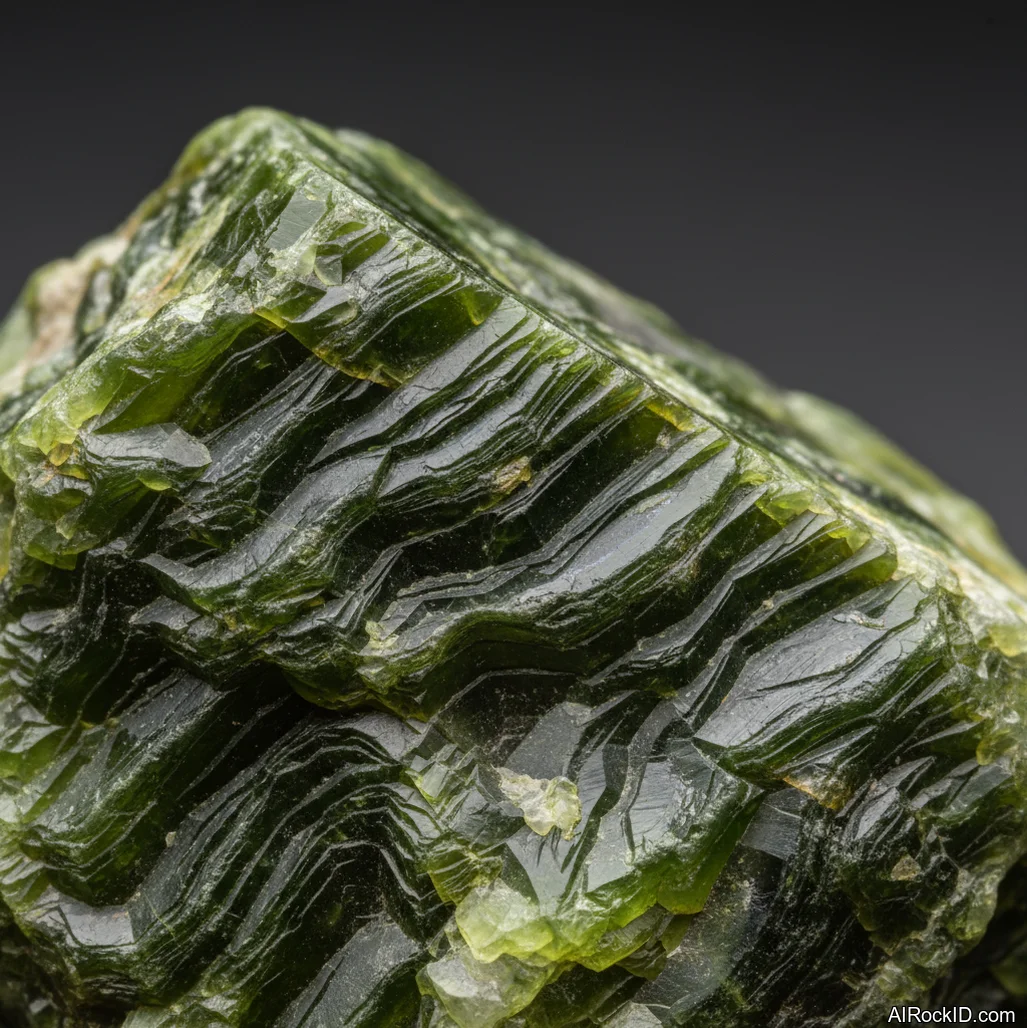
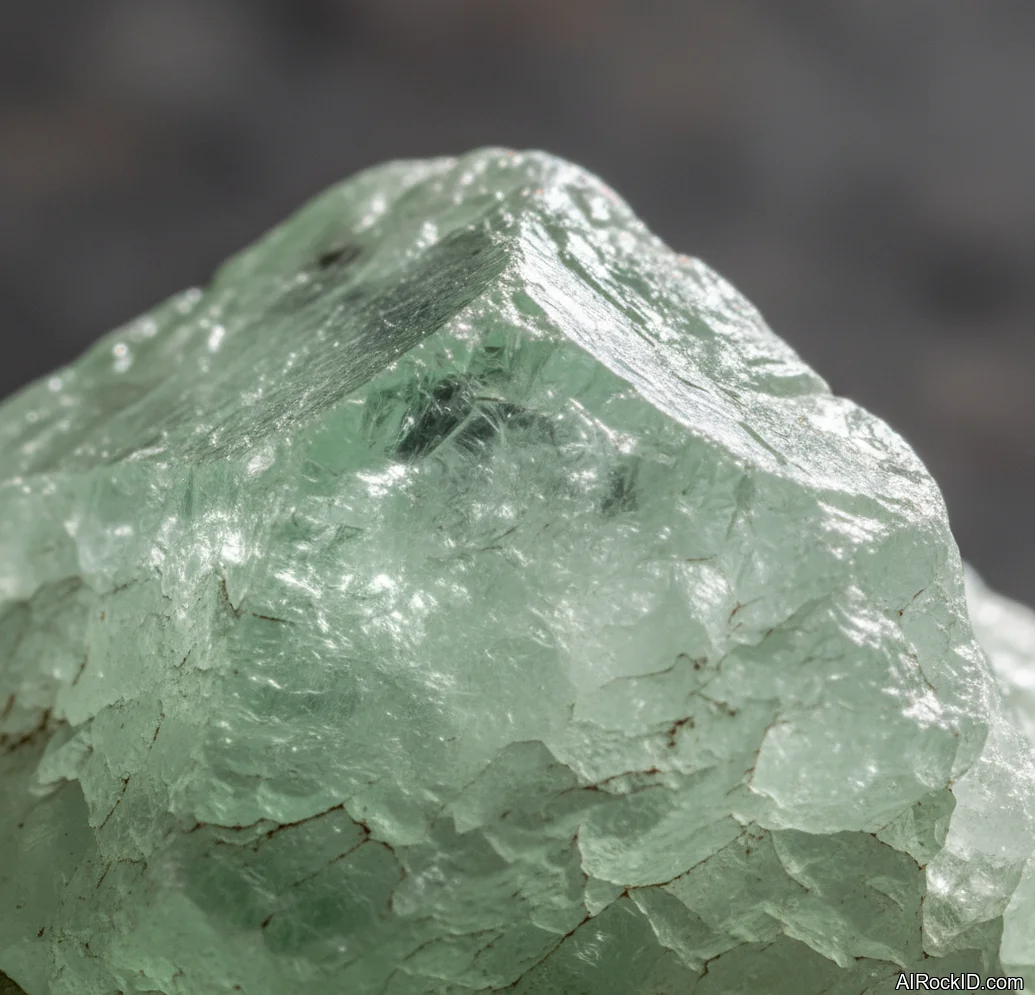
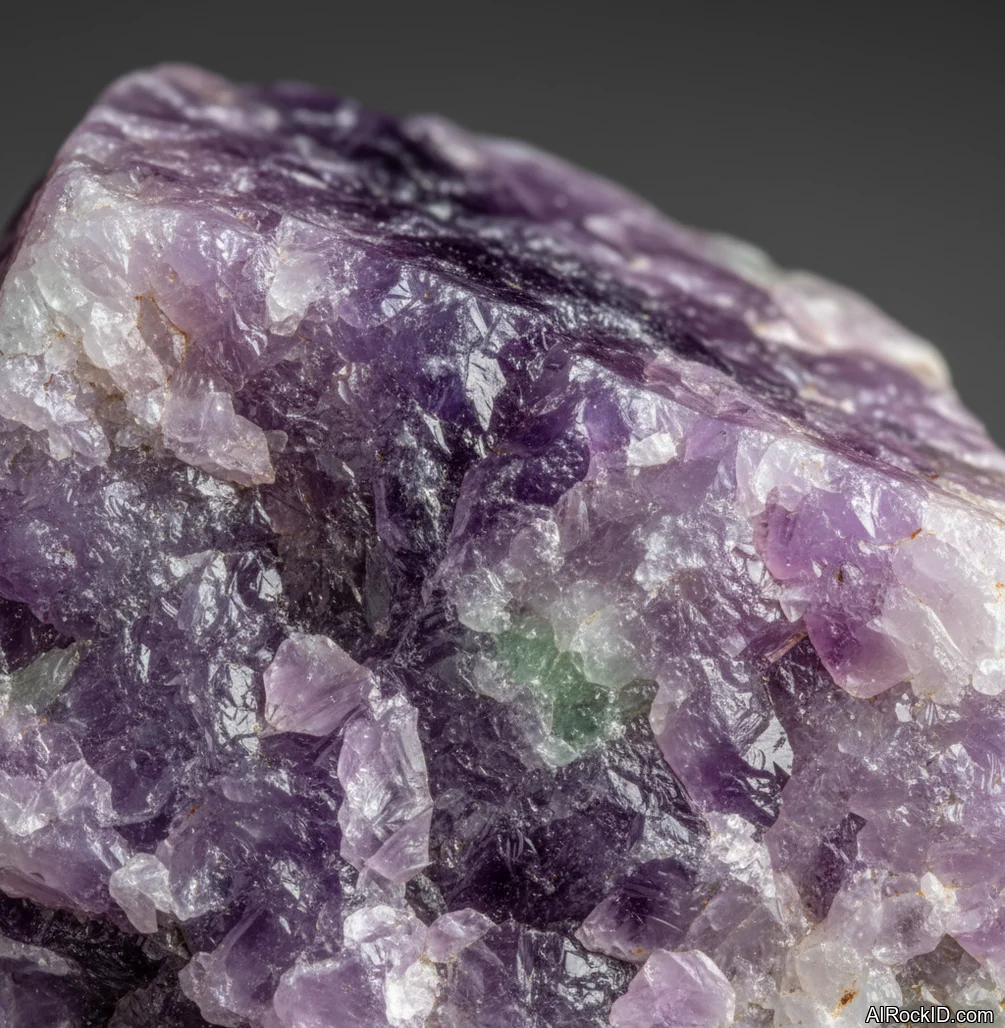
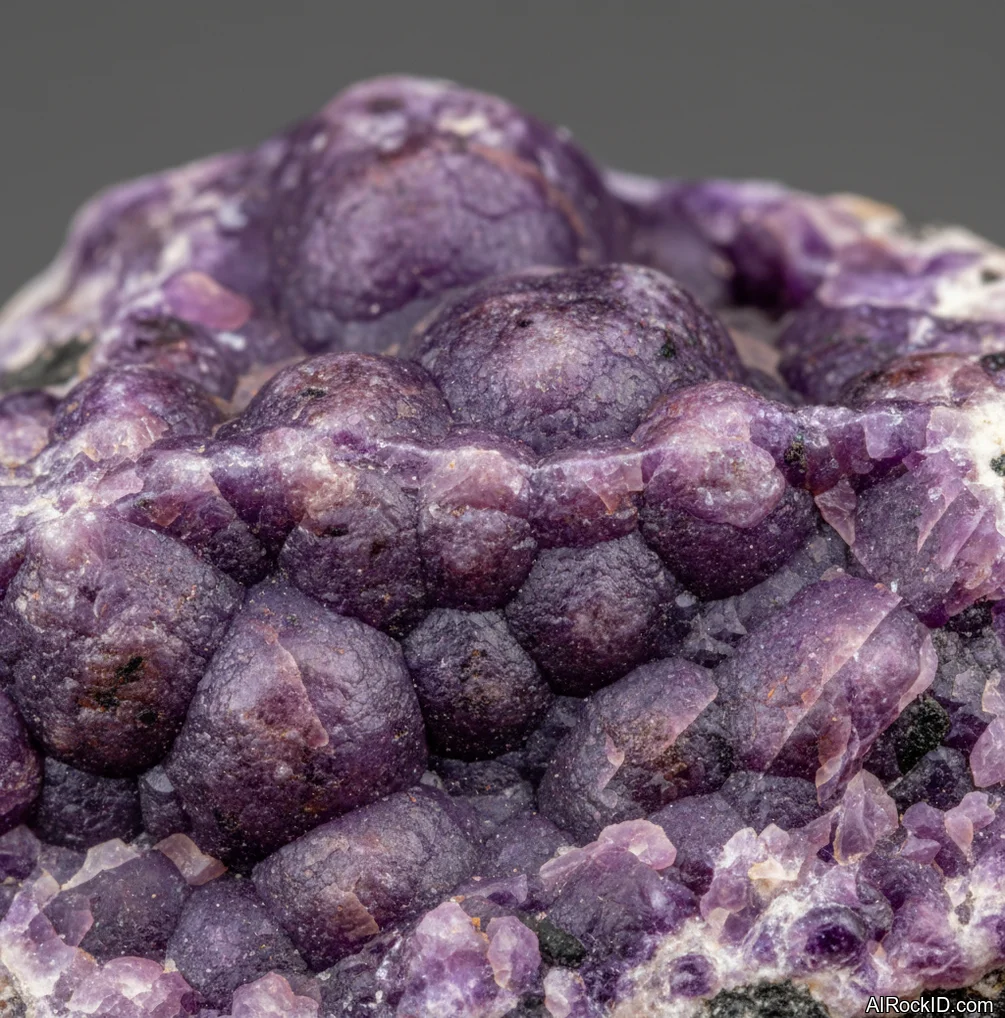
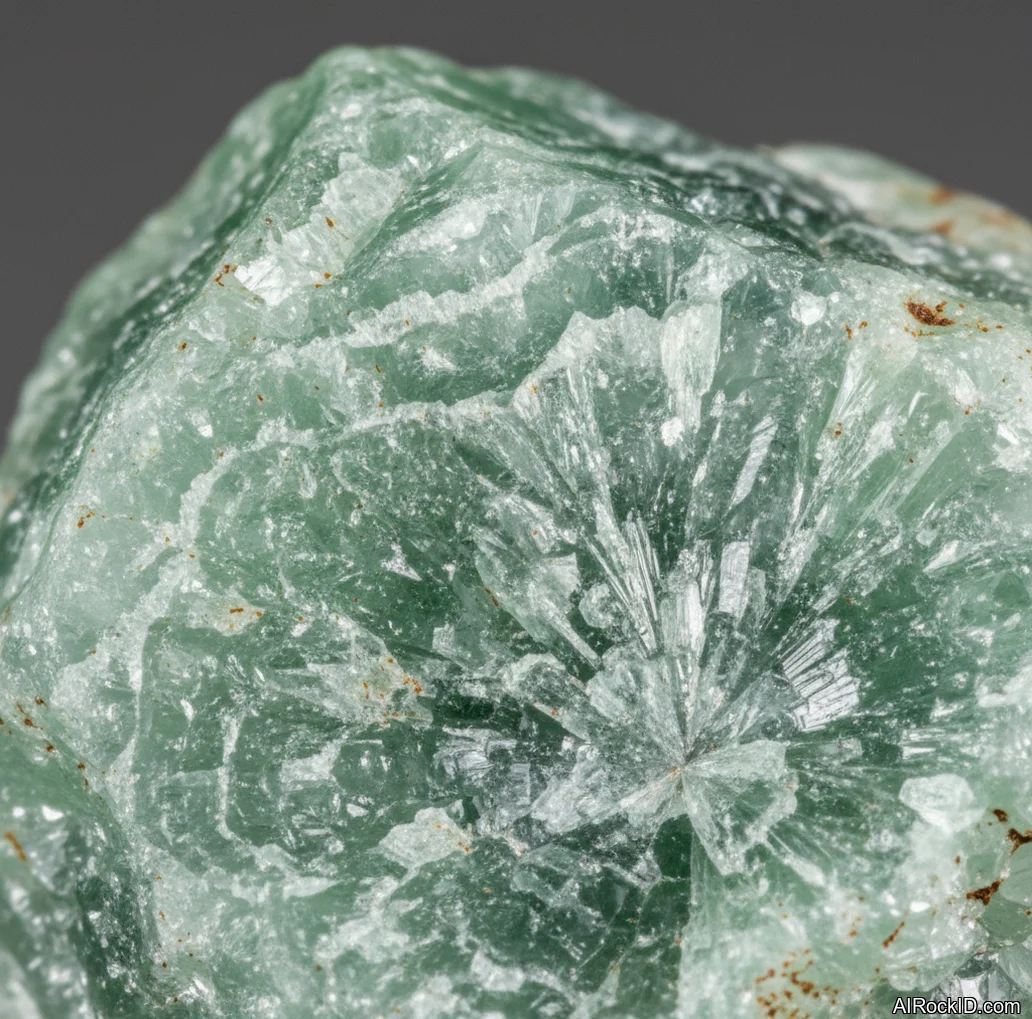
A lot of people come looking for Virgo crystals when their brain won’t shut up. You’ll hear it right at the counter: “I can’t stop thinking,” or “I’m burnt out but I can’t let go of control.” That’s where Fluorite, Amazonite, and Smoky Quartz tend to show up. Fluorite is the classic desk stone for Virgo types because it feels like a mental reset button. Pick up a chunk of green or rainbow fluorite and you notice the texture first. It’s slick where it’s been polished, but the raw faces feel almost waxy, and it stays cool in your hand longer than glass.
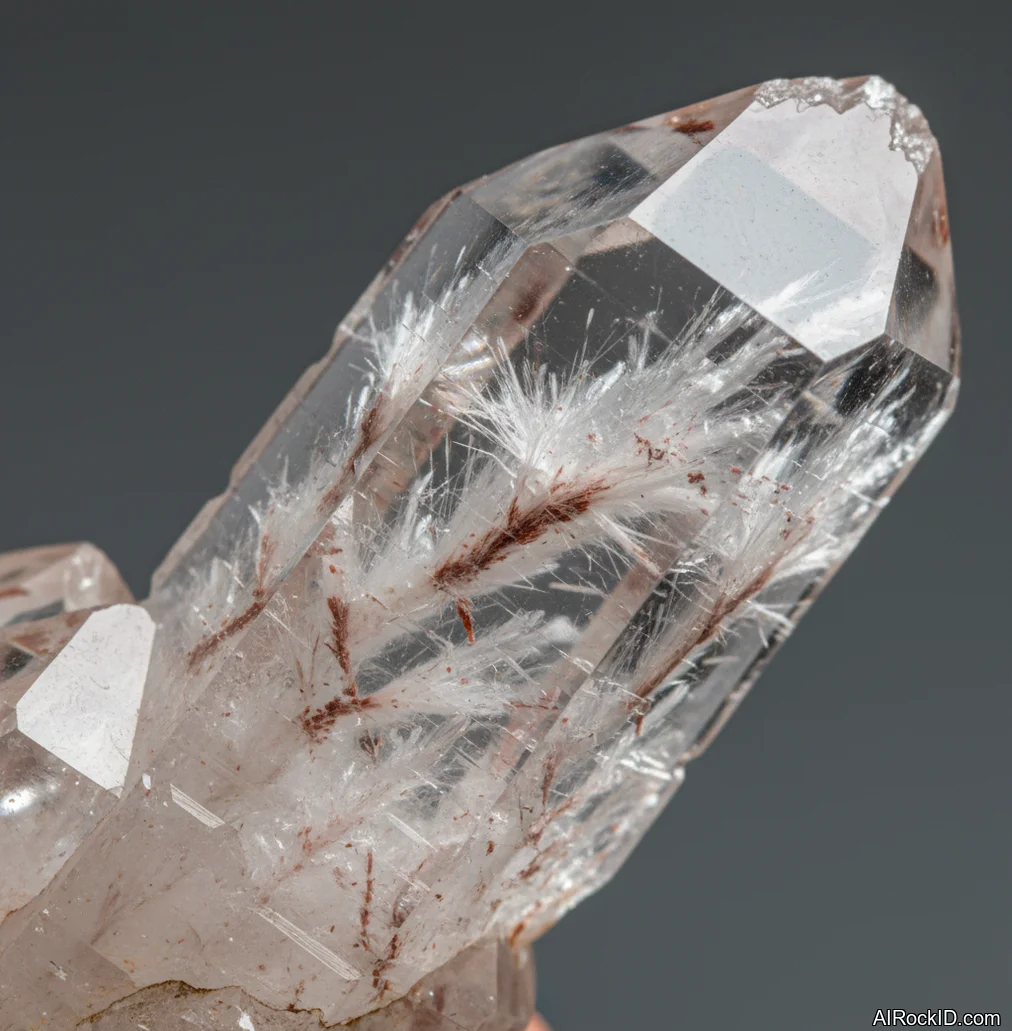
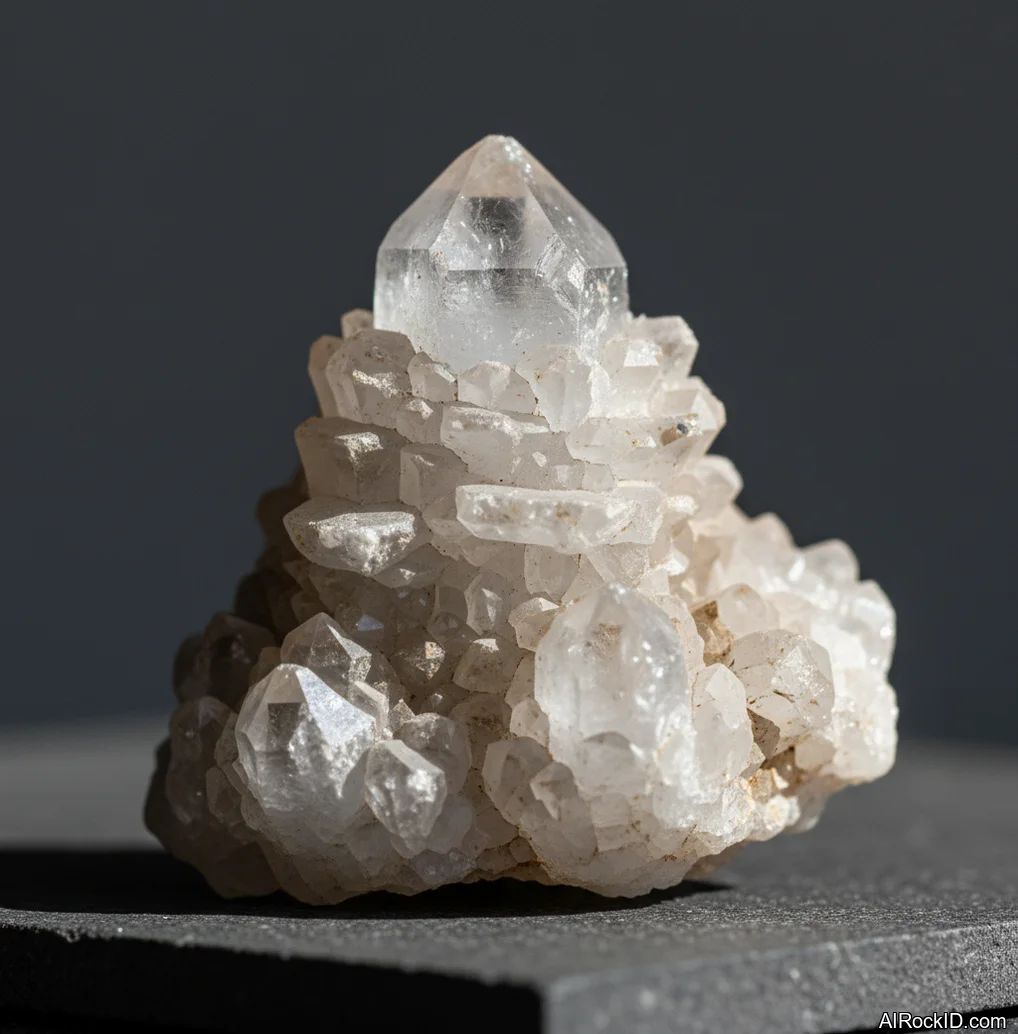
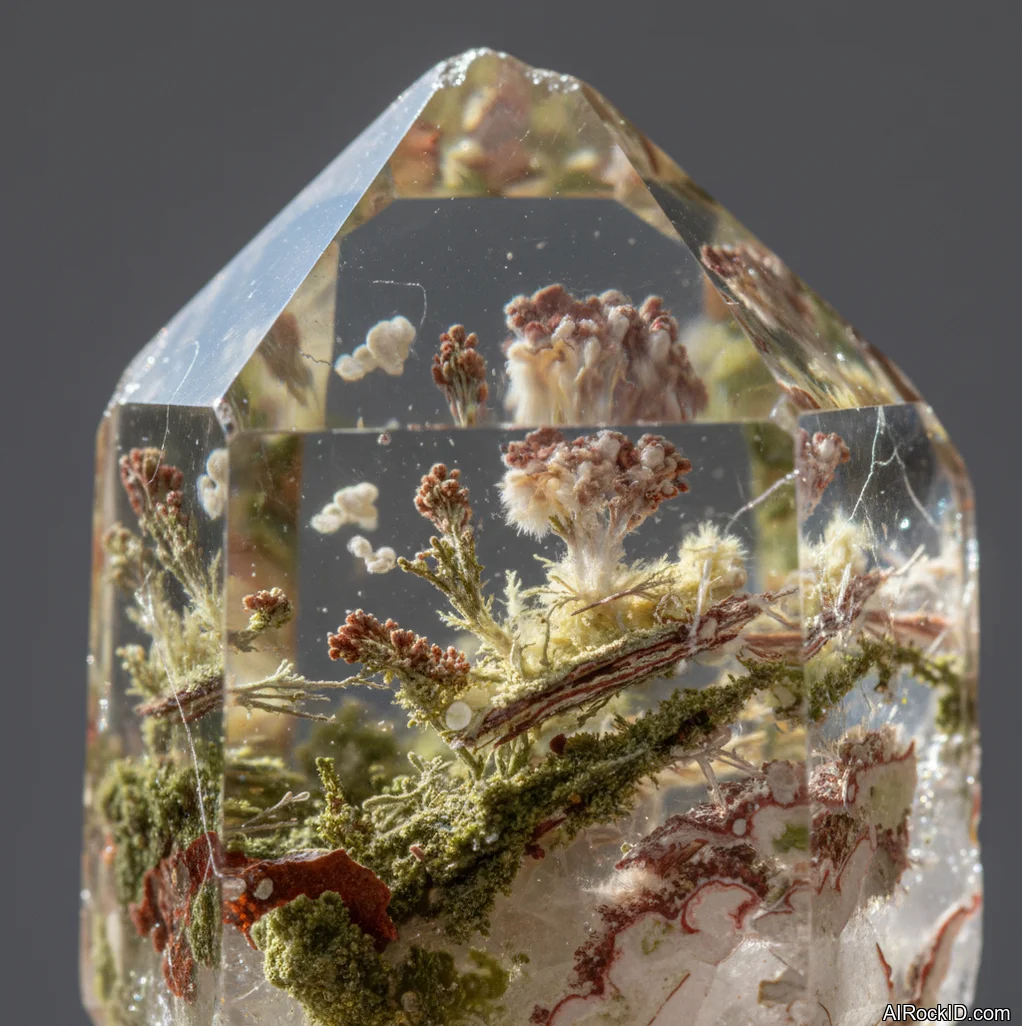
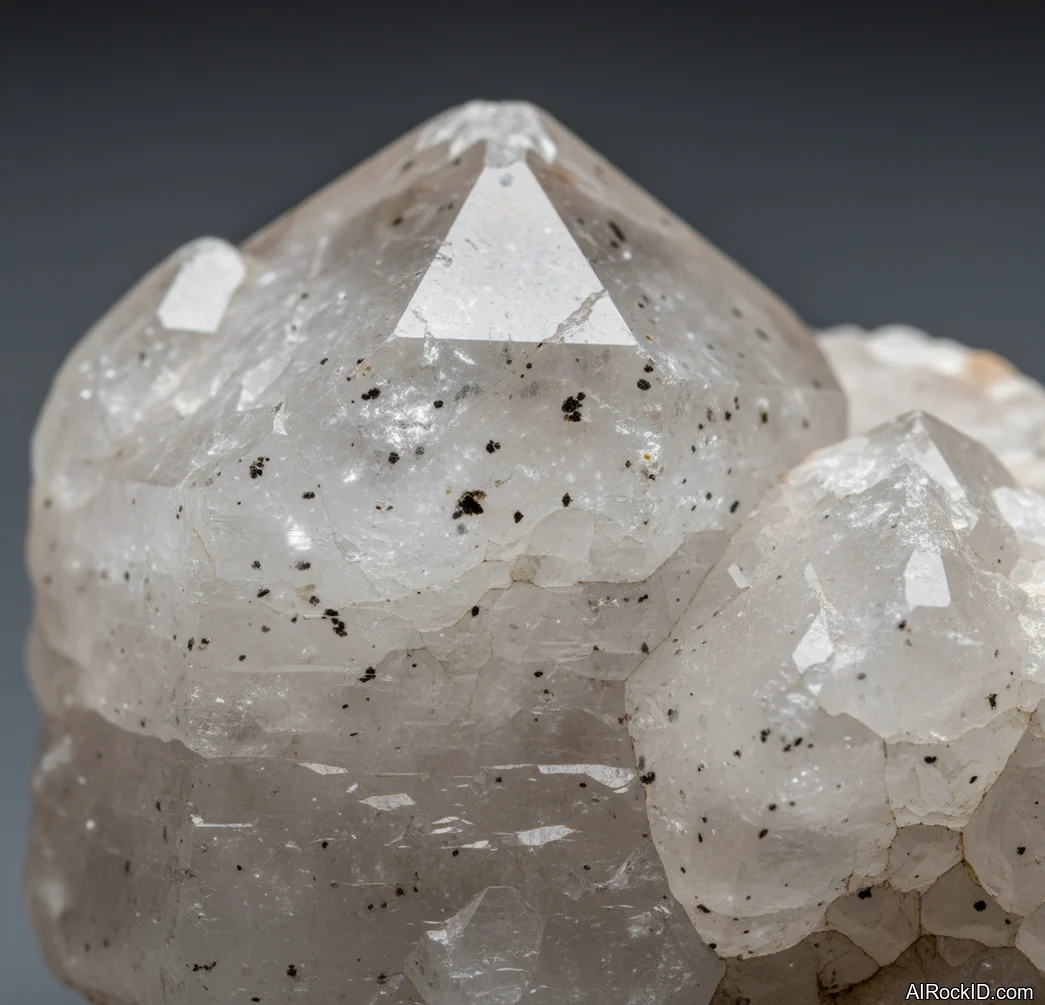
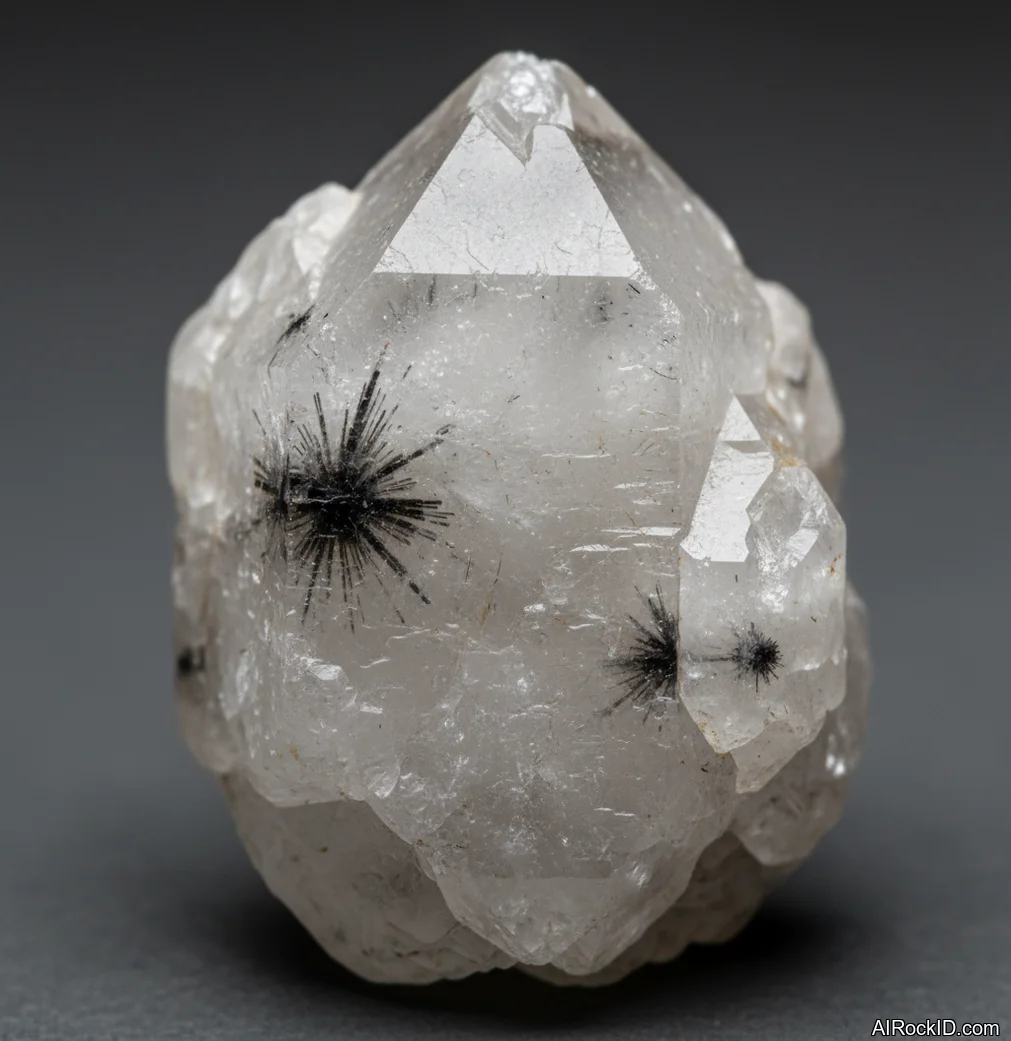
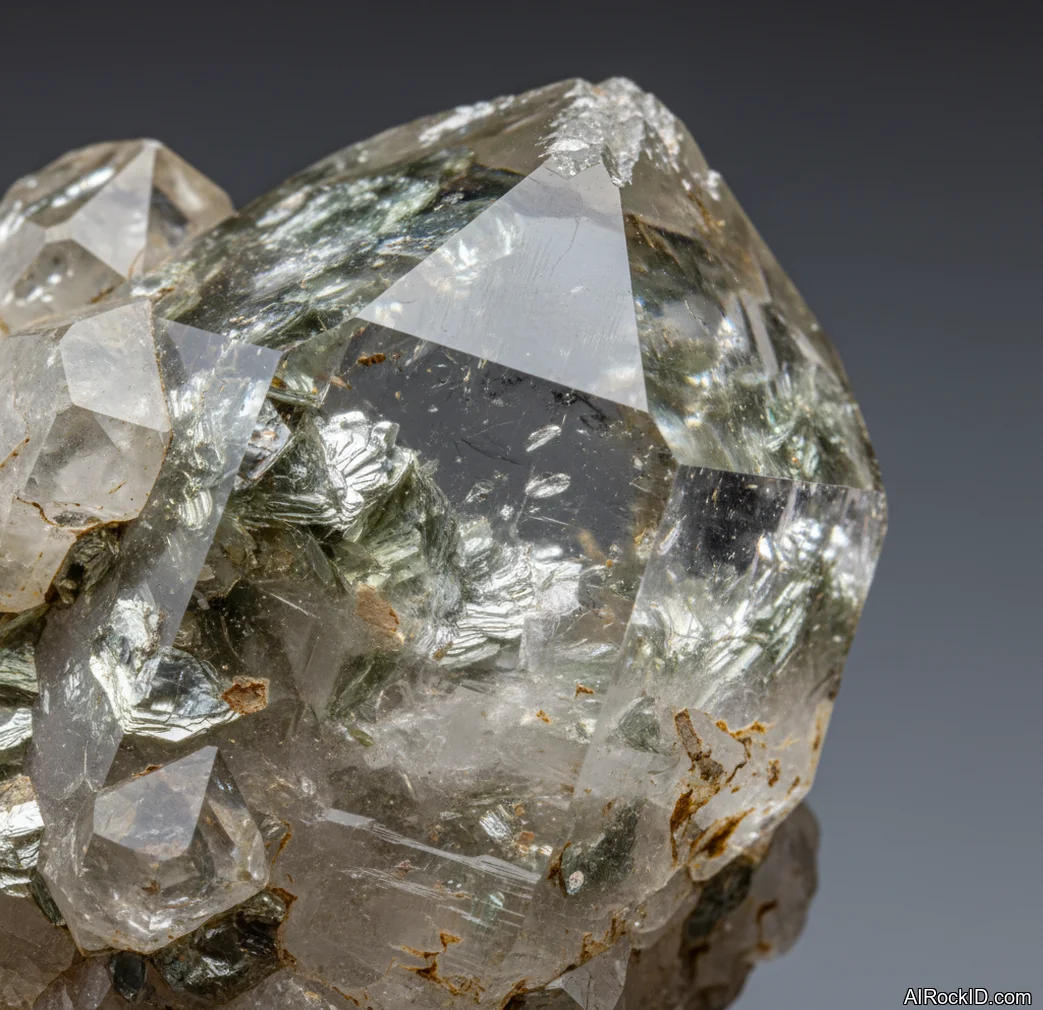
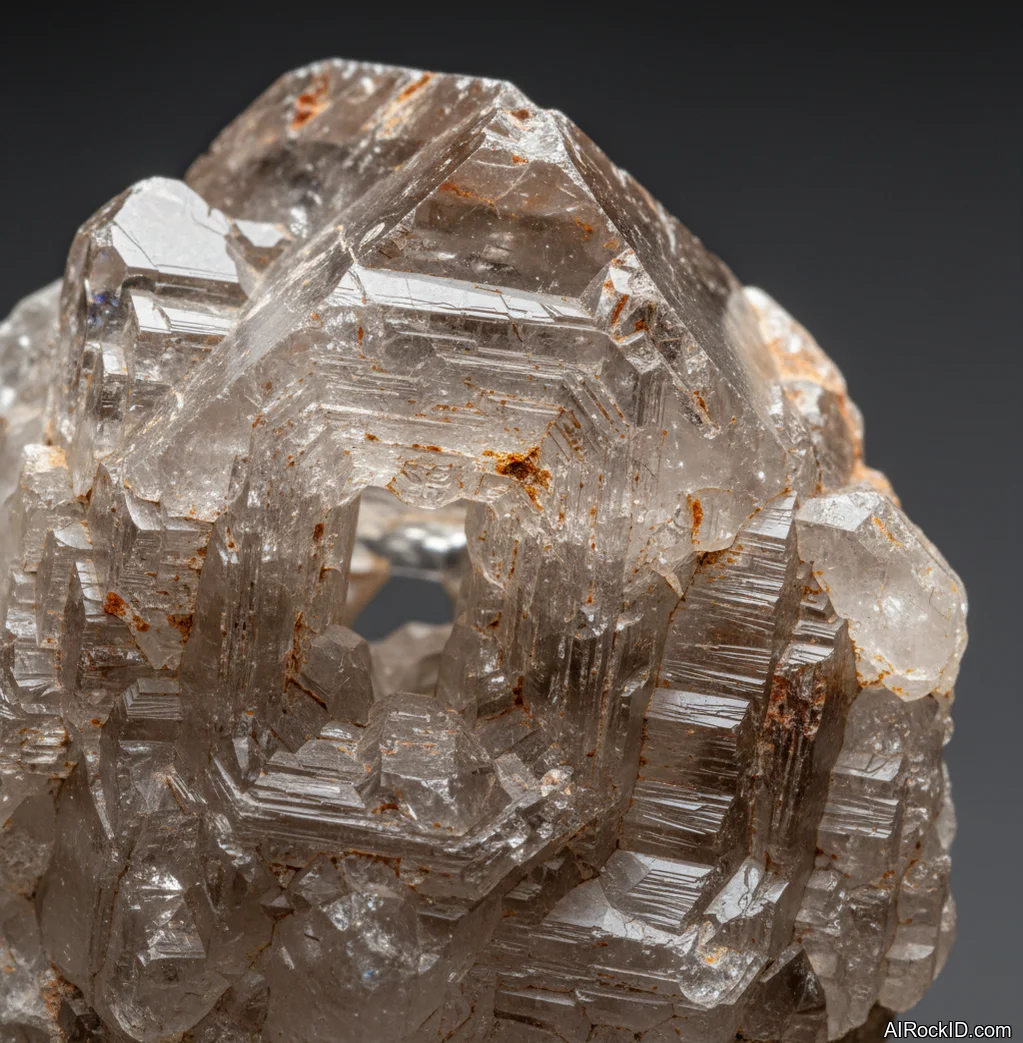
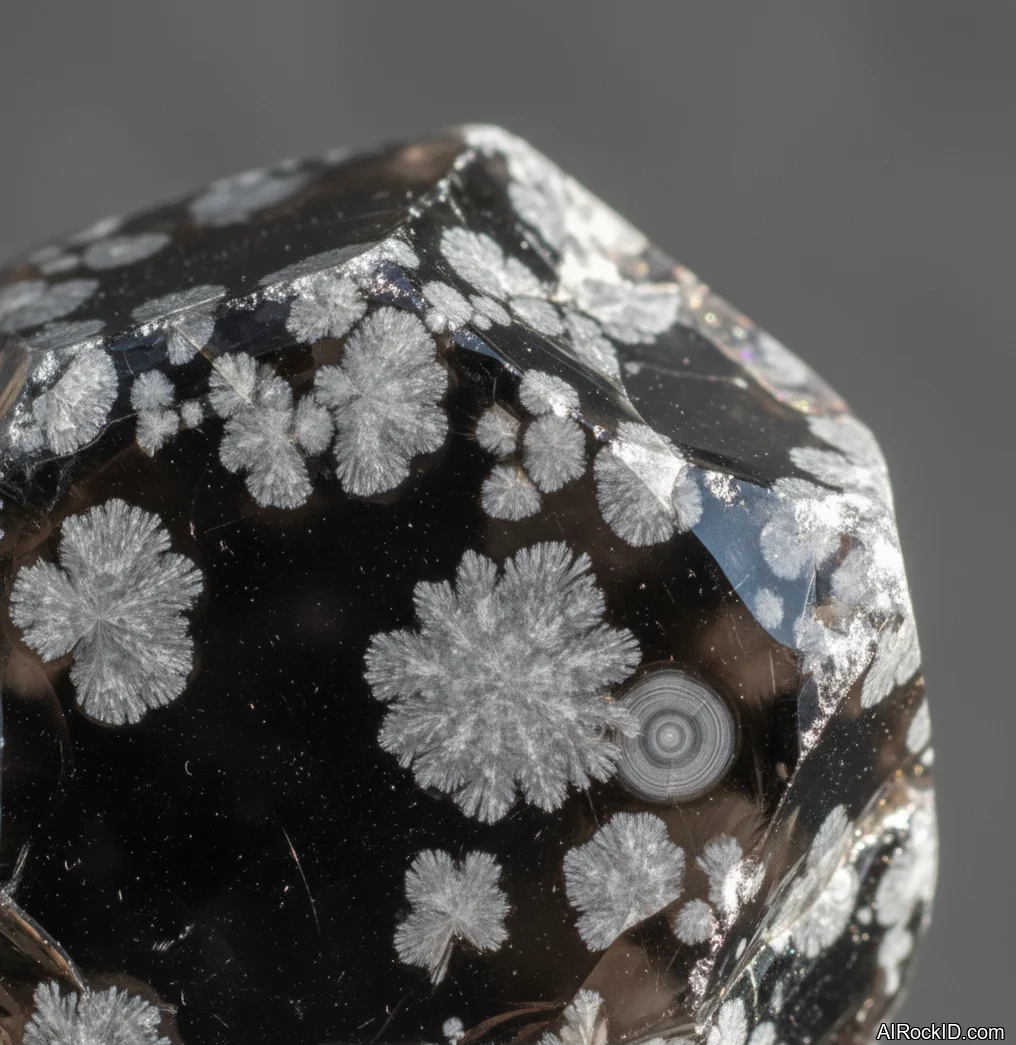
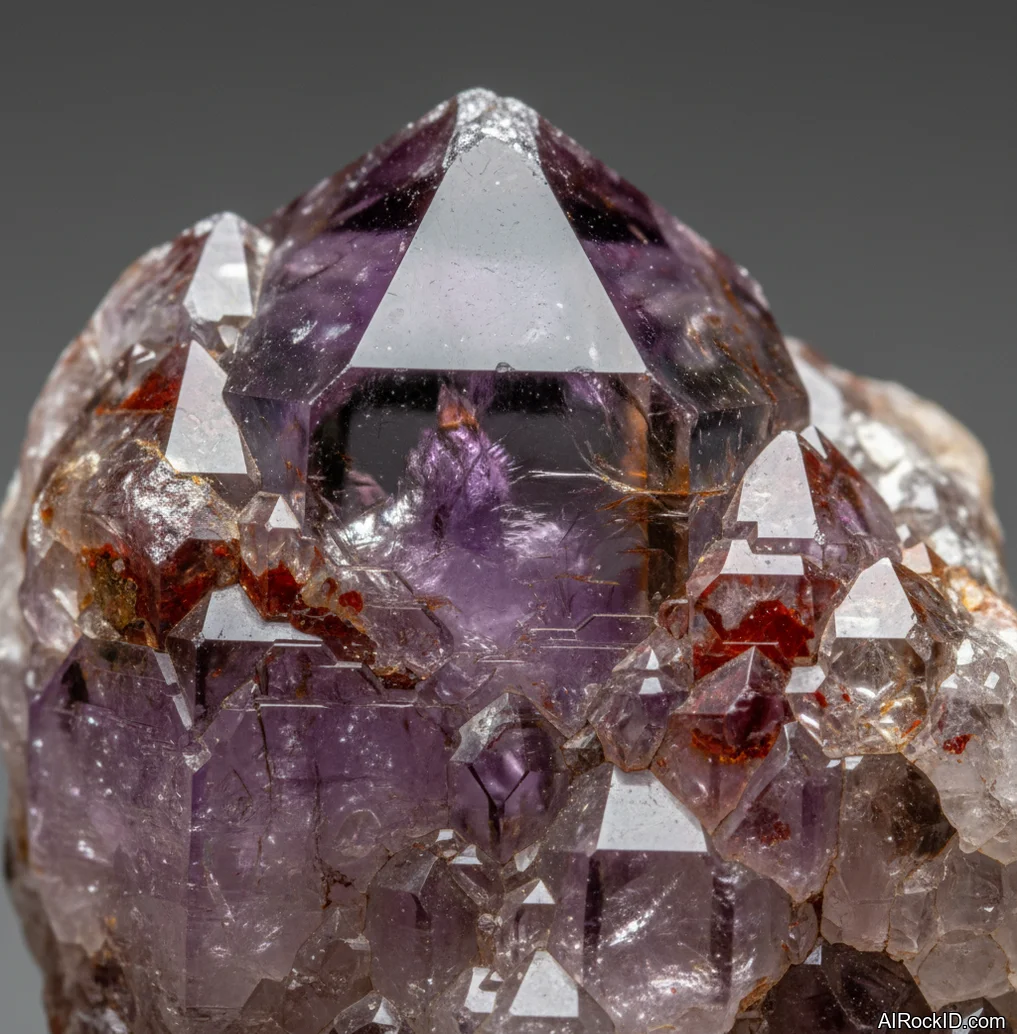
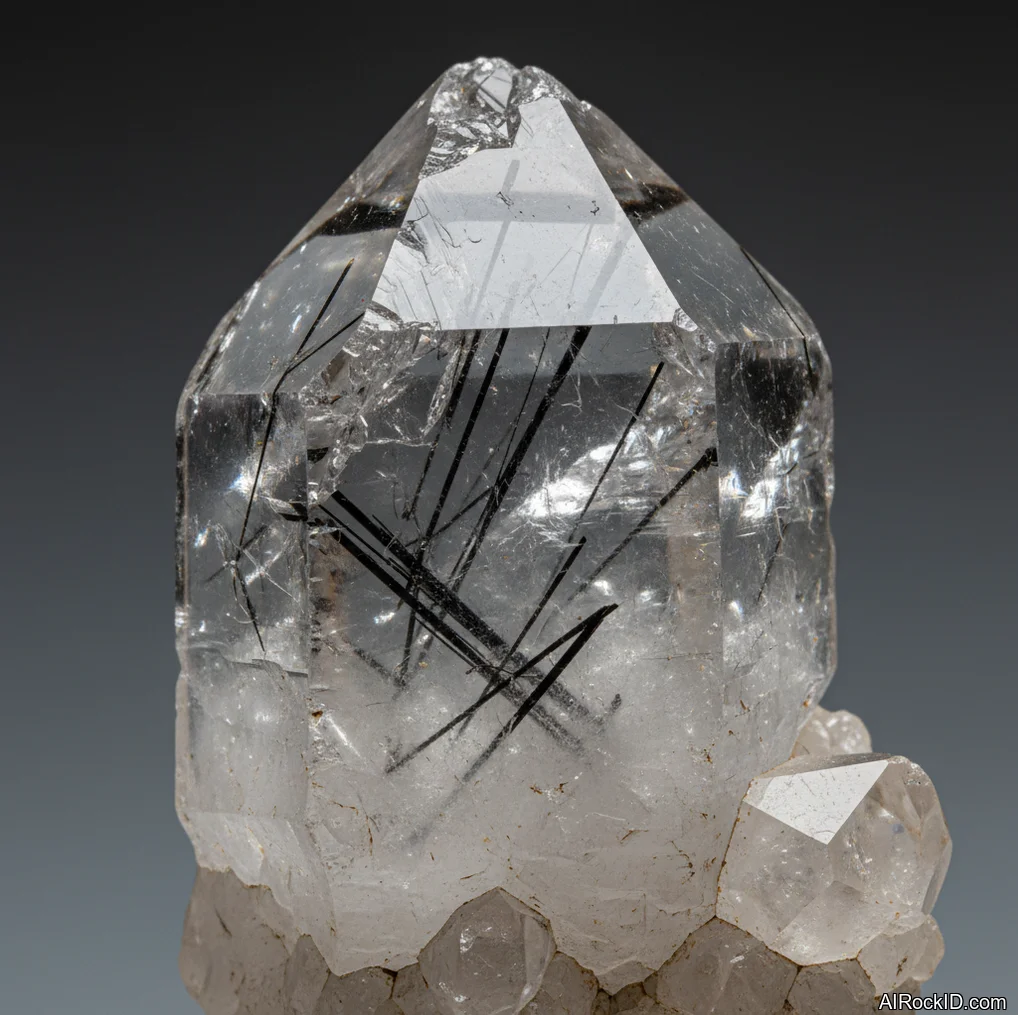
Thing is, collectors don’t always say this part out loud: Virgo crystals aren’t one single “best” stone. They’re a toolkit. For steady grounding, Smoky Quartz is hard to beat, especially the darker, almost cola-colored points where the base looks like it’s been dipped in tea. But if you’re buying it for daily carry, watch for internal fractures. A lot of smoky points have those little feathers inside, and they can turn into chips if you toss it in a pocket with keys. Annoying, but true.
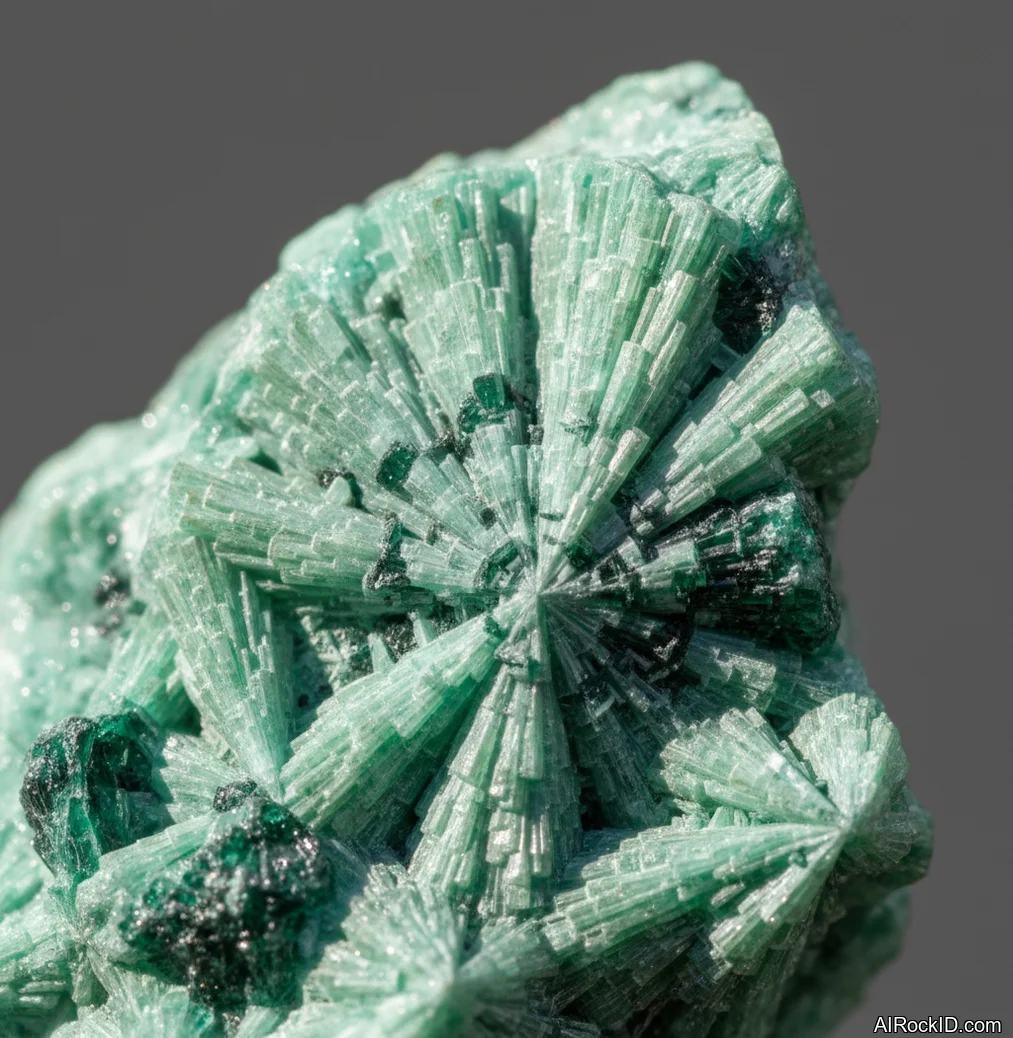
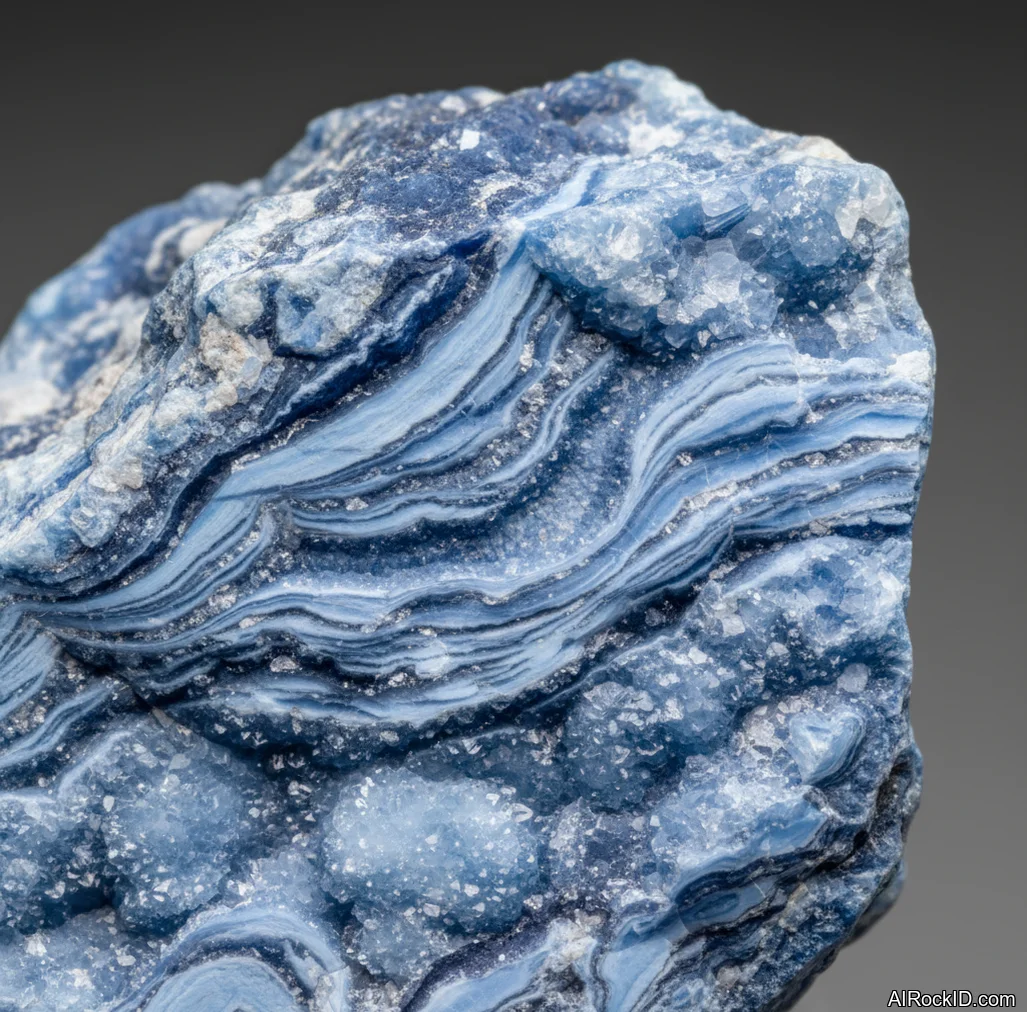
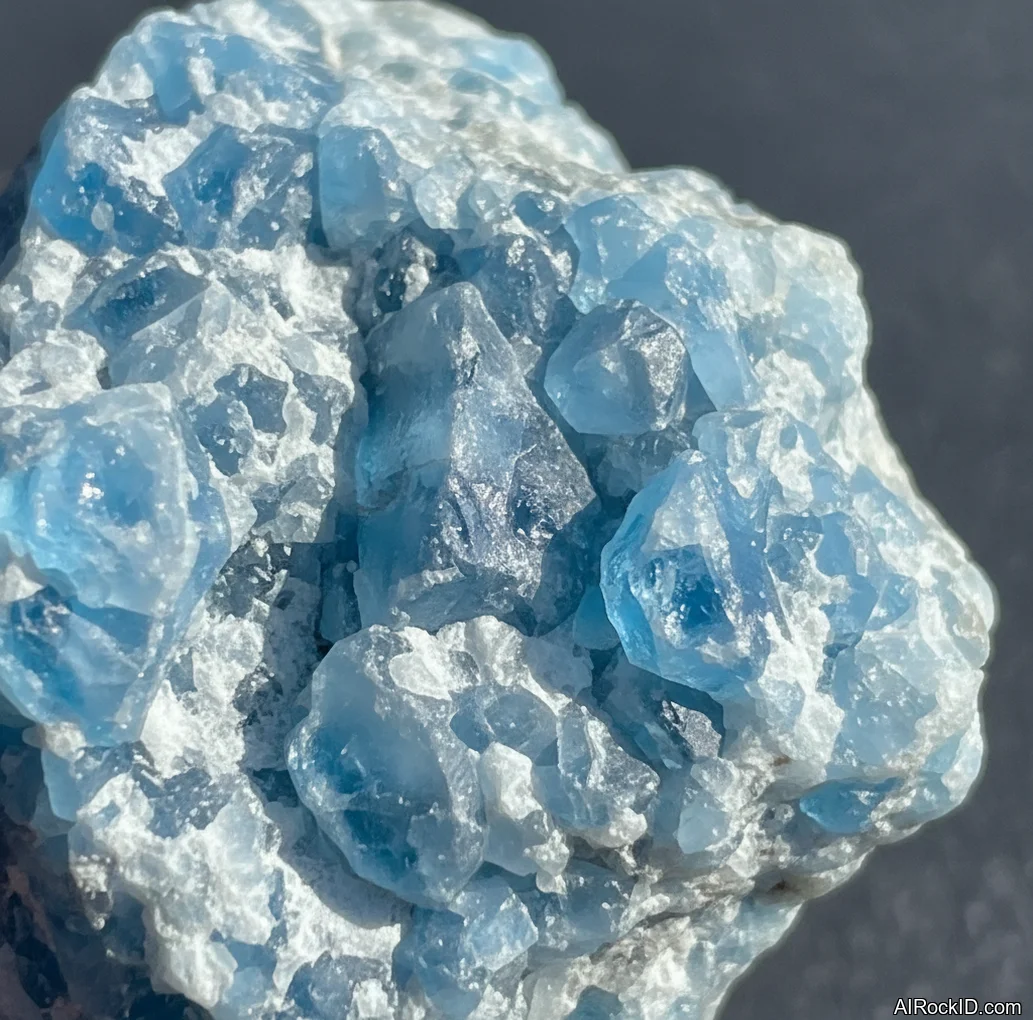
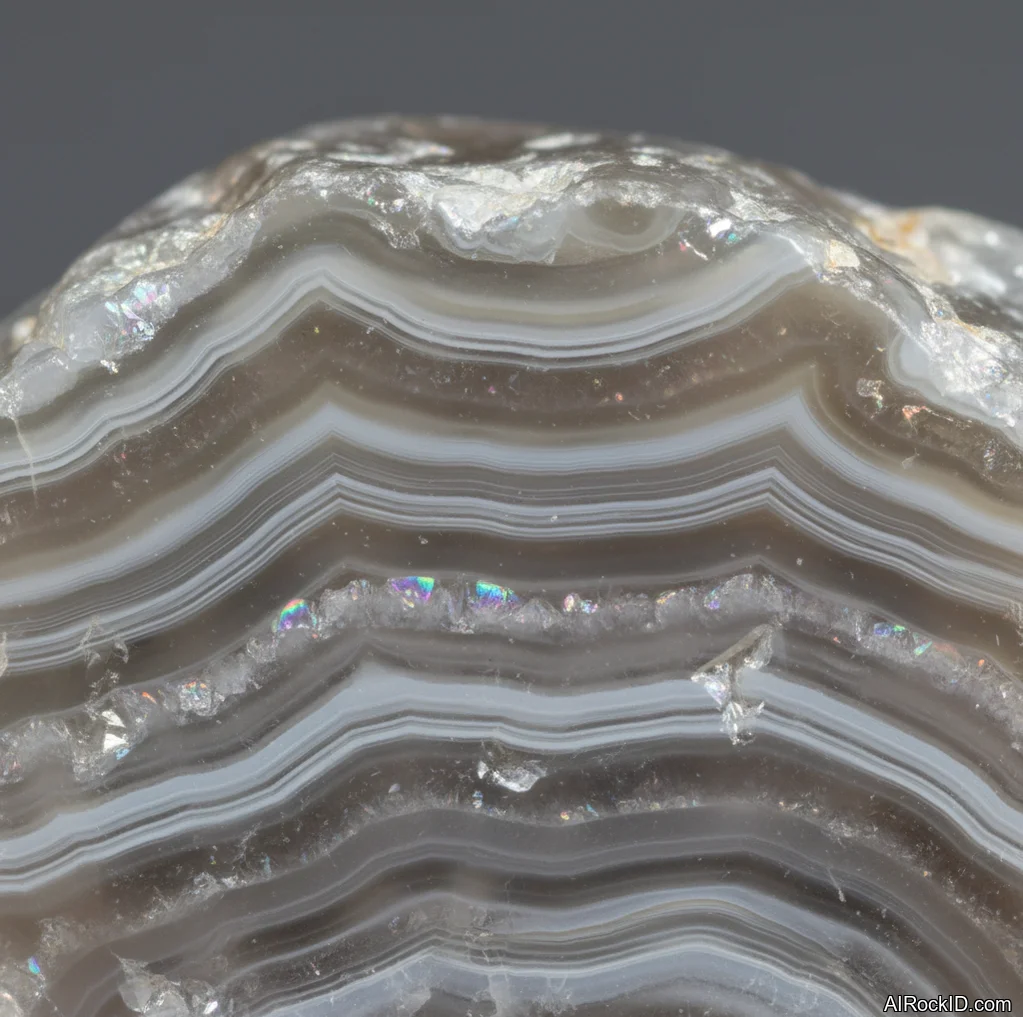
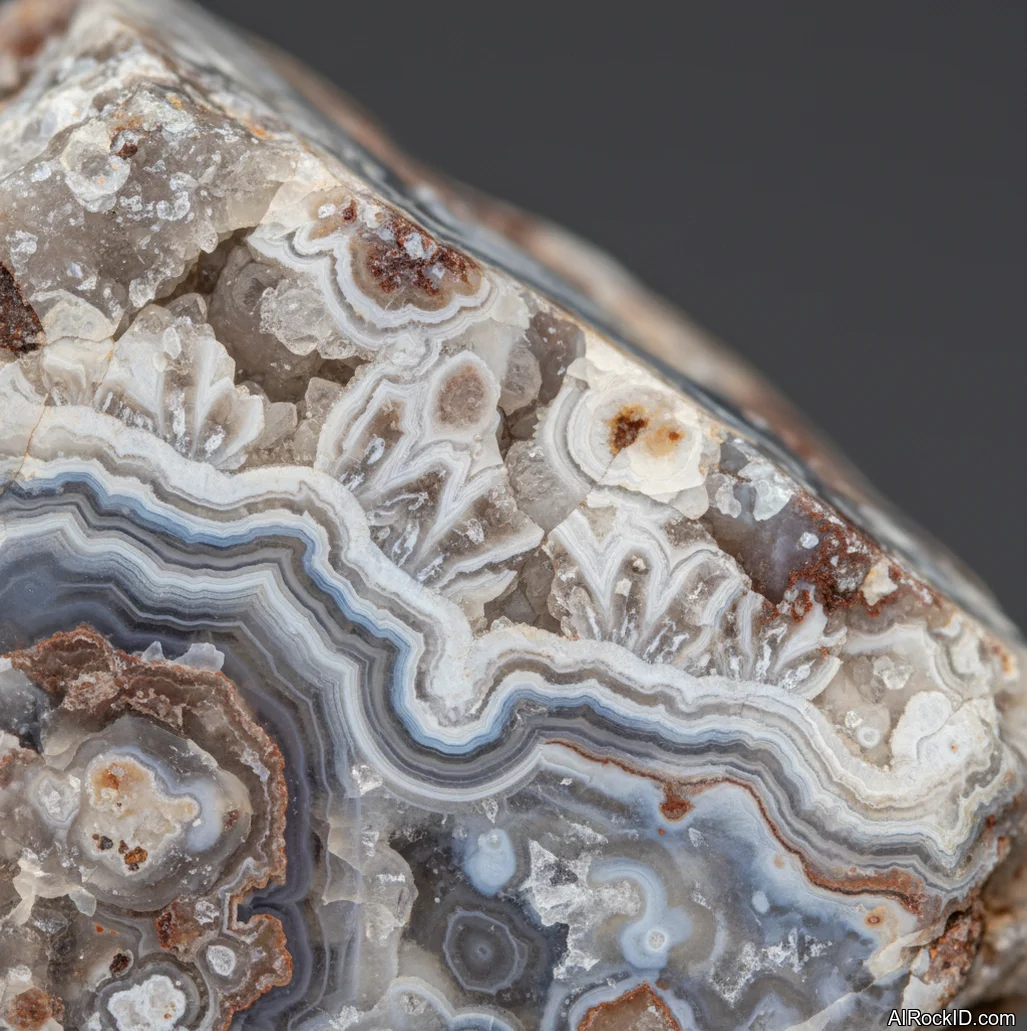
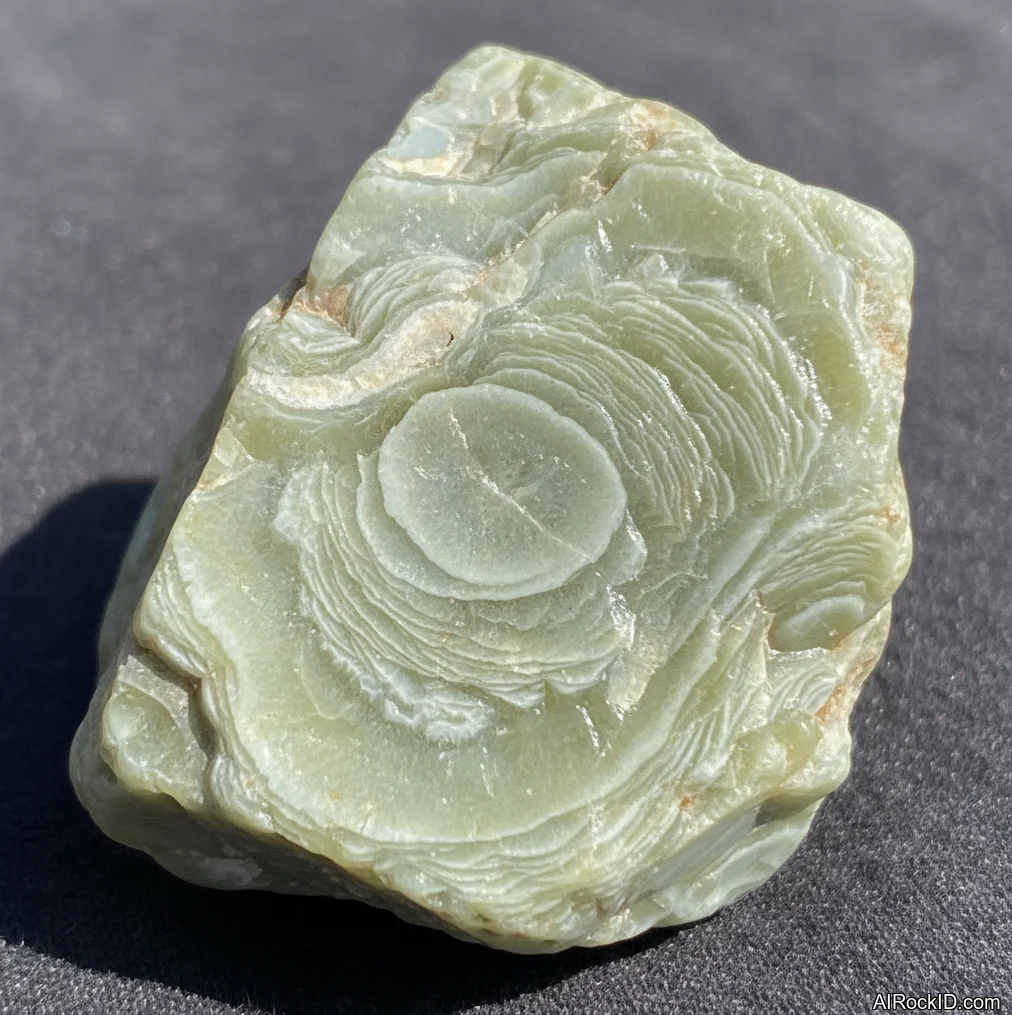
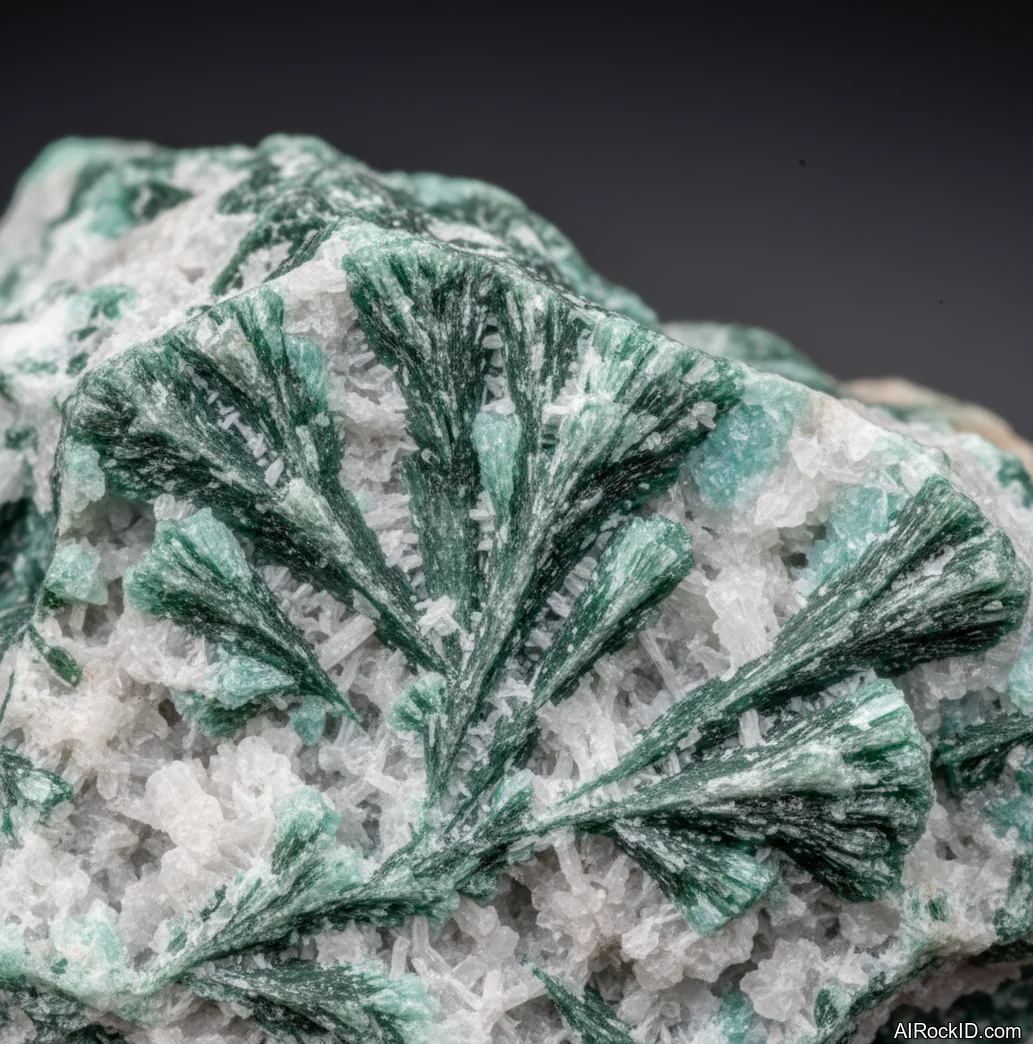
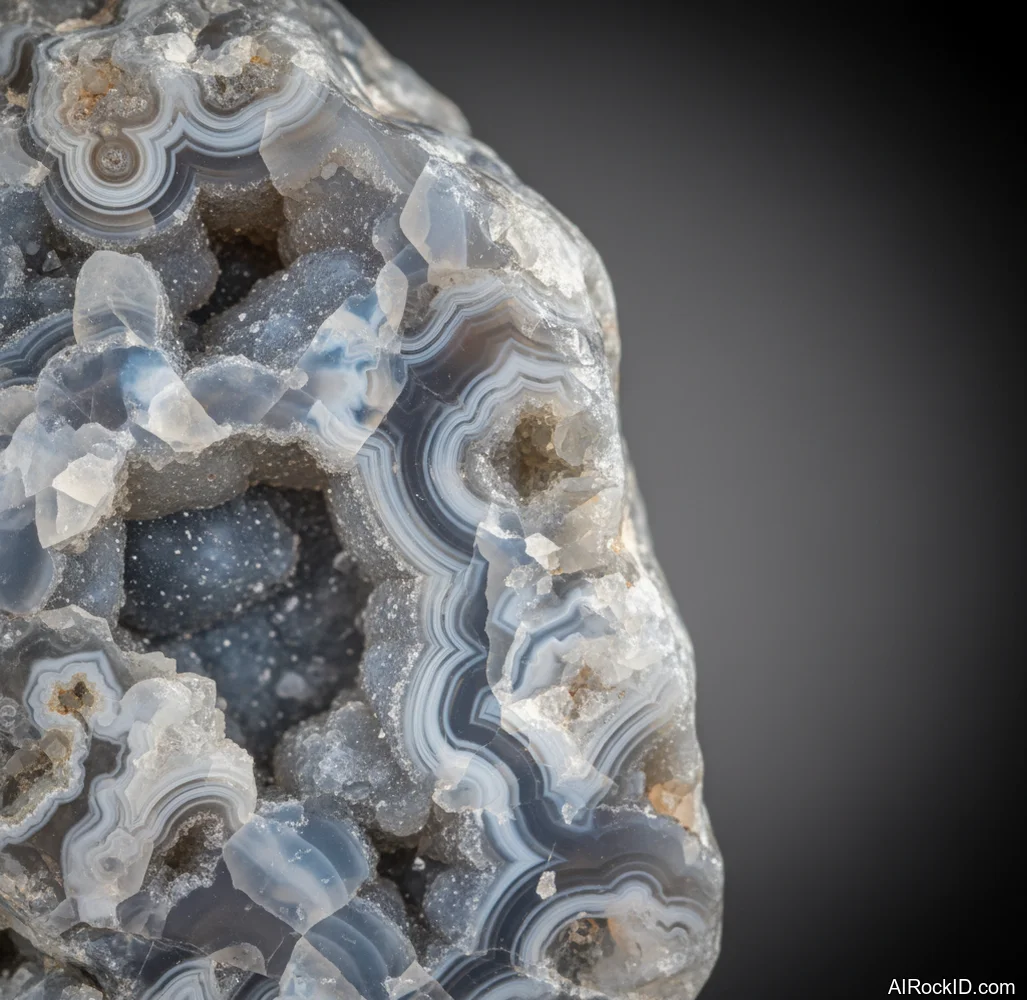
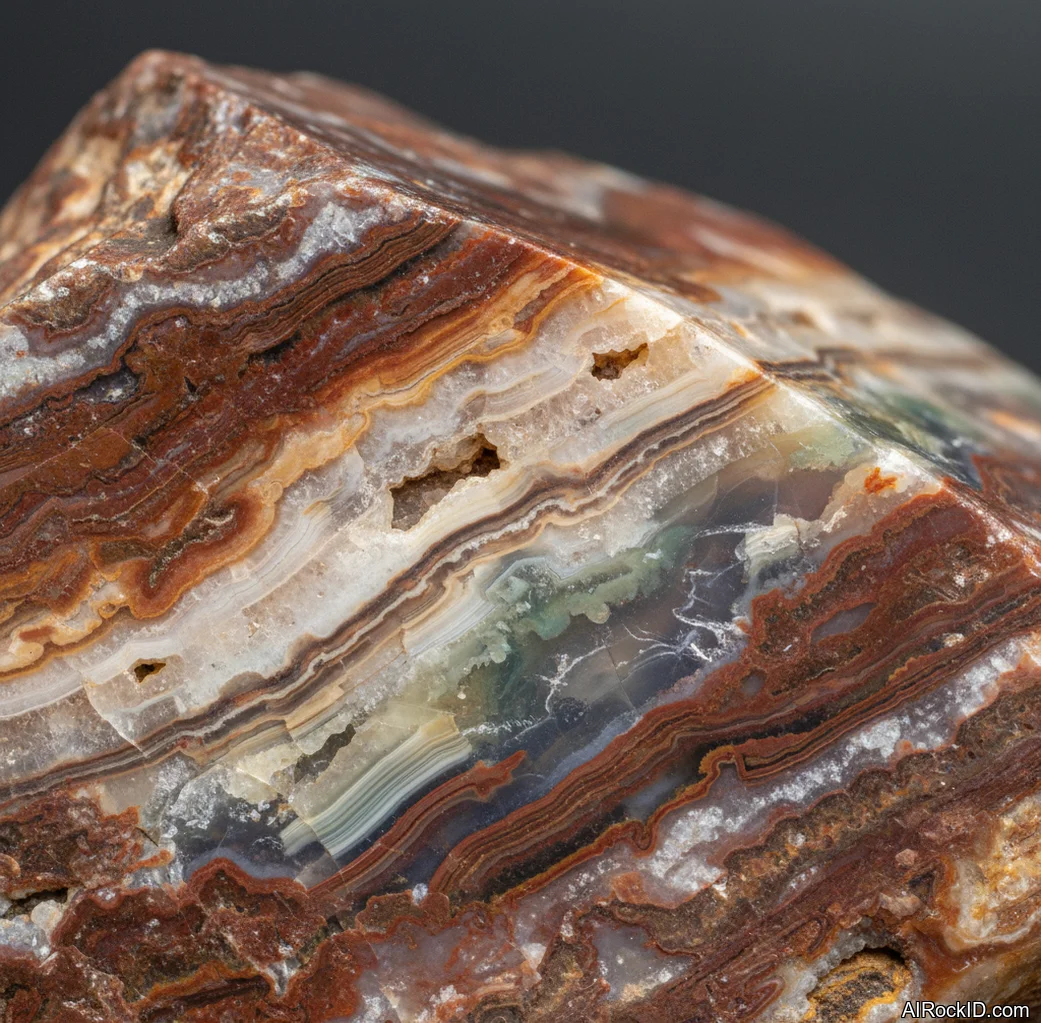
For the softer side of Virgo, people grab Amazonite, Blue Lace Agate, or Lepidolite. Amazonite is a funny one because the good stuff doesn’t look flat. Tilt it under a lamp and you’ll see a faint shimmer from the feldspar structure, almost like a satin glow that comes and goes as you rotate it. Cheap dyed amazonite exists, and it’s usually too neon and too uniform. Real pieces have patchy color, white streaking, and sometimes little pits where the polish didn’t quite reach (yep, even on “nice” ones).
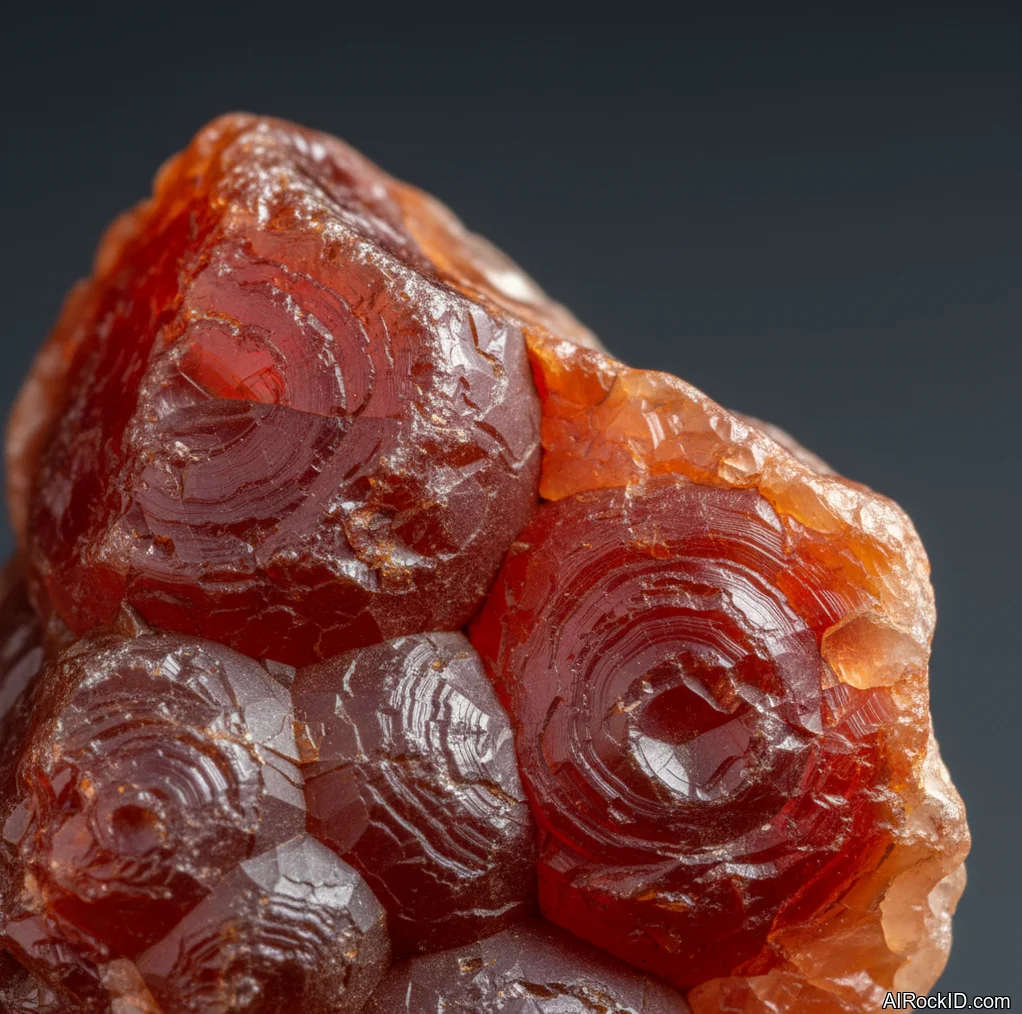
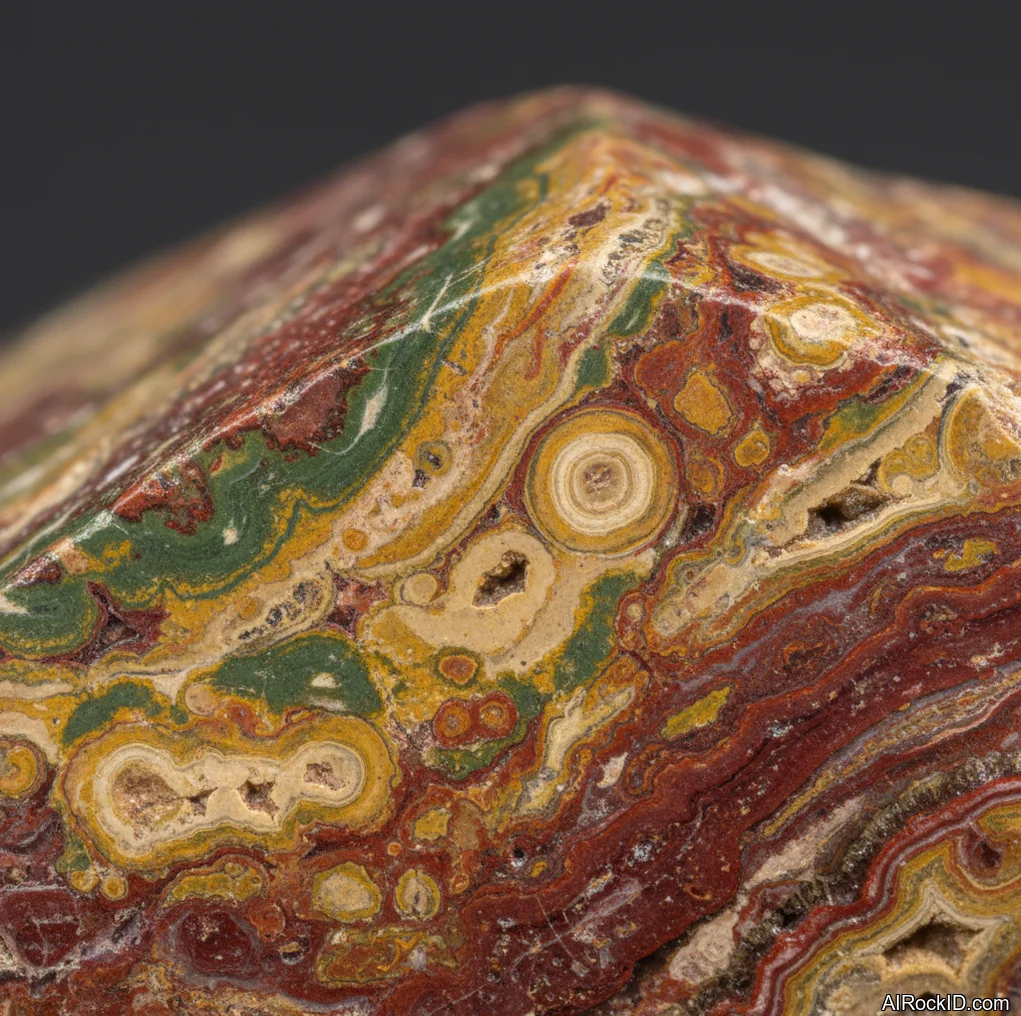
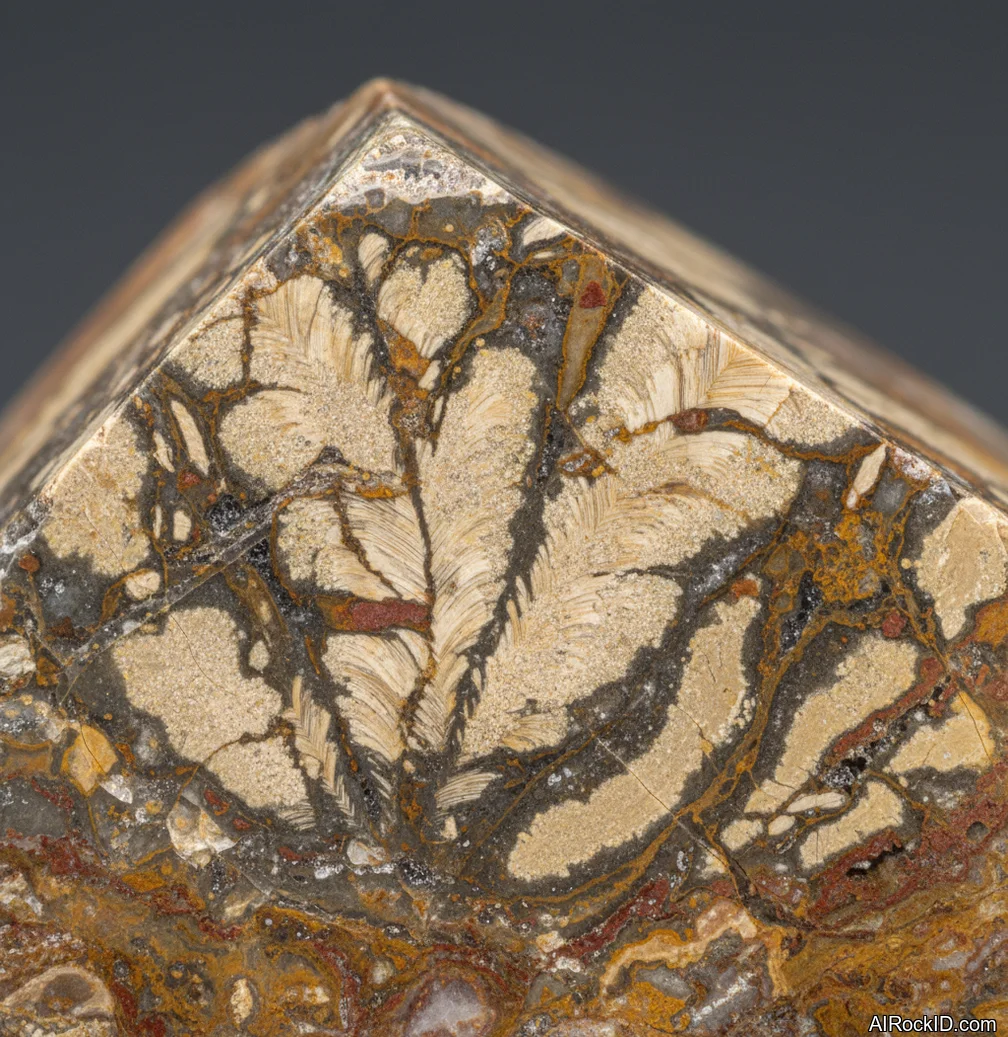
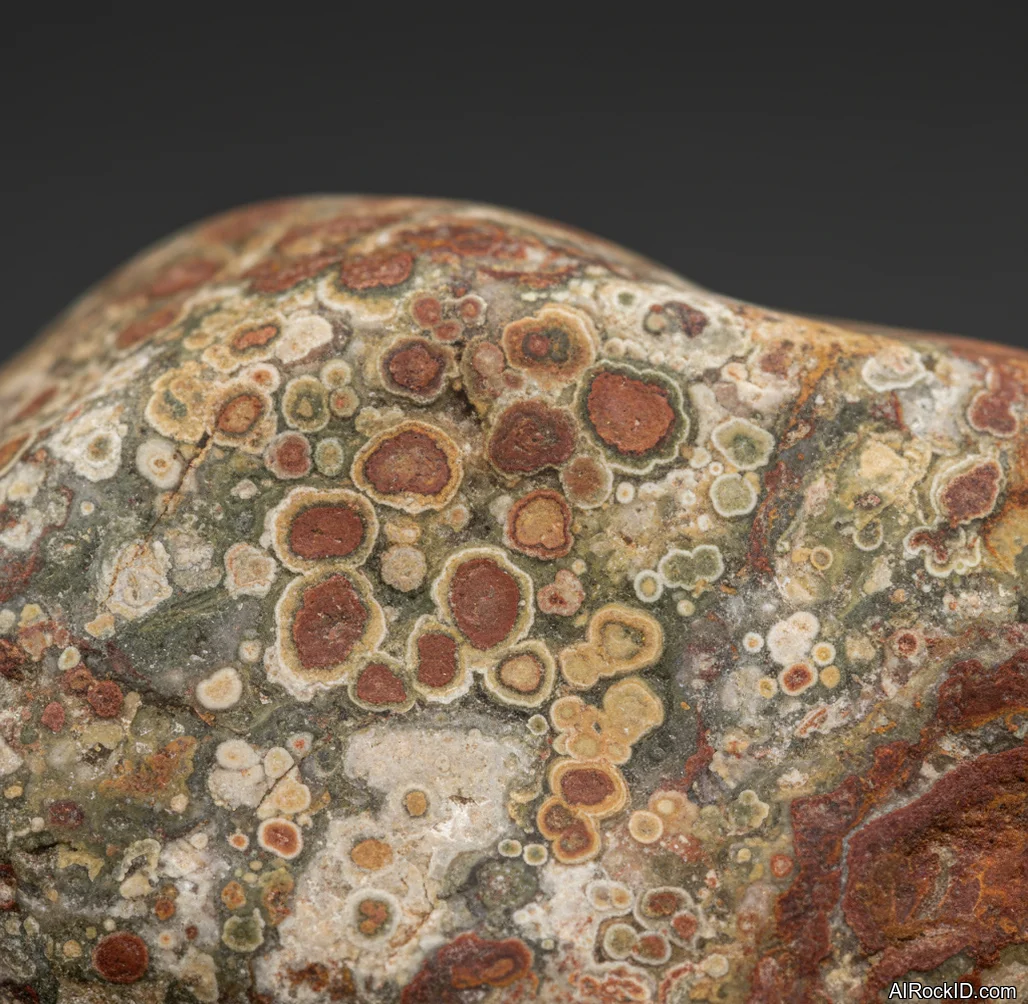
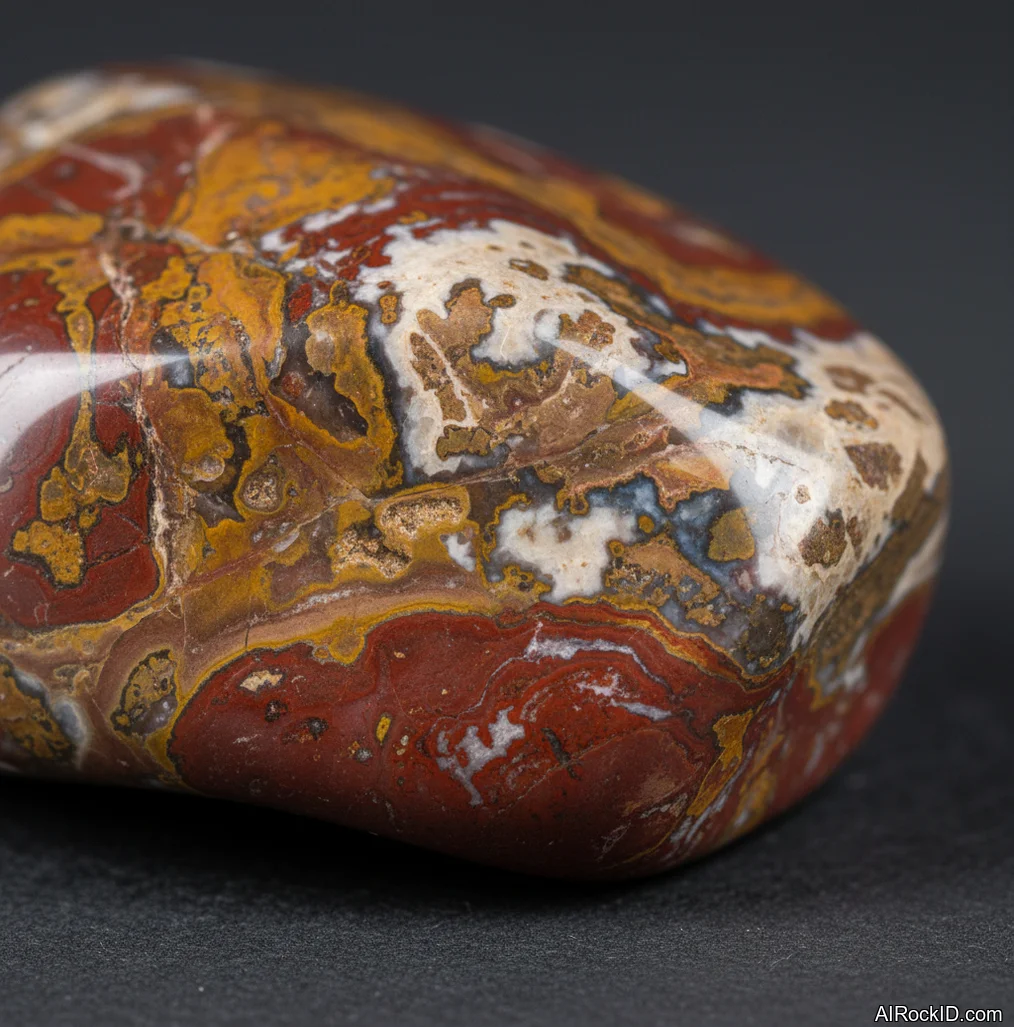
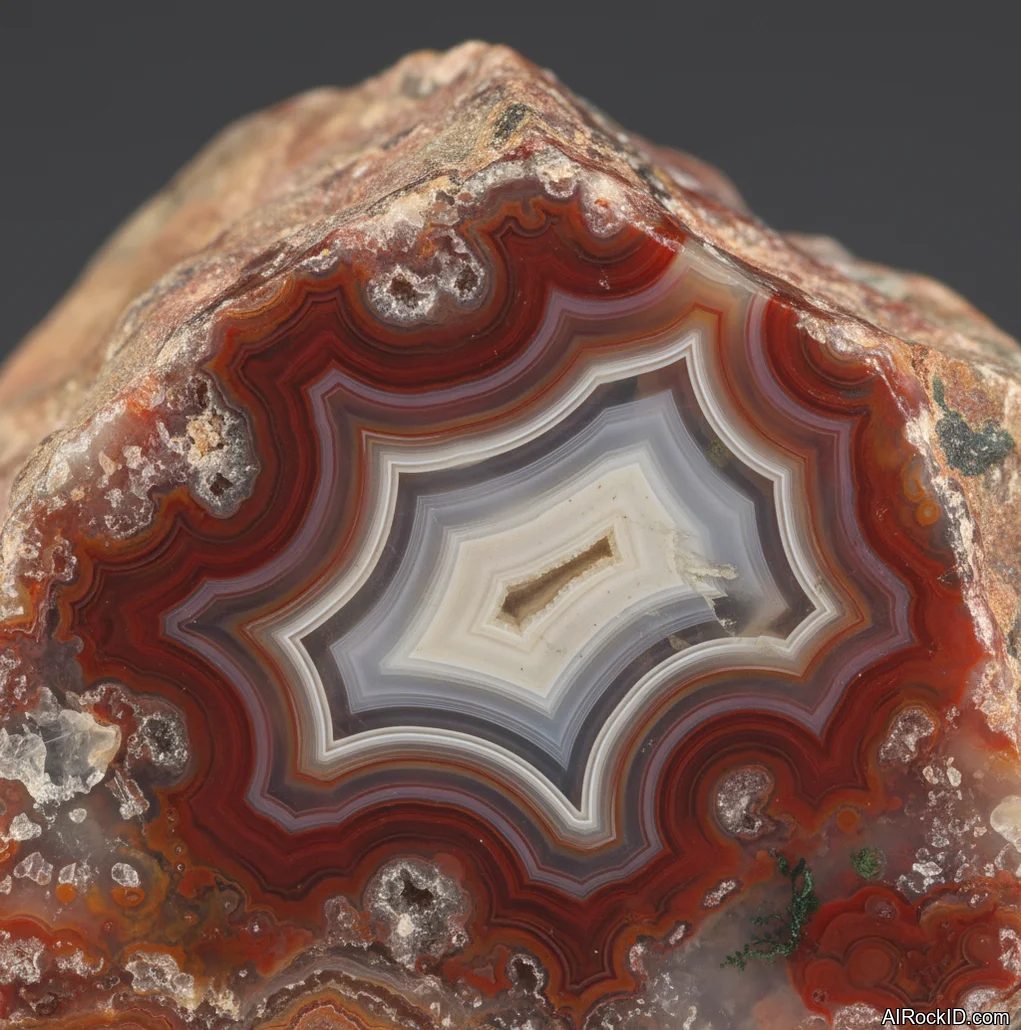
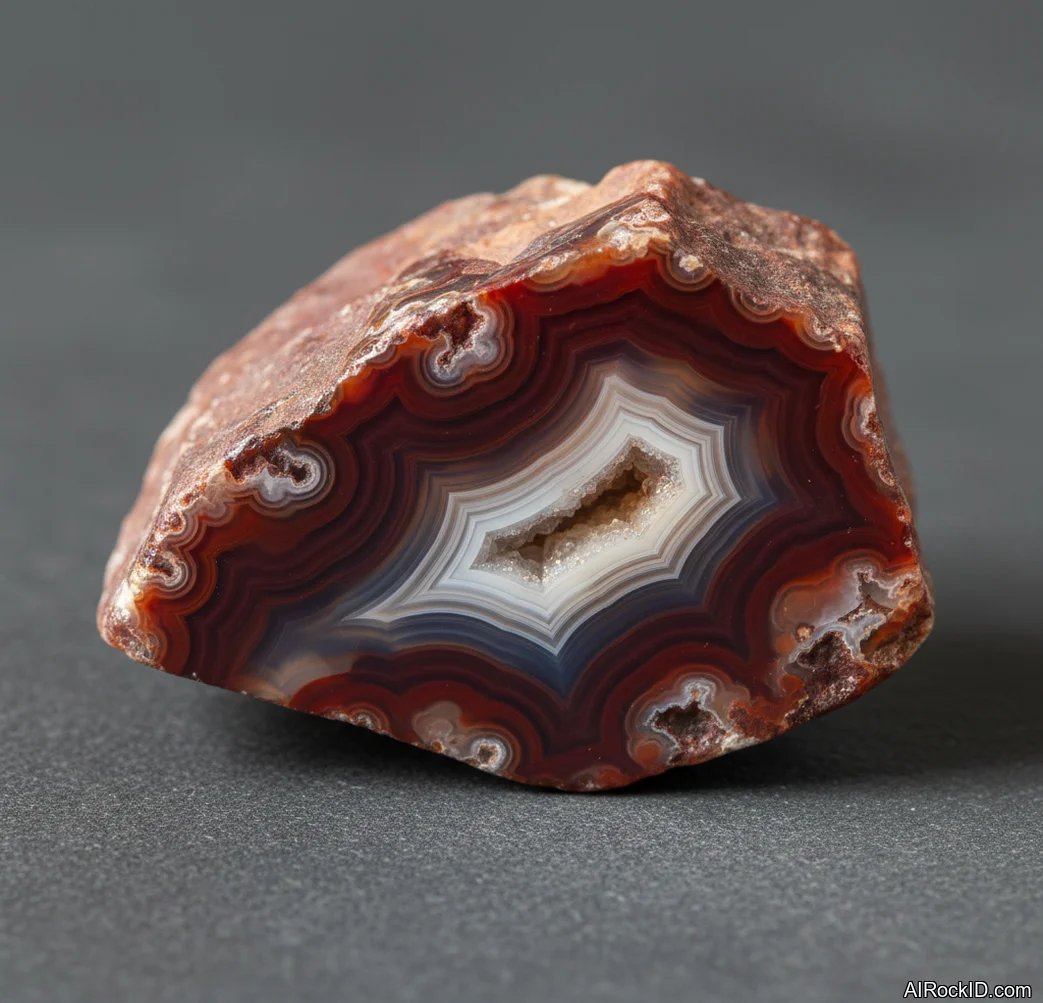
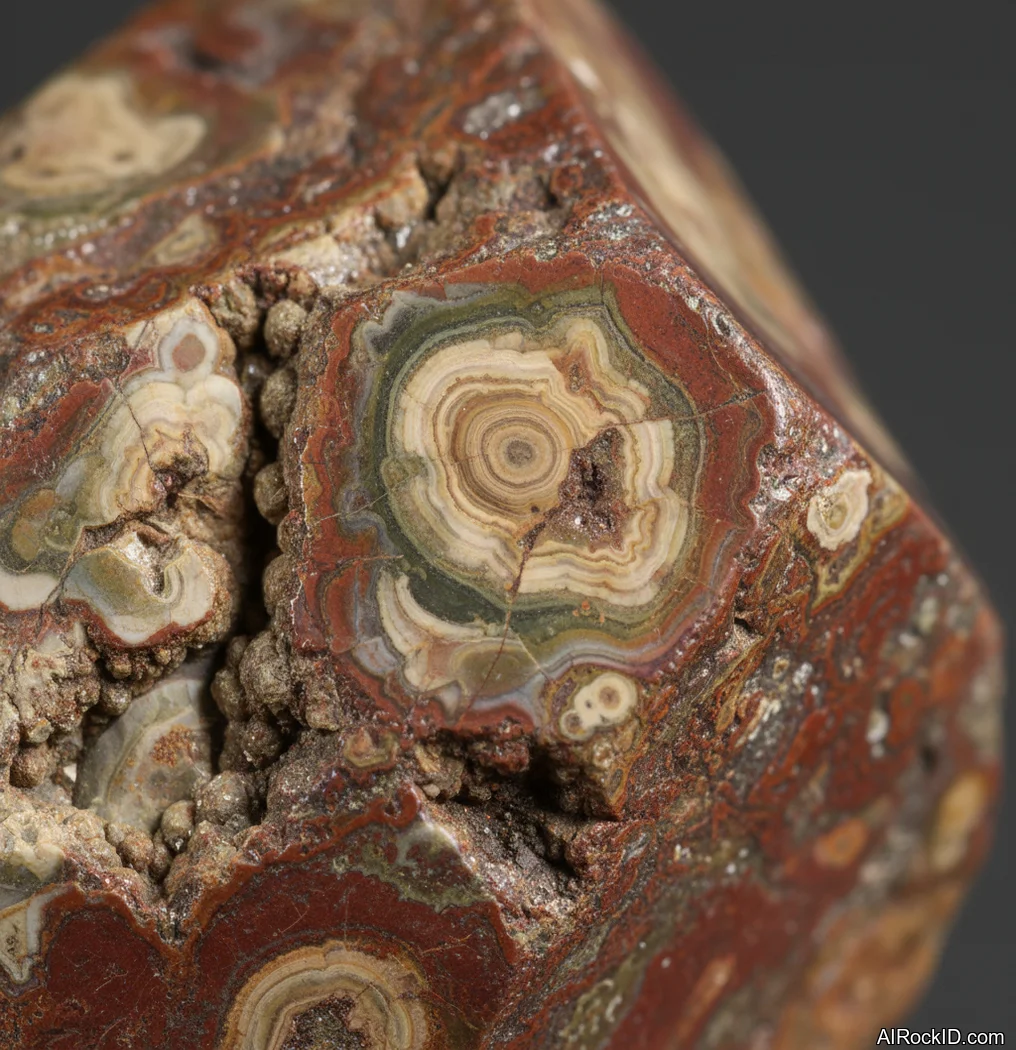
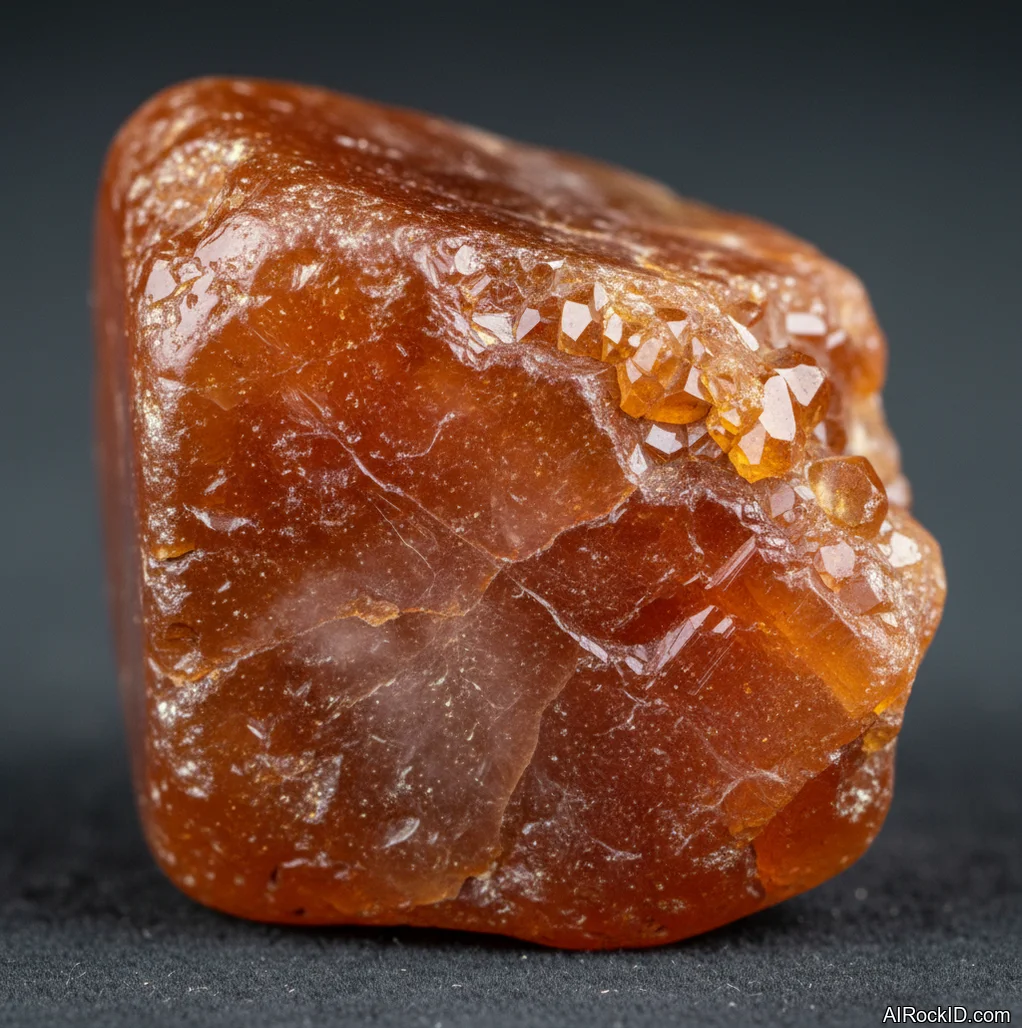
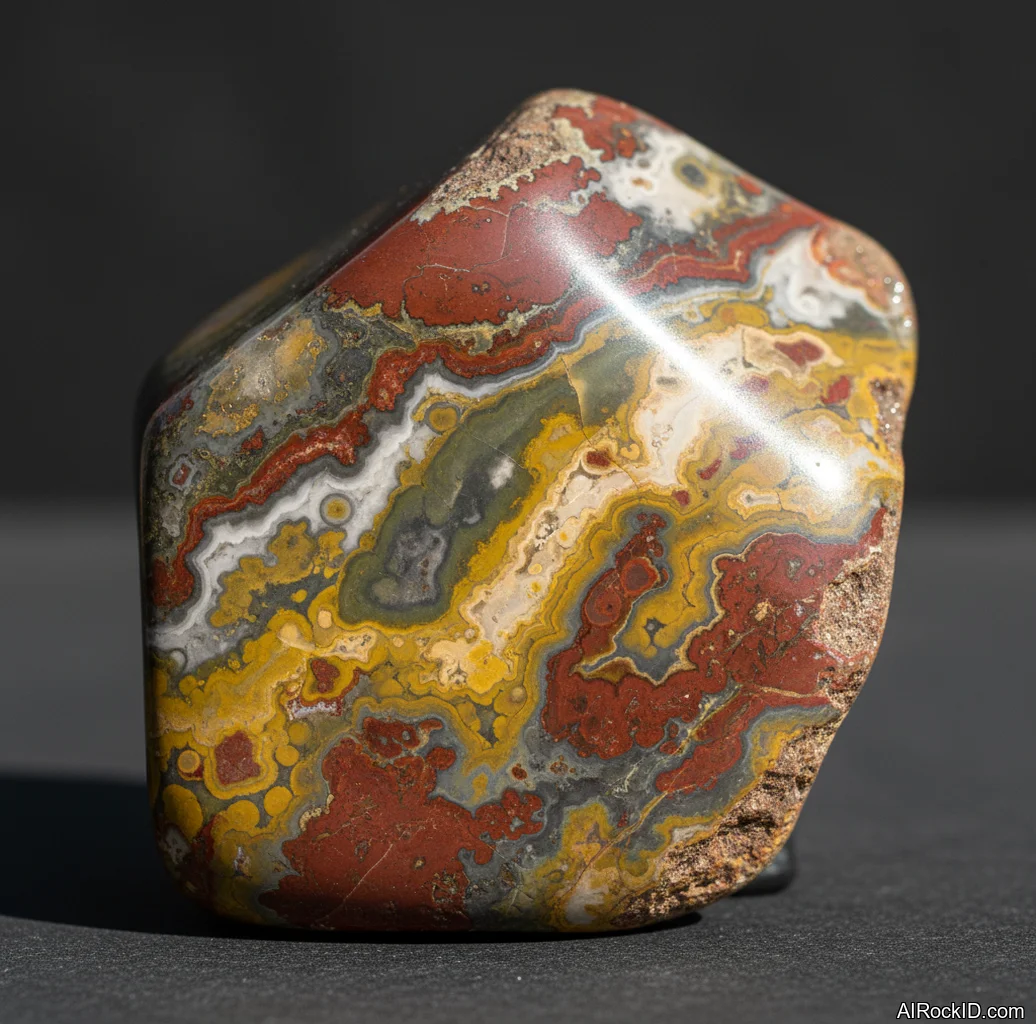
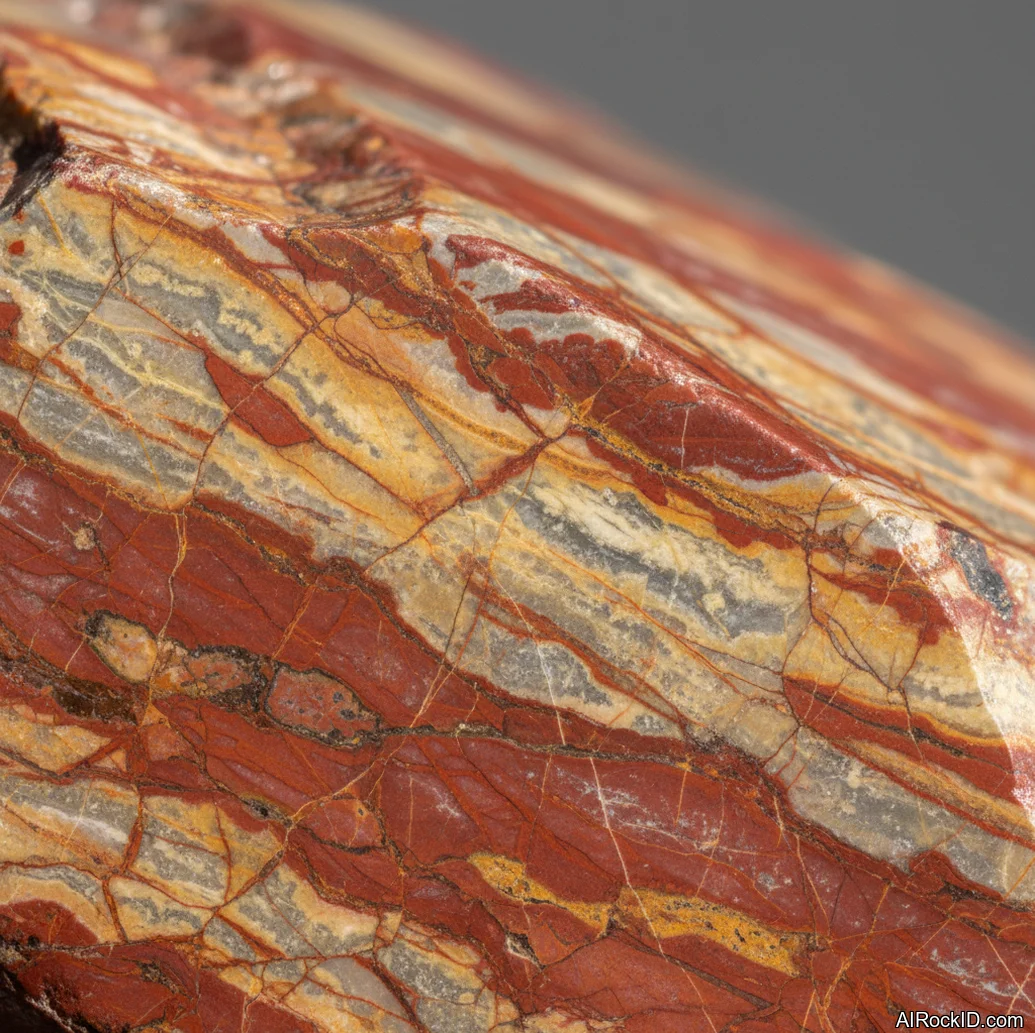
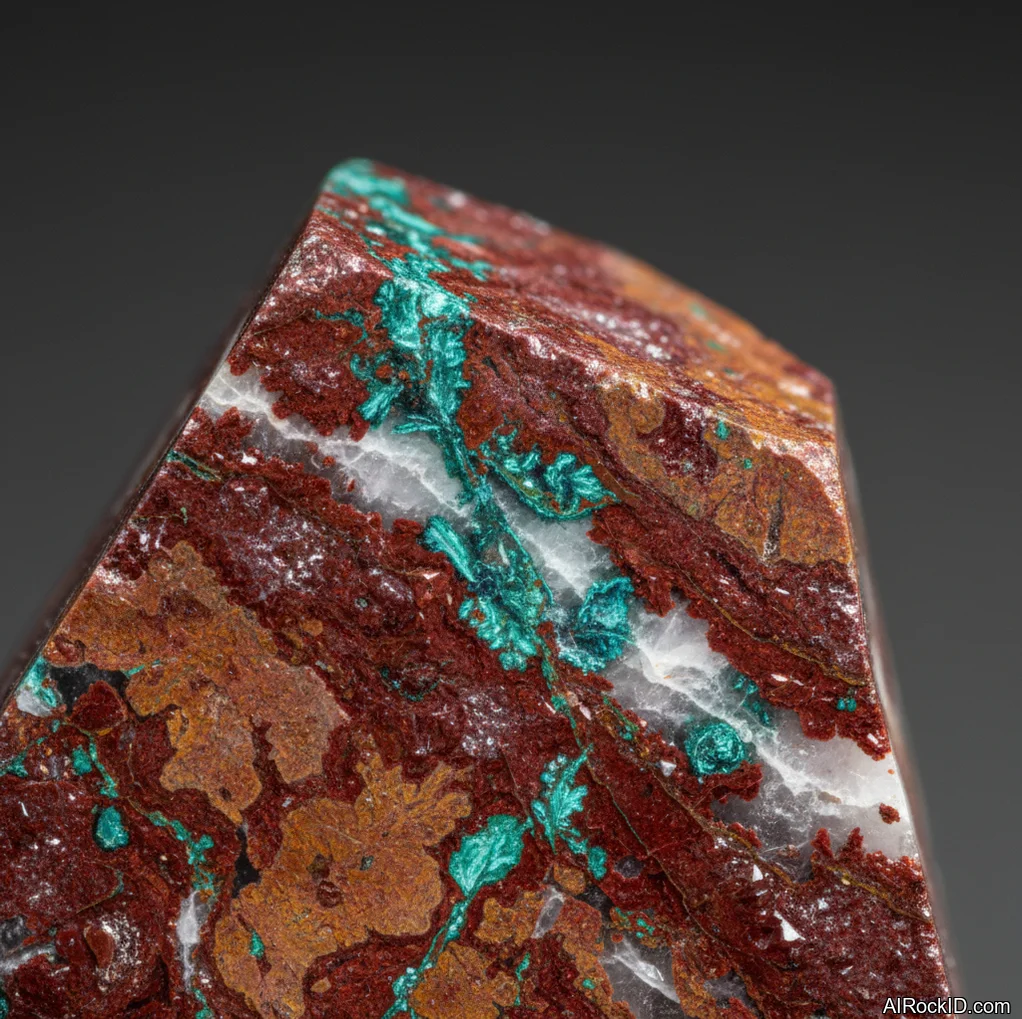
Carnelian and Red Jasper come up a lot for Virgo too, especially for motivation when you’re stuck in analysis mode. Carnelian’s the one I hand to people who say they’re tired but still trying to push through. It’s usually banded if you look close, and on a good tumbled stone the orange shifts from translucent edges to a denser, cloudy center. Red Jasper is more brick-like and opaque, and you’ll sometimes see tiny black specks or webby veining that tells you it’s not just a plain red glass pebble.
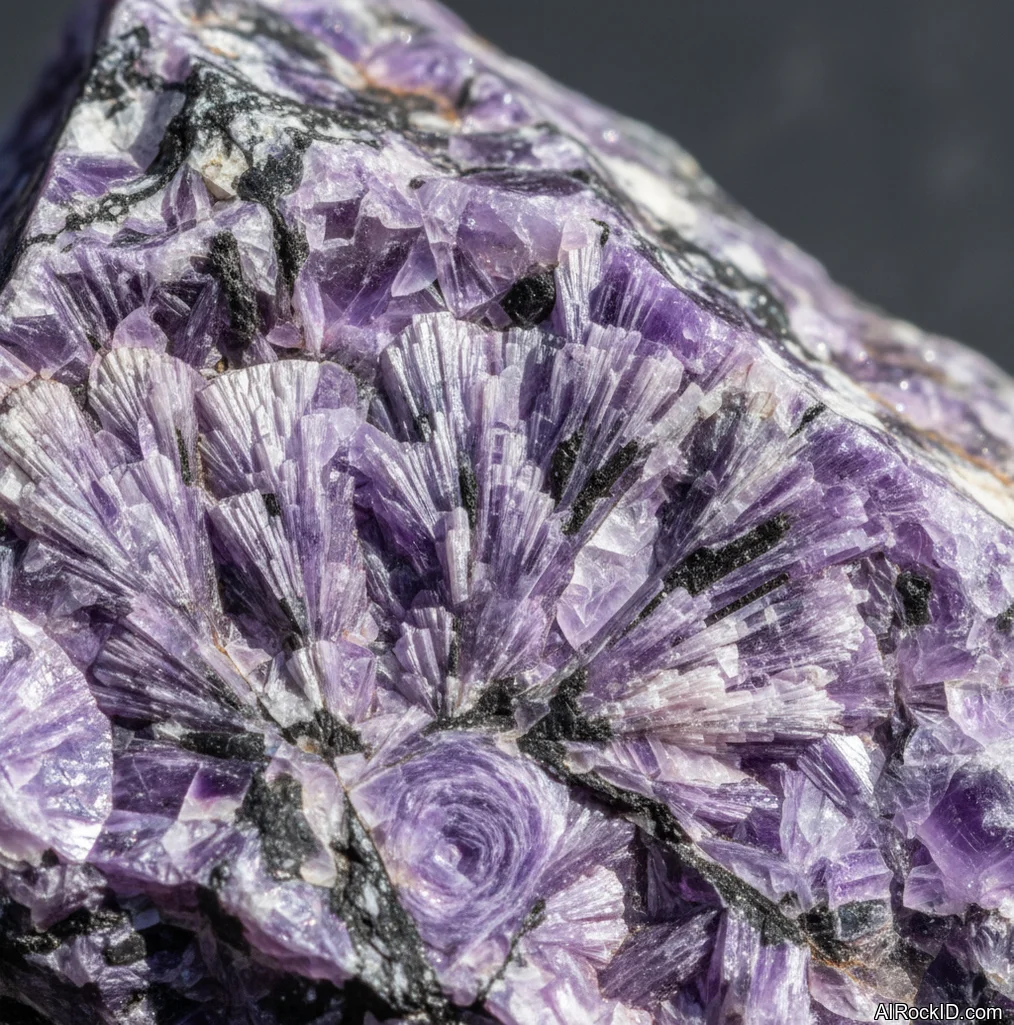
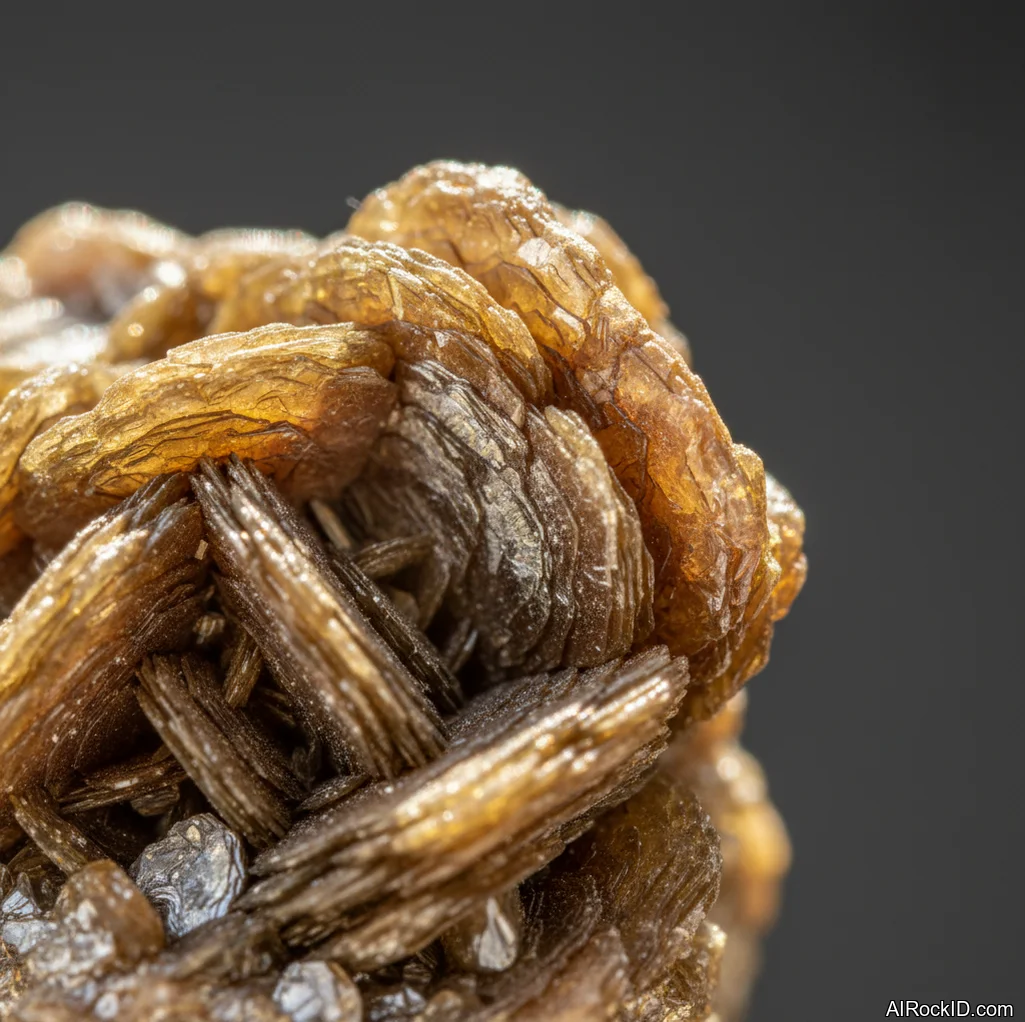
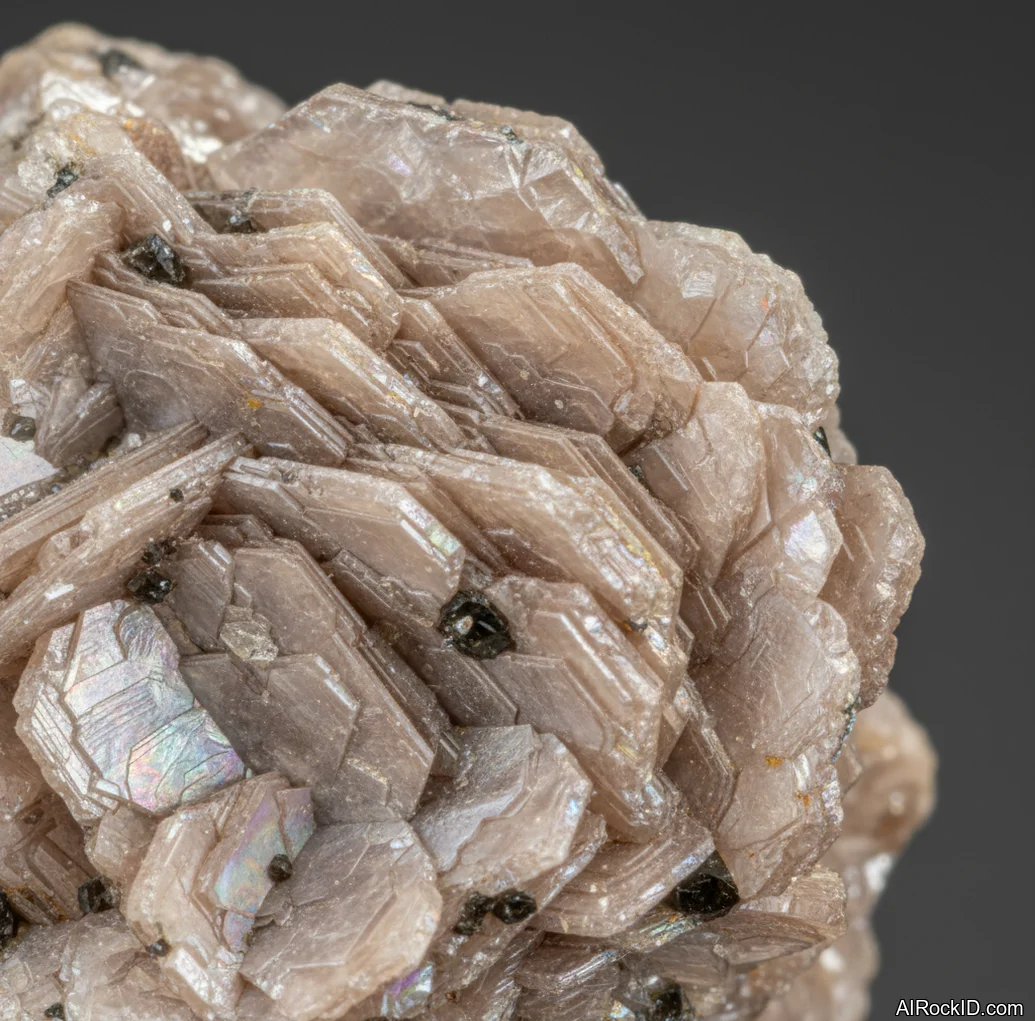
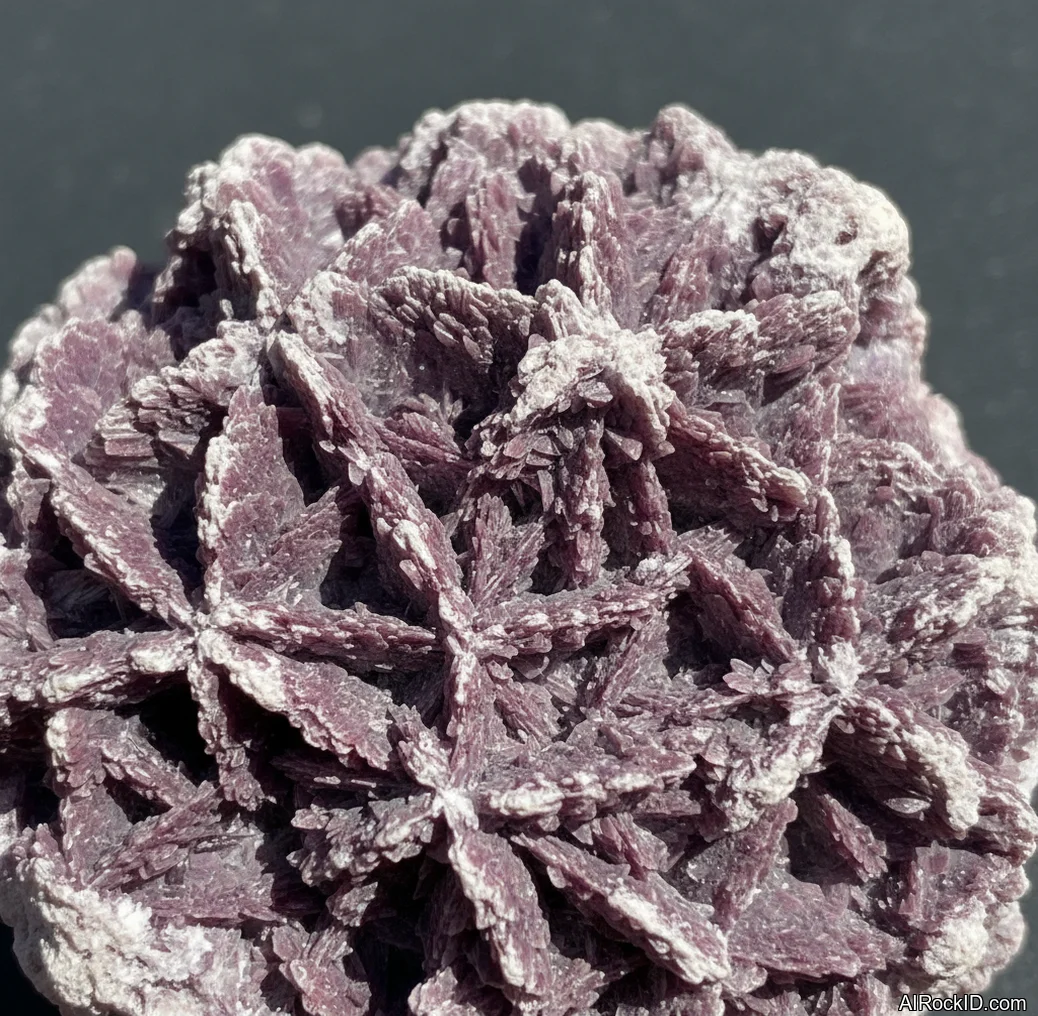
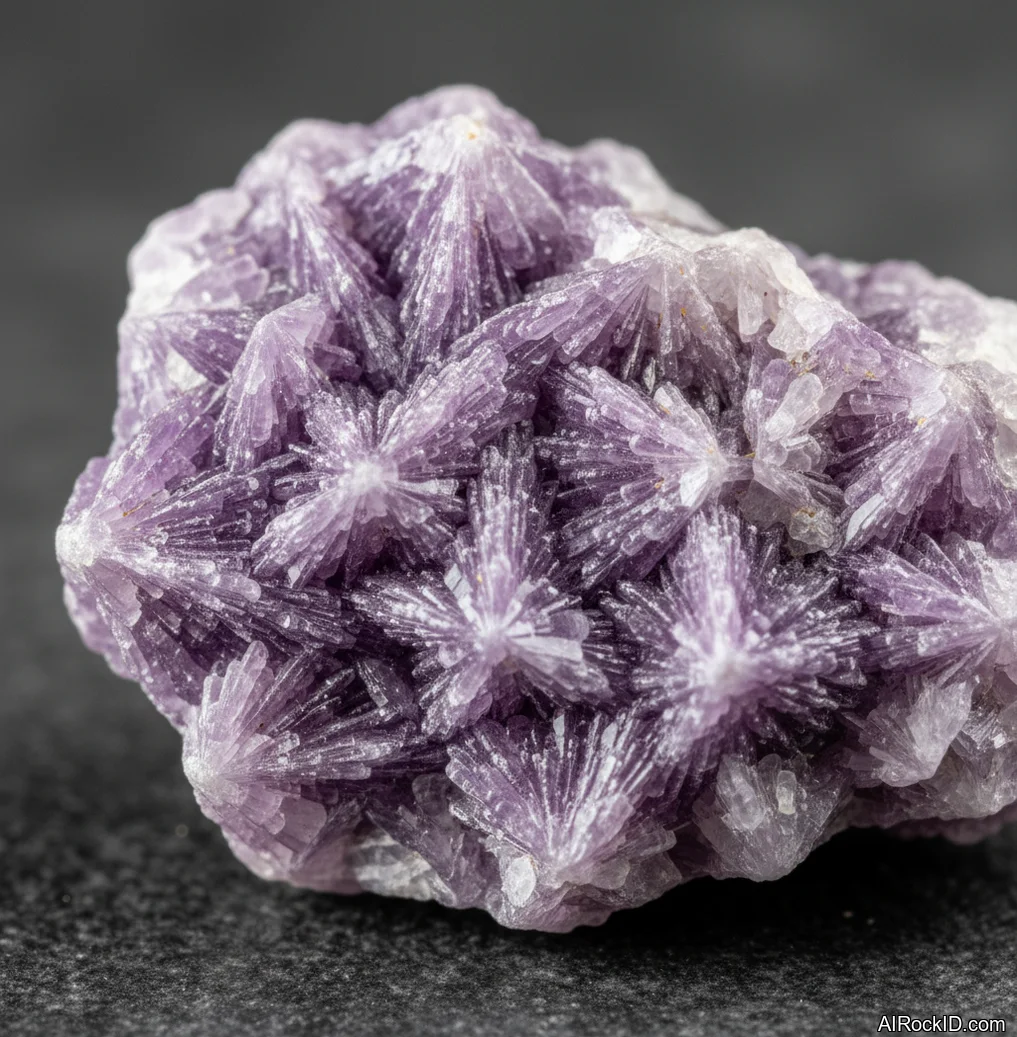
Working with Virgo crystals doesn’t need to be mystical. Put them where the Virgo problems actually happen. Fluorite on the desk. Smoky Quartz by the front door if you come home carrying other people’s stress. Lepidolite by the bed, but don’t expect it to stay pristine if you handle it a lot. Lepidolite is a mica-rich stone, so it can flake and leave glittery crumbs if it’s a raw piece. That’s normal. And it’s also a good reason to choose a polished palm stone if you want something durable.
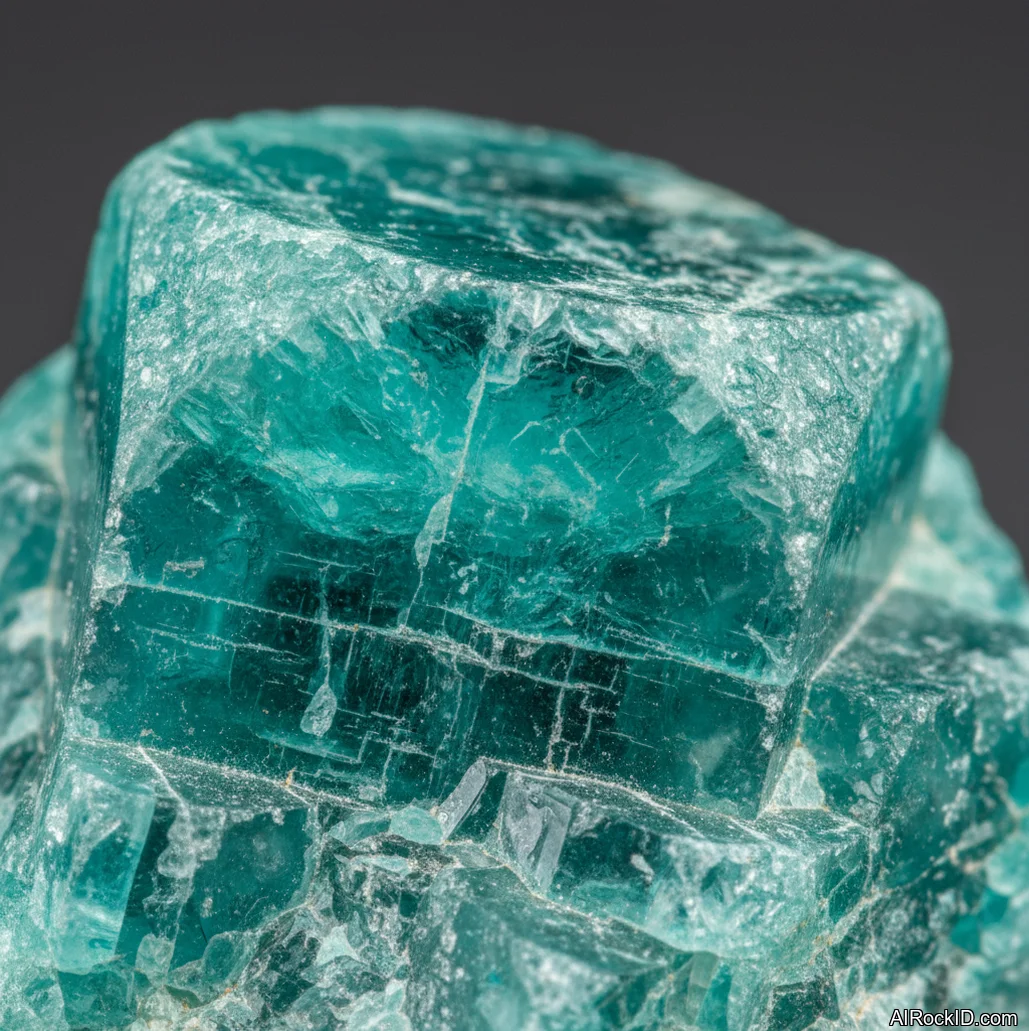
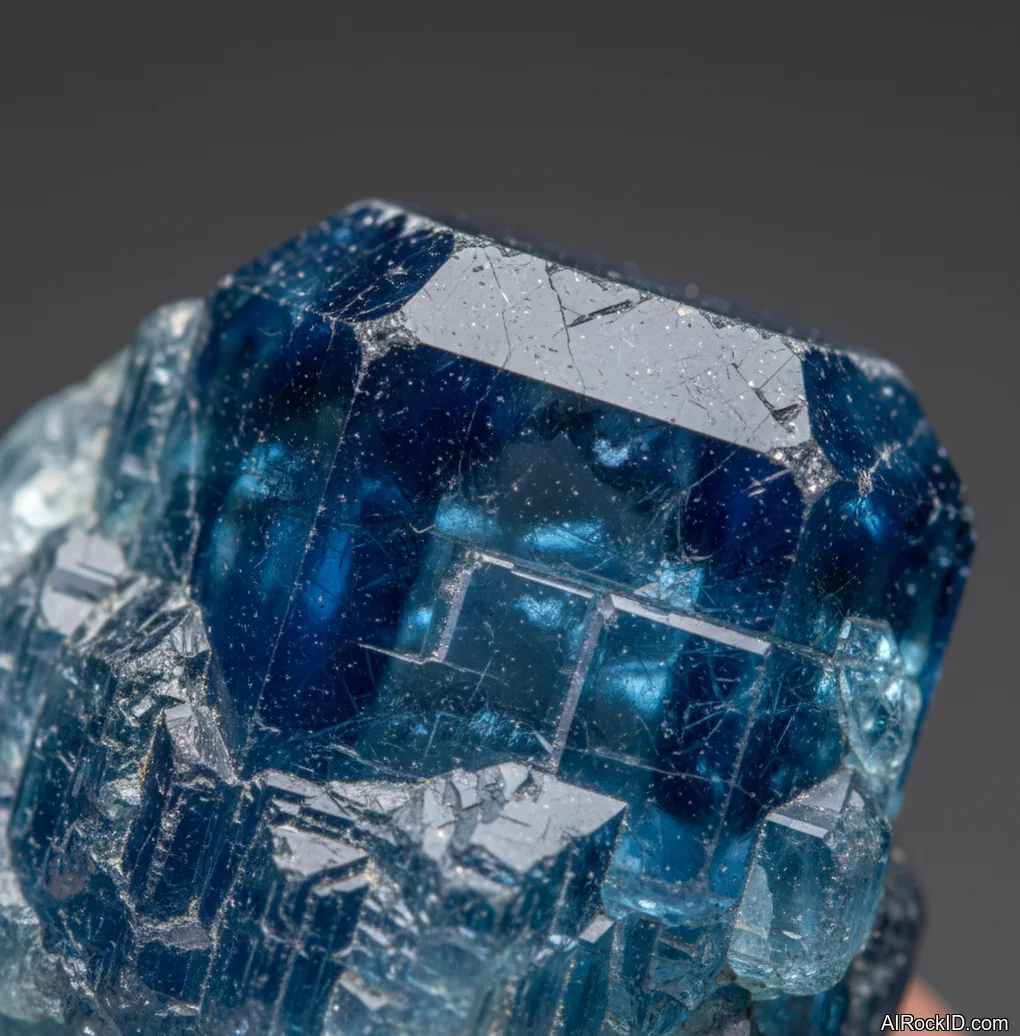
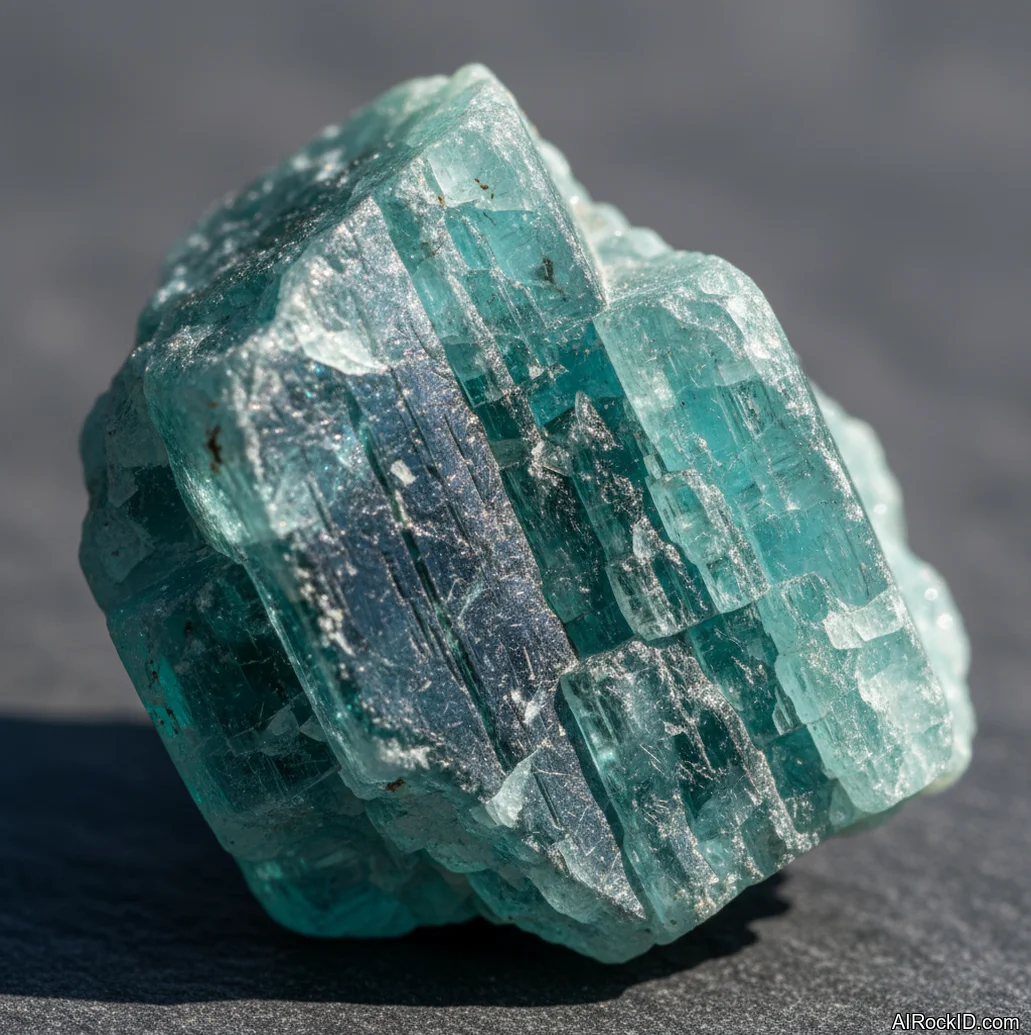
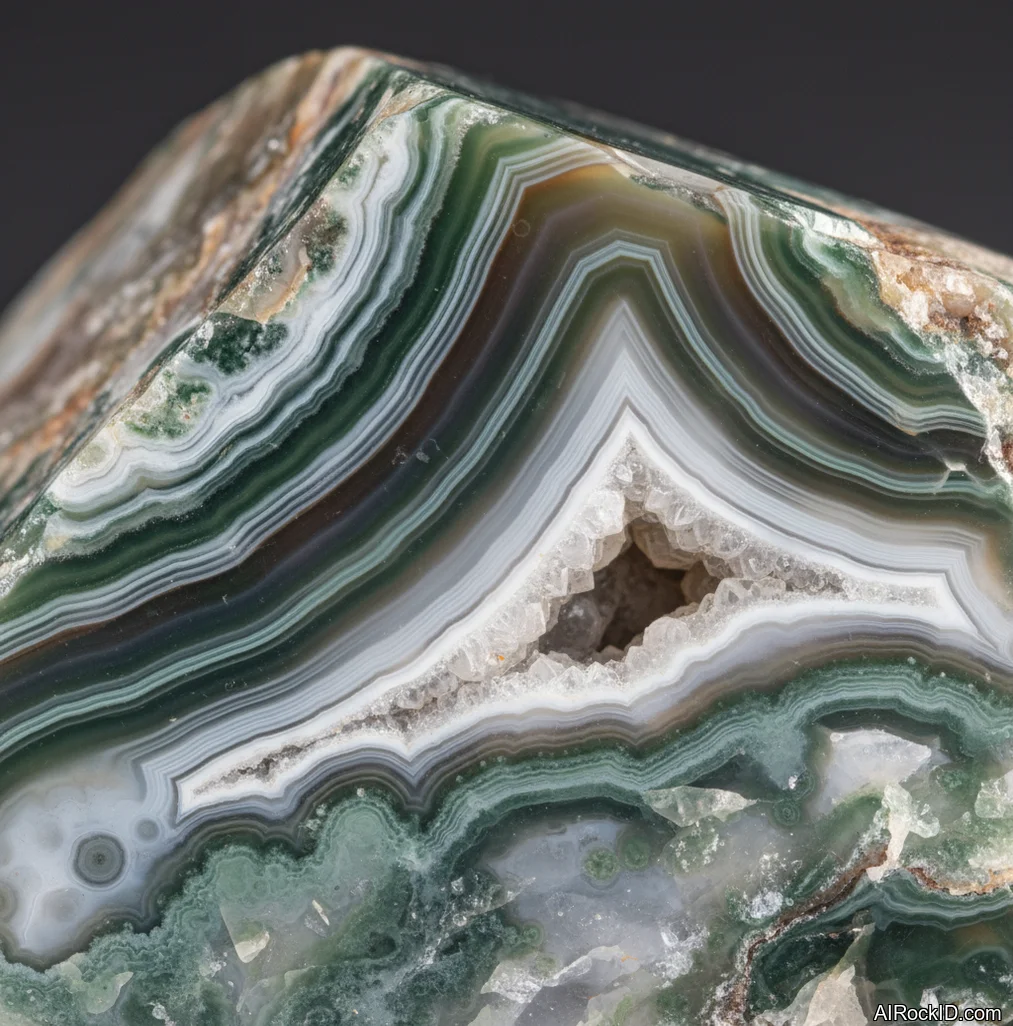
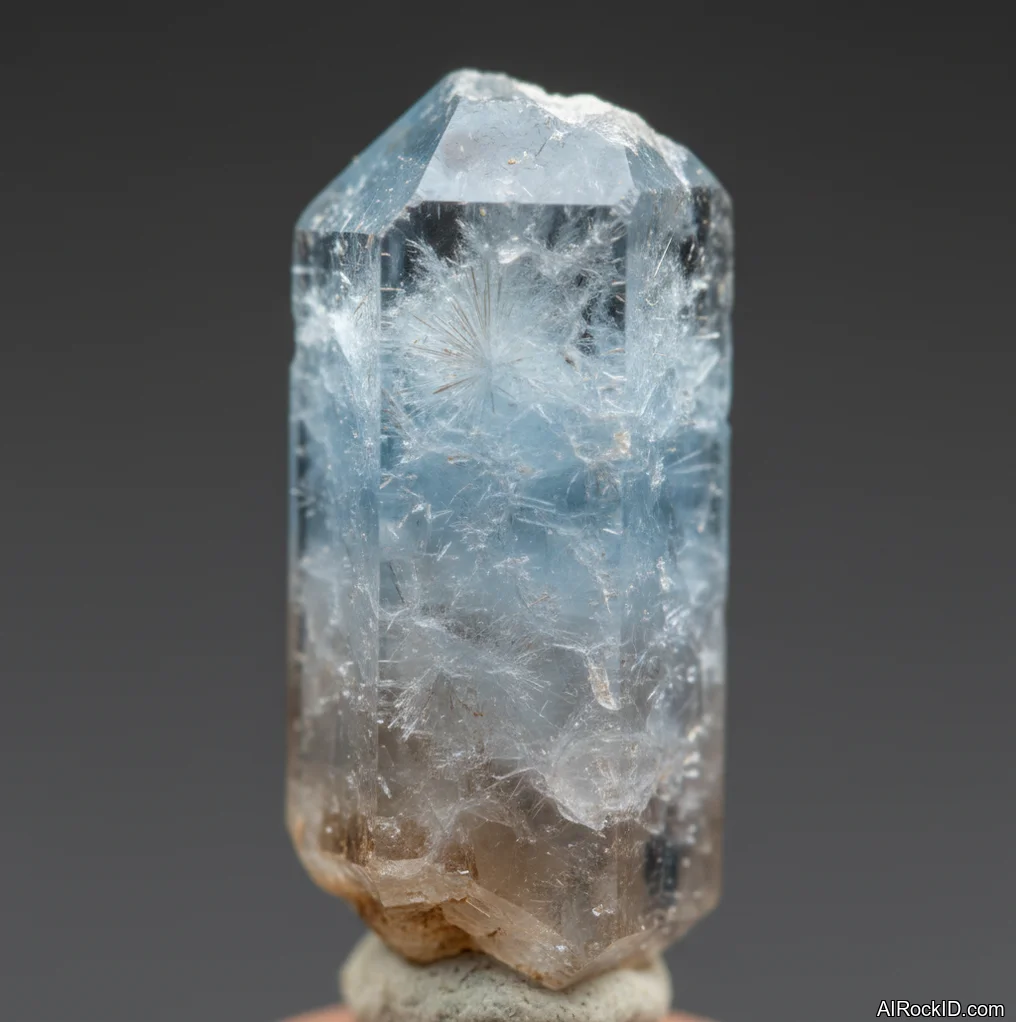
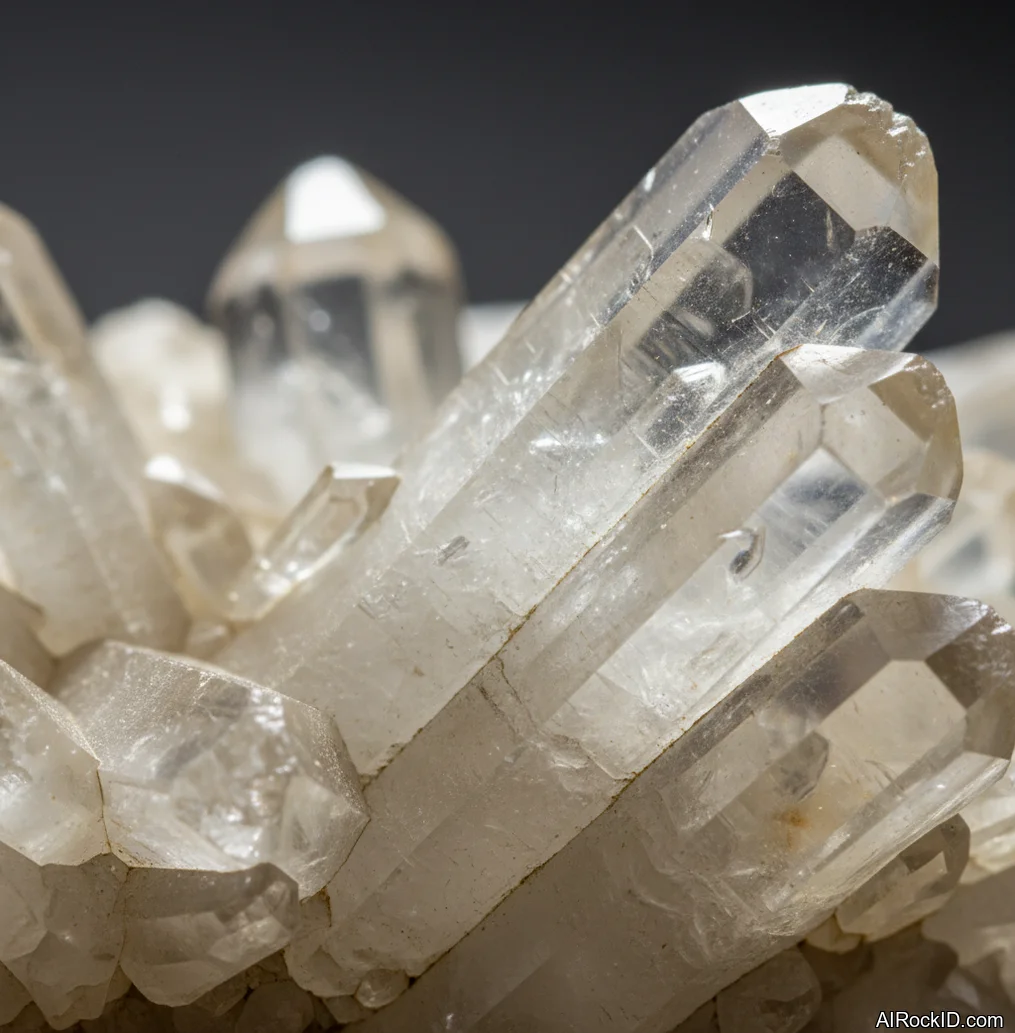
A simple Virgo routine that people actually stick with: one “head” stone, one “body” stone, one “voice” stone. Head can be Fluorite or Clear Quartz if you like simplicity. Body can be Smoky Quartz, Hematite, or Black Tourmaline. Voice is Amazonite, Blue Lace Agate, or Aquamarine, especially if you clamp down on what you really want to say. Keep them small. If you can’t comfortably hold it during a phone call or while journaling, it’s going to live in a drawer. That’s just how it goes.
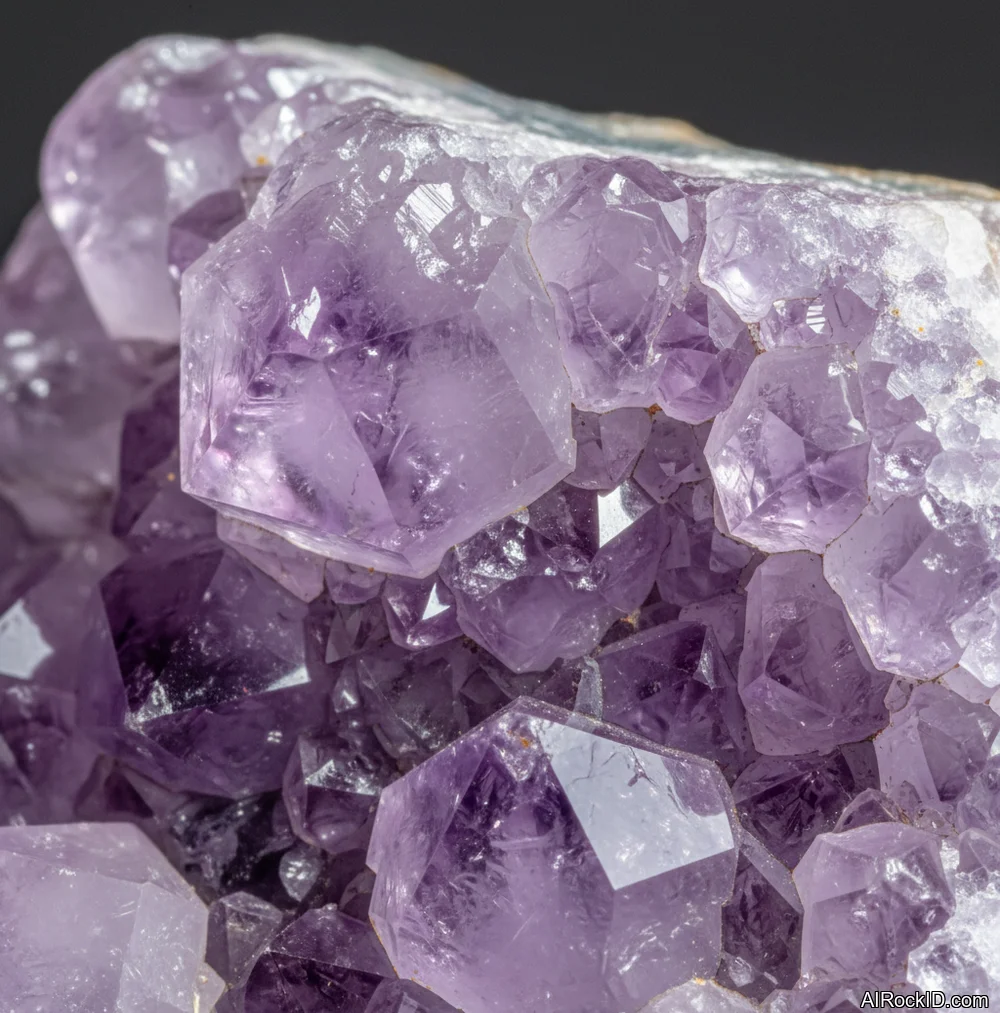
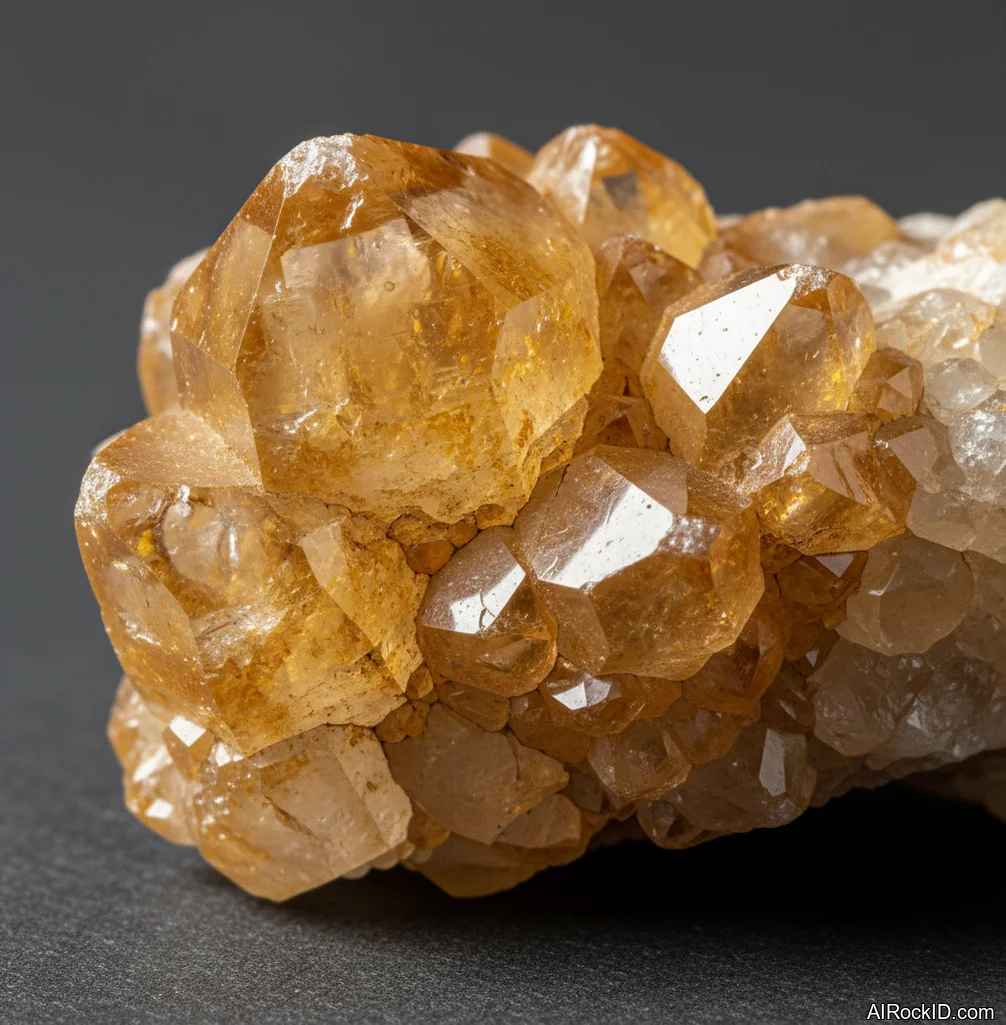
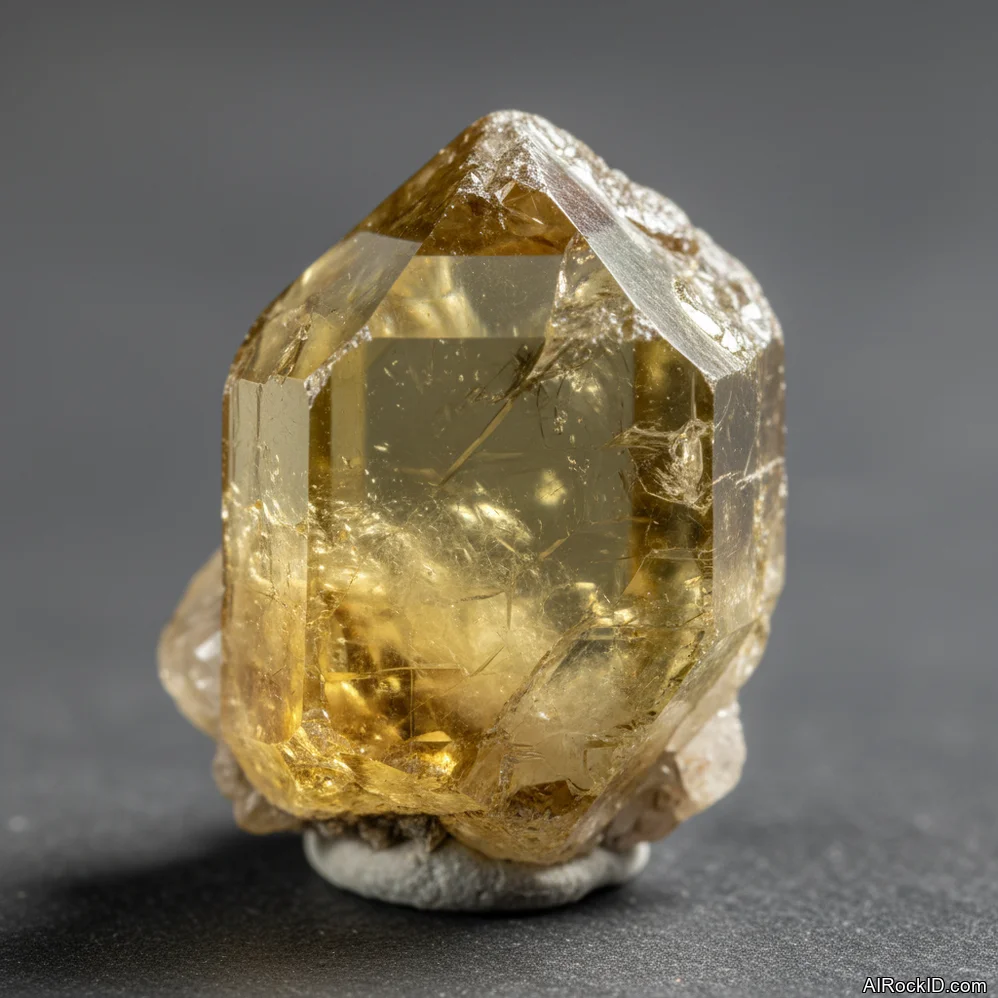
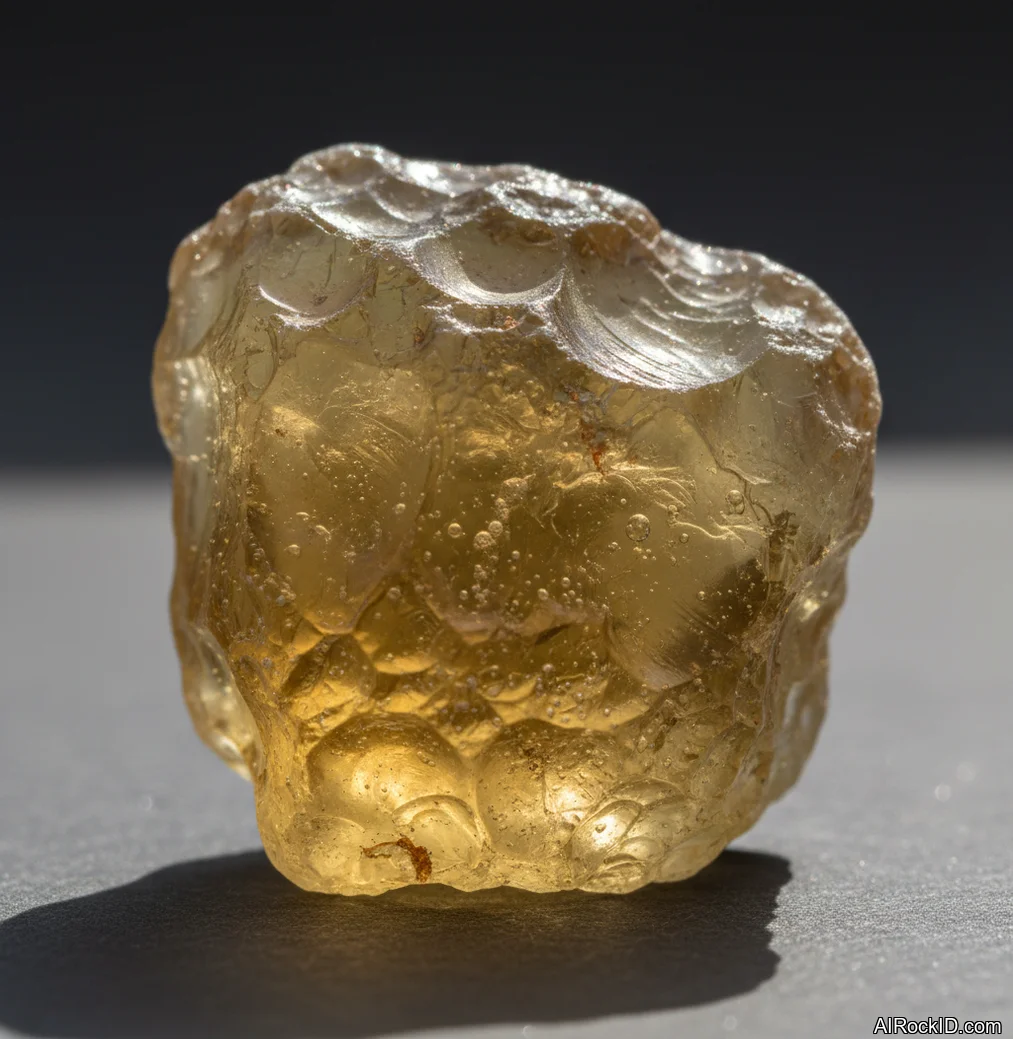
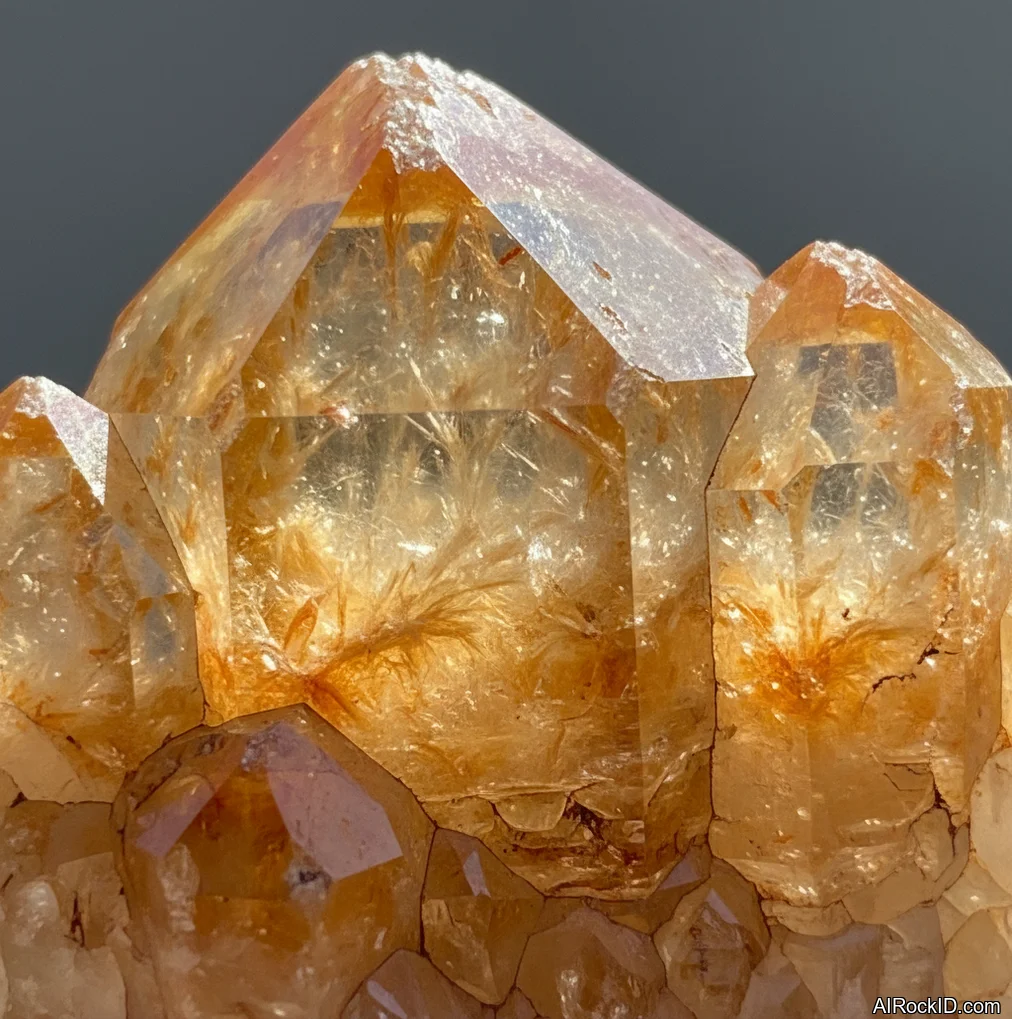
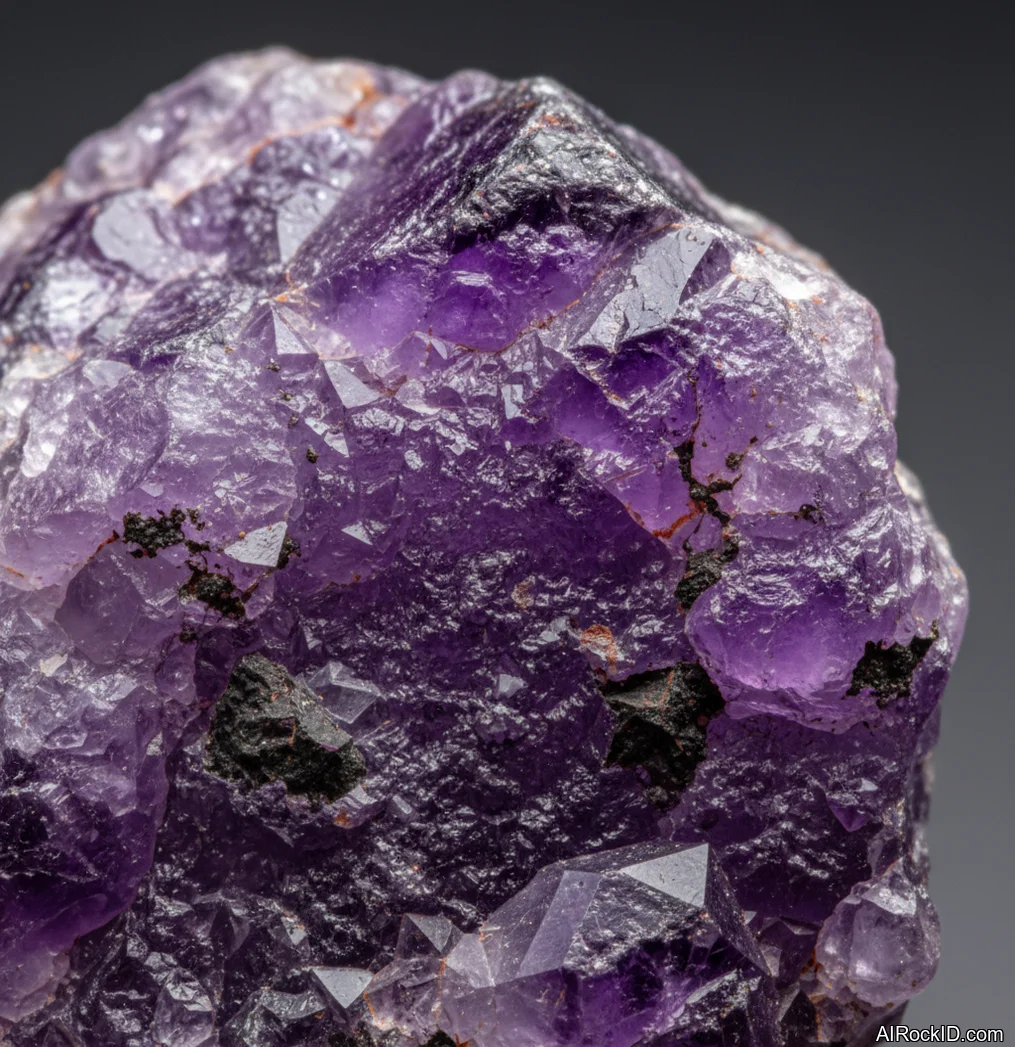
Buying tips matter because the Virgo category is full of stones that get faked or mislabeled. Citrine is the big trap. Most “citrine” points in bins are heat-treated amethyst, and the giveaway is that burnt orange color sitting in the tips with a white base, like a toasted marshmallow. Natural citrine is usually a softer, champagne yellow and often shows smoky tones. If you’re shopping for Fluorite, check edges and corners. Fluorite is soft for a crystal, and chips easily. A few tiny dings are normal, but big crushed corners mean it’s been knocked around.
Look closely at polish quality too. Virgo folks tend to notice flaws, so pick pieces you won’t obsess over later. On Amazonite and Moonstone, a good polish should have an even sheen without those dull “orange peel” patches. With Moonstone, the flash is the real test. Rotate it slowly under a single light and see if the adularescence moves like a sheet across the stone. If it’s just a dead white glare, it’s probably low grade. Look, your eyes will tell you.
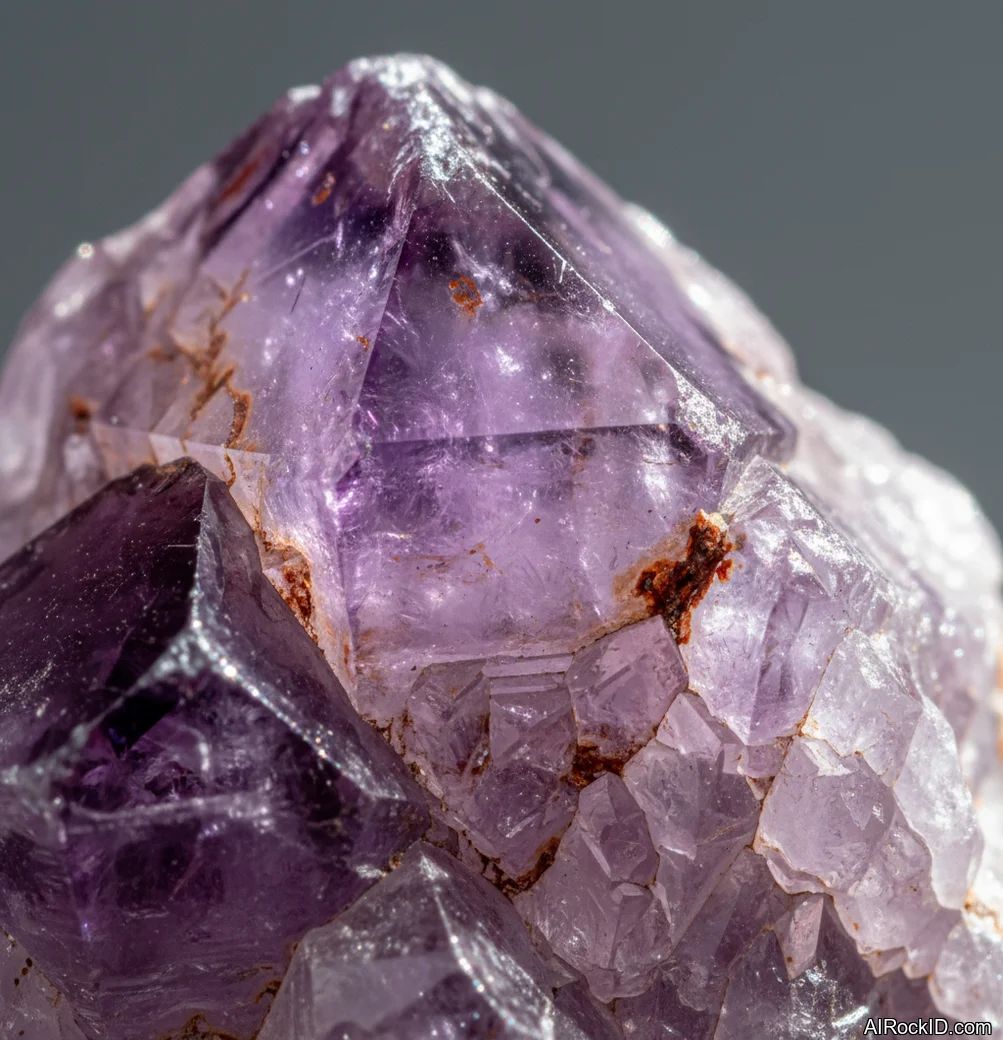
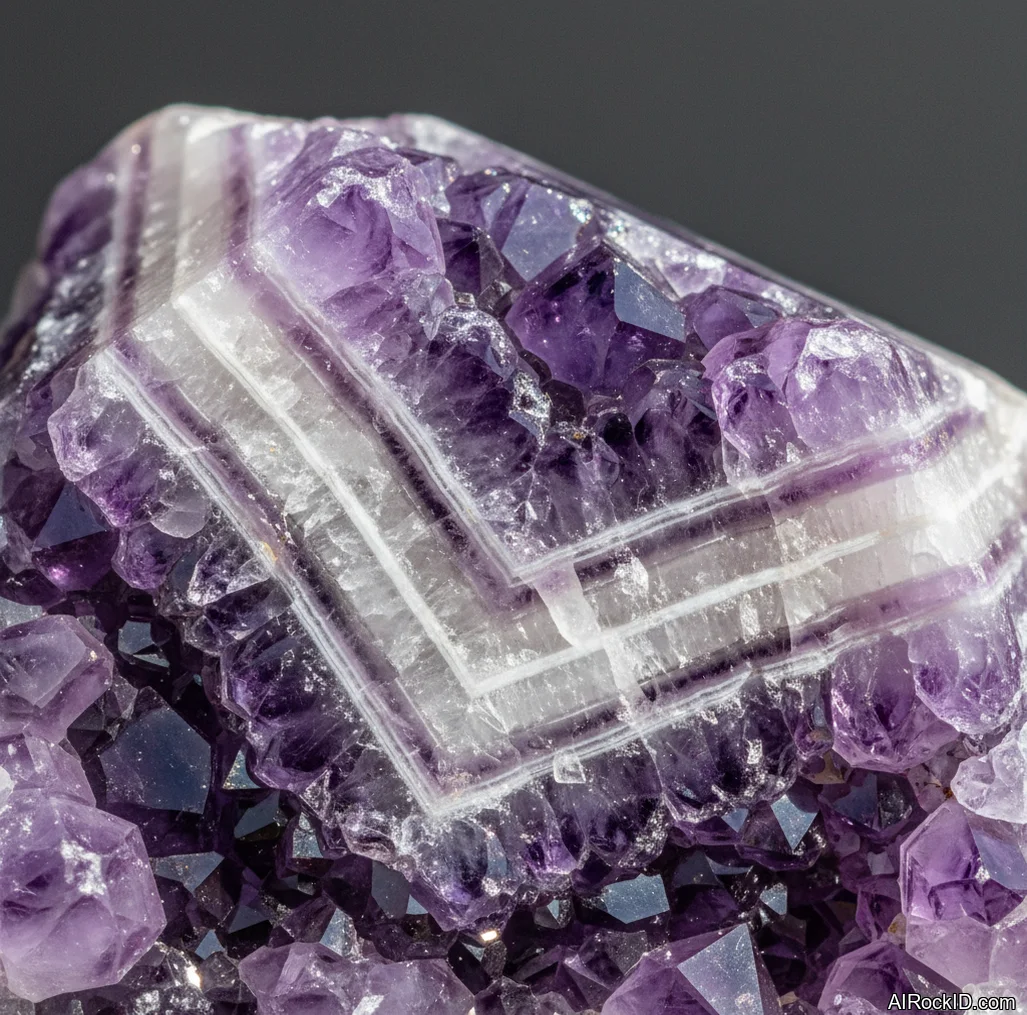
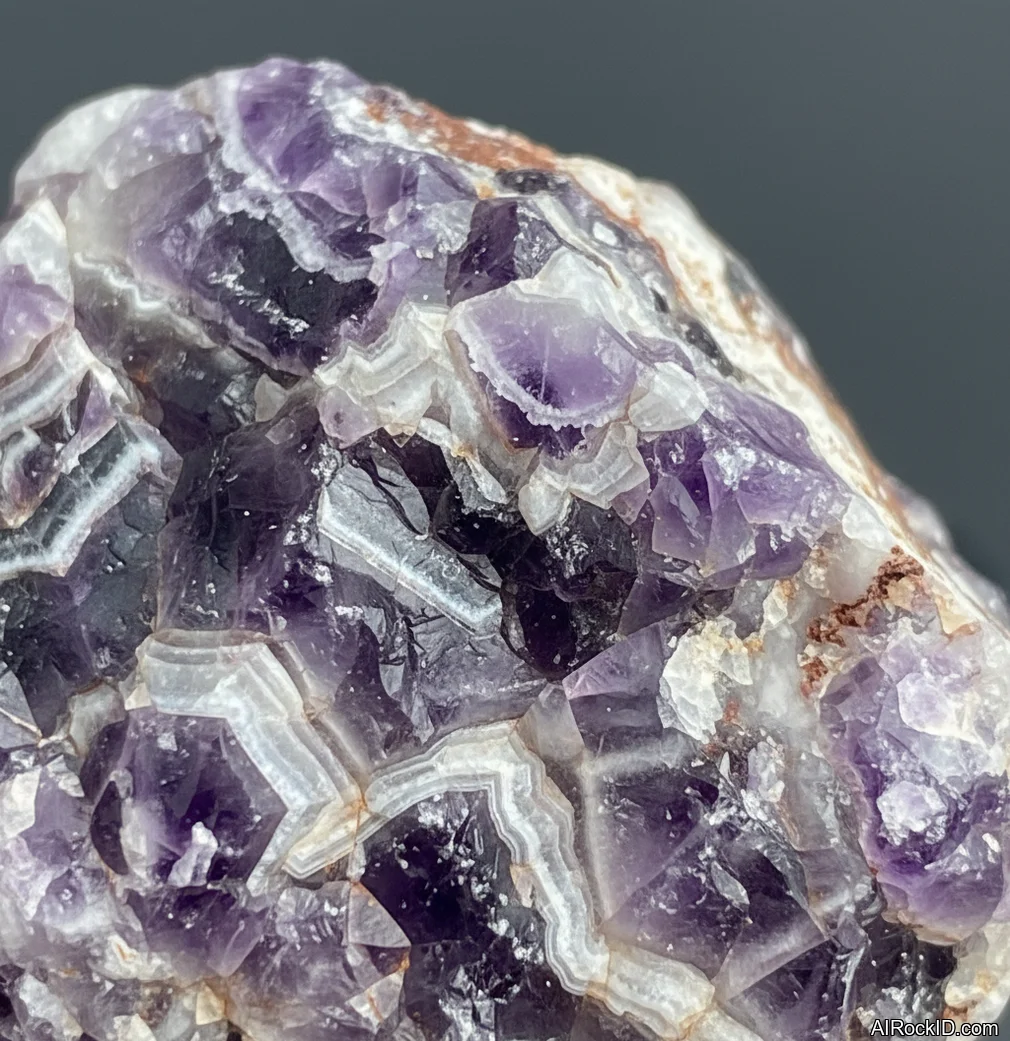
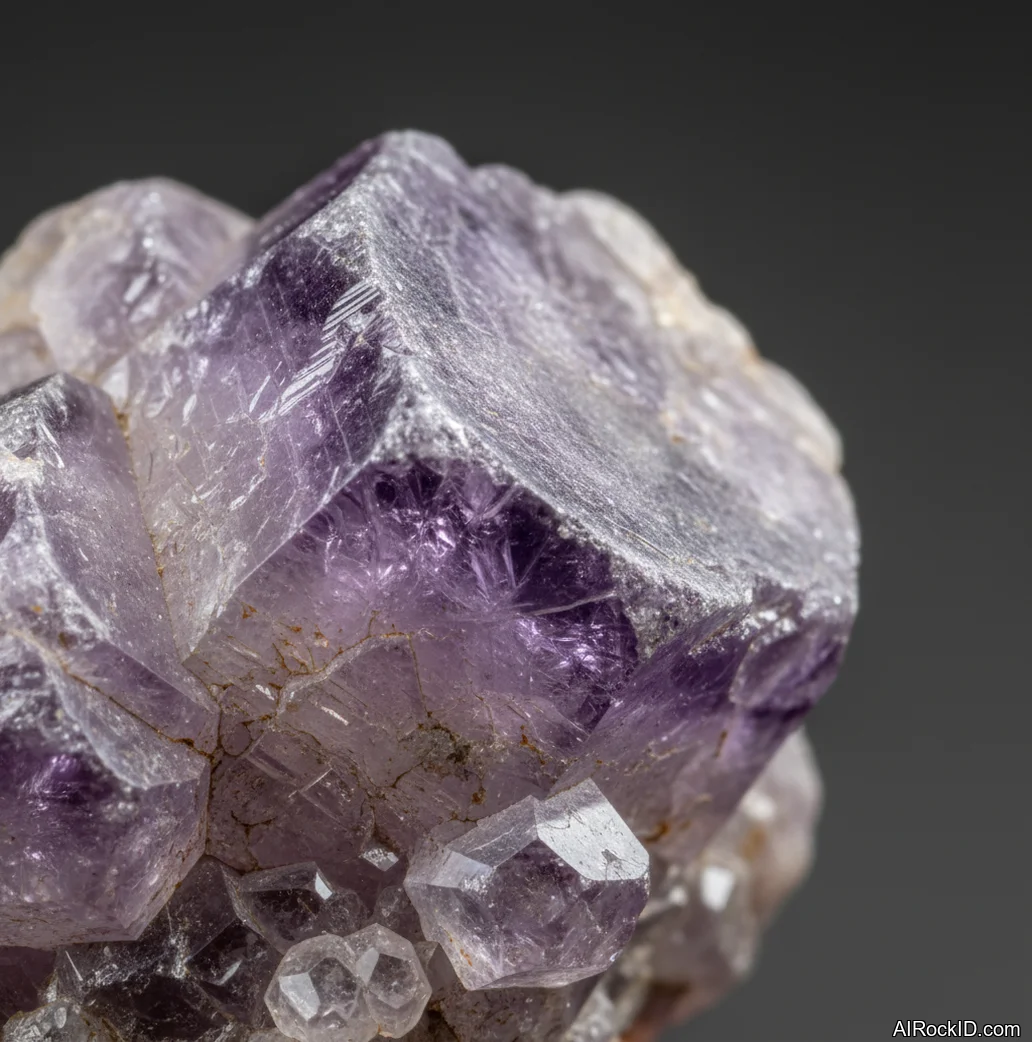
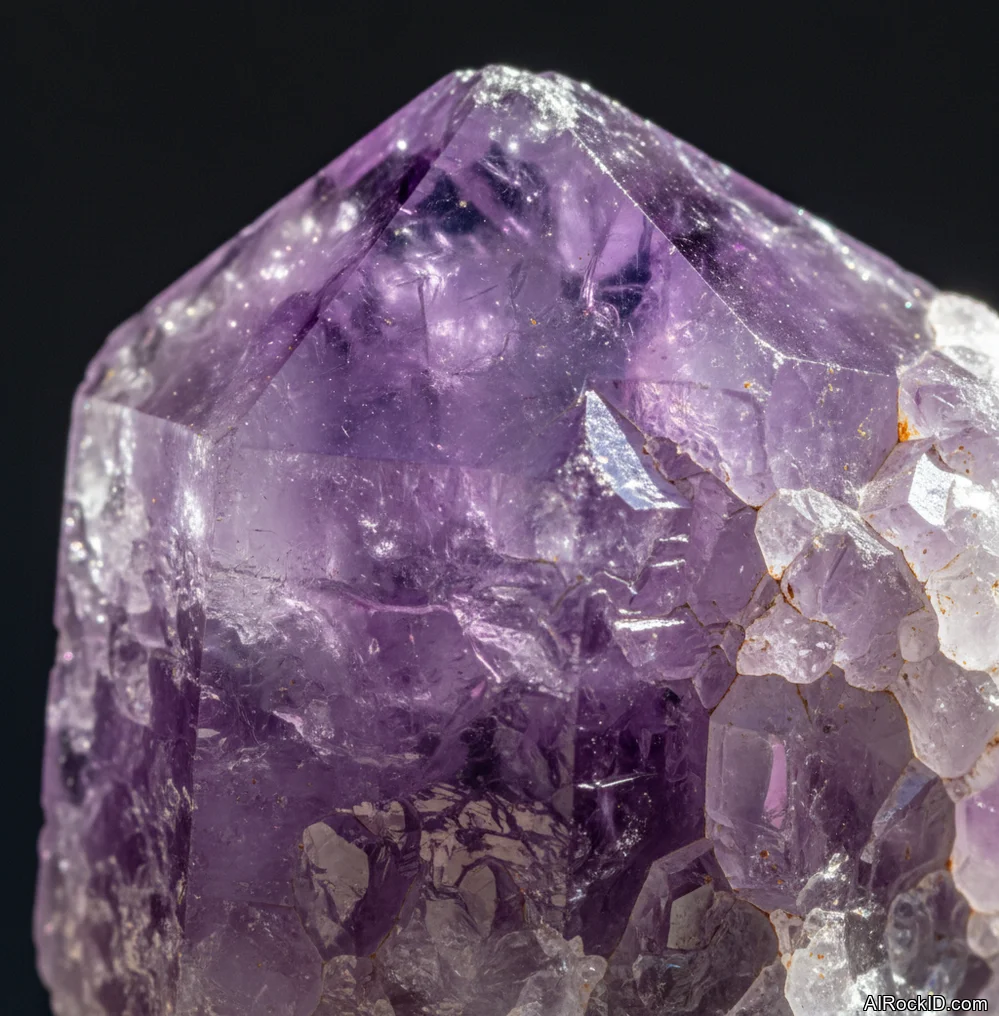
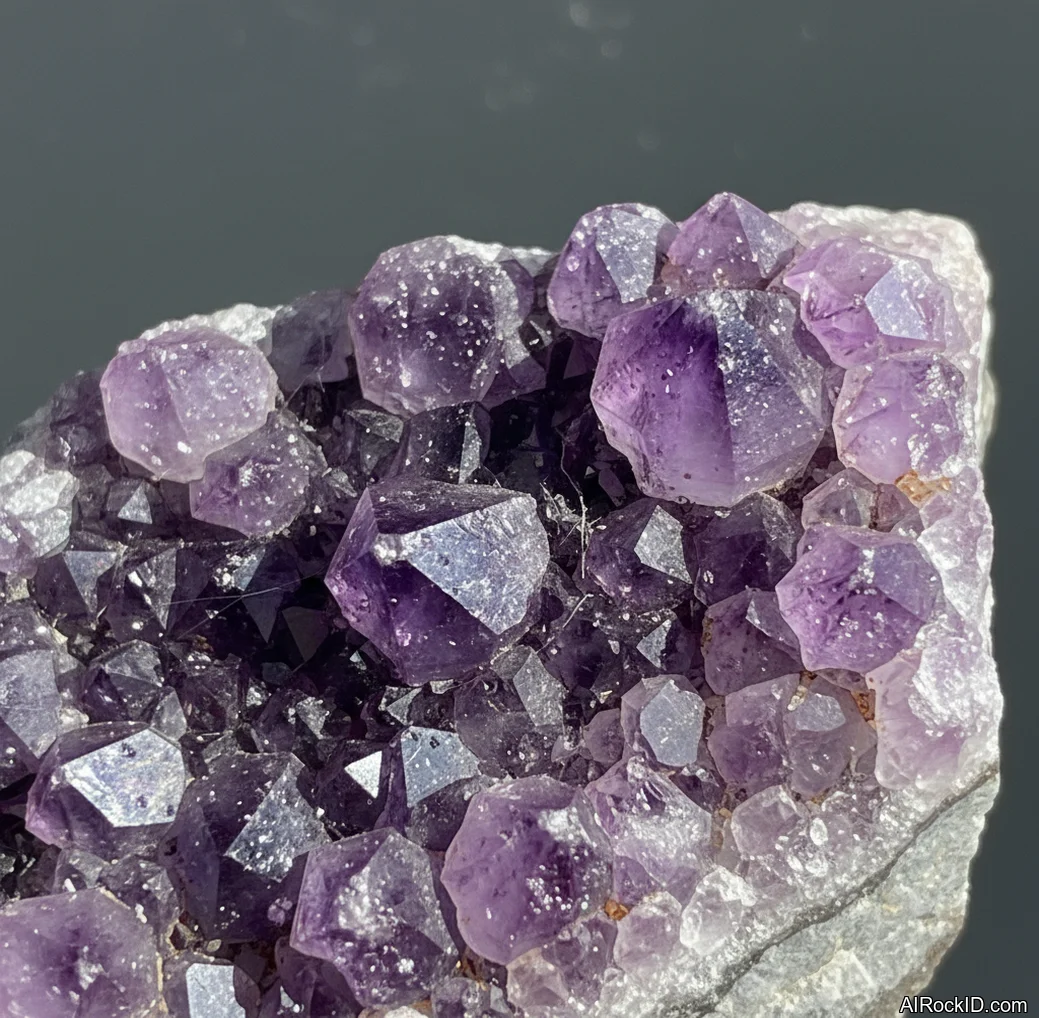
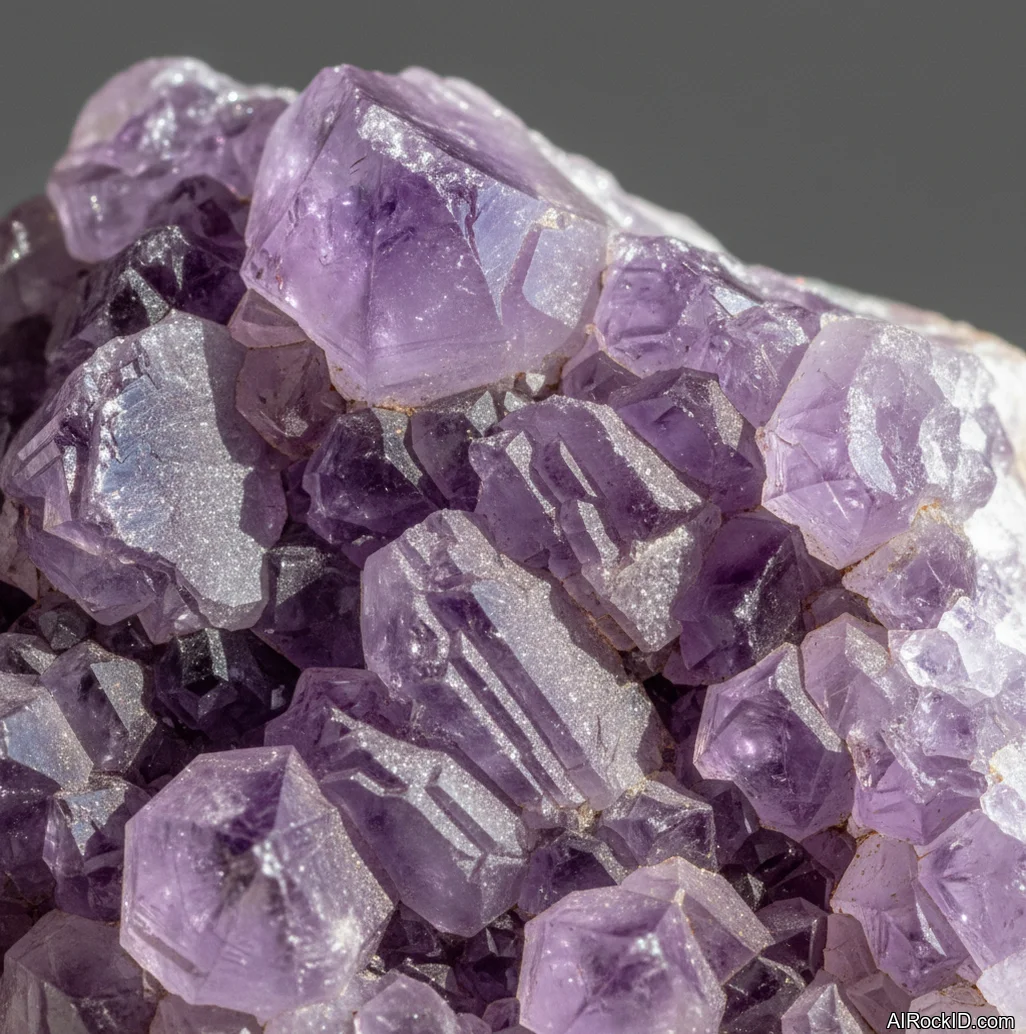
One more practical thing: don’t leave certain Virgo favorites in the sun. Fluorite can fade. Amethyst can fade too, and I’ve watched a nice purple point go washed-out after a summer on a windowsill. Keep display pieces out of direct light if you care about color. And if you’re carrying stones daily, rinse them after sweaty days. Salt and skin oils dull polish over time, especially on softer materials like Fluorite and Lepidolite.
Virgo crystals work best when you treat them like tools you actually use. Rotate them. Retire the ones that feel wrong for the week. If you want the simplest starting point, grab a Fluorite cube for your workspace, a Smoky Quartz or Hematite for grounding, and an Amazonite palm stone for calmer communication. Keep it real, keep it practical, and don’t overbuy just because the list says Virgo has 217 options.
All Virgo Crystals (217)