How to Cleanse Crystals
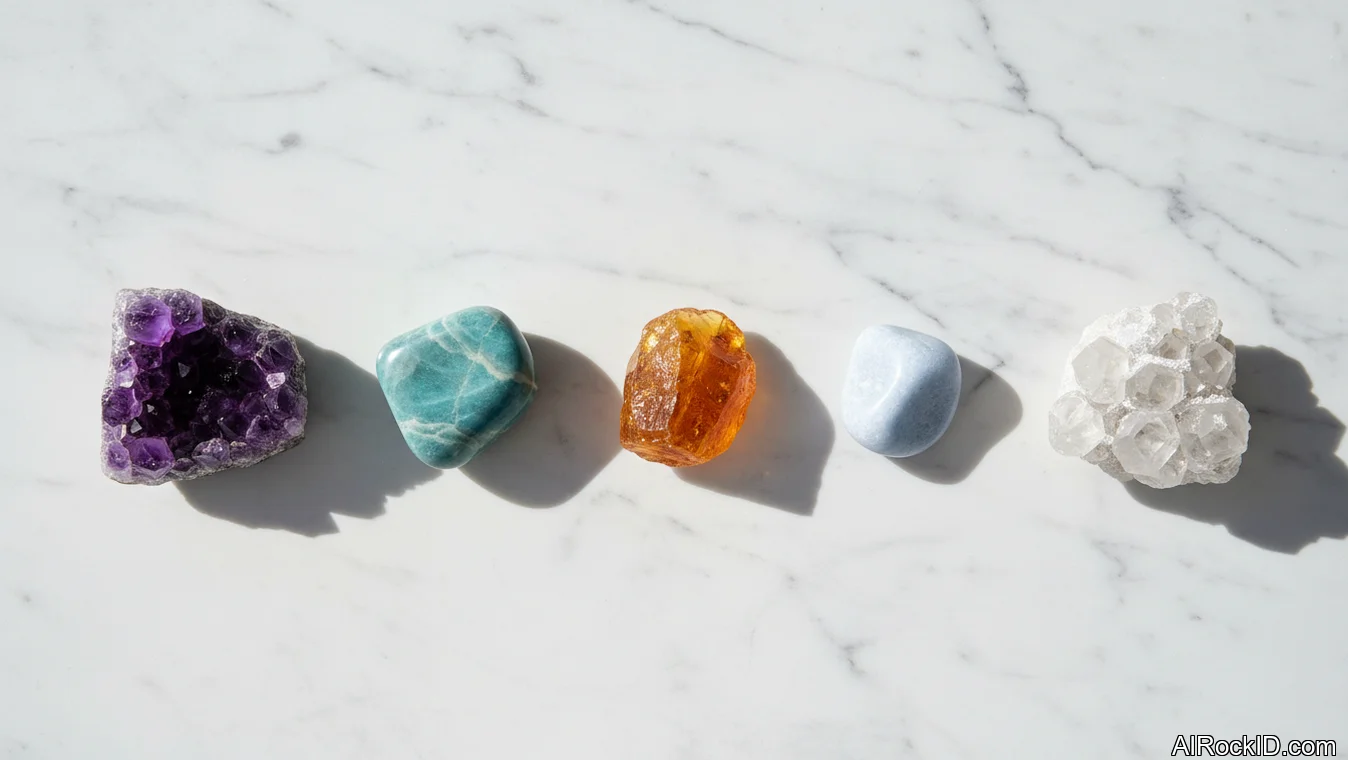
- Introduction
- Recommended Crystals
- Pick the cleansing method based on hardness, porosity, and coatings
- Water, salt, and why soaking is usually the wrong move
- Smoke and sound: the low-risk cleanses that work for almost everything
- Moonlight, sunlight, and the boring truth about “charging”
- How to Use These Crystals
- Common Mistakes
- FAQ
Cleanse crystals by getting rid of the gunk that builds up and by resetting how you work with them, using a method that won’t wreck the stone. Most of the time, that means a quick rinse, a dry wipe, smoke, or sound. Not dunking everything in salt water and calling it good.
If you’ve handled crystals for any length of time, you already know they pick up more than fingerprints. Grab a piece you’ve carried in a pocket for a week and you’ll notice it right away: it’s warmer, a little slick, and it even has that faint fabric softener or skin-oil smell. That’s the physical side.
Thing is, the practice side is way simpler than people make it. I treat cleansing like clearing your workbench before you start a project. No big drama. Just consistency.
And here’s what beginners don’t hear enough: the “best” cleansing method depends on the mineral. Selenite scratches if you look at it wrong. Malachite doesn’t love water. Aura-coated pieces can get cloudy if you scrub them. I’ve watched a beautiful calcite go from glassy to chalky because someone left it soaking while they ate dinner (seriously). So let’s keep it grounded. Clean it. Reset it. Don’t ruin it.
Recommended Crystals
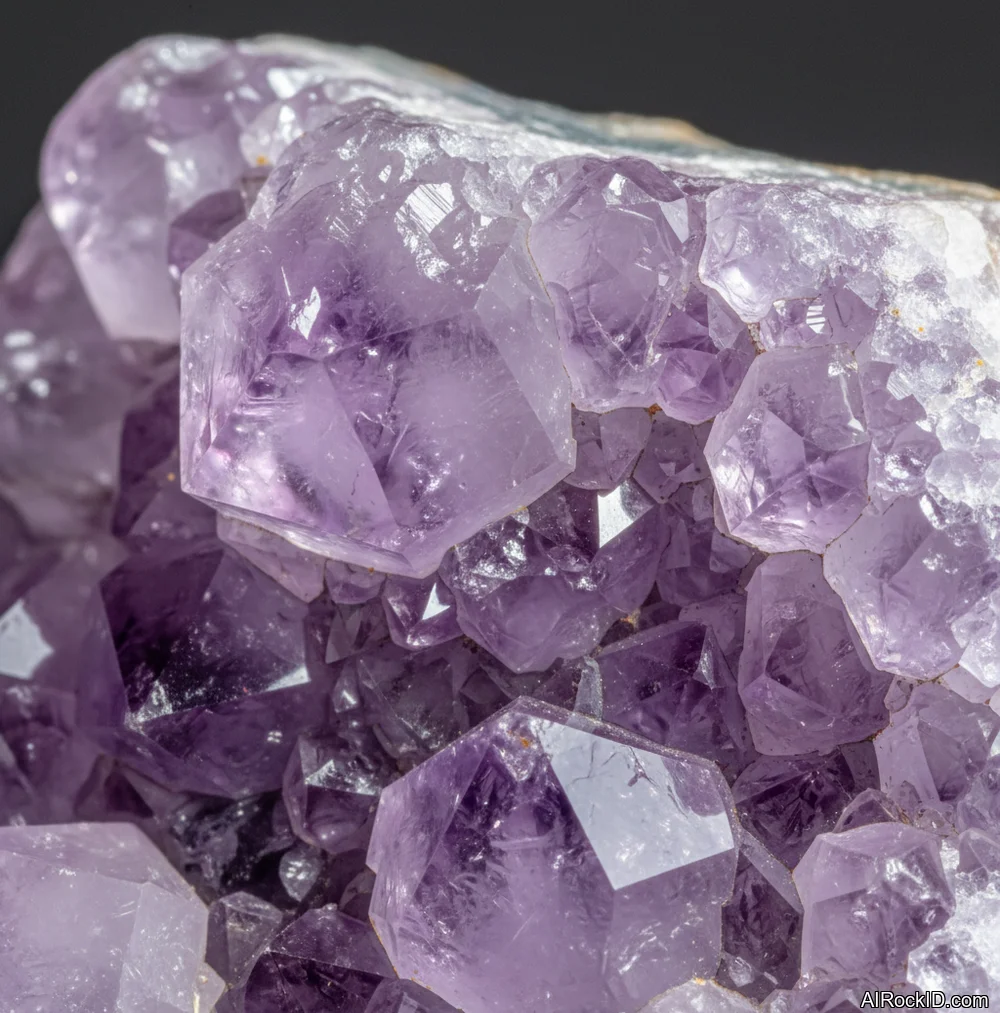
Amethyst
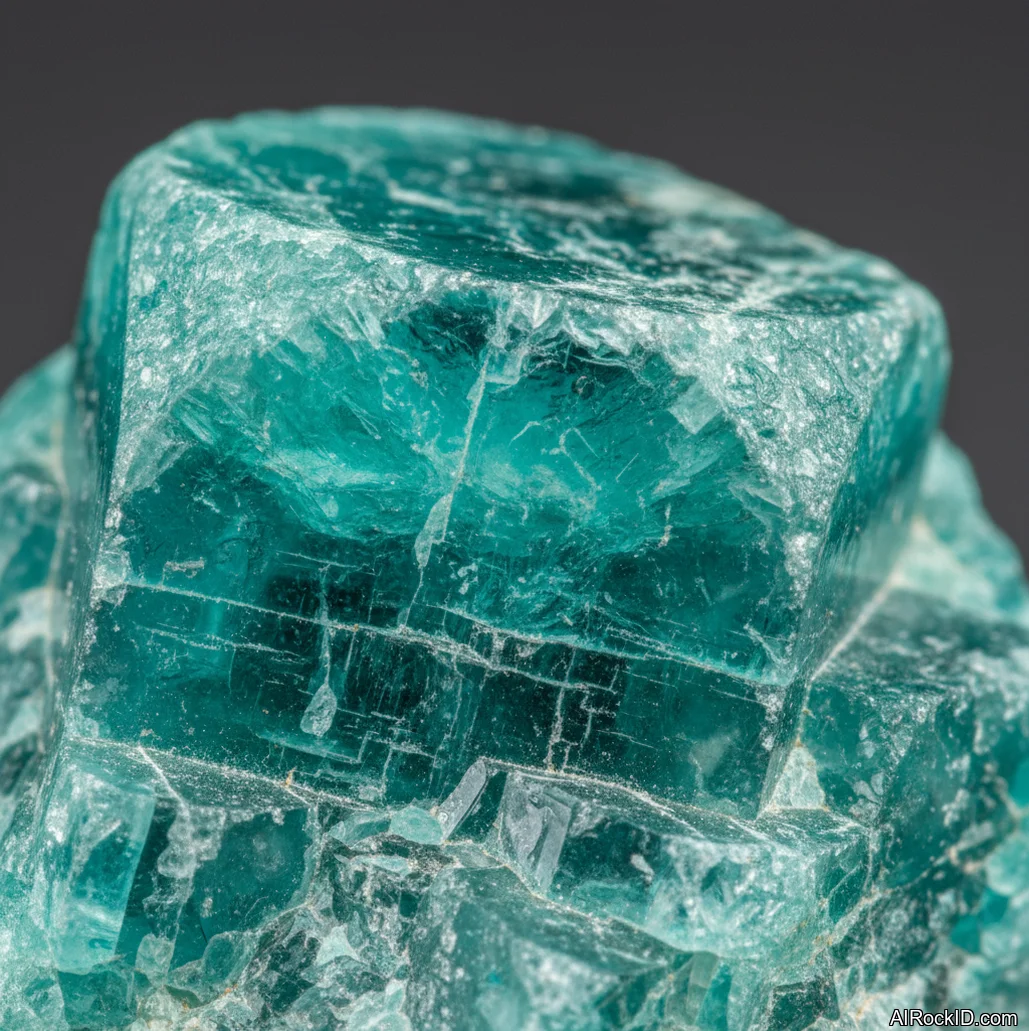
Amazonite
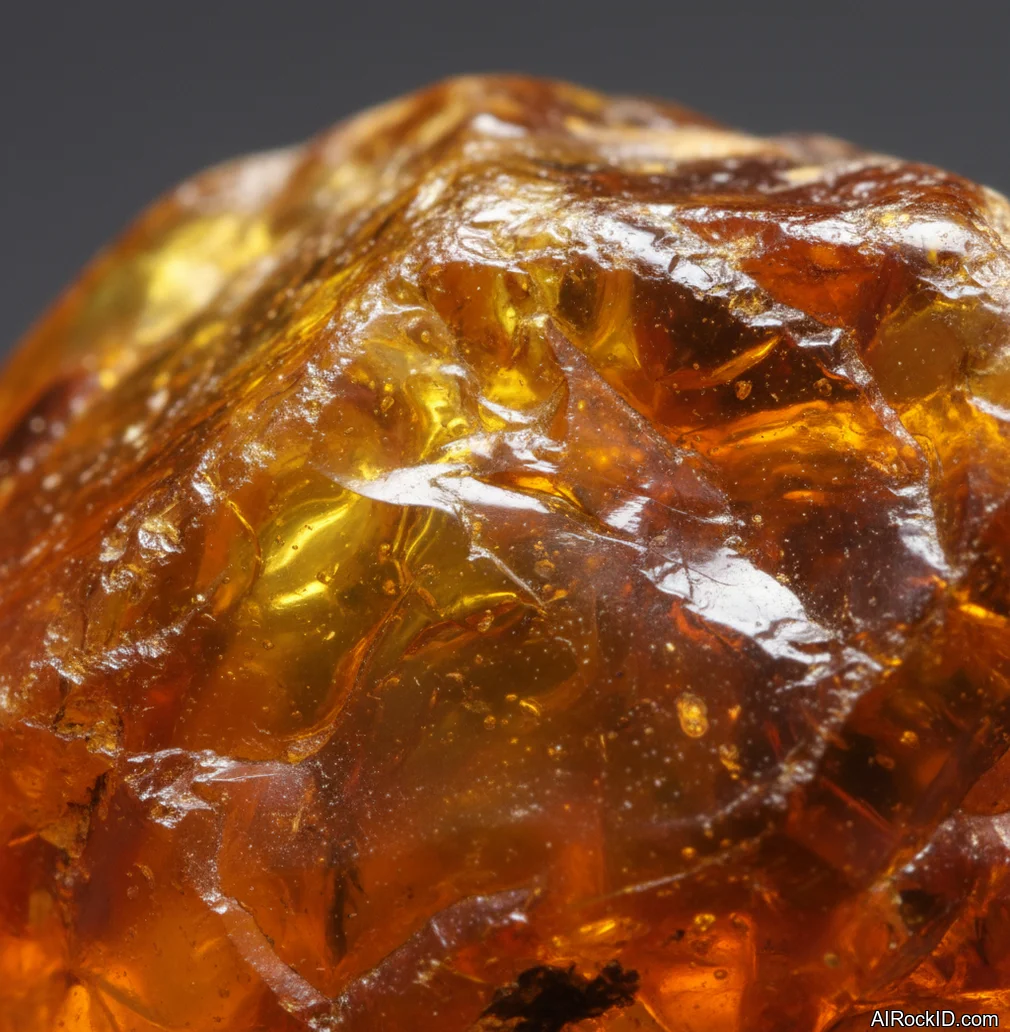
Amber
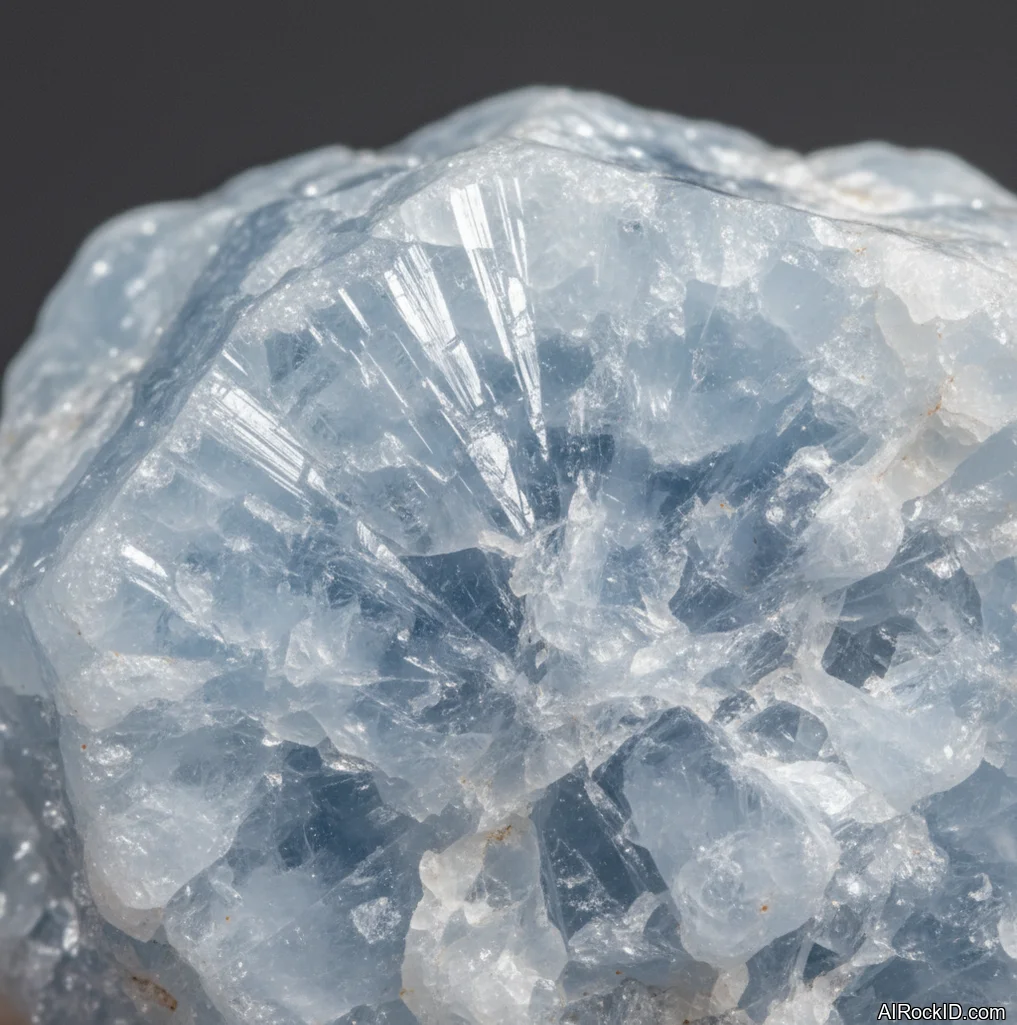
Angelite
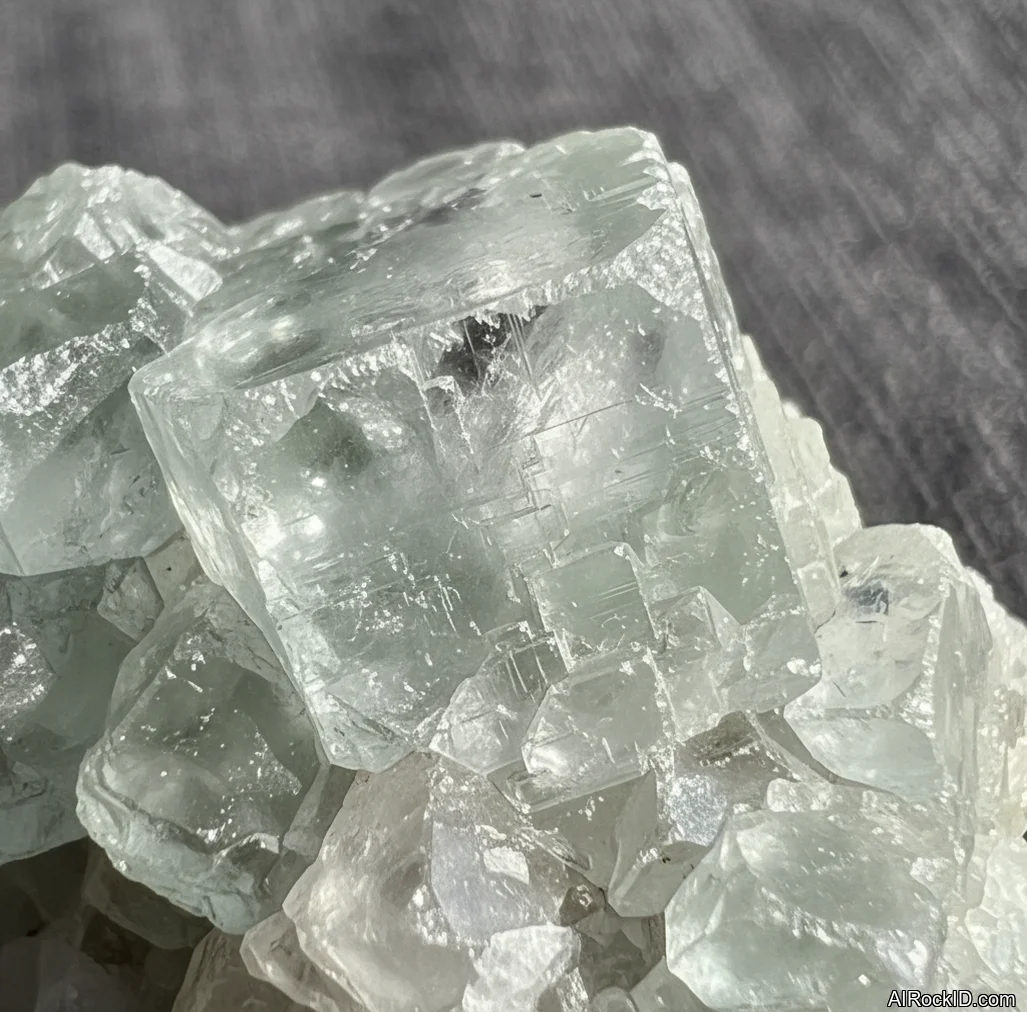
Apophyllite
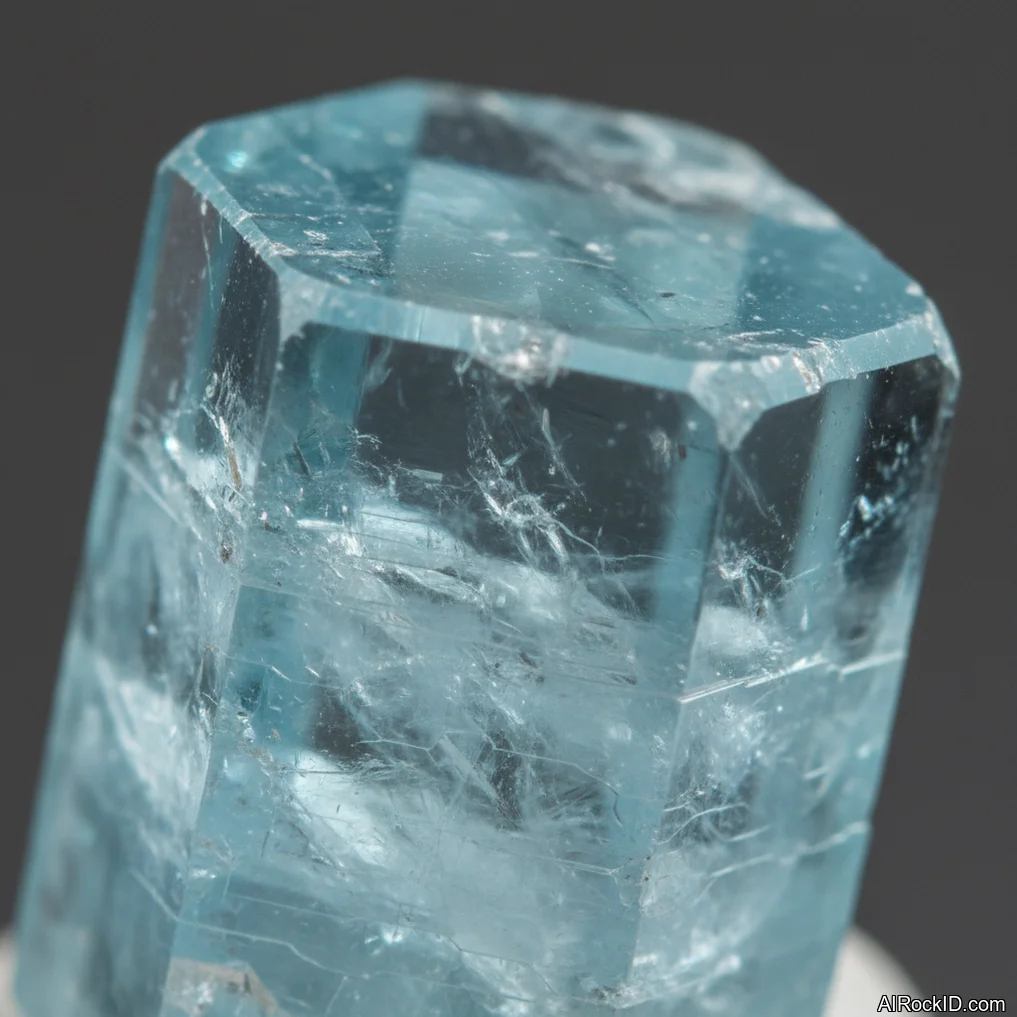
Aquamarine
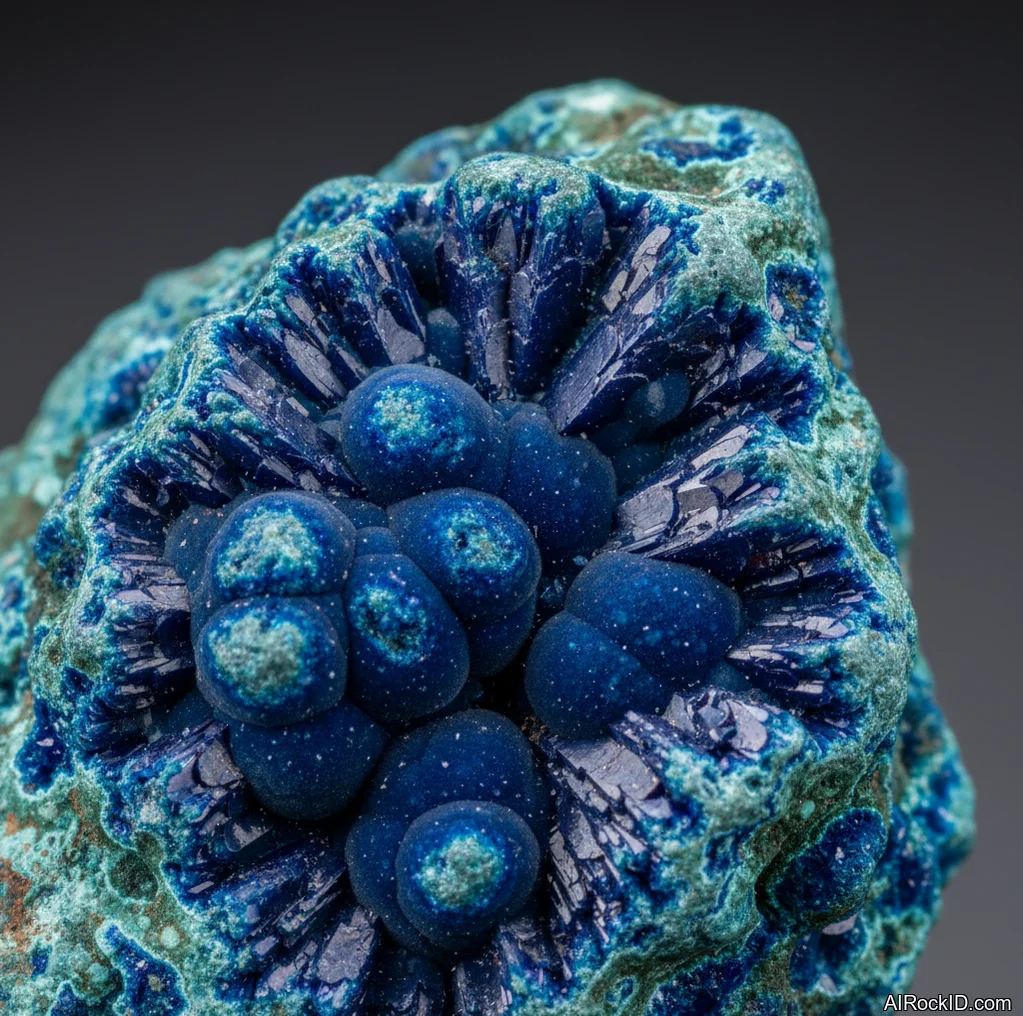
Azurite
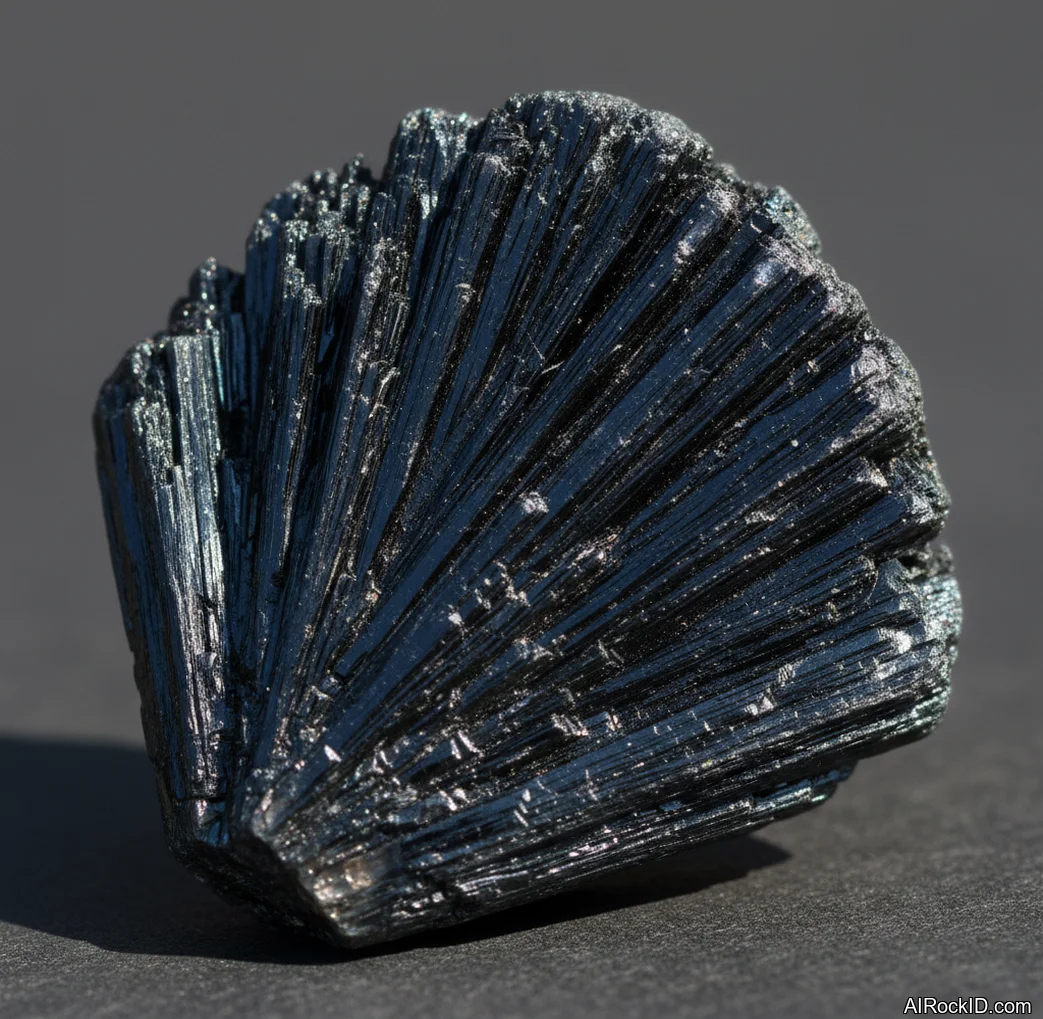
Black Kyanite
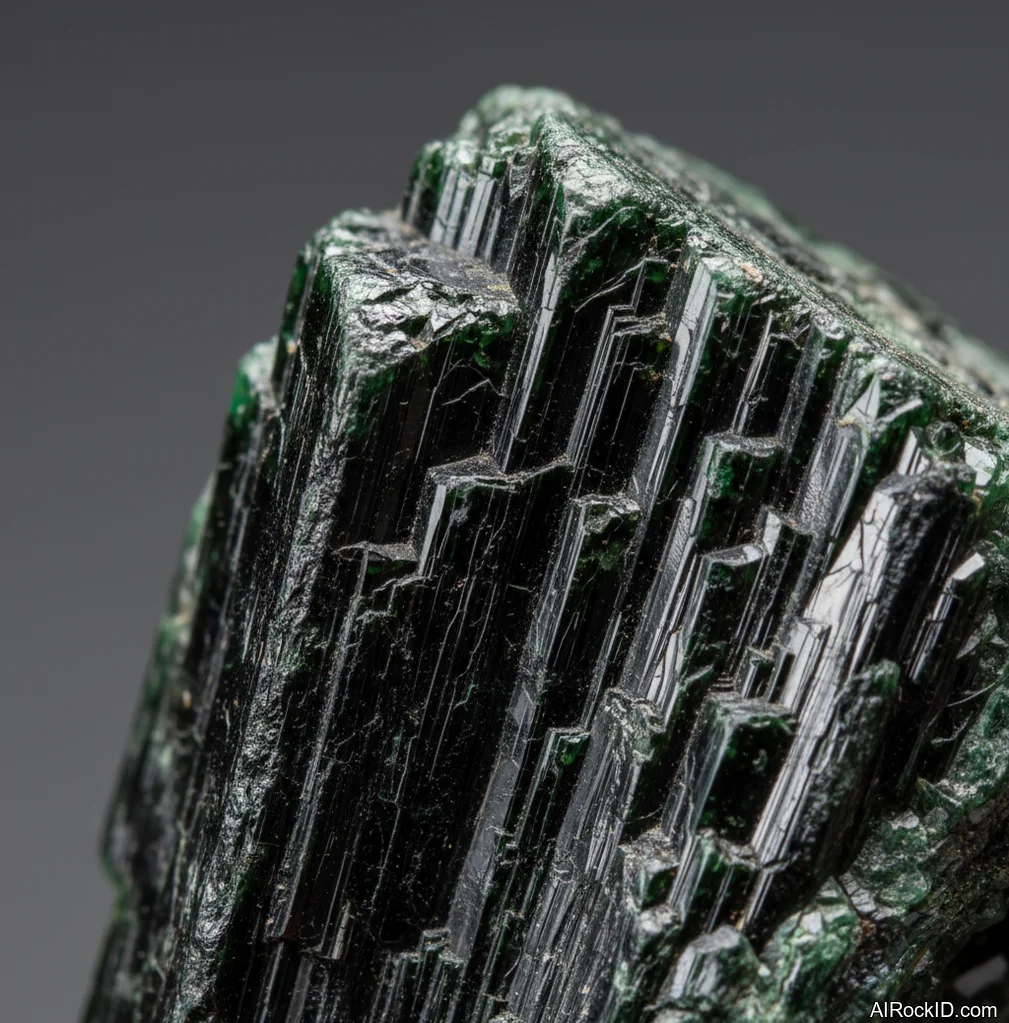
Black Tourmaline (Aegirine alternative not included; using list-only slugs)
Pick the cleansing method based on hardness, porosity, and coatings
Start with what your hands can tell you. If a stone feels waxy or kind of chalky, handle it like it can’t stand water. If it’s glassy and hard, you’ve got more wiggle room, but you still don’t want to rub grit into the surface and leave those tiny scratchy lines you only notice when the light hits just right.
Mohs hardness helps, sure. But it’s not the whole story. Angelite and selenite type materials can get messed up by water even if you’re “just rinsing” for a second. Apophyllite is hard enough to take a quick rinse, but clusters chip like crazy, so the risk is mechanical, not chemical (drop it in the sink once and you’ll remember). And anything with a coating, like aura quartz (not on our list here, but you’ll see it in shops), can turn hazy if you scrub it with salt or anything abrasive. Why gamble?
Here’s the simple rule I use at the shop: if I wouldn’t wash it with a toothbrush, I don’t soak it. Smoke and sound are the safest universal methods. Water works for a lot of stones, but only if you dry them well, and only if you’re not dealing with something porous, soft, or dyed.
Water, salt, and why soaking is usually the wrong move
Running water’s a tool. Not some ritual you’ve got to do to every crystal, every time. A quick rinse knocks off the obvious stuff like sweat, lotion, or that fine dust that clings after it’s been sitting on a shelf. But soaking is where things go sideways. Leave a stone sitting in a bowl and, yeah, you’re basically asking tiny micro-cracks to hang onto moisture, especially if the piece already has natural fractures.
Salt gets even touchier. Those sharp little salt grains can scratch softer minerals, and salt water loves sneaking into pits and crevices, then drying into this crunchy crust that’s a pain to get off without scrubbing (and scrubbing is usually what you’re trying to avoid, right?). I’ve pulled tumbled stones out of “salt cleanses” and they had this dull, cloudy film on them that never fully buffs out, no matter how much you rub. Copper minerals like azurite and malachite are the classic victims.
So if you really like the salt concept, keep it indirect. Put the salt in a bowl, set a smaller dish on top, and rest the stone in the dry dish so it never actually touches the salt.
Smoke and sound: the low-risk cleanses that work for almost everything
Smoke cleansing sticks around because it’s easy, and it doesn’t mess with the surface. Grab a cluster like apophyllite and you’ll feel it immediately, those sharp little points snag on everything. You can’t really “wipe” between them without snapping something. Smoke just slides into all those tiny gaps.
Use whatever clean smoke you can actually stand. Incense, rosemary, cedar, sage, even a plain candle if that’s what’s on hand. Thing is, it’s about exposure and intention, not turning your room into a haze you can’t breathe through. I usually do 20 to 30 seconds, rotate the piece in my fingers, and call it done.
Sound is the other option people sleep on. A bell works. So does a singing bowl. Even a steady clap right near a small group of stones. Ever seen dust hop around on a speaker? Same basic idea. And it’s especially handy for soft stones like angelite that you really don’t want to wet. At all.
Moonlight, sunlight, and the boring truth about “charging”
Moonlight’s pretty gentle, which is why people are into it. But there’s a practical catch: if you’re in a humid place, leaving stones out overnight can leave a slick film of condensation on them by morning, and that’s bad news for softer or porous pieces.
Sunlight is trickier. Some stones fade, full stop. Amethyst is the classic example, and you can actually see it if you compare one that’s sat in a window to another that’s been kept in a drawer for a year. Aquamarine usually takes light better, but I still don’t do long sun baths for anything pale, dyed, heat-treated, or just a little questionable, because the color can shift.
So if you want something simple, go with moonlight for a few hours, then bring them in before that pre-dawn moisture settles in. Or skip the whole outside setup and put them on a shelf where they get bright, indirect light. Consistency beats theatrics.
How to Use These Crystals for How to Cleanse Crystals
Here’s a routine that won’t trash your collection.
First, split your stones into two piles: “water-safe” and “water-nope.” Water-safe means harder, less porous stuff like aquamarine and most quartz varieties. Water-nope is anything soft or reactive like angelite, azurite, plus anything resinous like amber (the kind that warms up fast in your hand and can get a little tacky if it’s been sitting in the sun).
Next, do the physical clean before you do any energetic reset. Get the oils and dust off first. I usually start with a wipe-down, then grab a soft brush for clusters and striated crystals, because grime loves to pack itself into those tiny grooves where you can’t see it until you tilt the stone under a light. If you do rinse, keep the water cool, keep it quick, and dry it like you mean it. I blot, then leave it sitting on a towel where air can move around it, and I won’t put it back in a box until it’s fully dry. Still damp? Don’t.
Finally, choose one reset method and just stick with it: smoke for 20 to 30 seconds, sound for 30 to 60 seconds, or a few hours in indirect light. The real test is how you feel when you use the stone afterward. If you’re still distracted, or the stone feels “busy” to you, cleanse again. But don’t jump to harsher methods just because you’re impatient, okay?
Common Mistakes to Avoid
Salt water all over everything is the big one. People see one post and suddenly every stone they own is sitting in brine like a middle school science project. That’s how amber ends up pitted, how the softer blues go chalky, and how clusters start growing that crusty buildup down in the little pockets you can’t even get a fingernail into.
Scrubbing is the other quiet killer. If you’re using an abrasive cloth, gritty salt, or a stiff toothbrush, you’re not “cleansing” anything, you’re sanding it. I’ve literally watched the shine vanish off tumbled stones in a few minutes, like someone wiped the gloss right off the top layer. And look, don’t skip the obvious one: dropping stones in the sink. That hard counter edge will chip feldspar and snap delicate points faster than any “bad energy” ever could. Seriously, it happens in a blink.
And one more thing. Leaving stones in sunlight to “charge” until they fade. Amethyst and some treated materials will absolutely punish you for that, and the color shift isn’t subtle once you notice it. If you want light, stick to bright shade, not a windowsill marathon.
Identify Any Crystal Instantly
Snap a photo and get properties, value, care instructions, and healing meanings in seconds.